







Comprender los Valores ORAC: Niveles de Antioxidantes en los Alimentos
Cuando tu principal fuente de antioxidantes es el café, sabes que tienes un grave problema.
Milos Pokimica
Escrito por: Milos Pokimica
Revisado Médicamente Por: Dr. Xiùying Wáng, M.D.
Actualizado el 7 de eneroPrincipales Conclusiones:
– ORAC (Capacidad de Absorbancia de Radicales de Oxígeno) es una prueba de laboratorio que mide la capacidad antioxidante de diferentes sustancias. Detecta valores reales de los alimentos con todos los efectos sinérgicos.
– Los mismos alimentos pueden tener valores diferentes según el fabricante, ya que algunos pueden oxidarse más rápido que otros.
– Sólo los alimentos de origen vegetal tienen valores ORAC mensurables. Los alimentos de origen animal casi no tienen antioxidantes en comparación con las plantas.
– No todos los alimentos vegetales son iguales en cuanto a contenido de antioxidantes.
– La ingesta habitual de antioxidantes en la dieta estadounidense es de entre 3000 y 5000 unidades ORAC por día, con una necesidad estimada de 40 000 a 50 000 unidades para una protección adecuada contra el daño de los radicales libres.
– El USDA eliminó la base de datos ORAC para alimentos seleccionados debido a la “evidencia creciente” de que los valores que indican la capacidad antioxidante no tienen relevancia para los efectos de compuestos bioactivos específicos en la salud humana.
– A pesar del apoyo de la comunidad científica a la importancia de los antioxidantes, no se enfatiza en las recomendaciones de salud actuales impulsadas por los médicos.
– El estudio de Carlsen et al. (2010), midieron el valor antioxidante de 3149 alimentos y pueden guiar las decisiones de compra para opciones más saludables.
– Las especias y hierbas son muy ricas en antioxidantes, pero se consumen en pequeñas cantidades.
– Los antioxidantes suplementarios no deben sustituir una dieta saludable y es posible que algunos antioxidantes no estén biodisponibles. Se recomienda consumir una variedad de alimentos ricos en antioxidantes con cada comida para prevenir el estrés oxidativo posterior a las comidas.
– Los valores ORAC no deben considerarse indicadores absolutos o finales de la calidad o cantidad de antioxidantes. Su objetivo es servir como guía o referencia general.
Capacidad de absorción de radicales de oxígeno
Las unidades que miden la capacidad antioxidante de distintas sustancias se denominan ORAC (Ou et al., 2013). ORAC significa Capacidad de absorción de radicales de oxígeno. Es una prueba de laboratorio desarrollada por científicos del Instituto Nacional de Salud y Envejecimiento (NIH).
Las pruebas intentan medir la capacidad antioxidante total de un alimento o suplemento específico o de cualquier sustancia colocando una muestra en un tubo de ensayo, junto con determinadas moléculas que generan actividad de radicales libres y otras moléculas vulnerables a la oxidación.
Al cabo de un tiempo, miden hasta qué punto la muestra protegía a las moléculas vulnerables de la oxidación de los radicales libres. Cuanto menor sea el daño causado por los radicales libres, mayor será la capacidad antioxidante de la sustancia de ensayo.
Con este tipo de pruebas, los investigadores disponen de una forma de medir la capacidad antioxidante total de distintos alimentos integrales en lugar de los niveles de nutrientes específicos. Esto se determinó mediante (Cao et al., 1993), quien descubrió e implementó por primera vez este método, se definió que una unidad ORAC equivale a un microM Trolox. Trolox es un análogo hidrosoluble de la vitamina E.
Dado que existen miles de fitoquímicos diferentes, este método de medición detecta los valores reales que obtendremos de los alimentos con todos los efectos sinérgicos entre los distintos nutrientes. Esta es también una forma de medir diferentes antioxidantes en formas extraídas como la vitamina C o la vitamina E o cualquier otro compuesto antioxidante único en las plantas.. Este método de medición es una buena forma de comparar el poder antioxidante de diferentes alimentos integrales y de sustancias individuales que podemos encontrar en diferentes suplementos.
Yang et al. (2011), el Instituto de Salud y Nutrición de EE.UU. (NHANES) y las bases de datos del Departamento de Agricultura de EE.UU. informaron de que la ingesta de capacidad antioxidante total (CTA) entre los adultos estadounidenses era de 503,1 mmol/día. Las frutas aportaron la mayor parte de los antioxidantes, con un 43,9% de la ingesta, mientras que los suplementos contribuyeron al total, sobre todo la vitamina C, con un 14,3%. Al convertir TAC en Trolox y luego Trolox en ORAC, se estima que la puntuación ORAC de la dieta americana estándar (SAD) oscila entre 2000 y 3000 unidades ORAC. Sin embargo, 503,1 mmol/d de TAC equivalen a 2010 unidades ORAC. Incluso una media de 3000 unidades seguiría siendo una sobreestimación del 30%. Esta cantidad es insuficiente para contrarrestar el aumento oxidativo que sigue al metabolismo postprandial normal, por no hablar de otras fuentes de inflamación y toxicidad.
Resumen:
ORAC mide la capacidad antioxidante de los alimentos y suplementos, y las puntuaciones más altas indican una mayor capacidad para combatir el daño de los radicales libres. Si bien los métodos de medición de la capacidad antioxidante no capturan completamente los efectos de la vida real de los alimentos con interacciones sinérgicas de nutrientes, la ingesta promedio actual de la dieta estadounidense dominada por carne y alimentos procesados no alcanza los niveles potencialmente necesarios, lo que sugiere la necesidad de una mayor ingesta de antioxidantes a través de la dieta o la suplementación. .
Los mismos alimentos pueden tener valores diferentes.
Una cosa que debemos tener en cuenta aquí es que los mismos alimentos pueden tener valores diferentes según el fabricante. Si trituramos, por ejemplo, el grano de cacao para convertirlo en cacao en polvo, ya no hay capa exterior protectora que impida su oxidación.
Cuanto más tiempo permanezca al aire libre, más se oxidará y más baja será la lectura de ORAC..
Esa es la razón por la que podemos ver una rango de diferentes valores en ORAC busque cacao, canela o cualquier otro elemento que pueda oxidarse, por ejemplo, frijoles que puedan permanecer en un estante durante mucho tiempo sin oxidarse. En cuanto el artículo se expone al aire, comienza la oxidación. Esta es la razón por la que nunca se debe consumir aceite de linaza, por ejemplo.
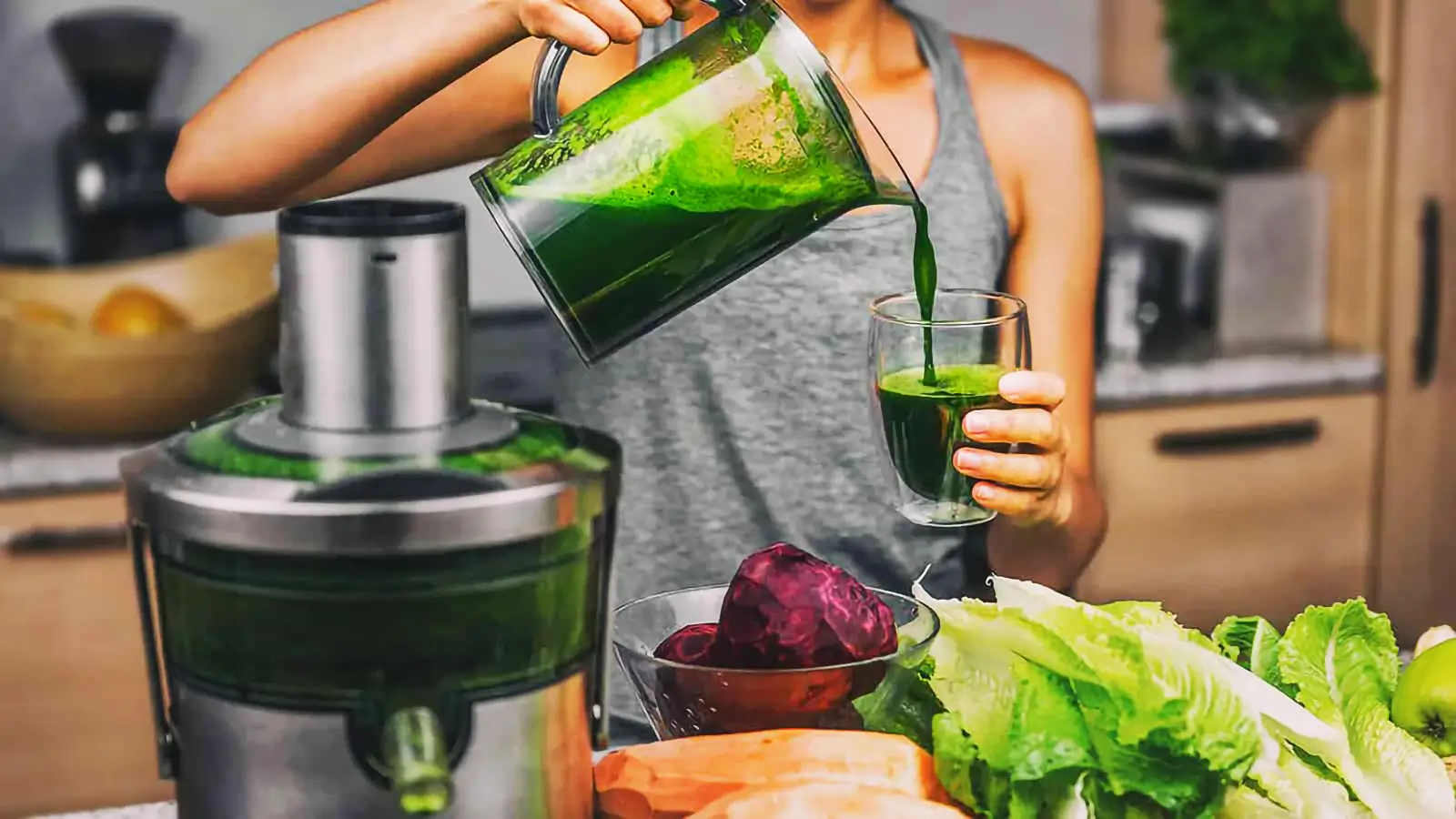
Los aceites omega 3 son muy propensos a la oxidación. Si muele las semillas de lino y se las come inmediatamente, el nivel de oxidación será menor. Si le gusta licuar algo en un batido, el nivel de oxidación causado por la licuación puede destruir un gran número de antioxidantes de los alimentos. Las licuadoras al vacío son una nueva forma de licuar los alimentos para preservar sus nutrientes. Los exprimidores que utilizan una forma de la prensa para extraer el zumo tendrán un zumo con un valor antioxidante más alto que el zumo normal. Esta es la razón por la que podemos ver una gran diferencia en los mismos alimentos analizados debido a los diferentes métodos de fabricación.
John comparte con usted las diferencias entre los exprimidores centrífugos, los exprimidores masticadores y los exprimidores prensados en frío. En este episodio, John entrará en detalles sobre cómo funciona cada uno de los exprimidores y los pros y los contras de cada uno de los tres estilos populares de exprimidores..
Resumen:
Los mismos alimentos pueden tener valores antioxidantes tremendamente diferentes debido a los métodos de procesamiento, almacenamiento y preparación, y la molienda, la exposición al aire y la mezcla reducen significativamente su potencia. Considere las licuadoras al vacío y los exprimidores masticadores para maximizar la ingesta de antioxidantes.
Algunos productos pueden parecer bajos en la escala ORAC, pero en realidad no lo son.
Además, algunos alimentos pueden parecer bajos en la escala ORAC, pero en realidad no lo son. Por ejemplo, la sandía tiene un valor relativamente bajo, pero esto se debe a que en su mayor parte es agua.
Por la misma razón, las frutas secas tendrán una puntuación mucho más alta que la misma fruta fresca, porque están mucho más concentradas.
La fruta fresca tendrá un mayor contenido en agua y, por tanto, valores ORAC más bajos.
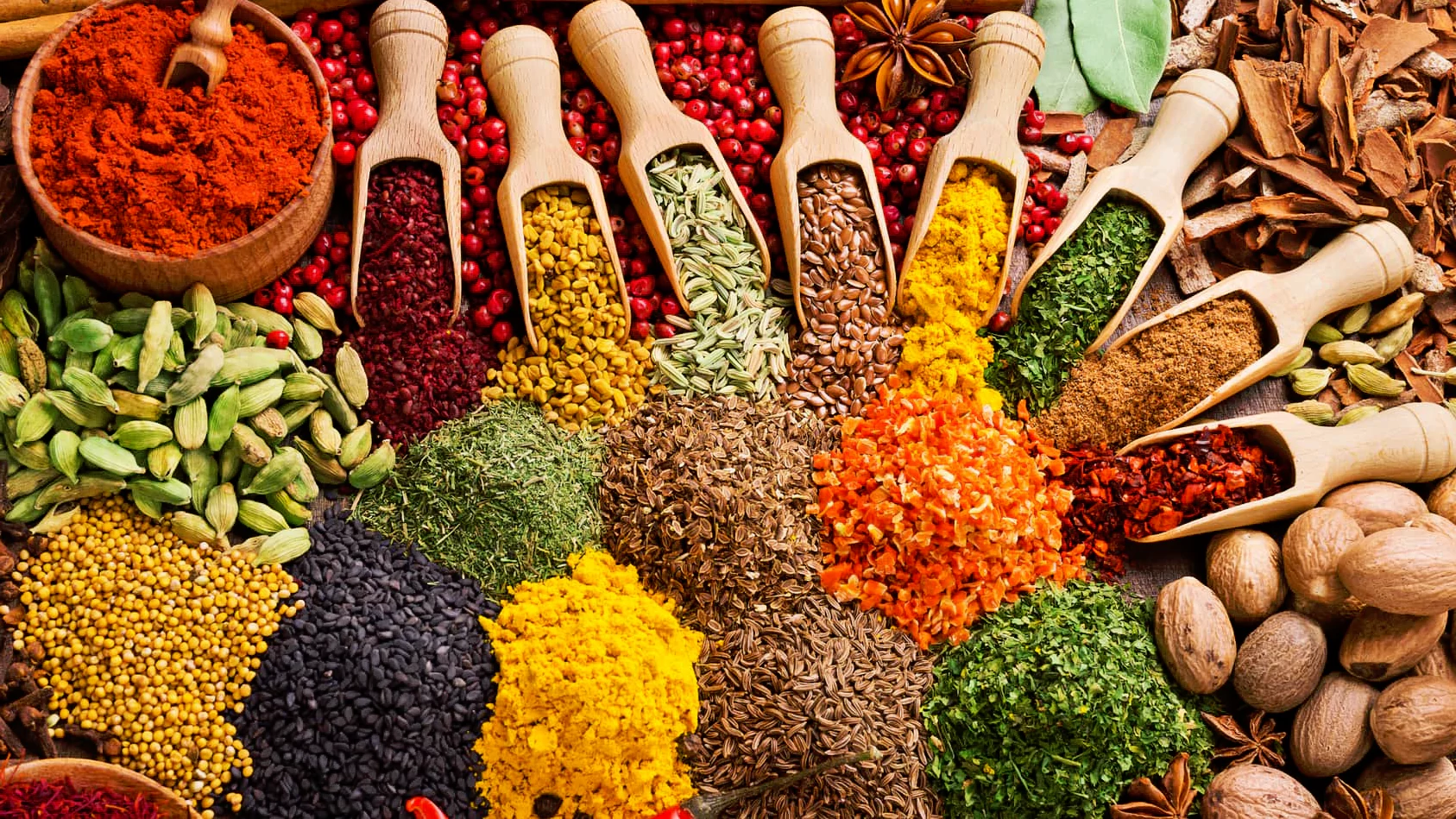
Las especias son otro ejemplo. Las especias son secas y por lo tanto tendrán en un gramo de peso seco un valor ORAC más alto que la misma hierba fresca que tiene un mayor contenido de agua. Las especias y hierbas son uno de los productos más ricos en antioxidantes y algunos son excepcionalmente altos. También son muy bajas en calorías.
Algunos productos pueden parecer altos en la escala ORAC, pero en realidad no lo son.
Además, tenemos que tener en cuenta las cantidades de alimentos concretos que podemos ingerir. Las especias son extremadamente potentes en antioxidantes. capacidad pero solo podemos comer pequeñas cantidades de ellos (Yashin et al., 2017). Un alimento puede tener un nivel bajo en una escala ORAC, pero cuando vemos en la vida real cuánto de ese alimento se consume, en realidad podría ser una buena fuente de antioxidantes. Todo depende de alimentos específicos. Podemos comer un puñado de nueces sin problema pero comer un puñado de clavos es complicado.
También podemos analizar un antioxidante por caloría consumida.
Por ración, las nueces tienen más antioxidantes que los clavos. Pero además, las nueces están llenas de caloríasTambién podemos analizar un antioxidante por caloría consumida.
La regla general y principal es que los productos animales, incluidos los lácteos, todos los tipos de carne y los huevos, tienen cantidades nulas o minúsculas de antioxidantes y son proinflamatorios. Sólo los alimentos vegetales tienen valores medibles de ORAC y no todas las plantas son iguales.
Resumen:
No juzgue un alimento únicamente por su puntuación ORAC: considere el contenido de agua (fresca versus seca), el tamaño de la porción y la densidad de antioxidantes por caloría. Si bien las especias son potencias antioxidantes, sus porciones pequeñas limitan su impacto general. Priorice los alimentos vegetales en busca de antioxidantes, ya que los productos animales ofrecen poco o nada.
Ingesta habitual de antioxidantes en EE.UU.
La ingesta habitual de antioxidantes en la dieta estadounidense se sitúa entre 3.000 y 5.000 unidades ORAC al día.
Es posible que se necesiten entre 40.000 y 50.000 unidades al día para tener un efecto significativo sobre los niveles de antioxidantes y proporcionar una protección adecuada contra todas las fuentes de daño de los radicales libres, pero esta es sólo mi opinión personal si comparamos nuestro peso con el de otras especies que pueden producir su propia vitamina C. o si nos fijamos en la dieta basada en plantas y alimentos integrales de nuestros ancestros homínidos. No conozco estudios científicos en profundidad que hayan realizado este tipo de investigaciones.
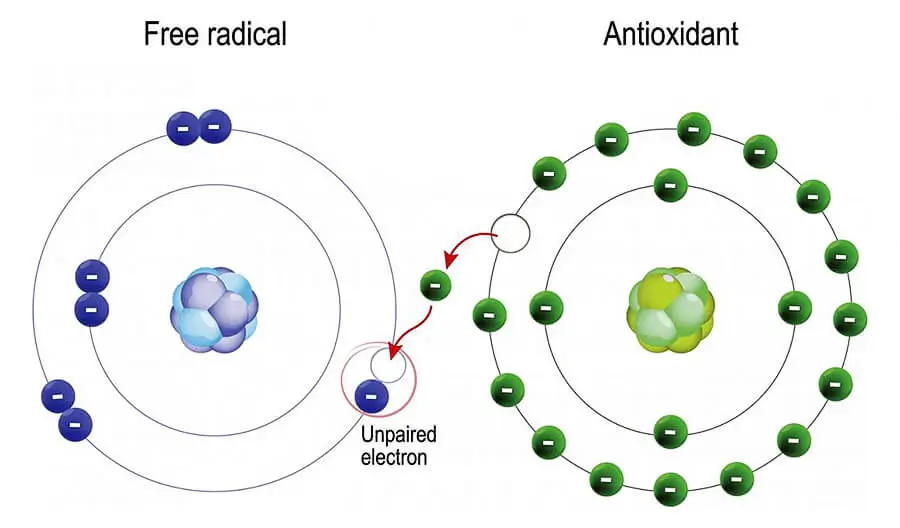
Los antioxidantes desempeñan un papel crucial en su salud, ya que reducen el daño causado por los radicales libres, neutralizan diferentes toxinas y disminuyen la inflamación.
Es casi increíble lo mala que es la dieta estadounidense. Cuando tu principal fuente de antioxidantes es el café, sabes que tienes un problema grave. Sólo cien gramos de cacao en polvo crudo tienen, por ejemplo, alrededor de 95.500 unidades, pero una parte de esa cantidad se pierde durante el calentamiento cuando se procesa para obtener el cacao en polvo que se encuentra en las tiendas. Pero cuando le preguntas al Gran Hermano El Departamento de Agricultura de los Estados Unidos, anteriormente editor de datos ORAC, estos valores no tienen importancia nutricional.
En 2012, el Laboratorio de Datos de Nutrientes (NDL) del USDA eliminó la base de datos ORAC del USDA para alimentos seleccionados del sitio web del NDL debido a la “evidencia creciente” de que los valores que indican la capacidad antioxidante no tienen relevancia para los efectos de compuestos bioactivos específicos, incluidos los polifenoles, en la salud humana.
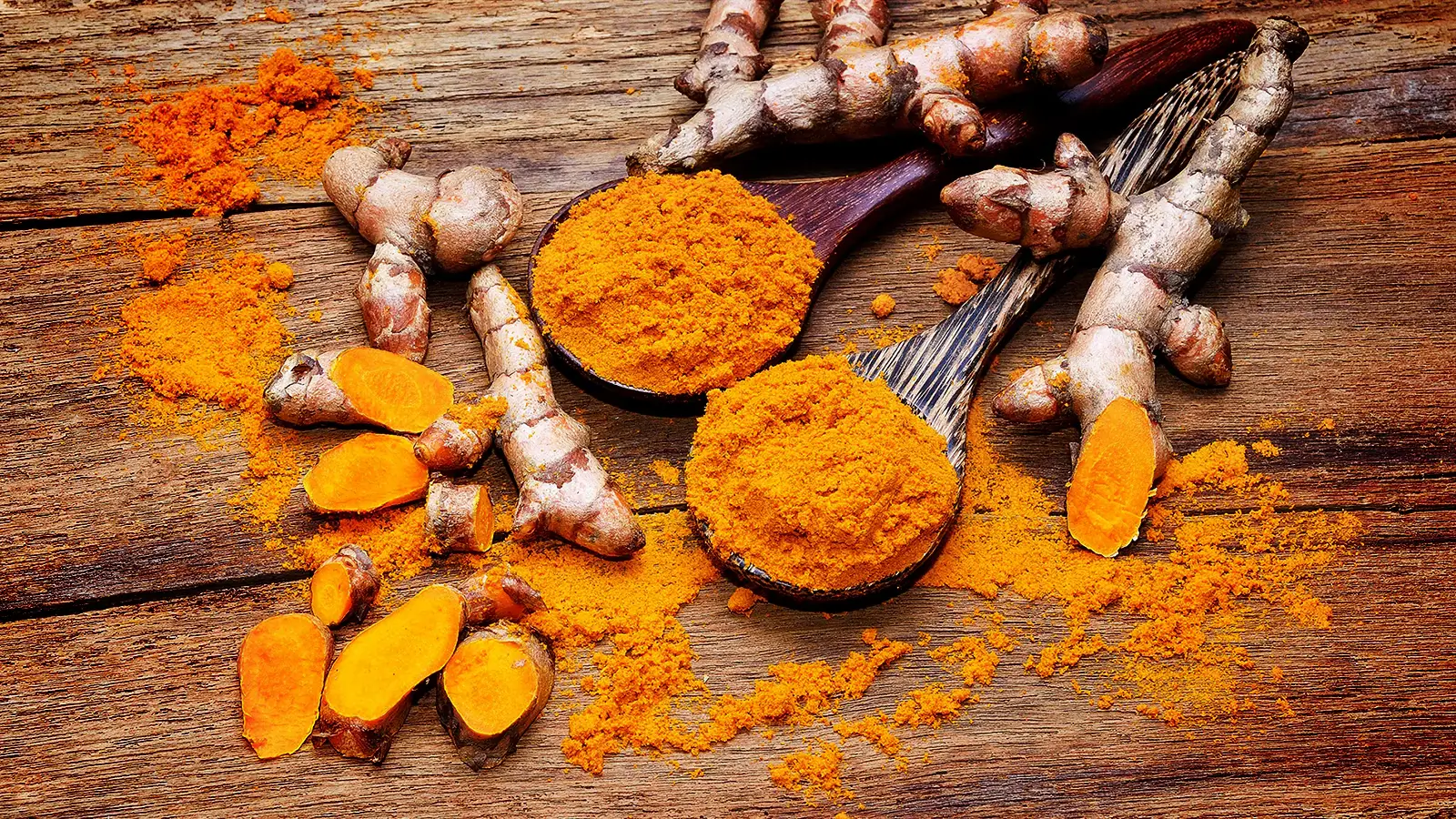
No te preocupes por ello. Simplemente vaya y coma aceite, azúcar, carne, lácteos y harina refinada. Es probable que el USDA tampoco tenga "pruebas crecientes" de que el azúcar y la grasa de los distintos productos alimenticios procesados sean malos. La FSA británica y la FDA recomiendan "5 raciones al día" de fruta y verdura, lo que da una puntuación ORAC aproximada de 3.500. Es todo sólo una broma. Es por eso que en los últimos años la industria ha intentado realizar algunos experimentos extraños, como intentar agregar extracto de arándano a la carne. Y cuando analizamos todos los estudios realizados sobre antioxidantes, hasta el momento hay decenas de miles de ensayos clínicos doble ciego con controles de placebo. Basta con echar un vistazo a los estudios sobre la curcumina, por ejemplo (pigmento antioxidante amarillo de la cúrcuma en polvo), para comprobar que mata las células cancerosas mejor que los principales fármacos de quimioterapia, sin ningún efecto secundario, salvo la longevidad (Ravindran et al., 2009); (Ara et al., 2016); (Park et al., 2013).
Debido a que la curcumina y otros fitoquímicos son difíciles de absorber, el USDA utilizará esto como excusa de por qué los fitoquímicos no hacen nada y por qué eliminaron las recomendaciones para el requisito ORAC en la dieta. Sin embargo, se absorben sólo que no en un 100 por ciento de manera por ejemplo la adición de sólo una pizca de pimienta negro en la cúrcuma para crear una mezcla aumentará la absorción de curcumina de la cúrcuma diez veces y usted ni siquiera necesita comprar suplementos de curcumina, sobre todo porque hay otros antioxidantes en la cúrcuma, así (Shoba et al., 1998). Por ejemplo, el betacaroteno es un pigmento, un antioxidante y un fitoquímico más, y necesita algún tipo de grasa para absorberse, pero eso no significa que no se absorba completamente, porque eso significaría que todos estaríamos muertos por deficiencia de vitamina A (tu cuerpo produce vitamina A a partir del betacaroteno). Sin embargo, de nuevo la industria y el gobierno tienen interés en engañarte. Encuentran algunas excusas y hacen estudios y todo lo que pueden utilizar. Esto demuestra lo corrupto que es en realidad el Gobierno de los EE.UU., y hasta dónde van a llegar para confundir y abusar de sus ciudadanos por el interés de la industria. Usted puede leer acerca de la fibra, minerales, fitoquímicos, antioxidantes y densidad de nutrientes en artículos correlacionados.
Resumen:
Si bien las dietas estadounidenses estándar carecen de antioxidantes (3.000 a 5.000 unidades ORAC), podría ser necesaria una ingesta mucho mayor (40.000 a 50.000) para una salud óptima. A pesar de la evidencia de los beneficios de los antioxidantes de origen vegetal (por ejemplo, la curcumina), la industria y el gobierno restan importancia a su importancia, priorizando potencialmente las ganancias sobre la salud pública. Priorice los alimentos de origen vegetal con alto contenido de ORAC (especias, frutas, verduras) sobre las opciones procesadas y con alto contenido de azúcar para obtener una ingesta óptima de antioxidantes y beneficios para la salud.
Valores ORAC.
La primera base de datos de valores ORAC fue publicada por el USDA en 2007 y abarcaba 277 alimentos.
Posteriormente, en 2010, se publicó la investigación que tardó 8 años en completarse y que incluía el valor antioxidante de 3149 alimentos (Carlsen et al., 2010). Midieron cada alimento, cada bebida y cada suplemento que pudieron encontrar. Este fue uno de los estudios más importantes jamás realizados en el campo de la nutrición. Después de todo, tiene valor en la vida real para una persona normal que va al mercado porque puede guiar las decisiones de compra que tomamos habitualmente todo el tiempo.
Puede consultar toda la base de datos ORAC compilada en la tabla. Yo mismo he recopilado los valores ORAC directamente de las investigaciones disponibles, por lo que es posible que los valores no sean correctos al cien por cien. Ahora podemos buscar en la base de datos todos y cada uno de los alimentos, pero lo más importante es que podemos extraer de ella algunas reglas generales.
La primera regla.
La primera regla que descubrió este estudio fue que el valor ORAC medio de los alimentos de origen animal es casi nulo. Por término medio, los alimentos vegetales tienen más de 60 veces más antioxidantes que los de origen animal, si contamos todos los "superalimentos", hierbas y extractos.
En el reino animal, a título comparativo, el valor más alto es el hígado de buey, con 710. En realidad, hay un alimento del reino animal que tiene muchos más antioxidantes y es la leche materna humana, con una puntuación de 2030. Por término medio, los huevos tienen sólo 40, los lácteos 140, el pescado 110, la carne y los productos cárnicos 310 y el pollo 230. Para comparar, echemos un vistazo a lo peor del reino vegetal: el pepino crudo sin piel, con 140; la lechuga iceberg, con 438; y la sandía, con 142. Las legumbres tienen una media de 480, los cereales de 340, las verduras de 800, pero los frutos secos y las semillas tienen una media de 4.570, las bayas y los productos a base de bayas de 9860, las especias y las hierbas de 29020 y la categoría más alta es la medicina herbal/tradicional con una media de 9.17020.
Llegaron a la conclusión:
“Los resultados aquí revelan que el contenido de antioxidantes de los alimentos varía varios miles de veces y que los alimentos ricos en antioxidantes provienen del reino vegetal, mientras que la carne, el pescado y otros alimentos del reino animal son bajos en antioxidantes. Comparando el valor medio de la categoría 'Carne y productos cárnicos' con las categorías de origen vegetal, las frutas, nueces, chocolate y bayas tienen un contenido medio de antioxidantes de 5 a 33 veces mayor que la media de los productos cárnicos. Por lo tanto, las dietas compuestas principalmente de alimentos de origen animal tienen un bajo contenido de antioxidantes, mientras que las dietas basadas principalmente en una variedad de alimentos de origen vegetal son ricas en antioxidantes, debido a los miles de fitoquímicos antioxidantes bioactivos que se encuentran en las plantas y que se conservan en muchos alimentos y bebidas. “
| Contenido de antioxidantes en mmol/100 g | |||||
|---|---|---|---|---|---|
| norte | significar | mediana | mín. | máximo | |
| Alimentos de origen vegetal | 1943 | 11.57 | 0.88 | 0.00 | 2897.11 |
| Alimentos de origen animal | 211 | 0.18 | 0.10 | 0.00 | 1.00 |
| Alimentos mixtos | 854 | 0.91 | 0.31 | 0.00 | 18.52 |
| Categorías | |||||
| Bayas y productos de bayas. | 119 | 9.86 | 3.34 | 0.06 | 261.53 |
| Bebidas | 283 | 8.30 | 0.60 | 0.00 | 1347.83 |
| Cereales de desayuno | 90 | 01.09 | 0.89 | 0.16 | 4.84 |
| chocolates y dulces | 80 | 4.93 | 2.33 | 0.05 | 14.98 |
| Productos lácteos | 86 | 0.14 | 0.06 | 0.00 | 0.78 |
| Postres y pasteles | 134 | 0.45 | 0.20 | 0.00 | 4.10 |
| Huevo | 12 | 0.04 | 0.04 | 0.00 | 0.16 |
| Grasas y aceites | 38 | 0.51 | 0.39 | 0.19 | 1.66 |
| Pescados y mariscos | 32 | 0.11 | 0.08 | 0.03 | 0.65 |
| Frutas y zumos de frutas. | 278 | 1.25 | 0.69 | 0.03 | 55.52 |
| Granos y productos de cereales. | 227 | 0.34 | 0.18 | 0.00 | 3.31 |
| Medicina herbaria/planta tradicional | 59 | 91.72 | 14.18 | 0.28 | 2897.11 |
| Alimentos y bebidas infantiles | 52 | 0.77 | 0.12 | 0.02 | 18.52 |
| legumbres | 69 | 0.48 | 0.27 | 0.00 | 1.97 |
| Carne y productos cárnicos. | 31 | 0.31 | 0.32 | 0.00 | 0.85 |
| Ingredientes varios, condimentos. | 44 | 0.77 | 0.15 | 0.00 | 15.54 |
| Entradas de comida mixta | 189 | 0.19 | 0.16 | 0.03 | 0.73 |
| Nueces y semillas | 90 | 4.57 | 0.76 | 0.03 | 33.29 |
| Aves y productos avícolas | 50 | 0.23 | 0.15 | 0.05 | 1.00 |
| Aperitivos, galletas | 66 | 0.58 | 0.61 | 0.00 | 1.17 |
| Sopas, salsas, aderezos | 251 | 0.63 | 0.41 | 0.00 | 4.67 |
| Especias y hierbas | 425 | 29.02 | 11.30 | 0.08 | 465.32 |
| Verduras y productos vegetales. | 303 | 0.80 | 0.31 | 0.00 | 48.07 |
| Suplementos vitamínicos y dietéticos. | 131 | 98.58 | 3.27 | 0.00 | 1052.44 |
Resumen:
Los alimentos vegetales reinan en antioxidantes: los productos animales ofrecen casi nada, mientras que las opciones de origen vegetal como las bayas, las especias y las nueces cuentan con niveles de antioxidantes miles de veces más altos. Priorice una dieta rica en plantas para una ingesta óptima de antioxidantes y posibles beneficios para la salud.
La segunda regla.
La segunda regla que debemos tener en cuenta es que existe una amplia gama de valores incluso para los alimentos vegetales.
Oscila entre cero y 2.897.110 μmol TE/100g para el número uno de la lista. Es decir, casi 3 millones de valor.
Las plantas son buenas para la salud y debemos comer frutas y verduras. El problema es que no queremos hacerlo. E incluso si comemos verduras, no todas las verduras son iguales. Si tenemos que comparar la col rizada con los pepinos, la col rizada es una clara victoria. Algunas plantas tienen más fitoquímicos y son mucho más nutritivas que otras. El problema es que normalmente incluso cuando la gente elige frutas y verduras, elige las menos nutritivas.
Patatas, pepinos, lechuga iceberg, plátanos en lugar de batatas, col rizada, espinacas, frutos rojos y especias.
Resumen:
Los vegetales no garantizan altos niveles de antioxidantes: elija potentes nutrientes como la col rizada, las bayas y las especias en lugar de verduras menos potentes como las patatas y los plátanos para obtener una ingesta óptima de antioxidantes.
La tercera regla.
Los antioxidantes suplementarios no sustituyen una mala dieta con una puntuación ORAC inexistente Incluso si se trata de una dieta basada en plantas sin procesar, conozca sus valores ORAC.
No hay Maravilla de cura o sustituto de una mala dieta, sólo existen fuentes de alimentos antioxidantes suplementarios más potentes. como amla, cúrcuma, cacao, hibisco o bayas... Siempre tome fuentes de antioxidantes de alimentos integrales antes que formas extraídas suplementarias debido a las sinergias fitoquímicas. Sólo hay unos pocos antioxidantes suplementarios que han demostrado ser eficaces y seguros, como la vitamina C liposomal, la curcumina o la astaxantina.
La cuarta regla.
Una mayor puntuación ORAC determinada en el tubo de ensayo puede no significar una mayor actividad antioxidante en nuestro organismo.
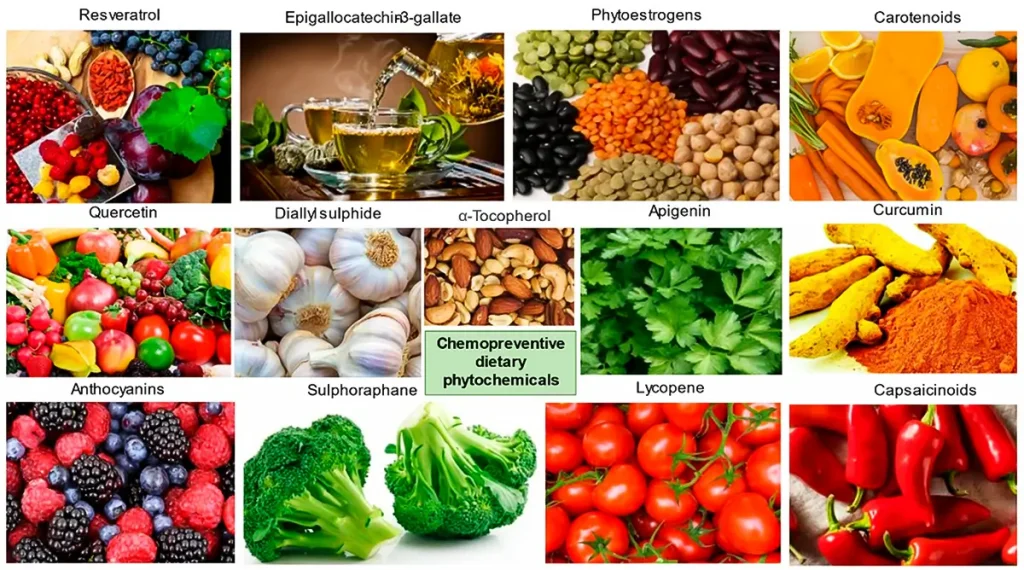
Algunos antioxidantes tienen baja biodisponibilidad. La ciencia ha avanzado mucho, pero aún así los consumidores no pueden conocer la biodisponibilidad de cada fitoquímico existente. Ésta es una razón por la que la diversidad en la nutrición es clave. Algunas plantas tienen fitoquímicos únicos y beneficiosos incluso si no ocupan un lugar destacado en la lista ORAC. El sulforafano es un buen ejemplo de esto.
Es posible investigar cómo afectan los alimentos a nuestro estado antioxidante midiendo la capacidad antioxidante de nuestra sangre. Un estudio (Prior et al., 2007) realizado por investigadores del USDA comprobó el nivel de AOC de voluntarios tras consumir arándanos, cerezas, ciruelas secas y otras frutas con alto contenido antioxidante. Curiosamente, descubrieron que el consumo de ciruelas secas o zumo de ciruelas secas no alteraba la capacidad antioxidante de la sangre.
Además, una gran parte de los fitoquímicos no es estable durante la cocción (Fang et al., 2022); (Palermo et al., 2014); (Pellegrini et al., 2010). La vitamina C es un ejemplo de ello. Si ve vitamina C en la etiqueta del zumo de naranja de la tienda es porque se ha añadido artificialmente después de procesarlo. Todos los zumos deben pasteurizarse por ley para evitar infecciones bacterianas. Esta es una de las razones por las que algunos defensores insisten en una dieta de alimentos crudos como un tipo de dieta más natural y nutritiva. Por otro lado, algunos fitoquímicos aumentan su biodisponibilidad tras la cocción. Un ejemplo de ello sería el licopeno de los tomates.
Si, como consumidor, no desea investigar todas las sinergias alimentarias y la biodisponibilidad de cada uno de los fitoquímicos, puede limitarse a consumir diferentes tipos de alimentos ricos en antioxidantes en cada comida. Esto se recomienda para prevenir periodos de estrés oxidativo postprandial (después de las comidas) (Muñoz et al., 2013), (Khor et al., 2014).
Resumen:
Las puntuaciones altas de ORAC en un tubo de ensayo no garantizan una alta actividad antioxidante en el cuerpo. Concéntrese en diversos alimentos de origen vegetal con fitoquímicos únicos, considere opciones crudas para algunos nutrientes como la vitamina C y opte por diferentes alimentos ricos en antioxidantes en cada comida para optimizar su ingesta de antioxidantes y combatir el estrés oxidativo posterior a las comidas. ¡No seas un científico de los alimentos, simplemente come un arcoíris!
Recomendaciones sanitarias.
En este punto, esta línea de investigación científica está bien establecida y bien aceptada, pero sólo en la comunidad científica que los está haciendo por el interés de la industria farmacéutica. Usted podrá encontrar todo esto en el sitio web de PubMed pero fuera de la estrecha comunidad científica, nadie está hablando. El público en general oirá algo aquí y allá sin que se entere realmente. Usted que lee esto podría estar en menos del uno por ciento de la población. Si pregunta a un establecimiento médico, le contarán una historia completamente diferente.
En las recomendaciones de salud aceptadas e impulsadas por los médicos, no hay lugar para los antioxidantes.
El establishment médico no quiere que la gente sepa esto y argumentará que los antioxidantes no son de gran importancia para la salud y que no son vitaminas y que no hay necesidad de una dosis diaria recomendada para el consumo de antioxidantes o fitoquímicos. No tenemos conciencia pública sobre la importancia de los fitoquímicos y la ciencia regular le dirá a la gente todo lo que pueda simplemente para confundir y socavar la conciencia.
No hablarán de antioxidantes, no impondrán las dosis diarias recomendadas en la pirámide alimenticia y harán cualquier cosa para confundir a la gente a propósito. Utilizarán verdades a medias y toda la base de datos de valores ORAC se eliminó del sitio web del USDA. Existen limitaciones o incertidumbres con respecto a los valores ORAC y su relevancia, hay una gran nube de misterio que debemos desentrañar. En este artículo, los discutiremos todos.
Resumen:
A pesar de la evidencia científica, las recomendaciones de salud guardan gran silencio sobre los antioxidantes, y el establishment médico resta importancia a su importancia y obstaculiza la concienciación pública. Este artículo tiene como objetivo disipar la confusión y permitirle comprender el potencial de los antioxidantes en su dieta.
Limitaciones o incertidumbres respecto de los valores ORAC.
Estos son algunos de los factores que pueden afectar la precisión o relevancia de los valores ORAC:
- Los valores ORAC no están estandarizados ni regulados. Diferentes métodos o laboratorios pueden producir resultados diferentes para el mismo alimento o suplemento. No existe una base de datos o referencia oficial o acordada para los valores ORAC, y algunas fuentes pueden estar desactualizadas o ser inexactas.
- Los valores ORAC se miden in vitro, es decir, en un tubo de ensayo. Es posible que no reflejen la biodisponibilidad o eficacia real de los antioxidantes in vivo, es decir, en el cuerpo.
- Los valores ORAC de alimentos o suplementos pueden variar según su fuente, procesamiento y preparación. Las variedades, las estaciones, el suelo, el clima, el almacenamiento, la cocción, la extracción y la formulación pueden tener un impacto en el contenido de antioxidantes. Las frutas y verduras frescas, por ejemplo, pueden tener valores ORAC más altos que los enlatados o congelados y los alimentos crudos pueden tener valores ORAC más altos que los cocidos.
- Los valores ORAC no tienen en cuenta los efectos sinérgicos o antagónicos de diferentes antioxidantes. Los antioxidantes pueden funcionar mejor o peor en combinación con otros antioxidantes u otros nutrientes. Por ejemplo, la vitamina C puede mejorar la absorción de hierro, pero también puede reducir la absorción de cobre. Los valores ORAC tampoco tienen en cuenta el equilibrio o la proporción de diferentes antioxidantes. Por ejemplo, demasiada vitamina E puede interferir con la función de la vitamina K.
- Los valores ORAC no tienen en cuenta las diferencias o necesidades individuales de las personas. La edad, el sexo, la genética, el estado de salud, el estilo de vida, la dieta, la medicación y el entorno pueden influir en la cantidad de antioxidantes que una persona necesita o tolera. Los fumadores, por ejemplo, pueden necesitar más antioxidantes que los no fumadores, pero también pueden ser más sensibles a sus efectos negativos.
Como resultado, los valores ORAC no deben considerarse indicadores absolutos o finales de la calidad o cantidad de antioxidantes. Su objetivo es servir como guía o referencia general.
Resumen:
Si bien las puntuaciones ORAC ofrecen una idea de la capacidad antioxidante de un alimento, sus limitaciones requieren precaución: se basan en probetas, varían según el procesamiento y las necesidades individuales, y no capturan las interacciones entre nutrientes. Úselos como guía, no como evangelio, al elegir alimentos ricos en antioxidantes.
Información sobre la ingesta óptima o el rango de valores ORAC para diferentes individuos o condiciones de salud.
Diferentes estudios y expertos pueden tener diferentes opiniones o hallazgos sobre este asunto. Ya sabes mi opinión sobre el tema.
Sin embargo, se pueden hacer algunas pautas o sugerencias generales basadas en el conocimiento y la investigación actuales sobre los antioxidantes y la salud:
- Se calcula que la ingesta media diaria de antioxidantes procedentes de los alimentos en EE.UU. es de unas 2000 a 3000 unidades ORAC. Este valor se calcula estadísticamente. Se considera bajo en comparación con otros países o regiones donde se consumen más frutas y verduras, y extremadamente bajo si tenemos en cuenta la evolución de nuestra especie. Como mínimo, aumentar la ingesta de antioxidantes de los alimentos a unas 8.000 a 12.000 unidades ORAC al día puede tener efectos positivos sobre la salud y la longevidad (Prior et al., 2000), (Sadowska-Bartosz et al., 2014), (Yu et al., 2022).
- El límite superior de ingesta de antioxidantes provenientes de suplementos no está bien establecido. Las altas dosis de antioxidantes provenientes de suplementos que pueden convertirse en prooxidantes dentro del cuerpo o que necesitan una vía enzimática para ser eliminados aumentarán el daño oxidativo al final. No tome vitamina E sintética ni más de 400 UI por día de vitamina E natural ni ninguna cantidad de betacaroteno procedente de suplementos.
- La ingesta óptima o el intervalo de valores ORAC puede variar en función de las necesidades individuales de las distintas personas. La cantidad de antioxidantes que una persona necesita o tolera depende de la edad, el estado de salud, el estilo de vida, la dieta, los medicamentos, el entorno y otros factores. Las personas que padecen enfermedades o afecciones como, por ejemplo, enfermedades cardiovasculares, diabetes, enfermedades neurodegenerativas o cáncer pueden necesitar más antioxidantes (Willcox y otros, 2004), (Forman et al., 2021), (Obrenovich et al., 2011).
- La ingesta óptima o el rango de valores ORAC también pueden variar según el tipo y la fuente de antioxidantes.
- Los diferentes antioxidantes tienen diferentes funciones y efectos en el cuerpo. Por ejemplo, la vitamina C, fuera de sus propiedades antioxidantes, participa en la síntesis de colágeno y la función inmune, la vitamina E participa en la peroxidación lipídica y la protección de las membranas celulares, y el betacaroteno participa en la visión y la salud de la piel.
- Los diferentes alimentos y suplementos tienen diferentes combinaciones y proporciones de antioxidantes. Por ejemplo, las bayas tienen altas cantidades de antocianinas, el té verde tiene altas cantidades de catequinas y la cúrcuma tiene altas cantidades de curcumina.
Por lo tanto, es importante considerar tanto la calidad como la cantidad de antioxidantes de diferentes fuentes porque todos son necesarios. No se puede sustituir uno por otro. Es necesario equilibrarlos con otros nutrientes y factores que afectan la salud.
Resumen:
Si bien la ingesta óptima de antioxidantes varía según las necesidades y fuentes individuales, apuntar a entre 8.000 y 12.000 unidades ORAC diarias a través de diversos alimentos de origen vegetal prioriza la salud general y la longevidad. Evite exceder los límites seguros de suplementos y recuerde que una dieta equilibrada y un estilo de vida saludable son clave.
Riesgos potenciales o efectos secundarios de consumir demasiados antioxidantes.
Los antioxidantes son esenciales para una buena salud, pero cuando se consumen en exceso también pueden tener efectos secundarios negativos. Algunos de los riesgos de consumir demasiados antioxidantes:
- El consumo de demasiados antioxidantes también puede aumentar el riesgo de estrés y daño oxidativo al alterar el sistema de defensa antioxidante natural del cuerpo. Esto puede resultar en una condición conocida como prooxidación, en la que los antioxidantes actúan como prooxidantes, produciendo más radicales libres de los que neutralizan. Las dosis altas de antioxidantes sintéticos o aislados de los suplementos, que pueden no tener los mismos efectos o interacciones que los antioxidantes naturales de los alimentos, también pueden causar prooxidación.
- El consumo de demasiados antioxidantes también puede interferir con algunas funciones o procesos fisiológicos que requieren o involucran radicales libres u oxidación. Por ejemplo, algunos radicales libres participan en vías de señalización, respuestas inmunitarias, síntesis hormonal, etc. Algunas reacciones de oxidación están implicadas en la producción de energía, la desintoxicación, el metabolismo de los fármacos, etc.. Los antioxidantes pueden inhibir o modificar estas funciones o procesos, lo que puede tener consecuencias negativas para la salud y el rendimiento.
- El consumo de demasiados antioxidantes también puede interactuar con algunos medicamentos o tratamientos que dependen de la oxidación o los radicales libres. Por ejemplo, algunos antibióticos, fármacos de quimioterapia, radioterapia, etc. Los antioxidantes pueden reducir la eficacia o aumentar la toxicidad de estos medicamentos o tratamientos, lo que puede comprometer los resultados o provocar efectos adversos.
Por lo tanto, es importante consumir antioxidantes con moderación y equilibrio y consultar con un profesional de la salud antes de tomar cualquier suplemento o someterse a cualquier tratamiento que pueda afectar el estado antioxidante del cuerpo. Nunca tome antioxidantes suplementarios fuera de las fuentes de alimentos integrales que tienen el potencial de convertirse en prooxidantes dentro del cuerpo. Nunca tome antioxidantes que necesiten vías enzimáticas para eliminarse del cuerpo.
Resumen:
La clave es una ingesta modesta de antioxidantes a través de diversos alimentos vegetales, ya que exagerar a través de los suplementos puede alterar el equilibrio natural del cuerpo, interferir con las funciones e interactuar con los medicamentos, así que consulte a un profesional antes de aumentar su ingesta.
¿Cuánto necesitamos?
La historia que imponen es que el cuerpo sólo puede utilizar de forma efectiva entre 3.000 y 5.000 unidades ORAC al día y que más no sirve para nada.. Más que esto (es decir, con megadosis en forma de suplementos o ingiriendo alimentos ricos en antioxidantes) no parece aportar ningún beneficio añadido y lo más probable es que el "exceso" sea excretado por los riñones. Un buen ejemplo de esto es, por ejemplo, una declaración del Dr. Ronald Prior del Servicio de Investigación del Departamento de Agricultura de EE.UU. en la Universidad de Tufts, Boston, Massachusetts, en la que se cita lo siguiente:
“Es posible lograr un aumento significativo de antioxidantes del 15-20% aumentando el consumo de frutas y verduras, particularmente aquellas con alto valor ORAC. Sin embargo, para tener un impacto significativo en el plasma y el tejido. capacidad antioxidante: sólo se puede aumentar significativamente la ingesta diaria en 3000-5000 unidades ORAC. Cualquier cantidad mayor probablemente sea redundante. Esto se debe a que la capacidad antioxidante de la sangre está estrictamente regulada. Por tanto, existe un límite superior al beneficio que se puede derivar de los antioxidantes. Recibir 25.000 unidades ORAC a la vez no sería más beneficioso que recibir una quinta parte de esa cantidad. El exceso simplemente se excreta por los riñones”.
Simplemente le están mintiendo. Hay antioxidantes hidrosolubles que pueden ser eliminados por los riñones. Una historia similar es con la vitamina C y eso es correcto. Si usted toma demasiada vitamina C el exceso será eliminado pero el Dr. Ronald de alguna manera se olvida del hecho de que no todos los antioxidantes son solubles en agua.
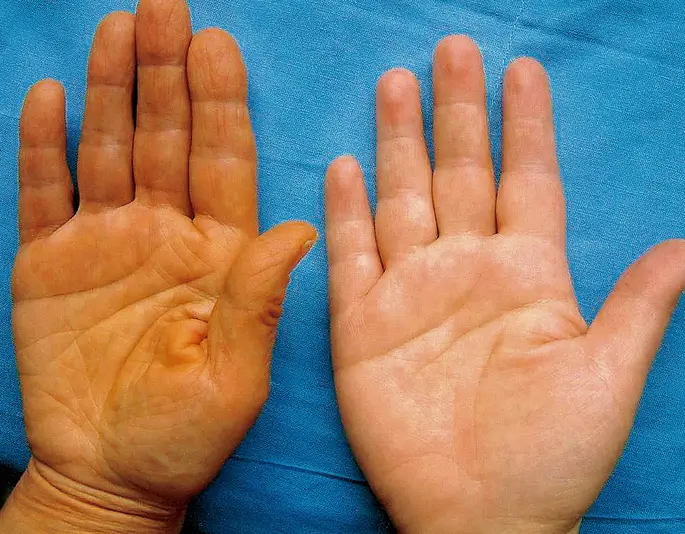
Las sustancias liposolubles no pueden eliminarse por los riñones. Cualquier exceso de ellos se bioacumulará y ofrecerá una protección duradera. Un ejemplo visual de ello sería la carotenemia.
Y no sólo eso.
Los antioxidantes hidrosolubles también cumplen su función de reducir la inflamación y neutralizar los radicales libres antes de eliminarlos.
Dado que no existe una ingesta diaria recomendada "oficial" de unidades ORAC, varios investigadores sugieren una ingesta óptima de sólo 3.000-5.000 unidades ORAC al día, y muchos médicos no recomiendan dietas ricas en antioxidantes.
No les dirán absolutamente nada a sus pacientes sobre miles y miles de estudios realizados sobre un tema y, por lo general, solo sugerirán perder peso y hacer ejercicio físico con una línea de medicamentos recetados como línea de tratamiento estándar. Y esto no es casualidad. Incluso el USDA ha propuesto una ingesta sugerida de 5000 unidades ORAC por día. La FSA del Reino Unido y la FDA recomiendan “5 porciones al día” de frutas y verduras, lo que da una puntuación ORAC aproximada de 3500.
Resumen:
A pesar de las afirmaciones de que entre 3000 y 5000 unidades ORAC son suficientes, considere los beneficios potenciales de exceder este límite con antioxidantes de origen vegetal, ya que los solubles en grasa permanecen en el cuerpo por más tiempo y los solubles en agua actúan antes de ser eliminados. No se deje engañar por la recomendación de “5 al día”, explore el poder de diversos alimentos ricos en antioxidantes.
No seas yo.
Por otra parte, después de que aprendas todo esto, no te obsesiones como yo. Estaba persiguiendo a ORAC en todas las tiendas de comestibles.
Un día decidí experimentar con una nueva receta de batido que descubrí en línea. Afirmaba tener un valor ORAC muy alto y estar repleto de antioxidantes. Tenía ingredientes como arándanos, espinacas, cacao, col rizada, cúrcuma, jengibre y canela. Lo único que quedó fuera fue el ajo. En realidad sonaba delicioso, así que junté todos los ingredientes y los mezclé. El resultado final fue un líquido espeso de color púrpura oscuro con un aroma especiado. Me serví un vaso y bebí. Sabía horrible.
Tenía un sabor amargo, agrio, picante y calcáreo, todo al mismo tiempo. Estaba a punto de escupirlo cuando me obligué a tragarlo. Supuse que era un gusto adquirido al que me acostumbraría después de unos sorbos. Pero, en cambio, las cosas simplemente empeoraron. El sabor se quedó. Tuve la sensación de que estaba bebiendo un brebaje de tierra, vinagre y pimienta. Tal vez con media taza de azúcar refinado pero, de nuevo, perdería su valor saludable inicial si le añadiera una tonelada de azúcar. Me preguntaba cómo alguien podría disfrutar de este batido o cómo podría ser bueno para mí. Miré la receta nuevamente y noté que tenía un descargo de responsabilidad en la parte inferior:
“Este batido no es para cardíacos. Puede causar malestar estomacal, acidez de estómago o reacciones alérgicas en algunas personas. Consulte a su médico antes de probar este batido si tiene alguna afección médica o está tomando algún medicamento”.
Ojalá hubiera leído eso antes de crear un recuerdo permanente para mí. Decidí tirar el resto y no volver a intentarlo nunca más. Aprendí la lección: los valores ORAC no lo son todo. A veces, menos es más cuando se trata de antioxidantes.
Por qué ¿Tú y yo necesitamos comer más antioxidantes con la estrategia correcta para tener la mejor oportunidad de prevenir enfermedades? Una mirada en profundidad a la investigación para controlar su estado antioxidante.
Conclusión:
Los valores ORAC son una herramienta útil para medir la capacidad antioxidante de alimentos y suplementos, pero no están exentos de limitaciones o incertidumbres.
Están destinados a utilizarse como guía o referencia general, no como sustituto del asesoramiento profesional.
La ingesta óptima o el rango de valores ORAC pueden variar según las necesidades individuales de diferentes personas y condiciones de salud. Los antioxidantes son esenciales para la salud y el bienestar, pero también pueden tener algunos riesgos o efectos secundarios si se consumen en exceso.
Es importante considerar tanto los efectos sinérgicos como las características únicas además de la cantidad a consumir de diferentes fuentes y tipos, y equilibrarlos con otros nutrientes y factores que afectan la salud.
Espero que este artículo te haya ayudado a comprender más sobre los valores ORAC y cómo elegir y consumir alimentos con puntuaciones ORAC altas. Gracias por leer y mantente saludable.
- Dependemos de los fitoquímicos antioxidantes, dos de ellos son vitaminas para nosotros, la vitamina C y la vitamina E.
- Las unidades que miden la capacidad antioxidante de distintas sustancias se denominan ORAC. ORAC son las siglas en inglés de Capacidad de Absorción de Radicales de Oxígeno.
- Los mismos alimentos pueden tener valores diferentes según el fabricante debido a los distintos métodos de fabricación.
- En cuanto el artículo se expone al aire, comienza la oxidación.
- Algunos productos pueden parecer bajos en la escala ORAC, pero no lo son debido a su alto contenido en agua.
- Hay que tener en cuenta las cantidades de alimentos específicos que podemos comer.
- También podemos analizar un antioxidante por caloría consumida.
- No todas las plantas son iguales.
- En 2010 se publicó la investigación que tardó 8 años en completarse e incluía el valor antioxidante de 3149 alimentos.
- La base de datos ORAC es importante. Tiene valor en la vida real para una persona normal que va al mercado, porque puede orientar las decisiones de compra que tomamos a diario.
- En 2012, el Laboratorio de Datos de Nutrientes (NDL) del USDA eliminó la base de datos ORAC del USDA para alimentos seleccionados del sitio web del NDL debido a la “evidencia creciente” de que los valores que indican la capacidad antioxidante no tienen relevancia para los efectos de compuestos bioactivos específicos, incluidos los polifenoles, en la salud humana.
- La regla principal que encontró este estudio es que los productos de origen animal, incluidos los lácteos, todos los tipos de carne y los huevos, tienen cantidades nulas o minúsculas de antioxidantes y son proinflamatorios.
- La segunda regla que debemos tener en cuenta es que existe una amplia gama de valores incluso para los alimentos vegetales.
- La tercera regla: Los antioxidantes suplementarios no son un sustituto de una mala dieta con una puntuación ORAC inexistente, incluso si se trata de una dieta integral basada en plantas, aprenda sus valores ORAC.
- La cuarta regla: Una puntuación ORAC más alta determinada en el tubo de ensayo puede no significar una mayor actividad antioxidante en nuestro organismo.
- Una gran parte de los fitoquímicos no es estable durante la cocción.
- La ingesta habitual de antioxidantes en la dieta estadounidense se sitúa entre 3.000 y 5.000 unidades ORAC al día.
- Pueden ser necesarias entre 40.000 y 50.000 unidades al día para tener un efecto significativo sobre los niveles de antioxidantes y proporcionar una protección adecuada frente a todas las fuentes de daño causado por los radicales libres.
- Tomar siempre fuentes de antioxidantes integrales antes que formas extraídas de suplementos debido a las sinergias fitoquímicas.
- No existe una cura o sustituto sorprendente para una mala dieta, sólo existen fuentes de alimentos antioxidantes suplementarios más potentes como amla, cúrcuma, cacao, hibisco, astaxantina o bayas...
- Actualmente, MegaHydrate es el antioxidante dietético más potente conocido por la ciencia.
- El antioxidante natural más potente conocido por la ciencia es la Astaxantina.
- El antioxidante dietético más potente y consumido es la curcumina.
- Hoy en día no existe un consumo diario "oficial" recomendado de unidades ORAC.
- Varios investigadores sugieren una ingesta óptima de sólo 3000-5000 unidades ORAC al día, y muchos médicos no recomiendan en absoluto dietas ricas en antioxidantes.
- La FSA británica y la FDA recomiendan "5 raciones al día" de fruta y verdura, lo que da una puntuación ORAC aproximada de 3.500.
Preguntas Frecuentes
Referencias:
Pasajes seleccionados de un libro: Pokimica, Milos. ¿Vamos vegano? Revisión de la ciencia: Parte 3. Kindle Direct Publishing, 2020.
- Carlsen, M. H., Halvorsen, B. L., Holte, K., Bøhn, S. K., Dragland, S., Sampson, L., Willey, C., Senoo, H., Umezono, Y., Sanada, C., Barikmo, I., Berhe, N., Willett, W. C., Phillips, K. M., Jacobs, D. R., Jr, & Blomhoff, R. (2010). El contenido total de antioxidantes de más de 3100 alimentos, bebidas, especias, hierbas y suplementos utilizados en todo el mundo. Nutrition journal, 9, 3. https://doi.org/10.1186/1475-2891-9-3
- Wu, X., Beecher, GR, Holden, JM, Haytowitz, DB, Gebhardt, SE y Prior, RL (2004). Capacidades antioxidantes lipofílicas e hidrofílicas de los alimentos comunes en los Estados Unidos. Diario de la química agrícola y alimentaria, 52(12), 4026–4037. https://doi.org/10.1021/jf049696w
- Antes, RL, Gu, L., Wu, X., Jacob, RA, Sotoudeh, G., Kader, AA y Cook, RA (2007). La capacidad antioxidante del plasma cambia después de una comida como medida de la capacidad de un alimento para alterar el estado antioxidante in vivo. Revista del Colegio Americano de Nutrición, 26(2), 170–181. https://doi.org/10.1080/07315724.2007.10719599
- Khan, MM, Busquets, R. y Azam, M. (2021). Los extractos de arándano, frambuesa y fresa reducen la formación de aminas heterocíclicas cancerígenas en las carnes fritas de camello, ternera y pollo. Control de alimentos, 123, 107852. https://doi.org/10.1016/j.foodcont.2020.107852
- Burton-Freeman B. (2010). Eventos metabólicos posprandiales y compuestos fenólicos derivados de frutas: una revisión de la ciencia. El British journal of nutrition, 104 Suplemento 3, T1 – S14. https://doi.org/10.1017/S0007114510003909
- Macho-González, A., Garcimartín, A., López-Oliva, M. E., Bastida, S., Benedí, J., Ros, G., Nieto, G., & Sánchez-Muniz, F. J. (2020). Can Meat and Meat-Products Induce Oxidative Stress?. Antioxidantes (Basilea, Suiza), 9(7), 638. https://doi.org/10.3390/antiox9070638
- Ou, B., Chang, T., Huang, D. y Prior, RL (2013). Determinación de la capacidad antioxidante total mediante la capacidad de absorbancia de radicales de oxígeno (ORAC) utilizando fluoresceína como sonda de fluorescencia: Primera acción 2012.23. Revista de la AOAC Internacional, 96(6), 1372-1376. https://doi.org/10.5740/jaoacint.13-175
- Yashin, A., Yashin, Y., Xia, X. y Nemzer, B. (2017). Actividad antioxidante de las especias y su impacto en la salud humana: una revisión. Antioxidantes (Basilea, Suiza), 6(3), 70. https://doi.org/10.3390/antiox6030070
- Ravindran, J., Prasad, S. y Aggarwal, BB (2009). La curcumina y las células cancerosas: ¿de cuántas maneras puede el curry matar las células tumorales de forma selectiva? La revista AAPS, 11(3), 495–510. https://doi.org/10.1208/s12248-009-9128-x
- Ara, SA, Mudda, JA, Lingappa, A. y Rao, P. (2016). Investigación sobre la curcumina: un metanálisis de trastornos potencialmente malignos. Revista de investigación y terapéutica del cáncer., 12(1), 175–181. https://doi.org/10.4103/0973-1482.171370
- Park, W., Amin, AR, Chen, ZG y Shin, DM (2013). Nuevas perspectivas de la curcumina en la prevención del cáncer. La prevención del cáncer de la investigación (Philadelphia, Pa.), 6(5), 387–400. https://doi.org/10.1158/1940-6207.CAPR-12-0410
- Shoba, G., Joy, D., Joseph, T., Majeed, M., Rajendran, R. y Srinivas, P. (1998). Influencia de la piperina en la farmacocinética de la curcumina en animales y voluntarios humanos. Planta medica, 64(4), 353–356. https://doi.org/10.1055/s-2006-957450
- Fang, H., Yin, X., He, J., Xin, S., Zhang, H., Ye, X., Yang, Y. y Tian, J. (2022). Los métodos de cocción afectaron las actividades fitoquímicas y antioxidantes de la papa de diferentes variedades. Química de los alimentos: X, 14, 100339. https://doi.org/10.1016/j.fochx.2022.100339
- Palermo, M., Pellegrini, N. y Fogliano, V. (2014). El efecto de la cocción sobre el contenido fitoquímico de las verduras. Revista de ciencia de la alimentación y la agricultura., 94(6), 1057-1070. https://doi.org/10.1002/jsfa.6478
- Pellegrini, N., Chiavaro, E., Gardana, C., Mazzeo, T., Contino, D., Gallo, M., Riso, P., Fogliano, V. y Porrini, M. (2010). Efecto de diferentes métodos de cocción sobre el color, la concentración fitoquímica y la capacidad antioxidante de brasicáceas crudas y congeladas. Diario de la química agrícola y alimentaria, 58(7), 4310–4321. https://doi.org/10.1021/jf904306r
- Muñoz, A., & Costa, M. (2013). Estrés oxidativo e inflamación mediados nutricionalmente. Medicina oxidativa y longevidad celular., 2013, 610950. https://doi.org/10.1155/2013/610950
- Khor, A., Grant, R., Tung, C., Guest, J., Pope, B., Morris, M. y Bilgin, A. (2014). El estrés oxidativo posprandial aumenta después de un alimento pobre en fitonutrientes, pero no después de un alimento rico en fitonutrientes equivalente en kilojulios. Investigación en nutrición (Nueva York, NY), 34(5), 391–400. https://doi.org/10.1016/j.nutres.2014.04.005
- Antes, RL, Cao, G., Prior, RL y Cao, G. (2000). Análisis de botánicos y suplementos dietéticos para determinar la capacidad antioxidante: una revisión. Revista de la AOAC Internacional, 83(4), 950–956. [PubMed]
- Sadowska-Bartosz, I. y Bartosz, G. (2014). Efecto de la suplementación con antioxidantes sobre el envejecimiento y la longevidad. Investigación BioMed internacional, 2014, 404680. https://doi.org/10.1155/2014/404680
- Yu, Z., Zhang, F., Xu, C. y Wang, Y. (2022). Asociación entre los antioxidantes circulantes y la longevidad: información del estudio de aleatorización mendeliana. Investigación BioMed internacional, 2022, 4012603. https://doi.org/10.1155/2022/4012603
- Willcox, JK, Ash, SL y Catignani, GL (2004). Antioxidantes y prevención de enfermedades crónicas. Revisiones críticas en ciencia de los alimentos y nutrición., 44(4), 275–295. https://doi.org/10.1080/10408690490468489
- Forman, HJ y Zhang, H. (2021). Abordar el estrés oxidativo en las enfermedades: promesas y limitaciones de la terapia antioxidante. Reseñas de la naturaleza. Descubrimiento de medicamento, 20(9), 689–709. https://doi.org/10.1038/s41573-021-00233-1
- Obrenovich, ME, Li, Y., Parvathaneni, K., Yendluri, BB, Palacios, HH, Leszek, J. y Aliev, G. (2011). Antioxidantes en la salud, la enfermedad y el envejecimiento. Dianas farmacológicas para trastornos neurológicos y del SNC, 10(2), 192-207. https://doi.org/10.2174/187152711794480375
- Cao, G., Alessio, HM y Cutler, RG (1993). Ensayo de capacidad de absorbancia de radicales de oxígeno para antioxidantes. Biología y medicina de los radicales libres, 14(3), 303–311. https://doi.org/10.1016/0891-5849(93)90027-r
- Yang, M., Chung, SJ, Chung, CE, Kim, DO, Song, WO, Koo, SI y Chun, OK (2011). Estimación de la capacidad antioxidante total de la dieta y los suplementos en adultos estadounidenses. El British journal of nutrition, 106(2), 254–263. https://doi.org/10.1017/S0007114511000109
Contenidos Relacionados


¿Tienes alguna duda acerca de la nutrición y la salud?
Me encantaría saber de usted y responderlas en mi próxima publicación. Agradezco sus aportes y opiniones y espero tener noticias suyas pronto. También te invito a síguenos en Facebook, Instagram y Pinterest para más contenidos sobre dieta, nutrición y salud. Puedes dejar un comentario allí y conectar con otros entusiastas de la salud, compartir tus consejos y experiencias, y recibir apoyo y ánimo de nuestro equipo y nuestra comunidad.
Espero que este post le haya resultado informativo y ameno y que esté preparado para aplicar los conocimientos adquiridos. Si le ha resultado útil, por favor compártelo con tus amigos y familiares que también podrían beneficiarse de ella. Nunca se sabe quién puede necesitar orientación y apoyo en su camino hacia la salud.
– También Te Puede Interesar –

Ejercicio: ¿Por qué lo necesitamos exactamente?

Esclerosis Lateral Amiotrófica- Floraciones de Algas Cianobacterias y Exposición a BMAA en La Dieta
Dieta Rica en Proteínas y Acidosis Metabólica: Correlaciones Entre los Riesgos Para la Salud
El agua del grifo de la toxicidad de evaluación de Riesgos
Beneficios de la Teobromina: Estimula el Cerebro sin Ansiedad

La exposición a la acrilamida - Chips, papas fritas, y el cáncer

Dieta paleo - Sin carne a la vista
Toxicidad Ambiental- Es Sólo Una Cadena Alimentaria

Aprenda Sobre Nutricion

Milos Pokimica es doctor en medicina natural, nutricionista clínico, escritor sobre salud médica y nutrición y asesor en ciencias de la nutrición. Autor de la serie de libros Go Vegan? Revisión de la Ciencia, también dirige el sitio web sobre salud natural GoVeganWay.com.
Descargo De Responsabilidad Médica
GoVeganWay.com le ofrece reseñas de las últimas investigaciones relacionadas con la nutrición y la salud. La información proporcionada representa la opinión personal del autor y no pretende ni implica sustituir el asesoramiento, diagnóstico o tratamiento médico profesional. La información proporcionada tiene fines informativos únicamente y no pretende sustituir la consulta, el diagnóstico y/o el tratamiento médico de un médico o proveedor de atención médica calificado.NUNCA ignore el CONSEJO MÉDICO PROFESIONAL O RETRASAR la BÚSQUEDA de TRATAMIENTO MÉDICO a CAUSA DE ALGO QUE HAYA LEÍDO EN O accesibles a TRAVÉS de GoVeganWay.com
NUNCA APLICAR CUALQUIER cambio de ESTILO de vida O CAMBIOS EN su totalidad COMO UNA CONSECUENCIA DE ALGO QUE HA LEÍDO EN GoVeganWay.com ANTES de CONSULTAR con LICENCIA PROFESIONAL MÉDICO.
En el caso de una emergencia médica, llame a un médico o al 911 inmediatamente. GoVeganWay.com no se recomienda ni aprueba ninguna de los grupos, las organizaciones, las pruebas, los médicos, productos, procedimientos, opiniones u otra información que pueda ser mencionado en el interior.
Selecciones del editor –
El cáncer Editor De Selecciones Fitoquímicos
Poder Anticancerígeno de Frutas y Verduras: Pruebas Clínicas e in Vivo
Algunos extractos vegetales rivalizan con los principales fármacos quimioterapéuticos y, al mismo tiempo, atacan varios tipos diferentes de células cancerosas.
Antioxidantes Editor De Selecciones ORAC
Aceites Esenciales Como Suplementos Antioxidantes: Reglas y Estrategias
Los aceites esenciales de calidad alimentaria pueden ser una estrategia cómoda y de fácil consumo para optimizar el valor antioxidante y las puntuaciones ORAC de nuestra dieta.
Antioxidantes Editor De Selecciones ORAC
Dieta Rica en Antioxidantes: Reglas y Estrategias Generales
Existen estrategias fáciles y rentables para optimizar el valor antioxidante de nuestra dieta.
Antioxidantes Editor De Selecciones ORAC
Comprender los Valores ORAC: Niveles de Antioxidantes en los Alimentos
Cuando tu principal fuente de antioxidantes es el café, sabes que tienes un grave problema.

Antioxidantes Editor De Selecciones ORAC
Astaxantina Beneficios: Antioxidante Natural Más Potente del Mundo
La astaxantina es el más potente y natural antioxidante universal (petróleo y agua-soluble) que conoce la ciencia. Se acumula en los tejidos y nunca puede convertirse en un pro-oxidante.
Antioxidantes Editor De Selecciones ORAC Fitoquímicos
Antioxidantes: Conceptos Básicos
Los productos de origen animal no contienen fitoquímicos ni antioxidantes. Por término medio, los alimentos vegetales contienen más de 60 veces más antioxidantes que los de origen animal.
Editor De Selecciones Dieta Vegana
Deficiencias Nutricionales en la Dieta Vegana: Estrategias de Prevención
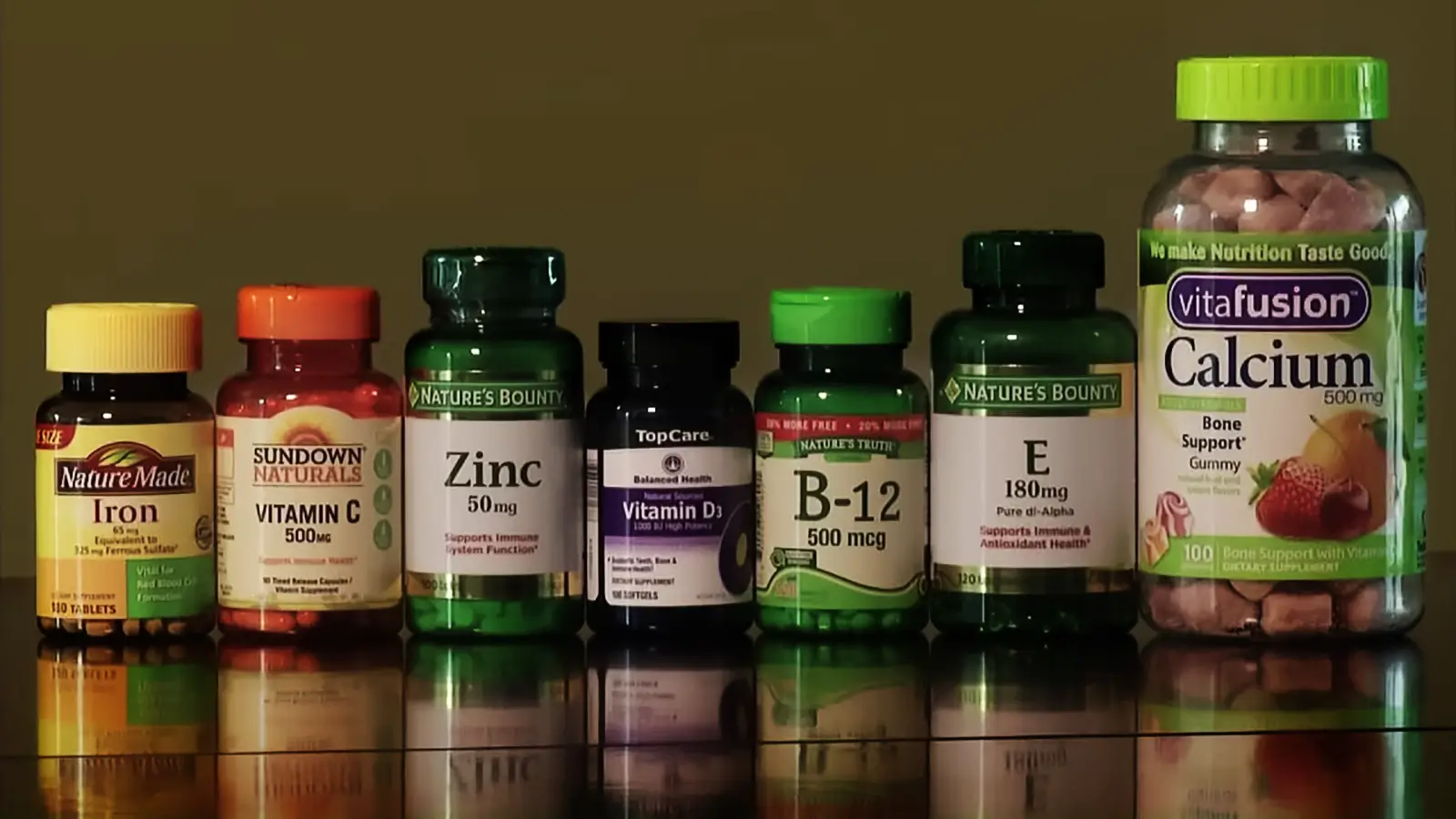
Existen nueve deficiencias nutricionales comunes a escala poblacional que afectan a las personas que siguen una dieta basada en plantas. Si no se corrigen a tiempo, algunas deficiencias tienen consecuencias terribles y no tratables.
Editor De Selecciones Dieta Óptima
Deficiencia de Micronutrientes en la Dieta Americana Estándar: Estrategias de Optimización
El perfil nutricional de nuestra dieta moderna a base de carne, azúcar y alimentos procesados es totalmente incongruente con nuestra evolución, lo que provoca una grave carencia de micronutrientes.
Editor De Selecciones Fitoquímicos
Fitoquímicos: Conceptos Básicos
Todos y cada uno de los fitoquímicos que existen tienen una acción biológica en el cuerpo humano. Cada uno de los millones de fitoquímicos diferentes.
Editor De Selecciones La leche Dieta Óptima
Leche y Productos Lácteos: Correlaciones de Riesgo Para la Salud
Las asociaciones conocidas con la leche y el consumo de lácteos son infertilidad, cáncer de ovario y de mama, leucemia, diabetes tipo 1, autismo, arteriosclerosis, cataratas, artritis reumatoide, esclerosis múltiple, hiperactividad, congestión, granos y más...
El cáncer Editor De Selecciones La proteína
Proteína Completa: Señalización del IGF-1 en la Formación del Cáncer
Cuando usted come proteínas animales que tienen cuatro veces más probabilidad de desarrollar todos los tipos de cáncer. Cuando usted fuma, usted tiene cuatro veces la posibilidad de desarrollar cáncer de pulmón.

El cáncer Editor De Selecciones La proteína
La Anatomía de Cáncer de riesgo para la Salud de las correlaciones
Según los medicamentos, alrededor del 2% de los cánceres se consideran puramente causados por factores genéticos. El mismo rango que dentro del reino animal. No te han dicho toda la verdad.
Milos Pokimica es escritor especializado en salud y nutrición y asesor en ciencias nutricionales. Autor de la serie de libros Go Vegan? Revisión de la Ciencia, también dirige el sitio web sobre salud natural GoVeganWay.com.
Últimos artículos -
La Restricción De Calorías La longevidad
Cómo Ayunar: Alimentos en Ayunas Que No Rompen la Autofagia
Autofagia. ¿Alguna vez te has preguntado qué les sucede a las células de tu cuerpo cuando mueren o se dañan? ¿Simplemente se acumulan y crean problemas, o se eliminan de alguna manera? La respuesta es que tu cuerpo...
Salud Dental Prevención
Dolor y Sensibilidad a los Dulces: Solución Rápida y Duradera
Una solución rápida y fácil para aliviar el dolor es el aceite esencial de clavo, un potente antioxidante y analgésico que puede ayudar con las enfermedades de las encías y el dolor de muelas.
Los frijoles
Judías Verdes: Nutrición y Beneficios Para la Salud
Los frijoles verdes son bajos en calorías y ricos en compuestos naturales que pueden ayudar a controlar su azúcar en la sangre, reducir el colesterol y combatir los radicales libres.
Dieta de alimentos crudos Dieta Vegana
Se Pueden Comer Setas Crudas: Riesgos Para La Salud, Nutrición Y Seguridad
Las setas tienen toxinas sensibles al calor, como la hidracina o la agaritina, y paredes celulares compuestas de quitina que el ser humano no puede digerir bien.

Dieta Vegana
¿Son Los Peces Animales? Una Perspectiva Cultural
En algunas culturas, la carne de pescado no se considera carne, y el pescado está permitido incluso durante el ayuno.
Salud Dental Prevención
Enjuague bucal natural casero: probado, más fuerte y menos tóxico
El enjuague bucal natural hecho en casa es más fuerte que la clorhexidina, menos tóxico y si se ingiere puede dar un poco de náuseas, pero también un alto estallido en el valor ORAC.
Salud Dental Prevención
Cómo Detener la Caries Dental: Síntomas, Causas y Prevención
El consumo de azúcar es la principal causa de caries y deterioro dental, combinado con carencias de minerales, especialmente magnesio, zinc, cobre y oligoelementos.
Antioxidantes Superalimentos
Amla: Beneficios Probados, Nutrición e Importancia Clínica
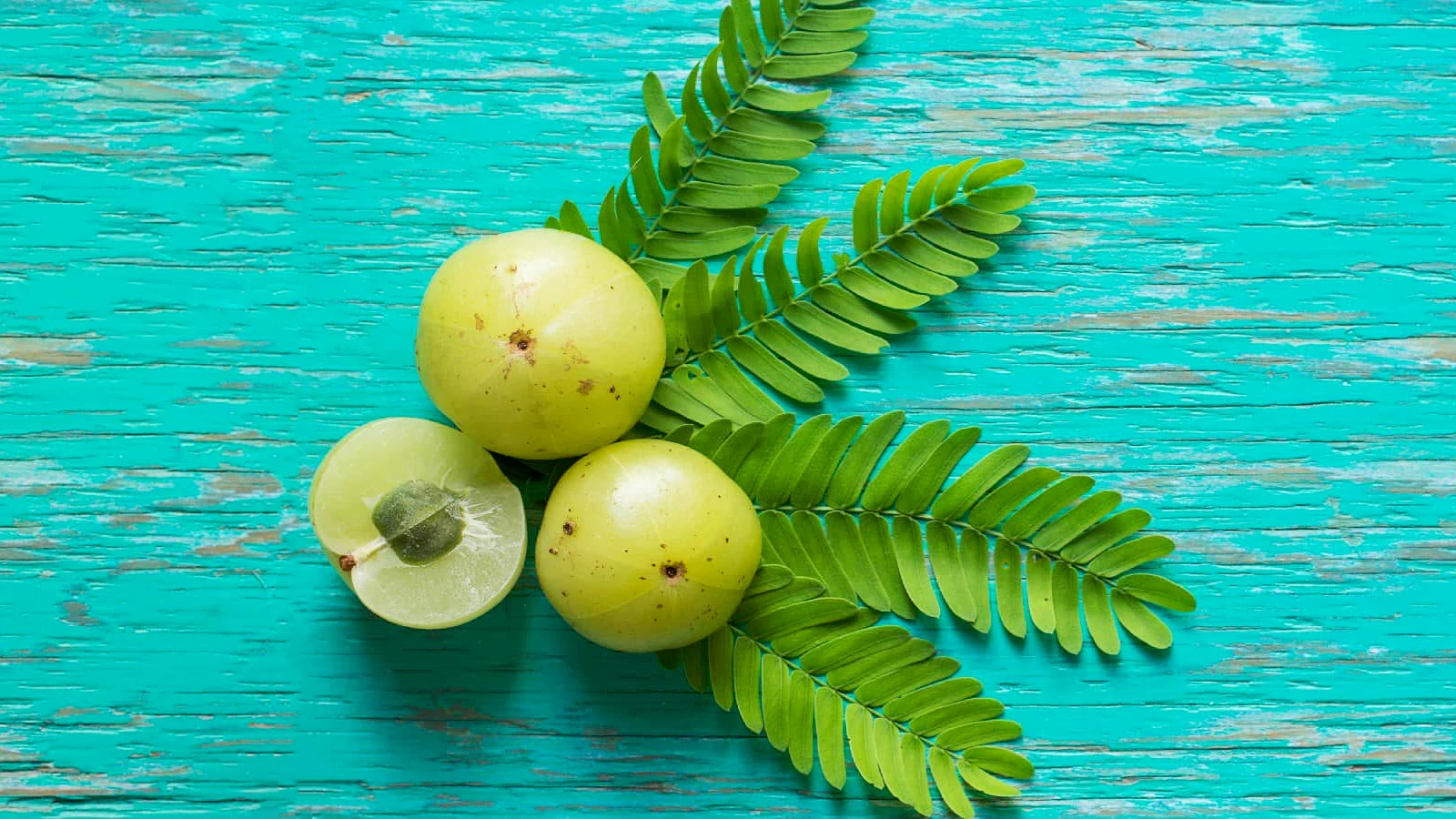
El amla es uno de los antioxidantes más potentes del mundo, con una puntuación ORAC de 261.530. Es una rica fuente de fitoquímicos que tienen diversos beneficios para la salud. Es una rica fuente de fitoquímicos que tienen diversos beneficios para la salud.
Top Noticias De Salud — ScienceDaily
- Insulin pills may soon replace daily injectionsen marzo 24, 2026
For over a century, scientists have chased the dream of insulin pills, but the digestive system kept destroying the drug before it could work—forcing millions of patients to rely on daily injections. Now, researchers at Kumamoto University have developed a clever workaround using a tiny peptide that helps insulin slip through the intestinal wall.
- Scientists discover hormone that may stop chronic back pain at its sourceen marzo 24, 2026
A new study suggests a widely used bone hormone could help relieve chronic back pain in an unexpected way. Instead of just strengthening bone, it appears to stop pain-sensing nerves from growing into damaged spinal areas. In animal models, this led to stronger spinal tissue and reduced pain sensitivity. The findings hint at a future treatment that tackles back pain at its biological roots.
- Women over 50 lost 35% more weight with this surprising comboen marzo 24, 2026
Postmenopausal women may have a powerful new edge in the battle against weight gain. A Mayo Clinic study found that those using menopausal hormone therapy while taking the obesity drug tirzepatide lost about 35% more weight than those on the drug alone. The findings hint at a surprising synergy between hormones and cutting-edge weight-loss medications, potentially opening the door to more effective, personalized treatments for millions of women facing increased cardiometabolic risks after […]
- This new tooth powder whitens teeth without damageen marzo 24, 2026
Researchers have developed a teeth-whitening powder that works with the vibrations of an electric toothbrush to safely remove stains. Unlike traditional whiteners, it not only brightens teeth but also repairs enamel and supports healthy oral bacteria. Lab tests showed dramatic whitening effects, while animal studies revealed reduced harmful microbes and inflammation. This could pave the way for a new generation of at-home dental care.
- Scientists discover Alzheimer’s hidden “death switch” in the brainen marzo 23, 2026
Scientists have uncovered a hidden “death switch” in the brain that may be driving Alzheimer’s disease—and even found a way to turn it off in mice. The culprit is a toxic pairing of two proteins that, when combined, triggers the destruction of brain cells and fuels memory loss. By using a new compound to break apart this deadly duo, researchers were able to slow disease progression, protect brain cells, and even reduce hallmark amyloid buildup.
- New blood test could catch pancreatic cancer before it’s too lateen marzo 23, 2026
A new blood test could change the outlook for one of the deadliest cancers—pancreatic cancer—by catching it much earlier than ever before. Researchers identified two previously unknown proteins in the blood that, when combined with existing markers, dramatically improved detection accuracy. The four-marker test was able to spot pancreatic cancer in over 90% of cases and performed especially well even in early stages, when treatment has the best chance of success.
- A promising fatty liver treatment may raise cancer risken marzo 23, 2026
A surprising new study reveals that blocking a supposedly protective enzyme, Caspase-2, could actually backfire—raising the risk of chronic liver damage and cancer over time. Researchers found that without this enzyme, liver cells grow abnormally large and accumulate genetic damage, leading to inflammation, scarring, and eventually tumors, especially with age. While inhibiting Caspase-2 may offer short-term benefits, such as reducing fatty liver disease, the long-term consequences appear […]
PubMed, #Dieta vegana –
- Plant-Based Dietary Patterns and Neuroimaging Biomarkers of Brain Health: A Scoping Review of Observational and Interventional Evidenceen marzo 23, 2026
Healthy dietary interventions are well established in cardiovascular disease prevention, but their effects on the brain remain underexplored. This scoping review aims to investigate how adherence to core components of a whole-food plant-based diet (WFPBD) may impact neuroimaging outcomes across different brain conditions. We searched PubMed and MEDLINE for studies published in the past 20 years evaluating the effects of a predominantly or exclusively WFPBD, alone or combined with other […]
- Environmental and economic impact of a vegan versus traditional mediterranean diet: OMNIVEG studyen marzo 17, 2026
CONCLUSIONS: Replacing animal products with plant-based foods in a Mediterranean dietary framework can enhance environmental sustainability and reduce food costs. These findings support the promotion of whole plant-based diets as a viable strategy for sustainable and affordable nutrition.
- Consumption Habits and Perception of Plant-Based Milk and Dairy Alternatives Among Vegetarians and Omnivores: A Case Study of Consumers in Sloveniaen marzo 14, 2026
CONCLUSIONS: PBMDA perceptions in Slovenia are strongly segmented by dietary pattern and socio-demographics, supporting the need for clearer nutrition communication.
- Culinary Nutrition Programming for Members of a Community-Based Cancer Programen marzo 14, 2026
(1) Background: Nutrition research in cancer care has largely focused on disease prevention and management, overlooking the importance of food literacy. Culinary cancer care programs may address this gap by facilitating the practical application of nutrition through culinary skills, fostering social connections over nutrient-dense meals, and supporting individuals during periods of physical and social vulnerability. The Not-Just-Supper Club (NJSC) at Gilda’s Club Toronto (GT) is a…
- Fatty acid composition of ground-beef products and their plant-based meat substitutes available in Hungaryen marzo 13, 2026
CONCLUSION: The findings indicate that plant-based meat alternatives (except those containing coconut oil) have lower saturated and higher polyunsaturated fatty acid compositions than beef-based products, leading to more beneficial nutritional value. Further analytical and clinical studies are necessary to provide a more comprehensive understanding of the long-term health effects of these foods.
Publicaciones aleatorias –
Antioxidantes La Actividad Física
Adaptaciones al Entrenamiento Dañadas por Antioxidantes: Prevención del Daño Oxidativo en el Músculo
Los antioxidantes suplementarios pueden bloquear el principal beneficio del ejercicio, que es el aumento de nuestra propia producción endógena de antioxidantes.
Antioxidantes ORAC Fitoquímicos
Suplementos Antioxidantes Frente a Alimentos Integrales: Pagar para Vivir Menos
Los suplementos antioxidantes no muestran el observado beneficios para la salud de las dietas ricas en frutas y verduras, mientras que la vitamina E, el selenio, beta caroteno, el licopeno muestran un aumento del riesgo de cáncer.

La Restricción De Calorías La longevidad
Ayuno intermitente frente a restricción calórica: ¿hay alguna diferencia?
Hay una forma de dieta que está diseñada principalmente para utilizar la autofagia llamada ayuno intermitente. Hacer una dieta de restricción calórica total es una elección difícil.
Editor De Selecciones La inflamación Dieta Vegana
La Inflamación y la Dieta- Argumento Vegana
Hemos evolucionado para recibir una ráfaga de antioxidantes protectoras cuando comemos pero no están presentes en la carne. La inflamación y la dieta tienen un alto nivel de correlación.
Antioxidantes ORAC
Consumo Optimo de Antioxidantes: Ingesta Recomendada de Unidades ORAC
El consumo óptimo de antioxidantes depende de la exposición a la toxicidad. La puntuación mínima de unidades ORAC es de 8000 a 10000 diarias sólo para contrarrestar el metabolismo.
Antioxidantes El cáncer
Vitamina C Intravenosa en el Tratamiento del Cáncer: 40 Años de Pruebas
La vitamina C intravenosa es un agente quimioterapéutico no tóxico que puede administrarse junto con los tratamientos convencionales contra el cáncer e incorporarse como protocolo de prevención y longevidad.

Dieta Vegana
Protectora de animales de carne humana o mito?- La cognición animal
No somos la especie más inteligente si medimos científicamente la cognición animal. La parte neocortical del cerebro del calderón tropical contiene más neuronas que el nuestro.

Editor De Selecciones La Dieta Paleo Dieta Vegana
El tamaño del cerebro, la inteligencia y el consumo de carne - Los veganos argumento
La combinación de una cierta cantidad de alimentaban de carne a la dieta vegana predominantemente no convertirse en una fuerza fundamental en la aparición de la inteligencia humana y el tamaño del cerebro.
Editor De Selecciones Prevención Toxicidad
Toxicidad Ambiental- Es Sólo Una Cadena Alimentaria
Toxicidad ambiental es la bioacumulación de toxinas. Los organismos son los filtros. Pero hay uno más aun peor proceso llamado biomagnificación en la cadena alimentaria.

Editor De Selecciones Dieta Óptima La Dieta Paleo
Dieta paleo - Sin carne a la vista
Los humanos evolucionaron durante 50 millones de años a partir de mamíferos herbívoros. La caza no es una actividad natural de los homínidos. La dieta paleo sólo existe desde hace 200.000 años.

Publicaciones destacadas -
La Diabetes Editor De Selecciones
La Diabetes causa y grasas saturadas - Los veganos argumento
A medida que aumenta el nivel de grasa en el torrente sanguíneo, disminuye la capacidad del organismo para eliminar el azúcar. Una de las causas de la diabetes es nuestra inadaptación a una gran ingesta de grasas

El cáncer Editor De Selecciones Toxicidad
Plaguicidas en Los Alimentos, Exposición en la Dieta Estadounidense Estándar - 80% Procedente de la Carne
La mayoría de los plaguicidas y, especialmente, metales pesados y otros residuos tóxicos contaminantes que tenemos, nos obtiene de la carne. Más de 80 por ciento de la exposición a pesticidas en la dieta Americana estándar proviene de productos de origen animal, no a partir de frutas o verduras.
La Diabetes Editor De Selecciones
La Diabetes causa y los hidratos de carbono refinados - Los veganos argumento
La gente cree que los carbohidratos refinados se asocian a picos de insulina y son una de las causas de la diabetes. Y tienen razón. Sin embargo, también se equivocan.
Editor De Selecciones La Obesidad
Experimento de Inanición de Minnesota: Por qué las Dietas Nos Hacen Engordar. La Psicología del Hambre.
Uno de los primeros estudios científicos sobre lo que es el hambre hace a la mente fue observado en un estudio recordado como el Minnesota Hambre Experimento realizado por la Universidad de Minnesota, ya en 1944.

El cáncer Editor De Selecciones Toxicidad
Exposición a Plaguicidas en Niños: Pruebas de Exposición en la Vida Real
Los niños y especialmente las mujeres embarazadas son más vulnerables a la exposición a los pesticidas. Si analizamos el mundo real de los niveles de exposición en situaciones de la vida real, lo que podría ser el resultado?
Antioxidantes Editor De Selecciones ORAC
Dieta Rica en Antioxidantes: Reglas y Estrategias Generales
Existen estrategias fáciles y rentables para optimizar el valor antioxidante de nuestra dieta.
Antioxidantes Editor De Selecciones ORAC
Comprender los Valores ORAC: Niveles de Antioxidantes en los Alimentos
Cuando tu principal fuente de antioxidantes es el café, sabes que tienes un grave problema.

La Medicina Alopática Editor De Selecciones Dieta Óptima
El Informe McGovern - Intereses especiales y supresión de la ciencia
En 1977 el empuje para un cambio de Pautas Dietéticas (McGovern Informe) a más a base de plantas vegana uno se había introducido en el Congreso de los estados UNIDOS.
Editor De Selecciones Dieta Vegana
Deficiencias Nutricionales en la Dieta Vegana: Estrategias de Prevención
Existen nueve deficiencias nutricionales comunes a escala poblacional que afectan a las personas que siguen una dieta basada en plantas. Si no se corrigen a tiempo, algunas deficiencias tienen consecuencias terribles y no tratables.

La Medicina Alopática El cáncer Editor De Selecciones
El cáncer, La Prohibida Curas-máquina de Rife, reseña Histórica
La tasa de recuperación de pacientes con cáncer no tratable y declarados enfermos terminales mediante la utilización de la tecnología resonante de la máquina Rife fue del 100%.
La última versión desde PubMed, #Dieta basada en plantas –
- From cow to crop: motives and barriers for plant-based dairy alternative consumption across three European countriespor Dominika Maison en marzo 23, 2026
Currently, alternative sources of protein are being sought to replace not only meat but also dairy products in the diet. From this perspective, it is worth examining how consumers perceive these products, what motivates them to choose them and what barriers they encounter, especially with regard to attitudes towards dairy products. The present study aimed to compare attitudes towards plant-based dairy alternatives (PBDAs) in three European countries – Poland, Germany and the UK. Furthermore, […]
- Energy and macronutrient intakes of Montenegrin adults: insights from the EFSA EU Menu National Survey (2017-2022)por Amil Orahovac en marzo 23, 2026
INTRODUCTION: Understanding population-level dietary intakes is essential for preventing diet-related non-communicable diseases (NCDs) and informing evidence-based nutrition policies. Until recently, Montenegro lacked nationally representative data on food and nutrient intake aligned with European Food Safety Authority (EFSA) standards. This study provides the first comprehensive analysis of energy and macronutrient intake among Montenegrin adults within the EFSA EU Menu framework.
- Plant-Based Dietary Patterns and Neuroimaging Biomarkers of Brain Health: A Scoping Review of Observational and Interventional Evidencepor Lydia Viviana Falsitta en marzo 23, 2026
Healthy dietary interventions are well established in cardiovascular disease prevention, but their effects on the brain remain underexplored. This scoping review aims to investigate how adherence to core components of a whole-food plant-based diet (WFPBD) may impact neuroimaging outcomes across different brain conditions. We searched PubMed and MEDLINE for studies published in the past 20 years evaluating the effects of a predominantly or exclusively WFPBD, alone or combined with other […]
- Metabolic pathway analysis reveals hierarchical pentose sugar utilization and metabolic flexibility of Bifidobacterium longumpor Lisa Friess en marzo 23, 2026
Plant-derived pentose sugars represent a major nutrient source in the gut, yet their metabolism remains incompletely defined. Strains of the human gut commensal Bifidobacterium longum subsp. longum utilise arabinose- and xylose-containing glycans, which are found in the pectin and hemicellulose layers of plant cell walls. To gain insight into the metabolism of these two pentoses as well as ribose, a naturally occurring sugar and a component of RNA and ATP, we identified and analysed the genes…
- Performance of Amblyseius swirskii (Acari: Phytoseiidae) on different astigmatid prey: life history traits and multi-generational stabilitypor Marziye Jahanbazi en marzo 22, 2026
Optimizing trophic interactions within factitious prey chains is critical for the sustainable mass production of biological control agents. We investigated the developmental and demographic performance of Amblyseius swirskii (Athias-Henriot) (Acari: Phytoseiidae) when fed on four storage mite species, Tyrophagus putrescentiae (Schrank) (Acari: Acaridae), Carpoglyphus lactis L. (Acari: Carpoglyphidae), Lepidoglyphus destructor (Schrank) (Acari: Glycyphagidae), Rhizoglyphus robini Claparede…
- Association Between Healthy Eating Patterns and Prevalence of Suspected Polycystic Ovary Syndrome: A Cross Sectional Studypor Lingling Huang en marzo 20, 2026
The diet-PCOS relationship remains complex and requires further investigation. Among 1424 participants (12.3% suspected PCOS), dietary patterns were evaluated using NIH criteria via FFQ: exploratory factor analysis (EFA), EAT-Lancet dietary pattern (EAT-LDP), Mediterranean, plant-based indices. EFA identified four patterns: plant-forward (PFD), animal-protein (APD), red and organ meat (ROM), and fast-food (FFD). Multivariable logistic regression, adjusted for age, BMI, education attainment,…