







El Informe McGovern - Intereses especiales y supresión de la ciencia
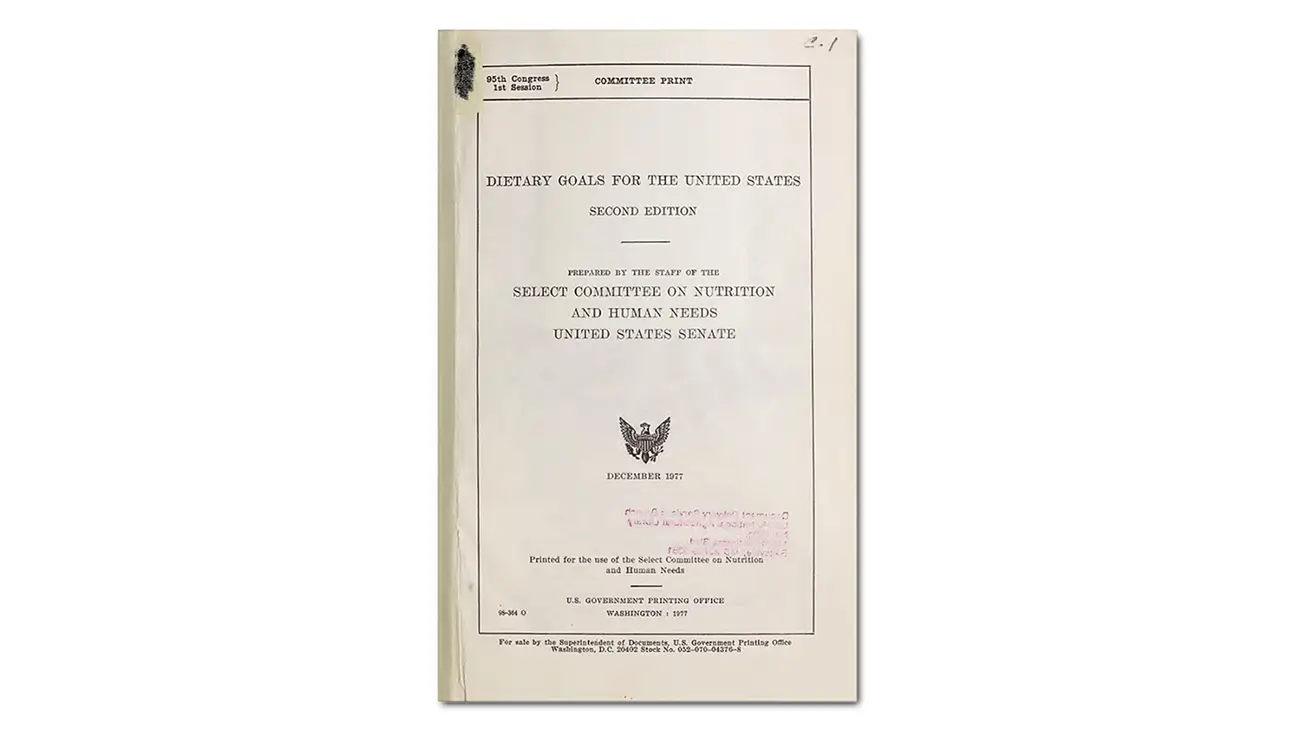
En 1977 el empuje para un cambio de Pautas Dietéticas (McGovern Informe) a más a base de plantas vegana uno se había introducido en el Congreso de los estados UNIDOS.
Milos Pokimica
Escrito por: Milos Pokimica
Revisado Médicamente Por: Dr. Xiùying Wáng, M.D.
Actualizado el 9 de junio de 2023La batalla por las vidas humanas, el control y los beneficios es real, pero se libra entre bastidores.
Lo que la mayoría de la gente conoce no es más que propaganda. Los médicos son buenos, tienen que prometer un juramento hipocrático, están ahí para curarte y ayudarte, y por supuesto un día la medicina nos va a librar de todas las enfermedades. En realidad, es todo lo contrario y a veces se te echa en cara que es patética.
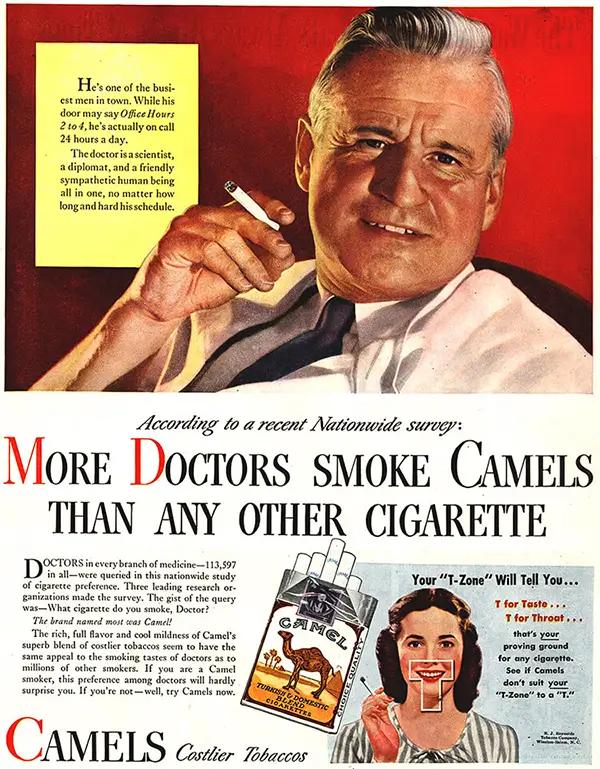
Para la mayoría de las personas que no están familiarizadas con la historia de la ciencia de la nutrición, puede resultar sorprendente que el propio gobierno tenga una red para suprimir la ciencia y que el interés individual de los hombres no sea su principal objetivo. Basta recordar ejemplos como el "Informe McGovern".
En 1977 se publicó el "Informe McGovern". George McGovern fue un antiguo senador demócrata por Dakota del Sur que en 1972 sufrió una derrota presidencial ante Richard Nixon, pero también estuvo al frente del comité que dio a conocer las primeras Guías Alimentarias en Estados Unidos. Antes de eso, era como ahora. Carne y azúcar.

En 1977, la mayor parte de la ciencia a la que se hace referencia en los artículos de GoVeganWay era conocida hasta cierto punto. Incluso antes. Las enfermedades de la opulencia como las cardiopatías o el cáncer empezaban a dispararse incluso a principios del siglo XX en EE.UU. y algunos otros países desarrollados. El consumo de carne aumentó porque aumentó la riqueza personal y la gente empezó a gastar más en comida. Esto ocurrirá en todas partes donde suba el nivel de vida. Por ejemplo, en las zonas rurales de China e India, la gente vive principalmente con una dieta vegana basada en el almidón y dominada por el arroz, debido a la pobreza. Pero cuando esas personas se trasladen a las ciudades para trabajar en alguna fábrica de nueva construcción, tendrán más dinero para gastar en comida, y eso es exactamente lo que ha ocurrido en Estados Unidos.
Como consecuencia, las enfermedades de la opulencia se dispararon. Después de la Segunda Guerra Mundial, la nutrición, como ciencia, empezó a investigarse de forma más profesional y científica. Se había investigado y se tardó un par de décadas, pero se había llegado a un consenso científico.
El consenso era que no se trataba sólo de grasa animal saturada, como se creía en los años cincuenta, o no era sólo colesterol, sino de una dieta antinatural dominada por productos animales en su conjunto. Ese tipo de dieta era diferente de la dieta vegana basada en almidón que la gente comía hace apenas cien años. El consenso científico en ese momento era y esto es en la década de 1970 que los seres humanos como especie son primates y no verdaderos omnívoros anatómicos. El consenso era que el gobierno -respaldado por toda la investigación nutricional- debía cambiar su modelo de pirámide alimentaria dominada por los productos animales y que Directrices dietéticas debería estar más en consonancia con la evolución humana. Se hizo el informe, pero incluso ese informe tuvo que ser "suavizado", pero aún así. Se impulsó el cambio de las Guías Alimentarias aceptadas y se presentó al Congreso.
Era el Informe McGovern.
¿Qué tenía de malvado este informe? Básicamente afirmaba que deberíamos comer más cereales integrales, más fruta, más verdura, menos carne, menos lácteos, al menos menos menos lácteos integrales, azúcar, etcétera. Seguía siendo una forma de compromiso y no abogaba por una dieta totalmente vegana, pero era un paso en una dirección similar. Se esperaba que estas nuevas directrices sobre alimentación tuvieran efectos similares a los del Informe del Cirujano General de 1964 sobre el tabaquismo.
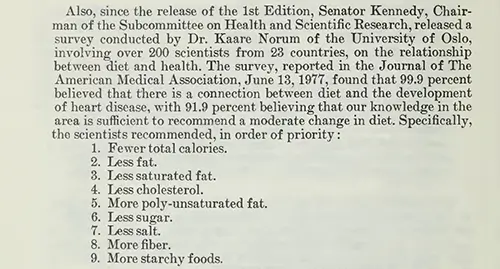
Esta es una cita del propio informe:
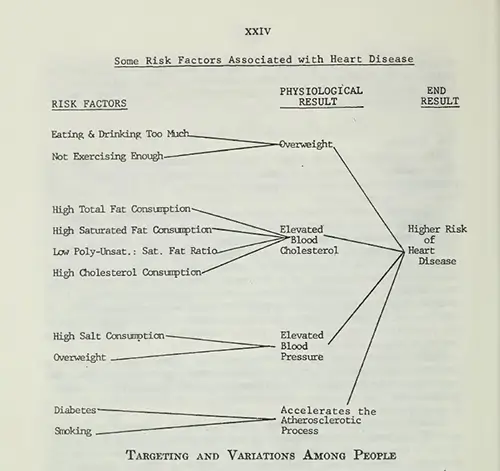
"Hay muchas pruebas, y siguen acumulándose, que implican fuertemente y, en algunos casos, demuestran que las principales causas de muerte y discapacidad en Estados Unidos están relacionadas con la dieta que seguimos. Yo (el Dr. Hegsted, de la Escuela de Salud Pública de Harvard) incluyo la enfermedad arterial coronaria, responsable de casi la mitad de las muertes en Estados Unidos, varias de las formas más importantes de cáncer, la hipertensión, la diabetes y la obesidad, así como otras enfermedades crónicas."
La industria y una gran parte de los senadores calificaron el informe de gran teoría de la conspiración y que el Comité McGovern cree en privar a la gente de lo que le gusta.
Esto se extrajo de un acta oficial de la audiencia del comité, y más tarde se difundió la misma historia en los principales medios de comunicación. Si usted no cree en las teorías de la conspiración y ver los principales medios de comunicación aquí es un ejemplo de la mentalidad de la gente de la industria.
En aquel momento, el instituto The Salt advirtió que:
"Si la gente comiera más sano, tendríamos más ancianos a los que cuidar"..., "aumentando simultáneamente el coste del cuidado de los ancianos, que entra en la categoría de gastos sanitarios".
A los "gobernantes" no les gustan los viejos porque no producen y sólo chupan los recursos que los gobernantes quieren para ellos. Es mejor para ellos y para la economía que la gente muera a los 60 justo antes de jubilarse, y es aún mejor que gasten todos sus ahorros en operaciones de corazón y quimioterapia antes de morir. No sería rentable para los "gobernantes" tener masas de gente viviendo regularmente hasta los 90 años. Este planeta, en su mentalidad, ya está superpoblado.
Las demás industrias también se volvieron locas, especialmente la de la carne y los huevos.
Advierten de que:
"Si las Metas Dietéticas son segadas hacia adelante y promovidas como una norma presente los sectores enteros de la industria alimentaria -la carne, los lácteos, el azúcar y otros pueden estar tan gravemente dañados que cuando se compruebe que los Objetivos Dietéticos son desacertados, como seguramente se descubrirá, la recuperación de la producción puede estar fuera de nuestro alcance."
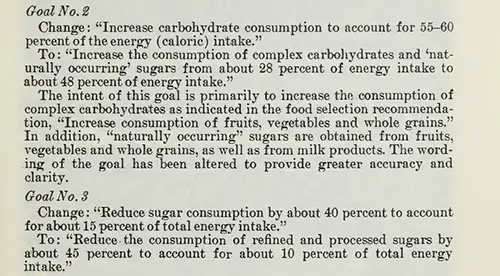
Sin embargo, la industria alimentaria no detuvo este informe. Este informe fue finalmente detenido al más alto nivel político. El nivel que ve a las personas como un recurso.
El informe completo, en pdf: (descargar)
Referencias:
Pasajes seleccionados de un libro: Pokimica, Milos. ¿Te haces vegano? Revisión de la Ciencia Parte 2. Kindle ed., Amazon, 2018.
- “Dieta relacionada con enfermedades mortales, III : Audiencias ante el Comité Selecto de Nutrición y Necesidades Humanas del Senado de los Estados Unidos, Nonagésimo Quinto Congreso, ..." HathiTrust, babel.hathitrust.org/cgi/pt?id=uc1.a0000416073;view=1up;seq=1.
- Oppenheimer GM, Benrubi ID. McGovern's Senate Select Committee on Nutrition and Human Needs versus the meat industry on the diet-heart question (1976-1977). Am J Public Health. 2014 Jan;104(1):59-69. doi: 10.2105/AJPH.2013.301464. Epub 2013 Nov 14. PMID: 24228658; PMCID: PMC3910043.
Contenidos Relacionados

¿Tienes alguna duda acerca de la nutrición y la salud?
Me encantaría conocer tu opinión y responderlas en mi próximo post. Agradezco su aportación y opinión y espero tener noticias suyas pronto. También le invito a síguenos en Facebook, Instagram y Pinterest para más contenidos sobre dieta, nutrición y salud. Puedes dejar un comentario allí y conectar con otros entusiastas de la salud, compartir tus consejos y experiencias, y recibir apoyo y ánimo de nuestro equipo y nuestra comunidad.
Espero que este post le haya resultado informativo y ameno y que esté preparado para aplicar los conocimientos adquiridos. Si le ha resultado útil, por favor compártelo con tus amigos y familiares que también podrían beneficiarse de ella. Nunca se sabe quién puede necesitar orientación y apoyo en su camino hacia la salud.
– También Te Puede Interesar –

Enjuague Bucal Natural Casero: Probado, Más Fuerte y Menos Tóxico
La deficiencia de vitamina D - La optimización de las estrategias de
El cáncer, La Prohibida Curas-máquina de Rife, reseña Histórica
Beneficios del Sulforafano: El Superpoder Desintoxicante del Brócoli
Dieta Rica en Antioxidantes: Reglas y Estrategias Generales
Cómo Ayunar: Alimentos en Ayunas Que No Rompen la Autofagia

Extracción Casera de Aceite: La Técnica Secreta de la Densidad de Nutrientes

Pesticidas, OMG y Sobrecarga Tóxica

Aprenda Sobre Nutricion

Milos Pokimica es doctor en medicina natural, nutricionista clínico, escritor sobre salud médica y nutrición y asesor en ciencias de la nutrición. Autor de la serie de libros Go Vegan? Revisión de la Ciencia, también dirige el sitio web sobre salud natural GoVeganWay.com.
Descargo De Responsabilidad Médica
GoVeganWay.com trae los comentarios de la última de la nutrición y la salud relacionados con la investigación. La información proporcionada representa la opinión personal del autor y no pretende ni implica ser un sustituto de consejo médico profesional, diagnóstico o tratamiento. La información proporcionada es sólo para fines informativos y no pretende servir como un sustituto de la consulta, el diagnóstico y/o tratamiento médico de un médico calificado o profesional de la salud.NUNCA ignore el CONSEJO MÉDICO PROFESIONAL O RETRASAR la BÚSQUEDA de TRATAMIENTO MÉDICO a CAUSA DE ALGO QUE HAYA LEÍDO EN O accesibles a TRAVÉS de GoVeganWay.com
NUNCA APLICAR CUALQUIER cambio de ESTILO de vida O CAMBIOS EN su totalidad COMO UNA CONSECUENCIA DE ALGO QUE HA LEÍDO EN GoVeganWay.com ANTES de CONSULTAR con LICENCIA PROFESIONAL MÉDICO.
En el caso de una emergencia médica, llame a un médico o al 911 inmediatamente. GoVeganWay.com no se recomienda ni aprueba ninguna de los grupos, las organizaciones, las pruebas, los médicos, productos, procedimientos, opiniones u otra información que pueda ser mencionado en el interior.
Selecciones del Editor -
El cáncer Editor De Selecciones Fitoquímicos
Poder Anticancerígeno de Frutas y Verduras: Pruebas Clínicas e in Vivo
Algunos extractos vegetales rivalizan con los principales fármacos quimioterapéuticos y, al mismo tiempo, atacan varios tipos diferentes de células cancerosas.
Antioxidantes Editor De Selecciones ORAC
Aceites Esenciales Como Suplementos Antioxidantes: Reglas y Estrategias
Los aceites esenciales de calidad alimentaria pueden ser una estrategia cómoda y de fácil consumo para optimizar el valor antioxidante y las puntuaciones ORAC de nuestra dieta.
Antioxidantes Editor De Selecciones ORAC
Dieta Rica en Antioxidantes: Reglas y Estrategias Generales
Existen estrategias fáciles y rentables para optimizar el valor antioxidante de nuestra dieta.
Antioxidantes Editor De Selecciones ORAC
Comprender los Valores ORAC: Niveles de Antioxidantes en los Alimentos
Cuando tu principal fuente de antioxidantes es el café, sabes que tienes un grave problema.

Antioxidantes Editor De Selecciones ORAC
Astaxantina Beneficios: Antioxidante Natural Más Potente del Mundo
La astaxantina es el más potente y natural antioxidante universal (petróleo y agua-soluble) que conoce la ciencia. Se acumula en los tejidos y nunca puede convertirse en un pro-oxidante.
Antioxidantes Editor De Selecciones ORAC Fitoquímicos
Antioxidantes: Conceptos Básicos
Los productos de origen animal no contienen fitoquímicos ni antioxidantes. Por término medio, los alimentos vegetales contienen más de 60 veces más antioxidantes que los de origen animal.
Editor De Selecciones Dieta Vegana
Deficiencias Nutricionales en la Dieta Vegana: Estrategias de Prevención
Existen nueve deficiencias nutricionales comunes a escala poblacional que afectan a las personas que siguen una dieta basada en plantas. Si no se corrigen a tiempo, algunas deficiencias tienen consecuencias terribles y no tratables.
Editor De Selecciones Dieta Óptima
Deficiencia de Micronutrientes en la Dieta Americana Estándar: Estrategias de Optimización
El perfil nutricional de nuestra dieta moderna a base de carne, azúcar y alimentos procesados es totalmente incongruente con nuestra evolución, lo que provoca una grave carencia de micronutrientes.
Editor De Selecciones Fitoquímicos
Fitoquímicos: Conceptos Básicos
Todos y cada uno de los fitoquímicos que existen tienen una acción biológica en el cuerpo humano. Cada uno de los millones de fitoquímicos diferentes.
Editor De Selecciones La leche Dieta Óptima
Leche y Productos Lácteos: Correlaciones de Riesgo Para la Salud
Las asociaciones conocidas con el consumo de leche y productos lácteos son infertilidad, cáncer de ovario y de mama, leucemia, diabetes de tipo 1, autismo, arteriosclerosis, cataratas, artritis reumatoide, esclerosis múltiple, hiperactividad, congestión, granos...
El cáncer Editor De Selecciones La proteína
Proteína Completa: Señalización del IGF-1 en la Formación del Cáncer
Cuando usted come proteínas animales que tienen cuatro veces más probabilidad de desarrollar todos los tipos de cáncer. Cuando usted fuma, usted tiene cuatro veces la posibilidad de desarrollar cáncer de pulmón.

El cáncer Editor De Selecciones La proteína
La Anatomía de Cáncer de riesgo para la Salud de las correlaciones
Aproximadamente el 2% de los cánceres son por la medicina considera puramente causada por factores genéticos. De la misma gama como dentro del reino animal. No le han dicho toda la verdad.
Milos Pokimica es escritor especializado en salud y nutrición y asesor en ciencias nutricionales. Autor de la serie de libros Go Vegan? Revisión de la Ciencia, también dirige el sitio web sobre salud natural GoVeganWay.com.
Últimos Artículos –
La Restricción De Calorías La longevidad
Cómo Ayunar: Alimentos en Ayunas Que No Rompen la Autofagia
Autofagia. ¿Se ha preguntado alguna vez qué ocurre con las células de su cuerpo cuando mueren o se dañan? ¿Se amontonan y crean problemas, o se eliminan de alguna manera? La respuesta es que su cuerpo...
Salud Dental Prevención
Dolor y Sensibilidad a los Dulces: Solución Rápida y Duradera
Una solución rápida y fácil para aliviar el dolor es el aceite esencial de clavo, un potente antioxidante y analgésico que puede ayudar con las enfermedades de las encías y el dolor de muelas.
Los frijoles
Judías Verdes: Nutrición y Beneficios Para la Salud
Los frijoles verdes son bajos en calorías y ricos en compuestos naturales que pueden ayudar a controlar su azúcar en la sangre, reducir el colesterol y combatir los radicales libres.
Dieta de alimentos crudos Dieta Vegana
Se Pueden Comer Setas Crudas: Riesgos Para La Salud, Nutrición Y Seguridad
Las setas tienen toxinas sensibles al calor, como la hidracina o la agaritina, y paredes celulares compuestas de quitina que el ser humano no puede digerir bien.
Dieta Vegana
¿Son Los Peces Animales? Una Perspectiva Cultural
En algunas culturas, la carne de pescado no se considera carne, y el pescado está permitido incluso durante el ayuno.

Salud Dental Prevención
Enjuague Bucal Natural Casero: Probado, Más Fuerte y Menos Tóxico
El enjuague bucal natural hecho en casa es más fuerte que la clorhexidina, menos tóxico y si se ingiere puede dar un poco de náuseas, pero también un alto estallido en el valor ORAC.
Salud Dental Prevención
Cómo Detener la Caries Dental: Síntomas, Causas y Prevención
El consumo de azúcar es la principal causa de caries y deterioro dental, combinado con carencias de minerales, especialmente magnesio, zinc, cobre y oligoelementos.
Antioxidantes Superalimentos
Amla: Beneficios Probados, Nutrición e Importancia Clínica
El amla es uno de los antioxidantes más potentes del mundo, con una puntuación ORAC de 261.530. Es una rica fuente de fitoquímicos que tienen diversos beneficios para la salud. Es una rica fuente de fitoquímicos que tienen diversos beneficios para la salud.
Top Noticias De Salud — ScienceDaily
- USC scientists discover how to create a never-ending supply of cancer-fighting cellsen octubre 16, 2026
USC scientists have discovered a way to create a potentially renewable supply of genetically engineered immune cells that can attack cancer and strengthen the body’s natural defenses. By growing and modifying immature immune cells rather than mature ones, researchers developed a system that can continuously produce tumor-fighting cells inside the body.
- Yale scientists discover how stress changes the brain to make memories strongeren octubre 16, 2026
Yale scientists have uncovered how the stress hormone cortisol helps the brain turn emotional experiences into stronger, longer-lasting memories. The discovery reveals that stress can reshape communication between brain networks involved in emotion and memory, potentially explaining why certain moments are so difficult to forget.
- A protein that fuels cancer could also be the key to fighting iten octubre 16, 2026
Scientists have discovered how to turn a protein that normally fuels cancer growth into a weapon against it. By activating PPARD in immune cells, researchers made them better at burning fat and attacking tumors, slowing or stopping cancer growth in laboratory experiments. The approach showed promise against colorectal, breast, and ovarian cancers, as well as melanoma.
- Scientists discover how exercise reverses muscle agingen octubre 16, 2026
Scientists have uncovered a hidden biological mechanism that helps explain how exercise can reverse some of the damage caused by muscle aging. The key is a gene called DEAF1, which becomes overactive with age and interferes with the muscles’ ability to clear damaged proteins and repair themselves. Exercise can help restore this balance, allowing older muscles to rebuild and regain strength, although the benefits may diminish when the system becomes too disrupted.
- Mysterious brain activity under anesthesia challenges what we know about consciousnessen octubre 15, 2026
Even under general anesthesia, the human brain can analyze language, recognize different types of words, and predict what comes next in a story, according to a surprising discovery by Baylor researchers. The findings challenge our understanding of consciousness and suggest that the unconscious brain is far more capable than scientists previously realized.
- Eating late at night linked to up to 30% higher risk of liver diseaseen octubre 15, 2026
Eating late at night could be putting your liver at risk, according to a large study led by Oregon Health & Science University. Researchers analyzed data from nearly 200,000 people and found that those who regularly ate after dinner or around bedtime had a 20% to 30% higher risk of liver disease, including fatty liver disease and cirrhosis.
- Scientists discover a surprising danger in smaller cancer cellsen octubre 15, 2026
Scientists have discovered that unusually small cancer cells carrying extra chromosomes can be far more aggressive than larger ones, growing faster, spreading more readily, and resisting common treatments. The surprising finding could help explain why some tumors are especially dangerous and provide a new way to predict cancer outcomes.
PubMed, #Dieta vegana –
- Common questions and misconceptions about diets: what does the scientific evidence really show?en octubre 15, 2026
The study of diet and nutrition is often filled with numerous myths and misconceptions. A Google Scholar search of “diets health” yields over 4 million results. This review examines frequently asked questions about diets and dietary habits. These questions include the following: 1) Is a caloric surplus necessary for building skeletal muscle? 2) Is it possible to lose body mass or fat mass without caloric restriction? 3) Is intermittent fasting better than chronic caloric restriction for […]
- Toward consensus on complementary feeding recommendations: findings from a national evidence-informed modified Delphi study in Türkiyeen octubre 12, 2026
CONCLUSIONS: Integration of quantitative Delphi findings with qualitative thematic analysis revealed that non-consensus primarily stemmed from the practical nuances of clinical execution and contextual adaptation, rather than a fundamental skepticism toward the underlying scientific data. These findings provide an evidence-informed foundation for developing context-sensitive CF recommendations for clinical practice.
- Characterization of nutritional intake in vegan pregnant women and its association on birth weighten octubre 8, 2026
CONCLUSIONS: Vegan women had a higher rate of SGA than non-vegan women, and this increased risk may be partly related to differences in maternal protein intake and composition. In addition, vegan women had lower dietary intakes of calcium, vitamin B12, vitamin D, DHA, and choline, highlighting these nutrients as important considerations in the nutritional assessment and counseling of pregnant women adhering to a strictly vegan diet.
- Changes in ectopic lipids, insulin sensitivity, and beta cell function after a low-fat vegan diet in adults with type 2 diabetes: a 16-week single-arm clinical trialen octubre 8, 2026
CONCLUSIONS: On an ad libitum low-fat plant-based (vegan) dietary intervention, the participants with type 2 diabetes experienced reductions in ectopic fat, particularly visceral and hepatocellular fat, improvements in insulin sensitivity, reductions in AGEs, and improvements in beta-cell function.
Random Posts –
Desintoxicación Agua Potable
Agua alcalina - beneficios de Salud y riesgos
En la comunidad de la salud y la nutrición se habla mucho de los beneficios del "agua ionizada" o "agua alcalina". ¿Qué dice la ciencia?
La inflamación Toxicidad
La carne cocida bacterias endotoxemia la Inflamación y la dieta
Son los seres humanos omnívoros en un verdadero anatómica sentido? Hay una diferencia fundamental en la forma en que el tracto digestivo trabaja en plantas vs consumo de carne de las especies.
Editor De Selecciones Dieta Óptima
Deficiencia de Micronutrientes en la Dieta Americana Estándar: Estrategias de Optimización
El perfil nutricional de nuestra dieta moderna a base de carne, azúcar y alimentos procesados es totalmente incongruente con nuestra evolución, lo que provoca una grave carencia de micronutrientes.
Dieta de alimentos crudos Dieta Vegana
Se Pueden Comer Setas Crudas: Riesgos Para La Salud, Nutrición Y Seguridad
Las setas tienen toxinas sensibles al calor, como la hidracina o la agaritina, y paredes celulares compuestas de quitina que el ser humano no puede digerir bien.
La Diabetes Editor De Selecciones
La Diabetes causa y grasas saturadas - Los veganos argumento
A medida que aumenta el nivel de grasa en el torrente sanguíneo, disminuye la capacidad del organismo para eliminar el azúcar. Una de las causas de la diabetes es nuestra inadaptación a una gran ingesta de grasas
Antioxidantes ORAC
Consumo Optimo de Antioxidantes: Ingesta Recomendada de Unidades ORAC
El consumo óptimo de antioxidantes depende de la exposición a la toxicidad. La puntuación mínima de unidades ORAC es de 8000 a 10000 diarias sólo para contrarrestar el metabolismo.
Editor De Selecciones La Obesidad
Experimento de Inanición de Minnesota: Por qué las Dietas Nos Hacen Engordar. La Psicología del Hambre.
Uno de los primeros estudios científicos sobre lo que es el hambre hace a la mente fue observado en un estudio recordado como el Minnesota Hambre Experimento realizado por la Universidad de Minnesota, ya en 1944.
Salud Dental Prevención
Enjuague Bucal Natural Casero: Probado, Más Fuerte y Menos Tóxico
El enjuague bucal natural hecho en casa es más fuerte que la clorhexidina, menos tóxico y si se ingiere puede dar un poco de náuseas, pero también un alto estallido en el valor ORAC.
La Diabetes La leche
Leche A1: Diabetes, Autismo y Cardiopatías
La evidencia epidemiológica sugiere que A1 leche con el a1 de la beta-caseína, es una variante posible factor de riesgo en el desarrollo de la diabetes tipo 1 en los niños, autismo y enfermedades del corazón en los adultos.
Antioxidantes Editor De Selecciones ORAC
Astaxantina Beneficios: Antioxidante Natural Más Potente del Mundo
La astaxantina es el más potente y natural antioxidante universal (petróleo y agua-soluble) que conoce la ciencia. Se acumula en los tejidos y nunca puede convertirse en un pro-oxidante.

Puestos Destacados –
Editor De Selecciones La Obesidad Dieta Óptima
Causa de la Obesidad - la falta de adaptación o adicción
¿Cuál es la causa de la epidemia de obesidad? Para toda la vida en la Tierra, los alimentos no es una opción. La cosa más dura para los animales en el desierto es la ganancia de peso.
Editor De Selecciones La inflamación
Los seres humanos omnívoros dilema - el consumo de Carne, las bacterias probióticas, la inflamación y el intestino
Son los seres humanos omnívoros en un verdadero anatómica sentido? Hay una diferencia fundamental en la forma en que el tracto digestivo trabaja en plantas vs consumo de carne de las especies.
Editor De Selecciones Dieta Óptima
Dieta Humana Optima- Enfermedades Crónicas, Guerras de Dietas y el Argumento Vegano
Nuestra dieta humana óptima natural es la dieta que comieron nuestros ancestros homínidos durante los últimos 30 millones de años, no los humanos anatómicamente modernos de la Edad de Piedra.
Editor De Selecciones Dieta Vegana
Deficiencias Nutricionales en la Dieta Vegana: Estrategias de Prevención
Existen nueve deficiencias nutricionales comunes a escala poblacional que afectan a las personas que siguen una dieta basada en plantas. Si no se corrigen a tiempo, algunas deficiencias tienen consecuencias terribles y no tratables.

Editor De Selecciones Prevención Dieta Vegana
El estudio de China - Los veganos argumento
El estudio de China mostró que no hay ninguna enfermedad del corazón o el cáncer o la diabetes en las comunidades rurales subdesarrolladas en el mundo con base de almidón de las dietas veganas.

La Medicina Alopática Editor De Selecciones
La historia de Big Pharma - IG Farben
La parte de Rockefeller monopolio de la química y de la medicina de las industrias de vino en cumplimiento después de la 2 ª guerra mundial. La Standard Oil y la IG Farben cooperación con esta realidad.
La Medicina Alopática Editor De Selecciones Dieta Óptima
El Informe McGovern - Intereses especiales y supresión de la ciencia
En 1977 el empuje para un cambio de Pautas Dietéticas (McGovern Informe) a más a base de plantas vegana uno se había introducido en el Congreso de los estados UNIDOS.
El cáncer Editor De Selecciones Fitoquímicos
Poder Anticancerígeno de Frutas y Verduras: Pruebas Clínicas e in Vivo
Algunos extractos vegetales rivalizan con los principales fármacos quimioterapéuticos y, al mismo tiempo, atacan varios tipos diferentes de células cancerosas.
Editor De Selecciones Dieta Óptima La proteína
Dieta Alta En Proteínas - Riesgo Para La Salud De Las Correlaciones
La escasez es la regla de la proteína en la naturaleza. En términos evolutivos, los antropólogos han demostrado que los propios homínidos vivieron un promedio de 15 a 25 gramos de proteína al día. En la occidental moderna, que tipo de dieta alta en proteínas nos consumiría que...

Editor De Selecciones La Obesidad
El trastorno de atracones compulsivos - La psicología de hambre
En la naturaleza, no hay refinado de azúcar o grasa. Nuestro cerebro nunca había sido expuesto a una combinación de los dos a la vez nos obliga a ir de borrachera comiendo desorden.
La última versión desde PubMed, #Dieta basada en plantas –
- Plant-Based Functional Formulae Mitigate Western Diet-Induced MASLD by Modulating Hepatic Oxidative Stress, Inflammation as Well as Nrf-2/HO-1 and NF-kappaB Gene Expressionpor Rasha S Mohamed en octubre 16, 2026
Psyllium has long been used to improve satiety and control weight. Leek and dill leaves are abundant in bioactive substances that have been confirmed to have anti-inflammatory and antioxidant properties. Our goal was to assess the hepatoprotective effects of two formulae (dill and psyllium or leek and psyllium) against oxidative stress and inflammatory markers in a metabolic dysfunction-associated steatotic liver disease (MASLD) rat model. Twenty four rats were used in this study. Rats were…
- Bioactive Ingredients in the Mediterranean Diet for Hepatic Health: In Vitro Evaluation of Selected Extracts Against Non-Alcoholic Steatosispor Valentina Vassallo en octubre 16, 2026
Natural products derived from the Mediterranean diet have attracted considerable interest as potential drug leads owing to their antioxidant and anti-inflammatory properties, as well as their beneficial effects on metabolic disorders such as non-alcoholic fatty liver disease (NAFLD). This study investigated the individual and combined effects of carvacrol, thymol, basil essential oil, and lycopene in an in vitro HepG2 model of hepatic steatosis. Their antioxidant activity was first confirmed […]
- Dietary Phytochemical Index and Fasting Plasma Glucose in Adults with Type 2 Diabetes: A Cross-Sectional Studypor Stavroula Maria Konstantopoulou en octubre 16, 2026
Background/Objectives: Type 2 diabetes mellitus (T2D) is a major public health challenge. Phytochemicals have gained attention for their potential role in glucose regulation. This study aimed to investigate the association between dietary phytochemical intake, assessed using the Dietary Phytochemical Index (DPI), and fasting plasma glucose in adults with established T2D. Methods: A cross-sectional study was conducted among 340 adults with T2D attending the Diabetes Clinic of the General […]
- Toxicological Evaluation of Zingiber purpureum Extract and Its Effects on Gut Microbiota in Zebrafishpor Nisamanee Charoenchon en octubre 16, 2026
Zingiber purpureum Roscoe (Phlai) is renowned in Southeast Asia for its anti-inflammatory, antioxidant, and antibacterial activities, yet its safety and effects on gut health in vivo are not well characterized. This study investigated the biological effects of ethanolic-soluble Phlai extract (ESPE) in zebrafish (Danio rerio), focusing on chemical marker standardization in phenylbutanoids and cucurminoids, developmental toxicity, gut microbiota investigation, and tissue histopathology. […]
- Trendy, but Are They Safe? Current Popular Diets and Their Use in Inflammatory Bowel Diseases: Narrative Reviewpor Klara Szwarc en octubre 16, 2026
Inflammatory bowel disease (IBD) arises from the interplay between genetic susceptibility, immune dysregulation, microbiota, and environmental exposures, with diet potentially contributing to both pathogenesis and management. Patients frequently modify their diet independently, often using different strategies during remission and active symptoms. This narrative review synthesises evidence on patient-accessible dietary patterns and selected structured nutritional therapies across five […]
- Promoting the Mediterranean Diet in the Workplace: An Observational Cross-Sectional Studypor Nicola Magnavita en octubre 16, 2026
Background/Objectives: The Mediterranean diet (MD) is a set of customs and eating habits developed in countries bordering the Mediterranean Sea thousands of years ago. These habits are frequently proposed as a complement to pharmacological therapies for chronic diseases and could also counteract their onset. This study aimed to investigate adherence to the MD in workers from 22 companies in Latium (Italy) and to evaluate the association of diet with workers’ health. Methods: Workers […]