







Experimento de Inanición de Minnesota: Por qué las Dietas Nos Hacen Engordar. La Psicología del Hambre.
Uno de los primeros estudios científicos sobre lo que el hambre provoca en la mente se observó en un estudio recordado como el Experimento de Inanición de Minnesota.
Milos Pokimica
Escrito por: Milos Pokimica
Revisado Médicamente Por: Dr. Xiùying Wáng, M.D.
Actualizado el 7 de eneroPrincipales Conclusiones:
- Uno de los primeros estudios científicos sobre los efectos del hambre en la mente es el Experimento de Inanición de Minnesota, realizado por la Universidad de Minnesota en 1944.
- El Experimento de inanición de Minnesota fue un estudio en el que el objetivo era vivir con una dieta de 1.600 calorías durante seis meses. En las primeras 12 semanas, hubo un período de control de 3200 calorías, y luego comenzó un experimento real.
- Los hombres eran alojados en un sótano del estadio de la Universidad de Minnesota, en habitaciones sin ventanas, con un programa de terapia mental y de ejercicios físicos. La dieta estaba estrictamente controlada y no podían hacer trampa porque, de alguna manera, estuvieron encarcelados durante seis meses.
- Con una restricción calórica de 1.600 calorías, tras un periodo inicial, los sujetos empezaron a perder peso y, al final del estudio, perdieron un número significativo de kilos. - Lo que fue adicionalmente importante es que el experimento mostró cambios significativos en el comportamiento. La inanición ha inducido graves efectos psicológicos en los sujetos.
- Una vez finalizado el experimento, los sujetos engordaron rápidamente, pero no sólo eso. Engordaron más de lo que tenían al principio. Hacer dieta les hizo engordar más. Experimentaron algo llamado hambre extrema.
- La privación prolongada de alimentos provocó cambios significativos en la composición corporal, el metabolismo y la regulación del apetito. Los hombres perdieron una media de 25% de su peso corporal, principalmente de tejido muscular y adiposo.
- Su tasa metabólica basal (la cantidad de energía que quemaban en reposo) se redujo en unos 40%.
- Su ingesta de alimentos aumentó unos 50% durante la fase de realimentación, pero tardaron varios meses en recuperar su peso y composición corporal normales.
- Los sujetos también experimentaron diversos síntomas físicos y mentales, como fatiga, debilidad, mareos, edemas, caída del cabello, anemia, depresión, ansiedad, irritabilidad, apatía, obsesión por la comida y retraimiento social.
- Un estudio descubrió que los sujetos pueden perder su identidad y sus mecanismos de autocontrol cuando se les obliga a estar en un estado de hambre extrema.
- Lo que fue un verdadero descubrimiento fue que, incluso cuando el estudio terminó, el miedo a pasar hambre nunca desapareció.
- El mecanismo de supervivencia que ayuda a recuperar la masa muscular y a evitar una mayor pérdida de peso se denomina "engorde colateral" y tiene que ver con el papel de la masa muscular en la regulación del hambre-apetito, y del peso.
- La cantidad de músculo y grasa que se recupera después de pasar hambre o hacer dieta viene determinada por la cantidad de grasa que se tenía antes. Cuanto más delgado esté, más grasa recuperará y más tardará en recuperar la masa muscular. Esto da lugar a un "exceso de grasa", que es cuando acabas teniendo más grasa de la que tenías antes.
- Cuando perdemos masa libre de grasa (músculos), ya sea debido a una pérdida de peso intencionada o a una enfermedad, nuestro cuerpo responde aumentando nuestra sensación de hambre y reduciendo nuestro gasto energético. Esto puede llevarnos a recuperar peso, sobre todo si perdemos mucha masa libre de grasa. El cuerpo tiende a almacenar más grasa que tejido magro y acabamos en peores condiciones, con más grasa y menos músculos. Es lo que se denomina grasa preferente de recuperación.
- Estos mecanismos de retroalimentación pueden dificultar la consecución y el mantenimiento de un peso y una masa muscular saludables.
– Hacer dieta puede hacerte más propenso a la obesidad, especialmente si comienzas con un peso corporal normal o bajo, como se demostró en el Experimento de inanición de Minnesota.
– Un modelo matemático de ciclos de peso muestra que este proceso puede conducir a la obesidad con el tiempo, especialmente en personas delgadas. Si continúa perdiendo y recuperando peso, la cantidad de grasa excedente se acumulará y eventualmente superará su masa libre de grasa.
- Una cosa que demostró el Experimento de Inanición de Minnesota es que nuestra mente consciente es totalmente incapaz de escapar a nuestro condicionamiento evolutivo y que, por mucha fuerza de voluntad que puedas tener, nuestro cerebro reptiliano suele prevalecer.
– La gente come en exceso porque puede. Cualquier tipo de dieta empeorará las cosas a largo plazo.
La Biología de la Inanición Humana.
Imagina pasar hambre durante casi medio año. ¿Cómo afectaría eso a tu cuerpo y a tu mente? Eso es lo que se ofreció a hacer un grupo de jóvenes sanos en la década de 1940, como parte de un experimento pionero sobre los efectos de la inanición y la recuperación. El sitio Biología de la inanición humanapublicado en 1950, es el relato definitivo de este notable estudio, que ha dado forma a nuestra comprensión de cómo la privación de alimentos afecta a la fisiología y el comportamiento humanos.
Fue uno de los primeros estudios científicos sobre los efectos del hambre en la mente, recordado como el Experimento de inanición de Minnesota realizado por la Universidad de Minnesota en 1944.
El investigador principal fue Ancel Keys que tenían dos doctorados, uno en biología y otro en psicología. Se seleccionaron treinta y seis hombres que estaban sanos y no tenían trastornos alimentarios de cientos que se ofrecieron como voluntarios.
Los 36 hombres aceptaron someterse a 24 semanas de semi-inanición, seguidas de 20 semanas de realimentación. Durante la fase de semi-inanición, recibieron unas 1.600 calorías al día, aproximadamente la mitad de su ingesta normal. También tuvieron que caminar varios kilómetros al día y realizar diversas tareas físicas y mentales. Durante la fase de realimentación, recibieron gradualmente más alimentos y diferentes tipos de dietas para ver cómo se recuperaban sus cuerpos y mentes.
El experimento no era sólo una empresa científica, sino también humanitaria. Se diseñó para ayudar a los millones de personas que sufrían hambruna y desnutrición en Europa y Asia tras la Segunda Guerra Mundial. Los investigadores esperaban encontrar la mejor manera de tratarlos y rehabilitarlos. También querían explorar los efectos psicológicos del hambre y la inanición en el comportamiento y la personalidad humanos.
The Biology of Human Starvation es una obra monumental que ha influido en muchos campos de la investigación y la práctica. Se ha utilizado como guía para desarrollar programas de ayuda a refugiados y víctimas de hambrunas para organismos internacionales. Se ha aplicado al estudio de los efectos de la privación de alimentos en el funcionamiento cognitivo y social de quienes padecen trastornos alimentarios como la anorexia nerviosa y la bulimia nerviosa. También nos ha ayudado a entender por qué las adaptaciones metabólicas socavan la terapia de la obesidad y caquexia rehabilitación.
Resumen:
The Minnesota Starvation Experiment, detailed in “The Biology of Human Starvation”, revolutionized our understanding of how food deprivation impacts body and mind, influencing famine relief, eating disorder treatment, and obesity therapy.
Experimento de Inanición en Minnesota.
Minnesota Starvation Experiment fue un estudio donde el objetivo era vivir con una dieta de 1600 calorías durante seis meses. En las primeras 12 semanas, hubo un período de control de 3200 calorías y luego comenzó un experimento real.
Ahora 1600 calorías están lejos de ser una verdadera hambruna. El gobierno estadounidense quería comprender qué efectos psicológicos y fisiológicos iban a tener la hambruna y el holocausto en una Europa devastada por la guerra. No había ningún interés industrial o militar directo en esto. Se hizo como un proyecto de interés de defensa porque nadie había hecho algo similar en el pasado y había una preocupación real por el comportamiento de las personas que habían estado expuestas al terror y al hambre. Existía la preocupación de que las personas que habían sido liberadas de los campos de concentración y que habían pasado hambre en el frente de batalla pudieran representar una amenaza para la sociedad. Además, el gobierno quería tener una guía para rehabilitar a los que pasaban hambre.
Los hombres eran alojados en un sótano del estadio de la Universidad de Minnesota, en habitaciones sin ventanas, con un programa de terapia mental y de ejercicios físicos. La dieta estaba estrictamente controlada y no podían hacer trampa porque, de alguna manera, estuvieron encarcelados durante seis meses.
Al principio, el científico no pensó en este experimento como un experimento conductual en el sentido de la psicología evolutiva. El experimento, sin su realización inicial, reconstruyó las condiciones de hábitat que existieron durante la evolución de la especie humana. Un entorno de escasez. Hambre y supervivencia del más fuerte. Este era un entorno similar a la mayor parte de la evolución humana y, como tal, era más normal que nuestro entorno actual. Era un entorno en el que nuestro cerebro evolucionó y fue diseñado para afrontarlo. Las condiciones normales de nuestra actual abundancia de alimentos eran, en esencia, antinaturales. El comportamiento y hambre en un entorno de escasez con una elevada tasa de mortalidad fueron la base para comprender qué impulsa nuestros instintos y hasta qué punto son fuertes.
Con una restricción calórica de 1.600 calorías, tras un periodo inicial, los sujetos empezaron a perder peso y, al final del estudio, perdieron un número significativo de kilos. Lo más importante es que el experimento mostró cambios significativos en el comportamiento. La inanición tuvo efectos psicológicos en ellos.
Al principio empezaron a mostrarse apáticos e irritados y desarrollaron patrones alimentarios ritualizados. Echar agua a las patatas para hacerlas más grandes. Mantener la comida en la boca y masticarla durante un período prolongado. Lamiendo los platos. Soñar despierto con comida, mascar chicle y fumar cigarrillos hasta que alguien consumía 30 paquetes por día. Beber una tonelada de agua para llenar el estómago. Luego empezaron a disfrutar de actividades solitarias y a mirar la comida de forma sexual. No tenían un deseo sexual regular y sólo les interesaba lo que comía la gente. Desarrollaron una mentalidad de trastorno alimentario. Comenzaron a sentirse mal consigo mismos si se daban atracones y se sentían culpables por la comida. Lo que antes consideraban peso normal, durante el estudio se consideró sobrepeso. Cuando miraban sus fotografías antiguas, pensaban que tenían barrigas grandes y mucho más peso de lo que en esa situación sería para ellos un físico humano normal. Experimentaron confusión cuando tenían hambre y también cuando no la tenían.
Este es un extracto de uno de los diarios de los voluntarios:
"Estoy empezando a aislarme de los demás sujetos. Estamos desarrollando todo tipo de comportamientos extraños. Todo el mundo parece estar perdiendo sus habilidades interpersonales y la inanición está a menos de la mitad. Uno de ellos mordió a los demás voluntarios. Muchos intentaron escapar del recinto para comer hierba de los jardines cercanos. Otro se trastornó tanto que se cortó tres dedos con un hacha".
Más tarde, el hombre del hacha declaró que estaba "hecho un lío" y que no recordaba por qué ni cómo se había cortado los dedos, y que no podía decir que no lo hubiera hecho a propósito. Esto es lo que una dieta estricta de 1600 calorías le hizo a esta persona en menos de seis meses.

En casos de hambre, el comportamiento humano pasó al modo de supervivencia. Nada era importante excepto la comida. No les importaban las normas morales y sociales ni el sexo. Han emergido por completo en un existencialismo en el que cualquier entrada externa que no tuviera un efecto directo en su supervivencia era de menos importancia para ellos. Se evitaba el comportamiento agresivo sólo porque no había posibilidad de escapar y por las consecuencias legales. Fueron encerrados en una “prisión” subterránea en el estadio y tenían muy pocas posibilidades de escapar físicamente. El científico lo predijo y fue estricto en la selección de sujetos. Antes de ser elegidos para formar parte del experimento, los sujetos tenían que demostrar capacidad para llevarse bien con otros en circunstancias difíciles y debían tener interés en el trabajo de socorro. Seleccionaron a jóvenes agradables con una buena orientación moral que no padecían trastornos psicológicos antes del experimento.
Resumen:
Si bien imitó la escasez de la evolución humana, el Experimento de Inanición de Minnesota reveló que incluso una restricción calórica moderada (dieta de 1600 calorías) desencadenó cambios psicológicos profundos como obsesión por la comida, aislamiento y desconexión moral, destacando el potente impacto de los recursos limitados en el comportamiento humano.
Lo Que Ocurrió Después del Experimento es Aaún Más Importante.
Cuando empezaron a alimentarse de sus propios deseos, ocurrió algo completamente inesperado.
Engordan rápidamente pero no sólo eso. Ganaron más de lo que tenían en el punto de partida. Hacer dieta los engordaba. Experimentaron algo llamado hambre extrema.
Comieron y comieron y comieron y comieron y nunca se sintieron satisfechos. La mayoría de las empresas del sector de la alimentación y la atención médica lo saben.
Hacer dieta puede engordar. El miedo a pasar hambre es real. La dependencia psicofísica de estímulos supernormales es real. El ser humano está evolutivamente condicionado para la alimentación extrema debido a la escasez en la naturaleza.
Keys publicó "The Biology of Human Starvation" en 1950, que describe el impacto de la privación de alimentos a largo plazo en la fisiología y el comportamiento humanos. Sin embargo, el legado del Experimento de inanición de Minnesota es el impacto que ha tenido en la investigación sobre los efectos de la privación de alimentos en las personas con trastornos alimentarios (Keys et al., 1950).
Resumen:
Dieters beware! The Minnesota Starvation Experiment revealed a hidden trap: post-starvation “extreme hunger” that makes people gain more weight than they lost initially, challenging dieting wisdom and highlighting the body’s powerful survival mechanisms.
Los Resultados del Experimento.
Los resultados del experimento fueron sorprendentes y reveladores.
Demostraron que la privación prolongada de alimentos provocaba cambios significativos en la composición corporal, el metabolismo y la regulación del apetito. Los hombres perdieron una media del 25% de su peso corporal, principalmente de tejido muscular y adiposo.
Su tasa metabólica basal (la cantidad de energía que quemaban en reposo) se redujo aproximadamente un 40%.
Su ingesta de alimentos aumentó aproximadamente un 50% durante la fase de realimentación, pero les llevó varios meses recuperar su peso y composición corporal normales. También experimentaron diversos síntomas físicos y mentales, como fatiga, debilidad, mareos, edema, caída del cabello, anemia, depresión, ansiedad, irritabilidad, apatía, obsesión por la comida y retraimiento social.
El experimento también reveló algunos conocimientos fascinantes sobre los complejos sistemas de control que regulan la composición corporal durante la pérdida y recuperación de peso. Utilizando un enfoque sistémico para analizar los datos sobre los cambios longitudinales en la composición corporal, la tasa metabólica basal y la ingesta de alimentos, los investigadores descubrieron que existía un control interno (autorregulador) de la partición de grasa magra (altamente sensible a la adiposidad inicial), que operaba durante la pérdida y recuperación de peso.
Esto significa que el cuerpo tiene un mecanismo para ajustar la proporción de tejido muscular y graso según su estado inicial.
También descubrieron que existían circuitos de retroalimentación entre los cambios en la composición corporal y el control de la ingesta de alimentos y la termogénesis adaptativa (la cantidad de energía gastada por encima de la tasa metabólica basal) con el fin de acelerar la recuperación de la masa grasa y la masa libre de grasa.
Esto significa que el cuerpo tiene una forma de comunicarse con el cerebro y otros órganos para regular el hambre, el apetito y el gasto energético según sus necesidades.
Resumen:
The Minnesota Starvation Experiment exposed the body’s remarkable ability to adapt to food deprivation (weight loss, lowered metabolism), but also its counterintuitive response to refeeding (extreme hunger, weight regain exceeding initial loss), highlighting complex control systems governing body composition and appetite.
Psicología del Hambre.
El experimento de inanición de Minnesota en años posteriores se convirtió en una base para la comprensión de la psicología humana. La mayoría de los científicos que trabajan para la industria alimentaria conocen muy bien el Experimento de Inanición de Minnesota. Es un hecho bien conocido desde ese período en adelante que hacer dieta no funciona. Después del Experimento de Inanición de Minnesota, se acuñó el término dieta "yo-yo". Todos los que venden dietas y suplementos, planes dietéticos y libros, todos los científicos de los laboratorios de las grandes empresas alimentarias conocen este experimento. Fue uno de los experimentos innovadores que sentaron las bases de la ciencia nutricional. Las empresas de alimentos, por ejemplo, promocionarán alimentos que sean estímulos sobrenaturales (una combinación de grasa y azúcar en la misma comida) para los niños, sabiendo que una vez el cerebro se adapta a esa estimulación serán adictos de por vida.
La forma en que estamos condicionados a comportarnos es la evitación del dolor. Cuando se evita el dolor, entra en juego la búsqueda del placer. Debido a un mecanismo de autoconservación, nuestro cerebro funciona mediante el mecanismo del "palo y la zanahoria". Evitar el dolor es la base del comportamiento individual. Hasta que no se elimina el dolor, la búsqueda del placer no existe y es redundante. Las personas pueden perder toda su identidad y todos sus mecanismos de autocontrol cuando se ven obligadas a estar en un estado de hambre extrema. Nosotros no mandamos.
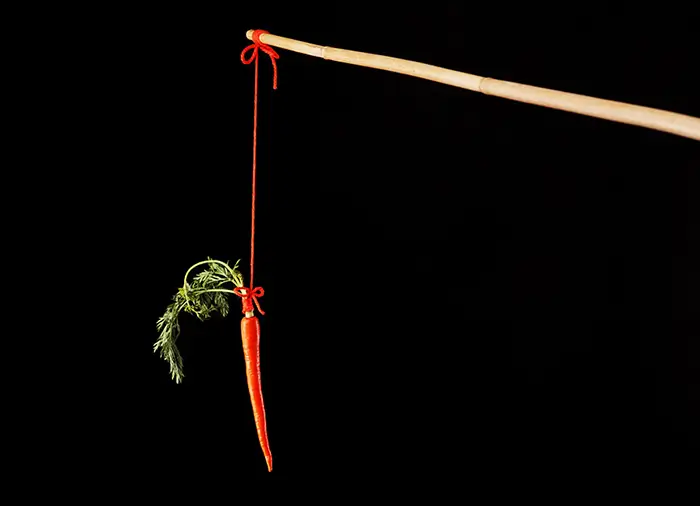
Los psicólogos eran muy conscientes de ello incluso antes del Experimento de inanición de Minnesota. Pero lo que fue un verdadero descubrimiento es que el miedo a pasar hambre nunca, en realidad, desapareció.
Hoy en día hay una amplia gama de experimentos clínicos se han hecho. En la Universidad de Gotemburgo en los últimos años, hubo una línea de estudios, pero en todos los casos la conclusión fue similar. Ghrelin, la “hormona del hambre”, afecta directamente, por ejemplo, al área tegmental ventral, la parte del cerebro que es un componente crucial del sistema de recompensa. Las inyecciones de grelina en ratas también provocaron cambios en los genes y enzimas relacionados con la dopamina (que controlan los centros de recompensa y placer del cerebro) y también se descubrió que hacían a las ratas más impulsivas (Anderberg et al., 2016).
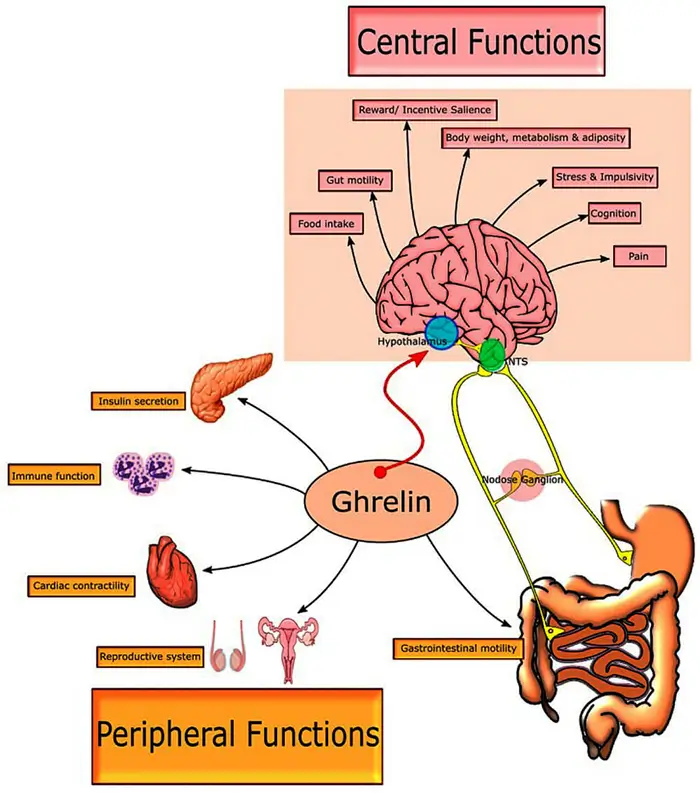
Millones de años de evolución han condicionado nuestro comportamiento y en un entorno natural normal es un mecanismo evolutivo de protección. En nuestro entorno moderno, impulsado por la tecnología y sin escasez, los mecanismos de autocontrol no funcionan realmente.
Resumen:
El Experimento de Inanición de Minnesota expuso el lado oscuro de las dietas, revelando su potencial contraproducente (dietas yo-yo, hambre extrema) y destacando cómo las empresas de alimentos explotan nuestra psicología impulsada por el hambre (estímulos supernormales) para crear clientes para toda la vida.
Engorde Colateral.
¿Alguna vez te has preguntado por qué algunas personas ganan más peso del que perdieron después de un período de hambre o dieta? Este fenómeno se denomina “engorde colateral” y tiene que ver con el papel de la masa muscular en la regulación del hambre-apetito y el peso.
Cuando se pasa hambre o se restringe la ingesta de alimentos, no sólo se pierde grasa, sino también músculo. El músculo es un componente importante de la composición corporal, ya que ayuda a quemar calorías y a mantener el metabolismo. Cuando se pierde músculo, el cuerpo intenta compensarlo aumentando la ingesta de alimentos y disminuyendo el gasto energético. Se trata de un mecanismo de supervivencia que le ayuda a recuperar la masa muscular y a evitar una mayor pérdida de peso.
Sin embargo, recuperar la masa muscular no es un proceso sencillo. Depende del control intrínseco de la partición de grasa magra, que es muy sensible al porcentaje inicial de grasa corporal.
Esto significa que la cantidad de músculo y grasa que se recupera después de pasar hambre o hacer dieta viene determinada por la cantidad de grasa que se tenía antes. Cuanto más delgado esté, más grasa recuperará y más tardará en recuperar su masa muscular. Esto da lugar a un "exceso de grasa", que es cuando acabas teniendo más grasa de la que tenías antes.
Este fenómeno se observó en el experimento de inanición de Minnesota.
Resumen:
Dieting’s hidden trap: muscle loss during restriction triggers “collateral fattening” where regaining weight prioritizes fat over muscle, leading to exceeding pre-diet weight due to “fat overshooting.”
Tratamiento de la Obesidad y la Caquexia.
¿Cómo controlar el peso y la masa muscular? Tanto si tiene sobrepeso como si tiene un peso inferior al normal, es posible que haya experimentado la frustración de perder o ganar grasa en lugar de tejido magro. También es posible que haya notado que su apetito cambia en función de la cantidad de grasa o músculo que tenga. ¿A qué se debe?
La respuesta se encuentra en el complejo bucle de retroalimentación entre las reservas de grasa de su cuerpo, el metabolismo de la energía, y termogénesis (el proceso de producción de calor). Este bucle regula cuánta energía quemas y cuánta comes, y puede afectar a tu composición corporal de distintas maneras.
Uno de los factores clave de este bucle es el control adiposo específico de la termogénesis, lo que significa que tus células adiposas pueden influir en la cantidad de calor que produces. Esto puede tener una gran repercusión en el peso y la recuperación muscular tras periodos de desnutrición o caquexia por enfermedad (un trastorno que provoca un desgaste muscular grave). Cuando uno se recupera de estas enfermedades, el cuerpo tiende a almacenar más grasa que tejido magro, lo que puede perjudicar la salud y el funcionamiento. Esto se denomina grasa preferente de recuperación.
Otro factor de este bucle es la relación entre la masa libre de grasa (MLG) y la ingesta de alimentos. La MLG es la parte del cuerpo que no es grasa, como los músculos, los huesos y los órganos. Cuando se pierde MLF, ya sea debido a una pérdida de peso intencionada o a una enfermedad, el cuerpo responde aumentando el apetito y reduciendo el gasto energético. Esto puede provocar una recuperación de peso, sobre todo si se pierde mucha MLF.
Estos mecanismos de retroalimentación pueden dificultar la consecución y el mantenimiento de un peso y una masa muscular saludables. Sin embargo, existen algunas estrategias que pueden ayudarte a superar estos retos. He aquí algunos consejos:
- Si tiene sobrepeso u obesidad, intente perder peso gradualmente y conservar su FFM en la medida de lo posible. Esto puede reducir su apetito y mejorar su salud metabólica. Para ello, sigue una dieta equilibrada que aporte suficientes proteínas y nutrientes esenciales, y practica una actividad física regular que incluya entrenamiento de resistencia.
- Si estás bajo de peso o caquéctico, intenta aumentar tu ingesta de alimentos y estimular tu termogénesis. Esto puede ayudarle a recuperar su tejido magro y mejorar su funcionamiento. Puede hacerlo comiendo con más frecuencia y eligiendo alimentos ricos en calorías, proteínas y grasas saludables. También puedes utilizar suplementos o medicamentos que estimulen tu apetito y tu metabolismo.
- En ambos casos, controla regularmente tu composición corporal y ajusta tu dieta y ejercicio en consecuencia. Puedes utilizar herramientas como básculas, cintas métricas, calibradores o análisis de impedancia bioeléctrica (BIA) para medir tu peso, porcentaje de grasa corporal y masa muscular. También puedes consultar a un profesional de la salud que te ayude a diseñar un plan personalizado que se adapte a tus necesidades y objetivos.
Si sigues estos consejos, podrás controlar tu peso y tu masa muscular de forma más eficaz y disfrutar de una mejor salud y bienestar. Recuerda que el cuerpo de cada persona es diferente, así que no te compares con los demás ni sigas normas poco realistas.
Resumen:
Ya sea con sobrepeso o bajo peso, controlar su peso y masa muscular requiere comprender la compleja interacción entre las reservas de grasa, el metabolismo energético y el apetito. Concéntrese en la pérdida gradual de peso para preservar el tejido magro en personas con sobrepeso y en aumentar el apetito y la termogénesis, así como en el culturismo de masa muscular de tejido magro para personas con bajo peso o caquécticas.
Dietas y Ciclos de Peso en la Predisposición a la Obesidad.
¿Alguna vez ha intentado perder peso siguiendo una dieta estricta, pero luego ha vuelto a engordar? Si es así, no está solo. Muchas personas experimentan este frustrante fenómeno, que se conoce como ciclo de peso o dieta yo-yo. Ocurre cuando se pierde y recupera peso repetidamente a lo largo del tiempo, acabando a menudo con más peso que antes.
Puede que piense que hacer dieta es bueno para la salud y el aspecto físico, pero en realidad puede tener el efecto contrario. Hacer dieta puede hacerte más propenso a la obesidad, sobre todo si empiezas con un peso corporal normal o bajo, y así se demostró en el Experimento de inanición de Minnesota.
La respuesta está en la forma en que el cuerpo responde a la pérdida y la recuperación de peso. Cuando se pierde peso, se pierde tanto grasa como músculo (también conocido como masa libre de grasa o MLG). Sin embargo, cuando se recupera peso, se tiende a ganar más grasa que músculo. Esto se denomina sobrepeso graso y puede distorsionar la composición corporal y el metabolismo.
Para empezar, es más probable que se produzca un exceso de grasa si se tiene menos grasa corporal. Esto se debe a que cuando pierdes peso, pierdes una mayor proporción de tu FFM y masa grasa que alguien que tiene más grasa corporal. Esto crea un mayor desequilibrio entre tus reservas de grasa y músculo, lo que hace que sea más difícil para tu cuerpo restaurarlas en sincronía. Como resultado, acabas teniendo más grasa que antes.
Un modelo matemático del ciclo del peso muestra que este proceso puede conducir a la obesidad con el tiempo, especialmente en individuos delgados. Si sigues perdiendo y recuperando peso, la cantidad de grasa que sobre se acumulará y acabará superando tu MLF. Esto puede tener graves consecuencias para su salud y bienestar.
¿Qué puede hacer para evitar esta trampa? He aquí algunos consejos:
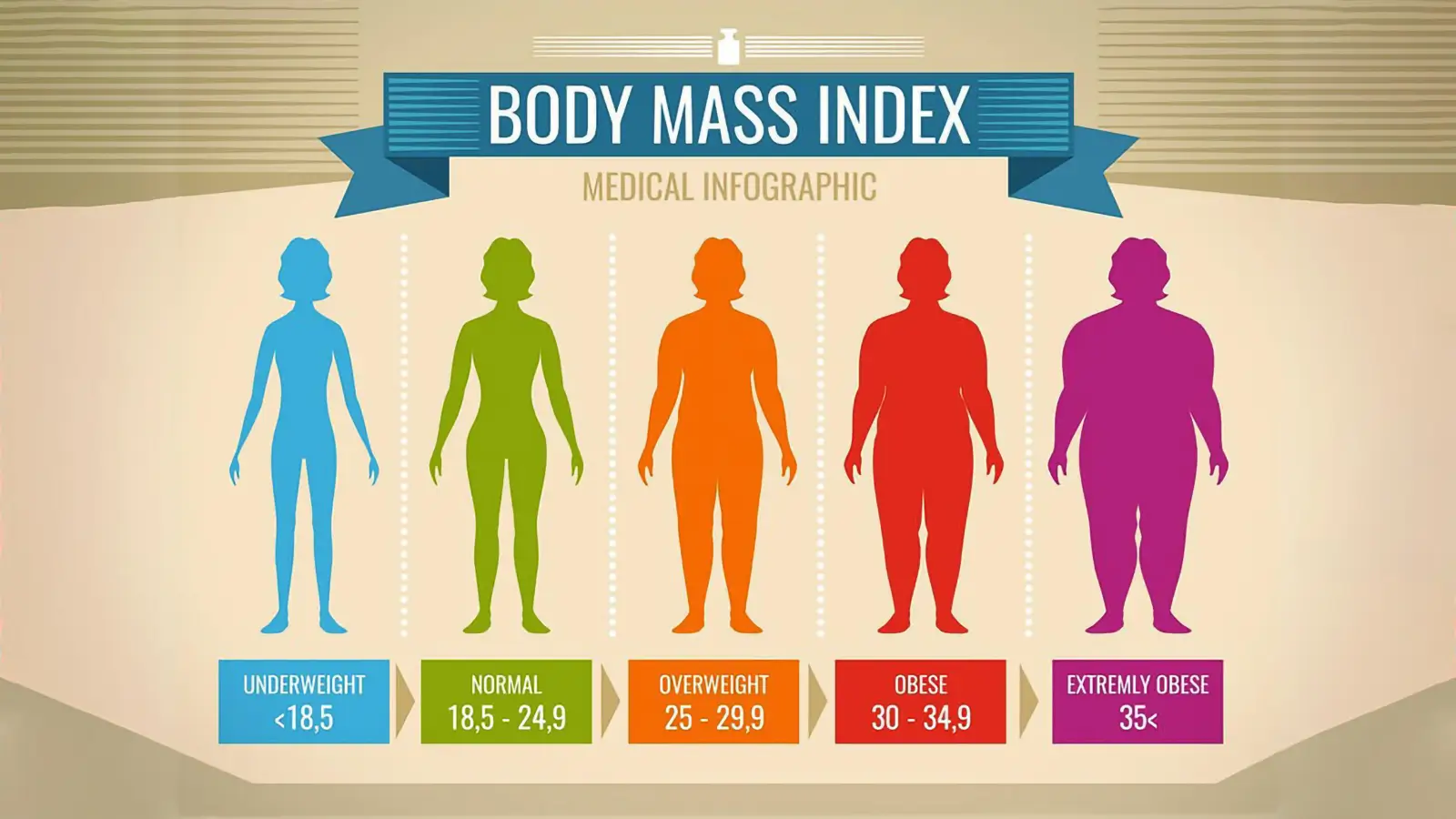
- No hagas dieta por motivos equivocados. Si tiene un IMC normal o bajo, no necesita perder peso por motivos de salud. No dejes que la presión social, la insatisfacción corporal o el rendimiento deportivo te empujen a hacer dieta innecesariamente.
- No hagas dietas demasiado rápidas o duras. Si necesita perder peso por razones médicas, hágalo de forma gradual y moderada. Siga una dieta equilibrada que aporte suficientes calorías, proteínas y nutrientes esenciales para su organismo. Evite las dietas muy bajas en calorías o el ayuno extremo, que pueden provocar una pérdida de peso rápida y excesiva.
- No haga dieta solo. Consiga el apoyo de un profesional de la salud que pueda ayudarle a diseñar un plan personalizado que se adapte a sus necesidades y objetivos. Controle regularmente su composición corporal y ajuste su plan en consecuencia. Puedes utilizar herramientas como básculas, cintas métricas, calibradores o análisis de impedancia bioeléctrica (BIA) para medir tu peso, porcentaje de grasa corporal y masa muscular.
- No abandones la actividad física. El ejercicio es crucial para mantener tu FFM y tu metabolismo. También puede mejorar tu estado de ánimo, tu energía y tu autoestima. Practique una actividad física regular que incluya tanto entrenamiento aeróbico como de resistencia. Encuentre algo que le guste y manténgalo.
Si sigues estos consejos, podrás romper el ciclo de dietas y aumento de peso y conseguir un peso y una masa muscular saludables y estables.
Resumen:
Yo-yo dieting, the frustrating cycle of weight loss and regain, can actually make you gain more fat in the long run due to “fat overshooting,” where your body prioritizes fat storage after muscle loss. This effect is especially pronounced for people with less initial body fat.
Déficit de FFM en la Predisposición a la Obesidad.
El sedentarismo puede hacerte ganar peso y perder músculo, aunque comas la misma cantidad de alimentos que antes.
¿Cómo ocurre esto? Tiene que ver con la forma en que el cuerpo se adapta a los distintos niveles de actividad física. Cuando estás activo, tu cuerpo quema calorías y desarrolla músculo. Tu apetito también se adapta a tus necesidades energéticas, para que no comas de más ni de menos. Esto se denomina equilibrio energético y ayuda a mantener un peso y una composición corporal saludables.
Sin embargo, cuando uno se vuelve sedentario, las cosas cambian. Su cuerpo quema menos calorías y pierde masa muscular. Puede que su apetito no disminuya en consecuencia, por lo que acaba comiendo más de lo que necesita. Esto se denomina desequilibrio energético y conduce a un mayor almacenamiento de grasa y aumento de peso.
Pero hay algo más. El sedentarismo también puede afectar a la función y la calidad de los músculos. Cuando no se utilizan los músculos con regularidad, éstos se debilitan y se hacen más pequeños. Esto se llama desuso o atrofia muscular, y puede ocurrir en tan sólo 10 días de reposo en cama.
Esta pérdida de masa muscular puede desencadenar un círculo vicioso. Según el concepto de engorde colateral, tu cuerpo intenta recuperar la masa muscular aumentando el hambre y la ingesta de alimentos. Sin embargo, esto puede no funcionar, porque la mayoría de las calorías extra que ingieres van a parar a tus células grasas en lugar de a tus músculos. Así que acabas teniendo más grasa y menos músculo que antes.
Este ciclo puede dificultar la consecución y el mantenimiento de un peso y una masa muscular saludables. Sin embargo, hay algunas estrategias que pueden ayudarte a romperlo. He aquí algunos consejos:
- No seas sedentario durante demasiado tiempo. Intenta moverte más a lo largo del día. Levántate de la silla cada hora aproximadamente y camina. Suba por las escaleras en vez de coger el ascensor. Aparque el coche más lejos de su destino. Busque formas de incorporar la actividad física a su rutina diaria.
- No te saltes el ejercicio. El ejercicio es esencial para conservar la masa muscular y el metabolismo. También puede mejorar su estado de ánimo, su energía y su autoestima. Haga ejercicio con regularidad, tanto aeróbico como de resistencia. Encuentre algo que le guste y no lo abandone.
- No coma en exceso ni deje de comer. Siga una dieta equilibrada que aporte suficientes calorías, proteínas y nutrientes esenciales para su organismo. Evite la comida basura o los alimentos procesados, ricos en calorías pero de escaso valor nutritivo. Elija alimentos integrales ricos en fibra, vitaminas, minerales y antioxidantes.
- No ignore las señales de su cuerpo. Escuche las señales de hambre y saciedad y coma en consecuencia. No coma por aburrimiento, estrés o costumbre. Beba mucha agua y manténgase hidratado. Duerma bien y evite la cafeína o el alcohol antes de acostarse.
Si sigues estos consejos, podrás evitar los efectos negativos del sedentarismo y mejorar tu gestión del peso y la musculatura.
Resumen:
A sedentary lifestyle leads to muscle loss and a disrupted energy balance, making you gain fat and lose muscle even with unchanged food intake. Then this also triggers a cycle of “collateral fattening” where hunger increases as an attempt to regain muscle through increased eating. This backfires, favoring fat storage instead, and sets off a vicious cycle where regained weight becomes mostly fat, worsening your body composition and potentially pushing you towards obesity.
La Grasa Corporal y el Músculo Controlan el Hambre y el Metabolismo.
¿Alguna vez se ha preguntado cómo sabe su cuerpo cuánto debe comer y cuánta energía debe quemar? No es sólo una cuestión de calorías ingeridas y calorías gastadas. Tu cuerpo tiene un sofisticado sistema de retroalimentación que controla y regula tu composición corporal, es decir, la cantidad de grasa y músculo que tienes.
Estos circuitos de retroalimentación incluyen sensores y señales que se comunican entre las células grasas, los músculos y el cerebro. Le dicen al cerebro cuánta grasa y músculo tiene y cuánta necesita. A partir de esta información, el cerebro ajusta el hambre y el metabolismo en consecuencia.
Por ejemplo, cuando se pierde grasa, el cuerpo intenta recuperarla aumentando el apetito y reduciendo el metabolismo. Esto se denomina sistema adipostático y le ayuda a mantener un nivel estable de grasa corporal. Por otro lado, cuando se pierde músculo, el cuerpo intenta recuperarlo aumentando el apetito y acelerando el metabolismo. Esto se denomina sistema proteinostático, y te ayuda a conservar la masa muscular.
Estos sistemas son importantes para su salud y bienestar. Le ayudan a adaptarse a distintas situaciones, como la inanición, la sobrealimentación, la enfermedad o el ejercicio. También le ayudan a prevenir o recuperarse de la obesidad, la desnutrición o la caquexia (una enfermedad que provoca una pérdida muscular grave).
Sin embargo, estos sistemas no se comprenden del todo. Hay muchas lagunas en los conocimientos sobre su funcionamiento y los factores que influyen en ellos. Por ejemplo, no sabemos exactamente qué sensores y señales intervienen en estos sistemas. Sabemos que la leptina, una hormona segregada por las células adiposas, desempeña un papel en el sistema adipostático, pero no es el único factor. Existen otros factores desconocidos que afectan al modo en que el cuerpo responde a los cambios en la grasa corporal. Del mismo modo, no sabemos qué sensores y señales intervienen en el sistema proteinostático. No sabemos qué parte de tu masa muscular está siendo detectada y cómo afecta a tu hambre y metabolismo. Tampoco sabemos cómo interactúan entre sí las células grasas y los músculos para regular la termogénesis (el proceso de producción de calor).
Resumen:
Our body’s intricate fat and muscle feedback loops, while vital for maintaining stability, remain shrouded in mystery, influencing hunger, metabolism, and responses to conditions like obesity and muscle wasting. These sophisticated body feedback loops adjust hunger and metabolism to maintain stable fat and muscle levels.
Cómo se Adapta Nuestro Cuerpo al Hambre. Resumen.
Imagina que vives en un mundo en el que la comida escasea y es impredecible. Nunca sabes cuándo encontrarás tu próxima comida, ni cuánto durará. Tienes que sobrevivir con lo que consigas, aunque eso signifique pasar hambre durante días o semanas. ¿Cómo afrontaría tu cuerpo esta situación?
Este es el tipo de mundo al que se enfrentaron nuestros antepasados durante millones de años. Tuvieron que hacer frente a frecuentes periodos de hambruna y escasez de alimentos, que amenazaban su supervivencia y reproducción. Para superar este reto, desarrollaron una notable capacidad para ajustar su peso y composición corporal en función de la disponibilidad de alimentos. Esta capacidad se denomina autorregulación de la composición corporal, e implica un complejo sistema de bucles de retroalimentación que controlan su hambre, metabolismo y almacenamiento de grasa y músculo.
Estos circuitos de retroalimentación le ayudan a adaptarse a las distintas fases del equilibrio energético. Cuando el balance energético es negativo, es decir, cuando se queman más calorías de las que se ingieren, el cuerpo intenta conservar la energía y proteger los órganos vitales. Para ello, reduce el apetito, ralentiza el metabolismo y descompone la grasa y el tejido muscular. Esto se denomina reacción de hambruna y le ayuda a sobrevivir más tiempo sin comer.
Sin embargo, cuando el balance energético es positivo, es decir, cuando se ingieren más calorías de las que se queman, el organismo intenta restablecer su funcionamiento normal y prepararse para la próxima hambruna. Para ello, aumenta el apetito, acelera el metabolismo y reconstruye el tejido graso y muscular. Esto se denomina reacción de recuperación y te ayuda a recuperar la salud y la forma física.
Estas reacciones son importantes para su bienestar. Le ayudan a adaptarse a entornos cambiantes y a hacer frente a los factores estresantes. También le ayudan a mantener un nivel estable de grasa corporal y masa muscular óptimo para su supervivencia y reproducción.
Sin embargo, estas reacciones también pueden causar problemas en el mundo moderno. Hoy vivimos en un mundo en el que los alimentos son abundantes y fácilmente accesibles. Rara vez nos enfrentamos a periodos de hambruna o escasez de alimentos. En cambio, nos enfrentamos al problema opuesto: comer en exceso y la obesidad. Esto puede alterar los circuitos de retroalimentación que regulan nuestra composición corporal y hacernos ganar más peso y perder más músculo del que necesitamos.
Esto también puede afectar a nuestra respuesta a las intervenciones para perder peso o a los tratamientos de enfermedades que implican cambios en nuestra ingesta o gasto energético. Por ejemplo, cuando intentamos perder peso haciendo dieta o ejercicio, nuestro cuerpo puede reaccionar como si estuviéramos en una situación de hambruna y activar la reacción de hambruna. Esto puede hacernos sentir más hambre, quemar menos calorías y perder más músculo que grasa. Esto puede dificultar la consecución y el mantenimiento de nuestros objetivos de pérdida de peso.
Del mismo modo, cuando padecemos una enfermedad que provoca desgaste muscular o caquexia (como el cáncer o el sida), nuestro cuerpo puede reaccionar como si estuviéramos en una situación de recuperación y activar la reacción de recuperación. Esto puede hacernos comer más, quemar más calorías y ganar más grasa que músculo. Esto puede dificultar la recuperación de nuestra masa y función muscular.
Estos problemas no son fáciles de resolver. Éstas son algunas de las preguntas que los científicos intentan responder. Para ello utilizan datos de experimentos como el Minnesota Starvation Experiment. También están utilizando nuevos métodos como la genómica, la proteinómica, la lipidómica y la metabolómica para identificar los cientos de factores que segregan nuestras células adiposas y nuestros músculos.
Una cosa que demostró el Experimento de inanición de Minnesota es que nuestra mente consciente es totalmente incapaz de escapar a nuestro condicionamiento evolutivo y que, por mucha fuerza de voluntad que puedas tener, nuestro cerebro reptiliano suele imponerse.
Siempre me gusta hacer una comparación con el ahogamiento. Si queremos suicidarnos aguantando la respiración, por ejemplo, no podremos hacerlo. Tarde o temprano nuestro cerebro anulará nuestro comportamiento y jadeará en busca de aire. Detecta el dolor y se encuentra en un estado de agonía de un modo u otro, así que de todos modos no hay nada que perder. Esta es la razón por la que la gente siempre se ahoga y no se asfixia. Lo mismo ocurre con la comida o el agua.
Resumen:
La gente come en exceso porque puede. Cualquier tipo de dieta empeorará las cosas a largo plazo.
Aunque intentemos perder peso, vamos a estar en una lucha constante contra nuestro condicionamiento. E incluso si conseguimos vencer, no es posible estar en un estado de hambre y disfrutar de la vida. Sobre todo porque ahora estamos alejados de nuestro entorno natural y tenemos estímulos supernormales por todas partes. Incluso una sensación normal de hambre es algo que ya no podemos tomar como una sensación normal.
Preguntas Frecuentes
Referencias:
- Anderberg, R. H., Hansson, C., Fenander, M., Richard, J. E., Dickson, S. L., Nissbrandt, H., Bergquist, F., & Skibicka, K. P. (2016). El Estómago Derivados De La Hormona Grelina Aumenta El Comportamiento Impulsivo. Neuropsicofarmacología : publicación oficial del Colegio Americano de Neuropsicofarmacología, 41(5), 1199-1209. https://doi.org/10.1038/npp.2015.297
- Kalm, L. M., & Semba, R. D. (2005). Que se de hambre para que otros sean mejor alimentados: recordando Ancel Keys y el experimento de Minnesota. El Diario de la nutrición, 135(6), 1347-1352. https://doi.org/10.1093/jn/135.6.1347
- Tobey J. A. (1951). La Biología de los Humanos Hambre. Diario americano de Salud Pública y la Salud de las Naciones, 41(2), 236-237.[PubMed]
- Howick, K., Griffin, B. T., Cryan, J. F., & Schellekens, H. (2017). Desde el Vientre del Cerebro: la Orientación de la Grelina Receptor en el Apetito y la Ingesta de Alimentos Reglamento. Revista internacional de ciencias moleculares, 18(2), 273. https://doi.org/10.3390/ijms18020273
- Müller, M. J., Enderle, J., Pourhassan, M., Braun, W., Eggeling, B., Lagerpusch, M., Glüer, C. C., Kehayias, J. J., Kiosz, D., & Bosy-Westphal, A. (2015). Adaptación metabólica a la restricción calórica y la posterior realimentación: la de Minnesota Hambre Experimento revisited. El diario Americano de la nutrición clínica, 102(4), 807-819. https://doi.org/10.3945/ajcn.115.109173
- Dulloo A. G. (2021). Fisiología de recuperar el peso: Lecciones de los clásicos de Minnesota Hambre Experimento sobre el cuerpo humano de la composición de la regulación. La obesidad comentarios : un diario oficial de la Asociación Internacional para el Estudio de la Obesidad, 22 Supl 2, e13189. https://doi.org/10.1111/obr.13189
- LASKER G. W. (1947). Los efectos de parcial hambre en somatotipo: un análisis de los materiales de la Minnesota de hambre experimento. American journal of physical anthropology, 5(3), 323-341. https://doi.org/10.1002/ajpa.1330050305
- Dulloo, A. G., Jacquet, J., & Girardier, L. (1996). La autorregulación de la composición corporal durante la recuperación del peso en humanos: el Experimento de Minnesota revisited. Revista internacional de obesidad y trastornos metabólicos relacionados : revista de la Asociación Internacional para el Estudio de la Obesidad, 20(5), 393-405.[PubMed]
- Claves et al. (1950) "La Biología de los Humanos Hambre (en 2 volúmenes)". University of Minnesota Press.
- Dulloo, A. G. Fisiología de recuperar el peso: Lecciones de los clásicos de Minnesota Hambre Experimento sobre el cuerpo humano de la composición de la regulación. La Obesidad Comentarios, 22, e13189. https://doi.org/10.1111/obr.13189
Contenidos Relacionados


¿Tienes alguna duda acerca de la nutrición y la salud?
Me encantaría conocer tu opinión y responderlas en mi próximo post. Agradezco su aportación y opinión y espero tener noticias suyas pronto. También le invito a síguenos en Facebook, Instagram y Pinterest para más contenidos sobre dieta, nutrición y salud. Puedes dejar un comentario allí y conectar con otros entusiastas de la salud, compartir tus consejos y experiencias, y recibir apoyo y ánimo de nuestro equipo y nuestra comunidad.
Espero que este post le haya resultado informativo y ameno y que esté preparado para aplicar los conocimientos adquiridos. Si le ha resultado útil, por favor compártelo con tus amigos y familiares que también podrían beneficiarse de ella. Nunca se sabe quién puede necesitar orientación y apoyo en su camino hacia la salud.
– También Te Puede Interesar –

Azul de Metileno: Usos Terapéuticos e Importancia Clínica
Edulcorantes artificiales- Conceptos básicos

La exposición a la acrilamida - Chips, papas fritas, y el cáncer

Estudio de Salud adventista - Los veganos argumento

QUE la dieta de las directrices de la Nueva pirámide de los alimentos y la supresión de la ciencia
El Alcohol riesgos para la salud - La "paradoja francesa", "el vino", y "en moderación"

Dieta mediterránea- "Maravilla" de aceite de oliva
El Cáncer, La Prohibida Curas - Krebiozen

Aprenda Sobre Nutricion

Milos Pokimica es doctor en medicina natural, nutricionista clínico, escritor sobre salud médica y nutrición y asesor en ciencias de la nutrición. Autor de la serie de libros Go Vegan? Revisión de la Ciencia, también dirige el sitio web sobre salud natural GoVeganWay.com.
Descargo De Responsabilidad Médica
GoVeganWay.com trae los comentarios de la última de la nutrición y la salud relacionados con la investigación. La información proporcionada representa la opinión personal del autor y no pretende ni implica ser un sustituto de consejo médico profesional, diagnóstico o tratamiento. La información proporcionada es sólo para fines informativos y no pretende servir como un sustituto de la consulta, el diagnóstico y/o tratamiento médico de un médico calificado o profesional de la salud.NUNCA ignore el CONSEJO MÉDICO PROFESIONAL O RETRASAR la BÚSQUEDA de TRATAMIENTO MÉDICO a CAUSA DE ALGO QUE HAYA LEÍDO EN O accesibles a TRAVÉS de GoVeganWay.com
NUNCA APLICAR CUALQUIER cambio de ESTILO de vida O CAMBIOS EN su totalidad COMO UNA CONSECUENCIA DE ALGO QUE HA LEÍDO EN GoVeganWay.com ANTES de CONSULTAR con LICENCIA PROFESIONAL MÉDICO.
En el caso de una emergencia médica, llame a un médico o al 911 inmediatamente. GoVeganWay.com no se recomienda ni aprueba ninguna de los grupos, las organizaciones, las pruebas, los médicos, productos, procedimientos, opiniones u otra información que pueda ser mencionado en el interior.
Selecciones del Editor -
El cáncer Editor De Selecciones Fitoquímicos
Poder Anticancerígeno de Frutas y Verduras: Pruebas Clínicas e in Vivo
Algunos extractos vegetales rivalizan con los principales fármacos quimioterapéuticos y, al mismo tiempo, atacan varios tipos diferentes de células cancerosas.
Antioxidantes Editor De Selecciones ORAC
Aceites Esenciales Como Suplementos Antioxidantes: Reglas y Estrategias
Los aceites esenciales de calidad alimentaria pueden ser una estrategia cómoda y de fácil consumo para optimizar el valor antioxidante y las puntuaciones ORAC de nuestra dieta.
Antioxidantes Editor De Selecciones ORAC
Dieta Rica en Antioxidantes: Reglas y Estrategias Generales
Existen estrategias fáciles y rentables para optimizar el valor antioxidante de nuestra dieta.
Antioxidantes Editor De Selecciones ORAC
Comprender los Valores ORAC: Niveles de Antioxidantes en los Alimentos
Cuando tu principal fuente de antioxidantes es el café, sabes que tienes un grave problema.

Antioxidantes Editor De Selecciones ORAC
Astaxantina Beneficios: Antioxidante Natural Más Potente del Mundo
La astaxantina es el más potente y natural antioxidante universal (petróleo y agua-soluble) que conoce la ciencia. Se acumula en los tejidos y nunca puede convertirse en un pro-oxidante.

Antioxidantes Editor De Selecciones ORAC Fitoquímicos
Antioxidantes: Conceptos Básicos
Los productos de origen animal no contienen fitoquímicos ni antioxidantes. Por término medio, los alimentos vegetales contienen más de 60 veces más antioxidantes que los de origen animal.
Editor De Selecciones Dieta Vegana
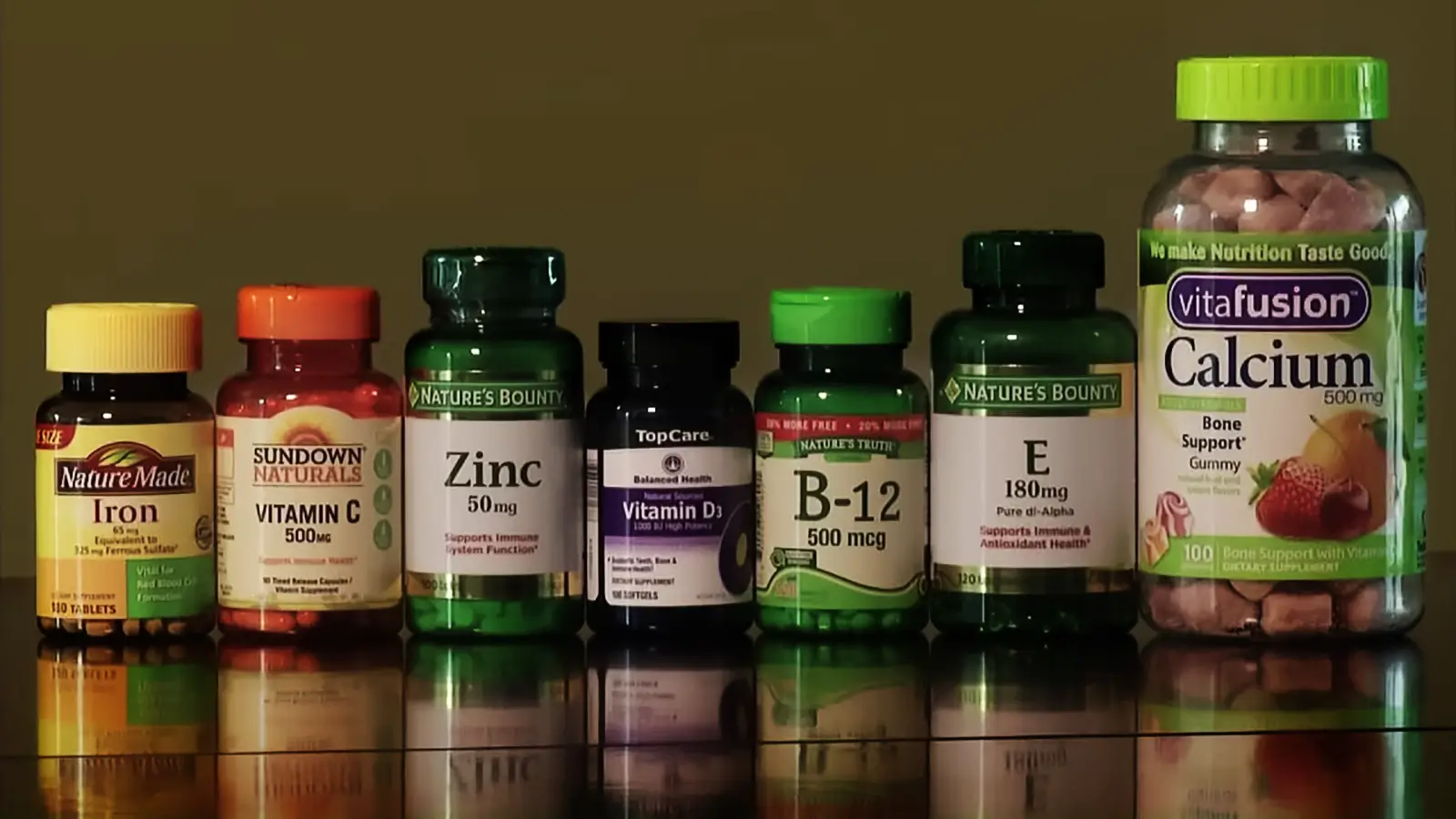
Deficiencias Nutricionales en la Dieta Vegana: Estrategias de Prevención
Existen nueve deficiencias nutricionales comunes a escala poblacional que afectan a las personas que siguen una dieta basada en plantas. Si no se corrigen a tiempo, algunas deficiencias tienen consecuencias terribles y no tratables.
Editor De Selecciones Dieta Óptima
Deficiencia de Micronutrientes en la Dieta Americana Estándar: Estrategias de Optimización
El perfil nutricional de nuestra dieta moderna a base de carne, azúcar y alimentos procesados es totalmente incongruente con nuestra evolución, lo que provoca una grave carencia de micronutrientes.
Editor De Selecciones Fitoquímicos
Fitoquímicos: Conceptos Básicos
Todos y cada uno de los fitoquímicos que existen tienen una acción biológica en el cuerpo humano. Cada uno de los millones de fitoquímicos diferentes.
Editor De Selecciones La leche Dieta Óptima
Leche y Productos Lácteos: Correlaciones de Riesgo Para la Salud
Las asociaciones conocidas con el consumo de leche y productos lácteos son infertilidad, cáncer de ovario y de mama, leucemia, diabetes de tipo 1, autismo, arteriosclerosis, cataratas, artritis reumatoide, esclerosis múltiple, hiperactividad, congestión, granos...
El cáncer Editor De Selecciones La proteína
Proteína Completa: Señalización del IGF-1 en la Formación del Cáncer
Cuando usted come proteínas animales que tienen cuatro veces más probabilidad de desarrollar todos los tipos de cáncer. Cuando usted fuma, usted tiene cuatro veces la posibilidad de desarrollar cáncer de pulmón.

El cáncer Editor De Selecciones La proteína
La Anatomía de Cáncer de riesgo para la Salud de las correlaciones
Aproximadamente el 2% de los cánceres son por la medicina considera puramente causada por factores genéticos. De la misma gama como dentro del reino animal. No le han dicho toda la verdad.
Milos Pokimica es escritor especializado en salud y nutrición y asesor en ciencias nutricionales. Autor de la serie de libros Go Vegan? Revisión de la Ciencia, también dirige el sitio web sobre salud natural GoVeganWay.com.
Últimos Artículos –
La Restricción De Calorías La longevidad
Cómo Ayunar: Alimentos en Ayunas Que No Rompen la Autofagia
Autofagia. ¿Se ha preguntado alguna vez qué ocurre con las células de su cuerpo cuando mueren o se dañan? ¿Se amontonan y crean problemas, o se eliminan de alguna manera? La respuesta es que su cuerpo...

Salud Dental Prevención
Dolor y Sensibilidad a los Dulces: Solución Rápida y Duradera
Una solución rápida y fácil para aliviar el dolor es el aceite esencial de clavo, un potente antioxidante y analgésico que puede ayudar con las enfermedades de las encías y el dolor de muelas.

Los frijoles
Judías Verdes: Nutrición y Beneficios Para la Salud
Los frijoles verdes son bajos en calorías y ricos en compuestos naturales que pueden ayudar a controlar su azúcar en la sangre, reducir el colesterol y combatir los radicales libres.
Dieta de alimentos crudos Dieta Vegana
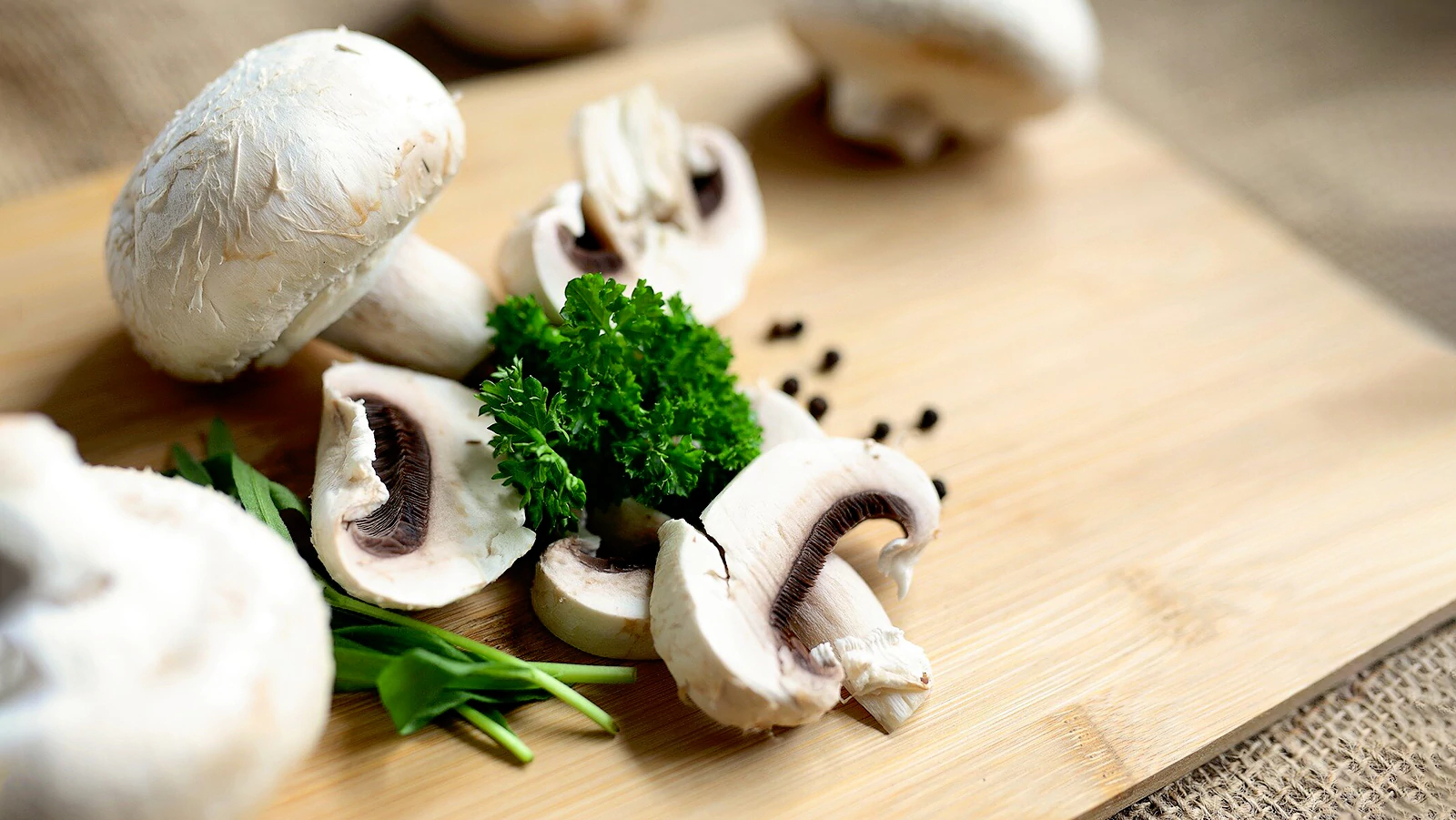
Se Pueden Comer Setas Crudas: Riesgos Para La Salud, Nutrición Y Seguridad
Las setas tienen toxinas sensibles al calor, como la hidracina o la agaritina, y paredes celulares compuestas de quitina que el ser humano no puede digerir bien.
Dieta Vegana
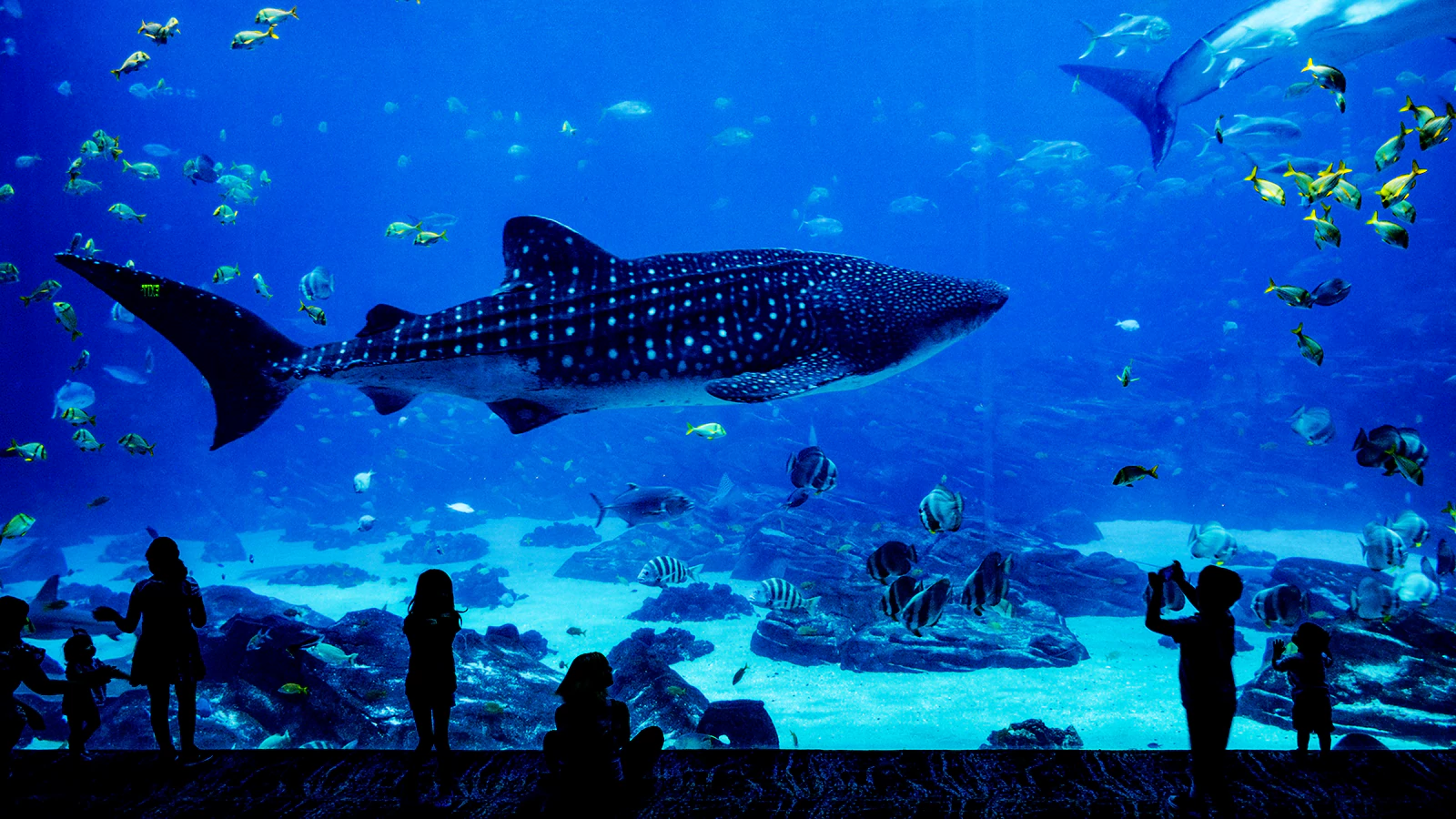
¿Son Los Peces Animales? Una Perspectiva Cultural
En algunas culturas, la carne de pescado no se considera carne, y el pescado está permitido incluso durante el ayuno.

Salud Dental Prevención
Enjuague Bucal Natural Casero: Probado, Más Fuerte y Menos Tóxico
El enjuague bucal natural hecho en casa es más fuerte que la clorhexidina, menos tóxico y si se ingiere puede dar un poco de náuseas, pero también un alto estallido en el valor ORAC.
Salud Dental Prevención
Cómo Detener la Caries Dental: Síntomas, Causas y Prevención
El consumo de azúcar es la principal causa de caries y deterioro dental, combinado con carencias de minerales, especialmente magnesio, zinc, cobre y oligoelementos.

Antioxidantes Superalimentos
Amla: Beneficios Probados, Nutrición e Importancia Clínica
El amla es uno de los antioxidantes más potentes del mundo, con una puntuación ORAC de 261.530. Es una rica fuente de fitoquímicos que tienen diversos beneficios para la salud. Es una rica fuente de fitoquímicos que tienen diversos beneficios para la salud.
Top Noticias De Salud — ScienceDaily
- Scientists discover a natural compound that could protect the brain from too much salten octubre 18, 2026
Eating too much salt may do more than raise blood pressure. It could also harm memory and social behavior. In a new study, Japanese researchers discovered that a soy-derived compound called LPC70 helped protect mice from several damaging effects of a high-salt diet. Mice given the supplement had lower blood pressure, better memory, and improved social interactions compared with mice consuming excess salt alone.
- Eating blueberries every day may have a surprising effect on your mooden octubre 18, 2026
Eating blueberries every day could have surprising effects on mood, according to a small study that found greater reductions in depressive symptoms among older adults who consumed the fruit for three months. Researchers also detected changes in gut microbial enzymes, suggesting a possible gut-brain connection, although the mood benefits were not statistically significant compared with a placebo.
- Scientists link a strange sugar in red meat to a 63% higher diabetes risken octubre 18, 2026
A study of nearly 90,000 adults found that people consuming the most of a little-known sugar found in red meat had a 63% higher risk of developing type 2 diabetes. Scientists suspect the sugar may trigger chronic inflammation, potentially revealing a hidden connection between red meat and diabetes that goes beyond weight gain.
- Magic mushroom ingredient takes the fight out of aggressive fishen octubre 18, 2026
A psychedelic compound found in magic mushrooms appears to have an unexpected effect: calming highly aggressive fish. Researchers discovered that low doses of psilocybin significantly reduced aggressive attacks in mangrove rivulus fish without disrupting their normal social interactions. The findings suggest psilocybin may selectively calm escalating aggression rather than simply suppressing all behavior.
- Scientists uncover 3 key brain pathways linked to lasting depression reliefen octubre 18, 2026
Researchers have uncovered three brain pathways linked to lasting improvements in people receiving deep brain stimulation for severe, treatment-resistant depression. They also discovered that patients who failed to improve after two years shared a striking pattern: insufficient stimulation of a crucial brain connection. The findings suggest that millimeters in electrode placement could make a major difference in treatment outcomes.
- Scientists discover that male and female skin play by different rulesen octubre 18, 2026
Scientists have uncovered a surprising difference in how male and female skin repairs and renews itself. By tracking individual skin stem cells in living mice for five months, researchers discovered that female cells work together in a highly coordinated way, while male cells operate more independently. This synchronization, driven by sex hormones, helps explain why wounds heal faster in female mice, especially during the first few days.
- Scientists tested 39 sweeteners and uncovered surprising gut effectsen octubre 18, 2026
Scientists have discovered that many common sweeteners can interfere with gut bacteria, with some combinations involving medications producing surprisingly strong effects. One sweetener mixed with a widely prescribed antidepressant reduced beneficial bacteria and microbial diversity in laboratory experiments, raising new questions about potential effects on gut health and immunity.
PubMed, #Dieta vegana –
- Common questions and misconceptions about diets: what does the scientific evidence really show?en octubre 15, 2026
The study of diet and nutrition is often filled with numerous myths and misconceptions. A Google Scholar search of “diets health” yields over 4 million results. This review examines frequently asked questions about diets and dietary habits. These questions include the following: 1) Is a caloric surplus necessary for building skeletal muscle? 2) Is it possible to lose body mass or fat mass without caloric restriction? 3) Is intermittent fasting better than chronic caloric restriction for […]
- Toward consensus on complementary feeding recommendations: findings from a national evidence-informed modified Delphi study in Türkiyeen octubre 12, 2026
CONCLUSIONS: Integration of quantitative Delphi findings with qualitative thematic analysis revealed that non-consensus primarily stemmed from the practical nuances of clinical execution and contextual adaptation, rather than a fundamental skepticism toward the underlying scientific data. These findings provide an evidence-informed foundation for developing context-sensitive CF recommendations for clinical practice.
- Characterization of nutritional intake in vegan pregnant women and its association on birth weighten octubre 8, 2026
CONCLUSIONS: Vegan women had a higher rate of SGA than non-vegan women, and this increased risk may be partly related to differences in maternal protein intake and composition. In addition, vegan women had lower dietary intakes of calcium, vitamin B12, vitamin D, DHA, and choline, highlighting these nutrients as important considerations in the nutritional assessment and counseling of pregnant women adhering to a strictly vegan diet.
- Changes in ectopic lipids, insulin sensitivity, and beta cell function after a low-fat vegan diet in adults with type 2 diabetes: a 16-week single-arm clinical trialen octubre 8, 2026
CONCLUSIONS: On an ad libitum low-fat plant-based (vegan) dietary intervention, the participants with type 2 diabetes experienced reductions in ectopic fat, particularly visceral and hepatocellular fat, improvements in insulin sensitivity, reductions in AGEs, and improvements in beta-cell function.
Random Posts –
La Medicina Alopática El cáncer Editor De Selecciones
El Cáncer, La Prohibida Curas - Krebiozen
Es muy probable que altos cargos influidos por la reputación del Dr. Ivy creyeran que realmente tenía algo en Krebiozen.

Antioxidantes
Poder Antioxidante de la Vitamina C: Mejorar la Salud y la Longevidad
La vitamina C no requiere actividad enzimática para ser eliminada del organismo y no se convierte en prooxidante, sino en una forma reducida de antioxidante más débil.
Salud Dental Prevención
Cómo Detener la Caries Dental: Síntomas, Causas y Prevención
El consumo de azúcar es la principal causa de caries y deterioro dental, combinado con carencias de minerales, especialmente magnesio, zinc, cobre y oligoelementos.
Dieta Vegana
¿Son Los Peces Animales? Una Perspectiva Cultural
En algunas culturas, la carne de pescado no se considera carne, y el pescado está permitido incluso durante el ayuno.
Dieta Óptima La Dieta Paleo La proteína
Dieta Rica en Proteínas y Acidosis Metabólica: Correlaciones Entre los Riesgos Para la Salud
Los niveles bajos de acidosis metabólica crónica son un fenómeno común en el mundo occidental. La mayoría de las personas que siguen la dieta estadounidense estándar se encuentran en un estado de acidosis crónica y no son conscientes de ello.

El cáncer Prevención Toxicidad
Pesticidas, OMG y Sobrecarga Tóxica
La exposición a los pesticidas causa directamente cáncer, defectos de nacimiento, esterilidad e infertilidad, daños en el cerebro y el sistema nervioso, el hígado, los riñones y otros órganos.
Editor De Selecciones Dieta Óptima
Alimentos Procesados: Comprender los Riesgos
Los alimentos procesados significan que se elimina algo de los alimentos enteros, normalmente fibra, y se añade algo, normalmente grasa, azúcar, sal y msg.
Dieta de alimentos crudos
Dieta de alimentos crudos - La perspectiva evolutiva
La creencia básica en la comunidad de los alimentos crudos es que una dieta de alimentos crudos es la forma más natural y saludable de vivir. ¿Qué nos dice la biología evolutiva?
Editor De Selecciones Fitoquímicos
Fitoquímicos: Conceptos Básicos
Todos y cada uno de los fitoquímicos que existen tienen una acción biológica en el cuerpo humano. Cada uno de los millones de fitoquímicos diferentes.

La Esclerosis Lateral Amiotrófica Prevención Toxicidad
Esclerosis Lateral Amiotrófica- Floraciones de Algas Cianobacterias y Exposición a BMAA en La Dieta
La abundancia de nutrientes en las zonas costeras creada por la escorrentía llena de fertilizantes sintéticos procedentes de las tierras de cultivo provoca una proliferación excesiva de algas. La proliferación de algas es peligrosa. Las microalgas crean y excretan algunas de las neurotoxinas más potentes conocidas por el hombre.

Puestos Destacados –

El cáncer Editor De Selecciones Toxicidad
Exposición a Plaguicidas en Niños: Pruebas de Exposición en la Vida Real
Los niños y especialmente las mujeres embarazadas son más vulnerables a la exposición a los pesticidas. Si analizamos el mundo real de los niveles de exposición en situaciones de la vida real, lo que podría ser el resultado?
Editor De Selecciones La leche Dieta Óptima
Leche y Productos Lácteos: Correlaciones de Riesgo Para la Salud
Las asociaciones conocidas con el consumo de leche y productos lácteos son infertilidad, cáncer de ovario y de mama, leucemia, diabetes de tipo 1, autismo, arteriosclerosis, cataratas, artritis reumatoide, esclerosis múltiple, hiperactividad, congestión, granos...
La Diabetes Editor De Selecciones
La Diabetes causa y los hidratos de carbono refinados - Los veganos argumento
La gente cree que los carbohidratos refinados se asocian a picos de insulina y son una de las causas de la diabetes. Y tienen razón. Sin embargo, también se equivocan.
Antioxidantes Editor De Selecciones ORAC
Comprender los Valores ORAC: Niveles de Antioxidantes en los Alimentos
Cuando tu principal fuente de antioxidantes es el café, sabes que tienes un grave problema.

El cáncer Editor De Selecciones Toxicidad
Plaguicidas en Los Alimentos, Exposición en la Dieta Estadounidense Estándar - 80% Procedente de la Carne
La mayoría de los plaguicidas y, especialmente, metales pesados y otros residuos tóxicos contaminantes que tenemos, nos obtiene de la carne. Más de 80 por ciento de la exposición a pesticidas en la dieta Americana estándar proviene de productos de origen animal, no a partir de frutas o verduras.

Editor De Selecciones Prevención Dieta Vegana
El estudio de China - Los veganos argumento
El estudio de China mostró que no hay ninguna enfermedad del corazón o el cáncer o la diabetes en las comunidades rurales subdesarrolladas en el mundo con base de almidón de las dietas veganas.

La Medicina Alopática El cáncer Editor De Selecciones
El cáncer, La Prohibida Curas-máquina de Rife, reseña Histórica
La tasa de recuperación de pacientes con cáncer no tratable y declarados enfermos terminales mediante la utilización de la tecnología resonante de la máquina Rife fue del 100%.

Editor De Selecciones Dieta Óptima Dieta Vegana
QUE la dieta de las directrices de la Nueva pirámide de los alimentos y la supresión de la ciencia
QUE las pautas dietéticas recomiendan una dieta baja en grasas saturadas (proteína animal), el azúcar, la sal y alta en frutas y verduras, como un requisito para hacer frente a la epidemia aumento de las enfermedades crónicas en todo el mundo.
Editor De Selecciones Dieta Óptima
Deficiencia de Micronutrientes en la Dieta Americana Estándar: Estrategias de Optimización
El perfil nutricional de nuestra dieta moderna a base de carne, azúcar y alimentos procesados es totalmente incongruente con nuestra evolución, lo que provoca una grave carencia de micronutrientes.

La Diabetes Editor De Selecciones Dieta Óptima
Azúcar Refinado: Comprender los Riesgos
Los niños consumen alrededor de una quinta parte del total de sus necesidades de calorías de sólo el azúcar refinado. Si añadimos la grasa y el resto de la nutrición privados de alimentos procesados a la lista se convierte en una nutrición completa pesadilla.
La última versión desde PubMed, #Dieta basada en plantas –
- Effects of dietary barberry root powder on growth performance, immune responses, antioxidant status, and antioxidant-related gene expression in grass carp (Ctenopharyngodon idella)por Rakhshanifar Khalil en octubre 18, 2026
Due to having positive effects on aquaculture, plant-based dietary is very important. Therefore, this research examined the barberry root powder (BRP) supplementation on various parameters including growth performance, blood characteristics, antioxidant activity, gene expression related to antioxidant activity, and antibacterial properties in juvenile grass carp. The carps (mean weight 9 ± 0.58 g) were divided into 4 groups (a control group and three treatment groups receiving 0.5%, 1%, and […]
- Habitual Diet, Gut Microbiome Dysbiosis, and alpha-Synucleinopathy Conversion in Isolated Rapid Eye Movement (REM) Sleep Behavior Disorderpor Suyi Xie en octubre 17, 2026
CONCLUSIONS: Habitual diet in iRBD is associated with gut microbiome dysbiosis and predicts neurodegenerative progression. These findings highlight diet-microbiome interactions as modifiable targets for intervention in prodromal α-synucleinopathy. © 2026 The Author(s). Movement Disorders published by Wiley Periodicals LLC on behalf of International Parkinson and Movement Disorder Society.
- Adherence to the planetary health diet index and urinary phytoestrogen excretion: a nationally representative cross-sectional study of US adultspor Kyoung-Bok Min en octubre 17, 2026
CONCLUSION: Higher PHDI adherence was associated with higher urinary concentrations of selected plant-derived phytoestrogens among U.S. adults. These findings support biological coherence between planetary health-oriented dietary patterns and systemic exposure to plant-derived bioactive compounds. However, urinary phytoestrogens should be interpreted as complementary population-level exposure indicators of plant-forward dietary patterns rather than validated or specific biomarkers of PHDI…
- Developing a sustainable dietary pattern for Korean adults using quadratic programmingpor So-Yoon Yun en octubre 17, 2026
CONCLUSION: A sustainable dietary pattern satisfying the cultural acceptability, nutritional adequacy, and environmental sustainability constraints was identified. This pattern provides a scientific basis for developing Korean-style sustainable dietary guidelines and may inform future nutrition policies and food service practices.
- Promoting the Mediterranean Diet in the Workplace: An Observational Cross-Sectional Studypor Nicola Magnavita en octubre 16, 2026
Background/Objectives: The Mediterranean diet (MD) is a set of customs and eating habits developed in countries bordering the Mediterranean Sea thousands of years ago. These habits are frequently proposed as a complement to pharmacological therapies for chronic diseases and could also counteract their onset. This study aimed to investigate adherence to the MD in workers from 22 companies in Latium (Italy) and to evaluate the association of diet with workers’ health. Methods: Workers […]
- Trendy, but Are They Safe? Current Popular Diets and Their Use in Inflammatory Bowel Diseases: Narrative Reviewpor Klara Szwarc en octubre 16, 2026
Inflammatory bowel disease (IBD) arises from the interplay between genetic susceptibility, immune dysregulation, microbiota, and environmental exposures, with diet potentially contributing to both pathogenesis and management. Patients frequently modify their diet independently, often using different strategies during remission and active symptoms. This narrative review synthesises evidence on patient-accessible dietary patterns and selected structured nutritional therapies across five […]