







Deficiencia de Micronutrientes en la Dieta Americana Estándar: Estrategias de Optimización
El perfil nutricional de nuestra dieta moderna a base de carne, azúcar y alimentos procesados es totalmente incongruente con nuestra evolución, lo que provoca una grave carencia de micronutrientes.
Milos Pokimica
Escrito por: Milos Pokimica
Revisado Médicamente Por: Dr. Xiùying Wáng, M.D.
Updated diciembre 22, 2025Principales Conclusiones:
- Los perfiles nutricionales de la dieta americana moderna estándar (SAD) son completamente incongruentes con nuestra evolución, lo que provoca una deficiencia de micronutrientes.
- La forma en que se manifiesta la insuficiencia de micronutrientes es a través de las enfermedades crónicas (Ames, 2006).
- Hay 102 minerales que componen el cuerpo humano y los fertilizantes sintéticos sustituyen sólo un par de minerales que necesitan las plantas.
- Sólo algunos minerales no orgánicos son biodisponibles.
- Toma suplementos de yodo o come algas marinas.
- Algunas de las sustancias químicas que existen en el reino vegetal pero que no están presentes en el reino animal, como la vitamina C, por ejemplo, el magnesio o la vitamina E, son fundamentalmente imposibles de corregir en el tipo moderno de dieta occidental dominada por los productos animales.
- El 94,3% de la población estadounidense no cubre las necesidades diarias de vitamina D.
- El 100% de la población presentaba ingestas inferiores al valor recomendado de potasio. (Cogswell et al, 2012).
- El 99% de las personas tiene un consumo excesivo de sodio (Cogswell et al, 2012).
- 88,5% de incumplimiento con la vitamina E.
- El 66,9% de la población es deficitaria en vitamina K.
- El 52,2% de la población tiene carencias de magnesio, el 44,1% de calcio, el 43,0% de vitamina A y el 38,9% de vitamina C.
-Si no sigue una dieta basada en alimentos integrales de origen vegetal, hay más de un 95% de probabilidades de que tenga una deficiencia subclínica de magnesio.
- El procesado elimina todos los micronutrientes que ya estaban muy mermados.
– Dos alimentos suplementarios que deberíamos consumir a diario son 40 gramos de semillas de girasol crudas (vitamina E) y 40 gramos de cacao crudo (magnesio, antioxidantes). Puedes añadir una o dos hojas de col rizada para la luteína y la vitamina K, vitamina D suplementaria, sal de potasio, algas o solución Lugol, dos kiwis para la vitamina C o algún otro alimento rico en vitamina C, y una o dos zanahorias para la vitamina A, 20 gramos de semillas de lino para los omega 3, e idealmente comer productos orgánicos para el contenido de minerales traza. Esto todos los días del resto de tu vida. Si comes a base de plantas deberías añadir vitamina B12 a la mezcla y si no folato o suplemento de complejo B.
En la naturaleza, la comida es un paquete.
Ningún tipo de procesamiento de los alimentos. Para llegar al azúcar como fuente de energía para nuestra vida, tuvimos que consumir todos los demás fitoquímicos dentro de las plantas, y esto incluye también los fitoquímicos defensivos y tóxicos que las plantas también producen. Los animales son consumidores, así que no hay otra opción si nos fijamos en la adaptación evolutiva.
Lo que esto significa es que si queremos vivir, a diferencia de las plantas, tenemos que consumir físicamente alguna forma de energía con todo el "equipaje" que conlleva.
Además, tenemos que consumir componentes básicos de los tejidos en forma de aminoácidos y minerales. No podemos utilizar la energía solar para vivir como las plantas, por lo que necesitamos comer.
La diferencia crucial entre animales y plantas no es sólo que las plantas producen su propia energía química a partir de la radiación solar, sino también que las plantas no pueden moverse. Esto significa que las plantas no pueden defenderse de los animales de ninguna manera física. Pueden tener alguna forma de defensa, como caparazones duros o algún tipo de púas o espinas, pero eso es todo. También están las condiciones ambientales. Si hace demasiado frío o demasiado calor, nos desplazamos. Si hay sequía, también nos desplazamos. Pero las plantas no. Los mecanismos de adaptación evolutiva del reino vegetal tienen que utilizar una estrategia diferente.
A diferencia de los mamíferos, las plantas sólo pueden protegerse químicamente.
No les gusta que se las coman ni que las ataquen, y la única forma que tienen las plantas de protegerse es mediante millones de sustancias químicas diferentes que producen. Al igual que nosotros, las plantas también son atacadas por bacterias y hongos y, al igual que nosotros, tienen un sistema inmunológico para protegerse de estos atacantes. También tienen un sistema inmunitario para protegerse de los animales, por lo que algunas de ellas contienen sustancias extremadamente tóxicas que matan a cualquier animal que se las coma. Las plantas también sufren daños en el ADN por los radicales libres, por lo que también necesitan una defensa contra la oxidación y la radiación solar. Todas estas sustancias químicas son el sistema inmunitario de la planta. Algunas de ellas también tienen otras funciones metabólicas.
Así que ahora, a nivel evolutivo fundamental, todos los animales se enfrentan a un grave problema. El resultado de esta guerra química es que los animales deben ingerir también todos los demás compuestos contenidos en la planta si quieren sobrevivir y consumir o extraer el azúcar o la grasa de las plantas como fuente de energía.
En la naturaleza, la comida es un paquete.
Estas sustancias, que se encuentran en los tejidos vegetales, se denominan fitoquímicos. El griego phyto significa "planta" en español moderno.
En millones de años de evolución, los animales que dependían de las plantas para existir se adaptaron a comer algunas de ellas. No todas, sólo algunas. Diferentes tipos de animales comen diferentes tipos de plantas a las que están adaptados por la evolución. La razón por la que existimos hoy en día como humanos con cerebros grandes es la alta calidad de la dieta que la cocción de fuentes vegetales difíciles de digerir permitió. No hay ningún otro animal que utilice el fuego. El fuego destruirá algunos de los fitoquímicos tóxicos y liberará las reservas energéticas de las plantas para que sean más biodisponibles y, como consecuencia, podremos digerir una amplia gama de especies vegetales diferentes.
El resultado final de esta "batalla" es que los animales que dependían de las plantas como fuente de alimento evolucionaron hasta consumir algunas de ellas durante millones de años de evolución. Los propios animales desarrollaron mecanismos de defensa que envejecían a los de las plantas como contramedida. Pero sólo para algunas especies concretas de plantas, no para todas.
Cada animal consume las especies vegetales para las que ha evolucionado. Nosotros, como humanos modernos, disponemos de la gama más amplia posible de fuentes vegetales consumibles y esto es lo que nos hizo humanos en primer lugar. La alimentación superior que permitió un exceso de calorías para el desarrollo del cerebro se consiguió calentando fuentes vegetales de alta densidad nutritiva que de otro modo serían indigestas. Otros animales no utilizan el fuego. El fuego quemará algunos de los fitoquímicos tóxicos y hará más accesibles las reservas energéticas de las plantas, permitiendo a los homínidos digerir una amplia gama de especies vegetales variadas. El fuego Homo erectus que fue el primero en utilizar el fuego para cocinar.

Pero aun así, incluso cocinando, seguimos sin poder comer la mayoría de las especies vegetales de este mundo debido a los diferentes fitoquímicos tóxicos que contienen y que no son sensibles al calor. Además, no podemos digerir la fibra como fuente de energía, como hacen los herbívoros. Estamos adaptados a una dieta densa en nutrientes de alta calidad, disponible gracias a las estrategias de búsqueda de alimento y al uso del fuego.
Pero esto va un paso más allá y así es como surge el papel de las vitaminas en la supervivencia de las especies animales.
Las distintas especies de herbívoros comen plantas diferentes y, con el tiempo, adaptan su organismo a las distintas sustancias químicas que se encuentran en esa planta concreta. Con el tiempo, la adaptación será tan completa que los animales no podrían vivir sin algunos de los fitoquímicos que se producen en las plantas que comen. En ese caso, estas sustancias químicas se convertirían en esenciales para la vida tanto como lo son el azúcar o las grasas y se conocen como vitaminas. Vita significa vida.
Antes de que las vitaminas se convirtieran en esenciales para la vida de las distintas especies, eran un fitoquímico más.
Esto es lo importante, porque los distintos animales comen plantas diferentes y tienen adaptaciones diferentes.
Hemos tardado más de cincuenta millones de años en desarrollar nuestro cuerpo actual y esto es muy importante.
La evolución tarda mucho tiempo en funcionar. Los cambios bruscos en el medio ambiente pueden llevar a la extinción de especies enteras. Y esto es exactamente lo que han hecho la revolución industrial y el descubrimiento de los fertilizantes sintéticos. Se necesitan 7 calorías de almidón para producir una caloría derivada de la carne. Nunca en toda nuestra evolución como especie hemos estado expuestos a un nivel tan alto de disponibilidad de productos animales.
Incluso en la época paleo, el aporte de carne en las sociedades de cazadores-recolectores no superaba entre el 5 y el 10 por ciento de las calorías (Dieta paleo - Sin carne a la vista). Ya he analizado el aspecto antropológico de este tema en artículos correlacionados y en la primera parte de la serie de libros. Tardamos 50 millones de años en formar nuestros cuerpos con una dieta vegana. Durante la mayor parte de esos 50 millones de años, nuestra especie antepasada vivió sólo de hojas verdes y fruta, al igual que más del 85% de los primates actuales, incluidos también los grandes simios. Hemos estado comiendo entre el 5% y el 10% de las calorías de fuentes cárnicas solamente, y esta es la verdad. Y solo durante un par de cientos de miles de años durante el periodo paleo. Solo los Neandertales y no todos ellos tambien, algunos de ellos tenían una dieta veganapero sólo algunos grupos de neandertales de las regiones más septentrionales durante la Edad de Hielo siguieron dietas en las que predominaba la carne. Cuando los mamuts fueron cazados hasta su extinción o desaparecieron debido a la impacto de meteorito en el Younger Dryas tenían graves problemas para cazar presas más pequeñas y rápidas y se extinguieron. Esto es lo que puede hacer un cambio brusco en el medio ambiente. El Mamut es un animal muy lento y se puede matar fácilmente y en climas bajo cero de la edad de hielo la carne se congela antes de estropearse. Pero cuando ya no hay Mamuts que cazar entonces ya no se come. Este fue sólo un período de un par de cientos de miles de años y evolutivamente hablando no fue tiempo suficiente para haber hecho ninguna adaptación significativa. Desde la Revolución Neolítica hasta la época de la Revolución Industrial moderna, la dieta volvió a ser vegana a base de almidón en todas partes. Era trigo en Oriente Medio o maíz en Mesoamérica o arroz en Asia. No importaba.
Deficiencia de Micronutrientes.
Lo que importa es que los perfiles nutricionales de la dieta americana moderna estándar (SAD) son completamente incongruentes con nuestra evolución. Todas las adaptaciones que tenemos para los diferentes fitoquímicos y su necesidad para nuestra supervivencia ya no son válidas.
Por ejemplo, más del 86% de las personas que siguen la dieta estadounidense estándar presentan carencias de vitamina E. Analizaré cada insuficiencia individual de micronutrientes con más detalle en artículos correlativos. Es un tema muy amplio que requerirá más de 30 o 40 artículos sólo para tener una comprensión básica y disponer de algunas estrategias en forma de intervenciones nutricionales porque las carencias de nutrientes matan y antes de morir tenemos enfermedades crónicas (Fairfield y Fletcher, 2002).
La forma en que se manifiestan las carencias de micronutrientes es a través de las enfermedades crónicas (Ames, 2006).
Sería difícil para usted corregir una dieta incongruente sólo con suplementos o diferentes estrategias. Recuerde esto, la naturaleza siempre gana. Si tienes una dieta completamente incongruente dominada por productos animales estás yendo en contra de 50 millones de años de evolución y la naturaleza prevalecerá.
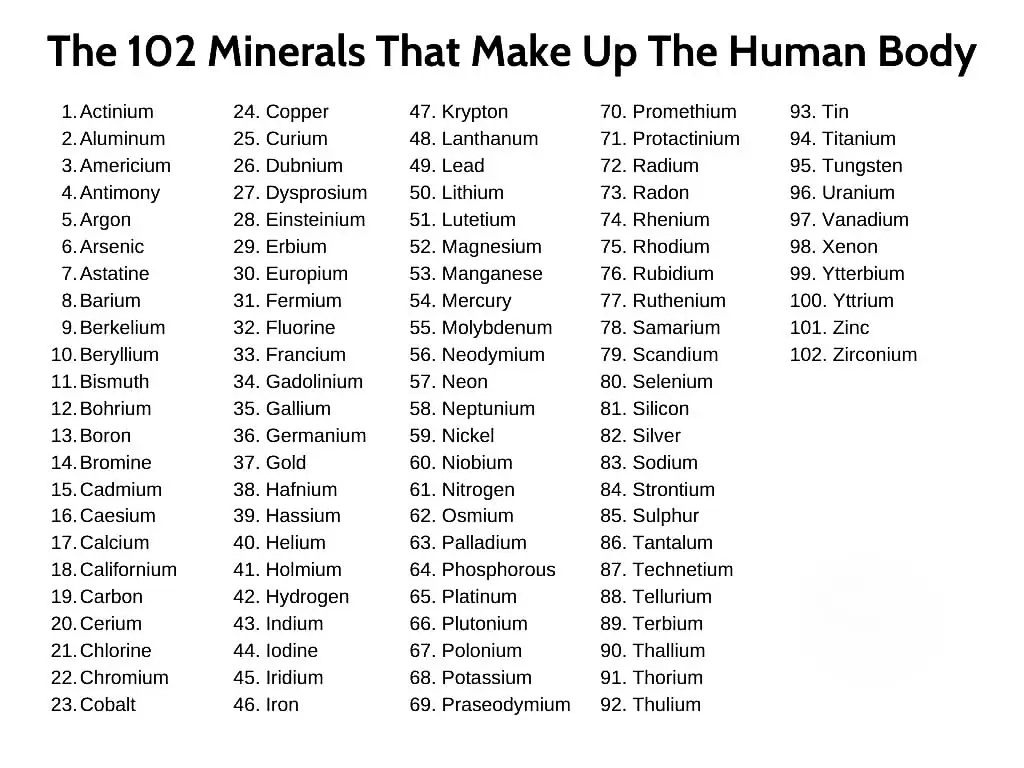
Además, podemos añadir los alimentos procesados, el azúcar, el aceite y los productos no ecológicos cultivados en suelos pobres en nutrientes con fertilizantes sintéticos. Hay 102 minerales que componen el cuerpo humano y los fertilizantes sintéticos sustituyen sólo un par de minerales que las plantas necesitan. Laky para nosotros las vitaminas son sólo productos químicos por lo que podemos tomar suplementos o algunas intervenciones dietéticas para corregir algunas de las deficiencias de nuestra dieta, pero hay miles de otros fitoquímicos y antioxidantes que no podemos reemplazar.
Complementar una mala dieta es simplemente malo.
Es mejor que nada, pero al final seguiría provocando enfermedades crónicas (Angelo y otros, 2015). Esto no quiere decir que no hay estrategias para poner en práctica, pero usted tendrá que leer todos los próximos artículos para poner en práctica todas las estrategias y cambiar su dieta por un gran margen si no quieres ir a la plena, 100 por ciento a base de plantas nutricionalmente optimizada manera. En este artículo sólo voy a utilizar algunos ejemplos para que podamos tener una comprensión básica de dónde está la raíz del problema. Y es una mala adaptación y un cambio en nuestro entorno. La mala adaptación es la base de todos nuestros problemas nutricionales y médicos. La mala adaptación debido a la sobreabundancia de gong estímulos, comida muy apetitosa, todo lo que puedas comer, y estimulantes por doquier.
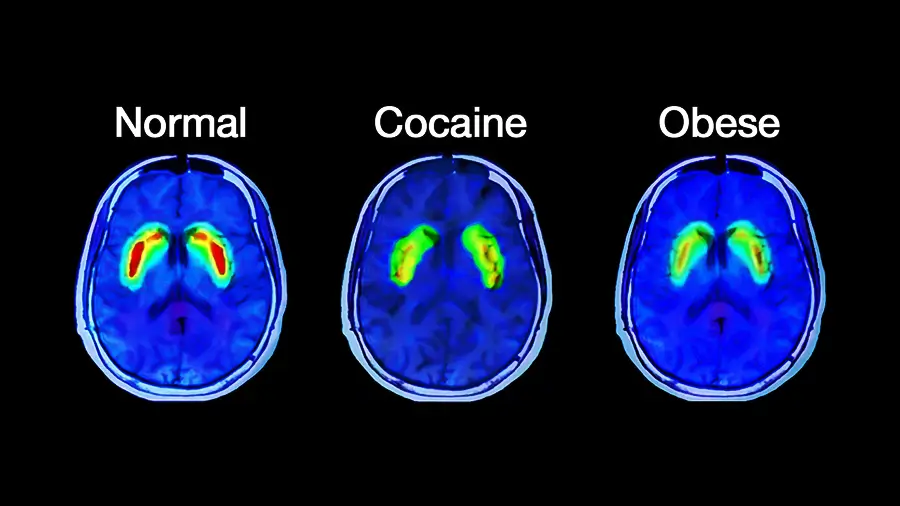
El resultado final de esta mala adaptación es la diabetes, cáncer, enfermedades cardíacas y todas las demás enfermedades de la opulencia. La gente siempre tiene mecanismos subconscientes de autodefensa cuando empiezo a hablar de dietas de estilo occidental porque en mi práctica y en estudios científicos la regulación a la baja de receptores dopaminérgicos D2 en el cerebro es en realidad la principal fuerza motriz del statu quo (El trastorno de atracones compulsivos - La psicología de hambre).
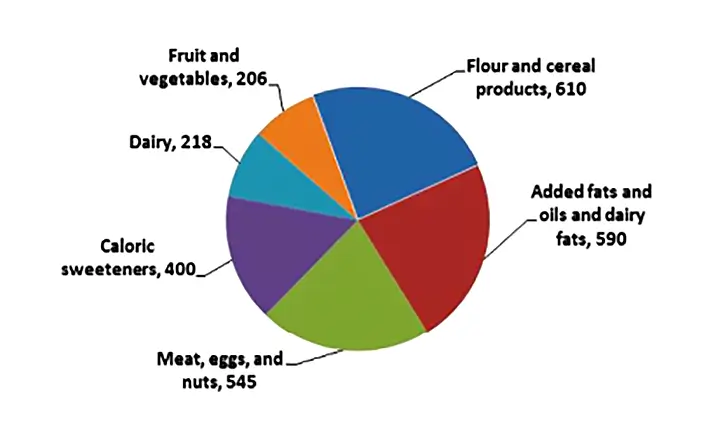
Décadas de mensajes de salud pública para que se siga una dieta equilibrada no se han traducido en un cambio de comportamiento. Se calcula que los alimentos ricos en energía y pobres en nutrientes representan el 27% de la ingesta calórica diaria de la dieta estadounidense (Kant, 2000). El alcohol constituye un 4% adicional de la ingesta calórica diaria. Casi toda la población estadounidense, y también la de los demás países desarrollados, está sobrealimentada y supera sus necesidades energéticas (calóricas), pero no satisface sus necesidades de micronutrientes (vitaminas y minerales esenciales para la nutrición). Un análisis de los datos de una encuesta nacional estadounidense (Encuesta nacional de salud y nutrición) descubrió que los niños y adultos con un alto consumo de azúcares añadidos (es decir, más del 25% de la ingesta total de energía, el límite máximo recomendado por la Academia Nacional de Medicina, lo que ya es una vergüenza de por sí) tenían un menor consumo de varios micronutrientes, especialmente de vitaminas A, C y E, así como de magnesio y potasio (Marriott et al., 2010).
Y la gran pregunta es por qué A, C y E, magnesio y potasio. Siempre es A, C, E, magnesio y potasio. Y también vitamina D, yodo, oligoelementos y antioxidantes. Estas carencias son constantes para más del 90% de la población en todos los países desarrollados (Bailey y otros, 2015). Y la respuesta es que no somos omnívoros anatómicos y reales. Sólo omnívoros de comportamiento como los chimpancés por ejemplo.
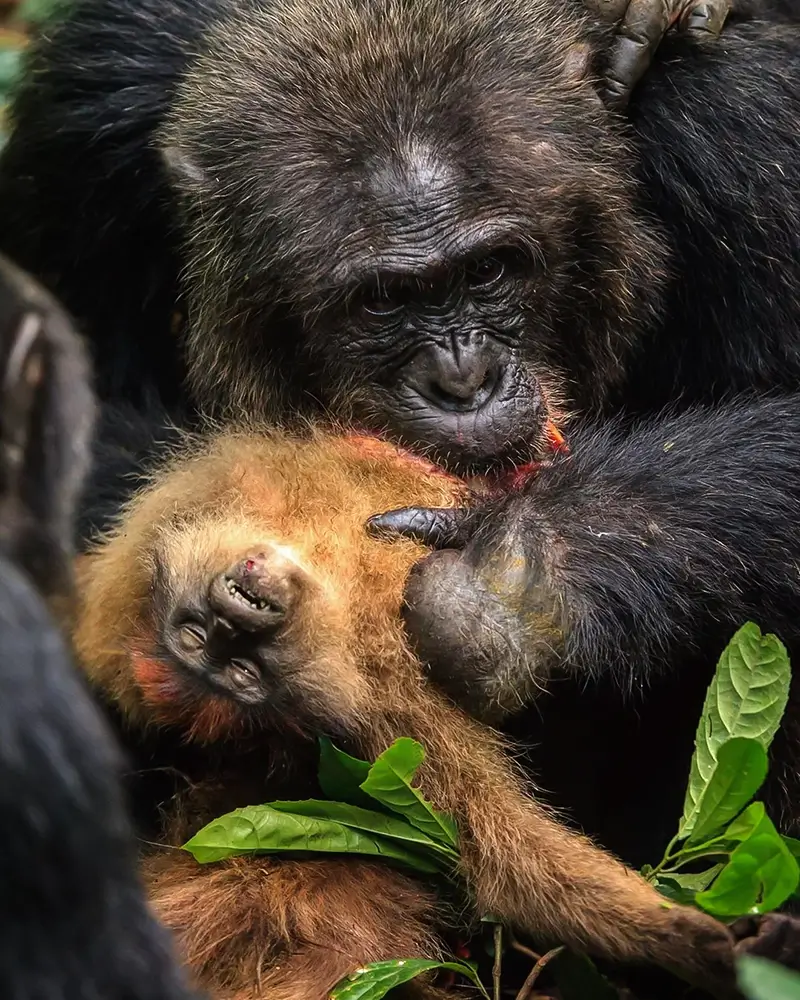
Esta es toda la prueba que necesitas si quieres saber la verdad. No existe ninguna especie omnívora real en todo el planeta que sea deficitaria en vitamina C por ejemplo. La razón principal es que para los verdaderos omnívoros y carnívoros anatómicos, la vitamina C no es una vitamina. Tienen la capacidad de producir su propia vitamina C en el hígado en la cantidad que necesiten. Por otro lado, los omnívoros y carnívoros nunca padecerían enfermedades cardíacas porque, a diferencia de nosotros, para ellos el colesterol es una vitamina.
A diferencia de las verdaderas especies omnívoras, los humanos, como cualquier otro vegetal de este planeta, producimos nuestro propio colesterol en nuestro hígado, tanto como necesitamos durante toda nuestra vida. Ni un solo gramo de colesterol dietético es necesario para nosotros durante toda nuestra vida. Pero la vitamina C sí la necesitamos o acabaremos muriendo de escorbuto.
Así pues, lo que impulsa predominantemente la deficiencia de micronutrientes de vitamina C es la inadaptación. El cambio de una dieta basada en plantas a una dieta basada en animales deficiente en vitamina C.. Alrededor del 75% de la población estadounidense (edades ≥1 año) no consume la ingesta recomendada de fruta, y más del 80% no consume la ingesta recomendada de verduras. Los objetivos de Directrices dietéticas para los estadounidenses destacó los nutrientes que se consumen de forma insuficiente en la población de EE.UU., es decir, los "nutrientes de interés para la salud pública", ya que una ingesta baja puede provocar efectos adversos para la salud a escala poblacional que se manifestarán como un peligro de riesgo para la salud en forma de enfermedades crónicas (Guías Alimentarias para los Estadounidenses | health.govs.f.-c.).
Algunos de ellos son la vitamina D (la única vitamina que no producen las plantas y que ya no corremos desnudos por África), el calcio, el potasio (algunos pescados contienen cierta cantidad de potasio, pero se encuentra sobre todo en las plantas), la fibra alimentaria (no hay fibra en los productos animales) y el hierro (mujeres en edad fértil y embarazadas). Otros nutrientes, como las vitaminas A, C y E, y el magnesio, ninguno de los cuales está presente en cantidades adecuadas en los productos animales, salvo la vitamina A del hígado. El magnesio es lo que da a la clorofila su color verde y no está presente en los productos animales en cantidades adecuadas.
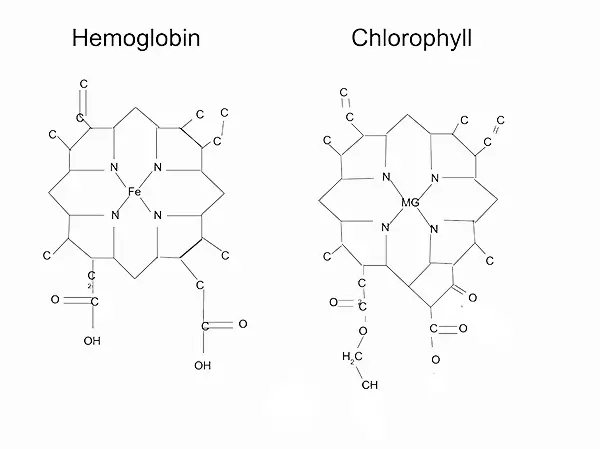
Además, algunos grupos de personas corren más riesgo, ya que las cifras anteriores son sólo la media. Se calcula que el 13% de la población de EE.UU. consume azúcares añadidos por encima del umbral de azúcares añadidos y puede correr un mayor riesgo de sufrir carencias de micronutrientes. De hecho, las Encuestas Nacionales de Salud y Nutrición (NHANES, por sus siglas en inglés), que evalúan el estado nutricional y de salud de una muestra representativa a nivel nacional de la población civil estadounidense no institucionalizada, han informado de una alta prevalencia de deficiencias de micronutrientes seleccionados en la población estadounidense (véase la Tabla 1).
| NHANES 2007-2010: Ingesta habitual de micronutrientes procedentes de fuentes alimentarias y prevalencia de insuficiencias de micronutrientes entre los residentes estadounidenses de ≥4 años de edad | ||
| Micronutrientes | Ingesta media diaria a través de la alimentación*. | % < EAR |
| Folato | 542 μg DFE | 9.5 |
| Niacina | 24,7 mg | 1.1 |
| Riboflavina | 2,2 mg | 2.1 |
| Tiamina | 1,6 mg | 4.7 |
| Vitamina A | 621 μg RAE | 43.0 |
| Vitamina B6 | 2,0 mg | 9.5 |
| Vitamina B12 | 5,3 μg | 2.5 |
| La Vitamina C | 84,0 mg | 38.9 |
| La Vitamina D | 4,9 μg | 94.3 |
| La Vitamina E# | 7,4 mg | 88.5 |
| La Vitamina K | 85,2 μg | 66.9† |
| Calcio | 987 mg | 44.1 |
| Cobre | 1,3 μg | 4.2 |
| Hierro | 15,1 mg | 7.4 |
| Magnesio | 286 mg | 52.2 |
| Fósforo | 1.350 mg | 1.0 |
| Potasio | 2.595 mg | 100† |
| Selenio | 108 μg | 0.3 |
| Sodio | 3.433 mg | 0.1† |
| Zinc | 11,7 mg | 11.7 |
| Colina†† | 315 mg | 91.7† |
| *incluye alimentos enriquecidos y fortificados #α-tocoferol †% < AI; DFE, equivalentes de folato en la dieta ††considerado un nutriente esencial pero no estrictamente un micronutriente Abreviaturas: DFE: equivalentes de folato en la dieta; RAE: equivalentes de actividad del retinol. |
La raíz de estas deficiencias es la inadaptación y empieza por el funcionamiento de nuestro cerebro. El mal funcionamiento de nuestra química cerebral es lo que impulsa nuestro deseo de animales y alimentos procesados como una forma de estímulo supernormal. No queremos masticar col rizada. Queremos pizza y helado. Los homínidos como especies herbívoras consumían diferentes plantas, pero solo plantas y solo los humanos anatómicamente modernos en el paleo periodo empezaron a cazar cierta cantidad de carne y ya está. A través del tiempo por la evolución, los homínidos adaptaron sus cuerpos para tolerar los diversos compuestos que están presentes en las plantas que estaban comiendo. No se adaptaron a la alta inflamación que viene en los tipos de dietas omnívoras dominadas por la carne produciendo nuestra propia vitamina C. Los homínidos han consumido un sobrebalance de antioxidantes y minerales en nuestras dietas naturales pero hoy en día el alimento antioxidante número uno en el tipo de dieta occidental estándar es el café. Y este proceso duró millones de años.
Algunas de las sustancias químicas que existen en el reino vegetal pero no están presentes en el reino animal como la vitamina C por ejemplo, el magnesio, o la vitamina E, es una tarea fundamentalmente imposible de corregir en el tipo moderno de dieta dominada por productos animales de estilo occidental y es una base para la insuficiencia y ese es todo el punto de entender la causa raíz de nuestra malnutrición.
Hoy somos obesos y estamos desnutridos al mismo tiempo.
Grasa flaca al mismo tiempo.
Con todos los avances en el campo científico y en la medicina, estamos más enfermos que nunca al mismo tiempo. Un tercio de nosotros morirá de cáncer. Un tercio de enfermedades cardíacas.
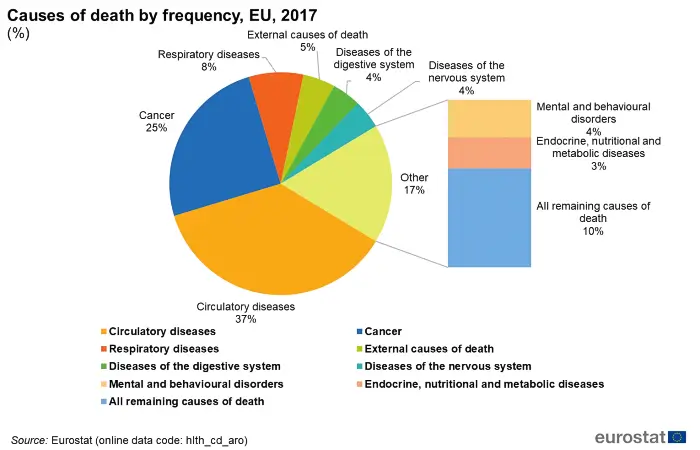
El 100% de la población presentaba ingestas inferiores al valor recomendado de vitamina D.
Si nos fijamos en las tablas (véase la Tabla 1) la deficiencia número uno sería el potasio y también la vitamina D. Toda la población, o para ser precisos, el 94,3% de la población de EE.UU. no cumple con el requerimiento diario de vitamina D y la vitamina D es una vitamina muy barata que regula alrededor del 3% de los genes en nuestro cuerpo.
Puede leer más al respecto en artículos correlacionados sobre la vitamina D. Por qué la gente y especialmente las personas con tonos de piel más oscuros y las personas que no reciben la exposición a la luz solar no están complementando con esta vitamina como una estrategia nutricional es un misterio para mí.
Estas tablas no miden todos los demás minerales "no esenciales" que en realidad son esenciales pero en menor grado y tampoco cuentan los antioxidantes fuera de la vitamina C y la vitamina E como nutrientes esenciales y no proporcionan una CDR, pero todos estos nutrientes son esenciales o, en otras palabras, tienen una función en el cuerpo humano. En cuanto a los oligoelementos y los fitoquímicos, entre los que se incluyen antioxidantes básicamente, toda la población es deficitaria. Y también para el potasio.
El 100% de la población presentaba ingestas inferiores al valor recomendado de potasio.
El potasio se encuentra principalmente en los alimentos de origen vegetal. No hay niveles adecuados de potasio en los productos animales. Debido al cambio a una dieta en la que predominan los productos animales, menos del 2% de los adultos estadounidenses consumen el mínimo diario recomendado, y ésta es la ingesta mínima de potasio, no la óptima. (Cogswell et al, 2012). La mayoría de estas personas son veganas. Hay más veganos que el 2 por ciento de la población estadounidense y ni siquiera todos ellos tienen una ingesta óptima de potasio. Este hecho por sí solo puede decirnos mucho sobre el argumento del tipo de dieta paleo "los humanos son omnívoros". Y este número incluye la RDA artificial y deliberadamente manipulada. Si nos basamos en la evolución real de nuestros antepasados homínidos, la ingesta óptima de potasio en la dieta probablemente supere con creces las ingestas mínimas existentes o, incluso, las recomendadas.. Más del 98% de los estadounidenses siguen dietas muy deficientes en potasio. Esta deficiencia es aún mayor si comparamos nuestra ingesta actual con la de nuestros antepasados homínidos. Evolucionamos posiblemente consumiendo mucho más de 10.000 mg al día. La recomendación dietética actual es ingerir al menos unos 5.000 mg. En realidad, la ingesta de potasio de la mayoría de la gente es marginal. Y esto tiene consecuencias para la salud, sobre todo si comprendemos los mecanismos de la bomba de sodio-potasio y sus efectos sobre las neuronas, los riñones, el sistema cardiovascular y el equilibrio de los fluidos.
El 99% de las personas tienen un consumo excesivo de sodio.
Demasiado sodio en la dieta altera la bomba de sodio-potasio, provoca hipertensión arterial y aumenta e independientemente el riesgo de cáncer de estómago, derrame cerebral, cardiopatías y enfermedades renales. La sal también aumenta la inflamación y casi todas las enfermedades conocidas están correlacionadas con la inflamación crónica. Por ejemplo, la ingesta de sodio se asocia con una mayor actividad de la enfermedad en la esclerosis múltiple, una afección nerviosa inflamatoria autoinmune (Farez y otros, 2015). Alrededor de tres o cuatro veces la tasa en personas con una ingesta media o alta de sodio en comparación con las que toman menos de una cucharadita (menos de 6 gramos) del total de sal en un día. Por ejemplo, las personas con una ingesta media o alta de sodio experimentan entre tres y cuatro veces más tasas de esclerosis múltiple (enfermedad inflamatoria autoinmune) en comparación con las personas que consumen menos de una cucharadita de sal al día. La esclerosis múltiple se caracteriza por un aumento de los niveles de sodio en la médula espinal (Hori, 2020). El lupus, otra enfermedad autoinmune inflamatoria grave y mortal, se caracteriza por mayores niveles de sodio en todos los tejidos (Carranza-Leónet al., 2020). Todas las enfermedades pueden ser por interpolación asociada con un aumento de la inflamación causada por un aumento en la ingesta de sodio en la dieta. Debido a que el sodio se encuentra principalmente en la comida basura en el primer plato había un argumento de que el sodio es sólo un marcador de una mala dieta en general. Un chivo expiatorio para una mala dieta en cierto sentido.
Hoy sabemos que existe una relación causal entre la sal y la hipertensión arterial. Hoy contamos con más de 140 experimentos controlados aleatorizados realizados sólo sobre el sodio. Hoy sabemos que, independientemente de otros factores, reducir la sal añadida disminuye la presión arterial, y cuanta más sal se reduzca, mejor (Huang et al., 2020). La sal también se utiliza tradicionalmente para fermentar los alimentos. Hay algunas nuevas líneas de experimentos que han demostrado que el sodio podría realmente alterar nuestro microbioma de forma negativa al promover el desarrollo de bacterias no probióticas en el intestino.
En un sentido antropológico, nuestros antepasados homínidos nunca tuvieron sal cristalina. El único sodio que se consumía era el que se encontraba de forma natural en los alimentos. Nuestro cuerpo ha evolucionado para soportar sólo unos 750 mg al día.
Dado que el sodio y el potasio son minerales opuestos que regulan la bomba de sodio-potasio, es necesario considerarlos de forma relativa. No como una única deficiencia.
Esto es difícil de calcular. El número de personas que cumplirían ambas recomendaciones, y esta es mi extrapolación de los datos, tanto para la ingesta de sodio como de potasio en la actualidad sería de alrededor de una persona de cada 6.000. (Cogswell et al, 2012). Este es un excelente ejemplo de inadaptación a nuestro entorno. Un hombre de cada 6.000 vive de forma congruente con nuestra evolución natural. Además, debemos tener en cuenta que más individuos que 1 de cada 6.000 siguen una dieta basada en plantas.
Incluso los veganos están mayoritariamente en el grupo de los que no cumplen.
La manifestación de esto es que un tercio de nosotros morirá de enfermedades del corazón. A todos los animales les gusta lamer sal, pero sólo nosotros somos capaces de hacerlo realmente en cada comida. Podemos corregir esto fácilmente pero nadie lo hará. Ni siquiera las personas que siguen una dieta integral basada en plantas pueden renunciar a la sal. Lo que podemos hacer es empezar a comer más verduras y legumbres para obtener potasio. Además, esto no sería suficiente como muestra el resultado del cumplimiento.
Dado que la mayoría de nosotros estamos recibiendo demasiado sodio junto con muy poco potasio hoy en día la única opción para la mayoría de la población es la intervención nutricional. En este caso necesitamos añadir una sal de potasio directamente a nuestra dieta.
Si nos fijamos en un metaanálisis de ensayos controlados aleatorios sobre la sustitución del cloruro de sodio por cloruro de potasio, el resultado final es, como era de esperar, la disminución de la presión arterial. El problema del cloruro potásico es que no sabe bien. No puede sustituir realmente a la sal de mesa. Tiene un sabor metálico o químico. Se puede mezclar con la sal de mesa normal hasta cierto punto que no se note. También puede tomarse como suplemento. Por este motivo, en la mayoría de los ensayos del metaanálisis se sustituyó la sal común por cloruro potásico en una proporción del 25% al 33%. Aun así, los resultados fueron positivos. La mayoría de los individuos no pueden distinguir entre la sal común y la sal potásica con menos de un 30% de sustitución. La FDA afirma que el cloruro potásico "suele considerarse seguro" porque, a diferencia de otros minerales, puede eliminarse fácilmente del organismo por la orina. Se recomienda precaución en los casos con daño renal en los que los riñones no son capaces de regular los niveles de potasio. También forman parte de los grupos de riesgo los pacientes que reciben medicamentos que alteran la excreción de potasio y las personas con insuficiencia suprarrenal.
Si quiere tomar un suplemento de potasio y esto depende del perfil nutricional de su dieta individual, le recomiendo que lo haga si no es capaz de corregir su dieta. Tendremos que analizar su perfil nutricional individual o puede hacerlo usted mismo durante un par de semanas para ver el nivel de deficiencias nutricionales. En la mayoría de los casos, no se han demostrado efectos adversos en la ingesta a largo plazo de suplementos de potasio en el rango de 3.000 mg a 4.000 mg al día.
La ingesta normal de potasio para la especie humana puede ser del orden de 15.000 mg al día si nos fijamos en nuestra evolución. Este es el rango que consumirían las especies de homínidos en su dieta vegana normal a base de frutas y verduras. Los niveles sanguíneos de potasio en individuos sanos sin problemas renales se mantienen en el rango normal incluso cuando la ingesta de potasio se incrementa hasta 15.000 mg al día.
88,5% de incumplimiento con la vitamina E.
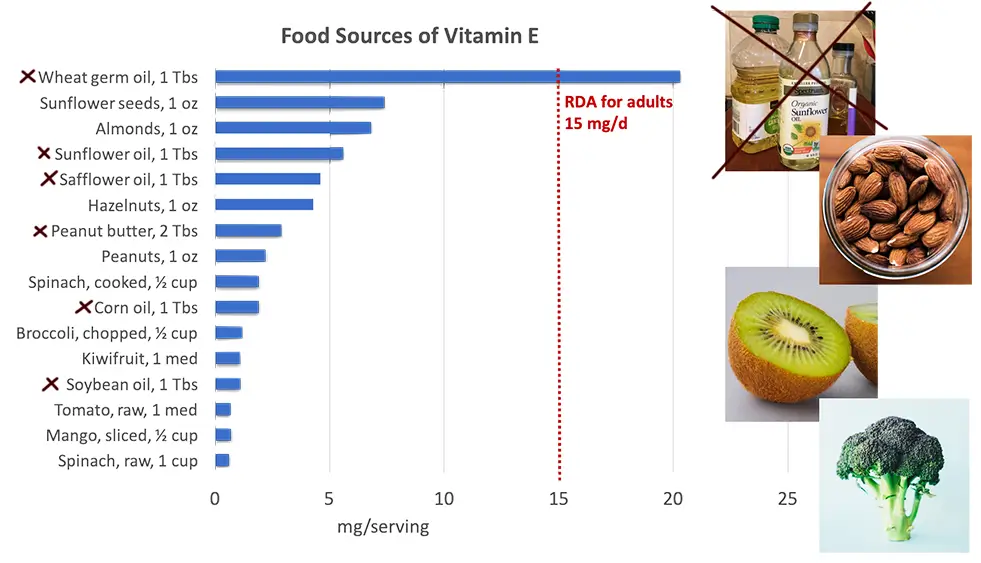
La vitamina E es muy difícil de obtener incluso en una dieta integral basada en plantas. La mayoría de nosotros que no intentamos activamente corregir la deficiencia de vitamina E acabaremos teniendo una ingesta inadecuada. La CDR de α-tocoferol es de 15 mg/día. Se calcula que más del 90% de los adultos estadounidenses no cubren las necesidades medias estimadas (EAR) de 12 mg/día de α-tocoferol. El término vitamina E se refiere en realidad a una sola vitamina de una familia de ocho moléculas. Todas ellas son antioxidantes liposolubles: cuatro isoformas de tocoferol (α-, β-, γ- y δ-tocoferol) y cuatro isoformas de tocotrienol (α-, β-, γ- y δ-tocotrienol).
Sólo una forma, el α-tocoferol, se clasifica como vitamina E, pero esto no significa que el resto de los tocoferoles no tengan funciones biológicas dentro del cuerpo humano. En el hígado humano, el α-tocoferol es la forma de vitamina E que se une preferentemente a la proteína de transferencia del α-tocoferol (α-TTP) y se incorpora a las lipoproteínas que transportan el α-tocoferol a otros tejidos. Por lo tanto, es la forma predominante de vitamina E que se encuentra en la sangre y los tejidos. Pero, de nuevo, esto no significa que otros tipos de tocoferoles no tengan importancia. Todo lo contrario. También se sabe que otras formas de vitamina E distintas del α-tocoferol son potentes antioxidantes. Se cree que los tocotrienoles y el γ-tocoferol son mejores eliminadores de radicales peroxilo y especies reactivas de nitrógeno, respectivamente, que el α-tocoferol.
La principal función del α-tocoferol en el ser humano es la de antioxidante liposoluble. Las grasas, que forman parte integrante de todas las membranas celulares, son vulnerables a los daños provocados por la peroxidación de los lípidos por los radicales libres. El α-tocoferol está especialmente indicado para interceptar los radicales peroxilo y evitar así una reacción en cadena de oxidación de los lípidos. Cuando una molécula de α-tocoferol neutraliza un radical libre, se oxida y pierde su capacidad antioxidante. Otros antioxidantes, como la vitamina C, son capaces de regenerar la capacidad antioxidante del α-tocoferol.
Además de mantener la integridad de las membranas celulares en todo el organismo, el α-tocoferol protege las grasas en lipoproteínas de baja densidad (LDL) de la oxidación. Las lipoproteínas son partículas compuestas de lípidos y proteínas que transportan las grasas por el torrente sanguíneo. Las LDL transportan específicamente el colesterol desde el hígado a los tejidos del organismo. Las LDL oxidadas se han relacionado con el desarrollo de enfermedades cardiovasculares.
Una deficiencia de vitamina E, especialmente en la situación de inflación crónica causada por la falta de otras fuentes alimentarias ricas en antioxidantes, está correlacionada con la acumulación de daños causados por los radicales libres.
Como el aceite y el agua no se mezclan, nuestro cuerpo necesita vitamina C para el agua y vitamina E para las partes grasas de nuestras células como mecanismo de defensa contra los radicales libres. Los órganos que están hechos de grasa, como el cerebro, por ejemplo, son especialmente susceptibles a la inflamación causada por una deficiencia de vitamina E.
La carencia de vitamina E está relacionada con el cáncer, el deterioro cognitivo, la enfermedad de Alzheimer, la degeneración macular asociada a la edad, las cataratas asociadas a la edad, las enfermedades cardiovasculares, el deterioro de la función inmunitaria asociado a la edad, la diabetes mellitus de tipo 2 y las enfermedades del hígado graso.
Esta es una deficiencia que se ocultará durante mucho tiempo mientras sufrimos daños en el ADN y luego se manifestará como una enfermedad crónica que no es tratable porque el daño ya está hecho.
Cuando empezamos a sentir la deficiencia de vitamina E en la mayoría de los casos ya es demasiado tarde. Esta no es una deficiencia que nadie quiera tener, especialmente con toda la sobrecarga tóxica y la inflamación crónica ya presente (Exposición a Plaguicidas en Niños Estadounidenses- Pruebas de Exposición Real). Sobre todo porque es una deficiencia que no es cara de corregir pero al mismo tiempo si no se sabe lo que se hace será muy difícil corregirla de forma natural.
Esto se debe a que la vitamina E, como antioxidante liposoluble, sólo existe en la grasa. Y como es un antioxidante, reacciona con el oxígeno del aire, por lo que si hay vitamina E expuesta al aire, desaparece. El aceite está rancio. Fin de la historia. La fuente número uno de vitamina E en la dieta occidental es exactamente el aceite vegetal. Esto es una gran mentira diseñada para engañarte. La razón por la que la industria refina el aceite es para quitarle las moléculas aromáticas. El aceite no es virgen extra, sellado al vacío y conservado en frío, sino aceite rancio, proinflamatorio y cancerígeno, privado de vitamina E y refinado para que el consumidor no huela la ranciedad. Esto también se aplica a las semillas molidas. Si tiene semillas de girasol o de lino pre-molidas o cualquier semilla o fruto seco al que se le ha quitado la cáscara protectora, la vitamina E ha estado expuesta al aire y la semilla o fruto seco se ha vuelto rancio. Incluso si tiene aceite fresco extraído en una máquina casera de extracción de aceite la concentración de vitamina E se reduce significativamente en cuanto se extrae el aceite. Debe utilizarlo inmediatamente. Esto también se aplica en situaciones en las que usted muele sus semillas en casa o utiliza una licuadora o utiliza cualquier otro proses de exponer la vitamina E al aire y todos los otros antioxidantes de esa manera.
¿Y qué hace la mayoría de la gente con el aceite? Utilizan el aceite para freír, cocinar y respaldar. La temperatura aumenta la oxidación y cuando usas aceite para cocinar despídete de cualquier contenido de vitamina E. Tienes aceite rancio proinflamatorio, cancerígeno y mutagénico, y cualquier cosa que utilices para freír en él también es cancerígena. Para freír grasa saturada es más estable tiene un punto de humeo más alto que la grasa poliinsaturada pero este es un tema extenso para otro artículo. La vitamina E es muy difícil de consumir. Sólo en las estadísticas sobre el papel, verá aceites vegetales como fuente de vitamina E y esto se hace deliberadamente sólo para no asustar a la gente por completo. En los EE.UU., la ingesta media de α-tocoferol de los alimentos (incluyendo fuentes enriquecidas y fortificadas con falsa vitamina E pro-inflamatoria y todas las concentraciones falsas de vitamina E en aceites extraídos rancios y semillas abiertas y molidas, y alimentos fortificados con falsa vitamina E sintética) para adultos es de 7,2 mg/día (Fulgoni et al.,2011). Incluso este falso nivel inexistente está muy por debajo de la CDR de 15 mg/día de α-tocoferol.
Si los consumidores lo supieran, ¿qué pasaría? ¿Dejarían de comer cualquier cosa frita o rebozada en aceite? ¿Empezarían a incorporar suplementos de vitamina E a sus estrategias de intervención nutricional?
Lo que es un hecho significativo aquí también es que la industria no es capaz o sería demasiado caro crear el 100% de la misma estructura molecular de la vitamina E en los laboratorios. Venden suplementos de vitamina E que no son vitamina E.
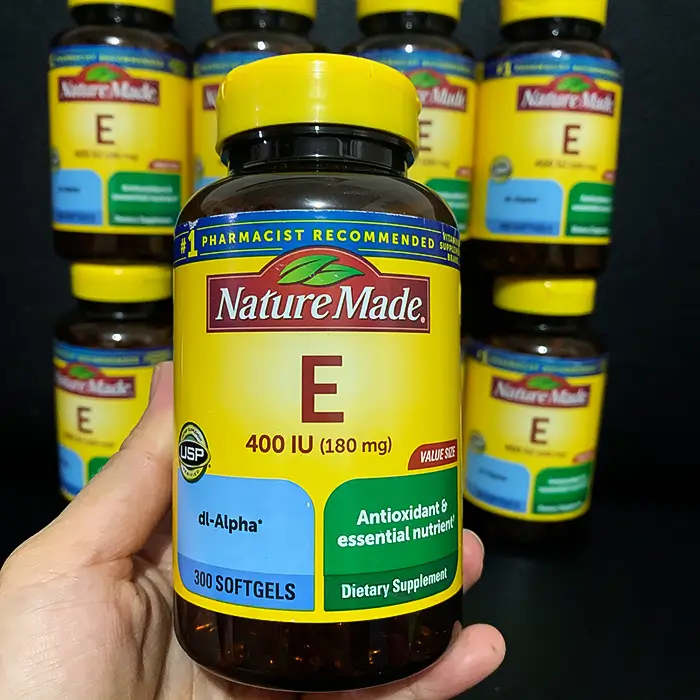
El α-tocoferol natural de origen vegetal que se encuentra en los alimentos tiene una configuración RRR en las posiciones 2, 4' y 8' de la molécula de α-tocoferol (denominada erróneamente d-α-tocoferol). El todo-rac-α-tocoferol de síntesis química (todo-racémico-α-tocoferol; incorrectamente denominado dl-α-tocoferol) es una mezcla de ocho estereoisómeros de α-tocoferol, que surgen de los tres carbonos quirales en las posiciones 2, 4' y 8': RRR-, RSR-, RRS-, RSS-, SRR-, SSR-, SRS- y SSS-α-tocoferol. Aunque todos los estereoisómeros tienen la misma actividad antioxidante in vitro, sólo las formas en la conformación R en la posición 2 (denominadas 2R) cumplen los requisitos de vitamina E en humanos.
Esto no es nada nuevo. Todo el mundo en nutrición y medicina sabe que la vitamina E sintética no tiene ninguna actividad antioxidante in vivo. Es una píldora de vitamina falsa que se utiliza para enriquecer los alimentos infantiles.
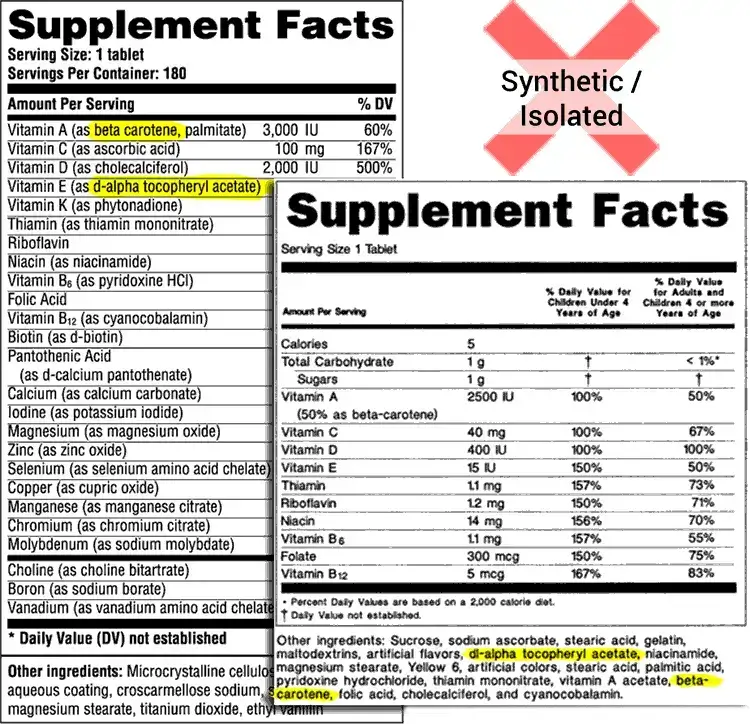
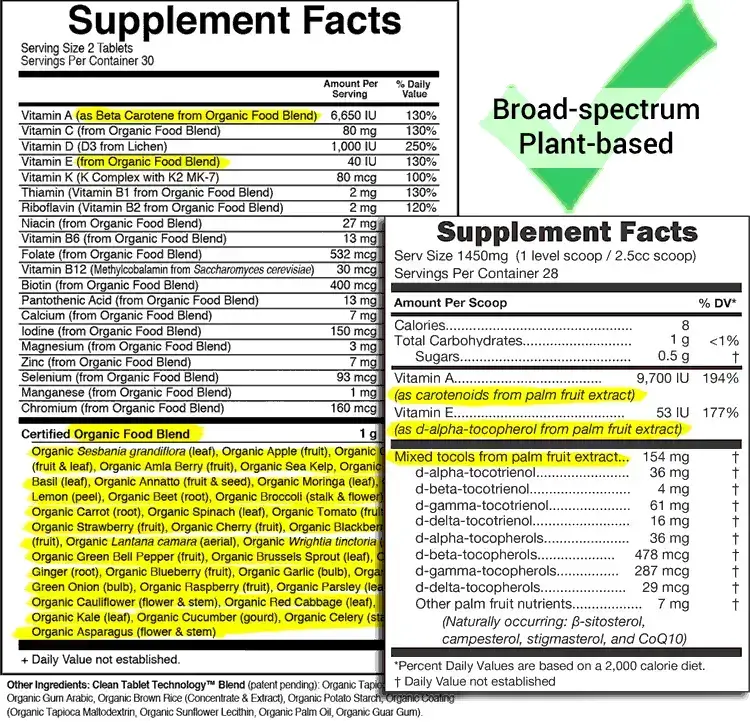
Tras un periodo de seguimiento de 10 años, un análisis observacional prospectivo de unas 4.000 personas del Framingham Heart Study no mostró ninguna relación estadísticamente significativa entre el consumo de suplementos de vitamina E y la mortalidad cardiovascular o incluso sólo por cualquier causa (Dietrich y otros, 2009). Además, un metaanálisis más reciente de 53 ensayos aleatorizados con 241.883 participantes demostró que el betacaroteno, la vitamina A y la vitamina E aumentaban significativamente la mortalidad por todas las causas, mientras que las dosis inferiores a las CDR no afectaban a la mortalidad. Sabemos que los suplementos de vitamina E son una pérdida de dinero, pero hay una serie de estudios que han demostrado un aumento de la mortalidad. Las personas que la toman podrían estar pagar para vivir menos. En la actualidad, el consenso científico es que, en personas que suelen estar sanas, no existen pruebas concluyentes de que la administración de suplementos de vitamina E por debajo de los niveles de sobreesfuerzo y sobredosis crónica aumente el riesgo de muerte por enfermedad cardiovascular o de cualquier otro tipo. Sin embargo, las dosis elevadas de vitamina E suplementaria pueden interactuar con los medicamentos, reduciendo potencialmente su eficacia o aumentando su toxicidad. Pero, de nuevo, todos estos estudios son con vitamina E sintética. Me gustaría ver un estudio realizado con vitamina E natural y no sólo con vitamina E, sino con un suplemento que tenga una mezcla de diferentes tocoferoles.
Si tiene deficiencia de vitamina E y quiere tomar suplementos, busque un suplemento natural de vitamina E, idealmente con una mezcla de diferentes tocoferoles naturales, y no tome más de 400 UI (Jiang, 2014).
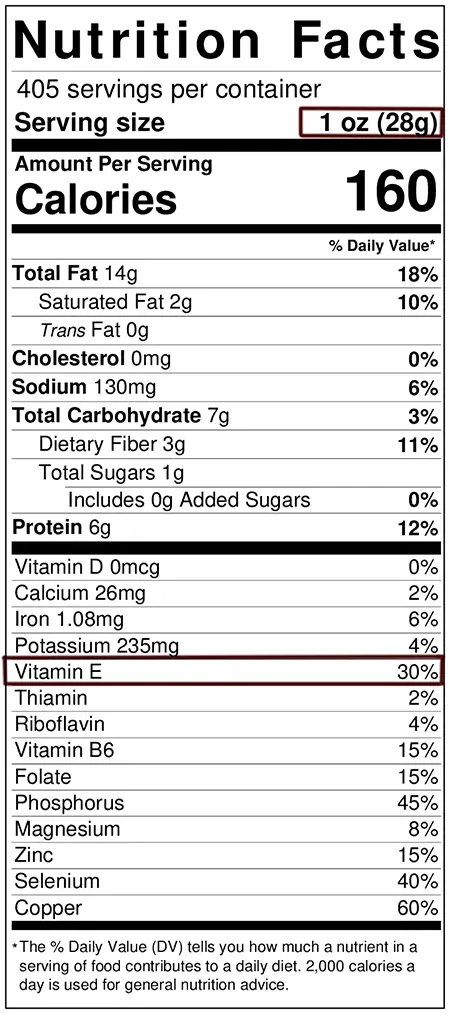
Otra opción natural real es corregir su dieta. Necesitamos un fruto seco o una semilla fresca, entera y cruda que tenga niveles adecuados de vitamina E. Y si nos fijamos en las tablas nutricionales la única opción disponible son las semillas de girasol y las almendras, pero las almendras son mucho más caras. Todas las demás semillas tienen niveles considerablemente más bajos de vitamina E. Se necesitarían al menos 40 gramos de semillas de girasol crudas para corregir la deficiencia de vitamina E. Y esto significa 40 gramos de semillas de girasol, todos los días, para el resto de su vida.
El 66,9% de la población es deficitaria en vitamina K.
La vitamina K es una vitamina liposoluble que se encuentra en verduras de hoja verde como la berza, la col rizada y las espinacas. El sangrado y la hemorragia son los signos clásicos de la carencia de vitamina K, aunque estos efectos sólo se producen en casos graves. Dado que la vitamina K es necesaria para la carboxilación de la osteocalcina en los huesos, su carencia también podría reducir la mineralización ósea y contribuir a la osteoporosis (Palermo y otros, 2017) (Grey et al, 2018).
La deficiencia de vitamina K clínicamente significativa en adultos es muy poco frecuente y suele limitarse a personas con trastornos de malabsorción o que toman fármacos que interfieren en el metabolismo de la vitamina K. En personas sanas que consumen una dieta variada, alcanzar una ingesta de vitamina K lo suficientemente baja como para alterar las medidas clínicas estándar de coagulación sanguínea es casi imposible.
Pero esto no significa que no surjan efectos más crónicos al margen de la coagulación, como una disminución de la densidad mineral ósea (Mott y otros, 2019). Se recomienda tomar un par de hojas verdes al día sólo por la deficiencia de vitamina K. De hecho, las hojas de color verde oscuro están tan repletas de vitamina K que si usted está tomando warfarina, un fármaco que actúa envenenando el metabolismo de la vitamina K, ¡tiene que colaborar estrechamente con su médico para ajustar la dosis a su ingesta de verdes para no minar la eficacia del medicamento!
Esta deficiencia sería mucho peor si no fuera por la vitamina K2. La vitamina K2 se encuentra en la carne, el pescado y los huevos. El consenso científico es que cualquiera de las dos (filoquinona o menaquinona, antes K1 y K2) está bien para mantener el estado de la vitamina K en el ser humano (Elder et al., 2006). La ingesta recomendada es de unos 100 mcg. Media taza de col rizada contiene más de 500. Además, los veganos no necesitan comer nato para obtener vitamina k2. Ambos están bien y las personas que siguen una dieta de tipo omnívoro deberían añadir algunas verduras durante el día. Si surgiera alguna prueba de que la vitamina K2 aporta algún beneficio único, nuestro microbioma produce K2 a partir de la K1 de las verduras. Es más, incluso si tuviéramos un problema con nuestro microbioma, nuestras propias células pueden fabricar K1 a partir de K2, al igual que hacen otros animales. Así que no hay necesidad de suplementos o natto, sólo comer sus verduras.
La causa fundamental de esta carencia, al igual que de otras, es la inadaptación a nuestra dieta "omnívora" de estilo occidental. Una porción de 100 gramos de col rizada cruda, por ejemplo, aporta 93 mg de vitamina C o el 103% de la CDR. También proporciona una cantidad adecuada de CDR de vitamina K y, además, aporta los carotenoides luteína y zeaxantina.
A continuación, el 52,2% para el magnesio, el 44,1% para el calcio, el 43,0% para la vitamina A y el 38,9% para la vitamina C.
Cómo es posible que el 40% de la población no consiga consumir ni un solo kiwi mediano con 56 mg de vitamina C al día, es decir, el 62% de la CDR, es otro misterio para mí. Y esta cifra de CDR (cantidad diaria recomendada) es una conspiración en sí misma. Estas cifras se establecen deliberadamente bajas para que la gente no se asuste. La CDR para la vitamina C, por ejemplo, se fijó en un valor mínimo permitido que evitaría el escorbuto. Esta CDR no representa que esta ingesta sea óptima. Por ejemplo, una cabra media es capaz de producir más de 10 gramos de vitamina C en un día en momentos de enfermedad o estrés. Compara 10000mg de una cabra media frente a un kiwi al día con 56 mg de vitamina C. La próxima vez que alguien te pregunte de dónde has sacado las proteínas, pregúntale a su vez de dónde has sacado la vitamina C, la vitamina E y el magnesio. Ninguna de ellas está presente en los productos animales, pero todas las plantas están compuestas de proteínas. La vitamina C es un tema muy amplio y daría para otros artículos, sobre todo en relación con el trabajo de Linus Pauling.
La conferencia versa sobre el papel de la vitamina C (ácido ascórbico) en diversas funciones del organismo y sobre su investigación en el ámbito de la salud, a menudo olvidada, negada y puesta en duda. El Dr. Humphries tiene una perspectiva histórica sobre la vitamina C y su importancia en diversas enfermedades, pero también describe su papel en la salud en general.
Longevity Essentials, Jun 25, 2021
Deficiencia de magnesio.
Cuando nos fijamos en el magnesio, la respuesta normal sería que es uno de los minerales más abundantes en la naturaleza y que todos tenemos muy pocas posibilidades de ser deficientes. Pero el primer problema son los fertilizantes sintéticos. La capa superficial del suelo se ha agotado tanto que es como si casi todos los cultivos industriales se hubieran hecho hidropónicos.
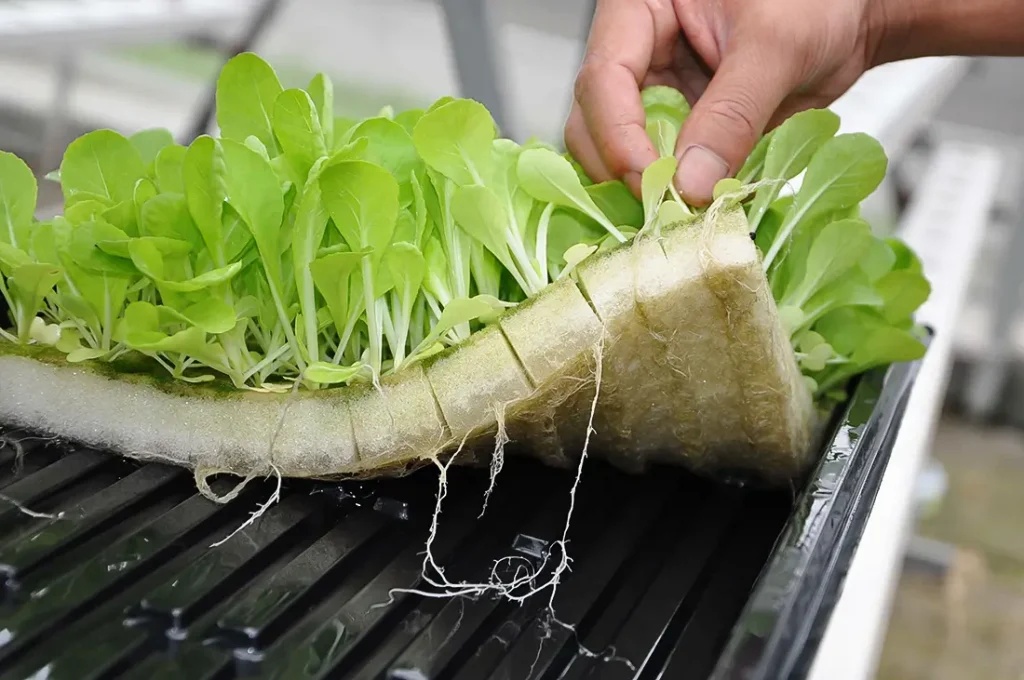
Depuis 1940, la densité en micronutriments des aliments a considérablement diminué en raison de l'utilisation d'engrais synthétiques (Thomas, 2007).
En el Reino Unido, por ejemplo, se ha producido una pérdida de magnesio en la carne de vacuno (-4 a -8%), el tocino (-18%) y el pollo (-4%), queso cheddar (-38%), queso parmesano (-70%), leche entera (-21%) y verduras (-24%) (Thomas, 2007). Desde la década de 1970, el contenido de magnesio en el trigo ha descendido casi un 20%, lo que puede deberse a una fertilización desequilibrada de los cultivos (altos niveles de nitrógeno, fósforo y potasio, este último antagonista de la absorción de magnesio en las plantas).
Para além dos produtos já esgotados, demos mais um passo em frente e começámos a processar completamente os alimentos. Este procesado elimina todos los micronutrientes que ya estaban muy mermados.
La pérdida de magnesio durante el refinado/tratamiento de los alimentos es significativa: harina blanca (-82%), arroz pulido (-83%), almidón (-97%) y azúcar blanco (-99%)(Guo y otros, 2016).
Los alimentos procesados de todo tipo, las grasas, las harinas refinadas y los azúcares carecen de magnesio, por lo que nuestra dieta occidental nos predispone a la deficiencia de magnesio y a todas las demás deficiencias minerales existentes. Las buenas fuentes dietéticas de magnesio son los frutos secos, el chocolate negro y los cereales integrales no refinados. No hay mucho magnesio en los productos animales. Hay magnesio en los productos animales, pero nosotros, como especie, evolucionamos comiendo hojas verdes y nuestra necesidad de magnesio es sustancial. Es el magnesio el que da a la clorofila su color verde.
El magnesio es el séptimo elemento más abundante en la corteza terrestre. En los vertebrados, el magnesio es extremadamente abundante y es el segundo catión intracelular más común (el potasio es el primero). El magnesio extracelular sólo representa alrededor del 1% del magnesio corporal total, que se encuentra principalmente en el suero y los glóbulos rojos.
El magnesio es necesario para el funcionamiento de más de 300 enzimas. Por ejemplo, la osteoporosis es tanto una carencia de magnesio como de calcio, porque el organismo utiliza una enzima que contiene magnesio para el metabolismo del calcio. Las mujeres subsaharianas de raza negra que tienen un 99% de intolerante a la lactosa no tienen osteoporosis con 300 mg de calcio al día, pero en comparación, comen muchas más verduras y legumbres.
Algunas de las principales funciones del magnesio en la biología humana son el mantenimiento de los gradientes iónicos (manteniendo el sodio y el calcio intracelulares bajos y el potasio alto) y la integridad celular y tisular, fosforilación oxidativa mitocondrial (producción y activación de ATP), y la síntesis e integridad del ADN, el ARN y las proteínas. Es uno de los minerales esenciales más importantes para la vida.
La carencia manifiesta de magnesio es difícil de detectar porque la mayor parte del magnesio reside en el interior de las células. Analizar los niveles de magnesio en sangre carece de sentido.
Existen dos tipos de carencias nutricionales: las carencias francas, que pueden tener consecuencias graves e inmediatas, y las carencias subclínicas, que muestran su potencial destructivo a largo plazo. Las carencias subclínicas son las más preocupantes, ya que son difíciles de diagnosticar y nos predisponen a numerosas enfermedades crónicas. La carencia subclínica de magnesio está muy extendida. Las pruebas clínicas demuestran que la mayoría de nosotros tenemos niveles inadecuados de magnesio. Esta deficiencia de magnesio no diagnosticada y silenciosa es una de las principales causas de enfermedades crónicas, incluidas las cardiovasculares y la mortalidad prematura, no sólo en los países desarrollados sino en todo el mundo. Hoy en día, la mayoría de los que trabajamos en el campo de la ciencia de la nutrición, incluido yo mismo, consideramos la carencia de magnesio como una crisis de salud pública.
Al igual que ocurre con la vitamina E, la carencia crónica de magnesio provocará daños sistémicos y, finalmente, cuando aparezcan los síntomas más graves ya será demasiado tarde. El daño ya está hecho y sobre todo porque la existencia de una deficiencia de magnesio subaguda o crónica es difícil de diagnosticar. Los tejidos dañados por la depleción de magnesio son los de los sistemas cardiovascular, renal y neuromuscular, y el daño precoz no es fácilmente detectable. Las ingestas subóptimas de magnesio a largo plazo participan en la patogénesis de enfermedades crónicas de todos estos sistemas. La carencia de magnesio es un tema serio, sobre todo porque hoy en día está en todas partes.
Si usted no está comiendo una dieta integral a base de plantas, hay más de una 95% posibilidad de que usted tiene una deficiencia de magnesio subclínica.
En la mayoría de los casos, esta carencia comienza en la infancia. Son precisamente los niños del mundo occidental los que comen demasiado azúcar y muy pocas verduras de hoja verde.
Una dieta occidental típica puede proporcionar sólo el magnesio suficiente para evitar una deficiencia franca de magnesio, pero es poco probable que mantenga niveles de magnesio elevados y normales y proporcione una reducción óptima del riesgo de enfermedad arterial coronaria y osteoporosis, y una amplia gama de otras afecciones correlacionadas.
Numerosos estudios han demostrado que se necesitarían al menos 300 mg de magnesio suplementario para observar una mejora significativa de las concentraciones séricas de magnesio.
En otras palabras, la mayoría de las personas necesitan 300 mg adicionales de magnesio al día para reducir el riesgo de desarrollar numerosas enfermedades crónicas. Así pues, aunque la cantidad diaria recomendada (CDR) de magnesio (entre 300 y 420 mg/día para la mayoría de las personas) puede prevenir una carencia franca de magnesio, es poco probable que proporcione una salud y longevidad óptimas, que deberían ser el objetivo final.
| Signos menos graves de deficiencia de magnesio. |
| Agresión. Ansiedad. Ataxia. Signo de Chvostek (contracción de los músculos faciales en respuesta a golpecitos sobre la zona del nervio facial). Confusión. Calambres (espasmos espontáneos o calambres dolorosos de los músculos de manos y pies). Desorientación. Fasciculaciones (contracción breve y espontánea que afecta a un pequeño número de fibras musculares y que suele provocar un parpadeo de movimiento bajo la piel. Puede ser un síntoma de la enfermedad de las motoneuronas). Hiperreflexia. Irritabilidad. Debilidad muscular. Irritabilidad neuromuscular. Dolor o hiperalgesia (disminuye el umbral nociceptivo). Fotosensibilidad. Espasticidad. Tetania (espasmos musculares involuntarios). Acúfenos (zumbidos en los oídos). Temblores. Signo de ajuar. Vértigo. La Vitamina D resistencia. |
Lo más probable es que en la mayoría de los casos la deficiencia sea crónica y subclínica hasta que, por ejemplo, descubras que de alguna manera tienes calcificaciones en las arterias.
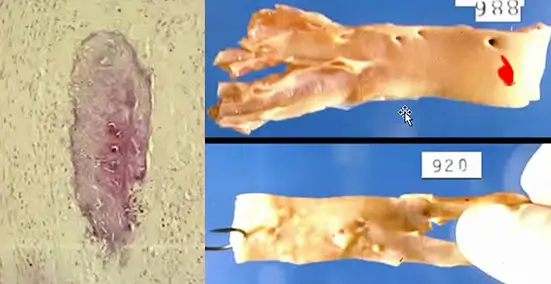
La carencia y el agotamiento de magnesio en los tejidos blandos pueden causar calcificaciones en el corazón, el hígado y los músculos esqueléticos. La carencia de magnesio daña los riñones debido a los depósitos de calcio y puede causar numerosas anomalías electrolíticas (un problema común en pacientes con enfermedad renal crónica). Otros estudios en animales demuestran que la carencia de magnesio provoca necrosis y calcificaciones cardiacas. Una ingesta inadecuada de magnesio en la dieta aumenta el desarrollo de placas ateroscleróticas independientemente de cualquier otro factor. La carencia de magnesio reduce la Na-K-ATPasaEn el corazón, los niveles de sodio y calcio aumentan y los de magnesio y potasio disminuyen.
Esto aumenta la vasoconstricción en las arterias coronarias, lo que puede inducir espasmos arteriales coronarios, infarto de miocardioy arritmias que conducen a la muerte por infarto isquémico incluso en atletas profesionales. Teniendo en cuenta que alrededor del 25% de todos los infartos de miocardio no se deben a la rotura de la placa aterosclerótica, los espasmos de las arterias coronarias inducidos por la deficiencia de magnesio podrían explicar algunos de estos acontecimientos.
Muerte por deficiencia de magnesio.
| Posibles manifestaciones cardiovasculares de la carencia de magnesio |
| Hipertensión. Arritmias. Calcificaciones. Aterosclerosis. Insuficiencia cardíaca. Aumento de la reactividad plaquetaria y trombosis. Infarto de miocardio. Accidente cerebrovascular. Muerte súbita cardiaca |
Cómo se puede corregir la deficiencia de magnesio sería un tema en artículos correlacionados. No es una solución tomarlo como suplemento, especialmente como suplemento multimineral o incluso solo. Los minerales trabajan en grupos. Cada mineral tiene un mineral opuesto, y sólo los minerales orgánicos son lo suficientemente pequeños como para ser biodisponibles para las células humanas.
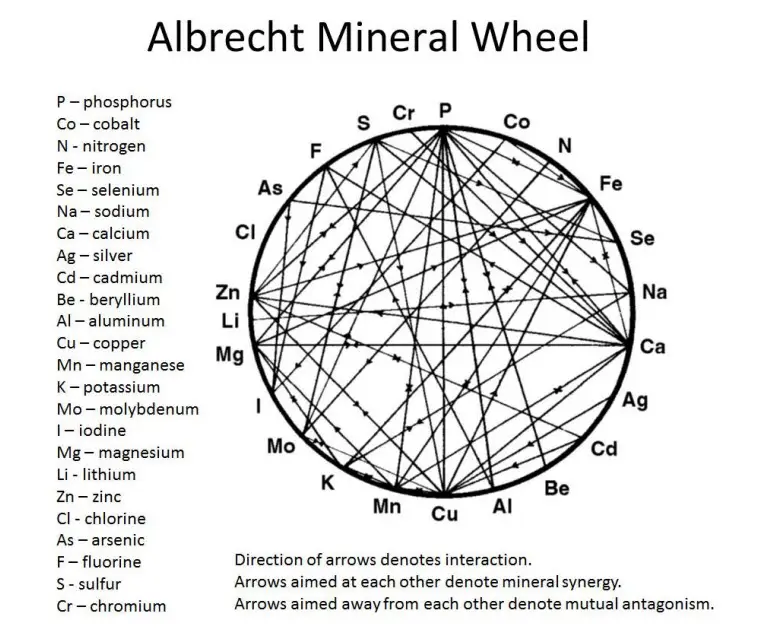
La suplementación con calcio, por ejemplo, puede conducir a una deficiencia de magnesio debido a la inhibición competitiva para la absorción, o podría ser al revés. Un suplemento excesivo de vitamina D puede provocar una carencia de magnesio por absorción excesiva de calcio (Rosanoff et al., 2016) y, por tanto, aumentan el riesgo de calcificaciones arteriales. El uso de diuréticos y otros medicamentos también puede provocar una carencia de magnesio.
Cuando nos ocupamos de las deficiencias de minerales única solución es la nutrición en la mayoría de los casos debido a la rueda de minerales. Necesitamos consumir alimentos cultivados en suelos no agotados. Esto significa, en primer lugar, productos cultivados en suelos sin fertilizantes sintéticos. El segundo paso es consumir alimentos densos en nutrientes. Porque la mayoría de vosotros no lo haríais y seguiríais comiendo productos animales que no tienen cantidades adecuadas de magnesio y, lo que es peor, seguiríais comiendo calorías refinadas que os darían una solución rápida para el magnesio y vuestra baja Valor ORAC de la dieta puntuación.
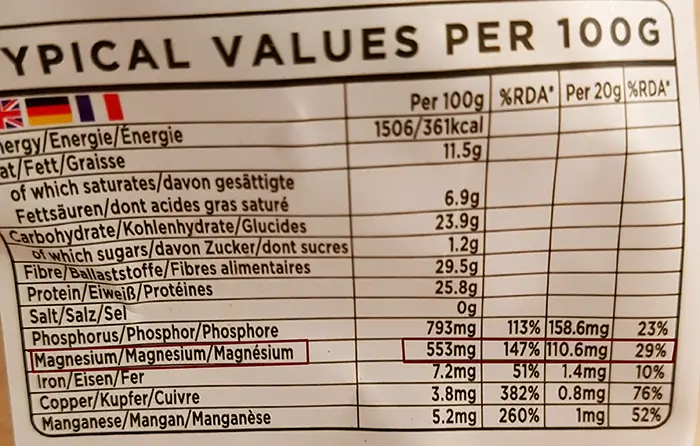
Hasta aquí ya tenemos dos alimentos suplementarios que deberíamos comer cada día, 40 gramos de semillas de girasol crudas y 40 gramos de cacao crudo. Puedes añadir una o dos hojas de col rizada para la vitamina K, vitamina D suplementaria, sal de potasio, dos kiwis para la vitamina C o algún otro alimento rico en vitamina C, y una o dos zanahorias para la vitamina A. Esto todos los días durante el resto de tu vida. Si comes a base de plantas, deberías añadir vitamina B12 a la mezcla.
Deficiencia de vitamina A.
Si nos fijamos en el estado de la vitamina A, es tan revelador como cualquier otra cosa. La vitamina A, por ejemplo, no es más que el pigmento naranja que vemos en las calabazas o las zanahorias. Nuestro cuerpo utiliza el pigmento betacaroteno de las zanahorias para producir vitamina A. Antes de que la vitamina A se convirtiera en vitamina, no era más que un pigmento que las plantas utilizan como defensa contra la oxidación de los radicales libres. Era un antioxidante más, pero con el tiempo se convirtió en una vitamina esencial por adaptación. Entre los alimentos ricos en vitamina A se encuentran las verduras rojas, naranjas y amarillas, así como las verduras de hoja verde oscuro y los boniatos. Algunos alimentos y suplementos pueden provocar niveles tóxicos de vitamina A, como el hígado y también el aceite de hígado de bacalao, el pargo rojo y los suplementos de Herbalife. Es obvio que la mitad de la población no come nada de verduras y al mismo tiempo nunca consume hígado ni pescado, lo cual es bueno. La mayor parte de la vitamina A que consumen las personas con TAE proviene en realidad de la yema de huevo y de algunas ensaladas y frutas aquí y allá. El color naranja de la yema de huevo es vitamina A. Tomar suplementos de vitamina A puede provocar toxicidad porque la vitamina A es una vitamina liposoluble y se acumula en el cuerpo. La forma animal de la vitamina A, llamada retinol, es una forma que nuestro cuerpo utiliza y se convierte a partir del betacaroteno. Pero el problema es que nuestro cuerpo es incapaz de desintoxicar el exceso de retinol. Nunca tuvimos la necesidad de evolucionar como especie herbívora a una ingesta excesiva de retinol en la dieta. En los animales carnívoros, el hígado es capaz de metabolizar cantidades excesivas de vitamina A, pero con nosotros, somos incapaces por lo que la exposición prolongada a altos niveles de retinol puede conducir a la toxicidad. Los suplementos de vitamina A reducirán su esperanza de vida a largo plazo si no tiene mucho cuidado y sabe exactamente lo que está haciendo. Desde que los exploradores del Ártico empezaron a morir por sobredosis de vitamina A tras comer hígados de osos polares, el límite máximo seguro de ingesta no ha dejado de disminuir y, de hecho, quienes toman suplementos de vitamina A también viven menos. En cambio, el betacaroteno no muestra esta tendencia y nuestro organismo sólo convierte la cantidad necesaria. El caroteno extra va a parar a la piel para darnos un "brillo dorado" que es un marcador de salud y atractivo sexual en términos evolutivos. Y sí, se han hecho experimentos al respecto. Demasiado betacaroteno volverá a dar mucho "brillo" y te volverá naranja, así que la moderación es la clave.
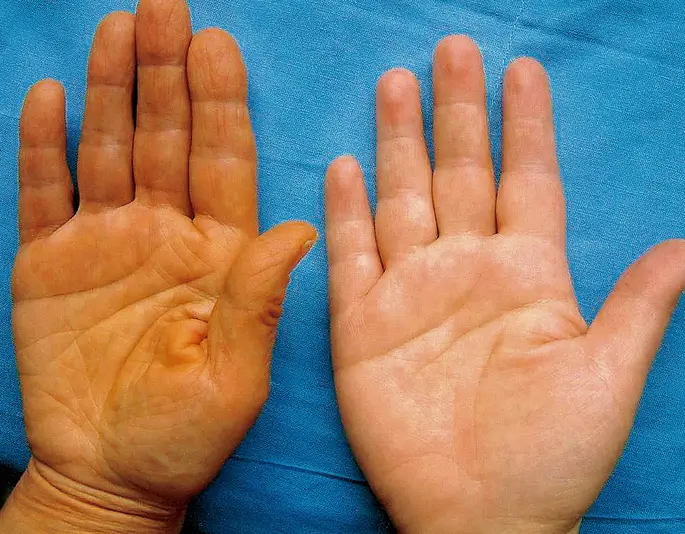
Hay una tendencia muy mala de personas que toman suplementos de beta caroteno para darse este "efecto de brillo dorado", especialmente en la industria del modelaje. Se ha demostrado que los suplementos de betacaroteno son cancerígenos hasta cierto punto y no tienen el mismo efecto saludable que el betacaroteno natural, probablemente porque en la naturaleza, los alimentos son un paquete. Con el betacaroteno en los alimentos integrales, estaríamos consumiendo una gran cantidad de otros compuestos sinérgicos con él. También hay una mala tendencia en la industria del modelaje de personas que deliberadamente toman dosis tóxicas de retinol para secar su piel y evitar el acné o simplemente toman micro dosis de Accutane que también es una forma de retinol. Su sustento depende de una piel de aspecto saludable, pero para el resto de la gente, siempre lo desaconsejaré. No tome vitamina A ni betacaroteno. Coma zanahorias.
Si quieres tomar suplementos multivitamínicos-minerales no lo hagas. Tome vitaminas individuales que sean de buena calidad y que no pueda complementar con alimentos. Nunca tome un suplemento multimineral. Sólo algunos minerales no orgánicos son biodisponibles.
Iodo.
El uno sería yodo y éste es muy esencial y FDA bajó deliberadamente RDA para el yodo a un nivel que sólo evitará el retraso flagrante. Y tienes que comer sal de mesa en primer lugar para conseguirlo. ¿Y qué pasa cuando tienes hipertensión y se elimina la sal de la dieta? Dios no quiera que acabes embarazada y empieces a evitar la sal de mesa. Tu bebé podría acabar con un coeficiente intelectual entre 20 y 40 puntos más bajo. Tomar suplementos de yodo o comer algas (no entraría en este tema en este artículo, el yodo es muy importante para la salud en general y cada uno de nosotros es completo, deficiente). Este sería un tema para artículos correlativos. Puedes empezar viendo esta conferencia.
Dr. Jorge Flechas - Suficiencia Total de Yodo en el Cuerpo. Medicina Restaurativa, Portland, Oregon Conferencia 2011
Debido al agotamiento de la capa superficial del suelo, ya no hay trazas de minerales orgánicos en nuestros alimentos y este es también un tema para una serie de artículos correlacionados que no entraría a analizar aquí. Nuestro cuerpo está hecho de 102 minerales y ninguno de ellos está listado en la CDR. Lo que deberías hacer es comer productos cultivados en la tierra sin el uso de fertilizantes sintéticos.
Cualquier etiqueta alimentaria es falsa. Voy a escribir esto de nuevo. Cualquier etiqueta de cualquier alimento en la tienda que no se cultiva en suelo natural rico sin el uso de fertilizantes sintéticos está completamente desprovisto de cualquier mineral fuera de los minerales de los fertilizantes sintéticos en sí.
Todas las etiquetas son falsas. Si los alimentos no se cultivan orgánicamente en suelos ricos, recuerde esto. La etiqueta es falsa. Usted podría tratar de encontrar algún otro suplemento mineral orgánico como shilajit o algo de naturaleza similar, pero eso sería extremadamente caro. Los suplementos pueden ser incluso más caros que comer orgánico. Una opción más es comer productos que tienen grandes sistemas de raíces que van profundamente en el suelo. Las nueces son un buen ejemplo.
La alternativa es lo que hará la mayoría de la gente. Nada. Múltiples enfermedades y afecciones crónicas y una vida deteriorada y, al final, la muerte por enfermedades de la opulencia.
Conclusión:
- A diferencia de los animales, las plantas sólo pueden protegerse químicamente.
- Estas sustancias, que se encuentran en los tejidos vegetales, se denominan fitoquímicos. El griego phyto significa "planta" en español moderno.
- Com o tempo, estes produtos químicos tornaram-se essenciais para a vida tanto quanto o açúcar ou a gordura são e são conhecidos como vitaminas.
- Nunca en toda nuestra evolución como especie hemos estado expuestos a un nivel tan alto de disponibilidad de productos animales.
- Incluso en la época paleo, el aporte de carne en las sociedades de cazadores-recolectores no superaba entre el 5 y el 10 por ciento de las calorías (
- Los perfiles nutricionales de la dieta americana moderna estándar (SAD) son completamente incongruentes con nuestra evolución.
- La forma en que se manifiesta la insuficiencia de micronutrientes es a través de las enfermedades crónicas.
- Complementar una mala dieta es simplemente malo.
- Hay 102 minerales que componen el cuerpo humano y los fertilizantes sintéticos sustituyen sólo un par de minerales que necesitan las plantas.
- Se calcula que los alimentos ricos en energía y pobres en nutrientes representan el 27% de la ingesta calórica diaria de la dieta estadounidense.
- O álcool constitui mais 4% da ingestão calórica diária.
- Los omnívoros y carnívoros anatómicos producen su propia vitamina C.
- Las personas que comen plantas producen su propio colesterol.
- Alrededor del 75% de la población estadounidense (edades ≥1 año) no consume la ingesta recomendada de fruta, y más del 80% no consume la ingesta recomendada de verdura
- Alguns dos produtos químicos que existem no reino vegetal mas não estão presentes no reino animal como a vitamina C, por exemplo, o magnésio, ou a vitamina E, são fundamentalmente impossíveis de corrigir no tipo moderno de dieta dominada pelos produtos animais de estilo ocidental.
- 94,3% da população dos EUA não satisfaz as necessidades diárias de vitamina D.
- El 100% de la población presentaba ingestas inferiores al valor recomendado de potasio.
- El 99% de las personas tienen un consumo excesivo de sodio.
- Os nossos antepassados hominídeos nunca tiveram sal de cristal.
- La ingesta normal de potasio para la especie humana puede ser del orden de 15.000 mg al día si nos fijamos en nuestra evolución.
- 88,5% de incumplimiento con la vitamina E.
- Os suplementos sintéticos de vitamina E não têm actividade antioxidante in vivo.
- Si tiene deficiencia de vitamina E y desea tomar suplementos, busque un suplemento natural de vitamina E, idealmente con una mezcla de diferentes tocoferoles naturales, y no tome más de 400 UI.
- El 66,9% de la población es deficitaria en vitamina K.
- 52,2% da população é deficiente em magnésio, 44,1% em cálcio, 43,0% em vitamina A, e 38,9% em vitamina C.
- Si usted no está comiendo una dieta integral a base de plantas, hay más de una 95% posibilidad de que usted tiene una deficiencia de magnesio subclínica.
- La suplementación con calcio puede provocar una carencia de magnesio debido a la inhibición competitiva de su absorción, o puede ser otra forma de hacerlo.
- El exceso de suplementos de vitamina D puede provocar una carencia de magnesio por absorción excesiva de calcio y, por tanto, aumentar el riesgo de calcificaciones arteriales. El uso de diuréticos y otros medicamentos también puede provocar una carencia de magnesio.
- Los suplementos de vitamina A reducirán su esperanza de vida a largo plazo si no tiene mucho cuidado y sabe exactamente lo que está haciendo.
- Tomar vitaminas individuais que sejam de boa qualidade e que não possam ser suplementadas com alimentos. Nunca tome um suplemento multimineral.
- Sólo algunos minerales no orgánicos son biodisponibles.
- Toma suplementos de yodo o come algas marinas.
- Desde 1940 tem havido um tremendo declínio na densidade de micronutrientes dos alimentos devido à utilização de fertilizantes sintéticos.
- Cualquier etiqueta de cualquier alimento en la tienda que no se cultiva en suelo natural rico sin el uso de fertilizantes sintéticos está completamente privado de cualquier mineral fuera de los minerales de los fertilizantes sintéticos en sí.
- El procesado elimina todos los micronutrientes que ya estaban muy mermados.
- Dos alimentos suplementarios que deberíamos consumir a diario son 40 gramos de semillas de girasol crudas (vitamina E) y 40 gramos de cacao crudo (magnesio, antioxidantes). Puedes añadir una o dos hojas de col rizada para la luteína y la vitamina K, vitamina D suplementaria, sal de potasio, algas o solución Lugol, dos kiwis para la vitamina C o algún otro alimento rico en vitamina C, y una o dos zanahorias para la vitamina A, 20 gramos de semillas de lino para los omega 3, e idealmente comer productos orgánicos para el contenido de minerales traza. Esto todos los días del resto de tu vida. Si comes a base de plantas deberías añadir vitamina B12 a la mezcla y si no folato o suplemento de complejo B.
Preguntas Frecuentes
Referencias:
- Thomas D. (2007). The mineral depletion of foods available to us as a nation (1940-2002)–a review of the 6th Edition of McCance and Widdowson. Nutrición y salud, 19(1-2), 21-55. https://doi.org/10.1177/026010600701900205
- Guo, W., Nazim, H., Liang, Z., & Yang, D. (2016). La deficiencia de magnesio en las plantas: Un problema urgente. El diario de los cultivos, 4(2), 83-91. https://doi.org/10.1016/j.cj.2015.11.003
- Guías Alimentarias para los Estadounidenses | health.gov. (s.f.-b). https://health.gov/our-work/nutrition-physical-activity/dietary-guidelines
- Kant A. K. (2000). Consumption of energy-dense, nutrient-poor foods by adult Americans: nutritional and health implications. The third National Health and Nutrition Examination Survey, 1988-1994. El diario Americano de la nutrición clínica, 72(4), 929-936. https://doi.org/10.1093/ajcn/72.4.929
- Marriott, B. P., Olsho, L., Hadden, L., & Connor, P. (2010). Intake of added sugars and selected nutrients in the United States, National Health and Nutrition Examination Survey (NHANES) 2003-2006. Revisiones críticas en ciencia de los alimentos y nutrición., 50(3), 228-258. https://doi.org/10.1080/10408391003626223
- Bailey, R. L., West, K. P., Jr, & Black, R. E. (2015). La epidemiología de las deficiencias mundiales de micronutrientes. Anales de nutrición y metabolismo, 66 Suppl 2, 22-33. https://doi.org/10.1159/000371618
- Ames B. N. (2006). La baja ingesta de micronutrientes puede acelerar las enfermedades degenerativas del envejecimiento a través de la asignación de micronutrientes escasos por triaje. Actas de la Academia Nacional de Ciencias de los Estados Unidos de América, 103(47), 17589-17594. https://doi.org/10.1073/pnas.0608757103
- Huskisson, E., Maggini, S., & Ruf, M. (2007). El papel de las vitaminas y los minerales en el metabolismo energético y el bienestar. Revista de investigación médica internacional, 35(3), 277-289. https://doi.org/10.1177/147323000703500301
- Fairfield, K. M., & Fletcher, R. H. (2002). Vitamins for chronic disease prevention in adults: scientific review. JAMA, 287(23), 3116-3126. https://doi.org/10.1001/jama.287.23.3116
- Angelo, G., Drake, V. J., & Frei, B. (2015). Efficacy of Multivitamin/mineral Supplementation to Reduce Chronic Disease Risk: A Critical Review of the Evidence from Observational Studies and Randomized Controlled Trials. Revisiones críticas en ciencia de los alimentos y nutrición., 55(14), 1968-1991. https://doi.org/10.1080/10408398.2014.912199
- Berner, L. A., Keast, D. R., Bailey, R. L., & Dwyer, J. T. (2014). Los alimentos enriquecidos son los principales contribuyentes a la ingesta de nutrientes en las dietas de los niños y adolescentes estadounidenses. Revista de la Academia de Nutrición y Dietética, 114(7), 1009-1022.e8. https://doi.org/10.1016/j.jand.2013.10.012
- Rosanoff, A., Dai, Q. y Shapses, S. A. (2016). Interacciones de nutrientes esenciales: Does Low or Suboptimal Magnesium Status Interact with Vitamin D and/or Calcium Status?". Avances en nutrición (Bethesda, Md.), 7(1), 25-43. https://doi.org/10.3945/an.115.008631
- Cogswell, M. E., Zhang, Z., Carriquiry, A. L., Gunn, J. P., Kuklina, E. V., Saydah, S. H., Yang, Q., & Moshfegh, A. J. (2012). Ingesta de sodio y potasio entre los adultos estadounidenses: NHANES 2003-2008. El diario Americano de la nutrición clínica, 96(3), 647-657. https://doi.org/10.3945/ajcn.112.034413
- Elder, S. J., Haytowitz, D. B., Howe, J., Peterson, J. W., & Booth, S. L. (2006). Contenido en vitamina k de la carne, los productos lácteos y la comida rápida en la dieta de EE. UU. Diario de la química agrícola y alimentaria, 54(2), 463-467. https://doi.org/10.1021/jf052400h
- Fulgoni, V. L., 3rd, Keast, D. R., Bailey, R. L., & Dwyer, J. (2011). Alimentos, fortificantes y suplementos: ¿De dónde obtienen los estadounidenses sus nutrientes? El Diario de la nutrición, 141(10), 1847-1854. https://doi.org/10.3945/jn.111.142257
- Grey, A., Avenell, A., & Bolland, M. (2018). Metaanálisis revisado de la vitamina K y las fracturas. JAMA medicina interna, 178(8), 1135. https://doi.org/10.1001/jamainternmed.2018.2853
- Palermo, A., Tuccinardi, D., D’Onofrio, L., Watanabe, M., Maggi, D., Maurizi, A. R., Greto, V., Buzzetti, R., Napoli, N., Pozzilli, P., & Manfrini, S. (2017). Vitamin K and osteoporosis: Myth or reality?. Metabolismo: clínico y experimental, 70, 57-71. https://doi.org/10.1016/j.metabol.2017.01.032
- Mott, A., Bradley, T., Wright, K., Cockayne, E. S., Shearer, M. J., Adamson, J., Lanham-New, S. A., & Torgerson, D. J. (2019). Efecto de la vitamina K sobre la densidad mineral ósea y las fracturas en adultos: una revisión sistemática actualizada y metaanálisis de ensayos controlados aleatorios. Osteoporosis international : una revista creada como resultado de la cooperación entre la European Foundation for Osteoporosis y la National Osteoporosis Foundation de EE.UU., 30(8), 1543-1559. https://doi.org/10.1007/s00198-019-04949-0
- Instituto de Medicina (EE.UU.) Panel sobre Micronutrientes. (2001). Ingestas Dietéticas de Referencia de Vitamina A, Vitamina K, Arsénico, Boro, Cromo, Cobre, Yodo, Hierro, Manganeso, Molibdeno, Níquel, Silicio, Vanadio y Zinc.. National Academies Press (EE.UU.). [PubMed]
- Dietrich, M., Jacques, P., Pencina, M., Lanier, K., Keyes, M., Kaur, G., Wolf, P., & Vasan, R. (2009). Vitamin E Supplement Use and the Incidence of Cardiovascular Disease and All-Cause Mortality in the Framingham Heart Study: Does the Underlying Health Status Play a Role? Aterosclerosis, 205(2), 549. https://doi.org/10.1016/j.atherosclerosis.2008.12.019
- Bjelakovic, G., Nikolova, D., & Gluud, C. (2013). Meta-Regression Analyses, Meta-Analyses, and Trial Sequential Analyses of the Effects of Supplementation with Beta-Carotene, Vitamin A, and Vitamin E Singly or in Different Combinations on All-Cause Mortality: ¿Tenemos pruebas de la ausencia de daño? PLoS ONE, 8(9). https://doi.org/10.1371/journal.pone.0074558
- Institute of Medicine (US) Panel on Dietary Antioxidants and Related Compounds. (2000). Ingestas Dietéticas de Referencia de Vitamina C, Vitamina E, Selenio y Carotenoides. National Academies Press (EE.UU.). [PubMed]
- Conocimientos actuales sobre nutrición, 10ª edición. (2012b, 19 de junio). Wiley.com. https://www.wiley.com/en-us/Present+Knowledge+in+Nutrition,+10th+Edition-p-9781119946045
- Jiang Q. (2014). Natural forms of vitamin E: metabolism, antioxidant, and anti-inflammatory activities and their role in disease prevention and therapy. Biología y medicina de los radicales libres, 72, 76-90. https://doi.org/10.1016/j.freeradbiomed.2014.03.035
- Huang, L., Trieu, K., Yoshimura, S., Neal, B., Woodward, M., Campbell, N. R., Li, Q., Lackland, D. T., Leung, A. K. C., Anderson, C. A., MacGregor, G. A., & He, F. (2020). Effect of dose and duration of reduction in dietary sodium on blood pressure levels: systematic review and meta-analysis of randomised trials. BMJ, m315. https://doi.org/10.1136/bmj.m315
- Farez, M. F., Fiol, M. P., Gaitán, M. I., Quintana, F. J., & Correale, J. (2015). La ingesta de sodio se asocia con una mayor actividad de la enfermedad en la esclerosis múltiple. Revista de neurología, neurocirugía y psiquiatría, 86(1), 26-31. https://doi.org/10.1136/jnnp-2014-307928
- Carranza-León, D. A., Oeser, A., Marton, A., Wang, P., Gore, J. C., Titze, J., Stein, C. M., Chung, C. P., & Ormseth, M. J. (2020). Tissue sodium content in patients with systemic lupus erythematosus: association with disease activity and markers of inflammation. Lupus, 29(5), 455-462. https://doi.org/10.1177/0961203320908934
- Hori M. (2020). Editorial for: “Sodium in the Relapsing-Remitting Multiple Sclerosis Spinal Cord: Increased Concentrations and Associations With Microstructural Tissue Anisotropy”. Journal of magnetic resonance imaging : JMRI, 52(5), 1439-1440. https://doi.org/10.1002/jmri.27253
Contenidos Relacionados




¿Tienes alguna duda acerca de la nutrición y la salud?
Me encantaría conocer tu opinión y responderlas en mi próximo post. Agradezco su aportación y opinión y espero tener noticias suyas pronto. También le invito a síguenos en Facebook, Instagram y Pinterest para más contenidos sobre dieta, nutrición y salud. Puedes dejar un comentario allí y conectar con otros entusiastas de la salud, compartir tus consejos y experiencias, y recibir apoyo y ánimo de nuestro equipo y nuestra comunidad.
Espero que este post le haya resultado informativo y ameno y que esté preparado para aplicar los conocimientos adquiridos. Si le ha resultado útil, por favor compártelo con tus amigos y familiares que también podrían beneficiarse de ella. Nunca se sabe quién puede necesitar orientación y apoyo en su camino hacia la salud.
– También Te Puede Interesar –

Poder Antioxidante de la Vitamina C: Mejorar la Salud y la Longevidad
Comprender los Valores ORAC: Niveles de Antioxidantes en los Alimentos
Necesidades de Proteínas: Una Verdad Incómoda
Beneficios de la Chlorella: Planta B12, Hierro, Zinc y Detox
Beneficios de la Espirulina: Superalimento Rico en Ficocianinas

Vitamina C Intravenosa en el Tratamiento de la Gripe: Pruebas Vivas de la Práctica Clínica
Agua alcalina - beneficios de Salud y riesgos

Astaxantina Beneficios: Antioxidante Natural Más Potente del Mundo

Aprenda Sobre Nutricion

Milos Pokimica es doctor en medicina natural, nutricionista clínico, escritor sobre salud médica y nutrición y asesor en ciencias de la nutrición. Autor de la serie de libros Go Vegan? Revisión de la Ciencia, también dirige el sitio web sobre salud natural GoVeganWay.com.
Descargo De Responsabilidad Médica
GoVeganWay.com trae los comentarios de la última de la nutrición y la salud relacionados con la investigación. La información proporcionada representa la opinión personal del autor y no pretende ni implica ser un sustituto de consejo médico profesional, diagnóstico o tratamiento. La información proporcionada es sólo para fines informativos y no pretende servir como un sustituto de la consulta, el diagnóstico y/o tratamiento médico de un médico calificado o profesional de la salud.NUNCA ignore el CONSEJO MÉDICO PROFESIONAL O RETRASAR la BÚSQUEDA de TRATAMIENTO MÉDICO a CAUSA DE ALGO QUE HAYA LEÍDO EN O accesibles a TRAVÉS de GoVeganWay.com
NUNCA APLICAR CUALQUIER cambio de ESTILO de vida O CAMBIOS EN su totalidad COMO UNA CONSECUENCIA DE ALGO QUE HA LEÍDO EN GoVeganWay.com ANTES de CONSULTAR con LICENCIA PROFESIONAL MÉDICO.
En el caso de una emergencia médica, llame a un médico o al 911 inmediatamente. GoVeganWay.com no se recomienda ni aprueba ninguna de los grupos, las organizaciones, las pruebas, los médicos, productos, procedimientos, opiniones u otra información que pueda ser mencionado en el interior.
Selecciones del Editor -
El cáncer Editor De Selecciones Fitoquímicos
Poder Anticancerígeno de Frutas y Verduras: Pruebas Clínicas e in Vivo
Algunos extractos vegetales rivalizan con los principales fármacos quimioterapéuticos y, al mismo tiempo, atacan varios tipos diferentes de células cancerosas.
Antioxidantes Editor De Selecciones ORAC
Aceites Esenciales Como Suplementos Antioxidantes: Reglas y Estrategias
Los aceites esenciales de calidad alimentaria pueden ser una estrategia cómoda y de fácil consumo para optimizar el valor antioxidante y las puntuaciones ORAC de nuestra dieta.
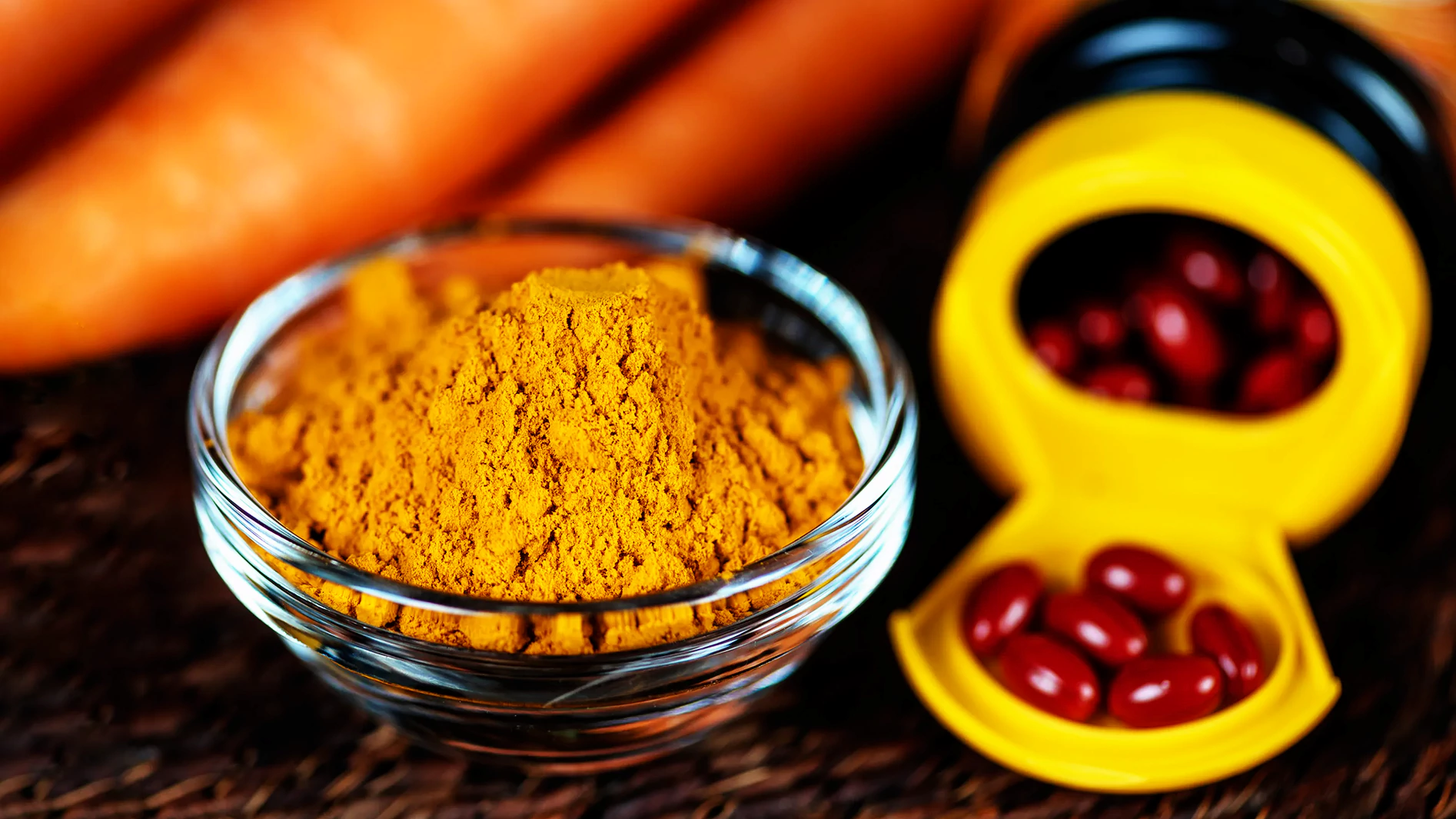
Antioxidantes Editor De Selecciones ORAC
Dieta Rica en Antioxidantes: Reglas y Estrategias Generales
Existen estrategias fáciles y rentables para optimizar el valor antioxidante de nuestra dieta.
Antioxidantes Editor De Selecciones ORAC
Comprender los Valores ORAC: Niveles de Antioxidantes en los Alimentos
Cuando tu principal fuente de antioxidantes es el café, sabes que tienes un grave problema.

Antioxidantes Editor De Selecciones ORAC
Astaxantina Beneficios: Antioxidante Natural Más Potente del Mundo
La astaxantina es el más potente y natural antioxidante universal (petróleo y agua-soluble) que conoce la ciencia. Se acumula en los tejidos y nunca puede convertirse en un pro-oxidante.
Antioxidantes Editor De Selecciones ORAC Fitoquímicos
Antioxidantes: Conceptos Básicos
Los productos de origen animal no contienen fitoquímicos ni antioxidantes. Por término medio, los alimentos vegetales contienen más de 60 veces más antioxidantes que los de origen animal.
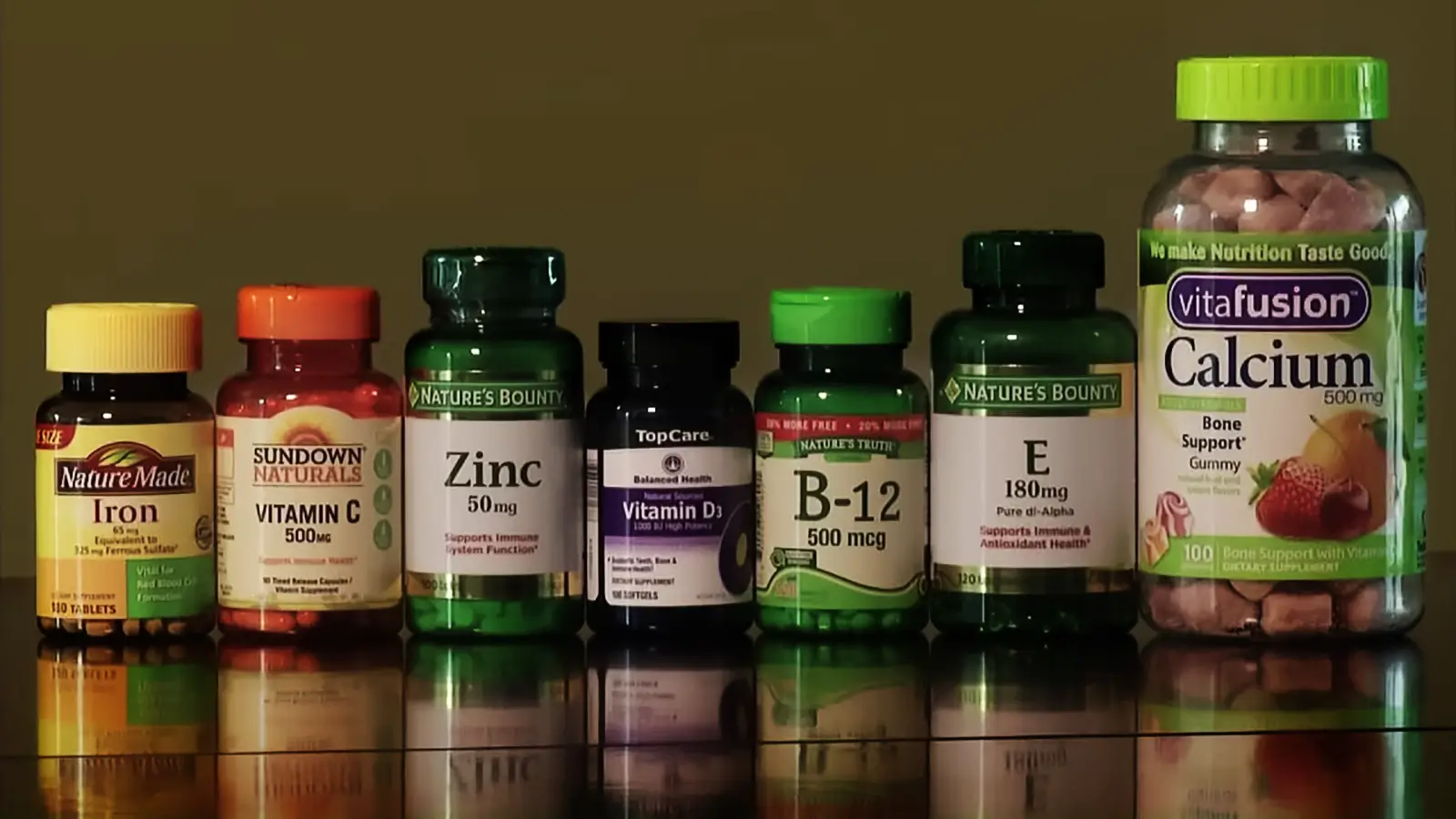
Editor De Selecciones Dieta Vegana
Deficiencias Nutricionales en la Dieta Vegana: Estrategias de Prevención
Existen nueve deficiencias nutricionales comunes a escala poblacional que afectan a las personas que siguen una dieta basada en plantas. Si no se corrigen a tiempo, algunas deficiencias tienen consecuencias terribles y no tratables.
Editor De Selecciones Dieta Óptima
Deficiencia de Micronutrientes en la Dieta Americana Estándar: Estrategias de Optimización
El perfil nutricional de nuestra dieta moderna a base de carne, azúcar y alimentos procesados es totalmente incongruente con nuestra evolución, lo que provoca una grave carencia de micronutrientes.
Editor De Selecciones Fitoquímicos
Fitoquímicos: Conceptos Básicos
Todos y cada uno de los fitoquímicos que existen tienen una acción biológica en el cuerpo humano. Cada uno de los millones de fitoquímicos diferentes.
Editor De Selecciones La leche Dieta Óptima
Leche y Productos Lácteos: Correlaciones de Riesgo Para la Salud
Las asociaciones conocidas con el consumo de leche y productos lácteos son infertilidad, cáncer de ovario y de mama, leucemia, diabetes de tipo 1, autismo, arteriosclerosis, cataratas, artritis reumatoide, esclerosis múltiple, hiperactividad, congestión, granos...
El cáncer Editor De Selecciones La proteína
Proteína Completa: Señalización del IGF-1 en la Formación del Cáncer
Cuando usted come proteínas animales que tienen cuatro veces más probabilidad de desarrollar todos los tipos de cáncer. Cuando usted fuma, usted tiene cuatro veces la posibilidad de desarrollar cáncer de pulmón.

El cáncer Editor De Selecciones La proteína
La Anatomía de Cáncer de riesgo para la Salud de las correlaciones
Aproximadamente el 2% de los cánceres son por la medicina considera puramente causada por factores genéticos. De la misma gama como dentro del reino animal. No le han dicho toda la verdad.
Milos Pokimica es escritor especializado en salud y nutrición y asesor en ciencias nutricionales. Autor de la serie de libros Go Vegan? Revisión de la Ciencia, también dirige el sitio web sobre salud natural GoVeganWay.com.
Últimos Artículos –
La Restricción De Calorías La longevidad
Cómo Ayunar: Alimentos en Ayunas Que No Rompen la Autofagia
Autofagia. ¿Se ha preguntado alguna vez qué ocurre con las células de su cuerpo cuando mueren o se dañan? ¿Se amontonan y crean problemas, o se eliminan de alguna manera? La respuesta es que su cuerpo...
Salud Dental Prevención
Dolor y Sensibilidad a los Dulces: Solución Rápida y Duradera
Una solución rápida y fácil para aliviar el dolor es el aceite esencial de clavo, un potente antioxidante y analgésico que puede ayudar con las enfermedades de las encías y el dolor de muelas.
Los frijoles
Judías Verdes: Nutrición y Beneficios Para la Salud
Los frijoles verdes son bajos en calorías y ricos en compuestos naturales que pueden ayudar a controlar su azúcar en la sangre, reducir el colesterol y combatir los radicales libres.
Dieta de alimentos crudos Dieta Vegana
Se Pueden Comer Setas Crudas: Riesgos Para La Salud, Nutrición Y Seguridad
Las setas tienen toxinas sensibles al calor, como la hidracina o la agaritina, y paredes celulares compuestas de quitina que el ser humano no puede digerir bien.
Dieta Vegana
¿Son Los Peces Animales? Una Perspectiva Cultural
En algunas culturas, la carne de pescado no se considera carne, y el pescado está permitido incluso durante el ayuno.
Salud Dental Prevención
Enjuague Bucal Natural Casero: Probado, Más Fuerte y Menos Tóxico
El enjuague bucal natural hecho en casa es más fuerte que la clorhexidina, menos tóxico y si se ingiere puede dar un poco de náuseas, pero también un alto estallido en el valor ORAC.
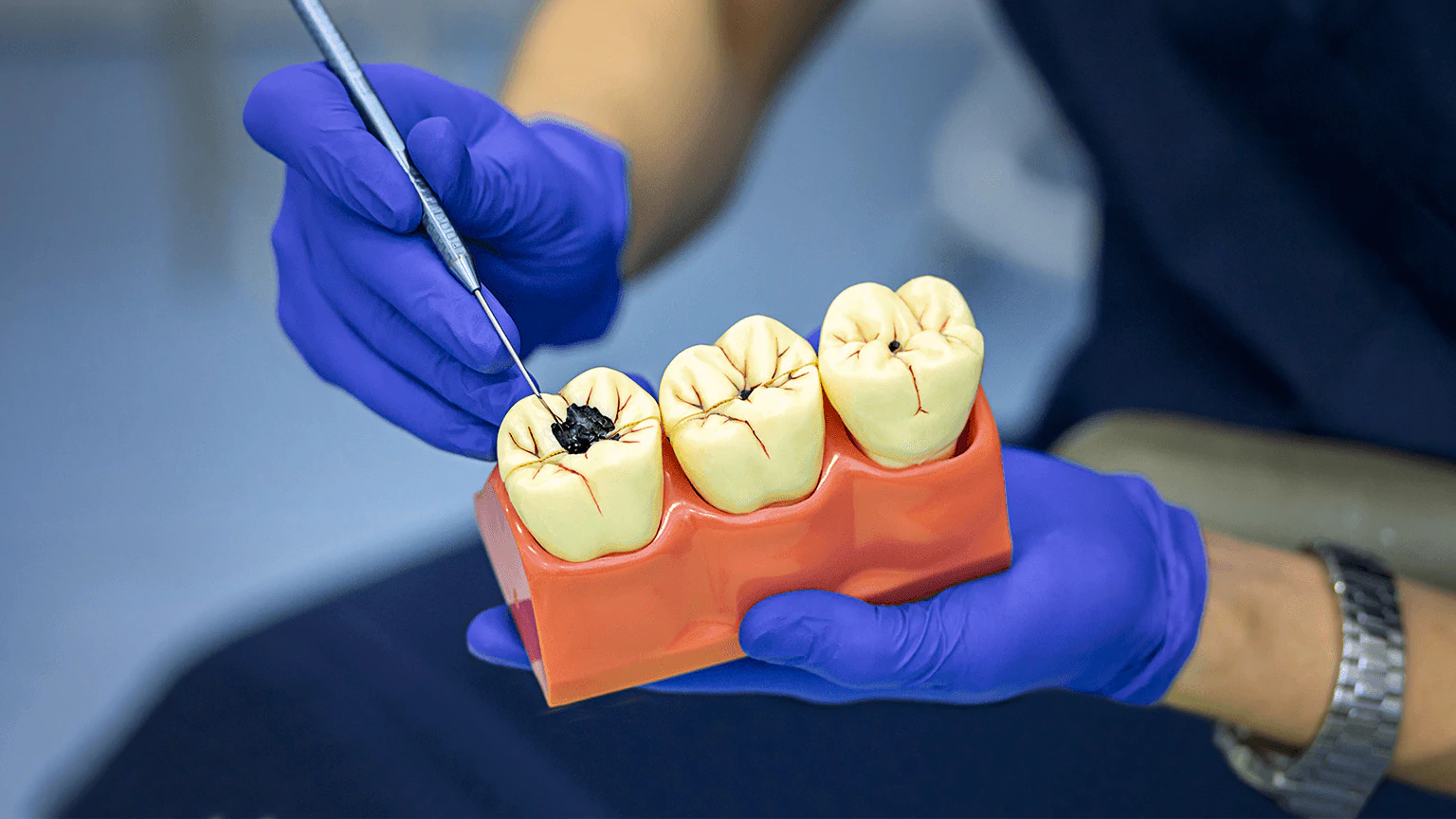
Salud Dental Prevención
Cómo Detener la Caries Dental: Síntomas, Causas y Prevención
El consumo de azúcar es la principal causa de caries y deterioro dental, combinado con carencias de minerales, especialmente magnesio, zinc, cobre y oligoelementos.
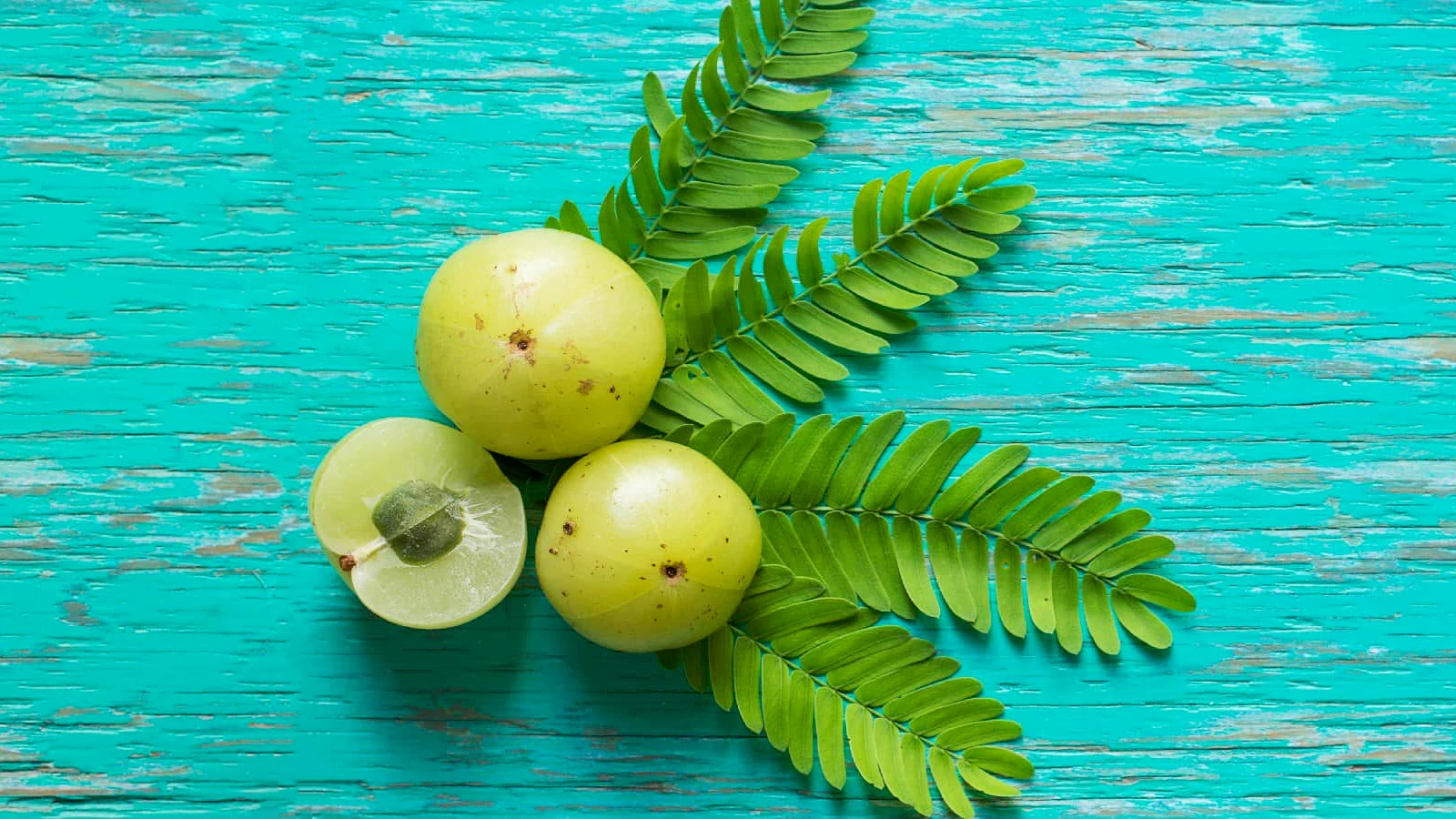
Antioxidantes Superalimentos
Amla: Beneficios Probados, Nutrición e Importancia Clínica
El amla es uno de los antioxidantes más potentes del mundo, con una puntuación ORAC de 261.530. Es una rica fuente de fitoquímicos que tienen diversos beneficios para la salud. Es una rica fuente de fitoquímicos que tienen diversos beneficios para la salud.
Top Noticias De Salud — ScienceDaily
- Mysterious brain activity under anesthesia challenges what we know about consciousnessen octubre 15, 2026
Even under general anesthesia, the human brain can analyze language, recognize different types of words, and predict what comes next in a story, according to a surprising discovery by Baylor researchers. The findings challenge our understanding of consciousness and suggest that the unconscious brain is far more capable than scientists previously realized.
- Eating late at night linked to up to 30% higher risk of liver diseaseen octubre 15, 2026
Eating late at night could be putting your liver at risk, according to a large study led by Oregon Health & Science University. Researchers analyzed data from nearly 200,000 people and found that those who regularly ate after dinner or around bedtime had a 20% to 30% higher risk of liver disease, including fatty liver disease and cirrhosis.
- Scientists discover a surprising danger in smaller cancer cellsen octubre 15, 2026
Scientists have discovered that unusually small cancer cells carrying extra chromosomes can be far more aggressive than larger ones, growing faster, spreading more readily, and resisting common treatments. The surprising finding could help explain why some tumors are especially dangerous and provide a new way to predict cancer outcomes.
- Rare study reveals a striking divide inside an Alzheimer’s patient’s brainen octubre 15, 2026
A rare examination of an Alzheimer’s patient’s brain revealed that regions cleared of amyloid plaques had remarkably little of the harmful tau buildup associated with memory loss, while neighboring areas showed extensive damage. The discovery suggests that removing amyloid may have lasting protective effects and could help slow Alzheimer’s progression, especially when treatment begins early.
- Strokes have nearly doubled among younger adults, and scientists aren’t sure whyen octubre 15, 2026
Strokes are becoming alarmingly common among younger adults, with rates nearly doubling among people ages 20 to 54 over nearly three decades. Researchers found that blocked blood vessels in the brain accounted for much of the increase, while high blood pressure, diabetes, and substance use also became more common among younger stroke patients. Although survival rates have improved, more young adults may now face the lasting consequences of stroke.
- Ozempic and Wegovy linked to rare risk of sudden vision lossen octubre 15, 2026
Popular diabetes and weight loss drugs such as Ozempic and Wegovy have been linked to a slightly increased risk of a rare condition that can cause sudden, potentially permanent vision loss. Although the risk remains very low, Rutgers researchers say the findings warrant attention as millions of people turn to GLP-1 medications.
- A 47-year study reveals the age when your body starts losing strengthen octubre 15, 2026
A 47-year study has uncovered a surprising turning point in physical aging: fitness and strength begin declining around age 35, even among people who exercise regularly. Researchers found that this decline accelerates as people get older, but starting to exercise in adulthood can still improve physical performance.
PubMed, #Dieta vegana –
- Toward consensus on complementary feeding recommendations: findings from a national evidence-informed modified Delphi study in Türkiyeen octubre 12, 2026
CONCLUSIONS: Integration of quantitative Delphi findings with qualitative thematic analysis revealed that non-consensus primarily stemmed from the practical nuances of clinical execution and contextual adaptation, rather than a fundamental skepticism toward the underlying scientific data. These findings provide an evidence-informed foundation for developing context-sensitive CF recommendations for clinical practice.
- Characterization of nutritional intake in vegan pregnant women and its association on birth weighten octubre 8, 2026
CONCLUSIONS: Vegan women had a higher rate of SGA than non-vegan women, and this increased risk may be partly related to differences in maternal protein intake and composition. In addition, vegan women had lower dietary intakes of calcium, vitamin B12, vitamin D, DHA, and choline, highlighting these nutrients as important considerations in the nutritional assessment and counseling of pregnant women adhering to a strictly vegan diet.
- Changes in ectopic lipids, insulin sensitivity, and beta cell function after a low-fat vegan diet in adults with type 2 diabetes: a 16-week single-arm clinical trialen octubre 8, 2026
CONCLUSIONS: On an ad libitum low-fat plant-based (vegan) dietary intervention, the participants with type 2 diabetes experienced reductions in ectopic fat, particularly visceral and hepatocellular fat, improvements in insulin sensitivity, reductions in AGEs, and improvements in beta-cell function.
- Sustained Regression of Parotid Mucosa-Associated Lymphoid Tissue (MALT) Lymphoma After Nutritional and Nutraceutical Intervention Without Chemoimmunotherapy: A Case Reporten octubre 5, 2026
Extranodal marginal zone lymphoma of mucosa-associated lymphoid tissue (MALT) in the setting of Sjögren’s syndrome (SS) is a well-recognized complication of chronic autoimmune salivary gland inflammation. Standard management options include radiotherapy, immunotherapy, and combination chemoimmunotherapy, with active surveillance reserved for stable, low-burden disease. The potential role of structured nutritional and nutraceutical intervention in this setting has not been previously […]
Random Posts –
Editor De Selecciones Fitoquímicos
Fitoquímicos: Conceptos Básicos
Todos y cada uno de los fitoquímicos que existen tienen una acción biológica en el cuerpo humano. Cada uno de los millones de fitoquímicos diferentes.
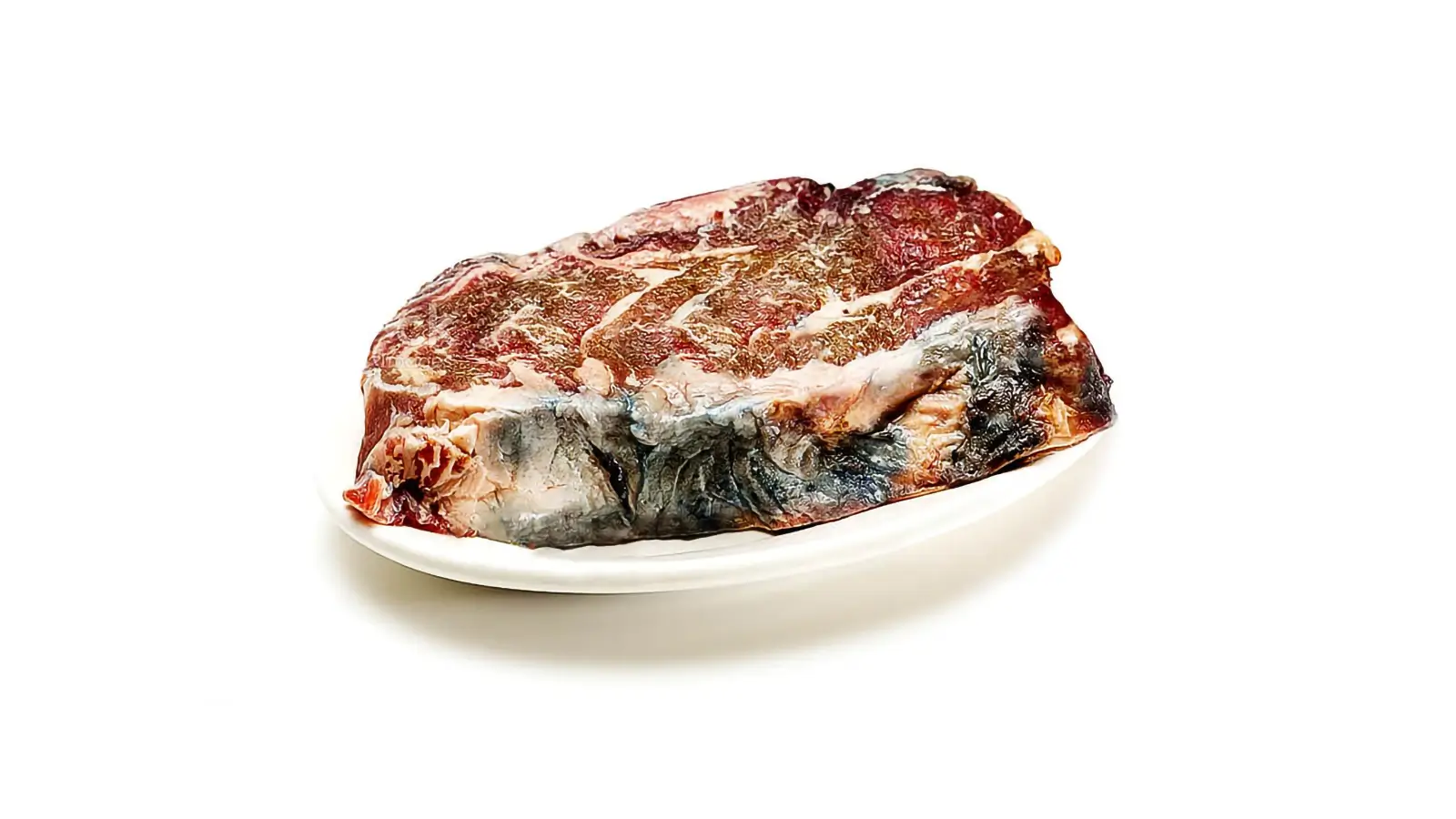
La inflamación Toxicidad
La carne cocida bacterias endotoxemia la Inflamación y la dieta
Son los seres humanos omnívoros en un verdadero anatómica sentido? Hay una diferencia fundamental en la forma en que el tracto digestivo trabaja en plantas vs consumo de carne de las especies.
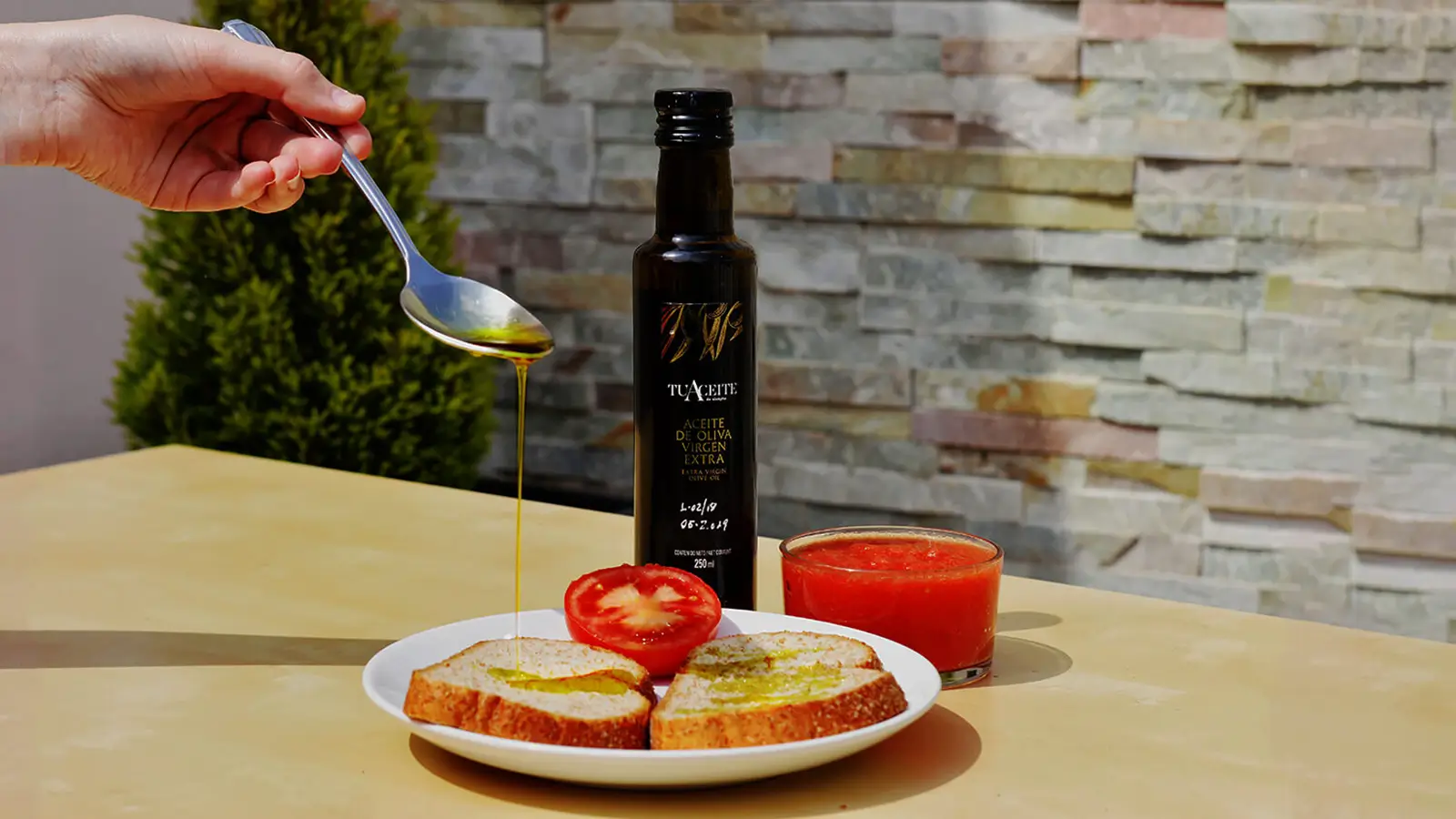
Dieta Óptima Prevención Dieta Vegana
Dieta mediterránea- "Maravilla" de aceite de oliva
Comercializada como una maravilla del aceite de oliva, la dieta mediterránea no tiene nada que ver con ningún tipo de aceite, salvo en la medida en que puede sustituir a la mantequilla y la manteca de cerdo.
Editor De Selecciones Dieta Vegana
Deficiencias Nutricionales en la Dieta Vegana: Estrategias de Prevención
Existen nueve deficiencias nutricionales comunes a escala poblacional que afectan a las personas que siguen una dieta basada en plantas. Si no se corrigen a tiempo, algunas deficiencias tienen consecuencias terribles y no tratables.
Antioxidantes Editor De Selecciones ORAC
Aceites Esenciales Como Suplementos Antioxidantes: Reglas y Estrategias
Los aceites esenciales de calidad alimentaria pueden ser una estrategia cómoda y de fácil consumo para optimizar el valor antioxidante y las puntuaciones ORAC de nuestra dieta.
Antioxidantes Nootrópicos
Azul de Metileno: Usos Terapéuticos e Importancia Clínica
El Azul de metileno es un potente antioxidante sintético. Mejora la función mitocondrial y la capacidad de nuestras células para producir energía.

La Diabetes Editor De Selecciones Dieta Óptima
Azúcar Refinado: Comprender los Riesgos
Los niños consumen alrededor de una quinta parte del total de sus necesidades de calorías de sólo el azúcar refinado. Si añadimos la grasa y el resto de la nutrición privados de alimentos procesados a la lista se convierte en una nutrición completa pesadilla.
Industria De Alimentos El embarazo Toxicidad
Excitotoxicidad del Glutamato Monosódico: Revisión Científica
El hallazgo más significativo de toda la historia de la industria alimentaria es una rama concreta de las neurotoxinas que se denominan excitotoxinas.

La inflamación Dieta de alimentos crudos Toxicidad
Lectinas- La paradoja de la "Paradoja vegetal"
La paradoja de la "Paradoja vegetal" es que las personas que comen más lectinas (judías y cereales integrales) tienen menos cáncer.
Editor De Selecciones La inflamación Dieta Vegana
La Inflamación y la Dieta- Argumento Vegana
Hemos evolucionado para recibir una ráfaga de antioxidantes protectoras cuando comemos pero no están presentes en la carne. La inflamación y la dieta tienen un alto nivel de correlación.

Puestos Destacados –
Editor De Selecciones La Obesidad
Experimento de Inanición de Minnesota: Por qué las Dietas Nos Hacen Engordar. La Psicología del Hambre.
Uno de los primeros estudios científicos sobre lo que es el hambre hace a la mente fue observado en un estudio recordado como el Minnesota Hambre Experimento realizado por la Universidad de Minnesota, ya en 1944.

La Medicina Alopática Editor De Selecciones Dieta Óptima
El Informe McGovern - Intereses especiales y supresión de la ciencia
En 1977 el empuje para un cambio de Pautas Dietéticas (McGovern Informe) a más a base de plantas vegana uno se había introducido en el Congreso de los estados UNIDOS.
La Diabetes Editor De Selecciones Dieta Óptima
Azúcar Refinado: Comprender los Riesgos
Los niños consumen alrededor de una quinta parte del total de sus necesidades de calorías de sólo el azúcar refinado. Si añadimos la grasa y el resto de la nutrición privados de alimentos procesados a la lista se convierte en una nutrición completa pesadilla.

Editor De Selecciones Dieta Óptima
Dieta Humana Optima- Enfermedades Crónicas, Guerras de Dietas y el Argumento Vegano
Nuestra dieta humana óptima natural es la dieta que comieron nuestros ancestros homínidos durante los últimos 30 millones de años, no los humanos anatómicamente modernos de la Edad de Piedra.
El cáncer Editor De Selecciones Fitoquímicos
Poder Anticancerígeno de Frutas y Verduras: Pruebas Clínicas e in Vivo
Algunos extractos vegetales rivalizan con los principales fármacos quimioterapéuticos y, al mismo tiempo, atacan varios tipos diferentes de células cancerosas.

Editor De Selecciones La Obesidad
El trastorno de atracones compulsivos - La psicología de hambre
En la naturaleza, no hay refinado de azúcar o grasa. Nuestro cerebro nunca había sido expuesto a una combinación de los dos a la vez nos obliga a ir de borrachera comiendo desorden.
El cáncer Editor De Selecciones La proteína
La Anatomía de Cáncer de riesgo para la Salud de las correlaciones
Aproximadamente el 2% de los cánceres son por la medicina considera puramente causada por factores genéticos. De la misma gama como dentro del reino animal. No le han dicho toda la verdad.

La Medicina Alopática El cáncer Editor De Selecciones
El cáncer, La Prohibida Curas-máquina de Rife, reseña Histórica
La tasa de recuperación de pacientes con cáncer no tratable y declarados enfermos terminales mediante la utilización de la tecnología resonante de la máquina Rife fue del 100%.
Antioxidantes Editor De Selecciones ORAC
Comprender los Valores ORAC: Niveles de Antioxidantes en los Alimentos
Cuando tu principal fuente de antioxidantes es el café, sabes que tienes un grave problema.
La Diabetes Editor De Selecciones
La Diabetes causa y los hidratos de carbono refinados - Los veganos argumento
La gente cree que los carbohidratos refinados se asocian a picos de insulina y son una de las causas de la diabetes. Y tienen razón. Sin embargo, también se equivocan.
La última versión desde PubMed, #Dieta basada en plantas –
- Case Report: Reappearance of spermatozoa following multicomponent lifestyle modification in men with previously diagnosed azoospermia: a case seriespor Michael Enwere en octubre 15, 2026
Azoospermia, defined as the absence of spermatozoa in the ejaculate, is a severe form of male infertility, and the potential effects of intensive lifestyle modification on sperm production remain uncertain. We describe three adult men whose available pre-intervention records reported azoospermia and who undertook a multicomponent lifestyle programme centred on a predominantly raw, whole-food, plant-based diet, prescribed hydration, progressive physical activity, sleep and stress-management…
- Fibrolytic capacity of the gut microbiome in captive African elephants (Loxodonta africana): a pilot studypor Barbara U Metzler-Zebeli en octubre 15, 2026
African elephants (Loxodonta africana) depend on the fibrolytic capacity of their gut microbiome (GMB) to efficiently utilize fibrous plant material. However, knowledge is missing on the temporal stability and functional dynamics (especially fibrolytic capacity) of their GMB. Likewise, information on the associated volatile fatty acids (VFA) production in the elephant’s hindgut is scarce. In this pilot study, we collected feces from five captive African elephants on two occasions separated by […]
- Effect of Dietary Papaya (Carica papaya) Leaf Meal on Growth Performance and Haematological Responses of Nile Tilapia (Oreochromis niloticus) Fingerlings Reared in a Recirculating Aquaculture Systempor Farhabun Binte Farhad en octubre 15, 2026
In the pursuit of sustainable aquaculture, the integration of unconventional plant-based feed additives like papaya leaf meal (PLM) offers a promising approach for enhancing fish growth while reducing feed costs and environmental impact. To evaluate the efficacy of PLM as a growth promoter, four experimental diets were formulated by gradually incorporating PLM at inclusion levels of 0%, 3%, 6% and 9%. Nile tilapia fingerlings were cultured over a 60-day period within a recirculating […]
- Dietary and lifestyle quality and endometrial cancer: Incidence and survivorship outcomes-An umbrella review of systematic reviews and meta-analysespor Ruqaiya Al Ramadhani en octubre 14, 2026
Composite dietary and lifestyle indices capture the combined effects of multiple health-related behaviours and may better reflect real-world cancer risk and survivorship than single exposures. This umbrella review aimed to evaluate and grade the strength of evidence for associations between adherence to composite dietary and lifestyle quality indices and endometrial cancer (EC) outcomes, including risk, EC-specific survival, overall survival, disease recurrence, quality of life, and new-onset…
- Sex-Specific Neurobehavioral Programming in Offspring by a Maternal High-Fat, Plant-Based Diet: A Central Role of the Hippocampuspor Emilija Djurić en octubre 14, 2026
CONCLUSION: A long-term plant-based mHFD exerts sex-specific effects on offspring activity levels, mood regulation and cognition, which may be attributed to impaired hippocampal neurogenesis and hormonal regulation.
- Colloid mill modified zein suspension technology for plant protein rich bird food: first clutch performance compared with egg based food in fiorino canariespor Ercan Mevliyaoğulları en octubre 13, 2026
CONCLUSIONS: EGG16 improved first-clutch egg production. ZEIN16 did not show a statistically detectable reduction in hatchability after eggs were laid, but equivalence or non-inferiority to EGG16 was not tested. ZEIN16 should therefore be positioned as a preliminary plant-protein-rich bird egg food analogue produced through colloid-mill-based zein suspension technology, rather than as a reproductive replacement for egg-based food.