







Aceites Esenciales Como Suplementos Antioxidantes: Reglas y Estrategias
Los aceites esenciales de calidad alimentaria pueden ser una estrategia cómoda y de fácil consumo para optimizar el valor antioxidante y las puntuaciones ORAC de nuestra dieta.
Milos Pokimica
Escrito por: Milos Pokimica
Revisado Médicamente Por: Dr. Xiùying Wáng, M.D.
Actualizado el 10 de junio de 2023Principales Conclusiones:
-Los aceites esenciales comestibles son suplementos naturales y asequibles que pueden potenciar su salud física y mental, así como añadir sabor y aroma a sus alimentos y bebidas.
-Los aceites esenciales comestibles incluyen una amplia gama de características, como propiedades antimicrobianas, antivirales, antibióticas, antiinflamatorias y antioxidantes (Bakkali et al., 2008).
-Los aceites esenciales comestibles son los la fuente más concentrada de antioxidantes disponible en nutrición y representan una forma fácil y rentable de equilibrar la puntuación antioxidante ORAC de nuestra dieta (Bentayeb et al., 2014).
Introducción.
Es bastante sorprendente, pero ¿ha oído hablar alguna vez de los aceites esenciales comestibles? Resulta que estos aceites, que se suelen utilizar para aromaterapia o en productos de belleza, en realidad se pueden consumir y añadir a alimentos y bebidas como suplemento medicinal. Los beneficios de estos aceites van más allá del sabor. Los aceites esenciales comestibles tienen increíbles beneficios para la salud, tanto física como mental. Se utilizaban en la medicina tradicional desde la antigüedad. Sorprendentemente, hoy en día la gente suele pasar por alto el poder y la asequibilidad de los aceites esenciales en la nutrición.
Por ejemplo, un estudio publicado en la revista Frontiers in Medicine descubrió que los aceites esenciales comestibles poseen diversos beneficios para la salud, como propiedades antimicrobianas, antivirales, antibióticas, antiinflamatorias y antioxidantes (Ramsey et al., 2020). Incluso pueden ayudar con problemas como el estrés, la depresión y el insomnio. Algunos ejemplos populares de estos aceites esenciales comestibles son el jengibre, el pomelo, la lavanda, el limón, el orégano, la menta piperita, el romero, la menta verde y el tomillo.
En este artículo, exploraremos los beneficios y las limitaciones del uso de aceites esenciales como antioxidantes suplementarios, y proporcionaremos algunos ejemplos de aceites esenciales con alta capacidad antioxidante. También hablaremos de cómo elegir, almacenar, aplicar y difundir aceites esenciales comestibles de forma segura y eficaz.
¿Qué son los aceites esenciales comestibles?
Los aceites esenciales son extractos concentrados derivados de diversas partes de las plantas. Estos aceites tienen aromas distintos y una amplia gama de propiedades que los hacen útiles en diferentes entornos. Se utilizan como aromaterapia, como medicina y como ingredientes alimentarios sólo para dar sabor. El proceso de obtención de estos aceites suele consistir en la destilación al vapor o, en algunos casos, cuando hay aceite en la propia planta, como las semillas, entonces podría extraerse por prensado en frío de las semillas.
Existen muchos tipos de aceites esenciales. Potencialmente, se pueden obtener aceites esenciales de todas y cada una de las plantas que existen. Es una locura pensar en todos los tipos de aceites que pueden existir. Las posibilidades son infinitas. Y no sólo de la planta, sino también de sus diferentes partes. Como el aceite de semilla, de raíz o de corteza, cada uno con características y beneficios únicos. Mientras que algunos pueden aplicarse tópicamente sobre la piel o utilizarse en aromaterapia para mejorar el estado de ánimo y reducir el estrés, otros pueden ingerirse de forma segura como aditivos o suplementos alimentarios.
Si utilizamos estos aceites de forma responsable en nuestra vida diaria, podemos obtener numerosos beneficios de sus propiedades naturales derivadas de fitoquímicos de la planta. Son una medicina natural superconcentrada. Más potente que cualquier hierba medicinal cruda o seca.
Milos Pokimica
¿Cuáles son los beneficios para la salud de los aceites esenciales comestibles?
Los aceites esenciales comestibles tienen una amplia gama de beneficios para la salud que pueden mejorar significativamente su bienestar general y aumentar su calidad de vida. La mayoría de los medicamentos patentados son sólo eso, fitoquímicos patentados que se extraen y concentran en dosis clínicamente significativas. Las dosis también pueden alcanzarse en estos aceites. Estos aceites esenciales se extraen de diversas hierbas y plantas que contienen potentes propiedades medicinales, y quiero hacer hincapié, los aceites esenciales son altamente concentrados.
Los beneficios para la salud incluyen una amplia gama de características, como propiedades antimicrobianas, antivirales, antibióticas, antiinflamatorias y antioxidantes (Bakkali et al., 2008).
Los aceites esenciales comestibles son especialmente eficaces para combatir infecciones y reducir la inflamación. También alivian el dolor y refuerzan el sistema inmunitario para luchar contra las enfermedades. Además, estos aceites esenciales son un remedio eficaz para mejorar los problemas digestivos y mejorar el estado de ánimo para reducir el estrés. Incluso pueden ayudar a tratar trastornos como la ansiedad, la depresión y el insomnio. (Bakkali et al., 2008).
Los antioxidantes son indispensables para mantener la salud general del organismo, ya que protegen las células de los daños causados por los radicales libres. Los radicales libres son el resultado de diversos factores internos y externos como la contaminación, la exposición al humo, el consumo de alcohol, la exposición a los rayos UV y el envejecimiento. En consecuencia, la acumulación de sustancias tóxicas e inflamatorias en el organismo puede causar estrés oxidativo que daña las células y aumenta la susceptibilidad a enfermedades crónicas como el cáncer o la diabetes.
Afortunadamente, los aceites esenciales comestibles contienen compuestos fenólicos naturales como terpenos y flavonoides con altos valores antioxidantes que son fundamentales para proteger las células de otros factores de estrés oxidativo (Bakkali et al., 2008). Los compuestos fenólicos presentes en estos aceites esenciales actúan como potentes eliminadores de radicales libres y protegen las células contra este tipo de daños causados por el estrés oxidativo.
De igual importancia, se ha demostrado que los terpenos presentes en el aceite esencial comestible protegen las membranas celulares al inhibir la peroxidación lipídica, crucial para la función celular (Nuutinen, 2018). Los terpenos han sido objeto de numerosos estudios que investigan sus propiedades medicinales. Los ensayos clínicos sugieren que los terpenos presentan una amplia gama de efectos beneficiosos, como propiedades antiinflamatorias, antioxidantes, analgésicas, anticonvulsivas, antidepresivas, ansiolíticas, anticancerígenas, antitumorales, neuroprotectoras y antimutagénicas (Nuutinen, 2018). Además, los terpenos han demostrado su eficacia en el tratamiento de alergias e infecciones.
Un aspecto destacable de los terpenos es su bajo nivel de toxicidad. Esta característica los hace seguros para su uso como aditivos alimentarios o ingredientes en productos cosméticos. De hecho, muchos productos ya contienen compuestos terpénicos para estos fines.
Es posible encontrar aceites esenciales comestibles con alta actividad antioxidante como el aceite de clavo o el aceite de canela entre otros(Bakkali et al., 2008).
En este artículo, sólo analizaré esas propiedades antioxidantes y no hablaré de otros beneficios fitoquímicos que puedan tener estos aceites. Hay demasiados y la investigación va a la zaga. Cuando se investiga, suele hacerse con la intención de extraerlos y patentarlos.
La incorporación de estos aceites esenciales comestibles a su dieta le ayuda a aumentar su ingesta diaria de antioxidantes de forma natural y, lo que es más importante, fácil y barata, lo que se traduce en una mejora de la salud a lo largo del tiempo (Bakkali et al., 2008).
Todos podemos tomar una cucharadita de una mezcla de aceite esencial por la mañana sin cambiar nada más en nuestra dieta y nuestra vida. Además, utilizar aceites esenciales en la rutina diaria también contribuye a llevar un estilo de vida más relajado y sin estrés.
En general, el alto valor antioxidante de los aceites esenciales comestibles significa que tienen un gran potencial para prevenir el desarrollo de enfermedades crónicas y mantener una buena salud. Con la gran variedad de aceites esenciales disponibles en el mercado, empezar a utilizarlos es más fácil que nunca.
Regla de oro:
Los antioxidantes más potentes son una forma concentrada de hierbas naturales ricas en antioxidantes. Los primeros de la lista serán los aceites esenciales, los extractos de hierbas, las hierbas secas y los polvos. Luego tendremos frutos secos y superalimentos como frutas ricas en antioxidantes, frutos secos crudos, semillas y verduras. Luego habrá fruta normal y verduras normales, y al final una lista completa de productos animales que no tienen ningún valor antioxidante y son proinflamatorios.
Milos Pokimica
No todas las plantas son iguales. Algunas tienen mayor densidad de nutrientes y contenido fitoquímico que otras. Algunas tienen fitoquímicos únicos que no se encuentran en otras plantas. Si observamos el potencial antioxidante de la misma especie vegetal, veremos que hay plantas que tienen valores ORAC mucho más elevados.
Cuando nos fijamos en el Lista de valores ORAC de las fuentes alimentarias más potentes ricas en antioxidantes observaremos que la mayoría de los elementos serán diferentes especias o hierbas.
Aceites esenciales.
Algunas hierbas o especias ricas en antioxidantes tienen un contenido fitoquímico mensurable cuyo contenido puede extraerse y concentrarse. Los aceites esenciales son extractos fluidos de plantas medicinales, aromáticas o de cualquier otro tipo, que tienen muchas aplicaciones en numerosas industrias. También se utilizan distintos métodos para su extracción.
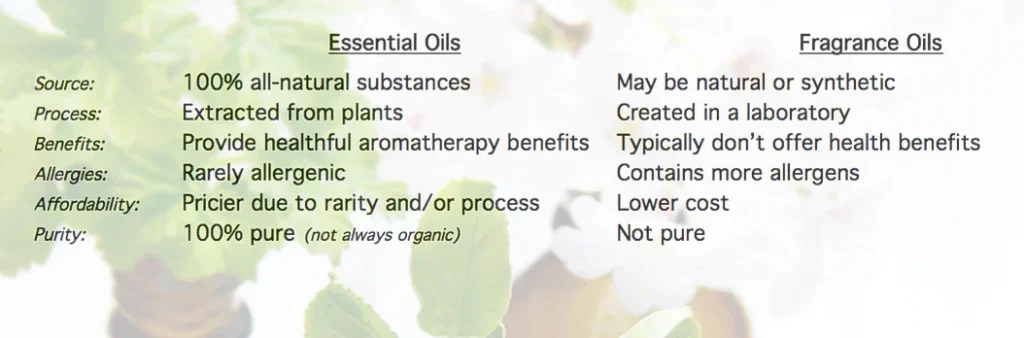
Estos aceites esenciales tienen niveles de fitoquímicos más concentrados que los niveles presentes en la planta cruda.
En un sentido nutricional, el aceite esencial no sería superior en términos de densidad de nutrientes a una planta en hileras, es esencialmente un producto refinado. Podríamos consumir alimentos enteros y obtener los mismos beneficios. contenido en antioxidantes sin extracción. La propia extracción iniciaría la oxidación de los antioxidantes. En cuanto el aceite extraído entra en contacto con el aire, comienza la oxidación.
¿Por qué utilizar aceites esenciales en lugar de alimentos enteros por su contenido en antioxidantes?
La razón para la mayoría de la gente es la comodidad, pero la verdadera razón es que existen factores limitantes en la vida cotidiana sobre la cantidad de alguna fuente de alimentos ricos en antioxidantes que podríamos consumir de forma realista. Por ejemplo, sólo podemos tolerar una pequeña cantidad de clavo recién molido.
La pregunta es: ¿podríamos utilizar aceites esenciales con fitoquímicos superconcentrados y administrarnos megadosis de una forma que la naturaleza nunca pretendió?
Estos aceites tienen el potencial de llevar nuestros niveles de ORAC a cifras que no son naturales, incluso si los comparamos con los niveles de todos los primates vivos. También son una fuente de fitoquímicos que tienen diferentes efectos sobre la salud, además de propiedades antioxidantes. Su capacidad para combatir el cáncer cuenta con una larga historia e investigación. En los últimos diez años, se han evaluado más de cien aceites esenciales de más de veinte familias de plantas diferentes en más de veinte diferentes tipos de cáncer (Bayala et al., 2014). La mayoría de los fármacos quimioterapéuticos se crean mediante este tipo de investigación.
En la medicina tradicional, no había monoterpenos únicos. Los aceites esenciales se utilizaban porque no existía una forma científica de medicina patentada con un único fitoquímico. La medicina alopática habitual hace lo mismo, sólo que elimina el aceite en sí y sólo utiliza sustancias químicas seleccionadas como medicamento recetado. La gente no se da cuenta de que más del 60 por ciento de todos los medicamentos patentados no son sintéticos, sino simplemente fitoquímicos extraídos en una forma lo suficientemente potente como para provocar un significado clínico.
La pregunta es: ¿podría utilizarse esta estrategia para aumentar nuestra puntuación antioxidante hasta niveles más normales y sería una forma cómoda y cómoda de equilibrar nuestra puntuación antioxidante ORAC?
Hay aceites esenciales que son antioxidantes muy potentes, como el aceite esencial de clavo. Podríamos mezclarlos y hacer una mezcla de aceites esenciales ricos en antioxidantes para su consumo.
Estos aceites son tan potentes que provocan quemaduras y no pueden consumirse sin diluirlos con aceites de cocina refinados.
Primer problema.
No todos los aceites esenciales son comestibles. Si desea añadirlos tendrá que investigar usted mismo cada tipo de aceite esencial que desee. Esta revisión (Atabani et al., 2013) da algunos ejemplos de cultivos de semillas oleaginosas no comestibles que producen aceites vegetales no comestibles.
La siguiente tabla enumera los aceites esenciales tóxicos que no son aptos para el consumo. Es importante tener en cuenta que esta tabla no es exhaustiva y puede no abarcar todos los peligros y reacciones potenciales asociados a los aceites esenciales no comestibles.
| Aceite vegetal y esencial no comestible | Efecto tóxico o razón de ser no comestible |
| Aceite de Jatropha curcas | Contiene ésteres de forbol, que son muy tóxicos y pueden causar irritación grave de la piel, vómitos, diarrea y daños en los órganos. |
| Aceite de Calophyllum inophyllum | Contiene inofiloide, que es muy tóxico y puede causar daños hepáticos, insuficiencia renal y la muerte. |
| Aceite de Sterculia feotida | Contiene ácidos grasos ciclopropenoides, que pueden interferir en el metabolismo de los ácidos grasos y provocar retraso del crecimiento, daños hepáticos y anemia. |
| Aceite de Madhuca indica | Contiene saponinas, que pueden provocar hemólisis de los glóbulos rojos e irritación gastrointestinal. |
| Aceite de Pongamia glabra | Contiene karanjin y pongamol, que son tóxicos y pueden causar irritación cutánea, náuseas, vómitos, diarrea y daños hepáticos. |
| Aceite de linaza | Contiene glucósidos cianogénicos, que pueden liberar cianuro y causar intoxicación. |
| Aceite de Pongamia pinnata | Contiene karanjin y pongamol, que son tóxicos y pueden causar irritación cutánea, náuseas, vómitos, diarrea y daños hepáticos. |
| Aceite de Hevea brasiliensis | Contiene proteínas alergénicas, que pueden provocar reacciones alérgicas graves como la anafilaxia. |
| Aceite de Azadirachta indica | Contiene azadiractina y otros limonoides, que son tóxicos y pueden provocar náuseas, vómitos, diarrea, daños hepáticos y efectos neurológicos. |
| Aceite de camelina sativa | Contiene ácido erúcico, que puede provocar la acumulación de ácidos grasos en el corazón y los músculos esqueléticos y perjudicar su funcionamiento. |
| Aceite de Lesquerella fendleri | Contiene ácidos grasos hidroxilados, que pueden interferir en el metabolismo normal de los ácidos grasos y causar daños hepáticos. |
| Aceite de Nicotiana tabacum | Contiene nicotina, que es muy tóxica y puede provocar náuseas, vómitos, convulsiones, insuficiencia respiratoria y muerte. |
| Aceite de cáñamo de Decán | Contiene compuestos cannabinoides, que pueden causar efectos psicoactivos como euforia, paranoia, ansiedad y alucinaciones. |
| Aceite de Ricinus communis | Contiene ricina, que es una de las toxinas más potentes conocidas y puede provocar náuseas, vómitos, diarrea, hemorragias internas, fallo orgánico y muerte. |
| Aceite de babasú | Contiene ácido láurico, que puede aumentar los niveles de colesterol y elevar el riesgo de enfermedades cardiovasculares. |
| Aceite de Simmondsia chinensis | Contiene ácido erúcico, que puede provocar la acumulación de ácidos grasos en el corazón y los músculos esqueléticos y perjudicar su funcionamiento. |
| Aceite de Eruca sativa | Contiene glucosinolatos, que pueden liberar aceites de mostaza y causar irritación de las mucosas y la piel. |
| Aceite de gaulteria | Contiene salicilato de metilo, que puede causar intoxicación si se ingiere en grandes cantidades. |
| Aceite de alcanfor | Contiene alcanfor, que puede provocar convulsiones, coma e incluso la muerte si se ingiere. |
| Aceite de cedro | Contiene tuyona, que puede causar neurotoxicidad y daños hepáticos si se ingiere. |
Segundo problema.
Algunos aceites esenciales, al igual que las tisanas, no deben mezclarse porque pueden provocar reacciones adversas.
Hay algunos aceites esenciales que pueden tener interacciones entre sí cuando se mezclan y se consumen. Algunos ejemplos son:
- Aceite de clavo: Este aceite tiene un alto contenido en eugenol, que puede actuar como anticoagulante e inhibir la agregación plaquetaria. Por lo tanto, puede interactuar con otros aceites esenciales que tienen efectos similares, como gaulteria, abedul, canela, orégano y helicriso (Fung et al., 2021).
- Aceite de pomelo: Este aceite contiene furanocumarinas, como la bergamotina y el DHB, que pueden inhibir el metabolismo de algunos fármacos y aumentar sus niveles en sangre. Por lo tanto, puede interactuar con otros aceites esenciales que tienen efectos similares, como la angélica, la bergamota, el limón, la lima y la naranja amarga (Fung et al., 2021).
- Aceite de lavanda: Este aceite tiene propiedades sedantes y relajantes que pueden potenciar los efectos de otros aceites esenciales que tienen efectos similares, como la manzanilla, la salvia sclarea, la mejorana, el neroli y el ylang-ylang (Fung et al., 2021).
- Aceite de menta: Este aceite tiene un alto contenido en mentol, que puede aumentar la permeabilidad pulmonar de la nicotina y ralentizar su eliminación del organismo. Por lo tanto, puede interactuar con otros aceites esenciales que contienen nicotina u otros estimulantes, como el tabaco, el café, el árbol del té y el eucalipto (Fung et al., 2021).
La siguiente tabla enumera las posibles interacciones entre los aceites esenciales en sí. Es importante tener en cuenta que esta tabla no es exhaustiva y puede no abarcar todos los peligros y reacciones potenciales.
| Aceite esencial | Interacción con otros aceites esenciales | Motivo de la interacción |
|---|---|---|
| Aceite de clavo | Gaulteria, abedul, canela, orégano, helicriso | El eugenol puede actuar como anticoagulante e inhibir la agregación plaquetaria |
| Aceite de pomelo | Angélica, bergamota, limón, lima, naranja amarga | Las furanocumarinas pueden inhibir el metabolismo de algunos fármacos y aumentar sus niveles en sangre |
| Aceite de lavanda | Manzanilla, salvia romana, mejorana, neroli, ylang ylang | Sus propiedades sedantes y relajantes pueden potenciar los efectos de otros aceites esenciales con efectos similares |
| Aceite de menta | Tabaco, café, árbol del té, eucalipto | El mentol puede aumentar la permeabilidad pulmonar de la nicotina y ralentizar su eliminación del organismo. |
| Aceite de romero | Lavanda, salvia sclarea, albahaca, salvia | El alcanfor y el 1,8-cineol pueden estimular el sistema nervioso y contrarrestar los efectos de otros aceites esenciales con propiedades sedantes y relajantes. |
| Aceite del árbol del té | Lavanda, salvia, mejorana, neroli, ylang ylang | El terpinen-4-ol puede estimular el sistema inmunitario y contrarrestar los efectos de otros aceites esenciales con propiedades inmunosupresoras. |
| Aceite de tomillo | Limón, lima, pomelo, bergamota | El timol puede irritar las mucosas y aumentar el riesgo de fotosensibilidad cuando se combina con otros aceites esenciales que contienen componentes cítricos. |
| Aceite de eucalipto | Lavanda, salvia sclarea, albahaca, salvia | el 1,8-cineol puede interferir en el metabolismo de la anestesia y los barbitúricos y contrarrestar los efectos de otros aceites esenciales que tienen propiedades sedantes y relajantes |
| Aceite de limón | Lavanda, salvia, mejorana, neroli, ylang ylang | El limoneno puede inducir relajación y somnolencia y potenciar los efectos de otros aceites esenciales con efectos similares. |
| Aceite de orégano | Gaulteria, abedul, canela, clavo, helicriso | El carvacrol puede actuar como anticoagulante e inhibir la agregación plaquetaria |
| Aceite de incienso | Manzanilla, salvia romana, mejorana, neroli, ylang ylang | Los ácidos boswélicos pueden modular la inflamación y las respuestas inmunitarias y potenciar los efectos de otros aceites esenciales con efectos similares |
| Aceite de geranio | Limón, lima, pomelo, bergamota | El citronelol puede irritar las mucosas y aumentar el riesgo de fotosensibilidad cuando se combina con otros aceites esenciales que contienen componentes cítricos. |
Regla general.
Es un tema complicado y no voy a profundizar en él. Una regla general es que si la planta es comestible, como por ejemplo el clavo, el aceite esencial de esa planta también lo será. Todas las interacciones conocidas para la planta de la que se extrae el aceite deberían ser válidas para el propio aceite.
El aceite de clavo es una superestrella con un olor y sabor agradables y una puntuación ORAC de más de un millón.
Toxicidad y posología.
Algunos aceites comestibles también son tóxicos porque están mucho más concentrados químicamente que la planta de la que están creados y si hay alguna toxina en esa planta será mucho más prominente en el aceite.
Esto podría ser un problema principal y el tema más pasado por alto aquí que esencialmente podría terminar en un hospital o tener algunos efectos crónicos si haces esto por tu cuenta sin conocimientos previos. Esta es la razón principal por la que la mayoría de los curanderos naturales y nutricionistas tienen fobia a los aceites esenciales.
Algunos aceites se han utilizado en la medicina tradicional durante miles de años y cuentan con amplios estudios científicos que los respaldan. Usted, su médico y su nutricionista tienen que conocer toda la investigación disponible detrás de cada aceite esencial y también esta investigación tiene que existir en primer lugar.
¿Es seguro consumir estos aceites esenciales?
Por lo general, el consumo de estos aceites esenciales es seguro si son puros, ecológicos y están etiquetados como de grado alimentario o terapéutico. Sin embargo, hay que tener cuidado y seguir algunas precauciones antes de utilizarlos internamente. He aquí algunos consejos para utilizar estos aceites esenciales de forma segura:
- Consulte a un médico antes de utilizar aceites esenciales por vía interna, especialmente si padece alguna enfermedad o toma algún medicamento. Algunos aceites esenciales pueden interactuar con determinados fármacos o afectar a la tensión arterial, la glucemia o la función hepática.
- Siga atentamente las instrucciones de la etiqueta y utilice la dosis recomendada para cada aceite esencial. No exceda la cantidad recomendada ni la frecuencia de uso. Menos es más cuando se trata de aceites esenciales.
- Diluya los aceites esenciales con un aceite portador antes de ingerirlos. Un aceite portador es un aceite vegetal que puede ayudar a diluir y dispersar el aceite esencial y reducir su irritación o sensibilidad. Algunos ejemplos de aceites portadores son los aceites de oliva, coco, almendra, jojoba, semilla de uva y aguacate. Para mezclar el aceite esencial con un aceite portador, hay que medirlos con cucharas y frascos cuentagotas y seguir una proporción determinada en función de la finalidad y la potencia del aceite esencial.
- No utilice aceites esenciales en niños, mujeres embarazadas, madres lactantes o animales domésticos sin consultar antes a un médico o veterinario. Algunos aceites esenciales pueden ser nocivos o tóxicos para ellos.
- No utilice aceites esenciales cerca de los ojos, la nariz, la boca o los genitales. Pueden causar ardor, irritación o inflamación.
- No utilice aceites esenciales caducados, oxidados o adulterados. Pueden perder su eficacia o volverse nocivos.
- Si tiene alguna reacción no deseada como náuseas, vómitos, diarrea, ardor de estómago, dolor de estómago, dolor de cabeza, mareos o reacciones alérgicas después de usar aceites esenciales, es crucial que interrumpa su uso inmediatamente.
ADVERTENCIA
Si no conoces las propiedades del aceite esencial o las dosis seguras, no sabes si tienes alergia o confundes especies vegetales, puedes morir, acabar en un hospital o sufrir problemas crónicos que quizá no atribuyas al aceite. Puedes sufrir un aborto espontáneo u otras complicaciones de salud si estás embarazada.
En comparación con los adultos, los niños son más susceptibles a los efectos negativos derivados del consumo de aceites esenciales. Esto se debe a su menor tamaño corporal y a sus funciones hepática y renal subdesarrolladas, que les dificultan metabolizar los potentes compuestos de los aceites esenciales, reduciendo esencialmente el umbral tóxico a cantidades minúsculas. Los niños también tienen la piel y las mucosas más delicadas, lo que les hace más propensos a reacciones alérgicas o irritaciones causadas por la exposición a los aceites esenciales.
Debe mantener sus aceites esenciales comestibles fuera del alcance de los niños y los animales domésticos y no dejarlos nunca desatendidos con ellos.
La misma regla se aplica al embarazo.
Puede sufrir un aborto espontáneo u otras complicaciones de salud si está embarazada. El uso de determinados aceites esenciales durante el embarazo puede tener efectos negativos tanto para la madre como para el bebé en desarrollo. Se ha observado que algunos aceites provocan contracciones uterinas. Entre ellos están la canela, el clavo, el romero, la salvia romana, el jazmín y el enebro. También pueden producirse desequilibrios hormonales debido al uso de algunos aceites, con los consiguientes riesgos potenciales para la salud de la madre o del bebé. La albahaca, el anís, el hinojo, la salvia y el tomillo son algunos de los aceites que pueden producir este efecto. Los cambios en la tensión arterial inducidos por ciertos aceites como el eucalipto, la menta, el romero y el ylang-ylang pueden provocar hipertensión o hipotensión. Se ha observado que el poleo, el tanaceto, la gaulteria y el ajenjo causan toxicidad fetal y pueden provocar defectos de nacimiento o problemas de desarrollo.
Esta es la razón por la que, en casi todas las situaciones, la mayoría de los nutricionistas recomiendan fuentes de alimentos integrales en dosis realistas.
En un tema como éste, debes informarte de verdad. Esto significa que debes hacer clic y leer referencias científicas.
El consumo de aceites esenciales comestibles puede entrañar riesgos para las personas, en particular para las que toman medicamentos. Esto se debe a que los compuestos volátiles activos de los aceites pueden interactuar con los fármacos.
Por ejemplo, el aceite esencial de pomelo contiene furanocumarinas que pueden suprimir enzimas específicas del hígado y el intestino encargadas de descomponer los fármacos. Como resultado, esta supresión podría provocar niveles sanguíneos más elevados y toxicidad de las estatinas, los bloqueantes de los canales de calcio y las benzodiacepinas. Por otra parte, el aceite esencial de menta piperita contiene mentol que podría influir en la absorción de los fármacos al disminuir la motilidad gástrica y aumentar el tiempo de tránsito gastrointestinal. Esta interferencia podría reducir la biodisponibilidad y la eficacia de medicamentos como el felodipino (un antagonista del calcio), la ciclosporina (un inmunosupresor) y el ketoconazol (un antifúngico).
Además de estos ejemplos, el aceite esencial de lavanda es frecuente por sus propiedades sedantes debido a su rico contenido en linalol y acetato de linalilo. Sin embargo, estas propiedades podrían exacerbar los efectos de ciertos medicamentos con efectos sedantes o depresores del sistema nervioso central, como los opiáceos (morfina), las benzodiacepinas (diazepam), los barbitúricos o los antipsicóticos (olanzapina).
El aceite esencial de orégano es conocido por sus propiedades antimicrobianas y antiinflamatorias debido a su alta concentración de carvacrol y timol. Estos compuestos también pueden interferir con los efectos anticoagulantes de fármacos como la warfarina, la heparina y la aspirina al inhibir la agregación plaquetaria o prolongar el tiempo de sangrado.
Algunos aceites esenciales pueden influir en los niveles de azúcar en sangre, como el aceite de canela, en los niveles de tensión arterial, como el aceite de clavo, o en la función de las enzimas hepáticas, como el aceite de eucalipto.
Existe una tendencia cada vez mayor a tomar estos aceites esenciales precisamente por sus efectos secundarios, de forma que se pueda reducir la medicación recetada. La gente los toma como medicación y luego simplemente disminuye la dosis del fármaco. No sé si esto es inteligente. La mayoría de los medicamentos recetados son tóxicos y tienen una larga lista de efectos secundarios.
En la tabla encontrará algunas de las interacciones, pero la tabla es sólo un punto de referencia y no es completa ni exhaustiva.
Es necesario investigar e informarse a fondo sobre todas las posibles interacciones de cada aceite antes de utilizarlos internamente y buscar asesoramiento profesional además de su investigación.
Para minimizar los riesgos de interacciones medicamentosas con los aceites esenciales comestibles, se recomienda seguir estas pautas:
- Consulte a un profesional sanitario antes de utilizar cualquier aceite esencial por vía interna.
- Informe a su médico o farmacéutico de todos los medicamentos que está tomando o piensa tomar.
- Comience con una dosis baja y auméntela gradualmente si la tolera.
- Utilice aceites de alta calidad procedentes de fuentes acreditadas que realicen pruebas de pureza y potencia.
- Guarde sus aceites en un lugar fresco, oscuro y seco, lejos del calor y la luz solar.
- Compruebe la fecha de caducidad y deseche los aceites caducados u oxidados.
- Vigile atentamente sus síntomas y su respuesta a los aceites y deje de utilizarlos si experimenta algún efecto adverso.
Al estar informado y ser prudente sobre el uso de los aceites esenciales comestibles cuando se toman medicamentos o se padecen afecciones de salud, se puede disfrutar de sus beneficios al tiempo que se minimizan sus riesgos.
Nuez moscada.
La nuez moscada es un buen ejemplo. La nuez moscada sabe muy bien en galletas y ponche de huevo, pero en exceso puede provocar alucinaciones. Contiene una sustancia parecida a la anfetamina. (Idle et al, 2005). La dosis tóxica de nuez moscada para un adulto es de dos cucharaditas y para el aceite esencial es cero. Los niños que se metan en el recipiente y las personas que traguen deliberadamente mucha nuez moscada para colocarse podrán lograr alucinaciones, pero también enfermarán gravemente. Es posible que se produzcan náuseas, vómitos, agitación, somnolencia prolongada y coma.. Na Idade Média, a noz-moscada era utilizada como abortivo por lo que consumir aceite esencial de nuez moscada es bastante peligroso, especialmente para las mujeres embarazadas y los niños. Es cierto que en la mayoría de los casos, el aceite es la opción menos tóxica que la nuez porque la mayoría de las toxinas presentes en las nueces no se extraen cuando el aceite se destila al vapor de las nueces, pero sí se extraen la elemicina y la miristicina, las dos sustancias psicoactivas de la nuez moscada. Incluso una gotita de 0,25 ml de aceite de nuez moscada de grado terapéutico 100% puro te provocará un viaje leve con visuales, euforia, etc. Incluso manipular aceite de nuez moscada puede ser peligroso porque puedes chuparte los dedos sin querer. Los efectos comienzan en unos 30 minutos y alcanzan su punto máximo al cabo de unas 3-5 horas.
En el vídeo siguiente puede ver un caso de la práctica clínica de lo que ocurre cuando se bebe un frasco de especia de nuez moscada.
Gaulteria.
El aceite de gaulteria es otro ejemplo y no es más que un nombre para salicilato de metilo, pariente de la aspirina (ácido acetilsalicílico). Es seguro utilizar pequeñas cantidades como aromatizante, pero el frasco debe estar cerrado para que los niños no puedan acceder a él. Pequeñas cantidades de aceite de gaulteria pueden intoxicar a los niños. Dado que el aceite de gaulteria se absorbe rápidamente, los niños pueden enfermar peligrosamente con gran rapidez (Sobredosis de salicilato de metilo).
Más ejemplos.
La menta piperita se utiliza para las molestias gastrointestinales. Es importante elegir la especie correcta de menta, ya que algunos tipos son venenosos; por ejemplo, el aceite de poleo es muy venenoso para el hígado.
El eucalipto se utiliza por sus efectos calmantes cuando se inhala, por ejemplo en caso de resfriado o tos. Si se ingiere, el aceite de eucalipto puede provocar convulsiones.
El aceite de salvia se ha utilizado como aroma, condimento y remedio. La ingestión de cantidades muy pequeñas ha provocado convulsiones en niños.
El alcanfor se utiliza como repelente de polillas y como ingrediente en preparados para la piel. Incluso una pequeña cantidad de alcanfor es peligrosa si se ingiere. Las convulsiones pueden comenzar en pocos minutos. La intoxicación por alcanfor también se produjo cuando se aplicaron repetidamente a niños preparados para la piel que contenían alcanfor.
Antes de utilizar cualquier aceite esencial, consulte primero la tabla GRAS que he proporcionado aquí. Usted tendrá que averiguar si está en la lista en absoluto. Entonces usted mira para arriba los riesgos para la salud asociados conocidos de fuentes reputables y también mira para arriba las interacciones a pudo tener con la medicina prescrita.
Estado GRAS.
El aceite de comino negro, el aceite de orégano o el aceite de clavo son aceites medicinales producidos inicialmente para el consumo humano. Algunos aceites se utilizan en la medicina tradicional o están disponibles como suplemento. Aparte de estos aceites, existen los aceites esenciales. Algunos aceites esenciales se consideran de calidad alimentaria. Si pregunta a la FDA qué aceites esenciales son aptos para el consumo humano, habrá una clasificación bajo algo que llaman GRAS. GRAS significa "Generalmente reconocido como seguro," lo que significa que los expertos de la FDA creen que el aceite podría consumirse en pequeñas cantidades como especia. Por ejemplo, unas gotas de aceite de naranja o limón en lugar de ralladura en un pastel.
Si desea utilizar aceites esenciales por su valor antioxidante o para cocinar, puede buscar primero en la base de datos GRAS de la FDA.
Aceites esenciales Generalmente Reconocidos como Seguros (GRAS)
Según el sitio web de la FDA1, la lista GRAS no proporciona ninguna información sobre la dosificación y la seguridad de las sustancias alimentarias generalmente reconocidas como seguras. El estatus GRAS se basa en las condiciones de uso de la sustancia, como la cantidad, la frecuencia, la duración y la población que la consumirá. La FDA no aprueba ni revisa las sustancias GRAS, pero puede cuestionar su seguridad si surgen nuevas pruebas científicas. Por lo tanto, es responsabilidad del fabricante o usuario de la sustancia GRAS garantizar su seguridad y uso adecuado.
Fuente: FDA. "Generalmente reconocido como seguro (GRAS)". FDA, https://www.fda.gov/food/food-ingredients-packaging/generally-recognized-safe-gras. Consultado el 16 de abril de 2023.
https://www.accessdata.fda.gov/scripts/cdrh/cfdocs/cfcfr/cfrsearch.cfm?fr=182.20
| Nombre común | Nombre botánico de la fuente vegetal | Seguridad y posología |
|---|---|---|
| Alfalfa | Medicago sativa L. | El aceite de alfalfa, derivado de las semillas de Medicago sativa L., se utiliza principalmente por su aroma y sabor a hierba y nuez. Se cree que posee propiedades reductoras del colesterol, antiinflamatorias y antioxidantes. Aunque es seguro en pequeñas cantidades como agente aromatizante o suplemento cuando se usa adecuadamente, el aceite de alfalfa puede causar efectos adversos si se usa mal o se consume en exceso. Uno de estos riesgos procede de su contenido en cumarina, que afecta a medicamentos coagulantes como la aspirina, la heparina y la warfarina; esto aumenta la probabilidad de hemorragias o hematomas. En consecuencia, los expertos desaconsejan el uso de aceite de alfalfa si se padece una enfermedad hemorrágica o se toman medicamentos anticoagulantes sin consultar previamente con un médico. A la inversa, la presencia de canavanina podría inducir síntomas de lupus que afectan a la inmunidad, por lo que no es favorable en personas con trastornos autoinmunes. El uso de aceites de Alfafa también puede afectar a otros medicamentos metabolizados por el hígado, como las estatinas acetaminofén. La dosis recomendada de aceite de alfalfa aún no se ha establecido oficialmente; sin embargo, algunas fuentes sugieren que el consumo de no más de 0,1 - 0,2 ml al día es suficientemente seguro para los seres humanos. |
| Pimienta de Jamaica | Pimenta officinalis Lindl. | El aceite de pimienta de Jamaica se extrae de las bayas secas de la planta Pimenta officinalis Lindl. Se utiliza principalmente por su aroma y sabor cálidos y picantes. También puede tener propiedades antimicrobianas, antifúngicas, antiinflamatorias, antioxidantes y digestivas. El aceite de pimienta de Jamaica suele ser seguro para el consumo humano en pequeñas cantidades como agente aromatizante o coadyuvante. Sin embargo, el aceite de pimienta de Jamaica puede causar algunos efectos secundarios si se utiliza de forma inadecuada o en exceso. Por ejemplo, el aceite de pimienta de Jamaica puede causar irritación cutánea o alergia en algunas personas. Cuando esto ocurre, la zona puede enrojecerse, mancharse, picar o hincharse. Si le preocupa una posible reacción cutánea, pruebe un poco de aceite de pimienta de Jamaica diluido en una pequeña porción de piel antes de utilizarlo más ampliamente. El aceite de pimienta de Jamaica también puede causar molestias estomacales, náuseas, vómitos o diarrea y afectar a medicamentos gastrointestinales como antiácidos, inhibidores de la bomba de protones y bloqueadores H2. Por lo tanto, evite el uso de aceite de pimienta de Jamaica si tiene antecedentes de úlceras, gastritis o síndrome del intestino irritable o si está tomando algún medicamento gastrointestinal. La dosis recomendada de aceite de pimienta de Jamaica para consumo humano no está bien establecida, pero una fuente sugiere que de 0,1 a 0,2 ml al día es segura. |
| Almendra amarga (sin ácido prúsico) | Prunus amygdalus Batsch, Prunus armeniaca L. | El aceite de almendra (amarga) se extrae de los granos de Prunus amygdalus Batsch y Prunus armeniaca L., dos tipos de árboles. Se utiliza principalmente por su aroma y sabor dulce y a nuez. También puede tener algunas propiedades antioxidantes, antiinflamatorias e hidratantes. El aceite de almendra (amarga) suele ser seguro para el consumo humano en pequeñas cantidades como agente aromatizante o coadyuvante. Sin embargo, el aceite de almendras (amargo) puede causar algunos efectos secundarios si se utiliza de forma inadecuada o en exceso. Por ejemplo, el aceite de almendras (amargo) puede contener trazas de ácido prúsico (cianuro de hidrógeno), que puede causar intoxicación y la muerte en dosis elevadas. Por lo tanto, evite utilizar aceite de almendras (amargo) si tiene antecedentes de sensibilidad al cianuro o está tomando algún antídoto contra el cianuro, como nitrito sódico o tiosulfato sódico. El aceite de almendras (amargo) también puede provocar reacciones alérgicas en algunas personas, especialmente en aquellas que son alérgicas a los frutos secos o a las semillas. Por lo tanto, pruebe un poco de aceite de almendras (amargo) diluido en una pequeña porción de piel antes de utilizarlo más ampliamente. El aceite de almendras (amargo) también puede causar malestar estomacal, náuseas, vómitos o diarrea y afectar a medicamentos gastrointestinales como antiácidos, inhibidores de la bomba de protones y bloqueadores H2. Por lo tanto, evite el uso de aceite de almendras (amargo) si tiene antecedentes de úlceras, gastritis o síndrome del intestino irritable o si está tomando algún medicamento gastrointestinal. La dosis recomendada de aceite de almendras (amargas) para consumo humano no está bien establecida, pero una fuente sugiere que de 0,1 a 0,2 ml al día es segura. |
| Ambreta (semilla) | Hibiscus moschatus Moench. | El aceite de ambreta, derivado de las semillas de la planta Hibiscus moschatus Moench, se valora principalmente por su aroma y sabor almizclados y florales. También puede poseer ciertas cualidades beneficiosas, como su potencial para actuar como antidepresivo, afrodisíaco o antiespasmódico. En pequeñas cantidades, el aceite de ambrita es seguro para el consumo humano como aromatizante o aditivo. Sin embargo, un uso inadecuado o excesivo puede provocar reacciones adversas como irritación cutánea, alergias o reacciones fototóxicas. Por lo tanto, se recomienda probar el aceite de Ambrette diluido en una pequeña porción de piel antes de utilizarlo ampliamente y evitar la exposición a la luz solar después. Además, asegúrese de consultar con su médico si está tomando medicamentos afectados por la enzima CYP2C9, como warfarina, fenitoína o losartán. Por el momento, no se ha establecido una dosis segura para el consumo de aceite de ambreta en humanos; sin embargo, una fuente sugiere un rango de 0,1-0,2 ml al día. |
| Raíz de angélica | Angelica archangelica L. | El aceite de raíz de angélica, extraído de las raíces de la planta Angelica archangelica L., se utiliza principalmente por su aroma y sabor dulce y herbal. Además, puede tener beneficios potenciales para la salud, como propiedades antimicrobianas, antifúngicas, antiinflamatorias, antioxidantes y digestivas. Como agente aromatizante o coadyuvante, el aceite suele ser seguro para el consumo humano en pequeñas cantidades. Sin embargo, su uso inadecuado o excesivo puede causar efectos adversos como irritación o alergia cutánea, fotosensibilidad y reacciones fototóxicas, aumento del riesgo de hemorragia con fármacos coagulantes como la warfarina y la aspirina, e interferencia con fármacos antidiabéticos como la insulina y la metformina. Las personas con trastornos hemorrágicos o diabetes deben consultar a su médico antes de utilizar aceite de raíz de angélica. Aunque la dosis diaria recomendada no está bien establecida, una fuente sugiere una dosis segura de 0,1 a 0,2 ml al día. |
| Semilla de angélica | Hazlo. | El aceite de semillas de angélica se extrae de las semillas de Angelica archangelica L., una planta. Se utiliza principalmente por su aroma y sabor dulce y herbal. También puede tener propiedades antimicrobianas, antifúngicas, antiinflamatorias, antioxidantes y digestivas. El aceite de semillas de angélica suele ser seguro para el consumo humano en pequeñas cantidades como agente aromatizante o coadyuvante. Sin embargo, el aceite de semillas de angélica puede causar algunos efectos secundarios si se utiliza de forma inadecuada o en exceso. Por ejemplo, el aceite de semillas de angélica puede causar irritación cutánea o alergia en algunas personas. Cuando esto ocurre, la zona puede enrojecerse, mancharse, picar o hincharse. Si le preocupa una posible reacción cutánea, pruebe un poco de aceite de semillas de angélica diluido en una pequeña porción de piel antes de utilizarlo más ampliamente. El aceite de semillas de angélica también puede provocar fotosensibilidad y reacciones fototóxicas en algunas personas. Por lo tanto, evite la exposición directa al sol o a los rayos UV después de utilizar el aceite de semillas de angélica. El aceite de semillas de angélica también puede aumentar el riesgo de hemorragias y afectar a los medicamentos coagulantes de la sangre, como la warfarina, la heparina y la aspirina. Por lo tanto, evite el uso de aceite de semillas de angélica si padece algún trastorno hemorrágico o está tomando algún fármaco anticoagulante. El aceite de semillas de angélica también puede reducir los niveles de azúcar en sangre e interferir con fármacos antidiabéticos como la insulina, la metformina y la glipizida. Por lo tanto, vigile de cerca sus niveles de azúcar en sangre y consulte a su médico antes de utilizar el aceite de semillas de angélica si padece diabetes o está tomando algún fármaco antidiabético. La dosis recomendada de aceite de semillas de angélica para consumo humano no está bien establecida, pero una fuente sugiere que de 0,1 a 0,2 ml al día son seguros. |
| Tallo de angélica | Hazlo. | El aceite de tallo de angélica se obtiene de los tallos de una planta conocida como Angelica archangelica L. Uno de los principales usos de este aceite es por sus propiedades aromáticas y saborizantes, que son dulces y herbáceas. Además, puede ofrecer beneficios como propiedades antimicrobianas, antifúngicas, antiinflamatorias, antioxidantes y digestivas. Sin embargo, si se utiliza de forma inadecuada o excesiva, el aceite de tallo de angélica puede tener efectos adversos. Por ejemplo, puede causar irritación cutánea y alergia en algunas personas. Quienes estén preocupados deben realizar una prueba de parche en una pequeña zona de la piel antes de utilizarlo de forma más generalizada. Además, puede causar fotosensibilidad y reacciones fototóxicas en algunas personas si se exponen a la luz solar directa después de su uso. También se sabe que el aceite de tallo de angélica interactúa con los medicamentos anticoagulantes y antidiabéticos, aumentando el riesgo de hemorragias o reduciendo los niveles de azúcar en sangre, respectivamente. No se ha establecido la dosis segura para el consumo humano, pero una fuente recomienda de 0,1 a 0,2 ml al día como cantidad segura. |
| Angostura (corteza de cusparia) | Galipea officinalis Hancock. | El aceite extraído de la corteza de Galipea officinalis Hancock. se conoce como aceite de angostura, que se utiliza principalmente por su sabor amargo y aromático. Puede aportar beneficios como propiedades antimicrobianas, antifúngicas, antiinflamatorias, antioxidantes y digestivas. Sin embargo, si se utiliza de forma inadecuada o excesiva, puede provocar efectos secundarios como irritación cutánea y alergia. Se recomienda realizar una prueba del parche antes de utilizarlo ampliamente para evitar reacciones adversas. El aceite de angostura también puede alterar el estómago e interactuar con fármacos gastrointestinales como antiácidos, inhibidores de la bomba de protones y bloqueadores H2. Se aconseja abstenerse de consumir aceite de angostura si se tienen antecedentes de úlceras. La dosis recomendada para consumo humano no se ha definido claramente, pero una fuente sugiere de 0,1 a 0,2 ml al día como dosis segura. |
| Anís | Pimpinella anisum L. | El aceite esencial de anís se extrae por destilación al vapor de las semillas de la planta. Sin embargo, puede desencadenar reacciones alérgicas en personas alérgicas a plantas de su familia, como el hinojo, el apio, el perejil o la zanahoria. También puede interactuar con medicamentos o suplementos que afectan a los niveles de azúcar o presión arterial. La combinación del aceite esencial de anís con medicamentos o hierbas que tienen un efecto similar puede provocar una caída drástica del azúcar o la presión arterial. Además, el aceite esencial de anís puede tener efectos hormonales que podrían afectar al crecimiento del feto o a la producción de leche. En el caso de los niños, la ingestión o inhalación excesiva de aceite esencial de anís podría resultar tóxica. Las mujeres embarazadas y en periodo de lactancia deben abstenerse de consumir este aceite por razones de seguridad. La dosis segura recomendada para el consumo humano no está bien establecida; sin embargo, de 0,1 a 0,2 ml al día se considera un límite seguro. |
| Asafétida | Ferula assa-foetida L. y especies afines de Ferula. | El aceite esencial de asafétida se extrae de la resina seca de la planta Ferula assa-foetida por destilación al vapor. Tiene un sabor y un aroma fuertes y penetrantes que recuerdan al ajo o la cebolla. Se utiliza como aromatizante en las cocinas india, iraní y afgana, especialmente en platos vegetarianos. También se utiliza como hierba medicinal para problemas digestivos, como indigestión, gases, hinchazón, síndrome del intestino irritable y lombrices intestinales. También puede tener propiedades antiinflamatorias, antiespasmódicas, anticoagulantes y antimicrobianas. Algunos de los efectos secundarios del aceite esencial de asafétida son reacciones alérgicas, irritación cutánea, trastornos hemorrágicos, hipotensión arterial e interferencia con la función tiroidea. Deben evitarlo las mujeres embarazadas o lactantes y las personas con trastornos hemorrágicos o problemas de tiroides. |
| Melisa (toronjil) | Melissa officinalis L. | El aceite esencial de melisa se obtiene de las hojas y flores frescas o parcialmente secas de la planta Melissa officinalis mediante destilación al vapor. Su aroma ácido y refrescante calma y mejora el estado de ánimo, por lo que es un popular agente aromatizante para bebidas, confitería, mermeladas y miel. También sirve como remedio herbal para trastornos nerviosos como la ansiedad, el insomnio, la depresión y la enfermedad de Alzheimer. Existen pruebas que indican que puede poseer propiedades antioxidantes, antivirales, antibacterianas, antifúngicas, antiespasmódicas y antiinflamatorias. Sin embargo, el uso de aceite esencial de melisa puede provocar reacciones alérgicas, irritación cutánea, sedación o interferir con la función tiroidea. Las mujeres embarazadas o en periodo de lactancia y las personas con problemas de tiroides o glaucoma deben evitarlo. Aunque aún no se ha establecido claramente la dosis diaria recomendada de aceite esencial de anís para consumo humano, se considera segura una dosis de 0,1 a 0,2 ml al día. |
| Bálsamo de Perú | Myroxylon pereirae Klotzsch. | El aceite esencial de Bálsamo del Perú se obtiene por destilación al vapor de agua a partir del bálsamo crudo obtenido del tronco del árbol Myroxylon pereirae. Su aroma y sabor son dulces y recuerdan a la vainilla, proporcionando calidez y confort. Tiene una amplia gama de aplicaciones, como fragancia para perfumes y artículos de tocador, saborizante para alimentos y bebidas, y medicamento con propiedades antisépticas, antifúngicas y antiparasitarias suaves. Sin embargo, en algunas personas puede provocar reacciones alérgicas, irritación cutánea, dermatitis de contacto, asma y anafilaxia. Las personas alérgicas a ella o a otras plantas como la canela o el clavo deben evitar su uso, mientras que también puede interactuar con anticoagulantes o medicamentos para la diabetes. |
| Albahaca | Ocimum basilicum L. | El aceite esencial de albahaca se obtiene de las hojas y sumidades floridas de la planta Ocimum basilicum mediante destilación al vapor. Su fragancia y sabor son herbáceos y dulces, y ofrecen una experiencia refrescante y vigorizante. Muchas personas incluyen este aceite como ingrediente condimentario en sus aliños para ensaladas, sopas, salsas o pesto recipes. Además de añadir sabor a los alimentos, este aceite también se utiliza como remedio herbal para problemas respiratorios como el asma, la bronquitis o la sinusitis. Además, tiene propiedades antisépticas, antiinflamatorias, antiespasmódicas y antidepresivas. De ahí que se haya utilizado para tratar eficazmente diversos problemas de salud. A pesar de los beneficios asociados al aceite esencial de albahaca, existen algunos efectos secundarios que los usuarios deben conocer, como reacciones alérgicas, irritación cutánea, hipotensión arterial o posible interferencia con la coagulación sanguínea. Las mujeres embarazadas o en periodo de lactancia deben evitar su uso, mientras que las personas con trastornos hemorrágicos o epilepsia deben consultar a un profesional sanitario antes de utilizarlo. La forma recomendada de utilizar el aceite esencial de albahaca es mediante una dilución adecuada (1-2 gotas), una o dos veces al día. |
| Hojas de laurel | Laurus nobilis L. | El aceite esencial de laurel se extrae de las hojas secas de la planta Laurus nobilis por destilación al vapor. Tiene un sabor y un aroma picante y amaderado que resulta cálido y vigorizante. Se utiliza como agente aromatizante en guisos, sopas, curry y platos de arroz. También se utiliza como hierba medicinal para problemas digestivos, como indigestión, gases, hinchazón y cólicos. También puede tener propiedades antibacterianas, antifúngicas, antivirales y antioxidantes. Algunos de los efectos secundarios del aceite esencial de laurel son reacciones alérgicas, irritación cutánea, náuseas, vómitos y somnolencia. Deben evitarlo las mujeres embarazadas o en periodo de lactancia y las personas con diabetes o problemas renales. La dosis recomendada es de 1-2 gotas diluidas en agua o zumo una o dos veces al día. Sin embargo, puede causar irritación de la piel, reacciones alérgicas o malestar estomacal. También puede interactuar con anticoagulantes o medicamentos para la diabetes. |
| Laurel (aceite de mircia) | Pimenta racemosa (Mill.) J. W. Moore. | El aceite esencial de laurel (aceite de mircia) se extrae de las hojas de la planta Pimenta racemosa por destilación al vapor. Tiene un sabor y aroma dulce y picante similar al del clavo. Se utiliza como fragancia en perfumes y colonias; como saborizante en alimentos y bebidas; y como agente curativo en productos medicinales. Puede tener propiedades antisépticas, analgésicas, antiinflamatorias y estimulantes. Algunos de los efectos secundarios del aceite esencial de laurel (aceite de mircia) son reacciones alérgicas, irritación cutánea, dermatitis de contacto y fotosensibilidad. Deben evitarlo las personas alérgicas a él o a otras plantas de la misma familia, como la canela o el clavo. |
| Bergamota (naranja bergamota) | Citrus aurantium L. subsp. bergamia Wright et Arn. | El aceite esencial de bergamota, extraído de las células del interior de la cáscara de la naranja bergamota mediante presión en frío, tiene una agradable nota floral y un aroma dulce parecido al de la piel de naranja. El aceite de bergamota se ha utilizado tradicionalmente en la medicina popular italiana para desinfectar heridas de la piel gracias a sus propiedades antisépticas. También puede facilitar la digestión al estimular la producción de bilis y la secreción de jugos gástricos, al tiempo que alivia molestias abdominales como los gases y la hinchazón.Sin embargo, es vital ser consciente de algunos efectos adversos, puede causar fotosensibilidad haciendo que su piel sea más susceptible a las quemaduras solares y ampollas si se expone 12 horas después de la aplicación tópica, Su interacción con medicamentos como estatinas, antidepresivos, anticoagulantes puede conducir a consecuencias no deseadas para la salud, podría instigar reacciones alérgicas caracterizadas por inflamación, podría reducir los niveles de presión arterial o el recuento de colesterol mediante la inhibición de las enzimas de constricción de los vasos sanguíneos, lo que presenta posibles ventajas para la salud de las personas con presión arterial alta o hiperlipidemia, pero también puede interferir negativamente si se toma junto con medicamentos similares como los bloqueadores de los canales de calcio o las estatinas.Las posibles propiedades antidepresivas y ansiolíticas se deben principalmente a la estimulación de las cantidades de serotonina y dopamina en el cerebro, por lo que las personas que toman ISRS (inhibidores selectivos de la recaptación de serotonina) e IMAO (inhibidores de la monoaminooxidasa) deben tener cuidado al tomar aceite de bergamota.Además, el aceite esencial de bergamota podría tener propiedades anticoagulantes al inhibir la agregación plaquetaria y la formación de fibrina. Esta característica podría resultar beneficiosa para las personas con trombosis o problemas cardiovasculares. Sin embargo, su combinación con otros medicamentos como la warfarina o la aspirina podría provocar hemorragias o hematomas, por lo que las personas con trastornos hemorrágicos deben evitar su uso e informar a su médico si toman algún medicamento anticoagulante. |
| Almendra amarga (sin ácido prúsico) | Prunus amygdalus Batsch, Prunus armeniaca L. | El aceite esencial de almendra amarga se obtiene de los granos de las almendras amargas, que proceden de los árboles Prunus amygdalus Batsch o Prunus armeniaca L.. Es distinto del aceite de almendras dulces, que tiene un aroma más suave y se obtiene de Prunus dulcis. El aceite esencial de almendra amarga tiene una fragancia potente y penetrante que recuerda al mazapán o al extracto de almendra. Se utiliza ampliamente como agente aromatizante en alimentos y bebidas, así como en perfumes y cosméticos.El aceite esencial de almendra amarga puede tener propiedades antifúngicas, antibacterianas y germicidas que pueden ayudar en el tratamiento de la candidiasis, las tiñas o las infecciones por estafilococos. Además, este aceite esencial puede actuar como relajante muscular para aliviar los espasmos y el dolor e inducir el sueño al calmar los nervios gracias a sus efectos sedantes. Las propiedades antitóxicas y anticancerígenas del aceite ayudan a desintoxicar el organismo y previenen el crecimiento de células cancerosas. Además, sus propiedades vermífugas y febrífugas ayudan a expulsar las lombrices intestinales y a reducir la fiebre, respectivamente, mientras que sus cualidades aperitivas estimulan los movimientos intestinales y sus características diuréticas aumentan la producción de orina.Sin embargo, es importante tener en cuenta algunos efectos secundarios potenciales o precauciones asociadas con este aceite esencial; en concreto, que contiene cantidades peligrosas de ácido prúsico o cianuro, lo que provoca envenenamiento cuando se consume en exceso y provoca náuseas, vómitos, dolor de cabeza, mareos, etc., por lo que es necesario seguir las dosis recomendadas sin ningún rastro de toxinas para un uso seguro. Además, hay que tener cuidado con las alergias que se producen tras su uso, así como con las posibilidades de interacción entre los aceites esenciales de almendra amarga y medicamentos como los antidepresivos y los anticoagulantes, entre otros, que dificultan su eficacia y provocan reacciones adversas que, en última instancia, reducen la actividad del SNC si se utilizan junto con alcohol o anestesia, por lo que es evidente que hay que evitarlos durante las intervenciones quirúrgicas programadas al menos 2 semanas antes de dejar de consumirlos. Es fundamental recordar que la dosis recomendada se diluye con 1-2 gotas. |
| Bois de rose | Aniba rosaeodora Ducke. | El aceite esencial de Bois de rose procede de la madera del palo de rosa, árbol originario de Brasil y Perú, y posee un aroma dulce, floral y amaderado. Se utiliza en perfumería y cosmética, así como con fines medicinales. Se cree que el aceite posee propiedades antisépticas, antibacterianas, antifúngicas y antivirales que pueden ayudar a combatir infecciones, acné, herpes labial, heridas y otros problemas. También puede funcionar como agente antiinflamatorio, ayudando a aliviar el dolor en músculos o articulaciones; mientras tanto, se sabe que sus cualidades para mejorar el estado de ánimo alivian los síntomas del estrés o la depresión. Además, puede ser un ingrediente afrodisíaco o estimulante que aumente los niveles de libido, al tiempo que aporta beneficios para el cuidado de la piel y el cabello al hidratar y tonificar ambas zonas. Sin embargo, puede tener efectos secundarios, como reacciones alérgicas en personas sensibles con antecedentes de asma o alergias; puede interactuar con otros medicamentos, como anticoagulantes o antidiabéticos, y provocar reacciones adversas si se utiliza en exceso durante un tiempo prolongado, lo que puede causar toxicidad hepática o renal. Por último, evítese su uso durante el embarazo o la lactancia, ya que no se dispone de datos suficientes sobre su seguridad. La dosis recomendada es de 1-2 gotas diluidas una o dos veces al día. |
| Cacao | Theobroma cacao L. | El aceite esencial de cacao se obtiene de las semillas del árbol del cacao, que crece en América Central y del Sur. Su aroma es dulce y achocolatado, y se utiliza comúnmente en alimentos y bebidas, perfumes, cosméticos y con fines medicinales. Entre sus beneficios destacan sus propiedades afrodisíacas, su efecto estimulante del estado de ánimo y sus efectos antiinflamatorios, que favorecen el cuidado de la piel y el cabello.Sin embargo, es necesario tomar precauciones al utilizar este aceite. El aceite esencial de cacao puede provocar reacciones alérgicas e interactuar con medicamentos como los anticoagulantes o los antidiabéticos, provocando reacciones adversas o toxicidad en el hígado y los riñones si se usa en exceso o durante mucho tiempo. Además, el uso excesivo de aceite esencial de cacao puede causar adicción debido a sus propiedades adictivas, por lo que se recomienda evitar su uso con otras sustancias adictivas como la cafeína y el alcohol. |
| Manzanilla (manzanilla) flores, húngara | Matricaria chamomilla L. | El aceite esencial de manzanilla se obtiene de las flores de la planta de manzanilla, también conocida como camomila o manzanilla alemana. Su aroma es dulce, afrutado y herbáceo y se utiliza habitualmente en aromaterapia y cosmética. Entre los beneficios del aceite esencial de manzanilla destacan sus propiedades antiinflamatorias y antisépticas, que ayudan a tratar afecciones cutáneas como eccemas, acné, erupciones, heridas y dermatitis. Tiene propiedades analgésicas y antiespasmódicas que pueden reducir el dolor y la inflamación de articulaciones, músculos y nervios. Además, sus propiedades sedantes e hipnóticas ayudan a reducir el estrés, la ansiedad, el insomnio o la depresión, favoreciendo la relajación y el sueño. El aceite esencial de manzanilla también tiene efectos carminativos y digestivos que pueden aliviar varios problemas estomacales como los gases, las náuseas por indigestión o el alivio de los cólicos. Otros beneficios incluyen sus propiedades antialérgicas y antihistamínicas que pueden prevenir o tratar reacciones alérgicas como la fiebre del heno o el asma. Las personas propensas a las alergias deben realizar una prueba del parche antes de utilizar el aceite esencial en la piel. El aceite esencial de manzanilla puede interferir con medicamentos como los anticoagulantes o los sedantes, provocando efectos adversos. |
| Cananga | Cananga odorata Hook. f. y Thoms. | El aceite esencial de Cananga, extraído de las flores del árbol Cananga (Cananga odorata), es originario del sudeste asiático y está estrechamente relacionado con el árbol ylang-ylang (Cananga odorata var. genuina). Con su fragancia dulce, floral y ligeramente amaderada, el aceite de Cananga se utiliza a menudo en perfumes y productos cosméticos. Además, tiene diversas propiedades y aplicaciones medicinales.El aceite esencial de Cananga ofrece numerosos beneficios. Por ejemplo, puede actuar como sedante o antidepresivo para aliviar la ansiedad, el estrés, la depresión y el insomnio, relajando la mente y favoreciendo el sueño. También puede tener efectos afrodisíacos y estimular el flujo sanguíneo y el sistema nervioso para mejorar los niveles de energía, el rendimiento sexual y la libido.Sin embargo, los usuarios deben tener cuidado con los posibles efectos secundarios del aceite esencial de Cananga. Algunas personas pueden experimentar una reacción alérgica que provoque picor o hinchazón, por lo que deben realizar una prueba del parche antes de aplicar el aceite sobre la piel. El aceite también puede afectar a medicamentos como los anticoagulantes al interactuar con ellos; consulte a un médico antes de usarlo si está tomando medicación. |
| Capsicum | Capsicum frutescens L. y Capsicum annuum L. | El aceite esencial de capsicum se obtiene de los frutos de la planta capsicum (Capsicum frutescens o Capsicum annuum), comúnmente conocida como guindilla, pimienta de cayena o pimiento rojo. El aceite esencial tiene un aroma picante y cálido y se utiliza ampliamente en alimentos y bebidas, cosméticos, productos de cuidado personal y como medicamento para diferentes fines.El aceite esencial de capsicum ofrece varios beneficios potenciales, como sus propiedades analgésicas y antiinflamatorias que pueden ayudar a aliviar el dolor y la hinchazón bloqueando las señales de dolor y estimulando las terminaciones nerviosas. También puede tener cualidades termogénicas y metabólicas que pueden aumentar la temperatura corporal, quemar calorías y mejorar la descomposición de carbohidratos y grasas. Además, puede poseer efectos antimicrobianos y antifúngicos que pueden prevenir o tratar infecciones como resfriados, gripe, sinusitis, dolor de garganta y candidiasis. Sus propiedades digestivas facilitan la digestión al estimular la producción de jugos gástricos, mejorando así la digestión y el apetito. Al dilatar los vasos sanguíneos y aumentar la capacidad circulatoria, el aceite esencial de pimiento podría tener efectos cardiovasculares al reducir la presión arterial gracias a sus propiedades hipotensoras.Sin embargo, los consumidores de aceite esencial de pimiento deben tener precaución, ya que tiene algunos efectos secundarios. La aplicación tópica o la ingestión de altas concentraciones puede causar irritación de la piel y provocar ampollas en la membrana mucosa o en los ojos. Para evitar estos casos, es necesario añadir aceites portadores para diluir la cantidad que se va a aplicar sobre la superficie de la piel y asegurarse de no contaminar las zonas sensibles. Limpie el producto con guantes inmediatamente después de usarlo para evitar una exposición innecesaria que provoque irritación. Las personas con alergias o asma pueden sufrir reacciones alérgicas, como picor en la piel, al utilizar aceite esencial de pimiento. Seguridad durante la lactancia o el embarazo; la investigación sobre el uso no es exhaustiva para estos grupos, lo que lleva al personal sanitario a destacar las limitaciones del uso del aceite esencial de pimiento.El aceite esencial de capsicum es peligroso para los menores de 12 años, por lo que los niños no deben utilizarlo. La capsaicina puede causar ardor y molestias graves temporales al entrar en contacto con las mucosas, lo que provoca malestar. El contacto con los ojos puede causar ardor intenso y visión borrosa temporal, que puede agravarse durante varios días sin la atención adecuada por parte de un profesional cualificado que sepa lo que hace. Compruebe si existen contraindicaciones médicas antes de utilizar aceites esenciales de Capsicum si actualmente está utilizando medicación prescrita. Por lo tanto, es importante comprobar las posibles contraindicaciones antes de empezar a utilizar el aceite esencial de capsicum. |
| Alcaravea | Carum carvi L. | El aceite esencial de alcaravea, derivado de las semillas de la planta de alcaravea, tiene un aroma cálido, dulce y picante. Este aceite se utiliza habitualmente en alimentos y bebidas como el pan, el queso y los licores. El aceite esencial de alcaravea tiene propiedades medicinales, como mejorar la digestión estimulando la producción de bilis y jugos gástricos para aliviar problemas estomacales como la indigestión, los cólicos, la hinchazón y los gases. Además, puede aliviar la inflamación y los espasmos musculares, intestinales y de las vías respiratorias gracias a sus propiedades analgésicas y antiespasmódicas. El aceite esencial de alcaravea puede mejorar la salud cardiovascular al dilatar los vasos sanguíneos para mejorar el flujo sanguíneo y reducir los niveles de colesterol. Al inhibir el crecimiento de bacterias nocivas gracias a sus cualidades antimicrobianas, también puede prevenir infecciones como la bronquitis o las infecciones del tracto urinario.Es importante tomar ciertas precauciones al utilizar aceite esencial de alcaravea, ya que puede provocar reacciones alérgicas, como irritación cutánea, en quienes hayan padecido alergias o asma con anterioridad. Si está embarazada o en periodo de lactancia, evite por completo el uso de aceite esencial de alcaravea, ya que no existen pruebas suficientes sobre su seguridad durante estos periodos. Para los niños menores de seis años, también puede suponer un daño potencial, por lo que se recomienda consultar a un profesional médico antes de usarlo. |
| Semillas de cardamomo (cardamon) | Elettaria cardamomum Maton. | El aceite esencial de cardamomo se extrae de las semillas de la planta del cardamomo, una hierba perenne originaria de la India y Sri Lanka. Tiene una fragancia dulce, cálida y picante y se utiliza habitualmente en la cocina india y de Oriente Medio. Además, posee propiedades terapéuticas. Puede facilitar la digestión al estimular la producción de bilis y jugos gástricos, lo que puede reducir molestias estomacales como indigestión, gases, hinchazón y náuseas. Sus propiedades antiespasmódicas y analgésicas lo hacen adecuado para reducir el dolor y los espasmos musculares, al tiempo que disminuye la inflamación de las vías respiratorias y los intestinos. Las propiedades descongestionantes del aceite esencial de cardamomo ayudan a eliminar la mucosidad de los pulmones y las fosas nasales. Su capacidad antimicrobiana le permite controlar infecciones como resfriados, bronquitis o dolor de garganta, al impedir el crecimiento de bacterias nocivas. El aceite esencial de cardamomo puede mejorar la higiene dental al eliminar las bacterias bucales que contribuyen al mal aliento. Algunas personas pueden experimentar irritación cutánea o reacciones alérgicas debido a una piel sensible o a antecedentes de alergias o asma al utilizar este producto. El aceite esencial de cardamomo puede interactuar con ciertos medicamentos, como los anticoagulantes o los antidiabéticos. |
| Algarroba | Ceratonia siliqua L. | El aceite esencial de algarroba procede de las semillas del algarrobo, una leguminosa originaria de la región mediterránea. Su aroma se asemeja a un sabor dulce, achocolatado y a nuez, y se utiliza a menudo en alimentos y bebidas como sustituto del cacao o el chocolate. Aparte de sus usos culinarios, también tiene propiedades medicinales que ofrecen diversos beneficios.El aceite esencial de algarroba posee propiedades antioxidantes y antiinflamatorias que protegen las células del estrés oxidativo y los daños causados por los radicales libres. También presenta propiedades antidiarreicas y antiespasmódicas que regulan la función digestiva y alivian los calambres abdominales asociados a la diarrea o al síndrome del intestino irritable. Además, tiene propiedades hipoglucemiantes que reducen los niveles de glucosa en sangre al limitar la absorción de glucosa y potenciar la secreción de insulina.Además, el aceite esencial de algarroba posee propiedades hipocolesterolemiantes que reducen los niveles de colesterol y triglicéridos al unirse a los ácidos biliares, impidiendo su reabsorción en el torrente sanguíneo. También actúa como supresor del apetito al aumentar la sensación de saciedad, lo que conduce a la pérdida de peso.No obstante, el aceite esencial de algarroba debe utilizarse con precaución. Algunos usuarios pueden experimentar reacciones alérgicas como erupciones cutáneas o hinchazón; por ello, la prueba del parche antes de aplicarlo sobre la piel puede determinar si se es sensible a él. También puede interactuar con otros medicamentos, como anticoagulantes o antidiabéticos, y provocar reacciones adversas. |
| Zanahoria | Daucus carota L. | El aceite esencial de zanahoria procede de las semillas de la planta Daucus carota, una hierba originaria de Europa y Asia. Su aroma es dulce, terroso y amaderado y posee muchos beneficios potenciales para la salud. Puede tener propiedades antibacterianas, antifúngicas, antiinflamatorias y antioxidantes que pueden ayudar a prevenir o tratar infecciones, heridas, inflamaciones y estrés oxidativo. Además, el aceite esencial de zanahoria puede tener propiedades beneficiosas para la piel y el cabello al hidratarlos y nutrirlos. También puede ayudar en la desintoxicación al favorecer la eliminación de toxinas del organismo. Además, puede ayudar a regular la menstruación y aliviar los dolores menstruales, al tiempo que mejora la función cognitiva y el estado de ánimo.Sin embargo, se debe tener precaución al utilizar aceite esencial de zanahoria, ya que puede provocar reacciones alérgicas como irritación o inflamación de la piel en personas sensibles o alérgicas. También puede interactuar con ciertos medicamentos causando efectos adversos o reduciendo su eficacia. |
| Corteza de cascarilla | Croton eluteria Benn. | El aceite esencial de cascarilla procede de la corteza del árbol de la cascarilla, un arbusto que crece en América Central y el Caribe. Su aroma se caracteriza por notas especiadas, amaderadas y balsámicas, y se utiliza habitualmente en perfumería y cosmética. El aceite tiene propiedades antisépticas y antiinflamatorias que pueden aliviar afecciones cutáneas como eccemas, acné, erupciones, dermatitis y heridas. Puede limpiar y calmar las zonas afectadas. El aceite de cascarilla también puede actuar como analgésico y antiespasmódico para aliviar las molestias causadas por el dolor, la inflamación o los espasmos musculares, articulares o nerviosos al favorecer la relajación. Además, tiene propiedades digestivas que pueden aliviar molestias estomacales como hinchazón, gases, dolores cólicos o indigestión al estimular la secreción de jugos gástricos y la producción de bilis. Por último, sus componentes antipiréticos pueden bajar eficazmente la temperatura de la fiebre abriendo los vasos sanguíneos para disipar el calor mediante la sudoración.No obstante, una nota de precaución: el aceite esencial de cascarilla podría provocar irritaciones cutáneas debidas a diversas alergias. Además, podría provocar reacciones adversas o alterar la eficacia de determinados medicamentos, como anticoagulantes o antidiabéticos, si se consume internamente o se aplica de forma tópica sin supervisión médica. |
| Corteza de cassia china | Cinnamomum cassia Blume. | Aceite de corteza de canela, Saigón: Se trata del aceite esencial extraído de la corteza de Cinnamomum loureiroi (sinónimo Cinnamomum loureirii), un árbol originario de Vietnam. También se conoce como aceite de canela vietnamita o aceite de canela de Saigón. Tiene un sabor y un aroma dulces y cálidos, y contiene cinamaldehído, cumarina y otros compuestos. Se utiliza como aromatizante y medicina herbal contra la diabetes, la indigestión, los resfriados y las infecciones. Sin embargo, también puede tener algunos efectos secundarios, como daños hepáticos, reacciones alérgicas, trastornos hemorrágicos e interacciones con medicamentos. La dosis segura para el consumo humano puede variar en función del tipo y la calidad del aceite, la finalidad de su uso y su sensibilidad y tolerancia individuales, pero, en general, no debe superar los 0,1 g al día para los adultos. |
| Corteza de cassia, Padang o Batavia | Cinnamomum burmanni Blume. | Se trata del aceite esencial extraído de la corteza del Cinnamomum burmanni, un árbol originario de Indonesia. También se conoce como aceite de canela de Indonesia o aceite de canela Korintje. Tiene un sabor y un aroma fuertes y picantes, y contiene cinamaldehído, cumarina y otros compuestos. Se utiliza como aromatizante y medicina herbal contra la diabetes, la indigestión, los resfriados y las infecciones. Sin embargo, también puede tener algunos efectos secundarios, como daños hepáticos, reacciones alérgicas, trastornos hemorrágicos e interacciones con medicamentos. La dosis segura para el consumo humano puede variar en función del tipo y la calidad del aceite, la finalidad de su uso y su sensibilidad y tolerancia individuales, pero, en general, no debe superar los 0,1 g al día para los adultos. |
| Corteza de casia, Saigón | Cinnamomum loureirii Nees. | Se trata del aceite esencial extraído de la corteza de Cinnamomum loureiroi (syn. Cinnamomum loureirii), un árbol originario de Vietnam. También se conoce como aceite de canela vietnamita o aceite de canela de Saigón. Tiene un sabor y un aroma dulces y cálidos, y contiene cinamaldehído, cumarina y otros compuestos. Se utiliza como aromatizante y medicina herbal contra la diabetes, la indigestión, los resfriados y las infecciones. Sin embargo, también puede tener algunos efectos secundarios, como daños hepáticos, reacciones alérgicas, trastornos hemorrágicos e interacciones con medicamentos. La dosis segura para el consumo humano puede variar en función del tipo y la calidad del aceite, la finalidad de su uso y su sensibilidad y tolerancia individuales, pero, en general, no debe superar los 0,1 g al día para los adultos. |
| Semillas de apio | Apium graveolens L. | Se trata del aceite esencial extraído de la semilla de Apium graveolens, una planta de la familia del perejil. También se conoce como aceite de apio o aceite de salvia. Tiene un sabor y un aroma penetrantes y terrosos, y contiene apiol, limoneno, selineno y otros compuestos. Se utiliza como agente aromatizante y medicina herbal para la artritis, la gota, las infecciones del tracto urinario, la hipertensión y el colesterol alto. Sin embargo, también puede tener algunos efectos secundarios como irritación cutánea, fotosensibilidad, inflamación renal, trastornos hemorrágicos e interacciones con medicamentos. La dosis segura para el consumo humano puede variar en función del tipo y la calidad del aceite, la finalidad de su uso y su sensibilidad y tolerancia individuales, pero en general no debe superar los 0,05 g al día para los adultos. |
| Cereza, silvestre, corteza | Prunus serotina Ehrh. | Se trata del aceite esencial extraído de la corteza de Prunus serotina (syn. Prunus virginiana), un árbol originario de Norteamérica. También se conoce como aceite de cereza negra o aceite de cereza al ron. Tiene un sabor y aroma afrutados y amaderados, y contiene glucósidos cianogénicos, taninos, flavonoides y otros compuestos. Se utiliza como agente aromatizante y medicina herbal para la tos, la bronquitis, la diarrea y la inflamación. Sin embargo, también puede tener algunos efectos secundarios como náuseas, vómitos, dolor de cabeza o intoxicación por cianuro. La dosis segura para el consumo humano puede variar en función del tipo y la calidad del aceite, la finalidad de su uso y su sensibilidad y tolerancia individuales, pero, en general, no debe superar los 0,05 g al día para los adultos. |
| Perifollo | Anthriscus cerefolium (L.) Hoffm. | Se trata del aceite esencial extraído de la hoja de Anthriscus cerefolium (syn. Chaerophyllum sativum), una planta de la familia del perejil. También se conoce como aceite de perejil francés o aceite de perifollo de jardín. Tiene un sabor y un aroma suaves y dulces, y contiene vitamina C, hierro, caroteno y otros compuestos. Se utiliza como hierba culinaria y medicina herbal para la digestión, la tensión arterial, los cálculos renales y los problemas de piel. Sin embargo, también puede tener algunos efectos secundarios, como reacciones alérgicas o interacciones con medicamentos. La dosis segura para el consumo humano puede variar en función del tipo y la calidad del aceite, la finalidad de su uso y su sensibilidad y tolerancia individuales, pero, en general, no debe superar los 0,05 g al día para los adultos. |
| Achicoria | Cichorium intybus L. | Se trata del aceite esencial extraído de la raíz de Cichorium intybus (syn. Cichorium endivia), una planta de la familia del diente de león. También se conoce como aceite de escarola o aceite de margarita azul. Tiene un sabor y aroma amargo y a nuez, y contiene inulina, ácido chicórico, lactucina y otros compuestos. Se utiliza como sustituto del café y como medicina herbal para la diabetes, el estreñimiento, los problemas hepáticos y la inflamación. Sin embargo, también puede tener algunos efectos secundarios, como reacciones alérgicas, cálculos biliares o interacciones con medicamentos. La dosis segura para el consumo humano puede variar en función del tipo y la calidad del aceite, el propósito de su uso, y su sensibilidad individual y la tolerancia, pero en general, no debe exceder de 0,1 g por día para los adultos. Referencia: Perović, Jelena et al. "Chicory (Cichorium intybus L.) as a food ingredient - Nutritional composition, bioactivity, safety, and health claims: A review". Química de los alimentos vol. 336 (2021): 127676. doi:10.1016/j.foodchem.2020.127676 |
| Corteza de canela, Ceilán | Cinnamomum zeylanicum Nees. | Se trata del aceite esencial extraído de la corteza del Cinnamomum verum (syn. Cinnamomum zeylanicum), un árbol originario de Sri Lanka. También se conoce como aceite de canela verdadera o aceite de canela de Sri Lanka. Tiene un sabor y un aroma dulces y delicados, y contiene cinamaldehído, eugenol y otros compuestos. Se utiliza como aromatizante y como hierba medicinal contra la diabetes, la indigestión, los resfriados y las infecciones. Sin embargo, también puede tener algunos efectos secundarios, como daños hepáticos, reacciones alérgicas, trastornos hemorrágicos e interacciones con medicamentos. La dosis segura para el consumo humano puede variar en función del tipo y la calidad del aceite, la finalidad de su uso y su sensibilidad y tolerancia individuales, pero en general no debe superar los 0,1 g al día para los adultos. |
| Corteza de canela china | Cinnamomum cassia Blume. | Se trata del aceite esencial extraído de la corteza del Cinnamomum cassia (syn. Cinnamomum aromaticum), un árbol originario de China. También se conoce como aceite de canela cassia o aceite de canela china. Tiene un sabor y un aroma fuertes y picantes, y contiene cinamaldehído, cumarina y otros compuestos. Se utiliza como agente aromatizante y medicina herbal para la diabetes, la indigestión, los resfriados y las infecciones. Sin embargo, también puede tener algunos efectos secundarios, como daños hepáticos, reacciones alérgicas, trastornos hemorrágicos e interacciones con medicamentos. La dosis segura para el consumo humano puede variar en función del tipo y la calidad del aceite, la finalidad de su uso y su sensibilidad y tolerancia individuales, pero, en general, no debe superar los 0,1 g al día para los adultos. |
| Corteza de canela, Saigón | Cinnamomum loureirii Nees. | Aceite de corteza de canela, Saigón: Se trata del aceite esencial extraído de la corteza de Cinnamomum loureiroi (sinónimo Cinnamomum loureirii), un árbol originario de Vietnam. También se conoce como aceite de canela vietnamita o aceite de canela de Saigón. Tiene un sabor y un aroma dulces y cálidos, y contiene cinamaldehído, cumarina y otros compuestos. Se utiliza como aromatizante y medicina herbal contra la diabetes, la indigestión, los resfriados y las infecciones. Sin embargo, también puede tener algunos efectos secundarios, como daños hepáticos, reacciones alérgicas, trastornos hemorrágicos e interacciones con medicamentos. La dosis segura para el consumo humano puede variar en función del tipo y la calidad del aceite, la finalidad de su uso y su sensibilidad y tolerancia individuales, pero, en general, no debe superar los 0,1 g al día para los adultos. |
| Hoja de canela, Ceilán | Cinnamomum zeylanicum Nees. | Se trata del aceite esencial extraído de la hoja de Cinnamomum verum (syn. Cinnamomum zeylanicum), un árbol originario de Sri Lanka. También se conoce como aceite de canela verdadera o aceite de canela de Sri Lanka. Tiene un sabor y un aroma suaves y amaderados, y contiene eugenol, cinamaldehído y otros compuestos. Se utiliza como agente aromatizante y medicina herbal para resfriados, infecciones e inflamaciones. Sin embargo, también puede tener algunos efectos secundarios, como irritación de la piel, reacciones alérgicas, trastornos hemorrágicos e interacciones con medicamentos. La dosis segura para el consumo humano puede variar en función del tipo y la calidad del aceite, la finalidad de su uso y su sensibilidad y tolerancia individuales, pero en general no debe superar los 0,1 g al día para los adultos. |
| Hoja de canela china | Cinnamomum cassia Blume. | Se trata del aceite esencial extraído de la hoja de Cinnamomum cassia (syn. Cinnamomum aromaticum), un árbol originario de China. También se conoce como aceite de canela cassia o aceite de canela china. Tiene un sabor y un aroma fuertes y picantes, y contiene cinamaldehído, cumarina y otros compuestos. Se utiliza como agente aromatizante y medicina herbal para la diabetes, la indigestión, los resfriados y las infecciones. Sin embargo, también puede tener algunos efectos secundarios, como daños hepáticos, reacciones alérgicas, trastornos hemorrágicos e interacciones con medicamentos. La dosis segura para el consumo humano puede variar en función del tipo y la calidad del aceite, la finalidad de su uso y su sensibilidad y tolerancia individuales, pero, en general, no debe superar los 0,1 g al día para los adultos. |
| Hoja de canela, Saigón | Cinnamomum loureirii Nees. | Se trata del aceite esencial extraído de la hoja de Cinnamomum loureiroi (syn. Cinnamomum loureirii), un árbol originario de Vietnam. También se conoce como aceite de canela vietnamita o aceite de canela de Saigón. Tiene un sabor y un aroma dulces y cálidos, y contiene cinamaldehído, cumarina y otros compuestos. Se utiliza como aromatizante y medicina herbal contra la diabetes, la indigestión, los resfriados y las infecciones. Sin embargo, también puede tener algunos efectos secundarios, como daños hepáticos, reacciones alérgicas, trastornos hemorrágicos e interacciones con medicamentos. La dosis segura para el consumo humano puede variar en función del tipo y la calidad del aceite, la finalidad de su uso y su sensibilidad y tolerancia individuales, pero, en general, no debe superar los 0,1 g al día para los adultos. |
| Citronela | Cymbopogon nardus Rendle. |
|
| Cáscaras de cítricos | Citrus spp. | Las cáscaras de cítricos son las cortezas de frutas cítricas como naranjas, limones, limas, pomelos y mandarinas. Contienen aceites esenciales que tienen diversos beneficios para la salud, como efectos antioxidantes, antiinflamatorios, anticancerígenos, antidiabéticos, antimicrobianos y reductores del colesterol. En general, las cáscaras de cítricos son seguras para el consumo humano en pequeñas cantidades como agentes aromatizantes o adyuvantes. Sin embargo, las cáscaras de cítricos también pueden tener algunos efectos secundarios si se consumen en exceso o se preparan de forma inadecuada. Por ejemplo, las cáscaras de cítricos pueden contener pesticidas o recubrimientos de cera que pueden ser nocivos si se ingieren. Por ello, es aconsejable lavar y pelar los cítricos ecológicos antes de utilizar sus cáscaras. Las cáscaras de cítricos también pueden aumentar la sensibilidad al sol y provocar reacciones fototóxicas en algunas personas. Por lo tanto, evite exponerse a la luz solar directa o a los rayos UV después de consumir cáscaras de cítricos. Las cáscaras de cítricos también pueden interaccionar con algunos medicamentos afectados por la enzima citocromo P450 3A4 (CYP3A4), como los antihistamínicos, los antidepresivos, las estatinas, los bloqueantes de los canales de calcio y algunos fármacos de quimioterapia. Por lo tanto, consulte a su médico antes de utilizar cáscaras de cítricos si está tomando alguno de estos medicamentos. La dosis recomendada de cáscaras de cítricos para consumo humano no está bien establecida, pero una fuente sugiere que de 1 a 2 gramos al día de cáscara de cítricos seca en polvo es segura. |
| Clary (salvia sclarea) | Salvia sclarea L. | El aceite de salvia sclarea se extrae de las flores y hojas de Salvia sclarea L., una hierba. Se utiliza principalmente por sus efectos calmantes, relajantes y para mejorar el estado de ánimo. También puede tener propiedades antiespasmódicas, antibacterianas, antifúngicas, antiinflamatorias y antioxidantes. El aceite de salvia sclarea es generalmente seguro para el consumo humano en pequeñas cantidades como agente aromatizante o coadyuvante. Sin embargo, el aceite de salvia sclarea puede provocar algunos efectos secundarios si se utiliza de forma inadecuada o en exceso. Por ejemplo, el aceite de salvia sclarea puede causar somnolencia y sedación y afectar a los depresores del sistema nervioso central como el alcohol, las benzodiacepinas, los opiáceos y los barbitúricos. Por lo tanto, evite conducir o manejar maquinaria después de usar aceite de salvia sclarea y no lo combine con otros sedantes. El aceite de salvia sclarea también puede provocar cambios hormonales en las mujeres y afectar a los medicamentos estrogénicos como las píldoras anticonceptivas, la terapia hormonal sustitutiva y el tamoxifeno. Por lo tanto, consulte a su médico antes de utilizar aceite de salvia sclarea si tiene antecedentes de afecciones sensibles a las hormonas, como cáncer de mama, endometriosis o fibromas uterinos. La dosis recomendada de aceite de salvia sclarea para consumo humano no está bien establecida, pero una fuente sugiere que de 0,1 a 0,2 ml al día es segura. |
| Trébol | Trifolium spp. | El aceite de trébol puede provocar algunos efectos secundarios si se utiliza de forma inadecuada o en exceso. Por ejemplo, el aceite de trébol puede provocar hemorragias y hematomas y afectar a los medicamentos coagulantes de la sangre como la warfarina, la heparina y la aspirina. Por lo tanto, evite el uso de aceite de trébol si padece un trastorno hemorrágico o está tomando algún fármaco anticoagulante. El aceite de trébol también puede provocar reacciones alérgicas en algunas personas, especialmente en aquellas que son alérgicas a plantas de la misma familia que el trébol, como los cacahuetes, la soja y la alfalfa. Por lo tanto, pruebe un poco de aceite de trébol diluido en una pequeña porción de piel antes de utilizarlo más ampliamente. La dosis recomendada de aceite de trébol para consumo humano no está bien establecida, pero una fuente sugiere que de 0,1 a 0,2 ml al día es segura. |
| Coca (decocainizada) | Erythroxylum coca Lam. y otras spp. de Erythroxylum. | El aceite de coca se extrae de las hojas de Erythroxylum coca Lam. y otras spp. de Erythroxylum. una planta. Se utiliza principalmente por sus efectos estimulantes y euforizantes. También puede tener algunas propiedades analgésicas, antiinflamatorias y supresoras del apetito. El aceite de coca suele ser seguro para el consumo humano en pequeñas cantidades como agente aromatizante o coadyuvante. Sin embargo, el aceite de coca puede causar algunos efectos secundarios si se utiliza de forma inadecuada o en exceso. Por ejemplo, el aceite de coca puede causar nerviosismo, ansiedad, insomnio, palpitaciones, temblores y convulsiones y afectar a los estimulantes del sistema nervioso central como la cafeína, la nicotina y las anfetaminas. Por lo tanto, evite consumir aceite de coca si tiene antecedentes de cardiopatía, hipertensión o epilepsia, o si está tomando algún fármaco estimulante. El aceite de coca también puede causar adicción y síntomas de abstinencia y afectar a los receptores opioides y a drogas como la morfina, la codeína y la heroína. Por lo tanto, evite consumir aceite de coca si tiene antecedentes de abuso o dependencia de sustancias o está tomando algún fármaco opiáceo. El aceite de coca también puede contener trazas de cocaína. |
| Café | Coffea spp. | El aceite de café se extrae de los granos tostados de la planta Coffea spp. Se utiliza principalmente por su rico y aromático sabor y fragancia. También puede tener propiedades antioxidantes, antiinflamatorias y anticancerígenas. El aceite de café es generalmente seguro para el consumo humano en pequeñas cantidades como agente aromatizante o adyuvante. Sin embargo, el aceite de café puede causar algunos efectos secundarios si se utiliza de forma inadecuada o en exceso. Por ejemplo, el aceite de café puede contener cafeína, que puede causar nerviosismo, ansiedad, insomnio, palpitaciones, temblores y convulsiones y afectar a los estimulantes del sistema nervioso central como la cafeína, la nicotina y las anfetaminas. Por lo tanto, evite el uso de aceite de café si tiene antecedentes de cardiopatía, hipertensión o epilepsia o está tomando algún fármaco estimulante. El aceite de café también puede causar dolores de cabeza, irritabilidad, micción frecuente o incapacidad para controlar la micción y afectar a los medicamentos diuréticos como la furosemida y la hidroclorotiazida. Por lo tanto, evite el uso de aceite de café si tiene antecedentes de enfermedad renal o está tomando algún fármaco diurético. El aceite de café también puede causar malestar estomacal, náuseas, vómitos o diarrea y afectar a medicamentos gastrointestinales como antiácidos, inhibidores de la bomba de protones y bloqueadores H2. Por lo tanto, evite el uso de aceite de café si tiene antecedentes de úlceras, gastritis o síndrome del intestino irritable o si está tomando algún fármaco gastrointestinal. La dosis recomendada de aceite de café para consumo humano no está bien establecida, pero una fuente sugiere que de 0,1 a 0,2 ml al día es segura. |
| Nuez de cola | Cola acuminata Schott y Endl. y otras spp. de Cola. | El aceite de nuez de cola se extrae de las semillas de Cola acuminata Schott y Endl. y otras spp. de Cola. una planta. Se utiliza principalmente por sus efectos estimulantes y euforizantes. También puede tener algunas propiedades supresoras del apetito, antiinflamatorias y antioxidantes. El aceite de nuez de cola suele ser seguro para el consumo humano en pequeñas cantidades como agente aromatizante o coadyuvante. Sin embargo, puede provocar algunos efectos secundarios si se utiliza de forma inadecuada o en exceso. Por ejemplo, el aceite de nuez de cola puede contener cafeína y teobromina, que pueden causar nerviosismo, ansiedad, insomnio, palpitaciones, temblores y convulsiones y afectar a los estimulantes del sistema nervioso central como la cafeína, la nicotina y las anfetaminas. Por lo tanto, evite consumir aceite de nuez de cola si tiene antecedentes de cardiopatía, hipertensión o epilepsia o está tomando algún fármaco estimulante. El aceite de nuez de cola también puede causar malestar estomacal, náuseas, vómitos o diarrea y afectar a medicamentos gastrointestinales como antiácidos, inhibidores de la bomba de protones y bloqueadores H2. Por lo tanto, evite el uso de aceite de nuez de cola si tiene antecedentes de úlceras.
|
| Cilantro | Coriandrum sativum L. | El aceite de cilantro se extrae de las semillas de Coriandrum sativum L., una hierba. Se utiliza principalmente por su aroma y sabor frescos y picantes. También puede tener algunas propiedades antimicrobianas, antifúngicas, antiinflamatorias, antioxidantes y digestivas. El aceite de cilantro es generalmente seguro para el consumo humano en pequeñas cantidades como agente saborizante o coadyuvante. Sin embargo, el aceite de cilantro puede causar algunos efectos secundarios si se utiliza de forma inadecuada o en exceso. Por ejemplo, el aceite de cilantro puede causar irritación cutánea o alergia en algunas personas. Cuando esto ocurre, la zona puede enrojecerse, mancharse, picar o hincharse. Si le preocupa una posible reacción cutánea, pruebe un poco de aceite de cilantro diluido en una pequeña porción de piel antes de utilizarlo más ampliamente. El aceite de cilantro también puede provocar fotosensibilidad y reacciones fototóxicas en algunas personas. Por lo tanto, evite exponerse a la luz solar directa o a los rayos UV después de utilizar aceite de cilantro. El aceite de cilantro también puede interactuar con algunos medicamentos que se metabolizan en el hígado, como el paracetamol, la warfarina y las estatinas. Por lo tanto, consulte a su médico antes de utilizar aceite de cilantro si está tomando alguno de estos medicamentos. La dosis recomendada de aceite de cilantro para consumo humano no está bien establecida, pero una fuente sugiere que de 0,1 a 0,2 ml al día es segura. |
| Comino (cummin) | Cuminum cyminum L. | El aceite de comino se extrae de las semillas de Cuminum cyminum L., una especia. Se utiliza principalmente por su aroma y sabor cálidos y terrosos. También puede tener propiedades antimicrobianas, antifúngicas, antiinflamatorias, antioxidantes y digestivas. El aceite de comino suele ser seguro para el consumo humano en pequeñas cantidades como agente aromatizante o coadyuvante. Sin embargo, el aceite de comino puede causar algunos efectos secundarios si se utiliza de forma inadecuada o en exceso. Por ejemplo, el aceite de comino puede causar irritación cutánea o alergia en algunas personas. Cuando esto ocurre, la zona puede enrojecerse, mancharse, picar o hincharse. Si le preocupa una posible reacción cutánea, pruebe un poco de aceite de comino diluido en una pequeña porción de piel antes de utilizarlo más ampliamente. El aceite de comino también puede provocar fotosensibilidad y reacciones fototóxicas en algunas personas. Por lo tanto, evite la exposición directa al sol o a los rayos UV después de utilizar aceite de comino. El aceite de comino también puede reducir los niveles de azúcar en sangre e interferir con fármacos antidiabéticos como la insulina, la metformina y la glipizida. Por tanto, vigile de cerca sus niveles de azúcar en sangre y consulte a su médico antes de utilizar aceite de comino si padece diabetes o está tomando algún fármaco antidiabético. La dosis recomendada de aceite de comino para consumo humano no está bien establecida, pero una fuente sugiere que de 0,1 a 0,2 ml al día es segura. |
| Curacao orange peel (cáscara de naranja amarga) | Citrus aurantium L. | El aceite esencial de cáscara de naranja curacao procede de la cáscara de la naranja curacao, una variedad de naranja amarga originaria del sudeste asiático pero que actualmente se cultiva en las islas del Caribe. Con su aroma fresco y cítrico, este aceite se utiliza habitualmente en alimentos y bebidas como cócteles y licores.El aceite esencial de cáscara de naranja de Curaçao también puede tener propiedades antiinflamatorias y analgésicas que ayudan a aliviar el dolor, la inflamación y los espasmos en los músculos, articulaciones y nervios calmándolos. Además, puede tener efectos positivos en el estado de ánimo al poseer propiedades antidepresivas y estimulantes del humor que ayudan a disminuir el estrés, la ansiedad, la depresión y el insomnio, ya que induce a la relajación y la felicidad. También puede ayudar en problemas digestivos como la indigestión, la hinchazón por gases y las náuseas al estimular la producción de bilis y jugos gástricos gracias a sus propiedades carminativas. Además, sirve como medio natural para mejorar la textura de la piel y la vitalidad del cabello gracias a su capacidad de limpieza al nutrir las células de la piel y el tallo del cabello.Sin embargo, su uso excesivo puede provocar efectos secundarios, como alergias o interacciones con determinados medicamentos, en particular anticoagulantes o antidiabéticos, cuya eficacia puede verse afectada o tener consecuencias negativas. Cabe señalar que los usuarios deben evitar la exposición prolongada a la luz solar directa después de aplicar este aceite por vía tópica debido al aumento de la sensibilidad que puede provocar quemaduras solares/ampollas/fotosensibilidad. |
| Corteza de cusparia | Galipea officinalis Hancock. | El aceite esencial de cusparia procede de la corteza del árbol de la cusparia (Galipea officinalis), una planta tropical originaria de Sudamérica conocida por su aroma amargo, picante y amaderado que se utiliza con frecuencia en perfumería y cosmética. Se dice que el aceite ofrece una variedad de propiedades medicinales que pueden ayudar a aliviar múltiples problemas de salud. Sus propiedades antipiréticas y antipalúdicas pueden ayudar a reducir la fiebre y tratar la malaria al impedir el crecimiento del parásito Plasmodium. Además, contiene agentes antisépticos y antiinflamatorios que pueden limpiar y aliviar afecciones cutáneas como acné, eccema, dermatitis, erupciones y heridas. Además, sus propiedades analgésicas y antiespasmódicas pueden ayudar a reducir el dolor, la inflamación y la rigidez de músculos y articulaciones, al tiempo que los relajan. Sus propiedades digestivas y carminativas pueden ayudar a aliviar problemas estomacales como indigestión, gases, hinchazón o cólicos al estimular la producción de bilis y jugos gástricos. Por último, sus características estimulantes y tónicas pueden mejorar los niveles de energía al aumentar el metabolismo y la circulación. Sin embargo, hay que tener en cuenta que puede provocar reacciones alérgicas o interactuar con medicamentos recetados, como los anticoagulantes o los antidiabéticos, provocando reacciones adversas o reduciendo su eficacia. |
| Diente de león | Taraxacum officinale Weber y T. laevigatum DC. | El aceite esencial de diente de león se obtiene de varias partes de la planta, como las flores, las hojas y las raíces. La planta es una hierba perenne que crece en Europa y Asia. Este aceite tiene un aroma fresco, verde y terroso que suele emplearse en aromaterapia y productos para el cuidado de la piel. Contiene antioxidantes y agentes antiinflamatorios que pueden ayudar a proteger las células contra el daño oxidativo causado por los radicales libres y a reducir la inflamación y la hinchazón del organismo. Además, puede poseer propiedades desintoxicantes que estimulan varios órganos como los riñones, el hígado y el sistema linfático para eliminar las toxinas del cuerpo, al tiempo que tiene propiedades digestivas que tratan problemas relacionados con el estómago como la hinchazón o el estreñimiento. Además, las cualidades hormonales de este aceite pueden regular los ciclos menstruales equilibrando los niveles de estrógeno y reduciendo las contracciones uterinas para aliviar los dolores menstruales. Sin embargo, algunas personas pueden experimentar reacciones alérgicas, como irritación o hinchazón de la piel, debido a su sensibilidad o a antecedentes de alergias/asma. La combinación con ciertos medicamentos (como anticoagulantes o antidiabéticos) podría causar efectos contraproducentes o tener consecuencias adversas. Por último, aumenta la fotosensibilidad, lo que significa que debe evitarse la exposición directa al sol durante unas 12 horas después de su aplicación en la superficie de la piel, ya que podría aumentar el riesgo de quemaduras/ampollas solares. |
| Raíz de diente de león | Hazlo. | La extracción del aceite esencial de raíz de diente de león procede de las raíces de la planta de diente de león, originaria de Europa y Asia. Tiene un aroma fresco y verde que se utiliza a menudo en cosmética y aromaterapia.Las investigaciones sugieren que el aceite esencial de raíz de diente de león posee propiedades como diurético y desintoxicante que ayuda a eliminar el exceso de líquidos y toxinas estimulando el hígado, el sistema linfático y los riñones. Además, contiene un antioxidante con propiedades antiinflamatorias que disminuye la hinchazón y la inflamación a la vez que protege las células contra el estrés oxidativo causado por los radicales libres. Asimismo, presenta efectos antimicrobianos que inhiben la formación de colonias de los microorganismos responsables de los resfriados o la gripe.El aceite esencial de raíz de diente de león podría estimular la secreción de jugos gástricos y la producción de bilis, garantizando al mismo tiempo movimientos intestinales regulares que regulan la digestión. Además, podría equilibrar los niveles de progesterona, aliviando así los dolores menstruales y regulando los ciclos menstruales.No obstante, algunas personas pueden ser alérgicas a este tipo de aceite esencial. Además, medicamentos como los anticoagulantes o los antidiabéticos pueden interactuar con él, por lo que es necesario consultar al médico antes de utilizarlo si se está tomando algún medicamento o se padece alguna enfermedad.La sensibilidad a la luz solar también aumenta tras su aplicación, lo que puede exponer a las personas a quemaduras solares o ampollas; por lo tanto, se debe evitar estar al aire libre después de su uso durante al menos 12 horas para evitar molestias. |
| Hierba canina (quackgrass, triticum) | Agropyron repens (L.) Beauv. | El aceite esencial de hierba canina procede de las raíces de la planta Agropyron repens, también conocida como quackgrass o Triticum. Tiene una fragancia terrosa y fresca y se utiliza habitualmente en aromaterapia y productos cosméticos. El aceite puede tener propiedades desintoxicantes y diuréticas, que pueden ayudar a eliminar el exceso de líquidos y toxinas estimulando los riñones, el hígado y el sistema linfático.El aceite también puede aliviar los espasmos musculares, el dolor y la inflamación de articulaciones o nervios cuando se utiliza como analgésico o antiespasmódico. Además, sus propiedades carminativas y digestivas pueden ayudar a aliviar problemas estomacales como el estreñimiento y la hinchazón relacionada con los gases, al tiempo que mejoran la regularidad intestinal gracias a su capacidad para estimular la producción de jugos gástricos.Contribuye a reforzar el sistema inmunitario, ya que posee propiedades inmunoestimulantes y antimicrobianas que previenen diversas infecciones, como la gripe o las infecciones urinarias, al inhibir el crecimiento de microorganismos nocivos en el organismo.No obstante, hay que tener cuidado, ya que puede provocar alergias e interactuar con algunos medicamentos (por ejemplo, anticoagulantes), lo que puede afectar a su funcionamiento o causar reacciones adversas. Antes de aplicar aceite esencial de hierba canina a su mascota, consulte a un experto, ya que puede resultar muy tóxico para los perros, sobre todo si se ingiere sin diluir. |
| Flores de saúco | Sambucus canadensis L. y S. nigra I. | El aceite esencial de flores de saúco se elabora extrayendo el aceite de las flores de la planta del saúco, que pertenece al género Sambucus. El aceite tiene un aroma floral, dulce y afrutado que se utiliza a menudo en perfumería y cosmética. El aceite esencial de flor de saúco también se utiliza de forma medicinal y tradicional para diversos fines, como: Tratamiento de infecciones respiratorias, como resfriados, gripe, bronquitis y sinusitis. Las flores de saúco tienen propiedades antiinflamatorias, antivirales y expectorantes que pueden ayudar a despejar las vías respiratorias y reducir la inflamación. Aliviar problemas de la piel, como acné, eczema, psoriasis y quemaduras solares. Las flores de saúco tienen propiedades antiinflamatorias, antibacterianas y antioxidantes que pueden ayudar a curar y calmar la piel. Mejoran el estado de ánimo y la salud mental. Las flores de saúco tienen un efecto calmante y estimulante que puede ayudar a reducir el estrés, la ansiedad, la depresión y el insomnio. Mejorar la inmunidad y la digestión. Las flores de saúco tienen un efecto estimulante y desintoxicante que puede ayudar a reforzar el sistema inmunitario y mejorar el funcionamiento del hígado y los riñones. Las flores de saúco pueden reducir los niveles de azúcar en sangre, por lo que las personas diabéticas o que toman medicamentos para la diabetes deben tomarlas con precaución. Las flores de saúco también podrían provocar reacciones alérgicas en algunas personas, sobre todo si son alérgicas a plantas de la misma familia que el saúco, como la madreselva, el viburno o la lila. Además, el aceite esencial de flor de saúco podría interactuar con algunos fármacos y medicamentos que afectan al sistema nervioso central, como los antidepresivos, los sedantes, los opiáceos o el alcohol. Las flores de saúco tienen un efecto sedante que podría potenciar o interferir con los efectos de estas sustancias. |
| Estragol (esdragol, esdragón, estragón) | Artemisia dracunculus L. | El estragol es un compuesto orgánico natural de aroma dulce y anisado. También se conoce como esdragol, esdragón o estragón. El estragol es el principal componente del aceite esencial de estragón (Artemisia dracunculus L.), una hierba utilizada con fines culinarios y medicinales. El estragol también se encuentra en otras plantas, como el pino, la trementina, el hinojo, el anís, la Clausena anisata y el Syzygium anisatum. El estragol confiere un sabor y un olor característicos al estragón, que se utiliza para condimentar platos como pollo, pescado, huevos, ensaladas y salsas. El estragol también se utiliza para aromatizar licores como la absenta y el vermut.Mejora la digestión y el apetito. El estragol tiene propiedades carminativas y estomacales que pueden ayudar a estimular la producción de jugos digestivos y bilis, y a prevenir los gases y la hinchazón. El estragol también puede ayudar a aumentar el apetito y tratar la anorexia nerviosa.El estragol es un presunto carcinógeno que puede causar tumores hepáticos en roedores. El Centro Internacional de Investigaciones sobre el Cáncer (CIIC) ha clasificado el estragol como posiblemente cancerígeno para los seres humanos (Grupo 2B). Por lo tanto, debe limitar su exposición al estragol y evitar utilizarlo en dosis elevadas o durante largos periodos de tiempo. También debe consultar a su médico antes de utilizar el aceite esencial de estragol si tiene algún problema hepático o está embarazada o en periodo de lactancia. El estragol también puede interactuar con algunos fármacos y medicamentos que afectan a las enzimas hepáticas, como los anticoagulantes, los anticonvulsivos, los antibióticos o los antidepresivos. Por lo tanto, debe consultar a su médico antes de utilizar el aceite esencial de estragol si está tomando alguna de estas drogas o medicamentos. |
| Hinojo dulce | Foeniculum vulgare Mill. | El aceite esencial de hinojo dulce se extrae de las semillas de la planta del hinojo (Foeniculum vulgare Mill.), una hierba originaria de la región mediterránea. El aceite esencial de hinojo dulce tiene un aroma dulce, picante y parecido al regaliz que se utiliza a menudo en aromaterapia y perfumería. El aceite esencial de hinojo dulce tiene algunos beneficios y usos, como:Mejora la digestión y alivia los problemas gastrointestinales. El aceite esencial de hinojo dulce tiene propiedades carminativas, antiespasmódicas y estomacales que pueden ayudar a aliviar la indigestión, los gases, la hinchazón, las náuseas, los cólicos y el estreñimiento. El aceite esencial de hinojo dulce también puede estimular el apetito y regular el metabolismo. Equilibra las hormonas y alivia los síntomas menstruales y menopáusicos. El aceite esencial de hinojo dulce posee propiedades estrogénicas y emenagogas que pueden ayudar a regular el ciclo menstrual, reducir los calambres y aliviar el síndrome premenstrual (SPM). El aceite esencial de hinojo dulce también puede aliviar los síntomas de la menopausia, como los sofocos, los cambios de humor y la libido baja. Desintoxica el organismo y ayuda al hígado y los riñones. El aceite esencial de hinojo dulce posee propiedades diuréticas, depurativas y hepáticas que ayudan a eliminar las toxinas y el exceso de líquido del organismo. El aceite esencial de hinojo dulce también favorece el funcionamiento del hígado y los riñones y previene las infecciones. Despeja las vías respiratorias y alivia la tos y los resfriados. El aceite esencial de hinojo dulce posee propiedades expectorantes, mucolíticas y antisépticas que pueden ayudar a aflojar y expulsar la mucosidad de los pulmones y la garganta. El aceite esencial de hinojo dulce también puede ayudar con las infecciones respiratorias, como la bronquitis, el asma y la sinusitis. Mejora la claridad mental y la concentración. El aceite esencial de hinojo dulce posee propiedades estimulantes y refrescantes que pueden ayudar a mejorar la memoria, la concentración y el estado de alerta. El aceite esencial de hinojo dulce también puede ayudar a reducir la fatiga mental, el estrés y la ansiedad.El aceite esencial de hinojo dulce contiene una elevada cantidad de trans-anetol (un éter) que puede tener efectos similares a los del estrógeno en el organismo. Por lo tanto, debe evitar el uso de aceite esencial de hinojo dulce si padece alguna enfermedad relacionada con los estrógenos, como cáncer de mama, endometriosis o fibromas. También debe consultar a su médico antes de utilizar aceite esencial de hinojo dulce si está embarazada o en período de lactancia, ya que puede afectar a sus niveles hormonales o a la producción de leche. El aceite esencial de hinojo dulce también puede interactuar con algunos fármacos y medicamentos que afectan a la coagulación de la sangre o a los niveles de azúcar en sangre, como los anticoagulantes, los antidiabéticos o la insulina. Por lo tanto, debe consultar a su médico antes de utilizar aceite esencial de hinojo dulce si está tomando alguno de estos fármacos o medicamentos. |
| Alholva | Trigonella foenum-graecum L. | El aceite esencial de alholva se obtiene de las semillas de la planta de alholva, originaria de Asia y Europa. Con su aroma cálido y a nuez, este aceite se utiliza a menudo en perfumería y aromaterapia.Este aceite posee propiedades antiinflamatorias, carminativas y antiespasmódicas que pueden ayudar a reducir la indigestión, la hinchazón, los gases, la colitis y los síntomas de úlcera. Además, el aceite esencial de fenogreco puede ayudar a equilibrar la microflora intestinal para favorecer una digestión sana y proteger contra las infecciones. En las madres lactantes, tiene un efecto galactagogo que puede aumentar la producción de leche materna y ayudar a prevenir la congestión mamaria y la mastitis. El aceite esencial de fenogreco tiene numerosos beneficios para la salud del cuero cabelludo, como hidratar, nutrir los folículos pilosos y fortalecer las cutículas capilares. Ayuda a mitigar los problemas de caspa, disminuyendo la caída del cabello debida al envejecimiento u otros problemas de salud como la diabetes o los niveles altos de colesterol. El aceite esencial de fenogreco puede regular las hormonas aumentando el deseo sexual o aliviando los problemas de disfunción eréctil, así como los trastornos menstruales relacionados con periodos irregulares o la menopausia.Sin embargo, el consumo de aceite esencial de alholva conlleva ciertos riesgos. Ciertas personas pueden experimentar reacciones alérgicas al utilizar este aceite si son alérgicas a plantas pertenecientes a una familia similar como los cacahuetes o la soja. Las mujeres embarazadas deben evitar el consumo de aceite esencial de alholva, ya que podría provocar contracciones uterinas o complicaciones hemorrágicas. Otras precauciones son consultar con un médico antes de utilizar aceites esenciales de alholva simultáneamente con medicamentos insulínicos para el control de la diabetes o anticoagulantes para los efectos anticoagulantes, ya que pueden producirse interacciones no deseadas entre los fármacos que afecten a los niveles de dosificación típicos de cualquiera de ellos. |
| Galanga (galangal) | Alpinia officinarum Hance. | El aceite esencial de galanga se obtiene de las raíces de la planta de galanga, emparentada con el jengibre. Tiene un aroma picante, amaderado y ligeramente floral que puede utilizarse como perfume natural. El aceite posee antioxidantes que pueden ayudar a prevenir enfermedades y proteger las células de los radicales libres. Sus cualidades antimicrobianas ayudan a combatir los microorganismos responsables del deterioro y las infecciones. La inflamación y el dolor pueden reducirse en diversas dolencias gracias a su capacidad antiinflamatoria. La digestión también puede beneficiarse del aceite esencial de galanga, ya que alivia síntomas como náuseas, vómitos, diarrea, úlceras y gastritis.Sin embargo, algunas personas pueden tener una reacción alérgica al galanga o a su aceite esencial, lo que puede provocar irritación de la piel o dificultad para respirar. La raíz de galanga también tiene propiedades anticoagulantes que podrían aumentar el riesgo de hemorragias. Si padece un trastorno hemorrágico o está tomando medicamentos anticoagulantes, consulte a su médico antes de utilizar aceite esencial de galanga. |
| Geranio | Pelargonium spp. | El aceite esencial de geranio se extrae de las hojas y flores de la planta del geranio, de la misma familia que las rosas. Este aceite tiene un aroma dulce y ligeramente cítrico y se utiliza en perfumería natural. Además de su fragancia, el aceite esencial de geranio proporciona beneficios terapéuticos al mejorar el estado de ánimo y reducir la ansiedad, el estrés y la depresión gracias a sus efectos antidepresivos. El equilibrio hormonal es otro campo en el que ayuda, aliviando los síntomas relacionados con el síndrome premenstrual (SPM) o la menopausia. Sus propiedades antiinflamatorias pueden aliviar el dolor en diversas afecciones, reducir la inflamación y prevenir infecciones cuando se aplica sobre heridas, quemaduras o úlceras al estimular la circulación. El aceite de geranio también puede tonificar los músculos, el tejido cutáneo y los vasos sanguíneos gracias a sus efectos astringentes. Previene los brotes de acné al regular la producción de sebo y reducir el exceso de grasa en la superficie de la piel, al tiempo que mejora la elasticidad, lo que ayuda a reducir las arrugas y la flacidez de la piel. El aceite esencial de geranio aumenta la producción de orina, eliminando las toxinas del organismo gracias a sus efectos diuréticos y reduciendo el edema (hinchazón) asociado a la hipertensión o las infecciones urinarias. Sin embargo, algunas personas pueden tener reacciones alérgicas al aceite de geranio, que pueden provocar erupciones cutáneas, picores o hinchazón, además de problemas respiratorios. Asimismo, su uso tópico puede aumentar la sensibilidad a la luz solar y provocar quemaduras, por lo que se recomienda tomar precauciones al exponerse al sol y utilizar protección solar después de aplicar este aceite esencial sobre la superficie de la piel. |
| Geranio de las Indias Orientales | Cymbopogon martini Stapf. | El aceite esencial conocido como Geranio de las Indias Orientales se extrae de la hierba de la planta palmarosa, que forma parte de la misma familia que la citronela y la hierba limón. El aceite tiene una fragancia dulce y floral con un toque cítrico similar al aceite de rosa, por lo que resulta útil en perfumería y cosmética natural. Posee propiedades antisépticas que pueden matar o inhibir microorganismos dañinos, prevenir infecciones e hidratar la piel y el cabello al tiempo que los nutre. Además, puede equilibrar la producción natural de grasa para evitar la sequedad, la descamación o la irritación. El aceite de geranio de las Indias Orientales también tiene efectos antienvejecimiento que ayudan a estimular la regeneración celular y la producción de colágeno, lo que resulta en la reducción de líneas finas, arrugas, cicatrices y manchas. Además, este aceite mejora la elasticidad y firmeza de la piel. Por último, tiene efectos hormonales reguladores que ayudan a aliviar los síntomas de los trastornos menstruales o la menopausia. Sin embargo, algunas personas pueden presentar reacciones alérgicas a la palmarosa o a su aceite esencial, por lo que se recomienda precaución. Además, la sensibilidad al sol puede aumentar al aplicar el aceite de Geranio de las Indias Orientales, por lo que debe aplicarse protección solar tras su uso sobre la piel. |
| Geranio, rosa | Pelargonium graveolens L'Her. | Geranio de las Indias Orientales Cymbopogon martini Stapf. El aceite esencial es un tipo de aceite extraído de una planta que pertenece a la familia de la hierba limón. Tiene un alto contenido en geraniol, un compuesto con propiedades antimicrobianas1. El aceite se produce por destilación al vapor de hierba fresca o seca. El aceite tiene un aroma floral dulce con un toque de rosa. Se utiliza medicinal y tradicionalmente para el cuidado de la piel, la cicatrización de heridas, la inflamación, el alivio del estrés y los problemas menstruales. Algunos posibles efectos secundarios del aceite son irritación de la piel, reacciones alérgicas e interacciones farmacológicas con anticoagulantes, antidepresivos y antihistamínicos. No hay pruebas suficientes que respalden la seguridad o eficacia del aceite para el consumo humano como suplemento medicinal, por lo que es aconsejable consultar a un médico antes de utilizarlo internamente. |
| Jengibre | Zingiber officinale Rosc. | La planta del jengibre, conocida científicamente como Zingiber officinale Rosc., está estrechamente emparentada con la cúrcuma y el cardamomo. Su rizoma tiene un sabor picante y fragante y se utiliza habitualmente como especia y remedio herbal. El jengibre puede aportar una serie de beneficios gastrointestinales, como mejorar la digestión, reducir las náuseas y aumentar la motilidad. Además, sus propiedades antiinflamatorias, antioxidantes y antimicrobianas pueden ser eficaces para tratar afecciones como la artritis, las infecciones, la diabetes y los resfriados. Aunque el consumo de jengibre suele ser seguro, puede provocar efectos secundarios negativos como ardor de estómago, diarrea, eructos o malestar estomacal si se toma en dosis excesivas. También puede interactuar con ciertos medicamentos, como los anticoagulantes, los antidiabéticos y los fármacos para la tensión arterial. Por lo tanto, es muy aconsejable consultar al médico antes de tomar suplementos de jengibre o utilizarlos con fines medicinales. |
| Pomelo | Citrus paradisi Macf. | El aceite esencial de pomelo Citrus paradisi Macf. es un tipo de aceite extraído de la cáscara del pomelo mediante prensado en frío de las glándulas de la corteza de la fruta. El aceite tiene un aroma fresco y cítrico que levanta el ánimo y da energía al cuerpo. Se utiliza para diversos fines, como el cuidado de la piel, el cabello, la pérdida de peso, la desintoxicación, el alivio del estrés y la prevención de infecciones. Algunos posibles efectos secundarios del aceite son la sensibilidad cutánea, la fotosensibilidad y las interacciones medicamentosas. El aceite puede hacer que la piel sea más propensa a las quemaduras solares y la irritación, por lo que debe diluirse con aceite portador y utilizarse con precaución. El aceite también puede interferir en el metabolismo de algunos medicamentos, como las estatinas, los bloqueantes de los canales del calcio y los antidepresivos. Por lo tanto, es aconsejable consultar a un médico antes de utilizar el aceite interna o externamente. |
| Guayaba | Psidium spp. | El aceite esencial de guayaba Psidium spp. es un extracto obtenido de los frutos y las hojas del árbol de la guayaba. Esta planta tropical es originaria de América Central y del Sur y tiene una fragancia dulce y floral que puede calmar la mente y elevar las emociones. El aceite tiene múltiples usos, como el cuidado de la piel, el cabello, la salud bucal, la salud digestiva, el sistema inmunitario y la inflamación. Es abundante en compuestos fenólicos como flavonoides, taninos y terpenoides que poseen propiedades antioxidantes, antiinflamatorias, antimicrobianas, antidiabéticas y antihipertensivas para ayudar a tratar dolencias como diarrea, disentería, gastroenteritis, hipertensión, diabetes, alivio del dolor de caries, tos, úlceras orales, daños hepáticos o infecciones. Sin embargo, tiene algunos efectos secundarios potenciales como reacciones alérgicas, puede irritar la piel o interactuar negativamente con ciertos medicamentos como la warfarina, la ciclosporina y las estatinas. El aceite puede provocar fotosensibilidad y reacciones de sensibilidad. |
| Corteza de nogal | Carya spp. | Este aceite, extraído de la corteza del nogal nativo de Norteamérica, tiene un aroma cálido y acogedor que puede crear una atmósfera apacible. No sólo es perfecto para la aromaterapia, sino que también puede utilizarse para cocinar, ahumar y repeler insectos. Los fitoquímicos presentes en el aceite -fenoles, terpenos y cumarinas- poseen propiedades antioxidantes, antiinflamatorias, antimicrobianas, antidiabéticas y anticoagulantes que pueden ayudar en diversas afecciones como el dolor, la inflamación, las infecciones, la diabetes, los coágulos sanguíneos e incluso el cáncer. El contacto directo con la piel puede provocar irritación o reacciones alérgicas. El aceite puede causar sensibilidad cutánea y fotosensibilidad, por lo que conviene diluirlo con un aceite portador antes de usarlo. Otro factor importante a tener en cuenta es la interacción con otros medicamentos. Si está tomando medicamentos recetados como warfarina o estatinas junto con el uso de aceite esencial de corteza de nogal interna o externamente puede interferir con el metabolismo. Así que siempre es mejor consultar con su médico antes de usarlo. |
| Marrubio (hoarhound) | Marrubium vulgare L. | El aceite esencial de marrubio (Marrubium vulgare L.) es un tipo de aceite extraído de las hojas y flores de la planta del marrubio, una hierba perenne originaria de Europa y Asia. El aceite tiene un aroma amargo y mentolado que puede estimular el sistema respiratorio y aliviar la garganta. Se utiliza para diversos fines, como la tos, los resfriados, la bronquitis, el asma, la digestión y los problemas menstruales. El aceite tiene muchos beneficios debido a su contenido de marrubio, que es un compuesto que tiene propiedades antioxidantes, antiinflamatorias, antimicrobianas, antidiabéticas y anticancerígenas. La marrubiina puede ayudar en diversas afecciones como inflamaciones, infecciones, diabetes, enfermedades hepáticas, cáncer, hipertensión y colesterol alto. Algunos posibles efectos secundarios del aceite son irritación de la piel, reacciones alérgicas e interacciones con otros medicamentos. El aceite puede causar sensibilidad cutánea y fotosensibilidad, por lo que debe diluirse con un aceite portador y utilizarse con precaución. El aceite también puede interferir en el metabolismo de algunos medicamentos como la warfarina, la digoxina y los diuréticos. |
| Lúpulo | Humulus lupulus L. | El aceite esencial de lúpulo Humulus lupulus L. procede de las flores de la planta del lúpulo, una enredadera trepadora originaria de Europa y Asia. Este aceite tiene un aroma terroso que puede relajar el sistema nervioso y favorecer el sueño. Se utiliza para tratar el insomnio, la ansiedad, la depresión, los síntomas de la menopausia y el dolor. El aceite contiene fitoestrógenos, compuestos vegetales que imitan los efectos del estrógeno en el organismo, por lo que puede ayudar a controlar los sofocos, los cambios de humor, la osteoporosis y el cáncer de mama. Además, este aceite posee propiedades antioxidantes, antiinflamatorias y antimicrobianas que pueden ayudar a tratar inflamaciones, infecciones, trastornos cutáneos y enfermedades hepáticas. Sin embargo, sus efectos secundarios incluyen irritación de la piel o reacciones alérgicas, así como posibles interacciones farmacológicas con sedantes/antidepresivos/terapia hormonal sustitutiva. Además, puede aumentar la sensibilidad de la piel a la luz o la fotosensibilidad debida a la exposición a la luz solar. |
| Hierbabuena | Monarda punctata L. | Extraído de las flores y hojas de la planta de hierbabuena, el aceite esencial de hierbabuena Monarda punctata L. posee un aroma picante y floral. Este aceite ofrece un amplio espectro de beneficios terapéuticos; puede utilizarse para el cuidado de la piel, el cabello, la salud respiratoria, el bienestar digestivo, la salud del tracto urinario y el tratamiento del dolor. Sus atributos se atribuyen al timol, un compuesto famoso por sus propiedades antibacterianas, antisépticas y antiinfecciosas. Desde el tratamiento de afecciones como el acné, heridas e infecciones hasta la lucha contra afecciones estacionales como resfriados y gripe, bronquitis y sinusitis, pasando por el alivio de molestias digestivas como gases e hinchazón e infecciones del tracto urinario, así como la lucha contra la inflamación, el timol es la poción mágica que convierte a este aceite en un aliado en el camino hacia el bienestar. Sus posibles efectos secundarios incluyen irritación de la piel y reacciones alérgicas, así como interacciones con otros medicamentos. El compuesto puede causar sensibilidad en la piel, así como fotosensibilidad, lo que aumenta el riesgo de quemaduras solares por exposición regular. Además, las personas que toman medicamentos como la warfarina o diuréticos deben consultar a su profesional sanitario antes de utilizar este aceite debido a su posible interferencia con el metabolismo o propiedades que potencian los trastornos hemorrágicos o la pérdida de líquidos respectivamente. |
| Hisopo | Hyssopus officinalis L. | El aceite esencial de hisopo Hyssopus officinalis L. es un tipo de aceite extraído de las flores y hojas de la planta de hisopo, que es una planta herbácea perenne de la familia de la menta originaria de Europa y Asia. El aceite tiene un aroma dulce y herbáceo que puede estimular la mente y el cuerpo. Se utiliza para diversos fines, como la salud respiratoria, la salud digestiva, el sistema inmunitario, el cuidado de la piel y la limpieza espiritual. El aceite tiene muchos beneficios debido a su contenido de pinocamphone, que es un compuesto que tiene propiedades antisépticas, expectorantes, y carminativas. La pinocamona puede ayudar en diversas afecciones como resfriados, tos, bronquitis, asma, indigestión, gases, hinchazón, infecciones, heridas, hematomas y parásitos. Algunos posibles efectos secundarios del aceite son irritación de la piel, reacciones alérgicas e interacciones con otros medicamentos. El aceite puede causar sensibilidad cutánea y fotosensibilidad, por lo que debe diluirse con un aceite portador y utilizarse con precaución. El aceite también puede interferir en el metabolismo de algunos medicamentos, como los anticonvulsivos, los antidepresivos y los fármacos para la tensión arterial. El aceite debe utilizarse con moderación y sólo durante breves periodos de tiempo, ya que puede tener efectos neurotóxicos si se ingiere en grandes cantidades. |
| Siempreviva | Helichrysum augustifolium DC. | El aceite esencial de Siempreviva Helichrysum augustifolium DC. es un tipo de aceite extraído de las flores de la planta siempreviva, que es una hierba perenne originaria de la región mediterránea. El aceite tiene un aroma dulce y terroso que puede promover el bienestar emocional y la conciencia espiritual. Se utiliza para diversos fines, como el cuidado de la piel, la cicatrización de heridas, la reducción de cicatrices, el antienvejecimiento, el alivio del dolor y la inflamación. El aceite tiene muchos beneficios debido a su contenido en acetato de nerilo, un compuesto con propiedades regeneradoras, antiinflamatorias y antioxidantes. El acetato de nerilo puede ayudar en diversas afecciones como quemaduras, cortes, hematomas, acné, eczema, psoriasis, arrugas, estrías, artritis, reumatismo y espasmos musculares. Algunos posibles efectos secundarios del aceite son irritación de la piel, reacciones alérgicas e interacciones medicamentosas. El aceite puede causar sensibilidad cutánea y fotosensibilidad, por lo que debe diluirse con un aceite portador y utilizarse con precaución. El aceite también puede interferir en el metabolismo de algunos medicamentos como anticoagulantes, antidiabéticos y antihistamínicos. |
| Jazmín | Jasminum officinale L. y otras spp. de Jasminum. | El aceite esencial de jazmín procede de las flores de la planta del jazmín, también llamada Jasminum officinale. Existen diferentes formas de extraer el aceite de las flores, como el uso de disolventes, agua, vapor, microondas o fluidos supercríticos. El aceite tiene un olor dulce y floral que gusta a mucha gente. Puede ser beneficioso para el estado de ánimo, el estrés, la libido, el dolor y la piel. Pero no hay muchas pruebas de que el aceite funcione o de que su consumo sea seguro. El aceite puede provocar alergias, problemas cutáneos, náuseas, dolor de cabeza o somnolencia en algunas personas. También puede interactuar con ciertos medicamentos, como antidepresivos, sedantes o fármacos para la tensión arterial. |
| Enebro (bayas) | Juniperus communis L. | Este aceite posee un aroma polifacético que incluye notas amaderadas, especiadas y balsámicas, lo que lo convierte en una elección popular para la aromaterapia y la perfumería. Supuestamente, el aceite esencial de bayas de enebro podría ofrecer numerosos beneficios para la salud, como aliviar la hinchazón y los problemas digestivos, promover un mejor sueño, aliviar la acidez estomacal, repeler insectos, moderar la presión arterial y conservar los alimentos. Algunos peligros potenciales pueden incluir reacciones de hipersensibilidad, inflamación o irritación de la piel, inflamación renal y contracciones uterinas que pueden ser críticas para ciertas personas. Algunos medicamentos interactúan negativamente con el aceite esencial de bayas de enebro, como los diuréticos, los anticoagulantes o los medicamentos para la diabetes. |
| Nuez de cola | Cola acuminata Schott y Endl. y otras spp. de Cola. | El aceite esencial de nuez de cola se extrae de la nuez de cola mediante diversos métodos, como la extracción con disolventes o la extracción con fluidos supercríticos. El aceite tiene un sabor y aroma estimulantes debido a su contenido en cafeína y teobromina, y se utiliza habitualmente como agente aromatizante en bebidas como los refrescos de cola. Puede provocar efectos secundarios como insomnio, temblores, náuseas, ritmo cardiaco irregular, irritación cutánea, daños renales o contracciones uterinas. Es importante consultar a un médico antes de consumir aceite esencial de nuez de cola y ser consciente de las posibles interacciones con otros medicamentos. |
| Bayas de laurel | Laurus nobilis L. | El aceite esencial de bayas de laurel procede de los frutos del laurel (Laurus nobilis), también conocido como laurel dulce o laurel de los laureles. Este árbol se ha utilizado históricamente con fines medicinales y culinarios en la región mediterránea. Para extraer el aceite, se hierven o prensan los frutos recolectados y secos.El aroma especiado y herbáceo del aceite esencial de bayas de laurel hace que se utilice habitualmente en perfumería y aromaterapia. Mucha gente cree que este aceite ofrece diversos beneficios para la salud, como combatir los resfriados y la gripe, aliviar el estrés y la ansiedad, mejorar la memoria y el estado de ánimo, favorecer el crecimiento del cabello, curar trastornos como heridas o infecciones y repeler insectos.Aunque el aceite esencial de bayas de laurel puede tener efectos positivos para la salud, algunas personas pueden experimentar reacciones adversas como irritación cutánea, respuestas alérgicas, mareos, vómitos, diarrea o hipotensión. Además, este aceite puede interactuar negativamente con ciertos medicamentos como los sedantes o los fármacos para la diabetes. |
| Hojas de laurel | Laurus spp. | El aceite esencial de hojas de laurel se obtiene de las hojas del laurel, también conocido como laurel común o laurel dulce. Este árbol es originario de la región mediterránea y tiene una larga historia de uso en la cocina y la medicina. El aceite se obtiene por destilación al vapor de las hojas recolectadas.El aroma del aceite esencial de hojas de laurel es especiado y herbáceo, lo que lo convierte en una opción popular en aromaterapia y perfumería. Puede aportar diversos beneficios para la salud, como combatir los resfriados y la gripe, reducir el estrés y la ansiedad, mejorar el estado de ánimo y la memoria, estimular el crecimiento del cabello, curar heridas e infecciones y repeler insectos.Los efectos secundarios incluyen reacciones alérgicas o irritación de la piel, náuseas, vómitos, diarrea o presión arterial baja. Además, ciertos medicamentos pueden interactuar con el aceite de laurel, como los anticoagulantes, los fármacos para la diabetes o los sedantes. |
| Lavanda | Lavandula officinalis Chaix. | El aceite esencial de lavanda se obtiene de las flores de la planta Lavandula officinalis, también conocida como lavanda inglesa o verdadera. Se utiliza desde hace siglos por su agradable aroma y sus propiedades medicinales. La planta es originaria de la región mediterránea.El aceite esencial de lavanda tiene una fragancia floral calmante muy utilizada en aromaterapia y perfumería. Puede aportar beneficios potenciales como reducir la ansiedad y el estrés, ayudar a conciliar el sueño, aliviar el dolor y la inflamación, favorecer la salud de la piel, curar heridas y quemaduras y repeler insectos.Sin embargo, es esencial tener en cuenta que el uso de aceite esencial de lavanda puede causar efectos adversos como irritación de la piel, alergias o incluso presión arterial baja, náuseas o dolor de cabeza en algunas personas. Además, puede interactuar negativamente con ciertos tipos de medicación como los fármacos para la tensión arterial o los antidepresivos. |
| Lavanda, espiga | Lavandula latifolia Vill. | El aceite esencial de lavanda de espiga se obtiene de las flores de la planta de lavanda de espiga, también conocida como lavanda portuguesa o de hoja ancha. Esta planta se utiliza desde hace mucho tiempo con fines aromáticos y medicinales en la región mediterránea. El aceite se obtiene por destilación al vapor de las flores y tiene un aroma floral y alcanforado que se utiliza habitualmente en aromaterapia y perfumería. Algunas personas creen que tiene beneficios potenciales para la salud, como aliviar los problemas respiratorios, el estrés, la ansiedad, la depresión y la fatiga, y favorecer el crecimiento del cabello, además de ayudar a cicatrizar heridas y repeler insectos. Sin embargo, algunas personas pueden experimentar efectos secundarios, como irritación de la piel o reacciones alérgicas, o interacciones con determinados medicamentos, como antidepresivos o antihipertensivos, que pueden provocar dolores de cabeza, hipotensión o molestias digestivas. |
| Lavandín | Lavandula officinalis Chaix y Lavandula latifolin Vill. | El aceite esencial de lavandín se extrae de Lavandula officinalis y Lavandula latifolia, que son plantas híbridas de lavanda y espliego. Estas plantas se cultivan en la región mediterránea por su fragancia y sus propiedades medicinales. El aceite se obtiene por destilación al vapor de las flores recolectadas.Conocido por su aroma floral y alcanforado, el aceite esencial de lavandín se utiliza habitualmente en aromaterapia y perfumería. Puede tener diversos beneficios para la salud, como reducir los dolores de cabeza, la tos, los resfriados, la gripe, la sinusitis, el asma, la bronquitis, el estrés, la ansiedad, la depresión y el insomnio. También se cree que favorece el crecimiento del cabello y ayuda con los problemas de la piel, al tiempo que repele los insectos.Sin embargo, algunas personas pueden experimentar efectos secundarios como reacciones alérgicas, irritación cutánea o problemas gastrointestinales. Algunos medicamentos, como los antidepresivos o los antihipertensivos, también pueden interactuar con este aceite esencial. |
| Limón | Citrus limon (L.) Burm. f. | El aceite esencial de limón es un aceite que se extrae de la cáscara del fruto del limón (Citrus limon), también conocido como cítrico o fruta ácida. La fruta del limón es originaria de Asia y se ha utilizado durante siglos por su sabor y sus propiedades medicinales. La cáscara se prensa en frío o se destila al vapor para obtener el aceite. El aceite esencial de limón tiene un aroma fresco y cítrico que se utiliza a menudo en aromaterapia y perfumería. Puede ayudar a reducir la ansiedad y la depresión, aliviar las náuseas matutinas, mejorar la piel, aliviar el dolor, aumentar la inmunidad y limpiar superficies. En algunos casos, el aceite esencial de limón puede provocar efectos adversos, como respuestas alérgicas, inflamación de la piel, sensibilidad a la luz solar, molestias digestivas o reducción de la tensión arterial. También puede interactuar con ciertos medicamentos, como antidepresivos, anticoagulantes o fármacos para la tensión arterial. |
| Hierba limón | Cymbopogon citratus DC. y Cymbopogon lexuosus Stapf. | El aceite esencial de hierba limón se obtiene de las hojas y tallos de la planta de hierba limón (Cymbopogon citratus y Cymbopogon flexuosus), también conocida como citronela o hierba de la fiebre. Esta planta se ha utilizado durante siglos por su fragancia y sus beneficios medicinales, principalmente en Asia y África. El aceite se extrae mediante un proceso de destilación al vapor.El aroma del aceite de hierba limón tiene una refrescante fragancia cítrica que se utiliza habitualmente en perfumería y aromaterapia. Se le atribuyen múltiples ventajas para la salud, como el tratamiento de infecciones bacterianas, la reducción de la inflamación, el alivio del dolor, la disminución de los niveles de azúcar y colesterol en sangre, la mejora de la digestión y la salud estomacal, el fortalecimiento de los huesos y la eliminación de los síntomas del estrés y la ansiedad, al tiempo que repele a los insectos.Sin embargo, hay que tener precaución al utilizar aceite esencial de hierba limón, ya que puede tener efectos secundarios como reacciones alérgicas, irritación o erupción cutánea; náuseas o vómitos; diarrea o dolor de cabeza; presión arterial baja en algunas personas. Además, puede interferir con ciertos medicamentos como los anticoagulantes, los fármacos para la tensión arterial o los antidepresivos. |
| Cáscara de limón | Citrus limon (L.) Burm. f. | El aceite esencial de cáscara de limón se obtiene de la cáscara de la fruta del limón (Citrus limon), un cítrico o fruta ácida originaria de Asia, que se ha utilizado por su sabor y propiedades medicinales durante cientos de años. El aceite se extrae mediante prensado en frío o destilación al vapor.El aceite esencial tiene un refrescante aroma cítrico y suele emplearse en aromaterapia y perfumería. Se le atribuyen numerosos beneficios para la salud, como aliviar la ansiedad y la depresión, calmar las náuseas matutinas, mejorar la piel, aliviar el dolor, mejorar los síntomas del resfriado, aportar energía, tratar el acné, curar heridas, controlar infecciones y limpiar superficies. En algunos casos, el aceite esencial de cáscara de limón puede provocar efectos secundarios como reacciones alérgicas o irritación cutánea. También puede provocar fotosensibilidad o causar otros síntomas como náuseas, vómitos, diarrea, dolor de cabeza o presión arterial baja. Además, puede interactuar con medicamentos como antidepresivos, antihipertensivos o anticoagulantes. |
| Cal | Citrus aurantifolia Swingle. | El aceite esencial de lima se obtiene de la cáscara de Citrus aurantifolia y se valora tanto por su sabor único como por sus propiedades curativas. Puede extraerse mediante prensado en frío o destilación al vapor.El aroma cítrico del aceite esencial de lima lo convierte en una opción popular en aromaterapia y perfumería, además de tener beneficios potenciales para la salud como la cicatrización de heridas, el refuerzo del sistema inmunológico, la mejora del estado de ánimo, la limpieza de la piel, la desintoxicación corporal y el repelente de insectos. Algunas personas pueden experimentar una respuesta negativa al aceite esencial de lima, que podría incluir síntomas como irritación de la piel o una reacción alérgica. Además, la exposición a la luz solar o ultravioleta puede sensibilizar la piel y provocar erupciones o quemaduras. Otros posibles efectos secundarios del uso de aceite esencial de lima pueden ser náuseas, diarrea o vómitos, así como dolores de cabeza y presión arterial baja.Además, es posible que ciertos medicamentos interactúen negativamente con el aceite esencial de lima. Por ejemplo, las personas que toman antidepresivos o anticoagulantes deben tener precaución al utilizar este producto debido a las posibles interacciones farmacológicas. Como con cualquier remedio natural, es importante hablar con un profesional médico antes de incorporarlo a su régimen de salud para evitar cualquier efecto adverso. |
| Flores de tilo | Tilia spp. | El aceite esencial de flor de tilo es un popular remedio natural que se obtiene de las flores del tilo. Tiene un aroma dulce y floral que lo convierte en una opción popular para su uso en aromaterapia y perfumería. Se cree que este aceite aporta diversos beneficios para la salud, como aliviar el estrés y mejorar el insomnio, la ansiedad, la depresión, la inflamación, la tos y los resfriados. También puede contribuir a la desintoxicación, estimular el crecimiento del cabello, reducir la presión arterial y mejorar la salud de la piel.A pesar de sus muchos beneficios potenciales, existen algunos posibles efectos adversos asociados al uso de ciertos productos que contienen aceite esencial de flor de tilo. En algunas personas, puede provocar reacciones alérgicas o irritación cutánea. Además, puede interactuar negativamente con ciertos medicamentos, como sedantes o anticoagulantes.En general, aunque el aceite esencial de flor de tilo puede ser muy beneficioso para muchas personas si se utiliza de forma adecuada y bajo la supervisión de un profesional sanitario, es importante consultar a éste antes de utilizar cualquier aceite esencial o remedio a base de hierbas para asegurarse de que es seguro y eficaz para las necesidades individuales. |
| Algarroba | Ceratonia siliqua L, | El aceite esencial de algarroba es un aceite que se extrae de las semillas del algarrobo. Este árbol es originario de la región mediterránea y se ha utilizado durante siglos por sus vainas y semillas comestibles. Las semillas se tuestan y el aceite se prensa para obtener el aceite esencial de algarroba.El aceite esencial de algarroba tiene un olor dulce y a nuez que lo convierte en un ingrediente popular en perfumes, jabones y cosméticos. Algunas personas creen que tiene propiedades beneficiosas, como hidratar la piel y el cabello, curar heridas e infecciones, reducir la inflamación, mejorar la digestión y los niveles de azúcar en sangre, y reducir la presión arterial y los niveles de colesterol.Aunque se considera seguro para la mayoría de la gente cuando se utiliza por vía tópica o en pequeñas cantidades como agente aromatizante en productos alimenticios, el aceite esencial de algarroba puede causar efectos adversos como irritación cutánea o reacciones alérgicas cuando se aplica directamente sobre la piel. |
| Lupulina | Humulus lupulus L. | El aceite esencial de lupulina es un aceite que se extrae de las glándulas de lupulina de la planta del lúpulo (Humulus lupulus), también conocida como lúpulo común o houblon. La planta del lúpulo, originaria de Europa y Asia y utilizada desde hace siglos por su sabor y sus propiedades medicinales, da lugar a unos gránulos resinosos de color marrón amarillento conocidos como glándulas de lupulina. Estos gránulos contienen aceites esenciales y ácidos amargos que confieren sabor y aroma a la cerveza. Los aceites concentrados se obtienen mediante un proceso de destilación al vapor.La fragancia amarga y floral del aceite esencial de lupulino lo ha convertido en una opción popular en perfumería y aromaterapia. Muchos creen que este aceite ofrece beneficios que van más allá de estos campos, como el alivio del estrés, la ansiedad, el insomnio, el dolor, la inflamación, las infecciones y los síntomas de la menopausia. Además, el aceite esencial de lupulina puede ayudar a reducir los niveles de colesterol y mejorar la regulación del azúcar en sangre y el mantenimiento de la presión arterial. Además, puede mejorar los procesos gastrointestinales y favorecer la función hepática.Sin embargo, es importante tener en cuenta que el aceite esencial de lupulina puede producir efectos secundarios leves, como reacciones alérgicas o irritación cutánea en algunas personas. Otros pueden experimentar somnolencia o mareos acompañados de náuseas o vómitos, mientras que otros pueden sufrir diarrea o dolor de cabeza. Por último, pero muy importante, debido a su interacción con fármacos específicos como los antidepresivos, los anticoagulantes, los medicamentos para la tensión arterial o los estrógenos, este aceite esencial puede provocar tensión arterial baja en algunas personas. |
| Mace | Myristica fragrans Houtt. | El aceite esencial de macis es un aceite que se extrae de la cáscara del fruto de la nuez moscada (Myristica fragrans), también conocido como macis. El árbol de la nuez moscada es originario de Indonesia y se ha utilizado durante siglos por su sabor y sus propiedades medicinales. La cáscara se separa de la semilla y se destila al vapor para obtener el aceite.El aceite esencial de macis tiene un aroma cálido y picante que se utiliza a menudo en perfumería y aromaterapia. Algunas personas creen que el aceite esencial de macis tiene diversos beneficios para la salud, como mejorar la digestión, la circulación sanguínea, el estado de ánimo, la memoria, la piel, el cabello y la salud renal. El aceite esencial de macis también puede ayudar a combatir infecciones, inflamaciones, dolores, estrés, ansiedad, depresión, insomnio y problemas menstruales. El aceite esencial de macis puede provocar una serie de efectos secundarios no deseados, algunos de los cuales pueden ser graves. Entre ellos se incluyen reacciones alérgicas, irritación cutánea y problemas gastrointestinales como náuseas, vómitos y diarrea. Además, el uso de aceite esencial de macis puede provocar dolores de cabeza, somnolencia, mareos o hipotensión.Es importante señalar que el aceite esencial de macis también puede interactuar con ciertos medicamentos. Por ejemplo, el uso de aceite esencial de macis puede aumentar el riesgo de hemorragia si se toma con anticoagulantes o diluyentes de la sangre. Además, puede interactuar con antidepresivos y sedantes. |
| Mandarín | Citrus reticulata Blanco. | El aceite esencial de mandarina es un producto totalmente natural que se extrae de la cáscara de las mandarinas. Estos cítricos son originarios de China, pero actualmente se cultivan en muchas partes del mundo. El proceso de extracción del aceite esencial de mandarina implica el prensado en frío o la destilación al vapor, lo que produce un agradable aroma floral, afrutado y dulce.Este aceite cítrico tiene numerosos beneficios para la salud. Puede ayudar a promover la relajación, aliviar el estrés y la tensión, y aliviar los sentimientos de ansiedad y nerviosismo. También es excelente para mejorar la digestión y aliviar la hinchazón y los gases. Además, puede ayudar a aliviar las dificultades respiratorias derivadas de los resfriados o el asma.El aceite esencial de mandarina no sólo es bueno para la salud interna, sino también para la belleza externa. Puede utilizarse para hidratar las células de la piel, reducir manchas como las arrugas o las manchas de la edad y equilibrar la grasa tanto en pieles secas como grasas.Al igual que cualquier otro producto corporal, existen efectos secundarios potenciales que deben tenerse en cuenta antes de utilizar el aceite esencial de mandarina por vía tópica. Uno de ellos es la fototoxicidad, que requiere especial cuidado si se expone al sol sin protección en las 12 horas siguientes a su aplicación. Además de esta medida de precaución para las reacciones de fototoxicidad, algunas personas pueden experimentar reacciones alérgicas si son sensibles a los cítricos.El aceite esencial de mandarina se ha utilizado tradicionalmente durante siglos en diversas culturas, como la china, que han llegado a apreciar sus propiedades calmantes capaces de promover cambios de humor estables cuando se aplica medicinalmente a través de métodos como la aromaterapia, lo que lo convierte en un gran remedio contra diversas enfermedades, desde el dolor físico en músculos y articulaciones hasta la ansiedad general relacionada con problemas mentales experimentados con gran eficacia en términos comparativos. |
| Mejorana dulce | Majorana hortensis Moench. | El aceite esencial de mejorana dulce es un tipo de aceite que se extrae de las hojas y flores de la mejorana dulce (Majorana hortensis Moench), una hierba que pertenece a la familia de la menta y es originaria de la región mediterránea. El aceite se obtiene normalmente por destilación al vapor, y tiene un aroma cálido, especiado y herbáceo que puede transportar su mente a tranquilas playas mediterráneas.Los beneficios del aceite esencial de mejorana dulce son muchos. Sus propiedades calmantes pueden ayudar a reducir el dolor y la inflamación de músculos y articulaciones, dolores de cabeza, de muelas o menstruales. Además, su capacidad calmante puede mejorar la circulación sanguínea, lo que puede reducir la tensión nerviosa y proporcionarle una profunda sensación de relajación.Las mujeres embarazadas deben ser precavidas, ya que el aceite esencial de mejorana dulce puede afectar al equilibrio hormonal y provocar contracciones uterinas que desemboquen en un aborto o un parto prematuro. Además, hay que tener cuidado al consumirlo, ya que puede provocar alergias y síntomas similares al asma.Tradicionalmente utilizado durante siglos en diversas culturas por sus propiedades terapéuticas, como ayuda a la digestión, aumento del apetito y prevención de las náuseas, entre otras; este aceite esencial aromático también tiene un gran uso en aromaterapia debido a su agradable aroma que hace que uno se sienta revitalizado durante todo el día. |
| Mate | Ilex paraguariensis St. Hil. | Ilex paraguariensis es una planta con la que se elabora la yerba mate, un tipo de té muy popular en Sudamérica. La yerba mate tiene varios beneficios para la salud, como ser rica en antioxidantes y nutrientes, aumentar la energía y la concentración mental, mejorar el rendimiento físico y proteger contra las infecciones. El aceite esencial de Ilex paraguariensis se extrae de las hojas secas y molidas de la planta mediante un equipo piloto automatizado. El proceso de extracción consiste en calentar las hojas con agua y vapor y luego separar el aceite de la fase acuosa. El rendimiento del aceite varía en función de la temperatura y la presión de extracción. El aceite esencial de Ilex paraguariensis tiene un aroma amaderado, herbal y ligeramente ahumado. Se utiliza en aromaterapia, ya que tiene efectos relajantes y calmantes sobre el sistema nervioso. También puede ayudar con problemas respiratorios, como la tos, los resfriados y el asma. Tiene propiedades antiinflamatorias, antisépticas y antioxidantes que pueden beneficiar a la piel y el cabello. Puede tener algunos efectos secundarios, como provocar insomnio, ansiedad, náuseas, dolor de cabeza o reacciones alérgicas en algunas personas. También puede interactuar con algunos medicamentos, como anticoagulantes, antidepresivos o estimulantes. |
| Melisa (ver bálsamo) | El aceite esencial de melisa, también conocido como aceite de melisa, es un remedio natural extraído de las hojas y flores de la planta Melissa officinalis. Esta planta pertenece a la familia de la menta y se ha utilizado en la medicina tradicional durante siglos para tratar diversos problemas de salud. Es conocida por su aroma fresco, alimonado y herbáceo que tiene propiedades calmantes y estimulantes.El aceite esencial de melisa tiene numerosos beneficios para la salud gracias a sus propiedades antivirales, antibacterianas, antiespasmódicas, antidepresivas y sedantes. Algunas de las afecciones para las que puede ser útil son el insomnio, la ansiedad, las migrañas, la hipertensión, la diabetes, el herpes y la demencia.Sin embargo, aunque el aceite esencial de melisa tiene numerosos beneficios para la mente y el cuerpo, puede causar irritación o sensibilización de la piel en algunas personas. También es importante señalar que este aceite debe utilizarse con precaución cuando se combina con medicamentos sedantes como las benzodiacepinas, los barbitúricos, los opiáceos o los antihistamínicos, ya que pueden provocar una somnolencia excesiva o una atonía del sistema nervioso central.Además, el uso prolongado de este aceite puede alterar el funcionamiento normal de la glándula tiroidea y reducir los niveles de la hormona tiroidea. Los niveles séricos de medicamentos como la levotiroxina, el metimazol o el propiltiouracilo pueden verse afectados, por lo que siempre es mejor consultar con un profesional sanitario antes de utilizar aceites esenciales de Melissa.Cabe señalar que el aceite esencial de melisa puede reducir los niveles de azúcar en sangre, lo que podría provocar hipoglucemia en personas que toman medicamentos para la diabetes, como insulina, metformina o glipizida. Por último, si padece glaucoma o corre el riesgo de padecerlo, es mejor que evite el aceite esencial de melisa, ya que puede elevar la presión intraocular y empeorar los síntomas glaucomatosos. Como siempre, consulte a su médico antes de probar cualquier remedio natural, especialmente si padece enfermedades preexistentes o toma medicación. | |
| Mentol | Mentha spp. | El aceite esencial de menta mentolada, también conocido como aceite de menta piperita, se obtiene de las hojas y flores de la planta Mentha piperita, un híbrido de la menta acuática y la menta verde. Posee un aroma potente y característico que emite una sensación refrescante y estimulante debido a sus fuertes propiedades mentoladas y refrescantes.El versátil aceite esencial de menta mentolada sirve para aliviar el dolor, la inflamación, los dolores de cabeza, las náuseas, la indigestión, el síndrome del intestino irritable, los resfriados, la tos, la sinusitis, el asma y las alergias. Este extracto natural posee propiedades analgésicas que ofrecen alivio a los músculos y articulaciones, mientras que su cualidad antiinflamatoria reduce la hinchazón. Cabe destacar que este aceite esencial contiene propiedades antiespasmódicas ideales para calmar los espasmos musculares del aparato digestivo. Además, su elemento antimicrobiano lo hace eficaz contra algunas cepas de bacterias presentes en el organismo.Si se toman antiácidos como el carbonato cálcico, el hidróxido de magnesio o el hidróxido de aluminio con aceite esencial de Mentha mentolada, puede reducirse la eficacia de los primeros. Esto se debe a que el mentol puede aumentar la acidez gástrica y alterar las propiedades neutralizantes de los antiácidos. Además, las personas que toman ciclosporina para prevenir el rechazo de órganos tras un trasplante deben tener precaución al utilizar aceite esencial de Mentha mentolado. Esto se debe a que este aceite tiende a elevar los niveles sanguíneos de ciclosporina más allá de los límites terapéuticos, lo que provoca efectos adversos como daño renal, hipertensión e infección. Las personas que padecen ERGE (enfermedad por reflujo gastroesofágico), una dolencia que provoca reflujo ácido y acidez estomacal, deben evitar el uso de aceites esenciales de Mentol Mentha, ya que agrava aún más estos síntomas. La razón es que el mentol interfiere en la función de los músculos del esfínter esofágico inferior, responsables de restringir el flujo de ácido desde el estómago hacia la cavidad del esófago. |
| Melaza (extracto) | Saccarum officinarum L. | El aceite esencial de melaza, también conocido como aceite esencial de melaza de caña de azúcar, procede del subproducto de la producción de azúcar obtenido de la planta Saccarum officinarum. Su delicioso aroma es cálido y reconfortante, con reminiscencias de caramelo dulce y madera.Este versátil aceite esencial tiene una amplia gama de usos. Puede utilizarse para realzar el sabor y el aroma de alimentos y bebidas, así como para mejorar la calidad y longevidad de cosméticos y productos de cuidado personal. Además, ofrece varios beneficios para la salud gracias a sus propiedades antibacterianas, antioxidantes, antiinflamatorias y antidiabéticas.A pesar de sus beneficios potenciales, el aceite esencial de melaza puede provocar reacciones adversas en algunas personas. Algunas personas pueden experimentar reacciones alérgicas o irritación cutánea al utilizar este aceite. Además, podría causar problemas digestivos en algunas personas.Otra consideración importante al utilizar aceite esencial de melaza es su interacción con otros medicamentos. Si se utiliza junto con medicamentos anticoagulantes como la heparina o la aspirina, puede aumentar el riesgo de hemorragias o hematomas, ya que contiene cumarina, un compuesto con propiedades anticoagulantes. Por lo tanto, las personas que tomen estos medicamentos deben evitar el aceite esencial de melaza o vigilar atentamente el tiempo de coagulación de la sangre.Además, el aceite esencial de melaza podría potenciar los efectos de medicamentos para la diabetes como la insulina, la metformina o la glipizida, provocando niveles de azúcar en sangre considerablemente bajos (hipoglucemia). Por lo tanto, es crucial que las personas que toman estos medicamentos confirmen sus niveles de glucosa en sangre antes de utilizar el aceite esencial de melaza.Por último, tenga en cuenta que el consumo de suplementos de hierro o alimentos ricos en hierro durante el tratamiento con aceite esencial de melaza puede provocar una sobrecarga tóxica de hierro en algunas personas, lo que indica la necesidad de consumir estos alimentos con moderación durante el tratamiento con aceite esencial de melaza. |
| Mostaza | Brassica spp. | El aceite esencial de mostaza se obtiene de las semillas de las plantas Brassica spp. mediante un proceso de destilación al vapor, y posee un aroma potente, picante y especiado que puede vigorizar y calentar los sentidos. Tiene multitud de usos, como mejorar el sabor y el aroma de alimentos y bebidas, aumentar la calidad y longevidad de artículos de cuidado personal como los cosméticos, y conferir numerosos beneficios para la salud. Este aceite contiene propiedades antiinflamatorias, antibacterianas, antifúngicas, antisépticas y analgésicas que son útiles para partes del cuerpo como la piel, el cabello, las articulaciones o los músculos. El aceite esencial de mostaza puede ingerirse por vía oral o aplicarse por vía tópica. Y también difundido en los hogares para mejorar la calidad de la fragancia. Es importante tener en cuenta su extrema potencia en su forma no diluida. Se han dado casos de personas que han experimentado reacciones alérgicas, como irritación, al utilizarlo directamente sobre la superficie de la piel. Además, puede provocar incluso sensación de quemazón, por lo que los usuarios deben utilizarlo con la debida precaución. Además, el aceite esencial de mostaza aumenta el riesgo de hemorragias o hematomas cuando se utiliza con medicamentos anticoagulantes como la warfarina o la heparina, ya que ambos contienen salicilatos que amplifican sus efectos anticoagulantes. En consecuencia, los aceites esenciales de mostaza podrían provocar un descenso de los niveles de azúcar en sangre, generando así más problemas medicinales si se combinan con fármacos relacionados con la diabetes, como la insulina, por lo que debería estudiarse el uso adecuado de medicamentos que contengan metformina o glipizida. Por último, si este aceite esencial interactúa con el funcionamiento de la glándula tiroides, podría reducir los niveles hormonales y causar problemas a las personas que toman medicamentos como la levotiroxina, el propiltiouracilo, etc. |
| Naringina | Citrus paradisi Macf. | El aceite esencial de Naringina Citrus paradisi es un extracto que procede de la cáscara de la fruta Citrus paradisi. Este aceite tiene un aroma fresco y picante que puede vigorizar y elevar los sentidos.El aceite esencial contiene antioxidantes, agentes antiinflamatorios y propiedades antibacterianas y antifúngicas que pueden mejorar la salud de la piel, el funcionamiento del sistema inmunitario, el metabolismo, la función renal y la salud del hígado. Sin embargo, es esencial tener en cuenta que ciertas personas pueden experimentar reacciones alérgicas o irritación de la piel al utilizar este aceite. Además, puede causar fotosensibilidad en algunos usuarios.Si toma estatinas o medicamentos antialérgicos como fexofenadina o loratadina junto con suplementos de aceite esencial de Naringina Citrus paradisi, tenga en cuenta que pueden aumentar el riesgo de efectos secundarios como somnolencia o dolores de cabeza. Por último, el aceite esencial de Naringina Citrus paradisi también puede reducir la presión arterial; por lo tanto, se debe tener cuidado cuando se utiliza en combinación con medicamentos para la presión arterial como los betabloqueantes o los bloqueantes de los canales de calcio. |
| Neroli, bigarade | Citrus aurantium L. | El aceite esencial de neroli bigarade es un aroma dulce y meloso con matices verdes y picantes que puede ser tanto relajante como tonificante, según el contexto en el que se utilice.Uno de los beneficios más notables del aceite esencial de neroli bigarade es su capacidad para reducir el estrés y la ansiedad. Se cree que esto se debe a su influencia sobre los niveles de serotonina en el cerebro, que puede ayudar a regular el estado de ánimo y fomentar la sensación de bienestar. Al mismo tiempo, se cree que reduce los niveles de cortisol, lo que puede tener un efecto calmante en el organismo.Además de sus propiedades antiestrés, el aceite esencial de neroli bigarade también puede ser útil para las mujeres menopáusicas. Se ha demostrado que mejora síntomas como los sofocos, el insomnio y la hipertensión. Esto podría deberse en parte a su capacidad para regular las hormonas del organismo.Otro beneficio potencial del aceite esencial de Neroli bigarade es su capacidad para promover la salud de la piel. Estimula la regeneración celular y mejora la elasticidad, por lo que es un ingrediente popular en productos para el cuidado de la piel. Además, tiene propiedades antibacterianas, antifúngicas y antivirales que pueden ayudar a combatir infecciones.El aceite esencial de neroli bigarade también tiene propiedades analgésicas y antiinflamatorias que lo hacen útil para aliviar el dolor y la inflamación. Sin embargo, como cualquier sustancia con propiedades medicinales, existen riesgos asociados a su uso. Es posible que se produzcan reacciones alérgicas, así como interacciones con ciertos medicamentos. Las mujeres embarazadas también deben evitar el uso de este aceite por temor a contracciones uterinas o abortos espontáneos. |
| Nuez moscada | Myristica fragrans Houtt. | El aceite esencial de nuez moscada, derivado de las semillas del árbol de nuez moscada (Myristica fragrans), posee un aroma cálido, especiado y amaderado que se utiliza habitualmente en aromaterapia y perfumería. Algunas personas también ingieren este aceite para aprovechar sus notables beneficios para la salud, como mejorar la digestión estimulando la secreción de enzimas digestivas; reducir los gases, la hinchazón y el estreñimiento; potenciar la función cerebral mejorando la memoria, la capacidad de concentración e incluso el estado de ánimo general; combatir las infecciones gracias a su composición antibacteriana, antifúngica y antivírica; aliviar la inflamación inhibiendo la producción de citoquinas; reducir el dolor muscular e inducir la relajación muscular.Sin embargo, es crucial señalar que la ingestión de nuez moscada no está exenta de posibles efectos secundarios o riesgos. El consumo de grandes dosis (más de 10 gramos) de nuez moscada puede provocar alucinaciones, náuseas, mareos o incluso el coma. La ingesta crónica o el consumo conjunto con alcohol o paracetamol también pueden provocar daños o insuficiencia hepática. Además, al ingerir nuez moscada pueden producirse interacciones medicamentosas, sobre todo con sustancias que inciden en el sistema nervioso central, como los antidepresivos o los opiáceos. Por último, debe evitarse durante el embarazo por la posibilidad de inducir abortos o provocar defectos congénitos. |
| Cebolla | Allium cepa L. | El aceite esencial de cebolla es un líquido extraído de los bulbos o semillas de la planta de la cebolla por destilación al vapor. Tiene un aroma picante, agudo y almizclado y es rico en vitaminas y azufre. Tiene diversos beneficios para la salud, la piel y el cabello, como prevenir resfriados e infecciones, favorecer la fortaleza de los huesos y la limpieza de la sangre, estimular los folículos pilosos y evitar la caída del cabello, reducir la inflamación y cicatrizar heridas, y favorecer la digestión y la desintoxicación.El aceite esencial de cebolla se ha utilizado en la medicina tradicional para tratar y prevenir varias enfermedades y trastornos, como la obesidad, la caída del cabello, el asma, el insomnio, la hipertensión, las verrugas, las cicatrices y otros. Sin embargo, no hay suficientes pruebas científicas que respalden estos usos ni que determinen la dosis segura para el consumo humano. El aceite esencial de cebolla puede tener algunos efectos secundarios, como reacciones alérgicas, malestar estomacal, mal aliento, olor corporal e irritación ocular. También puede interactuar con algunos medicamentos o enfermedades, como los anticoagulantes, la diabetes, la cirugía o los trastornos hemorrágicos. Por lo tanto, es aconsejable consultar a un médico antes de utilizar aceite esencial de cebolla por vía oral.El aceite esencial de cebolla no se recomienda para aromaterapia por su olor fuerte y desagradable. Sin embargo, puede emplearse en aplicaciones cosméticas, formulaciones para el cuidado personal, jabones, perfumería y aromatización de alimentos. También puede utilizarse como antioxidante, agente antioscurecimiento y agente antimicrobiano para mejorar la calidad y seguridad de los productos alimentarios. El aceite esencial de cebolla puede elaborarse en casa calentando cebollas y cebolletas cortadas en rodajas con un aceite portador (como el de girasol) y colando la mezcla. También puede adquirirse en tiendas de aceites esenciales en línea o locales. |
| Naranja, amargo, flores | Citrus aurantium L. | El aceite esencial de flores amargas de naranjo también se conoce como aceite de neroli. Se extrae de las flores del naranjo amargo (Citrus aurantium var. amara) por destilación al vapor. Tiene un rico aroma floral con matices cítricos. Se utiliza como nota de fondo en perfumes y productos perfumados. También puede utilizarse en aplicaciones cosméticas, fórmulas para el cuidado personal, jabones y aromatizantes alimentarios.El aceite esencial de flores amargas de naranjo se ha utilizado en la medicina tradicional para tratar y prevenir varias afecciones, como la ansiedad, la depresión, el insomnio, la hipertensión, los síntomas de la menopausia, el síndrome premenstrual, las convulsiones, el dolor y la inflamación, entre otras. Algunas pruebas científicas respaldan estos usos y demuestran que el aceite esencial de flores amargas de naranjo tiene propiedades ansiolíticas, antidepresivas, antihipertensivas, anticonvulsivas, antiinflamatorias, analgésicas, antioxidantes, antibacterianas, antifúngicas y anticancerígenas.El aceite esencial de flores amargas de naranjo se considera generalmente seguro cuando se utiliza por vía tópica o inhalado. Sin embargo, puede provocar algunos efectos secundarios, como reacciones alérgicas, irritación cutánea, fotosensibilidad, dolor de cabeza, náuseas o somnolencia. También puede interactuar con algunos medicamentos o enfermedades, como anticoagulantes, antidepresivos, sedantes, diabetes, cirugía o problemas hepáticos. |
| Naranja, amarga, cáscara | Hazlo. | El aceite esencial de cáscara amarga de naranja se extrae de la corteza del fruto de la naranja amarga (Citrus aurantium) por presión en frío. Tiene un aroma ácido y cítrico. Se utiliza como agente aromatizante en alimentos y bebidas. También puede utilizarse en aplicaciones cosméticas, fórmulas para el cuidado personal, jabones, perfumes y limpiadores domésticos.El aceite esencial de cáscara amarga de naranja se ha utilizado en la medicina tradicional para tratar y prevenir varias afecciones, como la indigestión, las náuseas, el estreñimiento, la obesidad, las infecciones fúngicas, el acné, el estrés, la ansiedad y otras. Algunas pruebas científicas respaldan estos usos y demuestran que el aceite esencial de cáscara amarga de naranja tiene propiedades antimicrobianas, antifúngicas, antioxidantes, antiinflamatorias, analgésicas y estimulantes del estado de ánimo.En general, el aceite esencial de cáscara amarga de naranja se considera seguro cuando se utiliza por vía tópica o se inhala. Sin embargo, puede provocar algunos efectos secundarios, como reacciones alérgicas, irritación cutánea, fotosensibilidad, dolor de cabeza, náuseas o somnolencia. También puede interactuar con algunos medicamentos o enfermedades, como anticoagulantes, antidepresivos, sedantes, diabetes, cirugía o problemas hepáticos. |
| Hoja de naranjo | Citrus sinensis (L.) Osbeck. | El aceite esencial de hoja de naranjo se obtiene de las hojas del naranjo dulce mediante destilación al vapor. Su aroma es fresco, cítrico y floral, por lo que es un ingrediente popular en perfumes y cosméticos. Además, puede utilizarse en aromaterapia, aceites de masaje y productos de baño.En la medicina tradicional, el aceite esencial de hoja de naranjo se ha utilizado para tratar diversas afecciones como el estrés, la ansiedad, la depresión, el insomnio, problemas de piel y digestivos. Los estudios científicos han respaldado estos usos demostrando que el aceite tiene propiedades como antimicrobiano, antifúngico, antioxidante, antiinflamatorio, efectos analgésicos y mejora el estado de ánimo.Aunque el uso del aceite esencial de hoja de naranjo por vía tópica o por inhalación es generalmente seguro, pueden producirse algunos efectos secundarios como reacciones alérgicas o irritación de la piel. Otros posibles efectos secundarios son fotosensibilidad, dolor de cabeza, náuseas o somnolencia. Este aceite también puede interactuar con ciertos medicamentos o afecciones médicas, como anticoagulantes, antidepresivos, sedantes, diabetes, cirugía o problemas hepáticos. |
| Naranja, dulce | Hazlo. | El aceite esencial de naranja dulce se obtiene de la cáscara del fruto de la naranja dulce (Citrus sinensis) mediante un proceso de prensado en frío. Su aroma es refrescante, dulce y cítrico, por lo que es un popular agente aromatizante en alimentos y bebidas, así como un ingrediente versátil en productos cosméticos, fórmulas de cuidado personal, jabones, perfumes y limpiadores domésticos.Durante siglos, el aceite esencial de naranja dulce se ha utilizado en la medicina tradicional para prevenir y tratar diversas dolencias como el estreñimiento, la flatulencia, la digestión lenta, los resfriados y la gripe, la piel apagada, los problemas bucales y de encías, y el estrés. La investigación científica respalda estos usos al demostrar que el aceite esencial de naranja dulce posee propiedades antimicrobianas, antifúngicas, antioxidantes, antiinflamatorias y analgésicas, al tiempo que mejora el estado de ánimo.El uso tópico del aceite esencial de naranja dulce o la inhalación de su aroma son generalmente seguros. Sin embargo, algunas personas pueden experimentar efectos secundarios como irritación cutánea o reacciones alérgicas. Además, puede interactuar con ciertos medicamentos o afecciones como problemas hepáticos o diabetes. Si está tomando medicamentos o padece alguna enfermedad que pueda verse afectada por el uso de aceite esencial de naranja dulce, consulte a su médico antes de usarlo. |
| Naranja, dulce, flores | Hazlo. | El aceite esencial de flores dulces de naranjo también se conoce como aceite de azahar o aceite de neroli. Se extrae de las flores del naranjo dulce (Citrus sinensis) por destilación al vapor. Tiene un aroma dulce, floral y cítrico. Se utiliza como ingrediente en perfumes y cosméticos. También puede utilizarse en aromaterapia, aceites de masaje y productos de baño.El aceite esencial de flores dulces de naranjo se ha utilizado en la medicina tradicional para tratar y prevenir varias afecciones, como la ansiedad, la depresión, el insomnio, la hipertensión, los síntomas de la menopausia, el síndrome premenstrual, las convulsiones, el dolor y la inflamación, entre otras. Algunas pruebas científicas respaldan estos usos y demuestran que el aceite esencial de flores de naranjo dulce tiene propiedades ansiolíticas, antidepresivas, antihipertensivas, anticonvulsivas, antiinflamatorias, analgésicas, antioxidantes, antibacterianas, antifúngicas y anticancerígenas. El aceite esencial de flores dulces de naranjo se considera generalmente seguro cuando se utiliza por vía tópica o inhalado. Sin embargo, puede provocar algunos efectos secundarios, como reacciones alérgicas, irritación cutánea, fotosensibilidad, dolor de cabeza, náuseas o somnolencia. También puede interactuar con algunos medicamentos o enfermedades, como anticoagulantes, antidepresivos, sedantes, diabetes, cirugía o problemas hepáticos. |
| Origanum | Origanum spp. | El aceite esencial de Origanum también se conoce como aceite de orégano. Se extrae de las hojas y flores de la planta del orégano (Origanum vulgare) por destilación al vapor. Tiene un aroma fuerte, picante y herbáceo. Se utiliza como aromatizante en alimentos y bebidas. También puede utilizarse en aromaterapia, aceites de masaje y productos de baño.El aceite esencial de orégano se ha utilizado en la medicina tradicional para tratar y prevenir diversas afecciones, como infecciones bacterianas, infecciones fúngicas, problemas respiratorios, problemas digestivos, inflamación, dolor y otras. Algunas pruebas científicas respaldan estos usos y demuestran que el aceite esencial de orégano tiene propiedades antimicrobianas, antifúngicas, antioxidantes, antiinflamatorias, analgésicas e inmunomoduladoras.En general, el aceite esencial de orégano se considera seguro cuando se utiliza por vía tópica o se inhala. Sin embargo, puede provocar algunos efectos secundarios, como reacciones alérgicas, irritación cutánea, sensación de quemazón, dolor de cabeza, náuseas o somnolencia. También puede interactuar con algunos medicamentos o enfermedades, como anticoagulantes, antidepresivos, sedantes, diabetes, cirugía o problemas hepáticos. |
| Palmarosa | Cymbopogon martini Stapf. | El aceite esencial de palmarosa se extrae de las hojas y flores de la planta de palmarosa (Cymbopogon martini) por destilación al vapor. Tiene un aroma dulce, floral y rosado. Se utiliza como ingrediente en perfumes y cosméticos. También puede utilizarse en aromaterapia, aceites de masaje y productos de baño.El aceite esencial de palmarosa se ha utilizado en la medicina tradicional para tratar y prevenir diversas afecciones, como problemas de piel, problemas digestivos, infecciones respiratorias, tensión nerviosa y otras. Algunas pruebas científicas respaldan estos usos y demuestran que el aceite esencial de palmarosa tiene propiedades antimicrobianas, antifúngicas, antioxidantes, antiinflamatorias, analgésicas y estimulantes del estado de ánimo.En general, el aceite esencial de palmarosa se considera seguro cuando se utiliza por vía tópica o se inhala. Sin embargo, puede provocar algunos efectos secundarios, como reacciones alérgicas, irritación cutánea, fotosensibilidad, dolor de cabeza, náuseas o somnolencia. También puede interactuar con algunos medicamentos o enfermedades, como anticoagulantes, antidepresivos, sedantes, diabetes, cirugía o problemas hepáticos. |
| Pimenton | Capsicum annuum L. | El aceite esencial de pimentón se obtiene del fruto seco de la planta del pimentón mediante destilación al vapor. Su fragancia es cálida, picante y ahumada, y se utiliza habitualmente como aromatizante de alimentos y bebidas. También tiene aplicaciones en productos de cuidado personal, cosméticos, perfumes, jabones y limpiadores domésticos.El aceite esencial de pimentón se ha empleado en la medicina tradicional para tratar y prevenir diversas dolencias, como inflamaciones, dolores, infecciones, problemas digestivos y obesidad, entre otros. Numerosos estudios científicos avalan estos usos y establecen que el aceite esencial de pimentón posee propiedades antimicrobianas, antifúngicas, antioxidantes, antiinflamatorias, analgésicas y termogénicas.Aunque generalmente es seguro cuando se aplica tópicamente o se inhala, el aceite esencial de pimentón puede causar algunos efectos adversos, como reacciones alérgicas o irritación de la piel con sensación de quemazón. Además, las personas pueden experimentar dolores de cabeza, náuseas o somnolencia. El aceite esencial de pimentón también puede interactuar con algunos medicamentos o enfermedades, como anticoagulantes o antidepresivos, lo que podría provocar complicaciones en personas que padezcan diabetes o problemas hepáticos o se sometan a una intervención quirúrgica. |
| Perejil | Petroselinum crispum (Mill.) Mansf. | El aceite esencial de perejil se obtiene de las semillas u hojas de la planta de perejil (Petroselinum crispum) mediante un proceso denominado destilación al vapor. Emite un aroma fresco, herbáceo y ligeramente picante y se utiliza como ingrediente aromatizante en alimentos y bebidas. Además, puede emplearse en diversas aplicaciones como cosméticos, artículos de cuidado personal, jabones, fragancias y productos de limpieza doméstica.Tradicionalmente, el aceite esencial de perejil se ha utilizado para prevenir y tratar diversas dolencias, como problemas digestivos, infecciones, inflamación, dolor y problemas menstruales, entre otros. Las pruebas científicas respaldan estos usos al demostrar que posee propiedades antimicrobianas, antifúngicas, antioxidantes, antiinflamatorias, analgésicas, diuréticas, emenagogas y desintoxicantes.Aunque normalmente es seguro para aplicación tópica o inhalación, el uso de aceite esencial de perejil puede provocar efectos secundarios como reacciones alérgicas, irritación cutánea, fotosensibilidad (sensibilidad a la luz), dolor de cabeza, náuseas o somnolencia. También puede interactuar con algunos medicamentos o enfermedades como anticoagulantes, antidepresivos, sedantes diabetes, cirugía o problemas hepáticos. |
| Pimienta negra | Piper nigrum L. | El aceite esencial de pimienta negra se obtiene por destilación al vapor de los frutos secos de la planta de pimienta negra (Piper nigrum). Tiene un aroma picante, cálido y acre, y se utiliza habitualmente como agente aromatizante en alimentos y bebidas. También se utiliza en productos de higiene personal, jabones, perfumes, limpiadores domésticos y cosméticos.El aceite esencial de pimienta negra se ha utilizado históricamente en la medicina tradicional para aliviar problemas digestivos, infecciones, inflamaciones, dolores, problemas respiratorios y trastornos circulatorios. Los estudios científicos han validado algunas de estas afirmaciones y han confirmado que el aceite esencial de pimienta negra presenta propiedades antimicrobianas, antifúngicas, antioxidantes, antiinflamatorias y analgésicas diuréticas, al tiempo que estimula la termogénesis.Aunque en general es seguro cuando se aplica tópicamente o se inhala, el aceite esencial de pimienta negra puede causar efectos secundarios como irritación de la piel o reacciones alérgicas. También puede provocar molestias como dolor de cabeza, náuseas o somnolencia. Las personas con afecciones médicas preexistentes, como problemas hepáticos o diabetes, o aquellas que se sometan a una intervención quirúrgica deben tener precaución al utilizar aceite esencial de pimienta negra, ya que puede interactuar con su medicación. |
| Pimienta blanca | Hazlo. | El aceite esencial de pimienta blanca se obtiene de los frutos secos de la planta de pimienta blanca (Piper nigrum) mediante un proceso de destilación al vapor. Su aroma es cálido, picante y ligeramente floral. Además de su uso culinario como agente aromatizante, tiene aplicaciones en la elaboración de fórmulas para el cuidado personal, perfumes, jabones y limpiadores domésticos.El aceite esencial de pimienta blanca se ha utilizado tradicionalmente para tratar problemas digestivos, infecciones, inflamación, dolor, osteoporosis, esguinces, reumatismo y artritis. La investigación científica respalda estos usos y demuestra que posee propiedades antimicrobianas, antifúngicas, antioxidantes y antiinflamatorias, además de ser analgésico, diurético, estimulante y termogénico.Aunque es seguro para aplicación tópica o inhalación en términos generales, el aceite esencial de pimienta blanca puede tener algunos efectos secundarios como reacciones alérgicas o irritación de la piel. Puede causar sensación de quemazón o dolor de cabeza e incluso provocar náuseas o somnolencia. Además, puede interactuar con ciertos medicamentos o enfermedades como anticoagulantes antidepresivos sedantes diabetes cirugía o problemas hepáticos. |
| Menta | Mentha piperita L. | El aceite esencial de menta piperita se obtiene de las hojas y flores de la planta de menta piperita (Mentha x piperita) mediante destilación al vapor o prensado en frío. Su aroma es fresco, mentolado y refrescante, y suele añadirse como aromatizante a alimentos y bebidas. También puede utilizarse en productos de cuidado personal, perfumes, jabones y limpiadores domésticos.La medicina tradicional ha utilizado el aceite esencial de menta para tratar diversas afecciones, como problemas digestivos, náuseas, dolores de cabeza, resfriados, infecciones, inflamaciones y dolor. Los estudios científicos han respaldado estos usos demostrando las propiedades antimicrobianas, antifúngicas, antioxidantes, antiinflamatorias, analgésicas (para aliviar el dolor), antiespasmódicas (para relajar los músculos) y antináuseas del aceite.Aunque su uso tópico o por inhalación suele ser seguro, el aceite esencial de menta puede tener efectos secundarios, como reacciones alérgicas, náuseas o somnolencia. También puede interactuar con ciertos medicamentos o afecciones médicas, como la medicación para la tensión arterial, la diabetes, el reflujo ácido, la cirugía o los problemas de vesícula biliar. |
| Bálsamo del Perú | Myroxylon pereirae Klotzsch. | El aceite esencial de bálsamo del Perú también se conoce como aceite esencial de bálsamo del Perú o aceite esencial de bálsamo de Tolú. Se extrae de la resina purificada del bálsamo del Perú (Myroxylon balsamum var. pereirae) por destilación al vapor. Tiene un aroma dulce, cálido y rico que recuerda a la vainilla, la canela y el clavo. Se utiliza como agente aromatizante en alimentos y bebidas. También puede utilizarse en aplicaciones cosméticas, formulaciones para el cuidado personal, jabones, perfumes y limpiadores domésticos.El aceite esencial de bálsamo del Perú se ha utilizado en la medicina tradicional para tratar y prevenir diversas afecciones, como problemas de la piel, heridas, infecciones, inflamaciones, dolor, problemas respiratorios y otros. Algunas pruebas científicas respaldan estos usos y demuestran que el aceite esencial de bálsamo del Perú tiene propiedades antimicrobianas, antifúngicas, antioxidantes, antiinflamatorias, analgésicas, cicatrizantes y expectorantes.En general, el aceite esencial de bálsamo del Perú se considera seguro cuando se utiliza por vía tópica o se inhala. Sin embargo, puede provocar algunos efectos secundarios, como reacciones alérgicas, irritación cutánea, fotosensibilidad, dolor de cabeza, náuseas o somnolencia. También puede interactuar con medicamentos o enfermedades, como anticoagulantes, antidepresivos, sedantes, diabetes, cirugía o problemas hepáticos. |
| Petitgrain | Citrus aurantium L. | El aceite esencial de petitgrain procede de las hojas y ramitas del naranjo amargo y se obtiene por destilación al vapor o prensado en frío. Tiene un aroma cítrico, floral y fresco, y se utiliza con frecuencia en la aromatización de alimentos y bebidas. También es un ingrediente habitual en productos de cuidado personal, productos de limpieza, jabones y fragancias.En la medicina tradicional, el aceite esencial de petitgrain se ha utilizado para combatir la ansiedad, el insomnio, el estrés, la depresión, la piel grasa, el acné, los problemas de sudoración, la fatiga y otras dolencias. Los estudios científicos han validado estos beneficios al demostrar que el aceite esencial de petitgrain tiene propiedades calmantes y estimulantes, al tiempo que actúa como agente antiinflamatorio con propiedades antisépticas. También actúa como agente antiespasmódico y desodorante.Aunque su uso tópico o inhalado en pequeñas cantidades suele ser seguro, el aceite esencial de petitgrain puede provocar reacciones adversas como irritación cutánea o reacciones alérgicas. Otros posibles efectos secundarios son dolor de cabeza, náuseas o somnolencia. También es importante tener en cuenta que este aceite puede interactuar con ciertos medicamentos como los de la tensión arterial o la diabetes, así como con algunas afecciones médicas como el reflujo ácido o los problemas de vesícula biliar. |
| Limón petitgrain | Citrus limon (L.) Burm. f. | El aceite esencial de limón Petitgrain se extrae de las hojas frescas del limonero (Citrus limon) por destilación al vapor. Tiene un aroma fresco, cítrico y floral. Se utiliza como ingrediente en perfumes y cosméticos. También puede utilizarse en aromaterapia, aceites de masaje y productos de baño.El aceite esencial de limón petitgrain se ha utilizado en la medicina tradicional para tratar y prevenir diversas afecciones, como la tensión nerviosa, los espasmos musculares, las infecciones respiratorias, los problemas cutáneos y otros. Algunas pruebas científicas respaldan estos usos y demuestran que el aceite esencial de limón petitgrain posee propiedades antimicrobianas, antifúngicas, antioxidantes, antiinflamatorias, analgésicas y estimulantes del estado de ánimo.El aceite esencial de limón petitgrain se considera generalmente seguro cuando se utiliza por vía tópica o se inhala. El uso de aceite de limón Petitgrain puede provocar ciertos efectos adversos como irritación de la piel, dolores de cabeza, náuseas, somnolencia, fotosensibilidad y reacciones alérgicas. También puede interactuar con algunos medicamentos o enfermedades, como anticoagulantes, antidepresivos, sedantes, diabetes, cirugía o problemas hepáticos. |
| Mandarina petitgrain o mandarina | Citrus reticulata Blanco. | El aceite esencial de mandarina Petitgrain se obtiene por destilación al vapor de las hojas y ramitas del árbol de la mandarina (Citrus reticulata). Su aroma es fresco, dulce y cítrico, lo que lo convierte en un ingrediente aromatizante habitual en alimentos y bebidas. Además, puede encontrarse en productos de cuidado personal, perfumes, jabones y limpiadores domésticos. En la medicina tradicional, el aceite esencial de mandarina Petitgrain o mandarina se utilizaba para tratar diversas afecciones como la ansiedad, la depresión, el insomnio, la piel grasa y el acné, entre otras. Las pruebas científicas respaldan estos usos y demuestran que tiene propiedades como efectos calmantes que favorecen la relajación, al tiempo que posee propiedades antisépticas y antiinflamatorias.Aunque generalmente es seguro cuando se aplica tópicamente o se inhala, el aceite esencial de mandarina petitgrain o mandarina puede causar algunas reacciones adversas, como reacciones alérgicas, irritación cutánea, irritación ocular, dolor de cabeza, náuseas o somnolencia. También puede interactuar con ciertos medicamentos o afecciones médicas, como los medicamentos para la tensión arterial, la diabetes, el reflujo ácido, la cirugía o los problemas de vesícula biliar. |
| Pimenta | Pimenta officinalis Lindl. | El aceite esencial de pimenta, también conocido como aceite esencial de pimienta de Jamaica o de baya de pimiento, se extrae de las hojas y frutos de la planta pimenta mediante destilación al vapor. El aceite esencial de nuez moscada tiene una agradable fragancia que combina notas de canela, clavo, pimienta y cardamomo. Se suele añadir a alimentos y bebidas como potenciador del sabor. Además, puede utilizarse en limpiadores domésticos, perfumes, fórmulas para el cuidado personal y jabones.La medicina tradicional ha utilizado durante mucho tiempo el aceite esencial de pimenta para tratar diversas afecciones, como inflamaciones, problemas digestivos y alivio del dolor en esguinces o artritis. Los estudios científicos demuestran que este aceite esencial posee propiedades analgésicas que lo convierten en un analgésico eficaz; propiedades antiinflamatorias que ayudan a reducir la hinchazón; propiedades antioxidantes que ayudan a prevenir el daño celular; antiespasmódico que ayuda a reducir los espasmos. Además, también actúa como estimulante aumentando los niveles de energía y tiene propiedades cicatrizantes.Si se utilizan por vía tópica o se inhalan correctamente, los aceites esenciales de Pimenta son seguros, pero pueden provocar efectos secundarios como somnolencia o reacciones alérgicas en algunas personas. Puede interactuar con otros medicamentos o problemas de salud, como anticoagulantes y antidepresivos, entre otros, por lo que debe tenerse precaución antes de usarlo, especialmente si se tienen problemas hepáticos. |
| Hoja de pimenta | Pimenta officinalis Lindl. | El aceite esencial de hoja de pimenta, también conocido como aceite esencial de hoja de pimienta de Jamaica o aceite esencial de hoja de pimiento, se obtiene de las hojas de la planta pimenta mediante destilación al vapor. Tiene un aroma dulce y picante que recuerda a una mezcla de canela, clavo, pimienta y bayas de enebro. El aceite esencial de hoja de pimenta se utiliza en diversas aplicaciones, como aromatizantes para alimentos y bebidas, fórmulas para el cuidado personal, incluidos jabones y perfumes, productos cosméticos y limpiadores domésticos.El aceite esencial de hoja de pimenta se ha utilizado tradicionalmente para aliviar el dolor, la inflamación, los problemas digestivos, las infecciones y otras afecciones médicas. Puede tener efectos analgésicos que reducen la sensación de dolor; capacidades antiinflamatorias que disminuyen la inflamación; características antisépticas que previenen la infección; propiedades antioxidantes que eliminan los radicales libres; efectos antiespasmódicos que calman los espasmos musculares; actividades antinauseosas que alivian las náuseas; atributos estimulantes que mejoran los niveles de energía; capacidades termogénicas que promueven la pérdida de peso y capacidades de cicatrización de heridas.Puede provocar reacciones adversas como reacciones alérgicas, sensación de quemazón, irritación cutánea, somnolencia, dolor de cabeza y náuseas. También puede interferir con los horarios de medicación o enfermedades existentes como diabetes, problemas hepáticos, cirugía, anticoagulantes, sedantes o antidepresivos. |
| Hojas de Pipsissewa | Chimaphila umbellata Nutt. | La única fuente que he encontrado que menciona la dosis es un sitio web llamado You Are The Healer4, que sugiere 10-60 gotas de extracto líquido 1-4 veces al día, o una decocción de 1 cucharada por taza de agua. Sin embargo, este sitio web no proporciona referencias ni pruebas de sus recomendaciones, por lo que le aconsejo que sea prudente y consulte a un profesional sanitario cualificado antes de utilizar el aceite esencial de pipsissewa. |
| Granada | Punica granatum L. | El aceite esencial de granada procede de las semillas del fruto de la granada, que se ha utilizado tradicionalmente con fines medicinales. Este aceite contiene antioxidantes, ácidos grasos y otros compuestos beneficiosos para la piel. Puede ayudar a combatir el envejecimiento, hidratar, reducir la inflamación, proteger contra el daño solar, promover la producción de colágeno, tratar el acné y mejorar el cutis.Según la normativa de la FDA, el aceite esencial de granada se considera seguro para el consumo humano. Sin embargo, no se dispone de información suficiente sobre su uso como medicamento oral, como pautas de dosificación y posibles efectos secundarios o interacciones con otros medicamentos o afecciones médicas. |
| Corteza de fresno espinoso | Xanthoxylum (o Zanthoxylum) Americanum Mill. | La corteza del fresno espinoso (Zanthoxylum americanum Mill.) es una planta que se ha utilizado para diversas afecciones, como reumatismo, enfermedades de la piel, dolor de muelas, dolor de garganta y trastornos digestivos. Según Wikipedia, un aceite extraído de la corteza y los folículos de la chumbera se ha utilizado en fitoterapia como estimulante y purificador de la sangre.El aceite esencial de corteza de fresno espinoso está catalogado como sustancia segura para el consumo humano por la FDA. Sin embargo, no he podido encontrar ninguna información fiable sobre cómo se fabrica el aceite, cuál es su dosis o cuáles son sus efectos secundarios o interacciones con otros medicamentos o enfermedades. |
| Rosa absoluta | Rosa alba L., Rosa centifolia L., Rosa damascena Mill. | El absoluto de rosa es un tipo de aceite esencial que se extrae de los pétalos de rosa mediante un disolvente, como el hexano o el etanol. El absoluto de rosa es diferente del otto de rosa, que se obtiene por destilación al vapor. El absoluto de rosa tiene un aroma más intenso y complejo que el otto de rosa, pero también puede contener trazas del disolvente utilizado para la extracción. El absoluto de rosa se obtiene de diferentes especies de rosas, como Rosa alba L., Rosa centifolia L. y Rosa damascena Mill.La FDA considera el absoluto de rosa una sustancia segura para el consumo humano. Sin embargo, no he podido encontrar ninguna información fiable sobre cómo se utiliza el aceite como medicamento oral, cuál es su dosis o cuáles son sus efectos secundarios o interacciones con otros medicamentos o enfermedades. |
| Rosa (otto de rosas, attar de rosas) | Hazlo. | El aceite esencial de rosa procede del género vegetal Rosa y se utiliza con fines aromaterapéuticos y románticos. Se suele producir mediante hidrodestilación, hirviendo pétalos de rosa en agua y recogiendo el vapor resultante que contiene los aceites esenciales. La medicina tradicional utiliza el aceite esencial de rosa para remediar diversas afecciones, como problemas cutáneos, trastornos menstruales, problemas digestivos, trastornos del sistema nervioso e infecciones respiratorias. La medicina moderna también investiga sus efectos positivos, como sus propiedades antimicrobianas, antioxidantes, antiinflamatorias, analgésicas, antidepresivas, ansiolíticas y neuroprotectoras. Aunque no están bien establecidas las dosis seguras para el consumo humano de aceite esencial de rosa, se recomienda utilizar 1-2 gotas diluidas en un aceite portador como el de almendras o jojoba para aplicación tópica o inhalación. Se requiere supervisión médica cuando se ingiere aceite esencial de rosa por vía oral debido a posibles efectos adversos como náuseas, vómitos, diarrea, dolor de cabeza, reacciones alérgicas o interacciones con medicamentos. Aunque aún no están bien documentados los posibles riesgos del uso del aceite esencial de rosa con otros medicamentos o enfermedades, debe tenerse especial cuidado con los anticoagulantes (diluyentes de la sangre), antidepresivos , anticonvulsivos (medicamentos para las convulsiones) o sedantes. |
| Capullos de rosa | Hazlo. | El aceite esencial de capullos de rosa es un aceite derivado de los capullos de rosa (género vegetal Rosa). El aceite esencial suele extraerse por hidrodestilación, que consiste en hervir los capullos de rosa en agua y recoger el vapor que contiene los compuestos volátiles. El aceite esencial de capullos de rosa se ha utilizado con diversos fines en la medicina tradicional, como el tratamiento de problemas cutáneos, trastornos menstruales, problemas digestivos, trastornos del sistema nervioso e infecciones respiratorias. El aceite esencial de capullos de rosa también se ha estudiado por sus posibles beneficios en la medicina e investigación modernas, como sus efectos antimicrobianos, antioxidantes, antiinflamatorios, analgésicos, antidepresivos, ansiolíticos y neuroprotectores. La dosis segura para el consumo humano del aceite esencial de capullos de rosa no está bien establecida, pero algunas fuentes sugieren utilizar 1-2 gotas diluidas en un aceite portador (como el de almendras o jojoba) y aplicarlo tópicamente o inhalarlo. Puede provocar efectos adversos como náuseas, vómitos, diarrea, dolor de cabeza, reacciones alérgicas o interacciones con otros medicamentos. Los riesgos conocidos del consumo de aceite esencial de capullo de rosa con distintos medicamentos o enfermedades no están bien documentados, pero se aconsejan algunas precauciones. Por ejemplo, el aceite esencial de capullo de rosa puede interactuar con anticoagulantes (diluyentes de la sangre), antidepresivos, anticonvulsivos (medicamentos para las convulsiones) o sedantes. El aceite esencial de capullo de rosa también puede empeorar el asma o las alergias en algunas personas. |
| Flores de rosa | Hazlo. | El aceite esencial de flor de rosa es un aceite derivado de las flores de rosa (género vegetal Rosa). El aceite esencial suele extraerse por hidrodestilación, que consiste en hervir los pétalos de rosa en agua y recoger el vapor que contiene los compuestos volátiles. El aceite esencial de rosa se ha utilizado con diversos fines en la medicina tradicional, como el tratamiento de problemas cutáneos, trastornos menstruales, problemas digestivos, trastornos del sistema nervioso e infecciones respiratorias. El aceite esencial de flor de rosa también se ha estudiado por sus beneficios potenciales en la medicina e investigación modernas, como sus efectos antimicrobianos, antioxidantes, antiinflamatorios, analgésicos, antidepresivos, ansiolíticos y neuroprotectores. La dosis segura para el consumo humano del aceite esencial de flor de rosa no está bien establecida, pero algunas fuentes sugieren utilizar 1-2 gotas diluidas en un aceite portador (como el de almendras o jojoba) y aplicarlo tópicamente o inhalarlo. Puede provocar efectos adversos como náuseas, vómitos, diarrea, dolor de cabeza, reacciones alérgicas o interacciones con otros medicamentos. Los riesgos conocidos del consumo de aceite esencial de flores de rosa con distintos medicamentos o enfermedades no están bien documentados, pero se aconsejan algunas precauciones. Por ejemplo, el aceite esencial de flores de rosa puede interactuar con anticoagulantes (diluyentes de la sangre), antidepresivos, anticonvulsivos (medicamentos para las convulsiones) o sedantes. El aceite esencial de flor de rosa también puede empeorar el asma o las alergias en algunas personas. |
| Rosa mosqueta | Hazlo. | El aceite esencial de rosa mosqueta es un aceite derivado del fruto de la rosa (género vegetal Rosa) que se utiliza para el cuidado de la piel y el cabello. El aceite esencial suele extraerse por presión en frío, que consiste en exprimir los frutos de rosa y separar el aceite de la pulpa. El aceite esencial de rosa mosqueta se ha utilizado con diversos fines en la medicina tradicional, como el tratamiento del escorbuto, la diarrea, los cálculos renales, la artritis y las infecciones. El aceite esencial de rosa mosqueta también se ha estudiado por sus posibles beneficios en la medicina y la investigación modernas, como sus efectos antioxidantes, antiinflamatorios, cicatrizantes, estimulantes del colágeno y abrillantadores de la piel. La dosis segura para el consumo humano de aceite esencial de rosa mosqueta no está bien establecida. Puede provocar efectos adversos como náuseas, vómitos, diarrea, dolor de cabeza, reacciones alérgicas o interacciones con otros medicamentos. Los riesgos conocidos del consumo de aceite esencial de rosa mosqueta con distintos medicamentos o enfermedades no están bien documentados, pero se aconsejan algunas precauciones. Por ejemplo, el aceite esencial de rosa mosqueta puede interactuar con anticoagulantes, antidepresivos, anticonvulsivos o sedantes. El aceite esencial de rosa mosqueta también puede empeorar el asma o las alergias en algunas personas. |
| Rosa geranio | Pelargonium graveolens L'Her. | El aceite esencial de geranio rosa Pelargonium graveolens L'Her. es un aceite derivado del geranio rosa (género de plantas Pelargonium) utilizado en perfumería y cosmética. El aceite esencial suele extraerse por hidrodestilación, que consiste en hervir las hojas y los tallos del geranio rosa en agua y recoger el vapor que contiene los compuestos volátiles. El aceite esencial de geranio rosa Pelargonium graveolens L'Her. se ha utilizado con diversos fines en la medicina tradicional, como el tratamiento de heridas, quemaduras, úlceras, infecciones, inflamación, dolor, ansiedad, depresión e insomnio. El aceite esencial de geranio rosa Pelargonium graveolens L'Her. también se ha estudiado por sus beneficios potenciales en la medicina e investigación modernas, como sus efectos antimicrobianos, antioxidantes, antiinflamatorios, analgésicos, antidepresivos, ansiolíticos y neuroprotectores. La dosis segura para el consumo humano del aceite esencial de geranio rosa Pelargonium graveolens L'Her. no está bien establecida, pero algunas fuentes sugieren utilizar 1-2 gotas diluidas en un aceite portador (como el aceite de almendras o de jojoba). Puede provocar efectos adversos como náuseas, vómitos, diarrea, dolor de cabeza, reacciones alérgicas o interacciones con otros medicamentos. Los riesgos conocidos del consumo de aceite esencial de geranio rosa Pelargonium graveolens L'Her. con diferentes medicamentos o enfermedades no están bien documentados, pero se aconsejan algunas precauciones. Por ejemplo, el aceite esencial de geranio rosa Pelargonium graveolens L'Her. puede interactuar con anticoagulantes (diluyentes de la sangre), antidepresivos, anticonvulsivos (medicamentos para las convulsiones) o sedantes. El aceite esencial de geranio rosa Pelargonium graveolens L'Her. también puede empeorar el asma o las alergias en algunas personas. |
| Hojas de rosa | Rosa spp. | El aceite esencial de Rosa spp. es un aceite popular utilizado en aromaterapia y romanticismo, que se obtiene de las hojas de la planta del género Rosa. El proceso de hidrodestilación consiste en hervir las hojas de rosa en agua y recoger el vapor que contiene los compuestos volátiles para extraer este aceite esencial.El aceite esencial de Rosa spp. se ha utilizado durante siglos en la medicina tradicional para tratar diversas afecciones, como heridas, quemaduras, úlceras, infecciones, inflamación, dolor, ansiedad, depresión e insomnio. La investigación moderna también ha explorado sus beneficios potenciales, como su actividad antimicrobiana, propiedades antioxidantes, efectos antiinflamatorios, capacidades analgésicas, propiedades antidepresivas, efectos ansiolíticos y beneficios neuroprotectores.No existe una dosis segura establecida para el consumo humano de aceite esencial de hojas de rosa Rosa spp.; sin embargo, se recomienda mezclar 1-2 gotas diluidas con aceites portadores como el de almendras o el de jojoba. La ingestión de grandes cantidades puede provocar reacciones adversas como náuseas, vómitos o diarrea; mientras que algunas personas pueden sufrir dolor de cabeza o reacciones alérgicas que interactúan negativamente con ciertos medicamentos. |
| Rosemary | Rosmarinus officinalis L. | El aceite esencial de romero Rosmarinus officinalis L. se extrae de la planta de romero y se utiliza en cocina, cosmética y medicina. Se obtiene por hidrodestilación, en la que las hojas y tallos de romero se hierven en agua para extraer los compuestos volátiles presentes en ella. La medicina tradicional ha venido utilizando este aceite para diversos fines, como el tratamiento del reumatismo, infecciones, tos, resfriados, indigestión y dolores de cabeza. La investigación moderna también ha demostrado que el aceite esencial de romero Rosmarinus officinalis L. tiene varios beneficios potenciales como propiedades antioxidantes, antiinflamatorias, potenciadoras de la cognición y analgésicas, además de favorecer el crecimiento del cabello.Si desea aplicar el aceite esencial de romero Rosmarinus officinalis L. por vía tópica sobre la piel, dilúyalo siempre en un aceite portador, como el de jojoba o almendras, con 3-6 gotas del aceite esencial por cucharadita de aceite portador. Sin embargo, si piensa tomar el aceite esencial de romero Rosmarinus officinalis L. por vía oral, no lo haga sin supervisión médica, ya que puede provocar efectos secundarios como náuseas, diarrea, vómitos, reacciones alérgicas o reacciones adversas con otros medicamentos.No se conocen bien los riesgos documentados de tomar aceite esencial de romero Rosmarinus officinalis L. junto con medicamentos o enfermedades, por lo que se recomienda tomar precauciones al consumir este aceite por vía oral o aplicarlo por vía tópica. Si ya tiene problemas de asma o convulsiones y planea tomar aceite esencial de romero Rosmarinus officinalis L. por vía oral o aplicarlo tópicamente sobre la superficie de la piel, asegúrese de consultar previamente con un médico, ya que estos aceites pueden empeorar la afección existente aún más difícil de tratar con los regímenes de medicación específicos prescritos por los médicos para estos casos. |
| Azafrán | Crocus sativus L. | El aceite esencial de azafrán Crocus sativus L. es un tipo de aceite derivado de la planta del azafrán, utilizado habitualmente en cocina, perfumería y medicina tradicional. El aceite se suele extraer mediante un proceso llamado hidrodestilación, que consiste en hervir los estigmas rojos de la flor del azafrán y recoger el vapor que contiene los compuestos volátiles.A lo largo de la historia, el aceite esencial de azafrán Crocus sativus L. se ha utilizado en la medicina tradicional para tratar diversas afecciones, desde problemas digestivos hasta la depresión. Estudios modernos han explorado sus beneficios potenciales, entre los que se incluyen propiedades antioxidantes, efectos antiinflamatorios, acción antimicrobiana, efectos anticancerígenos y neuroprotección.La dosis segura para consumir aceite esencial de azafrán Crocus sativus L. no está bien establecida, pero algunas fuentes sugieren un uso diario de hasta 20-30mg/día para la depresión leve a moderada o de hasta 400mg/día para la hipertensión. Sin embargo, hay que tener precaución, ya que el aceite podría causar efectos adversos como náuseas, vómitos o reacciones alérgicas.Los riesgos asociados al consumo de aceite esencial de azafrán Crocus sativus L. cuando se toma junto con distintos medicamentos o enfermedades no están totalmente documentados. No obstante, deben tomarse algunas precauciones, como evitar el uso de anticoagulantes (diluyentes de la sangre), antidepresivos o sedantes sin consultar a un profesional sanitario. Para las personas con trastorno bipolar o trastornos hemorrágicos, el aceite esencial de azafrán Crocus sativus L. puede empeorar los síntomas y debe utilizarse con precaución o evitarse por completo. |
| Salvia | Salvia officinalis L. | El aceite esencial de salvia Salvia officinalis L. se obtiene de la planta de salvia del género Salvia y se utiliza en cocina, cosmética y medicina. El aceite se obtiene por hidrodestilación, hirviendo las hojas y tallos de salvia en agua para recoger los compuestos volátiles en vapor. Los usos medicinales tradicionales del aceite esencial de salvia incluyen el tratamiento del asma, la bronquitis, la angina de pecho, la inflamación, la depresión, la digestión y los problemas menstruales, así como la pérdida de memoria. La investigación médica moderna también ha revelado beneficios potenciales para la salud de este aceite, como efectos antioxidantes y antiinflamatorios, propiedades antimicrobianas, efectos antidiabéticos, actividad anticancerígena, propiedades neuroprotectoras y mejora de la cognición y reducción del colesterol. Sin embargo, la dosis segura para el consumo humano del aceite esencial de salvia Salvia officinalis L. sigue siendo incierta, aunque algunos sugieren tomar de 280 mg a 1.500 mg de cápsulas o extractos de salvia al día durante un máximo de 12 semanas. Cuando se aplica tópicamente debe diluirse con aceites portadores como el de almendras o jojoba, utilizando de 3 a 6 gotas por cucharadita de aceite portador, debido a posibles reacciones adversas como náuseas, vómitos o alergia, junto con dolores de cabeza o diarrea si se ingiere. Las evaluaciones de riesgo asociadas al uso del aceite esencial de salvia Salvia officinalis L. no están bien documentadas, pero pueden producirse interacciones cuando se utiliza en combinación con ciertos medicamentos, como anticoagulantes (diluyentes de la sangre), antidepresivos, anticonvulsivos o sedantes, por lo que hay que tener precaución al utilizarlo simultáneamente con estos fármacos. Algunas personas también pueden sufrir un aumento de la presión arterial y convulsiones a causa de este aceite. |
| Salvia, Griego | Salvia triloba L. | El aceite esencial de salvia griega, Salvia triloba L., se obtiene por hidrodestilación de las hojas y tallos de la planta. Se ha utilizado con fines medicinales en las culturas tradicionales para combatir diversas dolencias como la bronquitis, el asma, la inflamación y los problemas menstruales. La investigación moderna también ha descubierto múltiples beneficios potenciales para la salud, como efectos antimicrobianos, antiinflamatorios y antioxidantes. Sin embargo, la dosis segura para el consumo humano aún no está firmemente establecida. Algunas fuentes sugieren hasta 1 g de hojas secas al día como té o infusión durante un máximo de cuatro semanas, pero señalan posibles efectos secundarios como dolores de cabeza o reacciones alérgicas. Además, es importante tener precaución al utilizar este aceite junto con otros medicamentos, ya que puede interactuar con anticoagulantes, antidepresivos o anticonvulsivos y exacerbar la hipertensión o la epilepsia en algunas personas. |
| Salvia, español | Salvia lavandulaefolia Vahl. | El aceite esencial de salvia española (Salvia lavandulaefolia Vahl.) es un producto obtenido del género de plantas Salvia utilizado en medicina y aromaterapia. El proceso de extracción del aceite esencial consiste en hervir las hojas y los tallos de la salvia española en agua, que luego se recoge en forma de vapor que contiene compuestos volátiles.Este aceite esencial se ha utilizado tradicionalmente para tratar diversas dolencias como la inflamación, el dolor, la depresión, la ansiedad, la pérdida de memoria y la demencia. La investigación moderna ha identificado sus beneficios potenciales como antioxidante, antimicrobiano, antiinflamatorio, antidiabético, anticancerígeno, neuroprotector y agente de mejora cognitiva.La dosis segura para el consumo humano de aceite esencial de salvia española no está totalmente establecida, pero se sugiere tomar de 280 mg a 1 g de hojas secas al día en forma de té durante no más de 4 semanas. Sin embargo, el consumo de este producto puede provocar efectos secundarios como náuseas, vómitos, reacciones alérgicas o interacciones con otros medicamentos.Aunque existe poca información sobre los posibles riesgos de consumir aceite esencial de salvia española con distintos medicamentos o afecciones médicas, se recomienda tomar precauciones. Especialmente si se toman anticoagulantes, antidepresivos, anticonvulsivos o sedantes. Además, en algunas personas puede empeorar la epilepsia o la hipertensión. |
| Pan de San Juan | Ceratonia siliqua L. | No he podido encontrar suficiente información sobre el aceite esencial de pan de San Juan Ceratonia siliqua L. |
| Salado, verano | Satureia hortensis L. | El aceite esencial de ajedrea de verano Satureia hortensis L. es un aceite derivado de la ajedrea de verano (género vegetal Satureja) utilizado en cocina, cosmética y medicina. El aceite esencial se suele extraer por hidrodestilación, que consiste en hervir las hojas y los tallos de la ajedrea en agua y recoger el vapor que contiene los compuestos volátiles. El aceite esencial de Satureia hortensis L. se ha utilizado con diversos fines en la medicina tradicional, como el tratamiento de trastornos digestivos, problemas respiratorios, infecciones urinarias, dolor de garganta, heridas y picaduras de insectos. El aceite esencial de ajedrea, Satureia hortensis L. de verano también se ha estudiado por sus beneficios potenciales en la medicina e investigación modernas, como sus efectos antioxidantes, antiinflamatorios, antimicrobianos, antifúngicos, antidiabéticos, anticancerígenos e insecticidas. La dosis segura para el consumo humano del aceite esencial de ajedrea, Satureia hortensis L. de verano no está bien establecida, pero algunas fuentes sugieren utilizar de 0,5 a 2 ml del aceite al día como suplemento dietético o de 2 a 5 gotas diluidas en un aceite portador (como el de almendras o jojoba) y aplicarlo tópicamente o inhalarlo. puede causar efectos adversos como náuseas, vómitos, diarrea, dolor de cabeza, reacciones alérgicas o interacciones con otros medicamentos. Los riesgos conocidos del consumo de aceite esencial de ajedrea, verano Satureia hortensis L. con diferentes medicamentos o enfermedades no están bien documentados, pero se aconsejan algunas precauciones. Por ejemplo, el aceite esencial de ajedrea de verano Satureia hortensis L. puede interactuar con anticoagulantes, antidepresivos, anticonvulsivos o sedantes. El aceite esencial de Satureia hortensis L. de verano también puede empeorar el asma o los trastornos hemorrágicos en algunas personas. |
| Salado, invierno | Satureia montana L. | El aceite esencial de ajedrea de invierno Satureia montana L. es un aceite derivado de la ajedrea de invierno (género vegetal Satureja) utilizado en cocina, cosmética y medicina. El aceite esencial se suele extraer por hidrodestilación o extracción con fluidos supercríticos, que consisten en hervir o presurizar las hojas y tallos de la ajedrea de invierno y recoger los compuestos volátiles. El aceite esencial de ajedrea de invierno Satureia montana L. se ha utilizado con diversos fines en la medicina tradicional, como el tratamiento de trastornos digestivos, problemas respiratorios, infecciones urinarias, heridas y picaduras de insectos. El aceite esencial de Satureia montana L. también se ha estudiado por sus beneficios potenciales en la medicina e investigación modernas, como sus efectos antioxidantes, antiinflamatorios, antimicrobianos, antifúngicos, antidiabéticos, anticancerígenos e insecticidas. La dosis segura para el consumo humano del aceite esencial de ajedrea, Satureia montana L. de invierno no está bien establecida, pero algunas fuentes sugieren utilizar de 0,5 a 2 ml del aceite al día como suplemento dietético o de 2 a 5 gotas diluidas en un aceite portador (como el de almendras o jojoba) y aplicarlo tópicamente o inhalarlo. Puede provocar efectos adversos como náuseas, vómitos, diarrea, dolor de cabeza, reacciones alérgicas o interacciones con otros medicamentos. Los riesgos conocidos del consumo de aceite esencial de ajedrea, invierno Satureia montana L. con diferentes medicamentos o enfermedades no están bien documentados, pero se aconsejan algunas precauciones. Por ejemplo, el aceite esencial de ajedrea de invierno Satureia montana L. puede interactuar con anticoagulantes, antidepresivos, anticonvulsivos o sedantes. El aceite esencial de ajedrea de invierno Satureia montana L. también puede empeorar el asma o los trastornos hemorrágicos en algunas personas. |
| Schinus molle | Schinus molle L. | El aceite esencial de Schinus molle es un aceite especiado extraído de las bayas del árbol Schinus molle o pimienta rosa por destilación al vapor. Tiene un aroma cálido, picante y amaderado que se utiliza en perfumería, aromatización y medicina tradicional. Algunos de los beneficios del aceite de schinus molle son la relajación del sistema nervioso, el apoyo al metabolismo y la inmunidad, la lucha contra bacterias, hongos y virus, la reducción de la inflamación y el dolor, y la prevención del estrés oxidativo. Su ingestión puede provocar reacciones alérgicas, irritación cutánea, molestias estomacales, trastornos hemorrágicos u otros efectos adversos. También se carece de pruebas científicas sobre la dosificación, las interacciones y los efectos a largo plazo del aceite de schinus molle como medicamento oral. |
| Bayas de endrino (espino negro) | Prunus spinosa L. | El aceite esencial de endrinas es un aceite poco común que se extrae de los frutos de la planta Prunus spinosa o endrino por destilación al vapor. Tiene un aroma afrutado, floral y ligeramente amargo que se utiliza en perfumería, aromatización y medicina tradicional. Algunos de los beneficios del aceite de endrinas son la mejora de la salud y belleza de la piel, la prevención de infecciones, la mejora de la digestión, la reducción de la inflamación y el dolor, el apoyo a la salud cardiovascular y el aumento de la inmunidad. Su ingestión puede provocar reacciones alérgicas, irritación cutánea, molestias estomacales, daños renales u otros efectos adversos. Tampoco existen pruebas científicas sobre la dosis, las interacciones y los efectos a largo plazo del aceite de endrinas como medicamento oral. |
| Menta verde | Mentha spicata L. | El aceite esencial de menta verde Mentha spicata L. es un aceite derivado de la menta verde (género vegetal Mentha) utilizado en cocina, cosmética y medicina. El aceite esencial se extrae normalmente por destilación al vapor, que consiste en hacer pasar vapor a través de las hojas y tallos de la menta verde y recoger el vapor que contiene los compuestos volátiles. El aceite esencial de menta verde Mentha spicata L. se ha utilizado con diversos fines en la medicina tradicional, como el tratamiento de trastornos digestivos, problemas respiratorios, dolores de cabeza, fiebre, náuseas y dolores menstruales. El aceite esencial de menta verde Mentha spicata L. también se ha estudiado por sus beneficios potenciales en la medicina e investigación modernas, como sus efectos antioxidantes, antiinflamatorios, antimicrobianos, antidiabéticos, anticancerígenos, antiespasmódicos y neuroprotectores. La dosis segura para el consumo humano del aceite esencial de menta verde Mentha spicata L. no está bien establecida, pero algunas fuentes sugieren utilizar 900 mg de extracto de menta verde por vía oral al día durante un máximo de 90 días o dos tazas de té de menta verde al día durante un máximo de 16 semanas. Puede provocar efectos adversos como náuseas, vómitos, diarrea, dolor de cabeza, reacciones alérgicas o interacciones con otros medicamentos. Los riesgos conocidos del consumo de aceite esencial de menta verde Mentha spicata L. con diferentes medicamentos o enfermedades no están bien documentados, pero se aconsejan algunas precauciones. Por ejemplo, el aceite esencial de menta verde Mentha spicata L. puede interactuar con anticoagulantes (diluyentes de la sangre), antidepresivos, anticonvulsivos (medicamentos para las convulsiones) o sedantes. El aceite esencial de Menta verde Mentha spicata L. también puede empeorar el reflujo ácido o los trastornos renales en algunas personas. |
| Espiga de lavanda | Lavandula latifolia Vill. | El aceite esencial de lavanda de espiga es un aceite floral extraído de las sumidades floridas de la planta Lavandula latifolia por destilación al vapor. Tiene un aroma fresco, alcanforado y herbáceo que se utiliza en aromaterapia, perfumería, cosmética y medicina tradicional. Algunos de los beneficios del aceite de lavanda en espiga son la curación de heridas, quemaduras y cicatrices, la reducción del estrés y los dolores de cabeza, la mejora de la atención y la concentración, el tratamiento de resfriados y problemas respiratorios y el alivio del dolor y la inflamación de las articulaciones.Si se ingiere, puede provocar reacciones alérgicas, irritación cutánea, náuseas, vómitos, somnolencia u otros efectos adversos. Tampoco existen pruebas científicas sobre la dosis, las interacciones y los efectos a largo plazo del aceite de lavanda en espiga como medicamento oral. Por lo tanto, no se recomienda utilizar el aceite de lavanda en espiga por vía interna sin consultar a un profesional sanitario cualificado. |
| Tamarindo | Tamarindus indica L. | El aceite esencial de tamarindo es un aceite poco común que se obtiene de las semillas y hojas de la planta Tamarindus indica mediante extracción por microondas, lo que le confiere un aroma ácido, afrutado y amaderado que se utiliza en la industria de los aromas, los productos cosméticos y la medicina tradicional. Entre los beneficios del aceite de tamarindo destacan la mejora de la digestión, la reducción de los niveles de azúcar y colesterol en sangre, la lucha contra bacterias y hongos, la protección del hígado y los riñones, la disminución de la inflamación y el malestar, así como la curación de heridas e infecciones cutáneas.Si se toma por vía oral puede provocar reacciones alérgicas, alteraciones estomacales o trastornos hemorrágicos con efectos desfavorables. Además de estos riesgos, existen pocas pruebas científicas sobre los niveles de dosificación adecuados para el consumo de aceite de tamarindo, así como sobre las posibles interacciones con otros medicamentos o los efectos a largo plazo. |
| Mandarina | Citrus reticulata Blanco. | El aceite esencial de mandarina se obtiene de la cáscara de la fruta Citrus reticulata mediante presión en frío. Su aroma fresco, dulce y ácido lo convierte en una opción popular en aromaterapia, aromatización, limpieza y medicina tradicional. El aceite de mandarina mejora el estado de ánimo, reduce el estrés, refuerza la inmunidad frente a infecciones, favorece la digestión, mejora la salud de la piel y previene problemas capilares. Sin embargo, si se ingiere puede provocar reacciones alérgicas, irritación cutánea o molestias gastrointestinales. Además, no hay suficientes estudios científicos sobre las dosis seguras, las posibles interacciones y los efectos a largo plazo del aceite esencial de mandarina como medicamento oral. |
| Estragón | Artemisia dracunculus L. | No he podido encontrar suficiente información sobre el aceite esencial de estragón Artemisia dracunculus L. |
| Té | Thea sinensis L. | No he podido encontrar suficiente información sobre el aceite esencial de té Thea sinensis L. |
| Tomillo | Thymus vulgaris L. y Thymus zygis var. gracilis Boiss. | No he podido encontrar suficiente información sobre el aceite esencial de tomillo Thymus vulgaris L. y Thymus zygis var. gracilis Boiss. |
| Tomillo blanco | Hazlo. | El aceite esencial de tomillo blanco es un aceite derivado del tomillo blanco (género vegetal Thymus) utilizado en medicina y aromaterapia. El aceite esencial se extrae normalmente por destilación al vapor, que consiste en hacer pasar vapor a través de las hojas y tallos del tomillo blanco y recoger el vapor que contiene los compuestos volátiles2. El aceite esencial de tomillo blanco se ha utilizado con diversos fines en la medicina tradicional, como el tratamiento de la tos, las infecciones respiratorias, las heridas, las infecciones, las inflamaciones, el dolor y los trastornos digestivos. El aceite esencial de tomillo blanco también se ha estudiado por sus beneficios potenciales en la medicina e investigación modernas, como sus efectos antioxidantes, antiinflamatorios, antimicrobianos, antifúngicos, antiespasmódicos e inmunomoduladores. La dosis segura para el consumo humano del aceite esencial de tomillo blanco no está bien establecida, pero algunas fuentes sugieren utilizar de 1 a 2 gotas diluidas en un aceite portador (como el de almendras o jojoba) y aplicarlo tópicamente o inhalarlo. Puede provocar efectos adversos como náuseas, vómitos, diarrea, dolor de cabeza, reacciones alérgicas o interacciones con otros medicamentos. Los riesgos conocidos del consumo de aceite esencial de tomillo blanco con distintos medicamentos o enfermedades no están bien documentados, pero se aconsejan algunas precauciones. Por ejemplo, el aceite esencial de tomillo blanco puede interactuar con anticoagulantes, antidepresivos, anticonvulsivos o sedantes. |
| Triticum (véase hierba canina) | El aceite de Triticum es un aceite poco común que se extrae de las semillas de trigo mediante un método de prensado en frío. Su aroma es a nuez, terroso y algo dulce; se utiliza en alimentación, cosmética y medicina tradicional. Este aceite puede nutrir la piel y el cabello, reducir la inflamación y el dolor, prevenir los signos del envejecimiento, mejorar la circulación sanguínea y los niveles de colesterol, aumentar la inmunidad y mejorar la digestión. Sin embargo, la Food and Drug Administration (FDA) y otros organismos reguladores no consideran seguro el aceite de Triticum para el consumo humano. Su ingesta puede provocar reacciones alérgicas, irritación cutánea o problemas gastrointestinales como malestar estomacal o diarrea. Tampoco hay pruebas científicas sobre su dosificación, interacciones con otros medicamentos o sus efectos a largo plazo cuando se utiliza por vía oral. | |
| Tuberosa | Polianthes tuberosa L. | El aceite esencial de nardo es un aceite a base de flores que se extrae de la planta Polianthes tuberosa mediante extracción con disolventes o enfleurage. Su fragancia es dulce, exótica y embriagadora, por lo que es muy popular en perfumería, cosmética y medicina tradicional. El aceite de nardo tiene varios beneficios, como calmar el sistema nervioso, mejorar el estado de ánimo y la libido, aliviar la inflamación y el dolor, tratar heridas e infecciones y estimular la circulación y el metabolismo. Sin embargo, la ingestión de este aceite puede provocar alergias, irritación cutánea, dolores de cabeza, vómitos u otras reacciones adversas. Además, aún no se han realizado investigaciones científicas sobre la dosis adecuada de aceite de nardo como medicamento oral para evitar interacciones y efectos a largo plazo. |
| Cúrcuma | Cúrcuma longa L. | El aceite esencial de cúrcuma (Curcuma longa L.) procede del género Curcuma y se utiliza en medicina, cosmética y cocina. El aceite se obtiene por destilación al vapor de los tallos subterráneos, que libera los compuestos volátiles. La medicina tradicional ha utilizado el aceite esencial de cúrcuma Curcuma longa L. para la inflamación, el dolor, las infecciones, los problemas cutáneos, digestivos y respiratorios. Estudios modernos han explorado sus posibles efectos anticancerígenos, neuroprotectores, estimulantes del estado de ánimo y antifúngicos. Las dosis seguras para consumir el aceite esencial de cúrcuma Curcuma longa L. no son constantes, pero se recomiendan de 2 a 5 gotas diluidas en un aceite portador o inhalarlo en lugar de aplicarlo por vía oral debido a sus posibles efectos secundarios, como reacciones alérgicas o interacciones con medicamentos sin supervisión médica. Las interacciones con medicamentos o enfermedades están poco documentadas pero deben tomarse precauciones como evitar casos de problemas de vesícula biliar o trastornos hemorrágicos debido a su posible interacción con antidepresivos o anticoagulantes. |
| Vainilla | Vanilla planifolia Andr. o Vanilla tahitensis J. W. Moore. | El aceite esencial de vainilla no es un aceite esencial, sino un aceite absoluto extraído de los granos de las plantas Vanilla planifolia o Vanilla tahitensis. Tiene un aroma dulce y se utiliza en aromaterapia, repostería y perfumería. Algunos de sus beneficios potenciales son reducir la inflamación, actuar como antidepresivo, prevenir el crecimiento de células cancerígenas, reducir la fiebre y la presión sanguínea y mejorar la salud de la piel.Sin embargo, el aceite de vainilla también puede provocar reacciones alérgicas, irritación cutánea, náuseas, vómitos, dolor de cabeza, somnolencia u otros efectos negativos si se ingiere. La comunidad científica dispone de pruebas limitadas sobre la dosis adecuada y los efectos a largo plazo de la utilización del aceite de vainilla como medicamento oral. |
| Flores violetas | Viola odorata L. | El aceite esencial extraído de las flores de la planta Viola odorata mediante extracción con disolventes se conoce como aceite esencial de flores de violeta. Se utiliza principalmente en perfumería, cosmética y medicina tradicional por su aroma dulce, floral y empolvado. Algunas de las ventajas asociadas al aceite de violeta son aliviar la tos, los resfriados, el asma y el dolor de garganta, reducir la inflamación y el dolor, curar heridas e infecciones cutáneas, calmar el sistema nervioso y levantar el ánimo. Puede provocar efectos adversos como reacciones alérgicas, irritación cutánea, náuseas, vómitos y dolor de cabeza. Además, el examen científico de la dosificación y las interacciones muestra una falta de datos fructíferos sobre su uso como medicamento oral durante periodos prolongados. |
| Hojas de violeta | Hazlo. | |
| Absoluto de hojas de violeta | Hazlo. | El aceite esencial absoluto de hojas de violeta es un aceite verde extraído de las hojas de la planta Viola odorata mediante extracción con disolventes. Tiene un aroma fresco, terroso y floral que se utiliza en perfumería, cosmética y medicina tradicional. Algunos de los beneficios del aceite de hoja de violeta son aliviar la tos, los resfriados, el asma y el dolor de garganta, reducir la inflamación y el dolor, curar heridas e infecciones cutáneas, calmar el sistema nervioso y mejorar el estado de ánimo. Si se ingiere, puede provocar reacciones alérgicas, irritación cutánea, náuseas, vómitos, dolor de cabeza u otros efectos adversos. También se carece de pruebas científicas sobre la dosificación, las interacciones y los efectos a largo plazo del aceite de hojas de violeta como medicamento oral. |
| Corteza de cerezo silvestre | Prunus serotina Ehrh. | El cerezo negro, conocido científicamente como Prunus serotina Ehrh, es un tipo de árbol que se encuentra en Norteamérica y ofrece una serie de beneficios. El aceite esencial extraído de su corteza ha obtenido el reconocimiento de la Administración de Alimentos y Medicamentos de Estados Unidos por su seguridad para el consumo humano. Los nativos americanos llevan siglos utilizando el aceite de corteza de cerezo negro como hierba medicinal para diversos fines, como tratar problemas digestivos, reducir inflamaciones y aliviar la tos. Hoy en día, se utiliza principalmente como suplemento dietético para aliviar problemas respiratorios como la bronquitis, el dolor de garganta y la tos. El proceso de destilación al vapor se utiliza para extraer el aceite de la corteza seca del árbol.Aunque es seguro si se toma correctamente, un uso inadecuado o excesivo puede provocar efectos adversos como reacciones alérgicas, erupciones cutáneas o problemas gastrointestinales. El aceite de corteza de cerezo negro también puede crear problemas cuando interactúa con ciertos medicamentos como los anticoagulantes (diluyentes de la sangre). Además, las personas que padecen enfermedades hepáticas o renales pueden sufrir un empeoramiento de su estado.Algunas investigaciones científicas limitadas indican que el aceite de corteza de cerezo negro tiene propiedades antitumorales con efectos antioxidativos y antiinflamatorios. |
| Ylang-ylang | Cananga odorata Hook. f. y Thoms. | El aceite esencial de ylang-ylang es un aceite aromático extraído de las flores de la planta Cananga odorata por destilación al vapor. Tiene un aroma dulce, floral y ligeramente picante que se utiliza en aromaterapia, perfumería, cosmética y otras aplicaciones. Algunos de los beneficios del aceite de ylang-ylang son mejorar el estado de ánimo, reducir el estrés, disminuir la presión arterial, estimular el crecimiento de la piel y el cabello, repeler insectos y mejorar la función sexual. Su ingestión puede provocar reacciones alérgicas, irritación cutánea, náuseas, dolor de cabeza, mareos u otros efectos adversos. Tampoco existen pruebas científicas sobre la dosis, las interacciones y los efectos a largo plazo del aceite de ylang-ylang como medicamento oral. |
| Corteza de zedoary | Curcuma zedoaria Rosc. | El aceite esencial de corteza de zedoaria es un aceite especiado extraído de los rizomas de la planta Curcuma zedoaria por destilación al vapor1. Tiene un aroma cálido, amaderado y alcanforado que se utiliza en perfumería, aromatización y medicina tradicional. Algunos de los beneficios del aceite de zedoaria son la lucha contra las células cancerosas, el alivio del dolor y la inflamación, el tratamiento de problemas respiratorios y la mejora de la digestión. Su ingestión puede provocar reacciones alérgicas, irritación cutánea, trastornos hemorrágicos, daños hepáticos u otros efectos adversos. Tampoco existen pruebas científicas sobre la dosis, las interacciones y los efectos a largo plazo del aceite de zedoary como medicamento oral. |
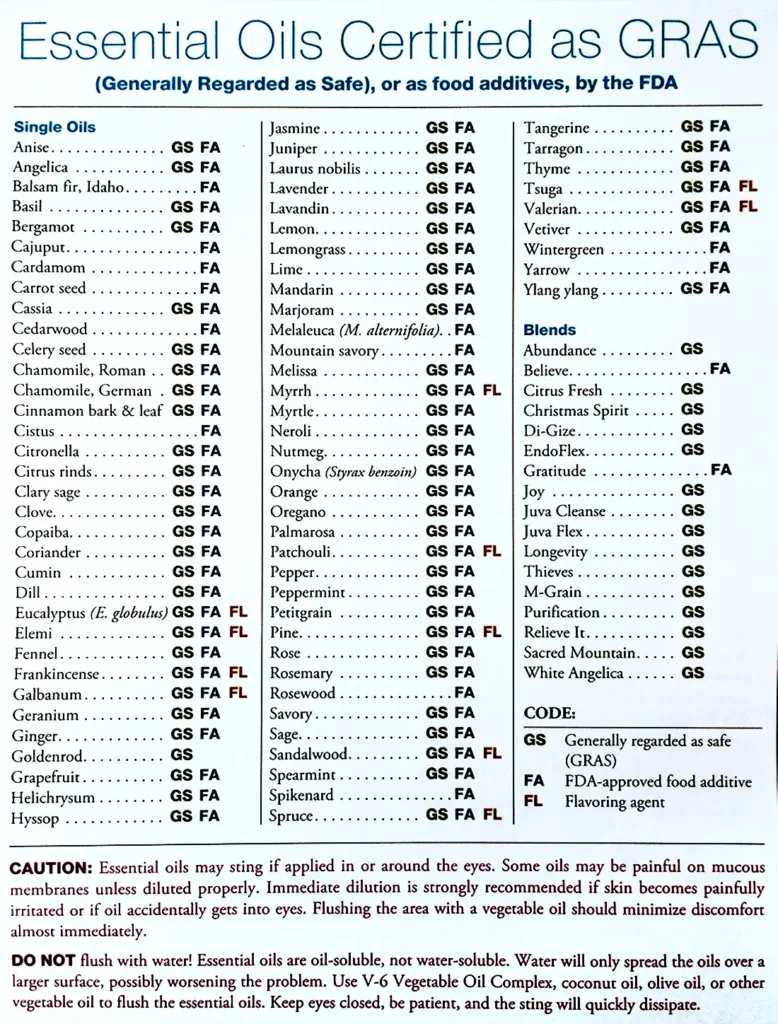
¿Qué aceites esenciales tienen las propiedades antioxidantes más potentes?
Como ya se ha dicho, los aceites esenciales comestibles tienen una elevada actividad antioxidantelo que significa que pueden proteger las células del estrés oxidativo y de los daños causados por los radicales libres. Pero no todos los aceites esenciales comestibles tienen el mismo poder antioxidante. Algunos son más potentes que otros, dependiendo de su composición química y de la concentración de compuestos fenólicos. Los compuestos fenólicos son las principales sustancias que confieren a los aceites esenciales sus propiedades antioxidantes, ya que pueden eliminar los radicales libres e inhibir la peroxidación lipídica. (Bakkali et al., 2008).
Algunos de los aceites esenciales comestibles más potentes en cuanto a propiedades antioxidantes son el clavo, el orégano, el tomillo, la canela, el romero, el limón, el eucalipto, la lavanda, la menta y el árbol del té. (Bakkali et al., 2008). Estos aceites esenciales tienen mayores cantidades de compuestos fenólicos que otros aceites esenciales comestibles, como los de naranja, pomelo, lima, albahaca, salvia o menta. (Bakkali et al., 2008). También tienen valores más altos de parámetros antioxidantes, como la actividad de barrido del radical DPPH, el poder reductor y el contenido fenólico total. (Bakkali et al., 2008).
Valores ORAC
Valores ORAC de los aceites esenciales
| Aceite esencial | Valor ORAC (μmol TE/100 g) |
|---|---|
| Clavo | 1,078,700 |
| Mirra | 379,800 |
| Anís | 333,700 |
| Citronela | 312,000 |
| Cilantro | 298,300 |
| Hinojo | 238,400 |
| Salvia sclarea | 221,000 |
| Manzanilla alemana | 218,600 |
| Madera de cedro | 169,000 |
| Rosa | 158,100 |
| Nuez moscada | 158,100 |
| Mejorana | 151,000 |
| Melissa | 139,905 |
| Ylang Ylang | 134,300 |
| Palmarosa | 130,000 |
| Palo de rosa | 113,200 |
| Manuka | 106,200 |
| Wintergreen | 101,800 |
| Geranio | 101,000 |
| Jengibre | 99,300 |
| Laurel de la Bahía | 98,900 |
| Eucalipto Citriodora | 83,000 |
| Comino | 82,400 |
| Pimienta negra | 79,700 |
| Vetiver | 74,300 |
| Petitgrain | 73,600 |
| Ciprés azul | 73,100 |
| Citrus Hystrix | 69,200 |
| Abeto Douglas | 69,000 |
| Tanaceto azul | 68,800 |
| Goldenrod | 61,900 |
| Melaleuca ericifolia | 61,100 |
| Milenrama azul | 55,900 |
| Nardo | 54,800 |
| Albahaca | 54,000 |
| Pachulí | 49,400 |
| Abeto blanco | 47,900 |
| Estragón | 37,900 |
| Melaleuca Cajeputi | 37,600 |
| Menta | 37,300 |
| Cardamomo | 36,500 |
| Eneldo | 35,600 |
| Semillas de apio | 30,300 |
| Fleabane | 26,700 |
| Mandarín | 26,500 |
| Cal | 26,200 |
| Gálbano | 26,200 |
| Myrtle | 25,400 |
| Ciprés | 24,300 |
| Pomelo | 22,600 |
| Hisopo | 20,900 |
| Abeto balsámico | 20,500 |
| Melaleuca Quinquenervia | 18,600 |
| Tomillo | 15,960 |
| Orégano | 15,300 |
| Cassia | 15,170 |
| Salvia | 14,800 |
| Sabores de montaña | 11,300 |
| Canela en corteza | 10,340 |
| Tsuga | 7,100 |
| Valeriana | 6,200 |
| Cistus | 3,860 |
| Eucalipto globulus | 2,410 |
| Naranja | 1,890 |
| Hierba limón | 1,780 |
| Helichrysum | 1,740 |
| Ravintsara | 890 |
| Limón | 660 |
| Incienso Carteri | 630 |
| Menta verde | 540 |
| Lavanda | 360 |
| Rosemary | 330 |
| Juniper | 250 |
| Manzanilla romana | 240 |
| Sándalo | 160 |
Recuerde que este es un valor de 100mg y sería difícil consumir 100mg de estos aceites porque son muy potentes y podrían crear una serie de problemas de salud si se consumen en exceso, desde vómitos y náuseas hasta convulsiones y coma.
¿Qué significaría esto en la vida real? ¿Podría el uso de este aceite aumentar de forma realista el valor ORAC de su dieta?
Veamos el más potente, el aceite esencial de clavo. Tiene más de un millón (1.078.700) en valor ORAC por 100ml. Esto significa que 1 ml de aceite contiene más de 10.000 unidades. Hay aproximadamente 20 gotas por 1 ml. Esto significa que por cada gota de aceite esencial de clavo, hay alrededor de 500 unidades ORAC.
Las personas que consumen una dieta americana estándar obtienen alrededor de 2.500 unidades ORAC en un día y esto incluye todas las propiedades antioxidantes de todos los alimentos y vitaminas y minerales y todo lo demás. Cuando se recalcula al valor ORAC dieta americana estándar es de alrededor de 2.500 unidades con el café es una de las ricas fuentes de afluencia de antioxidantes. Cuando el café se convierte en uno de los principales alimentos antioxidantes en su dieta usted sabe que tiene un problema.
Según el estudio de (Yang et al., 2011), la ingesta estimada de capacidad antioxidante total (CTA) procedente de la dieta y los suplementos dietéticos de los adultos estadounidenses fue de 503,1 mmol/d en 2003-2006. El estudio utilizó datos de la Encuesta Nacional de Salud y Nutrición (NHANES) y de las bases de datos del Departamento de Agricultura de EE.UU. para calcular la ingesta de TAC procedente de distintos grupos de alimentos y suplementos. El estudio descubrió que las frutas aportaban el 43,9% de la ingesta alimentaria de TAC, seguidas de las bebidas (18,4%), las verduras (16,4%), los cereales (5,9%), los aceites (5,6%), los dulces (4,6%), los frutos secos y las semillas (2,7%), los productos lácteos (1,3%) y otros (1,2%). El estudio también descubrió que los suplementos dietéticos contribuían en un 14,3% a la ingesta total de TAC, siendo la vitamina C el suplemento más utilizado.
503,1 mg de TAC equivalen a 2010,6 microM de Trolox y 2010,6 microM de Trolox equivalen a 2010 unidades ORAC, suponiendo que 1 unidad ORAC equivale a la protección neta producida por 1 microM de Trolox, tal como se define en (Cao et al., 1993). Esto se basa en la definición original de ORAC de (Cao et al., 1993), que desarrolló el ensayo para medir la capacidad antioxidante del plasma y otras muestras biológicas. Trolox es un análogo hidrosoluble de la vitamina E que actúa como patrón de referencia para los antioxidantes.
Por tanto, la puntuación ORAC media de la SAD (dieta americana estándar) se sitúa entre 2000 y 3000 unidades ORAC. Una gota de aceite esencial de clavo nos aporta unas 500 unidades ORAC.
Estimación de la ingesta de antioxidantes para prevenir el estado prooxidante postprandial.
En los últimos diez a quince años, se han realizado una serie de estudios centrados en el efecto que diferentes frutas tienen sobre el estado oxidativo postprandial. Este estudio (Prior et al., 2007) examinó otros estudios diferentes que analizaban la influencia de distintas frutas en el estado oxidativo postprandial. Esta investigación demostró que la dieta de la mayoría de las personas contiene productos animales y alimentos refinados, por lo que se sugirió que para aquellos que consumen este tipo de dieta, presumiblemente muchos en EE.UU., la fruta con alto contenido polifenólico se debe comer con cada comida o como postre para compensar cualquier daño oxidativo potencial que este tipo de dieta pueda causar. Los periodos prolongados de consumo de una dieta pro-oxidativa, característica de la dieta estadounidense estándar, pueden provocar enfermedades graves como el cáncer, ya que los radicales libres oxidarán las grasas y el colesterol, aumentando el riesgo de enfermedades cardiovasculares. En la imagen inferior puede ver el resumen del estudio.
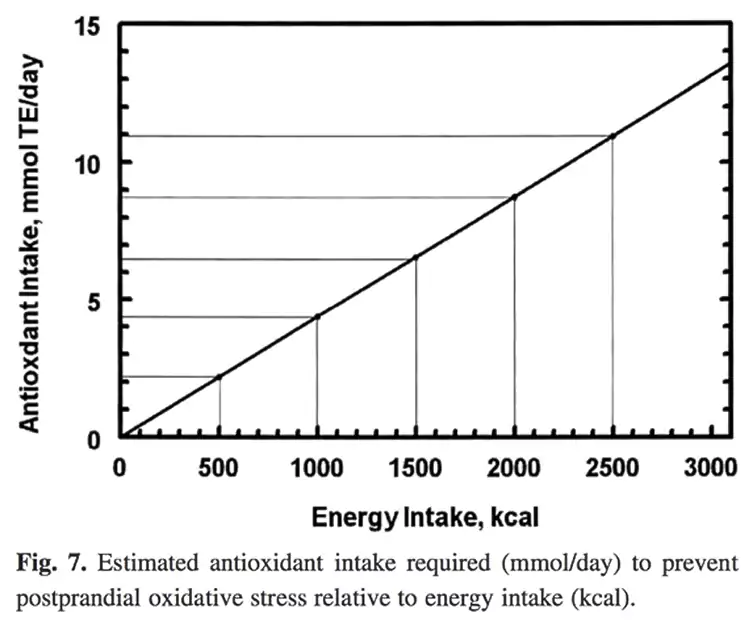
Los hombres con un índice metabólico basal de 2.500 calorías necesitan 11.000 unidades ORAC cada día, mientras que los hombres cuyo índice metabólico basal es de 1.800 calorías necesitan 8.000 unidades ORAC. Las personas que queman más calorías necesitan una mayor ingesta de ORAC para contrarrestar la oxidación. Escribí sobre este estudio con más detalle en este artículo si quieres saber más (Consumo óptimo de antioxidantes - Ingesta recomendada de unidades ORAC).
Para alcanzar esta cifra, necesitaría 1 ml de aceite esencial de clavo o 20 gotas, lo que podría tener efectos secundarios. Además, hay diferentes tipos de antioxidantes. El cuerpo necesita tanto los solubles en aceite como los solubles en agua. El agua y el aceite no se mezclan. Algunos antioxidantes son también vitaminas que tienen muchas otras funciones, como la vitamina C, por ejemplo, y la vitamina E. La mayoría de los antioxidantes no atraviesan la barrera hematoencefálica, por lo que necesitará antioxidantes específicos además de todos los demás para prevenir el deterioro cognitivo, como la luteína. Utilizar aceites esenciales por su valor antioxidante es un añadido a una dieta ya saludable y no un sustituto del resto de alimentos ricos en antioxidantes que nos faltan. Pero, de nuevo, la dieta SAD es tan triste que incluso un par de gotas de aceite esencial de clavo marcarían la diferencia.
Aceite esencial de clavo.
El aceite esencial de clavo es un aceite aromático que se extrae de las yemas, tallos u hojas del árbol del clavo. Este aceite tan versátil tiene un aroma cálido y especiado que recuerda a la Navidad.
Uno de los beneficios más notables del aceite de clavo es su potente actividad antioxidante. Es el primer aceite rico en antioxidantes por un amplio margen.
El aceite esencial de clavo posee la mayor actividad antioxidante entre todos los aceites esenciales comestibles, ya que contiene hasta 90% de eugenol, un potente compuesto fenólico capaz de inhibir el estrés oxidativo y la inflamación (Bakkali et al., 2008). Se ha demostrado que estos compuestos naturales eliminan eficazmente los radicales libres e inhiben la peroxidación lipídica. Quelan los iones metálicos de nuestro organismo y modulan las actividades enzimáticas, lo que contribuye a regular la expresión de los genes relacionados con el estrés oxidativo..
Un estudio realizado por Zhang et al., 2021 destacó cómo la ingestión de aceite de clavo puede conferir actividad antioxidante junto con la prolongación de la vida útil en Caenorhabditis elegans, un organismo modelo para la investigación del envejecimiento. El estudio demostró que la ingestión de aceite de clavo aumenta las tasas de supervivencia al reducir la acumulación de ROS (especies reactivas del oxígeno) y aumentar los niveles de actividad de nuestras enzimas antioxidantes, como la superóxido dismutasa y la catalasa. El aceite esencial de clavo también afecta a la expresión génica al aumentar las expresiones relacionadas con los genes de respuesta al estrés, como SOD-3 o GST-4, que actúan como reguladores clave de los mecanismos de defensa celular contra la actividad oxidativa.
De estas pruebas se desprende claramente que la ingesta de aceites esenciales de clavo puede resultar beneficiosa para la salud humana, ya que nos protege contra las enfermedades relacionadas con la oxidación y ralentiza los procesos de envejecimiento.
Sin embargo, la ingestión de aceite de clavo también puede tener algunos efectos secundarios y riesgos, tales como:
- Sensación de quemazón, úlceras bucales o daño tisular si se aplica sin diluir o en grandes cantidades en la boca o la piel (Zhang et al., 2021).
- Reacciones alérgicas, como erupciones cutáneas, urticaria o dificultades respiratorias (Zhang et al., 2021).
- Trastornos hemorrágicos, como aumento del tiempo de sangrado o aparición de hematomas (Zhang et al., 2021).
- Interacciones medicamentosas, especialmente con medicamentos que afectan a la coagulación de la sangre, como la warfarina, la aspirina o el ibuprofeno (Zhang et al., 2021).
- Complicaciones del embarazo, como parto prematuro o aborto (Zhang et al., 2021).
Por lo tanto, es aconsejable consultar a un médico antes de ingerir aceite de clavo, especialmente si padece alguna enfermedad o toma algún medicamento. También debe seguir cuidadosamente las instrucciones de dosificación y evitar tomar más de 0,5 ml al día. Además, sólo debe utilizar aceite de clavo puro y ecológico de alta calidad. Analizaré varios aceites esenciales en próximos artículos relacionados con este tema. Analizaré los aceites esenciales más potentes y beneficiosos caso por caso. Este tema es muy amplio.
Almacenamiento.
La luz y el oxígeno degradan estos aceites. Presumiblemente, en estas pruebas se utilizaron fuentes frescas que habían estado expuestas a un mínimo de aire y luz. Los aceites esenciales se descomponen con relativa rapidez al exponerse a la atmósfera, el calor y la luz. Por eso se almacenan en botellas de vidrio de color ámbar u oscuro. La exposición al aire hace que los metabolitos se oxiden y se pongan rancios. Si tiene aceites que abrió hace muchos meses y que no se han mantenido constantemente bien cerrados en un lugar fresco y oscuro, como un cajón, es probable que el ORAC sea mucho menor. En ese caso, es posible que estén rancios. Si ese es el caso, es hora de sustituirlo.
El periodo de eficacia de estos aceites depende del tipo, la calidad y los métodos de almacenamiento que se utilicen. Según Healthline, los aceites de cítricos son los que se conservan menos tiempo, entre 1 y 2 años, porque son propensos a la oxidación y la evaporación. Los aceites florales duran una media de 3-4 años, ya que son delicados y sensibles al calor y la luz. En comparación, los aceites amaderados, resinosos y especiados son los que más duran, entre 4 y 6 años, debido a su estabilidad.
En general, no estoy de acuerdo, porque en cuanto se extrae el aceite, empieza a oxidarse, aunque el aceite esencial conserve su aroma. El aceite puede estar en una botella sellada durante un año antes de comprarlo y puede que no esté tan expuesto al oxígeno.
Mi sugerencia es que encuentres el aceite más fresco que puedas en el mercado.
Mi segunda sugerencia es utilizar el aceite después de la apertura dentro de un mes y mantener el aceite en la botella sellada oscura dentro de su nevera. Tengo frascos especiales sellados al vacío para mis aceites.
En el siguiente vídeo, puede aprender a sellar al vacío botellas o tarros de forma sencilla, sin aparatos de cocina ni maquinaria cara.
Si abres la botella y no la usas durante uno o dos meses después de abrirla, tírala. Si abre el frasco y no quiere utilizarlo hasta dentro de un mes o dos, es mejor cerrarlo al vacío y/o congelar el aceite por completo. En general, se considera que la frezzeína destruye los fitoquímicos, al igual que el calentamiento, pero al menos se evitaría el enranciamiento del aceite.
Lo que hago es que etiqueto estas botellas con las fechas en que las abrí junto con los periodos de uso indicados en ellas.
Mezcla básica.
Tradicionalmente, muchos aceites esenciales se han utilizado para potenciar el sabor. Existen muchas recetas que explican cómo utilizar estos aceites. En lo que respecta a las propiedades beneficiosas para la salud de los antioxidantes de estos aceites, hay un par de reglas.
En general, se considera que el calor daña los fitoquímicos, por lo que es preferible utilizarlos crudos.
En segundo lugar, la exposición al oxígeno se considera perjudicial para los antioxidantes, por lo que mezclar abundantemente en licuadoras que no estén selladas al vacío se considera perjudicial.
Puede utilizar muchos de estos tipos de aceites en su función culinaria tradicional y también extraer de ellos algo más de poder antioxidante. La otra opción sería investigar todos los efectos secundarios de los distintos aceites y utilizarlos como suplemento.
Yo utilizo ambos métodos. Los uso en la cocina como una ayuda para dar sabor, y tengo la mezcla de aceite básico medicinal que utilizo cada mañana con una combinación de mi mezcla rica en antioxidantes de especias y hierbas para obtener beneficios medicinales y antioxidantes. He aquí algunos ejemplos de cómo puede utilizar estos aceites en la cocina.
- Crear mezclas personalizadas de aceites esenciales en aceites portadores, como el aceite de oliva, para aliños para ensaladas o adobos.
- Un aceite esencial que puede añadir a su muesli es el aceite esencial de canela. La canela es una especia cálida y reconfortante que combina bien con la avena, los frutos secos y las frutas deshidratadas que suelen encontrarse en el muesli. También tiene beneficios potenciales para la salud, como su alto contenido en antioxidantes y sus propiedades antiinflamatorias. Cree sus propias mezclas de especias con aceites esenciales, como la especia de calabaza con aceite de canela, nuez moscada y clavo, o el condimento mexicano para tacos con aceite de comino y orégano. También puede añadir otros aceites, como el de nuez moscada o el de jengibre, para darle un toque delicioso a su muesli tradicional o a sus cereales. granola.
- Añadir 1-2 gotas de aceite de orégano o tomillo a sopas o guisos para aumentar el sabor y las propiedades inmunitarias.
- Añada una o dos gotas de aceite de jengibre, hinojo o menta a té.
- Añada 1-2 gotas de aceite de romero o albahaca a salsa para pasta para un delicioso plato de inspiración italiana.
- Añada unas gotas de aceite esencial a batidos dependiendo de la receta para obtener una explosión extra de sabor y beneficios para la salud.
- El limón, la naranja, el pomelo y la menta van bien con zumo recién exprimido para conseguir un sabor más intenso.
- Los zumos de verduras también pueden beneficiarse de la adición de aceites esenciales, ya que pueden añadir sabor y posibles beneficios para la salud.
Si desea hacer un suplemento de mezcla de aceites antioxidantes que promuevan la salud, comience con aceite de semilla de comino negro (Nigella sativa) y añada aceite de clavo y aceite de orégano silvestre y siga a partir de ahí. Esta es la mezcla básica que utilizo cada mañana.
Sustituyo el aceite de oliva por aceite de semillas de comino negro como aceite portador. Posee mayor potencia que el aceite de oliva y tiene una rica historia de uso (Padhye et al., 2008). También tiene un precio más elevado. El aceite de semillas de comino negro se descubrió en la tumba de Tutankamón, en el antiguo Egipto, y Cleopatra y Nefertiti lo utilizaban para el cuidado del cabello y la piel. El profeta Mahoma dijo que el aceite tiene el poder de curar todas las enfermedades, excepto la muerte (Sahih Bukhari 71:592). La medicina ayurvédica emplea el aceite de semillas de comino negro para restablecer el equilibrio energético y aliviar diversas afecciones, como problemas respiratorios, trastornos digestivos, dolores de cabeza e infecciones cutáneas. En la medicina china, el aceite de semillas de comino negro mejora la circulación de la energía vital y es eficaz en el tratamiento del asma, las alergias y el reumatismo. El Antiguo Testamento también menciona el aceite de semillas de comino negro (Isaías 28:25, 27).

Haré artículos correlativos sobre los beneficios de estos aceites con más detalle. Usted puede comenzar desde aquí y hacer la investigación para cada aceite esencial que desea agregar a continuación.
Además de los antioxidantes, los aceites esenciales contienen muchos fitoquímicos que provocan reacciones biológicas en el organismo o incluso interacciones medicamentosas.
Hay que saber exactamente qué son y qué efectos pueden tener, o se corre el riesgo de sufrir consecuencias para la salud.
No deberías utilizar aceites esenciales al principio del embarazo hasta que se realicen más investigaciones sobre el tema.
Nunca debe utilizar aceites esenciales en cantidades excesivas. Las dosis suelen medirse en gotas.
Otra consideración es que algunos aceites no se mezclan porque tienen efectos adversos. Yo personalmente sólo uso un par de gotas de clavo y aceite de orégano silvestre mezclados en dos o tres gramos de aceite de semilla de comino negro al día encima de mi mezcla de especias y hierbas (cúrcuma, pimienta negra, jengibre, romero, clavo y amla). Puedes leer más sobre por qué utilizo esta mezcla específica aquí (Especias como antioxidantes suplementarios - Resultados in vivo con dosis realistas). Tomo una cucharadita de aceite mezclado (Nigella sativa ). Tomo una cucharadita de aceite mixto (aceite de oliva como base) y una cucharada normal de mi mezcla de hierbas y juntas tienen más de 30.000 unidades en una escala ORAC. Si no hago nada más, esto será suficiente para proporcionarme un nivel adecuado de ingesta de antioxidantes, pero como de forma saludable y bebo té de hierbas y té verde y además tomo algunos suplementos antioxidantes como la astaxantina. Me sorprendió un poco que en los estudios la canela y el orégano no mostraran ningún beneficio en la lucha contra la inflamación en dosis de cocina. Varios estudios de salud sobre ambos sí mostraron un efecto significativo sobre la salud. Sólo puedo especular que la dosis era baja.
¿Cómo Hacer Aceites Esenciales Del Jardín? En el siguiente vídeo aprenderá cómo hacerlo de forma sencilla con un kit de destilación casero.
En el siguiente vídeo puedes ver un caso de la práctica clínica de lo que ocurre si se maneja mal el uso de los aceites esenciales. Un niño pequeño bebió los aceites esenciales de su madre. Esto es lo que le pasó a su cerebro.
Conclusión:
- Los antioxidantes más potentes son una forma concentrada de hierbas naturales ricas en antioxidantes.
- Los aceites son extractos fluidos de plantas medicinales, aromáticas o de cualquier otro tipo.
- Los aceites esenciales tienen niveles de fitoquímicos más concentrados que los niveles presentes en la planta cruda.
- Los beneficios para la salud de los aceites esenciales incluyen propiedades antimicrobianas, antivirales, antibióticas, antiinflamatorias y antioxidantes.
- Los aceites esenciales son eficaces para combatir las infecciones y reducir la inflamación, aliviar el dolor y reforzar el sistema inmunitario.
- Los aceites esenciales podrían utilizarse para aumentar nuestra ingesta de antioxidantes.
- Los aceites esenciales son una forma práctica de equilibrar nuestra puntuación antioxidante ORAC.
- Hay aceites esenciales que son antioxidantes muy potentes como el aceite esencial de clavo.
- Lo mejor es preparar una mezcla de aceites esenciales rica en antioxidantes para consumirla con dosis más bajas de diferentes aceites que en monoterapia.
- Estos aceites son tan potentes que provocan quemaduras y no pueden consumirse sin diluirlos en aceites de cocina refinados.
- También son una fuente de fitoquímicos que tienen diferentes efectos sobre la salud, además de propiedades antioxidantes.
- No todos los aceites esenciales son comestibles.
- Algunos aceites esenciales, al igual que las tisanas, no deben mezclarse porque pueden provocar reacciones adversas.
- Una regla general es que si la planta es comestible, como por ejemplo el clavo, el aceite esencial de esa planta también lo será.
- Algunos aceites comestibles también son tóxicos porque están mucho más concentrados químicamente que la planta de la que están creados y si hay alguna toxina en esa planta será mucho más prominente en el aceite.
- Si no conoces las propiedades del aceite esencial o las dosis seguras, no sabes si tienes alergia o confundes especies vegetales, puedes morir, acabar en un hospital o sufrir problemas crónicos que quizá no atribuyas al aceite. Puedes sufrir un aborto espontáneo u otras complicaciones de salud si estás embarazada.
- La nuez moscada se utilizaba como abortivo, por lo que consumir aceite esencial de nuez moscada es bastante peligroso, especialmente durante el embarazo.
- La luz y el oxígeno degradan estos aceites.
- Si desea hacer un suplemento de mezcla de aceites antioxidantes que promuevan la salud, comience con aceite de semilla de comino negro (Nigella sativa) y añada aceite de clavo y aceite de orégano silvestre y siga a partir de ahí.
- Además de los antioxidantes, los aceites esenciales contienen muchos fitoquímicos que provocan reacciones biológicas en el organismo o incluso interacciones medicamentosas.
- No deberías utilizar aceites esenciales durante el embarazo hasta que se realicen más investigaciones sobre el tema.
- Nunca debe utilizar aceites esenciales en cantidades excesivas. Las dosis suelen medirse en gotas.
Preguntas Frecuentes
Pasajes seleccionados de un libro: Pasajes seleccionados de un libro: Pokimica, Milos. Go Vegan? Examen de Ciencias de la Parte 3. Edición Kindle, Amazon, 2020.
- Ramsey, J. T., Shropshire, B. C., Nagy, T. R., Chambers, K. D., Li, Y., & Korach, K. S. (2020). Aceites esenciales y salud. Revista de biología y medicina de Yale, 93(2), 291-305. [PubMed]
- Bakkali, F., Averbeck, S., Averbeck, D., & Idaomar, M. (2008). Biological effects of essential oils-a review. Toxicología química y alimentaria: una revista internacional publicada para la Asociación Británica de Investigación Biológica Industrial, 46(2), 446-475. https://doi.org/10.1016/j.fct.2007.09.106
- Nuutinen T. (2018). Medicinal properties of terpenes found in Cannabis sativa and Humulus lupulus. Revista Europea de Química Médica, 157, 198-228. https://doi.org/10.1016/j.ejmech.2018.07.076
- Zhang, L., Gu, B., & Wang, Y. (2021). Clove essential oil confers antioxidant activity and lifespan extension in C. elegans via the DAF-16/FOXO transcription factor. Bioquímica y fisiología comparadas. Toxicología y farmacología : CBP, 242, 108938. https://doi.org/10.1016/j.cbpc.2020.108938
- Atabani, A., Silitonga, A., Ong, H., Mahlia, T., Masjuki, H., Badruddin, I. A., & Fayaz, H. (2013). Aceites vegetales no comestibles: A critical evaluation of oil extraction, fatty acid compositions, biodiesel production, characteristics, engine performance and emissions production. Energía renovable y sostenible Reseñas, 18, 211-245. https://doi.org/10.1016/j.rser.2012.10.013
- Fung, T. K. H., Lau, B. W. M., Ngai, S. P. C., & Tsang, H. W. H. (2021). Efecto terapéutico y mecanismos de los aceites esenciales en los trastornos del estado de ánimo: Interaction between the Nervous and Respiratory Systems. Revista internacional de ciencias moleculares, 22(9), 4844. https://doi.org/10.3390/ijms22094844
- Idle J. R. (2005). Christmas gingerbread (Lebkuchen) and Christmas cheer-review of the potential role of mood elevating amphetamine-like compounds formed in vivo and in furno. Informe médico de Praga, 106(1), 27-38. [PubMed]
- Sobredosis de salicilato de metilo: Enciclopedia Médica MedlinePlus. (s.f.). https://medlineplus.gov/ency/article/002683.htm
- Bayala, B., Bassole, I. H., Scifo, R., Gnoula, C., Morel, L., Lobaccaro, J. M., & Simpore, J. (2014). Anticancer activity of essential oils and their chemical components - a review. Revista americana de investigación sobre el cáncer, 4(6), 591-607. [PubMed]
- Vigan M. (2010). Aceites esenciales: renovación del interés y toxicidad. Revista europea de dermatología : EJD, 20(6), 685-692. https://doi.org/10.1684/ejd.2010.1066
- Aziz, Z. A. A., Ahmad, A., Setapar, S. H. M., Karakucuk, A., Azim, M. M., Lokhat, D., Rafatullah, M., Ganash, M., Kamal, M. A., & Ashraf, G. M. (2018). Essential Oils: Técnicas de extracción, potencial farmacéutico y terapéutico - Una revisión. Actual metabolismo de los fármacos, 19(13), 1100-1110. https://doi.org/10.2174/1389200219666180723144850
- Amorati, R., Foti, M. C., & Valgimigli, L. (2013). Actividad antioxidante de los aceites esenciales. Diario de la química agrícola y alimentaria, 61(46), 10835-10847. https://doi.org/10.1021/jf403496k
- Tit, D. M., & Bungau, S. G. (2023). Actividad antioxidante de los aceites esenciales. Antioxidantes (Basilea, Suiza), 12(2), 383. https://doi.org/10.3390/antiox12020383
- Tit, D. M., & Bungau, S. G. (2023). Actividad antioxidante de los aceites esenciales. Antioxidantes, 12(2), 383. https://doi.org/10.3390/antiox12020383
- Bentayeb, K., Vera, P., Rubio, C., & Nerín, C. (2014). Las propiedades aditivas del ensayo de Capacidad de Absorción de Radicales de Oxígeno (ORAC): el caso de los aceites esenciales. Química de los alimentos, 148, 204-208. https://doi.org/10.1016/j.foodchem.2013.10.037
- Yang, M., Chung, SJ, Chung, CE, Kim, DO, Song, WO, Koo, SI y Chun, OK (2011). Estimación de la capacidad antioxidante total de la dieta y los suplementos en adultos estadounidenses. El British journal of nutrition, 106(2), 254–263. https://doi.org/10.1017/S0007114511000109
- Cao, G., Alessio, HM y Cutler, RG (1993). Ensayo de capacidad de absorbancia de radicales de oxígeno para antioxidantes. Biología y medicina de los radicales libres, 14(3), 303–311. https://doi.org/10.1016/0891-5849(93)90027-r
- Antes, RL, Gu, L., Wu, X., Jacob, RA, Sotoudeh, G., Kader, AA y Cook, RA (2007). La capacidad antioxidante del plasma cambia después de una comida como medida de la capacidad de un alimento para alterar el estado antioxidante in vivo. Revista del Colegio Americano de Nutrición, 26(2), 170–181. https://doi.org/10.1080/07315724.2007.10719599
- Padhye, S., Banerjee, S., Ahmad, A., Mohammad, R., & Sarkar, F. H. (2008). De aquí a la eternidad: el secreto de los faraones: Therapeutic potential of black cumin seeds and beyond. Tratamiento del cáncer, 6(b), 495-510. [PubMed]
Contenidos Relacionados








¿Tienes alguna duda acerca de la nutrición y la salud?
Me encantaría conocer tu opinión y responderlas en mi próximo post. Agradezco su aportación y opinión y espero tener noticias suyas pronto. También le invito a síguenos en Facebook, Instagram y Pinterest para más contenidos sobre dieta, nutrición y salud. Puedes dejar un comentario allí y conectar con otros entusiastas de la salud, compartir tus consejos y experiencias, y recibir apoyo y ánimo de nuestro equipo y nuestra comunidad.
Espero que este post le haya resultado informativo y ameno y que esté preparado para aplicar los conocimientos adquiridos. Si le ha resultado útil, por favor compártelo con tus amigos y familiares que también podrían beneficiarse de ella. Nunca se sabe quién puede necesitar orientación y apoyo en su camino hacia la salud.
– También Te Puede Interesar –

Necesidades de Proteínas: Una Verdad Incómoda

Ejercicio: ¿Por qué lo necesitamos exactamente?

Suplementos Antioxidantes Frente a Alimentos Integrales: Pagar para Vivir Menos
Beneficios de la Espirulina: Superalimento Rico en Ficocianinas

Desintoxicación– Una Revisión Científica

La Inflamación y la Dieta- Argumento Vegana

Atracones y Regulación Hormonal: Hambre Emocional

Vegano Neandertales? La verdad acerca de la dieta de los Neandertales

Aprenda Sobre Nutricion

Milos Pokimica es doctor en medicina natural, nutricionista clínico, escritor sobre salud médica y nutrición y asesor en ciencias de la nutrición. Autor de la serie de libros Go Vegan? Revisión de la Ciencia, también dirige el sitio web sobre salud natural GoVeganWay.com.
Descargo De Responsabilidad Médica
GoVeganWay.com trae los comentarios de la última de la nutrición y la salud relacionados con la investigación. La información proporcionada representa la opinión personal del autor y no pretende ni implica ser un sustituto de consejo médico profesional, diagnóstico o tratamiento. La información proporcionada es sólo para fines informativos y no pretende servir como un sustituto de la consulta, el diagnóstico y/o tratamiento médico de un médico calificado o profesional de la salud.NUNCA ignore el CONSEJO MÉDICO PROFESIONAL O RETRASAR la BÚSQUEDA de TRATAMIENTO MÉDICO a CAUSA DE ALGO QUE HAYA LEÍDO EN O accesibles a TRAVÉS de GoVeganWay.com
NUNCA APLICAR CUALQUIER cambio de ESTILO de vida O CAMBIOS EN su totalidad COMO UNA CONSECUENCIA DE ALGO QUE HA LEÍDO EN GoVeganWay.com ANTES de CONSULTAR con LICENCIA PROFESIONAL MÉDICO.
En el caso de una emergencia médica, llame a un médico o al 911 inmediatamente. GoVeganWay.com no se recomienda ni aprueba ninguna de los grupos, las organizaciones, las pruebas, los médicos, productos, procedimientos, opiniones u otra información que pueda ser mencionado en el interior.
Selecciones del Editor -
El cáncer Editor De Selecciones Fitoquímicos
Poder Anticancerígeno de Frutas y Verduras: Pruebas Clínicas e in Vivo
Algunos extractos vegetales rivalizan con los principales fármacos quimioterapéuticos y, al mismo tiempo, atacan varios tipos diferentes de células cancerosas.
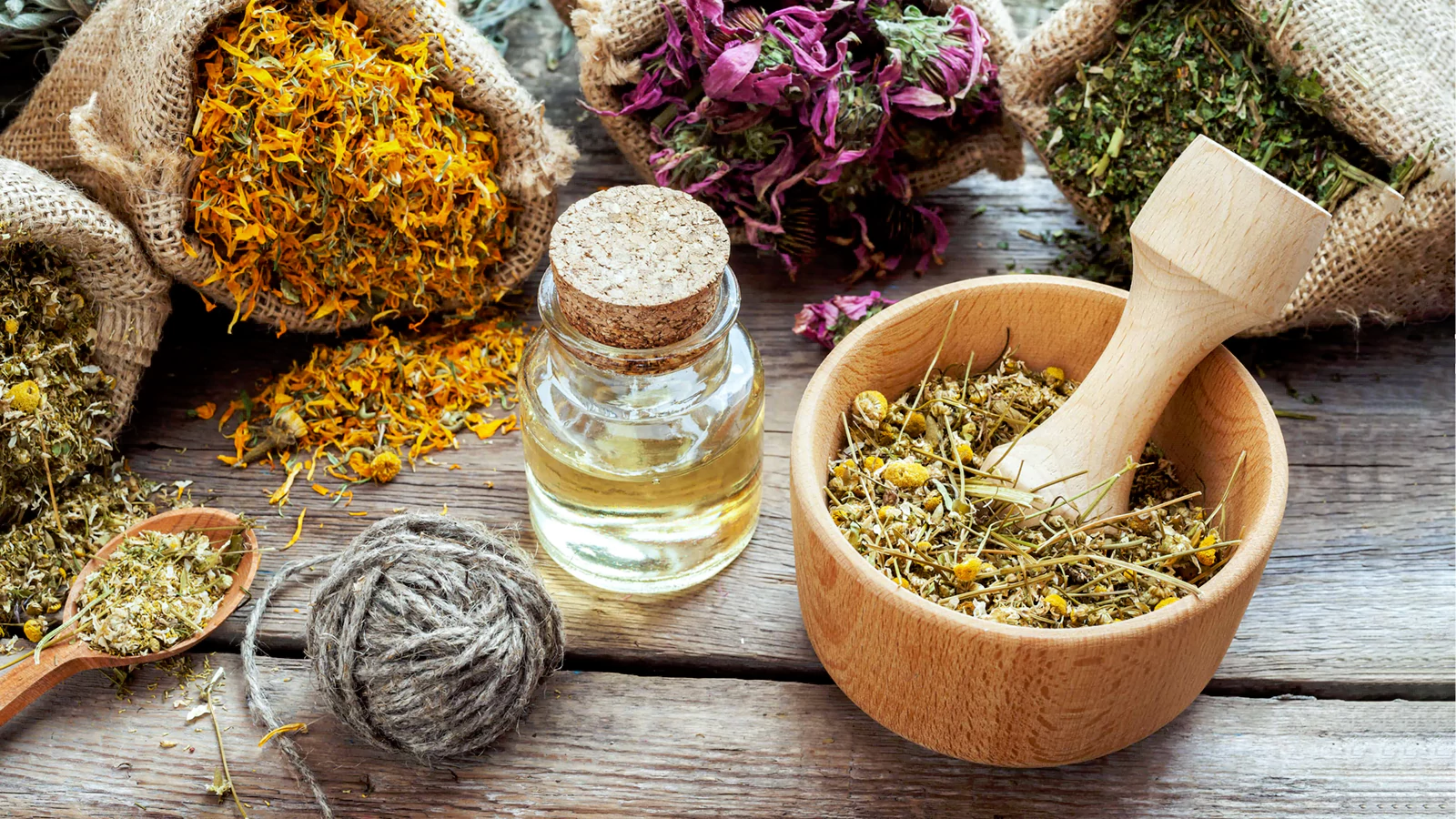
Antioxidantes Editor De Selecciones ORAC
Aceites Esenciales Como Suplementos Antioxidantes: Reglas y Estrategias
Los aceites esenciales de calidad alimentaria pueden ser una estrategia cómoda y de fácil consumo para optimizar el valor antioxidante y las puntuaciones ORAC de nuestra dieta.
Antioxidantes Editor De Selecciones ORAC
Dieta Rica en Antioxidantes: Reglas y Estrategias Generales
Existen estrategias fáciles y rentables para optimizar el valor antioxidante de nuestra dieta.
Antioxidantes Editor De Selecciones ORAC
Comprender los Valores ORAC: Niveles de Antioxidantes en los Alimentos
Cuando tu principal fuente de antioxidantes es el café, sabes que tienes un grave problema.

Antioxidantes Editor De Selecciones ORAC
Astaxantina Beneficios: Antioxidante Natural Más Potente del Mundo
La astaxantina es el más potente y natural antioxidante universal (petróleo y agua-soluble) que conoce la ciencia. Se acumula en los tejidos y nunca puede convertirse en un pro-oxidante.

Antioxidantes Editor De Selecciones ORAC Fitoquímicos
Antioxidantes: Conceptos Básicos
Los productos de origen animal no contienen fitoquímicos ni antioxidantes. Por término medio, los alimentos vegetales contienen más de 60 veces más antioxidantes que los de origen animal.
Editor De Selecciones Dieta Vegana
Deficiencias Nutricionales en la Dieta Vegana: Estrategias de Prevención
Existen nueve deficiencias nutricionales comunes a escala poblacional que afectan a las personas que siguen una dieta basada en plantas. Si no se corrigen a tiempo, algunas deficiencias tienen consecuencias terribles y no tratables.

Editor De Selecciones Dieta Óptima
Deficiencia de Micronutrientes en la Dieta Americana Estándar: Estrategias de Optimización
El perfil nutricional de nuestra dieta moderna a base de carne, azúcar y alimentos procesados es totalmente incongruente con nuestra evolución, lo que provoca una grave carencia de micronutrientes.

Editor De Selecciones Fitoquímicos
Fitoquímicos: Conceptos Básicos
Todos y cada uno de los fitoquímicos que existen tienen una acción biológica en el cuerpo humano. Cada uno de los millones de fitoquímicos diferentes.

Editor De Selecciones La leche Dieta Óptima
Leche y Productos Lácteos: Correlaciones de Riesgo Para la Salud
Las asociaciones conocidas con el consumo de leche y productos lácteos son infertilidad, cáncer de ovario y de mama, leucemia, diabetes de tipo 1, autismo, arteriosclerosis, cataratas, artritis reumatoide, esclerosis múltiple, hiperactividad, congestión, granos...

El cáncer Editor De Selecciones La proteína
Proteína Completa: Señalización del IGF-1 en la Formación del Cáncer
Cuando usted come proteínas animales que tienen cuatro veces más probabilidad de desarrollar todos los tipos de cáncer. Cuando usted fuma, usted tiene cuatro veces la posibilidad de desarrollar cáncer de pulmón.

El cáncer Editor De Selecciones La proteína
La Anatomía de Cáncer de riesgo para la Salud de las correlaciones
Aproximadamente el 2% de los cánceres son por la medicina considera puramente causada por factores genéticos. De la misma gama como dentro del reino animal. No le han dicho toda la verdad.
Milos Pokimica es escritor especializado en salud y nutrición y asesor en ciencias nutricionales. Autor de la serie de libros Go Vegan? Revisión de la Ciencia, también dirige el sitio web sobre salud natural GoVeganWay.com.
Últimos Artículos –

La Restricción De Calorías La longevidad
Cómo Ayunar: Alimentos en Ayunas Que No Rompen la Autofagia
Autofagia. ¿Se ha preguntado alguna vez qué ocurre con las células de su cuerpo cuando mueren o se dañan? ¿Se amontonan y crean problemas, o se eliminan de alguna manera? La respuesta es que su cuerpo...

Salud Dental Prevención
Dolor y Sensibilidad a los Dulces: Solución Rápida y Duradera
Una solución rápida y fácil para aliviar el dolor es el aceite esencial de clavo, un potente antioxidante y analgésico que puede ayudar con las enfermedades de las encías y el dolor de muelas.

Los frijoles
Judías Verdes: Nutrición y Beneficios Para la Salud
Los frijoles verdes son bajos en calorías y ricos en compuestos naturales que pueden ayudar a controlar su azúcar en la sangre, reducir el colesterol y combatir los radicales libres.
Dieta de alimentos crudos Dieta Vegana
Se Pueden Comer Setas Crudas: Riesgos Para La Salud, Nutrición Y Seguridad
Las setas tienen toxinas sensibles al calor, como la hidracina o la agaritina, y paredes celulares compuestas de quitina que el ser humano no puede digerir bien.

Dieta Vegana
¿Son Los Peces Animales? Una Perspectiva Cultural
En algunas culturas, la carne de pescado no se considera carne, y el pescado está permitido incluso durante el ayuno.

Salud Dental Prevención
Enjuague Bucal Natural Casero: Probado, Más Fuerte y Menos Tóxico
El enjuague bucal natural hecho en casa es más fuerte que la clorhexidina, menos tóxico y si se ingiere puede dar un poco de náuseas, pero también un alto estallido en el valor ORAC.
Salud Dental Prevención
Cómo Detener la Caries Dental: Síntomas, Causas y Prevención
El consumo de azúcar es la principal causa de caries y deterioro dental, combinado con carencias de minerales, especialmente magnesio, zinc, cobre y oligoelementos.

Antioxidantes Superalimentos
Amla: Beneficios Probados, Nutrición e Importancia Clínica
El amla es uno de los antioxidantes más potentes del mundo, con una puntuación ORAC de 261.530. Es una rica fuente de fitoquímicos que tienen diversos beneficios para la salud. Es una rica fuente de fitoquímicos que tienen diversos beneficios para la salud.
Top Noticias De Salud — ScienceDaily
- Why some people escape Alzheimer’s despite carrying a high-risk geneen octubre 19, 2026
Scientists have discovered why some people with a high genetic risk of Alzheimer’s remain mentally sharp into their 80s, uncovering a rare mutation that protects the brain from harmful protein buildup. The findings reveal a potential new way to prevent early brain damage and could pave the way for treatments that mimic this natural defense.
- Scientists discover why some people still can’t taste food after COVID-19en octubre 19, 2026
Scientists have uncovered a possible explanation for why some people struggle to taste food more than a year after recovering from COVID-19. By examining taste buds from patients with lingering symptoms, researchers discovered molecular abnormalities that weaken the signals responsible for detecting sweet, bitter, and savory flavors.
- Just 3,000 steps a day may help slow Alzheimer’s, scientists finden octubre 19, 2026
Walking just 3,000 steps a day could help slow Alzheimer’s-related brain changes, according to new research. Scientists discovered that physical activity was linked to less buildup of harmful tau proteins and nearly half the cognitive and functional decline, even in people already showing early signs of the disease. The strongest benefits appeared at 5,000 to 7,500 daily steps, suggesting that the popular 10,000-step goal may not be necessary.
- Scientists win 2026 Nobel Prize for controlling brain cells with lighten octubre 19, 2026
A discovery in tiny algae led to a Nobel Prize-winning breakthrough that allows scientists to switch brain cells on and off using light. The revolutionary technique has already helped researchers activate memories and is opening new possibilities for restoring vision and treating brain disorders.
- “Mind-blowing” Alzheimer’s breakthrough: Two hours of sleep restored without clearing brain plaquesen octubre 19, 2026
Scientists have uncovered an unexpected culprit behind sleep loss in Alzheimer’s disease: overactive immune cells in the brain. By temporarily removing these cells, researchers restored more than two hours of sleep per day in mice, revealing a promising new target for treatment.
- Fatty liver disease is actually five different conditions, scientists discoveren octubre 19, 2026
A common liver disease affecting nearly 30% of adults worldwide may be far more complicated than scientists previously realized. Mayo Clinic researchers have discovered that fatty liver disease actually consists of five distinct biological subtypes, each carrying different risks for liver failure, cancer, heart disease, and other serious complications.
- Modern neuroscience is rediscovering a surprising idea freud had 130 years agoen octubre 19, 2026
Researchers have identified striking parallels between Sigmund Freud’s century-old theories and modern neuroscience, suggesting that the brain’s constant predictions shape how we experience reality. The findings could help explain why harmful thought patterns are so difficult to break and offer new insights into treating mental disorders.
PubMed, #Dieta vegana –
- Common questions and misconceptions about diets: what does the scientific evidence really show?en octubre 15, 2026
The study of diet and nutrition is often filled with numerous myths and misconceptions. A Google Scholar search of “diets health” yields over 4 million results. This review examines frequently asked questions about diets and dietary habits. These questions include the following: 1) Is a caloric surplus necessary for building skeletal muscle? 2) Is it possible to lose body mass or fat mass without caloric restriction? 3) Is intermittent fasting better than chronic caloric restriction for […]
- Toward consensus on complementary feeding recommendations: findings from a national evidence-informed modified Delphi study in Türkiyeen octubre 12, 2026
CONCLUSIONS: Integration of quantitative Delphi findings with qualitative thematic analysis revealed that non-consensus primarily stemmed from the practical nuances of clinical execution and contextual adaptation, rather than a fundamental skepticism toward the underlying scientific data. These findings provide an evidence-informed foundation for developing context-sensitive CF recommendations for clinical practice.
- Characterization of nutritional intake in vegan pregnant women and its association on birth weighten octubre 8, 2026
CONCLUSIONS: Vegan women had a higher rate of SGA than non-vegan women, and this increased risk may be partly related to differences in maternal protein intake and composition. In addition, vegan women had lower dietary intakes of calcium, vitamin B12, vitamin D, DHA, and choline, highlighting these nutrients as important considerations in the nutritional assessment and counseling of pregnant women adhering to a strictly vegan diet.
- Changes in ectopic lipids, insulin sensitivity, and beta cell function after a low-fat vegan diet in adults with type 2 diabetes: a 16-week single-arm clinical trialen octubre 8, 2026
CONCLUSIONS: On an ad libitum low-fat plant-based (vegan) dietary intervention, the participants with type 2 diabetes experienced reductions in ectopic fat, particularly visceral and hepatocellular fat, improvements in insulin sensitivity, reductions in AGEs, and improvements in beta-cell function.
Random Posts –
La Restricción De Calorías La longevidad
Cómo Ayunar: Alimentos en Ayunas Que No Rompen la Autofagia
Autofagia. ¿Se ha preguntado alguna vez qué ocurre con las células de su cuerpo cuando mueren o se dañan? ¿Se amontonan y crean problemas, o se eliminan de alguna manera? La respuesta es que su cuerpo...
Salud Dental Prevención
Cómo Detener la Caries Dental: Síntomas, Causas y Prevención
El consumo de azúcar es la principal causa de caries y deterioro dental, combinado con carencias de minerales, especialmente magnesio, zinc, cobre y oligoelementos.

La Medicina Alopática Editor De Selecciones Dieta Óptima
El Informe McGovern - Intereses especiales y supresión de la ciencia
En 1977 el empuje para un cambio de Pautas Dietéticas (McGovern Informe) a más a base de plantas vegana uno se había introducido en el Congreso de los estados UNIDOS.

Desintoxicación Agua Potable Toxicidad
Agua Destilada Para Beber: ¿Una Ayuda Para la Desintoxicación o un Veneno Mortal?
Existe mucha desinformación sobre las propiedades desintoxicantes del agua y del agua destilada en particular. La purificación del agua es un gran negocio. ¿Qué dice la ciencia al respecto?

Editor De Selecciones Dieta Óptima
Dieta Humana Optima- Enfermedades Crónicas, Guerras de Dietas y el Argumento Vegano
Nuestra dieta humana óptima natural es la dieta que comieron nuestros ancestros homínidos durante los últimos 30 millones de años, no los humanos anatómicamente modernos de la Edad de Piedra.

Editor De Selecciones Dieta Óptima La proteína
Necesidades de Proteínas: Una Verdad Incómoda
Cuando el antropólogo estudios mostraron que los propios homínidos vivían en promedio de 15 a 20 gramos de proteína al día hubo un llamado de un "Gran proteína fiasco" de vuelta en la década de 1970.

La Restricción De Calorías La longevidad
Ayuno intermitente frente a restricción calórica: ¿hay alguna diferencia?
Hay una forma de dieta que está diseñada principalmente para utilizar la autofagia llamada ayuno intermitente. Hacer una dieta de restricción calórica total es una elección difícil.

Antioxidantes
Vitamina C Intravenosa en el Tratamiento de la Gripe: Pruebas Vivas de la Práctica Clínica
Cuando quiere que le administren vitamina C intravenosa en el hospital, no se lo dice a su médico. En lugar de eso, le dice a su abogado que se lo diga a su médico, por escrito.

El cáncer Prevención Toxicidad
Pesticidas, OMG y Sobrecarga Tóxica
La exposición a los pesticidas causa directamente cáncer, defectos de nacimiento, esterilidad e infertilidad, daños en el cerebro y el sistema nervioso, el hígado, los riñones y otros órganos.
La Diabetes Editor De Selecciones
La Diabetes causa y grasas saturadas - Los veganos argumento
A medida que aumenta el nivel de grasa en el torrente sanguíneo, disminuye la capacidad del organismo para eliminar el azúcar. Una de las causas de la diabetes es nuestra inadaptación a una gran ingesta de grasas

Puestos Destacados –
Editor De Selecciones Dieta Óptima
Deficiencia de Micronutrientes en la Dieta Americana Estándar: Estrategias de Optimización
El perfil nutricional de nuestra dieta moderna a base de carne, azúcar y alimentos procesados es totalmente incongruente con nuestra evolución, lo que provoca una grave carencia de micronutrientes.
Antioxidantes Editor De Selecciones ORAC
Dieta Rica en Antioxidantes: Reglas y Estrategias Generales
Existen estrategias fáciles y rentables para optimizar el valor antioxidante de nuestra dieta.

Editor De Selecciones La Obesidad
Experimento de Inanición de Minnesota: Por qué las Dietas Nos Hacen Engordar. La Psicología del Hambre.
Uno de los primeros estudios científicos sobre lo que es el hambre hace a la mente fue observado en un estudio recordado como el Minnesota Hambre Experimento realizado por la Universidad de Minnesota, ya en 1944.
La Medicina Alopática Editor De Selecciones Dieta Óptima
El Informe McGovern - Intereses especiales y supresión de la ciencia
En 1977 el empuje para un cambio de Pautas Dietéticas (McGovern Informe) a más a base de plantas vegana uno se había introducido en el Congreso de los estados UNIDOS.
El cáncer Editor De Selecciones La proteína
La Anatomía de Cáncer de riesgo para la Salud de las correlaciones
Aproximadamente el 2% de los cánceres son por la medicina considera puramente causada por factores genéticos. De la misma gama como dentro del reino animal. No le han dicho toda la verdad.
Editor De Selecciones Dieta Óptima La proteína
Necesidades de Proteínas: Una Verdad Incómoda
Cuando el antropólogo estudios mostraron que los propios homínidos vivían en promedio de 15 a 20 gramos de proteína al día hubo un llamado de un "Gran proteína fiasco" de vuelta en la década de 1970.
Antioxidantes Editor De Selecciones ORAC
Comprender los Valores ORAC: Niveles de Antioxidantes en los Alimentos
Cuando tu principal fuente de antioxidantes es el café, sabes que tienes un grave problema.

Editor De Selecciones Dieta Óptima
Alimentos Procesados: Comprender los Riesgos
Los alimentos procesados significan que se elimina algo de los alimentos enteros, normalmente fibra, y se añade algo, normalmente grasa, azúcar, sal y msg.

La Medicina Alopática El cáncer Editor De Selecciones
El cáncer, La Prohibida Curas-máquina de Rife, reseña Histórica
La tasa de recuperación de pacientes con cáncer no tratable y declarados enfermos terminales mediante la utilización de la tecnología resonante de la máquina Rife fue del 100%.

Editor De Selecciones Prevención Dieta Vegana
El estudio de China - Los veganos argumento
El estudio de China mostró que no hay ninguna enfermedad del corazón o el cáncer o la diabetes en las comunidades rurales subdesarrolladas en el mundo con base de almidón de las dietas veganas.
La última versión desde PubMed, #Dieta basada en plantas –
- Effects of dietary barberry root powder on growth performance, immune responses, antioxidant status, and antioxidant-related gene expression in grass carp (Ctenopharyngodon idella)por Rakhshanifar Khalil en octubre 18, 2026
Due to having positive effects on aquaculture, plant-based dietary is very important. Therefore, this research examined the barberry root powder (BRP) supplementation on various parameters including growth performance, blood characteristics, antioxidant activity, gene expression related to antioxidant activity, and antibacterial properties in juvenile grass carp. The carps (mean weight 9 ± 0.58 g) were divided into 4 groups (a control group and three treatment groups receiving 0.5%, 1%, and […]
- Habitual Diet, Gut Microbiome Dysbiosis, and alpha-Synucleinopathy Conversion in Isolated Rapid Eye Movement (REM) Sleep Behavior Disorderpor Suyi Xie en octubre 17, 2026
CONCLUSIONS: Habitual diet in iRBD is associated with gut microbiome dysbiosis and predicts neurodegenerative progression. These findings highlight diet-microbiome interactions as modifiable targets for intervention in prodromal α-synucleinopathy. © 2026 The Author(s). Movement Disorders published by Wiley Periodicals LLC on behalf of International Parkinson and Movement Disorder Society.
- Adherence to the planetary health diet index and urinary phytoestrogen excretion: a nationally representative cross-sectional study of US adultspor Kyoung-Bok Min en octubre 17, 2026
CONCLUSION: Higher PHDI adherence was associated with higher urinary concentrations of selected plant-derived phytoestrogens among U.S. adults. These findings support biological coherence between planetary health-oriented dietary patterns and systemic exposure to plant-derived bioactive compounds. However, urinary phytoestrogens should be interpreted as complementary population-level exposure indicators of plant-forward dietary patterns rather than validated or specific biomarkers of PHDI…
- Developing a sustainable dietary pattern for Korean adults using quadratic programmingpor So-Yoon Yun en octubre 17, 2026
CONCLUSION: A sustainable dietary pattern satisfying the cultural acceptability, nutritional adequacy, and environmental sustainability constraints was identified. This pattern provides a scientific basis for developing Korean-style sustainable dietary guidelines and may inform future nutrition policies and food service practices.
- Promoting the Mediterranean Diet in the Workplace: An Observational Cross-Sectional Studypor Nicola Magnavita en octubre 16, 2026
Background/Objectives: The Mediterranean diet (MD) is a set of customs and eating habits developed in countries bordering the Mediterranean Sea thousands of years ago. These habits are frequently proposed as a complement to pharmacological therapies for chronic diseases and could also counteract their onset. This study aimed to investigate adherence to the MD in workers from 22 companies in Latium (Italy) and to evaluate the association of diet with workers’ health. Methods: Workers […]
- Trendy, but Are They Safe? Current Popular Diets and Their Use in Inflammatory Bowel Diseases: Narrative Reviewpor Klara Szwarc en octubre 16, 2026
Inflammatory bowel disease (IBD) arises from the interplay between genetic susceptibility, immune dysregulation, microbiota, and environmental exposures, with diet potentially contributing to both pathogenesis and management. Patients frequently modify their diet independently, often using different strategies during remission and active symptoms. This narrative review synthesises evidence on patient-accessible dietary patterns and selected structured nutritional therapies across five […]