







Plaguicidas en Los Alimentos, Exposición en la Dieta Estadounidense Estándar - 80% Procedente de la Carne
Más del 80% de los plaguicidas presentes en los alimentos de la dieta estadounidense habitual proceden de productos animales, no de frutas ni verduras.
Milos Pokimica
Escrito por: Milos Pokimica
Revisado Médicamente Por: Dr. Xiùying Wáng, M.D.
Actualizado el 4 de agosto de 2023La revolución agrícola provocó el aumento de la población humana, y eso no es algo que pueda cambiar por mucho que fomentemos soluciones respetuosas con el medio ambiente. Una cosa, y quizá la única que podemos hacer, es reducir nuestra exposición a la contaminación recurriendo a la agricultura biológica y bajando lo más posible en la cadena alimentaria.
La mayoría de los pesticidas que contienen los alimentos y, sobre todo, los metales pesados y otros residuos tóxicos contaminantes, los obtenemos de la carne.
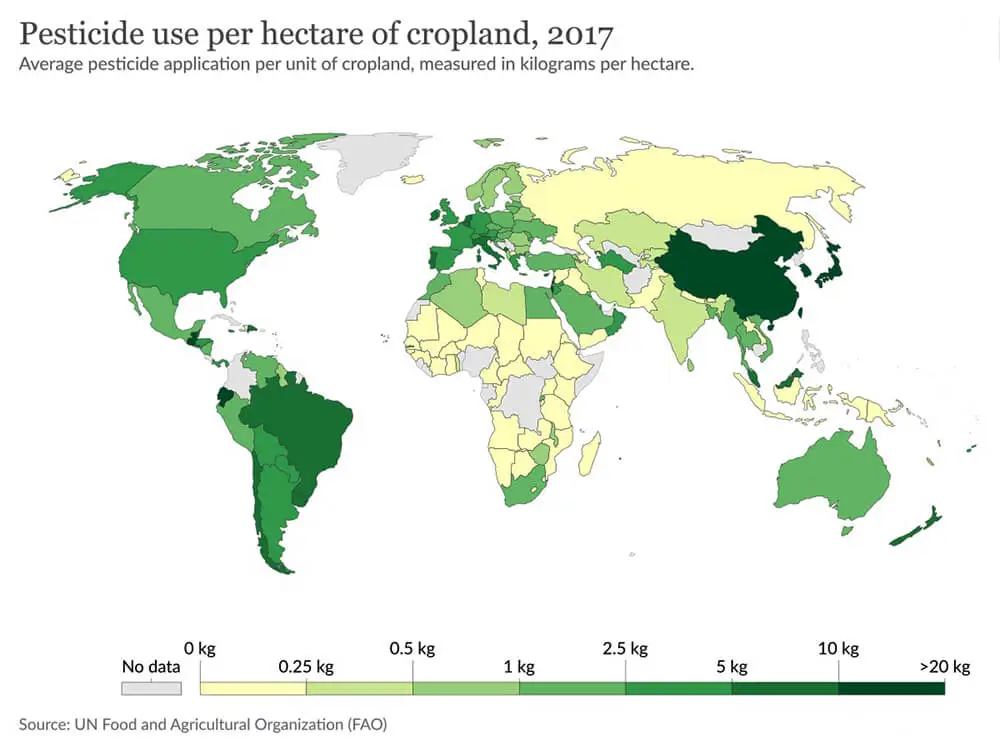
Existe la idea errónea de que cuando limpiamos o lavamos los plaguicidas de las plantas reducimos nuestra exposición. La mayoría de los depósitos de plaguicidas no pueden eliminarse con el lavado. En su mayoría están hechos sobre una base aceitosa, por lo que la lluvia no los elimina. Las cifras correctas son sólo un par de puntos porcentuales en total. Lavar la manzana elimina alrededor de 15%, y pelarla elimina alrededor de 85%, pero también elimina la mayor parte de los nutrientes de la cáscara. Si no comes productos ecológicos, como la mayoría de nosotros, lava y restriega bien todos los productos bajo el grifo. El agua corriente no tiene el efecto abrasivo del remojo. El agua corriente ayudará a eliminar las bacterias (algunas de ellas pueden proceder de las heces de animales y ser peligrosas). También hay sustancias químicas tóxicas en la superficie de las frutas y verduras y suciedad en las grietas.
Sin embargo, la verdad es que más del 80% de los plaguicidas presentes en los alimentos están expuestos en el medio ambiente. dieta americana estándar proceden de productos animales, no de frutas o verduras.
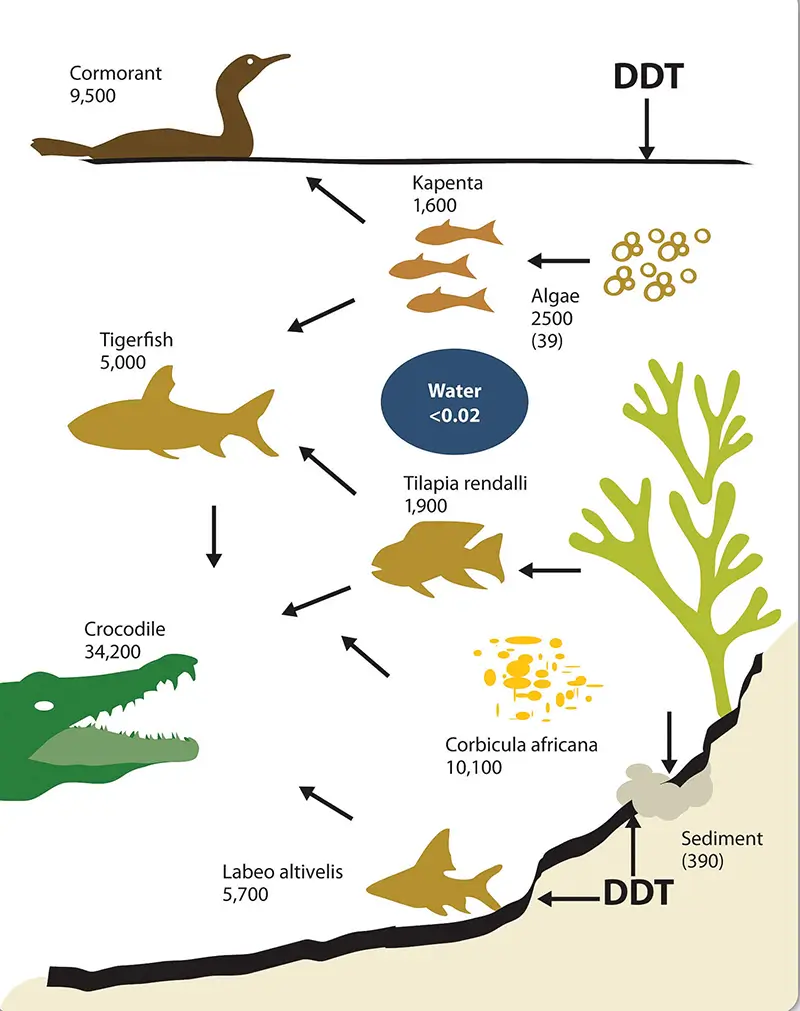
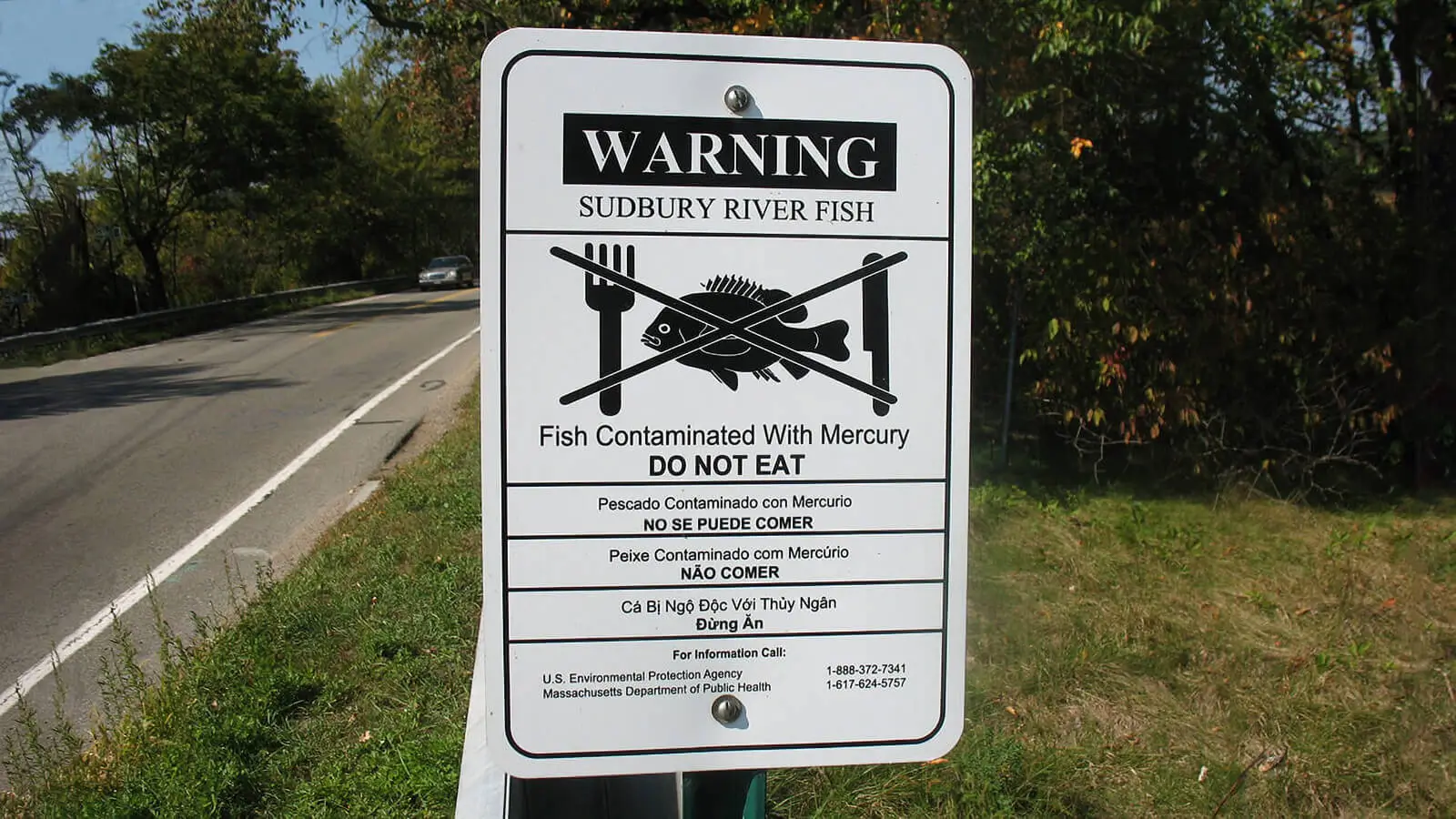
No me refiero sólo al pescado con DDT y la acumulación de mercurio del océano. La grasa animal habitual de las granjas acumula toxinas de la misma manera. Vacas, cerdos, ovejas y pollos son mantenidos en las condiciones insalubres y de hacinamiento que existen en las granjas industriales. Para evitar la infestación de plagas, se les rocía directamente con pesticidas. Además, están expuestos a un gran número de pesticidas de cultivo a través de su alimentación. Los piensos rociados con plaguicidas representan la principal fuente de exposición a los plaguicidas presentes en los alimentos. De alguna manera olvidamos que todos o la mayoría de los alimentos destinados a la alimentación animal también son fumigados. La mayoría de la gente no se da cuenta de ello. Según las estimaciones del Grupo de Trabajo Ambiental, cada año en los EE.UU. alrededor de 167 millones de libras de pesticidas se utilizan sólo para cultivar alimentos para animales. Estos pesticidas se comen y se acumulan en los animales. Los pesticidas son sustancias liposolubles, por lo que cada gramo será asimilado por el tejido adiposo de los animales y acabará en nuestros platos. Esto puede permitirse porque no hay ninguna restricción en términos legales para los pesticidas utilizados en la alimentación animal. Por ejemplo, el pesticida más utilizado en el mundo es el glifosato. Legalmente, los residuos permitidos en la alimentación animal son más de 100 veces superiores a los permitidos en los cereales consumidos directamente por los humanos. Lo que es aún peor es que los animales comen enormes cantidades de pienso durante el día y todas las toxinas se concentran aún más. Es un término conocido como biomagnificación en una cadena alimentaria.
La cantidad de glifosato permitida en la carne roja que se compra en la tienda es más de 20 veces superior a la de la mayoría de los cultivos vegetales. Hay una amplia gama de otras sustancias diferentes que las agencias ni siquiera analizan. Estas regulaciones no tienen nada que ver con la preservación de la salud pública, y a nadie le gusta hablar de esto porque no se pueden enjuagar los pesticidas de la carne, por lo que esta información se mantiene fuera del público.
Todo ese veneno no va a desaparecer cuando asemos nuestra hamburguesa mágicamente. La mayoría de los pesticidas de los alimentos que vamos a ingerir o digamos que la mayoría de la gente va a ingerir provienen de productos animales. La carne no se puede pelar ni lavar.
Esta es una cita del sitio web de la FDA (haga clic aquí):
"¿Comen los animales cultivos modificados genéticamente?
Más del 95% de los animales destinados a la producción de carne y productos lácteos en Estados Unidos comen cultivos modificados genéticamente. Las investigaciones demuestran que los huevos, los productos lácteos y la carne de animales que comen alimentos OMG son iguales en valor nutricional, seguridad y calidad que los alimentos elaborados con animales que sólo comen alimentos no OMG. Los estudios también demuestran que la salud y la seguridad de los animales son las mismas tanto si comen alimentos OMG como si no.
Cuando los animales comen alimentos modificados genéticamente, el ADN del alimento modificado genéticamente no se transfiere al ADN del animal que lo come. Esto significa que los animales que comen alimentos OMG no se convierten en OMG. Si el ADN se transfiriera del alimento al animal que lo come, un animal tendría el ADN de cualquier alimento que comiera, OMG o no. En otras palabras, las vacas no se convierten en la hierba que comen, y los pollos no se convierten en el maíz que comen. Del mismo modo, el ADN de los alimentos OMG para animales no está en la carne, los huevos o los la leche del animal.
¿Quién garantiza la inocuidad de los alimentos para animales?
La Administración de Alimentos y Medicamentos de EE.UU. (FDA) es la principal agencia reguladora responsable de garantizar la seguridad de los alimentos OGM y no OGM para animales. El Centro de Medicina Veterinaria de la FDA gestiona esta responsabilidad. La FDA exige que todos los alimentos para animales sean seguros para su consumo, se produzcan en condiciones limpias, no contengan sustancias nocivas y estén etiquetados con precisión, de forma similar a los requisitos para los alimentos para humanos".
Deliberadamente no quieren que conozcas la auténtica verdad. Todo esto es cierto hasta cierto punto, pero irrelevante. La razón por la que los animales comen OMG en primer lugar es porque el maíz OMG puede ser rociado con Roundup y otros pesticidas más potentes. El valor nutricional no es el mismo que en la agricultura ecológica, la tierra comercial se agota de todos los minerales, pero incluso si lo es, usted todavía va a comer todos esos pesticidas solubles en grasa que se acumulan en la grasa de los animales. En otros artículos veremos a cuánta sobrecarga tóxica están expuestos los estadounidenses en la vida real. Algo de lo que a la FDA no le gusta hablar porque entonces ya no podrán proteger a sus grandes industrias. Les gusta llamar a su iniciativa de marketing de OGM "Alimenta tu mente" (www.fda.gov/feedyourmind).
También existe algo llamado alimentación caníbal biomagnificación. El mercurio no sólo está en el pescado. Alimentamos a harina de pescado a otra explotación animales. Incluso al ganado. Los granjeros descubrieron que si alimentan al ganado con proteínas animales mezclándolas con otras fuentes de alimento vegetal, el ganado tiende a crecer más y a producir más leche. No sólo los seres humanos pueden comer proteínas animales, todos los consumidores de plantas pueden comer proteínas animales si éstas se calientan y tratan previamente, incluso los herbívoros. Psicológicamente pensamos que somos omnívoros porque podemos comer carne procesada térmicamente pero no es así. Si no me cree, aquí tiene un estudio (Atwal et al., 1992). La conclusión de este estudio fue:
"Parece haber una buena razón para alimentar con una proteína de buena calidad, como la harina de pescado, a las vacas que producen más de 30 kg/d de leche".
Las vacas que comen pescado producen leche que no tiene regusto, así que sí, este estudio fue un éxito. Excepto por el mercurio. Obtenemos grasa saturada de la leche y la carne y todo el resto de cosas malas, y como excedente, también obtenemos mercurio del pescado en la leche de las vacas también.
Cuando analizamos todos los productos alimenticios en busca de niveles de contaminación tóxica, el número uno es el pescado, el número dos es el pollo. Los dos tipos de carne "sanos". El queso ocupa el tercer lugar. Peor que la mantequilla o el beicon.
También alimentamos a otros animales con todos los productos de desecho de los mataderos. Debido al canibalismo, los contaminantes dan vueltas alrededor.
La tendencia económicamente bien diseñada pero extremadamente tóxica entre los países ricos es alimentar con cualquier subproducto animal que no pueda ser comido por los humanos a aves de corral y rumiantes (herbívoros como ovejas, vacas y cabras). En la industria no se desperdicia nada, incluidos huesos, estiércol, sangre, cabezas, etcétera. La mayor parte se destina a comida para perros o animales. Toda la sangre, los huesos e incluso los cadáveres atropellados, la carne de desecho de los supermercados, cualquier cosa del refugio de la ciudad, los animales de trabajo, las mascotas eutanasiadas y cualquier proteína, por muy en descomposición que esté, se trituran juntos, se calientan para esterilizarlos, se secan y se utilizan como alimento para animales. Todo ello forma parte del negocio de la transformación de subproductos animales.
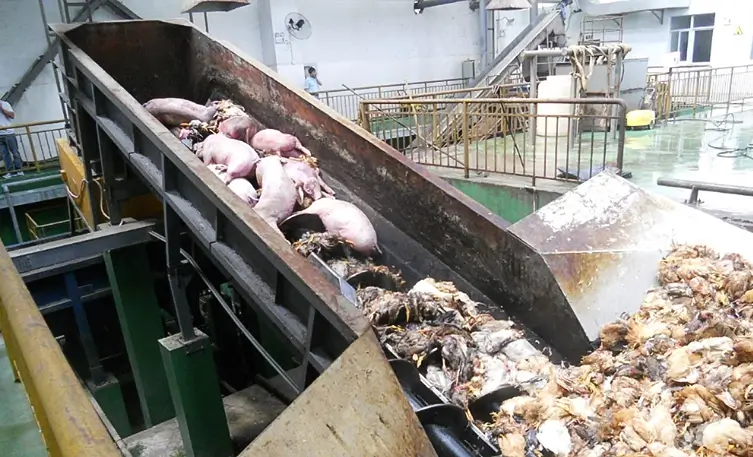
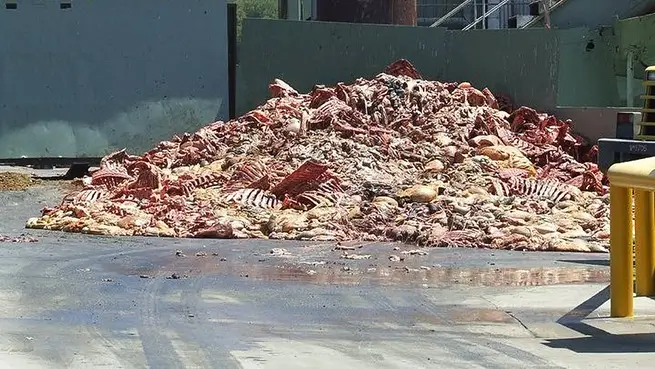
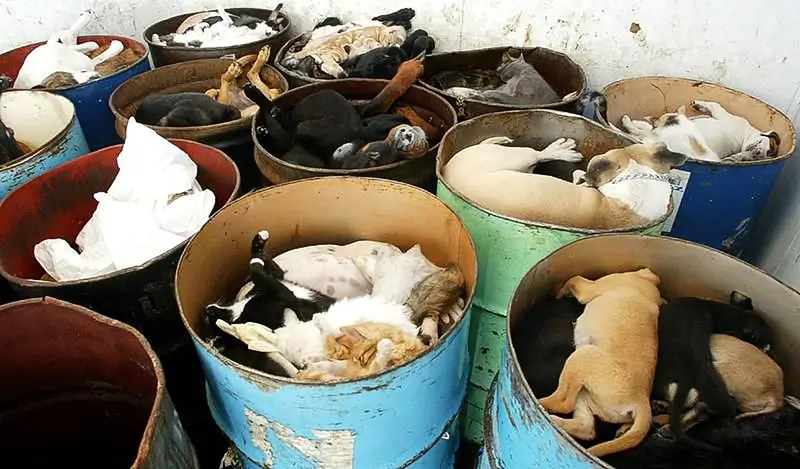


Los animales muertos no comestibles, es decir, todos, incluidos perros y gatos y otros animales muertos como reptiles, insectos o cualquier cosa que ya no esté viva, acaban en los piensos utilizados para engordar a las futuras generaciones de su propia especie. Las proteínas son proteínas. Lo que no se puede utilizar como pienso o, en otras palabras, lo que se puede extraer para obtener productos más caros, acabará transmogrificado en caucho, cera para coches, pintura y lubricantes industriales. Una parte incluso se destina a piensos para granjas de pollos o peces y no se utilizará para paletas para mascotas, lo que significa que acabará finalmente en la mesa de nuestra propia cocina. La mayoría de las toxinas que son termoestables persistirán de una especie a otra. La enfermedad de los priones es un buen ejemplo de lo que puede ocurrir (la enfermedad de las vacas locas). Los priones nocivos no sólo se encuentran en la carne de los animales, sino que todos los demás contaminantes pasan de un animal a otro y acaban en nuestro plato.
La gente lo pasa mal con estos datos, así que veamos algunos estudios.
Por ejemplo, si nos fijamos en sulfonatos de perfluorooctano casi toda proviene de la carne y el pescado (Kannan et al., 2004).
En este estudio, midieron los niveles de afluencia alimentaria de PCB y plaguicidas organoclorados en niños y adultos (Fromberg et al., 2011). Para la PCP era el pescado número uno que la carne, las grasas, el queso, los lácteos, los huevos las aves de corral. En el caso del DDT, se trataba de pescado, carne, grasa, productos lácteos, queso y huevos. En el caso del HCB (hexaclorobenceno), era lo mismo. Estas sustancias son liposolubles y se encuentran en el medio ambiente y se bioacumulan en la cadena alimentaria.
¿Qué pasa con ¿Dioxinas?
Cada cinco años, el gobierno estadounidense publica un informe sobre el número de dioxinas presentes en los alimentos, porque así se lo exige la ley. Este tipo de toxina es liposoluble y también se bioacumula en la cadena alimentaria. Las dioxinas son residuos tóxicos contaminantes arrojados a la atmósfera por la combustión en diferentes tipos de industrias y acabarán en el océano para toda la eternidad. Así que lasel pescado es el número uno y el número dos serían los huevos, y luego el resto de las carnes. El problema es que en Estados Unidos toda la población está muy por encima del límite superior de exposición tolerable tanto para el pentaclorofenol como para las dioxinas establecido por la Comisión Europea. cáncer de prevención en todos los grupos de edad (Lorber et al., 2009). La situación puede empeorar mucho si quieres quedarte embarazada.
Y éstas serían sólo un par de sustancias que pongo como ejemplo. El número de pesticidas en los alimentos y de toxinas ambientales a los que estamos expuestos es extraordinario. Existe una lista de la "docena sucia", pero el número real es de cientos. Puede que incluso miles. Todavía no hay una ciencia real en todos estos productos químicos. Hay demasiados y nadie quiere investigar porque eso encarecería el negocio.
Otra falsa narrativa es que de alguna manera la carne de vacuno alimentado con pasto es más saludable y menos contaminada y en un sentido lógico debería serlo. El único problema es que cuando se prueba la carcinogenicidad, porque nuestro mundo por ahora está tan contaminado, incluso esa carne cultivada orgánicamente demostró ser sólo marginalmente menos cancerígena. Hoy en día la única carne orgánica real sería la carne de caza silvestre, pero esto tiene que ser un tema para otro artículo.
Referencias:
- Gilbert, J. (2005). Contaminantes ambientales y plaguicidas en piensos y carne. Mejora de la seguridad de la carne fresca, 132-155. https://doi.org/10.1533/9781845691028.1.132
- LeDoux M. (2011). Métodos analíticos aplicados a la determinación de residuos de plaguicidas en alimentos de origen animal. Una revisión de las dos últimas décadas. Revista de cromatografía. A, 1218(8), 1021-1036. https://doi.org/10.1016/j.chroma.2010.12.097
- Atwal, A. S., & Erfle, J. D. (1992). Effects of feeding fish meal to cows on digestibility, milk production, and milk composition. Revista de Ciencia Lechera, 75(2), 502-507. https://doi.org/10.3168/jds.S0022-0302(92)77787-X
- Kannan, K., Corsolini, S., Falandysz, J., Fillmann, G., Kumar, K. S., Loganathan, B. G., Mohd, M. A., Olivero, J., Van Wouwe, N., Yang, J. H., & Aldoust, K. M. (2004). Perfluorooctanesulfonate and related fluorochemicals in human blood from several countries. Ciencia y tecnología medioambientales, 38(17), 4489-4495. https://doi.org/10.1021/es0493446
- Fromberg, A., Granby, K., Højgård, A., Fagt, S., & Larsen, J. (2011). Estimación de la ingesta dietética de PCB y plaguicidas organoclorados para niños y adultos. Química alimentaria, 125(4), 1179-1187. https://doi.org/10.1016/j.foodchem.2010.10.025
- Lorber, M., Patterson, D., Huwe, J., & Kahn, H. (2009). Evaluation of background exposures of Americans to dioxin-like compounds in the 1990s and the 2000s. Chemosphere, 77(5), 640-651. https://doi.org/10.1016/j.chemosphere.2009.08.016
Contenidos Relacionados



¿Tienes alguna duda acerca de la nutrición y la salud?
Me encantaría saber de usted y responderlas en mi próxima publicación. Agradezco sus aportes y opiniones y espero tener noticias suyas pronto. También te invito a síguenos en Facebook, Instagram y Pinterest para más contenidos sobre dieta, nutrición y salud. Puedes dejar un comentario allí y conectar con otros entusiastas de la salud, compartir tus consejos y experiencias, y recibir apoyo y ánimo de nuestro equipo y nuestra comunidad.
Espero que este post le haya resultado informativo y ameno y que esté preparado para aplicar los conocimientos adquiridos. Si le ha resultado útil, por favor compártelo con tus amigos y familiares que también podrían beneficiarse de ella. Nunca se sabe quién puede necesitar orientación y apoyo en su camino hacia la salud.
– También Te Puede Interesar –

Dieta paleo - Sin carne a la vista

La deficiencia de vitamina D - Factores de Riesgo

Vegano Neandertales? La verdad acerca de la dieta de los Neandertales

El estudio de China - Los veganos argumento
Desintoxicación y Riesgo de Exposición Tóxica Durante el Embarazo: El Argumento Vegano
El Alcohol riesgos para la salud - La "paradoja francesa", "el vino", y "en moderación"
Longevidad: La Teoría del Ritmo de Vida
Poder Anticancerígeno de Frutas y Verduras: Pruebas Clínicas e in Vivo

Aprenda Sobre Nutricion

Milos Pokimica es doctor en medicina natural, nutricionista clínico, escritor sobre salud médica y nutrición y asesor en ciencias de la nutrición. Autor de la serie de libros Go Vegan? Revisión de la Ciencia, también dirige el sitio web sobre salud natural GoVeganWay.com.
Descargo De Responsabilidad Médica
GoVeganWay.com le ofrece reseñas de las últimas investigaciones relacionadas con la nutrición y la salud. La información proporcionada representa la opinión personal del autor y no pretende ni implica sustituir el asesoramiento, diagnóstico o tratamiento médico profesional. La información proporcionada tiene fines informativos únicamente y no pretende sustituir la consulta, el diagnóstico y/o el tratamiento médico de un médico o proveedor de atención médica calificado.NUNCA ignore el CONSEJO MÉDICO PROFESIONAL O RETRASAR la BÚSQUEDA de TRATAMIENTO MÉDICO a CAUSA DE ALGO QUE HAYA LEÍDO EN O accesibles a TRAVÉS de GoVeganWay.com
NUNCA APLICAR CUALQUIER cambio de ESTILO de vida O CAMBIOS EN su totalidad COMO UNA CONSECUENCIA DE ALGO QUE HA LEÍDO EN GoVeganWay.com ANTES de CONSULTAR con LICENCIA PROFESIONAL MÉDICO.
En el caso de una emergencia médica, llame a un médico o al 911 inmediatamente. GoVeganWay.com no se recomienda ni aprueba ninguna de los grupos, las organizaciones, las pruebas, los médicos, productos, procedimientos, opiniones u otra información que pueda ser mencionado en el interior.
Selecciones del editor –
El cáncer Editor De Selecciones Fitoquímicos
Poder Anticancerígeno de Frutas y Verduras: Pruebas Clínicas e in Vivo
Algunos extractos vegetales rivalizan con los principales fármacos quimioterapéuticos y, al mismo tiempo, atacan varios tipos diferentes de células cancerosas.
Antioxidantes Editor De Selecciones ORAC
Aceites Esenciales Como Suplementos Antioxidantes: Reglas y Estrategias
Los aceites esenciales de calidad alimentaria pueden ser una estrategia cómoda y de fácil consumo para optimizar el valor antioxidante y las puntuaciones ORAC de nuestra dieta.
Antioxidantes Editor De Selecciones ORAC
Dieta Rica en Antioxidantes: Reglas y Estrategias Generales
Existen estrategias fáciles y rentables para optimizar el valor antioxidante de nuestra dieta.
Antioxidantes Editor De Selecciones ORAC
Comprender los Valores ORAC: Niveles de Antioxidantes en los Alimentos
Cuando tu principal fuente de antioxidantes es el café, sabes que tienes un grave problema.

Antioxidantes Editor De Selecciones ORAC
Astaxantina Beneficios: Antioxidante Natural Más Potente del Mundo
La astaxantina es el más potente y natural antioxidante universal (petróleo y agua-soluble) que conoce la ciencia. Se acumula en los tejidos y nunca puede convertirse en un pro-oxidante.
Antioxidantes Editor De Selecciones ORAC Fitoquímicos
Antioxidantes: Conceptos Básicos
Los productos de origen animal no contienen fitoquímicos ni antioxidantes. Por término medio, los alimentos vegetales contienen más de 60 veces más antioxidantes que los de origen animal.
Editor De Selecciones Dieta Vegana
Deficiencias Nutricionales en la Dieta Vegana: Estrategias de Prevención
Existen nueve deficiencias nutricionales comunes a escala poblacional que afectan a las personas que siguen una dieta basada en plantas. Si no se corrigen a tiempo, algunas deficiencias tienen consecuencias terribles y no tratables.
Editor De Selecciones Dieta Óptima
Deficiencia de Micronutrientes en la Dieta Americana Estándar: Estrategias de Optimización
El perfil nutricional de nuestra dieta moderna a base de carne, azúcar y alimentos procesados es totalmente incongruente con nuestra evolución, lo que provoca una grave carencia de micronutrientes.
Editor De Selecciones Fitoquímicos
Fitoquímicos: Conceptos Básicos
Todos y cada uno de los fitoquímicos que existen tienen una acción biológica en el cuerpo humano. Cada uno de los millones de fitoquímicos diferentes.
Editor De Selecciones La leche Dieta Óptima
Leche y Productos Lácteos: Correlaciones de Riesgo Para la Salud
Las asociaciones conocidas con la leche y el consumo de lácteos son infertilidad, cáncer de ovario y de mama, leucemia, diabetes tipo 1, autismo, arteriosclerosis, cataratas, artritis reumatoide, esclerosis múltiple, hiperactividad, congestión, granos y más...
El cáncer Editor De Selecciones La proteína
Proteína Completa: Señalización del IGF-1 en la Formación del Cáncer
Cuando usted come proteínas animales que tienen cuatro veces más probabilidad de desarrollar todos los tipos de cáncer. Cuando usted fuma, usted tiene cuatro veces la posibilidad de desarrollar cáncer de pulmón.

El cáncer Editor De Selecciones La proteína
La Anatomía de Cáncer de riesgo para la Salud de las correlaciones
Según los medicamentos, alrededor del 2% de los cánceres se consideran puramente causados por factores genéticos. El mismo rango que dentro del reino animal. No te han dicho toda la verdad.
Milos Pokimica es escritor especializado en salud y nutrición y asesor en ciencias nutricionales. Autor de la serie de libros Go Vegan? Revisión de la Ciencia, también dirige el sitio web sobre salud natural GoVeganWay.com.
Últimos artículos -

La Restricción De Calorías La longevidad
Cómo Ayunar: Alimentos en Ayunas Que No Rompen la Autofagia
Autofagia. ¿Alguna vez te has preguntado qué les sucede a las células de tu cuerpo cuando mueren o se dañan? ¿Simplemente se acumulan y crean problemas, o se eliminan de alguna manera? La respuesta es que tu cuerpo...
Salud Dental Prevención
Dolor y Sensibilidad a los Dulces: Solución Rápida y Duradera
Una solución rápida y fácil para aliviar el dolor es el aceite esencial de clavo, un potente antioxidante y analgésico que puede ayudar con las enfermedades de las encías y el dolor de muelas.
Los frijoles
Judías Verdes: Nutrición y Beneficios Para la Salud
Los frijoles verdes son bajos en calorías y ricos en compuestos naturales que pueden ayudar a controlar su azúcar en la sangre, reducir el colesterol y combatir los radicales libres.
Dieta de alimentos crudos Dieta Vegana
Se Pueden Comer Setas Crudas: Riesgos Para La Salud, Nutrición Y Seguridad
Las setas tienen toxinas sensibles al calor, como la hidracina o la agaritina, y paredes celulares compuestas de quitina que el ser humano no puede digerir bien.
Dieta Vegana
¿Son Los Peces Animales? Una Perspectiva Cultural
En algunas culturas, la carne de pescado no se considera carne, y el pescado está permitido incluso durante el ayuno.

Salud Dental Prevención
Enjuague bucal natural casero: probado, más fuerte y menos tóxico
El enjuague bucal natural hecho en casa es más fuerte que la clorhexidina, menos tóxico y si se ingiere puede dar un poco de náuseas, pero también un alto estallido en el valor ORAC.
Salud Dental Prevención
Cómo Detener la Caries Dental: Síntomas, Causas y Prevención
El consumo de azúcar es la principal causa de caries y deterioro dental, combinado con carencias de minerales, especialmente magnesio, zinc, cobre y oligoelementos.
Antioxidantes Superalimentos
Amla: Beneficios Probados, Nutrición e Importancia Clínica
El amla es uno de los antioxidantes más potentes del mundo, con una puntuación ORAC de 261.530. Es una rica fuente de fitoquímicos que tienen diversos beneficios para la salud. Es una rica fuente de fitoquímicos que tienen diversos beneficios para la salud.
Top Noticias De Salud — ScienceDaily
- Scientists say this simple diet change could transform your gut healthen marzo 8, 2026
A growing trend called “fibermaxxing” is putting dietary fiber in the spotlight—and for good reason. Fiber plays a powerful role in keeping the body healthy, from supporting digestion and feeding beneficial gut microbes to helping regulate blood sugar and cholesterol. Researchers say getting enough fiber may even lower the risk of conditions like obesity, diabetes, and certain cancers.
- A new “magic mushroom” drug could treat depression without psychedelic hallucinationsen marzo 8, 2026
Scientists are exploring a new way to harness the medical promise of psychedelic compounds without the mind-bending side effects. Researchers created modified versions of psilocin — the active form of psilocybin from “magic mushrooms” — that still target key serotonin pathways linked to depression and other brain disorders but appear to cause far fewer psychedelic-like effects.
- Scientists discover hidden brain cells that may stop Alzheimer’s tau buildupen marzo 8, 2026
Scientists have uncovered a surprising new role for little-known brain cells called tanycytes that may influence the development of Alzheimer’s disease. These specialized cells appear to help remove toxic tau protein from the brain by transporting it from the cerebrospinal fluid into the bloodstream. When tanycytes become damaged or dysfunctional, tau can accumulate in the brain, a hallmark of Alzheimer’s.
- Scientists finally reveal why mint feels colden marzo 8, 2026
Scientists have revealed how the body’s microscopic cold sensor, TRPM8, detects both chilly temperatures and the cooling effect of menthol. The discovery finally shows how the sensation of “cool” works at the molecular level—and could inspire new treatments for pain and eye disorders.
- Study finds phone use on the toilet may cause painful medical conditionen marzo 8, 2026
Scrolling on your phone while sitting on the toilet might be doing more harm than you think. A new study found that people who use smartphones during bathroom visits had a 46% higher risk of hemorrhoids compared to those who don’t. Researchers discovered that phone users tend to spend significantly longer on the toilet, often getting distracted by news or social media, which may increase pressure on anal tissues.
- Scientists discover a brain signal that may trigger autism’s domino effecten marzo 8, 2026
Researchers have uncovered a surprising molecular chain reaction in the brain that may play a role in some forms of autism. The study suggests that nitric oxide, a tiny signaling molecule normally involved in fine-tuning communication between brain cells, can sometimes trigger a cascade of changes inside neurons. When nitric oxide activity rises, it can alter a protective protein called TSC2, weakening an important cellular brake and allowing the mTOR pathway, which controls growth and protein […]
- Golden Retriever genes linked to anxiety, aggression, and intelligence in humansen marzo 7, 2026
Scientists studying 1,300 golden retrievers have uncovered genetic clues explaining why some dogs are more anxious, energetic, or aggressive than others. Remarkably, several of the same genes linked to canine behavior are also tied to human traits like anxiety, depression, and intelligence. The discovery suggests dogs and humans share biological roots for emotions and behavior. Understanding these links could help owners better interpret their pets’ reactions and even improve training and […]
PubMed, #Dieta vegana –
- A gradient risk of cognitive impairment with vegetarian diets in older adults: highest for vegan and potential benefit for pescatarianen febrero 28, 2026
CONCLUSION: Strict vegetarian diets are associated with elevated cognitive impairment risk in older adults, especially in rural areas. These findings highlight the need for careful consideration of dietary patterns in ageing populations and suggest that less restrictive vegetarian diets may be preferable for cognitive health.
- Omnivores, Flexitarians, Vegetarians, and Vegans Attach Different Importance to Eleven Motives for Daily Food Choice Decisions: Findings from 5111 UK Adultsen febrero 27, 2026
Many initiatives aimed at improving population-wide health or providing food sources that are sustainable and environmentally friendly are focused on a switch from primarily meat-based diets to diets that are more vegetable-based. Building rational approaches to promoting such changes requires an understanding of consumers’ motives for their dietary choices. Aiming to extend prior research, the present study examines eleven food choice motives across nine dietary groups varying in their […]
- Three-Tier Plate, Triple Win: Health, Sustainability, and Equity in the Slovenian Nutrition Guidelines 2025en febrero 27, 2026
The prevalence of diet-related noncommunicable diseases (NCDs; e.g., obesity, type 2 diabetes, cardiovascular disease, and certain cancers) is increasing globally, while food systems are also driving climate change and biodiversity loss. Transitioning to predominantly plant-based (“plant-forward”) dietary patterns can improve health and lower environmental impacts. We present the Slovenian Nutrition Guidelines 2025 (SNG2025)-their methodology, development, and core recommendations. Developed […]
- Precision Nutrition in Type 2 Diabetes Prevention Through Molecular Nutrigenomic and Epigenetic Modulation of Insulin Signaling and Glucose Metabolismen febrero 27, 2026
Precision nutrition has emerged as a promising strategy for the prevention of type 2 diabetes mellitus (T2DM) by targeting molecular pathways underlying insulin resistance and impaired glucose metabolism. Accumulating evidence indicates that dietary patterns, caloric intake, and specific nutrients can modulate gene expression and epigenetic mechanisms involved in insulin signaling, inflammation, and energy homeostasis. This narrative review synthesizes recent human and experimental studies…
- Simulated Gastrointestinal Digestion Modulates Anticholinesterase, Antioxidant, and Anti-Inflammatory Activities of Vegan Soups Rich in Natural Cholinesterase Inhibitorsen febrero 27, 2026
CONCLUSIONS: Overall, gastrointestinal digestion and microbial activity markedly reshape the bioactivity of plant-based soups, indicating that the colonic phase is critical for realistic evaluation of functional food potential and supporting digestion-aware assessment of dietary strategies relevant to cognitive and inflammatory health.
Publicaciones aleatorias –
Editor De Selecciones Fitoquímicos
Fitoquímicos: Conceptos Básicos
Todos y cada uno de los fitoquímicos que existen tienen una acción biológica en el cuerpo humano. Cada uno de los millones de fitoquímicos diferentes.

La Diabetes Editor De Selecciones Dieta Óptima
Azúcar Refinado: Comprender los Riesgos
Los niños consumen alrededor de una quinta parte del total de sus necesidades de calorías de sólo el azúcar refinado. Si añadimos la grasa y el resto de la nutrición privados de alimentos procesados a la lista se convierte en una nutrición completa pesadilla.
El cáncer El embarazo Toxicidad
Aspartamo: La Verdad Sobre Sus Riesgos Y Peligros
Una de las excitotoxinas que han hecho tan feliz a la industria es la sustancia química que hace todas las cosas que hacen las excitotoxinas pero que, a diferencia del glutamato monosódico, es dulce al gusto. Se conoce químicamente como aspartamo (Nutra Sweet).
Dieta Vegana
¿Son Los Peces Animales? Una Perspectiva Cultural
En algunas culturas, la carne de pescado no se considera carne, y el pescado está permitido incluso durante el ayuno.

El cáncer Prevención La radiación
La FEM de la radiación (radiación electromagnética) de la exposición - No 5G presentan riesgos para la salud?
Las fuentes artificiales de radiación CEM proporcionan una radiación continua de bajo nivel. La situación sólo puede empeorar.

La Medicina Alopática Editor De Selecciones
La Medicina alopática-La Psicología del Miedo
Hace unos 100 años, la medicina alopática pudo finalmente neutralizar a los médicos empíricos holísticos. Los médicos alopáticos no tratan enfermedades, tratan síntomas.
El cáncer La inflamación Toxicidad
El Alcohol riesgos para la salud - La "paradoja francesa", "el vino", y "en moderación"
De alguna manera creemos que una copa de vino no es tan mala, o peor aún, creemos en el mito de que el alcohol promueve la salud debido a los antioxidantes de la uva.
Antioxidantes ORAC
Consumo Optimo de Antioxidantes: Ingesta Recomendada de Unidades ORAC
El consumo óptimo de antioxidantes depende de la exposición a la toxicidad. La puntuación mínima de unidades ORAC es de 8000 a 10000 diarias sólo para contrarrestar el metabolismo.

Editor De Selecciones Industria De Alimentos
Coca-Cola Company - Reseña Histórica
Si usted desea saber cuál es el ingrediente secreto de jarabe de Coca-Cola. Es la Alemania Nazi, el Guatemalteco escuadrones de la muerte, el neuromarketing, y el trabajo infantil.
La Medicina Alopática Editor De Selecciones
La Medicina alopática - El Surgimiento de una Industria
El saldo de las secciones médicas se mantuvo igual a la vuelta del siglo 20, cuando los nuevos tratamientos médicos se supo que eran potencialmente muy rentable.

Publicaciones destacadas -
Editor De Selecciones Dieta Óptima La proteína
Necesidades de Proteínas: Una Verdad Incómoda
Cuando los estudios antropólogos demostraron que los homínidos vivían una media de 15 a 20 gramos de proteína al día, se produjo lo que se llamó el "gran fiasco de las proteínas" en los años 1970.

El cáncer Editor De Selecciones Toxicidad
Plaguicidas en Los Alimentos, Exposición en la Dieta Estadounidense Estándar - 80% Procedente de la Carne
La mayoría de los plaguicidas y, especialmente, metales pesados y otros residuos tóxicos contaminantes que tenemos, nos obtiene de la carne. Más de 80 por ciento de la exposición a pesticidas en la dieta Americana estándar proviene de productos de origen animal, no a partir de frutas o verduras.
Editor De Selecciones Dieta Vegana
Deficiencias Nutricionales en la Dieta Vegana: Estrategias de Prevención
Existen nueve deficiencias nutricionales comunes a escala poblacional que afectan a las personas que siguen una dieta basada en plantas. Si no se corrigen a tiempo, algunas deficiencias tienen consecuencias terribles y no tratables.

Editor De Selecciones La Obesidad
El trastorno de atracones compulsivos - La psicología de hambre
En la naturaleza, no hay refinado de azúcar o grasa. Nuestro cerebro nunca había sido expuesto a una combinación de los dos a la vez nos obliga a ir de borrachera comiendo desorden.
Editor De Selecciones Dieta Óptima Dieta Vegana
QUE la dieta de las directrices de la Nueva pirámide de los alimentos y la supresión de la ciencia
QUE las pautas dietéticas recomiendan una dieta baja en grasas saturadas (proteína animal), el azúcar, la sal y alta en frutas y verduras, como un requisito para hacer frente a la epidemia aumento de las enfermedades crónicas en todo el mundo.
Editor De Selecciones La Obesidad
Experimento de Inanición de Minnesota: Por qué las Dietas Nos Hacen Engordar. La Psicología del Hambre.
Uno de los primeros estudios científicos sobre lo que es el hambre hace a la mente fue observado en un estudio recordado como el Minnesota Hambre Experimento realizado por la Universidad de Minnesota, ya en 1944.
Antioxidantes Editor De Selecciones ORAC
Dieta Rica en Antioxidantes: Reglas y Estrategias Generales
Existen estrategias fáciles y rentables para optimizar el valor antioxidante de nuestra dieta.
Editor De Selecciones Dieta Óptima
Deficiencia de Micronutrientes en la Dieta Americana Estándar: Estrategias de Optimización
El perfil nutricional de nuestra dieta moderna a base de carne, azúcar y alimentos procesados es totalmente incongruente con nuestra evolución, lo que provoca una grave carencia de micronutrientes.
Editor De Selecciones Dieta Óptima
Alimentos Procesados: Comprender los Riesgos
Los alimentos procesados significan que se elimina algo de los alimentos enteros, normalmente fibra, y se añade algo, normalmente grasa, azúcar, sal y msg.

El cáncer Editor De Selecciones Toxicidad
Exposición a Plaguicidas en Niños: Pruebas de Exposición en la Vida Real
Los niños y especialmente las mujeres embarazadas son más vulnerables a la exposición a los pesticidas. Si analizamos el mundo real de los niveles de exposición en situaciones de la vida real, lo que podría ser el resultado?
La última versión desde PubMed, #Dieta basada en plantas –
- Broccoli and Other Botanicals in the Prevention and Treatment of Premenstrual Syndromepor Amin Gasmi en marzo 6, 2026
Pre-menstrual syndrome (PMS) consists of a range of physical, mental, and behavioral changes that can affect women at various stages during their menstrual cycle. These changes are caused by fluctuations in hormone levels, which play a significant role in PMS. Diet, along with other practices, can help reduce the symptoms related to PMS. Even small dietary changes like increased intake of certain foods and less caffeine consumption may help to mitigate or regulate PMS symptoms. This study […]
- The Association Between Plant-Based Diet and Gallstone Disease: A Case-Control Studypor Mohammad Hossein Ebrahimizadeh en marzo 6, 2026
CONCLUSION: Our study revealed that a healthy plant-based diet is associated with a reduced risk of GD, whereas an unhealthy plant-based diet may contribute to a greater susceptibility to disease, emphasizing the importance of diet quality in plant-based nutritional approaches. Further studies are needed to confirm these findings.
- The influence of a plant-based diet on the composition and functions of the human gut microbiota: a reviewpor Erika Egas-Montenegro en marzo 5, 2026
The human gut microbiota represents a highly diverse ecosystem, with its composition and functions influenced by dietary, biological, and environmental factors. This research aimed to analyze how diet significantly impacts microbial dynamics, particularly through the consumption of dietary fiber, micronutrients, and bioactive compounds. A comprehensive review of major scientific databases was conducted to identify and evaluate studies that explored the relationship between diet and gut…
- Micronutrient intake and status of adults consuming plant-based meat analogues or animal-based meats as primary protein source: An 8-week randomized controlled trialpor Amanda Simin Fu en marzo 5, 2026
CONCLUSION: While the fortification of certain micronutrients like folate and vitamin B12 may improve the nutritional status, calcium and iron supplementation did not translate to observable changes in circulating micronutrient status. Future PBMA development must prioritize bioavailability and physiological factors such as digestion, absorption, bioavailability and utilization to truly achieve both human health and environmental sustainability goals. The trial is registered at www.
- Reimagining Israel’s food system: balancing mediterranean diet recommendations with national food security, sovereignty and resiliencepor Ella Berkovich en marzo 5, 2026
CONCLUSION: The results emphasize the advantages of shifting towards more locally produced, plant-based food and feed, especially in nature-based proteins. Embracing an MD-aligned food system would concurrently tackle the challenges of public health, food security, resilience, and environmental sustainability. These findings hold global significance for countries confronting similar issues in reconciling nutritional recommendations with food security needs. Future strategies should […]
- The Challenges of Diagnosing Familial Dysbetalipoproteinemia: A Case Associated With a Rare ApoE Variantpor Spencer Rowland en marzo 4, 2026
Familial dysbetalipoproteinemia (FDB) is a lipid disorder characterized by defective clearance of triglyceride-rich lipoprotein remnants. Definitive diagnosis has relied on genetic markers, lipid profiles, and specialized lipid assays including gel electrophoresis that demonstrates the characteristic beta-band consistent with enriched small VLDL and IDL. We present a case of a 51-year-old female with progressive hyperlipidemia despite a stable plant-based diet and regular exercise. Her lipid…