







Esclerosis Lateral Amiotrófica- Floraciones de Algas Cianobacterias y Exposición a BMAA en La Dieta
La abundancia de nutrientes creada por la escorrentía provoca una proliferación excesiva de algas. Las algas excretan potentes neurotoxinas responsables de la esclerosis lateral amiotrófica (ELA).
Milos Pokimica
Escrito por: Milos Pokimica
Revisado Médicamente Por: Dr. Xiùying Wáng, M.D.
Actualizado el 7 de mayo de 2023La esclerosis lateral amiotrófica (ELA, enfermedad de Lou Gehrig) es una de las peores enfermedades que se pueden padecer. Actualmente no tiene cura ni tratamiento.
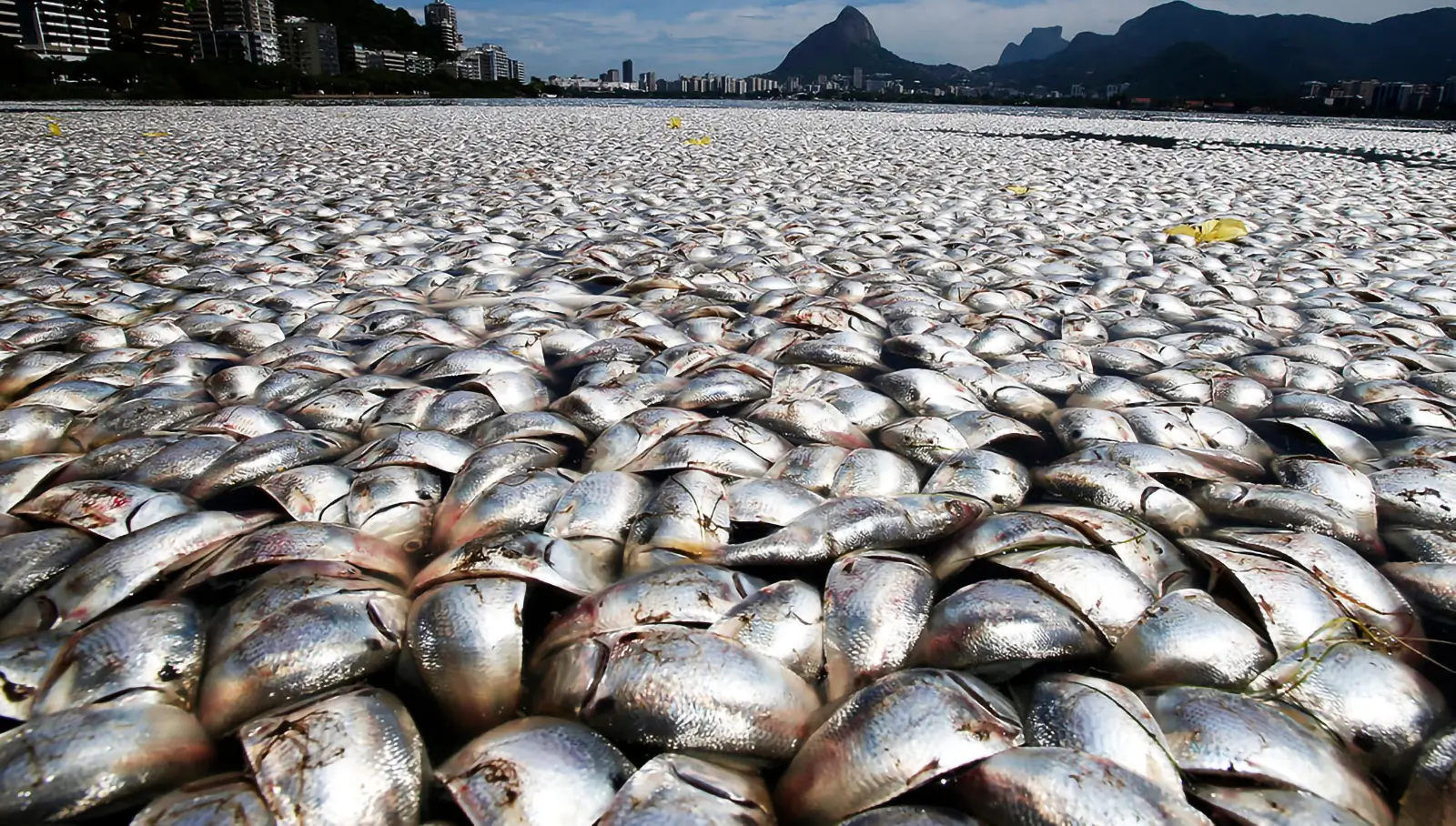
Los fertilizantes sintéticos crean muchos problemas. Los fertilizantes se filtran en arroyos, ríos y lagos y alteran el equilibrio de los ecosistemas acuáticos. Esto crea un exceso de nutrientes, incluidos el nitrógeno y el fósforo, en el agua. Esto es alimento tanto para las plantas marinas como para los cultivos terrestres. La abundancia de nutrientes generada por la escorrentía provoca una proliferación excesiva de algas. La proliferación excesiva de algas agota el oxígeno del agua y crea zonas oceánicas muertas. Cuando estas algas empiezan a descomponerse, surgen problemas de calidad del agua y el resultado son peces y otros organismos acuáticos muertos. Este proceso se denomina eutrofización.

Una de las zonas muertas más importantes del mundo se encuentra en el Golfo de México, a partir del delta del río Misisipi.
Esta sola cosa debería ser razón suficiente para dejar de comer nada de todo el océano en la actualidad.
Sólo esta forma de desequilibrio en la naturaleza en forma de floración de algas puede matarte. No estoy bromeando. Lo que usted no entiende es que estas algas no son sólo algunos ver las verduras que crecen en exceso en el agua de mar de los fertilizantes de escorrentía y luego mueren. Algunas de ellas, o digamos la mayoría, están bien y son seguras y no causan daños a largo plazo, excepto en las zonas muertas, pero algunas de ellas no son seguras porque crean y excretan algunas de las neurotoxinas más potentes conocidas por el hombre.
Cuando empiezan a crecer en exceso debido a toda la escorrentía de nitrógeno de la tierra, florecen y excretan enormes cantidades de estas neurotoxinas en el agua.Estas toxinas que son químicamente estables no se degradan sino que empiezan a bioacumularse como cualquier otra cosa. Estas toxinas hacen daño a cualquier exposición. Si el nivel de exposición es bajo, sólo empeorarán la degradación general del cerebro y contribuirán al encogimiento cerebral con el envejecimiento, pero si las toxinas se acumulan por encima del umbral aceptable aparecerá la Esclerosis Lateral Amiotrófica (ELA, Enfermedad de Lou Gehrig).

Stephen Hawking es un ejemplo de ello. Hawking padecía una forma de esclerosis lateral amiotrófica (ELA). La esclerosis lateral amiotrófica (ELA) se conoce comúnmente como enfermedad de Lou Gehrig. La esclerosis lateral amiotrófica (ELA) es una enfermedad de degradación de las neuronas motoras que, con el tiempo, paraliza por completo al paciente y acaba provocándole una insuficiencia respiratoria. Sólo ataca a las neuronas motoras, por lo que las capacidades mentales del paciente permanecen intactas y, en la mayoría de los casos, la muerte llega al cabo de tres años, cuando ya no puede respirar por sí mismo. No tiene cura. La esclerosis lateral amiotrófica (ELA) ataca a personas previamente sanas aparentemente al azar. La esclerosis lateral amiotrófica (ELA) es una enfermedad progresiva. Eso significa que sólo puede empeorar con el tiempo y suele matar entre 2 y 5 años después de los primeros signos de la enfermedad. Alrededor del 10% de las personas con ELA sobreviven al menos diez años. Stephen Hawking fue la persona más longeva de la historia con esclerosis lateral amiotrófica (ELA, enfermedad de Lou Gehrig).

Cuando el reto del cubo de hielo se hizo viral, mucha gente oyó hablar de esta enfermedad, y se convirtió en una forma de campaña de concienciación en las redes sociales que se convirtió en un fenómeno nacional. Ahora está bien ayudar a la gente necesitada, pero eso no hará más que inflar nuestra propia imagen de autoestima. No ayudaría a prevenir ni a reducir la tasa de la enfermedad. La verdadera concienciación es algo completamente distinto. Si la gente quisiera marcar la diferencia y concienciar, debería hacer el reto del cubo de agua con algas verdes en lugar del del cubo de hielo. La esclerosis lateral amiotrófica (ELA) es más común de lo que se reconoce. Corremos el riesgo de contraerla 1 de cada 400 personas, con una tasa similar a la de la esclerosis múltiple. Hagamos algo de concienciación real.
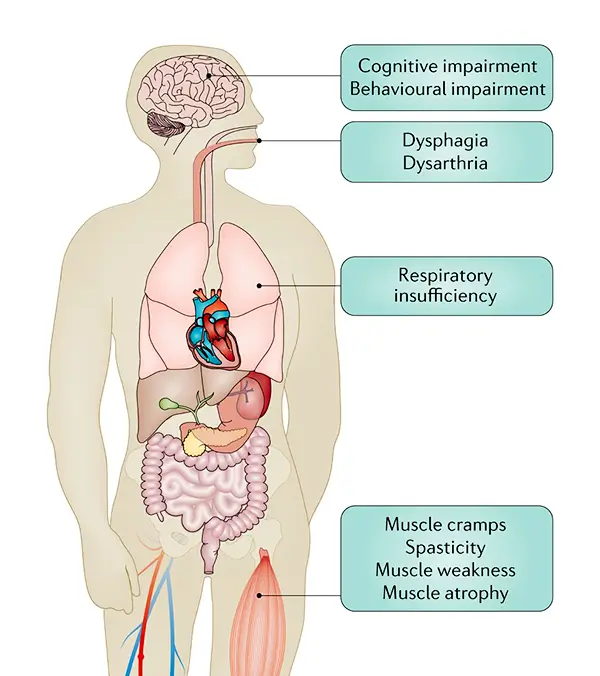
En 1944, las fuerzas estadounidenses habían reconquistado Guam a los japoneses. Inicialmente, Estados Unidos ocupó Guam del pueblo chamorro el 21 de junio de 1898. Y actualmente está bajo el territorio de EE.UU. Es una pequeña isla en medio del océano Pacífico con una gran base militar. Después de la guerra, un neurólogo de la marina se dio cuenta de que los chamorros locales tienen un alto índice de la forma muy mortal de la extraña enfermedad neurodegenerativa con síntomas de demencia, temblores, parálisis y muerte. En algunos asentamientos de Guam moría 1 de cada 3 personas. La enfermedad recibió el nombre de complejo de esclerosis lateral amiotrófica-parkinsonismo/demencia (ELA-PDC), conocido localmente como lytico-bodig. No sabían lo que era, así que se limitaron a describirla como amiotrofia (atrofia de los músculos), lateral (del latín lateralis, que significa al lado) y esclerosis (del griego σκληρός duro) es el endurecimiento de una estructura. La tasa de ELA en Guam era entre 50 y 100 veces superior a la incidencia de ELA en todo el mundo. Tras la exclusión sistemática y el análisis estadístico, se descubrió que las semillas específicas del árbol cícada Cycas micronesica en la dieta de la población local eran el principal desencadenante de la enfermedad. Los análisis bioquímicos asociaron el aminoácido neurotóxico no proteico, beta-metilamino-L-alanina (BMAA), como causa principal de la enfermedad.
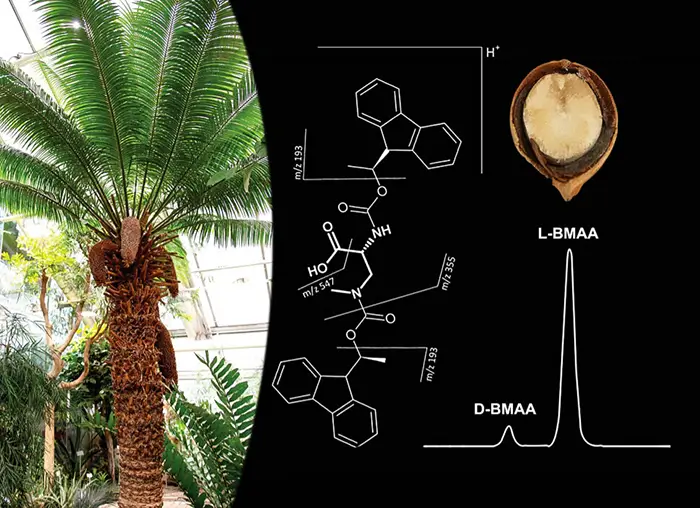
Se sospechó de las cícadas por el uso de la harina de sus semillas en la cocina y por los casos de ataxia del ganado tras comerlas. Y, efectivamente, se encontró en ella la neurotoxina BMAA. El descubrimiento fue sólo una parte de la investigación sobre la enfermedad conocida como lathyrism. El lathyrismo está presente sobre todo en India, China y Oriente Medio. Presenta síntomas muy similares, como la parálisis progresiva de las piernas. Estudios posteriores relacionaron el lathyrismo con el consumo de ciertas especies de legumbres que contenían el compuesto ß-N-oxalilamino-L-alanina (BOAA). El lathyrismo fue la razón por la que los investigadores analizaron primero las semillas de cícadas en busca de BOAA. Cuando las semillas no mostraron concentraciones de BOAA se encontró una sustancia muy similar con un grupo metilo en lugar de un grupo oxalilo-BMAA. Así que es químicamente muy similar a una neurotoxina que sólo tiene un grupo metilo en su lugar. Estudios posteriores en ratas y monos mostraron el mismo resultado en ambos casos. El BMAA es tóxico para las neuronas. Sin embargo, había una gran diferencia. La exposición dietética causó síntomas inmediatos en las ratas, mientras que la ELA-PDC se desarrolló años o incluso décadas después de la exposición inicial. Otro problema era la dosis.
En los años 80, el neurotoxicólogo Peter Spencer realizó un estudio e informó de los resultados de parálisis en macacos alimentados con BMAA. Sin embargo, de nuevo la dosis utilizada era mucho mayor que la dosis a la que estaban expuestas las personas que sufrían esclerosis lateral amiotrófica (ELA) por la harina de cícadas. Las personas tenían que comer kilogramos para ingerir una dosis comparable. Los análisis de las concentraciones de BMAA en las semillas de cícadas realizados por varios grupos de investigación han puesto de manifiesto que la toxina estaba presente en las semillas en bajas concentraciones. Investigaciones posteriores confirmaron que la mayor parte de las neurotoxinas, alrededor del 85%, se eliminaban de la harina de cícadas durante su procesamiento. Se calculó que la gente tendría que comer miles de kilos diarios para llegar a niveles tóxicos de exposición. Al final, se abandonó toda la teoría.
A finales de la década de 1990, el famoso neurólogo Oliver Sacks (autor de la película Despertares, nominada a un Oscar en 1990 y protagonizada por Robin Williams y Robert De Niro) y su colega Alan Cox hicieron algunos descubrimientos y resucitaron la teoría del BMAA. Los chamorros, que ya conocían los resultados de las investigaciones, empezaron a utilizar algunas tácticas de precaución. Hacían tortillas con harina de semillas de cícadas. Sin embargo, antes de utilizar las semillas, las lavaban repetidamente para eliminar las toxinas y luego daban de beber el agua a los pollos. Si los pollos seguían vivos después de beber el agua de lavado, consideraban que las semillas eran seguras para moler y comer. Sin embargo, también comían otros animales salvajes que cazaban y algunos de ellos también se alimentan de semillas de cícadas. Por ejemplo, para los murciélagos frugívoros y los jabalíes, el alimento común eran las semillas de cícadas. Oliver Sacks tuvo la idea de que lo problemático no son las semillas, sino los animales que se consumen, porque se trata de otro caso de biomagnificación..
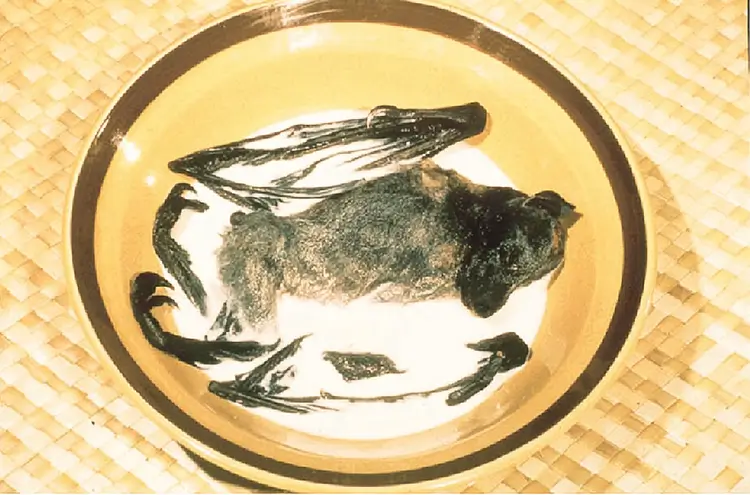
Una de las comidas típicas locales eran los zorros voladores de las Marianas, cocidos a fuego lento en crema de coco y comidos enteros con piel, huesos, sesos y todo. Sacks y Cox teorizaron en 2002 que estos animales que se alimentan de las semillas crean con el tiempo una reserva neurotóxica de BMAA en sus tejidos cerebrales. Dado que los chamorros también se comían regularmente sus cerebros, la exposición dietética crónica había creado la reserva de BMAA en su propio cerebro, lo que, tras un lapso de tiempo, había provocado un colapso neuronal y el desarrollo de la esclerosis lateral amiotrófica (ELA). El consumo de zorros voladores de Guam, que se alimentaban de cícadas, estaba en el núcleo de la tradición chamorro. Además, la correlación estadística demostró que el descenso de la población de zorros voladores debido a la caza excesiva se correlacionaba con el descenso del número de casos de ELA/PDC presentados en Guam. Cox analizó la piel de especímenes de zorro volador conservados en museos (recogidos cinco décadas antes) y descubrió que las concentraciones de BMAA eran extremadamente altas.
El tiempo de retraso es una de las cosas que hace que estas enfermedades sean difíciles de rastrear. Con el tiempo de retraso la gente tiende a exponerse completamente a la toxina sin notar nada malo y cuando el fondo de esta toxina se acumula y la enfermedad muestra los primeros síntomas, ya es demasiado tarde. El colofón final del tema fueron las autopsias realizadas en cerebros de chamorros fallecidos por ELA/PDC en las que se encontraron niveles elevados de BMAA (1). 13 sujetos canadienses no tenían niveles detectables de BMAA. Eran sólo individuos que murieron por causas no relacionadas con la neurodegeneración. Sin embargo, cuando se midió el BMAA, también se encontró en los cerebros de todos los pacientes canadienses con enfermedad de Alzheimer. Pero espere un momento. Estas personas estaban en Canadá, no en Guam. No comían zorros voladores ni semillas del árbol Cycat.
La verdadera historia aquí es que la neurotoxina BMAA tampoco fue producida por el árbol. La produjeron las cianobacterias Nostoc, simbiontes de las raíces de las cícadas. Las bacterias que viven en las raíces del árbol produjeron la toxina. Cuando las raíces absorben la toxina, ésta pasa a las semillas, luego a los murciélagos que se alimentan de ellas y, por último, a las personas.
Las implicaciones de este descubrimiento científico son aterradoras. Si las cianobacterias producen estas neurotoxinas, tendrá enormes ramificaciones para la salud pública a escala mundial. Las cianobacterias son omnipresentes y pueden encontrarse en casi todos los hábitats acuáticos o terrestres. Son literarias en todas partes, desde el suelo húmedo, el agua dulce, los océanos, las aguas termales, la roca desnuda y el suelo, las rocas en el desierto e incluso las rocas antárticas. El nombre de cianobacterias procede del color de las bacterias (griego: κυανός. Kyanós que significa azul). Usted conoce estas bacterias como algas verdeazuladas, que florecen por la escorrentía de fertilizantes.
Cox descubrió la presencia de BMAA en la mayoría de las cepas de cianobacterias de todo el mundo analizadas. No se trata sólo de la cepa Nostoc de Guam, sino de todas las cepas de esta alga verde azulada o, para ser precisos, el 95% de todas las cepas producen BMAA. Debido a las enormes floraciones de algas, es necesario medir y estudiar el nivel actual de BMAA.. Hubo estudios que midieron los niveles de BMAA en algunos de los organismos tróficos superiores. Se detectaron altas concentraciones en varias especies de peces, mejillones, ostras y plancton, lo que indica que la población humana mundial corre un alto riesgo de bioacumulación de este compuesto neurotóxico a través de la cadena alimentaria en cualquier parte del mundo.
A día de hoy no existe un consenso científico de que la exposición a BMAA a través del consumo de alimentos contaminados pueda tener un papel causal en diversas condiciones patológicas neurodegenerativas. En algunos estudios, dependiendo de los métodos no encontraron BMAA en el tejido cerebral del Alzheimer en otros sí. Los niveles medidos de BMAA en el cerebro podrían no significar causalidad; la proximidad no es causalidad. Algunas de las pruebas más convincentes se presentaron en el Simposio Internacional de ELA/Enfermedad de la Neurona Motora (ENM) en 2011. Hubo una investigación que demostró que el BMAA no se encuentra en el tejido cerebral en concentraciones más altas porque se incorporará directamente en la propia célula nerviosa. Se demostró que el BMAA se incorpora a las proteínas de las células nerviosas, lo que provoca el mal plegamiento de las proteínas y, en última instancia, la muerte celular. Dunlop y Rodgers informaron de que la enzima ARNt sintetasa para el aminoácido serina capta erróneamente el BMAA pensando que es sereno y luego lo incorpora a las proteínas in vitro. Esta sustancia es nada menos que un mutágeno puro. La consiguiente autofluorescencia indicaba que las proteínas se plegaban mal y las células morían. Lo que podemos afirmar con seguridad es que el BMAA puede no causar Alzheimer o Parkinson por sí mismo, pero sí empeora la enfermedad y causa esclerosis lateral amiotrófica (ELA). Ahora bien, para comprender plenamente la historia del BMAA, ya que muchas personas en todo el mundo pueden estar expuestas a él, también podríamos plantearnos la pregunta de por qué algunos individuos obtuvieron efectos neurodegenerativos de él y otros no.
Cox sospechaba que la vulnerabilidad podría reflejar una interacción gen-ambiente. Si esta única toxina ambiental desempeña un papel en diferentes enfermedades, como la enfermedad de Parkinson, la ELA, la enfermedad de Alzheimer y quizá también algunas otras enfermedades, esto podría representar una interacción gen-ambiente basada en la resistencia genética individual. Sin embargo, nadie ha investigado aún una base genética para la vulnerabilidad a los BMAA. Es la misma historia otra vez. Los humanos se expusieron a esta toxina natural durante la evolución normal. Lo que está haciendo que esta enfermedad aumente en prevalencia son las floraciones de algas causadas por altos niveles no naturales de escorrentía de nutrientes de los campos de fertilizantes, desechos animales, aguas residuales y la erosión del suelo en el agua que eventualmente elevan los niveles de algas verde-azules a niveles anormalmente altos. Algunas personas tienen una mejor genética para lidiar con esto, otras pueden ser sensibles. También depende de la cantidad de marisco que se consuma. La causa de esta enfermedad no es hereditaria. Es una mala adaptación a nuestro entorno actual. Esta toxina se ha encontrado en peces de agua dulce, salada y mariscos. Algunos de los peces tienen niveles de BMAA comparables a los encontrados en murciélagos frugívoros en Guam. No puedo dar estimaciones aquí porque la concentración de BMAA varía según el lugar de muestreo. Algunas especies de cangrejos, por ejemplo, pueden tener un nivel de toxicidad alto o bajo dependiendo de si hay floración de algas en el agua o no. Cuanta más floración, más toxina. Sin embargo, las toxinas acaban extendiéndose por todas partes. Esto podría explicar la concentración de ELA en poblaciones que viven alrededor de lagos, por ejemplo. Se han diagnosticado varios casos de ELA entre los residentes de Enfield (Nuevo Hampshire), una ciudad que rodea un lago con un historial de cianobacterias y floraciones de algas. Entre 1975 y 1983 se diagnosticaron seis casos de ELA en residentes de larga duración de Two Rivers, una pequeña comunidad de Wisconsin. La probabilidad de que esto ocurriera debido al azar era inferior al 0,05%.
Las especies de cianobacterias, dependiendo del tipo, tienen la capacidad de producir una gama diferente de metabolitos, no sólo BMAA que también son neurotoxinas, hepatotoxinas o dermatoxinas. Los BMAA no tienen por qué matarnos para ser malos. Puede causar daños neurológicos y aumentar la carga tóxica general de nuestros cuerpos y tener efectos sinérgicos con el mercurio y el plomo y todas las demás neurotoxinas para aumentar deterioro cognitivo.
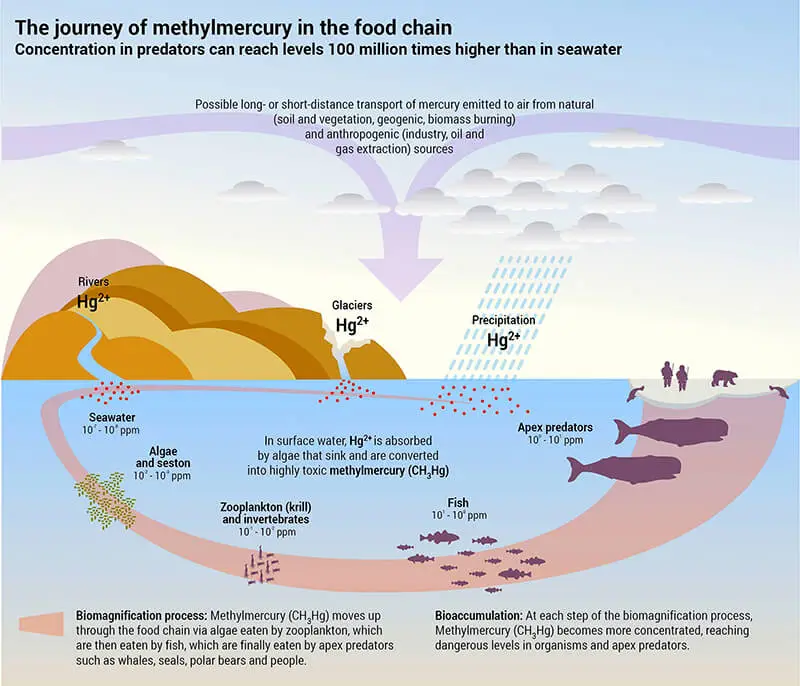
Al final, puede que no sea lo único que desencadene la esclerosis lateral amiotrófica (ELA). Por ejemplo, el BOAA desencadena el lathirismo. Se trata del mismo tipo de muerte neuronal que en la esclerosis lateral amiotrófica (ELA). Los veteranos estadounidenses tienen más casos de esclerosis lateral amiotrófica (ELA) por una razón desconocida. La situación en Guam en la última década aproximadamente es prometedora. Sus niveles de esclerosis lateral amiotrófica (ELA) son significativamente más bajos que en el pasado, pero ahora saben cuál fue la causa fundamental de esta epidemia de enfermedad neurológica a la que tuvieron que enfrentarse. Y sin la isla de Guam, el resto del mundo seguirá comiendo marisco pensando que es sano y seguro. El problema con la naturaleza es que es difícil hacer ciencia de cada molécula que existe. Hay miles de contaminantes naturales como el BMAA en la naturaleza. Algunos de ellos pueden incluso transmitirse sexualmente, como la toxina ciguatera, que también es producida por las algas y se acumula en la cadena alimentaria, y de nuevo es estable térmica y químicamente. Causa pesadillas literalmente con dolor y fatiga y una sensación de frío ardiente. La inversión de la sensación de temperatura, caliente se siente como frío, y el frío se siente como caliente. Puede durar años y en dosis bajas sólo causa fatiga. La historia de una cena romántica con pargo rojo en adobo griego con vino. Vacaciones paradisíacas tropicales de ensueño que se convierten en sexo frío y doloroso con pesadillas. Algunos de los casos de síndromes de fatiga crónica son en realidad envenenamiento por ciguatera. En algunas personas, puede causar síntomas recurrentes durante periodos de estrés, pérdida de peso, ejercicio o consumo excesivo de alcohol, incluso después de 25 años de exposición inicial.
Debido a toda la contaminación, la mayoría de los peces de hoy en día tienen infecciones tanto por bacterias como por parásitos. Nunca comas nada crudo del agua en toda tu vida. Olvídate del sushi. Los cambios en el equilibrio de la naturaleza tienen consecuencias. Todo lo que no es natural, y cuando digo eso, me refiero a todo lo que nuestros antepasados homínidos no hicieron, o a lo que han estado expuestos es promotor de enfermedades con el potencial de exposición a una cantidad desconocida de toxinas no identificadas. Si hubiera océanos limpios y prístinos, comer peces depredadores seguiría siendo una mala idea, y comer mucho pescado es antinatural. El pescado es una carne que favorece la inflamación incluso sin toda la contaminación.
Referencias:
Pasajes seleccionados de un libro: Pokimica, Milos. Go Vegan? Examen de Ciencias de la Parte 2. Kindle ed., Amazon, 2018.
- Murch, Susan J et al. "A mechanism for slow release of biomagnified cyanobacterial neurotoxins and neurodegenerative disease in Guam". Actas de la Academia Nacional de Ciencias de los Estados Unidos de América vol. 101,33 (2004): 12228-31. doi:10.1073/pnas.0404926101
- Bradley, Walter G, y Deborah C Mash. "Más allá de Guam: la hipótesis de las cianobacterias/BMAA sobre la causa de la ELA y otras enfermedades neurodegenerativas". Esclerosis lateral amiotrófica : publicación oficial del Grupo de Investigación en Enfermedades de la Neurona Motora de la Federación Mundial de Neurología. vol. 10 Suppl 2 (2009): 7-20. doi:10.3109/17482960903286009
- Chiu, Alexander S et al. "¿Desempeña el ácido α-amino-β-metilaminopropiónico (BMAA) un papel en la neurodegeneración?". Revista internacional de investigación medioambiental y salud pública vol. 8,9 (2011): 3728-46. doi:10.3390/ijerph8093728
- Brand, Larry E et al. "Cyanobacterial Blooms and the Occurrence of the neurotoxin beta-N-methylamino-L-alanine (BMAA) in South Florida Aquatic Food Webs". Algas nocivas vol. 9,6 (2010): 620-635. doi:10.1016/j.hal.2010.05.002
Contenidos Relacionados



¿Tienes alguna duda acerca de la nutrición y la salud?
Me encantaría conocer tu opinión y responderlas en mi próximo post. Agradezco su aportación y opinión y espero tener noticias suyas pronto. También le invito a síguenos en Facebook, Instagram y Pinterest para más contenidos sobre dieta, nutrición y salud. Puedes dejar un comentario allí y conectar con otros entusiastas de la salud, compartir tus consejos y experiencias, y recibir apoyo y ánimo de nuestro equipo y nuestra comunidad.
Espero que este post le haya resultado informativo y ameno y que esté preparado para aplicar los conocimientos adquiridos. Si le ha resultado útil, por favor compártelo con tus amigos y familiares que también podrían beneficiarse de ella. Nunca se sabe quién puede necesitar orientación y apoyo en su camino hacia la salud.
– También Te Puede Interesar –
Poder Anticancerígeno de Frutas y Verduras: Pruebas Clínicas e in Vivo
Alimentos Procesados: Comprender los Riesgos

El agua del grifo de la toxicidad de evaluación de Riesgos
La Diabetes causa y grasas saturadas - Los veganos argumento
Suplementos Antioxidantes Frente a Alimentos Integrales: Pagar para Vivir Menos
Vitamina C Intravenosa en el Tratamiento del Cáncer: 40 Años de Pruebas
La Expresión Génica y la Epigenética: Cómo la Dieta y el Entorno Determinan su Salud

Pesticidas, OMG y Sobrecarga Tóxica

Aprenda Sobre Nutricion

Milos Pokimica es doctor en medicina natural, nutricionista clínico, escritor sobre salud médica y nutrición y asesor en ciencias de la nutrición. Autor de la serie de libros Go Vegan? Revisión de la Ciencia, también dirige el sitio web sobre salud natural GoVeganWay.com.
Descargo De Responsabilidad Médica
GoVeganWay.com trae los comentarios de la última de la nutrición y la salud relacionados con la investigación. La información proporcionada representa la opinión personal del autor y no pretende ni implica ser un sustituto de consejo médico profesional, diagnóstico o tratamiento. La información proporcionada es sólo para fines informativos y no pretende servir como un sustituto de la consulta, el diagnóstico y/o tratamiento médico de un médico calificado o profesional de la salud.NUNCA ignore el CONSEJO MÉDICO PROFESIONAL O RETRASAR la BÚSQUEDA de TRATAMIENTO MÉDICO a CAUSA DE ALGO QUE HAYA LEÍDO EN O accesibles a TRAVÉS de GoVeganWay.com
NUNCA APLICAR CUALQUIER cambio de ESTILO de vida O CAMBIOS EN su totalidad COMO UNA CONSECUENCIA DE ALGO QUE HA LEÍDO EN GoVeganWay.com ANTES de CONSULTAR con LICENCIA PROFESIONAL MÉDICO.
En el caso de una emergencia médica, llame a un médico o al 911 inmediatamente. GoVeganWay.com no se recomienda ni aprueba ninguna de los grupos, las organizaciones, las pruebas, los médicos, productos, procedimientos, opiniones u otra información que pueda ser mencionado en el interior.
Selecciones del Editor -

El cáncer Editor De Selecciones Fitoquímicos
Poder Anticancerígeno de Frutas y Verduras: Pruebas Clínicas e in Vivo
Algunos extractos vegetales rivalizan con los principales fármacos quimioterapéuticos y, al mismo tiempo, atacan varios tipos diferentes de células cancerosas.
Antioxidantes Editor De Selecciones ORAC
Aceites Esenciales Como Suplementos Antioxidantes: Reglas y Estrategias
Los aceites esenciales de calidad alimentaria pueden ser una estrategia cómoda y de fácil consumo para optimizar el valor antioxidante y las puntuaciones ORAC de nuestra dieta.
Antioxidantes Editor De Selecciones ORAC
Dieta Rica en Antioxidantes: Reglas y Estrategias Generales
Existen estrategias fáciles y rentables para optimizar el valor antioxidante de nuestra dieta.

Antioxidantes Editor De Selecciones ORAC
Comprender los Valores ORAC: Niveles de Antioxidantes en los Alimentos
Cuando tu principal fuente de antioxidantes es el café, sabes que tienes un grave problema.

Antioxidantes Editor De Selecciones ORAC
Astaxantina Beneficios: Antioxidante Natural Más Potente del Mundo
La astaxantina es el más potente y natural antioxidante universal (petróleo y agua-soluble) que conoce la ciencia. Se acumula en los tejidos y nunca puede convertirse en un pro-oxidante.

Antioxidantes Editor De Selecciones ORAC Fitoquímicos
Antioxidantes: Conceptos Básicos
Los productos de origen animal no contienen fitoquímicos ni antioxidantes. Por término medio, los alimentos vegetales contienen más de 60 veces más antioxidantes que los de origen animal.
Editor De Selecciones Dieta Vegana
Deficiencias Nutricionales en la Dieta Vegana: Estrategias de Prevención
Existen nueve deficiencias nutricionales comunes a escala poblacional que afectan a las personas que siguen una dieta basada en plantas. Si no se corrigen a tiempo, algunas deficiencias tienen consecuencias terribles y no tratables.
Editor De Selecciones Dieta Óptima
Deficiencia de Micronutrientes en la Dieta Americana Estándar: Estrategias de Optimización
El perfil nutricional de nuestra dieta moderna a base de carne, azúcar y alimentos procesados es totalmente incongruente con nuestra evolución, lo que provoca una grave carencia de micronutrientes.
Editor De Selecciones Fitoquímicos
Fitoquímicos: Conceptos Básicos
Todos y cada uno de los fitoquímicos que existen tienen una acción biológica en el cuerpo humano. Cada uno de los millones de fitoquímicos diferentes.

Editor De Selecciones La leche Dieta Óptima
Leche y Productos Lácteos: Correlaciones de Riesgo Para la Salud
Las asociaciones conocidas con el consumo de leche y productos lácteos son infertilidad, cáncer de ovario y de mama, leucemia, diabetes de tipo 1, autismo, arteriosclerosis, cataratas, artritis reumatoide, esclerosis múltiple, hiperactividad, congestión, granos...
El cáncer Editor De Selecciones La proteína
Proteína Completa: Señalización del IGF-1 en la Formación del Cáncer
Cuando usted come proteínas animales que tienen cuatro veces más probabilidad de desarrollar todos los tipos de cáncer. Cuando usted fuma, usted tiene cuatro veces la posibilidad de desarrollar cáncer de pulmón.

El cáncer Editor De Selecciones La proteína
La Anatomía de Cáncer de riesgo para la Salud de las correlaciones
Aproximadamente el 2% de los cánceres son por la medicina considera puramente causada por factores genéticos. De la misma gama como dentro del reino animal. No le han dicho toda la verdad.
Milos Pokimica es escritor especializado en salud y nutrición y asesor en ciencias nutricionales. Autor de la serie de libros Go Vegan? Revisión de la Ciencia, también dirige el sitio web sobre salud natural GoVeganWay.com.
Últimos Artículos –

La Restricción De Calorías La longevidad
Cómo Ayunar: Alimentos en Ayunas Que No Rompen la Autofagia
Autofagia. ¿Se ha preguntado alguna vez qué ocurre con las células de su cuerpo cuando mueren o se dañan? ¿Se amontonan y crean problemas, o se eliminan de alguna manera? La respuesta es que su cuerpo...

Salud Dental Prevención
Dolor y Sensibilidad a los Dulces: Solución Rápida y Duradera
Una solución rápida y fácil para aliviar el dolor es el aceite esencial de clavo, un potente antioxidante y analgésico que puede ayudar con las enfermedades de las encías y el dolor de muelas.

Los frijoles
Judías Verdes: Nutrición y Beneficios Para la Salud
Los frijoles verdes son bajos en calorías y ricos en compuestos naturales que pueden ayudar a controlar su azúcar en la sangre, reducir el colesterol y combatir los radicales libres.
Dieta de alimentos crudos Dieta Vegana
Se Pueden Comer Setas Crudas: Riesgos Para La Salud, Nutrición Y Seguridad
Las setas tienen toxinas sensibles al calor, como la hidracina o la agaritina, y paredes celulares compuestas de quitina que el ser humano no puede digerir bien.
Dieta Vegana
¿Son Los Peces Animales? Una Perspectiva Cultural
En algunas culturas, la carne de pescado no se considera carne, y el pescado está permitido incluso durante el ayuno.

Salud Dental Prevención
Enjuague Bucal Natural Casero: Probado, Más Fuerte y Menos Tóxico
El enjuague bucal natural hecho en casa es más fuerte que la clorhexidina, menos tóxico y si se ingiere puede dar un poco de náuseas, pero también un alto estallido en el valor ORAC.
Salud Dental Prevención
Cómo Detener la Caries Dental: Síntomas, Causas y Prevención
El consumo de azúcar es la principal causa de caries y deterioro dental, combinado con carencias de minerales, especialmente magnesio, zinc, cobre y oligoelementos.
Antioxidantes Superalimentos
Amla: Beneficios Probados, Nutrición e Importancia Clínica
El amla es uno de los antioxidantes más potentes del mundo, con una puntuación ORAC de 261.530. Es una rica fuente de fitoquímicos que tienen diversos beneficios para la salud. Es una rica fuente de fitoquímicos que tienen diversos beneficios para la salud.
Top Noticias De Salud — ScienceDaily
- Glucosamine, a popular joint supplement, linked to faster Alzheimer’s progressionen septiembre 27, 2026
A large health-record analysis found that glucosamine use was associated with a 25% higher likelihood of mild cognitive impairment progressing to dementia. Lab experiments suggest the popular joint supplement may intensify an abnormal sugar-tagging process in the Alzheimer’s brain, although researchers say clinical trials are needed to determine whether it actually causes harm.
- Atrial fibrillation patients saw 69% lower risk with common blood thinnersen septiembre 27, 2026
Direct oral anticoagulants cut the risk of serious clinical events by 69% in atrial fibrillation patients with an intermediate risk of stroke, according to the randomized SINGLE-AF trial. The benefit was driven mainly by fewer ischemic strokes, with no increase in major bleeding.
- One CRISPR treatment cut “bad” cholesterol in half for a full yearen septiembre 27, 2026
A single dose of an experimental CRISPR therapy cut LDL cholesterol and triglycerides by about half in patients with difficult-to-treat lipid disorders. The reductions were still present one year later, with the highest dose lowering LDL by 52.5% and triglycerides by 47.8%.
- Why rheumatoid arthritis pain may persist even when inflammation is under controlen septiembre 27, 2026
Pain and fatigue in rheumatoid arthritis can persist even after inflammation improves, with depression, poor sleep, obesity, smoking, and chronic pain potentially helping sustain symptoms. Researchers say identifying these hidden drivers could prevent unnecessary medication changes and lead to more personalized treatment.
- Scientists say house cats could help unlock better cancer treatments for humansen septiembre 27, 2026
Scientists have mapped the genetics of cat cancer on an unprecedented scale and found surprising similarities with tumors in humans. The findings could help bring precision cancer treatments to cats while also revealing new clues about how human cancers develop and respond to drugs.
- A major risk of breast cancer screening may have been overestimated for decadesen septiembre 26, 2026
A new analysis suggests mammograms may lead to far less breast cancer overdiagnosis than some earlier studies indicated. Researchers reexamined all eight major randomized screening trials and accounted for differences in follow-up time, screening frequency, and screening after trials ended. Their results were consistent with an overdiagnosis rate below 5%, rather than estimates approaching 30% to 50%.
- That fresh cleaning smell could be filling your home with nanoparticlesen septiembre 26, 2026
Researchers found that scented cleaners can react with ozone indoors to create billions or trillions of invisible nanoparticles that can penetrate deep into the lungs. The pollution forms within minutes and, in some cases, may produce an inhaled particle dose comparable to or greater than standing near heavy traffic.
PubMed, #Dieta vegana –
- Plant-Based Diets in Adolescence: Cardiometabolic Benefits, Developmental Risks, and the Role of Fortificationen septiembre 26, 2026
Adolescence is a critical window in which dietary patterns stabilise while nutrient requirements remain high to support growth, bone accrual, and neurodevelopment. Plant-based diets are increasingly adopted by young people, yet paediatric evidence indicates that they should not be treated as a single exposure, because diet quality substantially modifies both benefits and risks. Healthy plant-based patterns-rich in whole grains, legumes, fruits, vegetables, nuts, and unsaturated fats-are…
- Plant-Based Functional Custard Enriched with Vitamin D3: Insight into Technological Properties, Nutrition and Bone Tissue Regenerationen septiembre 26, 2026
A plant-based or vegan diet is considered one of the most important dietary patterns, often followed for religious or health reasons. It should contain vital nutrients such as protein, iron, zinc, calcium, vitamin D, and others. The objective of this study was to produce a plant-based food product with high nutritional value (vegan custard, VC) and fortify it with vitamin D(3) (vegan custard + D(3)). Thirty-five female albino rats, with an average body weight of 160 ± 5 g, were divided […]
- Dietary Patterns, Micronutrient Adequacy, and Metabolic Vulnerability in Alzheimer’s Disease: A Critical Narrative Reviewen septiembre 26, 2026
Dietary factors may influence cognitive aging and Alzheimer’s disease (AD), but observational associations, mechanistic findings, and intervention effects should not be considered equivalent evidence. This critical narrative review examines how dietary patterns, micronutrient adequacy, and metabolic health may modify AD-related vulnerability. A targeted search of PubMed/MEDLINE, Scopus, and Web of Science through April 2026 prioritized systematic reviews, meta-analyses, randomized trials, and…
- A Structured Narrative Review of Contemporary Dietary Strategies Following Acute Coronary Syndromesen septiembre 24, 2026
CONCLUSIONS: A Mediterranean-style diet remains the dietary pattern supported by the strongest evidence for secondary prevention following ACS. Until further pragmatic randomized trials are available, clinicians should continue recommending Mediterranean-style dietary patterns while individualising dietary advice according to patient preferences, cultural practices, and long-term adherence.
- Toward International Dietary Guidance: A Food Guide Pyramid for Human and Planetary Healthen septiembre 23, 2026
Dietary guidelines shape food policy, education, and food systems worldwide. Recent controversies in dietary guideline development, together with rising burdens of diet-related chronic disease and increasing environmental pressures, highlight the need for globally relevant dietary guidance aligned with both human and planetary health. We developed an evidence-informed International Food Guide Pyramid emphasizing optimal carbohydrate-containing staple foods. The International Carbohydrate […]
Random Posts –

El cáncer El embarazo Toxicidad
Aspartamo: La Verdad Sobre Sus Riesgos Y Peligros
Una de las excitotoxinas que han hecho tan feliz a la industria es la sustancia química que hace todas las cosas que hacen las excitotoxinas pero que, a diferencia del glutamato monosódico, es dulce al gusto. Se conoce químicamente como aspartamo (Nutra Sweet).
La Restricción De Calorías La longevidad
Cómo Ayunar: Alimentos en Ayunas Que No Rompen la Autofagia
Autofagia. ¿Se ha preguntado alguna vez qué ocurre con las células de su cuerpo cuando mueren o se dañan? ¿Se amontonan y crean problemas, o se eliminan de alguna manera? La respuesta es que su cuerpo...
Antioxidantes Editor De Selecciones ORAC
Comprender los Valores ORAC: Niveles de Antioxidantes en los Alimentos
Cuando tu principal fuente de antioxidantes es el café, sabes que tienes un grave problema.

La longevidad Dieta Óptima Dieta Vegana
Deficiencia de B12 y Deterioro Cognitivo: Estrategias de Optimización de la Homocisteína
Las vitaminas que regulan los niveles de homocisteína son la B12, el folato y la B6. La mayoría de las personas que no son veganas ingieren suficiente B12 pero no suficiente folato, mientras que los veganos ingieren más folato pero no tienen B12 si no toman suplementos.
Antioxidantes Superalimentos
Amla: Beneficios Probados, Nutrición e Importancia Clínica
El amla es uno de los antioxidantes más potentes del mundo, con una puntuación ORAC de 261.530. Es una rica fuente de fitoquímicos que tienen diversos beneficios para la salud. Es una rica fuente de fitoquímicos que tienen diversos beneficios para la salud.

Industria De Alimentos El embarazo Toxicidad
Excitotoxicidad del Glutamato Monosódico: Revisión Científica
El hallazgo más significativo de toda la historia de la industria alimentaria es una rama concreta de las neurotoxinas que se denominan excitotoxinas.
Antioxidantes Nootrópicos
Azul de Metileno: Usos Terapéuticos e Importancia Clínica
El Azul de metileno es un potente antioxidante sintético. Mejora la función mitocondrial y la capacidad de nuestras células para producir energía.
Antioxidantes El cáncer
Vitamina C Intravenosa en el Tratamiento del Cáncer: 40 Años de Pruebas
La vitamina C intravenosa es un agente quimioterapéutico no tóxico que puede administrarse junto con los tratamientos convencionales contra el cáncer e incorporarse como protocolo de prevención y longevidad.
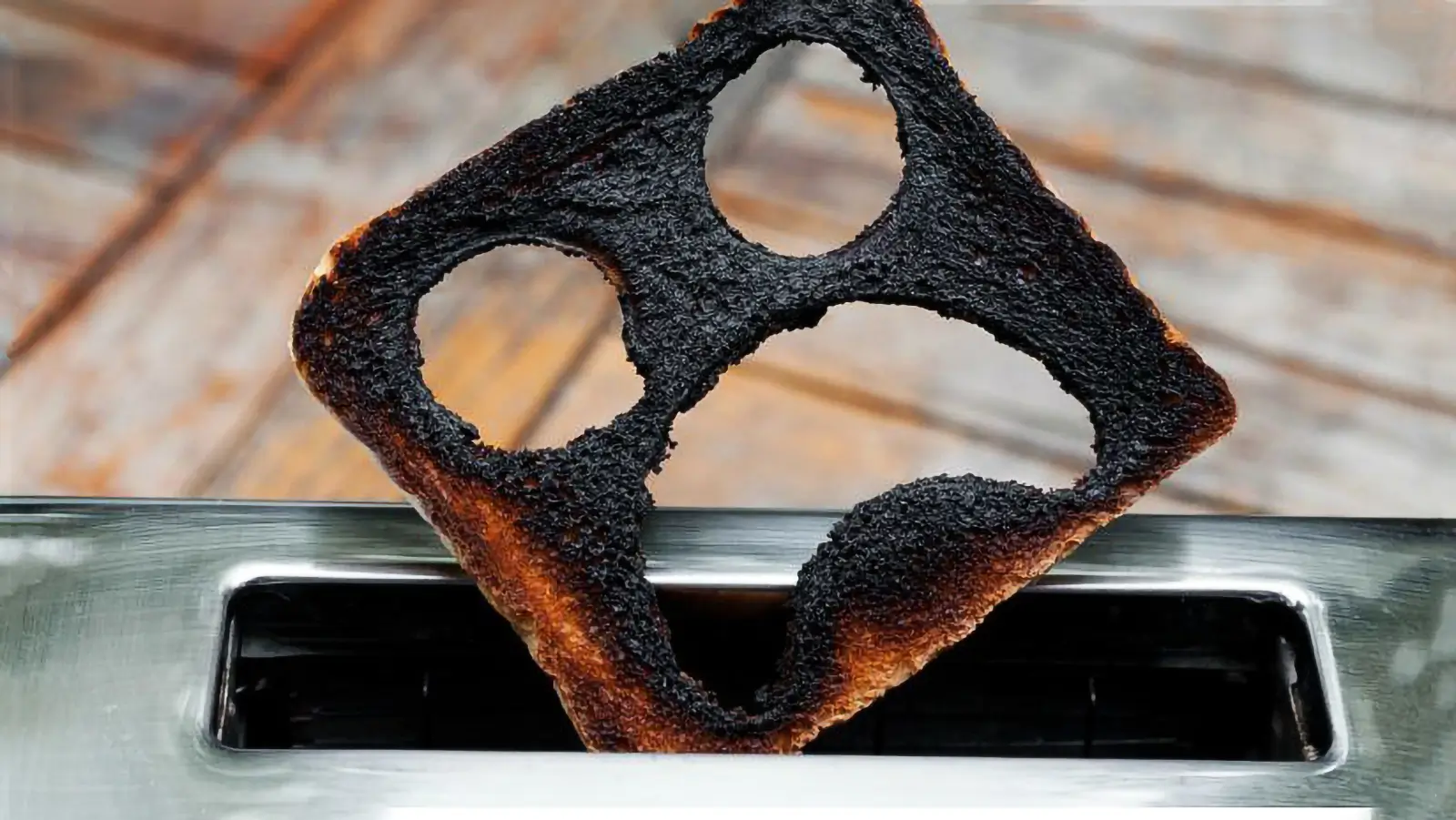
El cáncer Dieta de alimentos crudos
La exposición a la acrilamida - Chips, papas fritas, y el cáncer
La acrilamida está clasificada como carcinógeno humano del Grupo 2A. En 2002 se descubrió en concentraciones extremadamente altas en patatas fritas y patatas fritas.
El cáncer Editor De Selecciones Fitoquímicos
Poder Anticancerígeno de Frutas y Verduras: Pruebas Clínicas e in Vivo
Algunos extractos vegetales rivalizan con los principales fármacos quimioterapéuticos y, al mismo tiempo, atacan varios tipos diferentes de células cancerosas.

Puestos Destacados –

Editor De Selecciones La Obesidad
Experimento de Inanición de Minnesota: Por qué las Dietas Nos Hacen Engordar. La Psicología del Hambre.
Uno de los primeros estudios científicos sobre lo que es el hambre hace a la mente fue observado en un estudio recordado como el Minnesota Hambre Experimento realizado por la Universidad de Minnesota, ya en 1944.

La Medicina Alopática Editor De Selecciones Dieta Óptima
El Informe McGovern - Intereses especiales y supresión de la ciencia
En 1977 el empuje para un cambio de Pautas Dietéticas (McGovern Informe) a más a base de plantas vegana uno se había introducido en el Congreso de los estados UNIDOS.

Editor De Selecciones La Obesidad Dieta Óptima
Causa de la Obesidad - la falta de adaptación o adicción
¿Cuál es la causa de la epidemia de obesidad? Para toda la vida en la Tierra, los alimentos no es una opción. La cosa más dura para los animales en el desierto es la ganancia de peso.
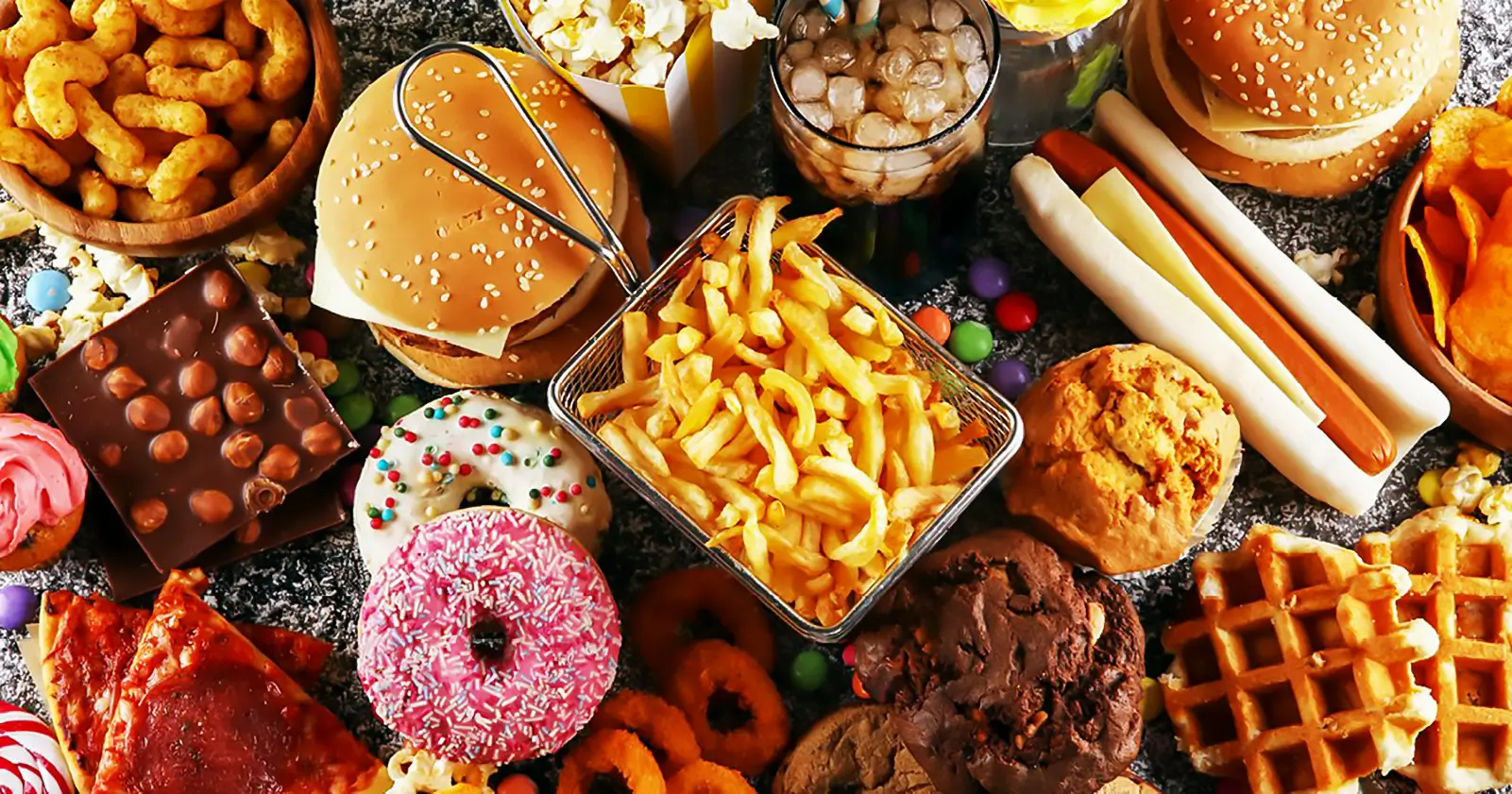
Editor De Selecciones Dieta Óptima
Alimentos Procesados: Comprender los Riesgos
Los alimentos procesados significan que se elimina algo de los alimentos enteros, normalmente fibra, y se añade algo, normalmente grasa, azúcar, sal y msg.

La Diabetes Editor De Selecciones Dieta Óptima
Azúcar Refinado: Comprender los Riesgos
Los niños consumen alrededor de una quinta parte del total de sus necesidades de calorías de sólo el azúcar refinado. Si añadimos la grasa y el resto de la nutrición privados de alimentos procesados a la lista se convierte en una nutrición completa pesadilla.

Editor De Selecciones Dieta Óptima
Dieta Humana Optima- Enfermedades Crónicas, Guerras de Dietas y el Argumento Vegano
Nuestra dieta humana óptima natural es la dieta que comieron nuestros ancestros homínidos durante los últimos 30 millones de años, no los humanos anatómicamente modernos de la Edad de Piedra.
Antioxidantes Editor De Selecciones ORAC Fitoquímicos
Antioxidantes: Conceptos Básicos
Los productos de origen animal no contienen fitoquímicos ni antioxidantes. Por término medio, los alimentos vegetales contienen más de 60 veces más antioxidantes que los de origen animal.
Editor De Selecciones Dieta Vegana
Deficiencias Nutricionales en la Dieta Vegana: Estrategias de Prevención
Existen nueve deficiencias nutricionales comunes a escala poblacional que afectan a las personas que siguen una dieta basada en plantas. Si no se corrigen a tiempo, algunas deficiencias tienen consecuencias terribles y no tratables.

El cáncer Editor De Selecciones Toxicidad
Exposición a Plaguicidas en Niños: Pruebas de Exposición en la Vida Real
Los niños y especialmente las mujeres embarazadas son más vulnerables a la exposición a los pesticidas. Si analizamos el mundo real de los niveles de exposición en situaciones de la vida real, lo que podría ser el resultado?
El cáncer Editor De Selecciones La proteína
La Anatomía de Cáncer de riesgo para la Salud de las correlaciones
Aproximadamente el 2% de los cánceres son por la medicina considera puramente causada por factores genéticos. De la misma gama como dentro del reino animal. No le han dicho toda la verdad.
La última versión desde PubMed, #Dieta basada en plantas –
- Long-Term Monitoring of Radioactive Cesium in Commercial Foods and Dietary Intake Estimated by Total Diet Studies in Japan after the Fukushima Daiichi Nuclear Power Plant Accidentpor Hiromi Nabeshi en septiembre 27, 2026
Following the Fukushima Daiichi Nuclear Power Plant accident in 2011, Japan implemented extensive monitoring of radioactive materials in foods and established strict regulatory limits based on an annual effective dose of 1 mSv/year from artificial radionuclides. This review summarizes long-term surveillance data on radioactive cesium (r-Cs) in commercial foods and long-term assessments of dietary intake of r-Cs and strontium-90 (^(90)Sr) using the total diet study (TDS)/market basket (MB)…
- Nutrition and Endometriosis: Current Evidence on Dietary Risk Factors and Clinical Impact – A Narrative Reviewpor Christine Dawczynski en septiembre 27, 2026
Endometriosis (EM) is a severe chronic inflammatory disease characterized by the presence of endometrium-like tissue outside the uterine cavity, causing pain and significantly reducing quality of life. Worldwide, around 10% of women of reproductive age are affected and there is no cure as of now. The limited treatment options focus on hormone therapy, surgery and pain management–without satisfactory long-term effects. Nutritional strategies might support the prevention and treatment of…
- North American and Andean Indigenous Plant-Based Foods and Their Contemporary Scientific Rationale for Health Improvementpor Lena Gálvez Ranilla en septiembre 27, 2026
Plant-based food systems have been an integral part of human ecology since the dawn of domestication across all continents from over 12,000 y ago. This served the needs of human health and wellness from whole plant form to the use of parts in a range of water-based extracts to dry form or fermentation-based applications. This conference paper focuses on some examples of plant-based foods in the Americas that have been used since ancient times among indigenous North American and Andean […]
- Plant-Based Diets in Adolescence: Cardiometabolic Benefits, Developmental Risks, and the Role of Fortificationpor Bianca Simionescu en septiembre 26, 2026
Adolescence is a critical window in which dietary patterns stabilise while nutrient requirements remain high to support growth, bone accrual, and neurodevelopment. Plant-based diets are increasingly adopted by young people, yet paediatric evidence indicates that they should not be treated as a single exposure, because diet quality substantially modifies both benefits and risks. Healthy plant-based patterns-rich in whole grains, legumes, fruits, vegetables, nuts, and unsaturated fats-are…
- Dietary Patterns, Micronutrient Adequacy, and Metabolic Vulnerability in Alzheimer’s Disease: A Critical Narrative Reviewpor Isidora Sierralta en septiembre 26, 2026
Dietary factors may influence cognitive aging and Alzheimer’s disease (AD), but observational associations, mechanistic findings, and intervention effects should not be considered equivalent evidence. This critical narrative review examines how dietary patterns, micronutrient adequacy, and metabolic health may modify AD-related vulnerability. A targeted search of PubMed/MEDLINE, Scopus, and Web of Science through April 2026 prioritized systematic reviews, meta-analyses, randomized trials, and…
- Baseline Ferritin and Body Composition as Correlates of Longitudinal Metabolic Changes During an Energy-Restricted Mediterranean-Style Intervention Across Three Overweight Phlogistic-Related Clinical…por Begoña de Cuevillas en septiembre 26, 2026
CONCLUSIONS: Baseline ferritin and body composition were correlates of heterogeneous inflammatory-metabolic profiles and ferritin changes. These hypothesis-generating associations do not establish causal or mechanistic effects and require controlled confirmation with comprehensive iron-status assessment.