







Lectinas- La paradoja de la "Paradoja vegetal"
La paradoja de la "Paradoja vegetal" es que las personas que comen más lectinas (judías y cereales integrales) tienen menos cáncer.
Milos Pokimica
Escrito por: Milos Pokimica
Revisado Médicamente Por: Dr. Xiùying Wáng, M.D.
Actualizado el 7 de mayo de 2023La paradoja de la "Paradoja vegetal" es que las personas que comen más lectinas (judías y cereales integrales) tienen menos cáncer.
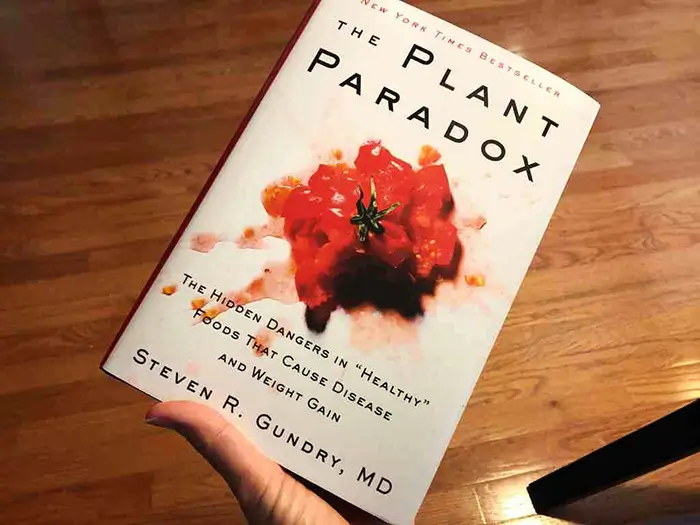
Siempre hay algún "mal" y alguna razón por la que la gente debería evitar comer la dieta basada en alimentos vegetales enteros y, normalmente, este tipo de libros son bien recibidos y bien promocionados por los principales medios de comunicación. Después de leer el libro "Plant Paradox" alguien podría tener la idea de que comer alimentos vegetales crudos podría enfermarle debido a los antinutrientes y que lo mejor es evitar este tipo de toxinas como las lectinas. Opte por una carne magra rica en proteínas, bien, y grasas saludables como el pescado.
La verdad es que el los alimentos suelen estar diseñados para comerse crudos por la propia naturaleza. Comer verduras crudas es mejor que cocidas, pero comer alubias crudas, por ejemplo, puede matarte de muerte. Cinco alubias rojas secas crudas bastan para provocar vómitos, diarrea y dolor. Eso se debe a las sustancias llamadas lectinas, sustancias químicas que la gente de la dieta paleo considera una de las causas fundamentales de todos los males.
Hasta cierto punto, pueden tener razón. Las lectinas son una familia de proteínas que se unen a los hidratos de carbono. Se unen a los azúcares y se convierten en la porción glicoconjugada de los glucoconjugados en las membranas celulares. Los principales constituyentes de las membranas celulares humanas incluyen lípidos, glicoproteínas, proteínas ligadas a lípidos y proteínas. Por tanto, están en todos nosotros. Está demostrado que las lectinas desempeñan un papel diferente en el crecimiento celular, la muerte celular, la regulación de la grasa corporal y las funciones inmunitarias. Algunas de ellas nadie debería consumirlas nunca. Sin embargo, algunas de ellas son necesarias.
Como las plantas no pueden moverse, utilizan su química natural para protegerse de microorganismos, insectos y otros animales. Una de estas sustancias químicas defensivas son las lectinas. No hay que confundirlas con la leptina, que es una hormona peptídica de la saciedad producida casi exclusivamente en el tejido adiposo. Las lectinas desempeñan un papel en diferentes sistemas biológicos. No sólo en el cuerpo humano, sino también en animales, plantas, bacterias e incluso virus. Algunas son tóxicas, inflamatorias o ambas cosas, y pueden tener un valor antinutriente. Pueden bloquear la absorción de algunos nutrientes. Algunos son beneficiosos y tienen actividad anticancerígena. Existe una gran variedad de ellos.
La mayoría de ellas se destruyen al cocinarlas, pero algunas son resistentes a la cocción y a las enzimas digestivas. En la naturaleza, las semillas tienen que mantenerse frescas y listas para germinar, por lo que, de forma natural, en la semilla hay sustancias químicas que matarán todas las bacterias putrefactoras. Estas sustancias químicas pueden desactivarse remojándolas, que es el principio de la germinación. Cuando la semilla empieza a brotar, neutraliza sus sustancias químicas conservantes protectoras, que pueden tener efectos nutritivos y tóxicos.
Evitar las lectinas no es posible o casi imposible porque están presentes en todos nuestros alimentos. Abundan en las legumbres y cereales crudos y en algunas verduras, pero las lectinas más problemáticas se encuentran sobre todo en las legumbres. Algunas del trigo también pueden ser problemáticas.
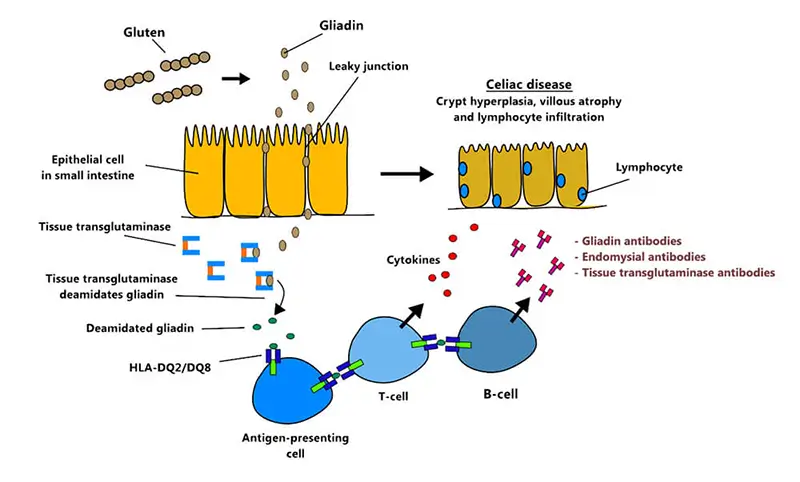
La gliadina del trigo, causante de la enfermedad celíaca, es una sustancia similar a la lectina que se adhiere a la mucosa intestinal humana. Hace más de 20 años que se teoriza que la gliadina es la toxina de la enfermedad celíaca. Como no digerimos las lectinas, éstas pasan a nuestra circulación sanguínea, por lo que a menudo producimos anticuerpos contra ellas. Todo el mundo tiene anticuerpos contra algunas lectinas alimentarias. La aparición de diferentes lectinas puede estimular una respuesta del sistema inmunitario. Sin embargo, dependiendo del individuo, la respuesta puede variar. En algunos individuos, algunos tipos de alimentos pueden volverse intolerables tras el cambio del sistema inmunitario o tras el aumento de la permeabilidad de la línea intestinal, por lo que la respuesta del sistema inmunitario también tendrá que aumentar.
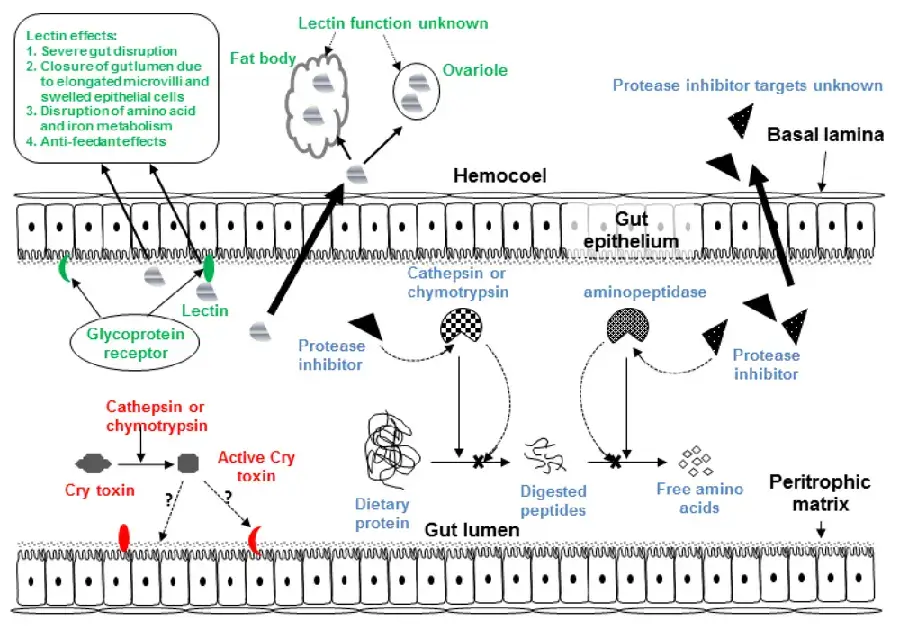
Si hemos desarrollado anticuerpos contra ellas, eso puede ser un problema, no por la lectina en sí, sino por algo llamado mimetismo molecular. Y eso puede ser una verdadera pesadilla. Si algún producto químico llega a nuestro torrente sanguíneo y nuestro sistema inmunológico produce anticuerpos contra ese producto químico y si el producto químico es similar a algunas de nuestras propias células, lo que significa que tiene una secuencia de aminoácidos que son los mismos que la secuencia en algunas de nuestras propias células, entonces las cosas malas van a suceder. Después de limpiar el malvado intruso químico, el anticuerpo detectará nuestra propia célula como el mismo químico y atacará nuestro propio tejido vivo comiéndonos desde dentro. Cuando el sistema inmunológico por error de mimetismo molecular comienza a atacar a nuestras propias células, comienzan los horrores de la enfermedad autoinmune nunca curable.
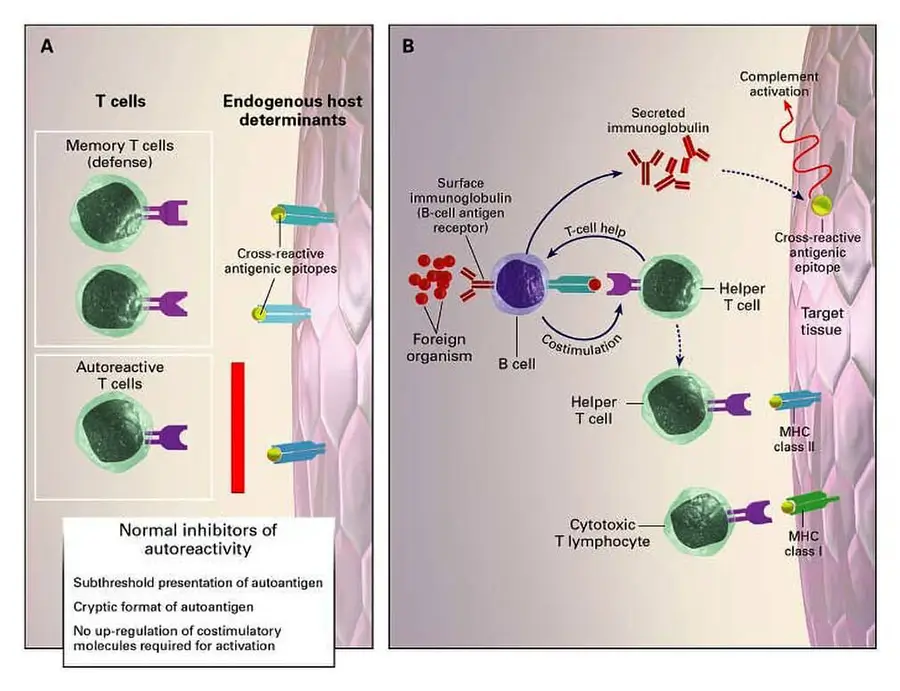
La gran noticia es que las lectinas no son genéticamente similares a nosotros porque son del reino vegetal que tiene células diferentes a las nuestras y no causarán reacciones autoinmunes. Sin embargo, aún pueden causar alergias e inflamación. Muchas lectinas son potentes alérgenos. Por ejemplo, la proheveína es el principal alérgeno del látex de caucho. En los últimos años, se ha creado una nueva cepa de tomates modificados genéticamente que ha añadido genes para la producción de proheveína debido a sus propiedades fungistáticas. Debido a esto, en el futuro podemos esperar un aumento de las alergias al tomate entre las personas sensibles al látex.
De interés específico es el hecho de que las lectinas pueden estimular antígenos HL de clase II en células que normalmente no los muestran, como las células de los islotes pancreáticos y de la tiroides. Por lo tanto, la diabetes insulinodependiente puede ser una posible enfermedad por lectinas. Otra posible correlación con una enfermedad lectínica es la artritis reumatoide. En la artritis reumatoide que responde a la dieta, uno de los alimentos desencadenantes más típicos es el trigo. Algunos de los efectos observados en el intestino delgado de los roedores fueron la eliminación de la capa mucosa y la exposición de la mucosa desnuda al crecimiento anormal de bacterias. Las lectinas también estimulan la secreción ácida al provocar la liberación de histamina de los mastocitos gástricos. Los tres componentes patógenos centrales de la úlcera péptica, el desprendimiento de la capa mucosa de defensa, la proliferación bacteriana anormal (Helicobacter pylori) y, a continuación, la liberación de histamina y la estimulación ácida, están todos teóricamente relacionados con las lectinas.
Sin embargo, si todos comemos lectinas, ¿por qué no todos padecemos úlceras pépticas, artritis reumatoide y diabetes insulinodependiente? En parte porque las células se preservan tras una fina pantalla de moléculas de ácido siálico y en parte por cambios naturales en los glucoconjugados que recubren nuestras células. Sin embargo, las moléculas de ácido siálico pueden ser arrancadas por la enzima llamada neuraminidasa, presente en varios microorganismos como los estreptococos y los virus de la gripe. Esto puede revelar por qué la diabetes y la artritis reumatoide tienden a producirse como una secuencia de infecciones. Lo mejor que se puede hacer cuando se está enfermo es escuchar al cuerpo, no a la madre, y no comer.
Lo que puede ocurrir que sea potencialmente peligroso es la situación en la que las lectinas afectan a la pared intestinal, y comemos alimentos del reino animal que son genéticamente similares a nuestras propias células. Las lectinas pueden causar inflamación y crear daños en el revestimiento de los intestinos. Si este daño no se regenera con la suficiente rapidez, el intestino puede sufrir fugas que permitan el paso de diversas moléculas (incluidas cosas que no deseamos) al torrente sanguíneo, y ese es uno de los principales factores responsables de la creación de enfermedades autoinmunes.
En situaciones normales para la mayoría de la gente, la inflamación por lectinas no suele estar al nivel que es peligroso y no debería ser el problema, pero si usted tiene una alergia a algunas de las lectinas, entonces podría. El cerebro es el cerebro, y el músculo es un músculo, por así decirlo, así que si al mismo tiempo tenemos el intestino permeable y comemos tejido animal, las enfermedades autoinmunes son teóricamente posibles, especialmente debido a nuestro bajo nivel de acidez estomacal que no puede disolver completamente la proteína animal. Las proteínas globulares no digeridas del tejido animal similares a nuestro propio tejido que entran en nuestro torrente sanguíneo debido a la inflamación de lectina en el intestino son una receta para las enfermedades autoinmunes. Lo único que es normal son los aminoácidos individuales que pasan, si tenemos más aminoácidos en la cadena en la sangre entonces es un invasor potencial nadando alrededor y el sistema inmunológico entra en acción.
Para las personas con intestino permeable, enfermedad de Crohn, y cualquier tipo de problema con la digestión de comer proteína animal es en mi opinión una pierna en la tumba. Un verdadero carnívoro con acidez estomacal de pH uno no tiene que preocuparse por esto. También cuando se consumen suficientes lectinas, puede indicar a nuestro cuerpo que evacue el contenido gastrointestinal. Esto significa vómitos, calambres y diarrea. Además, puede inducir una amplia respuesta del sistema inmunológico creando inflamación a medida que las defensas del cuerpo se mueven para atacar a los invasores.
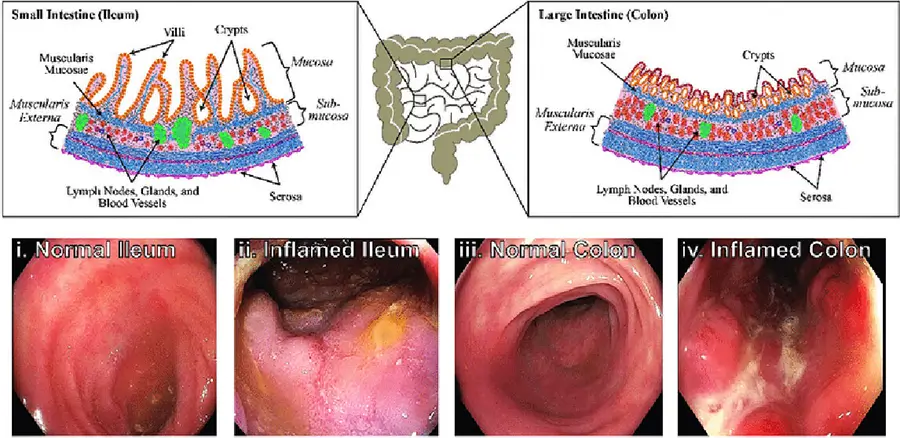
Si comes proteína animal o incluso si no lo haces, es una buena idea hacer pruebas alérgicas para cada tipo de alimento temprano en la infancia porque las alergias alimentarias pueden entrar en cascada en el intestino permeable, luego en autoinmune enfermedades como la diabetes tipo 1 o esclerosis múltiple.
La peor lectina y la más famosa es la ricina, producida en las semillas del ricino, Ricinus communis. La ricina se utilizó incluso en un programa militar experimental de guerra química durante la Primera Guerra Mundial. Se intentó fabricar balas de recubrimiento y bombas de ricina, pero el programa no resultó especialmente útil. Se necesitan exactamente 1,78 mg de ricina para matar a una persona adulta media. Incluso se puede inhalar. Es aproximadamente la misma cantidad que unos granos de sal de mesa a la que la ricina se parece visualmente. Es imposible de rastrear en los exámenes toxicológicos porque el veneno es sólo un catalizador que iniciará una reacción en cadena en el cuerpo. Cuando aparecen los primeros síntomas, la ricina ya está destruida y no puede detectarse en el organismo. Es al menos diez veces más tóxico que el gas nervioso más potente. Una solución acuosa al 1% con un explosivo tiene la misma eficacia que el gas nervioso sarín. Ese es el poder de las plantas. La única desventaja del ricino es el tiempo que necesita para que las víctimas mueran. No tendrá el rápido efecto táctico de un gas nervioso como el sarín si se utiliza en combate, por lo que se abandonó como arma militar. Sin embargo, para asesinatos individuales encubiertos, es una sustancia útil porque el asesino puede escapar mucho antes de que se hayan detectado los primeros síntomas de envenenamiento. El disidente búlgaro Georgi Markov fue asesinado de esta forma en 1978 en plena calle en Londres apuñalándole por la espalda con un paraguas. El paraguas tenía ricina, y cuando le apuñalaron en la pierna con él, se acabó el juego. Murió cuatro días después. Actualmente no existe ningún antídoto para el envenenamiento por ricino, sólo un material experimental que no está a disposición del público y que no es muy fiable porque el antídoto sólo funciona mientras el ricino está todavía en la sangre. Por lo general, cuando aparecen los primeros síntomas ya es demasiado tarde. Si se está expuesto, la muerte está garantizada. Sólo es posible la vacunación y sólo es eficaz durante varios meses inyectando una forma inactiva de la cadena de proteínas.

La serie Breaking Bad inspiró en realidad varios casos criminales reales de envenenamiento con ricino. El gobierno estadounidense ha hecho todo lo posible por ocultar copias de este veneno mortal, pero en realidad, pude encontrar una en un par de minutos. Las semillas de ricino contienen alrededor de un 5-10 por ciento de ricina. Sólo tienes que quitar el aceite y la fibra y filtrarlo. Incluso de cinco a diez semillas de ricino molidas crudas matarán a un humano adulto sin hacer el veneno. Y sí, el aceite de ricino es perfectamente seguro, según la FDA y tu abuela, la ricina no está en el aceite de ricino. Cuando sabemos de cosas como esta, es fácil difundir la histeria sobre las lectinas como el libro Plant Paradox y otra mala ciencia hecha para vender productos y dietas escudo de lectina. Además, las lectinas en la dieta no son específicas del grupo sanguíneo, por lo que la dieta del grupo sanguíneo es simplemente errónea. Me recuerda a la historia del gluten. Evitar las lectinas puede convertirse en una nueva estafa del gluten. Aunque muchos tipos de lectinas son peligrosos, también hay lectinas beneficiosas para la salud que pueden reducir la incidencia de ciertas enfermedades.
Además, son necesarias para algunos de los procesos bioquímicos esenciales en los que el organismo utiliza las lectinas para conseguir muchas funciones esenciales, como la muerte celular programada, la modulación inflamatoria y la adherencia entre células. Las que pueden causar problemas son las de las judías y si se tienen alergias alimentarias y ya está. En realidad, las dosis bajas de lectinas son beneficiosas porque mejoran la obesidad, limitan el crecimiento de tumores y estimulan la función intestinal. Especialmente para el cáncer de colon. La propia ricina ha sido objeto de varios experimentos como nuevo fármaco para el tratamiento del cáncer. Hay lectinas que matan las células cancerosas y al mismo tiempo no hacen nada a las células normales. Incluso hay lectinas que obligan a las células cancerosas mutágenas a volver a ser normales sin matarlas. El interés comenzó en 1963, tras el descubrimiento de que las lectinas pueden distinguir entre células normales y malignas. Las lectinas son tan específicas que una muestra de heces puede predecir la presencia de pólipos y cánceres basándose en la unión de la lectina a las células de revestimiento del colon. En una placa de Petri, hasta ahora han sido capaces de eliminar una gran variedad de cánceres.
Dado que la mayoría de las lectinas se encuentran en el intestino, los beneficios para el cáncer colorrectal son máximos, ya que la mayoría de ellas entrarán en contacto con las células del colon antes de ser absorbidas. Las grandes farmacéuticas investigan actualmente diferentes lectinas, y se espera que en el futuro haya medicamentos basados en lectinas. Si nos fijamos en los estudios, el consumo de judías en la dieta se ha correlacionado con un menor riesgo de cáncer colorrectal, riesgo de diabetes y mortalidad en todos los casos. El consumo de cereales integrales se ha correlacionado con un menor riesgo de cardiopatías, accidentes cerebrovasculares, diabetes, cáncer y mortalidad por todas las causas. Lo mismo ocurre con otros alimentos integrales ricos en lectina. Si usted no es alérgico a comer tomates o granos enteros o frijoles en realidad reducir la inflamación general en el cuerpo, incluso con todas las lectinas inflamatorias en ellos. Sólo las legumbres son venenosas cuando están crudas.
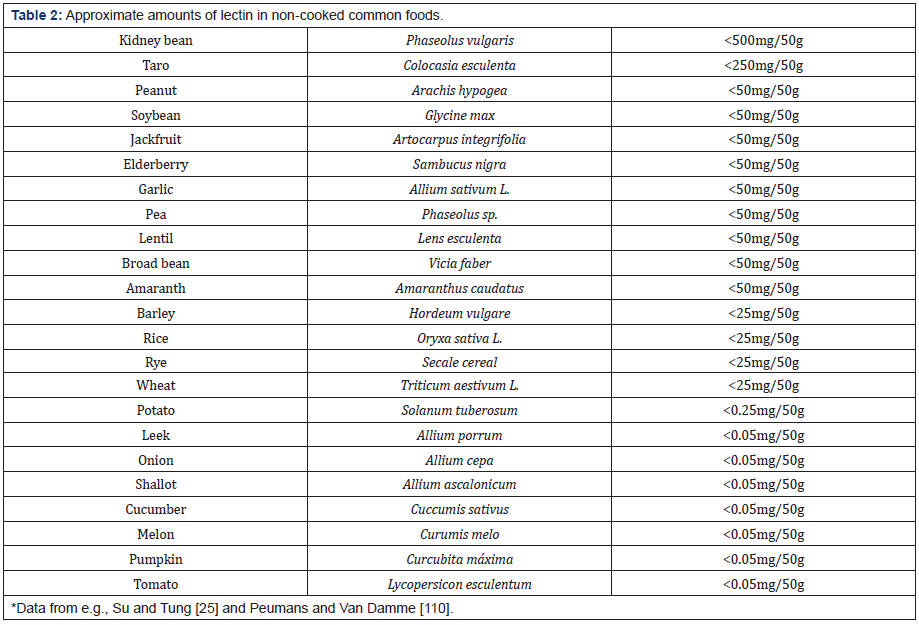
Entonces, ¿cómo eliminamos las lectinas de las judías?
Si las alubias se dejan en remojo durante 5 horas, 15 minutos de cocción eliminarán por completo todas las lectinas que contienen. Si se utiliza una olla a presión, el tiempo es inferior a 8 minutos. Antes de que las alubias sean apetecibles, las lectinas habrán desaparecido. Si las alubias no están en remojo, unos 45 minutos de cocción a presión las eliminarán, pero seguirán siendo apetecibles después de 60 minutos. En cualquier caso, las alubias no contienen lectinas y son apetecibles independientemente de cómo se cocinen. Una nota importante, las lectinas son hasta cierto punto resistentes al calor seco como el que se produciría al hornearlas. Cocinar con flor de legumbre que no se haya remojado y cocido antes no es una forma tradicional, pero tampoco prudente o inteligente. La segunda línea de defensa contra las lectinas son los hidratos de carbono simples, porque las lectinas se unen a ellos instantáneamente. Las pequeñas cantidades de lectinas que quedan tras el remojo y la cocción se unen a los carbohidratos libres de los alimentos y se desactivan eficazmente. Sólo las personas que comen una dieta cruda con ciertas infecciones agudas o crónicas como intestino permeable u otras condiciones pueden encontrar que la minimización de lectinas es necesaria, pero incluso en su caso podría no serlo. Las lectinas están aquí para quedarse, pero hay algunos otros tipos de toxinas naturales además de las lectinas que debemos tratar de minimizar.
Referencias:
Pasajes seleccionados de un libro: Pokimica, Milos. Go Vegan? Examen de Ciencias de la Parte 1. Kindle ed., Amazon, 2018.
- Aune, Dagfinn et al. “Whole grain consumption and risk of cardiovascular disease, cancer, and all cause and cause specific mortality: systematic review and dose-response meta-analysis of prospective studies”.” BMJ (ed. de investigación clínica) vol. 353 i2716. 14 de junio de 2016, doi:10.1136/bmj.i2716
- Aune, Dagfinn et al. “Whole grain consumption and risk of cardiovascular disease, cancer, and all cause and cause specific mortality: systematic review and dose-response meta-analysis of prospective studies”.” BMJ (ed. de investigación clínica) vol. 353 i2716. 14 de junio de 2016, doi:10.1136/bmj.i2716
- Van Buul, Vincent J., y Fred Brouns. “Efectos de las lectinas del trigo sobre la salud: A Review”.” Revista de Ciencia de los Cereales, vol. 59, no. 2, Elsevier BV, mar. 2014, pp. 112-17. https://doi.org/10.1016/j.jcs.2014.01.010.
- Chan, Yau Sang et al. “White kidney bean lectin exerts anti-proliferative and apoptotic effects on cancer cells”.” Revista internacional de macromoléculas biológicas vol. 85 (2016): 335-45. doi:10.1016/j.ijbiomac.2015.12.094
- De Mejía, Elvira González, y Valentin I Prisecaru. “Lectinas como proteínas vegetales bioactivas: un potencial en el tratamiento del cáncer”.” Revisiones críticas en ciencia de los alimentos y nutrición. vol. 45,6 (2005): 425-45. doi:10.1080/10408390591034445
- Hamid, Rabia, y Akbar Masood. “Las lectinas alimentarias como tóxicos causantes de enfermedades”.” Revista de Nutrición de Pakistán, vol. 8, no. 3, Asian Network for Scientific Information, mar. 2009, pp. 293-303. https://doi.org/10.3923/pjn.2009.293.303.
Contenidos Relacionados

¿Tienes alguna duda acerca de la nutrición y la salud?
Me encantaría conocer tu opinión y responderlas en mi próximo post. Agradezco su aportación y opinión y espero tener noticias suyas pronto. También le invito a síguenos en Facebook, Instagram y Pinterest para más contenidos sobre dieta, nutrición y salud. Puedes dejar un comentario allí y conectar con otros entusiastas de la salud, compartir tus consejos y experiencias, y recibir apoyo y ánimo de nuestro equipo y nuestra comunidad.
Espero que este post le haya resultado informativo y ameno y que esté preparado para aplicar los conocimientos adquiridos. Si le ha resultado útil, por favor compártelo con tus amigos y familiares que también podrían beneficiarse de ella. Nunca se sabe quién puede necesitar orientación y apoyo en su camino hacia la salud.
– También Te Puede Interesar –

La deficiencia de vitamina D - Factores de Riesgo
Amla: Beneficios Probados, Nutrición e Importancia Clínica
Agua Destilada Para Beber: ¿Una Ayuda Para la Desintoxicación o un Veneno Mortal?

Dieta de alimentos crudos - La perspectiva evolutiva

Carnism - La psicología de consumo de carne

Esclerosis Lateral Amiotrófica- Floraciones de Algas Cianobacterias y Exposición a BMAA en La Dieta
Deficiencias Nutricionales en la Dieta Vegana: Estrategias de Prevención
Dieta Baja en Histamina e Intolerancia Histamínica: Guía Completa

Aprenda Sobre Nutricion

Milos Pokimica es doctor en medicina natural, nutricionista clínico, escritor sobre salud médica y nutrición y asesor en ciencias de la nutrición. Autor de la serie de libros Go Vegan? Revisión de la Ciencia, también dirige el sitio web sobre salud natural GoVeganWay.com.
Descargo De Responsabilidad Médica
GoVeganWay.com trae los comentarios de la última de la nutrición y la salud relacionados con la investigación. La información proporcionada representa la opinión personal del autor y no pretende ni implica ser un sustituto de consejo médico profesional, diagnóstico o tratamiento. La información proporcionada es sólo para fines informativos y no pretende servir como un sustituto de la consulta, el diagnóstico y/o tratamiento médico de un médico calificado o profesional de la salud.NUNCA ignore el CONSEJO MÉDICO PROFESIONAL O RETRASAR la BÚSQUEDA de TRATAMIENTO MÉDICO a CAUSA DE ALGO QUE HAYA LEÍDO EN O accesibles a TRAVÉS de GoVeganWay.com
NUNCA APLICAR CUALQUIER cambio de ESTILO de vida O CAMBIOS EN su totalidad COMO UNA CONSECUENCIA DE ALGO QUE HA LEÍDO EN GoVeganWay.com ANTES de CONSULTAR con LICENCIA PROFESIONAL MÉDICO.
En el caso de una emergencia médica, llame a un médico o al 911 inmediatamente. GoVeganWay.com no se recomienda ni aprueba ninguna de los grupos, las organizaciones, las pruebas, los médicos, productos, procedimientos, opiniones u otra información que pueda ser mencionado en el interior.
Selecciones del Editor -
El cáncer Editor De Selecciones Fitoquímicos
Poder Anticancerígeno de Frutas y Verduras: Pruebas Clínicas e in Vivo
Algunos extractos vegetales rivalizan con los principales fármacos quimioterapéuticos y, al mismo tiempo, atacan varios tipos diferentes de células cancerosas.
Antioxidantes Editor De Selecciones ORAC
Aceites Esenciales Como Suplementos Antioxidantes: Reglas y Estrategias
Los aceites esenciales de calidad alimentaria pueden ser una estrategia cómoda y de fácil consumo para optimizar el valor antioxidante y las puntuaciones ORAC de nuestra dieta.
Antioxidantes Editor De Selecciones ORAC
Dieta Rica en Antioxidantes: Reglas y Estrategias Generales
Existen estrategias fáciles y rentables para optimizar el valor antioxidante de nuestra dieta.
Antioxidantes Editor De Selecciones ORAC
Comprender los Valores ORAC: Niveles de Antioxidantes en los Alimentos
Cuando tu principal fuente de antioxidantes es el café, sabes que tienes un grave problema.

Antioxidantes Editor De Selecciones ORAC
Astaxantina Beneficios: Antioxidante Natural Más Potente del Mundo
La astaxantina es el más potente y natural antioxidante universal (petróleo y agua-soluble) que conoce la ciencia. Se acumula en los tejidos y nunca puede convertirse en un pro-oxidante.
Antioxidantes Editor De Selecciones ORAC Fitoquímicos
Antioxidantes: Conceptos Básicos
Los productos de origen animal no contienen fitoquímicos ni antioxidantes. Por término medio, los alimentos vegetales contienen más de 60 veces más antioxidantes que los de origen animal.
Editor De Selecciones Dieta Vegana
Deficiencias Nutricionales en la Dieta Vegana: Estrategias de Prevención
Existen nueve deficiencias nutricionales comunes a escala poblacional que afectan a las personas que siguen una dieta basada en plantas. Si no se corrigen a tiempo, algunas deficiencias tienen consecuencias terribles y no tratables.
Editor De Selecciones Dieta Óptima
Deficiencia de Micronutrientes en la Dieta Americana Estándar: Estrategias de Optimización
El perfil nutricional de nuestra dieta moderna a base de carne, azúcar y alimentos procesados es totalmente incongruente con nuestra evolución, lo que provoca una grave carencia de micronutrientes.
Editor De Selecciones Fitoquímicos
Fitoquímicos: Conceptos Básicos
Todos y cada uno de los fitoquímicos que existen tienen una acción biológica en el cuerpo humano. Cada uno de los millones de fitoquímicos diferentes.
Editor De Selecciones La leche Dieta Óptima
Leche y Productos Lácteos: Correlaciones de Riesgo Para la Salud
Las asociaciones conocidas con el consumo de leche y productos lácteos son infertilidad, cáncer de ovario y de mama, leucemia, diabetes de tipo 1, autismo, arteriosclerosis, cataratas, artritis reumatoide, esclerosis múltiple, hiperactividad, congestión, granos...
El cáncer Editor De Selecciones La proteína
Proteína Completa: Señalización del IGF-1 en la Formación del Cáncer
Cuando usted come proteínas animales que tienen cuatro veces más probabilidad de desarrollar todos los tipos de cáncer. Cuando usted fuma, usted tiene cuatro veces la posibilidad de desarrollar cáncer de pulmón.

El cáncer Editor De Selecciones La proteína
La Anatomía de Cáncer de riesgo para la Salud de las correlaciones
Aproximadamente el 2% de los cánceres son por la medicina considera puramente causada por factores genéticos. De la misma gama como dentro del reino animal. No le han dicho toda la verdad.
Milos Pokimica es escritor especializado en salud y nutrición y asesor en ciencias nutricionales. Autor de la serie de libros Go Vegan? Revisión de la Ciencia, también dirige el sitio web sobre salud natural GoVeganWay.com.
Últimos Artículos –

La Restricción De Calorías La longevidad
Cómo Ayunar: Alimentos en Ayunas Que No Rompen la Autofagia
Autofagia. ¿Se ha preguntado alguna vez qué ocurre con las células de su cuerpo cuando mueren o se dañan? ¿Se amontonan y crean problemas, o se eliminan de alguna manera? La respuesta es que su cuerpo...

Salud Dental Prevención
Dolor y Sensibilidad a los Dulces: Solución Rápida y Duradera
Una solución rápida y fácil para aliviar el dolor es el aceite esencial de clavo, un potente antioxidante y analgésico que puede ayudar con las enfermedades de las encías y el dolor de muelas.
Los frijoles
Judías Verdes: Nutrición y Beneficios Para la Salud
Los frijoles verdes son bajos en calorías y ricos en compuestos naturales que pueden ayudar a controlar su azúcar en la sangre, reducir el colesterol y combatir los radicales libres.
Dieta de alimentos crudos Dieta Vegana
Se Pueden Comer Setas Crudas: Riesgos Para La Salud, Nutrición Y Seguridad
Las setas tienen toxinas sensibles al calor, como la hidracina o la agaritina, y paredes celulares compuestas de quitina que el ser humano no puede digerir bien.
Dieta Vegana
¿Son Los Peces Animales? Una Perspectiva Cultural
En algunas culturas, la carne de pescado no se considera carne, y el pescado está permitido incluso durante el ayuno.

Salud Dental Prevención
Enjuague Bucal Natural Casero: Probado, Más Fuerte y Menos Tóxico
El enjuague bucal natural hecho en casa es más fuerte que la clorhexidina, menos tóxico y si se ingiere puede dar un poco de náuseas, pero también un alto estallido en el valor ORAC.
Salud Dental Prevención
Cómo Detener la Caries Dental: Síntomas, Causas y Prevención
El consumo de azúcar es la principal causa de caries y deterioro dental, combinado con carencias de minerales, especialmente magnesio, zinc, cobre y oligoelementos.
Antioxidantes Superalimentos
Amla: Beneficios Probados, Nutrición e Importancia Clínica
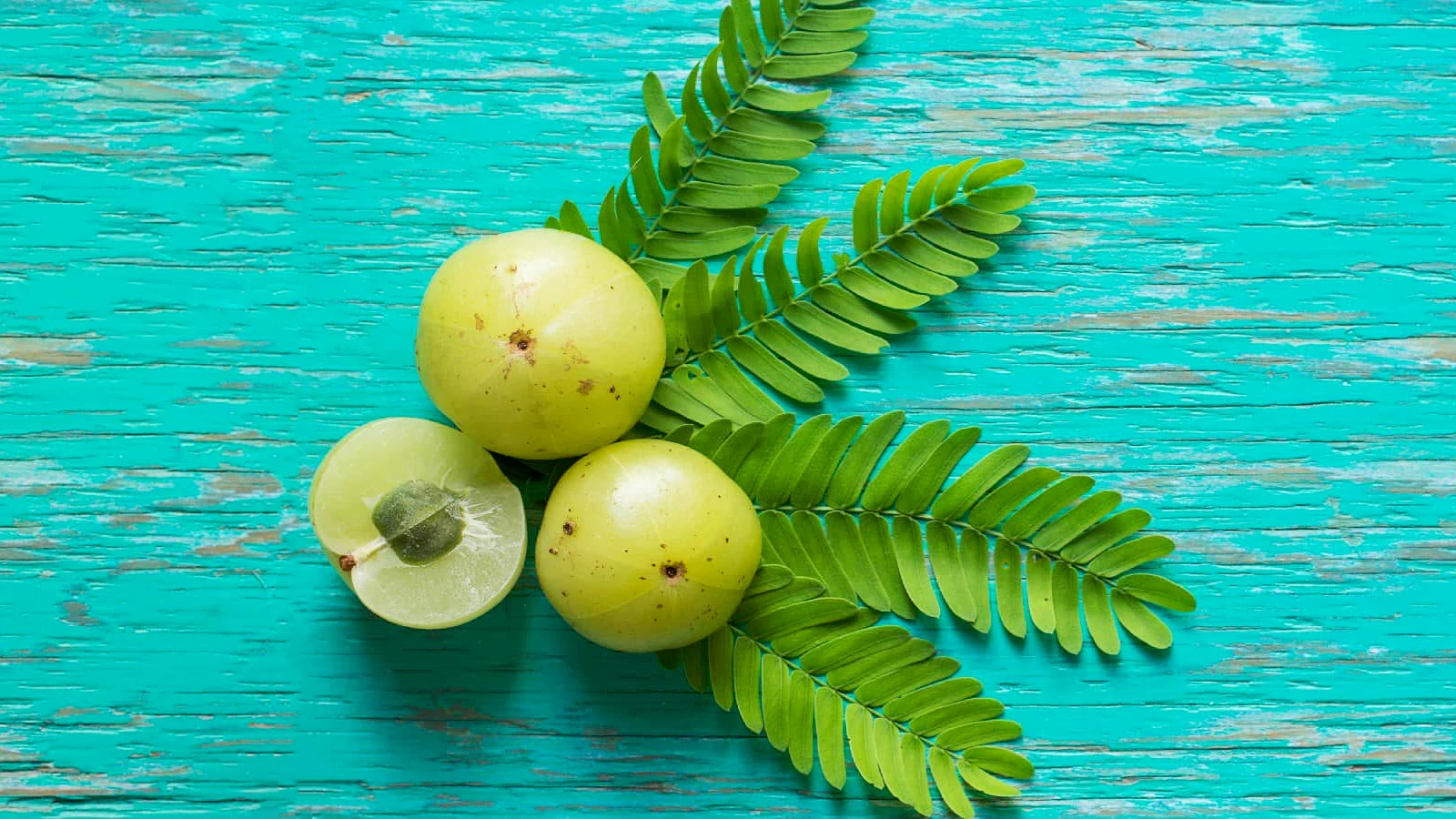
El amla es uno de los antioxidantes más potentes del mundo, con una puntuación ORAC de 261.530. Es una rica fuente de fitoquímicos que tienen diversos beneficios para la salud. Es una rica fuente de fitoquímicos que tienen diversos beneficios para la salud.
Top Noticias De Salud — ScienceDaily
- Why some people escape Alzheimer’s despite carrying a high-risk geneen octubre 19, 2026
Scientists have discovered why some people with a high genetic risk of Alzheimer’s remain mentally sharp into their 80s, uncovering a rare mutation that protects the brain from harmful protein buildup. The findings reveal a potential new way to prevent early brain damage and could pave the way for treatments that mimic this natural defense.
- Scientists discover why some people still can’t taste food after COVID-19en octubre 19, 2026
Scientists have uncovered a possible explanation for why some people struggle to taste food more than a year after recovering from COVID-19. By examining taste buds from patients with lingering symptoms, researchers discovered molecular abnormalities that weaken the signals responsible for detecting sweet, bitter, and savory flavors.
- Just 3,000 steps a day may help slow Alzheimer’s, scientists finden octubre 19, 2026
Walking just 3,000 steps a day could help slow Alzheimer’s-related brain changes, according to new research. Scientists discovered that physical activity was linked to less buildup of harmful tau proteins and nearly half the cognitive and functional decline, even in people already showing early signs of the disease. The strongest benefits appeared at 5,000 to 7,500 daily steps, suggesting that the popular 10,000-step goal may not be necessary.
- Scientists win 2026 Nobel Prize for controlling brain cells with lighten octubre 19, 2026
A discovery in tiny algae led to a Nobel Prize-winning breakthrough that allows scientists to switch brain cells on and off using light. The revolutionary technique has already helped researchers activate memories and is opening new possibilities for restoring vision and treating brain disorders.
- “Mind-blowing” Alzheimer’s breakthrough: Two hours of sleep restored without clearing brain plaquesen octubre 19, 2026
Scientists have uncovered an unexpected culprit behind sleep loss in Alzheimer’s disease: overactive immune cells in the brain. By temporarily removing these cells, researchers restored more than two hours of sleep per day in mice, revealing a promising new target for treatment.
- Fatty liver disease is actually five different conditions, scientists discoveren octubre 19, 2026
A common liver disease affecting nearly 30% of adults worldwide may be far more complicated than scientists previously realized. Mayo Clinic researchers have discovered that fatty liver disease actually consists of five distinct biological subtypes, each carrying different risks for liver failure, cancer, heart disease, and other serious complications.
- Modern neuroscience is rediscovering a surprising idea freud had 130 years agoen octubre 19, 2026
Researchers have identified striking parallels between Sigmund Freud’s century-old theories and modern neuroscience, suggesting that the brain’s constant predictions shape how we experience reality. The findings could help explain why harmful thought patterns are so difficult to break and offer new insights into treating mental disorders.
PubMed, #Dieta vegana –
- Common questions and misconceptions about diets: what does the scientific evidence really show?en octubre 15, 2026
The study of diet and nutrition is often filled with numerous myths and misconceptions. A Google Scholar search of “diets health” yields over 4 million results. This review examines frequently asked questions about diets and dietary habits. These questions include the following: 1) Is a caloric surplus necessary for building skeletal muscle? 2) Is it possible to lose body mass or fat mass without caloric restriction? 3) Is intermittent fasting better than chronic caloric restriction for […]
- Toward consensus on complementary feeding recommendations: findings from a national evidence-informed modified Delphi study in Türkiyeen octubre 12, 2026
CONCLUSIONS: Integration of quantitative Delphi findings with qualitative thematic analysis revealed that non-consensus primarily stemmed from the practical nuances of clinical execution and contextual adaptation, rather than a fundamental skepticism toward the underlying scientific data. These findings provide an evidence-informed foundation for developing context-sensitive CF recommendations for clinical practice.
- Characterization of nutritional intake in vegan pregnant women and its association on birth weighten octubre 8, 2026
CONCLUSIONS: Vegan women had a higher rate of SGA than non-vegan women, and this increased risk may be partly related to differences in maternal protein intake and composition. In addition, vegan women had lower dietary intakes of calcium, vitamin B12, vitamin D, DHA, and choline, highlighting these nutrients as important considerations in the nutritional assessment and counseling of pregnant women adhering to a strictly vegan diet.
- Changes in ectopic lipids, insulin sensitivity, and beta cell function after a low-fat vegan diet in adults with type 2 diabetes: a 16-week single-arm clinical trialen octubre 8, 2026
CONCLUSIONS: On an ad libitum low-fat plant-based (vegan) dietary intervention, the participants with type 2 diabetes experienced reductions in ectopic fat, particularly visceral and hepatocellular fat, improvements in insulin sensitivity, reductions in AGEs, and improvements in beta-cell function.
Random Posts –
Antioxidantes Superalimentos
Beneficios de la Espirulina: Superalimento Rico en Ficocianinas
La espirulina tiene potentes propiedades antioxidantes, anticancerígenas, antivirales e inmunomoduladoras, así como capacidad para combatir la obesidad, la diabetes y el colesterol.
Antioxidantes
Vitamina C Intravenosa en el Tratamiento de la Gripe: Pruebas Vivas de la Práctica Clínica
Cuando quiere que le administren vitamina C intravenosa en el hospital, no se lo dice a su médico. En lugar de eso, le dice a su abogado que se lo diga a su médico, por escrito.
El cáncer Desintoxicación La inflamación
Beneficios del Sulforafano: El Superpoder Desintoxicante del Brócoli
El sulforafano es el inductor enzimático natural de fase 2 más potente conocido por la ciencia. También está demostrado que el sulforafano es un inhibidor dosis-dependiente de la tumorigénesis inducida por carcinógenos.

Dieta de alimentos crudos
Dieta de alimentos crudos - La perspectiva evolutiva
La creencia básica en la comunidad de los alimentos crudos es que una dieta de alimentos crudos es la forma más natural y saludable de vivir. ¿Qué nos dice la biología evolutiva?

La Medicina Alopática Editor De Selecciones
La Medicina alopática - El Surgimiento de una Industria
El saldo de las secciones médicas se mantuvo igual a la vuelta del siglo 20, cuando los nuevos tratamientos médicos se supo que eran potencialmente muy rentable.
Antioxidantes Editor De Selecciones ORAC
Aceites Esenciales Como Suplementos Antioxidantes: Reglas y Estrategias
Los aceites esenciales de calidad alimentaria pueden ser una estrategia cómoda y de fácil consumo para optimizar el valor antioxidante y las puntuaciones ORAC de nuestra dieta.
La Restricción De Calorías El cáncer La longevidad
La restricción de calorías, la Autofagia, la Longevidad, y la pérdida de masa Muscular
Todos queremos una cantidad considerable de masa muscular y un metabolismo rápido para poder comer más, pero la autofagia es lo que se ajusta a la biología evolutiva.
Editor De Selecciones Dieta Óptima La proteína
Necesidades de Proteínas: Una Verdad Incómoda
Cuando el antropólogo estudios mostraron que los propios homínidos vivían en promedio de 15 a 20 gramos de proteína al día hubo un llamado de un "Gran proteína fiasco" de vuelta en la década de 1970.

Dieta Óptima ORAC
Extracción Casera de Aceite: La Técnica Secreta de la Densidad de Nutrientes
El procesamiento de los alimentos (casa de la extracción de aceite) también puede ser utilizado en invertir para aumentar la densidad nutricional y el perfil de los alimentos.
Antioxidantes ORAC
Consumo Optimo de Antioxidantes: Ingesta Recomendada de Unidades ORAC
El consumo óptimo de antioxidantes depende de la exposición a la toxicidad. La puntuación mínima de unidades ORAC es de 8000 a 10000 diarias sólo para contrarrestar el metabolismo.

Puestos Destacados –

Editor De Selecciones Dieta Óptima
Dieta Humana Optima- Enfermedades Crónicas, Guerras de Dietas y el Argumento Vegano
Nuestra dieta humana óptima natural es la dieta que comieron nuestros ancestros homínidos durante los últimos 30 millones de años, no los humanos anatómicamente modernos de la Edad de Piedra.
Editor De Selecciones Prevención Toxicidad
Toxicidad Ambiental- Es Sólo Una Cadena Alimentaria
Toxicidad ambiental es la bioacumulación de toxinas. Los organismos son los filtros. Pero hay uno más aun peor proceso llamado biomagnificación en la cadena alimentaria.
La Diabetes Editor De Selecciones
La Diabetes causa y los hidratos de carbono refinados - Los veganos argumento
La gente cree que los carbohidratos refinados se asocian a picos de insulina y son una de las causas de la diabetes. Y tienen razón. Sin embargo, también se equivocan.

Editor De Selecciones Dieta Óptima La proteína
Dieta Alta En Proteínas - Riesgo Para La Salud De Las Correlaciones
La escasez es la regla de la proteína en la naturaleza. En términos evolutivos, los antropólogos han demostrado que los propios homínidos vivieron un promedio de 15 a 25 gramos de proteína al día. En la occidental moderna, que tipo de dieta alta en proteínas nos consumiría que...
Editor De Selecciones La inflamación
Los seres humanos omnívoros dilema - el consumo de Carne, las bacterias probióticas, la inflamación y el intestino
Son los seres humanos omnívoros en un verdadero anatómica sentido? Hay una diferencia fundamental en la forma en que el tracto digestivo trabaja en plantas vs consumo de carne de las especies.
Antioxidantes Editor De Selecciones ORAC
Dieta Rica en Antioxidantes: Reglas y Estrategias Generales
Existen estrategias fáciles y rentables para optimizar el valor antioxidante de nuestra dieta.
El cáncer Editor De Selecciones La proteína
La Anatomía de Cáncer de riesgo para la Salud de las correlaciones
Aproximadamente el 2% de los cánceres son por la medicina considera puramente causada por factores genéticos. De la misma gama como dentro del reino animal. No le han dicho toda la verdad.

El cáncer Editor De Selecciones Toxicidad
Exposición a Plaguicidas en Niños: Pruebas de Exposición en la Vida Real
Los niños y especialmente las mujeres embarazadas son más vulnerables a la exposición a los pesticidas. Si analizamos el mundo real de los niveles de exposición en situaciones de la vida real, lo que podría ser el resultado?

La Diabetes Editor De Selecciones Dieta Óptima
Azúcar Refinado: Comprender los Riesgos
Los niños consumen alrededor de una quinta parte del total de sus necesidades de calorías de sólo el azúcar refinado. Si añadimos la grasa y el resto de la nutrición privados de alimentos procesados a la lista se convierte en una nutrición completa pesadilla.

Editor De Selecciones La Obesidad Dieta Óptima
Causa de la Obesidad - la falta de adaptación o adicción
¿Cuál es la causa de la epidemia de obesidad? Para toda la vida en la Tierra, los alimentos no es una opción. La cosa más dura para los animales en el desierto es la ganancia de peso.
La última versión desde PubMed, #Dieta basada en plantas –
- Black-Tailed Godwits Eat Animal and Plant Material at a Key Non-Breeding Site at the Overlap of Two Asian Flywayspor Delip K Das en octubre 20, 2026
Dietary knowledge of migratory birds along their migration routes is fundamental for understanding ecological and evolutionary aspects of bird migration, how migrants select and repeatedly use specific non-breeding areas, accumulate fuel for migration and breeding, and assess carrying capacity at key sites in the migratory network. Local changes in food availability and foraging habitat have been shown to contribute to population declines in migratory shorebirds. Nevertheless, the diet of […]
- The association of seven dietary patterns and the risk of dementia: a systematic review and meta-analysis of prospective cohort studiespor Yoona Kim en octubre 19, 2026
The incidence of dementia is steadily increasing, and the resulting socioeconomic burden is enormous, so it is necessary to establish scientific and systematic evidence for dementia prevention. This meta-analysis was performed to explore the association between dietary patterns and the risk of dementia. We searched the PubMed and ISI Web of Science databases up to October 2025 to identify prospective cohort studies investigating the association between dietary patterns and the risk of […]
- Effects of dietary barberry root powder on growth performance, immune responses, antioxidant status, and antioxidant-related gene expression in grass carp (Ctenopharyngodon idella)por Rakhshanifar Khalil en octubre 18, 2026
Due to having positive effects on aquaculture, plant-based dietary is very important. Therefore, this research examined the barberry root powder (BRP) supplementation on various parameters including growth performance, blood characteristics, antioxidant activity, gene expression related to antioxidant activity, and antibacterial properties in juvenile grass carp. The carps (mean weight 9 ± 0.58 g) were divided into 4 groups (a control group and three treatment groups receiving 0.5%, 1%, and […]
- Habitual Diet, Gut Microbiome Dysbiosis, and alpha-Synucleinopathy Conversion in Isolated Rapid Eye Movement (REM) Sleep Behavior Disorderpor Suyi Xie en octubre 17, 2026
CONCLUSIONS: Habitual diet in iRBD is associated with gut microbiome dysbiosis and predicts neurodegenerative progression. These findings highlight diet-microbiome interactions as modifiable targets for intervention in prodromal α-synucleinopathy. © 2026 The Author(s). Movement Disorders published by Wiley Periodicals LLC on behalf of International Parkinson and Movement Disorder Society.
- Adherence to the planetary health diet index and urinary phytoestrogen excretion: a nationally representative cross-sectional study of US adultspor Kyoung-Bok Min en octubre 17, 2026
CONCLUSION: Higher PHDI adherence was associated with higher urinary concentrations of selected plant-derived phytoestrogens among U.S. adults. These findings support biological coherence between planetary health-oriented dietary patterns and systemic exposure to plant-derived bioactive compounds. However, urinary phytoestrogens should be interpreted as complementary population-level exposure indicators of plant-forward dietary patterns rather than validated or specific biomarkers of PHDI…
- Developing a sustainable dietary pattern for Korean adults using quadratic programmingpor So-Yoon Yun en octubre 17, 2026
CONCLUSION: A sustainable dietary pattern satisfying the cultural acceptability, nutritional adequacy, and environmental sustainability constraints was identified. This pattern provides a scientific basis for developing Korean-style sustainable dietary guidelines and may inform future nutrition policies and food service practices.