







Agua Destilada Para Beber: ¿Una Ayuda Para la Desintoxicación o un Veneno Mortal?
Existe mucha desinformación sobre las propiedades desintoxicantes del agua y del agua destilada en particular. ¿Qué dice la ciencia al respecto?
Milos Pokimica
Escrito por: Milos Pokimica
Revisado Médicamente Por: Dr. Xiùying Wáng, M.D.
Actualizado el 4 de agosto de 2023Existe mucha desinformación sobre las propiedades desintoxicantes del agua y del agua destilada en particular. Tratar con agua desmineralizada también puede tener efectos adversos. No es algo que la gente normal deba hacer si antes no comprende completamente la totalidad del proceso. ¿Cuánta gente sabe que el agua destilada no conduce la electricidad? Incluso tiene un potencial de carga magnética diferente al del agua dura y es exactamente esta carga magnética la que puede ayudar en cierta medida a la eliminación de sustancias tóxicas, pero lo más importante no son las propiedades desintoxicantes del agua desmineralizada. Lo es, pero también lo es evitar toda la carga tóxica que conlleva el agua contaminada normal. La purificación del agua es un gran negocio.
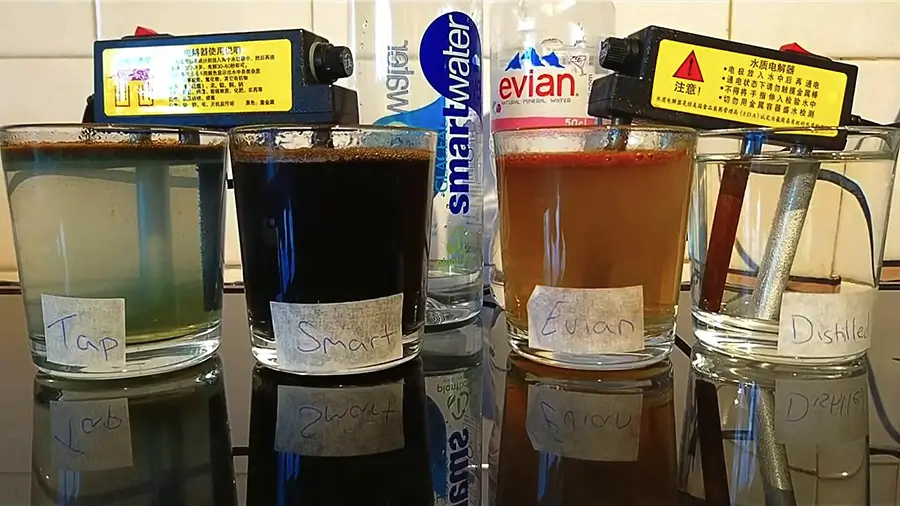
Además, no es antinatural. Todas las nubes del mundo son agua destilada. La lluvia y la nieve también. No es una sustancia química producida en el laboratorio, como la Coca-Cola. Es agua pura, H2O, sin nada más.
En el cuerpo humano, el agua funciona como disolvente y medio de transporte de nutrientes. También es un mecanismo de transporte de productos de desecho. Regula la temperatura corporal, lubrica las articulaciones y tiene muchas otras reacciones bioquímicas. Es el agua, sólo el agua H2O y no otros minerales disueltos y en suspensión, la que realiza cualquiera de estas funciones. Es sólo agua.
Cuando el agua tiene un contenido bajo de sólidos disueltos totales (TDS), significa que no contiene demasiados minerales disueltos. Si el agua está destilada, significa que sólo contiene H2O. El total de sólidos disueltos en el agua destilada es cero. También tiene diferentes propiedades de carga eléctrica que hacen que el agua destilada sea única, ya que tiene la capacidad de atraer minerales inorgánicos y toxinas por sí misma.
El agua destilada quiere saturarse por así decirlo, y esa es una propiedad que puede ser útil si quiere desintoxicarse. Se cree que el agua destilada puede ayudar al desintoxicación lavando el exceso de minerales inorgánicos y toxinas de los depósitos y otras partes del cuerpo.
Hay una gran diferencia entre los minerales inorgánicos y los orgánicos. Siendo realistas, los minerales no son más que metales inorgánicos, así que da igual de dónde los saques. El factor más importante cuando hablamos de minerales orgánicos frente a inorgánicos no es la composición, es el mismo metal, sino el tamaño y la forma que tienen. Una planta toma los minerales inorgánicos artificiales del suelo donde está creciendo que son grandes trozos de metal, si te gusta esa analogía. Cuando las plantas toman los minerales inorgánicos del suelo a través de las raíces, los sintetizan o, si se prefiere, los descomponen en formas y tamaños moleculares lo suficientemente pequeños como para realizar funciones biológicas normales en la materia viva.
El agua mineral que viene del arroyo está saturada de moléculas inorgánicas. El tamaño de estos minerales no es lo suficientemente pequeño como para que podamos realizar funciones biológicas, por lo que los llamamos inorgánicos, no porque sean otra sustancia molecular, sino simplemente porque el tamaño de la molécula es demasiado grande. Piénsalo así, en el agua mineral que viene de los arroyos también hay pequeños trozos o rocas que el agua desprende, pero no se ven a simple vista. Son pequeños pero no lo suficiente, al menos no lo suficiente como para ser utilizados como una forma orgánica de minerales.
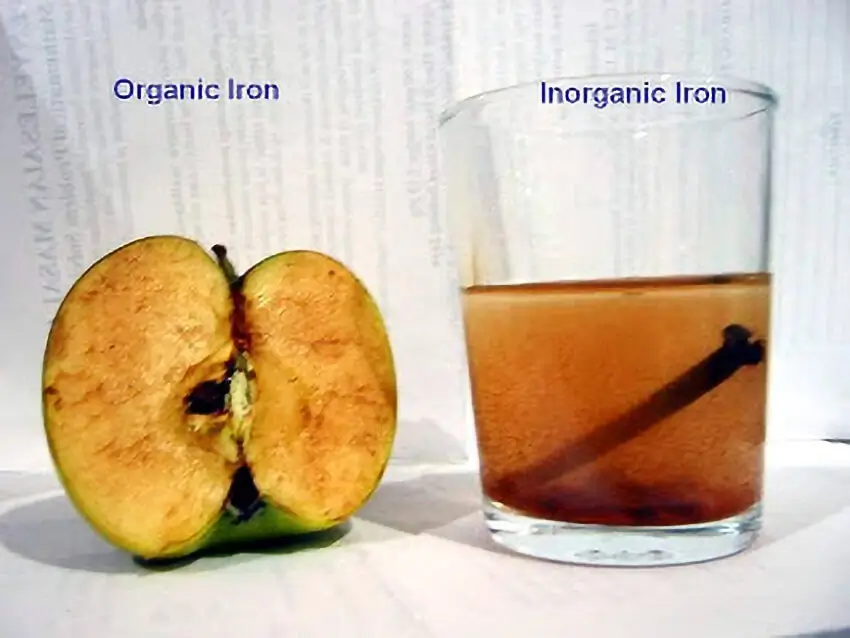
Sólo hay una forma de que el sistema digestivo humano pueda descomponer los minerales más grandes y fuertemente ligados en iones utilizables, y es con el ácido del estómago. El tiempo de tránsito de los alimentos por el estómago es de aproximadamente una hora. Si el ion mineral inorgánico no se ioniza durante este pequeño periodo de tiempo y el mineral sale del entorno altamente ácido del estómago, no se producirá ninguna otra descomposición beneficiosa en el intestino delgado. Toda descomposición posterior cesa. Si el compuesto mineral inorgánico es relativamente pequeño, como en el caso del agua de manantial profundo, es posible que el ácido del estómago lo degrade en partículas monoatómicas más pequeñas y sea biodisponible. Una vez que los minerales abandonan el entorno ácido del estómago, el resto de los minerales no ionizados no nos sirven para nada y no están disponibles para realizar ninguna función biológica en nuestro cuerpo, excepto las negativas. Por lo general, simplemente pasan a través de nuestro tracto gastrointestinal inutilizables. Pero si se ingieren grandes trozos de metales llamados minerales inorgánicos pueden acabar en el torrente sanguíneo en pequeñas cantidades. Sin embargo, pueden pasar al torrente sanguíneo en grandes cantidades si tienes un intestino permeable o inflamación en los intestinos.
No serán lo suficientemente pequeños como para integrarse en las células o realizar cualquier otra función biológica y crearán depósitos en el cuerpo si éste no los elimina.
Hay especulaciones no probadas que incluso recibirá de su médico habitual de que el agua destilada es peligrosa para su salud, ya que podría lixiviar los minerales del cuerpo y puede causar algunas deficiencias de minerales.
Se especula que la absorción de agua extremadamente purificada, tratada por destilación, ósmosis inversa o desionización, lixivia los minerales del organismo.
Porque hay minerales en el agua en primer lugar beber agua destilada hará problemas de la misma manera que quitar por ejemplo la cáscara del trigo con todos sus minerales y comer sólo harina refinada. Dicen que los minerales en el agua son una parte necesaria de nuestra absorción de minerales. Hubo algunos estudios rusos realizados sobre este tema y están disponibles a través de la Organización Mundial de la Salud. El resumen fue que los fluidos y electrolitos se reponen mejor con agua que contenga un mínimo de 100 mg/L de TDS. Sin embargo, esto sólo tiene relevancia en situaciones específicas en las que el cuerpo humano está expuesto a grandes esfuerzos y sudoración. Es el mercado de las bebidas deportivas y sólo hay una sustancia glucosa, azúcar común, que se añadió para ayudar a los músculos a reponer la pérdida de glucógeno rápidamente y para promover más energía en el ejercicio prolongado. El agua con bajo TDS o desmineralizada no tiene nada que ver, y para beber y cocinar a diario es la mejor opción. El cuerpo tiene los mecanismos para regular dentro de límites muy estrechos las concentraciones de minerales (iones) y agua también en todas las células y todos los órganos del cuerpo.
El órgano más responsable del equilibrio mineral son los riñones. Mantienen las concentraciones de iones y no sólo de sodio y potasio y calcio, sino de la mayoría de los minerales en el rango normal durante un proceso de eliminación y reabsorción.
Existe un proceso denominado ósmosis o presión osmótica. Cuando los iones de sodio fuera de la célula y los iones de potasio dentro de la célula están desequilibrados, entonces la presión osmótica está desequilibrada. Eso hará que el agua fluya a través de la membrana celular para neutralizar la diferencia de presión osmótica. Cualquier cambio que pueda ocurrir en un rango razonable de concentración de iones se ajusta en un par de segundos porque el agua se mueve rápidamente a través de las membranas celulares. Beber agua destilada (0 a 100 mg/L TDS) no tiene nada que ver. Si se produce algún cambio en el organismo, éste se equilibrará rápidamente sin ninguna consecuencia. En realidad, son los riñones los que controlan la concentración global de los componentes de los fluidos corporales y no algunas cantidades minúsculas de minerales inorgánicos en agua del grifo. Por término medio, los riñones de los hombres filtran unos 180 litros de agua al día. Más del 99% se reabsorbe en el torrente sanguíneo, y sólo entre 1,0 y 1,5 litros se eliminan en forma de orina. Si se bebe agua destilada con baja concentración de iones TDS, los mecanismos de retroalimentación nerviosos y hormonales harán que los riñones eliminen el agua extra que no se necesita y mantengan así la concentración de iones en el fluido corporal en valores normales. Lo contrario también es cierto. Si la concentración de iones en el fluido a filtrar es superior a la normal, el mecanismo homeostático del riñón mantendrá la osmolalidad del fluido normal reteniendo agua.
Por eso se hincha uno cuando come demasiada sal y poco potasio. El problema no es el sodio. Es el sodio sin oposición porque hay una falta de potasio en el cuerpo. Cuando una persona sana bebe agua con bajo TDS, no debería causar ningún problema de salud.
Las deficiencias nutricionales significativas podrían causar un problema de lixiviación a largo plazo, que es lo que argumentará MD.
¿En qué medida el consumo diario de uno o dos litros de agua con bajo contenido en SDT puede causar un problema de lixiviación? Tendremos que analizarlo con más detalle.
Si contamos todos los minerales del agua de manantial como orgánicos, no podrán componer más de un par de por ciento del total de minerales digeridos. Normalmente, los minerales deben proceder de los alimentos, no del agua. Beber agua de manantial pura y prístina de la tierra no contaminada del pasado no sería un problema. Ahora sí lo es. Y el agua destilada también puede tener algunos beneficios. La OMS había hecho experimentos con voluntarios. Los resultados mostraron que cuando la gente empieza a beber agua destilada, el aumento de la diuresis se produce con un 20% más de volumen de agua corporal, y también disminuyen las concentraciones séricas de sodio. Así que se excreta más agua y se pierde algo de sodio. Lo segundo que se observó fue la disminución de la concentración sérica de potasio. En resumen, beber agua destilada aumenta la eliminación de iones de sodio, potasio, cloruro, calcio y magnesio del organismo. El agua destilada interactúa con otro tracto gastrointestinal mediante osmorreceptores, provocando un mayor movimiento de iones de sodio hacia la luz intestinal. Esto provocará una ligera reducción de la presión osmótica en la sangre, con el consiguiente aumento de la descarga de sodio en la sangre como respuesta de adaptación. En respuesta, se activan los receptores de volumen en el torrente sanguíneo, lo que induce un aumento de la eliminación de sodio. Ahora bien, esto no será un problema en la naturaleza, pero especialmente ahora no lo es porque tenemos nuestro salero en cada mesa y esto puede ser realmente beneficioso dependiendo de cuánta sal comas y cuánta agua destilada bebas.

Hay otro problema real con el agua desmineralizada, y es por eso que dije que usted necesita saber lo que está haciendo. Se ha descubierto que, cuando se utiliza para cocinar, el agua blanda extrae una cantidad considerable de minerales de los alimentos, sean del tipo que sean. En algunos casos, las pérdidas pueden alcanzar entre el 60% y el 90%. Las cifras para el calcio y el magnesio rondan el 60%, el manganeso el 70%, el cobre el 66%, el cobalto el 86%, y así sucesivamente. Esto puede representar un problema porque si se cocina con agua blanda o destilada y luego se tira esa agua, se va a perder gran parte de la nutrición.
Por eso no se cocina con ella si el agua que se utiliza para cocinar no se va a consumir. Por ejemplo, cuando ponga las judías en remojo, utilice agua normal. Cuando cocines alubias utiliza agua normal o cuando cocines cualquier cosa que se vaya a enjuagar después utiliza agua normal.
Por el contrario, la capacidad del agua destilada para absorber los nutrientes de los alimentos se convierte en algo positivo si se va a beber esa agua. Cuando comemos, no absorbemos todos los nutrientes que hay en los alimentos. Absorbemos algunos de ellos, pero otros no se absorben. Es lo que absorbemos, no lo que comemos. Así que utilizar agua blanda o destilada puede ayudarnos a absorber más de los alimentos. Por ejemplo, usarla para hacer té. O cuando quiero hacer sopa o algún otro plato, utilizo agua destilada porque se filtrará de la comida y me ayudará a obtener más de la misma comida que el agua normal y sé que no tendrá todos los productos químicos contaminantes. Cuando tomo esa sopa o bebo té, ya no es agua destilada. Si quiero hacer leche de soja, por ejemplo, voy a utilizar el conocimiento del agua en mi beneficio remojando las judías en agua normal y luego cocinándolas en agua normal que no filtrará muchos de los nutrientes de las judías. Sin embargo, cuando quiera mezclarlas con la leche, las enjuagaré y utilizaré agua destilada para mezclarlas porque quiero extraer la mayoría de los nutrientes de las judías para hacer la leche. Una vez más, hay que saber lo que se hace. Yo personalmente no bebo mucha agua porque bebo muchos zumos de verduras a lo largo del día y como mucha fruta que es principalmente agua y además toda el agua de las comidas cocinadas, así que no tengo problemas de lixiviación. Me gusta la limpieza y el potencial de lixiviación del agua destilada para la desintoxicación, pero no bebo más de un vaso o dos al día. Si bebes 2 litros de agua porque no comes frutas o vegetales y no comes comidas cocinadas y ya tienes deficiencia de potasio como el 98% de los Americanos y luego haces una dieta con galones de agua destilada desintoxicante puedes llegar a un estado mas deficiente que el que ya tienes. Así que de nuevo no puedo decirte que bebas o no bebas, es un tema más complejo, y necesitas hacer tu propia investigación basada en la calidad del contenido mineral de tu dieta.
La razón por la que bebo y cocino con ella es precisamente por su potencial para lixiviar toxinas y minerales inorgánicos, y los minerales habituales los obtengo de los alimentos o incluso a veces de suplementos dependiendo de mi dieta. Suelo tomar yodo y alguna solución de oligoelementos orgánicos de vez en cuando. Una cosa más sobre la lixiviación de minerales. No va a lixiviar los minerales que ya se han integrado en las células. Sólo recoge minerales que ya han sido rechazados o excretados por las células. Se eliminarán sobre todo los minerales inorgánicos. Tienen una carga eléctrica diferente a los orgánicos y ellos mismos son atraídos al agua destilada por la carga. El agua destilada no filtrará los minerales de las células de sus tejidos.Hago análisis de sangre periódicos para ver los niveles de electrolitos y otros minerales, y nunca he tenido ningún problema.
Y una cosa más que es importante. Algunas sustancias químicas no son solubles en agua. Esta forma de toxinas solubles en grasa el cuerpo no puede eliminar a través de la orina. Debe ser eliminado a través de la fibra en los intestinos. La fibra es nuestro desintoxicante natural para los productos químicos solubles en grasa. La desintoxicación sin fibra no es completa. Lo mejor para desintoxicarse es algo que tenga agua destilada, todos los minerales y vitaminas, y fibra. Así que puedes intentar hacer ayuno de agua destilada con cáscara de psyllium y solución mineral orgánica o simplemente comer muchas verduras orgánicas crudas y tener en cuenta que la desintoxicación también depende de la vida media de las sustancias que ya has ingerido. La destilación tampoco elimina todas las toxinas. Las toxinas que pueden convertirse en vapor por debajo de 100 grados Celsius se destilarán con el agua. Suelen ser algunos de los pesticidas. Se pueden eliminar y, a menudo, los dispositivos de destilación domésticos tienen filtros secundarios hechos de carbón sólo por esto. Además, las partículas radiactivas no se vaporizan porque tienen una temperatura de ebullición más alta que el agua. Para las personas que viven en la zona de Fukushima y para todos los preppers por ahí para saber que cuando llegue el invierno nuclear. Puedes destilar el agua y perderá toda la radiactividad.
Referencias:
Pasajes seleccionados de un libro: Pokimica, Milos. Go Vegan? Examen de Ciencias de la Parte 1. Kindle ed., Amazon, 2018.
Contenidos Relacionados
¿Tienes alguna duda acerca de la nutrición y la salud?
Me encantaría conocer tu opinión y responderlas en mi próximo post. Agradezco su aportación y opinión y espero tener noticias suyas pronto. También le invito a síguenos en Facebook, Instagram y Pinterest para más contenidos sobre dieta, nutrición y salud. Puedes dejar un comentario allí y conectar con otros entusiastas de la salud, compartir tus consejos y experiencias, y recibir apoyo y ánimo de nuestro equipo y nuestra comunidad.
Espero que este post le haya resultado informativo y ameno y que esté preparado para aplicar los conocimientos adquiridos. Si le ha resultado útil, por favor compártelo con tus amigos y familiares que también podrían beneficiarse de ella. Nunca se sabe quién puede necesitar orientación y apoyo en su camino hacia la salud.
– También Te Puede Interesar –
Leche y Productos Lácteos: Correlaciones de Riesgo Para la Salud
Toxicidad Ambiental- Es Sólo Una Cadena Alimentaria
Amla: Beneficios Probados, Nutrición e Importancia Clínica
Desintoxicación– Una Revisión Científica
Aspartamo: La Verdad Sobre Sus Riesgos Y Peligros
Consumo Optimo de Antioxidantes: Ingesta Recomendada de Unidades ORAC

El agotamiento de glucógeno - Cómo no hacer ejercicio
Dieta Alta En Proteínas - Riesgo Para La Salud De Las Correlaciones

Aprenda Sobre Nutricion

Milos Pokimica es doctor en medicina natural, nutricionista clínico, escritor sobre salud médica y nutrición y asesor en ciencias de la nutrición. Autor de la serie de libros Go Vegan? Revisión de la Ciencia, también dirige el sitio web sobre salud natural GoVeganWay.com.
Descargo De Responsabilidad Médica
GoVeganWay.com trae los comentarios de la última de la nutrición y la salud relacionados con la investigación. La información proporcionada representa la opinión personal del autor y no pretende ni implica ser un sustituto de consejo médico profesional, diagnóstico o tratamiento. La información proporcionada es sólo para fines informativos y no pretende servir como un sustituto de la consulta, el diagnóstico y/o tratamiento médico de un médico calificado o profesional de la salud.NUNCA ignore el CONSEJO MÉDICO PROFESIONAL O RETRASAR la BÚSQUEDA de TRATAMIENTO MÉDICO a CAUSA DE ALGO QUE HAYA LEÍDO EN O accesibles a TRAVÉS de GoVeganWay.com
NUNCA APLICAR CUALQUIER cambio de ESTILO de vida O CAMBIOS EN su totalidad COMO UNA CONSECUENCIA DE ALGO QUE HA LEÍDO EN GoVeganWay.com ANTES de CONSULTAR con LICENCIA PROFESIONAL MÉDICO.
En el caso de una emergencia médica, llame a un médico o al 911 inmediatamente. GoVeganWay.com no se recomienda ni aprueba ninguna de los grupos, las organizaciones, las pruebas, los médicos, productos, procedimientos, opiniones u otra información que pueda ser mencionado en el interior.
Selecciones del Editor -

El cáncer Editor De Selecciones Fitoquímicos
Poder Anticancerígeno de Frutas y Verduras: Pruebas Clínicas e in Vivo
Algunos extractos vegetales rivalizan con los principales fármacos quimioterapéuticos y, al mismo tiempo, atacan varios tipos diferentes de células cancerosas.
Antioxidantes Editor De Selecciones ORAC
Aceites Esenciales Como Suplementos Antioxidantes: Reglas y Estrategias
Los aceites esenciales de calidad alimentaria pueden ser una estrategia cómoda y de fácil consumo para optimizar el valor antioxidante y las puntuaciones ORAC de nuestra dieta.
Antioxidantes Editor De Selecciones ORAC
Dieta Rica en Antioxidantes: Reglas y Estrategias Generales
Existen estrategias fáciles y rentables para optimizar el valor antioxidante de nuestra dieta.
Antioxidantes Editor De Selecciones ORAC
Comprender los Valores ORAC: Niveles de Antioxidantes en los Alimentos
Cuando tu principal fuente de antioxidantes es el café, sabes que tienes un grave problema.

Antioxidantes Editor De Selecciones ORAC
Astaxantina Beneficios: Antioxidante Natural Más Potente del Mundo
La astaxantina es el más potente y natural antioxidante universal (petróleo y agua-soluble) que conoce la ciencia. Se acumula en los tejidos y nunca puede convertirse en un pro-oxidante.

Antioxidantes Editor De Selecciones ORAC Fitoquímicos
Antioxidantes: Conceptos Básicos
Los productos de origen animal no contienen fitoquímicos ni antioxidantes. Por término medio, los alimentos vegetales contienen más de 60 veces más antioxidantes que los de origen animal.
Editor De Selecciones Dieta Vegana
Deficiencias Nutricionales en la Dieta Vegana: Estrategias de Prevención
Existen nueve deficiencias nutricionales comunes a escala poblacional que afectan a las personas que siguen una dieta basada en plantas. Si no se corrigen a tiempo, algunas deficiencias tienen consecuencias terribles y no tratables.
Editor De Selecciones Dieta Óptima
Deficiencia de Micronutrientes en la Dieta Americana Estándar: Estrategias de Optimización
El perfil nutricional de nuestra dieta moderna a base de carne, azúcar y alimentos procesados es totalmente incongruente con nuestra evolución, lo que provoca una grave carencia de micronutrientes.
Editor De Selecciones Fitoquímicos
Fitoquímicos: Conceptos Básicos
Todos y cada uno de los fitoquímicos que existen tienen una acción biológica en el cuerpo humano. Cada uno de los millones de fitoquímicos diferentes.
Editor De Selecciones La leche Dieta Óptima
Leche y Productos Lácteos: Correlaciones de Riesgo Para la Salud
Las asociaciones conocidas con el consumo de leche y productos lácteos son infertilidad, cáncer de ovario y de mama, leucemia, diabetes de tipo 1, autismo, arteriosclerosis, cataratas, artritis reumatoide, esclerosis múltiple, hiperactividad, congestión, granos...
El cáncer Editor De Selecciones La proteína
Proteína Completa: Señalización del IGF-1 en la Formación del Cáncer
Cuando usted come proteínas animales que tienen cuatro veces más probabilidad de desarrollar todos los tipos de cáncer. Cuando usted fuma, usted tiene cuatro veces la posibilidad de desarrollar cáncer de pulmón.

El cáncer Editor De Selecciones La proteína
La Anatomía de Cáncer de riesgo para la Salud de las correlaciones
Aproximadamente el 2% de los cánceres son por la medicina considera puramente causada por factores genéticos. De la misma gama como dentro del reino animal. No le han dicho toda la verdad.
Milos Pokimica es escritor especializado en salud y nutrición y asesor en ciencias nutricionales. Autor de la serie de libros Go Vegan? Revisión de la Ciencia, también dirige el sitio web sobre salud natural GoVeganWay.com.
Últimos Artículos –

La Restricción De Calorías La longevidad
Cómo Ayunar: Alimentos en Ayunas Que No Rompen la Autofagia
Autofagia. ¿Se ha preguntado alguna vez qué ocurre con las células de su cuerpo cuando mueren o se dañan? ¿Se amontonan y crean problemas, o se eliminan de alguna manera? La respuesta es que su cuerpo...
Salud Dental Prevención
Dolor y Sensibilidad a los Dulces: Solución Rápida y Duradera
Una solución rápida y fácil para aliviar el dolor es el aceite esencial de clavo, un potente antioxidante y analgésico que puede ayudar con las enfermedades de las encías y el dolor de muelas.

Los frijoles
Judías Verdes: Nutrición y Beneficios Para la Salud
Los frijoles verdes son bajos en calorías y ricos en compuestos naturales que pueden ayudar a controlar su azúcar en la sangre, reducir el colesterol y combatir los radicales libres.
Dieta de alimentos crudos Dieta Vegana
Se Pueden Comer Setas Crudas: Riesgos Para La Salud, Nutrición Y Seguridad
Las setas tienen toxinas sensibles al calor, como la hidracina o la agaritina, y paredes celulares compuestas de quitina que el ser humano no puede digerir bien.

Dieta Vegana
¿Son Los Peces Animales? Una Perspectiva Cultural
En algunas culturas, la carne de pescado no se considera carne, y el pescado está permitido incluso durante el ayuno.

Salud Dental Prevención
Enjuague Bucal Natural Casero: Probado, Más Fuerte y Menos Tóxico
El enjuague bucal natural hecho en casa es más fuerte que la clorhexidina, menos tóxico y si se ingiere puede dar un poco de náuseas, pero también un alto estallido en el valor ORAC.
Salud Dental Prevención
Cómo Detener la Caries Dental: Síntomas, Causas y Prevención
El consumo de azúcar es la principal causa de caries y deterioro dental, combinado con carencias de minerales, especialmente magnesio, zinc, cobre y oligoelementos.
Antioxidantes Superalimentos
Amla: Beneficios Probados, Nutrición e Importancia Clínica
El amla es uno de los antioxidantes más potentes del mundo, con una puntuación ORAC de 261.530. Es una rica fuente de fitoquímicos que tienen diversos beneficios para la salud. Es una rica fuente de fitoquímicos que tienen diversos beneficios para la salud.
Top Noticias De Salud — ScienceDaily
- Diabetes study finds keeping blood sugar too steady may come at a priceen septiembre 28, 2026
People with diabetes reported better quality of life after days when their glucose stayed largely within a healthy range, even when levels fluctuated more than usual. The unexpected finding suggests that pursuing extremely tight glucose control may sometimes come with a hidden lifestyle burden.
- Scientists just discovered what coffee really does to your gut and brainen septiembre 28, 2026
A new study suggests coffee may influence mood and brain function by changing the activity of microbes in the gut. Both caffeinated and decaf coffee were linked to lower stress, depression, and impulsivity, while also producing measurable changes in gut bacteria and metabolites. Decaf was associated with better learning and memory, while caffeinated coffee appeared to reduce anxiety and improve attention.
- Blood tests reveal why astronauts get constipated in spaceen septiembre 28, 2026
Spaceflight may dramatically change the gut within weeks, causing bacteria to break down more protein as food moves more slowly through the intestines. The shift could help explain astronaut constipation and may have wider effects on health, making it an important concern for future missions to Mars.
- Pomegranate compound improves heart function by up to 80% in studyen septiembre 28, 2026
A compound the body can make after eating pomegranates, walnuts, and some berries improved measures of heart function by up to 80% in animal models of a difficult-to-treat form of heart failure. Urolithin A helped stiff heart tissue relax and reduced scarring and abnormal enlargement. It also improved relaxation in engineered human heart tissue.
- 160-million-year-old proteins show surprising power against superbugsen septiembre 28, 2026
Scientists resurrected antimicrobial peptides from mammals that lived millions of years ago and found that some were more potent against drug-resistant bacteria than modern human versions. These evolutionary relics could provide new clues for designing treatments as antibiotic resistance becomes an increasingly serious threat.
- Resetting the body clock could help the brain recover after strokeen septiembre 28, 2026
Strengthening the body’s natural daily rhythms helped mice recover after stroke by improving the brain’s waste-clearing system and reducing lingering inflammation. The approach worked even when treatment began three days after the stroke, suggesting circadian-based therapies could eventually offer a new way to support long-term recovery.
- Scientists found a surprising driver of Alzheimer’s outside the brainen septiembre 28, 2026
Scientists found that immune cells contributing to Alzheimer’s-related brain damage may be activated in lymph nodes outside the brain before traveling into the nervous system. Blocking this pathway in mice dramatically reduced neurodegeneration and preserved cognitive abilities, pointing to a potentially more accessible treatment target.
PubMed, #Dieta vegana –
- Plant-Based Diets in Adolescence: Cardiometabolic Benefits, Developmental Risks, and the Role of Fortificationen septiembre 26, 2026
Adolescence is a critical window in which dietary patterns stabilise while nutrient requirements remain high to support growth, bone accrual, and neurodevelopment. Plant-based diets are increasingly adopted by young people, yet paediatric evidence indicates that they should not be treated as a single exposure, because diet quality substantially modifies both benefits and risks. Healthy plant-based patterns-rich in whole grains, legumes, fruits, vegetables, nuts, and unsaturated fats-are…
- Plant-Based Functional Custard Enriched with Vitamin D3: Insight into Technological Properties, Nutrition and Bone Tissue Regenerationen septiembre 26, 2026
A plant-based or vegan diet is considered one of the most important dietary patterns, often followed for religious or health reasons. It should contain vital nutrients such as protein, iron, zinc, calcium, vitamin D, and others. The objective of this study was to produce a plant-based food product with high nutritional value (vegan custard, VC) and fortify it with vitamin D(3) (vegan custard + D(3)). Thirty-five female albino rats, with an average body weight of 160 ± 5 g, were divided […]
- Dietary Patterns, Micronutrient Adequacy, and Metabolic Vulnerability in Alzheimer’s Disease: A Critical Narrative Reviewen septiembre 26, 2026
Dietary factors may influence cognitive aging and Alzheimer’s disease (AD), but observational associations, mechanistic findings, and intervention effects should not be considered equivalent evidence. This critical narrative review examines how dietary patterns, micronutrient adequacy, and metabolic health may modify AD-related vulnerability. A targeted search of PubMed/MEDLINE, Scopus, and Web of Science through April 2026 prioritized systematic reviews, meta-analyses, randomized trials, and…
- A Structured Narrative Review of Contemporary Dietary Strategies Following Acute Coronary Syndromesen septiembre 24, 2026
CONCLUSIONS: A Mediterranean-style diet remains the dietary pattern supported by the strongest evidence for secondary prevention following ACS. Until further pragmatic randomized trials are available, clinicians should continue recommending Mediterranean-style dietary patterns while individualising dietary advice according to patient preferences, cultural practices, and long-term adherence.
- Toward International Dietary Guidance: A Food Guide Pyramid for Human and Planetary Healthen septiembre 23, 2026
Dietary guidelines shape food policy, education, and food systems worldwide. Recent controversies in dietary guideline development, together with rising burdens of diet-related chronic disease and increasing environmental pressures, highlight the need for globally relevant dietary guidance aligned with both human and planetary health. We developed an evidence-informed International Food Guide Pyramid emphasizing optimal carbohydrate-containing staple foods. The International Carbohydrate […]
Random Posts –
Desintoxicación El embarazo Toxicidad
Desintoxicación y Riesgo de Exposición Tóxica Durante el Embarazo: El Argumento Vegano
En promedio, las mujeres embarazadas están contaminadas con alrededor de 35 sustancias químicas diferentes, tanto contaminantes prohibidos como contemporáneos. Los niveles del cóctel químico de muchas de estas sustancias químicas fueron comparables a los niveles que pueden tener efectos adversos en el feto.
El cáncer Agua Potable Toxicidad
El agua del grifo de la toxicidad de evaluación de Riesgos
Si vivimos en una ciudad donde estamos seguros de que el agua del grifo es pura, eso no significa que el agua sea "pura".

La Medicina Alopática Editor De Selecciones
La historia de Big Pharma - IG Farben
La parte de Rockefeller monopolio de la química y de la medicina de las industrias de vino en cumplimiento después de la 2 ª guerra mundial. La Standard Oil y la IG Farben cooperación con esta realidad.
Superalimentos Toxicidad
Beneficios de la Chlorella: Planta B12, Hierro, Zinc y Detox
La Chlorella es una fuente vegana de B12, hierro y zinc, tiene fuertes propiedades quelantes de metales pesados, potencial para reducir el colesterol, reducir la anemia y reforzar el sistema inmunitario.

El cáncer Editor De Selecciones Toxicidad
Plaguicidas en Los Alimentos, Exposición en la Dieta Estadounidense Estándar - 80% Procedente de la Carne
La mayoría de los plaguicidas y, especialmente, metales pesados y otros residuos tóxicos contaminantes que tenemos, nos obtiene de la carne. Más de 80 por ciento de la exposición a pesticidas en la dieta Americana estándar proviene de productos de origen animal, no a partir de frutas o verduras.
Antioxidantes Superalimentos
Amla: Beneficios Probados, Nutrición e Importancia Clínica
El amla es uno de los antioxidantes más potentes del mundo, con una puntuación ORAC de 261.530. Es una rica fuente de fitoquímicos que tienen diversos beneficios para la salud. Es una rica fuente de fitoquímicos que tienen diversos beneficios para la salud.
Antioxidantes Editor De Selecciones ORAC
Astaxantina Beneficios: Antioxidante Natural Más Potente del Mundo
La astaxantina es el más potente y natural antioxidante universal (petróleo y agua-soluble) que conoce la ciencia. Se acumula en los tejidos y nunca puede convertirse en un pro-oxidante.

La inflamación Dieta de alimentos crudos Toxicidad
Lectinas- La paradoja de la "Paradoja vegetal"
La paradoja de la "Paradoja vegetal" es que las personas que comen más lectinas (judías y cereales integrales) tienen menos cáncer.
Desintoxicación Toxicidad
Desintoxicación– Una Revisión Científica
Hay programas de dietas diseñados para ayudar a reducir la inflamación y la toxicidad general del cuerpo y aumentar la desintoxicación que están respaldados por la ciencia.

El cáncer Dieta de alimentos crudos
La exposición a la acrilamida - Chips, papas fritas, y el cáncer
La acrilamida está clasificada como carcinógeno humano del Grupo 2A. En 2002 se descubrió en concentraciones extremadamente altas en patatas fritas y patatas fritas.

Puestos Destacados –
Editor De Selecciones Prevención Toxicidad
Toxicidad Ambiental- Es Sólo Una Cadena Alimentaria
Toxicidad ambiental es la bioacumulación de toxinas. Los organismos son los filtros. Pero hay uno más aun peor proceso llamado biomagnificación en la cadena alimentaria.

Editor De Selecciones Dieta Óptima
Dieta Humana Optima- Enfermedades Crónicas, Guerras de Dietas y el Argumento Vegano
Nuestra dieta humana óptima natural es la dieta que comieron nuestros ancestros homínidos durante los últimos 30 millones de años, no los humanos anatómicamente modernos de la Edad de Piedra.

Editor De Selecciones Dieta Óptima La proteína
Dieta Alta En Proteínas - Riesgo Para La Salud De Las Correlaciones
La escasez es la regla de la proteína en la naturaleza. En términos evolutivos, los antropólogos han demostrado que los propios homínidos vivieron un promedio de 15 a 25 gramos de proteína al día. En la occidental moderna, que tipo de dieta alta en proteínas nos consumiría que...
Editor De Selecciones Dieta Óptima
Alimentos Procesados: Comprender los Riesgos
Los alimentos procesados significan que se elimina algo de los alimentos enteros, normalmente fibra, y se añade algo, normalmente grasa, azúcar, sal y msg.

Editor De Selecciones La Obesidad Dieta Óptima
Causa de la Obesidad - la falta de adaptación o adicción
¿Cuál es la causa de la epidemia de obesidad? Para toda la vida en la Tierra, los alimentos no es una opción. La cosa más dura para los animales en el desierto es la ganancia de peso.
El cáncer Editor De Selecciones Toxicidad
Plaguicidas en Los Alimentos, Exposición en la Dieta Estadounidense Estándar - 80% Procedente de la Carne
La mayoría de los plaguicidas y, especialmente, metales pesados y otros residuos tóxicos contaminantes que tenemos, nos obtiene de la carne. Más de 80 por ciento de la exposición a pesticidas en la dieta Americana estándar proviene de productos de origen animal, no a partir de frutas o verduras.
El cáncer Editor De Selecciones Fitoquímicos
Poder Anticancerígeno de Frutas y Verduras: Pruebas Clínicas e in Vivo
Algunos extractos vegetales rivalizan con los principales fármacos quimioterapéuticos y, al mismo tiempo, atacan varios tipos diferentes de células cancerosas.
Editor De Selecciones La leche Dieta Óptima
Leche y Productos Lácteos: Correlaciones de Riesgo Para la Salud
Las asociaciones conocidas con el consumo de leche y productos lácteos son infertilidad, cáncer de ovario y de mama, leucemia, diabetes de tipo 1, autismo, arteriosclerosis, cataratas, artritis reumatoide, esclerosis múltiple, hiperactividad, congestión, granos...
La Diabetes Editor De Selecciones
La Diabetes causa y los hidratos de carbono refinados - Los veganos argumento
La gente cree que los carbohidratos refinados se asocian a picos de insulina y son una de las causas de la diabetes. Y tienen razón. Sin embargo, también se equivocan.
El cáncer Editor De Selecciones La proteína
La Anatomía de Cáncer de riesgo para la Salud de las correlaciones
Aproximadamente el 2% de los cánceres son por la medicina considera puramente causada por factores genéticos. De la misma gama como dentro del reino animal. No le han dicho toda la verdad.
La última versión desde PubMed, #Dieta basada en plantas –
- Lemongrass oil supplementation: buffalo-derived in vitro screening of ruminal fermentation and in vivo evaluation in growing beetal goatspor Pratik Sudan en septiembre 28, 2026
The application of essential oils in ruminant diets presents challenges due to variability in their effects based on dose, diet composition and animal physiology. This study aimed to screen different supplementation levels of lemongrass oil (LGO) through in vitro evaluation for subsequent in vivo assessment of its effects on growth, nutrient digestibility and antioxidant status in Beetal goat kids. The in vitro trial used berseem fodder and concentrate mixture (60:40) incubated with LGO at 0,…
- Long-Term Monitoring of Radioactive Cesium in Commercial Foods and Dietary Intake Estimated by Total Diet Studies in Japan after the Fukushima Daiichi Nuclear Power Plant Accidentpor Hiromi Nabeshi en septiembre 27, 2026
Following the Fukushima Daiichi Nuclear Power Plant accident in 2011, Japan implemented extensive monitoring of radioactive materials in foods and established strict regulatory limits based on an annual effective dose of 1 mSv/year from artificial radionuclides. This review summarizes long-term surveillance data on radioactive cesium (r-Cs) in commercial foods and long-term assessments of dietary intake of r-Cs and strontium-90 (^(90)Sr) using the total diet study (TDS)/market basket (MB)…
- Nutrition and Endometriosis: Current Evidence on Dietary Risk Factors and Clinical Impact – A Narrative Reviewpor Christine Dawczynski en septiembre 27, 2026
Endometriosis (EM) is a severe chronic inflammatory disease characterized by the presence of endometrium-like tissue outside the uterine cavity, causing pain and significantly reducing quality of life. Worldwide, around 10% of women of reproductive age are affected and there is no cure as of now. The limited treatment options focus on hormone therapy, surgery and pain management–without satisfactory long-term effects. Nutritional strategies might support the prevention and treatment of…
- North American and Andean Indigenous Plant-Based Foods and Their Contemporary Scientific Rationale for Health Improvementpor Lena Gálvez Ranilla en septiembre 27, 2026
Plant-based food systems have been an integral part of human ecology since the dawn of domestication across all continents from over 12,000 y ago. This served the needs of human health and wellness from whole plant form to the use of parts in a range of water-based extracts to dry form or fermentation-based applications. This conference paper focuses on some examples of plant-based foods in the Americas that have been used since ancient times among indigenous North American and Andean […]
- Adherence to the Mediterranean Diet Is Associated With a Lower Risk of Obesity in Children Under 18 Years: A Comprehensive Systematic Review and Meta-Analysispor Maryam Gholami Shahrbabak en septiembre 27, 2026
CONCLUSION: This meta-analysis highlights that greater adherence to the MedDiet was associated with lower odds of obesity among children and adolescents. However, these findings should be interpreted cautiously because the evidence was entirely cross-sectional, heterogeneity was substantial across several pooled analyses and some estimates were sensitive to exclusion of individual studies.
- Baseline Ferritin and Body Composition as Correlates of Longitudinal Metabolic Changes During an Energy-Restricted Mediterranean-Style Intervention Across Three Overweight Phlogistic-Related Clinical…por Begoña de Cuevillas en septiembre 26, 2026
CONCLUSIONS: Baseline ferritin and body composition were correlates of heterogeneous inflammatory-metabolic profiles and ferritin changes. These hypothesis-generating associations do not establish causal or mechanistic effects and require controlled confirmation with comprehensive iron-status assessment.