







Pesticidas nos Alimentos, Exposição na Dieta Americana Padrão - 80 Por Cento da Carne
Mais de 80% dos pesticidas em exposição alimentar na dieta padrão americana provêm de produtos animais, não de frutas ou vegetais.
Milos Pokimica
Escrito por: Milos Pokimica
Revisto Clinicamente Por: Dr. Xiùying Wáng, M.D.
Atualizado em 4 de agosto de 2023A revolução agrícola levou ao aumento da população humana, e isso não é algo que possa mudar por muito que encorajemos soluções amigas do ambiente. Uma coisa, e talvez a única coisa que sejamos capazes de fazer é reduzir a nossa exposição à poluição, passando a ser orgânicos e descer numa cadeia alimentar na medida do possível.
A maioria dos pesticidas nos alimentos e especialmente os metais pesados e outros resíduos tóxicos poluentes que obtemos, provêm da carne.
Há uma ideia errada de que quando limpamos ou lavamos os pesticidas das plantas estamos a reduzir a nossa exposição. A maior parte dos depósitos de pesticidas não pode ser removida por lavagem. Na sua maioria, são feitos numa base oleosa, pelo que a chuva não os lava. Os números corretos são apenas um par de por cento no total. Lavar a maçã remove cerca de 15%, e descascar remove cerca de 85%, mas também remove a maior parte da nutrição da casca. Se não consome produtos biológicos, e a maioria de nós não o faz, então lave e esfregue bem todos os produtos em água corrente. Quando se deixa de molho, não há o efeito abrasivo que a água corrente proporciona. A água corrente ajuda a eliminar as bactérias (algumas delas podem ser provenientes de fezes de animais e ser perigosas). Existem também produtos químicos tóxicos na superfície dos frutos e legumes e sujidade nas fendas.
No entanto, a verdadeira verdade é que mais de 80 por cento dos pesticidas em exposição alimentar no dieta americana padrão provêm de produtos animais, não de frutas ou vegetais.
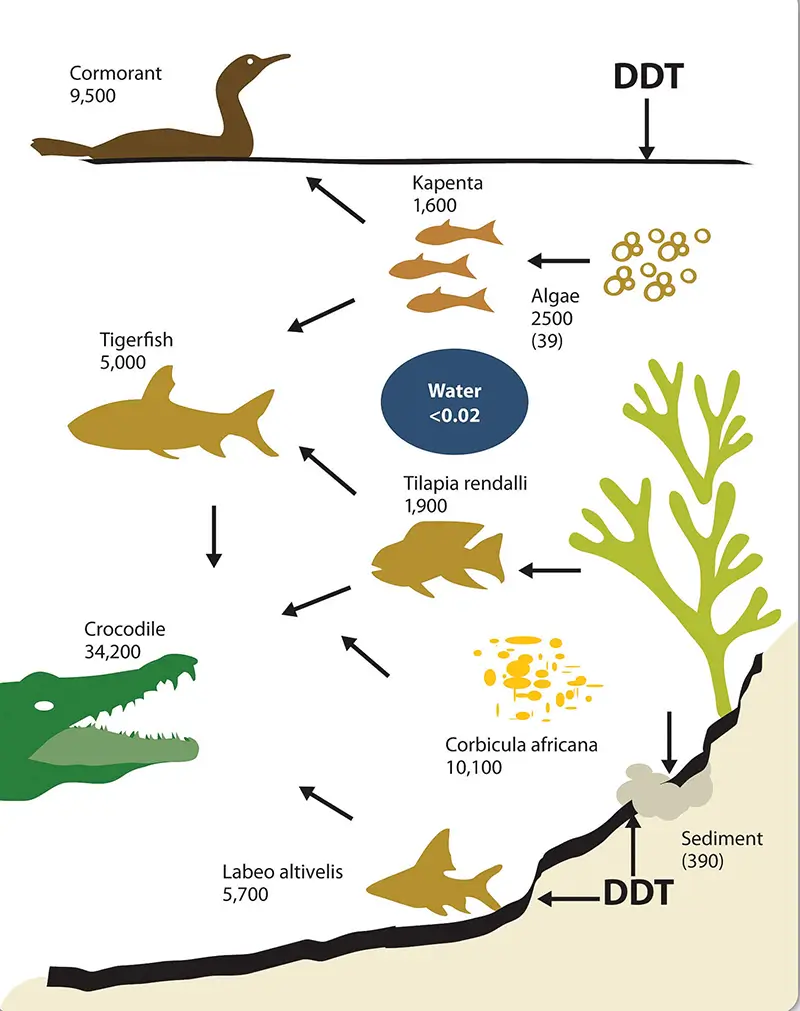
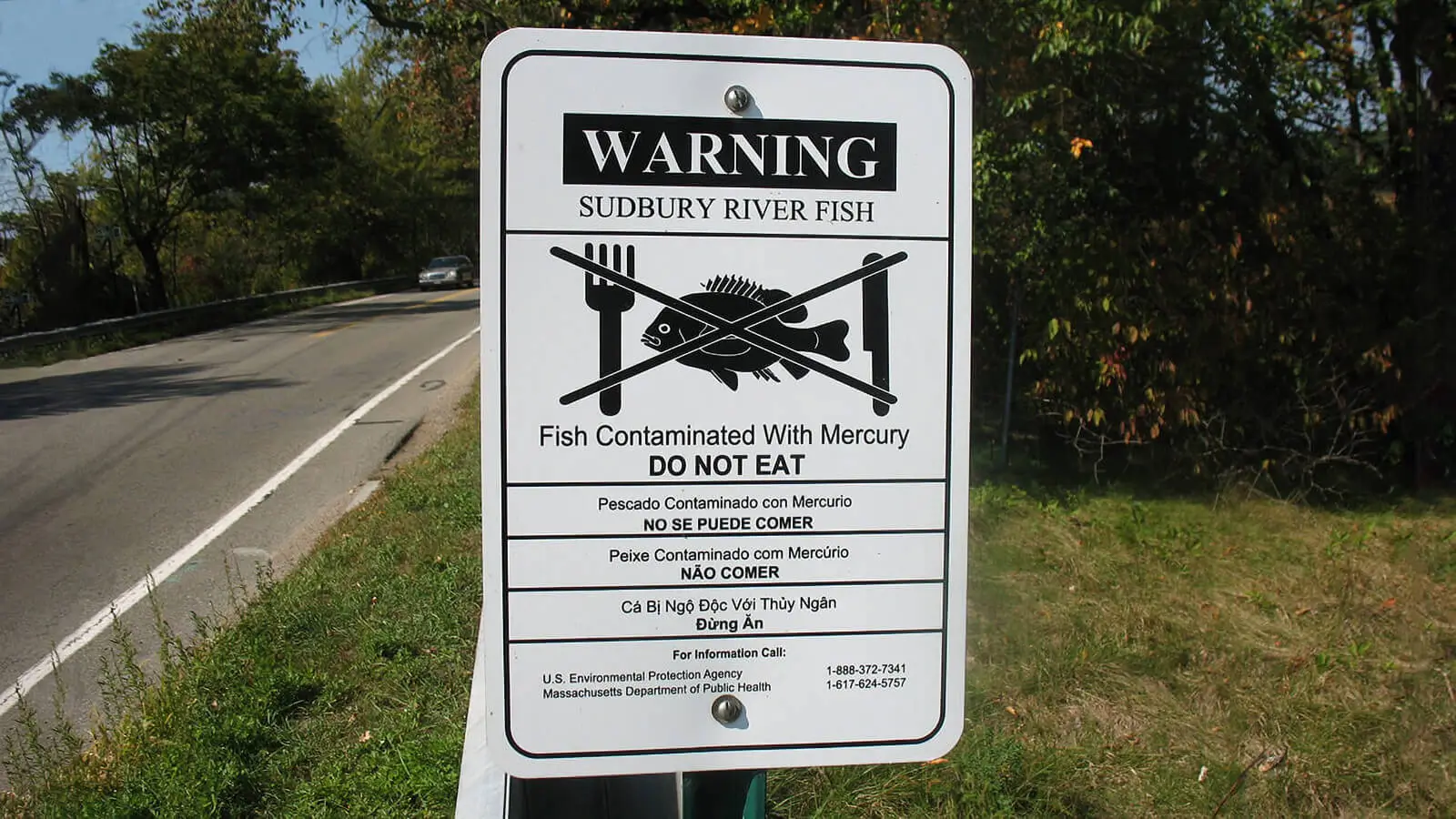
Não me refiro apenas ao peixe com DDT e à acumulação de mercúrio do oceano. Regular a gordura animal nas quintas acumula toxinas da mesma forma. As vacas, porcos, ovelhas e galinhas são mantidas em condições insalubres e sobrelotadas que existem nas explorações fabris. Para prevenir a infestação de pragas, são pulverizados directamente com pesticidas. Além disso, estão expostos a um grande número de pesticidas de culturas através dos seus alimentos. Os alimentos para animais pulverizados com pesticidas representam a principal fonte de exposição a partir de pesticidas nos alimentos. De alguma forma esquecemo-nos que todos ou a maioria dos alimentos que vão para a alimentação animal também são pulverizados. Isto não é, de alguma forma, angulado pela maioria das pessoas. Pelas estimativas do Grupo de Trabalho Ambiental, todos os anos nos EUA cerca de 167 milhões de libras de pesticidas são apenas usadas para cultivar ração animal. Estes pesticidas são consumidos, e depois acumulam-se em animais. Os pesticidas são substâncias lipossolúveis, pelo que cada grama será assimilada no tecido adiposo dos animais e acabará em as nossas placas, eventualmente. Isto pode ser permitido porque não há restrições em termos legais para os pesticidas utilizados na alimentação animal. Por exemplo, o pesticida mais comummente utilizado no mundo é o glifosato. Legalmente, os resíduos que são permitidos na alimentação animal são mais de 100 vezes superiores ao que é permitido nos grãos consumidos directamente pelos seres humanos. O que é ainda pior é que os animais comem enormes quantidades de ração durante a dia e todas as toxinas ficam ainda mais concentradas. É um termo conhecido como biomagnificação numa cadeia alimentar.
A quantidade de glifosato permitida em carne vermelha que se compra na loja é mais de 20 vezes superior à da maioria das culturas vegetais. Existe uma vasta gama de outras substâncias diferentes que as agências nem sequer testam. Estes regulamentos não têm nada a ver com a preservação da saúde pública, e ninguém gosta de falar sobre isto porque não se pode lavar os pesticidas da carne, para que esta informação seja mantida fora do público.
Todo esse veneno não vai desaparecer por magia quando grelharmos o nosso hambúrguer. A maior parte dos pesticidas presentes nos alimentos que ingerimos ou, digamos, que a maior parte das pessoas ingere, provém de produtos de origem animal. A carne não pode ser descascada ou lavada.
Esta é uma citação do website da FDA (clique aqui):
"Os animais comem culturas de OGM?
Mais de 95% de animais utilizados para carne e lacticínios nos Estados Unidos comem culturas de OGM. A investigação mostra que os ovos, produtos lácteos, e carne de animais que comem alimentos OGM são iguais em valor nutricional, segurança e qualidade aos alimentos feitos de animais que comem apenas alimentos não OGM. Estudos mostram também que a saúde e a segurança dos animais são as mesmas quer comam alimentos OGM ou não OGM
Quando os animais comem alimentos OGM, o ADN do alimento OGM não se transfere para o ADN do animal que o come. Isto significa que os animais que comem alimentos OGM não se transformam em OGM. Se o ADN do alimento se transferisse para o animal que o come, um animal teria o ADN de qualquer alimento que comesse, GMO ou não. Por outras palavras, as vacas não se transformam na erva que comem, e as galinhas não se transformam no milho que comem. Da mesma forma, o ADN dos alimentos OGM para animais não se encontra na carne, ovos, ou leite do animal.
Quem garante que os alimentos para animais são seguros?
A U.S. Food and Drug Administration (FDA) é a principal agência reguladora responsável por garantir a segurança dos alimentos para animais geneticamente modificados e não geneticamente modificados. O Centro de Medicina Veterinária da FDA gere esta responsabilidade. A FDA exige que todos os alimentos para animais sejam seguros para os animais, sejam produzidos em condições limpas, não contenham substâncias nocivas e sejam etiquetados com precisão - semelhante aos requisitos para alimentos para humanos".
Não querem, deliberadamente, que se saiba a verdade. Tudo isto é verdade até certo ponto, mas é irrelevante. A razão pela qual os animais comem OGM é porque o milho OGM pode ser pulverizado com Roundup e outros pesticidas mais potentes. O valor nutricional não é o mesmo que na agricultura biológica, pois a terra comercial está esgotada de todos os minerais, mas mesmo que assim seja, continuará a comer todos os pesticidas solúveis em gordura que se acumularão na gordura dos animais. Veremos noutros artigos a que quantidade de sobrecarga tóxica os americanos estão expostos na vida real. Algo de que a FDA não gosta de falar, porque assim deixaria de poder proteger as suas grandes indústrias. Gostam de chamar à sua iniciativa de marketing de OGM "Feed Your Mind" (www.fda.gov/feedyourmind).
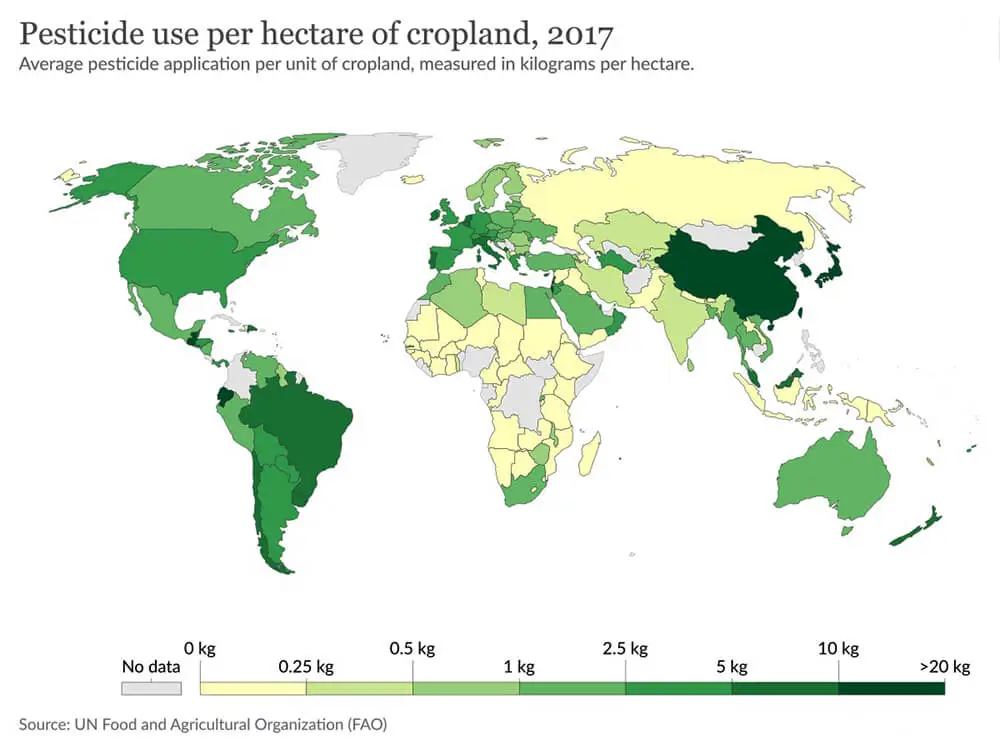
Há também algo chamado biomagnificação canibalística da alimentação. O mercúrio não está apenas nos peixes. Alimentamos um farinha de peixe para outra exploração animais. Mesmo para o gado. Os agricultores descobriram que se alimentam o gado com proteínas animais misturando-as com outras fontes de alimento vegetal, o gado tende a crescer mais e a produzir mais leite. Não são apenas os humanos que podem comer proteína animal, todos os comedores de plantas podem comer proteína animal se a proteína for aquecida e tratada pela primeira vez, até mesmo os grazers. Psicologicamente, pensamos que somos omnívoros porque podemos comer carne termicamente processada mas não é esse o caso. Se não acredita em mim, aqui está um estudo (Atwal et al., 1992). A conclusão deste estudo foi a seguinte:
"Parece haver uma boa razão para alimentar com uma proteína de boa qualidade como uma farinha de peixe as vacas que produzem mais de 30 kg/d de leite".
As vacas comedoras de peixe produzem leite que não tem sabor residualPor isso, sim, este estudo foi um sucesso. Excepto no caso do mercúrio. Obtemos gordura saturada do leite e da carne e todo o resto das coisas más, e como excedente, também obtemos mercúrio do peixe no leite das vacas.
Quando testamos todos os produtos alimentares quanto aos níveis de poluição tóxica, o número um é o peixe número dois é o frango. Os dois tipos "saudáveis" de carne. O queijo vem em terceiro lugar. Pior que a manteiga ou o bacon.
Alimentamos também todos os produtos de resíduos de matadouros de animais para outros animais. Devido ao canibalismo, os poluentes limitam-se a circular à volta.
A tendência economicamente bem concebida mas extremamente tóxica entre os países afluentes é a de alimentar quaisquer subprodutos animais que não possam ser comidos pelo homem a aves de capoeira e ruminantes (herbívoros como ovelhas, vacas, e cabras). Na indústria, nada é desperdiçado, incluindo ossos, estrume, sangue, cabeças, e assim por diante. A maior parte vai para a alimentação de cães ou de animais. Todo o sangue, ossos e até cadáveres de animais mortos na estrada, restos de carne de supermercado, qualquer coisa do abrigo da cidade, animais de trabalho, animais de estimação eutanizados, e qualquer proteína, independentemente de como a decomposição é moída, depois aquecida para esterilizá-los, depois seca, e depois utilizada como alimento para animais. Tudo isto faz parte do negócio de transformação de subprodutos animais.
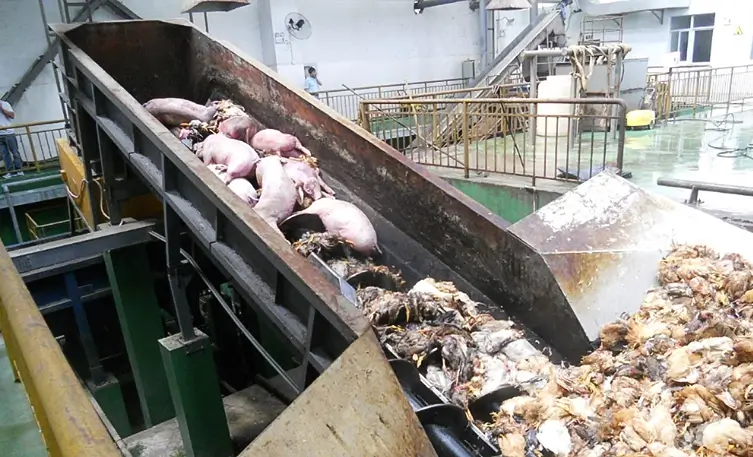
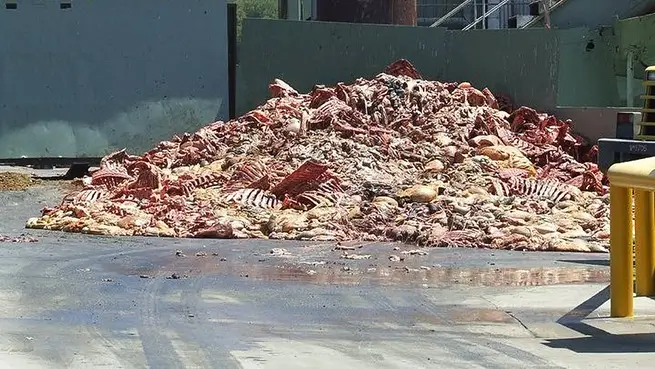
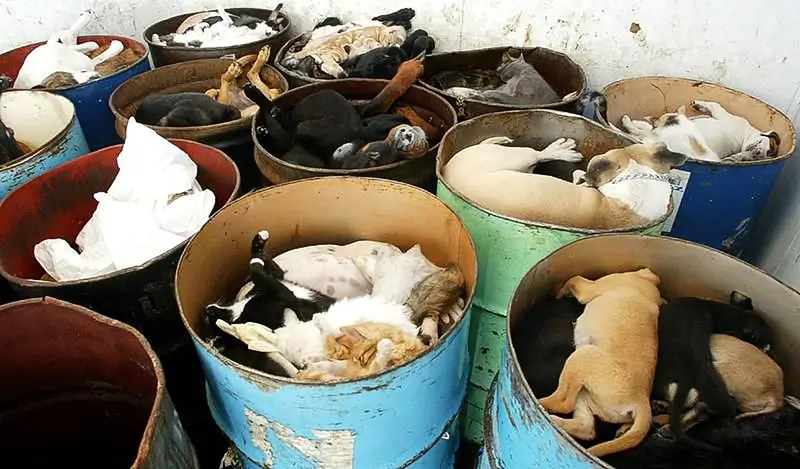

Animais mortos não comestíveis e isso significa que todos eles, incluindo cães e gatos e outros animais mortos como répteis, insectos, ou qualquer coisa que já não esteja viva, acabam em alimentos utilizados para engordar as gerações futuras da sua própria espécie. A proteína é uma proteína. O que não pode ser utilizado como ração animal ou, por outras palavras, que pode ser extraído para produtos mais caros, acabará transmogrificado em borracha, cera de carro, tinta e lubrificantes industriais. Parte dela vai mesmo para a alimentação animal de galinhas ou pisciculturas e não será utilizada para paletes para animais de estimação, o que significa que acabará por se transformar em a nossa própria mesa de cozinha. A maioria das toxinas que são termoestáveis persistirão de uma espécie para outra. A doença de Prion é um bom exemplo do que pode sair desta (doença das vacas loucas). Não só os priões nocivos são encontrados nas carnes dos animais, todos os outros poluentes são simplesmente passados de um animal para outro e acabarão por acabar no nosso próprio prato.
As pessoas têm dificuldades com estes dados, por isso vejamos alguns estudos.
Por exemplo, se olharmos para perfluorooctanossulfonatos quase todo ele provém da carne e do peixe (Kannan et al., 2004).
Neste estudo, mediram os níveis do influxo alimentar de PCB e pesticidas organoclorados em crianças e adultos (Fromberg et al., 2011). Para o PCP foi o peixe número um do que a carne, as gorduras, o queijo, os lacticínios, os ovos e as aves de capoeira. Para o DDT foi peixe, carne, gordura, lacticínios, queijo, e ovos. Para a HCB (hexaclorobenzeno) era o mesmo. Estas substâncias são lipossolúveis e encontram-se no ambiente e são bioacumuláveis na cadeia alimentar.
E quanto a Dioxinas?
De cinco em cinco anos, o governo dos EUA publica um relatório sobre o número de dioxinas no fornecimento de alimentos, porque têm de o fazer por lei. Este tipo de toxina é lipossolúvel e irá também bioacumular na cadeia alimentar. As dioxinas são resíduos tóxicos poluentes lançados para a atmosfera pela combustão em diferentes tipos de indústrias e acabarão por ir parar ao oceano por toda a eternidade. Assim, opeixe é o número um e o número dois são os ovos, e depois o resto das carnes. O problema é que na América toda a população está muito acima do limite superior de exposição tolerável tanto para PCP como para Dioxinas estabelecido pelo Câncer quadro de prevenção em todas as faixas etárias (Lorber et al., 2009). A situação pode agravar-se ainda mais se quiser engravidar.
E estas seriam apenas um par de substâncias que eu utilizo como exemplo. O número de pesticidas nos alimentos e de toxinas ambientais a que estamos expostos é excepcional. Existe uma lista "dúzia suja", mas o número real está nas centenas. Talvez até milhares. Ainda não existe uma ciência real em todos estes químicos. São demasiados e ninguém quer fazer investigação porque isso irá tornar um negócio mais caro.
Mais uma falsa narrativa é que de alguma forma a carne de vaca alimentada com erva é mais saudável e menos poluída e, num sentido lógico, deveria ser. O único problema é que quando testado quanto à carcinogenicidade, porque o nosso mundo já está tão poluído que até a carne cultivada organicamente se mostrou ser apenas marginalmente menos carcinogénica. Hoje em dia, apenas a carne orgânica real seria carne de caça selvagem, mas este tem de ser um assunto para outro artigo.
Referências:
- Gilbert, J. (2005). Contaminantes ambientais e pesticidas nos alimentos para animais e na carne. Melhorar a segurança da carne fresca, 132-155. https://doi.org/10.1533/9781845691028.1.132
- LeDoux M. (2011). Métodos analíticos aplicados à determinação de resíduos de pesticidas em alimentos de origem animal. Uma revisão das duas últimas décadas. Jornal de cromatografia. A, 1218(8), 1021-1036. https://doi.org/10.1016/j.chroma.2010.12.097
- Atwal, A. S., & Erfle, J. D. (1992). Effects of feeding fish meal to cows on digestibility, milk production, and milk composition. Jornal da ciência do leite, 75(2), 502-507. https://doi.org/10.3168/jds.S0022-0302(92)77787-X
- Kannan, K., Corsolini, S., Falandysz, J., Fillmann, G., Kumar, K. S., Loganathan, B. G., Mohd, M. A., Olivero, J., Van Wouwe, N., Yang, J. H., & Aldoust, K. M. (2004). Perfluorooctanesulfonate and related fluorochemicals in human blood from several countries. Ciência e tecnologia ambiental, 38(17), 4489-4495. https://doi.org/10.1021/es0493446
- Fromberg, A., Granby, K., Højgård, A., Fagt, S., & Larsen, J. (2011). Estimativa da ingestão alimentar de PCB e pesticidas organoclorados para crianças e adultos. Química alimentar, 125(4), 1179-1187. https://doi.org/10.1016/j.foodchem.2010.10.025
- Lorber, M., Patterson, D., Huwe, J., & Kahn, H. (2009). Evaluation of background exposures of Americans to dioxin-like compounds in the 1990s and the 2000s. Quimiosfera, 77(5), 640-651. https://doi.org/10.1016/j.chemosphere.2009.08.016
Publicações Relacionadas



Você tem alguma dúvida sobre saúde e nutrição?
Eu adoraria ouvir de você e respondê-las em meu próximo post. Agradeço sua contribuição e opinião e espero ouvir de você em breve. Eu também convido você a siga-nos no Facebook, Instagram e Pinterest para mais conteúdos sobre dieta, nutrição e saúde. Pode deixar um comentário e ligar-se a outros entusiastas da saúde, partilhar as suas dicas e experiências e obter apoio e encorajamento da nossa equipa e comunidade.
Espero que este post tenha sido informativo e agradável para si e que esteja preparado para aplicar os conhecimentos que aprendeu. Se achou este post útil, por favor partilhá-lo com os seus amigos e familiares que também possam beneficiar com isso. Nunca se sabe quem poderá precisar de alguma orientação e apoio no seu percurso de saúde.
– Você Também Pode Gostar –

Câncer, O que é Proibido Curas-máquina de Rife, análise de Histórico
Como Fazer Jejum: Alimentos em Jejum que Não Quebram a Autofagia

A Anatomia do Câncer de risco para a Saúde correlações
Aspartame: A Verdade Sobre os Seus Riscos e Perigos
Cozido de Carne - O agente Mutagênico em uma Mordida, Aminas Heterocíclicas Exposição

A Coca-Cola Company - Revisão Histórica
Álcool riscos para a saúde - O "paradoxo francês", "o vinho", e "moderação"
Vitamina C Intravenosa no Tratamento do Cancro: 40 Anos de Evidência

Aprender Sobre Nutrição

Milos Pokimica é médico de medicina natural, nutricionista clínico, escritor de saúde e nutrição médica, e conselheiro em ciências nutricionais. Autor da série de livros Go Vegan? Revisão de Ciênciaopera também o website de saúde natural GoVeganWay.com
Medical Disclaimer
GoVeganWay.com traz análises das pesquisas mais recentes sobre nutrição e saúde. As informações fornecidas representam a opinião pessoal do autor e não pretendem nem implicam substituir aconselhamento, diagnóstico ou tratamento médico profissional. As informações fornecidas são apenas para fins informativos e não se destinam a servir como substituto para consulta, diagnóstico e/ou tratamento médico de um médico ou profissional de saúde qualificado.NUNCA DESCONSIDERE o CONSELHO MÉDICO PROFISSIONAL OU adiar a BUSCA de TRATAMENTO MÉDICO por causa DE ALGO QUE TENHA LIDO OU ACESSADO por MEIO de GoVeganWay.com
NUNCA APLIQUE QUAISQUER MUDANÇAS de estilo de VIDA OU QUALQUER MUDANÇA COMO UMA CONSEQUÊNCIA DE ALGO QUE TENHA LIDO NO GoVeganWay.com ANTES de CONSULTORIA de LICENÇA MÉDICA.
No caso de uma emergência médica, ligue para o médico ou para o 911 imediatamente. GoVeganWay.com não recomenda ou endossa qualquer específicos, grupos, organizações, exames, médicos, produtos, procedimentos, opiniões ou outras informações que podem ser mencionadas dentro.
Sugestões do Editor –
Câncer Editor De Picaretas Fitoquímicos
Poder Anticancerígeno das Frutas e Legumes: Evidências Clínicas e in Vivo
Alguns extractos vegetais rivalizam com os principais medicamentos de quimioterapia e, ao mesmo tempo, visam vários tipos diferentes de células cancerígenas.
Antioxidantes Editor De Picaretas ORAC
Óleos Essenciais Como Suplementos Antioxidantes: Regras e Estratégias
Os óleos essenciais de qualidade alimentar podem ser uma estratégia conveniente e amiga do consumidor para optimizar o valor antioxidante e a pontuação ORAC da nossa dieta.
Antioxidantes Editor De Picaretas ORAC
Dieta Rica em Antioxidantes: Regras e Estratégias Gerais
Existem estratégias fáceis e económicas para optimizar o valor antioxidante da nossa dieta.
Antioxidantes Editor De Picaretas ORAC
Compreender os Valores ORAC: Níveis de Antioxidantes nos Alimentos
Quando a sua principal fonte de antioxidantes é o café, sabe que tem um problema grave.
Antioxidantes Editor De Picaretas ORAC
Astaxantina Benefícios: Antioxidante Natural Mais Poderoso do Mundo
A astaxantina é o mais poderoso e natural antioxidante universal (tanto o petróleo e a água-solúvel) desconhecido para a ciência. Ele se acumula nos tecidos e Ele nunca pode transformar-se em um pró-oxidante.
Antioxidantes Editor De Picaretas ORAC Fitoquímicos
Antioxidantes: Compreender os Princípios Básicos
Los productos de origen animal no contienen fitoquímicos ni antioxidantes. Por término medio, los alimentos vegetales contienen más de 60 veces más antioxidantes que los de origen animal.
Editor De Picaretas A Dieta Vegetariana
Deficiências de Nutrientes na Dieta Vegana: Estratégias de Prevenção
Existem nove deficiências comuns de nutrientes na escala populacional que afectam as pessoas que se alimentam de uma dieta à base de plantas. Se não forem corrigidas a tempo, algumas deficiências têm consequências terríveis e não tratáveis.
Editor De Picaretas Alimentação Ideal
Deficiência de Micronutrientes na Dieta Americana Padrão: Estratégias de Otimização
O perfil nutricional da nossa dieta moderna à base de carne, açúcar e alimentos processados é completamente incongruente com a nossa evolução, resultando numa grave deficiência de micronutrientes.
Editor De Picaretas Fitoquímicos
Fitoquímicos: Conceitos Básicos
Cada fitoquímico que existe tem uma acção biológica no corpo humano. Cada um de milhões de diferentes fitoquímicos.
Editor De Picaretas Leite Alimentação Ideal
Leite e Lacticínios: Correlações de Risco Para a Saúde
As associações conhecidas com o consumo de leite e laticínios são infertilidade, câncer de ovário e de mama, leucemia, diabetes tipo 1, autismo, arteriosclerose, catarata, artrite reumatóide, esclerose múltipla, hiperatividade, congestão, espinhas e muito mais…
Câncer Editor De Picaretas Proteína
Proteína Completa: Sinalização do IGF-1 na Formação do Cancro
Quando você comer proteína animal que tem quatro vezes a chance de desenvolver todos os tipos de câncer. Quando você fuma tem quatro vezes a chance de desenvolver câncer de pulmão.

Câncer Editor De Picaretas Proteína
A Anatomia do Câncer de risco para a Saúde correlações
Cerca de 2% dos cânceres são, pela medicina, considerados puramente causados por fatores genéticos. A mesma faixa do reino animal. Você não foi informado de toda a verdade.
Milos Pokimica é escritor especializado em saúde e nutrição e consultor em ciências nutricionais. Autor da série de livros Go Vegan? Revisão de Ciênciaopera também o website de saúde natural GoVeganWay.com
Artigos Mais Recentes -
Restrição De Calorias Longevidade
Como Fazer Jejum: Alimentos em Jejum que Não Quebram a Autofagia
Autofagia. Você já se perguntou o que acontece com as células do seu corpo quando elas morrem ou são danificadas? Eles simplesmente se acumulam e criam problemas ou são eliminados de alguma forma? A resposta é que seu corpo…
Saúde Dentária Prevenção
Dentes Sensíveis a Doces e Dor: Solução Rápida e Duradoura
Uma solução rápida e fácil para o alívio da dor é o óleo essencial de cravinho, um poderoso antioxidante e analgésico que pode ajudar com doenças das gengivas e dores de dentes.
Feijão
Feijão Verde: Benefícios Nutricionais e Para a Saúde
O feijão verde tem poucas calorias e é rico em compostos naturais que podem ajudá-lo a controlar o açúcar no sangue, a reduzir o colesterol e a combater os radicais livres.
Dieta de alimentos crus A Dieta Vegetariana
Pode-se Comer Cogumelos Crus: Riscos Para a Saúde, Nutrição e Segurança
Os cogumelos têm toxinas sensíveis ao calor, como a hidrazina ou a agaritina, e paredes celulares feitas de quitina que não podem ser bem digeridas pelos seres humanos.
A Dieta Vegetariana
Os Peixes São Animais? Uma Perspetiva Cultural
Em algumas culturas, a carne de peixe não é considerada carne e o peixe é permitido mesmo durante o jejum.

Saúde Dentária Prevenção
Enxaguante bucal natural caseiro: comprovado, mais forte e menos tóxico
O elixir bucal natural caseiro é mais forte do que a clorexidina, menos tóxico e, se ingerido, pode provocar algumas náuseas, mas também tem um elevado valor ORAC.
Saúde Dentária Prevenção
Como Parar a Cárie Dentária: Sintomas, Causas e Prevenção
Consumo de açúcar é a principal causa de cáries e a cárie dentária, combinado com deficiência de minerais, especialmente o magnésio, o zinco, o cobre e elementos-traço.
Antioxidantes Superalimentos
Amla: Benefícios Comprovados, Nutrição e Significado Clínico
O amla é um dos antioxidantes mais poderosos do mundo, com uma pontuação ORAC de 261.530. É uma fonte rica de fitoquímicos que têm vários benefícios para a saúde.
Superior De Saúde De Notícias — ScienceDaily
- Colon cancer breakthrough keeps patients cancer-free for nearly 3 yearson Maio 6, 2026
A short burst of immunotherapy before surgery is delivering surprisingly powerful results for a specific type of colorectal cancer. Patients in a UK-led trial who received just nine weeks of pembrolizumab prior to surgery have remained cancer-free nearly three years later—an outcome that challenges the standard approach of surgery followed by months of chemotherapy.
- Common knee surgery found ineffective, may make things worseon Maio 6, 2026
A major 10-year clinical trial is turning one of the world’s most common knee surgeries on its head. Researchers found that trimming a damaged meniscus—a procedure long believed to relieve pain—offers no real benefit over placebo surgery. Even more surprising, patients who had the operation actually fared worse over time, with more symptoms, poorer function, faster progression of osteoarthritis, and a greater likelihood of needing additional surgery.
- This common sleep habit could double your risk of heart attackon Maio 6, 2026
A chaotic sleep schedule in your 40s might be quietly setting the stage for heart trouble later. Researchers tracking thousands of people for over a decade found that those with highly inconsistent bedtimes—especially when they slept less than eight hours—faced about double the risk of serious cardiovascular events like heart attacks or strokes. Interestingly, it wasn’t when people woke up that mattered most, but how erratic their bedtime was.
- Breakthrough biomaterial heals tissue from the inside outon Maio 5, 2026
Scientists have developed a breakthrough injectable biomaterial that travels through the bloodstream to repair damaged tissue from within, reducing inflammation and jumpstarting healing. In animal studies, it successfully treated heart attack damage and even showed promise for conditions like traumatic brain injury and pulmonary hypertension. Unlike earlier approaches that required direct injection into the heart, this new therapy can be delivered intravenously, allowing it to spread evenly and […]
- The dark side of weight loss drugs: Ozempic’s surprising hidden coston Maio 5, 2026
GLP-1 weight-loss drugs like Ozempic and Wegovy are often celebrated as game-changing solutions—but new research reveals a surprising social twist. People who lose weight using these medications may actually face more judgment than those who lose weight through diet and exercise—or even those who don’t lose weight at all. The stigma seems rooted in a perception that these drugs are an “easy way out,” creating a double bind where individuals are judged both for their weight and for how […]
- Scientists say travel could slow aging and boost your healthon Maio 5, 2026
A new study suggests travel could be a surprisingly powerful anti-aging tool. By viewing tourism through the lens of entropy, researchers found that positive travel experiences may help the body stay balanced and resilient. Activities like exploring new places, staying active, and connecting with others can boost immunity, metabolism, and stress recovery. However, stressful or unsafe travel could reverse these benefits.
- This simple amino acid supplement greatly reduces Alzheimer’s damageon Maio 4, 2026
A new study suggests a surprisingly simple compound could help fight Alzheimer’s disease. Researchers found that arginine—an inexpensive amino acid already considered safe—can reduce the buildup of toxic amyloid proteins in the brain, a hallmark of the disease. In animal models, oral arginine not only lowered harmful protein deposits but also improved behavior and reduced brain inflammation.
PubMed, #vegan-dieta –
- Conditions for Knowledge and Application of Vegetarian/Vegan Diets Among Secondary School Students: A Cross-Sectional Studyon Maio 4, 2026
Background/Objectives: Knowledge of plant-based diets is gaining increasing significance in adolescents due to the growing popularity of vegetarian and vegan dietary patterns. To date, there has been limited research examining the level of awareness and understanding of these diets among secondary school students, as well as the factors influencing their knowledge. The aim of the study was to determine the prevalence of plant-based diets and to assess knowledge regarding these dietary […]
- A 2 year retrospective study of vegan patients and their pregnancy outcomes in a tertiary level Irish hospitalon Abril 30, 2026
CONCLUSION: The outcome in pregnancy for women with vegan and unrestricted diets was equivalent in our cohort. There is limited research on the consequences of vegan diets in pregnancy and further observational longitudinal studies are required for more robust data. Socioeconomic factors should be taken into consideration.
- Understanding the Motivations, Perceptions and Nutritional Implications of Plant-Based Milk Consumption Compared to Dairy-Based Milkon Abril 28, 2026
CONCLUSION: This study provides novel insights into the motivations to consume, and perceptions of the healthfulness, plant-based milk in Australia and identified that non-dairy consumers may be at increased risk of iodine and vitamin B12 deficiency.
- Plant-based meat substitutes on the German market: a characterization based on declared nutrient contents, Nutri-Score, organic and vegan labeling, and use of iodized salton Abril 27, 2026
A varied, predominantly plant-based diet is recommended for both individual and planetary health. In line with growing interest in limiting meat consumption, the market for plant-based meat substitutes (PBMS) has grown substantially in recent years, especially in Germany. Constant monitoring of this market is warranted to understand key nutritional and sustainability characteristics of PBMS. Using food labeling data of 964 PBMS recorded within the German monitoring of packaged food in 2024, […]
- Efficacy of a resistance training program on muscle mass and muscle strength in adults following a vegan versus omnivorous diet: A nonrandomized four-arm parallel clinical trialon Abril 24, 2026
CONCLUSIONS: No significant changes in musculoskeletal mass were observed in any of the groups. Resistance training significantly improved muscle strength regardless of diet type, suggesting that a vegan diet did not compromise adaptations to strength training.
Postagens aleatórias –

Longevidade Alimentação Ideal A Dieta Vegetariana
Deficiência de B12 e Declínio Cognitivo: Estratégias de Optimização da Homocisteína
As vitaminas que regulam os níveis de homocisteína são B12, folato, e B6. A maioria dos não-vegetanos recebe B12 suficiente mas não folato suficiente enquanto os veganos recebem mais folato mas não têm nenhum B12 se não forem suplementados.

Câncer Prevenção Radiação
EMF radiação (radiação eletromagnética) de exposição - Não 5G representar riscos para a saúde?
As fontes artificiais de radiação de campos electromagnéticos fornecem uma radiação contínua de baixo nível. A situação só pode piorar.

A Medicina Alopática Editor De Picaretas
Medicamento alopático - A Psicologia do Medo
Há cerca de 100 anos, a medicina alopática conseguiu finalmente neutralizar os médicos empíricos holísticos. Os médicos alopatas não tratam doenças, tratam sintomas.
Dieta de alimentos crus A Dieta Vegetariana
Pode-se Comer Cogumelos Crus: Riscos Para a Saúde, Nutrição e Segurança
Os cogumelos têm toxinas sensíveis ao calor, como a hidrazina ou a agaritina, e paredes celulares feitas de quitina que não podem ser bem digeridas pelos seres humanos.
Câncer Editor De Picaretas Toxicidade
Exposição a Pesticidas em Crianças: Testes de Exposição na Vida Real
Crianças e, principalmente, as mulheres grávidas são mais vulneráveis à exposição aos pesticidas. Se analisarmos do mundo real, os níveis de exposição em cenários da vida real, qual seria o resultado?
Editor De Picaretas A Inflamação
Os seres humanos onívoros dilema - o consumo de Carne, bactérias probióticas, a inflamação, e com o intestino
Seres humanos são onívoros, em um verdadeiro anatômica sentido? Há uma diferença fundamental na maneira como as trato digestivo trabalha em plantas vs comer carne de espécie.

Leite
Intolerância à Lactose - 65% de chance de você ter
Pessoas de ascendência Europeia pode beber o leite e o resto do mundo não. Há, no entanto, uma série de substâncias no leite, além de lactose que nenhum de nós pode tolerar.
Editor De Picaretas A Obesidade
Estímulos Supernormais- Transtorno da Compulsão Alimentar e Regulação do Apetite
Quando vemos um hambúrguer, são estímulos sobrenaturais. Os impulsos primordiais afetam nosso comportamento, forçando-nos ao transtorno da compulsão alimentar periódica.
Câncer A Inflamação Toxicidade
Peixe cultivado - paraíso “Fossa”
Os peixes cultivados têm até dez vezes mais poluentes. Após a vacinação o peixe está sempre a tomar antibióticos e pesticidas.
Antioxidantes Superalimentos
Amla: Benefícios Comprovados, Nutrição e Significado Clínico
O amla é um dos antioxidantes mais poderosos do mundo, com uma pontuação ORAC de 261.530. É uma fonte rica de fitoquímicos que têm vários benefícios para a saúde.

Postagens em destaque –
Editor De Picaretas A Dieta Vegetariana
Deficiências de Nutrientes na Dieta Vegana: Estratégias de Prevenção
Existem nove deficiências comuns de nutrientes na escala populacional que afectam as pessoas que se alimentam de uma dieta à base de plantas. Se não forem corrigidas a tempo, algumas deficiências têm consequências terríveis e não tratáveis.
Editor De Picaretas Alimentação Ideal Proteína
Dieta De Alta Proteína Risco Para A Saúde Correlações
A escassez é a regra das proteínas na natureza. Em termos evolutivos, os antropólogos provaram que os hominídeos viviam em média 15 a 25 gramas de proteína por dia. No tipo ocidental moderno de dieta rica em proteínas, consumiríamos isso…

A Medicina Alopática Câncer Editor De Picaretas
Câncer, O que é Proibido Curas-máquina de Rife, análise de Histórico
A taxa de recuperação para pacientes que têm não-tratáveis câncer e foram declarou doente terminal, utilizando Repleto de Máquina de ressonância tecnologia foi de 100%.
Antioxidantes Editor De Picaretas ORAC Fitoquímicos
Antioxidantes: Compreender os Princípios Básicos
Los productos de origen animal no contienen fitoquímicos ni antioxidantes. Por término medio, los alimentos vegetales contienen más de 60 veces más antioxidantes que los de origen animal.
Editor De Picaretas Alimentação Ideal
Dieta Humana Optima- Doenças Crónicas, Guerras Alimentares e o Argumento Vegan
Nossa dieta humana natural ideal é aquela que nossos ancestrais hominídeos comiam nos últimos 30 milhões de anos, e não os humanos anatomicamente modernos da Idade da Pedra.
Antioxidantes Editor De Picaretas ORAC
Dieta Rica em Antioxidantes: Regras e Estratégias Gerais
Existem estratégias fáceis e económicas para optimizar o valor antioxidante da nossa dieta.
Diabetes Editor De Picaretas
A Diabetes provoca e gordura saturada - vegan argumento
Como o nível de gordura no sangue, aumenta a capacidade do corpo para limpar açúcar cai. Um dos diabetes provoca é o nosso desadaptação para uma grande ingestão de gordura

Editor De Picaretas A Obesidade
Binge eating disorder - A psicologia da fome
Na natureza, não é refinado, açúcar ou gordura. O nosso cérebro nunca havia sido exposta a uma combinação dos dois de uma vez, forçando-nos em binge eating disorder.
Antioxidantes Editor De Picaretas ORAC
Compreender os Valores ORAC: Níveis de Antioxidantes nos Alimentos
Quando a sua principal fonte de antioxidantes é o café, sabe que tem um problema grave.

Editor De Picaretas Prevenção A Dieta Vegetariana
China estudo - vegan argumento
China estudo mostrou que não há nenhuma doença cardíaca ou câncer ou diabetes em subdesenvolvido comunidades rurais em todo o mundo com base de amido de dietas veganas.
Últimas do PubMed, #dieta baseada em vegetais –
- A novel MEREC-MULTIMOOSRAL MADA framework for the strategic selection of edible oils: an optimization model for health sustainabilitypor Figen Balo on Maio 5, 2026
Edible vegetable oils are essential for cooking and play a significant role in the human diet. Their suitability largely depends on fatty acid composition and heat stability. Thermal oxidation, which occurs when oils are heated above their smoke point, can alter chemical structures and has therefore gained increasing attention in food science. This study proposes a novel multiple-attribute decision analysis framework for the strategic evaluation of vegetable oils based on compositional and…
- Decoding the Longevity Networks of the Mediterranean Diet: Systems Biology and Multi-Pathway Mechanisms Shaping Healthspanpor Sandra K Szlapinski on Maio 4, 2026
The Mediterranean Diet (MD) is recognized for promoting longevity and reducing the risk of chronic disease, yet the mechanisms underlying these benefits remain uncharacterized. This review highlights the diverse nutritional and phytoactive constituents of the MD and research exploring its complex network of polyphenols. It discusses data evaluating MD-derived constituents formulated into a dietary supplement capsule developed using a systems and network biology framework. Component selection […]
- Conditions for Knowledge and Application of Vegetarian/Vegan Diets Among Secondary School Students: A Cross-Sectional Studypor Oliwia Kurzawska on Maio 4, 2026
Background/Objectives: Knowledge of plant-based diets is gaining increasing significance in adolescents due to the growing popularity of vegetarian and vegan dietary patterns. To date, there has been limited research examining the level of awareness and understanding of these diets among secondary school students, as well as the factors influencing their knowledge. The aim of the study was to determine the prevalence of plant-based diets and to assess knowledge regarding these dietary […]
- The Role of Hydrolysed Rice Formula in the Dietary Management of Infants with Cow’s Milk Allergy: A UK Healthcare Perspectivepor Nick Makwana on Maio 4, 2026
Cow’s milk allergy (CMA) remains one of the most common food allergies in infancy, requiring the avoidance of cow’s milk and its derivatives. Breast milk is the best source of nutrition for infants. For those infants with CMA whose mothers are unable to breastfeed or choose not to, extensively hydrolysed formulas (eHFs) are widely recommended as first-line milk substitutes, whereas hydrolysed rice formulas (HRFs) are increasingly recognised as a viable alternative. This concept paper provides […]
- Sex Differences in the Associations of Physical Activity and Planetary Health Diet with Obesity and Depressive Symptoms Among Adolescents in Zhejiang Province: An Observational Studypor Qu Lu on Maio 4, 2026
Background: Adolescent obesity and depressive symptoms have increased concurrently, often presenting as co-occurrence. However, evidence on the timing of physical activity (e.g., weekday vs. weekend) and adherence to planetary health diets remains limited. This study examined these associations among adolescents in Zhejiang Province from 2022 to 2024. Methods: A total of 261,495 adolescents aged 11-18 years were included. Physical activity (PA) and dietary behaviors were assessed through the…
- Nutrition Literacy and Adherence to the Mediterranean Diet in Women Aged 45-70 Years: A Cross-Sectional Analysis from the Ophelia Study in Florencepor Chiara Lorini on Maio 4, 2026
Background/Objectives: Nutrition literacy (NL) is an important determinant of healthy dietary behaviors, particularly among population groups at increased cardiovascular risk. This study aimed to describe NL and adherence to the Mediterranean diet (MD), and to describe their association, among women aged 45-70 years living in socioeconomically disadvantaged neighborhoods in Florence (Italy). Methods: A cross-sectional study was conducted within the Joint Action on Cardiovascular Diseases and…