







El agua del grifo de la toxicidad de evaluación de Riesgos
Si vivimos en una ciudad donde estamos seguros de que el agua del grifo es pura, eso no significa que el agua sea "pura".
Milos Pokimica
Escrito por: Milos Pokimica
Revisado Médicamente Por: Dr. Xiùying Wáng, M.D.
Actualizado el 9 de junio de 2023La purificación del agua es un gran negocio, sobre todo en países que carecen de fuentes limpias y la toxicidad del agua del grifo es un gran problema. Más de mil millones de personas siguen bebiendo agua sucia y no disponen de ningún tipo de saneamiento. Se calcula que la diarrea debida a la falta de saneamiento mata a 842.000 personas al año en todo el mundo. Para 2025, se prevé que 1.800 millones de personas vivan en regiones con escasez absoluta de agua. El agua es un gran negocio, y el negocio crecerá.
Por otra parte, incluso si tenemos agua del grifo en nuestros hogares, la toxicidad del agua del grifo puede ser uno de los factores que contribuyen a nuestra sobrecarga tóxica. La gente que se dedica a la purificación del agua a menudo no hace buena ciencia y está más interesada en el beneficio.
Hay un par de maneras en que podemos tratar de reducir nuestra carga tóxica. Una sustancia química tóxica natural a la que estamos expuestos y de la que estamos hechos COP (contaminantes orgánicos persistentes) están aquí para quedarse y hay poco que podamos hacer para evitar exponernos a la contaminación ambiental, salvo comer alimentos de cultivo ecológico que estén en un nivel bajo de la cadena alimentaria y mudarnos a ciudades más impolutas, pero hay otra línea de actuación que podemos seguir.

En primer lugar, podemos empezar por lo más básico, como el agua que bebemos. Si no podemos escapar de las sustancias químicas de nuestros alimentos, podemos intentar eliminarlas del agua que bebemos.
Si vivimos en una ciudad donde estamos seguros de que la fuente de agua es pura, eso no significa que el agua sea "pura". Sólo significa que está dentro del rango de toxicidad accesible para las sustancias químicas que miden. El agua embotellada tampoco tiene por qué ser más segura, limpia o de mayor calidad por el mero hecho de estar embotellada que el agua que sale directamente del grifo. Se trata de una cuestión más compleja que depende de cada caso. Como consumidor, debe saber que en algunos casos el agua embotellada puede estar incluso más contaminada que el agua del grifo. Todos los refrescos, bebidas y demás artículos que encontrará en el supermercado están hechos con agua del grifo. Y hay cientos de productos químicos y contaminantes en el agua del grifo que están ahí y no son probados para los niveles de seguridad y algunos son tóxicos y se añaden deliberadamente como el flúor o el cloro.
Los CDC consideran el flúor como uno de los diez logros de la salud pública del siglo XX. Se considera un triunfo contra la caries dental. Hoy en día, la mayoría de los dentífricos que se venden contienen flúor y el 72% del agua de Estados Unidos está fluorada. El primer uso del flúor fue para la erradicación de alimañas y desde entonces fue un ingrediente crucial en raticidas e insecticidas. En los primeros tiempos del uso del flúor, sólo se conocía como veneno no sólo para los hombres, sino también para el medio ambiente. También fue un ingrediente crucial en el proyecto Manhattan y en las armas nucleares. Se añadió al suministro de agua de Auschwitz y al agua de los gulags siberianos por su efecto sobre el estado mental humano. Es un residuo peligroso de la industria de fertilizantes fosfatados que no puede verterse en los cursos de agua ni en el mar por ley internacional y que no puede utilizarse localmente porque está demasiado concentrado.

Debido a la concienciación pública, la mayor parte del flúor se elimina en la mayoría de los países del mundo y es ilegal, pero el cloro no. Pero espera, se ha demostrado que el cloro es tóxico. promotor del cáncer mutágeno. No es un hecho bien conocido fuera de la comunidad investigadora, pero hubo una línea de investigación que duró décadas sobre este asunto. Las personas que beben agua clorada durante un periodo prolongado tienen un mayor riesgo de padecer cáncer, especialmente cáncer de vejiga. La cifra que han demostrado los estudios ronda el 27%. Si bebes agua del grifo tienes un 27 por ciento más de riesgo de padecer cáncer de vejiga. También hay algunas pruebas de un mayor riesgo de ciertos tipos de defectos de nacimiento. En este tipo de estudios es difícil demostrar la relación causa-efecto, es decir, si la Agencia de Protección del Medio Ambiente estima que entre el 2 y el 17% de los casos de cáncer de vejiga en Estados Unidos se deben al agua potable, ¿eso significa que esas personas estarían vivas si no bebieran agua del grifo? Aunque quiera evitarla, lo más probable es que no lo consiga, ya que el agua del grifo se utiliza en todo el mundo. industria alimentaria como norma. Por ejemplo, todos los refrescos se fabrican con agua del grifo. Ninguna empresa alimentaria va a utilizar agua de manantial profundo o incluso agua filtrada normal como agua de origen porque sería una práctica económicamente insostenible.
Añadir fluoruro raticida y después cloro a nuestra agua para luchar contra los contaminantes microbianos ha creado una nueva contaminación en forma de "subproductos de la desinfección". La cloración del agua potable para la seguridad microbiológica también interactúa con la materia orgánica de la fuente de agua, lo que da lugar a la creación de compuestos clorados. Estos subproductos de la desinfección suponen un riesgo para la salud y hasta ahora se han identificado más de 600 de ellos.
Hay formas de reducir el riesgo de creación de estos subproductos tóxicos en primer lugar mediante una mejor eliminación inicial de la materia orgánica natural del agua de origen. El coste de la modernización y la infraestructura para hacer funcionar este tipo de sistemas de agua potable es muy elevado y en la mayoría de los países no se llevaría a cabo. Incluso el gobierno de los EE.UU. en algunos casos tiene dificultades para mantener las toxinas pesadas fuera del agua del grifo. Todo lo que tenemos que hacer es recordar la tragedia de Flint.
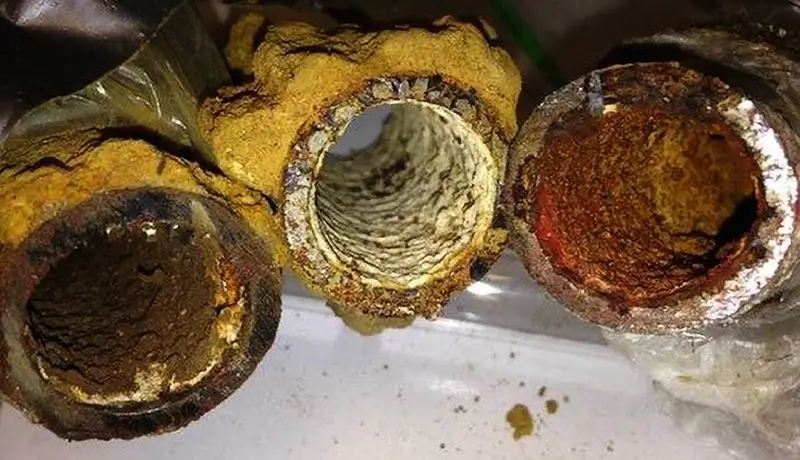
Sin embargo, todavía hay otros contaminantes en el agua del grifo que las plantas de agua no analizan, como los metales inorgánicos y las fibras microplásticas (el 83% de las muestras estaban contaminadas en todo el mundo), y otras nanopartículas que no podemos medir. Cuando una sustancia está en el rango nanométrico lo que en realidad significa es que la sustancia es lo suficientemente pequeña como para penetrar en una célula y eso significa que puede penetrar en todos los órganos, incluido el cerebro. Se han realizado algunos estudios y se ha demostrado que los microplásticos tienen efectos en la fauna, pero aún no se han realizado estudios en humanos.
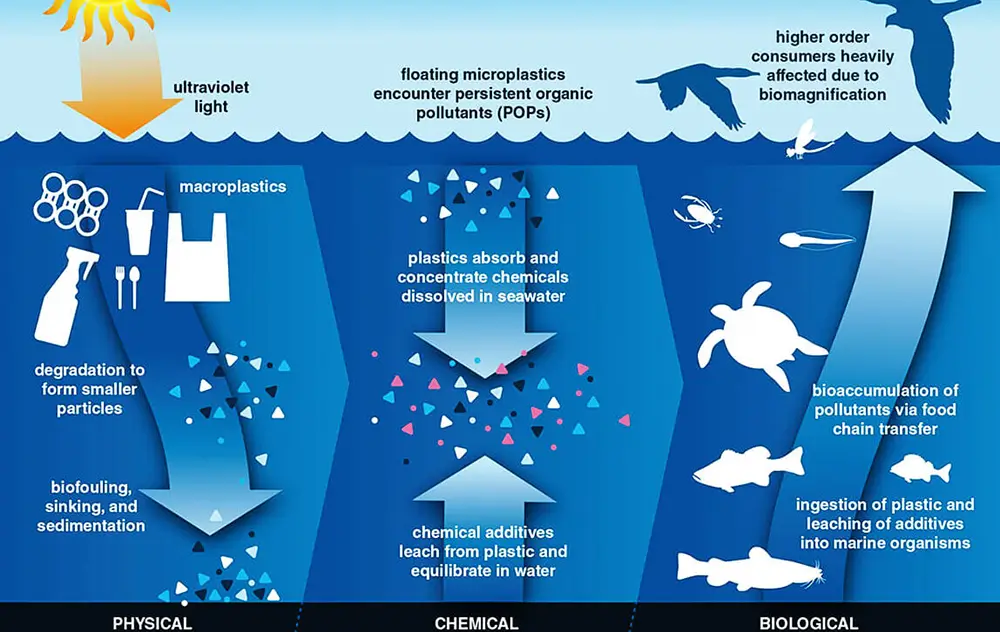
Los microplásticos también tienen la capacidad de absorber sustancias químicas tóxicas, y las investigaciones realizadas en animales salvajes demuestran que se liberan en el organismo. También se han encontrado microplásticos en algunas muestras de agua embotellada comercial analizadas en Estados Unidos. El problema es que no pueden superar los niveles de seguridad porque no los hay. No hay regulación de los niveles de seguridad, sólo directrices.
¿Ha oído hablar alguna vez de los trihalometanos (TTHM), que están relacionados con el cáncer de vejiga, el cáncer de piel y los problemas de desarrollo fetal, y del cromo hexavalente que se hizo famoso por la película Erin Brockovich, o del Radio-226 y el Radio-228? Todos estos contaminantes que acabo de mencionar siempre se han detectado por encima de las directrices legales.
Para cientos de otros contaminantes, el gobierno no impone ningún requisito en absoluto. Algunas de las toxinas más frecuentes, como el perclorato y el PFOA/PFOS (primos químicos del teflón), están presentes en el agua del grifo de millones de estadounidenses. Como la EPA no los regula, no aparecen en ninguna estadística. Los grupos de personas sensibles, como las mujeres embarazadas y los niños, corren un mayor riesgo de sufrir complicaciones de salud, sobre todo por la lista de contaminantes que se detectan regularmente en el agua del grifo, como el plomo (es un problema mayor en las ciudades con sistemas de abastecimiento de agua más antiguos), la atrazina (sustancia alteradora endocrina, uno de los pesticidas que más se detectan en las aguas estadounidenses) y el cloruro de vinilo (utilizado para fabricar productos de plástico PVC).
No voy a enumerar todos los contaminantes detectados, sería muy largo de leer. Lógicamente en mi mente, sólo limpia agua en nuestro entorno actual y la única agua que utilizo para cocinar y beber es agua destilada.
Referencias:
Pasajes seleccionados de un libro: Pokimica, Milos. Go Vegan? Examen de Ciencias de la Parte 1. Kindle ed., Amazon, 2018.
- Villanueva, C M et al. "Meta-análisis de estudios sobre consumo individual de agua potable clorada y cáncer de vejiga". Revista de epidemiología y salud comunitaria vol. 57,3 (2003): 166-73. doi:10.1136/jech.57.3.166
- Hwang, Bing-Fang, y Jouni J K Jaakkola. "Cloración del agua y defectos congénitos: una revisión sistemática y metaanálisis". Archivos de salud ambiental vol. 58,2 (2003): 83-91. doi:10.3200/AEOH.58.2.83-91
- Grellier, James et al. "Assessing the human health impacts of exposure to disinfection by-products-a critical review of concepts and methods". Medio ambiente internacional vol. 78 (2015): 61-81. doi:10.1016/j.envint.2015.02.003
- Tak, Surbhi, y Bhanu Prakash Vellanki. "Materia orgánica natural como precursora de subproductos de desinfección y su eliminación mediante procesos convencionales y avanzados: revisión del estado del arte". Revista de agua y salud vol. 16,5 (2018): 681-703. doi:10.2166/wh.2018.032
Contenidos Relacionados






¿Tienes alguna duda acerca de la nutrición y la salud?
Me encantaría saber de usted y responderlas en mi próxima publicación. Agradezco sus aportes y opiniones y espero tener noticias suyas pronto. También te invito a síguenos en Facebook, Instagram y Pinterest para más contenidos sobre dieta, nutrición y salud. Puedes dejar un comentario allí y conectar con otros entusiastas de la salud, compartir tus consejos y experiencias, y recibir apoyo y ánimo de nuestro equipo y nuestra comunidad.
Espero que este post le haya resultado informativo y ameno y que esté preparado para aplicar los conocimientos adquiridos. Si le ha resultado útil, por favor compártelo con tus amigos y familiares que también podrían beneficiarse de ella. Nunca se sabe quién puede necesitar orientación y apoyo en su camino hacia la salud.
– También Te Puede Interesar –
La Expresión Génica y la Epigenética: Cómo la Dieta y el Entorno Determinan su Salud

Cómo Ayunar: Alimentos en Ayunas Que No Rompen la Autofagia

Causa de la Obesidad - la falta de adaptación o adicción
La Exposición al Arsénico y el Consumo de Carne- El "Veneno" Libre de Aves de Corral Ley
Cúrcuma: Mejora de la Salud y Beneficios Clínicos
Cómo Detener la Caries Dental: Síntomas, Causas y Prevención
Fitoquímicos: Conceptos Básicos
Consumo Optimo de Antioxidantes: Ingesta Recomendada de Unidades ORAC

Aprenda Sobre Nutricion

Milos Pokimica es doctor en medicina natural, nutricionista clínico, escritor sobre salud médica y nutrición y asesor en ciencias de la nutrición. Autor de la serie de libros Go Vegan? Revisión de la Ciencia, también dirige el sitio web sobre salud natural GoVeganWay.com.
Descargo De Responsabilidad Médica
GoVeganWay.com le ofrece reseñas de las últimas investigaciones relacionadas con la nutrición y la salud. La información proporcionada representa la opinión personal del autor y no pretende ni implica sustituir el asesoramiento, diagnóstico o tratamiento médico profesional. La información proporcionada tiene fines informativos únicamente y no pretende sustituir la consulta, el diagnóstico y/o el tratamiento médico de un médico o proveedor de atención médica calificado.NUNCA ignore el CONSEJO MÉDICO PROFESIONAL O RETRASAR la BÚSQUEDA de TRATAMIENTO MÉDICO a CAUSA DE ALGO QUE HAYA LEÍDO EN O accesibles a TRAVÉS de GoVeganWay.com
NUNCA APLICAR CUALQUIER cambio de ESTILO de vida O CAMBIOS EN su totalidad COMO UNA CONSECUENCIA DE ALGO QUE HA LEÍDO EN GoVeganWay.com ANTES de CONSULTAR con LICENCIA PROFESIONAL MÉDICO.
En el caso de una emergencia médica, llame a un médico o al 911 inmediatamente. GoVeganWay.com no se recomienda ni aprueba ninguna de los grupos, las organizaciones, las pruebas, los médicos, productos, procedimientos, opiniones u otra información que pueda ser mencionado en el interior.
Selecciones del editor –

El cáncer Editor De Selecciones Fitoquímicos
Poder Anticancerígeno de Frutas y Verduras: Pruebas Clínicas e in Vivo
Algunos extractos vegetales rivalizan con los principales fármacos quimioterapéuticos y, al mismo tiempo, atacan varios tipos diferentes de células cancerosas.
Antioxidantes Editor De Selecciones ORAC
Aceites Esenciales Como Suplementos Antioxidantes: Reglas y Estrategias
Los aceites esenciales de calidad alimentaria pueden ser una estrategia cómoda y de fácil consumo para optimizar el valor antioxidante y las puntuaciones ORAC de nuestra dieta.
Antioxidantes Editor De Selecciones ORAC
Dieta Rica en Antioxidantes: Reglas y Estrategias Generales
Existen estrategias fáciles y rentables para optimizar el valor antioxidante de nuestra dieta.

Antioxidantes Editor De Selecciones ORAC
Comprender los Valores ORAC: Niveles de Antioxidantes en los Alimentos
Cuando tu principal fuente de antioxidantes es el café, sabes que tienes un grave problema.

Antioxidantes Editor De Selecciones ORAC
Astaxantina Beneficios: Antioxidante Natural Más Potente del Mundo
La astaxantina es el más potente y natural antioxidante universal (petróleo y agua-soluble) que conoce la ciencia. Se acumula en los tejidos y nunca puede convertirse en un pro-oxidante.

Antioxidantes Editor De Selecciones ORAC Fitoquímicos
Antioxidantes: Conceptos Básicos
Los productos de origen animal no contienen fitoquímicos ni antioxidantes. Por término medio, los alimentos vegetales contienen más de 60 veces más antioxidantes que los de origen animal.
Editor De Selecciones Dieta Vegana
Deficiencias Nutricionales en la Dieta Vegana: Estrategias de Prevención
Existen nueve deficiencias nutricionales comunes a escala poblacional que afectan a las personas que siguen una dieta basada en plantas. Si no se corrigen a tiempo, algunas deficiencias tienen consecuencias terribles y no tratables.
Editor De Selecciones Dieta Óptima
Deficiencia de Micronutrientes en la Dieta Americana Estándar: Estrategias de Optimización
El perfil nutricional de nuestra dieta moderna a base de carne, azúcar y alimentos procesados es totalmente incongruente con nuestra evolución, lo que provoca una grave carencia de micronutrientes.
Editor De Selecciones Fitoquímicos
Fitoquímicos: Conceptos Básicos
Todos y cada uno de los fitoquímicos que existen tienen una acción biológica en el cuerpo humano. Cada uno de los millones de fitoquímicos diferentes.
Editor De Selecciones La leche Dieta Óptima
Leche y Productos Lácteos: Correlaciones de Riesgo Para la Salud
Las asociaciones conocidas con la leche y el consumo de lácteos son infertilidad, cáncer de ovario y de mama, leucemia, diabetes tipo 1, autismo, arteriosclerosis, cataratas, artritis reumatoide, esclerosis múltiple, hiperactividad, congestión, granos y más...
El cáncer Editor De Selecciones La proteína
Proteína Completa: Señalización del IGF-1 en la Formación del Cáncer
Cuando usted come proteínas animales que tienen cuatro veces más probabilidad de desarrollar todos los tipos de cáncer. Cuando usted fuma, usted tiene cuatro veces la posibilidad de desarrollar cáncer de pulmón.

El cáncer Editor De Selecciones La proteína
La Anatomía de Cáncer de riesgo para la Salud de las correlaciones
Según los medicamentos, alrededor del 2% de los cánceres se consideran puramente causados por factores genéticos. El mismo rango que dentro del reino animal. No te han dicho toda la verdad.
Milos Pokimica es escritor especializado en salud y nutrición y asesor en ciencias nutricionales. Autor de la serie de libros Go Vegan? Revisión de la Ciencia, también dirige el sitio web sobre salud natural GoVeganWay.com.
Últimos artículos -

La Restricción De Calorías La longevidad
Cómo Ayunar: Alimentos en Ayunas Que No Rompen la Autofagia
Autofagia. ¿Alguna vez te has preguntado qué les sucede a las células de tu cuerpo cuando mueren o se dañan? ¿Simplemente se acumulan y crean problemas, o se eliminan de alguna manera? La respuesta es que tu cuerpo...

Salud Dental Prevención
Dolor y Sensibilidad a los Dulces: Solución Rápida y Duradera
Una solución rápida y fácil para aliviar el dolor es el aceite esencial de clavo, un potente antioxidante y analgésico que puede ayudar con las enfermedades de las encías y el dolor de muelas.

Los frijoles
Judías Verdes: Nutrición y Beneficios Para la Salud
Los frijoles verdes son bajos en calorías y ricos en compuestos naturales que pueden ayudar a controlar su azúcar en la sangre, reducir el colesterol y combatir los radicales libres.
Dieta de alimentos crudos Dieta Vegana
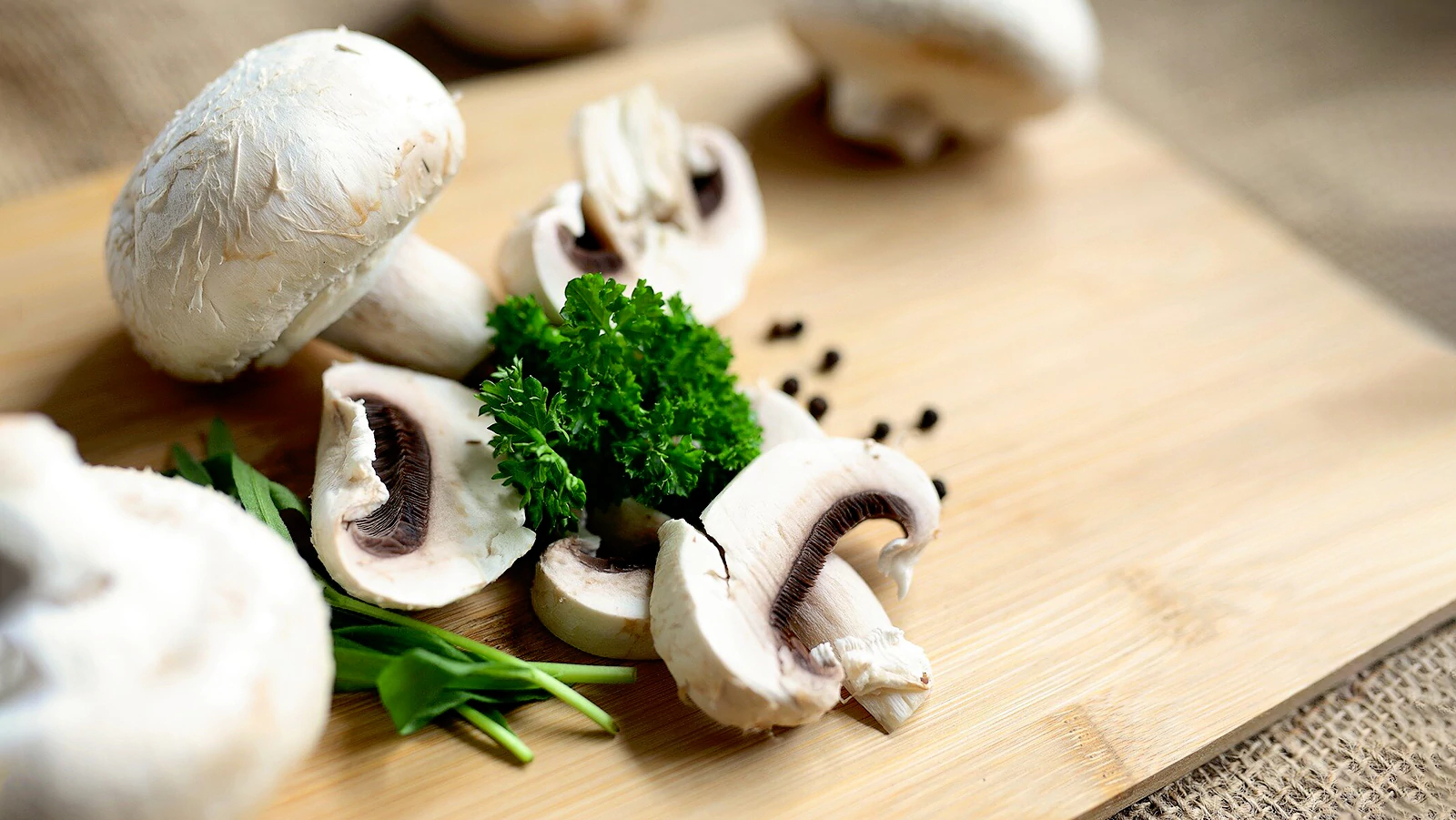
Se Pueden Comer Setas Crudas: Riesgos Para La Salud, Nutrición Y Seguridad
Las setas tienen toxinas sensibles al calor, como la hidracina o la agaritina, y paredes celulares compuestas de quitina que el ser humano no puede digerir bien.
Dieta Vegana
¿Son Los Peces Animales? Una Perspectiva Cultural
En algunas culturas, la carne de pescado no se considera carne, y el pescado está permitido incluso durante el ayuno.

Salud Dental Prevención
Enjuague bucal natural casero: probado, más fuerte y menos tóxico
El enjuague bucal natural hecho en casa es más fuerte que la clorhexidina, menos tóxico y si se ingiere puede dar un poco de náuseas, pero también un alto estallido en el valor ORAC.
Salud Dental Prevención
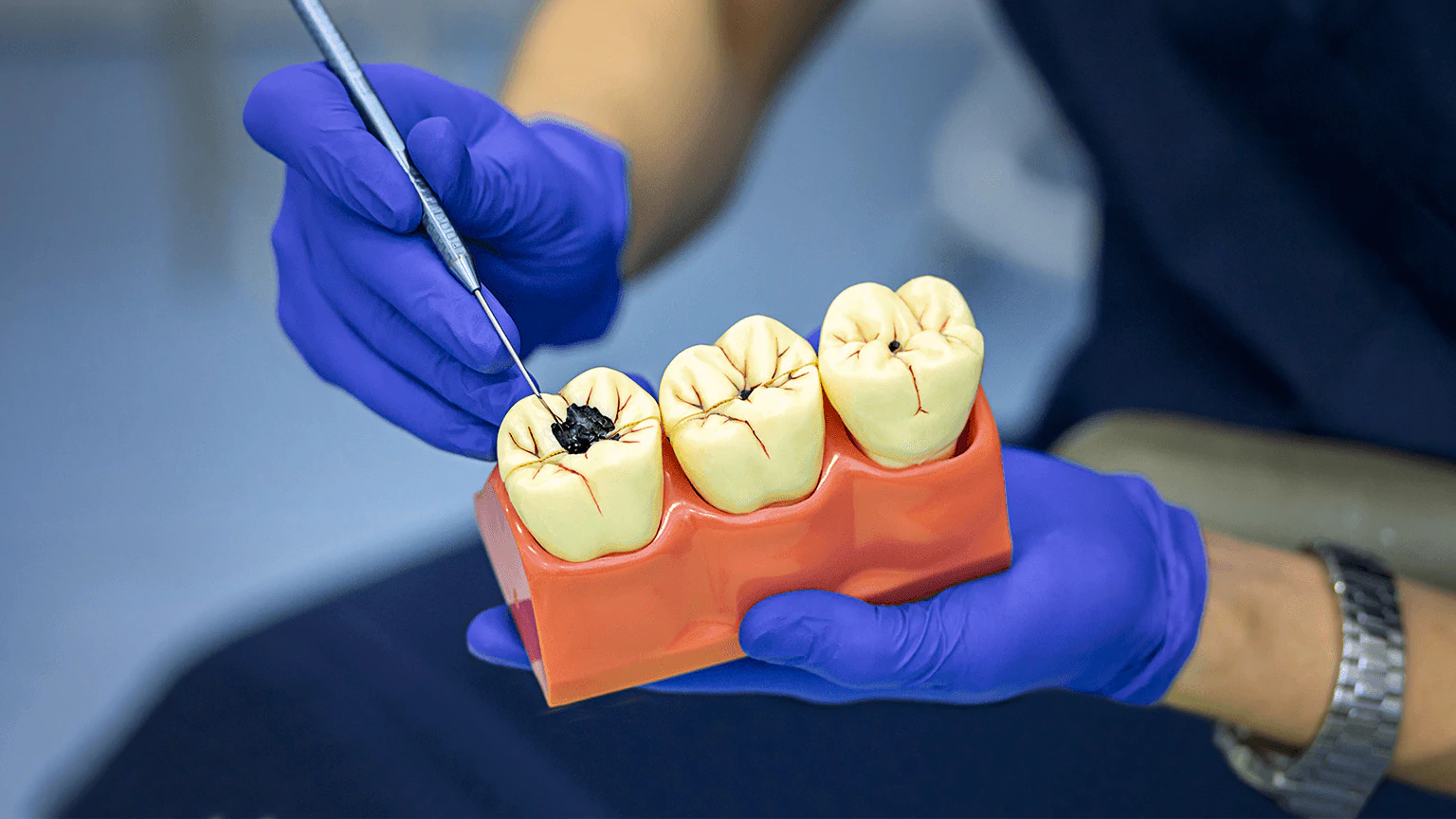
Cómo Detener la Caries Dental: Síntomas, Causas y Prevención
El consumo de azúcar es la principal causa de caries y deterioro dental, combinado con carencias de minerales, especialmente magnesio, zinc, cobre y oligoelementos.
Antioxidantes Superalimentos
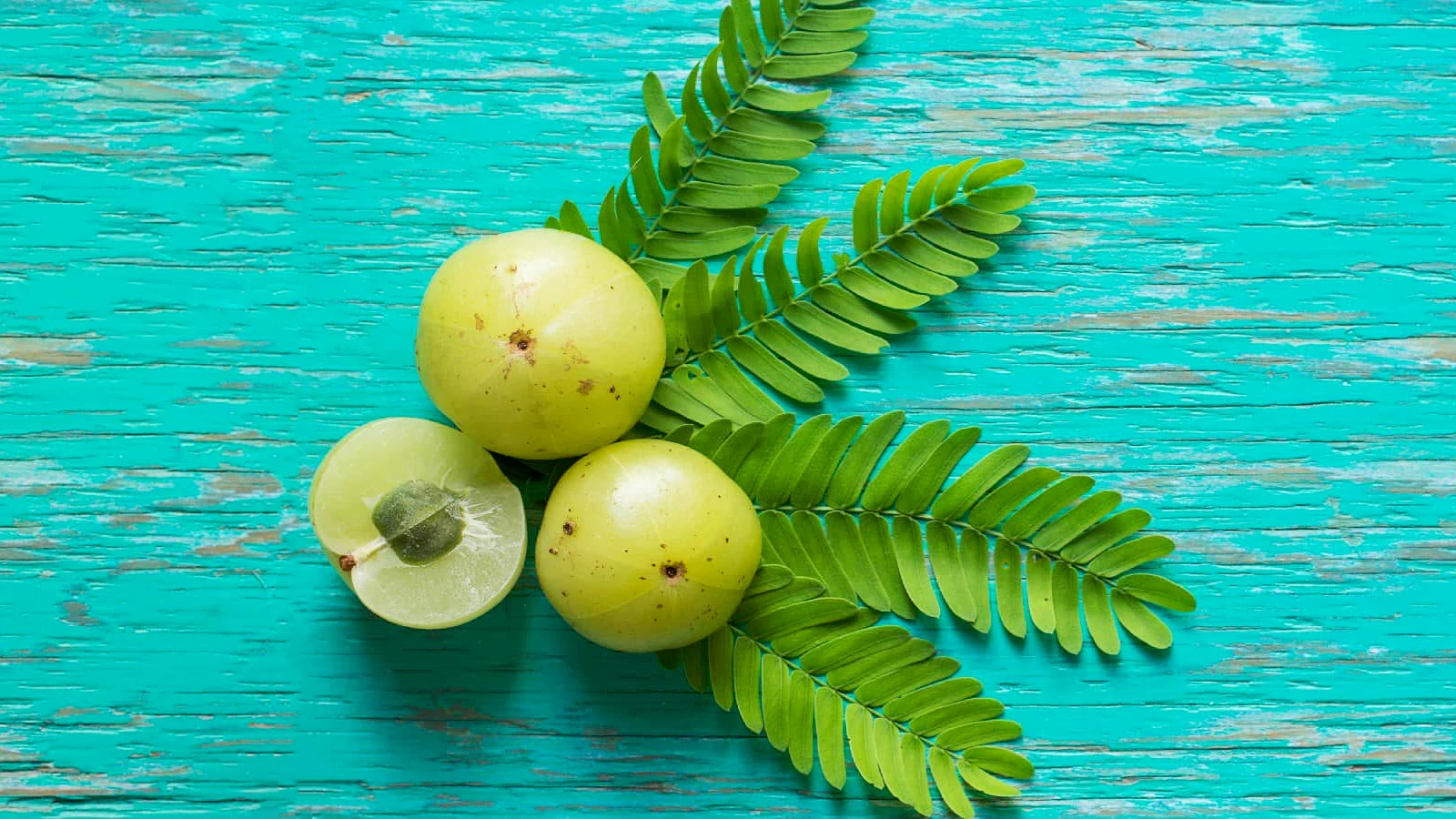
Amla: Beneficios Probados, Nutrición e Importancia Clínica
El amla es uno de los antioxidantes más potentes del mundo, con una puntuación ORAC de 261.530. Es una rica fuente de fitoquímicos que tienen diversos beneficios para la salud. Es una rica fuente de fitoquímicos que tienen diversos beneficios para la salud.
Top Noticias De Salud — ScienceDaily
- Insulin pills may soon replace daily injectionsen marzo 24, 2026
For over a century, scientists have chased the dream of insulin pills, but the digestive system kept destroying the drug before it could work—forcing millions of patients to rely on daily injections. Now, researchers at Kumamoto University have developed a clever workaround using a tiny peptide that helps insulin slip through the intestinal wall.
- Scientists discover hormone that may stop chronic back pain at its sourceen marzo 24, 2026
A new study suggests a widely used bone hormone could help relieve chronic back pain in an unexpected way. Instead of just strengthening bone, it appears to stop pain-sensing nerves from growing into damaged spinal areas. In animal models, this led to stronger spinal tissue and reduced pain sensitivity. The findings hint at a future treatment that tackles back pain at its biological roots.
- Women over 50 lost 35% more weight with this surprising comboen marzo 24, 2026
Postmenopausal women may have a powerful new edge in the battle against weight gain. A Mayo Clinic study found that those using menopausal hormone therapy while taking the obesity drug tirzepatide lost about 35% more weight than those on the drug alone. The findings hint at a surprising synergy between hormones and cutting-edge weight-loss medications, potentially opening the door to more effective, personalized treatments for millions of women facing increased cardiometabolic risks after […]
- This new tooth powder whitens teeth without damageen marzo 24, 2026
Researchers have developed a teeth-whitening powder that works with the vibrations of an electric toothbrush to safely remove stains. Unlike traditional whiteners, it not only brightens teeth but also repairs enamel and supports healthy oral bacteria. Lab tests showed dramatic whitening effects, while animal studies revealed reduced harmful microbes and inflammation. This could pave the way for a new generation of at-home dental care.
- Scientists discover Alzheimer’s hidden “death switch” in the brainen marzo 23, 2026
Scientists have uncovered a hidden “death switch” in the brain that may be driving Alzheimer’s disease—and even found a way to turn it off in mice. The culprit is a toxic pairing of two proteins that, when combined, triggers the destruction of brain cells and fuels memory loss. By using a new compound to break apart this deadly duo, researchers were able to slow disease progression, protect brain cells, and even reduce hallmark amyloid buildup.
- New blood test could catch pancreatic cancer before it’s too lateen marzo 23, 2026
A new blood test could change the outlook for one of the deadliest cancers—pancreatic cancer—by catching it much earlier than ever before. Researchers identified two previously unknown proteins in the blood that, when combined with existing markers, dramatically improved detection accuracy. The four-marker test was able to spot pancreatic cancer in over 90% of cases and performed especially well even in early stages, when treatment has the best chance of success.
- A promising fatty liver treatment may raise cancer risken marzo 23, 2026
A surprising new study reveals that blocking a supposedly protective enzyme, Caspase-2, could actually backfire—raising the risk of chronic liver damage and cancer over time. Researchers found that without this enzyme, liver cells grow abnormally large and accumulate genetic damage, leading to inflammation, scarring, and eventually tumors, especially with age. While inhibiting Caspase-2 may offer short-term benefits, such as reducing fatty liver disease, the long-term consequences appear […]
PubMed, #Dieta vegana –
- Plant-Based Dietary Patterns and Neuroimaging Biomarkers of Brain Health: A Scoping Review of Observational and Interventional Evidenceen marzo 23, 2026
Healthy dietary interventions are well established in cardiovascular disease prevention, but their effects on the brain remain underexplored. This scoping review aims to investigate how adherence to core components of a whole-food plant-based diet (WFPBD) may impact neuroimaging outcomes across different brain conditions. We searched PubMed and MEDLINE for studies published in the past 20 years evaluating the effects of a predominantly or exclusively WFPBD, alone or combined with other […]
- Environmental and economic impact of a vegan versus traditional mediterranean diet: OMNIVEG studyen marzo 17, 2026
CONCLUSIONS: Replacing animal products with plant-based foods in a Mediterranean dietary framework can enhance environmental sustainability and reduce food costs. These findings support the promotion of whole plant-based diets as a viable strategy for sustainable and affordable nutrition.
- Consumption Habits and Perception of Plant-Based Milk and Dairy Alternatives Among Vegetarians and Omnivores: A Case Study of Consumers in Sloveniaen marzo 14, 2026
CONCLUSIONS: PBMDA perceptions in Slovenia are strongly segmented by dietary pattern and socio-demographics, supporting the need for clearer nutrition communication.
- Culinary Nutrition Programming for Members of a Community-Based Cancer Programen marzo 14, 2026
(1) Background: Nutrition research in cancer care has largely focused on disease prevention and management, overlooking the importance of food literacy. Culinary cancer care programs may address this gap by facilitating the practical application of nutrition through culinary skills, fostering social connections over nutrient-dense meals, and supporting individuals during periods of physical and social vulnerability. The Not-Just-Supper Club (NJSC) at Gilda’s Club Toronto (GT) is a…
- Fatty acid composition of ground-beef products and their plant-based meat substitutes available in Hungaryen marzo 13, 2026
CONCLUSION: The findings indicate that plant-based meat alternatives (except those containing coconut oil) have lower saturated and higher polyunsaturated fatty acid compositions than beef-based products, leading to more beneficial nutritional value. Further analytical and clinical studies are necessary to provide a more comprehensive understanding of the long-term health effects of these foods.
Publicaciones aleatorias –

La Actividad Física
El agotamiento de glucógeno - Cómo no hacer ejercicio
¿Qué sucede cuando hacemos ejercicio o ir en una dieta restrictiva?

Industria De Alimentos El embarazo Toxicidad
Excitotoxicidad del Glutamato Monosódico: Revisión Científica
El hallazgo más significativo de toda la historia de la industria alimentaria es una rama concreta de las neurotoxinas que se denominan excitotoxinas.
Toxicidad
La Exposición al Arsénico y el Consumo de Arroz- El Más Tóxico de Grano de Todos Ellos
De todas las fuentes alimentarias conocidas, el arroz absorbe la mayor concentración de arsénico entre todos los alimentos de consumo habitual.
Editor De Selecciones Fitoquímicos
Fitoquímicos: Conceptos Básicos
Todos y cada uno de los fitoquímicos que existen tienen una acción biológica en el cuerpo humano. Cada uno de los millones de fitoquímicos diferentes.
El cáncer Editor De Selecciones La proteína
Proteína Completa: Señalización del IGF-1 en la Formación del Cáncer
Cuando usted come proteínas animales que tienen cuatro veces más probabilidad de desarrollar todos los tipos de cáncer. Cuando usted fuma, usted tiene cuatro veces la posibilidad de desarrollar cáncer de pulmón.
El cáncer La inflamación Toxicidad
Peces de piscifactoría: el paraíso de los “pozos negros”
Los peces de piscifactoría tienen hasta diez veces más contaminantes. Después de la vacunación, los peces siempre reciben antibióticos y pesticidas.
Editor De Selecciones La Dieta Paleo Dieta Vegana
El tamaño del cerebro, la inteligencia y el consumo de carne - Los veganos argumento
La combinación de una cierta cantidad de alimentaban de carne a la dieta vegana predominantemente no convertirse en una fuerza fundamental en la aparición de la inteligencia humana y el tamaño del cerebro.

La Restricción De Calorías El cáncer La longevidad
La restricción de calorías, la Autofagia, la Longevidad, y la pérdida de masa Muscular
Todos queremos una cantidad considerable de masa muscular y un metabolismo rápido para poder comer más, pero la autofagia es lo que se ajusta a la biología evolutiva.
Editor De Selecciones Dieta Óptima
Deficiencia de Micronutrientes en la Dieta Americana Estándar: Estrategias de Optimización
El perfil nutricional de nuestra dieta moderna a base de carne, azúcar y alimentos procesados es totalmente incongruente con nuestra evolución, lo que provoca una grave carencia de micronutrientes.
El cáncer El embarazo Toxicidad
Aspartamo: La Verdad Sobre Sus Riesgos Y Peligros
Una de las excitotoxinas que han hecho tan feliz a la industria es la sustancia química que hace todas las cosas que hacen las excitotoxinas pero que, a diferencia del glutamato monosódico, es dulce al gusto. Se conoce químicamente como aspartamo (Nutra Sweet).

Publicaciones destacadas -
Antioxidantes Editor De Selecciones ORAC Fitoquímicos
Antioxidantes: Conceptos Básicos
Los productos de origen animal no contienen fitoquímicos ni antioxidantes. Por término medio, los alimentos vegetales contienen más de 60 veces más antioxidantes que los de origen animal.

La Diabetes Editor De Selecciones Dieta Óptima
Azúcar Refinado: Comprender los Riesgos
Los niños consumen alrededor de una quinta parte del total de sus necesidades de calorías de sólo el azúcar refinado. Si añadimos la grasa y el resto de la nutrición privados de alimentos procesados a la lista se convierte en una nutrición completa pesadilla.

Editor De Selecciones La Obesidad Dieta Óptima
Causa de la Obesidad - la falta de adaptación o adicción
¿Cuál es la causa de la epidemia de obesidad? Para toda la vida en la Tierra, los alimentos no es una opción. La cosa más dura para los animales en el desierto es la ganancia de peso.
Antioxidantes Editor De Selecciones ORAC
Dieta Rica en Antioxidantes: Reglas y Estrategias Generales
Existen estrategias fáciles y rentables para optimizar el valor antioxidante de nuestra dieta.

Editor De Selecciones La Obesidad
Experimento de Inanición de Minnesota: Por qué las Dietas Nos Hacen Engordar. La Psicología del Hambre.
Uno de los primeros estudios científicos sobre lo que es el hambre hace a la mente fue observado en un estudio recordado como el Minnesota Hambre Experimento realizado por la Universidad de Minnesota, ya en 1944.

La Diabetes Editor De Selecciones
La Diabetes causa y los hidratos de carbono refinados - Los veganos argumento
La gente cree que los carbohidratos refinados se asocian a picos de insulina y son una de las causas de la diabetes. Y tienen razón. Sin embargo, también se equivocan.
Editor De Selecciones Dieta Óptima
Deficiencia de Micronutrientes en la Dieta Americana Estándar: Estrategias de Optimización
El perfil nutricional de nuestra dieta moderna a base de carne, azúcar y alimentos procesados es totalmente incongruente con nuestra evolución, lo que provoca una grave carencia de micronutrientes.
La Diabetes Editor De Selecciones
La Diabetes causa y grasas saturadas - Los veganos argumento
A medida que aumenta el nivel de grasa en el torrente sanguíneo, disminuye la capacidad del organismo para eliminar el azúcar. Una de las causas de la diabetes es nuestra inadaptación a una gran ingesta de grasas

La Medicina Alopática Editor De Selecciones Dieta Óptima
El Informe McGovern - Intereses especiales y supresión de la ciencia
En 1977 el empuje para un cambio de Pautas Dietéticas (McGovern Informe) a más a base de plantas vegana uno se había introducido en el Congreso de los estados UNIDOS.

Editor De Selecciones Dieta Óptima La proteína
Dieta Alta En Proteínas - Riesgo Para La Salud De Las Correlaciones
La escasez es la regla de las proteínas en la naturaleza. En términos evolutivos, los antropólogos han demostrado que los homínidos vivían una media de 15 a 25 gramos de proteína al día. En el tipo occidental moderno de dieta alta en proteínas consumiríamos eso...
La última versión desde PubMed, #Dieta basada en plantas –
- From cow to crop: motives and barriers for plant-based dairy alternative consumption across three European countriespor Dominika Maison en marzo 23, 2026
Currently, alternative sources of protein are being sought to replace not only meat but also dairy products in the diet. From this perspective, it is worth examining how consumers perceive these products, what motivates them to choose them and what barriers they encounter, especially with regard to attitudes towards dairy products. The present study aimed to compare attitudes towards plant-based dairy alternatives (PBDAs) in three European countries – Poland, Germany and the UK. Furthermore, […]
- Energy and macronutrient intakes of Montenegrin adults: insights from the EFSA EU Menu National Survey (2017-2022)por Amil Orahovac en marzo 23, 2026
INTRODUCTION: Understanding population-level dietary intakes is essential for preventing diet-related non-communicable diseases (NCDs) and informing evidence-based nutrition policies. Until recently, Montenegro lacked nationally representative data on food and nutrient intake aligned with European Food Safety Authority (EFSA) standards. This study provides the first comprehensive analysis of energy and macronutrient intake among Montenegrin adults within the EFSA EU Menu framework.
- Plant-Based Dietary Patterns and Neuroimaging Biomarkers of Brain Health: A Scoping Review of Observational and Interventional Evidencepor Lydia Viviana Falsitta en marzo 23, 2026
Healthy dietary interventions are well established in cardiovascular disease prevention, but their effects on the brain remain underexplored. This scoping review aims to investigate how adherence to core components of a whole-food plant-based diet (WFPBD) may impact neuroimaging outcomes across different brain conditions. We searched PubMed and MEDLINE for studies published in the past 20 years evaluating the effects of a predominantly or exclusively WFPBD, alone or combined with other […]
- Metabolic pathway analysis reveals hierarchical pentose sugar utilization and metabolic flexibility of Bifidobacterium longumpor Lisa Friess en marzo 23, 2026
Plant-derived pentose sugars represent a major nutrient source in the gut, yet their metabolism remains incompletely defined. Strains of the human gut commensal Bifidobacterium longum subsp. longum utilise arabinose- and xylose-containing glycans, which are found in the pectin and hemicellulose layers of plant cell walls. To gain insight into the metabolism of these two pentoses as well as ribose, a naturally occurring sugar and a component of RNA and ATP, we identified and analysed the genes…
- Performance of Amblyseius swirskii (Acari: Phytoseiidae) on different astigmatid prey: life history traits and multi-generational stabilitypor Marziye Jahanbazi en marzo 22, 2026
Optimizing trophic interactions within factitious prey chains is critical for the sustainable mass production of biological control agents. We investigated the developmental and demographic performance of Amblyseius swirskii (Athias-Henriot) (Acari: Phytoseiidae) when fed on four storage mite species, Tyrophagus putrescentiae (Schrank) (Acari: Acaridae), Carpoglyphus lactis L. (Acari: Carpoglyphidae), Lepidoglyphus destructor (Schrank) (Acari: Glycyphagidae), Rhizoglyphus robini Claparede…
- Association Between Healthy Eating Patterns and Prevalence of Suspected Polycystic Ovary Syndrome: A Cross Sectional Studypor Lingling Huang en marzo 20, 2026
The diet-PCOS relationship remains complex and requires further investigation. Among 1424 participants (12.3% suspected PCOS), dietary patterns were evaluated using NIH criteria via FFQ: exploratory factor analysis (EFA), EAT-Lancet dietary pattern (EAT-LDP), Mediterranean, plant-based indices. EFA identified four patterns: plant-forward (PFD), animal-protein (APD), red and organ meat (ROM), and fast-food (FFD). Multivariable logistic regression, adjusted for age, BMI, education attainment,…