







Alimentos Procesados: Comprender los Riesgos
Los alimentos procesados significan que se elimina algo de los alimentos enteros, normalmente fibra, y se añade algo, normalmente grasa, azúcar, sal y msg.
Milos Pokimica
Escrito por: Milos Pokimica
Revisado Médicamente Por: Dr. Xiùying Wáng, M.D.
Actualizado octubre 1, 2023Después de leer un poco sobre la historia y la forma en que las empresas, ya sean de alimentos, medicamentos o algo tercero, llevan a cabo sus negocios, usted debe entender que estas empresas y las personas que las dirigen no se preocupan por usted. Les importa comercializar sus productos, pero no usted. Harán todo lo que puedan si pueden salirse con la suya en su agenda para ganar dinero, incluyendo la participación en crímenes de guerra, genocidio, tortura, explotación y destrucción a escala global de cualquier tipo. La guerra es uno de los mayores negocios que existen.
Que creas que los médicos o cualquier otro vendedor de cualquier tipo te están diciendo la verdad y se preocupan por ti es sólo propaganda y manipulación emocional diseñada para promover su agenda engañándote. Cuando entras en el supermercado, todo lo que hay allí está puesto en el estante para ganar dinero.
No hay un solo artículo en el supermercado que esté ahí para promover la salud o cualquier otra cosa, excepto para hacer dinero para la empresa que lo fabricó.
And actually, it is not even the company’s fault for the grim situation that we have. It is your fault.
Así es como, en realidad, funcionan el mercado y las ventas de alimentos. Debido a que usted no tiene control sobre sus instintos básicos y su cerebro es una condición evolutiva de la forma en que es lo que sucede cuando alguna empresa de alimentos hace un buen producto saludable es la siguiente. Este producto no tiene sal, ni azúcar añadido, ni grasa añadida y está lleno de fibra y demás. Si no hay otra opción, lo comprarás y te lo comerás. Estará bien; no será salado ni sabroso, pero te las arreglarás. Sin embargo, entonces a alguna otra empresa de alimentación se le ocurrirá añadirle algo y dirá: ya sabes, eso que la gente compra, ¿por qué no le añadimos un poco de azúcar para que sepa mejor? Y adivina qué, a ti, como consumidor impulsivo, te gustará más y entonces empezará el ciclo. Habrá una tercera empresa que añadirá tanto azúcar como puedas tolerar y añadirá tanta grasa y sabores y colores artificiales y eliminará toda la fibra y tu cerebro tendrá una reacción exagerada de dopamina porque esta combinación de grasa y azúcar no existe en la naturaleza y te va a encantar. Y cualquier otra empresa que haga cualquier otro negocio que no sea hacer cosas llenas de grasa y azúcar y sal irá a la quiebra. Incluso cuando se elimina la grasa de una comida procesada, por ejemplo, a menudo se añade azúcar para ayudar a disimular el sabor más insípido.
Cuando decimos (los nutricionistas) que los alimentos procesados son malos para la salud, eso es exactamente lo que significa "procesados".
Significa que se elimina algo.
Por lo general, fibra y algo se añade, por lo general grasa, azúcar, sal y msg.
No hay diferencia nutricional entre los macarrones con queso, la pizza, el helado o las patatas fritas. Cuando el procesamiento elimina la fibra de la harina, el almidón restante es tan fácil de digerir por el sistema digestivo humano que no hay ninguna diferencia si nos limitamos a comer azúcar cristalina. Nuestro cuerpo está tan bien adaptado para la digestión de la amilopectina-a (almidón que se encuentra en el trigo) que es sorprendente.
Lo que tenemos en Mack and Cheese es azúcar de la harina refinada y grasa saturada del queso, así que la grasa y el azúcar, se combinan para colocarnos.
Lo que tenemos en el helado es grasa saturada de la leche y azúcar de mesa, así que de nuevo grasa y azúcar.
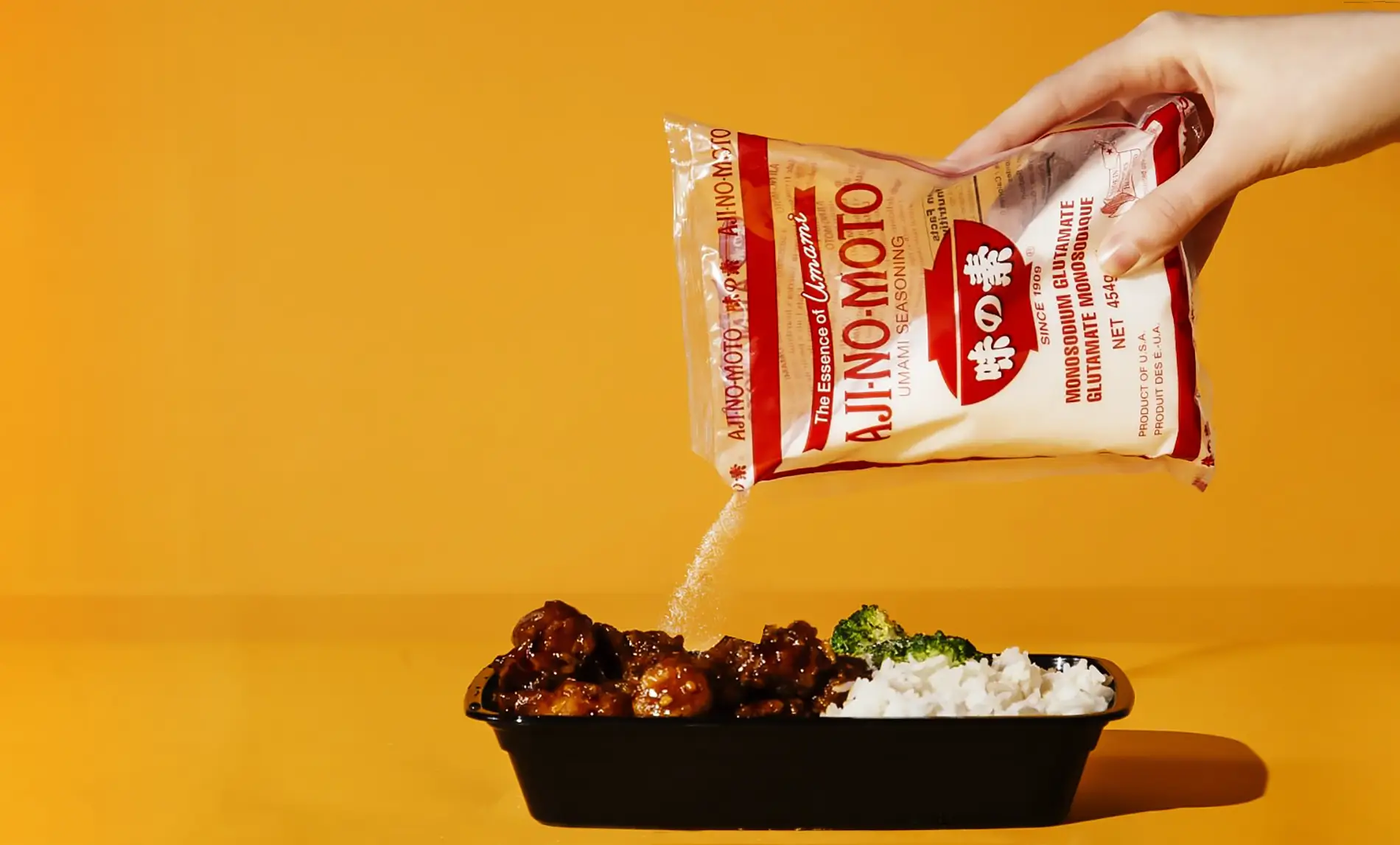
Lo que tenemos en las patatas fritas es almidón de patata y grasa de freír y sal y msg (glutamato monosódico). El glutamato monosódico es un producto químico neuroactivo especial o droga que crea algo conocido como excitotoxicidad. Esto significa que el glutamato estimula las neuronas para que emitan señales de forma incontrolada durante cierto tiempo. Si se consume una cantidad suficiente, puede provocar la muerte de las neuronas. El glutamato también irrita los nervios de nuestra boca y además en nuestro cerebro, tenemos receptores para el glutamato en todos los tejidos. El cerebro lo detecta como una forma de "superalimento". GMS y aspartamo and all other excitotoxins dramatically promote cancer growth, metastasis, and many other diseases. A big number of rats that were given excitotoxins in high dosages quickly died of leukemia or lymphoma or brain cancer or some other deadly disease. Can we eat a small amount of it, dose makes the poison, right? Maybe, and maybe not. But children’s brain is a different topic and who eats most of the chips for example in excessive amounts? There will be more discussion in related articles about excitotoxins. They were initially forbidden but then were pushed by ignoring all of the cancers and more than 70 other types of diseases known as “Rumsfeld diseases” (Donald Rumsfeld diseases, was chairman of the G.D. Searle company at the time) that are associated with the use of MSG and aspartame. MSG is one of the pillars of the modern food industry as same as salt, sugar, and fat.

Lo que tenemos en las patatas fritas, por ejemplo, es almidón de patata y grasa de freír, así que no hay diferencia para nuestros cerebros porque lo que buscamos es grasa y azúcar en la misma comida en diferentes combinaciones, pero químicamente es la misma comida.
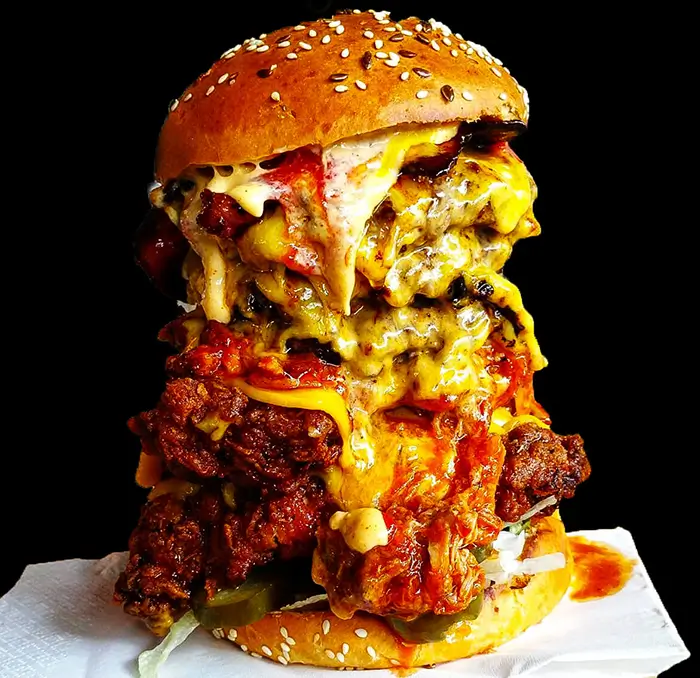
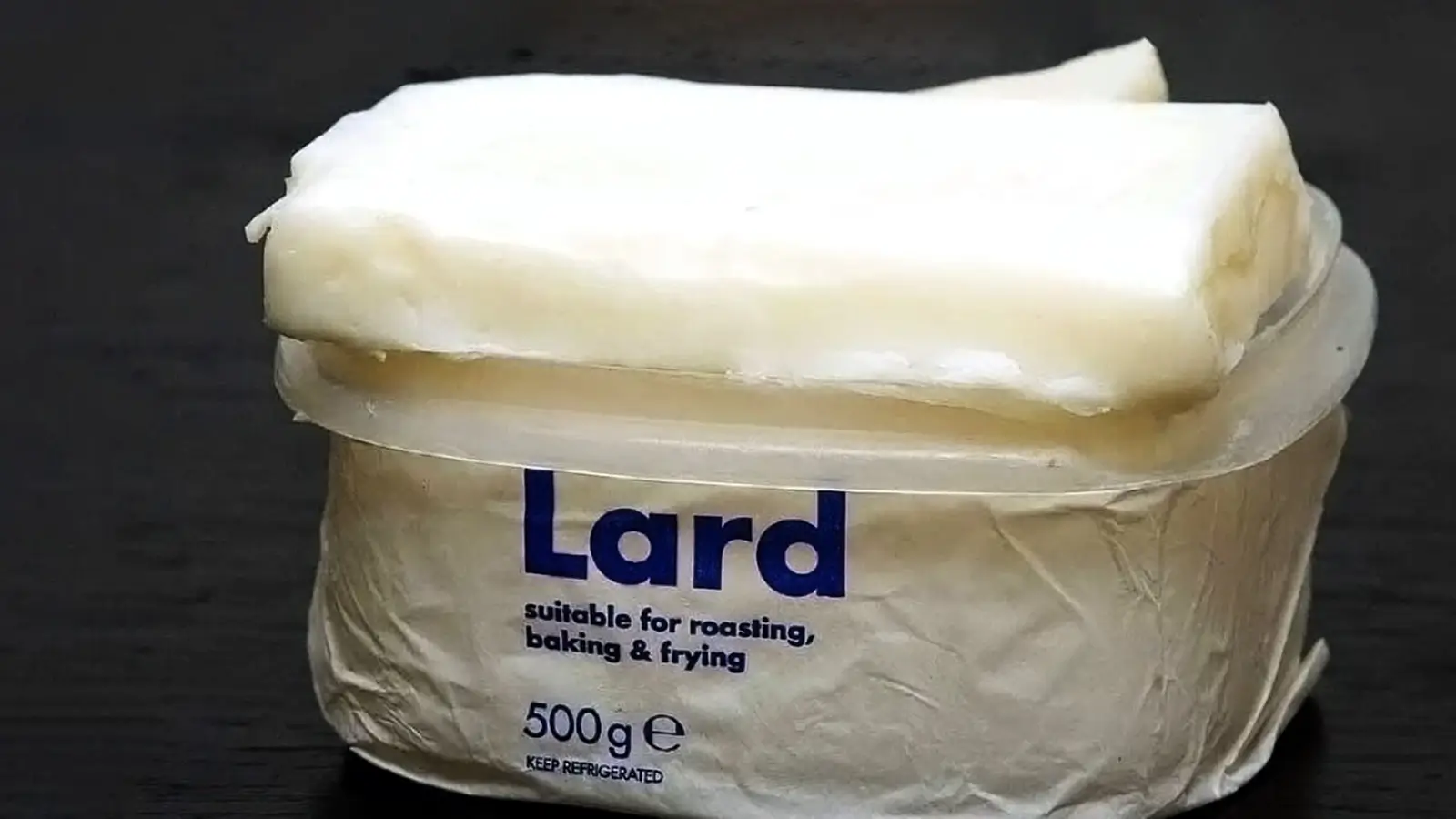
Las patatas fritas pueden ser horneadas, pero si le encanta comerlas y tiende a comerse toda la bolsa a menos que alguien llegue antes, cuente con que son fritas. Si son horneadas, la bolsa lo dirá y costarán más y no sabrán tan bien porque no habrá respuesta de dopamina en el mecanismo de recompensa en el cerebro o no a la escala que nos gustaría. Es la misma comida otra vez por ejemplo cuando comes bacon y huevos y pan. Es el azúcar del tocino y la grasa. Intenta comer beicon y huevos sin pan. Si te pasas, puede que te sientas mal por toda la grasa o por qué no vas e intentas comer manteca de cerdo sin nada más.
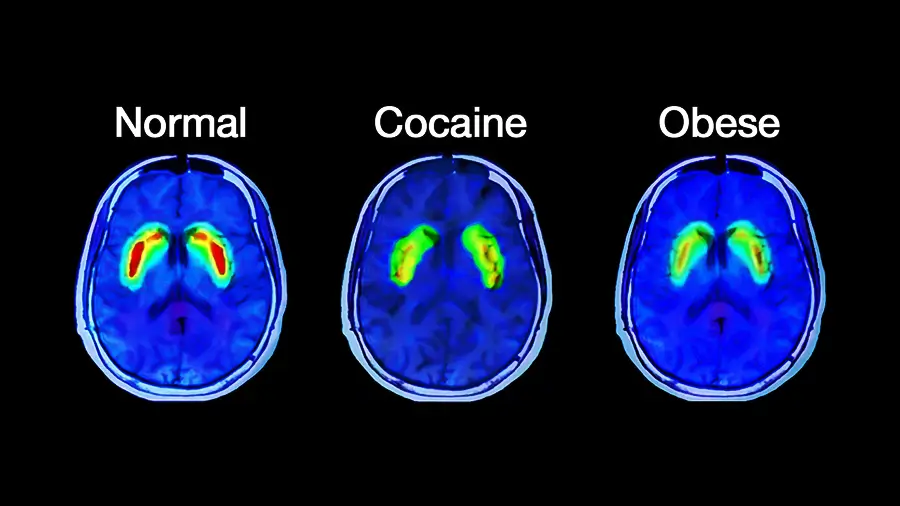
La estimulación supernormal constante de los centros de recompensa del cerebro acaba provocando la regulación a la baja de los receptores de dopamina, al igual que ocurre con el consumo de cocaína o anfetaminas. El consumo regular de alimentos procesados altamente palatables conduce a una reducción directa de nuestra capacidad natural para experimentar cualquier forma de placer, no sólo el placer de comer. Puede leer más sobre esto en los artículos relacionados sobre estímulos supernormales.
Por otro lado, la razón por la que se elimina la fibra de los alimentos procesados es que no sabe bien. La fibra no tiene ningún sabor. Lo que ocurre es que no nos gusta su textura y, como no contiene calorías, nuestro cerebro la detecta instintivamente como algo que no merece la pena comer. Esa es la razón por la que, por ejemplo, pelamos la patata antes de hervirla. No nos gusta la textura de la piel. Así que la industria lo hace para aumentar la textura y el color de los alimentos procesados.
Sin embargo, lo que eso hace es aumentar la absorción y respuesta a la insulina. Se digiere rápidamente, y cuando el azúcar en sangre baja, necesitamos comer de nuevo, y entonces comemos en exceso sobre todo porque se añade azúcar refinado y grasa. Entonces la obesidad llama a la puerta y entonces llega la diabetes y entonces porque no hay antioxidante en los alimentos procesados o cualquier otro fitoquímico para bajar el nivel de inflamación y toda la sobrecarga tóxica al mismo tiempo tenemos inflamación crónica de bajo nivel. Entonces eso causa cáncer y otros tipos de enfermedades inmunológicas. Y debido a que comemos demasiada carne y productos animales que están llenos de colesterol y también sin fibra en ellos como alimento para las bacterias probióticas obtenemos colonias de bacterias malas en nuestro intestino que se alimentan de carne o en otras palabras mal microbioma que aumenta la inflamación aún más y crea toda una serie de otros problemas y todo eso es porque queremos que nuestra comida sepa bien.
Y la industria proporciona. Y por qué la industria elimina antioxidantes y fitoquímicos.
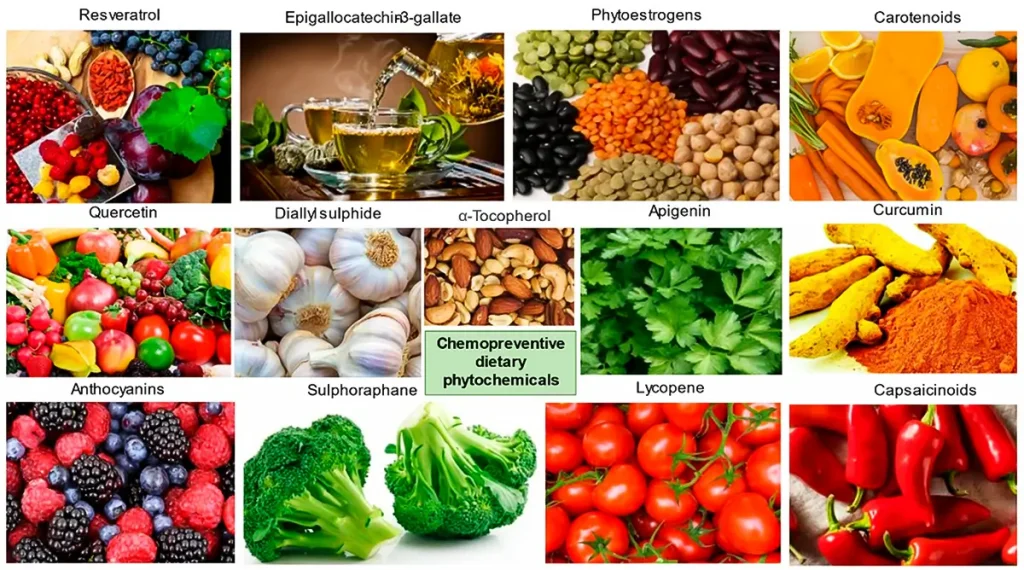
No lo hacen, pero lo que tienen que hacer por ley es pasteurizarlo todo. Cuando uno quiere beber, por ejemplo, un zumo de fruta "saludable" 100% sin azúcares añadidos, obtiene azúcar y agua con sabor a fruta sin ningún tipo de fitoquímicos ni antioxidantes. La mayoría de estos fitoquímicos no son estables durante el procesado térmico (Martí et al., 2009). Algunos lo son, otros forman otros conjugados (Wong y otros, 2019) que la ciencia aún no ha identificado, y algunos son estables y además aumentan su biodisponibilidad tras la cocción. Los carotenoides serían un ejemplo de ello. Habrá más discusión en otros artículos sobre este tema. Esta es por ejemplo una de las razones detrás de los defensores de la dieta de la fila y las personas que la practican. Cuando la industria empieza a hervir el zumo para matar todas las bacterias potenciales y empieza a añadirle conservantes, ya no hay bacterias y la vida útil se alarga drásticamente. Sin embargo, ya no hay nada en el zumo que no sea estable al calor y eso incluye la mayoría de los antioxidantes.
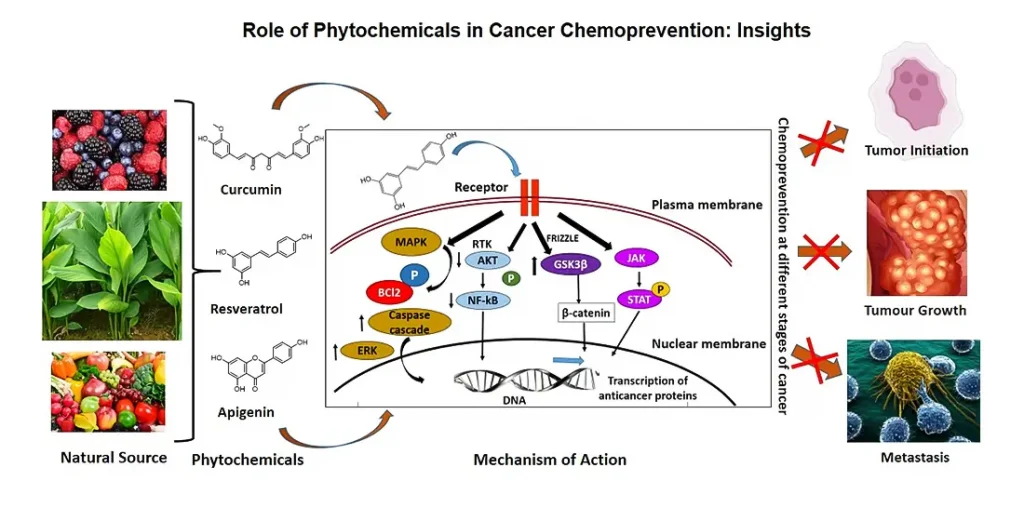
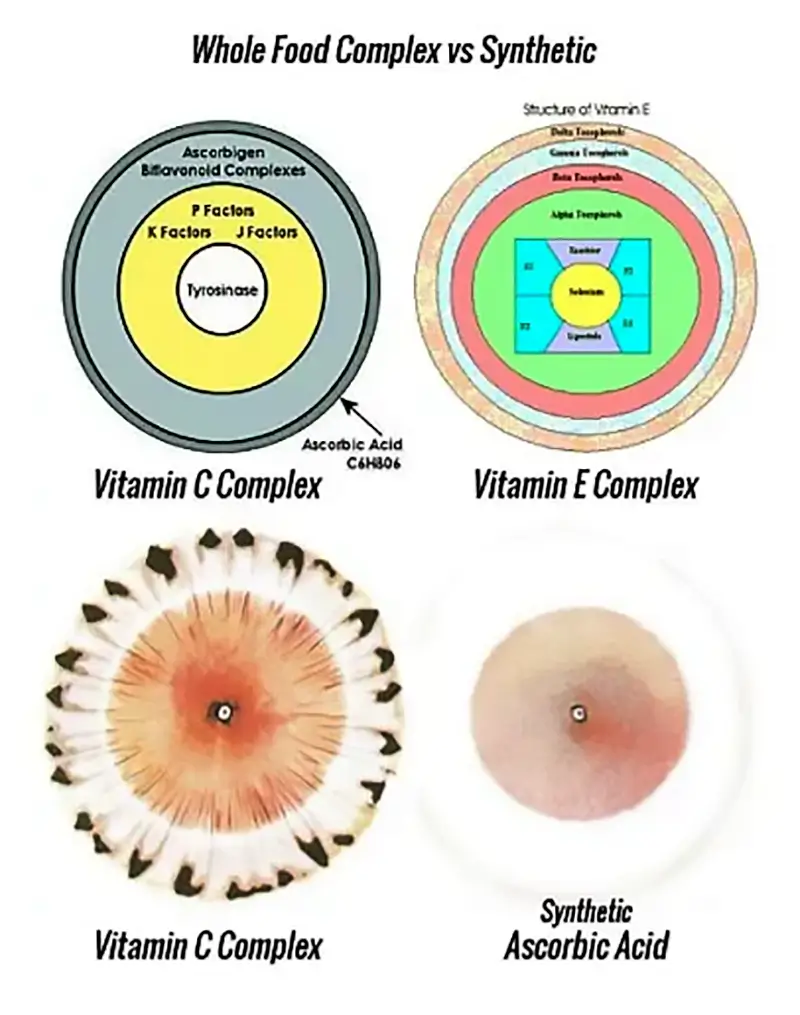
La Vitamina C tampoco es estable durante el tratamiento térmico. Cuando vea vitamina C en la caja del zumo, se trata de vitamina c sintética añadida (ácido ascórbico) sólo para engañarle (Palermo et al., 2014). ¿Hay alguna diferencia entre la vitamina C natural y la sintética? Sí y no. Es otro debate. El ácido ascórbico (vitamina C sintética) es sólo el 25% de todo el complejo de vitamina C natural.
Además, el zumo no contiene fibra, por lo que no es más que agua dulce, como cualquier refresco normal, como la Coca-Cola. Usted necesita comer fruta cruda entera para tener todos los beneficios para la salud.
Además de todos los efectos negativos ya mencionados, todavía hay un lado negativo más de los alimentos procesados, y es la insuficiencia de nutrientes.
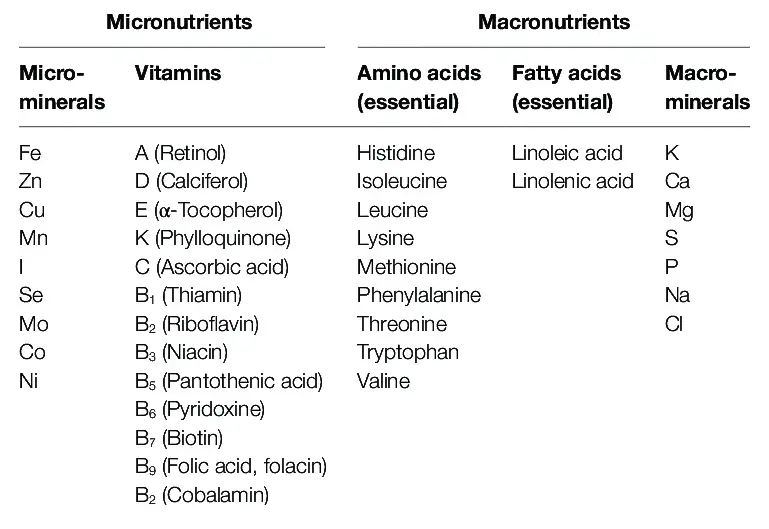
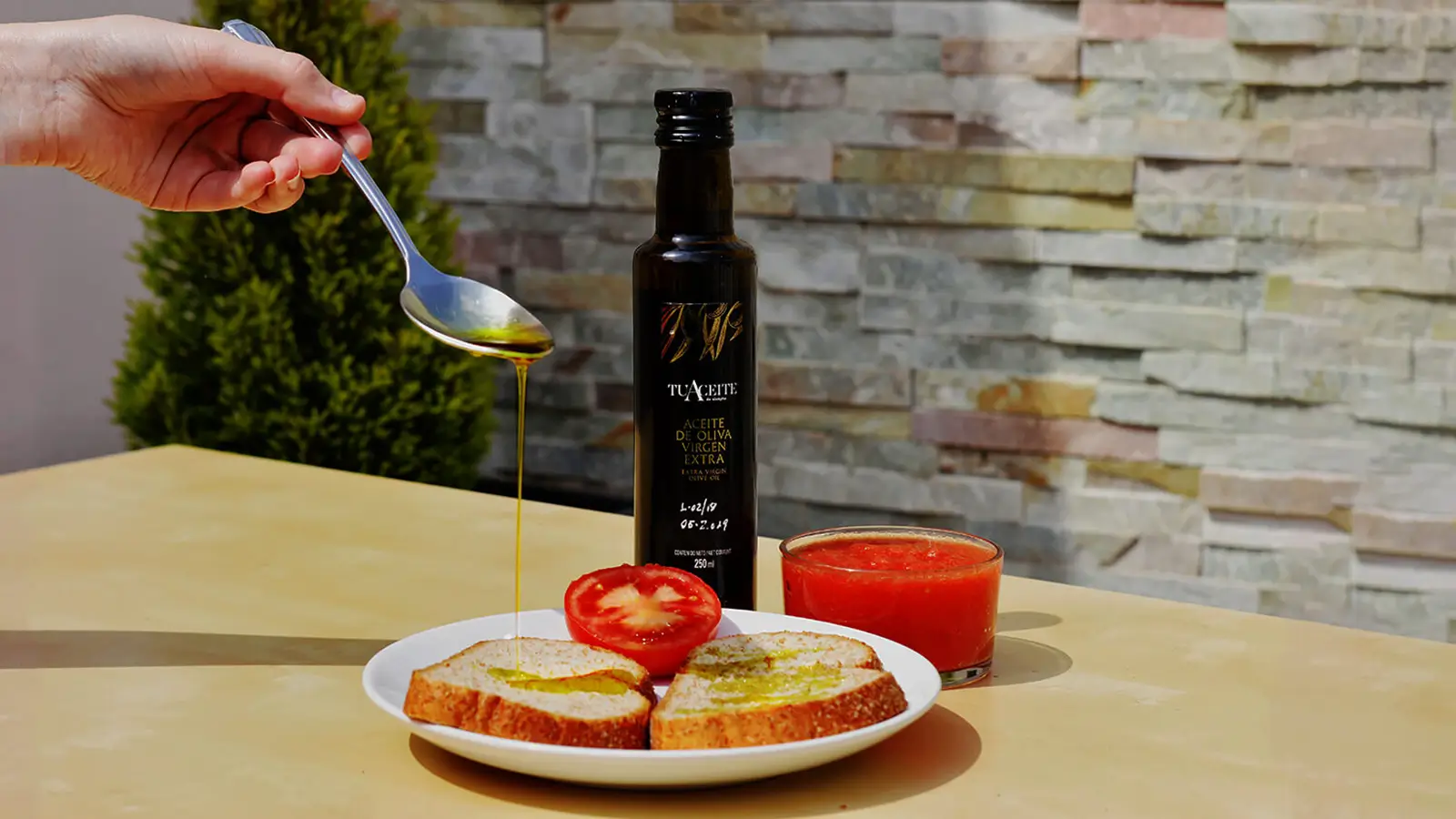
Hay algo que se llama macronutrientes y algo que se llama micronutrientes. Los macronutrientes son el azúcar, las grasas y las proteínas, algunos minerales y contienen calorías. Sin embargo, los micronutrientes también son importantes para la existencia de la vida aunque no contengan calorías. Los micronutrientes son vitaminas, minerales y antioxidantes. El problema es que el azúcar y las grasas refinadas no tienen ninguno. Si el aceite vegetal es "virgen", es posible que aún contenga alguna cantidad de vitaminas liposolubles como la vitamina E y quizá alguna pequeña cantidad de otros fitoquímicos. Sin embargo, el aceite refinado normal tiene cero de todo.
Es algo que se llama una caloría vacía, lo que significa que hay cero micronutrientes en una caloría.
Comer una bolsa de patatas fritas te aportará muchas calorías, pero nada más. En realidad, es peor que nada. Obtendrá mucha sal y excitotoxicidad del msg, y un montón de grasa rancia y acrilamida. La carencia de nutrientes es tan pronunciada en las dietas occidentales que en algunos casos provoca enfermedades graves con un bajo índice de detección. Las personas que presentan síntomas de carencia de alguno de los nutrientes no suelen saber de qué carecen y ni siquiera saben que son deficientes en primer lugar. Piensan que como comen tanta comida procesada tienen todos los minerales y antioxidantes y vitaminas que necesitan, pero en realidad, la situación es terrible.
Incluso una dieta sana puede carecer de los minerales adecuados debido al agotamiento del suelo y al uso de fertilizantes sintéticos.
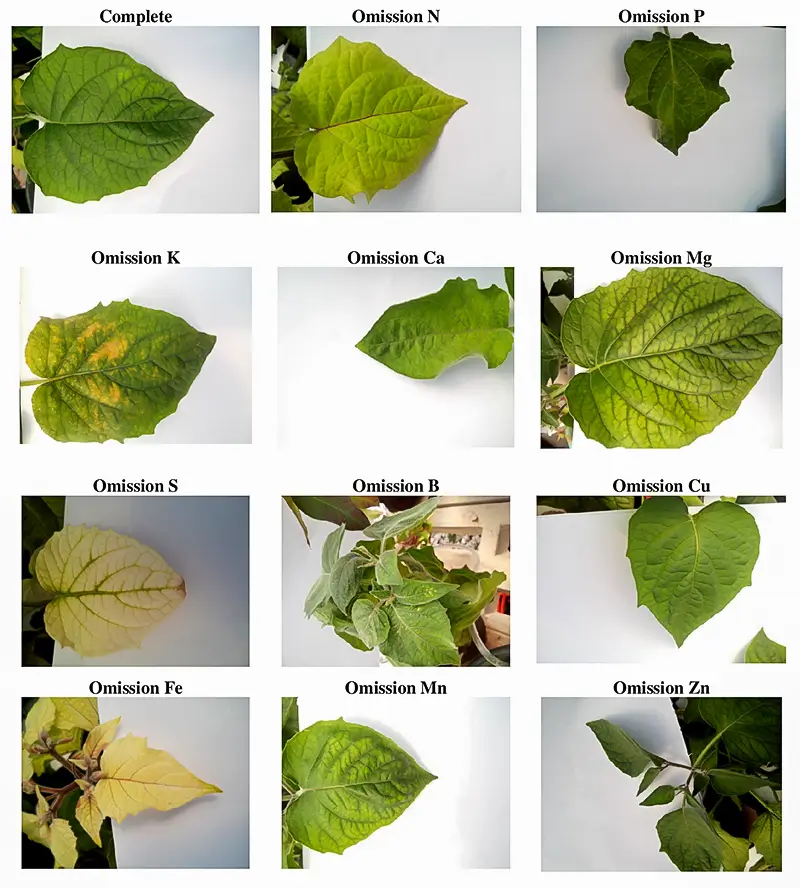
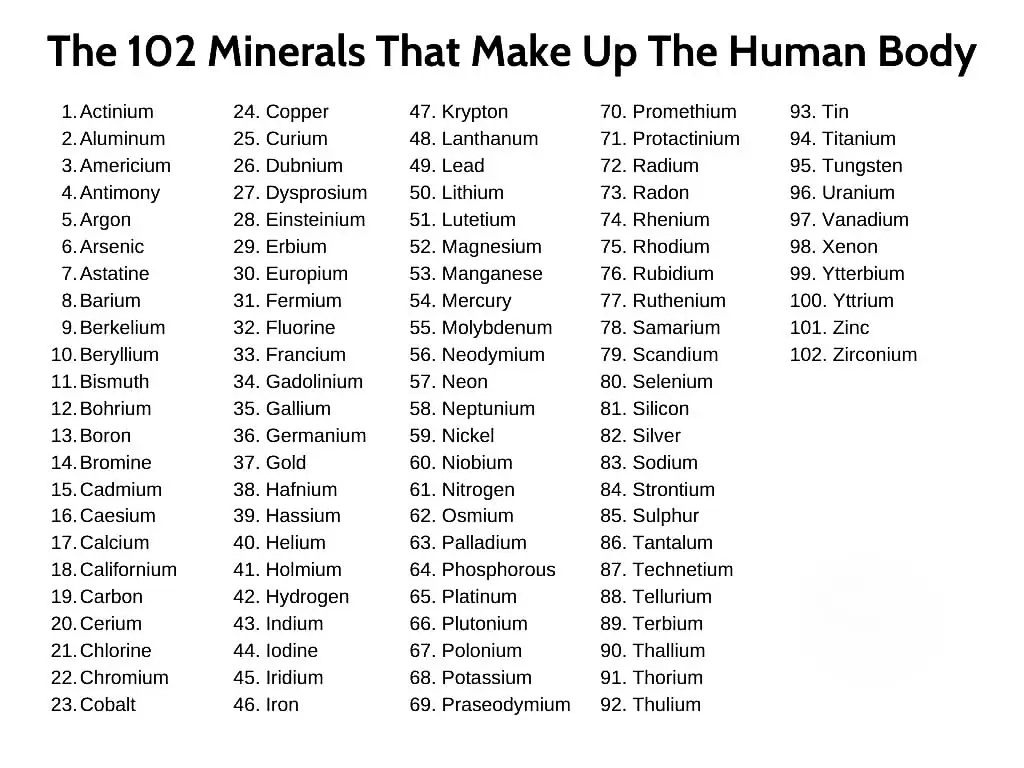
Synthetic fertilizers will correct plants’ nutrient deficiency but humans and other animals need much more mineral content than just a couple of minerals that are added synthetically. We need more than 60 minerals and counting just to avoid blatant deficiency diseases. Science is not completely there yet but we know that the human body naturally requires 102 different minerals and that is on top of vitamins to function properly. And that is just minerals.
Por ejemplo, los ácidos grasos omega-3, la vitamina D, el cromo, el yodo y el molibdeno se identificaron como sistemáticamente bajos en más del 90% de los planes dietéticos. La CDR ya se ha reducido artificialmente hasta el extremo para algunos nutrientes como la vitamina D y el yodo. 8 de cada 10 personas tienen carencia de vitamina E. Casi la mitad de la población estadounidense (48%) consume menos de la cantidad necesaria de magnesio, y lo mismo ocurre con la vitamina A y la vitamina C. Cuando analizamos todos los demás oligoelementos de los que desconocemos todas sus acciones bioquímicas y para los que no disponemos de CDR, la situación es de entre el 90% y el 97% de deficiencia.
Ya en 1936, el Congreso reconoció que la tierra carece de micronutrientes, lo que provoca que más del 99% de los estadounidenses tengan carencias de algunos minerales esenciales y oligoelementos.
Las frutas y hortalizas actuales tienen muchos menos nutrientes que hace 50 años. Las patatas, por ejemplo, han perdido el 100% de su contenido en vitamina A, el 57% de la vitamina C y el hierro, y el 28% del calcio.
Estos datos proceden del Departamento de Agricultura de EE.UU. relativos a la calidad de las verduras. A lo largo de todo el siglo XX, el contenido medio de minerales en la col, la lechuga, las espinacas y los tomates disminuyó de 400 mg a menos de 50 mg.
Los suelos pobres en minerales producen alimentos pobres en minerales.
Los animales que comemos también son alimentados con verduras, maíz y trigo pobres en micronutrientes. Esto se traduce en que la carne que compramos también tiene un nivel de micronutrientes mucho más bajo que antes.
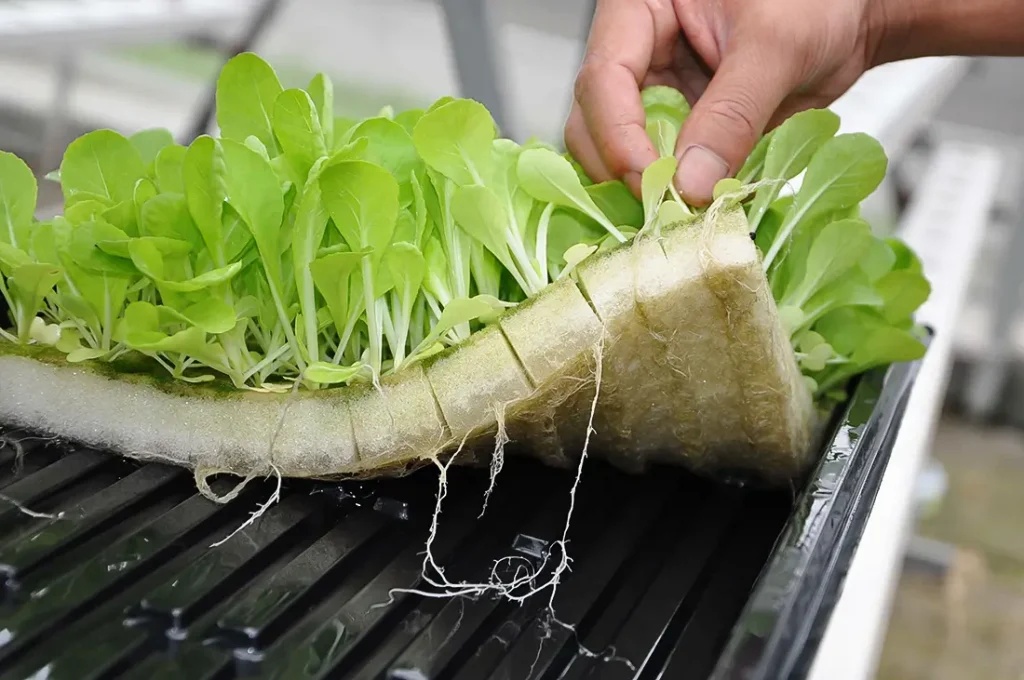
Piénsalo de este modo. Se necesitan entre siete y diez cosechas para agotar el contenido mineral de cualquier suelo. Antiguamente (en tiempos posteriores a la Revolución Neolítica), la gente quemaba bosques enteros para plantar nuevos cultivos durante cinco o seis veranos hasta que las cosechas fracasaban. O la práctica de nuestros antepasados de arrojar cenizas de madera quemada al jardín para que crecieran las plantas. Pero cuando se cultivan alimentos en un suelo empobrecido en minerales con fertilizantes sintéticos añadidos, no se añaden 102 minerales sintéticos, sino sólo los que necesitan las plantas. Básicamente, no hay diferencia entre la tierra comercial o las esponjas cultivadas hidropónicamente utilizadas en lugar de la tierra. Los alimentos cultivados hidropónicamente son sólo plástico o muerte por desnutrición. Toda la tierra comercial es sólo una gran esponja básicamente con un solo propósito, sostener el sistema de raíces de las plantas para que los fertilizantes sintéticos hagan su trabajo. Por si fuera poco, incluso la pequeña cantidad de micronutrientes que queda se elimina durante el procesado y, además, se calienta.
Reaching the recommended daily intake of all of the essential and trace micronutrients is difficult, if not impossible, especially for the trace ones, even when following today’s most popular diet programs, designed by physicians and nutritionists.
Tendremos que comer alimentos integrales veganos, cultivados orgánicamente, una dieta rica en nutrientes diseñada y controlada por profesionales para obtener todos los nutrientes que necesitamos de los alimentos. Ahora imagínate lo que pasa cuando encima de todo esto comes alimentos procesados carentes de nutrientes, llenos de azúcar y grasa, fabricados por la industria alimentaria.
En realidad, los alimentos procesados ni siquiera son alimentos. Es una lista de sustancias químicas. Me gusta hacer una simple pregunta a los pacientes que me consultan. Es la primera pregunta que hago para ver qué conocimientos de nutrición tiene la persona. Cuando alguien venía a mi consulta, lo primero que le preguntaba era qué es la comida. Las respuestas eran diferentes, pero por lo general, giraban en torno a los productos químicos. Y esto se debe a la comida procesada. Lo que le hace a la mente es alejar a la gente de la realidad y degradar la alimentación a una filosofía médica reduccionista de intervención química. Mi segunda pregunta casi en el 90% de los casos es ¿podrías encontrar eso en la naturaleza? Y si la respuesta es no, entonces no es comida, así que ¿qué es la comida de verdad? La respuesta es comida que no tiene etiqueta. Todo lo que tiene que tener una etiqueta es una lista de productos químicos.
Los alimentos procesados son sólo eso, una lista química.
Referencias:
- Martí, N., Mena, P., Cánovas, J. A., Micol, V., & Saura, D. (2009). La vitamina C y el papel de los zumos de cítricos como alimentos funcionales. Comunicaciones sobre productos naturales, 4(5), 677-700. [PubMed]
- Wong, F. C., Chai, T. T., & Xiao, J. (2019). Las influencias del procesamiento térmico en los fitoquímicos y las posibles rutas para el descubrimiento de nuevos conjugados fitoquímicos. Revisiones críticas en ciencia de los alimentos y nutrición., 59(6), 947-952. https://doi.org/10.1080/10408398.2018.1479681
- Palermo, M., Pellegrini, N. y Fogliano, V. (2014). El efecto de la cocción sobre el contenido fitoquímico de las verduras. Revista de ciencia de la alimentación y la agricultura., 94(6), 1057-1070. https://doi.org/10.1002/jsfa.6478
- George, B. P., Chandran, R., & Abrahamse, H. (2021). Role of Phytochemicals in Cancer Chemoprevention: Insights. Antioxidantes (Basilea, Suiza), 10(9), 1455. https://doi.org/10.3390/antiox10091455
Contenidos Relacionados





¿Tienes alguna duda acerca de la nutrición y la salud?
Me encantaría saber de usted y responderlas en mi próxima publicación. Agradezco sus aportes y opiniones y espero tener noticias suyas pronto. También te invito a síguenos en Facebook, Instagram y Pinterest para más contenidos sobre dieta, nutrición y salud. Puedes dejar un comentario allí y conectar con otros entusiastas de la salud, compartir tus consejos y experiencias, y recibir apoyo y ánimo de nuestro equipo y nuestra comunidad.
Espero que este post le haya resultado informativo y ameno y que esté preparado para aplicar los conocimientos adquiridos. Si le ha resultado útil, por favor compártelo con tus amigos y familiares que también podrían beneficiarse de ella. Nunca se sabe quién puede necesitar orientación y apoyo en su camino hacia la salud.
– También Te Puede Interesar –
Aspartamo: La Verdad Sobre Sus Riesgos Y Peligros
Beneficios de la Espirulina: Superalimento Rico en Ficocianinas
Edulcorantes artificiales- Conceptos básicos
La Medicina alopática - El Surgimiento de una Industria
Experimento de Inanición de Minnesota: Por qué las Dietas Nos Hacen Engordar. La Psicología del Hambre.
Adaptaciones al Entrenamiento Dañadas por Antioxidantes: Prevención del Daño Oxidativo en el Músculo

Exposición a la Contaminación Atmosférica: Riesgos Para la Salud y Estrategias de Prevención

Esclerosis Lateral Amiotrófica- Floraciones de Algas Cianobacterias y Exposición a BMAA en La Dieta

Aprenda Sobre Nutricion

Milos Pokimica es doctor en medicina natural, nutricionista clínico, escritor sobre salud médica y nutrición y asesor en ciencias de la nutrición. Autor de la serie de libros Go Vegan? Revisión de la Ciencia, también dirige el sitio web sobre salud natural GoVeganWay.com.
Descargo De Responsabilidad Médica
GoVeganWay.com le ofrece reseñas de las últimas investigaciones relacionadas con la nutrición y la salud. La información proporcionada representa la opinión personal del autor y no pretende ni implica sustituir el asesoramiento, diagnóstico o tratamiento médico profesional. La información proporcionada tiene fines informativos únicamente y no pretende sustituir la consulta, el diagnóstico y/o el tratamiento médico de un médico o proveedor de atención médica calificado.NUNCA ignore el CONSEJO MÉDICO PROFESIONAL O RETRASAR la BÚSQUEDA de TRATAMIENTO MÉDICO a CAUSA DE ALGO QUE HAYA LEÍDO EN O accesibles a TRAVÉS de GoVeganWay.com
NUNCA APLICAR CUALQUIER cambio de ESTILO de vida O CAMBIOS EN su totalidad COMO UNA CONSECUENCIA DE ALGO QUE HA LEÍDO EN GoVeganWay.com ANTES de CONSULTAR con LICENCIA PROFESIONAL MÉDICO.
En el caso de una emergencia médica, llame a un médico o al 911 inmediatamente. GoVeganWay.com no se recomienda ni aprueba ninguna de los grupos, las organizaciones, las pruebas, los médicos, productos, procedimientos, opiniones u otra información que pueda ser mencionado en el interior.
Selecciones del editor –
El cáncer Editor De Selecciones Fitoquímicos
Poder Anticancerígeno de Frutas y Verduras: Pruebas Clínicas e in Vivo
Algunos extractos vegetales rivalizan con los principales fármacos quimioterapéuticos y, al mismo tiempo, atacan varios tipos diferentes de células cancerosas.
Antioxidantes Editor De Selecciones ORAC
Aceites Esenciales Como Suplementos Antioxidantes: Reglas y Estrategias
Los aceites esenciales de calidad alimentaria pueden ser una estrategia cómoda y de fácil consumo para optimizar el valor antioxidante y las puntuaciones ORAC de nuestra dieta.
Antioxidantes Editor De Selecciones ORAC
Dieta Rica en Antioxidantes: Reglas y Estrategias Generales
Existen estrategias fáciles y rentables para optimizar el valor antioxidante de nuestra dieta.
Antioxidantes Editor De Selecciones ORAC
Comprender los Valores ORAC: Niveles de Antioxidantes en los Alimentos
Cuando tu principal fuente de antioxidantes es el café, sabes que tienes un grave problema.

Antioxidantes Editor De Selecciones ORAC
Astaxantina Beneficios: Antioxidante Natural Más Potente del Mundo
La astaxantina es el más potente y natural antioxidante universal (petróleo y agua-soluble) que conoce la ciencia. Se acumula en los tejidos y nunca puede convertirse en un pro-oxidante.
Antioxidantes Editor De Selecciones ORAC Fitoquímicos
Antioxidantes: Conceptos Básicos
Los productos de origen animal no contienen fitoquímicos ni antioxidantes. Por término medio, los alimentos vegetales contienen más de 60 veces más antioxidantes que los de origen animal.
Editor De Selecciones Dieta Vegana
Deficiencias Nutricionales en la Dieta Vegana: Estrategias de Prevención
Existen nueve deficiencias nutricionales comunes a escala poblacional que afectan a las personas que siguen una dieta basada en plantas. Si no se corrigen a tiempo, algunas deficiencias tienen consecuencias terribles y no tratables.
Editor De Selecciones Dieta Óptima
Deficiencia de Micronutrientes en la Dieta Americana Estándar: Estrategias de Optimización
El perfil nutricional de nuestra dieta moderna a base de carne, azúcar y alimentos procesados es totalmente incongruente con nuestra evolución, lo que provoca una grave carencia de micronutrientes.
Editor De Selecciones Fitoquímicos
Fitoquímicos: Conceptos Básicos
Todos y cada uno de los fitoquímicos que existen tienen una acción biológica en el cuerpo humano. Cada uno de los millones de fitoquímicos diferentes.
Editor De Selecciones La leche Dieta Óptima
Leche y Productos Lácteos: Correlaciones de Riesgo Para la Salud
Las asociaciones conocidas con la leche y el consumo de lácteos son infertilidad, cáncer de ovario y de mama, leucemia, diabetes tipo 1, autismo, arteriosclerosis, cataratas, artritis reumatoide, esclerosis múltiple, hiperactividad, congestión, granos y más...
El cáncer Editor De Selecciones La proteína
Proteína Completa: Señalización del IGF-1 en la Formación del Cáncer
Cuando usted come proteínas animales que tienen cuatro veces más probabilidad de desarrollar todos los tipos de cáncer. Cuando usted fuma, usted tiene cuatro veces la posibilidad de desarrollar cáncer de pulmón.

El cáncer Editor De Selecciones La proteína
La Anatomía de Cáncer de riesgo para la Salud de las correlaciones
Según los medicamentos, alrededor del 2% de los cánceres se consideran puramente causados por factores genéticos. El mismo rango que dentro del reino animal. No te han dicho toda la verdad.
Milos Pokimica es escritor especializado en salud y nutrición y asesor en ciencias nutricionales. Autor de la serie de libros Go Vegan? Revisión de la Ciencia, también dirige el sitio web sobre salud natural GoVeganWay.com.
Últimos artículos -
La Restricción De Calorías La longevidad
Cómo Ayunar: Alimentos en Ayunas Que No Rompen la Autofagia
Autofagia. ¿Alguna vez te has preguntado qué les sucede a las células de tu cuerpo cuando mueren o se dañan? ¿Simplemente se acumulan y crean problemas, o se eliminan de alguna manera? La respuesta es que tu cuerpo...
Salud Dental Prevención
Dolor y Sensibilidad a los Dulces: Solución Rápida y Duradera
Una solución rápida y fácil para aliviar el dolor es el aceite esencial de clavo, un potente antioxidante y analgésico que puede ayudar con las enfermedades de las encías y el dolor de muelas.
Los frijoles
Judías Verdes: Nutrición y Beneficios Para la Salud
Los frijoles verdes son bajos en calorías y ricos en compuestos naturales que pueden ayudar a controlar su azúcar en la sangre, reducir el colesterol y combatir los radicales libres.
Dieta de alimentos crudos Dieta Vegana
Se Pueden Comer Setas Crudas: Riesgos Para La Salud, Nutrición Y Seguridad
Las setas tienen toxinas sensibles al calor, como la hidracina o la agaritina, y paredes celulares compuestas de quitina que el ser humano no puede digerir bien.

Dieta Vegana
¿Son Los Peces Animales? Una Perspectiva Cultural
En algunas culturas, la carne de pescado no se considera carne, y el pescado está permitido incluso durante el ayuno.

Salud Dental Prevención
Enjuague bucal natural casero: probado, más fuerte y menos tóxico
El enjuague bucal natural hecho en casa es más fuerte que la clorhexidina, menos tóxico y si se ingiere puede dar un poco de náuseas, pero también un alto estallido en el valor ORAC.
Salud Dental Prevención
Cómo Detener la Caries Dental: Síntomas, Causas y Prevención
El consumo de azúcar es la principal causa de caries y deterioro dental, combinado con carencias de minerales, especialmente magnesio, zinc, cobre y oligoelementos.
Antioxidantes Superalimentos
Amla: Beneficios Probados, Nutrición e Importancia Clínica
El amla es uno de los antioxidantes más potentes del mundo, con una puntuación ORAC de 261.530. Es una rica fuente de fitoquímicos que tienen diversos beneficios para la salud. Es una rica fuente de fitoquímicos que tienen diversos beneficios para la salud.
Top Noticias De Salud — ScienceDaily
- Scientists say NAD+ could slow aging and fight Alzheimer’s and Parkinson’sen marzo 24, 2026
A global team of leading scientists is zeroing in on a tiny but powerful molecule that could reshape how we age. Known as NAD⁺, it plays a crucial role in keeping our cells energized, repairing DNA, and maintaining overall health—but its levels steadily decline over time, potentially fueling diseases like Alzheimer’s and Parkinson’s. Researchers are now exploring ways to boost NAD⁺ using compounds like NR and NMN, with early studies hinting at improvements in memory, metabolism, and […]
- Insulin pills may soon replace daily injectionsen marzo 24, 2026
For over a century, scientists have chased the dream of insulin pills, but the digestive system kept destroying the drug before it could work—forcing millions of patients to rely on daily injections. Now, researchers at Kumamoto University have developed a clever workaround using a tiny peptide that helps insulin slip through the intestinal wall.
- Scientists discover hormone that may stop chronic back pain at its sourceen marzo 24, 2026
A new study suggests a widely used bone hormone could help relieve chronic back pain in an unexpected way. Instead of just strengthening bone, it appears to stop pain-sensing nerves from growing into damaged spinal areas. In animal models, this led to stronger spinal tissue and reduced pain sensitivity. The findings hint at a future treatment that tackles back pain at its biological roots.
- Women over 50 lost 35% more weight with this surprising comboen marzo 24, 2026
Postmenopausal women may have a powerful new edge in the battle against weight gain. A Mayo Clinic study found that those using menopausal hormone therapy while taking the obesity drug tirzepatide lost about 35% more weight than those on the drug alone. The findings hint at a surprising synergy between hormones and cutting-edge weight-loss medications, potentially opening the door to more effective, personalized treatments for millions of women facing increased cardiometabolic risks after […]
- This new tooth powder whitens teeth without damageen marzo 24, 2026
Researchers have developed a teeth-whitening powder that works with the vibrations of an electric toothbrush to safely remove stains. Unlike traditional whiteners, it not only brightens teeth but also repairs enamel and supports healthy oral bacteria. Lab tests showed dramatic whitening effects, while animal studies revealed reduced harmful microbes and inflammation. This could pave the way for a new generation of at-home dental care.
- Scientists discover Alzheimer’s hidden “death switch” in the brainen marzo 23, 2026
Scientists have uncovered a hidden “death switch” in the brain that may be driving Alzheimer’s disease—and even found a way to turn it off in mice. The culprit is a toxic pairing of two proteins that, when combined, triggers the destruction of brain cells and fuels memory loss. By using a new compound to break apart this deadly duo, researchers were able to slow disease progression, protect brain cells, and even reduce hallmark amyloid buildup.
- New blood test could catch pancreatic cancer before it’s too lateen marzo 23, 2026
A new blood test could change the outlook for one of the deadliest cancers—pancreatic cancer—by catching it much earlier than ever before. Researchers identified two previously unknown proteins in the blood that, when combined with existing markers, dramatically improved detection accuracy. The four-marker test was able to spot pancreatic cancer in over 90% of cases and performed especially well even in early stages, when treatment has the best chance of success.
PubMed, #Dieta vegana –
- Plant-Based Dietary Patterns and Neuroimaging Biomarkers of Brain Health: A Scoping Review of Observational and Interventional Evidenceen marzo 23, 2026
Healthy dietary interventions are well established in cardiovascular disease prevention, but their effects on the brain remain underexplored. This scoping review aims to investigate how adherence to core components of a whole-food plant-based diet (WFPBD) may impact neuroimaging outcomes across different brain conditions. We searched PubMed and MEDLINE for studies published in the past 20 years evaluating the effects of a predominantly or exclusively WFPBD, alone or combined with other […]
- Environmental and economic impact of a vegan versus traditional mediterranean diet: OMNIVEG studyen marzo 17, 2026
CONCLUSIONS: Replacing animal products with plant-based foods in a Mediterranean dietary framework can enhance environmental sustainability and reduce food costs. These findings support the promotion of whole plant-based diets as a viable strategy for sustainable and affordable nutrition.
- Consumption Habits and Perception of Plant-Based Milk and Dairy Alternatives Among Vegetarians and Omnivores: A Case Study of Consumers in Sloveniaen marzo 14, 2026
CONCLUSIONS: PBMDA perceptions in Slovenia are strongly segmented by dietary pattern and socio-demographics, supporting the need for clearer nutrition communication.
- Culinary Nutrition Programming for Members of a Community-Based Cancer Programen marzo 14, 2026
(1) Background: Nutrition research in cancer care has largely focused on disease prevention and management, overlooking the importance of food literacy. Culinary cancer care programs may address this gap by facilitating the practical application of nutrition through culinary skills, fostering social connections over nutrient-dense meals, and supporting individuals during periods of physical and social vulnerability. The Not-Just-Supper Club (NJSC) at Gilda’s Club Toronto (GT) is a…
- Fatty acid composition of ground-beef products and their plant-based meat substitutes available in Hungaryen marzo 13, 2026
CONCLUSION: The findings indicate that plant-based meat alternatives (except those containing coconut oil) have lower saturated and higher polyunsaturated fatty acid compositions than beef-based products, leading to more beneficial nutritional value. Further analytical and clinical studies are necessary to provide a more comprehensive understanding of the long-term health effects of these foods.
Publicaciones aleatorias –
Antioxidantes ORAC
Consumo Optimo de Antioxidantes: Ingesta Recomendada de Unidades ORAC
El consumo óptimo de antioxidantes depende de la exposición a la toxicidad. La puntuación mínima de unidades ORAC es de 8000 a 10000 diarias sólo para contrarrestar el metabolismo.
Editor De Selecciones Fitoquímicos
Fitoquímicos: Conceptos Básicos
Todos y cada uno de los fitoquímicos que existen tienen una acción biológica en el cuerpo humano. Cada uno de los millones de fitoquímicos diferentes.

La Medicina Alopática Editor De Selecciones
La Medicina alopática-La Psicología del Miedo
Hace unos 100 años, la medicina alopática pudo finalmente neutralizar a los médicos empíricos holísticos. Los médicos alopáticos no tratan enfermedades, tratan síntomas.

COVID-19 Prevención La Vitamina D
La deficiencia de vitamina D - Factores de Riesgo
Sólo hay dos vitaminas que no produzcan las plantas: la vitamina D y la otra, la vitamina B12. La carencia de vitamina D es realmente preocupante.

La Diabetes Editor De Selecciones Dieta Óptima
Azúcar Refinado: Comprender los Riesgos
Los niños consumen alrededor de una quinta parte del total de sus necesidades de calorías de sólo el azúcar refinado. Si añadimos la grasa y el resto de la nutrición privados de alimentos procesados a la lista se convierte en una nutrición completa pesadilla.

La Medicina Alopática Editor De Selecciones
La historia de Big Pharma - IG Farben
La parte de Rockefeller monopolio de la química y de la medicina de las industrias de vino en cumplimiento después de la 2 ª guerra mundial. La Standard Oil y la IG Farben cooperación con esta realidad.
Dieta Vegana
¿Son Los Peces Animales? Una Perspectiva Cultural
En algunas culturas, la carne de pescado no se considera carne, y el pescado está permitido incluso durante el ayuno.
El cáncer El embarazo Toxicidad
Aspartamo: La Verdad Sobre Sus Riesgos Y Peligros
Una de las excitotoxinas que han hecho tan feliz a la industria es la sustancia química que hace todas las cosas que hacen las excitotoxinas pero que, a diferencia del glutamato monosódico, es dulce al gusto. Se conoce químicamente como aspartamo (Nutra Sweet).
Salud Dental Prevención
Cómo Detener la Caries Dental: Síntomas, Causas y Prevención
El consumo de azúcar es la principal causa de caries y deterioro dental, combinado con carencias de minerales, especialmente magnesio, zinc, cobre y oligoelementos.
Antioxidantes El cáncer
Vitamina C Intravenosa en el Tratamiento del Cáncer: 40 Años de Pruebas
La vitamina C intravenosa es un agente quimioterapéutico no tóxico que puede administrarse junto con los tratamientos convencionales contra el cáncer e incorporarse como protocolo de prevención y longevidad.

Publicaciones destacadas -

Editor De Selecciones La Obesidad
El trastorno de atracones compulsivos - La psicología de hambre
En la naturaleza, no hay refinado de azúcar o grasa. Nuestro cerebro nunca había sido expuesto a una combinación de los dos a la vez nos obliga a ir de borrachera comiendo desorden.
Editor De Selecciones Prevención Toxicidad
Toxicidad Ambiental- Es Sólo Una Cadena Alimentaria
Toxicidad ambiental es la bioacumulación de toxinas. Los organismos son los filtros. Pero hay uno más aun peor proceso llamado biomagnificación en la cadena alimentaria.
Editor De Selecciones Dieta Vegana
Deficiencias Nutricionales en la Dieta Vegana: Estrategias de Prevención
Existen nueve deficiencias nutricionales comunes a escala poblacional que afectan a las personas que siguen una dieta basada en plantas. Si no se corrigen a tiempo, algunas deficiencias tienen consecuencias terribles y no tratables.

Editor De Selecciones Prevención Dieta Vegana
El estudio de China - Los veganos argumento
El estudio de China mostró que no hay ninguna enfermedad del corazón o el cáncer o la diabetes en las comunidades rurales subdesarrolladas en el mundo con base de almidón de las dietas veganas.
Editor De Selecciones Dieta Óptima La proteína
Dieta Alta En Proteínas - Riesgo Para La Salud De Las Correlaciones
La escasez es la regla de las proteínas en la naturaleza. En términos evolutivos, los antropólogos han demostrado que los homínidos vivían una media de 15 a 25 gramos de proteína al día. En el tipo occidental moderno de dieta alta en proteínas consumiríamos eso...
El cáncer Editor De Selecciones La proteína
La Anatomía de Cáncer de riesgo para la Salud de las correlaciones
Según los medicamentos, alrededor del 2% de los cánceres se consideran puramente causados por factores genéticos. El mismo rango que dentro del reino animal. No te han dicho toda la verdad.
Editor De Selecciones Dieta Óptima La proteína
Necesidades de Proteínas: Una Verdad Incómoda
Cuando los estudios antropólogos demostraron que los homínidos vivían una media de 15 a 20 gramos de proteína al día, se produjo lo que se llamó el "gran fiasco de las proteínas" en los años 1970.
La Diabetes Editor De Selecciones
La Diabetes causa y los hidratos de carbono refinados - Los veganos argumento
La gente cree que los carbohidratos refinados se asocian a picos de insulina y son una de las causas de la diabetes. Y tienen razón. Sin embargo, también se equivocan.

Editor De Selecciones Dieta Óptima
Dieta Humana Optima- Enfermedades Crónicas, Guerras de Dietas y el Argumento Vegano
Nuestra dieta humana óptima natural es la dieta que comieron nuestros ancestros homínidos durante los últimos 30 millones de años, no los humanos anatómicamente modernos de la Edad de Piedra.
Editor De Selecciones Dieta Óptima
Alimentos Procesados: Comprender los Riesgos
Los alimentos procesados significan que se elimina algo de los alimentos enteros, normalmente fibra, y se añade algo, normalmente grasa, azúcar, sal y msg.
La última versión desde PubMed, #Dieta basada en plantas –
- From cow to crop: motives and barriers for plant-based dairy alternative consumption across three European countriespor Dominika Maison en marzo 23, 2026
Currently, alternative sources of protein are being sought to replace not only meat but also dairy products in the diet. From this perspective, it is worth examining how consumers perceive these products, what motivates them to choose them and what barriers they encounter, especially with regard to attitudes towards dairy products. The present study aimed to compare attitudes towards plant-based dairy alternatives (PBDAs) in three European countries – Poland, Germany and the UK. Furthermore, […]
- Energy and macronutrient intakes of Montenegrin adults: insights from the EFSA EU Menu National Survey (2017-2022)por Amil Orahovac en marzo 23, 2026
INTRODUCTION: Understanding population-level dietary intakes is essential for preventing diet-related non-communicable diseases (NCDs) and informing evidence-based nutrition policies. Until recently, Montenegro lacked nationally representative data on food and nutrient intake aligned with European Food Safety Authority (EFSA) standards. This study provides the first comprehensive analysis of energy and macronutrient intake among Montenegrin adults within the EFSA EU Menu framework.
- Plant-Based Dietary Patterns and Neuroimaging Biomarkers of Brain Health: A Scoping Review of Observational and Interventional Evidencepor Lydia Viviana Falsitta en marzo 23, 2026
Healthy dietary interventions are well established in cardiovascular disease prevention, but their effects on the brain remain underexplored. This scoping review aims to investigate how adherence to core components of a whole-food plant-based diet (WFPBD) may impact neuroimaging outcomes across different brain conditions. We searched PubMed and MEDLINE for studies published in the past 20 years evaluating the effects of a predominantly or exclusively WFPBD, alone or combined with other […]
- Metabolic pathway analysis reveals hierarchical pentose sugar utilization and metabolic flexibility of Bifidobacterium longumpor Lisa Friess en marzo 23, 2026
Plant-derived pentose sugars represent a major nutrient source in the gut, yet their metabolism remains incompletely defined. Strains of the human gut commensal Bifidobacterium longum subsp. longum utilise arabinose- and xylose-containing glycans, which are found in the pectin and hemicellulose layers of plant cell walls. To gain insight into the metabolism of these two pentoses as well as ribose, a naturally occurring sugar and a component of RNA and ATP, we identified and analysed the genes…
- Performance of Amblyseius swirskii (Acari: Phytoseiidae) on different astigmatid prey: life history traits and multi-generational stabilitypor Marziye Jahanbazi en marzo 22, 2026
Optimizing trophic interactions within factitious prey chains is critical for the sustainable mass production of biological control agents. We investigated the developmental and demographic performance of Amblyseius swirskii (Athias-Henriot) (Acari: Phytoseiidae) when fed on four storage mite species, Tyrophagus putrescentiae (Schrank) (Acari: Acaridae), Carpoglyphus lactis L. (Acari: Carpoglyphidae), Lepidoglyphus destructor (Schrank) (Acari: Glycyphagidae), Rhizoglyphus robini Claparede…
- Association Between Healthy Eating Patterns and Prevalence of Suspected Polycystic Ovary Syndrome: A Cross Sectional Studypor Lingling Huang en marzo 20, 2026
The diet-PCOS relationship remains complex and requires further investigation. Among 1424 participants (12.3% suspected PCOS), dietary patterns were evaluated using NIH criteria via FFQ: exploratory factor analysis (EFA), EAT-Lancet dietary pattern (EAT-LDP), Mediterranean, plant-based indices. EFA identified four patterns: plant-forward (PFD), animal-protein (APD), red and organ meat (ROM), and fast-food (FFD). Multivariable logistic regression, adjusted for age, BMI, education attainment,…