







Fitoquímicos: Conceitos Básicos
Cada fitoquímico que existe tem uma acção biológica no corpo humano. Cada um de milhões de diferentes fitoquímicos.
Milos Pokimica
Escrito por: Milos Pokimica
Revisto Clinicamente Por: Dr. Xiùying Wáng, M.D.
Atualizado: Julho 16, 2023Principais Conclusões:
- Quando as plantas absorvem a luz solar, armazenam essa luz como energia química, e não precisa de ser apenas glicose. Pode ser armazenada em qualquer forma de açúcar ou óleo.
- As plantas, ao contrário dos animais, só se podem defender através da química.
- As plantas também sofrem de danos no ADN provocados pelos radicais livres, pelo que também precisam de ter uma defesa contra a oxidação e a radiação solar.
- Se os animais querem viver e querem consumir ou extrair açúcar ou gordura das plantas, consumindo-as, terão também de consumir todas as outras substâncias químicas que estão presentes na planta.
- Com o tempo, a adaptação será tão completa que os animais não poderão viver sem alguns dos fitoquímicos que são produzidos nas plantas que estão a comer. Nesse caso, estes químicos tornar-se-iam essenciais para a vida, tal como o açúcar ou a gordura, e são conhecidos como vitaminas.
- Todos os fitoquímicos que existem têm uma acção biológica no corpo humano.
- Os fitoquímicos são essenciais, mas os efeitos de uma carência na saúde são crónicos e manifestam-se a longo prazo.
Fotossíntese.
A Terra é um planeta. O planeta não é apenas um planeta. É um sistema fechado onde existe equilíbrio. O equilíbrio na natureza é também conhecido como uma cadeia alimentar. Na cadeia alimentar, os predadores de topo são as formas de vida mais elevadas. Por baixo delas estão os animais herbívoros e por baixo as plantas.
As plantas são a base de todo o nosso ecossistema. Só o reino vegetal produz nova energia e só o reino vegetal.
Todas as formas de animais, incluindo humanos, são utilizações que se alimentam de formas de energia já armazenadas. Se os animais comem outros animais, ainda estão a consumir a energia que os animais herbívoros obtiveram ao comer plantas em primeiro lugar. No entanto, as próprias plantas não estão a produzir tão bem. Não produzem energia a partir do ar rarefeito. Estão apenas a produzir matéria biológica, mas a fonte dessa energia é o Sol. Existem algumas comunidades do mar profundo que em vez do Sol exploram a energia das fontes hidrotermais mas, na sua maioria, as plantas são os principais produtores. É a energia electromagnética do Sol que alimenta quase todo o ecossistema do planeta. As plantas estão apenas a criar matéria biológica sólida a partir da luz através do processo de fotossíntese. Foto significa luz e síntese significa criação.
Como podem criar os seus próprios alimentos utilizando energia luminosa, as plantas são classificadas como autotróficas. As nossas células e todas as células vivas na Terra utilizam glucose para sobreviver. O óleo e a gordura e todos os outros tipos de açúcar precisam de se converter em glicose antes que as células possam utilizá-los. Os produtores de glucose são predominantemente plantas, significando também algas e, em algumas quantidades menores, até mesmo alguns microrganismos.
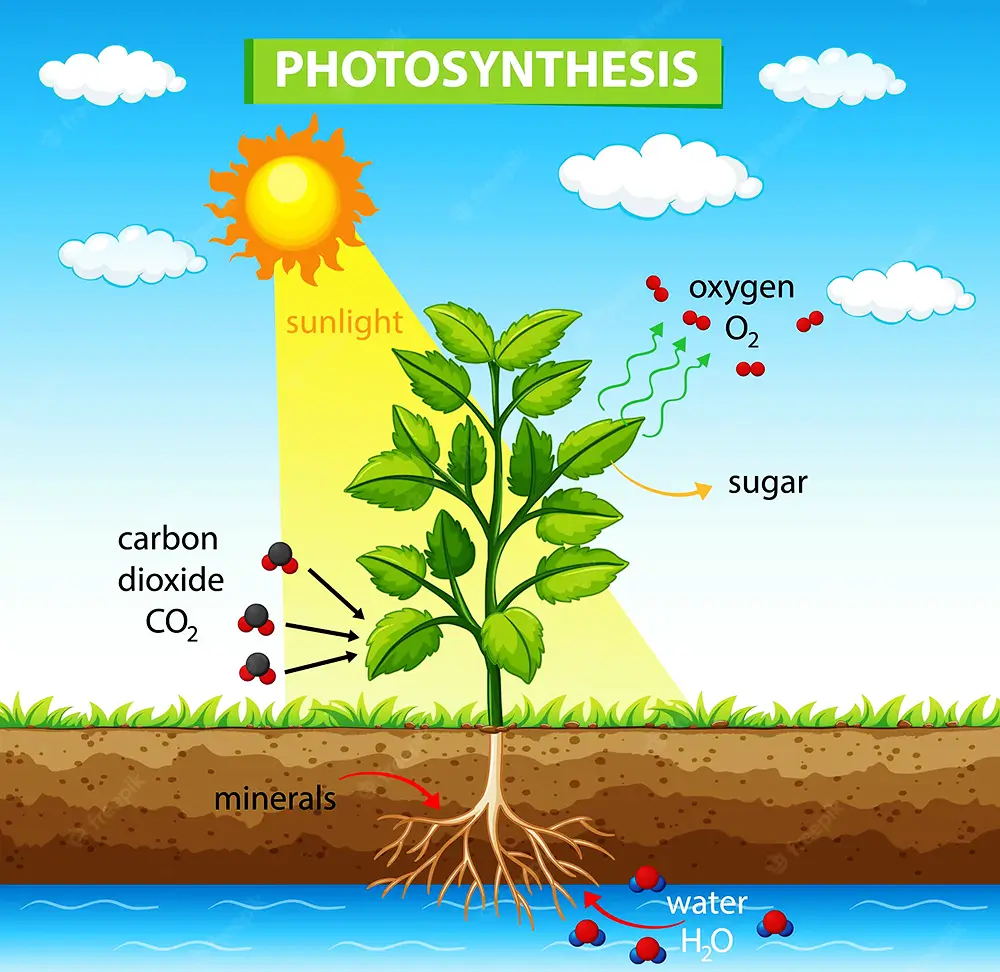
Durante a fotossíntese, as plantas absorvem o dióxido de carbono (CO2) do ar e a água (H2O) do solo. Dentro da célula da planta, a água é oxidada, o que significa que perde electrões, enquanto que o dióxido de carbono é reduzido, o que significa que recebe electrões. A água é convertida em oxigénio e o dióxido de carbono em glicose como resultado. Depois de armazenar energia dentro das moléculas de glucose, a planta liberta o oxigénio de volta para a atmosfera.
Todos os tecidos vegetais verdes podem ser fotossintetizados, mas a maioria da fotossíntese ocorre normalmente nas folhas. As células de uma camada média de tecido foliar chamada mesofila são o local primário da fotossíntese. Cada célula da mesofila contém organelas chamadas cloroplastos, que são especializadas para realizar as reacções da fotossíntese. Dentro de cada cloroplasto encontram-se estruturas em forma de disco chamadas tilacóides. A membrana de cada tilóide contém pigmentos de cor verde chamados clorofilas, que absorvem a luz.
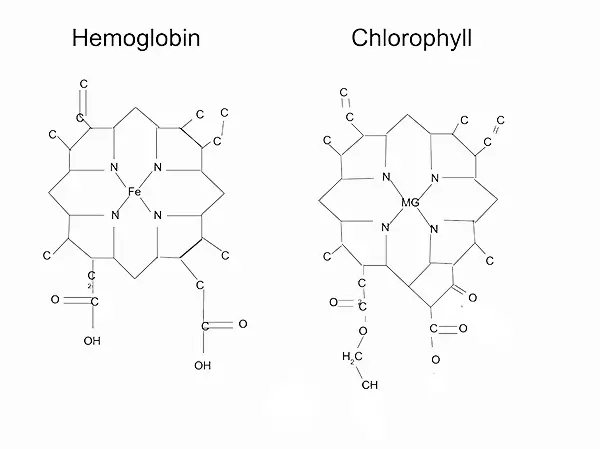
As clorofilas absorvem a energia da luz, que é depois transformada em energia química através da criação de dois compostos: ATP, uma molécula que armazena energia, e NADPH, um portador de electrões que é reduzido. As moléculas de água são também transformadas em oxigénio gasoso durante este processo. O oxigénio que os animais respiram. O resultado global deste processo é o armazenamento temporário da energia luminosa capturada nas formas químicas de ATP e NADPH. Para libertar energia, o ATP é então decomposto, e o NADPH doa os seus electrões para converter as moléculas de dióxido de carbono em açúcares. A energia que começou como luz acaba por se ligar às ligações dos açúcares.
Os fisiculturistas gostam de tomar um suplemento de creatina para aumentar os seus níveis de armazenamento de ATP (trifosfato de adenosina) no tecido muscular. Isto aumenta a força global e especialmente a resistência.
A existência da grande maioria da vida na Terra depende da fotossíntese. É assim que quase toda a energia da biosfera é tornada acessível aos seres vivos. Como produtores primários, os organismos fotossintéticos formam a base das teias alimentares da Terra e são consumidos directa ou indirectamente por todas as formas de vida superiores. Além disso, quase todo o oxigénio na atmosfera é devido ao processo de fotossíntese.
Cada proteína que os fisiculturistas irão beber de um batido de proteínas de soro de leite é feita pelas plantas.
Tudo o que existe é apenas energia solar armazenada. Na realidade, somos todos feitos de luz. Quando as plantas absorvem a luz solar, armazenam essa luz como energia química, e não precisa de ser apenas glucose. Pode ser armazenada em qualquer forma de açúcar ou óleo. O açúcar pode ser açúcar simples como a frutose na fruta ou alguma forma complexa de açúcar como os hidratos de carbono. O petróleo também pode ser armazenado em diferentes tipos, mas é apenas energia solar armazenada.
Consumidores.
Se queremos viver, ao contrário das plantas, temos de consumir fisicamente alguma forma de energia.
Além disso, temos de consumir blocos de construção de tecido sob a forma de aminoácidos e minerais. Não podemos utilizar a energia solar para viver, pelo que precisamos de comer.
Mas há mais uma diferença entre animais e plantas. As plantas não se podem mover. Elas não se podem defender dos animais. Se ficarmos demasiado frios ou demasiado quentes, vamos mover-nos. Se houver uma seca, mover-nos-emos também.
O sistema imunitário das plantas.
As plantas, ao contrário dos animais, só se podem defender pela química.
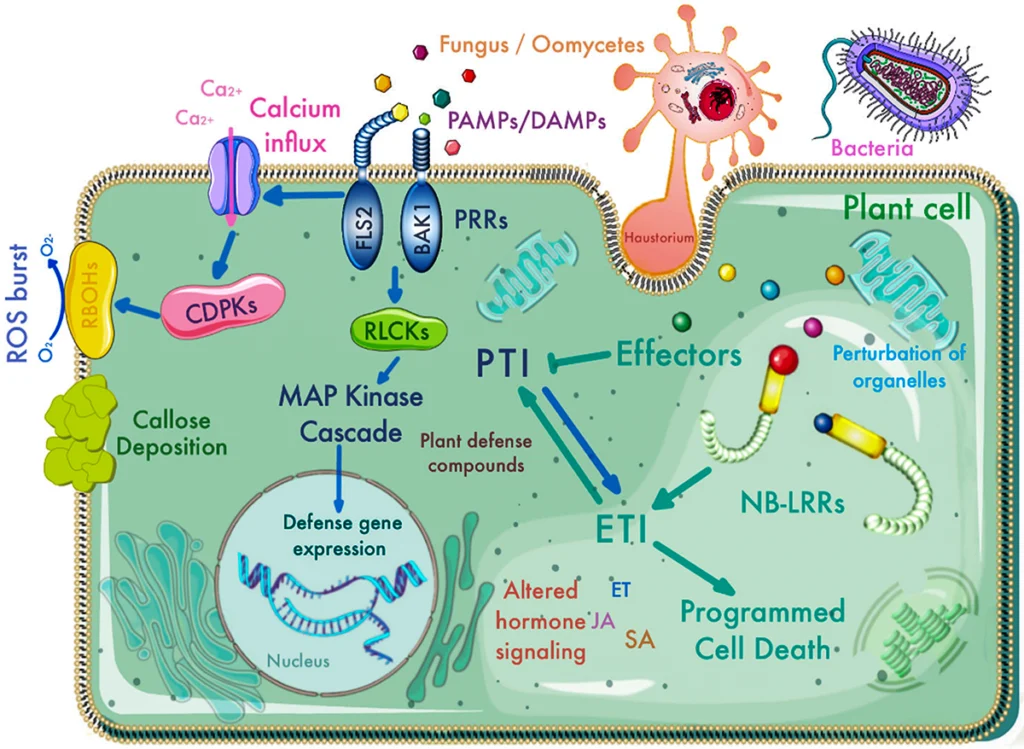
Eles não gostam de ser comidos ou atacados e a única forma de se protegerem é através de milhões de substâncias químicas diferentes que irão produzir. Como nós, as plantas também são atacadas por bactérias e fungos e, como nós, têm um sistema imunitário para afastar estes atacantes. Têm também um sistema imunitário para afastar também os animais, pelo que algumas delas terão substâncias extremamente tóxicas e matarão qualquer animal que as coma. As plantas também sofrem de danos de ADN por radicais livres, pelo que também precisam de ter uma defesa contra a oxidação e a radiação solar. Todas estas substâncias químicas são o sistema imunitário da planta. Algumas delas têm também outras funções metabólicas.
Assim, por agora, surge um grande problema para todos os animais. Se os animais querem viver e querem consumir ou extrair esse açúcar ou gordura das plantas consumindo-as, terão também de consumir todos os outros produtos químicos que estão presentes na planta.
Pacote de acordo.
Na natureza, a alimentação é um negócio de embalagem.
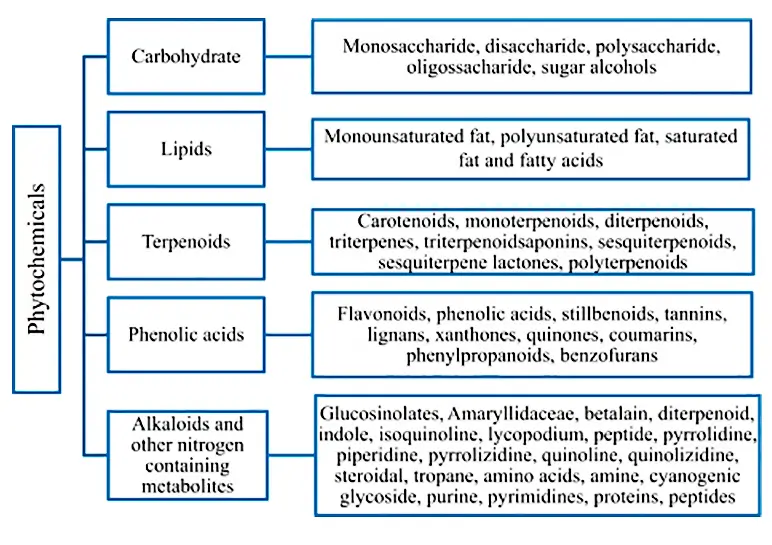
Tudo pelo preço de um. Estes químicos que estão presentes nos tecidos das plantas são conhecidos como fitoquímicos. Phyto significa plantas em grego antigo.
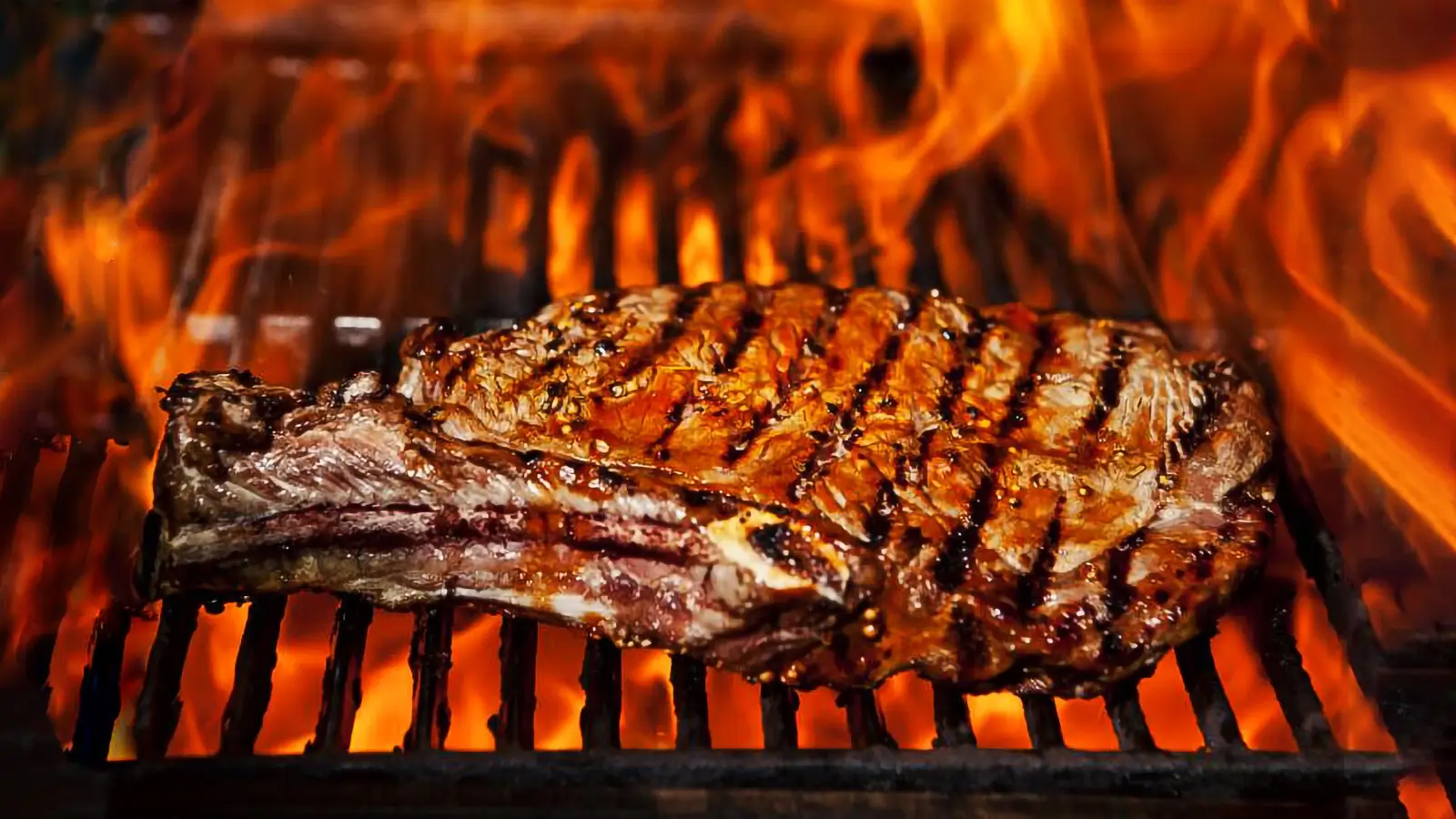
Em milhões de anos de evolução os animais que dependiam das plantas para a existência adaptaram-se ao consumo de algumas delas. Nem todos, apenas alguns. Diferentes tipos de animais comem diferentes tipos de plantas a que estão adaptados pela evolução. A razão pela qual existimos hoje como seres humanos com grandes cérebros é a alta qualidade da dieta que a cozedura de fontes vegetais difíceis de digerir permite. Não há outro animal que utilize o fogo. O fogo destruirá alguns dos fitoquímicos tóxicos e libertará as reservas energéticas das plantas para se tornarem mais biodisponíveis e, como consequência, seremos capazes de digerir uma vasta gama de diferentes espécies vegetais. Foi o Homo erectus que foi o primeiro a utilizar o fogo para cozinhar. Mas mesmo assim, mesmo com a tecnologia moderna, ainda somos incapazes de comer a maioria das espécies de plantas devido aos diferentes fitoquímicos tóxicos nelas existentes, ou não seríamos capazes de digerir as fibras nelas como os grazers fazem. Portanto, a evolução ainda desempenha um papel.
Diferentes espécies herbívoras comerão diferentes plantas e, com o tempo, adaptarão o seu organismo a diferentes produtos químicos que se encontram nessa planta em particular. Com o tempo a adaptação será tão completa que os animais não conseguiriam viver sem alguns dos fitoquímicos que são produzidos nas plantas que estão a comer. Nesse caso, estes químicos tornar-se-iam essenciais para a vida tanto quanto o açúcar ou a gordura são e são conhecidos como vitaminas. Vita significa vida.
Antes de as vitaminas se tornarem essenciais para a vida das diferentes espécies, eram apenas mais um fitoquímico. Por exemplo, vitamina C é um bom exemplo. Nas espécies carnívoras, a vitamina C não é uma vitamina. O fígado dos carnívoros é capaz de produzir esta vitamina porque eles não a consomem em quantidades adequadas a partir de tecidos animais. Por outro lado, os seres humanos que consomem alimentos vegetais têm necessidade de vitamina C na dieta ou morrem de escorbuto. A vitamina C tornou-se uma substância necessária para a nossa existência.
A vitamina A, por exemplo, é apenas o pigmento laranja que se vê nas abóboras ou nas cenouras. O nosso corpo utiliza o pigmento beta-caroteno das cenouras para fazer vitamina A. Antes da vitamina A se tornar vitamina, era apenas um pigmento que as plantas utilizam como defesa contra a oxidação dos radicais livres. Era apenas mais um antioxidante mas, com o tempo, tornou-se uma vitamina essencial através da adaptação. Além das vitaminas, existem milhares de fitoquímicos diferentes que não são vitaminas mas que ainda são importantes em menor ou maior grau. Houve um grande debate na comunidade científica até que foi feita a série de experiências sobre a questão de todos estes milhares de diferentes fitoquímicos que não são vitaminas ainda têm uma acção biológica no corpo humano também.
Metabolismo fitoquímico.
Se as plantas são stressadas e produzem algum fitoquímico como reacção defensiva, será que esse químico ainda tem um papel semelhante no nosso organismo? E a resposta é sim.
Para cada planta e para cada fitoquímico que existe, cada uma tem uma acção biológica no corpo humano. Cada uma delas de milhões de fitoquímicos diferentes.
Todos os fitoquímicos deste planeta são biologicamente activos no corpo humano. Isto pode parecer demasiado estranho porque existem centenas literários de diferentes produtos químicos em cada uma das centenas de milhares de diferentes espécies de plantas existentes. Algumas terão fortes reacções, outras serão na sua maioria extraídas do corpo sem grande impacto mas, a todos os meios práticos, podemos dizer que cada uma delas terá alguma acção biológica no corpo humano.
Ainda temos dificuldade em compreender que as plantas estavam aqui antes dos animais. Os animais precisam de plantas para se sustentarem e até à primeira espécie vegetal ter evoluído não podia haver nenhuma espécie animal. Em centenas de milhões de anos de evolução, os animais evoluíram comendo plantas. Os animais, incluindo os humanos, são apenas "filhos" de plantas e, portanto, é normal que tenhamos uma reacção biológica sobre uma vasta gama de fitoquímicos que existem hoje.
Evoluímos para utilizar estes químicos em nosso próprio benefício. Não apenas as vitaminas, mas também uma vasta gama de outros fitoquímicos. Ainda temos a capacidade de utilizar, por exemplo, diferentes antioxidantes de plantas em nossa própria defesa ou mesmo aspirina. Para algumas pessoas, trata-se de uma questão psicológica.
Na ciência médica actual (medicina alopática) os fitoquímicos não são considerados essenciais. De facto, não são considerados biologicamente importantes de todo. Na medicina moderna, se um fitoquímico não for cientificamente comprovado como uma vitamina, não é considerado de importância alguma. Mesmo que haja uma série de estudos que provem os efeitos benéficos de alguns fitoquímicos no corpo humano, não serão aceites como essenciais. Poderiam patentear essa substância química extraída para fabricar um medicamento, mas mesmo assim não seria considerada importante. Por exemplo, actualmente não seria possível encontrar um tabela ORAC de valores em qualquer lugar, porque a medicina alopática decidiu fazer o seu trabalho e declarar que os fitoquímicos não são biologicamente activos no corpo humano ou não são biodisponíveis, o que é enganador para os consumidores, levando-os a fazer diferentes escolhas comerciais baseadas em alegações falsas e não comprovadas. Apenas dois antioxidantes são importantes, a vitamina C hidrossolúvel e a vitamina E lipossalável.
A verdade é que a maioria destes fitoquímicos não são vitaminas e que podemos viver sem eles. Não são vitaminas essenciais mas, mais uma vez, são necessárias porque, na nossa evolução normal, o nosso corpo adaptou-se a consumir uma grande quantidade desses fitoquímicos e haverá muitos problemas de saúde se não tivermos uma ingestão adequada. Se não tomarmos vitaminas, podemos morrer, mas se, por exemplo, não tivermos uma ingestão adequada de antioxidantes, não morreremos. Teremos mais a inflamação que conduziriam a doenças crónicas e depois morreríamos de alguma doença como o cancro. Os cientistas afirmam que os fitoquímicos não são vitaminas, mas vão utilizá-los no tratamento do cancro. Portanto, é uma meia verdade.
Os fitoquímicos ou a maioria deles devido à nossa evolução baseada nas plantas são essenciais, mas os efeitos são crónicos e mostram-se a longo prazo.
Se não tomarmos níveis adequados de vitaminas, podemos morrer num período relativamente curto, mas se faltarem outros fitoquímicos, "apenas" encurtamos a nossa esperança de vida, temos uma inflamação mais elevada, e uma vasta gama de outras doenças crónicas. Por outro lado, algumas doenças crónicas como o cancro, podem ser mortais.
A única diferença entre uma vitamina e um fitoquímico não está na sua origem, mas na importância desse químico para a nossa sobrevivência. Uma vitamina é apenas um termo que os cientistas utilizam para descrever fitoquímicos que são importantes em maior grau na nossa vida.
E o problema é que actualmente a principal fonte de antioxidantes na dieta ocidental padrão é o café. Durante 50 milhões de anos de evolução dos hominídeos, fomos forçados a comer alimentos integrais e, na verdade, uma dieta de alimentos crus para sobreviver. Numa dieta de alimentos integrais, os fitoquímicos vêm como um pacote. Actualmente extrair calorias de alimentos para ter óleoa dieta é apenas de produtos de origem animal.
Não há fitoquímicos nos produtos animais.
A cozinha também destrói parte do conteúdo fitoquímico.
Da nossa dieta natural de alimentos integrais, passámos a comer uma dieta ocidental padrão pobre em fitoquímicos e, devido à má adaptação, temos de sofrer algumas consequências graves.
Importância clínica.
E medicina alopática é um factor que contribui para toda esta confusão. Os médicos não têm problemas em prescrever Lovastatina para baixar o colesterol, mas terão dificuldade em acreditar em medicina herbal. Na medicina herbal chinesa, a levedura de arroz vermelho foi um medicamento tradicional para doenças cardíacas durante milhares de anos. Mas o que é que eles sabiam? Bem, acontece que a levedura vermelha contém Lovastatina. A Lovastatina foi criada pela extracção.
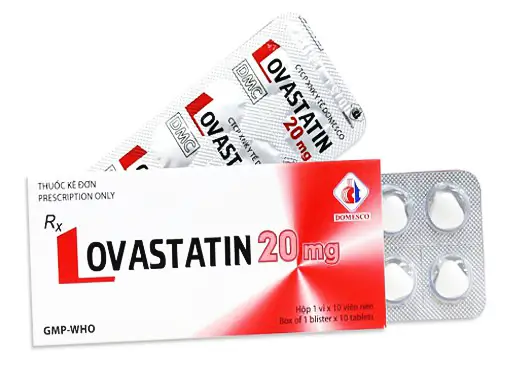
A maior parte dos medicamentos actuais, mais de 50% de todos os medicamentos, são extraídos como fitoquímicos e não são criados a partir do zero (Newman and Cragg, 2007). No tratamento do cancro, por exemplo, 73% não são sintéticos, sendo que 47% são produtos completamente naturais ou directamente derivados deles.
São simplesmente extraídos e patenteados como um produto químico extraído e Grandes farmacêuticas não quer que as pessoas saibam disto. Eles gostam quando as pessoas acreditam que as drogas são maravilhas da ciência moderna e não apenas alguns produtos químicos extraídos das plantas.
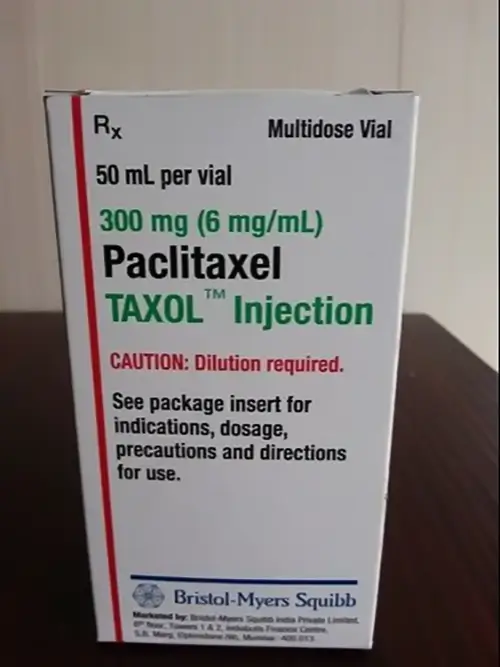
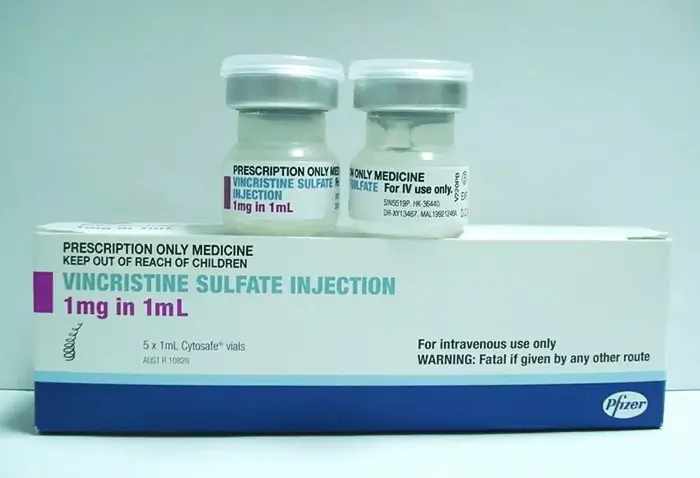
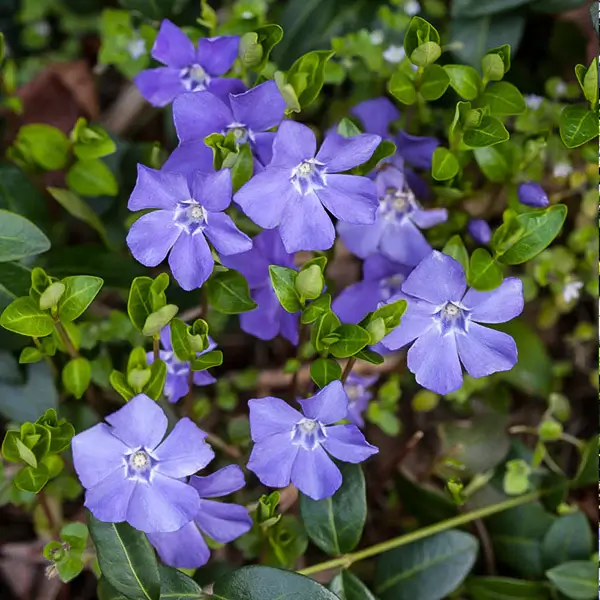
TaxolO tifo, o medicamento revolucionário para a quimioterapia, por exemplo, é literalmente a casca seca raspada do teixo do Pacífico. Até conseguirem encontrar uma forma de cultivar células de árvores num laboratório para extrair esse fitoquímico, pagavam literalmente a pessoas para irem raspar a casca das árvores. Morfina e outros medicamentos para anestesia, Quininoe outros medicamentos para a malária, Digoxinae colchicina todos são naturais. A pervinca é utilizada como tratamento para a leucemia infantil, mas isso não se sabe. No frasco, estaria rotulado como injecção de sulfato de vincristina e é apenas prescrito como medicamento.
Curandeiros holísticos ou mais conhecidos hoje em dia como charlatães na Idade Média esfregavam pão bolorento para tratar feridas infectadas. Os médicos alopatas da época que utilizavam a cirurgia e a hemorragia e metais pesados como o mercúrio para "deslocar" doenças chamavam-lhes idiotas que utilizavam ervas e pão bolorento até algumas centenas de anos mais tarde, quando a penicilina foi descoberta. Os médicos alopatas de hoje ainda lhes chamam charlatães, mas hoje em dia simplesmente não dizem aos seus pacientes que a maioria dos seus medicamentos são na realidade essências de ervas extraídas para um comprimido com um nome falso.
Conclusão:
- Quando as plantas absorvem a luz solar, armazenam essa luz como energia química, e não precisa de ser glicose. Pode ser armazenada em qualquer forma de açúcar ou óleo.
- Cada proteína que os fisiculturistas irão beber de um batido de proteínas de soro de leite é feita pelas plantas.
- Se quisermos viver, ao contrário das plantas, temos de consumir fisicamente alguma forma de energia.
- Na natureza, a alimentação é um negócio de embalagem.
- As plantas, ao contrário dos animais, só se podem defender pela química.
- Se os animais querem viver e querem consumir ou extrair açúcar ou gordura das plantas, consumindo-as, terão também de consumir todas as outras substâncias químicas que estão presentes na planta.
- Com o tempo a adaptação será tão completa que os animais não conseguiriam viver sem alguns dos fitoquímicos que são produzidos nas plantas que estão a comer. Nesse caso, estes químicos tornar-se-iam essenciais para a vida tanto quanto o açúcar ou a gordura são e são conhecidos como vitaminas.
- Cada fitoquímico que existe tem uma acção biológica no corpo humano.
- Os fitoquímicos são essenciais mas os efeitos deficientes na saúde são crónicos e manifestam-se a longo prazo.
- Uma vitamina é apenas um termo que os cientistas utilizam para descrever fitoquímicos que são importantes em maior grau na nossa vida.
- Não há fitoquímicos nos produtos animais.
- A cozinha também destrói parte do conteúdo fitoquímico.
- Da nossa dieta natural de alimentos integrais, passámos a comer uma dieta ocidental padrão pobre em fitoquímicos e, devido à má adaptação, temos de sofrer algumas consequências graves.
- Mais de 50 por cento de todos os medicamentos são extraídos como fitoquímicos e não são criados a partir do zero (Newman and Cragg, 2007). No tratamento do cancro, por exemplo, 73% não são sintéticos, sendo que 47% são produtos completamente naturais ou directamente derivados deles.
Referências:
Passagens seleccionadas de um livro: Pokimica, Milos. Go Vegan? Revisão da Ciência-Parte 3. Edição Kindle, Amazon, 2020.
- Zhang, S., Li, C., Si, J., Han, Z., & Chen, D. (2022). Mecanismos de ação de efetores na interação planta-patógeno. International Journal of Molecular Ciências, 23(12), 6758. https://doi.org/10.3390/ijms23126758
- Ngou, B. P. M., Jones, J. D. G., & Ding, P. (2022). Redes imunológicas de plantas. Tendências da ciência vegetal, 27(3), 255-273. https://doi.org/10.1016/j.tplants.2021.08.012
- Song, W., Forderer, A., Yu, D., & Chai, J. (2021). Biologia estrutural da defesa das plantas. O novo fitólogo, 229(2), 692-711. https://doi.org/10.1111/nph.16906
- Newman, D. J., & Cragg, G. M. (2007). Produtos naturais como fontes de novos medicamentos nos últimos 25 anos. Revista de produtos naturais, 70(3), 461-477. https://doi.org/10.1021/np068054v
Publicações Relacionadas

Você tem alguma dúvida sobre saúde e nutrição?
Gostaria muito de ouvir a sua opinião e responder-lhes no meu próximo post. Agradeço o vosso contributo e a vossa opinião e aguardo com expetativa a vossa resposta em breve. Convido-vos também a siga-nos no Facebook, Instagram e Pinterest para mais conteúdos sobre dieta, nutrição e saúde. Pode deixar um comentário e ligar-se a outros entusiastas da saúde, partilhar as suas dicas e experiências e obter apoio e encorajamento da nossa equipa e comunidade.
Espero que este post tenha sido informativo e agradável para si e que esteja preparado para aplicar os conhecimentos que aprendeu. Se achou este post útil, por favor partilhá-lo com os seus amigos e familiares que também possam beneficiar com isso. Nunca se sabe quem poderá precisar de alguma orientação e apoio no seu percurso de saúde.
– Você Também Pode Gostar –
Arsénio de Exposição e Consumo de Arroz- O Mais Tóxico de Grãos de Todos Eles
Benefícios da Teobromina: Impulsionar o Cérebro Sem Ansiedade
Os Peixes São Animais? Uma Perspetiva Cultural
Dietética Rica em Proteínas e Acidose Metabólica: Correlações de Riscos Para a Saúde
A Medicina alopática - O Surgimento de uma Indústria
Jejum intermitente vs Restrição Calórica - há uma diferença?
Dieta Humana Optima- Doenças Crónicas, Guerras Alimentares e o Argumento Vegan
Desintoxicação e Risco de Exposição à Toxicidade na Gravidez- O Argumento Vegan

Aprender Sobre Nutrição

Milos Pokimica é médico de medicina natural, nutricionista clínico, escritor de saúde e nutrição médica, e conselheiro em ciências nutricionais. Autor da série de livros Go Vegan? Revisão de Ciênciaopera também o website de saúde natural GoVeganWay.com
Medical Disclaimer
GoVeganWay.com traz comentários dos mais recentes a nutrição e a saúde relacionados com a pesquisa. As informações fornecidas representa a opinião pessoal do autor e não pretende nem implícita para ser um substituto para aconselhamento médico profissional, diagnóstico ou tratamento. As informações fornecidas são apenas para fins informativos e não se destina a servir como um substituto para a consulta, o diagnóstico e/ou tratamento médico de um médico qualificado ou prestador de cuidados de saúde.NUNCA DESCONSIDERE o CONSELHO MÉDICO PROFISSIONAL OU adiar a BUSCA de TRATAMENTO MÉDICO por causa DE ALGO QUE TENHA LIDO OU ACESSADO por MEIO de GoVeganWay.com
NUNCA APLIQUE QUAISQUER MUDANÇAS de estilo de VIDA OU QUALQUER MUDANÇA COMO UMA CONSEQUÊNCIA DE ALGO QUE TENHA LIDO NO GoVeganWay.com ANTES de CONSULTORIA de LICENÇA MÉDICA.
No caso de uma emergência médica, ligue para o médico ou para o 911 imediatamente. GoVeganWay.com não recomenda ou endossa qualquer específicos, grupos, organizações, exames, médicos, produtos, procedimentos, opiniões ou outras informações que podem ser mencionadas dentro.
Escolhas do Editor -
Câncer Editor De Picaretas Fitoquímicos
Poder Anticancerígeno das Frutas e Legumes: Evidências Clínicas e in Vivo
Alguns extractos vegetais rivalizam com os principais medicamentos de quimioterapia e, ao mesmo tempo, visam vários tipos diferentes de células cancerígenas.
Antioxidantes Editor De Picaretas ORAC
Óleos Essenciais Como Suplementos Antioxidantes: Regras e Estratégias
Os óleos essenciais de qualidade alimentar podem ser uma estratégia conveniente e amiga do consumidor para optimizar o valor antioxidante e a pontuação ORAC da nossa dieta.
Antioxidantes Editor De Picaretas ORAC
Dieta Rica em Antioxidantes: Regras e Estratégias Gerais
Existem estratégias fáceis e económicas para optimizar o valor antioxidante da nossa dieta.
Antioxidantes Editor De Picaretas ORAC
Compreender os Valores ORAC: Níveis de Antioxidantes nos Alimentos
Quando a sua principal fonte de antioxidantes é o café, sabe que tem um problema grave.
Antioxidantes Editor De Picaretas ORAC
Astaxantina Benefícios: Antioxidante Natural Mais Poderoso do Mundo
A astaxantina é o mais poderoso e natural antioxidante universal (tanto o petróleo e a água-solúvel) desconhecido para a ciência. Ele se acumula nos tecidos e Ele nunca pode transformar-se em um pró-oxidante.
Antioxidantes Editor De Picaretas ORAC Fitoquímicos
Antioxidantes: Compreender os Princípios Básicos
Los productos de origen animal no contienen fitoquímicos ni antioxidantes. Por término medio, los alimentos vegetales contienen más de 60 veces más antioxidantes que los de origen animal.
Editor De Picaretas A Dieta Vegetariana
Deficiências de Nutrientes na Dieta Vegana: Estratégias de Prevenção
Existem nove deficiências comuns de nutrientes na escala populacional que afectam as pessoas que se alimentam de uma dieta à base de plantas. Se não forem corrigidas a tempo, algumas deficiências têm consequências terríveis e não tratáveis.
Editor De Picaretas Alimentação Ideal
Deficiência de Micronutrientes na Dieta Americana Padrão: Estratégias de Otimização
O perfil nutricional da nossa dieta moderna à base de carne, açúcar e alimentos processados é completamente incongruente com a nossa evolução, resultando numa grave deficiência de micronutrientes.
Editor De Picaretas Fitoquímicos
Fitoquímicos: Conceitos Básicos
Cada fitoquímico que existe tem uma acção biológica no corpo humano. Cada um de milhões de diferentes fitoquímicos.
Editor De Picaretas Leite Alimentação Ideal
Leite e Lacticínios: Correlações de Risco Para a Saúde
As associações conhecidas com o consumo de leite e lacticínios são infertilidade, cancro dos ovários e da mama, leucemia, diabetes tipo 1, autismo, arteriosclerose, catarata, artrite reumatóide, esclerose múltipla, hiperactividade, congestão, espinhas, e muito mais...As associações conhecidas com o consumo de leite e lacticínios são infertilidade, cancro dos ovários e da mama, leucemia, diabetes tipo 1, autismo, arteriosclerose, catarata, artrite reumatóide, esclerose múltipla, hiperactividade, congestão, espinhas, e muito mais...
Câncer Editor De Picaretas Proteína
Proteína Completa: Sinalização do IGF-1 na Formação do Cancro
Quando você comer proteína animal que tem quatro vezes a chance de desenvolver todos os tipos de câncer. Quando você fuma tem quatro vezes a chance de desenvolver câncer de pulmão.

Câncer Editor De Picaretas Proteína
A Anatomia do Câncer de risco para a Saúde correlações
Cerca de 2% dos casos de câncer estão por medicamento considerado puramente causada por fatores genéticos. O mesmo intervalo de dentro do reino animal. Você ainda não foi informado de toda a verdade.
Milos Pokimica é escritor especializado em saúde e nutrição e consultor em ciências nutricionais. Autor da série de livros Go Vegan? Revisão de Ciênciaopera também o website de saúde natural GoVeganWay.com
Artigos Mais Recentes –
Restrição De Calorias Longevidade
Como Fazer Jejum: Alimentos em Jejum que Não Quebram a Autofagia
Autofagia. Já alguma vez se interrogou sobre o que acontece às células do seu corpo quando morrem ou se danificam? Será que se acumulam e criam problemas ou são eliminadas de alguma forma? A resposta é que o seu corpo...
Saúde Dentária Prevenção
Dentes Sensíveis a Doces e Dor: Solução Rápida e Duradoura
Uma solução rápida e fácil para o alívio da dor é o óleo essencial de cravinho, um poderoso antioxidante e analgésico que pode ajudar com doenças das gengivas e dores de dentes.
Feijão
Feijão Verde: Benefícios Nutricionais e Para a Saúde
O feijão verde tem poucas calorias e é rico em compostos naturais que podem ajudá-lo a controlar o açúcar no sangue, a reduzir o colesterol e a combater os radicais livres.
Dieta de alimentos crus A Dieta Vegetariana
Pode-se Comer Cogumelos Crus: Riscos Para a Saúde, Nutrição e Segurança
Os cogumelos têm toxinas sensíveis ao calor, como a hidrazina ou a agaritina, e paredes celulares feitas de quitina que não podem ser bem digeridas pelos seres humanos.
A Dieta Vegetariana
Os Peixes São Animais? Uma Perspetiva Cultural
Em algumas culturas, a carne de peixe não é considerada carne e o peixe é permitido mesmo durante o jejum.
Saúde Dentária Prevenção
Elixir Bucal Natural Caseiro: Comprovado, Mais Forte e Menos Tóxico
O elixir bucal natural caseiro é mais forte do que a clorexidina, menos tóxico e, se ingerido, pode provocar algumas náuseas, mas também tem um elevado valor ORAC.
Saúde Dentária Prevenção
Como Parar a Cárie Dentária: Sintomas, Causas e Prevenção
Consumo de açúcar é a principal causa de cáries e a cárie dentária, combinado com deficiência de minerais, especialmente o magnésio, o zinco, o cobre e elementos-traço.
Antioxidantes Superalimentos
Amla: Benefícios Comprovados, Nutrição e Significado Clínico
O amla é um dos antioxidantes mais poderosos do mundo, com uma pontuação ORAC de 261.530. É uma fonte rica de fitoquímicos que têm vários benefícios para a saúde.
Superior De Saúde De Notícias — ScienceDaily
- USC scientists discover how to create a never-ending supply of cancer-fighting cellson Outubro 16, 2026
USC scientists have discovered a way to create a potentially renewable supply of genetically engineered immune cells that can attack cancer and strengthen the body’s natural defenses. By growing and modifying immature immune cells rather than mature ones, researchers developed a system that can continuously produce tumor-fighting cells inside the body.
- Yale scientists discover how stress changes the brain to make memories strongeron Outubro 16, 2026
Yale scientists have uncovered how the stress hormone cortisol helps the brain turn emotional experiences into stronger, longer-lasting memories. The discovery reveals that stress can reshape communication between brain networks involved in emotion and memory, potentially explaining why certain moments are so difficult to forget.
- A protein that fuels cancer could also be the key to fighting iton Outubro 16, 2026
Scientists have discovered how to turn a protein that normally fuels cancer growth into a weapon against it. By activating PPARD in immune cells, researchers made them better at burning fat and attacking tumors, slowing or stopping cancer growth in laboratory experiments. The approach showed promise against colorectal, breast, and ovarian cancers, as well as melanoma.
- Scientists discover how exercise reverses muscle agingon Outubro 16, 2026
Scientists have uncovered a hidden biological mechanism that helps explain how exercise can reverse some of the damage caused by muscle aging. The key is a gene called DEAF1, which becomes overactive with age and interferes with the muscles’ ability to clear damaged proteins and repair themselves. Exercise can help restore this balance, allowing older muscles to rebuild and regain strength, although the benefits may diminish when the system becomes too disrupted.
- Mysterious brain activity under anesthesia challenges what we know about consciousnesson Outubro 15, 2026
Even under general anesthesia, the human brain can analyze language, recognize different types of words, and predict what comes next in a story, according to a surprising discovery by Baylor researchers. The findings challenge our understanding of consciousness and suggest that the unconscious brain is far more capable than scientists previously realized.
- Eating late at night linked to up to 30% higher risk of liver diseaseon Outubro 15, 2026
Eating late at night could be putting your liver at risk, according to a large study led by Oregon Health & Science University. Researchers analyzed data from nearly 200,000 people and found that those who regularly ate after dinner or around bedtime had a 20% to 30% higher risk of liver disease, including fatty liver disease and cirrhosis.
- Scientists discover a surprising danger in smaller cancer cellson Outubro 15, 2026
Scientists have discovered that unusually small cancer cells carrying extra chromosomes can be far more aggressive than larger ones, growing faster, spreading more readily, and resisting common treatments. The surprising finding could help explain why some tumors are especially dangerous and provide a new way to predict cancer outcomes.
PubMed, #vegan-dieta –
- Common questions and misconceptions about diets: what does the scientific evidence really show?on Outubro 15, 2026
The study of diet and nutrition is often filled with numerous myths and misconceptions. A Google Scholar search of “diets health” yields over 4 million results. This review examines frequently asked questions about diets and dietary habits. These questions include the following: 1) Is a caloric surplus necessary for building skeletal muscle? 2) Is it possible to lose body mass or fat mass without caloric restriction? 3) Is intermittent fasting better than chronic caloric restriction for […]
- Toward consensus on complementary feeding recommendations: findings from a national evidence-informed modified Delphi study in Türkiyeon Outubro 12, 2026
CONCLUSIONS: Integration of quantitative Delphi findings with qualitative thematic analysis revealed that non-consensus primarily stemmed from the practical nuances of clinical execution and contextual adaptation, rather than a fundamental skepticism toward the underlying scientific data. These findings provide an evidence-informed foundation for developing context-sensitive CF recommendations for clinical practice.
- Characterization of nutritional intake in vegan pregnant women and its association on birth weighton Outubro 8, 2026
CONCLUSIONS: Vegan women had a higher rate of SGA than non-vegan women, and this increased risk may be partly related to differences in maternal protein intake and composition. In addition, vegan women had lower dietary intakes of calcium, vitamin B12, vitamin D, DHA, and choline, highlighting these nutrients as important considerations in the nutritional assessment and counseling of pregnant women adhering to a strictly vegan diet.
- Changes in ectopic lipids, insulin sensitivity, and beta cell function after a low-fat vegan diet in adults with type 2 diabetes: a 16-week single-arm clinical trialon Outubro 8, 2026
CONCLUSIONS: On an ad libitum low-fat plant-based (vegan) dietary intervention, the participants with type 2 diabetes experienced reductions in ectopic fat, particularly visceral and hepatocellular fat, improvements in insulin sensitivity, reductions in AGEs, and improvements in beta-cell function.
Publicações Aleatórias -
Diabetes Alimentação Ideal
Adoçantes artificiais - Compreender as noções básicas
Adoçantes artificiais são não-naturais, substâncias químicas sintéticas, por isso temos de olhar para ciência disponível para compreender os possíveis efeitos para a saúde que esses produtos químicos podem ter.
Câncer Desintoxicação A Inflamação
Benefícios do Sulforafano: O Superpoder Desintoxicante dos Brócolos
O sulforafano é o indutor enzimático natural de fase 2 mais potente conhecido pela ciência. Também foi demonstrado que o sulforafano é um inibidor dose-dependente da tumorigênese induzida por carcinógeno.
Editor De Picaretas Alimentação Ideal
Alimentos Processados: Compreender os Riscos
Os alimentos processados significam que algo dos alimentos integrais é removido, normalmente a fibra, e algo é adicionado, normalmente a gordura, o açúcar, o sal e o MSG.
A Vitamina D
Deficiência de vitamina D – As estratégias de otimização
Com a deficiência de vitamina D, sofreremos de uma ampla gama de problemas de saúde, mesmo que não tenhamos uma doença óssea diretamente visível.
Antioxidantes ORAC Fitoquímicos
Suplementos Antioxidantes Versus Alimentos Integrais: Pagar Para Viver uma Vida Mais Curta
Os suplementos antioxidantes não apresentam os benefícios para a saúde observados em dietas ricas em frutas e vegetais, enquanto a vitamina E, o selênio, o beta-caroteno e o licopeno apresentam um risco aumentado de câncer.
Antioxidantes
Poder Antioxidante da Vitamina C: Melhorar a Saúde e a Longevidade
A vitamina C não requer actividade enzimática para ser removida do corpo e não se torna pró-oxidante mas sim uma forma reduzida de antioxidante mais fraco.

Atividade Física
A depleção de glicogênio - Como não exercício
O que acontece quando fazemos exercício ou ir em uma dieta restritiva?
Alimentação Ideal Dieta Paleo Proteína
Dietética Rica em Proteínas e Acidose Metabólica: Correlações de Riscos Para a Saúde
Baixos níveis de acidose metabólica crônica são um fenômeno comum no mundo ocidental. A maioria das pessoas que segue a dieta americana padrão está em estado de acidose crônica e não tem consciência disso.

A Medicina Alopática Editor De Picaretas
A História da Grande Farmácia - IG Farben
A parte de Rockefeller, o monopólio da química e indústrias de medicamentos veio em cumprimento após a 2ª guerra mundial. A Standard Oil e a IG Farben cooperação fez isso em realidade.
Longevidade
Longevidade: A Teoria do Ritmo da Vida
Quanto maior o metabolismo, maior o dano oxidativo, e quanto maior a divisão celular. Cada vez que a célula divide-clipes dos telómeros na metade e a nossa longevidade

Posts Em Destaque –
Editor De Picaretas Fitoquímicos
Fitoquímicos: Conceitos Básicos
Cada fitoquímico que existe tem uma acção biológica no corpo humano. Cada um de milhões de diferentes fitoquímicos.
Editor De Picaretas Alimentação Ideal
Deficiência de Micronutrientes na Dieta Americana Padrão: Estratégias de Otimização
O perfil nutricional da nossa dieta moderna à base de carne, açúcar e alimentos processados é completamente incongruente com a nossa evolução, resultando numa grave deficiência de micronutrientes.
A Medicina Alopática Editor De Picaretas
A História da Grande Farmácia - IG Farben
A parte de Rockefeller, o monopólio da química e indústrias de medicamentos veio em cumprimento após a 2ª guerra mundial. A Standard Oil e a IG Farben cooperação fez isso em realidade.
Editor De Picaretas Prevenção Toxicidade
Toxicidade Ambiental- É Apenas Uma Cadeia Alimentar
Toxicidade ambiental é a bioacumulação de toxinas. Organismos são filtros. Mas há mais ainda piores processo chamado de biomagnificação na cadeia alimentar.
Editor De Picaretas Alimentação Ideal Proteína
Dieta De Alta Proteína Risco Para A Saúde Correlações
A escassez é a regra de proteína na natureza. Em termos evolutivos, os antropólogos têm comprovado que os hominíneos viveram uma média de 15 a 25 gramas de proteína por dia. O ocidental moderno tipo de proteína de alta dieta que iria consumir...

A Medicina Alopática Editor De Picaretas Alimentação Ideal
O McGovern Relatório - de Interesse Especial e A Supressão da Ciência
Em 1977, a pressão para uma mudança de Orientações Dietéticas (McGovern Relatório) para mais de base vegetal vegan, um havia sido apresentado ao Congresso dos EUA.
Antioxidantes Editor De Picaretas ORAC Fitoquímicos
Antioxidantes: Compreender os Princípios Básicos
Los productos de origen animal no contienen fitoquímicos ni antioxidantes. Por término medio, los alimentos vegetales contienen más de 60 veces más antioxidantes que los de origen animal.
Diabetes Editor De Picaretas
A Diabetes provoca e gordura saturada - vegan argumento
Como o nível de gordura no sangue, aumenta a capacidade do corpo para limpar açúcar cai. Um dos diabetes provoca é o nosso desadaptação para uma grande ingestão de gordura
Editor De Picaretas A Dieta Vegetariana
Deficiências de Nutrientes na Dieta Vegana: Estratégias de Prevenção
Existem nove deficiências comuns de nutrientes na escala populacional que afectam as pessoas que se alimentam de uma dieta à base de plantas. Se não forem corrigidas a tempo, algumas deficiências têm consequências terríveis e não tratáveis.
Editor De Picaretas Alimentação Ideal Proteína
As Necessidades proteicas - uma verdade Inconveniente
Quando o antropólogo estudos mostraram que hominíneos viveu em média de 15 a 20 gramas de proteína por dia, havia um assim-chamado "uma proteína Grande fiasco" na década de 1970.
Últimas do PubMed, #dieta baseada em vegetais –
- Plant-Based Functional Formulae Mitigate Western Diet-Induced MASLD by Modulating Hepatic Oxidative Stress, Inflammation as Well as Nrf-2/HO-1 and NF-kappaB Gene Expressionpor Rasha S Mohamed on Outubro 16, 2026
Psyllium has long been used to improve satiety and control weight. Leek and dill leaves are abundant in bioactive substances that have been confirmed to have anti-inflammatory and antioxidant properties. Our goal was to assess the hepatoprotective effects of two formulae (dill and psyllium or leek and psyllium) against oxidative stress and inflammatory markers in a metabolic dysfunction-associated steatotic liver disease (MASLD) rat model. Twenty four rats were used in this study. Rats were…
- Bioactive Ingredients in the Mediterranean Diet for Hepatic Health: In Vitro Evaluation of Selected Extracts Against Non-Alcoholic Steatosispor Valentina Vassallo on Outubro 16, 2026
Natural products derived from the Mediterranean diet have attracted considerable interest as potential drug leads owing to their antioxidant and anti-inflammatory properties, as well as their beneficial effects on metabolic disorders such as non-alcoholic fatty liver disease (NAFLD). This study investigated the individual and combined effects of carvacrol, thymol, basil essential oil, and lycopene in an in vitro HepG2 model of hepatic steatosis. Their antioxidant activity was first confirmed […]
- Dietary Phytochemical Index and Fasting Plasma Glucose in Adults with Type 2 Diabetes: A Cross-Sectional Studypor Stavroula Maria Konstantopoulou on Outubro 16, 2026
Background/Objectives: Type 2 diabetes mellitus (T2D) is a major public health challenge. Phytochemicals have gained attention for their potential role in glucose regulation. This study aimed to investigate the association between dietary phytochemical intake, assessed using the Dietary Phytochemical Index (DPI), and fasting plasma glucose in adults with established T2D. Methods: A cross-sectional study was conducted among 340 adults with T2D attending the Diabetes Clinic of the General […]
- Toxicological Evaluation of Zingiber purpureum Extract and Its Effects on Gut Microbiota in Zebrafishpor Nisamanee Charoenchon on Outubro 16, 2026
Zingiber purpureum Roscoe (Phlai) is renowned in Southeast Asia for its anti-inflammatory, antioxidant, and antibacterial activities, yet its safety and effects on gut health in vivo are not well characterized. This study investigated the biological effects of ethanolic-soluble Phlai extract (ESPE) in zebrafish (Danio rerio), focusing on chemical marker standardization in phenylbutanoids and cucurminoids, developmental toxicity, gut microbiota investigation, and tissue histopathology. […]
- Trendy, but Are They Safe? Current Popular Diets and Their Use in Inflammatory Bowel Diseases: Narrative Reviewpor Klara Szwarc on Outubro 16, 2026
Inflammatory bowel disease (IBD) arises from the interplay between genetic susceptibility, immune dysregulation, microbiota, and environmental exposures, with diet potentially contributing to both pathogenesis and management. Patients frequently modify their diet independently, often using different strategies during remission and active symptoms. This narrative review synthesises evidence on patient-accessible dietary patterns and selected structured nutritional therapies across five […]
- Promoting the Mediterranean Diet in the Workplace: An Observational Cross-Sectional Studypor Nicola Magnavita on Outubro 16, 2026
Background/Objectives: The Mediterranean diet (MD) is a set of customs and eating habits developed in countries bordering the Mediterranean Sea thousands of years ago. These habits are frequently proposed as a complement to pharmacological therapies for chronic diseases and could also counteract their onset. This study aimed to investigate adherence to the MD in workers from 22 companies in Latium (Italy) and to evaluate the association of diet with workers’ health. Methods: Workers […]