






Suplementos Antioxidantes Frente a Alimentos Integrales: Pagar para Vivir Menos
Los suplementos antioxidantes no muestran el observado beneficios para la salud de las dietas ricas en frutas y verduras, mientras que la vitamina E, el selenio, beta caroteno, el licopeno muestran un aumento del riesgo de cáncer.
Milos Pokimica
Escrito por: Milos Pokimica
Revisado Médicamente Por: Dr. Xiùying Wáng, M.D.
Actualizado el 10 de junio de 2023Principales Conclusiones:
- Aunque existen muchos tipos diferentes de antioxidantes, algunos de los más importantes son la vitamina C y la vitamina E.
- Los antioxidantes son importantes para prevenir las enfermedades crónicas, pero es mejor obtenerlos de alimentos integrales que de suplementos.
- Tomar fitoquímicos extraídos como suplementos puede ser problemático, ya que no actúan de forma sinérgica con otros compuestos que se encuentran en fuentes de alimentos enteros.
- Algunos fitoquímicos extraídos pueden ser perjudiciales sin la sinergia de otros compuestos de los alimentos enteros. Por ejemplo, se ha demostrado que el betacaroteno y el licopeno tomados como suplementos extraídos aumentan el riesgo de cáncer en lugar de reducirlo.
Vitaminas antioxidantes.
Hay miles, de diferentes fitoquímicos y otras sustancias que pueden actuar como antioxidantes. La más importante biológicamente para toda la vida del planeta es vitamina C y vitamina E. La mayoría de las especies omnívoras y todas las carnívoras producen su propia vitamina C en el hígado. Estos pigmentos actúan como protección contra la oxidación y la radiación UV en las plantas y todos tienen una acción biológica protectora similar en los animales. El pigmento más importante es el betacaroteno, que nuestro organismo utiliza para producir vitamina A, pero también hay otros carotenoides relacionados, junto con los minerales que tienen propiedades antioxidantes como el selenio y el manganeso. A ellos se unen el glutatión, la coenzima Q10, el ácido lipoico, los flavonoides, los fenoles, los polifenoles, los fitoestrógenos y muchos más.
Como especie herbívora con más de 50 millones de años de experiencia en el consumo de plantas, nuestra fisiología se ha adaptado a una elevada tasa de consumo de estos antioxidantes naturales, porque en la naturaleza la comida es un paquete. Para llegar a la energía tuvimos que consumir todas las sustancias químicas que existen en esa fuente de alimentos. Nuestra dieta moderna se ha desviado completamente de nuestra dieta natural y de la dieta de todos los primates vivos actuales. El problema es que no hay fitoquímicos en las fuentes de alimentos de origen animal y como tal capacidad antioxidante de los alimentos de origen animal es más de 60 veces menos potente que los alimentos de origen vegetal, y esto en el nivel medio. Esto no incorpora todos los demás efectos favorecedores de la inflamación del consumo de carne sobre los que puede leer más en artículos correlativos. No existen antioxidantes en productos refinados también. La situación es tan grave que en el dieta americana estándar fuente número uno de antioxidantes hoy en día es el café.
Aunque no todos los antioxidantes son esenciales como vitaminas como la vitamina C o la vitamina E también son importantes y faltan ingesta adecuada del valor ORAC en combinación con otros factores dietéticos conduce a la formación de enfermedades crónicas.
La mentalidad reduccionista de los beneficios medicina alopática con patentes y la mayoría de la población que no quiere cambiar su patrones de adicción a la estimulación supernormal de los alimentos había creado una demanda en el mercado de fórmulas antioxidantes extraídas como prevención no sólo del cáncer, sino de la mayoría de las enfermedades de la opulencia.
Estas estrategias son eficaces en algunos casos, sobre todo si aceptamos el hecho de que la mayoría de la población no cambiará nunca. sus patrones dietéticos de adicción.
Propiedades antioxidantes.
El primer problema desde el punto de vista científico surge porque "antioxidante" no es en realidad más que una propiedad química, a saber, la capacidad de actuar como donante de electrones.
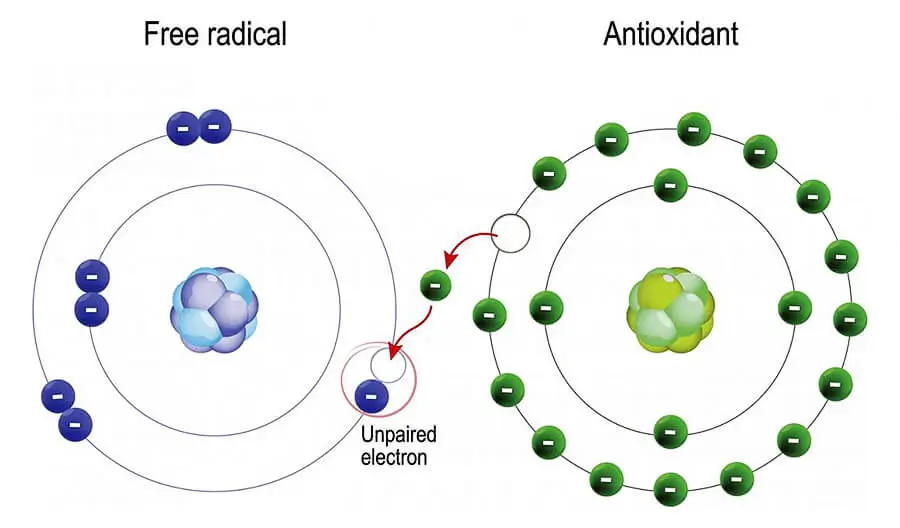
La mayoría de los antioxidantes que pierden su electrón a manos de sustancias más agresivas siguen queriendo recuperar su electrón. Algunos antioxidantes en una situación pueden ser pro-oxidantes en una situación diferente. Se ha demostrado que esto es perjudicial en algunas situaciones, incluso más que si no hiciéramos nada, porque suplementar de esta manera altera los mecanismos defensivos de nuestro organismo.
Otro gran problema es que los antioxidantes no son intercambiables. Por ejemplo, el agua y el aceite no se mezclan. La vitamina C es hidrosoluble, mientras que la vitamina E es oleosoluble. Algunos antioxidantes naturales también son hidrosolubles, mientras que otros son oleosolubles, y cada uno de ellos tiene un comportamiento químico y unas propiedades biológicas únicas. Unos irán a un tejido, otros irán a otros tejidos y algunos tendrán una baja biodisponibilidad. Es casi seguro que evolucionaron como partes de redes elaboradas, en las que cada sustancia diferente (o familia de sustancias) desempeña funciones ligeramente distintas. Esto significa que ninguna sustancia por sí sola puede hacer el trabajo de toda la multitud.
Sinergia fitoquímica.
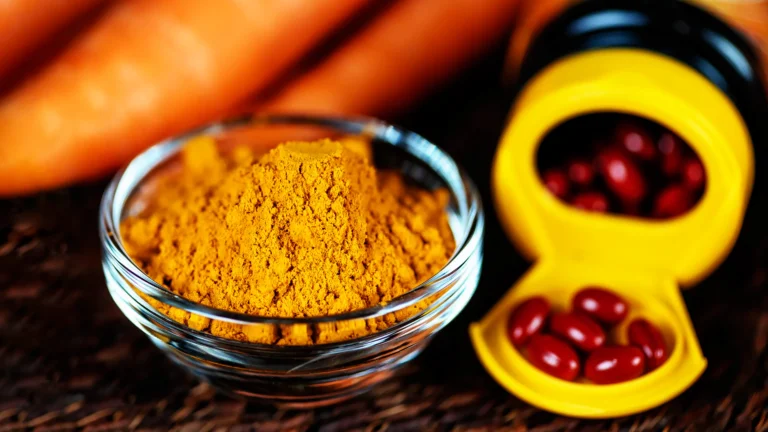
En casi todos los casos, los alimentos completos son mejor opción que los fitoquímicos y los suplementos antioxidantes extraídos por separado. debido al fenómeno conocido como sinergia alimentaria. Sinergia significa que tenemos dos compuestos que funcionarán juntos mucho mejor que los compuestos individuales combinados. Dos más dos es igual a cinco, si le gusta esta analogía. Esta es también la razón por la que muchos de los pigmentos como el betacaroteno y el licopeno en forma extraída son inútiles.
Las zanahorias reducen el riesgo de cáncer, pero el betacaroteno en pastilla lo aumenta.
Los tomates reducen drásticamente el riesgo de cáncer de próstata, pero el licopeno lo aumenta.
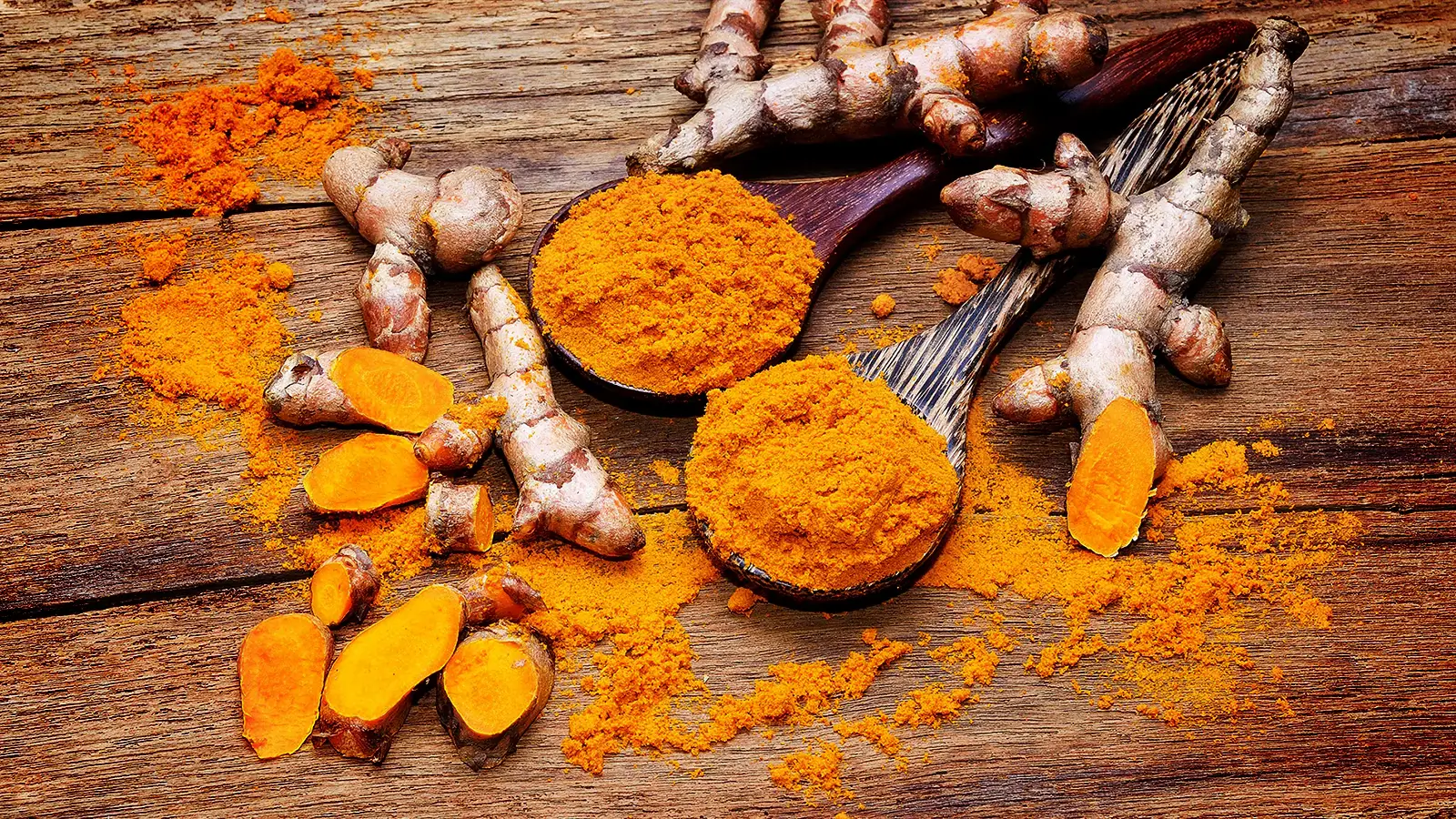
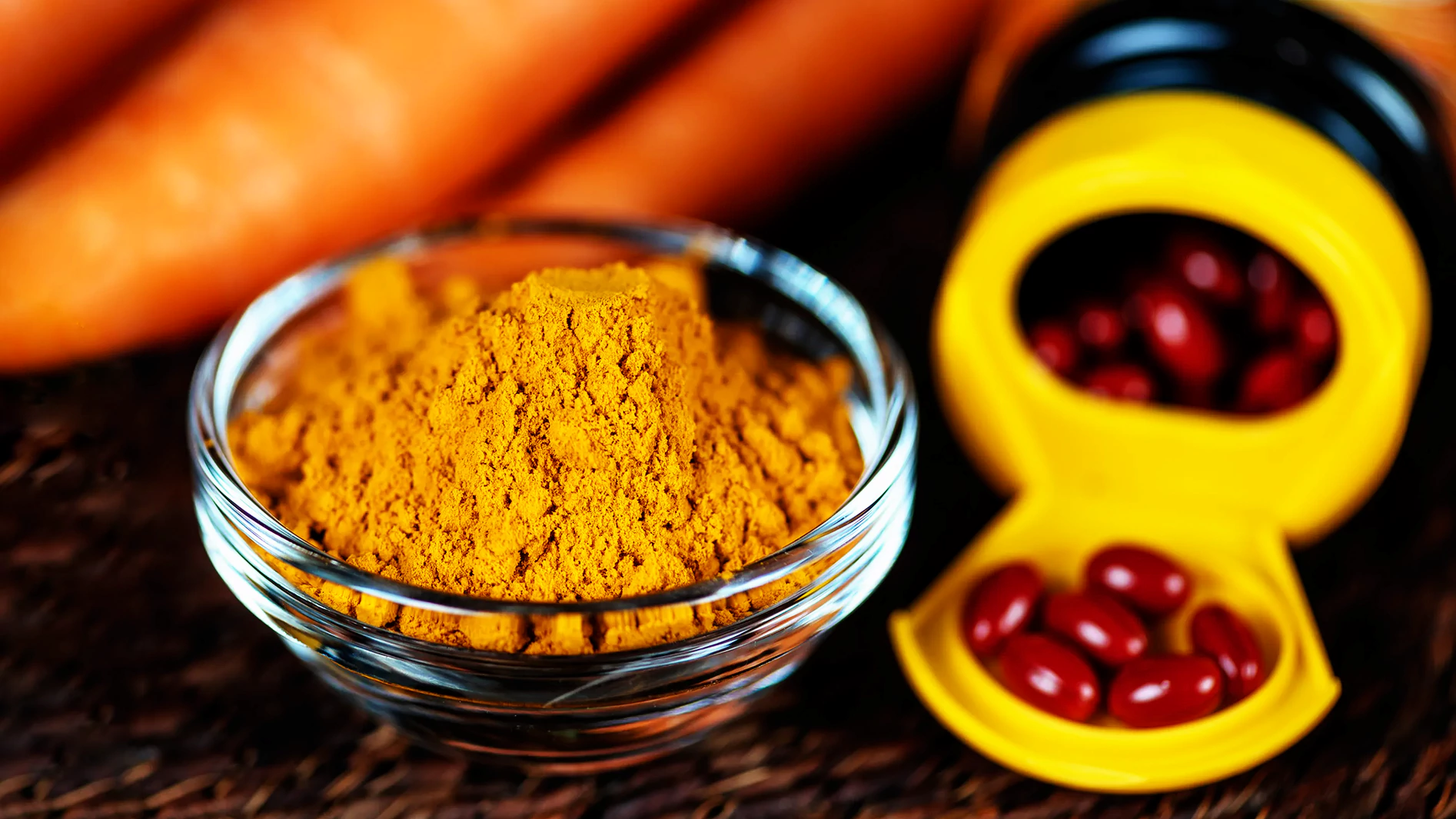
Hay algunos que pueden tomarse como suplementos antioxidantes, pero no todos. Curcumina de la cúrcuma es excelente incluso como suplemento, pero, por ejemplo, el betacaroteno y el licopeno no lo son.
Si no están envasados como un alimento completo con miles de otros fitoquímicos que trabajan sinérgicamente para neutralizar algunos de los otros efectos nocivos, algunos de estos fitoquímicos extraídos pueden hacernos mucho daño. Esa es una razón por la que siempre tenemos que elegir alimentos saludables en un paquete de alimentos enteros en lugar de píldoras hasta que haya una amplia investigación realizada sobre fitoquímicos específicos en estudios clínicos reales de doble ciego. La curcumina ya está bien estudiada, al igual que el licopeno y muchos otros fitoquímicos de los que hoy tenemos un conocimiento científico básico.
De hecho, las empresas alimentarias solicitaron a la FDA en 2004 que les permitiera imprimir etiquetas en las botellas de ketchup sobre el licopeno y la reducción del riesgo de cáncer. Se les denegó. En ese momento había una gran cantidad de resultados mixtos para el consumo de tomate y el riesgo de cáncer porque no había verdaderos estudios doble ciego y las personas que consumen más licopeno por lo general lo obtuvieron de una pizza.
Hubo un hombre que leyó un montón de "charlatanería" no probada sobre la dieta vegana y la nutrición en Internet porque se puso intratable cáncer de próstata. Esto fue en 1999. El cáncer de próstata metástasis se extendieron por todo su cuerpo y se interrumpió el tratamiento y se le envió a la muerte. Empezó a comer una cucharada de pasta de tomate todos los días porque descubrió que en investigaciones experimentales el licopeno mataba las células cancerosas de la próstata. En aquella época no se hacían estudios reales como los de hoy en día. Su PSA era de 365 con metástasis por todo el cuerpo. Empezó a tomar su cucharada de pasta de tomate en marzo y en mayo su PSA había bajado a 8,1 y se mantuvo entre 3 y 8 durante los 18 meses siguientes. Sus metástasis desaparecieron y en su último seguimiento, estaba completamente asintomático y libre de cáncer (Matlaga et al., 2001). Este es uno de esos casos de "charlatanería" que no gustan a la industria médica y que son casi demasiado extraños para ser verdad. Todos los miles de millones de dólares "invertidos" en la Guerra contra el cáncer y un tipo se cura de un cáncer metastásico terminal con una cucharada de pasta de tomate al día. Vivió feliz para siempre. Este caso fue bien documentado y no pudo ser suprimido o ignorado por lo que en años posteriores hubo algunos experimentos que utilizaron sólo licopeno en forma extraída para tratamiento del cáncer. Y los resultados fueron decepcionantes y, en realidad, los investigadores se alegraron de que el licopeno no causara más cáncer como lo hizo el betacaroteno en forma extraída. En algunos estudios, sí empeoró el cáncer.
Algunos suplementos antioxidantes pueden perjudicarnos.
Hoy en día se acepta que la vitamina E (siempre utilizan una forma sintética de vitamina E en las pruebas) y el selenio (suplementos) causan un mayor riesgo de cáncer de próstata (Kristal et al, 2014). También el licopeno (Gontero et al. 2015).
Por qué esto es así, de nuevo sólo puedo especular y algunos estudios prueban mi punto. Si un antioxidante es capaz de convertirse en un pro-oxidante y si los tomamos en grandes cantidades a las que no hemos estado expuestos en nuestra evolución, si tomamos suplementos o sobredosis, estos antioxidantes sobrepasarán nuestros mecanismos naturales de desintoxicación. Esto no sería un problema si los antioxidantes sólo dieran un electrón extra y no hicieran nada más, pero normalmente lo que hacen es querer ese electrón de vuelta y convertirse en pro-oxidantes de nuevo. Y esto es exactamente lo que muestran las investigaciones.
Esto es muy importante porque algunos suplementos son más que una pérdida de dinero y pueden hacernos daño. La gente puede tener la idea de que si no come suficientes verduras puede obtener antioxidantes de una pastilla después de una buena comida de bacon a la barbacoa. Y este no es el caso en todas las situaciones.
En dosis dietéticas bajas que podríamos obtener de los alimentos, el licopeno y el betacaroteno mostraron protección frente al daño celular. Pero en dosis suplementarias más elevadas, en realidad causaban más daño (Lowe et al., 1999).
Si quiere suplementarse con antioxidantes, necesitará un antioxidante que no tenga la capacidad de convertirse en un prooxidante después de ceder su electrón o, si lo hace, nuestro cuerpo necesita tener un fuerte mecanismo de desintoxicación para eliminarlo rápidamente antes de que cause daños. Por ejemplo, la vitamina C nunca se convierte en un radical libre, sino en una versión más débil de un antioxidante que nuestros riñones simplemente orinan sin necesidad de desintoxicación enzimática.
A la manera de los alimentos integrales, ingerir demasiados antioxidantes nunca podría suponer ningún riesgo. Los suplementos antioxidantes sí podrían. El motivo por el que existe tanta presión para extraer estas sustancias químicas es que pueden utilizarse en medicina y como carga, y porque a la industria alimentaria le gustaría utilizarlas como aditivos alimentarios para poder atribuir propiedades beneficiosas para la salud a alimentos poco saludables.
Es probable que en el futuro tengamos carne, tocino y helados enriquecidos con fitoquímicos. Ya intentaron hacerlo con la carne, pero fracasaron porque, de nuevo, estos fitoquímicos no son más que pigmentos, así que cuando intentan utilizar algunos de ellos siempre manchan la carne y otros productos dándoles un color antinatural o un sabor desagradable. Este es un problema que los industria alimentaria está tratando de resolver. Y si lo resuelven, y obtenemos un tocino beneficioso para la salud, todavía hay algo que no se puede reproducir, y es la sinergia alimentaria. En este estudio, investigaron exactamente eso, una sinergia combinada de carotenoides (Linnewiel-Hermoni et al., 2015).
"Los estudios epidemiológicos han demostrado sistemáticamente que el consumo regular de frutas y verduras está estrechamente relacionado con la reducción del riesgo de desarrollar enfermedades crónicas, como el cáncer. Ahora se acepta que las acciones de cualquier fitonutriente específico por sí solo no explican los beneficios para la salud observados en las dietas ricas en frutas y verduras, ya que los nutrientes que se tomaron solos en los ensayos clínicos no mostraron efectos preventivos consistentes. De hecho, la inhibición sinérgica del crecimiento de células de cáncer de próstata y de mama fue evidente cuando se utilizaron combinaciones de bajas concentraciones de varios carotenoides o carotenoides con ácido retinoico y el metabolito activo de la vitamina D. Encontramos que las combinaciones de varios carotenoides (por ejemplo, licopeno, fitoeno y fitoflueno), o carotenoides y polifenoles (por ejemplo, ácido carnósico y curcumina) y/u otros compuestos (por ejemplo, vitamina E) inhiben sinérgicamente la actividad del receptor de andrógenos y activan el sistema EpRE/ARE. La activación de EpRE/ARE fue hasta cuatro veces superior a la suma de las actividades de los ingredientes por separado, un sello distintivo sólido de la sinergia."
(Linnewiel-Hermoni et al., 2015)
Sólo cuando combinaron dosis bajas de licopeno, fitoeno y fitoflueno, tres fitoquímicos que se encontraban en los tomates, obtuvieron un resultado mensurable. Los tres se probaron en dosis bajas no efectivas y, como era de esperar, no mostraron ningún efecto clínico por sí solos. Pero cuando se combinaron sí mostraron efectos mensurables, aunque se utilizaron las mismas dosis bajas no efectivas. Luego, cuando combinaron la curcumina con extracto de tomate y con vitamina E, el resultado fue la supresión del crecimiento tumoral en un 70%. Se trata de una supresión significativa. Por separado, cada uno de estos efectos fue de un 5%, mientras que la vitamina E no mostró ningún resultado. Los resultados de estudios como éste son cruciales para la nutrición.
Estudios como éste demuestran que necesitamos comer alimentos integrales ricos en antioxidantes beneficiosos para la salud y no sólo eso. Necesitamos tener una variedad de alimentos en nuestros platos.
Milos Pokimica
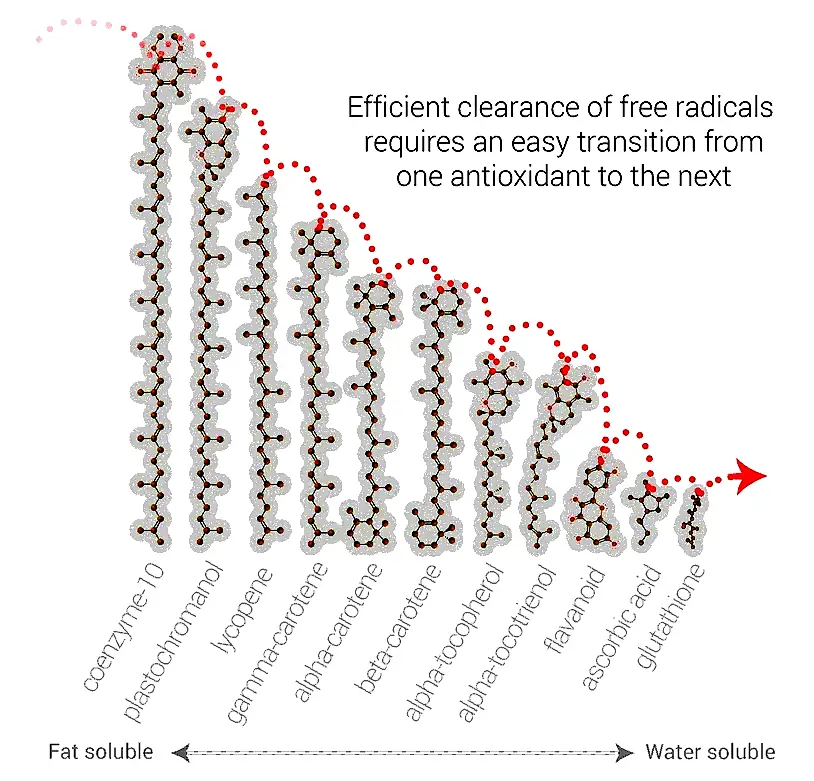
Además, se ha demostrado que distintos fitoquímicos se unen a diferentes receptores y proteínas de nuestro organismo (Murakami and Ohnishi, 2012). Cada fitoquímico tiene un receptor diferente. Se han identificado varios de estos receptores. El EGCg, por ejemplo, es uno de los principales fitoquímicos del té verde y tiene su propio receptor. Existen diferentes proteínas de unión para fitoquímicos en cebollas, uvas, brócoli, manzanas y naranjas, y a medida que pase el tiempo la ciencia identificará más y más receptores para miles de fitoquímicos diferentes.
Un antioxidante es un antioxidante en un sentido molecular, pero en nuestro organismo ejercerán un modo de acción diferente al unirse a distintos receptores.
Necesitamos tener una variedad de alimentos en nuestros platos. Si sólo comemos carne, huevos, lácteos y azúcar refinado y grasa en 100 variedades diferentes nuestra salud se deteriorará.
Necesidades de antioxidantes.
No existen requisitos fitoquímicos para el etiquetado de los alimentos. No existe una CDR de fitoquímicos. Los fitoquímicos no son vitaminas. Si nos fijamos en la Fanta y el zumo de naranja, el zumo de naranja será aún peor por la cantidad de azúcar que contiene. Pero como no hay etiquetado, falta toda la lista de fitoquímicos. Hasta ahora la industria médica ha hecho poco para educar a la gente sobre la importancia de los fitoquímicos y la investigación como esta sólo estaba destinada a un pequeño grupo de científicos que están tratando de desarrollar diferentes medicamentos basados en ellos. Entonces, los fitoquímicos se recetarán como medicamento. A los médicos les gusta hablar mucho de prevención, pero todo se reduce a controlar el peso, hacer algo de ejercicio y evitar los alimentos refinados. La verdadera educación es difícil de encontrar e incluso los propios médicos se ven privados de la educación nutricional en la universidad. Lo que la ciencia dice es básicamente lo que la mayoría de la gente ya sabe instintivamente o por tradiciones populares.
Las plantas son buenas para la salud y deberíamos comer frutas y verduras y evitar los embutidos grasientos. El problema es que no queremos hacerlo. Queremos salchichas grasientas con una cerveza. E incluso si comemos verduras, no todas las verduras son iguales. Si tenemos que comparar la col rizada con los pepinos, la col rizada gana claramente. Some plants have more phytochemicals and are much more nutritious than others. El problema es que, por lo general, incluso cuando la gente elige frutas y verduras, opta por las menos nutritivas.
Patatas, pepinos, lechuga Iceberg, plátanos en lugar de boniatos, col rizada, espinacas, bayas y especias.
Conclusión:
- Nunca tome antioxidantes suplementarios que se convertirán en pro-oxidantes dentro del cuerpo
- Nunca tome antioxidantes suplementarios que necesiten vías enzimáticas para ser eliminados del cuerpo, podrían sobrepasar el mecanismo de defensa natural del cuerpo, investigue antes de tomarlos.
- Nunca tome suplementos de vitamina E, selenio, betacaroteno y licopeno, ya que mostraron un mayor riesgo de cáncer en forma de suplementos.
- Tomar siempre fuentes de antioxidantes integrales antes que formas extraídas de suplementos debido a las sinergias fitoquímicas.
- No existe una cura o sustituto sorprendente para una mala dieta, sólo existen fuentes de alimentos antioxidantes suplementarios más potentes como amla, cúrcuma, cacao, hibisco, astaxantina o bayas...
- Los antioxidantes suplementarios no son un sustituto de una mala dieta con una puntuación ORAC inexistente, incluso si se trata de una dieta integral basada en plantas, conozca sus valores ORAC
- Sólo unos pocos antioxidantes suplementarios han demostrado ser eficaces y seguros, como la vitamina C liposomal, la curcumina o la astaxantina.
Preguntas Frecuentes
Referencias:
Pasajes seleccionados de un libro: Pokimica, Milos. Go Vegan? Examen de Ciencias de la Parte 3. Edición Kindle, Amazon, 2020.
- Matlaga, B. R., Hall, M. C., Stindt, D., & Torti, F. M. (2001). Response of hormone refractory prostate cancer to lycopene. Revista de urología, 166(2), 613. [PubMed]
- Kristal, A. R., Darke, A. K., Morris, J. S., Tangen, C. M., Goodman, P. J., Thompson, I. M., Meyskens, F. L., Jr, Goodman, G. E., Minasian, L. M., Parnes, H. L., Lippman, S. M., & Klein, E. A. (2014). Estado basal de selenio y efectos de la suplementación con selenio y vitamina e en el riesgo de cáncer de próstata. Revista del Instituto Nacional del Cáncer, 106(3), djt456. https://doi.org/10.1093/jnci/djt456
- Gontero, P., Marra, G., Soria, F., Oderda, M., Zitella, A., Baratta, F., Chiorino, G., Gregnanin, I., Daniele, L., Cattel, L., Frea, B., & Brusa, P. (2015). Estudio aleatorizado doble ciego controlado con placebo de fase I-II sobre los efectos clínicos y moleculares de los suplementos dietéticos en hombres con lesiones prostáticas precancerosas. ¿Quimioprevención o "quimiopromoción"? La próstata, 75(11), 1177-1186. https://doi.org/10.1002/pros.22999
- Lowe, G. M., Booth, L. A., Young, A. J., & Bilton, R. F. (1999). Lycopene and beta-carotene protect against oxidative damage in HT29 cells at low concentrations but rapidly lose this capacity at higher doses. Investigación sobre radicales libres, 30(2), 141-151. https://doi.org/10.1080/10715769900300151
- Linnewiel-Hermoni, K., Khanin, M., Danilenko, M., Zango, G., Amosi, Y., Levy, J., & Sharoni, Y. (2015). Los efectos anticancerígenos de los carotenoides y otros fitonutrientes residen en su actividad combinada. Archivos de bioquímica y biofísica, 572, 28-35. https://doi.org/10.1016/j.abb.2015.02.018
- Murakami, A., y Ohnishi, K. (2012). Target molecules of food phytochemicals: food science bound for the next dimension. Alimentación, 3(5), 462-476. https://doi.org/10.1039/c2fo10274a
Contenidos Relacionados
¿Tienes alguna duda acerca de la nutrición y la salud?
Me encantaría conocer tu opinión y responderlas en mi próximo post. Agradezco su aportación y opinión y espero tener noticias suyas pronto. También le invito a síguenos en Facebook, Instagram y Pinterest para más contenidos sobre dieta, nutrición y salud. Puedes dejar un comentario allí y conectar con otros entusiastas de la salud, compartir tus consejos y experiencias, y recibir apoyo y ánimo de nuestro equipo y nuestra comunidad.
Espero que este post le haya resultado informativo y ameno y que esté preparado para aplicar los conocimientos adquiridos. Si le ha resultado útil, por favor compártelo con tus amigos y familiares que también podrían beneficiarse de ella. Nunca se sabe quién puede necesitar orientación y apoyo en su camino hacia la salud.
– También Te Puede Interesar –
Dieta Rica en Antioxidantes: Reglas y Estrategias Generales
La Medicina alopática-La Psicología del Miedo
Excitotoxicidad del Glutamato Monosódico: Revisión Científica
El tamaño del cerebro, la inteligencia y el consumo de carne - Los veganos argumento
Desintoxicación y Riesgo de Exposición Tóxica Durante el Embarazo: El Argumento Vegano
Leche A1: Diabetes, Autismo y Cardiopatías

El Informe McGovern - Intereses especiales y supresión de la ciencia
El café de los beneficios– No sin riesgos
Aprenda Sobre Nutricion

Milos Pokimica es doctor en medicina natural, nutricionista clínico, escritor sobre salud médica y nutrición y asesor en ciencias de la nutrición. Autor de la serie de libros Go Vegan? Revisión de la Ciencia, también dirige el sitio web sobre salud natural GoVeganWay.com.
Descargo De Responsabilidad Médica
GoVeganWay.com trae los comentarios de la última de la nutrición y la salud relacionados con la investigación. La información proporcionada representa la opinión personal del autor y no pretende ni implica ser un sustituto de consejo médico profesional, diagnóstico o tratamiento. La información proporcionada es sólo para fines informativos y no pretende servir como un sustituto de la consulta, el diagnóstico y/o tratamiento médico de un médico calificado o profesional de la salud.NUNCA ignore el CONSEJO MÉDICO PROFESIONAL O RETRASAR la BÚSQUEDA de TRATAMIENTO MÉDICO a CAUSA DE ALGO QUE HAYA LEÍDO EN O accesibles a TRAVÉS de GoVeganWay.com
NUNCA APLICAR CUALQUIER cambio de ESTILO de vida O CAMBIOS EN su totalidad COMO UNA CONSECUENCIA DE ALGO QUE HA LEÍDO EN GoVeganWay.com ANTES de CONSULTAR con LICENCIA PROFESIONAL MÉDICO.
En el caso de una emergencia médica, llame a un médico o al 911 inmediatamente. GoVeganWay.com no se recomienda ni aprueba ninguna de los grupos, las organizaciones, las pruebas, los médicos, productos, procedimientos, opiniones u otra información que pueda ser mencionado en el interior.
Selecciones del Editor -
El cáncer Editor De Selecciones Fitoquímicos
Poder Anticancerígeno de Frutas y Verduras: Pruebas Clínicas e in Vivo
Algunos extractos vegetales rivalizan con los principales fármacos quimioterapéuticos y, al mismo tiempo, atacan varios tipos diferentes de células cancerosas.
Antioxidantes Editor De Selecciones ORAC
Aceites Esenciales Como Suplementos Antioxidantes: Reglas y Estrategias
Los aceites esenciales de calidad alimentaria pueden ser una estrategia cómoda y de fácil consumo para optimizar el valor antioxidante y las puntuaciones ORAC de nuestra dieta.
Antioxidantes Editor De Selecciones ORAC
Dieta Rica en Antioxidantes: Reglas y Estrategias Generales
Existen estrategias fáciles y rentables para optimizar el valor antioxidante de nuestra dieta.
Antioxidantes Editor De Selecciones ORAC
Comprender los Valores ORAC: Niveles de Antioxidantes en los Alimentos
Cuando tu principal fuente de antioxidantes es el café, sabes que tienes un grave problema.
Antioxidantes Editor De Selecciones ORAC
Astaxantina Beneficios: Antioxidante Natural Más Potente del Mundo
La astaxantina es el más potente y natural antioxidante universal (petróleo y agua-soluble) que conoce la ciencia. Se acumula en los tejidos y nunca puede convertirse en un pro-oxidante.
Antioxidantes Editor De Selecciones ORAC Fitoquímicos
Antioxidantes: Conceptos Básicos
Los productos de origen animal no contienen fitoquímicos ni antioxidantes. Por término medio, los alimentos vegetales contienen más de 60 veces más antioxidantes que los de origen animal.
Editor De Selecciones Dieta Vegana
Deficiencias Nutricionales en la Dieta Vegana: Estrategias de Prevención
Existen nueve deficiencias nutricionales comunes a escala poblacional que afectan a las personas que siguen una dieta basada en plantas. Si no se corrigen a tiempo, algunas deficiencias tienen consecuencias terribles y no tratables.
Editor De Selecciones Dieta Óptima
Deficiencia de Micronutrientes en la Dieta Americana Estándar: Estrategias de Optimización
El perfil nutricional de nuestra dieta moderna a base de carne, azúcar y alimentos procesados es totalmente incongruente con nuestra evolución, lo que provoca una grave carencia de micronutrientes.
Editor De Selecciones Fitoquímicos
Fitoquímicos: Conceptos Básicos
Todos y cada uno de los fitoquímicos que existen tienen una acción biológica en el cuerpo humano. Cada uno de los millones de fitoquímicos diferentes.
Editor De Selecciones La leche Dieta Óptima
Leche y Productos Lácteos: Correlaciones de Riesgo Para la Salud
Las asociaciones conocidas con el consumo de leche y productos lácteos son infertilidad, cáncer de ovario y de mama, leucemia, diabetes de tipo 1, autismo, arteriosclerosis, cataratas, artritis reumatoide, esclerosis múltiple, hiperactividad, congestión, granos...
El cáncer Editor De Selecciones La proteína
Proteína Completa: Señalización del IGF-1 en la Formación del Cáncer
Cuando usted come proteínas animales que tienen cuatro veces más probabilidad de desarrollar todos los tipos de cáncer. Cuando usted fuma, usted tiene cuatro veces la posibilidad de desarrollar cáncer de pulmón.

El cáncer Editor De Selecciones La proteína
La Anatomía de Cáncer de riesgo para la Salud de las correlaciones
Aproximadamente el 2% de los cánceres son por la medicina considera puramente causada por factores genéticos. De la misma gama como dentro del reino animal. No le han dicho toda la verdad.
Milos Pokimica es escritor especializado en salud y nutrición y asesor en ciencias nutricionales. Autor de la serie de libros Go Vegan? Revisión de la Ciencia, también dirige el sitio web sobre salud natural GoVeganWay.com.
Últimos Artículos –
La Restricción De Calorías La longevidad
Cómo Ayunar: Alimentos en Ayunas Que No Rompen la Autofagia
Autofagia. ¿Se ha preguntado alguna vez qué ocurre con las células de su cuerpo cuando mueren o se dañan? ¿Se amontonan y crean problemas, o se eliminan de alguna manera? La respuesta es que su cuerpo...
Salud Dental Prevención
Dolor y Sensibilidad a los Dulces: Solución Rápida y Duradera
Una solución rápida y fácil para aliviar el dolor es el aceite esencial de clavo, un potente antioxidante y analgésico que puede ayudar con las enfermedades de las encías y el dolor de muelas.
Los frijoles
Judías Verdes: Nutrición y Beneficios Para la Salud
Los frijoles verdes son bajos en calorías y ricos en compuestos naturales que pueden ayudar a controlar su azúcar en la sangre, reducir el colesterol y combatir los radicales libres.
Dieta de alimentos crudos Dieta Vegana
Se Pueden Comer Setas Crudas: Riesgos Para La Salud, Nutrición Y Seguridad
Las setas tienen toxinas sensibles al calor, como la hidracina o la agaritina, y paredes celulares compuestas de quitina que el ser humano no puede digerir bien.
Dieta Vegana
¿Son Los Peces Animales? Una Perspectiva Cultural
En algunas culturas, la carne de pescado no se considera carne, y el pescado está permitido incluso durante el ayuno.
Salud Dental Prevención
Enjuague Bucal Natural Casero: Probado, Más Fuerte y Menos Tóxico
El enjuague bucal natural hecho en casa es más fuerte que la clorhexidina, menos tóxico y si se ingiere puede dar un poco de náuseas, pero también un alto estallido en el valor ORAC.
Salud Dental Prevención
Cómo Detener la Caries Dental: Síntomas, Causas y Prevención
El consumo de azúcar es la principal causa de caries y deterioro dental, combinado con carencias de minerales, especialmente magnesio, zinc, cobre y oligoelementos.
Antioxidantes Superalimentos
Amla: Beneficios Probados, Nutrición e Importancia Clínica
El amla es uno de los antioxidantes más potentes del mundo, con una puntuación ORAC de 261.530. Es una rica fuente de fitoquímicos que tienen diversos beneficios para la salud. Es una rica fuente de fitoquímicos que tienen diversos beneficios para la salud.
Top Noticias De Salud — ScienceDaily
- Only one workout helped older adults lose fat and keep muscleen octubre 9, 2026
A six-month study suggests that high-intensity interval training (HIIT) may offer older adults a powerful advantage: losing body fat while keeping their muscle. Unlike moderate-intensity workouts, which led to a small loss of lean muscle, HIIT preserved it while also improving body composition around the waist.
- Bacteria turn a virus’ own weapon against iten octubre 9, 2026
Researchers have uncovered a new way bacteria detect viral attacks: a virus-produced enzyme cuts a bacterial sensor protein, triggering a self-destructing immune response. The discovery could lead to more effective phage therapies against antibiotic-resistant bacteria and provide insight into ancient immune mechanisms shared with humans.
- Nearly 30,000 people tested quit-smoking methods. One stood outen octubre 9, 2026
Nicotine e-cigarettes appear to help more smokers quit than patches, gum, and several other common approaches, according to a major review of 80 clinical trials. Researchers say regulated vaping products are not risk-free, but may be a significantly less harmful alternative for people who would otherwise continue smoking.
- Scientists tested 5 natural compounds on cancer cells. One stood outen octubre 9, 2026
Five natural compounds, including curcumin and berberine, were tested for their effects on cancer cells and healthy muscle cells. All disrupted cancer cell energy production and pushed many of the cells into a non-dividing state, with curcumin producing the strongest overall effect. Curcumin also showed a relatively favorable safety profile, while some other compounds caused more toxicity.
- FDA-approved epilepsy drug may help reverse osteoarthritis damageen octubre 8, 2026
Researchers at Yale have identified a promising new approach to osteoarthritis that could do more than simply ease pain. The epilepsy drug lacosamide appears to block a protein involved in both pain signaling and cartilage destruction, helping damaged joints shift back toward repair in preclinical studies.
- Just 7 days of strength training started shrinking fat cells in miceen octubre 8, 2026
Just seven strength-training sessions helped obese mice shrink visceral fat cells and reactivate molecular pathways involved in burning stored fat, despite no change in overall body weight. The findings suggest some benefits of resistance exercise may begin long before weight loss becomes visible, though the results still need to be confirmed in humans.
- Scientists warn a popular vitamin D supplement may have a hidden downsideen octubre 8, 2026
Not all vitamin D supplements are created equal, and new research suggests that one popular form may have an unexpected downside. Scientists found that taking vitamin D2 can actually lower the body’s levels of vitamin D3, the form naturally produced by sunlight and more effective at boosting overall vitamin D. Previous studies also suggest that vitamin D3 may provide stronger immune protection against viruses and bacteria.
PubMed, #Dieta vegana –
- Characterization of Nutritional Intake in Vegan Pregnant Women and its Association on Birth Weighten octubre 8, 2026
CONCLUSIONS: Vegan women had a higher rate of SGA than non-vegan women, and this increased risk may be partly related to differences in maternal protein intake and composition. In addition, vegan women had lower dietary intakes of calcium, vitamin B12, vitamin D, DHA, and choline, highlighting these nutrients as important considerations in the nutritional assessment and counseling of pregnant women adhering to a strictly vegan diet.
- Changes in ectopic lipids, insulin sensitivity, and beta cell function after a low-fat vegan diet in adults with type 2 diabetes: a 16-week single-arm clinical trialen octubre 8, 2026
CONCLUSIONS: On an ad libitum low-fat plant-based (vegan) dietary intervention, the participants with type 2 diabetes experienced reductions in ectopic fat, particularly visceral and hepatocellular fat, improvements in insulin sensitivity, reductions in AGEs, and improvements in beta-cell function.
- Sustained Regression of Parotid Mucosa-Associated Lymphoid Tissue (MALT) Lymphoma After Nutritional and Nutraceutical Intervention Without Chemoimmunotherapy: A Case Reporten octubre 5, 2026
Extranodal marginal zone lymphoma of mucosa-associated lymphoid tissue (MALT) in the setting of Sjögren’s syndrome (SS) is a well-recognized complication of chronic autoimmune salivary gland inflammation. Standard management options include radiotherapy, immunotherapy, and combination chemoimmunotherapy, with active surveillance reserved for stable, low-burden disease. The potential role of structured nutritional and nutraceutical intervention in this setting has not been previously […]
Random Posts –
El cáncer Desintoxicación La inflamación
Beneficios del Sulforafano: El Superpoder Desintoxicante del Brócoli
El sulforafano es el inductor enzimático natural de fase 2 más potente conocido por la ciencia. También está demostrado que el sulforafano es un inhibidor dosis-dependiente de la tumorigénesis inducida por carcinógenos.
La Restricción De Calorías La longevidad
Cómo Ayunar: Alimentos en Ayunas Que No Rompen la Autofagia
Autofagia. ¿Se ha preguntado alguna vez qué ocurre con las células de su cuerpo cuando mueren o se dañan? ¿Se amontonan y crean problemas, o se eliminan de alguna manera? La respuesta es que su cuerpo...
La longevidad
Longevidad: La Teoría del Ritmo de Vida
Cuanto mayor es el metabolismo, mayor es el daño oxidativo y mayor es la división celular. Cada vez que la célula se divide, corta el telómero por la mitad y nuestra longevidad

Editor De Selecciones Dieta Óptima La Dieta Paleo
Dieta paleo - Sin carne a la vista
Los humanos evolucionaron durante 50 millones de años a partir de mamíferos herbívoros. La caza no es una actividad natural de los homínidos. La dieta paleo sólo existe desde hace 200.000 años.
Antioxidantes
Vitamina C Intravenosa en el Tratamiento de la Gripe: Pruebas Vivas de la Práctica Clínica
Cuando quiere que le administren vitamina C intravenosa en el hospital, no se lo dice a su médico. En lugar de eso, le dice a su abogado que se lo diga a su médico, por escrito.
Antioxidantes
Poder Antioxidante de la Vitamina C: Mejorar la Salud y la Longevidad
La vitamina C no requiere actividad enzimática para ser eliminada del organismo y no se convierte en prooxidante, sino en una forma reducida de antioxidante más débil.

La Medicina Alopática Editor De Selecciones Dieta Óptima
El Informe McGovern - Intereses especiales y supresión de la ciencia
En 1977 el empuje para un cambio de Pautas Dietéticas (McGovern Informe) a más a base de plantas vegana uno se había introducido en el Congreso de los estados UNIDOS.
El cáncer Dieta de alimentos crudos
La exposición a la acrilamida - Chips, papas fritas, y el cáncer
La acrilamida está clasificada como carcinógeno humano del Grupo 2A. En 2002 se descubrió en concentraciones extremadamente altas en patatas fritas y patatas fritas.

La Medicina Alopática El cáncer Editor De Selecciones
El cáncer, La Prohibida Curas-máquina de Rife, reseña Histórica
La tasa de recuperación de pacientes con cáncer no tratable y declarados enfermos terminales mediante la utilización de la tecnología resonante de la máquina Rife fue del 100%.
Antioxidantes Superalimentos
Amla: Beneficios Probados, Nutrición e Importancia Clínica
El amla es uno de los antioxidantes más potentes del mundo, con una puntuación ORAC de 261.530. Es una rica fuente de fitoquímicos que tienen diversos beneficios para la salud. Es una rica fuente de fitoquímicos que tienen diversos beneficios para la salud.

Puestos Destacados –
El cáncer Editor De Selecciones Fitoquímicos
Poder Anticancerígeno de Frutas y Verduras: Pruebas Clínicas e in Vivo
Algunos extractos vegetales rivalizan con los principales fármacos quimioterapéuticos y, al mismo tiempo, atacan varios tipos diferentes de células cancerosas.
Editor De Selecciones Dieta Óptima Dieta Vegana
QUE la dieta de las directrices de la Nueva pirámide de los alimentos y la supresión de la ciencia
QUE las pautas dietéticas recomiendan una dieta baja en grasas saturadas (proteína animal), el azúcar, la sal y alta en frutas y verduras, como un requisito para hacer frente a la epidemia aumento de las enfermedades crónicas en todo el mundo.
Editor De Selecciones La inflamación
Los seres humanos omnívoros dilema - el consumo de Carne, las bacterias probióticas, la inflamación y el intestino
Son los seres humanos omnívoros en un verdadero anatómica sentido? Hay una diferencia fundamental en la forma en que el tracto digestivo trabaja en plantas vs consumo de carne de las especies.
Antioxidantes Editor De Selecciones ORAC
Dieta Rica en Antioxidantes: Reglas y Estrategias Generales
Existen estrategias fáciles y rentables para optimizar el valor antioxidante de nuestra dieta.
La Medicina Alopática El cáncer Editor De Selecciones
El cáncer, La Prohibida Curas-máquina de Rife, reseña Histórica
La tasa de recuperación de pacientes con cáncer no tratable y declarados enfermos terminales mediante la utilización de la tecnología resonante de la máquina Rife fue del 100%.
La Diabetes Editor De Selecciones
La Diabetes causa y grasas saturadas - Los veganos argumento
A medida que aumenta el nivel de grasa en el torrente sanguíneo, disminuye la capacidad del organismo para eliminar el azúcar. Una de las causas de la diabetes es nuestra inadaptación a una gran ingesta de grasas
Editor De Selecciones Fitoquímicos
Fitoquímicos: Conceptos Básicos
Todos y cada uno de los fitoquímicos que existen tienen una acción biológica en el cuerpo humano. Cada uno de los millones de fitoquímicos diferentes.
Editor De Selecciones Prevención Toxicidad
Toxicidad Ambiental- Es Sólo Una Cadena Alimentaria
Toxicidad ambiental es la bioacumulación de toxinas. Los organismos son los filtros. Pero hay uno más aun peor proceso llamado biomagnificación en la cadena alimentaria.
Editor De Selecciones Dieta Óptima La proteína
Necesidades de Proteínas: Una Verdad Incómoda
Cuando el antropólogo estudios mostraron que los propios homínidos vivían en promedio de 15 a 20 gramos de proteína al día hubo un llamado de un "Gran proteína fiasco" de vuelta en la década de 1970.
El cáncer Editor De Selecciones Toxicidad
Exposición a Plaguicidas en Niños: Pruebas de Exposición en la Vida Real
Los niños y especialmente las mujeres embarazadas son más vulnerables a la exposición a los pesticidas. Si analizamos el mundo real de los niveles de exposición en situaciones de la vida real, lo que podría ser el resultado?
La última versión desde PubMed, #Dieta basada en plantas –
- MIND diet-related plasma proteins are associated with Alzheimer’s disease riskpor Shane Fernandez en octubre 9, 2026
INTRODUCTION: Adherence to the Mediterranean-Dietary Approaches to Stop Hypertension Intervention for Neurodegenerative Delay (MIND) diet is associated with reduced dementia risk, but underlying mechanisms remain unclear.
- Nutritional strategies in kidney transplantation: optimising outcomes beyond surgerypor Lara Caldiroli en octubre 9, 2026
Although kidney transplantation (KTx) remains the optimal therapy for end-stage kidney disease, long-term graft survival and patient outcomes continue to be limited by cardiometabolic complications and chronic allograft dysfunction. Nutritional management has evolved from supportive care to a core component of post-transplant follow-up. The early post-transplant phase is marked by catabolism, high-dose immunosuppression, and metabolic instability, leading to increased protein requirements but…
- Analysis of the Provision of Plant-Based, Vegetarian and Omnivorous Meals in UK Care Homes for Older Peoplepor Saffron Whyton en octubre 8, 2026
CONCLUSION: Even though the National Health Service recommends reductions in consumption of red and processed meats with increased consumption of plant-based proteins, this transition is yet to be implemented in care homes. This study suggests that there is potential to improve the health and sustainability of meals provided in care home by increasing the availability of plant-based options, especially those rich in plant-based proteins.
- Weight loss-independent associations of body composition changes with device-derived metabolic age during Mediterranean diet follow-uppor Ahmet Emre Hatır en octubre 8, 2026
CONCLUSION: Favorable changes in Tanita-derived metabolic age were observed during follow-up. The associated body composition changes may partly reflect shared components of the device algorithm because metabolic age is a composite surrogate rather than a direct measure of biological aging. Given the retrospective uncontrolled design, causal effects of the Mediterranean diet cannot be established.
- Changes in ectopic lipids, insulin sensitivity, and beta cell function after a low-fat vegan diet in adults with type 2 diabetes: a 16-week single-arm clinical trialpor Hana Kahleova en octubre 8, 2026
CONCLUSIONS: On an ad libitum low-fat plant-based (vegan) dietary intervention, the participants with type 2 diabetes experienced reductions in ectopic fat, particularly visceral and hepatocellular fat, improvements in insulin sensitivity, reductions in AGEs, and improvements in beta-cell function.
- Connecting digital food literacy and sustainable eating in children and adolescents: a focused mini review of evidence gaps and educational prioritiespor Lu Xing en octubre 7, 2026
Children and adolescents learn about food through digital and physical environments while developing an understanding of dietary effects on human and planetary health. Digital healthy-eating education, food-literacy education, and sustainable-diet education have nevertheless developed along largely separate trajectories. This focused Mini Review examines interventions that combine a substantive digital educational mechanism, a food-literacy capacity, and an explicit sustainability target in…