







Antioxidative Nahrungsergänzungsmittel vs. Vollwertkost: Für Ein Kürzeres Leben Bezahlen
Antioxidative Nahrungsergänzungsmittel weisen nicht die beobachteten gesundheitlichen Vorteile einer Ernährung mit viel Obst und Gemüse auf, während Vitamin E, Selen, Beta-Carotin und Lycopin ein erhöhtes Krebsrisiko aufweisen.
Milos Pokimica
Geschrieben von: Milos Pokimica
Medizinisch Begutachtet Von: Dr. Xiùying Wáng, M.D.
Aktualisiert am 10. Juni 2023Die zentralen Thesen:
– Obwohl es viele verschiedene Arten von Antioxidantien gibt, gehören zu den wichtigsten Vitamin C und Vitamin E.
– Antioxidantien sind wichtig, um chronischen Krankheiten vorzubeugen, aber es ist am besten, sie aus vollwertigen Nahrungsmitteln und nicht aus Nahrungsergänzungsmitteln zu sich zu nehmen.
– Die Einnahme extrahierter sekundärer Pflanzenstoffe als Nahrungsergänzungsmittel kann problematisch sein, da sie nicht synergetisch mit anderen Verbindungen wirken, die in Vollwertnahrungsquellen enthalten sind.
– Einige extrahierte sekundäre Pflanzenstoffe können ohne die Synergie anderer Verbindungen in Vollwertkost schädlich sein. Beispielsweise hat sich gezeigt, dass Beta-Carotin und Lycopin, die als extrahierte Nahrungsergänzungsmittel eingenommen werden, das Krebsrisiko erhöhen, anstatt es zu senken.
Antioxidative Vitamine.
Es gibt Tausende, verschiedene sekundäre Pflanzenstoffe und andere Substanzen, die als wirken können Antioxidantien. Das biologisch wichtigste für alles Leben auf dem Planeten ist Vitamin C und Vitamin E. Die meisten Arten und die meisten Allesfresser- und alle Fleischfresserarten produzieren ihr eigenes Vitamin C in der Leber. Diese Pigmente wirken bei Pflanzen als Schutz vor Oxidation und UV-Strahlung und haben bei Tieren alle eine ähnliche biologische Schutzwirkung. Das wichtigste Pigment ist Beta-Carotin, aus dem unser Körper Vitamin A produziert. Es gibt aber auch andere verwandte Carotinoide sowie Mineralien mit antioxidativen Eigenschaften wie Selen und Mangan. Dazu kommen Glutathion, Coenzym Q10, Liponsäure, Flavonoide, Phenole, Polyphenole, Phytoöstrogene und viele mehr.
Als Pflanzenfresser mit einer über 50 Millionen Jahre alten Erfahrung als Pflanzenfresser hat sich unsere Physiologie an einen hohen Verzehr dieser natürlich vorkommenden Antioxidantien angepasst, da Nahrung in der Natur ein Gesamtpaket darstellt. Um an die Energie zu gelangen, mussten wir alle in dieser Nahrungsquelle enthaltenen Chemikalien verbrauchen. Unsere moderne Ernährung hat sich völlig von unserer natürlichen Ernährung und der Ernährung aller heute lebenden Primaten entfernt. Das Problem besteht darin, dass in tierischen Nahrungsquellen keine sekundären Pflanzenstoffe enthalten sind antioxidative Kapazität von tierischen Lebensmitteln ist mehr als 60-mal schwächer als pflanzliche Lebensmittel und liegt damit auf dem durchschnittlichen Niveau. Dies schließt nicht alle anderen ein entzündungsfördernde Wirkung des Fleischkonsums, über den Sie in entsprechenden Artikeln mehr lesen können. Es gibt keine Antioxidantien in raffinierten Produkten sowie. Die Situation ist so schlimm, dass in der amerikanische Standarddiät Die wichtigste Quelle für Antioxidantien ist heute Kaffee.
Obwohl nicht alle Antioxidantien so wichtig sind wie Vitamine wie Vitamin C oder Vitamin E, sind sie auch wichtig und fehlen ausreichende Zufuhr von ORAC-Wert in Kombination mit anderen Ernährungsfaktoren führt zur Entstehung chronischer Krankheiten.
Die reduktionistische Mentalität des Gewinnstrebens allopathische Medizin mit Patentierung und der Mehrheit der Bevölkerung, die ihre Rechte nicht ändern will Suchtmuster nach übernatürlicher Stimulation aus der Nahrung hatte eine Marktnachfrage nach extrahierten Antioxidantienformulierungen zur Vorbeugung nicht nur gegen Krebs, sondern auch gegen die meisten Wohlstandskrankheiten geschaffen.
Diese Strategien sind in einigen Fällen effektiv, insbesondere wenn wir die Tatsache akzeptieren, dass sich der Großteil der Bevölkerung im Wesentlichen nie ändern wird ihre Suchtgewohnheiten.
Antioxidative Eigenschaften.
Das erste wissenschaftliche Problem entsteht, weil „Antioxidans“ in Wirklichkeit nur eine chemische Eigenschaft ist, nämlich die Fähigkeit, als Elektronendonor zu wirken.
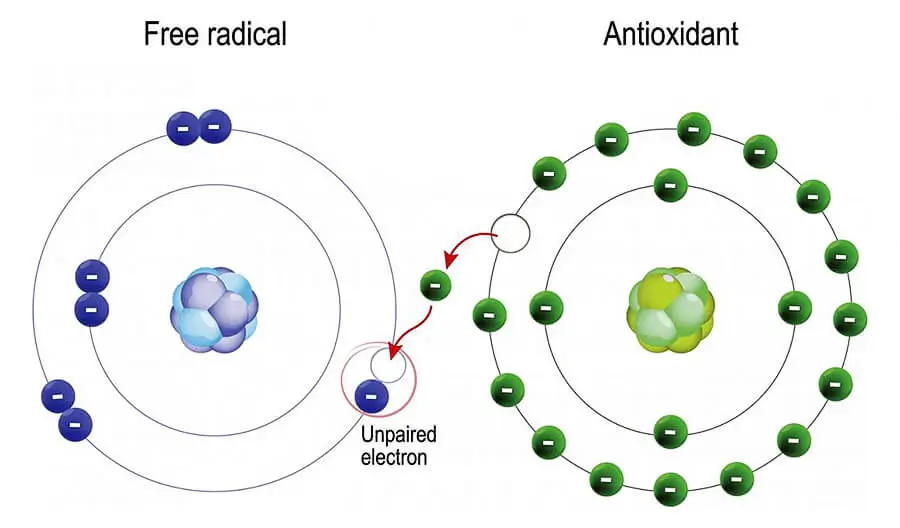
Die meisten Antioxidantien, die ihr Elektron durch aggressivere Substanzen verlieren, wollen ihr Elektron trotzdem zurück. Einige Antioxidantien können in einer Situation in einer anderen Situation Prooxidantien sein. Dies ist in manchen Situationen nachweislich sogar schädlicher, als wenn wir einfach nichts tun würden, da eine solche Nahrungsergänzung die Abwehrmechanismen unseres Körpers stört.
Ein weiteres großes Problem besteht darin, dass Antioxidantien nicht austauschbar sind. Wasser und Öl vermischen sich beispielsweise nicht. Vitamin C ist wasserlöslich, während Vitamin E öllöslich ist. Einige natürliche Antioxidantien sind ebenfalls wasserlöslich, während andere öllöslich sind und jedes einzelne von ihnen ein einzigartiges chemisches Verhalten und biologische Eigenschaften aufweist. Eine davon gelangt in ein bestimmtes Gewebe, andere in andere Gewebe und einige haben eine geringe Bioverfügbarkeit. Sie haben sich mit ziemlicher Sicherheit als Teile ausgefeilter Netzwerke entwickelt, wobei jede einzelne Substanz (oder Substanzfamilie) leicht unterschiedliche Rollen spielt. Das bedeutet, dass keine einzelne Substanz die Arbeit der gesamten Masse erledigen kann.
Phytochemische Synergie.
In fast allen Fällen ist eine vollwertige Ernährung die bessere Wahl als extrahierte einzelne sekundäre Pflanzenstoffe und antioxidative Nahrungsergänzungsmittel aufgrund des Phänomens, das als Nahrungsmittelsynergie bekannt ist. Synergie bedeutet, dass wir zwei Verbindungen haben, die viel besser zusammenarbeiten als einzelne Verbindungen zusammen. Zwei plus zwei ergibt fünf, wenn Ihnen diese Analogie gefällt. Dies ist auch der Grund, warum viele der Pigmente wie Beta-Carotin und Lycopin in der extrahierten Form nutzlos sind.
Karotten senken das Krebsrisiko, aber Beta-Carotin in einer Pille erhöht das Risiko tatsächlich.
Tomaten senken das Risiko für Prostatakrebs drastisch, Lycopin erhöht das Risiko jedoch.
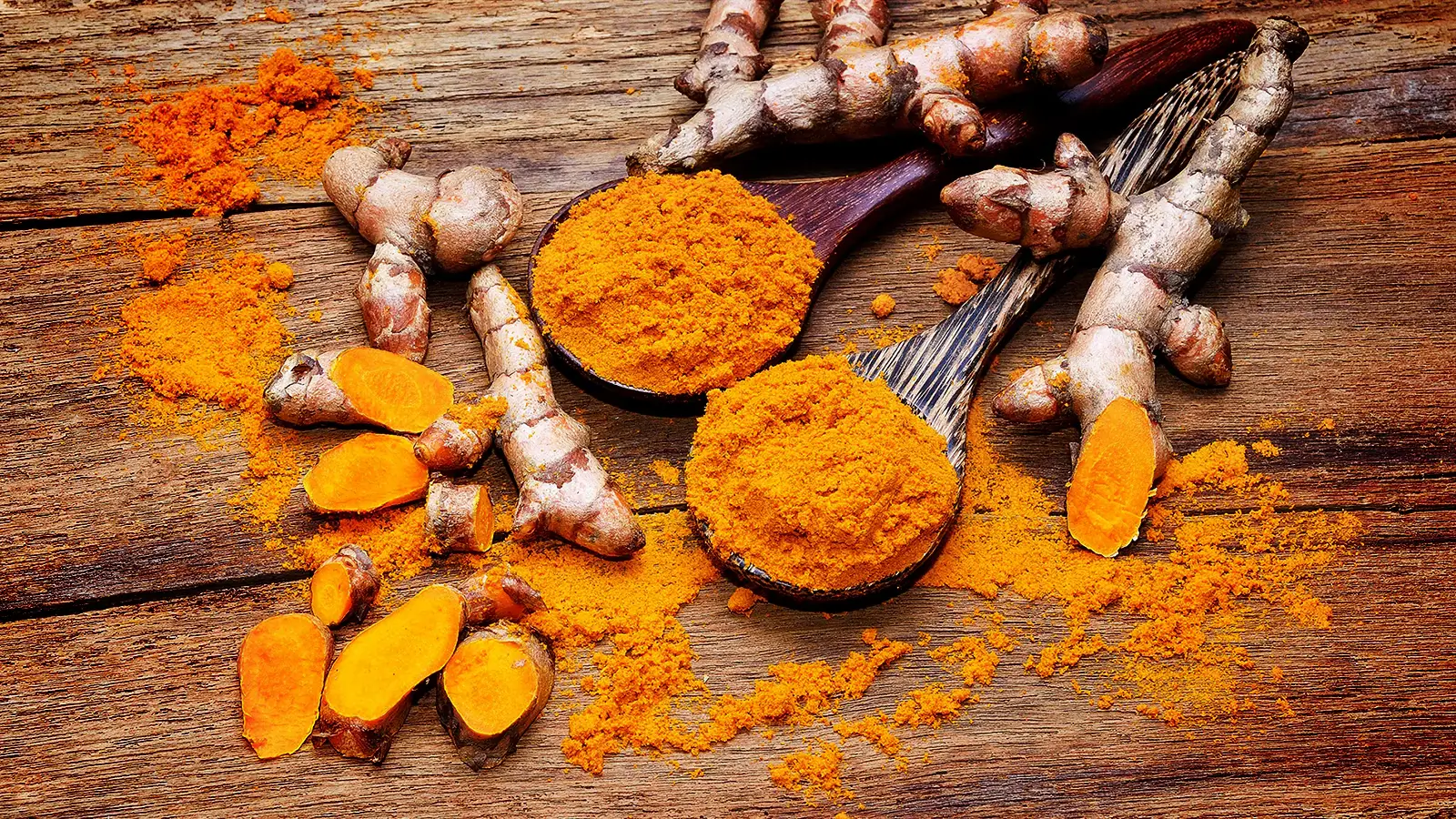
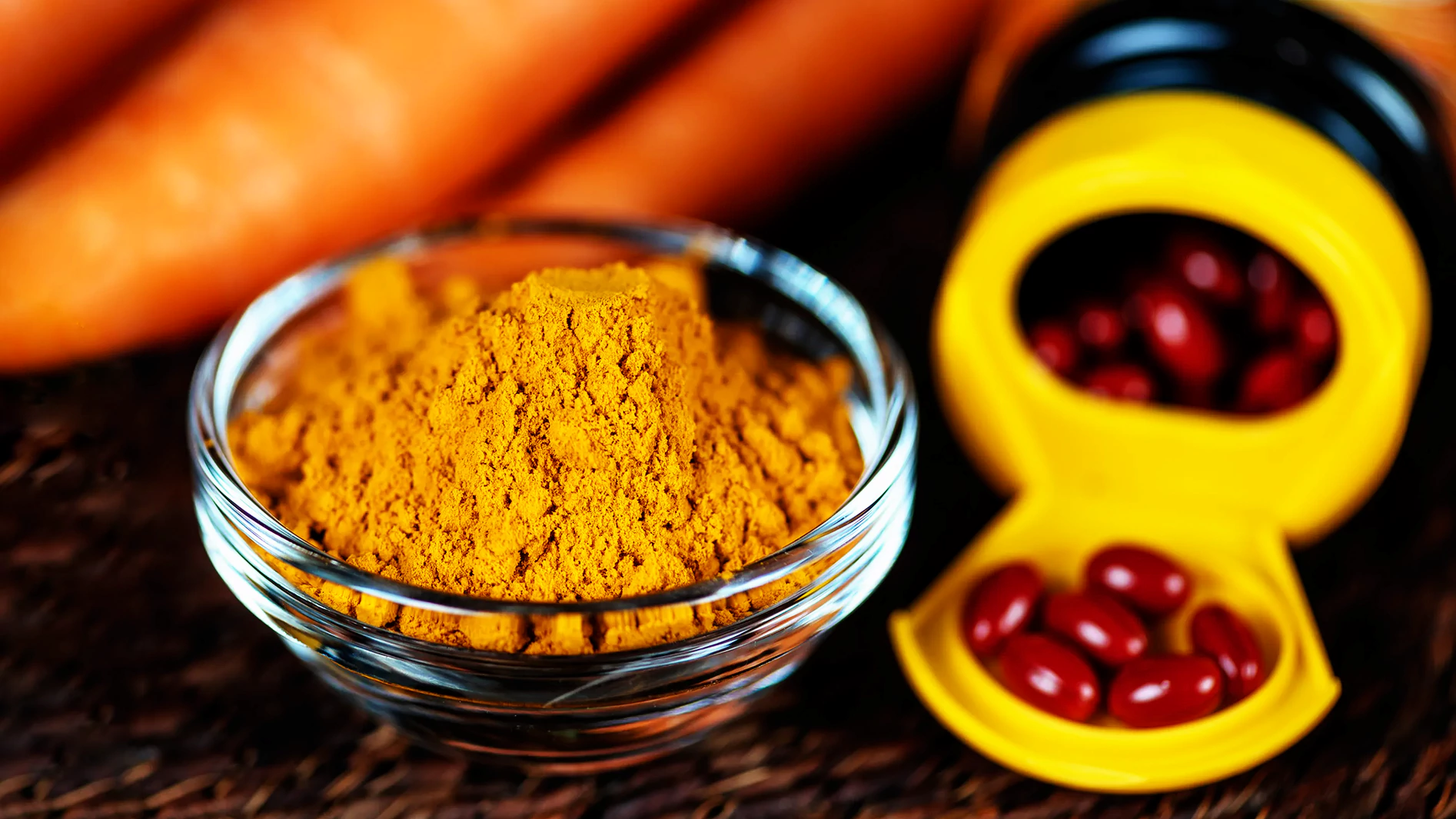
Es gibt einige, die als antioxidative Nahrungsergänzung eingenommen werden können, aber nicht alle. Curcumin aus Kurkuma ist beispielsweise auch als Nahrungsergänzung hervorragend geeignet, Beta-Carotin und Lycopin hingegen nicht.
Wenn sie nicht als vollwertiges Lebensmittel mit Tausenden anderer sekundärer Pflanzenstoffe verpackt sind, die synergetisch wirken, um einige der anderen negativen Auswirkungen zu neutralisieren, können einige dieser extrahierten sekundären Pflanzenstoffe uns großen Schaden zufügen. Aus diesem Grund müssen wir uns immer für gesunde Lebensmittel in Vollwertpackungen anstelle von Pillen entscheiden, bis in echten klinischen Doppelblindstudien umfangreiche Untersuchungen zu bestimmten sekundären Pflanzenstoffen durchgeführt werden. Curcumin ist mittlerweile gut erforscht, ebenso wie Lycopin und viele andere sekundäre Pflanzenstoffe. Heute verfügen wir über grundlegende wissenschaftliche Kenntnisse über viele von ihnen.
Bereits 2004 beantragten Lebensmittelunternehmen bei der FDA die Erlaubnis, Etiketten auf Ketchupflaschen zu drucken, die sich mit Lycopin und der Reduzierung des Krebsrisikos befassen. Sie wurden abgelehnt. Zu dieser Zeit gab es viele gemischte Ergebnisse zum Tomatenkonsum und zum Krebsrisiko, da es keine echten Doppelblindstudien gab und Menschen, die das meiste Lycopin konsumierten, es normalerweise über eine Pizza zu sich nahmen.
Es gab einen Mann, der im Internet eine Menge unbewiesener „Quacksalbereien“ über vegane Ernährung und Ernährung las, weil er nicht mehr behandelbar war Prostatakrebs. Das war im Jahr 1999. Der Prostatakrebs Metastasen verteilten sich in seinem Körper und die Behandlung wurde abgebrochen und er wurde in den Tod geschickt. Er begann, jeden Tag einen Esslöffel Tomatenmark zu essen, weil er in experimentellen Untersuchungen herausfand, dass Lycopin Prostatakrebszellen abtötete. Damals gab es noch keine wirklichen Studien wie heute. Sein PSA-Wert lag bei 365, mit Metastasen am ganzen Körper. Er begann im März mit dem Löffel Tomatenmark und im Mai sank sein PSA-Wert auf 8,1 und blieb die nächsten 18 Monate zwischen 3 und 8. Seine Metastasen verschwanden und bei seiner letzten Nachuntersuchung war er völlig asymptomatisch und von Krebs befreit (Matlaga et al., 2001). Das ist einer dieser „Quacksalberei“-Fälle, die die Medizinindustrie nicht mag und die fast zu seltsam sind, um die Wahrheit zu sein. All die Milliarden Dollar, die in die „investiert“ wurden Krieg gegen den Krebs Und irgendein Typ heilt sich mit einem Esslöffel Tomatenmark pro Tag von Krebs im Endstadium. Er lebte glücklich bis ans Ende seiner Tage. Dieser Fall war gut dokumentiert und konnte weder unterdrückt noch ignoriert werden, weshalb es in späteren Jahren einige Experimente gab, bei denen nur Lycopin in extrahierter Form verwendet wurde Krebsbehandlung. Und die Ergebnisse waren enttäuschend und tatsächlich waren die Forscher froh, dass Lycopin nicht mehr Krebs verursachte, wie es Beta-Carotin in extrahierter Form tat. In einigen Studien wurde der Krebs dadurch verschlimmert.
Einige Antioxidantienpräparate können uns schaden.
Heute wird angenommen, dass Vitamin E (bei den Tests wird immer eine synthetische Form von Vitamin E verwendet) und Selen (Nahrungsergänzungsmittel) ein erhöhtes Risiko für Prostatakrebs verursachen (Kristal et al., 2014). Auch das Lycopin (Gontero et al., 2015).
Warum das so ist, darüber kann ich wiederum nur spekulieren und einige Studien belegen meinen Standpunkt. Wenn ein Antioxidans in der Lage ist, sich in ein Prooxidans umzuwandeln, und wenn wir es in großen Mengen einnehmen, denen wir in unserer Evolution nicht ausgesetzt waren, werden diese Antioxidantien unsere natürlichen Entgiftungsmechanismen überfordern, wenn wir sie ergänzen oder überdosieren. Dies wäre kein Problem, wenn Antioxidantien lediglich ein zusätzliches Elektron abgeben und nichts anderes bewirken würden, als normalerweise, dass sie dieses Elektron zurückhaben wollen und wieder zu Prooxidantien werden. Und genau das zeigen Untersuchungen.
Das ist sehr wichtig, denn manche Nahrungsergänzungsmittel sind mehr als nur Geldverschwendung und können uns schaden. Die Leute könnten auf die Idee kommen, dass sie, wenn sie nicht genug Gemüse essen, nach einer guten Mahlzeit mit gegrilltem Speck Antioxidantien über eine Pille erhalten können. Und das ist nicht in allen Situationen der Fall.
In geringen Dosen, die wir über die Nahrung aufnehmen könnten, zeigten Lycopin und Beta-Carotin Schutz vor Zellschäden. Aber in höheren Dosierungen verursachten sie tatsächlich mehr Schaden (Lowe et al., 1999).
Wenn Sie eine Nahrungsergänzung mit Antioxidantien wünschen, benötigen Sie ein Antioxidans, das nicht in der Lage ist, sich nach Abgabe seines Elektrons in ein Prooxidans umzuwandeln. Wenn dies der Fall ist, muss unser Körper über einen starken Entgiftungsmechanismus verfügen, um es schnell zu entfernen, bevor es dazu kommt Schaden. Beispielsweise wird Vitamin C nie zu einem freien Radikal, sondern zu einer schwächeren Version eines Antioxidans, das unsere Nieren einfach ausscheiden, ohne dass eine enzymatische Entgiftung erforderlich ist.
Bei einer Vollwertkost stellt der Verzehr von zu vielen Antioxidantien niemals ein Risiko dar. Antioxidative Nahrungsergänzungsmittel könnten. Die Förderung dieser Chemikalien wird so stark vorangetrieben, weil sie in der Medizin und in der Landwirtschaft eingesetzt werden können und weil die Lebensmittelindustrie sie gerne als Lebensmittelzusatzstoffe verwenden möchte, um ungesunden Lebensmitteln gesundheitsfördernde Eigenschaften zu verleihen.
Wir würden in Zukunft wahrscheinlich phytochemisch angereichertes Fleisch, Speck und Eiscreme haben. Sie haben dies bereits mit Fleisch versucht, sind aber gescheitert, weil es sich bei diesen sekundären Pflanzenstoffen wiederum nur um Pigmente handelt. Wenn sie also versuchen, einige davon zu verwenden, verfärben sie immer das Fleisch und andere Produkte und verleihen ihnen eine unnatürliche Farbe oder einen unangenehmen Geschmack. Dies ist ein Problem, das die Nahrungsmittelindustrie versucht zu lösen. Und wenn sie das Problem lösen und wir gesundheitsfördernden Speck bekommen, gibt es immer noch eine Sache, die nicht reproduziert werden kann, und das sind Nahrungsmittelsynergien. In dieser Studie untersuchten sie genau das, eine kombinierte Synergie von Carotinoiden (Linnewiel-Hermoni et al., 2015).
„Epidemiologische Studien haben durchweg gezeigt, dass der regelmäßige Verzehr von Obst und Gemüse stark mit einem geringeren Risiko für die Entwicklung chronischer Krankheiten wie Krebs verbunden ist. Es ist mittlerweile anerkannt, dass die Wirkung eines bestimmten Phytonährstoffs allein nicht die beobachteten gesundheitlichen Vorteile einer Ernährung mit viel Obst und Gemüse erklärt, da Nährstoffe, die in klinischen Studien allein eingenommen wurden, keine konsistente präventive Wirkung zeigten. Tatsächlich war eine synergistische Hemmung des Wachstums von Prostata- und Brustkrebszellen offensichtlich, wenn Kombinationen niedriger Konzentrationen verschiedener Carotinoide oder Carotinoide mit Retinsäure und dem aktiven Metaboliten von Vitamin D verwendet wurden. Wir fanden heraus, dass Kombinationen mehrerer Carotinoide (z. B. Lycopin, Phytoen usw.) Phytofluen) oder Carotinoide und Polyphenole (z. B. Carnosinsäure und Curcumin) und/oder andere Verbindungen (z. B. Vitamin E) hemmen synergistisch die Androgenrezeptoraktivität und aktivieren das EpRE/ARE-System. Die Aktivierung von EpRE/ARE war bis zu viermal höher als die Summe der Aktivitäten der einzelnen Inhaltsstoffe, ein starkes Kennzeichen der Synergie.“
(Linnewiel-Hermoni et al., 2015)
Nur wenn sie niedrige Dosen der drei sekundären Pflanzenstoffe Lycopin, Phytoen und Phytofluen kombinierten, die in Tomaten gefunden wurden, erzielten sie ein messbares Ergebnis. Beide drei wurden in der niedrigen, nicht wirksamen Dosis getestet und zeigten erwartungsgemäß für sich genommen keine klinische Wirkung. Aber wenn sie kombiniert wurden, zeigten sie messbare Wirkungen, obwohl die gleichen niedrigen, nicht wirksamen Dosen verwendet wurden. Als sie dann Curcumin mit Tomatenextrakt und Vitamin E kombinierten, wurde das Tumorwachstum um 70 Prozent unterdrückt. Das ist eine erhebliche Unterdrückung. Einzeln waren es jeweils etwa 5 Prozent, wobei Vitamin E überhaupt keine Wirkung zeigte. Das Ergebnis solcher Studien ist für die Ernährung von entscheidender Bedeutung.
Studien wie diese zeigen, dass wir nicht nur gesundheitsfördernde, antioxidantienreiche Vollwertkost zu uns nehmen müssen. Wir müssen eine Vielfalt an Lebensmitteln auf unseren Tellern haben.
Milos Pokimica
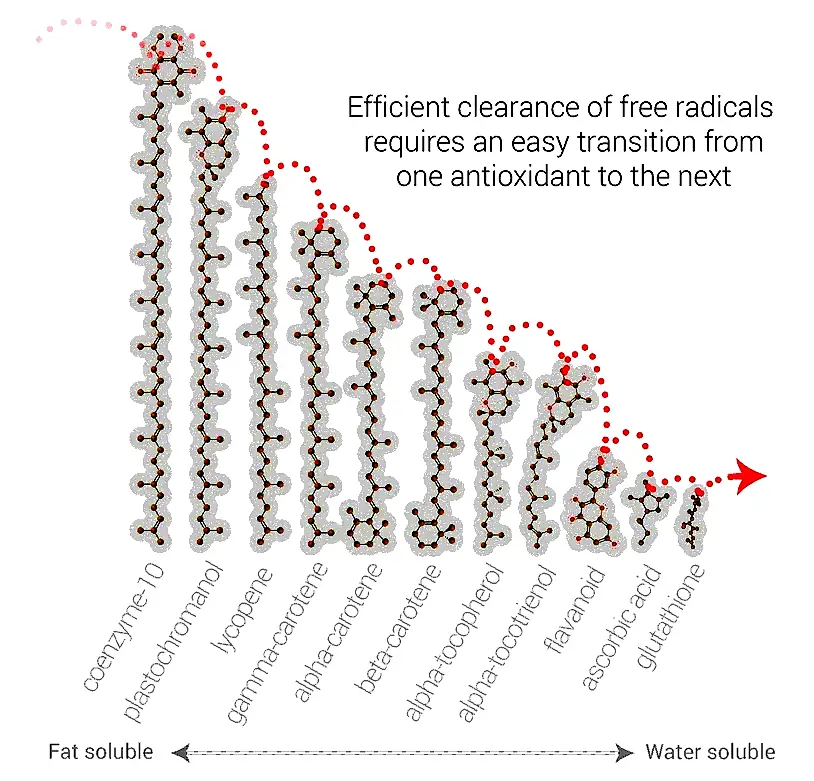
Außerdem wurde gezeigt, dass verschiedene sekundäre Pflanzenstoffe an verschiedene Rezeptoren und verschiedene Proteine in unserem Körper binden (Murakami und Ohnishi, 2012). Jeder einzelne sekundäre Pflanzenstoff hat einen anderen Rezeptor. Es gibt eine Reihe dieser Rezeptoren, die identifiziert wurden. EGCg beispielsweise ist ein Hauptsekundärstoff in grünem Tee und verfügt über einen eigenen Rezeptor. Es gibt verschiedene Bindungsproteine für sekundäre Pflanzenstoffe in Zwiebeln, Weintrauben, Brokkoli, Äpfeln und Orangen, und mit der Zeit wird die Wissenschaft immer mehr Rezeptoren für Tausende verschiedener sekundärer Pflanzenstoffe identifizieren.
Ein Antioxidans ist im molekularen Sinne ein Antioxidans, aber in unserem Körper üben sie eine andere Wirkungsweise aus, indem sie an verschiedene Rezeptoren binden.
Wir müssen eine Vielfalt an Lebensmitteln auf unseren Tellern haben. Wenn wir nur Fleisch, Eier, Milchprodukte usw. essen raffinierter Zucker und Fett in 100 verschiedenen Sorten wird sich unsere Gesundheit verschlechtern.
Anforderungen an Antioxidantien.
Es gibt keine phytochemischen Anforderungen für die Kennzeichnung von Lebensmitteln. Es gibt keine phytochemische RDA. Sekundäre Pflanzenstoffe sind keine Vitamine. Wenn wir Fanta und Orangensaft betrachten, wird der Orangensaft aufgrund der darin enthaltenen Zuckermenge sogar noch schlechter sein. Da jedoch keine Kennzeichnung erfolgt, fehlt die gesamte Liste der sekundären Pflanzenstoffe. Bisher hat die medizinische Industrie wenig getan, um die Menschen über die Bedeutung von sekundären Pflanzenstoffen aufzuklären, und Forschung wie diese war nur für eine kleine Gruppe von Wissenschaftlern gedacht, die versuchen, verschiedene Medikamente auf ihrer Basis zu entwickeln. Dann werden sekundäre Pflanzenstoffe als Arzneimittel verschrieben. Ärzte reden gerne viel über Prävention, aber das hängt alles von der Gewichtskontrolle und vielleicht etwas Bewegung und vielleicht etwas raffinierterer Nahrungsvermeidung ab. Echte Bildung ist schwer zu finden und selbst Ärzten selbst wird die Ernährungserziehung an der Hochschule vorenthalten. Was die Wissenschaft sagt, ist im Grunde das, was die meisten Menschen bereits instinktiv oder aus Volksüberlieferungen wissen.
Pflanzen sind gut für die Gesundheit und wir sollten Obst und Gemüse essen und fettige Würste meiden. Das Problem ist, dass wir es nicht tun wollen. Wir wollen Fettwurst zum Bier. Und selbst wenn wir Gemüse essen, sind nicht alle Gemüsesorten gleich. Wenn wir Grünkohl mit Gurken vergleichen müssen, ist Grünkohl ein klarer Gewinner. Einige Pflanzen enthalten mehr sekundäre Pflanzenstoffe und sind viel nährstoffreicher als andere. Das Problem besteht darin, dass Menschen sich normalerweise, selbst wenn sie sich für Obst und Gemüse entscheiden, für die weniger nahrhaften Sorten entscheiden.
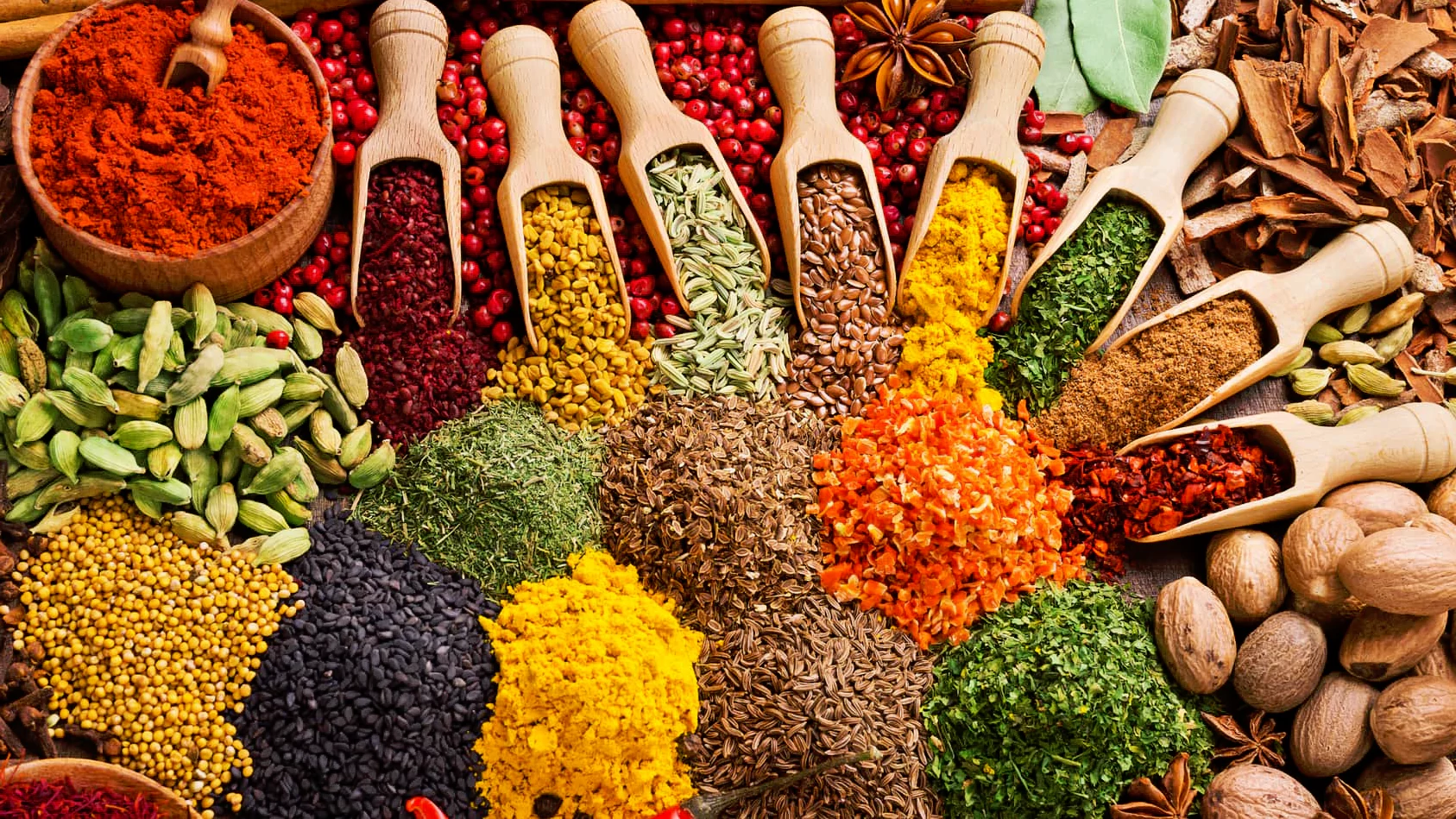
Kartoffeln, Gurken, Eisbergsalat, Bananen statt Süßkartoffeln, Grünkohl, Spinat, Beeren und Gewürze.
Abschluss:
- Nehmen Sie niemals zusätzliche Antioxidantien ein, die im Körper zu Prooxidantien werden
- Nehmen Sie niemals zusätzliche Antioxidantien ein, die über enzymatische Wege aus dem Körper entfernt werden müssen. Sie könnten den natürlichen Abwehrmechanismus des Körpers überfordern. Informieren Sie sich daher vor der Einnahme
- Nehmen Sie niemals zusätzliches Vitamin E, Selen, Beta-Carotin und Lycopin ein – es zeigte sich, dass die Einnahme von Vitamin E, Selen, Beta-Carotin und Lycopin ein erhöhtes Krebsrisiko darstellt
- Aufgrund der phytochemischen Synergien sollten Sie stets Vollwert-Antioxidantien aus der Nahrung einnehmen, bevor Sie zusätzlich extrahierte Formen einnehmen
- Es gibt kein Wunderheilmittel oder Ersatz für eine schlechte Ernährung, es gibt nur wirksamere ergänzende antioxidative Nahrungsquellen wie Amla, Kurkuma, Kakao, Hibiskus, Astaxanthin oder Beeren …
- Ergänzende Antioxidantien sind kein Ersatz für eine schlechte Ernährung ohne ORAC-Wert, selbst wenn es sich um eine Vollwertkost auf pflanzlicher Basis handelt. Lernen Sie Ihre ORAC-Werte kennen
- Es gibt nur wenige ergänzende Antioxidantien, die nachweislich wirksam und sicher sind, wie liposomales Vitamin C, Curcumin oder Astaxanthin
Häufig Gestellte Fragen
Verweise:
Ausgewählte Passagen aus einem Buch: Pokimica, Milos. Zum Veganer werden? Rückblick auf die Wissenschaft Teil 3. Kindle-Ausgabe, Amazon, 2020.
- Matlaga, BR, Hall, MC, Stindt, D. & Torti, FM (2001). Reaktion von hormonrefraktärem Prostatakrebs auf Lycopin. Das Journal der Urologie, 166(2), 613. [PubMed]
- Kristal, AR, Darke, AK, Morris, JS, Tangen, CM, Goodman, PJ, Thompson, IM, Meyskens, FL, Jr, Goodman, GE, Minasian, LM, Parnes, HL, Lippman, SM und Klein, EA (2014). Ausgangswert von Selen und Auswirkungen einer Selen- und Vitamin-E-Supplementierung auf das Prostatakrebsrisiko. Zeitschrift des National Cancer Institute, 106(3), djt456. https://doi.org/10.1093/jnci/djt456
- Gontero, P., Marra, G., Soria, F., Oderda, M., Zitella, A., Baratta, F., Chiorino, G., Gregnanin, I., Daniele, L., Cattel, L., Frea, B. & Brusa, P. (2015). Eine randomisierte, doppelblinde, placebokontrollierte Phase-I-II-Studie zu klinischen und molekularen Wirkungen von Nahrungsergänzungsmitteln bei Männern mit präkanzerösen Prostataläsionen. Chemoprävention oder „Chemopromotion“? Die Prostata, 75(11), 1177–1186. https://doi.org/10.1002/pros.22999
- Lowe, GM, Booth, LA, Young, AJ und Bilton, RF (1999). Lycopin und Beta-Carotin schützen in niedrigen Konzentrationen vor oxidativen Schäden in HT29-Zellen, verlieren diese Fähigkeit jedoch bei höheren Dosen schnell. Forschung zu freien Radikalen, 30(2), 141–151. https://doi.org/10.1080/10715769900300151
- Linnewiel-Hermoni, K., Khanin, M., Danilenko, M., Zango, G., Amos, Y., Levy, J., & Sharoni, Y. (2015). Die krebshemmende Wirkung von Carotinoiden und anderen Phytonährstoffen beruht auf ihrer kombinierten Wirkung. Archiv für Biochemie und Biophysik, 572, 28–35. https://doi.org/10.1016/j.abb.2015.02.018
- Murakami, A. & Ohnishi, K. (2012). Zielmoleküle von sekundären Pflanzenstoffen: Lebensmittelwissenschaft auf dem Weg in die nächste Dimension. Essen & Funktion, 3(5), 462–476. https://doi.org/10.1039/c2fo10274a
Zusammenhängende Posts
Haben Sie Fragen zum Thema Ernährung und Gesundheit?
Ich würde gerne von Ihnen hören und sie in meinem nächsten Beitrag beantworten. Ich schätze Ihren Beitrag und Ihre Meinung und freue mich darauf, bald von Ihnen zu hören. Ich lade Sie auch ein zu Folgen Sie uns auf Facebook, Instagram und Pinterest für weitere Inhalte zu Ernährung und Gesundheit. Sie können dort einen Kommentar hinterlassen und sich mit anderen Gesundheitsbegeisterten austauschen, Ihre Tipps und Erfahrungen teilen und Unterstützung und Ermutigung von unserem Team und unserer Community erhalten.
Ich hoffe, dass dieser Beitrag für Sie informativ und unterhaltsam war und dass Sie bereit sind, die gewonnenen Erkenntnisse anzuwenden. Wenn Sie diesen Beitrag hilfreich fanden, dann es teilen mit Ihren Freunden und Familienangehörigen, die ebenfalls davon profitieren könnten. Man weiß nie, wer auf seinem Weg zur Gesundheit vielleicht etwas Anleitung und Unterstützung braucht.
– Das könnte Ihnen auch gefallen –

Die Geschichte von Big Pharma- IG Farben
Supernormale Stimuli: Binge-Eating-Störung und Appetitregulierung
Diabetes Ursachen und Raffinierte Kohlenhydrate- Das Vegane Argument
Diabetes Ursachen und Gesättigte Fettsäuren- Das Vegane Argument
Vitamin D Mangel- Die Optimierungsstrategien

Laktoseintoleranz- 65 % Wahrscheinlichkeit, Dass Sie Daran Leiden

Die Anatomie von Krebs - Gesundheitsrisikokorrelationen

Essattacken und Hormonregulation: Emotionaler Hunger

Über Ernährung Lernen

Milos Pokimica ist Doktor der Naturheilkunde, klinischer Ernährungsberater, Autor für medizinische Gesundheit und Ernährung sowie Berater für Ernährungswissenschaften. Autor der Buchreihe Zum Veganer werden? Rückblick auf die Wissenschafter betreibt auch das Natürliche Gesundheit website GoVeganWay.com
Medizinischer Haftungsausschluss
GoVeganWay.com bietet Ihnen Rezensionen der neuesten Ernährungs- und Gesundheitsforschung. Die bereitgestellten Informationen stellen die persönliche Meinung des Autors dar und sind weder als Ersatz für eine professionelle medizinische Beratung, Diagnose oder Behandlung gedacht noch implizit. Die bereitgestellten Informationen dienen ausschließlich Informationszwecken und sollen nicht als Ersatz für die Beratung, Diagnose und/oder medizinische Behandlung durch einen qualifizierten Arzt oder Gesundheitsdienstleister dienen.Ignorieren Sie niemals professionellen medizinischen Rat oder verzögern Sie die Suche nach medizinischer Behandlung, weil Sie etwas auf GoVeganWay.com gelesen oder über GoVeganWay.com darauf zugegriffen haben
Nehmen Sie NIEMALS Änderungen im Lebensstil oder irgendwelche Änderungen vor, die eine Folge von etwas sind, das Sie auf GoVeganWay.com gelesen haben, bevor Sie einen zugelassenen Arzt konsultieren.
Bei einem medizinischen Notfall rufen Sie sofort einen Arzt oder die Notrufnummer 911 an. GoVeganWay.com empfiehlt oder unterstützt keine bestimmten Gruppen, Organisationen, Tests, Ärzte, Produkte, Verfahren, Meinungen oder andere Informationen, die darin erwähnt werden könnten.
Herausgeber-Tipps –
Krebs Auswahl des Herausgebers Phytochemikalien
Antikrebskraft von Obst und Gemüse: In Vivo und Klinische Beweise
Einige Pflanzenextrakte konkurrieren mit führenden Chemotherapeutika und wirken gleichzeitig auf mehrere verschiedene Arten von Krebszellen.
Antioxidantien Auswahl des Herausgebers ORAC
Ätherische Öle als Antioxidative Nahrungsergänzungsmittel: Regeln und Strategien
Ätherische Öle in Lebensmittelqualität können eine praktische und verbraucherfreundliche Strategie zur Optimierung des Antioxidantienwerts und der ORAC-Werte unserer Ernährung sein.
Antioxidantien Auswahl des Herausgebers ORAC
Antioxidantienreiche Ernährung: Allgemeine Regeln und Strategien
Es gibt einfache und kostengünstige Strategien zur Optimierung des antioxidativen Wertes unserer Ernährung.
Antioxidantien Auswahl des Herausgebers ORAC
ORAC-Werte Verstehen: Antioxidantienspiegel in Lebensmitteln
Wenn Ihre Hauptquelle für Antioxidantien Kaffee ist, wissen Sie, dass Sie ein ernstes Problem haben.

Antioxidantien Auswahl des Herausgebers ORAC
Astaxanthin Vorteile: Das Stärkste Natürliche Antioxidans der Welt
Astaxanthin ist das stärkste natürliche und universelle Antioxidans (sowohl öl- als auch wasserlöslich), das der Wissenschaft bekannt ist. Es reichert sich im Gewebe an und kann sich niemals in ein Prooxidans verwandeln.
Antioxidantien Auswahl des Herausgebers ORAC Phytochemikalien
Antioxidantien: Die Grundlagen Verstehen
Tierische Produkte enthalten keine sekundären Pflanzenstoffe oder Antioxidantien. Pflanzliche Lebensmittel enthalten im Durchschnitt mehr als 60-mal so viele Antioxidantien wie tierische Lebensmittel.
Auswahl des Herausgebers Vegane Diät
Nährstoffmangel Bei Veganer Ernährung: Präventionsstrategien
Es gibt neun bevölkerungsweit verbreitete Nährstoffmängel, die Menschen betreffen, die sich pflanzlich ernähren. Wenn einige Mängel nicht rechtzeitig behoben werden, haben sie schreckliche und nicht behandelbare Folgen.
Auswahl des Herausgebers Optimale Ernährung
Mikronährstoffmangel in der Amerikanischen Standardernährung: Strategien zur Optimierung
Das Nährstoffprofil unserer modernen Ernährung mit Fleisch, Zucker und verarbeiteten Lebensmitteln ist völlig unvereinbar mit unserer Evolution und führt zu schwerem Mikronährstoffmangel.
Auswahl des Herausgebers Phytochemikalien
Phytochemikalien: Die Grundlagen Verstehen
Jeder einzelne existierende sekundäre Pflanzenstoff hat eine biologische Wirkung im menschlichen Körper. Jedes einzelne aus Millionen verschiedener sekundärer Pflanzenstoffe.
Auswahl des Herausgebers Milch Optimale Ernährung
Milch und Milchprodukte: Gesundheitsrisikokorrelationen
Bekannte Zusammenhänge mit Milch und Milchkonsum sind Unfruchtbarkeit, Eierstock- und Brustkrebs, Leukämie, Diabetes Typ 1, Autismus, Arteriosklerose, Katarakt, rheumatoide Arthritis, Multiple Sklerose, Hyperaktivität, Stauung, Pickel und mehr …
Krebs Auswahl des Herausgebers Eiweiß
Komplettes Protein: IGF-1-Signalisierung bei der Krebsentstehung
Wenn Sie tierisches Eiweiß essen, ist die Wahrscheinlichkeit, an allen Krebsarten zu erkranken, viermal höher. Wenn Sie rauchen, besteht ein vierfach erhöhtes Risiko, an Lungenkrebs zu erkranken.

Krebs Auswahl des Herausgebers Eiweiß
Die Anatomie von Krebs - Gesundheitsrisikokorrelationen
Etwa 2 % der Krebserkrankungen werden in der Medizin als rein genetisch bedingt angesehen. Das gleiche Verbreitungsgebiet wie im Tierreich. Dir wurde nicht die ganze Wahrheit gesagt.
Milos Pokimica ist Autor für Gesundheit und Ernährung sowie Berater für Ernährungswissenschaften. Er ist Autor einer Buchreihe. Zum Veganer werden? Rückblick auf die Wissenschafter betreibt auch das Natürliche Gesundheit website GoVeganWay.com
Neueste Artikel –
Kalorienbeschränkung Langlebigkeit
Wie Man Fastet: Fasten-Lebensmittel, Die Die Autophagie Nicht Stören
Autophagie. Haben Sie sich jemals gefragt, was mit den Zellen in Ihrem Körper passiert, wenn sie sterben oder beschädigt werden? Häufen sie sich einfach an und verursachen Probleme, oder werden sie irgendwie entsorgt? Die Antwort ist, dass Ihr Körper...
Zahngesundheit Verhütung
Süßigkeiten Zahnempfindlichkeit & Schmerz: Schnelle Abhilfe & Dauerhafte Lösung
Eine schnelle und einfache Lösung zur Schmerzlinderung ist ätherisches Nelkenöl, ein starkes Antioxidans und Schmerzmittel, das bei Zahnfleischerkrankungen und Zahnschmerzen helfen kann.
Bohnen
Grüne Bohnen: Ernährung und Gesundheitliche Vorteile
Grüne Bohnen sind kalorienarm und reich an natürlichen Stoffen, die Ihnen helfen können, Ihren Blutzucker zu kontrollieren, Ihren Cholesterinspiegel zu senken und freie Radikale abzuwehren.
Rohkostdiät Vegane Diät
Kann Man Pilze Roh Essen: Gesundheitsrisiken, Ernährung und Sicherheit
Pilze enthalten hitzeempfindliche Giftstoffe wie Hydrazin oder Agaritin und Zellwände aus Chitin, die vom Menschen nicht gut verdaut werden können.

Vegane Diät
Sind Fische Tiere? Eine kulturelle Perspektive
In einigen Kulturen wird Fischfleisch nicht als Fleisch betrachtet, und Fisch ist sogar während des Fastens erlaubt.
Zahngesundheit Verhütung
Hausgemachte Natürliche Mundspülung: Bewährt, Stärker und Weniger Giftig
Selbstgemachtes natürliches Mundwasser ist stärker als Chlorhexidin, weniger giftig und kann beim Verschlucken zu Übelkeit führen, hat aber auch einen hohen ORAC-Wert.
Zahngesundheit Verhütung
Wie Man Karies Stoppt: Symptome, Ursachen und Prävention
Der Zuckerkonsum ist die Hauptursache für Karies und Zahnfäule, verbunden mit einem Mangel an Mineralien, insbesondere Magnesium, Zink, Kupfer und Spurenelementen.
Antioxidantien Superlebensmittel
Amla: Bewährte Vorteile, Ernährung und Klinische Bedeutung
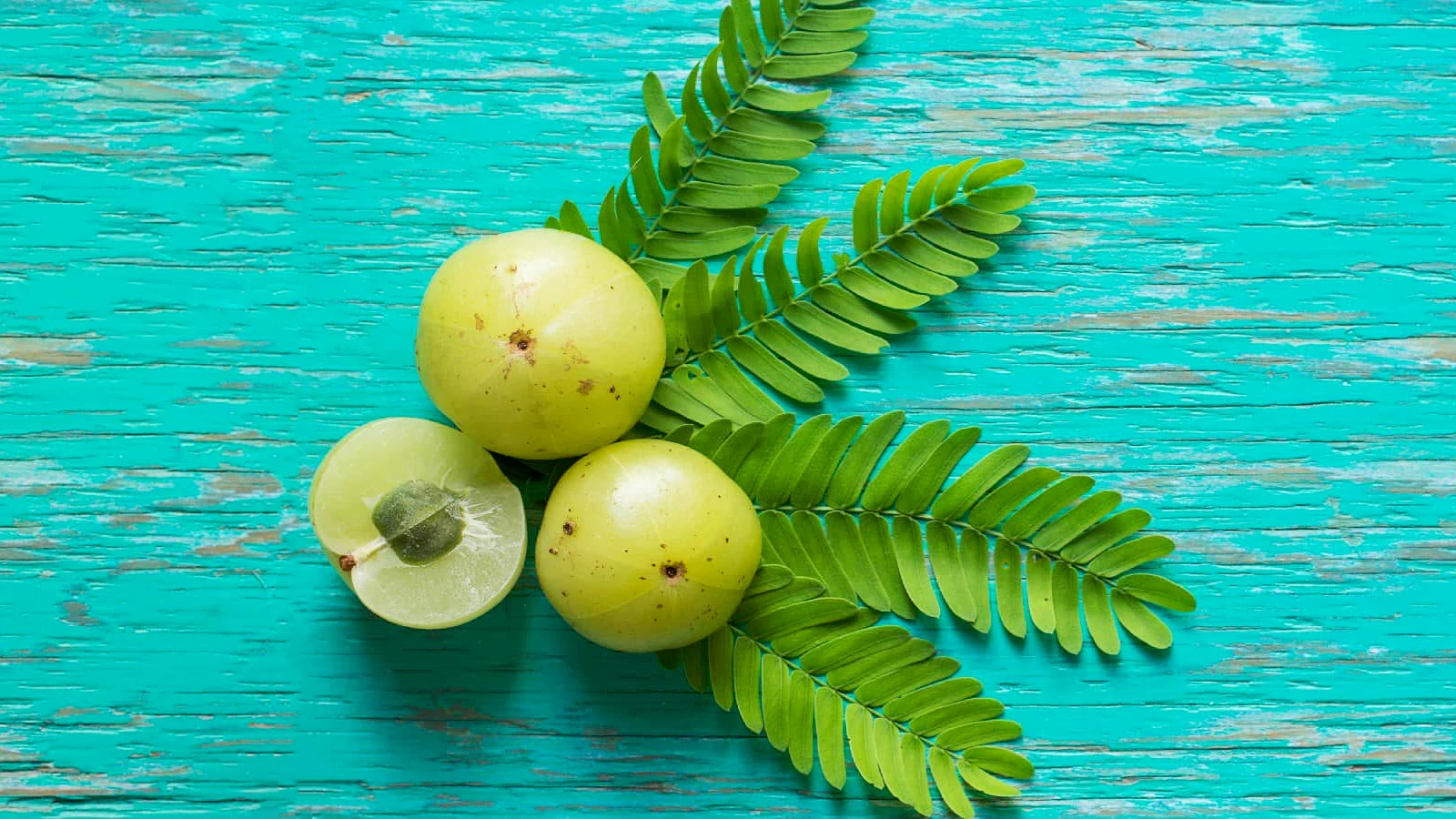
Amla ist eines der stärksten Antioxidantien der Welt mit einem ORAC-Wert von 261.530. Sie ist eine reichhaltige Quelle von sekundären Pflanzenstoffen, die verschiedene gesundheitliche Vorteile haben.
Top-Gesundheitsnachrichten – ScienceDaily
- New drug reverses severe fatty liver disease by repairing the gutam Oktober 17, 2026
Scientists have discovered that a potential new drug can reverse severe fatty liver disease in animal models by restoring gut health and blocking harmful substances from reaching the liver. The breakthrough could pave the way for new treatments for liver disease and potentially other serious conditions, including cardiovascular disease.
- Brain cells meant to protect us may be fueling cognitive declineam Oktober 17, 2026
Scientists have uncovered a surprising cause of age-related cognitive decline involving brain cells previously thought to be entirely beneficial. As these cells become dysfunctional, they can produce abnormal amounts of myelin, disrupting nerve fibers and potentially contributing to worsening memory and thinking skills.
- Scientists discover how deep sleep builds muscle, burns fat, and boosts the brainam Oktober 17, 2026
Scientists have discovered a surprising two-way relationship between sleep and growth hormone, revealing how the brain carefully balances physical recovery with wakefulness. The findings could help explain why poor sleep harms metabolism and brain health, potentially opening the door to new treatments for sleep and neurological disorders.
- Stanford’s new microscope reveals living cells like never befoream Oktober 17, 2026
Stanford scientists have developed a revolutionary microscope that reveals the hidden inner workings of living cells in real time, without the fluorescent labels that can interfere with observations. The breakthrough could provide new insights into cancer, infectious diseases, and how drugs interact with cells.
- USC scientists discover how to create a never-ending supply of cancer-fighting cellsam Oktober 16, 2026
USC scientists have discovered a way to create a potentially renewable supply of genetically engineered immune cells that can attack cancer and strengthen the body’s natural defenses. By growing and modifying immature immune cells rather than mature ones, researchers developed a system that can continuously produce tumor-fighting cells inside the body.
- Yale scientists discover how stress changes the brain to make memories strongeram Oktober 16, 2026
Yale scientists have uncovered how the stress hormone cortisol helps the brain turn emotional experiences into stronger, longer-lasting memories. The discovery reveals that stress can reshape communication between brain networks involved in emotion and memory, potentially explaining why certain moments are so difficult to forget.
- A protein that fuels cancer could also be the key to fighting itam Oktober 16, 2026
Scientists have discovered how to turn a protein that normally fuels cancer growth into a weapon against it. By activating PPARD in immune cells, researchers made them better at burning fat and attacking tumors, slowing or stopping cancer growth in laboratory experiments. The approach showed promise against colorectal, breast, and ovarian cancers, as well as melanoma.
PubMed, #Vegane Diät –
- Common questions and misconceptions about diets: what does the scientific evidence really show?am Oktober 15, 2026
The study of diet and nutrition is often filled with numerous myths and misconceptions. A Google Scholar search of “diets health” yields over 4 million results. This review examines frequently asked questions about diets and dietary habits. These questions include the following: 1) Is a caloric surplus necessary for building skeletal muscle? 2) Is it possible to lose body mass or fat mass without caloric restriction? 3) Is intermittent fasting better than chronic caloric restriction for […]
- Toward consensus on complementary feeding recommendations: findings from a national evidence-informed modified Delphi study in Türkiyeam Oktober 12, 2026
CONCLUSIONS: Integration of quantitative Delphi findings with qualitative thematic analysis revealed that non-consensus primarily stemmed from the practical nuances of clinical execution and contextual adaptation, rather than a fundamental skepticism toward the underlying scientific data. These findings provide an evidence-informed foundation for developing context-sensitive CF recommendations for clinical practice.
- Characterization of nutritional intake in vegan pregnant women and its association on birth weightam Oktober 8, 2026
CONCLUSIONS: Vegan women had a higher rate of SGA than non-vegan women, and this increased risk may be partly related to differences in maternal protein intake and composition. In addition, vegan women had lower dietary intakes of calcium, vitamin B12, vitamin D, DHA, and choline, highlighting these nutrients as important considerations in the nutritional assessment and counseling of pregnant women adhering to a strictly vegan diet.
- Changes in ectopic lipids, insulin sensitivity, and beta cell function after a low-fat vegan diet in adults with type 2 diabetes: a 16-week single-arm clinical trialam Oktober 8, 2026
CONCLUSIONS: On an ad libitum low-fat plant-based (vegan) dietary intervention, the participants with type 2 diabetes experienced reductions in ectopic fat, particularly visceral and hepatocellular fat, improvements in insulin sensitivity, reductions in AGEs, and improvements in beta-cell function.
Zufällige Beiträge –

Kalorienbeschränkung Krebs Langlebigkeit
Kalorieneinschränkung, Autophagie, Langlebigkeit und Muskelverlust
Wir alle wollen eine beträchtliche Menge an Muskelmasse und einen schnellen Stoffwechsel, damit wir mehr essen können, aber Autophagie steht im Einklang mit der Evolutionsbiologie.
Antioxidantien Nootropika
Methylenblau: Therapeutische Anwendungen und Klinische Bedeutung
Methylenblau ist ein leistungsstarkes synthetisches Antioxidans. Es verbessert die Funktion der Mitochondrien und die Fähigkeit unserer Zellen, um Energie zu produzieren.

Optimale Ernährung ORAC
Ölgewinnung zu Hause- Die Geheime Technik der Nährstoffdichte
Die Verarbeitung von Lebensmitteln (Heimölextraktion) kann auch umgekehrt zur Erhöhung der Nährstoffdichte und des Nährstoffprofils der Lebensmittel eingesetzt werden.

Auswahl des Herausgebers Fettleibigkeit Optimale Ernährung
Ursache für Fettleibigkeit: Fehlanpassung Oder Sucht
Was ist die Ursache der Fettleibigkeitsepidemie? Für alles Leben auf der Erde ist Nahrung keine Wahl. Das Schwierigste für das Tier in der Wildnis ist die Gewichtszunahme.
Krebs Entzündung Toxizität
Gesundheitsrisiken Durch Alkohol- Das „französische Paradoxon“, „der Wein“ und „in Maßen“
Irgendwie glauben wir, dass ein Glas Wein gar nicht so schlecht ist, oder noch schlimmer, wir glauben an den Mythos, dass Alkohol aufgrund der Antioxidantien der Traube die Gesundheit fördert.

Krebs Verhütung Toxizität
Pestizide, GVO und Toxische Überlastung.
Die Exposition gegenüber Pestiziden führt direkt zu Krebs, Geburtsfehlern, Unfruchtbarkeit und Unfruchtbarkeit sowie zu Schäden am Gehirn und Nervensystem, der Leber, den Nieren und anderen Organen.
Antioxidantien Auswahl des Herausgebers ORAC
Antioxidantienreiche Ernährung: Allgemeine Regeln und Strategien
Es gibt einfache und kostengünstige Strategien zur Optimierung des antioxidativen Wertes unserer Ernährung.

Luftverschmutzung Krebs Toxizität
Exposition Gegenüber Luftverschmutzung - Gesundheitsrisiken und Präventionsstrategien
Allein in Indien sterben jedes Jahr rund eine halbe Million Menschen an den Folgen der Luftverschmutzung. Luftverschmutzung, die zum Tod führt, ist nur ein Teil des Gesamtproblems.
Antioxidantien ORAC
Optimaler Antioxidantienverbrauch: Empfohlene Einnahme von ORAC-Einheiten
Der optimale Verbrauch von Antioxidantien hängt von der Toxizitätsexposition ab. Der minimale ORAC-Einheitswert beträgt 8.000 bis 10.000 täglich, nur um dem Stoffwechsel entgegenzuwirken.
Krebs Entgiftung Entzündung
Sulforaphan Vorteile: Die Entgiftende Superkraft des Brokkoli
Sulforaphan ist das stärkste Natürliche phase-2-Enzym-Induktor wissen für die Wissenschaft. Es ist auch nachgewiesen, dass Sulforaphan ist eine dose-related inhibitor von Karzinogen-induzierten Tumorentstehung.

Beliebte Beiträge -
Diabetes Auswahl des Herausgebers
Diabetes Ursachen und Raffinierte Kohlenhydrate- Das Vegane Argument
Die Menschen glauben, dass raffinierte Kohlenhydrate mit Insulinspitzen in Zusammenhang stehen und eine der Ursachen für Diabetes sind. Sie haben recht. Allerdings liegen sie auch falsch.

Allopathische Medizin Krebs Auswahl des Herausgebers
Krebs, The Forbidden Cures- Rife Machine, Historischer Rückblick
Die Genesungsrate für Patienten, die an nicht behandelbarem Krebs litten und durch den Einsatz der Rife Machine-Resonanztechnologie für unheilbar krank erklärt wurden, betrug 100 %.
Auswahl des Herausgebers Entzündung
Das Allesfresser Dilemma des Menschen- Fleischkonsum, Probiotische Bakterien, Entzündungen und der Darm
Sind Menschen Allesfresser im eigentlichen anatomischen Sinne? Es gibt einen grundlegenden Unterschied in der Funktionsweise des Verdauungstrakts bei pflanzlichen und fleischfressenden Arten.

Krebs Auswahl des Herausgebers Toxizität
Pestizidexposition bei Kindern: Tests Zur Exposition im Wirklichen Leben
Kinder und insbesondere schwangere Frauen sind anfälliger für die Exposition gegenüber Pestiziden. Was wäre das Ergebnis, wenn wir reale Expositionswerte in realen Szenarien analysieren würden?
Auswahl des Herausgebers Fettleibigkeit
Das Minnesota Hunger Experiment: Warum Diäten dick machen. Die Psychologie des Hungers.
Eine der ersten wissenschaftlichen Studien darüber, welche Auswirkungen Hunger auf den Geist hat, wurde in einer Studie der University of Minnesota aus dem Jahr 1944 beobachtet, die als „Minnesota Starvation Experiment“ bekannt ist.

Diabetes Auswahl des Herausgebers Optimale Ernährung
Raffinierter Zucker: Die Risiken Verstehen
Kinder decken etwa ein Fünftel ihres Gesamtkalorienbedarfs allein aus raffiniertem Zucker. Wenn wir Fett und den Rest nährstoffarmer verarbeiteter Lebensmittel zur Liste hinzufügen, wird das zu einem kompletten Ernährungs-Albtraum.
Auswahl des Herausgebers Optimale Ernährung
Verarbeitete Lebensmittel: Die Risiken Verstehen
Verarbeitete Lebensmittel bedeuten, dass etwas aus der ganzen Nahrung entfernt wird, in der Regel Ballaststoffe, und etwas hinzugefügt wird, in der Regel Fett, Zucker, Salz und MSG.
Auswahl des Herausgebers Milch Optimale Ernährung
Milch und Milchprodukte: Gesundheitsrisikokorrelationen
Bekannte Zusammenhänge mit Milch und Milchkonsum sind Unfruchtbarkeit, Eierstock- und Brustkrebs, Leukämie, Diabetes Typ 1, Autismus, Arteriosklerose, Katarakt, rheumatoide Arthritis, Multiple Sklerose, Hyperaktivität, Stauung, Pickel und mehr …
Antioxidantien Auswahl des Herausgebers ORAC
Antioxidantienreiche Ernährung: Allgemeine Regeln und Strategien
Es gibt einfache und kostengünstige Strategien zur Optimierung des antioxidativen Wertes unserer Ernährung.

Allopathische Medizin Auswahl des Herausgebers
Die Geschichte von Big Pharma- IG Farben
Der Teil des Rockefeller-Monopols auf die Chemie- und Medizinindustrie wurde nach dem Zweiten Weltkrieg erfüllt. Durch die Zusammenarbeit von Standard Oil und IG Farben wurde dies Wirklichkeit.
Neuestes von PubMed, #pflanzliche Ernährung –
- Habitual Diet, Gut Microbiome Dysbiosis, and alpha-Synucleinopathy Conversion in Isolated Rapid Eye Movement (REM) Sleep Behavior Disordervon Suyi Xie am Oktober 17, 2026
CONCLUSIONS: Habitual diet in iRBD is associated with gut microbiome dysbiosis and predicts neurodegenerative progression. These findings highlight diet-microbiome interactions as modifiable targets for intervention in prodromal α-synucleinopathy. © 2026 The Author(s). Movement Disorders published by Wiley Periodicals LLC on behalf of International Parkinson and Movement Disorder Society.
- Plant-Based Functional Formulae Mitigate Western Diet-Induced MASLD by Modulating Hepatic Oxidative Stress, Inflammation as Well as Nrf-2/HO-1 and NF-kappaB Gene Expressionvon Rasha S Mohamed am Oktober 16, 2026
Psyllium has long been used to improve satiety and control weight. Leek and dill leaves are abundant in bioactive substances that have been confirmed to have anti-inflammatory and antioxidant properties. Our goal was to assess the hepatoprotective effects of two formulae (dill and psyllium or leek and psyllium) against oxidative stress and inflammatory markers in a metabolic dysfunction-associated steatotic liver disease (MASLD) rat model. Twenty four rats were used in this study. Rats were…
- Toxicological Evaluation of Zingiber purpureum Extract and Its Effects on Gut Microbiota in Zebrafishvon Nisamanee Charoenchon am Oktober 16, 2026
Zingiber purpureum Roscoe (Phlai) is renowned in Southeast Asia for its anti-inflammatory, antioxidant, and antibacterial activities, yet its safety and effects on gut health in vivo are not well characterized. This study investigated the biological effects of ethanolic-soluble Phlai extract (ESPE) in zebrafish (Danio rerio), focusing on chemical marker standardization in phenylbutanoids and cucurminoids, developmental toxicity, gut microbiota investigation, and tissue histopathology. […]
- Dietary Phytochemical Index and Fasting Plasma Glucose in Adults with Type 2 Diabetes: A Cross-Sectional Studyvon Stavroula Maria Konstantopoulou am Oktober 16, 2026
Background/Objectives: Type 2 diabetes mellitus (T2D) is a major public health challenge. Phytochemicals have gained attention for their potential role in glucose regulation. This study aimed to investigate the association between dietary phytochemical intake, assessed using the Dietary Phytochemical Index (DPI), and fasting plasma glucose in adults with established T2D. Methods: A cross-sectional study was conducted among 340 adults with T2D attending the Diabetes Clinic of the General […]
- Promoting the Mediterranean Diet in the Workplace: An Observational Cross-Sectional Studyvon Nicola Magnavita am Oktober 16, 2026
Background/Objectives: The Mediterranean diet (MD) is a set of customs and eating habits developed in countries bordering the Mediterranean Sea thousands of years ago. These habits are frequently proposed as a complement to pharmacological therapies for chronic diseases and could also counteract their onset. This study aimed to investigate adherence to the MD in workers from 22 companies in Latium (Italy) and to evaluate the association of diet with workers’ health. Methods: Workers […]
- Trendy, but Are They Safe? Current Popular Diets and Their Use in Inflammatory Bowel Diseases: Narrative Reviewvon Klara Szwarc am Oktober 16, 2026
Inflammatory bowel disease (IBD) arises from the interplay between genetic susceptibility, immune dysregulation, microbiota, and environmental exposures, with diet potentially contributing to both pathogenesis and management. Patients frequently modify their diet independently, often using different strategies during remission and active symptoms. This narrative review synthesises evidence on patient-accessible dietary patterns and selected structured nutritional therapies across five […]