







Açafrão-da-Terra: Melhorar a Saúde e Benefícios Clínicos
No açafrão-da-terra, há mais de 300 fitoquímicos activos até agora identificados. É tão poderoso que até pode alterar a nossa expressão genética.
Milos Pokimica
Escrito por: Milos Pokimica
Revisto Clinicamente Por: Dr. Xiùying Wáng, M.D.
Atualizado a 9 de agosto de 2023Principais Conclusões:
- Os pigmentos vegetais, conhecidos como fitoquímicos, são fortes antioxidantes que têm benefícios para a saúde e ajudam a prevenir doenças crónicas.
- O principal pigmento da curcuma, a curcumina, é investigado pelas suas propriedades anti-inflamatórias e anti-tumorais.
- O consumo de alimentos integrais que contenham pigmentos é mais saudável do que a toma de suplementos.
- A biodisponibilidade da curcumina da curcuma é fraca, mas pode ser aumentada se a consumirmos com pimenta preta e gordura. A adição de óleo às saladas melhora a absorção de pigmentos solúveis em óleo, como o beta-caroteno ou o licopeno.
R: O consumo de níveis elevados de curcuma pode resultar numa ingestão elevada de oxalatos biodisponíveis, que podem causar pedras nos rins ou provocar dores na vesícula biliar.
- Está provado que a curcuma reduz drasticamente a inflamação e ajuda em doenças inflamatórias auto-imunes como a doença inflamatória intestinal, a osteoartrite, a artrite reumatóide e a colite ulcerosa.
- A curcumina mata directamente diferentes tipos de células cancerígenas do cólon, da próstata, da mama e do pâncreas. Também ajuda a combater a diabetes tipo 2, a pré-diabetes e a obesidade e tem fortes propriedades neuroprotectoras.
- A curcumina modula a activação de vários factores de transcrição e regula a expressão de enzimas inflamatórias, citocinas, moléculas de adesão e proteínas de sobrevivência celular, ao mesmo tempo que elimina as espécies oxidativas reactivas (ROS), reduz o microambiente inflamatório do cancro e promove a apoptose (morte celular) e inibe os sinais de sobrevivência.
Pigmentos vegetais.
A maioria das pessoas está familiarizada com o antioxidante propriedades da vitamina C e os seus benefícios para a saúde, mas se compararmos a vitamina C com outros fitoquímicos que têm propriedades antioxidantes, veremos que a vitamina C, mg por mg, é um antioxidante bastante fraco. Alguns dos pigmentos vegetais são muito fortes e têm propriedades clínicas e terapêuticas em doses normais sem megadoses ou infusões intravenosas. O único objectivo destes pigmentos é defender a planta da radiação solar e da oxidação.
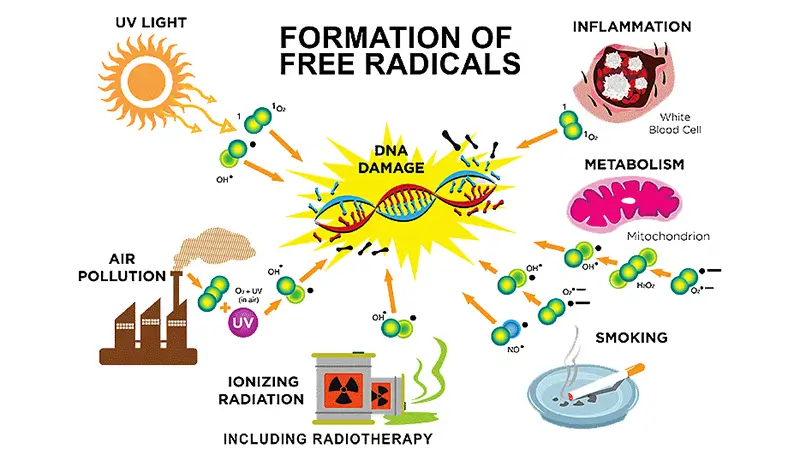
A razão pela qual temos uma visão a cores muito melhor do que os carnívoros é exactamente por isso, para que possamos identificar estes pigmentos vegetais. Precisamos de identificar os frutos maduros devido à energia neles armazenada sob a forma de frutose.
Estes pigmentos vegetais são essenciais para nós tanto como qualquer outra vitamina com apenas uma diferença.
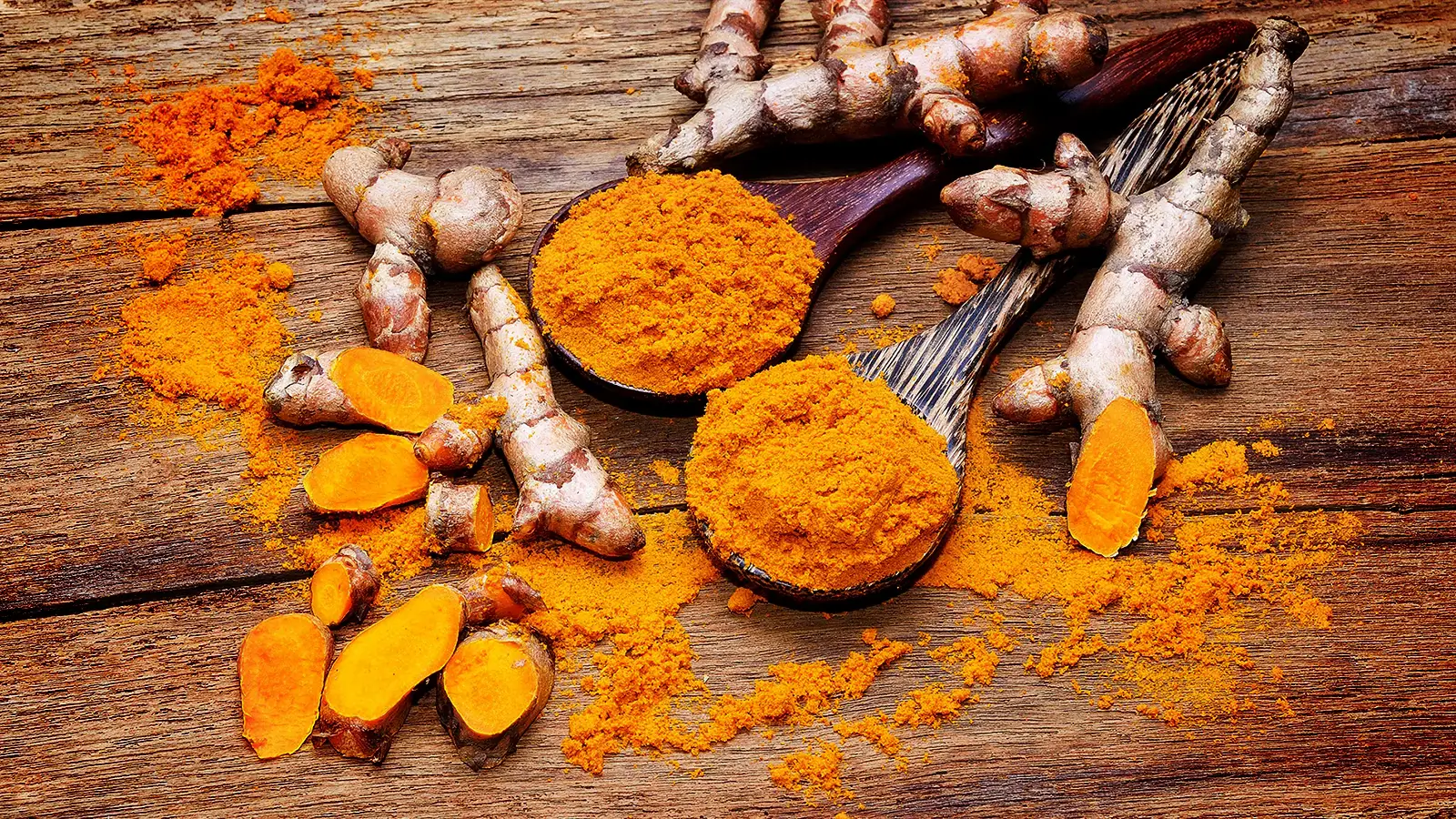
Não morreremos directamente de uma deficiência de antioxidantes. Morreremos indirectamente de cancro ou de outro tipo de doença crônica e teremos um aumento do envelhecimento celular e da inflamação e uma vida mais curta. Quanto mais forte for o pigmento, maior será o seu poder de neutralização dos radicais livres. Algumas das plantas que possuem pigmentos fortes são os mais saudáveis e têm os efeitos mais positivos no nosso organismo. Por exemplo, as bagas são universalmente aceites como a fruta mais saudável devido às suas fortes propriedades antioxidantes. As bagas têm pigmentos muito fortes. Açaí são tão fortes que são utilizados para colorir o tracto digestivo das pessoas antes de serem fotografados com raios X. Algumas outras plantas têm pigmentos ainda mais fortes do que as bagas, como a curcuma. Esta mancha tudo em que toca. Uma pequena pitada de curcuma é suficiente para tornar todo o seu prato amarelo. É um dos pigmentos mais fortes que existem. A curcumina é tão benéfica para a saúde e tão protectora que está a ser investigada como um medicamento de quimioterapia, para além de uma vasta gama de outras implicações. O Elemene, por exemplo, é um fitoquímico derivado da curcuma e está aprovado na China para o tratamento do cancro. A curcumina é o principal pigmento amarelo da curcuma, que se descobriu ter as propriedades mais protectoras.
É preciso ter em conta que a curcumina é apenas um dos muitos fitoquímicos em açafrão-da-terra.
. Há toda uma lista de outros ingredientes activos no açafrão-da-terra como um todo, mas a mentalidade redutora da indústria médica acredita que é uma prática muito mais eficaz e, claro, muito mais lucrativa se o ingrediente activo for extraído e depois mega-dosado em forma de comprimido.
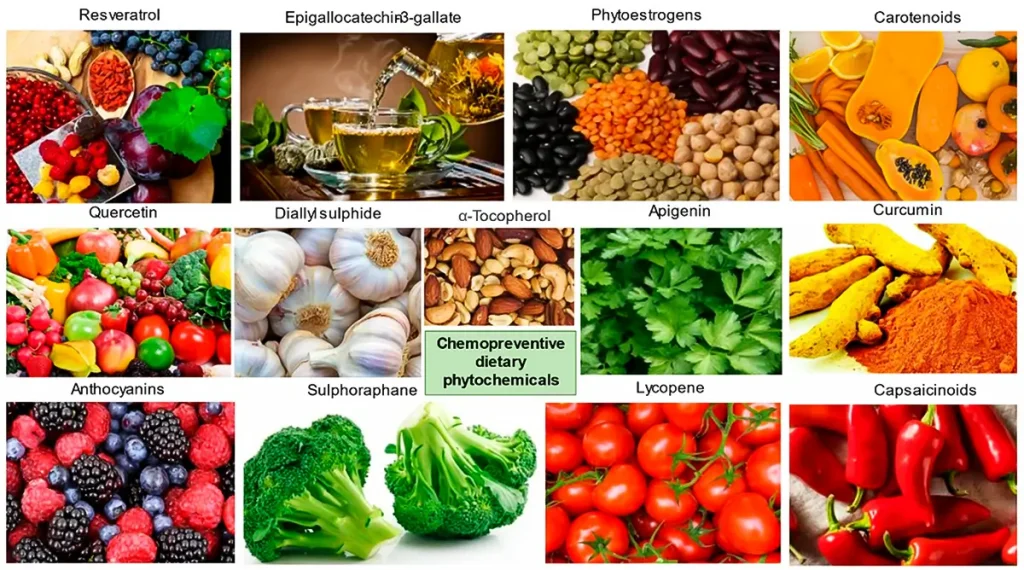
As plantas contêm numerosos polifenóis, que demonstraram reduzir a inflamação, aumentando assim a resistência às doenças.
Exemplos desses polifenóis são os isotiocianatos presentes na couve e nos brócolos, a epigalocatequina no chá verde, a capsaicina na malagueta, as chalonas, a rutina e a naringenina nas maçãs, o resveratrol no vinho tinto e nos amendoins frescos.
Mas é impossível investigá-los a todos. Apenas no açafrão-da-terra, existem mais de 300 fitoquímicos activos até agora identificados. Por exemplo, no presente estudo (Aggarwal et al., 2013) concluíram que a curcuma privada de curcumina é mais eficaz no combate ao cancro e tem mais efeitos anti-inflamatórios do que a curcumina por si só. O problema é que a curcuma é apenas um especiaria e é barato e por isso não há patentes no final da investigação se não for extraído para alguma forma de comprimido. O estudo concluiu que o curcuma representa uma boa fonte de novas substâncias químicas para a indústria médica, não que as pessoas devam comer o curcuma inteiro como uma erva medicinal.
Biodisponibilidade.
Há um problema com a curcumina, que é o facto de ser pobre biodisponibilidade. Quando consumidas, apenas pequenas quantidades acabam por ser utilizadas. Os suplementos utilizam diferentes métodos para aumentar a biodisponibilidade até 99%. São mais convenientes de tomar, mas a fonte alimentar completa é muito mais saudável devido à grande variedade de fitoquímicos diferentes que contém. Idealmente, a solução seria tomar a especiaria como um produto alimentar completo e aumentar a sua absorção. Há uma maneira de o fazer. A solução é a pimenta preta. Existe um fitoquímico na pimenta preta que aumenta a biodisponibilidade da curcumina se consumida em conjunto. A curcumina é aproximadamente 5% do peso da curcuma. Além disso, cerca de 5% do peso da pimenta preta é composto por um fitoquímico chamado piperina. Piperina é o que dá à pimenta preta o seu aroma, mas é também um forte inibidor do metabolismo do fígado. Existem diferentes vias que o fígado utiliza para desintoxicar produtos químicos e uma delas é tornar os produtos químicos do óleo solúveis em água para que possam ser removidos pelos rins. A molécula de piperina inibe esse processo e não permite que o fígado se livre da curcumina.
Quando adicionamos apenas uma pitada de pimenta preta ao curcuma 1/20 de uma colher de chá a biodisponibilidade dos rebentos de curcumina sobe 2000% (Shoba et al., 1998).
Além disso, tal como acontece com qualquer outro pigmento como, por exemplo, o beta-caroteno ou o licopeno (pigmento vermelho) do tomate, a biodisponibilidade destes compostos é grandemente aumentada pela adição de óleo à refeição.
A gordura pode aumentar a biodisponibilidade da curcumina sete a oito vezes.
Quando consumida com gordura, a curcumina pode ser absorvida directamente na corrente sanguínea através do sistema linfático, contornando assim em parte o fígado. Verificou-se que a adição de uma pequena quantidade de gordura às saladas tem o mesmo efeito que uma vasta gama de diferentes fitoquímicos solúveis em óleo. Todos os fitoquímicos solúveis em óleo e incluindo os pigmentos terão maior absorção com óleo e maior biodisponibilidade com pimenta preta.
Efeitos secundários.
O único problema real são os elevados níveis de biodisponibilidade oxalatos no açafrão-da-terra. Os oxalatos podem ligar-se ao cálcio, formando uma substância insolúvel oxalato de cálcioO oxalato é responsável por cerca de 75% de todos os cálculos renais. Nas pessoas com tendência para formar cálculos renais, o consumo de oxalatos deve ser inferior a 40 a 50 mg/dia, o que significa no máximo uma colher de chá de curcuma.
Os estudos efectuados em seres humanos não revelaram efeitos tóxicos e a curcumina era segura na dose de 6 g/dia por via oral durante 4-7 semanas.
As pessoas com pedras nos rins ou gota que pretendam utilizar a curcuma para reduzir a inflamação podem considerar a utilização de suplementos de curcumina, uma vez que atingir níveis elevados de curcumina a partir da curcuma implicaria uma carga excessiva de oxalato.
Mais uma coisa que temos de ter em conta quando lidamos com o açafrão-da-terra é que pode desencadear dores na vesícula biliar em indivíduos com cálculos biliares. É um forte agente chamado colecystokinetic, o que significa que facilita a acção de bombeamento da vesícula biliar para evitar a estagnação da bílis, por isso, se tiver uma pedra lá dentro, o aperto pode causar dor.
Benefícios.
Até agora, na última década, houve uma extensa investigação sobre o curcuma e a curcumina.
Está provado que a curcuma reduz drasticamente a inflamação, por exemplo, em fumadores, e também ajuda em doenças inflamatórias auto-imunes de doença inflamatória intestinal para osteoartrite e a artrite reumatóidee colite ulcerativa. Mata directamente diferentes tipos de células cancerígenas, desde o cólon, próstata e mama até ao pâncreas, como qualquer outro medicamento de quimioterapia. É muito potente e, ao mesmo tempo, não tem quaisquer efeitos secundários negativos. Ajuda a diabetes tipo 2 e pré-diabetes e obesidade e possui fortes propriedades neuroprotectoras. Ajuda a Doença de Alzheimer, Doença de Parkinson, regular declínio cognitivo, e até mesmo a depressão. É bom para a função arterial. Pode ajudar com a exposição a metais pesados e outras toxinas.
Tudo o que foi testado deu um resultado positivo e a verdade é que não há nada de especial no curcuma. É apenas mais um pigmento natural ou antioxidante, como qualquer outro pigmento. É apenas mais forte do que alguns outros pigmentos e é só isso. Mas o que é importante compreender é que todos os pigmentos actuam de forma semelhante nas plantas e no corpo humano. Todos os pigmentos têm propriedades protectoras, não apenas a curcumina. Tenha em mente que os estudos sobre a bioquímica de um pigmento seriam semelhantes a todos os pigmentos que existem. É o mesmo princípio. Alguns pigmentos e antioxidantes serão mais fortes, outros mais fracos, mas a nível molecular, actuam todos da mesma forma, libertando um electrão extra.
Prevenção do cancro.
Em termos mais científicos, a curcumina é conhecida por modular a activação de vários factores de transcrição, regula a expressão de enzimas inflamatórias, citocinas, moléculas de adesão, e proteínas de sobrevivência celular.
Em estudos, demonstrou ser um agente antiproliferativo, anti-invasivo e antiangiogénico, um mediador da quimiorresistência, um agente quimiopreventivo e um agente terapêutico (Ara et al., 2016).
Modula múltiplas vias moleculares envolvidas no processo de carcinogénese: eliminação de espécies oxidativas reactivas (ROS), redução do microambiente inflamatório do cancro, promoção da apoptose (morte celular) e inibição dos sinais de sobrevivência (Park et al., 2013).
Há centenas de genes diferentes que precisam de sofrer mutações para criar uma célula cancerígena. Algumas estimativas apontam para 300 a 500. Normalmente, a maioria dos tipos de cancro começa a desenvolver-se na adolescência ou mesmo antes, mas são necessárias décadas até que sejam totalmente diagnosticados e visíveis. Isto deve-se ao facto de existirem várias vias diferentes que criam mutações diferentes que, no final, resultam na formação de uma célula cancerígena maligna. O problema é que quando a indústria médica lida com o cancro e cria diferentes medicamentos de quimioterapia que visam apenas uma via e são extremamente específicos no que fazem. Não existe uma abordagem holística para o tratamento do cancro e, consequentemente, não existe um regime de medicamentos que vise todas as diferentes vias de promoção do cancro.
Os fitoquímicos das plantas e, neste caso, a curcumina, fazem exactamente isso. Esta é a razão pela qual, na última década e especialmente desde 2004, se registou uma explosão na investigação sobre a curcuma. As empresas farmacêuticas querem extrair alguns dos fitoquímicos de diferentes plantas que se sabe terem propriedades anticancerígenas para os utilizarem em complemento dos regimes de quimioterapia já existentes e com alvos restritos, de modo a disporem de terapias mais orientadas, especialmente porque a prática actual se tornou insustentável. As pessoas estão a educar-se e a começar a fazer perguntas e a utilizar a Internet para a sua própria investigação.
Quase 50 anos depois de o Presidente Richard Nixon ter assinado o projecto de lei promovido pela Big Pharma que viria a chamar-se Guerra contra o cancroO cancro continua a ser a principal causa de morte nos Estados Unidos, logo a seguir às doenças cardíacas. Os números que não querem que saiba são mais ou menos estes.
Quando olhamos para os dados reais de sobrevivência que todos os radiação e quimioterapia traz à vida de alguém é de cerca de 2,1 por cento nos EUA (Morgan et al., 2004). Quero repetir isto mais uma vez. Está em 2,1 por cento.
Basicamente, todo esse sofrimento é em vão. Cinco anos após a quimioterapia, o número de pessoas que ainda estarão vivas em comparação com as que não receberam qualquer tratamento é de 2,1 por cento. Na verdade, o número real é de cerca de 1% para os cancros mais comuns, como o do cólon, pulmão, mama e próstata, que é zero. A média sobe um por cento porque existem alguns cancros como o cancro do testículo ou da Hodgins que têm uma taxa de sobrevivência muito mais elevada, cerca de 88%, mas para mais de 95% de diferentes tipos de cancro, é basicamente zero. Escrevi mais sobre o negócio médico da Big Pharma na segunda parte do livro série. Isto não acontece por acaso ou porque a ciência não é adequada e não pode fazer nada contra o cancro. Cerca de 95% de todos os cancros são causados por uma má alimentação e toxicidade ambiental mais todos os maus hábitos que aumentam a nossa sobrecarga tóxica, como fumar, e cerca de 1 a 2 por cento são causados por maus genes (Anand et al., 2008). Isto não é um grande segredo, excepto que "eles" não querem dizer tudo isto aos doentes. O cancro é uma doença que pode ser prevenida em 95%, tal como as doenças cardiovasculares ou todas as outras doenças da riqueza sobre as quais já escrevi no primeiro livro da série.
Actualmente, as grandes empresas começaram a investir na investigação destes fitoquímicos mais do que estavam dispostas no passado, com o desejo de patentear alguns dos fitoquímicos como resultado final e aumentar um pouco a taxa de sobrevivência. Mas quem é que nos pode impedir de os comer de uma forma integral? Se olharmos para as estatísticas, veremos que os dados populacionais mostram que na Índia, por exemplo, onde a curcuma é consumida em quantidades significativas, há uma grande diferença nas taxas de cancro em relação aos países ocidentais. Nos EUA, a taxa de cancro da pele, com toda a promoção do protector solar por parte dos dermatologistas, é 14 vezes mais elevada do que na Índia. Isto é 1400% mais. O cancro da próstata é 23 vezes mais proeminente, o cancro colorrectal é 11 vezes mais, o cancro do endométrio é 9 vezes, o cancro da mama é 5 vezes mais, o cancro do pulmão é 17 vezes mais, e assim por diante (Bengmark et al., 2009). Isto não se deve apenas à curcuma, mas ao facto de mais de 40% da população indiana ser vegetariana e de as pessoas que comem carne também comerem muito menos carne diariamente do que nos EUA. Para além disso, consomem muito mais vegetais e especialmente fruta e, para além disso, consomem curcuma e outras especiarias.
A diferença de taxas de cancro em alguns tipos de cancro é ainda mais proeminente do que as encontradas na Estudo da Chinamas a conclusão é a mesma. O papel desempenhado por uma taxa de consumo elevada de curcuma é objecto de investigação e, se quiser, pode ler mais sobre o assunto nesta análise (Hutchins-Wolfbrandt et al., 2011).
Actualmente, há muita investigação feita e o açafrão-da-terra é testado para uma grande variedade de cancros se não para todos eles, tanto para prevenção como como medicamento de quimioterapia. Prevenção é a palavra-chave aqui. Os fitoquímicos não têm quaisquer efeitos secundários negativos e fazem muitas outras coisas benéficas para outras doenças e longevidade e podem ser tomados durante longos períodos de tempo ou durante toda a nossa vida e são baratos. A quimioterapia não é tanto e esta é uma diferença crucial.
Nos anos 80, após alguns estudos in vitro, soube-se que a curcumina bloqueia as três fases de desenvolvimento do cancro: transformação, proliferação e invasão. Bloqueia mesmo a entrada de agentes mutagénicos nas células, pelo que tem uma forte acção antitóxica e antimutagénica (Ravindran et al., 2009). Também regula positivamente uma série de vias diferentes para a apoptose (morte celular auto-induzida) nas células cancerígenas, mas deixa as células normais em paz com um mecanismo ainda não totalmente compreendido (Ravindran et al., 2009). Activará o gene de autodestruição celular nas células cancerosas através de uma vasta gama de vias diferentes. As células cancerígenas normalmente têm este mecanismo desligado completamente e na realidade nunca morrem. Em termos científicos:
"Curcumina modula o crescimento de células tumorais através da regulação de múltiplas vias de sinalização celular incluindo a via de proliferação celular (ciclina D1, c-myc), via de sobrevivência celular (Bcl-2, Bcl-xL, cFLIP, XIAP, c-IAP1), via de activação caspase (caspase-8, 3, 9), via de supressão tumoral (p53, p21), via de receptor da morte (DR4, DR5), vias mitocondriais, e via de proteína cinase (JNK, Akt, e AMPK). “ (9).
(Ravindran et al., 2009)
Tudo isto é bonito no papel, mas qual é a verdadeira eficácia prática da curcumina nos testes em seres humanos? Qual é a sua força? Depende do tipo de cancro e da investigação que ainda está em curso. Mas, nalguns casos, é ainda mais forte do que os principais medicamentos de quimioterapia. Por exemplo, quando foi testada para o cancro do pâncreas, que é um dos piores tipos, com uma taxa de sobrevivência de zero, conseguiu matar algumas das células cancerígenas em cerca de 10% dos indivíduos e, num deles, o cancro regrediu 73%. O problema com qualquer medicamento concebido para matar as células cancerígenas é que existem diferentes mutações nas mesmas, pelo que se apenas 1% das células cancerígenas sobreviverem e forem resistentes, esse 1% continuará a multiplicar-se e, com o tempo, crescerá e terá o mesmo tamanho que antes. É por isso que a prevenção é a chave.
Se já tem cancro, é altamente improvável que a curcumina lhe salve a vida.
A única esperança é que o cancro esteja localizado e que possa ser removido cirurgicamente. Quando o cancro se espalha pelo corpo, a taxa de sobrevivência é mínima. A vantagem da curcumina é que não tem quaisquer efeitos secundários negativos e que, por muito má que seja a sua dieta, pode ajudar. Num estudo (Polasa et al., 1992) mediram a quantidade de agentes mutagénicos presentes na urina dos fumadores, colocando-a numa cultura de bactérias e medindo depois os danos no ADN.
A adição de curcuma em doses de apenas 1,5 g/dia durante 30 dias reduziu os agentes mutagénicos urinários em mais de 50%. A conclusão foi a seguinte:
"Estes resultados indicam que o açafrão-da-índia dietético é um anti-mutagénico eficaz e pode ser útil na quimioprevenção".
(Polasa et al., 1992)
Na minha opinião, este fitoquímico é bem pesquisado e o açafrão-da-terra deve ser adicionado como um antioxidante suplementar durante toda a vida.
Doenças inflamatórias e auto-imunes.
Para além da prevenção do cancro, um dos efeitos mais fortes do açafrão-da-terra é a diminuição da inflamação geral do organismo. Isto pode retardar a oxidação e os danos do ADN, dando-nos longevidade, mas também pode ajudar com doenças inflamatórias e auto-imunes.
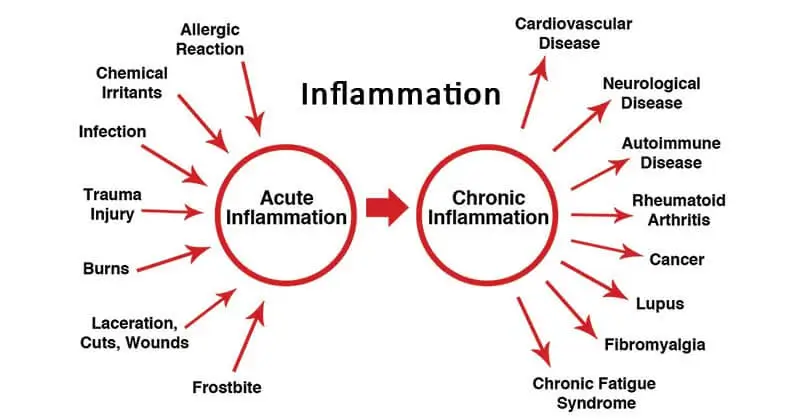
O problema das doenças auto-imunes é que não há cura quando o sistema imunitário funciona mal e começa a atacar as nossas próprias células. O único tratamento é tomar medicação imunossupressora que tem efeitos secundários graves que vão desde a leucemia e o cancro até à infertilidade. A curcuma e outros antioxidantes podem ajudar sem quaisquer efeitos secundários. O lúpus é uma das doenças auto-imunes que atacam o núcleo da própria célula, pelo que pode atacar qualquer órgão e é muito difícil de tratar. As pessoas com uma doença como o lúpus têm a sua vida transformada num pesadelo.
No presente estudo (Khajehdehi et al., 2012) administraram curcuma a indivíduos com lúpus refractário (não tratável). Após o tratamento, todos os indivíduos, excepto um homem, quase 99% deles melhoraram e melhoraram significativamente. Sem efeitos secundários.
É altamente improvável que a curcuma seja prescrita como tratamento pelo seu médico se tiver lúpus, mas pode tomá-la você mesmo e, se ajudar, pode reduzir a sua medicação. Se não tiver lúpus, tome-a também como uma erva medicinal rica em antioxidantes. Quando se trata de outras doenças inflamatórias graves, como por exemplo a doença inflamatória intestinal (Doença de Crohn) O primeiro estudo jamais efectuado foi realizado em 2005 pelos próprios médicos que decidiram ir contra a indústria médica e efectuar eles próprios o estudo sem qualquer apoio financeiro.
Foram necessários quase 50 anos após a primeira descoberta de que a curcumina tinha propriedades anti-inflamatórias para que alguns médicos desonestos de Nova Iorque efectuassem um estudo (Holt et al., 2005).
Quatro em cada cinco indivíduos tratados melhoraram. A colite ulcerosa não é assim tão invulgar. Muitas pessoas têm intestinos inflamados, desde formas mais ligeiras a formas graves. O tratamento é ineficaz e tem efeitos secundários graves que podem causar inflamação em todo o corpo, como inflamação do fígado, dos rins e do pâncreas, além de dor, febre, vómitos e, em 30% dos casos, infertilidade total. Após a conclusão desse estudo, foram efectuados outros estudos.
No ano seguinte, no Japão, realizou-se um estudo completo em grande escala, em dupla ocultação e controlado por placebo (Hanai et al., 2006).
Utilizaram apenas 2 gramas de curcumina por dia e admitiram, de facto, que a dose é inadequada. No entanto, o resultado foi uma taxa de recaída de 5% no grupo da curcumina em comparação com uma taxa de recaída de 20% no grupo de controlo.
As pessoas que têm a doença de Crohn têm surtos ou recaídas auto-imunes mas, para além disso, o estado geral do grupo da curcumina foi muito melhor, tanto subjectiva como objectivamente, com o exame endoscópico. A diferença era tão extrema que os investigadores não podiam acreditar nos resultados. Eles teorizaram que poderia ser apenas que, por exemplo, as pessoas seleccionadas aleatoriamente estivessem em melhores condições e mais saudáveis apenas por uma coincidência. Assim, decidiram prolongar o estudo por mais seis meses, mas deram a todos um placebo. Queriam ver se as pessoas que estavam a receber curcumina começariam a ter uma nova recaída depois de a terem retirado. Foi exactamente isso que aconteceu e lembrem-se que eram apenas 2 gramas por dia. A curcumina é uma substância poderosa.
É tão poderoso que pode até alteram a nossa expressão genética. Nascemos com uma estrutura genética fixa, mas os nossos genes mudam constantemente e a evolução segue em frente. Os genes que seriam activados dependem da sua expressão, que depende de factores ambientais (externos).
O resumo desta revisão (Shishodia, 2013) diz tudo:
"As propriedades preventivas e terapêuticas da curcumina estão associadas às suas propriedades antioxidantes, anti-inflamatórias, e anticancerígenas. Uma investigação extensiva ao longo de várias décadas tentou identificar os mecanismos moleculares da acção da curcumina. A curcumina modula numerosos alvos moleculares alterando a sua expressão genética, vias de sinalização, ou através da interacção directa. A curcumina regula a expressão de citocinas inflamatórias (por exemplo, TNF, IL-1), factores de crescimento (por exemplo, VEGF, EGF, FGF), receptores de factores de crescimento (por exemplo, EGFR, HER-2, AR), enzimas (por exemplo, TNF, IL-1), factores de crescimento (por exemplo, VEGF, EGF, FGF), receptores de factores de crescimento (por exemplo, EGFR, HER-2, AR), enzimas (por exemplo COX-2, LOX, MMP9, MAPK, mTOR, Akt), moléculas de adesão (ex., ELAM-1, ICAM-1, VCAM-1), proteínas relacionadas com apoptose (ex., Bcl-2, caspases, DR, Fas), e proteínas do ciclo celular (ex., ciclina D1). A curcumina modula a actividade de vários factores de transcrição (por exemplo, NF-κB, AP-1, STAT) e as suas vias de sinalização. Com base na sua capacidade de afectar múltiplos alvos, a curcumina tem potencial para a prevenção e tratamento de várias doenças, incluindo cancros, artrite, alergias, aterosclerose, envelhecimento, doenças neurodegenerativas, doenças hepáticas, obesidade, diabetes, psoríase, e doenças auto-imunes".
(Shishodia, 2013)
Na revisão, descreveram o envelhecimento também como uma doença. Achei isso interessante e, sim, os antioxidantes fortes têm o potencial de proteger o ADN de danos e, de certa forma, prolongar a vida. Não será capaz de compreender toda esta terminologia científica, mas isso não é importante. O que é importante é compreender a extensão do poder de certas plantas medicinais e dos seus fitoquímicos. As pessoas tendem a pensar que apenas as moléculas sintéticas que vêm de alguns laboratórios têm algum potencial medicinal e a verdade é completamente oposta. O verdadeiro potencial está nos fitoquímicos que têm vindo a evoluir há centenas de milhões de anos neste planeta e as moléculas sintéticas são apenas substâncias fracas que foram criadas para que as grandes empresas químicas possam ganhar muito dinheiro com as suas patentes. E mesmo a maioria dos medicamentos actuais são, em primeiro lugar, fitoquímicos extraídos.
Vou utilizar uma citação de uma análise efectuada em 2013, que é a seguinte de ensaios clínicos em seres humanos (Gupta et al., 2013). Concluíram que:
"Foram observados alguns efeitos promissores em doentes com várias doenças pró-inflamatórias, incluindo cancro, doenças cardiovasculares, artrite, uveíte, proctite ulcerosa, doença de Crohn, colite ulcerosa, doença do intestino irritável, pancreatite tropical, úlcera péptica, úlcera gástrica, pseudotumor inflamatório orbital idiopático, líquen plano oral, inflamação gástrica, vitiligo, psoríase, síndrome coronária aguda, aterosclerose, diabetes, nefropatia diabética, microangiopatia diabética, nefrite lúpica, doenças renais, síndrome de imunodeficiência adquirida, β-talassemia, discinesia biliar, doença de Dejerine-Sottas, colecistite e prostatite bacteriana crónica. A curcumina também demonstrou protecção contra doenças hepáticas, crónicas exposição ao arsénicoe intoxicação alcoólica. Estudos de escalonamento de doses indicaram a segurança da curcumina em doses tão elevadas como 12 g/dia durante 3 meses. As actividades pleiotrópicas da curcumina emanam da sua capacidade de modular numerosas moléculas de sinalização, tais como citocinas pró-inflamatórias, proteínas apoptóticas, NF-κB, ciclo-oxigenase-2, 5-LOX, STAT3, proteína C-reactiva, prostaglandina E(2), antigénio específico da próstata, moléculas de adesão, fosforilase quinase, factor de crescimento transformador-β, triglicéridos, ET-1, creatinina, HO-1, AST e ALT em participantes humanos."
(Gupta et al., 2013)
Por outro lado, comer produtos de origem animal tem a acção completamente oposta. A carne não é apenas um produto neutro que é rico em ferro e proteínas. É um produto alimentar que é carregado com endotoxinas e mutagénicas de bactérias da carne morta, especialmente quando cozinhada, e tem outras toxinas e metais pesados do ambiente e colesterol e gordura saturada. estimula a promoção do cancro IGF-1 e é pró-inflamatório apenas por si mesmo, mesmo se ignorarmos o facto de não possuir nenhuma das propriedades antioxidantes em primeiro lugar.
Se for jovem e completamente saudável e se tiver a dieta mais saudável possível, deve adicionar curcumina e algumas outras plantas medicinais e suplementos que demonstraram ter capacidades de promoção da saúde. Se não for para mais nada, então apenas como meio de prolongar a sua esperança de vida e de se proteger de doenças a longo prazo.
O açafrão-da-terra também tem fortes propriedades neuroprotectoras que irão ajudar nas perturbações e doenças neurológicas, mas também no declínio cognitivo normal que acompanha o envelhecimento. Ajudará com a pré-diabetes e a obesidade. Ajudará com o funcionamento das artérias. Em muitas doenças inflamatórias, funciona melhor do que medicamentos líderes sem efeitos secundários.
Por exemplo, 500 mg de curcumina funcionam significativamente melhor para a artrite reumatóide do que diclofenac (Chandran et al., 2012). Não se esqueça que o diclofenac é um anti-inflamatório não esteróide muito forte que também é utilizado para ataques de enxaqueca ou pedras nos rins e outras condições dolorosas e que também aumenta drasticamente (cerca de 40%) o risco de ataque cardíaco fatal ou acidente vascular cerebral se o tomar durante longos períodos de tempo. Por vezes, é mesmo combinado com opiáceos como codeína para o controlo da dor. A codeína é um fitoquímico que se encontra nas sementes de papoila. Papoila contém muitos alcalóides, sendo os fitoquímicos mais importantes a morfina, a noscapina e a codeína.
O açafrão-da-terra é mesmo bom como prebiótico. Tem um efeito positivo sobre a colónia de microbiota nos nossos intestinos.
Cúrcuma contra curcumina.
Uma outra coisa que quero mencionar é que, em quase todos os casos, os alimentos completos são uma melhor escolha do que os fitoquímicos extraídos individualmente, devido ao fenómeno conhecido como sinergia alimentar. Sinergia significa que temos dois compostos que funcionam em conjunto muito melhor do que os compostos individuais combinados. Dois mais dois é igual a cinco, se gostar desta analogia. Esta é também a razão pela qual muitos dos pigmentos como o beta-caroteno e o licopeno na forma extraída são inúteis.
As cenouras reduzem o risco de cancro, mas o beta-caroteno num comprimido aumenta o risco. Os tomates reduzem drasticamente o risco de cancro da próstata, mas o licopeno aumenta o risco.
Isto é muito importante porque alguns suplementos são mais do que um desperdício de dinheiro e podem fazer-nos mal. As pessoas podem ficar com a ideia de que, se não comerem vegetais suficientes, podem obter antioxidantes através de um comprimido depois de uma boa refeição de bacon grelhado. E não é o caso em todas as situações. Há alguns que podem ser tomados como suplemento, mas nem todos. A curcumina da curcuma é excelente mesmo como suplemento, mas, por exemplo, o beta-caroteno e o licopeno não o são. Se não forem embalados como um alimento completo com milhares de outros fitoquímicos que funcionam em sinergia para neutralizar alguns dos outros efeitos negativos, alguns destes fitoquímicos extraídos podem causar-nos muitos danos. Esta é a razão pela qual precisamos sempre de escolher alimentos saudáveis numa embalagem de alimentos integrais em vez de comprimidos até que haja uma investigação extensiva sobre fitoquímicos específicos em estudos clínicos reais em dupla ocultação. Actualmente, a curcumina está bem estudada, tal como o licopeno e muitos outros fitoquímicos e actualmente dispomos de uma conhecimento científico de muitos deles.
Benefícios do curcuma:
- Comprovado que reduz drasticamente a inflamação e, como extensão, ajuda em todas as doenças que surgem com a inflamação crónica.
- Reduzir a dor especialmente em casos de inflamação crónica como Artrite, Lúpus...
- Tratamento e prevenção do cancro através da regulação de múltiplas vias de sinalização celular.
- Doenças auto-imunes- Tem fortes propriedades imunomoduladoras, regulando as citocinas inflamatórias e as vias de sinalização nas células imunitárias (Bright, 2007).
- Fortes propriedades neuroprotectoras -Doença de Alzheimer, doença de Parkinson, declínio cognitivo regular...
- Forte acção antitóxica e antimutagénica por impedindo a entrada de agentes mutagénicos nas células.
- Forte agente antitóxico e quelante de metais pesados -Doador de electrões que nunca se transforma em pró-radical.
- Pode ajudar a controlar a diabetes- Num estudo, activou a enzima AMPK mais de 400 vezes do que a metformina (o medicamento para a diabetes e a longevidade mais prescrito no planeta, eu próprio tomo metformina como regime).
- Protege contra os danos da nefropatia diabética.
- Pode ajudar com a obesidade- Suprimindo os processos inflamatórios da obesidade e os seus efeitos nefastos para a saúde.
- Melhora os níveis de soro lipídico- Num estudo, a sua potência foi comparável à da atorvastatina (Usharani et al., 2008).
- Melhora a Recuperação Muscular.
- Eficaz no tratamento de múltiplas doenças de pele... Deve ser consumido, pois ajuda a tratar a psoríase, o prurido, o líquen plano oral, a vermelhidão facial, bem como os tipos de cancro da pele (Mata et al., 2021).
- Redução dos sintomas de depressão e ansiedade- Tem impacto na função dos neurotransmissores através do factor neurotrófico derivado do cérebro; num estudo, foi tão eficaz como o medicamento fluoxetina (Sanmukhani et al., 2014).
- Prevenir a formação de coágulos sanguíneos - Fortes propriedades antiplaquetárias e anticoagulantes, pode querer reduzir a aspirina ou outros anticoagulantes se os tomar, consulte o seu médico (Keihanian et al., 2018).
- Altera a expressão genética e abranda a taxa de danos no ADN.
- Bom como um prebiótico... Tem um efeito positivo sobre a colónia de microbiota nos nossos intestinos.
- Sujeira barata, facilmente disponível tempero de comida inteira.
Conclusão:
- Nunca tomar antioxidantes suplementares que se transformem em pró-oxidantes no interior do corpo.
- Nunca tome antioxidantes suplementares que necessitem de vias enzimáticas para serem removidos do corpo, eles podem ultrapassar o mecanismo de defesa natural do corpo, faça a sua pesquisa antes de os tomar.
- Nunca tome suplementos de vitamina E, selénio, beta-caroteno e licopeno - os suplementos demonstraram um aumento do risco de cancro.
- Tomar sempre alimentos integrais fontes de antioxidantes antes de tomar suplementos formas extraídas devido às sinergias fitoquímicas.
- Tome 5 a 10 gramas de curcuma misturada com pimenta preta todos os dias para o resto da sua vida, independentemente da doença, dieta, suplementos, medicamentos ou terapias que esteja a tomar, pois está provado que é seguro.
- A curcuma não é uma cura milagrosa ou um substituto para uma má alimentação, é apenas mais um potente antioxidante suplementar, a par do cacau e do hibisco, astaxantina, ou bagas...
- A curcuma não é um substituto para uma má dieta com uma doença inexistente Pontuação ORAC mesmo que seja uma dieta alimentar integral baseada em plantas, aprenda os seus valores ORAC.
- A curcuma pode e deve ser tomada com outros antioxidantes suplementares comprovadamente eficazes, como a vitamina C lipossómica ou a astaxantina.
- As pessoas com pedras nos rins e gota podem considerar a utilização de suplementos de curcumina em vez de curcuma, por uma questão de segurança, até que sejam efectuados mais estudos.
- Os doentes que já tomam anticoagulantes e estatinas devem consultar o seu médico, pois pode ser necessário reduzir a dosagem dos medicamentos prescritos.
Perguntas Frequentes
Referências:
Passagens seleccionadas de um livro: Pokimica, Milos. Go Vegan? Revisão da Ciência-Parte 3. Kindle ed., Amazon, 2020.
- Aggarwal, B. B., Yuan, W., Li, S., & Gupta, S. C. (2013). A cúrcuma sem curcumina exibe atividades antiinflamatórias e anticâncer: Identificação de novos componentes da cúrcuma. Nutrição molecular e investigação alimentar, 57(9), 1529-1542. https://doi.org/10.1002/mnfr.201200838
- Aggarwal, B. B., Yuan, W., Li, S., & Gupta, S. C. (2013). A cúrcuma sem curcumina exibe atividades antiinflamatórias e anticâncer: Identificação de novos componentes da cúrcuma. Nutrição molecular e investigação alimentar, 57(9), 1529-1542. https://doi.org/10.1002/mnfr.201200838
- Ara, SA, Mudda, JA, Lingappa, A., & Rao, P. (2016). Pesquisa sobre curcumina: uma meta-análise de doenças potencialmente malignas. Jornal de pesquisa e terapêutica do câncer, 12(1), 175–181. https://doi.org/10.4103/0973-1482.171370
- Park, W., Amin, AR, Chen, ZG e Shin, DM (2013). Novas perspectivas da curcumina na prevenção do câncer. Prevenção de câncer de pesquisa (Philadelphia, Pa.), 6(5), 387–400. https://doi.org/10.1158/1940-6207.CAPR-12-0410
- Morgan, G., Ward, R., & Barton, M. (2004). The contribution of cytotoxic chemotherapy to 5-year survival in adult malignancies. Oncologia clínica (Colégio Real de Radiologistas (Grã-Bretanha)), 16(8), 549-560. https://doi.org/10.1016/j.clon.2004.06.007
- Anand, P., Kunnumakkara, A. B., Sundaram, C., Harikumar, K. B., Tharakan, S. T., Lai, O. S., Sung, B., & Aggarwal, B. B. (2008). O cancro é uma doença evitável que exige grandes mudanças no estilo de vida. Investigação farmacêutica, 25(9), 2097-2116. https://doi.org/10.1007/s11095-008-9661-9
- Bengmark, S., Mesa, M. D., & Gil, A. (2009). Saúde derivada de plantas: os efeitos da curcuma e dos curcuminóides. Nutrição hospitalar, 24(3), 273-281. [PubMed]
- Hutchins-Wolfbrandt, A., & Mistry, A. M. (2011). A cúrcuma dietética reduz potencialmente o risco de cancro. Revista de prevenção do cancro da Ásia-Pacífico : APJCP, 12(12), 3169-3173. [PubMed]
- Ravindran, J., Prasad, S., & Aggarwal, B. B. (2009). Curcumina e células cancerígenas: De quantas maneiras o Curry pode matar células tumorais seletivamente? O Jornal da AAPS, 11(3), 495-510. https://doi.org/10.1208/s12248-009-9128-x
- Polasa, K., Raghuram, T. C., Krishna, T. P., & Krishnaswamy, K. (1992). Efeito da curcuma nos agentes mutagénicos urinários em fumadores. Mutagénese, 7(2), 107-109. https://doi.org/10.1093/mutage/7.2.107
- Khajehdehi, P., Zanjaninejad, B., Aflaki, E., Nazarinia, M., Azad, F., Malekmakan, L., & Dehghanzadeh, G. R. (2012). A suplementação oral de açafrão diminui a proteinúria, hematúria e pressão arterial sistólica em pacientes que sofrem de nefrite lúpica recidivante ou refratária: um estudo randomizado e controlado por placebo. Jornal de nutrição renal: o jornal oficial do Conselho de Nutrição Renal da National Kidney Foundation, 22(1), 50–57. https://doi.org/10.1053/j.jrn.2011.03.002
- Holt, P. R., Katz, S., & Kirshoff, R. (2005). Terapia com curcumina na doença inflamatória intestinal: um estudo piloto. Doenças digestivas e ciências, 50(11), 2191-2193. https://doi.org/10.1007/s10620-005-3032-8
- Hanai, H., Iida, T., Takeuchi, K., Watanabe, F., Maruyama, Y., Andoh, A., Tsujikawa, T., Fujiyama, Y., Mitsuyama, K., Sata, M., Yamada, M., Iwaoka, Y., Kanke, K., Hiraishi, H., Hirayama, K., Arai, H., Yoshii, S., Uchijima, M., Nagata, T., & Koide, Y. (2006). Terapia de manutenção com curcumina para colite ulcerosa: estudo randomizado, multicêntrico, duplo-cego, controlado por placebo. Gastroenterologia clínica e hepatologia: o jornal oficial de prática clínica da Associação Americana de Gastroenterologia, 4(12), 1502-1506. https://doi.org/10.1016/j.cgh.2006.08.008
- Shishodia S. (2013). Mecanismos moleculares de ação da curcumina: expressão gênica. BioFactors (Oxford, Inglaterra), 39(1), 37-55. https://doi.org/10.1002/biof.1041
- Gupta, S. C., Patchva, S., & Aggarwal, B. B. (2013). Papéis terapêuticos da curcumina: Lições aprendidas com os ensaios clínicos. O Jornal da AAPS, 15(1), 195-218. https://doi.org/10.1208/s12248-012-9432-8
- Chandran, B., & Goel, A. (2012). Um estudo piloto randomizado para avaliar a eficácia e segurança da curcumina em pacientes com artrite reumatoide ativa. Investigação em fitoterapia : PTR, 26(11), 1719-1725. https://doi.org/10.1002/ptr.4639
- Soleimani, V., Sahebkar, A., & Hosseinzadeh, H. (2018). Açafrão (Curcuma longa) e seu principal constituinte (curcumina) como substâncias não tóxicas e seguras: Revisão. Investigação em fitoterapia : PTR, 32(6), 985-995. https://doi.org/10.1002/ptr.6054
- Usharani, P., Mateen, A. A., Naidu, M. U., Raju, Y. S., & Chandra, N. (2008). Efeito do NCB-02, atorvastatina e placebo na função endotelial, stress oxidativo e marcadores inflamatórios em pacientes com diabetes mellitus tipo 2: um estudo randomizado, de grupo paralelo, controlado por placebo, de 8 semanas. Medicamentos em I&D, 9(4), 243-250. https://doi.org/10.2165/00126839-200809040-00004
- Bright J. J. (2007). Curcumina e doença autoimune. Avanços em medicina e biologia experimental, 595, 425-451. https://doi.org/10.1007/978-0-387-46401-5_19
- Mata, I. R. D., Mata, S. R. D., Menezes, R. C. R., Faccioli, L. S., Bandeira, K. K., & Bosco, S. M. D. (2021). Benefícios da suplementação de cúrcuma para a saúde da pele em doenças crônicas: uma revisão sistemática. Revisões críticas em ciência de alimentos e nutrição, 61(20), 3421-3435. https://doi.org/10.1080/10408398.2020.1798353
- Sanmukhani, J., Satodia, V., Trivedi, J., Patel, T., Tiwari, D., Panchal, B., Goel, A., & Tripathi, C. B. (2014). Eficácia e segurança da curcumina no transtorno depressivo maior: um ensaio clínico randomizado. Investigação em fitoterapia : PTR, 28(4), 579-585. https://doi.org/10.1002/ptr.5025
- Keihanian, F., Saeidinia, A., Bagheri, R. K., Johnston, T. P., & Sahebkar, A. (2018). Curcumina, hemostasia, trombose e coagulação. Revista de fisiologia celular, 233(6), 4497-4511. https://doi.org/10.1002/jcp.26249
- George, B. P., Chandran, R., & Abrahamse, H. (2021). Papel dos fitoquímicos na quimioprevenção do câncer: Insights. Antioxidantes, 10(9), 1455. https://doi.org/10.3390/antiox10091455
Publicações Relacionadas
Você tem alguma dúvida sobre saúde e nutrição?
Gostaria muito de ouvir a sua opinião e responder-lhes no meu próximo post. Agradeço o vosso contributo e a vossa opinião e aguardo com expetativa a vossa resposta em breve. Convido-vos também a siga-nos no Facebook, Instagram e Pinterest para mais conteúdos sobre dieta, nutrição e saúde. Pode deixar um comentário e ligar-se a outros entusiastas da saúde, partilhar as suas dicas e experiências e obter apoio e encorajamento da nossa equipa e comunidade.
Espero que este post tenha sido informativo e agradável para si e que esteja preparado para aplicar os conhecimentos que aprendeu. Se achou este post útil, por favor partilhá-lo com os seus amigos e familiares que também possam beneficiar com isso. Nunca se sabe quem poderá precisar de alguma orientação e apoio no seu percurso de saúde.
– Você Também Pode Gostar –
Fitoquímicos: Conceitos Básicos
As Necessidades proteicas - uma verdade Inconveniente

Humano de carne, ou seja, o mito?- O animal cognição

Açúcar Refinado: Compreender os Riscos

Como Fazer Jejum: Alimentos em Jejum que Não Quebram a Autofagia
Amla: Benefícios Comprovados, Nutrição e Significado Clínico
Papel Antioxidante na Depressão e Ansiedade: A Peça em Falta
Alimentos Processados: Compreender os Riscos

Aprender Sobre Nutrição

Milos Pokimica é médico de medicina natural, nutricionista clínico, escritor de saúde e nutrição médica, e conselheiro em ciências nutricionais. Autor da série de livros Go Vegan? Revisão de Ciênciaopera também o website de saúde natural GoVeganWay.com
Medical Disclaimer
GoVeganWay.com traz comentários dos mais recentes a nutrição e a saúde relacionados com a pesquisa. As informações fornecidas representa a opinião pessoal do autor e não pretende nem implícita para ser um substituto para aconselhamento médico profissional, diagnóstico ou tratamento. As informações fornecidas são apenas para fins informativos e não se destina a servir como um substituto para a consulta, o diagnóstico e/ou tratamento médico de um médico qualificado ou prestador de cuidados de saúde.NUNCA DESCONSIDERE o CONSELHO MÉDICO PROFISSIONAL OU adiar a BUSCA de TRATAMENTO MÉDICO por causa DE ALGO QUE TENHA LIDO OU ACESSADO por MEIO de GoVeganWay.com
NUNCA APLIQUE QUAISQUER MUDANÇAS de estilo de VIDA OU QUALQUER MUDANÇA COMO UMA CONSEQUÊNCIA DE ALGO QUE TENHA LIDO NO GoVeganWay.com ANTES de CONSULTORIA de LICENÇA MÉDICA.
No caso de uma emergência médica, ligue para o médico ou para o 911 imediatamente. GoVeganWay.com não recomenda ou endossa qualquer específicos, grupos, organizações, exames, médicos, produtos, procedimentos, opiniões ou outras informações que podem ser mencionadas dentro.
Escolhas do Editor -
Câncer Editor De Picaretas Fitoquímicos
Poder Anticancerígeno das Frutas e Legumes: Evidências Clínicas e in Vivo
Alguns extractos vegetais rivalizam com os principais medicamentos de quimioterapia e, ao mesmo tempo, visam vários tipos diferentes de células cancerígenas.
Antioxidantes Editor De Picaretas ORAC
Óleos Essenciais Como Suplementos Antioxidantes: Regras e Estratégias
Os óleos essenciais de qualidade alimentar podem ser uma estratégia conveniente e amiga do consumidor para optimizar o valor antioxidante e a pontuação ORAC da nossa dieta.
Antioxidantes Editor De Picaretas ORAC
Dieta Rica em Antioxidantes: Regras e Estratégias Gerais
Existem estratégias fáceis e económicas para optimizar o valor antioxidante da nossa dieta.
Antioxidantes Editor De Picaretas ORAC
Compreender os Valores ORAC: Níveis de Antioxidantes nos Alimentos
Quando a sua principal fonte de antioxidantes é o café, sabe que tem um problema grave.
Antioxidantes Editor De Picaretas ORAC
Astaxantina Benefícios: Antioxidante Natural Mais Poderoso do Mundo
A astaxantina é o mais poderoso e natural antioxidante universal (tanto o petróleo e a água-solúvel) desconhecido para a ciência. Ele se acumula nos tecidos e Ele nunca pode transformar-se em um pró-oxidante.
Antioxidantes Editor De Picaretas ORAC Fitoquímicos
Antioxidantes: Compreender os Princípios Básicos
Los productos de origen animal no contienen fitoquímicos ni antioxidantes. Por término medio, los alimentos vegetales contienen más de 60 veces más antioxidantes que los de origen animal.
Editor De Picaretas A Dieta Vegetariana
Deficiências de Nutrientes na Dieta Vegana: Estratégias de Prevenção
Existem nove deficiências comuns de nutrientes na escala populacional que afectam as pessoas que se alimentam de uma dieta à base de plantas. Se não forem corrigidas a tempo, algumas deficiências têm consequências terríveis e não tratáveis.
Editor De Picaretas Alimentação Ideal
Deficiência de Micronutrientes na Dieta Americana Padrão: Estratégias de Otimização
O perfil nutricional da nossa dieta moderna à base de carne, açúcar e alimentos processados é completamente incongruente com a nossa evolução, resultando numa grave deficiência de micronutrientes.
Editor De Picaretas Fitoquímicos
Fitoquímicos: Conceitos Básicos
Cada fitoquímico que existe tem uma acção biológica no corpo humano. Cada um de milhões de diferentes fitoquímicos.
Editor De Picaretas Leite Alimentação Ideal
Leite e Lacticínios: Correlações de Risco Para a Saúde
As associações conhecidas com o consumo de leite e lacticínios são infertilidade, cancro dos ovários e da mama, leucemia, diabetes tipo 1, autismo, arteriosclerose, catarata, artrite reumatóide, esclerose múltipla, hiperactividade, congestão, espinhas, e muito mais...As associações conhecidas com o consumo de leite e lacticínios são infertilidade, cancro dos ovários e da mama, leucemia, diabetes tipo 1, autismo, arteriosclerose, catarata, artrite reumatóide, esclerose múltipla, hiperactividade, congestão, espinhas, e muito mais...
Câncer Editor De Picaretas Proteína
Proteína Completa: Sinalização do IGF-1 na Formação do Cancro
Quando você comer proteína animal que tem quatro vezes a chance de desenvolver todos os tipos de câncer. Quando você fuma tem quatro vezes a chance de desenvolver câncer de pulmão.

Câncer Editor De Picaretas Proteína
A Anatomia do Câncer de risco para a Saúde correlações
Cerca de 2% dos casos de câncer estão por medicamento considerado puramente causada por fatores genéticos. O mesmo intervalo de dentro do reino animal. Você ainda não foi informado de toda a verdade.
Milos Pokimica é escritor especializado em saúde e nutrição e consultor em ciências nutricionais. Autor da série de livros Go Vegan? Revisão de Ciênciaopera também o website de saúde natural GoVeganWay.com
Artigos Mais Recentes –

Restrição De Calorias Longevidade
Como Fazer Jejum: Alimentos em Jejum que Não Quebram a Autofagia
Autofagia. Já alguma vez se interrogou sobre o que acontece às células do seu corpo quando morrem ou se danificam? Será que se acumulam e criam problemas ou são eliminadas de alguma forma? A resposta é que o seu corpo...
Saúde Dentária Prevenção
Dentes Sensíveis a Doces e Dor: Solução Rápida e Duradoura
Uma solução rápida e fácil para o alívio da dor é o óleo essencial de cravinho, um poderoso antioxidante e analgésico que pode ajudar com doenças das gengivas e dores de dentes.
Feijão
Feijão Verde: Benefícios Nutricionais e Para a Saúde
O feijão verde tem poucas calorias e é rico em compostos naturais que podem ajudá-lo a controlar o açúcar no sangue, a reduzir o colesterol e a combater os radicais livres.
Dieta de alimentos crus A Dieta Vegetariana
Pode-se Comer Cogumelos Crus: Riscos Para a Saúde, Nutrição e Segurança
Os cogumelos têm toxinas sensíveis ao calor, como a hidrazina ou a agaritina, e paredes celulares feitas de quitina que não podem ser bem digeridas pelos seres humanos.

A Dieta Vegetariana
Os Peixes São Animais? Uma Perspetiva Cultural
Em algumas culturas, a carne de peixe não é considerada carne e o peixe é permitido mesmo durante o jejum.
Saúde Dentária Prevenção
Elixir Bucal Natural Caseiro: Comprovado, Mais Forte e Menos Tóxico
O elixir bucal natural caseiro é mais forte do que a clorexidina, menos tóxico e, se ingerido, pode provocar algumas náuseas, mas também tem um elevado valor ORAC.
Saúde Dentária Prevenção
Como Parar a Cárie Dentária: Sintomas, Causas e Prevenção
Consumo de açúcar é a principal causa de cáries e a cárie dentária, combinado com deficiência de minerais, especialmente o magnésio, o zinco, o cobre e elementos-traço.
Antioxidantes Superalimentos
Amla: Benefícios Comprovados, Nutrição e Significado Clínico
O amla é um dos antioxidantes mais poderosos do mundo, com uma pontuação ORAC de 261.530. É uma fonte rica de fitoquímicos que têm vários benefícios para a saúde.
Superior De Saúde De Notícias — ScienceDaily
- Glucosamine, a popular joint supplement, linked to faster Alzheimer’s progressionon Setembro 27, 2026
A large health-record analysis found that glucosamine use was associated with a 25% higher likelihood of mild cognitive impairment progressing to dementia. Lab experiments suggest the popular joint supplement may intensify an abnormal sugar-tagging process in the Alzheimer’s brain, although researchers say clinical trials are needed to determine whether it actually causes harm.
- Atrial fibrillation patients saw 69% lower risk with common blood thinnerson Setembro 27, 2026
Direct oral anticoagulants cut the risk of serious clinical events by 69% in atrial fibrillation patients with an intermediate risk of stroke, according to the randomized SINGLE-AF trial. The benefit was driven mainly by fewer ischemic strokes, with no increase in major bleeding.
- One CRISPR treatment cut “bad” cholesterol in half for a full yearon Setembro 27, 2026
A single dose of an experimental CRISPR therapy cut LDL cholesterol and triglycerides by about half in patients with difficult-to-treat lipid disorders. The reductions were still present one year later, with the highest dose lowering LDL by 52.5% and triglycerides by 47.8%.
- Why rheumatoid arthritis pain may persist even when inflammation is under controlon Setembro 27, 2026
Pain and fatigue in rheumatoid arthritis can persist even after inflammation improves, with depression, poor sleep, obesity, smoking, and chronic pain potentially helping sustain symptoms. Researchers say identifying these hidden drivers could prevent unnecessary medication changes and lead to more personalized treatment.
- Scientists say house cats could help unlock better cancer treatments for humanson Setembro 27, 2026
Scientists have mapped the genetics of cat cancer on an unprecedented scale and found surprising similarities with tumors in humans. The findings could help bring precision cancer treatments to cats while also revealing new clues about how human cancers develop and respond to drugs.
- A major risk of breast cancer screening may have been overestimated for decadeson Setembro 26, 2026
A new analysis suggests mammograms may lead to far less breast cancer overdiagnosis than some earlier studies indicated. Researchers reexamined all eight major randomized screening trials and accounted for differences in follow-up time, screening frequency, and screening after trials ended. Their results were consistent with an overdiagnosis rate below 5%, rather than estimates approaching 30% to 50%.
- That fresh cleaning smell could be filling your home with nanoparticleson Setembro 26, 2026
Researchers found that scented cleaners can react with ozone indoors to create billions or trillions of invisible nanoparticles that can penetrate deep into the lungs. The pollution forms within minutes and, in some cases, may produce an inhaled particle dose comparable to or greater than standing near heavy traffic.
PubMed, #vegan-dieta –
- Plant-Based Diets in Adolescence: Cardiometabolic Benefits, Developmental Risks, and the Role of Fortificationon Setembro 26, 2026
Adolescence is a critical window in which dietary patterns stabilise while nutrient requirements remain high to support growth, bone accrual, and neurodevelopment. Plant-based diets are increasingly adopted by young people, yet paediatric evidence indicates that they should not be treated as a single exposure, because diet quality substantially modifies both benefits and risks. Healthy plant-based patterns-rich in whole grains, legumes, fruits, vegetables, nuts, and unsaturated fats-are…
- Plant-Based Functional Custard Enriched with Vitamin D3: Insight into Technological Properties, Nutrition and Bone Tissue Regenerationon Setembro 26, 2026
A plant-based or vegan diet is considered one of the most important dietary patterns, often followed for religious or health reasons. It should contain vital nutrients such as protein, iron, zinc, calcium, vitamin D, and others. The objective of this study was to produce a plant-based food product with high nutritional value (vegan custard, VC) and fortify it with vitamin D(3) (vegan custard + D(3)). Thirty-five female albino rats, with an average body weight of 160 ± 5 g, were divided […]
- Dietary Patterns, Micronutrient Adequacy, and Metabolic Vulnerability in Alzheimer’s Disease: A Critical Narrative Reviewon Setembro 26, 2026
Dietary factors may influence cognitive aging and Alzheimer’s disease (AD), but observational associations, mechanistic findings, and intervention effects should not be considered equivalent evidence. This critical narrative review examines how dietary patterns, micronutrient adequacy, and metabolic health may modify AD-related vulnerability. A targeted search of PubMed/MEDLINE, Scopus, and Web of Science through April 2026 prioritized systematic reviews, meta-analyses, randomized trials, and…
- A Structured Narrative Review of Contemporary Dietary Strategies Following Acute Coronary Syndromeson Setembro 24, 2026
CONCLUSIONS: A Mediterranean-style diet remains the dietary pattern supported by the strongest evidence for secondary prevention following ACS. Until further pragmatic randomized trials are available, clinicians should continue recommending Mediterranean-style dietary patterns while individualising dietary advice according to patient preferences, cultural practices, and long-term adherence.
- Toward International Dietary Guidance: A Food Guide Pyramid for Human and Planetary Healthon Setembro 23, 2026
Dietary guidelines shape food policy, education, and food systems worldwide. Recent controversies in dietary guideline development, together with rising burdens of diet-related chronic disease and increasing environmental pressures, highlight the need for globally relevant dietary guidance aligned with both human and planetary health. We developed an evidence-informed International Food Guide Pyramid emphasizing optimal carbohydrate-containing staple foods. The International Carbohydrate […]
Publicações Aleatórias -
A Inflamação
Dieta de Baixa Histamina e Intolerância à Histamina: Guia Completo
Uma forma de gerir a intolerância à histamina é seguir uma dieta pobre em histamina. Isto significa evitar alimentos ricos em histamina ou que possam desencadear a sua libertação.
Editor De Picaretas Alimentação Ideal
Deficiência de Micronutrientes na Dieta Americana Padrão: Estratégias de Otimização
O perfil nutricional da nossa dieta moderna à base de carne, açúcar e alimentos processados é completamente incongruente com a nossa evolução, resultando numa grave deficiência de micronutrientes.
Câncer Editor De Picaretas Toxicidade
A fluoretação da água - revisão Científica
O flúor inactiva 62 enzimas no corpo, inactiva a actividade das enzimas reparadoras de ADN e RNA, é mutagénico, causa danos no ADN, aumenta os cancros e todas as outras doenças correlacionadas com mutações, perturba o sistema imunitário.
Antioxidantes ORAC
Poder Antioxidante das Especiarias: Resultados in Vivo com Dosagens Realistas
Cravo-da-índia, gengibre, alecrim e açafrão-da-índia significativamente sufocar a inflamação, enquanto a pimenta-do-reino, pimenta de caiena, canela, cominho, o orégano, a páprica, a sage e aquecido, açafrão-da-índia não fazer nada.

A Inflamação Dieta de alimentos crus Toxicidade
Lectins - o Paradoxo da "Planta Paradox"
O paradoxo da "Planta Paradoxo" é que as pessoas que comem mais lectins (feijões e cereais integrais) têm menos câncer.

A Dieta Vegetariana
Humano de carne, ou seja, o mito?- O animal cognição
Não somos mais inteligentes espécies se nós cientificamente medida animal cognição. As barbatanas longas baleia-piloto cérebro neocortical parte contém mais neurônios do que os nossos próprios.
Diabetes Editor De Picaretas
A Diabetes provoca e carboidratos refinados - vegan argumento
As pessoas acreditam que os carboidratos refinados estão associadas com picos de insulina e o diabetes provoca. Eles estão certos. No entanto, eles também estão errados.
Antioxidantes Câncer Fitoquímicos
Açafrão-da-Terra: Melhorar a Saúde e Benefícios Clínicos
No açafrão-da-terra, há mais de 300 fitoquímicos activos até agora identificados. É tão poderoso que até pode alterar a nossa expressão genética.
Café Toxicidade
Café benefícios– Não sem riscos
Nós achamos que a cafeína é algo bom para o nosso cérebro ou má ou neutra?
O que faz o real cafeína fazer?

A Esclerose Lateral Amiotrófica Prevenção Toxicidade
Esclerose Lateral Amiotrófica- Proliferação de Algas Cianobactérias e Exposição a BMAA na Dieta
Uma abundância de nutrientes em áreas costeiras criadas pelo escoamento superficial, cheio de fertilizantes sintéticos de terras agrícolas leva à excessiva proliferação de algas. Blooms de algas são perigosos. Microalgas criar e excretar alguns dos mais potentes neurotoxins conhecida para o homem.

Posts Em Destaque –
Antioxidantes Editor De Picaretas ORAC
Compreender os Valores ORAC: Níveis de Antioxidantes nos Alimentos
Quando a sua principal fonte de antioxidantes é o café, sabe que tem um problema grave.
Editor De Picaretas Prevenção Toxicidade
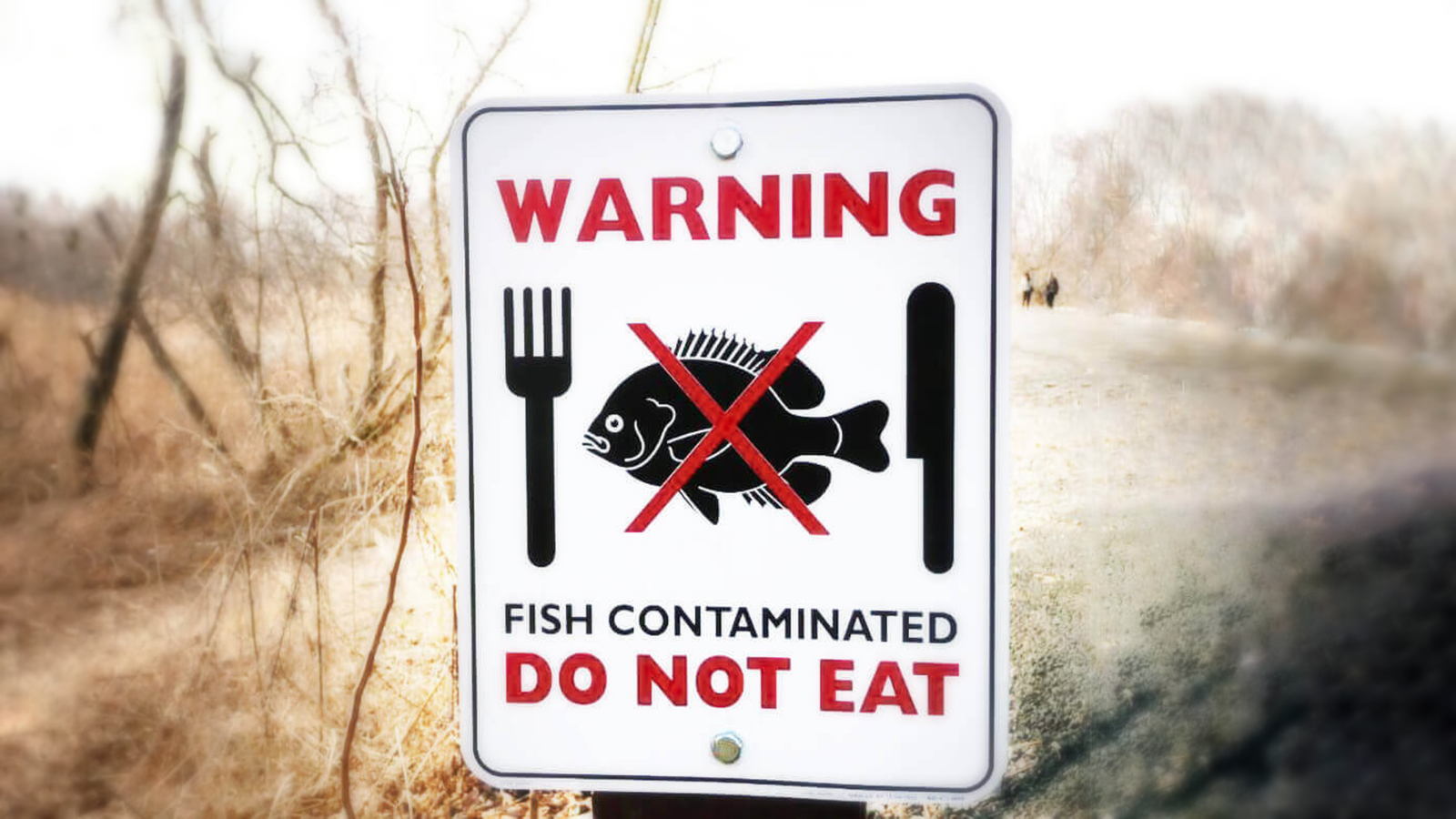
Toxicidade Ambiental- É Apenas Uma Cadeia Alimentar
Toxicidade ambiental é a bioacumulação de toxinas. Organismos são filtros. Mas há mais ainda piores processo chamado de biomagnificação na cadeia alimentar.
Editor De Picaretas A Inflamação
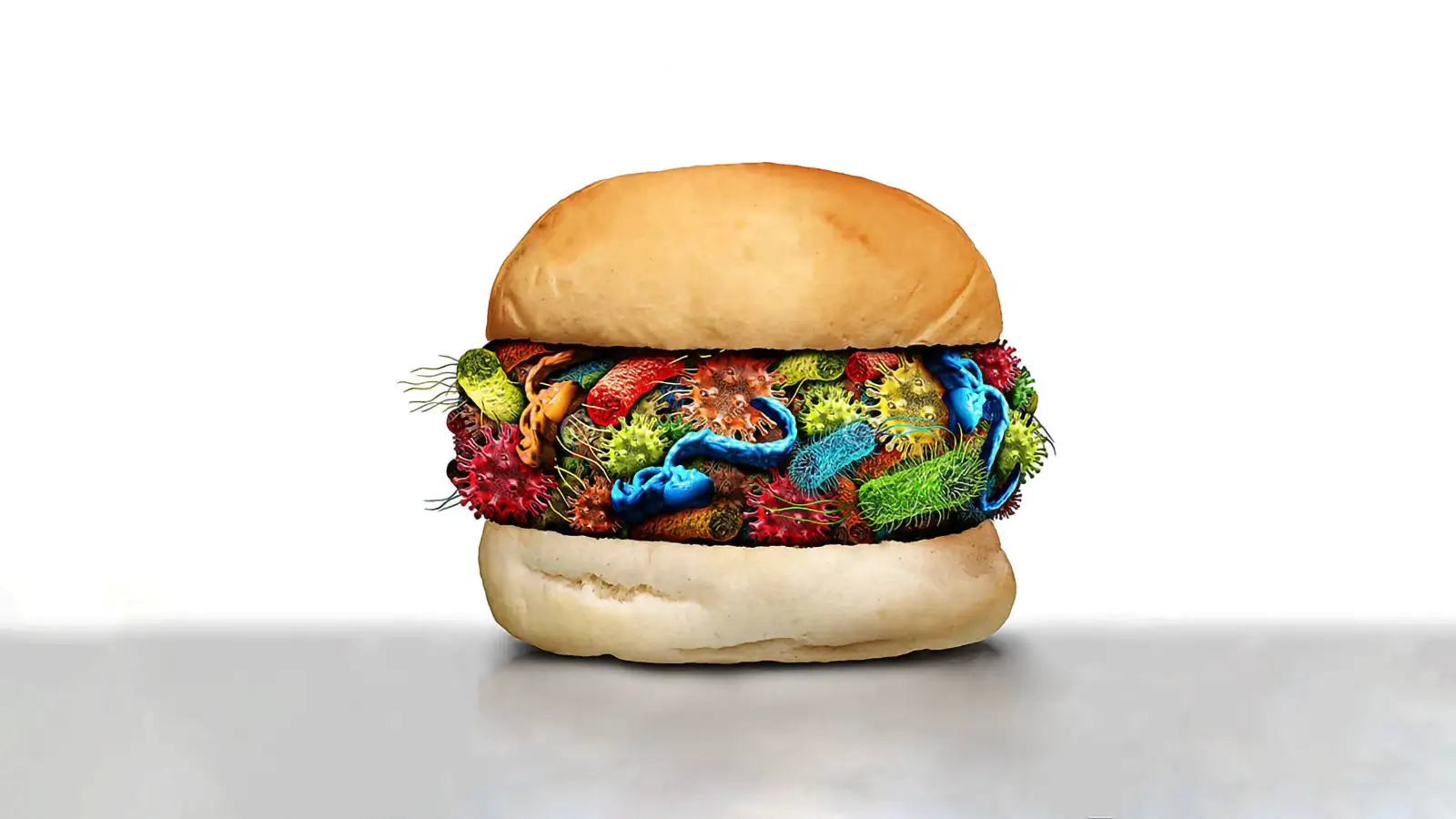
Os seres humanos onívoros dilema - o consumo de Carne, bactérias probióticas, a inflamação, e com o intestino
Seres humanos são onívoros, em um verdadeiro anatômica sentido? Há uma diferença fundamental na maneira como as trato digestivo trabalha em plantas vs comer carne de espécie.

Editor De Picaretas Prevenção A Dieta Vegetariana
China estudo - vegan argumento
China estudo mostrou que não há nenhuma doença cardíaca ou câncer ou diabetes em subdesenvolvido comunidades rurais em todo o mundo com base de amido de dietas veganas.
Editor De Picaretas Alimentação Ideal
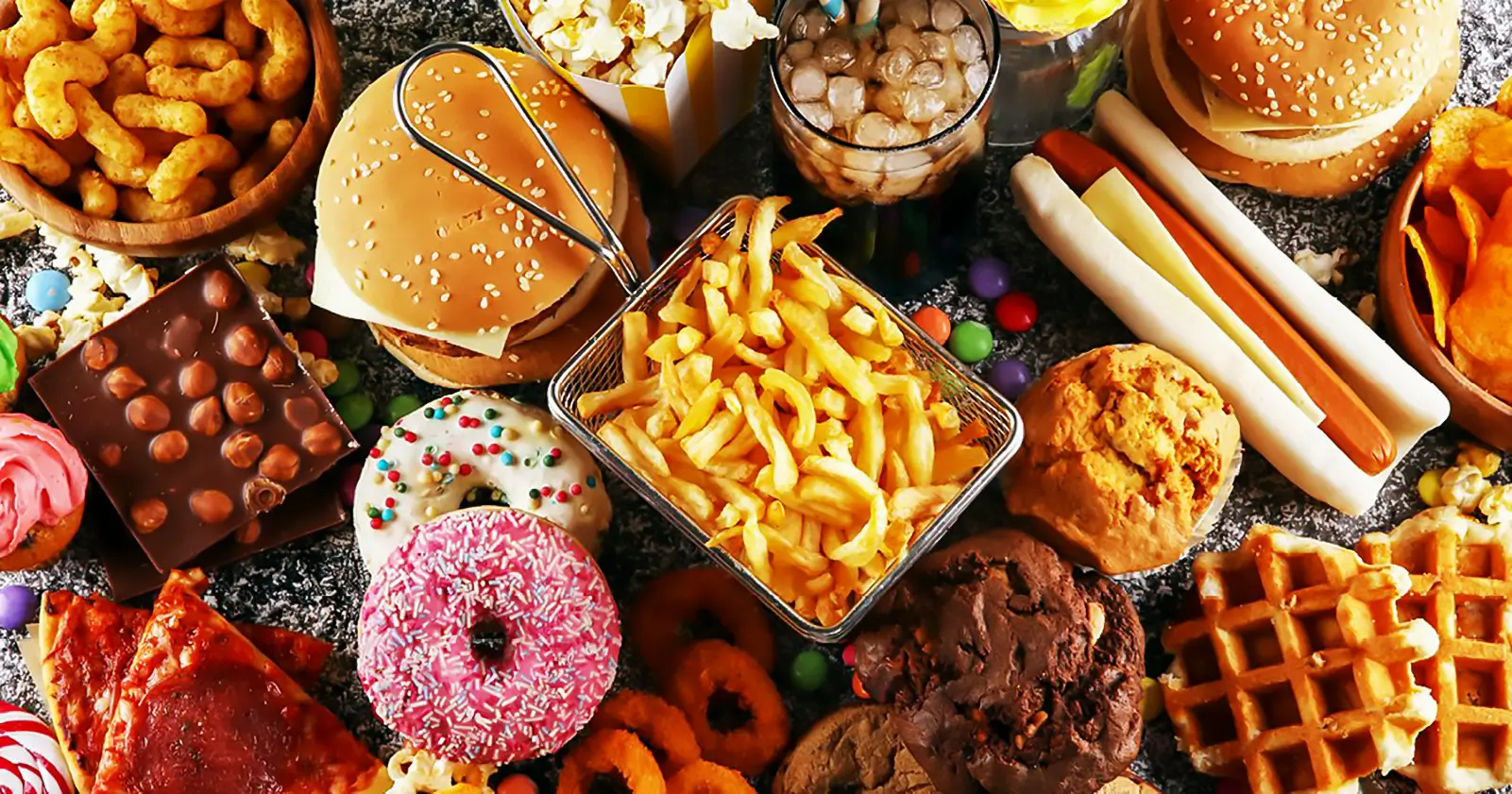
Alimentos Processados: Compreender os Riscos
Os alimentos processados significam que algo dos alimentos integrais é removido, normalmente a fibra, e algo é adicionado, normalmente a gordura, o açúcar, o sal e o MSG.
Câncer Editor De Picaretas Fitoquímicos
Poder Anticancerígeno das Frutas e Legumes: Evidências Clínicas e in Vivo
Alguns extractos vegetais rivalizam com os principais medicamentos de quimioterapia e, ao mesmo tempo, visam vários tipos diferentes de células cancerígenas.
Diabetes Editor De Picaretas
A Diabetes provoca e carboidratos refinados - vegan argumento
As pessoas acreditam que os carboidratos refinados estão associadas com picos de insulina e o diabetes provoca. Eles estão certos. No entanto, eles também estão errados.

Editor De Picaretas A Obesidade Alimentação Ideal
Causa da Obesidade - Desadaptação ou vício
Qual é a causa da epidemia de obesidade? Para toda a vida na Terra, a comida não é uma escolha. A coisa mais difícil para o animal no deserto é o ganho de peso.
Antioxidantes Editor De Picaretas ORAC
Dieta Rica em Antioxidantes: Regras e Estratégias Gerais
Existem estratégias fáceis e económicas para optimizar o valor antioxidante da nossa dieta.
Editor De Picaretas Alimentação Ideal Proteína
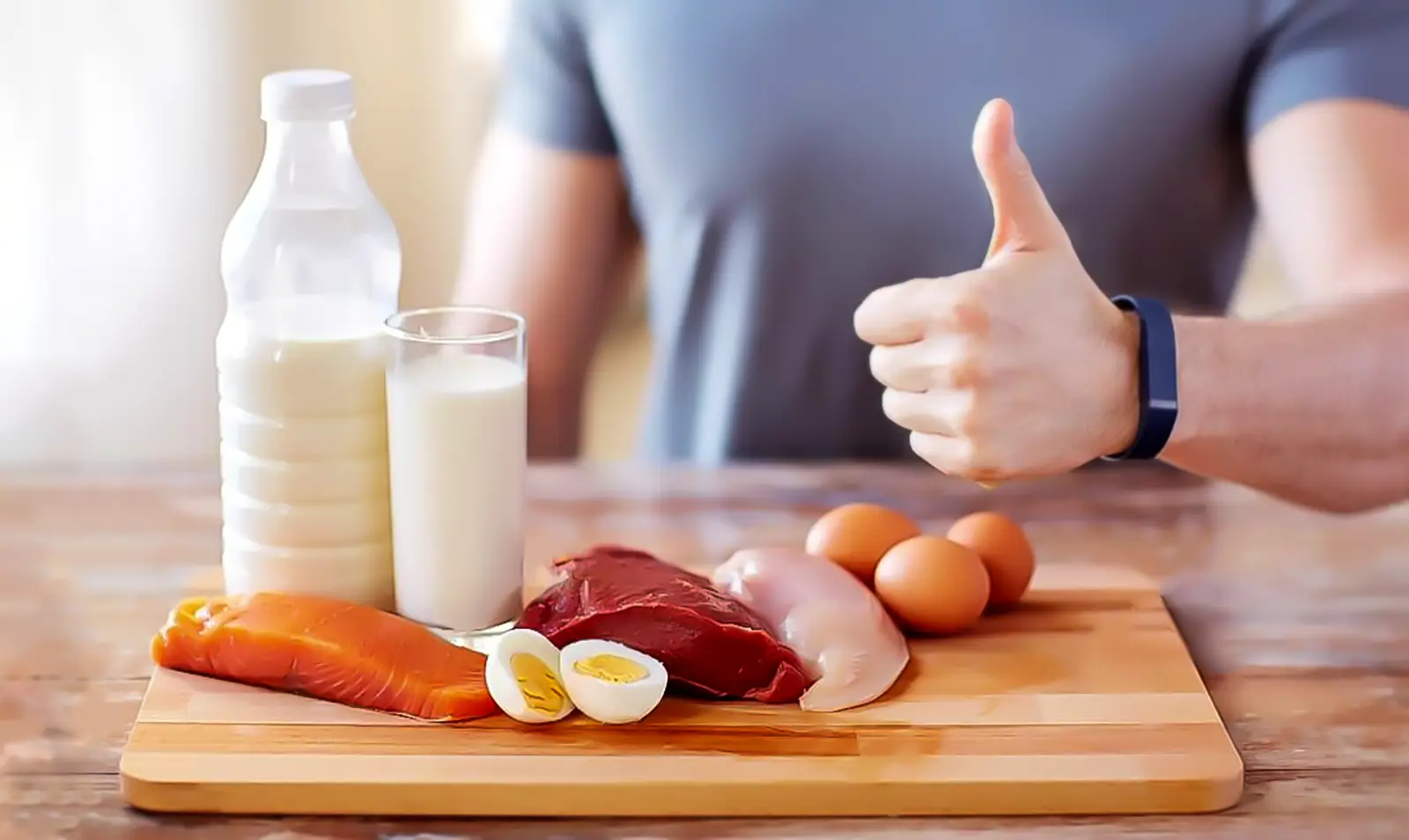
As Necessidades proteicas - uma verdade Inconveniente
Quando o antropólogo estudos mostraram que hominíneos viveu em média de 15 a 20 gramas de proteína por dia, havia um assim-chamado "uma proteína Grande fiasco" na década de 1970.
Últimas do PubMed, #dieta baseada em vegetais –
- Long-Term Monitoring of Radioactive Cesium in Commercial Foods and Dietary Intake Estimated by Total Diet Studies in Japan after the Fukushima Daiichi Nuclear Power Plant Accidentpor Hiromi Nabeshi on Setembro 27, 2026
Following the Fukushima Daiichi Nuclear Power Plant accident in 2011, Japan implemented extensive monitoring of radioactive materials in foods and established strict regulatory limits based on an annual effective dose of 1 mSv/year from artificial radionuclides. This review summarizes long-term surveillance data on radioactive cesium (r-Cs) in commercial foods and long-term assessments of dietary intake of r-Cs and strontium-90 (^(90)Sr) using the total diet study (TDS)/market basket (MB)…
- Nutrition and Endometriosis: Current Evidence on Dietary Risk Factors and Clinical Impact – A Narrative Reviewpor Christine Dawczynski on Setembro 27, 2026
Endometriosis (EM) is a severe chronic inflammatory disease characterized by the presence of endometrium-like tissue outside the uterine cavity, causing pain and significantly reducing quality of life. Worldwide, around 10% of women of reproductive age are affected and there is no cure as of now. The limited treatment options focus on hormone therapy, surgery and pain management–without satisfactory long-term effects. Nutritional strategies might support the prevention and treatment of…
- North American and Andean Indigenous Plant-Based Foods and Their Contemporary Scientific Rationale for Health Improvementpor Lena Gálvez Ranilla on Setembro 27, 2026
Plant-based food systems have been an integral part of human ecology since the dawn of domestication across all continents from over 12,000 y ago. This served the needs of human health and wellness from whole plant form to the use of parts in a range of water-based extracts to dry form or fermentation-based applications. This conference paper focuses on some examples of plant-based foods in the Americas that have been used since ancient times among indigenous North American and Andean […]
- Plant-Based Diets in Adolescence: Cardiometabolic Benefits, Developmental Risks, and the Role of Fortificationpor Bianca Simionescu on Setembro 26, 2026
Adolescence is a critical window in which dietary patterns stabilise while nutrient requirements remain high to support growth, bone accrual, and neurodevelopment. Plant-based diets are increasingly adopted by young people, yet paediatric evidence indicates that they should not be treated as a single exposure, because diet quality substantially modifies both benefits and risks. Healthy plant-based patterns-rich in whole grains, legumes, fruits, vegetables, nuts, and unsaturated fats-are…
- Dietary Patterns, Micronutrient Adequacy, and Metabolic Vulnerability in Alzheimer’s Disease: A Critical Narrative Reviewpor Isidora Sierralta on Setembro 26, 2026
Dietary factors may influence cognitive aging and Alzheimer’s disease (AD), but observational associations, mechanistic findings, and intervention effects should not be considered equivalent evidence. This critical narrative review examines how dietary patterns, micronutrient adequacy, and metabolic health may modify AD-related vulnerability. A targeted search of PubMed/MEDLINE, Scopus, and Web of Science through April 2026 prioritized systematic reviews, meta-analyses, randomized trials, and…
- Baseline Ferritin and Body Composition as Correlates of Longitudinal Metabolic Changes During an Energy-Restricted Mediterranean-Style Intervention Across Three Overweight Phlogistic-Related Clinical…por Begoña de Cuevillas on Setembro 26, 2026
CONCLUSIONS: Baseline ferritin and body composition were correlates of heterogeneous inflammatory-metabolic profiles and ferritin changes. These hypothesis-generating associations do not establish causal or mechanistic effects and require controlled confirmation with comprehensive iron-status assessment.