







Dieta Humana Optima- Doenças Crónicas, Guerras Alimentares e o Argumento Vegan
Nossa dieta humana natural ideal é aquela que nossos ancestrais hominídeos comiam nos últimos 30 milhões de anos, e não os humanos anatomicamente modernos da Idade da Pedra.
Milos Pokimica
Escrito por: Milos Pokimica
Revisto Clinicamente Por: Dr. Xiùying Wáng, M.D.
Atualizado em 4 de agosto de 2023Uma dieta humana óptima é uma base para uma saúde óptima. Quando olhamos para a lista das 15 principais causas de morte, mais de 80% são influenciadas pelo estilo de vida. São causadas pela nossa má alimentação. Na maioria dos casos, a doença é uma escolha.
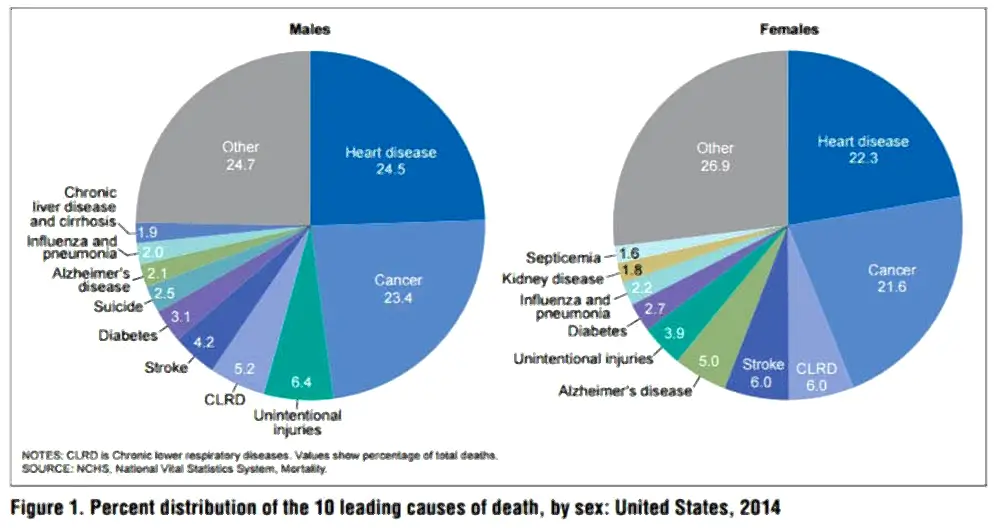
Não é uma má genética que nos dá a doença e isso é um grande segredo aberto. Por exemplo, o cancro é uma doença de estilo de vida evitável. As verdadeiras causas genéticas são responsáveis por não mais do que 5% de todas as mortes. Mais de 85% de pessoas morrem por causa da sua má alimentação.
Pense desta forma. Se nascer com a doença e esta for uma condição séria que ponha a vida em risco, terá de tomar os seus medicamentos e gerir a sua condição da melhor maneira que puder. O problema é que há apenas 100 anos atrás não havia insulina, quimioterapia, antibióticos, ou qualquer outro medicamento disponível. Qualquer doença que requeira qualquer forma de tratamento era fatal e, como consequência, seria seleccionada contra. Em termos evolutivos, nunca haveria um número estatisticamente significativo de pessoas da população em geral que tivesse estas formas de doenças crónicas. Não seriam capazes de sobreviver e os genes seriam seleccionados contra. Por exemplo, algum nível de cancro estará presente e está presente em animais selvagens também hoje em dia, mas quando olhamos para as tabelas de mortalidade, veríamos que quase uma em cada 4 pessoas morrerá de cancro. As estatísticas de mortalidade por cancro mostram que 23,4% de todas as mortes são causadas pelo cancro. Isto não é directamente causado por maus genes.
Há um termo que os cientistas usam que é enganador. É um termo cunhado como "predisposição genética", que significa algo completamente diferente. A indústria médica (medicina alopática) que se baseia em tratamentos intervencionistas e medicamentos patenteados evitará abertamente este tópico.
Se houver uma mudança abrupta no nosso ambiente, haverá uma má adaptação. Mesmo que as espécies sobrevivam, a sua dieta não será congruente com o ambiente atual e, com o tempo, terão de se adaptar a um novo ambiente ou extinguir-se-ão. Devido ao progresso científico e à tecnologia, foi exatamente esta má adaptação à dieta e ao ambiente actuais que criou a maioria das nossas doenças. Se tivermos um estilo de vida evolutivamente incongruente e fizermos uma dieta à qual não estamos adaptados, dependendo da genética de cada indivíduo, surgirão diferentes doenças. Alguém morrerá de ataque cardíaco, alguém terá uma doença autoimune e uma terceira pessoa terá um AVC, dependendo da sua predisposição genética individual. Mas isto não significa que tenhamos maus genes, significa que temos uma má alimentação. Este é um termo que é utilizado em medicina como predisposição genética.
A única questão real é qual é exactamente a dieta humana óptima que estará de acordo com a nossa evolução e que irá diminuir o risco de doenças crónicas, aumentar a qualidade de vida e prolongar a longevidade. Além disso, não devemos esquecer o custo dos tratamentos médicos.
Deve ser então uma dieta Paleo, certo (Fenton et al., 2016), (Pitt, 2016)?
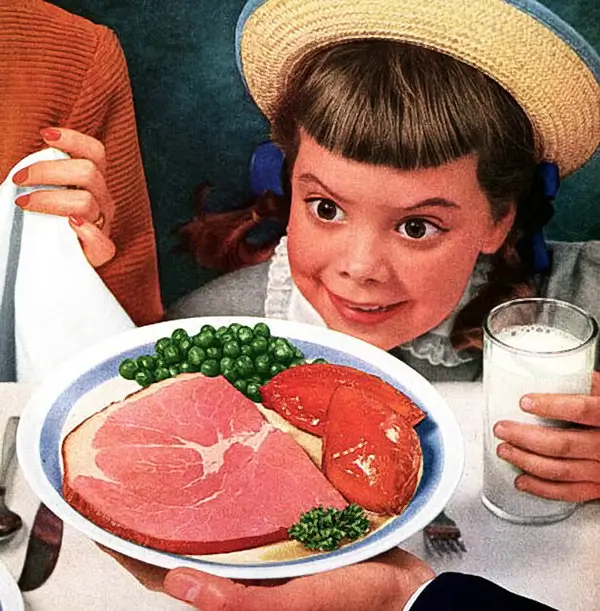
Os praticantes deste tipo de dieta estão a tentar simular as condições de vida em condições de caçadores-colectores da Idade da Pedra. Estão a tentar comer uma dieta que esteja de acordo com o estilo de vida dos pseudo-caçadores-colectores e desistir das invenções agrícolas modernas como os lacticínios, os produtos agrários e os alimentos transformados.
Este foi um mistério que terminou há mais de 70 anos. A ciência da nutrição não é assim tão difícil. Tudo o que precisamos é de olhar para diferentes grupos de pessoas que têm diferentes tipos de dietas e depois olhar para as doenças que terão. Por exemplo, podemos ir aos lugares rurais do mundo que têm dietas vegetarianas por causa da pobreza e comparamos as taxas de mortalidade.
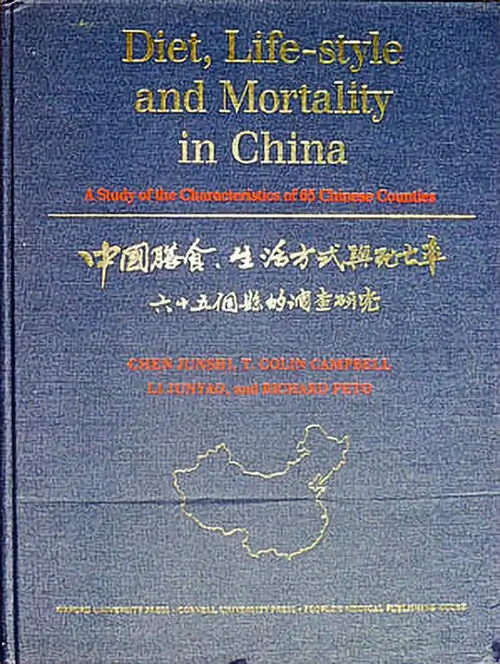
Houve estudos como este feitos há muito tempo, como um famoso estudo da China que durou 20 anos, ou Estudo de Saúde Adventista (Le, 2014), ou mesmo um estudo sobre a dieta da ilha de Creta após a Segunda Guerra Mundial, que deu origem à popular "dieta mediterrânica". As pessoas que não sabem que a verdadeira dieta mediterrânica não tem nada a ver com azeite ou videira vermelha e era apenas uma dieta vegana na população rural da ilha de Creta. A investigação demonstrou que estas pessoas não sofrem de doenças de origem económica, como as doenças cardíacas. O "Estudo dos Sete Países" foi realizado em 1956 por Ancel Keys (Menotti et al., 2015), o mesmo cientista que fez a Experiência de Fome do Minnesota. As pessoas na ilha de Creta não comiam azeite nem queijo, mal conseguiam sobreviver. É isso.
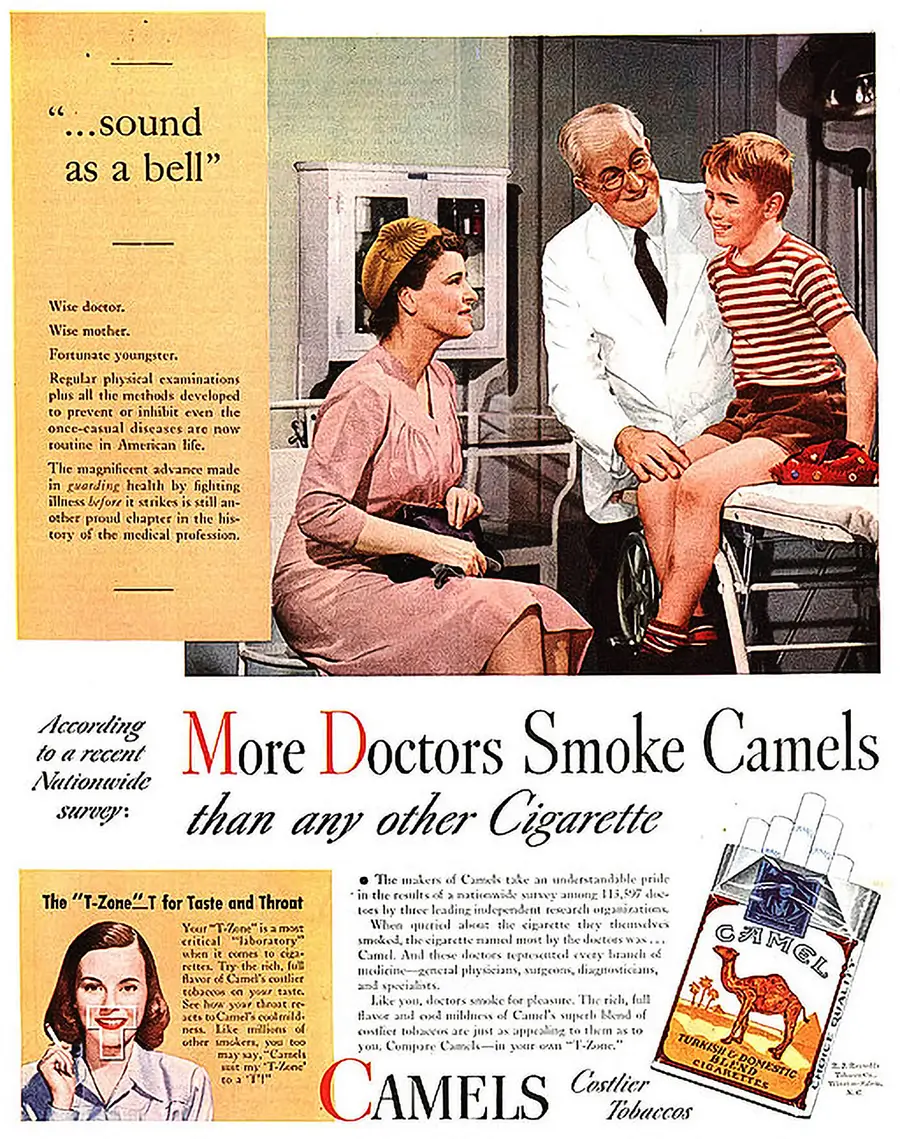
A ciência foi longe desse período inicial, mas ainda assim, há resiliência para aceitar novos orientações dietéticas e a pirâmide alimentar é o mesmo. Os governos até hoje apenas ignoram a ciência. Esta situação criou um ambiente em que cinco pessoas diferentes promovem cinco tipos diferentes de dietas pregando as suas próprias crenças. Comparo a situação com as empresas de cigarros do passado que utilizavam a falsa ciência e pagavam aos médicos para promover o tabagismo como uma escolha de estilo de vida saudável.
A investigação está disponível há mais de cinco décadas mas, mesmo assim, temos uma situação em que estão a decorrer guerras alimentares. Na realidade, mesmo que se pergunte a um especialista em nutrição porque é que uma dieta vegana está associada a um menor risco de ataque cardíaco, cancro, diabetes, e todas as outras doenças de afluência, muito provavelmente ele não saberia a verdadeira resposta.
É devido a adaptações evolutivas. As espécies carnívoras, por exemplo, nunca desenvolvem doenças cardiovasculares. Estão completamente adaptadas ao consumo de carne e o colesterol não constitui um risco para elas.
Na realidade, precisamos de olhar para a vida dos nossos antepassados ao longo de um longo período de tempo mais longo do que apenas o período Paleo. Foram precisos mais de 50 milhões de anos para formar os nossos corpos. A fisiologia é passada, de uma espécie para outra. Também os Hominins herdaram a sua anatomia de espécies que vieram antes deles. Toda a vida no planeta pode, de facto, ser rastreada até uma única espécie.
Até onde é que precisamos de ir? Até onde precisamos, podemos compreender como se formam as adaptações evolutivas. Teríamos então uma imagem completa do que é a nossa verdadeira dieta natural.
As primeiras formas de mamíferos evoluíram dos cynodontes durante o início da Era Noriana do Triássico Final, cerca de 225 Mya. Os primeiros mamíferos alimentavam-se na sua maioria de insectos. Eram pequenos animais astuciosos.
O ponto de partida da dieta era predominantemente de insectos, mas começaram a diversificar-se quase imediatamente. Foram necessários cerca de 140 milhões de anos para que a dieta passasse dos insectos para as frutas e folhas. Não 140 mil anos, 140 milhões de anos.
Num sentido evolutivo, quando olhamos para a dieta paleo ou algo que os nossos antepassados comeram há alguns milhares de anos é totalmente irrelevante. A fisiologia muda, mas precisa de algum tempo para o fazer.
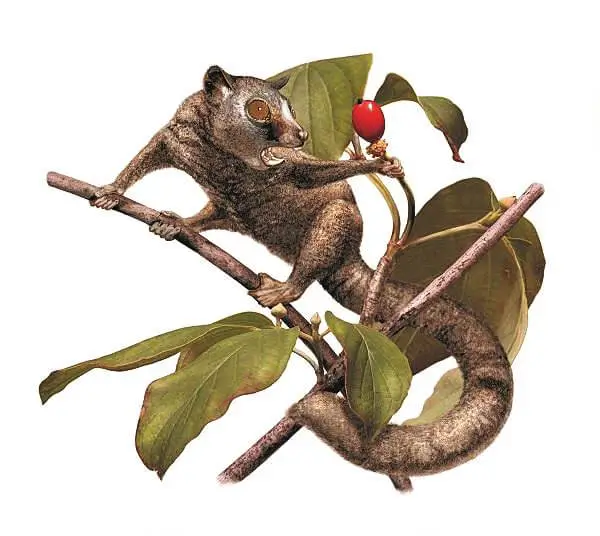
Os primatas do caule aparecem pela primeira vez no registo fóssil entre 65 e 55 milhões de anos atrás. Podem ter sido os primeiros mamíferos a ter unhas no lugar das garras.
Com o tempo, começaram a passar períodos mais longos em ramos inferiores de árvores, alimentando-se de frutos e nozes. Na marca dos 60 Mya, as nossas espécies ancestrais tinham começado a comer plantas. No intervalo de tempo até aos 60 Mya, a evolução diversificou-se de comer apenas insectos e viver no solo para frutos, frutos secos e insectos omnívoros, e semi-vida nas árvores.
O próximo 10 a 20 Ma é aproximadamente o período de tempo em que a dieta foi completamente alterada. Eocene Epoch (55,8-33,9 milhões de anos atrás) coincide com o aparecimento da primeira espécie de mamíferos placentários. Estas ordens ou, por outras palavras, os seus descendentes ainda hoje estão presentes.
Os primatas divergiram em duas subordens Strepsirrhini (primatas de nariz húmido) e Haplorrhini (primatas de nariz seco). O fígado de Haplorrhini foi o primeiro a perder a capacidade de produzir a sua própria vitamina C. O que isto significa é que já andam a comer demasiados alimentos vegetais que o seu corpo decidiu desligar a produção do vitamina C para poupar energia. Todas as suas espécies descendentes tiveram de incluir fruta na dieta porque a vitamina C tem de ser obtida externamente. Além disso, este é um factor significativo. Hoje em dia, os humanos também têm de obter vitamina C ou sofreremos e morreremos de escorbuto.
O que isto significa é que já os primeiros primatas dependiam de alimentos vegetais a tal nível que o seu fígado deixou de produzir vitamina C. Nas espécies carnívoras, porque só comem vitamina C de carne é produzida internamente, e não é uma vitamina para eles. Quando começamos a consumir plantas e começamos a consumi-las de uma forma constante a evolução fecha tudo o que não é necessário. Isto pode dizer-nos muito sobre a dieta dos primatas precoces. Eles transmutam-se em frutos e folhas em vez de insectos. Esta é a adaptação que levou dezenas de milhões de anos a completar.
A questão é que a evolução não começou com o surgimento dos humanos modernos de uma forma que aí parou porque os humanos modernos existem apenas trezentos mil anos. Trata-se de um número insignificante em termos evolutivos. Após a grande extinção dos dinossauros não-avios, as primeiras formas modernas de mamíferos apareceram há 66 milhões de anos. Eles subiram às árvores e tornaram-se completamente herbívoros.
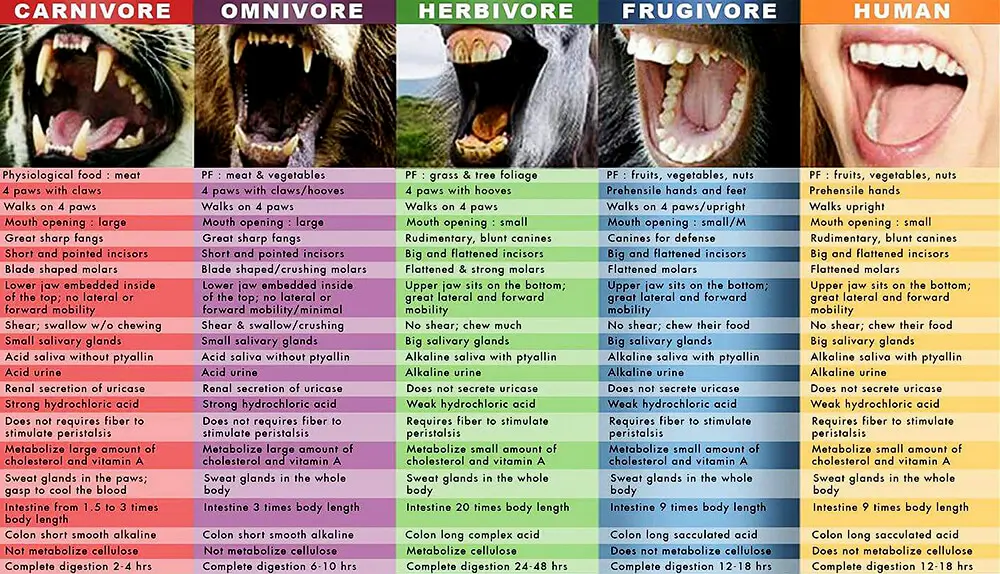
Há uma grande diferença entre os verdadeiros omnívoros que conseguem digerir carne em decomposição e que têm intestinos curtos e espécies comedoras de plantas que precisam de comer constantemente durante todo o dia para obterem calorias suficientes para sobreviver. Os comedores de plantas têm um cólon que fermenta fibras e intestinos muito mais compridos. Na realidade, os verdadeiros omnívoros precisam de ter fortes filtros de resistência como qualquer outro carnívoro ou morrerão de intoxicação alimentar bacteriana. Os seres humanos não são verdadeiros omnívoros anatómicos e precisamos de utilizar o fogo e a cozinha para digerir os produtos animais. Tudo pode ser comido e todos os primatas comerão carne se puderem, mas este processo por si só não é natural, é esporádico e não resulta em adaptações fisiológicas.
Na época em que se verificou uma mudança climática significativa no final do Plioceno, as nossas espécies ancestrais viviam em árvores evoluindo apenas em frutos e folhas e flores verdes. Cresceram em tamanho e inteligência. A maior parte do nosso cérebro, corpo, genética, biologia evolutiva e fisiologia evoluiu nas árvores.
No final do Plioceno (que durou de dois milhões a 10.000 anos atrás), as circunstâncias meteorológicas começaram a mudar. O Pleistoceno foi marcado por um clima muito mais frio e glaciações recorrentes do hemisfério norte. A chamada Idade do Gelo. Estas condições tiveram de forçar os nossos antepassados a adaptarem-se ainda mais, talvez para se tornarem um novo tipo de herbívoro, totalmente dependente da inovação social e tecnológica e não apenas da forragem. Assim, forçando a adaptação que requer em grande medida um aumento da capacidade cerebral.
O tamanho do cérebro não tem, portanto, nada a ver com o consumo de carne.
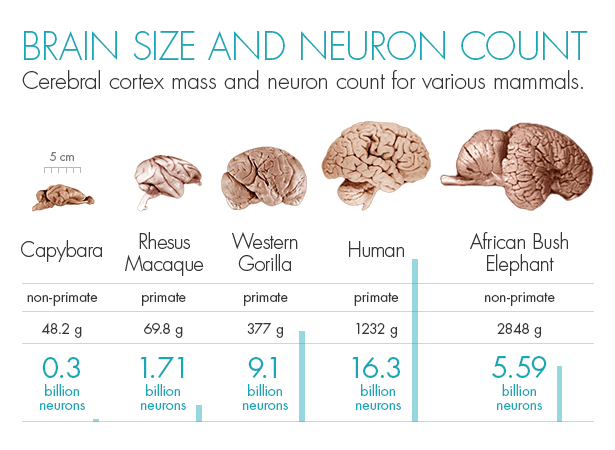
Frutas, flores, folhas verdes e vegetais, unidades de armazenamento subterrâneo, e frutos secos e sementes sem carne, sem lacticínios, e sem ovos foram uma dieta que criou o nosso organismo em milhões de anos de evolução. Em hominins do género Homo que evoluiu a partir de Australopithecines, podemos ver mais diversificação há cerca de 3,5 milhões de anos. Nessa altura, alguns membros adicionaram também gramíneas ou sedimentos aos seus menus. Durante mais um milhão de anos, essa foi a dieta.
As primeiras provas de que os hominídeos se alimentam de carne datam de 2,5 Mya. Algumas das descobertas fósseis são consistentes com actividades de recolha sem caça. O que significa que a medula óssea, os insectos ou algo semelhante não representavam mais do que um par de por cento das calorias totais. Algo semelhante à dieta dos babuínos ou dos chimpanzés. Esta fonte de carne era insignificante à escala de produzir qualquer adaptação fisiológica que se traduzisse em qualquer mudança evolutiva na biologia. A adoção do consumo de carne em grande escala pode ter necessitado de técnicas avançadas de processamento, como a cozedura, em parte porque a carne crua está cheia de bactérias podres em putrefação e outros tipos de microrganismos e parasitas nocivos que acabarão por nos matar se não forem mortos por um processo térmico. Assim, limita-se o consumo em grandes quantidades.
O factor limitativo que um grande número de cientistas não parece compreender é que a carne estraga-se muito rapidamente nas condições quentes da savana africana. Em 2h, apenas duas, desaparece. Em 15 minutos já haveria insectos a rastejar no topo da carcaça e também haveria outros predadores à procura de uma refeição fácil.
A fim de consumir carne numa escala que será significativa para criar uma adaptação, terá de ser o alimento básico da dieta com um influxo calórico de pelo menos 10 a 15 por cento. Essa será uma dieta verdadeiramente omnívora. Sem uma caça em grande escala numa base diária, isso é impossível. Sem tecnologia, como armadilhas ou lanças, não é uma suposição lógica e sem cozinhar, é 100%, não é uma opção viável.
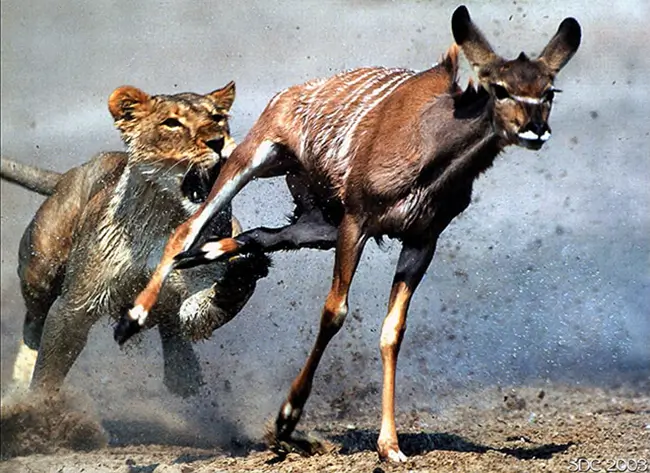
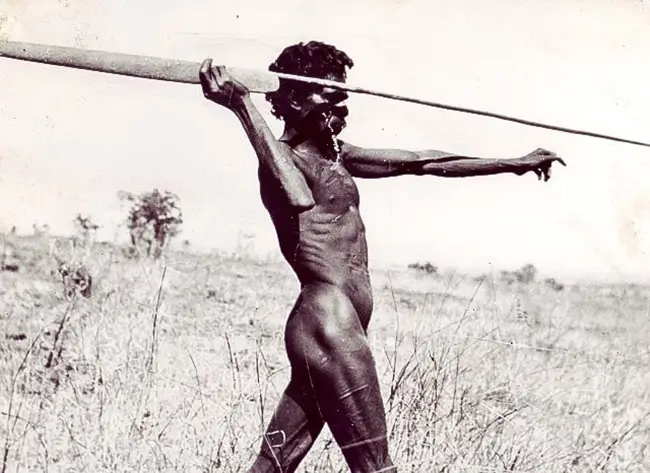
A primeira vez na evolução de toda a espécie humana em que o consumo de carne seria uma fonte fiável e sustentável de calorias seria em humanos já modernos que utilizam tecnologia. Mesmo no período Paleo, as provas arqueológicas reais mostram que a carne não era uma fonte sustentável de dieta e que estava mais em linha com o facto de ser um benefício adicional para a forragem. A forrageira era a primeira e a caça a segunda. A verdadeira dieta Paleo é algo completamente diferente do que as pessoas gostariam de pensar.
Uma dieta omnívora é uma grande variedade de dietas. Pode ser 99% de frutos e 1% de insectos. Os verdadeiros omnívoros, como os ursos, podem alimentar-se de carcaças. A nossa dieta humana natural é algo que os nossos antepassados hominídeos comiam, não os humanos anatomicamente modernos da Idade da Pedra. Na realidade, podemos consumir alguma carne sem um aumento dramático do risco de doenças crónicas e a ciência tem agora todas as respostas (Sinha et al., 2009).
O problema está em nós, pessoas, porque queremos que a nossa comida seja uma fonte de gratificação e isso não é comida que existe na natureza. Calorias refinadas e produtos animais não são congruentes com a nossa biologia e, como consequência, teremos de lidar com um aumento do risco de doença. O primeiro passo na prevenção de doenças crónicas é a diminuição do consumo de produtos animais e de alimentos refinados.
Se tiver algum dilema sobre o que é a nossa dieta humana natural, basta ir à natureza. É uma dieta humana que poderíamos ter sem utilizar tecnologia como lanças, armadilhas, arcos, e flechas.
Referências:
- Fenton, T. R., & Fenton, C. J. (2016). A dieta paleo ainda carece de evidências. O American journal of clinical nutrition, 104(3), 844. https://doi.org/10.3945/ajcn.116.139006
- Pitt C. E. (2016). Cortando o hype Paleo: As evidências da dieta paleolítica. Médico de família australiano, 45(1), 35-38. [PubMed]
- Le, L. T., & Sabaté, J. (2014). Além de sem carne, os efeitos na saúde das dietas veganas: descobertas das coortes adventistas. Nutrientes, 6(6), 2131-2147. https://doi.org/10.3390/nu6062131
- Menotti, A., & Puddu, P. E. (2015). Como o Estudo dos Sete Países contribuiu para a definição e desenvolvimento do conceito de dieta mediterrânica: um percurso de 50 anos. Nutrição, metabolismo e doenças cardiovasculares: NMCD, 25(3), 245-252. https://doi.org/10.1016/j.numecd.2014.12.001
- Sinha, R., Cross, A. J., Graubard, B. I., Leitzmann, M. F., & Schatzkin, A. (2009). Meat intake and mortality: a prospective study of over half a million people (Ingestão de carne e mortalidade: um estudo prospetivo de mais de meio milhão de pessoas). Arquivos de medicina interna, 169(6), 562-571. https://doi.org/10.1001/archinternmed.2009.6
Publicações Relacionadas





Você tem alguma dúvida sobre saúde e nutrição?
Eu adoraria ouvir de você e respondê-las em meu próximo post. Agradeço sua contribuição e opinião e espero ouvir de você em breve. Eu também convido você a siga-nos no Facebook, Instagram e Pinterest para mais conteúdos sobre dieta, nutrição e saúde. Pode deixar um comentário e ligar-se a outros entusiastas da saúde, partilhar as suas dicas e experiências e obter apoio e encorajamento da nossa equipa e comunidade.
Espero que este post tenha sido informativo e agradável para si e que esteja preparado para aplicar os conhecimentos que aprendeu. Se achou este post útil, por favor partilhá-lo com os seus amigos e familiares que também possam beneficiar com isso. Nunca se sabe quem poderá precisar de alguma orientação e apoio no seu percurso de saúde.
– Você Também Pode Gostar –

Pesticidas, OGM e Sobrecarga Tóxica.
QUE orientações dietéticas - Nova pirâmide alimentar e a supressão da ciência
Álcool riscos para a saúde - O "paradoxo francês", "o vinho", e "moderação"

Água Destilada Para Beber- Ajuda à Desintoxicação ou Um Veneno Mortal?
Adoçantes artificiais - Compreender as noções básicas

A Coca-Cola Company - Revisão Histórica
Estímulos Supernormais- Transtorno da Compulsão Alimentar e Regulação do Apetite

Água alcalina - Benefícios e riscos para a saúde

Aprender Sobre Nutrição

Milos Pokimica é médico de medicina natural, nutricionista clínico, escritor de saúde e nutrição médica, e conselheiro em ciências nutricionais. Autor da série de livros Go Vegan? Revisão de Ciênciaopera também o website de saúde natural GoVeganWay.com
Medical Disclaimer
GoVeganWay.com traz análises das pesquisas mais recentes sobre nutrição e saúde. As informações fornecidas representam a opinião pessoal do autor e não pretendem nem implicam substituir aconselhamento, diagnóstico ou tratamento médico profissional. As informações fornecidas são apenas para fins informativos e não se destinam a servir como substituto para consulta, diagnóstico e/ou tratamento médico de um médico ou profissional de saúde qualificado.NUNCA DESCONSIDERE o CONSELHO MÉDICO PROFISSIONAL OU adiar a BUSCA de TRATAMENTO MÉDICO por causa DE ALGO QUE TENHA LIDO OU ACESSADO por MEIO de GoVeganWay.com
NUNCA APLIQUE QUAISQUER MUDANÇAS de estilo de VIDA OU QUALQUER MUDANÇA COMO UMA CONSEQUÊNCIA DE ALGO QUE TENHA LIDO NO GoVeganWay.com ANTES de CONSULTORIA de LICENÇA MÉDICA.
No caso de uma emergência médica, ligue para o médico ou para o 911 imediatamente. GoVeganWay.com não recomenda ou endossa qualquer específicos, grupos, organizações, exames, médicos, produtos, procedimentos, opiniões ou outras informações que podem ser mencionadas dentro.
Sugestões do Editor –
Câncer Editor De Picaretas Fitoquímicos
Poder Anticancerígeno das Frutas e Legumes: Evidências Clínicas e in Vivo
Alguns extractos vegetais rivalizam com os principais medicamentos de quimioterapia e, ao mesmo tempo, visam vários tipos diferentes de células cancerígenas.
Antioxidantes Editor De Picaretas ORAC
Óleos Essenciais Como Suplementos Antioxidantes: Regras e Estratégias
Os óleos essenciais de qualidade alimentar podem ser uma estratégia conveniente e amiga do consumidor para optimizar o valor antioxidante e a pontuação ORAC da nossa dieta.
Antioxidantes Editor De Picaretas ORAC
Dieta Rica em Antioxidantes: Regras e Estratégias Gerais
Existem estratégias fáceis e económicas para optimizar o valor antioxidante da nossa dieta.
Antioxidantes Editor De Picaretas ORAC
Compreender os Valores ORAC: Níveis de Antioxidantes nos Alimentos
Quando a sua principal fonte de antioxidantes é o café, sabe que tem um problema grave.

Antioxidantes Editor De Picaretas ORAC
Astaxantina Benefícios: Antioxidante Natural Mais Poderoso do Mundo
A astaxantina é o mais poderoso e natural antioxidante universal (tanto o petróleo e a água-solúvel) desconhecido para a ciência. Ele se acumula nos tecidos e Ele nunca pode transformar-se em um pró-oxidante.
Antioxidantes Editor De Picaretas ORAC Fitoquímicos
Antioxidantes: Compreender os Princípios Básicos
Los productos de origen animal no contienen fitoquímicos ni antioxidantes. Por término medio, los alimentos vegetales contienen más de 60 veces más antioxidantes que los de origen animal.
Editor De Picaretas A Dieta Vegetariana
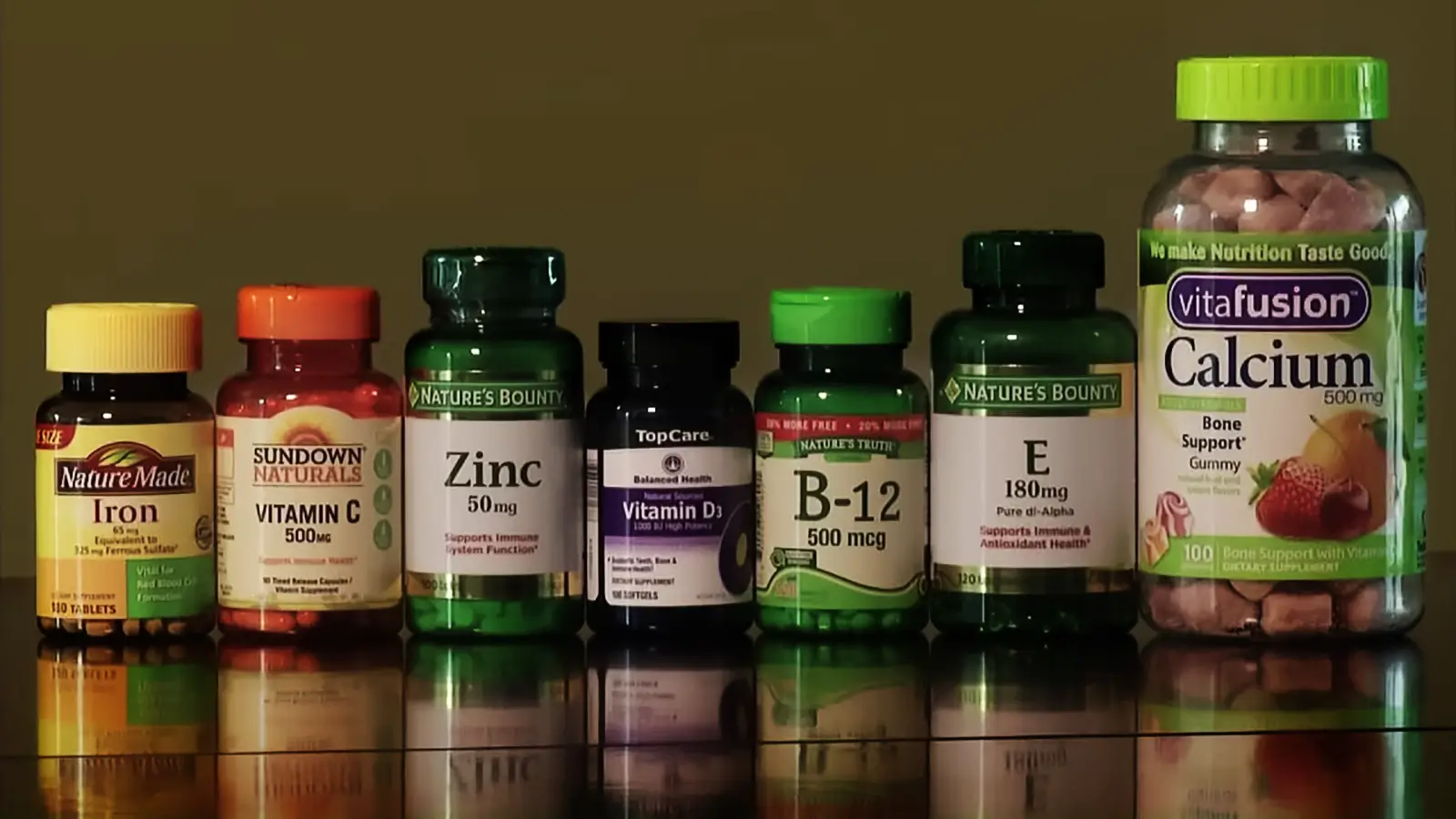
Deficiências de Nutrientes na Dieta Vegana: Estratégias de Prevenção
Existem nove deficiências comuns de nutrientes na escala populacional que afectam as pessoas que se alimentam de uma dieta à base de plantas. Se não forem corrigidas a tempo, algumas deficiências têm consequências terríveis e não tratáveis.
Editor De Picaretas Alimentação Ideal
Deficiência de Micronutrientes na Dieta Americana Padrão: Estratégias de Otimização
O perfil nutricional da nossa dieta moderna à base de carne, açúcar e alimentos processados é completamente incongruente com a nossa evolução, resultando numa grave deficiência de micronutrientes.
Editor De Picaretas Fitoquímicos
Fitoquímicos: Conceitos Básicos
Cada fitoquímico que existe tem uma acção biológica no corpo humano. Cada um de milhões de diferentes fitoquímicos.
Editor De Picaretas Leite Alimentação Ideal
Leite e Lacticínios: Correlações de Risco Para a Saúde
As associações conhecidas com o consumo de leite e laticínios são infertilidade, câncer de ovário e de mama, leucemia, diabetes tipo 1, autismo, arteriosclerose, catarata, artrite reumatóide, esclerose múltipla, hiperatividade, congestão, espinhas e muito mais…
Câncer Editor De Picaretas Proteína
Proteína Completa: Sinalização do IGF-1 na Formação do Cancro
Quando você comer proteína animal que tem quatro vezes a chance de desenvolver todos os tipos de câncer. Quando você fuma tem quatro vezes a chance de desenvolver câncer de pulmão.

Câncer Editor De Picaretas Proteína
A Anatomia do Câncer de risco para a Saúde correlações
Cerca de 2% dos cânceres são, pela medicina, considerados puramente causados por fatores genéticos. A mesma faixa do reino animal. Você não foi informado de toda a verdade.
Milos Pokimica é escritor especializado em saúde e nutrição e consultor em ciências nutricionais. Autor da série de livros Go Vegan? Revisão de Ciênciaopera também o website de saúde natural GoVeganWay.com
Artigos Mais Recentes -
Restrição De Calorias Longevidade
Como Fazer Jejum: Alimentos em Jejum que Não Quebram a Autofagia
Autofagia. Você já se perguntou o que acontece com as células do seu corpo quando elas morrem ou são danificadas? Eles simplesmente se acumulam e criam problemas ou são eliminados de alguma forma? A resposta é que seu corpo…

Saúde Dentária Prevenção
Dentes Sensíveis a Doces e Dor: Solução Rápida e Duradoura
Uma solução rápida e fácil para o alívio da dor é o óleo essencial de cravinho, um poderoso antioxidante e analgésico que pode ajudar com doenças das gengivas e dores de dentes.
Feijão
Feijão Verde: Benefícios Nutricionais e Para a Saúde
O feijão verde tem poucas calorias e é rico em compostos naturais que podem ajudá-lo a controlar o açúcar no sangue, a reduzir o colesterol e a combater os radicais livres.
Dieta de alimentos crus A Dieta Vegetariana
Pode-se Comer Cogumelos Crus: Riscos Para a Saúde, Nutrição e Segurança
Os cogumelos têm toxinas sensíveis ao calor, como a hidrazina ou a agaritina, e paredes celulares feitas de quitina que não podem ser bem digeridas pelos seres humanos.
A Dieta Vegetariana
Os Peixes São Animais? Uma Perspetiva Cultural
Em algumas culturas, a carne de peixe não é considerada carne e o peixe é permitido mesmo durante o jejum.

Saúde Dentária Prevenção
Enxaguante bucal natural caseiro: comprovado, mais forte e menos tóxico
O elixir bucal natural caseiro é mais forte do que a clorexidina, menos tóxico e, se ingerido, pode provocar algumas náuseas, mas também tem um elevado valor ORAC.
Saúde Dentária Prevenção
Como Parar a Cárie Dentária: Sintomas, Causas e Prevenção
Consumo de açúcar é a principal causa de cáries e a cárie dentária, combinado com deficiência de minerais, especialmente o magnésio, o zinco, o cobre e elementos-traço.
Antioxidantes Superalimentos
Amla: Benefícios Comprovados, Nutrição e Significado Clínico
O amla é um dos antioxidantes mais poderosos do mundo, com uma pontuação ORAC de 261.530. É uma fonte rica de fitoquímicos que têm vários benefícios para a saúde.
Superior De Saúde De Notícias — ScienceDaily
- Scientists discover sleep switch that builds muscle, burns fat, and boosts brainpoweron Março 31, 2026
Deep sleep does far more than rest the body — it activates a powerful brain-driven system that controls growth hormone, fueling muscle and bone strength, metabolism, and even mental performance. Scientists have now mapped the neural circuits behind this process, uncovering a delicate feedback loop in which sleep boosts growth hormone, and that same hormone helps regulate wakefulness.
- Simple therapies beat drugs for knee arthritis pain reliefon Março 30, 2026
A major analysis of nearly 10,000 patients shows that simple, non-drug treatments like knee braces, hydrotherapy, and exercise can significantly ease knee osteoarthritis symptoms. These approaches not only reduce pain and improve mobility, but also avoid the risks tied to common medications. The findings suggest that low-cost, accessible therapies could play a bigger role in how doctors treat arthritis in the future.
- This overlooked hormone could be why your blood pressure won’t dropon Março 30, 2026
A large U.S. study reveals that more than a quarter of people with hard-to-treat high blood pressure may have an overlooked hormone problem. Elevated cortisol—often linked to stress—was found in 27% of these patients, far higher than expected. This hidden condition could explain why standard medications fail. The discovery could lead to new testing and treatments that finally help bring blood pressure under control.
- Powerful cholesterol drug cuts heart attack risk by 31%on Março 30, 2026
A powerful cholesterol-lowering drug may be changing the rules of heart disease prevention. Researchers found that evolocumab, typically used for people who already have cardiovascular disease, can significantly cut the risk of first-time heart attacks and strokes in high-risk patients with diabetes—even before any artery-clogging plaque is detected.
- Just a few minutes of effort could lower your risk of 8 major diseaseson Março 30, 2026
Just a few minutes of getting out of breath each day could dramatically cut your risk of major diseases—including heart disease, dementia, and diabetes. A large study of nearly 100,000 people found that it’s not just how much you move, but how intensely you move that matters. Short bursts of vigorous activity—like rushing for a bus or climbing stairs quickly—were linked to striking reductions in disease risk, especially for inflammatory conditions and brain health.
- Scientists solved the mystery of missing ocean plastic—and the answer is alarmingon Março 29, 2026
Scientists have discovered that the ocean’s “missing” plastic hasn’t vanished—it has broken down into trillions of invisible nanoplastics now spread through water, air, and living organisms. These tiny particles may be everywhere, including inside our bodies, raising serious concerns about their impact.
- Stroke triggers a hidden brain change that looks like rejuvenationon Março 29, 2026
After a stroke, the brain may do something surprisingly hopeful—it can “refresh” parts of itself. Researchers analyzing brain scans from over 500 stroke survivors found that while the damaged side of the brain appears to age faster, the opposite, unaffected side can actually look younger. This unexpected shift seems to reflect the brain’s effort to rewire itself, strengthening healthy regions to compensate for lost function.
PubMed, #vegan-dieta –
- Nutritional lifestyle and «production animal» tracking during veterinary curriculumon Março 31, 2026
Veterinary medicine students are confronted with choosing a specialty track after completing their bachelor›s degree. They can choose between clinical (Livestock (NT), Equine (EQ), Small Animal (KT)) and non-clinical track (Pathobiology, Biomedical Research or Veterinary Public Health (VPH)). Overall, the proportion of vegetarians and vegans in the population has increased in the last few decades. An even higher percentage of vegetarian and vegan lifestyles could be observed among […]
- Comparative cross-sectional study of vegan and omnivorous diets and their impact on cardiac function among endurance athleteson Março 30, 2026
Vegan and omnivorous diets are both common in endurance sport; however, the chronic effects of these diets on cardiac function remain uncertain. Therefore, it is of interest to compare echocardiographic, vascular and exercise performance between endurance athletes on vegan or omnivorous diets. Data shows there is comparable systolic function; however, vegans displayed superior diastolic function and arterial compliance; whilst omnivores maintained higher hemoglobin and ferritin levels. Thus, […]
- Environmental Sustainability and Chronic Disease Outcomes Across Four Sustainable Dietary Patternson Março 29, 2026
Global food consumption patterns have undergone substantial transformation in recent decades, driven by rapid population growth and the consequent intensification of agricultural production. This growth, however, has come at significant environmental cost. As food consumption practices play a central role in shaping these impacts, shifts toward environmentally sustainable diets-typically characterized by greater reliance on plant-based foods-have been proposed as a viable mitigation strategy….
- Plant-Based Dietary Patterns and Neuroimaging Biomarkers of Brain Health: A Scoping Review of Observational and Interventional Evidenceon Março 23, 2026
Healthy dietary interventions are well established in cardiovascular disease prevention, but their effects on the brain remain underexplored. This scoping review aims to investigate how adherence to core components of a whole-food plant-based diet (WFPBD) may impact neuroimaging outcomes across different brain conditions. We searched PubMed and MEDLINE for studies published in the past 20 years evaluating the effects of a predominantly or exclusively WFPBD, alone or combined with other […]
- Environmental and economic impact of a vegan versus traditional mediterranean diet: OMNIVEG studyon Março 17, 2026
CONCLUSIONS: Replacing animal products with plant-based foods in a Mediterranean dietary framework can enhance environmental sustainability and reduce food costs. These findings support the promotion of whole plant-based diets as a viable strategy for sustainable and affordable nutrition.
Postagens aleatórias –
Nootrópicos Fitoquímicos
Benefícios da Teobromina: Impulsionar o Cérebro Sem Ansiedade
A teobromina é o segredo por detrás dos efeitos do chocolate na sua mente e nas suas emoções. Pode melhorar a sua cognição e, ao contrário da cafeína, reduz os seus níveis de stress.
Antioxidantes Superalimentos
Benefícios da Spirulina: Superalimento Rico em Ficocianina
A espirulina tem fortes propriedades antioxidantes, anticancerígenas, antivirais e imunomoduladoras, bem como a capacidade de combater a obesidade, a diabetes e o colesterol.
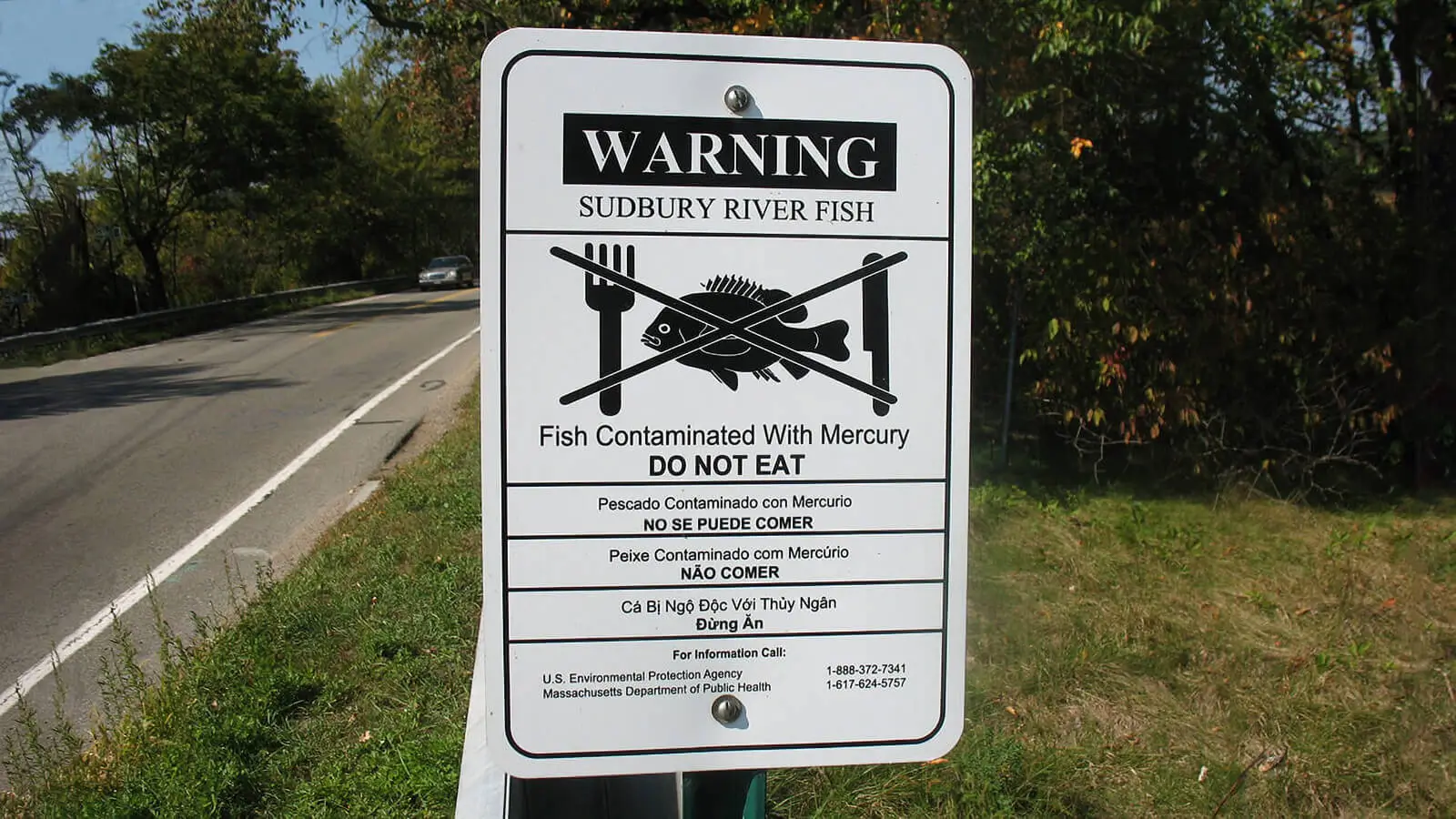
Toxicidade
Mercúrio- Neurotoxina do Peixe
O mercúrio é um industrial a toxina e o mais neurotóxicos substância conhecida. Plâncton vai absorbe-lo a partir de água do mar e iniciar bioacumulação na cadeia alimentar.
Feijão
Feijão Verde: Benefícios Nutricionais e Para a Saúde
O feijão verde tem poucas calorias e é rico em compostos naturais que podem ajudá-lo a controlar o açúcar no sangue, a reduzir o colesterol e a combater os radicais livres.
Editor De Picaretas Alimentação Ideal
Alimentos Processados: Compreender os Riscos
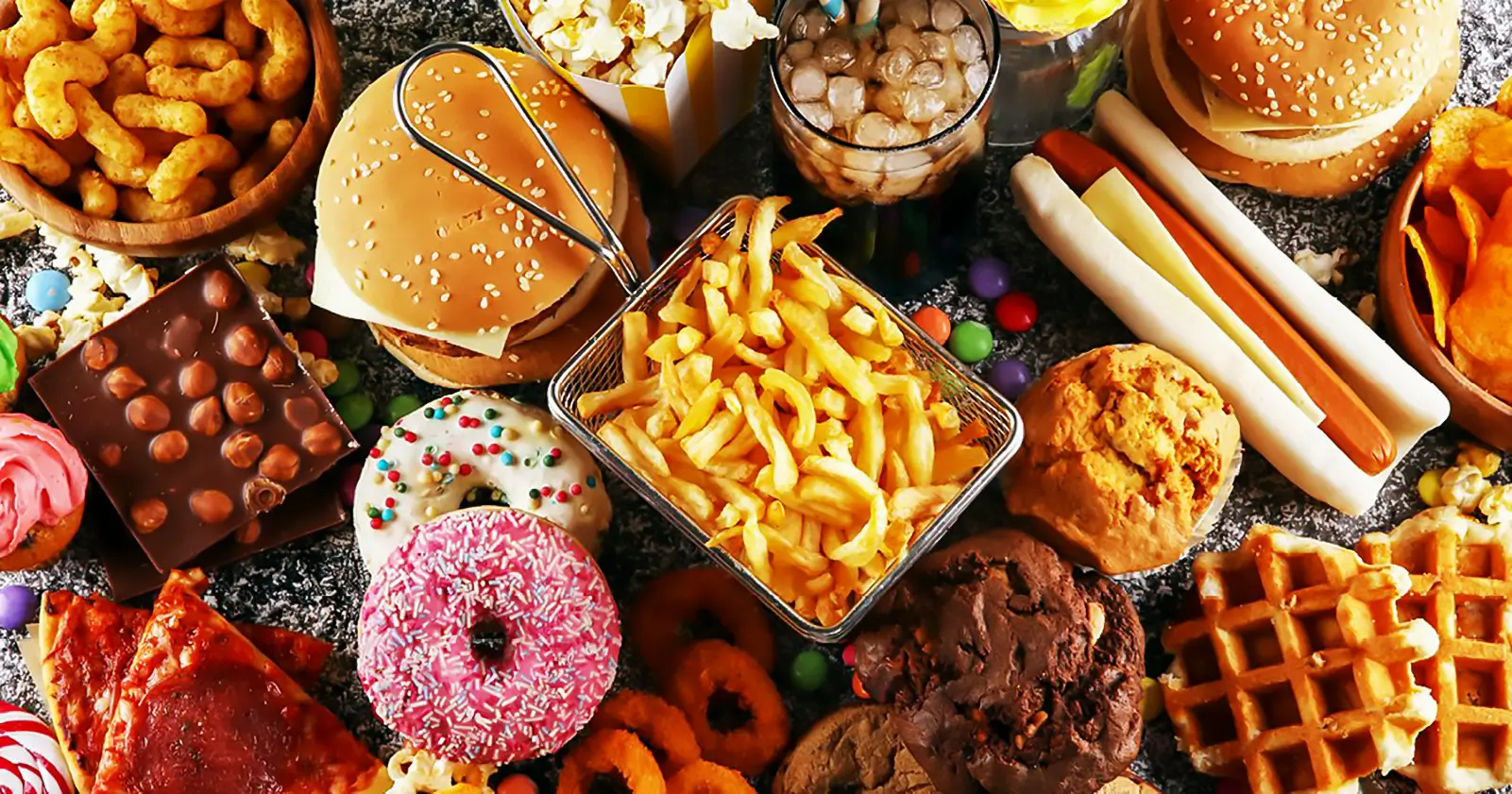
Os alimentos processados significam que algo dos alimentos integrais é removido, normalmente a fibra, e algo é adicionado, normalmente a gordura, o açúcar, o sal e o MSG.

COVID-19 Prevenção A Vitamina D
A deficiência de vitamina D - Fatores de Risco
Existem apenas duas vitaminas que não são produzidos pelas plantas, vitamina D, e o outro de vitamina B12. A deficiência de vitamina D é uma preocupação real.

Câncer Prevenção Toxicidade
Pesticidas, OGM e Sobrecarga Tóxica.
A exposição a pesticidas causa directamente cancro, defeitos de nascença, esterilidade e infertilidade, danos no cérebro e sistema nervoso, fígado, rins, e outros órgãos.
Antioxidantes Nootrópicos
Azul de Metileno: Usos Terapêuticos e Significado Clínico
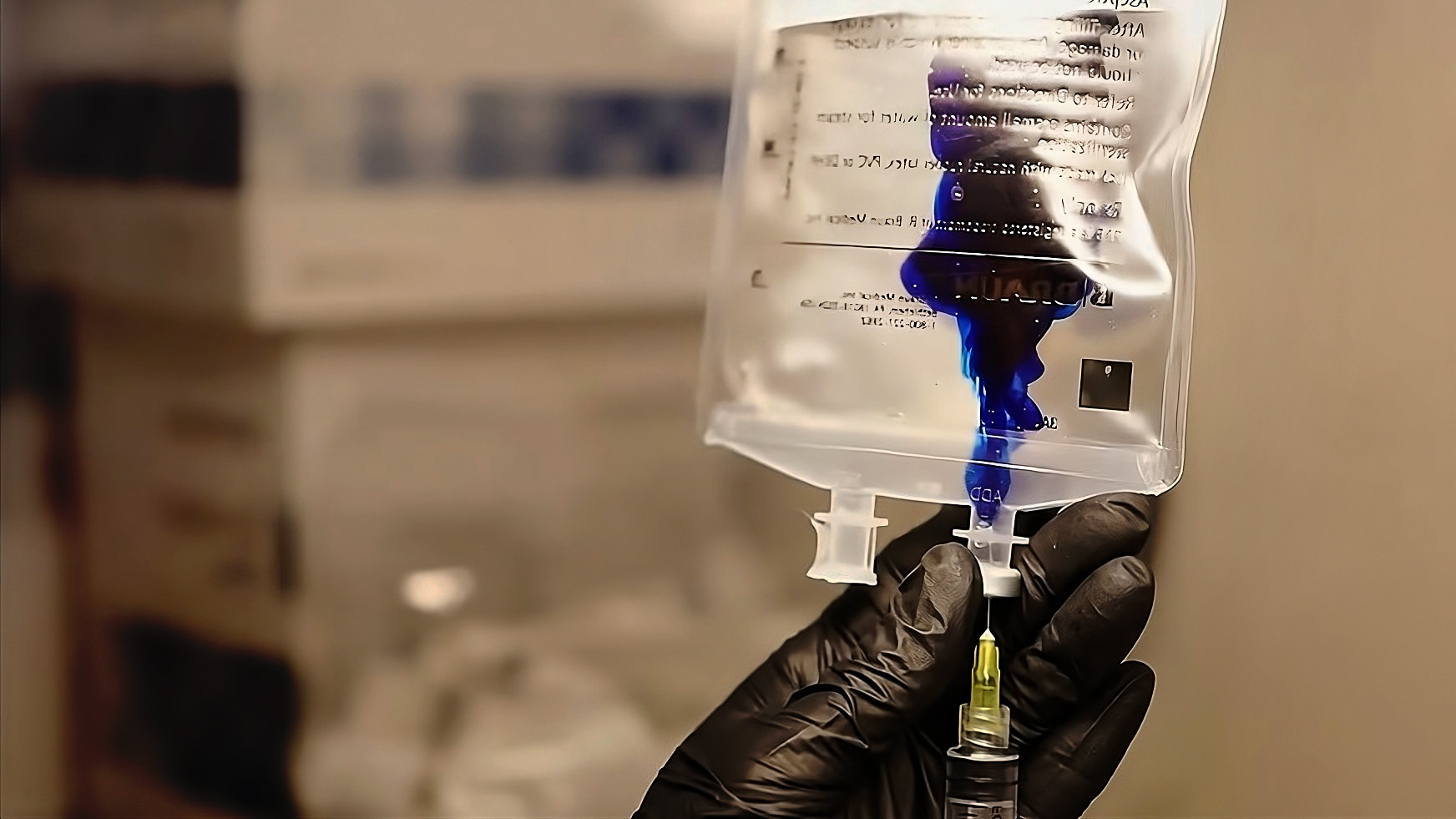
Azul de metileno é um poderoso antioxidante sintético. Ele melhora a função mitocondrial e a capacidade de nossas células para produzir energia.
Editor De Picaretas Fitoquímicos
Fitoquímicos: Conceitos Básicos
Cada fitoquímico que existe tem uma acção biológica no corpo humano. Cada um de milhões de diferentes fitoquímicos.

Indústria De Alimentos Gravidez Toxicidade
Excitotoxicity de MSG (glutamato Monossódico)-Revisão Científica
A descoberta mais significativa em toda a história da indústria alimentar é um ramo particular das neurotoxinas que são chamadas excitotoxinas.

Postagens em destaque –
Editor De Picaretas A Dieta Vegetariana
Deficiências de Nutrientes na Dieta Vegana: Estratégias de Prevenção
Existem nove deficiências comuns de nutrientes na escala populacional que afectam as pessoas que se alimentam de uma dieta à base de plantas. Se não forem corrigidas a tempo, algumas deficiências têm consequências terríveis e não tratáveis.

Editor De Picaretas A Obesidade
Binge eating disorder - A psicologia da fome
Na natureza, não é refinado, açúcar ou gordura. O nosso cérebro nunca havia sido exposta a uma combinação dos dois de uma vez, forçando-nos em binge eating disorder.
Diabetes Editor De Picaretas Alimentação Ideal
Açúcar Refinado: Compreender os Riscos
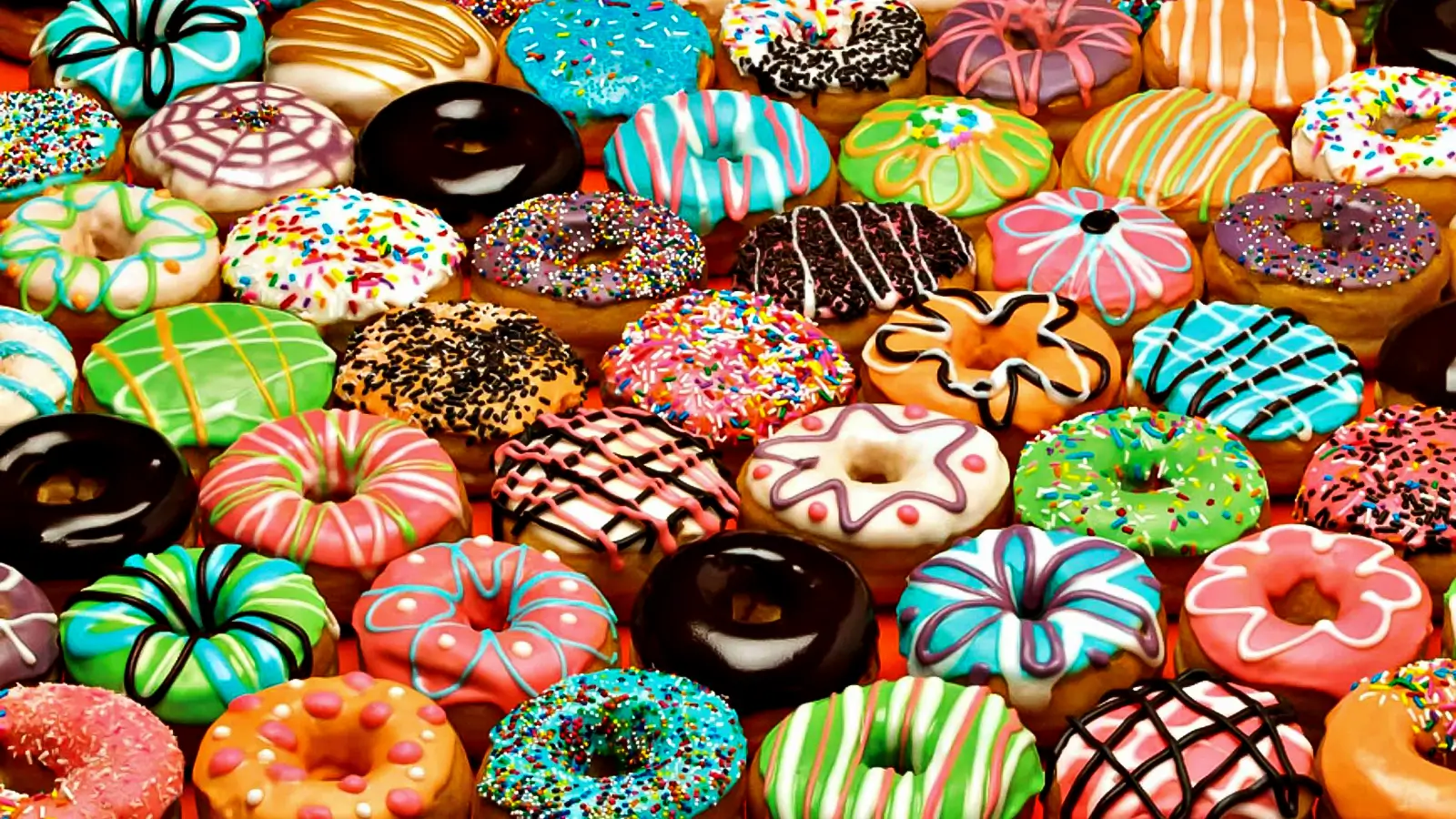
As crianças consomem cerca de um quinto do total de suas necessidades energéticas a partir de apenas o açúcar refinado. Se somarmos a gordura e o resto da nutrição privação de alimentos processados para a lista torna-se uma nutrição completa pesadelo.
Antioxidantes Editor De Picaretas ORAC
Compreender os Valores ORAC: Níveis de Antioxidantes nos Alimentos
Quando a sua principal fonte de antioxidantes é o café, sabe que tem um problema grave.

A Medicina Alopática Editor De Picaretas
A História da Grande Farmácia - IG Farben
A parte de Rockefeller, o monopólio da química e indústrias de medicamentos veio em cumprimento após a 2ª guerra mundial. A Standard Oil e a IG Farben cooperação fez isso em realidade.
Editor De Picaretas Leite Alimentação Ideal
Leite e Lacticínios: Correlações de Risco Para a Saúde
As associações conhecidas com o consumo de leite e laticínios são infertilidade, câncer de ovário e de mama, leucemia, diabetes tipo 1, autismo, arteriosclerose, catarata, artrite reumatóide, esclerose múltipla, hiperatividade, congestão, espinhas e muito mais…
Editor De Picaretas Fitoquímicos
Fitoquímicos: Conceitos Básicos
Cada fitoquímico que existe tem uma acção biológica no corpo humano. Cada um de milhões de diferentes fitoquímicos.
Editor De Picaretas Prevenção Toxicidade
Toxicidade Ambiental- É Apenas Uma Cadeia Alimentar
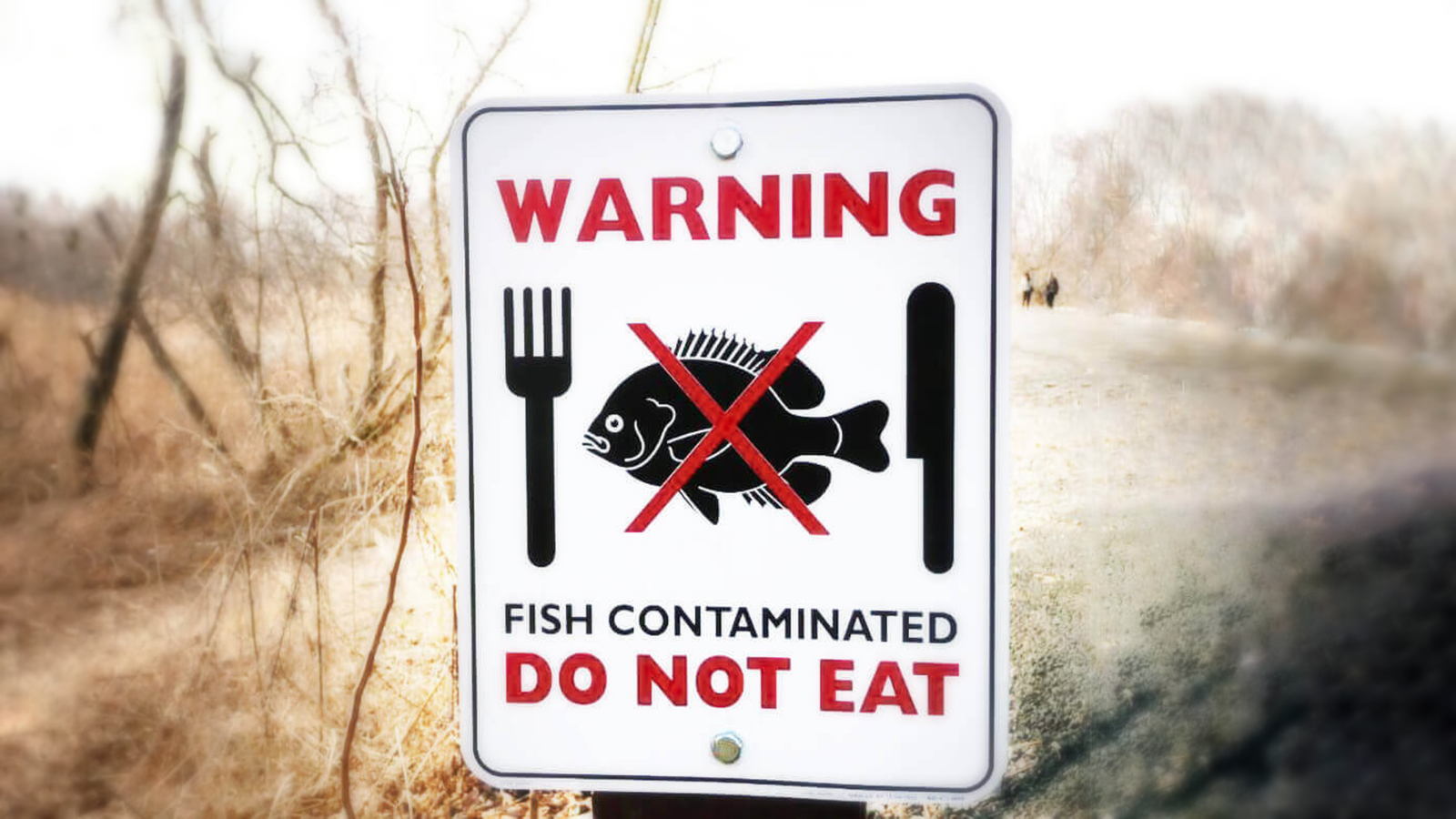
Toxicidade ambiental é a bioacumulação de toxinas. Organismos são filtros. Mas há mais ainda piores processo chamado de biomagnificação na cadeia alimentar.

Editor De Picaretas Prevenção A Dieta Vegetariana
China estudo - vegan argumento
China estudo mostrou que não há nenhuma doença cardíaca ou câncer ou diabetes em subdesenvolvido comunidades rurais em todo o mundo com base de amido de dietas veganas.
Diabetes Editor De Picaretas
A Diabetes provoca e carboidratos refinados - vegan argumento
As pessoas acreditam que os carboidratos refinados estão associadas com picos de insulina e o diabetes provoca. Eles estão certos. No entanto, eles também estão errados.
Últimas do PubMed, #dieta baseada em vegetais –
- Nutritional lifestyle and «production animal» tracking during veterinary curriculumpor O J Glardon on Março 31, 2026
Veterinary medicine students are confronted with choosing a specialty track after completing their bachelor›s degree. They can choose between clinical (Livestock (NT), Equine (EQ), Small Animal (KT)) and non-clinical track (Pathobiology, Biomedical Research or Veterinary Public Health (VPH)). Overall, the proportion of vegetarians and vegans in the population has increased in the last few decades. An even higher percentage of vegetarian and vegan lifestyles could be observed among […]
- Barriers and facilitators for consuming a plant-based diet in patients with knee osteoarthritis: a qualitative studypor Sabine Chmelar on Março 30, 2026
INTRODUCTION: A predominantly plant-based dietary concept was developed in the course of the NUMOQUA study (Nutrition and Movement to Improve Quality of Life in Patients with Knee Osteoarthritis) as part of the interdisciplinary therapeutic intervention for patients with knee osteoarthritis (OA). This study included focus group discussions (FGDs), which aimed to identify perceived barriers and facilitators for following these dietary recommendations.
- Adherence to healthy and sustainable diets and health-related behaviors in a Spanish online university settingpor Maria Pilar Giner on Março 30, 2026
CONCLUSION: Our findings underscore the importance of integrated, gender-sensitive strategies that jointly address diet quality, PA, sleep, and emotional well-being. Online universities represent an important setting for promoting both health and sustainability, especially through targeted actions that support a plant-rich, nutrient-dense dietary pattern, enhance emotional well-being, and encourage more active daily routines.
- Global, regional, and national burden of meningitis, its risk factors, and aetiologies, 1990-2023: a systematic analysis for the Global Burden of Disease Study 2023por GBD 2023 Meningitis & Antimicrobial Resistance Collaborators on Março 30, 2026
BACKGROUND: Meningitis remains the leading infectious cause of neurological disabilities globally, disproportionately affecting children younger than 5 years and populations in the African meningitis belt. Whereas previous global estimates focused on ten pathogen categories, this study presents the most comprehensive analysis to date, assessing the meningitis burden attributable to 17 causative pathogens based on the Global Burden of Diseases, Injuries, and Risk Factors Study (GBD) 2023…
- Targeting systemic and tumor metabolic balances with ketogenic diets enhance efficacy of therapy in FLT3-ITD acute myeloid leukemiapor Léa Goupille on Março 29, 2026
FMS-like tyrosine kinase 3 (FLT3) mutations in acute myeloid leukemia (AML) are associated with adverse prognosis. FLT3 inhibitors (FLT3i) improve therapeutic response; however, diverse resistance mechanisms, such as adaptations in lipid metabolism, have been identified. We hypothesized that a lipid-rich ketogenic diet (KD) might alter both host and tumoral lipid metabolism, enhancing responses to FLT3i. In FLT3-mutated AML mouse models, 3 weeks of lard- or plant-based KD improved the […]
- Recent evidence on plant-based diets and risk of chronic noncommunicable diseases in adults: A systematic review and meta-analysispor Ana Botelho Moreira on Março 29, 2026
CONCLUSION: Recent observational evidence suggests that plant-based diets are associated with lower odds of hypertension and may also benefit type 2 diabetes and dyslipidemia. The findings support plant-forward dietary guidance, although better standardized prospective studies are still needed.