






Benefícios da Spirulina: Superalimento Rico em Ficocianina
A espirulina tem fortes propriedades antioxidantes, anticancerígenas, antivirais e imunomoduladoras, bem como a capacidade de combater a obesidade, a diabetes e o colesterol.
Milos Pokimica
Escrito por: Milos Pokimica
Revisto Clinicamente Por: Dr. Xiùying Wáng, M.D.
Updated Janeiro 4, 2026Principais Conclusões:
- A espirulina é uma alga azul-esverdeada rica em proteínas, vitaminas, minerais, antioxidantes e outros compostos benéficos.
– NASA has stated that the nutritional value of 1000 kg of fruits and vegetables equals 1 kg of Spirulina. In 1992 WHO declared Spirulina as the “Best food for the future” to redress malnutrition, especially in children.
- A Spirulina tem vários benefícios para a saúde, tais como combater infecções, prevenir ou tratar o cancro, reduzir a inflamação, desintoxicar metais pesados, gerir a diabetes, perder peso, melhorar a saúde cardiovascular e melhorar a função cerebral.
- A Spirulina é um superalimento (fonte alimentar rica em nutrientes) que tem uma pontuação ORAC muito elevadao que significa que pode neutralizar uma grande quantidade de radicais livres e protegem as células do stress oxidativo.
- A espirulina é fácil de digerir e absorver e pode ser adicionada à sua dieta sob a forma de pó, cápsula ou comprimido. A dose recomendada varia em função dos seus objectivos e necessidades de saúde, mas geralmente varia entre 1 e 10 gramas por dia.
– Tem mais nutrientes por grama do que a maioria dos outros alimentos do planeta. Tem proteínas, vitaminas e minerais, antioxidantese outros compostos benéficos.
– A espirulina contém cerca de 60% de proteínas em peso seco. É uma das raras fontes vegetais de proteína completaou seja, contém todos os aminoácidos essenciais nas proporções correctas.
- Como os mirtilos e outros frutos ricos fontes alimentares de antioxidantes A spirulina tem diferentes pigmentos. The main pigment is phycocyanin, and it is responsible for its blue-green color, but also for its propriedades antioxidantes que vêm com anti-inflamatórioe capacidades anticancerígenas.
- Alguns estudos mostraram que a espirulina tem uma pontuação ORAC de cerca de 6.000 por cápsula de 500 mg de pó seco.
- Ao tomar spirulina antes ou depois do exercício, pode aumentar a sua resistência, força e potência. Pode também acelerar o seu tempo de recuperação e prevenir a dor e a fadiga muscular.
O que é a Spirulina?
Já ouviste falar da spirulina? É um organismo minúsculo que pertence à família família das cianobactériastambém conhecidas como algas azuis-verdes. Pode não pensar nas algas como algo que se possa comer, mas elas têm sido um alimento básico para algumas pessoas durante séculos. E por uma boa razão: a spirulina é uma fonte de nutrição e benefícios para a saúde.
A Spirulina cresce em grandes lagos ao ar livre sob condições controladas, onde forma filamentos longos e finos que podem ser colhidos e secos.
É um organismo fotossintético, o que significa que pode produzir o seu próprio alimento a partir de luz, água e dióxido de carbono. Não necessita de qualquer outra fonte de matéria orgânica para sobreviver e crescer. É um organismo autotrófico, o que significa que pode produzir mais biomassa do que a que consome. Este facto torna a spirulina uma fonte de alimento eficiente e sustentável.
Pode encontrar a spirulina como suplemento dietético em várias formas, como pó, cápsulas ou comprimidos. Mas o que é que torna esta alga tão única?
A espirulina é um dos alimentos mais ricos em proteínas do planeta, contendo até 70% de proteínas em peso seco (Mathur, 2018). Contém igualmente todos os aminoácidos essenciais de que o organismo necessita para construir e reparar os tecidos (Mathur, 2018). Contém também vitaminas, minerais, antioxidantes e outros compostos benéficos (Mathur, 2018).
Tem alguns compostos únicos e poderosos no topo que podem melhorar as funções do seu corpo e protegê-lo de doenças. Vamos dar uma olhadela a três deles:
- Ficocianina: Este é o pigmento azul que dá à espirulina a sua bela cor. Mas não é só para mostrar: a ficocianina é também uma proteína com propriedades anti-inflamatórias, antioxidantes e anticancerígeno propriedades (Ferdous & Yusof, 2021). Pode proteger as células dos danos causados pelos radicais livres, inflamação e toxinas (Ferdous & Yusof, 2021). Pode também modular o seu sistema imunitário e ajudá-lo a combater infecções e tumores (Ferdous & Yusof, 2021).
- Polissacáridos sulfatados: São açúcares complexos que têm efeitos antivirais, antibacterianos e antifúngicos (Mohan & Thirupathi, 2021). Podem ajudar a prevenir ou tratar doenças virais como constipações, gripe, herpes, VIH e hepatite (Mohan & Thirupathi, 2021). Podem também melhorar a saúde intestinal e prevenir infecções causadas por bactérias ou fungos nocivos.
- Ácido gama-linolénico (GLA): Este é um ácido gordo ómega 6 que tem efeitos anti-inflamatórios e anti-alérgicos. Pode ajudá-lo a reduzir a inflamação e as reacções alérgicas no seu corpo. Pode também reduzir a tensão arterial e os níveis de colesterol e melhorar a saúde da pele.
Estes são apenas alguns dos compostos fantásticos que a spirulina contém. Mas o que é que a spirulina pode fazer por si? Bem, de acordo com a investigação científica, ela pode ajudá-lo com:
- Luta contra as infecções: Pode estimular o seu sistema imunitário e ajudá-lo a combater vírus, bactérias e fungos (O pastifício selmi et al., 2011). Pode também prevenir ou tratar constipações, gripe, herpes, VIH e hepatite (Ong-Matip et al., 2015).
- Prevenção ou tratamento do cancro: Pode inibir o crescimento das células cancerosas e induzir apoptose (morte celular) (Ferdous & Yusof, 2021). Pode também reforçar os efeitos da quimioterapia e da radioterapia e reduzir os seus efeitos secundários (Rahman et al., 2021).
- Reduzir a Inflamação: Pode reduzir os níveis de marcadores inflamatórios no sangue e nos tecidos e aliviar os sintomas de doenças inflamatórias como arthritisasma, alergias e colite ulcerativa (Naeini et al., 2021), (Bannu SM et al., 2019), (Grover et al., 2021).
- Desintoxicação de metais pesados: Para o efeito ligação aos metais e expelindo-os através da urina ou do fígado (Martínez-Galero et al., 2015). Este processo é designado por quelação.
- Gerir a Diabetes: A espirulina pode baixar os níveis de açúcar no sangue e melhorar a sensibilidade à insulina (Huang et al., 2018), (Hannan et al., 2020). Pode também prevenir ou retardar as complicações da diabetes, como lesões nervosas, lesões renais e problemas oculares (Abdel-Daim et al., 2020).
- Perder Peso: Pode suprimir o apetite e aumentar o metabolismo (DiNicolantonio et al., 2020). Pode também ajudar a queimar gordura e a preservar a massa muscular.
- Melhorar a Saúde Cardiovascular: Pode reduzir a tensão arterial e os níveis de colesterol (Machowiec et al., 2021) e impedir ou inverter aterosclerose (acumulação de placas nas artérias) (Ku et al., 2013). Pode também proteger o coração do stress oxidativo e isquemia (falta de oxigénio).
- Melhorar a Função Cerebral: A espirulina pode melhorar a memória, a aprendizagem, a atenção e o humor (Sorrenti et al., 2021), (Trotta et al., 2022). Pode também proteger o cérebro da neurodegeneração (perda de neurónios) e da neurotoxicidade (danos causados por toxinas)(Choi et al., 2022).
Como pode ver, a spirulina é um superalimento que pode beneficiar quase todos os aspectos da sua saúde e é seguro e bem tolerado pela maioria das pessoas. Não existem riscos graves ou efeitos secundários associados ao consumo dietético para indivíduos saudáveis que não sejam alérgicos a ela.
No entanto, existem algumas dificuldades em utilizá-lo como alimento normal. Em primeiro lugar, tem uma cor verde escura e um cheiro forte a peixe que pode não agradar a toda a gente. Em segundo lugar, é bastante caro em comparação com outros alimentos. Por isso, pode não ser viável consumir grandes quantidades todos os dias.
Mas não se preocupe: pode continuar a usufruir dos seus benefícios adicionando pequenas quantidades à sua dieta. Por exemplo, pode misturar um pouco de pó nos seus batidos, sumos, sopas, saladas ou produtos de pastelaria. Ou pode tomar algumas cápsulas ou comprimidos como suplemento.
A dose recomendada varia em função dos seus objectivos e necessidades de saúde. Mas, de um modo geral, pode começar com 1 a 3 gramas por dia e aumentar gradualmente até 10 gramas por dia, se necessário. Naturalmente, deve sempre consultar o seu médico antes de tomar qualquer suplemento.
Luta contra as infecções.
Alguns estudos sugerem que a spirulina pode ajudar o nosso organismo a combater infecções e doenças, graças às suas propriedades antivirais e imunitárias, bem como aos seus efeitos anti-inflamatórios e antioxidantes.
Mas como é que isso acontece e porquê? Um dos seus segredos é o seu composto antioxidante ficocianinaque dá à spirulina a sua cor única. Foi demonstrado que a ficocianina impede que alguns vírus se multipliquem e se espalhem no corpo, como o vírus do herpes simplex, o vírus do sarampo, o vírus da papeira, o vírus da gripe e o VIH (Panggabean et al., 2022).
A Spirulina também pode impulsionar o seu sistema imunitário diretamente, aumentando a produção de glóbulos brancos e anticorpos que combatem infecções e bactérias no corpo (Satyaraj et al., 2021), (O pastifício selmi et al., 2011). Isto pode ajudá-lo a manter-se saudável e a prevenir doenças. Parece que pode ter diferentes modos de ação no apoio ao nosso sistema imunitário.
Prevenção ou tratamento do cancro.
Se está à procura de uma forma natural de prevenir ou tratar o cancro, já deve ter ouvido falar da spirulina. Esta alga é um superalimento que tem muitos benefícios para a saúde, incluindo alguns que podem ajudar a combater o cancro. Mas como é que ela funciona e o que dizem as provas?
A Spirulina tem propriedades anti-oxidantes que protegem as células dos danos causados pelos radicais livres. Os radicais livres são moléculas instáveis que podem danificar o ADN e provocar mutações que conduzem ao cancro. Ao eliminar estes radicais livres, pode ajudar a prevenir o desenvolvimento ou a progressão do cancro.
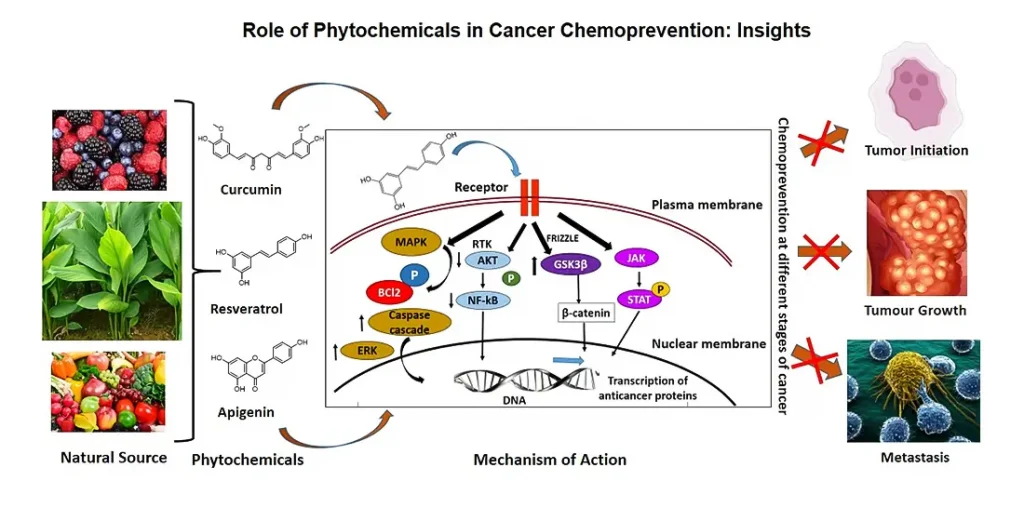
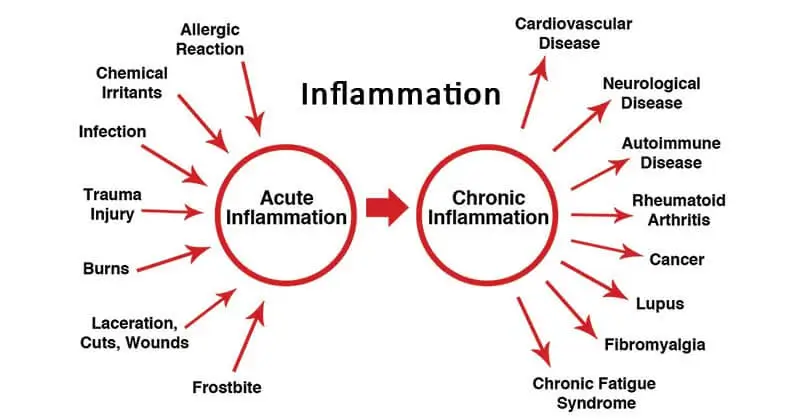
A Spirulina também tem propriedades anti-inflamatórias que reduzem o inchaço e a dor no corpo. A inflamação é uma resposta normal a lesões ou infecções, mas a inflamação crónica também pode contribuir para o cancro, criando um ambiente que favorece o crescimento do tumor. Ao diminuir a inflamação, pode ajudar a manter os tecidos saudáveis e resistentes ao cancro.
Mas a spirulina não se limita a proteger as suas células de danos e inflamações. Também ataca diretamente as células cancerígenas, fazendo-as morrer. Este processo é chamado de apoptose, ou morte celular programada. A apoptose é uma forma natural de se livrar de células anormais ou indesejadas no seu corpo. A espirulina pode desencadear a apoptose nas células cancerígenas através da ativação de certos genes e proteínas que regulam a morte celular (Ferdous & Yusof, 2021).
A espirulina pode também melhorar os efeitos dos tratamentos convencionais contra o cancro, como a quimioterapia e a radioterapia (Rahman et al., 2021). Estes tratamentos funcionam matando as células cancerígenas, mas também danificam as células saudáveis e causam efeitos secundários, como náuseas, fadiga, queda de cabelo e infecções. Pode ajudar a reduzir estes efeitos secundários, reforçando o seu sistema imunitário e protegendo os seus órgãos da toxicidade.
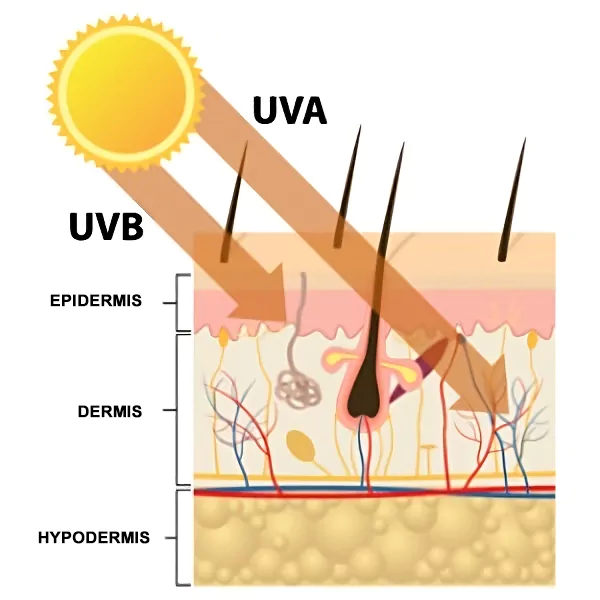
A espirulina pode ser especialmente benéfica para o cancro da pele causado por raios UVB. Os raios UVB são um tipo de radiação ultravioleta que pode danificar a pele e causar queimaduras solares, fotoenvelhecimento, pigmentação e cancro da pele. Pode proteger a sua pele dos raios UVB, aumentando a produção de melaninaO pigmento que dá cor à pele e actua como um protetor solar natural.
Então, a spirulina tem um papel na prevenção ou no tratamento do cancro? A resposta é sim, mas com algumas ressalvas. A maioria dos estudos que apoiam estes benefícios foram efectuados em animais ou em tubos de ensaio, não em seres humanos. Isto significa que não sabemos ao certo quão eficaz e segura é para os seres humanos com cancro. Não existem provas suficientes para a recomendar como tratamento autónomo para o cancro, ou como substituto de tratamento ou aconselhamento médico. Mas existem provas que sugerem que pode ajudar na prevenção do cancro como suplemento.
Reduzir a Inflamação
A espirulina pode ter um papel na redução da inflamação, que é uma causa comum de dor e doença no corpo. A inflamação ocorre quando o seu sistema imunitário responde a uma lesão, infeção ou irritante. Por vezes, no entanto, a inflamação pode tornar-se crónica e danificar os seus tecidos e órgãos.
A espirulina contém antioxidantes que podem combater a inflamação e proteger as suas células de danos. Um destes antioxidantes é a ficocianina, que lhe confere a sua cor azul-verde. A ficocianina pode bloquear a produção de moléculas inflamatórias e prevenir o crescimento de tumores e a morte de células cancerígenas (Jiang et al., 2018).
Também pode ajudar com algumas condições inflamatórias, como artrite, asma, alergias e colite ulcerosa. Estas condições causam inchaço, dor e irritação em diferentes partes do corpo. A espirulina pode ajudar reduzindo os níveis de marcadores inflamatórios no sangue e nos tecidos e aliviando os sintomas.
Um exemplo de uma doença inflamatória em que a spirulina pode ajudar é a rinite alérgica, ou febre dos fenos. Um estudo descobriu que a espirulina era mais eficaz do que a cetirizina (Nourollahian et al., 2020). Este é um tipo de alergia que afecta o nariz e provoca espirros, comichão, congestão e corrimento nasal. Pode ajudar a reduzir a inflamação das vias respiratórias nasais e a quantidade de histaminaque é uma substância química que desencadeia reacções alérgicas.
Desintoxicação de Metais Pesados.
Os metais pesados não são o tipo de metais que encontra nas suas jóias ou moedas. São substâncias que se podem acumular no corpo ao longo do tempo e causar problemas de saúde graves, como lesões renais, perturbações neurológicas, cancro e complicações na gravidez. Talvez nem se aperceba de que está exposto a metais pesados todos os dias, provenientes de fontes como os resíduos industriais, a erosão do solo, a exploração mineira e as emissões de combustíveis fósseis, pesticidase frutos do mar.
A Spirulina pode ajudar o seu corpo a desintoxicar-se de metais pesados, actuando como um íman que os atrai e captura dos seus tecidos e células. De seguida, envia-os para a urina ou para o fígado, onde podem ser eliminados do seu sistema. Este processo é chamado de quelação.
A Spirulina também é rica em clorofila, que é o pigmento verde que faz com que as plantas pareçam verdes. A clorofila é como uma esponja que absorve metais pesados e ajuda a removê-los do seu corpo. Mas nem toda a spirulina é criada de forma igual. Algumas spirulinas podem já estar contaminadas com metais pesados devido ao local e à forma como são cultivadas. Com base neste estudo (Al-Dabi, 2013) não se verificou que a concentração de elementos inorgânicos excedesse os actuais níveis regulamentares em todas as amostras testadas. Eles testaram seis metais pesados/minerais típicos (Ni, Zn, Hg, Pt, Mg e Mn) em 25 produtos de Spirulina comercializados em todo o mundo para consumo humano direto e concluíram que todos eles podem ser considerados seguros como alimentos, mas, mais uma vez, eu continuaria a procurar produtos com maior controlo de qualidade.
A espirulina pode também proteger os seus órgãos dos danos causados pelos metais pesados, reforçando o seu sistema antioxidante e imunitário. A ficocianina tem propriedades anti-inflamatórias e anti-oxidativas que podem reduzir o stress oxidativo e a inflamação causada pelos metais pesados e prevenir os danos no ADN e a morte celular.
Mas a spirulina não substitui o tratamento ou aconselhamento médico. A desintoxicação de metais pesados pode ser arriscada se for feita incorretamente ou sem orientação adequada. Algumas desintoxicações de metais pesados podem causar efeitos secundários como náuseas, vómitos, diarreia, dores de cabeça, fadiga e reacções alérgicas se começarem a retirar demasiada toxicidade dos depósitos de gordura para a corrente sanguínea. Algumas desintoxicações de metais pesados podem também interagir com medicamentos ou outros suplementos que possa estar a tomar.
Gerir a Diabetes.
A spirulina pode ajudar as pessoas com diabetes de várias formas:
- A espirulina pode baixar naturalmente os níveis de açúcar no sangue. Vários estudos demonstraram que pode reduzir significativamente os níveis de glucose no sangue em jejum em pessoas com diabetes de tipo 2 (Hatami et al., 2021). A espirulina pode fazer isso estimulando a secreção de insulina, aumentando o transporte de glicose ou fornecendo ferro, antioxidantes e propriedades anti-inflamatórias. Pode também proteger as células pancreáticas que produzem insulina dos danos causados pelo stress oxidativo.
- A espirulina pode reduzir os níveis de colesterol e melhorar os lípidos no sangue (Serban et al., 2016). As pessoas com diabetes têm frequentemente níveis elevados de colesterol e triglicéridos, que são gorduras no sangue que podem aumentar o risco de doença cardíaca e acidente vascular cerebral. Pode diminuir estas gorduras reduzindo a absorção de colesterol no intestino, aumentando a excreção de ácidos biliares ou modulando a expressão dos genes envolvidos no metabolismo dos lípidos. Pode também aumentar os níveis de colesterol HDL, ou colesterol bom, que ajuda a remover o excesso de colesterol dos vasos sanguíneos.
- A espirulina pode prevenir ou retardar as complicações da diabetes. A diabetes pode danificar vários órgãos e tecidos do corpo devido aos elevados níveis de açúcar no sangue, à inflamação e ao stress oxidativo. A espirulina pode prevenir ou retardar estes danos, fornecendo antioxidantes que eliminam os radicais livres, compostos anti-inflamatórios que reduzem o inchaço e a dor, e nutrientes que apoiam a função e a reparação dos órgãos e tecidos. Por exemplo, a spirulina pode proteger os olhos da retinopatia diabética, uma condição que causa perda de visão devido a danos na retina. Também pode proteger os rins da nefropatia diabética, uma condição que causa insuficiência renal devido a danos nas unidades de filtragem. A espirulina também pode proteger os nervos da neuropatia diabética, uma condição que causa dormência, formigueiro, dor e fraqueza nos membros devido a danos nas fibras nervosas.
Perder Peso.
A espirulina pode ajudar na perda de peso de várias formas (DiNicolantonio et al., 2020):
- A espirulina pode aumentar a taxa metabólica. A taxa metabólica é a velocidade a que o corpo utiliza as calorias para obter energia. Uma taxa metabólica mais elevada significa que são queimadas mais calorias, o que pode ajudar a perder peso. Num estudo de pequena escala realizado em 2014, as pessoas que tomaram 6 g de pó por dia experimentaram efeitos metabólicos benéficos, juntamente com a perda de peso e uma melhor qualidade de vida relacionada com a saúde.
- A espirulina pode suprimir o apetite. O apetite é o desejo de comer alimentos, que é influenciado por hormonas, emoções e sinais ambientais. Um apetite mais baixo significa menos ingestão de alimentos, o que também pode ajudar na perda de peso. É rico em proteínas, o que é conhecido por promover a saciedade, ou a sensação de plenitude, depois de comer. Algumas pessoas que a utilizam para perder peso tomam uma dose cerca de uma hora antes de comer uma refeição para reduzir o apetite e o tamanho da porção.
- A espirulina pode melhorar o controlo do açúcar no sangue. O controlo do açúcar no sangue é a capacidade de manter níveis normais de glicose no sangue. Um mau controlo do açúcar no sangue pode levar à resistência à insulina, que é uma condição em que as células se tornam menos sensíveis à insulina, uma hormona que ajuda a glicose a entrar nas células. A resistência à insulina pode causar aumento de peso, especialmente à volta do abdómen, e aumentar o risco de diabetes tipo 2 e outros problemas de saúde. Pode baixar os níveis de açúcar no sangue e melhorar a sensibilidade à insulina, estimulando a secreção de insulina, aumentando o transporte de glicose ou fornecendo ferro, antioxidantes e propriedades anti-inflamatórias.
- A espirulina pode melhorar a saúde geral. A perda de peso não tem apenas a ver com a ingestão e a eliminação de calorias. Trata-se também de melhorar a saúde e a função de vários órgãos e sistemas do corpo que afectam o metabolismo, a energia e o humor. Pode melhorar a saúde geral ao fornecer vários nutrientes, como as vitaminas A, E, K, complexo B, ferro, magnésio, potássio e ácidos gordos. Pode também proteger os órgãos dos danos causados pelo stress oxidativo, inflamação e toxinas. Por exemplo, pode proteger o fígado da doença do fígado gordo, os rins da doença renal e os olhos de problemas oculares.
Melhorar a Saúde Cardiovascular.
A saúde cardiovascular refere-se à saúde e ao funcionamento do coração e dos vasos sanguíneos. As doenças cardiovasculares são uma das principais causas de morte a nível mundialA doença cardiovascular é a principal causa de morte, contribuindo para uma em cada três mortes nos países desenvolvidos. As doenças cardiovasculares podem resultar de vários factores, como a tensão arterial elevada, o colesterol elevado, a inflamação e o stress oxidativo.
A espirulina pode ajudar a melhorar a saúde cardiovascular de quase todas estas formas:
- A espirulina pode reduzir o colesterol e os triglicéridos (Serban et al., 2016). O colesterol e os triglicéridos são tipos de gorduras que circulam no sangue e podem acumular-se nas artérias, provocando o seu estreitamento e endurecimento. Isto pode aumentar o risco de ataque cardíaco, acidente vascular cerebral e outros problemas cardiovasculares. Pode diminuir o colesterol e os triglicéridos, reduzindo a sua absorção no intestino, aumentando a sua excreção na bílis ou modulando o seu metabolismo no fígado. Pode também aumentar os níveis de colesterol HDL, ou colesterol bom, que ajuda a remover o excesso de colesterol dos vasos sanguíneos.
- A espirulina pode baixar a tensão arterial (Machowiec et al., 2021). A tensão arterial é a força do sangue que empurra as paredes das artérias. A tensão arterial elevada pode danificar as artérias e o coração, conduzindo a doenças cardiovasculares. A espirulina pode baixar a tensão arterial ao aumentar a produção de óxido nítrico, uma molécula que relaxa e alarga os vasos sanguíneos. A espirulina pode também baixar a tensão arterial ao reduzir a inflamação e o stress oxidativo no organismo.
- A espirulina pode prevenir ou reduzir o stress oxidativo e a inflamação (Naeini et al., 2021). O stress oxidativo e a inflamação são processos que podem danificar os vasos sanguíneos, contribuindo para as doenças cardiovasculares e outras doenças crónicas. A Spirulina é rica em antioxidantes, como a ficocianina, o betacaroteno e a vitamina E, que podem eliminar os radicais livres e proteger as células do epitélio dos danos oxidativos. Também tem propriedades anti-inflamatórias que podem reduzir o inchaço e a dor no corpo. Pode também modular o sistema imunitário e evitar respostas imunitárias excessivas ou inadequadas que podem prejudicar o sistema cardiovascular.
- A espirulina pode proteger contra complicações cardiovasculares (Vilahur et al., 2022). As doenças cardiovasculares podem causar várias complicações, como arritmia, insuficiência cardíaca, angina, doença arterial periférica e aterosclerose. A spirulina pode proteger contra estas complicações, melhorando a função e a estrutura do coração e dos vasos sanguíneos. Por exemplo, a spirulina pode prevenir ou reverter a hipertrofia cardíaca, que é um aumento do músculo cardíaco devido à pressão arterial elevada ou a outras causas. Pode também prevenir ou reduzir a formação de placas nas artérias, que podem causar aterosclerose.
Melhorar a Função Cerebral.
A espirulina pode ajudar a melhorar a função cerebral de várias formas:
- A espirulina pode proteger o cérebro do stress oxidativo (Lee et al., 2020). Os radicais livres são moléculas instáveis que podem danificar as células e os tecidos do corpo, incluindo o cérebro. O stress oxidativo pode causar danos e morte nas células cerebrais, conduzindo à neurodegeneração e ao comprometimento cognitivo. Apenas alguns dos antioxidantes são capazes de atravessar a barreira hemato-encefálica. A espirulina é rica em antioxidantes, como a ficocianina, que podem eliminar os radicais livres e proteger o cérebro dos danos oxidativos.
- A espirulina pode prevenir ou reduzir a neuroinflamação (Trotta et al., 2022). Neuroinflamação é um processo em que o sistema imunitário responde a uma lesão ou infeção no cérebro. Por vezes, no entanto, a neuroinflamação pode tornar-se crónica e prejudicial, contribuindo para distúrbios neurológicos como a doença de Alzheimer, a doença de Parkinson e a esclerose múltipla. A espirulina tem propriedades anti-inflamatórias que podem reduzir a neuroinflamação, modulando o sistema imunitário e evitando respostas imunitárias excessivas ou inadequadas que podem prejudicar o cérebro.
- A espirulina pode melhorar a função cognitiva (Sorrenti et al., 2021), (Trotta et al., 2022). A função cognitiva é a capacidade do cérebro para processar informação ou, por outras palavras, a capacidade do cérebro para aprender, recordar, raciocinar, resolver problemas e tomar decisões. A função cognitiva diminui com o envelhecimento natural ou devido a vários factores, como o stress oxidativo e tóxico, a privação de sono ou a deficiência de nutrientes. A espirulina pode melhorar a função cognitiva ao fornecer vários nutrientes que apoiam a saúde do cérebro, como proteínas, ferro, magnésio, potássio e ácidos gordos. A espirulina pode também melhorar a função cognitiva ao aumentar o fluxo sanguíneo para o cérebro, ao aumentar os níveis de neurotransmissores ou ao estimular a neurogénese (o crescimento de novas células cerebrais).
- A espirulina pode prevenir ou retardar a neurodegenerescência (Choi et al., 2022). Neurodegeneração é um processo em que as células cerebrais perdem gradualmente a sua estrutura e função ao longo do tempo. A neurodegeneração pode levar a perturbações neurológicas. A espirulina pode prevenir ou retardar a neurodegeneração, protegendo as células cerebrais do stress oxidativo e da inflamação, activando genes e proteínas que regulam a sobrevivência e a morte das células ou modulando as vias que estão envolvidas na neurodegeneração.
O teor Proteico da Spirulina.
Quer aumentar a sua ingestão de proteínas sem comer carne ou lacticínios? Então talvez queira experimentar a spirulina.
Porque é que a spirulina é tão boa para si? Bem, uma das principais razões é o facto de estar repleta de proteínas. As proteínas são essenciais para a construção e reparação dos músculos, ossos, pele, cabelo e unhas. Também ajuda a sentir-se cheio e satisfeito após uma refeição.
Mas nem todas as proteínas têm todos os aminoácidos essenciais. Algumas proteínas são incompletas, o que significa que lhes falta um ou mais aminoácidos que o corpo não consegue produzir por si só. Estes aminoácidos são designados por aminoácidos essenciais.
É uma das raras fontes vegetais de proteína completaou seja, tem todos os aminoácidos essenciais nas proporções correctas. De facto, tem mais proteínas do que a maioria das fontes animais, como a carne de vaca, frango, ovos ou leite.
De acordo com várias fontes, a espirulina contém cerca de 60% de proteínas em peso seco (Mathur, 2018). Isto é impressionante, considerando que a maioria dos alimentos vegetais tem menos de 20% de proteína por peso seco.
Isto significa que uma colher de chá (7 g) de pó seco fornece cerca de 4 g de proteínas. Isto é equivalente a cerca de meio ovo ou um quarto de chávena de queijo fresco. E pode facilmente adicionar mais à sua dieta, misturando-o nos seus batidos, sumos, sopas, saladas ou produtos de pastelaria.
Mas não é tudo: a proteína da spirulina é também fácil de digerir e absorver (Mathur, 2018). Ao contrário de alguns alimentos vegetais que têm paredes celulares resistentes feitas de celulose, a spirulina não tem celulose nas suas paredes celulares. Isto faz com que seja mais fácil para o seu corpo decompor e utilizar as proteínas nela contidas.
Pode ser um ótimo complemento para o seu se está à procura de uma fonte natural e vegana de proteínas. Pode ajudá-lo a satisfazer as suas necessidades diárias de proteínas e a apoiar a sua saúde e bem-estar.
Também pode ser um salva-vidas para pessoas que sofrem de malnutrição ou deficiência de proteínas. A subnutrição pode causar problemas de saúde graves, como atraso no crescimento, imunidade enfraquecida, anemia e infecções. A carência de proteínas pode provocar perda de massa muscular, edema, queda de cabelo e problemas de pele.
Pode ajudar a prevenir ou tratar estas doenças, fornecendo uma fonte de proteínas de alta qualidade e facilmente digerível. Pode também fornecer outros nutrientes, para além das proteínas, que muitas vezes faltam às pessoas malnutridas.
Foi utilizado com êxito em vários projectos humanitários para combater a subnutrição e a fome nos países em desenvolvimento. Por exemplo, a spirulina tem sido administrada a crianças na Índia, Bangladesh, Burkina Faso, Chade e Ruanda para melhorar o seu crescimento e os seus resultados em termos de saúde.
É um alimento que pode beneficiar qualquer pessoa que queira aumentar a sua ingestão de proteínas e melhorar a sua saúde geral.
Factos Nutricionais.
A Spirulina é um organismo minúsculo que cresce em filamentos longos e finos, como fios de cabelo. Tem uma superfície lisa e brilhante, sem revestimento duro ou resistente. Isto faz com que seja fácil para o seu corpo digerir e absorver os nutrientes nela contidos. Não são necessárias enzimas complexas para a decompor, ao contrário de outros alimentos vegetais.
Mas o que é que o torna tão bom para si? Bem, uma das principais razões é o facto de ser rico em densidade nutricional. Tem mais nutrientes por grama do que a maioria dos outros alimentos do planeta. Tem proteínas, vitaminas, minerais, antioxidantese outros compostos benéficos.
Mas não é apenas um alimento simples ao mesmo tempo. É também um alimento colorido. Tal como os mirtilos e outros fontes alimentares de antioxidantes. A Spirulina tem diferentes pigmentos que lhe conferem cores e funções diferentes. O pigmento principal é ficocianinaque é uma proteína azul. A ficocianina é responsável pela cor azul-esverdeada da spirulina, mas também pela sua propriedades antioxidantes que vêm com anti-inflamatórioe capacidades anticancerígenas.
Tem também outros pigmentos, tais como clorofila e carotenóides. A clorofila é um pigmento verde que ajuda a captar a luz e a convertê-la em energia. Os carotenóides são pigmentos amarelos, laranja ou vermelhos que protegem a spirulina do stress oxidativo e aumentam a sua atividade antioxidante. Os carotenóides também fornecem algum conteúdo de vitamina A.
Algumas espirulinas também têm outro pigmento chamado ficoeritrinaque é uma proteína vermelha. A ficoeritrina dá uma cor vermelha ou cor-de-rosa, dependendo da quantidade e do tipo de pigmento. A ficoeritrina também tem efeitos antioxidantes e anti-inflamatórios.
Vejamos alguns dos factos nutricionais da spirulina, com base numa colher de sopa ou 7 gramas (g) de pó seco:
| Nutriente | Quantidade | DV | Benefícios |
| Calorias | 20 | – | Baixo teor de calorias e pode ajudá-lo a controlar a sua ingestão de calorias e a gerir o seu peso. |
| Proteína | 4 g | 8% | Muito rico em proteínas, pode ajudar a construir e reparar os músculos, os ossos, a pele, o cabelo e as unhas. Também o ajuda a sentir-se cheio e satisfeito após uma refeição. |
| Gordura | 1 g | 1% | Tem baixo teor de gordura e pode ajudá-lo a reduzir a ingestão de gordura e os níveis de colesterol. Contém também algumas gorduras saudáveis, como os ácidos gordos ómega 3 e ómega 6, que têm efeitos anti-inflamatórios e saudáveis para o coração. |
| Os hidratos de carbono | 2 g | 1% | Tem baixo teor de hidratos de carbono e pode ajudá-lo a reduzir a ingestão de açúcar e os níveis de açúcar no sangue. Contém também alguma fibra, que pode ajudar a melhorar a digestão e a saúde intestinal. |
| Ferro | 2 mg | 13-22% | Fonte rica em ferro e pode ajudar a prevenir ou tratar a anemia por deficiência de ferro. O ferro é essencial para a produção de glóbulos vermelhos, que transportam o oxigénio para os tecidos e órgãos. |
| Magnésio | 13.6 mg | 3.4% | Fonte de magnésio e pode ajudar você a manter seu nervo e da função muscular, pressão arterial e saúde óssea. O magnésio está também envolvido em muitas reações enzimáticas no corpo. |
| Potássio | 95.4 mg | 3-4% | Fonte de potássio, pode ajudar a equilibrar os níveis de fluidos e electrólitos, regular o ritmo cardíaco e baixar a pressão arterial. O potássio é também importante para a função nervosa e muscular. |
| De sódio | 73.5 mg | 3% | Com baixo teor de sódio, pode ajudá-lo a limitar a ingestão de sal e a prevenir ou reduzir a tensão arterial elevada, a retenção de líquidos e os problemas renais. O sódio é também necessário para manter o equilíbrio dos fluidos e a função nervosa. |
| Cobre | 0.4 mg | 47% | Fonte rica em cobre, pode ajudar a produzir glóbulos vermelhos, colagénio, melanina e neurotransmissores. O cobre também é importante para o seu sistema imunitário, metabolismo do ferro, defesa antioxidante e expressão genética. |
| Tiamina | 0.2 mg | 14% | Fonte de tiamina ou vitamina B1, pode ajudar a converter hidratos de carbono em energia, apoiar o sistema nervoso e prevenir o beribéri. A tiamina é também essencial para muitas reacções enzimáticas no seu corpo. |
| A riboflavina | 0.3 mg | 20% | Rica fonte de riboflavina ou vitamina B2 e pode ajudar você a produzir energia a partir de alimentos, manter a sua pele a saúde, prevenir a anemia, e proteger a sua visão. A riboflavina também está envolvido em muitas vias metabólicas em seu corpo. |
| A niacina | 1 mg | 6% | Fonte de niacina ou vitamina B3 e pode ajudá-lo a reduzir seus níveis de colesterol, melhorar a circulação sanguínea, evitar pellagra, e apoiar a sua função cerebral. A niacina também é importante para muitos processos celulares em seu corpo. |
| Folato | 7 mcg | 2% | Fonte de folato ou vitamina B9 e pode ajudar a produzir ADN, glóbulos vermelhos e neurotransmissores. O folato é também crucial para o desenvolvimento fetal, prevenindo defeitos de nascença e reduzindo o risco de depressão e demência. |
| A Vitamina A | 11 mcg | 1% | Fonte de vitamina A, pode ajudar a manter a visão, a saúde da pele, o sistema imunitário e o sistema reprodutor. A vitamina A também está envolvida em muitas expressões genéticas no seu corpo. |
| A Vitamina B6 | 0.1 mg | 5% | Fonte de vitamina B6 e pode ajudar a produzir hemoglobina, neurotransmissores, hormonas e anticorpos. A vitamina B6 também é importante para a função cerebral, a regulação do humor e o metabolismo de aminoácidos e hidratos de carbono. |
| A Vitamina K | 25.5 mcg | 21% | Rica fonte de vitamina K, pode ajudar a coagular o sangue, prevenir hemorragias e manter a saúde dos ossos. A vitamina K também está envolvida em muitas modificações de proteínas no seu corpo. |
A Spirulina também contém outros nutrientes que não estão listados no rótulo nutricional, mas que são benéficos para a sua saúde. Alguns deles são:
- Beta-caroteno: Este é um precursor da vitamina A e um potente antioxidante que pode proteger as células do stress oxidativo e da inflamação. O beta-caroteno também pode melhorar a saúde da pele, o sistema imunitário e a saúde dos olhos. Os valores nas tabelas nutricionais podem não refletir a quantidade real de beta-caroteno nos produtos disponíveis para os consumidores. Para mais informações, contacte o fabricante.
- Ficocianina: Este é o pigmento azul que dá à espirulina a sua cor e o seu nome. A ficocianina é também uma proteína que possui propriedades anti-inflamatórias, antioxidantes e anticancerígenas. Pode proteger as suas células dos danos causados pelos radicais livres, inflamação e toxinas. Pode também modular o seu sistema imunitário e ajudá-lo a combater infecções e tumores.
- Clorofila: Este é o pigmento verde que ajuda a captar a luz e a convertê-la em energia. A clorofila é também um desintoxicante que pode ligar-se a toxinas e metais pesados no seu corpo e eliminá-los através das suas fezes. A clorofila também pode melhorar a qualidade do sangue, o fornecimento de oxigénio e a cicatrização de feridas.
No entanto, a spirulina não é uma bala mágica que pode curar todas as suas doenças ou substituir uma dieta equilibrada. Continua a ser necessário comer uma variedade de alimentos de diferentes grupos alimentares para satisfazer todas as suas necessidades nutricionais. Também é necessário consultar o seu médico antes de tomar qualquer suplemento, especialmente se tiver algum problema de saúde ou alergia.
Pode ser uma óptima adição à sua dieta se estiver à procura de uma fonte natural e vegan de nutrientes.
Spirulina Pseudovitamina B12.
Já ouviu falar da pseudovitamina B12 da spirulina? Parece um nome pomposo para um nutriente benéfico, certo? Bem, não é bem assim. De facto, este composto é uma vitamina falsa que pode fazer mais mal do que bem à sua saúde. Deixe-me explicar porquê.
A vitamina B12 é um nutriente vital de que o corpo necessita para muitas funções importantes, como a produção de glóbulos vermelhos, ADN e sinais nervosos. Sem vitamina B12 suficiente, pode desenvolver problemas graves como anemia, fadiga, fraqueza, danos nos nervos e declínio cognitivo.
Agora, pode pensar que este tipo de alga verde-azul, que é frequentemente comercializado como um superalimento, pode fornecer-lhe vitamina B12. Com efeito, ela contém um composto cuja estrutura é muito semelhante à da vitamina B12. Mas não se deixe enganar por esta semelhança. Este composto é, na verdade, uma pseudovitamina B12, o que significa que não é biologicamente ativo nos seres humanos. Por outras palavras, o seu organismo não pode utilizá-lo ou beneficiar dele.
O que é pior, esta pseudovitamina B12 pode até interferir com a absorção da verdadeira vitamina B12 de outras fontes. Isto implica que se a spirulina for o seu principal suprimento de vitamina B12, pode tornar-se deficiente nesta vitamina crucial.
Esta é uma notícia particularmente má para os veganos, que podem ter dificuldade em receber vitamina B12 suficiente de refeições à base de plantas.
Os vegans precisam de ter um cuidado extra com a sua ingestão de vitamina B12, uma vez que estão sujeitos a uma maior risco de deficiência do que os omnívoros. Se é vegan ou vegetariano, não deve contar com a spirulina para satisfazer as suas necessidades de vitamina B12.
A melhor maneira é consumir alimentos fortificados ou suplementos que contenham a forma ativa da vitamina B12, como a metilcobalamina ou a cianocobalamina. Estas formas de vitamina B12 podem ser facilmente absorvidas e utilizadas pelo seu organismo.
A pseudovitamina B12 pode parecer uma coisa boa, mas na verdade é uma coisa má. Não se deixe enganar ou prejudicar. Escolha a verdadeira vitamina B12 e desfrute dos seus benefícios para a sua saúde.
Spirulina Valor Orac.
ORAC significa Capacidade de Absorção de Radical de Oxigénio, que é uma medida da atividade antioxidante de alimentos ou substâncias. Não se trata de um tipo de baleia, mas de uma forma de medir o poder de um antioxidante.
A espirulina é um superalimento (fonte de alimento altamente rica em nutrientes) que tem uma pontuação ORAC muito elevada, o que significa que pode neutralizar uma grande quantidade de radicais livres e protegem as células do stress oxidativo. É uma alga azul-esverdeada que contém um antioxidante especial chamado ficocianina, que lhe confere a sua bela cor. A ficocianina não é apenas um antioxidante, mas também um agente anti-inflamatório e de reforço imunitário.
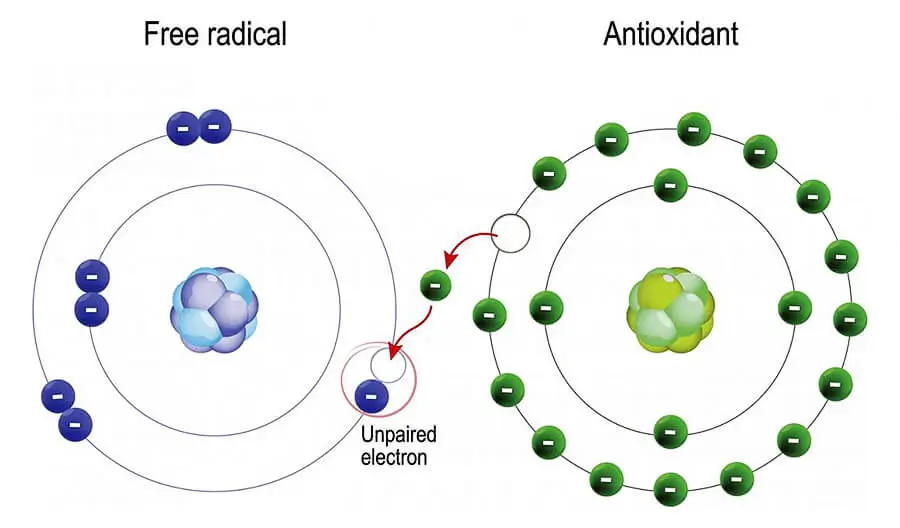
Qual é a altura do pontuação ORAC de espirulina? Bem, depende da qualidade e do tipo que utiliza, bem como da forma como a mede.
Uma forma de medir o poder antioxidante dos alimentos ou suplementos é através do teste ORAC, que significa Oxygen Radical Absorbance Capacity (capacidade de absorção dos radicais livres). Quanto mais elevado for o valor ORAC, melhor é o alimento ou suplemento no combate aos radicais livres.
Em 2010, um grupo de investigadores conceituados publicou um relatório exaustivo dos valores ORAC de centenas de alimentos e suplementos no Nutrition Journal (Carlsen et al., 2010). Eles testaram tudo, desde frutas e vegetais comuns até junk foods processados, como brownies e panquecas. Incluíram também alguns superalimentos exóticos que não estão amplamente disponíveis, como bagas de goji, bagas de açaí e espirulina.
A spirulina é um dos antioxidantes mais potentes do planeta. Os investigadores testaram as cápsulas de espirulina GNC 500 mg, que são feitas de pó de espirulina puro, sem quaisquer enchimentos ou aditivos. Eles descobriram que cada cápsula de 500 mg tinha um valor ORAC de 5.970. Isto significa que uma cápsula de spirulina tem mais poder antioxidante do que uma chávena de mirtilos, que tem um valor ORAC de 4.669.
Por isso, se procura uma forma natural de aumentar a sua ingestão de antioxidantes e proteger as suas células do stress oxidativo, pode querer considerar a adição de spirulina à sua dieta. Pode tomá-la em cápsulas ou comprimidos, ou misturá-la com água ou sumo.
Recomendo sempre às pessoas que comecem com um simples mistura de curcumina e pimenta preta e depois adicionar outros suplementos para além disso. Ainda assim, a spirulina juntamente com outros suplementos antioxidantes como astaxantina e óleos essenciais e especiarias e ervas aromáticas e o cacau e o hibisco, entre outros, são mais uma boa e disponível fonte de antioxidantes.
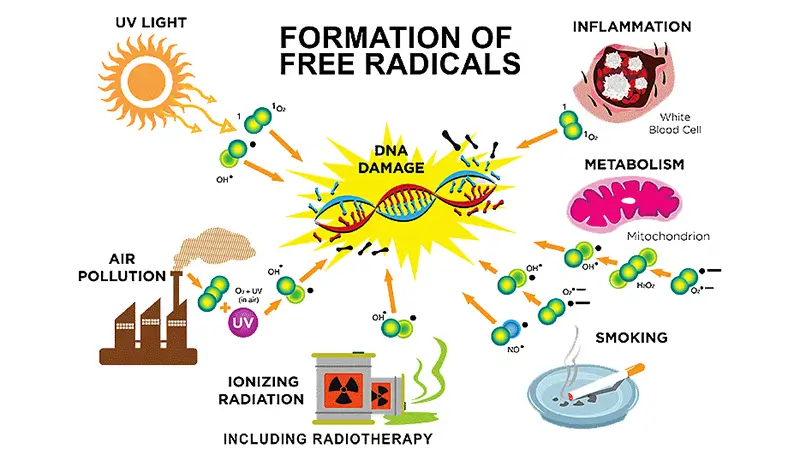
Potenciais Benefícios Para a Saúde da Spirulina.
Alguns dos potenciais benefícios da spirulina para a saúde incluem:
- Baixar colesterol e triglicérido o que pode reduzir o risco de doenças cardíacas e acidentes vasculares cerebrais.
- Reforçar a imunidade e combater as infecções, estimulando a produção de anticorpos e de células imunitárias.
- Aumento do número de glóbulos vermelhos e níveis de hemoglobinaque pode melhorar o fornecimento de oxigénio e prevenir a anemia (O pastifício selmi et al., 2011).
- Redução da inflamação e da dor, através da inibição das enzimas que desencadeiam as respostas inflamatórias.
- Proteger o fígado dos danos e das toxinas, aumentando a atividade das enzimas antioxidantes e reduzindo o stress oxidativo.
- Reduzir a toxicidade nos rins, impedindo a acumulação de ureia e creatinina, que são produtos residuais do metabolismo das proteínas.
- Controlo da asma brônquica, melhorando a função pulmonar e reduzindo a inflamação das vias respiratórias.
- Aumentar o fornecimento de antioxidantes, como o beta-caroteno, a vitamina E, a ficocianina e a clorofila, que podem proteger as células dos danos causados pelos radicais livres e do envelhecimento.
- Reforço da função cerebral e da memória, aumentando os níveis de neurotransmissores e factores neuroprotectores.
- Promover a força e a resistência muscular, melhorando o desempenho do exercício e reduzindo a fadiga muscular.
- Apoio à perda de peso, aumentando o metabolismo, suprimindo o apetite e modulando os níveis de açúcar no sangue.
- Melhorar a saúde oral, reduzindo inflamação das gengivas e tratamento leucoplasia, uma doença que provoca manchas brancas na boca.
- Fornecimento de aminoácidos essenciais, especialmente para vegetarianos e veganos, uma vez que a spirulina contém todos os aminoácidos essenciais de que o corpo necessita.
Riscos Potenciais da Spirulina.
Alguns dos riscos da spirulina são:
- Contaminação com toxinas. A espirulina colhida na natureza pode estar exposta a metais pesados, bactérias ou substâncias nocivas chamadas microcistinas, que podem danificar o fígado e causar outros problemas de saúde graves. A espirulina cultivada em ambientes controlados pode ter níveis mais baixos de microcistinas, mas ainda assim é importante escolher uma marca respeitável que tenha sido testada quanto à sua qualidade e pureza.
- Agravamento de doenças auto-imunes. A espirulina pode fortalecer o seu sistema imunitário, aumentando a atividade das células assassinas naturais, que são capazes de combater infecções e cancros. No entanto, algumas doenças auto-imunes, tais como lupus, esclerose múltipla, ou a artrite reumatóideA doença de Alzheimer, na qual o seu sistema imunitário ataca os seus próprios tecidos, pode ser agravada por esta doença.
- Diluição do sangue. Pode baixar a tensão arterial e os níveis de colesterol, o que pode ser benéfico para a saúde do coração. No entanto, também pode interferir com a coagulação do sangue e aumentar o risco de hemorragia, especialmente se estiver a tomar anticoagulantes ou tiver um distúrbio hemorrágico. Deve evitá-lo se tiver um historial de problemas hemorrágicos ou se estiver a preparar uma cirurgia.
- Gota ou cálculos renais. A espirulina é rica em proteínas e purinas, que são compostos que podem aumentar os níveis de ácido úrico no seu corpo. O ácido úrico é um produto residual que é normalmente excretado pelos rins. No entanto, se se acumular no sangue ou nas articulações, pode causar gota ou cálculos renais. Deve limitar a sua ingestão se tiver gota ou problemas renais.
- Reacções alérgicas. A espirulina pode causar reacções alérgicas em algumas pessoas, tais como erupções cutâneas, comichão, inchaço ou dificuldade em respirar. Deve parar de tomar o medicamento e procurar ajuda médica se tiver quaisquer sinais de reação alérgica.
A spirulina pode não ser segura para todos, especialmente para mulheres grávidas, crianças, pessoas com determinadas condições médicas ou pessoas que estejam a tomar determinados medicamentos. Deve sempre consultar o seu médico antes de tomar qualquer suplemento.
A Espirulina Contém BMAA?
BMAA é um neurotoxina que pode ser produzida por certos tipos de algas azuis-verdes. Estes organismos microscópicos são também conhecidos como cianobactérias e podem crescer em água doce ou salgada, bem como em terra.
Mas será que o consumo de spirulina é seguro? Trata-se de uma alga verde-azulada. Poderá conter BMAA e prejudicar o seu cérebro?
A boa notícia é que a spirulina parece não conter BMAA ou, pelo menos, tem um teor muito baixo. Um estudo que testou dez suplementos diferentes de spirulina utilizando um método sofisticado chamado cromatografia líquida-espetrometria de massa em tandem (LC-MS/MS) não encontrou vestígios de BMAA em nenhum deles (McCarron et al., 2014).
Assim, pode respirar de alívio e desfrutar do seu batido sem se preocupar com o seu cérebro. No entanto, isto não significa que possa ignorar a qualidade e a origem dos seus produtos de spirulina. Alguns factores, como as condições ambientais, a contaminação ou os métodos de processamento, podem afetar a pureza e a segurança. Para além disso, nem todas as algas azuis-verdes são iguais. Algumas outras espécies podem ainda conter BMAA e outras toxinas, por isso, para além da spirulina, eu evitaria todos os tipos de algas azuis-verdes e veria produtos que são conhecidos por acumularem toxinas de algas azuis-verdes, o que inclui peixes. Isto pode ser especialmente preocupante se os produtos forem provenientes de áreas afectadas por florescimentos de algas azuis-verdes, como o Golfo do México.
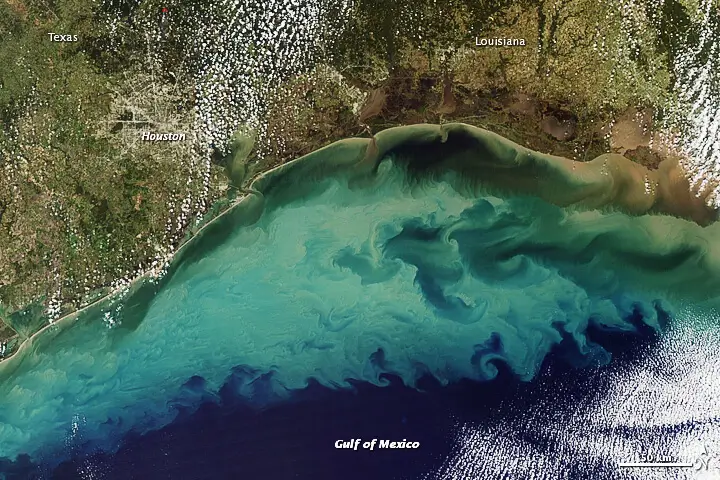
Lembre-se, o BMAA não é algo para se tomar de ânimo leve.
Spirulina e Desporto.
A espirulina e o desporto é um tema que tem sido estudado por alguns investigadores que descobriram alguns possíveis benefícios da sua ingestão como suplemento para atletas e desportistas.
Se está à procura de uma forma natural de aumentar o seu desempenho atlético e a sua recuperação, talvez queira considerar a spirulina.
Pode reduzir a quantidade de danos que o exercício causa aos músculos, fígado e células sanguíneas, eliminando os radicais livres que causam o stress oxidativo. Pode também reduzir os níveis de determinadas enzimas e substâncias químicas que indicam danos musculares, inflamação e peroxidação lipídica. Estas incluem a creatina quinase, a lactato desidrogenase e o malondialdeído.
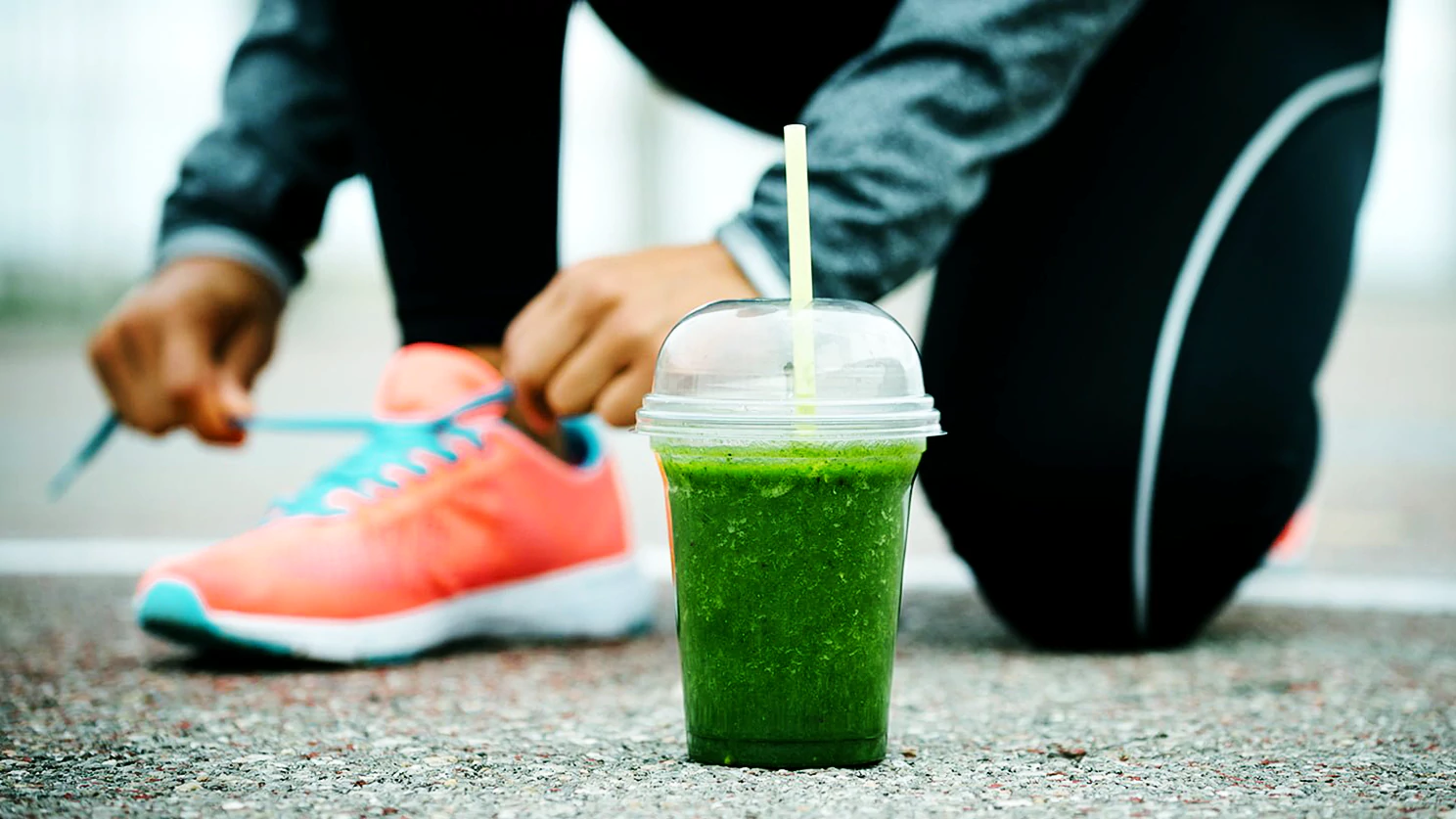
Ao tomar spirulina antes ou depois do exercício, pode aumentar a sua resistência, força e potência. Pode também acelerar o seu tempo de recuperação e prevenir a dor e a fadiga muscular. Pode também apoiar o seu sistema imunitário, que pode ser comprometido pelo exercício extenuante.
Alguns dos benefícios da spirulina para o desporto são (Gurney & Spendiff, 2020), (Gurney & Spendiff, 2022):
- Melhoria do estado antioxidante. Contém compostos chamados ficocianinas, que têm propriedades antioxidantes e anti-inflamatórias. Os antioxidantes podem ajudar a proteger as células do stress oxidativo e da inflamação, que podem ser induzidos pelo exercício e prejudicar a recuperação e o desempenho.
- Recuperação acelerada. Pode ajudar a minimizar os danos musculares induzidos pelo exercício, os danos no fígado e nas células sanguíneas, bem como níveis mais baixos de creatina quinase, lactato desidrogenase e malondialdeído, que são indicadores de danos musculares, inflamação e peroxidação lipídica. Isto pode ajudá-lo a recuperar mais rapidamente e a prevenir a dor e a fadiga muscular.
- Aumento da força muscular. A espirulina pode aumentar a sua força muscular ao aumentar a síntese de óxido nítrico, que é uma molécula que melhora o fluxo sanguíneo e o fornecimento de oxigénio aos músculos. O óxido nítrico também estimula a libertação da hormona do crescimento, que pode promover o crescimento e a reparação muscular.
- Melhoria da resistência. A Spirulina pode aumentar a sua resistência e capacidade aeróbica, aumentando a produção de glóbulos vermelhos, que transportam o oxigénio para os músculos. A spirulina também contém ferro, que é essencial para a formação de hemoglobina e para o transporte de oxigénio. Além disso, pode melhorar o metabolismo das gorduras, o que pode poupar as reservas de glicogénio e retardar a fadiga muscular.
- Metabolismo energético optimizado. A espirulina pode melhorar o seu metabolismo energético, fornecendo-lhe proteínas de fácil digestão, polissacáridos e ácidos gordos essenciais, que podem ser utilizados como combustível para os seus músculos. Também contém vitaminas B, magnésio e zinco, que estão envolvidos em várias reacções enzimáticas que produzem energia a partir de hidratos de carbono, gorduras e proteínas.
A spirulina pode não ser adequada para todos, especialmente se tiver alergias, doenças auto-imunes, distúrbios hemorrágicos, gota, problemas renais ou deficiência de vitamina B12. Deve sempre consultar o seu médico antes de tomar qualquer suplemento.
Como Utilizar a Spirulina.
A espirulina é um tipo de alga verde-azulada que pode ser utilizada como alimento ou suplemento. Está disponível em pó, cápsulas ou comprimidos. Existem diferentes formas de a utilizar, dependendo da sua preferência e gosto. Aqui ficam algumas sugestões:
- Adicionar espirulina a batidos ou sumos. Esta é uma das formas mais fáceis e mais populares. Pode adicionar cerca de 1 colher de chá (5 gramas) de pó ao seu batido ou sumo favorito e misturar bem. Os sabores doces e frutados ajudarão a disfarçar o sabor e a cor das algas.
- Misturar a spirulina com água ou chá. Se não se importar com o sabor, pode simplesmente misturá-lo num copo de água ou numa chávena de chá e bebê-lo puro. Também pode adicionar um pouco de sumo de limão, mel ou stevia para melhorar o sabor.
- Polvilhar a spirulina nos alimentos. Pode ser utilizado como tempero ou guarnição de vários pratos, como saladas, sopas, molhos, temperos ou snacks. Também pode misturá-lo com outros ingredientes, como pesto, hummus, guacamole ou gelado.
- Tomar cápsulas ou comprimidos de spirulina. Se não gostar do sabor ou da textura do pó, pode optar por cápsulas ou comprimidos que contenham extrato de spirulina. Esta é uma forma cómoda e portátil de tomar spirulina sem qualquer preparação. Basta seguir as instruções de dosagem no rótulo.
A quantidade que deve tomar depende dos seus objectivos de saúde e tolerância. Geralmente, 1-3 colheres de chá (5-15 gramas) de spirulina em pó por dia é considerado seguro e eficaz para a maioria das pessoas
Recomendações de Dosagem.
A espirulina é um tipo de alga verde-azul que tem muitos benefícios nutricionais e para a saúde. No entanto, não existe uma dose oficial sugerida, e a quantidade que deve tomar pode depender dos seus objectivos e condições de saúde. De acordo com algumas fontes, as seguintes doses podem ser úteis:
- Para colesterol, doses da ordem de 1-8 g por dia pode ter impacto.
- Para desempenho muscular, doses de 2-7,5 g por dia foram utilizados.
- Para controlo da glicemiaforam observados efeitos muito ligeiros com 2 g por dia.
- Para tensão arterial, doses de 3,5-4,5 g por dia pode ser afetado.
- Para saúde oralUm estudo utilizou um gel de espirulina aplicado nas gengivas após a destartarização e o alisamento radicular, e outro estudo utilizou 1 g por dia para leucoplasia.
Potenciais Interacções Medicamentosas.
A spirulina pode interagir com certos medicamentos e afetar a forma como estes funcionam no seu corpo. Isto é algo de que deve estar ciente antes de começar a tomar suplementos.
Alguns dos medicamentos com que a spirulina pode interferir são:
- Imunossupressores: Estes são medicamentos que reduzem o sistema imunitário para evitar que este ataque os seus próprios tecidos ou órgãos. São utilizados para tratar doenças como a artrite reumatoide, a psoríase, a doença de Crohn e os transplantes de órgãos. Exemplos destes medicamentos são o adalimumab, a azatioprina, a ciclosporina, o etanercept e o infliximab. O problema é que a spirulina pode estimular o seu sistema imunitário e tornar estes medicamentos menos eficazes. Isto pode levar a mais inflamação, dor e danos nos órgãos.
- Tratamentos do cancro: São medicamentos ou terapias que matam as células cancerígenas ou impedem o seu crescimento. Incluem quimioterapia, radioterapia, imunoterapia e terapia direccionada. O problema é que a spirulina também pode estimular o seu sistema imunitário e afetar a forma como o seu corpo responde a estes tratamentos. Isto pode reduzir a sua eficácia ou causar mais efeitos secundários.
- Anticoagulantes: São medicamentos que impedem a formação de coágulos sanguíneos ou dissolvem os já existentes. São utilizados para tratar ou prevenir doenças como acidente vascular cerebral, ataque cardíaco, trombose venosa profunda e embolia pulmonar. Exemplos destes medicamentos são a aspirina, a varfarina, a heparina, o clopidogrel, entre outros. O problema é que a spirulina também pode diluir o sangue e aumentar o risco de hemorragias ou nódoas negras quando tomada com estes medicamentos. Isto pode causar complicações graves como hemorragia interna, acidente vascular cerebral hemorrágico ou sangramento excessivo de feridas ou cirurgia.
- Medicamentos metabolizados pelo fígado: São medicamentos que são decompostos pelo fígado antes de chegarem à corrente sanguínea. Incluem muitos medicamentos comuns como acetaminofeno, estatinas, anticonvulsivantes e outros. O problema é que a spirulina pode afetar as enzimas hepáticas que metabolizam estes medicamentos e alterar os seus níveis no sangue. Isto pode aumentar ou diminuir os seus efeitos ou causar mais efeitos secundários.
- Medicamentos antidiabéticos: A espirulina pode baixar os níveis de açúcar no sangue e melhorar a sensibilidade à insulina. Isto pode aumentar os efeitos dos medicamentos antidiabéticos e causar hipoglicemia ou baixa de açúcar no sangue. Exemplos de medicamentos antidiabéticos são a metformina, a insulina e as sulfonilureias.
Espirulina vs. Chlorella.
| Nutriente | Espirulina | Valor Diário | Chlorella | Valor Diário |
| Calorias | 290 | 15.50% | 411 | 21% |
| Proteína | De 57,5 g | 115% | 58 g | 116% |
| Gordura | 7.72 g | 15% | 13 g | 20% |
| Os hidratos de carbono | 23.9 g | 6% | 23 g | 8% |
| Fibra | 3.6 g | 0% | 3.5 g | 0% |
| Açúcar | 3.1 g | 0% | 2.5 g | 0% |
| Potássio | 1360 mg | 29% | 950 mg | 20% |
| Cálcio | 120 mg | 12% | 221 mg | 17% |
| Cobre | 6.1 mg | 0.67% | 0.1 mg | 0% |
| Ferro | 28.5 mg | 219% | 130 mg | 722% |
| Magnésio | 165 mg | 55% | 315 mg | 75% |
| Zinco | 2 mg | 21% | 71 mg | 646% |
| A Vitamina A | 570 UI | 120% | 51,300 UI | 900%-1000% |
| Vitamina B1 (Tiamina) | 2.38 mg | 207% | 1.7 mg | 142% |
| Vitamina B2 (Riboflavina) | 3.67 mg | 306% | 4.3 mg | 331% |
| Vitamina B3 (Niacina) | 12.8 mg | 85% | 23.8 mg | 149% |
| A Vitamina B6 | 0.364 mg | 28% | 0,9 mg | 70% |
| Ácido Fólico (B9) | 94 mcg | 24% | 90 mcg | 24% |
| Vitamina B12 | pseudo | 0% | De 0,13 mg | * |
| A Vitamina C | 10 mg | 12% | 10 mg | 11% |
| A Vitamina E | 5 mg | 33% | 1.5 mg | 10% |
| A Vitamina K | 25 mcg | 24% | 263 mcg | 219% |
Fonte: U.S. DEPARTMENT OF AGRICULTURE
Se está à procura de um suplemento natural e nutritivo para melhorar a sua saúde, já deve ter ouvido falar da spirulina e da chlorella. Estes são dois tipos de algas azuis-verdes que estão repletas de vitaminas, minerais, antioxidantes e outros compostos benéficos. Mas quais são as diferenças entre estas duas algas? E qual delas deve escolher?
- Aparência. O nome Spirulina deve-se à sua forma em espiral, que consiste em várias células unidas. A Chlorella, por outro lado, é uma alga unicelular que tem uma forma esférica. Também é possível distingui-las pela sua cor. A alga tem uma tonalidade azul-esverdeada, enquanto a chlorella é mais verde. Isto deve-se ao facto de terem quantidades diferentes de clorofila e ficocianina, que são os pigmentos que dão às algas a sua cor e que também têm propriedades antioxidantes.
- Estrutura celular. A Spirulina tem uma parede celular fina que é fácil de digerir, pelo que pode absorver os seus nutrientes sem grande processamento. A Chlorella tem uma parede celular dura que a protege dos predadores, mas também a torna mais difícil de digerir. É por isso que a clorela precisa de ser partida ou pulverizada antes de ser consumida, caso contrário, passará pelo seu sistema sem ser absorvida.
- Perfis nutricionais. A spirulina e a chlorella têm quantidades semelhantes de proteínas, hidratos de carbono e gordura, mas diferem no seu conteúdo de vitaminas e minerais. A chlorella tem mais clorofila do que a spirulina, que é um pigmento verde que ajuda as plantas a converter a luz solar em energia. A clorofila também pode ter efeitos anti-inflamatórios, anti-cancerígenos e de cicatrização de feridas em humanos. A clorela também tem mais ácidos gordos ómega 3, que são essenciais para a saúde do cérebro e do coração. Para além disso, a chlorella tem mais provitamina A, riboflavina, magnésio, ferro e zinco do que a spirulina. Estes são importantes para a visão, pele, energia, sangue e imunidade.
- A espirulina tem mais proteínas do que a clorela em algumas estirpesO que a torna uma boa fonte de aminoácidos para vegetarianos e veganos. A spirulina também tem mais tiamina do que a clorela, que é uma vitamina que ajuda o corpo a utilizar os hidratos de carbono para obter energia. Além disso, a spirulina tem mais cobre do que a clorela, que é um mineral que ajuda o corpo a produzir glóbulos vermelhos e colagénio. A spirulina também tem mais ácidos gordos ómega 6 do que a clorela, que são essenciais para a saúde da pele e do cabelo.
- Benefícios para a saúde. A spirulina e a clorela podem ter benefícios semelhantes para a saúde, como a redução do colesterol, da pressão arterial, do açúcar no sangue, da inflamação e do stress oxidativo. Podem também apoiar a função do sistema imunitário, a saúde dos olhos, a saúde oral e a desintoxicação. No entanto, é necessária mais investigação para comparar a eficácia destas algas para diferentes resultados de saúde.
Então, qual é que deve escolher? Bem, depende dos seus objectivos e preferências. Pode escolher um em detrimento do outro ou utilizar ambos em combinação. No entanto, deve consultar o seu profissional de saúde antes de tomar qualquer suplemento e estar ciente dos potenciais efeitos secundários e interacções destas algas.
A spirulina e a chlorella são geralmente consideradas seguras quando tomadas como suplementos alimentares, mas também podem ter alguns problemas potenciais de toxicidade que deve conhecer. De acordo com algumas fontes, estes são alguns dos possíveis perigos da spirulina e da chlorella:
- Contaminação com toxinas: A espirulina e a clorela que são colhidas em águas naturais podem estar contaminadas com toxinas, tais como metais pesados, bactérias ou microcistinas. As microcistinas são substâncias produzidas por algas azuis-verdes que são tóxicas para o fígado e podem causar lesões hepáticas, náuseas, vómitos, diarreia e mesmo a morte em casos graves. Por isso, é importante escolher produtos de spirulina e chlorella que sejam cultivados em ambientes controlados e testados quanto à sua pureza e qualidade.
- Agravamento de doenças auto-imunes: A espirulina e a clorela podem impulsionar o sistema imunitário, estimulando as células assassinas naturais, que são responsáveis por atacar os invasores estranhos no corpo. No entanto, isto também pode agravar certas doenças auto-imunes, como o lúpus, a esclerose múltipla, a artrite reumatoide e o pênfigo vulgar, em que o sistema imunitário ataca os tecidos do próprio corpo. Por isso, as pessoas com doenças auto-imunes devem consultar o seu médico antes de tomar suplementos de spirulina ou chlorella.
- Efeitos anticoagulantes: A espirulina e a clorela podem ter efeitos anticoagulantes ao inibir a agregação plaquetária, que é a aglomeração de células sanguíneas que ajuda a formar coágulos. Isto pode aumentar o risco de hemorragia ou nódoas negras quando tomado com medicamentos para diluir o sangue, como a aspirina, varfarina, heparina, clopidogrel e outros. Por isso, as pessoas que estão a tomar estes medicamentos ou têm distúrbios hemorrágicos devem consultar o seu médico antes de tomar suplementos de spirulina ou chlorella.
- Reacções alérgicas: A espirulina e a clorela podem causar reacções alérgicas em algumas pessoas sensíveis a algas ou mariscos. Os sintomas podem incluir comichão, inchaço, urticária, erupção cutânea, dificuldade em respirar ou anafilaxia. Por conseguinte, as pessoas que têm alergias a algas ou marisco devem evitar os suplementos de spirulina ou clorela.
- Fenilcetonúria (PKU): A espirulina contém fenilalanina, um aminoácido que as pessoas com PKU não conseguem metabolizar corretamente. A fenilalanina pode acumular-se no corpo e causar danos cerebrais em pessoas com PKU. Por conseguinte, as pessoas que sofrem de PKU devem evitar os suplementos de espirulina.
A espirulina é uma antiga alga unicelular de água doce azul-esverdeada que existe desde o início da vida na Terra. A espirulina pode ser consumida sob a forma de energia, flocos ou comprimidos para fornecer uma fonte de proteínas, fitonutrientes, vitaminas essenciais, minerais e antioxidantes, incluindo ficocianina, zeaxantina, beta-caroteno, GLA, bem como ferro.
Perguntas Frequentes
Referências:
- Al-Dabi, N. A. (2013). Análise de metais pesados em comerciais de Spirulina produtos para o consumo humano. Arábia revista de ciências biológicas, 20(4), 383-388. https://doi.org/10.1016/j.sjbs.2013.04.006
- Mathur, M. (2018). Moléculas bioativas de Espirulina: Um Suplemento Alimentar. Em: Mérillon, JM., Ramawat, K. (eds) Moléculas Bioativas em Alimentos. Da Série de referência em Fitoquímica. Springer, Cham. https://doi.org/10.1007/978-3-319-54528-8_97-1
- Ferdous, U. T., & Yusof, Z. N. B. (2021). Medicamentos perspectivas de antioxidantes a partir de algas fontes na terapia do câncer. Fronteiras em Farmacologia, 12. https://doi.org/10.3389/fphar.2021.593116
- Mohan, S. C., Thirupathi, A. (2021). Antioxidante e Antibacteriana Atividades de Polissacarídeos. In: Oliveira, J., Radhouani, H., Reis, R. L. (eds) Polissacarídeos de Origem Microbiana. Springer, Cham. https://doi.org/10.1007/978-3-030-35734-4_32-1
- Ong-Matip, M., Pieme, C. A., Azabji-Kenfack, M., Moukette, B. M., Korosky, E., Stefanini, P., Ngogang, J., & Mbofung, C. M. F. (2015). Impacto da suplementação diária de Spirulina platensis em que o sistema imunológico do ingênuo HIV-1 em pacientes em Camarões: um de 12 meses, simples-cego, randomizado, multicêntrico. Revista De Nutrição, 14(1). https://doi.org/10.1186/s12937-015-0058-4
- O Pastifício Selmi, C., Lopes, P. S., Fischer, L., Alemão, B., Yang, C. Y., Kenny, T. P., Cysewski, G. R., & Gershwin, M. E. (2011). Os efeitos da Spirulina sobre a anemia e a função imune em idosos. Celular & molecular imunologia, 8(3), 248-254. https://doi.org/10.1038/cmi.2010.76
- Rahman, M. A., Hannan, M. A., Traço, R. Rahman, M. H., O Islã, R., Uddin, M. J., Sohag, A. A., Rahman, M. H., & Rhim, H. (2021). Fitoquímicos como um Complemento para a Quimioterapia do Câncer: Modulação Farmacológica da Autofagia-celular Via Apoptose. Fronteiras em Farmacologia, 12, 639628. https://doi.org/10.3389/fphar.2021.639628
- Naeini, F., Zarezadeh, M., Mohiti, S., Tutunchi, H., Ebrahimi Mamaghani, M., & Ostadrahimi, A. (2021). A suplementação com Spirulina como uma terapia adjuvante no aprimoramento da capacidade antioxidante: Uma revisão sistemática e meta-análise de ensaios clínicos controlados. Revista internacional de prática clínica, 75(10), e14618. https://doi.org/10.1111/ijcp.14618
- Bannu, S. M., Lomada, D., Gulla, S. Chandrasekhar, T., Reddanna, P., & Reddy, M. C. (2019). Potenciais Aplicações Terapêuticas de C-Ficocianina. Atual do metabolismo dos fármacos, 20(12), 967-976. https://doi.org/10.2174/1389200220666191127110857
- Grover, P., Bhatnagar, A., Kumari, N., Narayan Bhatt, A., Kumar Nishad, D., & Purkayastha, J. (2021). C-Ficocianina, um romance de proteína a partir de Spirulina platensis– Na vivo toxicidade, antioxidantes e imunomoduladores estudos. Arábia revista de ciências biológicas, 28(3), 1853-1859. https://doi.org/10.1016/j.sjbs.2020.12.037
- Martínez-Galero, E., Pérez-Pastén, R., Perez-Juarez, A., Fabila-Castillo, L., Gutiérrez-Salmeán, G., & Chamorro, G. (2015). Pré-clínicos antitoxic propriedades deEspirulina(Arthrospira). Análogos De Biologia, 54(8), 1345-1353. https://doi.org/10.3109/13880209.2015.1077464
- DiNicolantonio, J. J., Carvalho Melo, A. G., & OKeefe, J. (2020). Efeitos da spirulina na perda de peso e de lipídios no sangue: uma revisão. De coração aberto, 7(1), e001003. https://doi.org/10.1136/openhrt-2018-001003
- Huang, H., Liao, D., Pu, R., & Cui, Y. (2018). Quantificar os efeitos da suplementação com spirulina em plasma de lipídios e glicose concentrações, o peso corporal e a pressão arterial. Diabetes, síndrome metabólica e obesidade : metas e terapia, 11, 729-742. https://doi.org/10.2147/DMSO.S185672
- Abdel-Daim, M. M., Shaaban Ali, M., Madkour, F. F., & Elgendy, H. (2020). Oral Spirulina Platensis Atenua Hiperglicemia e Exposições Antinociceptive Efeito em Streptozotocin-Induzida Neuropatia Diabética Rat Modelo. Diário de dor de pesquisa, 13, 2289-2296. https://doi.org/10.2147/JPR.S267347
- Hannan, J. M. A., Ansari, P., Azam, S., Flatt, P. R., & Abdel Wahab, S. H. A. (2020). Efeitos de Spirulina platensis sobre a secreção de insulina, dipeptidyl peptidase IV atividade e ambos os hidratos de carbono de digestão e absorção indicam potencial como uma terapia adjuvante para o diabetes. O British journal of nutrition, 124(10), 1021-1034. https://doi.org/10.1017/S0007114520002111
- Machowiec, P., Ręka, G., Maksymowicz, M., Piecewicz-Szczęsna, H., & Smoleń, A. (2021). Efeito de Espirulina A suplementação na Pressão Arterial Sistólica e Diastólica: Revisão Sistemática e Meta-Análise de Ensaios Controlados Randomizados. Nutrientes, 13(9), 3054. https://doi.org/10.3390/nu13093054
- Ku, C. S., Yang, Y., Park, Y., & Lee, J. (2013). Benefícios para a saúde de algas azul-verde: a prevenção da doença cardiovascular e doença hepática gordurosa não alcoólica. Journal of medicinal food, 16(2), 103-111. https://doi.org/10.1089/jmf.2012.2468
- Sorrenti, V., Castagna, D. A., Fortinguerra, S., Buriani, A., Scapagnini, G., & Willcox, D. C. (2021). Microalgas Spirulina e a Saúde do Cérebro: Um Escopo de Revisão de várias Evidências Experimentais e Clínicas. Marinha Drogas, 19(6), 293. https://doi.org/10.3390/md19060293
- Trotta, T., Porro, C., Cianciulli, A., & Panaro, M. A. (2022). Efeitos benéficos da Spirulina Consumo sobre a Saúde do Cérebro. Nutrientes, 14(3), 676. https://doi.org/10.3390/nu14030676
- Choi, W., Lee, W., Kim, T., Ryu, Y., Parque, A., Lee, Y., Heo, S., Oh, C., Chung, Y., & Kang, D. (2022). Os Efeitos da Spirulina maxima Extrato de melhorar a Memória em pessoas com Comprometimento Cognitivo Leve: Um estudo Randomizado, Duplo-Cego, Controlado por Placebo em ensaios Clínicos. Nutrientes, 14(18), 3714. https://doi.org/10.3390/nu14183714
- Panggabean, J. A., Adiguna, S., Rahmawati, S. I., Ahmadi, P., Zainuddin, E. N., Bayu, A., & Putra, M. Y. (2022). Antiviral Atividades de Algas Baseados em Polissacarídeos Sulfatados. Moléculas, 27(4), 1178. https://doi.org/10.3390/molecules27041178
- Jiang, L., Wang, Y., Liu, G., Liu, H., Zhu, F., Ji, H., & Li, B. (2018). C-Ficocianina exerce efeitos anti-câncer através da via de sinalização MAPK na MDA-MB-231 células. Células De Câncer Internacional, 18(1). https://doi.org/10.1186/s12935-018-0511-5
- Nourollahian, M., Rasoulian, B., Gafari, A., Anoushiravani, M., Jabari, F., & Bakhshaee, M. (2020). Clínica comparação da eficácia de spirulina platensis e cetirizine para o tratamento da rinite alérgica. Acta otorhinolaryngologica Itálica : organo ufficiale della ე italiana di otorinolaringologia e chirurgia cervico-facciale, 40(3), 224-229. https://doi.org/10.14639/0392-100X-N0139
- Serban, M. C., Sahebkar, A., Dragan, S., Stoichescu-Hogea, G., Ursoniu, S., Andrica, F., & Banach, M. (2016). Uma revisão sistemática e meta-análise do impacto da suplementação com Spirulina em plasma de lipídeos. Nutrição clínica (Edimburgo, Escócia), 35(4), 842-851. https://doi.org/10.1016/j.clnu.2015.09.007
- Hatami, E., Ghalishourani, S. S., Najafgholizadeh, A., Pourmasoumi, M., Hadi, A., Clark, C. R., Assaroudi, M., Salehi-Sahlabadi, A., Joukar, F., & Mansour-Ghanaei, F. (2021). O efeito da spirulina na diabetes tipo 2: uma revisão sistemática e meta-análise. Diário de Diabetes e doenças Metabólicas, 20(1), 883-892. https://doi.org/10.1007/s40200-021-00760-z
- DiNicolantonio, J. J., Carvalho Melo, A. G., & OKeefe, J. (2020). Efeitos da spirulina na perda de peso e de lipídios no sangue: uma revisão. De coração aberto, 7(1), e001003. https://doi.org/10.1136/openhrt-2018-001003
- Vilahur, G., Sutelman, P., Mendieta, G., Radiké, M. Schoch, L., Casaní, L., Padro, T., & Badimon, L. (2022). A suplementação Com Spirulina Reduz o Tamanho do Enfarte e Melhora a Função Cardíaca em um Modelo Suíno de STEMI. Fronteiras em Farmacologia, 13, 891801. https://doi.org/10.3389/fphar.2022.891801
- Lee, K. H., Cha, M., & Lee, B. H. (2020). Neuroprotetor Efeito de Antioxidantes no Cérebro. International Journal of Molecular Ciências, 21(19), 7152. https://doi.org/10.3390/ijms21197152
- Carlsen, M. H., Halvorsen, B., Holte, K. A., Bøhn, S. K., Dragland, S., Sampson, L., Willey, C., Senoo, H., Umezono, Y., Sanada, C., Barikmo, I., Berhe, N., Willett, W. C., Phillips, K. W., Jacobs, D. R., & Blomhoff, R. (2010). O antioxidante total de conteúdo de mais de 3100 alimentos, bebidas, condimentos, ervas e suplementos usados em todo o mundo. Revista De Nutrição, 9(1). https://doi.org/10.1186/1475-2891-9-3
- McCarron, P., Logan, A. C., Giddings, S. D., & Quilliam, M. A. (2014). Análise de β-N-metilamino-L-alanina (BMAA) na spirulina contendo suplementos por cromatografia líquida-espectrometria de massa em tandem. Aquáticos Biosystems, 10(1). https://doi.org/10.1186/2046-9063-10-5
- Gurney, T., & Spendiff, O. (2020). Spirulina suplementação melhora a captação de oxigênio no braço de exercícios de ciclismo. European journal of applied physiology, 120(12), 2657-2664. https://doi.org/10.1007/s00421-020-04487-2
- Gurney, T., & Spendiff, O. (2022). Algas Suplementação para o Desempenho do Exercício: Perspectivas Atuais e Futuras Direções para a Spirulina e Chlorella. Fronteiras em nutrição, 9, 865741. https://doi.org/10.3389/fnut.2022.865741
Publicações Relacionadas
Você tem alguma dúvida sobre saúde e nutrição?
Gostaria muito de ouvir a sua opinião e responder-lhes no meu próximo post. Agradeço o vosso contributo e a vossa opinião e aguardo com expetativa a vossa resposta em breve. Convido-vos também a siga-nos no Facebook, Instagram e Pinterest para mais conteúdos sobre dieta, nutrição e saúde. Pode deixar um comentário e ligar-se a outros entusiastas da saúde, partilhar as suas dicas e experiências e obter apoio e encorajamento da nossa equipa e comunidade.
Espero que este post tenha sido informativo e agradável para si e que esteja preparado para aplicar os conhecimentos que aprendeu. Se achou este post útil, por favor partilhá-lo com os seus amigos e familiares que também possam beneficiar com isso. Nunca se sabe quem poderá precisar de alguma orientação e apoio no seu percurso de saúde.
– Você Também Pode Gostar –
Câncer, O que é Proibido Curas-máquina de Rife, análise de Histórico
A exposição à acrilamida - Chips, batatas fritas, e o câncer

Pesticidas nos Alimentos, Exposição na Dieta Americana Padrão - 80 Por Cento da Carne
Toxicidade do Peixe- A Carne Mais Tóxica
Antioxidantes: Compreender os Princípios Básicos
Dieta mediterrânica- "Maravilha" de azeite de oliva
Açafrão-da-Terra: Melhorar a Saúde e Benefícios Clínicos
Café benefícios– Não sem riscos

Aprender Sobre Nutrição

Milos Pokimica é médico de medicina natural, nutricionista clínico, escritor de saúde e nutrição médica, e conselheiro em ciências nutricionais. Autor da série de livros Go Vegan? Revisão de Ciênciaopera também o website de saúde natural GoVeganWay.com
Medical Disclaimer
GoVeganWay.com traz comentários dos mais recentes a nutrição e a saúde relacionados com a pesquisa. As informações fornecidas representa a opinião pessoal do autor e não pretende nem implícita para ser um substituto para aconselhamento médico profissional, diagnóstico ou tratamento. As informações fornecidas são apenas para fins informativos e não se destina a servir como um substituto para a consulta, o diagnóstico e/ou tratamento médico de um médico qualificado ou prestador de cuidados de saúde.NUNCA DESCONSIDERE o CONSELHO MÉDICO PROFISSIONAL OU adiar a BUSCA de TRATAMENTO MÉDICO por causa DE ALGO QUE TENHA LIDO OU ACESSADO por MEIO de GoVeganWay.com
NUNCA APLIQUE QUAISQUER MUDANÇAS de estilo de VIDA OU QUALQUER MUDANÇA COMO UMA CONSEQUÊNCIA DE ALGO QUE TENHA LIDO NO GoVeganWay.com ANTES de CONSULTORIA de LICENÇA MÉDICA.
No caso de uma emergência médica, ligue para o médico ou para o 911 imediatamente. GoVeganWay.com não recomenda ou endossa qualquer específicos, grupos, organizações, exames, médicos, produtos, procedimentos, opiniões ou outras informações que podem ser mencionadas dentro.
Escolhas do Editor -
Câncer Editor De Picaretas Fitoquímicos
Poder Anticancerígeno das Frutas e Legumes: Evidências Clínicas e in Vivo
Alguns extractos vegetais rivalizam com os principais medicamentos de quimioterapia e, ao mesmo tempo, visam vários tipos diferentes de células cancerígenas.
Antioxidantes Editor De Picaretas ORAC
Óleos Essenciais Como Suplementos Antioxidantes: Regras e Estratégias
Os óleos essenciais de qualidade alimentar podem ser uma estratégia conveniente e amiga do consumidor para optimizar o valor antioxidante e a pontuação ORAC da nossa dieta.
Antioxidantes Editor De Picaretas ORAC
Dieta Rica em Antioxidantes: Regras e Estratégias Gerais
Existem estratégias fáceis e económicas para optimizar o valor antioxidante da nossa dieta.
Antioxidantes Editor De Picaretas ORAC
Compreender os Valores ORAC: Níveis de Antioxidantes nos Alimentos
Quando a sua principal fonte de antioxidantes é o café, sabe que tem um problema grave.
Antioxidantes Editor De Picaretas ORAC
Astaxantina Benefícios: Antioxidante Natural Mais Poderoso do Mundo
A astaxantina é o mais poderoso e natural antioxidante universal (tanto o petróleo e a água-solúvel) desconhecido para a ciência. Ele se acumula nos tecidos e Ele nunca pode transformar-se em um pró-oxidante.
Antioxidantes Editor De Picaretas ORAC Fitoquímicos
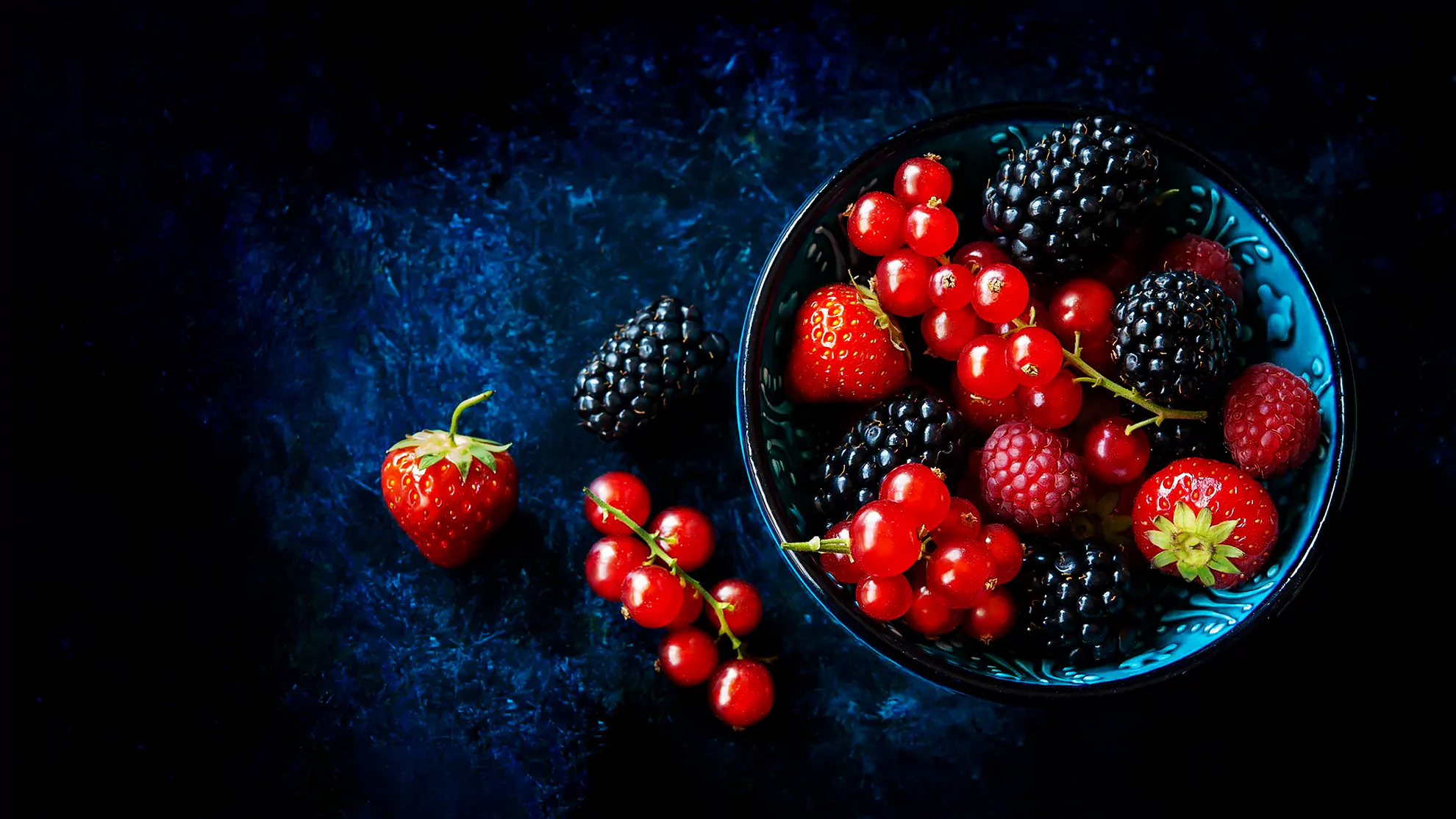
Antioxidantes: Compreender os Princípios Básicos
Los productos de origen animal no contienen fitoquímicos ni antioxidantes. Por término medio, los alimentos vegetales contienen más de 60 veces más antioxidantes que los de origen animal.
Editor De Picaretas A Dieta Vegetariana
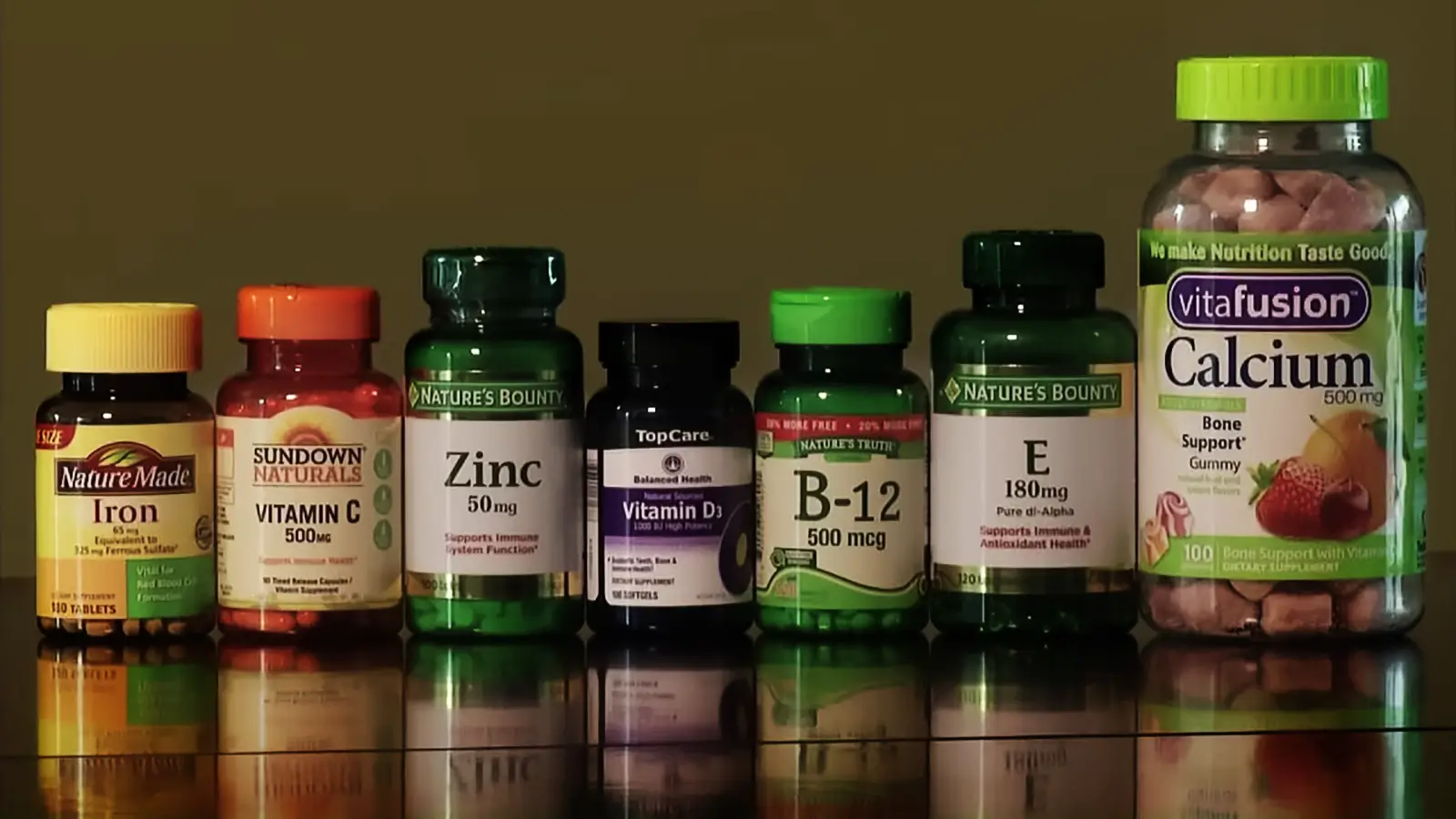
Deficiências de Nutrientes na Dieta Vegana: Estratégias de Prevenção
Existem nove deficiências comuns de nutrientes na escala populacional que afectam as pessoas que se alimentam de uma dieta à base de plantas. Se não forem corrigidas a tempo, algumas deficiências têm consequências terríveis e não tratáveis.
Editor De Picaretas Alimentação Ideal
Deficiência de Micronutrientes na Dieta Americana Padrão: Estratégias de Otimização
O perfil nutricional da nossa dieta moderna à base de carne, açúcar e alimentos processados é completamente incongruente com a nossa evolução, resultando numa grave deficiência de micronutrientes.
Editor De Picaretas Fitoquímicos
Fitoquímicos: Conceitos Básicos
Cada fitoquímico que existe tem uma acção biológica no corpo humano. Cada um de milhões de diferentes fitoquímicos.
Editor De Picaretas Leite Alimentação Ideal
Leite e Lacticínios: Correlações de Risco Para a Saúde
As associações conhecidas com o consumo de leite e lacticínios são infertilidade, cancro dos ovários e da mama, leucemia, diabetes tipo 1, autismo, arteriosclerose, catarata, artrite reumatóide, esclerose múltipla, hiperactividade, congestão, espinhas, e muito mais...As associações conhecidas com o consumo de leite e lacticínios são infertilidade, cancro dos ovários e da mama, leucemia, diabetes tipo 1, autismo, arteriosclerose, catarata, artrite reumatóide, esclerose múltipla, hiperactividade, congestão, espinhas, e muito mais...
Câncer Editor De Picaretas Proteína
Proteína Completa: Sinalização do IGF-1 na Formação do Cancro
Quando você comer proteína animal que tem quatro vezes a chance de desenvolver todos os tipos de câncer. Quando você fuma tem quatro vezes a chance de desenvolver câncer de pulmão.

Câncer Editor De Picaretas Proteína
A Anatomia do Câncer de risco para a Saúde correlações
Cerca de 2% dos casos de câncer estão por medicamento considerado puramente causada por fatores genéticos. O mesmo intervalo de dentro do reino animal. Você ainda não foi informado de toda a verdade.
Milos Pokimica é escritor especializado em saúde e nutrição e consultor em ciências nutricionais. Autor da série de livros Go Vegan? Revisão de Ciênciaopera também o website de saúde natural GoVeganWay.com
Artigos Mais Recentes –
Restrição De Calorias Longevidade
Como Fazer Jejum: Alimentos em Jejum que Não Quebram a Autofagia
Autofagia. Já alguma vez se interrogou sobre o que acontece às células do seu corpo quando morrem ou se danificam? Será que se acumulam e criam problemas ou são eliminadas de alguma forma? A resposta é que o seu corpo...
Saúde Dentária Prevenção
Dentes Sensíveis a Doces e Dor: Solução Rápida e Duradoura
Uma solução rápida e fácil para o alívio da dor é o óleo essencial de cravinho, um poderoso antioxidante e analgésico que pode ajudar com doenças das gengivas e dores de dentes.
Feijão
Feijão Verde: Benefícios Nutricionais e Para a Saúde
O feijão verde tem poucas calorias e é rico em compostos naturais que podem ajudá-lo a controlar o açúcar no sangue, a reduzir o colesterol e a combater os radicais livres.
Dieta de alimentos crus A Dieta Vegetariana
Pode-se Comer Cogumelos Crus: Riscos Para a Saúde, Nutrição e Segurança
Os cogumelos têm toxinas sensíveis ao calor, como a hidrazina ou a agaritina, e paredes celulares feitas de quitina que não podem ser bem digeridas pelos seres humanos.

A Dieta Vegetariana
Os Peixes São Animais? Uma Perspetiva Cultural
Em algumas culturas, a carne de peixe não é considerada carne e o peixe é permitido mesmo durante o jejum.
Saúde Dentária Prevenção
Elixir Bucal Natural Caseiro: Comprovado, Mais Forte e Menos Tóxico
O elixir bucal natural caseiro é mais forte do que a clorexidina, menos tóxico e, se ingerido, pode provocar algumas náuseas, mas também tem um elevado valor ORAC.
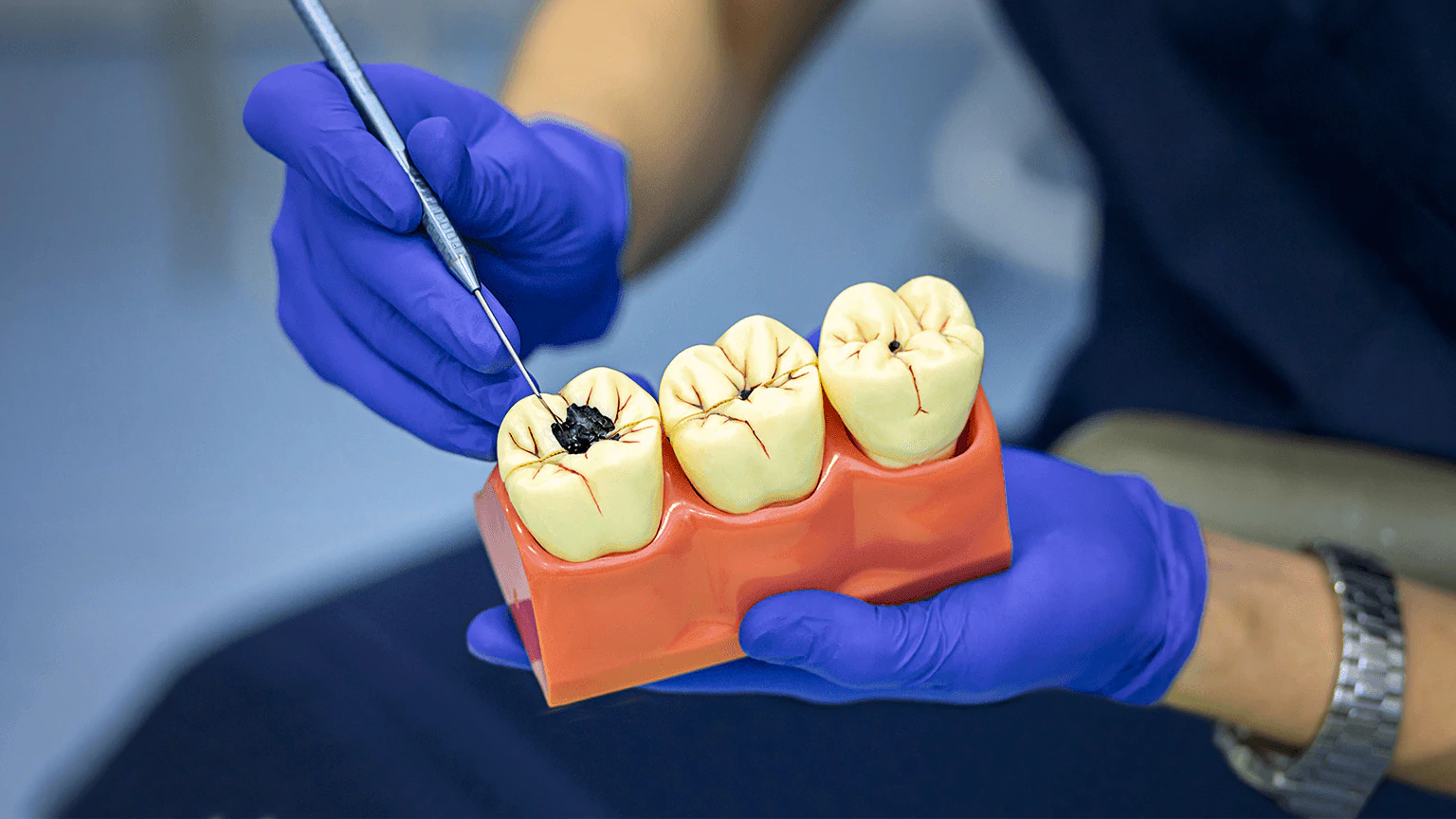
Saúde Dentária Prevenção
Como Parar a Cárie Dentária: Sintomas, Causas e Prevenção
Consumo de açúcar é a principal causa de cáries e a cárie dentária, combinado com deficiência de minerais, especialmente o magnésio, o zinco, o cobre e elementos-traço.
Antioxidantes Superalimentos
Amla: Benefícios Comprovados, Nutrição e Significado Clínico
O amla é um dos antioxidantes mais poderosos do mundo, com uma pontuação ORAC de 261.530. É uma fonte rica de fitoquímicos que têm vários benefícios para a saúde.
Superior De Saúde De Notícias — ScienceDaily
PubMed, #vegan-dieta –
- Toward consensus on complementary feeding recommendations: findings from a national evidence-informed modified Delphi study in Türkiyeon Outubro 12, 2026
CONCLUSIONS: Integration of quantitative Delphi findings with qualitative thematic analysis revealed that non-consensus primarily stemmed from the practical nuances of clinical execution and contextual adaptation, rather than a fundamental skepticism toward the underlying scientific data. These findings provide an evidence-informed foundation for developing context-sensitive CF recommendations for clinical practice.
- Characterization of Nutritional Intake in Vegan Pregnant Women and its Association on Birth Weighton Outubro 8, 2026
CONCLUSIONS: Vegan women had a higher rate of SGA than non-vegan women, and this increased risk may be partly related to differences in maternal protein intake and composition. In addition, vegan women had lower dietary intakes of calcium, vitamin B12, vitamin D, DHA, and choline, highlighting these nutrients as important considerations in the nutritional assessment and counseling of pregnant women adhering to a strictly vegan diet.
- Changes in ectopic lipids, insulin sensitivity, and beta cell function after a low-fat vegan diet in adults with type 2 diabetes: a 16-week single-arm clinical trialon Outubro 8, 2026
CONCLUSIONS: On an ad libitum low-fat plant-based (vegan) dietary intervention, the participants with type 2 diabetes experienced reductions in ectopic fat, particularly visceral and hepatocellular fat, improvements in insulin sensitivity, reductions in AGEs, and improvements in beta-cell function.
- Sustained Regression of Parotid Mucosa-Associated Lymphoid Tissue (MALT) Lymphoma After Nutritional and Nutraceutical Intervention Without Chemoimmunotherapy: A Case Reporton Outubro 5, 2026
Extranodal marginal zone lymphoma of mucosa-associated lymphoid tissue (MALT) in the setting of Sjögren’s syndrome (SS) is a well-recognized complication of chronic autoimmune salivary gland inflammation. Standard management options include radiotherapy, immunotherapy, and combination chemoimmunotherapy, with active surveillance reserved for stable, low-burden disease. The potential role of structured nutritional and nutraceutical intervention in this setting has not been previously […]
Publicações Aleatórias -
Câncer Desintoxicação A Inflamação
Benefícios do Sulforafano: O Superpoder Desintoxicante dos Brócolos
O sulforafano é o indutor enzimático natural de fase 2 mais potente conhecido pela ciência. Também foi demonstrado que o sulforafano é um inibidor dose-dependente da tumorigênese induzida por carcinógeno.
Nootrópicos Fitoquímicos
Benefícios da Teobromina: Impulsionar o Cérebro Sem Ansiedade
A teobromina é o segredo por detrás dos efeitos do chocolate na sua mente e nas suas emoções. Pode melhorar a sua cognição e, ao contrário da cafeína, reduz os seus níveis de stress.
Toxicidade
Arsénio de Exposição e Consumo de Arroz- O Mais Tóxico de Grãos de Todos Eles
De todos os alimentos fontes de arroz absorve a maior concentração de arsénio entre todos os comumente consumido alimentos.
Editor De Picaretas Leite Alimentação Ideal
Leite e Lacticínios: Correlações de Risco Para a Saúde
As associações conhecidas com o consumo de leite e lacticínios são infertilidade, cancro dos ovários e da mama, leucemia, diabetes tipo 1, autismo, arteriosclerose, catarata, artrite reumatóide, esclerose múltipla, hiperactividade, congestão, espinhas, e muito mais...As associações conhecidas com o consumo de leite e lacticínios são infertilidade, cancro dos ovários e da mama, leucemia, diabetes tipo 1, autismo, arteriosclerose, catarata, artrite reumatóide, esclerose múltipla, hiperactividade, congestão, espinhas, e muito mais...

Poluição Do Ar Câncer Toxicidade
Exposição à Poluição Atmosférica - Riscos Para a Saúde e Estratégias de Prevenção
Só na Índia, cerca de meio milhão de pessoas morrem todos os anos devido à poluição atmosférica. A poluição do ar que resulta em morte é apenas uma parte do problema geral.

A Inflamação Dieta de alimentos crus Toxicidade
Lectins - o Paradoxo da "Planta Paradox"
O paradoxo da "Planta Paradoxo" é que as pessoas que comem mais lectins (feijões e cereais integrais) têm menos câncer.
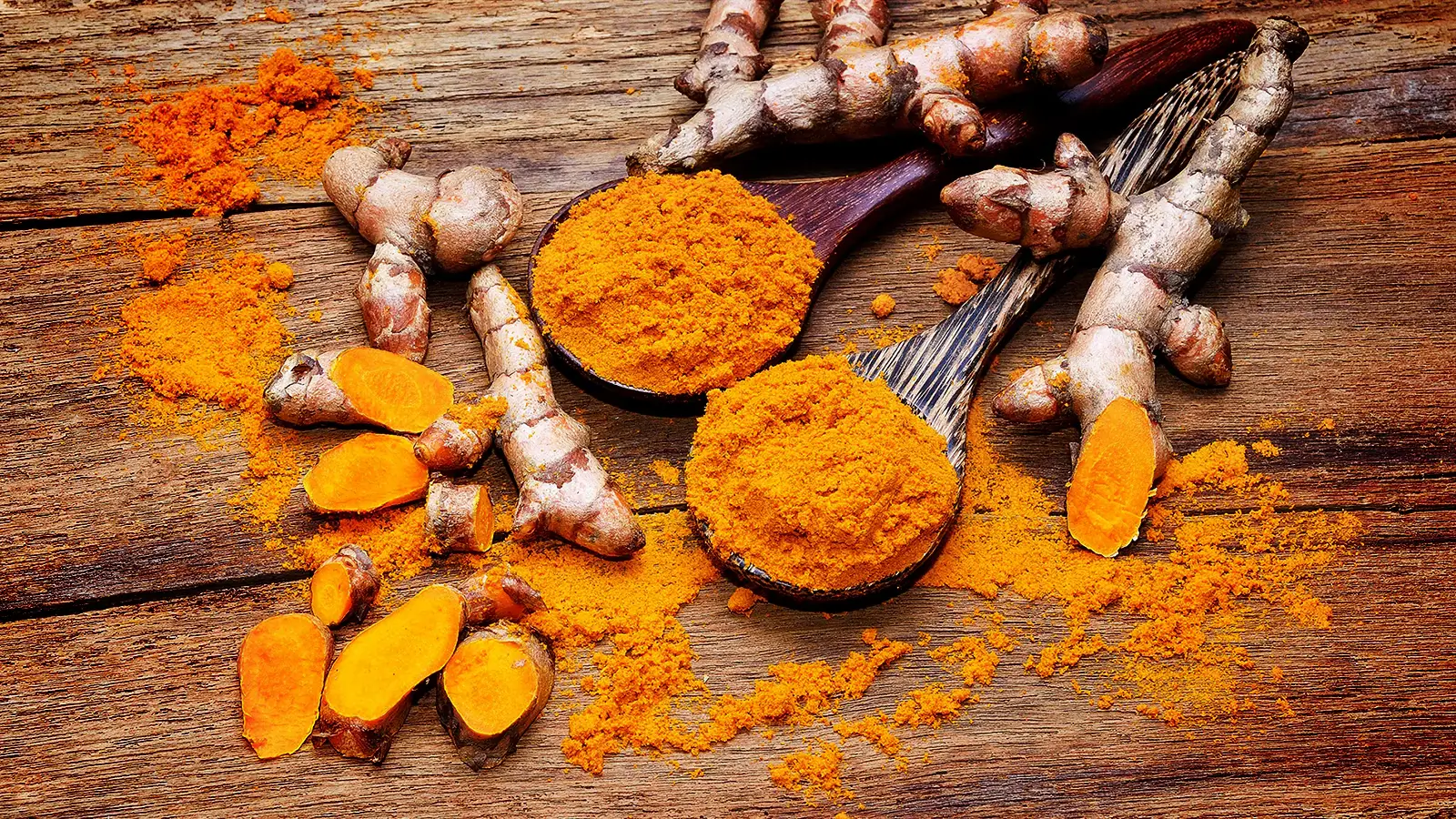
Antioxidantes Câncer Fitoquímicos
Açafrão-da-Terra: Melhorar a Saúde e Benefícios Clínicos
No açafrão-da-terra, há mais de 300 fitoquímicos activos até agora identificados. É tão poderoso que até pode alterar a nossa expressão genética.
Antioxidantes Editor De Picaretas ORAC Fitoquímicos
Antioxidantes: Compreender os Princípios Básicos
Los productos de origen animal no contienen fitoquímicos ni antioxidantes. Por término medio, los alimentos vegetales contienen más de 60 veces más antioxidantes que los de origen animal.

Câncer Editor De Picaretas Toxicidade
Exposição a Pesticidas em Crianças: Testes de Exposição na Vida Real
Crianças e, principalmente, as mulheres grávidas são mais vulneráveis à exposição aos pesticidas. Se analisarmos do mundo real, os níveis de exposição em cenários da vida real, qual seria o resultado?
Editor De Picaretas A Obesidade Alimentação Ideal
Causa da Obesidade - Desadaptação ou vício
Qual é a causa da epidemia de obesidade? Para toda a vida na Terra, a comida não é uma escolha. A coisa mais difícil para o animal no deserto é o ganho de peso.

Posts Em Destaque –
Editor De Picaretas Alimentação Ideal
Deficiência de Micronutrientes na Dieta Americana Padrão: Estratégias de Otimização
O perfil nutricional da nossa dieta moderna à base de carne, açúcar e alimentos processados é completamente incongruente com a nossa evolução, resultando numa grave deficiência de micronutrientes.

Editor De Picaretas Prevenção A Dieta Vegetariana
China estudo - vegan argumento
China estudo mostrou que não há nenhuma doença cardíaca ou câncer ou diabetes em subdesenvolvido comunidades rurais em todo o mundo com base de amido de dietas veganas.
Diabetes Editor De Picaretas
A Diabetes provoca e gordura saturada - vegan argumento
Como o nível de gordura no sangue, aumenta a capacidade do corpo para limpar açúcar cai. Um dos diabetes provoca é o nosso desadaptação para uma grande ingestão de gordura
Editor De Picaretas A Inflamação
Os seres humanos onívoros dilema - o consumo de Carne, bactérias probióticas, a inflamação, e com o intestino
Seres humanos são onívoros, em um verdadeiro anatômica sentido? Há uma diferença fundamental na maneira como as trato digestivo trabalha em plantas vs comer carne de espécie.

Diabetes Editor De Picaretas Alimentação Ideal
Açúcar Refinado: Compreender os Riscos
As crianças consomem cerca de um quinto do total de suas necessidades energéticas a partir de apenas o açúcar refinado. Se somarmos a gordura e o resto da nutrição privação de alimentos processados para a lista torna-se uma nutrição completa pesadelo.
Câncer Editor De Picaretas Toxicidade
Exposição a Pesticidas em Crianças: Testes de Exposição na Vida Real
Crianças e, principalmente, as mulheres grávidas são mais vulneráveis à exposição aos pesticidas. Se analisarmos do mundo real, os níveis de exposição em cenários da vida real, qual seria o resultado?
Câncer Editor De Picaretas Fitoquímicos
Poder Anticancerígeno das Frutas e Legumes: Evidências Clínicas e in Vivo
Alguns extractos vegetais rivalizam com os principais medicamentos de quimioterapia e, ao mesmo tempo, visam vários tipos diferentes de células cancerígenas.

Editor De Picaretas A Obesidade
Binge eating disorder - A psicologia da fome
Na natureza, não é refinado, açúcar ou gordura. O nosso cérebro nunca havia sido exposta a uma combinação dos dois de uma vez, forçando-nos em binge eating disorder.
Editor De Picaretas Alimentação Ideal
Alimentos Processados: Compreender os Riscos
Os alimentos processados significam que algo dos alimentos integrais é removido, normalmente a fibra, e algo é adicionado, normalmente a gordura, o açúcar, o sal e o MSG.
Antioxidantes Editor De Picaretas ORAC Fitoquímicos
Antioxidantes: Compreender os Princípios Básicos
Los productos de origen animal no contienen fitoquímicos ni antioxidantes. Por término medio, los alimentos vegetales contienen más de 60 veces más antioxidantes que los de origen animal.
Últimas do PubMed, #dieta baseada em vegetais –
- Colloid mill modified zein suspension technology for plant protein rich bird food: first clutch performance compared with egg based food in fiorino canariespor Ercan Mevliyaoğulları on Outubro 13, 2026
CONCLUSIONS: EGG16 improved first-clutch egg production. ZEIN16 did not show a statistically detectable reduction in hatchability after eggs were laid, but equivalence or non-inferiority to EGG16 was not tested. ZEIN16 should therefore be positioned as a preliminary plant-protein-rich bird egg food analogue produced through colloid-mill-based zein suspension technology, rather than as a reproductive replacement for egg-based food.
- Dietary modulation of the gut microbiota in type 2 diabetes and obesity: mechanisms, interventions, and clinical perspectivespor Alicja Kubica on Outubro 12, 2026
Obesity and type 2 diabetes mellitus (T2DM) are associated with heterogeneous changes in gut microbial composition and function, while mechanistic studies support plausible links among diet, microbial metabolism, intestinal barrier function, immune signaling, and host metabolism. This narrative review integrates diet-microbiome mechanisms, dietary-assessment and multi-omics methodology, major dietary patterns, quantitative clinical intervention evidence, treatment-related microbiome […]
- Adherence to the Nordic Nutrition Recommendations 2023 and incidence of type 2 diabetes: a Danish cohort studypor Mathilde M Nørgaard on Outubro 12, 2026
CONCLUSION: Greater adherence to NNR23 was associated with lower risk of T2D, supporting the potential relevance of the NNR23 for T2D prevention.
- Structure and functional properties of Dendrobium officinale polysaccharide-hemp seed protein gels for dysphagia diets as regulated by alkali concentration and temperaturepor Tingting Ding on Outubro 10, 2026
Dysphagia is highly prevalent among older adults and increases the risks of malnutrition, dehydration, and aspiration pneumonia, highlighting the need for safe and nutritionally adequate texture-modified foods. Polysaccharide-protein gels are promising candidates for this purpose, but precise control of their rheological properties and structural stability remains challenging. Here, we systematically investigated how alkali concentration (Na(2)CO(3), 0.5-2.5%, w/v) and thermal treatment […]
- MIND diet-related plasma proteins are associated with Alzheimer’s disease riskpor Shane Fernandez on Outubro 9, 2026
INTRODUCTION: Adherence to the Mediterranean-Dietary Approaches to Stop Hypertension Intervention for Neurodegenerative Delay (MIND) diet is associated with reduced dementia risk, but underlying mechanisms remain unclear.
- Nutritional strategies in kidney transplantation: optimising outcomes beyond surgerypor Lara Caldiroli on Outubro 9, 2026
Although kidney transplantation (KTx) remains the optimal therapy for end-stage kidney disease, long-term graft survival and patient outcomes continue to be limited by cardiometabolic complications and chronic allograft dysfunction. Nutritional management has evolved from supportive care to a core component of post-transplant follow-up. The early post-transplant phase is marked by catabolism, high-dose immunosuppression, and metabolic instability, leading to increased protein requirements but…