







Amla: Beneficios Probados, Nutrición e Importancia Clínica
El amla es uno de los antioxidantes más potentes del mundo, con una puntuación ORAC de 261.530. Es una rica fuente de fitoquímicos que tienen diversos beneficios para la salud. Es una rica fuente de fitoquímicos que tienen diversos beneficios para la salud.
Milos Pokimica
Escrito por: Milos Pokimica
Revisado Médicamente Por: Dr. Xiùying Wáng, M.D.
Actualizado el 4 de septiembre de 2023Principales Conclusiones:
- Amla es que es uno de los antioxidantes más potentes del mundo. Tiene un ORAC puntuación de 261.530 y es tan potente como el clavo.
- Los estudios científicos han confirmado que el amla tiene muchas propiedades que pueden ayudar a prevenir y tratar una amplia gama de enfermedades. Básicamente, ayuda con todo lo que se ha probado.
- El amla puede ayudar a prevenir o reducir el estrés oxidativo por diferentes mecanismos. Puede hacerlo directamente mediante la eliminación de radicales libres, pero también es capaz de mejorar las defensas antioxidantes del propio cuerpo mediante la regulación de la producción de antioxidantes internos.
- El amla puede ser un prometedor agente natural para prevenir o tratar la toxicidad por metales pesados y sus problemas de salud asociados.
- En investigaciones científicas, prolongó la vida de las moscas de la fruta y también aumentó su comportamiento sexual (Pathak et al., 2011). También las moscas en Amla pusieron más huevos y más huevos eclosionaron también.
- El extracto de amla actúa de forma similar a los antiinflamatorios no esteroideos, como el diclofenaco.
- El extracto de amla actúa como agente antiagregante plaquetario y antitrombótico natural que puede prevenir la formación de coágulos y mejorar la circulación sanguínea en los vasos. El extracto de P. emblica también puede potenciar los efectos del clopidogrel y el ecosprin cuando se utilizan en combinación.
- El extracto de amla tiene actividad tanto anti-H. pylori como antioxidante, lo que podría convertirlo en una fuente potencial de uso terapéutico contra las úlceras gástricas y el cáncer causados por esta bacteria.La actividad anti-H. pylori se debió a un compuesto específico del extracto que podría ser responsable de la actividad antibiótica de amplio espectro del amla contra otras bacterias resistentes a los antibióticos y también contra otros tipos de patógenos.
- El amla puede reducir la acumulación de grasa y la fibrosis en las células hepáticas. El ácido gálico, uno de los principales componentes del amla, puede mejorar el metabolismo de las grasas y el estrés oxidativo en ratas alimentadas con una dieta rica en grasas.
- El extracto del fruto del amla tiene un efecto protector contra el estrés oxidativo inducido por el alcohol al modular el perfil bioquímico plasmático en ratas. Si usted es un bebedor moderado que desea prevenir o reducir los daños causados por el alcohol en sus órganos vitales, puede probar a añadir amla a su dieta.
- El amla puede inducir la apoptosis en las células cancerosas.
- El amla también puede inhibir la promoción y la invasión tumoral.
- El amla es uno de los agentes quimioterapéuticos más potentes hasta ahora probados por una sencilla razón. El amla puede tomarse en altas dosis durante todo el año con efectos secundarios negativos menores.
- En un estudio (Ngamkitidechakul et al., 2010) amla disminuyó el crecimiento de las células cancerosas y, al aumentar la concentración, detuvo por completo el crecimiento de los seis tipos de cáncer analizados. A medida que se aumentaba la concentración, el crecimiento del cáncer se volvía negativo y las células cancerosas empezaban a morir finalmente.
- Se ha demostrado que el amla reduce los niveles de colesterol, triglicéridos, lipoproteínas de baja densidad (LDL) y lipoproteínas de muy baja densidad (VLDL) en sangre, al tiempo que aumenta los niveles de lipoproteínas de alta densidad (HDL) y apolipoproteína A1.
- Una grosella espinosa al día reduce a la mitad el colesterol malo y los triglicéridos en tres semanas.
- El zumo de amla redujo la oxidación de las LDL en 90%, lo que significa que impidió que las LDL se volvieran más peligrosas. El zumo de amla también limitó la captación de LDL oxidadas en los macrófagos, lo que significa que impidió la formación de células espumosas.
- El amla tuvo un efecto ligeramente superior al de la simvastatina tanto en la reducción de los niveles de LDL como en el aumento de los de HDL.
- El amla redujo la adherencia de Streptococcus mutans al diente por 50% a determinadas concentraciones. También redujeron la formación de biopelículas por 50% a concentraciones más bajas. Además, disminuyeron la síntesis de glucano y la adhesividad de la bacteria.
- El amla contiene compuestos que pueden inhibir las enzimas que descomponen los carbohidratos en glucosa, reduciendo así la cantidad de azúcar que entra en el torrente sanguíneo.
- El amla tiene un alto contenido en oxalatos, que pueden contribuir a la formación de cálculos renales en individuos susceptibles.
¿Qué es el Amla?
El amla es una grosella espinosa india que se consume tradicionalmente en polvo seco o en zumo. La grosella espinosa india es un fruto que crece en un árbol de la familia de las euforbiáceas. Es originaria de la India, el Sudeste Asiático, China, Irán y Pakistán. También se conoce como Phyllanthus emblica L.
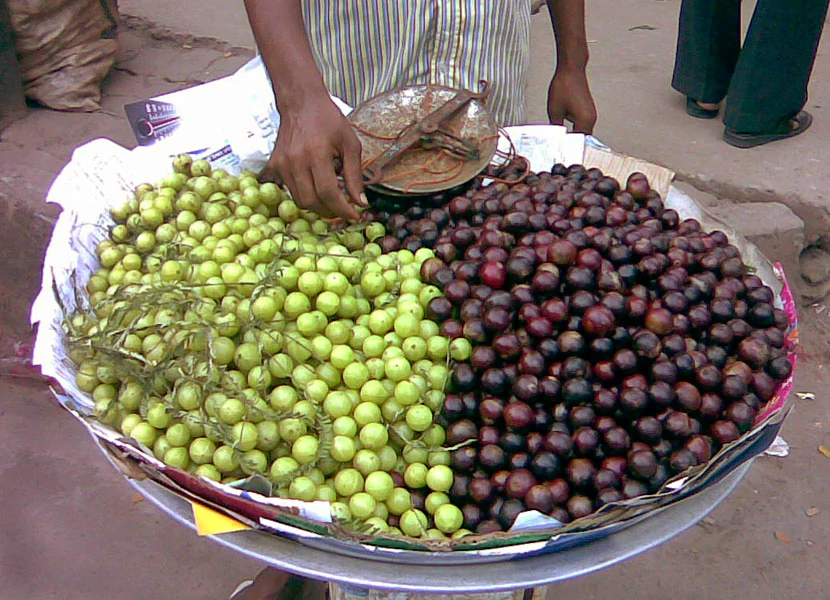
Lo importante del Amla es que es uno de los antioxidantes más potentes del mundo. Esta propiedad ha sido reconocida en Ayurveda, el antiguo sistema de medicina de la India, y Grosella espinosa y su polvo seco se han utilizado en la medicina tradicional para una amplia gama de enfermedades.
El amla goza de una reputación mítica en la India debido a la creencia de que se originó a partir de gotas de Amrit, el néctar de la inmortalidad. Según la antigua mitología india, el amla fue el primer árbol creado en el universo. También se supone que el árbol de la grosella espinosa india fue utilizado para alcanzar la iluminación por Buda Phussa, el primer Buda de la antigüedad.
El amla contiene muchas polifenoles, que son sustancias químicas vegetales con propiedades antioxidantes y antiinflamatorias. El amla también tiene una gran cantidad de vitamina C, esencial para el sistema inmunitario y la piel. La combinación de polifenoles y vitamina C confiere al amla una fuerte actividad antioxidante, lo que significa que puede proteger las células de los daños causados por los radicales libres. El amla también puede potenciar el propio sistema de defensa antioxidante del organismo, lo que ayuda a prevenir enfermedades y el envejecimiento.
Tiene un ORAC puntuación de 261.530 y es tan potente como el clavo. Se ha investigado mucho sobre el amla y se ha descubierto que es muy eficaz contra muchas enfermedades (Gul et al., 2022).
El amla es una fruta con un gran potencial para la promoción de la salud y la prevención de enfermedades. Tiene una rica composición de compuestos naturales que han antioxidante, efectos antiinflamatorios, antihiperlipidémicos, antidiabéticos, anticancerígenos, digestivos y neuroprotectores. Puede reducir los niveles de colesterol y azúcar en sangre, lo que puede prevenir o tratar las enfermedades cardiacas y la diabetes. También puede combatir las células cancerosas, induciendo su muerte o deteniendo su crecimiento. También puede proteger el tracto digestivo de úlceras e infecciones, al mejorar la secreción de moco y la microbiota intestinal. También puede proteger el cerebro de la neurodegeneración y el deterioro cognitivo, mejorando el flujo sanguíneo y la función nerviosa.
Beneficios del Amla para la salud.
El amla puede utilizarse solo o con otras hierbas para curar resfriados, fiebres, problemas digestivos, trastornos hepáticos, úlceras, inflamaciones, problemas capilares y muchos más. Es rico en vitamina C, polifenoles, flavonoides y otras sustancias fitoquímicos que tienen propiedades antioxidantes, antiinflamatorias e inmunomoduladoras. Se ha demostrado que la E. officinalis protege contra el daño inducido por el estrés oxidativo en diversos tejidos y órganos, como el hígado, el riñón, el corazón, el cerebro y los pulmones. Los estudios científicos han confirmado que el amla tiene muchas propiedades que pueden ayudar a prevenir y tratar enfermedades.
Algunas de estas propiedades son (Gul et al., 2022):
- Antipirético: El amla puede reducir la fiebre bajando la temperatura corporal.
- Analgésico: El amla puede aliviar el dolor bloqueando las señales de dolor en el cerebro.
- Antitusivo: El amla puede suprimir la tos calmando la garganta y los pulmones.
- Antiaterogénico: El amla puede prevenir la formación de placa en las arterias reduciendo los niveles de colesterol y triglicéridos en la sangre.
- Adaptogénico: El amla puede ayudar al organismo a hacer frente al estrés equilibrando las hormonas y mejorando el sistema inmunitario.
- Cardioprotector: El amla puede proteger el corazón mejorando la circulación sanguínea y previniendo la formación de coágulos.
- Gastroprotector: El amla puede proteger el estómago y los intestinos aumentando la secreción de mucosidad e inhibiendo el crecimiento de bacterias nocivas.
- Antianemia: El amla puede prevenir o tratar la anemia aumentando el recuento de hemoglobina y glóbulos rojos en la sangre.
- Antihipercolesterolemia: El amla puede reducir los niveles altos de colesterol en la sangre al inhibir la enzima que produce el colesterol en el hígado.
- Curación de heridas: El amla puede curar las heridas favoreciendo el crecimiento de nuevas células cutáneas y previniendo las infecciones.
- Antidiarreico: El amla puede detener la diarrea absorbiendo el exceso de agua y toxinas de los intestinos.
- Antiaterosclerótico: El amla puede prevenir o revertir el endurecimiento de las arterias reduciendo la inflamación y el estrés oxidativo en los vasos sanguíneos.
- Hepatoprotector: El amla puede proteger el hígado mejorando su función y su capacidad de desintoxicación.
- Nefroprotector: El amla puede proteger los riñones previniendo o reduciendo los daños causados por toxinas o medicamentos.
- Neuroprotector: El amla puede proteger el cerebro mejorando su suministro de oxígeno y la función nerviosa.
El amla también tiene efectos anticancerígenos, lo que significa que puede matar o detener el crecimiento de células cancerosas (Gul et al., 2022).
El amla contiene muchos fitoquímicos, como ácido gálico, ácido elágico, pirogalol, corilagina, geraniina, elaeocarpusina y prodelfinidinas B1 y B2, que tienen propiedades antineoplásicas.
Estos fitoquímicos pueden inducir la apoptosis o muerte celular programada en las células cancerosas, o impedir que se dividan o propaguen. El amla también tiene efectos radiomoduladores, quimomoduladores y quimiopreventivos, lo que significa que puede aumentar la eficacia de la radioterapia o la quimioterapia, o impedir que se desarrolle el cáncer.
El amla también tiene actividad antiinflamatoria, antimutagénica e inmunomoduladora, lo que significa que puede reducir la inflamación, prevenir las mutaciones genéticas y regular el sistema inmunitario (Gul et al., 2022).
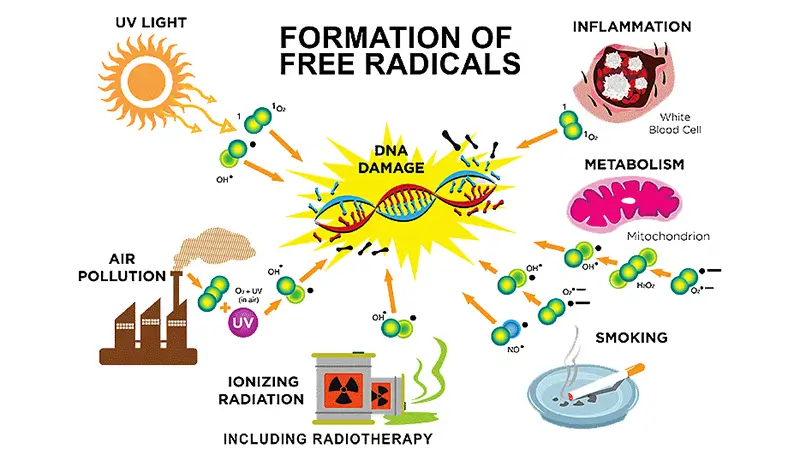
El amla también es un potente antioxidante, lo que significa que puede eliminar los radicales libres o moléculas inestables que pueden dañar las células. (Gul et al., 2022). Los radicales libres se producen por diversos factores, como la contaminación, el tabaquismo, el envejecimiento o la inflamación. Los radicales libres pueden causar estrés oxidativo o desequilibrio en las células, lo que puede provocar enfermedades y envejecimiento. El amla puede prevenir o reducir el estrés oxidativo donando electrones a los radicales libres y neutralizándolos.
Básicamente ayuda con todo lo que se ha probado. Si usted tiene una condición no importa lo que es es una gran posibilidad de que Amla puede ayudar. Incluso se utiliza como agente neutralizador del veneno de serpiente.
Y, por si fuera poco, mata las células cancerosas con tal potencia que rivaliza con la mayoría de los fármacos de quimioterapia más potentes utilizados actualmente en el tratamiento del cáncer. A diferencia de la quimioterapia, puede tomar amla todo el año durante el resto de su vida. Se considera el medicamento milagroso de la medicina alternativa para la prevención y el tratamiento del cáncer.
Es tan potente que Big Pharma se niega a investigar esta baya en el tratamiento del cáncer en toda su extensión. Sólo hay investigaciones esporádicas sobre el cáncer realizadas en su mayoría por fuentes más independientes.
Fitoquímica del Amla.
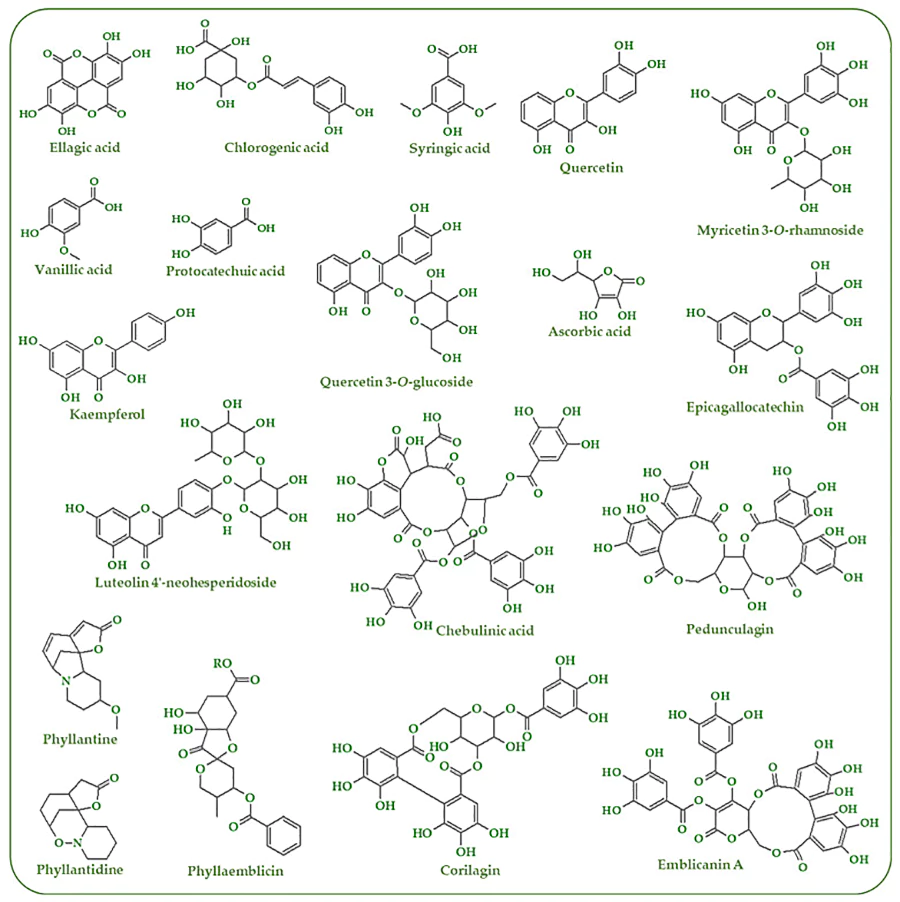
El amla contiene una rica variedad de fitoquímicos, que son compuestos naturales que tienen efectos biológicos en el organismo. Los fitoquímicos se encuentran en distintas partes de la planta amla, como los frutos, las hojas y las raíces.
Uno de los grupos de fitoquímicos más abundantes en el amla son los polifenoles. Polifenoles son antioxidantes que pueden proteger a las células del estrés oxidativo y la inflamación. También pueden modular diversos procesos celulares, como la expresión génica, la actividad enzimática y la transducción de señales.
Ácidos fenólicos son compuestos que tienen un anillo fenólico con uno o más grupos de ácido carboxílico unidos a él. Los frutos del Amla y los productos comerciales elaborados a partir de ellos contienen varios ácidos fenólicos, como el ácido 4-hidroxibenzoico, el ácido cumárico, el ácido gálico, el ácido protocatéquico, el ácido siríngico y el vanílico.
Flavones son compuestos que tienen dos anillos de fenol conectados por un átomo de oxígeno de doble enlace. Los frutos del amla y los productos comerciales elaborados a partir de ellos contienen apigenina, luteolina y miricetina.
Como puede ver, el amla es una rica fuente de fitoquímicos que pueden tener diversos beneficios para la salud.
Actividad Antioxidante.
El amla es una fruta que puede potenciar su sistema de defensa antioxidante y ayudar a su organismo a hacer frente al estrés oxidativo y la inflamación. Uno de sus principales beneficios es su fuerte actividad antioxidante y una de las principales razones por las que lo utilizaríamos como suplemento.
Tiene una puntuación ORAC de 261.530 y es tan potente como el clavo, con una gran diferencia. Podríamos consumir mucho más amla que clavo porque no tiene un sabor tan fuerte.
El amla puede ayudar a prevenir o reducir el estrés oxidativo por diferentes mecanismos. Puede hacerlo directamente mediante la eliminación de radicales libres, pero también es capaz de mejorar las defensas antioxidantes del propio cuerpo mediante la regulación de la producción de antioxidantes internos, tales como superóxido dismutasa (SOD), catalasa (CAT), glutatión peroxidasa (GPx), y glutatión reductasa (GR). También es capaz de modular el expresión de genes implicados en la respuesta al estrés oxidativo.
Otro mecanismo por el que el amla protege contra el estrés oxidativo es la quelación de los iones de metales de transición, que están presentes en el medio ambiente y pueden catalizar la formación de especies reactivas del oxígeno (ROS). Contiene taninos hidrolizables, como la emblicanina A y B, la pedunculagina y la punigluconina, que tienen una gran capacidad de unión a los metales y pueden reducir la disponibilidad de estos iones metálicos para la generación de ROS.
Una cosa importante a tener en cuenta es que los extractos y compuestos del amla no son tóxicos para las células en las concentraciones que muestran actividad antioxidante. Esto significa que su uso es seguro y no causan efectos secundarios perjudiciales. Sin embargo, algunas personas pueden tener alergias o interacciones con algunos medicamentos al utilizar productos de Amla. Por lo tanto, es aconsejable consultar a su médico antes de usar productos de Amla si usted tiene alguna condición médica o alergias.
Amla y Estrés Oxidativo en Animales.
Varios estudios han demostrado que los extractos del fruto del amla pueden proteger a los animales del daño oxidativo inducido por diversos factores, como las sustancias químicas, la radiación o la diabetes.
Por ejemplo, en un estudio se observó que administrar diariamente a ratones 500 mg/kg de peso corporal de extracto del fruto del amla durante 28 días aumentaba la actividad del glutatión, la catalasa y la superóxido dismutasa en el timo (Singh et al., 2016).
Expusieron a los ratones a arsénico o amla o ambos durante 28 días y luego examinaron su timo, que es un órgano que regula las células inmunitarias.
Descubrieron que exposición al arsénico causó daños significativos en el timo de los ratones. Aumentó los niveles de peroxidación lipídica, que es un proceso que daña las membranas celulares. También aumentó la producción de especies reactivas del oxígeno, que son moléculas nocivas que pueden dañar el ADN, las proteínas y otros componentes de las células. La exposición al arsénico también reduce los niveles de glutatión, que es un antioxidante principal que nuestro cuerpo utiliza para proteger las células del estrés oxidativo. También redujo la actividad de enzimas que intervienen en la defensa antioxidante, como la superóxido dismutasa, la catalasa y la citocromo c oxidasa (COX). Además, la exposición al arsénico redujo el potencial de membrana mitocondrial (PMM), que es un indicador de la salud y la función de las mitocondrias, que son los orgánulos productores de energía de las células.
La exposición al arsénico también desencadenó la apoptosis, o muerte celular programada, en el timo de los ratones. La Apoptosis es un proceso que elimina del organismo las células dañadas o no deseadas. Sin embargo, una apoptosis excesiva o inadecuada puede provocar daños en los tejidos y disfunciones orgánicas.
Sin embargo, cuando los ratones fueron tratados conjuntamente con arsénico y amla, se observaron mejoras notables en todos estos parámetros. El tratamiento conjunto con arsénico y amla redujo los niveles de peroxidación lipídica y la producción de ROS en el timo de los ratones. También aumentó la viabilidad celular y restableció los niveles de glutatión y enzimas antioxidantes en el timo. Además, el tratamiento conjunto con amla aumentó la MMP, mejoró la función mitocondrial en el timo y disminuyó el porcentaje de células apoptóticas y necróticas en el timo.
Los resultados de este estudio muestran que el amla tiene un efecto protector contra el estrés oxidativo y la apoptosis inducidos por el arsénico en los timocitos de ratones. Los investigadores sugieren que esto podría deberse a su gran potencial antioxidante, capaz de eliminar las ERO y prevenir la peroxidación lipídica. También proponen que el amla puede modular la expresión de genes implicados en la apoptosis y la función mitocondrial.
Este estudio demuestra que el amla puede ser un prometedor agente natural para prevenir o tratar la toxicidad del arsénico y sus problemas de salud asociados.
Otro estudio (Reddy et al., 2010) investigaron el efecto del extracto del fruto del amla sobre el estrés oxidativo inducido por el alcohol en ratones. El alcohol es una sustancia que puede generar ERO y agotar los antioxidantes del organismo, lo que provoca daños hepáticos y otros problemas.
Los ratones que recibieron 100 mg/kg de peso vivo de extracto del fruto del amla antes de la administración de alcohol presentaron niveles más bajos de óxido nítrico (NOx), que es un radical libre que puede causar inflamación y lesiones tisulares.
El estudio descubrió que el consumo de alcohol causaba daños significativos en el perfil bioquímico plasmático de las ratas, que refleja la salud de su hígado y riñones. El alcohol aumenta los niveles de nitrito/nitrato (NOx), un marcador de estrés oxidativo, así como de bilirrubina total, creatinina y lípidos y lipoproteínas anormales, que indican disfunción hepática y renal. El alcohol también disminuye los niveles de proteínas totales, la relación albúmina/globulina (A/G) y el ácido úrico, que son importantes para mantener el equilibrio de líquidos y prevenir la gota. Curiosamente, el alcohol no afectó al nivel de glucosa de las ratas, lo que sugiere que no perjudicó su sensibilidad a la insulina.
Sin embargo, cuando las ratas recibieron extracto del fruto del amla junto con alcohol, mostraron una notable mejoría en su perfil bioquímico plasmático. El extracto del fruto del amla normalizó los niveles de NOx, bilirrubina total, creatinina, lípidos y lipoproteínas, proteínas totales, relación A/G y ácido úrico. También redujo la correlación entre los NOx y otras sustancias nocivas, como el colesterol, los triglicéridos, el VLDL-C, el LDL-C y la bilirrubina total. Por otra parte, el extracto aumentó la correlación entre los NOx y las sustancias beneficiosas, como el HDL-C y el ácido úrico.
El estudio concluyó que el extracto del fruto del amla tiene un efecto protector contra el estrés oxidativo inducido por el alcohol al modular el perfil bioquímico plasmático en ratas. El estudio atribuyó este efecto a los fitofenoles, como taninos y flavonoides, y a la vitamina C. Estos compuestos tienen propiedades antioxidantes, antiinflamatorias y antilipidémicas que pueden contrarrestar los efectos nocivos del alcohol en el hígado y los riñones.
¿Qué significa esto para usted? Pues bien, si usted es un bebedor moderado que desea prevenir o reducir los daños causados por el alcohol en sus órganos vitales, puede probar a añadir amla a su dieta.
Estos estudios indican que los extractos de amla pueden proteger a los animales del estrés oxidativo aumentando su capacidad antioxidante y reduciendo el daño oxidativo. Los polifenoles de los extractos de amla pueden actuar como antioxidantes directos eliminando radicales libres o como antioxidantes indirectos potenciando las enzimas antioxidantes o modulando la expresión génica.
Amla y Estrés Oxidativo en Humanos.
Los efectos antioxidantes del amla también se han probado en ensayos clínicos en humanos con diferentes poblaciones y afecciones.
En un ensayo participaron fumadores, que están expuestos a altos niveles de ROS por el humo de los cigarrillos y tienen un mayor riesgo de padecer enfermedades relacionadas con el estrés oxidativo (Biswas et al., 2014). Los fumadores que tomaron 250 mg de extracto del fruto del amla dos veces al día durante 60 días presentaron niveles más bajos de productos de peroxidación lipídica y niveles más altos de antioxidantes en sangre que el grupo placebo.
En el estudio participaron dos grupos de fumadores de entre 20 y 60 años que habían fumado más de 15 cigarrillos al día durante más de 10 años. Un grupo tomó 250 mg de extracto del fruto del amla dos veces al día, mientras que el otro grupo tomó un placebo. Los investigadores midieron diversos parámetros relacionados con el tabaquismo y la salud antes y después de 60 días de tratamiento.
El grupo del extracto de fruta de amla informó de una mejora en varios síntomas asociados al tabaquismo, como la dificultad para respirar, la tos, el ardor de estómago, la calidad del sueño y la fatiga. También tenían mejor higiene bucal y menos mal aliento.
Pero, ¿qué hay de los parámetros objetivos? ¿Cómo afectó el amla a los sistemas cardiovascular y respiratorio de los fumadores? ¿Y qué hay del estrés oxidativo y los daños en el ADN causados por el tabaco? Pues bien, el grupo del extracto del fruto del amla también obtuvo mejores resultados en estas áreas.
En primer lugar, el extracto del fruto del amla mejora los niveles de colesterol de los fumadores. El HDL suele denominarse colesterol "bueno" porque ayuda a eliminar el exceso de colesterol de las arterias y evita la oxidación del LDL. La oxidación es una reacción química que hace que el LDL sea más perjudicial para las arterias.
El grupo del extracto presentó un aumento significativo de los niveles de HDL al cabo de 60 días, mientras que el grupo del placebo no. El grupo del extracto también presentó ratios más bajos de colesterol total en relación con el HDL y de LDL en relación con el HDL, que son indicadores del riesgo cardiaco.
En segundo lugar, el extracto redujo la agregación plaquetaria de los fumadores. Fumar es uno de los factores que pueden hacer que las plaquetas sean más pegajosas y propensas a la agregación. El grupo del extracto tenía una agregación plaquetaria significativamente menor después de 60 días. Esto significa que el extracto hizo que la sangre fuera menos propensa a coagularse de forma anormal.
En tercer lugar, el extracto redujo los niveles de lipoproteína (a) de los fumadores. Lipoproteína (a) es otro tipo de grasa que circula en la sangre y puede contribuir a la aterosclerosis. Es similar a la LDL, pero tiene una proteína adicional unida a ella. Esta proteína hace que la lipoproteína (a) sea más resistente a la descomposición por las enzimas y tenga más probabilidades de acumularse en las paredes arteriales. La lipoproteína (a) también se asocia a una mayor inflamación y estrés oxidativo en las arterias. En el grupo del extracto, los niveles de lipoproteína (a) eran significativamente más bajos al cabo de 60 días. Esto significa que el extracto redujo otro factor de riesgo de las enfermedades ateroscleróticas.
En cuarto lugar, el extracto disminuyó el estrés oxidativo y los daños en el ADN de los fumadores. Fumar aumenta la producción de radicales libres y reduce los niveles de antioxidantes en el organismo, lo que provoca estrés oxidativo.
El grupo del extracto de fruta de amla tenía niveles significativamente más bajos de 8-OH-2-deoxiguanosina (un marcador del daño del ADN causado por los radicales libres) después de 60 días. Esto significa que el amla reduce el estrés oxidativo y protege el ADN del daño causado por los radicales libres.
En otro ensayo participaron pacientes con síndrome metabólico (MetS), que es un conjunto de factores de riesgo de enfermedades cardiovasculares y diabetes, como hipertensión arterial, hiperglucemia, hipercolesterolemia y obesidad abdominal (Usharani et al., 2019). Si padece síndrome metabólico (SM), puede correr el riesgo de desarrollar graves problemas de salud como cardiopatías, accidentes cerebrovasculares y diabetes. Se trata básicamente de una suma de todas las enfermedades de la opulencia causadas por las dietas estadounidenses estándar dominadas por los productos animales y los alimentos procesados. Estas afecciones pueden dañar sus vasos sanguíneos y perjudicar el funcionamiento de su endotelio, que es el revestimiento interno de las arterias. La disfunción endotelial (DE) es un factor clave en el inicio y la progresión de la aterosclerosis, que es la acumulación de placa en las arterias que puede provocar infartos de miocardio y accidentes cerebrovasculares. Estos pacientes suelen tener un mayor estrés oxidativo e inflamación en el organismo porque no comen lo suficiente. alimentos con una puntuación ORAC adecuada más todos los demás toxicidad y inflamación crónica que se presenta. Esa es una razón por la que siempre hay un mercado para los extractos de superalimentos como sustituto de una dieta saludable.
En este estudio, los pacientes que tomaron 250 ó 500 mg de extracto del fruto del amla dos veces al día durante 12 semanas presentaron niveles más bajos de productos de peroxidación lipídica y niveles más altos de glutatión en sangre que el grupo placebo.
El principal tratamiento del SMet consiste en modificar el estilo de vida, como seguir una dieta sana basada principalmente en alimentos sin colesterol, hacer ejercicio con regularidad, dejar de fumar y controlar el estrés. También puede ser necesario tomar medicamentos para controlar la tensión arterial, el azúcar en sangre y los niveles de colesterol. Sin embargo, estos fármacos pueden tener efectos secundarios como náuseas, mareos, fatiga, dolor muscular y daños hepáticos. ¿No sería estupendo que existiera una alternativa natural en forma de suplemento que pudiera ayudarle a mejorar la salud de su corazón y su metabolismo sin causarle efectos adversos? Una píldora mágica.
Pues sí. Un estudio reciente ha demostrado que un extracto acuoso estandarizado de frutos de amla puede mejorar significativamente la disfunción eréctil, el estrés oxidativo, la inflamación sistémica y el perfil lipídico en sujetos con SM.
El estudio fue un ensayo clínico aleatorizado, doble ciego y controlado con placebo en el que participaron 59 sujetos con SM que se dividieron en tres grupos: un grupo recibió extracto acuoso de P. emblica (PEE) 250 mg dos veces al día, otro grupo recibió PEE 500 mg dos veces al día y el tercer grupo recibió placebo dos veces al día durante 12 semanas.
Las dosis de 250 mg y 500 mg dos veces al día mostraron una reducción significativa del índice de reflexión (un dispositivo que mide el flujo sanguíneo en los dedos), lo que indica una mejora de la función endotelial. También mostraron una mejora significativa de los biomarcadores de estrés oxidativo al aumentar los niveles de óxido nítrico y glutatión y disminuir los de malondialdehído.
También mostraron una mejora significativa en los biomarcadores de inflamación sistémica al reducir los niveles de proteína C reactiva de alta sensibilidad. Alta sensibilidad Proteína C reactiva es una proteína que indica inflamación en el organismo y se asocia a un mayor riesgo de enfermedad cardiovascular.
El amla también mostró una mejora significativa del perfil lipídico al reducir los niveles de colesterol, LDL-C y triglicéridos y aumentar los de HDL-C.
Amla 500 mg dos veces al día fue más eficaz que 250 mg dos veces al día. Ninguno de los participantes experimentó efectos adversos ni interrumpió el estudio debido a efectos secundarios.
El estudio concluyó que el extracto acuoso de P. emblica mejoraba significativamente la función endotelial, el estrés oxidativo, la inflamación sistémica y el perfil lipídico a las dos dosis probadas, pero especialmente a 500 mg dos veces al día. Por lo tanto, este producto puede utilizarse como complemento de la terapia convencional (modificación del estilo de vida e intervención farmacológica) en el tratamiento del síndrome metabólico.
Si padece MetS o desea prevenir su desarrollo, puede probar el Amla. Es una fruta natural que puede ayudarle a mejorar la salud de su corazón y su metabolismo sin causarle ningún daño. Puede encontrarlo en Internet o en tiendas de dietética bajo distintas marcas. Y, por supuesto, consulta a tu médico antes de tomar cualquier suplemento, especialmente si estás embarazada, en periodo de lactancia o padeces alguna enfermedad o alergia.
Sigue siendo necesario seguir un estilo de vida saludable, cambiar por completo la dieta malsana y tomar los medicamentos prescritos según las indicaciones del médico. Sin embargo, puede ser un valioso complemento de su régimen de bienestar que puede mejorar su calidad de vida y reducir el riesgo de complicaciones graves.
Estos ensayos sugieren que el extracto del fruto del amla puede mejorar el estado antioxidante y reducir el estrés oxidativo en humanos.
Además de la actividad antioxidante, al amla y sus polifenoles también se les atribuyen otros efectos biológicos, como antiinflamatorios, antidiabéticos, anticancerígenos, antimicrobianos, antienvejecimiento y neuroprotectores.
Longevidad y Comportamiento Sexual.
En investigaciones científicas, prolongó la vida de las moscas de la fruta y también aumentó su comportamiento sexual (Pathak et al., 2011). Además, las moscas que comían Amla ponían más huevos y también eclosionaban más huevos. Aumentaba la fertilidad y la longevidad, por lo que la tradición ayurvédica de la inmortalidad y sus propiedades de efecto afrodisíaco podrían haberse basado en alguna experiencia tradicional de primera mano.
La latencia del apareamiento refleja el vigor del macho y la receptividad de la hembra. Un macho con alto vigor reaccionará rápidamente en presencia de una hembra, mientras que una hembra con alta receptividad aceptará fácilmente al macho. Por lo tanto, una latencia de apareamiento más corta significa un mayor vigor y receptividad, lo que conduce a un mayor éxito de apareamiento.
Las moscas del grupo experimental tuvieron una latencia de apareamiento más corta que las moscas del grupo de control. Esto significa que el amla aumentó el vigor y la receptividad de las moscas. La diferencia en la latencia de apareamiento entre los dos grupos también fue estadísticamente significativa. Esto significa que el efecto de Emblica officinalis no se debió al azar, sino a una diferencia real.
La latencia del apareamiento no es lo único que importa en el comportamiento sexual. Hay otros factores que también son importantes, como la duración de la cópula, la fecundidad, la fertilidad y el tiempo de desarrollo.
Las moscas alimentadas con amla tuvieron una mayor duración de la cópula que las alimentadas con cultivo normal. Esto significa que Emblica officinalis aumentó la cantidad de espermatozoides transferidos y recibidos por las moscas, lo que podría mejorar su éxito reproductivo.
También presentaron una mayor fecundidad que las moscas alimentadas con el cultivo normal. Esto significa que Emblica officinalis aumentó la producción de huevos de las hembras, lo que podría incrementar su rendimiento reproductivo.
Las moscas alimentadas con amla presentaron una mayor fertilidad que las alimentadas con cultivo normal. Esto significa que Emblica officinalis aumentó la viabilidad de los óvulos y el esperma de las moscas, lo que podría aumentar su rendimiento reproductivo.
Como puede verse en estos resultados, el amla tuvo un efecto positivo en la mayoría de los parámetros de comportamiento sexual y aptitud de la Drosophila.
Efectos Antiinflamatorios.
la inflamación y el estrés oxidativo son dos factores importantes que contribuyen a muchas enfermedades crónicas como la diabetes, el cáncer, la artritis y las cardiopatías. La inflamación es la respuesta natural del organismo a una lesión o infección, pero a veces puede descontrolarse y causar daños en los tejidos sanos.
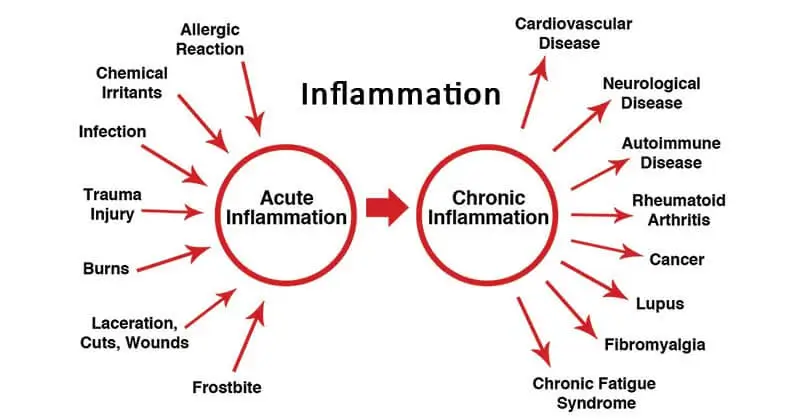
Además de sus efectos antioxidantes, la E. officinalis también tiene efectos antiinflamatorios que pueden ayudar a reducir la inflamación y el daño tisular. Se ha demostrado que el amla inhibe la producción de citocinas proinflamatorias, como el factor de necrosis tumoral alfa (TNF-α), la interleucina-1 beta (IL-1β) y la interleucina-6 (IL-6) (Li et al., 2020).
En este estudio (Singh y otros, 2015), los investigadores querían comprobar si el amla podía reducir la inflamación y el estrés oxidativo actuando como agente antiinflamatorio y antioxidante. Utilizaron arsénico para inducir la inflamación. El arsénico puede provocar inflamación y también puede desencadenar la liberación de citoquinas. Éstas son proteínas que ayudan a regular el sistema inmunitario y la inflamación. Pero algunas citocinas, como el TNF-α, la IL-1β y la IL-6, pueden causar más daños que beneficios cuando son demasiado elevadas. Descubrieron que las ratas que recibieron extracto de amla tenían niveles significativamente más bajos de estas citocinas que las ratas que sólo recibieron arsénico. El extracto de amla redujo el tamaño del edema de la pata en ratones. También redujo el dolor y los mediadores inflamatorios en las patas. Los investigadores sugirieron que el extracto de amla funciona de forma similar a los antiinflamatorios no esteroideos, como diclofenaco.
Agregación Plaquetaria.
Si tiene diabetes, sabrá que las plaquetas de su sangre son más propensas a pegarse y formar coágulos. Esto puede aumentar su riesgo de infarto de miocardio e ictus. Por eso puede que necesite tomar antiagregantes plaquetarios, como clopidogrel o ecosprin. Estos fármacos pueden impedir la agregación plaquetaria y reducir la probabilidad de formación de coágulos.
Sin embargo, existe una forma natural de mejorar la función plaquetaria con extracto de grosella espinosa india. El amla tiene alrededor del 60 por ciento de la potencia del efecto anticoagulante de la aspirina o Plavix. (Fatima et al., 2014). La razón es que el estrés oxidativo puede alterar la función de las plaquetas y hacerlas más pegajosas.
En el estudio (Fatima et al., 2014), compararon el extracto de amla (P. emblica) con clopidogrel (Plavix) y ecosprin (aspirina), dos antiagregantes plaquetarios comunes. También probaron las combinaciones de extracto de P. emblica con clopidogrel o ecosprin.
Administraron a 10 pacientes diabéticos distintas dosis de extracto de P. emblica, clopidogrel, ecosprin o sus combinaciones. Midieron la agregación plaquetaria, el tiempo de sangrado y el tiempo de coagulación antes y después del tratamiento. Lo hicieron tanto para la administración de una sola dosis como de dosis múltiples.
¿Qué descubrieron? He aquí algunas de las principales conclusiones del estudio:
- El extracto de P. emblica, el clopidogrel, el ecosprin y sus combinaciones redujeron significativamente la agregación plaquetaria en comparación con el valor basal. Esto significa que todos ellos impidieron que las plaquetas se adhirieran entre sí y formaran coágulos.
- El extracto de P. emblica mostró más actividad antiplaquetaria cuando se administraron dosis múltiples que cuando se administró una sola dosis. Esto significa que su efecto aumentaba con el tiempo con el uso repetido.
- El extracto de P. emblica, el clopidogrel, el ecosprin y sus combinaciones prolongaron el tiempo de hemorragia y de coagulación en comparación con los valores iniciales. Esto significa que todos ellos aumentaron el tiempo que tardaba la sangre en dejar de sangrar o coagularse.
- Todos los tratamientos fueron bien tolerados por los pacientes. No notificaron efectos secundarios graves ni reacciones adversas.
El estudio sugiere que el extracto de P. emblica puede mejorar la función plaquetaria en pacientes diabéticos al reducir el estrés oxidativo. El extracto de P. emblica puede actuar como antiagregante plaquetario natural al impedir la agregación plaquetaria y reducir el riesgo de formación de coágulos. El extracto de P. emblica también puede potenciar los efectos del clopidogrel y el ecosprin cuando se utilizan en combinación.
Sin embargo, antes de empezar a tomar extracto de P. emblica, debe consultar primero a su médico. No debe suspender ni cambiar los antiagregantes plaquetarios que le hayan recetado sin consejo médico. También debe tener cuidado con las hemorragias o hematomas cuando tome Amla o cualquier antiagregante plaquetario.
Protección de las Úlceras Gástricas y del Tracto Digestivo.
Uno de los posibles efectos del amla es la inhibición potencial de la resistencia a los antibióticos Helicobacter pylori in vitro. Helicobacter pylori es una causa conocida de úlceras gástricas (Mehrotra et al., 2011) e incluso el cáncer. Se podría pensar que deshacerse de ella sería fácil con la medicina moderna, pero se equivocaría. Ni siquiera la combinación más potente de fármacos, denominada "triple terapia", puede erradicar siempre el H. pylori del intestino.
H. pylori es muy adaptable y puede desarrollar resistencia a los antibióticos. También varía mucho en función del lugar de residencia, lo que influye en cómo causa la enfermedad y cómo responde al tratamiento. Por ejemplo, en la India, la mayoría de las cepas de H. pylori son resistentes al metronidazol, un antibiótico común utilizado contra ella. Muchas de ellas también son resistentes a la claritromicina y la amoxicilina, otros dos fármacos utilizados en la "triple terapia". Esto hace que el tratamiento del H. pylori en la India sea muy complicado y a menudo ineficaz. H. pylori no sólo sobrevive en el estómago, sino que también lo daña produciendo toxinas e inflamación. Por eso algunos sugieren el uso de antioxidantes.
Pero, ¿funciona el amla contra el H. pylori? Eso es lo que querían averiguar en este estudio (Mehrotra et al., 2011).
Probaron el extracto de pulpa de amla contra distintas cepas de H. pylori aisladas de pacientes de Calcuta, Bombay e Hyderabad. Estas cepas eran resistentes a distintos antibióticos, como la furazolidona, el metronidazol y la claritromicina. Descubrieron que el extracto de amla tenía actividad anti-H. pylori contra todas las cepas probadas, con concentraciones inhibitorias mínimas. Esto significa que cantidades muy pequeñas del extracto bastaban para detener el crecimiento de la bacteria. La actividad anti-H. pylori se debió a un compuesto específico del extracto que tenía un factor de retención de 0,16 en la cromatografía en capa fina. Este compuesto podría ser el responsable de la actividad antibiótica de amplio espectro del amla también contra otros patógenos.
Descubrieron que el extracto conservaba sus propiedades antioxidantes incluso después de ser expuesto a altas temperaturas y condiciones ácidas. Esto sugiere que el extracto podría proteger el revestimiento del estómago del daño oxidativo y la inflamación causados por H. pylori.
El estudio demuestra que el extracto de amla tiene actividad tanto anti-H. pylori como antioxidante, lo que podría convertirlo en una fuente potencial de uso terapéutico contra las úlceras gástricas y el cáncer causados por esta bacteria.
Otro beneficio potencial interesante del consumo de amla para la salud se observó en pacientes con enfermedad por reflujo gastroesofágico (Karkon et al., 2018). Los pacientes del grupo de Amla recibieron dos comprimidos de 500 mg de Amla dos veces al día, después de las comidas, durante 4 semanas y redujeron la gravedad y la frecuencia de la regurgitación y la acidez estomacal.
Protección Hepática y Enfermedad del Hígado Graso.
Se podría pensar que sólo el alcohol puede dañar el hígado, pero no es cierto. Existe una enfermedad llamada enfermedad del hígado graso no alcohólico, que es la enfermedad hepática crónica más frecuente en el mundo. Afecta a personas con síndrome metabólico, que es un grupo de factores de riesgo de cardiopatías y diabetes, como obesidad, hipertensión, hiperglucemia y colesterol alto. La enfermedad del hígado graso no alcohólico significa que el hígado tiene demasiada grasa almacenada, lo que puede causar inflamación, cicatrices e incluso insuficiencia hepática.
El amla puede reducir la acumulación de grasa y la fibrosis en las células hepáticas. El ácido gálico, uno de los principales componentes del amla, puede mejorar el metabolismo de las grasas y el estrés oxidativo en ratas alimentadas con una dieta rica en grasas.
En este estudio (Huang et al., 2017) administraron extracto de amla a ratas alimentadas con una dieta rica en grasas durante 12 semanas. En las compararon con ratas alimentadas con una dieta normal o con una dieta rica en grasas sin amla. Midieron su peso corporal, masa grasa, peso del hígado, enzimas hepáticas, enzimas antioxidantes y genes relacionados con la grasa en el hígado y los tejidos adiposos. También observaron la histología de su hígado para ver cuánta grasa y fibrosis tenían.
El extracto de amla redujo significativamente el peso corporal, la masa grasa, el peso del hígado y las enzimas hepáticas en las ratas sometidas a una dieta rica en grasas. También aumentó la actividad de las enzimas antioxidantes en el hígado y los tejidos adiposos. Mejoró la esteatosis (acumulación de grasa) en las células hepáticas.
Este estudio demuestra que el amla puede ser beneficioso para la prevención y el tratamiento del hígado graso no alcohólico. Puede ayudar a perder peso, reducir los niveles de colesterol y azúcar en sangre, proteger el hígado de posibles daños y disminuir el riesgo de cardiopatías y diabetes.
Prevención del Cáncer.
Los investigadores han descubierto que Phyllanthus emblica L. puede inducir la apoptosis en las células cancerosas. La apoptosis es un proceso de muerte celular programada que elimina las células dañadas o anormales del organismo. Al desencadenar la apoptosis, Phyllanthus emblica L. puede ayudar a eliminar las células cancerosas y evitar que se extiendan a otros tejidos.
Pero eso no es todo. Phyllanthus emblica L. también puede inhibir la promoción y la invasión tumoral. La promoción tumoral es una fase del desarrollo del cáncer en la que las células adquieren mutaciones adicionales y se vuelven más agresivas. La invasión tumoral es un proceso en el que las células cancerosas traspasan los límites de su tejido original e invaden otros órganos. Ambos procesos son esenciales para la progresión del cáncer y la metástasis.
¿Cómo consigue el Amla estos efectos? La respuesta está en su rico contenido en fitoquímicos. El Amla contiene diversos fitoquímicos, como taninos, flavonoides, alcaloides y ácidos fenólicos, que pueden modular distintas vías moleculares implicadas en el cáncer.
Por ejemplo, uno de los fitoquímicos del Amla, llamado ácido gálico, puede inhibir la actividad de una enzima llamada metaloproteinasa de matriz-9 (Kahkeshani et al., 2019). La MMP-9 es responsable de degradar la matriz extracelular, que es una red de proteínas y azúcares que rodea y sostiene las células. Al inhibir la MMP-9, el ácido gálico puede impedir que las células cancerosas atraviesen la matriz extracelular e invadan otros tejidos.
Otro fitoquímico del Amla, llamado quercetina, puede suprimir la expresión de una proteína llamada factor nuclear-kappa B (Ruiz et al., 2007). El NF-κB es un factor de transcripción que regula la expresión de genes implicados en la inflamación, la supervivencia celular y la proliferación. Al suprimir el NF-κB, la quercetina puede reducir la inflamación, que es un factor de riesgo para el desarrollo del cáncer, e inducir la apoptosis en las células cancerosas.
Estos son sólo algunos ejemplos de cómo el Amla puede afectar al cáncer a diferentes niveles. Por supuesto, se necesitan más investigaciones para confirmar la seguridad y eficacia de esta planta en humanos. Sin embargo, las pruebas existentes sugieren que Phyllanthus emblica L. puede ser un prometedor agente natural para la prevención y el tratamiento del cáncer.
En este estudio (Ngamkitidechakul et al., 2010) probaron el amla contra seis tipos diferentes de cánceres humanos. El resultado fue que el amla disminuía el crecimiento de las células cancerosas y, a medida que aumentaba la concentración, detenía por completo el crecimiento de los seis tipos de cáncer. A medida que se aumentaba la concentración, el crecimiento del cáncer se volvía negativo y las células cancerosas empezaban a morir finalmente.
Cuando se detuvo el experimento se produjo una reducción de más del 60% en el tamaño de los seis tipos de cáncer. Destruyó el cáncer de forma tan profunda que resultó sorprendente. Lo mejor de todo es que en la concentración más alta de amla, mató a más del 60 por ciento de las células cancerosas no tuvo ningún impacto en las células normales. Este estudio definió el amla como uno de los agentes quimioterapéuticos más potentes hasta la fecha por esta sencilla razón. Puede tomarse en dosis elevadas durante todo el año sin ningún efecto secundario negativo. Los efectos positivos para la salud son sólo efectos secundarios del amla.
Los mejores alimentos para el colesterol alto.
El colesterol es un tipo de grasa esencial para el organismo, pero en exceso puede ser perjudicial. Sobre todo cuando se trata del LDL, o lipoproteína de baja densidad, también conocido como colesterol malo. El LDL puede provocar la acumulación de placa en las arterias, estrechándolas y aumentando el riesgo de cardiopatías y accidentes cerebrovasculares.
Se ha demostrado que el zumo de amla tiene efectos beneficiosos sobre diversos aspectos de la salud, como el azúcar en sangre, la función hepática y la inmunidad. Pero uno de los beneficios más impresionantes del zumo de amla es su capacidad para proteger el corazón del colesterol malo.
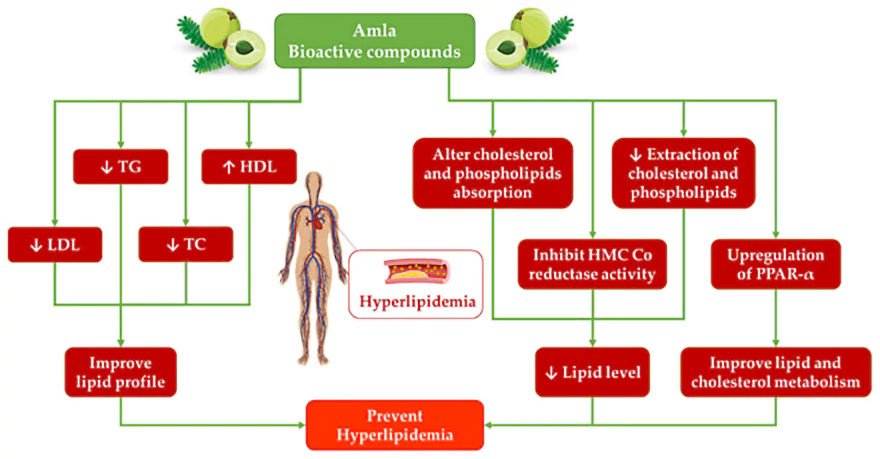
Se ha demostrado que el amla reduce los niveles de colesterol, triglicéridos, lipoproteínas de baja densidad (LDL) y lipoproteínas de muy baja densidad (VLDL) en sangre, al tiempo que aumenta los niveles de lipoproteínas de alta densidad (HDL) y apolipoproteína A1. E. officinalis también tiene efectos antiplaquetarios y antitrombóticos que pueden prevenir la formación de coágulos sanguíneos y mejorar la circulación de la sangre en los vasos.
Si nos fijamos en los estudios clínicos reales realizados en seres humanos, veremos los mismos beneficios que con todos los demás tipos de potentes antioxidantes. En este estudio (Akhtar et al., 2011) con sólo añadir amla se consiguió una mejora significativa del colesterol total y del perfil de colesterol. ¿Qué importancia tiene?
Una grosella espinosa al día reduce a la mitad el colesterol malo y los triglicéridos en tres semanas.
Además, el estudio al que he hecho referencia es en realidad un estudio sobre los efectos del amla en la diabetes de tipo 2. El amla superó al principal medicamento para la diabetes, la gliburida, que se vende como Diabeta. El amla superaba al principal medicamento para la diabetes, la gliburida, vendida como Diabeta. Un cuarto de cucharadita de amla es tan potente en la lucha contra la diabetes tipo 2 como millones de dólares en medicamentos patentados de investigación farmacéutica. Uno de los efectos secundarios de Diabeta es la insuficiencia hepática o el envenenamiento de la médula ósea.
Un estudio realizado por Nambiar y Shetty (Nambiar & Shetty, 2015) investigaron el efecto del zumo de amla en la oxidación y captación de LDL en macrófagos. La oxidación es un proceso en el que las LDL reaccionan con radicales libres, lo que las hace más nocivas y propensas a adherirse a las paredes arteriales. La absorción es un proceso en el que los macrófagos, que son un tipo de glóbulos blancos que combaten las infecciones, engullen las LDL oxidadas y las convierten en LDL. células espumosas que contribuyen a la formación de placa.
El estudio descubrió que el zumo de amla, que contiene miricetina, ácido gálico y kaempferol como principales polifenoles, tenía efectos notables en ambos procesos.
El zumo de amla redujo la oxidación de las LDL en un 90%, lo que significa que impidió que las LDL se volvieran más peligrosas. El zumo de amla también limitó la captación de LDL oxidadas en los macrófagos, lo que significa que impidió la formación de células espumosas.
Estos resultados sugieren que el zumo de amla puede proteger las arterias de la acumulación de placa y reducir el riesgo de cardiopatías y accidentes cerebrovasculares.
Un estudio (Khanna et al., 2015) probaron el efecto del extracto de amla en sujetos adultos con sobrepeso y obesidad leve (índice de masa corporal: 25-35) de la población estadounidense. Los sujetos recibieron 500 mg de extracto de amla dos veces al día durante 12 semanas, y se recogieron muestras de sangre en distintos momentos para medir diversos factores de riesgo de ECV.
Tras 12 semanas de suplementación, los sujetos mostraron una disminución significativa de su colesterol calculado de lipoproteínas de baja densidad y de la relación colesterol total/lipoproteínas de alta densidad (TC/HDL), que son dos indicadores importantes del riesgo de ECV. Un cociente TC/HDL más bajo significa un mejor equilibrio entre los dos tipos de colesterol.
Pero eso no es todo. Los sujetos también mostraron una disminución significativa de sus niveles circulatorios de proteína C reactiva de alta sensibilidad (hs-CRP), que es un marcador de la inflamación en el organismo. La inflamación puede dañar los vasos sanguíneos y aumentar el riesgo de formación y rotura de placas, lo que provoca infartos de miocardio y accidentes cerebrovasculares. Un nivel más bajo de hs-CRP significa un nivel más bajo de inflamación.
Y aún hay más. Los sujetos también mostraron una disminución significativa en la agregación plaquetaria, que es la agrupación de células sanguíneas que pueden formar coágulos y bloquear el flujo sanguíneo.
El estudio concluyó que la administración de suplementos orales de amla puede tener efectos beneficiosos en adultos con sobrepeso y obesidad leve al reducir múltiples factores de riesgo global de ECV. El estudio también sugirió que puede tener un efecto sinérgico con otras intervenciones sobre el estilo de vida, como la dieta y el ejercicio, para mejorar aún más la salud cardiovascular.
Y lo mejor es que el fruto del amla funciona para todo el mundo, no sólo para las personas con colesterol alto. Otros estudios han confirmado que el fruto y el extracto de amla también pueden reducir los niveles de colesterol e inflamación en personas sanas.
El amla es tan potente en el control del colesterol que es incluso más potente que los principales medicamentos para reducirlo. A (Gopa et al., 2012) comparó los efectos del Amla, una fruta tradicional de la India, con la simvastatina, un fármaco común para reducir el colesterol conocido como Zocor. Redujo el colesterol total lo mismo que Zocor, en torno a un 15 por ciento, pero hay un problema con este estudio. Sólo utilizaron 500 mg de amla. Eso es la mitad de un gramo y ni siquiera utilizaron la potencia seca sino zumo de fruta seca en polvo de amla. Pero incluso esta pizca de polvo de zumo de amla proporcionó los mismos efectos que una estatina. Si quieres un nuevo medicamento para reducir el colesterol, pues aquí tienes uno nuevo llamado Amla que probablemente no te mencionará en absoluto tu cardiólogo. No necesita receta y cuesta 5 céntimos la dosis. Además, obtendrá todos los demás beneficios como efecto secundario.
El estudio (Gopa et al., 2012) pretendía averiguar si el Amla podía ayudar a los enfermos de tipo II hiperlipidemia, una afección en la que la sangre tiene demasiado colesterol y otras grasas, lo que puede aumentar el riesgo de cardiopatías y accidentes cerebrovasculares.
En el estudio participaron 60 personas con hiperlipidemia de tipo II, que se dividieron en dos grupos. Un grupo tomó cápsulas de Amla (500 mg) todos los días durante seis semanas, mientras que el otro grupo tomó cápsulas de simvastatina (20 mg) todos los días durante el mismo periodo.
Los resultados mostraron que tanto el Amla como la simvastatina eran eficaces para reducir los niveles de colesterol total, colesterol LDL (malo), triglicéridos y VLDL (lipoproteínas de muy baja densidad) en sangre. Ambos tratamientos también aumentan los niveles de colesterol HDL (colesterol bueno) en sangre, que puede ayudar a proteger contra las enfermedades cardiacas al eliminar el exceso de colesterol de los vasos sanguíneos.
Sin embargo, Amla tuvo un efecto ligeramente superior al de la simvastatina tanto en la reducción de los niveles de LDL como en el aumento de los de HDL.
Ambos tratamientos también redujeron la presión arterial de los participantes, lo que supone otro beneficio para la salud del corazón. Sin embargo, Amla tuvo un efecto más pronunciado que la simvastatina en la reducción de la presión arterial, especialmente la presión arterial sistólica (la cifra más alta), que mide la presión en las arterias cuando late el corazón.
El estudio concluyó que el Amla era una alternativa segura y eficaz a la simvastatina para las personas con hiperlipidemia de tipo II. El Amla no sólo reducía el colesterol y las grasas en sangre, sino que también mejoraba la presión arterial y reducía la necesidad de dosis más altas de fármacos. El estudio sugería que añadir Amla a las opciones actuales de tratamiento del colesterol alto ofrecería una protección significativa contra la aterosclerosis y la enfermedad coronaria, que son las principales causas de muerte en todo el mundo.
Caries Dental.
La caries dental es una infección común e irreversible que provoca la caries de los dientes con el paso del tiempo. El principal culpable de esta infección es una bacteria llamada Streptococcus mutans, que vive en la boca y se alimenta de los azúcares que comemos. Esta bacteria no sólo puede dañar los dientes, sino que también puede provocar una grave afección cardiaca denominada endocarditis infecciosa, que puede ser mortal si no se trata. A veces la bacteria puede entrar en el torrente sanguíneo a través de cortes o llagas en la boca y adherirse al tejido dañado del corazón. Esto puede provocar inflamación e infección de las válvulas y cavidades cardíacas.
Entonces, ¿cómo provoca la caries el Streptococcus mutans? Tiene algunos trucos bajo la manga. En primer lugar, puede producir mucho ácido a partir de los azúcares que consume, lo que reduce el pH de la boca y la hace más ácida. Este ácido puede erosionar el esmalte de los dientes, que es la dura capa protectora que los recubre. En segundo lugar, puede fabricar sustancias pegajosas llamadas glucanos a partir de los azúcares que consume, que le ayudan a adherirse a los dientes y formar una biopelícula. Una biopelícula es una capa de bacterias y otros microorganismos que los protege de la saliva y del sistema inmunitario. La biopelícula también atrapa más partículas de alimentos y ácido, creando un círculo vicioso de caries.
Tal vez se pregunte: ¿Existe alguna forma de evitar que esta bacteria arruine tus dientes y tu corazón? Pues bien, una posible solución es inhibir su capacidad para fabricar glucanos, que son esenciales para su supervivencia y la formación de biopelículas. Esto es lo que muchos investigadores han intentado hacer probando diferentes agentes que pueden bloquear las enzimas que fabrican los glucanos. Estas enzimas se denominan glucosiltransferasas.
Uno de los agentes que ha mostrado resultados prometedores en la inhibición de las glucosiltransferasas es un extracto vegetal de Phyllanthus emblica, también conocido como amla.
Por eso los científicos de este estudio (Hasan et al., 2012) decidieron investigar cómo actúa este extracto vegetal contra esta bacteria y su formación de biopelículas
Extrajeron los compuestos activos del fruto del amla utilizando agua y alcohol y probaron sus efectos sobre distintos aspectos del ciclo vital de la bacteria.
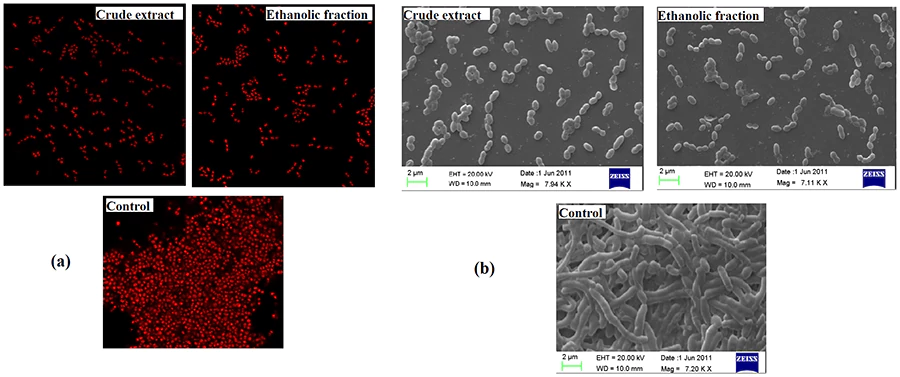
Descubrieron que tanto los extractos acuosos como alcohólicos del amla reducían la adherencia del Streptococcus mutans al diente en un 50% a determinadas concentraciones. También redujeron la formación de biopelículas en un 50% a concentraciones más bajas. Además, disminuyeron la síntesis de glucano y la adhesividad de la bacteria.
El análisis de la expresión génica mostró que los extractos suprimían los genes importantes para la formación de biopelículas. Las imágenes microscópicas confirmaron que los extractos alteraban la estructura de la biopelícula en comparación con el control. Por lo tanto, concluyeron que los extractos de fruta de Emblica officinalis tienen el potencial de prevenir la caries dental mediante la inhibición de los factores de virulencia de Streptococcus mutans.
Una forma de aprovechar este estudio es, por ejemplo, fabricar nuestro propio enjuague bucal. Clorhexidina se sabe que causa daños en el ADN. El té verde, por ejemplo, tiene un efecto más potente en la supresión del Streptococcus mutans que el enjuague bucal normal con clorhexidina que se vende en todas las tiendas (Balappanavar et al., 2013). Combinando té verde con extracto de amla más aceite esencial de clavo y aceite esencial de orégano silvestre obtendremos una forma mucho más potente y natural no tóxica de prevenir la gingivitis y la caries dental que utilizando sustancias tóxicas como la clorhexidina.
Actividad Antidiabética.
Si busca una forma natural de reducir los niveles de azúcar en sangre, pruebe el Amla. Tiene muchos beneficios para la salud, pero uno de los más impresionantes es su capacidad para reducir los niveles de azúcar en sangre mejor que algunos de los principales medicamentos para la diabetes.
Quizá se pregunte cómo una simple fruta puede hacer eso. Pues bien, no se basa sólo en pruebas anecdóticas o en el folclore. Hay estudios científicos que lo respaldan. De hecho, un estudio (Akhtar et al., 2011) comparó los efectos del amla con los de la gliburida, un medicamento común para la diabetes que se vende bajo las marcas Diabeta o Micronase. Se supone que la gliburida reduce los niveles de azúcar en sangre estimulando al páncreas para que produzca más insulina.
En el estudio participaron personas con diabetes a las que se administró gliburida o una pequeña cantidad de amla seco en polvo (menos de dos bayas al día). Administraron a los voluntarios 1, 2 o 3 gramos de polvo de amla al día durante 21 días, y midieron sus niveles de glucosa y lípidos en sangre antes y después del tratamiento.
El amla no sólo redujo los niveles de azúcar en sangre mejor que la gliburida, sino que también redujo el colesterol malo, aumentó el bueno y redujo los triglicéridos a la mitad. Y todo ello con sólo una fracción de cucharadita de polvo al día.
¿Cómo puede ser tan poderoso el Amla? Bueno, los investigadores creen que tiene potentes propiedades antioxidantes y antiinflamatorias que pueden proteger las células del estrés oxidativo y la inflamación, que son dos factores importantes en la diabetes.
El amla también contiene compuestos que pueden inhibir las enzimas que descomponen los carbohidratos en glucosa, reduciendo así la cantidad de azúcar que entra en el torrente sanguíneo.
Los estudios indican que la actividad de los principales fitoquímicos presentes en el amla (como el ácido elágico y el ácido ascórbico) reduce la actividad de enzimas clave implicadas en el metabolismo de la glucosa.
Estas enzimas se denominan amilasa y glucosidasa, y se encuentran en la saliva y los intestinos. Cuando ingieres alimentos ricos en almidón o azúcar, estas enzimas empiezan a actuar sobre ellos y los convierten en glucosa, que entra en el torrente sanguíneo y eleva los niveles de azúcar en sangre.
Sin embargo, si se come amla junto con los alimentos, los fitoquímicos que contiene pueden unirse a estas enzimas e inhibir su actividad. Esto significa que se producirá menos glucosa a partir de los alimentos ingeridos y que los niveles de azúcar en sangre no aumentarán tanto. Esto puede ayudarle a controlar la diabetes y prevenir las complicaciones derivadas de los altos niveles de azúcar en sangre.
Este efecto de los fitoquímicos del amla sobre las enzimas que digieren el azúcar se demostró en un estudio de laboratorio (Nampoothiri et al., 2011). Los investigadores probaron la actividad de la amilasa y la glucosidasa en presencia de diferentes concentraciones de ácido elágico y ácido ascórbico extraídos del amla. Comprobaron que ambos fitoquímicos reducían la actividad de ambas enzimas en función de la dosis. Esto significa que cuanto mayor era la concentración de fitoquímicos, menor era la actividad de las enzimas.
Los investigadores concluyeron que los fitoquímicos del amla pueden actuar como inhibidores naturales de la digestión del azúcar y sugirieron que podría utilizarse como suplemento dietético para controlar la diabetes. Por supuesto, sólo se trataba de un estudio in vitro, es decir, realizado en tubos de ensayo y no en organismos vivos.
Pero, ¿qué hay de los efectos secundarios? El único efecto secundario del amla es su sabor agrio. Eso es todo. Ni aumento de peso, ni náuseas, ni erupciones cutáneas, ni daños hepáticos, ni supresión de la médula ósea. Esos son algunos de los posibles efectos secundarios de la gliburida. Y a diferencia de la gliburida, que puede provocar hipoglucemia (bajada de azúcar) si se toma en exceso o se salta una comida, el amla no tiene ese riesgo.
¿Significa esto que debe abandonar su medicación para la diabetes y empezar a comer amla en su lugar? No, no necesariamente. Si ya tiene diabetes y toma medicación, es poco probable que se cure al instante. Siempre debe consultar a su médico antes de hacer cualquier cambio en su plan de tratamiento. Pero puede preguntar a su médico sobre la posibilidad de añadir amla a su dieta como terapia complementaria. O mejor aún, ¿por qué no intentar revertir su diabetes con una dieta? Tanto grasa saturada y proteína se han relacionado con la diabetes de tipo 2. Una dieta basada en plantas puede reducir los niveles de azúcar en sangre, mejorar la sensibilidad a la insulina y reducir el riesgo de complicaciones derivadas de la diabetes.
Composición Nutricional del Amla.
| Variedad | Humedad | Carbohidratos | Fibra | Minerales | La proteína | La grasa | La Vitamina C |
| Variedad local (sin nombre) | 81 g/100 g | 14 g/100 g | 3.2 g/100 g | 0,3 g/100 g | 1 g/100 g | 0,5 g/100 g | 720 mg/100 g |
| Variedad local (sin nombre) | 82.8 g/100 g | 7.6 g/100 g | 5.1 g/100 g | 2.3 g/100 g | 2.0 g/100 g | 0,3 g/100 g | 573 mg/100 g |
| -NA 7 NA-9 NA-10 Balwant Chakaiya Hathijhool | 84.9–87.5 g/100 g | 77.2–81.9 g/100 g DW | 11.7–16.0 g/100 g DW | 2.1–3.0 g/100 g DW | 3.0–4.5 g/100 g DW | 0,2–0,5 g/100 g DW | 489.9–585.0 mg/100 g |
| NA-7, Banarasi, Kanchan, Chakaiya y Desi | 81.3–84.6 g/100 g | 73.8–87.1 g/100 g DW | 7.2–22.4 g/100 g DW | 2,2 a 3,1 g/100 g DW | 2.0 3.2 g/100 g DW | 0.4–0.5 g/100 g DW | 193-315 mg/100 g |
| Krishna, Kanchan, NA-7, Chakaiya | 85.6–87.7 g/100 g | 70.7–el 73,8 g/100 g DW | 13.9–16.5 g/100 g DW | 2.3–2.8 g/100 g DW | 2.9–3.6 g/100 g DW | 0.5–0.6 g/100 g DW | 421-506 mg/100 g |
Puede aportar suficiente vitamina C para sus necesidades diarias si come 100 g de frutas frescas de amla (unas 2 o 3 piezas) de cualquiera de las variedades que figuran en la tabla. Tiene más vitamina C que muchas otras frutas, como las manzanas, la lima, la granada y algunas uvas. El amla también tiene otras vitaminas y minerales buenos para la salud, como las vitaminas A, B1 y E (290 UI, 30 mg/100 g y 0,17 mg/100 g) y el calcio y el hierro (25 y 1 mg/100 g).
| Nutrientes | Cantidad | % de CDR |
| La Vitamina C | 600 mg | 1000% |
| Vitamina A | 290 IU | 6% |
| Tiamina | 0.03 mg | 3% |
| Riboflavina | 0.02 mg | 2% |
| Niacina | 0.3 mg | 2% |
| La Vitamina B6 | 0.1 mg | 5% |
| Folato | 6 mcg | 2% |
| Ácido Pantoténico | 0.3 mg | 6% |
| Calcio | 50 mg (25-42 mg) | 5% |
| Hierro | 1.2 mg (0.9-1.2 mg) | 15% |
| Magnesio | 10 mg (10 a 13 mg) | 3% |
| Fósforo | 20 mg (21-25 mg) | 3% |
| Potasio | 198 mg (151-198 mg) | 6% |
Los datos de las tablas corresponden a fruta fresca. Lo más probable es que, si no vive en la India, sólo pueda encontrar fruta seca en polvo o zumo de amla. En la mayoría de los casos, el valor nutricional del amla no es la razón por la que la mayoría de la gente lo consume. Es el poder antioxidante del amla y sus efectos sobre la salud. Esta es la razón por la que esta fruta se considera una de las medicinas más utilizadas en las tradiciones ayurvédicas.
Efectos Secundarios del Amla.
El amla, o grosella espinosa de la India, es una fruta que tiene muchos beneficios para la salud, especialmente para las personas con diabetes y colesterol alto. Sin embargo, como cualquier remedio natural, también puede tener algunos efectos secundarios que debe conocer. He aquí algunos de los posibles efectos secundarios del amla:
- El amla tiene un alto contenido en oxalatos, que pueden contribuir a la formación de cálculos renales en individuos susceptibles. 100 gramos de fruta fresca de amla contienen unos 290 miligramos de ácido oxálico. Esta cantidad es comparable a la de 100 gramos de espinacas crudas (281 miligramos). Si se tienen antecedentes de cálculos renales, conviene limitar el consumo de amla. El zumo de grosella espinosa india producido en Tailandia contenía 1160 y 1162 mg de oxalato/ 100 mL de zumo de oxalato soluble y total, respectivamente (Vanhanen et al., 2011)
- El amla es muy agrio y ácido, lo que puede causar úlceras bucales, caries o reflujo ácido si se consume en exceso o con el estómago vacío. Para evitarlo, limite el consumo de amla a no más de 10 gramos al día y tómelo siempre con algo de comida o agua. También debe enjuagarse la boca con agua después de comer amla para proteger los dientes y las encías.
- El amla es rico en vitamina C, que suele ser buena para el sistema inmunitario y la salud de la piel. Sin embargo, un exceso de vitamina C también puede causar diarrea, náuseas, dolor de cabeza o calambres abdominales.
- El amla puede interactuar con algunos medicamentos, especialmente con los que afectan a los niveles de azúcar en sangre o a la tensión arterial. El amla puede reducir los niveles de azúcar y presión arterial, lo que puede ser beneficioso para algunas personas, pero perjudicial para otras.
- El amla también puede interferir con algunos análisis de sangre, como los que miden la glucosa, el colesterol o las enzimas hepáticas. Puede alterar los resultados de estas pruebas y hacerlos inexactos.
- El amla puede causar reacción alérgica en algunas personas sensibles a ella. Los síntomas de una reacción alérgica pueden incluir erupción cutánea, picor, hinchazón, dificultad respiratoria o anafilaxia.
El amla es un remedio natural y eficaz para muchos problemas de salud, pero no está exento de riesgos. Debe usarlo siempre con precaución y moderación, y consultar a su médico antes de tomarlo si padece alguna enfermedad o toma algún medicamento. El amla puede ser una gran adición a su dieta, pero sólo si lo utiliza con prudencia y seguridad.
Preguntas Frecuentes
Referencias:
- Gul, M., Liu, Z. W., Iahtisham-Ul-Haq, Rabail, R., Faheem, F., Walayat, N., Nawaz, A., Shabbir, M. A., Munekata, P. E. S., Lorenzo, J. M., & Aadil, R. M. (2022). Funcionales y Nutracéuticos Importancia de Amla (Phyllanthus emblica L.): Una Revisión. Los Antioxidantes (Basilea, Suiza), 11(5), 816. https://doi.org/10.3390/antiox11050816
- Singh, M. K., Yadav, S. S., Gupta, V., & Khattri, S. (2013). Papel inmunomodulador de Emblica officinalis en arsénico inducida por el daño oxidativo y la apoptosis en timocitos de ratones. BMC complementary and alternative medicine, 13, 193. https://doi.org/10.1186/1472-6882-13-193
- Reddy, V. D., Padmavathi, P., Paramahamsa, M., & Varadacharyulu, N. C. (2010). Mejora de alcohol estrés oxidativo inducido por Emblica officinalis (amla) en ratas. Diario indio de la bioquímica y de la biofísica, 47(1), 20-25.
- Biswas, T. K., Chakrabarti, S., Pandit, S., Jana, U., & Dey, S. K. (2014). Estudio piloto de evaluación del uso de Emblica officinalis estandarizado extracto de la fruta de cardio-respiratoria mejora y el estado antioxidante de los voluntarios con antecedentes de tabaquismo. Diario de la Medicina Herbaria, 4(4), 188-194. https://doi.org/10.1016/j.hermed.2014.09.002
- Usharani, P., Merugu, P. L., & Nutalapati, C. (2019). Evaluación de los efectos de una estandarizado extracto acuoso de Phyllanthus emblica frutas en la disfunción endotelial, el estrés oxidativo, la inflamación sistémica y el perfil de lípidos en sujetos con síndrome metabólico: un estudio aleatorizado, doble ciego, controlado con placebo, el estudio clínico. BMC complementary and alternative medicine, 19(1), 97. https://doi.org/10.1186/s12906-019-2509-5
- Pathak, P., Prasad, B. R., Murthy, N. A., & Hegde, S. N. (2011). El efecto de Emblica officinalis dieta sobre la esperanza de vida, el comportamiento sexual y la aptitud de los personajes en Drosophila melanogaster. Ayu, 32(2), 279-284. https://doi.org/10.4103/0974-8520.92544
- Li, W., Zhang, X., Chen, R., Li, Y., Miao, J., Liu, G., Lan, Y. Chen, Y., & Cao, Y. (2020). HPLC para el análisis de las huellas de Phyllanthus emblica extracto en etanol y de sus propiedades antioxidantes y propiedades anti-inflamatorias. Diario de etnofarmacología, 254, 112740. https://doi.org/10.1016/j.jep.2020.112740
- Singh, M. K., Yadav, S. S., Yadav, R. S., Chauhan, A., Katiyar, D., & Khattri, S. (2015). Efecto protector de Emblica-officinalis en arsénico inducida por la alteración bioquímica y la inflamación en ratones. SpringerPlus, 4, 438. https://doi.org/10.1186/s40064-015-1227-9
- Fátima, N., Pingali, U., & Muralidhar, N. (2014). Estudio de la interacción farmacodinámica de Phyllanthus emblica extracto con clopidogrel y ecosprin en pacientes con el tipo II de diabetes mellitus. Phytomedicine : revista internacional de fitoterapia y phytopharmacology, 21(5), 579-585. https://doi.org/10.1016/j.phymed.2013.10.024
- Mehrotra S., Jamwal R., Shyam R., Meena D.K., Mishra K., Patra R., De R., Mukhopadhyay A., Kumar A., Nandi S.P. (201 1)Anti-Helicobacter pylori and antioxidant properties of Emblica officinalis pulp extract: A potential source for therapeutic use against gastric ulcer. J. Med. Plants Res. 2011;5:2577-2583. [Google Scholar]
- Karkon Varnosfaderani, S., Hashem-Dabaghian, F., Amin, G., Bozorgi, M., Heydarirad, G., Nazem, E., Nasiri Toosi, M., & Mosavat, S. H. (2018). Eficacia y seguridad de Amla (Phyllanthus emblica L.) en no erosiva por reflujo gastroesofágico: un estudio doble ciego, aleatorizado, controlado con placebo ensayo clínico. Diario de la medicina integrativa, 16(2), 126-131. https://doi.org/10.1016/j.joim.2018.02.008
- Huang, C. Z., De Tung, Y. T., Hsia, S. M., Wu, C. H., & Yen, G. C. (2017). El efecto hepatoprotector de Phyllanthus emblica L. fruta en la dieta alta en grasa inducida por hígado graso no alcohólico (enfermedad de hígado graso no alcohólico) en ratas SD. Comida & función, 8(2), 842-850. https://doi.org/10.1039/c6fo01585a
- Nambiar, S. S., & Wilson, N. P. (2015). Fitoquímico de Perfiles y Evaluación de la Lipoproteína de Baja Densidad de la Oxidación, la Espuma de la Célula-la Prevención de la Capacidad y de la Actividad Antioxidante de los Productos Comerciales ofEmblica officinalisFruit. Diario de los Alimentos Bioquímica, 39(3), 218-229. https://doi.org/10.1111/jfbc.12122
- Khanna, S., Das, A., Spieldenner, J., Pista De Patinaje, C., & Roy, S. (2015). La suplementación de un extracto estandarizado de Phyllanthus emblica mejora los factores de riesgo cardiovascular y la agregación plaquetaria en sobrepeso/clase-1 en adultos obesos. Journal of medicinal food, 18(4), 415-420. https://doi.org/10.1089/jmf.2014.0178
- Gopa, B., Bhatt, J., & Hemavathi, K. G. (2012). Un estudio clínico comparativo de la eficacia hipolipemiante de Amla (Emblica officinalis) con la 3-hidroxi-3-metilglutaril-coenzima a reductasa inhibidor de la simvastatina. Indian journal of pharmacology, 44(2), 238-242. https://doi.org/10.4103/0253-7613.93857
- , M. S., Ramzan, A., Ali, A., & Ahmad, M. (2011). Efecto de la fruta Amla (Emblica officinalis Gaertn.) en el nivel de glucosa y perfil lipídico de los sujetos normales y los pacientes diabéticos tipo 2. Revista internacional de ciencias de la alimentación y la nutrición, 62(6), 609-616. https://doi.org/10.3109/09637486.2011.560565
- Kahkeshani, N., Farzaei, F., Fotouhi, M., Alavi, S. S., Bahramsoltani, R., Naseri, R., Momtaz, S., Abbasabadi, Z., Rahimi, R., Farzaei, M. H., & Bishayee, A. (2019). Efectos farmacológicos de ácido gálico en la salud y las enfermedades: Una mecánica de revisión. Revista iraní de ciencias médicas básicas, 22(3), 225-237. https://doi.org/10.22038/ijbms.2019.32806.7897
- Ngamkitidechakul, C., Jaijoy, K., Hansakul, P., Soonthornchareonnon, N., & Sireeratawong, S. (2010). Efectos antitumorales de Phyllanthus emblica L.: la inducción de cáncer de células de la apoptosis y la inhibición in vivo de la promoción del tumor y la invasión in vitro de células de cáncer humano. De investigación sobre fitoterapia : PTR, 24(9), 1405-1413. https://doi.org/10.1002/ptr.3127
- Ruiz, P. A., Braune, A., Hölzlwimmer, G., Quintanilla-Defenderse, L., & Haller, D. (2007). La quercetina inhibe el TNF-inducida por la activación de NF-kappaB reclutamiento de factores de transcripción proinflamatorias promotores de genes murinos de las células epiteliales intestinales. El Diario de la nutrición, 137(5), 1208-1215. https://doi.org/10.1093/jn/137.5.1208
- Hasan, S., Danishuddin, M., Adil, M., Singh, K. Verma, P. K., & Khan, A. U. (2012). La eficacia de E. officinalis en el cariogénicos propiedades de Streptococcus mutans: una novela y un enfoque alternativo para suprimir la detección de quórum mecanismo. La revista PloS one, 7(7), e40319. https://doi.org/10.1371/journal.pone.0040319
- Balappanavar, A. Y., Sardanas, V., & Singh, M. (2013). Comparación de la eficacia de 0.5% de té, 2% de neem y de clorhexidina al 0,2% de los enjuagues bucales en la salud bucodental: un ensayo aleatorio. Indian journal of dental research : publicación oficial de la Sociedad India de Investigación Odontológica, 24(1), 26-34. https://doi.org/10.4103/0970-9290.114933
- Nampoothiri, S. V., Prathapan, A., Cherian, O. L., Raghu, K. G., Venugopalan, V. V. Y Sundaresan, A. (2011). Antioxidante In vitro y potencial inhibidor de Terminalia bellerica y Emblica officinalis frutas contra la oxidación de las LDL y las enzimas clave vinculados a la diabetes tipo 2. Food and chemical toxicology : una revista internacional publicada por la British Industrial de Investigaciones Biológicas de la Asociación, 49(1), 125-131. https://doi.org/10.1016/j.fct.2010.10.006
Contenidos Relacionados


¿Tienes alguna duda acerca de la nutrición y la salud?
Me encantaría saber de usted y responderlas en mi próxima publicación. Agradezco sus aportes y opiniones y espero tener noticias suyas pronto. También te invito a síguenos en Facebook, Instagram y Pinterest para más contenidos sobre dieta, nutrición y salud. Puedes dejar un comentario allí y conectar con otros entusiastas de la salud, compartir tus consejos y experiencias, y recibir apoyo y ánimo de nuestro equipo y nuestra comunidad.
Espero que este post le haya resultado informativo y ameno y que esté preparado para aplicar los conocimientos adquiridos. Si le ha resultado útil, por favor compártelo con tus amigos y familiares que también podrían beneficiarse de ella. Nunca se sabe quién puede necesitar orientación y apoyo en su camino hacia la salud.
– También Te Puede Interesar –

Vitamina C Intravenosa en el Tratamiento de la Gripe: Pruebas Vivas de la Práctica Clínica

¿Son Los Peces Animales? Una Perspectiva Cultural

Desintoxicación y Riesgo de Exposición Tóxica Durante el Embarazo: El Argumento Vegano

Los seres humanos omnívoros dilema - el consumo de Carne, las bacterias probióticas, la inflamación y el intestino

El agua del grifo de la toxicidad de evaluación de Riesgos
Suplementos Antioxidantes Frente a Alimentos Integrales: Pagar para Vivir Menos

Leche y Productos Lácteos: Correlaciones de Riesgo Para la Salud

Ejercicio: ¿Por qué lo necesitamos exactamente?

Aprenda Sobre Nutricion

Milos Pokimica es doctor en medicina natural, nutricionista clínico, escritor sobre salud médica y nutrición y asesor en ciencias de la nutrición. Autor de la serie de libros Go Vegan? Revisión de la Ciencia, también dirige el sitio web sobre salud natural GoVeganWay.com.
Descargo De Responsabilidad Médica
GoVeganWay.com le ofrece reseñas de las últimas investigaciones relacionadas con la nutrición y la salud. La información proporcionada representa la opinión personal del autor y no pretende ni implica sustituir el asesoramiento, diagnóstico o tratamiento médico profesional. La información proporcionada tiene fines informativos únicamente y no pretende sustituir la consulta, el diagnóstico y/o el tratamiento médico de un médico o proveedor de atención médica calificado.NUNCA ignore el CONSEJO MÉDICO PROFESIONAL O RETRASAR la BÚSQUEDA de TRATAMIENTO MÉDICO a CAUSA DE ALGO QUE HAYA LEÍDO EN O accesibles a TRAVÉS de GoVeganWay.com
NUNCA APLICAR CUALQUIER cambio de ESTILO de vida O CAMBIOS EN su totalidad COMO UNA CONSECUENCIA DE ALGO QUE HA LEÍDO EN GoVeganWay.com ANTES de CONSULTAR con LICENCIA PROFESIONAL MÉDICO.
En el caso de una emergencia médica, llame a un médico o al 911 inmediatamente. GoVeganWay.com no se recomienda ni aprueba ninguna de los grupos, las organizaciones, las pruebas, los médicos, productos, procedimientos, opiniones u otra información que pueda ser mencionado en el interior.
Selecciones del editor –
El cáncer Editor De Selecciones Fitoquímicos
Poder Anticancerígeno de Frutas y Verduras: Pruebas Clínicas e in Vivo
Algunos extractos vegetales rivalizan con los principales fármacos quimioterapéuticos y, al mismo tiempo, atacan varios tipos diferentes de células cancerosas.
Antioxidantes Editor De Selecciones ORAC
Aceites Esenciales Como Suplementos Antioxidantes: Reglas y Estrategias
Los aceites esenciales de calidad alimentaria pueden ser una estrategia cómoda y de fácil consumo para optimizar el valor antioxidante y las puntuaciones ORAC de nuestra dieta.
Antioxidantes Editor De Selecciones ORAC
Dieta Rica en Antioxidantes: Reglas y Estrategias Generales
Existen estrategias fáciles y rentables para optimizar el valor antioxidante de nuestra dieta.
Antioxidantes Editor De Selecciones ORAC
Comprender los Valores ORAC: Niveles de Antioxidantes en los Alimentos
Cuando tu principal fuente de antioxidantes es el café, sabes que tienes un grave problema.

Antioxidantes Editor De Selecciones ORAC
Astaxantina Beneficios: Antioxidante Natural Más Potente del Mundo
La astaxantina es el más potente y natural antioxidante universal (petróleo y agua-soluble) que conoce la ciencia. Se acumula en los tejidos y nunca puede convertirse en un pro-oxidante.

Antioxidantes Editor De Selecciones ORAC Fitoquímicos
Antioxidantes: Conceptos Básicos
Los productos de origen animal no contienen fitoquímicos ni antioxidantes. Por término medio, los alimentos vegetales contienen más de 60 veces más antioxidantes que los de origen animal.
Editor De Selecciones Dieta Vegana
Deficiencias Nutricionales en la Dieta Vegana: Estrategias de Prevención
Existen nueve deficiencias nutricionales comunes a escala poblacional que afectan a las personas que siguen una dieta basada en plantas. Si no se corrigen a tiempo, algunas deficiencias tienen consecuencias terribles y no tratables.
Editor De Selecciones Dieta Óptima
Deficiencia de Micronutrientes en la Dieta Americana Estándar: Estrategias de Optimización
El perfil nutricional de nuestra dieta moderna a base de carne, azúcar y alimentos procesados es totalmente incongruente con nuestra evolución, lo que provoca una grave carencia de micronutrientes.
Editor De Selecciones Fitoquímicos
Fitoquímicos: Conceptos Básicos
Todos y cada uno de los fitoquímicos que existen tienen una acción biológica en el cuerpo humano. Cada uno de los millones de fitoquímicos diferentes.

Editor De Selecciones La leche Dieta Óptima
Leche y Productos Lácteos: Correlaciones de Riesgo Para la Salud
Las asociaciones conocidas con la leche y el consumo de lácteos son infertilidad, cáncer de ovario y de mama, leucemia, diabetes tipo 1, autismo, arteriosclerosis, cataratas, artritis reumatoide, esclerosis múltiple, hiperactividad, congestión, granos y más...

El cáncer Editor De Selecciones La proteína
Proteína Completa: Señalización del IGF-1 en la Formación del Cáncer
Cuando usted come proteínas animales que tienen cuatro veces más probabilidad de desarrollar todos los tipos de cáncer. Cuando usted fuma, usted tiene cuatro veces la posibilidad de desarrollar cáncer de pulmón.

El cáncer Editor De Selecciones La proteína
La Anatomía de Cáncer de riesgo para la Salud de las correlaciones
Según los medicamentos, alrededor del 2% de los cánceres se consideran puramente causados por factores genéticos. El mismo rango que dentro del reino animal. No te han dicho toda la verdad.
Milos Pokimica es escritor especializado en salud y nutrición y asesor en ciencias nutricionales. Autor de la serie de libros Go Vegan? Revisión de la Ciencia, también dirige el sitio web sobre salud natural GoVeganWay.com.
Últimos artículos -

La Restricción De Calorías La longevidad
Cómo Ayunar: Alimentos en Ayunas Que No Rompen la Autofagia
Autofagia. ¿Alguna vez te has preguntado qué les sucede a las células de tu cuerpo cuando mueren o se dañan? ¿Simplemente se acumulan y crean problemas, o se eliminan de alguna manera? La respuesta es que tu cuerpo...

Salud Dental Prevención
Dolor y Sensibilidad a los Dulces: Solución Rápida y Duradera
Una solución rápida y fácil para aliviar el dolor es el aceite esencial de clavo, un potente antioxidante y analgésico que puede ayudar con las enfermedades de las encías y el dolor de muelas.
Los frijoles
Judías Verdes: Nutrición y Beneficios Para la Salud
Los frijoles verdes son bajos en calorías y ricos en compuestos naturales que pueden ayudar a controlar su azúcar en la sangre, reducir el colesterol y combatir los radicales libres.
Dieta de alimentos crudos Dieta Vegana
Se Pueden Comer Setas Crudas: Riesgos Para La Salud, Nutrición Y Seguridad
Las setas tienen toxinas sensibles al calor, como la hidracina o la agaritina, y paredes celulares compuestas de quitina que el ser humano no puede digerir bien.

Dieta Vegana
¿Son Los Peces Animales? Una Perspectiva Cultural
En algunas culturas, la carne de pescado no se considera carne, y el pescado está permitido incluso durante el ayuno.
Salud Dental Prevención
Enjuague bucal natural casero: probado, más fuerte y menos tóxico
El enjuague bucal natural hecho en casa es más fuerte que la clorhexidina, menos tóxico y si se ingiere puede dar un poco de náuseas, pero también un alto estallido en el valor ORAC.
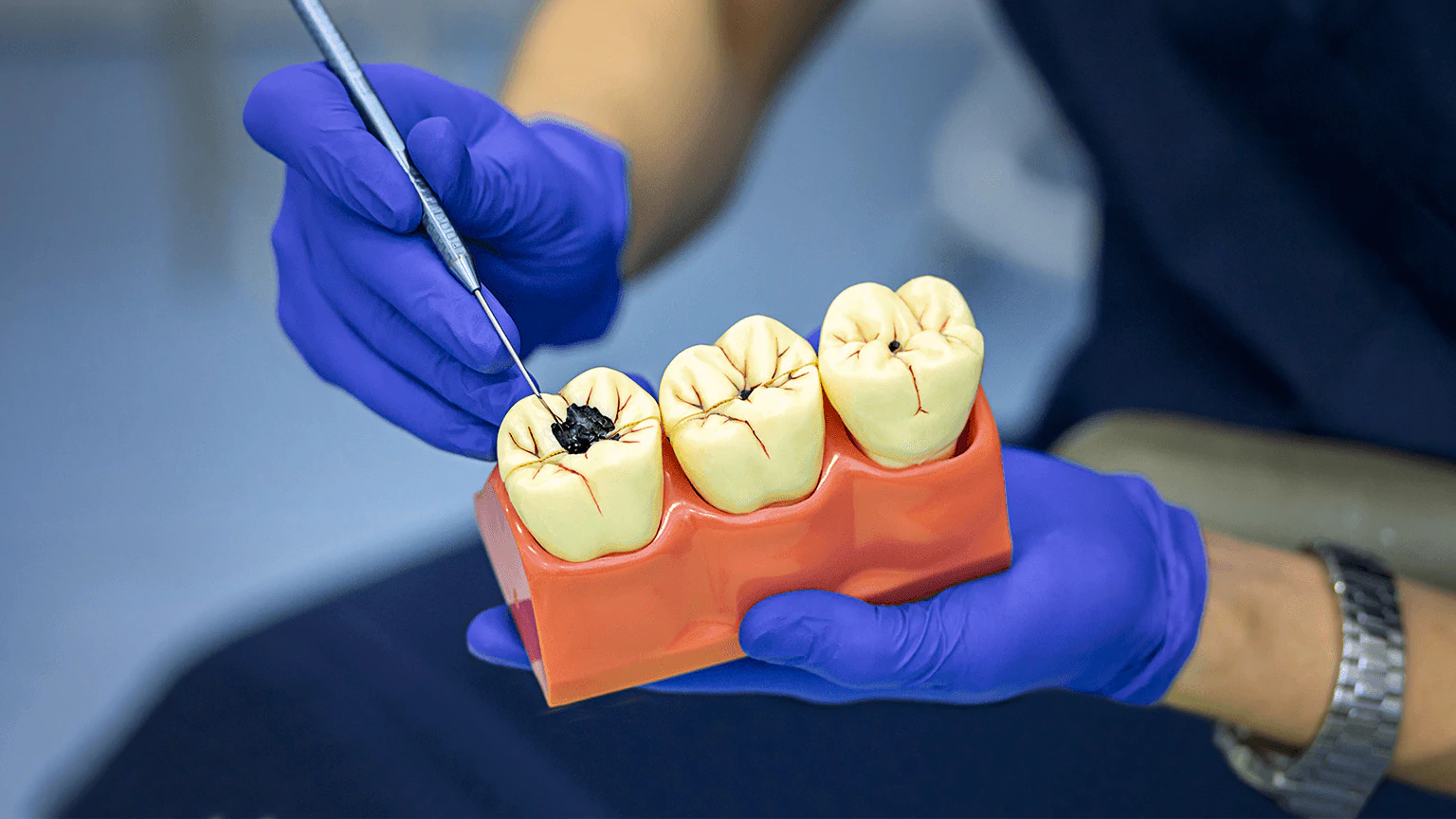
Salud Dental Prevención
Cómo Detener la Caries Dental: Síntomas, Causas y Prevención
El consumo de azúcar es la principal causa de caries y deterioro dental, combinado con carencias de minerales, especialmente magnesio, zinc, cobre y oligoelementos.
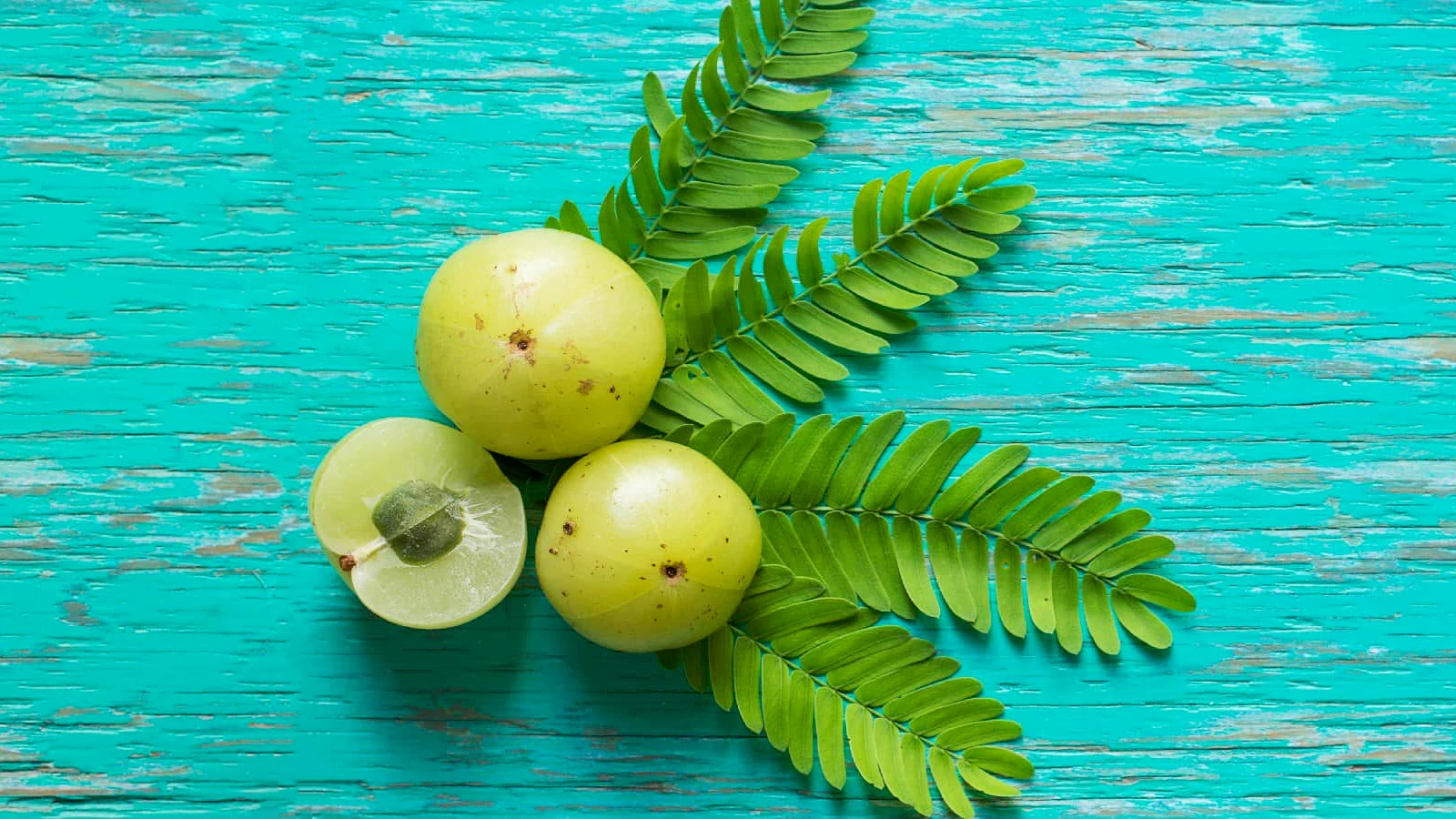
Antioxidantes Superalimentos
Amla: Beneficios Probados, Nutrición e Importancia Clínica
El amla es uno de los antioxidantes más potentes del mundo, con una puntuación ORAC de 261.530. Es una rica fuente de fitoquímicos que tienen diversos beneficios para la salud. Es una rica fuente de fitoquímicos que tienen diversos beneficios para la salud.
Top Noticias De Salud — ScienceDaily
- Less sugar as a baby, fewer heart attacks as an adulten febrero 23, 2026
People whose sugar intake was restricted before birth and in early childhood had markedly lower rates of heart disease later in life. Compared to those never exposed to rationing, their risks of heart attack, stroke, heart failure, and cardiovascular death were cut by roughly 20–30%.
- Scientists create universal nasal spray vaccine that protects against COVID, flu, and pneumoniaen febrero 23, 2026
Scientists at Stanford Medicine have unveiled a bold new kind of “universal” vaccine that could one day protect against everything from COVID-19 and the flu to bacterial pneumonia and even common allergens. Instead of targeting a specific virus or bacterium, the nasal spray vaccine supercharges the lungs’ own immune defenses, keeping them on high alert for months. In mice, it slashed viral levels, prevented severe illness, and even blocked allergic reactions.
- Babies exposed to far more “forever chemicals” before birth than scientists knewen febrero 23, 2026
Babies born in the early 2000s were exposed in the womb to far more “forever chemicals” than researchers once realized, according to a new study. By using advanced chemical screening on umbilical cord blood, scientists detected 42 different PFAS compounds, including many that standard tests do not routinely check for. These long lasting chemicals are found in common products like nonstick cookware, food packaging, and stain resistant fabrics, and they can build up in the body over time.
- Simple blood test can forecast Alzheimer’s years before memory lossen febrero 23, 2026
Scientists have created a blood test that can estimate when Alzheimer’s symptoms are likely to begin. By measuring a protein called p-tau217, the model predicts symptom onset within roughly three to four years. The protein mirrors the silent buildup of amyloid and tau in the brain long before memory loss appears. This advance could speed up preventive drug trials and eventually guide personalized care.
- Pecans found to improve cholesterol and boost heart healthen febrero 22, 2026
A sweeping new scientific review suggests that pecans — America’s native nut — may pack more heart power than many people realize. After analyzing over 20 years of research, scientists found consistent evidence that eating pecans can improve key markers of cardiovascular health, including total cholesterol and “bad” LDL cholesterol, while also supporting antioxidant defenses.
- New oxygen gel could prevent amputation in diabetic wound patientsen febrero 22, 2026
Chronic wounds often spiral out of control because oxygen can’t reach the deepest layers of injured tissue. A new gel developed at UC Riverside delivers a continuous flow of oxygen right where it’s needed most, using a tiny battery-powered system. In high-risk mice, wounds healed in weeks instead of worsening. The innovation could dramatically reduce amputations—and may even open doors for lab-grown organs.
- Flea and tick treatments for dogs and cats may be harming wildlifeen febrero 22, 2026
Flea and tick medications trusted by pet owners worldwide may have an unexpected environmental cost. Scientists found that active ingredients from isoxazoline treatments pass into pet feces, exposing dung-feeding insects to toxic chemicals. These insects are essential for nutrient cycling and soil health. The findings suggest everyday pet treatments could ripple through ecosystems in surprising ways.
PubMed, #Dieta vegana –
- Veganism: an extended theory of planned behavior framework incorporating ethical, environmental, and sociodemographic determinantsen febrero 20, 2026
CONCLUSION: This study broadens the TPB by integrating ethical, normative, and psychosocial dimensions that explain vegan intentions beyond traditional predictors. Findings underscore the importance of moral identity, perceived social expectations, and contextual factors in shaping sustainable dietary behaviors.
- Association Between Diet and Metabolome in Childhood and Adolescence: A Systematic Reviewen febrero 11, 2026
CONCLUSION: This review identifies several metabolites consistently associated with specific dietary components across different studies in children and adolescents. These findings support the potential of metabolomics for validating dietary biomarkers and improving the accuracy of dietary assessment in pediatric populations. Although metabolomic markers reflect actual dietary intake, their implications for health outcomes remain to be explored.
- Growth Trajectories in Infants From Families With Plant-Based or Omnivorous Dietary Patternsen febrero 5, 2026
CONCLUSIONS AND RELEVANCE: In this cohort study, infants from vegan households had growth patterns similar to those from omnivorous households, with a higher odds of early underweight that decreased by age 24 months. In the context of developed countries, these findings seem reassuring. Further research should examine vegan diet quality and the impact of nutritional counseling during pregnancy and infancy in supporting optimal infant development.
- Influences of vegan status on protein intake, lean body mass, and strength in lightly active, young women: A cross-sectional studyen febrero 5, 2026
CONCLUSION: These data suggest that functional indicators of body protein status may be adversely impacted by long-term adherence to vegan diets in young adult women.
- Diet type and the oral microbiomeen febrero 2, 2026
CONCLUSION: The diet-oral microbiome-systemic inflammation axis is bidirectional and clinically relevant. Understanding both direct ecological regulation and indirect metabolic effects is essential to support precision nutrition strategies aimed at maintaining oral microbial balance and systemic inflammatory risk mitigation.
Publicaciones aleatorias –
El cáncer Editor De Selecciones Fitoquímicos
Poder Anticancerígeno de Frutas y Verduras: Pruebas Clínicas e in Vivo
Algunos extractos vegetales rivalizan con los principales fármacos quimioterapéuticos y, al mismo tiempo, atacan varios tipos diferentes de células cancerosas.

La Diabetes Editor De Selecciones Dieta Óptima
Azúcar Refinado: Comprender los Riesgos
Los niños consumen alrededor de una quinta parte del total de sus necesidades de calorías de sólo el azúcar refinado. Si añadimos la grasa y el resto de la nutrición privados de alimentos procesados a la lista se convierte en una nutrición completa pesadilla.
La Diabetes Dieta Óptima
Edulcorantes artificiales- Conceptos básicos
Los edulcorantes artificiales son sustancias químicas sintéticas no naturales, por lo que tenemos que estudiar la ciencia disponible para comprender los posibles efectos que estas sustancias químicas pueden tener sobre la salud.

La Actividad Física
El agotamiento de glucógeno - Cómo no hacer ejercicio
¿Qué sucede cuando hacemos ejercicio o ir en una dieta restrictiva?
La Diabetes Editor De Selecciones
La Diabetes causa y grasas saturadas - Los veganos argumento
A medida que aumenta el nivel de grasa en el torrente sanguíneo, disminuye la capacidad del organismo para eliminar el azúcar. Una de las causas de la diabetes es nuestra inadaptación a una gran ingesta de grasas
Dieta Vegana
¿Son Los Peces Animales? Una Perspectiva Cultural
En algunas culturas, la carne de pescado no se considera carne, y el pescado está permitido incluso durante el ayuno.

La longevidad
Longevidad: La Teoría del Ritmo de Vida
Cuanto mayor es el metabolismo, mayor es el daño oxidativo y mayor es la división celular. Cada vez que la célula se divide, corta el telómero por la mitad y nuestra longevidad

Editor De Selecciones Dieta Óptima La proteína
Dieta Alta En Proteínas - Riesgo Para La Salud De Las Correlaciones
La escasez es la regla de las proteínas en la naturaleza. En términos evolutivos, los antropólogos han demostrado que los homínidos vivían una media de 15 a 25 gramos de proteína al día. En el tipo occidental moderno de dieta alta en proteínas consumiríamos eso...
Industria De Alimentos El embarazo Toxicidad
Excitotoxicidad del Glutamato Monosódico: Revisión Científica
El hallazgo más significativo de toda la historia de la industria alimentaria es una rama concreta de las neurotoxinas que se denominan excitotoxinas.

Antioxidantes La inflamación
Papel de los Antioxidantes en la Depresión y la Ansiedad: La Pieza que Faltaba
El estrés oxidativo con inflamación crónica en el cerebro está asociado al desarrollo de trastornos neuropsiquiátricos, entre ellos la depresión mayor y la ansiedad.


Publicaciones destacadas -

La Medicina Alopática Editor De Selecciones
La historia de Big Pharma - IG Farben
La parte de Rockefeller monopolio de la química y de la medicina de las industrias de vino en cumplimiento después de la 2 ª guerra mundial. La Standard Oil y la IG Farben cooperación con esta realidad.

Editor De Selecciones Prevención Toxicidad
Toxicidad Ambiental- Es Sólo Una Cadena Alimentaria
Toxicidad ambiental es la bioacumulación de toxinas. Los organismos son los filtros. Pero hay uno más aun peor proceso llamado biomagnificación en la cadena alimentaria.
La Diabetes Editor De Selecciones
La Diabetes causa y los hidratos de carbono refinados - Los veganos argumento
La gente cree que los carbohidratos refinados se asocian a picos de insulina y son una de las causas de la diabetes. Y tienen razón. Sin embargo, también se equivocan.

La Medicina Alopática El cáncer Editor De Selecciones
El cáncer, La Prohibida Curas-máquina de Rife, reseña Histórica
La tasa de recuperación de pacientes con cáncer no tratable y declarados enfermos terminales mediante la utilización de la tecnología resonante de la máquina Rife fue del 100%.

El cáncer Editor De Selecciones Toxicidad
Exposición a Plaguicidas en Niños: Pruebas de Exposición en la Vida Real
Los niños y especialmente las mujeres embarazadas son más vulnerables a la exposición a los pesticidas. Si analizamos el mundo real de los niveles de exposición en situaciones de la vida real, lo que podría ser el resultado?
Editor De Selecciones Fitoquímicos
Fitoquímicos: Conceptos Básicos
Todos y cada uno de los fitoquímicos que existen tienen una acción biológica en el cuerpo humano. Cada uno de los millones de fitoquímicos diferentes.
El cáncer Editor De Selecciones Fitoquímicos
Poder Anticancerígeno de Frutas y Verduras: Pruebas Clínicas e in Vivo
Algunos extractos vegetales rivalizan con los principales fármacos quimioterapéuticos y, al mismo tiempo, atacan varios tipos diferentes de células cancerosas.

Editor De Selecciones Dieta Óptima La proteína
Necesidades de Proteínas: Una Verdad Incómoda
Cuando los estudios antropólogos demostraron que los homínidos vivían una media de 15 a 20 gramos de proteína al día, se produjo lo que se llamó el "gran fiasco de las proteínas" en los años 1970.
El cáncer Editor De Selecciones La proteína
La Anatomía de Cáncer de riesgo para la Salud de las correlaciones
Según los medicamentos, alrededor del 2% de los cánceres se consideran puramente causados por factores genéticos. El mismo rango que dentro del reino animal. No te han dicho toda la verdad.

Editor De Selecciones Dieta Óptima Dieta Vegana
QUE la dieta de las directrices de la Nueva pirámide de los alimentos y la supresión de la ciencia
QUE las pautas dietéticas recomiendan una dieta baja en grasas saturadas (proteína animal), el azúcar, la sal y alta en frutas y verduras, como un requisito para hacer frente a la epidemia aumento de las enfermedades crónicas en todo el mundo.
La última versión desde PubMed, #Dieta basada en plantas –
- Evaluation of biochemical, histopathological, hematological, and genotoxic effects of some indigenous weed plant extracts in albino rats toward a natural and safe alternative to synthetic insecticidespor Muhammad Asif Zahoor en febrero 23, 2026
CONCLUSION: These findings suggest that these weed plants have the potential to be used as biopesticides for future integrated pest management (IPM) programs.
- Comparative life cycle assessment of conventional dairy products and plant-based analog and hybrid alternatives: current status and future perspectivespor Muhammed Fidan en febrero 23, 2026
Conventional dairy products are associated with relatively high environmental burdens, largely driven by farm-level processes such as enteric methane emissions, feed production, and land use. These concerns have intensified interest in plant-based analog and hybrid dairy products as potential alternatives. However, environmental comparisons among these product categories remain inconsistent due to differences in functional units, methodological choices, and nutritional characteristics. This…
- Dietary Patterns and Indicators of Cognitive Functionpor Hui Chen en febrero 23, 2026
CONCLUSIONS AND RELEVANCE: Results reveal that healthy diets, exemplified by the DASH diet for blood pressure control and diets with lower hyperinsulinemia and inflammation potentials, were associated with a lower SCD risk and better cognitive function. These findings underscore the importance of a healthy diet for maintaining long-term cognitive health.
- Adherence to the EAT-Lancet Planetary Health Diet during Pregnancy and Associations with Preterm Birth and Infant Size: a prospective analysis from the New Hampshire Birth Cohortpor Leyre Notario Barandiaran en febrero 21, 2026
CONCLUSION: Originally proposed for chronic disease prevention and planetary sustainability, higher adherence to the PHD during pregnancy may also benefit birth outcomes, particularly lower odds of preterm birth.
- Comparative effects of Gamal (Gliricidia sepium)-based diets supplemented with Gambier (Uncaria gambir) or direct-fed microbials on rumen fermentation, nutrient digestibility, microbial protein…por Bella Veliana Utami en febrero 20, 2026
CONCLUSION: Gamal-based diets supplemented with Gambier or DFM positively modified rumen fermentation, but through distinct mechanisms. DFM improved digestibility and fermentation stability, whereas Gambier achieved the greatest CH(4) mitigation at 1% inclusion. Gambier represents a promising, locally available option for sustainable methane reduction in tropical ruminant feeding systems, supporting future in vivo validation.
- Genome-resolved metagenomics reveals gastrointestinal microbiome adaptations in sheep responding to fiber- and starch-rich dietspor Fei Xie en febrero 20, 2026
The gastrointestinal tract of ruminants hosts a specialized microbial ecosystem that has evolved to efficiently digest fiber. However, modern intensive farming practices, which often involve reduced dietary fiber and increased grain supplementation, are linked to metabolic disorders in ruminants. Despite this, the understanding of the taxonomic and functional adaptations of the gastrointestinal microbiome to dietary changes remains limited, largely due to the challenges in obtaining…