







Essential Oils as Antioxidant Supplements: Rules and Strategies
Food-grade essential oils can be a convenient and consumer-friendly strategy for optimizing the antioxidant value and ORAC scores of our diet.
Milos Pokimica
Written By: Milos Pokimica
Medically Reviewed by: Dr. Xiùying Wáng, M.D.
Updated June 10, 2023Key Takeaways:
-Edible essential oils are natural and affordable supplements that can boost your physical and mental health, as well as add flavor and aroma to your food and drinks.
-Edible essential oils include a wide range of characteristics, such as antimicrobial, antiviral, antibiotic, anti-inflammatory, and antioxidant properties (Bakkali et al., 2008).
-Edible essential oils are the most concentrated source of antioxidants available in nutrition and represent an easy and cost-effective way of balancing the antioxidative ORAC score of our diet (Bentayeb et al., 2014).
Introduction.
It’s quite surprising, but have you ever heard of edible essential oils? It turns out that these oils, which are commonly used for aromatherapy or in beauty products, can actually be consumed and added to food and drinks as a medicinal supplement. The benefits of these oils go beyond just flavor. Edible essential oils have incredible health benefits, both physically and mentally. They were used in traditional medicine from ancient times. Surprisingly enough, people today often overlook the power and affordability of essential oils in nutrition.
For example, one study published in the journal Frontiers in Medicine found that edible essential oils possess various health benefits such as antimicrobial, antiviral, antibiotic, anti-inflammatory, and antioxidant properties (Ramsey et al., 2020). They may even help with issues like stress, depression, and insomnia. Some popular examples of these edible essential oils include ginger, grapefruit, lavender, lemon, oregano, peppermint, rosemary, spearmint, and thyme.
In this article, we will explore the benefits and limitations of using essential oils as supplemental antioxidants, and provide some examples of essential oils with high antioxidant capacity. We will also discuss how to choose, store, apply, and diffuse edible essential oils safely and effectively.
What are edible essential oils?
Essential oils are concentrated extracts that are derived from various parts of plants. These oils have distinct aromas and a wide range of properties that make them useful in different settings. They are used as aromatherapy, as medicine, and as food ingredients just for flavoring. The process of obtaining these oils usually involves steam distillation or in some cases when there is oil in the plant itself such as seeds, then it could be extracted by cold pressing of the seeds.
There are many types of essential oils available. There are potentially essential oils that can be made from every single plant out there. It’s crazy to think about all the different types of oils that could exist. The possibilities are endless. And not just out of the plant, but also out of different parts of the plant. Like seed oil, root oil, or bark oil. with each one having unique features and benefits. While some can be applied topically to the skin or used in aromatherapy to improve mood and reduce stress, others can be ingested safely as food additives or supplements.
By using these oils responsibly in our daily lives, we can reap numerous benefits from their natural properties that are derived from plant’s phytochemicals. They are super concentrated natural medicine. More potent than any raw or dried medicinal herb.
Milos Pokimica
What are the health benefits of edible essential oils?
Edible essential oils have a vast array of health benefits that can significantly improve your overall well-being and enhance your quality of life. Most of the patented drugs are just this, patented phytochemicals that are extracted and concentrated into clinically significant dosages. Dosages can be also reached in these oils. These essential oils are extracted from various herbs and plants containing potent medicinal properties, and I want to emphasize, essential oils are highly concentrated.
Health benefits include a wide range of characteristics, such as antimicrobial, antiviral, antibiotic, anti-inflammatory, and antioxidant properties (Bakkali et al., 2008).
Edible essential oils are especially effective in fighting infections and reducing inflammation. They also provide relief for pain and boost the immune system to fight against diseases. Furthermore, these essential oils are an effective remedy for improving digestion issues while enhancing mood to reduce stress. They can even help treat disorders such as anxiety, depression, and insomnia (Bakkali et al., 2008).
Antioxidants are indispensable for maintaining overall body health because they protect cells from damage caused by free radicals. Free radicals result from various internal and external factors like pollution, smoke exposure, alcohol consumption, UV rays exposure along with aging. Consequently accumulating toxic and inflammatory substances in the body can cause oxidative stress that damages cells while increasing susceptibility to chronic diseases like cancer or diabetes.
Thankfully edible essential oils contain natural phenolic compounds such as terpenes and flavonoids with high antioxidant values that are critical for protecting cells from other oxidative stressors (Bakkali et al., 2008). Phenolic compounds present in these essential oils act as strong free radical scavengers while protecting cells against this kind of damage caused by oxidative stress.
In similar importance, terpenes found in edible essential oil have been shown to protect cell membranes by inhibiting lipid peroxidation which is crucial for cellular function (Nuutinen, 2018). Terpenes have been the focus of numerous studies investigating their medicinal properties. Clinical trials suggest that terpenes exhibit a wide range of beneficial effects, including anti-inflammatory, antioxidant, analgesic, anticonvulsive, antidepressant, anxiolytic, anticancer, antitumor, neuroprotective, and anti-mutagenic properties (Nuutinen, 2018). Additionally, terpenes have demonstrated effectiveness in treating allergies and infections.
One noteworthy aspect of terpenes is their low toxicity level. This feature makes them safe to use as food additives or ingredients in cosmetic products. In fact, many products already contain terpene compounds for these purposes.
It’s possible to find edible essential oils with high antioxidant activity like clove oil or cinnamon oil among others(Bakkali et al., 2008).
In this article, I will only look into those antioxidant properties and will not discuss any other phytochemical benefits that these oils might have. There are too many of them and the research is lagging. When research is done it is done usually with the intention of extraction and patenting.
Incorporation of these edible essential oils into your diet helps you increase your daily intake of antioxidants naturally, and maybe more importantly easily and cheaply, leading to improved health over time (Bakkali et al., 2008).
Every single one of us can take a teaspoon of a mixture of essential oil in the morning without changing anything else in our diet and life. Furthermore using essential oils in your everyday routine also contributes to a more relaxed and stress-free lifestyle.
Overall, the high antioxidant value found within edible essential oils means that they have significant potential towards fending off the development of chronic diseases while maintaining good health. With an extensive variety available on the market today, getting started with essential oils is easier than ever.
Golden rule:
Most powerful antioxidants are a concentrated form of natural antioxidant-rich herbs. On top of the list will be essential oils, herbal extracts, dried herbs, and powders. Then we will have dried fruit, and superfoods like antioxidant-rich fruit, raw nuts, and seeds and vegetables. Then there will be regular fruit and regular vegetables, and then at the very end a whole list of animal products that have no antioxidant value and are pro-inflammatory.
Milos Pokimica
Not all plants are made equal. Some have higher nutrient density and phytochemical content than others. Some have unique phytochemicals that are not found in other plants. If we look at the antioxidant potential of the same plant species we will see that there are plants that have much higher ORAC values.
When we look at the ORAC values list of the most potent antioxidant-rich food sources we will notice that most of the items will be different spices or herbs.
Essential oils.
Some antioxidant-rich herbs or spices have measurable phytochemical content that content can be extracted and concentrated. Essential oils are fluid extracts from medicinal, aromatic, or any other plants, which have many applications in numerous industries. There are also a variety of different methods used for the extraction.
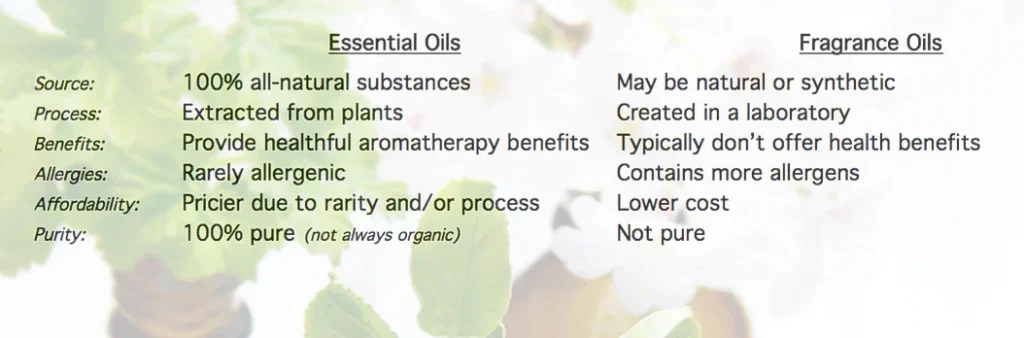
These essential oils have more concentrated phytochemical levels than the levels that are present in the raw plant.
In a nutritional sense essential oil would not be superior in terms of nutrient density then a row plant, it is essentially a refined product. We would be able to eat whole food sources and get to the same antioxidant content without extraction. The extraction itself would start the oxidation of the antioxidants. As soon as extracted oil comes in contact with air the oxidation starts.
Why use essential oils instead of whole foods for antioxidant content?
The reason for most people is just convenience but the real reason is that there are limiting factors in everyday life on the amount of some high antioxidant food source that we would be able to realistically consume. For example, we can only tolerate a small amount of freshly ground cloves.
The question is could we use essential oils that have super-concentrated phytochemicals and mega-dose ourselves in a way that nature never intended?
These oils have the potential to bring our ORAC levels to numbers that are not natural even if we compare them to the levels of all living primates. They are also a source of phytochemicals that have different health effects on top of antioxidative properties. Their ability to fight cancer has a long history and research. In the last 10 years, more than a hundred essential oils from more than twenty different plant families have been evaluated on more than twenty different cancer types (Bayala et al., 2014). Most chemotherapy drugs are created by this type of research.
In traditional medicine, there were no single monoterpenes. Essential oils were used because there was no scientific way for single phytochemical patented medicine. Regular allopathic medicine does the same just removes the oil itself and just uses selected chemicals as a prescription medicine. People don’t realize that more than 60 percent of all patented drugs are not synthetic but just extracted phytochemicals in a form that is potent enough to elicit clinical significance.
The question is also could this strategy be used to increase our antioxidant score to more normal levels and would it be a convenient and consumer-friendly way of balancing our antioxidative ORAC score?
There are essential oils that are very potent antioxidants like clove essential oil. We would be able to mix them and make an antioxidant-rich essential oil mix for consumption.
These oils are so potent that they will create burns and cannot be consumed without diluting them with refined cooking oils.
First problem.
Not all essential oils are edible. If you want to add them you will have to do the research yourself for every type of essential oil that you want. This review (Atabani et al., 2013) gives some examples of non-edible oilseed crops that produce non-edible vegetable oils.
The following table lists toxic essential oils that are not suitable for consumption. It is important to keep in mind that this table is not comprehensive and may not encompass all potential hazards and reactions associated with non-ingestible essential oils.
| Non-edible vegetable and essential oil | Toxic effect or reason for being non-edible |
| Jatropha curcas oil | Contains phorbol esters, which are highly toxic and can cause severe skin irritation, vomiting, diarrhea, and organ damage. |
| Calophyllum inophyllum oil | Contains inophylloide, which is highly toxic and can cause liver damage, kidney failure, and death. |
| Sterculia feotida oil | Contains cyclopropenoid fatty acids, which can interfere with fatty acid metabolism and cause growth retardation, liver damage, and anemia. |
| Madhuca indica oil | Contains saponins, which can cause hemolysis of red blood cells and gastrointestinal irritation. |
| Pongamia glabra oil | Contains karanjin and pongamol, which are toxic and can cause skin irritation, nausea, vomiting, diarrhea, and liver damage. |
| Linseed oil | Contains cyanogenic glycosides, which can release cyanide and cause poisoning. |
| Pongamia pinnata oil | Contains karanjin and pongamol, which are toxic and can cause skin irritation, nausea, vomiting, diarrhea, and liver damage. |
| Hevea brasiliensis oil | Contains allergenic proteins, which can cause severe allergic reactions such as anaphylaxis. |
| Azadirachta indica oil | Contains azadirachtin and other limonoids, which are toxic and can cause nausea, vomiting, diarrhea, liver damage, and neurological effects. |
| Camelina sativa oil | Contains erucic acid, which can cause fatty acid accumulation in the heart and skeletal muscles and impair their function. |
| Lesquerella fendleri oil | Contains hydroxy fatty acids, which can interfere with normal fatty acid metabolism and cause liver damage. |
| Nicotiana tabacum oil | Contains nicotine, which is highly toxic and can cause nausea, vomiting, convulsions, respiratory failure, and death. |
| Deccan hemp oil | Contains cannabinoid compounds, which can cause psychoactive effects such as euphoria, paranoia, anxiety, and hallucinations. |
| Ricinus communis oil | Contains ricin, which is one of the most potent toxins known and can cause nausea, vomiting, diarrhea, internal bleeding, organ failure, and death. |
| Babassu oil | Contains lauric acid, which can increase cholesterol levels and raise the risk of cardiovascular disease. |
| Simmondsia chinensis oil | Contains erucic acid, which can cause fatty acid accumulation in the heart and skeletal muscles and impair their function. |
| Eruca sativa oil | Contains glucosinolates, which can release mustard oils and cause irritation of the mucous membranes and skin. |
| Wintergreen oil | Contains methyl salicylate, which can cause poisoning if ingested in large amounts. |
| Camphor oil | Contains camphor, which can cause seizures, coma, and death if ingested. |
| Cedarwood oil | Contains thujone, which can cause neurotoxicity and liver damage if ingested. |
Second problem.
Some essential oils, in the same manner as herbal teas, should not be mixed because they might have adverse reactions.
There are some essential oils that may have interactions between themselves when mixed and consumed. Some examples are:
- Clove oil: This oil is high in eugenol, which can act like a blood thinner and inhibit platelet aggregation. Therefore, it may interact with other essential oils that have similar effects, such as wintergreen, birch, cinnamon, oregano, and helichrysum (Fung et al., 2021).
- Grapefruit oil: This oil contains furanocoumarins, such as bergamottin and DHB, which can inhibit the metabolism of some drugs and increase their blood levels. Therefore, it may interact with other essential oils that have similar effects, such as angelica, bergamot, lemon, lime, and bitter orange (Fung et al., 2021).
- Lavender oil: This oil has sedative and relaxing properties that can enhance the effects of other essential oils that have similar effects, such as chamomile, clary sage, marjoram, neroli, and ylang-ylang (Fung et al., 2021).
- Peppermint oil: This oil is high in menthol, which can increase the lung permeability of nicotine and slow down its clearance from the body. Therefore, it may interact with other essential oils that contain nicotine or other stimulants, such as tobacco, coffee, tea tree, and eucalyptus (Fung et al., 2021).
The following table lists possible interactions between essential oils themselves. It is important to keep in mind that this table is not comprehensive and may not encompass all potential hazards and reactions.
| Essential oil | Interaction with other essential oils | Reason for interaction |
|---|---|---|
| Clove oil | Wintergreen, birch, cinnamon, oregano, helichrysum | Eugenol can act like a blood thinner and inhibit platelet aggregation |
| Grapefruit oil | Angelica, bergamot, lemon, lime, bitter orange | Furanocoumarins can inhibit the metabolism of some drugs and increase their blood levels |
| Lavender oil | Chamomile, clary sage, marjoram, neroli, ylang ylang | Sedative and relaxing properties can enhance the effects of other essential oils with similar effects |
| Peppermint oil | Tobacco, coffee, tea tree, eucalyptus | Menthol can increase the lung permeability of nicotine and slow down its clearance from the body |
| Rosemary oil | Lavender, clary sage, basil, sage | Camphor and 1,8-cineole can stimulate the nervous system and counteract the effects of other essential oils that have sedative and relaxing properties |
| Tea tree oil | Lavender, clary sage, marjoram, neroli, ylang ylang | Terpinen-4-ol can stimulate the immune system and counteract the effects of other essential oils that have immunosuppressive properties |
| Thyme oil | Lemon, lime, grapefruit, bergamot | Thymol can irritate the mucous membranes and increase the risk of photosensitivity when combined with other essential oils that contain citrus components |
| Eucalyptus oil | Lavender, clary sage, basil, sage | 1,8-cineole can interfere with the metabolism of anesthesia and barbiturates and counteract the effects of other essential oils that have sedative and relaxing properties |
| Lemon oil | Lavender, clary sage, marjoram, neroli, ylang ylang | Limonene can induce relaxation and sleepiness and enhance the effects of other essential oils with similar effects |
| Oregano oil | Wintergreen, birch, cinnamon, clove, helichrysum | Carvacrol can act like a blood thinner and inhibit platelet aggregation |
| Frankincense oil | Chamomile, clary sage, marjoram, neroli, ylang ylang | Boswellic acids can modulate inflammation and immune responses and enhance the effects of other essential oils with similar effects |
| Geranium oil | Lemon, lime, grapefruit, bergamot | Citronellol can irritate the mucous membranes and increase the risk of photosensitivity when combined with other essential oils that contain citrus components |
General rule.
This is a complicated subject and I will not go into depth here. Some general rule of thumb is that if the plant is edible like for example cloves, then essential oil from that plant will be edible as well. All known interactions for the plant that the oil is extracted from should be valid for the oil itself.
Clove oil is a superstar with a nice smell and taste and an ORAC score of more than a million.
Toxicity and dosage.
Some edible oils are also toxic because they are much more concentrated chemically than a plant that they are created of and if there is some toxin in that plant it will be much more prominent in the oil.
This might be a main problem and the most overlooked issue here that could essentially end you in a hospital or have some chronic effects if you do this on your own without previous knowledge. This is the main reason why most natural healers and nutritionists have essential oil phobia.
Some oils have been used in traditional medicine for thousands of years and have extensive scientific studies behind them. You and your doctor and your nutritionist have to know all available research behind every single essential oil and also this research has to exist in the first place.
Are these essential oils safe to consume?
These essential oils are generally safe to consume if they are pure, organic, and labeled as food grade or therapeutic grade. However, you need to be careful and follow some precautions before using them internally. Here are some tips to use these essential oils safely:
- Consult a doctor before using any essential oils internally, especially if you have any medical conditions or take any medications. Some essential oils may interact with certain drugs or affect your blood pressure, blood sugar, or liver function.
- Follow the instructions on the label carefully and use the recommended dosage for each essential oil. Do not exceed the recommended amount or frequency of use. Less is more when it comes to essential oils.
- Dilute the essential oils with a carrier oil before ingesting them. A carrier oil is a vegetable oil that can help dilute and disperse the essential oil and reduce its irritation or sensitivity. Some examples of carrier oils are olive, coconut, almond, jojoba, grapeseed, and avocado oils. To mix the essential oil with a carrier oil, you need to measure them with spoons and dropper bottles and follow a certain ratio depending on the purpose and strength of the essential oil.
- Do not use essential oils on children, pregnant women, nursing mothers, or pets without consulting a doctor or a veterinarian first. Some essential oils may be harmful or toxic to them.
- Do not use essential oils near your eyes, nose, mouth, or genitals. They may cause burning, irritation, or inflammation.
- Do not use essential oils that are expired, oxidized, or adulterated. They may lose their effectiveness or become harmful.
- If you have any unwanted responses like nausea, vomiting, diarrhea, heartburn, stomach pain, headache, dizziness, or allergic reactions after using essential oils, it is crucial to discontinue their use immediately.
WARNING
If you don’t know the properties of the essential oil or the safe dosages, don’t know if you have an allergy, or confuse plant species, you can die, end up in a hospital or suffer from chronic issues that you might not contribute to the oil. You can have a miscarriage or other health complications if you are pregnant.
Compared to adults, children are more susceptible to negative effects arising from consuming essential oils. This is due to their smaller body sizes and underdeveloped liver and kidney functions which make it hard for them to metabolize the potent compounds in essential oils, essentially lowering the toxic threshold to minuscule amounts. Children also have more delicate skin and mucous membranes, making them more prone to allergic reactions or irritation caused by exposure to essential oils.
You should keep your edible essential oils out of reach of children and pets and never leave them unattended with them.
The same rule applies to pregnancy.
You can have a miscarriage or other health complications if you are pregnant. The use of certain essential oils during pregnancy can have negative effects on both the mother and the developing baby. Some oils have been observed to cause uterine contractions. These oils include cinnamon, clove, rosemary, clary sage, jasmine, and juniper. Hormonal imbalances may also occur due to the use of some oils, resulting in potential risks to the health of either the mother or the baby. Basil, aniseed, fennel, sage, and thyme are some oils that may produce this effect. Blood pressure changes induced by certain oils such as eucalyptus, peppermint, rosemary, and ylang-ylang may lead to hypertension or hypotension. Pennyroyal, tansy, wintergreen, and wormwood are some oils that have been observed to cause fetal toxicity and may result in birth defects or developmental problems.
This is a reason why in almost all situations most nutritionists will recommend whole food sources in realistic dosages.
In a topic like this one, you should educate yourself in a real way. This means that you should click and read scientific references.
The consumption of edible essential oils can potentially create risks for individuals, particularly those taking medications. This is because the active volatile compounds in the oils can interact with drugs.
For example, grapefruit essential oil contains furanocoumarins that may suppress specific enzymes in the liver and intestine that are responsible for breaking down drugs. As a result, this suppression might lead to higher blood levels and toxicity of statins, calcium channel blockers, and benzodiazepines. On the other hand, peppermint essential oil contains menthol that could influence drug absorption by lowering gastric motility and increasing gastrointestinal transit time. This interference could reduce the bioavailability and efficacy of medications like felodipine (a calcium channel blocker), cyclosporine (an immunosuppressant), and ketoconazole (an antifungal).
In addition to these examples, the lavender essential oil is prevalent due to its sedative properties owing to its rich content of linalool and linalyl acetate. However, these properties might exacerbate the effects of certain medications with sedative or central nervous system-depressant impacts like opioids (morphine), benzodiazepines (diazepam), barbiturates, or antipsychotics (olanzapine).
Oregano essential oil is known for its antimicrobial and anti-inflammatory properties due to its high concentration of carvacrol and thymol. These compounds can also interfere with the anticoagulant effects of drugs such as warfarin, heparin, and aspirin by inhibiting platelet aggregation or prolonging bleeding time.
Certain essential oils may have an impact on blood sugar levels, such as cinnamon oil, blood pressure levels, such as clove oil, or liver enzyme function, like eucalyptus oil.
There is a growing trend to take these essential oils exactly for their side effects so that you could lower your prescription medication. People take them as medication and then just lower their drug dosage. Is this smart I don’t know. Most of the prescribed medicine is toxic with a long list of drug side effects.
You will find some of the interactions in the table but the table is just a reference point and it is not complete or comprehensive.
You need to research, and research fully about all of the potential interactions of each oil before using them internally and to seek professional advice on top of your research.
To minimize the risks of drug interactions with edible essential oils, it is recommended to follow these guidelines:
- Consult with a healthcare professional before using any essential oil internally.
- Inform your doctor or pharmacist about all the medications you are taking or planning to take.
- Start with a low dose and gradually increase it if tolerated.
- Use high-quality oils from reputable sources that provide purity and potency testing.
- Store your oils in a cool, dark, dry place away from heat and sunlight.
- Check the expiration date and discard any expired or oxidized oils.
- Monitor your symptoms and response to the oils carefully and stop using them if you experience any adverse effects.
By being informed and cautious about the use of edible essential oils when taking medications or having health conditions, you can enjoy their benefits while minimizing their risks.
Nutmeg.
Nutmeg is a good example. Nutmeg tastes great in cookies and eggnog, but too much can cause hallucinations. It has an amphetamine-like substance in it (Idle et al, 2005). The toxic dose of nutmeg for an adult is two teaspoons and for the essential oil is zero. Children who get into the container and people who deliberately swallow a lot of nutmegs trying to get high will be able to achieve hallucinations but also will become miserably sick. Nausea, vomiting, agitation, prolonged drowsiness, and coma are all possible. In the Middle Ages nutmeg was used as an abortifacient so eating nutmeg essential oil is quite dangerous, especially for pregnant women and children. It is truthful that in most cases, oil is the less toxic option than the nut because most of the toxins present in the nuts don’t get extracted when the oil is steam distilled from the nuts, but the elemicin and myristicin, the two psychoactive substances in the nutmeg are extracted. Even a tiny drop of 0.25 ml of 100% pure therapeutic-grade nutmeg oil will give you a mild trip with visuals, euphoria, etc. Even handling nutmeg oil can be dangerous because you can lick your fingers unintentionally. The effects begin in about 30 minutes and peak after about 3-5 hours.
In the video below you can see a case from the clinical practice of what happens when you drank a bottle of nutmeg spice.
Wintergreen.
The oil of wintergreen is another example and it is just a name for methyl salicylate, a relative of aspirin (acetylsalicylic acid). Small amounts are safe to use as flavoring agents, but the bottle must be locked up so that children can’t get to it. Small amounts of oil of wintergreen can poison children. Because the oil of wintergreen is rapidly absorbed, children can become dangerously ill very quickly (Methyl salicylate overdose).
More examples.
Peppermint is used for gastrointestinal discomfort. It’s important to choose the correct species of mint, as some types are poisonous; for example, pennyroyal oil is very poisonous to the liver.
Eucalyptus is used for its soothing effects when inhaled, for example during a cold or cough. If swallowed, eucalyptus oil can cause seizures.
Sage oil has been used as a scent, seasoning, and remedy. Swallowing more than a very small amount has caused seizures in children.
Camphor is used as a moth repellent and as an ingredient in skin preparations. Even a small amount of camphor is dangerous if swallowed. Seizures can begin within a few minutes. Camphor poisoning also occurred when skin preparations containing camphor were applied repeatedly on children.
Before using any essential oil first look into the GRAS table I provided here. You will have to find out if it is on the list at all. Then you look up the known associated health risks from reputable sources and also look up interactions to might have with prescribed medicine.
GRAS status.
Black cumin oil, oil of oregano, or clove oil are medicinal oils initially produced for human consumption. Some oils are used in traditional medicine or they are available as a supplement. Outside of these oils, there are essential oils. Some essential oils are considered food grade. If you ask FDA what essential oils are suitable for human consumption there will be classification under something they call GRASS. GRAS stands for “Generally Recognized As Safe,” which means that FDA experts believe the oil could be consumed in small amounts as a spice. For instance a few drops of orange or lemon oil instead of grated peel in a cake.
If you want to use essential oils for antioxidant value or for cooking you can search the FDA GRAS database first.
Essential oils Generally Recognized As Safe (GRAS)
According to the FDA website1, the GRAS list does not provide any dosage and safety information for the food substances that are generally recognized as safe. The GRAS status is based on the conditions of use of the substance, such as the amount, frequency, duration, and population that will consume it. The FDA does not approve or review the GRAS substances, but it may question their safety if new scientific evidence emerges. Therefore, it is the responsibility of the manufacturer or user of the GRAS substance to ensure its safety and appropriate use.
Source: FDA. “Generally Recognized as Safe (GRAS).” FDA, https://www.fda.gov/food/food-ingredients-packaging/generally-recognized-safe-gras. Accessed 16 Apr. 2023.
https://www.accessdata.fda.gov/scripts/cdrh/cfdocs/cfcfr/cfrsearch.cfm?fr=182.20
| Common name | Botanical name of plant source | Safety and Dosage |
|---|---|---|
| Alfalfa | Medicago sativa L. | Alfalfa oil, derived from the seeds of Medicago sativa L., is primarily used for its grassy and nutty aroma and taste. It is believed to possess cholesterol-lowering, anti-inflammatory, and antioxidant properties. Though safe in small quantities as a flavoring agent or supplement when used appropriately, alfalfa oil can cause adverse effects if misused or overconsumed. One of these risks comes from coumarin content that affects blood clotting medications like aspirin, heparin, and warfarin; this increases the likelihood of bleeding or bruising. Consequently, experts advise against using alfalfa oil if one has a bleeding condition or takes anticoagulant drugs without consulting a physician beforehand. Conversely, Canavanine presence might induce lupus symptoms affecting immunity and hence not favorable with persons having autoimmune disorders. The use of Alfafa oils may also affect other medicine metabolized by the liver such as acetaminophen statins. Before consumption, it’s essential to verify with your doctor The recommended dosage for alfalfa oil hasn’t been established yet officially; however, sources suggest consuming no more than 0.1 – 0.2 ml on daily basis should be safe enough in humans. |
| Allspice | Pimenta officinalis Lindl. | Allspice oil is extracted from the dried berries of Pimenta officinalis Lindl., a plant. It is mainly used for its warm and spicy aroma and flavor. It may also have some antimicrobial, antifungal, anti-inflammatory, antioxidant, and digestive properties. Allspice oil is generally safe for human consumption in small amounts as a flavoring agent or adjuvant. However, allspice oil can cause some side effects if used improperly or in excess. For example, allspice oil may cause skin irritation or allergy in some people. When this happens, the area may become red, blotchy, itchy, or swollen. If you’re concerned about a possible skin reaction, test some diluted allspice oil on a small patch of skin before using it more widely. Allspice oil may also cause stomach upset, nausea, vomiting, or diarrhea and affect gastrointestinal drugs such as antacids, proton pump inhibitors, and H2 blockers. Therefore, avoid using allspice oil if you have a history of ulcers, gastritis, or irritable bowel syndrome or are taking any gastrointestinal drugs. The recommended dosage of allspice oil for human consumption is not well established, but one source suggests that 0.1 to 0.2 ml per day is safe. |
| Almond, bitter (free from prussic acid) | Prunus amygdalus Batsch, Prunus armeniaca L. | Almond oil (bitter) is extracted from the kernels of Prunus amygdalus Batsch and Prunus armeniaca L., two types of trees. It is mainly used for its sweet and nutty aroma and flavor. It may also have some antioxidant, anti-inflammatory, and moisturizing properties. Almond oil (bitter) is generally safe for human consumption in small amounts as a flavoring agent or adjuvant. However, almond oil (bitter) can cause some side effects if used improperly or in excess. For example, almond oil (bitter) may contain traces of prussic acid (hydrogen cyanide), which can cause poisoning and death in high doses. Therefore, avoid using almond oil (bitter) if you have a history of cyanide sensitivity or are taking any cyanide antidotes such as sodium nitrite or sodium thiosulfate. Almond oil (bitter) may also cause allergic reactions in some people, especially those who are allergic to nuts or seeds. Therefore, test some diluted almond oil (bitter) on a small patch of skin before using it more widely. Almond oil (bitter) may also cause stomach upset, nausea, vomiting, or diarrhea and affect gastrointestinal drugs such as antacids, proton pump inhibitors, and H2 blockers. Therefore, avoid using almond oil (bitter) if you have a history of ulcers, gastritis, or irritable bowel syndrome or are taking any gastrointestinal drugs. The recommended dosage of almond oil (bitter) for human consumption is not well established, but one source suggests that 0.1 to 0.2 ml per day is safe. |
| Ambrette (seed) | Hibiscus moschatus Moench. | Ambrette oil, derived from the seeds of the plant Hibiscus moschatus Moench., is primarily valued for its musky and floral scent and taste. It may also possess certain beneficial qualities such as its potential to act as an antidepressant, aphrodisiac, or antispasmodic. In small quantities, Ambrette oil is safe for human consumption as a flavoring agent or additive. However, improper use or overuse can lead to adverse reactions such as skin irritation, allergies, or phototoxic reactions. Therefore, it is recommended to test diluted Ambrette oil on a small patch of skin before using it widely and avoid exposure to sunlight afterward. Additionally, be sure to consult with your doctor if you are currently taking medications affected by the CYP2C9 enzyme, including warfarin, phenytoin, or losartan. There is no established safe dosage for Ambrette oil consumption in humans at this time; however, one source suggests a range of 0.1-0.2 ml per day. |
| Angelica root | Angelica archangelica L. | Angelica root oil, extracted from Angelica archangelica L. plant roots, is mainly used for its sweet and herbal aroma and flavor. In addition, it may have potential health benefits such as antimicrobial, antifungal, anti-inflammatory, antioxidant, and digestive properties. As a flavoring agent or adjuvant, the oil is generally safe for human consumption in small amounts. However, improper or excessive use can cause adverse effects such as skin irritation or allergy, photosensitivity, and phototoxic reactions, increased risk of bleeding with blood clotting drugs like warfarin and aspirin, and interference with antidiabetic drugs such as insulin and metformin. People with bleeding disorders or diabetes should consult their doctor before using angelica root oil. Although the recommended daily dosage is not well established, one source suggests a safe range of 0.1 to 0.2 ml per day. |
| Angelica seed | Do. | Angelica seed oil is extracted from the seeds of Angelica archangelica L., a plant. It is mainly used for its sweet and herbal aroma and flavor. It may also have some antimicrobial, antifungal, anti-inflammatory, antioxidant, and digestive properties. Angelica seed oil is generally safe for human consumption in small amounts as a flavoring agent or adjuvant. However, angelica seed oil can cause some side effects if used improperly or in excess. For example, angelica seed oil may cause skin irritation or allergy in some people. When this happens, the area may become red, blotchy, itchy, or swollen. If you’re concerned about a possible skin reaction, test some diluted angelica seed oil on a small patch of skin before using it more widely. Angelica seed oil may also cause photosensitivity and phototoxic reactions in some people. Therefore, avoid exposure to direct sunlight or UV rays after using angelica seed oil. Angelica seed oil may also increase the risk of bleeding and affect blood clotting drugs such as warfarin, heparin, and aspirin. Therefore, avoid using angelica seed oil if you have a bleeding disorder or are taking any anticoagulant drugs. Angelica seed oil may also lower blood sugar levels and interfere with antidiabetic drugs such as insulin, metformin, and glipizide. Therefore, monitor your blood sugar levels closely and consult your doctor before using angelica seed oil if you have diabetes or are taking any antidiabetic drugs. The recommended dosage of angelica seed oil for human consumption is not well established, but one source suggests that 0.1 to 0.2 ml per day is safe. |
| Angelica stem | Do. | Angelica stem oil is derived from the stems of a plant known as Angelica archangelica L. One of the main uses of this oil is for its aromatic and flavoring properties, which are sweet and herbal. In addition to this, it may offer benefits such as antimicrobial, antifungal, anti-inflammatory, antioxidant, and digestive properties. However, if used improperly or excessively, angelica stem oil can have adverse effects. For example, it can cause skin irritation and allergy in some people. Those who are concerned should conduct a patch test on a small area of skin before using it more widely. Additionally, it may cause photosensitivity and phototoxic reactions in some people if exposed to direct sunlight after use. Angelica stem oil is also known to interact with blood clotting drugs and antidiabetic medications by increasing the risk of bleeding or lowering blood sugar levels respectively. The safe dosage for human consumption has not been established but one source recommends 0.1 to 0.2 ml per day as a safe amount to use. |
| Angostura (cusparia bark) | Galipea officinalis Hancock. | The oil extracted from the bark of Galipea officinalis Hancock. is known as angostura oil, which is mainly used for its bitter and aromatic flavor. It may provide benefits such as antimicrobial, antifungal, anti-inflammatory, antioxidant, and digestive properties. However, if used improperly or excessively, it can cause side effects such as skin irritation and allergy. A patch test is recommended before using it widely to avoid any adverse reactions. Angostura oil can also upset the stomach and interact with gastrointestinal drugs such as antacids, proton pump inhibitors, and H2 blockers. It is advised to refrain from using Angostura oil if you have a history of ulcers. The recommended dosage for human consumption has not been clearly defined but one source suggests 0.1 to 0.2 ml per day to be safe. |
| Anise | Pimpinella anisum L. | Anise essential oil is extracted through steam distillation from the seeds of the plant. However, it can trigger allergic reactions in people who are allergic to plants in their family, such as fennel, celery, parsley, or carrot. It may also interact with medications or supplements that affect blood sugar or pressure levels. Combining anise essential oil with drugs or herbs that have a similar effect may cause a drastic drop in blood sugar or pressure. Furthermore, anise essential oil can have hormonal effects that might impact fetal growth or milk production. For children, excessive ingestion or inhalation of anise essential oil could result in toxicity. Pregnant and breastfeeding women should abstain from using this oil for safety reasons. The recommended safe dosage for human consumption is not well-established; however, 0.1 to 0.2 ml per day is deemed a safe limit. |
| Asafetida | Ferula assa-foetida L. and related spp. of Ferula. | Asafetida essential oil is extracted from the dried gum resin of the Ferula assa-foetida plant by steam distillation. It has a strong and pungent flavor and aroma that resembles garlic or onion. It is used as a flavoring agent in Indian, Iranian, and Afghan cuisines, especially for vegetarian dishes. It is also used as a herbal medicine for digestive problems, such as indigestion, gas, bloating, irritable bowel syndrome, and intestinal worms. It may also have anti-inflammatory, antispasmodic, anticoagulant, and antimicrobial properties. Some of the side effects of asafetida essential oil are allergic reactions, skin irritation, bleeding disorders, low blood pressure, and interference with thyroid function. It should be avoided by pregnant or breastfeeding women and people with bleeding disorders or thyroid problems. |
| Balm (lemon balm) | Melissa officinalis L. | Lemon balm essential oil is derived from the Melissa officinalis plant’s fresh or partially dried leaves and flowers via steam distillation. Its tangy and refreshing scent is calming and mood-enhancing, making it a popular flavoring agent for beverages, confectionery, jams, and honey. It also serves as an herbal remedy for nervous disorders like anxiety, insomnia, depression, and Alzheimer’s disease. There is evidence indicating that it may possess antioxidant, antiviral, antibacterial, antifungal, antispasmodic, and anti-inflammatory properties. However, using balm essential oil may cause allergic reactions, skin irritation, sedation or interfere with thyroid function. Pregnant or breastfeeding women and individuals who have thyroid problems or glaucoma should avoid it. Although the recommended daily dosage of Anise essential oil for human consumption has not been clearly established yet; 0.1 to 0.2 ml per day is deemed safe. |
| Balsam of Peru | Myroxylon pereirae Klotzsch. | The essential oil of Balsam of Peru is derived by steam distillation from the crude balsam obtained from the trunk of the Myroxylon pereirae tree. Its aroma and flavor are sweet and reminiscent of vanilla, providing warmth and comfort. It has a broad range of applications, including as a fragrance for perfumes and toiletries, a flavoring for food and drink, and a medicinal product with mild antiseptic, antifungal, and antiparasitic properties. However, it can cause allergic reactions, skin irritation, contact dermatitis, asthma, and anaphylaxis in some people. People who are allergic to it or other plants such as cinnamon or clove should avoid using it while it may also interact with anticoagulants or diabetes medications. |
| Basil | Ocimum basilicum L. | Basil essential oil is derived from the leaves and flowering tops of the Ocimum basilicum plant through steam distillation. Its fragrance and taste are herbaceous and sweet, offering a refreshing and invigorating experience. Many people include this oil as a seasoning ingredient in their salad dressings, soups, sauces, or pesto recipes. Alongside being a flavorful addition to food, this oil is also utilized as an herbal remedy for respiratory problems such as asthma, bronchitis or sinusitis. Additionally, it exhibits properties such as antiseptic, anti-inflammatory, antispasmodic, and antidepressant potential. Hence it has been used to treat various health issues effectively. Despite the benefits associated with basil essential oil, there are some side effects that users must be aware of – such as allergic reactions, skin irritation, low blood pressure or potential interference with blood clotting. Pregnant or breastfeeding women should avoid using it altogether while people with bleeding disorders or epilepsy should consult healthcare professionals before use. The recommended way of using basil essential oil is via proper dilution (1-2 drops), once or twice per day. |
| Bay leaves | Laurus nobilis L. | Bay leaves essential oil is extracted from the dried leaves of the Laurus nobilis plant by steam distillation. It has a spicy and woody flavor and aroma that is warming and invigorating. It is used as a flavoring agent in stews, soups, curries, and rice dishes. It is also used as a herbal medicine for digestive problems, such as indigestion, gas, bloating, and colic. It may also have antibacterial, antifungal, antiviral, and antioxidant properties. Some of the side effects of bay leaves essential oil are allergic reactions, skin irritation, nausea, vomiting, and drowsiness. It should be avoided by pregnant or breastfeeding women and people with diabetes or kidney problems. The recommended dosage is 1-2 drops diluted in water or juice once or twice a day. However, it may cause skin irritation, allergic reactions, or stomach upset. It may also interact with blood thinners or diabetes medications. |
| Bay (myrcia oil) | Pimenta racemosa (Mill.) J. W. Moore. | Bay (myrcia oil) essential oil is extracted from the leaves of the Pimenta racemosa plant by steam distillation. It has a sweet and spicy flavor and aroma that is similar to clove. It is used as a fragrance in perfumes and colognes; as a flavoring in food and drink; and as a healing agent in medicinal products. It may have antiseptic, analgesic, anti-inflammatory, and stimulant properties. Some of the side effects of bay (myrcia oil) essential oil are allergic reactions, skin irritation, contact dermatitis, and photosensitivity. It should be avoided by people who are allergic to it or to other plants in the same family such as cinnamon or clove. |
| Bergamot (bergamot orange) | Citrus aurantium L. subsp. bergamia Wright et Arn. | Bergamot essential oil, extracted from cells inside the rind of a bergamot orange fruit through cold pressing, has a pleasant floral note and a sweet scent resembling that of orange peel. Bergamot oil has been traditionally utilized in Italian folk medicine to disinfect skin wounds due to its antiseptic properties. It can also aid digestion by stimulating bile production and gastric juice secretion while providing relief from abdominal discomforts such as gas and bloating.Nevertheless, it is vital to be aware of some adverse effects, it may cause photosensitivity making your skin more susceptible to sunburns and blisters if exposed 12 hours after topical application, Its interaction with medication such as statins, antidepressants, anticoagulants can lead to unintended health consequences, might instigate allergic reactions characterized by inflammation, itching or irritating skin sensations when used by individuals hypersensitive to citrus oils, could lower blood pressure levels or cholesterol count through inhibition of blood vessel constriction enzymes which presents possible health advantages for those with high blood pressure or hyperlipidemia but may also interfere negatively if taken together with similar drugs like calcium channel blockers or statins.The potential antidepressant and anxiety-reducing features are due mainly to the stimulation of serotonin and dopamine amounts within the brain hence individuals taking SSRIs (selective serotonin reuptake inhibitors) MAO- inhibitors(MAOIs) must be vigilant when using bergamot oil.Furthermore, bergamot essential oil could have anticoagulant properties through inhibiting platelet aggregation and fibrin formation. Such a characteristic may offer benefits for individuals with thrombosis or cardiovascular problems. However, merging it with other medicines like warfarin or aspirin might elicit a bleeding or bruising effect; thus, individuals with bleeding disorders must avoid its use while informing their physician if taking any anticoagulant medication. |
| Bitter almond (free from prussic acid) | Prunus amygdalus Batsch, Prunus armeniaca L. | Bitter almond essential oil is derived from the kernels of bitter almonds, which come from Prunus amygdalus Batsch or Prunus armeniaca L. trees. It is distinct from sweet almond oil, which has a milder aroma and is obtained from Prunus dulcis. The bitter almond essential oil has a potent, sharp fragrance that resembles marzipan or almond extract. It is widely used as a flavoring agent in food and beverages, as well as in perfumes and cosmetics.The bitter almond essential oil may have antifungal, antibacterial, and germicidal properties that can aid in the treatment of candidiasis, ringworms, or staphylococcus infections. Furthermore; this essential oil might work as a muscle relaxant to alleviate spasms and pain while also inducing sleep by calming nerves due to its sedative effects. The anti-intoxicating and anti-carcinogenic properties present in the oil aid detoxification of the body while preventing cancer cell growth. Additionally; vermifuge and febrifuge properties help expel intestinal worms and reduce fever respectively while aperient qualities stimulate bowel movements with diuretic characteristics increasing urine output.However, it’s important to note some potential side effects or precautions associated with this essential oil; specifically containing hazardous amounts of prussic acid or cyanide resulting in poisoning when consumed excessively leading to nausea, vomiting headache dizziness among others hence following recommended dosages precisely without any traces of toxins necessary for safe usage. Moreover one must be cautious enough about allergies occurring after use along with interaction possibilities between bitter almond essential oils & medicines such as antidepressants and anticoagulants among others hindering effectiveness and causing adverse reactions ultimately reducing CNS activity if utilized alongside alcohol/anesthesia so avoiding them goes without saying during surgeries scheduled at least 2 weeks before stopping consumption. It is critical to remember that the recommended dose is diluted with 1-2 drops. |
| Bois de rose | Aniba rosaeodora Ducke. | Bois de rose essential oil is derived from the wood of the rosewood tree native to Brazil and Peru, and boasts a sweet, floral, and woody scent. It’s commonly used in perfumes and cosmetics, as well as for medicinal purposes. The oil is believed to possess antiseptic, antibacterial, antifungal and antiviral properties that can help combat infections, acne, cold sores, wounds and more. It may also function as an anti-inflammatory agent, helping to relieve pain in muscles or joints; meanwhile its mood-enhancing qualities have been known to alleviate stress or depression symptoms. Additionally it may serve as an aphrodisiac or stimulant ingredient that increases libido levels; while also possessing skin-care & hair-care benefits by moisturizing & toning both areas. However there are potential side effects like allergic reactions which may occur in sensitive people with asthma history/ allergies; drug interactions can happen especially with medications like blood thinners/antidiabetic drugs resulting in adverse reactions if used excessively over time leading to liver/kidney toxicity . Lastly avoid usage during pregnancy/breastfeeding due insufficient safety data available. Recommended dosage would be 1-2 drops diluted once or twice daily! |
| Cacao | Theobroma cacao L. | Cacao essential oil is obtained from the seeds of the cacao tree, which grows in Central and South America. Its aroma is sweet, and chocolatey, and commonly used for food and beverages, perfumes, cosmetics, and medicinal purposes. Its benefits include potential aphrodisiac properties, mood-enhancement and anti-inflammatory effects which promote skin and hair care.However, precautions are necessary when using this oil. Cacao essential oil may cause allergic reactions, and interact with medications such as blood thinners or antidiabetic drugs leading to adverse reactions or toxicity to the liver and kidneys if used excessively or for a long time. Additionally, excessive use of cacao essential oil may cause addiction due to its habit-forming properties; thus avoiding the use with other addictive substances such as caffeine and alcohol is recommended. |
| Camomile (chamomile) flowers, Hungarian | Matricaria chamomilla L. | Camomile essential oil is derived from the flowers of the camomile plant, also known as chamomile or German chamomile. Its aroma is sweet, fruity, and herbaceous and it is commonly used in aromatherapy and cosmetics. The benefits of using camomile essential oil include its anti-inflammatory and antiseptic properties that help in treating skin conditions like eczema, acne, rashes, wounds, and dermatitis. It has analgesic and antispasmodic properties that can reduce pain and inflammation in joints, muscles, and nerves. Additionally, the oil’s sedative and hypnotic properties assist in reducing stress, anxiety, insomnia, or depression by promoting relaxation and sleep. Camomile essential oil also has carminative and digestive effects that can ease several stomach problems such as gas, indigestion nausea, or colic relief. Further benefits include its antiallergic and antihistaminic properties that can prevent or treat allergic reactions such as hay fever or asthma. Individuals who are susceptible to allergies should perform a patch test before using the essential oil on their skin. Camomile essential oil may interfere with medications like blood thinners or sedatives causing adverse effects. |
| Cananga | Cananga odorata Hook. f. and Thoms. | Cananga essential oil, extracted from the flowers of the Cananga tree (Cananga odorata), is native to Southeast Asia and closely related to the ylang-ylang tree (Cananga odorata var. genuina). With its sweet, floral, and slightly woody fragrance, Cananga oil is often used in perfumes and cosmetic products. Moreover, it has various medicinal properties and applications.Cananga essential oil offers numerous benefits. For instance, it may act as a sedative or antidepressant to alleviate anxiety, stress, depression, and insomnia by relaxing the mind and promoting sleep. It may also have aphrodisiac effects and stimulate blood flow and the nervous system to improve energy levels, sexual performance, and libido.However, users ought to be cautious regarding the potential side effects of Cananga essential oil. Some individuals may experience an allergic reaction causing itchiness or swelling; hence should do a patch test before applying the oil to the skin. The oil might also affect medication such as blood thinners when interacting with them; consult a physician before use if on medication. |
| Capsicum | Capsicum frutescens L. and Capsicum annuum L. | Capsicum essential oil is derived from the fruits of the capsicum (Capsicum frutescens or Capsicum annuum) plant, commonly known as chili pepper, cayenne pepper, or red pepper. The essential oil has a spicy, warm aroma and is widely used in food and beverages, cosmetics, personal care products, and as a medicine for different purposes.Capsicum essential oil offers several potential benefits, including its analgesic and anti-inflammatory properties that can help alleviate pain and swelling by blocking pain signals and stimulating nerve endings. It may also have thermogenic and metabolic qualities that can increase body temperature, burn calories, and enhance carbohydrate and fat breakdown. Additionally, it may possess antimicrobial and antifungal effects that may prevent or treat infections like colds, flu, sinusitis sore throat, and candidiasis. Its digestive properties aid in digestion by stimulating gastric juices production thereby improving digestion and appetite. By dilating blood vessels and enhancing circulation capacity capsicum essential oil might have cardiovascular-related benefits by lowering blood pressure levels with its hypotensive properties.However, users of capsicum essential oil should exercise caution since it has some side effects. Topical application or ingestion of high concentrations may cause skin irritation resulting in blistering of your mucus membrane or eyes. To avoid such instances you need to add some carrier oils to dilute the amount to be applied on the skin surface while ensuring sensitive areas are not contaminated. Ensure fast cleanup using gloves immediately after usage to avoid unnecessary exposure leading to irritation. Allergic reactions such as itching on the skin might occur among people with allergies/asthma-related conditions upon using capsicum essential oil. Safety when nursing or expectant; research into the usage is not exhaustive for these groups leading healthcare personnel to highlight limitations of using capsicum essential oil.Capsicum essential oil is dangerous to people below 12 years therefore it ought not to be used by kids. Capsaicin can cause severe temporary burning and discomfort when contacting mucus membranes leading to the malaise. Contact with eyes can cause severe burning and temporarily blurred vision, which may escalate into several days without proper attention involved by a qualified professional who knows what they are doing. Check for medical contraindications before using Capsicum essential oils if you are currently using prescribed medication. Thus it is important to check for possible contraindications before starting on the intended use of capsicum essential oil. |
| Caraway | Carum carvi L. | Caraway essential oil, derived from the seeds of the caraway plant, has a warm, sweet, and spicy scent. This oil is commonly used in food and beverages like bread, cheese, and liqueurs. Caraway essential oil has medicinal benefits that include improving digestion by stimulating bile and gastric juice production to alleviate stomach issues such as indigestion, colic, bloating, and gas. Additionally, it can ease inflammation and spasms in muscles, intestines, and respiratory tract due to its analgesic and antispasmodic properties. Caraway essential oil may improve cardiovascular health by dilating blood vessels for better blood flow and decreasing cholesterol levels. By inhibiting harmful bacteria growth with its antimicrobial qualities it can also prevent infections such as bronchitis or urinary tract infections.It is important to take certain precautions when using caraway essential oil as it can cause allergic reactions like skin irritation in those who have had previous allergies or asthma. You should also be cautious with using this oil with certain medications as it might interfere with their effectiveness or cause side effects like those experienced with blood thinners or diabetic medication; If you are pregnant or breastfeeding you should avoid using caraway essential oil entirely as there is not enough evidence for its safety during these periods. For children under six years old, it may also pose potential harm so consulting a medical professional before use is recommended. |
| Cardamom seed (cardamon) | Elettaria cardamomum Maton. | Cardamom essential oil is extracted from the seeds of the cardamom plant, which is a perennial herb that originates from India and Sri Lanka. It has a sweet, warm, and spicy fragrance and is commonly used in Indian and Middle Eastern cuisine. Additionally, it possesses therapeutic properties. It can assist with digestion by stimulating bile and gastric juice production, which may reduce stomach discomforts like indigestion, gas, bloating, and nausea. Its antispasmodic and analgesic properties make it suitable for reducing muscle pain and spasms while decreasing inflammation in the respiratory tract and intestines. The decongestant features of cardamom essential oil can help break up mucus by loosening it in the lungs or nasal passages. Its antimicrobial abilities enable it to manage infections such as colds, bronchitis, or sore throat by preventing harmful bacteria growth. Cardamom essential oil has attributes that can improve dental hygiene by getting rid of mouth bacteria that contribute to bad breath. Some people may experience skin irritation or allergic reactions due to sensitive skin or a history of allergies or asthma when using this product. Cardamom essential oil might interact with certain medications like blood thinners or antidiabetic drugs. |
| Carob bean | Ceratonia siliqua L. | Carob bean essential oil is derived from the seeds of the carob tree, a legume native to the Mediterranean region. Its aroma resembles a sweet, chocolatey, and nutty flavor and is often used in food and beverages as a replacement for cocoa or chocolate. Apart from its culinary uses, it also has medicinal properties that offer various benefits.Carob bean essential oil possesses antioxidant and anti-inflammatory properties that protect cells from free radicals oxidative stress and damage. It also exhibits antidiarrheal and antispasmodic properties that regulate digestive function and alleviate abdominal cramps associated with diarrhea or irritable bowel syndrome. Moreover, it has hypoglycemic properties that lower blood glucose levels by limiting glucose absorption while enhancing insulin secretion.Additionally, carob bean essential oil has hypocholesterolemic attributes that lower cholesterol and triglyceride levels by binding to bile acids, preventing their reabsorption into the bloodstream. It also acts as an appetite suppressant by increasing the feeling of satiety, leading to weight loss.Nevertheless, individuals should exercise caution when using carob bean essential oil. Some users may experience allergic reactions like skin rashes or swelling; hence patch testing before applying it on your skin can determine if you are sensitive to it. It can also interact with other medications such as blood thinners or antidiabetic drugs and cause adverse reactions. |
| Carrot | Daucus carota L. | Carrot essential oil is derived from the seeds of the Daucus carota plant, an herb native to Europe and Asia. Its aroma is sweet, earthy, and woody and it possesses many potential health benefits. It may have antibacterial, antifungal, anti-inflammatory, and antioxidant properties that can help prevent or treat infections, wounds, inflammation, and oxidative stress. Additionally, carrot essential oil may have beneficial properties for skin and hair by moisturizing and nourishing them. It can also aid in detoxification by promoting the elimination of toxins from the body. Furthermore, it may assist in regulating menstruation and easing menstrual cramps while also improving cognitive function and mood.However, caution should be exercised when using carrot essential oil as it has the potential to cause allergic reactions such as skin irritation or swelling in people with sensitivities or allergies. It may also interact with certain medications causing adverse effects or reducing their effectiveness. |
| Cascarilla bark | Croton eluteria Benn. | Cascarilla essential oil originates from the bark of the cascarilla tree, a shrub that grows in Central America and the Caribbean. Its scent is characterized by spicy, woody, and balsamic notes and is commonly used in perfumes and cosmetics. The oil has potential antiseptic and anti-inflammatory properties that may offer relief for skin conditions such as eczema, acne, rashes, dermatitis, and wounds. It can cleanse and soothe affected areas. Cascarilla oil might also act as an analgesic and antispasmodic to ease discomfort from pain, inflammation, or spasms in muscles, joints, or nerves by promoting relaxation. Furthermore, it has digestive properties that can alleviate stomach upsets like bloating, gas, colic pain or indigestion by stimulating gastric juice secretion and bile production. Lastly, its antipyretic components can effectively lower fever temperatures by opening blood vessels to dissipate heat through sweating.Nevertheless a note of caution: cascarilla essential oil could cause skin irritation due to various allergies. In addition; it could lead to adverse reactions or alter the effectiveness of specific medications such as blood thinners or antidiabetic drugs if consumed internally or applied topically without medical supervision. |
| Cassia bark, Chinese | Cinnamomum cassia Blume. | Cinnamon bark oil, Saigon: This is the essential oil extracted from the bark of Cinnamomum loureiroi (syn. Cinnamomum loureirii), a tree native to Vietnam. It is also known as Vietnamese cinnamon oil or Saigon cinnamon oil. It has a sweet and warm flavor and aroma, and it contains cinnamaldehyde, coumarin, and other compounds. It is used as a flavoring agent and herbal medicine for diabetes, indigestion, colds, and infections. However, it may also have some side effects such as liver damage, allergic reactions, bleeding disorders, and interactions with drugs. The safe dosage for human consumption may vary depending on the type and quality of the oil, the purpose of use, and your individual sensitivity and tolerance, but generally, it should not exceed 0.1 g per day for adults. |
| Cassia bark, Padang or Batavia | Cinnamomum burmanni Blume. | This is the essential oil extracted from the bark of Cinnamomum burmanni, a tree native to Indonesia. It is also known as Indonesian cinnamon oil or Korintje cinnamon oil. It has a strong and spicy flavor and aroma, and it contains cinnamaldehyde, coumarin, and other compounds. It is used as a flavoring agent and herbal medicine for diabetes, indigestion, colds, and infections. However, it may also have some side effects such as liver damage, allergic reactions, bleeding disorders, and interactions with drugs. The safe dosage for human consumption may vary depending on the type and quality of the oil, the purpose of use, and your individual sensitivity and tolerance, but generally, it should not exceed 0.1 g per day for adults. |
| Cassia bark, Saigon | Cinnamomum loureirii Nees. | This is the essential oil extracted from the bark of Cinnamomum loureiroi (syn. Cinnamomum loureirii), a tree native to Vietnam. It is also known as Vietnamese cinnamon oil or Saigon cinnamon oil. It has a sweet and warm flavor and aroma, and it contains cinnamaldehyde, coumarin, and other compounds. It is used as a flavoring agent and herbal medicine for diabetes, indigestion, colds, and infections. However, it may also have some side effects such as liver damage, allergic reactions, bleeding disorders, and interactions with drugs. The safe dosage for human consumption may vary depending on the type and quality of the oil, the purpose of use, and your individual sensitivity and tolerance, but generally, it should not exceed 0.1 g per day for adults. |
| Celery seed | Apium graveolens L. | This is the essential oil extracted from the seed of Apium graveolens, a plant in the parsley family. It is also known as celery oil or smallage oil. It has a pungent and earthy flavor and aroma, and it contains apiol, limonene, selinene, and other compounds. It is used as a flavoring agent and herbal medicine for arthritis, gout, urinary tract infections, high blood pressure, and high cholesterol. However, it may also have some side effects such as skin irritation, photosensitivity, kidney inflammation, bleeding disorders, and interactions with drugs. The safe dosage for human consumption may vary depending on the type and quality of the oil, the purpose of use, and your individual sensitivity and tolerance, but generally, it should not exceed 0.05 g per day for adults. |
| Cherry, wild, bark | Prunus serotina Ehrh. | This is the essential oil extracted from the bark of Prunus serotina (syn. Prunus virginiana), a tree native to North America. It is also known as black cherry oil or rum cherry oil. It has a fruity and woody flavor and aroma, and it contains cyanogenic glycosides, tannins, flavonoids, and other compounds. It is used as a flavoring agent and herbal medicine for coughs, bronchitis, diarrhea, and inflammation. However, it may also have some side effects such as nausea, vomiting, headache, or cyanide poisoning. The safe dosage for human consumption may vary depending on the type and quality of the oil, the purpose of use, and your individual sensitivity and tolerance, but generally, it should not exceed 0.05 g per day for adults. |
| Chervil | Anthriscus cerefolium (L.) Hoffm. | This is the essential oil extracted from the leaf of Anthriscus cerefolium (syn. Chaerophyllum sativum), a plant in the parsley family. It is also known as French parsley oil or garden chervil oil. It has a mild and sweet flavor and aroma, and it contains vitamin C, iron, carotene, and other compounds. It is used as a culinary herb and herbal medicine for digestion, blood pressure, kidney stones, and skin problems. However, it may also have some side effects such as allergic reactions or interactions with drugs. The safe dosage for human consumption may vary depending on the type and quality of the oil, the purpose of use, and your individual sensitivity and tolerance, but generally, it should not exceed 0.05 g per day for adults. |
| Chicory | Cichorium intybus L. | This is the essential oil extracted from the root of Cichorium intybus (syn. Cichorium endivia), a plant in the dandelion family. It is also known as endive oil or blue daisy oil. It has a bitter and nutty flavor and aroma, and it contains inulin, chicoric acid, lactucin, and other compounds. It is used as a coffee substitute and herbal medicine for diabetes, constipation, liver problems, and inflammation. However, it may also have some side effects such as allergic reactions, gallstones, or interactions with drugs. The safe dosage for human consumption may vary depending on the type and quality of the oil, the purpose of use, and your individual sensitivity and tolerance, but generally, it should not exceed 0.1 g per day for adults. Reference: Perović, Jelena et al. “Chicory (Cichorium intybus L.) as a food ingredient – Nutritional composition, bioactivity, safety, and health claims: A review.” Food chemistry vol. 336 (2021): 127676. doi:10.1016/j.foodchem.2020.127676 |
| Cinnamon bark, Ceylon | Cinnamomum zeylanicum Nees. | This is the essential oil extracted from the bark of Cinnamomum verum (syn. Cinnamomum zeylanicum), a tree native to Sri Lanka. It is also known as true cinnamon oil or Sri Lanka cinnamon oil. It has a sweet and delicate flavor and aroma, and it contains cinnamaldehyde, eugenol, and other compounds. It is used as a flavoring agent and a herbal medicine for diabetes, indigestion, colds, and infections . However, it may also have some side effects such as liver damage, allergic reactions, bleeding disorders, and interactions with drugs. The safe dosage for human consumption may vary depending on the type and quality of the oil, the purpose of use, and your individual sensitivity and tolerance, but generally it should not exceed 0.1 g per day for adults. |
| Cinnamon bark, Chinese | Cinnamomum cassia Blume. | This is the essential oil extracted from the bark of Cinnamomum cassia (syn. Cinnamomum aromaticum), a tree native to China. It is also known as cassia cinnamon oil or Chinese cinnamon oil. It has a strong and spicy flavor and aroma, and it contains cinnamaldehyde, coumarin, and other compounds. It is used as a flavoring agent and herbal medicine for diabetes, indigestion, colds, and infections. However, it may also have some side effects such as liver damage, allergic reactions, bleeding disorders, and interactions with drugs. The safe dosage for human consumption may vary depending on the type and quality of the oil, the purpose of use, and your individual sensitivity and tolerance, but generally, it should not exceed 0.1 g per day for adults. |
| Cinnamon bark, Saigon | Cinnamomum loureirii Nees. | Cinnamon bark oil, Saigon: This is the essential oil extracted from the bark of Cinnamomum loureiroi (syn. Cinnamomum loureirii), a tree native to Vietnam. It is also known as Vietnamese cinnamon oil or Saigon cinnamon oil. It has a sweet and warm flavor and aroma, and it contains cinnamaldehyde, coumarin, and other compounds. It is used as a flavoring agent and herbal medicine for diabetes, indigestion, colds, and infections. However, it may also have some side effects such as liver damage, allergic reactions, bleeding disorders, and interactions with drugs. The safe dosage for human consumption may vary depending on the type and quality of the oil, the purpose of use, and your individual sensitivity and tolerance, but generally, it should not exceed 0.1 g per day for adults. |
| Cinnamon leaf, Ceylon | Cinnamomum zeylanicum Nees. | This is the essential oil extracted from the leaf of Cinnamomum verum (syn. Cinnamomum zeylanicum), a tree native to Sri Lanka. It is also known as true cinnamon oil or Sri Lanka cinnamon oil. It has a mild and woody flavor and aroma, and it contains eugenol, cinnamaldehyde, and other compounds. It is used as a flavoring agent and herbal medicine for colds, infections, and inflammation. However, it may also have some side effects such as skin irritation, allergic reactions, bleeding disorders, and interactions with drugs. The safe dosage for human consumption may vary depending on the type and quality of the oil, the purpose of use, and your individual sensitivity and tolerance, but generally, it should not exceed 0.1 g per day for adults. |
| Cinnamon leaf, Chinese | Cinnamomum cassia Blume. | This is the essential oil extracted from the leaf of Cinnamomum cassia (syn. Cinnamomum aromaticum), a tree native to China. It is also known as cassia cinnamon oil or Chinese cinnamon oil. It has a strong and spicy flavor and aroma, and it contains cinnamaldehyde, coumarin, and other compounds. It is used as a flavoring agent and herbal medicine for diabetes, indigestion, colds, and infections. However, it may also have some side effects such as liver damage, allergic reactions, bleeding disorders, and interactions with drugs. The safe dosage for human consumption may vary depending on the type and quality of the oil, the purpose of use, and your individual sensitivity and tolerance, but generally, it should not exceed 0.1 g per day for adults. |
| Cinnamon leaf, Saigon | Cinnamomum loureirii Nees. | This is the essential oil extracted from the leaf of Cinnamomum loureiroi (syn. Cinnamomum loureirii), a tree native to Vietnam. It is also known as Vietnamese cinnamon oil or Saigon cinnamon oil. It has a sweet and warm flavor and aroma, and it contains cinnamaldehyde, coumarin, and other compounds. It is used as a flavoring agent and herbal medicine for diabetes, indigestion, colds, and infections. However, it may also have some side effects such as liver damage, allergic reactions, bleeding disorders, and interactions with drugs. The safe dosage for human consumption may vary depending on the type and quality of the oil, the purpose of use, and your individual sensitivity and tolerance, but generally, it should not exceed 0.1 g per day for adults. |
| Citronella | Cymbopogon nardus Rendle. |
|
| Citrus peels | Citrus spp. | Citrus peels are the rinds of citrus fruits such as oranges, lemons, limes, grapefruits, and mandarins. They contain essential oils that have various health benefits, such as antioxidant, anti-inflammatory, anticancer, antidiabetic, antimicrobial, and cholesterol-lowering effects. Citrus peels are generally safe for human consumption in small amounts as flavoring agents or adjuvants. However, citrus peels may also have some side effects if consumed in excess or improperly prepared. For example, citrus peels may contain pesticides or wax coatings that can be harmful if ingested. Therefore, it is advisable to wash and peel organic citrus fruits before using their peels. Citrus peels may also increase sun sensitivity and cause phototoxic reactions in some people. Therefore, avoid exposure to direct sunlight or UV rays after consuming citrus peels. Citrus peels may also interact with some medications that are affected by the enzyme cytochrome P450 3A4 (CYP3A4), such as antihistamines, antidepressants, statins, calcium channel blockers, and some chemotherapy drugs. Therefore, consult your doctor before using citrus peels if you are taking any of these drugs. The recommended dosage of citrus peels for human consumption is not well established, but one source suggests that 1 to 2 grams per day of dried citrus peel powder is safe. |
| Clary (clary sage) | Salvia sclarea L. | Clary sage oil is extracted from the flowers and leaves of Salvia sclarea L., a herb. It is mainly used for its calming, relaxing, and mood-enhancing effects. It may also have some antispasmodic, antibacterial, antifungal, anti-inflammatory, and antioxidant properties. Clary sage oil is generally safe for human consumption in small amounts as a flavoring agent or adjuvant. However, clary sage oil can cause some side effects if used improperly or in excess. For example, clary sage oil may cause drowsiness and sedation and affect central nervous system depressants such as alcohol, benzodiazepines, opioids, and barbiturates. Therefore, avoid driving or operating machinery after using clary sage oil and do not combine it with other sedatives. Clary sage oil may also cause hormonal changes in women and affect estrogenic drugs such as birth control pills, hormone replacement therapy, and tamoxifen. Therefore, consult your doctor before using clary sage oil if you have a history of hormone-sensitive conditions such as breast cancer, endometriosis, or uterine fibroids. The recommended dosage of clary sage oil for human consumption is not well established, but one source suggests that 0.1 to 0.2 ml per day is safe. |
| Clover | Trifolium spp. | Clover oil can cause some side effects if used improperly or in excess. For example, clover oil may cause bleeding and bruising and affect blood clotting drugs such as warfarin, heparin, and aspirin. Therefore, avoid using clover oil if you have a bleeding disorder or are taking any anticoagulant drugs. Clover oil may also cause allergic reactions in some people, especially those who are allergic to plants in the same family as clover, such as peanuts, soybeans, and alfalfa. Therefore, test some diluted clover oil on a small patch of skin before using it more widely. The recommended dosage of clover oil for human consumption is not well established, but one source suggests that 0.1 to 0.2 ml per day is safe. |
| Coca (decocainized) | Erythroxylum coca Lam. and other spp. of Erythroxylum. | Coca oil is extracted from the leaves of Erythroxylum coca Lam. and other spp. of Erythroxylum., a plant. It is mainly used for its stimulating and euphoric effects. It may also have some analgesic, anti-inflammatory, and appetite-suppressing properties. Coca oil is generally safe for human consumption in small amounts as a flavoring agent or adjuvant. However, coca oil can cause some side effects if used improperly or in excess. For example, coca oil may cause nervousness, anxiety, insomnia, palpitations, tremors, and seizures and affect the central nervous system stimulants such as caffeine, nicotine, and amphetamines. Therefore, avoid using coca oil if you have a history of heart disease, high blood pressure, or epilepsy or are taking any stimulant drugs. Coca oil may also cause addiction and withdrawal symptoms and affect the opioid receptors and drugs such as morphine, codeine, and heroin. Therefore, avoid using coca oil if you have a history of substance abuse or dependence or are taking any opioid drugs. Coca oil may also contain traces of cocaine. |
| Coffee | Coffea spp. | Coffee oil is extracted from the roasted beans of Coffea spp., a plant. It is mainly used for its rich and aromatic flavor and fragrance. It may also have some antioxidant, anti-inflammatory, and anticancer properties. Coffee oil is generally safe for human consumption in small amounts as a flavoring agent or adjuvant. However, coffee oil can cause some side effects if used improperly or in excess. For example, coffee oil may contain caffeine, which can cause nervousness, anxiety, insomnia, palpitations, tremors, and seizures and affect the central nervous system stimulants such as caffeine, nicotine, and amphetamines. Therefore, avoid using coffee oil if you have a history of heart disease, high blood pressure, or epilepsy or are taking any stimulant drugs. Coffee oil may also cause headaches, irritability, frequent urination, or inability to control urination and affect diuretic drugs such as furosemide and hydrochlorothiazide. Therefore, avoid using coffee oil if you have a history of kidney disease or are taking any diuretic drugs. Coffee oil may also cause stomach upset, nausea, vomiting, or diarrhea and affect gastrointestinal drugs such as antacids, proton pump inhibitors, and H2 blockers. Therefore, avoid using coffee oil if you have a history of ulcers, gastritis, or irritable bowel syndrome or are taking any gastrointestinal drugs. The recommended dosage of coffee oil for human consumption is not well established, but one source suggests that 0.1 to 0.2 ml per day is safe. |
| Cola nut | Cola acuminata Schott and Endl., and other spp. of Cola. | Cola nut oil is extracted from the seeds of Cola acuminata Schott and Endl., and other spp. of Cola., a plant. It is mainly used for its stimulating and euphoric effects. It may also have some appetite-suppressing, anti-inflammatory, and antioxidant properties. Cola nut oil is generally safe for human consumption in small amounts as a flavoring agent or adjuvant. However, cola nut oil can cause some side effects if used improperly or in excess. For example, cola nut oil may contain caffeine and theobromine, which can cause nervousness, anxiety, insomnia, palpitations, tremors, and seizures and affect the central nervous system stimulants such as caffeine, nicotine, and amphetamines. Therefore, avoid using cola nut oil if you have a history of heart disease, high blood pressure, or epilepsy or are taking any stimulant drugs. Cola nut oil may also cause stomach upset, nausea, vomiting, or diarrhea and affect gastrointestinal drugs such as antacids, proton pump inhibitors, and H2 blockers. Therefore, avoid using cola nut oil if you have a history of ulcers.
|
| Coriander | Coriandrum sativum L. | Coriander oil is extracted from the seeds of Coriandrum sativum L., a herb. It is mainly used for its fresh and spicy aroma and flavor. It may also have some antimicrobial, antifungal, anti-inflammatory, antioxidant, and digestive properties. Coriander oil is generally safe for human consumption in small amounts as a flavoring agent or adjuvant. However, coriander oil can cause some side effects if used improperly or in excess. For example, coriander oil may cause skin irritation or allergy in some people. When this happens, the area may become red, blotchy, itchy, or swollen. If you’re concerned about a possible skin reaction, test some diluted coriander oil on a small patch of skin before using it more widely. Coriander oil may also cause photosensitivity and phototoxic reactions in some people. Therefore, avoid exposure to direct sunlight or UV rays after using coriander oil. Coriander oil may also interact with some medications that are metabolized by the liver, such as acetaminophen, warfarin, and statins. Therefore, consult your doctor before using coriander oil if you are taking any of these drugs. The recommended dosage of coriander oil for human consumption is not well established, but one source suggests that 0.1 to 0.2 ml per day is safe. |
| Cumin (cummin) | Cuminum cyminum L. | Cumin oil is extracted from the seeds of Cuminum cyminum L., a spice. It is mainly used for its warm and earthy aroma and flavor. It may also have some antimicrobial, antifungal, anti-inflammatory, antioxidant, and digestive properties. Cumin oil is generally safe for human consumption in small amounts as a flavoring agent or adjuvant. However, cumin oil can cause some side effects if used improperly or in excess. For example, cumin oil may cause skin irritation or allergy in some people. When this happens, the area may become red, blotchy, itchy, or swollen. If you’re concerned about a possible skin reaction, test some diluted cumin oil on a small patch of skin before using it more widely. Cumin oil may also cause photosensitivity and phototoxic reactions in some people. Therefore, avoid exposure to direct sunlight or UV rays after using cumin oil. Cumin oil may also lower blood sugar levels and interfere with antidiabetic drugs such as insulin, metformin, and glipizide. Therefore, monitor your blood sugar levels closely and consult your doctor before using cumin oil if you have diabetes or are taking any antidiabetic drugs. The recommended dosage of cumin oil for human consumption is not well established, but one source suggests that 0.1 to 0.2 ml per day is safe. |
| Curacao orange peel (orange, bitter peel) | Citrus aurantium L. | Curacao orange peel essential oil is derived from the peel of the curacao orange, a variety of bitter orange originally found in Southeast Asia but now grown in the Caribbean islands. With its fresh and citrusy scent, this oil is commonly used in food and beverages such as cocktails and liqueurs.Curacao orange peel essential oil may also have anti-inflammatory and analgesic properties which help relieve pain, inflammation, and spasms in the muscles, joints, and nerves by calming them down. Moreover, it can cause positive effects on one’s mood by having antidepressant and mood-enhancing properties which help decrease stress, anxiety depression, and insomnia since it induces relaxation and happiness. It may also assist with digestive issues such as indigestion, gas bloating, and nausea by stimulating the production of bile and gastric juices due to its carminative properties. Additionally, it serves as a natural means for enhancing skin texture/hair vitality thanks to its cleansing capabilities through nourishing skin cells/hair shafts.However, excessive use could lead to side effects including allergies or interactions with certain drugs, particularly blood thinners or antidiabetic medications where curacao orange peel essential oil could affect their efficacy or produce negative consequences. It should be noted that users should avoid prolonged exposure to direct sunlight after applying this oil topically due to increased sensitivity leading to sunburns/blisters/photosensitivity. |
| Cusparia bark | Galipea officinalis Hancock. | Cusparia essential oil is derived from the bark of the cusparia (Galipea officinalis) tree, a tropical plant native to South America known for its bitter, spicy, and woody scent frequently used in perfumes and cosmetics. The oil is said to offer a variety of medicinal properties that can help alleviate multiple health issues. Its antipyretic and antimalarial properties may help reduce fever and treat malaria by hindering the growth of the Plasmodium parasite. Additionally, it contains antiseptic and anti-inflammatory agents that can cleanse and soothe skin conditions such as acne, eczema, dermatitis, rashes, and wounds. Furthermore, its analgesic and antispasmodic features can aid in reducing pain, inflammation, and stiffness in muscles or joints while relaxing them. Its digestive and carminative abilities may assist in alleviating stomach problems like indigestion, gas, bloating, or colic by stimulating the production of bile as well as gastric juices. Finally, its stimulant and tonic characteristics may improve energy levels by enhancing metabolism as well as circulation. However, it is crucial to note that it may cause allergic reactions or interact with prescribed drugs like blood thinners or antidiabetic medication resulting in adverse reactions or reduced effectiveness of the said medication. |
| Dandelion | Taraxacum officinale Weber and T. laevigatum DC. | Dandelion essential oil is obtained from various parts of the dandelion plant, including its flowers, leaves, and roots. The plant is a perennial herb that grows natively in Europe and Asia. This oil has a fresh, green, and earthy scent that is commonly employed in aromatherapy and skincare products. It contains antioxidants and anti-inflammatory agents that potentially help protect cells against oxidative damage caused by free radicals and reduce inflammation and swelling within the body. Additionally, it may possess detoxifying properties that stimulate several organs such as the kidneys, liver, and lymphatic to eliminate toxins from the body while also having digestive properties that treat stomach-related issues like bloating or constipation. Furthermore, the hormonal qualities of this oil can regulate menstrual cycles by balancing estrogen levels and reducing uterine contractions for easing menstrual cramps. However, some individuals may experience allergic reactions such as skin irritation or swelling due to sensitivity towards it or allergies/asthma history. Combining with certain medications (like blood thinners or antidiabetic drugs) might cause counterproductive effects or lead to adverse consequences. Lastly, it increases photosensitivity which means that direct sun exposure should be avoided for about 12 hours after its application on the skin’s surface since there might be an increased risk of sunburns/blisters. |
| Dandelion root | Do. | The extraction of dandelion root essential oil comes from the roots of the dandelion plant, native to Europe and Asia. It has a fresh, green scent often used in cosmetics and aromatherapy.Research suggests that dandelion root essential oil possesses properties as a diuretic and detoxifier that aids in removing excess fluids and toxins by stimulating liver, lymphatic system, and kidneys. Additionally, it contains an antioxidant with anti-inflammatory properties decreasing swelling and inflammation while protecting cells against oxidative stress caused by free radicals. Also, it exhibits antimicrobial effects inhibiting microorganisms responsible for colds or flu to build up their colony.Dandelion root essential oil might stimulate the production of gastric juice secretion plus bile production while ensuring regular bowel movements that regulate digestion. Moreover, it could balance progesterone levels thereby alleviating menstrual cramps and regulating menstrual cycles.Nevertheless, some individuals may be allergic to this type of essential oil. Besides, medications like blood thinners or antidiabetic drugs may interact with it; thus medical consultation is necessary before its use when on medication or when having any medical condition.Sunlight sensitivity also increases following its application potentially exposing people to sunburns or blisters; hence avoidance of being outdoors after use should last for at least 12 hours to prevent discomfort. |
| Dog grass (quackgrass, triticum) | Agropyron repens (L.) Beauv. | Dog grass essential oil is derived from the roots of the Agropyron repens plant, also known as quackgrass or Triticum. It has an earthy, fresh fragrance and is commonly used in aromatherapy and cosmetic products. The oil may have detoxifying and diuretic properties, which can help eliminate excess fluids and toxins by stimulating the kidneys, liver, and lymphatic system.The oil may also provide relief for muscle spasms, pain, and inflammation in joints or nerves when used as an analgesic or antispasmodic. Moreover, its carminative and digestive properties can help ease stomach issues such as constipation, and gas-related bloating while improving bowel regularity due to its ability to stimulate the production of gastric juices.It plays a role in boosting the immune system since it possesses immune-boosting qualities along with antimicrobial behavior to prevent various infections like flu or even urinary tract infections by inhibiting harmful microorganisms’ growth within the body.Nonetheless one should be careful since it might cause allergies besides interaction with some medications (for instance blood thinners) impacting their functionality if not causing adverse reactions altogether. Expert advice should be sought before applying dog grass essential oil on your dog pet due to high toxicity levels for dogs especially when ingested undiluted. |
| Elder flowers | Sambucus canadensis L. and S. nigra I. | Elder flowers essential oil is made by extracting the oil from the flowers of the elder plant, which belongs to the genus Sambucus. The oil has a floral, sweet, and fruity aroma that is often used in perfumery and cosmetics. Elder flower essential oil is also used medicinally and traditionally for various purposes, such as: Treating respiratory infections, such as colds, flu, bronchitis, and sinusitis. Elder flowers have anti-inflammatory, antiviral, and expectorant properties that can help clear the airways and reduce inflammation. Relieving skin problems, such as acne, eczema, psoriasis, and sunburn. Elder flowers have anti-inflammatory, antibacterial, and antioxidant properties that can help heal and soothe the skin. Improving mood and mental health. Elder flowers have a calming and uplifting effect that can help reduce stress, anxiety, depression, and insomnia. Enhancing immunity and digestion. Elder flowers have a stimulating and detoxifying effect that can help boost the immune system and improve the function of the liver and kidneys. Elder flowers might lower blood sugar levels, so they should be used with caution by people with diabetes or those taking diabetes medications. Elder flowers might also cause allergic reactions in some people, especially if they are allergic to plants in the same family as the elder, such as honeysuckle, viburnum, or lilac. Additionally, elder flower essential oil might interact with some drugs and medications that affect the central nervous system, such as antidepressants, sedatives, opioids, or alcohol. Elder flowers have a sedative effect that might enhance or interfere with the effects of these substances. |
| Estragole (esdragol, esdragon, tarragon) | Artemisia dracunculus L. | Estragole is a natural organic compound that has a sweet, anise-like aroma. It is also known as esdragol, esdragon, or tarragon. Estragole is the main component of the essential oil of tarragon (Artemisia dracunculus L.), which is a herb used for culinary and medicinal purposes. Estragole is also found in other plants, such as pine, turpentine, fennel, anise, Clausena anisata, and Syzygium anisatum. Estragole gives a distinctive taste and smell to tarragon, which is used to season dishes like chicken, fish, eggs, salads, and sauces. Estragole is also used to flavor liqueurs, such as absinthe and vermouth.Improving digestion and appetite. Estragole has carminative and stomachic properties that can help stimulate the production of digestive juices and bile, and prevent gas and bloating. Estragole can also help increase appetite and treat anorexia nervosa.Estragole is a suspected carcinogen that may cause liver tumors in rodents. The International Agency for Research on Cancer (IARC) has classified estragole as possibly carcinogenic to humans (Group 2B). Therefore, you should limit your exposure to estragole and avoid using it in high doses or for long periods of time. You should also consult your doctor before using estragole essential oil if you have any liver problems or are pregnant or breastfeeding. Estragole may also interact with some drugs and medications that affect the liver enzymes, such as anticoagulants, anticonvulsants, antibiotics, or antidepressants. Therefore, you should consult your doctor before using estragole essential oil if you are taking any of these drugs or medications. |
| Fennel, sweet | Foeniculum vulgare Mill. | Fennel sweet essential oil is extracted from the seeds of the fennel plant (Foeniculum vulgare Mill.), which is a herb native to the Mediterranean region. Fennel sweet essential oil has a sweet, spicy, and licorice-like aroma that is often used in aromatherapy and perfumery. Fennel sweet essential oil has some benefits and uses, such as:Improving digestion and relieving gastrointestinal problems. Fennel sweet essential oil has carminative, antispasmodic, and stomachic properties that can help ease indigestion, gas, bloating, nausea, colic, and constipation. Fennel sweet essential oil can also stimulate the appetite and regulate the metabolism. Balancing hormones and easing menstrual and menopausal symptoms. Fennel sweet essential oil has estrogenic and emmenagogue properties that can help regulate the menstrual cycle, reduce cramps, and alleviate premenstrual syndrome (PMS). Fennel sweet essential oil can also help with menopausal symptoms, such as hot flashes, mood swings, and low libido. Detoxifying the body and supporting the liver and kidneys. Fennel sweet essential oil has diuretic, depurative, and hepatic properties that can help flush out toxins and excess fluids from the body. Fennel sweet essential oil can also support the function of the liver and kidneys and prevent infections. Clearing the respiratory tract and easing coughs and colds. Fennel sweet essential oil has expectorant, mucolytic, and antiseptic properties that can help loosen and expel mucus from the lungs and throat. Fennel sweet essential oil can also help with respiratory infections, such as bronchitis, asthma, and sinusitis. Enhancing mental clarity and focus. Fennel sweet essential oil has stimulating and refreshing properties that can help improve memory, concentration, and alertness. Fennel sweet essential oil can also help reduce mental fatigue, stress, and anxiety.Fennel sweet essential oil contains a high amount of trans-anethole (an ether) that may have estrogen-like effects on the body. Therefore, you should avoid using fennel sweet essential oil if you have any estrogen-related conditions, such as breast cancer, endometriosis, or fibroids. You should also consult your doctor before using fennel sweet essential oil if you are pregnant or breastfeeding, as it may affect your hormone levels or milk production. Fennel sweet essential oil may also interact with some drugs and medications that affect blood clotting or blood sugar levels, such as anticoagulants, antidiabetics, or insulin. Therefore, you should consult your doctor before using fennel sweet essential oil if you are taking any of these drugs or medications. |
| Fenugreek | Trigonella foenum-graecum L. | Fenugreek essential oil is derived from the seeds of the fenugreek plant, which is originally from Asia and Europe. With its warm and nutty aroma, this oil is often used in perfumery and aromatherapy practices.This oil possesses anti-inflammatory, carminative, and antispasmodic properties that can help reduce indigestion, bloating, gas, colitis, and ulcer symptoms. Additionally, fenugreek essential oil can aid in balancing gut microflora to promote healthy digestion and protect against infections. In nursing mothers, it has a galactagogue effect that may boost breastmilk production while also helping to prevent breast engorgement and mastitis. Fenugreek essential oil has numerous benefits for scalp health such as moisturizing, nourishing hair follicles as well as providing strength to hair cuticles. It helps to mitigate dandruff issues by lessening hair loss occurring due to aging or other health concerns such as diabetes or high cholesterol levels. Fenugreek essential oil could regulate hormones by increasing sex drive or alleviate erectile dysfunction issues along with menstrual disorders related to irregular periods or menopause.However, there are some risks associated with fenugreek essential oil consumption. Certain individuals may experience allergic reactions when using this oil if they are allergic to plants belonging to a similar family like peanuts or soybeans. Pregnant women must avoid using fenugreek essential oil since it might result in uterine contractions or bleeding complications. The other cautionary points include consulting with a physician before using fenugreek essential oils simultaneously with insulin medications for diabetes management or anti-coagulant pills for blood thinning effects since it may result in unwanted interactions between drugs affecting typical dosage levels of either medication. |
| Galanga (galangal) | Alpinia officinarum Hance. | Galangal essential oil is derived from the roots of the galangal plant, which is related to ginger. It has a spicy, woody, and slightly floral aroma that can be used as a natural perfume. The oil possesses antioxidants that can aid in disease prevention and cell protection from free radicals. Its antimicrobial qualities help to combat microorganisms responsible for spoilage and infections. Inflammation and pain can be reduced in various ailments due to its anti-inflammatory capabilities. Digestion may also benefit from galangal essential oil as it alleviates symptoms such as nausea, vomiting, diarrhea, ulcers, and gastritis.However, some individuals may have an allergic reaction to galangal or its essential oil resulting in skin irritation or difficulty breathing. Galangal root also has blood-thinning properties that could increase the risk of bleeding. If you have a bleeding disorder or are currently taking blood-thinning medications, consult with your doctor before using galangal essential oil. |
| Geranium | Pelargonium spp. | Geranium essential oil is extracted from the leaves and flowers of the geranium plant, which is a part of the same family as roses. This oil has a sweet and slightly citrusy aroma and finds use in natural perfumery. Besides its fragrance, geranium essential oil provides therapeutic benefits by improving mood and reducing anxiety, stress, and depression due to its antidepressant effects. Hormonal balance is another area where it helps, easing symptoms related to premenstrual syndrome (PMS) or menopause. Its anti-inflammatory properties can relieve pain in various conditions, reduce inflammation and prevent infection when applied to wounds, burns, or ulcers by stimulating circulation. Geranium oil can also tone muscles, skin tissue, and blood vessels with its astringent effects. It prevents acne breakouts by regulating sebum production and reducing excess oil on skin surfaces while improving elasticity which helps reduce wrinkles and sagging skin. Geranium essential oil increases urine output, flushing out toxins from the body with its diuretic effects while reducing edema (swelling) associated with high blood pressure or urinary tract infections. However certain individuals may have allergic reactions to geranium oil causing skin rashes, itching, or swelling along with respiratory problems similarly using it topically can increase sensitivity to sunlight resulting in sunburns therefore precautions around exposure to sunlight are recommended in combination with sunscreen after applying this essential oil on your skin’s surface. |
| Geranium, East Indian | Cymbopogon martini Stapf. | The essential oil known as Geranium East Indian is extracted from the palmarosa plant’s grass, which is part of the same family as citronella and lemongrass. The oil has a sweet, floral fragrance with a hint of citrus similar to rose oil, making it useful in natural perfumes and cosmetics. It possesses antiseptic properties that can kill or inhibit harmful microorganisms, prevent infections, and moisturize the skin and hair while nourishing them. Additionally, it can balance natural oil production to avoid dryness, flakiness, or irritation. Geranium East Indian oil also includes anti-aging effects that help stimulate cell regeneration and collagen production resulting in the reduction of fine lines, wrinkles, scars, and blemishes. Furthermore, this oil improves skin elasticity and firmness. Lastly, it has hormonal effects regulating levels helping to alleviate symptoms of menstrual disorders or menopause. However, some individuals may show an allergic reaction to palmarosa or its essential oil; thus, caution should be taken. Moreover, sun sensitivity may increase upon applicating the Geranium East Indian oil; therefore sun protection should be applied after its use on the skin. |
| Geranium, rose | Pelargonium graveolens L’Her. | Geranium, East Indian Cymbopogon martini Stapf. Essential oil is a type of oil extracted from a plant that belongs to the lemongrass family. It has a high content of geraniol, which is a compound that has antimicrobial properties1. The oil is produced by steam distillation of fresh or dried grass. The oil has a sweet floral aroma with a hint of rose. It is used medicinally and traditionally for skin care, wound healing, inflammation, stress relief, and menstrual problems. Some possible side effects of the oil are skin irritation, allergic reactions, and drug interactions with anticoagulants, antidepressants, and antihistamines. There is not enough evidence to support the safety or efficacy of the oil for human consumption as a medicinal supplement, so it is advisable to consult a doctor before using it internally. |
| Ginger | Zingiber officinale Rosc. | The ginger plant, scientifically known as Zingiber officinale Rosc., is closely related to turmeric and cardamom. Its rhizome has a zesty and fragrant flavor and is commonly used as a spice and herbal remedy. Ginger can provide a number of gastrointestinal benefits, such as improving digestion, reducing nausea, and enhancing motility. Additionally, its anti-inflammatory, antioxidant, and antimicrobial properties may be effective in treating conditions like arthritis, infections, diabetes, and colds. While ginger is generally safe to consume, it can cause negative side effects like heartburn, diarrhea, burping, or stomach discomfort if taken in excessive doses. It can also interact with certain medications including anticoagulants, antidiabetics, and blood pressure drugs. Therefore it’s highly advisable to consult your doctor before taking ginger supplements or using them for medicinal purposes. |
| Grapefruit | Citrus paradisi Macf. | Grapefruit Citrus paradisi Macf. essential oil is a type of oil extracted from the peel of the grapefruit by cold-pressing glands in the fruit’s rind. The oil has a fresh and citrusy aroma that can uplift the mood and energize the body. It is used for various purposes such as skin care, hair care, weight loss, detoxification, stress relief, and infection prevention. Some possible side effects of the oil are skin sensitivity, photosensitivity, and drug interactions. The oil can make the skin more prone to sunburn and irritation, so it should be diluted with carrier oil and used with caution. The oil can also interfere with the metabolism of some medications such as statins, calcium channel blockers, and antidepressants. Therefore, it is advisable to consult a doctor before using the oil internally or externally. |
| Guava | Psidium spp. | Guava Psidium spp. essential oil is an extract obtained from the fruits and leaves of the guava tree. This tropical plant originates from Central and South America and has a sweet, floral fragrance that can soothe the mind and elevate one’s emotions. The oil serves multiple purposes like skin care, hair care, oral health, digestive health, immune system, and inflammation. It is abundant in phenolic compounds such as flavonoids, tannins, and terpenoids that possess antioxidant, anti-inflammatory, antimicrobial, antidiabetic, and antihypertensive properties to help treat ailments like diarrhea, dysentery, gastroenteritis, hypertension, diabetes, caries pain relief, coughs, oral ulcers, liver damage or infections. However, it has some potential side effects such as allergic reactions, may irritate the skin, or interaction negatively with certain medications such as warfarin, cyclosporine, and statins. Oil can cause photosensitivity and sensitive reactions. |
| Hickory bark | Carya spp. | This oil, extracted from the bark of the hickory tree native to North America, has a warm and cozy aroma that can create a peaceful atmosphere. Not only is it perfect for aromatherapy, but it can also be used for cooking, smoking, and repelling insects. Phytochemicals found in the oil – phenols, terpenes, and coumarins – possess antioxidant, anti-inflammatory, antimicrobial, antidiabetic, and anticoagulant properties that may help with various conditions such as pain, inflammation, infections, diabetes, blood clots, and even cancer. Skin irritation or allergic reactions may occur with direct contact. The oil may cause skin sensitivity and photosensitivity so remember to dilute with a carrier oil before using. Another important factor to keep in mind is drug interactions. If you’re taking prescription medications like warfarin or statins along with using hickory bark essential oil internally or externally it may interfere with metabolism. So it’s always best to check with your medical provider before use. |
| Horehound (hoarhound) | Marrubium vulgare L. | Horehound (hoarhound) Marrubium vulgare L. essential oil is a type of oil extracted from the leaves and flowers of the horehound plant, which is a perennial herb native to Europe and Asia. The oil has a bitter and minty aroma that can stimulate the respiratory system and soothe the throat. It is used for various purposes such as coughs, colds, bronchitis, asthma, digestion, and menstrual problems. The oil has many benefits due to its content of marrubium, which is a compound that has antioxidant, anti-inflammatory, antimicrobial, antidiabetic, and anticancer properties. Marrubiin may help with various conditions such as inflammation, infections, diabetes, liver diseases, cancer, hypertension, and high cholesterol. Some possible side effects of the oil are skin irritation, allergic reactions, and drug interactions. The oil can cause skin sensitivity and photosensitivity, so it should be diluted with a carrier oil and used with caution. The oil can also interfere with the metabolism of some medications such as warfarin, digoxin, and diuretics. |
| Hops | Humulus lupulus L. | Hops Humulus lupulus L. essential oil is derived from the flowers of the hops plant, a climbing vine that originates from Europe and Asia. This oil has an earthy scent that can relax the nervous system and promote sleep. Its uses include treating insomnia, anxiety, depression, menopause symptoms, and pain. The oil contains phytoestrogens, which are plant compounds that mimic estrogen’s effects in the body, so it may help manage hot flashes, mood swings, osteoporosis, and breast cancer. Additionally, this oil possesses antioxidant, anti-inflammatory, and antimicrobial properties which may assist with treating inflammation, infections, skin disorders, and liver diseases. However, its side effects include skin irritation or allergic reactions as well as potential drug interactions with sedatives/antidepressants/hormone replacement therapy. Furthermore, it can increase skin sensitivity to light or photosensitivity due to exposure to sunlight. |
| Horsemint | Monarda punctata L. | Extracted from the flowers and leaves of the horsemint plant, Horsemint Monarda punctata L. essential oil possesses a piquant and floral aroma. This oil offers a broad spectrum of therapeutic benefits; it can be used for skincare, hair care, respiratory health, digestive wellness, urinary tract health, and pain management. Its attributes are attributed to thymol – a compound renowned for its antibacterial, antiseptic, and anti-infectious properties. From treating conditions like acne, wounds, and infections to fighting off seasonal afflictions like colds & flu, bronchitis & sinusitis to alleviating digestive discomforts such as gas & bloating and urinary tract infections as well as combating inflammation – thymol is the magic potion that makes this oil an ally in the journey towards well-being. Its possible side effects include skin irritation and allergic reactions along with drug interactions. The compound can cause sensitivity to the skin as well as photosensitivity which increases the risk of sunburns from regular exposure. Moreover, individuals taking medications such as warfarin or diuretics should consult their healthcare professional before use of this oil due to its potential interference with metabolism or properties that enhance bleeding disorders or fluid loss respectively. |
| Hyssop | Hyssopus officinalis L. | Hyssop Hyssopus officinalis L. essential oil is a type of oil extracted from the flowers and leaves of the hyssop plant, which is a herbaceous perennial in the mint family native to Europe and Asia. The oil has a sweet and herbaceous aroma that can stimulate the mind and body. It is used for various purposes such as respiratory health, digestive health, immune system, skin care, and spiritual cleansing. The oil has many benefits due to its content of pinocamphone, which is a compound that has antiseptic, expectorant, and carminative properties. Pinocamphone may help with various conditions such as colds, coughs, bronchitis, asthma, indigestion, gas, bloating, infections, wounds, bruises, and parasites. Some possible side effects of the oil are skin irritation, allergic reactions, and drug interactions. The oil can cause skin sensitivity and photosensitivity, so it should be diluted with a carrier oil and used with caution. The oil can also interfere with the metabolism of some medications such as anticonvulsants, antidepressants, and blood pressure drugs. The oil should be used sparingly and only for short periods of time, as it may have neurotoxic effects if ingested in large amounts. |
| Immortelle | Helichrysum augustifolium DC. | Immortelle Helichrysum augustifolium DC. essential oil is a type of oil extracted from the flowers of the immortelle plant, which is a perennial herb native to the Mediterranean region. The oil has a sweet and earthy aroma that can promote emotional well-being and spiritual awareness. It is used for various purposes such as skin care, wound healing, scar reduction, anti-aging, pain relief, and inflammation. The oil has many benefits due to its content of neryl acetate, which is a compound that has regenerative, anti-inflammatory, and antioxidant properties. Neryl acetate may help with various conditions such as burns, cuts, bruises, acne, eczema, psoriasis, wrinkles, stretch marks, arthritis, rheumatism, and muscle spasms. Some possible side effects of the oil are skin irritation, allergic reactions, and drug interactions. The oil can cause skin sensitivity and photosensitivity, so it should be diluted with a carrier oil and used with caution. The oil can also interfere with the metabolism of some medications such as anticoagulants, antidiabetics, and antihistamines. |
| Jasmine | Jasminum officinale L. and other spp. of Jasminum. | Jasmine essential oil comes from the flowers of the jasmine plant, which is also called Jasminum officinale. There are different ways to get the oil out of the flowers, such as using solvents, water, steam, microwaves, or supercritical fluids. The oil has a sweet and floral smell that many people like. It may be healthful for mood, stress, libido, pain, and skin. But there is not much proof that the oil works or that it is safe to eat. The oil might cause allergies, skin problems, nausea, headache, or sleepiness in some people. It may also interact with certain medications, such as antidepressants, sedatives, or blood pressure drugs. |
| Juniper (berries) | Juniperus communis L. | This oil encompasses a multifaceted aroma that comprises woody, spicy, and balsamic notes, making it a popular choice for aromatherapy and perfumery. Purportedly, Juniper Berries Essential Oil could offer numerous health benefits such as assuaging bloating and digestive issues, promoting better sleep, relieving heartburn, repelling insects, moderating blood pressure, and preserving food. Some potential dangers may include hypersensitivity reactions, skin inflammation or irritation, kidney inflammation, and uterine contractions that may be critical to certain individuals. Some drugs interact negatively with Juniper Berries Essential Oil including diuretics, anticoagulants or diabetes medications. |
| Kola nut | Cola acuminata Schott and Endl., and other spp. of Cola. | Kola nut essential oil is extracted from the kola nut using various methods such as solvent extraction or supercritical fluid extraction. The oil has a stimulating taste and aroma due to its caffeine and theobromine content and is commonly used as a flavoring agent in beverages like cola drinks. It may cause side effects such as insomnia, tremors, nausea, irregular heartbeat, skin irritation, kidney damage, or uterine contractions. It’s important to consult a doctor before consuming kola nut essential oil and be aware of potential interactions with other medications. |
| Laurel berries | Laurus nobilis L. | Laurel berries essential oil is derived from the fruits of the laurel tree (Laurus nobilis), which is also known as sweet bay or bay laurel. This tree has been historically used for medicinal and culinary purposes in the Mediterranean region. To extract the oil, the harvested and dried fruits are boiled or pressed.The spicy and herbaceous scent of laurel berries’ essential oil makes it commonly used in perfumery and aromatherapy. Many people believe that this oil offers various health benefits including fighting colds and flu, alleviating stress and anxiety, enhancing memory and mood, promoting hair growth, healing disorders such as wounds or infections, and repelling insects.Although laurel berries essential oil may have positive impacts on health, some individuals may experience adverse reactions like skin irritation, allergic responses, dizziness, vomiting, diarrhea, or low blood pressure. Additionally, this oil can interact negatively with certain medications like sedatives or diabetes drugs. |
| Laurel leaves | Laurus spp. | Laurel leaves essential oil is derived from the leaves of the laurel tree, also known as bay laurel or sweet bay. This tree is native to the Mediterranean region and has a long history of use in cooking and medicine. The oil is obtained through steam distillation of the harvested leaves.The aroma of laurel leaves essential oil is spicy and herbaceous, making it a popular choice in aromatherapy and perfumery. It may provide various health benefits, including fighting colds and flu, reducing stress and anxiety, improving mood and memory, stimulating hair growth, healing wounds and infections, and repelling insects.Side effects include allergic reactions or skin irritation, nausea, vomiting, diarrhea, or low blood pressure. Additionally, certain medications may interact with laurel oil such as anticoagulants, diabetes drugs, or sedatives. |
| Lavender | Lavandula officinalis Chaix. | The essential oil of lavender is obtained from the flowers of the Lavandula officinalis plant, also known as English or true lavender. It has been used for centuries due to its pleasing scent and medicinal properties. The plant is originally from the Mediterranean region.The lavender essential oil has a calming floral fragrance widely used in aromatherapy and perfumes. It can potentially provide benefits such as reducing anxiety and stress, aiding sleep, relieving pain and inflammation, promoting skin health, healing wounds and burns, and repelling insects.However, it is essential to keep in mind that lavender essential oil use may cause adverse effects such as skin irritation, allergies, or even low blood pressure, nausea, or headache in some individuals. Moreover, it may interact negatively with certain medication types like blood pressure drugs or antidepressants. |
| Lavender, spike | Lavandula latifolia Vill. | Lavender spike essential oil is derived from the flowers of the lavender spike plant, also known as Portuguese or broad-leaved lavender. This plant has a history of use for fragrance and medicinal purposes in the Mediterranean region. The oil is obtained through steam distillation of the flowers and has a floral and camphorous scent commonly used in aromatherapy and perfumery. Some individuals believe that it has potential health benefits, including alleviating respiratory issues, stress, anxiety, depression, and fatigue, and promoting hair growth while also aiding in wound healing and repelling insects. However, some people may experience side effects such as skin irritation or allergic reactions, or interactions with certain medications such as antidepressants or blood pressure medication which can result in headaches, low blood pressure, or digestive discomfort. |
| Lavandin | Lavandula officinalis Chaix and Lavandula latifolin Vill. | Lavandin essential oil is extracted from Lavandula officinalis and Lavandula latifolia, which are hybrid plants of lavender and spike lavender. These plants are grown in the Mediterranean region because of their fragrance and medicinal properties. The oil is obtained through steam distillation of the harvested flowers.Known for its floral and camphorous scent, lavandin essential oil is commonly used in aromatherapy and perfumery. It may have various health benefits such as reducing headaches, coughs, colds, flu, sinusitis, asthma, bronchitis, stress, anxiety, depression, and insomnia. It’s also believed to promote hair growth and help with skin problems while repelling insects.However, some people may experience side effects such as allergic reactions, skin irritation, or gastrointestinal issues. Certain medications like antidepressants or blood pressure drugs might also interact with this essential oil. |
| Lemon | Citrus limon (L.) Burm. f. | Lemon essential oil is an oil that is extracted from the peel of the lemon fruit (Citrus limon), which is also known as a citrus or sour fruit. The lemon fruit is native to Asia and has been used for centuries for its flavor and medicinal properties. The peel is cold pressed or steam distilled to obtain the oil. Lemon essential oil has a fresh and citrusy aroma that is often used in aromatherapy and perfumery. It may help with reducing anxiety and depression, easing morning sickness, improving skin, relieving pain, boosting immunity, and cleaning surfaces. In some cases, the lemon essential oil may lead to adverse effects, such as allergic responses, skin inflammation, sensitivity to sunlight, digestive discomforts, or reduced blood pressure. It may also interact with certain medications, such as antidepressants, anticoagulants, or blood pressure drugs. |
| Lemon grass | Cymbopogon citratus DC. and Cymbopogon lexuosus Stapf. | Lemon grass essential oil is derived from the leaves and stems of the lemon grass plant (Cymbopogon citratus and Cymbopogon flexuosus), which is also known as citronella or fever grass. This plant has been used for centuries due to its fragrance and medicinal benefits primarily in Asia and Africa. The oil is extracted through a steam distilling process.The aroma of lemongrass oil has a refreshing citrus scent that’s commonly used in perfumery and aromatherapy. It’s believed to have multiple health advantages, such as treating bacterial infections, reducing inflammation, pain relief, lowering blood sugar, and cholesterol levels, improving digestion, and stomach health strengthening bones, and eliminating stress and anxiety symptoms while repelling insects.However, you need to exercise caution while using lemongrass essential oil since it may have side effects like allergic reactions, skin irritation or rash; nausea or vomiting; diarrhea or headache; low blood pressure in some people. Additionally, it can interfere with certain medications like anticoagulants, blood pressure drugs, or antidepressants. |
| Lemon peel | Citrus limon (L.) Burm. f. | Lemon peel essential oil is derived from the peel of the lemon fruit (Citrus limon), a citrus or sour fruit originally from Asia, that has been utilized for its taste and medicinal properties for hundreds of years. The oil is extracted through cold-pressing or steam distillation.The essential oil has a refreshing citrus scent and is often employed in aromatherapy and perfumery. Some suggest that it has numerous health benefits including anxiety and depression relief, easing morning sickness, skin improvement, pain relief, improving cold symptoms, providing an energy boost, treating acne, healing wounds, managing infections, and cleaning surfaces. In some cases, lemon peel essential oil may cause side effects such as allergic reactions or skin irritation. It may also lead to photosensitivity or cause other symptoms like nausea, vomiting, diarrhea headache, or low blood pressure. Additionally, it can interact with medications such as blood pressure drugs antidepressants, or anticoagulants. |
| Lime | Citrus aurantifolia Swingle. | The lime essential oil has been obtained from the peel of Citrus aurantifolia and is valued for its unique taste as well as its healing properties. It can be extracted through cold-pressing or steam distillation.Lime essential oil’s citrusy scent makes it a popular choice in aromatherapy and perfumery, as well as having potential health benefits such as wound healing, immune system boosting, mood improvement, skin cleansing, body detoxification, and insect repellent. Some individuals may experience a negative response to lime essential oil, which could include symptoms such as skin irritation or an allergic reaction. Additionally, exposure to sunlight or ultraviolet light can sensitize the skin, leading to a rash or burns. Other potential side effects of using lime essential oil may include nausea, diarrhea or vomiting, as well as headaches and low blood pressure.Moreover, it’s possible that certain medications could interact negatively with lime essential oil. For example, individuals taking antidepressants or anticoagulants should exercise caution when using this product because of potential drug interactions. As with any natural remedy, it’s important to speak with a medical professional before incorporating it into your healthcare regimen to avoid any adverse effects. |
| Linden flowers | Tilia spp. | Linden flower essential oil is a popular natural remedy that is derived from the flowers of the Linden tree. It has a sweet, floral scent that makes it a popular choice for use in aromatherapy and perfumery. The oil is believed to provide various health benefits including stress relief, and improving insomnia, anxiety, depression, inflammation, coughs, and colds. It may also aid in detoxification, stimulate hair growth, lower blood pressure, and promote better skin health.Despite its many potential benefits, there are some possible adverse effects associated with the use of certain products containing linden flower essential oil. For some individuals, it may cause allergic reactions or skin irritation. Additionally, it may interact negatively with certain medications including sedatives or anticoagulants.Overall, while linden flower essential oil can be highly beneficial for many people when used appropriately and under proper guidance, it is important to consult with a healthcare professional before using any essential oils or herbal remedies to ensure they are safe and effective for your individual needs. |
| Locust bean | Ceratonia siliqua L, | Locust bean essential oil is an oil that is extracted from the seeds of the locust bean tree. The locust bean tree is indigenous to the Mediterranean region and has been used for centuries because of its edible pods and seeds. The seeds are roasted, and the oil is pressed out to obtain locust bean essential oil.Locust bean essential oil has a sweet and nutty smell that makes it a popular ingredient in perfumes, soaps, and cosmetics. Some people believe that it has beneficial properties such as moisturizing skin and hair, healing wounds and infections, reducing inflammation, improving digestion and blood sugar levels, and lowering blood pressure and cholesterol levels.Although considered safe for most people when used topically or in small quantities as a flavoring agent in food products, locust bean essential oil may cause adverse effects such as skin irritation or allergic reactions when applied directly to the skin. |
| Lupulin | Humulus lupulus L. | Lupulin essential oil is an oil that is extracted from the lupulin glands of the hop plant (Humulus lupulus), which is also known as common hop or houblon. The hop plant, originating from Europe and Asia and featuring centuries of use for its flavor and medicinal properties, gives rise to yellowish-brown resinous granules known as lupulin glands. These granules contain essential oils and bitter acids that impart flavor and aroma to beer, with the concentrated oils being obtained via a steam-distillation process.The bitter yet floral fragrance of lupulin essential oil has established it as a popular choice in perfumery and aromatherapy. Many believe that this oil offers benefits that extend beyond these fields, such as relief from stress, anxiety, insomnia, pain, inflammation, infections, and menopausal symptoms. Additionally, lupulin essential oil may help to lower cholesterol levels while improving blood sugar regulation and blood pressure maintenance. Furthermore, it may promote better gastrointestinal processes while supporting liver function.However, it’s important to note that lupulin essential oil may yield mild side effects such as allergic reactions or skin irritation in some individuals. Others may experience drowsiness or dizziness accompanied by nausea or vomiting; still, others could suffer diarrhea or headache upon usage. Lastly – but very importantly – due to its interaction with specific drugs like antidepressants, anticoagulants, blood pressure medications, or estrogen – this essential oil might result in low blood pressure for some people — all factors worth considering before use. |
| Mace | Myristica fragrans Houtt. | Mace essential oil is an oil that is extracted from the husk of the nutmeg fruit (Myristica fragrans), which is also known as mace or macis. The nutmeg tree is native to Indonesia and has been used for centuries for its flavor and medicinal properties. The husk is separated from the seed and steam distilled to obtain the oil.Mace essential oil has a warm and spicy aroma that is often used in perfumery and aromatherapy. Some people believe that mace essential oil has various health benefits, such as improving digestion, blood circulation, mood, memory, skin, hair, and kidney health. Mace essential oil may also help to fight infections, inflammation, pain, stress, anxiety, depression, insomnia, and menstrual problems. Mace essential oil can potentially cause a number of unwanted side effects, some of which may be severe. These include allergic reactions, skin irritation, and gastrointestinal issues such as nausea, vomiting, and diarrhea. In addition, the use of mace essential oil may lead to headaches, drowsiness, dizziness, or low blood pressure.It is important to note that mace essential oil can also interact with certain medications. For example, the use of mace essential oil may increase the risk of bleeding if taken with anticoagulants or blood thinners. In addition, it may interact with antidepressants and sedatives. |
| Mandarin | Citrus reticulata Blanco. | Mandarin essential oil is an all-natural product that is extracted from the peel of mandarin oranges. These citrus fruits are native to China, but they are now grown and cultivated in many parts of the world. The extraction process for mandarin essential oil involves cold pressing or steam distillation, resulting in a pleasant aroma that is floral, fruity, and sweet.This citrusy oil has numerous health benefits for you to enjoy as well. It can help promote relaxation, ease stress and tension, and alleviate feelings of anxiety and nervousness. It’s also great for improving digestion and relieving bloating or gas. As an added bonus, it can even aid in alleviating respiratory difficulties that come with colds or asthma.Mandarin essential oil is not only good for internal health but also for external beauty benefits as well. It can be used to hydrate skin cells while reducing blemishes like wrinkles or age spots while balancing skin oils on both dry and oily skin types.Like any product that you use on your body, there are potential side effects you need to note before using Mandarin essential oil topically. One instance is the phototoxicity aspect which requires extra care especially when exposed unguarded under sunlight within 12 hours after its application. In addition to this precautionary measure for phototoxicity reactions, some people might experience allergic reactions if sensitive to citrus fruits.Mandarin essential oil has been used traditionally over centuries spanning through various cultures such as China which have come to appreciate its calming properties capable of promoting stable mood swings when applied medicinally through methods like aromatherapy making it a great all-around remedy against diverse illnesses from physical pain both on muscles/joints to general anxiety related mental issues experienced with high amounts of efficiency comparatively speaking! |
| Marjoram, sweet | Majorana hortensis Moench. | Sweet marjoram essential oil is a type of oil that is extracted from the leaves and flowers of sweet marjoram (Majorana hortensis Moench), a herb that belongs to the mint family and is native to the Mediterranean region. The oil is usually obtained by steam distillation, and it has a warm, spicy, and herbaceous aroma that can transport your mind to tranquil Mediterranean beaches.The benefits of sweet marjoram essential oil are many. Its soothing properties can help reduce pain and swelling in muscles, and joints, headaches, toothaches, or menstrual cramps. Besides its calming abilities can improve blood circulation which may reduce stress on nerves providing you with a profound sense of relaxation.Expectant mothers must stay cautious as sweet marjoram essential oil can affect their hormonal balance causing uterine contractions leading to a miscarriage or premature labor. Additionally, care must be taken while consuming it as it may create allergies such as asthma-like symptoms.Traditionally used for centuries in various cultures for its therapeutic properties such as digestion assistance, increased appetite, and prevention from nausea among others; this aromatic essential oil also finds great use in aromatherapy due to its pleasant scent making one feel revitalized throughout the day. |
| Mate | Ilex paraguariensis St. Hil. | Ilex paraguariensis is a plant that is used to make yerba mate, a type of tea that is popular in South America. Yerba mate has several health benefits, such as being rich in antioxidants and nutrients, boosting energy and mental focus, enhancing physical performance, and protecting against infections. The essential oil of Ilex paraguariensis is extracted from the dried and milled leaves of the plant using pilot automated equipment. The extraction process involves heating the leaves with water and steam and then separating the oil from the water phase. The yield of the oil varies depending on the temperature and pressure of the extraction. The essential oil of Ilex paraguariensis has a woody, herbal, and slightly smoky aroma. It is used for aromatherapy, as it has relaxing and soothing effects on the nervous system. It can also help with respiratory problems, such as coughs, colds, and asthma. It has anti-inflammatory, antiseptic, and antioxidant properties that can benefit the skin and hair. It may have some side effects, such as causing insomnia, anxiety, nausea, headache, or allergic reactions in some people. It may also interact with some medications, such as blood thinners, antidepressants, or stimulants. |
| Melissa (see balm) | Melissa essential oil, also known as lemon balm oil, is a natural remedy extracted from the leaves and flowers of the Melissa officinalis plant. This particular plant belongs to the mint family and has been used in traditional medicine for centuries to treat a variety of health conditions. It is well-known for its fresh, lemony, and herbaceous aroma that has calming and uplifting properties.The use of Melissa essential oil is said to hold numerous health benefits thanks to its antiviral, antibacterial, antispasmodic, antidepressant, and sedative properties. Some of the conditions it may help with include insomnia, anxiety, migraines, hypertension, diabetes, herpes, and dementia.However, while Melissa essential oil has numerous benefits for the mind and body., it can still cause skin irritation or sensitization in some individuals. It is also important to note that this oil should be used with caution when combined with sedative drugs like benzodiazepines, barbiturates, opioids, or antihistamines because they may result in excessive drowsiness or a sluggish central nervous system.Additionally, prolonged use of this oil may impair normal thyroid gland functioning leading to reduced thyroid hormone levels. Serum levels from medications such as levothyroxine methimazole or propylthiouracil may become affected so it’s always best to consult with a healthcare provider prior to using Melissa essential oils.It should be noted that Melissa essential oil may lower blood sugar levels which could lead to hypoglycemia in individuals taking diabetic medications such as insulin metformin or glipizide. Finally, if you have glaucoma or are at risk of developing it then it’s best to avoid using Melissa essential oil because it can elevate your intraocular pressure which can worsen your glaucomatous symptoms. As always consult your healthcare provider before trying any natural remedies especially if you have pre-existing conditions or taking medication. | |
| Menthol | Mentha spp. | Menthol Mentha essential oil also referred to as peppermint oil, is derived from the leaves and flowers of the Mentha piperita plant, which is a hybrid of watermint and spearmint. It possesses a potent and distinctive scent that emits a refreshing and stimulating sensation due to its strong minty and cooling properties.The versatile Menthol Mentha essential oil serves various purposes such as alleviating pain, inflammation, headaches, nausea, indigestion, irritable bowel syndrome, colds, coughs, sinusitis, asthma, and allergies. This natural extract possesses analgesic properties that offer relief for the muscles and joints while its anti-inflammatory quality reduces swelling. It’s worth noting that this essential oil contains antispasmodic properties ideal for calming muscle spasms in the digestive system. Furthermore, its antimicrobial element makes it effective against some bacteria strains present in the body.If you take antacids like calcium carbonate, magnesium hydroxide, or aluminum hydroxide with Menthol Mentha essential oil, it may lead to reduced efficacy of the former. This is because menthol has the potential to increase gastric acidity and disrupt the neutralizing properties of antacids. Moreover, individuals taking cyclosporine medication to prevent organ rejection post-transplant should exercise caution when using Menthol Mentha essential oil. This is because this oil tends to elevate blood levels of cyclosporine beyond therapeutic limits, leading to adverse effects like kidney damage, hypertension, and infection. Those who suffer from GERD (gastroesophageal reflux disease), an ailment causing acid reflux and heartburn should steer clear of using Menthol Mentha essential oils since it aggravates these symptoms further. The reason is that menthol interferes with the function of the lower esophageal sphincter muscles responsible for restricting acid flow from the stomach back into the esophagus cavity. |
| Molasses (extract) | Saccarum officinarum L. | Molasses essential oil, which is also known as sugarcane molasses essential oil, is derived from the by-product of sugar production obtained from the Saccarum officinarum plant. Its delightful aroma is warm and comforting, reminiscent of sweet caramel and wood.This versatile essential oil has a wide range of uses. It can be used to enhance the flavor and aroma of food and beverages, as well as to improve the quality and longevity of cosmetics and personal care products. Moreover, it offers several health benefits due to its antibacterial, antioxidant, anti-inflammatory, and antidiabetic properties.Despite its potential benefits, molasses essential oil may cause adverse reactions in some individuals. Some people may experience allergic reactions or skin irritation when using this oil. Additionally, it could potentially cause digestive issues in some people.Another important consideration when using molasses essential oil is its interaction with other medications. When used alongside anticoagulant drugs like heparin or aspirin, it might increase the risk of bleeding or bruising since it contains coumarin – a compound that has blood-thinning properties. Therefore, individuals taking these medications should avoid using molasses essential oil or monitor their blood clotting time carefully.In addition to this, molasses essential oil could enhance the effects of diabetes medications like insulin, metformin or glipizide causing considerably low blood sugar levels (hypoglycemia). Thus, it’s crucial for individuals taking such medications to confirm their blood glucose levels before using Molasses Essential Oil.Finally be aware that if iron supplements or foods high in iron are consumed while also undergoing treatment with Molasses Essential Oil might lead to toxic iron overload in some persons indicating the need for moderation while consuming these foods when under treatment with Molasses Essential Oil. |
| Mustard | Brassica spp. | Mustard essential oil is derived from the seeds of Brassica spp. plants via a steam distillation process, and possesses a powerful, pungent, and spicy aroma that can invigorate and warm the senses. It has a plethora of uses, including improving the flavor and scent of foodstuffs and beverages, enhancing the quality and longevity of personal care items like cosmetics, and conferring numerous health benefits. This oil contains anti-inflammatory, antibacterial, antifungal, antiseptic, and analgesic properties which are helpful to body parts such as skin, hair, joints, or muscles. The mustard essential oil can be ingested orally or applied by topical means. And also diffused in homes for better fragrance quality. It is important to note its extreme potency in its undiluted form. As there are some reported cases where persons experienced allergic reactions such as irritation when used directly on their skin surface. Additionally, it may even cause burning sensations; therefore users should be undertaken it with due caution. Furthermore, mustard essential oil increases the risk of bleeding or bruising when used with blood-thinning medications like warfarin or heparin as they both contain salicylates which amplify their effects on blood thinning. Consequently, mustard essential oils could result in declined levels of blood sugar thereby generating further medicinal issues if combined with diabetes-related drugs such as insulin proper usage of medications containing metformin or glipizide should be looked into. Finally, if this essential oil interacts with thyroid gland functionality it could lead to reduced hormone levels causing issues for persons taking medicines like levothyroxine propylthiouracil etc. |
| Naringin | Citrus paradisi Macf. | Naringin Citrus paradisi essential oil is an extract that comes from the peel of the Citrus paradisi fruit. This oil has a fresh and tangy aroma that can invigorate and uplift the senses.The essential oil contains antioxidants, anti-inflammatory agents, and antibacterial and antifungal properties that can improve skin health, immune system functioning, metabolism, kidney function as well as liver health. However, it’s essential to note that certain individuals may experience allergic reactions or skin irritation when using this oil. Additionally, it may cause photosensitivity in some users.If you’re taking statins or allergy-relieving medications such as fexofenadine or loratadine concurrently with Naringin Citrus paradisi essential oil supplements, be aware that they may increase your risk for side effects like drowsiness or headaches. Lastly, Naringin Citrus paradisi essential oil can also lower blood pressure; therefore care must be taken when used in combination with blood pressure medications such as beta-blockers or calcium channel blockers. |
| Neroli, bigarade | Citrus aurantium L. | Neroli bigarade essential oil is sweet, honeyed aroma with green and spicy undertones that can be both relaxing and invigorating, depending on the context in which it is used.One of the most notable benefits of Neroli bigarade essential oil is its ability to reduce stress and anxiety. This is thought to be due to its influence on serotonin levels in the brain, which can help regulate mood and promote feelings of well-being. At the same time, it is believed to lower cortisol levels, which can have a calming effect on the body.In addition to its stress-relieving properties, neroli bigarade essential oil may also be helpful for women experiencing menopause. It has been shown to improve symptoms such as hot flashes, insomnia, and high blood pressure. This could be due in part to its ability to regulate hormones in the body.Another potential benefit of Neroli bigarade essential oil is its ability to promote skin health. It stimulates cell regeneration and improves elasticity, making it a popular ingredient in skincare products. Additionally, it has antibacterial, antifungal, and antiviral properties that can help fight infections.Neroli bigarade essential oil also has analgesic and anti-inflammatory properties that make it useful for relieving pain and inflammation. However, like any substance with medicinal properties, there are risks associated with its use. Allergic reactions are possible, as are drug interactions with certain medications. Pregnant women should also avoid using this oil due to concerns about uterine contractions or miscarriage. |
| Nutmeg | Myristica fragrans Houtt. | Nutmeg essential oil, derived from the seeds of nutmeg trees (Myristica fragrans), possesses a warm, spicy, and woody aroma that is commonly used in the fields of aromatherapy and perfumery. Some individuals also ingest this oil in order to reap its noted health benefits, such as factoring into better digestion by stimulating the secretion of digestive enzymes; reducing gas, bloating, and constipation; enhancing brain function by improving memory recall, concentration abilities, and even overall mood; fighting infections via its antibacterial/antifungal/antiviral compositions; relieving inflammation by inhibiting cytokine production; and reducing muscle pain as well as inducing muscle relaxation.However, it is crucial to note that nutmeg ingestion is not without its possible side effects or risks. Consuming large doses (more than 10 grams) of nutmeg can lead to hallucinations, nausea, dizziness, or even coma. Chronic intake or co-consumption with alcohol or acetaminophen can also result in liver damage or failure. Moreover, there may be drug interactions – particularly with substances that impact the central nervous system such as antidepressants or opioids – whilst ingesting nutmeg. Finally, it should be avoided during pregnancy due to the possibility of inducing miscarriages or causing birth defects. |
| Onion | Allium cepa L. | Onion essential oil is a liquid extracted from the bulbs or seeds of the onion plant by steam distillation. It has a spicy, sharp, and musky aroma and is rich in vitamins and sulfur. It has various benefits for health, skin, and hair, such as preventing colds and infections, promoting strong bones and blood cleansing, stimulating hair follicles and preventing hair loss, reducing inflammation and healing wounds, and aiding in digestion and detoxification.Onion essential oil has been used in traditional medicine to treat and prevent several diseases and disorders, such as obesity, hair loss, asthma, insomnia, high blood pressure, warts, scarring, and more. However, there is not enough scientific evidence to support these uses or to determine the safe dosage for human consumption. Onion essential oil may have some side effects, such as allergic reactions, stomach upset, bad breath, body odor, and eye irritation. It may also interact with some medications or diseases, such as blood thinners, diabetes, surgery, or bleeding disorders. Therefore, it is advisable to consult a doctor before using onion essential oil orally.Onion essential oil is not recommended for aromatherapy use because of its strong and unpleasant odor. However, it can be used in cosmetic applications, personal care formulations, soaps, perfumery, and food flavoring. It can also be used as an antioxidant, antibrowning agent, and antimicrobial agent to enhance the quality and safety of food products. Onion essential oil can be made at home by heating sliced onions and spring onions with a carrier oil (such as sunflower oil) and straining the mixture. Alternatively, it can be purchased from online or local stores that sell essential oils. |
| Orange, bitter, flowers | Citrus aurantium L. | Orange bitter flowers essential oil is also known as neroli oil. It is extracted from the flowers of bitter orange trees (Citrus aurantium var. amara) by steam distillation. It has a rich, floral scent with citrusy overtones. It is used as a base note in perfumes and scented products. It can also be used in cosmetic applications, personal care formulations, soaps, and food flavoring.Orange bitter flowers essential oil has been used in traditional medicine to treat and prevent several conditions, such as anxiety, depression, insomnia, high blood pressure, menopausal symptoms, premenstrual syndrome, seizures, pain, inflammation, and more. Some scientific evidence supports these uses and shows that orange bitter flowers essential oil has anti-anxiety, antidepressant, antihypertensive, antiseizure, anti-inflammatory, analgesic, antioxidant, antibacterial, antifungal, and anticancer properties.Orange bitter flowers essential oil is generally considered safe when used topically or inhaled. However, it may cause some side effects, such as allergic reactions, skin irritation, photosensitivity, headache, nausea, or drowsiness. It may also interact with some medications or diseases, such as blood thinners, antidepressants, sedatives, diabetes, surgery, or liver problems. |
| Orange, bitter, peel | Do. | Orange bitter peel essential oil is extracted from the rind of the bitter orange fruit (Citrus aurantium) by cold pressing. It has a tangy, citrusy aroma. It is used as a flavoring agent in foods and beverages. It can also be used in cosmetic applications, personal care formulations, soaps, perfumes, and household cleaners.Orange bitter peel essential oil has been used in traditional medicine to treat and prevent several conditions, such as indigestion, nausea, constipation, obesity, fungal infections, acne, stress, anxiety, and more. Some scientific evidence supports these uses and shows that orange bitter peel essential oil has antimicrobial, antifungal, antioxidant, anti-inflammatory, analgesic, and mood-enhancing properties.Orange bitter peel essential oil is generally considered safe when used topically or inhaled. However, it may cause some side effects, such as allergic reactions, skin irritation, photosensitivity, headache, nausea, or drowsiness. It may also interact with some medications or diseases, such as blood thinners, antidepressants, sedatives, diabetes, surgery, or liver problems. |
| Orange leaf | Citrus sinensis (L.) Osbeck. | Orange leaf essential oil is derived from the leaves of the sweet orange tree through steam distillation. Its scent is fresh, citrusy, and floral, making it a popular ingredient in perfumes and cosmetics. Additionally, it can be used for aromatherapy, massage oils, and bath products.In traditional medicine, orange leaf essential oil has been used to treat various conditions such as stress, anxiety, depression, insomnia, skin issues, and digestive problems. Scientific studies have supported these uses showing that the oil has properties such as antimicrobial, antifungal, antioxidant, anti-inflammatory, analgesic effects, and mood enhancement.Although using orange leaf essential oil topically or through inhalation is generally safe, there may be some side effects such as allergic reactions or skin irritation. Other possible side effects include photosensitivity, headache, nausea, or drowsiness. This oil may also interact with certain medications or medical conditions such as blood thinners, antidepressants sedatives diabetes surgery, or liver problems. |
| Orange, sweet | Do. | Orange sweet essential oil is obtained from the peel of the sweet orange fruit (Citrus sinensis) through a process of cold pressing. Its aroma is refreshing, sweet, and citrusy, making it a popular flavoring agent in foods and beverages, as well as a versatile ingredient in cosmetic products, personal care formulations, soaps, perfumes, and household cleaners.For centuries, orange sweet essential oil has been used in traditional medicine to prevent and treat various ailments such as constipation, flatulence, slow digestion, colds and flu, dull skin, mouth and gum problems, and stress. Scientific research supports these uses by showing that orange sweet essential oil has antimicrobial, antifungal, antioxidant, anti-inflammatory, analgesic properties while also boosting mood.Using orange sweet essential oil topically or inhaling its aroma is generally safe. However, some people may experience side effects like skin irritation or allergic reactions. Moreover, it can interact with certain medications or health conditions such as liver problems or diabetes. If you are taking medications or have any medical condition that may be affected by orange sweet essential oil use consult with your healthcare provider before using it. |
| Orange, sweet, flowers | Do. | Orange sweet flowers essential oil is also known as orange blossom oil or neroli oil. It is extracted from the flowers of the sweet orange tree (Citrus sinensis) by steam distillation. It has a sweet, floral, and citrusy aroma. It is used as a fragrance ingredient in perfumes and cosmetics. It can also be used in aromatherapy, massage oils, and bath products.Orange sweet flowers essential oil has been used in traditional medicine to treat and prevent several conditions, such as anxiety, depression, insomnia, high blood pressure, menopausal symptoms, premenstrual syndrome, seizures, pain, inflammation, and more. Some scientific evidence supports these uses and shows that orange sweet flowers essential oil has anti-anxiety, antidepressant, antihypertensive, antiseizure, anti-inflammatory, analgesic, antioxidant, antibacterial, antifungal, and anticancer properties. Orange sweet flowers essential oil is generally considered safe when used topically or inhaled. However, it may cause some side effects, such as allergic reactions, skin irritation, photosensitivity, headache, nausea, or drowsiness. It may also interact with some medications or diseases, such as blood thinners, antidepressants, sedatives, diabetes, surgery, or liver problems. |
| Origanum | Origanum spp. | Origanum essential oil is also known as oregano oil. It is extracted from the leaves and flowers of the oregano plant (Origanum vulgare) by steam distillation. It has a strong, spicy, and herbaceous aroma. It is used as a flavoring agent in foods and beverages. It can also be used in aromatherapy, massage oils, and bath products.Origanum essential oil has been used in traditional medicine to treat and prevent several conditions, such as bacterial infections, fungal infections, respiratory problems, digestive issues, inflammation, pain, and more. Some scientific evidence supports these uses and shows that origanum essential oil has antimicrobial, antifungal, antioxidant, anti-inflammatory, analgesic, and immunomodulatory properties.Origanum essential oil is generally considered safe when used topically or inhaled. However, it may cause some side effects, such as allergic reactions, skin irritation, burning sensation, headache, nausea, or drowsiness. It may also interact with some medications or diseases, such as blood thinners, antidepressants, sedatives, diabetes, surgery, or liver problems. |
| Palmarosa | Cymbopogon martini Stapf. | Palmarosa essential oil is extracted from the leaves and flowers of the palmarosa plant (Cymbopogon martini) by steam distillation. It has a sweet, floral, and rosy aroma. It is used as a fragrance ingredient in perfumes and cosmetics. It can also be used in aromatherapy, massage oils, and bath products.Palmarosa essential oil has been used in traditional medicine to treat and prevent several conditions, such as skin problems, digestive issues, respiratory infections, nervous tension, and more. Some scientific evidence supports these uses and shows that palmarosa essential oil has antimicrobial, antifungal, antioxidant, anti-inflammatory, analgesic, and mood-enhancing properties.Palmarosa essential oil is generally considered safe when used topically or inhaled. However, it may cause some side effects, such as allergic reactions, skin irritation, photosensitivity, headache, nausea, or drowsiness. It may also interact with some medications or diseases, such as blood thinners, antidepressants, sedatives, diabetes, surgery, or liver problems. |
| Paprika | Capsicum annuum L. | The essential oil of paprika is derived from the dried fruit of the paprika plant through steam distillation. Its fragrance is warm, spicy, and smoky, and it is commonly utilized as a flavoring for food and drink products. It also has applications in personal care goods, cosmetics, perfumes, soaps, and household cleaners.Paprika essential oil has been employed in traditional medicine for treating and preventing various ailments such as inflammation, pain, infections, digestive issues, and obesity among others. Many scientific studies support these uses and establish that paprika essential oil possesses antimicrobial, antifungal, antioxidant, anti-inflammatory, analgesic properties, and thermogenic properties.Although generally safe when applied topically or inhaled, the paprika essential oil may cause some adverse effects such as allergic reactions or skin irritation leading to a burning sensation. Additionally, individuals may experience headaches, nausea, or drowsiness. Paprika essential oil may also interact with some medications or diseases such as blood thinners or antidepressants that could lead to complications in individuals suffering from diabetes or liver problems or undergoing surgery. |
| Parsley | Petroselinum crispum (Mill.) Mansf. | Parsley essential oil is derived from the seeds or leaves of the parsley plant (Petroselinum crispum) through a process called steam distillation. It emits a fresh, herbaceous, and slightly spicy scent and is utilized as a flavoring ingredient in food and drink products. It can additionally be employed in various applications like cosmetics, personal care items, soaps, fragrances, and household cleaning agents.Traditionally, parsley essential oil has been used to prevent and treat several ailments such as digestive issues, infections, inflammation, pain, menstrual problems, and more. Scientific evidence supports these uses by demonstrating that it possesses antimicrobial, antifungal, antioxidant, anti-inflammatory, analgesic, diuretic, emmenagogue, and detoxifying properties.Although typically safe for topical application or inhalation use of parsley essential oil may lead to side effects such as allergic reactions, skin irritation, photosensitivity (sensitivity to light), headache, nausea, or drowsiness. It may also interact with some medications or diseases such as blood thinners, antidepressants, sedatives diabetes, surgery, or liver problems. |
| Pepper, black | Piper nigrum L. | Pepper black essential oil is obtained by steam distillation from the dried fruits of the black pepper plant (Piper nigrum). It has a spicy, warm, and pungent scent and is commonly used as a flavoring agent in food and drinks. Additionally, it finds application in personal care products, soaps, perfumes, household cleaners, and cosmetics.Pepper black essential oil has been historically used in traditional medicine to alleviate digestive problems, infections, inflammation, pain, respiratory issues, and circulatory disorders. Scientific studies have validated some of these claims and confirmed that pepper black essential oil exhibits antimicrobial, antifungal, antioxidant, anti-inflammatory, and analgesic diuretic properties while stimulating thermogenesis.Although generally safe when applied topically or inhaled, pepper black essential oil may cause side effects such as skin irritation or allergic reactions. It may also lead to discomforts like headache, nausea, or drowsiness. Individuals with pre-existing medical conditions such as liver problems or diabetes or those undergoing surgery should exercise caution when using pepper black essential oil since it can interact with their medication. |
| Pepper, white | Do. | Pepper white essential oil is derived from dried fruits of the white pepper plant (Piper nigrum) via a steam distillation process. Its aroma is warm, spicy, and mildly floral. Besides its culinary use as a flavoring agent, it finds applications in the making of personal care formulations, perfumes, soaps, and household cleaners.Pepper white essential oil has been traditionally used for treating digestive issues, infections, inflammation, pain, osteoporosis, sprains, rheumatism, and arthritis. Scientific research supports these uses and demonstrates that it possesses antimicrobial, antifungal, antioxidant, and anti-inflammatory properties along with being an analgesic diuretic stimulant, and thermogenic.Although safe for topical application or inhalation in general terms, pepper white essential oil may have some side effects like allergic reactions or skin irritation. It may cause a burning sensation or headache and even trigger nausea or drowsiness. Moreover, it may interact with certain medications or diseases like blood thinners antidepressants sedatives diabetes surgery, or liver problems. |
| Peppermint | Mentha piperita L. | Peppermint essential oil is obtained from the leaves and flowers of the peppermint plant (Mentha x piperita) through steam distillation or cold pressing. Its scent is fresh, minty, and cooling, and it is often added as a flavoring to food and drinks. It can also be used in personal care products, perfumes, soaps, and household cleaners.Traditional medicine has used peppermint essential oil to treat various conditions such as digestive issues, nausea, headaches, colds, infections, inflammation, and pain. Scientific studies have supported these uses by demonstrating the oil’s antimicrobial, antifungal, antioxidant, anti-inflammatory, analgesic (pain-relieving), antispasmodic (muscle-relaxing), and anti-nausea properties.Although generally safe for topical or inhalation use, there are some potential side effects associated with peppermint essential oil such as allergic reactions, skin or eye irritation headaches nausea, or drowsiness. It may also interact with certain medications or medical conditions like blood pressure medication diabetes medication acid reflux medication surgery or gallbladder problems. |
| Peruvian balsam | Myroxylon pereirae Klotzsch. | Peruvian balsam essential oil is also known as balsam of Peru essential oil or tolu balsam essential oil. It is extracted from the purified resin of the Peruvian balsam tree (Myroxylon balsamum var. pereirae) by steam distillation. It has a sweet, warm, and rich aroma that resembles vanilla, cinnamon, and cloves. It is used as a flavoring agent in foods and beverages. It can also be used in cosmetic applications, personal care formulations, soaps, perfumes, and household cleaners.Peruvian balsam essential oil has been used in traditional medicine to treat and prevent several conditions, such as skin problems, wounds, infections, inflammation, pain, respiratory issues, and more. Some scientific evidence supports these uses and shows that Peruvian balsam essential oil has antimicrobial, antifungal, antioxidant, anti-inflammatory, analgesic, wound-healing, and expectorant properties.Peruvian balsam essential oil is generally considered safe when used topically or inhaled. However, it may cause some side effects, such as allergic reactions, skin irritation, photosensitivity, headache, nausea, or drowsiness. It may also interact with medications or diseases, such as blood thinners, antidepressants, sedatives, diabetes, surgery, or liver problems. |
| Petitgrain | Citrus aurantium L. | Petitgrain essential oil comes from the leaves and twigs of the bitter orange tree, obtained through steam distillation or cold pressing. It has a citrus, floral, and fresh scent and is frequently included in food and beverage flavoring. The oil is also a common ingredient found in personal care products, cleaning agents, soaps, and fragrances.In traditional medicine, petitgrain essential oil has been used to help with anxiety, insomnia, stress, depression, oily skin, acne, perspiration issues, fatigue, and other ailments. Scientific studies have validated these benefits by demonstrating that petitgrain essential oil has calming and uplifting properties while also acting as an anti-inflammatory agent with antiseptic properties. It also acts as an antispasmodic agent and deodorant.While generally safe when used topically or inhaled in small amounts, petitgrain essential oil can cause adverse reactions such as skin irritation or allergic reactions. Other possible side effects include headache, nausea, or drowsiness. It is also important to note that this oil may interact with certain medications like blood pressure drugs or diabetes medication as well as some medical conditions such as acid reflux or gallbladder problems. |
| Petitgrain lemon | Citrus limon (L.) Burm. f. | Petitgrain lemon essential oil is extracted from the fresh leaves of the lemon tree (Citrus limon) by steam distillation. It has a fresh, citrusy, and floral aroma. It is used as a fragrance ingredient in perfumes and cosmetics. It can also be used in aromatherapy, massage oils, and bath products.Petitgrain lemon essential oil has been used in traditional medicine to treat and prevent several conditions, such as nervous tension, muscle spasms, respiratory infections, skin problems, and more. Some scientific evidence supports these uses and shows that petitgrain lemon essential oil has antimicrobial, antifungal, antioxidant, anti-inflammatory, analgesic, and mood-enhancing properties.Petitgrain lemon essential oil is generally considered safe when used topically or inhaled. The usage of Petitgrain lemon oil can lead to certain adverse effects such as skin irritation, headaches, nausea, drowsiness, photosensitivity, and allergic reactions. It may also interact with some medications or diseases, such as blood thinners, antidepressants, sedatives, diabetes, surgery, or liver problems. |
| Petitgrain mandarin or tangerine | Citrus reticulata Blanco. | Petitgrain mandarin or tangerine essential oil is derived by steam distilling the leaves and twigs of the mandarin or tangerine tree (Citrus reticulata). Its aroma is fresh, sweet, and citrusy, making it a common flavoring ingredient in food and drinks. In addition, it can be found in personal care products, perfumes, soaps, and household cleaners. In traditional medicine, Petitgrain mandarin or tangerine essential oil was used to treat various conditions such as anxiety, depression, insomnia, oily skin, acne, and more. Scientific evidence supports these uses and shows that it has properties such as calming effects that promote relaxation while also having antiseptic and anti-inflammatory properties.Although generally safe when applied topically or inhaled, petitgrain mandarin or tangerine essential oil may cause some adverse reactions including allergic reactions, skin irritation, eye irritation, headache nausea, or drowsiness. It may also interact with certain medications or medical conditions such as blood pressure drugs, diabetes drugs acid reflux drugs surgery, or gallbladder problems. |
| Pimenta | Pimenta officinalis Lindl. | Pimenta essential oil, also known as allspice or pimento berry essential oil, is extracted from the leaves and fruits of the pimenta plant through steam distillation. The essential oil of nutmeg has a pleasant fragrance that combines notes of cinnamon, clove, pepper, and cardamom. It is often added to food and beverages as a flavor enhancer. Additionally, it can be utilized in household cleaners, perfumes, personal care formulations, and soaps.Traditional medicine has long used pimenta essential oil to treat various conditions like inflammation, digestive problems, and pain relief for sprains or arthritis. Scientific studies show that this essential oil possesses analgesic properties making it an effective pain reliever; anti-inflammatory properties aiding in reducing swelling; antioxidant properties which help to prevent cell damage; antispasmodic which helps to reduce spasms. Furthermore, it also acts as a stimulant increasing energy levels while having wound-healing properties.When used topically or inhaled correctly Pimenta essential oils are safe for use but may cause side effects such as drowsiness or allergic reactions in some individuals. It may interact with other medications or health concerns like blood thinners and antidepressants among others hence caution should be taken before use especially if one has liver problems. |
| Pimenta leaf | Pimenta officinalis Lindl. | Pimenta leaf essential oil, also known as allspice leaf essential oil or pimento leaf essential oil, is derived from the leaves of the pimenta plant through steam distillation. It has a sweet and spicy aroma that resembles a blend of cinnamon, clove, pepper, and juniper berries. Pimenta leaf essential oil is used in various applications such as flavoring for food and drinks, personal care formulations including soaps and perfumes, cosmetic products, and household cleaners.Pimenta leaf essential oil has been traditionally used to alleviate pain, inflammation, digestive issues, infection, and other medical conditions. It may have analgesic effects that reduce pain sensation; anti-inflammatory abilities that decrease inflammation; antiseptic characteristics that prevent infection; antioxidant properties to scavenge free radicals; antispasmodic effects that calm muscle spasms; anti-nausea activities to relieve nausea; stimulant attributes to improve energy levels; thermogenic abilities that promote weight loss and wound-healing capabilities.It can cause adverse reactions like allergic reactions, burning sensations, skin irritation, drowsiness, headache, and nausea. It can also interfere with medication schedules or existing diseases such as diabetes, liver problems, surgery, blood thinners, sedatives, or antidepressants. |
| Pipsissewa leaves | Chimaphila umbellata Nutt. | The only source I found that mentions dosage is a website called You Are The Healer4, which suggests 10-60 drops of liquid extract 1-4 times per day, or a decoction of 1 tablespoon per cup of water. However, this website does not provide any references or evidence for its recommendations, so I would advise you to be cautious and consult a qualified health professional before using pipsissewa essential oil. |
| Pomegranate | Punica granatum L. | Pomegranate essential oil is derived from the seeds of the pomegranate fruit, which has been traditionally used for medicinal purposes. This oil contains antioxidants, fatty acids, and other beneficial compounds that can benefit the skin in several ways. It may help with anti-aging, moisturizing, reducing inflammation, protecting against sun damage, promoting collagen production, treating acne, and improving the complexion.According to FDA regulations, pomegranate essential oil is considered safe for human consumption. However, there is insufficient information available regarding its use as an oral medication such as dosage guidelines and potential side effects or interactions with other medications or medical conditions. |
| Prickly ash bark | Xanthoxylum (or Zanthoxylum) Americanum Mill. | Prickly ash bark (Zanthoxylum americanum Mill.) is a plant that has been used for various conditions, such as rheumatism, skin diseases, toothache, sore throat, and digestive disorders. According to Wikipedia, an oil extracted from the bark and follicles of the prickly ash has been used in herbal medicine as a stimulant and a blood purifier.Prickly ash bark essential oil is listed as a safe substance for human consumption by the FDA. However, I could not find any reliable information on how the oil is made, what is its dosage, or what are its side effects or interactions with other medications or diseases. |
| Rose absolute | Rosa alba L., Rosa centifolia L., Rosa damascena Mill. | Rose absolute is a type of essential oil that is extracted from rose petals using a solvent, such as hexane or ethanol. Rose absolute is different from rose otto, which is obtained by steam distillation. Rose absolute has a more intense and complex aroma than rose otto, but it may also contain traces of the solvent used for extraction. Rose absolute is made from different species of roses, such as Rosa alba L., Rosa centifolia L., and Rosa damascena Mill.Rose absolute is listed as a safe substance for human consumption by the FDA. However, I could not find any reliable information on how the oil is used as oral medicine, what is its dosage, or what are its side effects or interactions with other medications or diseases. |
| Rose (otto of roses, attar of roses) | Do. | Rose essential oil is derived from the plant genus Rosa and is used for aromatherapy and romantic purposes. It is commonly produced through hydrodistillation by boiling rose petals in water and collecting the resulting steam that contains the essential oils. Traditional medicine uses rose essential oil to remedy different conditions such as skin problems, menstrual disorders, digestive issues, nervous system disorders, and respiratory infections. Modern medicine research also investigates its positive effects such as antimicrobial, antioxidant, anti-inflammatory, analgesic, antidepressant, anxiolytic, and neuroprotective properties. Although safe dosages are not well-established for human consumption of rose essential oil, it is recommended to use 1-2 drops diluted in a carrier oil such as almond or jojoba for topical application or inhalation. Medical supervision is required when ingesting rose essential oil orally due to potential adverse effects such as nausea, vomiting, diarrhea, headache, allergic reactions, or interactions with drugs. While possible risks of using rose essential oil with other medications or diseases are not well-documented yet; careful consideration should be taken especially with anticoagulants (blood thinners), antidepressants , anticonvulsants (seizure medication), or sedatives. |
| Rose buds | Do. | Rose buds essential oil is an oil derived from rose buds (plant genus Rosa). The essential oil is usually extracted by hydrodistillation, which involves boiling the rose buds in water and collecting the steam that contains the volatile compounds. Rose buds essential oil has been used for various purposes in traditional medicine, such as treating skin problems, menstrual disorders, digestive issues, nervous system disorders, and respiratory infections. Rose buds essential oil has also been studied for its potential benefits in modern medicine and research, such as its antimicrobial, antioxidant, anti-inflammatory, analgesic, antidepressant, anxiolytic, and neuroprotective effects. The safe dosage for human consumption of rose buds essential oil is not well established, but some sources suggest using 1-2 drops diluted in a carrier oil (such as almond or jojoba oil) and applying it topically or inhaling it. It may cause adverse effects such as nausea, vomiting, diarrhea, headache, allergic reactions, or drug interactions. The known risks of consuming rose bud essential oil with different medications or diseases are not well documented, but some precautions are advised. For example, rose bud essential oil may interact with anticoagulants (blood thinners), antidepressants, anticonvulsants (seizure medications), or sedatives. Rosebuds essential oil may also worsen asthma or allergies in some people. |
| Rose flowers | Do. | Rose flower essential oil is an oil derived from rose flowers (plant genus Rosa). The essential oil is usually extracted by hydrodistillation, which involves boiling the rose petals in water and collecting the steam that contains the volatile compounds. Rose flower essential oil has been used for various purposes in traditional medicine, such as treating skin problems, menstrual disorders, digestive issues, nervous system disorders, and respiratory infections. Rose flower essential oil has also been studied for its potential benefits in modern medicine and research, such as its antimicrobial, antioxidant, anti-inflammatory, analgesic, antidepressant, anxiolytic, and neuroprotective effects. The safe dosage for human consumption of rose flower essential oil is not well established, but some sources suggest using 1-2 drops diluted in a carrier oil (such as almond or jojoba oil) and applying it topically or inhaling it. It may cause adverse effects such as nausea, vomiting, diarrhea, headache, allergic reactions, or drug interactions. The known risks of consuming rose flowers essential oil with different medications or diseases are not well documented, but some precautions are advised. For example, rose flower essential oil may interact with anticoagulants (blood thinners), antidepressants, anticonvulsants (seizure medications), or sedatives. Rose flower essential oil may also worsen asthma or allergies in some people. |
| Rose fruit (hips) | Do. | Rose fruit (hips) essential oil is an oil derived from rose fruits (plant genus Rosa) used in skincare and hair care. The essential oil is usually extracted by cold pressing, which involves squeezing the rose fruits and separating the oil from the pulp. Rose fruit (hips) essential oil has been used for various purposes in traditional medicine, such as treating scurvy, diarrhea, kidney stones, arthritis, and infections. Rose fruit (hips) essential oil has also been studied for its potential benefits in modern medicine and research, such as its antioxidant, anti-inflammatory, wound healing, collagen boosting, and skin brightening effects. The safe dosage for human consumption of rose fruit (hips) essential oil is not well established. It may cause adverse effects such as nausea, vomiting, diarrhea, headache, allergic reactions, or drug interactions. The known risks of consuming rose fruit (hips) essential oil with different medications or diseases are not well documented, but some precautions are advised. For example, rose fruit (hips) essential oil may interact with anticoagulants (blood thinners), antidepressants, anticonvulsants (seizure medications), or sedatives. Rose fruit (hips) essential oil may also worsen asthma or allergies in some people. |
| Rose geranium | Pelargonium graveolens L’Her. | Rose geranium Pelargonium graveolens L’Her. essential oil is an oil derived from rose geranium (plant genus Pelargonium) used in perfumery and cosmetics. The essential oil is usually extracted by hydrodistillation, which involves boiling the rose geranium leaves and stems in water and collecting the steam that contains the volatile compounds. Rose geranium Pelargonium graveolens L’Her. essential oil has been used for various purposes in traditional medicine, such as treating wounds, burns, ulcers, infections, inflammation, pain, anxiety, depression, and insomnia. Rose geranium Pelargonium graveolens L’Her. essential oil has also been studied for its potential benefits in modern medicine and research, such as its antimicrobial, antioxidant, anti-inflammatory, analgesic, antidepressant, anxiolytic, and neuroprotective effects. The safe dosage for human consumption of rose geranium Pelargonium graveolens L’Her. essential oil is not well established, but some sources suggest using 1-2 drops diluted in a carrier oil (such as almond or jojoba oil). It may cause adverse effects such as nausea, vomiting, diarrhea, headache, allergic reactions, or drug interactions. The known risks of consuming rose geranium Pelargonium graveolens L’Her. essential oil with different medications or diseases are not well documented, but some precautions are advised. For example, rose geranium Pelargonium graveolens L’Her. essential oil may interact with anticoagulants (blood thinners), antidepressants, anticonvulsants (seizure medications), or sedatives. Rose geranium Pelargonium graveolens L’Her. essential oil may also worsen asthma or allergies in some people. |
| Rose leaves | Rosa spp. | Rose leaves Rosa spp. essential oil is a popular oil used in aromatherapy and romance, which is derived from the leaves of the rose plant genus Rosa. The process of hydrodistillation involves boiling the rose leaves in water and collecting the steam containing the volatile compounds to extract this essential oil.Rose leaves Rosa spp. the essential oil has been used for centuries in traditional medicine to treat various conditions, including wounds, burns, ulcers, infections, inflammation, pain, anxiety, depression, and insomnia. Modern research has also explored its potential benefits such as its antimicrobial activity, antioxidant properties, anti-inflammatory effects, analgesic abilities, antidepressant properties, anxiolytic effects, and neuroprotective benefits.There is no established safe dosage for human consumption of rose leaves Rosa spp. essential oil; however it’s recommended that 1-2 diluted drops are mixed with carrier oils such as almond or jojoba oils. Ingesting large quantities may lead to adverse reactions such as nausea, vomiting, or diarrhea; while some people may suffer from a headache or allergic reactions that interact negatively with certain medications. |
| Rosemary | Rosmarinus officinalis L. | Rosemary Rosmarinus officinalis L. essential oil is extracted from the rosemary plant and is used in cooking, cosmetics, and medicine. It is obtained through hydro distillation, where rosemary leaves and stems are boiled in water to extract the volatile compounds present in it. Traditional medicine has been using this oil for various purposes like treating rheumatism, infections, coughs, colds, indigestion, and headaches. Modern research has also shown that Rosemary Rosmarinus officinalis L. essential oil has several potential benefits like antioxidant, anti-inflammatory, cognitive enhancing, and analgesic properties as well as promoting hair growth.If you plan to apply Rosemary Rosmarinus officinalis L. essential oil topically on your skin, always dilute it with a carrier oil like jojoba or almond oil with 3-6 drops of the essential oil per teaspoon of carrier oil. However, if you are planning to take Rosemary Rosmarinus officinalis L. essential oil orally, do not do it without medical supervision as it may cause side effects such as nausea, diarrhea, vomiting, allergic reactions, or adverse reactions with other drugs.The documented risks of taking rosemary Rosmarinus officinalis L. essential oil along with medications or diseases are not well known; therefore precautions are advised when consuming this oil orally or applying it topically. If you have asthma or seizures problems already and plan to take Rosemary Rosmarinus officinalis L. essential oil orally or apply it topically on your skin surface then make sure that you should consult with a doctor beforehand as these oils may worsen the existing condition even more difficult to treat with specific medication regimes prescribed by doctors for such cases. |
| Saffron | Crocus sativus L. | Saffron Crocus sativus L. essential oil is a type of oil derived from the saffron plant, commonly used in cooking, perfumes, and traditional medicine. The oil is typically extracted using a process called hydrodistillation, which involves boiling the red stigmas of the saffron flower and collecting the steam that contains the volatile compounds.Throughout history, saffron Crocus sativus L. essential oil has been used in traditional medicine to treat a variety of conditions ranging from digestive issues to depression. Modern studies have explored potential benefits including antioxidant properties, anti-inflammatory effects, antimicrobial action, anticancer effects, and neuroprotection.The safe dosage for consuming saffron Crocus sativus L. essential oil is not well-established, but some sources suggest daily use of up to 20-30mg/day for mild to moderate depression or up to 400mg/day for hypertension. However, caution should be exercised as the oil could cause adverse effects such as nausea, vomiting, or allergic reactions.The risks associated with consuming saffron Crocus sativus L. essential oil when taken alongside different medications or diseases are not fully documented. However, some precautions should be taken, such as avoiding the use of anticoagulants (blood thinners), antidepressants, or sedatives without consulting a healthcare professional. For people with bipolar disorder or bleeding disorders, saffron Crocus sativus L. essential oil may worsen symptoms and should be used with caution or avoided altogether. |
| Sage | Salvia officinalis L. | Sage Salvia officinalis L. essential oil is derived from the sage plant genus Salvia and is used in cooking, cosmetics, and medicine. The oil is obtained through hydrodistillation by boiling sage leaves and stems in water to collect the volatile compounds in steam. The traditional medicinal uses of sage essential oil include treatment for asthma, bronchitis, angina, inflammation, depression, digestion, and menstrual issues as well as memory loss. Modern medical research has also revealed potential health benefits of this oil such as antioxidative, anti-inflammatory effects, antimicrobial properties, antidiabetic effects, anticancer activity, neuroprotective properties, and enhancement of cognition and cholesterol reduction. However, the safe dosage for human consumption of sage Salvia officinalis L. essential oil is still uncertain though some suggest taking 280 mg to 1,500 mg of sage capsules or extracts per day for up to 12 weeks. When applied topically it should be diluted with carrier oils like almond or jojoba oil using 3-6 drops per teaspoon of carrier oil due to possible adverse reactions such as nausea, vomiting, or allergy along with headaches or diarrhea if ingested. Risk assessments associated with sage Salvia officinalis L. essential oil use are not well documented but interactions may occur when used in combination with certain medications such as anticoagulants (blood thinners), antidepressants medication for seizures (anticonvulsants) or sedatives medication which requires caution while using it concurrently with these drugs Some may also suffer from increased blood pressure and seizures on account of this oil. |
| Sage, Greek | Salvia triloba L. | The essential oil of Greek sage, Salvia triloba L., is obtained by hydrodistillation of the plant’s leaves and stems. It has been used for medicinal purposes in traditional cultures to combat various ailments such as bronchitis, asthma, inflammation, and menstrual problems. Modern research has also found multiple potential health benefits, including antimicrobial, anti-inflammatory, and antioxidant effects. However, the safe dosage for human consumption is not yet firmly established. Some sources suggest up to 1g of dried leaves per day as a tea or infusion for up to four weeks but note possible side effects such as headaches or allergic reactions. Furthermore, it is important to exercise caution when using this oil alongside other medications as it may interact with blood thinners, antidepressants, or seizure medications and exacerbate high blood pressure or epilepsy in some individuals. |
| Sage, Spanish | Salvia lavandulaefolia Vahl. | Spanish Sage (Salvia lavandulaefolia Vahl.) essential oil is a product obtained from the Salvia plant genus used in medicine and aromatherapy. The essential oil extraction process involves boiling the leaves and stems of Spanish Sage in water, which is then collected as steam containing volatile compounds.This essential oil has been traditionally used to treat various ailments such as inflammation, pain, depression, anxiety, memory loss, and dementia. Modern research has identified its potential benefits as an antioxidant, antimicrobial, anti-inflammatory, antidiabetic, anticancer, neuroprotective, and cognitive-enhancing agent.The safe dosage for human consumption of Spanish Sage essential oil is not fully established but taking 280 mg to 1 g of dried leaves per day in tea form for no longer than 4 weeks is suggested. However, consuming this product may lead to side effects such as nausea, vomiting, allergic reactions, or drug interactions.Although there is limited information on the potential risks of consuming Spanish Sage essential oil with different medications or medical conditions; it’s recommended to take precautions. Particularly when taking anticoagulants (blood thinners), antidepressants, anticonvulsants (seizure medicines), or sedatives. Furthermore, it may potentially worsen epilepsy or high blood pressure in some individuals. |
| St. John’s bread | Ceratonia siliqua L. | I could not find enough information about St. John’s bread Ceratonia siliqua L. essential oil. |
| Savory, summer | Satureia hortensis L. | Savory, summer Satureia hortensis L. essential oil is an oil derived from summer savory (plant genus Satureja) used in cooking, cosmetics, and medicine. The essential oil is usually extracted by hydrodistillation, which involves boiling the summer savory leaves and stems in water and collecting the steam that contains the volatile compounds. Savory, summer Satureia hortensis L. essential oil has been used for various purposes in traditional medicine, such as treating digestive disorders, respiratory problems, urinary infections, sore throat, wounds, and insect bites. Savory, summer Satureia hortensis L. essential oil has also been studied for its potential benefits in modern medicine and research, such as its antioxidant, anti-inflammatory, antimicrobial, antifungal, antidiabetic, anticancer, and insecticidal effects. The safe dosage for human consumption of savory, summer Satureia hortensis L. essential oil is not well established, but some sources suggest using 0.5 to 2 ml of the oil per day as a dietary supplement or 2 to 5 drops diluted in a carrier oil (such as almond or jojoba oil) and applying it topically or inhaling it. it may cause adverse effects such as nausea, vomiting, diarrhea, headache, allergic reactions, or drug interactions. The known risks of consuming savory, summer Satureia hortensis L. essential oil with different medications or diseases are not well documented, but some precautions are advised. For example, savory, summer Satureia hortensis L. essential oil may interact with anticoagulants (blood thinners), antidepressants, anticonvulsants (seizure medications), or sedatives. Savory, summer Satureia hortensis L. essential oil may also worsen asthma or bleeding disorders in some people. |
| Savory, winter | Satureia montana L. | Savory, winter Satureia montana L. essential oil is an oil derived from winter savory (plant genus Satureja) used in cooking, cosmetics, and medicine. The essential oil is usually extracted by hydrodistillation or supercritical fluid extraction, which involve boiling or pressurizing the winter savory leaves and stems and collecting the volatile compounds. Savory, winter Satureia montana L. essential oil has been used for various purposes in traditional medicine, such as treating digestive disorders, respiratory problems, urinary infections, wounds, and insect bites. Savory, winter Satureia montana L. essential oil has also been studied for its potential benefits in modern medicine and research, such as its antioxidant, anti-inflammatory, antimicrobial, antifungal, antidiabetic, anticancer, and insecticidal effects. The safe dosage for human consumption of savory, winter Satureia montana L. essential oil is not well established, but some sources suggest using 0.5 to 2 ml of the oil per day as a dietary supplement or 2 to 5 drops diluted in a carrier oil (such as almond or jojoba oil) and applying it topically or inhaling it. It may cause adverse effects such as nausea, vomiting, diarrhea, headache, allergic reactions, or drug interactions. The known risks of consuming savory, winter Satureia montana L. essential oil with different medications or diseases are not well documented, but some precautions are advised. For example, savory, winter Satureia montana L. essential oil may interact with anticoagulants (blood thinners), antidepressants, anticonvulsants (seizure medications), or sedatives. Savory, winter Satureia montana L. essential oil may also worsen asthma or bleeding disorders in some people. |
| Schinus molle | Schinus molle L. | Schinus molle essential oil is a spicy oil extracted from the berries of Schinus molle or pink pepper tree by steam distillation. It has a warm, peppery, and woody aroma that is used in perfumery, flavoring, and traditional medicine. Some of the benefits of schinus molle oil include relaxing the nervous system, supporting metabolism and immunity, fighting against bacteria, fungi, and viruses, reducing inflammation and pain, and preventing oxidative stress. It may cause allergic reactions, skin irritation, stomach upset, bleeding disorders, or other adverse effects if ingested. There is also a lack of scientific evidence on the dosage, interactions, and long-term effects of schinus molle oil as an oral medicine. |
| Sloe berries (blackthorn berries) | Prunus spinosa L. | Sloe berries essential oil is a rare oil extracted from the fruits of Prunus spinosa or blackthorn plant by steam distillation. It has a fruity, floral, and slightly bitter aroma that is used in the perfumery, flavoring, and traditional medicine. Some of the benefits of sloe berries oil include enhancing skin health and beauty, preventing infections, improving digestion, reducing inflammation and pain, supporting cardiovascular health, and boosting immunity. It may cause allergic reactions, skin irritation, stomach upset, kidney damage, or other adverse effects if ingested. There is also a lack of scientific evidence on the dosage, interactions, and long-term effects of sloe berries oil as an oral medicine. |
| Spearmint | Mentha spicata L. | Spearmint Mentha spicata L. essential oil is an oil derived from spearmint (plant genus Mentha) used in cooking, cosmetics, and medicine. The essential oil is usually extracted by steam distillation, which involves passing steam through the spearmint leaves and stems and collecting the vapor that contains the volatile compounds. Spearmint Mentha spicata L. essential oil has been used for various purposes in traditional medicine, such as treating digestive disorders, respiratory problems, headaches, fever, nausea, and menstrual cramps. Spearmint Mentha spicata L. essential oil has also been studied for its potential benefits in modern medicine and research, such as its antioxidant, anti-inflammatory, antimicrobial, antidiabetic, anticancer, antispasmodic, and neuroprotective effects. The safe dosage for human consumption of spearmint Mentha spicata L. essential oil is not well established, but some sources suggest using 900 mg of spearmint extract by mouth daily for up to 90 days or two cups of spearmint tea daily for up to 16 weeks. It may cause adverse effects such as nausea, vomiting, diarrhea, headache, allergic reactions, or drug interactions. The known risks of consuming spearmint Mentha spicata L. essential oil with different medications or diseases are not well documented, but some precautions are advised. For example, spearmint Mentha spicata L. essential oil may interact with anticoagulants (blood thinners), antidepressants, anticonvulsants (seizure medications), or sedatives. Spearmint Mentha spicata L. essential oil may also worsen acid reflux or kidney disorders in some people |
| Spike lavender | Lavandula latifolia Vill. | Spike lavender essential oil is a floral oil extracted from the flowering tops of Lavandula latifolia plant by steam distillation. It has a fresh, camphoraceous, and herbaceous aroma that is used in aromatherapy, perfumery, cosmetics, and traditional medicine. Some of the benefits of spike lavender oil include healing wounds, burns, and scars, reducing stress and headaches, improving attention and concentration, treating colds and respiratory problems, and relieving joint pain and inflammation.It may cause allergic reactions, skin irritation, nausea, vomiting, drowsiness, or other adverse effects if ingested. There is also a lack of scientific evidence on the dosage, interactions, and long-term effects of spike lavender oil as an oral medicine. Therefore, it is not recommended to use spike lavender oil internally without consulting a qualified healthcare provider. |
| Tamarind | Tamarindus indica L. | Tamarind essential oil is an uncommon oil derived from the seeds and leaves of the Tamarindus indica plant via microwave extraction, giving it a tart, fruity, and woody scent which is utilized in the flavoring industry, cosmetic products, and traditional medicine. Tamarind oil’s benefits comprise improving digestion, decreasing blood sugar and cholesterol levels, battling against bacteria and fungi, shielding the liver and kidneys, lessening inflammation and discomfort, as well as curing wounds and skin infections.If taken orally it can result in allergic reactions, stomach disturbance, or bleeding disorders leading to unfavorable effects. In addition to these risks, there is limited scientific evidence concerning appropriate dosage levels for tamarind oil consumption as well as potential interactions with other medications or long-term effects. |
| Tangerine | Citrus reticulata Blanco. | Tangerine essential oil is derived from the peel of Citrus reticulata fruit through cold pressing. Its fresh, sweet, and tangy aroma makes it a popular choice in aromatherapy, flavoring, cleaning, and traditional medicine. The benefits of using tangerine oil include enhancing mood, reducing stress levels, boosting immunity against infections, supporting digestion, promoting healthy skin, and preventing hair problems. However, if ingested it may cause allergic reactions, skin irritation, or gastrointestinal discomfort. Moreover, there is insufficient scientific research regarding the safe dosage levels, potential interactions, and long-term effects of using tangerine essential oil as an oral medication. |
| Tarragon | Artemisia dracunculus L. | I could not find enough information about tarragon Artemisia dracunculus L. essential oil. |
| Tea | Thea sinensis L. | I could not find enough information about tea Thea sinensis L. essential oil. |
| Thyme | Thymus vulgaris L. and Thymus zygis var. gracilis Boiss. | I could not find enough information about thyme Thymus vulgaris L. and Thymus zygis var. gracilis Boiss. essential oil. |
| Thyme, white | Do. | Thyme, white essential oil is an oil derived from white thyme (plant genus Thymus) used in medicine and aromatherapy. The essential oil is usually extracted by steam distillation, which involves passing steam through the white thyme leaves and stems and collecting the vapor that contains the volatile compounds2. Thyme, white essential oil has been used for various purposes in traditional medicine, such as treating coughs, respiratory infections, wounds, infections, inflammation, pain, and digestive disorders. Thyme, white essential oil has also been studied for its potential benefits in modern medicine and research, such as its antioxidant, anti-inflammatory, antimicrobial, antifungal, antispasmodic, and immunomodulatory effects. The safe dosage for human consumption of thyme, white essential oil is not well established, but some sources suggest using 1 to 2 drops diluted in a carrier oil (such as almond or jojoba oil) and applying it topically or inhaling it. It may cause adverse effects such as nausea, vomiting, diarrhea, headache, allergic reactions, or drug interactions. The known risks of consuming thyme, white essential oil with different medications or diseases are not well documented, but some precautions are advised. For example, thyme, white essential oil may interact with anticoagulants (blood thinners), antidepressants, anticonvulsants (seizure medications), or sedatives. |
| Triticum (see dog grass) | Triticum oil is an uncommon oil extracted from wheat seeds through a cold press method. Its scent is nutty, earthy, and somewhat sweet; it’s used in food, cosmetics, and traditional medicine. This oil can nourish skin and hair, reduce inflammation and pain, prevent signs of aging, enhance blood circulation and cholesterol levels, boost immunity, and improve digestion. However, the Food and Drug Administration (FDA) as well as other regulatory agencies don’t consider Triticum oil safe for human consumption. Ingesting it may result in allergic reactions, skin irritation, or gastrointestinal problems such as upset stomach or diarrhea. There’s also a lack of scientific evidence on its dosage, interactions with other medicines, or its long-term effects when used orally. | |
| Tuberose | Polianthes tuberosa L. | Tuberose essential oil is a flower-based oil that is extracted from the Polianthes tuberosa plant via solvent extraction or enfleurage. Its fragrance is sweet, exotic, and intoxicating, making it popular in the perfume, cosmetics, and traditional medicine industries. Tuberose oil has various benefits such as calming the nervous system, enhancing mood and libido, alleviating inflammation and pain, treating wounds and infections, and boosting circulation and metabolism. However, ingesting this oil may result in allergies, skin irritation, headaches, vomiting, or other adverse reactions. Furthermore, scientific research on the proper dosage of tuberose oil as an oral medication to prevent interactions and long-term effects is yet to be conducted. |
| Turmeric | Curcuma longa L. | Turmeric Curcuma longa L. essential oil is derived from the Curcuma plant genus and is used in medicine, cosmetics, and cooking. The oil is obtained through steam distillation of the underground stems, which releases the volatile compounds. Traditional medicine has used turmeric Curcuma longa L. essential oil for inflammation, pain, infections, skin issues, and digestive and respiratory problems. Modern studies have explored its potential benefits for anticancer, neuroprotective, mood-enhancing, and antifungal effects. Safe dosages for consuming turmeric Curcuma longa L. essential oil aren’t consistent but 2 to 5 drops diluted in a carrier oil or inhaling it is recommended instead of applying orally because of its possible side effects such as allergic reactions or drug interactions without medical supervision. Interactions with medications or diseases are poorly documented but precautions such as avoiding cases of gallbladder problems or bleeding disorders should be taken because of its potential interaction with antidepressants or anticoagulants. |
| Vanilla | Vanilla planifolia Andr. or Vanilla tahitensis J. W. Moore. | Vanilla essential oil is not an essential oil, but rather an absolute oil extracted from the beans of Vanilla planifolia or Vanilla tahitensis plants. It has a sweet scent and finds its use in aromatherapy, baking, and fragrance-making. Some of its potential benefits include reducing inflammation, acting as an antidepressant, preventing cancer cell growth, reducing fever and blood pressure, and improving skin health.However, vanilla oil can also cause allergic reactions, skin irritation, nausea, vomiting, headache, drowsiness, or other negative effects if ingested. The scientific community has limited evidence on the appropriate dosage and long-term effects of utilizing vanilla oil as an oral medication. |
| Violet flowers | Viola odorata L. | The essential oil extracted from the Viola odorata plant’s flowers using solvent extraction is known as violet flowers essential oil. It is primarily used in perfumes, cosmetics, and traditional medicine due to its sweet, floral, and powdery aroma. Some of the advantages associated with violet oil include easing coughs, colds, asthma, and sore throat, reducing inflammation and pain, healing wounds and skin infections, soothing the nervous system, and uplifting mood. It can cause adverse effects like allergic reactions, skin irritation, nausea, vomiting, and headache. Moreover, scientific examination on dosage and interactions show a lack of fruitful data on it being used as an oral medicine for prolonged periods. |
| Violet leaves | Do. | |
| Violet leaves absolute | Do. | Violet leaves absolute essential oil is a green oil extracted from the leaves of the Viola odorata plant by solvent extraction. It has a fresh, earthy, and floral aroma that is used in perfumery, cosmetics, and traditional medicine. Some of the benefits of violet leaf oil include soothing coughs, colds, asthma, and sore throat, reducing inflammation and pain, healing wounds and skin infections, calming the nervous system, and enhancing mood. It may cause allergic reactions, skin irritation, nausea, vomiting, headache, or other adverse effects if ingested. There is also a lack of scientific evidence on the dosage, interactions, and long-term effects of violet leaves oil as an oral medicine. |
| Wild cherry bark | Prunus serotina Ehrh. | Black cherry, scientifically known as Prunus serotina Ehrh, is a type of tree found in North America that offers a range of benefits. The essential oil extracted from its bark has gained recognition by the US Food and Drug Administration for its safety for human consumption. Native Americans have been using black cherry bark oil for centuries as a medicinal herb for various purposes such as treating digestive issues, reducing inflammation, and relieving coughs. Nowadays, it’s primarily used as a dietary supplement to alleviate respiratory troubles such as bronchitis, sore throat, and coughing. The steam distillation process is used to extract the oil from the dried bark of the tree.Although safe when taken correctly, improper or excessive use can lead to adverse effects like allergic reactions, skin rashes, or gastrointestinal issues. Black cherry bark oil can also create problems when it interacts with certain medications like anticoagulants (blood thinners). Moreover, individuals suffering from medical conditions like liver or kidney diseases may experience an exacerbation of their condition.Some limited scientific research indicates that black cherry bark oil has anti-tumor properties with anti-oxidative and anti-inflammatory stress effects. |
| Ylang-ylang | Cananga odorata Hook. f. and Thoms. | Ylang-ylang essential oil is a fragrant oil extracted from the flowers of Cananga odorata plant by steam distillation. It has a sweet, floral, and slightly spicy aroma that is used in aromatherapy, perfumery, cosmetics, and other applications. Some of the benefits of ylang-ylang oil include improving mood, reducing stress, lowering blood pressure, stimulating skin and hair growth, repelling insects, and enhancing sexual function. It may cause allergic reactions, skin irritation, nausea, headache, dizziness, or other adverse effects if ingested. There is also a lack of scientific evidence on the dosage, interactions, and long-term effects of ylang-ylang oil as an oral medicine. |
| Zedoary bark | Curcuma zedoaria Rosc. | Zedoary bark essential oil is a spicy oil extracted from the rhizomes of Curcuma zedoaria plant by steam distillation1. It has a warm, woody, and camphoraceous aroma that is used in perfumery, flavoring, and traditional medicine. Some of the benefits of zedoary oil include fighting against cancerous cells, relieving pain and inflammation, treating respiratory problems, and improving digestion. It may cause allergic reactions, skin irritation, bleeding disorders, liver damage, or other adverse effects if ingested. There is also a lack of scientific evidence on the dosage, interactions, and long-term effects of zedoary oil as an oral medicine. |
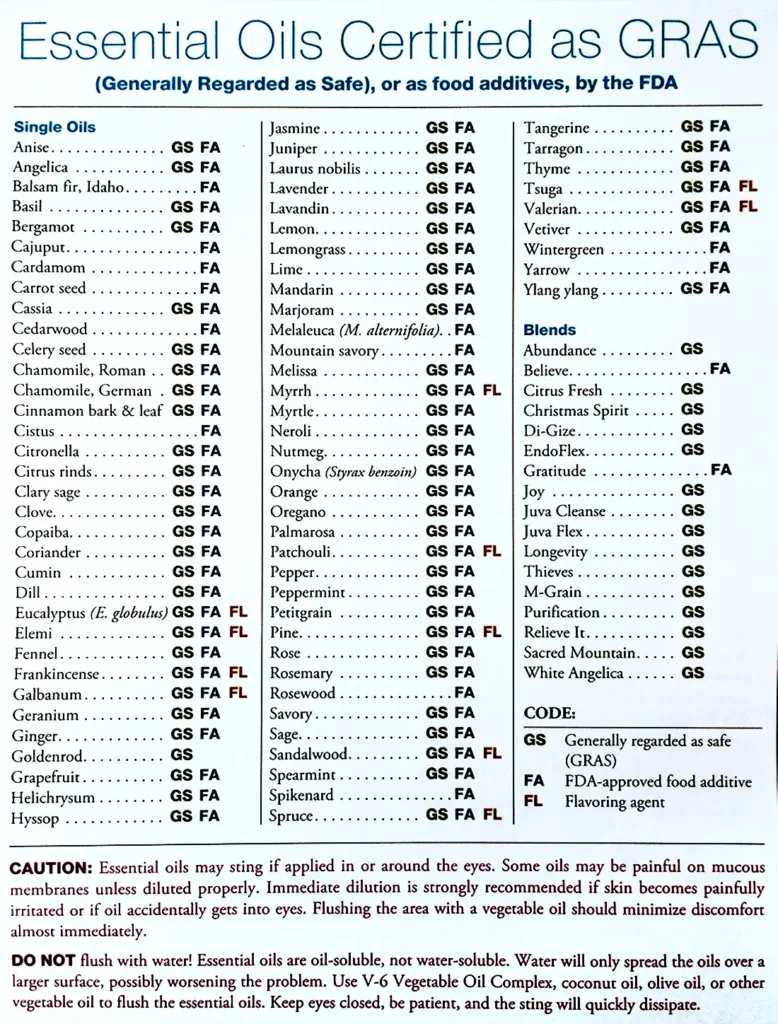
Which essential oils have the strongest antioxidant properties?
As mentioned before, edible essential oils have high antioxidant activity, which means they can protect your cells from oxidative stress and free radical damage. But not all edible essential oils have the same level of antioxidant power. Some are more potent than others, depending on their chemical composition and concentration of phenolic compounds. Phenolic compounds are the main substances that give essential oils their antioxidant properties, as they can scavenge free radicals and inhibit lipid peroxidation (Bakkali et al., 2008).
Some of the most potent edible essential oils in terms of antioxidant properties are clove, oregano, thyme, cinnamon, rosemary, lemon, eucalyptus, lavender, peppermint, and tea tree (Bakkali et al., 2008). These essential oils have higher amounts of phenolic compounds than other edible essential oils, such as orange, grapefruit, lime, basil, sage, or mint (Bakkali et al., 2008). They also have higher values of antioxidant parameters, such as DPPH radical scavenging activity, reducing power, and total phenolic content (Bakkali et al., 2008).
ORAC values
ORAC values of essential oils
| Essential oil | ORAC Value (μmol TE/100g) |
|---|---|
| Clove | 1,078,700 |
| Myrrh | 379,800 |
| Anise | 333,700 |
| Citronella | 312,000 |
| Coriander | 298,300 |
| Fennel | 238,400 |
| Clary Sage | 221,000 |
| German Chamomile | 218,600 |
| Cedarwood | 169,000 |
| Rose | 158,100 |
| Nutmeg | 158,100 |
| Marjoram | 151,000 |
| Melissa | 139,905 |
| Ylang Ylang | 134,300 |
| Palmarosa | 130,000 |
| Rosewood | 113,200 |
| Manuka | 106,200 |
| Wintergreen | 101,800 |
| Geranium | 101,000 |
| Ginger | 99,300 |
| Bay Laurel | 98,900 |
| Eucalyptus Citriodora | 83,000 |
| Cumin | 82,400 |
| Black Pepper | 79,700 |
| Vetiver | 74,300 |
| Petitgrain | 73,600 |
| Blue Cypress | 73,100 |
| Citrus Hystrix | 69,200 |
| Douglas Fir | 69,000 |
| Blue Tansy | 68,800 |
| Goldenrod | 61,900 |
| Melaleuca ericifolia | 61,100 |
| Blue Yarrow | 55,900 |
| Spikenard | 54,800 |
| Basil | 54,000 |
| Patchouli | 49,400 |
| White Fir | 47,900 |
| Tarragon | 37,900 |
| Melaleuca Cajeputi | 37,600 |
| Peppermint | 37,300 |
| Cardamom | 36,500 |
| Dill | 35,600 |
| Celery Seed | 30,300 |
| Fleabane | 26,700 |
| Mandarin | 26,500 |
| Lime | 26,200 |
| Galbanum | 26,200 |
| Myrtle | 25,400 |
| Cypress | 24,300 |
| Grapefruit | 22,600 |
| Hyssop | 20,900 |
| Balsam Fir | 20,500 |
| Melaleuca Quinquenervia | 18,600 |
| Thyme | 15,960 |
| Oregano | 15,300 |
| Cassia | 15,170 |
| Sage | 14,800 |
| Mountain Savory | 11,300 |
| Cinnamon Bark | 10,340 |
| Tsuga | 7,100 |
| Valerian | 6,200 |
| Cistus | 3,860 |
| Eucalyptus Globulus | 2,410 |
| Orange | 1,890 |
| Lemongrass | 1,780 |
| Helichrysum | 1,740 |
| Ravintsara | 890 |
| Lemon | 660 |
| Frankincense Carteri | 630 |
| Spearmint | 540 |
| Lavender | 360 |
| Rosemary | 330 |
| Juniper | 250 |
| Roman Chamomile | 240 |
| Sandalwood | 160 |
Remember that this is a value of 100mg and it would be hard to consume 100mg of these oils because they are very potent and could create a range of health issues if overconsumed from vomiting and nausea to seizures and coma.
What would this mean in real-life application, could the use of this oil realistically increase the ORAC value of your diet?
Let us look at the number one most potent, clove essential oil. It has more than one million (1,078,700) in ORAC value for 100ml. This would mean that for 1ml of oil, it has more than 10,000 units. There are approximately 20 drops for 1 ml. This means that for every drop of the clove essential oil, there are around 500 ORAC units.
People eating a standard American diet get around 2,500 ORAC units in a day and this includes all antioxidant properties from all foods and vitamins and minerals and everything else. When recalculated to ORAC value standard American diet is around 2500 units with coffee being one of the riches influx sources of antioxidants. When coffee became one of the main antioxidant foods in your diet you know you have a problem.
According to the study by (Yang et al., 2011), the estimated intake of total antioxidant capacity (TAC) from diet and dietary supplements of US adults was 503.1 mmol/d in 2003-2006. The study used data from the National Health and Nutrition Examination Survey (NHANES) and the US Department of Agriculture databases to calculate the TAC intake from different food groups and supplements. The study found that fruits contributed 43.9% of the dietary TAC intake, followed by beverages (18.4%), vegetables (16.4%), grains (5.9%), oils (5.6%), sweets (4.6%), nuts and seeds (2.7%), dairy products (1.3%), and others (1.2%). The study also found that dietary supplements contributed 14.3% of the total TAC intake, with vitamin C being the most commonly used supplement.
503.1 mg TAC is equivalent to 2010.6 microM Trolox and 2010.6 microM Trolox is 2010 ORAC units, assuming that 1 ORAC unit equals the net protection produced by 1 microM Trolox, as defined by (Cao et al., 1993). This is based on the original definition of ORAC by (Cao et al., 1993), who developed the assay to measure the antioxidant capacity of plasma and other biological samples. Trolox is a water-soluble vitamin E analog that acts as a reference standard for antioxidants.
So average ORAC score of SAD (standard American diet) is between 2000 and 3000 ORAC units. One drop of clove essential oil gives us around 500 ORAC units.
Antioxidant intake estimate for preventing postprandial pro-oxidant state.
Over the past ten to fifteen years, there have been a series of studies focusing on the effect that different fruits have on the postprandial oxidative state. This study (Prior et al., 2007) looked into other different studies that analyzed how much different fruit influences the postprandial oxidative state. This research showed that the majority of people’s diets contain animal products and refined foods, so it was suggested that for those consuming this type of diet, presumably many in the US, fruit with high polyphenolic content should be eaten with each meal or as a dessert to offset any potential oxidative damage that this kind of diet may cause. Prolonged periods of consuming a pro-oxidative diet, which is characteristic of the standard American diet, can result in serious illnesses like cancer, as free radicals will oxidase fat and cholesterol, raising the risk of cardiovascular disease. In the image below you can see the summary of the study.
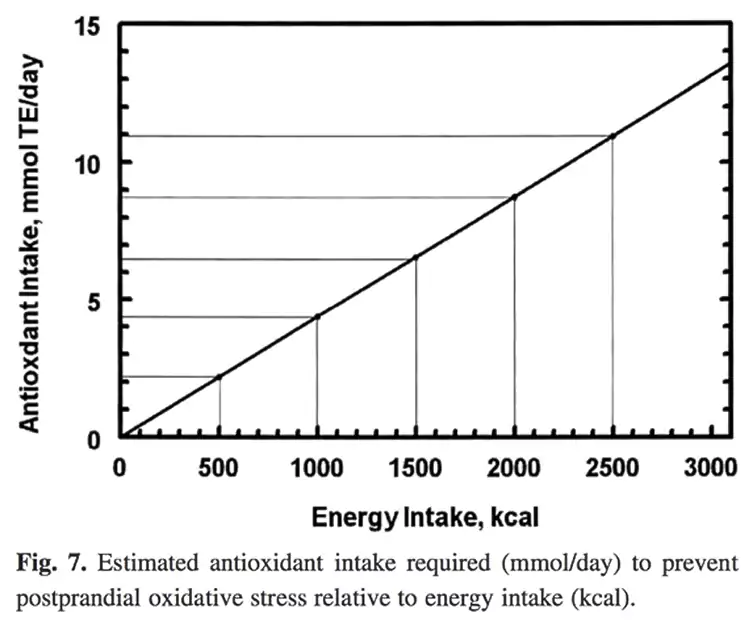
Men with a basal metabolic rate of 2500 calories need 11000 ORAC units every day, whereas men whose basal metabolic rate is 1800 calories require 8000 ORAC units. People who burn more calories need a greater ORAC intake to counteract oxidation. I wrote about this study in more detail in this article if you want to learn more (Optimal antioxidant consumption – Recommended intake of ORAC units).
To reach this number, you would need a full 1 mL of clove essential oil or 20 drops, and that could have side effects. Also, there are different types of antioxidants. You need both oil-soluble and water-soluble for the body. Water and oil do not mix. Some antioxidants are also vitamins that have many other functions like vitamin C, for example, and vitamin E. Most antioxidants do not cross the blood-brain barrier, so you will need specific antioxidants on top of all the others to prevent cognitive decline, like lutein. Using essential oils for their antioxidant value is an addition to an already healthy diet and not a substitute for the rest of the missing antioxidant-rich food that we need. But then again, the SAD diet is so sad that even a couple of drops of clove essential oil would make a difference.
Clove essential oil.
Clove essential oil is an aromatic oil that is extracted from the buds, stems, or leaves of the clove tree. This highly versatile oil has a warm, spicy aroma that is reminiscent of Christmas.
One of the most notable benefits of clove oil is its potent antioxidant activity. It is the number one most potent antioxidant-rich oil by a big margin.
Clove essential oil has the highest antioxidant activity among all edible essential oils, as it contains up to 90% of eugenol, a powerful phenolic compound that can inhibit oxidative stress and inflammation (Bakkali et al., 2008). These natural compounds have been shown to scavenge free radicals effectively while also inhibiting lipid peroxidation. They chelate metal ions in our bodies while modulating enzymatic activities which helps regulate gene expression related to oxidative stress.
A study by Zhang et al., 2021 highlighted how clove oil ingestion may confer antioxidant activity alongside lifespan extension in Caenorhabditis elegans – a model organism for aging research purposes. The study showed that ingestion of clove oil increases survival rates by reducing ROS (reactive oxygen species) accumulation and enhancing activity levels within our antioxidant enzymes such as superoxide dismutase & catalase. Clove essential oil also affects gene expression by upregulating expressions relating to stress response genes like SOD-3 or GST-4 which act as key regulators within cellular defense mechanisms against oxidative activity.
It’s clear from this evidence how ingesting clove essential oils may prove beneficial to human health by protecting us against oxidization-related diseases along with slowing aging processes down.
However, clove oil ingestion may also have some side effects and risks, such as:
- Burning sensation, mouth ulcers, or tissue damage if applied undiluted or in large amounts to the mouth or skin (Zhang et al., 2021).
- Allergic reactions, such as skin rashes, hives, or breathing difficulties (Zhang et al., 2021).
- Bleeding disorders, such as increased bleeding time or bruising (Zhang et al., 2021).
- Drug interactions, especially with medications that affect blood clotting, such as warfarin, aspirin, or ibuprofen (Zhang et al., 2021).
- Pregnancy complications, such as premature labor or miscarriage (Zhang et al., 2021).
Therefore, it is advisable to consult a doctor before ingesting clove oil, especially if you have any medical conditions or take any medications. You should also follow the dosage instructions carefully and avoid taking more than 0.5 ml per day. You should also only use high-quality clove oil that is pure and organic. I will analyze various essential oils in upcoming articles related to this topic. I will analyze the most potent and beneficial essential oils on a case-by-case basis. This is a vast topic.
Storage.
Light and oxygen degrade these oils. Presumably, these tests used fresh sources that had been exposed to minimal air and light. Essential oils break down relatively fast upon exposure to the atmosphere, heat, and light. It’s why they are stored in amber or dark-colored glass bottles. Air exposure causes the metabolites to become oxidized and rancid. If you have oils that you opened many months ago that have not constantly been kept tightly sealed in a cool and dark place such as a drawer, it’s likely the ORAC is much lower. In that scenario, they may be rancid. If that’s the case, it’s time to replace it.
The period of effectiveness of these oils depends upon the type, quality, and storage methods that one uses. According to Healthline, citrus oils have the shortest shelf life, lasting around 1-2 years because they are prone to oxidation and evaporation. Floral oils last around 3-4 years on average as they are delicate and sensitive to heat and light. In comparison, woody, resinous, and spicy oils last the longest at around 4-6 years due to their stability.
I would generally disagree with this because as soon as the oil is extracted it starts to oxidase even if the essential oil keeps its aroma. Oil might be in a sealed bottle for one year before you purchase it and might not be exposed to oxygen to that extent.
My suggestion is to find the freshest oil in the marketplace you can.
My second suggestion is to use the oil after the opening within a month and to keep the oil in the dark sealed bottle inside your fridge. I have special vacuum-sealed bottles for my oils.
In the video below, you can learn how to vacuum seal bottles or jars the easy way, without any kitchen appliances or expensive machinery.
If you open the bottle and you didn’t use the bottle for a month or two after opening it throw it away. If you open the bottle and you don’t want to use it for a month or two, it is better to vacuum seal it and/or freeze the oil completely. Frezzein is generally regarded as destructive to phytochemicals as same as heating but at least you would avoid the rancidity of the oil.
What I do is that I label these bottles with the dates that I opened them along with usage periods indicated on them.
Basic mix.
Traditionally, many essential oils have been used for their flavor-enhancing benefits. There are many recipes out there that explain how these oils can be used. When it comes to the health-promoting properties of antioxidants in these oils, there are a couple of rules.
Generally speaking, heat is considered damaging to phytochemicals, so you would prefer to use them raw.
Secondly, oxygen exposure is considered damaging to antioxidants, so blending extensively in blenders that are not vacuum-sealed is considered damaging.
You can use many of these types of oils in their traditional culinary role and also extract some more antioxidant power from them. The other option would be to research all the side effects of different oils and use them as a supplement.
I use both methods. I use them in the kitchen as a flavoring aid, and I have the medicinal basic oil mix that I use every morning with a combination of my spice and herb antioxidant-rich mix for medicinal and antioxidant benefits. Here are some examples of how you can use these oils in the kitchen.
- Create custom blends of essential oils in carrier oils, such as olive oil, for salad dressings or marinades.
- One essential oil that you can add to your muesli is cinnamon essential oil. Cinnamon is a warm and comforting spice that pairs well with oats, nuts, and dried fruits commonly found in muesli. It also has potential health benefits including being high in antioxidants and having anti-inflammatory properties. Create your own spice blends using essential oils, such as pumpkin spice using cinnamon, nutmeg, and clove oil, or Mexican taco seasoning using cumin and oregano oil. Alternatively, you can also add other oils such as nutmeg or ginger oil for a delicious twist on your traditional muesli or granola.
- Add 1-2 drops of oregano or thyme oil to soups or stews for added depth of flavor and immune-boosting properties.
- Add a drop or two of ginger, fennel, or peppermint oil to tea.
- Add 1-2 drops of rosemary or basil oil to pasta sauce for a delicious Italian-inspired dish.
- Add a few drops of essential oil to smoothies depending on the recipe for an extra burst of flavor and health benefits.
- Lemon, Orange, Grapefruit, and Peppermint go well with freshly squeezed juice for a more intense flavor.
- Vegetable juices can also benefit from the addition of essential oils as they can add flavor and potential health benefits.
If you want to make an antioxidant health-promoting oil mix supplement start with black cumin seed (Nigella sativa) oil and add clove oil and oil of wild oregano and then go from there. This is the basic mix I use every morning.
I substitute black cumin seed oil for olive oil as a carrier oil. It possesses greater potency than olive oil and has a rich history of use (Padhye et al., 2008). It also comes with a higher price tag. Black cumin seed oil was discovered in the tomb of Tutankhamun in ancient Egypt and was used by Cleopatra and Nefertiti for their hair and skincare. Prophet Muhammad was quoted as saying that oil has the power to heal all diseases, except death (PBUH) (Sahih Bukhari 71:592). Ayurvedic medicine employs black cumin seed oil to restore balance to energies and alleviate a variety of conditions, including respiratory issues, digestive disorders, headaches, and skin infections. In Chinese medicine, black cumin seed oil enhances vital energy circulation and is effective in treating asthma, allergies, and rheumatism. The Old Testament makes a mention of black cumin seed oil as well (Isaiah 28:25, 27).

I will do correlated articles about the benefits of these oils in more detail. You can start from here and do the research for every essential oil you want to add next.
There are a lot of phytochemicals in essential oils besides antioxidants that will have biological reactions in the body or even drug interactions.
You need to know exactly what they are and what effect they can have or you risk health implications.
You shouldn’t use essential oils in early pregnancy at all until more research is conducted on the topic.
You should never use essential oils in excessive amounts. Dosages are usually measured in drops.
One more consideration is that some oils don’t mix because they have adverse effects. I personally just use a couple of drops of clove and oil of wild oregano mixed in into two to three grams of black cumin seed oil a day on top of my spice-herbal mix (turmeric, black pepper, ginger, rosemary, cloves, and amla). You can read more about why I use this specific hers here (Spices as supplemental antioxidants- In vivo results with realistic dosages). I take one teaspoon of mixed oil (Nigella sativa as a base) and one regular spoon of my herbal mix and together they have more than 10,000 units on an ORAC scale. If I don’t do anything else this will be enough to provide me with an adequate level of antioxidant intake but I do eat healthily and do drink herbal tea and green tea and take some antioxidant supplements on top of that like astaxanthin. I was a little surprised that in the studies cinnamon and oregano showed no benefit in fighting inflammation in cooking dosages. Several health studies on both of them did show a significant health effect. I can only speculate that the dose was low.
How to Make Essential Oils From The Garden? In the video below you will learn how to do it simply with an at-home distillation kit.
In the video below you can see a case from clinical practice of what happens if you mishandle the use of essential oils. A Toddler Drank His Mom’s Essential Oils. This Is What Happened To His Brain.
Conclusion:
- Most powerful antioxidants are a concentrated form of natural antioxidant-rich herbs.
- Oils are fluid extracts from medicinal, aromatic, or any other plants.
- Essential oils have more concentrated phytochemical levels than the levels that are present in the raw plant.
- The health benefits of essential oils include antimicrobial, antiviral, antibiotic, anti-inflammatory, and antioxidant properties.
- Essential oils are effective in fighting infections and reducing inflammation, providing relief for pain, and boosting the immune system.
- Essential oils could be used to increase our antioxidant intake.
- Essential oils are a convenient way of balancing our antioxidative ORAC score.
- There are essential oils that are very potent antioxidants like clove essential oil.
- The best approach is to make an antioxidant-rich essential oil mix for consumption with lower dosages of different oils than monotherapy.
- These oils are so potent that they will create burns and cannot be consumed without dilution in refined cooking oils.
- They are also a source of phytochemicals that have different health effects on top of antioxidative properties.
- Not all essential oils are edible.
- Some essential oils, in the same manner as herbal teas, should not be mixed because they might have adverse reactions.
- A general rule of thumb is that if the plant is edible like for example cloves, then essential oil from that plant will be edible as well.
- Some edible oils are also toxic because they are much more concentrated chemically than a plant that they are created of and if there is some toxin in that plant it will be much more prominent in the oil.
- If you don’t know the properties of the essential oil or the safe dosages, don’t know if you have an allergy, or confuse plant species, you can die, end up in a hospital or suffer from chronic issues that you might not contribute to the oil. You can have a miscarriage or other health complications if you are pregnant.
- Nutmeg was used as an abortifacient so eating nutmeg essential oil is quite dangerous, especially during pregnancy.
- Light and oxygen degrade these oils.
- If you want to make an antioxidant health-promoting oil mix supplement start with black cumin seed (Nigella sativa) oil and add clove oil and oil of wild oregano and then go from there.
- There are a lot of phytochemicals in essential oils besides antioxidants that will have biological reactions in the body or even drug interactions.
- You shouldn’t use essential oils in pregnancy at all until more research is conducted on the topic.
- You should never use essential oils in excessive amounts. Dosages are usually measured in drops.
FAQ
Passages selected from a book: Passages selected from a book: Pokimica, Milos. Go Vegan? Review of Science Part 3. Kindle ed., Amazon, 2020.
- Ramsey, J. T., Shropshire, B. C., Nagy, T. R., Chambers, K. D., Li, Y., & Korach, K. S. (2020). Essential Oils and Health. The Yale journal of biology and medicine, 93(2), 291–305. [PubMed]
- Bakkali, F., Averbeck, S., Averbeck, D., & Idaomar, M. (2008). Biological effects of essential oils–a review. Food and chemical toxicology : an international journal published for the British Industrial Biological Research Association, 46(2), 446–475. https://doi.org/10.1016/j.fct.2007.09.106
- Nuutinen T. (2018). Medicinal properties of terpenes found in Cannabis sativa and Humulus lupulus. European journal of medicinal chemistry, 157, 198–228. https://doi.org/10.1016/j.ejmech.2018.07.076
- Zhang, L., Gu, B., & Wang, Y. (2021). Clove essential oil confers antioxidant activity and lifespan extension in C. elegans via the DAF-16/FOXO transcription factor. Comparative biochemistry and physiology. Toxicology & pharmacology : CBP, 242, 108938. https://doi.org/10.1016/j.cbpc.2020.108938
- Atabani, A., Silitonga, A., Ong, H., Mahlia, T., Masjuki, H., Badruddin, I. A., & Fayaz, H. (2013). Non-edible vegetable oils: A critical evaluation of oil extraction, fatty acid compositions, biodiesel production, characteristics, engine performance and emissions production. Renewable and Sustainable Energy Reviews, 18, 211-245. https://doi.org/10.1016/j.rser.2012.10.013
- Fung, T. K. H., Lau, B. W. M., Ngai, S. P. C., & Tsang, H. W. H. (2021). Therapeutic Effect and Mechanisms of Essential Oils in Mood Disorders: Interaction between the Nervous and Respiratory Systems. International journal of molecular sciences, 22(9), 4844. https://doi.org/10.3390/ijms22094844
- Idle J. R. (2005). Christmas gingerbread (Lebkuchen) and Christmas cheer–review of the potential role of mood elevating amphetamine-like compounds formed in vivo and in furno. Prague medical report, 106(1), 27–38. [PubMed]
- Methyl salicylate overdose: MedlinePlus Medical Encyclopedia. (n.d.). https://medlineplus.gov/ency/article/002683.htm
- Bayala, B., Bassole, I. H., Scifo, R., Gnoula, C., Morel, L., Lobaccaro, J. M., & Simpore, J. (2014). Anticancer activity of essential oils and their chemical components – a review. American journal of cancer research, 4(6), 591–607. [PubMed]
- Vigan M. (2010). Essential oils: renewal of interest and toxicity. European journal of dermatology : EJD, 20(6), 685–692. https://doi.org/10.1684/ejd.2010.1066
- Aziz, Z. A. A., Ahmad, A., Setapar, S. H. M., Karakucuk, A., Azim, M. M., Lokhat, D., Rafatullah, M., Ganash, M., Kamal, M. A., & Ashraf, G. M. (2018). Essential Oils: Extraction Techniques, Pharmaceutical And Therapeutic Potential – A Review. Current drug metabolism, 19(13), 1100–1110. https://doi.org/10.2174/1389200219666180723144850
- Amorati, R., Foti, M. C., & Valgimigli, L. (2013). Antioxidant activity of essential oils. Journal of agricultural and food chemistry, 61(46), 10835–10847. https://doi.org/10.1021/jf403496k
- Tit, D. M., & Bungau, S. G. (2023). Antioxidant Activity of Essential Oils. Antioxidants (Basel, Switzerland), 12(2), 383. https://doi.org/10.3390/antiox12020383
- Tit, D. M., & Bungau, S. G. (2023). Antioxidant Activity of Essential Oils. Antioxidants, 12(2), 383. https://doi.org/10.3390/antiox12020383
- Bentayeb, K., Vera, P., Rubio, C., & Nerín, C. (2014). The additive properties of Oxygen Radical Absorbance Capacity (ORAC) assay: the case of essential oils. Food chemistry, 148, 204–208. https://doi.org/10.1016/j.foodchem.2013.10.037
- Yang, M., Chung, S. J., Chung, C. E., Kim, D. O., Song, W. O., Koo, S. I., & Chun, O. K. (2011). Estimation of total antioxidant capacity from diet and supplements in US adults. The British journal of nutrition, 106(2), 254–263. https://doi.org/10.1017/S0007114511000109
- Cao, G., Alessio, H. M., & Cutler, R. G. (1993). Oxygen-radical absorbance capacity assay for antioxidants. Free radical biology & medicine, 14(3), 303–311. https://doi.org/10.1016/0891-5849(93)90027-r
- Prior, R. L., Gu, L., Wu, X., Jacob, R. A., Sotoudeh, G., Kader, A. A., & Cook, R. A. (2007). Plasma antioxidant capacity changes following a meal as a measure of the ability of a food to alter in vivo antioxidant status. Journal of the American College of Nutrition, 26(2), 170–181. https://doi.org/10.1080/07315724.2007.10719599
- Padhye, S., Banerjee, S., Ahmad, A., Mohammad, R., & Sarkar, F. H. (2008). From here to eternity – the secret of Pharaohs: Therapeutic potential of black cumin seeds and beyond. Cancer therapy, 6(b), 495–510. [PubMed]
Related Posts








Do you have any questions about nutrition and health?
I would love to hear from you and answer them in my next post. I appreciate your input and opinion and I look forward to hearing from you soon. I also invite you to follow us on Facebook, Instagram, and Pinterest for more diet, nutrition, and health content. You can leave a comment there and connect with other health enthusiasts, share your tips and experiences, and get support and encouragement from our team and community.
I hope that this post was informative and enjoyable for you and that you are prepared to apply the insights you learned. If you found this post helpful, please share it with your friends and family who might also benefit from it. You never know who might need some guidance and support on their health journey.
– You Might Also Like –

Water fluoridation- Scientific review

Alkaline water- Health benefits and risks
Can You Eat Mushrooms Raw: Health Risks, Nutrition & Safety
Spirulina Benefits: Phycocyanin Rich Superfood

Refined Sugar: Understanding the Risks

Sweets Teeth Sensitivity & Pain: Quick Fix & Lasting Solution

The humans omnivores dilemma- Meat consumption, probiotic bacteria, inflammation, and the gut

Humane meat or humane myth?- The animal cognition

Learn About Nutrition

Milos Pokimica is a doctor of natural medicine, clinical nutritionist, medical health and nutrition writer, and nutritional science advisor. Author of the book series Go Vegan? Review of Science, he also operates the natural health website GoVeganWay.com
Medical Disclaimer
GoVeganWay.com brings you reviews of the latest nutrition and health-related research. The information provided represents the personal opinion of the author and is not intended nor implied to be a substitute for professional medical advice, diagnosis, or treatment. The information provided is for informational purposes only and is not intended to serve as a substitute for the consultation, diagnosis, and/or medical treatment of a qualified physician or healthcare provider.NEVER DISREGARD PROFESSIONAL MEDICAL ADVICE OR DELAY SEEKING MEDICAL TREATMENT BECAUSE OF SOMETHING YOU HAVE READ ON OR ACCESSED THROUGH GoVeganWay.com
NEVER APPLY ANY LIFESTYLE CHANGES OR ANY CHANGES AT ALL AS A CONSEQUENCE OF SOMETHING YOU HAVE READ IN GoVeganWay.com BEFORE CONSULTING LICENCED MEDICAL PRACTITIONER.
In the event of a medical emergency, call a doctor or 911 immediately. GoVeganWay.com does not recommend or endorse any specific groups, organizations, tests, physicians, products, procedures, opinions, or other information that may be mentioned inside.
Editor Picks –
Cancer Editor Picks Phytochemicals
Anticancer Power of Fruits and Vegetables: In Vivo and Clinical Evidence
Some vegetable extracts rival leading chemotherapy drugs and at the same time target multiple different types of cancer cells.
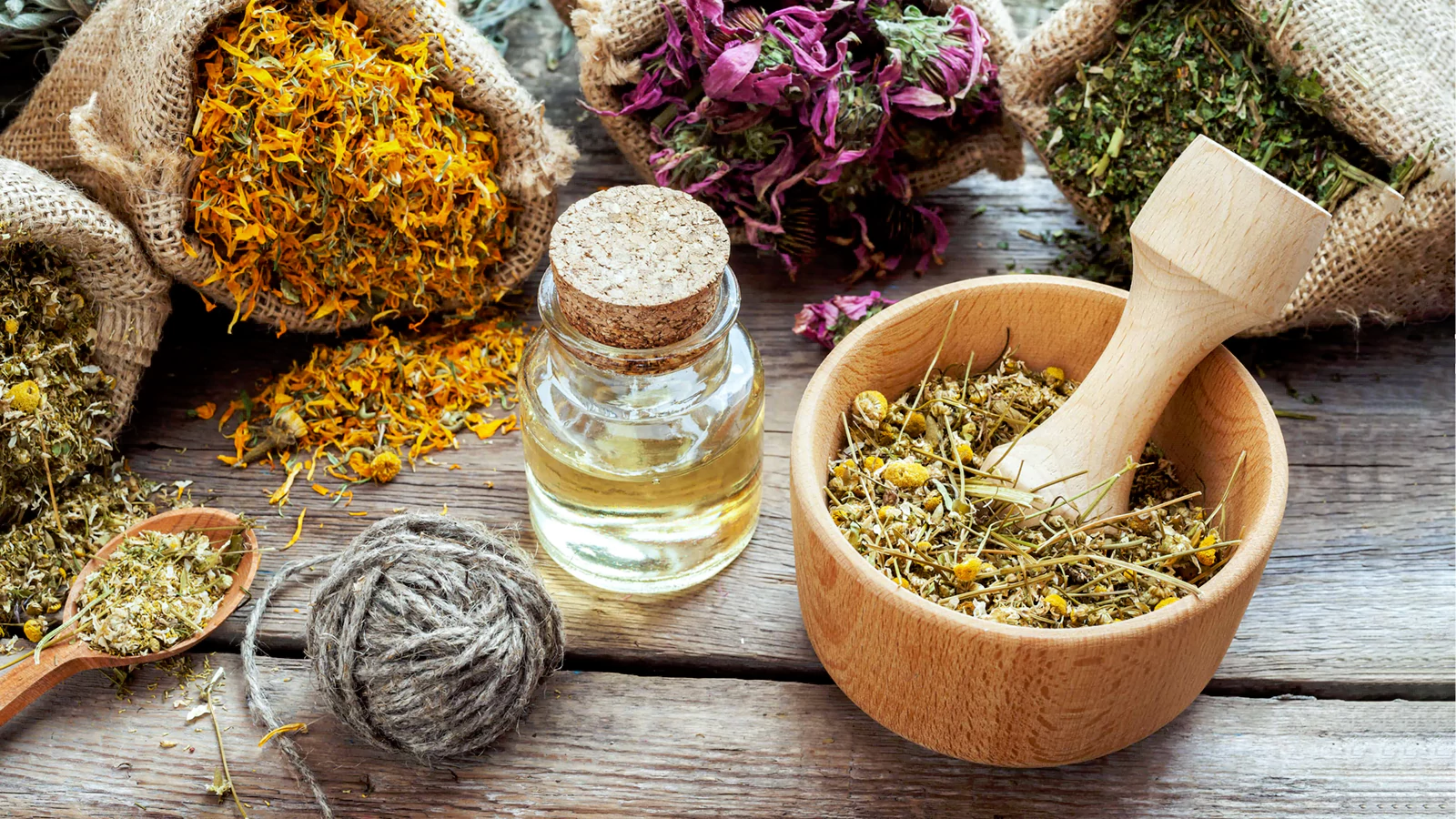
Antioxidants Editor Picks ORAC
Essential Oils as Antioxidant Supplements: Rules and Strategies
Food-grade essential oils can be a convenient and consumer-friendly strategy for optimizing the antioxidant value and ORAC scores of our diet.
Antioxidants Editor Picks ORAC
Antioxidant-Rich Diet: General Rules and Strategies
There are easy and cost-effective strategies for optimizing the antioxidant value of our diet.
Antioxidants Editor Picks ORAC
Understanding ORAC Values: Antioxidant Levels in Foods
When your main source of antioxidants is coffee, you know that you have a serious problem.

Antioxidants Editor Picks ORAC
Astaxanthin Benefits: World’s Most Powerful Natural Antioxidant
Astaxanthin is the most powerful natural and universal antioxidant (both oil and water-soluble) known to science. It accumulates in tissues and It can never turn itself into a pro-oxidant.

Antioxidants Editor Picks ORAC Phytochemicals
Antioxidants: Understanding the Basics
There are no phytochemicals or antioxidants in animal products. On average, plant foods contain more than 60 times as many antioxidants as animal-based foods.

Editor Picks Vegan Diet
Nutrient Deficiencies in Vegan Diet: Prevention Strategies
There are nine common nutrient deficiencies on the population scale affecting people eating a plant-based diet. If not corrected on time some deficiencies have terrible and non-treatable consequences.

Editor Picks Optimal Diet
Micronutrient Deficiency in Standard American Diet: Optimization Strategies
Nutrition profile of our modern meat, sugar, processed food diet is completely incongruent with our evolution resulting in severe micronutrient deficiency.

Editor Picks Phytochemicals
Phytochemicals: Understanding the Basics
Every single phytochemical that exists has a biological action in the human body. Every single one from millions of different phytochemicals.

Editor Picks Milk Optimal Diet
Milk and Dairy: Health Risk Correlations
Known associations with milk and dairy consumption are infertility, ovarian and breast cancer, leukemia, diabetes type 1, autism, arteriosclerosis, cataract, rheumatoid arthritis, multiple sclerosis, hyperactivity, congestion, pimples, and more…

Cancer Editor Picks Protein
Complete Protein: IGF-1 Signaling in Cancer Formation
When you eat animal protein you have four times the chance to develop all types of cancer. When you smoke you have a four-time chance to develop lung cancer.

Cancer Editor Picks Protein
The Anatomy of Cancer- Health risk correlations
About 2% of cancers are by medicine considered to be purely caused by genetic factors. The same range as within the animal kingdom. You haven’t been told the whole truth.
Milos Pokimica is a health and nutrition writer and nutritional science advisor. Author of the book series Go Vegan? Review of Science, he also operates the natural health website GoVeganWay.com
Latest Articles –

Calorie Restriction Longevity
How to Fast: Fasting Foods That Won’t Break Autophagy
Autophagy. Have you ever wondered what happens to the cells in your body when they die or get damaged? Do they just pile up and create problems, or do they get disposed of somehow? The answer is that your body…

Dental Health Prevention
Sweets Teeth Sensitivity & Pain: Quick Fix & Lasting Solution
A quick and easy fix for pain relief is clove essential oil, a powerful antioxidant and pain reliever that can help with gum disease and toothache.

Beans
Green Beans: Nutrition and Health Benefits
Green beans are low in calories and rich in natural compounds that can help you control your blood sugar, lower your cholesterol, and fight off free radicals.
Raw food diet Vegan Diet
Can You Eat Mushrooms Raw: Health Risks, Nutrition & Safety
Mushrooms have heat-sensitive toxins like hydrazine or agaritine, and cell walls made out of chitin that cannot be digested well by humans.

Vegan Diet
Are Fish Animals? A Cultural Perspective
In some cultures, fish meat is not considered to be meat, and fish is allowed even during fast.

Dental Health Prevention
Homemade Natural Mouthwash: Proven, Stronger & Less Toxic
Homemade natural mouthwash is stronger than chlorhexidine, less toxic and if swallowed might give you some nausea but also a high burst in ORAC value.

Dental Health Prevention
How to Stop Tooth Decay: Symptoms, Causes & Prevention
Sugar consumption is the main cause of cavities and tooth decay, combined with mineral deficiencies especially magnesium, zinc, copper and trace elements.

Antioxidants Superfoods
Amla: Proven Benefits, Nutrition And Clinical Significance
Amla is one of the world’s most powerful antioxidants with a ORAC score of 261,530. It is a rich source of phytochemicals that have various health benefits.
Top Health News — ScienceDaily
- Hidden gut defect that may explain why IBD keeps coming backon September 20, 2026
Researchers have uncovered a hidden molecular warning sign of inflammatory bowel disease (IBD) that can linger even when patients feel well and appear to be in remission. By studying around 900 human gut biopsies and patient-derived mini-intestines, the team found that intestinal cells can remain unusually primed to die, creating a “smoldering” defect that may help drive future flare-ups.
- A deadly ebola relative is surging after years in the shadowson September 20, 2026
A growing Bundibugyo virus outbreak is showing how a little-known relative of Ebola can become a major threat when diagnosis and treatment options are limited. Experts warn that preparing only for familiar pathogens could leave the world vulnerable when rare but deadly viruses suddenly reemerge.
- Scientists find that “perfect” systems may be surprisingly fragileon September 19, 2026
Complex systems may work better when their parts are not perfectly alike. Northwestern physicists found that carefully balanced variation, or “disorder,” can make networks such as power grids, ecosystems, neurons, and materials more stable. Even random differences sometimes improved stability compared with completely uniform systems. The discovery could help researchers design more resilient technologies and explain why natural systems are so rarely perfectly uniform.
- Scientists solve a 50-year mystery and discover a new human blood groupon September 19, 2026
Scientists have identified the genetic cause behind the mysterious AnWj blood group antigen, solving a puzzle that began in 1972 and establishing a new blood group system called MAL. The discovery could make it much easier to find extremely rare AnWj-negative patients and donors and protect them from potentially dangerous transfusion reactions.
- Scientists discover cells that cheat death and rebuild damaged tissueon September 18, 2026
Scientists discovered a population of cells that can start the process of programmed cell death, survive it, and then help rapidly rebuild damaged tissue. Their descendants become far more resistant to future damage, revealing a mechanism that could improve healing but may also help cancers return after treatment.
- These blood thinners may have an unexpected benefit for Alzheimer’s patientson September 18, 2026
Newer blood thinners may do more than prevent strokes in people with Alzheimer’s disease and atrial fibrillation. Researchers found that patients taking NOACs experienced a slower decline in cognitive function than those using warfarin or no blood thinners. The effect was modest each year but could add up over time.
- Scientists restore a brain protein and reverse signs of aging in miceon September 18, 2026
Scientists found that declining levels of the brain protein Menin may help drive aging, with lower levels in mice linked to inflammation, cognitive decline, weaker bones, and thinner skin. Restoring Menin reversed several age-related changes, while the amino acid D-serine improved cognition, hinting at a potentially intriguing new target for healthy aging.
PubMed, #vegan-diet –
- Diet, the Gut Microbiome, and Mental Health: Mechanistic Perspectiveson September 16, 2026
The microbiota-gut-brain axis (MGBA) represents a dynamic, bidirectional communication network linking the gut microbiome with central nervous system function through neural, immune, metabolic, and endocrine pathways. Emerging clinical, observational, and preclinical evidence suggests that special and restrictive dietary patterns-including Mediterranean, ketogenic, vegan, gluten-free, low-FODMAP, sugar-restricted, dairy-free diets, and intermittent fasting (IF)-can substantially modulate the […]
- Physiological Adaptation to Plant-Based Diets: A Homeostatic Framework for Sustained Dietary Changeon September 15, 2026
Plant-based dietary patterns are typically discussed in terms of nutrients of concern-iron, creatine, indispensable amino acids, and rapidly fermented carbohydrates-based on the assumption that reduced dietary exposure necessarily translates into reduced physiological availability. This review examines physiological adaptation as an alternative framework, drawing on human intervention and observational evidence across five biological systems: iron homeostasis, endogenous biosynthesis of […]
- Restaurant-based NEW Soul intervention with meal provision improves weight loss among African American adults versus meal provision aloneon September 11, 2026
CONCLUSIONS: Restaurants are viable partners in conducting implementation research. In this D&I trial implemented in community restaurants, African American adults lost weight. Future studies should focus on implementation outcomes and continued scale up of the program.
- When modeling shapes the message: Interpreting vegetarian and vegan dietary patterns in the dietary guidelines for Americanson September 10, 2026
The 2025-2030 Dietary Guidelines for Americans include vegetarian and vegan dietary patterns as potential options for meeting nutrient needs across the lifespan, while also identifying several nutrients of potential concern within these patterns. These conclusions have important implications for dietetic practice, public communication, and policy development. However, estimates of nutrient adequacy derived from food pattern modeling are inherently shaped by the assumptions used to construct…
- Omega-3 fatty acids in vegetarian and vegan diets: Translating evidence into practiceon September 9, 2026
Vegetarian and vegan diets are consistently associated with reduced cardiometabolic risk, despite providing minimal amounts of long-chain omega-3 polyunsaturated fatty acids (n-3 PUFAs), key precursors of bioactive lipid mediators, raising questions about n-3 PUFA metabolism and requirements in plant-based populations. This review examines current evidence on the metabolic fate of alpha-linolenic acid (ALA), its conversion to eicosapentaenoic acid (EPA) and docosahexaenoic acid (DHA), and the…
Random Posts –

Editor Picks Optimal Diet
Optimal Human Diet- Chronic Diseases, Diet Wars, and the Vegan Argument
Our natural optimal human diet is a diet that our hominin ancestors were eating for the last 30 million years, not anatomically modern humans in the Stone age.

Editor Picks Inflammation
The humans omnivores dilemma- Meat consumption, probiotic bacteria, inflammation, and the gut
Are humans omnivores in a true anatomical sense? There is a fundamental difference in the way the digestive tract works in plant vs meat-eating species.
Dental Health Prevention
Sweets Teeth Sensitivity & Pain: Quick Fix & Lasting Solution
A quick and easy fix for pain relief is clove essential oil, a powerful antioxidant and pain reliever that can help with gum disease and toothache.

Calorie Restriction Longevity
Intermittent Fasting vs Calorie Restriction- Is there a difference?
There is a form of diet that is primarily designed for utilizing autophagy called intermittent fasting. To do a full-calorie restriction diet is a hard choice.

Allopathic Medicine Editor Picks
Allopathic Medicine-The Psychology of Fear
Around 100 years ago allopathic medicine was finally able to neutralize holistic empirical doctors. Allopathic MDs don’t treat diseases, they treat symptoms.

Detoxification Toxicity
Detoxification – A Scientific Review
There are programs of dieting designed to help reduce inflammation and overall body toxicity and increase detoxification that are backed by science.

Physical Activity Prevention
Exercise- Why exactly do we need it?
In the health community, exercise has almost a mythical status as one of the best things you can do for yourself except for avoidance of smoking.

Diabetes Milk
A1 Milk: Diabetes, Autism, and Heart Disease
Epidemiological evidence suggests that A1 milk with the a1 beta-casein variant is a possible risk factor in the development of type 1 diabetes in children, autism, and heart illnesses in adults.
Vegan Diet
Are Fish Animals? A Cultural Perspective
In some cultures, fish meat is not considered to be meat, and fish is allowed even during fast.

Antioxidants ORAC
Optimal Antioxidant Consumption: Recommended Intake of ORAC Units
Optimal antioxidant consumption is dependent on toxicity exposure. The minimum ORAC unit score is 8000 to 10000 daily just to counteract metabolism.


Featured Posts –

Cancer Editor Picks Toxicity
Pesticide Exposure in Children: Real-Life Exposure Tests
Children and especially pregnant women are more vulnerable to pesticide exposure. If we analyze real-world exposure levels in real-life scenarios, what would the result be?
Cancer Editor Picks Phytochemicals
Anticancer Power of Fruits and Vegetables: In Vivo and Clinical Evidence
Some vegetable extracts rival leading chemotherapy drugs and at the same time target multiple different types of cancer cells.
Editor Picks Optimal Diet
Optimal Human Diet- Chronic Diseases, Diet Wars, and the Vegan Argument
Our natural optimal human diet is a diet that our hominin ancestors were eating for the last 30 million years, not anatomically modern humans in the Stone age.

Allopathic Medicine Cancer Editor Picks
Cancer, The Forbidden Cures-Rife machine, Historical review
The recovery rate for patients that have non-treatable cancer and were declared terminally ill by utilizing Rife Machine resonant technology was 100%.

Cancer Editor Picks Toxicity
Pesticides in Food, Exposure in The Standard American Diet- 80 Percent From Meat
Most of the pesticides and especially heavy metals and other toxic waste pollutants we get, we get from meat. More than 80 percent of pesticide exposure in the standard American diet comes from animal products, not from fruits or vegetables.

Editor Picks Optimal Diet Vegan Diet
WHO dietary guidelines- New food pyramid and suppression of science
WHO dietary guidelines recommend a diet low in saturated fat (animal protein), sugar, and salt and high in fruit and vegetables as a requirement to tackle the epidemic rise of chronic diseases worldwide.

Editor Picks Prevention Toxicity
Environmental toxicity- It is just a food chain
Environmental toxicity is the bioaccumulation of toxins. Organisms are filters. But there is one more even worse process called biomagnification in food chain.
Diabetes Editor Picks
Diabetes causes and saturated fat- The vegan argument
As the level of fat in the bloodstream rises the ability of the body to clear sugar drops. One of the diabetes causes is our maladaptation to a large fat intake

Editor Picks Optimal Diet Protein
High Protein Diet- Health Risk Correlations
Scarcity is the rule of protein in nature. In evolutionary terms, anthropologists have proven that hominins lived an average of 15 to 25 grams of protein a day. In the modern western type of high-protein diet we would consume that…
Editor Picks Inflammation
The humans omnivores dilemma- Meat consumption, probiotic bacteria, inflammation, and the gut
Are humans omnivores in a true anatomical sense? There is a fundamental difference in the way the digestive tract works in plant vs meat-eating species.
Latest from PubMed, #plant-based diet –
- Rethinking Restrictive Diets in IBD: Toward an Inclusion-Focused Nutritional Paradigmby Brandon Cunha on September 19, 2026
PURPOSE OF REVIEW: Patient-initiated elimination diets are widely adopted by those with inflammatory bowel disease (IBD), yet the evidence supporting their long-term use remains limited and their risks are increasingly recognized. Some common elimination diets utilized by patients include the specific carbohydrate diet (SCD), low-FODMAP diet, and gluten-free and dairy-free diets. This narrative review critically examines the role of self-initiated restrictive dietary strategies in IBD…
- No effect of acknowledging resistance or using autonomy-supportive language in vlogs on sustainable consumption intentions of emerging adultsby Thabo J van Woudenberg on September 19, 2026
CONCLUSION: We conclude that emerging adults experience vlogs with autonomy-supportive language more positively, but these messages do not enhance the intention to adopt a more sustainable diet.
- Plant-based proteins: Key sources and production methodsby Renganathan Senthil on September 19, 2026
The global protein crisis, which has been driven by the population explosion and environmental cost of traditional farming, requires novel and sustainable remedies. The chapter discusses how novel opportunities can be generated by the combination of two promising frontiers, like seaweed as an all-useful resource in the sea and green nanotechnology. The seaweed extracts that are abundant in bioactive compounds can be used as natural nanofactories in the production of metallic and metal oxide…
- Integrating Siddha dietary principles with alternative protein systems: A pathway toward sustainable and functional nutritionby Chandrabose Yogeswari on September 19, 2026
The world food systems are facing the fundamental challenges that are being necessitated by climatic changes, increasing population count, protein demand and the escalating non-communicable diseases. Ecological nutrition approaches should therefore be concerned with ecological stability and functional health outcomes. The South Indian traditional medicine is Siddha medicine, an ancient system that provides a constitution-based dietary system that focuses on the three humours, i.e., Vatham,…
- Molecular properties of plant-based proteins for alternative proteinby Anamika Das on September 19, 2026
Alternative proteins, or alt proteins, are proteins obtained from non-animal sources like plant sources, meat cultured in labs, and other sources like fungi and insects. These contain a variety of benefits and are gaining popularity worldwide. Some chronic diseases require a low-red-meat diet, which can be fulfilled through alternative proteins, providing similar benefits to those of animal-based proteins. This chapter deals with the sustainability aspect of using alternative proteins. A…
- Future of alternative proteins: Blurring the lines between animal- and plant-basedby Periyasamy Vijayalakshmi on September 19, 2026
Rising global demand for sustainable, ethical and nutritious foods has driven major advances in alternative proteins. These innovations are at the intersection of plant and animal-derived products, which propels progress in food technology. This review reviews the emerging landscape of alternative proteins and examines how creativity in hybrid products, precision fermentation, and cultivated meat is transforming protein production, dissolving the long-standing boundaries between animal-based […]