







China estudo - vegan argumento
China estudo mostrou que não há nenhuma doença cardíaca ou câncer ou diabetes em subdesenvolvido comunidades rurais em todo o mundo com base de amido de dietas veganas.
Milos Pokimica
Escrito por: Milos Pokimica
Revisto Clinicamente Por: Dr. Xiùying Wáng, M.D.
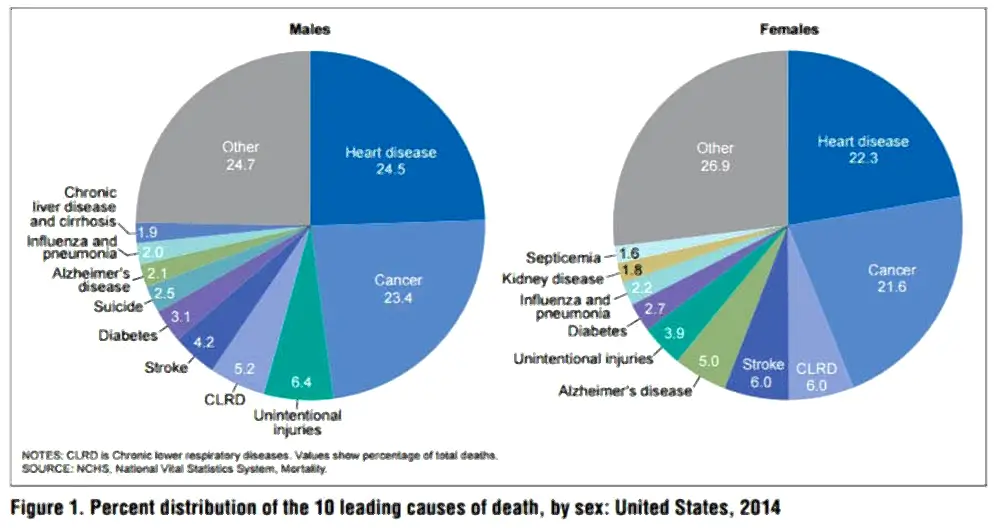
Actualizado em 9 de Junho de 2023Quando olhamos para as nossas taxas de mortalidade, apercebemo-nos rapidamente de que algo não está como deveria estar. Uma em cada quatro pessoas morrerá de cancro, uma em cada quatro de doença cardíaca ou AVC. Mesmo que evitemos a morte por alguma forma de doença crónica, teremos um aumento do risco de muitas doenças que afectarão a nossa qualidade de vida, mesmo que não morramos delas. E isto não é natural. Por exemplo, a situação na China rural é diferente, como demonstrou o estudo realizado na China.
Também no reino animal não há doenças cardíacas, nem cancro ou diabetes a um ritmo tão elevado. O que isto significa é que a maior parte das chamadas doenças de afluência são causadas pela dieta. É isso mesmo. Todos nós temos problemas de saúde e doenças devido à nossa vida evolutiva incongruente. A predisposição genética não é uma causa fundamental. Foi um grande debate sobre as causas profundas das questões de saúde modernas na comunidade científica durante muito tempo. Depois foi realizada uma linha de estudos e os cientistas encontraram a resposta. O cientista olhou para pessoas em diferentes partes do mundo que foram atingidas pela pobreza e como consequência tinham dietas baseadas em plantas que se baseavam em alguma forma de amido como o arroz, por exemplo, sem consumo marginal de produtos animais.
Talvez um dos estudos mais extensos neste campo tenha sido o Projecto China-Cornell-Oxford (The China Study). Um grande estudo de observação foi realizado na China rural nos anos 80, co-financiado pela Universidade de Oxford, Universidade de Cornell, e pelo Governo da China. O estudo era abrangente e incluía 367 variáveis diferentes.
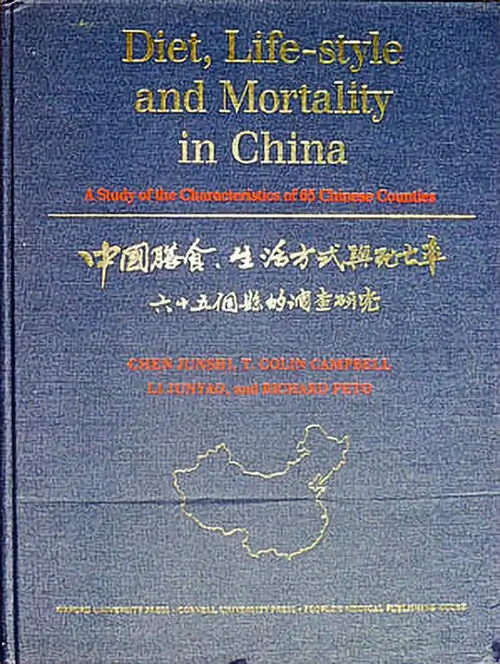
Um total de 65 condados na China com 6.500 adultos foi examinado com um exame médico, análises de sangue, questionários, etc. Em 1983, foram escolhidas duas aldeias aleatórias em cada um dos 65 condados rurais da China e 50 famílias foram seleccionadas aleatoriamente em cada aldeia. Foram examinados os hábitos alimentares de um membro adulto de cada família, metade homens e metade mulheres. Os resultados foram comparados com as taxas de mortalidade nesses condados para 48 formas de cancros e outras doenças durante 1973-75.
Foi um dos estudos mais significativos alguma vez realizados, conhecido como The China Study.
Vou utilizar algumas citações de "The China Study".
"Na China rural, o consumo de gordura era menos de metade do que nos Estados Unidos, e o consumo de fibras era 3 vezes superior. O consumo de proteínas animais era muito baixo, apenas cerca de 10% do consumo dos EUA. O colesterol total sérico médio era de 127 mg/dL na China rural contra 203 mg/dL para adultos com idades compreendidas entre os 20-74 anos nos Estados Unidos. A mortalidade por doenças das artérias coronárias foi 16,7 vezes maior para os homens americanos e 5,6 vezes maior para as mulheres americanas do que para as suas homólogas chinesas". (2)
(Campbell et al., 1998)
"Quando terminámos, tínhamos mais de 8.000 associações estatisticamente significativas entre variáveis de estilo de vida, dieta e doença". "Os resultados destes, e de muitos outros estudos, mostraram que a nutrição é muito mais importante no controlo da promoção do cancro do que a dose do carcinogéneo iniciador".
(Campbell et al., 1998)
E esta correlação era para todos os tipos de cancros, não só para o cancro da mama que quase não existia, mas também para muitas outras formas de cancros. Até tiveram dificuldade em encontrar mulheres que conhecessem outras pessoas que tinham cancro da mama. As pessoas que viviam nestas zonas rurais da China sabiam da doença, mas nunca a tinham visto. Também não tinha acne, por exemplo. Muitas doenças e cancros estão associados a hormonas como o IGF-1.
Sem diabetes também. Só comiam arroz e mesmo assim, a diabetes não era motivo de preocupação. As pessoas de dieta paleo têm dificuldades com essa. Acreditam que o arroz branco está correlacionado com a diabetes como qualquer outro carboidrato refinado. Depois não há doenças cardíacas, e assim por diante.
"As pessoas que comeram a maioria dos alimentos de origem animal apanharam a doença mais crónica. As pessoas que comiam os alimentos de base vegetal eram as mais saudáveis".
(Campbell et al., 1998)
Quer se torne vegetariano ou não, sugeriram-lhe que pusesse o maior número possível de plantas no seu prato em cada refeição. O estudo concluiu que os condados com elevado consumo de alimentos de origem animal em 1983-84 também deveriam ter taxas de mortalidade mais elevadas devido a doenças ocidentais, enquanto que o oposto se aplicava aos condados que consumiam mais alimentos de origem vegetal.
Agora podemos dizer que isto talvez não esteja relacionado com a sua dieta porque há muitos outros factores como o exercício físico. Estas pessoas fazem sobretudo trabalhos manuais, e talvez tenha sido isso que as sustentou. Havia também outras variáveis. Também, mais uma vez, este não é o único estudo deste tipo. O problema com este tipo de dados é que vai contra os interesses da indústria, e como se trata de um estudo significativo, pode ser difícil refutá-lo. O que eles fazem é geralmente fazer falsa lógica sabendo que a maioria das pessoas não se importa e precisa de ouvir algo que gostam para justificar os seus comportamentos insalubres.
Há uma boa citação de T. Colin Campbell em The China Study que diz:
"Os americanos gostam de ouvir coisas boas sobre os seus maus hábitos".
(Campbell et al., 1998)
Por exemplo, após a publicação do livro "The China Study" e o seu impacto, surgiu o debate escrito. Em 2008, o "nutricionista" Loren Cordain argumentou que:
"A lógica fundamental subjacente à hipótese de Campbell (de que dietas pobres em proteínas [animais] melhoram a saúde humana) é insustentável e inconsistente com a evolução da nossa própria espécie".
Loren Cordain
Ela argumentou que existem culturas como o povo Maasai e os esquimós que não sofrem de problemas de saúde descritos pelos autores. A propósito, isso é totalmente falso. No entanto, esperem. Até que ponto vai a evolução da nossa espécie?
É altamente improvável que pessoas instruídas como ela não compreendam como funciona a evolução. Talvez a evolução vá tão longe quanto necessário para que possamos justificar a nossa agenda. Esta é uma inversão na sua forma mais pura. Não tem nada a ver com ciência.
Pessoas como o nutricionista Loren Cordain sabem muito bem como é a verdadeira evolução, não são idiotas. Para cada estudo, teremos médicos com Ph.D.s a aparecerem como cogumelos a tentarem barrar a água com dados diferentes apenas o suficiente para fazer confusão sabendo bem que as pessoas fazem o que é bom e não o que é correcto. Houve acusações contra Campbell de ter distorcido e deturpado os dados do estudo e de ter inúmeras falhas no seu raciocínio.
O problema era que se tratava apenas de correlações estatísticas. O seu trabalho não é, de facto, de grande importância. Houve outros estudos estatísticos e estudos semelhantes em bioquímica que mais tarde provaram a maior parte desta correlação estatística observada nos anos 80 em experiências reais in vivo e in vitro. Este estudo é uma notícia antiga, apenas o livro saiu recentemente e enfureceu o sistema. Aqui está um exemplo do science-basedmedicine.org.
"Só olhei para os elogios ou críticas dos outros depois de ter lido o livro, e o seguinte representa as minhas impressões independentes. Abordei o livro como faço com qualquer livro com referências científicas: Li até encontrar uma declaração de facto que me parece questionável, e depois verifico as referências dadas para a declaração. Isto fez-me começar imediatamente com o pé errado com este livro. No primeiro capítulo, encontrei a declaração: "As doenças cardíacas podem ser prevenidas e mesmo revertidas por uma dieta saudável".
sciencebasedmedicine.org
O médico concluiu que: "A saúde é mais do que uma simples dieta". Pode confiar no SkepDoc. Esqueça o estudo que levou dez anos e foi compilado em 894 páginas. Ela dir-lhe-ia a verdadeira verdade. Ela é uma médica de família reformada que escreve sobre pseudociência e práticas médicas questionáveis e completou o seu estágio na Força Aérea (a segunda mulher a fazê-lo). Que erro da Dra. Campbell em dizer isso. Ele escreveu, de facto, no livro: "Comer alimentos que contenham qualquer colesterol acima de 0 mg não é saudável".
Esta pode ser uma questão emocional porque a maioria de nós é viciada nos nossos hábitos alimentares. Imaginem só isso. O Dr. Campbell observou uma correlação entre o colesterol e a doença cardíaca nos anos 80. Uma revisão muito científica e imparcial do scienebasedmadice.org. Este tipo de dados contraditórios tornou a minha vida difícil. Tive de passar anos da minha própria investigação.
Está confuso? Aqui está uma estatística do estudo. No condado de Guizhou, havia nenhuma morte de 246.000 homens por doença arterial coronária registada durante um período de 3 anos. Não há nada de natural nas doenças cardíacas.
O assassino terrorista número um no Ocidente.
Referências:
T. Centro Colin Campbell para Estudos Nutricionais NutritionStudies.org
- Chen, K., & Jin, M. (2007). Mortalidade, bioquímica, dieta e estilo de vida na China rural. Geographical Study of the characteristics of 69 Counties in mainland China and 16 Areas in Taiwan. Revista de Epidemiologia e Saúde Comunitária, 61(3), 271.[PubMed]
- Campbell, T. C., Parpia, B., & Chen, J. (1998). Dieta, estilo de vida e a etiologia da doença arterial coronária: o estudo Cornell China. O jornal americano de cardiologia, 82(10B), 18T-21T. https://doi.org/10.1016/s0002-9149(98)00718-8
Publicações Relacionadas

Você tem alguma dúvida sobre saúde e nutrição?
Gostaria muito de ouvir a sua opinião e responder-lhes no meu próximo post. Agradeço o vosso contributo e a vossa opinião e aguardo com expetativa a vossa resposta em breve. Convido-vos também a siga-nos no Facebook, Instagram e Pinterest para mais conteúdos sobre dieta, nutrição e saúde. Pode deixar um comentário e ligar-se a outros entusiastas da saúde, partilhar as suas dicas e experiências e obter apoio e encorajamento da nossa equipa e comunidade.
Espero que este post tenha sido informativo e agradável para si e que esteja preparado para aplicar os conhecimentos que aprendeu. Se achou este post útil, por favor partilhá-lo com os seus amigos e familiares que também possam beneficiar com isso. Nunca se sabe quem poderá precisar de alguma orientação e apoio no seu percurso de saúde.
– Você Também Pode Gostar –
Compreender os Valores ORAC: Níveis de Antioxidantes nos Alimentos
Causa da Obesidade - Desadaptação ou vício

A História da Grande Farmácia - IG Farben
Suplementos Antioxidantes Versus Alimentos Integrais: Pagar Para Viver uma Vida Mais Curta

Exposição a Pesticidas em Crianças: Testes de Exposição na Vida Real
Dieta Rica em Antioxidantes: Regras e Estratégias Gerais
Os seres humanos onívoros dilema - o consumo de Carne, bactérias probióticas, a inflamação, e com o intestino

A depleção de glicogênio - Como não exercício

Aprender Sobre Nutrição

Milos Pokimica é médico de medicina natural, nutricionista clínico, escritor de saúde e nutrição médica, e conselheiro em ciências nutricionais. Autor da série de livros Go Vegan? Revisão de Ciênciaopera também o website de saúde natural GoVeganWay.com
Medical Disclaimer
GoVeganWay.com traz comentários dos mais recentes a nutrição e a saúde relacionados com a pesquisa. As informações fornecidas representa a opinião pessoal do autor e não pretende nem implícita para ser um substituto para aconselhamento médico profissional, diagnóstico ou tratamento. As informações fornecidas são apenas para fins informativos e não se destina a servir como um substituto para a consulta, o diagnóstico e/ou tratamento médico de um médico qualificado ou prestador de cuidados de saúde.NUNCA DESCONSIDERE o CONSELHO MÉDICO PROFISSIONAL OU adiar a BUSCA de TRATAMENTO MÉDICO por causa DE ALGO QUE TENHA LIDO OU ACESSADO por MEIO de GoVeganWay.com
NUNCA APLIQUE QUAISQUER MUDANÇAS de estilo de VIDA OU QUALQUER MUDANÇA COMO UMA CONSEQUÊNCIA DE ALGO QUE TENHA LIDO NO GoVeganWay.com ANTES de CONSULTORIA de LICENÇA MÉDICA.
No caso de uma emergência médica, ligue para o médico ou para o 911 imediatamente. GoVeganWay.com não recomenda ou endossa qualquer específicos, grupos, organizações, exames, médicos, produtos, procedimentos, opiniões ou outras informações que podem ser mencionadas dentro.
Escolhas do Editor -
Câncer Editor De Picaretas Fitoquímicos
Poder Anticancerígeno das Frutas e Legumes: Evidências Clínicas e in Vivo
Alguns extractos vegetais rivalizam com os principais medicamentos de quimioterapia e, ao mesmo tempo, visam vários tipos diferentes de células cancerígenas.
Antioxidantes Editor De Picaretas ORAC
Óleos Essenciais Como Suplementos Antioxidantes: Regras e Estratégias
Os óleos essenciais de qualidade alimentar podem ser uma estratégia conveniente e amiga do consumidor para optimizar o valor antioxidante e a pontuação ORAC da nossa dieta.
Antioxidantes Editor De Picaretas ORAC
Dieta Rica em Antioxidantes: Regras e Estratégias Gerais
Existem estratégias fáceis e económicas para optimizar o valor antioxidante da nossa dieta.
Antioxidantes Editor De Picaretas ORAC
Compreender os Valores ORAC: Níveis de Antioxidantes nos Alimentos
Quando a sua principal fonte de antioxidantes é o café, sabe que tem um problema grave.
Antioxidantes Editor De Picaretas ORAC
Astaxantina Benefícios: Antioxidante Natural Mais Poderoso do Mundo
A astaxantina é o mais poderoso e natural antioxidante universal (tanto o petróleo e a água-solúvel) desconhecido para a ciência. Ele se acumula nos tecidos e Ele nunca pode transformar-se em um pró-oxidante.
Antioxidantes Editor De Picaretas ORAC Fitoquímicos
Antioxidantes: Compreender os Princípios Básicos
Los productos de origen animal no contienen fitoquímicos ni antioxidantes. Por término medio, los alimentos vegetales contienen más de 60 veces más antioxidantes que los de origen animal.
Editor De Picaretas A Dieta Vegetariana
Deficiências de Nutrientes na Dieta Vegana: Estratégias de Prevenção
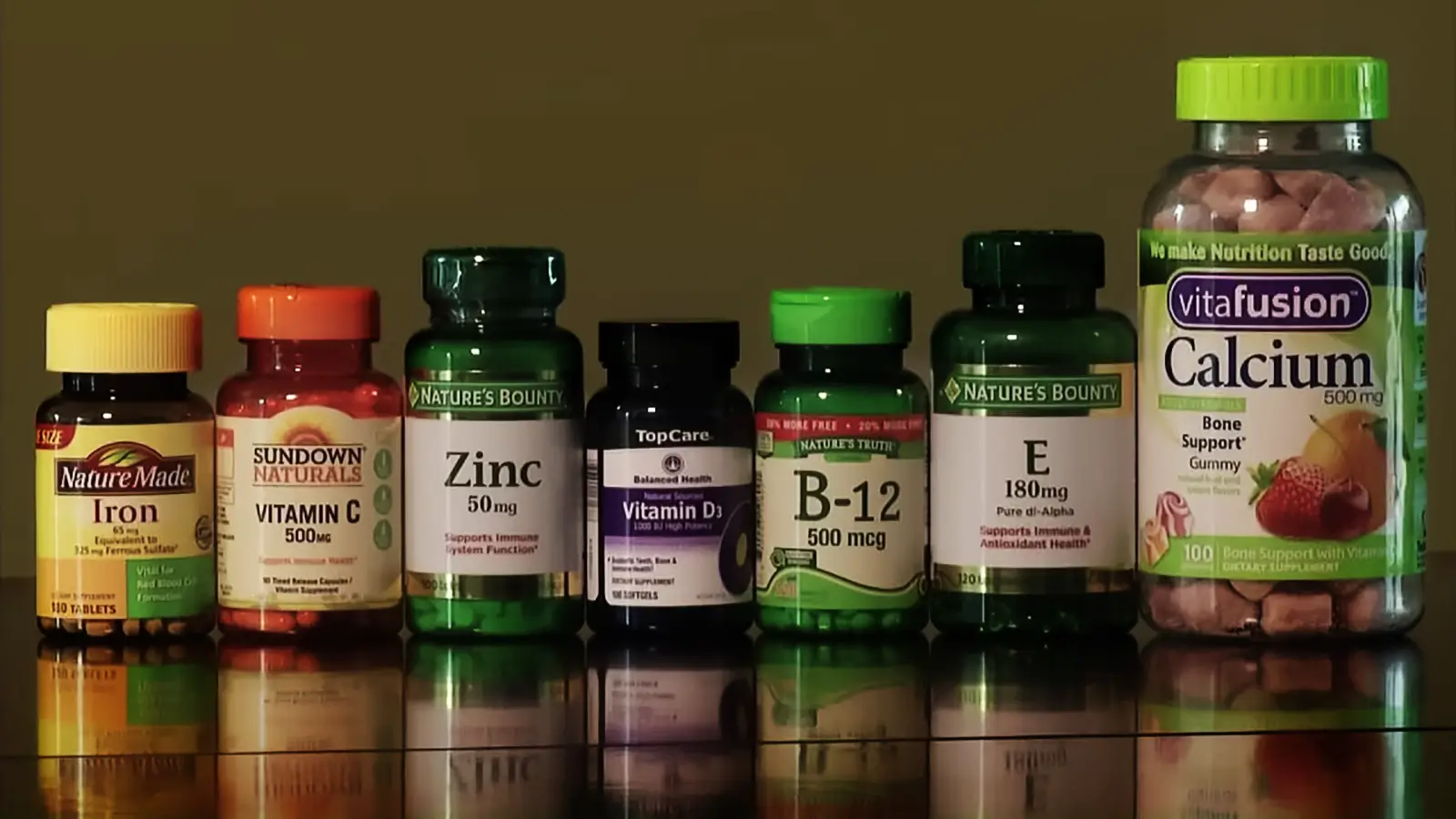
Existem nove deficiências comuns de nutrientes na escala populacional que afectam as pessoas que se alimentam de uma dieta à base de plantas. Se não forem corrigidas a tempo, algumas deficiências têm consequências terríveis e não tratáveis.
Editor De Picaretas Alimentação Ideal
Deficiência de Micronutrientes na Dieta Americana Padrão: Estratégias de Otimização
O perfil nutricional da nossa dieta moderna à base de carne, açúcar e alimentos processados é completamente incongruente com a nossa evolução, resultando numa grave deficiência de micronutrientes.
Editor De Picaretas Fitoquímicos
Fitoquímicos: Conceitos Básicos
Cada fitoquímico que existe tem uma acção biológica no corpo humano. Cada um de milhões de diferentes fitoquímicos.
Editor De Picaretas Leite Alimentação Ideal
Leite e Lacticínios: Correlações de Risco Para a Saúde
As associações conhecidas com o consumo de leite e lacticínios são infertilidade, cancro dos ovários e da mama, leucemia, diabetes tipo 1, autismo, arteriosclerose, catarata, artrite reumatóide, esclerose múltipla, hiperactividade, congestão, espinhas, e muito mais...As associações conhecidas com o consumo de leite e lacticínios são infertilidade, cancro dos ovários e da mama, leucemia, diabetes tipo 1, autismo, arteriosclerose, catarata, artrite reumatóide, esclerose múltipla, hiperactividade, congestão, espinhas, e muito mais...
Câncer Editor De Picaretas Proteína
Proteína Completa: Sinalização do IGF-1 na Formação do Cancro
Quando você comer proteína animal que tem quatro vezes a chance de desenvolver todos os tipos de câncer. Quando você fuma tem quatro vezes a chance de desenvolver câncer de pulmão.

Câncer Editor De Picaretas Proteína
A Anatomia do Câncer de risco para a Saúde correlações
Cerca de 2% dos casos de câncer estão por medicamento considerado puramente causada por fatores genéticos. O mesmo intervalo de dentro do reino animal. Você ainda não foi informado de toda a verdade.
Milos Pokimica é escritor especializado em saúde e nutrição e consultor em ciências nutricionais. Autor da série de livros Go Vegan? Revisão de Ciênciaopera também o website de saúde natural GoVeganWay.com
Artigos Mais Recentes –
Restrição De Calorias Longevidade
Como Fazer Jejum: Alimentos em Jejum que Não Quebram a Autofagia
Autofagia. Já alguma vez se interrogou sobre o que acontece às células do seu corpo quando morrem ou se danificam? Será que se acumulam e criam problemas ou são eliminadas de alguma forma? A resposta é que o seu corpo...
Saúde Dentária Prevenção
Dentes Sensíveis a Doces e Dor: Solução Rápida e Duradoura
Uma solução rápida e fácil para o alívio da dor é o óleo essencial de cravinho, um poderoso antioxidante e analgésico que pode ajudar com doenças das gengivas e dores de dentes.
Feijão
Feijão Verde: Benefícios Nutricionais e Para a Saúde
O feijão verde tem poucas calorias e é rico em compostos naturais que podem ajudá-lo a controlar o açúcar no sangue, a reduzir o colesterol e a combater os radicais livres.
Dieta de alimentos crus A Dieta Vegetariana
Pode-se Comer Cogumelos Crus: Riscos Para a Saúde, Nutrição e Segurança
Os cogumelos têm toxinas sensíveis ao calor, como a hidrazina ou a agaritina, e paredes celulares feitas de quitina que não podem ser bem digeridas pelos seres humanos.
A Dieta Vegetariana
Os Peixes São Animais? Uma Perspetiva Cultural
Em algumas culturas, a carne de peixe não é considerada carne e o peixe é permitido mesmo durante o jejum.

Saúde Dentária Prevenção
Elixir Bucal Natural Caseiro: Comprovado, Mais Forte e Menos Tóxico
O elixir bucal natural caseiro é mais forte do que a clorexidina, menos tóxico e, se ingerido, pode provocar algumas náuseas, mas também tem um elevado valor ORAC.
Saúde Dentária Prevenção
Como Parar a Cárie Dentária: Sintomas, Causas e Prevenção
Consumo de açúcar é a principal causa de cáries e a cárie dentária, combinado com deficiência de minerais, especialmente o magnésio, o zinco, o cobre e elementos-traço.
Antioxidantes Superalimentos
Amla: Benefícios Comprovados, Nutrição e Significado Clínico
O amla é um dos antioxidantes mais poderosos do mundo, com uma pontuação ORAC de 261.530. É uma fonte rica de fitoquímicos que têm vários benefícios para a saúde.
Superior De Saúde De Notícias — ScienceDaily
PubMed, #vegan-dieta –
- Toward consensus on complementary feeding recommendations: findings from a national evidence-informed modified Delphi study in Türkiyeon Outubro 12, 2026
CONCLUSIONS: Integration of quantitative Delphi findings with qualitative thematic analysis revealed that non-consensus primarily stemmed from the practical nuances of clinical execution and contextual adaptation, rather than a fundamental skepticism toward the underlying scientific data. These findings provide an evidence-informed foundation for developing context-sensitive CF recommendations for clinical practice.
- Characterization of Nutritional Intake in Vegan Pregnant Women and its Association on Birth Weighton Outubro 8, 2026
CONCLUSIONS: Vegan women had a higher rate of SGA than non-vegan women, and this increased risk may be partly related to differences in maternal protein intake and composition. In addition, vegan women had lower dietary intakes of calcium, vitamin B12, vitamin D, DHA, and choline, highlighting these nutrients as important considerations in the nutritional assessment and counseling of pregnant women adhering to a strictly vegan diet.
- Changes in ectopic lipids, insulin sensitivity, and beta cell function after a low-fat vegan diet in adults with type 2 diabetes: a 16-week single-arm clinical trialon Outubro 8, 2026
CONCLUSIONS: On an ad libitum low-fat plant-based (vegan) dietary intervention, the participants with type 2 diabetes experienced reductions in ectopic fat, particularly visceral and hepatocellular fat, improvements in insulin sensitivity, reductions in AGEs, and improvements in beta-cell function.
- Sustained Regression of Parotid Mucosa-Associated Lymphoid Tissue (MALT) Lymphoma After Nutritional and Nutraceutical Intervention Without Chemoimmunotherapy: A Case Reporton Outubro 5, 2026
Extranodal marginal zone lymphoma of mucosa-associated lymphoid tissue (MALT) in the setting of Sjögren’s syndrome (SS) is a well-recognized complication of chronic autoimmune salivary gland inflammation. Standard management options include radiotherapy, immunotherapy, and combination chemoimmunotherapy, with active surveillance reserved for stable, low-burden disease. The potential role of structured nutritional and nutraceutical intervention in this setting has not been previously […]
Publicações Aleatórias -
Alimentação Ideal Prevenção A Dieta Vegetariana
Estudo adventista de Saúde - vegan argumento
Estudo adventista de Saúde mostrou que os Adventistas do Sétimo dia têm uma mensuráveis menor risco do que outros Americanos para a maioria dos Ocidentais doenças.
Editor De Picaretas A Inflamação
Os seres humanos onívoros dilema - o consumo de Carne, bactérias probióticas, a inflamação, e com o intestino
Seres humanos são onívoros, em um verdadeiro anatômica sentido? Há uma diferença fundamental na maneira como as trato digestivo trabalha em plantas vs comer carne de espécie.

Câncer Editor De Picaretas Toxicidade
Pesticidas nos Alimentos, Exposição na Dieta Americana Padrão - 80 Por Cento da Carne
A maioria dos pesticidas e, especialmente, metais pesados e outros resíduos tóxicos poluentes temos, temos de carne. Mais de 80% da exposição aos pesticidas na dieta Americana padrão vem de produtos de origem animal, não a partir de frutas ou de produtos hortícolas.
Editor De Picaretas Alimentação Ideal
Carnismo - A psicologia do consumo de carne
O consumo de carne é a cultura que se aprende. Os carnívoros reais comeriam qualquer carne, seja ela qual for, incluindo a carniça. No nosso sistema, comeríamos apenas alguns poucos animais que consideramos como alimento.
Antioxidantes Câncer
Vitamina C Intravenosa no Tratamento do Cancro: 40 Anos de Evidência
A vitamina C intravenosa é um agente quimioterápico não tóxico que pode ser administrado em conjunto com tratamentos convencionais do cancro e incorporado como um protocolo de prevenção e longevidade.
Editor De Picaretas A Obesidade
Estímulos Supernormais- Transtorno da Compulsão Alimentar e Regulação do Apetite
Quando vemos um hambúrguer, são estímulos sobrenaturais. Os impulsos primordiais afetam nosso comportamento, forçando-nos ao transtorno da compulsão alimentar periódica.
Antioxidantes
Vitamina C Intravenosa no Tratamento da Gripe: Prova viva da Prática Clínica
Quando se quer administrar vitamina C intravenosa no hospital, não se diz ao médico. Em vez disso, diz ao seu advogado para dizer ao seu médico, por escrito.
Diabetes Editor De Picaretas
A Diabetes provoca e gordura saturada - vegan argumento
Como o nível de gordura no sangue, aumenta a capacidade do corpo para limpar açúcar cai. Um dos diabetes provoca é o nosso desadaptação para uma grande ingestão de gordura
Editor De Picaretas A Inflamação A Dieta Vegetariana
Inflamação e Dieta- Argumento Vegan
Evoluímos para receber uma explosão de proteção antioxidantes quando nós comer, mas lá não estão presentes na carne. A inflamação e a dieta têm um alto nível de correlação.
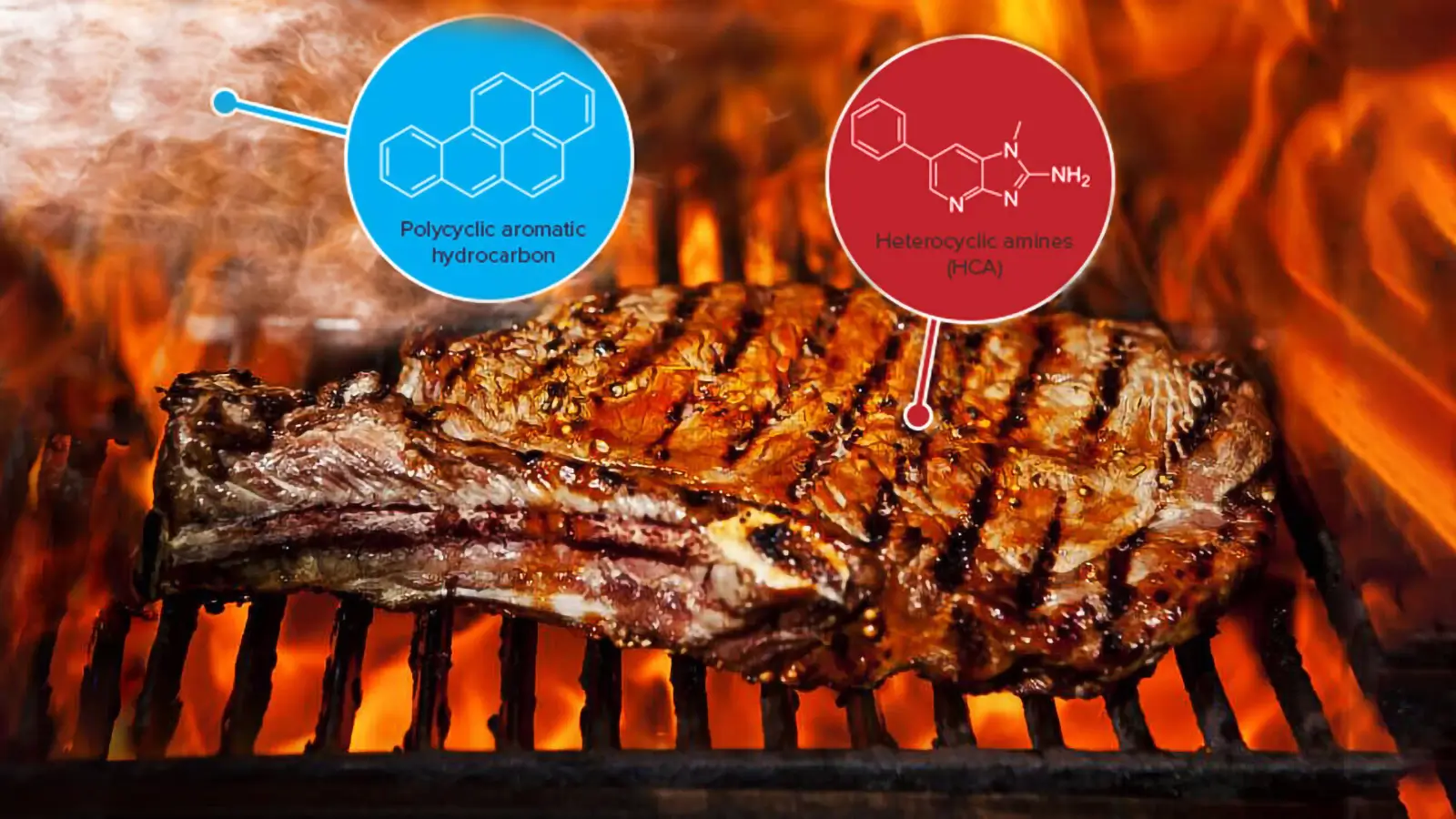
Câncer
Cozido de Carne - O agente Mutagênico em uma Mordida, Aminas Heterocíclicas Exposição
Aquecimento de aminoácidos na presença de creatina (cozido de carne) cria mutagénicas conhecidos como Aminas Heterocíclicas (HCA).

Posts Em Destaque –
Diabetes Editor De Picaretas Alimentação Ideal
Açúcar Refinado: Compreender os Riscos
As crianças consomem cerca de um quinto do total de suas necessidades energéticas a partir de apenas o açúcar refinado. Se somarmos a gordura e o resto da nutrição privação de alimentos processados para a lista torna-se uma nutrição completa pesadelo.
Editor De Picaretas Fitoquímicos
Fitoquímicos: Conceitos Básicos
Cada fitoquímico que existe tem uma acção biológica no corpo humano. Cada um de milhões de diferentes fitoquímicos.
Editor De Picaretas Alimentação Ideal
Deficiência de Micronutrientes na Dieta Americana Padrão: Estratégias de Otimização
O perfil nutricional da nossa dieta moderna à base de carne, açúcar e alimentos processados é completamente incongruente com a nossa evolução, resultando numa grave deficiência de micronutrientes.
Diabetes Editor De Picaretas
A Diabetes provoca e carboidratos refinados - vegan argumento
As pessoas acreditam que os carboidratos refinados estão associadas com picos de insulina e o diabetes provoca. Eles estão certos. No entanto, eles também estão errados.

Editor De Picaretas Prevenção A Dieta Vegetariana
China estudo - vegan argumento
China estudo mostrou que não há nenhuma doença cardíaca ou câncer ou diabetes em subdesenvolvido comunidades rurais em todo o mundo com base de amido de dietas veganas.
Antioxidantes Editor De Picaretas ORAC
Compreender os Valores ORAC: Níveis de Antioxidantes nos Alimentos
Quando a sua principal fonte de antioxidantes é o café, sabe que tem um problema grave.
Câncer Editor De Picaretas Toxicidade
Pesticidas nos Alimentos, Exposição na Dieta Americana Padrão - 80 Por Cento da Carne
A maioria dos pesticidas e, especialmente, metais pesados e outros resíduos tóxicos poluentes temos, temos de carne. Mais de 80% da exposição aos pesticidas na dieta Americana padrão vem de produtos de origem animal, não a partir de frutas ou de produtos hortícolas.
Antioxidantes Editor De Picaretas ORAC Fitoquímicos
Antioxidantes: Compreender os Princípios Básicos
Los productos de origen animal no contienen fitoquímicos ni antioxidantes. Por término medio, los alimentos vegetales contienen más de 60 veces más antioxidantes que los de origen animal.
Editor De Picaretas Prevenção Toxicidade
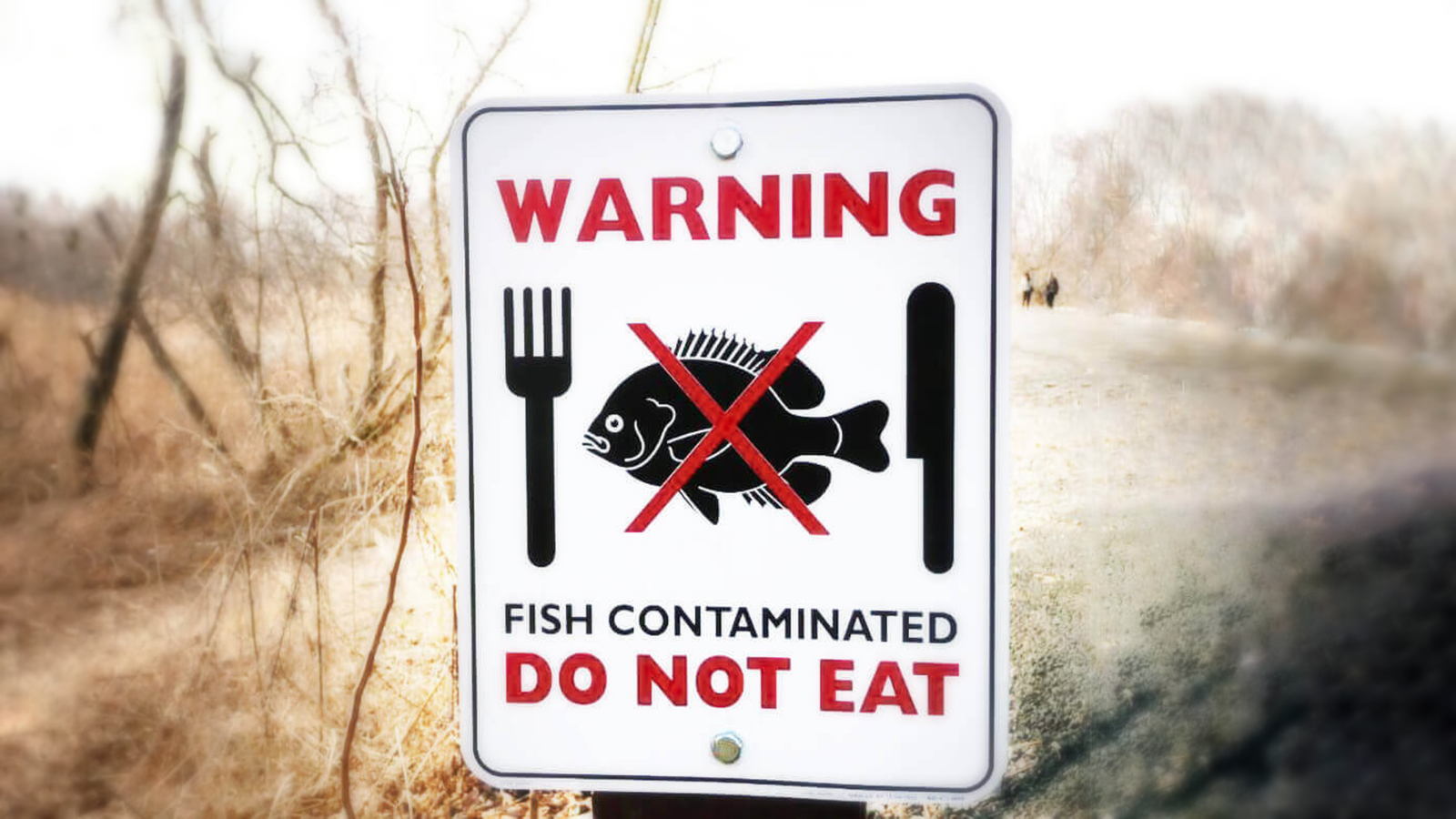
Toxicidade Ambiental- É Apenas Uma Cadeia Alimentar
Toxicidade ambiental é a bioacumulação de toxinas. Organismos são filtros. Mas há mais ainda piores processo chamado de biomagnificação na cadeia alimentar.
Editor De Picaretas A Dieta Vegetariana
Deficiências de Nutrientes na Dieta Vegana: Estratégias de Prevenção
Existem nove deficiências comuns de nutrientes na escala populacional que afectam as pessoas que se alimentam de uma dieta à base de plantas. Se não forem corrigidas a tempo, algumas deficiências têm consequências terríveis e não tratáveis.
Últimas do PubMed, #dieta baseada em vegetais –
- Colloid mill modified zein suspension technology for plant protein rich bird food: first clutch performance compared with egg based food in fiorino canariespor Ercan Mevliyaoğulları on Outubro 13, 2026
CONCLUSIONS: EGG16 improved first-clutch egg production. ZEIN16 did not show a statistically detectable reduction in hatchability after eggs were laid, but equivalence or non-inferiority to EGG16 was not tested. ZEIN16 should therefore be positioned as a preliminary plant-protein-rich bird egg food analogue produced through colloid-mill-based zein suspension technology, rather than as a reproductive replacement for egg-based food.
- Dietary modulation of the gut microbiota in type 2 diabetes and obesity: mechanisms, interventions, and clinical perspectivespor Alicja Kubica on Outubro 12, 2026
Obesity and type 2 diabetes mellitus (T2DM) are associated with heterogeneous changes in gut microbial composition and function, while mechanistic studies support plausible links among diet, microbial metabolism, intestinal barrier function, immune signaling, and host metabolism. This narrative review integrates diet-microbiome mechanisms, dietary-assessment and multi-omics methodology, major dietary patterns, quantitative clinical intervention evidence, treatment-related microbiome […]
- Adherence to the Nordic Nutrition Recommendations 2023 and incidence of type 2 diabetes: a Danish cohort studypor Mathilde M Nørgaard on Outubro 12, 2026
CONCLUSION: Greater adherence to NNR23 was associated with lower risk of T2D, supporting the potential relevance of the NNR23 for T2D prevention.
- Structure and functional properties of Dendrobium officinale polysaccharide-hemp seed protein gels for dysphagia diets as regulated by alkali concentration and temperaturepor Tingting Ding on Outubro 10, 2026
Dysphagia is highly prevalent among older adults and increases the risks of malnutrition, dehydration, and aspiration pneumonia, highlighting the need for safe and nutritionally adequate texture-modified foods. Polysaccharide-protein gels are promising candidates for this purpose, but precise control of their rheological properties and structural stability remains challenging. Here, we systematically investigated how alkali concentration (Na(2)CO(3), 0.5-2.5%, w/v) and thermal treatment […]
- MIND diet-related plasma proteins are associated with Alzheimer’s disease riskpor Shane Fernandez on Outubro 9, 2026
INTRODUCTION: Adherence to the Mediterranean-Dietary Approaches to Stop Hypertension Intervention for Neurodegenerative Delay (MIND) diet is associated with reduced dementia risk, but underlying mechanisms remain unclear.
- Nutritional strategies in kidney transplantation: optimising outcomes beyond surgerypor Lara Caldiroli on Outubro 9, 2026
Although kidney transplantation (KTx) remains the optimal therapy for end-stage kidney disease, long-term graft survival and patient outcomes continue to be limited by cardiometabolic complications and chronic allograft dysfunction. Nutritional management has evolved from supportive care to a core component of post-transplant follow-up. The early post-transplant phase is marked by catabolism, high-dose immunosuppression, and metabolic instability, leading to increased protein requirements but…