







O leite A1 com a variante a1 da beta-caseína é um possível factor de risco no desenvolvimento de diabetes tipo 1 em crianças, autismo e doenças cardíacas em adultos.
Milos Pokimica
Escrito por: Milos Pokimica
Revisto Clinicamente Por: Dr. Xiùying Wáng, M.D.
Actualizado em 10 de Junho de 2023Principais Conclusões:
- A beta-caseína é uma proteína que constitui cerca de 30% da proteína do leite de vaca. Existe em duas variantes genéticas: A1 e A2.
- A beta-caseína A1 no leite de vaca é diferente de todos os outros mamíferos, que têm exclusivamente o tipo A2, incluindo o gado A2 da Índia e de África, o búfalo, tal como outros mamíferos e o mesmo que o leite humano. Quase todos os bovinos do tipo A1 estão relacionados com vacas de origem europeia para a subespécie da espécie original desta mutação Bos Taurus.
- O BCM7 é um péptido que se decompõe da beta-caseína A1 em 7 aminoácidos. Tem efeitos semelhantes aos dos opiáceos, como a morfina, e pode ser prejudicial para as lipoproteínas de baixa densidade (LDL).
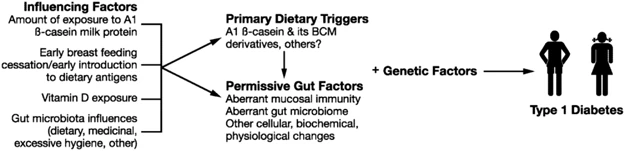
- Existe uma correlação entre a diabetes tipo 1 e os anticorpos contra a beta-caseína A1. Pensa-se que estes anticorpos atacam as células que produzem insulina no pâncreas devido a semelhanças com a estrutura da proteína BCM7.
- As casomorfinas são opióides que podem ser encontrados nos produtos lácteos, especificamente na beta-caseína A1. Têm sido associadas ao autismo e à esquizofrenia através da teoria do "excesso de opiáceos"
- Os péptidos opiáceos do leite de vaca têm sido há muito teorizados como uma possível causa da síndrome da morte súbita do lactente (SMSL), uma vez que podem inibir o centro respiratório no tronco cerebral, levando à apneia e à morte.
- A irBCM basal elevada (casomorfinas bovinas) foi encontrada em bebés alimentados com fórmulas que apresentavam um atraso no desenvolvimento psicomotor e um tónus muscular elevado, enquanto a irHCM basal mais elevada (casomorfinas humanas) foi observada em bebés amamentados com desenvolvimento psicomotor e tónus muscular normais.
A1 beta-caseína no leite de vaca.
Beta-casein é cerca de 30% da proteína no leite de vaca. A Beta-caseína está presente como uma ou duas variantes genéticas; A1 ou A2. A maioria do leite de vaca contém uma combinação de A1 e A2 beta-casein. No entanto, o leite que contém apenas o tipo A2 sem a beta-caseína alfa A1 está disponível em alguns países.
A segunda variante, A2 beta-casein, não está associada à diabetes tipo 1.
A relação estabelecida desta ligação entre a beta-caseína A1 e a diabetes tipo 1 e as doenças cardíacas é de 0,982 e 0,76 (Laugesen e Elliott, 2003).
Este é um nível muito significativo se comparado com outras razões epidemiológicas para estas condições, tais como o tabagismo e a mortalidade por cancro do pulmão r = 0,73 ou a probabilidade de pessoas nos anos 60 e condições cardíacas dez anos mais tarde onde r = 0,85.
A diferença entre A1 e A2 beta-casein está presente devido a uma única substituição de aminoácidos em 67 linhas de aminoácidos de 209 que eles têm na cadeia.
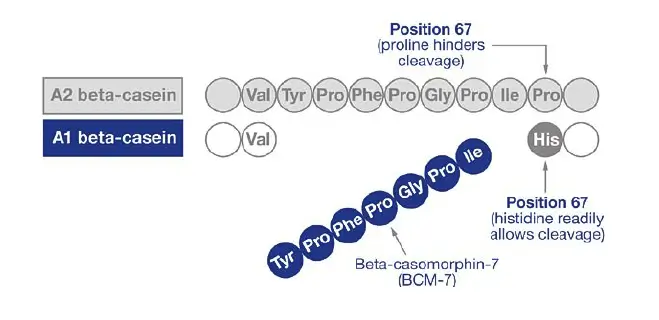
A beta-caseína A1 no leite de vaca é diferente de todos os outros mamíferos, que têm exclusivamente o tipo A2, incluindo o gado A2 da Índia e de África, o búfalo, tal como outros mamíferos e o mesmo que o leite humano. Quase todos os bovinos do tipo A1 estão relacionados com vacas de origem europeia para a subespécie da espécie original desta mutação Bos Taurus.
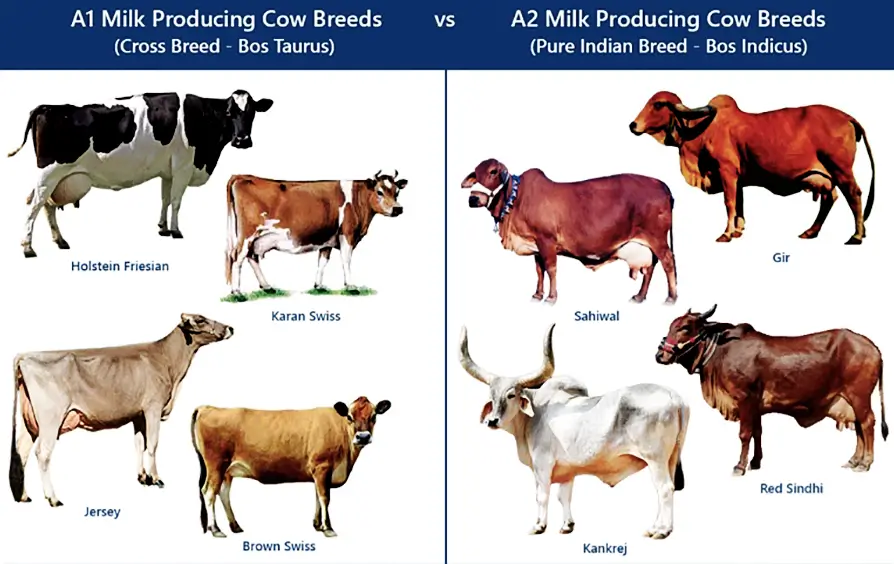
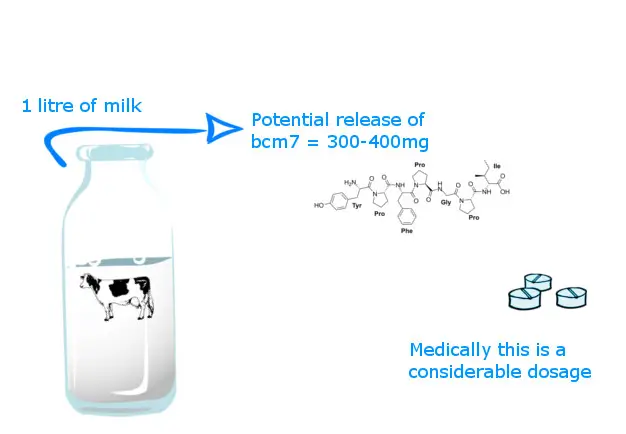
É o resultado de uma mutação genética nas vacas da Europa que ocorreu há cerca de 8.000 anos. Actualmente, as vacas leiteiras A1 são criadas na Europa e na América, e as espécies A2 são criadas na Nova Zelândia. As espécies Holstein têm beta-caseína A1 e A2 em quantidades quase iguais. A espécie Jersey tem normalmente um pouco mais de A2, mas também é considerada uma espécie mista. As mesmas vacas Jersey têm uma beta-caseína "B" que provou dar mais BCM7. Devido à fraca ligação à histidina, a beta-caseína A1 decompõe-se em péptidos de 7 aminoácidos chamados beta-casomorfina 7 (BCM7) quando consumida. A BCM7 é problemática porque o opiáceo está ao mesmo nível que os narcóticos como a morfina e tem efeitos semelhantes. É também um oxidante que é conhecido por ser prejudicial para low-density lipoproteins (LDL). Devido ao facto de as ligações entre os 7 aminoácidos o tornarem extremamente forte, é resistente a uma maior degradação. Quando o BCM7 entra na circulação sanguínea, surgem vários problemas.
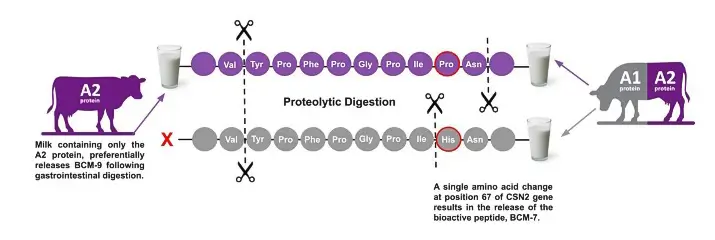
No entanto, a BCM 7 é demasiado grande para ser absorvida por um revestimento saudável no intestino, o que significa que o problema de saúde associado à beta-caseína A1 é mais susceptível de ser afectado por pessoas com uma saúde digestiva prejudicada ou por doenças como doença celíaca ou doença gastrointestinal.
Se tiver uma fuga de intestino, então pode dar a si próprio e ao seu feto se estiver grávido diabetes tipo 1 como uma doença auto-imune. se consumir leite e produtos lácteos, ou seja. As pessoas com qualquer uma das condições predominantes são mais adequadas para o abcesso BCM7. Em bebés que têm naturalmente uma permeabilidade intestinal aumentada para melhorar a absorção de nutrientes, existe também um risco mais elevado.
Uma vez que entra na corrente sanguínea, o BCM7 pode facilmente romper a barreira hemato-encefálica e entrar no cérebro, onde a ligação aos receptores causa os sintomas de autismo e esquizofrenia.
Esta alegação foi iniciada por investigação que foi divulgada em ratos, onde os ratos mostraram tendências semelhantes em comportamento e simpatia como autismo e esquizofrenia após a injecção de BCM7. A associação destes efeitos foi também confirmada pela capacidade de inverter o estado e mudanças no comportamento opiáceo-antagonista da naloxona. Para além disso, foi há muito reconhecido que os opiáceos têm um efeito sobre função imunitária, que é a possível razão pela qual A1 beta-casein e BCM7 estão associadas a doenças auto-imunes.
Doença cardíaca.
A primeira descoberta foi feita por Alexandra Steinerovath, que tem estado a investigar as razões subjacentes ao stress oxidativo em bebés. Descobriu que os bebés que eram alimentados com leite em pó tinham um nível mais elevado de anticorpos contra o LDL oxidado (Steinerová et al, 1999). Em 2004, Steinerova apresentou a ideia e realizou um estudo sobre o BCM7 e o aumento dos anticorpos nos bebés. Um estudo demonstrou que os bebés alimentados com fórmula infantil de beta-caseína A1 desenvolveram níveis significativamente mais elevados destes anticorpos em comparação com os alimentados com beta-caseína A2 (Steinerová et al., 2004).
Actualmente, foram realizados mais estudos e é aceite na comunidade científica que o BCM7 tem um efeito pró-oxidante no LDL. No caso das doenças cardíacas, estudos adicionais revelaram o mecanismo pelo qual a beta-caseína A1 vai desenvolver a doença cardíacae o efeito primário é um BCM7 que oxida o LDL que transporta o colesterol do fígado para os tecidos (Chin-Dusting et al., 2006). Isto é importante porque o LDL oxidado aumenta o risco de doença cardíaca como resultado do aumento da incidência nas artérias e, consequentemente, do aumento da acumulação de placas, ou seja, o LDL oxidado torna as artérias pegajosas e leva à formação de placas.
Diabetes tipo 1.
A diabetes tipo 1 é classificada como uma doença auto-imune que ocorre devido a um ataque do sistema imunitário às células que produzem insulina no pâncreas.
E não é genético, como a medicina convencional pode levar a crer. A predisposição genética desempenha um papel, mas para provar o facto de que se trata apenas de mais uma inadaptação, podemos olhar para os gémeos idênticos. A concordância da diabetes tipo 1 em gémeos idênticos é de apenas 50 %. O que significa que não se consegue. Se é genético e o ambiente não desempenha um papel que não aconteceria. É algo que nós comemos ou, para ser preciso, as mães comeram ou deram aos bebés que os levaram a desenvolver esta doença auto-imune.
No Japão, a taxa de diabetes tipo 1 é 18 vezes inferior à dos EUA, mas quando os japoneses emigram para a América e começam a adoptar a dieta ocidental, desenvolvem a mesma taxa de diabetes que os americanos. Alguns países têm 100 vezes menos taxas de diabetes tipo 1 do que outros, dependendo principalmente da dieta que a população consome. A diabetes tipo 1 começou a aumentar após a Segunda Guerra Mundial da mesma forma que outras doenças, pelo que não é genética. É uma má adaptação, e agora sabemos o que a está a causar.
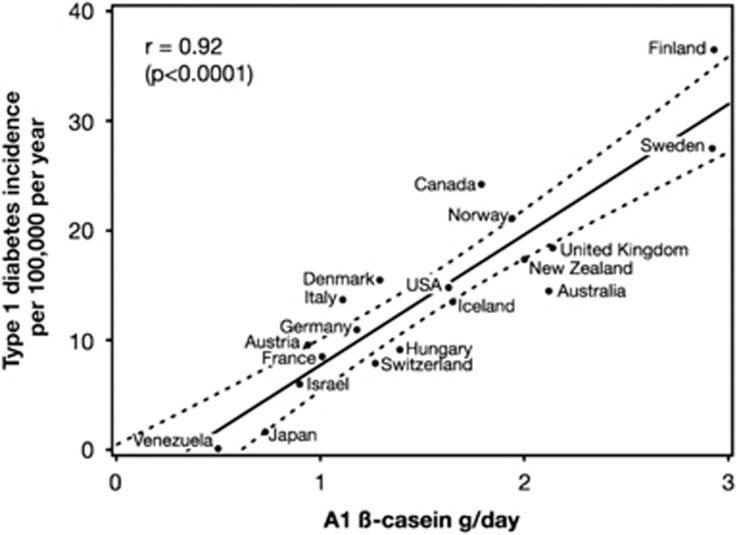
Em 1999 os estudiosos na Alemanha descobriu que existe uma correlação entre a diabetes tipo 1 e o nível de anticorpos da beta-caseína A1. Acredita-se que estes anticorpos são, de facto, baseados na sequência de aminoácidos do opióide problemático BCM7, que é derivado da beta-caseína A1. Como a sequência tem semelhanças com a estrutura proteica das células que produzem insulina no pâncreas, os anticorpos atacam o pâncreas juntamente com os péptidos BCM7. Neste estudo, todas as crianças tinham níveis significativos de anticorpos contra a beta-caseína A1 no sangue, mas não de anticorpos contra outras proteínas do leite (Karjalainen et al., 1992). A conclusão foi a seguinte:
"Os doentes com diabetes mellitus insulino-dependente têm imunidade à albumina de leite de vaca, com anticorpos a um péptido de albumina capaz de reagir com uma proteína de superfície específica de células beta. Tais anticorpos poderiam participar no desenvolvimento de disfunções de ilhotas".
Karjalainen et al., 1992
Autismo, esquizofrenia, e Síndrome de morte súbita do lactente.
Além disso, existem opiáceos que atravessam a barreira hemato-encefálica. Uma vez que os opiáceos BCM7 não devem estar presentes e representam uma forma de mutação não natural no gado, não deve ser uma grande surpresa na relação entre a beta-caseína A1 e a caseína em geral para associação com o autismo também.
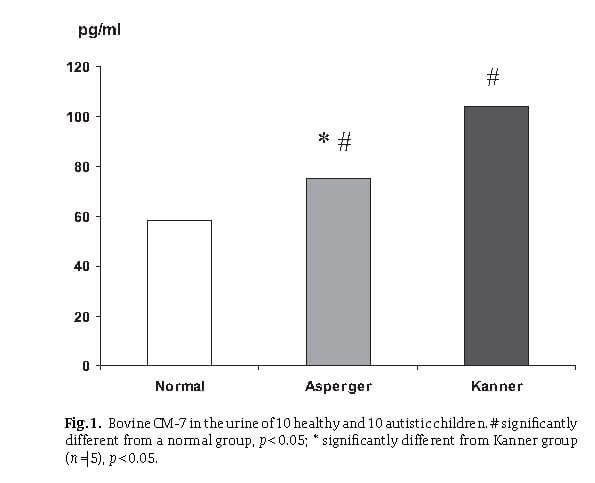
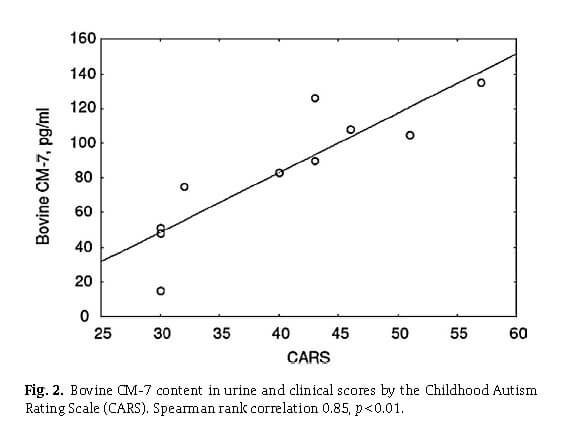
BCM 7 obtido de beta-caseína A1 e gluteomorfina derivada do glúten são ambos opiáceos que podem ser associados a estes sintomas. Devido a isto, um grande número de crianças com autismo mostram melhorias significativas se evitarem o glúten e a caseína. A relação entre o autismo e os opiáceos não é nova. Em 1979, Jaak Panksepp, um cientista, sugeriu essa ligação. Em 2000, uma equipa de investigadores liderada por Robert Cade analisou as provas existentes que ligavam a caseína e a glúten opiáceos com autismo e esquizofrenia. Recolheram novos dados de 150 crianças autistas, 120 adultos com esquizofrenia, 43 crianças normais e 76 adultos normais (Cade et al., 2000). Crianças autistas e adultos esquizofrénicos mostraram um valor anormal elevado constante de casomorfina e peptídeos opióides de gluteomorfina obtidos a partir de beta-caseina e glúten.
De facto, todos os adultos apresentam níveis elevados desta substância opióide morfina após o consumo de leite ou iogurte, mesmo os adultos que não têm inflamação no intestino, pelo menos durante 8 horas após o consumo (Chabance et al., 1998).
A teoria é algo parecido com isto. Tem uma predisposição genética para doenças como o autismo ou a esquizofrenia. Esta é a chamada "excesso de opiáceos" teoria. A pessoa tem uma predisposição genética e depois tem uma exposição precoce a factores de stress ambiental que danificam o seu intestino e o tornam permeável ou é apenas um bebé normal que tem naturalmente um intestino permeável. Depois vem o leite ou os produtos lácteos, com todas as casomorfinas a passarem para o sangue em excesso e depois para o cérebro, desencadeando a formação de doenças. Pensa-se que estes opiáceos podem desempenhar um dos papéis no desenvolvimento do autismo e de outras perturbações neurológicas. O problema com estas casomorfinas é também que, quando se examina a barreira hemato-encefálica dos doentes com autismo, as suas barreira hemato-encefálica também parece mais fraco.
Num indivíduo normal, vai haver alguns dos efeitos sedativos, mas em alguém com uma fuga de sangue no intestino e uma barreira hemato-encefálica vai ter um efeito muito mais forte, e se essa pessoa tiver uma predisposição genética ou sensibilidade a ela, então a verdadeira doença pode formar-se. Seja como for, pela chamada teoria do "excesso de opiáceos".
Das setenta crianças autistas colocadas numa dieta sem glúten e sem caseína, 81% mostrou melhorias significativas durante um período de 3 meses, e mais de um terço das crianças que não recuperaram ainda apresentavam um elevado teor de péptidos opióides, indicando que não mantinham a dieta da criança. Embora apenas 40% dos adultos tenham melhorado, acredita-se que muitos deles não utilizam a dieta há tempo suficiente para fornecer ao seu corpo a capacidade de eliminar as moléculas BCM7 existentes no cérebro que podem durar mais de um ano.
Em 1999, Zhongjie Sun e Robert Cade injectaram derivados opióides BCM7 da beta-caseína A1 em ratos para determinar se entram no cérebro (Cade et al., 1999). Descobriram que entra em várias áreas do cérebro que se provou anteriormente estarem associadas ao autismo e à esquizofrenia. Consequentemente, concluiu-se que o BCM7 poderia ultrapassar a barreira hemato-encefálica e atingir partes do cérebro susceptíveis de serem afectadas pelo autismo e pela esquizofrenia. No mesmo ano, realizaram uma experiência semelhante e descobriram que os ratos injectados com BCM7 apresentavam vários sintomas significativos de autismo e esquizofrenia, tais como intolerância, redução da sensibilidade à dor e falta de resposta a estímulos externos.
Em 2003, Sun e Cade continuaram a sua investigação e descobriram que os opiáceos gluteomorfina derivados do glúten afectam apenas três regiões do cérebro, enquanto os opiáceos BCM7 derivados da beta-caseína A1 afectam 45 regiões e a circulação deste péptido no sistema nervoso central imaturo do bebé pode também inibir o centro respiratório no tronco cerebral, levando à apneia e à morte (Sun et al, 2003). Os péptidos opióides do leite foram há muito teorizados como uma possível causa de síndrome da morte súbita do lactente (Ramabadran and Bansinath, 1988).
Isto não só provou que o BCM7 chega ao cérebro muito mais facilmente, como também é um factor muito maior no desenvolvimento de autismo e esquizofrenia. Não sei se estes estudos vão levar a uma maior compreensão ou a um melhor tratamento destes indivíduos. Poderá haver indivíduos com uma predisposição genética para estas doenças que estas proteínas de mimetismo molecular apenas agravam. Não sei. A ciência continua a fazer investigação, mas é um processo lento e quem terá interesse em financiar estes estudos? Vai demorar algum tempo.
Casomorfinas opióides e atraso psicomotor.
A1 milk vs A2 milk teve um grande problema político na Austrália e na Nova Zelândia a certa altura. Acabou com a rotulagem obrigatória do leite e de todos os produtos lácteos. Na Austrália, não se pode comprar uma garrafa de leite A1 ou qualquer outro produto lácteo sem um rótulo visível que mostre se o leite contém uma forma A1 ou A2 de proteína.
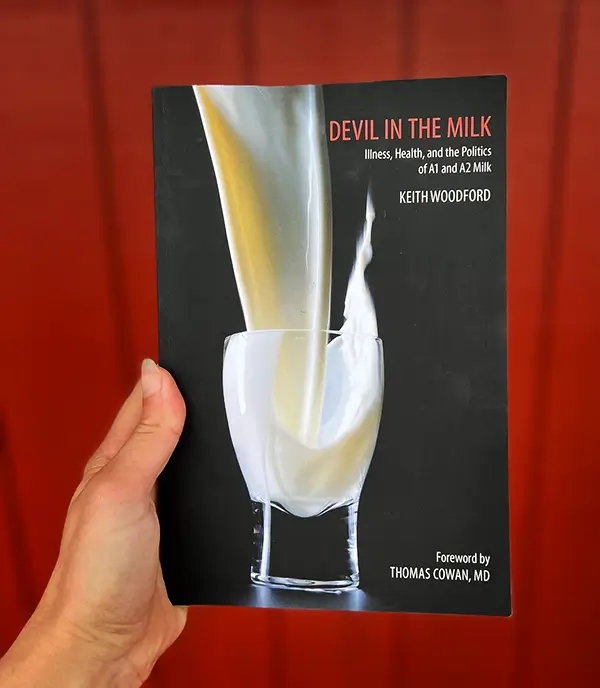
Porque é que estes opiáceos estão no leite em primeiro lugar? E há em todo o leite existente, e não apenas na variante A1 do leite. O leite A1 é apenas uma variante mais potente. Tanto para os bebés humanos normais como para os vitelos, eles estão lá para criar um desejo ou para os viciar como os viciados normais, mas neste caso, o vício vai desencadear a cura do bebé para opiáceos e depois o bebé vai obter toda a nutrição do leite que precisa para crescer. É tudo como deveria ser, mas agora mudámos de espécie. Tal como o perfil de aminoácidos proteicos do leite humano e de vaca não é o mesmo, também o perfil destas casomorfinas não é o mesmo.
No presente estudo (Kost et al., 2009) os bebés alimentados com leite de vaca com um nível mais elevado de casomorfinas bovinas parecem sofrer de atrasos psicomotores, mas verificou-se exactamente o contrário em relação às casomorfinas humanas. As casomorfinas humanas parecem ajudar o cérebro dos humanos. A conclusão do estudo foi a seguinte:
"O irHCM basal mais elevado (casomorfinas humanas) foi observado em bebés amamentados com desenvolvimento psicomotor e tónus muscular normais. Em contraste, o irBCM basal elevado (casomorfinas de gado) foi encontrado em bebés alimentados com fórmula, mostrando um atraso no desenvolvimento psicomotor e um tónus muscular elevado. Entre os bebés alimentados com fórmulas com desenvolvimento normal, a taxa deste parâmetro correlacionou-se directamente com o irBCM basal. Os dados indicam que a amamentação tem uma vantagem sobre a alimentação artificial para lactentes durante o primeiro ano de vida e apoiam a hipótese da deterioração da eliminação da casomorfina bovina como factor de risco de atraso no desenvolvimento psicomotor e outras doenças como o autismo".
(Kost et al., 2009)
A estrutura da caseína no leite humano e no leite de vaca é significativamente diferente, correspondendo apenas a 47%, e especialmente se tivermos uma caseína A1 mutante na mistura, então temos uma situação que pode desencadear diabetes tipo 1 no bebé. A casomorfina bovina é muito mais forte do que a humana, e o seu efeito está quase ao nível da morfina (Trivedi et al., 2015). As casomorfinas de vaca ligam-se mais aos receptores de serotonina no cérebro do que as humanas. Além disso, as casomorfinas opióides foram produzidas tanto pelo leite A1 como pelo A2, sem diferença de potência (Asledottir et al., 2017). Além disso, há muito mais caseína em geral no leite de vaca, 15 vezes mais, para ser exacto, do que no leite humano. Vinte e um peptídeos e oito da beta-caseína foram encontrados no leite de vaca, e apenas cinco peptídeos e apenas um da beta-caseína foram encontrados no leite humano.
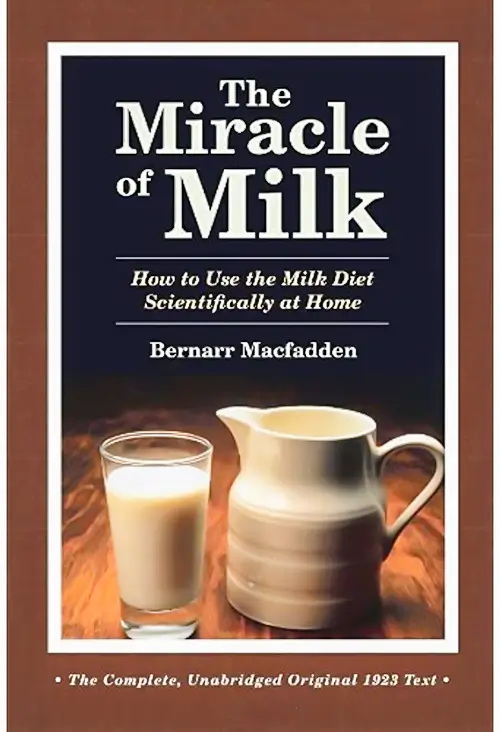
Deve mudar para A2, que é dez vezes mais caro? E a pizza com queijo de leite A1 ou qualquer outro produto comercial de leite A1? A maioria dos chocolates é feita com leite em pó A1. O cenário mais realista é que mesmo que queiramos mudar para A2 não há leite A2 por perto se viver fora da Nova Zelândia. E até mesmo na Nova Zelândia, existe o leite em pó A1 feito com chipset para o indústria alimentar em quase tudo. Do gelado ao chocolate. E mesmo que pudéssemos gastar dinheiro adicional e ter esse gelado A2, o leite continua a estar correlacionado, incluindo o A2, com uma vasta gama de questões de saúde (Leite e lacticínios - Correlações de risco para a saúde).
O Diabo no Leite, Porque Pode ser Perigoso.
Perguntas Frequentes
Referências:
- Karjalainen, J., Martin, J. M., Knip, M., Ilonen, J., Robinson, B. H., Savilahti, E., Akerblom, H. K., & Dosch, H. M. (1992). A bovine albumin peptide as a possible trigger of insulin-dependent diabetes mellitus. O New England journal of medicine, 327(5), 302-307. https://doi.org/10.1056/NEJM199207303270502
- Chabance, B., Marteau, P., Rambaud, J. C., Migliore-Samour, D., Boynard, M., Perrotin, P., Guillet, R., Jollès, P., & Fiat, A. M. (1998). Libertação de péptidos de caseína e passagem para o sangue em humanos durante a digestão de leite ou iogurte. Bioquímica, 80(2), 155-165. https://doi.org/10.1016/s0300-9084(98)80022-9
- Kost, N. V., Sokolov, O. Y., Kurasova, O. B., Dmitriev, A. D., Tarakanova, J. N., Gabaeva, M. V., Zolotarev, Y. A., Dadayan, A. K., Grachev, S. A., Korneeva, E. V., Mikheeva, I. G., & Zozulya, A. A. (2009). Beta-casomorfinas-7 em bebés com diferentes tipos de alimentação e diferentes níveis de desenvolvimento psicomotor. Péptidos, 30(10), 1854-1860. https://doi.org/10.1016/j.peptides.2009.06.025
- Trivedi, M. S., Hodgson, N., Walker, S. G., Trooskens, G., Nair, V., & Deth, R. C. (2015). Efeitos epigenéticos de peptídeos opióides derivados da caseína em células de neuroblastoma humano SH-SY5Y. Nutrição e Metabolismo, 12(1). https://doi.org/10.1186/s12986-015-0050-1
- Asledottir, T., Le, T. T., Petrat-Melin, B., Devold, T. G., Larsen, L. B., & Vegarud, G. E. (2017). Identificação de peptídeos bioativos e quantificação de β-casomorfina-7 de β-caseína bovina A1, A2 e I após digestão gastrointestinal ex vivo. Revista Internacional de Lacticínios, 71, 98-106. https://doi.org/10.1016/j.idairyj.2017.03.008
- Cade, R., Privette, M., Fregly, M., Rowland, N., Sun, Z., Zele, V., Wagemaker, H., & Edelstein, C. (2000). Autismo e Esquizofrenia: Distúrbios Intestinais. Neurociência nutricional, 3(1), 57-72. https://doi.org/10.1080/1028415X.2000.11747303
- Pal, S., Woodford, K., Kukuljan, S., & Ho, S. (2015). Intolerância ao leite, beta-caseína e lactose. Nutrientes, 7(9), 7285-7297. https://doi.org/10.3390/nu7095339
- Chia, J. S. J., McRae, J. L., Kukuljan, S., Woodford, K., Elliott, R. B., Swinburn, B., & Dwyer, K. M. (2017). Proteína do leite beta-caseína A1 e outros fatores ambientais de pré-disposição para diabetes tipo 1. Nutrição e diabetes, 7(5), e274. https://doi.org/10.1038/nutd.2017.16
- Sun, Z., Zhang, Z., Wang, X., Cade, R., Elmir, Z., & Fregly, M. (2003). Relação da beta-casomorfina com a apneia na síndrome da morte súbita do lactente. Péptidos, 24(6), 937-943. https://doi.org/10.1016/s0196-9781(03)00156-6
- Ramabadran, K., & Bansinath, M. (1988). Peptídeos opióides do leite como uma possível causa da síndrome da morte súbita do lactente. Hipóteses médicas, 27(3), 181-187. https://doi.org/10.1016/0306-9877(88)90138-7
- Chin-Dusting, J., Shennan, J., Jones, E., Williams, C., Kingwell, B., & Dart, A. (2006). Efeito da suplementação dietética com beta-caseína A1 ou A2 nos marcadores de desenvolvimento de doença em indivíduos com alto risco de doença cardiovascular. O British journal of nutrition, 95(1), 136-144. https://doi.org/10.1079/bjn20051599
- Steinerová, A., Racek, J., Stozický, F., Tatzber, F., & Lapin, A. (1999). Autoanticorpos contra LDL oxidada na primeira fase da vida. Low density lipoproteins. Química clínica e medicina laboratorial, 37(9), 913-917. https://doi.org/10.1515/CCLM.1999.135
- Steinerová, A., Korotvicka, M., Racek, J., Rajdl, D., Trefil, L., Stozický, F., & Rokyta, Z. (2004). Aumento significativo de anticorpos contra partículas de LDL oxidadas (IgoxLDL) em bebés de três meses de idade que receberam fórmula láctea. Aterosclerose, 173(1), 147-148. https://doi.org/10.1016/j.atherosclerosis.2003.12.006
- Laugesen, M., & Elliott, R. (2003). Ischaemic heart disease, Type 1 diabetes, and cow milk A1 beta-casein. O jornal médico da Nova Zelândia, 116(1168), U295. [PubMed]
Publicações Relacionadas

Você tem alguma dúvida sobre saúde e nutrição?
Gostaria muito de ouvir a sua opinião e responder-lhes no meu próximo post. Agradeço o vosso contributo e a vossa opinião e aguardo com expetativa a vossa resposta em breve. Convido-vos também a siga-nos no Facebook, Instagram e Pinterest para mais conteúdos sobre dieta, nutrição e saúde. Pode deixar um comentário e ligar-se a outros entusiastas da saúde, partilhar as suas dicas e experiências e obter apoio e encorajamento da nossa equipa e comunidade.
Espero que este post tenha sido informativo e agradável para si e que esteja preparado para aplicar os conhecimentos que aprendeu. Se achou este post útil, por favor partilhá-lo com os seus amigos e familiares que também possam beneficiar com isso. Nunca se sabe quem poderá precisar de alguma orientação e apoio no seu percurso de saúde.
– Você Também Pode Gostar –

Água alcalina - Benefícios e riscos para a saúde
Dieta de Baixa Histamina e Intolerância à Histamina: Guia Completo
Dieta Humana Optima- Doenças Crónicas, Guerras Alimentares e o Argumento Vegan
Dieta de alimentos crus - uma perspectiva evolutiva
Azul de Metileno: Usos Terapêuticos e Significado Clínico
Vegan Neandertais? A verdade sobre o real Neandertal dieta

China estudo - vegan argumento

Dentes Sensíveis a Doces e Dor: Solução Rápida e Duradoura

Aprender Sobre Nutrição

Milos Pokimica é médico de medicina natural, nutricionista clínico, escritor de saúde e nutrição médica, e conselheiro em ciências nutricionais. Autor da série de livros Go Vegan? Revisão de Ciênciaopera também o website de saúde natural GoVeganWay.com
Medical Disclaimer
GoVeganWay.com traz comentários dos mais recentes a nutrição e a saúde relacionados com a pesquisa. As informações fornecidas representa a opinião pessoal do autor e não pretende nem implícita para ser um substituto para aconselhamento médico profissional, diagnóstico ou tratamento. As informações fornecidas são apenas para fins informativos e não se destina a servir como um substituto para a consulta, o diagnóstico e/ou tratamento médico de um médico qualificado ou prestador de cuidados de saúde.NUNCA DESCONSIDERE o CONSELHO MÉDICO PROFISSIONAL OU adiar a BUSCA de TRATAMENTO MÉDICO por causa DE ALGO QUE TENHA LIDO OU ACESSADO por MEIO de GoVeganWay.com
NUNCA APLIQUE QUAISQUER MUDANÇAS de estilo de VIDA OU QUALQUER MUDANÇA COMO UMA CONSEQUÊNCIA DE ALGO QUE TENHA LIDO NO GoVeganWay.com ANTES de CONSULTORIA de LICENÇA MÉDICA.
No caso de uma emergência médica, ligue para o médico ou para o 911 imediatamente. GoVeganWay.com não recomenda ou endossa qualquer específicos, grupos, organizações, exames, médicos, produtos, procedimentos, opiniões ou outras informações que podem ser mencionadas dentro.
Escolhas do Editor -
Câncer Editor De Picaretas Fitoquímicos
Poder Anticancerígeno das Frutas e Legumes: Evidências Clínicas e in Vivo
Alguns extractos vegetais rivalizam com os principais medicamentos de quimioterapia e, ao mesmo tempo, visam vários tipos diferentes de células cancerígenas.
Antioxidantes Editor De Picaretas ORAC
Óleos Essenciais Como Suplementos Antioxidantes: Regras e Estratégias
Os óleos essenciais de qualidade alimentar podem ser uma estratégia conveniente e amiga do consumidor para optimizar o valor antioxidante e a pontuação ORAC da nossa dieta.
Antioxidantes Editor De Picaretas ORAC
Dieta Rica em Antioxidantes: Regras e Estratégias Gerais
Existem estratégias fáceis e económicas para optimizar o valor antioxidante da nossa dieta.
Antioxidantes Editor De Picaretas ORAC
Compreender os Valores ORAC: Níveis de Antioxidantes nos Alimentos
Quando a sua principal fonte de antioxidantes é o café, sabe que tem um problema grave.
Antioxidantes Editor De Picaretas ORAC
Astaxantina Benefícios: Antioxidante Natural Mais Poderoso do Mundo
A astaxantina é o mais poderoso e natural antioxidante universal (tanto o petróleo e a água-solúvel) desconhecido para a ciência. Ele se acumula nos tecidos e Ele nunca pode transformar-se em um pró-oxidante.
Antioxidantes Editor De Picaretas ORAC Fitoquímicos
Antioxidantes: Compreender os Princípios Básicos
Los productos de origen animal no contienen fitoquímicos ni antioxidantes. Por término medio, los alimentos vegetales contienen más de 60 veces más antioxidantes que los de origen animal.
Editor De Picaretas A Dieta Vegetariana
Deficiências de Nutrientes na Dieta Vegana: Estratégias de Prevenção
Existem nove deficiências comuns de nutrientes na escala populacional que afectam as pessoas que se alimentam de uma dieta à base de plantas. Se não forem corrigidas a tempo, algumas deficiências têm consequências terríveis e não tratáveis.
Editor De Picaretas Alimentação Ideal
Deficiência de Micronutrientes na Dieta Americana Padrão: Estratégias de Otimização
O perfil nutricional da nossa dieta moderna à base de carne, açúcar e alimentos processados é completamente incongruente com a nossa evolução, resultando numa grave deficiência de micronutrientes.
Editor De Picaretas Fitoquímicos
Fitoquímicos: Conceitos Básicos
Cada fitoquímico que existe tem uma acção biológica no corpo humano. Cada um de milhões de diferentes fitoquímicos.
Editor De Picaretas Leite Alimentação Ideal
Leite e Lacticínios: Correlações de Risco Para a Saúde
As associações conhecidas com o consumo de leite e lacticínios são infertilidade, cancro dos ovários e da mama, leucemia, diabetes tipo 1, autismo, arteriosclerose, catarata, artrite reumatóide, esclerose múltipla, hiperactividade, congestão, espinhas, e muito mais...As associações conhecidas com o consumo de leite e lacticínios são infertilidade, cancro dos ovários e da mama, leucemia, diabetes tipo 1, autismo, arteriosclerose, catarata, artrite reumatóide, esclerose múltipla, hiperactividade, congestão, espinhas, e muito mais...
Câncer Editor De Picaretas Proteína
Proteína Completa: Sinalização do IGF-1 na Formação do Cancro
Quando você comer proteína animal que tem quatro vezes a chance de desenvolver todos os tipos de câncer. Quando você fuma tem quatro vezes a chance de desenvolver câncer de pulmão.

Câncer Editor De Picaretas Proteína
A Anatomia do Câncer de risco para a Saúde correlações
Cerca de 2% dos casos de câncer estão por medicamento considerado puramente causada por fatores genéticos. O mesmo intervalo de dentro do reino animal. Você ainda não foi informado de toda a verdade.
Milos Pokimica é escritor especializado em saúde e nutrição e consultor em ciências nutricionais. Autor da série de livros Go Vegan? Revisão de Ciênciaopera também o website de saúde natural GoVeganWay.com
Artigos Mais Recentes –

Restrição De Calorias Longevidade
Como Fazer Jejum: Alimentos em Jejum que Não Quebram a Autofagia
Autofagia. Já alguma vez se interrogou sobre o que acontece às células do seu corpo quando morrem ou se danificam? Será que se acumulam e criam problemas ou são eliminadas de alguma forma? A resposta é que o seu corpo...

Saúde Dentária Prevenção
Dentes Sensíveis a Doces e Dor: Solução Rápida e Duradoura
Uma solução rápida e fácil para o alívio da dor é o óleo essencial de cravinho, um poderoso antioxidante e analgésico que pode ajudar com doenças das gengivas e dores de dentes.
Feijão
Feijão Verde: Benefícios Nutricionais e Para a Saúde
O feijão verde tem poucas calorias e é rico em compostos naturais que podem ajudá-lo a controlar o açúcar no sangue, a reduzir o colesterol e a combater os radicais livres.
Dieta de alimentos crus A Dieta Vegetariana
Pode-se Comer Cogumelos Crus: Riscos Para a Saúde, Nutrição e Segurança
Os cogumelos têm toxinas sensíveis ao calor, como a hidrazina ou a agaritina, e paredes celulares feitas de quitina que não podem ser bem digeridas pelos seres humanos.
A Dieta Vegetariana
Os Peixes São Animais? Uma Perspetiva Cultural
Em algumas culturas, a carne de peixe não é considerada carne e o peixe é permitido mesmo durante o jejum.

Saúde Dentária Prevenção
Elixir Bucal Natural Caseiro: Comprovado, Mais Forte e Menos Tóxico
O elixir bucal natural caseiro é mais forte do que a clorexidina, menos tóxico e, se ingerido, pode provocar algumas náuseas, mas também tem um elevado valor ORAC.
Saúde Dentária Prevenção
Como Parar a Cárie Dentária: Sintomas, Causas e Prevenção
Consumo de açúcar é a principal causa de cáries e a cárie dentária, combinado com deficiência de minerais, especialmente o magnésio, o zinco, o cobre e elementos-traço.
Antioxidantes Superalimentos
Amla: Benefícios Comprovados, Nutrição e Significado Clínico
O amla é um dos antioxidantes mais poderosos do mundo, com uma pontuação ORAC de 261.530. É uma fonte rica de fitoquímicos que têm vários benefícios para a saúde.
Superior De Saúde De Notícias — ScienceDaily
- Mysterious brain activity under anesthesia challenges what we know about consciousnesson Outubro 15, 2026
Even under general anesthesia, the human brain can analyze language, recognize different types of words, and predict what comes next in a story, according to a surprising discovery by Baylor researchers. The findings challenge our understanding of consciousness and suggest that the unconscious brain is far more capable than scientists previously realized.
- Eating late at night linked to up to 30% higher risk of liver diseaseon Outubro 15, 2026
Eating late at night could be putting your liver at risk, according to a large study led by Oregon Health & Science University. Researchers analyzed data from nearly 200,000 people and found that those who regularly ate after dinner or around bedtime had a 20% to 30% higher risk of liver disease, including fatty liver disease and cirrhosis.
- Scientists discover a surprising danger in smaller cancer cellson Outubro 15, 2026
Scientists have discovered that unusually small cancer cells carrying extra chromosomes can be far more aggressive than larger ones, growing faster, spreading more readily, and resisting common treatments. The surprising finding could help explain why some tumors are especially dangerous and provide a new way to predict cancer outcomes.
- Rare study reveals a striking divide inside an Alzheimer’s patient’s brainon Outubro 15, 2026
A rare examination of an Alzheimer’s patient’s brain revealed that regions cleared of amyloid plaques had remarkably little of the harmful tau buildup associated with memory loss, while neighboring areas showed extensive damage. The discovery suggests that removing amyloid may have lasting protective effects and could help slow Alzheimer’s progression, especially when treatment begins early.
- Strokes have nearly doubled among younger adults, and scientists aren’t sure whyon Outubro 15, 2026
Strokes are becoming alarmingly common among younger adults, with rates nearly doubling among people ages 20 to 54 over nearly three decades. Researchers found that blocked blood vessels in the brain accounted for much of the increase, while high blood pressure, diabetes, and substance use also became more common among younger stroke patients. Although survival rates have improved, more young adults may now face the lasting consequences of stroke.
- Ozempic and Wegovy linked to rare risk of sudden vision losson Outubro 15, 2026
Popular diabetes and weight loss drugs such as Ozempic and Wegovy have been linked to a slightly increased risk of a rare condition that can cause sudden, potentially permanent vision loss. Although the risk remains very low, Rutgers researchers say the findings warrant attention as millions of people turn to GLP-1 medications.
- A 47-year study reveals the age when your body starts losing strengthon Outubro 15, 2026
A 47-year study has uncovered a surprising turning point in physical aging: fitness and strength begin declining around age 35, even among people who exercise regularly. Researchers found that this decline accelerates as people get older, but starting to exercise in adulthood can still improve physical performance.
PubMed, #vegan-dieta –
- Toward consensus on complementary feeding recommendations: findings from a national evidence-informed modified Delphi study in Türkiyeon Outubro 12, 2026
CONCLUSIONS: Integration of quantitative Delphi findings with qualitative thematic analysis revealed that non-consensus primarily stemmed from the practical nuances of clinical execution and contextual adaptation, rather than a fundamental skepticism toward the underlying scientific data. These findings provide an evidence-informed foundation for developing context-sensitive CF recommendations for clinical practice.
- Characterization of nutritional intake in vegan pregnant women and its association on birth weighton Outubro 8, 2026
CONCLUSIONS: Vegan women had a higher rate of SGA than non-vegan women, and this increased risk may be partly related to differences in maternal protein intake and composition. In addition, vegan women had lower dietary intakes of calcium, vitamin B12, vitamin D, DHA, and choline, highlighting these nutrients as important considerations in the nutritional assessment and counseling of pregnant women adhering to a strictly vegan diet.
- Changes in ectopic lipids, insulin sensitivity, and beta cell function after a low-fat vegan diet in adults with type 2 diabetes: a 16-week single-arm clinical trialon Outubro 8, 2026
CONCLUSIONS: On an ad libitum low-fat plant-based (vegan) dietary intervention, the participants with type 2 diabetes experienced reductions in ectopic fat, particularly visceral and hepatocellular fat, improvements in insulin sensitivity, reductions in AGEs, and improvements in beta-cell function.
- Sustained Regression of Parotid Mucosa-Associated Lymphoid Tissue (MALT) Lymphoma After Nutritional and Nutraceutical Intervention Without Chemoimmunotherapy: A Case Reporton Outubro 5, 2026
Extranodal marginal zone lymphoma of mucosa-associated lymphoid tissue (MALT) in the setting of Sjögren’s syndrome (SS) is a well-recognized complication of chronic autoimmune salivary gland inflammation. Standard management options include radiotherapy, immunotherapy, and combination chemoimmunotherapy, with active surveillance reserved for stable, low-burden disease. The potential role of structured nutritional and nutraceutical intervention in this setting has not been previously […]
Publicações Aleatórias -
Câncer Gravidez Toxicidade
Aspartame: A Verdade Sobre os Seus Riscos e Perigos
Um dos excitotoxins que fizeram a indústria de tão feliz que é a química que faz todas as coisas que excitotoxins fazer, mas ao contrário de ERRO é doce ao paladar. É quimicamente conhecido como o aspartame (Nutra Sweet).

Editor De Picaretas Alimentação Ideal A Vitamina D
Vitamina D - a Mais do que os seus ossos
A vitamina D não é uma vitamina. É um pró-hormônio, um esteróide com um hormônio, como a atividade que regula a cerca de 3% do genoma humano.
Antioxidantes Câncer
Vitamina C Intravenosa no Tratamento do Cancro: 40 Anos de Evidência
A vitamina C intravenosa é um agente quimioterápico não tóxico que pode ser administrado em conjunto com tratamentos convencionais do cancro e incorporado como um protocolo de prevenção e longevidade.

Editor De Picaretas Alimentação Ideal Dieta Paleo
Dieta Paleo - Sem carne em vista
Os seres humanos evoluíram para 50 milhões de anos a partir de plantas-alimentares de mamíferos. A caça não é natural hominídeo atividade. A dieta Paleo só existia para os últimos 200.000 anos.
Saúde Dentária Prevenção
Dentes Sensíveis a Doces e Dor: Solução Rápida e Duradoura
Uma solução rápida e fácil para o alívio da dor é o óleo essencial de cravinho, um poderoso antioxidante e analgésico que pode ajudar com doenças das gengivas e dores de dentes.

Câncer Prevenção Radiação
EMF radiação (radiação eletromagnética) de exposição - Não 5G representar riscos para a saúde?
As fontes artificiais de radiação de campos electromagnéticos fornecem uma radiação contínua de baixo nível. A situação só pode piorar.
A Medicina Alopática Câncer
Câncer, O que é Proibido Curas - ESSIAC
Em uma pequena cidade no Norte de Ontário, em 1922, rumores começaram a circular de um câncer-a cura de chá que era proveniente de florestas de Ontário. Índios chamados esta mistura de chá de vida."
Saúde Dentária Prevenção
Como Parar a Cárie Dentária: Sintomas, Causas e Prevenção
Consumo de açúcar é a principal causa de cáries e a cárie dentária, combinado com deficiência de minerais, especialmente o magnésio, o zinco, o cobre e elementos-traço.
Alimentação Ideal Prevenção A Dieta Vegetariana
Dieta mediterrânica- "Maravilha" de azeite de oliva
Comercializado como uma maravilha de azeite, a dieta Mediterrânea não tinha nada a ver com qualquer óleo de qualquer tipo, exceto na medida em que ele pode substituir a manteiga e a banha.

Editor De Picaretas A Obesidade
Binge eating disorder - A psicologia da fome
Na natureza, não é refinado, açúcar ou gordura. O nosso cérebro nunca havia sido exposta a uma combinação dos dois de uma vez, forçando-nos em binge eating disorder.

Posts Em Destaque –
Editor De Picaretas A Inflamação
Os seres humanos onívoros dilema - o consumo de Carne, bactérias probióticas, a inflamação, e com o intestino
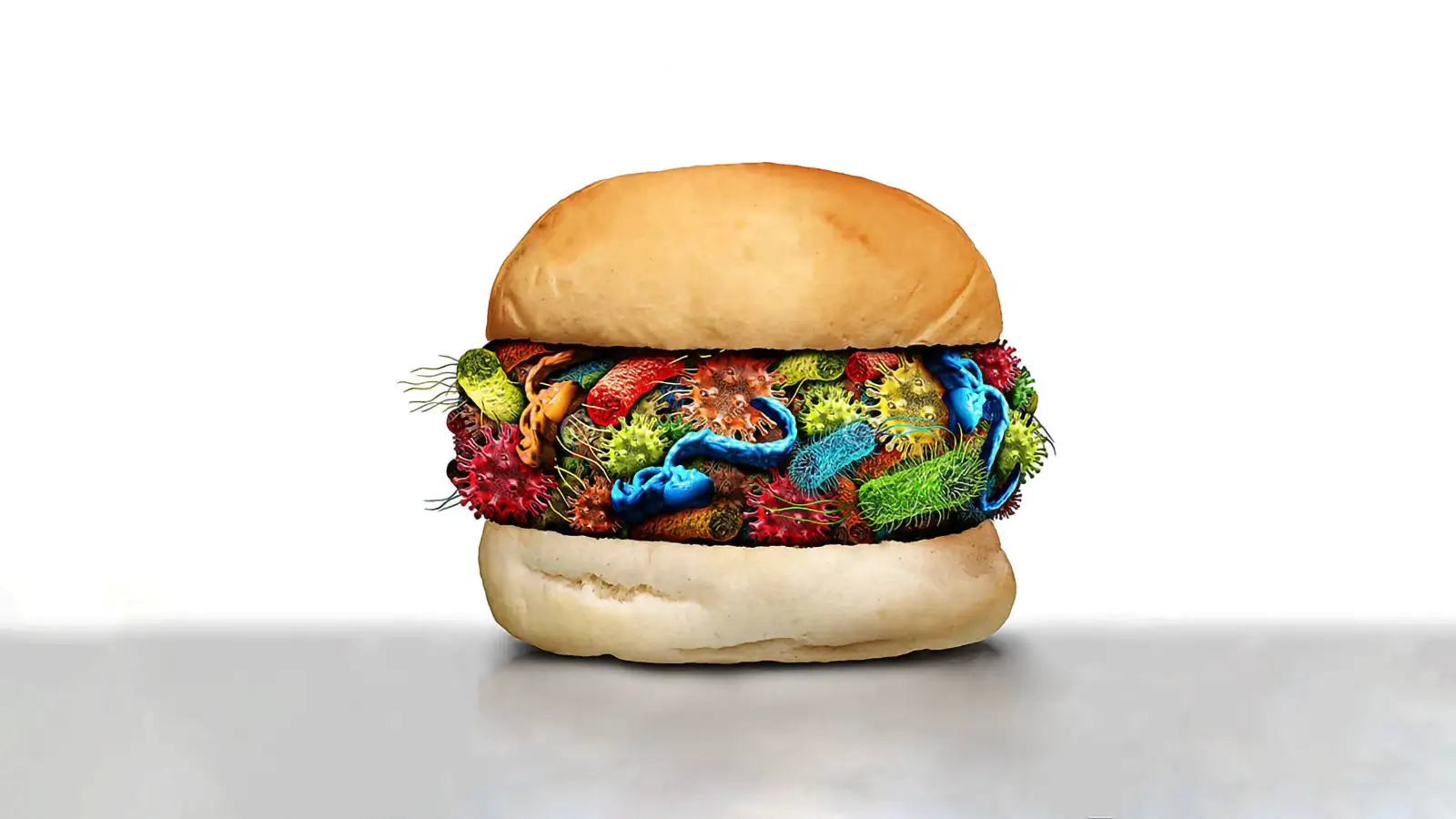
Seres humanos são onívoros, em um verdadeiro anatômica sentido? Há uma diferença fundamental na maneira como as trato digestivo trabalha em plantas vs comer carne de espécie.
Editor De Picaretas Prevenção Toxicidade
Toxicidade Ambiental- É Apenas Uma Cadeia Alimentar
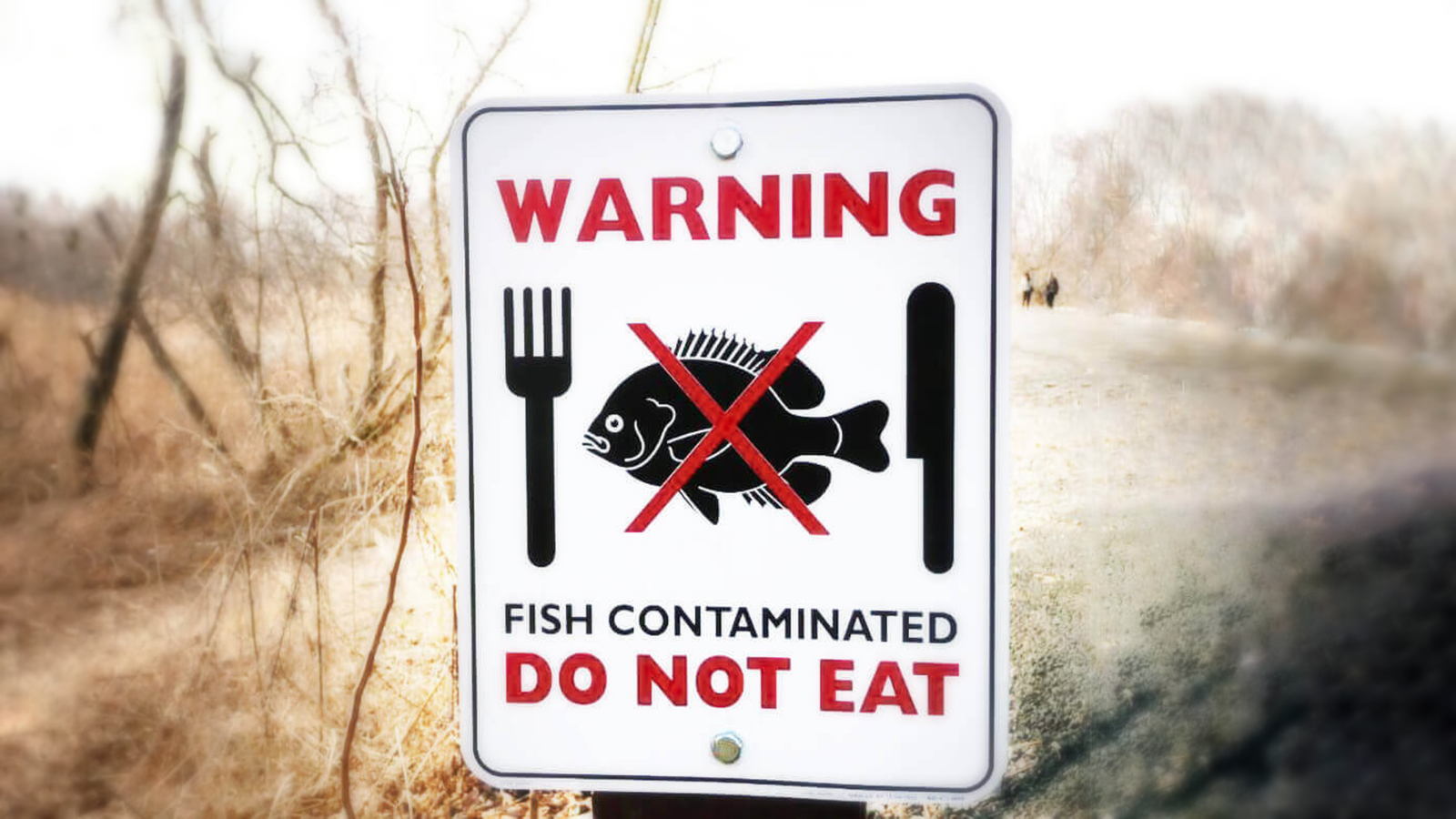
Toxicidade ambiental é a bioacumulação de toxinas. Organismos são filtros. Mas há mais ainda piores processo chamado de biomagnificação na cadeia alimentar.

Editor De Picaretas Prevenção A Dieta Vegetariana
China estudo - vegan argumento
China estudo mostrou que não há nenhuma doença cardíaca ou câncer ou diabetes em subdesenvolvido comunidades rurais em todo o mundo com base de amido de dietas veganas.
Câncer Editor De Picaretas Fitoquímicos
Poder Anticancerígeno das Frutas e Legumes: Evidências Clínicas e in Vivo
Alguns extractos vegetais rivalizam com os principais medicamentos de quimioterapia e, ao mesmo tempo, visam vários tipos diferentes de células cancerígenas.

Diabetes Editor De Picaretas Alimentação Ideal
Açúcar Refinado: Compreender os Riscos
As crianças consomem cerca de um quinto do total de suas necessidades energéticas a partir de apenas o açúcar refinado. Se somarmos a gordura e o resto da nutrição privação de alimentos processados para a lista torna-se uma nutrição completa pesadelo.
Editor De Picaretas Alimentação Ideal
Deficiência de Micronutrientes na Dieta Americana Padrão: Estratégias de Otimização
O perfil nutricional da nossa dieta moderna à base de carne, açúcar e alimentos processados é completamente incongruente com a nossa evolução, resultando numa grave deficiência de micronutrientes.
Diabetes Editor De Picaretas
A Diabetes provoca e carboidratos refinados - vegan argumento
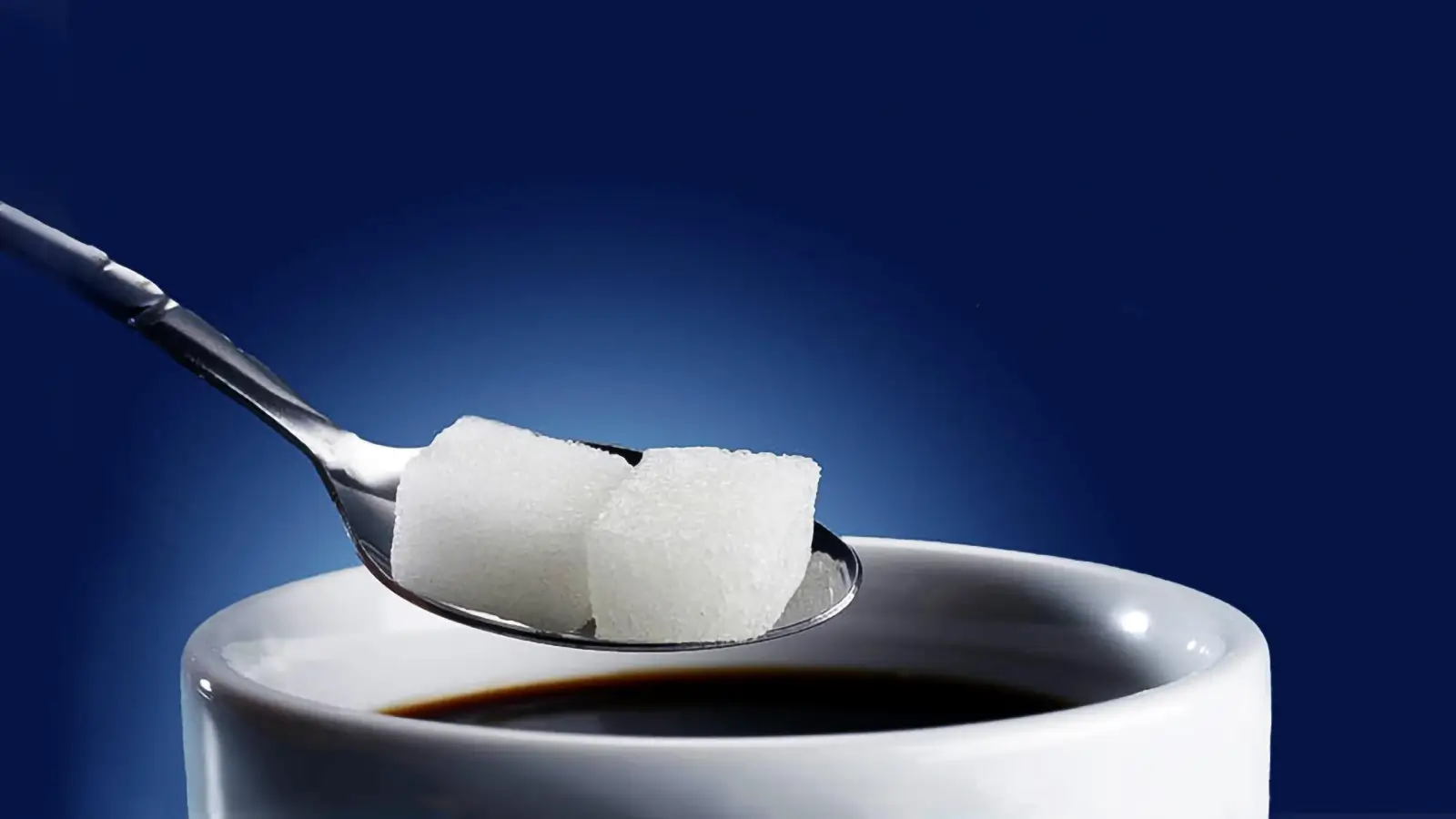
As pessoas acreditam que os carboidratos refinados estão associadas com picos de insulina e o diabetes provoca. Eles estão certos. No entanto, eles também estão errados.

Câncer Editor De Picaretas Toxicidade
Pesticidas nos Alimentos, Exposição na Dieta Americana Padrão - 80 Por Cento da Carne
A maioria dos pesticidas e, especialmente, metais pesados e outros resíduos tóxicos poluentes temos, temos de carne. Mais de 80% da exposição aos pesticidas na dieta Americana padrão vem de produtos de origem animal, não a partir de frutas ou de produtos hortícolas.
Antioxidantes Editor De Picaretas ORAC
Compreender os Valores ORAC: Níveis de Antioxidantes nos Alimentos
Quando a sua principal fonte de antioxidantes é o café, sabe que tem um problema grave.
Editor De Picaretas A Dieta Vegetariana
Deficiências de Nutrientes na Dieta Vegana: Estratégias de Prevenção
Existem nove deficiências comuns de nutrientes na escala populacional que afectam as pessoas que se alimentam de uma dieta à base de plantas. Se não forem corrigidas a tempo, algumas deficiências têm consequências terríveis e não tratáveis.
Últimas do PubMed, #dieta baseada em vegetais –
- Dietary and lifestyle quality and endometrial cancer: Incidence and survivorship outcomes-An umbrella review of systematic reviews and meta-analysespor Ruqaiya Al Ramadhani on Outubro 14, 2026
Composite dietary and lifestyle indices capture the combined effects of multiple health-related behaviours and may better reflect real-world cancer risk and survivorship than single exposures. This umbrella review aimed to evaluate and grade the strength of evidence for associations between adherence to composite dietary and lifestyle quality indices and endometrial cancer (EC) outcomes, including risk, EC-specific survival, overall survival, disease recurrence, quality of life, and new-onset…
- Sex-Specific Neurobehavioral Programming in Offspring by a Maternal High-Fat, Plant-Based Diet: A Central Role of the Hippocampuspor Emilija Djurić on Outubro 14, 2026
CONCLUSION: A long-term plant-based mHFD exerts sex-specific effects on offspring activity levels, mood regulation and cognition, which may be attributed to impaired hippocampal neurogenesis and hormonal regulation.
- Colloid mill modified zein suspension technology for plant protein rich bird food: first clutch performance compared with egg based food in fiorino canariespor Ercan Mevliyaoğulları on Outubro 13, 2026
CONCLUSIONS: EGG16 improved first-clutch egg production. ZEIN16 did not show a statistically detectable reduction in hatchability after eggs were laid, but equivalence or non-inferiority to EGG16 was not tested. ZEIN16 should therefore be positioned as a preliminary plant-protein-rich bird egg food analogue produced through colloid-mill-based zein suspension technology, rather than as a reproductive replacement for egg-based food.
- Diet-associated variation in the midgut bacterial communities of Loxostege sticticalis larvae fed botanically distinct host plantspor Dong Li on Outubro 13, 2026
INTRODUCTION: Gut microbiota can influence insect physiology and ecological interactions, but how botanically distinct host plants affect gut bacterial communities in polyphagous insects remains poorly understood.
- Exploring the Likelihood of Healthcare Students to Advise Patients on the Health Benefits of Predominantly Plant-Based Dietspor Patricia Dyett on Outubro 13, 2026
The aim of this study was to survey select healthcare students in the Americas about their likelihood to advise on health benefits of predominantly plant-based diets to noncommunicable disease patients; and to identify possible demographic, academic, and psychographic associations and predictors. The study design included targeted questions from a validated electronic questionnaire which was administered to a convenience sample of nursing and dietetics students across four university campus…
- Nutrition and Green Nephrology-not only for health but also for compensation: the water footprint and its hamburger equivalentpor Giorgina Barbara Piccoli on Outubro 13, 2026
Nutrition is recognized as a cornerstone of chronic kidney disease (CKD) prevention and management, while healthcare sustainability has become a major priority in nephrology. These two challenges converge because dietary choices influence both kidney health and the environmental footprint of care. In this narrative review, enriched by the perspectives of patients who experienced CKD, dialysis, and kidney transplantation, we discuss how nutritional interventions can simultaneously improve…