







Poder Antioxidante de las Especias: Resultados in Vivo con Dosis Realistas
El clavo, el jengibre, el romero y la cúrcuma reducen significativamente la inflamación, mientras que la pimienta negra, la cayena, la canela, el comino, el orégano, el pimentón y la cúrcuma caliente no hacen nada.
Milos Pokimica
Escrito por: Milos Pokimica
Revisado Médicamente Por: Dr. Xiùying Wáng, M.D.
Updated diciembre 21, 2025Principales Conclusiones:
- Las especias son ricas fuentes de antioxidantes y compuestos antiinflamatorios que pueden modular el estrés oxidativo y la inflamación en el organismo (Madsen et al., 1995).
- Las especias pueden ser beneficiosas para prevenir enfermedades crónicas como las cardiovasculares, la diabetes, el cáncer y los trastornos neurodegenerativos. (Yashin et al., 2017).
- El clavo, el jengibre, el romero y la cúrcuma fueron capaces de sofocar significativamente la respuesta inflamatoria in vivo, mientras que la pimienta negra, la cayena, la canela, el comino, el orégano, el pimentón, la salvia y la cúrcuma calentada no hicieron nada. (Percival et al., 2012).
- 0,3 gramos de cúrcuma tratada térmicamente pudieron reducir a la mitad los daños en el ADN (Percival et al., 2012).
Introducción.
Las especias se han utilizado durante siglos no sólo para dar sabor y aroma a los alimentos, sino también por sus propiedades medicinales. Estudios recientes han demostrado que muchas especias contienen altos niveles de antioxidantes, compuestos que protegen el organismo contra el daño de los radicales libres dañinos. Esto ha llevado a pensar que las especias pueden utilizarse como antioxidantes suplementarios por sus beneficios para la salud.
Por regla general, las especias son una de las fuentes más potentes de antioxidantes. Sin embargo, se han encontrado niveles muy altos de antioxidantes en algunas especias específicas como la cúrcuma, la canela, el jengibre y el comino (Yashin et al., 2017). La curcumina, un compuesto presente en la cúrcuma, es un potente antioxidante que puede disminuir la inflamación del organismo. La canela contiene cinamaldehído, que tiene propiedades antioxidantes y antiinflamatorias. El jengibre contiene gingerol, un compuesto con efectos antioxidantes que puede ayudar a reducir el estrés oxidativo del organismo. El comino contiene cuminaldehído, que elimina los radicales libres in vitro.
Además de sus propiedades antioxidantes, muchas especias también tienen otros beneficios para la salud (Jiang y otros, 2019). Por ejemplo, la cúrcuma tiene efectos antiinflamatorios que puede ayudar a reducir el dolor asociado a la artritis y otras afecciones inflamatorias. La canela puede ayudar a reducir los niveles de azúcar en sangre en personas diabéticas al mejorar la sensibilidad a la insulina. Se ha descubierto que el jengibre ayuda a aliviar las náuseas y los vómitos, y también puede tener efectos antiinflamatorios.
En este artículo, analizaremos algunas de las formas en que podemos utilizar las especias como suplementos para potenciar la salud y la puntuación antioxidante de nuestra dieta.
Las especias son baratas, potentes y fáciles de consumir.
Milos Pokimica
Regla de oro:
Los antioxidantes más potentes son una forma concentrada de hierbas naturales ricas en antioxidantes. Los primeros de la lista serán los aceites esenciales, los extractos de hierbas, las hierbas secas y los polvos. Luego tendremos frutos secos y superalimentos como frutas ricas en antioxidantes, frutos secos crudos, semillas y verduras. Luego habrá fruta normal y verdura normal, y al final una lista completa de productos animales que no tienen ningún valor antioxidante y son proinflamatorios.
Milos Pokimica
Especias o hierbas.
Cuando miras y bajas al lista de los alimentos más ricos en antioxidantes te darás cuenta de que la mayoría de los artículos serán diferentes especias o hierbas.
Romero, ulmaria, menta piperita, tomillo, mejorana silvestre, canela, cúrcuma, melisa, salvia, pimienta de Jamaica, orégano, etc.
La mayoría de estas especias y hierbas se utilizarán en la cocina normal, pero sólo en pequeñas cantidades y de forma esporádica.
A veces, incluso una pizca de ellos tendrá un impacto en los niveles generales de antioxidantes consumidos.
Si queremos un aumento real de nuestra ingesta de antioxidantes, siendo realistas, sería difícil hacerlo sólo con especias y hierbas. Lo que podemos hacer es utilizarlas como suplemento.
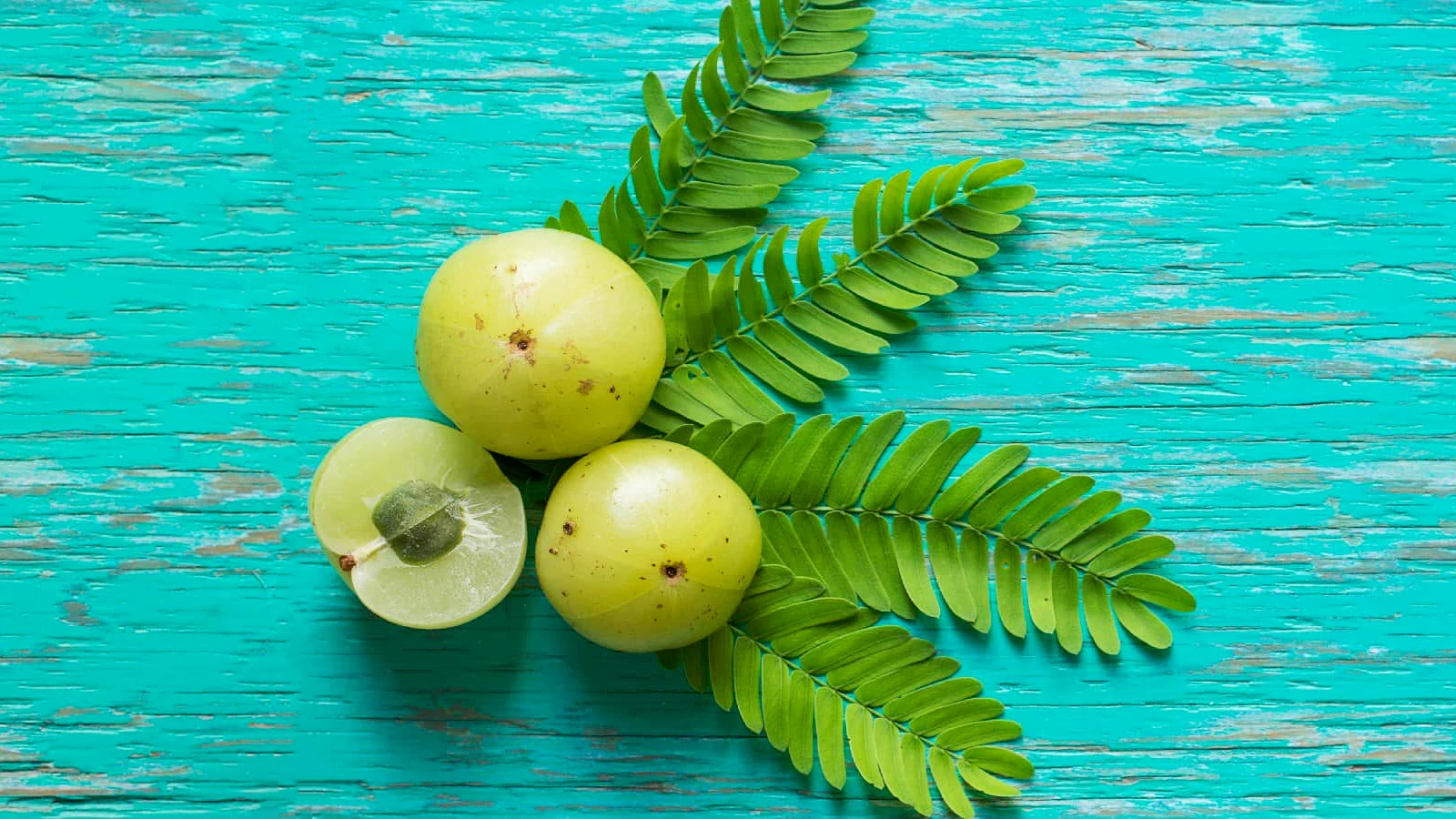
Por ejemplo, puede mezclar cúrcuma y pimienta moliday amla y tomar una cucharadita diaria con agua como suplemento. Eso será un aumento más significativo en la ingesta de antioxidantes en lugar de comer curry como especia con una comida. Hay una larga lista de especias potentes y algunas son más fuertes que otras, pero hay dudas sobre su biodisponibilidad antioxidante.
La biodisponibilidad de los antioxidantes puede mejorarse combinando determinadas especias y hierbas. Por ejemplo, combinar cúrcuma con pimienta negra podría ayudar a mejorar la absorción de la curcumina de la cúrcuma, que es uno de los principales antioxidantes de la especia. Además, combinar especias y hierbas con otros alimentos ricos en antioxidantes también puede potenciar su absorción. Esto puede hacerse preparando un batido con frutas y verduras y añadiendo una cucharadita de especias ricas en antioxidantes para potenciar el sabor y el contenido en antioxidantes. Además, consumir especias y hierbas con grasas saludables también puede ayudar a aumentar su absorción, ya que las grasas ayudan a transportar los antioxidantes al organismo.
Biodisponibilidad.
Una de las principales razones por las que el USDA eliminó la Base de datos ORAC es debido a la biodisponibilidad. La gente estaba empezando a hacer lo mismo que yo. Empezaron a hacer algo que no les gusta. Los valores ORAC empezaron a influir directamente en las decisiones de los consumidores.
Porque no todas las plantas son iguales y algunas tienen mucho más densidad de nutrientes Como no todas las plantas son iguales y algunas tienen una densidad de nutrientes mucho mayor que otras, la gente optaría por una dieta más rica en nutrientes. El problema es que toda la base de datos de valores ORAC procede de estudios in vitro que consisten simplemente en exponer una sustancia al oxígeno y medir el resultado. Esto podría no corresponderse con los efectos reales in vivo dentro de un cuerpo. Incluso si lo hace, podría causar otros problemas de salud. Un buen ejemplo de esto sería Sangre de Grado, la superestrella antioxidante número uno, que mostró un efecto mutagénico en algunas cepas de bacterias in vivo. Esto significa que Sangre de Grado podría ser un antibiótico natural que ataca sólo algunas cepas de bacterias o podría significar que es simplemente un mutágeno donde algunas bacterias son más resistentes. No lo se. Tradicionalmente se utiliza para el resfriado común, infecciones de las vías respiratorias superiores, úlceras y muchas otras afecciones. Sólo estoy utilizando esto como ejemplo para todo el campo. Es un tema muy amplio sobre el que podemos aprender más a medida que se investigue.
Esta es una de las razones por las que, en primer lugar, necesitamos una investigación exhaustiva sobre este tema. Los valores ORAC son sólo directrices iniciales. Los estudios que miden el efecto antiinflamatorio directo de las fuentes alimentarias ricas en antioxidantes son más válidos si queremos tener opciones reales. El problema es que la mayoría de estos estudios no tienen una patente al final de la investigación y además pueden entrar en competencia directa con las opciones de los consumidores. Por ejemplo, un fitoquímico extraído de Sangre de Grado fue aprobado como medicamento por la FDA para la diarrea en personas con SIDA. Alguien podría decidir tomar antioxidantes suplementarios como fuentes de alimentos integrales de estos fitoquímicos en lugar de medicamentos de las grandes farmacéuticas. Y este es un gran problema que limita la cantidad de investigación disponible.
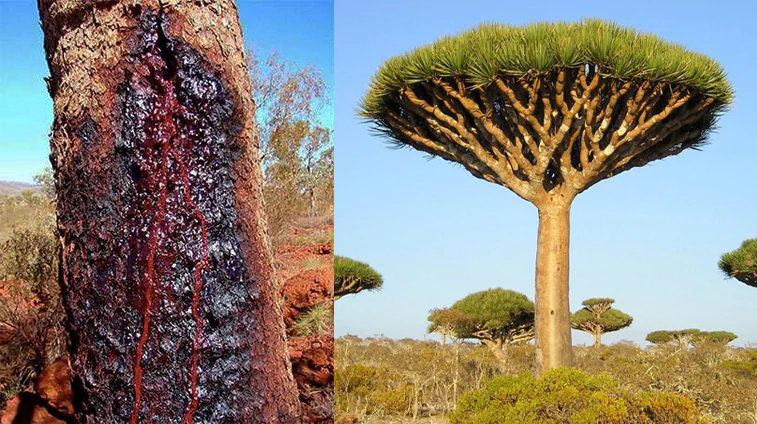
En resumen, la base de datos ORAC proporcionó un buen punto de partida para que la gente tomara decisiones informadas sobre su dieta. Sin embargo, no proporcionó información suficiente para llegar a una conclusión definitiva sobre los beneficios para la salud del consumo de determinados tipos de alimentos. Se necesitan más investigaciones y ensayos clínicos, especialmente resultados reales in vivo con sujetos humanos vivos, para comprender realmente los efectos de las fuentes de alimentos ricos en antioxidantes en el organismo. Es importante que los consumidores conozcan los limitaciones de la base de datos ORAC por sí misma y a utilizar también otras fuentes de información para tomar decisiones informadas sobre su alimentación.
Resultados in vivo.
Si queremos ver resultados reales in vivo sobre el efecto de las especias para ver qué hacen y si hacen algo en dosis que se utilizan en la cocina normal, podemos consultar algunos estudios.
En este estudio (Percival et al., 2012) alimentaron a los sujetos con diferentes tipos de especias durante una semana. La cantidad que utilizaron, y esto es muy importante, es sólo una pequeña cantidad que la gente consume en una dieta normal, como por ejemplo 0,3 gramos de clavo o hasta 2,8 gramos de jengibre.
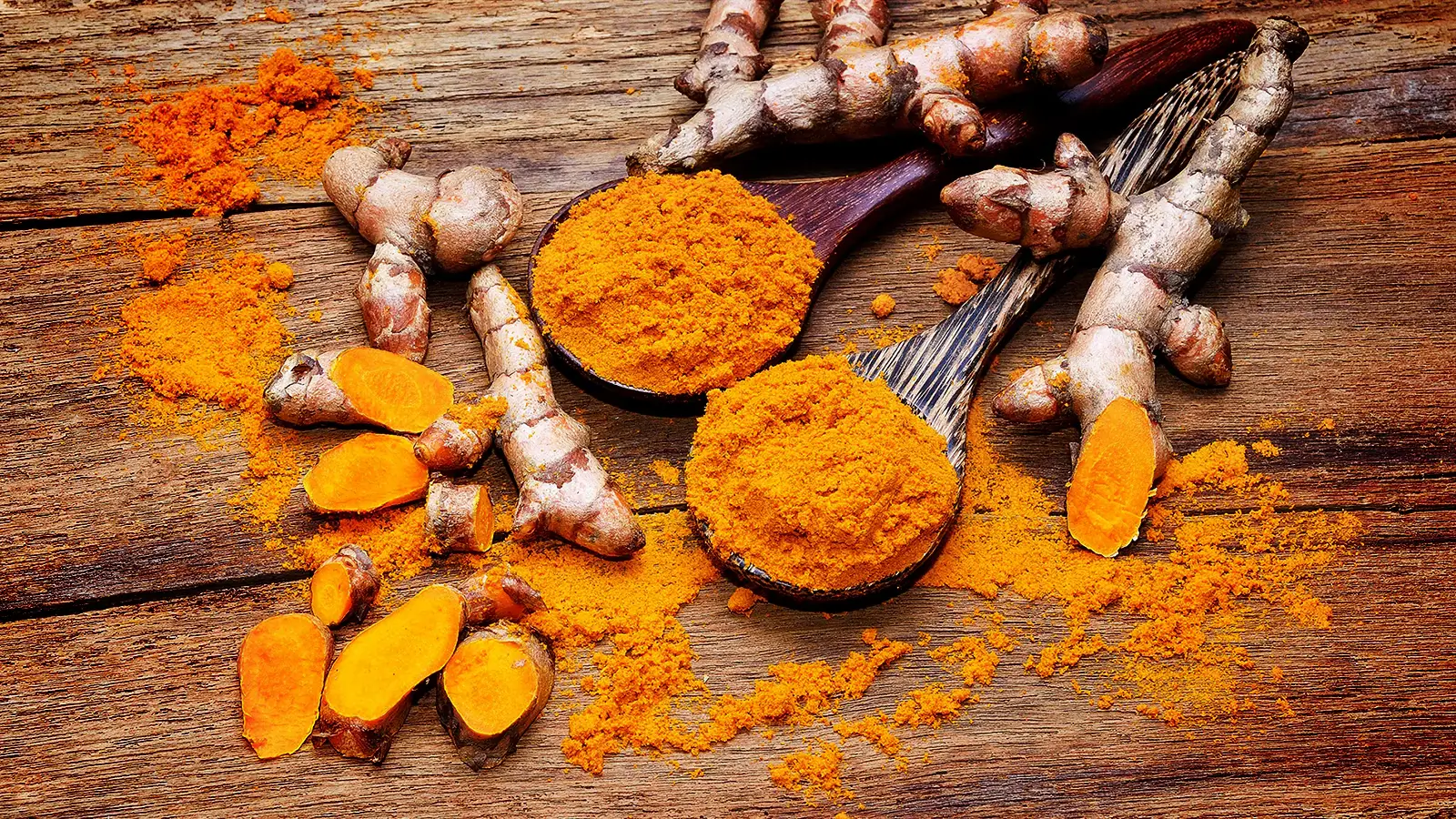
Utilizaron sólo 0,3 gramos de cúrcuma al día, 0,3 g/día de cayena, 1,7 g/día de pimentón, 1,7 g/día de canela de Saigón, 2,8 g/día de comino, orégano mediterráneo 1,1 g/día, pimienta negra 2,8 g/día, romero 2,8 g/día, salvia dálmata 1,7 g/día, clavo 0,3 g/día y jengibre 2,8 g/día. Al cabo de una semana, extrajeron sangre y la dejaron caer sobre glóbulos blancos humanos que habían sido expuestos al colesterol oxidado. A continuación, los investigadores midieron la cantidad de citoquinas inflamatorias que producían los glóbulos blancos en respuesta. Querían ver en qué medida el consumo de diferentes especias reduciría la respuesta inflamatoria y también en qué medida protegerían el ADN. Esto es lo más cerca que podemos estar de medir la influencia de algunos alimentos en la vida real, porque no se limitaron a medir el nivel de antioxidantes en la sangre o a utilizar una especia como, por ejemplo, la cúrcuma, y medir sus efectos directamente.
Utilizaron la sangre de personas que habían consumido especias en dosis realistas.
El resultado fue que el clavo, el jengibre, el romero y la cúrcuma fueron capaces de sofocar significativamente la respuesta inflamatoria, mientras que la pimienta negra, la cayena, la canela, el comino, el orégano, el pimentón, la salvia y la cúrcuma calentada no hicieron nada.
Esto sugiere que, mientras que algunas especias no tienen ningún efecto, otras como el clavo, el jengibre, el romero y la cúrcuma pueden tener un efecto significativo en la reducción de la inflamación. Esto ocurre incluso cuando se consumen en cantidades que se encuentran en una dieta normal. Esto podría ser beneficioso para quienes padecen inflamación crónica, ya que el consumo de estas especias podría ayudar a reducir la inflamación del organismo.
Daños en el ADN.
También midieron el impacto en el daño del ADN.
El pimentón, el romero, el jengibre, la cúrcuma tratada térmicamente, la salvia y el comino protegieron contra las roturas de la cadena de ADN.
Esto no significa automáticamente que otras especias sean inútiles y no biodisponibles. Existe la posibilidad de que
. Esto significa dos cosas, que puede que no sean biodisponibles o que las dosis eran bajas para provocar un efecto.
En lo que respecta a la protección del ADN en condiciones normales, las personas tendrán entre un 7 y un 10 por ciento de su ADN dañado en muestras de tejido. El cuerpo repara los daños todo el tiempo y se considera normal que entre 7 y 10 células de cada 100 tengan algo de ADN dañado. Normalmente, las personas que tienen una mala dieta tienen alrededor del 10 por ciento. En el estudio, el jengibre ha reducido esta cifra de 10 a 8, el romero a 7 y la cúrcuma a 4,5.
Sólo una pequeña pizca de 0,3 gramos de cúrcuma fue capaz de reducir a la mitad los daños en el ADN. La cúrcuma cruda no mostró ningún efecto, mientras que el efecto antiinflamatorio fue exactamente el contrario. La cúrcuma tratada térmicamente no mostró ningún efecto sobre la inflamación, mientras que el polvo crudo sí lo hizo. Parece que deberíamos consumir ambas formas de cúrcuma. Este resultado significa que los antioxidantes y en este caso las especias y especialmente la cúrcuma tienen la capacidad de prolongar la vida.
En conclusión, los resultados de este estudio demuestran que las especias y las hierbas pueden ser muy poderosas para proteger nuestras células de los daños. Consumiendo la cantidad y el tipo adecuados de especias, podemos protegernos de los daños en el ADN y reducir la inflamación. Esto puede ayudarnos a mantener las células sanas y prolongar nuestra vida. También es importante tener en cuenta que no todas las especias tienen el mismo efecto y que la forma en que se consumen también puede marcar la diferencia. Por lo tanto, es importante elegir las especias adecuadas y consumirlas en la forma correcta para obtener el máximo beneficio.
Mezcla básica.
Cuando empecé a incorporar estos conocimientos a mi vida, empecé con una mezcla básica de cúrcuma en polvo y pimienta negra molida. No tomaba ningún suplemento, sólo utilizaba cúrcuma molida en polvo que compraba en una tienda de alimentos naturales. Al principio era lo único que hacía. Cada mañana tomaba una cucharadita de mezcla de cúrcuma y pimienta negra. Más tarde, cuando aprendí más sobre nutrición, empecé a cambiar algunas de mis decisiones sobre la comida. Ya he estado comiendo principalmente vegano dieta saludable de alimentos integrales, pero todavía me las arreglé para aumentar sustancialmente el nivel de antioxidantes que consumo.
Para las personas que no quieren hacer esto y que todavía quieren comer aceite y carne y azúcar y todo el resto de los alimentos poco saludables, un paso fácil será hacer lo que yo hice.
Sólo tienes que ir a la tienda de alimentos saludables y conseguir un poco de cúrcuma.
Mezcla básica más potente.
El siguiente paso para mí fue añadir otras fuentes potentes a la receta.
La cantidad de cúrcuma que podemos consumir sin peligro no es tan grande. El límite superior es de unos 10 gramos al día porque tiene grandes cantidades de ácido oxálico biodisponible. El límite superior seguro para la mayoría de las personas es de 10 gramos, pero 5 gramos es una dosis óptima.
Para aumentar la potencia de la receta sin aumentar la cúrcuma a niveles poco saludables añadí otros antioxidantes a la mezcla que se encontró que disminuyen la inflamación en el estudio al que hice referencia. También añadí jengibre seco, romero y clavo de olor que compré en una tienda de alimentos naturales.
Mi receta.
Esta fue mi receta durante un par de años hasta que descubrí la investigación sobre el amla y entonces añadí también el amla.
Esto no significa que usted debe hacer esto si usted es feliz con sólo la cúrcuma luego ir con eso o usted puede hacer su receta. Esta es la mezcla que he creado basado en estudios clínicos para mí. Yo personalmente sólo uso amla porque no sé la fuente de la mayoría de los suplementos dietéticos a base de hierbas ayurvédicas que compraría. Lamentablemente, uno de cada cinco suplementos dietéticos ayurvédicos a base de hierbas, incluyendo Triphala, fueron encontrados contaminados con plomo, mercurio o arsénico. El amla o grosella espinosa india no está contaminada, al igual que la cúrcuma, por lo que sólo utilizaré estos dos productos que sé que son seguros. Además de la grosella espinosa india, el Triphala contiene otras dos especias medicinales indias.
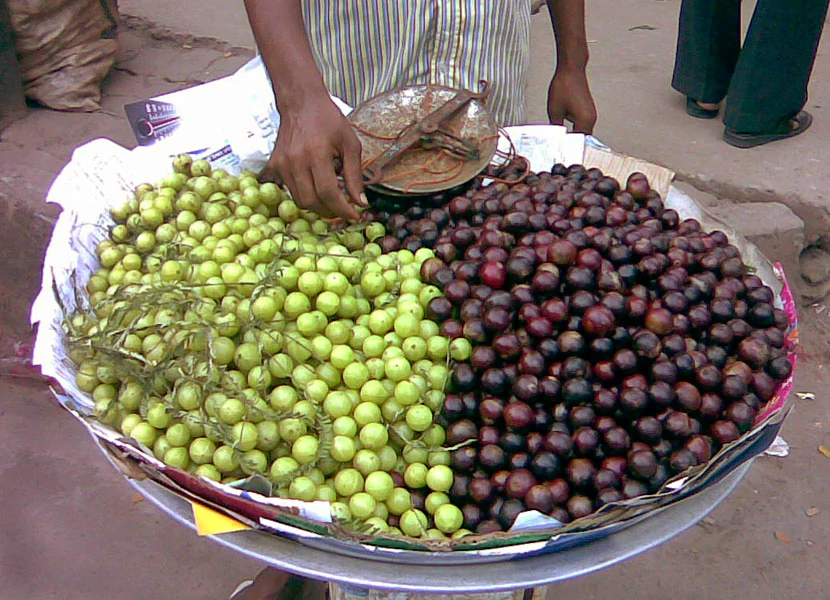
Hoy tomo de 10 a 15 gramos de esta mezcla cada mañana y esto me dará un valor de alrededor de 5.000 a 10.000 unidades ORAC. Una cucharada de esta mezcla tendrá más antioxidantes que lo que el americano medio que come un dieta americana estándar consumirá en toda una semana. Además de antioxidantes, contiene otros fitoquímicos con propiedades beneficiosas para el sistema inmunitario, la función cognitiva y la función endocrina. Al tratarse de una mezcla de alimentos integrales, también se produce un efecto de sinergia alimentaria.
Lo mejor de todo es que puedes hacer este "suplemento" tú mismo y es baratísimo.
Si no quieres hacer nada con respecto a tu salud y tu dieta y no quieres cambiar nada, entonces haz esta única cosa. Le beneficiará más que cualquier otra intervención sanitaria. Lo peor de todo es el sabor. Es muy desagradable. La forma en que yo lo hago es ponerlo directamente en mi boca y luego yo beber agua y tragar. He intentado mezclarlo con zumo, agua o té, pero no ha servido de nada. Tan pronto como entra en contacto con cualquier tipo de líquido, comienza a absorberlo y luego se abulta y libera todo su sabor en ese líquido, lo que lo hace aún peor.
Después de crear esta forma de la mezcla de hierbas rica en antioxidantes, creé otras más avanzadas y también mucho más caras. En mi opinión para la mayoría de la población, esta mezcla será suficiente.
Todos usamos especias para cocinar, pero ¿sabías que pueden ser una gran herramienta para incorporar más polifenoles beneficiosos a tu dieta? Así es, ¡con sólo una cucharadita puedes hacer mucho por tu salud! El Dr. Gundry comparte qué especias necesita y los increíbles beneficios que pueden aportar a su vida.
Parte de la serie de conferencias Ernest Rosenbaum sobre supervivencia al cáncer. Se ha demostrado que las hierbas y las especias aportan numerosos beneficios para la salud, desde reforzar la inmunidad hasta controlar el azúcar en sangre, facilitar la digestión, reducir la presión arterial y aliviar el dolor articular. Ponente: Alison Ryan, RD, MS, CSO, CSNC
Conclusión:
- Los antioxidantes más potentes son una forma concentrada de hierbas naturales ricas en antioxidantes.
- La mayoría de estas especias y hierbas se utilizarán en la cocina normal, pero sólo en pequeñas cantidades y de forma esporádica.
- A veces, incluso una pizca de ellos tendrá un impacto en los niveles generales de antioxidantes consumidos.
- Podemos utilizar especias como complemento.
- Los valores ORAC son sólo orientativos.
- Los estudios que miden el efecto antiinflamatorio directo de las fuentes alimentarias ricas en antioxidantes in vivo son más válidos si queremos tener opciones reales.
- El clavo, el jengibre, el romero y la cúrcuma sofocan significativamente la respuesta inflamatoria.
- La pimienta negra, la cayena, la canela, el comino, el orégano, el pimentón, la salvia y la cúrcuma calentada no muestran efectos antiinflamatorios en dosis de cocción realistas.
- El pimentón, el romero, el jengibre, la cúrcuma tratada térmicamente, la salvia y el comino protegen contra las roturas de la cadena de ADN.
- 0,3 gramos de cúrcuma tratada térmicamente fueron capaces de reducir a la mitad los daños en el ADN.
- La cúrcuma tratada térmicamente no mostró ningún efecto sobre la inflamación, mientras que el polvo crudo sí lo hizo.
- Empezamos con una mezcla básica de cúrcuma en polvo cruda y pimienta negra molida y añadimos un poco de cúrcuma al cocinar.
- La cantidad de cúrcuma que podemos consumir sin peligro no es tan grande.
- Mi receta más avanzada pero aún básica: cúrcuma, pimienta negra, jengibre, romero, clavo y amla.
- Puede elaborar su receta con seguridad añadiendo otras hierbas medicinales a la lista.
- Tomo de 10 a 15 gramos de esta mezcla cada mañana antes de la comida con un aceite esencial mezcla que hago para aumentar la potencia y la biodisponibilidad.
- Una cucharada de esta mezcla tendrá más antioxidantes que lo que un estadounidense medio que siga una dieta americana estándar consumirá en toda una semana.
- Se trata de una mezcla de alimentos integrales con otros fitoquímicos.
- También habrá un efecto de sinergia alimentaria.
- Hay formales y suplementos más avanzados, pero mucho más caros.
- Este "suplemento" lo puedes hacer tú mismo y es baratísimo.
Preguntas Frecuentes
Referencias:
Pasajes seleccionados de un libro: Pokimica, Milos. Go Vegan? Examen de Ciencias de la Parte 3. Edición Kindle, Amazon, 2020.
- Percival, S. S., Vanden Heuvel, J. P., Nieves, C. J., Montero, C., Migliaccio, A. J., & Meadors, J. (2012). Bioavailability of herbs and spices in humans as determined by ex vivo inflammatory suppression and DNA strand breaks. Revista del Colegio Americano de Nutrición, 31(4), 288-294. https://doi.org/10.1080/07315724.2012.10720438
- Carlsen, M. H., Halvorsen, B. L., Holte, K., Bøhn, S. K., Dragland, S., Sampson, L., Willey, C., Senoo, H., Umezono, Y., Sanada, C., Barikmo, I., Berhe, N., Willett, W. C., Phillips, K. M., Jacobs, D. R., Jr, & Blomhoff, R. (2010). El contenido total de antioxidantes de más de 3100 alimentos, bebidas, especias, hierbas y suplementos utilizados en todo el mundo. Nutrition journal, 9, 3. https://doi.org/10.1186/1475-2891-9-3
- Yashin, A., Yashin, Y., Xia, X. y Nemzer, B. (2017). Actividad antioxidante de las especias y su impacto en la salud humana: una revisión. Antioxidantes (Basilea, Suiza), 6(3), 70. https://doi.org/10.3390/antiox6030070
- Lopes, M. I., Saffi, J., Echeverrigaray, S., Henriques, J. A., & Salvador, M. (2004). Mutagenic and antioxidant activities of Croton lechleri sap in biological systems. Revista de etnofarmacología, 95(2-3), 437-445. https://doi.org/10.1016/j.jep.2004.08.025
- Madsen, H. B., & Bertelsen, G. (1995). Spices as antioxidants. Tendencias en ciencia y tecnología de los alimentos, 6(8), 271-277. https://doi.org/10.1016/s0924-2244(00)89112-8
- Yashin, A., Yashin, Y., Xia, X. y Nemzer, B. (2017). Actividad antioxidante de las especias y su impacto en la salud humana: una revisión. Antioxidantes (Basilea, Suiza), 6(3), 70. https://doi.org/10.3390/antiox6030070
- Paur, I., Carlsen, M. H., Halvorsen, B. L., et al. (2011). Antioxidants in herbs and spices: Roles en el estrés oxidativo y la señalización redox. En I. F. F. Benzie & S. Wachtel-Galor (Eds.), Medicina herbal: Aspectos biomoleculares y clínicos (2ª ed.). CRC Press/Taylor & Francis. https://doi.org/10.1201/b10787
- Embuscado, M. E. (2015). Hierbas y especias como antioxidantes para la conservación de alimentos. En Libros electrónicos de Elsevier (pp. 251-283). https://doi.org/10.1016/b978-1-78242-089-7.00011-7
- Liao, H., Banbury, L. K., & Leach, D. N. (2008). Antioxidant activity of 45 Chinese herbs and the relationship with their TCM characteristics. Medicina complementaria y alternativa basada en la evidencia : eCAM, 5(4), 429-434. https://doi.org/10.1093/ecam/nem054
- Shobana, S., & Naidu, K. A. (2000). Antioxidant activity of selected Indian spices. Prostaglandinas, leucotrienos y ácidos grasos esenciales, 62(2), 107-110. https://doi.org/10.1054/plef.1999.0128
- Saxena, R., Venkaiah, K., Anitha, P., Venu, L., & Raghunath, M. (2007). Antioxidant activity of commonly consumed plant foods of India: contribution of their phenolic content. Revista internacional de ciencias de la alimentación y nutrición, 58(4), 250-260. https://doi.org/10.1080/09637480601121953
- Jiang T. A. (2019). Beneficios para la salud de las hierbas y especias culinarias. Revista de la AOAC Internacional, 102(2), 395-411. https://doi.org/10.5740/jaoacint.18-0418
Contenidos Relacionados
¿Tienes alguna duda acerca de la nutrición y la salud?
Me encantaría conocer tu opinión y responderlas en mi próximo post. Agradezco su aportación y opinión y espero tener noticias suyas pronto. También le invito a síguenos en Facebook, Instagram y Pinterest para más contenidos sobre dieta, nutrición y salud. Puedes dejar un comentario allí y conectar con otros entusiastas de la salud, compartir tus consejos y experiencias, y recibir apoyo y ánimo de nuestro equipo y nuestra comunidad.
Espero que este post le haya resultado informativo y ameno y que esté preparado para aplicar los conocimientos adquiridos. Si le ha resultado útil, por favor compártelo con tus amigos y familiares que también podrían beneficiarse de ella. Nunca se sabe quién puede necesitar orientación y apoyo en su camino hacia la salud.
– También Te Puede Interesar –

Estudio de Salud adventista - Los veganos argumento

La Anatomía de Cáncer de riesgo para la Salud de las correlaciones

El trastorno de atracones compulsivos - La psicología de hambre
Enjuague Bucal Natural Casero: Probado, Más Fuerte y Menos Tóxico
La Exposición al Arsénico y el Consumo de Arroz- El Más Tóxico de Grano de Todos Ellos

La historia de Big Pharma - IG Farben
Obesidad Factores De Riesgo

El Informe McGovern - Intereses especiales y supresión de la ciencia

Aprenda Sobre Nutricion

Milos Pokimica es doctor en medicina natural, nutricionista clínico, escritor sobre salud médica y nutrición y asesor en ciencias de la nutrición. Autor de la serie de libros Go Vegan? Revisión de la Ciencia, también dirige el sitio web sobre salud natural GoVeganWay.com.
Descargo De Responsabilidad Médica
GoVeganWay.com trae los comentarios de la última de la nutrición y la salud relacionados con la investigación. La información proporcionada representa la opinión personal del autor y no pretende ni implica ser un sustituto de consejo médico profesional, diagnóstico o tratamiento. La información proporcionada es sólo para fines informativos y no pretende servir como un sustituto de la consulta, el diagnóstico y/o tratamiento médico de un médico calificado o profesional de la salud.NUNCA ignore el CONSEJO MÉDICO PROFESIONAL O RETRASAR la BÚSQUEDA de TRATAMIENTO MÉDICO a CAUSA DE ALGO QUE HAYA LEÍDO EN O accesibles a TRAVÉS de GoVeganWay.com
NUNCA APLICAR CUALQUIER cambio de ESTILO de vida O CAMBIOS EN su totalidad COMO UNA CONSECUENCIA DE ALGO QUE HA LEÍDO EN GoVeganWay.com ANTES de CONSULTAR con LICENCIA PROFESIONAL MÉDICO.
En el caso de una emergencia médica, llame a un médico o al 911 inmediatamente. GoVeganWay.com no se recomienda ni aprueba ninguna de los grupos, las organizaciones, las pruebas, los médicos, productos, procedimientos, opiniones u otra información que pueda ser mencionado en el interior.
Selecciones del Editor -
El cáncer Editor De Selecciones Fitoquímicos
Poder Anticancerígeno de Frutas y Verduras: Pruebas Clínicas e in Vivo
Algunos extractos vegetales rivalizan con los principales fármacos quimioterapéuticos y, al mismo tiempo, atacan varios tipos diferentes de células cancerosas.
Antioxidantes Editor De Selecciones ORAC
Aceites Esenciales Como Suplementos Antioxidantes: Reglas y Estrategias
Los aceites esenciales de calidad alimentaria pueden ser una estrategia cómoda y de fácil consumo para optimizar el valor antioxidante y las puntuaciones ORAC de nuestra dieta.
Antioxidantes Editor De Selecciones ORAC
Dieta Rica en Antioxidantes: Reglas y Estrategias Generales
Existen estrategias fáciles y rentables para optimizar el valor antioxidante de nuestra dieta.
Antioxidantes Editor De Selecciones ORAC
Comprender los Valores ORAC: Niveles de Antioxidantes en los Alimentos
Cuando tu principal fuente de antioxidantes es el café, sabes que tienes un grave problema.

Antioxidantes Editor De Selecciones ORAC
Astaxantina Beneficios: Antioxidante Natural Más Potente del Mundo
La astaxantina es el más potente y natural antioxidante universal (petróleo y agua-soluble) que conoce la ciencia. Se acumula en los tejidos y nunca puede convertirse en un pro-oxidante.
Antioxidantes Editor De Selecciones ORAC Fitoquímicos
Antioxidantes: Conceptos Básicos
Los productos de origen animal no contienen fitoquímicos ni antioxidantes. Por término medio, los alimentos vegetales contienen más de 60 veces más antioxidantes que los de origen animal.
Editor De Selecciones Dieta Vegana
Deficiencias Nutricionales en la Dieta Vegana: Estrategias de Prevención
Existen nueve deficiencias nutricionales comunes a escala poblacional que afectan a las personas que siguen una dieta basada en plantas. Si no se corrigen a tiempo, algunas deficiencias tienen consecuencias terribles y no tratables.
Editor De Selecciones Dieta Óptima
Deficiencia de Micronutrientes en la Dieta Americana Estándar: Estrategias de Optimización
El perfil nutricional de nuestra dieta moderna a base de carne, azúcar y alimentos procesados es totalmente incongruente con nuestra evolución, lo que provoca una grave carencia de micronutrientes.
Editor De Selecciones Fitoquímicos
Fitoquímicos: Conceptos Básicos
Todos y cada uno de los fitoquímicos que existen tienen una acción biológica en el cuerpo humano. Cada uno de los millones de fitoquímicos diferentes.
Editor De Selecciones La leche Dieta Óptima
Leche y Productos Lácteos: Correlaciones de Riesgo Para la Salud
Las asociaciones conocidas con el consumo de leche y productos lácteos son infertilidad, cáncer de ovario y de mama, leucemia, diabetes de tipo 1, autismo, arteriosclerosis, cataratas, artritis reumatoide, esclerosis múltiple, hiperactividad, congestión, granos...
El cáncer Editor De Selecciones La proteína
Proteína Completa: Señalización del IGF-1 en la Formación del Cáncer
Cuando usted come proteínas animales que tienen cuatro veces más probabilidad de desarrollar todos los tipos de cáncer. Cuando usted fuma, usted tiene cuatro veces la posibilidad de desarrollar cáncer de pulmón.

El cáncer Editor De Selecciones La proteína
La Anatomía de Cáncer de riesgo para la Salud de las correlaciones
Aproximadamente el 2% de los cánceres son por la medicina considera puramente causada por factores genéticos. De la misma gama como dentro del reino animal. No le han dicho toda la verdad.
Milos Pokimica es escritor especializado en salud y nutrición y asesor en ciencias nutricionales. Autor de la serie de libros Go Vegan? Revisión de la Ciencia, también dirige el sitio web sobre salud natural GoVeganWay.com.
Últimos Artículos –
La Restricción De Calorías La longevidad
Cómo Ayunar: Alimentos en Ayunas Que No Rompen la Autofagia
Autofagia. ¿Se ha preguntado alguna vez qué ocurre con las células de su cuerpo cuando mueren o se dañan? ¿Se amontonan y crean problemas, o se eliminan de alguna manera? La respuesta es que su cuerpo...
Salud Dental Prevención
Dolor y Sensibilidad a los Dulces: Solución Rápida y Duradera
Una solución rápida y fácil para aliviar el dolor es el aceite esencial de clavo, un potente antioxidante y analgésico que puede ayudar con las enfermedades de las encías y el dolor de muelas.
Los frijoles
Judías Verdes: Nutrición y Beneficios Para la Salud
Los frijoles verdes son bajos en calorías y ricos en compuestos naturales que pueden ayudar a controlar su azúcar en la sangre, reducir el colesterol y combatir los radicales libres.
Dieta de alimentos crudos Dieta Vegana
Se Pueden Comer Setas Crudas: Riesgos Para La Salud, Nutrición Y Seguridad
Las setas tienen toxinas sensibles al calor, como la hidracina o la agaritina, y paredes celulares compuestas de quitina que el ser humano no puede digerir bien.

Dieta Vegana
¿Son Los Peces Animales? Una Perspectiva Cultural
En algunas culturas, la carne de pescado no se considera carne, y el pescado está permitido incluso durante el ayuno.
Salud Dental Prevención
Enjuague Bucal Natural Casero: Probado, Más Fuerte y Menos Tóxico
El enjuague bucal natural hecho en casa es más fuerte que la clorhexidina, menos tóxico y si se ingiere puede dar un poco de náuseas, pero también un alto estallido en el valor ORAC.
Salud Dental Prevención
Cómo Detener la Caries Dental: Síntomas, Causas y Prevención
El consumo de azúcar es la principal causa de caries y deterioro dental, combinado con carencias de minerales, especialmente magnesio, zinc, cobre y oligoelementos.
Antioxidantes Superalimentos
Amla: Beneficios Probados, Nutrición e Importancia Clínica
El amla es uno de los antioxidantes más potentes del mundo, con una puntuación ORAC de 261.530. Es una rica fuente de fitoquímicos que tienen diversos beneficios para la salud. Es una rica fuente de fitoquímicos que tienen diversos beneficios para la salud.
Top Noticias De Salud — ScienceDaily
- Glucosamine, a popular joint supplement, linked to faster Alzheimer’s progressionen septiembre 27, 2026
A large health-record analysis found that glucosamine use was associated with a 25% higher likelihood of mild cognitive impairment progressing to dementia. Lab experiments suggest the popular joint supplement may intensify an abnormal sugar-tagging process in the Alzheimer’s brain, although researchers say clinical trials are needed to determine whether it actually causes harm.
- Atrial fibrillation patients saw 69% lower risk with common blood thinnersen septiembre 27, 2026
Direct oral anticoagulants cut the risk of serious clinical events by 69% in atrial fibrillation patients with an intermediate risk of stroke, according to the randomized SINGLE-AF trial. The benefit was driven mainly by fewer ischemic strokes, with no increase in major bleeding.
- One CRISPR treatment cut “bad” cholesterol in half for a full yearen septiembre 27, 2026
A single dose of an experimental CRISPR therapy cut LDL cholesterol and triglycerides by about half in patients with difficult-to-treat lipid disorders. The reductions were still present one year later, with the highest dose lowering LDL by 52.5% and triglycerides by 47.8%.
- Why rheumatoid arthritis pain may persist even when inflammation is under controlen septiembre 27, 2026
Pain and fatigue in rheumatoid arthritis can persist even after inflammation improves, with depression, poor sleep, obesity, smoking, and chronic pain potentially helping sustain symptoms. Researchers say identifying these hidden drivers could prevent unnecessary medication changes and lead to more personalized treatment.
- Scientists say house cats could help unlock better cancer treatments for humansen septiembre 27, 2026
Scientists have mapped the genetics of cat cancer on an unprecedented scale and found surprising similarities with tumors in humans. The findings could help bring precision cancer treatments to cats while also revealing new clues about how human cancers develop and respond to drugs.
- A major risk of breast cancer screening may have been overestimated for decadesen septiembre 26, 2026
A new analysis suggests mammograms may lead to far less breast cancer overdiagnosis than some earlier studies indicated. Researchers reexamined all eight major randomized screening trials and accounted for differences in follow-up time, screening frequency, and screening after trials ended. Their results were consistent with an overdiagnosis rate below 5%, rather than estimates approaching 30% to 50%.
- That fresh cleaning smell could be filling your home with nanoparticlesen septiembre 26, 2026
Researchers found that scented cleaners can react with ozone indoors to create billions or trillions of invisible nanoparticles that can penetrate deep into the lungs. The pollution forms within minutes and, in some cases, may produce an inhaled particle dose comparable to or greater than standing near heavy traffic.
PubMed, #Dieta vegana –
- Plant-Based Diets in Adolescence: Cardiometabolic Benefits, Developmental Risks, and the Role of Fortificationen septiembre 26, 2026
Adolescence is a critical window in which dietary patterns stabilise while nutrient requirements remain high to support growth, bone accrual, and neurodevelopment. Plant-based diets are increasingly adopted by young people, yet paediatric evidence indicates that they should not be treated as a single exposure, because diet quality substantially modifies both benefits and risks. Healthy plant-based patterns-rich in whole grains, legumes, fruits, vegetables, nuts, and unsaturated fats-are…
- Plant-Based Functional Custard Enriched with Vitamin D3: Insight into Technological Properties, Nutrition and Bone Tissue Regenerationen septiembre 26, 2026
A plant-based or vegan diet is considered one of the most important dietary patterns, often followed for religious or health reasons. It should contain vital nutrients such as protein, iron, zinc, calcium, vitamin D, and others. The objective of this study was to produce a plant-based food product with high nutritional value (vegan custard, VC) and fortify it with vitamin D(3) (vegan custard + D(3)). Thirty-five female albino rats, with an average body weight of 160 ± 5 g, were divided […]
- Dietary Patterns, Micronutrient Adequacy, and Metabolic Vulnerability in Alzheimer’s Disease: A Critical Narrative Reviewen septiembre 26, 2026
Dietary factors may influence cognitive aging and Alzheimer’s disease (AD), but observational associations, mechanistic findings, and intervention effects should not be considered equivalent evidence. This critical narrative review examines how dietary patterns, micronutrient adequacy, and metabolic health may modify AD-related vulnerability. A targeted search of PubMed/MEDLINE, Scopus, and Web of Science through April 2026 prioritized systematic reviews, meta-analyses, randomized trials, and…
- A Structured Narrative Review of Contemporary Dietary Strategies Following Acute Coronary Syndromesen septiembre 24, 2026
CONCLUSIONS: A Mediterranean-style diet remains the dietary pattern supported by the strongest evidence for secondary prevention following ACS. Until further pragmatic randomized trials are available, clinicians should continue recommending Mediterranean-style dietary patterns while individualising dietary advice according to patient preferences, cultural practices, and long-term adherence.
- Toward International Dietary Guidance: A Food Guide Pyramid for Human and Planetary Healthen septiembre 23, 2026
Dietary guidelines shape food policy, education, and food systems worldwide. Recent controversies in dietary guideline development, together with rising burdens of diet-related chronic disease and increasing environmental pressures, highlight the need for globally relevant dietary guidance aligned with both human and planetary health. We developed an evidence-informed International Food Guide Pyramid emphasizing optimal carbohydrate-containing staple foods. The International Carbohydrate […]
Random Posts –

La Medicina Alopática Editor De Selecciones
La Medicina alopática - El Surgimiento de una Industria
El saldo de las secciones médicas se mantuvo igual a la vuelta del siglo 20, cuando los nuevos tratamientos médicos se supo que eran potencialmente muy rentable.
El cáncer La inflamación Toxicidad
El Alcohol riesgos para la salud - La "paradoja francesa", "el vino", y "en moderación"
De alguna manera creemos que un vaso de vino no es tan malo, o peor aún, creemos en el mito de que el alcohol es beneficioso para la salud gracias a los antioxidantes de la uva.

Dieta de alimentos crudos
Dieta de alimentos crudos - La perspectiva evolutiva
La creencia básica en la comunidad de los alimentos crudos es que una dieta de alimentos crudos es la forma más natural y saludable de vivir. ¿Qué nos dice la biología evolutiva?
La Restricción De Calorías La longevidad
Cómo Ayunar: Alimentos en Ayunas Que No Rompen la Autofagia
Autofagia. ¿Se ha preguntado alguna vez qué ocurre con las células de su cuerpo cuando mueren o se dañan? ¿Se amontonan y crean problemas, o se eliminan de alguna manera? La respuesta es que su cuerpo...

Editor De Selecciones La Dieta Paleo Dieta Vegana
Vegano Neandertales? La verdad acerca de la dieta de los Neandertales
Una representación típica de los neandertales los imagina matando al mamut lanudo. Sin embargo, una placa dental cuenta una historia diferente sobre la dieta neandertal.
Los frijoles
Judías Verdes: Nutrición y Beneficios Para la Salud
Los frijoles verdes son bajos en calorías y ricos en compuestos naturales que pueden ayudar a controlar su azúcar en la sangre, reducir el colesterol y combatir los radicales libres.
Dieta Óptima Prevención Dieta Vegana
Dieta mediterránea- "Maravilla" de aceite de oliva
Comercializada como una maravilla del aceite de oliva, la dieta mediterránea no tiene nada que ver con ningún tipo de aceite, salvo en la medida en que puede sustituir a la mantequilla y la manteca de cerdo.

Editor De Selecciones Dieta Óptima
Dieta Humana Optima- Enfermedades Crónicas, Guerras de Dietas y el Argumento Vegano
Nuestra dieta humana óptima natural es la dieta que comieron nuestros ancestros homínidos durante los últimos 30 millones de años, no los humanos anatómicamente modernos de la Edad de Piedra.
La Restricción De Calorías La longevidad
Ayuno intermitente frente a restricción calórica: ¿hay alguna diferencia?
Hay una forma de dieta que está diseñada principalmente para utilizar la autofagia llamada ayuno intermitente. Hacer una dieta de restricción calórica total es una elección difícil.

La Medicina Alopática Editor De Selecciones Dieta Óptima
El Informe McGovern - Intereses especiales y supresión de la ciencia
En 1977 el empuje para un cambio de Pautas Dietéticas (McGovern Informe) a más a base de plantas vegana uno se había introducido en el Congreso de los estados UNIDOS.

Puestos Destacados –

Editor De Selecciones Prevención Dieta Vegana
El estudio de China - Los veganos argumento
El estudio de China mostró que no hay ninguna enfermedad del corazón o el cáncer o la diabetes en las comunidades rurales subdesarrolladas en el mundo con base de almidón de las dietas veganas.
Editor De Selecciones Dieta Óptima
Alimentos Procesados: Comprender los Riesgos
Los alimentos procesados significan que se elimina algo de los alimentos enteros, normalmente fibra, y se añade algo, normalmente grasa, azúcar, sal y msg.
Editor De Selecciones Dieta Óptima La proteína
Necesidades de Proteínas: Una Verdad Incómoda
Cuando el antropólogo estudios mostraron que los propios homínidos vivían en promedio de 15 a 20 gramos de proteína al día hubo un llamado de un "Gran proteína fiasco" de vuelta en la década de 1970.

La Medicina Alopática Editor De Selecciones
La historia de Big Pharma - IG Farben
La parte de Rockefeller monopolio de la química y de la medicina de las industrias de vino en cumplimiento después de la 2 ª guerra mundial. La Standard Oil y la IG Farben cooperación con esta realidad.
Editor De Selecciones Dieta Óptima
Deficiencia de Micronutrientes en la Dieta Americana Estándar: Estrategias de Optimización
El perfil nutricional de nuestra dieta moderna a base de carne, azúcar y alimentos procesados es totalmente incongruente con nuestra evolución, lo que provoca una grave carencia de micronutrientes.

Editor De Selecciones La Obesidad
El trastorno de atracones compulsivos - La psicología de hambre
En la naturaleza, no hay refinado de azúcar o grasa. Nuestro cerebro nunca había sido expuesto a una combinación de los dos a la vez nos obliga a ir de borrachera comiendo desorden.
Editor De Selecciones Prevención Toxicidad
Toxicidad Ambiental- Es Sólo Una Cadena Alimentaria
Toxicidad ambiental es la bioacumulación de toxinas. Los organismos son los filtros. Pero hay uno más aun peor proceso llamado biomagnificación en la cadena alimentaria.
Editor De Selecciones Dieta Óptima Dieta Vegana
QUE la dieta de las directrices de la Nueva pirámide de los alimentos y la supresión de la ciencia
QUE las pautas dietéticas recomiendan una dieta baja en grasas saturadas (proteína animal), el azúcar, la sal y alta en frutas y verduras, como un requisito para hacer frente a la epidemia aumento de las enfermedades crónicas en todo el mundo.

La Medicina Alopática El cáncer Editor De Selecciones
El cáncer, La Prohibida Curas-máquina de Rife, reseña Histórica
La tasa de recuperación de pacientes con cáncer no tratable y declarados enfermos terminales mediante la utilización de la tecnología resonante de la máquina Rife fue del 100%.
Antioxidantes Editor De Selecciones ORAC
Dieta Rica en Antioxidantes: Reglas y Estrategias Generales
Existen estrategias fáciles y rentables para optimizar el valor antioxidante de nuestra dieta.
La última versión desde PubMed, #Dieta basada en plantas –
- Long-Term Monitoring of Radioactive Cesium in Commercial Foods and Dietary Intake Estimated by Total Diet Studies in Japan after the Fukushima Daiichi Nuclear Power Plant Accidentpor Hiromi Nabeshi en septiembre 27, 2026
Following the Fukushima Daiichi Nuclear Power Plant accident in 2011, Japan implemented extensive monitoring of radioactive materials in foods and established strict regulatory limits based on an annual effective dose of 1 mSv/year from artificial radionuclides. This review summarizes long-term surveillance data on radioactive cesium (r-Cs) in commercial foods and long-term assessments of dietary intake of r-Cs and strontium-90 (^(90)Sr) using the total diet study (TDS)/market basket (MB)…
- Nutrition and Endometriosis: Current Evidence on Dietary Risk Factors and Clinical Impact – A Narrative Reviewpor Christine Dawczynski en septiembre 27, 2026
Endometriosis (EM) is a severe chronic inflammatory disease characterized by the presence of endometrium-like tissue outside the uterine cavity, causing pain and significantly reducing quality of life. Worldwide, around 10% of women of reproductive age are affected and there is no cure as of now. The limited treatment options focus on hormone therapy, surgery and pain management–without satisfactory long-term effects. Nutritional strategies might support the prevention and treatment of…
- North American and Andean Indigenous Plant-Based Foods and Their Contemporary Scientific Rationale for Health Improvementpor Lena Gálvez Ranilla en septiembre 27, 2026
Plant-based food systems have been an integral part of human ecology since the dawn of domestication across all continents from over 12,000 y ago. This served the needs of human health and wellness from whole plant form to the use of parts in a range of water-based extracts to dry form or fermentation-based applications. This conference paper focuses on some examples of plant-based foods in the Americas that have been used since ancient times among indigenous North American and Andean […]
- Plant-Based Diets in Adolescence: Cardiometabolic Benefits, Developmental Risks, and the Role of Fortificationpor Bianca Simionescu en septiembre 26, 2026
Adolescence is a critical window in which dietary patterns stabilise while nutrient requirements remain high to support growth, bone accrual, and neurodevelopment. Plant-based diets are increasingly adopted by young people, yet paediatric evidence indicates that they should not be treated as a single exposure, because diet quality substantially modifies both benefits and risks. Healthy plant-based patterns-rich in whole grains, legumes, fruits, vegetables, nuts, and unsaturated fats-are…
- Dietary Patterns, Micronutrient Adequacy, and Metabolic Vulnerability in Alzheimer’s Disease: A Critical Narrative Reviewpor Isidora Sierralta en septiembre 26, 2026
Dietary factors may influence cognitive aging and Alzheimer’s disease (AD), but observational associations, mechanistic findings, and intervention effects should not be considered equivalent evidence. This critical narrative review examines how dietary patterns, micronutrient adequacy, and metabolic health may modify AD-related vulnerability. A targeted search of PubMed/MEDLINE, Scopus, and Web of Science through April 2026 prioritized systematic reviews, meta-analyses, randomized trials, and…
- Baseline Ferritin and Body Composition as Correlates of Longitudinal Metabolic Changes During an Energy-Restricted Mediterranean-Style Intervention Across Three Overweight Phlogistic-Related Clinical…por Begoña de Cuevillas en septiembre 26, 2026
CONCLUSIONS: Baseline ferritin and body composition were correlates of heterogeneous inflammatory-metabolic profiles and ferritin changes. These hypothesis-generating associations do not establish causal or mechanistic effects and require controlled confirmation with comprehensive iron-status assessment.