







Antioxidative Kraft von Gewürzen: In-vivo-Ergebnisse Mit Realistischen Dosierungen
Nelken, Ingwer, Rosmarin und Kurkuma unterdrücken Entzündungen erheblich, während schwarzer Pfeffer, Cayennepfeffer, Zimt, Kreuzkümmel, Oregano, Paprika und erhitzte Kurkuma nichts bewirken.
Milos Pokimica
Geschrieben von: Milos Pokimica
Medizinisch Begutachtet Von: Dr. Xiùying Wáng, M.D.
Updated Dezember 21, 2025Die zentralen Thesen:
– Gewürze sind reichhaltige Quellen für Antioxidantien und entzündungshemmende Verbindungen, die oxidativen Stress und Entzündungen im Körper modulieren können (Madsen et al., 1995).
– Gewürze können potenzielle Vorteile bei der Vorbeugung chronischer Krankheiten wie Herz-Kreislauf-Erkrankungen, Diabetes, Krebs und neurodegenerativen Erkrankungen haben (Yashin et al., 2017).
– Nelken, Ingwer, Rosmarin und Kurkuma konnten die Entzündungsreaktion in vivo deutlich unterdrücken, während schwarzer Pfeffer, Cayennepfeffer, Zimt, Kreuzkümmel, Oregano, Paprika, Salbei und erhitzte Kurkuma nichts bewirkten (Percival et al., 2012).
– 0,3 Gramm wärmebehandelter Kurkuma konnten DNA-Schäden halbieren (Percival et al., 2012).
Einführung.
Gewürze werden seit Jahrhunderten nicht nur verwendet, um Speisen Geschmack und Aroma zu verleihen, sondern auch wegen ihrer medizinischen Wirkung. Aktuelle Studien haben gezeigt, dass viele Gewürze einen hohen Anteil an Antioxidantien enthalten, Verbindungen, die den Körper vor Schäden durch schädliche freie Radikale schützen. Dies hat zu der Idee geführt, dass Gewürze aufgrund ihrer gesundheitlichen Vorteile als ergänzende Antioxidantien eingesetzt werden können.
Gewürze sind im Allgemeinen eine der wirksamsten Quellen für Antioxidantien. In einigen bestimmten Gewürzen wie Kurkuma, Zimt, Ingwer und Kreuzkümmel wurden jedoch sehr hohe Mengen an Antioxidantien gefunden (Yashin et al., 2017). Curcumin, eine in Kurkuma enthaltene Verbindung, ist ein starkes Antioxidans, das Entzündungen im Körper lindern kann. Zimt enthält Zimtaldehyd, das antioxidative und entzündungshemmende Eigenschaften hat. Ingwer enthält Gingerol, eine Verbindung mit antioxidativer Wirkung, die dabei helfen kann, oxidativen Stress im Körper zu reduzieren. Kreuzkümmel enthält Kreuzkümmelaldehyd, das in vitro nachweislich freie Radikale abfängt.
Zusätzlich zu ihren antioxidativen Eigenschaften haben viele Gewürze auch andere gesundheitliche Vorteile (Jiang et al., 2019). Zum Beispiel, Kurkuma hat eine entzündungshemmende Wirkung Dies kann dazu beitragen, Schmerzen im Zusammenhang mit Arthritis und anderen entzündlichen Erkrankungen zu lindern. Zimt kann bei Diabetikern zur Senkung des Blutzuckerspiegels beitragen, indem er die Insulinsensitivität verbessert. Es wurde festgestellt, dass Ingwer Übelkeit und Erbrechen lindert und möglicherweise auch entzündungshemmende Wirkungen hat.
In diesem Artikel analysieren wir einige Möglichkeiten, wie wir Gewürze als Nahrungsergänzungsmittel verwenden können, um die Gesundheit und den Antioxidantienwert unserer Ernährung zu verbessern.
Gewürze sind billig, Gewürze sind wirksam und Gewürze sind leicht zu konsumieren.
Milos Pokimica
Goldene Regel:
Die stärksten Antioxidantien sind eine konzentrierte Form natürlicher, antioxidantienreicher Kräuter. Ganz oben auf der Liste stehen ätherische Öle, Kräuterextrakte, getrocknete Kräuter und Pulver. Dann gibt es Trockenfrüchte und Superfoods wie antioxidantienreiches Obst, rohe Nüsse sowie Samen und Gemüse. Dann gibt es normales Obst und normales Gemüse und ganz am Ende eine ganze Liste tierischer Produkte, die keinen antioxidativen Wert haben und entzündungsfördernd sind.
Milos Pokimica
Gewürze oder Kräuter.
Wenn du hinschaust und hinuntergehst Liste der wirksamsten antioxidantienreichen Nahrungsquellen Sie werden feststellen, dass es sich bei den meisten Artikeln um verschiedene Gewürze oder Kräuter handelt.
Rosmarin, Mädesüß, Pfefferminze, Thymian, wilder Majoran, Zimt, Kurkuma, Zitronenmelisse, Salbei, Piment, Oregano und so weiter.
Die meisten dieser Gewürze und Kräuter werden beim normalen Kochen verwendet, jedoch nur in kleinen Mengen und sporadisch.
Manchmal hat sogar eine kleine Menge davon einen Einfluss auf die Gesamtmenge an konsumierten Antioxidantien.
Wenn wir eine wirkliche Erhöhung unserer Antioxidantienaufnahme erreichen wollen, wäre es realistisch gesehen schwierig, dies nur mit Gewürzen und Kräutern zu erreichen. Wir können sie als Ergänzung verwenden.
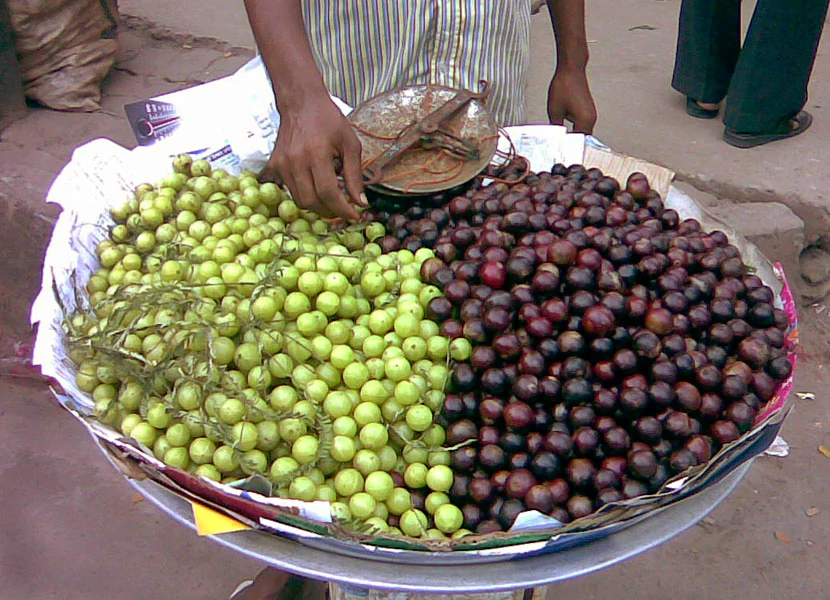
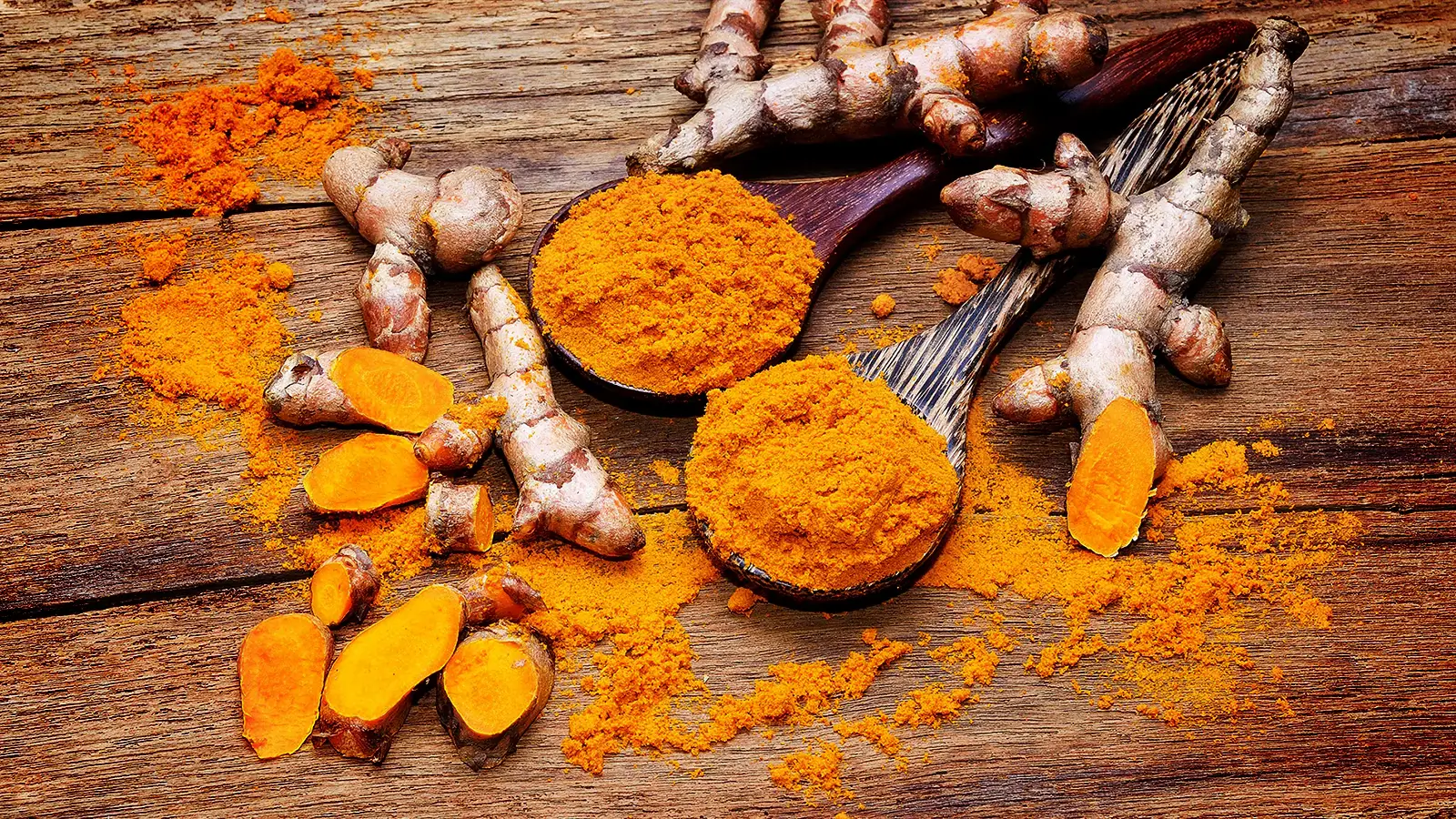
Sie können zum Beispiel mischen Kurkuma und gemahlener Pfeffer, und Amla und nehmen Sie täglich einen Teelöffel davon mit Wasser als Ergänzung ein. Das wird eine deutlichere Steigerung der Antioxidantienaufnahme bedeuten, anstatt Curry als Gewürz zu einer Mahlzeit zu essen. Es gibt eine lange Liste wirksamer Gewürze und einige sind stärker als andere, aber es gibt Zweifel an ihrer antioxidativen Bioverfügbarkeit.
Die Bioverfügbarkeit von Antioxidantien kann durch die Kombination bestimmter Gewürze und Kräuter verbessert werden. Beispielsweise könnte die Kombination von Kurkuma mit schwarzem Pfeffer dazu beitragen, die Aufnahme von Curcumin in Kurkuma zu verbessern, einem der wichtigsten Antioxidantien in Gewürzen. Darüber hinaus kann die Kombination von Gewürzen und Kräutern mit anderen antioxidantienreichen Lebensmitteln deren Absorption steigern. Dies kann erreicht werden, indem man einen Smoothie aus Obst und Gemüse zubereitet und einen Teelöffel antioxidantienreicher Gewürze hinzufügt, um den Geschmack und den Gehalt an Antioxidantien zu verstärken. Darüber hinaus kann der Verzehr von Gewürzen und Kräutern mit gesunden Fetten auch dazu beitragen, deren Absorption zu steigern, da die Fette dabei helfen, die Antioxidantien in den Körper zu transportieren.
Bioverfügbarkeit.
Einer der Hauptgründe, warum das USDA das entfernt hat ORAC-Datenbank liegt an der Bioverfügbarkeit. Die Leute fingen an, das Gleiche zu tun wie ich. Sie fingen an, etwas zu tun, das ihnen nicht gefiel. ORAC-Werte begannen, Verbraucherentscheidungen direkt zu beeinflussen.
Denn nicht alle Pflanzen sind gleich und manche haben viel mehr Nährstoffdichte als andere würden sich Menschen für eine nährstoffreichere Ernährung entscheiden. Das Problem besteht darin, dass die gesamte ORAC-Wertedatenbank aus In-vitro-Studien stammt, bei denen lediglich eine Substanz Sauerstoff ausgesetzt und das Ergebnis gemessen wird. Dies korreliert möglicherweise nicht mit echten In-vivo-Effekten im Körper. Selbst wenn dies der Fall ist, kann dies zu anderen gesundheitlichen Problemen führen. Ein gutes Beispiel hierfür wäre Sangre De Grado als der am häufigsten gemessene Antioxidans-Superstar, der in vivo eine mutagene Wirkung auf einige Bakterienstämme zeigte. Das bedeutet, dass Sangre De Grado ein natürliches Antibiotikum sein könnte, das nur auf bestimmte Bakterienstämme abzielt, oder dass es einfach nur ein Mutagen ist, bei dem einige Bakterien einfach widerstandsfähiger sind. Ich weiß nicht. Traditionell wird es bei Erkältungen, Infektionen der oberen Atemwege, Geschwüren und vielen anderen Erkrankungen eingesetzt. Ich verwende dies nur als Beispiel für den gesamten Bereich. Dies ist ein umfangreiches Thema, über das wir im Laufe der Forschung mehr erfahren können.
Aus diesem Grund müssen wir uns zunächst umfassend mit diesem Thema befassen. ORAC-Werte sind lediglich erste Richtwerte. Studien, die die direkte entzündungshemmende Wirkung antioxidantienreicher Nahrungsquellen messen, sind aussagekräftiger, wenn wir echte Entscheidungen treffen wollen. Das Problem besteht darin, dass die meisten dieser Studien am Ende der Forschung kein Patent haben und auch in direktem Wettbewerb um die Wahlmöglichkeiten der Verbraucher stehen können. Beispielsweise wurde ein aus Sangre de Grado gewonnener sekundärer Pflanzenstoff von der FDA als Medikament gegen Durchfall bei AIDS-Patienten zugelassen. Jemand könnte sich dafür entscheiden, ergänzende Antioxidantien als vollwertige Nahrungsquelle für diese sekundären Pflanzenstoffe anstelle der großen Pharma-Medizin einzunehmen. Und das ist ein großes Problem, das die Menge der verfügbaren Forschung einschränkt.

Kurz gesagt, die ORAC-Datenbank bot den Menschen einen guten Ausgangspunkt, um fundierte Entscheidungen über ihre Ernährung zu treffen. Es lieferte jedoch nicht genügend Informationen, um eine endgültige Schlussfolgerung über die gesundheitlichen Vorteile des Verzehrs bestimmter Lebensmittel zu ziehen. Weitere Forschung und klinische Studien sind erforderlich, insbesondere reale In-vivo-Ergebnisse mit lebenden Menschen, um die Auswirkungen antioxidantienreicher Nahrungsquellen auf den Körper wirklich zu verstehen. Für Verbraucher ist es wichtig, sich darüber im Klaren zu sein Einschränkungen der ORAC-Datenbank an sich und auch andere Informationsquellen zu nutzen, um fundierte Entscheidungen über ihre Ernährung zu treffen.
In-vivo-Ergebnisse.
Wenn wir echte In-vivo-Ergebnisse zur Wirkung von Gewürzen sehen möchten, um zu sehen, was sie bewirken und ob sie in Dosen, die beim normalen Kochen verwendet werden, etwas bewirken, können wir uns einige Studien ansehen.
In dieser Studie (Percival et al., 2012) füttern sie Probanden eine Woche lang mit verschiedenen Gewürzsorten. Die Menge, die sie verwendeten, und das ist sehr wichtig, ist nur eine kleine Menge, die Menschen in einer normalen Ernährung zu sich nehmen, wie zum Beispiel 0,3 Gramm Nelken oder bis zu 2,8 Gramm Ingwer.
Sie verwendeten nur 0,3 Gramm Kurkuma pro Tag, 0,3 g Cayennepfeffer pro Tag, 1,7 g Paprika pro Tag, 1,7 g Saigon-Zimt pro Tag, 2,8 g Kreuzkümmel pro Tag, mediterranen Oregano 1,1 g pro Tag und schwarzen Pfeffer 2,8 g/Tag, Rosmarin 2,8 g/Tag, dalmatinischer Salbei 1,7 g/Tag, Gewürznelke 0,3 g/Tag und Ingwer 2,8 g/Tag. Nach einer Woche entnahmen sie Blut und ließen dieses Blut dann auf menschliche weiße Blutkörperchen tropfen, die oxidiertem Cholesterin ausgesetzt waren. Dann haben die Forscher gemessen, wie viele entzündliche Zytokine die weißen Blutkörperchen als Reaktion produzierten. Sie wollten herausfinden, wie stark der Verzehr verschiedener Gewürze die Entzündungsreaktion verringert und wie stark sie die DNA schützen.
Sie verwendeten das Blut von Menschen, die Gewürze in realistischen Dosierungen gegessen hatten.
Das Ergebnis war, dass Nelken, Ingwer, Rosmarin und Kurkuma die Entzündungsreaktion deutlich unterdrücken konnten, während schwarzer Pfeffer, Cayennepfeffer, Zimt, Kreuzkümmel, Oregano, Paprika, Salbei und erhitzte Kurkuma nichts bewirkten.
Dies lässt darauf schließen, dass einige Gewürze zwar keine Wirkung haben, andere Gewürze wie Nelken, Ingwer, Rosmarin und Kurkuma jedoch eine deutliche entzündungshemmende Wirkung haben können. Dies gilt selbst dann, wenn die Mengen aufgenommen werden, die in einer normalen Ernährung enthalten sind. Dies könnte für Menschen mit chronischen Entzündungen von Vorteil sein, da der Verzehr solcher Gewürze möglicherweise dazu beitragen kann, die Entzündung im Körper zu reduzieren.
DNA-Schaden.
Sie haben auch die Auswirkungen auf DNA-Schäden gemessen.
Paprika, Rosmarin, Ingwer, wärmebehandelte Kurkuma, Salbei und Kreuzkümmel schützen vor DNA-Strangbrüchen.
Dies bedeutet nicht automatisch, dass andere Gewürze unbrauchbar und nicht bioverfügbar sind. Die Möglichkeit dazu besteht.
Das bedeutet zwei Dinge: Sie sind möglicherweise nicht bioverfügbar oder die Dosierung war niedrig, um eine Wirkung hervorzurufen.
Was den DNA-Schutz unter normalen Bedingungen betrifft, so sind bei Menschen 7 bis 10 Prozent ihrer DNA in Gewebeproben beschädigt. Der Körper repariert ständig Schäden und ein gewisser DNA-Schaden in 7 bis 10 Zellen pro 100 Zellen wird als normal angesehen. Normalerweise haben Menschen, die sich schlecht ernähren, etwa 10 Prozent davon. In der Studie konnte dieser Wert durch Ingwerbrühe von 10 auf 8, durch Rosmarin auf 7 und durch Kurkuma auf 4,5 gesenkt werden.
Nur eine kleine Prise von 0,3 Gramm Kurkuma konnte den DNA-Schaden halbieren. Dies gilt für wärmebehandeltes Kurkuma, das rohe Kurkuma zeigte keine Wirkung, während bei der entzündungshemmenden Wirkung genau das Gegenteil festgestellt wurde. Hitzebehandeltes Kurkuma zeigte im Gegensatz zu rohem Pulver keine Wirkung auf Entzündungen. Es scheint, dass wir beide Formen von Kurkuma konsumieren sollten. Dieses Ergebnis bedeutet, dass Antioxidantien und in diesem Fall Gewürze und insbesondere Kurkuma die Fähigkeit haben, das Leben zu verlängern.
Zusammenfassend lässt sich sagen, dass die Ergebnisse dieser Studie zeigen, dass Gewürze und Kräuter unsere Zellen sehr wirkungsvoll vor Schäden schützen können. Durch den Verzehr der richtigen Menge und Art von Gewürzen können wir uns vor DNA-Schäden schützen und Entzündungen reduzieren. Dies kann uns helfen, gesunde Zellen zu erhalten und unser Leben zu verlängern. Wichtig ist auch zu beachten, dass nicht alle Gewürze die gleiche Wirkung haben und dass auch die Form des Verzehrs einen Unterschied machen kann. Daher ist es wichtig, die richtigen Gewürze auszuwählen und sie in der richtigen Form zu konsumieren, um den größtmöglichen Nutzen zu erzielen.
Grundmischung.
Als ich damals begann, dieses Wissen in mein Leben zu integrieren, begann ich mit einer Grundmischung aus Kurkumapulver und gemahlenem schwarzem Pfeffer. Ich habe keines der Nahrungsergänzungsmittel eingenommen, sondern nur gemahlenes Kurkumapulver verwendet, das ich in einem normalen Reformhaus gekauft habe. Am Anfang war das alles, was ich getan habe. Jeden Morgen nahm ich einen Teelöffel einer Mischung aus Kurkuma und schwarzem Pfeffer. Als ich später mehr über Ernährung lernte, begann ich, einige meiner Lebensmittelentscheidungen zu ändern. Ich habe mich bereits überwiegend vegan und vollwertig ernährt, aber es ist mir trotzdem gelungen, die Menge an Antioxidantien, die ich zu mir nehme, deutlich zu erhöhen.
Für Menschen, die das nicht tun wollen und trotzdem Öl, Fleisch, Zucker und all die anderen ungesunden Lebensmittel essen möchten, wäre ein einfacher Schritt, das zu tun, was ich getan habe.
Gehen Sie einfach in den Bioladen und holen Sie sich etwas Kurkuma.
Stärkere Basismischung.
Der nächste Schritt bestand für mich darin, dem Rezept weitere wirksame Quellen hinzuzufügen.
Die Menge an Kurkuma, die wir bedenkenlos konsumieren können, ist nicht so groß. Die Obergrenze liegt bei etwa 10 Gramm pro Tag, da es große Mengen an bioverfügbarer Oxalsäure enthält. Die sichere Obergrenze für die meisten Menschen liegt bei 10 Gramm, aber 5 Gramm davon sind eine optimale Dosis.
Um die Wirksamkeit des Rezepts zu erhöhen, ohne die Kurkuma-Konzentration auf ein ungesundes Niveau zu erhöhen, fügte ich der Mischung andere Antioxidantien hinzu, die in der von mir genannten Studie entzündungshemmend wirkten. Ich habe auch getrockneten Ingwer, Rosmarin und Nelken hinzugefügt, die ich ebenfalls aus einem Reformhaus gekauft habe.
Mein Rezept.
Das war ein paar Jahre lang mein Rezept, bis ich die Forschung hinter Amla entdeckte und dann auch Amla hinzufügte.
Das bedeutet nicht, dass Sie dies tun sollten, wenn Sie nur mit Kurkuma zufrieden sind, dann nehmen Sie es oder machen Sie Ihr eigenes Rezept. Das ist die Mischung, die ich auf Basis klinischer Studien für mich selbst kreiert habe. Ich persönlich verwende Amla nur, weil ich die Quelle der meisten ayurvedischen pflanzlichen Nahrungsergänzungsmittel, die ich kaufen würde, nicht kenne. Bedauerlicherweise wurde festgestellt, dass jedes fünfte ayurvedische pflanzliche Nahrungsergänzungsmittel, einschließlich Triphala, mit Blei, Quecksilber oder Arsen kontaminiert war. Es wurde festgestellt, dass Amla oder Indische Stachelbeere genauso unbedenklich ist wie Kurkuma, daher verwende ich nur diese beiden, von denen ich weiß, dass sie sicher sind. Triphala enthält neben der indischen Stachelbeere noch zwei weitere indische Heilgewürze.
Heute nehme ich jeden Morgen 10 bis 15 Gramm dieser Mischung und erhalte damit einen Wert von etwa 5.000 bis 10.000 ORAC-Einheiten. Ein Löffel dieser Mischung enthält mehr Antioxidantien als der durchschnittliche Amerikaner, der a isst amerikanische Standarddiät wird in einer ganzen Woche verbraucht. Darüber hinaus sind neben Antioxidantien auch andere sekundäre Pflanzenstoffe enthalten, die positive Eigenschaften für das Immunsystem, die kognitive Funktion und die endokrine Funktion haben. Da es sich um eine Vollwertmischung handelt, ergibt sich auch ein Nahrungsmittelsynergieeffekt.
Das Beste daran ist, dass Sie dieses „Ergänzungsmittel“ selbst herstellen können und es spottbillig ist.
Wenn Sie in Bezug auf Ihre Gesundheit und Ernährung nichts tun und nichts ändern möchten, dann tun Sie einfach diese eine Sache. Es wird Ihnen mehr nützen als jede andere Gesundheitsmaßnahme. Das Schlimmste daran ist der Geschmack. Es ist sehr böse. Ich mache es so, dass ich es einfach direkt in meinen Mund stecke und dann Wasser trinken und schlucken. Ich habe versucht, es mit Saft, Wasser oder Tee zu mischen, aber es hat nicht geholfen. Sobald es mit irgendeiner Flüssigkeit in Berührung kommt, fängt es an aufzusaugen, dann wird es größer und gibt seinen gesamten Geschmack an die Flüssigkeit ab, was es noch schlimmer macht.
Nachdem ich diese Form der antioxidantienreichen Kräutermischung entwickelt hatte, habe ich fortgeschrittenere und auch viel teurere Versionen entwickelt. Meiner Meinung nach wird diese Mischung für den Großteil der Bevölkerung ausreichen.
Wir alle verwenden Gewürze zum Kochen, aber wussten Sie, dass sie ein großartiges Hilfsmittel sein können, um mehr nützliche Polyphenole in Ihre Ernährung aufzunehmen? Genau, mit nur einem Teelöffel können Sie viel für Ihre Gesundheit tun! Dr. Gundry verrät Ihnen, welche Gewürze Sie brauchen und welche erstaunlichen Vorteile sie in Ihrem Leben haben können.
Teil der Ernest Rosenbaum Cancer Survivorship Lecture Series. Kräuter und Gewürze haben nachweislich zahlreiche gesundheitliche Vorteile – von der Stärkung der Immunität über die Kontrolle des Blutzuckers, die Unterstützung der Verdauung, die Senkung des Blutdrucks und die Linderung von Gelenkschmerzen. Sprecherin: Alison Ryan, RD, MS, CSO, CSNC
Abschluss:
- Die stärksten Antioxidantien sind eine konzentrierte Form natürlicher, antioxidantienreicher Kräuter.
- Die meisten dieser Gewürze und Kräuter werden beim normalen Kochen verwendet, jedoch nur in kleinen Mengen und sporadisch.
- Manchmal hat sogar eine kleine Menge davon einen Einfluss auf die Gesamtmenge an konsumierten Antioxidantien.
- Als Ergänzung können wir Gewürze verwenden.
- ORAC-Werte sind lediglich erste Richtwerte.
- Studien, die die direkte entzündungshemmende Wirkung antioxidantienreicher Nahrungsquellen in vivo messen, sind aussagekräftiger, wenn wir echte Entscheidungen treffen wollen.
- Nelken, Ingwer, Rosmarin und Kurkuma dämpfen die Entzündungsreaktion deutlich.
- Schwarzer Pfeffer, Cayennepfeffer, Zimt, Kreuzkümmel, Oregano, Paprika, Salbei und erhitzte Kurkuma zeigen in realistischen Kochdosierungen keine entzündungshemmende Wirkung.
- Paprika, Rosmarin, Ingwer, wärmebehandelte Kurkuma, Salbei und Kreuzkümmel schützen vor DNA-Strangbrüchen.
- 0,3 Gramm wärmebehandelter Kurkuma konnten den DNA-Schaden halbieren.
- Hitzebehandeltes Kurkuma zeigte im Gegensatz zu rohem Pulver keine Wirkung auf Entzündungen.
- Beginnen Sie mit einer Grundmischung aus rohem Kurkumapulver und gemahlenem schwarzem Pfeffer und fügen Sie etwas Kurkuma zum Kochen hinzu.
- Die Menge an Kurkuma, die wir bedenkenlos konsumieren können, ist nicht so groß.
- Mein fortgeschritteneres, aber immer noch grundlegendes Rezept: Kurkuma, schwarzer Pfeffer, Ingwer, Rosmarin, Nelken und Amla.
- Sie können Ihr Rezept sicher zubereiten, indem Sie der Liste weitere Heilkräuter hinzufügen.
- Ich nehme jeden Morgen vor dem Essen 10 bis 15 Gramm dieser Mischung zu mir ätherisches Öl Mischung, die ich für eine erhöhte Wirksamkeit und Bioverfügbarkeit herstelle.
- Ein Löffel dieser Mischung enthält mehr Antioxidantien als der durchschnittliche Amerikaner, der sich normal ernährt, in einer ganzen Woche zu sich nimmt.
- Dabei handelt es sich um eine Vollwertmischung mit anderen sekundären Pflanzenstoffen.
- Es wird auch einen Nahrungsmittelsynergieeffekt geben.
- Es gibt fortgeschrittenere Formeln und Ergänzungen, die jedoch viel teurer sind.
- Sie können dieses „Ergänzungsmittel“ selbst herstellen und es ist spottbillig.
Häufig Gestellte Fragen
Verweise:
Ausgewählte Passagen aus einem Buch: Pokimica, Milos. Zum Veganer werden? Rückblick auf die Wissenschaft Teil 3. Kindle-Ausgabe, Amazon, 2020.
- Percival, SS, Vanden Heuvel, JP, Nieves, CJ, Montero, C., Migliaccio, AJ, & Meadors, J. (2012). Bioverfügbarkeit von Kräutern und Gewürzen beim Menschen, bestimmt durch Ex-vivo-Entzündungsunterdrückung und DNA-Strangbrüche. Zeitschrift des American College of Nutrition, 31(4), 288–294. https://doi.org/10.1080/07315724.2012.10720438
- Carlsen, MH, Halvorsen, BL, Holte, K., Bøhn, SK, Dragland, S., Sampson, L., Willey, C., Senoo, H., Umezono, Y., Sanada, C., Barikmo, I ., Berhe, N., Willett, WC, Phillips, KM, Jacobs, DR, Jr. & Blomhoff, R. (2010). Der gesamte Antioxidantiengehalt von mehr als 3100 weltweit verwendeten Lebensmitteln, Getränken, Gewürzen, Kräutern und Nahrungsergänzungsmitteln. Ernährungstagebuch, 9, 3. https://doi.org/10.1186/1475-2891-9-3
- Yashin, A., Yashin, Y., Xia, X. & Nemzer, B. (2017). Antioxidative Aktivität von Gewürzen und ihre Auswirkungen auf die menschliche Gesundheit: Ein Rückblick. Antioxidantien (Basel, Schweiz), 6(3), 70. https://doi.org/10.3390/antiox6030070
- Lopes, MI, Saffi, J., Echeverrigaray, S., Henriques, JA, & Salvador, M. (2004). Mutagene und antioxidative Aktivitäten des Croton lechleri-Safts in biologischen Systemen. Zeitschrift für Ethnopharmakologie, 95(2-3), 437–445. https://doi.org/10.1016/j.jep.2004.08.025
- Madsen, HB, & Bertelsen, G. (1995). Gewürze als Antioxidantien. Trends in der Lebensmittelwissenschaft und -technologie, 6(8), 271–277. https://doi.org/10.1016/s0924-2244(00)89112-8
- Yashin, A., Yashin, Y., Xia, X. & Nemzer, B. (2017). Antioxidative Aktivität von Gewürzen und ihre Auswirkungen auf die menschliche Gesundheit: Ein Rückblick. Antioxidantien (Basel, Schweiz), 6(3), 70. https://doi.org/10.3390/antiox6030070
- Paur, I., Carlsen, MH, Halvorsen, BL, et al. (2011). Antioxidantien in Kräutern und Gewürzen: Rollen bei oxidativem Stress und Redoxsignalisierung. In IFF Benzie & S. Wachtel-Galor (Hrsg.), Kräutermedizin: Biomolekulare und klinische Aspekte (2. Aufl.). CRC Press/Taylor & Francis. https://doi.org/10.1201/b10787
- Embuscado, ME (2015). Kräuter und Gewürze als Antioxidantien zur Lebensmittelkonservierung. In Elsevier eBooks (S. 251–283). https://doi.org/10.1016/b978-1-78242-089-7.00011-7
- Liao, H., Banbury, LK und Leach, DN (2008). Antioxidative Aktivität von 45 chinesischen Kräutern und die Beziehung zu ihren TCM-Eigenschaften. Evidenzbasierte Komplementär- und Alternativmedizin: eCAM, 5(4), 429–434. https://doi.org/10.1093/ecam/nem054
- Shobana, S. & Naidu, KA (2000). Antioxidative Wirkung ausgewählter indischer Gewürze. Prostaglandine, Leukotriene und essentielle Fettsäuren, 62(2), 107–110. https://doi.org/10.1054/plef.1999.0128
- Saxena, R., Venkaiah, K., Anitha, P., Venu, L. & Raghunath, M. (2007). Antioxidative Aktivität häufig konsumierter pflanzlicher Lebensmittel in Indien: Beitrag ihres Phenolgehalts. Internationale Zeitschrift für Lebensmittelwissenschaften und Ernährung, 58(4), 250–260. https://doi.org/10.1080/09637480601121953
- Jiang TA (2019). Gesundheitliche Vorteile von Küchenkräutern und Gewürzen. Zeitschrift von AOAC International, 102(2), 395–411. https://doi.org/10.5740/jaoacint.18-0418
Zusammenhängende Posts

Haben Sie Fragen zum Thema Ernährung und Gesundheit?
Ich würde gerne von Ihnen hören und sie in meinem nächsten Beitrag beantworten. Ich schätze Ihren Beitrag und Ihre Meinung und freue mich darauf, bald von Ihnen zu hören. Ich lade Sie auch ein zu Folgen Sie uns auf Facebook, Instagram und Pinterest für weitere Inhalte zu Ernährung und Gesundheit. Sie können dort einen Kommentar hinterlassen und sich mit anderen Gesundheitsbegeisterten austauschen, Ihre Tipps und Erfahrungen teilen und Unterstützung und Ermutigung von unserem Team und unserer Community erhalten.
Ich hoffe, dass dieser Beitrag für Sie informativ und unterhaltsam war und dass Sie bereit sind, die gewonnenen Erkenntnisse anzuwenden. Wenn Sie diesen Beitrag hilfreich fanden, dann es teilen mit Ihren Freunden und Familienangehörigen, die ebenfalls davon profitieren könnten. Man weiß nie, wer auf seinem Weg zur Gesundheit vielleicht etwas Anleitung und Unterstützung braucht.
– Das könnte Ihnen auch gefallen –

Langlebigkeit: Die Rate der Lebenstheorie

Rohkost Ernährung- Die Evolutionäre Perspektive
Spirulina Vorteile: Phycocyaninreiche Supernahrung

Intravenöses Vitamin C bei der Behandlung von Influenza: Lebende Beweise aus der Klinischen Praxis

Amyotrophe Lateralsklerose- Cyanobakterien Algenblüten und BMAA Exposition Uber die Nahrung

Pestizidexposition bei Kindern: Tests Zur Exposition im Wirklichen Leben
Methylenblau: Therapeutische Anwendungen und Klinische Bedeutung

Pestizide, GVO und Toxische Überlastung.

Über Ernährung Lernen

Milos Pokimica ist Doktor der Naturheilkunde, klinischer Ernährungsberater, Autor für medizinische Gesundheit und Ernährung sowie Berater für Ernährungswissenschaften. Autor der Buchreihe Zum Veganer werden? Rückblick auf die Wissenschafter betreibt auch das Natürliche Gesundheit website GoVeganWay.com
Medizinischer Haftungsausschluss
GoVeganWay.com bietet Ihnen Rezensionen der neuesten Ernährungs- und Gesundheitsforschung. Die bereitgestellten Informationen stellen die persönliche Meinung des Autors dar und sind weder als Ersatz für eine professionelle medizinische Beratung, Diagnose oder Behandlung gedacht noch implizit. Die bereitgestellten Informationen dienen ausschließlich Informationszwecken und sollen nicht als Ersatz für die Beratung, Diagnose und/oder medizinische Behandlung durch einen qualifizierten Arzt oder Gesundheitsdienstleister dienen.Ignorieren Sie niemals professionellen medizinischen Rat oder verzögern Sie die Suche nach medizinischer Behandlung, weil Sie etwas auf GoVeganWay.com gelesen oder über GoVeganWay.com darauf zugegriffen haben
Nehmen Sie NIEMALS Änderungen im Lebensstil oder irgendwelche Änderungen vor, die eine Folge von etwas sind, das Sie auf GoVeganWay.com gelesen haben, bevor Sie einen zugelassenen Arzt konsultieren.
Bei einem medizinischen Notfall rufen Sie sofort einen Arzt oder die Notrufnummer 911 an. GoVeganWay.com empfiehlt oder unterstützt keine bestimmten Gruppen, Organisationen, Tests, Ärzte, Produkte, Verfahren, Meinungen oder andere Informationen, die darin erwähnt werden könnten.
Herausgeber-Tipps –
Krebs Auswahl des Herausgebers Phytochemikalien
Antikrebskraft von Obst und Gemüse: In Vivo und Klinische Beweise
Einige Pflanzenextrakte konkurrieren mit führenden Chemotherapeutika und wirken gleichzeitig auf mehrere verschiedene Arten von Krebszellen.
Antioxidantien Auswahl des Herausgebers ORAC
Ätherische Öle als Antioxidative Nahrungsergänzungsmittel: Regeln und Strategien
Ätherische Öle in Lebensmittelqualität können eine praktische und verbraucherfreundliche Strategie zur Optimierung des Antioxidantienwerts und der ORAC-Werte unserer Ernährung sein.
Antioxidantien Auswahl des Herausgebers ORAC
Antioxidantienreiche Ernährung: Allgemeine Regeln und Strategien
Es gibt einfache und kostengünstige Strategien zur Optimierung des antioxidativen Wertes unserer Ernährung.
Antioxidantien Auswahl des Herausgebers ORAC
ORAC-Werte Verstehen: Antioxidantienspiegel in Lebensmitteln
Wenn Ihre Hauptquelle für Antioxidantien Kaffee ist, wissen Sie, dass Sie ein ernstes Problem haben.

Antioxidantien Auswahl des Herausgebers ORAC
Astaxanthin Vorteile: Das Stärkste Natürliche Antioxidans der Welt
Astaxanthin ist das stärkste natürliche und universelle Antioxidans (sowohl öl- als auch wasserlöslich), das der Wissenschaft bekannt ist. Es reichert sich im Gewebe an und kann sich niemals in ein Prooxidans verwandeln.
Antioxidantien Auswahl des Herausgebers ORAC Phytochemikalien
Antioxidantien: Die Grundlagen Verstehen
Tierische Produkte enthalten keine sekundären Pflanzenstoffe oder Antioxidantien. Pflanzliche Lebensmittel enthalten im Durchschnitt mehr als 60-mal so viele Antioxidantien wie tierische Lebensmittel.
Auswahl des Herausgebers Vegane Diät
Nährstoffmangel Bei Veganer Ernährung: Präventionsstrategien
Es gibt neun bevölkerungsweit verbreitete Nährstoffmängel, die Menschen betreffen, die sich pflanzlich ernähren. Wenn einige Mängel nicht rechtzeitig behoben werden, haben sie schreckliche und nicht behandelbare Folgen.
Auswahl des Herausgebers Optimale Ernährung
Mikronährstoffmangel in der Amerikanischen Standardernährung: Strategien zur Optimierung
Das Nährstoffprofil unserer modernen Ernährung mit Fleisch, Zucker und verarbeiteten Lebensmitteln ist völlig unvereinbar mit unserer Evolution und führt zu schwerem Mikronährstoffmangel.
Auswahl des Herausgebers Phytochemikalien
Phytochemikalien: Die Grundlagen Verstehen
Jeder einzelne existierende sekundäre Pflanzenstoff hat eine biologische Wirkung im menschlichen Körper. Jedes einzelne aus Millionen verschiedener sekundärer Pflanzenstoffe.

Auswahl des Herausgebers Milch Optimale Ernährung
Milch und Milchprodukte: Gesundheitsrisikokorrelationen
Bekannte Zusammenhänge mit Milch und Milchkonsum sind Unfruchtbarkeit, Eierstock- und Brustkrebs, Leukämie, Diabetes Typ 1, Autismus, Arteriosklerose, Katarakt, rheumatoide Arthritis, Multiple Sklerose, Hyperaktivität, Stauung, Pickel und mehr …
Krebs Auswahl des Herausgebers Eiweiß
Komplettes Protein: IGF-1-Signalisierung bei der Krebsentstehung
Wenn Sie tierisches Eiweiß essen, ist die Wahrscheinlichkeit, an allen Krebsarten zu erkranken, viermal höher. Wenn Sie rauchen, besteht ein vierfach erhöhtes Risiko, an Lungenkrebs zu erkranken.

Krebs Auswahl des Herausgebers Eiweiß
Die Anatomie von Krebs - Gesundheitsrisikokorrelationen
Etwa 2 % der Krebserkrankungen werden in der Medizin als rein genetisch bedingt angesehen. Das gleiche Verbreitungsgebiet wie im Tierreich. Dir wurde nicht die ganze Wahrheit gesagt.
Milos Pokimica ist Autor für Gesundheit und Ernährung sowie Berater für Ernährungswissenschaften. Er ist Autor einer Buchreihe. Zum Veganer werden? Rückblick auf die Wissenschafter betreibt auch das Natürliche Gesundheit website GoVeganWay.com
Neueste Artikel –
Kalorienbeschränkung Langlebigkeit
Wie Man Fastet: Fasten-Lebensmittel, Die Die Autophagie Nicht Stören
Autophagie. Haben Sie sich jemals gefragt, was mit den Zellen in Ihrem Körper passiert, wenn sie sterben oder beschädigt werden? Häufen sie sich einfach an und verursachen Probleme, oder werden sie irgendwie entsorgt? Die Antwort ist, dass Ihr Körper...
Zahngesundheit Verhütung
Süßigkeiten Zahnempfindlichkeit & Schmerz: Schnelle Abhilfe & Dauerhafte Lösung
Eine schnelle und einfache Lösung zur Schmerzlinderung ist ätherisches Nelkenöl, ein starkes Antioxidans und Schmerzmittel, das bei Zahnfleischerkrankungen und Zahnschmerzen helfen kann.
Bohnen
Grüne Bohnen: Ernährung und Gesundheitliche Vorteile
Grüne Bohnen sind kalorienarm und reich an natürlichen Stoffen, die Ihnen helfen können, Ihren Blutzucker zu kontrollieren, Ihren Cholesterinspiegel zu senken und freie Radikale abzuwehren.
Rohkostdiät Vegane Diät
Kann Man Pilze Roh Essen: Gesundheitsrisiken, Ernährung und Sicherheit
Pilze enthalten hitzeempfindliche Giftstoffe wie Hydrazin oder Agaritin und Zellwände aus Chitin, die vom Menschen nicht gut verdaut werden können.

Vegane Diät
Sind Fische Tiere? Eine kulturelle Perspektive
In einigen Kulturen wird Fischfleisch nicht als Fleisch betrachtet, und Fisch ist sogar während des Fastens erlaubt.
Zahngesundheit Verhütung
Hausgemachte Natürliche Mundspülung: Bewährt, Stärker und Weniger Giftig
Selbstgemachtes natürliches Mundwasser ist stärker als Chlorhexidin, weniger giftig und kann beim Verschlucken zu Übelkeit führen, hat aber auch einen hohen ORAC-Wert.
Zahngesundheit Verhütung
Wie Man Karies Stoppt: Symptome, Ursachen und Prävention
Der Zuckerkonsum ist die Hauptursache für Karies und Zahnfäule, verbunden mit einem Mangel an Mineralien, insbesondere Magnesium, Zink, Kupfer und Spurenelementen.
Antioxidantien Superlebensmittel
Amla: Bewährte Vorteile, Ernährung und Klinische Bedeutung
Amla ist eines der stärksten Antioxidantien der Welt mit einem ORAC-Wert von 261.530. Sie ist eine reichhaltige Quelle von sekundären Pflanzenstoffen, die verschiedene gesundheitliche Vorteile haben.
Top-Gesundheitsnachrichten – ScienceDaily
- Scientists reveal why some workout recovery tricks can backfiream Oktober 14, 2026
Ice baths, massages, compression garments, and recovery supplements promise faster muscle recovery, but research suggests their benefits are often overstated, and some techniques may even undermine long-term gains. Scientists say the most effective recovery methods are far simpler and cheaper: getting enough sleep, eating well, and giving muscles time to rebuild.
- Cornell scientists identify rare human genetic disorder in two unusually long-legged catsam Oktober 14, 2026
Two unusually long-legged cats have helped scientists uncover the first genetically confirmed cases of Marfan syndrome in domestic felines. Researchers at Cornell University discovered that the brothers carried two altered copies of a gene linked to the rare connective tissue disorder, which can affect the eyes, heart, and blood vessels. Surprisingly, the cats survived into adulthood because their genetic mutation still allowed some normal function.
- The secret to easier exercise as an adult may start in childhoodam Oktober 14, 2026
Exercise during childhood could have a surprising lifelong benefit, potentially making physical activity less exhausting in adulthood. In a study involving guinea fowl, researchers discovered that birds accustomed to carrying weights while growing up could carry those weights as adults without using extra energy, while untrained birds burned 23% more.
- Scientists may have overlooked a hidden Alzheimer’s culprit for decadesam Oktober 14, 2026
For decades, scientists have focused on amyloid beta as a major culprit behind Alzheimer’s disease, spending billions of dollars developing treatments that have often delivered disappointing results. Now, researchers at UC Santa Cruz are drawing attention to a largely overlooked peptide called P3 that could also play a role in the disease. Previously believed to be harmless, P3 can form harmful-looking protein clumps even faster than amyloid beta and may also damage brain cells.
- Scientists discover how harmful “zombie cells” hide from the immune systemam Oktober 14, 2026
Scientists have discovered a protein that may help harmful aging cells hide from the immune system, allowing them to accumulate and fuel age-related health problems. Blocking the protein in mice reduced these cells and inflammation while improving blood sugar regulation and strength, offering a promising new direction for anti-aging research.
- New knee arthritis treatment delivers lasting pain relief without surgeryam Oktober 14, 2026
A promising new treatment for knee arthritis uses tiny, dissolvable particles to block abnormal blood vessels, easing inflammation and pain without joint replacement surgery. In a study of 194 patients, 80% experienced clinically meaningful pain relief lasting at least 12 months.
- AI can act exactly like a human, but we still don’t think it’s consciousam Oktober 14, 2026
A new study reveals that people draw a surprisingly sharp line between human consciousness and artificial intelligence, even when both behave identically. Researchers found that participants considered even the most responsive AI less conscious than the least responsive human. Yet when asked about “awareness” instead, people judged humans and AI much more similarly.
PubMed, #Vegane Diät –
- Toward consensus on complementary feeding recommendations: findings from a national evidence-informed modified Delphi study in Türkiyeam Oktober 12, 2026
CONCLUSIONS: Integration of quantitative Delphi findings with qualitative thematic analysis revealed that non-consensus primarily stemmed from the practical nuances of clinical execution and contextual adaptation, rather than a fundamental skepticism toward the underlying scientific data. These findings provide an evidence-informed foundation for developing context-sensitive CF recommendations for clinical practice.
- Characterization of Nutritional Intake in Vegan Pregnant Women and its Association on Birth Weightam Oktober 8, 2026
CONCLUSIONS: Vegan women had a higher rate of SGA than non-vegan women, and this increased risk may be partly related to differences in maternal protein intake and composition. In addition, vegan women had lower dietary intakes of calcium, vitamin B12, vitamin D, DHA, and choline, highlighting these nutrients as important considerations in the nutritional assessment and counseling of pregnant women adhering to a strictly vegan diet.
- Changes in ectopic lipids, insulin sensitivity, and beta cell function after a low-fat vegan diet in adults with type 2 diabetes: a 16-week single-arm clinical trialam Oktober 8, 2026
CONCLUSIONS: On an ad libitum low-fat plant-based (vegan) dietary intervention, the participants with type 2 diabetes experienced reductions in ectopic fat, particularly visceral and hepatocellular fat, improvements in insulin sensitivity, reductions in AGEs, and improvements in beta-cell function.
- Sustained Regression of Parotid Mucosa-Associated Lymphoid Tissue (MALT) Lymphoma After Nutritional and Nutraceutical Intervention Without Chemoimmunotherapy: A Case Reportam Oktober 5, 2026
Extranodal marginal zone lymphoma of mucosa-associated lymphoid tissue (MALT) in the setting of Sjögren’s syndrome (SS) is a well-recognized complication of chronic autoimmune salivary gland inflammation. Standard management options include radiotherapy, immunotherapy, and combination chemoimmunotherapy, with active surveillance reserved for stable, low-burden disease. The potential role of structured nutritional and nutraceutical intervention in this setting has not been previously […]
Zufällige Beiträge –

Auswahl des Herausgebers Fettleibigkeit Optimale Ernährung
Ursache für Fettleibigkeit: Fehlanpassung Oder Sucht
Was ist die Ursache der Fettleibigkeitsepidemie? Für alles Leben auf der Erde ist Nahrung keine Wahl. Das Schwierigste für das Tier in der Wildnis ist die Gewichtszunahme.
Krebs Auswahl des Herausgebers Eiweiß
Komplettes Protein: IGF-1-Signalisierung bei der Krebsentstehung
Wenn Sie tierisches Eiweiß essen, ist die Wahrscheinlichkeit, an allen Krebsarten zu erkranken, viermal höher. Wenn Sie rauchen, besteht ein vierfach erhöhtes Risiko, an Lungenkrebs zu erkranken.

Luftverschmutzung Krebs Toxizität
Exposition Gegenüber Luftverschmutzung - Gesundheitsrisiken und Präventionsstrategien
Allein in Indien sterben jedes Jahr rund eine halbe Million Menschen an den Folgen der Luftverschmutzung. Luftverschmutzung, die zum Tod führt, ist nur ein Teil des Gesamtproblems.
Auswahl des Herausgebers Milch Optimale Ernährung
Milch und Milchprodukte: Gesundheitsrisikokorrelationen
Bekannte Zusammenhänge mit Milch und Milchkonsum sind Unfruchtbarkeit, Eierstock- und Brustkrebs, Leukämie, Diabetes Typ 1, Autismus, Arteriosklerose, Katarakt, rheumatoide Arthritis, Multiple Sklerose, Hyperaktivität, Stauung, Pickel und mehr …
Antioxidantien Superlebensmittel
Amla: Bewährte Vorteile, Ernährung und Klinische Bedeutung
Amla ist eines der stärksten Antioxidantien der Welt mit einem ORAC-Wert von 261.530. Sie ist eine reichhaltige Quelle von sekundären Pflanzenstoffen, die verschiedene gesundheitliche Vorteile haben.
Auswahl des Herausgebers Vegane Diät
Nährstoffmangel Bei Veganer Ernährung: Präventionsstrategien
Es gibt neun bevölkerungsweit verbreitete Nährstoffmängel, die Menschen betreffen, die sich pflanzlich ernähren. Wenn einige Mängel nicht rechtzeitig behoben werden, haben sie schreckliche und nicht behandelbare Folgen.

Auswahl des Herausgebers Fettleibigkeit
Essattacken und Hormonregulation: Emotionaler Hunger
Während unserer gesamten Evolution waren wir wie jede andere Spezies auf diesem Planeten ständig hungrig und auf der Suche nach Nahrung. Übermäßiges Essen ist ein Beispiel für eine Fehlanpassung.
Diabetes Auswahl des Herausgebers
Diabetes Ursachen und Gesättigte Fettsäuren- Das Vegane Argument
Wenn der Fettgehalt im Blutkreislauf steigt, sinkt die Fähigkeit des Körpers, Zucker auszuscheiden. Eine der Ursachen für Diabetes ist unsere Fehlanpassung an eine große Fettaufnahme
Entzündung
Histaminarme Ernährung und Histaminintoleranz: Vollständiger Gide
Eine Möglichkeit, eine Histaminintoleranz in den Griff zu bekommen, ist eine histaminarme Diät. Das bedeutet, Lebensmittel zu meiden, die einen hohen Histamingehalt haben oder dessen Freisetzung auslösen können.

Krebs Verhütung Toxizität
Pestizide, GVO und Toxische Überlastung.
Die Exposition gegenüber Pestiziden führt direkt zu Krebs, Geburtsfehlern, Unfruchtbarkeit und Unfruchtbarkeit sowie zu Schäden am Gehirn und Nervensystem, der Leber, den Nieren und anderen Organen.

Beliebte Beiträge -

Diabetes Auswahl des Herausgebers Optimale Ernährung
Raffinierter Zucker: Die Risiken Verstehen
Kinder decken etwa ein Fünftel ihres Gesamtkalorienbedarfs allein aus raffiniertem Zucker. Wenn wir Fett und den Rest nährstoffarmer verarbeiteter Lebensmittel zur Liste hinzufügen, wird das zu einem kompletten Ernährungs-Albtraum.

Auswahl des Herausgebers Verhütung Vegane Diät
China Studie- Das Vegane Argument
Eine Studie aus China hat gezeigt, dass es in unentwickelten ländlichen Gemeinden der Welt mit stärkebasierter veganer Ernährung weder Herzkrankheiten noch Krebs oder Diabetes gibt.

Allopathische Medizin Auswahl des Herausgebers Optimale Ernährung
Der McGovern Bericht- Besonderes Interesse und die Unterdrückung der Wissenschaft
Im Jahr 1977 wurde dem US-Kongress der Vorstoß für eine Änderung der Ernährungsrichtlinien (McGovern Report) hin zu einer stärker pflanzenbasierten veganen Ernährung vorgelegt.

Auswahl des Herausgebers Optimale Ernährung Eiweiß
Proteinreiche Ernährung - Gesundheitsrisikokorrelationen
Knappheit ist in der Natur die Regel des Proteins. Evolutionsgeschichtlich gesehen haben Anthropologen bewiesen, dass Hominins durchschnittlich 15 bis 25 Gramm Protein pro Tag zu sich nahmen. In der modernen westlichen Art der proteinreichen Ernährung würden wir das zu uns nehmen …
Auswahl des Herausgebers Optimale Ernährung Eiweiß
Proteinbedarf - Unbequeme Wahrheit
Als anthropologische Studien zeigten, dass Hominins durchschnittlich 15 bis 20 Gramm Protein pro Tag zu sich nahmen, kam es in den 1970er Jahren zu einem sogenannten „großen Protein-Fiasko“.
Auswahl des Herausgebers Milch Optimale Ernährung
Milch und Milchprodukte: Gesundheitsrisikokorrelationen
Bekannte Zusammenhänge mit Milch und Milchkonsum sind Unfruchtbarkeit, Eierstock- und Brustkrebs, Leukämie, Diabetes Typ 1, Autismus, Arteriosklerose, Katarakt, rheumatoide Arthritis, Multiple Sklerose, Hyperaktivität, Stauung, Pickel und mehr …
Auswahl des Herausgebers Optimale Ernährung Vegane Diät
Ernährungsrichtlinien der WHO- Neue Ernährungspyramide und Unterdrückung der Wissenschaft
Die Ernährungsrichtlinien der WHO empfehlen eine Ernährung mit wenig gesättigten Fettsäuren (tierischem Eiweiß), Zucker und Salz sowie viel Obst und Gemüse als Voraussetzung, um den epidemischen Anstieg chronischer Krankheiten weltweit zu bekämpfen.

Krebs Auswahl des Herausgebers Toxizität
Pestizide in Lebensmitteln, Exposition in der Amerikanischen Standardnahrung - 80 Prozent aus Fleisch
Die meisten Pestizide und insbesondere Schwermetalle und andere giftige Schadstoffe, die wir aufnehmen, stammen aus Fleisch. Mehr als 80 Prozent der Pestizidbelastung in der amerikanischen Standardernährung stammt aus tierischen Produkten, nicht aus Obst oder Gemüse.
Auswahl des Herausgebers Optimale Ernährung
Mikronährstoffmangel in der Amerikanischen Standardernährung: Strategien zur Optimierung
Das Nährstoffprofil unserer modernen Ernährung mit Fleisch, Zucker und verarbeiteten Lebensmitteln ist völlig unvereinbar mit unserer Evolution und führt zu schwerem Mikronährstoffmangel.
Auswahl des Herausgebers Phytochemikalien
Phytochemikalien: Die Grundlagen Verstehen
Jeder einzelne existierende sekundäre Pflanzenstoff hat eine biologische Wirkung im menschlichen Körper. Jedes einzelne aus Millionen verschiedener sekundärer Pflanzenstoffe.
Neuestes von PubMed, #pflanzliche Ernährung –
- Diet-associated variation in the midgut bacterial communities of Loxostege sticticalis larvae fed botanically distinct host plantsvon Dong Li am Oktober 13, 2026
INTRODUCTION: Gut microbiota can influence insect physiology and ecological interactions, but how botanically distinct host plants affect gut bacterial communities in polyphagous insects remains poorly understood.
- Colloid mill modified zein suspension technology for plant protein rich bird food: first clutch performance compared with egg based food in fiorino canariesvon Ercan Mevliyaoğulları am Oktober 13, 2026
CONCLUSIONS: EGG16 improved first-clutch egg production. ZEIN16 did not show a statistically detectable reduction in hatchability after eggs were laid, but equivalence or non-inferiority to EGG16 was not tested. ZEIN16 should therefore be positioned as a preliminary plant-protein-rich bird egg food analogue produced through colloid-mill-based zein suspension technology, rather than as a reproductive replacement for egg-based food.
- Nutrition and Green Nephrology-not only for health but also for compensation: the water footprint and its hamburger equivalentvon Giorgina Barbara Piccoli am Oktober 13, 2026
Nutrition is recognized as a cornerstone of chronic kidney disease (CKD) prevention and management, while healthcare sustainability has become a major priority in nephrology. These two challenges converge because dietary choices influence both kidney health and the environmental footprint of care. In this narrative review, enriched by the perspectives of patients who experienced CKD, dialysis, and kidney transplantation, we discuss how nutritional interventions can simultaneously improve…
- Exploring the Likelihood of Healthcare Students to Advise Patients on the Health Benefits of Predominantly Plant-Based Dietsvon Patricia Dyett am Oktober 13, 2026
The aim of this study was to survey select healthcare students in the Americas about their likelihood to advise on health benefits of predominantly plant-based diets to noncommunicable disease patients; and to identify possible demographic, academic, and psychographic associations and predictors. The study design included targeted questions from a validated electronic questionnaire which was administered to a convenience sample of nursing and dietetics students across four university campus…
- Waste oil substrates reshape the black soldier fly larval gut microbiome and biomass composition during bioconversionvon Reese Saho am Oktober 13, 2026
Black soldier fly larvae (BSFL) are generalist decomposers with promise for converting agricultural and food-processing by-products into value-added bioproducts, but BSFL performance on lipid-rich waste oil streams and the role of the gut microbiome in this process remain unclear. Here, we evaluated BSFL bioconversion of a standard chicken feed diet supplemented with three chemically distinct waste oils: acidulated vegetable oil (AVO), pork grease (PG), and used cooking oil (UCO). Larval…
- Dietary exposure to five highly polar pesticides of the Hong Kong population through a total diet studyvon Stephen W C Chung am Oktober 13, 2026
Dietary exposure assessment of the Hong Kong adult and younger populations to five highly polar pesticides, namely ethephon, fosetyl aluminium, glyphosate, glufosinate ammonium and maleic hydrazide, was included in the second Hong Kong Total Diet Study (TDS). A total of 187 commonly consumed food items were collected and prepared “as consumed”. A total of 374 composite food samples were analysed for these five highly polar pesticides by modified Quick Polar Pesticides (QuPPe) method combined…