






A deficiência de vitamina D - Fatores de Risco
Existem apenas duas vitaminas que não são produzidos pelas plantas, vitamina D, e o outro de vitamina B12. A deficiência de vitamina D é uma preocupação real.
Milos Pokimica
Escrito por: Milos Pokimica
Revisto Clinicamente Por: Dr. Xiùying Wáng, M.D.
Actualizado em 9 de Junho de 2023Existem apenas duas vitaminas que não são produzidas pelas plantas. Uma é a vitamina D que nós próprios produzimos durante a exposição à luz solar e a outra seria a vitamina B12. Se for vegan, são apenas estas duas vitaminas que terá de suplementar.
A deficiência de vitamina D é uma das mais deficiências vitamínicas comuns no mundo. Nos EUA, cerca de 40% da população encontra-se na categoria de deficiência grave de vitamina D e mais de 85% na categoria de nível insuficiente (Pojsupap et al., 2015). Muito provavelmente, se não tiver uma deficiência grave, continuará a não ter níveis adequados e óptimos de vitamina D para o funcionamento normal do organismo. O que causa a deficiência de vitamina D é o modo de vida moderno, é uma forma de má adaptação ao nosso ambiente atual.
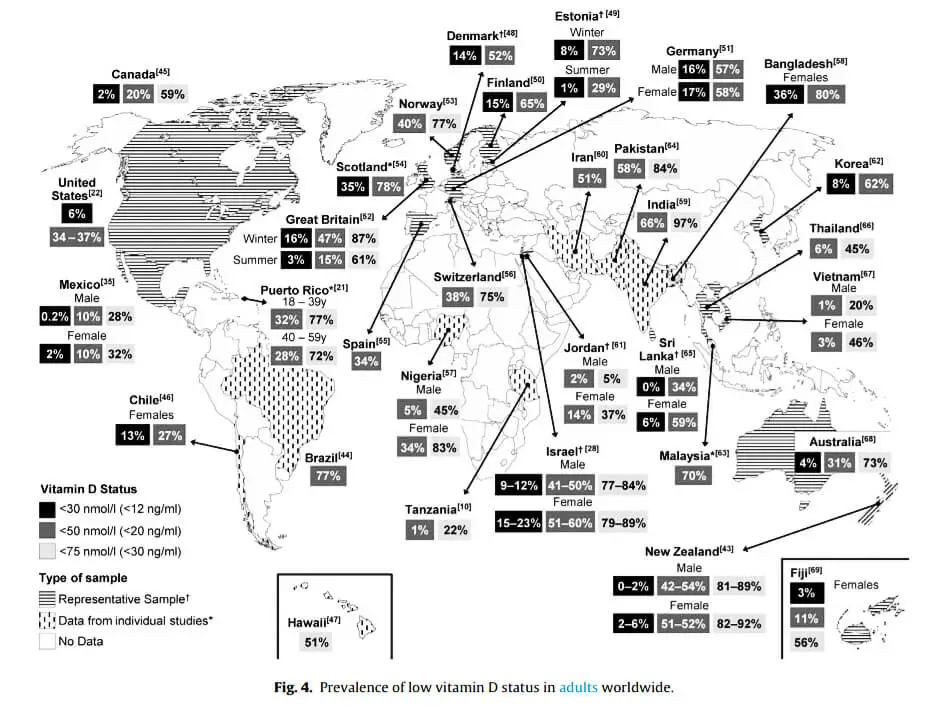
Mesmo que se viva num clima ensolarado, é muito provável que o tenha. Apesar da substancial disponibilidade diária de luz solar em África e no Médio Oriente, as pessoas que vivem nestas regiões são frequentemente deficitárias ou insuficientes em vitamina D, variando entre 5% e 80%. A insuficiência de vitamina D é especialmente galopante entre os afro-americanos. Mesmo os negros jovens e saudáveis não atingem concentrações óptimas em qualquer altura do ano. Quanto mais escura for a pele, menos radiação UV irá absorver.
Afastámo-nos do clima ensolarado de África, onde evoluímos há 60 milhões de anos, e agora estamos no clima frio do hemisfério norte, sem luz solar, e vivemos dentro de casa e usamos tecidos para nos protegermos do frio. Como resultado, não temos níveis adequados de vitamina D durante a maior parte do ano e precisamos de a suplementar. Dependendo do seu peso e da exposição solar, deve tomar entre 4000 e 5000 UI. Pode tomar demasiada vitamina D, o nível máximo tolerável é de 10 000 UI por dia, mas tomar mais de 5000 terá poucos benefícios para a saúde em geral e pode baixar os níveis de vitamina A.
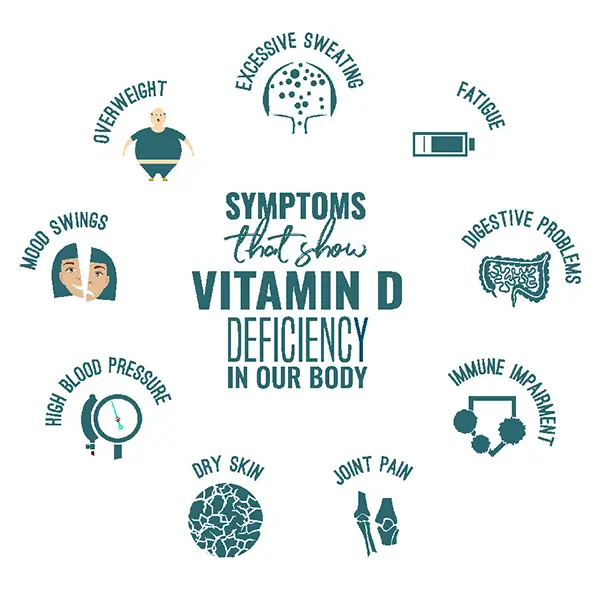
Para analisar esta questão um pouco mais a primeira coisa que temos de compreender é que a vitamina D não é realmente uma vitamina. É um prohormone, um esteróide com uma actividade hormonal que regula cerca de 3% do genoma humano. Mais de 2.000 genes no total.
O metabolismo do cálcio é apenas uma das suas muitas funções. Por exemplo, é muito importante para a regulação do nosso sistema imunitário. A regulação do sistema imunitário é muito importante porque o sistema imunitário pode atacar as células que não deve atacar e, ao mesmo tempo, pode ignorar outros organismos perigosos que não deve ignorar. Sem níveis adequados de vitamina D, o nosso sistema imunitário pode tornar-se "hiperactivo" e começará a atacar as nossas próprias células. Esta é uma razão pela qual a deficiência de vitamina D está ligada ao desenvolvimento de dezassete doenças auto-imunes diferentes. O funcionamento do sistema imunitário é também um grande factor no desenvolvimento do cancro e das doenças periodontais, pelo que a deficiência de vitamina D também está correlacionada com estas doenças. Não está, contudo, correlacionada com doenças cardiovasculares e acidentes vasculares cerebrais.
Assim, a deficiência de vitamina D está correlacionada com um aumento da taxa de mortalidade e, além disso, está correlacionada com doenças que afectam a qualidade de vida como a osteoporose e a asma. Porque na realidade é uma hormona e não uma vitamina, é essencial para um grande número de funções no organismo. A realidade é que mesmo que não tenhamos uma deficiência em grande escala, podemos ainda assim estar a um nível inferior ao óptimo e, como resultado, aumentar a nossa risco de cancro, têm um problema com o sistema imunitário, e para além disso têm osteoporose. A deficiência de vitamina D também pode afectar o humor em algumas pessoas que são propensas à depressão. A questão aqui é se precisamos de a tomar se somos deficientes e se não a tomarmos, será que vamos aumentar o nosso risco a um nível real e mensurável?
No presente estudo, por exemplo (Mirzakhani et al., 2015) dar às crianças asmáticas entre 500 a 2.000 unidades internacionais de vitamina D3 por dia reduz as exacerbações da asma em mais de metade. Como a asma é uma sobre-estimulação imunitária, a vitamina D "acalma" o sistema imunitário de certa forma. A asma afecta cerca de 10% das crianças. Uma das razões pelas quais a asma e as alergias estão a aumentar é o aumento da taxa de deficiência de vitamina D (Raftery et al., 2015). Cerca de 50% dos casos de asma são causados por factores genéticos e não por factores ambientais e o mesmo se passa com as alergias. Nos estudos clínicos, a maioria das pessoas que sofrem de alergias e de asma beneficiaram, independentemente de a sua doença ser ou não causada por factores genéticos. Em termos científicos:
" A vitamina D demonstrou a capacidade de inibir tanto as respostas do tipo Th1 como do tipo Th2, suprimindo a produção de IFN-γ gerado por IL-12, bem como a expressão de IL-4 e IL-4 induzida por IL-13. Esta capacidade pode ser importante, uma vez que o equilíbrio de Th1 e Th2 afecta o padrão da resposta imunitária. Enquanto se pensa que a asma é uma doença dominante Th2 e é largamente caracterizada pela produção de citocinas como IL-4, IL-5, IL10 e IL-13, e pela produção de IgE por células B..."
(Raftery et al., 2015)
Ou, em palavras normais, a supressão da produção de citocinas e IgE do sistema imunitário irá parar a sobre-estimulação do nosso sistema imunitário e irá embotar a sua resposta "hiperactiva". A vitamina D basicamente diz ao nosso sistema imunitário para "arrefecer" e, ao mesmo tempo, não afecta o funcionamento normal do sistema imunitário. É apenas uma modulação em casos de sobre-estimulação.
A vitamina D não é uma cura, mas é uma terapia suplementar essencial e benéfica sem efeitos secundários, excepto no que diz respeito aos efeitos positivos globais sobre o corpo. Em condições ambientais normais, esta terapia suplementar não seria necessária.
Se olharmos para a maioria das outras doenças do sistema imunitário e para o papel da vitamina D, a história seria a mesma. Por exemplo, a deficiência de vitamina D é comum entre os doentes com Doença Inflamatória Intestinal (Fletcher et al., 2019).
"As provas emergentes sugerem que a vitamina D pode ter papéis na imunidade inata e adaptativa, na imunopatogénese da doença de CrohnNa prevenção de hospitalizações e cirurgias relacionadas com a doença de Crohn, na redução da gravidade da doença e na prevenção do cancro do cólon".
(Fletcher et al., 2019)
Doença de Crohn e colite ulcerosa são doenças inflamatórias crónicas do intestino em que o sistema imunitário ataca as suas próprias células causando uma inflamação grave. Ao contrário das alergias, neste caso o sistema imunitário ataca as suas próprias células por engano, acreditando que estas são infecciosas e, ao contrário das alergias, não se trata "apenas" de uma inflamação ou de uma hiper-resposta, mas de danos reais e permanentes no nosso próprio ADN. A razão pela qual isto acontece é uma ciência complicada e, na maioria dos casos, não é genética, mas sim um tipo de mau funcionamento do sistema imunitário. Há casos de gémeos idênticos em que um tem doença de Chron e o outro não. Existe uma correlação entre os níveis de vitamina D e a doença de Chron (Jørgensen et al., 2010). Os países com mais luz solar têm menos doença de Chron, as regiões do norte dos EUA têm mais casos do que os estados do sul, e também clinicamente, quando medimos o nível de vitamina D em pessoas com a doença, a correlação seria a mesma. Mas e se já tivermos a doença? Neste estudo, por exemplo, a suplementação oral com 1200 IE de vitamina D3 aumentou significativamente os níveis séricos de vitamina D e reduziu significativamente o risco de recaída de 29% para 13% (Aranow, 2011). Concluíram que:
"A vitamina D tem funções imuno-reguladoras na colite experimental e níveis baixos de vitamina D estão presentes na doença de Crohn".
(Aranow, 2011)
Para obter os benefícios da Doença Inflamatória do Colón necessitará de pelo menos 5.000 UI de vitamina D por dia e isto é muito mais do que RDA porque este será o nível que será necessário para chegar aos níveis normais na corrente sanguínea num sentido evolutivo.
E o funcionamento normal do sistema imunitário? A deficiência de vitamina D irá causar supressão imunitária e aumentar o risco de gripe?
"É agora claro que a vitamina D tem papéis importantes, para além dos seus efeitos clássicos sobre homeostase de cálcio e osso. Como o receptor de vitamina D é expresso nas células imunitárias (células B, células T e células que apresentam antigénio) e estas células imunológicas são todas capazes de sintetizar o metabolito activo de vitamina D... A vitamina D pode modular as respostas imunitárias inatas e adaptativas. A carência em vitamina D está associada a um aumento da auto-imunidade, bem como a uma maior susceptibilidade à infecção."
(Gal-Tanamy et al., 2011)
Hoje em dia é bem aceite na comunidade científica e há uma quantidade substancial de investigação sobre o assunto de que a deficiência crónica de vitamina D irá criar condições mais susceptíveis à vasta gama de diferentes tipos de infecções, para além do facto de a vitamina D ajudar na desregulamentação das respostas imunitárias excessivamente estimuladas.
A carência em vitamina D está portanto associada tanto ao aumento da auto-imunidade como ao aumento da susceptibilidade à infecção. É uma vitamina importante para o funcionamento imunitário global e prevenção de doenças, especialmente em idosos e crianças que já são mais susceptíveis à infecção. Em tempos de Coronavírus, este conhecimento pode ser de alguma utilidade. No presente estudo, por exemplo (Garland et al., 2006), a suplementação com vitamina D melhorou a resposta biológica quando combinada com um tratamento antiviral contra o vírus da hepatite C.
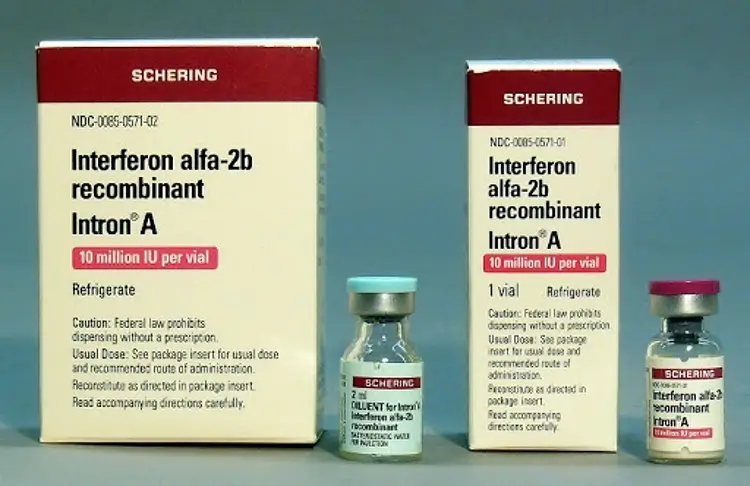
D3 e interferon-α inibiram sinergicamente a produção viral. O interferão é um modulador natural do sistema imunitário que o nosso organismo produz quando lida com infecções e é um tratamento padrão na maioria dos tratamentos virais, incluindo os vírus da gripe como a COVID-19. Conclusão:
"Este estudo demonstra pela primeira vez um efeito antiviral directo da vitamina D num sistema de produção de vírus infecciosos in vitro. Propõe uma interacção entre o sistema endócrino hepático de vitamina D e o HCV, sugerindo que a vitamina D tem um papel de mediador antiviral natural. É importante notar que o nosso estudo implica que a vitamina D pode ter um efeito de repartição do interferão, melhorando assim o tratamento antiviral dos doentes infectados pelo HCV".
(Garland et al., 2006)
Ao contrário do interferão, a vitamina D3 não tem efeitos secundários e é muito barata. À maioria das pessoas com doenças imunitárias é prescrito algum tipo de interferão, por exemplo, aos doentes com esclerose múltipla é geralmente administrado interferão beta para reduzir a inflamação. As injecções de interferão são muito caras, pelo que não serão administradas à escala da população para reduzir a mortalidade por COVID-19, mas existe uma alternativa natural e barata no chá verde (Juszkiewicz et al., 2019), (Li et al., 2016), (Turner et al., 2014). Imunologistas da Universidade de Harvard descobriram que beber chá verde estimula drasticamente, em alguns casos mais de 10 vezes, o aumento da produção natural de interferão do nosso corpo. Isto deve-se ao facto de o aminoácido que só se encontra no chá verde se chamar L-Teanina. A L-Teanina é decomposta no fígado para criar etilamina, uma molécula que inicia a resposta das células T gama-delta. As células T no sangue provocam a libertação de interferão. No caso do surto de coronavírus, este conhecimento poderá ser-lhe útil como estratégia de prevenção (Turner et al., 2014). São necessários cerca de 30 gramas de chá verde seco por dia para estimular o interferão de forma endógena. Este assunto será abordado num outro artigo. O interferão é um "medicamento milagroso" secreto de Cuba que está a ser utilizado contra o coronavírus. É apenas um interferão. O interferão Alfa-2B é produzido na China, pela empresa comum cubano-chinesa ChangHeber.
Considerando a vitamina D, a mesma que em qualquer outra doença do sistema imunitário, ela regula quase todas as doenças auto-imunes. Estudos demonstraram, por exemplo, que as pessoas que têm níveis mais elevados de vitamina D3 têm um risco mais baixo de EM. Portanto, a suplementação com vitamina D é considerada um importante factor de risco ambiental modificável para o desenvolvimento de esclerose múltipla. Além disso, estudos sugerem que para as pessoas que já têm EM, a vitamina D pode oferecer alguns benefícios.
Existe também uma ligação entre o cancro e a vitamina D. Uma vez que as células cancerígenas são destruídas pelo sistema imunitário todos os dias, o mau funcionamento do sistema imunitário devido a uma deficiência crónica de D3 pode resultar na acumulação de células cancerígenas e, eventualmente, no desenvolvimento de cancro. Uma deficiência de vitamina D pode não ser a única razão pela qual alguém contrai cancro, mas aumenta o risco de desenvolvimento de cancro em indivíduos que já têm esse risco (Wang et al., 2014). Pode também afectar a taxa de sobrevivência ao cancro. Num estudo, a vitamina D aumentou a taxa de sobrevivência do cancro colorrectal em 47% (Reid et al., 2011). Não sei se este será um tratamento eficaz para todos os tipos de cancro. Provavelmente não, mas é uma terapia barata, promotora da saúde e sem efeitos secundários. Na verdade, não se trata de uma terapia, mas de uma forma de intervenção nutricional, no sentido em que tem um efeito sobre o sistema imunitário. Até os dados estatísticos mostram que existe uma diferença significativa entre a taxa de mortalidade por cancro do cólon em diferentes estações do ano, dependendo da exposição à luz solar. A vitamina D está fortemente correlacionada com alguns tipos de cancro, como o do cólon, da mama, dos ovários e o linfoma. No total, 14 tipos diferentes de cancro estão associados a níveis mais baixos de vitamina D.
Além disso, qualquer tipo de lesão, como uma cirurgia, por exemplo, faz baixar drasticamente os níveis de vitamina D, por vezes mesmo em poucas horas (Reid et al., 2011). A razão pela qual isto acontece deve-se provavelmente à influência que a vitamina D tem na inflamação. Ou, se invertermos a lógica, se a inflamação e as lesões diminuem os níveis de vitamina D, então os baixos níveis de vitamina D podem causar um aumento da inflamação no corpo. A inflamação, por si só, pode causar a supressão do sistema imunitário e o aumento do risco de cancro e está associada a uma vasta gama de doenças crónicas. Se se provar que a ligação entre a deficiência de vitamina D e a inflamação está correcta, então será um factor sério e independente que terá de ser tido em conta quando se pensar nos factores de risco associados à deficiência.
A vitamina D é relativamente barata, a única questão que realmente se coloca é saber quanto devemos tomar, sob que forma, e se precisamos de a tomar durante um ano inteiro se tivermos uma exposição solar adequada durante o Verão?
Referências:
- Pojsupap, S., Iliriani, K., Sampaio, T. Z., O'Hearn, K., Kovesi, T., Menon, K., & McNally, J. D. (2015). Eficácia da vitamina D em altas doses na asma pediátrica: uma revisão sistemática e meta-análise. The Journal of asthma : jornal oficial da Associação para o Tratamento da Asma, 52(4), 382-390. https://doi.org/10.3109/02770903.2014.980509
- Mirzakhani, H., Al-Garawi, A., Weiss, S. T., & Litonjua, A. A. (2015). A vitamina D e o desenvolvimento de doenças alérgicas: qual a sua importância? Alergia clínica e experimental: revista da Sociedade Britânica de Alergia e Imunologia Clínica, 45(1), 114-125. https://doi.org/10.1111/cea.12430
- Raftery, T., & O'Sullivan, M. (2015). Níveis ideais de vitamina D na doença de Crohn: uma revisão. Actas da Sociedade de Nutrição, 74(1), 56-66. https://doi.org/10.1017/S0029665114001591
- Fletcher, J., Cooper, S. C., Ghosh, S., & Hewison, M. (2019). O papel da vitamina D na doença inflamatória intestinal: Mecanismo para gerenciamento. Nutrientes, 11(5), 1019. https://doi.org/10.3390/nu11051019
- Jørgensen, S. P., Agnholt, J., Glerup, H., Lyhne, S., Villadsen, G. E., Hvas, C. L., Bartels, L. E., Kelsen, J., Christensen, L. A., & Dahlerup, J. F. (2010). Ensaio clínico: tratamento com vitamina D3 na doença de Crohn - um estudo aleatório, duplo-cego e controlado por placebo. Farmacologia e terapêutica alimentar, 32(3), 377-383. https://doi.org/10.1111/j.1365-2036.2010.04355.x
- Aranow C. (2011). A vitamina D e o sistema imunitário. Journal of investigative medicine: a publicação oficial da Federação Americana de Investigação Clínica, 59(6), 881-886. https://doi.org/10.2310/JIM.0b013e31821b8755
- Gal-Tanamy, M., Bachmetov, L., Ravid, A., Koren, R., Erman, A., Tur-Kaspa, R., & Zemel, R. (2011). Vitamina D: um agente antiviral inato que suprime o vírus da hepatite C em hepatócitos humanos. Hepatologia (Baltimore, Md.), 54(5), 1570-1579. https://doi.org/10.1002/hep.24575
- Garland, C. F., Garland, F. C., Gorham, E. D., Lipkin, M., Newmark, H., Mohr, S. B., & Holick, M. F. (2006). O papel da vitamina D na prevenção do cancro. Jornal americano de saúde pública, 96(2), 252-261. https://doi.org/10.2105/AJPH.2004.045260
- Wang, B., Jing, Z., Li, C., Xu, S., & Wang, Y. (2014). Níveis sanguíneos de 25-hidroxivitamina D e mortalidade geral em pacientes com câncer colorretal: uma meta-análise de dose-resposta. European journal of cancer (Oxford, Inglaterra: 1990), 50(12), 2173-2175. https://doi.org/10.1016/j.ejca.2014.05.004
- Reid, D., Toole, B. J., Knox, S., Talwar, D., Harten, J., O'Reilly, D. S., Blackwell, S., Kinsella, J., McMillan, D. C., & Wallace, A. M. (2011). A relação entre alterações agudas na resposta inflamatória sistémica e as concentrações plasmáticas de 25-hidroxivitamina D após artroplastia electiva do joelho. O American journal of clinical nutrition, 93(5), 1006-1011. https://doi.org/10.3945/ajcn.110.008490
- Rahayu, R. P., Prasetyo, R. A., Purwanto, D. A., Kresnoadi, U., Iskandar, R. P. D., & Rubianto, M. (2018). O efeito imunomodulador do chá verde (Camellia sinensis) em ratos Wistar imunocomprometidos infectados por Candida albicans. Mundo veterinário, 11(6), 765-770. https://doi.org/10.14202/vetworld.2018.765-770
- Juszkiewicz, A., Glapa, A., Basta, P., Petriczko, E., Żołnowski, K., Machaliński, B., Trzeciak, J., Łuczkowska, K., & Skarpańska-Stejnborn, A. (2019). O efeito da suplementação de L-teanina no sistema imunológico de atletas expostos a exercícios físicos extenuantes. Jornal da Sociedade Internacional de Nutrição Desportiva, 16(1), 7. https://doi.org/10.1186/s12970-019-0274-y
- Li, C., Tong, H., Yan, Q., Tang, S., Han, X., Xiao, W., & Tan, Z. (2016). L-Theanine melhora a imunidade alterando o equilíbrio de citocinas TH2 / TH1, neurotransmissores cerebrais e expressão de fosfolipase C em corações de ratos. Medical science monitor : revista médica internacional de investigação experimental e clínica, 22, 662-669. https://doi.org/10.12659/msm.897077
- Turner, R. B., Felton, A., Kosak, K., Kelsey, D. K., & Meschievitz, C. K. (1986). Prevenção de resfriados experimentais de coronavírus com interferon alfa-2b intranasal. Jornal de doenças infecciosas, 154(3), 443-447. https://doi.org/10.1093/infdis/154.3.443
- Palacios, C., & Gonzalez, L. (2014). A deficiência de vitamina D é um grande problema de saúde pública global? Jornal de bioquímica de esteróides e biologia molecular, 144 Pt A, 138-145. https://doi.org/10.1016/j.jsbmb.2013.11.003

Você tem alguma dúvida sobre saúde e nutrição?
Eu adoraria ouvir de você e respondê-las em meu próximo post. Agradeço sua contribuição e opinião e espero ouvir de você em breve. Eu também convido você a siga-nos no Facebook, Instagram e Pinterest para mais conteúdos sobre dieta, nutrição e saúde. Pode deixar um comentário e ligar-se a outros entusiastas da saúde, partilhar as suas dicas e experiências e obter apoio e encorajamento da nossa equipa e comunidade.
Espero que este post tenha sido informativo e agradável para si e que esteja preparado para aplicar os conhecimentos que aprendeu. Se achou este post útil, por favor partilhá-lo com os seus amigos e familiares que também possam beneficiar com isso. Nunca se sabe quem poderá precisar de alguma orientação e apoio no seu percurso de saúde.
– Você Também Pode Gostar –

Exposição à Poluição Atmosférica - Riscos Para a Saúde e Estratégias de Prevenção

Vitamina D - a Mais do que os seus ossos

A depleção de glicogênio - Como não exercício

A deficiência de vitamina D - Fatores de Risco

Pesticidas nos Alimentos, Exposição na Dieta Americana Padrão - 80 Por Cento da Carne

Adaptações de Treino Antioxidantes Deficientes - Prevenir Danos Oxidativos no Músculo
Açafrão-da-Terra: Melhorar a Saúde e Benefícios Clínicos
Consumo Optimo de Antioxidantes: Ingestão Recomendada de Unidades ORAC

Aprender Sobre Nutrição

Milos Pokimica é médico de medicina natural, nutricionista clínico, escritor de saúde e nutrição médica, e conselheiro em ciências nutricionais. Autor da série de livros Go Vegan? Revisão de Ciênciaopera também o website de saúde natural GoVeganWay.com
Medical Disclaimer
GoVeganWay.com traz análises das pesquisas mais recentes sobre nutrição e saúde. As informações fornecidas representam a opinião pessoal do autor e não pretendem nem implicam substituir aconselhamento, diagnóstico ou tratamento médico profissional. As informações fornecidas são apenas para fins informativos e não se destinam a servir como substituto para consulta, diagnóstico e/ou tratamento médico de um médico ou profissional de saúde qualificado.NUNCA DESCONSIDERE o CONSELHO MÉDICO PROFISSIONAL OU adiar a BUSCA de TRATAMENTO MÉDICO por causa DE ALGO QUE TENHA LIDO OU ACESSADO por MEIO de GoVeganWay.com
NUNCA APLIQUE QUAISQUER MUDANÇAS de estilo de VIDA OU QUALQUER MUDANÇA COMO UMA CONSEQUÊNCIA DE ALGO QUE TENHA LIDO NO GoVeganWay.com ANTES de CONSULTORIA de LICENÇA MÉDICA.
No caso de uma emergência médica, ligue para o médico ou para o 911 imediatamente. GoVeganWay.com não recomenda ou endossa qualquer específicos, grupos, organizações, exames, médicos, produtos, procedimentos, opiniões ou outras informações que podem ser mencionadas dentro.
Sugestões do Editor –
Câncer Editor De Picaretas Fitoquímicos
Poder Anticancerígeno das Frutas e Legumes: Evidências Clínicas e in Vivo
Alguns extractos vegetais rivalizam com os principais medicamentos de quimioterapia e, ao mesmo tempo, visam vários tipos diferentes de células cancerígenas.
Antioxidantes Editor De Picaretas ORAC
Óleos Essenciais Como Suplementos Antioxidantes: Regras e Estratégias
Os óleos essenciais de qualidade alimentar podem ser uma estratégia conveniente e amiga do consumidor para optimizar o valor antioxidante e a pontuação ORAC da nossa dieta.
Antioxidantes Editor De Picaretas ORAC
Dieta Rica em Antioxidantes: Regras e Estratégias Gerais
Existem estratégias fáceis e económicas para optimizar o valor antioxidante da nossa dieta.
Antioxidantes Editor De Picaretas ORAC
Compreender os Valores ORAC: Níveis de Antioxidantes nos Alimentos
Quando a sua principal fonte de antioxidantes é o café, sabe que tem um problema grave.

Antioxidantes Editor De Picaretas ORAC
Astaxantina Benefícios: Antioxidante Natural Mais Poderoso do Mundo
A astaxantina é o mais poderoso e natural antioxidante universal (tanto o petróleo e a água-solúvel) desconhecido para a ciência. Ele se acumula nos tecidos e Ele nunca pode transformar-se em um pró-oxidante.
Antioxidantes Editor De Picaretas ORAC Fitoquímicos
Antioxidantes: Compreender os Princípios Básicos
Los productos de origen animal no contienen fitoquímicos ni antioxidantes. Por término medio, los alimentos vegetales contienen más de 60 veces más antioxidantes que los de origen animal.
Editor De Picaretas A Dieta Vegetariana
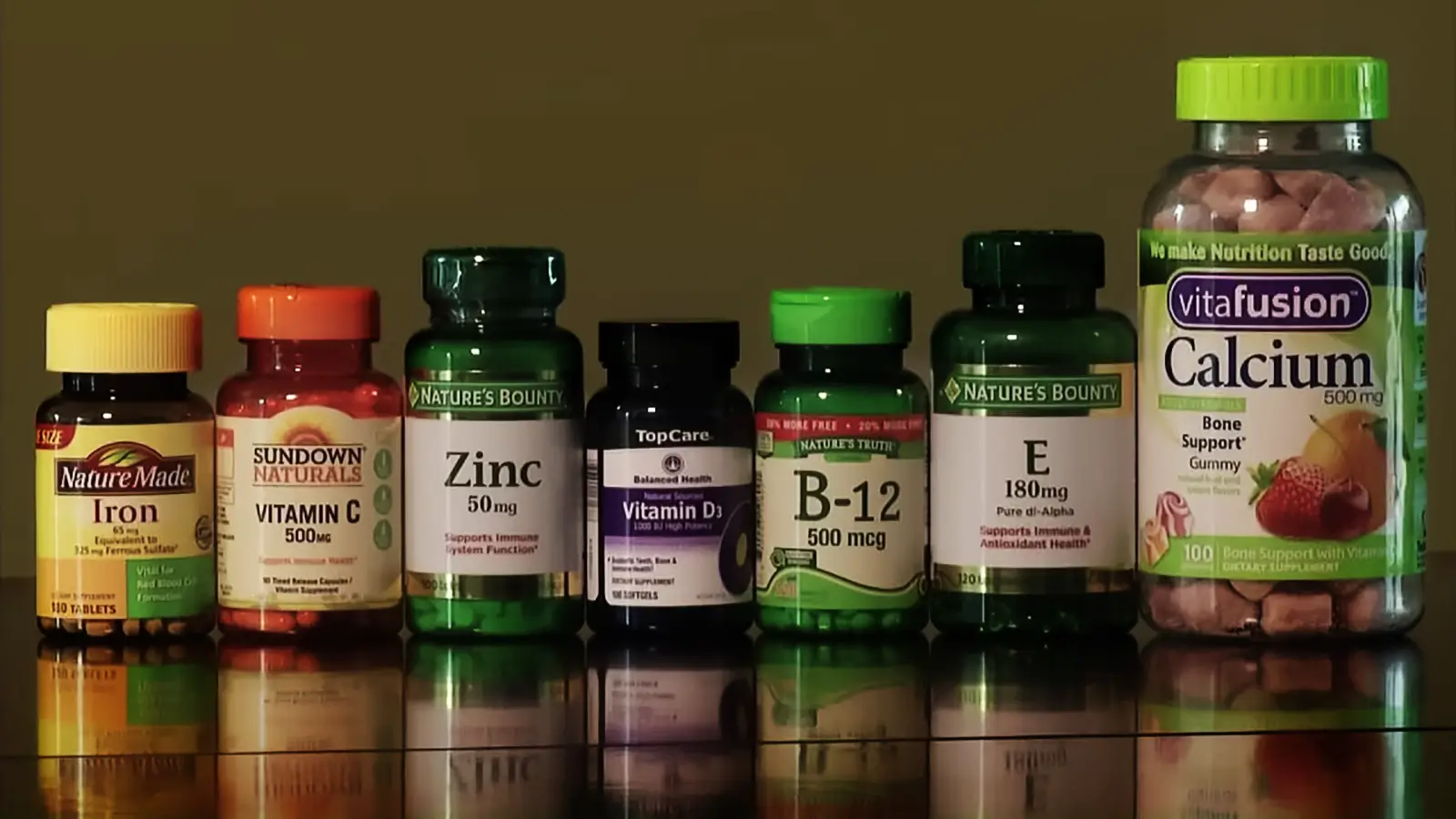
Deficiências de Nutrientes na Dieta Vegana: Estratégias de Prevenção
Existem nove deficiências comuns de nutrientes na escala populacional que afectam as pessoas que se alimentam de uma dieta à base de plantas. Se não forem corrigidas a tempo, algumas deficiências têm consequências terríveis e não tratáveis.
Editor De Picaretas Alimentação Ideal
Deficiência de Micronutrientes na Dieta Americana Padrão: Estratégias de Otimização
O perfil nutricional da nossa dieta moderna à base de carne, açúcar e alimentos processados é completamente incongruente com a nossa evolução, resultando numa grave deficiência de micronutrientes.
Editor De Picaretas Fitoquímicos
Fitoquímicos: Conceitos Básicos
Cada fitoquímico que existe tem uma acção biológica no corpo humano. Cada um de milhões de diferentes fitoquímicos.
Editor De Picaretas Leite Alimentação Ideal
Leite e Lacticínios: Correlações de Risco Para a Saúde
As associações conhecidas com o consumo de leite e laticínios são infertilidade, câncer de ovário e de mama, leucemia, diabetes tipo 1, autismo, arteriosclerose, catarata, artrite reumatóide, esclerose múltipla, hiperatividade, congestão, espinhas e muito mais…
Câncer Editor De Picaretas Proteína
Proteína Completa: Sinalização do IGF-1 na Formação do Cancro
Quando você comer proteína animal que tem quatro vezes a chance de desenvolver todos os tipos de câncer. Quando você fuma tem quatro vezes a chance de desenvolver câncer de pulmão.

Câncer Editor De Picaretas Proteína
A Anatomia do Câncer de risco para a Saúde correlações
Cerca de 2% dos cânceres são, pela medicina, considerados puramente causados por fatores genéticos. A mesma faixa do reino animal. Você não foi informado de toda a verdade.
Milos Pokimica é escritor especializado em saúde e nutrição e consultor em ciências nutricionais. Autor da série de livros Go Vegan? Revisão de Ciênciaopera também o website de saúde natural GoVeganWay.com
Artigos Mais Recentes -

Restrição De Calorias Longevidade
Como Fazer Jejum: Alimentos em Jejum que Não Quebram a Autofagia
Autofagia. Você já se perguntou o que acontece com as células do seu corpo quando elas morrem ou são danificadas? Eles simplesmente se acumulam e criam problemas ou são eliminados de alguma forma? A resposta é que seu corpo…
Saúde Dentária Prevenção
Dentes Sensíveis a Doces e Dor: Solução Rápida e Duradoura
Uma solução rápida e fácil para o alívio da dor é o óleo essencial de cravinho, um poderoso antioxidante e analgésico que pode ajudar com doenças das gengivas e dores de dentes.
Feijão
Feijão Verde: Benefícios Nutricionais e Para a Saúde
O feijão verde tem poucas calorias e é rico em compostos naturais que podem ajudá-lo a controlar o açúcar no sangue, a reduzir o colesterol e a combater os radicais livres.
Dieta de alimentos crus A Dieta Vegetariana
Pode-se Comer Cogumelos Crus: Riscos Para a Saúde, Nutrição e Segurança
Os cogumelos têm toxinas sensíveis ao calor, como a hidrazina ou a agaritina, e paredes celulares feitas de quitina que não podem ser bem digeridas pelos seres humanos.
A Dieta Vegetariana
Os Peixes São Animais? Uma Perspetiva Cultural
Em algumas culturas, a carne de peixe não é considerada carne e o peixe é permitido mesmo durante o jejum.

Saúde Dentária Prevenção
Enxaguante bucal natural caseiro: comprovado, mais forte e menos tóxico
O elixir bucal natural caseiro é mais forte do que a clorexidina, menos tóxico e, se ingerido, pode provocar algumas náuseas, mas também tem um elevado valor ORAC.
Saúde Dentária Prevenção
Como Parar a Cárie Dentária: Sintomas, Causas e Prevenção
Consumo de açúcar é a principal causa de cáries e a cárie dentária, combinado com deficiência de minerais, especialmente o magnésio, o zinco, o cobre e elementos-traço.
Antioxidantes Superalimentos
Amla: Benefícios Comprovados, Nutrição e Significado Clínico
O amla é um dos antioxidantes mais poderosos do mundo, com uma pontuação ORAC de 261.530. É uma fonte rica de fitoquímicos que têm vários benefícios para a saúde.
Superior De Saúde De Notícias — ScienceDaily
PubMed, #vegan-dieta –
- Nutritional lifestyle and «production animal» tracking during veterinary curriculumon Março 31, 2026
Veterinary medicine students are confronted with choosing a specialty track after completing their bachelor›s degree. They can choose between clinical (Livestock (NT), Equine (EQ), Small Animal (KT)) and non-clinical track (Pathobiology, Biomedical Research or Veterinary Public Health (VPH)). Overall, the proportion of vegetarians and vegans in the population has increased in the last few decades. An even higher percentage of vegetarian and vegan lifestyles could be observed among […]
- Comparative cross-sectional study of vegan and omnivorous diets and their impact on cardiac function among endurance athleteson Março 30, 2026
Vegan and omnivorous diets are both common in endurance sport; however, the chronic effects of these diets on cardiac function remain uncertain. Therefore, it is of interest to compare echocardiographic, vascular and exercise performance between endurance athletes on vegan or omnivorous diets. Data shows there is comparable systolic function; however, vegans displayed superior diastolic function and arterial compliance; whilst omnivores maintained higher hemoglobin and ferritin levels. Thus, […]
- Environmental Sustainability and Chronic Disease Outcomes Across Four Sustainable Dietary Patternson Março 29, 2026
Global food consumption patterns have undergone substantial transformation in recent decades, driven by rapid population growth and the consequent intensification of agricultural production. This growth, however, has come at significant environmental cost. As food consumption practices play a central role in shaping these impacts, shifts toward environmentally sustainable diets-typically characterized by greater reliance on plant-based foods-have been proposed as a viable mitigation strategy….
- Plant-Based Dietary Patterns and Neuroimaging Biomarkers of Brain Health: A Scoping Review of Observational and Interventional Evidenceon Março 23, 2026
Healthy dietary interventions are well established in cardiovascular disease prevention, but their effects on the brain remain underexplored. This scoping review aims to investigate how adherence to core components of a whole-food plant-based diet (WFPBD) may impact neuroimaging outcomes across different brain conditions. We searched PubMed and MEDLINE for studies published in the past 20 years evaluating the effects of a predominantly or exclusively WFPBD, alone or combined with other […]
- Environmental and economic impact of a vegan versus traditional mediterranean diet: OMNIVEG studyon Março 17, 2026
CONCLUSIONS: Replacing animal products with plant-based foods in a Mediterranean dietary framework can enhance environmental sustainability and reduce food costs. These findings support the promotion of whole plant-based diets as a viable strategy for sustainable and affordable nutrition.
Postagens aleatórias –
Câncer Editor De Picaretas Proteína
Proteína Completa: Sinalização do IGF-1 na Formação do Cancro
Quando você comer proteína animal que tem quatro vezes a chance de desenvolver todos os tipos de câncer. Quando você fuma tem quatro vezes a chance de desenvolver câncer de pulmão.
Antioxidantes Superalimentos
Benefícios da Spirulina: Superalimento Rico em Ficocianina
A espirulina tem fortes propriedades antioxidantes, anticancerígenas, antivirais e imunomoduladoras, bem como a capacidade de combater a obesidade, a diabetes e o colesterol.

COVID-19 Prevenção A Vitamina D
A deficiência de vitamina D - Fatores de Risco
Existem apenas duas vitaminas que não são produzidos pelas plantas, vitamina D, e o outro de vitamina B12. A deficiência de vitamina D é uma preocupação real.
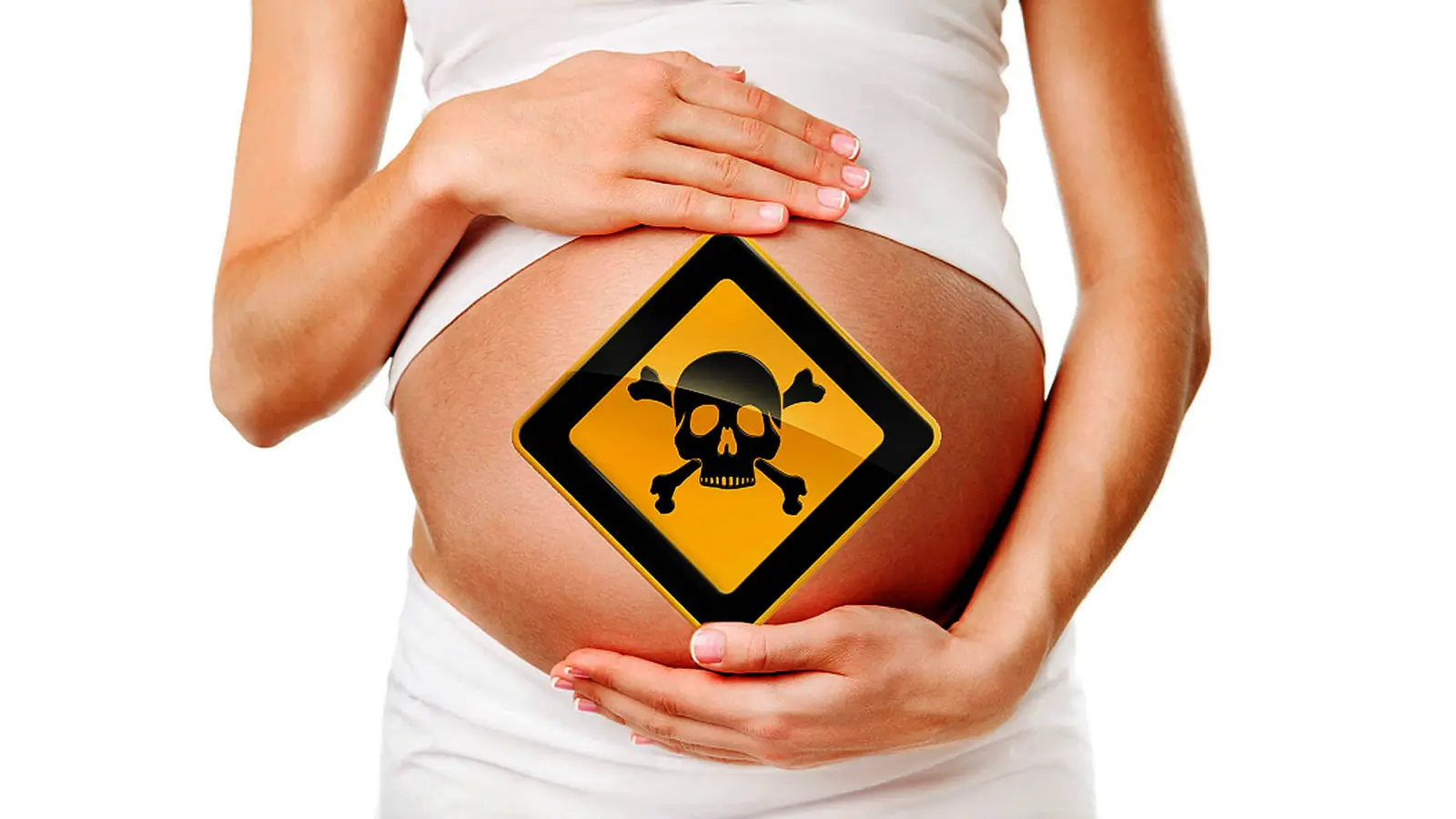
Desintoxicação Gravidez Toxicidade
Desintoxicação e Risco de Exposição à Toxicidade na Gravidez- O Argumento Vegan
Em média, uma mulher grávida está poluída com cerca de 35 produtos químicos diferentes, incluindo contaminantes proibidos e contemporâneos. Os níveis do coquetel químico de muitos desses produtos químicos foram comparáveis aos níveis que podem ter efeitos adversos fetais.

A Medicina Alopática Editor De Picaretas
A Medicina alopática - O Surgimento de uma Indústria
O saldo de médicos ramos manteve-se igual sobre a virada do século 20 quando novos tratamentos médicos verificou que estavam potencialmente muito lucrativo.
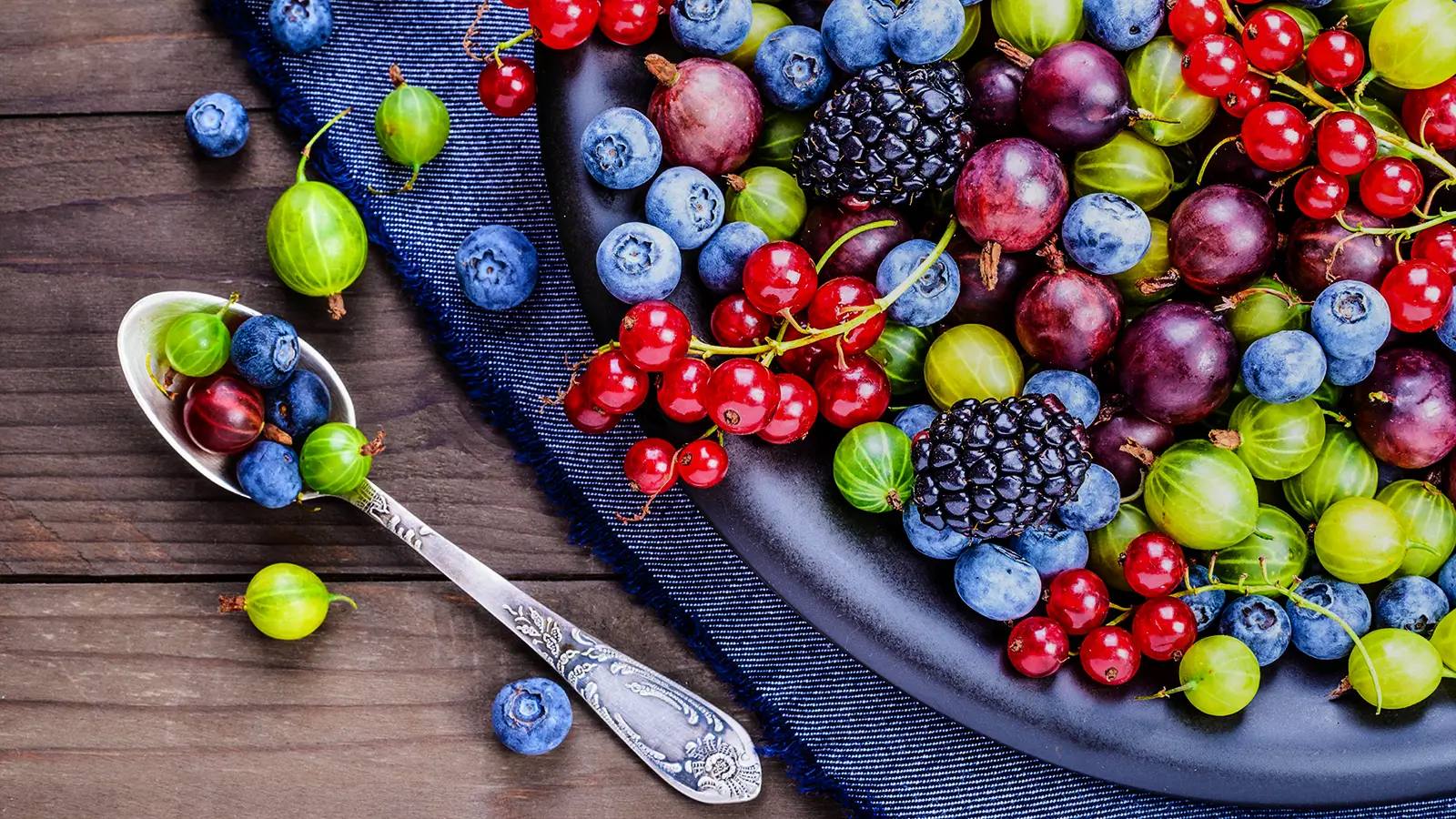
Antioxidantes ORAC
Consumo Optimo de Antioxidantes: Ingestão Recomendada de Unidades ORAC
O consumo óptimo de antioxidantes depende da exposição à toxicidade. A pontuação mínima da unidade ORAC é de 8000 a 10000 por dia apenas para contrariar o metabolismo.
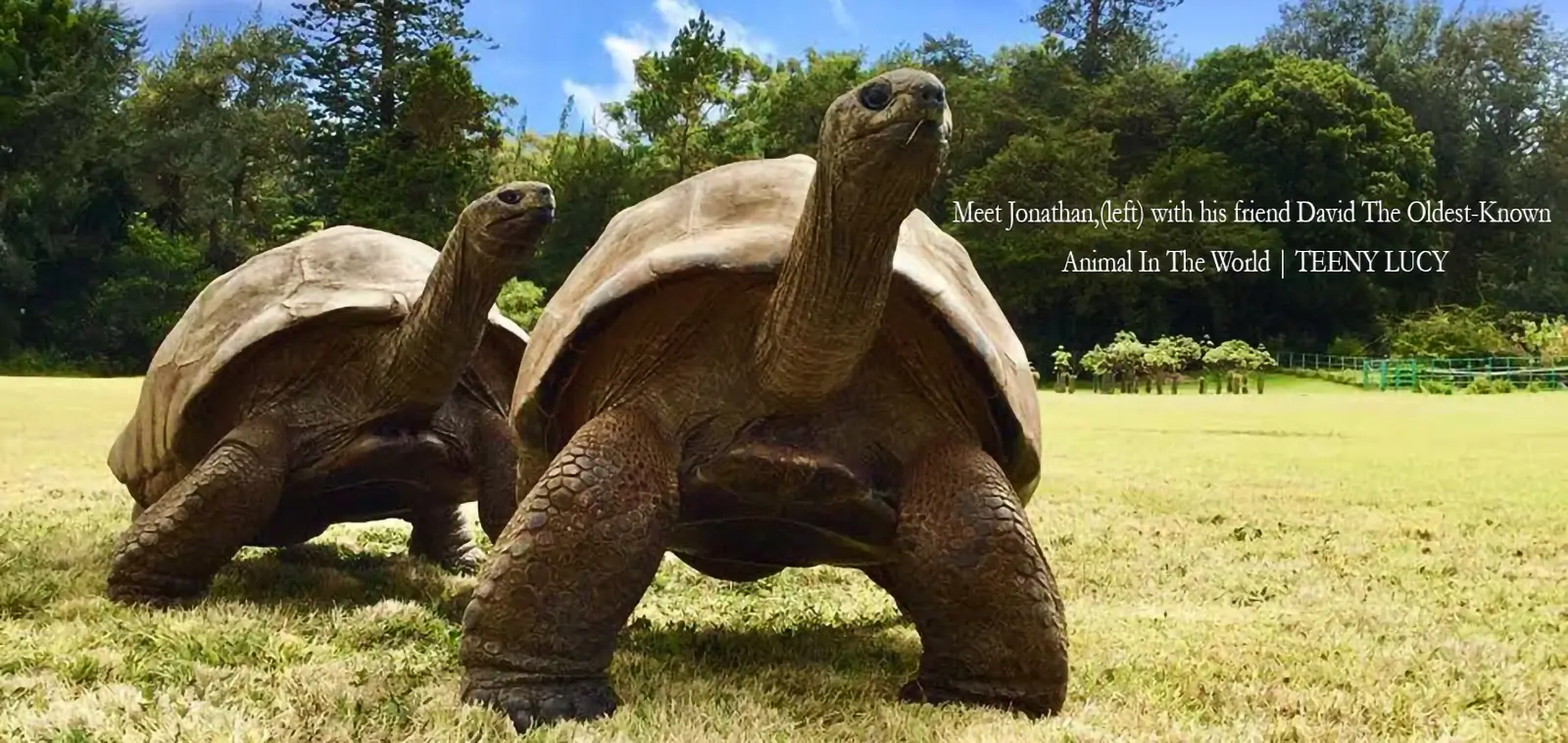
Longevidade
Longevidade: A Teoria do Ritmo da Vida
Quanto maior o metabolismo, maior o dano oxidativo, e quanto maior a divisão celular. Cada vez que a célula divide-clipes dos telómeros na metade e a nossa longevidade
A Dieta Vegetariana
Os Peixes São Animais? Uma Perspetiva Cultural
Em algumas culturas, a carne de peixe não é considerada carne e o peixe é permitido mesmo durante o jejum.

A Inflamação Dieta de alimentos crus Toxicidade
Lectins - o Paradoxo da "Planta Paradox"
O paradoxo da "Planta Paradoxo" é que as pessoas que comem mais lectins (feijões e cereais integrais) têm menos câncer.
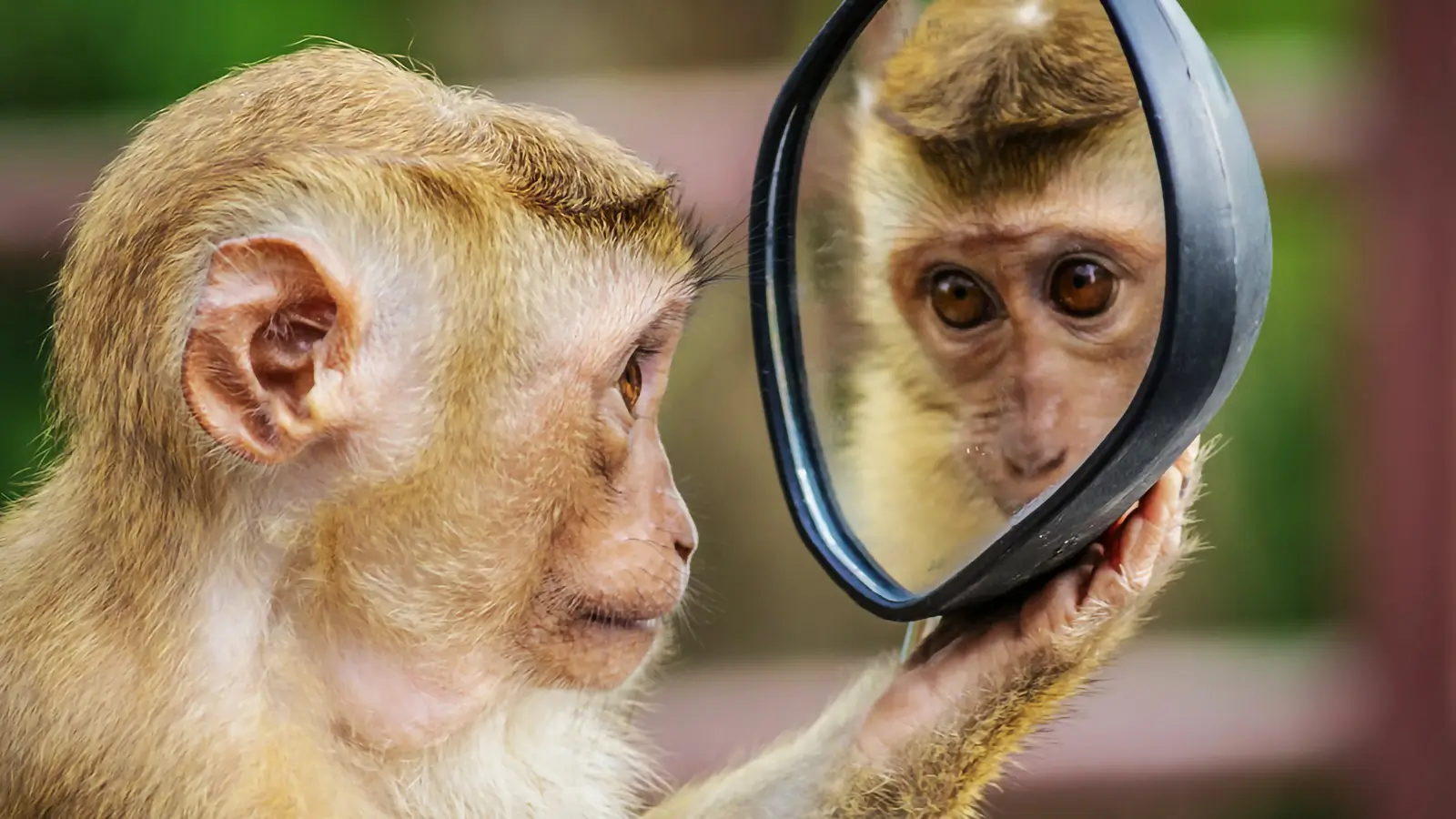
A Dieta Vegetariana
Humano de carne, ou seja, o mito?- O animal cognição
Não somos mais inteligentes espécies se nós cientificamente medida animal cognição. As barbatanas longas baleia-piloto cérebro neocortical parte contém mais neurônios do que os nossos próprios.

Postagens em destaque –
Câncer Editor De Picaretas Fitoquímicos
Poder Anticancerígeno das Frutas e Legumes: Evidências Clínicas e in Vivo
Alguns extractos vegetais rivalizam com os principais medicamentos de quimioterapia e, ao mesmo tempo, visam vários tipos diferentes de células cancerígenas.
Câncer Editor De Picaretas Proteína
A Anatomia do Câncer de risco para a Saúde correlações
Cerca de 2% dos cânceres são, pela medicina, considerados puramente causados por fatores genéticos. A mesma faixa do reino animal. Você não foi informado de toda a verdade.
Editor De Picaretas Alimentação Ideal
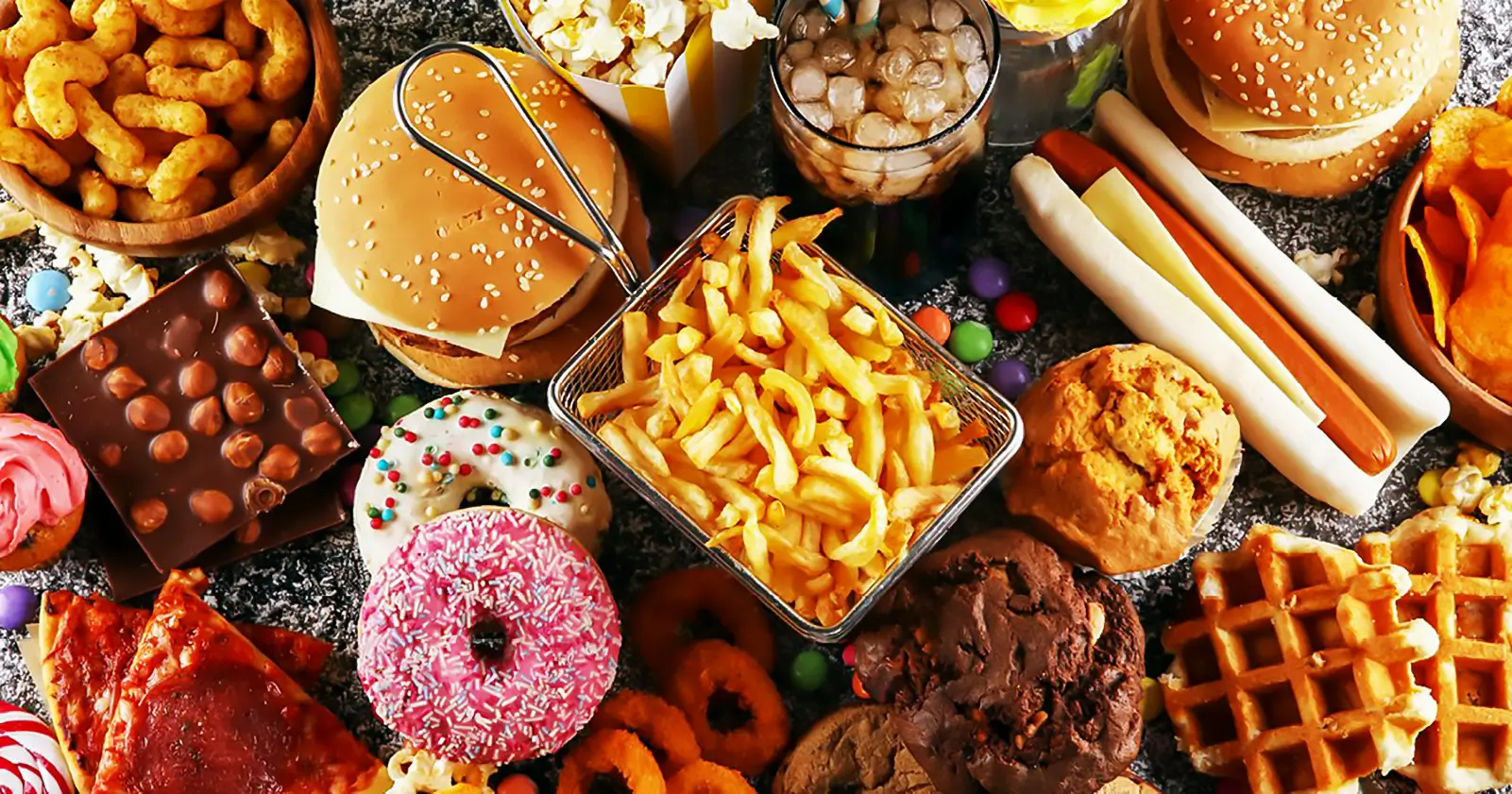
Alimentos Processados: Compreender os Riscos
Os alimentos processados significam que algo dos alimentos integrais é removido, normalmente a fibra, e algo é adicionado, normalmente a gordura, o açúcar, o sal e o MSG.
Editor De Picaretas Prevenção Toxicidade
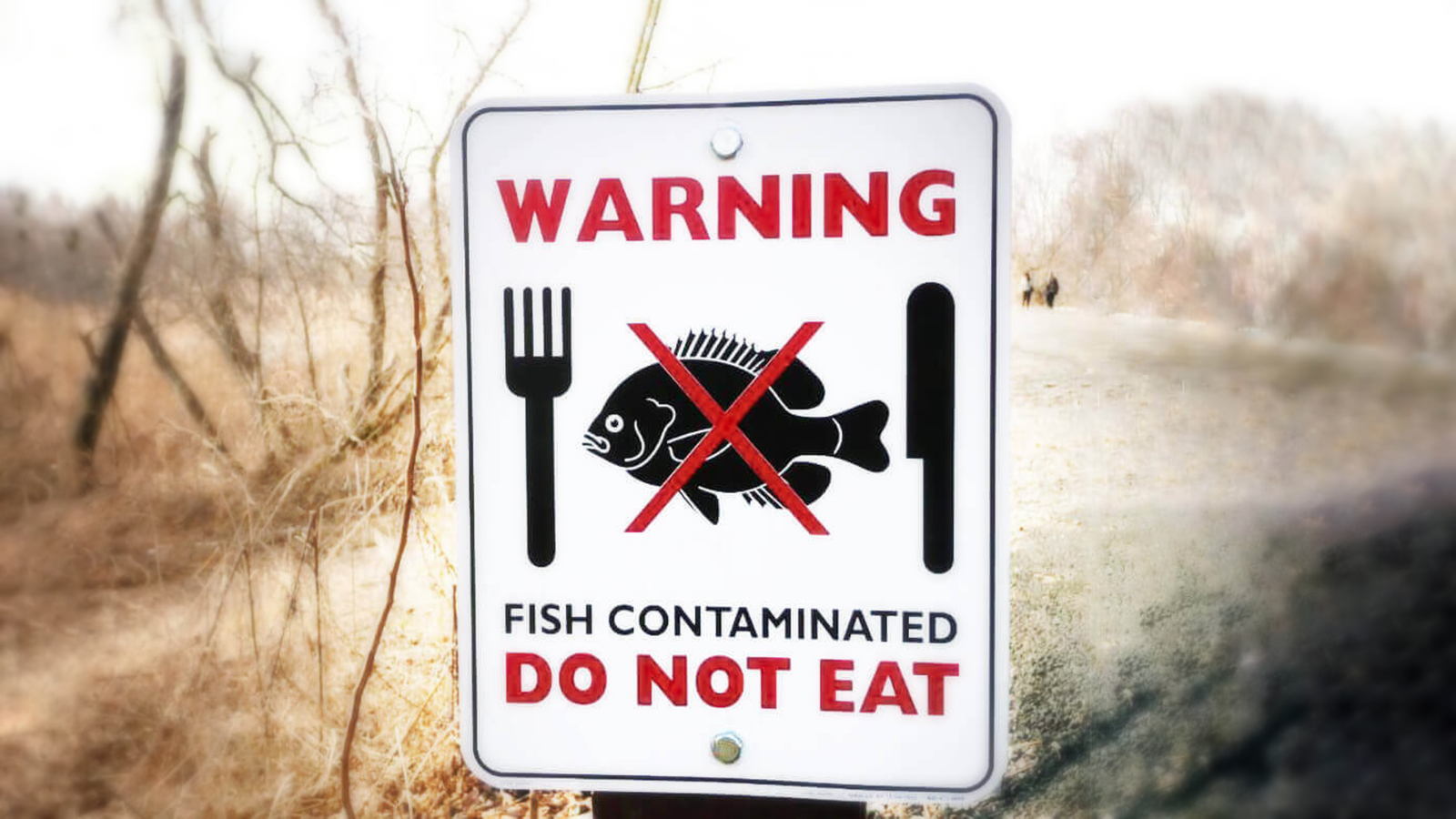
Toxicidade Ambiental- É Apenas Uma Cadeia Alimentar
Toxicidade ambiental é a bioacumulação de toxinas. Organismos são filtros. Mas há mais ainda piores processo chamado de biomagnificação na cadeia alimentar.

Editor De Picaretas A Obesidade
Binge eating disorder - A psicologia da fome
Na natureza, não é refinado, açúcar ou gordura. O nosso cérebro nunca havia sido exposta a uma combinação dos dois de uma vez, forçando-nos em binge eating disorder.
Editor De Picaretas A Obesidade Alimentação Ideal
Causa da Obesidade - Desadaptação ou vício
Qual é a causa da epidemia de obesidade? Para toda a vida na Terra, a comida não é uma escolha. A coisa mais difícil para o animal no deserto é o ganho de peso.

Câncer Editor De Picaretas Toxicidade
Pesticidas nos Alimentos, Exposição na Dieta Americana Padrão - 80 Por Cento da Carne
A maioria dos pesticidas e, especialmente, metais pesados e outros resíduos tóxicos poluentes temos, temos de carne. Mais de 80% da exposição aos pesticidas na dieta Americana padrão vem de produtos de origem animal, não a partir de frutas ou de produtos hortícolas.

Câncer Editor De Picaretas Toxicidade
Exposição a Pesticidas em Crianças: Testes de Exposição na Vida Real
Crianças e, principalmente, as mulheres grávidas são mais vulneráveis à exposição aos pesticidas. Se analisarmos do mundo real, os níveis de exposição em cenários da vida real, qual seria o resultado?
Diabetes Editor De Picaretas
A Diabetes provoca e gordura saturada - vegan argumento
Como o nível de gordura no sangue, aumenta a capacidade do corpo para limpar açúcar cai. Um dos diabetes provoca é o nosso desadaptação para uma grande ingestão de gordura
Editor De Picaretas Alimentação Ideal A Dieta Vegetariana
QUE orientações dietéticas - Nova pirâmide alimentar e a supressão da ciência
As directrizes dietéticas da OMS recomendam uma dieta pobre em gordura saturada (proteína animal), açúcar e sal e rica em frutas e vegetais como um requisito para combater o aumento epidémico de doenças crónicas em todo o mundo.
Últimas do PubMed, #dieta baseada em vegetais –
- Environmental and dietary triggers of hyperuricemia in chronic kidney disease: A cardiovascular perspectivepor Mohammed AbuBaha on Abril 1, 2026
CONCLUSIONS: An integrated approach is required to manage hyperuricemia in CKD. Lifestyle strategies, including reducing dietary fructose, limiting alcohol, and adopting plant-forward diets, may lower serum urate, while mitigating environmental exposures may help preserve renal function. Pharmacotherapy should be individualized based on comorbidities and risk profiles. Despite supportive mechanistic and observational evidence, randomized trials remain inconclusive, highlighting the need for…
- Moderate Wine Consumption, Defined by the Mediterranean Diet, Is Associated With Delayed Biological Aging in Men From the Moli-sani Studypor Simona Esposito on Abril 1, 2026
CONCLUSION: Moderate wine consumption, but not overall ethanol intake, may contribute to slower biological aging in men.
- Microbiota-accessible carbohydrates enhance gut microbiota stability and antibiotic resilience through production of quorum sensing molecule AI-2por Robert Keskey on Abril 1, 2026
Dietary fiber and fat shape the gut microbiota and human health, yet their role in modulating the response of the microbiota to antibiotics remains underexplored. We hypothesized that dietary fiber, independent of fat content, mitigates antibiotic-induced weight loss and diarrhea in a microbiota-dependent manner. Mice were fed refined diets varying in fat and fiber contents for 6 weeks, compared to a standard plant-based chow diet. Following antibiotic administration, fiber consumption…
- Nutritional lifestyle and «production animal» tracking during veterinary curriculumpor O J Glardon on Março 31, 2026
Veterinary medicine students are confronted with choosing a specialty track after completing their bachelor›s degree. They can choose between clinical (Livestock (NT), Equine (EQ), Small Animal (KT)) and non-clinical track (Pathobiology, Biomedical Research or Veterinary Public Health (VPH)). Overall, the proportion of vegetarians and vegans in the population has increased in the last few decades. An even higher percentage of vegetarian and vegan lifestyles could be observed among […]
- Transgenerational dynamics of gut microbiota in black soldier fly larvae (Hermetia illucens) reared on a novel substratepor Shaktheeshwari Silvaraju on Março 31, 2026
Understanding the transgenerational dynamics of gut microbiota in black soldier fly larvae (BSFL) is essential for optimizing their performance on novel waste substrates in industrial settings. In this study, a wild-type BSF population was divided into six sub-lines and reared over four generations: one line on standard chicken feed (CF) and five on a novel plant-based diet (WIL), four of which were subjected to selection for increased larval size. Despite a shared genetic origin, sub-lines…
- Plant-based dietary patterns are associated with slower epigenetic agingpor Hyunju Kim on Março 31, 2026
Greater adherence to plant-based diets is associated with health benefits. Dietary intake can modify DNA methylation patterns, but it is unknown whether plant-based diets in a largely non-vegetarian population are associated with DNA methylation-based epigenetic aging measures. We examined the associations between 4 different types of plant-based diets indices (PDI) [overall PDI, provegetarian diet, healthy PDI, and unhealthy PDI] and epigenetic aging. We used data from the Atherosclerosis […]