







Leite e Lacticínios: Correlações de Risco Para a Saúde
As associações conhecidas com o consumo de leite e laticínios são infertilidade, câncer de ovário e de mama, leucemia, diabetes tipo 1, autismo, arteriosclerose, catarata, artrite reumatóide, esclerose múltipla, hiperatividade, congestão, espinhas e muito mais…
Milos Pokimica
Escrito por: Milos Pokimica
Revisto Clinicamente Por: Dr. Xiùying Wáng, M.D.
Updated Janeiro 4, 2026Principais Conclusões:
- Os bebés alimentados com qualquer outro leite que não o leite materno têm um QI inferior a um nível médio.
- A relação estabelecida entre a beta-caseína A1 e a diabetes tipo 1 e as doenças cardíacas é de 0,982 e 0,76.
- Os seres humanos não conseguem digerir corretamente a caseína.
- Toda a gente, todos os seres humanos do planeta Terra, se forem indivíduos adultos, têm deficiência de galactosidase.
- As cataratas dos idosos provêm da galactose.
- As mulheres acumulam galactose à volta dos ovários e esta está associada ao cancro dos ovários e à infertilidade.
- Mesmo em pequenas doses, a galactose aumenta as alterações que se assemelham ao envelhecimento natural.
- Cerca de 86% da população dos EUA têm anticorpos contra o vírus da leucemia bovina detectados.
- A pasteurização mata todas as bactérias, mas também algumas das enzimas vitais (catalase, peroxidase, fosfatase) e vitaminas, reduz o valor proteico (composição de aminoácidos) em 17%, o complexo de vitaminas B é destruído em 38% e a vitamina C é destruída. Apenas 25% do cálcio do leite de vaca é absorvível pelo organismo, o que se deve à falta de enzimas digestivas nos seres humanos.
- Os países com maior consumo de leite têm também o maior risco de osteoporose.
- A somatotropina bovina ou BGH é utilizada desde 1994 na produção de carne de bovino e está associada ao cancro (da mama, da próstata e do cólon), além de contribuir para um outro conjunto de perturbações, como a puberdade precoce nas crianças.
- Os seres humanos consomem leite obtido de novilhas na segunda metade da gravidez, quando os níveis de estrogénio nas vacas são acentuadamente elevados.
- As hormonas androgénicas do leite promovem o desenvolvimento da acne vulgar e da puberdade precoce e estimulam o crescimento do cancro.
- A 5alfa-pregnanodiona (5alfa-P) é a principal hormona androgénica ou sexual presente no leite.
- Os lacticínios estão associados a uma menor contagem e movimento dos espermatozóides e a danos diretos nos testículos. É tão prejudicial para os testículos como o colesterol.
- Os produtos lácteos estão em segundo lugar na lista de todos os produtos alimentares que aumentam o colesterol e isso deve-se à caseína.
- O BCM7 tem um impacto pró-oxidativo no LDL.
- As crianças autistas e os adultos com esquizofrenia apresentaram um valor anormal elevado e constante dos péptidos opióides casomorfina e gluteomorfina obtidos a partir da beta-caseína e do glúten.
- A circulação dos péptidos BCM7 no sistema nervoso central em desenvolvimento de um bebé pode afetar o seu centro respiratório, levando à apneia e Síndrome de morte súbita do lactente (SMSL).
- O consumo de leite de vaca pode enfraquecer a função imunitária das crianças
Associações conhecidas de risco sanitário.
Os riscos para a saúde que se sabe estarem associados ao consumo de produtos lácteos são a fadiga crónica, as dores de cabeça, a hiperatividade (adição, TDAH), as lesões cerebrais e a neurotoxicidade, o autismo, a alergia e a congestão, a asma e os problemas respiratórios, a arteriosclerose precoce devido ao colesterol oxidado, doença arterial cardíaca, diabetes de tipo 1, artrite reumatoide, esclerose múltipla, declínio da inteligência, borbulhas, chichi na cama, puberdade precoce, leucemia, cancro e especialmente cancro da mama, cancro do ovário, cataratas, osteoporose, doenças relacionadas com o IGF 1, obstipação, diarreia. No leite de vaca há bactérias, vírus, priões, antibióticos, hormonas, pesticidas e outras toxinas e metais pesados.
Modelo de negócio.
Os media e o mundo dizem-nos que o leite é essencial e que não pode ser substituído. É um dos alimentos vitais, mas vejamos alguns factos interessantes.
Se tiver uma vaca selvagem comum que vive nas planícies em África, então tal vaca produzirá 3 litros de leite por dia.
É o suficiente para alimentar a cria e, claro, a cria está equipada para consumir esse leite. Para o vitelo, não há alimento mais natural do que esse.
A proteína no leite é chamada caseína.
É uma grande proteína globular que não é como a que se encontra nos vegetais. Precisa de um modo particular de digestão para ser absorvida correctamente. A caseína necessita de uma enzima específica chamada renina para que o corpo a possa dissolver em aminoácidos. Sem esta enzima, a renina não pode ser utilizada. Passará pelo sistema digestivo sem ser absorvida como uma proteína globular. O corpo absorve apenas aminoácidos individuais depois que a proteína é quebrada no trato digestivo. O bezerro produzirá esta enzima em quantidades adequadas.
Quando abordamos o modelo de negócio da economia atual, que se traduz em "vamos ganhar mais dinheiro", seleccionamos vacas para ordenha que estão geneticamente condicionadas a produzir mais leite num dia. Muito mais leite do que as vacas selvagens. Uma boa vaca produzirá 20 litros de leite por dia, uma vaca muito boa produzirá 40 litros de leite por dia, uma vaca excelente produzirá 80 litros. O Campeão do Mundo produziu mais de 120 litros por dia.
Casein.
Temos de ter leite na nossa dieta, como diz a história, devido ao facto de o leite ser uma das principais fontes de cálcio e proteínas na dieta americana padrão. Depois sobre gordura e lactose e outras coisas más nela contidas, os meios de comunicação social não falam muito. Dizem que consumimos a nossa dose diária de cálcio e um grande pedaço de proteína principalmente do leite. Tudo tem a ver com o cálcio de que precisamos e com as proteínas. Temos sido ensinados desde o dia em que éramos bebés a tomar as doses necessárias de produtos lácteos.
O leite humano tem a menor concentração de proteínas de todas as outras espécies de mamíferos.
O leite humano tem a menor proporção de caseína em relação ao soro de leite de todas as outras espécies de mamíferos.
"O leite é para os bebés. Quando se cresce, é preciso beber cerveja".
- Arnold Schwarzenegger
Porque é que o leite humano tem a menor concentração de proteínas entre todos os mamíferos?
A caseína de cada espécie é unicamente adequada para satisfazer as necessidades metabólicas dessa espécie, o que significa que terá uma composição específica de aminoácidos.
A quantidade de proteína no leite é única e exclusivamente adequada para satisfazer as necessidades crescentes desta espécie.
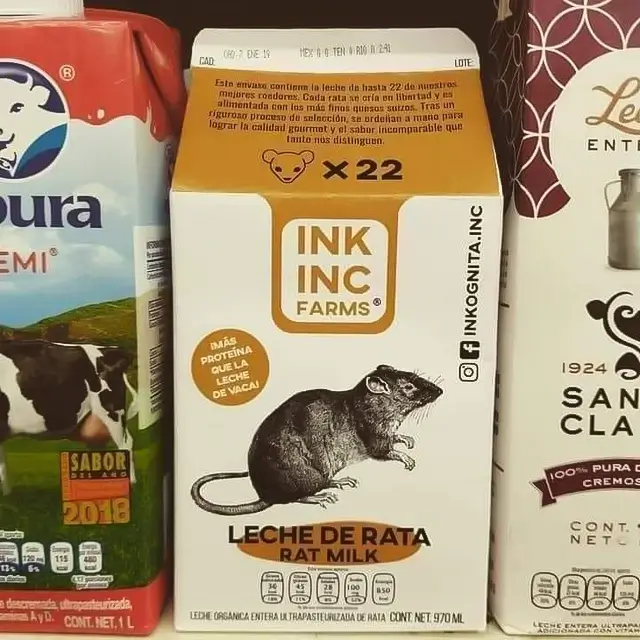
O leite humano contém 10 g/l e são necessários 120 dias para que um bebé duplique o seu peso após o nascimento. Os cavalos têm 24g / l e são necessários 60 dias para duplicar o peso. O leite de vaca tem 33g / l e demora apenas 47 dias. Os cães têm 71g / l em apenas 8 dias. Os ratos têm 86,9 g /l e após 4,5 dias os ratos bebés duplicam de tamanho. Se o que queremos é proteína, a melhor fonte é o leite de rato.
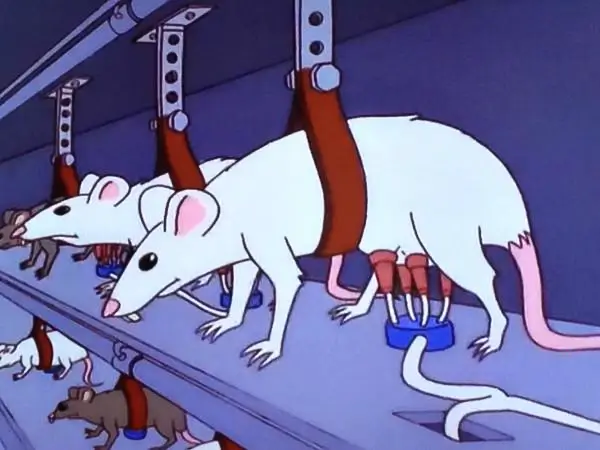
Agora vamos pensar um pouco sobre isto por um momento. Se fores um rato, precisas de crescer rapidamente para sobreviver. Se fores um rato, precisas de todas essas proteínas, e isso é normal. No entanto, porque é que os humanos adultos precisam de todas essas proteínas do leite? Para podermos ter cancro e encurtar a nossa vida devido ao excesso de IGF 1 e ter diabetes e ataque cardíaco devido a toda essa gordura saturada.
Quando há uma duplicação do peso do bezerro em 47 dias, que se deve a razões evolutivas de sobrevivência. O bezerro precisa de se fortalecer rapidamente, e leva apenas algumas horas para começar a andar. Tem de o fazer porque muitos predadores estão à espreita e precisa de ser grande e forte o mais rápido possível para sobreviver. Cresce rapidamente porque tem muitos predadores naturais, por isso a energia nos vitelos vai para o desenvolvimento dos músculos, e para o desenvolvimento dos músculos, tem uma dose elevada de proteína no leite durante o crescimento. Um bebé humano precisa de cuidados constantes e está desamparado e cresce tão lentamente em relação ao vitelo. Qual é a coisa crucial para um bebé humano, o crescimento rápido dos músculos? Que tal o cérebro?
Desenvolvimento do cérebro do bebé.
Quando o bebé nasce a cabeça ainda não tem fontes fechadas, e então o cérebro deve desenvolver-se muito rapidamente. Mesmo as terminações nervosas não são totalmente formadas após o nascimento, pelo que o cérebro precisa de alimento para se desenvolver. Um dia, uma vaca não estará interessada em matemática, mas sim num poder humano. Que tipo de alimento é necessário para o desenvolvimento do cérebro? Estas são gorduras. A maior parte do seu tecido cerebral é constituído por gordura. Existe uma taxa de gordura muito mais elevada no leite humano em relação a uma proteína que é perfeita para o desenvolvimento do cérebro. A vaca tem uma relação perfeita para o desenvolvimento dos músculos.
Compreende-se porque é que as crianças que são criadas com leite de vaca em vez de leite materno podem ter coeficientes de inteligência mais baixos.
Há estudos feitos sobre isto e não apenas um, mas centenas deles. É um facto bem documentado na medicina que os bebés alimentados com qualquer outro leite da sua mãe têm um QI mais baixo a um nível médio.
Além disso, alimentar os bebés com leite de vaca conduz a uma probabilidade de 80% de contraírem diarreia e a uma probabilidade de 70% de um surto de infecções do ouvido, em comparação com os bebés alimentados com leite materno (Scariati et al., 1997). Os bebés alimentados com leite de vaca durante os outros seis meses de vida têm um aumento de 30% nas perdas de sangue e uma perda significativa de ferro nas fezes e baixos consumos de ferro em geral, ácido linoleico e vitamina E, e consumos excessivos de sódio, potássio e proteínas ("The Use of Whole Cow’s Milk in Infancy,” 1992b).
No presente estudo (Kost et al., 2009) os bebés alimentados com leite de vaca com um nível mais elevado de casomorfinas bovinas parecem sofrer de atrasos psicomotores, mas verificou-se exactamente o contrário em relação às casomorfinas humanas. As casomorfinas humanas parecem ajudar o cérebro dos humanos. A conclusão do estudo foi a seguinte:
"A irHCM (casomorfinas humanas) basal mais elevada foi observada em bebés amamentados com desenvolvimento psicomotor e tónus muscular normais. Em contrapartida, foi encontrado um irBCM basal elevado (casomorfinas bovinas) em bebés alimentados com fórmulas que apresentavam um atraso no desenvolvimento psicomotor e um tónus muscular elevado. Entre os bebés alimentados com fórmulas com desenvolvimento normal, a taxa deste parâmetro correlacionou-se directamente com a irBCM basal. Os dados indicam que o aleitamento materno tem uma vantagem sobre a alimentação artificial para o desenvolvimento dos bebés durante o primeiro ano de vida e apoiam a hipótese da deterioração da eliminação da casomorfina bovina como factor de risco para o atraso no desenvolvimento psicomotor e outras doenças como o autismo."
(Kost et al., 2009)
O problema está na proteína. A composição da caseína no leite humano e no leite de vaca varia muito, com apenas 47% de semelhança entre os dois. Além disso, se a mistura contiver caseína A1 mutante, pode potencialmente levar ao desenvolvimento de diabetes tipo 1 em bebés.
O problema é a caseína. As vacas têm renina, mas os bebés têm muito pouca, pelo que não toleram essa proteína. No leite da mãe, o leite materno produz a bactéria Bacillus Bifidusque ajuda a dissolver a caseína do leite humano. O leite de vaca na criança causa acidez, e também nos adultos, e irrita os intestinos para que os intestinos comecem a sangrar. Além disso, mesmo a revista da indústria científica de lacticínios dirá que o leite aumenta o nível de colesterol. A gordura do leite é identificada como gordura porque contém colesterol e é principalmente saturada.
O leite é bom para o aumento dos níveis de colesterol, para a falta de ferro que ocorre devido a hemorragias nos órgãos digestivos e para a diabetes (Scott, 1990).
Há estudos bem conhecidos de Harvard, sobre o cancro do ovário, vou citar a famosa revista britânica Lancet (Cramer et al., 1989).
A única coisa para a qual o leite é suposto ser bom é a osteoporose. Na vida real, quando as correlações são estudadas, o consumo de leite resulta no agravamento dos sintomas. Pode encontrar mais sobre a correlação da osteoporose neste artigo (Dieta rica em proteínas e acidose metabólica).
Diabetes tipo 1.
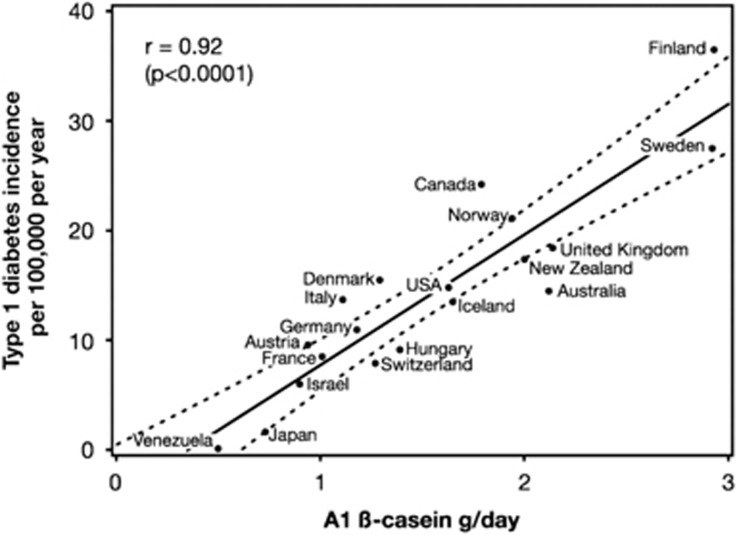
Há muito que se sabe que a diabetes tipo 1 está relacionada com o consumo de leite ou, mais especificamente, com o leite de vaca e os lacticínios. Nem todo o leite.
A relação estabelecida desta ligação entre a beta-caseína A1 e a diabetes tipo 1 e as doenças cardíacas é de 0,982 e 0,76 (Laugesen e Elliott, 2003).
Hoje sabemos que mesmo as mães que bebem leite de vaca enquanto os seus filhos mamam podem fazer com que o bebé desenvolva diabetes tipo 1. Descobriram que, se uma mãe bebe leite, a caseína parcialmente digerida pode acabar na corrente sanguínea e também no leite da mãe. O nosso corpo não consegue eliminar essa proteína globular do sangue, pelo que é expelida para todo o lado, incluindo o leite materno.
A famosa revista médica Lancet publicou em 1999 que novas provas favorecem uma teoria controversa segundo a qual dar leite de vaca a um bebé provoca o desenvolvimento de diabetes tipo 1 mais tarde na vida. A introdução prematura de produtos lácteos na alimentação e o elevado consumo de leite na infância podem aumentar o risco de diabetes na adolescência na criança (Virtanen et al., 1994).
A prática médica e a ciência regular disseram primeiro que o leite de vaca não poderia de forma alguma ser a causa da diabetes porque os japoneses que são como qualquer outra população asiática intolerante à lactose também amamentam bebés, mas também desenvolvem diabetes de tipo 1. O tipo 2 é uma doença relacionada com o estilo de vida e o tipo 1 é uma doença autoimune. Depois, descobriram que os bebés japoneses que a contraíam pertenciam a mães que adoptaram hábitos alimentares ocidentais, pelo que examinaram o leite materno e descobriram que era caseína de vaca.
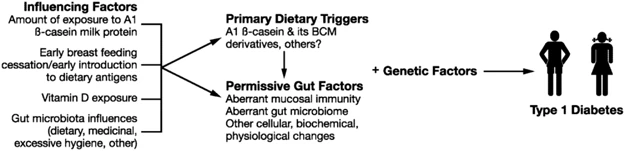
A caseína de vaca é específica das vacas. O problema é um tipo de proteína específica das raças europeias. Existe uma sequência de aminoácidos numa parte da caseína de raças europeias (A1 beta-caseína) que se revelou ser a mesma que a sequência de aminoácidos nas células beta do pâncreas humano. O sistema imunitário elimina esta beta-caseína A1 tóxica se esta entrar na corrente sanguínea. Normalmente, apenas os aminoácidos individuais devem atravessar as paredes celulares do intestino. Se a digestão não for completa, esta forma de caseína acabará no sangue, provocando uma reacção auto-imune.
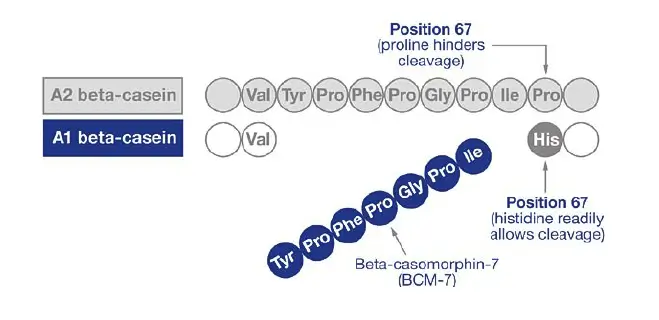
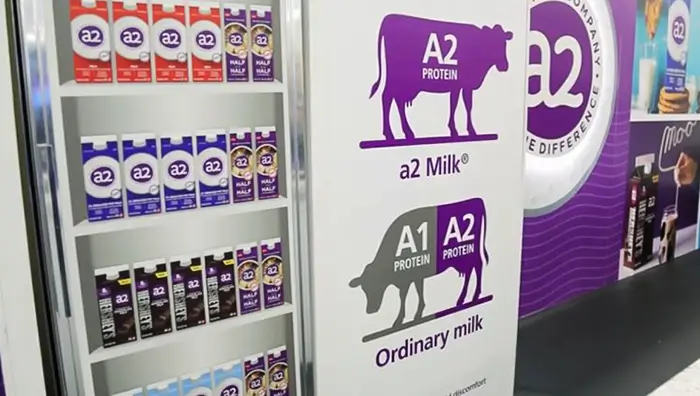
Tem no cérebro uma forma de efeito opióide que está associado a todo o espectro de doenças e ocorre devido a uma mutação nas vacas. Caso contrário, todos os outros mamíferos que existem, incluindo os seres humanos e algumas vacas normais não mutantes que estão a ser ordenhadas na Austrália e na Nova Zelândia, têm a forma de beta-caseína do tipo A2 padrão.
Metabolismo da caseína.
Os produtos lácteos podem desempenhar um papel significativo no desenvolvimento de alergias devidas à proteína globular difícil de digerir.
Os seres humanos não conseguem digerir a caseína correctamente.
Não podemos fazer o que é natural para os vitelos jovens que têm níveis adequados deste renina enzima. Como o leite humano tem quantidades muito pequenas de proteínas, os bebés humanos também não precisam de ter toda essa renina. Todos os bebés e todos os adultos, mesmo os tolerantes à lactose, também têm dificuldade em digerir a caseína.
Se colocar proteínas vegetais no seu estômago, a digestão terminará em 4 horas; se comer carne, a digestão terminará em 6 horas. Ponha a caseína no seu estômago, ela inchará durante 12 horas!!
No vídeo abaixo, pode ver um método tradicional de fabrico de queijo através da extracção de coalho de vitelo (enzima renina).
Os Alemães têm um ditado que diz que o queijo fecha o estômago. O que acontece é que, de tempos a tempos o estômago abrirá fendas para deixar entrar alguma proteína do leite no intestino quando o organismo acumular mais alguma desta enzima. Depois o estômago é novamente fechado. Os fisiculturistas gostam de beber proteína de caseína em pó antes de dormir, devido a este efeito, para que tenham proteína na corrente sanguínea durante toda a noite.
A digestão lenta é uma consequência da falta de adaptação evolutiva ao consumo de leite.
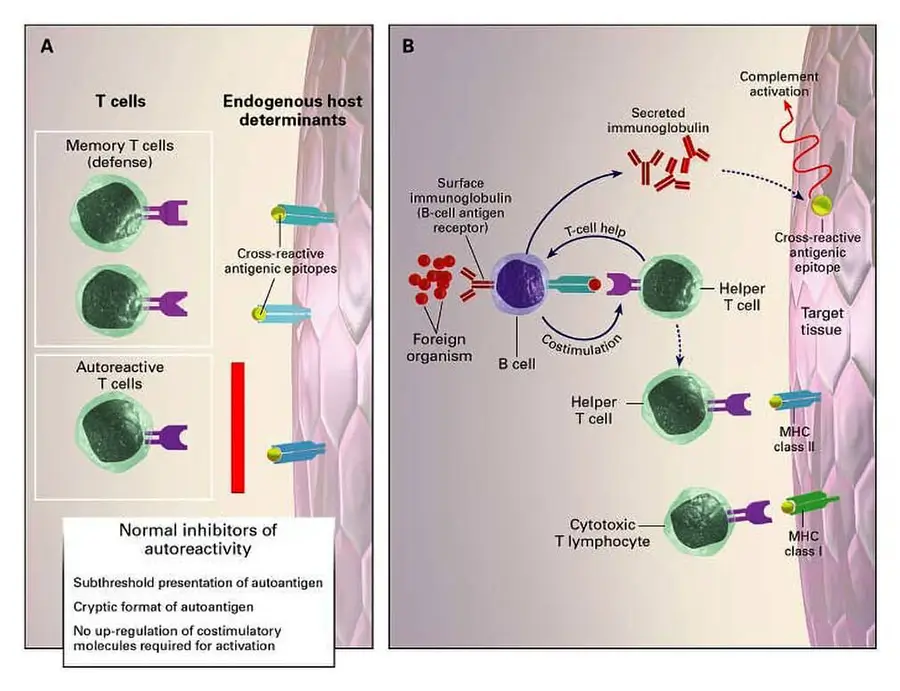
Se tiver uma fuga no intestino ou alguma inflamação intestinal, esta proteína será parcialmente imersa na corrente sanguínea. E agora, de repente, tem proteínas estranhas no seu corpo. E o que é uma resposta do sistema imunitário? O sistema imunitário vai criar anticorpos para combater esta proteína. E o que acontece quando esta proteína tem uma cadeia indesejada de aminoácidos? Agora criou um anticorpo que ataca esta cadeia de aminoácidos. Se esta cadeia for a mesma que nas suas células beta, o anticorpo irá atacá-la também. Irá atacar as suas próprias células beta no pâncreas, e é uma doença auto-imune. Atinge a diabetes tipo 1. As células Beta no pâncreas produzem insulina.
Exposição precoce ao leite de vaca o leite pode aumentar o risco de diabetes na criança por cerca de 1,5 vezes (Gerstein,1994).
A diabetes não ocorre nos roedores que são propensos à diabetes, e não houve leite de vaca nos primeiros dois a três meses de vida, o que indica que a proteína do leite de vaca pode ativar a doença (Karjalainen et al., 1992). Esta informação esteve disponível durante muito tempo, mas as pessoas simplesmente não queriam acreditar nela. Na Nova Zelândia, houve mais controvérsia médica sobre este assunto e, até hoje, muitos agricultores tomaram a iniciativa de criar vacas que dão leite A2. Investigadores de Londres e Roma anunciaram a sua descoberta ao examinarem 47 doentes com diabetes mellitus insulino-dependente (IDDM) recentemente desenvolvida e verificaram que, em 51% dos casos, as células imunitárias cresceram e multiplicaram-se quando foram expostas à proteína beta-caseína do leite de vaca. Apenas 2,7% das pessoas saudáveis no grupo de controlo tinham células imunitárias que respondiam à proteína do leite de vaca. A proteína é um problema. Atualmente, não existem animais no mundo que continuem naturalmente a consumir leite até à idade adulta. Os gatos, por exemplo, bebem leite quando lhes é dado por humanos. Todas as associações veterinárias do mundo, se perguntadas, diriam: "Não alimente o seu gato com leite, porque provoca insuficiência renal". Nos gatos, o sangue na urina e a cor vermelha da urina ocorrem após o consumo de quantidades mais substanciais de leite.
O mesmo acontece com outras doenças auto-imunes. Artrite reumatóide os sintomas podem surgir em resposta a proteínas específicas presentes nos produtos lácteos e existem anticorpos contra as proteínas do leite que se encontram habitualmente nos doentes com artrite reumatóide.
A caseína pode desencadear reacções auto-imunes e pode desencadear reacções mais graves esclerose múltipla sintomas.
Tolerância à lactose.
Lactase é uma enzima que permite ao organismo digerir o açúcar do leite, e esse açúcar é lactose.
Todos os mamíferos após a rejeição da sucção são deficientes em lactase.
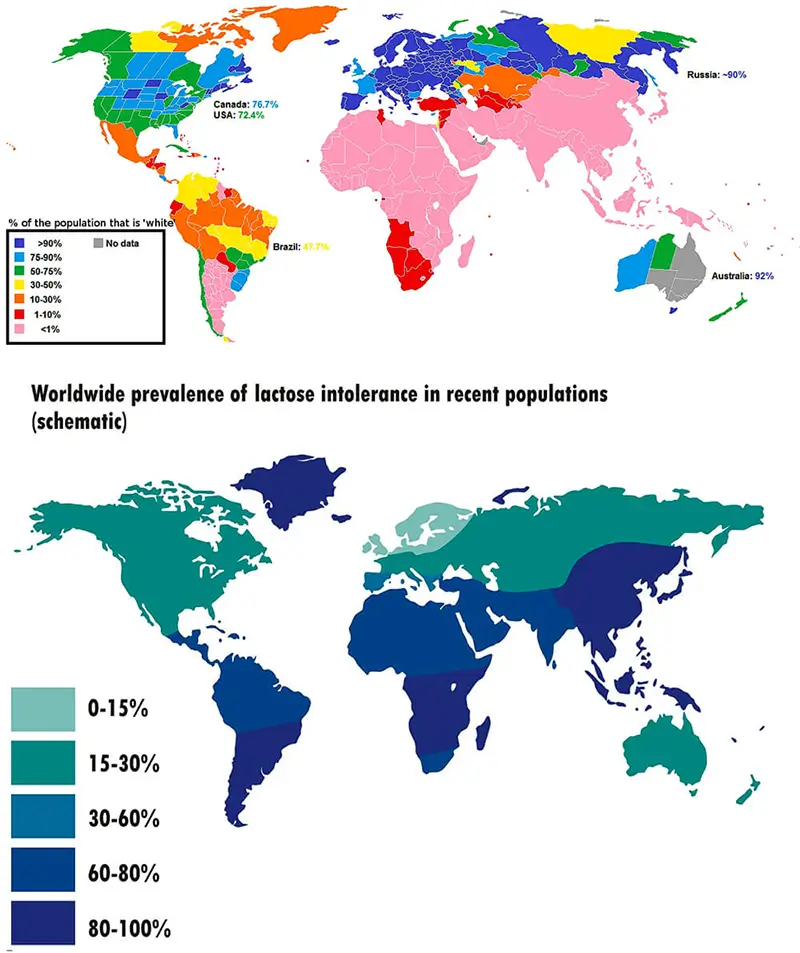
Não têm contacto com o leite mais tarde na vida. A reação de qualquer organismo que não precise de utilizar o açúcar lactose na idade adulta é desativar a enzima lactase e a enzima lactase é desactivada ao nível dos genes. Exceto para os europeus brancos, que forçaram os seus corpos durante milhares de anos a consumi-la. Assim, os dinamarqueses, por exemplo, são apenas 2% não tolerantes, os finlandeses 18%, os indianos 50%, os judeus israelitas 58%, os negros americanos, é interessante 70%, os judeus Ashkenazi 78%, Árabes 78%, esquimós 80%, taiwaneses 85%, cipriotas gregos 85%, japoneses 85%, tailandeses 90%, filipinos 90%, africanos subsarianos mais de 90%. A OMS aumentou este número, afirmando que é de cerca de 95% a 100%, para os indianos 90 a 100, asiáticos 90 a 95, mediterrânicos 60 a 75 e norte-americanos 10 a 15, e europeus 5 a 10 por cento.
Só as pessoas de ascendência europeia podem tolerar a lactose, o resto da população humana não.
Metabolismo da lactose.
A enzima lactase quebra a lactose do açúcar na dextrose e na galactose.
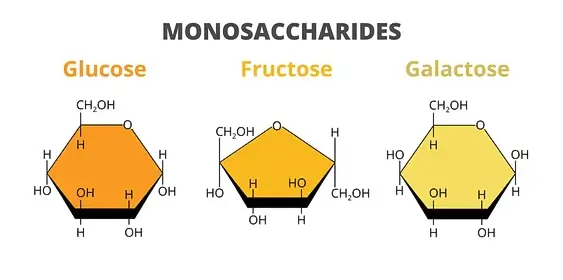
No entanto, a galactose não pode ser utilizada até ser metabolizada em glicose.
Existe uma enzima chamada beta-galactosidase que muda galactose no glicose de que necessitamos. No entanto, uma vez que nenhum animal necessita desta enzima após a rejeição, esta enzima é desactivada para sempre. Para toda a população, incluindo os indivíduos tolerantes à lactose.
Toda a gente, todos os seres humanos do planeta Terra, se forem indivíduos adultos, têm deficiência de galactosidase.
Todos vós que estão a ler isto têm agora uma deficiência de beta-galactosidase. Isto significa que consomem açúcar do leite que significa lactose, se forem da Europa, podem utilizá-la, e têm lactase. Os metabolizadores da lactase lactose, e você receberá glucose e, além disso, galactose. A glicose será utilizada normalmente. E com a galactose, o que faz o corpo? Não podemos utilizá-la assim, para onde vai a galactose?
Uma parte é expelida para o exterior através da pele. Algumas acabam nos olhos e são armazenadas no córnea.
Toxicidade da gatalctose, cataratas, e infertilidade.
As cataratas dos idosos provêm da galactose.
Os adultos que consomem grandes quantidades de leite e têm uma elevada actividade de lactase, sofrem frequentemente de toxicidade da galactose, acumulação de galactitol no lóbulo ocular e têm uma elevada probabilidade de ter cataratas em idosos (Postgraduate Medicine 1994). Não só isso, como também é armazenado no corpo noutros locais.
As mulheres estão a acumular-se à volta dos ovários, e está associado ao cancro dos ovários e à infertilidade.
Um em cada quatro casais vai a tratamentos de infertilidade em países europeus onde existem grandes níveis de consumo de lacticínios. Todos eles são extremamente bem alimentados. Nos países africanos, onde não utilizam leite, não têm problemas de infertilidade. É desconhecido como uma doença.
Eis o famoso estudo de Daniel W. Cramer da Harvard Medical School (Merritt et al., 2013). Cramer vio una relación entre el consumo de galactosa y el aumento del riesgo de cáncer de ovario, teniendo en cuenta que las mujeres intolerantes a la lactosa suelen consumir menos lactosa. Llegaron a la conclusión de que:
"Esta descoberta sugere que a diminuição da ingestão de lactose no início da vida pode reduzir o risco de cancro do ovário. risco de cancro embora sejam necessários mais estudos para confirmar esta conclusão.
(Merritt et al., 2013)
Muitos estudos sugerem que este açúcar pode afectar a fertilidade. A sua equipa comparou os dados publicados de 36 países relativamente à taxa de fertilidade, consumo de leite per capita, e hipolactasia. Publicaram agora uma correlação entre as elevadas taxas de consumo de leite e o declínio da fertilidade, que começa nas mulheres que têm apenas 20-24 anos de idade. Isto é publicado no American Journal of Epidemiology. Para as mulheres tailandesas, por exemplo, que não consomem leite, não há infertilidade ao nível de significância estatística. A gravidade desta relação e o declínio da fertilidade aumentaram com cada um dos seguintes grupos estudados, com a idade a aumentar em cada um dos seguintes grupos. Na Tailândia, por exemplo, onde 98% de adultos são intolerantes à lactose, a fertilidade média entre as mulheres de 35-39 anos foi apenas 26% inferior à taxa máxima para a idade de 25-29 anos. Na Austrália e no Reino Unido, onde a intolerância à lactose afecta apenas 5% de pessoas adultas, as taxas de fertilidade entre os 35-39 anos de idade são 82% abaixo da taxa máxima para os 25-29 anos de idade.
E quanto aos homens? Serão eles imunes? Foi realizado um estudo sobre os macacos em relação a esta questão. Aos macacos foi dado tudo o que os macacos comem com a adição de leite em pó. A mobilidade dos seus espermatozóides caiu. A percentagem de espermatozóides caiu 2/3. Houve anomalias na contagem de espermatozóides. Foram observados diferentes defeitos. Se se consumir esperma leiteiro, a contagem de espermatozóides diminui 2/3 mais mobilidade reduzida mais defeitos.
Os lacticínios estão associados a uma menor contagem e movimento de espermatozóides e a danos testiculares directos. É tão prejudicial para os testículos como o colesterol.
Obstipação.
Muitos bebés que bebem leite de vaca sofrem intervenções de obstipação, em que existe um instrumento especial que remove fisicamente os excrementos para o exterior devido à impossibilidade de descarga.
Normalmente, não sabiam qual era a causa da obstipação das crianças que, em alguns casos, se prolonga até à idade adulta. Por isso, prescreviam a terapia habitual de ingestão elevada de fibras e medicamentos laxantes. No entanto, este estudo resolveu o mistério (Iacono et al., 1998). Pegaram em 65 crianças com obstipação crónica, e todas elas foram tratadas com laxantes. Conceberam o estudo e deram-lhes leite de soja e leite de vaca e depois trocaram-nas. As que tomavam soja passaram a beber leite de vaca e as que bebiam leite de vaca passaram a beber soja. Em 44 das 65 crianças, 68% de obstipação desapareceram quando passaram a tomar leite de soja. Nenhuma das crianças que bebiam leite de vaca normal teve qualquer resposta positiva. Algumas das crianças têm lesões graves e fissuras anais, e tudo isso foi curado quando deixaram de beber leite de vaca. Mudar o leite de vaca também pode ajudar a curar as fissuras anais nos adultos. Não é nada de novo. Estudos realizados em todo o mundo conseguiram curar a obstipação em crianças num número de cerca de 80% apenas deixando de beber leite. Porquê apenas 80 ou 68%? Porque deixar de beber leite não significa deixar de consumir todas as proteínas lácteas. Algumas das crianças ainda podem consumir chocolate de leite ou comer gelado ou algo que contenha leite em pó e nem sequer se aperceberem disso. Quando, em 2003, foi concebido um estudo que controlava todas as proteínas do leite, a taxa de cura da obstipação nas crianças foi de 100% (Crowley et al., 2013). Todos os participantes neste estudo registaram uma resolução.
Diarreia.
Por outro lado, em bebés intolerantes à lactose, ocorre diarreia.
O que acontecerá quando um indivíduo que não é tolerante com leite para bebidas à base de lactose? Causará lactose, a ser decomposta por bactérias nos intestinos. As bactérias começam a multiplicar-se, o que aumenta a pressão osmótica, o fluido flui para os intestinos e segue-se a diarreia. As pessoas de ascendência europeia não têm problemas de lactose, pelo que não contraem diarreia, mas ainda têm um enorme problema com caseína, galactose, gordura suturada, e nos últimos anos antibióticos e hormonas, e outras toxinas e pesticidas encontrados no leite.
Depois da 2ª Guerra Mundial, os EUA tinham uma grande reserva de leite em pó que tinham de eliminar de alguma forma. Em vez disso, decidiram que, devido à existência de um "défice de proteínas", deviam enviar esse leite em pó para África como ajuda humanitária. Muitas crianças e bebés já subnutridos ficaram com diarreia. Os países africanos que receberam leite em pó como ajuda humanitária sofreram um aumento da mortalidade, especialmente em crianças pequenas que já se encontravam ao nível de grave desnutrição. Beberam leite concentrado, que contém lactose, tiveram uma diarreia terrível, e morreram. Foram praticamente mortos por veneno, enviado dos EUA devido ao grau de não educação das populações africanas pobres que não estão familiarizadas com o problema da intolerância ao açúcar lácteo. Este tópico é grave.
O vírus da leucemia.
O vírus da leucemia está presente em 60% de leite no mercado.
Os anticorpos de vírus da leucemia em bovinos (BLV) estão presentes em 59% dos vitelos recém-nascidos testados. (Canadian J of Comparative Medicine 1979). Trata-se de um vírus bovino e não de um vírus humano causador de leucemia. No entanto, pode haver uma mutação que permite que o vírus atravesse espécies. É assim que podemos obter novas estirpes de vírus da gripe das aves, por exemplo, que não têm uma defesa do sistema imunitário e toda a gente se assusta quando se fala de um vírus da gripe das aves. O mesmo acontece com a leucemia ou qualquer outro vírus. Basta lembrar o VIH, por exemplo.
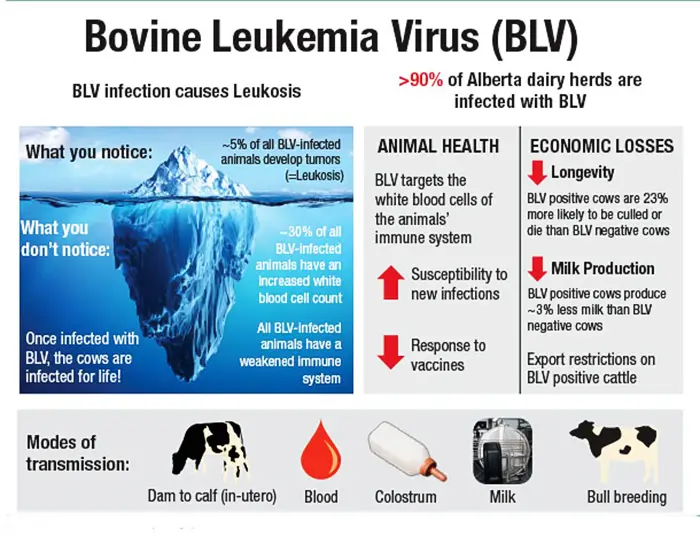
Os vírus da leucemia das células T humanas podem ser transmitidos de humanos para animais e de animais para humanos. A capacidade do vírus da leucemia bovina de sofrer uma mutação do gado para os seres humanos tem sido estudada em muitos estudos. Estatisticamente, os países que utilizam produtos de vacas leiteiras têm mais leucemia. Por exemplo, o Iowa (estado dos lacticínios) tem mais taxas do que a média nacional de leucemia humana (Donham et al., 1980). Os veterinários da Pensilvânia conseguiram cultivar o VLB em células humanas num laboratório. Estudos de 1980 mostraram um aumento da leucemia humana em áreas com altas taxas de leucemia no gado (Ferrer et al., 1981).
Cerca de 86% da população dos EUA têm anticorpos contra o vírus da leucemia bovina detectados, e em 1995 sabiam que este vírus também funciona em seres humanos.
Este estudo de 2003 (Buehring et al., 2003) com equipamento de detecção muito melhor confirmou os resultados da década de 1980. Mostrou a mesma coisa. Tudo isto é causado pela fonte subjacente de todo o problema. O vírus faz com que as vacas produzam mais leite. Que vacas irá o agricultor manter, a que produz mais leite ou a que produz menos? As vacas infectadas com BLV têm uma produção significativamente maior do que o seu dador de sangue, que não está infectado com BLV. Isto significa que é produzido muito mais leite com VLB do que anteriormente estimado (Proceedings of the National Academy of Sciences of the United States of America, 1989). Estes dados confirmam a presença do VLB no leite e identificam o potencial de transmissão lactogénica (leiteira) do vírus (American Journal of Veterinary Research, 1995).
O vírus da leucemia bovina está também correlacionado com outros tipos de cancros nos humanos, e não apenas com a leucemia. Tem uma correlação especialmente de alto risco com o cancro da mama.
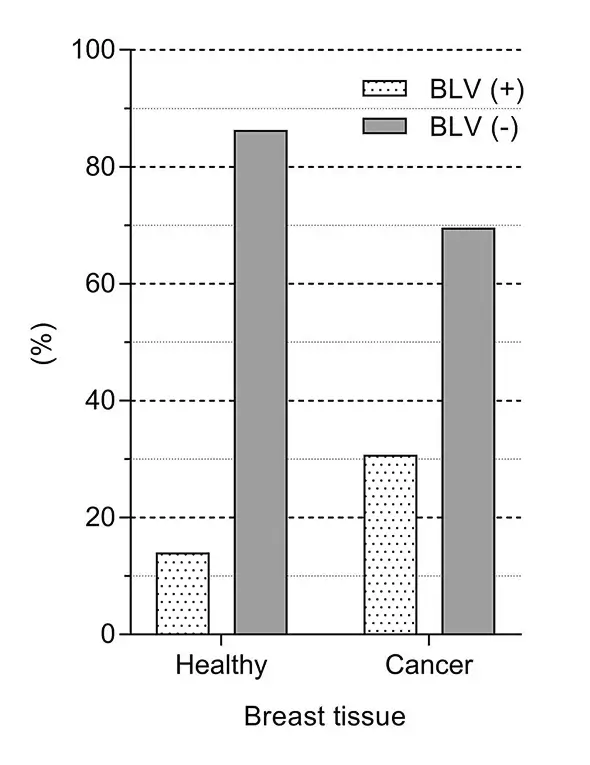
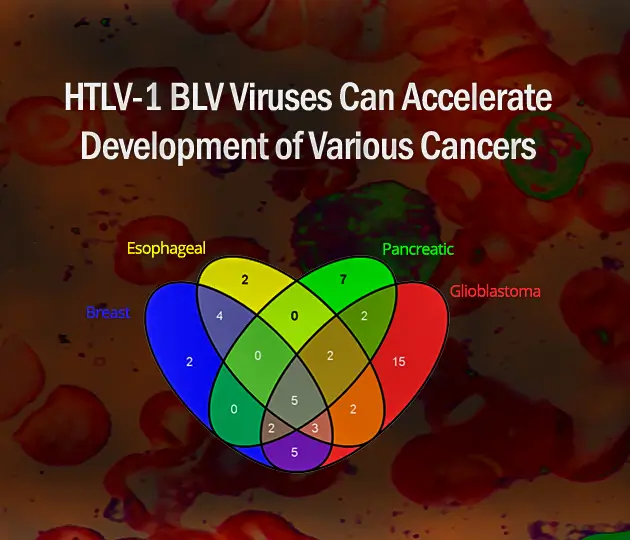
Lembre-se de que todas estas são revistas científicas e de investigação de topo, e não algum disparate que um guru do ginásio local vai desmascarar.
Doenças infecciosas.
Outras doenças são também transmitidas através do leite.
Várias doenças, como a tuberculose, brucelose, difteria, Escarlatina, Febre QAs infecções por bactérias, fungos e gastroenterites são transmitidas através dos produtos lácteos. O leite é um excelente transportador de infecções porque o seu teor de gordura protege os agentes patogénicos do ácido gástrico e porque tem um tempo de transição gástrica relativamente curto.
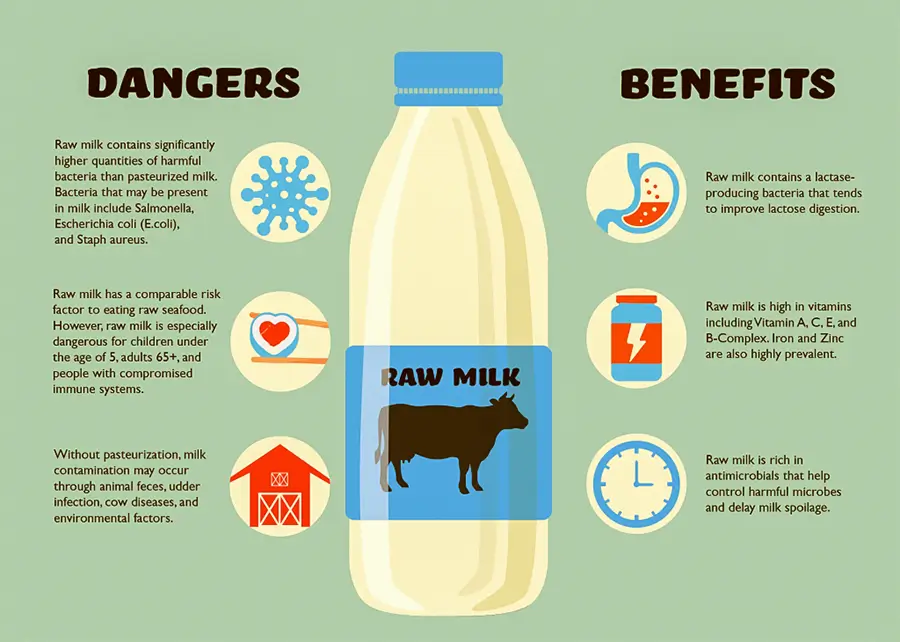
Devido a esta propriedade leiteira, pasteurização e esterilização são obrigatórios por lei. No entanto, estes métodos não destroem todas as toxinas e todas as formas de agentes patogénicos presentes no leite.
Pasteurização.
A pasteurização mata todas as bactérias, mas também algumas das enzimas vitais (catalase, peroxidase, fosfatase) e vitaminas.
Também prolonga a sua durabilidade para uso comercial, a fim de prolongar o aspecto fresco do leite que era mantido, para que as bactérias não se desenvolvessem mais no leite. No entanto, quando enzimas como a fosfatase são destruídas, o leite perde valor nutricional.
As fosfatases servem para quebrar o alimento no nosso organismo, para que as células possam assimilar dele sais minerais que se encontram sob a forma de fitato.
Infelizmente, o organismo humano não possui níveis adequados destas enzimas fosfátase. A falta destas enzimas provocará uma diminuição da absorção de minerais que se encontram sob a forma de fitatos. O ácido fítico actua como agente anti-nutritivo ao bloquear a absorção de minerais como o Fe, Zn, e Ca. A fosfatase só se encontra no leite cru e nos grãos inteiros. Se a pasteurização do leite não fosse efectuada, o leite teria de ser produzido em condições de higiene muito melhores, ou o seu mau estado seria visível por aglomeração visível antes de chegar ao cliente.
Com a pasteurização, o valor proteico (composição de aminoácidos) é reduzido em 17%. A partir dos dados metabólicos, conclui-se que o calor é prejudicial para a lisina e provavelmente para a histidina e outros aminoácidos e reduz parcialmente a absorção do seu azoto, a vitamina A é destruída, Vitaminas DAs vitaminas E, E e K permanecem inalteradas, o complexo de vitaminas B é destruído em 38% e a vitamina C é destruída.
Quanto ao cálcio em si, a sua utilização foi significativamente reduzida.
Somatotropina bovina.
Somatotropina bovina ou BGH, foi utilizado desde 1994 na produção de carne de bovino e foi obtido por tecnologia de reconstituição de ADN.
A Monsanto foi a primeira empresa a desenvolver a tecnologia e publicitou a BGH como um Salvador. A hormona de crescimento bovino recombinante (rBGH), ou hormona de crescimento da vaca, estimula a produção da segunda hormona, o factor de crescimento semelhante à insulina-1, ou IGF-1. A IGF-1 é a hormona directamente responsável pelo aumento da produção de leite. IGF-1 ocorre naturalmente nas vacas e nos seres humanos.
O IGF-1 não é destruído durante a pasteurização ou digestão.
É interessante que o BGH tem a mesma composição tanto para vacas como para humanos. Esta é a única hormona conhecida por ter a mesma composição em duas espécies diferentes na natureza e é, portanto, considerada biologicamente activa nos seres humanos.
O BGH está associado ao cancro (mama, próstata e cólon), e acrescenta a outro conjunto de perturbações como a puberdade prematura nas crianças.
O Dr. Frank M. Biro, diretor do Departamento de Medicina do Adolescente do Cincinnati Children's Hospital Center, e os seus colegas descobriram que 15% das raparigas latino-americanas, mais de 10% das mulheres brancas e 25% das mulheres afro-americanas iniciaram a puberdade logo aos sete anos de idade. A pesquisa foi realizada com 1.238 crianças de 6 a 8 anos de idade de várias cidades dos Estados Unidos.

Posilac é proibido no Canadá, Austrália, Nova Zelândia, Japão, e países da UE. Uma vaca saudável suplementada com Posilac® produz em média mais 10 quilos de leite por dia. Existe uma aparente discordância entre os diferentes países. Num país, os cientistas encontram algo inofensivo, e depois os mesmos cientistas de outro país consideram a mesma substância um veneno ilegal. No livro Milk: The Deadly Poison, o autor Robert Cohen tem vindo a pesquisar milhares de milhões de dólares que as indústrias leiteira e farmacêutica gastam para influenciar a FDA e o Congresso, bem como para o impacto no estabelecimento científico e médico.

O leite hoje em dia é um produto alimentar não substituível por uma simples razão. A sua rejeição do uso humano significaria um problema económico de proporções globais num mundo em que mais de mil milhões de pessoas vivem abaixo do limiar da pobreza. A dieta em si é tanto uma questão económica e política como uma questão de saúde. As doenças crónicas são a fonte de rendimento mais estável ao nível do complexo militar-industrial ou ao nível da produção de petróleo. Tendências na indústria alimentar são hoje o maior volume de produção possível, de modo a obter lucros elevados. Actualmente, a indústria alimentar investe em culturas geneticamente modificadas para mercados ainda em desenvolvimento, tais como África e países do terceiro mundo onde está presente um elevado nível de subnutrição. A procura de produtos alimentares e as expectativas de que a procura de alimentos continuará a crescer num futuro próximo é tudo o que precisamos de saber quando olhamos para o modelo de negócio da produção alimentar. O que se pode esperar é que os preços dos alimentos se mantenham ao mesmo nível ou mais elevados, que a qualidade dos alimentos diminua, e que os alimentos geneticamente modificados sejam cada vez mais utilizados, tanto em humanos como em forragens.
Hormonas androgénicas.
A acne é uma epidemia nos países ocidentais. Esta doença de pele afecta cerca de 85% dos adolescentes, mas em comunidades que se alimentam de plantas mais naturais, como os ilhéus de Okinawa ou os ilhéus de Kitavan, não se registaram casos (Melnik, 2011). Nem uma única. Nas zonas rurais da China e da Índia é uma doença muito rara, pelo que deve ter origem na alimentação. Algumas pessoas quando migram para os países ocidentais e começam a aceitar a dieta ocidental desenvolvem acne ao mesmo nível.
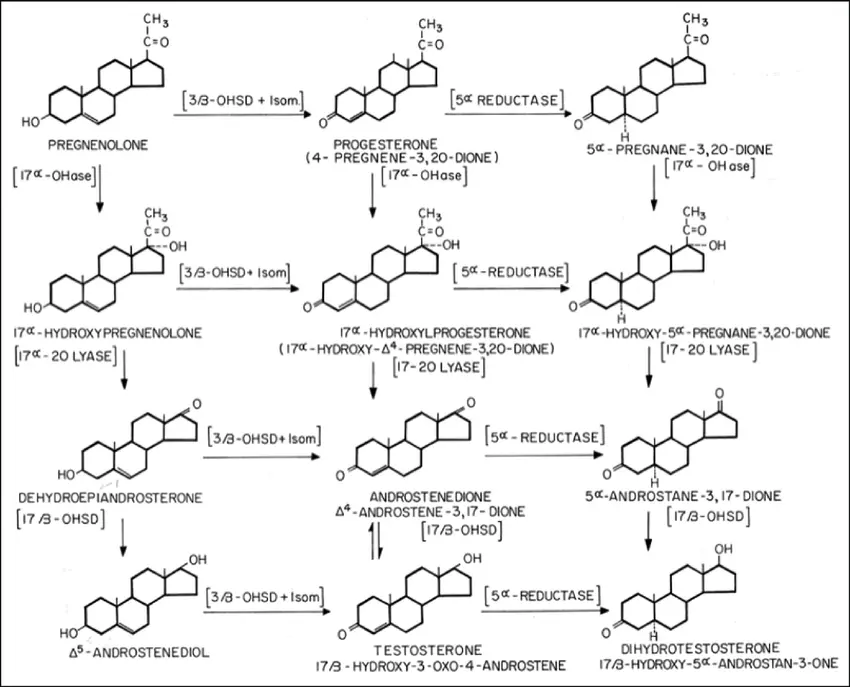
A acne vulgar é uma epidemia nos países ocidentais devido à hormonas androgénicas que estão naturalmente presentes no leite e em todos os outros produtos lácteos. Estas hormonas androgénicas são estáveis e não podem ser fermentadas ou destruídas pela pasteurização. Existem para promover o crescimento dos vitelos recém-nascidos.
Estudos tinham provado que estas hormonas estão nos produtos lácteos, e isto tem um efeito directo sobre as glândulas produtoras de óleo na pele humana. O problema é que se são androgénicas, também estimulam outras coisas.
Que tal a puberdade prematura?
Hoje em dia temos raparigas que entrarão na puberdade com apenas 7 anos de idade. Estas hormonas também estimulam o crescimento do cancro. Especialmente o cancro dependente de hormonas, como o cancro da mama e da próstata (Danby, 2009).
A 5alfa-pregnanodiona (5alfa-P) é a principal hormona androgénica ou sexual presente no leite (Danby, 2009).
Por exemplo, a acne nas costas é 100% exclusivamente causada pelo sobreconsumo de produtos lácteos.
O problema com estas hormonas sexuais lácteas é que o nosso corpo não tem um circuito natural de feedback.
Estas hormonas sexuais lácteas não são adicionadas artificialmente pela indústria. O leite orgânico tem-no, e as hormonas sexuais estão naturalmente presentes em todos os produtos lácteos. Se for um culturista e decidir injectar esteróides, o seu corpo detectará hormonas esteróides e encerrará a sua própria produção, tentando manter a testosterona numa gama normal. Contudo, para 5alpha-P não existe um ciclo de feedback, o nosso cérebro não o detecta e não diminui a produção de quaisquer hormonas sexuais, tanto de testosterona como dos seus derivados DHT e estrogénio.
Quando se come leite em excesso, é como se se injectasse com DHT e estrogénio.
Na nossa evolução natural, não havia necessidade de desenvolver receptores no nosso cérebro para nos dizer que temos hormonas sexuais do leite de vaca no nosso corpo. É apenas mais uma desadaptação. A acne é um problema cosmético, pode ser tratada com Accutane mas quando se tem cancro da mama ou da próstata, então pode-se morrer. Vem tudo num pacote.
O excesso de DHT pode dar-nos acne e aumentar a libido, fazer-nos ousar, e aumentar o crescimento de pêlos corporais. Além disso, influenciaria o aumento da próstata. O excesso de estrogénio também é um problema. O problema mais grave do consumo de lacticínios.
Nos homens, conduzirá à infertilidade; nas mulheres, conduzirá ao cancro da mama.
Todos os alimentos de origem animal contêm estrogénio. O estrogénio das vacas funciona tão bem como o estrogénio humano. Ao beber 300mg ou um copo de leite por dia uma criança irá aumentar o consumo de estradiol-17β a forma mais potente de todos os estrogénios será 10ng.
Esta exposição é 4000 vezes mais potente do que a exposição ambiental a xenoestrogénios, devido ao facto de os xenoestrogénios terem um nível de potência inferior (Ganmaa et al., 2001). A conclusão deste estudo foi a seguinte:
"O leite e os produtos lácteos são responsáveis por 60-70% dos estrogénios consumidos na dieta ocidental. Os seres humanos consomem leite obtido de novilhas na segunda metade da gravidez, quando os níveis de estrogénio nas vacas são acentuadamente elevados. O leite que consumimos atualmente pode ser muito diferente daquele que consumíamos há 100 anos. As vacas leiteiras modernas, geneticamente melhoradas, como a Holstein, são normalmente alimentadas com uma combinação de erva e concentrados (misturas de cereais/proteínas e vários subprodutos), o que lhes permite amamentar durante a segunda metade da gravidez, mesmo aos 220 dias de gestação. A nossa hipótese é que o leite é responsável, pelo menos em parte, por alguns distúrbios reprodutivos masculinos".
(Ganmaa et al., 2001)
Quando as vacas não estão prenhas, a quantidade de estrogénio no leite é de cerca de 30pg/ml. No entanto, devido à forma como o negócio é gerido nas quintas, a maioria das vacas está grávida, e os níveis de estradiol na vaca grávida são centenas de vezes superiores. Por exemplo, de 220 a 240 dias de gestação, os níveis de estradiol estão no máximo a 1000pg/ml. De 30 a 1000.
Osteoporose.
Não há correlação entre o consumo de leite e a redução do risco de osteoporose.
Alguém tem andado a espalhar mentiras e mitos (Bischoff-Ferrari et al., 2011). Quando analisamos todos os estudos, o que descobrimos é, de facto, o contrário. Os países com maior consumo de leite têm também o maior risco de osteoporose. Nem mesmo durante a infância e adolescência o consumo de leite não tem qualquer associação com a densidade óssea. Parece mesmo que irá aumentar o risco mais tarde na vida. Estes estudos são tão bem conhecidos e tão antigos, e tudo o que se lê aqui é conhecido pela indústria há décadas.
O principal esquema de marketing que utilizam para vender produtos lácteos é que os lacticínios contêm muito cálcio. Numerosos factores causam osteoporose, e a falta de cálcio na dieta não é um deles. Nem sequer a afirmação de que o leite está cheio de cálcio é totalmente correcta. Não é o que se come. É o que se absorve.
Apenas 25% do cálcio do leite de vaca é absorvível pelo organismo, o que se deve à falta de enzimas digestivas nos seres humanos.
O leite humano, embora contenha metade da quantidade de cálcio em comparação com o leite de vaca, é uma melhor fonte de cálcio devido à sua elevada capacidade de absorção. Mesmo certas plantas, como as sementes de papoila ou de sésamo, são melhores fontes pela mesma razão.
A biodisponibilidade do cálcio nas sementes e nos legumes pode variar em função de diferentes factores, como a presença de oxalatos e fitatosque se podem ligar ao cálcio e formar complexos insolúveis que diminuem a absorção. Algumas sementes e legumes, como as sementes de sésamo, os espinafres, o amaranto e as folhas de beterraba, têm níveis elevados de oxalatos e fitatos e baixa biodisponibilidade de cálcio (menos de 10%). Outros alimentos vegetais, como a couve, brócolos, repolho, aipo, couve-galega, rebentos de soja e soja, têm baixos níveis de oxalatos e fitatos e uma elevada biodisponibilidade de cálcio (cerca de 20-40%). A biodisponibilidade do cálcio destes alimentos vegetais é semelhante ou superior à do leite de vaca (cerca de 30%) (Kamchan et al., 2004).
A fermentação não influencia a biodisponibilidade do cálcio. É o mesmo com o queijo, iogurte ou qualquer outro produto lácteo e não importa se o leite é cru ou pasteurizado, orgânico, alimentado com erva ou não (Seiquer et al., 2010). A cultura é adicionada ao leite, a fermentação tem lugar e o soro é separado. Da parte sólida é feito o queijo. Quando a cultura bacteriana consome tudo o que pode, obtém-se o queijo curado. A principal fonte de energia para a cultura bacteriana é o açúcar (lactose). As bactérias não conseguiam metabolizar proteínas, pelo que havia muita caseína, e não conseguiam queimar gordura, pelo que havia muita gordura que permanece no queijo. O problema é que a cultura bacteriana não metaboliza a galactose, pelo que os produtos lácteos fermentados contêm também toda a galactose. O kefir, o iogurte e os queijos são os mesmos produtos que o leite, mas sem a lactose. Os produtos lácteos fermentados podem ser consumidos por pessoas sensíveis à lactose, mas continuam a estar cheios de galactose (cancro do ovário, cataratas) e são muito ácidos para o organismo.
As mulheres africanas que comem legumes e verduras e não bebem leite não têm o problema da osteoporose. As mulheres africanas não sofrem de osteoporose com 350 mg de cálcio por dia, enquanto as mulheres europeias sofrem de osteoporose com 1400 mg por dia. Os legumes verdes, como a couve, são tão bons como o leite no que respeita ao teor de cálcio. A carência de magnésio é uma verdadeira fonte de osteoporose nos países desenvolvidos e, em menor grau vitamina D deficiência. O magnésio, que se encontra maioritariamente nos vegetais de folha verde, é necessário para criar uma enzima que regula o metabolismo do cálcio. Além disso, o excesso de cálcio bloqueia a absorção de magnésio.
A galactose também causa perda óssea independentemente de outros factores e também cria ossos que são mais frágeis. É tão destrutiva para a matriz óssea como o cádmio.
Colesterol.
Os produtos lácteos estão cheios de colesterol. Em experiências com coelhos, obtiveram-se resultados de que a própria caseína eleva o nível de colesterol mau, mesmo sem colesterol do leite. Foram obtidos os seguintes resultados: nível de colesterol no sangue (mg/dl), proteína vegetal média 67, proteína bruta 101, proteína de porco 107, proteína de galinha 138, proteína de vaca 152, proteína de peixe 160, proteína de ovo inteiro 176, caseína de leite 203, proteína de leite desnatado 225.
Os produtos lácteos estão em segundo lugar na lista de todos os produtos alimentares que aumentam o colesterol, o que se deve à caseína.
A proteína aumenta o colesterol e 0% a gordura do leite não o ajudará. É o pior de todos, na realidade. Vai receber colesterol e especialmente mau colesterol. O leite é mau para o coração e todo o sistema cardiovascular e para os ossos. Quando se tem osteoporose, os médicos recomendarão a terapia padrão para suplementos de cálcio. Tomará mais leite e criará problemas ainda mais significativos, e tudo é cada vez pior.
Investigações recentes confirmaram que o BCM7 tem um impacto pró-oxidativo no LDL, o que é amplamente aceite na comunidade científica (Steinerová et al., 2004). Além disso, estudos que examinaram a relação entre a beta-caseína A1 e as doenças cardiovasculares revelaram o mecanismo subjacente, demonstrando que a BCM7 oxida o LDL, que transporta o colesterol do fígado para os tecidos (Chin-Dusting et al., 2006). Este facto é significativo, uma vez que o LDL oxidado aumenta o risco de desenvolver doenças cardíacas ao amplificar a incidência nas artérias e a acumulação de placas, uma vez que provoca a adesão das artérias.
Efeitos opiáceos, Autismo, Esquizofrenia, e Síndrome de morte súbita do lactente.
Somos viciados em produtos lácteos por causa do sabor e do efeito morfino. Não dê heroína aos seus filhos ou, por outras palavras, chocolate de leite e gelado.
Todas as espécies de mamíferos excretam morfina no leite. Tem efeitos protectores evolutivos.
Os recém-nascidos ficam viciados em efeitos opióides e essa dependência é o que os leva a beber mais leite materno e também é o que os ajuda a dormir. Se adormece por beber leite antes de se deitar, é devido às casomorfinas.
Casomorfina é um opióide mais potente do que a própria morfina e é responsável pela maioria dos sintomas comportamentais e cognitivos típicos do autismo. A casomorfina acaba por causar danos cerebrais.
Os produtos lácteos podem desempenhar um papel importante no desenvolvimento de insónias, dificuldades em dormir e enxaquecas (Israel Journal of Medical Sciences, 1983).
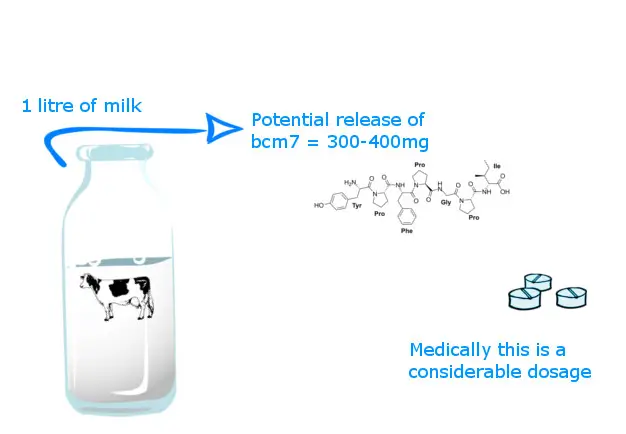
O problema é que a estrutura molecular da caseína no leite humano e no leite de vaca difere significativamente, com uma taxa de semelhança de apenas 47%. O efeito da casomorfina bovina é muito mais forte do que o da casomorfina humana e é quase tão potente como a morfina (Trivedi et al., 2015). As casomorfinas de vaca têm uma afinidade de ligação mais forte com os receptores de serotonina no cérebro em comparação com as casomorfinas humanas. Além disso, tanto o leite A1 como o A2 produzem casomorfinas opióides de igual potência (Asledottir et al., 2017). O leite de vaca contém consideravelmente mais caseína, até 15 vezes mais do que o leite humano. Enquanto no leite de vaca foram identificados vinte e um péptidos, incluindo oito da beta-caseína, no leite humano foram identificados apenas cinco péptidos, dos quais apenas um da beta-caseína.
E há também uma ligação com todas as doenças a que estão associados os depressores do sistema nervoso central ou a chamada "teoria do excesso de opiáceos". A "excesso de opiáceos"A teoria sugere que uma predisposição genética pode desencadear doenças como autismo e esquizofrenia. A exposição a factores de stress ambiental numa fase precoce pode causar danos no intestino e criar inflamação, que se desenvolve Doença da coroa, ou um "intestino permeável" condição. Quando se consomem produtos lácteos, as casomorfinas (péptidos opiáceos) são libertadas em excesso para o sangue e deslocam-se para o cérebro, onde podem desencadear o desenvolvimento de perturbações neurológicas em indivíduos sensíveis.
Além disso, as pessoas com intestinos com fugas e barreiras hemato-encefálicas fracas são mais susceptíveis aos efeitos sedativos destes péptidos opióides. Por exemplo, foram injectados níveis incrivelmente elevados de BCM7 (derivado da beta-caseína A1) em ratos, levando-os a apresentar vários sintomas relacionados com o autismo e a esquizofrenia. Por conseguinte, propõe-se que estes péptidos possam penetrar através da barreira hemato-encefálica e afectar regiões específicas do cérebro associadas a estas perturbações.
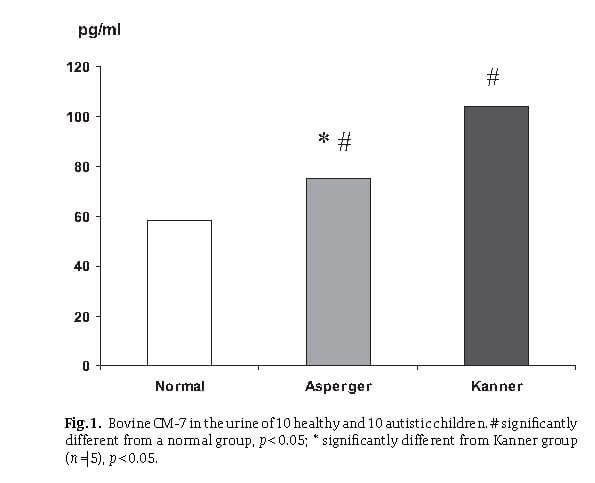
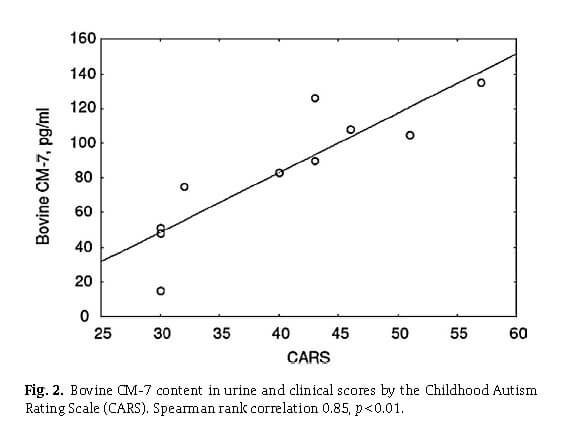
Vários estudos sugerem que o consumo de uma dieta sem glúten e sem caseína pode ajudar a reduzir alguns destes sintomas em indivíduos com autismo. Em 2000, uma equipa de investigadores liderada por Robert Cade reviu as provas existentes que ligam a caseína e a glúten opiáceos com autismo e esquizofrenia. Recolheram novos dados de 150 crianças autistas, 120 adultos com esquizofrenia, 43 crianças normais e 76 adultos normais (Cade et al., 2000). Crianças autistas e adultos esquizofrénicos mostraram um valor anormal elevado constante de casomorfina e peptídeos opióides de gluteomorfina obtidos a partir de beta-caseina e glúten.
Curiosamente, os péptidos opióides derivados do glúten apenas afectam três regiões do cérebro, enquanto os opióides BCM7 afectam até 45 regiões do cérebro. Além disso, a circulação de péptidos BCM7 no sistema nervoso central em desenvolvimento de um bebé pode afetar o seu centro respiratório, levando à apneia e à síndrome da morte súbita do lactente (SIDS) (Sun et al, 2003). Os péptidos opióides do leite foram há muito teorizados como uma possível causa da síndrome da morte súbita do lactente (Ramabadran and Bansinath, 1988).
Mortalidade.
Existe um defeito de nascença raro conhecido como galactosemia. É uma mutação genética que causa uma completa falta de enzimas necessárias para desintoxicar a galactose. A galactose não pode ser transformada em glicose e utilizada como energia. Nem mesmo as bactérias a podem comer. Tem de ser desintoxicada. O que este defeito congénito da galactosemia faz às crianças é causar perda de massa óssea mesmo quando são crianças (Batey et al., 2013). Sabe o que os cientistas usam nos estudos para causar o envelhecimento prematuro em animais de laboratório? Eles usam a mesma galactose. Mesmo em pequenas doses, a galactose aumenta as alterações que se assemelham ao envelhecimento natural. A galactose não causa apenas perda óssea, porque vai para todo o lado, causa inflamação geral e danos cerebrais, e degeneração também.
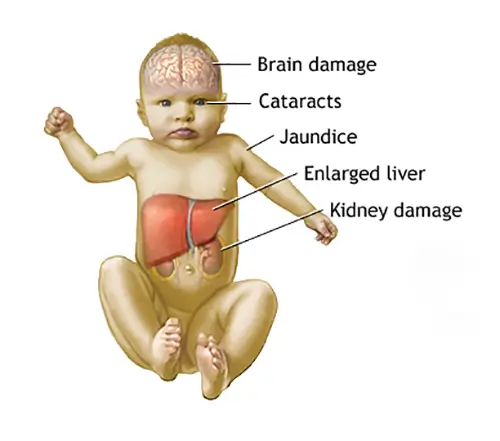
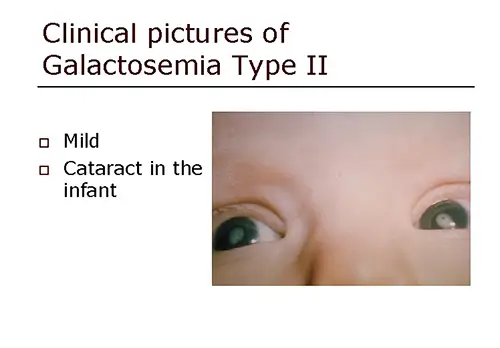
Quando os cientistas compreenderam que o leite tem um efeito tóxico no organismo, efectuaram um grande estudo que acompanhou 100 000 homens e mulheres durante 20 anos (Michaëlsson et al., 2014). Tratou-se de um estudo de coorte efectuado no centro da Suécia. A conclusão foi a seguinte:
"Por cada copo de leite, o rácio de risco ajustado de mortalidade por todas as causas foi de 1,15 nas mulheres e de 1,03 nos homens. A ingestão elevada de leite foi associada a uma maior mortalidade numa coorte de mulheres e noutra coorte de homens, e a uma maior incidência de fracturas nas mulheres."
(Michaëlsson et al., 2014)
O consumo de leite estava associado a inflamação, cancro, perda óssea e doenças cardíacas. Este é um estudo de coorte de 100.000 homens e mulheres durante 20 anos.
Três copos de leite por dia tinha aumentado a associação de mortalidade total para ser inacreditável 1,93!!!
Isso significa que duplicou as suas hipóteses de morrer se beber três copos de leite por dia ou 680 gramas por dia.
Para concluir, quanto mais leite, mais morte e fracturas ósseas. Isso significa que o leite é um veneno como qualquer outro veneno. A associação com a mortalidade foi um pouco menor para outros produtos lácteos como kefir ou iogurte ou queijo, e isso vai muito bem de acordo com a teoria da galactose. As bactérias que fermentam a lactose para criar iogurte ou queijo podem baixar parcialmente o teor de galactose. Não apenas parcialmente.
Pode tentar beber leite magro sem lactose, mas depois está apenas a consumir proteína de leite que é má só por si.
Doença de Parkinson e neurotoxicidade.
O alimento mais associado à doença de Parkinson é o leite. Em todos os estudos já efectuados, a associação com o leite foi absoluta. No início, os cientistas não sabiam o que pensar sobre o assunto. Pensaram que se tratava de alguma neurotoxina que devia estar presente no leite, como resíduos de organoclorados ou pesticidas. No entanto, se os pesticidas, os resíduos de organoclorados ou qualquer outra toxina são a causa da doença de Parkinson, não há explicação lógica para o facto de não haver correlação entre outros alimentos que contêm as mesmas toxinas e a doença de Parkinson. Ou, por exemplo, os pesticidas acumulam-se na gordura, mas a ligação entre o leite magro e a doença de Parkinson é tão forte como a do leite gordo. E depois, como não conseguiram explicar a associação, disseram que se tratava de uma causalidade inversa. A doença de Parkinson leva as pessoas a ficarem deprimidas e as pessoas deprimidas bebem mais leite. No entanto, os estudos de coorte prospectivos continuaram a encontrar uma ligação entre o leite e a doença de Parkinson, excluindo a explicação da causalidade inversa (Jiang et al., 2014). A relação linear dose-resposta mostrou que o risco de DP aumentou em 17% [1,17 (1,06-1,30)] por cada 200 g/dia de aumento no consumo de leite e 13% por cada fatia de queijo.
As neurotoxinas são encontradas em todos os produtos lácteos então porque é que o queijo tem uma associação mais baixa? E a única coisa que o queijo tem a menos do que o leite é o teor de galactose. Existem outras doenças neurodegenerativas, como a doença de Huntington, que ocorrem em famílias. Em Huntington, o risco é duas vezes maior, o que significa que o início precoce é duplicado pelo consumo de lacticínios. Em algumas pessoas, a predisposição genética pode ser agravada pela galactose e, em todas as pessoas, o efeito negativo da galactose aumentará o risco de todas as doenças a que tem sido associada, incluindo a perda óssea. Nas pessoas com galactosemia, 20% desenvolvem uma forma grave de tremor progressivo e ataxia. As pessoas com galactosemia aprendem a não consumir o produto, mas até saberem que têm a doença, consomem-no, e algumas delas acabam por ficar com tremores e ataxia.
Sabemos que a galactose é uma neurotoxina como qualquer outra neurotoxina que pode causar problemas tais como ataxia, o que significa que não se pode mover voluntariamente o corpo.
E os linfócitos? Se quiser ajudar com o seu sistema imunitário, reduza o leite na dieta (especialmente se tiver VIH e outras doenças graves). O consumo de leite de vaca pode enfraquecer a função imunológica das crianças e levar ao retorno de infecções (Delire et al., 1978).
Vasos sanguíneos.
Porque é que não vemos o que aconteceu aos vasos sanguíneos dos macacos que comiam leite? Quando se adicionou apenas um pouco de leite, a primeira coisa a desaparecer foi a relação entre o bom e o mau colesterol. Na imagem, temos fotografias das artérias principais. A primeira é cristalina (988), que é a de um macaco que comeu milho e legumes. Todos os pequenos vasos estão abertos. Esta segunda (920) é do macaco que consumiu leite com milho. Fechadas em todo o lado e com uma placa.
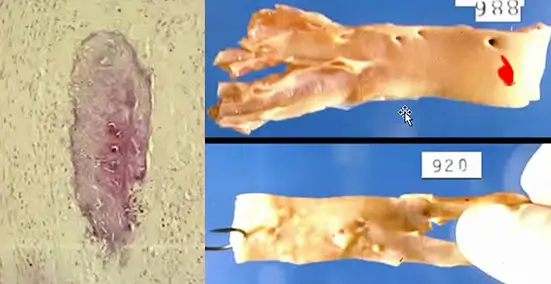
Como têm de drenar tanto cálcio para neutralizar a caseína, os rins não conseguem eliminá-lo a tempo. É por isso que o cálcio se cola aos vasos sanguíneos, dando origem a depósitos de cálcio (imagem à esquerda). Os vasos sanguíneos tornam-se frágeis e aumenta o risco de fissura e de derrame de sangue no cérebro (AVC). Não é apenas o leite que pode causar isto. É o leite ou os produtos lácteos mais um elevado teor de proteínas ou excessos, a dieta proteica do homem, como um todo, leva à formação de depósitos de cálcio nos vasos sanguíneos.
E isto é muito controverso porque há toda uma indústria com influência e agenda ocultas na promoção dos lacticínios que se traduzem em investigação. E quando a investigação financiada pela agenda é calculada ao nível agregado, obtemos resultados contraditórios e, para a indústria e o governo, isso é mais do que suficiente para manter o status quo. Cabe-lhe a si tomar conta de si próprio e descobrir o que é a verdade objectiva. Um estudo revela um risco acrescido e outro nenhum risco a um nível médio em meta-análise que nos chamam a atenção. Por exemplo, uma revisão recente da umbrella (Zhang et al., 2021) resumiu a evidência do consumo de leite e vários resultados de saúde, incluindo doenças cardiovasculares. A revisão concluiu que o consumo de leite estava mais frequentemente relacionado com benefícios do que com prejuízos para a saúde e que um aumento de 200 ml de leite por dia estava efetivamente associado a um menor risco de doenças cardiovasculares, acidente vascular cerebral, hipertensão, síndrome metabólica, obesidade e osteoporose, se é que se pode realmente acreditar nisso. A revisão apenas concluiu que o consumo de leite pode estar associado a um maior risco de cancro da próstata, doença de Parkinson, acne e anemia por deficiência de Fe na infância. Tenho-vos dado caldo de análises independentes de estudos que não agradam à indústria e que, na verdade, não agradam à maioria das pessoas que querem resultados contraditórios para racionalizar o consumo de lacticínios, porque os lacticínios são o alimento mais viciante de todos. Ou talvez eu tenha apenas uma agenda secreta para promover uma dieta à base de plantas e perder o meu tempo, energia e dinheiro por qualquer razão. Faça a sua própria pesquisa e decida. No final, há uma verdade que não pode ser negada.
Não existem nutrientes nos produtos lácteos que sejam únicos e que não possamos consumir através de escolhas alimentares saudáveis.
Milos Pokimica
O cálcio não está biodisponível nos produtos lácteos antes ou depois da pasteurização. As sementes de sésamo têm 975 mg de cálcio em 100 gramas de sementes. As sementes de papoila têm 1.438 mg em 100 gramas de sementes. Mas as sementes também têm muitas calorias e são mais ricas em oxalatos.
Por caloria, os cereais e, por exemplo, a couve, especialmente devido ao seu baixo teor de oxalato, são uma boa fonte de cálcio.
| Alimentação | Cálcio por dose |
|---|---|
| Sementes de papoila (30g) | 432 mg |
| Sementes de sésamo (30g) | 201 mg |
| Sementes de chia (30g) | 189 mg |
| Leite de soja enriquecido com cálcio (200 ml) | 240 mg |
| Leite de aveia enriquecido com cálcio (200 ml) | 240 mg |
| Leite de amêndoa enriquecido com cálcio (200 ml) | 240 mg |
| Leite de coco enriquecido com cálcio (200 ml) | 240 mg |
| Tofu com cálcio (100g) | 350 mg |
| Couve (80g cozinhada) | 185 mg |
| Figos (30g secos) | 75 mg |
| Amêndoas (30 g de miolo inteiro) | 81 mg |
Se está preocupado com as proteínas e não deve estar, porque eO excesso de proteínas está relacionado com muitas doenças incluindo Câncer e acidoseSe não for assim, então qualquer fonte de proteína existente é melhor do que a caseína do leite, causadora de esquizofrenia, autismo, opióides, oxidante de LDL e indutora de diabetes. Tomar uma colher de proteína de soro de leite isolado se, por algum motivo, quiser incluir proteínas lácteas na sua dieta, é muito melhor do que a caseína.
Uma das coisas que descobri que as pessoas que querem mudar a sua dieta têm mais dificuldade em eliminar é o queijo e os lacticínios. A carne é suficiente, mas o queijo é difícil. As pessoas que seguem uma dieta vegetariana não colheriam todos os benefícios para a saúde de uma dieta integral à base de plantas. Apenas substituem uma proteína animal, como a carne, por outra, como os ovos e os lacticínios. As mesmas toxinas, hormonas e efeitos de inflamação. O mesmo Nível de IGF-1 tudo igual. Se quiser ter benefícios para a saúde, deve tratar o leite e os ovos da mesma forma que trata a carne. Como alimento de sobrevivência que é tóxico para o organismo, que podemos tolerar em pequenas quantidades se não quisermos ter todas as doenças de afluência. Deixar de comer carne para comer gelado durante todo o dia não vai fazer muito pela sua saúde. Excepto drogar o seu cérebro com casomorfinas e expô-lo ao risco de cancro e diabetes.
No vídeo abaixo, o Dr. Neal Barnard dá uma palestra completa de uma hora sobre queijo, leite e as muitas razões pelas quais quer deixar o vício dos lacticínios.
Conclusão:
- A vaca selvagem comum produzirá 3 litros de leite por dia.
- Domesticated genetically conditioned cows would produce 40 to 80 liters of milk per day.
- O Campeão do Mundo produziu mais de 120 litros por dia.
- A proteína no leite é chamada caseína.
- A caseína necessita de uma enzima específica chamada renina para que o corpo a possa dissolver em aminoácidos.
- O leite humano tem a menor concentração de proteínas de todas as outras espécies de mamíferos.
- O leite humano tem a menor proporção de caseína em relação ao soro de leite de todas as outras espécies de mamíferos.
- A caseína de cada espécie é unicamente adequada para satisfazer as necessidades metabólicas dessa espécie, o que significa que terá uma composição específica de aminoácidos.
- A quantidade de proteína no leite é única e exclusivamente adequada para satisfazer as necessidades crescentes desta espécie.
- Quanto mais proteínas o leite tiver, mais rápida é a taxa de crescimento dessa espécie.
- Existe uma taxa de gordura muito mais elevada no leite humano em relação a uma proteína que é perfeita para o desenvolvimento do cérebro.
- Os bebés alimentados com qualquer outro leite que não o leite materno têm um QI inferior a um nível médio.
- Alimentar os bebés com leite de vaca leva a uma probabilidade de 80% de contrair diarreia e a uma probabilidade de 70% de um surto de infecções nos ouvidos, em comparação com os bebés alimentados com leite materno.
- Os bebés alimentados com leite de vaca durante os outros seis meses de vida têm um aumento de 30% na perda de sangue nos órgãos internos e uma perda significativa de ferro nas fezes e baixos consumos de ferro em geral, ácido linoleico e vitamina E, e consumos excessivos de sódio, potássio e proteínas.
- Há muito que se sabe que a diabetes tipo 1 está relacionada com o consumo de leite ou, mais especificamente, com o leite de vaca e os lacticínios. Nem todo o leite.
- A exposição precoce ao leite de vaca pode aumentar o risco de diabetes na criança em cerca de 1,5 vezes.
- Existe uma sequência de aminoácidos numa parte da caseína de raças europeias (A1 beta-caseína) que se revelou ser a mesma que a sequência de aminoácidos nas células beta do pâncreas humano.
- Os seres humanos não conseguem digerir a caseína correctamente.
- Como o leite humano tem tão pouca proteína, os bebés humanos também não precisam de ter toda essa renina para a digestão da caseína.
- A digestão lenta da caseína é uma consequência da falta de adaptação evolutiva ao consumo de leite.
- Muitos bebés que bebem leite de vaca sofrem intervenções de obstipação.
- Todos os mamíferos após a rejeição da sucção são deficientes em lactase.
- Só as pessoas de ascendência europeia podem tolerar a lactose, o resto da população humana não.
- As pessoas intolerantes à lactose que bebem leite de vaca terão diarreia.
- A enzima lactase quebra a lactose do açúcar na dextrose e na galactose.
- A galactose não pode ser utilizada enquanto não for digerida em glucose. Existe uma enzima chamada beta-galactosidase que altera a galactose na glicose.
- Toda a gente, todos os seres humanos do planeta Terra, se forem indivíduos adultos, têm deficiência de galactosidase.
- As cataratas dos idosos provêm da galactose.
- As mulheres estão a acumular galactose à volta dos ovários, e está associada ao cancro dos ovários e à infertilidade.
- Mesmo em pequenas doses, a galactose aumenta as alterações que se assemelham ao envelhecimento natural.
- O vírus da leucemia está presente em 60% do leite no mercado.
- Os vírus da leucemia das células T humanas podem ser transmitidos de humanos para animais e de animais para humanos.
- Estatisticamente, os países que utilizam produtos de vacas leiteiras têm mais leucemia.
- Cerca de 86% da população dos EUA tem anticorpos contra o vírus da leucemia bovina detectados.
- As vacas infectadas com BLV têm uma produção significativamente maior do que o seu dador de sangue, que não está infectado com BLV.
- O vírus da leucemia bovina está também correlacionado com outros tipos de cancros nos humanos, e não apenas com a leucemia. Tem uma correlação especialmente de alto risco com o cancro da mama.
- Várias condições tais como tuberculose, brucelose, difteria, escarlatina, febre Q, e gastroenterite são transmitidas através de produtos lácteos.
- A pasteurização mata todas as bactérias mas também algumas das enzimas vitais (catalase, peroxidase, fosfatase) e vitaminas.
- As fosfatases servem para quebrar o alimento no nosso organismo, para que as células possam assimilar dele sais minerais que se encontram sob a forma de fitato.
- reduz o valor proteico (composição de aminoácidos) em 17%, o complexo vitamínico B é destruído em 38% e a vitamina C é destruída.
- Relativamente ao cálcio em si, a sua utilização foi significativamente reduzida pela pasteurização.
- A somatotropina bovina ou BGH foi utilizada desde 1994 na produção de carne de bovino e foi obtida através da tecnologia de reconstituição de ADN.
- O BGH tem a mesma composição tanto para vacas como para humanos.
- O BGH está associado ao cancro (mama, próstata e cólon), e acrescenta a outro conjunto de perturbações como a puberdade prematura nas crianças.
- As hormonas androgénicas estão naturalmente presentes no leite e em todos os outros produtos lácteos e não pode ser fermentado ou destruído por pasteurização.
- As hormonas androgénicas promovem o desenvolvimento da acne vulgaris, e da puberdade prematura e estimulam o crescimento do cancro.
- A 5alfa-pregnanodiona (5alfa-P) é a hormona androgénica ou sexual presente no leite.
- O problema com as hormonas sexuais lácteas é que os nossos corpos não têm um circuito natural de feedback.
- Ao beber 300mg ou um copo de leite por dia uma criança irá aumentar o consumo de estradiol-17β a forma mais potente de todos os estrogénios será 10ng.
- La leche y los productos lácteos son responsables del 60-70% de los estrógenos consumidos en la dieta occidental.
- Os seres humanos consomem leite obtido de novilhas na segunda metade da gravidez, quando os níveis de estrogénio nas vacas estão marcadamente elevados. O leite que agora consumimos pode ser bastante diferente do consumido há 100 anos.
- Os lacticínios estão associados a uma menor contagem e movimento de espermatozóides e a danos testiculares directos. É tão prejudicial para os testículos como o colesterol
- Apenas 25% do cálcio do leite de vaca é absorvido pelo organismo após pasteurização, o que se deve a enzimas destruídas.
- Em experiências com coelhos, obtiveram-se resultados de que a própria caseína eleva o nível de colesterol mau, mesmo sem colesterol do leite
- Os produtos lácteos estão em segundo lugar na lista de todos os produtos alimentares que aumentam o colesterol, o que se deve à caseína.
- Para cada copo de leite, a razão de risco ajustada de mortalidade por todas as causas foi de 1,15 nas mulheres e 1,03 nos homens.
- Três copos de leite por dia tinham aumentado a associação de mortalidade total para 1,93.
- Cada espécie de mamífero excreta morfina no leite. Tem efeitos protectores evolutivos.
- A casomorfina é um opióide mais potente do que a própria morfina e é responsável pela maioria dos sintomas comportamentais e cognitivos típicos do autismo.
- A casomorfina acaba por causar danos cerebrais.
- O alimento mais associado à doença de Parkinson é o leite.
- Os produtos lácteos podem desempenhar um papel significativo no desenvolvimento da insónia, dificuldade em dormir e dores de enxaqueca (27).
- O consumo de leite de vaca pode enfraquecer a função imunitária das crianças e levar ao regresso das infecções.
Perguntas Frequentes
Referências:
- Scariati, P. D., Grummer-Strawn, L. M., & Fein, S. B. (1997). A longitudinal analysis of infant morbidity and the extent of breastfeeding in the United States (Uma análise longitudinal da morbilidade infantil e da extensão do aleitamento materno nos Estados Unidos). Pediatria, 99(6), E5. https://doi.org/10.1542/peds.99.6.e5
- Scott F. W. (1990). Leite de vaca e diabetes mellitus dependente de insulina: existe uma relação? O American journal of clinical nutrition, 51(3), 489-491. https://doi.org/10.1093/ajcn/51.3.489
- Cramer, D. W., Harlow, B. L., Willett, W. C., Welch, W. R., Bell, D. A., Scully, R. E., Ng, W. G., & Knapp, R. C. (1989). Consumo e metabolismo da galactose em relação ao risco de cancro do ovário. Lancet (Londres, Inglaterra), 2(8654), 66-71. https://doi.org/10.1016/s0140-6736(89)90313-9
- "A utilização de leite de vaca gordo na infância". (1992b). Pediatria, 89(6), 1105-1109. https://doi.org/10.1542/peds.89.6.1105
- Simoons F. J. (1982). Uma abordagem geográfica das cataratas senis: possíveis relações com o consumo de leite, a atividade da lactase e o metabolismo da galactose. Doenças digestivas e ciências, 27(3), 257-264. https://doi.org/10.1007/BF01296925
- Gerstein H. C. (1994). Exposição ao leite de vaca e diabetes mellitus tipo I. Uma visão crítica da literatura clínica. Cuidados com a diabetes, 17(1), 13-19. https://doi.org/10.2337/diacare.17.1.13
- Karjalainen, J., Martin, J. M., Knip, M., Ilonen, J., Robinson, B. H., Savilahti, E., Akerblom, H. K., & Dosch, H. M. (1992). A bovine albumin peptide as a possible trigger of insulin-dependent diabetes mellitus. O New England journal of medicine, 327(5), 302-307. https://doi.org/10.1056/NEJM199207303270502
- Pós-graduação em Medicina 1994; 95 (1): 115
- Merritt, M. A., Cramer, D. W., Vitonis, A. F., Titus, L. J., & Terry, K. L. (2013). Alimentos lácteos e nutrientes em relação ao risco de câncer de ovário e principais subtipos histológicos. Revista internacional do cancro, 132(5), 1114-1124. https://doi.org/10.1002/ijc.27701
- Iacono, G., Cavataio, F., Montalto, G., Florena, A., Tumminello, M., Soresi, M., Notarbartolo, A., & Carroccio, A. (1998). Intolerância ao leite de vaca e obstipação crónica em crianças. O New England journal of medicine, 339(16), 1100-1104. https://doi.org/10.1056/NEJM199810153391602
- Crowley, E. T., Williams, L. T., Roberts, T. K., Dunstan, R. H., & Jones, P. D. (2013). O leite causa constipação? Um ensaio dietético cruzado. Nutrientes, 5(1), 253-266. https://doi.org/10.3390/nu5010253
- Canadian J of Comparative Medicine 1979; 43 (2): 173-179
- Donham, K. J., Berg, J. W., & Sawin, R. S. (1980). Epidemiologic relationships of the bovine population and human leukemia in Iowa (Relações epidemiológicas da população bovina e leucemia humana em Iowa). Jornal americano de epidemiologia, 112(1), 80-92. https://doi.org/10.1093/oxfordjournals.aje.a112979
- Ferrer, J. F., Kenyon, S. J., & Gupta, P. (1981). Milk of Dairy Cows Frequently Contains a Leukemogenic Virus (Leite de vacas leiteiras contém frequentemente um vírus leucemogénico). Ciência.
- Buehring, G. C., Philpott, S. M., & Choi, K. Y. (2003). Os seres humanos têm anticorpos reactivos ao vírus da leucemia bovina. Investigação sobre a SIDA e os retrovírus humanos, 19(12), 1105-1113. https://doi.org/10.1089/088922203771881202
- Proceedings of the National Academy of Sciences of the United States of America (1989) Bovine leukemia virus infection in dairy and beef herds: correlation with production and association with lymphocytosis. Actas da Academia Nacional das Ciências dos Estados Unidos da América, 86(2), 445-449.
- American Journal of Veterinary Research (1995) Detection of bovine leukemia virus in blood and milk by nested and conventional polymerase chain reaction. American Journal of Veterinary Research, 56(8), 1016-1020.
- Melnik B. C. (2011). Evidências dos efeitos promotores de acne do leite e de outros produtos lácteos insulinotrópicos. Série de workshops Nestlé Nutrition. Programa pediátrico, 67, 131-145. https://doi.org/10.1159/000325580
- Danby F. W. (2009). Acne, lacticínios e cancro: A ligação 5alfa-P. Dermato-endocrinologia, 1(1), 12-16. https://doi.org/10.4161/derm.1.1.7124
- Ganmaa, D., Wang, P. Y., Qin, L. Q., Hoshi, K., & Sato, A. (2001). O leite é responsável pelos distúrbios reprodutivos masculinos? Hipóteses médicas, 57(4), 510-514. https://doi.org/10.1054/mehy.2001.1380
- Bischoff-Ferrari, H. A., Dawson-Hughes, B., Baron, J. A., Kanis, J. A., Orav, E. J., Staehelin, H. B., Kiel, D. P., Burckhardt, P., Henschkowski, J., Spiegelman, D., Li, R., Wong, J. B., Feskanich, D., & Willett, W. C. (2011). Ingestão de leite e risco de fratura da anca em homens e mulheres: uma meta-análise de estudos de coorte prospectivos. Journal of bone and mineral research : o jornal oficial da Sociedade Americana para a Investigação de Ossos e Minerais, 26(4), 833-839. https://doi.org/10.1002/jbmr.279
- Batey, L. A., Welt, C. K., Rohr, F., Wessel, A., Anastasoaie, V., Feldman, H. A., Guo, C. Y., Rubio-Gozalbo, E., Berry, G., & Gordon, C. M. (2013). Saúde esquelética em pacientes adultos com galactosemia clássica. Osteoporosis international : uma revista criada como resultado da cooperação entre a Fundação Europeia para a Osteoporose e a Fundação Nacional para a Osteoporose dos EUA, 24(2), 501-509. https://doi.org/10.1007/s00198-012-1983-0
- Michaëlsson, K., Wolk, A., Langenskiöld, S., Basu, S., Lemming, E. W., Melhus, H., & Byberg, L. (2014). Ingestão de leite e risco de mortalidade e fraturas em mulheres e homens: estudos de coorte. BMJ, 349(oct27 1), g6015. https://doi.org/10.1136/bmj.g6015
- Jiang, W., Ju, C., Jiang, H., & Zhang, D. (2014). Ingestão de alimentos lácteos e risco de doença de Parkinson: uma meta-análise dose-resposta de estudos de coorte prospectivos. Revista Europeia de Epidemiologia, 29(9), 613-619. https://doi.org/10.1007/s10654-014-9921-4
- Delire, M., Cambiaso, C. L., & Masson, P. L. (1978). Complexos imunes circulantes em bebés alimentados com leite de vaca. Natureza, 272(5654), 632. https://doi.org/10.1038/272632a0
- Virtanen, S. M., Saukkonen, T., Savilahti, E., Ylönen, K., Räsänen, L., Aro, A., Knip, M., Tuomilehto, J., & Akerblom, H. K. (1994). Dieta, anticorpos contra a proteína do leite de vaca e o risco de IDDM em crianças finlandesas. Grupo de Estudo da Diabetes Infantil na Finlândia. Diabetologia, 37(4), 381-387. https://doi.org/10.1007/s001250050121
- Israel Journal of Medical Sciences, 1983; 19 (9): 806-809; Pediatria, 1989; 84 (4): 595-603
- Chia, J. S. J., McRae, J. L., Kukuljan, S., Woodford, K., Elliott, R. B., Swinburn, B., & Dwyer, K. M. (2017). Proteína do leite beta-caseína A1 e outros fatores ambientais de pré-disposição para diabetes tipo 1. Nutrição e diabetes, 7(5), e274. https://doi.org/10.1038/nutd.2017.16
- Pal, S., Woodford, K., Kukuljan, S., & Ho, S. (2015). Intolerância ao leite, beta-caseína e lactose. Nutrientes, 7(9), 7285-7297. https://doi.org/10.3390/nu7095339
- Laugesen, M., & Elliott, R. (2003). Ischaemic heart disease, Type 1 diabetes, and cow milk A1 beta-casein. O jornal médico da Nova Zelândia, 116(1168), U295. [PubMed]
- Steinerová, A., Racek, J., Stozický, F., Tatzber, F., & Lapin, A. (1999). Autoanticorpos contra LDL oxidada na primeira fase da vida. Low density lipoproteins. Química clínica e medicina laboratorial, 37(9), 913-917. https://doi.org/10.1515/CCLM.1999.135
- Kost, N. V., Sokolov, O. Y., Kurasova, O. B., Dmitriev, A. D., Tarakanova, J. N., Gabaeva, M. V., Zolotarev, Y. A., Dadayan, A. K., Grachev, S. A., Korneeva, E. V., Mikheeva, I. G., & Zozulya, A. A. (2009). Beta-casomorfinas-7 em bebés com diferentes tipos de alimentação e diferentes níveis de desenvolvimento psicomotor. Péptidos, 30(10), 1854-1860. https://doi.org/10.1016/j.peptides.2009.06.025
- Chin-Dusting, J., Shennan, J., Jones, E., Williams, C., Kingwell, B., & Dart, A. (2006). Efeito da suplementação dietética com beta-caseína A1 ou A2 nos marcadores de desenvolvimento de doença em indivíduos com alto risco de doença cardiovascular. O British journal of nutrition, 95(1), 136-144. https://doi.org/10.1079/bjn20051599
- Trivedi, M. S., Hodgson, N., Walker, S. G., Trooskens, G., Nair, V., & Deth, R. C. (2015). Efeitos epigenéticos de peptídeos opióides derivados da caseína em células de neuroblastoma humano SH-SY5Y. Nutrição e Metabolismo, 12(1). https://doi.org/10.1186/s12986-015-0050-1
- Asledottir, T., Le, T. T., Petrat-Melin, B., Devold, T. G., Larsen, L. B., & Vegarud, G. E. (2017). Identificação de peptídeos bioativos e quantificação de β-casomorfina-7 de β-caseína bovina A1, A2 e I após digestão gastrointestinal ex vivo. Revista Internacional de Lacticínios, 71, 98-106. https://doi.org/10.1016/j.idairyj.2017.03.008
- Cade, R., Privette, M., Fregly, M., Rowland, N., Sun, Z., Zele, V., Wagemaker, H., & Edelstein, C. (2000). Autismo e Esquizofrenia: Distúrbios Intestinais. Neurociência nutricional, 3(1), 57-72. https://doi.org/10.1080/1028415X.2000.11747303
- Ramabadran, K., & Bansinath, M. (1988). Peptídeos opióides do leite como uma possível causa da síndrome da morte súbita do lactente. Hipóteses médicas, 27(3), 181-187. https://doi.org/10.1016/0306-9877(88)90138-7
- Sun, Z., Zhang, Z., Wang, X., Cade, R., Elmir, Z., & Fregly, M. (2003). Relação da beta-casomorfina com a apneia na síndrome da morte súbita do lactente. Péptidos, 24(6), 937-943. https://doi.org/10.1016/s0196-9781(03)00156-6
- Zhang, X., Chen, X., Xu, Y., Yang, J., Du, L., Li, K., & Zhou, Y. (2021). Consumo de leite e múltiplos resultados de saúde: revisão geral de revisões sistemáticas e meta-análises em humanos. Nutrição e metabolismo, 18(1), 7. https://doi.org/10.1186/s12986-020-00527-y
- Campbell TC & Campbell TM II (2006) The China Study: The Most Comprehensive Study of Nutrition Ever Conducted and the Startling Implications for Diet, Weight Loss and Long-term Health . Dallas: BenBella Books.
- Buehring, G. C., Shen, H. M., Jensen, H. M., Choi, K. Y., Sun, D., & Nuovo, G. (2014). DNA do vírus da leucemia bovina no tecido mamário humano. Doenças infecciosas emergentes, 20(5), 772-782. https://doi.org/10.3201/eid2005.131298
- Seiquer, I., Delgado-Andrade, C., Haro, A., & Navarro, M. P. (2010). Avaliação dos efeitos do tratamento térmico severo do leite na biodisponibilidade do cálcio: estudos in vitro e in vivo. Jornal da ciência do leite, 93(12), 5635-5643. https://doi.org/10.3168/jds.2010-3469
- Kamchan, A., Puwastien, P., Sirichakwal, P. P., & Kongkachuichai, R. (2004). Biodisponibilidade de cálcio in vitro de legumes, leguminosas e sementes. Jornal de Composição e Análise de Alimentos, 17(3-4), 311-320. https://doi.org/10.1016/j.jfca.2004.03.002
Publicações Relacionadas
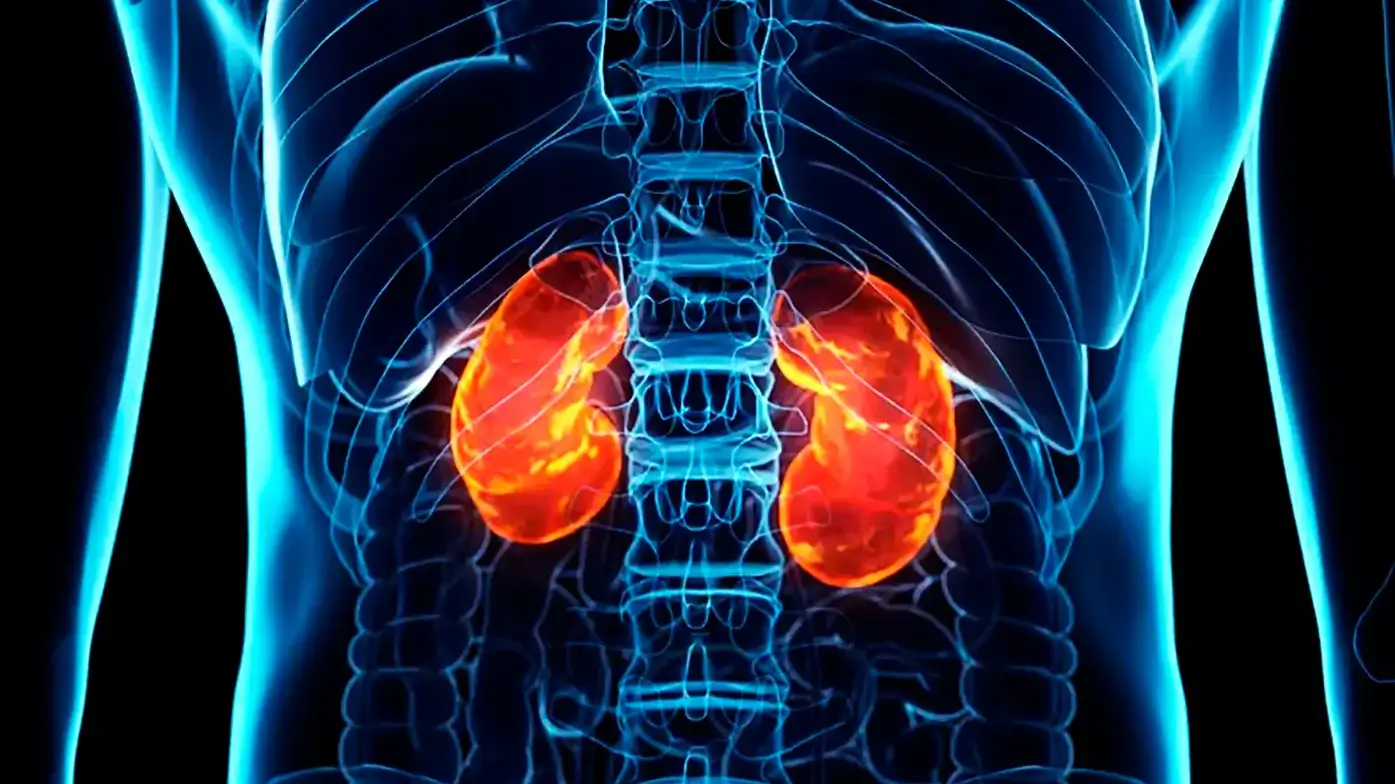
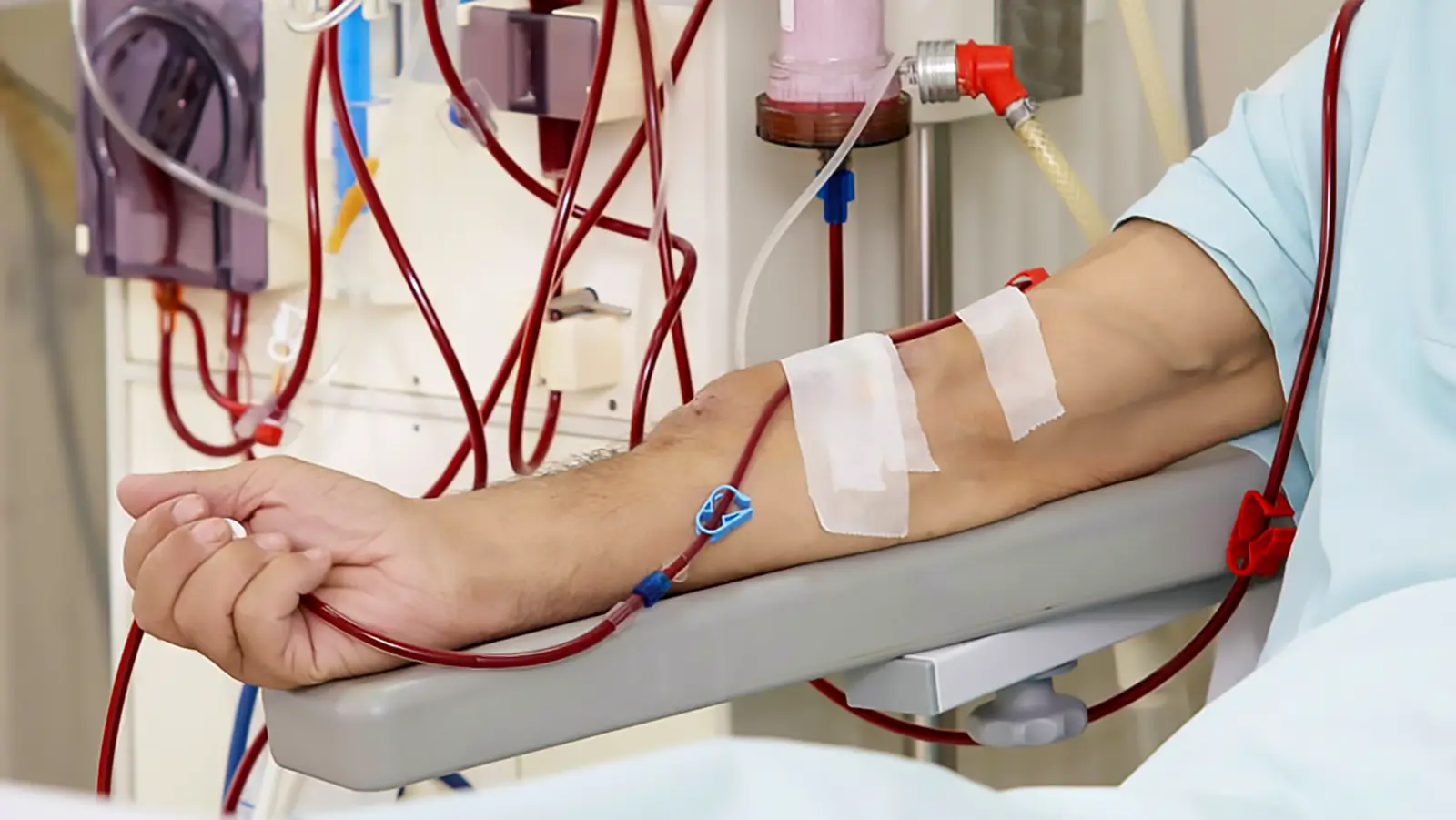

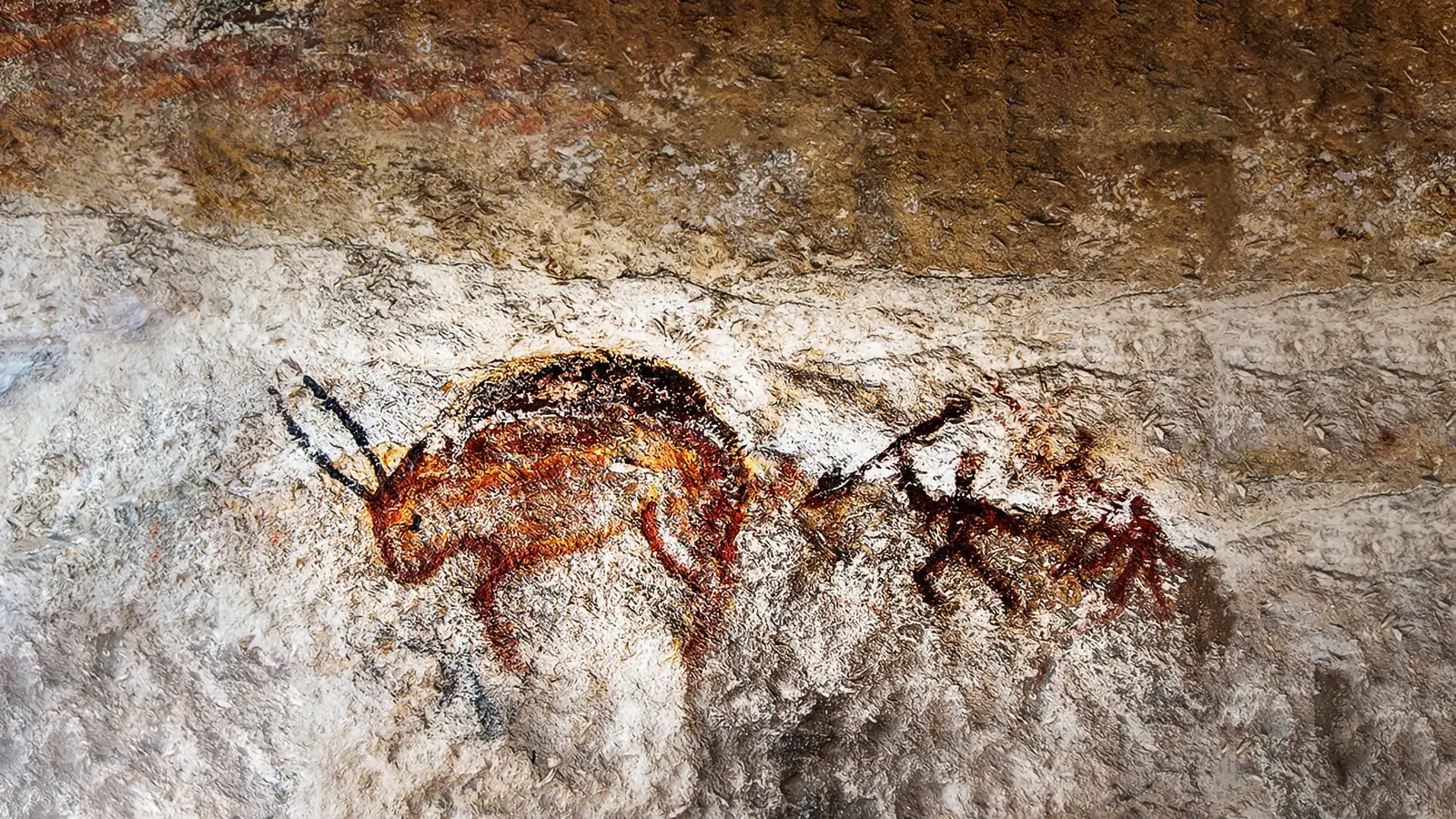
Você tem alguma dúvida sobre saúde e nutrição?
Eu adoraria ouvir de você e respondê-las em meu próximo post. Agradeço sua contribuição e opinião e espero ouvir de você em breve. Eu também convido você a siga-nos no Facebook, Instagram e Pinterest para mais conteúdos sobre dieta, nutrição e saúde. Pode deixar um comentário e ligar-se a outros entusiastas da saúde, partilhar as suas dicas e experiências e obter apoio e encorajamento da nossa equipa e comunidade.
Espero que este post tenha sido informativo e agradável para si e que esteja preparado para aplicar os conhecimentos que aprendeu. Se achou este post útil, por favor partilhá-lo com os seus amigos e familiares que também possam beneficiar com isso. Nunca se sabe quem poderá precisar de alguma orientação e apoio no seu percurso de saúde.
– Você Também Pode Gostar –
Câncer, O que é Proibido Curas-máquina de Rife, análise de Histórico
Poder Antioxidante das Especiarias: Resultados in Vivo com Dosagens Realistas

Toxicidade Ambiental- É Apenas Uma Cadeia Alimentar

Pesticidas nos Alimentos, Exposição na Dieta Americana Padrão - 80 Por Cento da Carne

Vitamina D - a Mais do que os seus ossos
Pode-se Comer Cogumelos Crus: Riscos Para a Saúde, Nutrição e Segurança

Medicamento alopático - A Psicologia do Medo
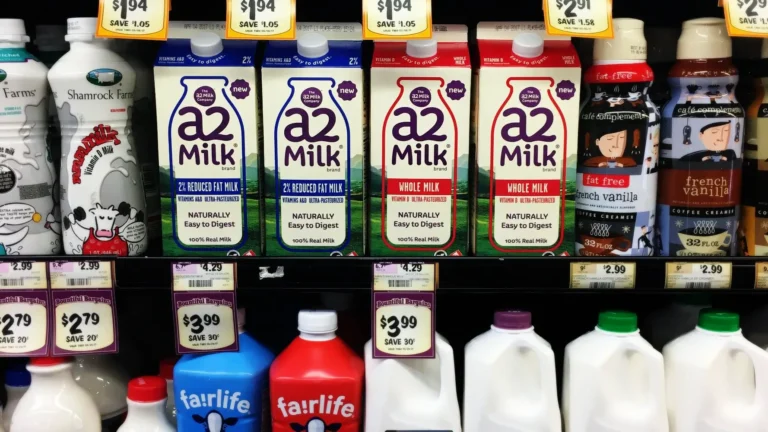
Leite A1: Diabetes, Autismo e Doenças Cardíacas

Aprender Sobre Nutrição

Milos Pokimica é médico de medicina natural, nutricionista clínico, escritor de saúde e nutrição médica, e conselheiro em ciências nutricionais. Autor da série de livros Go Vegan? Revisão de Ciênciaopera também o website de saúde natural GoVeganWay.com
Medical Disclaimer
GoVeganWay.com traz análises das pesquisas mais recentes sobre nutrição e saúde. As informações fornecidas representam a opinião pessoal do autor e não pretendem nem implicam substituir aconselhamento, diagnóstico ou tratamento médico profissional. As informações fornecidas são apenas para fins informativos e não se destinam a servir como substituto para consulta, diagnóstico e/ou tratamento médico de um médico ou profissional de saúde qualificado.NUNCA DESCONSIDERE o CONSELHO MÉDICO PROFISSIONAL OU adiar a BUSCA de TRATAMENTO MÉDICO por causa DE ALGO QUE TENHA LIDO OU ACESSADO por MEIO de GoVeganWay.com
NUNCA APLIQUE QUAISQUER MUDANÇAS de estilo de VIDA OU QUALQUER MUDANÇA COMO UMA CONSEQUÊNCIA DE ALGO QUE TENHA LIDO NO GoVeganWay.com ANTES de CONSULTORIA de LICENÇA MÉDICA.
No caso de uma emergência médica, ligue para o médico ou para o 911 imediatamente. GoVeganWay.com não recomenda ou endossa qualquer específicos, grupos, organizações, exames, médicos, produtos, procedimentos, opiniões ou outras informações que podem ser mencionadas dentro.
Sugestões do Editor –
Câncer Editor De Picaretas Fitoquímicos
Poder Anticancerígeno das Frutas e Legumes: Evidências Clínicas e in Vivo
Alguns extractos vegetais rivalizam com os principais medicamentos de quimioterapia e, ao mesmo tempo, visam vários tipos diferentes de células cancerígenas.
Antioxidantes Editor De Picaretas ORAC
Óleos Essenciais Como Suplementos Antioxidantes: Regras e Estratégias
Os óleos essenciais de qualidade alimentar podem ser uma estratégia conveniente e amiga do consumidor para optimizar o valor antioxidante e a pontuação ORAC da nossa dieta.
Antioxidantes Editor De Picaretas ORAC
Dieta Rica em Antioxidantes: Regras e Estratégias Gerais
Existem estratégias fáceis e económicas para optimizar o valor antioxidante da nossa dieta.
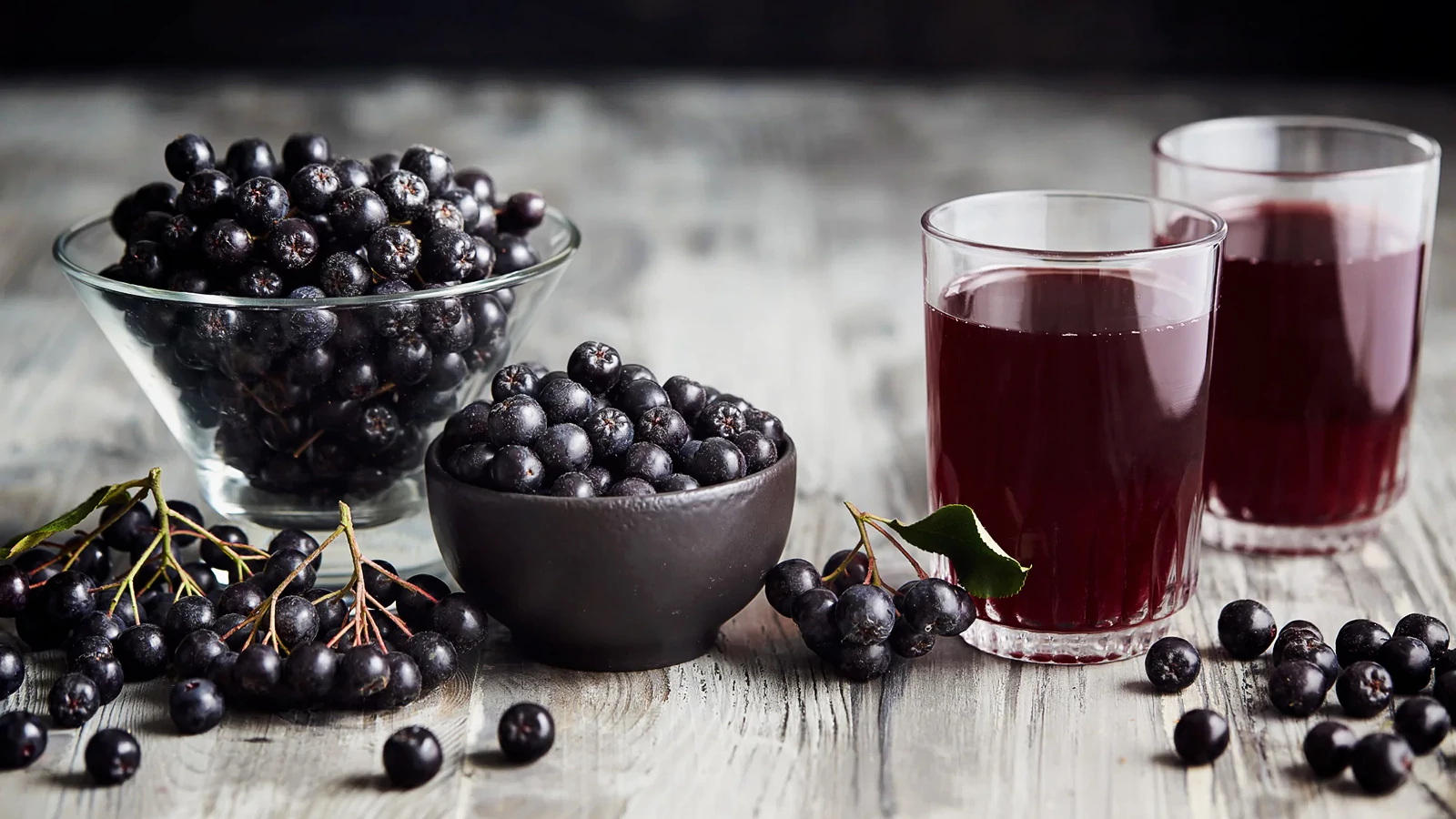
Antioxidantes Editor De Picaretas ORAC
Compreender os Valores ORAC: Níveis de Antioxidantes nos Alimentos
Quando a sua principal fonte de antioxidantes é o café, sabe que tem um problema grave.
Antioxidantes Editor De Picaretas ORAC
Astaxantina Benefícios: Antioxidante Natural Mais Poderoso do Mundo
A astaxantina é o mais poderoso e natural antioxidante universal (tanto o petróleo e a água-solúvel) desconhecido para a ciência. Ele se acumula nos tecidos e Ele nunca pode transformar-se em um pró-oxidante.
Antioxidantes Editor De Picaretas ORAC Fitoquímicos
Antioxidantes: Compreender os Princípios Básicos
Los productos de origen animal no contienen fitoquímicos ni antioxidantes. Por término medio, los alimentos vegetales contienen más de 60 veces más antioxidantes que los de origen animal.
Editor De Picaretas A Dieta Vegetariana
Deficiências de Nutrientes na Dieta Vegana: Estratégias de Prevenção
Existem nove deficiências comuns de nutrientes na escala populacional que afectam as pessoas que se alimentam de uma dieta à base de plantas. Se não forem corrigidas a tempo, algumas deficiências têm consequências terríveis e não tratáveis.
Editor De Picaretas Alimentação Ideal
Deficiência de Micronutrientes na Dieta Americana Padrão: Estratégias de Otimização
O perfil nutricional da nossa dieta moderna à base de carne, açúcar e alimentos processados é completamente incongruente com a nossa evolução, resultando numa grave deficiência de micronutrientes.
Editor De Picaretas Fitoquímicos
Fitoquímicos: Conceitos Básicos
Cada fitoquímico que existe tem uma acção biológica no corpo humano. Cada um de milhões de diferentes fitoquímicos.
Editor De Picaretas Leite Alimentação Ideal
Leite e Lacticínios: Correlações de Risco Para a Saúde
As associações conhecidas com o consumo de leite e laticínios são infertilidade, câncer de ovário e de mama, leucemia, diabetes tipo 1, autismo, arteriosclerose, catarata, artrite reumatóide, esclerose múltipla, hiperatividade, congestão, espinhas e muito mais…
Câncer Editor De Picaretas Proteína
Proteína Completa: Sinalização do IGF-1 na Formação do Cancro
Quando você comer proteína animal que tem quatro vezes a chance de desenvolver todos os tipos de câncer. Quando você fuma tem quatro vezes a chance de desenvolver câncer de pulmão.

Câncer Editor De Picaretas Proteína
A Anatomia do Câncer de risco para a Saúde correlações
Cerca de 2% dos cânceres são, pela medicina, considerados puramente causados por fatores genéticos. A mesma faixa do reino animal. Você não foi informado de toda a verdade.
Milos Pokimica é escritor especializado em saúde e nutrição e consultor em ciências nutricionais. Autor da série de livros Go Vegan? Revisão de Ciênciaopera também o website de saúde natural GoVeganWay.com
Artigos Mais Recentes -

Restrição De Calorias Longevidade
Como Fazer Jejum: Alimentos em Jejum que Não Quebram a Autofagia
Autofagia. Você já se perguntou o que acontece com as células do seu corpo quando elas morrem ou são danificadas? Eles simplesmente se acumulam e criam problemas ou são eliminados de alguma forma? A resposta é que seu corpo…
Saúde Dentária Prevenção
Dentes Sensíveis a Doces e Dor: Solução Rápida e Duradoura
Uma solução rápida e fácil para o alívio da dor é o óleo essencial de cravinho, um poderoso antioxidante e analgésico que pode ajudar com doenças das gengivas e dores de dentes.
Feijão
Feijão Verde: Benefícios Nutricionais e Para a Saúde
O feijão verde tem poucas calorias e é rico em compostos naturais que podem ajudá-lo a controlar o açúcar no sangue, a reduzir o colesterol e a combater os radicais livres.
Dieta de alimentos crus A Dieta Vegetariana
Pode-se Comer Cogumelos Crus: Riscos Para a Saúde, Nutrição e Segurança
Os cogumelos têm toxinas sensíveis ao calor, como a hidrazina ou a agaritina, e paredes celulares feitas de quitina que não podem ser bem digeridas pelos seres humanos.
A Dieta Vegetariana
Os Peixes São Animais? Uma Perspetiva Cultural
Em algumas culturas, a carne de peixe não é considerada carne e o peixe é permitido mesmo durante o jejum.

Saúde Dentária Prevenção
Enxaguante bucal natural caseiro: comprovado, mais forte e menos tóxico
O elixir bucal natural caseiro é mais forte do que a clorexidina, menos tóxico e, se ingerido, pode provocar algumas náuseas, mas também tem um elevado valor ORAC.
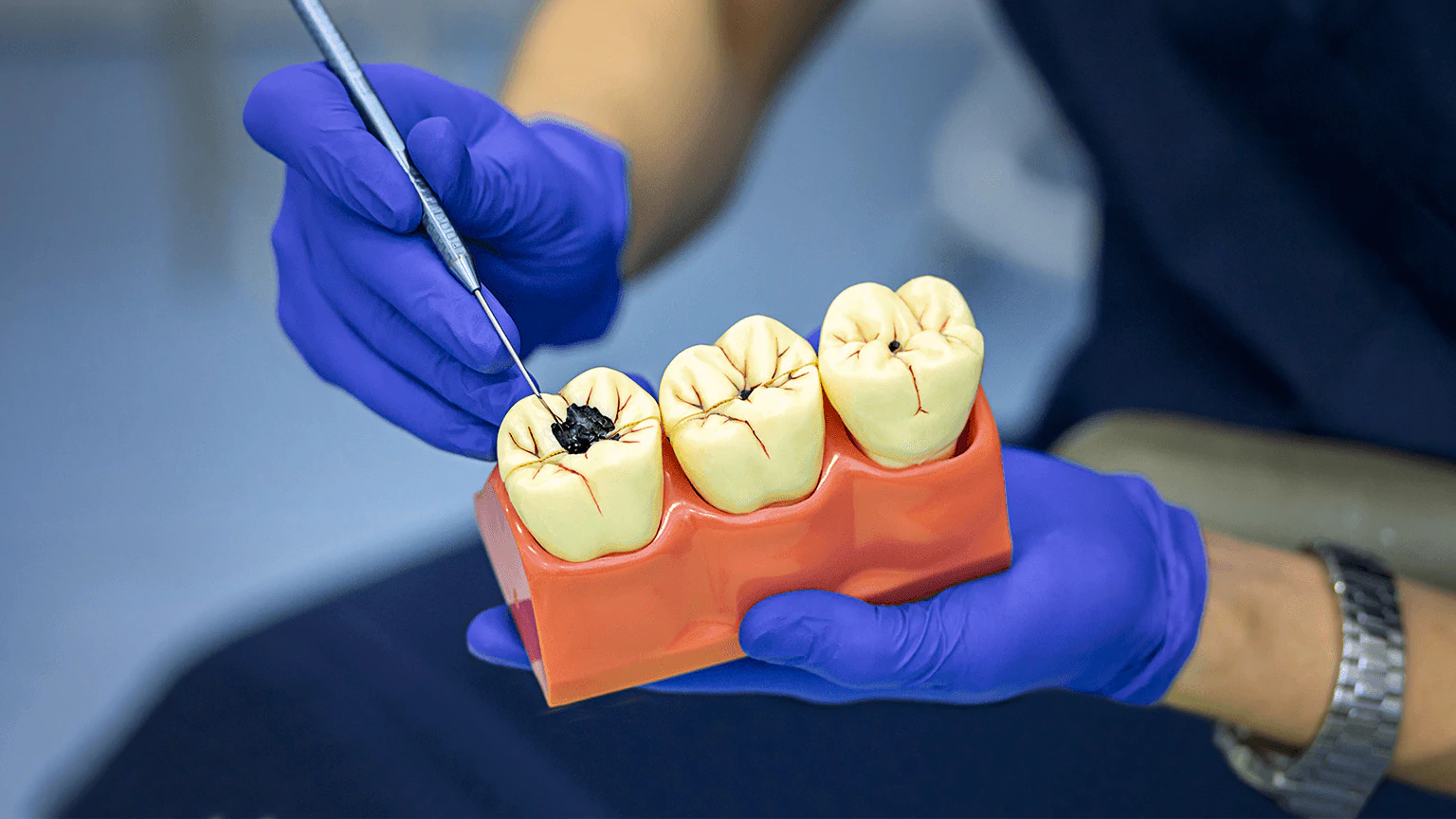
Saúde Dentária Prevenção
Como Parar a Cárie Dentária: Sintomas, Causas e Prevenção
Consumo de açúcar é a principal causa de cáries e a cárie dentária, combinado com deficiência de minerais, especialmente o magnésio, o zinco, o cobre e elementos-traço.
Antioxidantes Superalimentos
Amla: Benefícios Comprovados, Nutrição e Significado Clínico
O amla é um dos antioxidantes mais poderosos do mundo, com uma pontuação ORAC de 261.530. É uma fonte rica de fitoquímicos que têm vários benefícios para a saúde.
Superior De Saúde De Notícias — ScienceDaily
- Scientists say NAD+ could slow aging and fight Alzheimer’s and Parkinson’son Março 24, 2026
A global team of leading scientists is zeroing in on a tiny but powerful molecule that could reshape how we age. Known as NAD⁺, it plays a crucial role in keeping our cells energized, repairing DNA, and maintaining overall health—but its levels steadily decline over time, potentially fueling diseases like Alzheimer’s and Parkinson’s. Researchers are now exploring ways to boost NAD⁺ using compounds like NR and NMN, with early studies hinting at improvements in memory, metabolism, and […]
- Insulin pills may soon replace daily injectionson Março 24, 2026
For over a century, scientists have chased the dream of insulin pills, but the digestive system kept destroying the drug before it could work—forcing millions of patients to rely on daily injections. Now, researchers at Kumamoto University have developed a clever workaround using a tiny peptide that helps insulin slip through the intestinal wall.
- Scientists discover hormone that may stop chronic back pain at its sourceon Março 24, 2026
A new study suggests a widely used bone hormone could help relieve chronic back pain in an unexpected way. Instead of just strengthening bone, it appears to stop pain-sensing nerves from growing into damaged spinal areas. In animal models, this led to stronger spinal tissue and reduced pain sensitivity. The findings hint at a future treatment that tackles back pain at its biological roots.
- Women over 50 lost 35% more weight with this surprising comboon Março 24, 2026
Postmenopausal women may have a powerful new edge in the battle against weight gain. A Mayo Clinic study found that those using menopausal hormone therapy while taking the obesity drug tirzepatide lost about 35% more weight than those on the drug alone. The findings hint at a surprising synergy between hormones and cutting-edge weight-loss medications, potentially opening the door to more effective, personalized treatments for millions of women facing increased cardiometabolic risks after […]
- This new tooth powder whitens teeth without damageon Março 24, 2026
Researchers have developed a teeth-whitening powder that works with the vibrations of an electric toothbrush to safely remove stains. Unlike traditional whiteners, it not only brightens teeth but also repairs enamel and supports healthy oral bacteria. Lab tests showed dramatic whitening effects, while animal studies revealed reduced harmful microbes and inflammation. This could pave the way for a new generation of at-home dental care.
- Scientists discover Alzheimer’s hidden “death switch” in the brainon Março 23, 2026
Scientists have uncovered a hidden “death switch” in the brain that may be driving Alzheimer’s disease—and even found a way to turn it off in mice. The culprit is a toxic pairing of two proteins that, when combined, triggers the destruction of brain cells and fuels memory loss. By using a new compound to break apart this deadly duo, researchers were able to slow disease progression, protect brain cells, and even reduce hallmark amyloid buildup.
- New blood test could catch pancreatic cancer before it’s too lateon Março 23, 2026
A new blood test could change the outlook for one of the deadliest cancers—pancreatic cancer—by catching it much earlier than ever before. Researchers identified two previously unknown proteins in the blood that, when combined with existing markers, dramatically improved detection accuracy. The four-marker test was able to spot pancreatic cancer in over 90% of cases and performed especially well even in early stages, when treatment has the best chance of success.
PubMed, #vegan-dieta –
- Plant-Based Dietary Patterns and Neuroimaging Biomarkers of Brain Health: A Scoping Review of Observational and Interventional Evidenceon Março 23, 2026
Healthy dietary interventions are well established in cardiovascular disease prevention, but their effects on the brain remain underexplored. This scoping review aims to investigate how adherence to core components of a whole-food plant-based diet (WFPBD) may impact neuroimaging outcomes across different brain conditions. We searched PubMed and MEDLINE for studies published in the past 20 years evaluating the effects of a predominantly or exclusively WFPBD, alone or combined with other […]
- Environmental and economic impact of a vegan versus traditional mediterranean diet: OMNIVEG studyon Março 17, 2026
CONCLUSIONS: Replacing animal products with plant-based foods in a Mediterranean dietary framework can enhance environmental sustainability and reduce food costs. These findings support the promotion of whole plant-based diets as a viable strategy for sustainable and affordable nutrition.
- Consumption Habits and Perception of Plant-Based Milk and Dairy Alternatives Among Vegetarians and Omnivores: A Case Study of Consumers in Sloveniaon Março 14, 2026
CONCLUSIONS: PBMDA perceptions in Slovenia are strongly segmented by dietary pattern and socio-demographics, supporting the need for clearer nutrition communication.
- Culinary Nutrition Programming for Members of a Community-Based Cancer Programon Março 14, 2026
(1) Background: Nutrition research in cancer care has largely focused on disease prevention and management, overlooking the importance of food literacy. Culinary cancer care programs may address this gap by facilitating the practical application of nutrition through culinary skills, fostering social connections over nutrient-dense meals, and supporting individuals during periods of physical and social vulnerability. The Not-Just-Supper Club (NJSC) at Gilda’s Club Toronto (GT) is a…
- Fatty acid composition of ground-beef products and their plant-based meat substitutes available in Hungaryon Março 13, 2026
CONCLUSION: The findings indicate that plant-based meat alternatives (except those containing coconut oil) have lower saturated and higher polyunsaturated fatty acid compositions than beef-based products, leading to more beneficial nutritional value. Further analytical and clinical studies are necessary to provide a more comprehensive understanding of the long-term health effects of these foods.
Postagens aleatórias –

Câncer Editor De Picaretas Toxicidade
Pesticidas nos Alimentos, Exposição na Dieta Americana Padrão - 80 Por Cento da Carne
A maioria dos pesticidas e, especialmente, metais pesados e outros resíduos tóxicos poluentes temos, temos de carne. Mais de 80% da exposição aos pesticidas na dieta Americana padrão vem de produtos de origem animal, não a partir de frutas ou de produtos hortícolas.

Editor De Picaretas Indústria De Alimentos
A Coca-Cola Company - Revisão Histórica
Se quiser saber qual é o ingrediente secreto do xarope de Coca-Cola. É a Alemanha nazi, esquadrões da morte guatemaltecos, neuromarketing, e trabalho infantil.
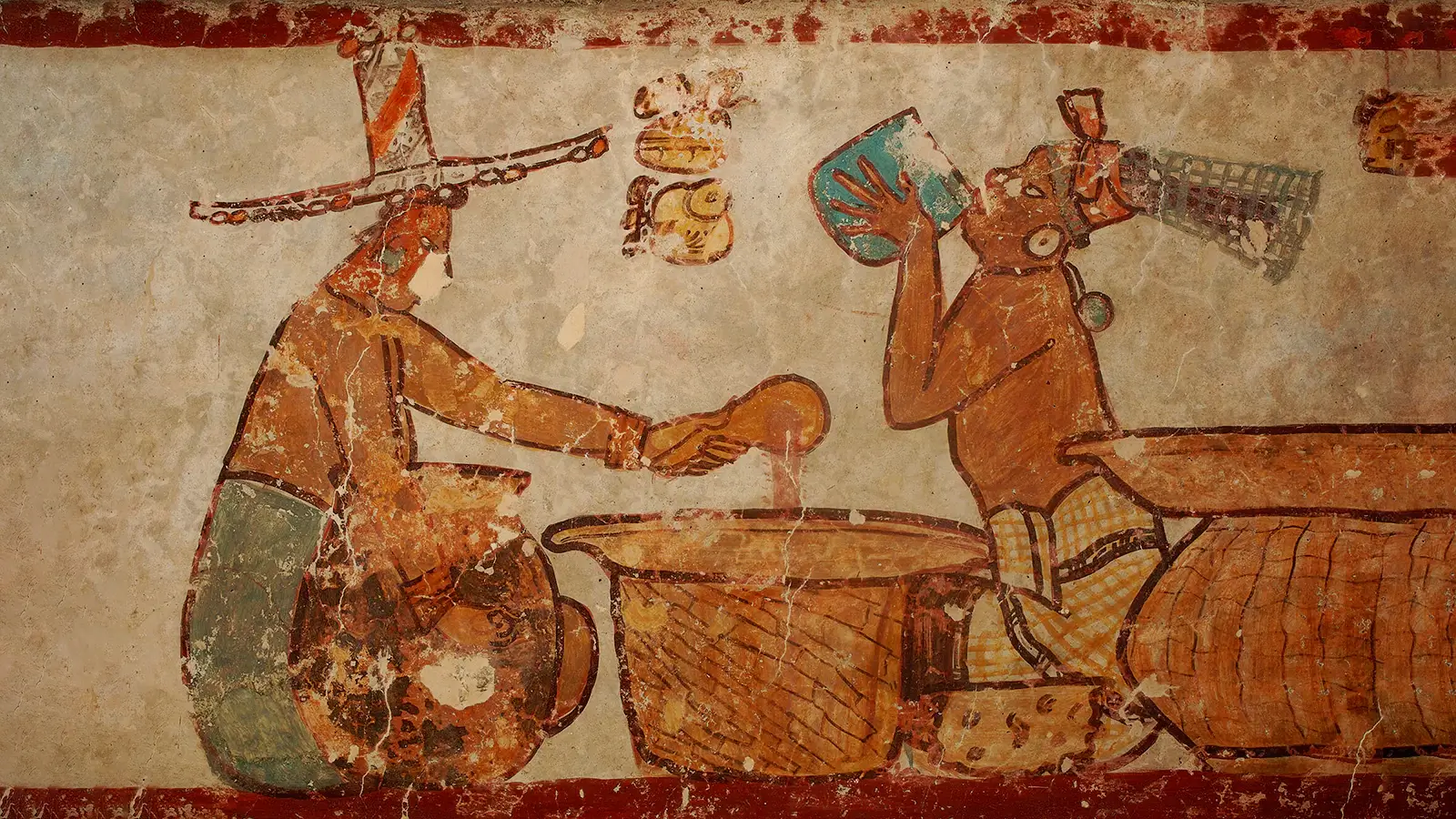
Nootrópicos Fitoquímicos
Benefícios da Teobromina: Impulsionar o Cérebro Sem Ansiedade
A teobromina é o segredo por detrás dos efeitos do chocolate na sua mente e nas suas emoções. Pode melhorar a sua cognição e, ao contrário da cafeína, reduz os seus níveis de stress.
Longevidade Alimentação Ideal A Dieta Vegetariana
Deficiência de B12 e Declínio Cognitivo: Estratégias de Optimização da Homocisteína
As vitaminas que regulam os níveis de homocisteína são B12, folato, e B6. A maioria dos não-vegetanos recebe B12 suficiente mas não folato suficiente enquanto os veganos recebem mais folato mas não têm nenhum B12 se não forem suplementados.
Câncer A Inflamação Toxicidade
Peixe cultivado - paraíso “Fossa”
Os peixes cultivados têm até dez vezes mais poluentes. Após a vacinação o peixe está sempre a tomar antibióticos e pesticidas.
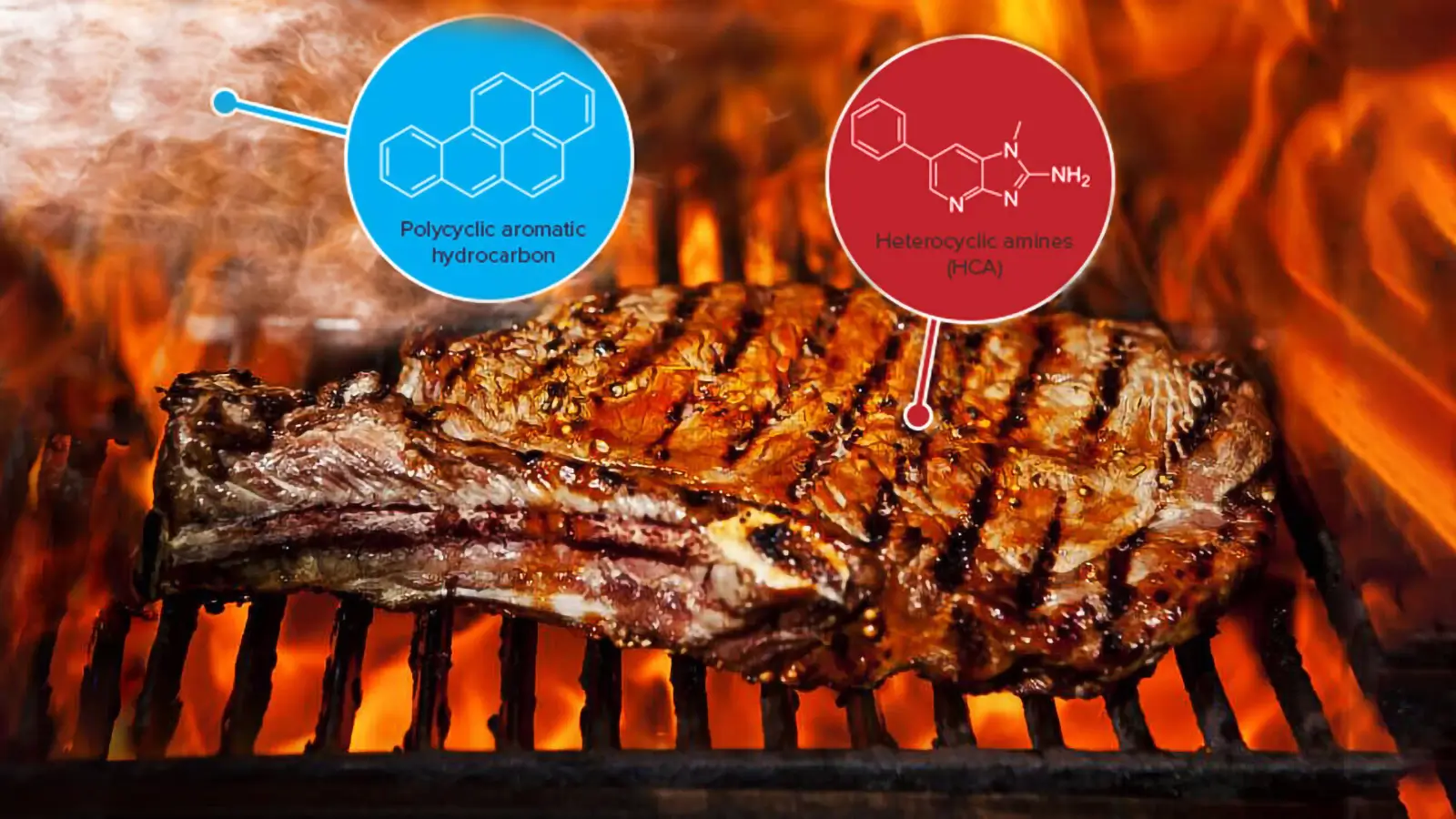
Câncer
Cozido de Carne - O agente Mutagênico em uma Mordida, Aminas Heterocíclicas Exposição
Aquecimento de aminoácidos na presença de creatina (cozido de carne) cria mutagénicas conhecidos como Aminas Heterocíclicas (HCA).
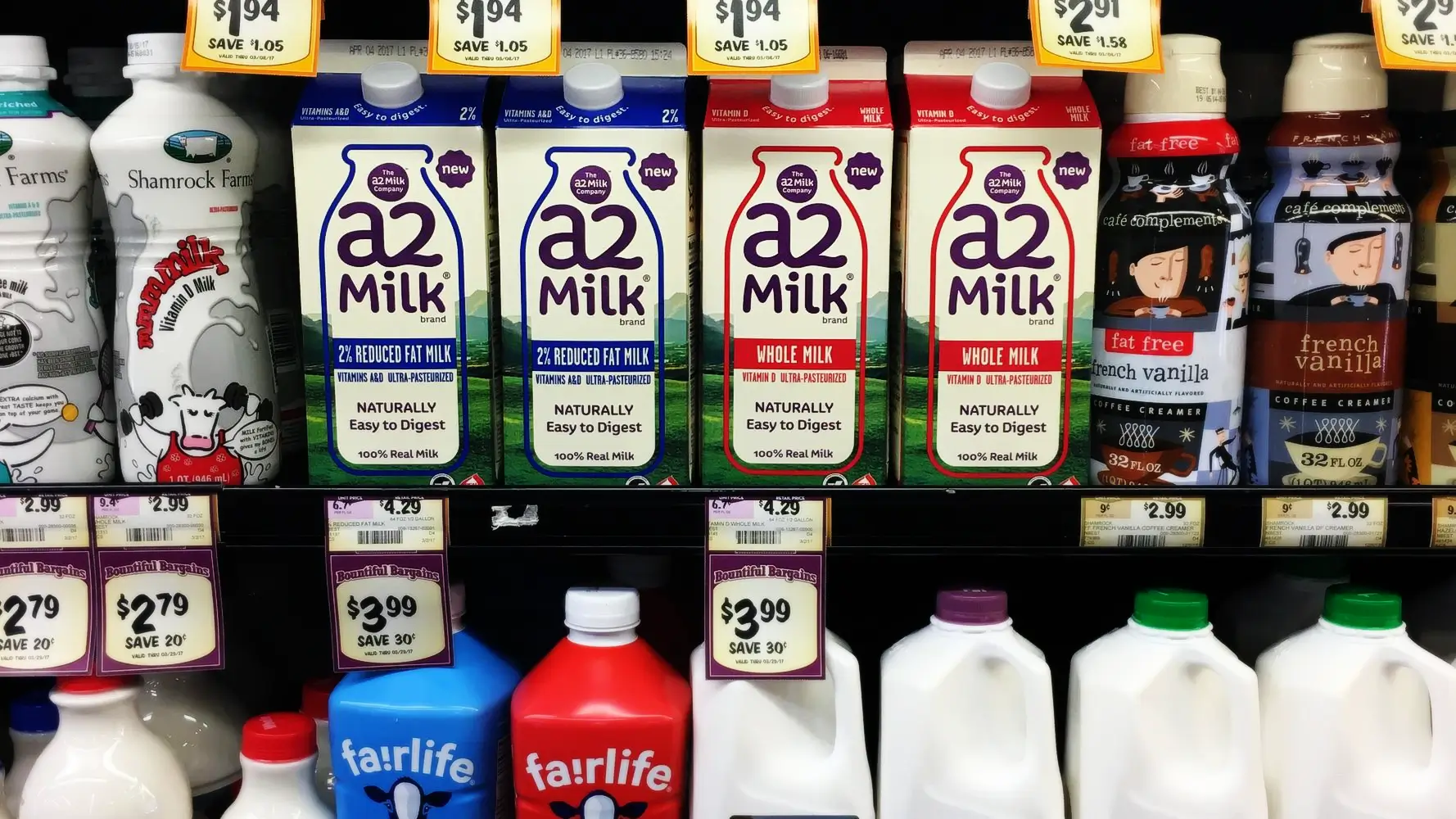
Diabetes Leite
Leite A1: Diabetes, Autismo e Doenças Cardíacas
Os dados epidemiológicos sugerem que o leite A1 com a variante de 1 beta-caseína é um possível factor de risco no desenvolvimento da diabetes tipo 1 em crianças, autismo e doenças cardíacas em adultos.
Antioxidantes A Inflamação
Papel Antioxidante na Depressão e Ansiedade: A Peça em Falta
O stress oxidativo com inflamação crónica no cérebro está associado ao desenvolvimento de distúrbios neuropsiquiátricos, incluindo grandes depressões e ansiedade.

A Inflamação Dieta de alimentos crus Toxicidade
Lectins - o Paradoxo da "Planta Paradox"
O paradoxo da "Planta Paradoxo" é que as pessoas que comem mais lectins (feijões e cereais integrais) têm menos câncer.
Editor De Picaretas Dieta Paleo A Dieta Vegetariana
Vegan Neandertais? A verdade sobre o real Neandertal dieta
Uma típica representação de Neandertais imagens-los como matar o mamute lanoso. No entanto, uma placa bacteriana conta uma história diferente sobre a dieta dos Neandertais

Postagens em destaque –
Editor De Picaretas Leite Alimentação Ideal
Leite e Lacticínios: Correlações de Risco Para a Saúde
As associações conhecidas com o consumo de leite e laticínios são infertilidade, câncer de ovário e de mama, leucemia, diabetes tipo 1, autismo, arteriosclerose, catarata, artrite reumatóide, esclerose múltipla, hiperatividade, congestão, espinhas e muito mais…

A Medicina Alopática Editor De Picaretas Alimentação Ideal
O McGovern Relatório - de Interesse Especial e A Supressão da Ciência
Em 1977, a pressão para uma mudança de Orientações Dietéticas (McGovern Relatório) para mais de base vegetal vegan, um havia sido apresentado ao Congresso dos EUA.

A Medicina Alopática Editor De Picaretas
A História da Grande Farmácia - IG Farben
A parte de Rockefeller, o monopólio da química e indústrias de medicamentos veio em cumprimento após a 2ª guerra mundial. A Standard Oil e a IG Farben cooperação fez isso em realidade.
Editor De Picaretas A Obesidade
Experiência de Fome no Minnesota: Porque é Que Fazer Dieta Nos Faz Engordar. A Psicologia da Fome.
Um dos primeiros estudos científicos sobre o que a fome não faz para a mente foi observado em um estudo lembrado como o Minnesota Fome Experimento realizado pela Universidade de Minnesota de volta em 1944.

A Medicina Alopática Câncer Editor De Picaretas
Câncer, O que é Proibido Curas-máquina de Rife, análise de Histórico
A taxa de recuperação para pacientes que têm não-tratáveis câncer e foram declarou doente terminal, utilizando Repleto de Máquina de ressonância tecnologia foi de 100%.
Antioxidantes Editor De Picaretas ORAC Fitoquímicos
Antioxidantes: Compreender os Princípios Básicos
Los productos de origen animal no contienen fitoquímicos ni antioxidantes. Por término medio, los alimentos vegetales contienen más de 60 veces más antioxidantes que los de origen animal.
Editor De Picaretas Alimentação Ideal Proteína
As Necessidades proteicas - uma verdade Inconveniente
Quando estudos antropólogos mostraram que os hominídeos viviam em média de 15 a 20 gramas de proteína por dia, houve o chamado “Grande fiasco das proteínas” na década de 1970.

Diabetes Editor De Picaretas Alimentação Ideal
Açúcar Refinado: Compreender os Riscos
As crianças consomem cerca de um quinto do total de suas necessidades energéticas a partir de apenas o açúcar refinado. Se somarmos a gordura e o resto da nutrição privação de alimentos processados para a lista torna-se uma nutrição completa pesadelo.
Câncer Editor De Picaretas Proteína
A Anatomia do Câncer de risco para a Saúde correlações
Cerca de 2% dos cânceres são, pela medicina, considerados puramente causados por fatores genéticos. A mesma faixa do reino animal. Você não foi informado de toda a verdade.
Editor De Picaretas Alimentação Ideal
Deficiência de Micronutrientes na Dieta Americana Padrão: Estratégias de Otimização
O perfil nutricional da nossa dieta moderna à base de carne, açúcar e alimentos processados é completamente incongruente com a nossa evolução, resultando numa grave deficiência de micronutrientes.
Últimas do PubMed, #dieta baseada em vegetais –
- Comment on “Plant-based diet and risk of arthritis: a nationwide cohort study of the Chinese elderly population” by H. Zhang, J. Liang, Y. Han, J. Tian, Y. Tu, R. Fan, W. Zhu, Z. Zhang and H. Zhao,…por Tong Xin on Março 24, 2026
A stratified perspective is essential to understand the divergent impacts of plant-based diets on osteoarthritis risk in older populations.
- From cow to crop: motives and barriers for plant-based dairy alternative consumption across three European countriespor Dominika Maison on Março 23, 2026
Currently, alternative sources of protein are being sought to replace not only meat but also dairy products in the diet. From this perspective, it is worth examining how consumers perceive these products, what motivates them to choose them and what barriers they encounter, especially with regard to attitudes towards dairy products. The present study aimed to compare attitudes towards plant-based dairy alternatives (PBDAs) in three European countries – Poland, Germany and the UK. Furthermore, […]
- Energy and macronutrient intakes of Montenegrin adults: insights from the EFSA EU Menu National Survey (2017-2022)por Amil Orahovac on Março 23, 2026
INTRODUCTION: Understanding population-level dietary intakes is essential for preventing diet-related non-communicable diseases (NCDs) and informing evidence-based nutrition policies. Until recently, Montenegro lacked nationally representative data on food and nutrient intake aligned with European Food Safety Authority (EFSA) standards. This study provides the first comprehensive analysis of energy and macronutrient intake among Montenegrin adults within the EFSA EU Menu framework.
- Plant-Based Dietary Patterns and Neuroimaging Biomarkers of Brain Health: A Scoping Review of Observational and Interventional Evidencepor Lydia Viviana Falsitta on Março 23, 2026
Healthy dietary interventions are well established in cardiovascular disease prevention, but their effects on the brain remain underexplored. This scoping review aims to investigate how adherence to core components of a whole-food plant-based diet (WFPBD) may impact neuroimaging outcomes across different brain conditions. We searched PubMed and MEDLINE for studies published in the past 20 years evaluating the effects of a predominantly or exclusively WFPBD, alone or combined with other […]
- Metabolic pathway analysis reveals hierarchical pentose sugar utilization and metabolic flexibility of Bifidobacterium longumpor Lisa Friess on Março 23, 2026
Plant-derived pentose sugars represent a major nutrient source in the gut, yet their metabolism remains incompletely defined. Strains of the human gut commensal Bifidobacterium longum subsp. longum utilise arabinose- and xylose-containing glycans, which are found in the pectin and hemicellulose layers of plant cell walls. To gain insight into the metabolism of these two pentoses as well as ribose, a naturally occurring sugar and a component of RNA and ATP, we identified and analysed the genes…
- Performance of Amblyseius swirskii (Acari: Phytoseiidae) on different astigmatid prey: life history traits and multi-generational stabilitypor Marziye Jahanbazi on Março 22, 2026
Optimizing trophic interactions within factitious prey chains is critical for the sustainable mass production of biological control agents. We investigated the developmental and demographic performance of Amblyseius swirskii (Athias-Henriot) (Acari: Phytoseiidae) when fed on four storage mite species, Tyrophagus putrescentiae (Schrank) (Acari: Acaridae), Carpoglyphus lactis L. (Acari: Carpoglyphidae), Lepidoglyphus destructor (Schrank) (Acari: Glycyphagidae), Rhizoglyphus robini Claparede…