







Ernährungsrichtlinien der WHO- Neue Ernährungspyramide und Unterdrückung der Wissenschaft
Die Ernährungsrichtlinien der WHO empfehlen eine Ernährung mit wenig gesättigten Fettsäuren (tierischem Eiweiß), Zucker und Salz sowie viel Obst und Gemüse als Voraussetzung, um den epidemischen Anstieg chronischer Krankheiten weltweit zu bekämpfen.
Milos Pokimica
Geschrieben von: Milos Pokimica
Medizinisch Begutachtet Von: Dr. Xiùying Wáng, M.D.
Aktualisiert am 13. September 2023Sie können jetzt hier auf meinem Blog alles über Ernährungswissenschaft lesen, aber die Leute wissen nicht, dass es noch vor wenigen Jahrzehnten Ketzerei war, überhaupt über die Pandemie der Fettleibigkeit zu sprechen und darüber, wie viele verarbeitete Lebensmittel genau schlecht sind. Und es ist mittlerweile ein globales Problem.
Eine westliche Ernährung mit Zucker, Weißmehl, tierischen Produkten, Fett usw. hatte Bohnen, Samen, Nüsse und Vollkornprodukte ersetzt. Die Förderung gesunder Lebensmittel wie Bohnen verträgt sich nicht gut mit großen Unternehmen.
Es handelt sich nicht mehr nur um große Tabakkonzerne, sondern um Big Soda, Big Mac und so weiter. Alle diese Branchen schützen sich, indem sie dieselben Taktiken anwenden. Zu den Taktiken gehören Lobbyarbeit, Klagen, von der Industrie finanzierte Forschung und Marketing.
Im Jahr 2003 veröffentlichte die Weltgesundheitsorganisation einen Berichtsentwurf, in dem die globale Strategie und die neuen Ernährungsrichtlinien der WHO dargelegt wurden, um Ernährungsfragen anzugehen und sich für Dinge einzusetzen, die der Branche nicht gefielen, wie etwa die Reduzierung der Zucker- und Fettaufnahme.
Innerhalb weniger Tage Nahrungsmittelindustrie gewann die Unterstützung hochrangiger Beamter der US-Regierung und führte eine Kampagne sowohl gegen den Entwurf als auch gegen die WHO selbst, die in der Drohung des Kongresses gipfelte, die Gründung der WHO durch die USA zurückzuziehen.
Das Gleiche geschah bereits zuvor, als die USA die Tabakindustrie verteidigten. Die Bedrohung durch die Zuckerindustrie wurde von WHO-Insidern jedoch als noch schlimmer eingeschätzt als jeder andere Druck, dem sie zuvor ausgesetzt waren. Wie in einem internen Memo beschimpft (Kanone, 2004) Die US-Regierung hatte eine Liste von Forderungen wie die Streichung aller Verweise auf den WHO/FHO-Expertenkonsultationsbericht, die Streichung aller Verweise auf Zucker, Fett, Salz und Öle, die Löschung oder Änderung aller Verweise zum Thema Marketing und Werbung Kinder.
Der politische Druck konnte die WHO zwar nicht dazu bewegen, den Bericht zurückzuziehen, aber es gelang ihr, die „Abschwächung“ vieler Empfehlungen zu erzwingen. Der Artikel mit dem Titel „Diät, Ernährung und Prävention chronischer Krankheiten“ wurde offiziell veröffentlicht und kam zu dem Schluss, dass a Eine Ernährung mit wenig gesättigten Fettsäuren, Zucker und Salz sowie viel Obst und Gemüse war erforderlich, um den epidemischen Anstieg chronischer Krankheiten weltweit zu bekämpfen.
„Die allgemeinen Parameter für einen Dialog mit der Lebensmittelindustrie sind weniger gesättigte Fettsäuren; mehr Obst und Gemüse; wirksame Lebensmittelkennzeichnung; und Anreize für die Vermarktung und Produktion gesünderer Produkte. Bei der Zusammenarbeit mit Werbe-, Medien- und Unterhaltungspartnern muss betont werden, wie wichtig klare und eindeutige Botschaften an Kinder und Jugendliche sind. Die globale „Gesundheits- und Ernährungskompetenz“ erfordert eine enorme Steigerung der Aufmerksamkeit und der Ressourcen.“
Mittlerweile plädiert sogar die WHO, eine globalistische UN-Institution, die aus besonderem Interesse hervorgegangen ist, dafür, mehr vegane Ernährung in den durchschnittlichen westlichen Lebensstil aufzunehmen. Allerdings fehlte der Verweis auf den umfassenden wissenschaftlichen Bericht und die Forderung nach einer Umsetzung der Empfehlungen in die nationalen Ernährungsrichtlinien sogenannte Ernährungspyramide. Ab 2003 wiederholte sich das Gleiche immer wieder. Die USA blockieren einen Konsens über Maßnahmen gegen nichtübertragbare Krankheiten.
Der Repost an sich war etwas Neues oder befürwortete auf diese Weise nicht etwas, das in den letzten 50 Jahren nicht bekannt war. Es war in eine ähnliche Richtung wie der McGovern-Bericht von 1977 (Der McGovern Bericht- Besonderes Interesse und die Unterdrückung der Wissenschaft). Der einzige Unterschied besteht darin, dass es 30 Jahre später immer noch keinen Unterschied gibt und dass die Wissenschaft immer durch Privatinteressen unterdrückt wird. Diesmal wurde der Bericht von der WHO selbst veröffentlicht. Wenn jemand mit mir streiten will und das sind normalerweise nur Leute, die ihre schlechten Gewohnheiten für sich selbst rechtfertigen wollen, bitte ich sie, dies und den McGovern-Bericht zu lesen, weil es sich um öffentliche Dokumente handelt und sie eine gewisse Autorität haben. Sie können nicht einfach „entlarvt“ werden. Tatsächlich verstehen die Leute, wenn sie sie lesen, dass sie manipuliert wurden, aber in den meisten Fällen ist es ihnen trotzdem egal und das ist in Ordnung. Sie haben das Recht, zu rauchen, zu trinken oder Drogen zu nehmen, aber das Problem entsteht, wenn die Agenda als Wahrheit durchgesetzt wird. Und dann kommt es zu einer ausgewachsenen Manipulation.
Und die Wahrheit ist, dass Krebs eine Lebensstilkrankheit und Gene ist verursachen nicht mehr als ein paar Prozent der Fälle. Herzkrankheiten und Schlaganfälle sind ebenso wie Diabetes Typ 2 Lebensstilkrankheiten. Ich würde aus Gründen, die ich in einem separaten Artikel besprechen werde, behaupten, dass sogar Typ 1 eine Lebensstilkrankheit ist. Die Wissenschaft ist hier und das schon seit langer Zeit. Der Grund für die Existenz dieser Website und meiner Bücher liegt genau in dieser Agenda. Und sie sagten es:
„Chronische Krankheiten sind weitgehend vermeidbare Krankheiten. Obwohl zu einigen Aspekten der Mechanismen, die Ernährung mit Gesundheit verbinden, möglicherweise weitere Grundlagenforschung erforderlich ist, bieten die derzeit verfügbaren wissenschaftlichen Erkenntnisse eine ausreichend starke und plausible Grundlage, um ein sofortiges Handeln zu rechtfertigen.“
Das Erste, was man bedenken sollte, ist, dass Änderungen des Lebensstils zur allgemeinen Gesundheit beitragen. Damit ist die Wissenschaft fertig. Tabak- und Alkoholkonsum, Freizeitdrogen, mangelnde körperliche Aktivität – das sind die Gedanken, die Menschen denken, wenn über Lebensstil gesprochen wird. Das ist alles in Ordnung, aber wenn Wissenschaftler, die sich mit Ernährung befassen, über Lebensstil sprechen, und wenn ich über Lebensstil spreche, meinen wir eigentlich Ernährung. Bei allen anderen Änderungen des Lebensstils steht die Ernährung an erster Stelle.
Zum Beispiel, Wenn Sie sich proteinreich ernähren, steigt Ihr IGF-1 und Sie haben ein erhöhtes Risiko, an Krebs zu erkranken. Igf-1 ist kein Wachstumshormon, kein insulinähnlicher Wachstumsfaktor. Wenn das Gehirn erkennt, dass sich alle essentiellen Aminosäuren im Blutkreislauf befinden, setzt es IGF-1 frei, und dann bindet dieses Hormon an den Zellrezeptor und fordert die Zelle im Grunde auf, sich zu teilen. Wenn die Zelle nicht beschädigt ist, bleibt ihr nichts anderes übrig, als die Zelle zu zerstören. Um dies ins rechte Licht zu rücken: Der Zusammenhang zwischen Krebs jeglicher Art und chronisch erhöhtem IGF-1, der durch eine hochwertige, tierische Eiweiß-dominierte Ernährung verursacht wird, ist höher als der Zusammenhang zwischen Rauchen und Lungenkrebs. Stellen Sie sich nun all die sozialen Bewegungen und das Bewusstsein für Rauchen und Stigmatisierung vor, die es heute gibt, und vervielfachen Sie dann diese Stigmatisierung für tierisches Eiweiß.
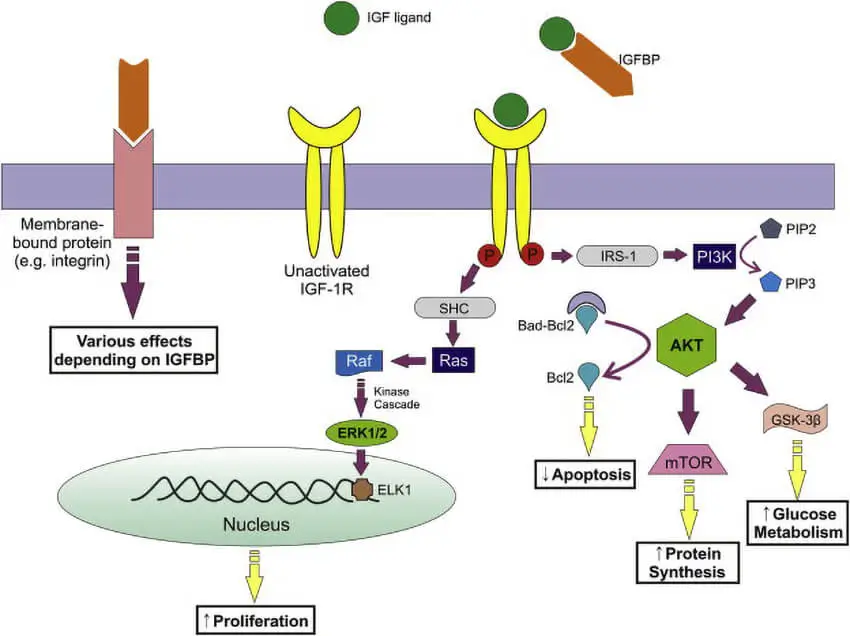
Schauen wir uns diesen Bericht nun genauer an und bedenken Sie, dass es sich hierbei um einen „verwässerten“ Bericht handelt.
„Indem dieser Bericht Möglichkeiten zur Verringerung der Belastung durch chronische Krankheiten wie Fettleibigkeit, Typ-2-Diabetes, Herz-Kreislauf-Erkrankungen (einschließlich Bluthochdruck und Schlaganfall), Krebs, Zahnerkrankungen und Osteoporose aufzeigt, schlägt er vor, die Ernährung in den Vordergrund der öffentlichen Gesundheit zu stellen Richtlinien und Programme.“
Verstehen Sie dieses Zitat jetzt? Sie sagen uns, dass die Ernährung an erster Stelle der öffentlichen Gesundheitspolitik stehen sollte und nicht Bewegung oder andere Änderungen des Lebensstils. Das bedeutet nicht, dass sie nicht wichtig sind, sondern nur, dass die Ernährung der wichtigste Faktor ist.
„Während des letzten Jahrzehnts hat die rasche Ausweitung einer Reihe relevanter wissenschaftlicher Bereiche und insbesondere der Menge an bevölkerungsbezogenen epidemiologischen Erkenntnissen dazu beigetragen, die Rolle der Ernährung bei der Prävention und Kontrolle von Morbidität und vorzeitiger Mortalität infolge nichtübertragbarer Krankheiten zu klären ( nichtübertragbare Krankheiten). Es wurden auch einige der spezifischen Ernährungsbestandteile identifiziert, die die Wahrscheinlichkeit des Auftretens dieser Krankheiten bei Einzelpersonen erhöhen, sowie Interventionen zur Beeinflussung ihrer Auswirkungen.“
Das ist zwar nicht ganz richtig, aber politisch korrekt. Es ist nicht so, dass die Wissenschaft im letzten Jahrzehnt die Rolle der Ernährung bei der Entstehung chronischer Krankheiten in Zusammenhang gebracht und unterschätzt hätte. Die meisten wissenschaftlichen Erkenntnisse waren bereits bekannt, bevor der McGovern-Bericht im Jahr 1977 veröffentlicht wurde. Tatsächlich korrelierten die meisten wissenschaftlichen Erkenntnisse bereits in den 50er und 60er Jahren mit Risikofaktoren.
„Die raschen Veränderungen in der Ernährung und im Lebensstil, die mit der Industrialisierung, Urbanisierung, der wirtschaftlichen Entwicklung und der Globalisierung der Märkte einhergingen, haben sich im letzten Jahrzehnt beschleunigt. Dies hat erhebliche Auswirkungen auf die Gesundheit und den Ernährungszustand der Bevölkerung, insbesondere in Entwicklungs- und Transformationsländern. Während sich der Lebensstandard verbessert hat, die Verfügbarkeit von Nahrungsmitteln zugenommen und vielfältiger geworden ist und der Zugang zu Dienstleistungen zugenommen hat, gab es auch erhebliche negative Folgen in Form von unangemessenen Ernährungsgewohnheiten, verminderter körperlicher Aktivität und erhöhtem Tabakkonsum sowie einem entsprechenden Anstieg von ernährungsbedingte chronische Krankheiten, insbesondere bei armen Menschen.
Veränderungen in der Welternährungswirtschaft spiegeln sich in veränderten Ernährungsgewohnheiten wider, beispielsweise im erhöhten Verzehr von energiereichen Nahrungsmitteln mit hohem Fettgehalt, insbesondere gesättigten Fettsäuren, und wenig unraffinierten Kohlenhydraten.
Aufgrund dieser Veränderungen in den Ernährungs- und Lebensstilgewohnheiten werden chronische nichtübertragbare Krankheiten – darunter Fettleibigkeit, Diabetes mellitus, Herz-Kreislauf-Erkrankungen (CVD), Bluthochdruck und Schlaganfall sowie einige Krebsarten – sowohl bei Entwicklungs- als auch bei Neuerkrankungen immer wichtigere Ursachen für Behinderungen und vorzeitigen Tod Die Entwicklung in den entwickelten Ländern führt zu einer zusätzlichen Belastung der bereits überbeanspruchten nationalen Gesundheitsbudgets.“
Wenn Sie einen entsprechenden Artikel über die China-Studie lesen (China-Studie – Das vegane Argument), werden Sie sich dessen bereits bewusst sein. Was sie sagen, ist Folgendes. Der größte Teil der menschlichen Zivilisation in der gesamten Menschheitsgeschichte nach der neolithischen Revolution lebte von einer ausschließlich veganen Ernährung. Und nicht nur das, es war eine vegane Ernährung, die von Stärke dominiert wurde. Es könnte Weizen in Europa oder Mais in Mesoamerika oder Reis in Asien sein, das spielt keine Rolle. Es gab keine einzige Gesellschaft auf der Welt, die über genügend Fleisch oder tierische Produkte verfügte, um Menschen oder Bauern zu ernähren, außer dem König und der Aristokratie.
Noch vor hundert Jahren lebten sogar westliche Industrieländer von einer veganen Ernährung. Das Fleisch wurde zu Weihnachten und Thanksgiving gegessen. Erst nach der Entdeckung der synthetischen Düngemittel konnte die Industrie überschüssiges Futter für Tiere produzieren. Für die Produktion einer Kalorie Fleisch werden sieben Kalorien Stärke benötigt. Wenn Sie das nicht glauben, denken Sie daran, was ein Jahr Missernte für Irland bedeutet hat. Die ganze Nation lebte von Kartoffeln. Wenn Kartoffeln versagen, verhungern unzählige Menschen. Die Gesamtzahl der Todesopfer lag bei rund einer Million Menschen und mehr als eine Million flohen aus dem Land, wodurch die Bevölkerung des Landes um 20–25 % zurückging.

„Die Ernährungsumstellungen, die den „Ernährungsübergang“ charakterisieren, umfassen sowohl quantitative als auch qualitative Veränderungen in der Ernährung. Zu den nachteiligen Ernährungsumstellungen zählen Verschiebungen in der Ernährungsstruktur hin zu einer Ernährung mit höherer Energiedichte, bei der Fett und zugesetzter Zucker in Lebensmitteln eine größere Rolle spielen, eine größere Aufnahme gesättigter Fettsäuren (hauptsächlich aus tierischen Quellen), eine verringerte Aufnahme komplexer Kohlenhydrate und Ballaststoffe. und reduzierte Obst- und Gemüseaufnahme. Diese Ernährungsumstellungen werden durch Änderungen des Lebensstils verschärft, die auf eine verringerte körperliche Aktivität am Arbeitsplatz und in der Freizeit zurückzuführen sind.“
„Es besteht ein starker positiver Zusammenhang zwischen der Höhe des Einkommens und dem Verzehr von tierischem Eiweiß, wobei der Verzehr von Fleisch, Milch und Eiern zu Lasten der Grundnahrungsmittel steigt.“ Aufgrund des jüngsten starken Preisverfalls beginnen Entwicklungsländer mit einem höheren Fleischkonsum bei deutlich geringerem Bruttoinlandsprodukt als die Industrieländer vor etwa 20 bis 30 Jahren. Zwischen 1964–1966 und 1997–1999 stieg der Pro-Kopf-Fleischkonsum in Entwicklungsländern um 150 % und der von Milch und Milchprodukten um 60 %. Bis 2030 könnte der Pro-Kopf-Verbrauch an tierischen Produkten um weitere 44 % steigen. Der Geflügelkonsum wird voraussichtlich am schnellsten wachsen.“
Was sie in diesem Bericht sagen, ist, dass die Menschen mehr Geld haben, das sie für Lebensmittel ausgeben können, wenn die Entwicklungsländer mit der Industrialisierung beginnen und der Lebensstandard steigt. Sie verwenden lediglich die politisch korrekte Terminologie der „Ernährungsumstellung“. Aber das ist nur eine schicke Art und Weise, wie Wissenschaftler sagten: Wenn man aus der Armut herauskommt, kauft man als erstes nicht ein Haus oder ein Auto, sondern Fleisch und verarbeitete Lebensmittel. Oder anders ausgedrückt: Sie haben Geld, um statt Reis Fleisch und anderen verarbeiteten Abfall zu essen. Und dann kommt die Zunahme von Wohlstandskrankheiten. Bei der unentwickelten veganen Ernährung mit stärkedominierter Ernährung in der ländlichen Bevölkerung Chinas kam es weder zu Herzinfarkt noch zu Krebs oder Diabetes. Jetzt gibt es da.
„Es wurde prognostiziert, dass bis zum Jahr 2020 fast drei Viertel aller Todesfälle weltweit auf chronische Krankheiten zurückzuführen sein werden und dass 71 % der Todesfälle auf eine ischämische Herzkrankheit (IHD), 75 % der Todesfälle auf einen Schlaganfall und 70 % der Todesfälle zurückzuführen sein werden. der Todesfälle aufgrund von Diabetes wird es in Entwicklungsländern geben. Die Zahl der Menschen mit Diabetes in Entwicklungsländern wird um mehr als das 2,5-fache steigen, von 84 Millionen im Jahr 1995 auf 228 Millionen im Jahr 2025. Weltweit werden 60 % der Belastung durch chronische Krankheiten in Entwicklungsländern auftreten.“
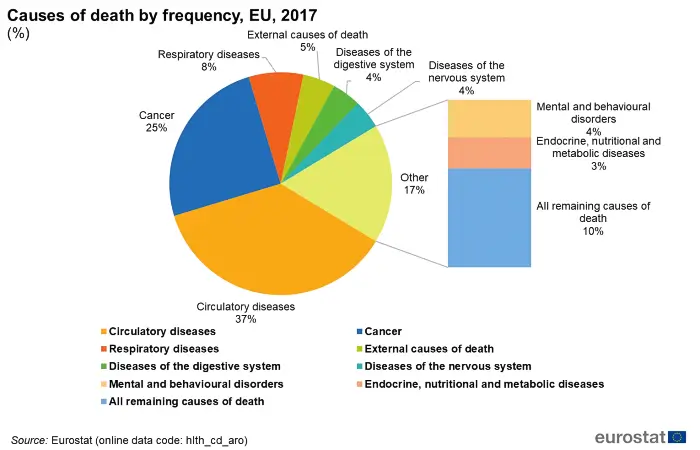
„Ernährung rückt als eine wichtige veränderbare Determinante chronischer Krankheiten in den Vordergrund, wobei wissenschaftliche Erkenntnisse zunehmend die Ansicht stützen, dass Ernährungsumstellungen starke positive und negative Auswirkungen auf die Gesundheit während des gesamten Lebens haben.“ Am wichtigsten ist, dass Ernährungsumstellungen nicht nur die aktuelle Gesundheit beeinflussen, sondern auch darüber entscheiden können, ob eine Person viel später im Leben an Krankheiten wie Krebs, Herz-Kreislauf-Erkrankungen und Diabetes erkrankt oder nicht. Diese Konzepte haben jedoch weder zu einer Änderung der Politik noch der Praxis geführt. In vielen Entwicklungsländern konzentriert sich die Ernährungspolitik weiterhin nur auf Unterernährung und befasst sich nicht mit der Prävention chronischer Krankheiten.
Dieser Bericht fordert eine Änderung des konzeptionellen Rahmens für die Entwicklung von Handlungsstrategien, indem die Ernährung – zusammen mit den anderen Hauptrisikofaktoren für chronische Krankheiten, nämlich Tabakkonsum und Alkoholkonsum – in den Vordergrund der Politik und Programme im Bereich der öffentlichen Gesundheit gerückt wird.“
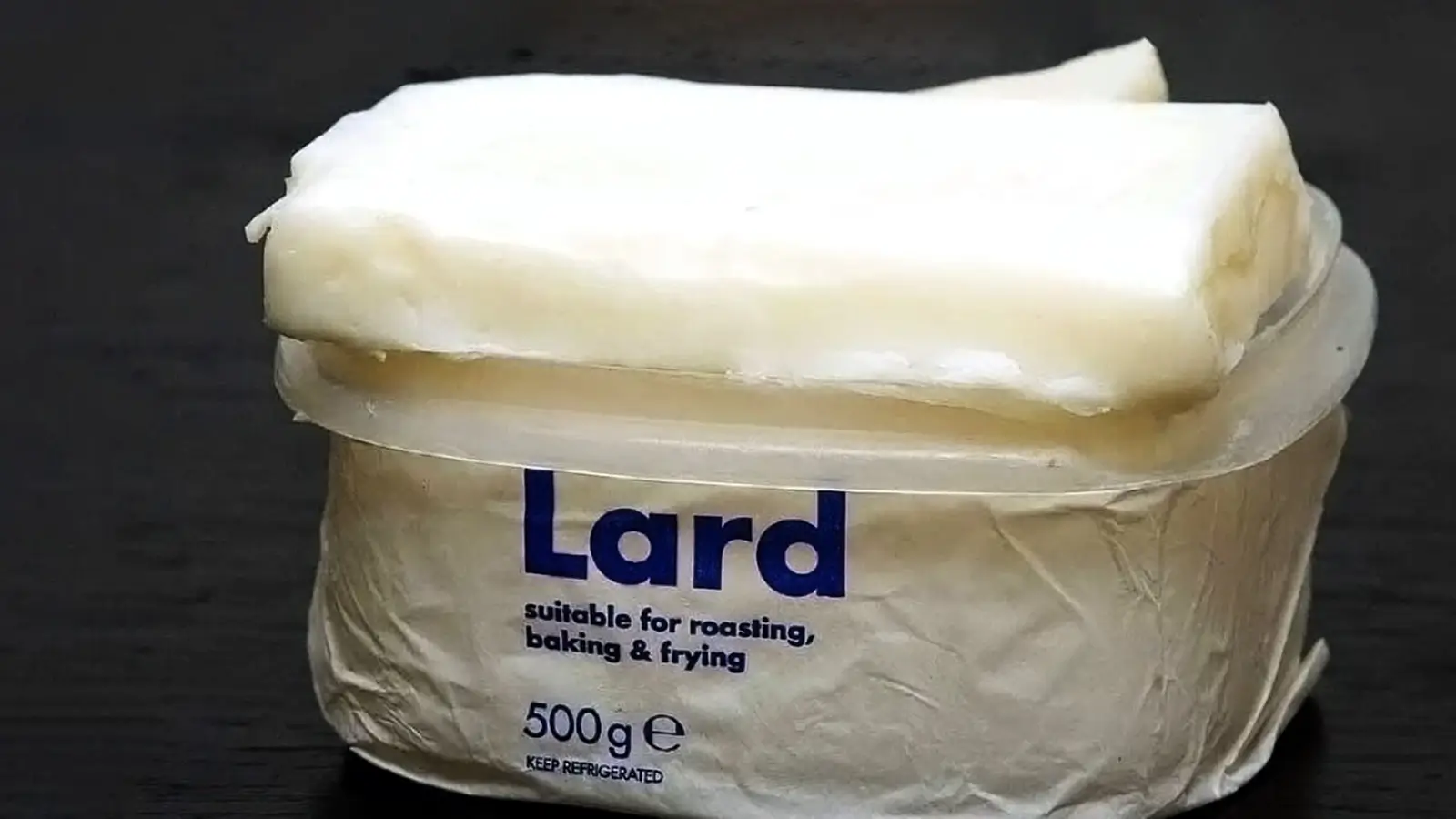
Und das liegt an der Branche. Aus diesem Grund wird über solche Berichte in den Medien nie gesprochen. Sie wollten eine neue, stärker pflanzliche Ernährungspyramide einführen und scheiterten. Das Gleiche wie der McGovern-Bericht und das Gleiche wie jeder andere Bericht. Sie empfahlen keine vegane Ernährung, sondern lediglich mehr pflanzliche Vollwertkost und wollten zum Beispiel gar nicht erst tierisches Eiweiß als Hauptschurken erwähnen. Sie verwässern es, wenn sie über gesättigte Fettsäuren und tierisches Eiweiß sprechen. Aber wo kommt gesättigtes Fett vor? Überwiegend in tierischen Produkten. Wenn wir als Ernährungswissenschaftler über gesättigte Fettsäuren sprechen, wissen wir sehr gut, dass Sie als normaler Mensch den Verzehr von tierischem Eiweiß senken müssen, wenn Sie den Verzehr von gesättigten Fettsäuren senken möchten. Der Verzicht auf Schmalz und Butter ist nur der erste Schritt, doch in der Bevölkerung werden Schmalz und Butter nur sporadisch verwendet.
„Ernährung ist seit vielen Jahren als Risikofaktor für chronische Erkrankungen bekannt. Auf globaler Ebene ist zu erkennen, dass seit der zweiten Hälfte des 20. Jahrhunderts die ganze Welt von großen Veränderungen erfasst wurde, die zunächst in Industrieregionen und in jüngster Zeit auch in Entwicklungsländern zu erheblichen Veränderungen in der Ernährung geführt haben. Traditionelle, weitgehend pflanzliche Ernährung wurde schnell durch fettreiche, energiereiche Ernährung mit einem erheblichen Anteil an tierischen Lebensmitteln ersetzt.“
Auf geht's. Das sage nicht ich, sondern WER. Das nächste Mal redet jemand so, als wären Sie Mitglied einer religiösen Sekte, weil Sie kein Fleisch essen, und wie wir als Spezies Allesfresser sind und wie die Wissenschaft bewiesen hat, dass wir Fleisch essen müssen und dass Ihnen die Zähne ausfallen, wenn Sie es nicht essen Wenn du keine Milch trinkst, wie meine Mutter es mir immer gesagt hat, lade einfach diesen Bericht herunter und schicke ihnen ihn.
„In Nordkarelien sanken die altersbereinigten Sterblichkeitsraten koronarer Herzkrankheiten zwischen den frühen 1970er Jahren und 1995 dramatisch (16). Analysen der drei Hauptrisikofaktoren (Rauchen, Bluthochdruck, erhöhter Plasmacholesterinspiegel) deuten darauf hin, dass die Ernährung – die durch die Senkung des Plasmacholesterin- und Blutdruckspiegels wirkt – den größten Teil dieses erheblichen Rückgangs von Herz-Kreislauf-Erkrankungen ausmachte. Der Beitrag von Medikamenten und Behandlung (antilipidische und blutdrucksenkende Medikamente, Operation) war sehr gering. Der Rückgang wurde vielmehr größtenteils durch gemeinschaftliche Maßnahmen und den Druck der Verbrauchernachfrage auf dem Lebensmittelmarkt erreicht.“
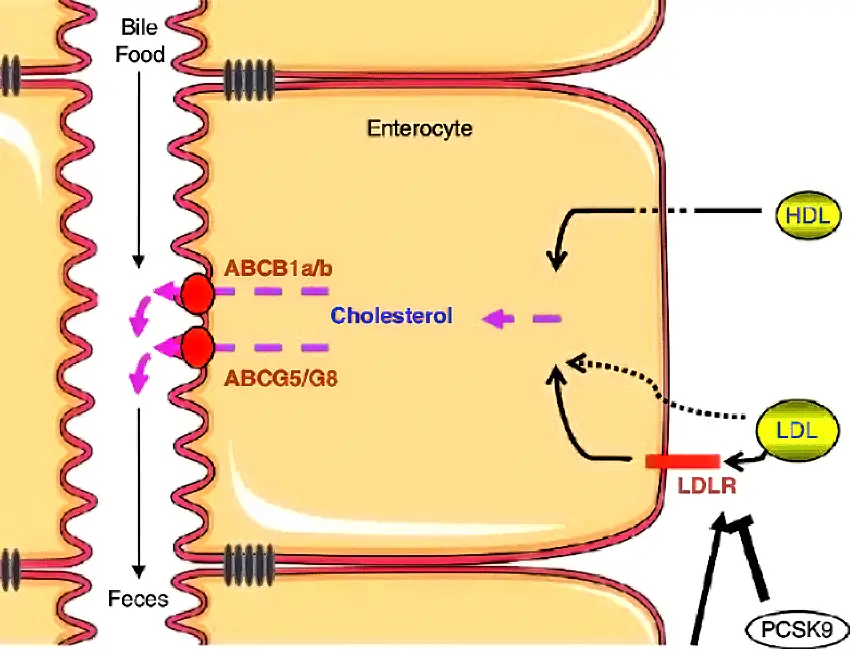
Auf geht's. Das ist in Finnland Nordkarelien, nicht Nordkorea. Sie sind veganer geworden. Wenn die Cholesterinverwirrer das nächste Mal darüber reden, dass Herzkrankheiten nichts mit Cholesterin zu tun haben und dass wir Cholesterin brauchen, um jede Zelle unseres Körpers zu bilden, schicken Sie ihnen einfach diesen Bericht. Herzerkrankungen werden durch Cholesterin verursacht und wo kommt Cholesterin vor? Nur in tierischen Produkten. Wir als Spezies produzieren Cholesterin in unserer Leber, es ist kein essentieller Nährstoff für uns. Es ist überhaupt kein Nährstoff. Bei Fleischfressern liegt es daran, dass sie es nicht mit jedem Bissen fressen und kein eigenes Bissen produzieren. Für uns, die wir in den letzten 50 Millionen Jahren unserer Evolution noch nie Cholesterin aus der Nahrung zu uns genommen haben, ist es nicht selbstverständlich, es zu essen. Unser Körper wird versuchen, Exec-Cholesterin zu eliminieren, aber da es aus Lipiden und Fett besteht und sich Wasser nicht vermischt, wäre unser Körper nicht in der Lage, es über die Nieren auszuspülen. Die einzige Möglichkeit, wie unser Körper überschüssiges Cholesterin entfernen kann, besteht darin, es zurück in den Darm zu leiten, was in der Medizin als transintestinale Cholesterinausscheidung (TICE) bekannt ist, mit dem zugrunde liegenden Bewusstsein, dass es dort Ballaststoffe gibt, die es binden können. Da die meisten Menschen in der Bevölkerung verarbeitete Lebensmittel zu sich nehmen und nur sehr wenig Ballaststoffe zu sich nehmen, werden diese einfach wieder resorbiert. Am Ende würde es an der Wand der Arterien kleben bleiben. Die einzige Möglichkeit, wie unser Körper überschüssiges Cholesterin entfernen kann, besteht darin, es zurück in den Darm zu leiten, was in der Medizin als transintestinale Cholesterinausscheidung (TICE) bekannt ist, mit dem zugrunde liegenden Bewusstsein, dass es dort Ballaststoffe gibt, die es binden können. Da die meisten Menschen in der Bevölkerung verarbeitete Lebensmittel zu sich nehmen und nur sehr wenig Ballaststoffe zu sich nehmen, werden diese einfach wieder resorbiert. Am Ende würde es an der Wand der Arterien kleben bleiben. Die einzige Möglichkeit, wie unser Körper überschüssiges Cholesterin entfernen kann, besteht darin, es zurück in den Darm zu leiten, was in der Medizin als transintestinale Cholesterinausscheidung (TICE) bekannt ist, mit dem zugrunde liegenden Bewusstsein, dass es dort Ballaststoffe gibt, die es binden können. Da die meisten Menschen in der Bevölkerung verarbeitete Lebensmittel zu sich nehmen und nur sehr wenig Ballaststoffe zu sich nehmen, werden diese einfach wieder resorbiert. Am Ende würde es an der Wand der Arterien kleben bleiben.
„Die Ziele zielen darauf ab, die Auswirkungen ungünstiger Ernährungsumstellungen, die im letzten Jahrhundert in der industrialisierten Welt und in jüngerer Zeit in vielen Entwicklungsländern aufgetreten sind, umzukehren oder zu verringern. Aktuelle Nährstoffaufnahmeziele müssen auch die Auswirkungen langfristiger Umweltveränderungen berücksichtigen, also solche, die über einen Zeitraum von Hunderten von Jahren aufgetreten sind. Beispielsweise stellt die metabolische Reaktion auf periodische Hungersnöte und chronische Nahrungsmittelknappheit möglicherweise keinen selektiven Vorteil mehr dar, sondern kann stattdessen die Anfälligkeit für chronische Krankheiten erhöhen. Eine reichliche, stabile Nahrungsversorgung ist ein neues Phänomen; Bis zum Aufkommen der industriellen Revolution (oder eines entsprechenden Prozesses in jüngeren Industrieländern) war dies kein Faktor.“
Um dieses Zitat zu verstehen, empfehle ich Ihnen, einen Artikel über Autophagie (Kalorieneinschränkung, Autophagie, Langlebigkeit und Muskelverlust) zu lesen. Für jedes Tier da draußen ist Hunger der normale Existenzzustand. Präziser wäre der Grenztod durch Hunger. Sobald es mehr Nahrung gibt, würden mehr Tiere überleben, bis eine neue Hungergrenze erreicht wird, nur dieses Mal mit einer erhöhten Population. Unser Körper hat sich daran angepasst. Was passiert also, wenn es keinen Hunger mehr gibt? Eine der Auswirkungen ist ein Anstieg der Krebsraten aufgrund fehlender Autophagie. Es wird angenommen, dass das Fehlen einer Autophagie einer der Hauptgründe für die Ansammlung geschädigter Zellen ist, was zu schwerwiegenden gesundheitlichen Komplikationen führen kann. Der schnellste Weg, die Autophagie zu stoppen, besteht darin, große Mengen an vollständigem Protein zu sich zu nehmen.
„Der Druck auf den Viehsektor, die wachsende Nachfrage nach hochwertigem tierischem Protein zu decken, nimmt zu. Der weltweite Viehsektor wächst in einem beispiellosen Tempo und die treibende Kraft hinter diesem enormen Anstieg ist eine Kombination aus Bevölkerungswachstum, steigenden Einkommen und Urbanisierung. Die jährliche Fleischproduktion soll von 218 Millionen Tonnen im Zeitraum 1997–1999 auf 376 Millionen Tonnen im Jahr 2030 steigen.
Es besteht ein starker positiver Zusammenhang zwischen der Höhe des Einkommens und dem Verzehr von tierischem Eiweiß, wobei der Verzehr von Fleisch, Milch und Eiern zu Lasten der Grundnahrungsmittel steigt. Aufgrund des jüngsten starken Preisverfalls beginnen Entwicklungsländer mit einem höheren Fleischkonsum bei deutlich geringerem Bruttoinlandsprodukt als die Industrieländer vor etwa 20 bis 30 Jahren.“
Es ist sehr wichtig, dass sich die Menschen darüber im Klaren sind. Die Auswirkungen auf die Umwelt sind da, aber noch etwas anderes. Wir sind alle Teil der Natur und selbst wenn uns die Natur am Herzen liegt oder uns egal ist, ist das sicher. Die Natur kümmert sich nicht um uns.
Wenn wir Wälder abbrennen, um Nutzpflanzen anzubauen oder einfach nur Land zu nutzen, dauert es im Allgemeinen sieben bis zehn Ernten, um dem Boden Nährstoffe, also Mineralien, zu entziehen. Aus diesem Grund war die Bevölkerung vor der Erfindung des Kunstdüngers geringer als heute. Bevölkerungswachstum hat nichts mit der industriellen Revolution zu tun. Es ist alles auf synthetische Düngemittel zurückzuführen. Wenn die Bevölkerung wächst oder auf diese Weise nicht einmal wachsen muss, aber gerade wenn der Lebensstandard steigt, wollen die Menschen mehr Fleisch, und um Fleisch zu produzieren, wird mehr Land benötigt, um Futter für die Tiere anzubauen.

Wir haben die Möglichkeit, Lebensmittel zu produzieren, und darüber wird viel diskutiert, aber nur mit synthetischen Düngemitteln.
Wir können vertikale Landwirtschaft betreiben oder normales Land nutzen, das heute nicht genutzt wird, sondern nur mit synthetischen Düngemitteln. Es gibt heute keine wissenschaftliche Möglichkeit, durch ökologischen Landbau Nahrungsmittel für 7 Milliarden Menschen und für alle Tiere zu produzieren. Das ist nicht möglich. Und weil wir chemische Kriegsführung einsetzen müssen und diese Chemikalien als persistente organische Schadstoffe bekannt sind, weil sie sich nicht mit der Zeit abbauen und thermisch stabil sind und, noch schlimmer, sie lipophil sind. Das bedeutet, dass sich diese Chemikalien im Fett der Tiere auflösen und den als Biomagnifikation bekannten Prozess in der Nahrungskette in Gang setzen.
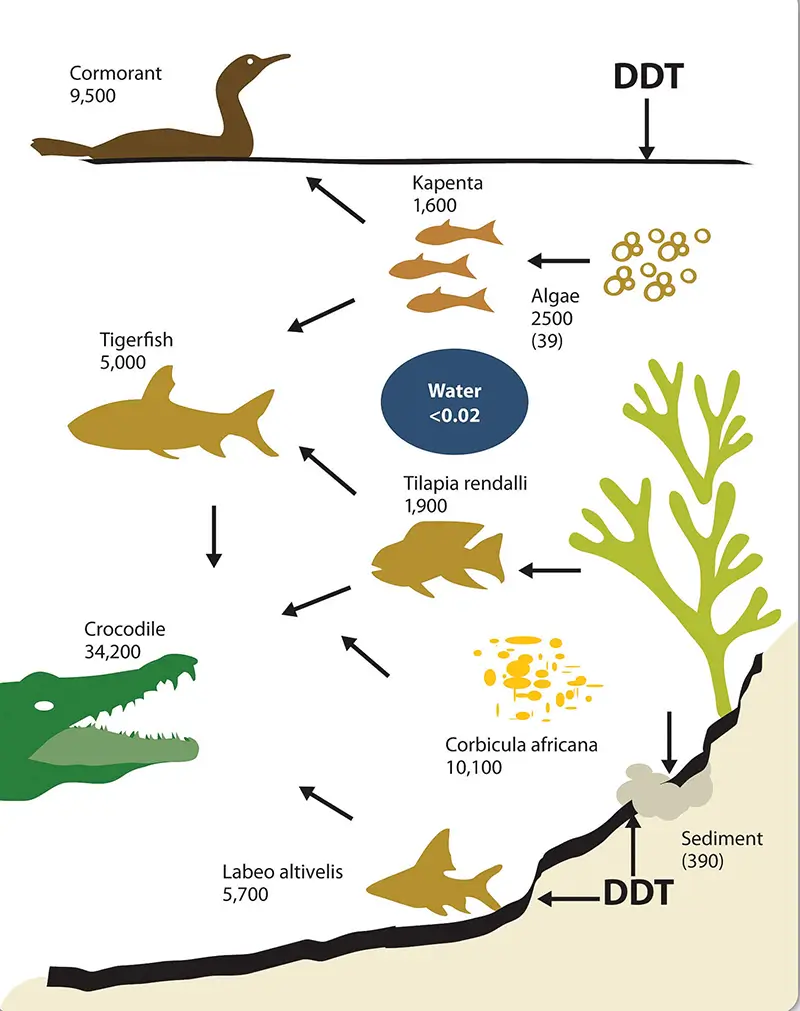
Mit zunehmender Nahrungskette steigt die Toxizität nicht um hundert, sondern um tausende Prozent. Und diese Chemikalien kreisen einfach umher, bis die Konzentration erreicht ist, die zu völliger Toxizität und Umweltschädigung führt. Wenn Sie das nicht glauben, können Sie Silent Spring aus dem Jahr 1962 lesen. Mehr über Umwelttoxizität in einem verwandten Artikel (Umwelttoxizität – Das ist gerecht eine Nahrungskette).
Allein die Tatsache, dass ein Viertel der Bevölkerung an Krebs stirbt, die Spermienzahl seit den 60er Jahren um mehr als 70 Prozent gesunken ist und dass heute jedes fünfte Paar keine Kinder bekommen kann, zeigt die Schwere des Problems. Die Situation wird sich nur verschlimmern, je mehr Teile der Welt industrialisiert werden. Eine andere Sache ist, dass Pflanzen, wenn wir Nahrungsmittel synthetisch anbauen, nur auf Mineralien achten, um zu wachsen, aber wie sieht es mit Tieren aus? Wir brauchen 100 davon.
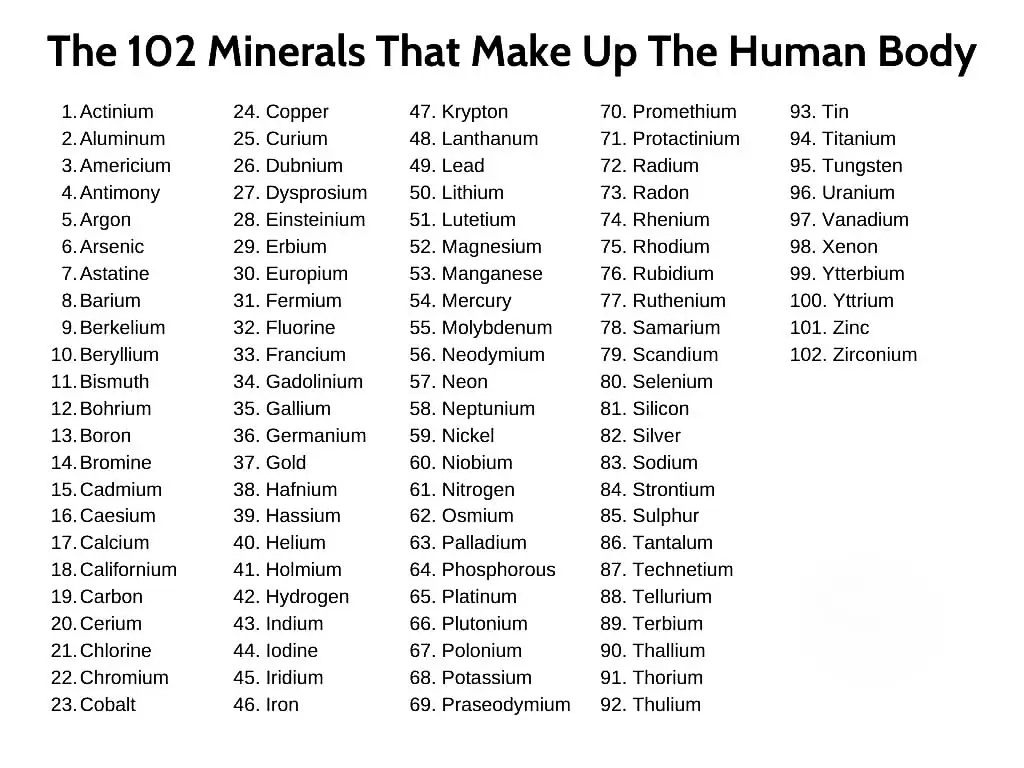
Sie müssen monoatomar sein, um in unsere Zellen integriert zu werden, und Mineralstoffzusätze sind nicht wirksam, da diese Mineralien zu groß sind und durch chemische Reaktionen hergestellt werden. Nur Pflanzen können bioverfügbare Mineralien produzieren, aber kommerzielle Flächen sind vollständig erschöpft. Der Nährstoffmangel wird nur noch schlimmer. Darüber hinaus essen Menschen raffinierte verarbeitete Lebensmittel, die nur aufgrund der Verarbeitung keine Mineralien enthalten.
Welche Empfehlungen in Bezug auf den Makrokalorienbedarf gibt der Bericht neben eklatanten Nährstoffmängeln, die sich nicht vermeiden lassen? Wir müssen bedenken, dass dieser Bericht immer noch nicht alle verfügbaren wissenschaftlichen Erkenntnisse nutzt und keine pflanzliche Vollwerternährung als Grundlage fördert, sondern lediglich eine Senkung des Verzehrs von gesättigten Fettsäuren befürwortet. Das war Wissenschaft vor und manchmal auch nach dem Zweiten Weltkrieg. Während des Zweiten Weltkriegs gab es Orte, die aufgrund von Armut und Krieg auf eine stärkebasierte vegane Ernährung umsteigen mussten. Sie wurden in den 50er Jahren erforscht, um herauszufinden, warum diese Orte niedrige Herzfrequenzen und Krebsraten hatten. Die Insel Create war beispielsweise eine davon, die einen Mythos über die Mittelmeerdiät hervorbrachte.
Die Mittelmeerdiät hat nichts mit Olivenöl oder Wein zu tun, sondern war lediglich eine stärkebasierte Ernährung armer Menschen auf Kreta (Mittelmeerdiät – „Wunder“ des Olivenöls). Tatsächlich kam es auch während des Krieges bei wohlhabenden Menschen auf der Insel immer noch zu regelmäßigen Todesfällen durch Herzfrequenz, weil sie genug Fleisch zu essen hatten. Bei dieser Korrelation zwischen gesättigten Fettsäuren und Herzerkrankungen handelte es sich um eine halbkorrelation, die politisch praktisch ist, denn wenn man Fleisch isst, isst man auch gesättigte Fettsäuren. Der Zusammenhang zwischen tierischen Produkten und Herzerkrankungen ist mehr als doppelt so hoch wie der Zusammenhang zwischen gesättigten Fettsäuren und Herzerkrankungen. Dennoch herrscht nach wie vor diese politisch korrekte Sichtweise vor, die die Ernährungsrichtlinien nicht ändert. In einem Repost zum Thema Fett empfehlen sie, den Verzehr generell auf nicht mehr als 10 Prozent der Kalorien aus gesättigten Fettsäuren zu senken. Bedenken Sie, dass ein Gramm Fett 9 Kalorien hat. Es ist das Lebensmittel mit der höchsten Energiedichte. Ein Esslöffel Öl hat 130 Kalorien und würde Ihnen bereits 5 bis 7 Prozent der gesamten aufgenommenen Kalorien liefern. Nur ein Esslöffel.
„Die Empfehlungen für den Gesamtfettgehalt sind so formuliert, dass sie sowohl Länder umfassen, in denen die übliche Fettaufnahme typischerweise über 30 % liegt, als auch Länder, in denen die übliche Aufnahme sehr niedrig sein kann, beispielsweise weniger als 15 %. Eine Gesamtfettenergie von mindestens 20 % steht im Einklang mit einer guten Gesundheit. Hochaktive Gruppen mit einer Ernährung, die reich an Gemüse, Hülsenfrüchten, Obst und Vollkorngetreide ist, können jedoch eine Gesamtfettaufnahme von bis zu 35 % aufrechterhalten, ohne dass das Risiko einer ungesunden Gewichtszunahme besteht.
In SAD (amerikanische Standarddiät) Der Fettgehalt beträgt allein durch zugesetzte Öle etwa 600 Kalorien, und wenn Sie frittierte Lebensmittel essen, sind es noch viel mehr. Dabei werden Kalorien aus vollwertigen Nahrungsmitteln, die Fett enthalten, wie Nüsse, Samen, Eier oder Fleisch, nicht gezählt.
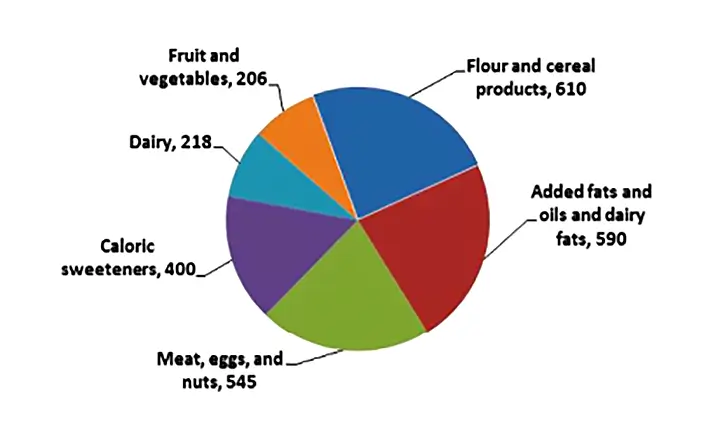
Wie sieht es mit Zuckerempfehlungen aus?
„Es ist bekannt, dass eine höhere Aufnahme von freiem Zucker die Nährstoffqualität der Ernährung gefährdet, da sie ohne spezifische Nährstoffe erhebliche Energie liefert.
Die Konsultation gelangte zu dem Schluss, dass eine Einschränkung des freien Zuckers wahrscheinlich auch dazu beitragen würde, das Risiko einer ungesunden Gewichtszunahme zu verringern, und stellte fest, dass:
(1) Freie Zucker tragen zur Gesamtenergiedichte der Ernährung bei. Freie Zucker fördern eine positive Energiebilanz. Akut- und Kurzzeitstudien an freiwilligen Probanden haben eine erhöhte Gesamtenergieaufnahme gezeigt, wenn die Energiedichte der Nahrung erhöht wird, sei es durch freien Zucker oder Fett. Es hat sich gezeigt, dass Diäten, die wenig freien Zucker enthalten, die Gesamtenergieaufnahme reduzieren und zu einer Gewichtsabnahme führen.
(2) Getränke, die reich an freiem Zucker sind, erhöhen die Gesamtenergieaufnahme, indem sie die Appetitkontrolle verringern. Somit kommt es nach dem Verzehr zuckerreicher Getränke zu einer geringeren kompensatorischen Reduzierung der Nahrungsaufnahme als bei der Zufuhr zusätzlicher, energetisch gleichwertiger Nahrungsmittel. Eine kürzlich durchgeführte randomisierte Studie hat gezeigt, dass der Verzehr von Erfrischungsgetränken, die reich an freiem Zucker sind, im Vergleich zu energiefreien Getränken zu einer höheren Energieaufnahme und einer progressiven Zunahme des Körpergewichts führt künstlich gesüßt. Kinder mit einem hohen Konsum von Erfrischungsgetränken, die reich an freiem Zucker sind, haben ein höheres Risiko, übergewichtig zu sein und an Übergewicht zuzunehmen.
Die Konsultation erkannte an, dass ein Bevölkerungsziel für freien Zucker von weniger als 10 % der Gesamtenergie umstritten ist.“
Es ist nicht wissenschaftlich, sondern politisch umstritten. Diese Empfehlung würde bedeuten, dass die Regierung und damit öffentliche Schulen, die Kindern etwas über das Leben beibringen, Limonadengetränke sowie Schokolade und alle anderen Süßigkeiten physisch aus den Schulen verbannen und eine Null-Zucker-Politik fördern müssten. Auch wenn die Regierung etwas empfiehlt, muss sie es überall umsetzen, vom Militär bis zum Kindergarten. Keine Süßigkeiten mehr. Keine Limonaden mehr. Keine Fruchtsäfte mehr. Keine Kuchen mehr.
Auf der anderen Seite würden die Leute diese Art von Empfehlung einfach ignorieren, es handelt sich also um eine Debatte innerhalb der Ernährungswissenschaft. Sollten Sie sich für etwas einsetzen, von dem Sie wissen, dass niemand es befolgen würde und den ganzen Zorn des tiefen Staates auf sich ziehen würde, oder sollten Sie sich ein realistischeres Ziel setzen? hat eine Chance auf Erfolg, wenn man die Auswirkungen dieses realistischeren Ziels berechnet, das im Grunde eine Lüge ist, aber im Hinblick auf die öffentliche Gesundheit einen größeren Nutzen für die Bevölkerung hätte. Wir müssen auch die Diabetesraten im Auge behalten.
Soll ich Ihnen als Ernährungsberater also die ganze Wahrheit sagen und Sie entscheiden, was Sie tun oder nicht?
Was ist mit den Empfehlungen zu Fettleibigkeit und Diabetes?
„Der Zusammenhang zwischen übermäßiger Gewichtszunahme, zentraler Adipositas und der Entstehung von Typ-2-Diabetes ist überzeugend.“ Der Zusammenhang wurde wiederholt in Längsschnittstudien in verschiedenen Populationen nachgewiesen, wobei ein auffälliger Risikogradient mit zunehmendem BMI, Gewichtszunahme bei Erwachsenen, Taillenumfang oder Taille-zu-Hüfte-Verhältnis erkennbar ist. In epidemiologischen Beobachtungsstudien wurde eine hohe Aufnahme gesättigter Fettsäuren mit einem höheren Risiko einer beeinträchtigten Glukosetoleranz sowie höheren Nüchternglukose- und Insulinspiegeln in Verbindung gebracht. Höhere Anteile gesättigter Fettsäuren im Serumlipid oder Muskelphospholipid wurden mit einem höheren Nüchterninsulinspiegel, einer geringeren Insulinsensitivität und einem höheren Risiko für Typ-2-Diabetes in Verbindung gebracht. Höhere ungesättigte Fettsäuren aus pflanzlichen Quellen und mehrfach ungesättigte Fettsäuren wurden mit einem verringerten Risiko für Typ-2-Diabetes und niedrigeren Nüchtern- und 2-Stunden-Glukosekonzentrationen in Verbindung gebracht. Darüber hinaus wurden höhere Anteile langkettiger mehrfach ungesättigter Fettsäuren in den Phospholipiden der Skelettmuskulatur mit einer erhöhten Insulinsensitivität in Verbindung gebracht. In Interventionsstudien am Menschen führt der Ersatz gesättigter durch ungesättigte Fettsäuren zu einer verbesserten Glukosetoleranz und einer erhöhten Insulinsensitivität.“
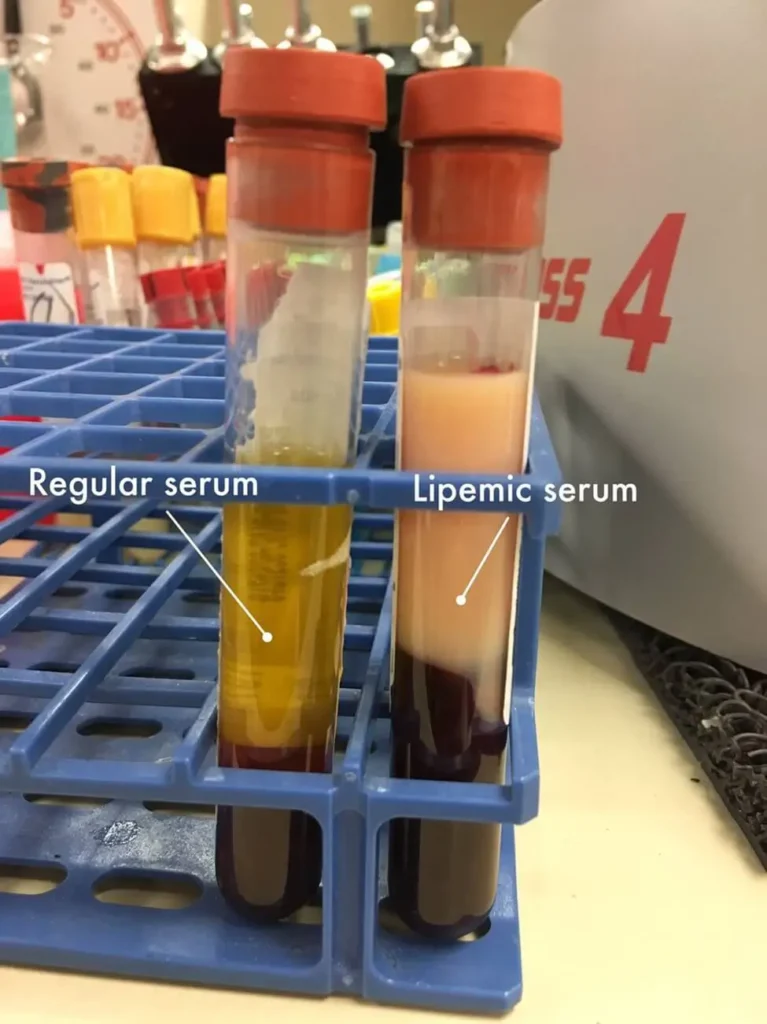
Die Menschen verstehen nicht, warum Fettleibigkeit tatsächlich mit Diabetes zusammenhängt. Einer der Hauptgründe ist ein Prozess, der als Spillover-Effekt bekannt ist. Wenn Sie Fleisch essen, das reich an gesättigten Fettsäuren ist, also Tierfleisch, Eier oder Milchprodukte, werden Sie nach der Mahlzeit lipämisches Serum haben. Das gesamte Fett aus der Mahlzeit gelangt in den Blutkreislauf und bis es beseitigt ist, wird Ihr Blut einen hohen Anteil an Fettsäuren aufweisen. Das Problem besteht darin, dass es im Pflanzenreich kein gesättigtes Fett auf diesem Niveau gibt. Gesättigte Fettsäuren kommen im Tierreich vor. Es gibt Kokosnüsse und einige Pflanzenarten, die zwar große Mengen an gesättigten Fettsäuren enthalten, diese stammen jedoch überwiegend aus tierischem Gewebe. Da wir in den 50 Millionen Jahren unserer Evolution noch nie einem so hohen Anteil an gesättigten Fettsäuren ausgesetzt waren, sind wir nicht dafür geeignet, damit gut zurechtzukommen. Es erzeugt Lipotoxizität. FFA oder freie Fettsäuren oder einfach nur Fett im Blutkreislauf führen auf natürliche Weise zu Entzündungen. Beim Fettabbau entstehen toxische Nebenprodukte und oxidativer Stress, die den Insulinrezeptorweg blockieren und zu einer Insulinresistenz im Muskel führen. Wenn der Fettgehalt im Blutkreislauf steigt, sinkt die Fähigkeit des Körpers, Zucker auszuscheiden. Fettsäurederivate beeinträchtigen die Funktion von Betazellen und führen letztlich zu deren Absterben durch Lipoapoptose. Bei übergewichtigen Menschen sind die Fettzellen aufgebläht, sodass wir eine konstante Anzahl davon haben. Sie nehmen einfach mehr Fett auf und werden mit zunehmendem Gewicht größer. Irgendwann können die Fettzellen kein Fett mehr aufnehmen und beginnen, einen Teil des Fettrückens zu überschwemmen. Bei übergewichtigen Menschen ist das Serum aufgrund des Spillover-Effekts immer lipämisch, was zu chronischen Entzündungen und chronischer Insulinresistenz führt, und mit der Zeit tötet die Lipotoxizität direkt die insulinproduzierenden Betazellen in der Bauchspeicheldrüse ab.
Gesättigte Fettsäuren sind neben tierischem Eiweiß genau die Ursache für Diabetes.
Fett- und proteinreiche Paläo-Keto-Diäten vom Atkins-Typ sind nicht für Prädiabetiker geeignet. Keines der tierischen Produkte ist. Mehr zu den Ursachen von Diabetes hier (Diabetes-Ursachen und gesättigte Fettsäuren – Das vegane Argument).
„Eine hohe Gesamtfettaufnahme wurde auch mit höheren Nüchterninsulinkonzentrationen und einem niedrigeren Insulinsensitivitätsindex in Verbindung gebracht. In ihrer Gesamtheit wird davon ausgegangen, dass diese Ergebnisse auf einen wahrscheinlichen Kausalzusammenhang zwischen gesättigten Fettsäuren und Typ-2-Diabetes sowie auf einen möglichen Kausalzusammenhang zwischen der Gesamtfettaufnahme und Typ-2-Diabetes hinweisen. Die beiden randomisierten kontrollierten Studien, die ein Potenzial für eine Änderung des Lebensstils zeigten, um das Risiko des Fortschreitens von einer beeinträchtigten Glukosetoleranz zu Typ-2-Diabetes zu verringern, enthielten Ratschläge zur Reduzierung von Gesamtfett und gesättigten Fettsäuren. In beiden Studien ist es jedoch unmöglich, die Auswirkungen individueller Ernährungsumstellungen voneinander zu trennen .“
Was ist mit Herzerkrankungen?
„Überzeugende Assoziationen für ein verringertes Risiko für Herz-Kreislauf-Erkrankungen sind der Verzehr von Obst (einschließlich Beeren) und Gemüse, Fisch und Fischölen (Eicosapentaensäure (EPA) und Docosahexaensäure (DHA)), Lebensmittel mit hohem Linolsäure- und Kaliumgehalt sowie körperliche Aktivität und geringer bis mäßiger Alkoholkonsum. Während die Aufnahme von Vitamin E keinen Zusammenhang mit dem Risiko einer Herz-Kreislauf-Erkrankung zu haben scheint, gibt es überzeugende Beweise dafür, dass Myristin- und Palmitinsäure, Transfettsäuren, hohe Natriumaufnahme, Übergewicht und hoher Alkoholkonsum zu einem erhöhten Risiko beitragen. Ein „wahrscheinlicher“ Grad an Evidenz weist auf ein verringertes Risiko für a-Linolensäure, Ölsäure, NSP, Vollkorngetreide, Nüsse (ungesalzen), Folsäure, Pflanzensterole und Stanole hin und zeigt keinen Zusammenhang für Stearinsäure. Es besteht wahrscheinlich ein erhöhtes Risiko durch Cholesterin in der Nahrung und ungefilterten gekochten Kaffee.
Chronische Entzündungen zerstören Epithelzellen in Blutgefäßen, was zur Zerstörung des gesamten Herz-Kreislauf-Systems im Körper, der Warzenvenen usw. führt. Cholesterin führt zu Thrombosen und einer Verengung der Arterien. Gesättigte Fettsäuren (Myristin- und Palmitinsäure) verstärken Entzündungen und erzeugen Lipotoxizität. Antioxidantien und andere sekundäre Pflanzenstoffe geringere chronische Entzündung. Barrieren haben einfach mehr Antioxidantien, Sie können die gesamte ORAC-Tabelle sehen Hier.
Dieser Bericht ist umfassend und umfasst 150 Seiten. Wenn Sie Zeit haben, würde ich Ihnen empfehlen, es herunterzuladen und zu lesen. Ich habe versucht, es hier kurz zusammenzufassen. Es handelt sich um einen verwässerten Bericht, bei dem einige der wissenschaftlichen Erkenntnisse aufgrund des unterstreichenden Konsenses, der in der wissenschaftlichen Gemeinschaft besteht, fehlen. Aber soweit es sein darf, ist es ein Schritt in die richtige Richtung. Echte Wissenschaft würde eine vollwertige, pflanzliche, ernährungsoptimierte Ernährung auf pflanzlicher Basis aus biologischem Anbau mit nicht mehr als fünf Prozent tierischen Produkten und null, ich wiederhole es, null Kalorien aus raffinierten Lebensmitteln befürworten. Es wäre eine Politik, die den Verkauf koffeinhaltiger Getränke wie Coca-Cola an Kinder verbieten und alle verarbeiteten Lebensmittel aus Schulen und anderen staatlich kontrollierten Einrichtungen verbannen würde. Es würde die Ernährungspyramide und Ernährungsempfehlungen völlig verändern. Es würde obligatorische Tests für alle medizinischen Fachkräfte, insbesondere Ärzte, auf ihr Ernährungswissen vorschreiben und die Ernährung an medizinischen Fakultäten durchsetzen. Es wäre auch ein umfassender Angriff auf Chemiekartelle und nicht nur das. Es wäre ein Angriff auf die Bevölkerungskontrolle, und ich meine nicht die Bevölkerungsausweitung, sondern die direkte Bevölkerungskontrolle. In diesem Bericht sind die Wissenschaftler so weit gegangen, wie sie dürfen, und Sie als Leser müssten zwischen den Zeilen lesen.
Was war also die abschließende Empfehlung dieses Berichts?
Wenn Sie an Prädiabetes oder Diabetes leiden, dürfen Sie keine gesättigten Fettsäuren mehr verwenden, d.
Wenn Sie an Diabetes leiden, ist Ihre Ernährung eine vollwertige pflanzliche Ernährung.
Wenn Sie an einer Herzerkrankung leiden, ist Ihre Ernährung eine vollwertige pflanzliche Ernährung.
Wenn Sie aufgrund von Fettleibigkeit, Diabetes und Herzerkrankungen fettleibig sind, ist Ihre Ernährung eine Vollwertkost auf pflanzlicher Basis.
Wenn Sie Krebs haben, ernähren Sie sich vollwertig pflanzlich und biologisch angebaut, um Toxizität zu vermeiden.
Und das sage nicht nur ich, sondern WER.
Wenn Sie keine chronischen Krankheiten haben, was empfiehlt die WHO?
„Einige verfügbare Beweise deuten darauf hin, dass innerhalb einer Woche mindestens 20 und 44, wahrscheinlich bis zu 30 biologisch unterschiedliche Arten von Lebensmitteln, mit Schwerpunkt auf pflanzlichen Lebensmitteln, für eine gesunde Ernährung erforderlich sind.
Die Implikationen der Empfehlungen würden darin bestehen, den Verzehr von Obst und Gemüse zu erhöhen, den Verzehr von Fisch zu erhöhen und die Arten von Fetten und Ölen sowie die Menge an Zucker und Stärke zu ändern, die insbesondere in entwickelten Ländern konsumiert werden. Es ist unwahrscheinlich, dass sich der derzeitige Trend hin zu einer Erhöhung des Anteils tierischer Proteine in der Ernährung in Ländern im wirtschaftlichen Wandel in jenen Ländern umkehren wird, in denen es über größere Verbraucherressourcen verfügt, aber es ist unwahrscheinlich, dass er der Gesundheit von Erwachsenen förderlich ist, zumindest nicht im Hinblick auf die Prävention chronischer Krankheiten.“
Und warum befürworten sie Fisch? Es ist das am stärksten verschmutzte und am stärksten entzündungsauslösende Fleisch überhaupt. Das schlimmste aller krankheitserregenden Lebensmittel, das man essen kann. Beispielsweise enthält eine Dose Thunfisch mehr Quecksilber als 300 quecksilberhaltige Impfstoffe. Der Grund liegt wiederum darin, dass Ernährungswissenschaftler davon ausgehen, dass Menschen im Bevölkerungsmaßstab nicht in der Lage wären, eine ausreichende Menge an Omega-3-Fettsäuren zu sich zu nehmen, und dass das Risiko-zu-Ertrags-Verhältnis für den Verzehr von Fisch trotz aller Entzündungen von Vorteil wäre kommt dazu (Fischtoxizität- Das Giftigste Fleisch). Meine Empfehlung ist, nur Leinsamen zu essen und wenn Sie DHA wollen, suchen Sie sich ein DHA-Ergänzungsmittel auf Algenbasis, um die Toxizität von Fischöl zu vermeiden.
Verweise:
Ausgewählte Passagen aus einem Buch: Pokimica, Milos. Zum Veganer werden? Rückblick auf die Wissenschaft Teil 3. Kindle-Ausgabe, Amazon, 2020.
- Cannon G. (2004). Warum die Bush-Regierung und die globale Zuckerindustrie entschlossen sind, die globale WHO-Strategie von 2004 zu Ernährung, körperlicher Aktivität und Gesundheit zu zerstören. Ernährung im öffentlichen Gesundheitswesen, 7(3), 369–380. https://doi.org/10.1079/PHN2004625
Zusammenhängende Posts












Haben Sie Fragen zum Thema Ernährung und Gesundheit?
Ich würde gerne von Ihnen hören und sie in meinem nächsten Beitrag beantworten. Ich schätze Ihren Beitrag und Ihre Meinung und freue mich darauf, bald von Ihnen zu hören. Ich lade Sie auch ein zu Folgen Sie uns auf Facebook, Instagram und Pinterest für weitere Inhalte zu Ernährung und Gesundheit. Sie können dort einen Kommentar hinterlassen und sich mit anderen Gesundheitsbegeisterten austauschen, Ihre Tipps und Erfahrungen teilen und Unterstützung und Ermutigung von unserem Team und unserer Community erhalten.
Ich hoffe, dass dieser Beitrag für Sie informativ und unterhaltsam war und dass Sie bereit sind, die gewonnenen Erkenntnisse anzuwenden. Wenn Sie diesen Beitrag hilfreich fanden, dann es teilen mit Ihren Freunden und Familienangehörigen, die ebenfalls davon profitieren könnten. Man weiß nie, wer auf seinem Weg zur Gesundheit vielleicht etwas Anleitung und Unterstützung braucht.
– Das könnte Ihnen auch gefallen –

Lektine- Paradoxon des „Pflanzenparadoxons“
Genexpression und Epigenetik: Wie Ernährung und Umwelt Ihre Gesundheit Beeinflussen

Karnismus- Die Psychologie des Fleischkonsums

Coca-Cola Company- Historischer Rückblick
Komplettes Protein: IGF-1-Signalisierung bei der Krebsentstehung
Künstliche Süßstoffe- Die Grundlagen Verstehen

Mittelmeerdiät- „Wunder“ von Olivenöl
Entgiftung und Risiko Einer Schwangerschaftstoxizität- Das Vegane Argument

Über Ernährung Lernen

Milos Pokimica ist Doktor der Naturheilkunde, klinischer Ernährungsberater, Autor für medizinische Gesundheit und Ernährung sowie Berater für Ernährungswissenschaften. Autor der Buchreihe Zum Veganer werden? Rückblick auf die Wissenschafter betreibt auch das Natürliche Gesundheit website GoVeganWay.com
Medizinischer Haftungsausschluss
GoVeganWay.com bietet Ihnen Rezensionen der neuesten Ernährungs- und Gesundheitsforschung. Die bereitgestellten Informationen stellen die persönliche Meinung des Autors dar und sind weder als Ersatz für eine professionelle medizinische Beratung, Diagnose oder Behandlung gedacht noch implizit. Die bereitgestellten Informationen dienen ausschließlich Informationszwecken und sollen nicht als Ersatz für die Beratung, Diagnose und/oder medizinische Behandlung durch einen qualifizierten Arzt oder Gesundheitsdienstleister dienen.Ignorieren Sie niemals professionellen medizinischen Rat oder verzögern Sie die Suche nach medizinischer Behandlung, weil Sie etwas auf GoVeganWay.com gelesen oder über GoVeganWay.com darauf zugegriffen haben
Nehmen Sie NIEMALS Änderungen im Lebensstil oder irgendwelche Änderungen vor, die eine Folge von etwas sind, das Sie auf GoVeganWay.com gelesen haben, bevor Sie einen zugelassenen Arzt konsultieren.
Bei einem medizinischen Notfall rufen Sie sofort einen Arzt oder die Notrufnummer 911 an. GoVeganWay.com empfiehlt oder unterstützt keine bestimmten Gruppen, Organisationen, Tests, Ärzte, Produkte, Verfahren, Meinungen oder andere Informationen, die darin erwähnt werden könnten.
Herausgeber-Tipps –

Krebs Auswahl des Herausgebers Phytochemikalien
Antikrebskraft von Obst und Gemüse: In Vivo und Klinische Beweise
Einige Pflanzenextrakte konkurrieren mit führenden Chemotherapeutika und wirken gleichzeitig auf mehrere verschiedene Arten von Krebszellen.
Antioxidantien Auswahl des Herausgebers ORAC
Ätherische Öle als Antioxidative Nahrungsergänzungsmittel: Regeln und Strategien
Ätherische Öle in Lebensmittelqualität können eine praktische und verbraucherfreundliche Strategie zur Optimierung des Antioxidantienwerts und der ORAC-Werte unserer Ernährung sein.
Antioxidantien Auswahl des Herausgebers ORAC
Antioxidantienreiche Ernährung: Allgemeine Regeln und Strategien
Es gibt einfache und kostengünstige Strategien zur Optimierung des antioxidativen Wertes unserer Ernährung.
Antioxidantien Auswahl des Herausgebers ORAC
ORAC-Werte Verstehen: Antioxidantienspiegel in Lebensmitteln
Wenn Ihre Hauptquelle für Antioxidantien Kaffee ist, wissen Sie, dass Sie ein ernstes Problem haben.

Antioxidantien Auswahl des Herausgebers ORAC
Astaxanthin Vorteile: Das Stärkste Natürliche Antioxidans der Welt
Astaxanthin ist das stärkste natürliche und universelle Antioxidans (sowohl öl- als auch wasserlöslich), das der Wissenschaft bekannt ist. Es reichert sich im Gewebe an und kann sich niemals in ein Prooxidans verwandeln.

Antioxidantien Auswahl des Herausgebers ORAC Phytochemikalien
Antioxidantien: Die Grundlagen Verstehen
Tierische Produkte enthalten keine sekundären Pflanzenstoffe oder Antioxidantien. Pflanzliche Lebensmittel enthalten im Durchschnitt mehr als 60-mal so viele Antioxidantien wie tierische Lebensmittel.
Auswahl des Herausgebers Vegane Diät
Nährstoffmangel Bei Veganer Ernährung: Präventionsstrategien
Es gibt neun bevölkerungsweit verbreitete Nährstoffmängel, die Menschen betreffen, die sich pflanzlich ernähren. Wenn einige Mängel nicht rechtzeitig behoben werden, haben sie schreckliche und nicht behandelbare Folgen.
Auswahl des Herausgebers Optimale Ernährung
Mikronährstoffmangel in der Amerikanischen Standardernährung: Strategien zur Optimierung
Das Nährstoffprofil unserer modernen Ernährung mit Fleisch, Zucker und verarbeiteten Lebensmitteln ist völlig unvereinbar mit unserer Evolution und führt zu schwerem Mikronährstoffmangel.
Auswahl des Herausgebers Phytochemikalien
Phytochemikalien: Die Grundlagen Verstehen
Jeder einzelne existierende sekundäre Pflanzenstoff hat eine biologische Wirkung im menschlichen Körper. Jedes einzelne aus Millionen verschiedener sekundärer Pflanzenstoffe.

Auswahl des Herausgebers Milch Optimale Ernährung
Milch und Milchprodukte: Gesundheitsrisikokorrelationen
Bekannte Zusammenhänge mit Milch und Milchkonsum sind Unfruchtbarkeit, Eierstock- und Brustkrebs, Leukämie, Diabetes Typ 1, Autismus, Arteriosklerose, Katarakt, rheumatoide Arthritis, Multiple Sklerose, Hyperaktivität, Stauung, Pickel und mehr …
Krebs Auswahl des Herausgebers Eiweiß
Komplettes Protein: IGF-1-Signalisierung bei der Krebsentstehung
Wenn Sie tierisches Eiweiß essen, ist die Wahrscheinlichkeit, an allen Krebsarten zu erkranken, viermal höher. Wenn Sie rauchen, besteht ein vierfach erhöhtes Risiko, an Lungenkrebs zu erkranken.

Krebs Auswahl des Herausgebers Eiweiß
Die Anatomie von Krebs - Gesundheitsrisikokorrelationen
Etwa 2 % der Krebserkrankungen werden in der Medizin als rein genetisch bedingt angesehen. Das gleiche Verbreitungsgebiet wie im Tierreich. Dir wurde nicht die ganze Wahrheit gesagt.
Milos Pokimica ist Autor für Gesundheit und Ernährung sowie Berater für Ernährungswissenschaften. Er ist Autor einer Buchreihe. Zum Veganer werden? Rückblick auf die Wissenschafter betreibt auch das Natürliche Gesundheit website GoVeganWay.com
Neueste Artikel –

Kalorienbeschränkung Langlebigkeit
Wie Man Fastet: Fasten-Lebensmittel, Die Die Autophagie Nicht Stören
Autophagie. Haben Sie sich jemals gefragt, was mit den Zellen in Ihrem Körper passiert, wenn sie sterben oder beschädigt werden? Häufen sie sich einfach an und verursachen Probleme, oder werden sie irgendwie entsorgt? Die Antwort ist, dass Ihr Körper...
Zahngesundheit Verhütung
Süßigkeiten Zahnempfindlichkeit & Schmerz: Schnelle Abhilfe & Dauerhafte Lösung
Eine schnelle und einfache Lösung zur Schmerzlinderung ist ätherisches Nelkenöl, ein starkes Antioxidans und Schmerzmittel, das bei Zahnfleischerkrankungen und Zahnschmerzen helfen kann.

Bohnen
Grüne Bohnen: Ernährung und Gesundheitliche Vorteile
Grüne Bohnen sind kalorienarm und reich an natürlichen Stoffen, die Ihnen helfen können, Ihren Blutzucker zu kontrollieren, Ihren Cholesterinspiegel zu senken und freie Radikale abzuwehren.
Rohkostdiät Vegane Diät
Kann Man Pilze Roh Essen: Gesundheitsrisiken, Ernährung und Sicherheit
Pilze enthalten hitzeempfindliche Giftstoffe wie Hydrazin oder Agaritin und Zellwände aus Chitin, die vom Menschen nicht gut verdaut werden können.
Vegane Diät
Sind Fische Tiere? Eine kulturelle Perspektive
In einigen Kulturen wird Fischfleisch nicht als Fleisch betrachtet, und Fisch ist sogar während des Fastens erlaubt.

Zahngesundheit Verhütung
Hausgemachte Natürliche Mundspülung: Bewährt, Stärker und Weniger Giftig
Selbstgemachtes natürliches Mundwasser ist stärker als Chlorhexidin, weniger giftig und kann beim Verschlucken zu Übelkeit führen, hat aber auch einen hohen ORAC-Wert.
Zahngesundheit Verhütung
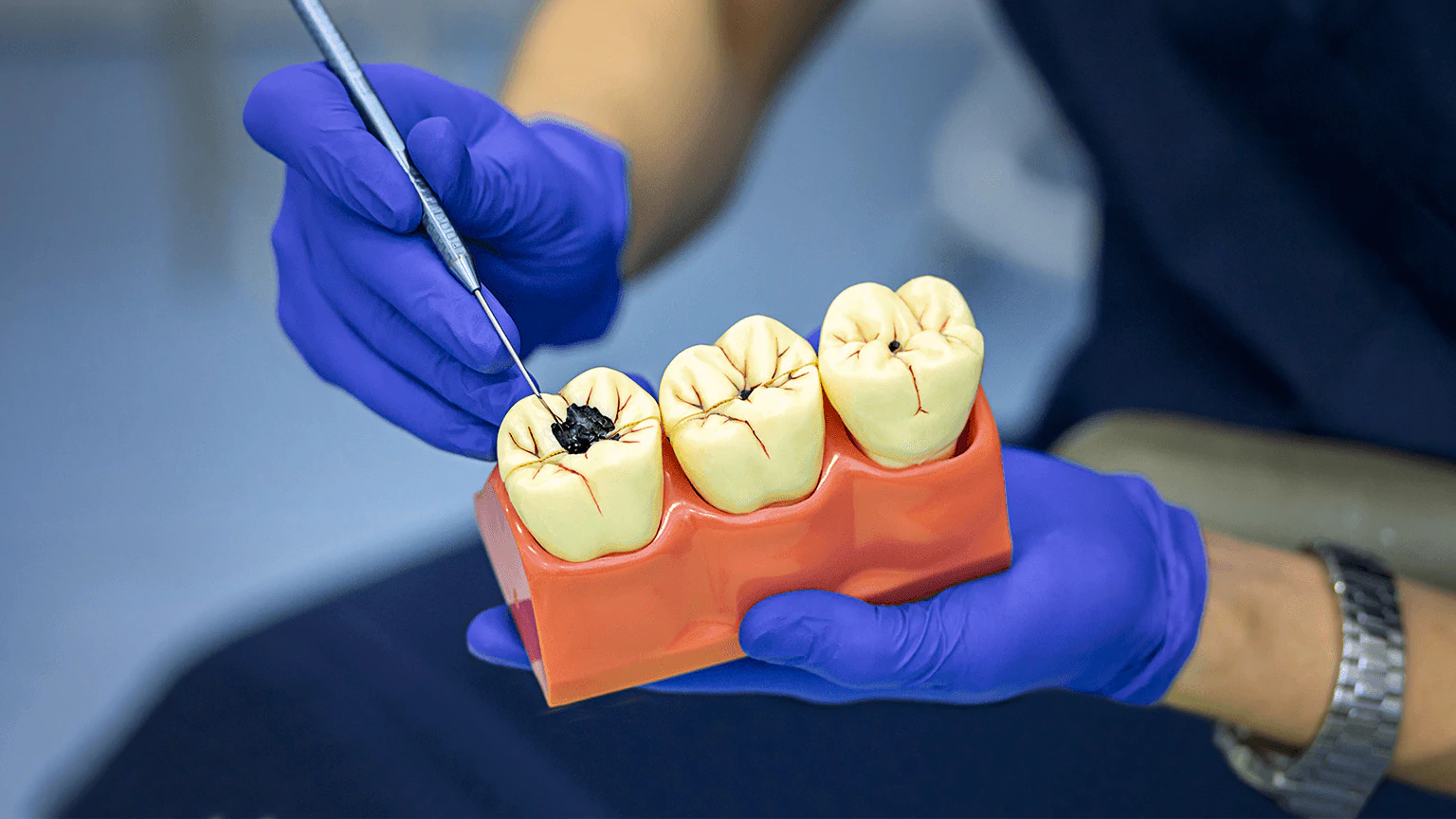
Wie Man Karies Stoppt: Symptome, Ursachen und Prävention
Der Zuckerkonsum ist die Hauptursache für Karies und Zahnfäule, verbunden mit einem Mangel an Mineralien, insbesondere Magnesium, Zink, Kupfer und Spurenelementen.

Antioxidantien Superlebensmittel
Amla: Bewährte Vorteile, Ernährung und Klinische Bedeutung
Amla ist eines der stärksten Antioxidantien der Welt mit einem ORAC-Wert von 261.530. Sie ist eine reichhaltige Quelle von sekundären Pflanzenstoffen, die verschiedene gesundheitliche Vorteile haben.
Top-Gesundheitsnachrichten – ScienceDaily
- Only one workout helped older adults lose fat and keep muscleam Oktober 9, 2026
A six-month study suggests that high-intensity interval training (HIIT) may offer older adults a powerful advantage: losing body fat while keeping their muscle. Unlike moderate-intensity workouts, which led to a small loss of lean muscle, HIIT preserved it while also improving body composition around the waist.
- Bacteria turn a virus’ own weapon against itam Oktober 9, 2026
Researchers have uncovered a new way bacteria detect viral attacks: a virus-produced enzyme cuts a bacterial sensor protein, triggering a self-destructing immune response. The discovery could lead to more effective phage therapies against antibiotic-resistant bacteria and provide insight into ancient immune mechanisms shared with humans.
- Nearly 30,000 people tested quit-smoking methods. One stood outam Oktober 9, 2026
Nicotine e-cigarettes appear to help more smokers quit than patches, gum, and several other common approaches, according to a major review of 80 clinical trials. Researchers say regulated vaping products are not risk-free, but may be a significantly less harmful alternative for people who would otherwise continue smoking.
- Scientists tested 5 natural compounds on cancer cells. One stood outam Oktober 9, 2026
Five natural compounds, including curcumin and berberine, were tested for their effects on cancer cells and healthy muscle cells. All disrupted cancer cell energy production and pushed many of the cells into a non-dividing state, with curcumin producing the strongest overall effect. Curcumin also showed a relatively favorable safety profile, while some other compounds caused more toxicity.
- FDA-approved epilepsy drug may help reverse osteoarthritis damageam Oktober 8, 2026
Researchers at Yale have identified a promising new approach to osteoarthritis that could do more than simply ease pain. The epilepsy drug lacosamide appears to block a protein involved in both pain signaling and cartilage destruction, helping damaged joints shift back toward repair in preclinical studies.
- Just 7 days of strength training started shrinking fat cells in miceam Oktober 8, 2026
Just seven strength-training sessions helped obese mice shrink visceral fat cells and reactivate molecular pathways involved in burning stored fat, despite no change in overall body weight. The findings suggest some benefits of resistance exercise may begin long before weight loss becomes visible, though the results still need to be confirmed in humans.
- Scientists warn a popular vitamin D supplement may have a hidden downsideam Oktober 8, 2026
Not all vitamin D supplements are created equal, and new research suggests that one popular form may have an unexpected downside. Scientists found that taking vitamin D2 can actually lower the body’s levels of vitamin D3, the form naturally produced by sunlight and more effective at boosting overall vitamin D. Previous studies also suggest that vitamin D3 may provide stronger immune protection against viruses and bacteria.
PubMed, #Vegane Diät –
- Characterization of Nutritional Intake in Vegan Pregnant Women and its Association on Birth Weightam Oktober 8, 2026
CONCLUSIONS: Vegan women had a higher rate of SGA than non-vegan women, and this increased risk may be partly related to differences in maternal protein intake and composition. In addition, vegan women had lower dietary intakes of calcium, vitamin B12, vitamin D, DHA, and choline, highlighting these nutrients as important considerations in the nutritional assessment and counseling of pregnant women adhering to a strictly vegan diet.
- Changes in ectopic lipids, insulin sensitivity, and beta cell function after a low-fat vegan diet in adults with type 2 diabetes: a 16-week single-arm clinical trialam Oktober 8, 2026
CONCLUSIONS: On an ad libitum low-fat plant-based (vegan) dietary intervention, the participants with type 2 diabetes experienced reductions in ectopic fat, particularly visceral and hepatocellular fat, improvements in insulin sensitivity, reductions in AGEs, and improvements in beta-cell function.
- Sustained Regression of Parotid Mucosa-Associated Lymphoid Tissue (MALT) Lymphoma After Nutritional and Nutraceutical Intervention Without Chemoimmunotherapy: A Case Reportam Oktober 5, 2026
Extranodal marginal zone lymphoma of mucosa-associated lymphoid tissue (MALT) in the setting of Sjögren’s syndrome (SS) is a well-recognized complication of chronic autoimmune salivary gland inflammation. Standard management options include radiotherapy, immunotherapy, and combination chemoimmunotherapy, with active surveillance reserved for stable, low-burden disease. The potential role of structured nutritional and nutraceutical intervention in this setting has not been previously […]
Zufällige Beiträge –
Entgiftung Schwangerschaft Toxizität
Entgiftung und Risiko Einer Schwangerschaftstoxizität- Das Vegane Argument
Im Durchschnitt sind schwangere Frauen mit etwa 35 verschiedenen Chemikalien belastet, darunter sowohl verbotene als auch moderne Schadstoffe. Die Konzentrationen vieler dieser Chemikalien im Chemikaliencocktail waren mit den Konzentrationen vergleichbar, die schädliche Auswirkungen auf den Fötus haben können.
Zahngesundheit Verhütung
Süßigkeiten Zahnempfindlichkeit & Schmerz: Schnelle Abhilfe & Dauerhafte Lösung
Eine schnelle und einfache Lösung zur Schmerzlinderung ist ätherisches Nelkenöl, ein starkes Antioxidans und Schmerzmittel, das bei Zahnfleischerkrankungen und Zahnschmerzen helfen kann.
Auswahl des Herausgebers Optimale Ernährung
Mikronährstoffmangel in der Amerikanischen Standardernährung: Strategien zur Optimierung
Das Nährstoffprofil unserer modernen Ernährung mit Fleisch, Zucker und verarbeiteten Lebensmitteln ist völlig unvereinbar mit unserer Evolution und führt zu schwerem Mikronährstoffmangel.
Antioxidantien Auswahl des Herausgebers ORAC
Antioxidantienreiche Ernährung: Allgemeine Regeln und Strategien
Es gibt einfache und kostengünstige Strategien zur Optimierung des antioxidativen Wertes unserer Ernährung.

Auswahl des Herausgebers Paläo-Diät Vegane Diät
Vegane Neandertaler? Die Wahrheit Uber die Echte Neandertaler Diät
Eine typische Darstellung von Neandertalern zeigt, wie sie das Wollhaarmammut töten. Ein Zahnbelag erzählt jedoch eine andere Geschichte über die Ernährung der Neandertaler
Auswahl des Herausgebers Entzündung Vegane Diät
Entzündung und Ernährung- Veganes Argument
Wir haben uns so entwickelt, dass wir beim Essen eine Menge schützender Antioxidantien erhalten, diese sind jedoch in Fleisch nicht enthalten. Entzündung und Ernährung weisen einen hohen Grad an Korrelation auf.
Krebs
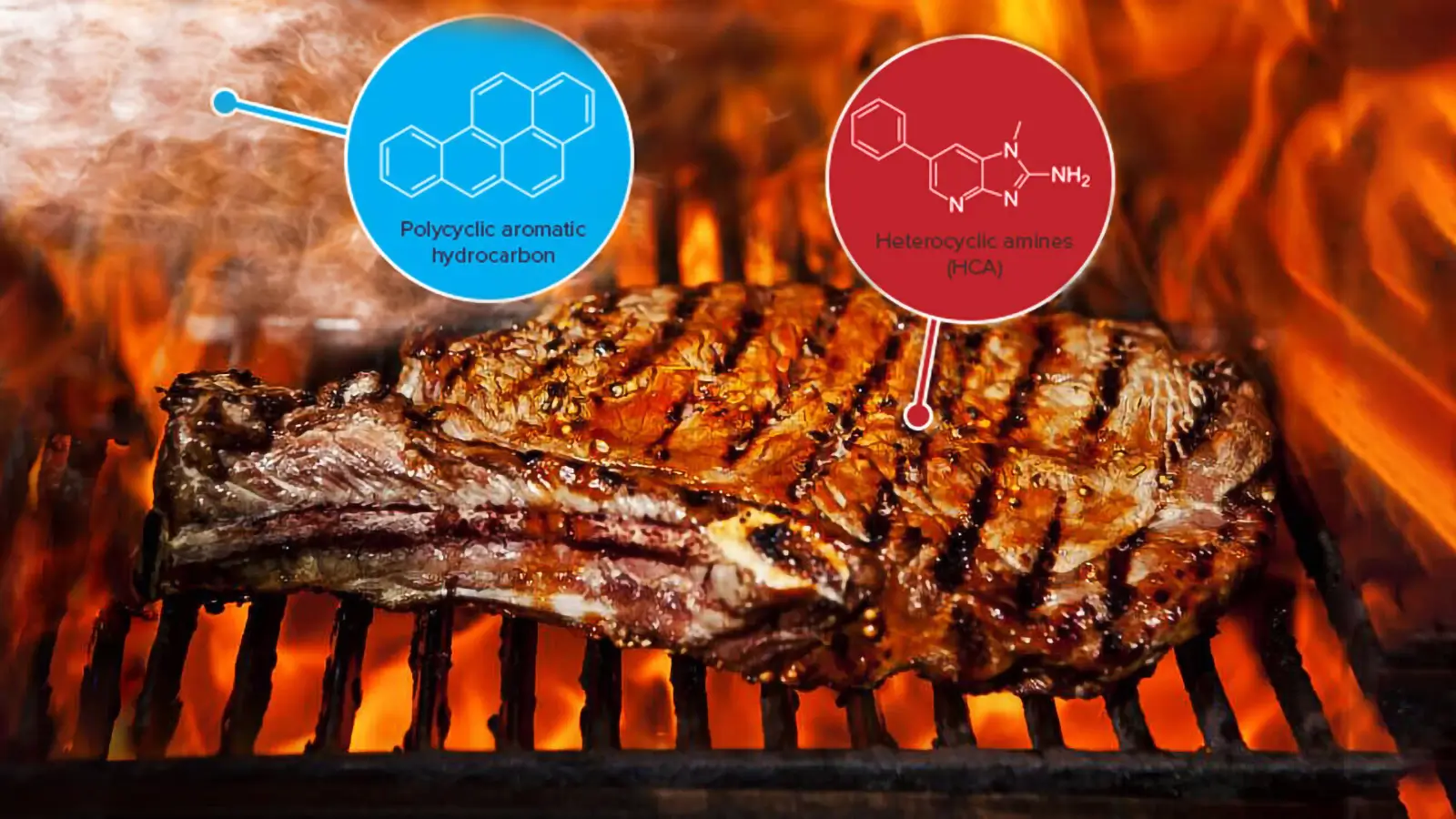
Gekochtes Fleisch- Das Mutagen in Einem Bissen, Exposition Gegenüber Heterozyklischen Aminen
Beim Erhitzen von Aminosäuren in Gegenwart von Kreatin (gekochtes Fleisch) entstehen Mutagene, die als heterozyklische Amine (HCA) bekannt sind.
Auswahl des Herausgebers Optimale Ernährung
Verarbeitete Lebensmittel: Die Risiken Verstehen
Verarbeitete Lebensmittel bedeuten, dass etwas aus der ganzen Nahrung entfernt wird, in der Regel Ballaststoffe, und etwas hinzugefügt wird, in der Regel Fett, Zucker, Salz und MSG.

Auswahl des Herausgebers Fettleibigkeit Optimale Ernährung
Ursache für Fettleibigkeit: Fehlanpassung Oder Sucht
Was ist die Ursache der Fettleibigkeitsepidemie? Für alles Leben auf der Erde ist Nahrung keine Wahl. Das Schwierigste für das Tier in der Wildnis ist die Gewichtszunahme.

Auswahl des Herausgebers Verhütung Vegane Diät
China Studie- Das Vegane Argument
Eine Studie aus China hat gezeigt, dass es in unentwickelten ländlichen Gemeinden der Welt mit stärkebasierter veganer Ernährung weder Herzkrankheiten noch Krebs oder Diabetes gibt.

Beliebte Beiträge -
Auswahl des Herausgebers Optimale Ernährung Eiweiß
Proteinbedarf - Unbequeme Wahrheit
Als anthropologische Studien zeigten, dass Hominins durchschnittlich 15 bis 20 Gramm Protein pro Tag zu sich nahmen, kam es in den 1970er Jahren zu einem sogenannten „großen Protein-Fiasko“.

Auswahl des Herausgebers Fettleibigkeit
Binge Eating Störung- Die Psychologie des Hungers
In der Natur gibt es weder raffinierten Zucker noch Fett. Unser Gehirn war noch nie einer Kombination aus beidem gleichzeitig ausgesetzt gewesen, die uns zu einer Essattacke zwang.
Auswahl des Herausgebers Fettleibigkeit Optimale Ernährung
Ursache für Fettleibigkeit: Fehlanpassung Oder Sucht
Was ist die Ursache der Fettleibigkeitsepidemie? Für alles Leben auf der Erde ist Nahrung keine Wahl. Das Schwierigste für das Tier in der Wildnis ist die Gewichtszunahme.
Auswahl des Herausgebers Optimale Ernährung Vegane Diät
Ernährungsrichtlinien der WHO- Neue Ernährungspyramide und Unterdrückung der Wissenschaft
Die Ernährungsrichtlinien der WHO empfehlen eine Ernährung mit wenig gesättigten Fettsäuren (tierischem Eiweiß), Zucker und Salz sowie viel Obst und Gemüse als Voraussetzung, um den epidemischen Anstieg chronischer Krankheiten weltweit zu bekämpfen.
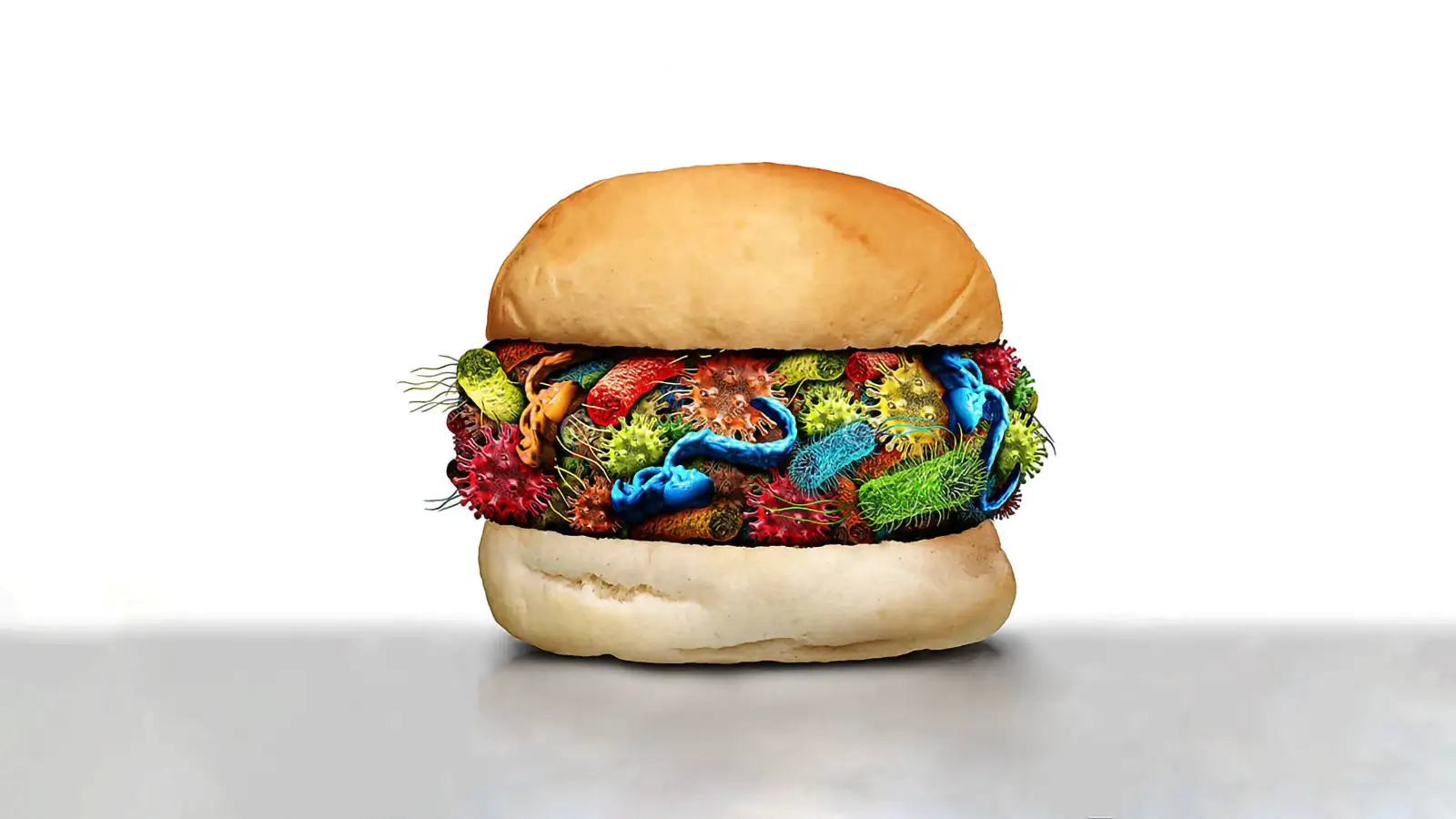
Auswahl des Herausgebers Entzündung
Das Allesfresser Dilemma des Menschen- Fleischkonsum, Probiotische Bakterien, Entzündungen und der Darm
Sind Menschen Allesfresser im eigentlichen anatomischen Sinne? Es gibt einen grundlegenden Unterschied in der Funktionsweise des Verdauungstrakts bei pflanzlichen und fleischfressenden Arten.

Krebs Auswahl des Herausgebers Toxizität
Pestizidexposition bei Kindern: Tests Zur Exposition im Wirklichen Leben
Kinder und insbesondere schwangere Frauen sind anfälliger für die Exposition gegenüber Pestiziden. Was wäre das Ergebnis, wenn wir reale Expositionswerte in realen Szenarien analysieren würden?

Krebs Auswahl des Herausgebers Toxizität
Pestizide in Lebensmitteln, Exposition in der Amerikanischen Standardnahrung - 80 Prozent aus Fleisch
Die meisten Pestizide und insbesondere Schwermetalle und andere giftige Schadstoffe, die wir aufnehmen, stammen aus Fleisch. Mehr als 80 Prozent der Pestizidbelastung in der amerikanischen Standardernährung stammt aus tierischen Produkten, nicht aus Obst oder Gemüse.
Diabetes Auswahl des Herausgebers
Diabetes Ursachen und Gesättigte Fettsäuren- Das Vegane Argument
Wenn der Fettgehalt im Blutkreislauf steigt, sinkt die Fähigkeit des Körpers, Zucker auszuscheiden. Eine der Ursachen für Diabetes ist unsere Fehlanpassung an eine große Fettaufnahme
Krebs Auswahl des Herausgebers Eiweiß
Die Anatomie von Krebs - Gesundheitsrisikokorrelationen
Etwa 2 % der Krebserkrankungen werden in der Medizin als rein genetisch bedingt angesehen. Das gleiche Verbreitungsgebiet wie im Tierreich. Dir wurde nicht die ganze Wahrheit gesagt.
Auswahl des Herausgebers Milch Optimale Ernährung
Milch und Milchprodukte: Gesundheitsrisikokorrelationen
Bekannte Zusammenhänge mit Milch und Milchkonsum sind Unfruchtbarkeit, Eierstock- und Brustkrebs, Leukämie, Diabetes Typ 1, Autismus, Arteriosklerose, Katarakt, rheumatoide Arthritis, Multiple Sklerose, Hyperaktivität, Stauung, Pickel und mehr …
Neuestes von PubMed, #pflanzliche Ernährung –
- MIND diet-related plasma proteins are associated with Alzheimer’s disease riskvon Shane Fernandez am Oktober 9, 2026
INTRODUCTION: Adherence to the Mediterranean-Dietary Approaches to Stop Hypertension Intervention for Neurodegenerative Delay (MIND) diet is associated with reduced dementia risk, but underlying mechanisms remain unclear.
- Nutritional strategies in kidney transplantation: optimising outcomes beyond surgeryvon Lara Caldiroli am Oktober 9, 2026
Although kidney transplantation (KTx) remains the optimal therapy for end-stage kidney disease, long-term graft survival and patient outcomes continue to be limited by cardiometabolic complications and chronic allograft dysfunction. Nutritional management has evolved from supportive care to a core component of post-transplant follow-up. The early post-transplant phase is marked by catabolism, high-dose immunosuppression, and metabolic instability, leading to increased protein requirements but…
- Analysis of the Provision of Plant-Based, Vegetarian and Omnivorous Meals in UK Care Homes for Older Peoplevon Saffron Whyton am Oktober 8, 2026
CONCLUSION: Even though the National Health Service recommends reductions in consumption of red and processed meats with increased consumption of plant-based proteins, this transition is yet to be implemented in care homes. This study suggests that there is potential to improve the health and sustainability of meals provided in care home by increasing the availability of plant-based options, especially those rich in plant-based proteins.
- Weight loss-independent associations of body composition changes with device-derived metabolic age during Mediterranean diet follow-upvon Ahmet Emre Hatır am Oktober 8, 2026
CONCLUSION: Favorable changes in Tanita-derived metabolic age were observed during follow-up. The associated body composition changes may partly reflect shared components of the device algorithm because metabolic age is a composite surrogate rather than a direct measure of biological aging. Given the retrospective uncontrolled design, causal effects of the Mediterranean diet cannot be established.
- Changes in ectopic lipids, insulin sensitivity, and beta cell function after a low-fat vegan diet in adults with type 2 diabetes: a 16-week single-arm clinical trialvon Hana Kahleova am Oktober 8, 2026
CONCLUSIONS: On an ad libitum low-fat plant-based (vegan) dietary intervention, the participants with type 2 diabetes experienced reductions in ectopic fat, particularly visceral and hepatocellular fat, improvements in insulin sensitivity, reductions in AGEs, and improvements in beta-cell function.
- Connecting digital food literacy and sustainable eating in children and adolescents: a focused mini review of evidence gaps and educational prioritiesvon Lu Xing am Oktober 7, 2026
Children and adolescents learn about food through digital and physical environments while developing an understanding of dietary effects on human and planetary health. Digital healthy-eating education, food-literacy education, and sustainable-diet education have nevertheless developed along largely separate trajectories. This focused Mini Review examines interventions that combine a substantive digital educational mechanism, a food-literacy capacity, and an explicit sustainability target in…