







Kalorieneinschränkung, Autophagie, Langlebigkeit und Muskelverlust
Wir alle wollen eine beträchtliche Menge an Muskelmasse und einen schnellen Stoffwechsel, damit wir mehr essen können, aber Autophagie steht im Einklang mit der Evolutionsbiologie.
Milos Pokimica
Geschrieben von: Milos Pokimica
Medizinisch Begutachtet Von: Dr. Xiùying Wáng, M.D.
Aktualisiert am 9. Juni 2023Wir wollen so viel Muskelmasse wie möglich haben und einen möglichst schnellen Stoffwechsel, damit wir mehr essen können und nicht zunehmen, aber die Evolutionsbiologie wird uns wieder sagen, was gesund ist und was nicht eine ständige Überernährung ist. Tiere in der Natur haben es schwer, Nahrung zu finden, daher ist ein erhöhtes Maß an Autophagie mit intermittierendem Fasten und Kalorienrestriktion ein grundlegendes Existenzniveau. Ich werde ein Zitat von der Website des National Institute on Aging des US-Gesundheitsministeriums verwenden:
„Seit den 1930er Jahren haben Forscher immer wieder herausgefunden, dass Laborratten und -mäuse bis zu 40 Prozent länger leben als gewöhnlich und auch resistenter gegen altersbedingte Krankheiten zu sein scheinen, wenn sie mit einer Diät gefüttert werden, die mindestens 30 Prozent weniger Kalorien enthält als normalerweise verbrauchen. Jetzt untersuchen Forscher, ob und wie sich eine Kalorienrestriktion auf das Altern von Affen und anderen nichtmenschlichen Primaten auswirkt.“
Wir haben mittlerweile eine große Anzahl an Humanstudien (Fernandez-Ruiz, 2017). Die Reaktion auf Kalorienrestriktion existiert bei fast allen bisher getesteten Arten und hat sich wahrscheinlich sehr früh in der Geschichte des Lebens auf der Erde als Mechanismus zur Erhöhung der Überlebenschancen bei periodischen Engpässen entwickelt. Es gibt einen Unterschied zwischen Fasten und längerer Kalorienrestriktion, aber der zugrunde liegende Mechanismus ist derselbe, und eine Kalorienrestriktion verlängert die Lebenserwartung viel mehr als regelmäßiges Fasten, obwohl selbst regelmäßiges Fasten positive Auswirkungen auf die Langlebigkeit hat.
Die Vorteile ergeben sich aus zwei Hauptgründen. Es gibt weitere Vorteile wie:
- verbesserte Insulinsensitivität
- Regulierung entzündlicher Erkrankungen im Körper
- die Bildung von Krebszellen auszuhungern
- entgiftend
- Verbesserung der Essgewohnheiten
- hormoneller Ausgleich.
Es gibt jedoch zwei Hauptgründe auf zellulärer Ebene, die alle anderen Vorteile unterstreichen, die sich aus diesen beiden ergeben.
Erstens, wenn wir fasten, sinkt der Insulinspiegel im Blut erheblich, während der Wachstumshormonspiegel im Blut um das Fünffache ansteigen kann. Insulin und Wachstumshormon spielen eine antagonistische Rolle. Wenn einer erhöht ist, ist der andere niedrig. Wenn wir schlafen gehen, fasten wir 10 Stunden lang, das Insulin sinkt und HGH (menschliches Wachstumshormon) steigt. Wenn der HGH ansteigt, wachsen wir, insbesondere wenn Sie sich in der Pubertät befinden. HGH stimuliert Wachstum, Zellreproduktion und Zellregeneration. Es ist daher für die menschliche Entwicklung von wesentlicher Bedeutung.
Zweitens, wenn wir fasten, initiieren unsere Zellen wichtige zelluläre Reparaturprozesse und verändern die Gene, die sie exprimieren. Wir beginnen zu regenerieren und ermöglichen eine Reinigung und Entgiftung des Körpers. Einer der Gründe, warum kranke Menschen einen geringen Appetit haben, ist, dass sie sich in einem intensiven Regenerationsprozess befinden. In der medizinischen Fachsprache wird diese Regeneration Autophagie genannt.
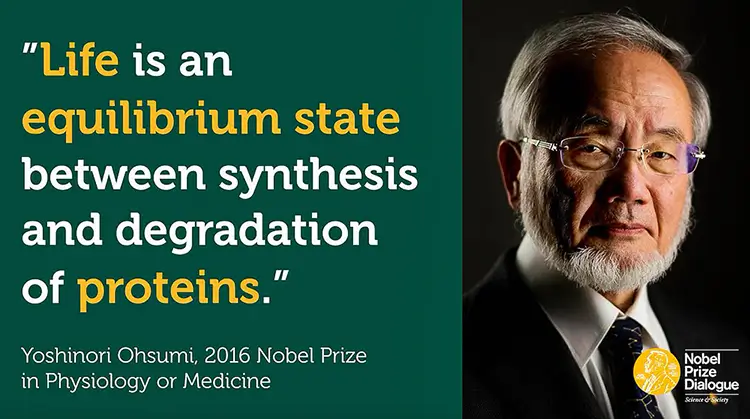
Im altgriechischen Wort bedeutet „Phagie“ Essen und das Wort „Auto“ bedeutet Selbst, Autophagie bedeutet also literarisch Selbstessen. Du isst dich jeden Tag selbst. Wenn eine Zelle in unserem Körper stirbt, wird sie nicht verschwendet. Was passiert, ist Recycling. Autophagie ist eine völlig natürliche physiologische Methode im Körper, die sich mit der Zerstörung von Zellen befasst. Es kontrolliert die Homöostase bzw. das reguläre Funktionieren durch Proteinabbau und -zerstörung sowie den Umsatz der zerstörten Zellorganellen zur Bildung neuer Zellen. Bei zellulärem Stress (Nährstoffmangel) wird der Prozess der Autophagie verstärkt.
Autophagie hat die Fähigkeit, unter bestimmten Bedingungen ebenfalls die Zellen zu zerstören. Es gibt eine Form des programmierten Zelltods und es gibt den durch Autophagie verursachten Zelltod. Zwei verschiedene Typen. Der programmierte Zelltod wird allgemein als Apoptose bezeichnet. Autophagie wird als nicht-apoptotischer programmierter Zelltod mit anderen Signalwegen und Mediatoren als der Apoptose bezeichnet. Dies ist auch der Schlüssel zur Kalorienreduzierung und zum Fasten. Wenn die Zelle beispielsweise präkanzerös ist oder in irgendeiner Weise beschädigt oder mutiert ist, hilft der Zelltod durch Autophagie unserem Körper, sich selbst zu reinigen.
Nach der Erschöpfung des Glykogenspeichers kommt es zu einer verstärkten Autophagie, und unser Körper wird zur Energieerzeugung stark auf Aminosäuren und den Proteinkatabolismus zurückgreifen. Es werden Aminosäuren verbraucht und ein Teil der Muskelmasse geht verloren.
Darüber hinaus ist es eine gute Sache.
Unser Organismus ist viel schlauer als wir denken. Unser Herz ist auch ein Muskel, aber er würde nicht berührt werden. Zuerst geht Glykogen verloren, dann Fett, dann Muskeln, dann lebenswichtige Organe, und dann sterben wir an Unterernährung. Es ist ein brillanter Plan, das Leben trotz des Hungers zu erhalten. Wenn es eine „schlechte“ Zelle und eine „gute“ Zelle gibt und einige der Zellen „gehen“ müssen, um Energie zu gewinnen, steht zuerst die schlechte Zelle an der Reihe. Zuerst müssen die Teile des Systems entfernt werden, die möglicherweise beschädigt oder alt sind. Die ineffizienten Teile. Es wird angenommen, dass das Fehlen einer Autophagie einer der Hauptgründe für die Ansammlung geschädigter Zellen ist, was zu schwerwiegenden gesundheitlichen Komplikationen führen kann. Wenn wir durch Chemotherapie oder andere Giftstoffe stark geschädigt sind, können Fastenzyklen im wahrsten Sinne des Wortes ein völlig neues Immunsystem hervorbringen.
Sport allein kann die Autophagie in einer Situation steigern, in der Autophagie bereits auftritt. Je intensiver die Übung ist, desto effektiver ist sie. Wenn wir jedoch essen und Sport treiben, wäre Bewegung allein nicht vorteilhaft.
Der schnellste Weg, die Autophagie zu stoppen, besteht darin, große Mengen an vollständigem Protein zu sich zu nehmen. Dadurch werden IGF-1 (Insulinähnlicher Wachstumsfaktor 1) und mTOR (Rapamycin) stimuliert, die starke Inhibitoren der Autophagie sind. IGF-1 (Insulin-Wachstumsfaktor) ist in gewisser Weise für das Muskelwachstum verantwortlich. Die katastrophale Nebenwirkung von IGF-1 ist jedoch Krebs. Je nach Muskelmasse ist es am besten, die Proteinzufuhr auf etwa 50 bis 70 Gramm pro Tag zu beschränken. Wenn wir große Mengen Protein zu uns nehmen, erkennt unsere Leber dies und die Reaktion ist:
„Hey, lasst uns Sachen anbauen, wir haben jetzt alle essentiellen Aminosäuren.“
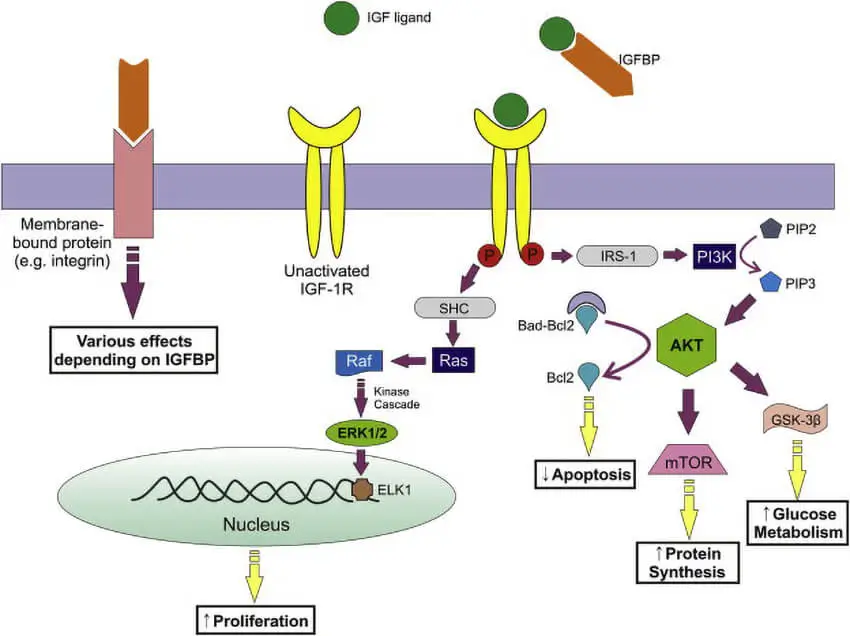
Es beginnt, IGF-1 zu pumpen. Im nüchternen Zustand der Leber ist die GH-Bindung (Wachstumshormon) verringert, so dass mehr GH im Blutkreislauf verbleibt. Bei der Proteinrestriktion bleiben die GH-Rezeptoren erhalten, nicht jedoch die für IGF-1.
Um Muskelverlust während einer Kalorienrestriktion und einer Diät zu vermeiden und den Nutzen einer Kalorienrestriktion zu steigern, ist ein moderates Krafttraining die beste Wahl. Dies wird den Muskelabbau zwar nicht verhindern, aber in gewissem Maße von Vorteil sein (Cava et al., 2017).
Eine andere Möglichkeit besteht darin, nicht-vegane Lebensmittel oder mit anderen Worten Quellen für „vollständiges“ Protein in großen Mengen zu meiden.
Wenn wir eine unvollständige Proteinquelle zu uns nehmen, das heißt, dass ihr einige der essentiellen Aminosäuren fehlen, wird die IGF-1-Freisetzung nicht in der gleichen Menge signalisiert. Dabei kommt es nicht nur auf die Gesamtmenge des aufgenommenen Proteins an, sondern auch auf die Quelle (Allen et al., 2002).
Wenn Sie Veganer sind und vollständige Proteinquellen wie Soja zu sich nehmen, werden Sie den Nutzen zunichte machen. Das liegt am Proteinprofil. Veganer, die beispielsweise 7 bis 18 Portionen Sojamahlzeiten pro Tag zu sich nehmen, können am Ende höhere IGF-1-Werte aufweisen als diejenigen, die Fleisch essen. Das liegt daran, dass Soja vollständiges Protein enthält. Auch einige andere Pflanzen verfügen über hochwertige Proteine. Der hohe Verbrauch von Protein in der Ernährung hat trotzdem andere negative Auswirkungen. Auch wenn Ihr einziges Ziel darin besteht, den Verlust von Muskelmasse während einer Diät zu verhindern, und Sie nicht an einer langen Lebenserwartung interessiert sind, sollten Sie Ihre Proteinzufuhr erhöhen.
Die gute Nachricht ist, dass wir Autophagie nutzen können, um unsere genetische Basis zu reinigen, die schlechte Nachricht ist, dass wir das nicht mehr tun. In der Vergangenheit hat uns die Natur dazu gezwungen, indem sie uns nicht genügend Ressourcen zur Verfügung stellte. Heutzutage essen wir regelmäßig und selbst wenn wir hungrig sind, reicht das nicht aus, um unsere Glykogenspeicher zu erschöpfen.
Verweise:
- Fernández-Ruiz I. (2017). Stoffwechsel: Kalorienrestriktion für gesundes Altern. Naturrezensionen. Kardiologie, 14(4), 190. https://doi.org/10.1038/nrcardio.2017.26
- Cava, E., Yeat, NC, & Mittendorfer, B. (2017). Erhalt gesunder Muskeln beim Abnehmen. Fortschritte in der Ernährung, 8(3), 511-519. https://doi.org/10.3945/an.116.014506
- Allen, NE, Appleby, PN, Davey, GK, Kaaks, R., Rinaldi, S. & Key, TJ (2002). Die Zusammenhänge der Ernährung mit dem seruminsulinähnlichen Wachstumsfaktor I und seinen wichtigsten Bindungsproteinen bei 292 Fleischesserinnen, Vegetarierinnen und Veganerinnen. Krebsepidemiologie, Biomarker und Prävention: eine Veröffentlichung der American Association for Cancer Research, mitfinanziert von der American Society of Preventive Oncology, 11(11), 1441–1448.[PubMed]
- Welton, S., Minty, R., O'Driscoll, T., Willms, H., Poirier, D., Madden, S. & Kelly, L. (2020). Intermittierendes Fasten und Gewichtsverlust: Systematische Überprüfung. Kanadischer Hausarzt. Kanadischer Hausarzt, 66(2), 117–125.[PubMed]
- Zouhal, H., Saeidi, A., Salhi, A., Li, H., Essop, MF, Laher, I., Rhibi, F., Amani-Shalamzari, S. & Ben Abderrahman, A. (2020) . Bewegungstraining und Fasten: Aktuelle Erkenntnisse. Open-Access-Zeitschrift für Sportmedizin, 11, 1–28. https://doi.org/10.2147/OAJSM.S224919
- Denduluri, SK, Idowu, O., Wang, Z., Liao, Z., Yan, Z., Mohammed, MK, Ye, J., Wei, Q., Wang, J., Zhao, L. und Luu , HH (2015). Signalübertragung des insulinähnlichen Wachstumsfaktors (IGF) bei der Tumorentstehung und der Entwicklung von Resistenzen gegen Krebsmedikamente. Gene & Krankheiten, 2(1), 13–25. https://doi.org/10.1016/j.gendis.2014.10.004
Zusammenhängende Posts



Haben Sie Fragen zum Thema Ernährung und Gesundheit?
Ich würde gerne von Ihnen hören und sie in meinem nächsten Beitrag beantworten. Ich schätze Ihren Beitrag und Ihre Meinung und freue mich darauf, bald von Ihnen zu hören. Ich lade Sie auch ein zu Folgen Sie uns auf Facebook, Instagram und Pinterest für weitere Inhalte zu Ernährung und Gesundheit. Sie können dort einen Kommentar hinterlassen und sich mit anderen Gesundheitsbegeisterten austauschen, Ihre Tipps und Erfahrungen teilen und Unterstützung und Ermutigung von unserem Team und unserer Community erhalten.
Ich hoffe, dass dieser Beitrag für Sie informativ und unterhaltsam war und dass Sie bereit sind, die gewonnenen Erkenntnisse anzuwenden. Wenn Sie diesen Beitrag hilfreich fanden, dann es teilen mit Ihren Freunden und Familienangehörigen, die ebenfalls davon profitieren könnten. Man weiß nie, wer auf seinem Weg zur Gesundheit vielleicht etwas Anleitung und Unterstützung braucht.
– Das könnte Ihnen auch gefallen –
Langlebigkeit: Die Rate der Lebenstheorie

Glykogenmangel- Wie Man Nicht Trainiert

Ursache für Fettleibigkeit: Fehlanpassung Oder Sucht
Krebs, The Forbidden Cures- Rife Machine, Historischer Rückblick
Antioxidative Kraft von Gewürzen: In-vivo-Ergebnisse Mit Realistischen Dosierungen

Binge Eating Störung- Die Psychologie des Hungers
Spirulina Vorteile: Phycocyaninreiche Supernahrung
Aspartam: Die Wahrheit über seine Gesundheitsrisiken und Gefahren

Über Ernährung Lernen

Milos Pokimica ist Doktor der Naturheilkunde, klinischer Ernährungsberater, Autor für medizinische Gesundheit und Ernährung sowie Berater für Ernährungswissenschaften. Autor der Buchreihe Zum Veganer werden? Rückblick auf die Wissenschafter betreibt auch das Natürliche Gesundheit website GoVeganWay.com
Medizinischer Haftungsausschluss
GoVeganWay.com bietet Ihnen Rezensionen der neuesten Ernährungs- und Gesundheitsforschung. Die bereitgestellten Informationen stellen die persönliche Meinung des Autors dar und sind weder als Ersatz für eine professionelle medizinische Beratung, Diagnose oder Behandlung gedacht noch implizit. Die bereitgestellten Informationen dienen ausschließlich Informationszwecken und sollen nicht als Ersatz für die Beratung, Diagnose und/oder medizinische Behandlung durch einen qualifizierten Arzt oder Gesundheitsdienstleister dienen.Ignorieren Sie niemals professionellen medizinischen Rat oder verzögern Sie die Suche nach medizinischer Behandlung, weil Sie etwas auf GoVeganWay.com gelesen oder über GoVeganWay.com darauf zugegriffen haben
Nehmen Sie NIEMALS Änderungen im Lebensstil oder irgendwelche Änderungen vor, die eine Folge von etwas sind, das Sie auf GoVeganWay.com gelesen haben, bevor Sie einen zugelassenen Arzt konsultieren.
Bei einem medizinischen Notfall rufen Sie sofort einen Arzt oder die Notrufnummer 911 an. GoVeganWay.com empfiehlt oder unterstützt keine bestimmten Gruppen, Organisationen, Tests, Ärzte, Produkte, Verfahren, Meinungen oder andere Informationen, die darin erwähnt werden könnten.
Herausgeber-Tipps –
Krebs Auswahl des Herausgebers Phytochemikalien
Antikrebskraft von Obst und Gemüse: In Vivo und Klinische Beweise
Einige Pflanzenextrakte konkurrieren mit führenden Chemotherapeutika und wirken gleichzeitig auf mehrere verschiedene Arten von Krebszellen.
Antioxidantien Auswahl des Herausgebers ORAC
Ätherische Öle als Antioxidative Nahrungsergänzungsmittel: Regeln und Strategien
Ätherische Öle in Lebensmittelqualität können eine praktische und verbraucherfreundliche Strategie zur Optimierung des Antioxidantienwerts und der ORAC-Werte unserer Ernährung sein.
Antioxidantien Auswahl des Herausgebers ORAC
Antioxidantienreiche Ernährung: Allgemeine Regeln und Strategien
Es gibt einfache und kostengünstige Strategien zur Optimierung des antioxidativen Wertes unserer Ernährung.
Antioxidantien Auswahl des Herausgebers ORAC
ORAC-Werte Verstehen: Antioxidantienspiegel in Lebensmitteln
Wenn Ihre Hauptquelle für Antioxidantien Kaffee ist, wissen Sie, dass Sie ein ernstes Problem haben.

Antioxidantien Auswahl des Herausgebers ORAC
Astaxanthin Vorteile: Das Stärkste Natürliche Antioxidans der Welt
Astaxanthin ist das stärkste natürliche und universelle Antioxidans (sowohl öl- als auch wasserlöslich), das der Wissenschaft bekannt ist. Es reichert sich im Gewebe an und kann sich niemals in ein Prooxidans verwandeln.
Antioxidantien Auswahl des Herausgebers ORAC Phytochemikalien
Antioxidantien: Die Grundlagen Verstehen
Tierische Produkte enthalten keine sekundären Pflanzenstoffe oder Antioxidantien. Pflanzliche Lebensmittel enthalten im Durchschnitt mehr als 60-mal so viele Antioxidantien wie tierische Lebensmittel.
Auswahl des Herausgebers Vegane Diät
Nährstoffmangel Bei Veganer Ernährung: Präventionsstrategien
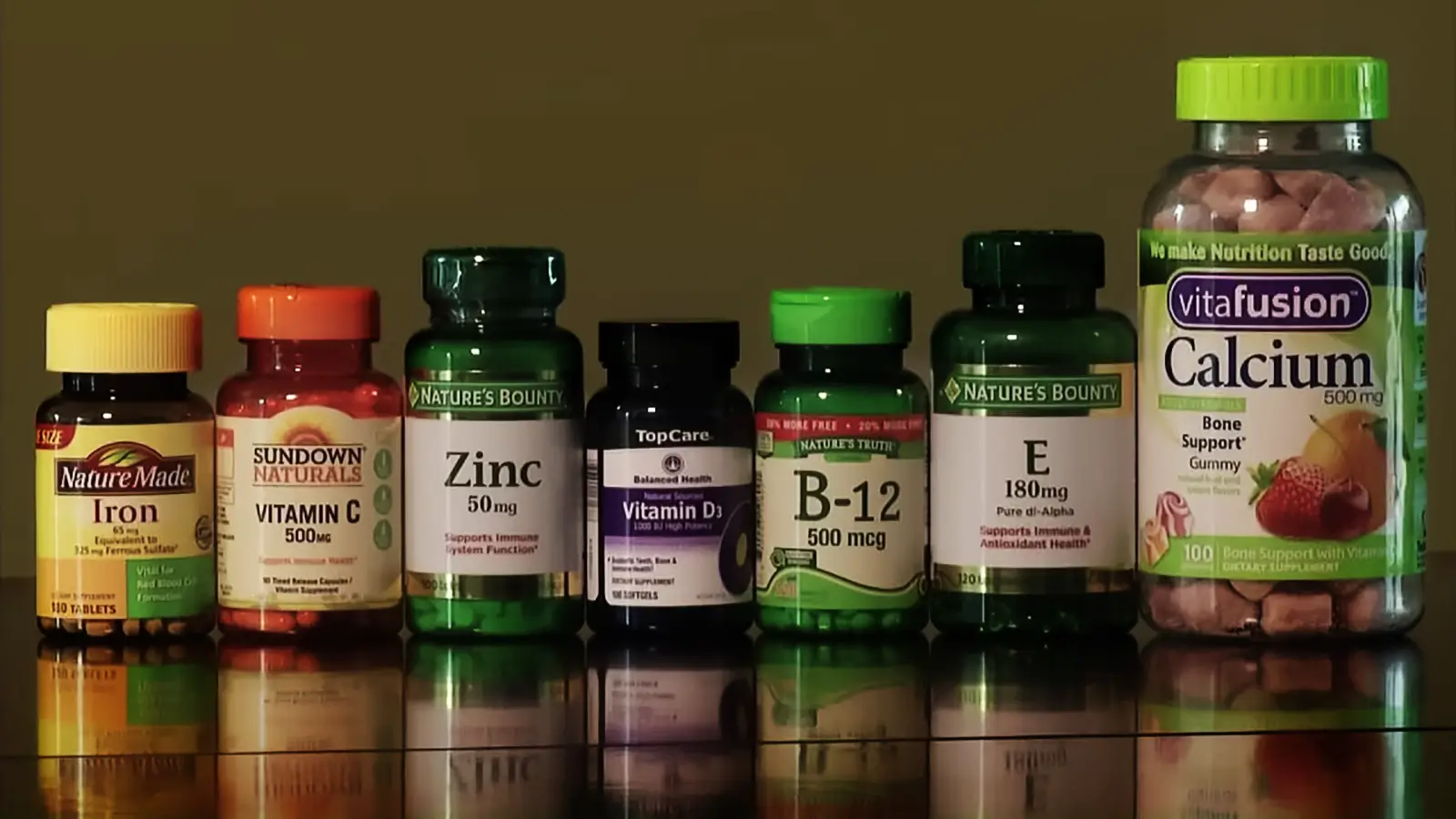
Es gibt neun bevölkerungsweit verbreitete Nährstoffmängel, die Menschen betreffen, die sich pflanzlich ernähren. Wenn einige Mängel nicht rechtzeitig behoben werden, haben sie schreckliche und nicht behandelbare Folgen.
Auswahl des Herausgebers Optimale Ernährung
Mikronährstoffmangel in der Amerikanischen Standardernährung: Strategien zur Optimierung
Das Nährstoffprofil unserer modernen Ernährung mit Fleisch, Zucker und verarbeiteten Lebensmitteln ist völlig unvereinbar mit unserer Evolution und führt zu schwerem Mikronährstoffmangel.
Auswahl des Herausgebers Phytochemikalien
Phytochemikalien: Die Grundlagen Verstehen
Jeder einzelne existierende sekundäre Pflanzenstoff hat eine biologische Wirkung im menschlichen Körper. Jedes einzelne aus Millionen verschiedener sekundärer Pflanzenstoffe.

Auswahl des Herausgebers Milch Optimale Ernährung
Milch und Milchprodukte: Gesundheitsrisikokorrelationen
Bekannte Zusammenhänge mit Milch und Milchkonsum sind Unfruchtbarkeit, Eierstock- und Brustkrebs, Leukämie, Diabetes Typ 1, Autismus, Arteriosklerose, Katarakt, rheumatoide Arthritis, Multiple Sklerose, Hyperaktivität, Stauung, Pickel und mehr …
Krebs Auswahl des Herausgebers Eiweiß
Komplettes Protein: IGF-1-Signalisierung bei der Krebsentstehung
Wenn Sie tierisches Eiweiß essen, ist die Wahrscheinlichkeit, an allen Krebsarten zu erkranken, viermal höher. Wenn Sie rauchen, besteht ein vierfach erhöhtes Risiko, an Lungenkrebs zu erkranken.

Krebs Auswahl des Herausgebers Eiweiß
Die Anatomie von Krebs - Gesundheitsrisikokorrelationen
Etwa 2 % der Krebserkrankungen werden in der Medizin als rein genetisch bedingt angesehen. Das gleiche Verbreitungsgebiet wie im Tierreich. Dir wurde nicht die ganze Wahrheit gesagt.
Milos Pokimica ist Autor für Gesundheit und Ernährung sowie Berater für Ernährungswissenschaften. Er ist Autor einer Buchreihe. Zum Veganer werden? Rückblick auf die Wissenschafter betreibt auch das Natürliche Gesundheit website GoVeganWay.com
Neueste Artikel –

Kalorienbeschränkung Langlebigkeit
Wie Man Fastet: Fasten-Lebensmittel, Die Die Autophagie Nicht Stören
Autophagie. Haben Sie sich jemals gefragt, was mit den Zellen in Ihrem Körper passiert, wenn sie sterben oder beschädigt werden? Häufen sie sich einfach an und verursachen Probleme, oder werden sie irgendwie entsorgt? Die Antwort ist, dass Ihr Körper...
Zahngesundheit Verhütung
Süßigkeiten Zahnempfindlichkeit & Schmerz: Schnelle Abhilfe & Dauerhafte Lösung
Eine schnelle und einfache Lösung zur Schmerzlinderung ist ätherisches Nelkenöl, ein starkes Antioxidans und Schmerzmittel, das bei Zahnfleischerkrankungen und Zahnschmerzen helfen kann.
Bohnen
Grüne Bohnen: Ernährung und Gesundheitliche Vorteile
Grüne Bohnen sind kalorienarm und reich an natürlichen Stoffen, die Ihnen helfen können, Ihren Blutzucker zu kontrollieren, Ihren Cholesterinspiegel zu senken und freie Radikale abzuwehren.
Rohkostdiät Vegane Diät
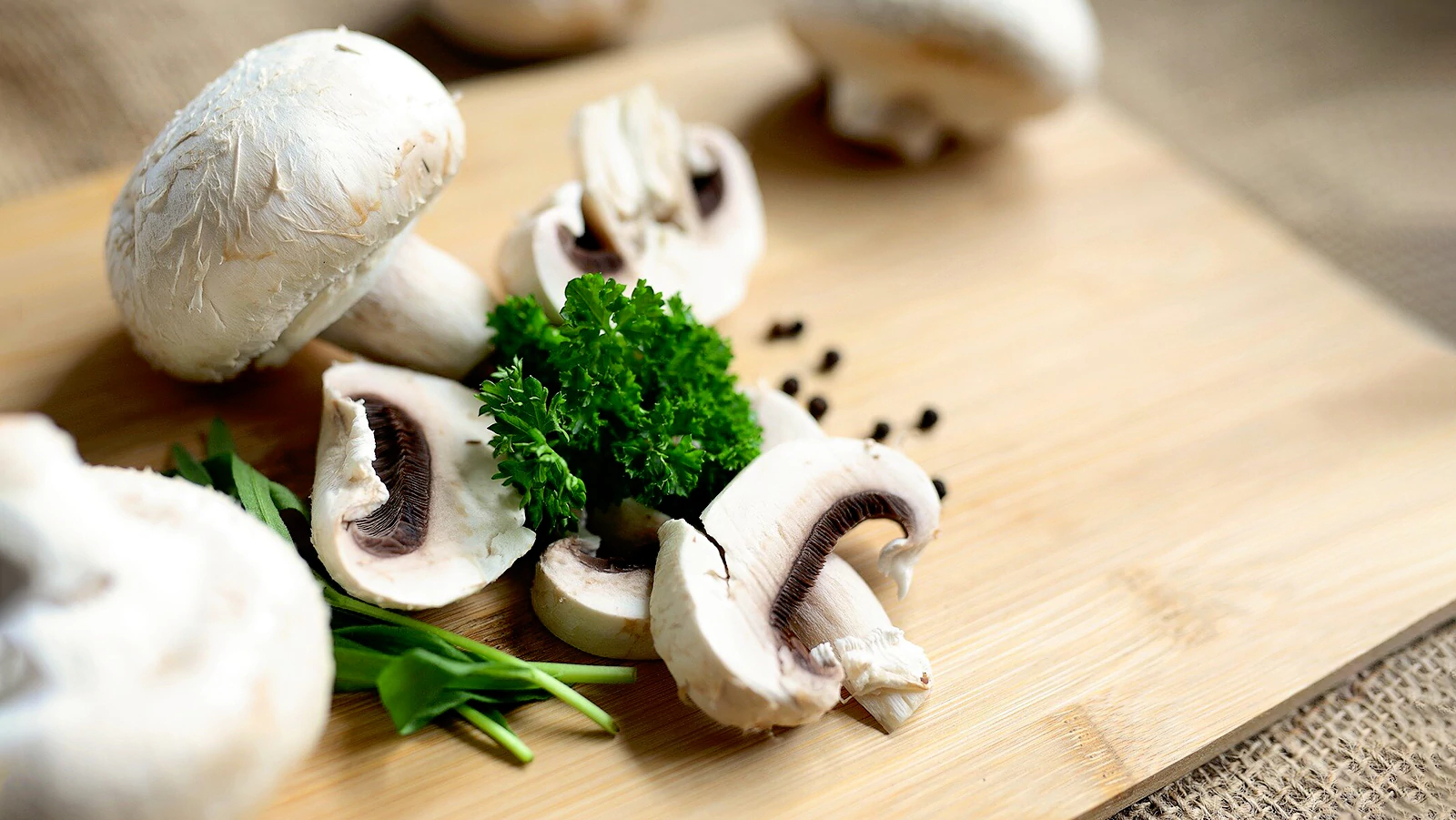
Kann Man Pilze Roh Essen: Gesundheitsrisiken, Ernährung und Sicherheit
Pilze enthalten hitzeempfindliche Giftstoffe wie Hydrazin oder Agaritin und Zellwände aus Chitin, die vom Menschen nicht gut verdaut werden können.
Vegane Diät
Sind Fische Tiere? Eine kulturelle Perspektive
In einigen Kulturen wird Fischfleisch nicht als Fleisch betrachtet, und Fisch ist sogar während des Fastens erlaubt.

Zahngesundheit Verhütung
Hausgemachte Natürliche Mundspülung: Bewährt, Stärker und Weniger Giftig
Selbstgemachtes natürliches Mundwasser ist stärker als Chlorhexidin, weniger giftig und kann beim Verschlucken zu Übelkeit führen, hat aber auch einen hohen ORAC-Wert.
Zahngesundheit Verhütung
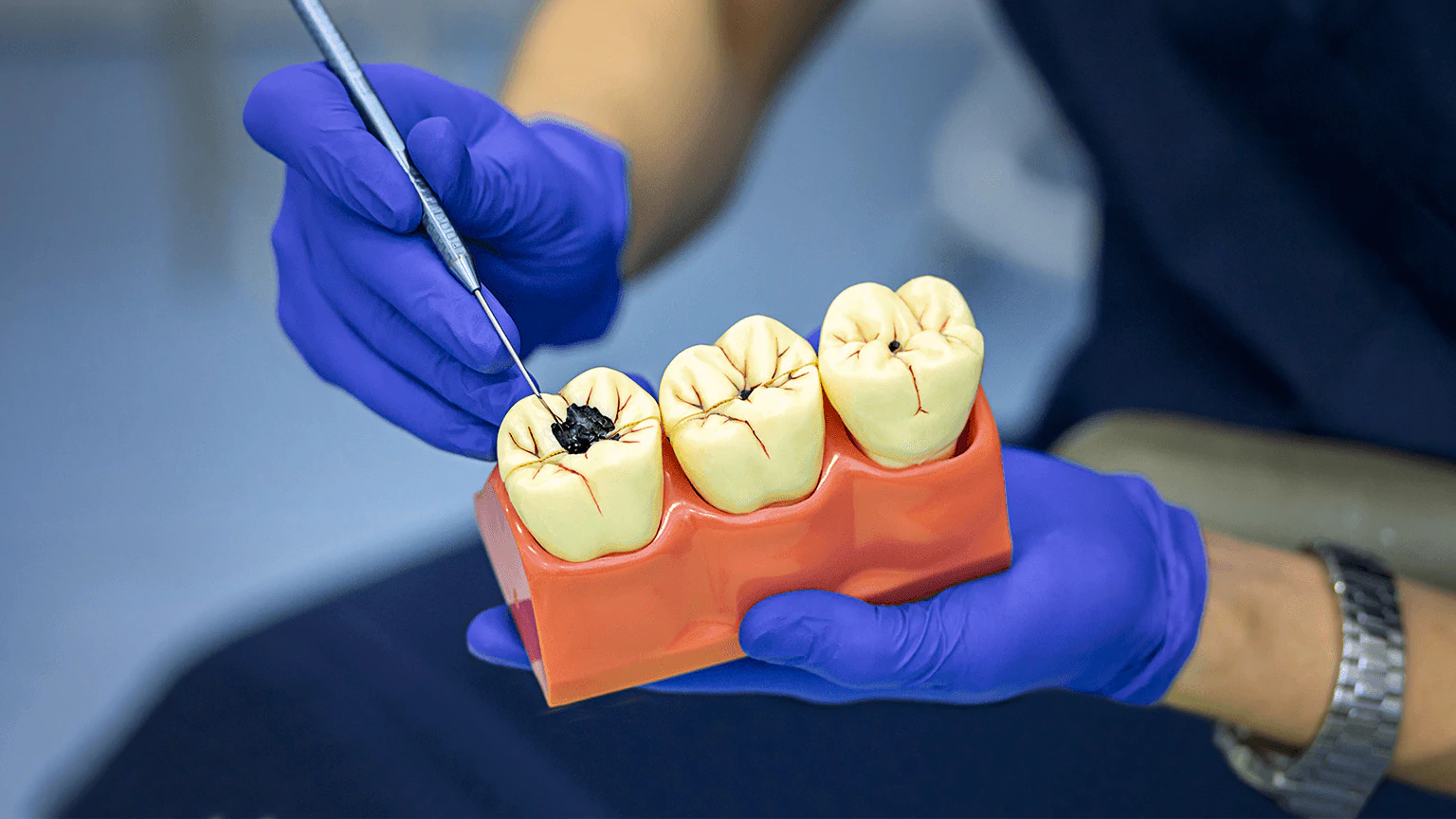
Wie Man Karies Stoppt: Symptome, Ursachen und Prävention
Der Zuckerkonsum ist die Hauptursache für Karies und Zahnfäule, verbunden mit einem Mangel an Mineralien, insbesondere Magnesium, Zink, Kupfer und Spurenelementen.
Antioxidantien Superlebensmittel
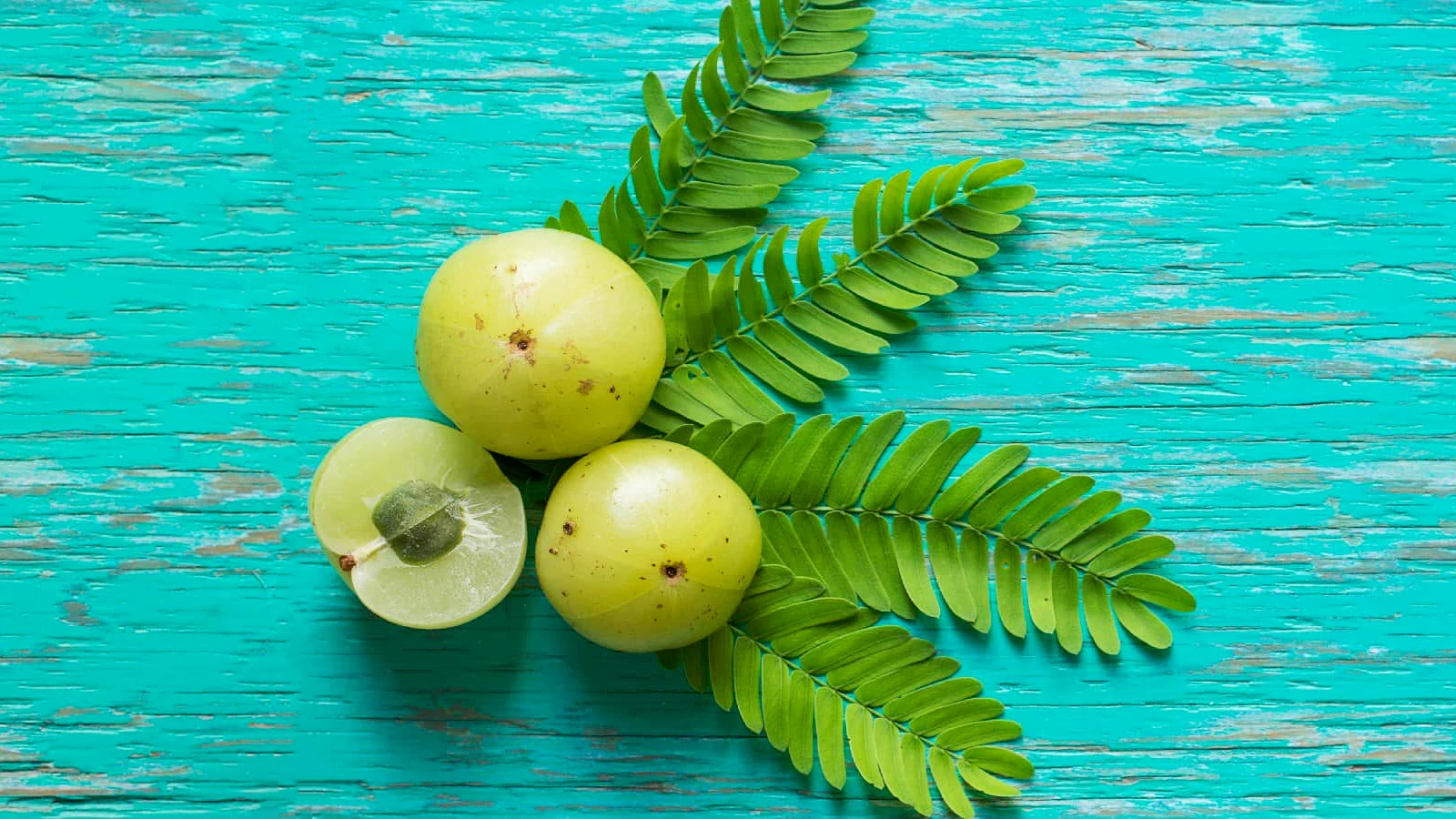
Amla: Bewährte Vorteile, Ernährung und Klinische Bedeutung
Amla ist eines der stärksten Antioxidantien der Welt mit einem ORAC-Wert von 261.530. Sie ist eine reichhaltige Quelle von sekundären Pflanzenstoffen, die verschiedene gesundheitliche Vorteile haben.
Top-Gesundheitsnachrichten – ScienceDaily
- USC scientists discover how to create a never-ending supply of cancer-fighting cellsam Oktober 16, 2026
USC scientists have discovered a way to create a potentially renewable supply of genetically engineered immune cells that can attack cancer and strengthen the body’s natural defenses. By growing and modifying immature immune cells rather than mature ones, researchers developed a system that can continuously produce tumor-fighting cells inside the body.
- Yale scientists discover how stress changes the brain to make memories strongeram Oktober 16, 2026
Yale scientists have uncovered how the stress hormone cortisol helps the brain turn emotional experiences into stronger, longer-lasting memories. The discovery reveals that stress can reshape communication between brain networks involved in emotion and memory, potentially explaining why certain moments are so difficult to forget.
- A protein that fuels cancer could also be the key to fighting itam Oktober 16, 2026
Scientists have discovered how to turn a protein that normally fuels cancer growth into a weapon against it. By activating PPARD in immune cells, researchers made them better at burning fat and attacking tumors, slowing or stopping cancer growth in laboratory experiments. The approach showed promise against colorectal, breast, and ovarian cancers, as well as melanoma.
- Scientists discover how exercise reverses muscle agingam Oktober 16, 2026
Scientists have uncovered a hidden biological mechanism that helps explain how exercise can reverse some of the damage caused by muscle aging. The key is a gene called DEAF1, which becomes overactive with age and interferes with the muscles’ ability to clear damaged proteins and repair themselves. Exercise can help restore this balance, allowing older muscles to rebuild and regain strength, although the benefits may diminish when the system becomes too disrupted.
- Mysterious brain activity under anesthesia challenges what we know about consciousnessam Oktober 15, 2026
Even under general anesthesia, the human brain can analyze language, recognize different types of words, and predict what comes next in a story, according to a surprising discovery by Baylor researchers. The findings challenge our understanding of consciousness and suggest that the unconscious brain is far more capable than scientists previously realized.
- Eating late at night linked to up to 30% higher risk of liver diseaseam Oktober 15, 2026
Eating late at night could be putting your liver at risk, according to a large study led by Oregon Health & Science University. Researchers analyzed data from nearly 200,000 people and found that those who regularly ate after dinner or around bedtime had a 20% to 30% higher risk of liver disease, including fatty liver disease and cirrhosis.
- Scientists discover a surprising danger in smaller cancer cellsam Oktober 15, 2026
Scientists have discovered that unusually small cancer cells carrying extra chromosomes can be far more aggressive than larger ones, growing faster, spreading more readily, and resisting common treatments. The surprising finding could help explain why some tumors are especially dangerous and provide a new way to predict cancer outcomes.
PubMed, #Vegane Diät –
- Common questions and misconceptions about diets: what does the scientific evidence really show?am Oktober 15, 2026
The study of diet and nutrition is often filled with numerous myths and misconceptions. A Google Scholar search of “diets health” yields over 4 million results. This review examines frequently asked questions about diets and dietary habits. These questions include the following: 1) Is a caloric surplus necessary for building skeletal muscle? 2) Is it possible to lose body mass or fat mass without caloric restriction? 3) Is intermittent fasting better than chronic caloric restriction for […]
- Toward consensus on complementary feeding recommendations: findings from a national evidence-informed modified Delphi study in Türkiyeam Oktober 12, 2026
CONCLUSIONS: Integration of quantitative Delphi findings with qualitative thematic analysis revealed that non-consensus primarily stemmed from the practical nuances of clinical execution and contextual adaptation, rather than a fundamental skepticism toward the underlying scientific data. These findings provide an evidence-informed foundation for developing context-sensitive CF recommendations for clinical practice.
- Characterization of nutritional intake in vegan pregnant women and its association on birth weightam Oktober 8, 2026
CONCLUSIONS: Vegan women had a higher rate of SGA than non-vegan women, and this increased risk may be partly related to differences in maternal protein intake and composition. In addition, vegan women had lower dietary intakes of calcium, vitamin B12, vitamin D, DHA, and choline, highlighting these nutrients as important considerations in the nutritional assessment and counseling of pregnant women adhering to a strictly vegan diet.
- Changes in ectopic lipids, insulin sensitivity, and beta cell function after a low-fat vegan diet in adults with type 2 diabetes: a 16-week single-arm clinical trialam Oktober 8, 2026
CONCLUSIONS: On an ad libitum low-fat plant-based (vegan) dietary intervention, the participants with type 2 diabetes experienced reductions in ectopic fat, particularly visceral and hepatocellular fat, improvements in insulin sensitivity, reductions in AGEs, and improvements in beta-cell function.
Zufällige Beiträge –
Entgiftung Wasser trinken Toxizität
Destilliertes Wasser Zum Trinken - Entgiftungshilfe Oder Tödliches Gift?
Es gibt viele Fehlinformationen über die entgiftenden Eigenschaften von Wasser und insbesondere von destilliertem Wasser. Wasseraufbereitung ist ein großes Geschäft. Was sagt die Wissenschaft dazu?
Auswahl des Herausgebers Optimale Ernährung
Mikronährstoffmangel in der Amerikanischen Standardernährung: Strategien zur Optimierung
Das Nährstoffprofil unserer modernen Ernährung mit Fleisch, Zucker und verarbeiteten Lebensmitteln ist völlig unvereinbar mit unserer Evolution und führt zu schwerem Mikronährstoffmangel.
Toxizität
Arsenbelastung und Reiskonsum- Das Giftigste Getreide Uberhaupt
Von allen bekannten Nahrungsquellen nimmt Reis unter allen häufig verzehrten Nahrungsmitteln die höchste Konzentration an Arsen auf.

Krebs Wasser trinken Toxizität
Leitungswassertoxizität- Risikobewertung
Wenn wir in einer Stadt leben, in der wir sicher sind, dass das Leitungswasser rein ist, heißt das noch nicht, dass das Wasser „rein“ ist.
Nootropika Phytochemikalien
Theobromin Vorteile: Brain Boosting Ohne Angstzustände
Theobromin ist das Geheimnis hinter der Wirkung von Schokolade auf Ihren Geist und Ihre Gefühle. Es kann Ihre Wahrnehmung verbessern und im Gegensatz zu Koffein Ihren Stresspegel senken.

Antioxidantien
Intravenöses Vitamin C bei der Behandlung von Influenza: Lebende Beweise aus der Klinischen Praxis
Wenn Sie sich im Krankenhaus intravenös Vitamin C verabreichen lassen möchten, sagen Sie es Ihrem Arzt nicht. Stattdessen fordern Sie Ihren Anwalt auf, dies Ihrem Arzt schriftlich mitzuteilen.

Krebs Auswahl des Herausgebers Toxizität
Pestizidexposition bei Kindern: Tests Zur Exposition im Wirklichen Leben
Kinder und insbesondere schwangere Frauen sind anfälliger für die Exposition gegenüber Pestiziden. Was wäre das Ergebnis, wenn wir reale Expositionswerte in realen Szenarien analysieren würden?
Antioxidantien ORAC
Antioxidative Kraft von Gewürzen: In-vivo-Ergebnisse Mit Realistischen Dosierungen
Nelken, Ingwer, Rosmarin und Kurkuma unterdrücken Entzündungen erheblich, während schwarzer Pfeffer, Cayennepfeffer, Zimt, Kreuzkümmel, Oregano, Paprika, Salbei und erhitzte Kurkuma nichts bewirken.
Antioxidantien Entzündung
Antioxidative Rolle bei Depressionen und Angstzuständen: Das Fehlende Stück
Oxidativer Stress mit chronischen Entzündungen im Gehirn ist mit der Entwicklung neuropsychiatrischer Störungen einschließlich schwerer Depressionen und Angstzuständen verbunden.

Auswahl des Herausgebers Optimale Ernährung Vitamin-D
Vitamin D- Mehr Als Nur Ihre Knochen
Vitamin D ist kein Vitamin. Es handelt sich um ein Prohormon, ein Steroid mit hormonähnlicher Wirkung, das etwa 3 % des menschlichen Genoms reguliert.

Beliebte Beiträge -

Allopathische Medizin Krebs Auswahl des Herausgebers
Krebs, The Forbidden Cures- Rife Machine, Historischer Rückblick
Die Genesungsrate für Patienten, die an nicht behandelbarem Krebs litten und durch den Einsatz der Rife Machine-Resonanztechnologie für unheilbar krank erklärt wurden, betrug 100 %.
Diabetes Auswahl des Herausgebers
Diabetes Ursachen und Raffinierte Kohlenhydrate- Das Vegane Argument
Die Menschen glauben, dass raffinierte Kohlenhydrate mit Insulinspitzen in Zusammenhang stehen und eine der Ursachen für Diabetes sind. Sie haben recht. Allerdings liegen sie auch falsch.

Allopathische Medizin Auswahl des Herausgebers
Die Geschichte von Big Pharma- IG Farben
Der Teil des Rockefeller-Monopols auf die Chemie- und Medizinindustrie wurde nach dem Zweiten Weltkrieg erfüllt. Durch die Zusammenarbeit von Standard Oil und IG Farben wurde dies Wirklichkeit.
Antioxidantien Auswahl des Herausgebers ORAC
Antioxidantienreiche Ernährung: Allgemeine Regeln und Strategien
Es gibt einfache und kostengünstige Strategien zur Optimierung des antioxidativen Wertes unserer Ernährung.
Krebs Auswahl des Herausgebers Phytochemikalien
Antikrebskraft von Obst und Gemüse: In Vivo und Klinische Beweise
Einige Pflanzenextrakte konkurrieren mit führenden Chemotherapeutika und wirken gleichzeitig auf mehrere verschiedene Arten von Krebszellen.

Krebs Auswahl des Herausgebers Toxizität
Pestizide in Lebensmitteln, Exposition in der Amerikanischen Standardnahrung - 80 Prozent aus Fleisch
Die meisten Pestizide und insbesondere Schwermetalle und andere giftige Schadstoffe, die wir aufnehmen, stammen aus Fleisch. Mehr als 80 Prozent der Pestizidbelastung in der amerikanischen Standardernährung stammt aus tierischen Produkten, nicht aus Obst oder Gemüse.
Auswahl des Herausgebers Fettleibigkeit
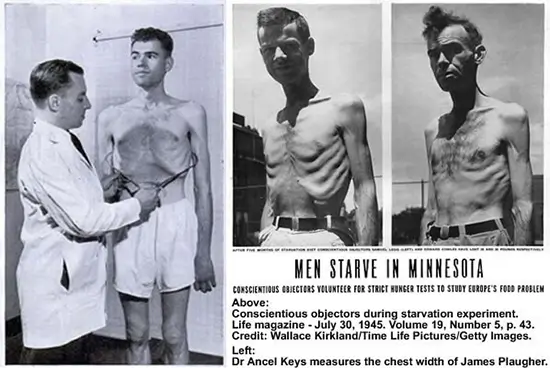
Das Minnesota Hunger Experiment: Warum Diäten dick machen. Die Psychologie des Hungers.
Eine der ersten wissenschaftlichen Studien darüber, welche Auswirkungen Hunger auf den Geist hat, wurde in einer Studie der University of Minnesota aus dem Jahr 1944 beobachtet, die als „Minnesota Starvation Experiment“ bekannt ist.
Krebs Auswahl des Herausgebers Eiweiß
Die Anatomie von Krebs - Gesundheitsrisikokorrelationen
Etwa 2 % der Krebserkrankungen werden in der Medizin als rein genetisch bedingt angesehen. Das gleiche Verbreitungsgebiet wie im Tierreich. Dir wurde nicht die ganze Wahrheit gesagt.
Auswahl des Herausgebers Vegane Diät
Nährstoffmangel Bei Veganer Ernährung: Präventionsstrategien
Es gibt neun bevölkerungsweit verbreitete Nährstoffmängel, die Menschen betreffen, die sich pflanzlich ernähren. Wenn einige Mängel nicht rechtzeitig behoben werden, haben sie schreckliche und nicht behandelbare Folgen.
Auswahl des Herausgebers Milch Optimale Ernährung
Milch und Milchprodukte: Gesundheitsrisikokorrelationen
Bekannte Zusammenhänge mit Milch und Milchkonsum sind Unfruchtbarkeit, Eierstock- und Brustkrebs, Leukämie, Diabetes Typ 1, Autismus, Arteriosklerose, Katarakt, rheumatoide Arthritis, Multiple Sklerose, Hyperaktivität, Stauung, Pickel und mehr …
Neuestes von PubMed, #pflanzliche Ernährung –
- Plant-Based Functional Formulae Mitigate Western Diet-Induced MASLD by Modulating Hepatic Oxidative Stress, Inflammation as Well as Nrf-2/HO-1 and NF-kappaB Gene Expressionvon Rasha S Mohamed am Oktober 16, 2026
Psyllium has long been used to improve satiety and control weight. Leek and dill leaves are abundant in bioactive substances that have been confirmed to have anti-inflammatory and antioxidant properties. Our goal was to assess the hepatoprotective effects of two formulae (dill and psyllium or leek and psyllium) against oxidative stress and inflammatory markers in a metabolic dysfunction-associated steatotic liver disease (MASLD) rat model. Twenty four rats were used in this study. Rats were…
- Bioactive Ingredients in the Mediterranean Diet for Hepatic Health: In Vitro Evaluation of Selected Extracts Against Non-Alcoholic Steatosisvon Valentina Vassallo am Oktober 16, 2026
Natural products derived from the Mediterranean diet have attracted considerable interest as potential drug leads owing to their antioxidant and anti-inflammatory properties, as well as their beneficial effects on metabolic disorders such as non-alcoholic fatty liver disease (NAFLD). This study investigated the individual and combined effects of carvacrol, thymol, basil essential oil, and lycopene in an in vitro HepG2 model of hepatic steatosis. Their antioxidant activity was first confirmed […]
- Dietary Phytochemical Index and Fasting Plasma Glucose in Adults with Type 2 Diabetes: A Cross-Sectional Studyvon Stavroula Maria Konstantopoulou am Oktober 16, 2026
Background/Objectives: Type 2 diabetes mellitus (T2D) is a major public health challenge. Phytochemicals have gained attention for their potential role in glucose regulation. This study aimed to investigate the association between dietary phytochemical intake, assessed using the Dietary Phytochemical Index (DPI), and fasting plasma glucose in adults with established T2D. Methods: A cross-sectional study was conducted among 340 adults with T2D attending the Diabetes Clinic of the General […]
- Toxicological Evaluation of Zingiber purpureum Extract and Its Effects on Gut Microbiota in Zebrafishvon Nisamanee Charoenchon am Oktober 16, 2026
Zingiber purpureum Roscoe (Phlai) is renowned in Southeast Asia for its anti-inflammatory, antioxidant, and antibacterial activities, yet its safety and effects on gut health in vivo are not well characterized. This study investigated the biological effects of ethanolic-soluble Phlai extract (ESPE) in zebrafish (Danio rerio), focusing on chemical marker standardization in phenylbutanoids and cucurminoids, developmental toxicity, gut microbiota investigation, and tissue histopathology. […]
- Trendy, but Are They Safe? Current Popular Diets and Their Use in Inflammatory Bowel Diseases: Narrative Reviewvon Klara Szwarc am Oktober 16, 2026
Inflammatory bowel disease (IBD) arises from the interplay between genetic susceptibility, immune dysregulation, microbiota, and environmental exposures, with diet potentially contributing to both pathogenesis and management. Patients frequently modify their diet independently, often using different strategies during remission and active symptoms. This narrative review synthesises evidence on patient-accessible dietary patterns and selected structured nutritional therapies across five […]
- Promoting the Mediterranean Diet in the Workplace: An Observational Cross-Sectional Studyvon Nicola Magnavita am Oktober 16, 2026
Background/Objectives: The Mediterranean diet (MD) is a set of customs and eating habits developed in countries bordering the Mediterranean Sea thousands of years ago. These habits are frequently proposed as a complement to pharmacological therapies for chronic diseases and could also counteract their onset. This study aimed to investigate adherence to the MD in workers from 22 companies in Latium (Italy) and to evaluate the association of diet with workers’ health. Methods: Workers […]