







Água Destilada Para Beber- Ajuda à Desintoxicação ou Um Veneno Mortal?
Há muita desinformação sobre as propriedades desintoxicantes da água e da água destilada em particular. Que tem a ciência a dizer sobre o assunto?
Milos Pokimica
Escrito por: Milos Pokimica
Revisto Clinicamente Por: Dr. Xiùying Wáng, M.D.
Atualizado em 4 de agosto de 2023Há muita desinformação sobre as propriedades desintoxicantes da água e da água destilada em particular. Lidar com água desmineralizada também pode ter efeitos adversos. Não é algo que as pessoas comuns devam fazer se não compreenderem completamente a totalidade do processo primeiro. Quantas pessoas sabem que a água destilada não conduz electricidade? Até tem um potencial de carga magnética diferente da água dura e é exactamente esta carga magnética que pode ajudar em certa medida com a eliminação de substâncias tóxicas, mas a questão mais importante não é as propriedades desintoxicantes da água desmineralizada. É sim, mas é também evitando toda a carga tóxica que vem junto com a água regularmente poluída. A purificação da água é um grande negócio.
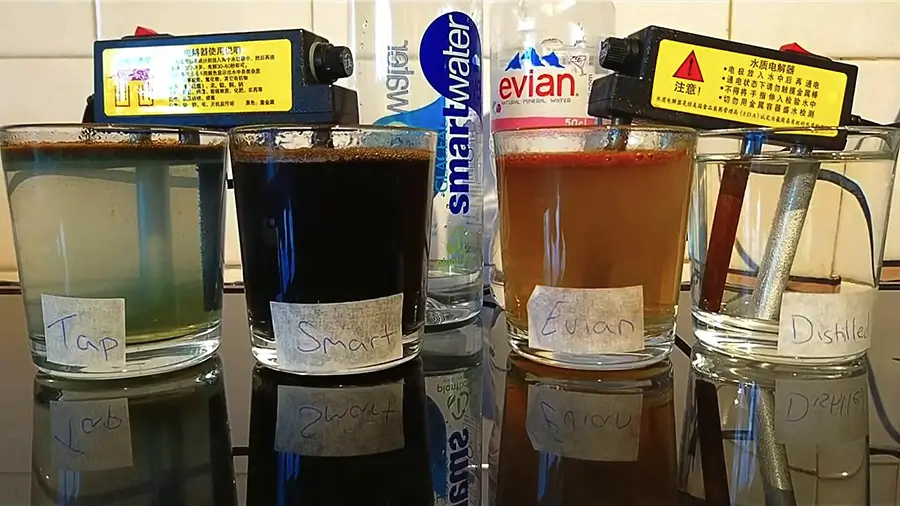
Além disso, não é antinatural. Todas as nuvens do mundo são água destilada. A chuva e a neve também. Não se trata de um químico produzido em laboratório como a Coca-Cola. É apenas água pura H2O sem mais nada nela.
No corpo humano, a água funciona como um solvente e um meio para o transporte de nutrientes. É também um mecanismo de transporte de produtos residuais. Regula a temperatura corporal, lubrifica as articulações, e tem muitas outras reacções bioquímicas. É a água, apenas a água H2O e não quaisquer outros minerais dissolvidos e em suspensão que desempenham qualquer uma destas funções. É apenas a água.
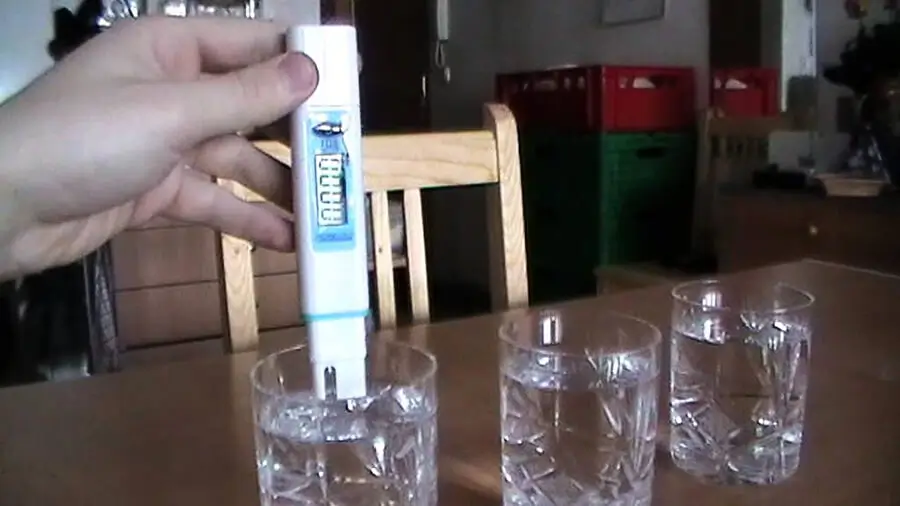
Quando a água é pobre em TDS (total de sólidos dissolvidos), isso significa que não tem demasiados minerais dissolvidos. Se a água for destilada, isso significa que não tem nada para além de H2O. O total de sólidos dissolvidos em água destilada é zero. Também tem diferentes propriedades de carga eléctrica que tornam a água destilada única, de tal forma que tem a capacidade de atrair minerais inorgânicos e toxinas só por si.
A água destilada quer saturar-se a si própria, e isso é uma propriedade que pode ser útil se quiser desintoxicar-se. Acredita-se que a água destilada pode ajudar a detoxification processo através da lavagem do excesso de minerais inorgânicos e toxinas dos depósitos e outras partes do corpo.
Há uma grande diferença entre minerais inorgânicos e orgânicos. Realisticamente, os minerais são apenas metais inorgânicos, pelo que não faz diferença onde se obtêm os minerais. O factor mais importante quando falamos de minerais orgânicos versus inorgânicos não é a composição, é o mesmo metal, mas é o tamanho e a forma em que se encontram. Uma planta retira os minerais artificiais e inorgânicos do solo onde está a crescer que são grandes pedaços de metal, se gostar dessa analogia. Quando as plantas absorvem minerais inorgânicos do solo pelas raízes, então elas sintetizam-nos, ou se gostarmos de os decompor num tamanho molecular e em formas suficientemente pequenas para fazer funções biológicas regulares na matéria viva.
A água mineral que vem do ribeiro é saturada com moléculas inorgânicas. O tamanho destes minerais não é suficientemente pequeno para realizarmos funções biológicas, pelo que os chamamos inorgânicos, não por serem outra substância molecular, mas apenas porque o tamanho da molécula é demasiado grande. Pense desta forma, na água mineral proveniente dos riachos existem também pequenos pedaços ou rochas que a água quebra, mas não se pode vê-los a olho nu. São pequenos mas não suficientemente pequenos, pelo menos não suficientemente pequenos para serem utilizados como uma forma orgânica de minerais.
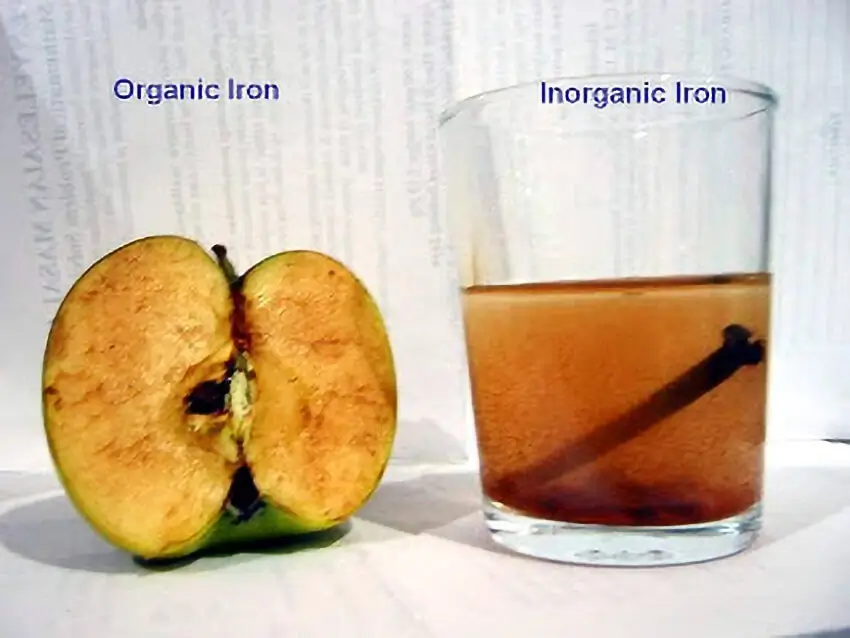
Só há uma forma de o sistema digestivo humano poder decompor minerais maiores e bem ligados em iões utilizáveis, e que é com ácido estomacal. O tempo de trânsito dos alimentos através do estômago é de cerca de uma hora. Se o ião mineral inorgânico não for ionizado durante este pequeno período de tempo e o mineral se mover do ambiente de alta acidez do estômago, não ocorrerá mais nenhuma decomposição benéfica no intestino delgado. Cessam todas as outras avarias. Se o composto mineral inorgânico já for relativamente pequeno, tal como o da água profunda da nascente, pode degradar-se para partículas de escala monoatómica mais pequenas pelo ácido no estômago e ficar biodisponível. Uma vez que os minerais deixados no ambiente ácido do estômago, os restantes minerais não ionizados não têm qualquer utilidade para nós e não estão de modo algum disponíveis para desempenhar quaisquer funções biológicas dentro do nosso corpo, excepto as negativas. Normalmente, eles apenas passam pelo nosso tracto gastrointestinal inutilizáveis. Mas se ingerir grandes pedaços de metais chamados minerais inorgânicos, estes podem acabar na corrente sanguínea em pequenas quantidades. No entanto, podem passar para a corrente sanguínea em grandes quantidades se tiver uma fuga no intestino ou inflamação nos intestinos.
Não serão suficientemente pequenos para se integrarem em células ou fazerem qualquer outra função biológica e criarão depósitos no corpo se o corpo não os remover.
Há especulações não comprovadas de que até receberá do seu médico regular que a água destilada é perigosa para a sua saúde, porque iria sugar minerais do corpo e pode causar algumas deficiências minerais.
A especulação é que a absorção de água extremamente purificada, tratada por destilação, osmose inversa, ou desionização, lixivia minerais do corpo.
Porque existem minerais na água em primeiro lugar, beber água destilada irá criar problemas da mesma forma que, por exemplo, remover a casca do trigo com todos os seus minerais e comer apenas farinha refinada. Dizem que os minerais na água são uma parte necessária da nossa absorção mineral. Foram feitos alguns estudos russos sobre este tópico e estão disponíveis através da Organização Mundial de Saúde. O resumo foi que os fluidos e electrólitos são melhor substituídos por água contendo um mínimo de 100 mg/L de TDS. No entanto, isto só tem relevância em situações específicas em que o corpo humano foi exposto a grande esforço e transpiração. É o mercado das bebidas desportivas e existe apenas uma substância glucose, açúcar normal, que foi adicionada para ajudar os músculos a reconstituir a perda de glicogénio rapidamente e para promover mais energia em exercício prolongado. O TDS baixo ou água desmineralizada não tem nada a ver com isso, e para efeitos de consumo diário de água e de cozinha, é a melhor escolha. O corpo tem os mecanismos para regular dentro de limites muito estreitos as concentrações de minerais (iões) e água, bem como em todas as células e todos os órgãos do corpo.
O órgão que é mais responsável pelo equilíbrio mineral são os rins. Eles mantêm concentrações de iões e não apenas sódio, potássio e cálcio, mas a maioria dos minerais na gama normal durante um processo de eliminação e reabsorção.
Há um processo chamado osmose ou pressão osmótica. Quando os iões de sódio fora da célula e os iões de potássio dentro da célula estão fora de equilíbrio, então a pressão osmótica está fora de equilíbrio. Isso fará com que a água flua através da membrana celular para neutralizar a diferença na pressão osmótica. Quaisquer alterações que possam acontecer numa gama razoável de concentração de iões são ajustadas em alguns segundos porque a água se move rapidamente através das membranas celulares. O consumo de água destilada (0 a 100 mg/L TDS) não tem nada a ver com isso. Se ocorrer alguma alteração no corpo, esta será rapidamente levada ao equilíbrio, sem absolutamente nenhuma consequência. São os rins que na realidade controlam a concentração global dos constituintes dos fluidos corporais e não algumas quantidades minúsculas de minerais inorgânicos em água da torneira. Em média, os rins dos homens filtram cerca de 180 litros de água por dia. Mais de 99% é reabsorvido pela corrente sanguínea e apenas 1,0 a 1,5 litros são eliminados na urina. Se beber água destilada com baixa concentração de iões TDS, os mecanismos de retroalimentação nervosa e hormonal farão com que os rins eliminem a água extra que não é necessária, mantendo assim a concentração de iões no fluido corporal em valores normais. O oposto também é verdadeiro. Se a concentração de iões no fluido a ser filtrado for superior ao normal, o mecanismo homeostático do rim manterá a osmolalidade do fluido normal, retendo água.
É por isso que se incham quando se come demasiado sal e muito pouco potássio. Não é o sódio que constitui um problema. É o sódio sem oposição, porque há falta de potássio no corpo. Quando uma pessoa saudável bebe pouca água TDS, não deve causar quaisquer problemas de saúde.
Deficiências nutricionais significativas podem causar um problema de lixiviação a longo prazo, que é o que o MD irá argumentar.
Quanto é que o consumo diário de um a dois litros de água com baixo teor de TDS causa um problema de lixiviação na realidade? Teremos de analisar isto com mais detalhe.
Se contarmos todos os minerais na água de nascente como orgânicos, eles não serão capazes de compor mais de um par de por cento do total de minerais digeridos. Normalmente, os minerais devem provir dos alimentos, não da água. Beber água de nascente pura e pura da terra não poluída do passado não seria um problema. Agora é. E a água destilada também pode ter alguns benefícios. A OMS tinha feito experiências com voluntários. Os resultados mostraram que quando as pessoas começam a beber água destilada, o aumento da diurese acontece com mais 20% de volume de água corporal, e também as concentrações de soro de sódio diminuem. Assim, excreta-se mais água e perde-se algum sódio. A segunda coisa que foi observada foi a diminuição da concentração de soro de potássio. Resumindo, beber água destilada aumenta a eliminação de sódio, potássio, cloreto, cálcio e iões de magnésio do corpo. A água destilada interage com outro tracto gastrointestinal por osmoreceptores, provocando um aumento do movimento de iões de sódio para a luz intestinal. Isto provocará então uma ligeira redução da pressão osmótica no sangue com o seguinte aumento da descarga de sódio para o sangue como resposta de adaptação. Em resposta, os receptores de volume na corrente sanguínea são activados, induzindo um aumento na eliminação do sódio. Agora, isto não será um problema na natureza, mas especialmente agora não é porque temos o nosso saleiro em cada mesa e isto pode ser realmente benéfico dependendo de quanto sal se come e de quanta água destilada se bebe.
Há um outro problema real com a água desmineralizada, e é por isso que eu disse que é preciso saber o que se está a fazer. Quando utilizada para cozinhar, descobriu-se que a água macia extraía uma quantidade substancial de minerais dos alimentos, independentemente do que seja esse alimento. Em alguns casos, as perdas podem chegar a 60 a 90 por cento. Os números para cálcio e magnésio são cerca de 60 por cento, manganês 70 %, cobre 66 %, cobalto 86 %, e assim por diante. Isto pode representar um problema porque se cozinhar com água macia ou destilada e depois deitar fora essa água, vai perder muito da sua alimentação.
É por isso que você não cozinhar com ela se a água que é utilizada para cozinhar não for consumida. Quando ensopa feijões, por exemplo, utilize água normal. Quando cozinhar feijão utilize água normal ou quando cozinhar qualquer coisa que vá ser enxaguada depois de utilizar água normal.
Em contrapartida, a água destilada A capacidade de extrair nutrientes dos alimentos torna-se algo positivo se você for beber essa água. Quando comemos, não absorvemos todos os nutrientes que estão nos alimentos. Absorvemos alguns deles, mas outros não são absorvidos. É o que absorvemos, não o que comemos. Portanto, usar água macia ou destilada pode ajudar-nos a absorver mais dos alimentos. Por exemplo, use-a para fazer chá. Ou quando quero fazer sopa ou algum outro prato, uso água destilada porque ela extrai os nutrientes dos alimentos e me ajuda a obter mais do mesmo alimento do que a água comum, e sei que ela não contém todos os produtos químicos poluentes. Quando como essa sopa ou bebo chá, já não é mais água destilada. Se eu quiser fazer leite de soja, por exemplo, vou usar o conhecimento sobre a água a meu favor, mergulhando os grãos em água comum e, em seguida, cozinhando-os em água comum, que não lixivia muitos dos nutrientes dos grãos. No entanto, quando eu quiser misturá-los no leite, vou enxaguar os grãos e usar água destilada para misturar, porque quero lixiviar a maioria dos nutrientes dos grãos para fazer o leite. Portanto, mais uma vez, é preciso saber o que se está a fazer. Pessoalmente, não bebo muita água porque bebo muitos sumos de vegetais ao longo do dia e como muitas frutas que são principalmente água, além de toda a água das refeições cozinhadas, por isso não tenho um problema de lixiviação. Gosto da limpeza e do potencial de lixiviação da água destilada para desintoxicação, mas, novamente, não bebo mais do que um ou dois copos por dia. Se beber 2 litros de água porque não come frutas ou vegetais e não come refeições cozinhadas e já tem deficiência de potássio, como 98% de Americanos e depois fazer uma dieta com galões de água destilada desintoxicante poderá ficar num estado mais deficiente do que aquele em que já se encontra. Portanto, mais uma vez não posso dizer-lhe para beber ou não beber, é uma questão mais complexa, e precisa de fazer a sua própria investigação com base na qualidade do conteúdo mineral da sua dieta.
Porque bebo e cozinho com ele é precisamente devido ao seu potencial para lixiviar toxinas e minerais inorgânicos, e minerais regulares que recebo dos alimentos ou mesmo por vezes de suplementos, dependendo da minha dieta. Normalmente tomo de vez em quando iodo e algumas soluções de minerais orgânicos vestigiais. Mais uma coisa sobre a lixiviação de minerais. Não lixiviará quaisquer minerais que já tenham sido integrados nas células. Recolhe apenas minerais que já tenham sido rejeitados ou excretados pelas células. A maior parte dos minerais inorgânicos serão removidos. Têm uma carga eléctrica diferente da orgânica e são eles próprios atraídos para a água destilada pela carga. A água destilada não lixiviará minerais das suas células tecidulares.. Faço análises periódicas ao sangue para ver os níveis de electrólitos e outros minerais, e nunca tive um problema.
E mais uma coisa que é importante. Alguns produtos químicos não são solúveis em água. Esta forma de toxinas lipossolúveis que o corpo não consegue eliminar através da urina. Deve ser eliminada através da fibra nos intestinos. A fibra é o nosso desintoxicante natural para as substâncias químicas lipossolúveis. A desintoxicação sem fibra não é completa. O melhor para desintoxicar é algo que tenha água destilada, todos os minerais e vitaminas, e fibra. Portanto, pode tentar fazer jejum de água destilada com casca de psílio e solução mineral orgânica ou simplesmente comer muitos vegetais orgânicos crus e ter em mente que a desintoxicação também depende da meia-vida das substâncias que já ingeriu. A destilação não remove também todas as toxinas. As toxinas que podem ser transformadas em vapor abaixo de 100 graus Celsius serão destiladas com a água. Estes são normalmente alguns dos pesticidas. Podem ser removidos e muitas vezes os dispositivos de destilação doméstica têm filtros secundários feitos de carbono só por causa disso. Além disso, as partículas radioactivas não se evaporarão porque têm uma temperatura de ebulição mais elevada do que a da água. Para as pessoas que vivem na zona de Fukushima e para que todos os pré-campeiros lá fora saibam que quando chega o Inverno nuclear pode destilar a água e esta perderá toda a radioactividade.
Referências:
Passagens seleccionadas de um livro: Pokimica, Milos. Go Vegan? Revisão da Ciência-Parte 1. Kindle ed., Amazon, 2018.
Publicações Relacionadas

Você tem alguma dúvida sobre saúde e nutrição?
Eu adoraria ouvir de você e respondê-las em meu próximo post. Agradeço sua contribuição e opinião e espero ouvir de você em breve. Eu também convido você a siga-nos no Facebook, Instagram e Pinterest para mais conteúdos sobre dieta, nutrição e saúde. Pode deixar um comentário e ligar-se a outros entusiastas da saúde, partilhar as suas dicas e experiências e obter apoio e encorajamento da nossa equipa e comunidade.
Espero que este post tenha sido informativo e agradável para si e que esteja preparado para aplicar os conhecimentos que aprendeu. Se achou este post útil, por favor partilhá-lo com os seus amigos e familiares que também possam beneficiar com isso. Nunca se sabe quem poderá precisar de alguma orientação e apoio no seu percurso de saúde.
– Você Também Pode Gostar –
Benefícios da Spirulina: Superalimento Rico em Ficocianina

Astaxantina Benefícios: Antioxidante Natural Mais Poderoso do Mundo
Açafrão-da-Terra: Melhorar a Saúde e Benefícios Clínicos
Os Peixes São Animais? Uma Perspetiva Cultural
Consumo Optimo de Antioxidantes: Ingestão Recomendada de Unidades ORAC
Casa de extração de petróleo - A técnica secreta de densidade de nutrientes
Deficiências de Nutrientes na Dieta Vegana: Estratégias de Prevenção

Vitamina D - a Mais do que os seus ossos

Aprender Sobre Nutrição

Milos Pokimica é médico de medicina natural, nutricionista clínico, escritor de saúde e nutrição médica, e conselheiro em ciências nutricionais. Autor da série de livros Go Vegan? Revisão de Ciênciaopera também o website de saúde natural GoVeganWay.com
Medical Disclaimer
GoVeganWay.com traz análises das pesquisas mais recentes sobre nutrição e saúde. As informações fornecidas representam a opinião pessoal do autor e não pretendem nem implicam substituir aconselhamento, diagnóstico ou tratamento médico profissional. As informações fornecidas são apenas para fins informativos e não se destinam a servir como substituto para consulta, diagnóstico e/ou tratamento médico de um médico ou profissional de saúde qualificado.NUNCA DESCONSIDERE o CONSELHO MÉDICO PROFISSIONAL OU adiar a BUSCA de TRATAMENTO MÉDICO por causa DE ALGO QUE TENHA LIDO OU ACESSADO por MEIO de GoVeganWay.com
NUNCA APLIQUE QUAISQUER MUDANÇAS de estilo de VIDA OU QUALQUER MUDANÇA COMO UMA CONSEQUÊNCIA DE ALGO QUE TENHA LIDO NO GoVeganWay.com ANTES de CONSULTORIA de LICENÇA MÉDICA.
No caso de uma emergência médica, ligue para o médico ou para o 911 imediatamente. GoVeganWay.com não recomenda ou endossa qualquer específicos, grupos, organizações, exames, médicos, produtos, procedimentos, opiniões ou outras informações que podem ser mencionadas dentro.
Sugestões do Editor –
Câncer Editor De Picaretas Fitoquímicos
Poder Anticancerígeno das Frutas e Legumes: Evidências Clínicas e in Vivo
Alguns extractos vegetais rivalizam com os principais medicamentos de quimioterapia e, ao mesmo tempo, visam vários tipos diferentes de células cancerígenas.
Antioxidantes Editor De Picaretas ORAC
Óleos Essenciais Como Suplementos Antioxidantes: Regras e Estratégias
Os óleos essenciais de qualidade alimentar podem ser uma estratégia conveniente e amiga do consumidor para optimizar o valor antioxidante e a pontuação ORAC da nossa dieta.
Antioxidantes Editor De Picaretas ORAC
Dieta Rica em Antioxidantes: Regras e Estratégias Gerais
Existem estratégias fáceis e económicas para optimizar o valor antioxidante da nossa dieta.
Antioxidantes Editor De Picaretas ORAC
Compreender os Valores ORAC: Níveis de Antioxidantes nos Alimentos
Quando a sua principal fonte de antioxidantes é o café, sabe que tem um problema grave.

Antioxidantes Editor De Picaretas ORAC
Astaxantina Benefícios: Antioxidante Natural Mais Poderoso do Mundo
A astaxantina é o mais poderoso e natural antioxidante universal (tanto o petróleo e a água-solúvel) desconhecido para a ciência. Ele se acumula nos tecidos e Ele nunca pode transformar-se em um pró-oxidante.
Antioxidantes Editor De Picaretas ORAC Fitoquímicos
Antioxidantes: Compreender os Princípios Básicos
Los productos de origen animal no contienen fitoquímicos ni antioxidantes. Por término medio, los alimentos vegetales contienen más de 60 veces más antioxidantes que los de origen animal.
Editor De Picaretas A Dieta Vegetariana
Deficiências de Nutrientes na Dieta Vegana: Estratégias de Prevenção
Existem nove deficiências comuns de nutrientes na escala populacional que afectam as pessoas que se alimentam de uma dieta à base de plantas. Se não forem corrigidas a tempo, algumas deficiências têm consequências terríveis e não tratáveis.
Editor De Picaretas Alimentação Ideal
Deficiência de Micronutrientes na Dieta Americana Padrão: Estratégias de Otimização
O perfil nutricional da nossa dieta moderna à base de carne, açúcar e alimentos processados é completamente incongruente com a nossa evolução, resultando numa grave deficiência de micronutrientes.
Editor De Picaretas Fitoquímicos
Fitoquímicos: Conceitos Básicos
Cada fitoquímico que existe tem uma acção biológica no corpo humano. Cada um de milhões de diferentes fitoquímicos.
Editor De Picaretas Leite Alimentação Ideal
Leite e Lacticínios: Correlações de Risco Para a Saúde
As associações conhecidas com o consumo de leite e laticínios são infertilidade, câncer de ovário e de mama, leucemia, diabetes tipo 1, autismo, arteriosclerose, catarata, artrite reumatóide, esclerose múltipla, hiperatividade, congestão, espinhas e muito mais…
Câncer Editor De Picaretas Proteína
Proteína Completa: Sinalização do IGF-1 na Formação do Cancro
Quando você comer proteína animal que tem quatro vezes a chance de desenvolver todos os tipos de câncer. Quando você fuma tem quatro vezes a chance de desenvolver câncer de pulmão.

Câncer Editor De Picaretas Proteína
A Anatomia do Câncer de risco para a Saúde correlações
Cerca de 2% dos cânceres são, pela medicina, considerados puramente causados por fatores genéticos. A mesma faixa do reino animal. Você não foi informado de toda a verdade.
Milos Pokimica é escritor especializado em saúde e nutrição e consultor em ciências nutricionais. Autor da série de livros Go Vegan? Revisão de Ciênciaopera também o website de saúde natural GoVeganWay.com
Artigos Mais Recentes -
Restrição De Calorias Longevidade
Como Fazer Jejum: Alimentos em Jejum que Não Quebram a Autofagia
Autofagia. Você já se perguntou o que acontece com as células do seu corpo quando elas morrem ou são danificadas? Eles simplesmente se acumulam e criam problemas ou são eliminados de alguma forma? A resposta é que seu corpo…
Saúde Dentária Prevenção
Dentes Sensíveis a Doces e Dor: Solução Rápida e Duradoura
Uma solução rápida e fácil para o alívio da dor é o óleo essencial de cravinho, um poderoso antioxidante e analgésico que pode ajudar com doenças das gengivas e dores de dentes.
Feijão
Feijão Verde: Benefícios Nutricionais e Para a Saúde
O feijão verde tem poucas calorias e é rico em compostos naturais que podem ajudá-lo a controlar o açúcar no sangue, a reduzir o colesterol e a combater os radicais livres.
Dieta de alimentos crus A Dieta Vegetariana
Pode-se Comer Cogumelos Crus: Riscos Para a Saúde, Nutrição e Segurança
Os cogumelos têm toxinas sensíveis ao calor, como a hidrazina ou a agaritina, e paredes celulares feitas de quitina que não podem ser bem digeridas pelos seres humanos.
A Dieta Vegetariana
Os Peixes São Animais? Uma Perspetiva Cultural
Em algumas culturas, a carne de peixe não é considerada carne e o peixe é permitido mesmo durante o jejum.

Saúde Dentária Prevenção
Enxaguante bucal natural caseiro: comprovado, mais forte e menos tóxico
O elixir bucal natural caseiro é mais forte do que a clorexidina, menos tóxico e, se ingerido, pode provocar algumas náuseas, mas também tem um elevado valor ORAC.
Saúde Dentária Prevenção
Como Parar a Cárie Dentária: Sintomas, Causas e Prevenção
Consumo de açúcar é a principal causa de cáries e a cárie dentária, combinado com deficiência de minerais, especialmente o magnésio, o zinco, o cobre e elementos-traço.
Antioxidantes Superalimentos
Amla: Benefícios Comprovados, Nutrição e Significado Clínico
O amla é um dos antioxidantes mais poderosos do mundo, com uma pontuação ORAC de 261.530. É uma fonte rica de fitoquímicos que têm vários benefícios para a saúde.
Superior De Saúde De Notícias — ScienceDaily
- Eating more meat may lower Alzheimer’s risk for some peopleon Abril 2, 2026
A surprising new study suggests that genetics may change how diet affects brain health—especially when it comes to Alzheimer’s risk. Researchers found that older adults carrying high-risk APOE gene variants didn’t show the expected cognitive decline if they ate relatively high amounts of meat. In fact, those with these genes who consumed the most meat had slower cognitive decline and lower dementia risk, challenging conventional dietary advice.
- Breakthrough could protect the vision cells that let you see faces and colorson Abril 2, 2026
Scientists have taken a major step toward protecting the very cells that make sharp, colorful vision possible. By testing more than 2,700 compounds in thousands of lab-grown human retinal models, researchers uncovered several molecules that can shield cone photoreceptors—the cells responsible for reading, recognizing faces, and seeing color—from degeneration. They also identified a key protective mechanism involving casein kinase 1, offering a promising new target for treatment.
- This simple Japanese eating habit could help you live longer without dietingon Abril 2, 2026
Hara hachi bu, a traditional Japanese practice of eating until you’re about 80% full, is gaining attention as a simple yet powerful way to improve health and reshape our relationship with food. Rather than promoting strict dieting, it encourages slowing down, tuning into hunger cues, and eating with awareness and gratitude. Research suggests it may help reduce calorie intake, support healthier food choices, and prevent long-term weight gain.
- Scientists discover “molecular shredder” that helps deadly parasite evade the immune systemon Abril 2, 2026
A deadly parasite responsible for sleeping sickness has been found using a surprisingly precise trick to stay hidden in the human bloodstream. Scientists discovered a protein called ESB2 that acts like a “molecular shredder,” cutting up specific genetic instructions as they are produced. This allows the parasite to flood its surface with protective proteins while suppressing other signals that might give it away.
- What’s hiding inside colon cancer could change treatmenton Abril 2, 2026
Colorectal cancer may carry a unique microbial “fingerprint,” setting it apart from other cancers and opening a new frontier in diagnosis and treatment. By analyzing DNA from over 9,000 patients, researchers discovered that only colorectal tumors consistently host distinct microbial communities—challenging the long-held belief that all cancers have their own microbial signatures.
- Millions start work too early. This drug helps them stay awakeon Abril 1, 2026
Millions of people start work before sunrise—but their brains aren’t ready for it. A new clinical trial has found that the wake-promoting drug solriamfetol can significantly boost alertness in early-morning shift workers struggling with shift work disorder. Participants who took the drug were able to stay awake and function better throughout full shifts, with improvements in productivity, safety, and daily performance.
- Scientists discover hidden “winds” inside cells that could explain cancer spreadon Abril 1, 2026
Cells aren’t as passive as scientists once thought—they actively create internal currents to move proteins quickly and efficiently. These “cellular winds” push materials to the front of the cell, enabling faster movement and repair. Discovered by chance and confirmed with advanced imaging, this system challenges decades of textbook biology. It may also reveal why some cancer cells spread so rapidly.
PubMed, #vegan-dieta –
- Nutritional lifestyle and «production animal» tracking during veterinary curriculumon Março 31, 2026
Veterinary medicine students are confronted with choosing a specialty track after completing their bachelor›s degree. They can choose between clinical (Livestock (NT), Equine (EQ), Small Animal (KT)) and non-clinical track (Pathobiology, Biomedical Research or Veterinary Public Health (VPH)). Overall, the proportion of vegetarians and vegans in the population has increased in the last few decades. An even higher percentage of vegetarian and vegan lifestyles could be observed among […]
- Comparative cross-sectional study of vegan and omnivorous diets and their impact on cardiac function among endurance athleteson Março 30, 2026
Vegan and omnivorous diets are both common in endurance sport; however, the chronic effects of these diets on cardiac function remain uncertain. Therefore, it is of interest to compare echocardiographic, vascular and exercise performance between endurance athletes on vegan or omnivorous diets. Data shows there is comparable systolic function; however, vegans displayed superior diastolic function and arterial compliance; whilst omnivores maintained higher hemoglobin and ferritin levels. Thus, […]
- Environmental Sustainability and Chronic Disease Outcomes Across Four Sustainable Dietary Patternson Março 29, 2026
Global food consumption patterns have undergone substantial transformation in recent decades, driven by rapid population growth and the consequent intensification of agricultural production. This growth, however, has come at significant environmental cost. As food consumption practices play a central role in shaping these impacts, shifts toward environmentally sustainable diets-typically characterized by greater reliance on plant-based foods-have been proposed as a viable mitigation strategy….
- Plant-Based Dietary Patterns and Neuroimaging Biomarkers of Brain Health: A Scoping Review of Observational and Interventional Evidenceon Março 23, 2026
Healthy dietary interventions are well established in cardiovascular disease prevention, but their effects on the brain remain underexplored. This scoping review aims to investigate how adherence to core components of a whole-food plant-based diet (WFPBD) may impact neuroimaging outcomes across different brain conditions. We searched PubMed and MEDLINE for studies published in the past 20 years evaluating the effects of a predominantly or exclusively WFPBD, alone or combined with other […]
- Environmental and economic impact of a vegan versus traditional mediterranean diet: OMNIVEG studyon Março 17, 2026
CONCLUSIONS: Replacing animal products with plant-based foods in a Mediterranean dietary framework can enhance environmental sustainability and reduce food costs. These findings support the promotion of whole plant-based diets as a viable strategy for sustainable and affordable nutrition.
Postagens aleatórias –
Câncer Editor De Picaretas Proteína
A Anatomia do Câncer de risco para a Saúde correlações
Cerca de 2% dos cânceres são, pela medicina, considerados puramente causados por fatores genéticos. A mesma faixa do reino animal. Você não foi informado de toda a verdade.
Antioxidantes Nootrópicos
Azul de Metileno: Usos Terapêuticos e Significado Clínico
Azul de metileno é um poderoso antioxidante sintético. Ele melhora a função mitocondrial e a capacidade de nossas células para produzir energia.
Editor De Picaretas Alimentação Ideal
Dieta Humana Optima- Doenças Crónicas, Guerras Alimentares e o Argumento Vegan
Nossa dieta humana natural ideal é aquela que nossos ancestrais hominídeos comiam nos últimos 30 milhões de anos, e não os humanos anatomicamente modernos da Idade da Pedra.
Desintoxicação Toxicidade
Desintoxicação – Uma Revisão Científica
Existem programas de dieta projetado para ajudar a reduzir a inflamação e do corpo em geral toxicidade e aumento de desintoxicação que são apoiadas pela ciência.

Longevidade Alimentação Ideal A Dieta Vegetariana
Deficiência de B12 e Declínio Cognitivo: Estratégias de Optimização da Homocisteína
As vitaminas que regulam os níveis de homocisteína são B12, folato, e B6. A maioria dos não-vegetanos recebe B12 suficiente mas não folato suficiente enquanto os veganos recebem mais folato mas não têm nenhum B12 se não forem suplementados.
A Inflamação
Dieta de Baixa Histamina e Intolerância à Histamina: Guia Completo
Uma forma de gerir a intolerância à histamina é seguir uma dieta pobre em histamina. Isto significa evitar alimentos ricos em histamina ou que possam desencadear a sua libertação.
Diabetes Editor De Picaretas
A Diabetes provoca e carboidratos refinados - vegan argumento
As pessoas acreditam que os carboidratos refinados estão associadas com picos de insulina e o diabetes provoca. Eles estão certos. No entanto, eles também estão errados.
Antioxidantes
Vitamina C Intravenosa no Tratamento da Gripe: Prova viva da Prática Clínica
Quando se quer administrar vitamina C por via intravenosa no hospital, não se diz ao médico. Em vez disso, diz ao seu advogado para dizer ao seu médico, por escrito.
A Dieta Vegetariana
Os Peixes São Animais? Uma Perspetiva Cultural
Em algumas culturas, a carne de peixe não é considerada carne e o peixe é permitido mesmo durante o jejum.

Atividade Física Prevenção
Exercício - Por que exatamente o que é necessário?
Na comunidade de saúde, o exercício tem quase um status mítico como uma das melhores coisas que você pode fazer por si mesmo, exceto para evitar fumar.

Postagens em destaque –
Antioxidantes Editor De Picaretas ORAC Fitoquímicos
Antioxidantes: Compreender os Princípios Básicos
Los productos de origen animal no contienen fitoquímicos ni antioxidantes. Por término medio, los alimentos vegetales contienen más de 60 veces más antioxidantes que los de origen animal.
Editor De Picaretas Fitoquímicos
Fitoquímicos: Conceitos Básicos
Cada fitoquímico que existe tem uma acção biológica no corpo humano. Cada um de milhões de diferentes fitoquímicos.

Câncer Editor De Picaretas Toxicidade
Exposição a Pesticidas em Crianças: Testes de Exposição na Vida Real
Crianças e, principalmente, as mulheres grávidas são mais vulneráveis à exposição aos pesticidas. Se analisarmos do mundo real, os níveis de exposição em cenários da vida real, qual seria o resultado?

A Medicina Alopática Câncer Editor De Picaretas
Câncer, O que é Proibido Curas-máquina de Rife, análise de Histórico
A taxa de recuperação para pacientes que têm não-tratáveis câncer e foram declarou doente terminal, utilizando Repleto de Máquina de ressonância tecnologia foi de 100%.
Editor De Picaretas Prevenção Toxicidade
Toxicidade Ambiental- É Apenas Uma Cadeia Alimentar
Toxicidade ambiental é a bioacumulação de toxinas. Organismos são filtros. Mas há mais ainda piores processo chamado de biomagnificação na cadeia alimentar.
Editor De Picaretas A Dieta Vegetariana
Deficiências de Nutrientes na Dieta Vegana: Estratégias de Prevenção
Existem nove deficiências comuns de nutrientes na escala populacional que afectam as pessoas que se alimentam de uma dieta à base de plantas. Se não forem corrigidas a tempo, algumas deficiências têm consequências terríveis e não tratáveis.

Diabetes Editor De Picaretas Alimentação Ideal
Açúcar Refinado: Compreender os Riscos
As crianças consomem cerca de um quinto do total de suas necessidades energéticas a partir de apenas o açúcar refinado. Se somarmos a gordura e o resto da nutrição privação de alimentos processados para a lista torna-se uma nutrição completa pesadelo.
Editor De Picaretas A Obesidade Alimentação Ideal
Causa da Obesidade - Desadaptação ou vício
Qual é a causa da epidemia de obesidade? Para toda a vida na Terra, a comida não é uma escolha. A coisa mais difícil para o animal no deserto é o ganho de peso.

Editor De Picaretas A Obesidade
Binge eating disorder - A psicologia da fome
Na natureza, não é refinado, açúcar ou gordura. O nosso cérebro nunca havia sido exposta a uma combinação dos dois de uma vez, forçando-nos em binge eating disorder.

Editor De Picaretas Prevenção A Dieta Vegetariana
China estudo - vegan argumento
China estudo mostrou que não há nenhuma doença cardíaca ou câncer ou diabetes em subdesenvolvido comunidades rurais em todo o mundo com base de amido de dietas veganas.
Últimas do PubMed, #dieta baseada em vegetais –
- Genetically Modified Foods: Have They Reduced Cardiovascular Risk?por Michael E Kaiser on Abril 2, 2026
Genetically modified organisms (GMOs) have been the subject of much debate due to their potential impact on human health, and in particular cardiovascular disease (CVD), the leading contributor to death worldwide. Although GMOs are used to improve agricultural properties, emerging nutritional engineering focuses on modifying food composition to produce foods high in polyunsaturated fatty acids, with the potential to correct an imbalance between omega-6 and omega-3 fatty acids and decrease the…
- Associations between source-specific nitrate and nitrite intakes and metabolic dysfunction-associated steatotic liver disease in two prospective cohortspor Nicola P Bondonno on Abril 2, 2026
CONCLUSION: The health impact of nitrate and nitrite depends on source: moderate plant-sourced intakes (∼1 cup baby spinach/day) were linked to lower MASLD rates, while higher intakes from animal and additive sources were associated with higher rates.
- Environmental and dietary triggers of hyperuricemia in chronic kidney disease: A cardiovascular perspectivepor Mohammed AbuBaha on Abril 1, 2026
CONCLUSIONS: An integrated approach is required to manage hyperuricemia in CKD. Lifestyle strategies, including reducing dietary fructose, limiting alcohol, and adopting plant-forward diets, may lower serum urate, while mitigating environmental exposures may help preserve renal function. Pharmacotherapy should be individualized based on comorbidities and risk profiles. Despite supportive mechanistic and observational evidence, randomized trials remain inconclusive, highlighting the need for…
- Moderate Wine Consumption, Defined by the Mediterranean Diet, Is Associated With Delayed Biological Aging in Men From the Moli-sani Studypor Simona Esposito on Abril 1, 2026
CONCLUSION: Moderate wine consumption, but not overall ethanol intake, may contribute to slower biological aging in men.
- Microbiota-accessible carbohydrates enhance gut microbiota stability and antibiotic resilience through production of quorum sensing molecule AI-2por Robert Keskey on Abril 1, 2026
Dietary fiber and fat shape the gut microbiota and human health, yet their role in modulating the response of the microbiota to antibiotics remains underexplored. We hypothesized that dietary fiber, independent of fat content, mitigates antibiotic-induced weight loss and diarrhea in a microbiota-dependent manner. Mice were fed refined diets varying in fat and fiber contents for 6 weeks, compared to a standard plant-based chow diet. Following antibiotic administration, fiber consumption…
- Sociodemographic disparities in adherence to the Planetary Health Diet Index in Peru: Evidence from the National Food and Nutrition Survey 2017-2018por Katherine Curi-Quinto on Abril 1, 2026
CONCLUSIONS: Peruvian adults’ diets showed low adherence to the PHDI and characterized by pronounced subnational disparities, underscoring the need for food system transformation toward equitable, healthy, sustainable, and nutritionally adequate diets.