







Intolerância à Lactose - 65% de chance de você ter
As pessoas de ascendência europeia podem beber leite e o resto do globo tem intolerância à lactose. No entanto, existem substâncias no leite que nenhum de nós pode tolerar.
Milos Pokimica
Escrito por: Milos Pokimica
Revisto Clinicamente Por: Dr. Xiùying Wáng, M.D.
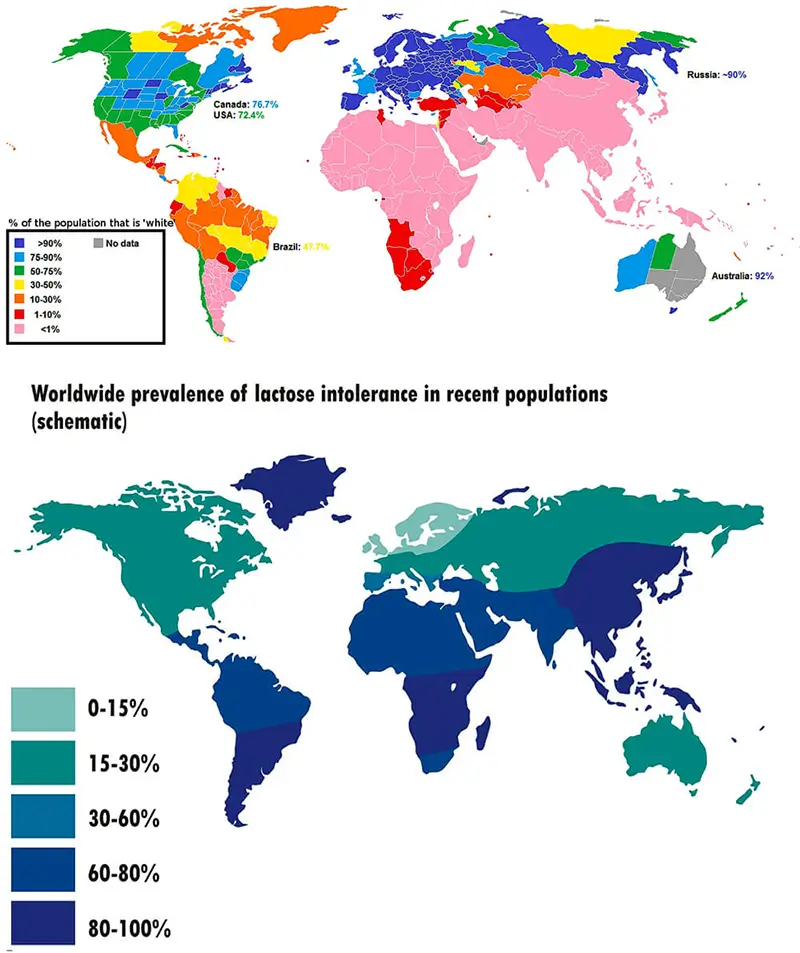
Actualizado em 7 de Maio de 2023As pessoas de ascendência europeia podem beber leite e o resto do globo tem intolerância à lactose. Os negros africanos são 98% intolerantes à lactose e os números relativos à intolerância à lactose na Ásia são semelhantes (Ugidos-Rodríguez et al.)[1].
A investigação científica confirmou em diferentes estudos do genoma europeu antigo que os caçadores-colectores na Europa não conseguiam digerir a lactose no leite há 8000 anos atrás. Os primeiros europeus que domesticaram animais selvagens também não conseguiam consumir leite. Os colonos que vieram do Próximo Oriente há cerca de 7800 anos também tinham intolerância à lactose. Os pastores Yamnaya que vieram para a Europa das estepes orientais há cerca de 4800 anos atrás também tinham intolerância à lactose.
Foi só por volta de 2300 a.C., há cerca de 4300 anos, no início da Idade do Bronze, que a tolerância à lactose se espalhou pela Europa (Gamba et al.)[2]. Quando olhamos para o mundo actual, a maioria da população ainda não consegue digerir o leite. Se os indivíduos intolerantes à lactose consumirem produtos que contenham lactose, podem sentir inchaço, náuseas, dores abdominais, flatulência e diarreia.
A lactose é dividida num açúcar normal utilizável por uma enzima específica chamada lactase, criada por células no revestimento da parede do intestino delgado (Storhaug et al.)[3]. A produção de lactase é desactivada nos mamíferos na idade adulta porque os mamíferos amamentam apenas nos primeiros períodos após o nascimento. Mais tarde na vida, em condições médias, não é necessário ter esta enzima porque nenhum mamífero voltará a amamentar, excepto os humanos. As espécies adultas de mamíferos não amamentam, e o organismo está adaptado a desligar as enzimas para poupar energia. Ao domesticar animais selvagens e ordenhá-los, os primeiros agricultores alteraram as condições do seu habitat e, com o tempo, os organismos adaptaram-se.
Hoje em dia, só os descendentes de agricultores europeus podem ainda digerir leite. Os negros africanos não podem. Os asiáticos não podem. A estatística da intolerância à lactose é a seguinte. Aproximadamente 65% de toda a população humana tem uma capacidade reduzida de digerir a lactose após a infância. Em comparação, 5 por cento das pessoas de descendência do Norte da Europa são intolerantes à lactose.
Há, contudo, muitas substâncias no leite que não podemos tolerar. Mesmo que sejamos de países que são rainhas dos lacticínios, ainda não conseguimos lidar muito bem com coisas como o colesterol, uma forma de morfina Lacto chamada casomorfina, e estradiol (o consumo de lacticínios representa 60 a 80 por cento de todo o estrogénio consumido no típico dieta americana). Os opiáceos do leite materno produzem um efeito sedativo no lactente. Esse efeito sedativo é responsável por uma boa medida da ligação mãe-infantil. O leite tem um efeito semelhante ao do medicamento sobre o bebé (ou outros mamíferos filhotes), e garante que o bebé se ligará à mãe e prosseguirá para a enfermeira e obterá os nutrientes. É uma adaptação evolutivamente benéfica. Semelhante à heroína ou à codeína, as casomorfinas retardam os movimentos intestinais e têm um efeito antidiarreico. O efeito opiáceo é a razão pela qual o queijo pode ser constipante, tal como os analgésicos opiáceos.
A lactase é uma enzima que permite ao organismo digerir o açúcar do leite, e que o açúcar é lactose. Os dinamarqueses são apenas 2% intolerantes à lactose.
Todos os mamíferos após a rejeição da sucção são deficientes em lactase. Não têm contacto com o leite mais tarde na vida. As reacções de qualquer organismo que não precise de utilizar a lactose de açúcar na idade adulta são de desactivar a enzima lactase para que a enzima lactase seja desactivada ao nível dos genes. Excepto para os agricultores europeus, que forçaram os seus corpos durante milhares de anos a consumi-la.
Assim, actualmente, os dinamarqueses são apenas 2% não tolerantes, os finlandeses 18%, os indianos 50%, os judeus israelitas 58%, os afro-americanos 70%, os judeus Ashkenazi 78%, os árabes 78%, os taiwaneses 85%, os cipriotas gregos 85%, os japoneses 85%, os tailandeses 90%, os filipinos 90%, os africanos negros mais de 90% (Storhaug et al.)[3]. A OMS aumentou esse número, dizendo que é de cerca de 95% a 100%, para os indianos 90 a 100, para os asiáticos 90 a 95, para os mediterrânicos 60 a 75 e para os norte-americanos 10 a 15 e para os europeus 5 a 10 por cento.
O verdadeiro problema é que mesmo que sejamos tolerantes à lactose, esta é metabolizada de uma forma não natural e não se destina a ser consumida durante um período de tempo prolongado. Temos a enzima lactase que quebra a lactose do açúcar na dextrose e na galactose. Metade é glicose e a outra metade é galactose.
No entanto, a galactose não pode ser utilizada até ser digerida em glucose. As células só utilizam a glicose como combustível. Existe uma enzima chamada beta-galactosidase que transforma a galactose em glicose que precisamos. No entanto, como nenhum animal necessita desta enzima após rejeição, esta enzima é desactivada para sempre. Todos, todos os humanos no planeta Terra, se for um indivíduo adulto, têm deficiência de galactosidase. Todos vocês que estão a ler isto agora e eu tenho uma deficiência de beta-galactosidase. Isto significa que se consumirem açúcar do leite, o que significa lactose, se forem tolerantes à lactose, podem utilizá-la, têm lactase. A lactase metaboliza a lactose e irá receber glucose e, além disso, galactose. A glicose será utilizada normalmente. E com a galactose, o que vamos fazer? Não podemos utilizá-la, para onde vai a galactose?
Parte dela é ejectada para fora através da pele. Alguns acabam nos olhos e são armazenados na córnea. As cataratas dos idosos provêm da galactose. Os adultos que consomem grandes quantidades de leite, e têm uma elevada actividade de lactase, sofrem frequentemente de acumulação de galactose de galactitol no lóbulo ocular e têm uma elevada probabilidade de cataratas de idosos (4).4].
Não só isso, como também é armazenado no corpo noutros locais. Nas mulheres, acumula-se à volta dos ovários e está associado ao cancro dos ovários e à infertilidade. Um em cada quatro casais recorre a tratamentos de infertilidade nos países europeus. Nos países africanos, onde não se utiliza leite, não há problemas de infertilidade. É uma doença desconhecida. No estudo de Daniel W. Cramer da Harvard Medical School (Mustafa et al.)[5...] uma ligação entre o consumo de galactose e o aumento do risco de cancro nos ovários foi observado. As mulheres intolerantes à lactose são susceptíveis de consumir menos lactose. Elas concluíram que: "Esta descoberta sugere que a diminuição do consumo de lactose no início da vida pode reduzir o risco de cancro nos ovários, embora sejam necessários mais estudos para confirmar esta descoberta". Para as mulheres tailandesas, por exemplo, que não consomem leite, não há infertilidade ao nível de significância estatística. Na Tailândia, onde 98% dos adultos são intolerantes à lactose, a fertilidade média entre as mulheres de 35-39 anos foi apenas 26% inferior à taxa máxima para as idades entre 25-29 anos. Na Austrália e no Reino Unido, onde a intolerância à lactose afecta apenas 5% dos adultos, as taxas de fertilidade entre os 35-39 anos estão 82% abaixo da taxa máxima para os 25-29 anos.
Além dos riscos do consumo de leite em indivíduos tolerantes à lactose, o que acontecerá quando um indivíduo que não é tolerante à lactose beber leite? O açúcar do leite não será digerido. Fará com que a lactose seja decomposta por bactérias nos intestinos. As bactérias vão começar a multiplicar-se, isto aumenta a pressão osmótica, o fluido flui para os intestinos, e o indivíduo fica com diarreia.
Após a Segunda Guerra Mundial, os EUA tinham uma grande reserva de leite em pó que tinham de eliminar de alguma forma. Em vez disso, decidiram que por haver uma "lacuna de proteínas", enviam esse leite em pó para África como ajuda humanitária. Muitas crianças e bebés já subnutridos ficaram com diarreia por causa disso. Os países africanos que receberam leite em pó como ajuda humanitária sofreram um aumento da mortalidade, especialmente em crianças pequenas que já se encontravam ao nível de desnutrição grave.
Referências:
Passagens seleccionadas de um livro: Pokimica, Milos. Go Vegan? Revisão da Ciência-Parte 1. Kindle ed., Amazon, 2018.
- Ugidos-Rodríguez, Santiago, et al. "Lactose Malabsorption and Intolerance: A Review". Alimentação e função, vol. 9, no. 8, Royal Society of Chemistry, Aug. 2018, pp. 4056-68. https://doi.org/10.1039/c8fo00555a.
- Gamba, Cristina et al. "Genome flux and stasis in a five millennium transect of European prehistory." Comunicações da natureza vol. 5 5257. 21 de Outubro de 2014, doi:10.1038/ncomms6257
- Storhaug, Christian Løvold et al. "Country, regional, and global estimates for lactose malabsorption in adults: a systematic review and meta-analysis." A lanceta. Gastroenterologia e hepatologia vol. 2,10 (2017): 738-746. doi:10.1016/S2468-1253(17)30154-1
- Arola, H, e A Tamm. "Metabolismo da lactose no corpo humano". Jornal Escandinavo de Gastroenterologia. Suplemento vol. 202 (1994): 21-5. doi:10.3109/00365529409091741
- Mustafa, Osama M., e Yassine J. Daoud. "A ingestão de leite na dieta está associada à história de extração de catarata em adultos mais velhos? An Analysis From the US Population." Jornal de Oftalmologia, vol. 2020, Hindawi Publishing Corporation, Fev. 2020, pp. 1-7. https://doi.org/10.1155/2020/2562875.
- Merritt, Melissa A et al. "Dairy foods and nutrients in relation to risk of ovarian cancer and major histological subtypes." Revista internacional do cancro vol. 132,5 (2013): 1114-24. doi:10.1002/ijc.27701
Você tem alguma dúvida sobre saúde e nutrição?
Gostaria muito de ouvir a sua opinião e responder-lhes no meu próximo post. Agradeço o vosso contributo e a vossa opinião e aguardo com expetativa a vossa resposta em breve. Convido-vos também a siga-nos no Facebook, Instagram e Pinterest para mais conteúdos sobre dieta, nutrição e saúde. Pode deixar um comentário e ligar-se a outros entusiastas da saúde, partilhar as suas dicas e experiências e obter apoio e encorajamento da nossa equipa e comunidade.
Espero que este post tenha sido informativo e agradável para si e que esteja preparado para aplicar os conhecimentos que aprendeu. Se achou este post útil, por favor partilhá-lo com os seus amigos e familiares que também possam beneficiar com isso. Nunca se sabe quem poderá precisar de alguma orientação e apoio no seu percurso de saúde.
– Você Também Pode Gostar –

A Coca-Cola Company - Revisão Histórica
Os Peixes São Animais? Uma Perspetiva Cultural
Vitamina C Intravenosa no Tratamento do Cancro: 40 Anos de Evidência
Poder Antioxidante das Especiarias: Resultados in Vivo com Dosagens Realistas
Casa de extração de petróleo - A técnica secreta de densidade de nutrientes
Os seres humanos onívoros dilema - o consumo de Carne, bactérias probióticas, a inflamação, e com o intestino
Cozido de Carne - O agente Mutagênico em uma Mordida, Aminas Heterocíclicas Exposição
A exposição à acrilamida - Chips, batatas fritas, e o câncer

Aprender Sobre Nutrição

Milos Pokimica é médico de medicina natural, nutricionista clínico, escritor de saúde e nutrição médica, e conselheiro em ciências nutricionais. Autor da série de livros Go Vegan? Revisão de Ciênciaopera também o website de saúde natural GoVeganWay.com
Medical Disclaimer
GoVeganWay.com traz comentários dos mais recentes a nutrição e a saúde relacionados com a pesquisa. As informações fornecidas representa a opinião pessoal do autor e não pretende nem implícita para ser um substituto para aconselhamento médico profissional, diagnóstico ou tratamento. As informações fornecidas são apenas para fins informativos e não se destina a servir como um substituto para a consulta, o diagnóstico e/ou tratamento médico de um médico qualificado ou prestador de cuidados de saúde.NUNCA DESCONSIDERE o CONSELHO MÉDICO PROFISSIONAL OU adiar a BUSCA de TRATAMENTO MÉDICO por causa DE ALGO QUE TENHA LIDO OU ACESSADO por MEIO de GoVeganWay.com
NUNCA APLIQUE QUAISQUER MUDANÇAS de estilo de VIDA OU QUALQUER MUDANÇA COMO UMA CONSEQUÊNCIA DE ALGO QUE TENHA LIDO NO GoVeganWay.com ANTES de CONSULTORIA de LICENÇA MÉDICA.
No caso de uma emergência médica, ligue para o médico ou para o 911 imediatamente. GoVeganWay.com não recomenda ou endossa qualquer específicos, grupos, organizações, exames, médicos, produtos, procedimentos, opiniões ou outras informações que podem ser mencionadas dentro.
Escolhas do Editor -
Câncer Editor De Picaretas Fitoquímicos
Poder Anticancerígeno das Frutas e Legumes: Evidências Clínicas e in Vivo
Alguns extractos vegetais rivalizam com os principais medicamentos de quimioterapia e, ao mesmo tempo, visam vários tipos diferentes de células cancerígenas.
Antioxidantes Editor De Picaretas ORAC
Óleos Essenciais Como Suplementos Antioxidantes: Regras e Estratégias
Os óleos essenciais de qualidade alimentar podem ser uma estratégia conveniente e amiga do consumidor para optimizar o valor antioxidante e a pontuação ORAC da nossa dieta.
Antioxidantes Editor De Picaretas ORAC
Dieta Rica em Antioxidantes: Regras e Estratégias Gerais
Existem estratégias fáceis e económicas para optimizar o valor antioxidante da nossa dieta.
Antioxidantes Editor De Picaretas ORAC
Compreender os Valores ORAC: Níveis de Antioxidantes nos Alimentos
Quando a sua principal fonte de antioxidantes é o café, sabe que tem um problema grave.
Antioxidantes Editor De Picaretas ORAC
Astaxantina Benefícios: Antioxidante Natural Mais Poderoso do Mundo
A astaxantina é o mais poderoso e natural antioxidante universal (tanto o petróleo e a água-solúvel) desconhecido para a ciência. Ele se acumula nos tecidos e Ele nunca pode transformar-se em um pró-oxidante.
Antioxidantes Editor De Picaretas ORAC Fitoquímicos
Antioxidantes: Compreender os Princípios Básicos
Los productos de origen animal no contienen fitoquímicos ni antioxidantes. Por término medio, los alimentos vegetales contienen más de 60 veces más antioxidantes que los de origen animal.
Editor De Picaretas A Dieta Vegetariana
Deficiências de Nutrientes na Dieta Vegana: Estratégias de Prevenção
Existem nove deficiências comuns de nutrientes na escala populacional que afectam as pessoas que se alimentam de uma dieta à base de plantas. Se não forem corrigidas a tempo, algumas deficiências têm consequências terríveis e não tratáveis.
Editor De Picaretas Alimentação Ideal
Deficiência de Micronutrientes na Dieta Americana Padrão: Estratégias de Otimização
O perfil nutricional da nossa dieta moderna à base de carne, açúcar e alimentos processados é completamente incongruente com a nossa evolução, resultando numa grave deficiência de micronutrientes.
Editor De Picaretas Fitoquímicos
Fitoquímicos: Conceitos Básicos
Cada fitoquímico que existe tem uma acção biológica no corpo humano. Cada um de milhões de diferentes fitoquímicos.
Editor De Picaretas Leite Alimentação Ideal
Leite e Lacticínios: Correlações de Risco Para a Saúde
As associações conhecidas com o consumo de leite e lacticínios são infertilidade, cancro dos ovários e da mama, leucemia, diabetes tipo 1, autismo, arteriosclerose, catarata, artrite reumatóide, esclerose múltipla, hiperactividade, congestão, espinhas, e muito mais...As associações conhecidas com o consumo de leite e lacticínios são infertilidade, cancro dos ovários e da mama, leucemia, diabetes tipo 1, autismo, arteriosclerose, catarata, artrite reumatóide, esclerose múltipla, hiperactividade, congestão, espinhas, e muito mais...
Câncer Editor De Picaretas Proteína
Proteína Completa: Sinalização do IGF-1 na Formação do Cancro
Quando você comer proteína animal que tem quatro vezes a chance de desenvolver todos os tipos de câncer. Quando você fuma tem quatro vezes a chance de desenvolver câncer de pulmão.

Câncer Editor De Picaretas Proteína
A Anatomia do Câncer de risco para a Saúde correlações
Cerca de 2% dos casos de câncer estão por medicamento considerado puramente causada por fatores genéticos. O mesmo intervalo de dentro do reino animal. Você ainda não foi informado de toda a verdade.
Milos Pokimica é escritor especializado em saúde e nutrição e consultor em ciências nutricionais. Autor da série de livros Go Vegan? Revisão de Ciênciaopera também o website de saúde natural GoVeganWay.com
Artigos Mais Recentes –
Restrição De Calorias Longevidade
Como Fazer Jejum: Alimentos em Jejum que Não Quebram a Autofagia
Autofagia. Já alguma vez se interrogou sobre o que acontece às células do seu corpo quando morrem ou se danificam? Será que se acumulam e criam problemas ou são eliminadas de alguma forma? A resposta é que o seu corpo...
Saúde Dentária Prevenção
Dentes Sensíveis a Doces e Dor: Solução Rápida e Duradoura
Uma solução rápida e fácil para o alívio da dor é o óleo essencial de cravinho, um poderoso antioxidante e analgésico que pode ajudar com doenças das gengivas e dores de dentes.
Feijão
Feijão Verde: Benefícios Nutricionais e Para a Saúde
O feijão verde tem poucas calorias e é rico em compostos naturais que podem ajudá-lo a controlar o açúcar no sangue, a reduzir o colesterol e a combater os radicais livres.
Dieta de alimentos crus A Dieta Vegetariana
Pode-se Comer Cogumelos Crus: Riscos Para a Saúde, Nutrição e Segurança
Os cogumelos têm toxinas sensíveis ao calor, como a hidrazina ou a agaritina, e paredes celulares feitas de quitina que não podem ser bem digeridas pelos seres humanos.
A Dieta Vegetariana
Os Peixes São Animais? Uma Perspetiva Cultural
Em algumas culturas, a carne de peixe não é considerada carne e o peixe é permitido mesmo durante o jejum.

Saúde Dentária Prevenção
Elixir Bucal Natural Caseiro: Comprovado, Mais Forte e Menos Tóxico
O elixir bucal natural caseiro é mais forte do que a clorexidina, menos tóxico e, se ingerido, pode provocar algumas náuseas, mas também tem um elevado valor ORAC.
Saúde Dentária Prevenção
Como Parar a Cárie Dentária: Sintomas, Causas e Prevenção
Consumo de açúcar é a principal causa de cáries e a cárie dentária, combinado com deficiência de minerais, especialmente o magnésio, o zinco, o cobre e elementos-traço.
Antioxidantes Superalimentos
Amla: Benefícios Comprovados, Nutrição e Significado Clínico
O amla é um dos antioxidantes mais poderosos do mundo, com uma pontuação ORAC de 261.530. É uma fonte rica de fitoquímicos que têm vários benefícios para a saúde.
Superior De Saúde De Notícias — ScienceDaily
- New knee arthritis treatment delivers lasting pain relief without surgeryon Outubro 14, 2026
A promising new treatment for knee arthritis uses tiny, dissolvable particles to block abnormal blood vessels, easing inflammation and pain without joint replacement surgery. In a study of 194 patients, 80% experienced clinically meaningful pain relief lasting at least 12 months.
- AI can act exactly like a human, but we still don’t think it’s consciouson Outubro 14, 2026
A new study reveals that people draw a surprisingly sharp line between human consciousness and artificial intelligence, even when both behave identically. Researchers found that participants considered even the most responsive AI less conscious than the least responsive human. Yet when asked about “awareness” instead, people judged humans and AI much more similarly.
- Scientists discover a surprising paradox in how our cells ageon Outubro 13, 2026
Scientists have discovered that the body’s cellular recycling system behaves very differently during aging than previously believed, with higher activity sometimes linked to worse physical health. A small study suggests that even gentle exercise could help restore more youthful cellular recycling patterns in older adults.
- This tiny jurassic predator helped pave the way for the human brainon Outubro 13, 2026
A 165-million-year-old fossil has revealed an extraordinary Jurassic predator that may help explain how mammals developed one of their most important evolutionary advantages. Although only 20 inches long, Megacauda sungei was a heavyweight among early mammal relatives, swimming through ancient waterways and hunting prey with specialized teeth. Its advanced swallowing anatomy reveals an early step toward the ability to safely nurse on milk, a key development in mammalian evolution.
- The secret to handling stress better may start at breakfaston Outubro 13, 2026
Your daily routine could have a bigger impact on your ability to handle stress than you realize. A Binghamton University study of approximately 400 college students found that eating breakfast regularly, exercising, sleeping well, and taking fish oil were associated with greater psychological flexibility, which helps people adapt to stressful situations. Poor sleep and unhealthy eating habits, meanwhile, were linked to lower flexibility and resilience.
- Scientists uncover a hidden map of the brain with 539 distinct regionson Outubro 13, 2026
Scientists have uncovered a hidden layer of organization in the brain by creating the first detailed 3D map of its lipids, the fatty molecules essential for brain structure and communication. By analyzing millions of measurements from mouse brains, researchers identified 539 distinct chemical zones, revealing patterns and boundaries that traditional brain maps have missed. Surprisingly, even white matter, once thought to be relatively uniform, contains a complex patchwork of chemically distinct […]
- Scientists just gave the powerhouses of our cells a high-tech upgradeon Outubro 13, 2026
Scientists have created a new coating for mitochondria that preserves their ability to produce energy, potentially opening the door to new treatments for diseases involving these tiny cellular powerhouses. The technology could one day help transfer healthy mitochondria into damaged cells, although its effectiveness in transplantation remains unproven.
PubMed, #vegan-dieta –
- Toward consensus on complementary feeding recommendations: findings from a national evidence-informed modified Delphi study in Türkiyeon Outubro 12, 2026
CONCLUSIONS: Integration of quantitative Delphi findings with qualitative thematic analysis revealed that non-consensus primarily stemmed from the practical nuances of clinical execution and contextual adaptation, rather than a fundamental skepticism toward the underlying scientific data. These findings provide an evidence-informed foundation for developing context-sensitive CF recommendations for clinical practice.
- Characterization of Nutritional Intake in Vegan Pregnant Women and its Association on Birth Weighton Outubro 8, 2026
CONCLUSIONS: Vegan women had a higher rate of SGA than non-vegan women, and this increased risk may be partly related to differences in maternal protein intake and composition. In addition, vegan women had lower dietary intakes of calcium, vitamin B12, vitamin D, DHA, and choline, highlighting these nutrients as important considerations in the nutritional assessment and counseling of pregnant women adhering to a strictly vegan diet.
- Changes in ectopic lipids, insulin sensitivity, and beta cell function after a low-fat vegan diet in adults with type 2 diabetes: a 16-week single-arm clinical trialon Outubro 8, 2026
CONCLUSIONS: On an ad libitum low-fat plant-based (vegan) dietary intervention, the participants with type 2 diabetes experienced reductions in ectopic fat, particularly visceral and hepatocellular fat, improvements in insulin sensitivity, reductions in AGEs, and improvements in beta-cell function.
- Sustained Regression of Parotid Mucosa-Associated Lymphoid Tissue (MALT) Lymphoma After Nutritional and Nutraceutical Intervention Without Chemoimmunotherapy: A Case Reporton Outubro 5, 2026
Extranodal marginal zone lymphoma of mucosa-associated lymphoid tissue (MALT) in the setting of Sjögren’s syndrome (SS) is a well-recognized complication of chronic autoimmune salivary gland inflammation. Standard management options include radiotherapy, immunotherapy, and combination chemoimmunotherapy, with active surveillance reserved for stable, low-burden disease. The potential role of structured nutritional and nutraceutical intervention in this setting has not been previously […]
Publicações Aleatórias -
Toxicidade
Arsénio de Exposição e Consumo de Arroz- O Mais Tóxico de Grãos de Todos Eles
De todos os alimentos fontes de arroz absorve a maior concentração de arsénio entre todos os comumente consumido alimentos.
Editor De Picaretas Alimentação Ideal
Deficiência de Micronutrientes na Dieta Americana Padrão: Estratégias de Otimização
O perfil nutricional da nossa dieta moderna à base de carne, açúcar e alimentos processados é completamente incongruente com a nossa evolução, resultando numa grave deficiência de micronutrientes.

Editor De Picaretas Alimentação Ideal A Vitamina D
Vitamina D - a Mais do que os seus ossos
A vitamina D não é uma vitamina. É um pró-hormônio, um esteróide com um hormônio, como a atividade que regula a cerca de 3% do genoma humano.
Saúde Dentária Prevenção
Elixir Bucal Natural Caseiro: Comprovado, Mais Forte e Menos Tóxico
O elixir bucal natural caseiro é mais forte do que a clorexidina, menos tóxico e, se ingerido, pode provocar algumas náuseas, mas também tem um elevado valor ORAC.
Editor De Picaretas A Inflamação A Dieta Vegetariana
Inflamação e Dieta- Argumento Vegan
Evoluímos para receber uma explosão de proteção antioxidantes quando nós comer, mas lá não estão presentes na carne. A inflamação e a dieta têm um alto nível de correlação.
Antioxidantes Câncer
Vitamina C Intravenosa no Tratamento do Cancro: 40 Anos de Evidência
A vitamina C intravenosa é um agente quimioterápico não tóxico que pode ser administrado em conjunto com tratamentos convencionais do cancro e incorporado como um protocolo de prevenção e longevidade.
Dieta de alimentos crus A Dieta Vegetariana
Pode-se Comer Cogumelos Crus: Riscos Para a Saúde, Nutrição e Segurança
Os cogumelos têm toxinas sensíveis ao calor, como a hidrazina ou a agaritina, e paredes celulares feitas de quitina que não podem ser bem digeridas pelos seres humanos.
Editor De Picaretas A Obesidade Alimentação Ideal
Causa da Obesidade - Desadaptação ou vício
Qual é a causa da epidemia de obesidade? Para toda a vida na Terra, a comida não é uma escolha. A coisa mais difícil para o animal no deserto é o ganho de peso.
Dieta de alimentos crus
Dieta de alimentos crus - uma perspectiva evolutiva
A base de crença nas matérias comunidade do alimento de que uma dieta de alimentos crus é mais natural e de promoção da saúde maneira de viver. O que a biologia evolutiva nos dizer?
A Medicina Alopática Câncer Editor De Picaretas
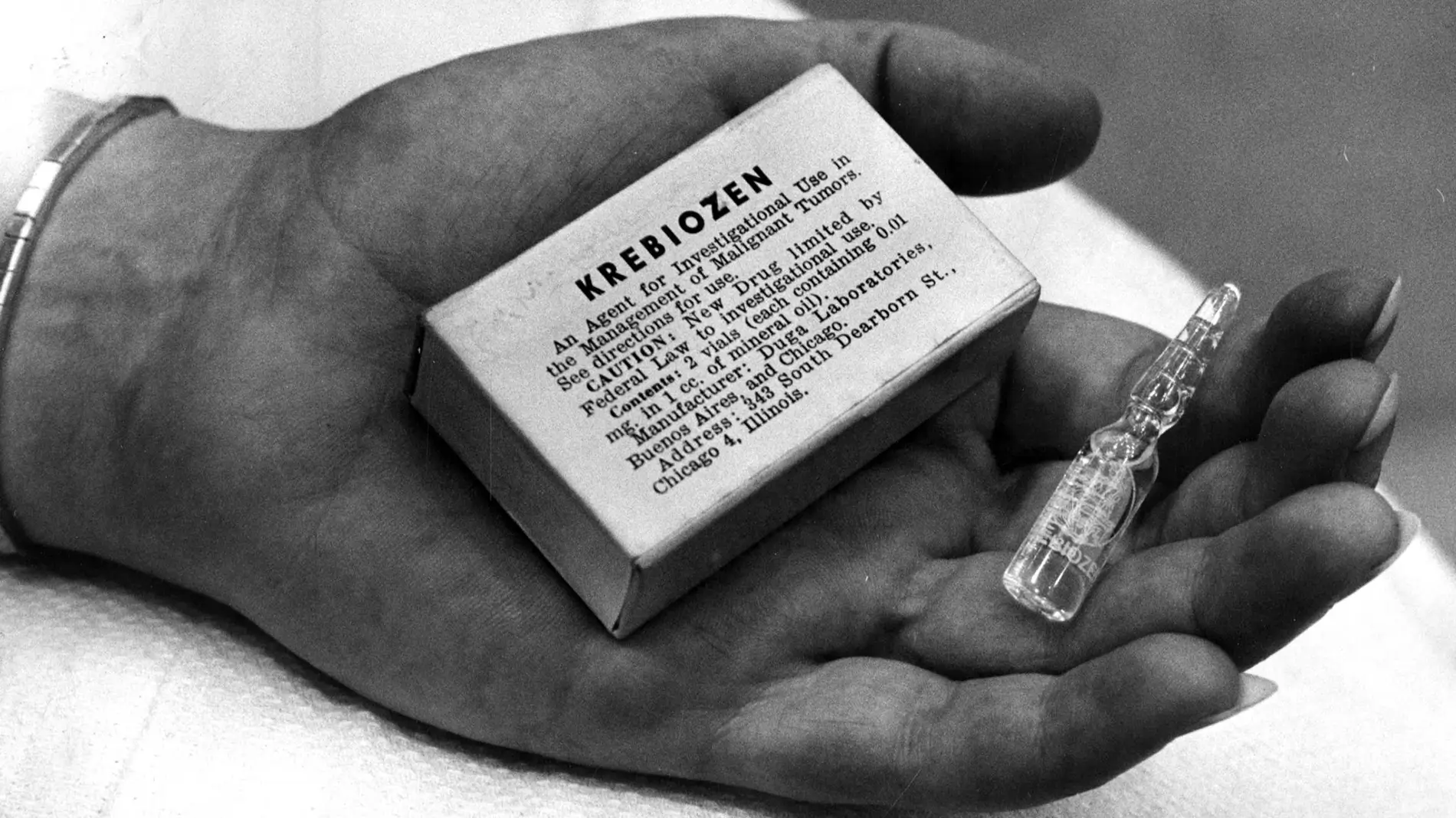
Câncer, O Que É Proibido Curas - O Krebiozen
É altamente provável que os poderes em lugares altos influenciada pela reputação do Dr. Ivy acreditava que ele fez, na verdade, ter algo em Krebiozen.

Posts Em Destaque –
Diabetes Editor De Picaretas
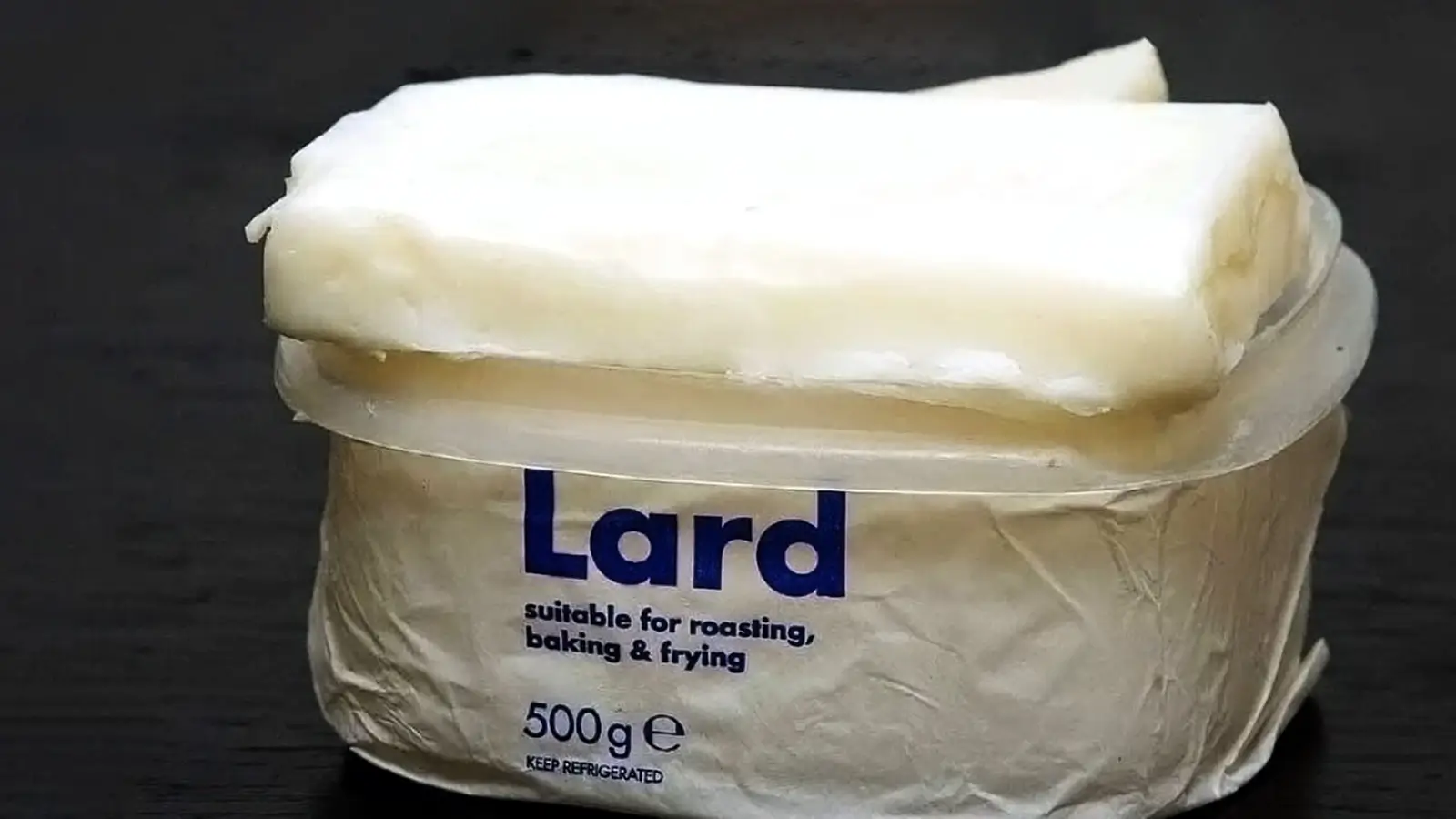
A Diabetes provoca e gordura saturada - vegan argumento
Como o nível de gordura no sangue, aumenta a capacidade do corpo para limpar açúcar cai. Um dos diabetes provoca é o nosso desadaptação para uma grande ingestão de gordura

A Medicina Alopática Editor De Picaretas
A História da Grande Farmácia - IG Farben
A parte de Rockefeller, o monopólio da química e indústrias de medicamentos veio em cumprimento após a 2ª guerra mundial. A Standard Oil e a IG Farben cooperação fez isso em realidade.

Editor De Picaretas A Obesidade
Binge eating disorder - A psicologia da fome
Na natureza, não é refinado, açúcar ou gordura. O nosso cérebro nunca havia sido exposta a uma combinação dos dois de uma vez, forçando-nos em binge eating disorder.
Editor De Picaretas Alimentação Ideal Proteína
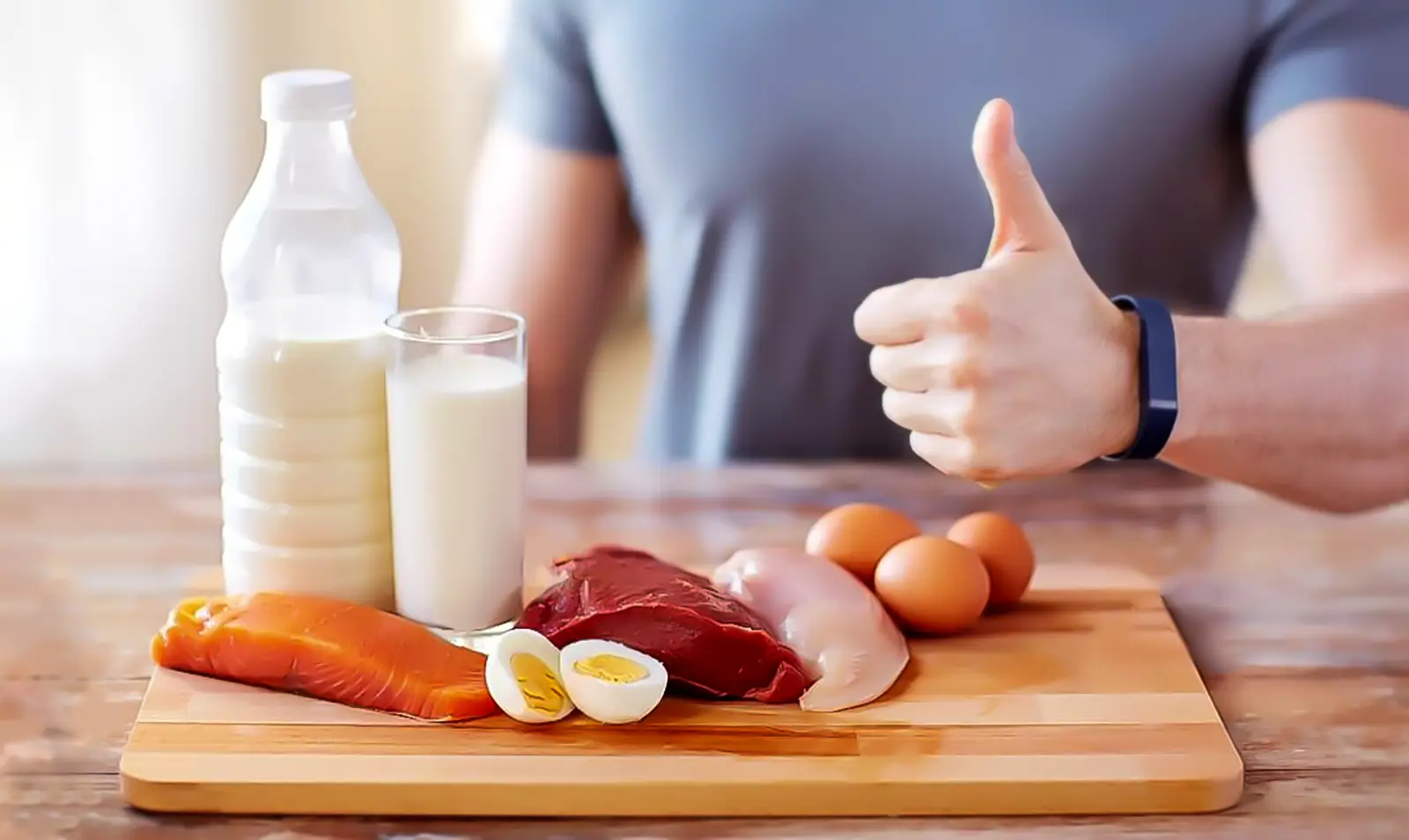
As Necessidades proteicas - uma verdade Inconveniente
Quando o antropólogo estudos mostraram que hominíneos viveu em média de 15 a 20 gramas de proteína por dia, havia um assim-chamado "uma proteína Grande fiasco" na década de 1970.
Câncer Editor De Picaretas Proteína
A Anatomia do Câncer de risco para a Saúde correlações
Cerca de 2% dos casos de câncer estão por medicamento considerado puramente causada por fatores genéticos. O mesmo intervalo de dentro do reino animal. Você ainda não foi informado de toda a verdade.
Diabetes Editor De Picaretas Alimentação Ideal
Açúcar Refinado: Compreender os Riscos
As crianças consomem cerca de um quinto do total de suas necessidades energéticas a partir de apenas o açúcar refinado. Se somarmos a gordura e o resto da nutrição privação de alimentos processados para a lista torna-se uma nutrição completa pesadelo.
Editor De Picaretas A Inflamação
Os seres humanos onívoros dilema - o consumo de Carne, bactérias probióticas, a inflamação, e com o intestino
Seres humanos são onívoros, em um verdadeiro anatômica sentido? Há uma diferença fundamental na maneira como as trato digestivo trabalha em plantas vs comer carne de espécie.
Antioxidantes Editor De Picaretas ORAC
Compreender os Valores ORAC: Níveis de Antioxidantes nos Alimentos
Quando a sua principal fonte de antioxidantes é o café, sabe que tem um problema grave.
Editor De Picaretas A Dieta Vegetariana
Deficiências de Nutrientes na Dieta Vegana: Estratégias de Prevenção
Existem nove deficiências comuns de nutrientes na escala populacional que afectam as pessoas que se alimentam de uma dieta à base de plantas. Se não forem corrigidas a tempo, algumas deficiências têm consequências terríveis e não tratáveis.
Câncer Editor De Picaretas Fitoquímicos
Poder Anticancerígeno das Frutas e Legumes: Evidências Clínicas e in Vivo
Alguns extractos vegetais rivalizam com os principais medicamentos de quimioterapia e, ao mesmo tempo, visam vários tipos diferentes de células cancerígenas.
Últimas do PubMed, #dieta baseada em vegetais –
- Colloid mill modified zein suspension technology for plant protein rich bird food: first clutch performance compared with egg based food in fiorino canariespor Ercan Mevliyaoğulları on Outubro 13, 2026
CONCLUSIONS: EGG16 improved first-clutch egg production. ZEIN16 did not show a statistically detectable reduction in hatchability after eggs were laid, but equivalence or non-inferiority to EGG16 was not tested. ZEIN16 should therefore be positioned as a preliminary plant-protein-rich bird egg food analogue produced through colloid-mill-based zein suspension technology, rather than as a reproductive replacement for egg-based food.
- Exploring the Likelihood of Healthcare Students to Advise Patients on the Health Benefits of Predominantly Plant-Based Dietspor Patricia Dyett on Outubro 13, 2026
The aim of this study was to survey select healthcare students in the Americas about their likelihood to advise on health benefits of predominantly plant-based diets to noncommunicable disease patients; and to identify possible demographic, academic, and psychographic associations and predictors. The study design included targeted questions from a validated electronic questionnaire which was administered to a convenience sample of nursing and dietetics students across four university campus…
- Diet-associated variation in the midgut bacterial communities of Loxostege sticticalis larvae fed botanically distinct host plantspor Dong Li on Outubro 13, 2026
INTRODUCTION: Gut microbiota can influence insect physiology and ecological interactions, but how botanically distinct host plants affect gut bacterial communities in polyphagous insects remains poorly understood.
- Nutrition and Green Nephrology-not only for health but also for compensation: the water footprint and its hamburger equivalentpor Giorgina Barbara Piccoli on Outubro 13, 2026
Nutrition is recognized as a cornerstone of chronic kidney disease (CKD) prevention and management, while healthcare sustainability has become a major priority in nephrology. These two challenges converge because dietary choices influence both kidney health and the environmental footprint of care. In this narrative review, enriched by the perspectives of patients who experienced CKD, dialysis, and kidney transplantation, we discuss how nutritional interventions can simultaneously improve…
- Waste oil substrates reshape the black soldier fly larval gut microbiome and biomass composition during bioconversionpor Reese Saho on Outubro 13, 2026
Black soldier fly larvae (BSFL) are generalist decomposers with promise for converting agricultural and food-processing by-products into value-added bioproducts, but BSFL performance on lipid-rich waste oil streams and the role of the gut microbiome in this process remain unclear. Here, we evaluated BSFL bioconversion of a standard chicken feed diet supplemented with three chemically distinct waste oils: acidulated vegetable oil (AVO), pork grease (PG), and used cooking oil (UCO). Larval…
- Dietary exposure to five highly polar pesticides of the Hong Kong population through a total diet studypor Stephen W C Chung on Outubro 13, 2026
Dietary exposure assessment of the Hong Kong adult and younger populations to five highly polar pesticides, namely ethephon, fosetyl aluminium, glyphosate, glufosinate ammonium and maleic hydrazide, was included in the second Hong Kong Total Diet Study (TDS). A total of 187 commonly consumed food items were collected and prepared “as consumed”. A total of 374 composite food samples were analysed for these five highly polar pesticides by modified Quick Polar Pesticides (QuPPe) method combined…