







Água alcalina - Benefícios e riscos para a saúde
Há muitas conversas sobre saúde na comunidade da saúde e nutrição sobre os benefícios da "água ionizada" ou "água alcalina". O que tem a ciência a dizer?
Milos Pokimica
Escrito por: Milos Pokimica
Revisto Clinicamente Por: Dr. Xiùying Wáng, M.D.
Actualizado em 9 de Junho de 2023Há muitas conversas sobre saúde e nutrição na comunidade da saúde e nutrição sobre os benefícios da "água ionizada" ou "água alcalina".
O que tem a ciência a dizer sobre tudo isto?
É possível que a água contenha iões dissolvidos. Ou seja, alguns átomos metálicos ou moléculas carregadas electricamente que podem transferir electricidade. Idealmente, a água destilada pura não é mais do que apenas moléculas de H2O, e é só isso. Estas moléculas de H2O estão dispostas e ligadas entre si numa estrutura de rede livre e caótica, com moléculas individuais a esbarrarem umas nas outras a toda a hora. A água na sua forma líquida não é uma estrutura geométrica e arranjada como o gelo. As moléculas de água também mostram uma afinidade muito ligeira para se dissociarem (ionizar) em hidrogénio e iões hidróxidos: H2O; H + + OH-. O nível disto é minúsculo porque a reacção oposta é muito mais forte ao trazer de volta o status quo instantaneamente. Em média, apenas cerca de duas em mil milhões de moléculas de H2O são dissociadas.
Nenhum processo tecnológico ou aditivo químico é capaz de aumentar estas concentrações de iões em água pura. A água pura pode ser considerada livre de iões, como evidenciado pelo facto de que não conduzirá uma corrente eléctrica. Não há nenhum método tecnológico conhecido ou aditivo químico capaz de aumentar estas concentrações de iões em água pura acima destes dois níveis em mil milhões de minutos. Estes níveis são tão pequenos que, para os fins mais realistas e práticos, a água pura pode ser considerada livre de iões. Água destilada no tiene iones, como lo demuestra el hecho de que es incapaz de conducir una corriente eléctrica.
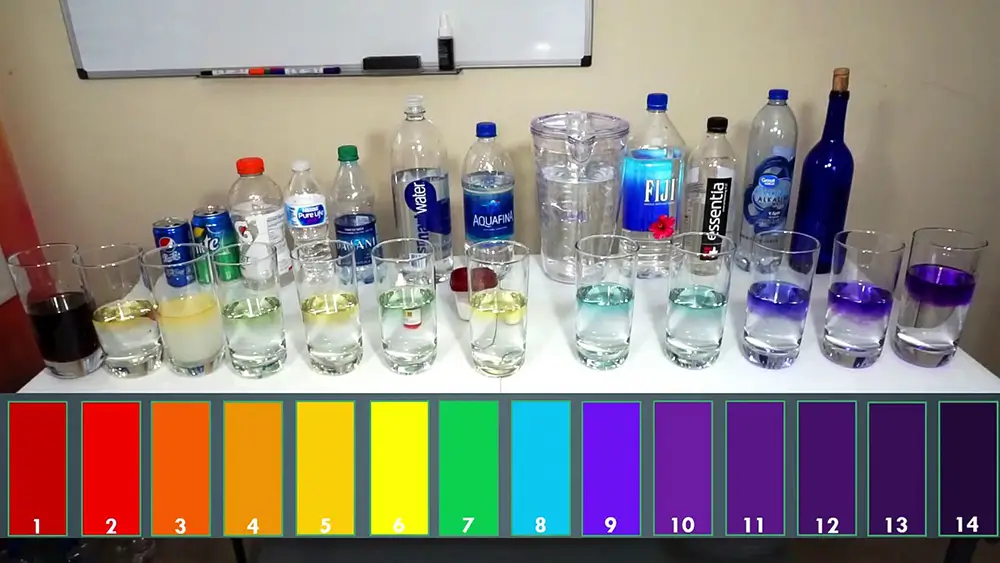
A “água” ácida ou alcalina não tem nada a ver com água de todo, e é isso que as pessoas precisam de compreender. Toda a água contém tanto iões H + como iões OH-. Se a quantidade de H + exceder a de OH-, a água é ácida. Se houver mais iões OH- do que H +, a água é alcalina. Se os valores de pH forem inferiores a sete, a água é ácida, e as soluções alcalinas são superiores a 7.
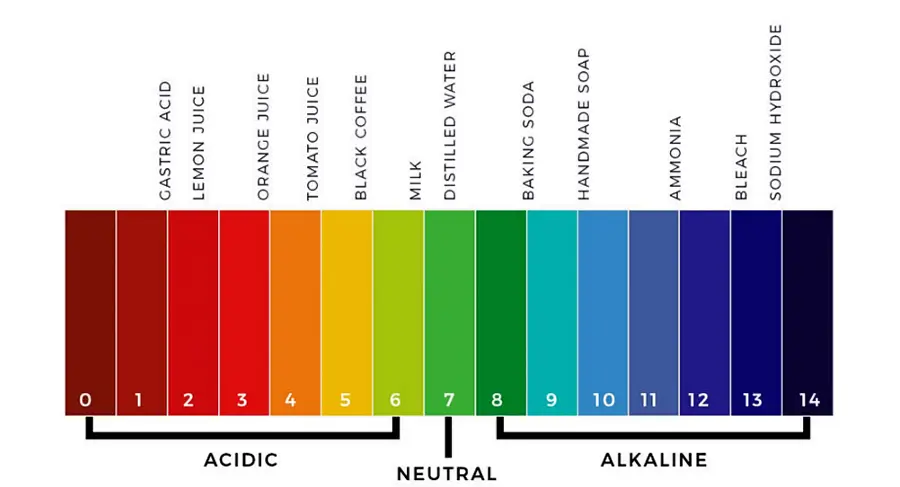
Água pura destilada, não tem iões e isso significa que a destilação nunca pode ser alcalina ou ácida, nem pode ser produzida por electrólise. Uma vez que o líquido alcalino tem sempre um excesso de iões OH, deve também conter sempre outro tipo de iões positivos para além do H +, para compensar as cargas opostas. Este ião positivo adicional é quase sempre um ião metálico como o magnésio, cálcio, ou sódio. Da mesma forma, a água ácida deve conter sempre iões negativos para além de OH-. Isto significa que as águas cujo pH difere de 7 nunca são puras no sentido químico. A água destilada é pura e nunca pode ser alcalina ou ácida. A água subterrânea que contém iões metálicos diferentes que capta, tais como cálcio e magnésio, pode ser ligeiramente alcalina por electrólise, mas isso não significa nada. Assim que a água "alcalina saudável" entra no estômago e é misturada com fluido gástrico altamente ácido no estômago, a sua alcalinidade desaparece.
A ideia de que devemos consumir água alcalina para neutralizar os efeitos dos alimentos ácidos não é correcta e não apenas isso, é também uma péssima ideia. Ao exalar dióxido de carbono, os nossos corpos irão livrar-se do excesso de ácido. Não é um grande problema. No entanto, não é um grande problema, se realmente desacidificar o seu estômago, causará o problema de degradação proteica bem sucedida e interferirá com a digestão. Se a acidez no estômago for reduzida por qualquer meio durante a refeição, isso significará que os alimentos não serão digeridos correctamente.
Existem benefícios apenas para as pessoas com refluxo ácido (Koufman et al., 2012). Este estudo demonstrou que a água alcalina com pH 8,8 desnatura instantaneamente a pepsina, tornando-a permanentemente inactiva. Para os pacientes que sofrem de refluxo, a água alcalina pode ajudar na capacidade de tamponamento ácido e pode ter benefícios terapêuticos. No entanto, se não tiver refluxo, bebê-la durante ou após a refeição provocará a diminuição do nível de acidez no estômago e interferirá na degradação dos alimentos e na absorção dos nutrientes. Se quiser beber, então não beba água alcalina, excepto com o estômago vazio. Os defensores do consumo de água alcalina continuam a acreditar nos muitos benefícios propostos para a saúde, tais como as propriedades desintoxicantes, o apoio ao sistema imunitário, a limpeza do cólon e a perda de peso, Câncer resistência, propriedades anti-envelhecimento, hidratação, saúde da pele, e a lista continua e continua.
Na verdade, existem alguns estudos chineses que descobriram alguns dos benefícios para a saúde sob a forma de apoio anti-oxidativo (Zhao et al., 2005). A conclusão foi que a água ionizada alcalina poderia aumentar a tolerância ao calor de ratos expostos ao calor e que isso poderia estar relacionado ao aumento da função antioxidante contra os danos causados pelos radicais livres. Isso foi uma surpresa para mim, mas não acredito que o Exército Popular de Libertação da China faria uma experiência científica ruim. Os chineses realizaram alguns estudos.
No presente estudo (Watanabe et al., 2018) descobriram algo ainda mais interessante. O objectivo era analisar as alterações do açúcar no sangue, da pressão arterial e dos lípidos no sangue em pacientes com diabetes mellitus, hiperlipidemia e hipertensão essencial. Depois de terem bebido água alcalina ionizada, os níveis de lípidos no sangue e de tensão arterial baixaram em alguns indivíduos até aos valores normais. O estudo concluiu que a água alcalina ionizada pode ser utilizada como um dos métodos terapêuticos acessórios para a diabetes melito, hiperlipidemia e hipertensão essencial.
O que está a acontecer? Perturbou-me. Há dois tipos de água alcalina. A água alcalina artificial, que é geralmente água da torneira, passa por um ionizador eléctrico para tornar o pH mais alcalino e água de nascente ou mineral engarrafada. A água mineral natural contém compostos alcalinos sob a forma de rochas que capta, tais como magnésio, sílica, cálcio, bicarbonato, e potássio. Também se pode adquirir máquinas de água ionizante.
Os ionizadores de água são máquinas concebidas para funcionar como electrólitos de água, mas o que na realidade fazem é apenas usar platina ou titânio para fazer água alcalina. Eles não adicionam nenhum dos minerais encontrados naturalmente no solo. Pode apenas adicionar refrigerante de apoio por pouco dinheiro, e terá água alcalina, mas porque é que isso importa? Quando a electrólise ou se gostar do processo electroquímico divide as moléculas de água para formar hidrogénio e oxigénio por uma corrente eléctrica, os dois tipos de substâncias serão criados e nenhuma delas será a água real. A "água" perto do cátodo seria alcalina e a "água" perto do ânodo seria ácida. Os ionizadores de água funcionam simplesmente sifonando a água perto do cátodo que tem um pH mais elevado (ou seja, seria mais alcalina) e a água perto do ânodo teria níveis aumentados de H+, tornando-a ácida.
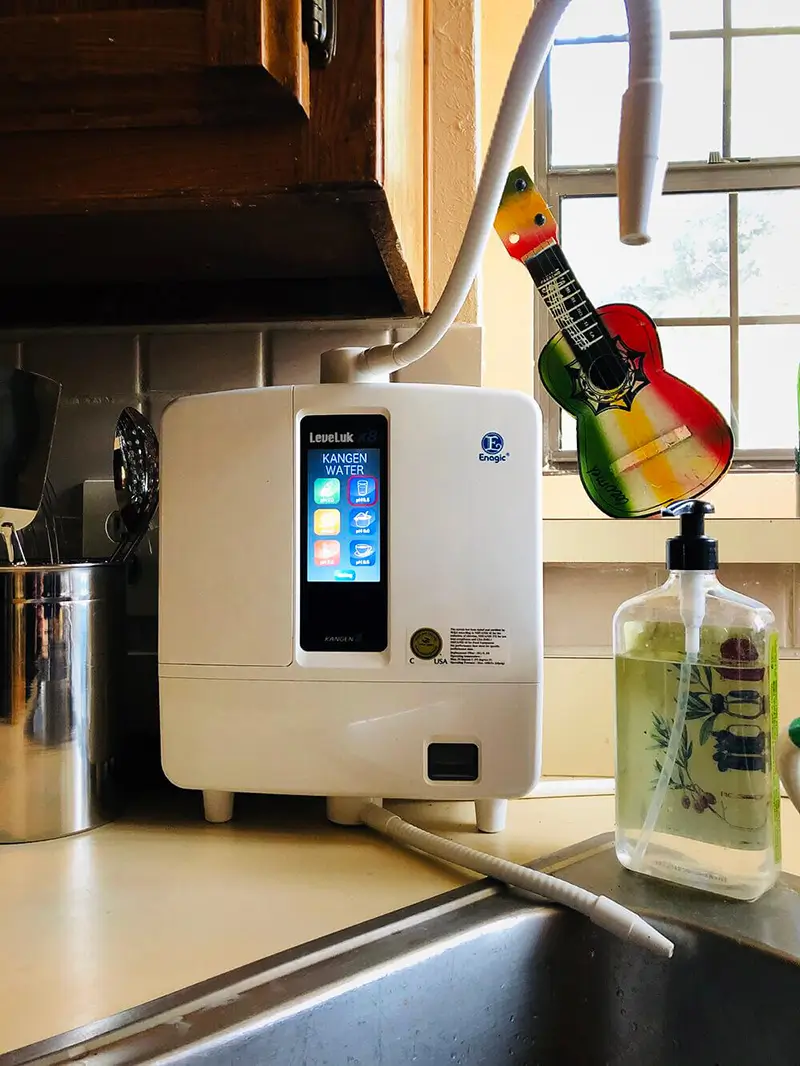
Com máquinas como Kengen, não se bebe água verdadeiramente alcalina feita na natureza. Na realidade, bebe regularmente água da torneira com iões de hidróxido adicionados, tornando-o alcalino. Não é de todo água. Parece apenas água, mas está cheia de iões de hidróxidos criados por electrólise. As pessoas que falam sobre o antioxidativo As propriedades deste tipo de água cheia de iões de hidróxido, criada por Kengen, normalmente esquecem-se ou nem sequer sabem a resposta a uma questão muito importante. O que acontece depois de o hidróxido (OH-) que é antioxidante doa o seu electrão? O que acontece é que se tornou um dos radicais oxigenados mais citotóxicos: o radical hidroxil. O hidróxido não é um antioxidante, não importa o que alguém lhe diga. O hidróxido (OH-) é mais elevado em água alcalina, mas não é um antioxidante biológico. Os radicais hidroxil também podem ocasionalmente ser produzidos como um subproduto da activação do sistema imunitário. Macrófagos e microglia (um tipo de célula imunitária) geram este composto para lutar contra alguns tipos de bactérias. A acção destrutiva dos radicais hidroxilos tem sido implicada em várias doenças neurológicas auto-imunes e pode danificar praticamente todos os tipos de macromoléculas. Não tomarei pessoalmente qualquer antioxidante por mais poderoso que seja, se tiver o potencial de se transformar em radicais livres.
O radical hidroxilo tem uma elevada reactividade e uma semi-vida in vivo muito curta de 10 segundos. Este facto torna-o uma substância muito tóxica para o organismo (Lipinski, 2011). O radical hidroxilo não pode ser eliminado por uma reacção enzimática, uma vez que tal exigiria a sua difusão para o local activo da enzima. Como a difusão é mais lenta do que a semi-vida da molécula, esta reagirá com qualquer composto oxidável que se encontre na sua proximidade. Ao contrário do superóxido, que pode ser desintoxicado pela superóxido dismutase, o radical hidroxilo não pode ser eliminado por uma reacção enzimática e, uma vez criado, causará danos totais. O radical hidroxilo é o mais reactivo em relação ao ADN de todas as espécies reactivas de oxigénio (ROS) geradas em organismos aeróbicos pelos metabolismos celulares.Chatgilialoglu et al., 2021).
Os nossos corpos nunca tiveram de lidar com esta molécula no passado. É um antioxidante novo e não natural que tem o potencial de causar muitos danos se não for eliminado do corpo. E essa é a verdadeira questão. Os nossos corpos não têm enzimas para os eliminar. Nunca beba Kangen Water Machine água alcalina falsa cheia de iões de hidróxidos criados por electrólise.
Esta água pode ser útil em outras circunstâncias. As nossas frutas e vegetais são pulverizados com pesticidas, pelo que a água alcalina forte é excelente para minimizar e reduzir os resíduos de pesticidas.
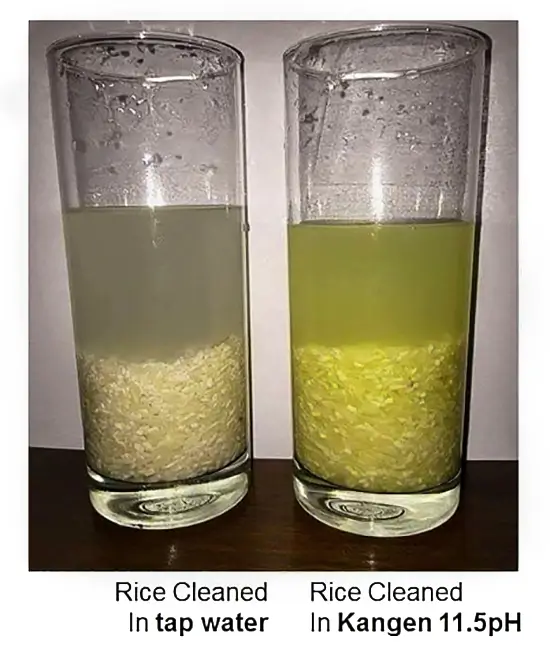
há muitas vantagens em ter um ionizador que produz água alcalina e ácida, especialmente se tiver hipoclorito de sódio na mistura.
A água fortemente ácida com hipoclorito de sódio resulta numa substância chamada ácido hipocloroso (HOCl), que é eficaz na eliminação de 99,99% de germes e bactérias, incluindo Staphylococcus, E. colie Salmonella, Infecções por MRSA, e úlceras diabéticas. É bom, não apenas para a cura de feridas, mas para todas as infecções de pele como a acne, por exemplo.
Existem alguns benefícios reais da água alcalina real, e esse benefício é a hidratação. Demorei muito tempo mas, eventualmente, encontrei uma linha diferente de estudos de investigação e compreendi qual é a ciência por detrás dos efeitos positivos da água alcalina encontrados nesses estudos realizados na China. As moléculas de água colam-se em grupos. Em condições normais, as moléculas de água organizam-se em aglomerados de 14 moléculas. Quando a electrólise rompe as ligações entre o oxigénio e o hidrogénio criando hidróxido (antioxidante) e iões de hidrogénio, também rompe os aglomerados para um tamanho menor. Também em água alcalina, estes aglomerados podem ser tão pequenos como cinco moléculas de água. Tornam a água um melhor solvente e aumentam a fluidez. A razão pela qual a água fervente tem menor tensão superficial é a desta aglomeração mais pequena de moléculas de água. Se a água recebe demasiada energia como calor, perde completamente a capacidade de aglomeração e torna-se uma forma monoatómica de água conhecida como vapor. E penso que é aqui que existem alguns dos benefícios da água alcalina.
Neste estudo, adicionaram um pouco de bicarbonato de sódio à água e analisaram o colesterol (Pérez-Granados et al., 2010). O resultado foi que a pressão arterial sistólica diminuiu significativamente após quatro semanas de consumo de água com bicarbonato, sem diferenciação significativa entre as semanas 4 e 8. Em seguida, reduções significativas do colesterol total em 6,3%, do colesterol LDL, o mau colesterol, em 10%. A conclusão foi que:
"A água mineral de bicarbonato de sódio melhora o perfil lipídico em homens e mulheres jovens moderadamente hipercolesterolémicos e poderia, portanto, ser aplicada em intervenções dietéticas para reduzir o risco cardiovascular".
(Pérez-Granados et al., 2010)
Esta água não continha antioxidantes, apenas bicarbonato de sódio.
Penso que encontrei a resposta neste estudo (Weidman et al., 2016) e não era a alcalinidade dos minerais da água. Era a viscosidade. Este foi um estudo aleatório, em dupla ocultação, com cem adultos saudáveis. Após a desidratação induzida pelo exercício físico, os participantes foram escolhidos aleatoriamente para se reidratarem com uma água electrolisada de pH elevado (alcalina) ou com água sem gás. O resultado foi que a água electrolisada de alto pH reduziu a viscosidade do sangue numa média de 6,30%, facilitando o fluxo do sangue através da corrente sanguínea em comparação com 3,36% com água normal purificada. O que significa a viscosidade do sangue? Viscosidade é a fricção interna do fluxo sanguíneo. Quanto maior for a viscosidade, mais duro é o sangue. Por exemplo, a água tem uma viscosidade mais baixa do que o mel. A água potável alcalina só pode ser boa devido à sua menor viscosidade e nada mais. Para a investigação sobre bebidas desportivas e nutrição, este é um tema de grande interesse. Também para a saúde pública em geral.
O sangue altamente viscoso terá mais dificuldade em atravessar a corrente sanguínea forçando o coração a trabalhar mais arduamente. O coração terá de ter contracções mais fortes e mais poderosas para fazer o bombeamento extra e no tempo que pode enfraquecer o músculo cardíaco. Além disso, o sangue viscoso irá aumentar a pressão arterial, e será mais provável que o sangue forme coágulos dentro das artérias e veias. Se o sangue for pegajoso devido a desidratação ou gordura na corrente sanguínea ou outros factores, o fluxo sanguíneo é prejudicado, e a comunicação intercelular é prejudicada. Quanto mais pegajoso for o sangue, mais difícil é para o corpo sofrer uma desintoxicação celular. Há até agora uma compreensão sólida e um grande número de estudos que foram feitos e que demonstraram que a espessura elevada do sangue está associada a doenças cardíacas e condições como o lúpus e a diabetes. Diabetes, tabagismo e inflamação crónica, também aumentam a viscosidade do sangue. Aspirina e warfarina e outros anticoagulantes sanguíneos funcionam inibindo quimicamente fragmentos de sangue conhecidos como plaquetas para aglomerar e formar coágulos. É por isso que uma aspirina por dia é normalmente prescrita a um paciente que já teve um ataque cardíaco ou que tem algum outro tipo de problema cardiovascular. A aspirina ou warfarina não altera, na realidade, a espessura (viscosidade) do sangue e o coração ainda precisa de bombear com mais força e a pressão sanguínea ainda está elevada, apenas dificulta a formação de coágulos pelo sangue. A dinâmica dos fluidos é uma grande ciência nas agências espaciais e de guerra e, em geral, na investigação de sistemas de propulsão.
Parece, e isto é apenas uma consideração que de alguma forma a água alcalina tem uma viscosidade mais baixa.
Actua como um mecanismo que aumentará a fluidez do sangue e a desintoxicação a nível celular e aumentará a hidratação das células e libertará a pressão sobre o sistema cardiovascular. Como o faz, não sei, e só posso especular. Quando os insectos aterram na superfície, alguns deles podem mesmo caminhar sobre a água devido à tensão superficial. Quando a fluidez aumenta, a capacidade de interacções químicas intercelulares da água aumenta, e o corpo pode entrar em desintoxicação mais facilmente, pelo que a inflamação irá cair.
Referências:
- Koufman, J. A., & Johnston, N. (2012). Benefícios potenciais da água potável alcalina com pH 8,8 como adjuvante no tratamento da doença do refluxo. Os Anais de otologia, rinologia e laringologia, 121(7), 431-434. https://doi.org/10.1177/000348941212100702
- Zhao, Lan, et al. "Água alcalina ionizada que melhora a tolerância ao calor e a função anti-oxidativa de ratos expostos ao calor". Journal of PLA Preventive Medicine, vol. 23, no. 6, Dez. 2005, pp. 394-396.[SinoMed]
- Sun, L., Zhou, P., Hua, Q., Jin, C., Guo, C., & Song, B. (2018). Efeitos do controle da glicemia, lipídios no sangue e pressão arterial na recuperação de pacientes com câncer gástrico complicado com síndrome metabólica após gastrectomia radical. Medicina experimental e terapêutica, 15(6), 4785-4790. https://doi.org/10.3892/etm.2018.6033
- Efeitos da Ca~ (2+)-água alcalina no pH do sangue, nível de cálcio e função imunológica em ratos Escola de Ciências da Vida, Universidade Normal do Sul da China, Guangzhou 510631, China
- Pérez-Granados, A. M., Navas-Carretero, S., Schoppen, S., & Vaquero, M. P. (2010). Redução do risco cardiovascular com água mineral bicarbonatada com sódio em jovens adultos moderadamente hipercolesterolémicos. Jornal de bioquímica nutricional, 21(10), 948-953. https://doi.org/10.1016/j.jnutbio.2009.07.010
- Weidman, J. J., Holsworth, R. E., Brossman, B., Cho, D. C., St Cyr, J. A., & Fridman, G. (2016). Efeito da água alcalina eletrolisada de alto pH na viscosidade do sangue em adultos saudáveis. Jornal da Sociedade Internacional de Nutrição Desportiva, 13(1). https://doi.org/10.1186/s12970-016-0153-8
- Chatgilialoglu, C., Ferreri, C., Krokidis, M. G., Masi, A., & Terzidis, M. A. (2021). Sobre a relevância do radical hidroxila para danos ao DNA da purina. Investigação sobre radicais livres, 55(4), 384-404. https://doi.org/10.1080/10715762.2021.1876855
- Lipinski B. (2011). Radical hidroxilo e seus sequestradores na saúde e na doença. Medicina oxidativa e longevidade celular, 2011, 809696. https://doi.org/10.1155/2011/809696
Você tem alguma dúvida sobre saúde e nutrição?
Eu adoraria ouvir de você e respondê-las em meu próximo post. Agradeço sua contribuição e opinião e espero ouvir de você em breve. Eu também convido você a siga-nos no Facebook, Instagram e Pinterest para mais conteúdos sobre dieta, nutrição e saúde. Pode deixar um comentário e ligar-se a outros entusiastas da saúde, partilhar as suas dicas e experiências e obter apoio e encorajamento da nossa equipa e comunidade.
Espero que este post tenha sido informativo e agradável para si e que esteja preparado para aplicar os conhecimentos que aprendeu. Se achou este post útil, por favor partilhá-lo com os seus amigos e familiares que também possam beneficiar com isso. Nunca se sabe quem poderá precisar de alguma orientação e apoio no seu percurso de saúde.
– Você Também Pode Gostar –

Longevidade: A Teoria do Ritmo da Vida
Dieta De Alta Proteína Risco Para A Saúde Correlações
Antioxidantes: Compreender os Princípios Básicos
Poder Anticancerígeno das Frutas e Legumes: Evidências Clínicas e in Vivo
Experiência de Fome no Minnesota: Porque é Que Fazer Dieta Nos Faz Engordar. A Psicologia da Fome.
Arsénio de Exposição e Consumo de Arroz- O Mais Tóxico de Grãos de Todos Eles
Adoçantes artificiais - Compreender as noções básicas
Câncer, O Que É Proibido Curas - O Krebiozen

Aprender Sobre Nutrição

Milos Pokimica é médico de medicina natural, nutricionista clínico, escritor de saúde e nutrição médica, e conselheiro em ciências nutricionais. Autor da série de livros Go Vegan? Revisão de Ciênciaopera também o website de saúde natural GoVeganWay.com
Medical Disclaimer
GoVeganWay.com traz análises das pesquisas mais recentes sobre nutrição e saúde. As informações fornecidas representam a opinião pessoal do autor e não pretendem nem implicam substituir aconselhamento, diagnóstico ou tratamento médico profissional. As informações fornecidas são apenas para fins informativos e não se destinam a servir como substituto para consulta, diagnóstico e/ou tratamento médico de um médico ou profissional de saúde qualificado.NUNCA DESCONSIDERE o CONSELHO MÉDICO PROFISSIONAL OU adiar a BUSCA de TRATAMENTO MÉDICO por causa DE ALGO QUE TENHA LIDO OU ACESSADO por MEIO de GoVeganWay.com
NUNCA APLIQUE QUAISQUER MUDANÇAS de estilo de VIDA OU QUALQUER MUDANÇA COMO UMA CONSEQUÊNCIA DE ALGO QUE TENHA LIDO NO GoVeganWay.com ANTES de CONSULTORIA de LICENÇA MÉDICA.
No caso de uma emergência médica, ligue para o médico ou para o 911 imediatamente. GoVeganWay.com não recomenda ou endossa qualquer específicos, grupos, organizações, exames, médicos, produtos, procedimentos, opiniões ou outras informações que podem ser mencionadas dentro.
Sugestões do Editor –
Câncer Editor De Picaretas Fitoquímicos
Poder Anticancerígeno das Frutas e Legumes: Evidências Clínicas e in Vivo
Alguns extractos vegetais rivalizam com os principais medicamentos de quimioterapia e, ao mesmo tempo, visam vários tipos diferentes de células cancerígenas.
Antioxidantes Editor De Picaretas ORAC
Óleos Essenciais Como Suplementos Antioxidantes: Regras e Estratégias
Os óleos essenciais de qualidade alimentar podem ser uma estratégia conveniente e amiga do consumidor para optimizar o valor antioxidante e a pontuação ORAC da nossa dieta.
Antioxidantes Editor De Picaretas ORAC
Dieta Rica em Antioxidantes: Regras e Estratégias Gerais
Existem estratégias fáceis e económicas para optimizar o valor antioxidante da nossa dieta.
Antioxidantes Editor De Picaretas ORAC
Compreender os Valores ORAC: Níveis de Antioxidantes nos Alimentos
Quando a sua principal fonte de antioxidantes é o café, sabe que tem um problema grave.

Antioxidantes Editor De Picaretas ORAC
Astaxantina Benefícios: Antioxidante Natural Mais Poderoso do Mundo
A astaxantina é o mais poderoso e natural antioxidante universal (tanto o petróleo e a água-solúvel) desconhecido para a ciência. Ele se acumula nos tecidos e Ele nunca pode transformar-se em um pró-oxidante.
Antioxidantes Editor De Picaretas ORAC Fitoquímicos
Antioxidantes: Compreender os Princípios Básicos
Los productos de origen animal no contienen fitoquímicos ni antioxidantes. Por término medio, los alimentos vegetales contienen más de 60 veces más antioxidantes que los de origen animal.
Editor De Picaretas A Dieta Vegetariana
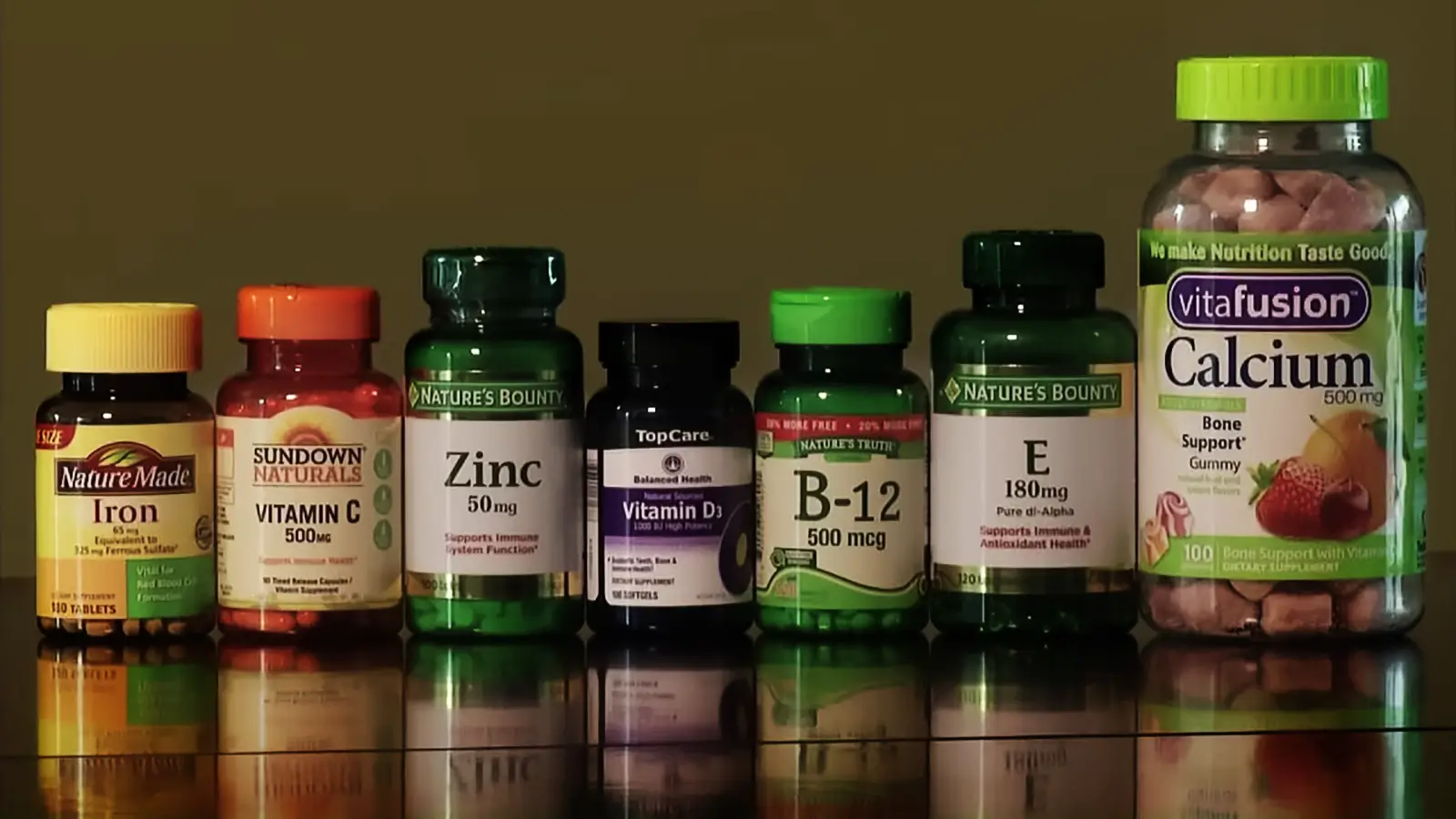
Deficiências de Nutrientes na Dieta Vegana: Estratégias de Prevenção
Existem nove deficiências comuns de nutrientes na escala populacional que afectam as pessoas que se alimentam de uma dieta à base de plantas. Se não forem corrigidas a tempo, algumas deficiências têm consequências terríveis e não tratáveis.
Editor De Picaretas Alimentação Ideal
Deficiência de Micronutrientes na Dieta Americana Padrão: Estratégias de Otimização
O perfil nutricional da nossa dieta moderna à base de carne, açúcar e alimentos processados é completamente incongruente com a nossa evolução, resultando numa grave deficiência de micronutrientes.
Editor De Picaretas Fitoquímicos
Fitoquímicos: Conceitos Básicos
Cada fitoquímico que existe tem uma acção biológica no corpo humano. Cada um de milhões de diferentes fitoquímicos.
Editor De Picaretas Leite Alimentação Ideal
Leite e Lacticínios: Correlações de Risco Para a Saúde
As associações conhecidas com o consumo de leite e laticínios são infertilidade, câncer de ovário e de mama, leucemia, diabetes tipo 1, autismo, arteriosclerose, catarata, artrite reumatóide, esclerose múltipla, hiperatividade, congestão, espinhas e muito mais…
Câncer Editor De Picaretas Proteína
Proteína Completa: Sinalização do IGF-1 na Formação do Cancro
Quando você comer proteína animal que tem quatro vezes a chance de desenvolver todos os tipos de câncer. Quando você fuma tem quatro vezes a chance de desenvolver câncer de pulmão.

Câncer Editor De Picaretas Proteína
A Anatomia do Câncer de risco para a Saúde correlações
Cerca de 2% dos cânceres são, pela medicina, considerados puramente causados por fatores genéticos. A mesma faixa do reino animal. Você não foi informado de toda a verdade.
Milos Pokimica é escritor especializado em saúde e nutrição e consultor em ciências nutricionais. Autor da série de livros Go Vegan? Revisão de Ciênciaopera também o website de saúde natural GoVeganWay.com
Artigos Mais Recentes -

Restrição De Calorias Longevidade
Como Fazer Jejum: Alimentos em Jejum que Não Quebram a Autofagia
Autofagia. Você já se perguntou o que acontece com as células do seu corpo quando elas morrem ou são danificadas? Eles simplesmente se acumulam e criam problemas ou são eliminados de alguma forma? A resposta é que seu corpo…
Saúde Dentária Prevenção
Dentes Sensíveis a Doces e Dor: Solução Rápida e Duradoura
Uma solução rápida e fácil para o alívio da dor é o óleo essencial de cravinho, um poderoso antioxidante e analgésico que pode ajudar com doenças das gengivas e dores de dentes.

Feijão
Feijão Verde: Benefícios Nutricionais e Para a Saúde
O feijão verde tem poucas calorias e é rico em compostos naturais que podem ajudá-lo a controlar o açúcar no sangue, a reduzir o colesterol e a combater os radicais livres.
Dieta de alimentos crus A Dieta Vegetariana
Pode-se Comer Cogumelos Crus: Riscos Para a Saúde, Nutrição e Segurança
Os cogumelos têm toxinas sensíveis ao calor, como a hidrazina ou a agaritina, e paredes celulares feitas de quitina que não podem ser bem digeridas pelos seres humanos.

A Dieta Vegetariana
Os Peixes São Animais? Uma Perspetiva Cultural
Em algumas culturas, a carne de peixe não é considerada carne e o peixe é permitido mesmo durante o jejum.

Saúde Dentária Prevenção
Enxaguante bucal natural caseiro: comprovado, mais forte e menos tóxico
O elixir bucal natural caseiro é mais forte do que a clorexidina, menos tóxico e, se ingerido, pode provocar algumas náuseas, mas também tem um elevado valor ORAC.
Saúde Dentária Prevenção
Como Parar a Cárie Dentária: Sintomas, Causas e Prevenção
Consumo de açúcar é a principal causa de cáries e a cárie dentária, combinado com deficiência de minerais, especialmente o magnésio, o zinco, o cobre e elementos-traço.
Antioxidantes Superalimentos
Amla: Benefícios Comprovados, Nutrição e Significado Clínico
O amla é um dos antioxidantes mais poderosos do mundo, com uma pontuação ORAC de 261.530. É uma fonte rica de fitoquímicos que têm vários benefícios para a saúde.
Superior De Saúde De Notícias — ScienceDaily
- Millions start work too early. This drug helps them stay awakeon Abril 1, 2026
Millions of people start work before sunrise—but their brains aren’t ready for it. A new clinical trial has found that the wake-promoting drug solriamfetol can significantly boost alertness in early-morning shift workers struggling with shift work disorder. Participants who took the drug were able to stay awake and function better throughout full shifts, with improvements in productivity, safety, and daily performance.
- Scientists discover hidden “winds” inside cells that could explain cancer spreadon Abril 1, 2026
Cells aren’t as passive as scientists once thought—they actively create internal currents to move proteins quickly and efficiently. These “cellular winds” push materials to the front of the cell, enabling faster movement and repair. Discovered by chance and confirmed with advanced imaging, this system challenges decades of textbook biology. It may also reveal why some cancer cells spread so rapidly.
- This Viagra ingredient just did something remarkable for a deadly childhood diseaseon Março 31, 2026
A surprising breakthrough suggests that a drug best known as Viagra could help treat a devastating childhood disease. Researchers found that sildenafil significantly improved symptoms in patients with Leigh syndrome—a rare and often fatal disorder that affects the brain and muscles. In a small study, patients showed stronger muscles, fewer seizures, and better recovery from dangerous metabolic crises, with some experiencing dramatic improvements in mobility and daily life.
- DNA robots could deliver drugs and hunt viruses inside your bodyon Março 31, 2026
DNA robots are emerging as tiny programmable machines that could one day deliver drugs, hunt viruses, and build molecular-scale devices. By borrowing ideas from traditional robotics and combining them with DNA folding techniques, scientists are creating structures that can move and act with precision. These robots can be guided using chemical reactions or external signals like light and magnetic fields.
- Hardly anyone uses this surprisingly simple blood pressure fixon Março 31, 2026
Salt substitutes offer a simple, low-cost way to reduce sodium intake and improve blood pressure, yet very few Americans actually use them—even among those who need them most. A large national analysis spanning nearly two decades found that usage remains surprisingly low and has not improved over time. Researchers say this gap represents a major missed opportunity for preventing heart disease and stroke.
- Your DNA is constantly moving—and it may explain canceron Março 31, 2026
Scientists have uncovered a surprising secret about our DNA: it’s not a static blueprint, but a constantly shifting, folding structure that helps control how genes turn on and off. Researchers at the Salk Institute found that different parts of the genome loop and unloop at different speeds, with more active regions constantly reshaping themselves to support gene activity.
- This new test could transform UTI treatment with same-day resultson Março 31, 2026
A breakthrough urine test could dramatically speed up how doctors treat urinary tract infections, identifying the right antibiotic in under six hours instead of waiting days. By testing directly from urine—skipping the usual lab culturing step—the method quickly shows which drugs stop bacterial growth and which don’t. In trials involving hundreds of patient samples, the test proved highly accurate, matching standard methods in over 96% of cases.
PubMed, #vegan-dieta –
- Nutritional lifestyle and «production animal» tracking during veterinary curriculumon Março 31, 2026
Veterinary medicine students are confronted with choosing a specialty track after completing their bachelor›s degree. They can choose between clinical (Livestock (NT), Equine (EQ), Small Animal (KT)) and non-clinical track (Pathobiology, Biomedical Research or Veterinary Public Health (VPH)). Overall, the proportion of vegetarians and vegans in the population has increased in the last few decades. An even higher percentage of vegetarian and vegan lifestyles could be observed among […]
- Comparative cross-sectional study of vegan and omnivorous diets and their impact on cardiac function among endurance athleteson Março 30, 2026
Vegan and omnivorous diets are both common in endurance sport; however, the chronic effects of these diets on cardiac function remain uncertain. Therefore, it is of interest to compare echocardiographic, vascular and exercise performance between endurance athletes on vegan or omnivorous diets. Data shows there is comparable systolic function; however, vegans displayed superior diastolic function and arterial compliance; whilst omnivores maintained higher hemoglobin and ferritin levels. Thus, […]
- Environmental Sustainability and Chronic Disease Outcomes Across Four Sustainable Dietary Patternson Março 29, 2026
Global food consumption patterns have undergone substantial transformation in recent decades, driven by rapid population growth and the consequent intensification of agricultural production. This growth, however, has come at significant environmental cost. As food consumption practices play a central role in shaping these impacts, shifts toward environmentally sustainable diets-typically characterized by greater reliance on plant-based foods-have been proposed as a viable mitigation strategy….
- Plant-Based Dietary Patterns and Neuroimaging Biomarkers of Brain Health: A Scoping Review of Observational and Interventional Evidenceon Março 23, 2026
Healthy dietary interventions are well established in cardiovascular disease prevention, but their effects on the brain remain underexplored. This scoping review aims to investigate how adherence to core components of a whole-food plant-based diet (WFPBD) may impact neuroimaging outcomes across different brain conditions. We searched PubMed and MEDLINE for studies published in the past 20 years evaluating the effects of a predominantly or exclusively WFPBD, alone or combined with other […]
- Environmental and economic impact of a vegan versus traditional mediterranean diet: OMNIVEG studyon Março 17, 2026
CONCLUSIONS: Replacing animal products with plant-based foods in a Mediterranean dietary framework can enhance environmental sustainability and reduce food costs. These findings support the promotion of whole plant-based diets as a viable strategy for sustainable and affordable nutrition.
Postagens aleatórias –
Antioxidantes Editor De Picaretas ORAC
Dieta Rica em Antioxidantes: Regras e Estratégias Gerais
Existem estratégias fáceis e económicas para optimizar o valor antioxidante da nossa dieta.

Editor De Picaretas A Obesidade
Binge eating disorder - A psicologia da fome
Na natureza, não é refinado, açúcar ou gordura. O nosso cérebro nunca havia sido exposta a uma combinação dos dois de uma vez, forçando-nos em binge eating disorder.
Restrição De Calorias Longevidade
Como Fazer Jejum: Alimentos em Jejum que Não Quebram a Autofagia
Autofagia. Você já se perguntou o que acontece com as células do seu corpo quando elas morrem ou são danificadas? Eles simplesmente se acumulam e criam problemas ou são eliminados de alguma forma? A resposta é que seu corpo…
Antioxidantes ORAC
Poder Antioxidante das Especiarias: Resultados in Vivo com Dosagens Realistas
Cravo-da-índia, gengibre, alecrim e açafrão-da-índia significativamente sufocar a inflamação, enquanto a pimenta-do-reino, pimenta de caiena, canela, cominho, o orégano, a páprica, a sage e aquecido, açafrão-da-índia não fazer nada.

Atividade Física Prevenção
Exercício - Por que exatamente o que é necessário?
Na comunidade de saúde, o exercício tem quase um status mítico como uma das melhores coisas que você pode fazer por si mesmo, exceto para evitar fumar.
Antioxidantes Nootrópicos
Azul de Metileno: Usos Terapêuticos e Significado Clínico
Azul de metileno é um poderoso antioxidante sintético. Ele melhora a função mitocondrial e a capacidade de nossas células para produzir energia.

Atividade Física
A depleção de glicogênio - Como não exercício
O que acontece quando fazemos exercício ou ir em uma dieta restritiva?
Antioxidantes
Vitamina C Intravenosa no Tratamento da Gripe: Prova viva da Prática Clínica
Quando se quer administrar vitamina C por via intravenosa no hospital, não se diz ao médico. Em vez disso, diz ao seu advogado para dizer ao seu médico, por escrito.
Câncer Desintoxicação A Inflamação
Benefícios do Sulforafano: O Superpoder Desintoxicante dos Brócolos
O sulforafano é o indutor enzimático natural de fase 2 mais potente conhecido pela ciência. Também foi demonstrado que o sulforafano é um inibidor dose-dependente da tumorigênese induzida por carcinógeno.
A Inflamação
Dieta de Baixa Histamina e Intolerância à Histamina: Guia Completo
Uma forma de gerir a intolerância à histamina é seguir uma dieta pobre em histamina. Isto significa evitar alimentos ricos em histamina ou que possam desencadear a sua libertação.

Postagens em destaque –
Editor De Picaretas A Inflamação
Os seres humanos onívoros dilema - o consumo de Carne, bactérias probióticas, a inflamação, e com o intestino
Seres humanos são onívoros, em um verdadeiro anatômica sentido? Há uma diferença fundamental na maneira como as trato digestivo trabalha em plantas vs comer carne de espécie.
Editor De Picaretas Alimentação Ideal Proteína
Dieta De Alta Proteína Risco Para A Saúde Correlações
A escassez é a regra das proteínas na natureza. Em termos evolutivos, os antropólogos provaram que os hominídeos viviam em média 15 a 25 gramas de proteína por dia. No tipo ocidental moderno de dieta rica em proteínas, consumiríamos isso…
Diabetes Editor De Picaretas
A Diabetes provoca e gordura saturada - vegan argumento
Como o nível de gordura no sangue, aumenta a capacidade do corpo para limpar açúcar cai. Um dos diabetes provoca é o nosso desadaptação para uma grande ingestão de gordura

A Medicina Alopática Editor De Picaretas
A História da Grande Farmácia - IG Farben
A parte de Rockefeller, o monopólio da química e indústrias de medicamentos veio em cumprimento após a 2ª guerra mundial. A Standard Oil e a IG Farben cooperação fez isso em realidade.
Câncer Editor De Picaretas Proteína
A Anatomia do Câncer de risco para a Saúde correlações
Cerca de 2% dos cânceres são, pela medicina, considerados puramente causados por fatores genéticos. A mesma faixa do reino animal. Você não foi informado de toda a verdade.
Antioxidantes Editor De Picaretas ORAC
Dieta Rica em Antioxidantes: Regras e Estratégias Gerais
Existem estratégias fáceis e económicas para optimizar o valor antioxidante da nossa dieta.

Editor De Picaretas Alimentação Ideal
Dieta Humana Optima- Doenças Crónicas, Guerras Alimentares e o Argumento Vegan
Nossa dieta humana natural ideal é aquela que nossos ancestrais hominídeos comiam nos últimos 30 milhões de anos, e não os humanos anatomicamente modernos da Idade da Pedra.
Câncer Editor De Picaretas Fitoquímicos
Poder Anticancerígeno das Frutas e Legumes: Evidências Clínicas e in Vivo
Alguns extractos vegetais rivalizam com os principais medicamentos de quimioterapia e, ao mesmo tempo, visam vários tipos diferentes de células cancerígenas.
Editor De Picaretas Leite Alimentação Ideal
Leite e Lacticínios: Correlações de Risco Para a Saúde
As associações conhecidas com o consumo de leite e laticínios são infertilidade, câncer de ovário e de mama, leucemia, diabetes tipo 1, autismo, arteriosclerose, catarata, artrite reumatóide, esclerose múltipla, hiperatividade, congestão, espinhas e muito mais…
Editor De Picaretas Alimentação Ideal
Deficiência de Micronutrientes na Dieta Americana Padrão: Estratégias de Otimização
O perfil nutricional da nossa dieta moderna à base de carne, açúcar e alimentos processados é completamente incongruente com a nossa evolução, resultando numa grave deficiência de micronutrientes.
Últimas do PubMed, #dieta baseada em vegetais –
- Environmental and dietary triggers of hyperuricemia in chronic kidney disease: A cardiovascular perspectivepor Mohammed AbuBaha on Abril 1, 2026
CONCLUSIONS: An integrated approach is required to manage hyperuricemia in CKD. Lifestyle strategies, including reducing dietary fructose, limiting alcohol, and adopting plant-forward diets, may lower serum urate, while mitigating environmental exposures may help preserve renal function. Pharmacotherapy should be individualized based on comorbidities and risk profiles. Despite supportive mechanistic and observational evidence, randomized trials remain inconclusive, highlighting the need for…
- Moderate Wine Consumption, Defined by the Mediterranean Diet, Is Associated With Delayed Biological Aging in Men From the Moli-sani Studypor Simona Esposito on Abril 1, 2026
CONCLUSION: Moderate wine consumption, but not overall ethanol intake, may contribute to slower biological aging in men.
- Microbiota-accessible carbohydrates enhance gut microbiota stability and antibiotic resilience through production of quorum sensing molecule AI-2por Robert Keskey on Abril 1, 2026
Dietary fiber and fat shape the gut microbiota and human health, yet their role in modulating the response of the microbiota to antibiotics remains underexplored. We hypothesized that dietary fiber, independent of fat content, mitigates antibiotic-induced weight loss and diarrhea in a microbiota-dependent manner. Mice were fed refined diets varying in fat and fiber contents for 6 weeks, compared to a standard plant-based chow diet. Following antibiotic administration, fiber consumption…
- Nutritional lifestyle and «production animal» tracking during veterinary curriculumpor O J Glardon on Março 31, 2026
Veterinary medicine students are confronted with choosing a specialty track after completing their bachelor›s degree. They can choose between clinical (Livestock (NT), Equine (EQ), Small Animal (KT)) and non-clinical track (Pathobiology, Biomedical Research or Veterinary Public Health (VPH)). Overall, the proportion of vegetarians and vegans in the population has increased in the last few decades. An even higher percentage of vegetarian and vegan lifestyles could be observed among […]
- Transgenerational dynamics of gut microbiota in black soldier fly larvae (Hermetia illucens) reared on a novel substratepor Shaktheeshwari Silvaraju on Março 31, 2026
Understanding the transgenerational dynamics of gut microbiota in black soldier fly larvae (BSFL) is essential for optimizing their performance on novel waste substrates in industrial settings. In this study, a wild-type BSF population was divided into six sub-lines and reared over four generations: one line on standard chicken feed (CF) and five on a novel plant-based diet (WIL), four of which were subjected to selection for increased larval size. Despite a shared genetic origin, sub-lines…
- Plant-based dietary patterns are associated with slower epigenetic agingpor Hyunju Kim on Março 31, 2026
Greater adherence to plant-based diets is associated with health benefits. Dietary intake can modify DNA methylation patterns, but it is unknown whether plant-based diets in a largely non-vegetarian population are associated with DNA methylation-based epigenetic aging measures. We examined the associations between 4 different types of plant-based diets indices (PDI) [overall PDI, provegetarian diet, healthy PDI, and unhealthy PDI] and epigenetic aging. We used data from the Atherosclerosis […]