







Alkaline water- Health benefits and risks
There are many health talks in the health and nutrition community about the benefits of “ionized water” or “alkaline water.” What does science have to say?
Milos Pokimica
Written By: Milos Pokimica
Medically Reviewed by: Dr. Xiùying Wáng, M.D.
Updated June 9, 2023There are many health talks in the health and nutrition community about the benefits of “ionized water” or “alkaline water.”
What science has to say about it all?
It is possible that water contains dissolved ions. Meaning some metallic atoms or electrically charged molecules that can transfer electricity. Ideally, distilled pure water is nothing more than just H2O molecules, and that is it. These H2O molecules are arranged and linked together in a free and chaotic network structure with individual molecules bumping into one another all the time. Water in its liquid form is not a geometrical and arranged structure like ice. Water molecules also show a very slight affinity to dissociate (ionize) into hydrogen and hydroxide ions: H2O; H + + OH-. The level of this is minuscule because the opposite reaction is much stronger in bringing back the status quo instantly. On average only about two in one billion molecules of H2O are dissociated.
No technological process or chemical additive is capable of increasing these ion concentrations in pure water. Pure water can be regarded to be ion-free, as evidenced by the fact that it will not conduct an electric current. There is no known technological method or chemical additive that is able to increase these ion concentrations in pure water above these two in one billion minute levels. These levels are so small that for most realistic and practical purposes pure water can be considered ion-free. Distilled water has no ions, as shown by the fact that it is unable to conduct an electric current.
Acidic or alkaline “water” has nothing to do with water at all, and that is what people need to understand. All water contains both H + ions and OH- ions. If the amount of H + exceeds that of OH-, the water is acidic. If there are more OH- ions than H +, the water is alkaline. If the pH values are lower than seven water is acidic, and alkaline solutions are more than 7.
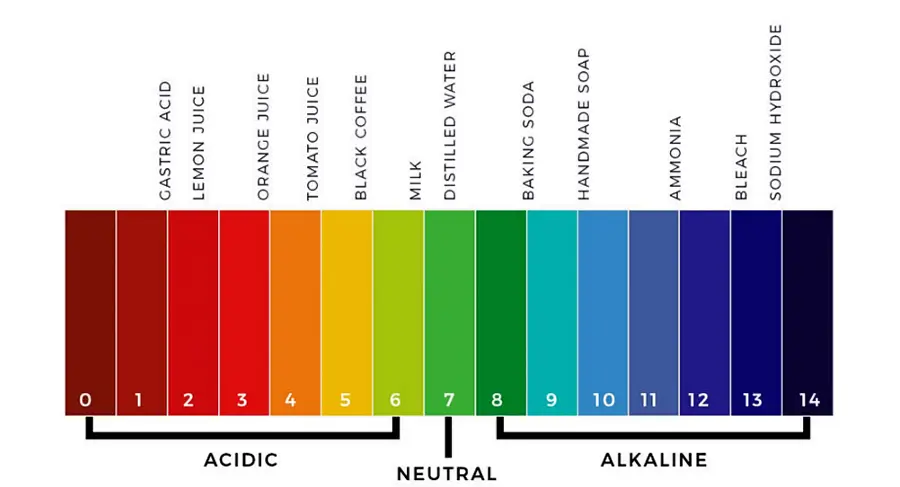
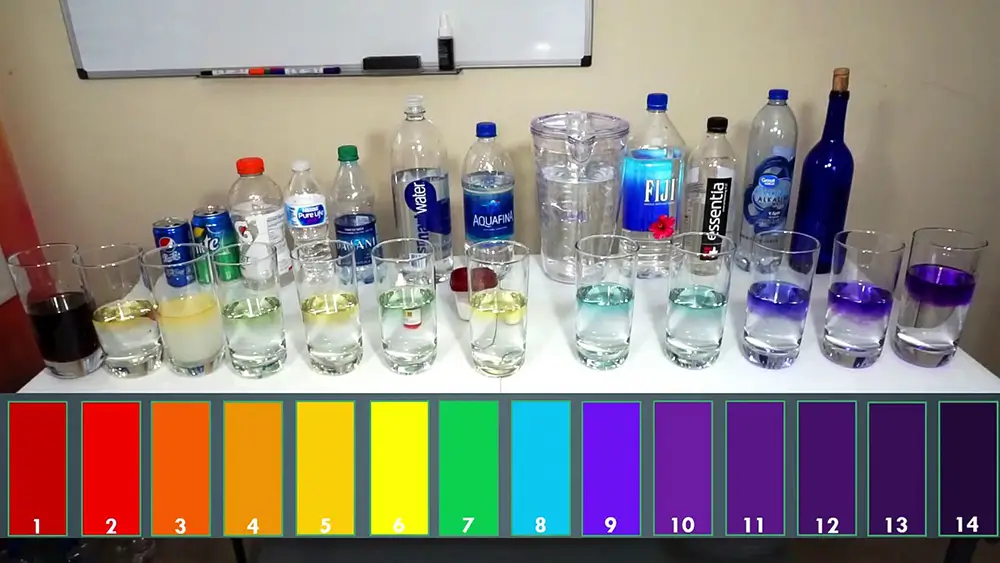
Pure distilled water, has no ions and that means that the distillation can never be alkaline or acid, nor can it be produced by electrolysis. Since alkaline liquid always has an excess of OH ions, it must also always contain another type of positive ion in addition to H + to compensate for the opposite charges. This additional positive ion is almost always a metallic ion such as magnesium, calcium, or sodium. Similarly, acidic water must always contain negative ions in addition to OH-. This means that waters whose pH differs from 7 are never pure in the chemical sense. Distilled water is pure and can never be alkaline or acidic. Groundwater containing different metal ions that it picks up such as calcium and magnesium can be made slightly alkaline by electrolysis, but that does not mean anything. As soon as “healthy alkaline” water enters the stomach and is mixed with highly acidic gastric fluid in the stomach, its alkalinity disappears.
The idea that we should consume alkaline water to neutralize the effects of acidic foods is not correct and not just that, it is a very bad idea as well. By exhaling carbon dioxide, our bodies will get rid of excess acid. It is not a big problem. However, if you really do de-acidify your stomach, it will cause the problem of successful protein degradation and will interfere with digestion. If acidity in the stomach is lowered by any means during the meal, it will mean that food will not be digested properly.
There are benefits only for people with acid reflux (Koufman et al., 2012). This study has found that alkaline water with pH 8.8 does instantly denature pepsin, rendering it permanently inactive. For patients that have reflux disease, alkaline water can help in acid-buffering capacity and may have therapeutic benefits. However, if you do not have reflux, drinking it during or after the meal will cause the lowering of the acid level in the stomach and interfere with food degradation and interfere in nutrient absorption. If you want to drink it, then do not drink alkaline water except on an empty stomach. Supporters of drinking alkaline water still believe in its many proposed health benefits, such as detoxifying properties, immune system support, colon cleansing, weight loss, cancer resistance, anti-aging properties, hydration, skin health, and the list goes on and on.
There are actually a couple of Chinese studies that discovered some of the health benefits in the form of anti-oxidative support (Zhao et al., 2005). The conclusion was that alkaline ionized water could enhance the heat tolerance of heat-exposed mice and it might be related to enhancing anti-oxidative function against the damage by free radicals. This was a surprise to me, but I do not believe that the Chinese People’s Liberation Army would do a bad science experiment. Chinese did a couple of studies.
In this study (Watanabe et al., 2018) they did find something even more interesting. The objective was to analyze the changes in blood sugar, blood pressure, and blood lipids in patients with diabetes mellitus, hyperlipidemia, and essential hypertension. After they have drunk alkaline ionized water the blood lipids and blood pressure levels dropped in some subjects even to the normal ranges. The study concluded that ionized alkaline water might be used as one of the accessory therapeutic methods for diabetes mellitus, hyperlipidemia, and essential hypertension.
What is going on? It bugged me. There are two types of alkaline water. The artificial alkaline water which is generally tapped water runs through an electrical ionizer to make the pH more alkaline and bottled spring or mineral water. Naturally-occurring mineral water contains alkalizing compounds in the form of rocks that it picks up, such as magnesium, silica, calcium, bicarbonate, and potassium. You can also purchase ionizing water machines.
Water ionizers are machines designed to work as water electrolyzes but what they do in reality is just use platinum or titanium to make water alkaline. They do not add any of the minerals found naturally in the ground. You can just ad backing soda for cheap, and you will have alkaline water, but why does it matter at all? When electrolysis or if you like the electrochemical process splits water molecules to form hydrogen and oxygen by an electric current the two types of substances will be created and none of them will be the real water. “Water” near the cathode would be alkaline and “water” near the anode would be acidic. Water ionizers work by simply siphoning off the water near the cathode that has higher pH (i.e., be more alkaline) and water near the anode would have increased levels of H+ making it acidic.
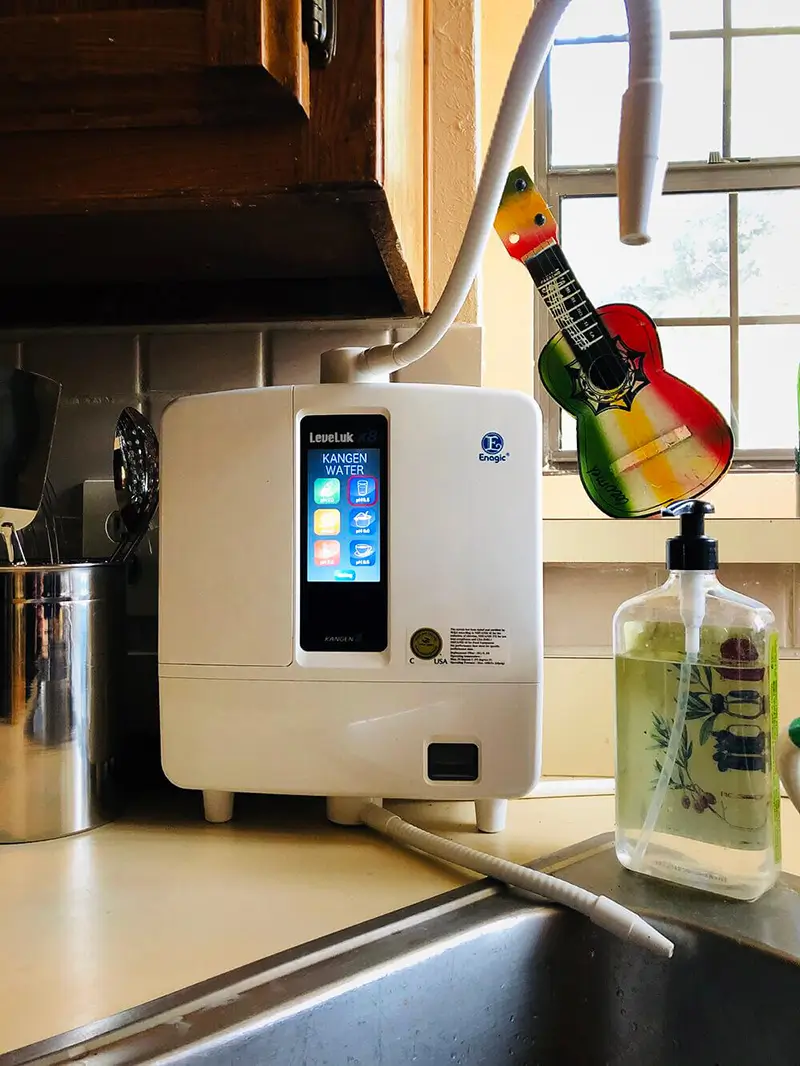
With machines like Kengen, you do not drink true alkaline water made in nature. You are actually drinking regular tap water with added hydroxide ions making it alkaline. It is not water at all. It just looks like water, but it is filled with hydroxide ions created by electrolysis. People talking about the antioxidative properties of this kind of Kengen-created hydroxide ions-filled water usually forgot or don’t even know the answer to one very important question. What happens after that hydroxide (OH–) that is antioxidant donates its electron? What happens is that it became one of the most cytotoxic oxygen radicals: the hydroxyl radical. Hydroxide is not an antioxidant, no matter what someone tells you. Hydroxide (OH–) is higher in alkaline water, but it is not a biological antioxidant. Hydroxyl radicals can occasionally also be produced as a byproduct of immune system activation. Macrophages and microglia (a type of immune cell) generate this compound to fight against some types of bacteria. The destructive action of hydroxyl radicals has been implicated in several neurological autoimmune diseases and can damage virtually all types of macromolecules. I will not personally take any antioxidant no matter how powerful it is if it has the potential to turn itself into free radicals.
The hydroxyl radical has high reactivity and a very short in vivo half-life of 10 seconds. This makes it a very toxic substance to the organism (Lipinski, 2011). The hydroxyl radical cannot be eliminated by an enzymatic reaction, as this would require its diffusion to the enzyme’s active site. As diffusion is slower than the half-life of the molecule, it will react with any oxidizable compound in its vicinity. Unlike superoxide, which can be detoxified by superoxide dismutase, the hydroxyl radical cannot be eliminated by an enzymatic reaction, and once created it will do full damage. Hydroxyl radical is the most reactive toward DNA among all known reactive oxygen species (ROS) generated in aerobic organisms by cellular metabolisms.(Chatgilialoglu et al., 2021).
Our bodies never had to deal with this molecule in the past. It is a new and non-natural antioxidant that has the potential to do a lot of damage if not eliminated from the body. And that is the real issue. Our bodies have no enzyme to eliminate them. Never drink Kangen Water Machine fake alkaline water filled with hydroxide ions created by electrolysis.
This water can be useful in other circumstances. Our fruits and vegetables are sprayed with pesticides, so strong alkaline water is excellent in minimizing and reducing pesticide residues.
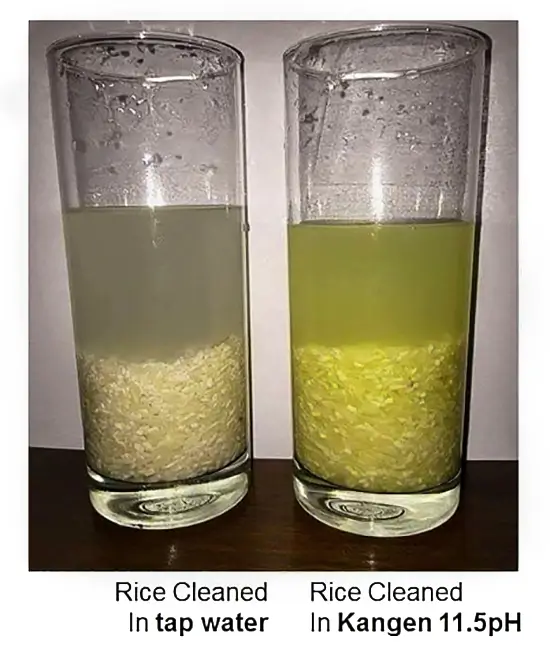
there are many advantages to having an ionizer that produces alkaline and acidic water, especially if you have sodium hypochlorite in the mix.
Strong acidic water with sodium hypochlorite results in a substance called Hypochlorous acid (HOCl), which is effective in killing 99.99% of germs and bacteria, including Staphylococcus, E. coli, and Salmonella, MRSA infections, and diabetic ulcers. It is good, not just for wound healing but for all skin infections like acne for example.
There are some real benefits from real alkaline water, and that benefit is hydration. It took me a long time but eventually, I found a different line of research studies and I understood what is the science behind the positive effects of alkaline water found in those studies done in China. Water molecules stick together in clusters. In normal conditions, water molecules arrange themselves in clusters of 14 molecules. When electrolysis breaks the bonds between oxygen and hydrogen creating hydroxide (antioxidant) and hydrogen ions it also breaks down clusters to a smaller size. Also in alkaline water, these clusters can be as small as five water molecules. They make the water a better solvent and increase fluidity. The reason why boiling water has lower surface tension is that of this smaller clustering of water molecules. If water gets too much energy as heat, it loses the clustering ability completely and became a monoatomic form of water known as steam. And I think this is where some of the benefits of alkaline water exist.
In this study, they added some baking soda to the water and tested for cholesterol (Pérez-Granados et al., 2010). The result was that systolic blood pressure decreased significantly after four weeks of bicarbonate water consumption, without meaningful differentiation between weeks 4 and 8. Then significant reductions in total cholesterol by 6.3%, LDL cholesterol, the bad cholesterol by 10%. The conclusion was that:
“Sodium-bicarbonate mineral water improves lipid profile in moderately hypercholesterolemic young men and women and could, therefore, be applied in dietary interventions to reduce cardiovascular risk.”
(Pérez-Granados et al., 2010)
This water had no antioxidants in there just baking soda.
I think I found the answer in this study (Weidman et al., 2016) and it was not the alkalinity of the minerals in the water. It was viscosity. This was a randomized, double-blind study with one hundred healthy adults. After exercise-induced dehydration, participants were randomized to rehydrate with an electrolyzed, high-pH (alkaline) water or standing water. The result was that electrolyzed, high-pH water reduced blood viscosity by an average of 6.30% making it easier for the blood to flow through the bloodstream compared to 3.36% with standard purified water. What does blood viscosity mean? Viscosity is the internal friction of blood flow. The higher the viscosity, the harder the blood. For example, water has a lower viscosity than honey. Drinking alkaline water can be good only because of the lower viscosity and nothing else. For research into sports drinks and nutrition, this is a topic of great interest. For general public health as well.
Highly viscous blood will have a harder time going thru the bloodstream forcing the heart to work harder. The heart will have to have stronger and more powerful contractions to do the extra pumping and in the time that can weaken the heart muscle. Also, viscous blood will raise blood pressure, and it will be more likely for the blood to form clots inside arteries and veins. If blood is sticky due to dehydration or fat in the bloodstream or other factors, the blood flow is impaired, and intercellular communication is impaired. The stickier the blood the harder it is for the body to undergo cellular detoxification. There is so far a solid understanding and a large number of studies that have been done and showed that elevated blood thickness is associated with heart disease and conditions like lupus and diabetes. Diabetes, smoking, and chronic inflammation, also increase the viscosity of blood. Aspirin and warfarin and other blood thinners work by chemically inhibiting blood fragments known as platelets to clump and form clots. That is why an aspirin a day is usually prescribed to a patient who already had a heart attack or has some other sort of cardiovascular problem. Aspirin or warfarin does not, in reality, alter the thickness (viscosity) of blood and the heart still needs to pump harder and blood pressure is still elevated they just make it harder for blood to form clots. Fluid dynamics is a big science in space agencies and warfare and in general research of propulsion systems.
It seems, and this is just a consideration that somehow alkaline water has a lower viscosity.
It acts as a mechanism that will increase the fluidity of the blood and detoxification at the cellular level and increase the hydration of the cells and will release the pressure on the cardiovascular system. How does it do it I do not know, and I can only speculate. When insects land on the surface some of them can even walk on water due to the surface tension. When fluidity is increased, the capability for intercellular water chemical interactions increases, and the body can go into detoxification easier so inflammation will drop.
References:
- Koufman, J. A., & Johnston, N. (2012). Potential benefits of pH 8.8 alkaline drinking water as an adjunct in the treatment of reflux disease. The Annals of otology, rhinology, and laryngology, 121(7), 431–434. https://doi.org/10.1177/000348941212100702
- Zhao, Lan, et al. “Alkaline Ionized Water Enhancing Heat Tolerance and Anti-Oxidative Function of Heat-Exposed Mice.” Journal of PLA Preventive Medicine, vol. 23, no. 6, Dec. 2005, pp. 394-396.[SinoMed]
- Sun, L., Zhou, P., Hua, Q., Jin, C., Guo, C., & Song, B. (2018). Effects of blood glucose, blood lipids and blood pressure control on recovery of patients with gastric cancer complicated with metabolic syndrome after radical gastrectomy. Experimental and therapeutic medicine, 15(6), 4785–4790. https://doi.org/10.3892/etm.2018.6033
- Effects of alkaline Ca~ (2+)-water on blood pH, calcium level and immune function in rats School of Life Science, South China Normal University, Guangzhou 510631, China
- Pérez-Granados, A. M., Navas-Carretero, S., Schoppen, S., & Vaquero, M. P. (2010). Reduction in cardiovascular risk by sodium-bicarbonated mineral water in moderately hypercholesterolemic young adults. The Journal of nutritional biochemistry, 21(10), 948–953. https://doi.org/10.1016/j.jnutbio.2009.07.010
- Weidman, J. J., Holsworth, R. E., Brossman, B., Cho, D. C., St Cyr, J. A., & Fridman, G. (2016). Effect of electrolyzed high-pH alkaline water on blood viscosity in healthy adults. Journal of the International Society of Sports Nutrition, 13(1). https://doi.org/10.1186/s12970-016-0153-8
- Chatgilialoglu, C., Ferreri, C., Krokidis, M. G., Masi, A., & Terzidis, M. A. (2021). On the relevance of hydroxyl radical to purine DNA damage. Free radical research, 55(4), 384–404. https://doi.org/10.1080/10715762.2021.1876855
- Lipinski B. (2011). Hydroxyl radical and its scavengers in health and disease. Oxidative medicine and cellular longevity, 2011, 809696. https://doi.org/10.1155/2011/809696

Do you have any questions about nutrition and health?
I would love to hear from you and answer them in my next post. I appreciate your input and opinion and I look forward to hearing from you soon. I also invite you to follow us on Facebook, Instagram, and Pinterest for more diet, nutrition, and health content. You can leave a comment there and connect with other health enthusiasts, share your tips and experiences, and get support and encouragement from our team and community.
I hope that this post was informative and enjoyable for you and that you are prepared to apply the insights you learned. If you found this post helpful, please share it with your friends and family who might also benefit from it. You never know who might need some guidance and support on their health journey.
– You Might Also Like –

Humane meat or humane myth?- The animal cognition

Lectins- Paradox of the “Plant Paradox”
Sulforaphane Benefits: Detoxifying Superpower of Broccoli

Pesticides, GMO’s, and toxic overload.

Intravenous Vitamin C in the Treatment of Cancer: 40 Years of Evidence

Cooked meat bacteria endotoxemia- Inflammation and diet
Fish toxicity- The most toxic meat

Binge eating disorder- The psychology of hunger

Learn About Nutrition

Milos Pokimica is a doctor of natural medicine, clinical nutritionist, medical health and nutrition writer, and nutritional science advisor. Author of the book series Go Vegan? Review of Science, he also operates the natural health website GoVeganWay.com
Medical Disclaimer
GoVeganWay.com brings you reviews of the latest nutrition and health-related research. The information provided represents the personal opinion of the author and is not intended nor implied to be a substitute for professional medical advice, diagnosis, or treatment. The information provided is for informational purposes only and is not intended to serve as a substitute for the consultation, diagnosis, and/or medical treatment of a qualified physician or healthcare provider.NEVER DISREGARD PROFESSIONAL MEDICAL ADVICE OR DELAY SEEKING MEDICAL TREATMENT BECAUSE OF SOMETHING YOU HAVE READ ON OR ACCESSED THROUGH GoVeganWay.com
NEVER APPLY ANY LIFESTYLE CHANGES OR ANY CHANGES AT ALL AS A CONSEQUENCE OF SOMETHING YOU HAVE READ IN GoVeganWay.com BEFORE CONSULTING LICENCED MEDICAL PRACTITIONER.
In the event of a medical emergency, call a doctor or 911 immediately. GoVeganWay.com does not recommend or endorse any specific groups, organizations, tests, physicians, products, procedures, opinions, or other information that may be mentioned inside.
Editor Picks –

Cancer Editor Picks Phytochemicals
Anticancer Power of Fruits and Vegetables: In Vivo and Clinical Evidence
Some vegetable extracts rival leading chemotherapy drugs and at the same time target multiple different types of cancer cells.
Antioxidants Editor Picks ORAC
Essential Oils as Antioxidant Supplements: Rules and Strategies
Food-grade essential oils can be a convenient and consumer-friendly strategy for optimizing the antioxidant value and ORAC scores of our diet.
Antioxidants Editor Picks ORAC
Antioxidant-Rich Diet: General Rules and Strategies
There are easy and cost-effective strategies for optimizing the antioxidant value of our diet.
Antioxidants Editor Picks ORAC
Understanding ORAC Values: Antioxidant Levels in Foods
When your main source of antioxidants is coffee, you know that you have a serious problem.

Antioxidants Editor Picks ORAC
Astaxanthin Benefits: World’s Most Powerful Natural Antioxidant
Astaxanthin is the most powerful natural and universal antioxidant (both oil and water-soluble) known to science. It accumulates in tissues and It can never turn itself into a pro-oxidant.

Antioxidants Editor Picks ORAC Phytochemicals
Antioxidants: Understanding the Basics
There are no phytochemicals or antioxidants in animal products. On average, plant foods contain more than 60 times as many antioxidants as animal-based foods.
Editor Picks Vegan Diet
Nutrient Deficiencies in Vegan Diet: Prevention Strategies
There are nine common nutrient deficiencies on the population scale affecting people eating a plant-based diet. If not corrected on time some deficiencies have terrible and non-treatable consequences.
Editor Picks Optimal Diet
Micronutrient Deficiency in Standard American Diet: Optimization Strategies
Nutrition profile of our modern meat, sugar, processed food diet is completely incongruent with our evolution resulting in severe micronutrient deficiency.
Editor Picks Phytochemicals
Phytochemicals: Understanding the Basics
Every single phytochemical that exists has a biological action in the human body. Every single one from millions of different phytochemicals.
Editor Picks Milk Optimal Diet
Milk and Dairy: Health Risk Correlations
Known associations with milk and dairy consumption are infertility, ovarian and breast cancer, leukemia, diabetes type 1, autism, arteriosclerosis, cataract, rheumatoid arthritis, multiple sclerosis, hyperactivity, congestion, pimples, and more…
Cancer Editor Picks Protein
Complete Protein: IGF-1 Signaling in Cancer Formation
When you eat animal protein you have four times the chance to develop all types of cancer. When you smoke you have a four-time chance to develop lung cancer.

Cancer Editor Picks Protein
The Anatomy of Cancer- Health risk correlations
About 2% of cancers are by medicine considered to be purely caused by genetic factors. The same range as within the animal kingdom. You haven’t been told the whole truth.
Milos Pokimica is a health and nutrition writer and nutritional science advisor. Author of the book series Go Vegan? Review of Science, he also operates the natural health website GoVeganWay.com
Latest Articles –

Calorie Restriction Longevity
How to Fast: Fasting Foods That Won’t Break Autophagy
Autophagy. Have you ever wondered what happens to the cells in your body when they die or get damaged? Do they just pile up and create problems, or do they get disposed of somehow? The answer is that your body…

Dental Health Prevention
Sweets Teeth Sensitivity & Pain: Quick Fix & Lasting Solution
A quick and easy fix for pain relief is clove essential oil, a powerful antioxidant and pain reliever that can help with gum disease and toothache.

Beans
Green Beans: Nutrition and Health Benefits
Green beans are low in calories and rich in natural compounds that can help you control your blood sugar, lower your cholesterol, and fight off free radicals.
Raw food diet Vegan Diet
Can You Eat Mushrooms Raw: Health Risks, Nutrition & Safety
Mushrooms have heat-sensitive toxins like hydrazine or agaritine, and cell walls made out of chitin that cannot be digested well by humans.

Vegan Diet
Are Fish Animals? A Cultural Perspective
In some cultures, fish meat is not considered to be meat, and fish is allowed even during fast.

Dental Health Prevention
Homemade Natural Mouthwash: Proven, Stronger & Less Toxic
Homemade natural mouthwash is stronger than chlorhexidine, less toxic and if swallowed might give you some nausea but also a high burst in ORAC value.
Dental Health Prevention
How to Stop Tooth Decay: Symptoms, Causes & Prevention
Sugar consumption is the main cause of cavities and tooth decay, combined with mineral deficiencies especially magnesium, zinc, copper and trace elements.
Antioxidants Superfoods
Amla: Proven Benefits, Nutrition And Clinical Significance
Amla is one of the world’s most powerful antioxidants with a ORAC score of 261,530. It is a rich source of phytochemicals that have various health benefits.
Top Health News — ScienceDaily
- Glucosamine, a popular joint supplement, linked to faster Alzheimer’s progressionon September 27, 2026
A large health-record analysis found that glucosamine use was associated with a 25% higher likelihood of mild cognitive impairment progressing to dementia. Lab experiments suggest the popular joint supplement may intensify an abnormal sugar-tagging process in the Alzheimer’s brain, although researchers say clinical trials are needed to determine whether it actually causes harm.
- Atrial fibrillation patients saw 69% lower risk with common blood thinnerson September 27, 2026
Direct oral anticoagulants cut the risk of serious clinical events by 69% in atrial fibrillation patients with an intermediate risk of stroke, according to the randomized SINGLE-AF trial. The benefit was driven mainly by fewer ischemic strokes, with no increase in major bleeding.
- One CRISPR treatment cut “bad” cholesterol in half for a full yearon September 27, 2026
A single dose of an experimental CRISPR therapy cut LDL cholesterol and triglycerides by about half in patients with difficult-to-treat lipid disorders. The reductions were still present one year later, with the highest dose lowering LDL by 52.5% and triglycerides by 47.8%.
- Why rheumatoid arthritis pain may persist even when inflammation is under controlon September 27, 2026
Pain and fatigue in rheumatoid arthritis can persist even after inflammation improves, with depression, poor sleep, obesity, smoking, and chronic pain potentially helping sustain symptoms. Researchers say identifying these hidden drivers could prevent unnecessary medication changes and lead to more personalized treatment.
- Scientists say house cats could help unlock better cancer treatments for humanson September 27, 2026
Scientists have mapped the genetics of cat cancer on an unprecedented scale and found surprising similarities with tumors in humans. The findings could help bring precision cancer treatments to cats while also revealing new clues about how human cancers develop and respond to drugs.
- A major risk of breast cancer screening may have been overestimated for decadeson September 26, 2026
A new analysis suggests mammograms may lead to far less breast cancer overdiagnosis than some earlier studies indicated. Researchers reexamined all eight major randomized screening trials and accounted for differences in follow-up time, screening frequency, and screening after trials ended. Their results were consistent with an overdiagnosis rate below 5%, rather than estimates approaching 30% to 50%.
- That fresh cleaning smell could be filling your home with nanoparticleson September 26, 2026
Researchers found that scented cleaners can react with ozone indoors to create billions or trillions of invisible nanoparticles that can penetrate deep into the lungs. The pollution forms within minutes and, in some cases, may produce an inhaled particle dose comparable to or greater than standing near heavy traffic.
PubMed, #vegan-diet –
- Plant-Based Diets in Adolescence: Cardiometabolic Benefits, Developmental Risks, and the Role of Fortificationon September 26, 2026
Adolescence is a critical window in which dietary patterns stabilise while nutrient requirements remain high to support growth, bone accrual, and neurodevelopment. Plant-based diets are increasingly adopted by young people, yet paediatric evidence indicates that they should not be treated as a single exposure, because diet quality substantially modifies both benefits and risks. Healthy plant-based patterns-rich in whole grains, legumes, fruits, vegetables, nuts, and unsaturated fats-are…
- Plant-Based Functional Custard Enriched with Vitamin D3: Insight into Technological Properties, Nutrition and Bone Tissue Regenerationon September 26, 2026
A plant-based or vegan diet is considered one of the most important dietary patterns, often followed for religious or health reasons. It should contain vital nutrients such as protein, iron, zinc, calcium, vitamin D, and others. The objective of this study was to produce a plant-based food product with high nutritional value (vegan custard, VC) and fortify it with vitamin D(3) (vegan custard + D(3)). Thirty-five female albino rats, with an average body weight of 160 ± 5 g, were divided […]
- Dietary Patterns, Micronutrient Adequacy, and Metabolic Vulnerability in Alzheimer’s Disease: A Critical Narrative Reviewon September 26, 2026
Dietary factors may influence cognitive aging and Alzheimer’s disease (AD), but observational associations, mechanistic findings, and intervention effects should not be considered equivalent evidence. This critical narrative review examines how dietary patterns, micronutrient adequacy, and metabolic health may modify AD-related vulnerability. A targeted search of PubMed/MEDLINE, Scopus, and Web of Science through April 2026 prioritized systematic reviews, meta-analyses, randomized trials, and…
- A Structured Narrative Review of Contemporary Dietary Strategies Following Acute Coronary Syndromeson September 24, 2026
CONCLUSIONS: A Mediterranean-style diet remains the dietary pattern supported by the strongest evidence for secondary prevention following ACS. Until further pragmatic randomized trials are available, clinicians should continue recommending Mediterranean-style dietary patterns while individualising dietary advice according to patient preferences, cultural practices, and long-term adherence.
- Toward International Dietary Guidance: A Food Guide Pyramid for Human and Planetary Healthon September 23, 2026
Dietary guidelines shape food policy, education, and food systems worldwide. Recent controversies in dietary guideline development, together with rising burdens of diet-related chronic disease and increasing environmental pressures, highlight the need for globally relevant dietary guidance aligned with both human and planetary health. We developed an evidence-informed International Food Guide Pyramid emphasizing optimal carbohydrate-containing staple foods. The International Carbohydrate […]
Random Posts –

Editor Picks Optimal Diet Vitamin D
Vitamin D- More than just your bones
Vitamin D is not a vitamin. It is a prohormone, a steroid with a hormone-like activity that regulates about 3% of the human genome.

Editor Picks Optimal Diet Paleo Diet
Paleo diet- No meat in sight
Humans evolved for 50 million years from plant-eating mammals. Hunting is not natural hominin activity. The Paleo diet only existed for the last 200,000 years.

Inflammation Raw food diet Toxicity
Lectins- Paradox of the “Plant Paradox”
The paradox of the “Plant Paradox” is that people who eat more lectins (beans and whole grains) have less cancer.

Raw food diet
Raw food diet- The evolutionary perspective
The base belief in the raw food community is that a raw food diet is the most natural and health-promoting way to live. What does evolutionary biology tell us?

Editor Picks Paleo Diet Vegan Diet
Vegan Neanderthals? The truth about the real Neanderthal diet
A typical representation of Neanderthals pictures them as killing the woolly mammoth. However a dental plaque tells a different story about the Neanderthal diet
Antioxidants ORAC Phytochemicals
Antioxidant Supplements vs Whole Foods: Paying to Live a Shorter Life
Antioxidant supplements do not show the observed health benefits of diets rich in fruits and vegetables while vitamin E, selenium, beta carotene, lycopene show an increased risk of cancer.
Allopathic Medicine Cancer Editor Picks
Cancer, The Forbidden Cures- Krebiozen
It is highly likely that powers at high places influenced by the reputation of Dr. Ivy believed that he did actually have something in Krebiozen.
Superfoods Toxicity
Chlorella Benefits: Plant-Based B12, Iron, Zinc & Detox
Chlorella is a vegan source of B12, iron and zinc, has strong chelation properties for heavy metals, potential to lower cholesterol, reduce anemia, and boost the immune system.
Antioxidants ORAC
Antioxidant Power of Spices: In Vivo Results with Realistic Dosages
Cloves, ginger, rosemary, and turmeric significantly stifle inflammation while black pepper, cayenne, cinnamon, cumin, oregano, paprika, sage, and heated turmeric do nothing.

Editor Picks Optimal Diet
Optimal Human Diet- Chronic Diseases, Diet Wars, and the Vegan Argument
Our natural optimal human diet is a diet that our hominin ancestors were eating for the last 30 million years, not anatomically modern humans in the Stone age.

Featured Posts –

Allopathic Medicine Cancer Editor Picks
Cancer, The Forbidden Cures-Rife machine, Historical review
The recovery rate for patients that have non-treatable cancer and were declared terminally ill by utilizing Rife Machine resonant technology was 100%.
Diabetes Editor Picks
Diabetes causes and saturated fat- The vegan argument
As the level of fat in the bloodstream rises the ability of the body to clear sugar drops. One of the diabetes causes is our maladaptation to a large fat intake
Cancer Editor Picks Phytochemicals
Anticancer Power of Fruits and Vegetables: In Vivo and Clinical Evidence
Some vegetable extracts rival leading chemotherapy drugs and at the same time target multiple different types of cancer cells.

Allopathic Medicine Editor Picks
The tale of Big Pharma- IG Farben
The part of Rockefeller monopoly on chemical and medicine industries came into fulfillment after WW2. Standard Oil and IG Farben cooperation made this into reality.

Editor Picks Prevention Vegan Diet
China study- The vegan argument
China study showed that there is no heart disease or cancer or diabetes in undeveloped rural communities in the world with starch-based vegan diets.

Editor Picks Obesity
Binge eating disorder- The psychology of hunger
In nature, there is no refined sugar or fat. Our brain had never been exposed to a combination of the two all at once forcing us into binge eating disorder.
Editor Picks Milk Optimal Diet
Milk and Dairy: Health Risk Correlations
Known associations with milk and dairy consumption are infertility, ovarian and breast cancer, leukemia, diabetes type 1, autism, arteriosclerosis, cataract, rheumatoid arthritis, multiple sclerosis, hyperactivity, congestion, pimples, and more…

Diabetes Editor Picks Optimal Diet
Refined Sugar: Understanding the Risks
Children consume around one-fifth of their total calorie needs from just refined sugar. If we add fat and the rest of nutrition-deprived processed foods to the list it becomes a complete nutrition nightmare.
Editor Picks Prevention Toxicity
Environmental toxicity- It is just a food chain
Environmental toxicity is the bioaccumulation of toxins. Organisms are filters. But there is one more even worse process called biomagnification in food chain.
Editor Picks Optimal Diet
Micronutrient Deficiency in Standard American Diet: Optimization Strategies
Nutrition profile of our modern meat, sugar, processed food diet is completely incongruent with our evolution resulting in severe micronutrient deficiency.
Latest from PubMed, #plant-based diet –
- Long-Term Monitoring of Radioactive Cesium in Commercial Foods and Dietary Intake Estimated by Total Diet Studies in Japan after the Fukushima Daiichi Nuclear Power Plant Accidentby Hiromi Nabeshi on September 27, 2026
Following the Fukushima Daiichi Nuclear Power Plant accident in 2011, Japan implemented extensive monitoring of radioactive materials in foods and established strict regulatory limits based on an annual effective dose of 1 mSv/year from artificial radionuclides. This review summarizes long-term surveillance data on radioactive cesium (r-Cs) in commercial foods and long-term assessments of dietary intake of r-Cs and strontium-90 (^(90)Sr) using the total diet study (TDS)/market basket (MB)…
- Nutrition and Endometriosis: Current Evidence on Dietary Risk Factors and Clinical Impact – A Narrative Reviewby Christine Dawczynski on September 27, 2026
Endometriosis (EM) is a severe chronic inflammatory disease characterized by the presence of endometrium-like tissue outside the uterine cavity, causing pain and significantly reducing quality of life. Worldwide, around 10% of women of reproductive age are affected and there is no cure as of now. The limited treatment options focus on hormone therapy, surgery and pain management–without satisfactory long-term effects. Nutritional strategies might support the prevention and treatment of…
- North American and Andean Indigenous Plant-Based Foods and Their Contemporary Scientific Rationale for Health Improvementby Lena Gálvez Ranilla on September 27, 2026
Plant-based food systems have been an integral part of human ecology since the dawn of domestication across all continents from over 12,000 y ago. This served the needs of human health and wellness from whole plant form to the use of parts in a range of water-based extracts to dry form or fermentation-based applications. This conference paper focuses on some examples of plant-based foods in the Americas that have been used since ancient times among indigenous North American and Andean […]
- Plant-Based Diets in Adolescence: Cardiometabolic Benefits, Developmental Risks, and the Role of Fortificationby Bianca Simionescu on September 26, 2026
Adolescence is a critical window in which dietary patterns stabilise while nutrient requirements remain high to support growth, bone accrual, and neurodevelopment. Plant-based diets are increasingly adopted by young people, yet paediatric evidence indicates that they should not be treated as a single exposure, because diet quality substantially modifies both benefits and risks. Healthy plant-based patterns-rich in whole grains, legumes, fruits, vegetables, nuts, and unsaturated fats-are…
- Dietary Patterns, Micronutrient Adequacy, and Metabolic Vulnerability in Alzheimer’s Disease: A Critical Narrative Reviewby Isidora Sierralta on September 26, 2026
Dietary factors may influence cognitive aging and Alzheimer’s disease (AD), but observational associations, mechanistic findings, and intervention effects should not be considered equivalent evidence. This critical narrative review examines how dietary patterns, micronutrient adequacy, and metabolic health may modify AD-related vulnerability. A targeted search of PubMed/MEDLINE, Scopus, and Web of Science through April 2026 prioritized systematic reviews, meta-analyses, randomized trials, and…
- Baseline Ferritin and Body Composition as Correlates of Longitudinal Metabolic Changes During an Energy-Restricted Mediterranean-Style Intervention Across Three Overweight Phlogistic-Related Clinical…by Begoña de Cuevillas on September 26, 2026
CONCLUSIONS: Baseline ferritin and body composition were correlates of heterogeneous inflammatory-metabolic profiles and ferritin changes. These hypothesis-generating associations do not establish causal or mechanistic effects and require controlled confirmation with comprehensive iron-status assessment.