







Micronutrient Deficiency in Standard American Diet: Optimization Strategies
Nutrition profile of our modern meat, sugar, processed food diet is completely incongruent with our evolution resulting in severe micronutrient deficiency.
Milos Pokimica
Written By: Milos Pokimica
Medically Reviewed by: Dr. Xiùying Wáng, M.D.
Updated December 22, 2025Key Takeaways:
– Nutrition profiles of the standard modern American diet (SAD) are completely incongruent with our evolution resulting in micronutrient deficiency.
– The way micronutrient inadequacies manifest themselves is through chronic disease (Ames, 2006).
– There are 102 minerals that make the human body and synthetic fertilizers replace just a couple of minerals that plants need.
– There are only some non-organic minerals that are bioavailable.
– Take iodine supplements or eat seaweed.
– Some of the chemicals that exist in the plant kingdom but are not present in the animal kingdom like vitamin C for example, magnesium, or vitamin E, are fundamentally impossible to correct in the modern type of western style animal products dominated diet.
– 94.3% of the US population does not meet the daily requirement for vitamin D.
– 100% of the population had intakes lower than the recommended value for potassium (Cogswell et al, 2012).
– 99% of people have an excessive intake of sodium (Cogswell et al, 2012).
– 88.5% noncompliance with vitamin E.
– 66.9% population is deficient in vitamin K.
– 52.2% population is deficient in magnesium, 44.1% in calcium, 43.0% in vitamin A, and 38.9% in vitamin C.
-If you are not eating a whole food plant-based diet, there is more than a 95% chance that you have a subclinical magnesium deficiency.
– Processing removes all of the micronutrients that were already depleted to a great extent.
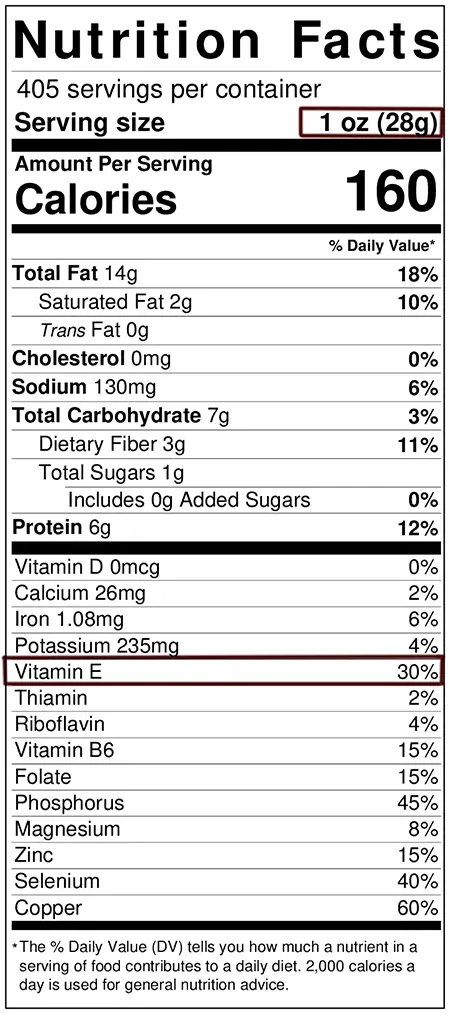
– Two supplemental food items we should be eating every day, are 40 grams of raw sunflower seeds (vitamin E) and 40 grams of raw cacao (magnesium, antioxidants). You can add one or two kale leaves for lutein and vitamin K, supplemental vitamin D, potassium salt, kelp or Lugol solution, two kiwis for vitamin C or some other vitamin C-rich food, and one or two carrots for vitamin A, 20 grams of flaxseeds for omega 3s, and ideally eat organic produce for trace minerals content. This is every single day for the rest of your life. If you’re eating plant-based you should add vitamin B12 to the mix and if not folate or B complex supplement.
In nature, food is a package deal.
No processing of food of any sort. To get to the sugar as an energy source for our life, we had to consume all other phytochemicals inside the plants, and this includes also defensive and toxic phytochemicals that plants produce as well. Animals are consumers so there is no other choice if we look into evolutional adaptation.
What this means is that if we want to live, unlike plants, we have to physically consume some form of energy with all of the “baggage” that comes with it.
Also, we have to consume building blocks of tissue in the form of amino acids and minerals. We cannot use solar energy to live as plants do, therefore we need to eat.
The crucial difference between animals and plants is also not just that plants produce their own chemical energy from solar radiation but also that plants cannot move. This means that plants cannot defend themselves from animals in any physical manner. They can have some form of defense like hard shells or some form of spikes or thorns but that is it. There are also environmental conditions. If the environment gets too cold or too warm, we will move. If there is a drought, we will move also. But plants cannot. Evolutionary adaptive mechanisms for plant kingdom has to use a different strategy.
In contrast to mammals, plants can only protect themselves chemically.
They don’t like to be eaten or attacked and the only way plants can protect themselves is by millions of different chemicals that they will produce. Like us, plants too are attacked by bacteria and fungi and like us, they have an immune system to ward off these attackers. They also have an immune system to ward off animals as well so some of them will have extremely toxic substances and will kill any animal that eats them. Plants also suffer from DNA damage by free radicals so they also need to have a defense against oxidation and solar radiation. All of these chemicals are the plant’s immune system. Some of them have other metabolic functions as well.
So now, at the fundamental evolutional level, all animals face a serious issue. The result of this chemical warfare is that animals must ingest all of the other compounds contained in the plant as well if they are to survive and consume or extract the sugar or fat from plants as an energy source.
In nature, food is a package deal.
These substances, which are found in plant tissues, are referred to as phytochemicals. Greek phyto means “plant” in modern English.
In millions of years of evolution animals that depended on plants for existence adapted at eating some of them. Not all of them, just some. Different types of animals eat different types of plants that they are adapted to by evolution. The reason why we exist today as humans with big brains is the high quality of diet that cooking of hard-to-digest plant sources enabled. There is no other animal that uses fire. Fire will destroy some of the toxic phytochemicals and will free up the energy reserves in the plants to become more bioavailable and as a consequence, we will be able to digest a wide range of different plant species.
The end result of this “battle” is that animals that depended on plants as a food source evolved to consume some of them during millions of years of evolution. Animals themselves developed defense mechanisms ageist plants’ defense mechanisms as a countermeasure. But only for some specific plant species, not all of them.
Different animals consume different plant species that they have evolved to eat. We as modern humans actually have the widest possible range of consumable plant sources and this is what actually made us human in the first place. The superior nourishment that allowed excess calories for brain development had been made available by heating otherwise indigestible high-quality high nutrient-dense plant sources. Other animals do not utilize fire. Fire will burn away some of the toxic phytochemicals and make the energy stores in the plants more accessible, allowing hominids to digest a wide range of varied plant species. It was Homo erectus that was the first one to use fire for cooking.

But still, even with cooking, we are still unable to eat most of the plant species in this world because of the different toxic phytochemicals in them that are not heat sensitive. Also, we cannot digest fiber as an energy source as grazers do. We are adapted to a high-quality nutrient-dense diet made available by the use of foraging strategies and use of fire.
But this goes one step further and this is how vitamins role in the survival of animal species emerges.
Different herbivore species will eat different plants and in time they will adapt their organism to different chemicals that are found in that particular plant. In time adaptation will be so complete that animals would not be able to live without some of the phytochemicals that are produced in the plants that they are eating. In that case, these chemicals would become essential for life as much as sugar or fat are and are known as vitamins. Vita means life.
Before vitamins became essential for the life of different species, they were just one more phytochemical.
This is what is important because different animals eat different plants and have different adaptations.
It took more than fifty million years to develop our current body and this is very important.
It takes a long time for evolution to work. Abrupt shifts in the environment can lead to the extinction of entire species. And this is exactly what the industrial revolution and the discovery of synthetic fertilizers have done. It takes 7 calories of starch to produce one calory derived from meat. Never in our entire evolution as a species have we been exposed to such a high level of availability of animal products.
Even in paleo times, the influx of meat in hunter-gathers societies was no more than 5 to 10 percent of calories (Paleo diet- No meat in sight). I already analyzed the anthropological side of this topic in correlated articles and in the first part of the book series. It took 50 million years for us to form our bodies on a vegan diet. For most of that 50 million years, our ancestor species lived on just green leaves and fruit as same as more than 85% of primates today including great apes as well. We have been eating 5 to 10 percent of calories from meat sources only, and this is the truth. And only during a couple of hundreds of thousands of years during the paleo period. Only Neanderthals and not all of them as well, some of them had a vegan diet, but only some groups of Neanderthals in far north regions during the Ice Age have been eating meat-dominant diets. When Wholly Mammoths were hunted down to extinction or disappeared due to meteor impact in Younger Dryas they had severe problems catching smaller swifter prey and went extinct. This is what an abrupt shift in the environment can do. Wholly Mammut is a very slow animal and can be killed easily and in subzero ice age climates meat freezes before it goes bad. But when there are no more Mammoths to hunt then you don’t eat anymore. This was only a period of a couple of hundreds of thousands of years and evolutionary speaking it was not enough time to have made any whatsoever meaningful adaptation. From the Neolithic Revolution to the time of the modern Industrial Revolution diet was again starch-based vegan diet everywhere. It was wheat in the Middle East or corn in Mesoamerica or rice in Asia. Doesn’t matter.
Micronutrient Deficiency.
What matters is that the nutrition profiles of the standard modern American diet (SAD) are completely incongruent with our evolution. All of the adaptations we have for different phytochemicals and their necessity for our survival are no longer valid.
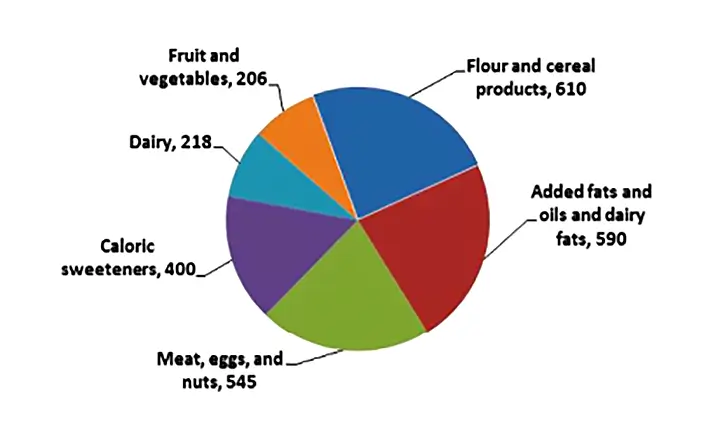
For example, more than 86% of people eating the standard American diet are vitamin E deficient. I will analyze every individual micronutrient inadequacy in more detail in correlated articles. It is a vast topic that will require more than 30 or 40 articles just to get a basic understanding and to have some strategies in the form of nutrient interventions because nutrient deficiencies kill and before we die we have chronic diseases (Fairfield and Fletcher, 2002).
The way micronutrient inadequacies manifest themselves is through chronic disease (Ames, 2006).
It would be hard for you to correct an incongruent diet just by supplements or different strategies. Remember this, nature always wins. If you have a completely incongruent diet dominated by animal products you are going against 50 million years of evolution and nature will prevail.
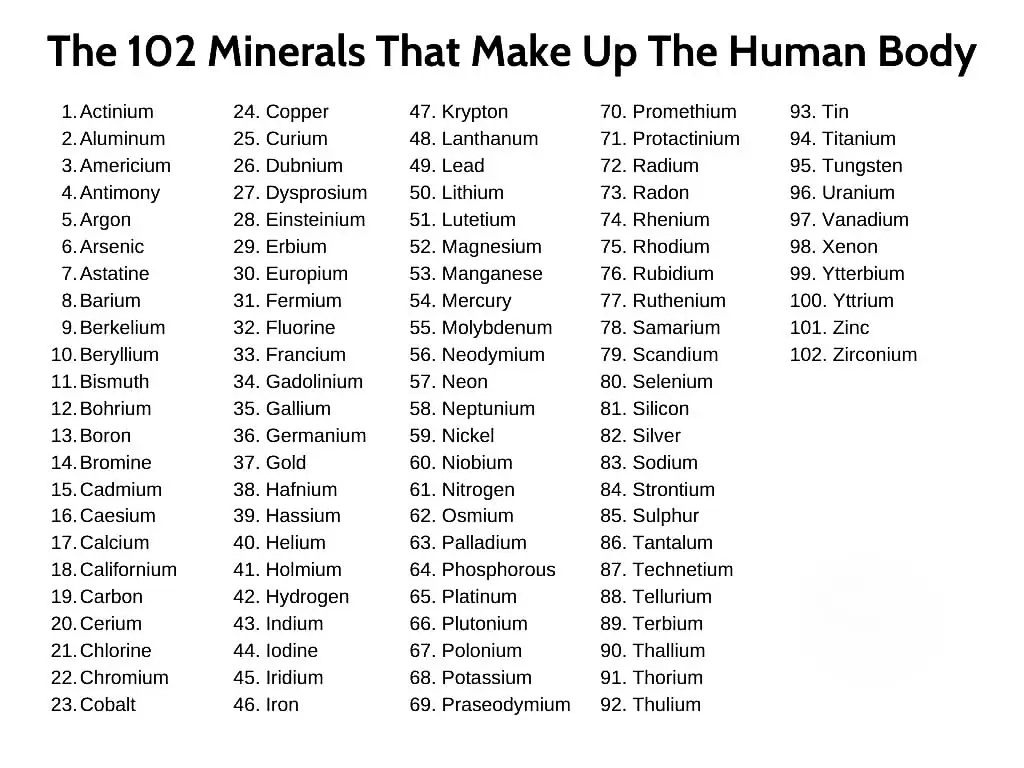
On top of that, we can add processed food, sugar, oil, and regular nonorganic produce grown on nutrient-depleted soil with synthetic fertilizers. There are 102 minerals that make the human body and synthetic fertilizers replace just a couple of minerals that plants need. Laky for us vitamins are just chemicals so we can take supplements or some dietary interventions to correct some of the deficiencies of our diet but there are thousands of other phytochemicals and antioxidants that we cannot replace.
Supplementing a bad diet is just bad.
It is better than nothing but it would still lead to chronic disease in the end (Angelo et al., 2015). This doesn’t mean that there are no strategies to implement but you will have to read all of the upcoming articles to implement all of the strategies and change your diet by a big margin if you don’t want to go to full, 100 percent plant-based nutritionally optimized way. In this article here I will just use some examples so that we can have a basic understanding of where the root of the problem is. And it is a maladaptation and shift in our environment. Maladaptation is the base of all of our nutritional and medical problems. Maladaptation due to the overabundance of supernormal stimuli, highly palatable, all-you-can-eat food, and stimulants everywhere.
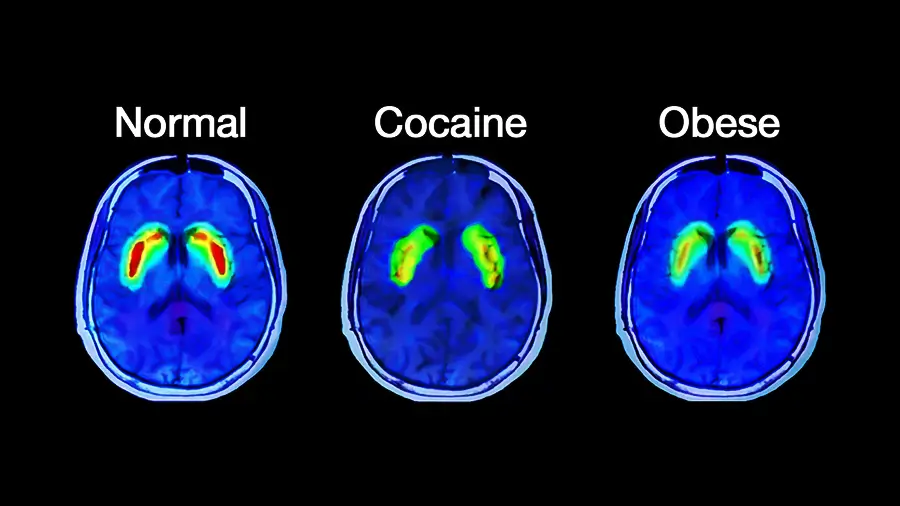
This maladaptation end result is diabetes, cancer, heart disease, and all other diseases of affluence. People always have subconscious self-defense mechanisms when I start to talk about Western style diets because in my practice and in scientific studies downregulation of D2 dopamine receptors in the brain is actually the main driving force for the status quo (Binge eating disorder- The psychology of hunger).
Decades of public health messages to eat a balanced diet have not resulted in behavior change. Energy-rich, nutrient-poor foods comprise an estimated 27% of the daily caloric intake in the American diet (Kant, 2000). Alcohol constitutes an additional 4% of daily caloric intake. Almost entire American and all other populations as well in developed countries are overfed and exceeding energy (caloric) needs but not meeting micronutrient (vitamin and nutritionally essential mineral) requirements. One analysis of US national survey data (National Health and Nutrition Examination Survey) found that children and adults with high intakes of added sugars ( and this means more than 25 percent of entire energy intake; the upper limit recommended by the National Academy of Medicine which is disgrace just by itself) had lower dietary intakes of several micronutrients, especially vitamins A, C, and E, as well as magnesium and potassium (Marriott et al., 2010).
And the big question is why A, C, and E, magnesium, and potassium. It is always A, C, E, magnesium, and potassium. And also vitamin D, iodine, trace minerals, and antioxidants. These deficiencies are constant for more than 90 percent of the population everywhere in developed countries (Bailey et al., 2015). And the answer is that we are not anatomical and real omnivores. Just behavior omnivorous like chimpanzees for example.

This is all the proof you need if you want to know the truth. There are no real omnivore species in existence on this entire planet that would be deficient in vitamin C for example. The main reason is that for real anatomical omnivores and carnivores, vitamin C is not a vitamin. They have the ability to produce their own vitamin C in the liver as much as they need to. On the other hand, omnivores and carnivores would never get heart disease because unlike us cholesterol is a vitamin for them.
Unlike real omnivore species, we as humans like any other plant eaters on this planet produce our own cholesterol in our own liver as much as we need our entire life. Not one single gram of dietary cholesterol is needed for us during our entire life. But vitamin C we do need or we will eventually die from scurvy.
So what drives predominantly micronutrient deficiency of vitamin C is maladaptation. The shift from plant-based to animal-based vitamin C deficient diet. About 75% of the US population (ages ≥1 year) do not consume the recommended intake of fruit, and more than 80% do not consume the recommended intake of vegetables. The 2015-2020 Dietary Guidelines for Americans highlighted the nutrients that are under-consumed in the US population, i.e., “nutrients of public health concern” because low intake may lead to adverse health effects on the population scale that will manifest as a health risk hazard in the form of chronic diseases (Dietary Guidelines for Americans | health.gov, n.d.-c).
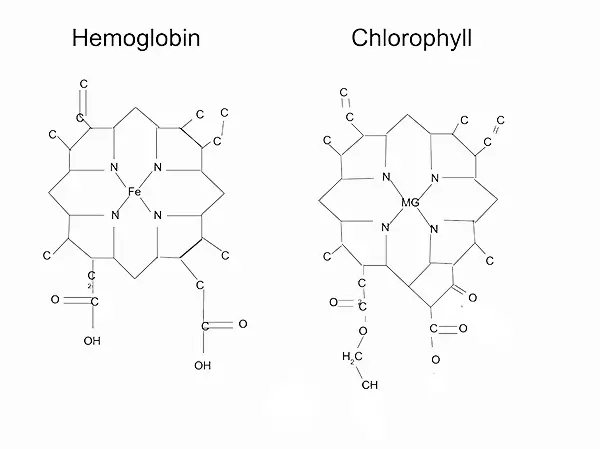
Some of them include vitamin D (the only vitamin not produced by plants and we are not running naked in Africa anymore), calcium, potassium (some fish do contain some amount of potassium but it is mostly found in plants), dietary fiber (no fiber in animal products), and iron (women of childbearing age, and pregnant women). Other nutrients, including vitamins A, C, and E, and magnesium, none of which are present in adequate amounts in animal products except vitamin A in the liver. Magnesium is what gives chlorophyll its green color and it is not present in animal products in adequate amounts.
On top of this, some groups of people are more at risk because the above numbers are just average. An estimated 13% of the US population have added sugar intakes above the cutoff level for added sugars and may be at higher risk for micronutrient deficiencies. In fact, National Health and Nutrition Examination Surveys (NHANES) that assess the nutritional and health status of a nationally representative sample of the civilian, non-institutionalized US population have reported a high prevalence of select micronutrient inadequacies in the US population (see Table 1).
| NHANES 2007-2010: Usual Micronutrient Intake from Food Sources and Prevalence of Micronutrient Inadequacies Among US Residents Ages ≥4 Years | ||
| Micronutrient | Mean Daily Intake from Food* | % < EAR |
| Folate | 542 μg DFE | 9.5 |
| Niacin | 24.7 mg | 1.1 |
| Riboflavin | 2.2 mg | 2.1 |
| Thiamin | 1.6 mg | 4.7 |
| Vitamin A | 621 μg RAE | 43.0 |
| Vitamin B6 | 2.0 mg | 9.5 |
| Vitamin B12 | 5.3 μg | 2.5 |
| Vitamin C | 84.0 mg | 38.9 |
| Vitamin D | 4.9 μg | 94.3 |
| Vitamin E# | 7.4 mg | 88.5 |
| Vitamin K | 85.2 μg | 66.9† |
| Calcium | 987 mg | 44.1 |
| Copper | 1.3 μg | 4.2 |
| Iron | 15.1 mg | 7.4 |
| Magnesium | 286 mg | 52.2 |
| Phosphorus | 1,350 mg | 1.0 |
| Potassium | 2,595 mg | 100† |
| Selenium | 108 μg | 0.3 |
| Sodium | 3,433 mg | 0.1† |
| Zinc | 11.7 mg | 11.7 |
| Choline†† | 315 mg | 91.7† |
| *includes enriched and fortified food #α-tocopherol †% < AI; DFE, dietary folate equivalents ††considered an essential nutrient but not strictly a micronutrient Abbreviations: DFE, dietary folate equivalents; RAE, retinol activity equivalents |
The root cause of these deficiencies is maladaptation and it starts with the way that our brain is functioning. Malfunctioning in our brain chemistry is what drives our desire for animals and processed foods as a form of supernormal stimuli. We do not want to chew on kale. We want pizza and ice cream. Hominins as herbivore species consumed different plants, but only plants and only anatomically modern humans in the paleo period started hunting for some amount of meat and that is it. Through time by evolution, hominids adapted their bodies to tolerate the various compounds that are present in plants that they were eating. They did not adapt to the high inflammation that comes in meat-dominated omnivore types of diets by producing our own vitamin C. Hominins have consumed an overbalance of antioxidants and minerals in our natural diets but today’s number one antioxidant food in standard western type of diet is coffee. And this process took millions of years.
Some of the chemicals that exist in the plant kingdom but are not present in the animal kingdom like vitamin C for example, magnesium, or vitamin E, is a fundamentally impossible task to correct in the modern type of western style animal products dominated diet and it is a base for insufficiency and that is the entire point of understanding the root cause of our malnutrition.
Today we are obese and malnourished at the same time.
Skinny fat at the same time.
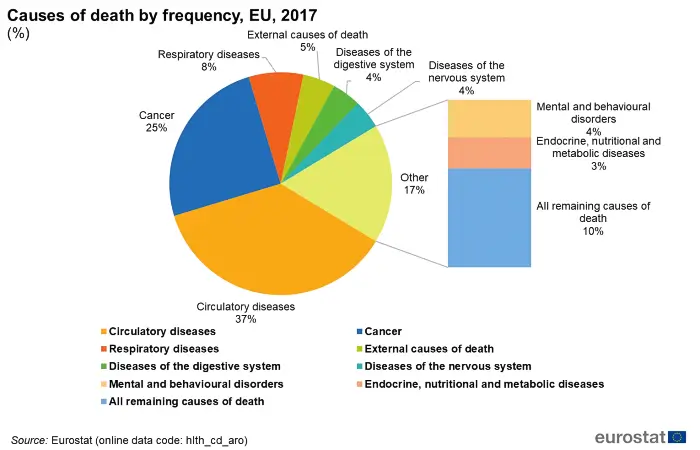
With all of the advances in the scientific field and in medicine, we are the sickest we have ever been at the same time. One-third of us will die from cancer. One-third from heart disease.
100% of the population had intakes lower than the recommended value for vitamin D.
If we look at the tables (see Table 1) number one deficiency would be potassium and also vitamin D. Entire population, or to be precise, 94.3% of the US population does not meet the daily requirement for vitamin D and vitamin D is dirt cheap vitamin that regulates around 3% of genes in our body.
You can read more about it in correlated articles about vitamin D. Why people and especially people with darker skin tones and people that do not get sunlight exposure are not supplementing with this vitamin as a nutritional strategy is a mystery to me.
These tables do not measure all other “non-essential” minerals that are actually essential but to a lesser degree and also they do not count antioxidants outside vitamin C and vitamin E as essential nutrients and do not provide an RDA, but all of these nutrients are essential or in other words have a role in a human body. For trace minerals and phytochemicals including antioxidants basically, the entire population is deficient. And also for potassium.
100% of the population had intakes lower than the recommended value for potassium.
Potassium is mostly found in plant food sources. There are no adequate levels of potassium in animal products. Because of the shift to an animal products-dominated diet less than 2 percent of U.S. adults consume the recommended daily minimum, and this is the minimum not optimal intake of potassium (Cogswell et al, 2012). All of these people are mostly vegans. There are more vegans than 2 percent of the U.S. population and not even all of them have optimal potassium intake. This fact alone can tell us a lot about the “humans are omnivores” paleo diet type argument. And this number includes artificially and deliberately manipulated RDA. Based on the true evolution of our hominin ancestors, the optimum dietary potassium intake likely greatly surpasses existing minimal or for that manner even recommended intakes. More than 98 percent of Americans eat severely potassium-deficient diets. This deficiency is even more prominent if we compare our current intake with that of our hominin ancestors. We evolved possibly consuming much more than 10,000mg a day. The current dietary recommendation is to eat at least around 5000mg. In reality, most people’s potassium intake is marginal. And this will and has health consequences especially if we understand the mechanisms behind the sodium-potassium pump and its effects on neurons, kidneys, cardiovascular system, and fluid balance.
99% of people have an excessive intake of sodium.
Too much sodium in the diet disrupts the sodium-potassium pump, causes high blood pressure, and increases and independently increases the risk of stomach cancer, stroke, heart disease, and kidney disease. Salt also increases inflammation and almost every known disease is correlated to chronic inflammation. For example, sodium intake is associated with increased disease activity in multiple sclerosis, an inflammatory autoimmune nerve condition (Farez et al., 2015). Around three to four times the rate in people with medium or high sodium intakes compared to those getting less than a teaspoon (less than 6 grams) of the salt total in a day. For instance, people with medium or high sodium intake experience three to four times as many rates of multiple sclerosis (inflammatory autoimmune disease) compared to people who consume less than one teaspoon of salt per day. Multiple sclerosis is characterized by increased sodium levels in the spinal cord (Hori, 2020). Lupus, another deadly and severe inflammatory autoimmune illness, is characterized by greater sodium levels in all tissues (Carranza-Leónet al., 2020). All diseases can be by interpolation associated with an increase in inflammation caused by an increase in dietary sodium intake. Because sodium is mostly found in junk food in the first plate there was an argument that sodium is just a marker for an overall bad diet. A scapegoat for a bad diet in some sense.
Today we know that there is a causal relationship between salt and high blood pressure. Today we have more than 140 randomized controlled experiments done just on sodium. Today we know that independently from other factors reducing added salt lowers blood pressure, and the more salt you reduce, the better (Huang et al., 2020). Salt is also used for fermenting foods traditionally. There are some new lines of experiments that have shown that sodium could actually alter our microbiome in a negative way by promoting the development of non-probiotic bacteria in the gut.
In an anthropological sense, our hominin ancestors never had crystal salt. The only sodium consumed was sodium naturally found in food sources. Our bodies evolved only to handle about 750mg a day.
Because sodium and potassium are opposing minerals that regulate the sodium-potassium pump it is necessary to look at them in a relative manner. Not as a single deficiency.
This one is hard to calculate. The number of people that would comply with both recommendations and this is my extrapolation of the data, for both sodium and potassium intake today would be somewhere around one person in 6,000 (Cogswell et al, 2012). This is a prime example of maladaptation to our environment. One man in 6,000 lives congruently with our natural evolution. Additionally, we must keep in mind that more individuals than 1 in 6,000 follow a plant-based diet.
Even vegans are mostly in the noncompliance group.
The manifestation of this is that one-third of us will die from heart disease. All animals like to lick salt but only we are able to actually do it in every single meal. We can easily correct this but no one will do it. Not even people on a whole food plant-based diet can give up on salt. What we can do is to start to eat more greens and beans for potassium. Also, this would not be enough as the result of compliance shows.
Since most of us are getting too much sodium along with too little potassium today only option for most of the population is nutritional intervention. We need in this case to add a potassium salt directly to our diet.
If we look into a meta-analysis of randomized controlled trials regarding the substitution of potassium chloride for sodium chloride end result is as expected the lowering of blood pressure. The problem with potassium chloride is that it does not taste good. It is not able to truly replace table salt. It has a metallic or chemical taste. It can be mixed with regular table sat to some degree that would not be noticeable. Or it could just be taken as a supplement. The majority of the trials in the meta-analysis involved substituting 25% to 33% of potassium chloride for regular salt because of this reason. But still, the results were positive. The majority of individuals can’t distinguish between ordinary salt and potassium salt at less than a 30% rate of substitution. The FDA states that potassium chloride is “usually believed to be safe,” because unlike some other minerals it can easily be exerted out of the body by urine. Caution is advised in cases with kidney damage where kidneys are not able to regulate potassium levels. Risk groups also include patients that receive medications that impair potassium excretion and individuals with adrenal insufficiency.
If you want to take a potassium supplement and this depends on your individual diet nutrition profile then I would recommend you to do so if you are not able to correct your diet. We will have to analyze your individual nutrition profile or you can do this by yourself for a couple of weeks to see the level of nutrition deficiencies. In most cases, no adverse effects have been shown for long-term intakes of potassium supplements in the range of 3,000 mg to 4,000mg in a day.
The normal potassium intake for the human species may be on the order of 15,000 mg per day if we look into our evolution. This is the range that hominin species would consume in their normal plant food vegan diet made up of fruits and vegetables. Blood levels of potassium in healthy individuals with no renal problems are actually maintained in the normal range even when potassium intake is increased to 15,000 mg per day.
88.5% noncompliance with vitamin E.
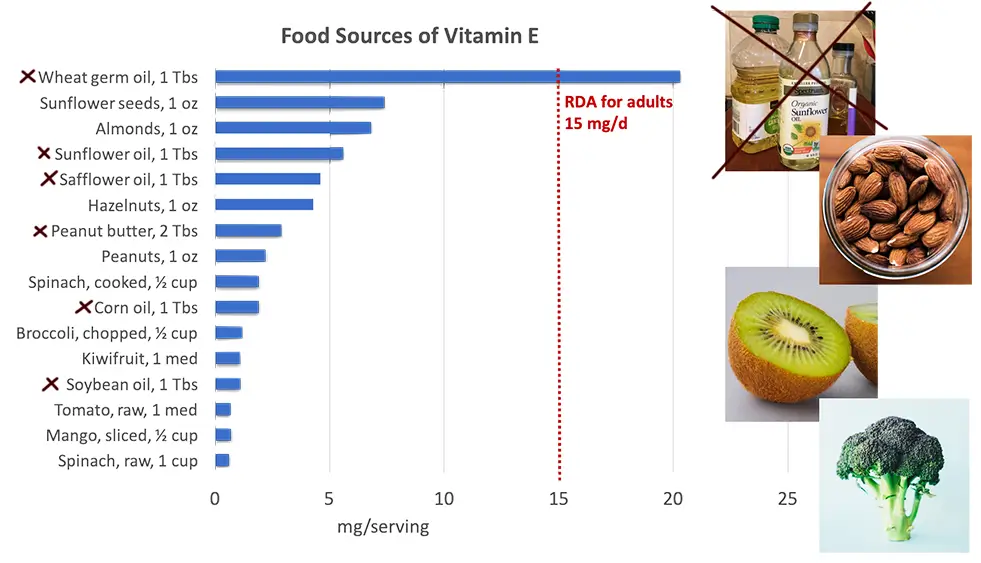
Vitamin E is very hard to get even in a plant-based whole-food diet. Most of us that do not actively try to correct vitamin E deficiency will end up having an inadequate intake. The RDA for α-tocopherol is 15 mg/day. It is assessed that more than 90% of American adults do not meet the estimated average requirement (EAR) of 12 mg/day of α-tocopherol. The term vitamin E is actually one single vitamin from a family of eight molecules. All of them are fat-soluble antioxidants: four tocopherol isoforms (α-, β-, γ-, and δ-tocopherol) and four tocotrienol isoforms (α-, β-, γ-, and δ-tocotrienol).
Only one form, α-tocopherol, is classified as vitamin E but this doesn’t mean the rest of the tocopherols do not have biological functions inside the human body. In the human liver, α-tocopherol is the form of vitamin E that is preferentially bound to α-tocopherol transfer protein (α-TTP) and incorporated into lipoproteins that transport α-tocopherol to other tissues. Therefore, it is the predominant form of vitamin E found in the blood and tissues. But again this does not mean that other types of tocopherols have no importance. Quite the opposite. Vitamin E forms other than α-tocopherol are also known to be potent antioxidants. Tocotrienols and γ-tocopherol are thought to be better scavengers of peroxyl radicals and reactive nitrogen species, respectively, than α-tocopherol.
The main function of α-tocopherol in humans is that of a fat-soluble antioxidant. Fats, which are an integral part of all cell membranes, are vulnerable to damage through lipid peroxidation by free radicals. α-Tocopherol is uniquely suited to intercept peroxyl radicals and thus prevent a chain reaction of lipid oxidation. When a molecule of α-tocopherol neutralizes a free radical, it is oxidized and its antioxidant capacity is lost. Other antioxidants, such as vitamin C, are capable of regenerating the antioxidant capacity of α-tocopherol.
Aside from maintaining the integrity of cell membranes throughout the body, α-tocopherol protects the fats in low-density lipoproteins (LDLs) from oxidation. Lipoproteins are particles composed of lipids and proteins that transport fats through the bloodstream. LDLs specifically transport cholesterol from the liver to the tissues of the body. Oxidized LDLs have been implicated in the development of cardiovascular disease.
A deficiency of vitamin E, especially in the situation of chronic inflation caused by a lack of other antioxidant-rich food sources, is correlated to free radical damage accumulation.
Because oil and water don’t mix our body needs vitamin C for water and vitamin E for fat parts of our cells as a free radical defensive mechanism. Organs that are made out of fat like a brain, for example, are especially suspectable to inflammation caused by a vitamin E deficiency.
Vitamin E deficiency is correlated to cancer, cognitive deterioration, Alzheimer’s disease, age-related macular degeneration, age-related cataracts, cardiovascular disease, age-related deterioration of immune function, type 2 diabetes mellitus, and fatty liver diseases.
This is one deficiency that will hide itself for a long time while we suffer DNA damage and then manifest itself as a chronic illness that is not treatable because the damage has already been done.
When we start to feel vitamin E deficiency in most cases it is already too late. This is not a deficiency anybody will want to have especially with all of the toxic overload and chronic inflammation already present (Pesticide exposure in American children- Real-life exposure tests). Especially because it is a deficiency that is not expensive to correct but at the same time if you don’t know what you are doing will be very hard to correct it naturally.
This is because vitamin E as a fat-soluble antioxidant only exists in fat. And because it is an antioxidant it reacts to oxygen in the air so if we have any vitamin E exposed to air it is gone. Oil is rancid. End of story. The number one source of vitamin E in the western diet is exactly vegetable oil. This is one big fat lie designed to fool you. The reason industry refines oil is to remove aroma molecules from it. Oil is not extra virgin, vacuumed sealed, and preserved cold press oil but just rancid pro-inflammatory carcinogenic oil deprived of any vitamin E that is refined so that you as a consumer would not smell the rancidity. This also applies to grounded seeds. If you have pre-grounded sunflower seeds or flax seeds or any seed or nut that has its protective shell removed vitamin E has been exposed to air and the seed or nut has gone rancid. Even if you have fresh oil extracted in a home oil extraction machine vitamin E concentration is significantly reduced as soon as the oil is extracted. You should use it immediately. This also applies in situations where you grind your seeds at home or use a blender or use any other proses of exposing vitamin E to air and all other antioxidants in that manner.
And what do most people do with oil? They use oil for frying and cooking and backing. Temperature increases oxidation and when you use oil for cooking say goodbye to any vitamin E content. You have pro-inflammatory, cancerogenic, mutagenic rancid oil, and anything that you use to fry in it is cancerogenic as well. For deep frying saturated fat is more stable it has a higher smoking point than polyunsaturated fat but this is a vast topic for another article. Vitamin E is very hard to consume. Only on paper statistics, you will see vegetable oils as a source of vitamin E and this is done deliberately just not to freak people out completely. In the US, the average intake of α-tocopherol from food (including enriched and fortified sources with pro-inflammatory fake vitamin E and all fake concentrations of vitamin E in rancid extracted oils and open-up and grounded seeds, and fortified food with fake synthetic vitamin E) for adults is 7.2 mg/day (Fulgoni et al.,2011). Even this fake nonexistent level is well below the RDA of 15 mg/day of α-tocopherol.
If consumers would know this what would happen? Would you stop eating anything fried or backed in oil? Would you start to incorporate vitamin E supplements into your nutrition intervention strategies?
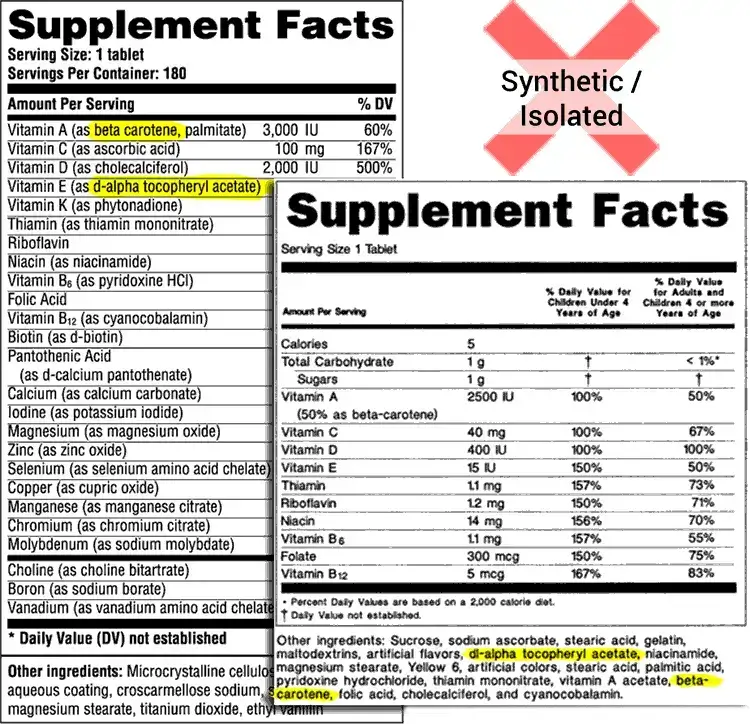
What is a significant fact here also is that industry is not able or it would be too expensive to create 100 percent of the same molecular structure of vitamin E in the laboratories. They are selling vitamin E supplements that are not vitamin E.
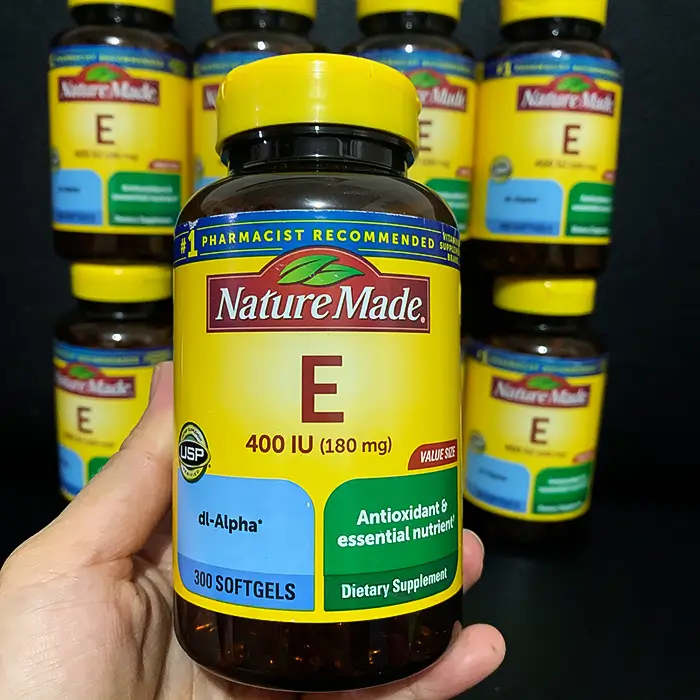
Natural α-tocopherol made by plants found in food has an RRR-configuration at the 2, 4’, and 8’-position of the α-tocopherol molecule (wrongly referred to as d-α-tocopherol). Chemically synthesized all-rac-α-tocopherol (all-racemic-α-tocopherol; incorrectly labeled dl-α-tocopherol) is a mixture of eight stereoisomers of α-tocopherol, which arose from the three chiral carbons at the 2, 4’, and 8’-positions: RRR-, RSR-, RRS-, RSS-, SRR-, SSR-, SRS-, and SSS-α-tocopherol. While all stereoisomers have equal in vitro antioxidant activity, only the forms in the R-conformation at position 2 (noted 2R) meet the vitamin E requirements in humans.
This is nothing new. Everyone in nutrition and medicine knows that synthetic vitamin E does not have any antioxidant activity in vivo. It is a fake vitamin pill that is used for fortifying baby food.
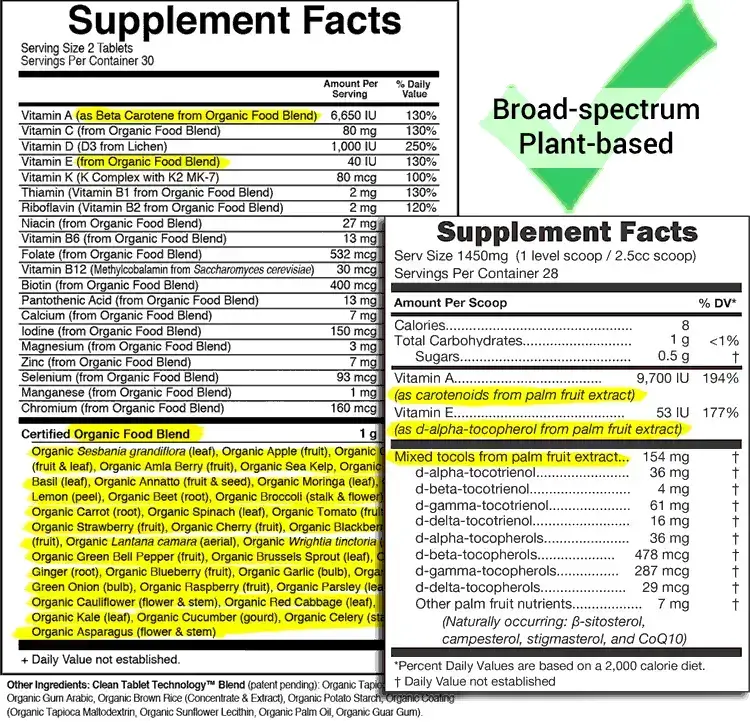
After a 10-year follow-up period, a prospective observational analysis of around 4,000 people in the Framingham Heart Study showed no statistically significant link between vitamin E supplement consumption and cardiovascular or even just all-cause mortality (Dietrich et al., 2009). Additionally, a more recent meta-analysis of 53 randomized trials with 241,883 participants showed beta-carotene, vitamin A, and vitamin E significantly increased all-cause mortality while doses below the RDAs did not affect mortality. We know that vitamin E supplements are just a waste of money but there was a line of studies that have shown an increase in mortality. People taking it might be actually paying to live a shorter life. Today the scientific consensus is that in people who are typically healthy, there is currently no conclusive evidence that vitamin E supplementation below overexercises levels and chronic overdosing will increase the risk of death from cardiovascular or any other disease. However, high dosages of supplementary vitamin E may interact with medications, potentially reducing their effectiveness or raising their toxicity. But again all of these studies are with synthetic vitamin E. I will like to see a study done with natural vitamin E and not just vitamin E but with a supplement that has a mix of different tocopherols.
If you are vitamin E deficient and you want to take supplements find a natural vitamin E supplement ideally with a mix of different natural tocopherols and take no more than 400 IU (Jiang, 2014).
Another real natural option is to correct your diet. We need a whole and raw fresh nut or seed that has adequate levels of vitamin E. And if you look at the nutrition charts only available option is sunflower seeds and almonds but almonds are much more expensive. All other seeds have considerably lower levels of vitamin E. It would take at least 40 grams of raw sunflowers seeds to correct vitamin E deficiency. And this means 40 grams of sunflower seeds, every single day, for the rest of your life.
66.9% population is deficient in vitamin K.
Vitamin K is a fat-soluble vitamin that is found in green leafy vegetables like collard greens, kale, and spinach. Bleeding and hemorrhage are the classic signs of vitamin K deficiency, although these effects occur only in severe cases. Because vitamin K is required for the carboxylation of osteocalcin in bone, vitamin K deficiency could also reduce bone mineralization and contribute to osteoporosis (Palermo et al., 2017) (Grey et al, 2018).
Clinically significant vitamin K deficiency in adults is very rare and is usually limited to people with malabsorption disorders or those taking drugs that interfere with vitamin K metabolism. In healthy people consuming a varied diet, achieving a vitamin K intake low enough to alter standard clinical measures of blood coagulation is almost impossible.
But this does not mean that more chronic effects outside of coagulation would not emerge like a decrease in bone mineral density (Mott et al., 2019). Adding a couple of green levees daily is recommended just for vitamin K deficiency alone. In fact, dark green leaves are so packed with vitamin K that if you are taking Warfarin, a drug that works by poisoning vitamin K metabolism, you have to closely work with your physician to titrate the dose to your greens intake so as to not undermine the drug’s effectiveness!
This deficiency would be much worse if would not for vitamin K2. Vitamin K2 is found in meat, fish, and eggs. The scientific consensus is that either one (phylloquinone or menaquinone, formerly K1 and K2) is fine for maintaining human vitamin K status (Elder et al., 2006). The recommended intake is about 100 mcg. A half cup of kale has more than 500. Also, vegans do not need to eat nato for vitamin k2. Both of them are just fine and people eating an omnivore-type diet should add some greens during the day. If some evidence did arise that there was some unique benefit from K2, our microbiome makes K2 from the K1 in greens. What’s more, even if we had a problem with our microbiome, our own cells can make K1 from K2, just like other animals do. So no need for supplements or natto, just eat your greens.
The root cause of this deficiency same as with other deficiencies is maladaptation to our “omnivore” western style diet. A 100-gram portion of raw kale for example provides 93 mg of vitamin C or 103% of the RDA. It also provides an adequate amount of RDA for vitamin K and on top also provides the carotenoids lutein and zeaxanthin.
Then 52.2% for magnesium, 44.1% for calcium, 43.0% for vitamin A, and 38.9% for vitamin C.
How is it possible that 40 percent of the population doesn’t manage to consume even one single medium kiwi with 56 mg of vitamin C in a day, for 62% of RDA is again one more mystery for me. And this number for RDA (recommended daily allowance) is a conspiracy just by itself. These numbers are set deliberately low so that people would not freak out. The RDA for vitamin C for example was set at a minimum allowed value that would prevent scurvy. This RDA does not represent that this intake is optimal. For example, one average goat is able to produce more than 10 grams of vitamin C in a day in times of illness or stress. Compare 10000mg of an average goat against one kiwi a day with 56 mg of vitamin C. Next time someone asks you where did you get your protein ask him back where did you get your vitamin C, vitamin E, and magnesium? None of them are present in animal products but all plants are made out of protein. Vitamin C is a vast topic and it would be a subject for additional articles, especially in regard to the work of Linus Pauling.
The lecture is about the role of vitamin C (ascorbic acid) in a variety of functions in the body and that there is research in health care often forgotten, denied, and doubted. Dr. Humphries has a historical perspective on vitamin C and its importance in various diseases but also describes its role in health in general.
Longevity Essentials, Jun 25, 2021
Magnesium deficiency.
When we look at magnesium the normal response would be that it is one of the most abundant minerals in nature and that we all have very little chance to be deficient. But the first problem is synthetic fertilizers. Topsoil has become so depleted that it is as if almost all of the industrial crops have been grown hydroponically.

Since 1940 there has been a tremendous decline in the micronutrient density of foods due to the use of synthetic fertilizers (Thomas, 2007).
In the UK for example, there has been a loss of magnesium in beef (−4 to −8%), bacon (−18%), chicken (−4%), cheddar cheese (−38%), parmesan cheese (−70%), whole milk (−21%) and vegetables (−24%) (Thomas, 2007). Since the 1970s the magnesium content in wheat has dropped almost 20%, which may be due to unbalanced crop fertilization (high levels of nitrogen, phosphorus, and potassium, the latter of which antagonizes the absorption of magnesium in plants).
On top of already depleted produce, we have gone one step further and started to completely process food. This processing removes all of the micronutrients that were already depleted to a great extent.
The loss of magnesium during food refining/processing is significant: white flour (−82%), polished rice (−83%), starch (−97%), and white sugar (−99%)(Guo et al., 2016).
Processed foods of all sorts, fat, refined flour, and sugars are all devoid of magnesium, and thus our Western diet predisposes us to magnesium deficiency and all other mineral deficiencies in existence. Good dietary sources of magnesium include nuts, dark chocolate, and unrefined whole grains. There is not much magnesium in animal products. There is magnesium in animal products but us, as a species, evolved by eating green leaves and our requirement for magnesium is substantial. It is magnesium that gives chlorophyll its green color.
Magnesium is the seventh most abundant element in the Earth’s crust. In vertebrates, magnesium is extremely abundant and it is the second most common intracellular cation (potassium being the first). Extracellular magnesium accounts for only around 1 percent of total body magnesium, which is found primarily in serum and red blood cells.
Magnesium is necessary for the functioning of over 300 enzymes. For example, osteoporosis is as much a magnesium deficiency as it is a calcium deficiency because the body uses an enzyme that contains magnesium for calcium metabolism. Black African sub-Saharan women that are 99% lactose intolerant don’t get osteoporosis on 300mg of calcium a day but comparatively, they eat a lot more greens and beans.
Some of the main functions of magnesium in human biology include the maintenance of ionic gradients (keeping intracellular sodium and calcium low and potassium high), cellular and tissue integrity, mitochondrial oxidative phosphorylation (ATP production and activation), and DNA, RNA, and protein synthesis and integrity. It is one of the most important essential minerals for life.
Blatant magnesium deficiency is hard to pinpoint because most of the magnesium resides inside the cells. Testing blood levels of magnesium has no significands.
There are two types of nutrient deficiencies, frank deficiencies which have the potential to result in serious and instant consequences, and subclinical deficiencies which show their destructive potential in the long run. It is the subclinical deficiencies that are most concerning as it is hard to diagnose them and they predispose us to numerous chronic diseases. Subclinical magnesium deficiency is rampant. The clinical evidence shows that most of us have inadequate levels of magnesium. This undiagnosed and silent magnesium deficiency is one of the leading causes of chronic diseases including cardiovascular disease and early mortality not just in developed countries but around the globe. Most of us today in the field of nutritional science including myself consider magnesium deficiency as a public health crisis.
As is with vitamin E chronic magnesium deficiency will create systemic damage and finally when more severe symptoms emerge it is already too late. Damage has been already done and especially because the existence of subacute or chronic magnesium deficiency is difficult to diagnose. The tissues damaged by magnesium depletion are those of the cardiovascular, renal, and neuromuscular systems, and the early damage is not readily detectable. Long-term suboptimal intakes of magnesium participate in the pathogenesis of chronic diseases of all of these systems. Magnesium deficiency is a serious topic, especially because today it is everywhere.
If you are not eating a whole food plant-based diet, there is more than a 95% chance that you have a subclinical magnesium deficiency.
This deficiency in most cases starts in childhood. It is exactly the children in the Western world that eat too much sugar and too little green leafy vegetables.
A typical Western diet may only provide enough magnesium to avoid frank magnesium deficiency, but it is unlikely to maintain high-normal magnesium levels and provide optimal risk reduction from coronary artery disease and osteoporosis, and a wide range of other correlated conditions.
Numerous studies have shown that it would take at least 300 mg of supplemental magnesium to see any meaningful improvement in serum magnesium concentrations.
In other words, most people need an additional 300 mg of magnesium per day in order to lower their risk of developing numerous chronic diseases. So while the recommended daily allowance (RDA) for magnesium (between 300 and 420 mg/day for most people) may prevent frank magnesium deficiency, it is unlikely to provide optimal health and longevity, which should be the ultimate goal.
| Less severe signs of magnesium deficiency. |
| Aggression. Anxiety. Ataxia. Chvostek sign (twitching of the facial muscles in response to tapping over the area of the facial nerve). Confusion. Cramps (spontaneous spasms or painful cramps of the muscles in your hands and feet). Disorientation. Fasciculations (a brief, spontaneous contraction affecting a small number of muscle fibers, often causing a flicker of movement under the skin. It can be a symptom of the disease of the motor neurons). Hyperreflexia. Irritability. Muscular weakness. Neuromuscular irritability. Pain or hyperalgesia (decreases the nociceptive threshold). Photosensitivity. Spasticity. Tetany (involuntary muscle spasms). Tinnitus (ringing in the ears). Tremors. Trousseau sign. Vertigo. Vitamin D resistance. |
Most likely in most cases deficiency is chronic and subclinical until, for example, you find out that you somehow have calcifications in the arteries.
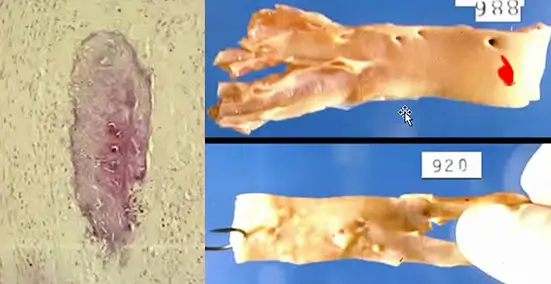
Magnesium deficiency and magnesium depletion in soft tissues can cause calcifications in the heart, liver, and skeletal muscles. Magnesium deficiency damages the kidneys due to calcium deposits and may cause numerous electrolyte abnormalities (a common problem in patients with chronic kidney disease). Other studies in animals show that magnesium deficiency causes cardiac necrosis and calcifications. Inadequate dietary magnesium intake increases atherosclerotic plaque development independently from any other factor. Magnesium deficiency reduces cardiac Na-K-ATPase, leading to higher levels of sodium and calcium and lower levels of magnesium and potassium in the heart.
This increases vasoconstriction in the coronary arteries, which can induce coronary artery spasms, myocardial infarction, and arrhythmias leading to death by ischemic heart attack even in professional athletes. Considering that around 25% of all myocardial infarctions are not due to atherosclerotic plaque rupture, coronary artery spasms induced by magnesium deficiency may explain some of these events.
Death by magnesium deficiency.
| Possible cardiovascular manifestations of magnesium deficiency |
| Hypertension. Arrhythmias. Calcifications. Atherosclerosis. Heart failure. Increased platelet reactivity and thrombosis. Myocardial infarction. Stroke. Sudden cardiac death |
How can you correct magnesium deficiency would be a subject in correlated articles. It is not a solution to take it as a supplement, especially as a multimineral supplement or even just by itself. Minerals work in groups. Every mineral has an opposing mineral, and only organic minerals are small enough to be bioavailable for human cells.
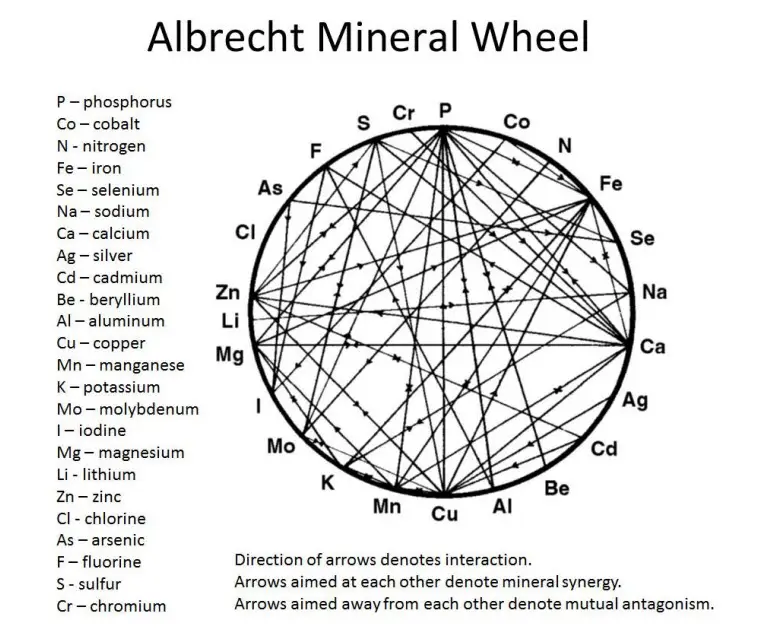
Supplementing with calcium for example can lead to magnesium deficiency due to competitive inhibition for absorption, or it could be another way around. Over-supplementing with vitamin D may lead to magnesium deficiency via excessive calcium absorption (Rosanoff et al., 2016) and hence increase the risk of arterial calcifications. The use of diuretics and other medications can also lead to magnesium deficiency.
When we deal with mineral deficiencies only solution is nutrition in most cases because of the mineral wheel. We need to consume food grown on regular nondepleted soil. This means produce that was grown on soil without the use of synthetic fertilizers as a first step. The second step is to eat nutrient-dense food. Because most of you would not do it and will continue to eat animal products that do not have adequate amounts of magnesium and even worse, would continue to eat refined calories a would give you a quick fix for magnesium and your low ORAC diet value score.
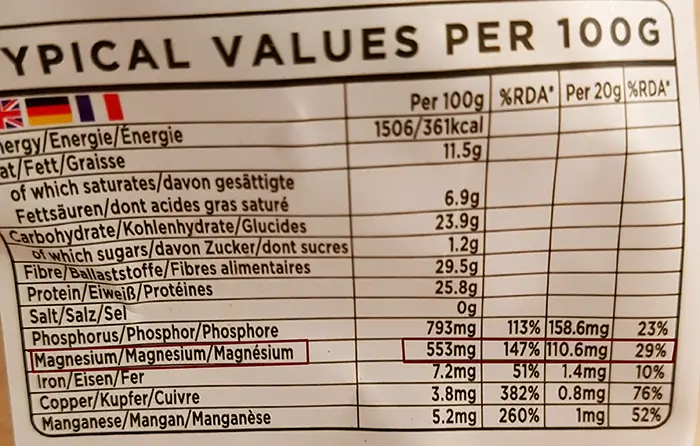
So far we already have two supplemental food items we should be eating every day, 40 grams of raw sunflower seeds and 40 grams of raw cacao. You can add one or two kale leaves for vitamin K, supplemental vitamin D, potassium salt, two kiwis for vitamin C or some other vitamin C-rich food, and one or two carrots for vitamin A. This is every single day for the rest of your life. If you’re eating plant-based you should add vitamin B12 to the mix.
Vitamin A deficiency.
If we look at vitamin A status, it is as telling as anything else. Vitamin A, for example, is just the orange pigment that we see in pumpkins or carrots. Our body uses beta-carotene pigment from carrots to make vitamin A. Before vitamin A became vitamin, it was just a pigment that plants use as a defense against free radical oxidation. It was just one more antioxidant but in time it became an essential vitamin through adaptation. Foods high in vitamin A include red, orange, and yellow vegetables, as well as dark green leafy vegetables and sweet potatoes. Some foods and supplements may lead to toxic levels of vitamin A, like liver and also cod liver oil, red snapper, and Herbalife supplements. It is obvious that half of the population does not eat any vegetables at all and also at the same time never consumes liver or fish, which is good. Most of the vitamin A that people eating SAD consume actually comes from egg yolk and some salads and fruit here and there. The orange color of egg yolk is vitamin A. Taking vitamin A supplements can lead to toxicity because vitamin A is a fat-soluble vitamin and it accumulates in the body. The animal form of vitamin A called retinol is a form that our body uses and is converted from beta-carotene. But the problem is that our body is unable to detoxify excess retinol. We never had a need to evolve as an herbivore species to excessive dietary retinol intake. In carnivorous animals, the liver is able to metabolize excessive amounts of vitamin A but with us, we are unable to so prolonged exposure to high levels of retinol can lead to toxicity. Vitamin A supplements will decrease your lifespan in the long run if you are not very careful and know exactly what you are doing. Ever since Arctic explorers started dying from vitamin A overdoses after eating the livers of polar bears, the safe upper limit of intake has continued to drop, and indeed, those taking vitamin A supplements also live shorter lives. In contrast, beta carotene does not show this trend and our body will convert only the amount that is needed. Extra carotene goes to your skin to give you a “golden glow” that is a marker of health and sexual appeal in evolutionary terms. And yes there are experiments done on this. Too much of beta carotene will again give to moo much of the “glow” making you orange so moderation is key.
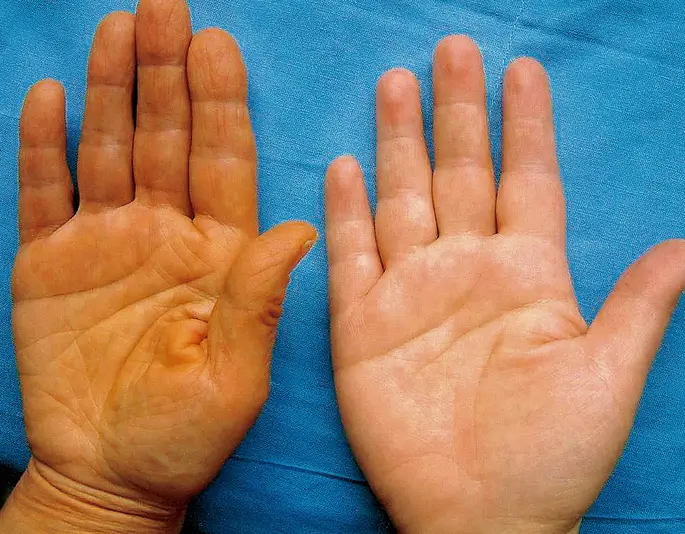
There is a very bad trend of people taking beta carotene supplements to give themselves this “golden glow effect”, especially in the modeling industry. Beta carotene supplements were proven to be cancerogenic to some degree and do not have the same health effect as natural beta carotene probably because in nature, food is a package deal. With beta carotene in whole foods, we would be consuming a large amount of other synergistic compounds with it. There is also a bad trend in the modeling industry of people deliberately taking toxic doses of retinol to dry their skin to avoid acne or just plain taking micro dosages of Accutane which is also a form of retinol. Their livelihood depends on healthy-looking skin but for the rest of the people, I will always advise against it. Don’t take vitamin A or beta carotene. Eat carrots.
If you want to take multi-vitamin-mineral supplements don’t. Take individual vitamins that are good quality and that you cannot supplement with food. Never take a multimineral supplement. There are only some non-organic minerals that are bioavailable.
Iodine.
The one would be iodine and this one is very essential and FDA deliberately lowered RDA for iodine to a level that will only prevent blatant retardation. And you have to eat table salt in the first place to get it. And what happens when you have high blood pressure and salt is removed from the diet? God forbid you to end up pregnant and start to avoid table salt. Your baby could end up with a 20 to 40 points lower IQ. Take iodine supplements or eat seaweed (I would not go into this subject in this article, iodine is very important to overall health and every single one of us is completely, deficient). This would be a subject for correlated articles. You can start by watching this lecture.
Dr. Jorge Flechas – Total Body Iodine Sufficiency. Restorative Medicine, Portland, Oregon Conference 2011
Because of the depletion of the topsoil, there are no trace organic minerals in our food anymore and this is also a topic for a number of correlated articles that I would not go into analyzing here. Our body is made from 102 minerals and none of them are listed in RDA. What you should be doing is eating produce grown on land without the use of synthetic fertilizers.
Any food label is just fake. I will write this again. Any food label of any food item in the store that is not grown on rich natural soil without the use of synthetic fertilizers is completely deprived of any minerals outside the minerals from synthetic fertilizers themself.
All of the labels are fake. If food is not grown organically in rich soil, remember this. The label is fake. You could try to find some other organic mineral supplement like shilajit or something of similar nature but that would be extremely expensive. Supplements can be even more expensive than eating organic. One more option is to eat produce that has big root systems that go deep into the soil. Walnuts would be a good example of this.
The alternative is what most people will do. Nothing. Multiple chronic illnesses and conditions and impaired life and in the end, death by diseases of affluence.
Conclusion:
- In contrast to animals, plants can only protect themselves chemically.
- These substances, which are found in plant tissues, are referred to as phytochemicals. Greek phyto means “plant” in modern English.
- These chemicals in time had become essential for life as much as sugar or fat are and are known as vitamins.
- Never in our entire evolution as a species have we been exposed to such a high level of availability of animal products.
- Even in paleo times, the influx of meat in hunter-gathers societies was no more than 5 to 10 percent of calories.
- Nutrition profiles of the standard modern American diet (SAD) are completely incongruent with our evolution.
- The way micronutrient inadequacies manifest themselves is through chronic disease.
- Supplementing a bad diet is just bad.
- There are 102 minerals that make the human body and synthetic fertilizers replace just a couple of minerals that plants need.
- Energy-rich, nutrient-poor foods comprise an estimated 27% of the daily caloric intake in the American diet.
- Alcohol constitutes an additional 4% of daily caloric intake.
- Anatomical omnivores and carnivores produce their own vitamin C.
- Plant eaters produce their own cholesterol.
- About 75% of the US population (ages ≥1 year) do not consume the recommended intake of fruit, and more than 80% do not consume the recommended intake of vegetables
- Some of the chemicals that exist in the plant kingdom but are not present in the animal kingdom like vitamin C for example, magnesium, or vitamin E, are fundamentally impossible to correct in the modern type of western style animal products dominated diet.
- 94.3% of the US population does not meet the daily requirement for vitamin D.
- 100% of the population had intakes lower than the recommended value for potassium.
- 99% of people have an excessive intake of sodium.
- Our hominin ancestors never had crystal salt.
- The normal potassium intake for the human species may be on the order of 15,000 mg per day if we look into our evolution.
- 88.5% noncompliance with vitamin E.
- Synthetic vitamin E supplements do not have antioxidant activity in vivo.
- If you are vitamin E deficient and you want to take supplements find a natural vitamin E supplement ideally with a mix of different natural tocopherols and take no more than 400 IU.
- 66.9% population is deficient in vitamin K.
- 52.2% population is deficient in magnesium, 44.1% in calcium, 43.0% for vitamin A, and 38.9% in vitamin C.
- If you are not eating a whole food plant-based diet, there is more than a 95% chance that you have a subclinical magnesium deficiency.
- Supplementing with calcium can lead to magnesium deficiency due to competitive inhibition for absorption, or it could be another way around.
- Over-supplementing with vitamin D may lead to magnesium deficiency via excessive calcium absorption and hence increase the risk of arterial calcifications. The use of diuretics and other medications can also lead to magnesium deficiency.
- Vitamin A supplements will decrease your lifespan in the long run if you are not very careful and know exactly what you are doing.
- Take individual vitamins that are good quality and that you cannot supplement with food. Never take a multimineral supplement.
- There are only some non-organic minerals that are bioavailable.
- Take iodine supplements or eat seaweed.
- Since 1940 there has been a tremendous decline in the micronutrient density of foods due to the use of synthetic fertilizers.
- Any food label of any food item in the store that is not grown on rich natural soil without the use of synthetic fertilizers is completely deprived of any minerals outside the minerals from synthetic fertilizers themself.
- Processing removes all of the micronutrients that were already depleted to a great extent.
- Two supplemental food items we should be eating every day, are 40 grams of raw sunflower seeds (vitamin E) and 40 grams of raw cacao (magnesium, antioxidants). You can add one or two kale leaves for lutein and vitamin K, supplemental vitamin D, potassium salt, kelp or Lugol solution, two kiwis for vitamin C or some other vitamin C-rich food, and one or two carrots for vitamin A, 20 grams of flaxseeds for omega 3s, and ideally eat organic produce for trace minerals content. This is every single day for the rest of your life. If you’re eating plant-based you should add vitamin B12 to the mix and if not folate or B complex supplement.
FAQ
References:
- Thomas D. (2007). The mineral depletion of foods available to us as a nation (1940-2002)–a review of the 6th Edition of McCance and Widdowson. Nutrition and health, 19(1-2), 21–55. https://doi.org/10.1177/026010600701900205
- Guo, W., Nazim, H., Liang, Z., & Yang, D. (2016). Magnesium deficiency in plants: An urgent problem. The Crop Journal, 4(2), 83-91. https://doi.org/10.1016/j.cj.2015.11.003
- Dietary Guidelines for Americans | health.gov. (n.d.-b). https://health.gov/our-work/nutrition-physical-activity/dietary-guidelines
- Kant A. K. (2000). Consumption of energy-dense, nutrient-poor foods by adult Americans: nutritional and health implications. The third National Health and Nutrition Examination Survey, 1988-1994. The American journal of clinical nutrition, 72(4), 929–936. https://doi.org/10.1093/ajcn/72.4.929
- Marriott, B. P., Olsho, L., Hadden, L., & Connor, P. (2010). Intake of added sugars and selected nutrients in the United States, National Health and Nutrition Examination Survey (NHANES) 2003-2006. Critical reviews in food science and nutrition, 50(3), 228–258. https://doi.org/10.1080/10408391003626223
- Bailey, R. L., West, K. P., Jr, & Black, R. E. (2015). The epidemiology of global micronutrient deficiencies. Annals of nutrition & metabolism, 66 Suppl 2, 22–33. https://doi.org/10.1159/000371618
- Ames B. N. (2006). Low micronutrient intake may accelerate the degenerative diseases of aging through allocation of scarce micronutrients by triage. Proceedings of the National Academy of Sciences of the United States of America, 103(47), 17589–17594. https://doi.org/10.1073/pnas.0608757103
- Huskisson, E., Maggini, S., & Ruf, M. (2007). The role of vitamins and minerals in energy metabolism and well-being. The Journal of international medical research, 35(3), 277–289. https://doi.org/10.1177/147323000703500301
- Fairfield, K. M., & Fletcher, R. H. (2002). Vitamins for chronic disease prevention in adults: scientific review. JAMA, 287(23), 3116–3126. https://doi.org/10.1001/jama.287.23.3116
- Angelo, G., Drake, V. J., & Frei, B. (2015). Efficacy of Multivitamin/mineral Supplementation to Reduce Chronic Disease Risk: A Critical Review of the Evidence from Observational Studies and Randomized Controlled Trials. Critical reviews in food science and nutrition, 55(14), 1968–1991. https://doi.org/10.1080/10408398.2014.912199
- Berner, L. A., Keast, D. R., Bailey, R. L., & Dwyer, J. T. (2014). Fortified foods are major contributors to nutrient intakes in diets of US children and adolescents. Journal of the Academy of Nutrition and Dietetics, 114(7), 1009–1022.e8. https://doi.org/10.1016/j.jand.2013.10.012
- Rosanoff, A., Dai, Q., & Shapses, S. A. (2016). Essential Nutrient Interactions: Does Low or Suboptimal Magnesium Status Interact with Vitamin D and/or Calcium Status?. Advances in nutrition (Bethesda, Md.), 7(1), 25–43. https://doi.org/10.3945/an.115.008631
- Cogswell, M. E., Zhang, Z., Carriquiry, A. L., Gunn, J. P., Kuklina, E. V., Saydah, S. H., Yang, Q., & Moshfegh, A. J. (2012). Sodium and potassium intakes among US adults: NHANES 2003-2008. The American journal of clinical nutrition, 96(3), 647–657. https://doi.org/10.3945/ajcn.112.034413
- Elder, S. J., Haytowitz, D. B., Howe, J., Peterson, J. W., & Booth, S. L. (2006). Vitamin k contents of meat, dairy, and fast food in the u.s. Diet. Journal of agricultural and food chemistry, 54(2), 463–467. https://doi.org/10.1021/jf052400h
- Fulgoni, V. L., 3rd, Keast, D. R., Bailey, R. L., & Dwyer, J. (2011). Foods, fortificants, and supplements: Where do Americans get their nutrients?. The Journal of nutrition, 141(10), 1847–1854. https://doi.org/10.3945/jn.111.142257
- Grey, A., Avenell, A., & Bolland, M. (2018). Revised Meta-analysis of Vitamin K and Fractures. JAMA internal medicine, 178(8), 1135. https://doi.org/10.1001/jamainternmed.2018.2853
- Palermo, A., Tuccinardi, D., D’Onofrio, L., Watanabe, M., Maggi, D., Maurizi, A. R., Greto, V., Buzzetti, R., Napoli, N., Pozzilli, P., & Manfrini, S. (2017). Vitamin K and osteoporosis: Myth or reality?. Metabolism: clinical and experimental, 70, 57–71. https://doi.org/10.1016/j.metabol.2017.01.032
- Mott, A., Bradley, T., Wright, K., Cockayne, E. S., Shearer, M. J., Adamson, J., Lanham-New, S. A., & Torgerson, D. J. (2019). Effect of vitamin K on bone mineral density and fractures in adults: an updated systematic review and meta-analysis of randomised controlled trials. Osteoporosis international : a journal established as result of cooperation between the European Foundation for Osteoporosis and the National Osteoporosis Foundation of the USA, 30(8), 1543–1559. https://doi.org/10.1007/s00198-019-04949-0
- Institute of Medicine (US) Panel on Micronutrients. (2001). Dietary Reference Intakes for Vitamin A, Vitamin K, Arsenic, Boron, Chromium, Copper, Iodine, Iron, Manganese, Molybdenum, Nickel, Silicon, Vanadium, and Zinc. National Academies Press (US). [PubMed]
- Dietrich, M., Jacques, P., Pencina, M., Lanier, K., Keyes, M., Kaur, G., Wolf, P., & Vasan, R. (2009). Vitamin E Supplement Use and the Incidence of Cardiovascular Disease and All-Cause Mortality in the Framingham Heart Study: Does the Underlying Health Status Play a Role? Atherosclerosis, 205(2), 549. https://doi.org/10.1016/j.atherosclerosis.2008.12.019
- Bjelakovic, G., Nikolova, D., & Gluud, C. (2013). Meta-Regression Analyses, Meta-Analyses, and Trial Sequential Analyses of the Effects of Supplementation with Beta-Carotene, Vitamin A, and Vitamin E Singly or in Different Combinations on All-Cause Mortality: Do We Have Evidence for Lack of Harm? PLoS ONE, 8(9). https://doi.org/10.1371/journal.pone.0074558
- Institute of Medicine (US) Panel on Dietary Antioxidants and Related Compounds. (2000). Dietary Reference Intakes for Vitamin C, Vitamin E, Selenium, and Carotenoids. National Academies Press (US). [PubMed]
- Present Knowledge in Nutrition, 10th Edition. (2012b, June 19). Wiley.com. https://www.wiley.com/en-us/Present+Knowledge+in+Nutrition,+10th+Edition-p-9781119946045
- Jiang Q. (2014). Natural forms of vitamin E: metabolism, antioxidant, and anti-inflammatory activities and their role in disease prevention and therapy. Free radical biology & medicine, 72, 76–90. https://doi.org/10.1016/j.freeradbiomed.2014.03.035
- Huang, L., Trieu, K., Yoshimura, S., Neal, B., Woodward, M., Campbell, N. R., Li, Q., Lackland, D. T., Leung, A. K. C., Anderson, C. A., MacGregor, G. A., & He, F. (2020). Effect of dose and duration of reduction in dietary sodium on blood pressure levels: systematic review and meta-analysis of randomised trials. BMJ, m315. https://doi.org/10.1136/bmj.m315
- Farez, M. F., Fiol, M. P., Gaitán, M. I., Quintana, F. J., & Correale, J. (2015). Sodium intake is associated with increased disease activity in multiple sclerosis. Journal of neurology, neurosurgery, and psychiatry, 86(1), 26–31. https://doi.org/10.1136/jnnp-2014-307928
- Carranza-León, D. A., Oeser, A., Marton, A., Wang, P., Gore, J. C., Titze, J., Stein, C. M., Chung, C. P., & Ormseth, M. J. (2020). Tissue sodium content in patients with systemic lupus erythematosus: association with disease activity and markers of inflammation. Lupus, 29(5), 455–462. https://doi.org/10.1177/0961203320908934
- Hori M. (2020). Editorial for: “Sodium in the Relapsing-Remitting Multiple Sclerosis Spinal Cord: Increased Concentrations and Associations With Microstructural Tissue Anisotropy”. Journal of magnetic resonance imaging : JMRI, 52(5), 1439–1440. https://doi.org/10.1002/jmri.27253
Related Posts






Do you have any questions about nutrition and health?
I would love to hear from you and answer them in my next post. I appreciate your input and opinion and I look forward to hearing from you soon. I also invite you to follow us on Facebook, Instagram, and Pinterest for more diet, nutrition, and health content. You can leave a comment there and connect with other health enthusiasts, share your tips and experiences, and get support and encouragement from our team and community.
I hope that this post was informative and enjoyable for you and that you are prepared to apply the insights you learned. If you found this post helpful, please share it with your friends and family who might also benefit from it. You never know who might need some guidance and support on their health journey.
– You Might Also Like –

Cancer, The Forbidden Cures- ESSIAC
Spirulina Benefits: Phycocyanin Rich Superfood
Cancer, The Forbidden Cures- Krebiozen
Phytochemicals: Understanding the Basics
High Protein Diet and Metabolic Acidosis: Health Risks Correlations

Glycogen depletion- How not to exercise

Antioxidant Impaired Training Adaptations: Preventing Oxidative Damage in the Muscle

Paleo diet- No meat in sight

Learn About Nutrition

Milos Pokimica is a doctor of natural medicine, clinical nutritionist, medical health and nutrition writer, and nutritional science advisor. Author of the book series Go Vegan? Review of Science, he also operates the natural health website GoVeganWay.com
Medical Disclaimer
GoVeganWay.com brings you reviews of the latest nutrition and health-related research. The information provided represents the personal opinion of the author and is not intended nor implied to be a substitute for professional medical advice, diagnosis, or treatment. The information provided is for informational purposes only and is not intended to serve as a substitute for the consultation, diagnosis, and/or medical treatment of a qualified physician or healthcare provider.NEVER DISREGARD PROFESSIONAL MEDICAL ADVICE OR DELAY SEEKING MEDICAL TREATMENT BECAUSE OF SOMETHING YOU HAVE READ ON OR ACCESSED THROUGH GoVeganWay.com
NEVER APPLY ANY LIFESTYLE CHANGES OR ANY CHANGES AT ALL AS A CONSEQUENCE OF SOMETHING YOU HAVE READ IN GoVeganWay.com BEFORE CONSULTING LICENCED MEDICAL PRACTITIONER.
In the event of a medical emergency, call a doctor or 911 immediately. GoVeganWay.com does not recommend or endorse any specific groups, organizations, tests, physicians, products, procedures, opinions, or other information that may be mentioned inside.
Editor Picks –

Cancer Editor Picks Phytochemicals
Anticancer Power of Fruits and Vegetables: In Vivo and Clinical Evidence
Some vegetable extracts rival leading chemotherapy drugs and at the same time target multiple different types of cancer cells.
Antioxidants Editor Picks ORAC
Essential Oils as Antioxidant Supplements: Rules and Strategies
Food-grade essential oils can be a convenient and consumer-friendly strategy for optimizing the antioxidant value and ORAC scores of our diet.
Antioxidants Editor Picks ORAC
Antioxidant-Rich Diet: General Rules and Strategies
There are easy and cost-effective strategies for optimizing the antioxidant value of our diet.
Antioxidants Editor Picks ORAC
Understanding ORAC Values: Antioxidant Levels in Foods
When your main source of antioxidants is coffee, you know that you have a serious problem.

Antioxidants Editor Picks ORAC
Astaxanthin Benefits: World’s Most Powerful Natural Antioxidant
Astaxanthin is the most powerful natural and universal antioxidant (both oil and water-soluble) known to science. It accumulates in tissues and It can never turn itself into a pro-oxidant.

Antioxidants Editor Picks ORAC Phytochemicals
Antioxidants: Understanding the Basics
There are no phytochemicals or antioxidants in animal products. On average, plant foods contain more than 60 times as many antioxidants as animal-based foods.
Editor Picks Vegan Diet
Nutrient Deficiencies in Vegan Diet: Prevention Strategies
There are nine common nutrient deficiencies on the population scale affecting people eating a plant-based diet. If not corrected on time some deficiencies have terrible and non-treatable consequences.
Editor Picks Optimal Diet
Micronutrient Deficiency in Standard American Diet: Optimization Strategies
Nutrition profile of our modern meat, sugar, processed food diet is completely incongruent with our evolution resulting in severe micronutrient deficiency.
Editor Picks Phytochemicals
Phytochemicals: Understanding the Basics
Every single phytochemical that exists has a biological action in the human body. Every single one from millions of different phytochemicals.

Editor Picks Milk Optimal Diet
Milk and Dairy: Health Risk Correlations
Known associations with milk and dairy consumption are infertility, ovarian and breast cancer, leukemia, diabetes type 1, autism, arteriosclerosis, cataract, rheumatoid arthritis, multiple sclerosis, hyperactivity, congestion, pimples, and more…

Cancer Editor Picks Protein
Complete Protein: IGF-1 Signaling in Cancer Formation
When you eat animal protein you have four times the chance to develop all types of cancer. When you smoke you have a four-time chance to develop lung cancer.

Cancer Editor Picks Protein
The Anatomy of Cancer- Health risk correlations
About 2% of cancers are by medicine considered to be purely caused by genetic factors. The same range as within the animal kingdom. You haven’t been told the whole truth.
Milos Pokimica is a health and nutrition writer and nutritional science advisor. Author of the book series Go Vegan? Review of Science, he also operates the natural health website GoVeganWay.com
Latest Articles –

Calorie Restriction Longevity
How to Fast: Fasting Foods That Won’t Break Autophagy
Autophagy. Have you ever wondered what happens to the cells in your body when they die or get damaged? Do they just pile up and create problems, or do they get disposed of somehow? The answer is that your body…

Dental Health Prevention
Sweets Teeth Sensitivity & Pain: Quick Fix & Lasting Solution
A quick and easy fix for pain relief is clove essential oil, a powerful antioxidant and pain reliever that can help with gum disease and toothache.

Beans
Green Beans: Nutrition and Health Benefits
Green beans are low in calories and rich in natural compounds that can help you control your blood sugar, lower your cholesterol, and fight off free radicals.
Raw food diet Vegan Diet
Can You Eat Mushrooms Raw: Health Risks, Nutrition & Safety
Mushrooms have heat-sensitive toxins like hydrazine or agaritine, and cell walls made out of chitin that cannot be digested well by humans.

Vegan Diet
Are Fish Animals? A Cultural Perspective
In some cultures, fish meat is not considered to be meat, and fish is allowed even during fast.

Dental Health Prevention
Homemade Natural Mouthwash: Proven, Stronger & Less Toxic
Homemade natural mouthwash is stronger than chlorhexidine, less toxic and if swallowed might give you some nausea but also a high burst in ORAC value.
Dental Health Prevention
How to Stop Tooth Decay: Symptoms, Causes & Prevention
Sugar consumption is the main cause of cavities and tooth decay, combined with mineral deficiencies especially magnesium, zinc, copper and trace elements.
Antioxidants Superfoods
Amla: Proven Benefits, Nutrition And Clinical Significance
Amla is one of the world’s most powerful antioxidants with a ORAC score of 261,530. It is a rich source of phytochemicals that have various health benefits.
Top Health News — ScienceDaily
- Hidden gut defect that may explain why IBD keeps coming backon September 20, 2026
Researchers have uncovered a hidden molecular warning sign of inflammatory bowel disease (IBD) that can linger even when patients feel well and appear to be in remission. By studying around 900 human gut biopsies and patient-derived mini-intestines, the team found that intestinal cells can remain unusually primed to die, creating a “smoldering” defect that may help drive future flare-ups.
- A deadly ebola relative is surging after years in the shadowson September 20, 2026
A growing Bundibugyo virus outbreak is showing how a little-known relative of Ebola can become a major threat when diagnosis and treatment options are limited. Experts warn that preparing only for familiar pathogens could leave the world vulnerable when rare but deadly viruses suddenly reemerge.
- Scientists find that “perfect” systems may be surprisingly fragileon September 19, 2026
Complex systems may work better when their parts are not perfectly alike. Northwestern physicists found that carefully balanced variation, or “disorder,” can make networks such as power grids, ecosystems, neurons, and materials more stable. Even random differences sometimes improved stability compared with completely uniform systems. The discovery could help researchers design more resilient technologies and explain why natural systems are so rarely perfectly uniform.
- Scientists solve a 50-year mystery and discover a new human blood groupon September 19, 2026
Scientists have identified the genetic cause behind the mysterious AnWj blood group antigen, solving a puzzle that began in 1972 and establishing a new blood group system called MAL. The discovery could make it much easier to find extremely rare AnWj-negative patients and donors and protect them from potentially dangerous transfusion reactions.
- Scientists discover cells that cheat death and rebuild damaged tissueon September 18, 2026
Scientists discovered a population of cells that can start the process of programmed cell death, survive it, and then help rapidly rebuild damaged tissue. Their descendants become far more resistant to future damage, revealing a mechanism that could improve healing but may also help cancers return after treatment.
- These blood thinners may have an unexpected benefit for Alzheimer’s patientson September 18, 2026
Newer blood thinners may do more than prevent strokes in people with Alzheimer’s disease and atrial fibrillation. Researchers found that patients taking NOACs experienced a slower decline in cognitive function than those using warfarin or no blood thinners. The effect was modest each year but could add up over time.
- Scientists restore a brain protein and reverse signs of aging in miceon September 18, 2026
Scientists found that declining levels of the brain protein Menin may help drive aging, with lower levels in mice linked to inflammation, cognitive decline, weaker bones, and thinner skin. Restoring Menin reversed several age-related changes, while the amino acid D-serine improved cognition, hinting at a potentially intriguing new target for healthy aging.
PubMed, #vegan-diet –
- Diet, the Gut Microbiome, and Mental Health: Mechanistic Perspectiveson September 16, 2026
The microbiota-gut-brain axis (MGBA) represents a dynamic, bidirectional communication network linking the gut microbiome with central nervous system function through neural, immune, metabolic, and endocrine pathways. Emerging clinical, observational, and preclinical evidence suggests that special and restrictive dietary patterns-including Mediterranean, ketogenic, vegan, gluten-free, low-FODMAP, sugar-restricted, dairy-free diets, and intermittent fasting (IF)-can substantially modulate the […]
- Physiological Adaptation to Plant-Based Diets: A Homeostatic Framework for Sustained Dietary Changeon September 15, 2026
Plant-based dietary patterns are typically discussed in terms of nutrients of concern-iron, creatine, indispensable amino acids, and rapidly fermented carbohydrates-based on the assumption that reduced dietary exposure necessarily translates into reduced physiological availability. This review examines physiological adaptation as an alternative framework, drawing on human intervention and observational evidence across five biological systems: iron homeostasis, endogenous biosynthesis of […]
- Restaurant-based NEW Soul intervention with meal provision improves weight loss among African American adults versus meal provision aloneon September 11, 2026
CONCLUSIONS: Restaurants are viable partners in conducting implementation research. In this D&I trial implemented in community restaurants, African American adults lost weight. Future studies should focus on implementation outcomes and continued scale up of the program.
- When modeling shapes the message: Interpreting vegetarian and vegan dietary patterns in the dietary guidelines for Americanson September 10, 2026
The 2025-2030 Dietary Guidelines for Americans include vegetarian and vegan dietary patterns as potential options for meeting nutrient needs across the lifespan, while also identifying several nutrients of potential concern within these patterns. These conclusions have important implications for dietetic practice, public communication, and policy development. However, estimates of nutrient adequacy derived from food pattern modeling are inherently shaped by the assumptions used to construct…
- Omega-3 fatty acids in vegetarian and vegan diets: Translating evidence into practiceon September 9, 2026
Vegetarian and vegan diets are consistently associated with reduced cardiometabolic risk, despite providing minimal amounts of long-chain omega-3 polyunsaturated fatty acids (n-3 PUFAs), key precursors of bioactive lipid mediators, raising questions about n-3 PUFA metabolism and requirements in plant-based populations. This review examines current evidence on the metabolic fate of alpha-linolenic acid (ALA), its conversion to eicosapentaenoic acid (EPA) and docosahexaenoic acid (DHA), and the…
Random Posts –
Antioxidants Superfoods
Amla: Proven Benefits, Nutrition And Clinical Significance
Amla is one of the world’s most powerful antioxidants with a ORAC score of 261,530. It is a rich source of phytochemicals that have various health benefits.

Antioxidants
Antioxidant Power of Vitamin C: Enhancing Health and Longevity
Vitamin C does not require enzymatic activity to be removed from the body and does not become pro-oxidant but a reduced form of more weak antioxidant.

Cancer Editor Picks Toxicity
Pesticides in Food, Exposure in The Standard American Diet- 80 Percent From Meat
Most of the pesticides and especially heavy metals and other toxic waste pollutants we get, we get from meat. More than 80 percent of pesticide exposure in the standard American diet comes from animal products, not from fruits or vegetables.
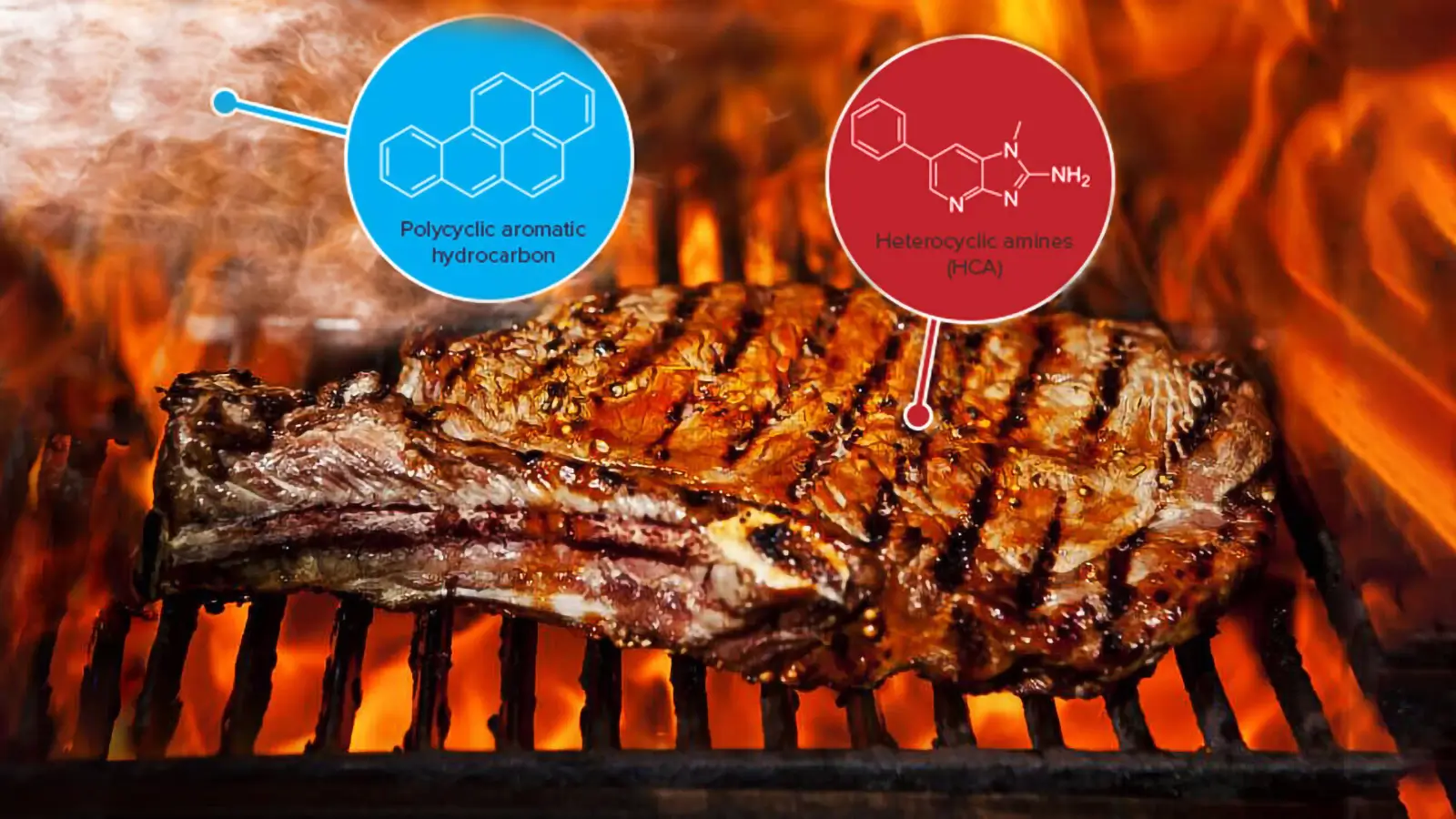
Cancer
Cooked Meat- The Mutagen in a Bite, Heterocyclic Amine Exposure
Heating of amino acids in the presence of creatine (cooked meat) creates mutagens known as Heterocyclic Amines (HCA).

Editor Picks Optimal Diet Vitamin D
Vitamin D- More than just your bones
Vitamin D is not a vitamin. It is a prohormone, a steroid with a hormone-like activity that regulates about 3% of the human genome.

Air Pollution Cancer Toxicity
Air Pollution Exposure- Health Risks and Prevention Strategies
In India alone, around half a million people die each year due to air pollution. Air pollution resulting in death is just one part of the overall problem.

Diabetes Editor Picks Optimal Diet
Refined Sugar: Understanding the Risks
Children consume around one-fifth of their total calorie needs from just refined sugar. If we add fat and the rest of nutrition-deprived processed foods to the list it becomes a complete nutrition nightmare.
Antioxidants Editor Picks ORAC
Essential Oils as Antioxidant Supplements: Rules and Strategies
Food-grade essential oils can be a convenient and consumer-friendly strategy for optimizing the antioxidant value and ORAC scores of our diet.
Dental Health Prevention
How to Stop Tooth Decay: Symptoms, Causes & Prevention
Sugar consumption is the main cause of cavities and tooth decay, combined with mineral deficiencies especially magnesium, zinc, copper and trace elements.
Raw food diet Vegan Diet
Can You Eat Mushrooms Raw: Health Risks, Nutrition & Safety
Mushrooms have heat-sensitive toxins like hydrazine or agaritine, and cell walls made out of chitin that cannot be digested well by humans.

Featured Posts –
Editor Picks Phytochemicals
Phytochemicals: Understanding the Basics
Every single phytochemical that exists has a biological action in the human body. Every single one from millions of different phytochemicals.
Editor Picks Vegan Diet
Nutrient Deficiencies in Vegan Diet: Prevention Strategies
There are nine common nutrient deficiencies on the population scale affecting people eating a plant-based diet. If not corrected on time some deficiencies have terrible and non-treatable consequences.
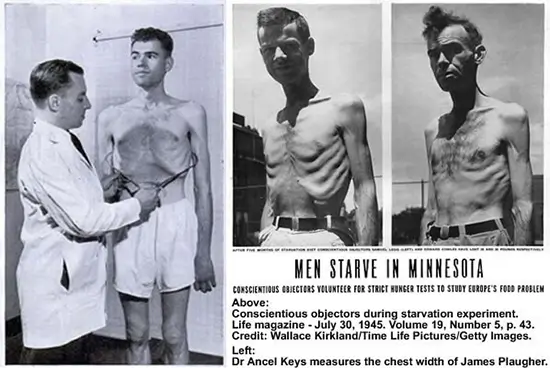
Editor Picks Obesity
Minnesota Starvation Experiment: Why dieting makes us fat. The Psychology of Hunger.
One of the first scientific studies on what hunger does to the mind was observed in a study remembered as the Minnesota Starvation Experiment performed by the University of Minnesota back in 1944.

Allopathic Medicine Editor Picks Optimal Diet
The McGovern Report- Special Interest and The Suppression of Science
In 1977 the push for a change of Dietary Guidelines (McGovern Report) to more plant-based vegan one had been introduced to U.S. Congress.

Editor Picks Optimal Diet Protein
High Protein Diet- Health Risk Correlations
Scarcity is the rule of protein in nature. In evolutionary terms, anthropologists have proven that hominins lived an average of 15 to 25 grams of protein a day. In the modern western type of high-protein diet we would consume that…
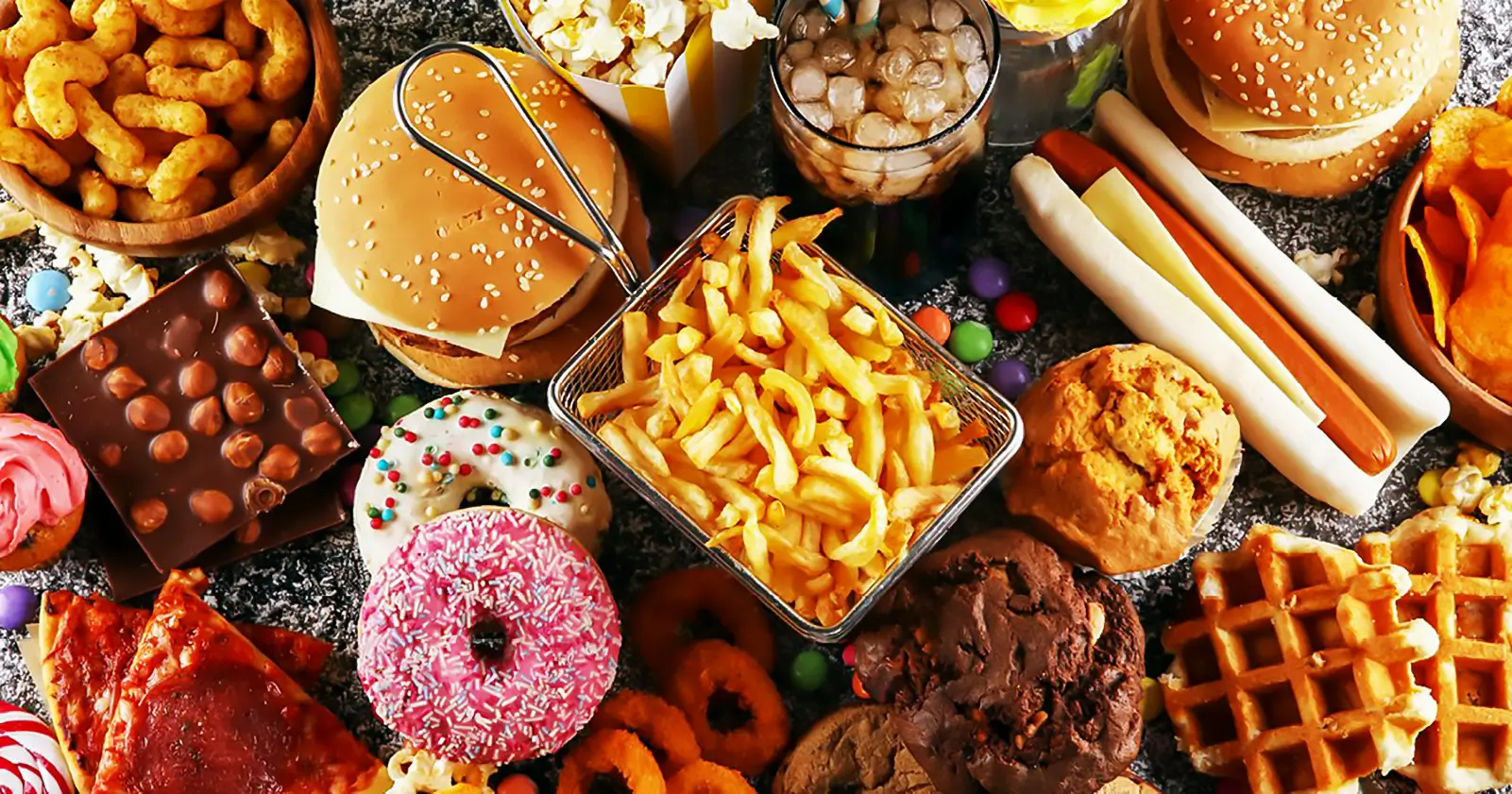
Editor Picks Optimal Diet
Processed Food: Understanding the Risks
Processed food means that something from whole food is removed, usually fiber and something is added, usually fat, sugar, salt, and msg.
Editor Picks Inflammation
The humans omnivores dilemma- Meat consumption, probiotic bacteria, inflammation, and the gut
Are humans omnivores in a true anatomical sense? There is a fundamental difference in the way the digestive tract works in plant vs meat-eating species.
Cancer Editor Picks Protein
The Anatomy of Cancer- Health risk correlations
About 2% of cancers are by medicine considered to be purely caused by genetic factors. The same range as within the animal kingdom. You haven’t been told the whole truth.

Editor Picks Obesity
Binge eating disorder- The psychology of hunger
In nature, there is no refined sugar or fat. Our brain had never been exposed to a combination of the two all at once forcing us into binge eating disorder.

Cancer Editor Picks Toxicity
Pesticide Exposure in Children: Real-Life Exposure Tests
Children and especially pregnant women are more vulnerable to pesticide exposure. If we analyze real-world exposure levels in real-life scenarios, what would the result be?
Latest from PubMed, #plant-based diet –
- Rethinking Restrictive Diets in IBD: Toward an Inclusion-Focused Nutritional Paradigmby Brandon Cunha on September 19, 2026
PURPOSE OF REVIEW: Patient-initiated elimination diets are widely adopted by those with inflammatory bowel disease (IBD), yet the evidence supporting their long-term use remains limited and their risks are increasingly recognized. Some common elimination diets utilized by patients include the specific carbohydrate diet (SCD), low-FODMAP diet, and gluten-free and dairy-free diets. This narrative review critically examines the role of self-initiated restrictive dietary strategies in IBD…
- No effect of acknowledging resistance or using autonomy-supportive language in vlogs on sustainable consumption intentions of emerging adultsby Thabo J van Woudenberg on September 19, 2026
CONCLUSION: We conclude that emerging adults experience vlogs with autonomy-supportive language more positively, but these messages do not enhance the intention to adopt a more sustainable diet.
- Plant-based proteins: Key sources and production methodsby Renganathan Senthil on September 19, 2026
The global protein crisis, which has been driven by the population explosion and environmental cost of traditional farming, requires novel and sustainable remedies. The chapter discusses how novel opportunities can be generated by the combination of two promising frontiers, like seaweed as an all-useful resource in the sea and green nanotechnology. The seaweed extracts that are abundant in bioactive compounds can be used as natural nanofactories in the production of metallic and metal oxide…
- Integrating Siddha dietary principles with alternative protein systems: A pathway toward sustainable and functional nutritionby Chandrabose Yogeswari on September 19, 2026
The world food systems are facing the fundamental challenges that are being necessitated by climatic changes, increasing population count, protein demand and the escalating non-communicable diseases. Ecological nutrition approaches should therefore be concerned with ecological stability and functional health outcomes. The South Indian traditional medicine is Siddha medicine, an ancient system that provides a constitution-based dietary system that focuses on the three humours, i.e., Vatham,…
- Molecular properties of plant-based proteins for alternative proteinby Anamika Das on September 19, 2026
Alternative proteins, or alt proteins, are proteins obtained from non-animal sources like plant sources, meat cultured in labs, and other sources like fungi and insects. These contain a variety of benefits and are gaining popularity worldwide. Some chronic diseases require a low-red-meat diet, which can be fulfilled through alternative proteins, providing similar benefits to those of animal-based proteins. This chapter deals with the sustainability aspect of using alternative proteins. A…
- Future of alternative proteins: Blurring the lines between animal- and plant-basedby Periyasamy Vijayalakshmi on September 19, 2026
Rising global demand for sustainable, ethical and nutritious foods has driven major advances in alternative proteins. These innovations are at the intersection of plant and animal-derived products, which propels progress in food technology. This review reviews the emerging landscape of alternative proteins and examines how creativity in hybrid products, precision fermentation, and cultivated meat is transforming protein production, dissolving the long-standing boundaries between animal-based […]