







How to Stop Tooth Decay: Symptoms, Causes & Prevention
Sugar consumption is the main cause of cavities and tooth decay, combined with mineral deficiencies especially magnesium, zinc, copper and trace elements.
Milos Pokimica
Written By: Milos Pokimica
Medically Reviewed by: Dr. Xiùying Wáng, M.D.
Updated October 4, 2023Key Takeaways:
– Tooth decay and gum diseases affect 60–90% of people worldwide.
– The bacteria form a sticky layer on the teeth called dental plaque or biofilm, where they feed on the sugars and starches from food and produce acids that erode tooth enamel.
– The human oral microbiome consists of more than 700 different bacterial species, making it one of the most complex microbial flora in the human body (Jørn et al., 2005).
– One of the main factors that contribute to tooth decay is the consumption of dietary carbohydrates, especially sucrose (Sheiham & James, 2015).
– Some bacteria are beneficial for oral health because they help balance the pH and prevent the growth of harmful microbes.
– A bacterium that is particularly notorious for causing caries is Streptococcus mutans.
– Streptococcus mutans have a special ability to adhere to the tooth surface and produce large amounts of acid when it consumes sugars, especially sucrose but also fructose as well (Forssten et al., 2010).
– Streptococcus mutans can also form biofilms, which are complex structures of bacteria and extracellular substances that protect them from external threats (Forssten et al., 2010).
– Candida albicans can also form biofilms on the teeth, and it havs a symbiotic relationship with Streptococcus mutans (Metwalli et al., 2013).
– The yeast and the bacteria stick to each other and to the tooth surface, forming a protective layer that shields them from saliva, brushing, and antimicrobial agents.
– The streptococci produce lactic acid from sugar, which lowers the pH and erodes the enamel. The acid also helps the yeast to grow, and the yeast provides oxygen-free zones for the bacteria to thrive.
– Several studies have shown that Candida albicans enhances the adherence of Streptococcus mutans to different surfaces, such as human teeth and artificial materials (Metwalli et al., 2013).
– Candida albicans can also produce acid and cause caries by itself, as shown by an experiment where rats raised on an ampicillin-supplemented diet and exposed to Candida albicans developed severe cavities (Klinke et al., 2011).
– The truth is that tooth decay has only one cause: dietary sugars (Sheiham & James, 2015).
– There is no safe level of sugar intake for your teeth. The only way to prevent tooth decay is to avoid or minimize sugar intake as much as possible.
– The World Health Organization (WHO) recommends limiting your free sugars intake to less than 5% of your total energy intake per day.
– Sucrose, which is the common table sugar, has a special property that makes it the most cariogenic, or cavity-causing, carbohydrate in our diet. Sucrose can be transformed into extracellular polysaccharides (EPS) by some plaque bacteria, such as Streptococcus mutans (Forssten et al., 2010).
– Among different carbohydrates, sucrose is the most effective in stimulating EPS production.
– Mineral deficiencies can affect the formation and structure of the enamel, and therefore its physical properties (Zamojda et al., 2023).
– Enamel is mainly made of crystals called hydroxyapatites, which are composed of calcium and phosphate. But enamel also contains trace amounts of other minerals, such as magnesium, zinc, and copper (Zamojda et al., 2023).
– Magnesium, zinc, and copper may have complex interactions with each other and with other factors that affect enamel structure and function.
– Trace minerals are present in the enamel and can affect its formation and structure.
– A study by (Ghadimi et al., 2013) with 38 human teeth measured the concentration of 19 trace elements in the enamel samples.
– Deficiency in trace minerals may have implications for enamel’s health and function. For example, some trace elements may influence enamel’s crystallographic properties and ultimately its physical properties.
– The most important factor in stopping tooth decay is the diet. Do not consume more than 3 to 5 percent of calories from free sugar and correct mineral deficiencies.
– There are very potent natural nontoxic phytochemicals, antioxidants, and other substances that are good in fighting both candida and bacteria and can be used in homemade natural mouthwash. At the same time, they also provide a high amount of antioxidant and anti-inflammatory support for inflamed gums.
Tooth Decay.
Tooth decay is a serious problem that affects people of all ages and backgrounds, but especially children and those who have limited access to dental care. In the United States, almost half of the children between 2 to 11 years old have had tooth decay in their baby teeth, and in the adult population, tooth decay and gum diseases affect 60–90% of people worldwide. People with disabilities and lower socioeconomic status are more likely to suffer from tooth decay and its complications.
But what causes tooth decay and how can we prevent it?
Tooth decay is the result of a complex interaction between the bacteria that live in the mouth, the food we eat, the saliva we produce, and our genetic factors.
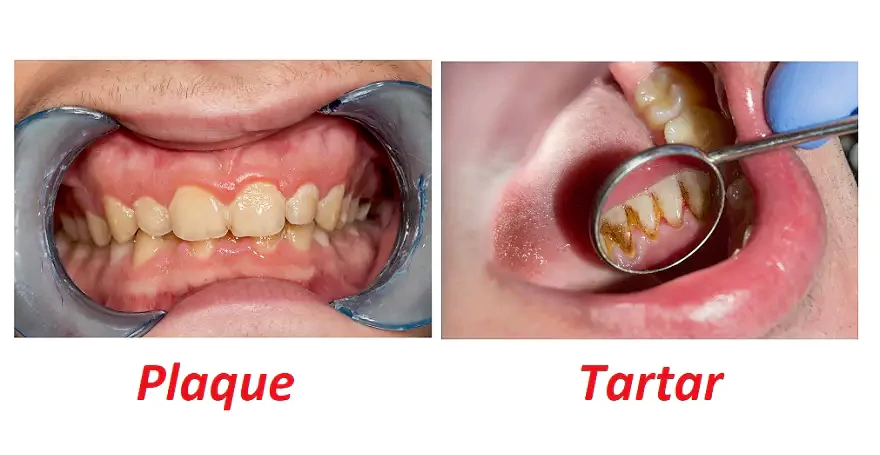
The bacteria form a sticky layer on the teeth called dental plaque or biofilm, where they feed on the sugars and starches from food and produce acids that erode tooth enamel.
The acids also create sticky substances called glucans that help the bacteria stick to the teeth and form more plaque.
Some areas of your teeth are more prone to decay than others, such as the pits and fissures on the chewing surfaces of your back teeth. These areas are harder to clean and more likely to trap food and plaque, which can lead to more acid production and enamel breakdown. That’s why most of the cavities occur in these areas.
Tooth decay is a preventable disease. It can be avoided with proper oral hygiene, regular dental check-ups, and a balanced diet.
Microorganisms Present in the Mouth.
Have you ever wondered what kind of microscopic creatures live in the mouth? You might be surprised to learn that the human mouth is home to a diverse and complex community of bacteria, fungi, viruses, and other microorganisms. These tiny organisms form natural biofilms on the surfaces of your teeth, gums, tongue, and cheeks, taking advantage of the abundant nutrients and moisture in your oral cavity.
The human oral microbiome consists of more than 700 different bacterial species, making it one of the most complex microbial flora in the human body (Jørn et al., 2005).
However, not all oral bacteria are friendly. Sometimes, a disturbance in the balance of this ecosystem can lead to the overgrowth of harmful bacteria that cause oral diseases such as tooth decay and gum disease.
In the supragingival plaque (the sticky film that forms on the surface of your teeth above the gum line), Streptococcus mutans is the main culprit for causing cavities, along with other streptococci such as S. sanguinis, S. mitis, and S. salivarius (Forssten et al., 2010). These bacteria produce acids that erode the enamel of your teeth and create holes or cavities. Other bacteria that contribute to tooth decay include lactobacilli and Veillonella.
In the subgingival plaque (the plaque that accumulates below the gum line), you will find mostly Gram-negative anaerobic bacteria such as Fusobacterium nucleatum, Porphyromonas gingivalis, and Prevotella intermedia (Jørn et al., 2005). These bacteria are known to cause periodontal disease (gum disease), which is a chronic inflammation and infection of the gums and surrounding tissues. These bacteria release toxins that damage the gum tissue and bone that support your teeth, leading to bleeding, swelling, pain, and eventually tooth loss.
Dental Plaque.
Teeth are covered by a thin layer of sticky substance called pellicle, which acts as a landing pad for various microorganisms. These microorganisms attach themselves to the pellicle and to each other, forming a complex network of cells and fibers. This network is called a biofilm, and it is also known as dental plaque.
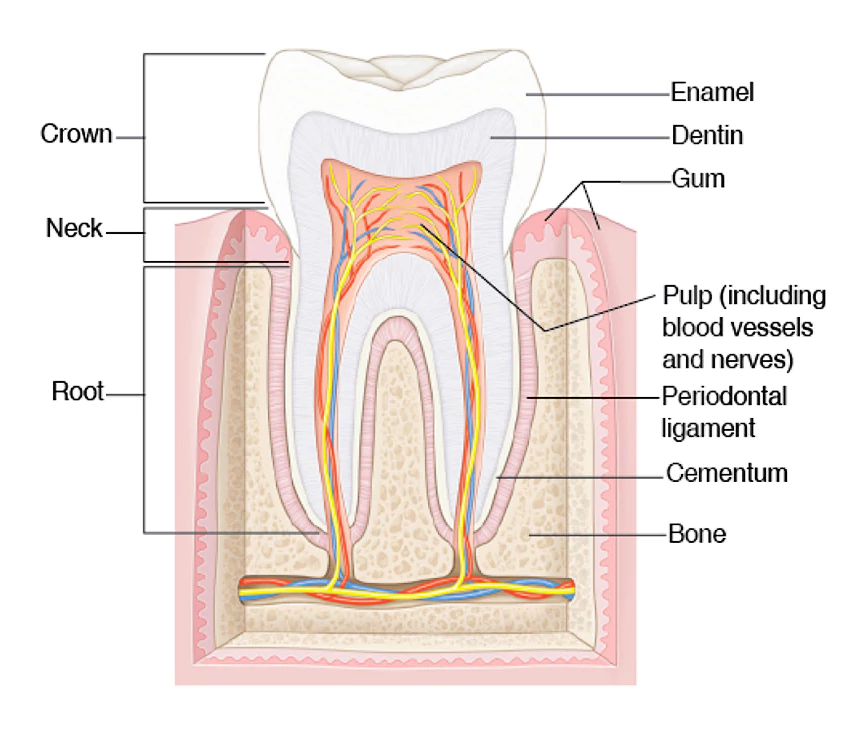
Dental plaque is not just a cosmetic problem. It can also cause serious damage to your teeth and gums by producing harmful substances that affect the health of your dental tissues: enamel, dentin, and cementum. These are the hard layers that protect the inner part of your tooth, the pulp, where the nerves and blood vessels are located.
The bacteria in the plaque use the sugars and starches from food and drinks as their fuel, and in the process, they produce acids that lower the pH of the mouth (Metwalli et al., 2013).
These acids dissolve the minerals from dental tissues, creating tiny holes or cavities in the teeth. This condition is called dental caries, and it can lead to toothache, infection, and tooth loss.
But that’s not all. The bacteria in the plaque can also interact with each other in different ways. Some bacteria can create favorable conditions for other bacteria to grow and thrive, such as providing nutrients or enzymes. This is called synergy, and it can increase the diversity and virulence of the plaque. Some bacteria can also stick to each other on the surface of your teeth, forming clusters or aggregates. This is called coaggregation, and it can help the bacteria resist being washed away by saliva or brushing. These interactions can make the plaque more resistant to your body’s defenses and more likely to cause gum disease.
As you can see, teeth are not just inert structures. They are living ecosystems where different types of microorganisms coexist and compete for resources. Keeping these ecosystems in balance is essential for your oral health and overall well-being.

The Three Steps of Dental Plaque Formation.
Dental plaque formation involves three main steps:
- Step 1: The acquired pellicle. As soon as you clean your teeth, your saliva coats them with a thin layer of molecules. This layer is called the acquired pellicle, and it contains various components such as glycoproteins, mucins, sialic acid, and bacterial debris. The acquired pellicle protects your enamel from erosion and abrasion, but it also provides a surface for bacteria to attach to.
- Step 2: The primary colonizers. The next step is when some bacteria start to interact with the acquired pellicle and stick to it. These bacteria are called the primary colonizers, and they include species such as Streptococcus sanguis and Actinomyces viscosus. The primary colonizers form the initial layer of the biofilm, and their growth is influenced by factors such as osmolarity, carbon source, and pH.
- Step 3: The secondary colonizers. The final step is when other bacteria join the biofilm by adhering to the primary colonizers. These bacteria are called the secondary colonizers, and they include species such as S. mutans and S. sobrinus . The secondary colonizers add more diversity and complexity to the biofilm, and they also produce more acidic metabolites that can damage your teeth.
How Dental Plaque Causes Cavities.
One of the main factors that contributes to tooth decay is the consumption of dietary carbohydrates, especially sucrose (Sheiham & James, 2015).
Sucrose is a type of sugar that consists of 50% glucose and 50% fructose molecules. When you eat sucrose, some of it gets broken down by enzymes in your saliva, but some of it also reaches your dental plaque. There, some bacteria can use sucrose to make extracellular polysaccharides (EPS), which are long chains of sugar molecules. EPS can make the biofilm more sticky and more resistant to removal by brushing or rinsing. EPS can also trap more bacteria and food particles in the biofilm, creating a favorable environment for acid production.
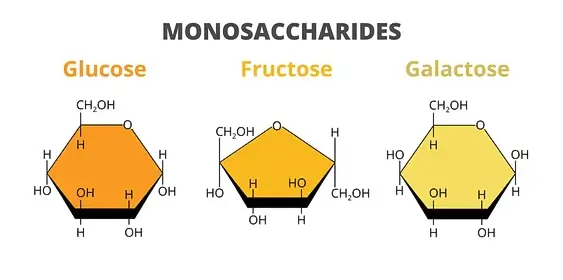
Acid production is another key factor that leads to tooth decay. Some bacteria in the dental plaque can ferment carbohydrates (such as glucose and fructose) into acids (such as lactic acid and acetic acid) (Jørn et al., 2005).
These acids lower the pH of the biofilm, making it more acidic. When the pH drops below a certain level (usually around 5.5), the enamel starts to dissolve. This process is called demineralization, and it creates tiny holes or cavities in your teeth.
How Does a Cavity Develop?
The tooth decay process is a gradual deterioration of the tooth’s hard outer layer, called enamel, by the action of bacteria and acids. It can lead to cavities, pain, infection, and tooth loss if not treated. Here is a summary of the stages of tooth decay:
- Stage 1: Initial demineralization. This is tooth decay early sign when the enamel begins to lose minerals due to the acids produced by plaque bacteria. A white spot may appear on the tooth, indicating early decay. This early stage can be reversed by using fluoride and minerals from saliva to repair the enamel.
- Stage 2: Enamel decay. This is when the enamel breaks down further and forms small holes or cavities. The tooth may become darker in color or have black spots. This stage requires a filling by a dentist to restore the tooth’s structure.
- Stage 3: Dentin decay. This is when the decay reaches the dentin, which is the softer layer under the enamel. The dentin contains tubes that connect to the nerves of the tooth, so this stage may cause sensitivity or pain. The decay also progresses faster in the dentin than in the enamel.
- Stage 4: Pulp damage. This is when the decay affects the pulp, which is the innermost layer of the tooth that contains blood vessels and nerves. The pulp may become inflamed and swollen, putting pressure on the nerves and causing more pain. The pulp may also become infected by bacteria.
- Stage 5: Abscess. This is when the infection spreads from the pulp to the surrounding tissues and forms a pus-filled pocket called an abscess. An abscess can cause severe pain, swelling, fever, and other symptoms. It can also damage the bone and other teeth if not treated promptly.
The Role of Streptococcus Mutans in Tooth Decay.
Not all bacteria in plaque are equally harmful. Some bacteria are actually beneficial for oral health because they help balance the pH and prevent the growth of harmful microbes. However, there is one bacterium that is particularly notorious for causing caries: Streptococcus mutans.
It belongs to a group of seven closely related species called the mutans streptococci. Streptococcus mutans can be found in your mouth, throat, and gut, but it prefers to live on your teeth.
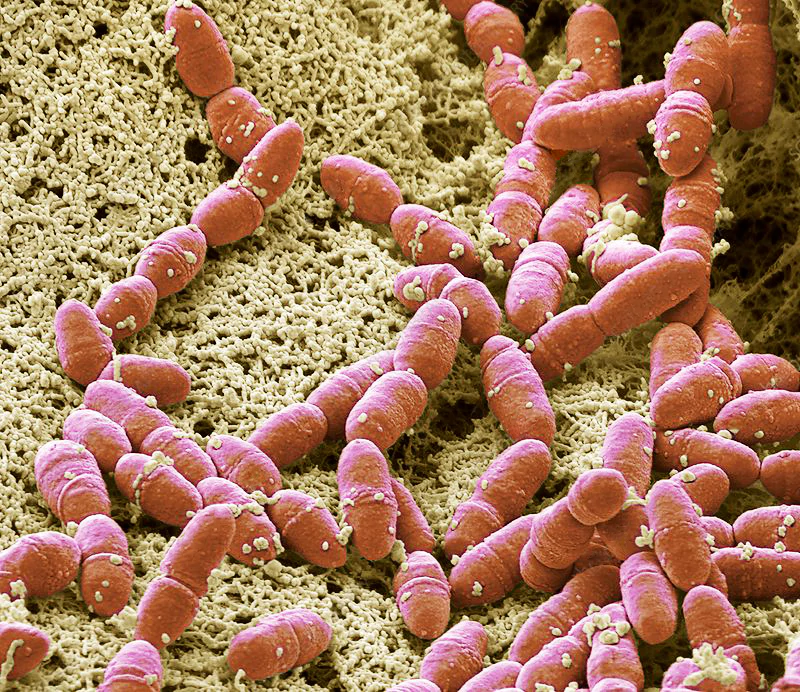
This tiny microbe has a special ability to adhere to the tooth surface and produce large amounts of acid when it consumes sugars, especially sucrose but also fructose as well (Forssten et al., 2010).
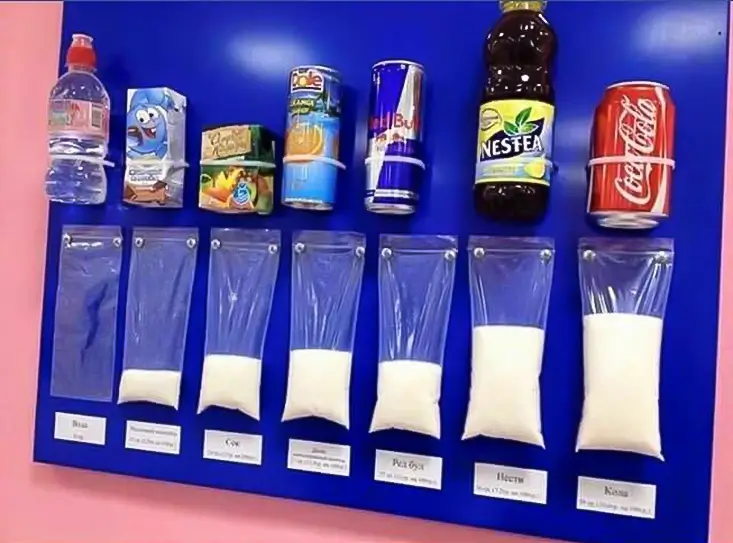
These sugars are commonly found in candies, soft drinks, fruits, and other foods that we often enjoy. When Streptococcus mutans break down these sugars, it lowers the pH of the plaque and creates an acidic environment that dissolves the enamel.
This process is called demineralization, and it makes the tooth more vulnerable to decay.
Streptococcus mutans is not only good at making acid but also at surviving it. It can tolerate low pH levels better than most other bacteria in plaque. This gives it an advantage over its competitors and allows it to dominate the plaque community.
Streptococcus mutans can also form biofilms, which are complex structures of bacteria and extracellular substances that protect them from external threats (Forssten et al., 2010).
Biofilms make it harder for saliva, fluoride, and antimicrobial agents to reach and kill Streptococcus mutans. They also make it easier for Streptococcus mutans to transfer from one tooth to another, or from one person to another through saliva or utensils.
Streptococcus mutans has several features that make it cariogenic (cavity-causing), such as:
- Adherence to enamel surfaces. Streptococcus mutans can stick to the acquired pellicle and to other plaque bacteria using special proteins called adhesins. This allows Streptococcus mutans to form part of the biofilm and resist being washed away by saliva or water.
- Production of acidic metabolites. Streptococcus mutans can ferment various carbohydrates into acids, such as lactic acid. Streptococcus mutans can also tolerate low pH levels better than most other oral bacteria. This means that Streptococcus mutans can survive and thrive in an acidic environment, while other bacteria die or become less active.
- Capacity to build up glycogen reserves. Streptococcus mutans can store excess glucose as glycogen inside its cells. Glycogen is a type of polysaccharide that can be used as an energy source when carbohydrates are scarce. This gives Streptococcus mutans an advantage over other bacteria that depend on external carbohydrates for energy.
- Ability to synthesize extracellular polysaccharides. Streptococcus mutans can produce EPS from sucrose, but also from glucose and fructose. EPS can be either glucans (made of glucose units) or fructans (made of fructose units). Streptococcus mutans uses enzymes called glucosyltransferases (GTF) and fructosyltransferases (FTF) to make EPS. EPS can help Streptococcus mutans to adhere to the biofilm, protect itself from antimicrobial agents, and create a reservoir of carbohydrates for future use.
Usually, Streptococcus mutans appears in the tooth cavities about 6-24 months before the onset of caries. Streptococcus mutans can also cooperate with other bacteria, such as Streptococcus sobrinus and lactobacilli, to enhance the cariogenic potential of the biofilm.
But Streptococcus mutans are not alone in their attack. They often team up with another microbe that you might have heard of, Candida albicans. This is a type of fungus that can cause infections in different parts of your body, including your mouth.
Candida albicans can also form biofilms on your teeth, and it seems that they have a symbiotic relationship with Streptococcus mutans (Metwalli et al., 2013).
Candida albicans can help Streptococcus mutans by providing them with more sugar to make glucans and acid. Streptococcus mutans can help Candida albicans by creating an acidic environment that favors their growth. Together, they can create a vicious cycle of tooth decay that can damage your teeth beyond repair.
Candida Albicans: Partner in Crime?
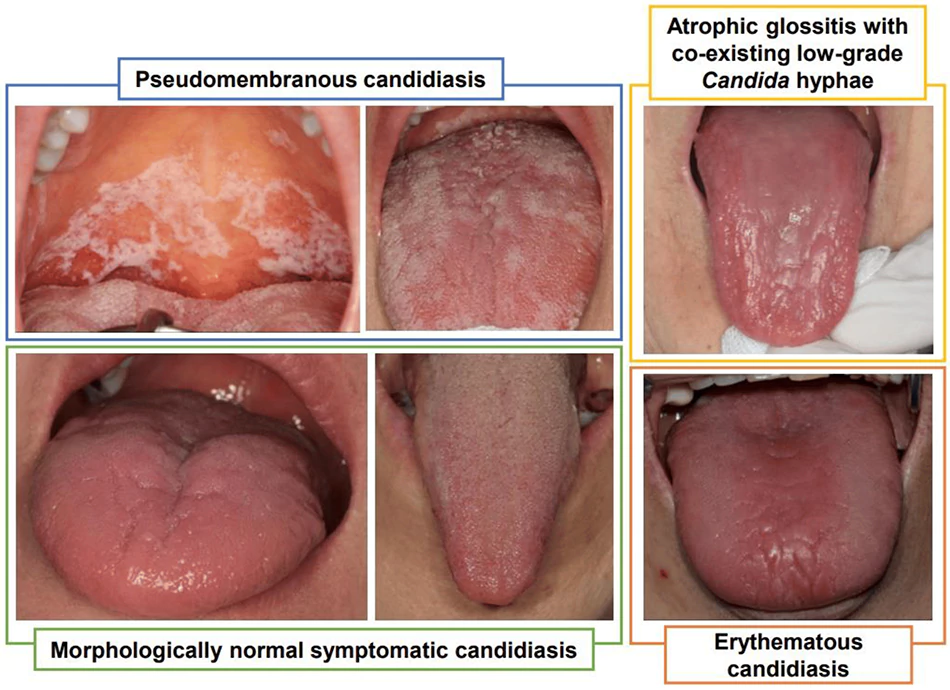
Candida albicans is a type of yeast that normally lives in our mouth, skin, and gut without causing any trouble. But when our immune system is weakened by diseases, or chronic inflammation this friendly fungus can become a dangerous enemy. It can change its shape from round cells to hyphae (long filaments) that it uses to invade our tissues and organs by stabbing and piercing the tissue. This is called candidiasis, and it can be fatal if not treated.
Hyphae do not fully kill the tissue that candida invades all at once and also candida tricks our immune system into not recognizing it. That is a reason why it is almost impossible to get rid of it completely.
But how does Candida albicans get a foothold in our mouths? It turns out that it has some help from other microbes that live there. These are the oral bacteria, such as streptococci, that form a sticky layer on our teeth and gums. Candida albicans can stick to this layer and grow along with the bacteria. This is called coadhesion, and it is essential for Candida albicans to colonize and persist in our oral cavity.
The oral bacteria also provide some other benefits for Candida albicans. They produce lactic acid, which Candida albicans can use as food. They also lower the oxygen level in the mouth, which Candida albicans prefer. And they secrete some substances that stimulate the growth of Candida. In return, Candida protects the bacteria from being washed away by saliva or swallowed by us.
One of the bacteria that Candida albicans likes to cooperate with is Streptococcus mutans, the main culprit of dental caries. It’s a win-win situation for them.
The streptococci produce lactic acid from sugar, which lowers the pH and erodes the enamel. The acid also helps the yeast grow, and the yeast provides oxygen-free zones for the bacteria to thrive. Moreover, the yeast and the bacteria stick to each other and to the tooth surface, forming a protective layer that shields them from saliva, brushing, and antimicrobial agents.
This sounds like a perfect match made in hell, right? But is there any evidence that Candida albicans and Streptococcus mutans actually cause more damage together than alone?
The answer is yes.
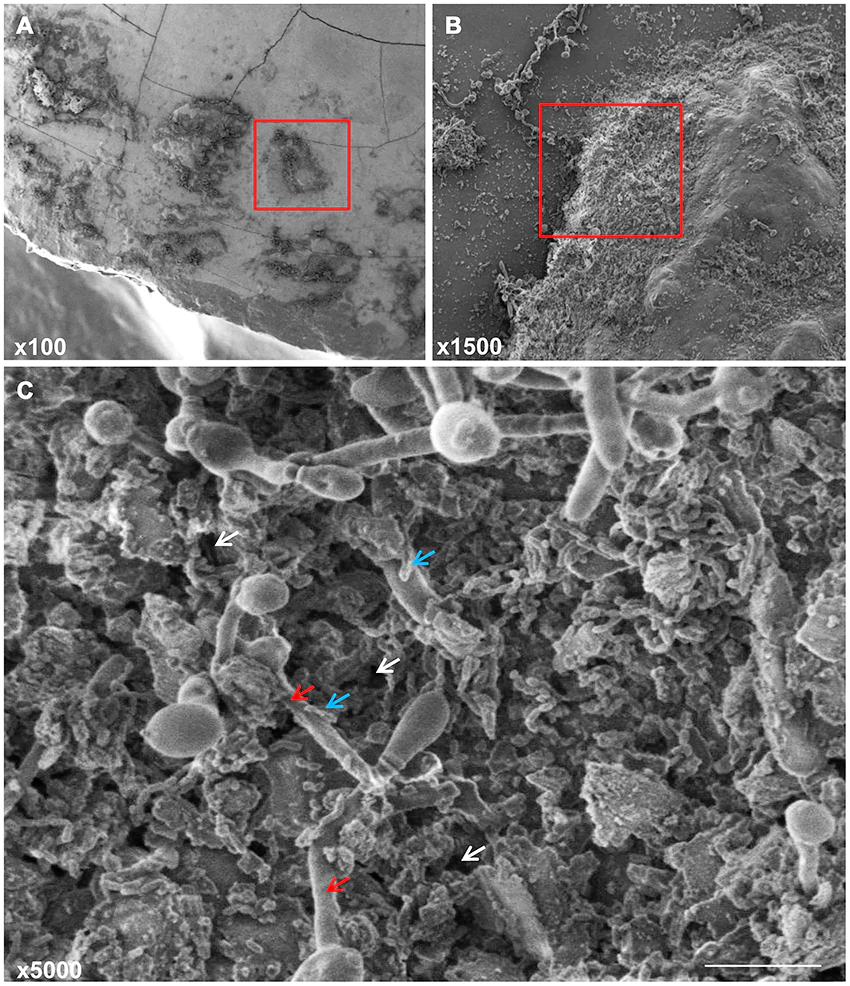
Several studies have shown that Candida albicans enhances the adherence of Streptococcus mutans to different surfaces, such as human teeth and artificial materials (Metwalli et al., 2013).
You can see this for yourself in the image below (Figure 1), where the bacteria are attached to the yeast filaments like beads on a string.
What’s more, Candida albicans can also produce acid and cause caries by itself, as shown by an experiment where rats raised on an ampicillin-supplemented diet and exposed to Candida albicans developed severe cavities as a consequence of Candida’s pronounced ability to produce and tolerate acids (Klinke et al., 2011). And if you believe that this only happens in animals, think again.
A clinical study found that children who had more Candida albicans in their mouths also had more caries (Raja et al., 2010).
So what does this mean for you and your oral health? It means that you should not ignore the presence of Candida albicans in your mouth, especially if you have other risk factors for caries, such as high sugar intake, poor oral hygiene, or dry mouth. It also means that you should be aware of the potential interactions between Candida albicans and Streptococcus mutans, and how they can make each other more harmful. The next time you brush your teeth, remember that you are not only fighting bacteria but also fungi.
Diet and Dental Caries.
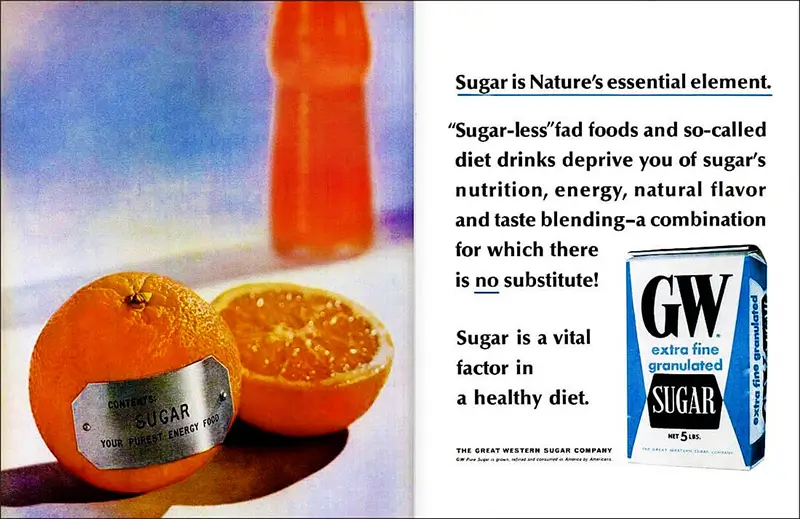
You may think that tooth decay is a multifactorial disease, meaning that it has many causes. You may also think that you can prevent it by using fluoride and brushing your teeth regularly. However, these are misconceptions that have been influenced by the sugar industry, which wants to downplay the role of sugar in causing tooth decay.
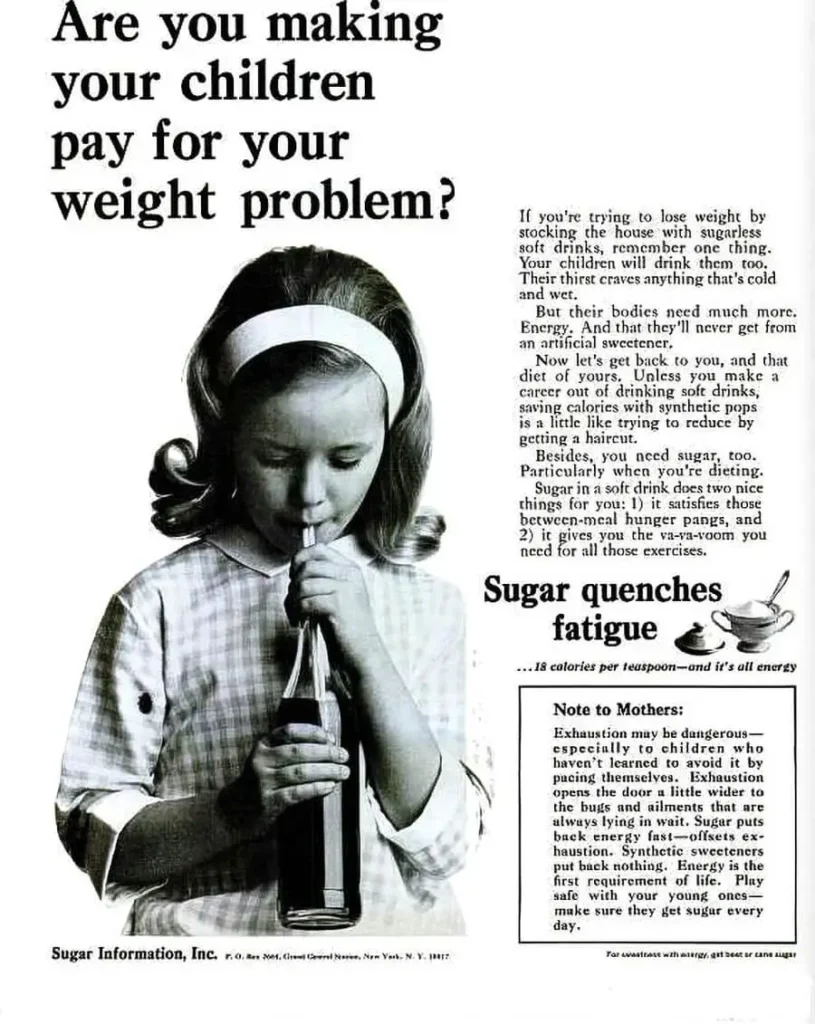
The truth is that tooth decay has only one cause: dietary sugars (Sheiham & James, 2015).
These are the sugars that you eat or drink, such as sucrose (table sugar), glucose, fructose, and lactose. These sugars provide food for the bacteria in your mouth, allowing them to multiply and produce more acids. Without sugars, there would be no tooth decay.
This means that there is no safe level of sugar intake for your teeth. The only way to prevent tooth decay is to avoid or minimize sugar intake as much as possible.
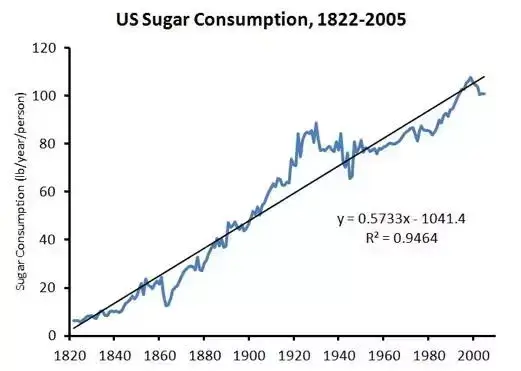
The World Health Organization (WHO) recommends limiting your free sugars intake to less than 10% of your total energy intake per day (World Health Organization: WHO, 2017). Free sugars are the sugars that are added to foods and drinks by the manufacturer, cook, or consumer, as well as the sugars naturally present in honey, syrups, fruit juices, and fruit juice concentrates.
The WHO also suggests that further reducing your free sugars intake to less than 5% of your total energy intake per day would provide additional dental health benefits.
However, most people consume far more sugar than these recommendations. According to the WHO, the global average free sugars intake was 9.9% of total energy intake in 2016. In some regions, such as Africa and the Americas, it was even higher than 15%. This explains why tooth decay is a worldwide epidemic that affects people of all ages and backgrounds.
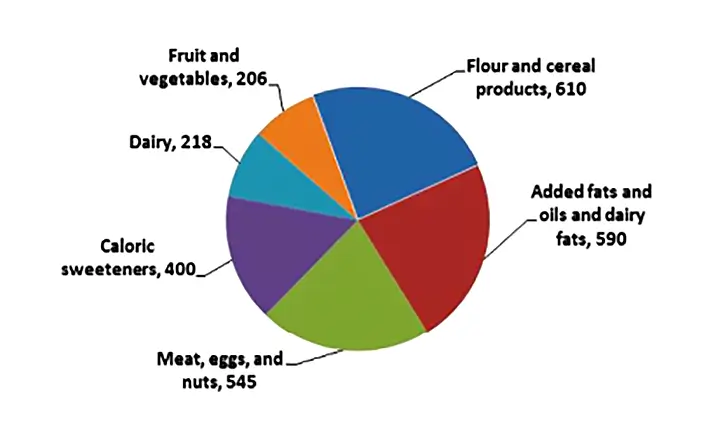
By cutting down on sugars, we can not only protect our teeth from decay but also improve our overall health and well-being. We need to be aware of the hidden sugars in processed foods and drinks, such as soft drinks, candies, cakes, cookies, cereals, sauces, and yogurts. We need to read nutrition labels carefully and choose products with low or no added sugars. We need to limit our consumption of sugary snacks and beverages between meals. We need to eat more fresh fruits and vegetables instead of juices or dried fruits. And we need to drink more water or unsweetened tea or coffee instead of sugary drinks.
Not All Sugars Are Equally Harmful.
Sucrose is a sweet enemy for your teeth. It not only feeds the bacteria that cause tooth decay but also helps them build a sticky and acidic fortress on your enamel.
Sucrose, which is the common table sugar, has a special property that makes it the most cariogenic, or cavity-causing, carbohydrate in our diet. Sucrose can be transformed into extracellular polysaccharides (EPS) by some plaque bacteria, such as Streptococcus mutans (Forssten et al., 2010).
Among different carbohydrates, sucrose is the most effective in stimulating EPS production.
EPSs are extracellular polysaccharides, which are sugars that bacteria produce and release outside their cells. EPSs are often found in dental plaque. You might think that EPSs act like a shield, blocking the acids and sugars from reaching tooth enamel. But that’s not the case. EPSs are not good at stopping diffusion, which means that substances can easily pass through them. So, EPSs don’t protect your teeth from decay by preventing diffusion. In fact, they do the opposite. They make your teeth more vulnerable to decay by providing food for the bacteria.
Some EPSs are water-insoluble, which means they don’t dissolve in water.
These EPSs are a rich source of fermentable sugars, which bacteria can use to produce acids that damage a tooth enamel.
Water-insoluble EPSs also help the bacteria stick to the teeth, making it harder for you to remove them with brushing or flossing.
Mineral Deficiencies.
Mineral deficiencies can affect the formation and structure of the enamel, and therefore its physical properties (Zamojda et al., 2023).
Enamel is the outermost layer of the crown of the tooth and it is highly mineralized, meaning it contains a lot of minerals that make it strong and resistant.
Enamel is not a living tissue like skin or bones. It is developed during the process of odontogenesis, which is the formation of teeth in the embryo. Once your teeth erupt, enamel cannot grow or regenerate. That means that you have to take good care of your enamel because once it is gone, it is gone for good.
But what makes enamel so hard and durable in the first place? The answer lies in its mineral composition. Minerals play a vital role in enamel formation and function, and they may also influence how enamel reacts to different agents that appear in the oral cavity, such as acids, bacteria, or abrasives.
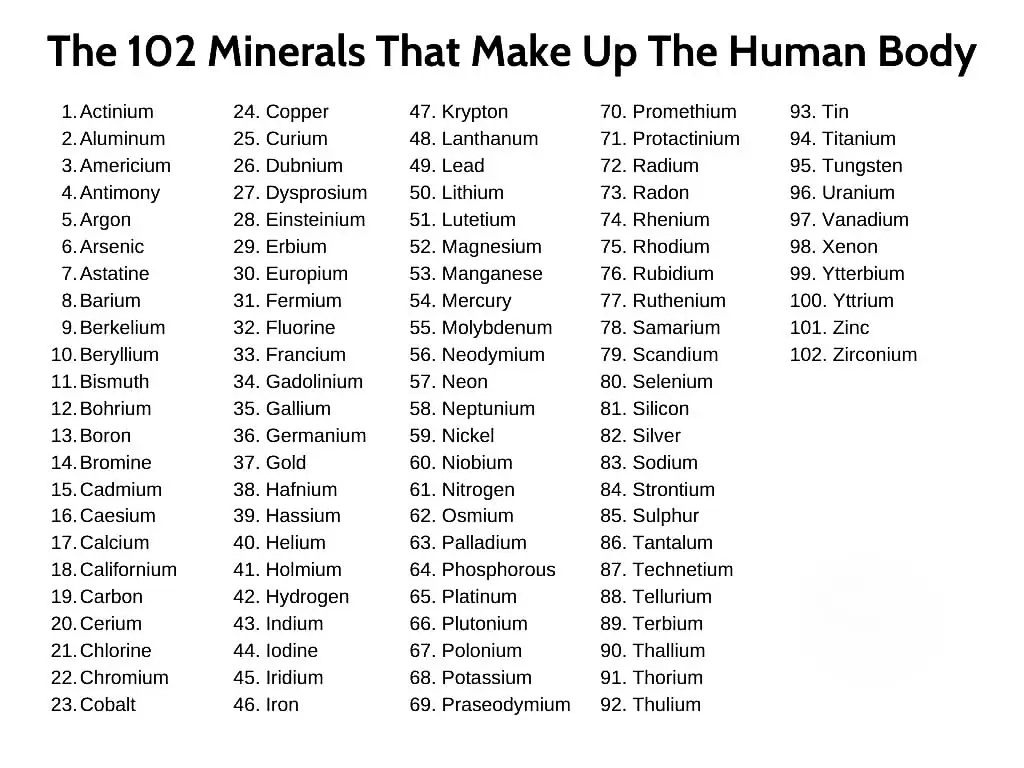
Enamel is mainly made of crystals called hydroxyapatites, which are composed of calcium and phosphate. But enamel also contains trace amounts of other minerals, such as magnesium, zinc, and copper (Zamojda et al., 2023).
These minerals play a vital role in enamel formation and function, and they may also influence how enamel reacts to different agents that appear in the human mouth, such as acids, bacteria, or abrasives.
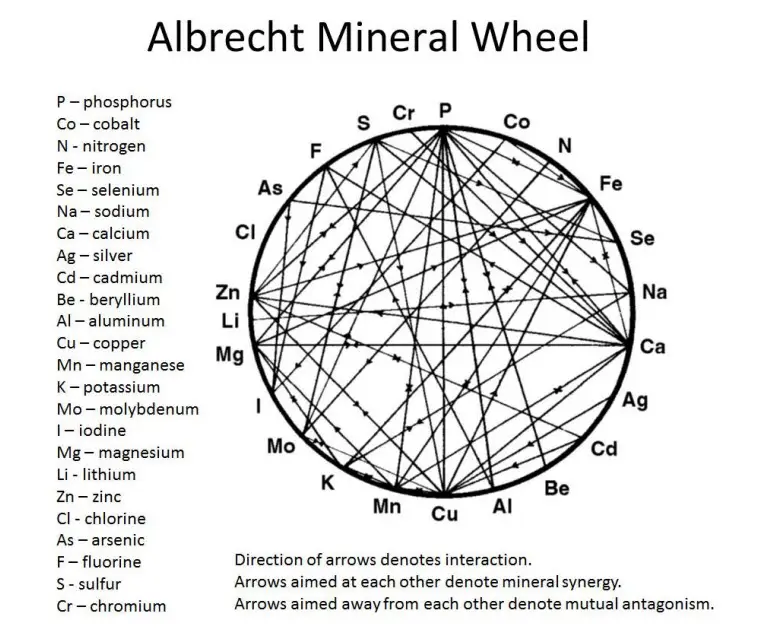
For example, magnesium can influence the activity of an enzyme called alkaline phosphatase, which is involved in the development of properly shaped hydroxyapatite crystals. Magnesium can also inhibit the transition of calcium phosphate from a non-crystallized form to a crystallized form, which affects the structure and hardness of enamel. Magnesium is also a component of the organic matrix of enamel (Klimuszko et al, 2018)
Zinc participates in the metabolism of many factors and proteins that are involved in enamel formation, such as kallikrein 4, alkaline phosphatase, Krox 25 and Krox 26 transcription factors, and enamelysin. Zinc can also protect enamel from acid attack by forming a protective layer on the enamel surface. Zinc is essential for normal enamel formation, and its deficiency can make your enamel weaker. However, too much zinc can also be harmful, as it can inhibit or modify the growth of hydroxyapatite crystals.
Studies on rats have shown that the diet of pregnant mothers can affect the mineral content of dental hard tissues in their offspring. If the mothers have a low intake of magnesium and zinc, their offspring will also have lower levels of these minerals in their teeth. This can make their teeth more vulnerable to dental caries and other pathological agents.
Copper ions can inhibit the formation of dental plaque, the acid solubility of enamel, and the remineralization of enamel. Copper can also prevent bacterial growth and activity by oxidizing their key thiol groups.
Copper can help prevent the demineralization of the enamel by forming an insoluble layer of copper phosphate on the tooth surface. This layer acts as a barrier that reduces the loss of calcium from the enamel and stabilizes its crystal structure. This means that the more copper there is in the solution surrounding the tooth, the more calcium there will be in the enamel, and the less soluble it will be.
Copper also has other benefits for your oral health. For instance, can also inhibit some enzymes that degrade the proteins in the enamel matrix, such as procollagen N-proteinase, glucosyl-transferase, and gelatinase A and B. These enzymes are involved in the formation and maturation of the enamel, and their inhibition can enhance its durability.
In this study (Zamojda et al., 2023), they wanted to compare the content of calcium (Ca), magnesium (Mg), zinc (Zn), and copper (Cu) in different layers of healthy and worn tooth enamel.
Here are some of the main findings:
- They found a statistically significant difference between the mean amount of zinc in severely worn dentition and all the layers of healthy teeth, both in vivo and in vitro. This means that zinc may be lost from enamel due to wear, or that zinc may have a protective effect on enamel against wear.
- They also found strong positive relationships between magnesium and zinc contents at some depths of enamel. This means that these two minerals may have a similar role in enamel formation or function, or that they may influence each other’s uptake or retention in enamel.
- They detected a significant difference between the amount of copper in the severely worn dentitions compared to the superficial layer of the healthy teeth, both in vivo and in vitro. This means that copper may be either depleted or enriched in enamel due to wear or that copper may have an effect on enamel resistance or susceptibility to wear.
In conclusion, the study suggests that zinc metabolism may play an important role in enamel formation and may influence enamel’s resistance to wear after tooth eruption.
It also indicates that magnesium, zinc, and copper may have complex interactions with each other and with other factors that affect enamel structure and function.
Trace Minerals.
Trace minerals are very small amounts of minerals that are present in the body and in the environment. Some examples of trace minerals are zinc, copper, iron, and selenium.
Trace minerals are present in the enamel and can affect its formation and structure.
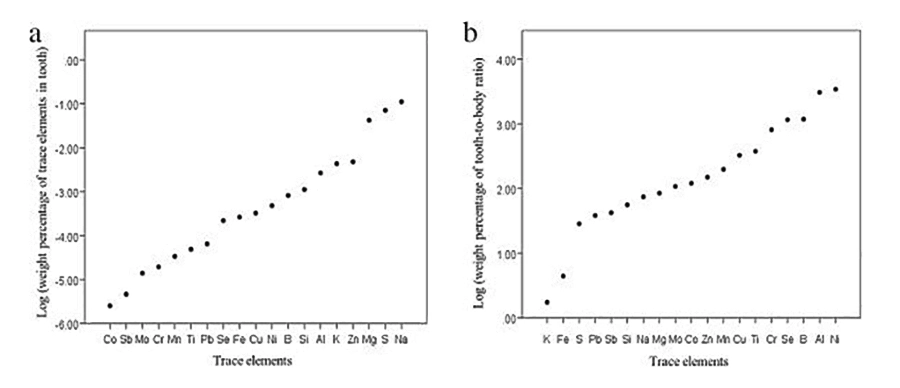
But how many trace elements are in your tooth enamel compared to the rest of your body? To answer this question, scientists conducted a study (Ghadimi et al., 2013) with 38 human teeth that were extracted for various reasons. They measured the concentration of 19 trace elements in the enamel samples.
They found that some trace elements had very low concentrations, such as chromium, molybdenum, cobalt, and antimony. These trace elements were barely detectable in the enamel samples. Other trace elements had very high concentrations, such as zinc, sodium, and sulfur. These trace elements were abundant in the enamel samples.
But how do these concentrations compare to the average elemental composition of the human body?
The study found that some trace elements had a similar concentration in the enamel and in the body, such as potassium and iron. These trace elements were evenly distributed throughout the body.
The most abundant trace elements in saliva (Na, Mg, K, and Zn) are also the most abundant trace elements in tooth enamel (Borella et al. 1994; Sighinolfi et al. 1989).
Other trace elements had a higher concentration in the enamel than in the body, such as sulfur, antimony, lead, silicon, sodium, magnesium, molybdenum, cobalt, zinc, manganese, copper, titanium, chromium, selenium, boron, aluminum, and nickel. These trace elements were concentrated in the enamel by 1 (sulfur, antimony, lead, silicon, sodium, and magnesium), 2 (molybdenum, cobalt, zinc, manganese, copper, titanium, and chromium), or 3 orders of magnitude (selenium, boron, aluminum, and nickel).
The most striking difference was for nickel. Nickel was almost 3500 times more abundant in the enamel than in the body. This means that nickel was highly concentrated in the enamel.
Deficiency in trace minerals may have implications for enamel’s health and function. For example, some trace elements may influence enamel’s crystallographic properties and ultimately its physical properties.
Therapy and Challenges.
Do you know how much it costs to replace a missing tooth? Dental caries or tooth decay is one of the most expensive diseases in the world. It affects millions of people, especially children, and can lead to pain, infection, and tooth loss.
You may think that brushing your teeth with fluoride toothpaste and flossing regularly is enough to protect your teeth from caries. But that’s not the whole story.
Caries are caused by bacteria that form a sticky layer on your teeth called biofilm. Biofilm is like a fortress that shields the bacteria from your saliva, toothbrush, and fluoride. It also allows the bacteria to produce acid that erodes your enamel and causes cavities.
So how can we break through this biofilm and stop the bacteria from damaging our teeth?
Scientists have been looking for new ways to fight caries by targeting the biofilm itself. One of the strategies they have explored is using antimicrobial peptides, which are natural substances that can kill bacteria without harming our cells. One example of these peptides is histatin, which is found in our saliva and has a broad-spectrum antimicrobial activity.
Another strategy that scientists have investigated is using inhibitors of exopolysaccharide, which is a type of sugar that the bacteria use to build the biofilm matrix. By blocking this sugar, we can prevent the biofilm from forming and growing. Some studies have shown that combining these inhibitors with fluoride can reduce the amount of exopolysaccharide and acids in the biofilm.
As you can see, there are many promising approaches to prevent and treat caries by targeting the biofilm. But we still have a long way to go before we can use them in clinical practice.
Until then, we should continue to follow the basic rules of oral hygiene: brush twice a day with fluoride toothpaste, floss daily, use mouthwash, limit sugary foods and drinks, and visit your dentist regularly. The most important factor is the diet. Do not consume more than 3 to 5 percent of calories from free sugar and correct mineral deficiencies.
There is no free sugar in nature except honey and all of the produce used to be organic with full spectra of trace minerals in them.
Also, one of the important factors is to use mouthwash to kill bacteria and dissolve biofilm and plaque. Just brushing is not enough.
There are very potent natural nontoxic phytochemicals, antioxidants, and other substances that are good in fighting both candida and bacteria and can be used in homemade natural mouthwash. At the same time, they also provide a high amount of antioxidant and anti-inflammatory support for inflamed gums.
You can read more about it in this article Homemade Natural Mouthwash: Proven, Stronger & Less Toxic.
To summarize, what can you do to protect your oral health and avoid the consequences of sugar? Here are some tips:
- Limit your intake of free sugars to less than 10% of your total energy intake per day, which is about 50 grams or 12 teaspoons for an average adult. If possible, aim for less than 5%, which is about 25 grams or 6 teaspoons per day. Ideally, aim for 3%.
- Use other types of sugars, ideally natural whole food substitutes like date sugar instead of sucralose.
- Brush your teeth twice a day with fluoride toothpaste and floss daily to remove plaque and bacteria from your teeth and gums.
- Visit your dentist regularly for check-ups and professional cleaning to prevent and treat any oral problems.
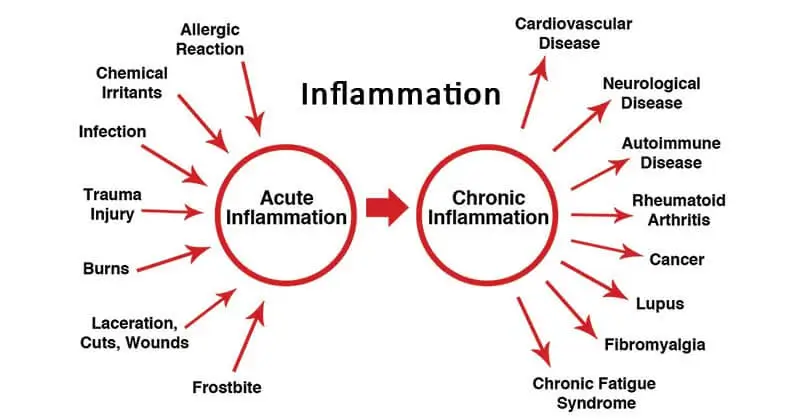
- Avoid smoking, drinking alcohol excessively, eating a diet with a low ORAC score deprived of nutrients, and avoiding pro-inflammatory foods as they can cause chronic inflammation and increase the risk of oral cancer and cancer in general and would inflame the gums and entire body and would lead to oral thrush and candidiasis.
- Support the immune system to keep candida from invading and if you have oral thrush or inflamed gums seek medical treatment.
- Use a mouthwash to kill bacteria and candida and dissolve biofilm and plaque.
- Correct mineral deficiencies.
By following these simple steps, you can enjoy a healthy smile and a healthy life. Remember: sugar may be sweet, but it can also be sour for your oral health. So be smart and choose wisely!
FAQ
References:
- Jørn, A., Paster, B. J., Stokes, L. N., Olsen, I., & Dewhirst, F. E. (2005). Defining the normal bacterial flora of the oral cavity. Journal of Clinical Microbiology, 43(11), 5721–5732. https://doi.org/10.1128/jcm.43.11.5721-5732.2005
- Forssten, S. D., Björklund, M., & Ouwehand, A. C. (2010). Streptococcus mutans, Caries and Simulation Models. Nutrients, 2(3), 290–298. https://doi.org/10.3390/nu2030290
- Metwalli, K. H., Khan, S., Krom, B. P., & Jabra-Rizk, M. A. (2013). Streptococcus mutans, Candida albicans, and the Human Mouth: A Sticky Situation. PLOS Pathogens, 9(10), e1003616. https://doi.org/10.1371/journal.ppat.1003616
- Sheiham, A., & James, W. P. (2015). Diet and Dental Caries: The Pivotal Role of Free Sugars Reemphasized. Journal of dental research, 94(10), 1341–1347. https://doi.org/10.1177/0022034515590377
- Klinke, T., Guggenheim, B., Klimm, W., & Thurnheer, T. (2011). Dental Caries in Rats Associated with Candida albicans. Caries Research, 45(2), 100–106. https://doi.org/10.1159/000324809
- Raja, M., Hannan, A., & Ali, K. (2010). Association of Oral Candidal Carriage with Dental Caries in Children. Caries Research, 44(3), 272–276. https://doi.org/10.1159/000314675
- World Health Organization: WHO. (2017). Sugars and dental caries. www.who.int. https://www.who.int/news-room/fact-sheets/detail/sugars-and-dental-caries
- Zamojda, E., Orywal, K., Mroczko, B., & Sierpińska, T. (2023). Trace elements in dental enamel can be a potential factor of advanced tooth wear. Minerals, 13(1), 125. https://doi.org/10.3390/min13010125
- Ghadimi, E., Eimar, H., Marelli, B., Nazhat, S. N., Asgharian, M., Vali, H., & Tamimi, F. (2013). Trace elements can influence the physical properties of tooth enamel. SpringerPlus, 2, 499. https://doi.org/10.1186/2193-1801-2-499
- Cho, E., Park, Y., Kim, K. Y., Han, D., Kim, H. S., Kwon, J., & Ahn, H. (2021). Clinical characteristics and relevance of oral candida biofilm in Tongue smears. Journal of Fungi, 7(2), 77. https://doi.org/10.3390/jof7020077
- Klimuszko, E., Orywal, K., Sierpinska, T., Sidun, J., & Golebiewska, M. (2018). Evaluation of calcium and magnesium contents in tooth enamel without any pathological changes: in vitro preliminary study. Odontology, 106(4), 369–376. https://doi.org/10.1007/s10266-018-0353-6
Related Posts

Do you have any questions about nutrition and health?
I would love to hear from you and answer them in my next post. I appreciate your input and opinion and I look forward to hearing from you soon. I also invite you to follow us on Facebook, Instagram, and Pinterest for more diet, nutrition, and health content. You can leave a comment there and connect with other health enthusiasts, share your tips and experiences, and get support and encouragement from our team and community.
I hope that this post was informative and enjoyable for you and that you are prepared to apply the insights you learned. If you found this post helpful, please share it with your friends and family who might also benefit from it. You never know who might need some guidance and support on their health journey.
– You Might Also Like –
Environmental toxicity- It is just a food chain
Cancer, The Forbidden Cures-Rife machine, Historical review
Chlorella Benefits: Plant-Based B12, Iron, Zinc & Detox

Pesticides in Food, Exposure in The Standard American Diet- 80 Percent From Meat

Lactose intolerance- 65% chance you have it
Milk and Dairy: Health Risk Correlations
Coffee benefits– Not without the risks

Binge Eating and Hormonal Regulation: Emotional Hunger

Learn About Nutrition

Milos Pokimica is a doctor of natural medicine, clinical nutritionist, medical health and nutrition writer, and nutritional science advisor. Author of the book series Go Vegan? Review of Science, he also operates the natural health website GoVeganWay.com
Medical Disclaimer
GoVeganWay.com brings you reviews of the latest nutrition and health-related research. The information provided represents the personal opinion of the author and is not intended nor implied to be a substitute for professional medical advice, diagnosis, or treatment. The information provided is for informational purposes only and is not intended to serve as a substitute for the consultation, diagnosis, and/or medical treatment of a qualified physician or healthcare provider.NEVER DISREGARD PROFESSIONAL MEDICAL ADVICE OR DELAY SEEKING MEDICAL TREATMENT BECAUSE OF SOMETHING YOU HAVE READ ON OR ACCESSED THROUGH GoVeganWay.com
NEVER APPLY ANY LIFESTYLE CHANGES OR ANY CHANGES AT ALL AS A CONSEQUENCE OF SOMETHING YOU HAVE READ IN GoVeganWay.com BEFORE CONSULTING LICENCED MEDICAL PRACTITIONER.
In the event of a medical emergency, call a doctor or 911 immediately. GoVeganWay.com does not recommend or endorse any specific groups, organizations, tests, physicians, products, procedures, opinions, or other information that may be mentioned inside.
Editor Picks –

Cancer Editor Picks Phytochemicals
Anticancer Power of Fruits and Vegetables: In Vivo and Clinical Evidence
Some vegetable extracts rival leading chemotherapy drugs and at the same time target multiple different types of cancer cells.

Antioxidants Editor Picks ORAC
Essential Oils as Antioxidant Supplements: Rules and Strategies
Food-grade essential oils can be a convenient and consumer-friendly strategy for optimizing the antioxidant value and ORAC scores of our diet.
Antioxidants Editor Picks ORAC
Antioxidant-Rich Diet: General Rules and Strategies
There are easy and cost-effective strategies for optimizing the antioxidant value of our diet.

Antioxidants Editor Picks ORAC
Understanding ORAC Values: Antioxidant Levels in Foods
When your main source of antioxidants is coffee, you know that you have a serious problem.

Antioxidants Editor Picks ORAC
Astaxanthin Benefits: World’s Most Powerful Natural Antioxidant
Astaxanthin is the most powerful natural and universal antioxidant (both oil and water-soluble) known to science. It accumulates in tissues and It can never turn itself into a pro-oxidant.

Antioxidants Editor Picks ORAC Phytochemicals
Antioxidants: Understanding the Basics
There are no phytochemicals or antioxidants in animal products. On average, plant foods contain more than 60 times as many antioxidants as animal-based foods.
Editor Picks Vegan Diet
Nutrient Deficiencies in Vegan Diet: Prevention Strategies
There are nine common nutrient deficiencies on the population scale affecting people eating a plant-based diet. If not corrected on time some deficiencies have terrible and non-treatable consequences.
Editor Picks Optimal Diet
Micronutrient Deficiency in Standard American Diet: Optimization Strategies
Nutrition profile of our modern meat, sugar, processed food diet is completely incongruent with our evolution resulting in severe micronutrient deficiency.

Editor Picks Phytochemicals
Phytochemicals: Understanding the Basics
Every single phytochemical that exists has a biological action in the human body. Every single one from millions of different phytochemicals.
Editor Picks Milk Optimal Diet
Milk and Dairy: Health Risk Correlations
Known associations with milk and dairy consumption are infertility, ovarian and breast cancer, leukemia, diabetes type 1, autism, arteriosclerosis, cataract, rheumatoid arthritis, multiple sclerosis, hyperactivity, congestion, pimples, and more…

Cancer Editor Picks Protein
Complete Protein: IGF-1 Signaling in Cancer Formation
When you eat animal protein you have four times the chance to develop all types of cancer. When you smoke you have a four-time chance to develop lung cancer.

Cancer Editor Picks Protein
The Anatomy of Cancer- Health risk correlations
About 2% of cancers are by medicine considered to be purely caused by genetic factors. The same range as within the animal kingdom. You haven’t been told the whole truth.
Milos Pokimica is a health and nutrition writer and nutritional science advisor. Author of the book series Go Vegan? Review of Science, he also operates the natural health website GoVeganWay.com
Latest Articles –

Calorie Restriction Longevity
How to Fast: Fasting Foods That Won’t Break Autophagy
Autophagy. Have you ever wondered what happens to the cells in your body when they die or get damaged? Do they just pile up and create problems, or do they get disposed of somehow? The answer is that your body…

Dental Health Prevention
Sweets Teeth Sensitivity & Pain: Quick Fix & Lasting Solution
A quick and easy fix for pain relief is clove essential oil, a powerful antioxidant and pain reliever that can help with gum disease and toothache.

Beans
Green Beans: Nutrition and Health Benefits
Green beans are low in calories and rich in natural compounds that can help you control your blood sugar, lower your cholesterol, and fight off free radicals.
Raw food diet Vegan Diet
Can You Eat Mushrooms Raw: Health Risks, Nutrition & Safety
Mushrooms have heat-sensitive toxins like hydrazine or agaritine, and cell walls made out of chitin that cannot be digested well by humans.

Vegan Diet
Are Fish Animals? A Cultural Perspective
In some cultures, fish meat is not considered to be meat, and fish is allowed even during fast.

Dental Health Prevention
Homemade Natural Mouthwash: Proven, Stronger & Less Toxic
Homemade natural mouthwash is stronger than chlorhexidine, less toxic and if swallowed might give you some nausea but also a high burst in ORAC value.
Dental Health Prevention
How to Stop Tooth Decay: Symptoms, Causes & Prevention
Sugar consumption is the main cause of cavities and tooth decay, combined with mineral deficiencies especially magnesium, zinc, copper and trace elements.
Antioxidants Superfoods
Amla: Proven Benefits, Nutrition And Clinical Significance
Amla is one of the world’s most powerful antioxidants with a ORAC score of 261,530. It is a rich source of phytochemicals that have various health benefits.
Top Health News — ScienceDaily
- Glucosamine, a popular joint supplement, linked to faster Alzheimer’s progressionon September 27, 2026
A large health-record analysis found that glucosamine use was associated with a 25% higher likelihood of mild cognitive impairment progressing to dementia. Lab experiments suggest the popular joint supplement may intensify an abnormal sugar-tagging process in the Alzheimer’s brain, although researchers say clinical trials are needed to determine whether it actually causes harm.
- Atrial fibrillation patients saw 69% lower risk with common blood thinnerson September 27, 2026
Direct oral anticoagulants cut the risk of serious clinical events by 69% in atrial fibrillation patients with an intermediate risk of stroke, according to the randomized SINGLE-AF trial. The benefit was driven mainly by fewer ischemic strokes, with no increase in major bleeding.
- One CRISPR treatment cut “bad” cholesterol in half for a full yearon September 27, 2026
A single dose of an experimental CRISPR therapy cut LDL cholesterol and triglycerides by about half in patients with difficult-to-treat lipid disorders. The reductions were still present one year later, with the highest dose lowering LDL by 52.5% and triglycerides by 47.8%.
- Why rheumatoid arthritis pain may persist even when inflammation is under controlon September 27, 2026
Pain and fatigue in rheumatoid arthritis can persist even after inflammation improves, with depression, poor sleep, obesity, smoking, and chronic pain potentially helping sustain symptoms. Researchers say identifying these hidden drivers could prevent unnecessary medication changes and lead to more personalized treatment.
- Scientists say house cats could help unlock better cancer treatments for humanson September 27, 2026
Scientists have mapped the genetics of cat cancer on an unprecedented scale and found surprising similarities with tumors in humans. The findings could help bring precision cancer treatments to cats while also revealing new clues about how human cancers develop and respond to drugs.
- A major risk of breast cancer screening may have been overestimated for decadeson September 26, 2026
A new analysis suggests mammograms may lead to far less breast cancer overdiagnosis than some earlier studies indicated. Researchers reexamined all eight major randomized screening trials and accounted for differences in follow-up time, screening frequency, and screening after trials ended. Their results were consistent with an overdiagnosis rate below 5%, rather than estimates approaching 30% to 50%.
- That fresh cleaning smell could be filling your home with nanoparticleson September 26, 2026
Researchers found that scented cleaners can react with ozone indoors to create billions or trillions of invisible nanoparticles that can penetrate deep into the lungs. The pollution forms within minutes and, in some cases, may produce an inhaled particle dose comparable to or greater than standing near heavy traffic.
PubMed, #vegan-diet –
- Plant-Based Diets in Adolescence: Cardiometabolic Benefits, Developmental Risks, and the Role of Fortificationon September 26, 2026
Adolescence is a critical window in which dietary patterns stabilise while nutrient requirements remain high to support growth, bone accrual, and neurodevelopment. Plant-based diets are increasingly adopted by young people, yet paediatric evidence indicates that they should not be treated as a single exposure, because diet quality substantially modifies both benefits and risks. Healthy plant-based patterns-rich in whole grains, legumes, fruits, vegetables, nuts, and unsaturated fats-are…
- Plant-Based Functional Custard Enriched with Vitamin D3: Insight into Technological Properties, Nutrition and Bone Tissue Regenerationon September 26, 2026
A plant-based or vegan diet is considered one of the most important dietary patterns, often followed for religious or health reasons. It should contain vital nutrients such as protein, iron, zinc, calcium, vitamin D, and others. The objective of this study was to produce a plant-based food product with high nutritional value (vegan custard, VC) and fortify it with vitamin D(3) (vegan custard + D(3)). Thirty-five female albino rats, with an average body weight of 160 ± 5 g, were divided […]
- Dietary Patterns, Micronutrient Adequacy, and Metabolic Vulnerability in Alzheimer’s Disease: A Critical Narrative Reviewon September 26, 2026
Dietary factors may influence cognitive aging and Alzheimer’s disease (AD), but observational associations, mechanistic findings, and intervention effects should not be considered equivalent evidence. This critical narrative review examines how dietary patterns, micronutrient adequacy, and metabolic health may modify AD-related vulnerability. A targeted search of PubMed/MEDLINE, Scopus, and Web of Science through April 2026 prioritized systematic reviews, meta-analyses, randomized trials, and…
- A Structured Narrative Review of Contemporary Dietary Strategies Following Acute Coronary Syndromeson September 24, 2026
CONCLUSIONS: A Mediterranean-style diet remains the dietary pattern supported by the strongest evidence for secondary prevention following ACS. Until further pragmatic randomized trials are available, clinicians should continue recommending Mediterranean-style dietary patterns while individualising dietary advice according to patient preferences, cultural practices, and long-term adherence.
- Toward International Dietary Guidance: A Food Guide Pyramid for Human and Planetary Healthon September 23, 2026
Dietary guidelines shape food policy, education, and food systems worldwide. Recent controversies in dietary guideline development, together with rising burdens of diet-related chronic disease and increasing environmental pressures, highlight the need for globally relevant dietary guidance aligned with both human and planetary health. We developed an evidence-informed International Food Guide Pyramid emphasizing optimal carbohydrate-containing staple foods. The International Carbohydrate […]
Random Posts –
Inflammation
Low Histamine Diet and Histamine Intolerance: Complete Gide
One way to manage histamine intolerance is to follow a low histamine diet. This means avoiding foods that are high in histamine or that can trigger its release.
Editor Picks Phytochemicals
Phytochemicals: Understanding the Basics
Every single phytochemical that exists has a biological action in the human body. Every single one from millions of different phytochemicals.
Dental Health Prevention
Homemade Natural Mouthwash: Proven, Stronger & Less Toxic
Homemade natural mouthwash is stronger than chlorhexidine, less toxic and if swallowed might give you some nausea but also a high burst in ORAC value.

Detoxification Pregnancy Toxicity
Detoxification and pregnancy toxicity exposure risk- The vegan argument
On average pregnant woman is polluted with around 35 different chemicals including both banned and contemporary contaminants. Chemical cocktail levels of many of these chemicals were comparable to the levels that can have fetal adverse effects.
Detoxification Drinking Water Toxicity
Distilled Water for Drinking- Detoxification Aid or a Deadly Poison?
There is much misinformation about the detoxifying properties of water and distilled water in particular. Water purification is a big business. What science has to say about it?

Physical Activity
Glycogen depletion- How not to exercise
What happens when we exercise or go on a restrictive diet?

Antioxidants Physical Activity
Antioxidant Impaired Training Adaptations: Preventing Oxidative Damage in the Muscle
Supplemental antioxidants can block the main benefit of exercise and that is an increase in our own endogenous antioxidant production.
Diabetes Editor Picks
Diabetes causes and refined carbohydrates- The vegan argument
People believe that refined carbohydrates are associated with insulin spikes and are one of the diabetes causes. They are right. However, they are also wrong.
Antioxidants Editor Picks ORAC
Antioxidant-Rich Diet: General Rules and Strategies
There are easy and cost-effective strategies for optimizing the antioxidant value of our diet.

Editor Picks Obesity
Binge eating disorder- The psychology of hunger
In nature, there is no refined sugar or fat. Our brain had never been exposed to a combination of the two all at once forcing us into binge eating disorder.


Featured Posts –
Editor Picks Optimal Diet Vegan Diet
WHO dietary guidelines- New food pyramid and suppression of science
WHO dietary guidelines recommend a diet low in saturated fat (animal protein), sugar, and salt and high in fruit and vegetables as a requirement to tackle the epidemic rise of chronic diseases worldwide.
Diabetes Editor Picks
Diabetes causes and saturated fat- The vegan argument
As the level of fat in the bloodstream rises the ability of the body to clear sugar drops. One of the diabetes causes is our maladaptation to a large fat intake

Allopathic Medicine Editor Picks Optimal Diet
The McGovern Report- Special Interest and The Suppression of Science
In 1977 the push for a change of Dietary Guidelines (McGovern Report) to more plant-based vegan one had been introduced to U.S. Congress.

Editor Picks Obesity Optimal Diet
Cause of Obesity- Maladaptation or addiction
What is the cause of obesity epidemic? For all life on Earth, food is not a choice. The hardest thing for the animal in the wilderness is to gain weight.
Antioxidants Editor Picks ORAC
Antioxidant-Rich Diet: General Rules and Strategies
There are easy and cost-effective strategies for optimizing the antioxidant value of our diet.
Editor Picks Optimal Diet
Processed Food: Understanding the Risks
Processed food means that something from whole food is removed, usually fiber and something is added, usually fat, sugar, salt, and msg.

Editor Picks Prevention Vegan Diet
China study- The vegan argument
China study showed that there is no heart disease or cancer or diabetes in undeveloped rural communities in the world with starch-based vegan diets.
Editor Picks Obesity
Minnesota Starvation Experiment: Why dieting makes us fat. The Psychology of Hunger.
One of the first scientific studies on what hunger does to the mind was observed in a study remembered as the Minnesota Starvation Experiment performed by the University of Minnesota back in 1944.

Cancer Editor Picks Toxicity
Pesticide Exposure in Children: Real-Life Exposure Tests
Children and especially pregnant women are more vulnerable to pesticide exposure. If we analyze real-world exposure levels in real-life scenarios, what would the result be?
Editor Picks Vegan Diet
Nutrient Deficiencies in Vegan Diet: Prevention Strategies
There are nine common nutrient deficiencies on the population scale affecting people eating a plant-based diet. If not corrected on time some deficiencies have terrible and non-treatable consequences.
Latest from PubMed, #plant-based diet –
- Long-Term Monitoring of Radioactive Cesium in Commercial Foods and Dietary Intake Estimated by Total Diet Studies in Japan after the Fukushima Daiichi Nuclear Power Plant Accidentby Hiromi Nabeshi on September 27, 2026
Following the Fukushima Daiichi Nuclear Power Plant accident in 2011, Japan implemented extensive monitoring of radioactive materials in foods and established strict regulatory limits based on an annual effective dose of 1 mSv/year from artificial radionuclides. This review summarizes long-term surveillance data on radioactive cesium (r-Cs) in commercial foods and long-term assessments of dietary intake of r-Cs and strontium-90 (^(90)Sr) using the total diet study (TDS)/market basket (MB)…
- Nutrition and Endometriosis: Current Evidence on Dietary Risk Factors and Clinical Impact – A Narrative Reviewby Christine Dawczynski on September 27, 2026
Endometriosis (EM) is a severe chronic inflammatory disease characterized by the presence of endometrium-like tissue outside the uterine cavity, causing pain and significantly reducing quality of life. Worldwide, around 10% of women of reproductive age are affected and there is no cure as of now. The limited treatment options focus on hormone therapy, surgery and pain management–without satisfactory long-term effects. Nutritional strategies might support the prevention and treatment of…
- North American and Andean Indigenous Plant-Based Foods and Their Contemporary Scientific Rationale for Health Improvementby Lena Gálvez Ranilla on September 27, 2026
Plant-based food systems have been an integral part of human ecology since the dawn of domestication across all continents from over 12,000 y ago. This served the needs of human health and wellness from whole plant form to the use of parts in a range of water-based extracts to dry form or fermentation-based applications. This conference paper focuses on some examples of plant-based foods in the Americas that have been used since ancient times among indigenous North American and Andean […]
- Plant-Based Diets in Adolescence: Cardiometabolic Benefits, Developmental Risks, and the Role of Fortificationby Bianca Simionescu on September 26, 2026
Adolescence is a critical window in which dietary patterns stabilise while nutrient requirements remain high to support growth, bone accrual, and neurodevelopment. Plant-based diets are increasingly adopted by young people, yet paediatric evidence indicates that they should not be treated as a single exposure, because diet quality substantially modifies both benefits and risks. Healthy plant-based patterns-rich in whole grains, legumes, fruits, vegetables, nuts, and unsaturated fats-are…
- Dietary Patterns, Micronutrient Adequacy, and Metabolic Vulnerability in Alzheimer’s Disease: A Critical Narrative Reviewby Isidora Sierralta on September 26, 2026
Dietary factors may influence cognitive aging and Alzheimer’s disease (AD), but observational associations, mechanistic findings, and intervention effects should not be considered equivalent evidence. This critical narrative review examines how dietary patterns, micronutrient adequacy, and metabolic health may modify AD-related vulnerability. A targeted search of PubMed/MEDLINE, Scopus, and Web of Science through April 2026 prioritized systematic reviews, meta-analyses, randomized trials, and…
- Baseline Ferritin and Body Composition as Correlates of Longitudinal Metabolic Changes During an Energy-Restricted Mediterranean-Style Intervention Across Three Overweight Phlogistic-Related Clinical…by Begoña de Cuevillas on September 26, 2026
CONCLUSIONS: Baseline ferritin and body composition were correlates of heterogeneous inflammatory-metabolic profiles and ferritin changes. These hypothesis-generating associations do not establish causal or mechanistic effects and require controlled confirmation with comprehensive iron-status assessment.