







Refined Sugar: Understanding the Risks
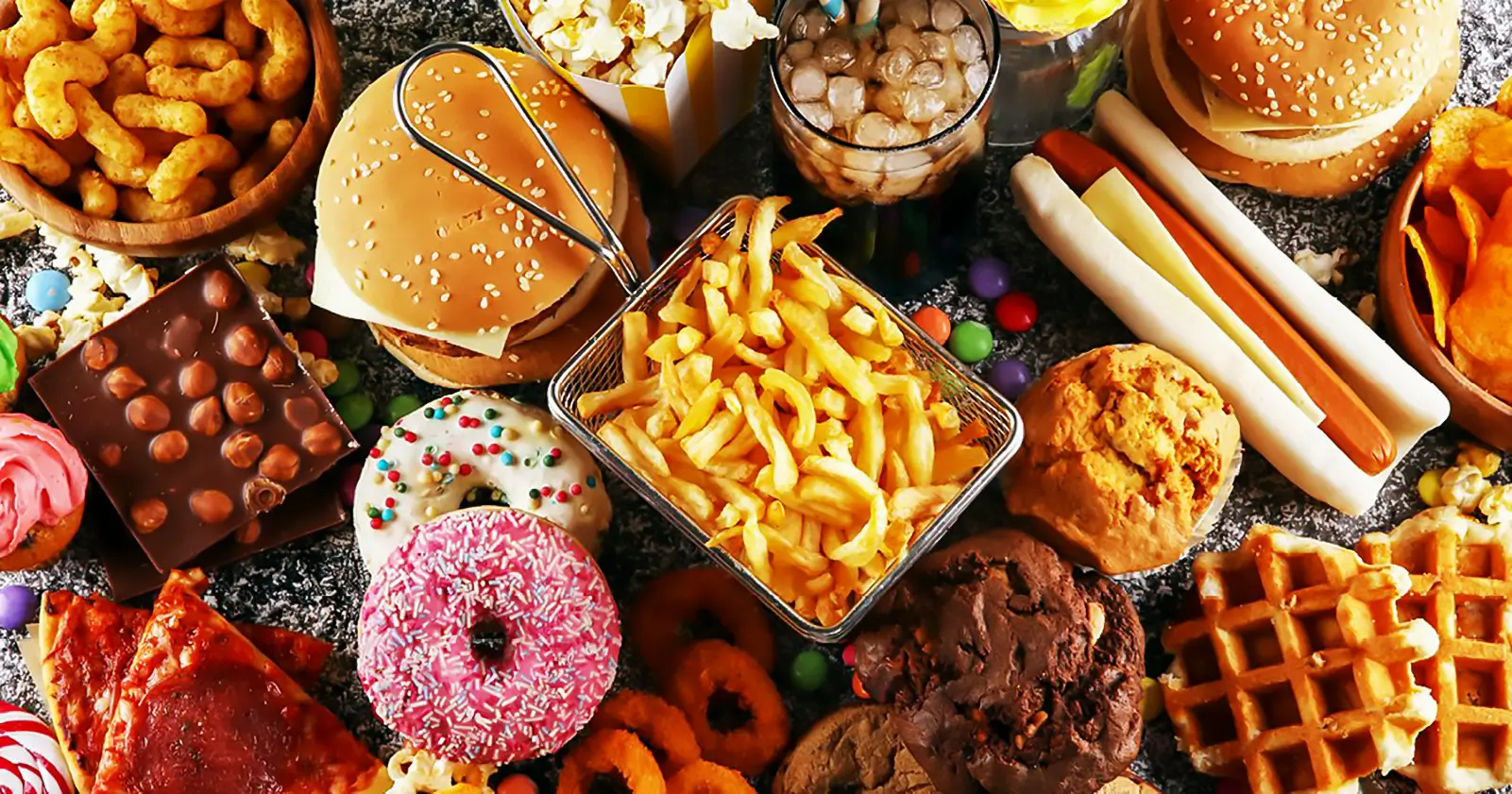
Children consume around one-fifth of their total calorie needs from just refined sugar. If we add fat and the rest of nutrition-deprived processed foods to the list it becomes a complete nutrition nightmare.
Milos Pokimica
Written By: Milos Pokimica
Medically Reviewed by: Dr. Xiùying Wáng, M.D.
Updated December 22, 2025Key Takeaways:
– A typical individual in the U.S. eats around 19.5 teaspoons, or 82 grams (g) of sugar, per day.
– Children consume even more sugar per unit of body weight than adults relatively. On average children consume around one-fifth of their total calorie needs from just sugar, at average.
– Whole food comes as a package deal. All for the price of one.
– The toxicity lies not in the food, but in the processing.
– No natural food source has both high fat and high sugar content.
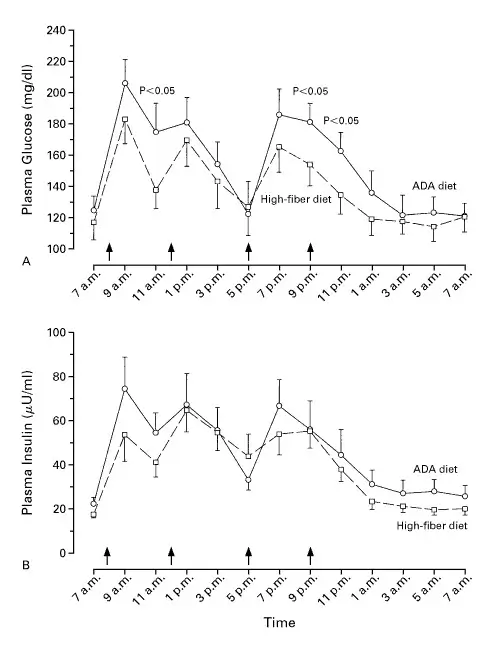
– Eating refined sugar creates an insulin spike-
– Hypoglycemia always follows hyperglycemia and when blood sugar starts to drop, it would drop much higher than in normal circumstances.
– Sugar consumption creates an inflammation spike.
– The process of burning energy that gives us life also gives us death and aging by free radical damage.
– Naturally, in food, there are antioxidants to fight free radicals, but when we eat refined sugar, we have a higher level of inflammation, premature aging, DNA damage with mutations, and other chronic diseases that are correlated with chronic inflammation.
– Eating processed sugar and any sugar that is concentrated is not healthy, even natural ones like honey because of too many empty calories with a low level of micronutrients.
– One hundred percent of calories from fructose or any other sugar that is not in the form of glucose is directly going to the liver to be altered into glucose.
– The process of altering fructose to glucose is biochemically the same as the process of metabolizing alcohol.
– The reason that agave nectar or other high fructose sugars do not spike blood sugar much is that all of that fructose needs to go to the liver first. This is why high fructose sweeteners are often marketed as “healthy” or “diabetic friendly.”
– Almost every sugar out there is some sort of combination of sugars when digested.
– The difference between honey and table white sugar is just 0.5 percent.
– Blackstrap and dark molasses ranked the highest in terms of antioxidant capacity, followed by date sugar and barley malt syrup.
– Date sugar scored very close to molasses (but with much fewer calories and a lot of fiber).
– The sweetest sugar of them all is fructose so the industry naturally likes to use it because it can use less of it for the same effect.
– The industry also adds large amounts of sugar to foods that are generally not sweet like yogurt or cereals.
Sugar Consumption.
We all know we eat too much sugar and that sugar is basically everywhere. The problem is my next question for most of the people that I have consultations with. Somehow when I ask, ok but how much sugar is there most people have no idea. They know, they have heard or read somewhere that there is a lot of refined sugar added to processed foods but that is it. Most people actually don’t know the amount of refined sugar that they are consuming in real life.
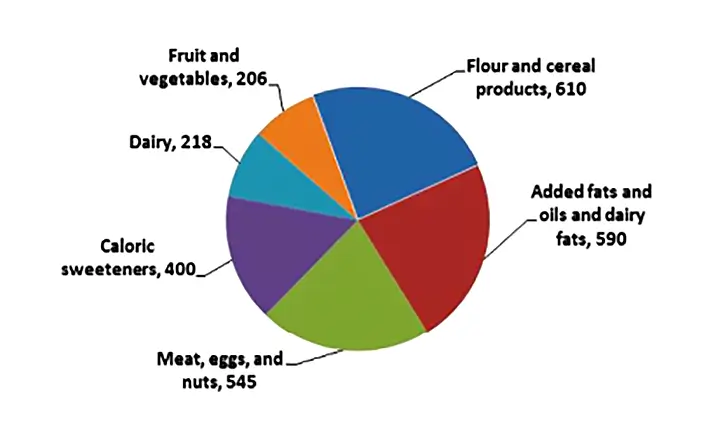
It is determined that the typical individual in the U.S. eats around 19.5 teaspoons, or 82 grams (g) of sugar, per day.
This number includes both refined sugar and all forms of other non-refined sugar in a diet like sugar from fruits.
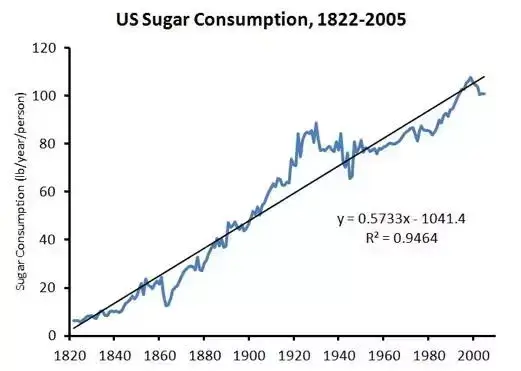
82 grams of sugar for most people can be as much as 20% of their total daily calorie requirement. I will not talk about tooth decay in this article. We will be analyzing more serious health implications than caries. You can read more about tooth decay in this article How to Stop Tooth Decay: Symptoms, Causes & Prevention.
Children consume even more sugar per unit of body weight than adults relatively. On average children consume around one-fifth of their total calorie needs from just sugar, at average.
This is a complete collapse of individual nutrition. If you add fat to the mixture and refined flower and the rest of the empty calorie, nutrition-deprived processed foods to the list and then all the animal products that most people eat on a daily basis, it becomes a complete nightmare. The nightmare that ends in compulsive eating, obesity, diabetes, autoimmune diseases, cancer, cardiovascular problems, and all of the diseases of affluence is a list like a never-ending story.
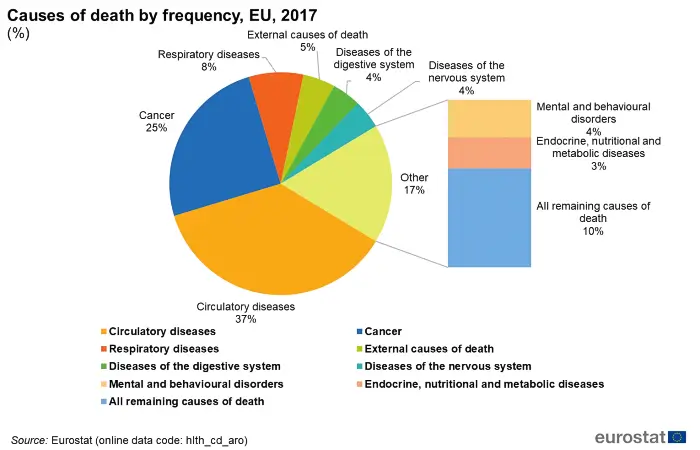
You should eat no more than zero except for sugar found in whole fruits.
“Free Sugars”.
Fruits contain natural sugars in combination with fiber and antioxidants, and that is less harmful than the refined sugar found in processed food. Added sugar or “free sugars” refers to any glucose, fructose, and sucrose added to foods and drinks, not just table sugar in crystal form. The phrase does not refer to the regular sugars found in fresh fruit or vegetables because there is no evidence linking these sugars to health problems. They come with fiber, so there is no blood sugar spike, and also they come with antioxidants, so there is no inflammation spike.
Why would eating refined sugar create a blood sugar spike?
The easiest explanation would be that refined sugar goes directly into the bloodstream. Refined sugar does not have any form of digestion, it is just transported to the bloodstream immediately after consumption. This is not natural. In nature, there is no free sugar, free fat, or in that manner free anything. There is no free lunch.
Whole food comes as a package deal. All for the price of one.
For 50 million years of our evolution, we would have to consume whole food sources to get the energy from sugar that that food source has stored inside. What that usually means is that we would have to eat a lot of fiber and with fiber all other substances that exist in that food source including phytochemicals, antioxidants, vitamins, and most crucially minerals.
One more important thing to remember. It would be almost impossible for our primate ancestors to get to the level of sugar consumption we have today. They would have to forage for food and it would be a very rare situation where they would be able to gorge themselves on some sugary fruits. And even if they were able to do so, the fiber content would prevent immediate digestion of consumed sugar.
The toxicity lies not in the food, but in the processing.
When someone tells you, and this would usually be a person that does nutrition as a part-time job or trying to sell some affiliate marketing products or to push some agenda diet like keto:
“Do not eat sugar (carbs)”.
You need to understand that they are not telling the whole truth. This is actually a shortened version of the truth:
“ Do not eat refined sugar (carbs)”.
Supernormal Stimuli.
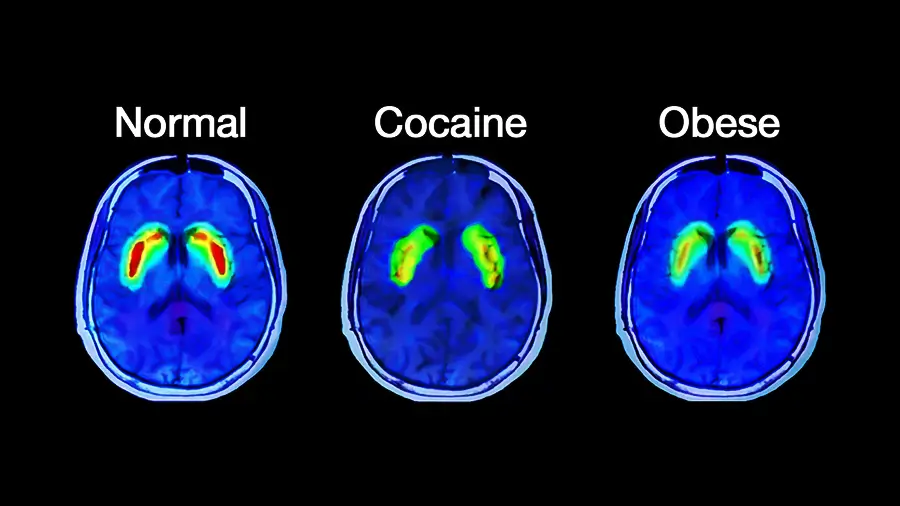
Let me give one more example for you to understand. Indian tribes regularly chew on coca lives as a natural plant remedy or as normal practice in their traditions. It can help them work in high latitudes and they can never experience a form of a high that someone can get snoring pure processed cocaine. Because our ancestors have never been exposed to such high levels of instant sugar consumption, sugar represents something known as supernormal stimuli. Actually, experiments have shown that similar in strength is a supernormal stimulation of the pleasure-rewarding parts of the brain. Dopamine gets activated almost in the same manner when you eat sugar that is refined as if you have snored refined cocaine especially if you add some refined fat to the mix. The refined sugar and fat combination is ever more unnatural. In nature, energy is stored in one way or the other.
No natural food source has both high fat and high sugar content.
For example, nuts and seeds would have high fat content. Fruits would have high fructose content. Tubers, grains, and so on would have high carbohydrate content. In nature, there is no combination of different food items in the same meal. Primates do not have cooking recipes for unnaturally palatable dopamine high-release food. They forage and when they find food they immediately eat it.
Even combing different food items in one sitting is as much an unnatural practice as processing the food is.
When we do this that was not in line with our 50 million years long evolution it would lead to receptor downregulation and you will end up with an addiction to highly palatable foods. On the other hand, you will also have permanently lowered the dopamine response to the brain. You can read more about it in related articles about supernormal stimuli and binge eating disorders.
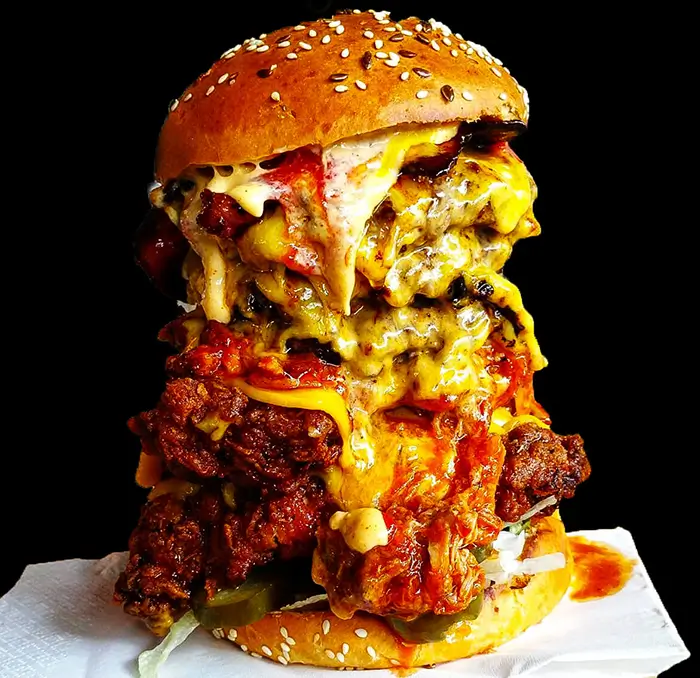
Eating highly palatable foods will lower your ability to experience pleasure in the rest of your daily activities not just in the food sense. It would not be just that you will not want to eat that green stuff anymore but will completely reorganize your brain in the sense that you would have a permanently lower pleasure experience from the rest of your activities during life.
Insulin Spike.
Another part and most of us know this so I won’t go into details is that eating refined sugar would create an insulin spike and then insulin will get released but much more than in normal conditions. Insulin will then push all of the free sugar into tissues but there would be a problem. Too much sugar was released into the bloodstream at once. This means there would be no more room for excess sugar to be stored except for it to go to fat deposits. It would be a short burst of exes energy that had to be stored somewhere and it would go to fat. Fast-releasing processed sugar will not sustain you for an extended period. It would just go to fat and will create insulin resistance making you diabetic.
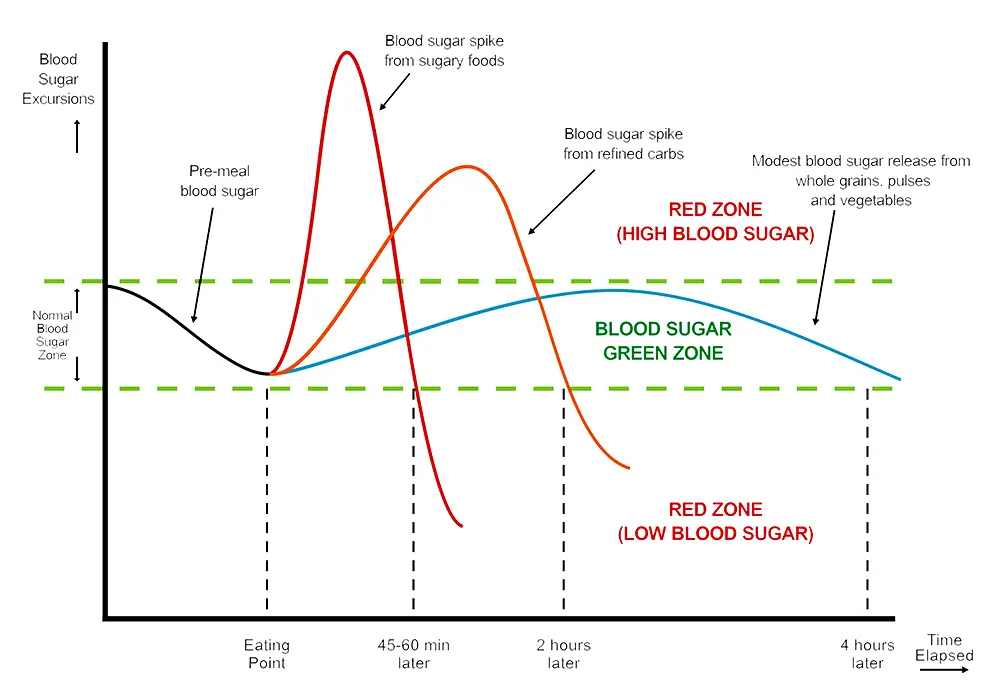
When insulin does its job you will be in the status of low blood sugar and much lower than you would be naturally. It is called hypoglycemia.
Hypoglycemia always follows hyperglycemia and when blood sugar starts to drop, it would drop much higher than in normal circumstances.
The brain will start to feel the effects of low blood sugar and you will start to have tremors. Then you will seek a new high-sugar content food to feel normal. You will eat just to stop hypoglycemia because your brain detects that if your blood sugar levels go any lower your brain cells will start to die. Stress is a consequence of hypoglycemia not just a normal feeling of hunger. Basically like any drug addict, it would be a search for a new fix not just a search for food for sustenance. This leads to binge eating disorder, obesity, and low dopamine levels in the brain.
Inflammation Spike.
This is just the first stage. Most people are familiar with this part. In the second part, sugar consumption will create an inflammation spike.
Why would eating refined sugar create an inflammation spike?
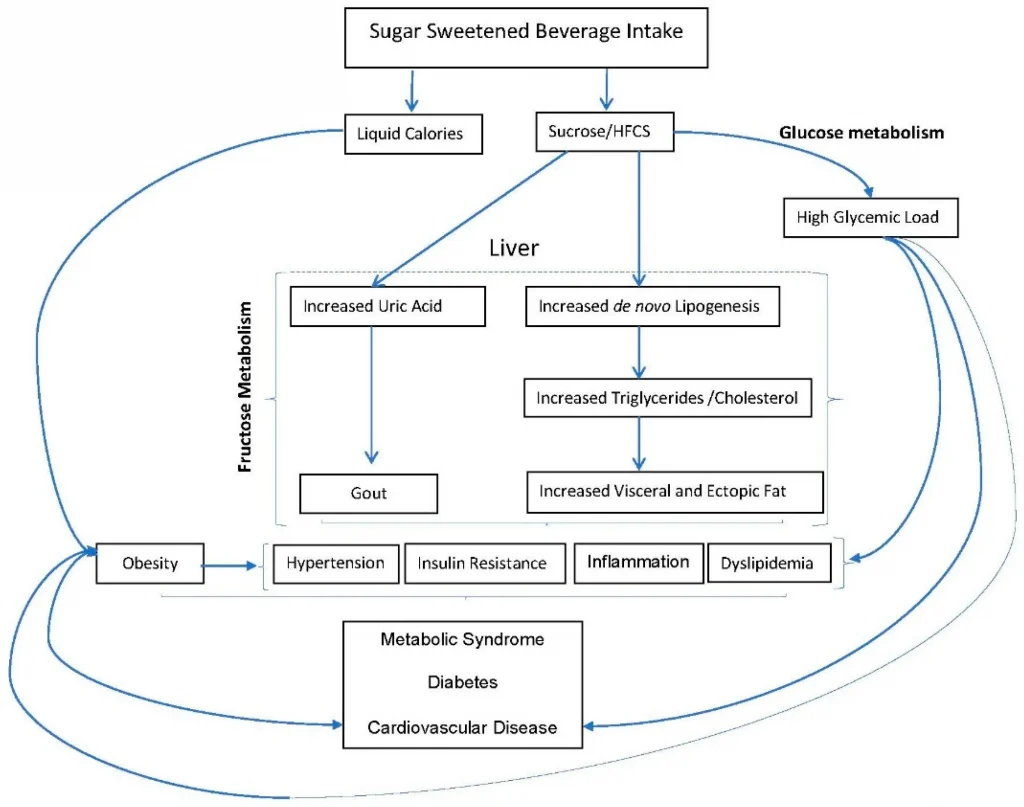
Figure 1. Incomplete compensation for liquid calories leads to obesity, which is a risk factor for cardiometabolic outcomes. Increased diabetes, MetSyn, and CVD risk also occur independent of weight through development of risk factors precipitated by adverse glycemic effects and increased fructose metabolism in the liver. Excess fructose ingestion promotes hepatic uric acid production, de novo lipogenesis, and accumulation of visceral and ectopic fat, and also leads to gout. HFCS = high-fructose corn syrup. “
(Malik et al., 2019)
Burning glucose (not sugar, big difference) for energy is not a 100% clean reaction. Animals are users. Any animal that is in existence does not create their own energy. Instead, animals get their energy from eating producers that create energy. In other words, animals eat organisms that store sun energy (plants) or eat other consumers. All we eat is just solar energy in different material forms.
The purpose of eating is to get glucose. Glucose is the main molecule our bodies use to make energy, and we cannot survive without it. There is a chemical reaction in our bodies called cellular respiration where cells use glucose and oxygen that we breathe from the air to make energy with the creation of the byproduct of carbon dioxide, which will be removed from the body and water. The problem is that there is more than just carbon dioxide that is formed.
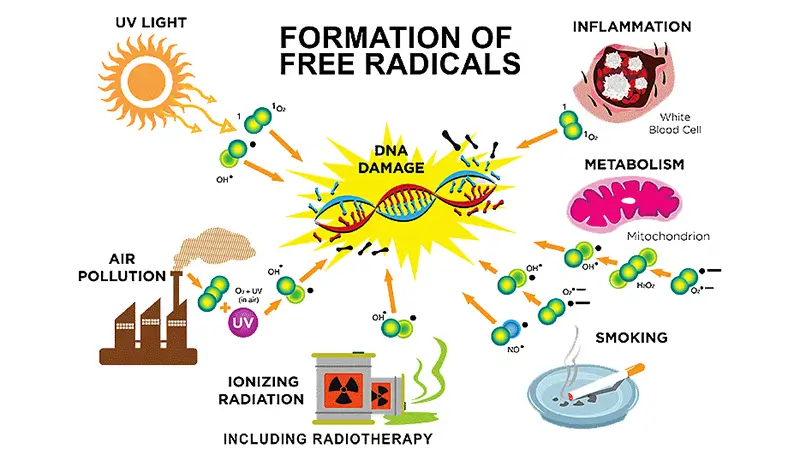
Regular cellular respiration has the electron transport chain in the mitochondria. It is normal conditions that can lead to the formation of reactive oxygen species and cellular damage. In other words, some electrons can “escape” the electron transport chain and combine with oxygen to form a volatile form of oxygen called a superoxide radical (O2•-). It is one of the reactive oxygen species (ROS) types of free radicals.
In other words, the process of burning energy that gives us life also gives us death and aging by free radical damage.
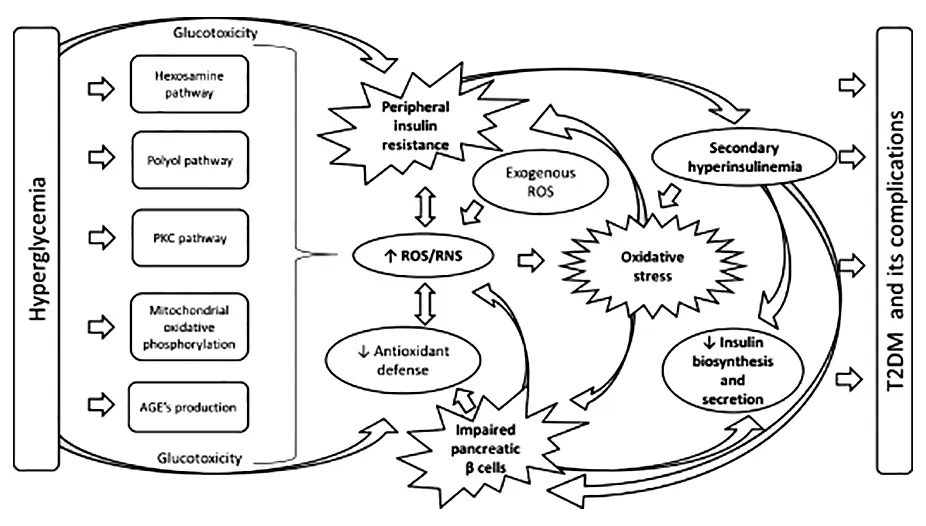
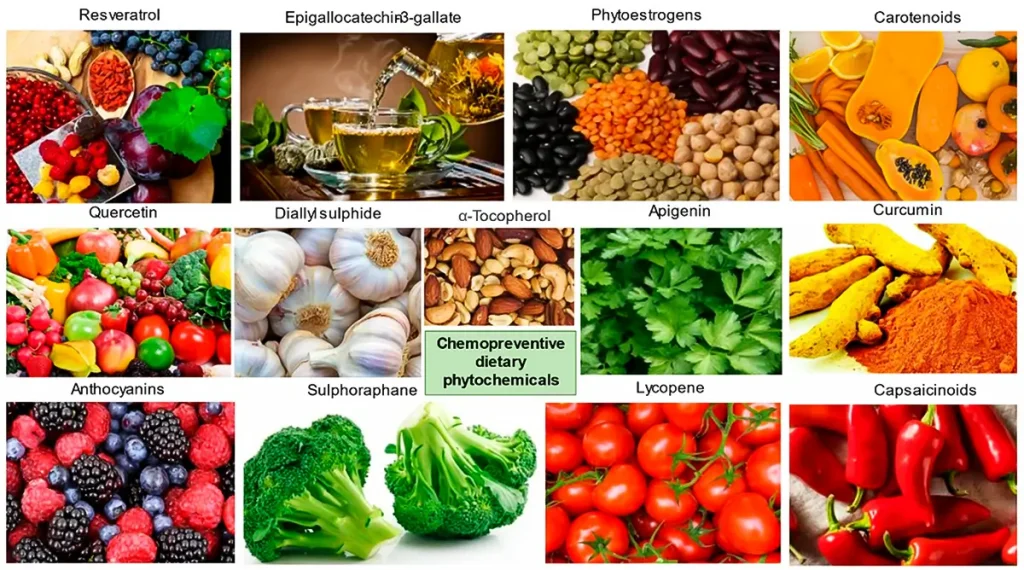
Naturally, in food, there are some antioxidants to fight free radicals, but when we eat refined sugar, we will have a higher level of inflammation than normal and premature aging, DNA damage with mutations, and almost every other chronic disease that is correlated with chronic inflammation. Plus eating any processed sugar and any sugar that is concentrated is not good even natural ones because of too many empty calories with a low level of micronutrients.
Fructose Is Not Healthy Or Natural.
Sugars that occur naturally in honey and refined sugars from syrups, and fruit juice are even worse.
Why? Because they are still refined and usually in the form of fructose (fruit sugar) not in the form of glucose (the type our body uses).
One hundred percent of calories from fructose or any other sugar in that manner that is not in the form of glucose is directly going to the liver to be altered into glucose.
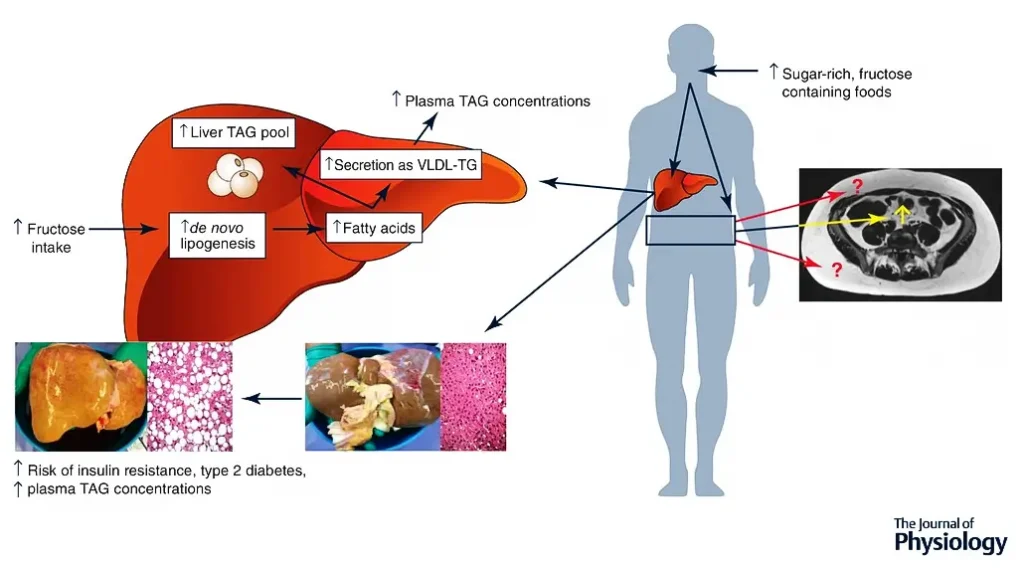
“Excessive consumption of free sugars (which typically includes a composite of glucose and fructose) is associated with an increased risk of developing chronic metabolic diseases including obesity, non-alcoholic fatty liver disease (NAFLD), type 2 diabetes and cardiovascular disease. To date, the study of fructose metabolism has primarily focused on the liver, where it has been implicated in impaired insulin sensitivity, increased fat accumulation and dyslipidaemia.”
(Pinnick et al., 2019)
Glucose is the only sugar that our cells use to make energy and also in most animal cells as well. A very similar pathway also operates in plants, fungi, and many bacteria. Other molecules, such as fatty acids and proteins, can also serve as energy sources but only when they are funneled through appropriate enzymatic pathways.
When fructose goes to the liver for the process of chemically altering it will not be a problem except for one thing.
The process of altering fructose to glucose is biochemically exactly the same as the process of metabolizing alcohol.
One hundred percent the same, and 100 percent the same strain to the liver as alcohol. Alcohol is created by the fermentation of fruit or fructose in it actually. In the liver, half of the fructose is converted to glucose, 25 percent to lactate, 15 percent to glycogen, and 3 to 5 percent to triglycerides. One byproduct is also bad cholesterol besides triglycerides.
When we eat fruit, it does not matter because no matter how much fruit we eat the digestion would be gradual and strain to the liver normal and there are a lot of antioxidants there to fight inflammation. We have been eating fruit for 50 million years.
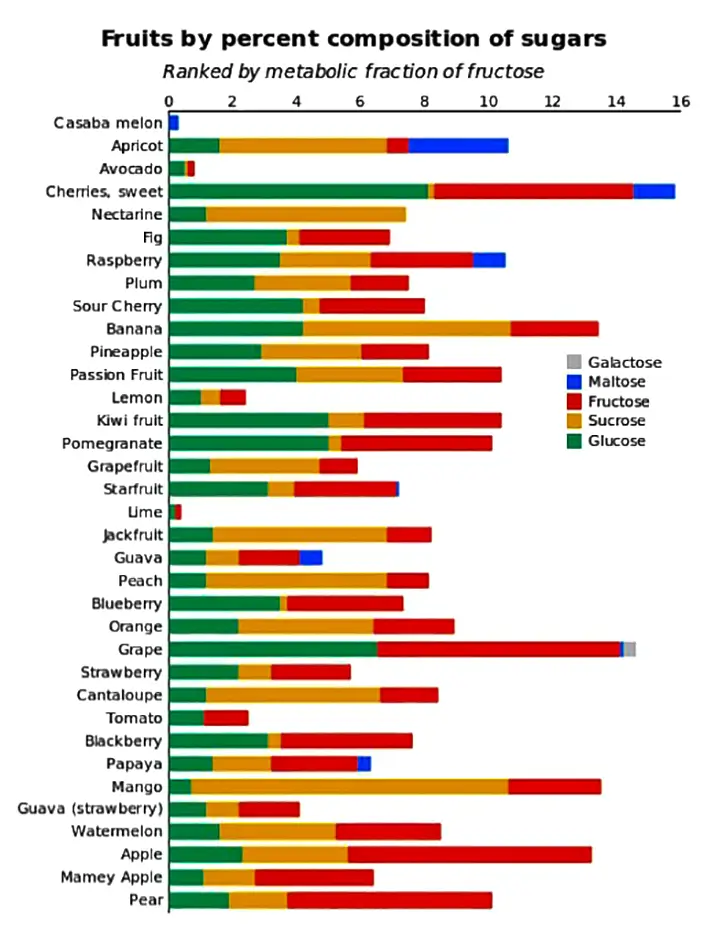
However, when we refine and extract fructose, it is a different story. It goes directly to the bloodstream and directly to the liver and can cause damage if we overeat. It is the same thing with alcohol. One glass of wine is fine, but one bottle of vodka is not. If vodka is 35%–95% (usually 40%, minimum) alcohol one lite of it or one bottle will be 400 grams of alcohol. And if 1 gram of fructose is the same as 1 gram of alcohol, then the problem can accrue because we can easily eat a bunch of refined sugar, but we cannot easily consume one liter of vodka. We can theoretically eat 400 grams of fructose in one sitting, and it would be the same strain on the liver as a half liter of vodka you just won’t feel it in the brain.
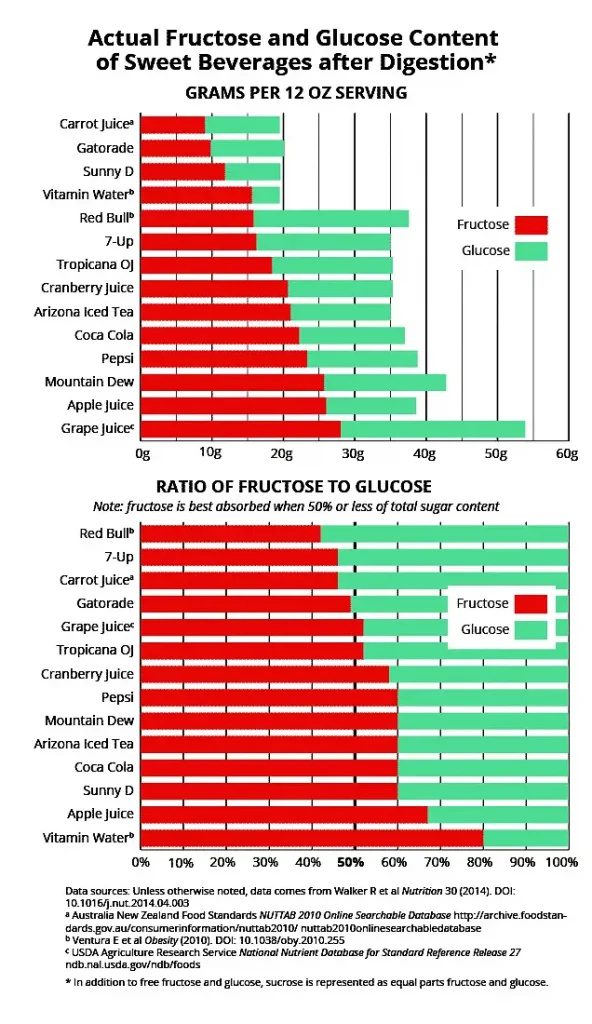
For example, sodas are full of sugars, with different types ranging, on average, between 37 grams and 45 grams per 12-ounce serving (equivalent in alcohol content to 80ml of vodka if HFCS (high fructose corn syrup) 65 is used as the sweetener). In recent years, various soda companies have released ‘throwback’ sodas containing cane sugar instead of HFCS, which is more expensive to them, but almost any soda you buy from a vending machine or at a restaurant is full of HFCS. HFCS 65 is for example used in soft drinks dispensed by Coca-Cola Freestyle machines. HFCS can contribute to a leaky gut syndrome, raise bad cholesterol levels, put unnecessary strain on the liver already bombarded with toxic overload, and that can create non-alcoholic fatty liver disease and contributes to fat storage in an entire body, not just liver creating weight gain, may increase your risk of developing cancer.
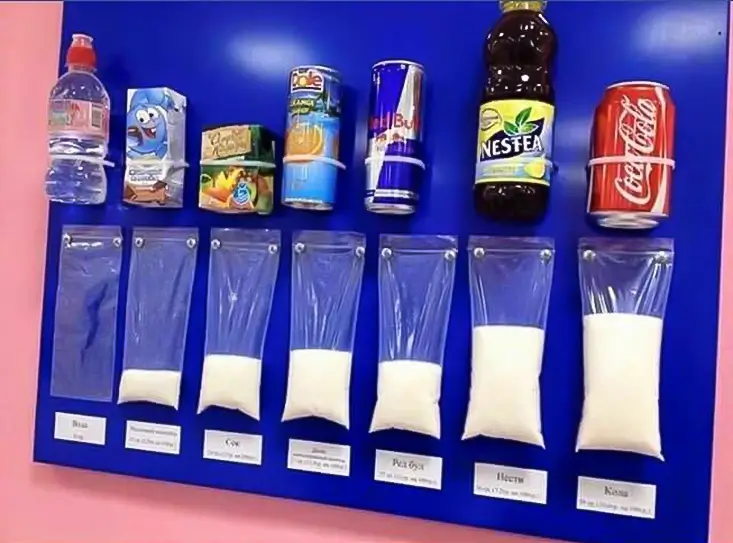
If parents do not like their children drinking vodka, then they should not let their children drink Coke or any other fructose-added drinks or food. People who already have issues with the liver in any shape or form not just alcoholics or fatty liver disease sufferers should avoid fructose. And don’t get fooled high fructose content is not just in corn syrup. For example, “healthy“ agave nectar is high fructose syrup too.
The reason that agave nectar does not spike blood sugar much is that all of that fructose needs to go to the liver first. This is why high fructose sweeteners are often marketed as “healthy” or “diabetic friendly.”
The mice getting agave nectar gained less weight and had lower blood sugar and insulin levels in studies. That being said although fructose does not raise blood sugar levels in the short term, it can contribute to insulin resistance when consumed in large amounts and worsen the condition in the long term but when you do not understand the metabolism of sugars you are an easy target. People with diabetes do not drink alcohol and should not eat fructose, in the long run, is bad as much as alcohol is. It can cause major increases in long-term blood sugar and insulin levels, strongly raising the risk of metabolic syndrome and type 2 diabetes. This “healthy” sweetener is even worse than regular sugar.
The Best Option.
Almost every sugar out there is some sort of combination of sugars when digested.
Honey, for example, is fructose (38.2%) and glucose (31%); disaccharides (~9%) sucrose, maltose, isomaltose, maltulose, turanose, and kojibiose and 20 percent water. Unlike table sugar, it has some trace amounts of enzymes, minerals, vitamins, and antioxidants at about 0,5 percent of weight.
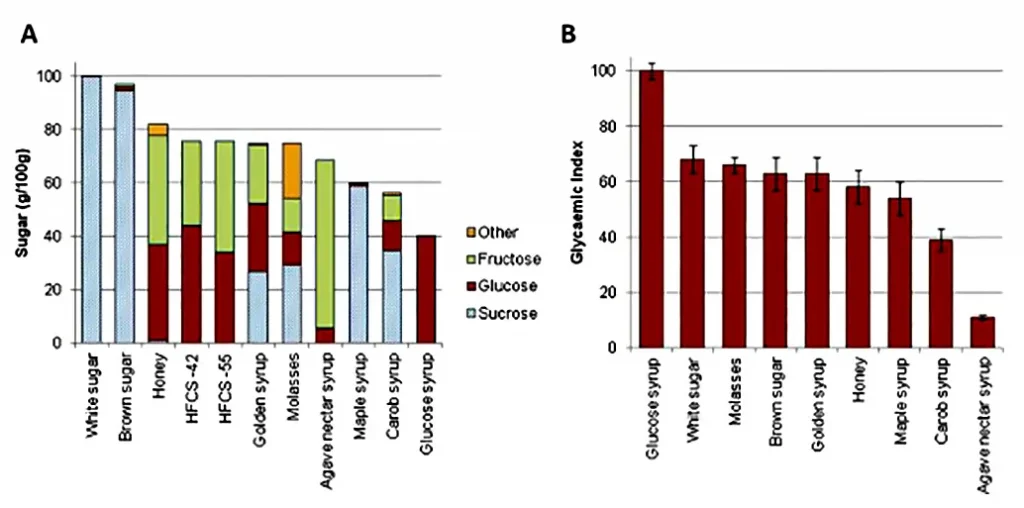
The difference between honey and table white sugar is just 0.5 percent.
Table sugar or sucrose is obtained from sugar cane sugar beets that contain 50 percent glucose and 50 percent fructose. Every fructose molecule in sucrose (table sugar) is bound to a corresponding glucose molecule and must go through an extra metabolic step before it can be utilized, unlike HFCS fructose which is immediately available for fat conversion, whereas sucrose needs a further breakdown. HFCS can be 55 percent fructose and 42 percent glucose (primarily found in sweetened beverages) or 42 percent fructose and 58 percent glucose (used as an ingredient in other packaged foods). Agave nectar has ranged from 56 to 90 percent fructose with the remainder primarily glucose making it one of the highest fructose levels among sweeteners and having no nutritional value, all vitamins, and minerals are stripped out during the refining process. This is bad sugar, indeed.
Maple syrup is extracted from the thick sap of the maple tree, collected from a tap bored into the truck, and then boiled to evaporate the excess water. Although low in free fructose, sucrose content was found to range from 51.7 to 75.6% (which is half fructose); glucose and free fructose contents ranged from 0.00 to 9.59%. The main element that sets maple syrup above refined sugar is the fact that it also contains some minerals and antioxidants. 100 grams of maple syrup contain calcium: 7% of the RDA, potassium: 6% of the RDA, iron: 7% of the RDA, zinc: 28% of the RDA, manganese: 165% of the RDA, and at least 24 different antioxidants that would or would not survive the boiling process but keep in mind that it also contains a whole bunch of sugar, so the nutrient density is bad as it gets. It is slightly “less bad” than sugar. Replacing refined sugar with pure, quality maple syrup is likely to yield a net health benefit, but adding it to your diet will just make things worse.
100 grams of molasses in contrast contain calcium: 20% of the RDI, potassium: 42% of the RDI, iron: 26% of the RDI, manganese: 77% of the RDI, magnesium: 61% of the RDA, copper: 24% of the RDI, selenium: 25% of the RDI, vitamin B6: 34% of the RDI and 290 calories instead of 400 for regular table sugar so you would probably need to use more to get the same sweetening effect. Molasses contains several important nutrients and is fairly high in minerals. However, it is also very high in sugar, and nutrition density is still low. Molasses is black because of minerals, the darker the color, the more minerals in it. Molasses is derived from refining sugarcane into sugar just like table sugar (it is sucralose in composition, equal parts fructose/glucose) their only difference is that it was not refined from all of the minerals to have a nice white crystal structure. Molasses vary by the amount of sugar, but it is definitely a better choice than regular white table sugar (if you do not mind your nice white wedding cake becoming brown).
Coconut sugar belongs in the same boat as most sugar alternatives. It is healthier than refined sugar but definitely worse than no sugar at all. The main ingredient of coconut sugar is sucrose (70-79%), followed by glucose (3-9%). Sucrose (table sugar) is made up of half fructose when calculated makes coconut sugar 38-48.5% fructose, which is about the same as table sugar.
Maybe the best option, if you want to avoid fructose (if you have a liver disease for example), is barley malt syrup. Malting grains develop the enzymes required for modifying the grain’s starches into various types of sugar, so the sugar is just glucose derived from the grain’s carbohydrates by digesting them into simple sugars. The composition of barley malt syrup is made of approximately 60% maltose with the rest being made up of glucose and traces of fructose and sucrose. Maltose is just two units of glucose joined. No fruit and vegetables are used, so no fructose whatsoever. Malted grain is used to make beer, whiskey, malted milkshakes, malt vinegar, and some baked goods, such as malt loaf, bagels, and rich tea biscuits. Sugar obtained from malted barley is still just sugar. It has a moderately higher glycemic index of 40. It is the same as the sucanat. It is a healthier choice than white sugar (GI = 80) or high fructose corn syrup (GI = 87), but it is still just sugar. Among all types of sugar tested, this study (Phillips et al., 2009) found that only blackstrap molasses surpassed malted barley in antioxidant activity.
Date sugar scored very close to molasses (but with much fewer calories and a lot of fiber). Blackstrap and dark molasses ranked the highest in terms of antioxidant capacity, followed by date sugar and barley malt syrup.
Refined agave nectar, regular sugar, and corn syrup contained minimal antioxidant activity (<0.01 mmol FRAP/100 g); raw cane sugar had a higher FRAP (0.1 mmol/100 g). Dark and blackstrap molasses had the highest FRAP (4.6 to 4.9 mmol/100 g), while maple syrup, brown sugar, and honey showed intermediate antioxidant capacity (0.2 to 0.7 mmol FRAP/100 g).
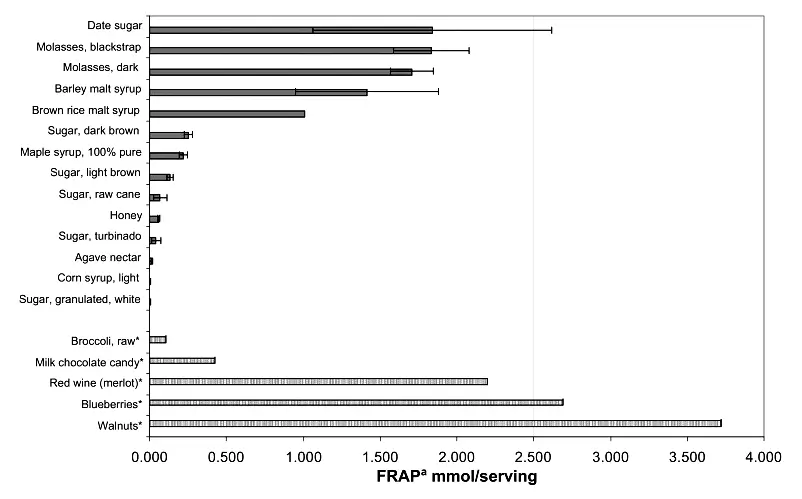
Based on an average intake of refined sugars and the antioxidant activity measured in typical diets, substituting alternative sweeteners could increase antioxidant intake by an average of 2.6 mmol/day, similar to the amount found in a serving of berries or nuts. And if you go with blackstrap molasses, your increase will be 4,46 mmol/day for 90 grams of molasses consumed. And you will get some of the minerals too. The problem with substituting alternative sweeteners could be individual taste preferences as well as the level of sweetness. Malt syrup, for example, has that problem. Maltose is not as sweet as other types of sugar, so you will use more sugar and more calories for the same sweetening level. It is only about 30 to 50 % as sweet as sucrose (table sugar) and significantly less sweet than honey (which has fructose in it).
The sweetest sugar of them all is fructose so the industry naturally likes to use it because it can use less of it for the same effect.
HFCS.
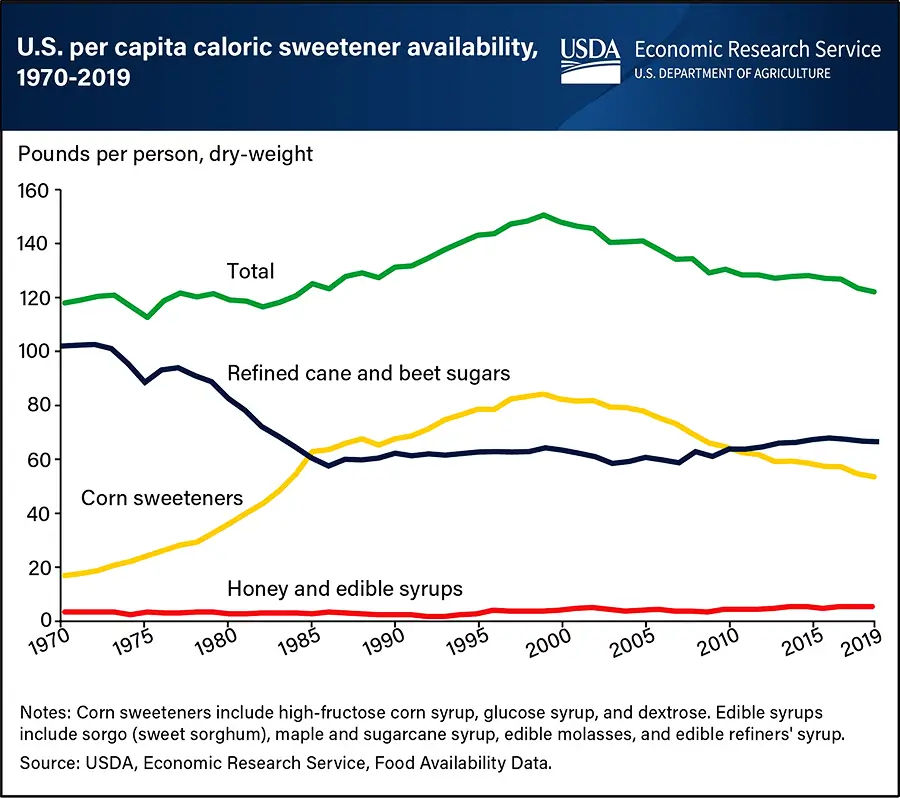
Food formulators widely embraced HFCS, and its use started to grow between the mid-1970s and reached its peak in the mid-1990s, principally as a replacement for sucrose (Edwards et al., 2016). So why does the industry even use HFCS? The only reason is that it is cheap. And why is it cheap? Because there is a lot of genetically modified corn grown in the US. HFCS has many other advantages compared to sucrose that make it attractive to food manufacturers including its sweetness, solubility, and acidity. High Fructose Corn Syrup Production today is enormous, but the industry expanded only slightly over the past five to ten years as it encountered multiple problems. As health-conscious consumers have read the books like these and started to understand little about nutrition they moved away from sodas toward fresh and unprocessed foods and sugar in general. Industry experienced decreased demand and subsequently lowered annual production.
According to data from the US Department of Agriculture (USDA), 90.0% of the HFCS-55 produced today in the United States is sold to beverage manufacturing industries. As HFCS has increasingly been labeled as unhealthy, many soda manufacturers have shifted away from HFCS in favor of traditional refined sugar. In 2017, both Pepsi and Coca-Cola released versions of their flagship beverages that touted being sweetened with traditional sugar. Nevertheless, HFCS is still considered a low-cost substitute for sugar, maintaining its ubiquitous presence in US sodas and confectionery goods, and will be for the foreseeable future unless all people start to read books about nutrition and educate themselves outside the mainstream media. In the end, the HFCS production industry is expected to grow over the next five years. Marketing efforts they can use will have an effect and will work to negate the stigma that HFCS is less healthy than traditional sugar.
One of the strategies applied is to use HFCS-42 and HFCS-55 or in other words, the industry lowers its fructose content. HCFS-42 is composed of 42 percent fructose, with the remaining sugars being primarily glucose and higher sugars that made the syrup the same as table sugar in terms of fructose level so now there is no difference. Just use a cheaper product. The only problem here is that glucose is not as sweet as fructose so when you lower the fructose content you need to use more of the sugar as a whole to reach the same sweetness level. The net effect is almost the same if you use less high fructose content syrup or lower lever fructose content syrup except that now you can market the product as something that is as “healthy“ as regular table sugar. Operators also benefit from governmental corn subsidies, enabling operators to access low-cost corn in bulk. Because of government interventions like corn subsidies, the low cost of HFCS will be an essential factor that will force the use of HFCS in all products that are marketed to a general population that is not health-conscious.
So How Much Sugar is Actually in There?
Working out how much sugar, in general, is in your food or drink can be confusing, as it appears in many different forms, not just as added HFCS such as already mentioned sucrose, glucose, fructose, honey, and others and if you don’t know that that is actually sugar you can be fooled. Food producers are not obligated by law to separate added sugars from naturally occurring sugars on a nutrition label, one more tactic to fool you so you will have to be smart. You can find out how much total sugar is in a product by looking for the ‘carbohydrates (of which sugars)’ figure.
Food manufacturers often put health claims on the front of foods to fool you into thinking that the product is actually healthy. They can legally do this. This can make some foods seem like a healthy choice, when in fact they are full of added sugar. If they remove fat from some product, they will not be able to sell it because it will taste horrible.
What they do is if there is some health concern for the same food product that became widespread “knowledge” like for example saturated fat in milk. They will remove that fat and label it as “healthy,” “low-fat,” “diet” or “light.”
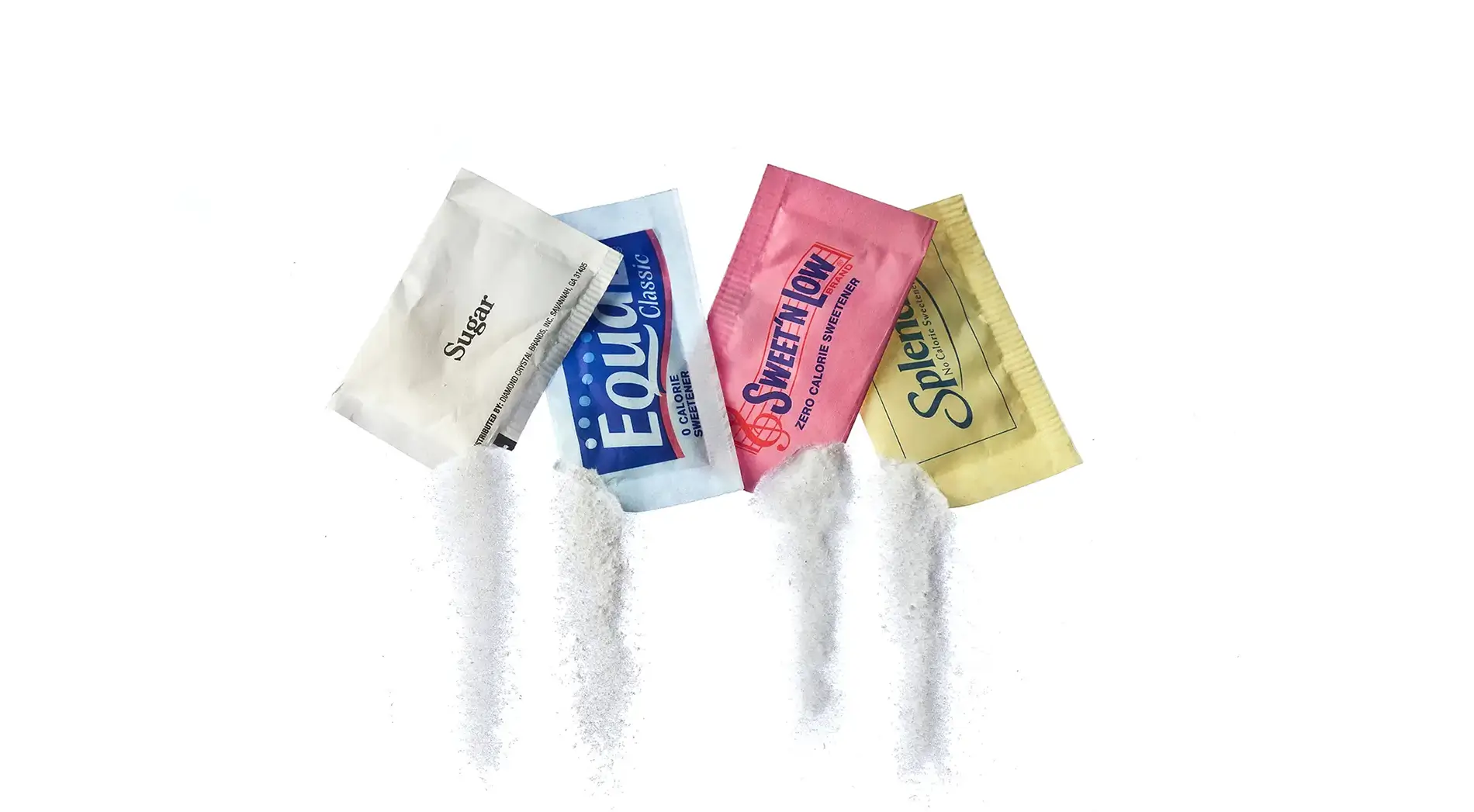
However, they will often have to add more calories in the form of refined sugar to make them taste good. The really “nice“ food companies that care about you will add artificial sweeteners instead of refined sugar and market that product as a healthy low-calorie diet alternative, but you will have to pay more, and most of the time people will just buy sugar-added ones.
The industry also adds large amounts of sugar to foods that are generally not sweet so that they can sell that to the general public that is not health conscious.
Examples include yogurt, spaghetti sauce, and breakfast cereals. Breakfast cereals, especially the ones marketed for children, have a high level of added sugar because children will eat more. Some can have as much as 12 grams or 3 teaspoons of sugar in a small 30-gram (1-ounce) serving. These cereals are still far worse than the ones they market to adults. They have 56 percent more sugar, half as much fiber, and 50 percent more sodium.
Children usually complain if they are forced to eat unsweetened varieties and industry provides. Some yogurts can contain as much as six teaspoons (29 grams) of sugar in a single container. One cup (245 grams) of low-fat yogurt has around 47 grams of sugar. That is 12 teaspoons. 40% of BBQ sauce is pure sugar. One tablespoon of ketchup contains one teaspoon of sugar. A regular 20-oz (570 ml) bottle of a sports drink will contain eight teaspoons of sugar. Sports drinks are just “sugary drinks.” It is the same as regular soda and fruit juice. They have also been linked to obesity and metabolic disease. The name is just a “sports” drink.
Even whole-grain breakfast bars that supposedly are healthy can contain as much as four teaspoons (16 grams) of sugar in one bar. They do not list how much of the sugar in a product is added sugar and how much is natural sugar. They combine all the sugar together and list it as a single amount. Granola is often sold as a low-fat health food. One hundred grams of granola contains nearly 400 calories and over six teaspoons of sugar. “Health bars,” cereal bars are usually just candy bars in disguise. A bottle of regular Vitamin water contains 120 calories and 32 grams of sugar. Coke (one can, 330 ml): 7.25 teaspoons of sugar, Sprite (one can): 7.61 teaspoons of sugar, Red Bull (one can): 5.35 teaspoons of sugar, Snickers bar (57 g): 5.83 teaspoons of sugar, Twix bar (57 g): 5.68 teaspoons of sugar.
The problem is that we like our sugar so what to do? That would be a topic for another article.
References:
- Chandalia, M., Garg, A., Lutjohann, D., von Bergmann, K., Grundy, S. M., & Brinkley, L. J. (2000). Beneficial effects of high dietary fiber intake in patients with type 2 diabetes mellitus. The New England journal of medicine, 342(19), 1392–1398. https://doi.org/10.1056/NEJM200005113421903
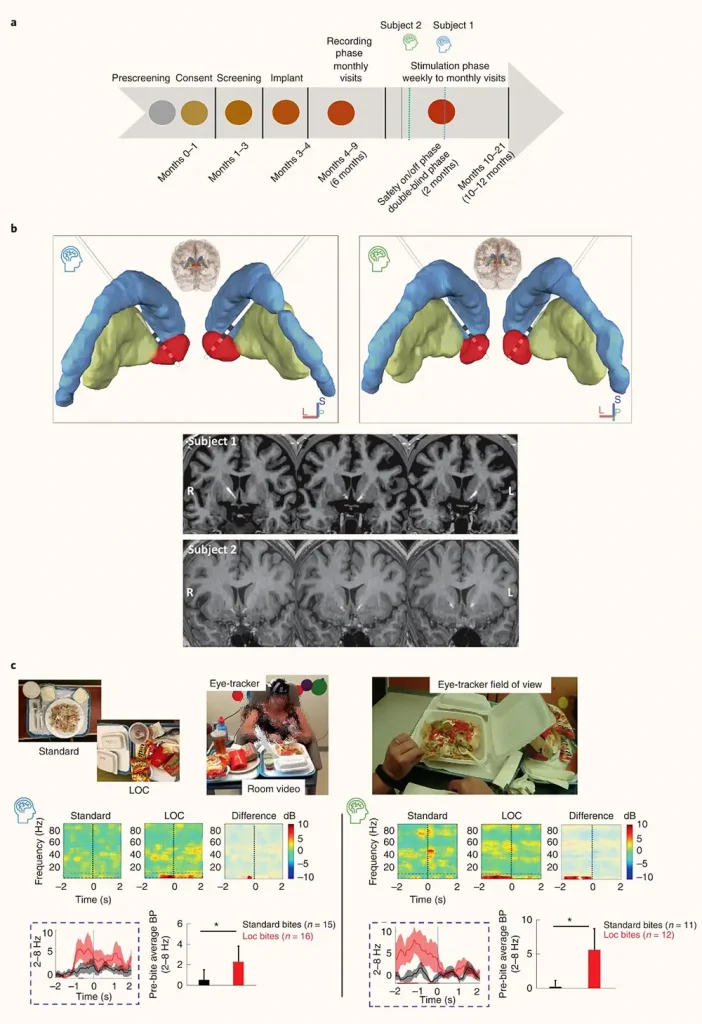
- Shivacharan, R. S., Rolle, C. E., Barbosa, D. A. N., Cunningham, T. N., Feng, A., Johnson, N. D., Safer, D. L., Bohon, C., Keller, C., Buch, V. P., Parker, J. J., Azagury, D. E., Tass, P. A., Bhati, M. T., Malenka, R. C., Lock, J. D., & Halpern, C. H. (2022). Pilot study of responsive nucleus accumbens deep brain stimulation for loss-of-control eating. Nature medicine, 28(9), 1791–1796. https://doi.org/10.1038/s41591-022-01941-w
- Malik, V. S., & Hu, F. B. (2019). Sugar-Sweetened Beverages and Cardiometabolic Health: An Update of the Evidence. Nutrients, 11(8), 1840. https://doi.org/10.3390/nu11081840
- Wojcik, M., Krawczyk, M., Zieleniak, A., Mac Marcjanek, K., & Wozniak, L. A. (2020). Associations of high blood sugar with oxidative stress and inflammation in patients with type 2 diabetes. Dietary Sugar, Salt and Fat in Human Health, 305-323. https://doi.org/10.1016/B978-0-12-816918-6.00014-7
- Pinnick, K. E., & Hodson, L. (2019). Challenging metabolic tissues with fructose: tissue-specific and sex-specific responses. The Journal of physiology, 597(14), 3527–3537. https://doi.org/10.1113/JP277115
- Edwards, C. H., Rossi, M., Corpe, C. P., Butterworth, P. J., & Ellis, P. R. (2016). The role of sugars and sweeteners in food, diet and health: Alternatives for the future. Trends in Food Science & Technology, 56, 158-166. https://doi.org/10.1016/j.tifs.2016.07.008
- White, J. S. (2008). Straight talk about high-fructose corn syrup: What it is and what it ain’t. The American Journal of Clinical Nutrition, 88(6), 1716S-1721S. https://doi.org/10.3945/ajcn.2008.25825B
- Phillips, K. M., Carlsen, M. H., & Blomhoff, R. (2009). Total antioxidant content of alternatives to refined sugar. Journal of the American Dietetic Association, 109(1), 64–71. https://doi.org/10.1016/j.jada.2008.10.014
- Bray, G. A., Nielsen, S. J., & Popkin, B. M. (2004). Consumption of high-fructose corn syrup in beverages may play a role in the epidemic of obesity. The American journal of clinical nutrition, 79(4), 537–543. https://doi.org/10.1093/ajcn/79.4.537
Related Posts









Do you have any questions about nutrition and health?
I would love to hear from you and answer them in my next post. I appreciate your input and opinion and I look forward to hearing from you soon. I also invite you to follow us on Facebook, Instagram, and Pinterest for more diet, nutrition, and health content. You can leave a comment there and connect with other health enthusiasts, share your tips and experiences, and get support and encouragement from our team and community.
I hope that this post was informative and enjoyable for you and that you are prepared to apply the insights you learned. If you found this post helpful, please share it with your friends and family who might also benefit from it. You never know who might need some guidance and support on their health journey.
– You Might Also Like –
Antioxidant Supplements vs Whole Foods: Paying to Live a Shorter Life

Intermittent Fasting vs Calorie Restriction- Is there a difference?

Are Fish Animals? A Cultural Perspective

Farmed fish- “Cesspool” paradise

B12 Deficiency and Cognitive Decline: Homocysteine Optimization Strategies

Vegan Neanderthals? The truth about the real Neanderthal diet
Coffee benefits– Not without the risks
Aspartame: The Truth About Its Health Risks and Dangers

Learn About Nutrition

Milos Pokimica is a doctor of natural medicine, clinical nutritionist, medical health and nutrition writer, and nutritional science advisor. Author of the book series Go Vegan? Review of Science, he also operates the natural health website GoVeganWay.com
Medical Disclaimer
GoVeganWay.com brings you reviews of the latest nutrition and health-related research. The information provided represents the personal opinion of the author and is not intended nor implied to be a substitute for professional medical advice, diagnosis, or treatment. The information provided is for informational purposes only and is not intended to serve as a substitute for the consultation, diagnosis, and/or medical treatment of a qualified physician or healthcare provider.NEVER DISREGARD PROFESSIONAL MEDICAL ADVICE OR DELAY SEEKING MEDICAL TREATMENT BECAUSE OF SOMETHING YOU HAVE READ ON OR ACCESSED THROUGH GoVeganWay.com
NEVER APPLY ANY LIFESTYLE CHANGES OR ANY CHANGES AT ALL AS A CONSEQUENCE OF SOMETHING YOU HAVE READ IN GoVeganWay.com BEFORE CONSULTING LICENCED MEDICAL PRACTITIONER.
In the event of a medical emergency, call a doctor or 911 immediately. GoVeganWay.com does not recommend or endorse any specific groups, organizations, tests, physicians, products, procedures, opinions, or other information that may be mentioned inside.
Editor Picks –

Cancer Editor Picks Phytochemicals
Anticancer Power of Fruits and Vegetables: In Vivo and Clinical Evidence
Some vegetable extracts rival leading chemotherapy drugs and at the same time target multiple different types of cancer cells.

Antioxidants Editor Picks ORAC
Essential Oils as Antioxidant Supplements: Rules and Strategies
Food-grade essential oils can be a convenient and consumer-friendly strategy for optimizing the antioxidant value and ORAC scores of our diet.
Antioxidants Editor Picks ORAC
Antioxidant-Rich Diet: General Rules and Strategies
There are easy and cost-effective strategies for optimizing the antioxidant value of our diet.
Antioxidants Editor Picks ORAC
Understanding ORAC Values: Antioxidant Levels in Foods
When your main source of antioxidants is coffee, you know that you have a serious problem.

Antioxidants Editor Picks ORAC
Astaxanthin Benefits: World’s Most Powerful Natural Antioxidant
Astaxanthin is the most powerful natural and universal antioxidant (both oil and water-soluble) known to science. It accumulates in tissues and It can never turn itself into a pro-oxidant.

Antioxidants Editor Picks ORAC Phytochemicals
Antioxidants: Understanding the Basics
There are no phytochemicals or antioxidants in animal products. On average, plant foods contain more than 60 times as many antioxidants as animal-based foods.
Editor Picks Vegan Diet
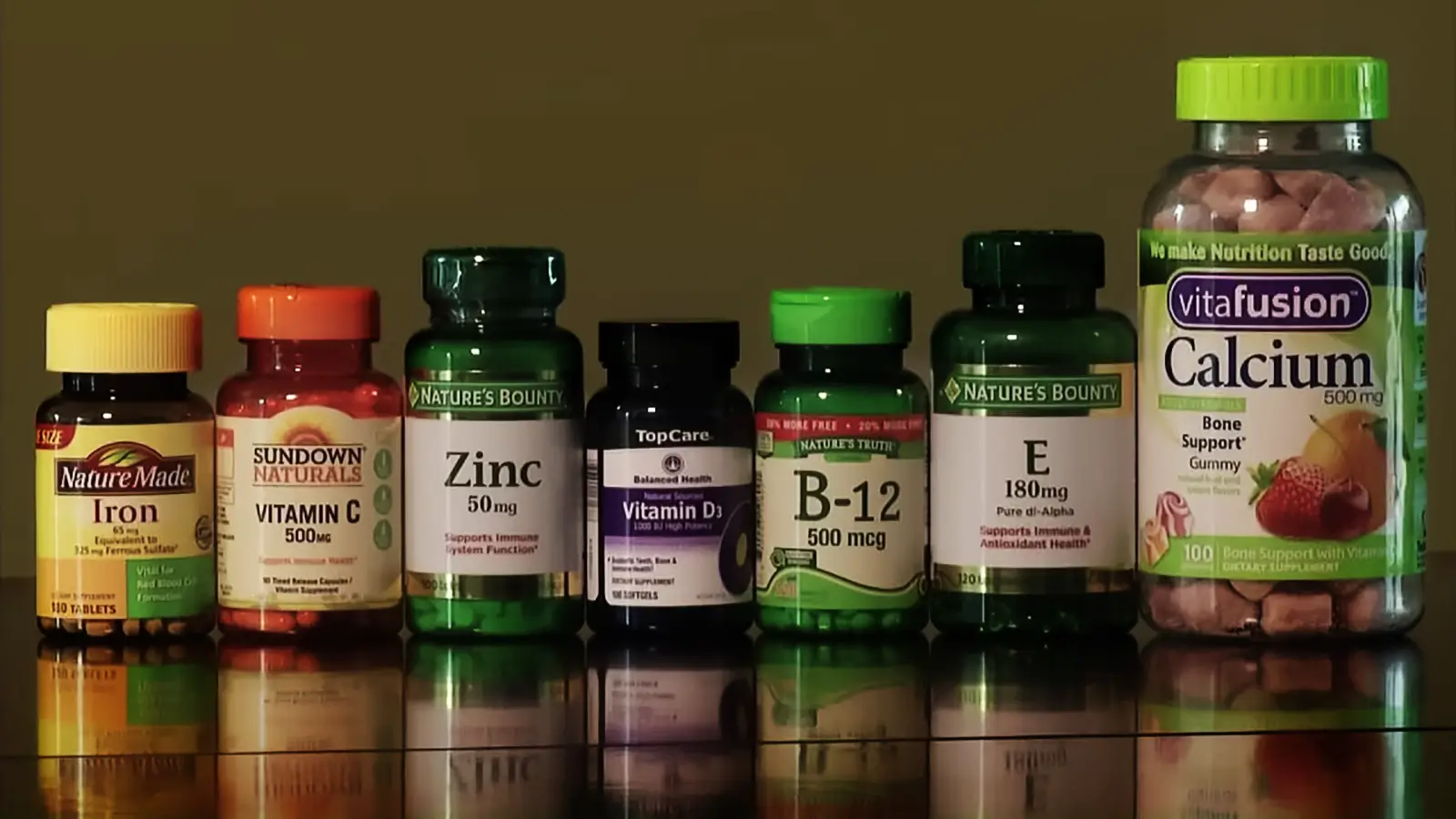
Nutrient Deficiencies in Vegan Diet: Prevention Strategies
There are nine common nutrient deficiencies on the population scale affecting people eating a plant-based diet. If not corrected on time some deficiencies have terrible and non-treatable consequences.
Editor Picks Optimal Diet
Micronutrient Deficiency in Standard American Diet: Optimization Strategies
Nutrition profile of our modern meat, sugar, processed food diet is completely incongruent with our evolution resulting in severe micronutrient deficiency.
Editor Picks Phytochemicals
Phytochemicals: Understanding the Basics
Every single phytochemical that exists has a biological action in the human body. Every single one from millions of different phytochemicals.

Editor Picks Milk Optimal Diet
Milk and Dairy: Health Risk Correlations
Known associations with milk and dairy consumption are infertility, ovarian and breast cancer, leukemia, diabetes type 1, autism, arteriosclerosis, cataract, rheumatoid arthritis, multiple sclerosis, hyperactivity, congestion, pimples, and more…

Cancer Editor Picks Protein
Complete Protein: IGF-1 Signaling in Cancer Formation
When you eat animal protein you have four times the chance to develop all types of cancer. When you smoke you have a four-time chance to develop lung cancer.

Cancer Editor Picks Protein
The Anatomy of Cancer- Health risk correlations
About 2% of cancers are by medicine considered to be purely caused by genetic factors. The same range as within the animal kingdom. You haven’t been told the whole truth.
Milos Pokimica is a health and nutrition writer and nutritional science advisor. Author of the book series Go Vegan? Review of Science, he also operates the natural health website GoVeganWay.com
Latest Articles –

Calorie Restriction Longevity
How to Fast: Fasting Foods That Won’t Break Autophagy
Autophagy. Have you ever wondered what happens to the cells in your body when they die or get damaged? Do they just pile up and create problems, or do they get disposed of somehow? The answer is that your body…

Dental Health Prevention
Sweets Teeth Sensitivity & Pain: Quick Fix & Lasting Solution
A quick and easy fix for pain relief is clove essential oil, a powerful antioxidant and pain reliever that can help with gum disease and toothache.

Beans
Green Beans: Nutrition and Health Benefits
Green beans are low in calories and rich in natural compounds that can help you control your blood sugar, lower your cholesterol, and fight off free radicals.
Raw food diet Vegan Diet
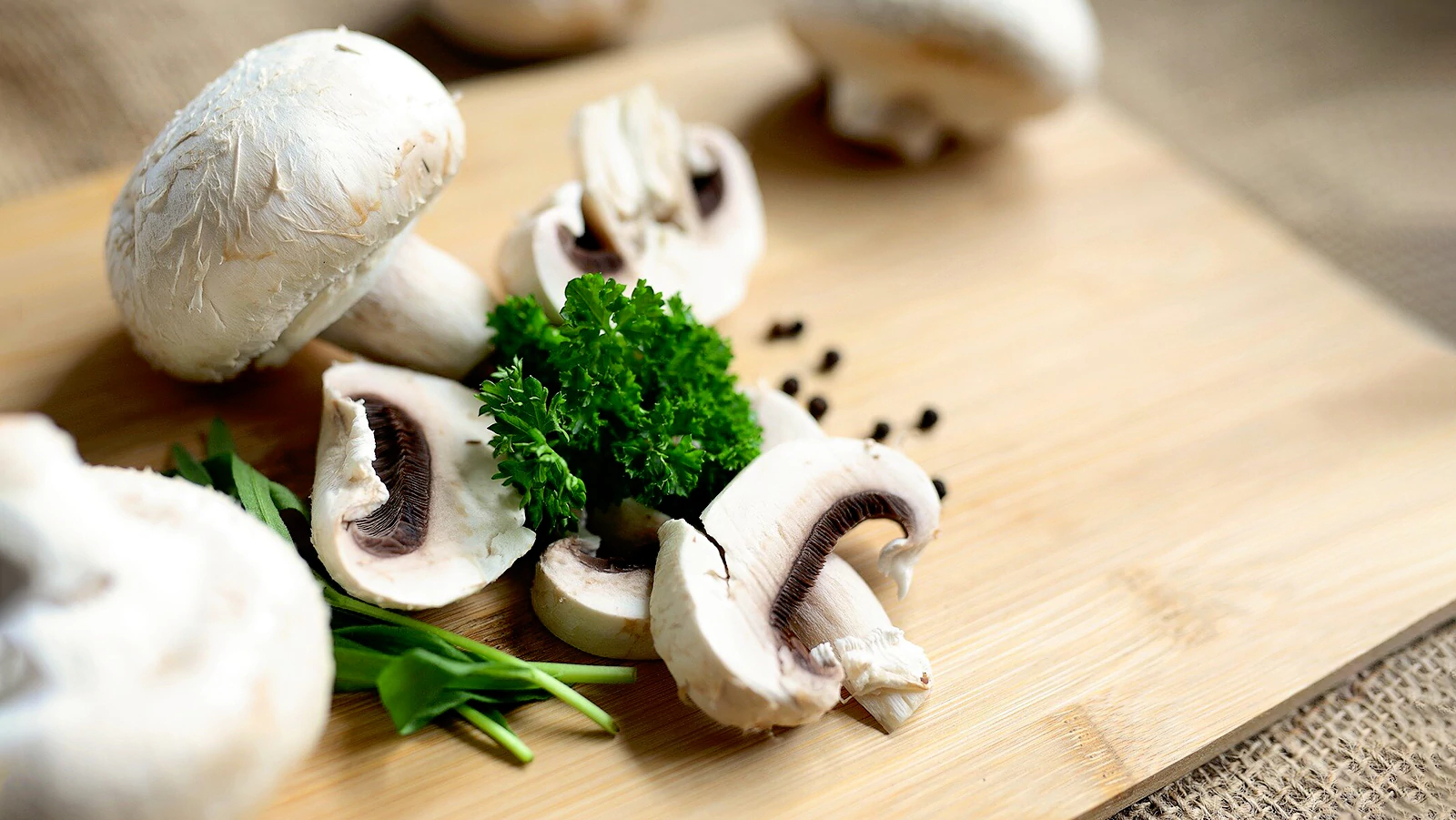
Can You Eat Mushrooms Raw: Health Risks, Nutrition & Safety
Mushrooms have heat-sensitive toxins like hydrazine or agaritine, and cell walls made out of chitin that cannot be digested well by humans.

Vegan Diet
Are Fish Animals? A Cultural Perspective
In some cultures, fish meat is not considered to be meat, and fish is allowed even during fast.

Dental Health Prevention
Homemade Natural Mouthwash: Proven, Stronger & Less Toxic
Homemade natural mouthwash is stronger than chlorhexidine, less toxic and if swallowed might give you some nausea but also a high burst in ORAC value.
Dental Health Prevention
How to Stop Tooth Decay: Symptoms, Causes & Prevention
Sugar consumption is the main cause of cavities and tooth decay, combined with mineral deficiencies especially magnesium, zinc, copper and trace elements.
Antioxidants Superfoods
Amla: Proven Benefits, Nutrition And Clinical Significance
Amla is one of the world’s most powerful antioxidants with a ORAC score of 261,530. It is a rich source of phytochemicals that have various health benefits.
Top Health News — ScienceDaily
- Hidden gut defect that may explain why IBD keeps coming backon September 20, 2026
Researchers have uncovered a hidden molecular warning sign of inflammatory bowel disease (IBD) that can linger even when patients feel well and appear to be in remission. By studying around 900 human gut biopsies and patient-derived mini-intestines, the team found that intestinal cells can remain unusually primed to die, creating a “smoldering” defect that may help drive future flare-ups.
- A deadly ebola relative is surging after years in the shadowson September 20, 2026
A growing Bundibugyo virus outbreak is showing how a little-known relative of Ebola can become a major threat when diagnosis and treatment options are limited. Experts warn that preparing only for familiar pathogens could leave the world vulnerable when rare but deadly viruses suddenly reemerge.
- Scientists find that “perfect” systems may be surprisingly fragileon September 19, 2026
Complex systems may work better when their parts are not perfectly alike. Northwestern physicists found that carefully balanced variation, or “disorder,” can make networks such as power grids, ecosystems, neurons, and materials more stable. Even random differences sometimes improved stability compared with completely uniform systems. The discovery could help researchers design more resilient technologies and explain why natural systems are so rarely perfectly uniform.
- Scientists solve a 50-year mystery and discover a new human blood groupon September 19, 2026
Scientists have identified the genetic cause behind the mysterious AnWj blood group antigen, solving a puzzle that began in 1972 and establishing a new blood group system called MAL. The discovery could make it much easier to find extremely rare AnWj-negative patients and donors and protect them from potentially dangerous transfusion reactions.
- Scientists discover cells that cheat death and rebuild damaged tissueon September 18, 2026
Scientists discovered a population of cells that can start the process of programmed cell death, survive it, and then help rapidly rebuild damaged tissue. Their descendants become far more resistant to future damage, revealing a mechanism that could improve healing but may also help cancers return after treatment.
- These blood thinners may have an unexpected benefit for Alzheimer’s patientson September 18, 2026
Newer blood thinners may do more than prevent strokes in people with Alzheimer’s disease and atrial fibrillation. Researchers found that patients taking NOACs experienced a slower decline in cognitive function than those using warfarin or no blood thinners. The effect was modest each year but could add up over time.
- Scientists restore a brain protein and reverse signs of aging in miceon September 18, 2026
Scientists found that declining levels of the brain protein Menin may help drive aging, with lower levels in mice linked to inflammation, cognitive decline, weaker bones, and thinner skin. Restoring Menin reversed several age-related changes, while the amino acid D-serine improved cognition, hinting at a potentially intriguing new target for healthy aging.
PubMed, #vegan-diet –
- Diet, the Gut Microbiome, and Mental Health: Mechanistic Perspectiveson September 16, 2026
The microbiota-gut-brain axis (MGBA) represents a dynamic, bidirectional communication network linking the gut microbiome with central nervous system function through neural, immune, metabolic, and endocrine pathways. Emerging clinical, observational, and preclinical evidence suggests that special and restrictive dietary patterns-including Mediterranean, ketogenic, vegan, gluten-free, low-FODMAP, sugar-restricted, dairy-free diets, and intermittent fasting (IF)-can substantially modulate the […]
- Physiological Adaptation to Plant-Based Diets: A Homeostatic Framework for Sustained Dietary Changeon September 15, 2026
Plant-based dietary patterns are typically discussed in terms of nutrients of concern-iron, creatine, indispensable amino acids, and rapidly fermented carbohydrates-based on the assumption that reduced dietary exposure necessarily translates into reduced physiological availability. This review examines physiological adaptation as an alternative framework, drawing on human intervention and observational evidence across five biological systems: iron homeostasis, endogenous biosynthesis of […]
- Restaurant-based NEW Soul intervention with meal provision improves weight loss among African American adults versus meal provision aloneon September 11, 2026
CONCLUSIONS: Restaurants are viable partners in conducting implementation research. In this D&I trial implemented in community restaurants, African American adults lost weight. Future studies should focus on implementation outcomes and continued scale up of the program.
- When modeling shapes the message: Interpreting vegetarian and vegan dietary patterns in the dietary guidelines for Americanson September 10, 2026
The 2025-2030 Dietary Guidelines for Americans include vegetarian and vegan dietary patterns as potential options for meeting nutrient needs across the lifespan, while also identifying several nutrients of potential concern within these patterns. These conclusions have important implications for dietetic practice, public communication, and policy development. However, estimates of nutrient adequacy derived from food pattern modeling are inherently shaped by the assumptions used to construct…
- Omega-3 fatty acids in vegetarian and vegan diets: Translating evidence into practiceon September 9, 2026
Vegetarian and vegan diets are consistently associated with reduced cardiometabolic risk, despite providing minimal amounts of long-chain omega-3 polyunsaturated fatty acids (n-3 PUFAs), key precursors of bioactive lipid mediators, raising questions about n-3 PUFA metabolism and requirements in plant-based populations. This review examines current evidence on the metabolic fate of alpha-linolenic acid (ALA), its conversion to eicosapentaenoic acid (EPA) and docosahexaenoic acid (DHA), and the…
Random Posts –

Antioxidants
Antioxidant Power of Vitamin C: Enhancing Health and Longevity
Vitamin C does not require enzymatic activity to be removed from the body and does not become pro-oxidant but a reduced form of more weak antioxidant.

Editor Picks Paleo Diet Vegan Diet
Vegan Neanderthals? The truth about the real Neanderthal diet
A typical representation of Neanderthals pictures them as killing the woolly mammoth. However a dental plaque tells a different story about the Neanderthal diet

Allopathic Medicine Editor Picks
Allopathic Medicine- The Rise of an Industry
The balance of medical branches remained equal to about the turn of the 20th century when new medical treatments emerged that were potentially very profitable.

Inflammation
Low Histamine Diet and Histamine Intolerance: Complete Gide
One way to manage histamine intolerance is to follow a low histamine diet. This means avoiding foods that are high in histamine or that can trigger its release.
Cancer Pregnancy Toxicity
Aspartame: The Truth About Its Health Risks and Dangers
One of the excitotoxins that have made the industry so happy is the chemical that does all the things that excitotoxins do but unlike MSG is sweet to the taste. It is chemically known as aspartame (Nutra Sweet).
Antioxidants Editor Picks ORAC
Astaxanthin Benefits: World’s Most Powerful Natural Antioxidant
Astaxanthin is the most powerful natural and universal antioxidant (both oil and water-soluble) known to science. It accumulates in tissues and It can never turn itself into a pro-oxidant.

Detoxification Pregnancy Toxicity
Detoxification and pregnancy toxicity exposure risk- The vegan argument
On average pregnant woman is polluted with around 35 different chemicals including both banned and contemporary contaminants. Chemical cocktail levels of many of these chemicals were comparable to the levels that can have fetal adverse effects.
Cancer Editor Picks Protein
Complete Protein: IGF-1 Signaling in Cancer Formation
When you eat animal protein you have four times the chance to develop all types of cancer. When you smoke you have a four-time chance to develop lung cancer.
Dental Health Prevention
Homemade Natural Mouthwash: Proven, Stronger & Less Toxic
Homemade natural mouthwash is stronger than chlorhexidine, less toxic and if swallowed might give you some nausea but also a high burst in ORAC value.
Cancer Inflammation Toxicity
Alcohol health risks- The “French paradox”, “the wine”, and “in moderation”
Somehow we believe that one glass of wine is not all that bad, or even worse, we believe in alcohol health-promoting myth because of the grape’s antioxidants.

Featured Posts –
Editor Picks Phytochemicals
Phytochemicals: Understanding the Basics
Every single phytochemical that exists has a biological action in the human body. Every single one from millions of different phytochemicals.
Editor Picks Prevention Toxicity
Environmental toxicity- It is just a food chain
Environmental toxicity is the bioaccumulation of toxins. Organisms are filters. But there is one more even worse process called biomagnification in food chain.

Editor Picks Optimal Diet Vegan Diet
WHO dietary guidelines- New food pyramid and suppression of science
WHO dietary guidelines recommend a diet low in saturated fat (animal protein), sugar, and salt and high in fruit and vegetables as a requirement to tackle the epidemic rise of chronic diseases worldwide.
Editor Picks Optimal Diet
Micronutrient Deficiency in Standard American Diet: Optimization Strategies
Nutrition profile of our modern meat, sugar, processed food diet is completely incongruent with our evolution resulting in severe micronutrient deficiency.

Editor Picks Optimal Diet
Optimal Human Diet- Chronic Diseases, Diet Wars, and the Vegan Argument
Our natural optimal human diet is a diet that our hominin ancestors were eating for the last 30 million years, not anatomically modern humans in the Stone age.

Cancer Editor Picks Toxicity
Pesticides in Food, Exposure in The Standard American Diet- 80 Percent From Meat
Most of the pesticides and especially heavy metals and other toxic waste pollutants we get, we get from meat. More than 80 percent of pesticide exposure in the standard American diet comes from animal products, not from fruits or vegetables.

Diabetes Editor Picks Optimal Diet
Refined Sugar: Understanding the Risks
Children consume around one-fifth of their total calorie needs from just refined sugar. If we add fat and the rest of nutrition-deprived processed foods to the list it becomes a complete nutrition nightmare.

Editor Picks Obesity Optimal Diet
Cause of Obesity- Maladaptation or addiction
What is the cause of obesity epidemic? For all life on Earth, food is not a choice. The hardest thing for the animal in the wilderness is to gain weight.

Editor Picks Optimal Diet Protein
High Protein Diet- Health Risk Correlations
Scarcity is the rule of protein in nature. In evolutionary terms, anthropologists have proven that hominins lived an average of 15 to 25 grams of protein a day. In the modern western type of high-protein diet we would consume that…
Editor Picks Inflammation
The humans omnivores dilemma- Meat consumption, probiotic bacteria, inflammation, and the gut
Are humans omnivores in a true anatomical sense? There is a fundamental difference in the way the digestive tract works in plant vs meat-eating species.
Latest from PubMed, #plant-based diet –
- Rethinking Restrictive Diets in IBD: Toward an Inclusion-Focused Nutritional Paradigmby Brandon Cunha on September 19, 2026
PURPOSE OF REVIEW: Patient-initiated elimination diets are widely adopted by those with inflammatory bowel disease (IBD), yet the evidence supporting their long-term use remains limited and their risks are increasingly recognized. Some common elimination diets utilized by patients include the specific carbohydrate diet (SCD), low-FODMAP diet, and gluten-free and dairy-free diets. This narrative review critically examines the role of self-initiated restrictive dietary strategies in IBD…
- No effect of acknowledging resistance or using autonomy-supportive language in vlogs on sustainable consumption intentions of emerging adultsby Thabo J van Woudenberg on September 19, 2026
CONCLUSION: We conclude that emerging adults experience vlogs with autonomy-supportive language more positively, but these messages do not enhance the intention to adopt a more sustainable diet.
- Plant-based proteins: Key sources and production methodsby Renganathan Senthil on September 19, 2026
The global protein crisis, which has been driven by the population explosion and environmental cost of traditional farming, requires novel and sustainable remedies. The chapter discusses how novel opportunities can be generated by the combination of two promising frontiers, like seaweed as an all-useful resource in the sea and green nanotechnology. The seaweed extracts that are abundant in bioactive compounds can be used as natural nanofactories in the production of metallic and metal oxide…
- Integrating Siddha dietary principles with alternative protein systems: A pathway toward sustainable and functional nutritionby Chandrabose Yogeswari on September 19, 2026
The world food systems are facing the fundamental challenges that are being necessitated by climatic changes, increasing population count, protein demand and the escalating non-communicable diseases. Ecological nutrition approaches should therefore be concerned with ecological stability and functional health outcomes. The South Indian traditional medicine is Siddha medicine, an ancient system that provides a constitution-based dietary system that focuses on the three humours, i.e., Vatham,…
- Molecular properties of plant-based proteins for alternative proteinby Anamika Das on September 19, 2026
Alternative proteins, or alt proteins, are proteins obtained from non-animal sources like plant sources, meat cultured in labs, and other sources like fungi and insects. These contain a variety of benefits and are gaining popularity worldwide. Some chronic diseases require a low-red-meat diet, which can be fulfilled through alternative proteins, providing similar benefits to those of animal-based proteins. This chapter deals with the sustainability aspect of using alternative proteins. A…
- Future of alternative proteins: Blurring the lines between animal- and plant-basedby Periyasamy Vijayalakshmi on September 19, 2026
Rising global demand for sustainable, ethical and nutritious foods has driven major advances in alternative proteins. These innovations are at the intersection of plant and animal-derived products, which propels progress in food technology. This review reviews the emerging landscape of alternative proteins and examines how creativity in hybrid products, precision fermentation, and cultivated meat is transforming protein production, dissolving the long-standing boundaries between animal-based […]