







Adventist Health Study- The vegan argument
Adventist Health Study showed that Seventh-day Adventists do have a measurable lower risk than other Americans for most of the Western diseases.
Milos Pokimica
Written By: Milos Pokimica
Medically Reviewed by: Dr. Xiùying Wáng, M.D.
Updated June 9, 2023In rural China or other places that are still poor they do not suffer from modern diseases, but also they do not give most of their income on good services of modern medicine. Even in religious groups that have a rigid lifestyle the situation is similar. A good example is a line of studies known as the Adventist Health Study.
Adventist Health Studies (AHS) is a group of long-term studies done by Loma Linda University. They do these studies to see if there is any link between lifestyle and mortality and diseases of Seventh-day Adventists. By a lifestyle they usually mean a plant-based diet with no cigarette smoking because of all lifestyle factors diet is the most influential one to the overall health. In the most recent study that is still being conducted, AHS-2, around 100,000 church members are enrolled from both the US and Canada.
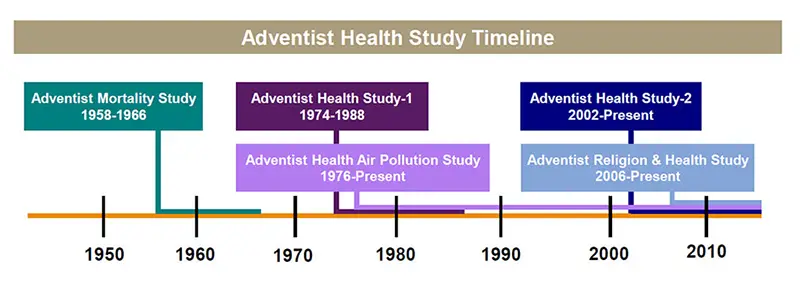
For more than 100 years the Seventh-day Adventist Church had been promoting health behaviors that had become a regular part of daily living. These include not smoking, eating a plant-based diet, regular exercise, and maintaining a healthy body weight. Seventh-day Adventists do have a measurably lower risk than other Americans for most Western diseases. The connection is based on, as is in all other rural parts of undeveloped countries of the world, dietary habits. Also, some part is exercise. Over the past 40 years, two Adventist health studies have been conducted involving 22,940 and 34,000 Californian Adventists.
The first significant study of Adventists started in 1958 and became known as the Adventist Mortality Study. It involved an intensive 5-year follow-up with a more informal 25-year follow-up. By comparing all causes of death Adventist men had a mortality rate of 66% and Adventist women had a rate of 88%. The overall mortality of cancer compared to their counterparts in the American Cancer Society was 60% for Adventist men and 76% for Adventist women. America is 100% baseline, so 60% means 40% lower rates. Lung cancer was 21 percent, meaning 80% lower rates, colorectal cancer deaths were 62 percent. Breast cancer death rates for Adventist women were 85 percent; prostate cancer death rates for Adventist men were 92 percent. Death due to coronary disease among Adventist men was 66%; for Adventist women, it was 98%. The stroke death rates for Adventist men were 72%; for Adventist women 82%. We have to understand that the study was done back in the 60s.
Why is this important? Because they eat a plant-based diet for religious reasons not necessarily for scientific reasons. They eat a diet that is vegan but not necessarily optimized. Sugar is vegan, and so is oil, salt and chips, and a bunch of other junk. Eating a plant-based diet essentially means little if we don’t know precisely why we eat or do not eat something. Vegans who go into this kind of lifestyle for moral reasons may end up in worse health conditions than before they consumed a standard Western meat-dominated diet if they do not know precisely what they are doing. Adventist diet is not fully optimized and actually, they do eat “clean” fish and meat like beef, chicken, or salmon. They do eat eggs. They like “clean” low-fat dairy. What they avoid are “unclean” meats like pork, shellfish, and rabbit, and high-fat dairies like ice cream, sour cream, and butter. They would avoid unclean and toxic substances like alcohol, caffeine, and smoking.
In scientific research, the most inflammatory meat besides processed meats is actually fish followed by chicken. It is not pork or red meat. Probably because of the pollution in fish tanks and fish meal is then also used as feed to the chickens as well. Game meat did prove in research to be someone less inflammatory. In more realistic scenarios on day to day basis, it doesn’t matter how your meat was raised or produced. If it is organic it would have less persistent pollutants accumulated in tissue because animal feed is also sprayed. If you want to feel good and want to have a cow that lived a happy life for psychological reasons then that is some other topic. We have to understand that meat is essentially meat, some worse than others, some terrible but it is not red meat, and process meat is bad, fish good. For example, if you eat regular store beef there would be around 40% more postprandial (post-fed) inflammatory response than for the same amount of kangaroo meat which is one of the “cleanest” meats out there (Arya et al., 2010).
All animal products are pro-inflammatory because there are no antioxidants in them. All of the meat has cholesterol, saturated fat, dead bacteria that will cause endotoxemia, environmental pollutants and toxins, mutagens, and hormones. Also, bacteria that feed on meat in our gut are not probiotic like bacteria that feed on fiber, and that just by itself is pro-inflammatory.
Adventist diet is eaten for religious reasons and not health reasons. They would eat much more calorie-dense foods like vegetables and fruits than the rest of the population, but still, not all vegetables are made equal. This is not a scientifically based and nutritionally optimized diet.
The reason why scientists want to research this type of diet particularly is that in nutrition and health and medicine researchers believe that this type of diet is more realistic as a goal for the average individual. There is a belief that even if the government goes against the corporative interest and was true to advise the most nutrient-dense, antioxidant and phytochemically rich, mineral and vitamin-rich no cholesterol, no fat and no animal products, whole food plant-based diet, a normal phycological response from the average individual would be to ignore it. Just a goal of alcohol, tobacco, and caffeine avoidance is almost completely unrealistic for most of the population. This study was conducted to see what a more realistic approach would have on a large scale population mortality rate. Most people in real life do not have an adequate level of education in the field of nutrition.
Adventists as a group are more educated than the rest of the Californians, and they did have to calculate that into the study as well. The more education we have the greater the chance is that we will go more to healthier food choices independently from any other factor. Leonardo da Vinci, for example, had eaten an ovo-lacto-vegetarian diet just by his conviction in human anatomy. He cut corpses for science.
In the end, mortality rates can be much better, and this study was done back in the 60s. The situation is worse today for the average American with skyrocketing obesity, diabetes, and so on. The current study Adventist Health Study 2 (AHS-2) which began in 2002 also had some sub-studies later. For example, (Orlich et al., 2013) and (Tonstad et al., 2013). They concluded that: “Vegetarian diets are associated with lower all-cause mortality and with some reductions in cause-specific mortality.”
The more plan based we go, the more all-cause and cause-specific mortality drops and not just that. We might live ten years longer or 15, it does not matter. What matter is that we would avoid most of the diseases of affluence which include osteoporosis, type 2 diabetes, cardiovascular disease, obesity, breast cancer, colorectal cancer, and most of the other cancers, acne, gout, depression, and diseases related to vitamin and mineral deficiencies too many to count and all the prescription drugs side effects.
Summary:
Study of Adventist Mortality, 1958-1966 involved 23,000 California Adventists over the age of 25. Conducted at the same time as the American Cancer Society study of non-Adventists. Many causes of death were compared between the two populations. Results:
- Vegetarian Adventists had a significantly lower risk of coronary heart disease (CHD) than non-vegetarian Adventists.
- Consumption of green salads had a significant positive association with all-cause mortality and a significant negative association with egg intake.
- Compared to other Californians, Adventists had lower rates of death for the following cancers: all cancers (60% [of non-Adventist rates] for Adventist men, 75% for Adventist women); lung cancer (21%); colorectal cancer (62%); breast cancer (85%); and CHD (66% for Adventist men, 98% for Adventist women).
Adventist Health Study-1: 1974-1988 involved 34,192 California Adventists over the age of 25. Results:
- Vegetarians had a lower risk of obesity, hypertension, diabetes, and all-cause mortality.
- Beef consumption was significantly related to the risk of fatal heart disease in men.
- Consuming nuts and whole grains on a regular basis was linked to a lower risk of CHD.
- Non-vegetarian Adventists had an 88% higher risk of colon cancer than vegetarian Adventists. Consumption of legumes (beans) reduced the risk of colon cancer.
- Adventist men live 7.3 years longer on average, and Adventist women live 4.4 years longer than the rest of California.
- Men who ate a lot of tomatoes had a 40% lower risk of prostate cancer.
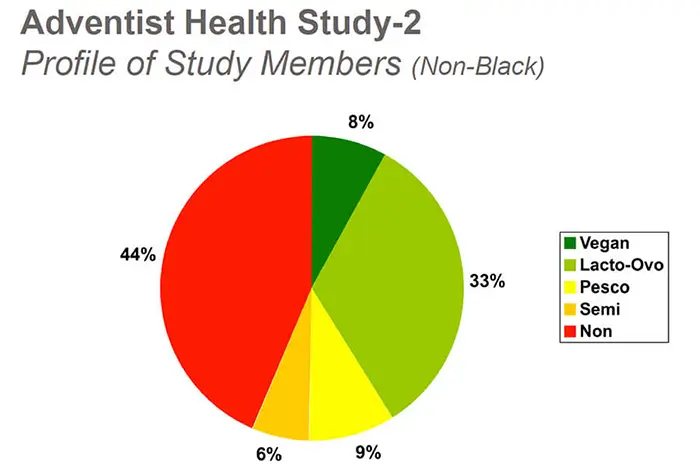
Adventist Health Study-2: 2002-Present, involved 96,000 U.S. and Canadian Adventists over the age of 30. Results:
- Data show a progressive weight gain from a total vegetarian diet to a non-vegetarian diet.
- Vegans, for example, weigh approximately 30 pounds less than non-vegetarians of comparable height.
- Cholesterol, diabetes, high blood pressure, and metabolic syndrome all followed the same pattern: the closer you were to become a vegetarian, the lower your risk in these areas. This is true for both Black and non-Black participants.
- Consuming a lot of cooked green vegetables, brown rice, legumes, and dried fruit has been linked to a lower risk of colon polyps, which is a precursor to colon cancer.
- A vegetarian diet was not linked to lower vitamin D levels. Other factors, such as the amount and intensity of sunlight exposure, had a greater impact on vitamin D levels.
References:
Find out more about Adventist Health Studies and Loma Linda University at adventisthealthstudy.org
- Orlich, M. J., & Fraser, G. E. (2014). Vegetarian diets in the Adventist Health Study 2: a review of initial published findings. The American journal of clinical nutrition, 100 Suppl 1(1), 353S–8S. https://doi.org/10.3945/ajcn.113.071233
- Le, L. T., & Sabaté, J. (2014). Beyond meatless, the health effects of vegan diets: findings from the Adventist cohorts. Nutrients, 6(6), 2131–2147. https://doi.org/10.3390/nu6062131
- Orlich, M. J., Singh, P. N., Sabaté, J., Jaceldo-Siegl, K., Fan, J., Knutsen, S., Beeson, W. L., & Fraser, G. E. (2013). Vegetarian dietary patterns and mortality in Adventist Health Study 2. JAMA internal medicine, 173(13), 1230–1238. https://doi.org/10.1001/jamainternmed.2013.6473
- Tonstad, S., Stewart, K., Oda, K., Batech, M., Herring, R. P., & Fraser, G. E. (2013). Vegetarian diets and incidence of diabetes in the Adventist Health Study-2. Nutrition, metabolism, and cardiovascular diseases : NMCD, 23(4), 292–299. https://doi.org/10.1016/j.numecd.2011.07.004
- Arya, F., Egger, S., Colquhoun, D., Sullivan, D., Pal, S., & Egger, G. (2010). Differences in postprandial inflammatory responses to a ‘modern’ v. traditional meat meal: a preliminary study. The British journal of nutrition, 104(5), 724–728. https://doi.org/10.1017/S0007114510001042
Related Posts



Do you have any questions about nutrition and health?
I would love to hear from you and answer them in my next post. I appreciate your input and opinion and I look forward to hearing from you soon. I also invite you to follow us on Facebook, Instagram, and Pinterest for more diet, nutrition, and health content. You can leave a comment there and connect with other health enthusiasts, share your tips and experiences, and get support and encouragement from our team and community.
I hope that this post was informative and enjoyable for you and that you are prepared to apply the insights you learned. If you found this post helpful, please share it with your friends and family who might also benefit from it. You never know who might need some guidance and support on their health journey.
– You Might Also Like –
Alkaline water- Health benefits and risks
Chlorella Benefits: Plant-Based B12, Iron, Zinc & Detox
Optimal Antioxidant Consumption: Recommended Intake of ORAC Units
Adventist Health Study- The vegan argument

Exercise- Why exactly do we need it?
How to Stop Tooth Decay: Symptoms, Causes & Prevention

Antioxidant Power of Vitamin C: Enhancing Health and Longevity

Lectins- Paradox of the “Plant Paradox”

Learn About Nutrition

Milos Pokimica is a doctor of natural medicine, clinical nutritionist, medical health and nutrition writer, and nutritional science advisor. Author of the book series Go Vegan? Review of Science, he also operates the natural health website GoVeganWay.com
Medical Disclaimer
GoVeganWay.com brings you reviews of the latest nutrition and health-related research. The information provided represents the personal opinion of the author and is not intended nor implied to be a substitute for professional medical advice, diagnosis, or treatment. The information provided is for informational purposes only and is not intended to serve as a substitute for the consultation, diagnosis, and/or medical treatment of a qualified physician or healthcare provider.NEVER DISREGARD PROFESSIONAL MEDICAL ADVICE OR DELAY SEEKING MEDICAL TREATMENT BECAUSE OF SOMETHING YOU HAVE READ ON OR ACCESSED THROUGH GoVeganWay.com
NEVER APPLY ANY LIFESTYLE CHANGES OR ANY CHANGES AT ALL AS A CONSEQUENCE OF SOMETHING YOU HAVE READ IN GoVeganWay.com BEFORE CONSULTING LICENCED MEDICAL PRACTITIONER.
In the event of a medical emergency, call a doctor or 911 immediately. GoVeganWay.com does not recommend or endorse any specific groups, organizations, tests, physicians, products, procedures, opinions, or other information that may be mentioned inside.
Editor Picks –
Cancer Editor Picks Phytochemicals
Anticancer Power of Fruits and Vegetables: In Vivo and Clinical Evidence
Some vegetable extracts rival leading chemotherapy drugs and at the same time target multiple different types of cancer cells.
Antioxidants Editor Picks ORAC
Essential Oils as Antioxidant Supplements: Rules and Strategies
Food-grade essential oils can be a convenient and consumer-friendly strategy for optimizing the antioxidant value and ORAC scores of our diet.
Antioxidants Editor Picks ORAC
Antioxidant-Rich Diet: General Rules and Strategies
There are easy and cost-effective strategies for optimizing the antioxidant value of our diet.
Antioxidants Editor Picks ORAC
Understanding ORAC Values: Antioxidant Levels in Foods
When your main source of antioxidants is coffee, you know that you have a serious problem.

Antioxidants Editor Picks ORAC
Astaxanthin Benefits: World’s Most Powerful Natural Antioxidant
Astaxanthin is the most powerful natural and universal antioxidant (both oil and water-soluble) known to science. It accumulates in tissues and It can never turn itself into a pro-oxidant.
Antioxidants Editor Picks ORAC Phytochemicals
Antioxidants: Understanding the Basics
There are no phytochemicals or antioxidants in animal products. On average, plant foods contain more than 60 times as many antioxidants as animal-based foods.
Editor Picks Vegan Diet
Nutrient Deficiencies in Vegan Diet: Prevention Strategies
There are nine common nutrient deficiencies on the population scale affecting people eating a plant-based diet. If not corrected on time some deficiencies have terrible and non-treatable consequences.
Editor Picks Optimal Diet
Micronutrient Deficiency in Standard American Diet: Optimization Strategies
Nutrition profile of our modern meat, sugar, processed food diet is completely incongruent with our evolution resulting in severe micronutrient deficiency.
Editor Picks Phytochemicals
Phytochemicals: Understanding the Basics
Every single phytochemical that exists has a biological action in the human body. Every single one from millions of different phytochemicals.

Editor Picks Milk Optimal Diet
Milk and Dairy: Health Risk Correlations
Known associations with milk and dairy consumption are infertility, ovarian and breast cancer, leukemia, diabetes type 1, autism, arteriosclerosis, cataract, rheumatoid arthritis, multiple sclerosis, hyperactivity, congestion, pimples, and more…

Cancer Editor Picks Protein
Complete Protein: IGF-1 Signaling in Cancer Formation
When you eat animal protein you have four times the chance to develop all types of cancer. When you smoke you have a four-time chance to develop lung cancer.

Cancer Editor Picks Protein
The Anatomy of Cancer- Health risk correlations
About 2% of cancers are by medicine considered to be purely caused by genetic factors. The same range as within the animal kingdom. You haven’t been told the whole truth.
Milos Pokimica is a health and nutrition writer and nutritional science advisor. Author of the book series Go Vegan? Review of Science, he also operates the natural health website GoVeganWay.com
Latest Articles –

Calorie Restriction Longevity
How to Fast: Fasting Foods That Won’t Break Autophagy
Autophagy. Have you ever wondered what happens to the cells in your body when they die or get damaged? Do they just pile up and create problems, or do they get disposed of somehow? The answer is that your body…
Dental Health Prevention
Sweets Teeth Sensitivity & Pain: Quick Fix & Lasting Solution
A quick and easy fix for pain relief is clove essential oil, a powerful antioxidant and pain reliever that can help with gum disease and toothache.
Beans
Green Beans: Nutrition and Health Benefits
Green beans are low in calories and rich in natural compounds that can help you control your blood sugar, lower your cholesterol, and fight off free radicals.
Raw food diet Vegan Diet
Can You Eat Mushrooms Raw: Health Risks, Nutrition & Safety
Mushrooms have heat-sensitive toxins like hydrazine or agaritine, and cell walls made out of chitin that cannot be digested well by humans.
Vegan Diet
Are Fish Animals? A Cultural Perspective
In some cultures, fish meat is not considered to be meat, and fish is allowed even during fast.

Dental Health Prevention
Homemade Natural Mouthwash: Proven, Stronger & Less Toxic
Homemade natural mouthwash is stronger than chlorhexidine, less toxic and if swallowed might give you some nausea but also a high burst in ORAC value.
Dental Health Prevention
How to Stop Tooth Decay: Symptoms, Causes & Prevention
Sugar consumption is the main cause of cavities and tooth decay, combined with mineral deficiencies especially magnesium, zinc, copper and trace elements.
Antioxidants Superfoods
Amla: Proven Benefits, Nutrition And Clinical Significance
Amla is one of the world’s most powerful antioxidants with a ORAC score of 261,530. It is a rich source of phytochemicals that have various health benefits.
Top Health News — ScienceDaily
- Massive study of 460,000 people challenges ultra-processed food cancer fearson October 21, 2026
A massive study of more than 460,000 Americans found that ultra-processed foods were not associated with increased colorectal cancer risk overall, challenging a widely held assumption. While processed meat was linked to higher cancer incidence, ultra-processed whole grains and dairy products were associated with lower incidence.
- Too much RNA can starve cells of energy, scientists discoveron October 21, 2026
Scientists have uncovered an unexpected danger lurking inside cells: too much RNA can damage the structures responsible for producing energy. A new study found that excess RNA, including the normally essential messenger RNA (mRNA), can directly disrupt mitochondria without relying on the immune system. The discovery could help explain how viral infections and certain aging-related diseases damage cells.
- Astronauts’ hearts just passed a surprising test for Marson October 21, 2026
A new study tracking 13 astronauts suggests that the human heart may be surprisingly well equipped for a journey to Mars, especially with regular exercise during spaceflight. Researchers found that astronauts’ hearts adapted to months of weightlessness and handled simulated Martian gravity without major problems, offering new hope for future missions to the Red Planet.
- Rejuvenation breakthrough: Scientists reverse 60 years of aging in human cellson October 21, 2026
Scientists have turned blood cells from an 80-year-old into neural stem cells with a molecular age of less than 20, effectively reversing more than 60 years of cellular aging in the laboratory. The discovery offers a new way to investigate how cells become younger and could help researchers better understand age-related diseases such as Alzheimer’s.
- Just 4 minutes a day can dramatically improve strength after 65on October 21, 2026
A new Penn State study suggests that just four minutes of daily strength training can significantly improve mobility and physical function in older adults. After 12 weeks, participants showed meaningful gains in balance, leg strength, and their ability to stand up from a chair, all important factors for maintaining independence and reducing fall risk.
- Scientists find 10 different diets linked to slower agingon October 21, 2026
A study by DZNE finds that healthy eating is associated with slower biological aging—and that there is more than one way to eat healthily. The researchers examined ten dietary patterns considered healthy, including the Mediterranean, Nordic, and a plant-based diet, as well as the DASH diet, which is designed to help lower blood pressure. The findings are published in the journal Nature Communications.
- Scientists finally uncover why statins can cause muscle painon October 20, 2026
Scientists have uncovered a surprising reason why statins, the widely prescribed cholesterol-lowering drugs that help prevent heart attacks and strokes, can sometimes cause muscle pain, weakness, and even severe muscle damage. Using advanced imaging technology, researchers discovered that statins can attach to a crucial protein in muscle cells and force open a channel that normally controls calcium flow. This causes calcium to leak continuously, potentially damaging muscle tissue.
PubMed, #vegan-diet –
- Common questions and misconceptions about diets: what does the scientific evidence really show?on October 15, 2026
The study of diet and nutrition is often filled with numerous myths and misconceptions. A Google Scholar search of “diets health” yields over 4 million results. This review examines frequently asked questions about diets and dietary habits. These questions include the following: 1) Is a caloric surplus necessary for building skeletal muscle? 2) Is it possible to lose body mass or fat mass without caloric restriction? 3) Is intermittent fasting better than chronic caloric restriction for […]
- Toward consensus on complementary feeding recommendations: findings from a national evidence-informed modified Delphi study in Türkiyeon October 12, 2026
CONCLUSIONS: Integration of quantitative Delphi findings with qualitative thematic analysis revealed that non-consensus primarily stemmed from the practical nuances of clinical execution and contextual adaptation, rather than a fundamental skepticism toward the underlying scientific data. These findings provide an evidence-informed foundation for developing context-sensitive CF recommendations for clinical practice.
- Characterization of nutritional intake in vegan pregnant women and its association on birth weighton October 8, 2026
CONCLUSIONS: Vegan women had a higher rate of SGA than non-vegan women, and this increased risk may be partly related to differences in maternal protein intake and composition. In addition, vegan women had lower dietary intakes of calcium, vitamin B12, vitamin D, DHA, and choline, highlighting these nutrients as important considerations in the nutritional assessment and counseling of pregnant women adhering to a strictly vegan diet.
- Changes in ectopic lipids, insulin sensitivity, and beta cell function after a low-fat vegan diet in adults with type 2 diabetes: a 16-week single-arm clinical trialon October 8, 2026
CONCLUSIONS: On an ad libitum low-fat plant-based (vegan) dietary intervention, the participants with type 2 diabetes experienced reductions in ectopic fat, particularly visceral and hepatocellular fat, improvements in insulin sensitivity, reductions in AGEs, and improvements in beta-cell function.
Random Posts –
Dental Health Prevention
Homemade Natural Mouthwash: Proven, Stronger & Less Toxic
Homemade natural mouthwash is stronger than chlorhexidine, less toxic and if swallowed might give you some nausea but also a high burst in ORAC value.
Inflammation
Low Histamine Diet and Histamine Intolerance: Complete Gide
One way to manage histamine intolerance is to follow a low histamine diet. This means avoiding foods that are high in histamine or that can trigger its release.
Cancer
Cooked Meat- The Mutagen in a Bite, Heterocyclic Amine Exposure
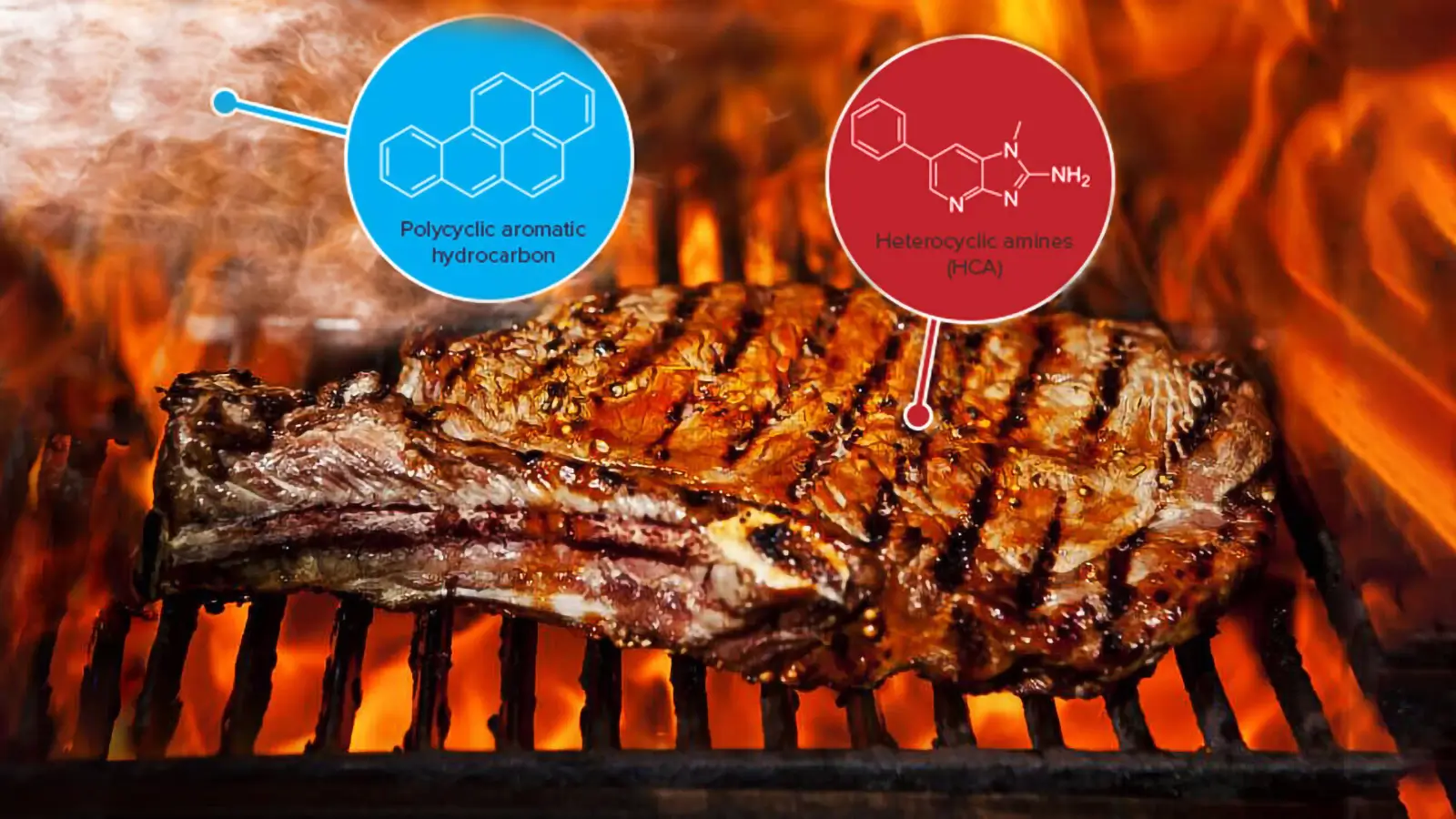
Heating of amino acids in the presence of creatine (cooked meat) creates mutagens known as Heterocyclic Amines (HCA).

Antioxidants
Antioxidant Power of Vitamin C: Enhancing Health and Longevity
Vitamin C does not require enzymatic activity to be removed from the body and does not become pro-oxidant but a reduced form of more weak antioxidant.
Cancer Editor Picks Protein
Complete Protein: IGF-1 Signaling in Cancer Formation
When you eat animal protein you have four times the chance to develop all types of cancer. When you smoke you have a four-time chance to develop lung cancer.
Antioxidants Cancer Phytochemicals
Turmeric: Enhancing Health and Clinical Benefits
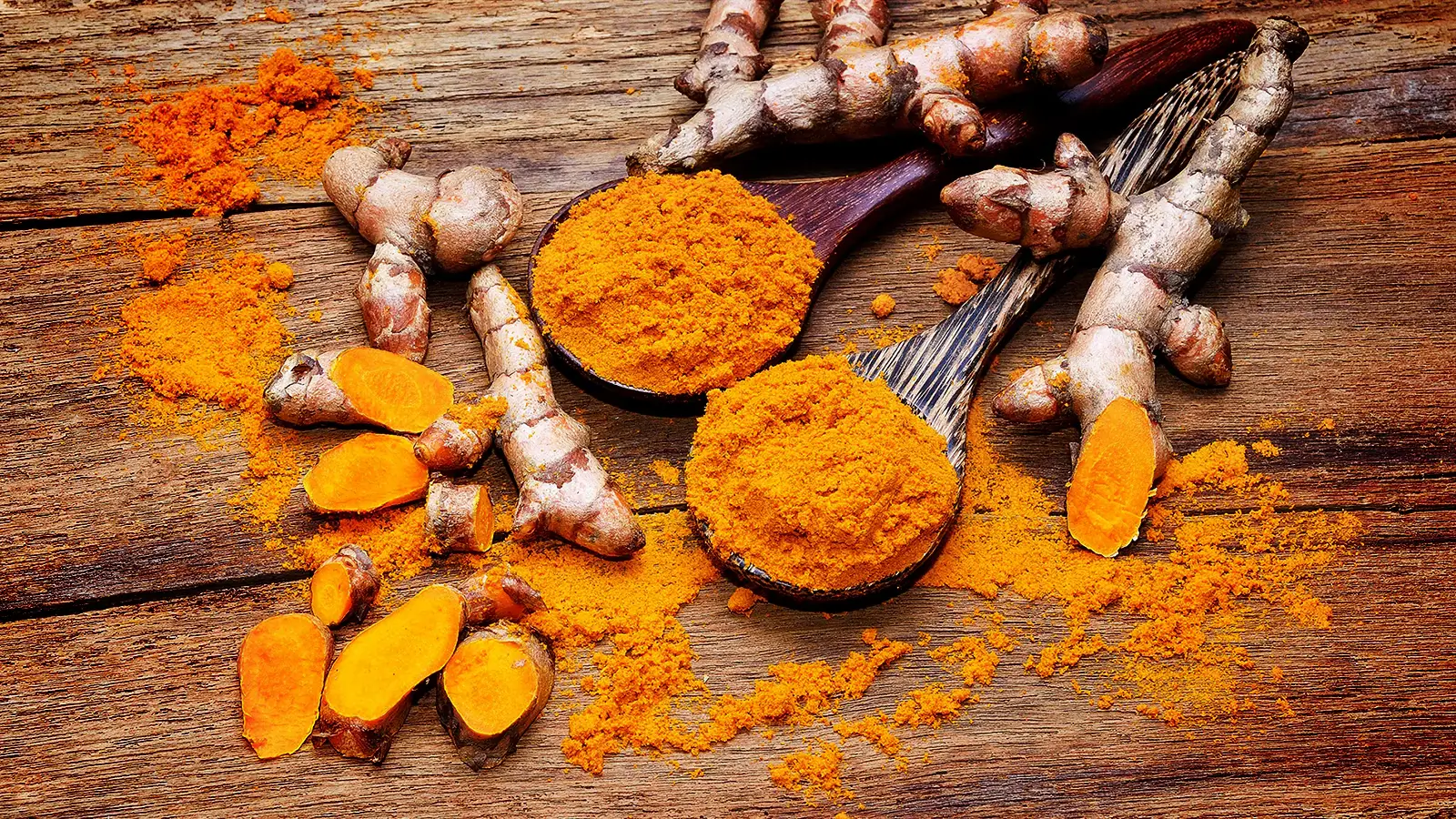
In turmeric, there are more than 300 active phytochemicals so far identified. It is so powerful that it can even alter our gene expression.

Physical Activity Prevention
Exercise- Why exactly do we need it?
In the health community, exercise has almost a mythical status as one of the best things you can do for yourself except for avoidance of smoking.
Toxicity
Mercury- Neurotoxin from the fish
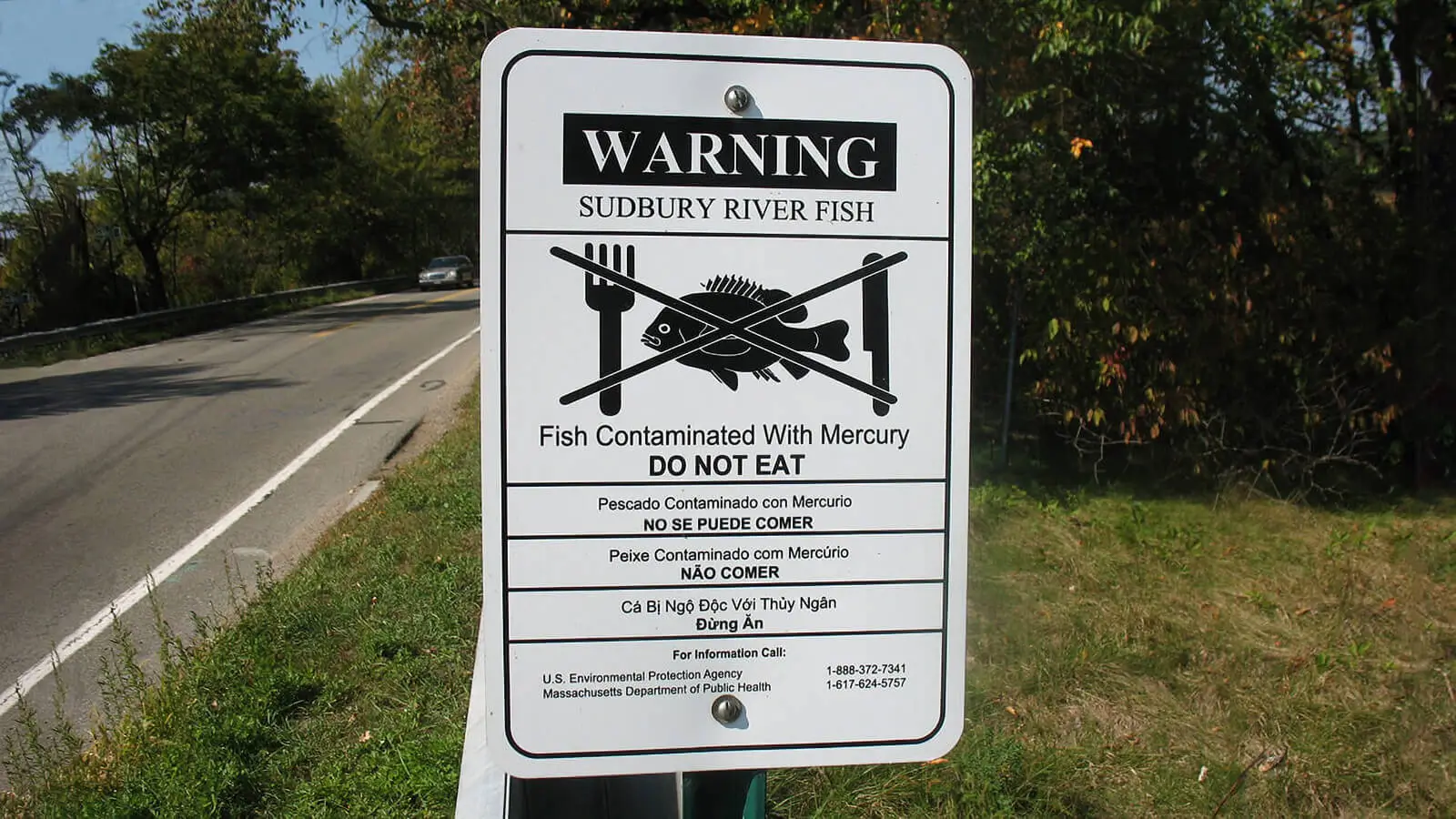
Mercury is an industrial toxin and the most neurotoxic substance known. Plankton will absorbe it from seawater and initiate bioaccumulation in the food chain.
Cancer Inflammation Toxicity
Alcohol health risks- The “French paradox”, “the wine”, and “in moderation”
Somehow we believe that one glass of wine is not all that bad, or even worse, we believe in alcohol health-promoting myth because of the grape’s antioxidants.
Superfoods Toxicity
Chlorella Benefits: Plant-Based B12, Iron, Zinc & Detox
Chlorella is a vegan source of B12, iron and zinc, has strong chelation properties for heavy metals, potential to lower cholesterol, reduce anemia, and boost the immune system.

Featured Posts –
Editor Picks Optimal Diet Protein
Protein Requirements- Inconvenient truth
When anthropologist studies showed that hominins lived on average of 15 to 20 grams of protein a day there was a so-called a “Great protein fiasco” back in the 1970s.
Editor Picks Phytochemicals
Phytochemicals: Understanding the Basics
Every single phytochemical that exists has a biological action in the human body. Every single one from millions of different phytochemicals.
Editor Picks Prevention Toxicity
Environmental toxicity- It is just a food chain
Environmental toxicity is the bioaccumulation of toxins. Organisms are filters. But there is one more even worse process called biomagnification in food chain.

Allopathic Medicine Editor Picks Optimal Diet
The McGovern Report- Special Interest and The Suppression of Science
In 1977 the push for a change of Dietary Guidelines (McGovern Report) to more plant-based vegan one had been introduced to U.S. Congress.

Diabetes Editor Picks Optimal Diet
Refined Sugar: Understanding the Risks
Children consume around one-fifth of their total calorie needs from just refined sugar. If we add fat and the rest of nutrition-deprived processed foods to the list it becomes a complete nutrition nightmare.
Antioxidants Editor Picks ORAC
Antioxidant-Rich Diet: General Rules and Strategies
There are easy and cost-effective strategies for optimizing the antioxidant value of our diet.

Allopathic Medicine Cancer Editor Picks
Cancer, The Forbidden Cures-Rife machine, Historical review
The recovery rate for patients that have non-treatable cancer and were declared terminally ill by utilizing Rife Machine resonant technology was 100%.
Antioxidants Editor Picks ORAC Phytochemicals
Antioxidants: Understanding the Basics
There are no phytochemicals or antioxidants in animal products. On average, plant foods contain more than 60 times as many antioxidants as animal-based foods.

Cancer Editor Picks Toxicity
Pesticides in Food, Exposure in The Standard American Diet- 80 Percent From Meat
Most of the pesticides and especially heavy metals and other toxic waste pollutants we get, we get from meat. More than 80 percent of pesticide exposure in the standard American diet comes from animal products, not from fruits or vegetables.

Editor Picks Optimal Diet
Optimal Human Diet- Chronic Diseases, Diet Wars, and the Vegan Argument
Our natural optimal human diet is a diet that our hominin ancestors were eating for the last 30 million years, not anatomically modern humans in the Stone age.
Latest from PubMed, #plant-based diet –
- Clinical similarity, economic divergence: cost-effectiveness and population health implications of dietary, pharmacological, and exercise interventions in older adults with type 2 diabetes: a…by Limor Dina Gonen on October 21, 2026
CONCLUSIONS: Interventions with similar short-term clinical outcomes may differ substantially in their economic and population health value. Within the short-term trial horizon, lifestyle-based strategies were associated with more favorable cost-utility profiles. These findings should be interpreted as exploratory and should not be extrapolated to long-term comparative effectiveness, particularly given the established long-term cardiovascular and renal benefits of SGLT2 inhibitors that could […]
- Black-Tailed Godwits Eat Animal and Plant Material at a Key Non-Breeding Site at the Overlap of Two Asian Flywaysby Delip K Das on October 20, 2026
Dietary knowledge of migratory birds along their migration routes is fundamental for understanding ecological and evolutionary aspects of bird migration, how migrants select and repeatedly use specific non-breeding areas, accumulate fuel for migration and breeding, and assess carrying capacity at key sites in the migratory network. Local changes in food availability and foraging habitat have been shown to contribute to population declines in migratory shorebirds. Nevertheless, the diet of […]
- There may be many ways to be an herbivorous fish, but it usually takes a lot of gutsby Aaron M Davis on October 20, 2026
Classic examples of convergent trophic evolution in fishes have focused predominantly on adaptations in craniofacial morphology to piscivorous and durophagous diets. With the physiological demands of nutrient-poor, plant-based diets, adaptation to herbivory also significantly influences digestive physiology and morphology, so convergence onto similar herbivorous phenotypes in elements of postcranial morphology such as body shape and intestinal length might also be expected. Here, we integrate…
- The association of seven dietary patterns and the risk of dementia: a systematic review and meta-analysis of prospective cohort studiesby Yoona Kim on October 19, 2026
The incidence of dementia is steadily increasing, and the resulting socioeconomic burden is enormous, so it is necessary to establish scientific and systematic evidence for dementia prevention. This meta-analysis was performed to explore the association between dietary patterns and the risk of dementia. We searched the PubMed and ISI Web of Science databases up to October 2025 to identify prospective cohort studies investigating the association between dietary patterns and the risk of […]
- Effects of dietary barberry root powder on growth performance, immune responses, antioxidant status, and antioxidant-related gene expression in grass carp (Ctenopharyngodon idella)by Rakhshanifar Khalil on October 18, 2026
Due to having positive effects on aquaculture, plant-based dietary is very important. Therefore, this research examined the barberry root powder (BRP) supplementation on various parameters including growth performance, blood characteristics, antioxidant activity, gene expression related to antioxidant activity, and antibacterial properties in juvenile grass carp. The carps (mean weight 9 ± 0.58 g) were divided into 4 groups (a control group and three treatment groups receiving 0.5%, 1%, and […]
- Habitual Diet, Gut Microbiome Dysbiosis, and alpha-Synucleinopathy Conversion in Isolated Rapid Eye Movement (REM) Sleep Behavior Disorderby Suyi Xie on October 17, 2026
CONCLUSIONS: Habitual diet in iRBD is associated with gut microbiome dysbiosis and predicts neurodegenerative progression. These findings highlight diet-microbiome interactions as modifiable targets for intervention in prodromal α-synucleinopathy. © 2026 The Author(s). Movement Disorders published by Wiley Periodicals LLC on behalf of International Parkinson and Movement Disorder Society.