







Antioxidant-Rich Diet: General Rules and Strategies
There are easy and cost-effective strategies for optimizing the antioxidant value of our diet.
Milos Pokimica
Written By: Milos Pokimica
Medically Reviewed by: Dr. Xiùying Wáng, M.D.
Updated December 21, 2025Key Takeaways:
– Eating a diet rich in antioxidants (fruits, vegetables, spices, herbs, nuts) can reduce the risk of chronic diseases (Sharifi-Rad et al., 2020).
– Essential oils are the most potent antioxidants, followed by dried herbs and fruit, superfoods like raw nuts and seeds, and regular fruits and vegetables. Berries, fruits, nuts, cacao, and hibiscus, are also antioxidant-rich (Carlsen et al., 2010).
– Meat, fish and other animal-based foods have low levels of antioxidants (Carlsen et al., 2010).
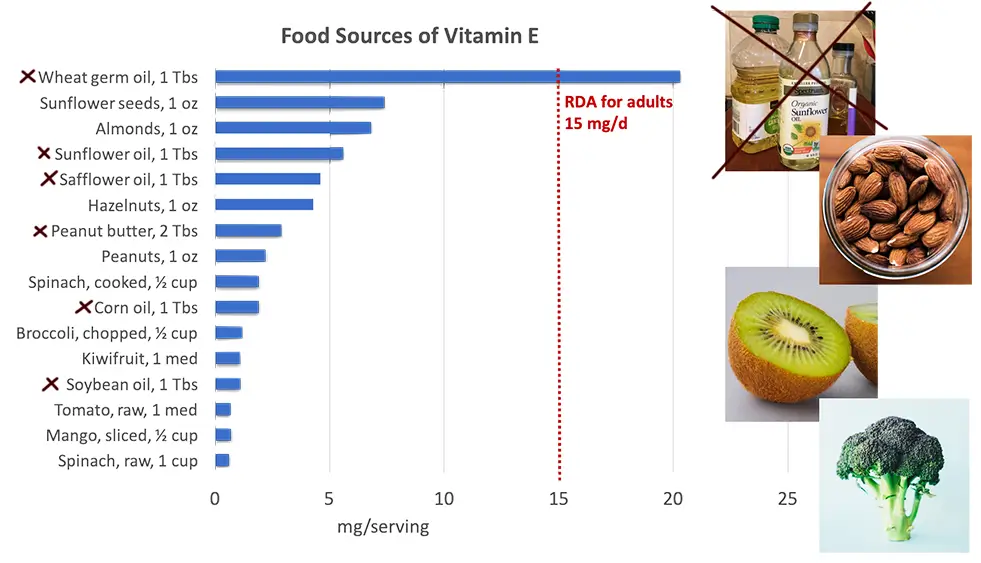
– If you don’t want to give up meat, sugar, fat, alcohol, and smoking you can try at least to add a tablespoon of turmeric a day, a cup of cocoa, hibiscus tea, 1 gram of vitamin C, one capsule of astaxanthin and 40 grams of almonds or sunflower seeds to correct vitamin E deficiency.
– There are four steps to increasing antioxidant intake in your diet. Step one is adding supplemental antioxidants, step two is adding antioxidant-rich food items, step three is replacing existing unhealthy foods with antioxidant-rich options, and step four involves consciously incorporating micronutrient-dense foods into your diet.
– Incorporating more antioxidant-rich foods can be done gradually and may involve some changes in dietary habits, but it is a positive step toward improving overall health.
– ORAC values listed in the table are approximations and can vary depending on location, storage time, and exposure to oxygen (Carlsen et al., 2010).
– While cooking can sometimes diminish ORAC values, it has the opposite effect on some foods like red cabbage and sweet potatoes.
– A diet high in meat, sugar, and junk food may be lacking in important nutrients like antioxidants, fiber, and minerals. In such cases, supplementation may be necessary to balance the poor nutrient profile of the diet.
– Antioxidant optimization and supplementation can benefit both vegans and non-vegans by boosting immune system function, preventing chronic diseases like cancer and cardiovascular diseases, and promoting longevity and overall well-being.
– Essential oil mix plus basic spice mix plus astaxanthin is a recommended supplement regimen.
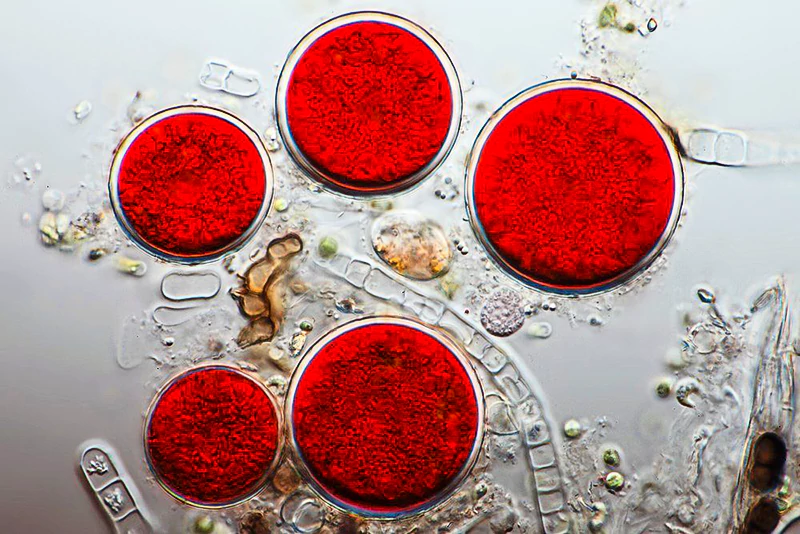
– Astaxanthin is recommended as it accumulates in tissues and offers long-lasting protection. It is a universal antioxidant (both water and oil soluble), goes truth the blood-brain barrier, and would not turn itself into a pro-oxidant after it gives its electron.
What are antioxidants, and why are they important?
Imagine you are a firefighter that has to deal with flames and smoke every day. You need to wear protective gear and equipment to avoid getting burned or inhaling toxic substances. Similarly, your body is constantly bombarded by both oxygen and environmental factors such as pollution and radiation that constantly damage your cells and DNA, and cause inflammation. Antioxidants are like your body’s natural fire extinguishers that can quench the fire and reduce the damage caused by these factors. By eating foods rich in antioxidants, you can boost your body’s defense system and lower your risk of chronic diseases.
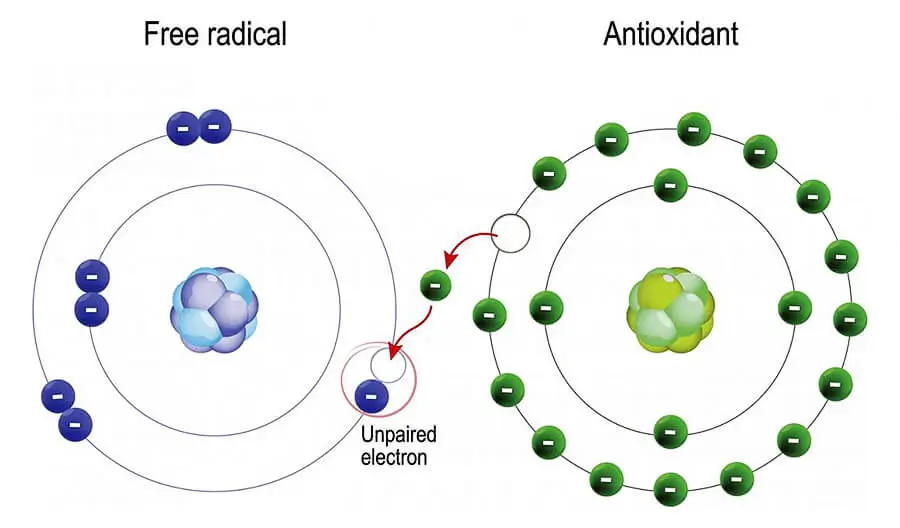
Accepted ideology.
If we accept the standard line of accepted ideology that was pushed by USDA and decide that an antioxidant-rich diet is not of significant value to overall health because the body can only utilize 3000 to 5000 ORAC units a day and that the rest of it is just going to waste then we will also have to accept the officially recognized line that if you do consume more antioxidants in a whole food way they will do you no harm either.
According to Yang et al., (2011) US adults’ estimated intake of total antioxidant capacity (TAC) was 503.1 mmol/d, which was calculated by the National Health and Nutrition Examination Survey (NHANES) and the US Department of Agriculture databases. Fruits were found to provide the most antioxidants, at 43.9%, while dietary supplements made up 14.3% of the intake, mainly from vitamin C intake. Concerning ORAC units, this was determined by Cao et al., (1993) definition of one ORAC unit being equal to one microM Trolox. Trolox is a water-soluble vitamin E analog.
On average, the ORAC score of the standard American diet (SAD) is estimated to lie between 2000 to 3000 in ORAC units when TAC is converted to Trolox, and Trolox to ORAC. 503.1 mg TAC is equal to 2010.6 microM Trolox and 2010.6 microM Trolox is 2010 ORAC units soo even 3000 units on average is a 30% exaggeration. This is not enough to even counteract the regular postprandial (post-fed) rise in oxidation from normal metabolism, nonetheless all other sources of inflammation and toxicity.
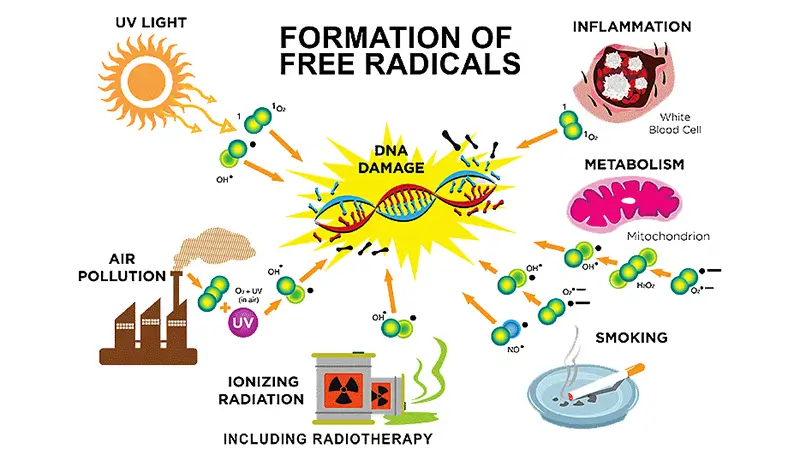
In correlated articles, I have listed several diseases that do benefit from an increase in antioxidant consumption. So how can we increase our antioxidant score?
Well, we will have to analyze the total antioxidant content of more than 3100 foods in the already mentioned study (Carlsen et al., 2010) to see how to optimize our diet. I am going to use some quotes from the (Carlsen et al., 2010) study and then I will analyze some of the most potent and antioxidant-rich foods in the chart and then we can see what is the most optimal and easiest way to increase the antioxidant content of our diet.
General rules.
“A plant-based diet protects against chronic oxidative stress-related diseases… It is widely accepted that a plant-based diet with a high intake of fruits, vegetables, and other nutrient-rich plant foods may reduce the risk of oxidative stress-related diseases…
Spices, herbs, and supplements include the most antioxidant-rich products in our study, some exceptionally high.
Berries, fruits, nuts, chocolate, vegetables, and products thereof constitute common foods and beverages with high antioxidant values…
Plant-based foods introduce significantly more antioxidants into the human diet than non-plant foods…
The highest antioxidant values in the beverages category were found among the unprocessed tea leaves, tea powders, and coffee beans…
Other antioxidant-rich beverages are red wine, which has a smaller variation of antioxidant content (1.78 to 3.66 mmol/100 g), pomegranate juice, prepared green tea (0.57 to 2.62 mmol/100 g), grape juice, prune juice, and black tea (0.75 to 1.21 mmol/100 g). Beer, soft drinks, and ginger ale contain the least antioxidants of the beverages in our study, with drinking water completely devoid of antioxidants…“
(Carlsen et al, 2010)
The values that are given here are in mmol/100g and 1 mmol is 1000 micromole ORAC units. For example, 3.66 mmol/100 g is 3660 ORAC units.
“The dairy category included 86 products and the majority of these products were low in antioxidant content, in the range of 0.0 to 0.8 mmol/100 g.
Eggs are almost devoid of antioxidants with the highest antioxidant values found in egg yolk (0.16 mmol/100 g)…
When classifying the samples into the three main classes the difference in antioxidant content between plant- and animal-based foods become apparent. The results here uncover that the antioxidant content of foods varies several thousand-fold and that antioxidant-rich foods originate from the plant kingdom while meat, fish, and other foods from the animal kingdom are low in antioxidants. Comparing the mean value of the ‘Meat and meat products category with plant-based categories, fruits, nuts, chocolate, and berries have from 5 to 33 times higher mean antioxidant content than the mean of meat products. Diets comprised mainly of animal-based foods are thus low in antioxidant content while diets based mainly on a variety of plant-based foods are antioxidant-rich, due to the thousands of bioactive antioxidant phytochemicals found in plants which are conserved in many foods and beverages…
Nuts are a rich source of many important nutrients and some are also antioxidant-rich…
Most of the spices and herbs analyzed have particularly high antioxidant contents.
Although spices and herbs contribute little weight to the dinner plate, they may still be important contributors to our antioxidant intake, especially in dietary cultures where spices and herbs are used regularly. We interpret the elevated concentration of antioxidants observed in several dried herbs compared to fresh samples, as a normal consequence of the drying process leaving most of the antioxidants intact in the dried end product. This tendency is also seen in some fruits and their dried counterparts.
Thus, dried herbs and fruit are potentially excellent sources of antioxidants…
Herbal and traditional plant medicines emerged as many of the highest antioxidant-containing products in our study. We speculate that the high inherent antioxidant property of many plants is an important contributor to the herb’s medicinal qualities…
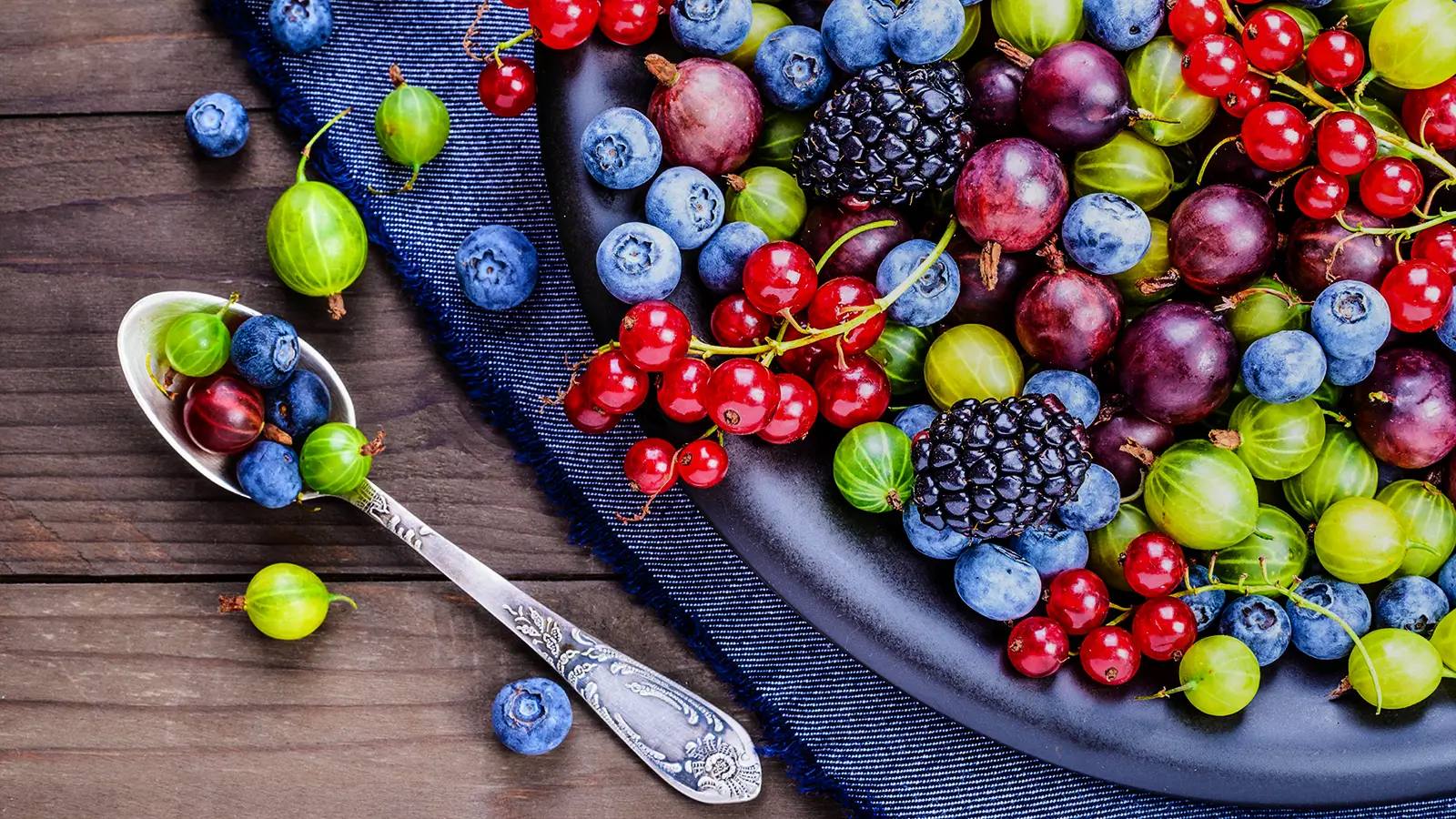
With their high content of phytochemicals such as flavonoids, tannins, stilbenoids, phenolic acids, and lignans berries and berry products are potentially excellent antioxidant sources… During the processing of berries to jams, total phenol content is reduced resulting in lower antioxidant values in processed berry products than in fresh berries…
Differences in unprocessed and processed plant food samples are also seen in our study where processed berry products like jam and syrup have approximately half the antioxidant capacity of fresh berries. On the other hand, processing may also enhance a food’s potential by increasing the number of antioxidants released from the food matrix, which otherwise would be less or not at all available for absorption. Processing of tomato is one such example where lycopene from heat-processed tomato sauce is more bioavailable than unprocessed tomato…
It is not likely that all antioxidant-rich foods are good sources and that all antioxidants provided in the diet are bioactive.
Bioavailability differs greatly from one phytochemical to another so the most antioxidant-rich foods in our diet are not necessarily those leading to the highest concentrations of active metabolites in target tissues…
Biochemically active phytochemicals found in plant-based foods also have many powerful biological properties which are not necessarily correlated with their antioxidant capacity, including acting as inducers of antioxidant defense mechanisms in vivo or as gene expression modulators. Thus, a food low in antioxidant content may have beneficial health effects due to other food components or phytochemicals executing bioactivity through other mechanisms.”
(Carlsen et al., 2010)
This is one of those studies that have the potential to revolutionize nutritional science but not only that. This study has practical and real implications for our day-to-day grocery decisions. The sad reality is that the vast majority of people don’t want to eat healthily and don’t want to learn and don’t want to do anything that they don’t need to do. Only when there is a chronic condition there is essentially an incentive for diet optimization for most people.
Because of this, I will try to give some easy-to-do and cost-effective ways to increase the antioxidant intake.
For most people, cheap and easy solutions will be the only ones that they will follow. If you want to go one step further then you can try to completely optimize your diet.
In the table below, we can see the antioxidant levels in different diet types. We can compare the average antioxidant content of vegan diets with other dietary patterns, such as omnivorous if we analyze the average antioxidant content of different food types.
| Antioxidant content in mmol/100 g | |||||
|---|---|---|---|---|---|
| n | mean | median | min | max | |
| Plant based foods | 1943 | 11.57 | 0.88 | 0.00 | 2897.11 |
| Animal based foods | 211 | 0.18 | 0.10 | 0.00 | 1.00 |
| Mixed foods | 854 | 0.91 | 0.31 | 0.00 | 18.52 |
| Categories | |||||
| Berries and berry products | 119 | 9.86 | 3.34 | 0.06 | 261.53 |
| Beverages | 283 | 8.30 | 0.60 | 0.00 | 1347.83 |
| Breakfast cereals | 90 | 01.09 | 0.89 | 0.16 | 4.84 |
| Chocolates and sweets | 80 | 4.93 | 2.33 | 0.05 | 14.98 |
| Dairy products | 86 | 0.14 | 0.06 | 0.00 | 0.78 |
| Desserts and cakes | 134 | 0.45 | 0.20 | 0.00 | 4.10 |
| Egg | 12 | 0.04 | 0.04 | 0.00 | 0.16 |
| Fats and oils | 38 | 0.51 | 0.39 | 0.19 | 1.66 |
| Fish and seafood | 32 | 0.11 | 0.08 | 0.03 | 0.65 |
| Fruit and fruit juices | 278 | 1.25 | 0.69 | 0.03 | 55.52 |
| Grains and grain products | 227 | 0.34 | 0.18 | 0.00 | 3.31 |
| Herbal/traditional plant medicine | 59 | 91.72 | 14.18 | 0.28 | 2897.11 |
| Infant foods and beverages | 52 | 0.77 | 0.12 | 0.02 | 18.52 |
| Legumes | 69 | 0.48 | 0.27 | 0.00 | 1.97 |
| Meat and meat products | 31 | 0.31 | 0.32 | 0.00 | 0.85 |
| Miscellaneous ingredients, condiments | 44 | 0.77 | 0.15 | 0.00 | 15.54 |
| Mixed food entrees | 189 | 0.19 | 0.16 | 0.03 | 0.73 |
| Nuts and seeds | 90 | 4.57 | 0.76 | 0.03 | 33.29 |
| Poultry and poultry products | 50 | 0.23 | 0.15 | 0.05 | 1.00 |
| Snacks, biscuits | 66 | 0.58 | 0.61 | 0.00 | 1.17 |
| Soups, sauces gravies, dressing | 251 | 0.63 | 0.41 | 0.00 | 4.67 |
| Spices and herbs | 425 | 29.02 | 11.30 | 0.08 | 465.32 |
| Vegetables and vegetable products | 303 | 0.80 | 0.31 | 0.00 | 48.07 |
| Vitamin and dietary supplements | 131 | 98.58 | 3.27 | 0.00 | 1052.44 |
The first and easiest step.
The first and easiest step to do is to analyze the most antioxidant-rich food list and then just add them to your diet without changing anything. This is a practice or category I like to call supplemental antioxidants. This is the same way as taking a multivitamin once a day.
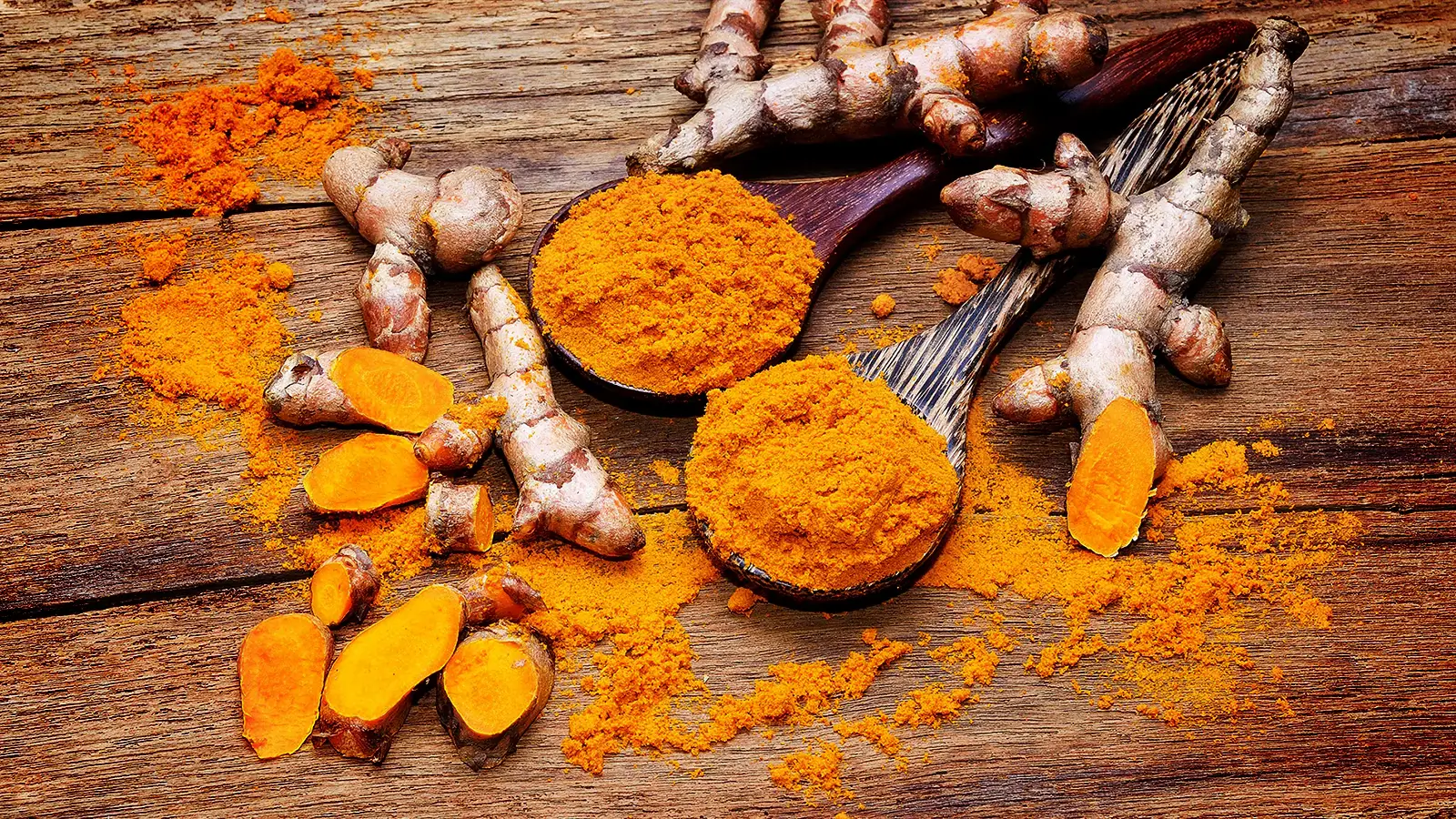
If you don’t want to give up meat, sugar, fat, alcohol, and smoking you can try at least to add a tablespoon of turmeric a day, a cup of cocoa, hibiscus tea, 1 gram of vitamin C, one capsule of astaxanthin and 40 grams of almonds or sunflower seeds to correct vitamin E deficiency.
Some foods are so antioxidant-rich that essentially we can take them as a supplement without even thinking about the rest of our diet and just this act will have an impact on our health.
The second step.
The second step is to add food items to the diet.
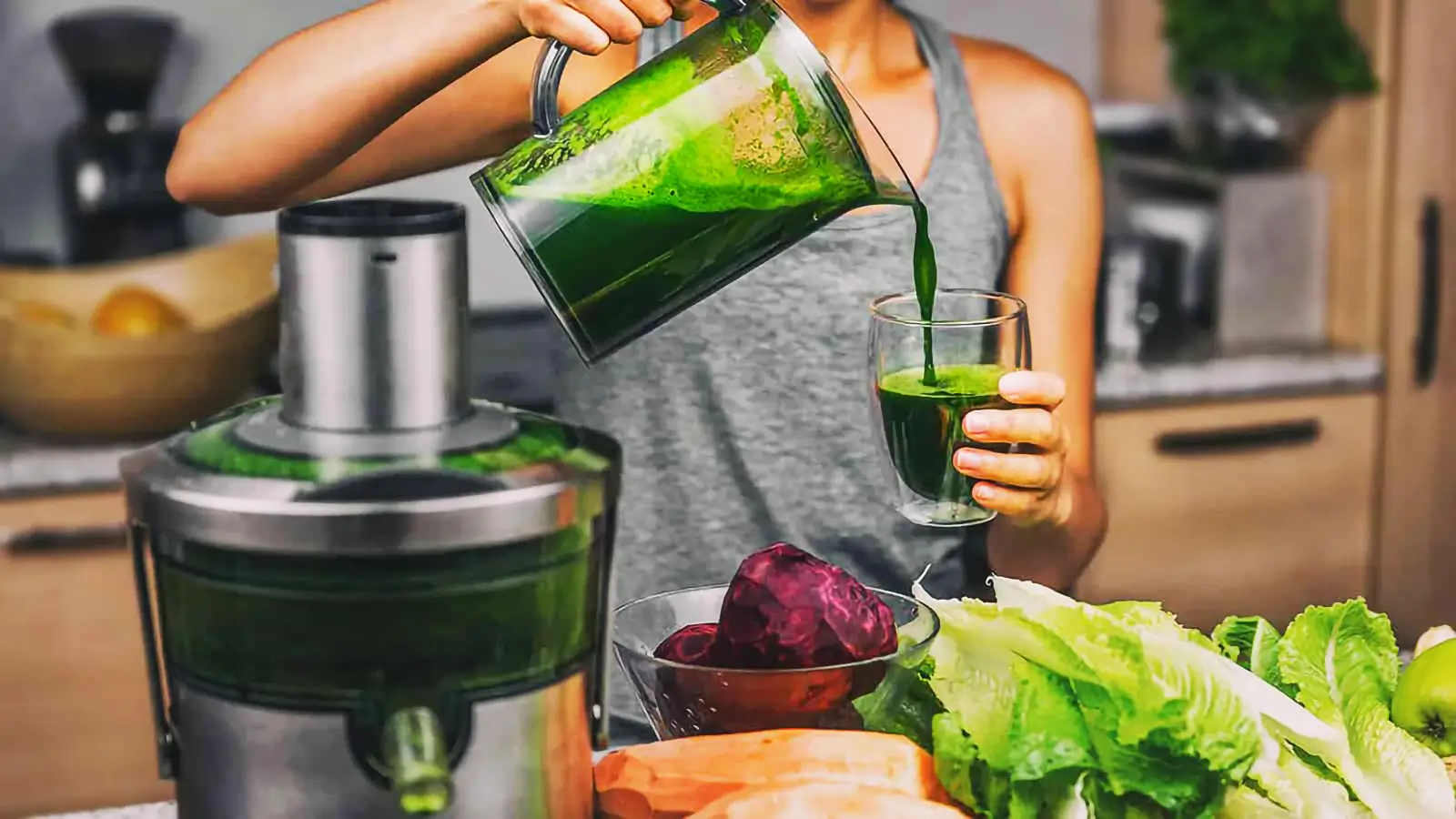
Most people don’t want to change their diet so on top of supplemental antioxidants they will just add juicing or some other type of health-promoting recipes after the meal. This would be an easy step that would not deprive you of tasty food but would just add additional nutrient density and ORAC value to the already existing diet. These two steps are acceptable for most people. You would need to spend some more time in the kitchen.
Oxidation.
When you learn the basics if you want you can always hire a professional nutritionist or learn more by yourself. Consider this article as a starting point. Also, all of the values listed in the table are just approximations, average values from a range of different values, and are not to be taken at face value. The ORAC values listed here are meant for us to have an insight into the potency of some food items.
For instance, the value for ground cloves has a range from 125,550 units measured in a sample obtained from the USA to a value of 465,320 for a sample obtained from Black Boy, Rieber og søn, Norway. The average would be around 290,000.
Ground cinnamon, for example, has values that range from 17,650 to 139,890.
Most of the values listed here, or in other sources are again in a practical sense exaggerated. The antioxidant value starts to drop immediately after the product is removed from the field. The longer it sits on a shelf the lower the antioxidant value will be. Also, if food is exposed to the air it will eventually go rancid. Nuts and seeds have a shell that protects them from oxygen but if the shell is broken then oxidation can accrue. That is the reason why it is never a good idea to buy already grounded nuts or seeds.
If you want flaxseed, sesame seed, or any other seed buy them whole and grind them yourself before consumption.
If you want to use fresh fruits or vegetables to make a smoothie if you don’t have a vacuum blender there is a good possibility that you will diminish most of the antioxidants in them. It is always a better choice to eat whole fruit than to blend them but some recipes demand the use of powerful blenders so keep this in mind or find a vacuum blender.
John shares with you the differences between centrifugal juicers, masticating juicers, and cold press juicers. In this episode, John will go into detail about how each of the juicers works and the pros and cons of each of the three popular styles of juicers.
If you want to juice then use masticating juicers.
They use pressure and low RPMs to squeeze out the juice without blending it at high speed. This will help to lower the oxidation and the juice will have a better taste and color. The use of masticating juicers is an excellent way for everyone to increase the nutritional density of their diet because it is simulating the process of digestion by removing the fiber. When you remove the fiber then the rest of the juice can be digested with no problem in a very short period.
If you don’t eat enough fiber then this can be a problem but if you do have adequate fiber intake then juicing high-quality, nutritious, low-calorie vegetables will infuse you with a lot of micronutrients without increasing the caloric intake during the day.
Juicing high-quality low-calorie vegetables with a lot of antioxidants and minerals is an unnatural practice but in a positive way. In nature, we would not be able to consume a large number of high-fiber vegetables but if we remove the fiber and only drink the juice, there is no issue. Keep this in mind, every grinding or blending or any exposure to the air will reduce the antioxidant value of the produce. If you want cloves, buy them whole and grind them yourself before use.
The third step is the replacement of already existing food items.
This comes down to consumer decisions. For example, if you want to make a salad it would be a better choice to go with kale or spinach because of the lutein than to just eat cucumbers and lattice. You can eat them both but you can also add kale to the salad on top. If you feel you need to snack on something eat nuts before chips. If you want to eat something sweet then you can eat fruit or dry fruit that is even sweeter than fresh one. This is already a more proactive decision. In this stage, you have already started to implement some of the knowledge you have learned here. For this step, you would need to study and understand not just the ORAC value chart but also some of your nutritional deficiencies.
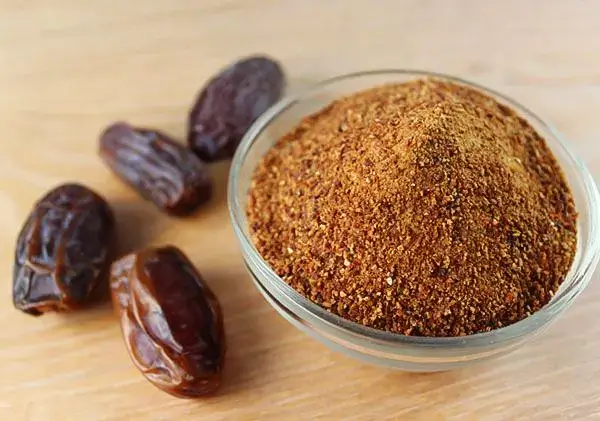
The fourth step is to think about micronutrient density.
In this step, you don’t eat impulsively anymore. You are incorporating nutritional strategies into your regular diet by design. When you decide to add some new recipe into your diet for health reasons after you already have all of the easy supplemental antioxidants and fresh juice then you can start to learn about the nutrient density of the food.
For example, when you look at the values in the table you can see that in most cases dried fruit will have more antioxidants than fresh produce and this is just an illusion. Because most of the fruit is water if we remove that water the rest of the fruit will become lighter and will have more fruit for the same 100 grams.
Micronutrient density of the dried fruit, vegetables, and spices can only be the same or worse.
Because the sugar is not evaporated the number of micronutrients per calorie remains the same as in the fresh produce. The only difference is that now it is more concentrated produce because the water has evaporated so we can have an illusion that somehow the dried rosemary is better than the fresh one. It is on gram-to gram bases but it is not on a calorie-to-calorie basis.
On an antioxidant value table, it is always the case that we can see that fresh herb or fruit has a lower ORAC value than dried ones. Also, the dried ones will always have a lower score than the extract or an extracted oil. That is why we can see for instance that grounded cloves have an antioxidant capacity of 290,000 and the extracted clove oil has more than one million. Or for instance, fresh green tea leaves will have a lower ORAC value than dried ones and the dried ones will have a lower value than the green tea extract in a pill.
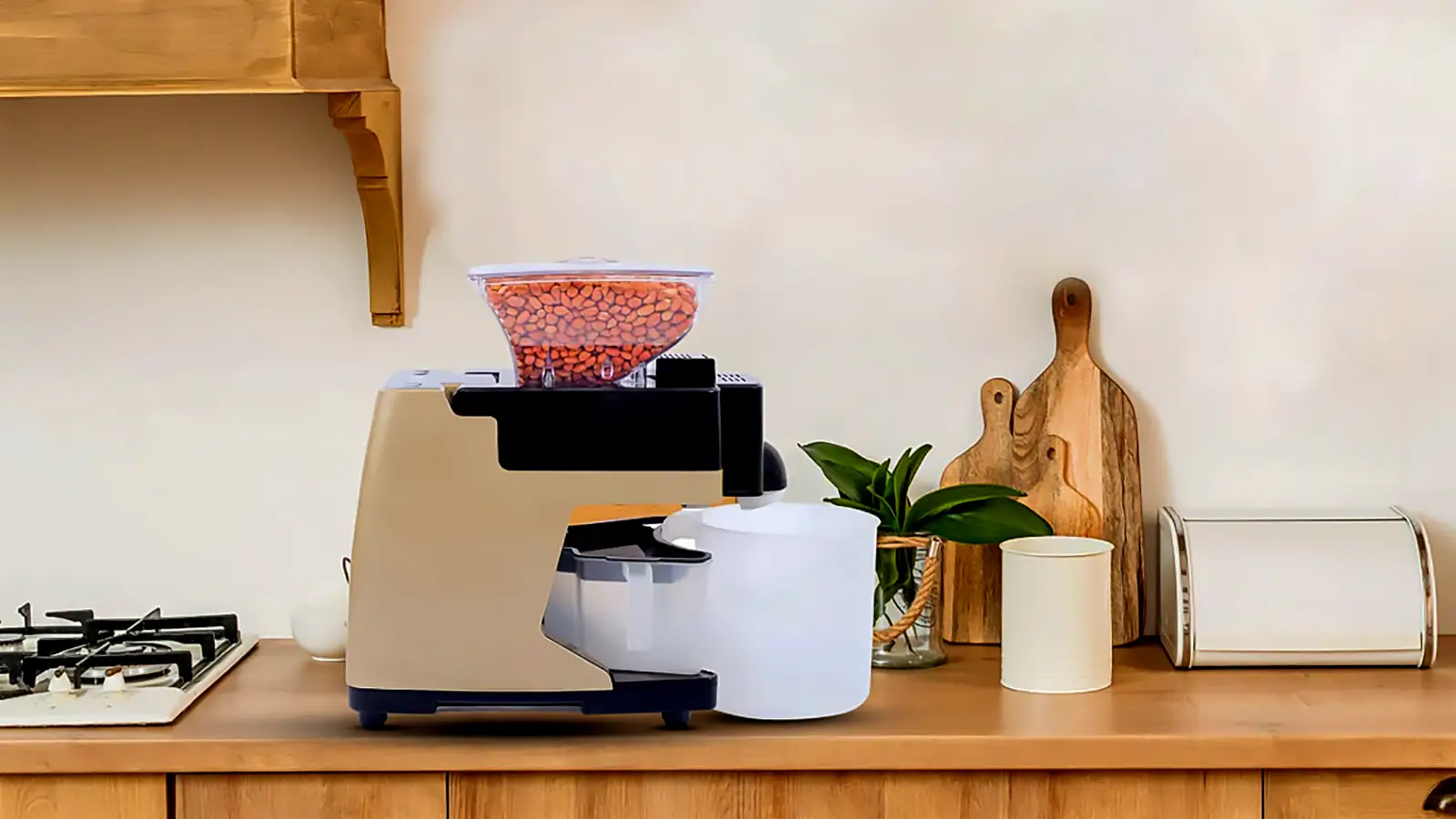
There is a list of more than 100 different essential oils but I did not include them in the table. I included only the clove oil which is the most powerful of them all. I didn’t include the values because they are higher than any other product on the list. Essential oils will have taken more than 20 of the 25 most potent antioxidant-rich foods in existence because in an essence they are concentrated forms of phytochemicals.
Golden rule.
The golden rule goes like this.
Most powerful antioxidants are a concentrated form of natural antioxidant-rich herbs. On top of the list will be essential oils, herbal extracts, dried herbs, and powders. Then we will have dried fruit, and superfoods like antioxidant-rich fruit, raw nuts, and seeds and vegetables. Then there will be regular fruit, and regular vegetables, and then at the very end will be a whole list of animal products that have no antioxidant value and are pro-inflammatory.
Milos Pokimica
In essence, all animal products have negative ORAC values if we understand what in the reality they do in our bodies. Here is the entire table from the once-available USDA database.
Cooking.
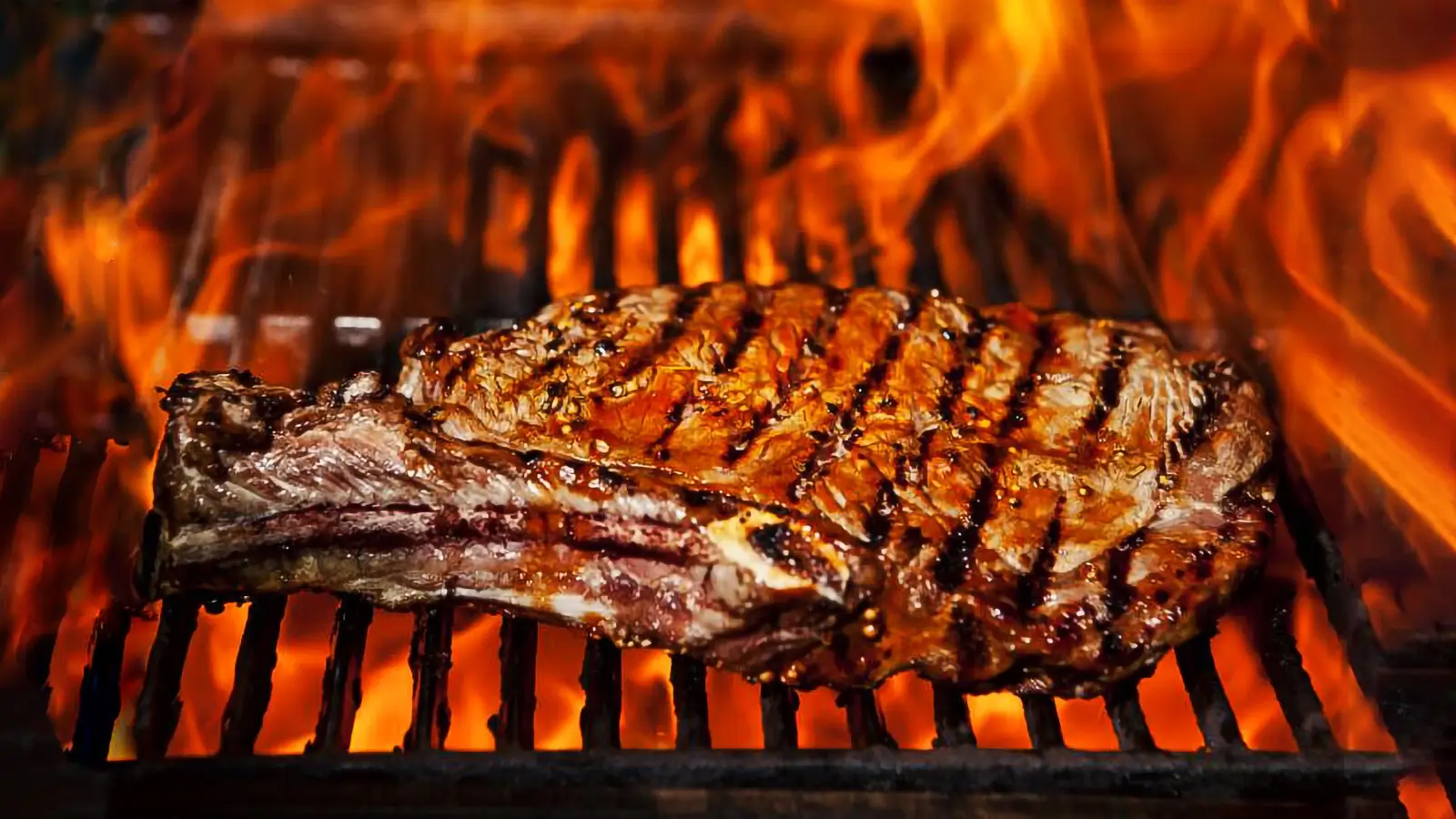
Also, you can see in the table that in most cases heat destroys some of the ORAC value (Carlsen et al., 2010).
Row beans and nuts are good examples. Raw pinto beans have a score of 8,033 and raw pistachio nuts of 7,675. Boiled pinto beans will have a score of only 904 and roasted pistachios of 1,380. It is the same story with green beans, green peas, and most of the other beans and seeds and nuts and most of the fruit and vegetables but again not all of them.
There are exceptions. For example, raw sweet potato will have an ORAC value of 902 but baked sweet potato will have a score of 2115. Raw red cabbage will have a score of 2496 but boiled red cabbage will have 3145. This is because of the bioavailability of the antioxidants.
In some cases, heat destroys the cells and allows the phytochemicals to leech out. It is the same with tomatoes because of the lycopene. Also, some of the water content is evaporated creating a more concentrated source of antioxidants.
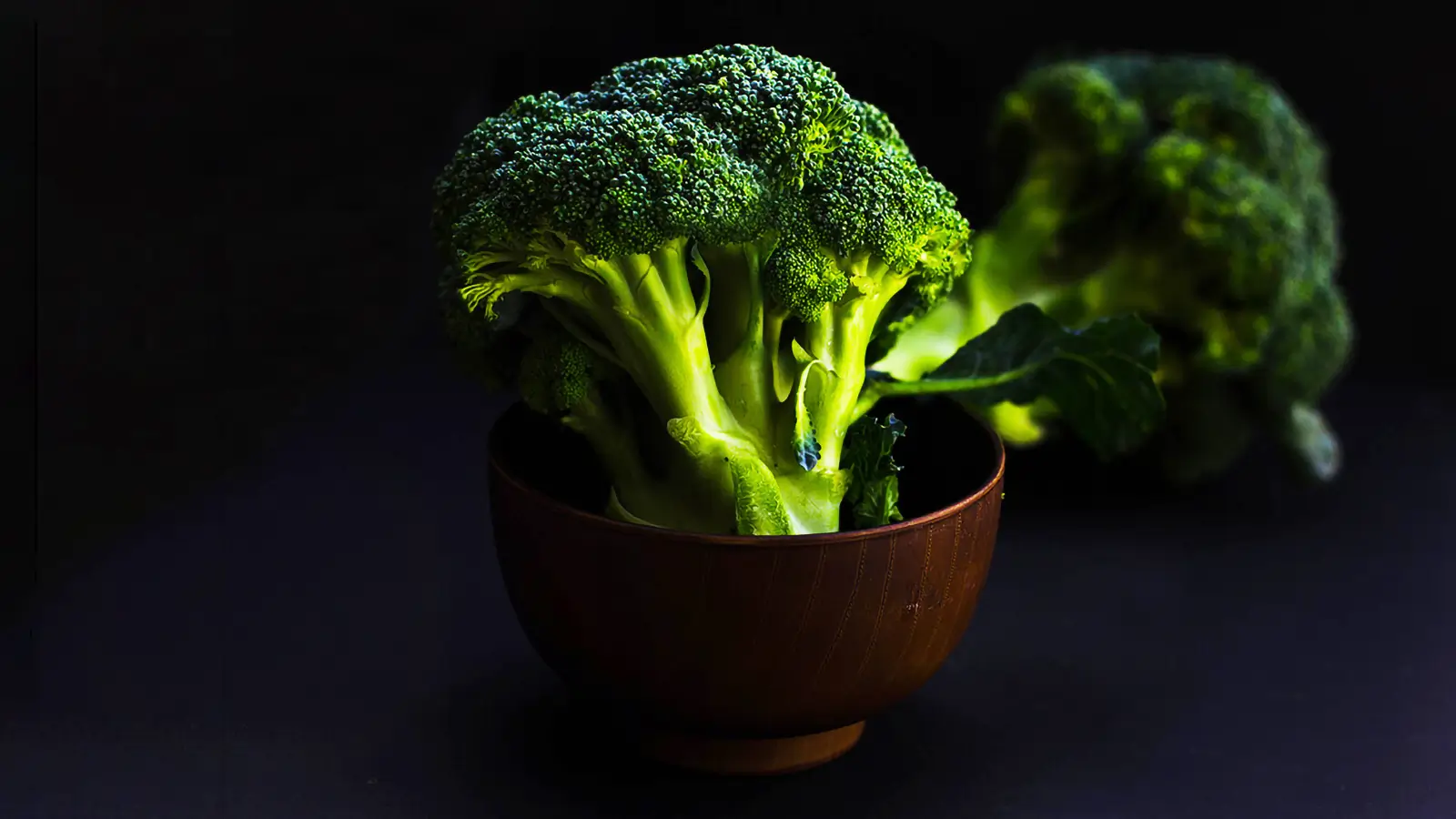
“How to cook the broccoli“ was always the question but in reality, the ORAC value increases by about 33% after boiling. Unlike most veggies, the types of antioxidants in broccoli are not greatly affected by the heat of cooking except for the sulforaphane. Sulforaphane is the reason you will want to eat cruciferous vegetables in the first place. It is a phytochemical that is unique in the cruciferous vegetable family and antioxidants you can find in other foods. It is derived nearly exclusively from cruciferous vegetables. You could eat as much as you want of other kinds of vegetables there will be no sulforaphane in there if you didn’t eat something cruciferous. It is a unique and very potent phytochemical especially for the phase 2 detoxification process.
If you buy frozen broccoli or kale the myrosinase enzyme is destroyed and there will be no sulforaphane creation and that is the reason why fresh kale fights cancer ten times as much as frozen. The freezing process is generally regarded as destructive to antioxidant capacity compared to fresh produce (Frati et al., 2016).
Calories.
When we look at these items we have to take into consideration not just the overall antioxidant potency, but how many calories will come with those antioxidants. The most important issue of them all is how much, in reality, will we be able to consume some food items. For instance, cabbage is not an antioxidant star but it has very few calories so when we consider the number of ORAC units per calorie it is a good source. But then again cabbage is hard to eat in large quantities and herbs and spices have that convenience that they can add a significant antioxidant power in a single pinch.
In the end, we will have to analyze individual foods and groups of foods to form some of the more specific recommendations outside of the golden rule.
Besides spices, essential oils, herbs, and supplements.
Besides spices, essential oils, herbs, and supplements what are some other good sources of antioxidants in general?
Some fruits are better than others, some vegetables are better than others.
If we look at the fruits the different types of berries, in general, are the richest source. Plums, apples, and cherries are also good.
Fruit depending on fructose content can have a high antioxidant value per calorie and also we can eat a lot of fruit in a single sitting, unlike spices or herbs.
One pound of raw plums for example that are not from the Amazon rain forest like acai and are not as expensive will have 210 calories and around 30,000 units on an ORAC scale. An average male with a basal metabolic rate of around 2000 calories per day will get 275,000 units of antioxidants on an ORAC scale if he were to get all of his caloric needs met from plums only. If you were to eat a pound of boiled artichokes it will provide you with 42,000 ORAC units and 240 calories. One pound or 3 small red delicious apples will have around 19,000 ORAC units and 230 calories.
We don’t need expensive “exotic“ fruits and vegetables as a source of antioxidants.
If you want to eat them that is great and we should eat as much as different varieties as we can but if you don’t have money to waste on expensive produce regular apples will do. The real issue is that most people will eat low-antioxidant vegetables and fruits and most of the calories will come from fat, sugar, meat, and junk.
The small number of fruits and vegetables they will consume will likely be low on the antioxidant scale like bananas, cucumbers, iceberg lettuce, tomatoes, potatoes, peas, and carrots, and then will try to basically supplement with a couple of servings of some really exotic fruits for their antioxidant value.
In the end, this approach will lead to very low antioxidant consumption. Instead of iceberg lettuce try to mix in some baby spinach and kale, some red beans and herbs, onions, garlic, and dill. Maybe some sprouts as well and some high nutrient-dense whole food dressing instead of oil (an example will be some nut butter or tahini or avocado and lemon juice mixed with some herbs).
Just one teaspoon of an herb like rosemary on top of your salad can double its antioxidant content.
Not everything has to be kale either. There is no need to deprive ourselves because we have to eat healthy all the time and force ourselves into food anxiety. If you like bananas eat bananas, the issue is that the average diet of average meat, sugar, and junk-loving person is so bad and deprived of nutrients that some of the strategies I described here need to be implemented to help to balance the bad nutrient profile of the diet. If not, the result can be chronic diseases and bad health.
Some animal products on rare occasions are fine but if you are not vegan and I mean you don’t eat whole food, plant-based diet the reality is going to be that you probably have low antioxidant intake, low fiber intake, low mineral intake, or unbalanced mineral profile of the diet with too little magnesium and iodine and selenium and so on. On top of that, you will likely have an excessive amount of dietary cholesterol and saturated fat and on top of that, you will likely be overexposed to environmental and dietary toxins. In this case, my advice is that if you cannot change your diet then you need to supplement.
Even if you are vegan antioxidant optimization and supplementation will benefit you but more in line with prolonged longevity, boosted immune system, prevention of brain shrinkage, increased endurance, strength, overall well-being, and health. In the non-vegan population supplementation with antioxidants will have longevity benefits too but the primary reason why they should do it is the prevention of chronic inflammatory conditions, cancer, cardiovascular, and other chronic diseases. Add more spice to a diet and just don’t overdo cinnamon and peppermint.
Take turmeric as a supplement and amla and cloves and other herbs and spices.
Take antioxidant-rich essential oils.
Drink cocoa and hibiscus and green tea.
Increase your intake of antioxidant-rich fruits and vegetables and add more variety to your diet.
And of course, my recommendation for everyone is to take supplemental astaxanthin. One 12mg astaxanthin pill will be equivalent to taking 72g of vitamin C. That is 72,000 mg and unlike vitamin C it will not be excreted out. Astaxanthin is fat-soluble and it will bioaccumulate in tissue offering lasting protection.
Foods that fight inflammation (eat these!) 🍒
How to Reach the Antioxidant RDA. Even nine servings of fruits and vegetables a day may not reach the minimum recommended intake of antioxidants if one doesn’t make the right choices.
The Role of Antioxidants in Reducing Nutritional Inadequacies. Jeffrey Blumberg, Ph.D., FASN, FACN, CNS-S
Conclusion:
- Antioxidant-rich diet is of significant value to overall health.
- The golden rule: Most powerful antioxidants are a concentrated form of natural antioxidant-rich herbs. On top of the list will be essential oils, herbal extracts, dried herbs, and powders. Then we will have dried fruit, and superfoods like antioxidant-rich fruit, raw nuts, and seeds and vegetables. Then there will be regular fruit, and regular vegetables, and then at the very end will be a whole list of animal products that have no antioxidant value and are actually pro-inflammatory.
- Spices, herbs, and supplements include the most antioxidant-rich products.
- Just one teaspoon of an herb like rosemary on top of your salad can double its antioxidant content.
- The highest antioxidant values in the beverages category were found among the unprocessed tea leaves, tea powders, and coffee beans.
- The dairy category included 86 products and the majority of these products were low in antioxidant content.
- Eggs are almost devoid of antioxidants.
- Herbal and traditional plant medicines emerged as many of the highest antioxidant-containing products.
- During the processing of berries to jams, pasteurizing commercial juices, and in coking in general total phenol content is reduced.
- If you don’t want to give up meat, sugar, fat, alcohol, and smoking you can try at least to add a tablespoon of turmeric a day, a cup of cocoa, hibiscus tea, 1 gram of vitamin C, one capsule of astaxanthin and 40 grams of almonds or sunflower seeds to correct vitamin E deficiency.
- Add juicing or some other type of health-promoting recipe after the meal.
- The antioxidant value starts to drop immediately after the product is removed from the field.
- Use a vacuum blender.
- If you want to juice then use masticating juicers.
- It all comes down to consumer decisions. Learn your ORAC values.
- Micronutrient density of the dried fruit, vegetables, and spices can only be the same or worse.
- Take into consideration not just the overall antioxidant potency, but how many calories will come with those antioxidants.
- Fruit depending on fructose content can have a high antioxidant value per calorie and also we can eat a lot of fruit in a single sitting, unlike spices or herbs.
- We don’t need expensive “exotic“ fruits and vegetables as a source of antioxidants.
FAQ
References:
Passages selected from a book: Pokimica, Milos. Go Vegan? Review of Science Part 3. Kindle ed., Amazon, 2020.
- Carlsen, M. H., Halvorsen, B. L., Holte, K., Bøhn, S. K., Dragland, S., Sampson, L., Willey, C., Senoo, H., Umezono, Y., Sanada, C., Barikmo, I., Berhe, N., Willett, W. C., Phillips, K. M., Jacobs, D. R., Jr, & Blomhoff, R. (2010). The total antioxidant content of more than 3100 foods, beverages, spices, herbs and supplements used worldwide. Nutrition journal, 9, 3. https://doi.org/10.1186/1475-2891-9-3
- Nutrient Data Laboratory (U.S.), N. Data Laboratory (U.S.). (2010). USDA database for the oxygen radical absorbance capacity (ORAC) of selected foods. [PDF]
- Sharifi-Rad, M., Anil Kumar, N. V., Zucca, P., Varoni, E. M., Dini, L., Panzarini, E., Rajkovic, J., Tsouh Fokou, P. V., Azzini, E., Peluso, I., Prakash Mishra, A., Nigam, M., El Rayess, Y., Beyrouthy, M. E., Polito, L., Iriti, M., Martins, N., Martorell, M., Docea, A. O., Setzer, W. N., … Sharifi-Rad, J. (2020). Lifestyle, Oxidative Stress, and Antioxidants: Back and Forth in the Pathophysiology of Chronic Diseases. Frontiers in physiology, 11, 694. https://doi.org/10.3389/fphys.2020.00694
- Frati, Alessandra, Elena Antonini, and Paolino Ninfali. “Industrial Freezing, Cooking, and Storage Differently Affect Antioxidant Nutrients in Vegetables.” Fruits, Vegetables, and Herbs: Bioactive Foods in Health Promotion, edited by Ronald Ross Watson and Victor R. Preedy, Academic Press, 2016, pp. 23-39. https://doi.org/10.1016/B978-0-12-802972-5.00002-0
- Yang, M., Chung, S. J., Chung, C. E., Kim, D. O., Song, W. O., Koo, S. I., & Chun, O. K. (2011). Estimation of total antioxidant capacity from diet and supplements in US adults. The British journal of nutrition, 106(2), 254–263. https://doi.org/10.1017/S0007114511000109
- Cao, G., Alessio, H. M., & Cutler, R. G. (1993). Oxygen-radical absorbance capacity assay for antioxidants. Free radical biology & medicine, 14(3), 303–311. https://doi.org/10.1016/0891-5849(93)90027-r
Related Posts

Do you have any questions about nutrition and health?
I would love to hear from you and answer them in my next post. I appreciate your input and opinion and I look forward to hearing from you soon. I also invite you to follow us on Facebook, Instagram, and Pinterest for more diet, nutrition, and health content. You can leave a comment there and connect with other health enthusiasts, share your tips and experiences, and get support and encouragement from our team and community.
I hope that this post was informative and enjoyable for you and that you are prepared to apply the insights you learned. If you found this post helpful, please share it with your friends and family who might also benefit from it. You never know who might need some guidance and support on their health journey.
– You Might Also Like –

Coca-Cola Company- Historical Review
Micronutrient Deficiency in Standard American Diet: Optimization Strategies
Cooked meat bacteria endotoxemia- Inflammation and diet
Mercury- Neurotoxin from the fish
Detoxification and pregnancy toxicity exposure risk- The vegan argument
Mediterranean diet- “Wonder” of olive oil
Excitotoxicity of MSG (Monosodium glutamate)-Scientific Review
Phytochemicals: Understanding the Basics

Learn About Nutrition

Milos Pokimica is a doctor of natural medicine, clinical nutritionist, medical health and nutrition writer, and nutritional science advisor. Author of the book series Go Vegan? Review of Science, he also operates the natural health website GoVeganWay.com
Medical Disclaimer
GoVeganWay.com brings you reviews of the latest nutrition and health-related research. The information provided represents the personal opinion of the author and is not intended nor implied to be a substitute for professional medical advice, diagnosis, or treatment. The information provided is for informational purposes only and is not intended to serve as a substitute for the consultation, diagnosis, and/or medical treatment of a qualified physician or healthcare provider.NEVER DISREGARD PROFESSIONAL MEDICAL ADVICE OR DELAY SEEKING MEDICAL TREATMENT BECAUSE OF SOMETHING YOU HAVE READ ON OR ACCESSED THROUGH GoVeganWay.com
NEVER APPLY ANY LIFESTYLE CHANGES OR ANY CHANGES AT ALL AS A CONSEQUENCE OF SOMETHING YOU HAVE READ IN GoVeganWay.com BEFORE CONSULTING LICENCED MEDICAL PRACTITIONER.
In the event of a medical emergency, call a doctor or 911 immediately. GoVeganWay.com does not recommend or endorse any specific groups, organizations, tests, physicians, products, procedures, opinions, or other information that may be mentioned inside.
Editor Picks –
Cancer Editor Picks Phytochemicals
Anticancer Power of Fruits and Vegetables: In Vivo and Clinical Evidence
Some vegetable extracts rival leading chemotherapy drugs and at the same time target multiple different types of cancer cells.
Antioxidants Editor Picks ORAC
Essential Oils as Antioxidant Supplements: Rules and Strategies
Food-grade essential oils can be a convenient and consumer-friendly strategy for optimizing the antioxidant value and ORAC scores of our diet.
Antioxidants Editor Picks ORAC
Antioxidant-Rich Diet: General Rules and Strategies
There are easy and cost-effective strategies for optimizing the antioxidant value of our diet.
Antioxidants Editor Picks ORAC
Understanding ORAC Values: Antioxidant Levels in Foods
When your main source of antioxidants is coffee, you know that you have a serious problem.
Antioxidants Editor Picks ORAC
Astaxanthin Benefits: World’s Most Powerful Natural Antioxidant
Astaxanthin is the most powerful natural and universal antioxidant (both oil and water-soluble) known to science. It accumulates in tissues and It can never turn itself into a pro-oxidant.
Antioxidants Editor Picks ORAC Phytochemicals
Antioxidants: Understanding the Basics
There are no phytochemicals or antioxidants in animal products. On average, plant foods contain more than 60 times as many antioxidants as animal-based foods.
Editor Picks Vegan Diet
Nutrient Deficiencies in Vegan Diet: Prevention Strategies
There are nine common nutrient deficiencies on the population scale affecting people eating a plant-based diet. If not corrected on time some deficiencies have terrible and non-treatable consequences.
Editor Picks Optimal Diet
Micronutrient Deficiency in Standard American Diet: Optimization Strategies
Nutrition profile of our modern meat, sugar, processed food diet is completely incongruent with our evolution resulting in severe micronutrient deficiency.
Editor Picks Phytochemicals
Phytochemicals: Understanding the Basics
Every single phytochemical that exists has a biological action in the human body. Every single one from millions of different phytochemicals.
Editor Picks Milk Optimal Diet
Milk and Dairy: Health Risk Correlations
Known associations with milk and dairy consumption are infertility, ovarian and breast cancer, leukemia, diabetes type 1, autism, arteriosclerosis, cataract, rheumatoid arthritis, multiple sclerosis, hyperactivity, congestion, pimples, and more…
Cancer Editor Picks Protein
Complete Protein: IGF-1 Signaling in Cancer Formation
When you eat animal protein you have four times the chance to develop all types of cancer. When you smoke you have a four-time chance to develop lung cancer.

Cancer Editor Picks Protein
The Anatomy of Cancer- Health risk correlations
About 2% of cancers are by medicine considered to be purely caused by genetic factors. The same range as within the animal kingdom. You haven’t been told the whole truth.
Milos Pokimica is a health and nutrition writer and nutritional science advisor. Author of the book series Go Vegan? Review of Science, he also operates the natural health website GoVeganWay.com
Latest Articles –
Calorie Restriction Longevity
How to Fast: Fasting Foods That Won’t Break Autophagy
Autophagy. Have you ever wondered what happens to the cells in your body when they die or get damaged? Do they just pile up and create problems, or do they get disposed of somehow? The answer is that your body…
Dental Health Prevention
Sweets Teeth Sensitivity & Pain: Quick Fix & Lasting Solution
A quick and easy fix for pain relief is clove essential oil, a powerful antioxidant and pain reliever that can help with gum disease and toothache.
Beans
Green Beans: Nutrition and Health Benefits
Green beans are low in calories and rich in natural compounds that can help you control your blood sugar, lower your cholesterol, and fight off free radicals.
Raw food diet Vegan Diet
Can You Eat Mushrooms Raw: Health Risks, Nutrition & Safety
Mushrooms have heat-sensitive toxins like hydrazine or agaritine, and cell walls made out of chitin that cannot be digested well by humans.

Vegan Diet
Are Fish Animals? A Cultural Perspective
In some cultures, fish meat is not considered to be meat, and fish is allowed even during fast.
Dental Health Prevention
Homemade Natural Mouthwash: Proven, Stronger & Less Toxic
Homemade natural mouthwash is stronger than chlorhexidine, less toxic and if swallowed might give you some nausea but also a high burst in ORAC value.
Dental Health Prevention
How to Stop Tooth Decay: Symptoms, Causes & Prevention
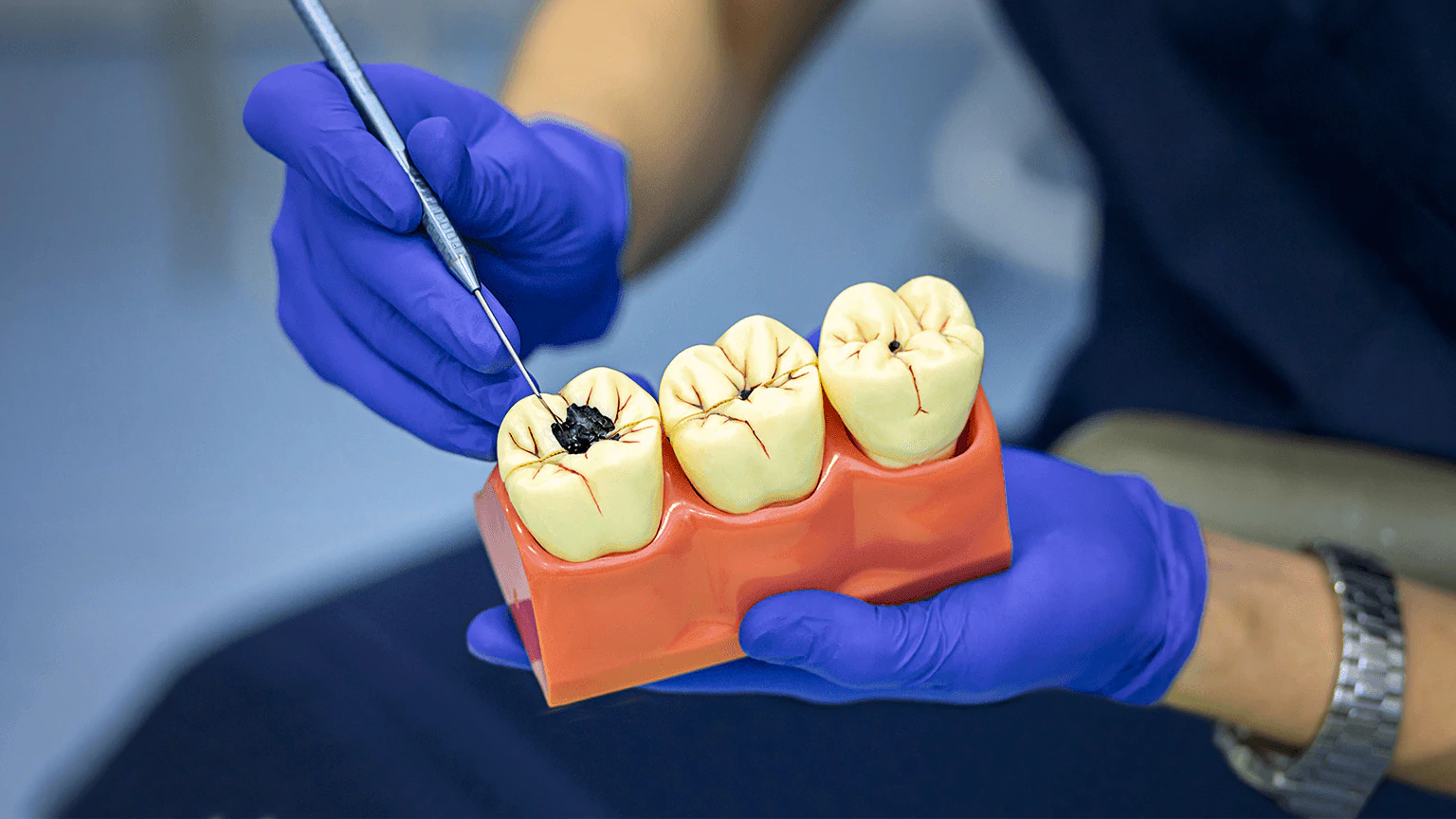
Sugar consumption is the main cause of cavities and tooth decay, combined with mineral deficiencies especially magnesium, zinc, copper and trace elements.
Antioxidants Superfoods
Amla: Proven Benefits, Nutrition And Clinical Significance
Amla is one of the world’s most powerful antioxidants with a ORAC score of 261,530. It is a rich source of phytochemicals that have various health benefits.
Top Health News — ScienceDaily
- Glucosamine, a popular joint supplement, linked to faster Alzheimer’s progressionon September 27, 2026
A large health-record analysis found that glucosamine use was associated with a 25% higher likelihood of mild cognitive impairment progressing to dementia. Lab experiments suggest the popular joint supplement may intensify an abnormal sugar-tagging process in the Alzheimer’s brain, although researchers say clinical trials are needed to determine whether it actually causes harm.
- Atrial fibrillation patients saw 69% lower risk with common blood thinnerson September 27, 2026
Direct oral anticoagulants cut the risk of serious clinical events by 69% in atrial fibrillation patients with an intermediate risk of stroke, according to the randomized SINGLE-AF trial. The benefit was driven mainly by fewer ischemic strokes, with no increase in major bleeding.
- One CRISPR treatment cut “bad” cholesterol in half for a full yearon September 27, 2026
A single dose of an experimental CRISPR therapy cut LDL cholesterol and triglycerides by about half in patients with difficult-to-treat lipid disorders. The reductions were still present one year later, with the highest dose lowering LDL by 52.5% and triglycerides by 47.8%.
- Why rheumatoid arthritis pain may persist even when inflammation is under controlon September 27, 2026
Pain and fatigue in rheumatoid arthritis can persist even after inflammation improves, with depression, poor sleep, obesity, smoking, and chronic pain potentially helping sustain symptoms. Researchers say identifying these hidden drivers could prevent unnecessary medication changes and lead to more personalized treatment.
- Scientists say house cats could help unlock better cancer treatments for humanson September 27, 2026
Scientists have mapped the genetics of cat cancer on an unprecedented scale and found surprising similarities with tumors in humans. The findings could help bring precision cancer treatments to cats while also revealing new clues about how human cancers develop and respond to drugs.
- A major risk of breast cancer screening may have been overestimated for decadeson September 26, 2026
A new analysis suggests mammograms may lead to far less breast cancer overdiagnosis than some earlier studies indicated. Researchers reexamined all eight major randomized screening trials and accounted for differences in follow-up time, screening frequency, and screening after trials ended. Their results were consistent with an overdiagnosis rate below 5%, rather than estimates approaching 30% to 50%.
- That fresh cleaning smell could be filling your home with nanoparticleson September 26, 2026
Researchers found that scented cleaners can react with ozone indoors to create billions or trillions of invisible nanoparticles that can penetrate deep into the lungs. The pollution forms within minutes and, in some cases, may produce an inhaled particle dose comparable to or greater than standing near heavy traffic.
PubMed, #vegan-diet –
- Plant-Based Diets in Adolescence: Cardiometabolic Benefits, Developmental Risks, and the Role of Fortificationon September 26, 2026
Adolescence is a critical window in which dietary patterns stabilise while nutrient requirements remain high to support growth, bone accrual, and neurodevelopment. Plant-based diets are increasingly adopted by young people, yet paediatric evidence indicates that they should not be treated as a single exposure, because diet quality substantially modifies both benefits and risks. Healthy plant-based patterns-rich in whole grains, legumes, fruits, vegetables, nuts, and unsaturated fats-are…
- Plant-Based Functional Custard Enriched with Vitamin D3: Insight into Technological Properties, Nutrition and Bone Tissue Regenerationon September 26, 2026
A plant-based or vegan diet is considered one of the most important dietary patterns, often followed for religious or health reasons. It should contain vital nutrients such as protein, iron, zinc, calcium, vitamin D, and others. The objective of this study was to produce a plant-based food product with high nutritional value (vegan custard, VC) and fortify it with vitamin D(3) (vegan custard + D(3)). Thirty-five female albino rats, with an average body weight of 160 ± 5 g, were divided […]
- Dietary Patterns, Micronutrient Adequacy, and Metabolic Vulnerability in Alzheimer’s Disease: A Critical Narrative Reviewon September 26, 2026
Dietary factors may influence cognitive aging and Alzheimer’s disease (AD), but observational associations, mechanistic findings, and intervention effects should not be considered equivalent evidence. This critical narrative review examines how dietary patterns, micronutrient adequacy, and metabolic health may modify AD-related vulnerability. A targeted search of PubMed/MEDLINE, Scopus, and Web of Science through April 2026 prioritized systematic reviews, meta-analyses, randomized trials, and…
- A Structured Narrative Review of Contemporary Dietary Strategies Following Acute Coronary Syndromeson September 24, 2026
CONCLUSIONS: A Mediterranean-style diet remains the dietary pattern supported by the strongest evidence for secondary prevention following ACS. Until further pragmatic randomized trials are available, clinicians should continue recommending Mediterranean-style dietary patterns while individualising dietary advice according to patient preferences, cultural practices, and long-term adherence.
- Toward International Dietary Guidance: A Food Guide Pyramid for Human and Planetary Healthon September 23, 2026
Dietary guidelines shape food policy, education, and food systems worldwide. Recent controversies in dietary guideline development, together with rising burdens of diet-related chronic disease and increasing environmental pressures, highlight the need for globally relevant dietary guidance aligned with both human and planetary health. We developed an evidence-informed International Food Guide Pyramid emphasizing optimal carbohydrate-containing staple foods. The International Carbohydrate […]
Random Posts –

Inflammation Raw food diet Toxicity
Lectins- Paradox of the “Plant Paradox”
The paradox of the “Plant Paradox” is that people who eat more lectins (beans and whole grains) have less cancer.
Optimal Diet Paleo Diet Protein
High Protein Diet and Metabolic Acidosis: Health Risks Correlations
Low levels of chronic metabolic acidosis is a common phenomenon in the Western world. Most people that eat the standard American diet are in a state of chronic acidosis and are not aware of it.
Editor Picks Optimal Diet
Micronutrient Deficiency in Standard American Diet: Optimization Strategies
Nutrition profile of our modern meat, sugar, processed food diet is completely incongruent with our evolution resulting in severe micronutrient deficiency.
Diabetes Editor Picks
Diabetes causes and refined carbohydrates- The vegan argument
People believe that refined carbohydrates are associated with insulin spikes and are one of the diabetes causes. They are right. However, they are also wrong.
Editor Picks Phytochemicals
Phytochemicals: Understanding the Basics
Every single phytochemical that exists has a biological action in the human body. Every single one from millions of different phytochemicals.
Dental Health Prevention
Homemade Natural Mouthwash: Proven, Stronger & Less Toxic
Homemade natural mouthwash is stronger than chlorhexidine, less toxic and if swallowed might give you some nausea but also a high burst in ORAC value.
Diabetes Milk
A1 Milk: Diabetes, Autism, and Heart Disease
Epidemiological evidence suggests that A1 milk with the a1 beta-casein variant is a possible risk factor in the development of type 1 diabetes in children, autism, and heart illnesses in adults.

Calorie Restriction Cancer Longevity
Calorie restriction, Autophagy, Longevity, and Muscle loss
We all want a substantial amount of muscle mass and fast metabolism so that we can eat more but autophagy is what is in line with evolutionary biology.
Optimal Diet Prevention Vegan Diet
Mediterranean diet- “Wonder” of olive oil
Marketed as a wonder of olive oil, the Mediterranean diet had nothing to do with any oil of any sort except in the measure that it can replace butter and lard.
Editor Picks Prevention Toxicity
Environmental toxicity- It is just a food chain
Environmental toxicity is the bioaccumulation of toxins. Organisms are filters. But there is one more even worse process called biomagnification in food chain.

Featured Posts –
Editor Picks Optimal Diet
Micronutrient Deficiency in Standard American Diet: Optimization Strategies
Nutrition profile of our modern meat, sugar, processed food diet is completely incongruent with our evolution resulting in severe micronutrient deficiency.
Antioxidants Editor Picks ORAC
Understanding ORAC Values: Antioxidant Levels in Foods
When your main source of antioxidants is coffee, you know that you have a serious problem.

Cancer Editor Picks Toxicity
Pesticides in Food, Exposure in The Standard American Diet- 80 Percent From Meat
Most of the pesticides and especially heavy metals and other toxic waste pollutants we get, we get from meat. More than 80 percent of pesticide exposure in the standard American diet comes from animal products, not from fruits or vegetables.

Allopathic Medicine Editor Picks
The tale of Big Pharma- IG Farben
The part of Rockefeller monopoly on chemical and medicine industries came into fulfillment after WW2. Standard Oil and IG Farben cooperation made this into reality.
Editor Picks Prevention Toxicity
Environmental toxicity- It is just a food chain
Environmental toxicity is the bioaccumulation of toxins. Organisms are filters. But there is one more even worse process called biomagnification in food chain.
Antioxidants Editor Picks ORAC Phytochemicals
Antioxidants: Understanding the Basics
There are no phytochemicals or antioxidants in animal products. On average, plant foods contain more than 60 times as many antioxidants as animal-based foods.
Diabetes Editor Picks
Diabetes causes and refined carbohydrates- The vegan argument
People believe that refined carbohydrates are associated with insulin spikes and are one of the diabetes causes. They are right. However, they are also wrong.

Editor Picks Prevention Vegan Diet
China study- The vegan argument
China study showed that there is no heart disease or cancer or diabetes in undeveloped rural communities in the world with starch-based vegan diets.

Editor Picks Optimal Diet
Optimal Human Diet- Chronic Diseases, Diet Wars, and the Vegan Argument
Our natural optimal human diet is a diet that our hominin ancestors were eating for the last 30 million years, not anatomically modern humans in the Stone age.

Cancer Editor Picks Toxicity
Pesticide Exposure in Children: Real-Life Exposure Tests
Children and especially pregnant women are more vulnerable to pesticide exposure. If we analyze real-world exposure levels in real-life scenarios, what would the result be?
Latest from PubMed, #plant-based diet –
- Long-Term Monitoring of Radioactive Cesium in Commercial Foods and Dietary Intake Estimated by Total Diet Studies in Japan after the Fukushima Daiichi Nuclear Power Plant Accidentby Hiromi Nabeshi on September 27, 2026
Following the Fukushima Daiichi Nuclear Power Plant accident in 2011, Japan implemented extensive monitoring of radioactive materials in foods and established strict regulatory limits based on an annual effective dose of 1 mSv/year from artificial radionuclides. This review summarizes long-term surveillance data on radioactive cesium (r-Cs) in commercial foods and long-term assessments of dietary intake of r-Cs and strontium-90 (^(90)Sr) using the total diet study (TDS)/market basket (MB)…
- Nutrition and Endometriosis: Current Evidence on Dietary Risk Factors and Clinical Impact – A Narrative Reviewby Christine Dawczynski on September 27, 2026
Endometriosis (EM) is a severe chronic inflammatory disease characterized by the presence of endometrium-like tissue outside the uterine cavity, causing pain and significantly reducing quality of life. Worldwide, around 10% of women of reproductive age are affected and there is no cure as of now. The limited treatment options focus on hormone therapy, surgery and pain management–without satisfactory long-term effects. Nutritional strategies might support the prevention and treatment of…
- North American and Andean Indigenous Plant-Based Foods and Their Contemporary Scientific Rationale for Health Improvementby Lena Gálvez Ranilla on September 27, 2026
Plant-based food systems have been an integral part of human ecology since the dawn of domestication across all continents from over 12,000 y ago. This served the needs of human health and wellness from whole plant form to the use of parts in a range of water-based extracts to dry form or fermentation-based applications. This conference paper focuses on some examples of plant-based foods in the Americas that have been used since ancient times among indigenous North American and Andean […]
- Plant-Based Diets in Adolescence: Cardiometabolic Benefits, Developmental Risks, and the Role of Fortificationby Bianca Simionescu on September 26, 2026
Adolescence is a critical window in which dietary patterns stabilise while nutrient requirements remain high to support growth, bone accrual, and neurodevelopment. Plant-based diets are increasingly adopted by young people, yet paediatric evidence indicates that they should not be treated as a single exposure, because diet quality substantially modifies both benefits and risks. Healthy plant-based patterns-rich in whole grains, legumes, fruits, vegetables, nuts, and unsaturated fats-are…
- Dietary Patterns, Micronutrient Adequacy, and Metabolic Vulnerability in Alzheimer’s Disease: A Critical Narrative Reviewby Isidora Sierralta on September 26, 2026
Dietary factors may influence cognitive aging and Alzheimer’s disease (AD), but observational associations, mechanistic findings, and intervention effects should not be considered equivalent evidence. This critical narrative review examines how dietary patterns, micronutrient adequacy, and metabolic health may modify AD-related vulnerability. A targeted search of PubMed/MEDLINE, Scopus, and Web of Science through April 2026 prioritized systematic reviews, meta-analyses, randomized trials, and…
- Baseline Ferritin and Body Composition as Correlates of Longitudinal Metabolic Changes During an Energy-Restricted Mediterranean-Style Intervention Across Three Overweight Phlogistic-Related Clinical…by Begoña de Cuevillas on September 26, 2026
CONCLUSIONS: Baseline ferritin and body composition were correlates of heterogeneous inflammatory-metabolic profiles and ferritin changes. These hypothesis-generating associations do not establish causal or mechanistic effects and require controlled confirmation with comprehensive iron-status assessment.