






Anticancer Power of Fruits and Vegetables: In Vivo and Clinical Evidence
Some vegetable extracts rival leading chemotherapy drugs and at the same time target multiple different types of cancer cells.
Milos Pokimica
Written By: Milos Pokimica
Medically Reviewed by: Dr. Xiùying Wáng, M.D.
Updated June 10, 2023Key Takeaways:
-“In the animal model, the daily injection of garlic extract completely cured all mice of the most aggressive mouse cancer models in 21 days. These aggressive malignancies cannot yet be cured by conventional therapies.”(Li et al., 2008).
– Fruits and vegetables are good for fighting cancer because they contain phytochemicals and antioxidants that can prevent or kill cancer cells, boost the immune system, and detoxify the body.
– Some fruits and vegetables are more effective than others, such as spinach, beets, garlic, and cruciferous vegetables. You should eat more fruits and vegetables every day to lower your risk of cancer and improve your health.
Phytochemicals vs Antioxidants.
After reading all about phytochemicals and antioxidants, you might have a feeling that they are the same thing.
Antioxidants are the most important phytochemicals for human health, but actually, most of the phytochemicals have no antioxidant properties.
Scientists estimate that there are more than 5,000 phytochemicals.
There is a tremendous amount of ongoing research on them, and in cases where a substance is proven to be beneficial, that chemical can be patented and sold as medicine with a different name or used to make a supplement. There are 5,000 more potential drugs on the market. Some can be useful and have been proven to be beneficial in different diseases and in general as health-promoting substances.
Some plants, when tested, have average antioxidant strength but are highly effective in fighting different types of diseases, and they do so without any antioxidant properties.
Depending on the disease or condition we want to prevent or help heal, we can review available science. For instance, due to all the toxicity from the environment and bad diet, cancer has become an epidemic, as have cardiovascular diseases. Prevention through diet is a reasonable option, especially in cases of genetic predisposition and family history.
Can you reduce cancer risk with diet?
Cancer prevention through diet is what we need to think about because once cancer is visible on a scan, in most cases, it is too late.
Cancer can’t be cured with diet in most cases, but we can use diet as prevention.
Eating these foods alone cannot cure cancer, and I will write this again: it is not the impression that I want to convey in this article. We are only talking about lowering our overall cancer risk as a preventative measure.
This article also does not address other factors that may influence cancer risk, such as genetics, lifestyle, environment, etc. We will talk about these factors in related articles.
Also, there are no scientifically recognized side effects of fruit and vegetable consumption in regard to cancer treatment that I know of. You will need to talk to your oncologist for any potential side effect risks in regard to fruit and vegetable consumption.
There are many potential side effects or interactions of these foods with other medications or treatments besides cancer, but this is beyond the scope of this analysis. You need to talk to your licensed MD or oncologist about any potential side effects and risks regarding medications and treatments.
Cancer rates and heritable causes.
In the general population, the number of people who will die from cancer is around 22 percent. It is the second leading cause of death after heart disease.
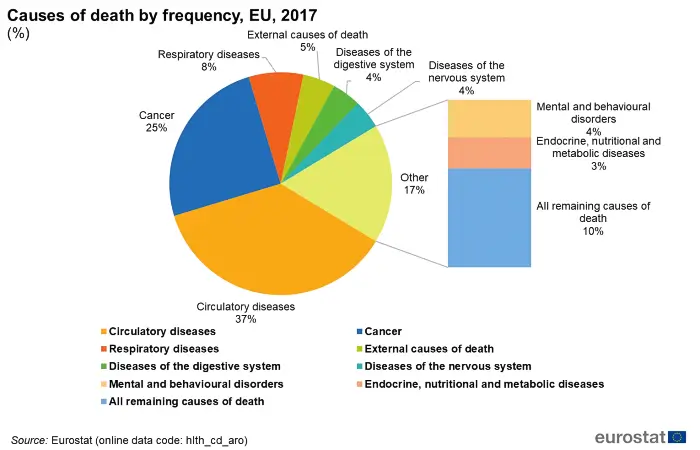
There are only a few percent of all cancer patients who will experience full regression. These individuals typically have less lethal forms of cancer, change their diets completely, and undergo cancer operations early on. If we examine statistics, we will realize that one in four people dying of cancer is not from bad genes. Genetics do not underline this condition. Purely genetic causes, as reported by mainstream medicine, account for only 2-3% of all cancer cases. Some more conservative estimates suggest that purely heritable causes are in the range of 5-10% (The Genetics of Cancer, 2022b). This is not new information, and it is accepted by the scientific community. However, they do not like to discuss it extensively because they will have to explain the exact causes of the cancer epidemic, which is not in the best interests of pharmaceutical firms. Cancer prevention is a topic that is primarily relegated to checkups and screening. Real cancer prevention pertains to diet and lifestyle options. This is not simply my interpretation. Several studies have been conducted on this subject.
According to a research review by David Wishart, a professor at the University of Alberta, heritable cancers account for just five to ten percent of all cancers (Wishart, 2022). The other 90 to 95 percent are initiated by maladaptation to our modern way of life, meaning a bad diet and toxicity from the environment, as well as an evolutionarily incongruent lifestyle with a lack of autophagy and physical exercise. This maladaptation, outside of genetic factors that are heritable, also triggers genetic mutations (Wishart, 2022). This evidence suggests that cancer is not as purely genetic as once thought (Wishart, 2022).
Other sources also support this claim, such as the National Cancer Institute (The Genetics of Cancer, 2022c) and the American Cancer Society (Family Cancer Syndromes | American Cancer Society, n.d.-b), which state that only about 5% to 10% of all cancers are known to be strongly linked to gene defects (called mutations) inherited from a parent.
This epidemic is caused by maladaptation to our current environment, or in other words, diet makes up the remainder. To be even more specific, toxic overload and animal protein.
The standard frequency of cancer mutations.
You may not be aware of it, but you are currently battling cancer. I also have cancer. Every species on Earth has a certain percentage of cells that have undergone some sort of mutation.
All of us have cancerous cells, but our immune systems deal with them in time. There will typically be one newly generated mutant cell for every few million ordinary cells under normal conditions. Given that the human body is made up of 10 trillion cells, we always have a sizable colony of cancer cells in our bodies (Pietrangelo, 2020b), (Drake et al., 1998). Around 10 million of them are cancerous at any given time. That means that only one in a million cells in our bodies is cancerous. That’s a very small fraction. But it’s enough to cause trouble.
But we are not alone in this. Cancer cells are not unique to humans. They affect all living things on this planet, from bacteria to plants to animals. In fact, animals have more cancer cells than we do. According to a scientific article (Drake et al., 1998), animals have about twice as many cancer cells as we do, on average. That means that one in half a million cells in their bodies is cancerous. The problem with this fact is that animals do not have a higher cancer rate or mortality than humans on average. There are no species that have one in four of its members dying from cancer alone. This cancer epidemic is not caused by bad genes. It is caused by other factors.
Immune system and autophagy.
It is the immune system and autophagy that eat up these cells before they overpopulate. That is the real truth.
When cancer forms a lump, it becomes a whole other beast that tricks the immune system into not recognizing it by different methods.
Only when the immune system is incapable of destroying these malignant cells in time, will cancer progress to become a full-blown disease. For example, AIDS patients usually develop three types of extremely rare cancers: Non-Hodgkin lymphoma (NHL, also known as AIDS-related lymphoma or ARL), Kaposi’s sarcoma, and cervical cancer. Forty percent of HIV+ patients develop one of these cancers, according to “HIV Infection and Cancer Risk.”
What will weaken the immune system?
The most obvious would be chronic inflammation that affects a large scale of the population as a consequence of an inadequate diet that is filled with dead meat, bacteria endotoxins, pesticides, hormones, and toxic acidic protein byproducts.
Number two would be the chronic lack of anti-inflammatory nutrients like antioxidants and other phytochemicals that exacerbate the first problem.
And then there are nutrient deficiencies.
Then there would be a toxic overload from environmental mutagens as a result of the biomagnification of persistent organic pollutants in the food chain. More than 80% of pesticide exposure in the standard American diet comes from animal products, not from sprayed vegetables. Pesticides are lipophilic and bioaccumulate in the food chain, and animal feed is also sprayed. This doesn’t count the environmental pollution.
Then there are completely lacking levels of an adequate level of autophagy by three meals a day standard practice. In all primate species, periodic hunger is a normal part of life.
To seal the deal, there are chronically elevated IGF-1 levels due to animal protein consumption, or let’s be precise, complete protein consumption. People on a plant-based diet can negate all of the cancer-preventive properties by the addition of high-quality protein sources like soy, for example.
Patented medicine.
Today, there is no high-level and considerably large research into the cancer-preventive properties of common vegetables. There never has been. Most of the investment goes to patented medicine. Some rare studies are what we are looking for. What usually happens in allopathic medicine is that the first line of studies is done with just in vitro vegetable extracts. Then, these extracts are studied in an animal model in vivo. If they show real-life effectiveness, then they are further studied with only one goal: to extract a single substance that shows the most effectiveness against one type of cancer and use it in chemotherapy as a patented medicine.
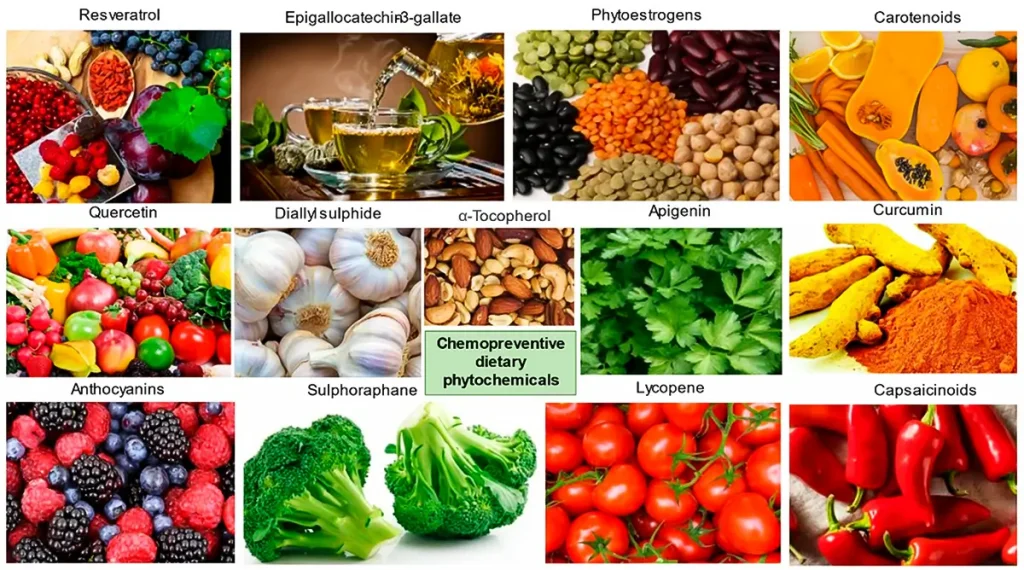
This means that there are still scientific studies that will research the biochemical actions of these phytochemicals before patenting. Saying that, for example, cruciferous vegetables fight cancer is not alternative medicine. It is allopathic medicine: billion-dollar funded research for patenting purposes. Most of the chemotherapies are just patented herbal phytochemicals to this day. They just don’t like when people use alternative medicine and, in most cases, will be labeled as quacks.
In most drugs today, more than 50% of all drugs are extracted as phytochemicals and are not created from scratch (Newman et al., 2007). For example, in cancer treatment, according to Huang et al., 2021, 73% are not synthetic, with 47% either completely natural products or directly derived from them.

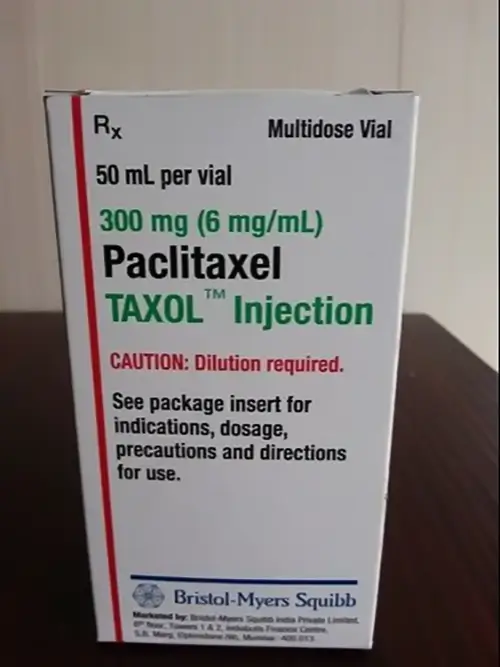
Taxol, the groundbreaking chemotherapy drug that was extensively popularized, is literally just dried bark scraped from the Pacific yew tree. They managed to find a way to grow tree cells in a laboratory to extract that phytochemical. Until then, they paid people to go and scrape bark from trees.
Fruits and Vegetables.
If we look at the research into which plants can fight off cancer, we will be surprised by the result because there are plants that are much more potent sources of antioxidants.
This doesn’t mean that antioxidants themselves do not fight cancer. It just means that these plants have some unique phytochemicals that have biochemical reactions that will strongly suppress cancer cell growth, outside of any antioxidant activity.
This is actually very good news because we can add them to our diet on top of any antioxidant-rich food sources we are already eating to have an additional synergistic effect.
Table 1. Medicinal plants used in the chemoprevention of cancer and their therapeutic role.
| Common Name | Botanical Name | Therapeutic Role | Type of Cancer |
|---|---|---|---|
| Indian Gooseberry | Phyllanthus emblica | Immunomodulatory, cytoprotective | Breast cancer |
| Garlic | Allium sativum | Anticancer, immuno-stimulant | Oesophageal, colorectal cancer |
| Turmeric | Curcuma longa | Anti-inflammatory, anticancer; chemo-resistance | Breast cancer |
| Common mayapple | Podophyllum peltatum | Anticancer | Testicular, lung cancer |
| Heartleaf moonseed plant | Tinospora cordifolia | Immunomodulatory, antioxidant, anticancer | Cervical cancer |
| King of bitters | Andrographis paniculata | Immune stimulator | Leukaemia, Colon, breast cancer |
| Atemoya | Annona atemoya | Anticancer | Lung, Colon, breast cancer |
| Stone breaker | Phyllanthus amarus | Cell cycle arrest, DNA repair, anti-angiogenic | Lung |
| Amruta | Mappia foetida | Antineoplastic | Leukaemia, lymphoma, cervical |
| Winter cherry | Withania somnifera | Anti-inflammatory, antitumor, antioxidant, immuno-modulatory | Leukaemia |
| Himalayan cedar | Cedrus deodara | Apoptosis induction | Leukaemia |
| Heart leaved moonseed | Tinospora cordifolia | Cytotoxic | Cervical |
| Soursop | Annona muricata | Cytotoxic | Breast |
| Chestnut rose | Rosa roxburghii | Immunomodulatory, antiaging | Oesophageal, gastric, pulmonary |
| Jewel Vine | Derris scandens | Radiosensitizer | Colon |
| Penawar Hitam | Goniothalamus macrophyllus | Apoptosis induction | Cervical |
| Dong quai | Angelica sinensis | Cytotoxic | Leukaemia |
| Cang Zhu | Atractylis lancea | Apoptotic, cell cycle arrest | Liver |
| Mongolian milkvetch | Astragalus membranaceus | Immunomodulatory | Myeloid Leukaemia |
| Tea plant | Camellia sinensis | Antioxidant, antitumor, antibacterial, antimutagenic | Breast, lung, colon, skin |
| Fire-flame bush | Woodfordia fruticosa | Cytotoxic | Lung, colon, Liver, Neuroblastoma |
| Red spiderling | Boerhaavia diffusa | Cytotoxic, anticarcinogenic | Cervical |
| Umbrella cheese tree | Glochidion zeylanicum | Cytotoxic | Prostate, liver, colon |
| Black nightshade | Solanum nigrum | Antimicrobial, antioxidant, cytotoxic, antiulcerogenic, hepatoprotective | Cervical |
| Chaga | Inonotus obliquus | Anticancer | Lung, breast, cervical, stomach |
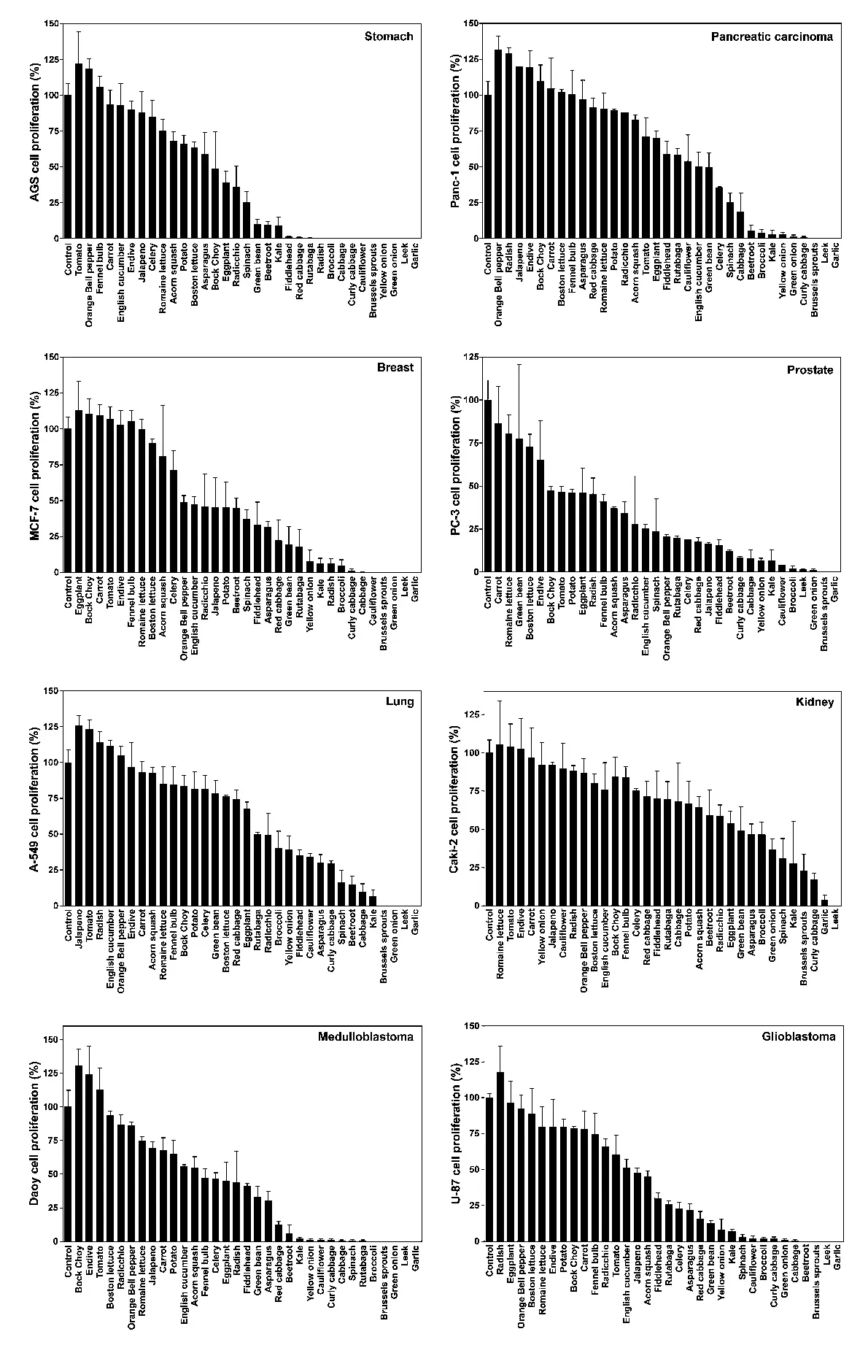
There are vegetables that are so good at fighting cancer that they can rival any leading chemotherapy drug and, at the same time, target multiple different types of cancer cells. In this study (Boivin et al., 2009), they tested 34 different vegetables on the proliferation of eight different tumor cell lines in vitro. They used vegetable extract and dripped it on different types of cancer cells to observe an effect on cancer growth.
Results of the study.
This study was done in vitro. What this means is that bioavailability could be a problem. Some of these cancer-fighting vegetables might not perform well in live experiments. What this also means is that other vegetables that showed little effect in vitro will still have little effect even in vivo in a regular diet. This could give us some initial reference about our consumer choices.
Secondly, this also means that because all of the vegetables tested were non-toxic to normal cells and exhibited their toxicity only to cancer cells, there are no negative side effects if the industry decided to test them as a direct injection in live animals. And this is exactly what they started to do last year. Some of those herbal extracts were able to kill all 100% of untreatable cancer cells in mice.
Spinach and beets.
Of all the green leafy vegetables that people commonly use, spinach is one of the best. It is number two on the list in fighting against pediatric brain tumors, suppressing brain tumor growth by nearly 100%. Spinach and beets are overall good at fighting all types of cancers. They are not as good as onions or kale, but compared to the other vegetables, they should be our third choice on a grocery list. On the other hand, all vegetables will still fight cancer cells, but at levels of 10 to 40 percent suppression. One of the reasons you should consume spinach is because of its lutein content. The problem with spinach is that it contains oxalic acid, so use baby spinach as an addition to kale and other more potent vegetables.
In this other study that had the same name but was a different study, spinach showed the highest inhibitory effect of all the vegetables they tested. This was a human in vitro model. They used human liver cancer cells for testing. After spinach, in potency were cabbage, red pepper, onion, and broccoli (Chu et al., 2002).
There is a line of research on spinach specifically. The results of other studies into the anticancer properties of spinach have isolated two glycolipids so far: mono galactosyl diacylglycerol (MGDG), and sulfoquinovosyl diacylglycerol (SQDG), as selective inhibitors of DNA polymerase activity (Maeda, N et al., 2011).
When looking into beet consumption, science still doesn’t have more in-depth research.
Most in vitro and in vivo studies have shown promising results; however, the molecular mechanisms underlying the chemopreventive and chemoprotective effects of beetroot have not been completely elucidated (Tan et al., 2021).
Fermentation.
Back in the day, before refrigeration, the only available sodas were fermented drinks. People fermented everything, not just milk. The vegetable or fruit juices were fermented and used as non-alcoholic refreshments. These drinks were full of phytochemicals and nutrients from fruits and vegetables and also had probiotic properties.
There was one study that I liked, which aimed to examine the anti-cancer and antioxidant properties of beverages. The researchers looked at the antioxidant and anticancer benefits of red beet juice fermentation by water kefir grains. The red beet juice that had undergone fermentation had a higher viable bacterial population, lower pH, and lower sugar content. After one day of fermentation, it had increased antioxidant capacity and increased anti-cancer activity against human hepatoma cells. Increases in antioxidant and anticancer activities were positively correlated with the contents of betalains (Wang et al., 2022). Betalains are water-soluble pigments in beets that provide red-violet (betacyanins) and yellow (betaxanthins) colors.
I will mention this study here for people who want to use the vegetable juicing type of Gerson therapy for cancer prevention. You might be able to increase the potency of your therapy by fermentation. Fermentation might be able to, and this is just my speculation, increase the bioavailability of some phytochemicals. Outside of beet juice, more research needs to be done.
Watch the video below to learn how to make homemade water kefir probiotic beet juice soda, which contains higher levels of antioxidants and probiotics than fresh beet juice. And it is refreshing and tasty and a better substitute for sugary soda drinks.
Cucumbers, lettuce, tomatoes, potatoes, carrots, and others…
Cucumbers, lettuce, tomatoes, potatoes, and carrots – all the vegetables that people like to eat the most – are very weak in both cancer prevention and antioxidant scores.
Most of the most commonly consumed vegetables and fruits that people eat have no or very little effect.
There are links between different vegetables and specific cancer types. For example, there is a link between tomato consumption and a reduced risk of prostate cancer. It is one of the deadliest cancers. However, when taking lycopene in an extracted form as a supplement, the benefits disappear, probably because there are phytochemical synergies in tomato as a whole food.
Science has not researched all the correlated effects of all different vegetables in all cancer cell lines. This is strange, considering the number of cases and deaths caused by cancer. This is one of the reasons why we should have different food items incorporated into our diet. Nonetheless, outside of those most common vegetables with weak anticancer effects, there are some vegetables that we should be eating every day just because of their anti-cancer properties. Because of the epidemic of cancer that we are facing, this should be common knowledge in every household, especially in families with a history of cancer. These vegetables are an easy, cheap, and convenient way to boost our cancer resilience if we do not want to change our dietary habits. Even people on a whole food plant-based diet should incorporate them into everyday recipes. The easiest way would be to add them to a salad.
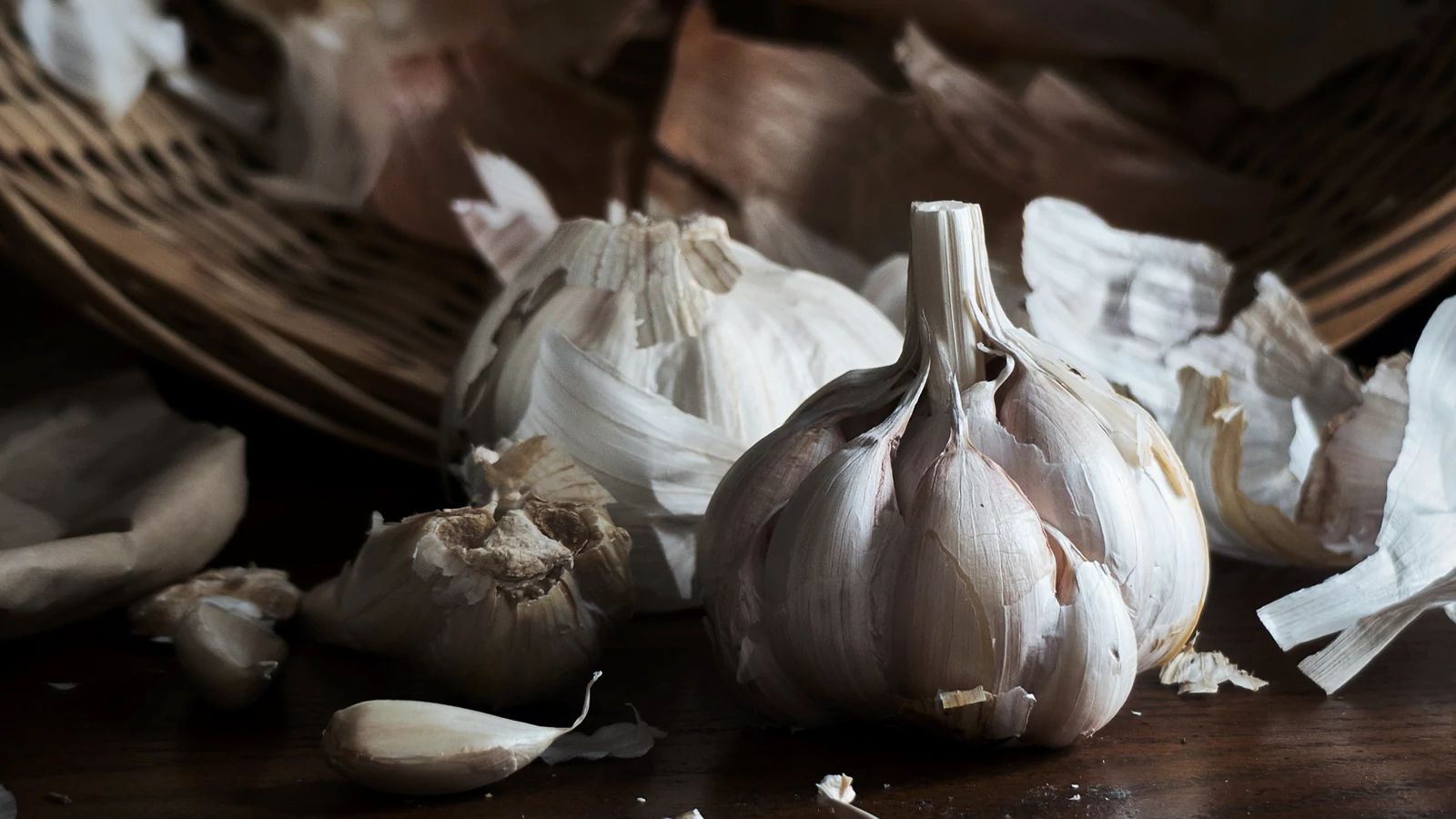
Raw garlic extract.
There was a vegetable that was so strong that the researchers were amazed. It blocked 100 percent of tumor cell growth in 7 out of 8 tumors tested (Boivin et al., 2009).
It was so strong that researchers wanted to test it on normal cells because they believed that there are some toxic phytochemicals in it that block any type of cells from multiplying, not just cancer cells. They did test it on normal cells, and cell growth was not affected at all. It is a vegetable that targets only cancer cells, leaving normal cells alone, and the only side effect is an increase in immune function, unlike regular chemotherapy.
It was raw garlic extract. It was so strong that it rivaled leading chemotherapy drugs, and it is selective. It goes out and attacks cancer cells, leaving normal cells alone.
What is unique about garlic? Nothing really, it is just more potent. The entire allium group of vegetables has the same or similar phytochemicals and will act the same way. Garlic is just the most potent vegetable from the entire group. It is an allium group of vegetables that is unique as a group because it has unique cancer-fighting phytochemicals.
Allium family.
Garlic, onions, and leeks, in my opinion, should be added to salads on a daily basis just because of this study. It is an important finding. There are other benefits of garlic; some of them are proven in clinical trials but this is the most important find, maybe in the last couple of years.
Allium family vegetable extracts, not just garlic are potent chemotherapy drugs in vitro with no side effects on non-malignant cells.
One clove of fresh garlic or some fresh onions or leeks is one good step in preserving health, especially in people with a family history of cancer. For example, garlic is number one in suppressing breast cancer. The problem is the strong smell that comes with garlic, and that smell is exactly what makes it healthy. It is a natural insecticide that forms when something starts to chew on it. There is only one way to reap benefits from garlic and other allium family plants, and that is to eat them raw or to cut and crush them while raw and then eat them with no heating. Heating will destroy the cancer-fighting enzymes.
Cruciferous vegetables.
Other types of vegetables that are good for fighting cancer besides the allium group are cruciferous vegetables.
Kale, cabbage, red cabbage, cauliflower, broccoli, rutabaga, and Brussels sprouts. There is only one from the group that did not show any potential, and that is bok choy. It’s the odd one out. There are many phytochemicals in cruciferous vegetables from sulforaphane onward. Like garlic, they should be cut or chewed raw before cooking so that those insect-fighting, healthy, beneficial chemicals like sulforaphane can form. I already wrote about the benefits of sulforaphane in this article (Sulforaphane- The Superpower of Broccoli).
These are the two groups that are most effective in cancer prevention, and the rest of the vegetables are well below these two in effectiveness. These two groups, along with spinach and beets, are the vegetables to choose for our diet.
There are no antioxidant superstars, but they don’t have to be. The list of benefits that these two groups of vegetables bring to the table is long and serious. I won’t analyze all of the clinical trials and health benefits. I will only say this: if there is only one benefit from them and nothing else, if these vegetables are only good for cancer prevention and not one other thing, in my opinion, because of the levels of cancer in our society, incorporating them into the diet on a daily basis is a reasonable choice just as a form of cancer prevention. The conclusion of the study was:
“The extracts from cruciferous vegetables as well as those from vegetables of the genus Allium inhibited the proliferation of all tested cancer cell lines whereas extracts from vegetables most commonly consumed in Western countries were much less effective. The antiproliferative effect of vegetables was specific to cells of cancerous origin and was found to be largely independent of their antioxidant properties. These results thus indicate that vegetables have very different inhibitory activities towards cancer cells and that the inclusion of cruciferous and Allium vegetables in the diet is essential for effective dietary-based chemopreventive strategies.“
It is well known that cruciferous vegetables contain bioactive substances that, in various cellular models, activate Nrf2, a potential tumor suppressor. Nuclear factor kappa B (NF-κB) and activator protein 1 (AP-1) are two examples of oncogenic transcription factors that have been shown in different studies to be inhibited by isothiocyanates (phytochemicals found in cruciferous vegetables) (Thomson et al., 2010). Cruciferous vegetable phytochemicals are known to trigger cell death of cancer cells. They are also proven to be strong gene expression modulators. They suppress the expression of several genes implicated in carcinogenesis and also increase the expression of genes that deal with cancer prevention.
Cooking.
Heating is regarded as destructive to phytochemicals.
In this study, they tested green and red curly kale extracts on human colon cancer cell lines (Olsen et al., 2012). They wanted to measure the decrease in anticancer effects of freeze storage, blanching, and boiling.
In both kale cultivars, processing resulted in a significant decrease in total phytochemicals and antioxidant capacity. The extracts of both green and red curly kale repressed cancer cell growth in human colon cancer cells. Nevertheless, the extract from fresh kale had a significantly stronger anticancer effect.
The most potent anticancer properties reported so far.
There was one significant study that experimented with vegetable and fruit extracts in vivo in an animal model (Li et al., 2018).
After the already mentioned study where garlic extract killed most of the cancer cells in vitro, there was a mystery as to why garlic in real life has not shown such dramatic anticancer properties. It was so dramatic that if garlic is such a strong chemotherapy agent, it would lower cancer rates, especially in groups that traditionally use it more for medicine and cooking. The only explanation is that it is because of its low anti-cancer phytochemicals bioavailability.
Maybe garlic’s anticancer potential works better when it is applied directly to cancer cells rather than being absorbed first by the healthy epithelial cells lining the gastrointestinal tract. If garlic extract kills all of the cancer cells in the Petri dish without damaging regular cells what will happen if we just inject the same extract into the bloodstream?
This was exactly what this study wanted to find.
“We tested this possibility in two mouse models of highly aggressive malignancies that cannot yet be cured by conventional therapies: sarcoma 180- and EL4-induced lethal ascites. Daily oral gavages of raw garlic extract (RGE; equivalent to 100 mg wet weight) for 21 days failed to offer any meaningful effect in the mice with malignancies. However, the daily injection of the same amounts of the same materials for 21 days completely cured all the mice of cancer.“
This was some of the most incurable cancer they could find. With all of the billions of dollars annually spent on the war on cancer, garlic extract cured the incurable in 21 days. But only with injection, and this could be a problem.
All the nutrients in the meal must first be absorbed into the epithelial cells lining the GI tract walls, and the problem is that certain nutrients might get altered before entering the bloodstream. Digestive enzymes and acidity in the cavities of the stomach and intestines may also be damaging.
They concluded:
“One novel aspect of the injected RGE was its ability to cure the most aggressive mouse cancer models that cannot be cured by any conventional therapy. Therefore, the ability of the injected RGE to completely kill all the cancer cells without any adverse side-effect in mice may represent one of the most potent anticancer properties reported so far, giving the hopes of significant beneficial effects if being used in humans.”
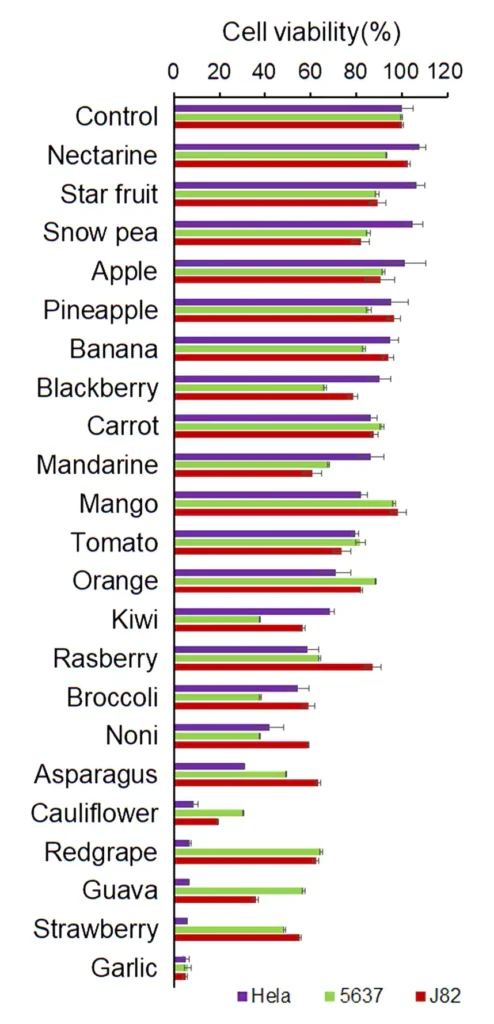
Several fruits and vegetables, such as strawberries, red grapes, guava, and cauliflower, also exhibited anticancer qualities similar to those of garlic extract. The problem was that most of them were not universal. They targeted specific cancers much more, unlike raw garlic extract. For example, red grapes targeted only HeLa (human cervical carcinoma). Also, the anticancer properties of these raw vegetable and fruit extracts if consumed orally are still to be evaluated. Most likely not.
If you know someone who is at risk for cancer, you might want to send them this PDF. It is a complete study in PDF format that you can download.
https://europepmc.org/backend/ptpmcrender.fcgi?accid=PMC6249268&blobtype=pdf
One hundred years after the Gerson therapy drama, allopathic medicine had finally made a complete turn in another direction. Today, they are experimenting with vegetable extract injections as a cure for cancer. In the future, if these findings are confirmed in vivo studies in humans, we could see a similar type of Gerson therapy style that existed 100 years ago. Only this time, we would have much more potent forms of concentrated vegetable extracts via injection. Or even patented isolated phytochemical monotherapies.
These findings have clinical significance even today as scientifically proven prevention therapies.
“Dying to Have Known” is an independent feature documentary that explores Gerson’s Cancer Therapy.
Conclusion:
- One in four of the people dying of cancer is not caused by genetic predisposition.
- The immune system and autophagy “eat up” cancer cells before they overpopulate.
- Only when the immune system is incapable of destroying these malignant cells on time, and only then cancer will progress to be a full-blown disease.
- There are scientific studies that research the biochemical actions of fruit and vegetable extracts and their phytochemicals before patenting.
- In cancer treatment, 73% of drugs are not synthetic, with 47% being either completely natural products or directly derived from them.
- There are vegetables that are so good at fighting cancer that can rival any leading chemotherapy drug and at the same time target multiple different types of cancer cells.
- Of all of the green leafy vegetables that people commonly use spinach is one of the best.
- Fermentation of beet juice by water kefir grains had increased antioxidant capacity as well as increased anti-cancer activity against human hepatoma cells.
- Cucumbers, lettuce, tomatoes, potatoes, carrots, all the vegetables that people like to eat the most are very weak both in cancer prevention and in the antioxidant score.
- There are cancer-preventative links between different less overall potent vegetables and specific cancer types.
- Raw garlic extract blocked 100 percent of tumor cell growth in 7 out of 8 tumors tested (Boivin et al., 2009).
- Allium family vegetable extracts, not just garlic are potent chemotherapy drugs in vitro with no side effects on non-malignant cells.
- Other types of vegetables that are good for fighting all types of cancer besides the allium group are cruciferous vegetables.
- Heating is regarded as destructive to phytochemicals.
- Daily oral gavages of raw garlic extract for 21 days failed to offer any meaningful effect in the mice with malignancies.
- In the animal model, the daily injection of garlic extract unlike oral gavages completely cured all mice of the most aggressive mouse cancer models in 21 days. These aggressive malignancies cannot yet be cured by conventional therapies (Li et al., 2018).
- Several fruits and vegetables, such as strawberries, red grapes, guava, and cauliflower, also exhibited anticancer qualities similar to those of garlic extract.
- One of the most potent anticancer phytochemicals is sulforaphane, which is found in cruciferous vegetables. Sulforaphane can inhibit the growth and invasion of various types of cancer cells, such as breast, prostate, colon, lung, and skin cancer.
- Another powerful anticancer phytochemical is curcumin, which is derived from turmeric. Curcumin can interfere with multiple signaling pathways that are essential for cancer survival and proliferation.
- Fruits and vegetables also include dietary fiber, which can reduce the risk of colorectal cancer by building to different heavy metals and toxins, and other carcinogens in the colon and improving gut flora.
- Some fruits and vegetables have synergistic effects when consumed together, meaning that they can enhance each other’s anticancer properties. For example, tomatoes and broccoli can work together to suppress prostate cancer growth more than either one alone.
- Fruits and vegetables can also help prevent cancer by boosting the immune system and enhancing its ability to recognize and eliminate cancer cells. For example, some types of mushrooms are very good at stimulating the activity of natural killer cells.
- Fruits and vegetables can also help treat cancer by reducing the side effects of conventional therapies, such as chemotherapy and radiation. For example, ginger can alleviate nausea and vomiting caused by chemotherapy, while blueberries can protect against cognitive impairment caused by radiation.
- Fruits and vegetables are not only good for fighting cancer, but also for other chronic diseases such as heart disease, diabetes, obesity, and neurological disorders.
- Could anticancer properties of these raw vegetable and fruit extracts be the same if those extracts are consumed orally is still to be evaluated.
- These findings have clinical significance even today as scientifically proven prevention therapies.
FAQ
References:
Passages selected from a book: Pokimica, Milos. Go Vegan? Review of Science Part 3. Kindle ed., Amazon, 2020.
- Boivin, D., Lamy, S., Lord-Dufour, S., Jackson, J., Beaulieu, E., Côté, M., Moghrabi, A., Barrette, S., Gingras, D., & Béliveau, R. (2009). Antiproliferative and antioxidant activities of common vegetables: A comparative study. Food Chemistry, 112(2), 374–380. https://doi.org/10.1016/j.foodchem.2008.05.084
- Steinmetz, K. A., & Potter, J. D. (1996). Vegetables, fruit, and cancer prevention: a review. Journal of the American Dietetic Association, 96(10), 1027–1039. https://doi.org/10.1016/S0002-8223(96)00273-8
- Thomson, C. A., Dickinson, S. E., & Bowden, G. T. (2010). Cruciferous Vegetables, Isothiocyanates, Indoles, and Cancer Prevention. In Humana Press eBooks (pp. 535–566). https://doi.org/10.1007/978-1-60761-627-6_23
- Shakib, M. C., Gabrial, S. G., & Gabrial, G. N. (2015). Beetroot-Carrot Juice Intake either Alone or in Combination with Antileukemic Drug ‘Chlorambucil’ As A Potential Treatment for Chronic Lymphocytic Leukemia. Open access Macedonian journal of medical sciences, 3(2), 331–336. https://doi.org/10.3889/oamjms.2015.056
- Chu, Y., Sun, J., Wu, X., & Liu, R. (2002). Antioxidant and Antiproliferative Activities of Common Vegetables. Journal of Agricultural and Food Chemistry, 50(23), 6910–6916. https://doi.org/10.1021/jf020665f
- Olsen, H., Grimmer, S., Aaby, K., Saha, S., & Borge, G. I. (2012). Antiproliferative effects of fresh and thermal processed green and red cultivars of curly kale (Brassica oleracea L. convar. acephala var. sabellica). Journal of agricultural and food chemistry, 60(30), 7375–7383. https://doi.org/10.1021/jf300875f
- Wang, X., & Wang, P. (2022). Red beetroot juice fermented by water kefir grains: physicochemical, antioxidant profile and anticancer activity. European Food Research and Technology, 249(4), 939–950. https://doi.org/10.1007/s00217-022-04185-7
- Li, Z., Le, W., & Cui, Z. (2018). A novel therapeutic anticancer property of raw garlic extract via injection but not ingestion. Cell death discovery, 4, 108. https://doi.org/10.1038/s41420-018-0122-x
- Zhou, Y., Zhuang, W., Hu, W., Liu, G. J., Wu, T. X., & Wu, X. T. (2011). Consumption of large amounts of Allium vegetables reduces risk for gastric cancer in a meta-analysis. Gastroenterology, 141(1), 80–89. https://doi.org/10.1053/j.gastro.2011.03.057
- Varma, S., & Ganesh, N. (2011). Tumor inhibition and Cytotoxicity assay by aqueous extract of onion (Allium cepa) & Garlic (Allium sativum): An In-Vitro Analysis.” International Journal of Phytomedicine, vol. 2, 2010, pp. 80-84. https://doi.org/10.5138/ijpm.2010.0975.0185.02013
- Newman, D. J., & Cragg, G. M. (2007). Natural products as sources of new drugs over the last 25 years. Journal of natural products, 70(3), 461–477. https://doi.org/10.1021/np068054v
- Maeda, N., Matsubara, K., Yoshida, H., & Mizushina, Y. (2011). Anti-cancer effect of spinach glycoglycerolipids as angiogenesis inhibitors based on the selective inhibition of DNA polymerase activity. Mini reviews in medicinal chemistry, 11(1), 32–38. https://doi.org/10.2174/138955711793564042
- Tan, M. L., & Hamid, S. B. S. (2021). Beetroot as a Potential Functional Food for Cancer Chemoprevention, a Narrative Review. Journal of cancer prevention, 26(1), 1–17. https://doi.org/10.15430/JCP.2021.26.1.1
- The Genetics of Cancer. (2022, August 17). National Cancer Institute. https://www.cancer.gov/about-cancer/causes-prevention/genetics
- Wishart, David. (2022, April 22). Evidence suggests cancer is not as purely genetic as once thought.ScienceDaily. https://www.sciencedaily.com/releases/2022/04/220422114735.htm
- Thomson, C. A., Dickinson, S. E., & Bowden, G. T. (2010b). Cruciferous Vegetables, Isothiocyanates, Indoles, and Cancer Prevention. In Humana Press eBooks (pp. 535–566). https://doi.org/10.1007/978-1-60761-627-6_23
- Family Cancer Syndromes | American Cancer Society. (n.d.). https://www.cancer.org/cancer/risk-prevention/genetics/family-cancer-syndromes.html
- Pietrangelo, A. (2020, June 18). Does Everyone Have Cancer Cells? Healthline. https://www.healthline.com/health/does-everyone-have-cancer-cells
- Drake, J. W., Charlesworth, B., Charlesworth, D., & Crow, J. F. (1998). Rates of spontaneous mutation. Genetics, 148(4), 1667–1686. https://doi.org/10.1093/genetics/148.4.1667
- HIV Infection and Cancer Risk. (2017, September 14). National Cancer Institute. https://www.cancer.gov/about-cancer/causes-prevention/risk/infectious-agents/hiv-fact-sheet
- Huang, M., Lu, J., & Ding, J. (2021). Natural Products in Cancer Therapy: Past, Present and Future. Natural Products and Bioprospecting, 11(1), 5–13. https://doi.org/10.1007/s13659-020-00293-7
- George, B. P., Chandran, R., & Abrahamse, H. (2021). Role of Phytochemicals in Cancer Chemoprevention: Insights. Antioxidants, 10(9), 1455. https://doi.org/10.3390/antiox10091455
Related Posts

Do you have any questions about nutrition and health?
I would love to hear from you and answer them in my next post. I appreciate your input and opinion and I look forward to hearing from you soon. I also invite you to follow us on Facebook, Instagram, and Pinterest for more diet, nutrition, and health content. You can leave a comment there and connect with other health enthusiasts, share your tips and experiences, and get support and encouragement from our team and community.
I hope that this post was informative and enjoyable for you and that you are prepared to apply the insights you learned. If you found this post helpful, please share it with your friends and family who might also benefit from it. You never know who might need some guidance and support on their health journey.
– You Might Also Like –
Antioxidants: Understanding the Basics
Phytochemicals: Understanding the Basics
Arsenic exposure and rice consumption- The most toxic grain of them all

The McGovern Report- Special Interest and The Suppression of Science

Vegan Neanderthals? The truth about the real Neanderthal diet

Lactose intolerance- 65% chance you have it
High Protein Diet and Metabolic Acidosis: Health Risks Correlations

EMF radiation (electromagnetic radiation) exposure- Does 5G pose health risks?

Learn About Nutrition

Milos Pokimica is a doctor of natural medicine, clinical nutritionist, medical health and nutrition writer, and nutritional science advisor. Author of the book series Go Vegan? Review of Science, he also operates the natural health website GoVeganWay.com
Medical Disclaimer
GoVeganWay.com brings you reviews of the latest nutrition and health-related research. The information provided represents the personal opinion of the author and is not intended nor implied to be a substitute for professional medical advice, diagnosis, or treatment. The information provided is for informational purposes only and is not intended to serve as a substitute for the consultation, diagnosis, and/or medical treatment of a qualified physician or healthcare provider.NEVER DISREGARD PROFESSIONAL MEDICAL ADVICE OR DELAY SEEKING MEDICAL TREATMENT BECAUSE OF SOMETHING YOU HAVE READ ON OR ACCESSED THROUGH GoVeganWay.com
NEVER APPLY ANY LIFESTYLE CHANGES OR ANY CHANGES AT ALL AS A CONSEQUENCE OF SOMETHING YOU HAVE READ IN GoVeganWay.com BEFORE CONSULTING LICENCED MEDICAL PRACTITIONER.
In the event of a medical emergency, call a doctor or 911 immediately. GoVeganWay.com does not recommend or endorse any specific groups, organizations, tests, physicians, products, procedures, opinions, or other information that may be mentioned inside.
Editor Picks –
Cancer Editor Picks Phytochemicals
Anticancer Power of Fruits and Vegetables: In Vivo and Clinical Evidence
Some vegetable extracts rival leading chemotherapy drugs and at the same time target multiple different types of cancer cells.
Antioxidants Editor Picks ORAC
Essential Oils as Antioxidant Supplements: Rules and Strategies
Food-grade essential oils can be a convenient and consumer-friendly strategy for optimizing the antioxidant value and ORAC scores of our diet.
Antioxidants Editor Picks ORAC
Antioxidant-Rich Diet: General Rules and Strategies
There are easy and cost-effective strategies for optimizing the antioxidant value of our diet.
Antioxidants Editor Picks ORAC
Understanding ORAC Values: Antioxidant Levels in Foods
When your main source of antioxidants is coffee, you know that you have a serious problem.

Antioxidants Editor Picks ORAC
Astaxanthin Benefits: World’s Most Powerful Natural Antioxidant
Astaxanthin is the most powerful natural and universal antioxidant (both oil and water-soluble) known to science. It accumulates in tissues and It can never turn itself into a pro-oxidant.
Antioxidants Editor Picks ORAC Phytochemicals
Antioxidants: Understanding the Basics
There are no phytochemicals or antioxidants in animal products. On average, plant foods contain more than 60 times as many antioxidants as animal-based foods.
Editor Picks Vegan Diet
Nutrient Deficiencies in Vegan Diet: Prevention Strategies
There are nine common nutrient deficiencies on the population scale affecting people eating a plant-based diet. If not corrected on time some deficiencies have terrible and non-treatable consequences.
Editor Picks Optimal Diet
Micronutrient Deficiency in Standard American Diet: Optimization Strategies
Nutrition profile of our modern meat, sugar, processed food diet is completely incongruent with our evolution resulting in severe micronutrient deficiency.
Editor Picks Phytochemicals
Phytochemicals: Understanding the Basics
Every single phytochemical that exists has a biological action in the human body. Every single one from millions of different phytochemicals.

Editor Picks Milk Optimal Diet
Milk and Dairy: Health Risk Correlations
Known associations with milk and dairy consumption are infertility, ovarian and breast cancer, leukemia, diabetes type 1, autism, arteriosclerosis, cataract, rheumatoid arthritis, multiple sclerosis, hyperactivity, congestion, pimples, and more…
Cancer Editor Picks Protein
Complete Protein: IGF-1 Signaling in Cancer Formation
When you eat animal protein you have four times the chance to develop all types of cancer. When you smoke you have a four-time chance to develop lung cancer.

Cancer Editor Picks Protein
The Anatomy of Cancer- Health risk correlations
About 2% of cancers are by medicine considered to be purely caused by genetic factors. The same range as within the animal kingdom. You haven’t been told the whole truth.
Milos Pokimica is a health and nutrition writer and nutritional science advisor. Author of the book series Go Vegan? Review of Science, he also operates the natural health website GoVeganWay.com
Latest Articles –
Calorie Restriction Longevity
How to Fast: Fasting Foods That Won’t Break Autophagy
Autophagy. Have you ever wondered what happens to the cells in your body when they die or get damaged? Do they just pile up and create problems, or do they get disposed of somehow? The answer is that your body…
Dental Health Prevention
Sweets Teeth Sensitivity & Pain: Quick Fix & Lasting Solution
A quick and easy fix for pain relief is clove essential oil, a powerful antioxidant and pain reliever that can help with gum disease and toothache.
Beans
Green Beans: Nutrition and Health Benefits
Green beans are low in calories and rich in natural compounds that can help you control your blood sugar, lower your cholesterol, and fight off free radicals.
Raw food diet Vegan Diet
Can You Eat Mushrooms Raw: Health Risks, Nutrition & Safety
Mushrooms have heat-sensitive toxins like hydrazine or agaritine, and cell walls made out of chitin that cannot be digested well by humans.
Vegan Diet
Are Fish Animals? A Cultural Perspective
In some cultures, fish meat is not considered to be meat, and fish is allowed even during fast.
Dental Health Prevention
Homemade Natural Mouthwash: Proven, Stronger & Less Toxic
Homemade natural mouthwash is stronger than chlorhexidine, less toxic and if swallowed might give you some nausea but also a high burst in ORAC value.
Dental Health Prevention
How to Stop Tooth Decay: Symptoms, Causes & Prevention
Sugar consumption is the main cause of cavities and tooth decay, combined with mineral deficiencies especially magnesium, zinc, copper and trace elements.
Antioxidants Superfoods
Amla: Proven Benefits, Nutrition And Clinical Significance
Amla is one of the world’s most powerful antioxidants with a ORAC score of 261,530. It is a rich source of phytochemicals that have various health benefits.
Top Health News — ScienceDaily
- USC scientists discover how to create a never-ending supply of cancer-fighting cellson October 16, 2026
USC scientists have discovered a way to create a potentially renewable supply of genetically engineered immune cells that can attack cancer and strengthen the body’s natural defenses. By growing and modifying immature immune cells rather than mature ones, researchers developed a system that can continuously produce tumor-fighting cells inside the body.
- Yale scientists discover how stress changes the brain to make memories strongeron October 16, 2026
Yale scientists have uncovered how the stress hormone cortisol helps the brain turn emotional experiences into stronger, longer-lasting memories. The discovery reveals that stress can reshape communication between brain networks involved in emotion and memory, potentially explaining why certain moments are so difficult to forget.
- A protein that fuels cancer could also be the key to fighting iton October 16, 2026
Scientists have discovered how to turn a protein that normally fuels cancer growth into a weapon against it. By activating PPARD in immune cells, researchers made them better at burning fat and attacking tumors, slowing or stopping cancer growth in laboratory experiments. The approach showed promise against colorectal, breast, and ovarian cancers, as well as melanoma.
- Scientists discover how exercise reverses muscle agingon October 16, 2026
Scientists have uncovered a hidden biological mechanism that helps explain how exercise can reverse some of the damage caused by muscle aging. The key is a gene called DEAF1, which becomes overactive with age and interferes with the muscles’ ability to clear damaged proteins and repair themselves. Exercise can help restore this balance, allowing older muscles to rebuild and regain strength, although the benefits may diminish when the system becomes too disrupted.
- Mysterious brain activity under anesthesia challenges what we know about consciousnesson October 15, 2026
Even under general anesthesia, the human brain can analyze language, recognize different types of words, and predict what comes next in a story, according to a surprising discovery by Baylor researchers. The findings challenge our understanding of consciousness and suggest that the unconscious brain is far more capable than scientists previously realized.
- Eating late at night linked to up to 30% higher risk of liver diseaseon October 15, 2026
Eating late at night could be putting your liver at risk, according to a large study led by Oregon Health & Science University. Researchers analyzed data from nearly 200,000 people and found that those who regularly ate after dinner or around bedtime had a 20% to 30% higher risk of liver disease, including fatty liver disease and cirrhosis.
- Scientists discover a surprising danger in smaller cancer cellson October 15, 2026
Scientists have discovered that unusually small cancer cells carrying extra chromosomes can be far more aggressive than larger ones, growing faster, spreading more readily, and resisting common treatments. The surprising finding could help explain why some tumors are especially dangerous and provide a new way to predict cancer outcomes.
PubMed, #vegan-diet –
- Common questions and misconceptions about diets: what does the scientific evidence really show?on October 15, 2026
The study of diet and nutrition is often filled with numerous myths and misconceptions. A Google Scholar search of “diets health” yields over 4 million results. This review examines frequently asked questions about diets and dietary habits. These questions include the following: 1) Is a caloric surplus necessary for building skeletal muscle? 2) Is it possible to lose body mass or fat mass without caloric restriction? 3) Is intermittent fasting better than chronic caloric restriction for […]
- Toward consensus on complementary feeding recommendations: findings from a national evidence-informed modified Delphi study in Türkiyeon October 12, 2026
CONCLUSIONS: Integration of quantitative Delphi findings with qualitative thematic analysis revealed that non-consensus primarily stemmed from the practical nuances of clinical execution and contextual adaptation, rather than a fundamental skepticism toward the underlying scientific data. These findings provide an evidence-informed foundation for developing context-sensitive CF recommendations for clinical practice.
- Characterization of nutritional intake in vegan pregnant women and its association on birth weighton October 8, 2026
CONCLUSIONS: Vegan women had a higher rate of SGA than non-vegan women, and this increased risk may be partly related to differences in maternal protein intake and composition. In addition, vegan women had lower dietary intakes of calcium, vitamin B12, vitamin D, DHA, and choline, highlighting these nutrients as important considerations in the nutritional assessment and counseling of pregnant women adhering to a strictly vegan diet.
- Changes in ectopic lipids, insulin sensitivity, and beta cell function after a low-fat vegan diet in adults with type 2 diabetes: a 16-week single-arm clinical trialon October 8, 2026
CONCLUSIONS: On an ad libitum low-fat plant-based (vegan) dietary intervention, the participants with type 2 diabetes experienced reductions in ectopic fat, particularly visceral and hepatocellular fat, improvements in insulin sensitivity, reductions in AGEs, and improvements in beta-cell function.
Random Posts –
Calorie Restriction Longevity
How to Fast: Fasting Foods That Won’t Break Autophagy
Autophagy. Have you ever wondered what happens to the cells in your body when they die or get damaged? Do they just pile up and create problems, or do they get disposed of somehow? The answer is that your body…
Superfoods Toxicity
Chlorella Benefits: Plant-Based B12, Iron, Zinc & Detox
Chlorella is a vegan source of B12, iron and zinc, has strong chelation properties for heavy metals, potential to lower cholesterol, reduce anemia, and boost the immune system.
Antioxidants Superfoods
Spirulina Benefits: Phycocyanin Rich Superfood
Spirulina has strong antioxidant, anticancer, antiviral, and immunomodulatory properties as ell as a capacity to combat obesity, diabetes, and cholesterol.
Cancer Editor Picks Toxicity
Water fluoridation- Scientific review
Fluoride inactivates 62 enzymes in the body, inactivates DNA and RNA repair enzymes activity, it is mutagenic, causes DNA damage, increases cancers and all other diseases correlated with mutations, disrupts the immune system.

Cancer Editor Picks Toxicity
Pesticide Exposure in Children: Real-Life Exposure Tests
Children and especially pregnant women are more vulnerable to pesticide exposure. If we analyze real-world exposure levels in real-life scenarios, what would the result be?
Cancer Editor Picks Protein
The Anatomy of Cancer- Health risk correlations
About 2% of cancers are by medicine considered to be purely caused by genetic factors. The same range as within the animal kingdom. You haven’t been told the whole truth.
Antioxidants Physical Activity
Antioxidant Impaired Training Adaptations: Preventing Oxidative Damage in the Muscle
Supplemental antioxidants can block the main benefit of exercise and that is an increase in our own endogenous antioxidant production.
Optimal Diet Paleo Diet Protein
High Protein Diet and Metabolic Acidosis: Health Risks Correlations
Low levels of chronic metabolic acidosis is a common phenomenon in the Western world. Most people that eat the standard American diet are in a state of chronic acidosis and are not aware of it.
Cancer Detoxification Inflammation
Sulforaphane Benefits: Detoxifying Superpower of Broccoli
Sulforaphane is the most potent natural phase 2 enzyme-inducer know to science. It is also demonstrated that sulforaphane is a dose-related inhibitor of carcinogen-induced tumorigenesis.

Amyotrophic Lateral Sclerosis Prevention Toxicity
Amyotrophic Lateral Sclerosis- Cyanobacteria algal blooms and dietary BMAA exposure
An abundance of nutrients in coastal areas created by runoff filled with synthetic fertilizers from farmland leads to excessive algal blooms. Algae blooms are dangerous. Microalgae create and excrete some of the most potent neurotoxins known to man.

Featured Posts –
Editor Picks Vegan Diet
Nutrient Deficiencies in Vegan Diet: Prevention Strategies
There are nine common nutrient deficiencies on the population scale affecting people eating a plant-based diet. If not corrected on time some deficiencies have terrible and non-treatable consequences.
Cancer Editor Picks Phytochemicals
Anticancer Power of Fruits and Vegetables: In Vivo and Clinical Evidence
Some vegetable extracts rival leading chemotherapy drugs and at the same time target multiple different types of cancer cells.

Allopathic Medicine Cancer Editor Picks
Cancer, The Forbidden Cures-Rife machine, Historical review
The recovery rate for patients that have non-treatable cancer and were declared terminally ill by utilizing Rife Machine resonant technology was 100%.
Editor Picks Optimal Diet Vegan Diet
WHO dietary guidelines- New food pyramid and suppression of science
WHO dietary guidelines recommend a diet low in saturated fat (animal protein), sugar, and salt and high in fruit and vegetables as a requirement to tackle the epidemic rise of chronic diseases worldwide.
Editor Picks Optimal Diet Protein
Protein Requirements- Inconvenient truth
When anthropologist studies showed that hominins lived on average of 15 to 20 grams of protein a day there was a so-called a “Great protein fiasco” back in the 1970s.
Editor Picks Optimal Diet
Micronutrient Deficiency in Standard American Diet: Optimization Strategies
Nutrition profile of our modern meat, sugar, processed food diet is completely incongruent with our evolution resulting in severe micronutrient deficiency.

Allopathic Medicine Editor Picks
The tale of Big Pharma- IG Farben
The part of Rockefeller monopoly on chemical and medicine industries came into fulfillment after WW2. Standard Oil and IG Farben cooperation made this into reality.

Editor Picks Obesity
Binge eating disorder- The psychology of hunger
In nature, there is no refined sugar or fat. Our brain had never been exposed to a combination of the two all at once forcing us into binge eating disorder.
Antioxidants Editor Picks ORAC
Antioxidant-Rich Diet: General Rules and Strategies
There are easy and cost-effective strategies for optimizing the antioxidant value of our diet.
Antioxidants Editor Picks ORAC Phytochemicals
Antioxidants: Understanding the Basics
There are no phytochemicals or antioxidants in animal products. On average, plant foods contain more than 60 times as many antioxidants as animal-based foods.
Latest from PubMed, #plant-based diet –
- Plant-Based Functional Formulae Mitigate Western Diet-Induced MASLD by Modulating Hepatic Oxidative Stress, Inflammation as Well as Nrf-2/HO-1 and NF-kappaB Gene Expressionby Rasha S Mohamed on October 16, 2026
Psyllium has long been used to improve satiety and control weight. Leek and dill leaves are abundant in bioactive substances that have been confirmed to have anti-inflammatory and antioxidant properties. Our goal was to assess the hepatoprotective effects of two formulae (dill and psyllium or leek and psyllium) against oxidative stress and inflammatory markers in a metabolic dysfunction-associated steatotic liver disease (MASLD) rat model. Twenty four rats were used in this study. Rats were…
- Bioactive Ingredients in the Mediterranean Diet for Hepatic Health: In Vitro Evaluation of Selected Extracts Against Non-Alcoholic Steatosisby Valentina Vassallo on October 16, 2026
Natural products derived from the Mediterranean diet have attracted considerable interest as potential drug leads owing to their antioxidant and anti-inflammatory properties, as well as their beneficial effects on metabolic disorders such as non-alcoholic fatty liver disease (NAFLD). This study investigated the individual and combined effects of carvacrol, thymol, basil essential oil, and lycopene in an in vitro HepG2 model of hepatic steatosis. Their antioxidant activity was first confirmed […]
- Dietary Phytochemical Index and Fasting Plasma Glucose in Adults with Type 2 Diabetes: A Cross-Sectional Studyby Stavroula Maria Konstantopoulou on October 16, 2026
Background/Objectives: Type 2 diabetes mellitus (T2D) is a major public health challenge. Phytochemicals have gained attention for their potential role in glucose regulation. This study aimed to investigate the association between dietary phytochemical intake, assessed using the Dietary Phytochemical Index (DPI), and fasting plasma glucose in adults with established T2D. Methods: A cross-sectional study was conducted among 340 adults with T2D attending the Diabetes Clinic of the General […]
- Toxicological Evaluation of Zingiber purpureum Extract and Its Effects on Gut Microbiota in Zebrafishby Nisamanee Charoenchon on October 16, 2026
Zingiber purpureum Roscoe (Phlai) is renowned in Southeast Asia for its anti-inflammatory, antioxidant, and antibacterial activities, yet its safety and effects on gut health in vivo are not well characterized. This study investigated the biological effects of ethanolic-soluble Phlai extract (ESPE) in zebrafish (Danio rerio), focusing on chemical marker standardization in phenylbutanoids and cucurminoids, developmental toxicity, gut microbiota investigation, and tissue histopathology. […]
- Trendy, but Are They Safe? Current Popular Diets and Their Use in Inflammatory Bowel Diseases: Narrative Reviewby Klara Szwarc on October 16, 2026
Inflammatory bowel disease (IBD) arises from the interplay between genetic susceptibility, immune dysregulation, microbiota, and environmental exposures, with diet potentially contributing to both pathogenesis and management. Patients frequently modify their diet independently, often using different strategies during remission and active symptoms. This narrative review synthesises evidence on patient-accessible dietary patterns and selected structured nutritional therapies across five […]
- Promoting the Mediterranean Diet in the Workplace: An Observational Cross-Sectional Studyby Nicola Magnavita on October 16, 2026
Background/Objectives: The Mediterranean diet (MD) is a set of customs and eating habits developed in countries bordering the Mediterranean Sea thousands of years ago. These habits are frequently proposed as a complement to pharmacological therapies for chronic diseases and could also counteract their onset. This study aimed to investigate adherence to the MD in workers from 22 companies in Latium (Italy) and to evaluate the association of diet with workers’ health. Methods: Workers […]