







Kurkuma: Verbesserung der Gesundheit und Klinische Vorteile
In Kurkuma wurden bisher mehr als 300 aktive sekundäre Pflanzenstoffe identifiziert. Es ist so stark, dass es sogar unsere Genexpression verändern kann.
Milos Pokimica
Geschrieben von: Milos Pokimica
Medizinisch Begutachtet Von: Dr. Xiùying Wáng, M.D.
Aktualisiert 9. August 2023Die zentralen Thesen:
– Pflanzenpigmente, sogenannte sekundäre Pflanzenstoffe, sind starke Antioxidantien, die gesundheitsfördernd sind und zur Vorbeugung beitragen chronische Krankheit.
– Der Hauptfarbstoff von Kurkuma, Curcumin, wird auf seine entzündungshemmenden und tumorhemmenden Eigenschaften untersucht.
– Der Verzehr vollwertiger, pigmenthaltiger Lebensmittel ist gesünder als die Einnahme von Nahrungsergänzungsmitteln.
– Die Bioverfügbarkeit von Kurkuma-Curcumin ist schlecht, kann aber durch den Verzehr mit schwarzem Pfeffer und Fett gesteigert werden. Die Zugabe von Öl zu Salaten verbessert die Aufnahme öllöslicher Pigmente wie Beta-Carotin oder Lycopin.
– Der Verzehr hoher Mengen Kurkuma kann zu einer hohen Aufnahme bioverfügbarer Oxalate führen, was zu Nierensteinen oder Gallenblasenschmerzen führen kann.
– Kurkuma reduziert nachweislich Entzündungen drastisch und hilft bei entzündlichen Autoimmunerkrankungen wie entzündlichen Darmerkrankungen, Arthrose, rheumatoider Arthritis und Colitis ulcerosa.
– Curcumin tötet direkt verschiedene Arten von Krebszellen vom Dickdarm, der Prostata und der Brust bis zur Bauchspeicheldrüse. Es hilft auch bei Diabetes Typ 2 und Prädiabetes sowie Fettleibigkeit und hat starke neuroprotektive Eigenschaften.
– Curcumin moduliert die Aktivierung verschiedener Transkriptionsfaktoren und reguliert die Expression von Entzündungsenzymen, Zytokinen, Adhäsionsmolekülen und Zellüberlebensproteinen, während es reaktive oxidative Spezies (ROS) abfängt, die entzündliche Krebs-Mikroumgebung reduziert und Apoptose (Zelltod) fördert und hemmt Überlebenssignale.
Pflanzenpigmente.
Den meisten Menschen ist das Antioxidans bekannt Eigenschaften von Vitamin C und seine gesundheitlichen Vorteile, aber wenn wir Vitamin C mit anderen sekundären Pflanzenstoffen vergleichen, die antioxidative Eigenschaften haben, werden wir feststellen, dass Vitamin C mg pro mg ein ziemlich schwaches Antioxidans ist. Einige der Pflanzenpigmente sind sehr stark und haben in normalen Dosierungen auch ohne klinische und therapeutische Eigenschaften Megadosierung oder IV-Infusionen. Der einzige Zweck dieser Pigmente besteht darin, die Pflanze vor Sonneneinstrahlung und Oxidation zu schützen.
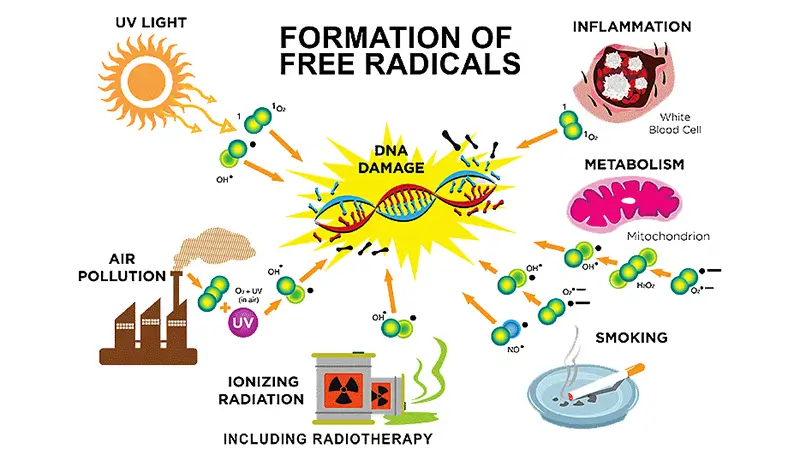
Der Grund, warum wir ein viel besseres Farbsehen als Fleischfresser haben, liegt genau darin, dass wir diese Pflanzenpigmente identifizieren können. Wir müssen reife Früchte anhand der darin gespeicherten Energie in Form von Fruktose erkennen.
Diese Pflanzenpigmente sind für uns genauso wichtig wie jedes andere Vitamin, mit nur einem Unterschied.
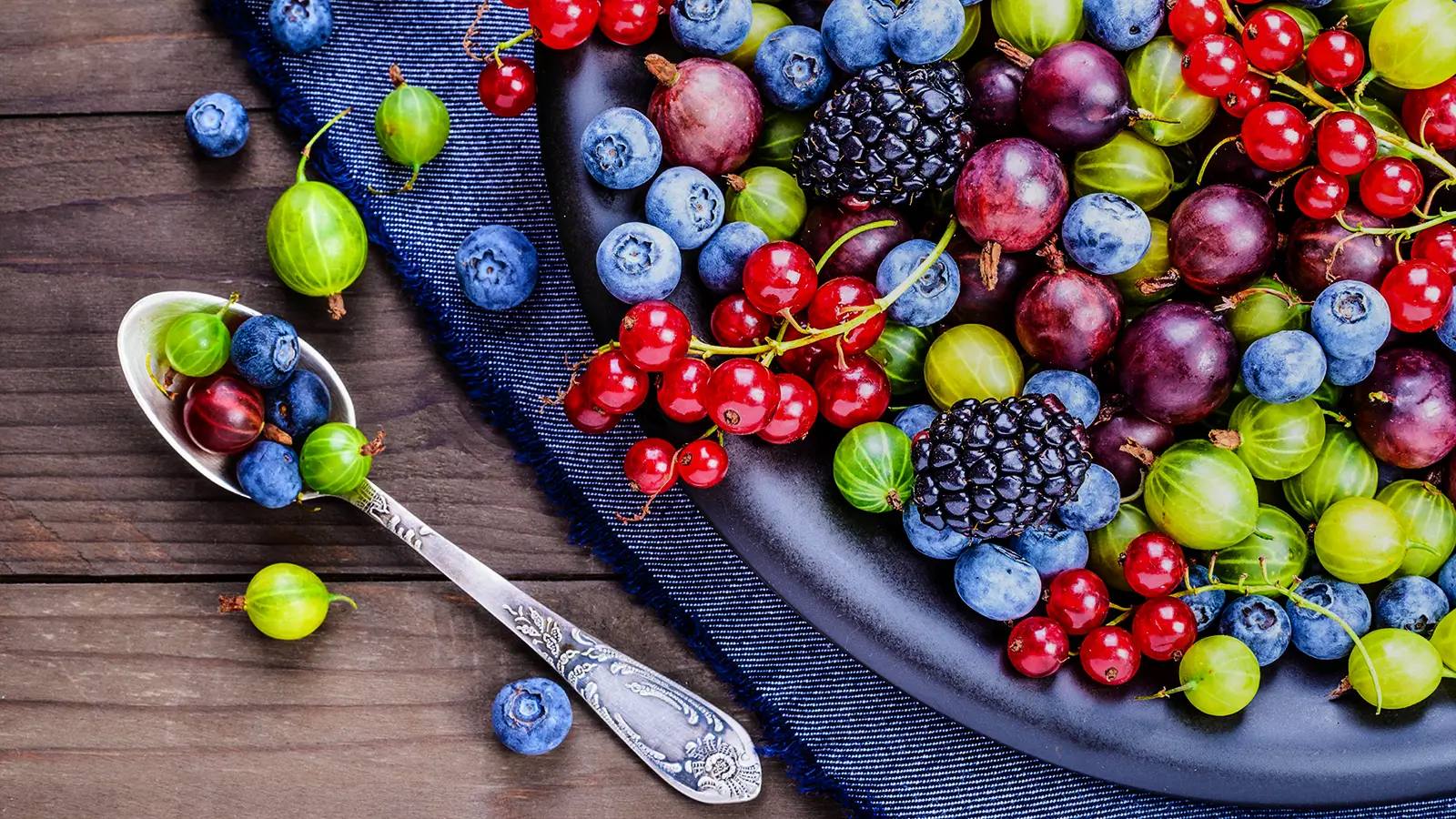
Wir werden nicht direkt an einem Mangel an Antioxidantien sterben. Wir werden indirekt an Krebs oder etwas anderem sterben chronische Erkrankung und wir werden eine Zunahme der Zellalterung und Entzündungen sowie eine kürzere Lebensdauer haben. Je stärker das Pigment, desto stärker ist seine Fähigkeit, freie Radikale zu neutralisieren. Einige der Pflanzen, die haben starke Pigmente sind am gesündesten und haben die positivsten Auswirkungen auf unseren Körper. Beispielsweise gelten Beeren aufgrund ihrer starken antioxidativen Eigenschaften allgemein als die gesündesten Früchte. Beeren haben sehr starke Pigmente. Acai Beeren sind so stark, dass sie zur Färbung des Verdauungstrakts von Menschen vor der Bildgebung mit Röntgenstrahlen verwendet werden. Einige andere Pflanzen haben noch stärkere Pigmente als Beeren, wie zum Beispiel Kurkuma. Es hinterlässt Flecken auf allem, was es berührt. Eine kleine Prise Kurkuma reicht aus, um Ihr gesamtes Gericht gelb zu machen. Es ist eines der stärksten Pigmente überhaupt. Curcumin ist so gesundheitsfördernd und so schützend, dass es neben einer Vielzahl anderer Wirkungen auch als Chemotherapeutikum erforscht wird. Elemene beispielsweise ist ein sekundärer Pflanzenstoff, der aus Kurkuma gewonnen wird und in China zur Behandlung von Krebs zugelassen ist. Curcumin ist das wichtigste gelbe Pigment in Kurkuma, dem nachweislich die stärksten schützenden Eigenschaften zugeschrieben werden.
Wir müssen bedenken, dass Curcumin nur eines von vielen ist sekundäre Pflanzenstoffe in Kurkuma.
Es gibt eine ganze Reihe anderer Wirkstoffe in Kurkuma als Gesamtpflanze, aber die reduktionistische Mentalität der Medizinindustrie glaubt, dass es eine viel effektivere und natürlich auch viel lukrativere Praxis ist, wenn der Wirkstoff extrahiert und dann hochdosiert wird in Pillenform.
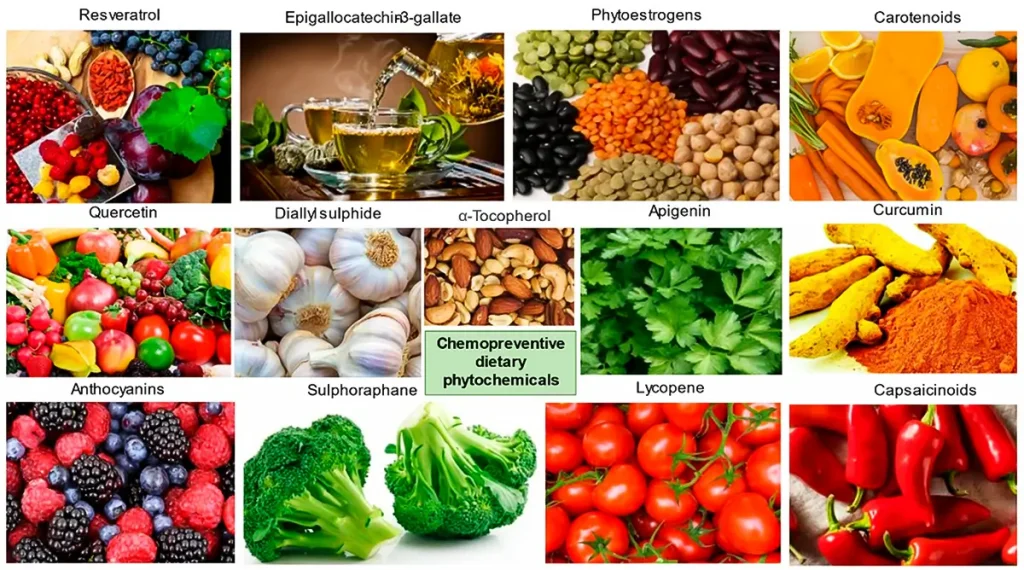
Pflanzen enthalten zahlreiche Polyphenole, die nachweislich Entzündungen reduzieren und dadurch die Krankheitsresistenz erhöhen.
Beispiele für solche Polyphenole sind Isothiocyanate in Kohl und Brokkoli, Epigallocatechin in grünem Tee, Capsaicin in Chilischoten, Chalone, Rutin und Naringenin in Äpfeln, Resveratrol in Rotwein und frischen Erdnüssen.
Aber es ist unmöglich, sie alle zu recherchieren. Allein in Kurkuma wurden bisher über 300 aktive sekundäre Pflanzenstoffe identifiziert. In dieser Studie beispielsweise (Aggarwal et al., 2013) kamen sie zu dem Schluss, dass Kurkuma ohne Curcumin wirksamer bei der Krebsbekämpfung ist und eine stärkere entzündungshemmende Wirkung hat als Curcumin allein. Das Problem ist, dass Kurkuma nur ein würzen Und es ist spottbillig, so dass es am Ende der Forschung keine Patente gibt, wenn es nicht in eine Pillenform umgewandelt wird. Die Studie kam zu dem Schluss, dass Kurkuma eine gute Quelle für neue Chemikalien für die medizinische Industrie darstellt und nicht, dass Menschen die gesamte Kurkuma als Heilkraut essen sollten.
Bioverfügbarkeit.
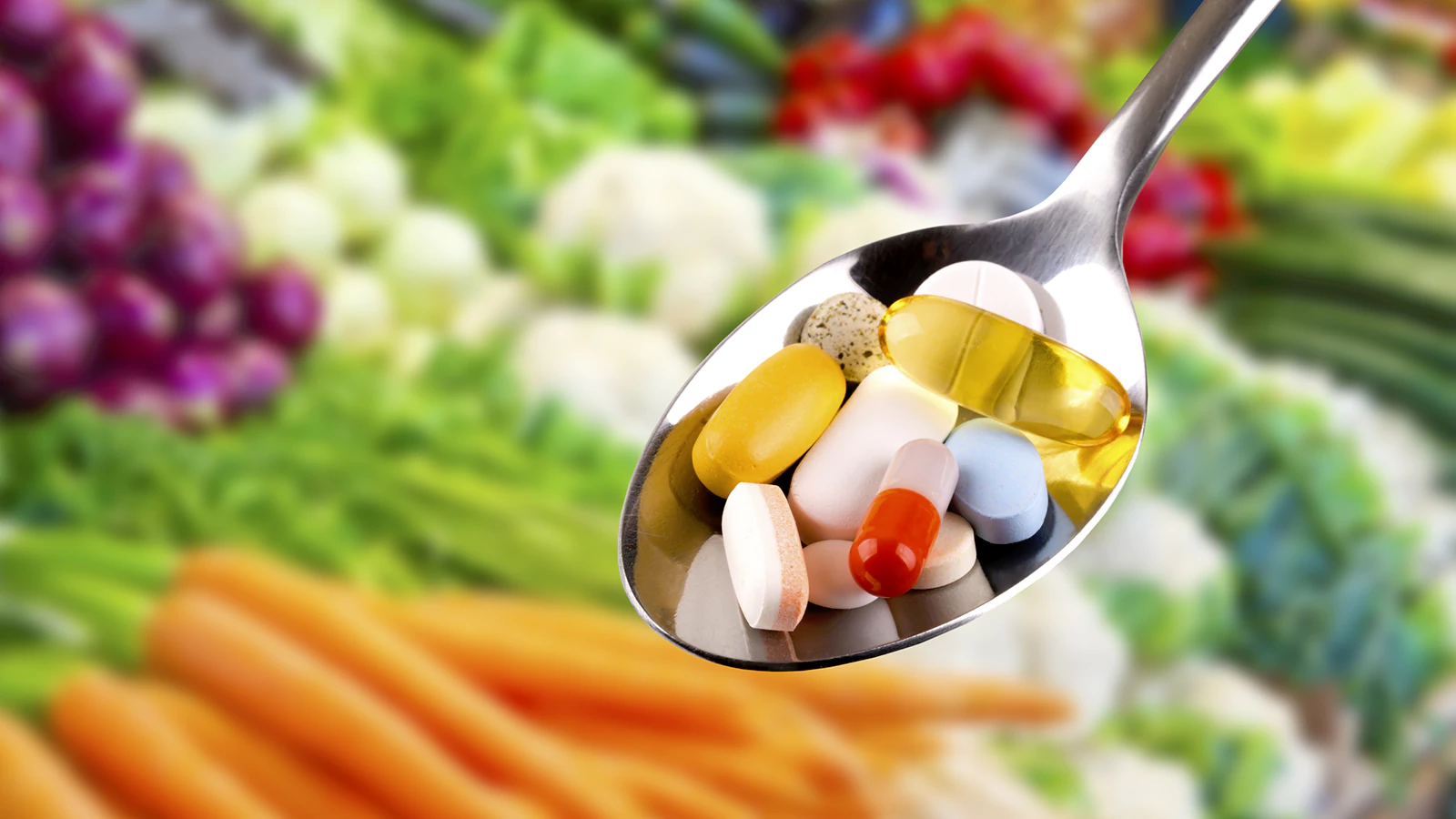
Es gibt ein Problem mit Curcumin und das ist schlecht Bioverfügbarkeit. Beim Verzehr werden nur geringe Mengen verwertet. Nahrungsergänzungsmittel nutzen unterschiedliche Methoden, um die Bioverfügbarkeit auf bis zu 99 Prozent zu steigern. Sie sind bequemer einzunehmen, aber die gesamte Nahrungsquelle ist aufgrund der breiten Palette verschiedener sekundärer Pflanzenstoffe viel gesünder. Im Idealfall besteht die Lösung darin, das Gewürz als vollwertiges Lebensmittelprodukt zu sich zu nehmen und seine Aufnahme zu erhöhen. Es gibt eine Möglichkeit, wie wir das tun können. Die Lösung ist schwarzer Pfeffer. Schwarzer Pfeffer enthält einen sekundären Pflanzenstoff, der bei gleichzeitigem Verzehr die Bioverfügbarkeit von Curcumin erhöht. Curcumin macht etwa 5 % des Gewichts von Kurkuma aus. Außerdem bestehen etwa 5 Gewichtsprozent schwarzer Pfeffer aus einem sekundären Pflanzenstoff namens Piperin. Piperin verleiht schwarzem Pfeffer sein Aroma, ist aber auch ein starker Hemmer des Leberstoffwechsels. Es gibt verschiedene Wege, die die Leber zur Entgiftung von Chemikalien nutzt. Einer davon besteht darin, Ölchemikalien wasserlöslich zu machen, damit sie von den Nieren entfernt werden können. Das Piperinmolekül hemmt diesen Prozess und verhindert, dass die Leber Curcumin ausscheidet.
Wenn wir nur eine Prise schwarzen Pfeffer zu einem Zwanzigstel Teelöffel Kurkuma hinzufügen, steigt die Bioverfügbarkeit von Curcumin um 2000 %. (Shoba et al., 1998).
Ebenso wie bei jedem anderen Pigment wie beispielsweise Beta-Carotin oder Lycopin (rotes Pigment) aus Tomaten wird die Bioverfügbarkeit dieser Verbindungen durch die Zugabe von Öl zur Mahlzeit erheblich erhöht.
Fett kann die Bioverfügbarkeit von Curcumin um das Sieben- bis Achtfache steigern.
Wenn Curcumin mit Fett verzehrt wird, kann es über das Lymphsystem direkt in den Blutkreislauf aufgenommen werden, wodurch die Leber teilweise umgangen wird. Es wurde festgestellt, dass die Zugabe einer kleinen Menge Fett zu den Salaten die gleiche Wirkung hat wie eine Vielzahl verschiedener öllöslicher sekundärer Pflanzenstoffe. Alle öllöslichen sekundären Pflanzenstoffe, einschließlich der Pigmente, werden mit Öl besser absorbiert und haben mit schwarzem Pfeffer eine höhere Bioverfügbarkeit.
Nebenwirkungen.
Das einzige wirkliche Problem ist die hohe Bioverfügbarkeit Oxalate in Kurkuma. Oxalate können sich an Kalzium binden und so eine unlösliche Substanz bilden Kalziumoxalat, das für etwa 75 % aller Nierensteine verantwortlich ist. Bei Menschen, die zur Bildung von Nierensteinen neigen, sollte der Verzehr von Oxalaten weniger als 40 bis 50 mg/Tag betragen nicht mehr als höchstens einen Teelöffel Kurkuma.
Studien am Menschen zeigten keine toxischen Wirkungen und Curcumin war in einer oralen Dosis von 6 g/Tag für 4–7 Wochen sicher.
Menschen mit Nierensteinen oder Gicht, die Kurkuma zur Linderung von Entzündungen verwenden möchten, könnten die Verwendung von Curcumin-Ergänzungsmitteln in Betracht ziehen, da das Erreichen hoher Curcuminspiegel aus Kurkuma zu einer zu hohen Oxalatbelastung führen würde.
Eine weitere Sache, die wir beim Umgang mit Kurkuma berücksichtigen müssen, ist, dass es bei Personen mit Gallensteinen Schmerzen in der Gallenblase auslösen kann. Es handelt sich um ein starkes sogenanntes cholezystokinetisches Mittel, das heißt, es erleichtert die Pumpwirkung der Gallenblase und verhindert, dass die Galle stagniert. Wenn Sie also einen Stein darin haben, kann das Zusammendrücken Schmerzen verursachen.
Vorteile.
Bisher gab es im letzten Jahrzehnt umfangreiche Forschung zu Kurkuma und Curcumin.
Kurkuma reduziert nachweislich Entzündungen beispielsweise bei Rauchern drastisch und hilft auch bei entzündlichen Autoimmunerkrankungen entzündliche Darmerkrankung Zu Arthrose Und rheumatoide Arthritis, Und Colitis ulcerosa. Wie jedes andere Chemotherapeutikum tötet es direkt verschiedene Arten von Krebszellen vom Dickdarm, der Prostata und der Brust bis zur Bauchspeicheldrüse ab. Es ist sehr wirksam und hat gleichzeitig keine negativen Nebenwirkungen. Es hilft dabei Diabetes Typ 2 Und Prädiabetes Und Fettleibigkeit und hat starke neuroprotektive Eigenschaften. Es hilft dabei Alzheimer-Erkrankung, Parkinson-Krankheit, regelmäßig kognitiver Verfallund sogar Depressionen. Es ist gut für die Arterienfunktion. Es kann bei der Belastung durch Schwermetalle und andere Giftstoffe helfen.
Alles, was jemals getestet wurde, ergab ein positives Ergebnis und die Wahrheit ist, dass Kurkuma überhaupt nichts Besonderes ist. Es ist nur ein weiteres natürliches Pigment oder Antioxidans wie jedes andere Pigment. Es ist einfach stärker als einige andere Pigmente und das ist es. Wichtig zu verstehen ist jedoch, dass alle Pigmente in Pflanzen und im menschlichen Körper ähnlich wirken. Alle Pigmente haben schützende Eigenschaften, nicht nur Curcumin. Bedenken Sie, dass Studien zur Biochemie eines Pigments denen aller existierenden Pigmente ähneln würden. Es ist das gleiche Prinzip. Einige Pigmente und Antioxidantien sind stärker, andere schwächer, aber auf molekularer Ebene wirken sie alle gleich, indem sie ein zusätzliches Elektron abgeben.
Krebsvorsorge.
In der wissenschaftlicheren Krebsforschung ist bekannt, dass Curcumin die Aktivierung verschiedener Transkriptionsfaktoren moduliert und die Expression von Entzündungsenzymen, Zytokinen, Adhäsionsmolekülen und Zellüberlebensproteinen reguliert.
In Studien hat es sich als antiproliferatives, antiinvasives und antiangiogenes Mittel, als Mediator der Chemoresistenz, als chemopräventives und therapeutisches Mittel erwiesen (Ara et al., 2016).
Es moduliert mehrere molekulare Wege, die am Krebsentstehungsprozess beteiligt sind: das Abfangen reaktiver oxidativer Spezies (ROS), die Reduzierung der entzündlichen Krebs-Mikroumgebung, die Förderung der Apoptose (Zelltod) und die Hemmung von Überlebenssignalen (Park et al., 2013).
Es gibt Hunderte verschiedener Gene, die mutiert werden müssen, um eine Krebszelle zu erzeugen. Einige Schätzungen gehen von 300 bis 500 aus. Normalerweise beginnen sich die meisten Krebsarten im Teenageralter und sogar schon davor zu entwickeln, aber es dauert Jahrzehnte, bis sie vollständig diagnostiziert und sichtbar sind. Das liegt daran, dass es mehrere verschiedene Wege gibt, die unterschiedliche Mutationen hervorrufen, die letztendlich zur Bildung einer bösartigen Krebszelle führen. Das Problem besteht darin, dass die Medizinindustrie, wenn sie sich mit Krebs befasst, verschiedene Chemotherapeutika entwickelt, die nur auf einen Signalweg abzielen und in ihrer Wirkung äußerst spezifisch sind. Es gibt keinen ganzheitlichen Ansatz zur Behandlung von Krebs und daher auch kein Medikamentenschema, das auf alle unterschiedlichen Wege der Krebsförderung abzielt.
Genau das bewirken die sekundären Pflanzenstoffe und in diesem Fall Curcumin. Aus diesem Grund kam es im letzten Jahrzehnt und insbesondere seit 2004 zu einem explosionsartigen Aufschwung in der Kurkuma-Forschung. Pharmaunternehmen möchten einige der sekundären Pflanzenstoffe aus verschiedenen Pflanzen extrahieren, von denen bekannt ist, dass sie krebshemmende Eigenschaften haben, um sie zusätzlich zu bereits bestehenden und eng begrenzten zielgerichteten Chemotherapie-Arzneimittelschemata zu verwenden, um mehr zielgerichtete Therapien zu erhalten, insbesondere weil die derzeitige Praxis nicht mehr nachhaltig ist. Die Menschen bilden sich weiter und beginnen, Fragen zu stellen und das Internet für ihre eigenen Recherchen zu nutzen.
Fast 50 Jahre nachdem Präsident Richard Nixon den von Big Pharma vorangetriebenen Gesetzentwurf unterzeichnet hatte, der aufgerufen werden sollte Krieg gegen den Krebs, Krebs ist immer noch direkt hinter Herzerkrankungen die häufigste Todesursache in den Vereinigten Staaten. Die Zahlen, von denen sie nicht wollen, dass Sie sie kennen, sind etwa diese.
Wenn wir uns echte Überlebensdaten ansehen, ist das alles Strahlung Und Chemotherapie Menschen das Leben raubt, liegt sie in den USA bei etwa 2,1 Prozent (Morgan et al., 2004). Ich möchte das noch einmal wiederholen. Sie liegt bei 2,1 Prozent.
Im Grunde ist all dieses Leid umsonst. Fünf Jahre nach der Chemo beträgt die Zahl der noch lebenden Menschen im Vergleich zu denen, die keine Behandlung erhalten haben, 2,1 Prozent. Tatsächlich liegt die tatsächliche Zahl bei etwa 1 Prozent, für die meisten häufigen Krebsarten wie Dickdarm-, Lungen-, Brust- und Prostatakrebs liegt sie bei Null. Der Durchschnitt steigt um ein Prozent, weil es einige Krebsarten wie Hoden- oder Hodenkrebs gibt Hodgins die eine viel höhere Überlebensrate haben, etwa 88 Prozent, aber bei mehr als 95 Prozent der verschiedenen Krebsarten liegt sie im Grunde bei Null. Im zweiten Teil habe ich mehr über das Medizingeschäft der Big Pharma geschrieben Buch Serie. Dies geschieht nicht zufällig oder weil die Wissenschaft nicht ausreichend ist und nichts gegen Krebs tun kann. Etwa 95 % aller Krebserkrankungen werden durch eine falsche Ernährung verursacht Und Umwelttoxizität plus all die schlechten Gewohnheiten, die unsere toxische Überlastung verstärken, wie etwa Rauchen, und etwa 1 bis 2 Prozent werden durch schlechte Gene verursacht (Anand et al., 2008). Das ist kein großes Geheimnis, außer dass „sie“ den Patienten das alles einfach nicht erzählen wollen. Krebs ist eine zu 95 Prozent vermeidbare Krankheit, genau wie Herz-Kreislauf-Erkrankungen oder alle anderen Wohlstandskrankheiten, über die ich bereits im ersten Buch der Reihe geschrieben habe.
Heutzutage haben große Unternehmen damit begonnen, stärker in die Erforschung dieser sekundären Pflanzenstoffe zu investieren, als sie in der Vergangenheit bereit waren, mit dem Wunsch, als Endergebnis einige der sekundären Pflanzenstoffe patentieren zu lassen und so die Überlebensrate ein wenig zu erhöhen. Aber wer kann uns davon abhalten, sie einfach vollwertig zu essen? Wenn wir uns die Statistiken ansehen, werden wir feststellen, dass Bevölkerungsdaten zeigen, dass beispielsweise in Indien, wo Kurkuma in erheblichen Mengen konsumiert wird, eine große Lücke bei den Krebsraten besteht als in westlichen Ländern. In den USA ist die Hautkrebsrate trotz der Werbung für Sonnenschutzmittel durch Dermatologen 14-mal höher als in Indien. Das sind 1400 Prozent mehr. Prostatakrebs tritt 23-mal häufiger auf, Darmkrebs 11-mal häufiger, Endometriumkrebs 9-mal häufiger, Brustkrebs 5-mal häufiger, Lungenkrebs 17-mal häufiger und so weiter (Bengmark et al., 2009). Das liegt nicht nur an der Kurkuma, sondern auch an der Tatsache, dass mehr als 40 Prozent der indischen Bevölkerung Vegetarier sind und Menschen, die Fleisch essen, auch viel weniger davon täglich essen als in den USA. Darüber hinaus konsumieren sie viel mehr Gemüse und insbesondere Obst und darüber hinaus Kurkuma und andere Gewürze.
Der Unterschied in der Krebsrate ist bei einigen Krebsarten sogar noch ausgeprägter als bei den anderen China-Studie, aber die Schlussfolgerung ist dieselbe. Wie sehr ein hoher Verzehr von Kurkuma dabei eine Rolle spielt, ist Gegenstand von Untersuchungen, und wenn Sie möchten, können Sie in diesem Testbericht mehr zum Thema lesen (Hutchins-Wolfbrandt et al., 2011).
Derzeit wird viel geforscht und Kurkuma wird für eine Vielzahl von Krebsarten, wenn nicht sogar für alle, sowohl zur Vorbeugung als auch als Chemotherapeutikum getestet. Prävention ist hier das Stichwort. Phytochemikalien haben keine negativen Nebenwirkungen und bewirken viele andere positive Auswirkungen auf andere Krankheiten und ein längeres Leben. Sie können über einen längeren Zeitraum oder ein ganzes Leben lang eingenommen werden und sind kostengünstig. Chemotherapie nicht so sehr und das ist ein entscheidender Unterschied.
Bereits in den 80er Jahren war nach einigen In-vitro-Studien bekannt, dass Curcumin alle drei Stadien der Krebsentstehung, Krebstransformation, -proliferation und -invasion, blockiert. Es blockiert sogar den Eintritt von Mutagenen in die Zellen und hat daher eine starke antitoxische und antimutagene Wirkung (Ravindran et al., 2009). Es reguliert auch viele verschiedene Wege der Apoptose (selbstinduzierter Zelltod) in Krebszellen hoch, lässt normale Zellen jedoch mit einem Mechanismus in Ruhe, der noch nicht so vollständig verstanden ist (Ravindran et al., 2009). Es wird das Zellselbstzerstörungsgen in Krebszellen auf vielfältigen Wegen aktivieren. Bei Krebszellen ist dieser Mechanismus normalerweise vollständig ausgeschaltet und sie sterben tatsächlich nie. In wissenschaftlicher Hinsicht:
„Curcumin moduliert das Wachstum von Tumorzellen durch die Regulierung mehrerer Zellsignalwege, einschließlich des Zellproliferationswegs (Cyclin D1, c-myc), des Zellüberlebenswegs (Bcl-2, Bcl-xL, cFLIP, XIAP, c-IAP1) und der Caspase-Aktivierung Signalweg (Caspase-8, 3, 9), Tumorsuppressor-Signalweg (p53, p21), Todesrezeptor-Signalweg (DR4, DR5), mitochondriale Signalwege und Proteinkinase-Signalweg (JNK, Akt und AMPK).“
(Ravindran et al., 2009)
Auf dem Papier ist das alles schön, aber wie hoch ist die tatsächliche praktische Wirksamkeit von Curcumin in Tests am Menschen? Wie stark ist es? Das hängt von der Krebsart und der noch laufenden Forschung ab. In einigen Fällen ist es jedoch sogar stärker als führende Chemotherapeutika. Als es beispielsweise auf Bauchspeicheldrüsenkrebs getestet wurde, einer der schlimmsten Krebsarten mit einer Überlebensrate von Null, gelang es ihm, einige der Krebszellen bei etwa 10 Prozent der Probanden abzutöten, und bei einem Probanden ging der Krebs um 73 Prozent zurück. Das Problem bei jedem Medikament, das darauf abzielt, Krebszellen abzutöten, besteht darin, dass es unterschiedliche Mutationen in ihnen gibt. Wenn also nur 1 Prozent der Krebszellen überleben und widerstandsfähig sind, wird sich 1 Prozent weiter vermehren und mit der Zeit wachsen und gleich bleiben Größe wie vorher. Deshalb ist Prävention der Schlüssel.
Wenn Sie bereits Krebs haben, ist es höchst unwahrscheinlich, dass Curcumin Ihr Leben rettet.
Die einzige Hoffnung besteht darin, dass der Krebs lokalisiert ist und operativ entfernt werden kann. Sobald es sich im ganzen Körper ausgebreitet hat, ist die Überlebensrate minimal. Das Gute an Curcumin ist, dass es keine negativen Nebenwirkungen hat und egal wie schlecht Ihre Ernährung ist, es kann trotzdem helfen. In einer Studie (Polasa et al., 1992) maßen sie, wie viele Mutagene im Urin der Raucher enthalten waren, indem sie ihn in eine Bakterienkultur tropften und dann die Schädigung der DNA maßen.
Die Zugabe von Kurkuma in Dosen von nur 1,5 g/Tag über 30 Tage senkte die Mutagene im Urin um mehr als 50 Prozent. Das Fazit lautete:
„Diese Ergebnisse deuten darauf hin, dass Kurkuma in der Nahrung ein wirksames Antimutagen ist und bei der Chemoprävention nützlich sein könnte.“
(Polasa et al., 1992)
Meiner Meinung nach ist dieser sekundäre Pflanzenstoff gut erforscht und Kurkuma sollte ein Leben lang als ergänzendes Antioxidans hinzugefügt werden.
Entzündliche und Autoimmunerkrankungen.
Neben der Krebsprävention ist eine der stärksten Wirkungen von Kurkuma die Verringerung allgemeiner Entzündungen im Körper. Dies kann die Oxidation und DNA-Schäden verlangsamen und uns ein langes Leben ermöglichen, kann aber auch bei entzündlichen und Autoimmunerkrankungen helfen.
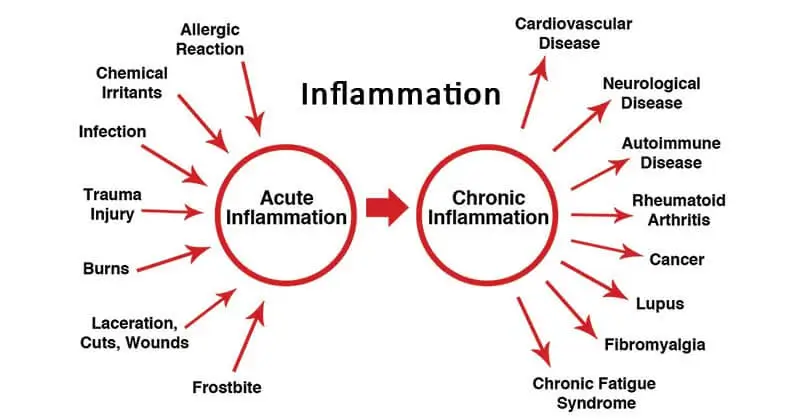
Das Problem bei Autoimmunerkrankungen besteht darin, dass es keine Heilung gibt, wenn das Immunsystem versagt und beginnt, unsere eigenen Zellen anzugreifen. Die einzige Behandlung ist die Einnahme immunsuppressive Medikamente Das hat schwerwiegende Nebenwirkungen, die von Leukämie und Krebs bis hin zu Unfruchtbarkeit reichen. Kurkuma und andere Antioxidantien können ohne Nebenwirkungen helfen. Lupus ist eine Autoimmunerkrankung, die den Zellkern selbst angreift, sodass sie jedes Organ befallen kann und sehr schwer zu behandeln ist. Für Menschen mit einer Krankheit wie Lupus wird das Leben zum Albtraum.
In dieser Studie (Khajehdehi et al., 2012) gaben sie den Probanden Kurkuma refraktärer (unbehandelbarer) Lupus. Nach der Behandlung ging es allen Probanden außer einem Mann, fast 99 Prozent, besser, und zwar deutlich besser. Nebenwirkungen frei.
Es ist höchst unwahrscheinlich, dass Ihnen Ihr Arzt Kurkuma zur Behandlung verordnet, wenn Sie an Lupus leiden. Sie können es jedoch selbst einnehmen und, wenn es hilft, Ihre Medikamenteneinnahme reduzieren. Wenn Sie nicht an Lupus leiden, nehmen Sie es zusammen mit einem antioxidativen Heilkraut ein. Bei anderen schwerwiegenden entzündlichen Erkrankungen wie beispielsweise einer entzündlichen Darmerkrankung (Morbus Crohn) Die erste jemals durchgeführte Studie wurde 2005 von einzelnen Ärzten selbst durchgeführt, die beschlossen, sich gegen die Medizinindustrie zu stellen und ohne finanzielle Unterstützung selbst zu studieren.
Es dauerte fast 50 Jahre nach der ersten Entdeckung, dass Curcumin entzündungshemmende Eigenschaften hat, bis einige Schurkenärzte in New York eine Studie durchführten (Holt et al., 2005).
Vier von fünf behandelten Probanden verbesserten sich. Eigentlich ist Colitis ulcerosa keine Seltenheit. Bei vielen Menschen ist der Darm entzündet, von milderen bis hin zu schweren Formen. Die Behandlung ist wirkungslos und hat schwerwiegende Nebenwirkungen, die zu Entzündungen im ganzen Körper wie Leber-, Nieren- und Bauchspeicheldrüsenentzündungen sowie Schmerzen, Fieber, Erbrechen und in 30 Prozent der Fälle zu völliger Unfruchtbarkeit führen können. Nach Abschluss dieser Studie wurden weitere Studien durchgeführt.
Nächstes Jahr gab es in Japan eine vollständige doppelblinde, placebokontrollierte, groß angelegte Studie (Hanai et al., 2006).
Sie verwendeten nur 2 Gramm Curcumin pro Tag und gaben tatsächlich zu, dass die Dosis unzureichend sei. Das Ergebnis war jedoch eine Rückfallrate von 5 % in der Curcumin-Gruppe im Vergleich zu einer Rückfallrate von 20 % in der Kontrollgruppe.
Menschen mit Morbus Crohn erleiden Autoimmunschübe oder Rückfälle, aber darüber hinaus war der Gesamtzustand der Curcumin-Gruppe bei der endoskopischen Untersuchung sowohl subjektiv als auch objektiv viel besser. Der Unterschied war so extrem, dass die Forscher die Ergebnisse nicht glauben konnten. Sie stellten die Theorie auf, dass es beispielsweise einfach sein könnte, dass zufällig ausgewählte Personen durch einen Zufall in einem besseren Zustand und gesünder waren. Daher beschlossen sie, die Studie um weitere sechs Monate zu verlängern, gaben jedoch jedem ein Placebo. Sie wollten sehen, ob die Menschen, die Curcumin erhielten, nach der Absetzung erneut einen Rückfall erleiden würden. Genau das ist passiert und denken Sie daran, dass es nur 2 Gramm pro Tag waren. Curcumin ist eine starke Substanz.
Es ist so mächtig, dass es sogar kann verändern unsere Genexpression. Wir werden mit einer festen genetischen Struktur geboren, aber unsere Gene mutieren ständig und die Evolution schreitet voran. Welche Gene aktiviert werden, hängt von ihrer Expression ab, die von (externen) Umweltfaktoren abhängt.
Die Zusammenfassung dieser Rezension (Shishodia, 2013) das sagt alles:
„Die präventiven und therapeutischen Eigenschaften von Curcumin hängen mit seinen antioxidativen, entzündungshemmenden und krebsbekämpfenden Eigenschaften zusammen. Umfangreiche Forschung über mehrere Jahrzehnte hinweg hat versucht, die molekularen Mechanismen der Curcumin-Wirkung zu identifizieren. Curcumin moduliert zahlreiche molekulare Ziele, indem es deren Genexpression, Signalwege oder durch direkte Interaktion verändert. Curcumin reguliert die Expression von entzündlichen Zytokinen (z. B. TNF, IL-1), Wachstumsfaktoren (z. B. VEGF, EGF, FGF), Wachstumsfaktorrezeptoren (z. B. EGFR, HER-2, AR), Enzymen (z. B. COX- 2, LOX, MMP9, MAPK, mTOR, Akt), Adhäsionsmoleküle (z. B. ELAM-1, ICAM-1, VCAM-1), Apoptose-bezogene Proteine (z. B. Bcl-2, Caspasen, DR, Fas) und Zelle Zyklusproteine (z. B. Cyclin D1). Curcumin moduliert die Aktivität mehrerer Transkriptionsfaktoren (z. B. NF-κB, AP-1, STAT) und ihre Signalwege. Aufgrund seiner Fähigkeit, mehrere Ziele zu beeinflussen, hat Curcumin das Potenzial zur Vorbeugung und Behandlung verschiedener Krankheiten, darunter Krebs, Arthritis, Allergien, Arteriosklerose, Alterung, neurodegenerative Erkrankungen, Lebererkrankungen, Fettleibigkeit, Diabetes, Psoriasis und Autoimmunerkrankungen.“
(Shishodia, 2013)
Sie haben in der Rezension auch das Altern als Krankheit beschrieben. Ich fand das interessant, und ja, starke Antioxidantien haben das Potenzial, die DNA vor Schäden zu schützen und in gewisser Weise das Leben zu verlängern. Sie werden diese wissenschaftliche Terminologie nicht verstehen können, aber das ist nicht wichtig. Wichtig ist, das Ausmaß der Wirksamkeit bestimmter Heilpflanzen und ihrer sekundären Pflanzenstoffe zu verstehen. Die Menschen neigen dazu zu glauben, dass nur synthetische Moleküle, die aus bestimmten Labors stammen, medizinisches Potenzial haben, und die Wahrheit ist genau das Gegenteil. Das wahre Potenzial liegt in den Phytochemikalien, die sich über Hunderte von Millionen Jahren auf diesem Planeten entwickelt haben, und synthetische Moleküle sind lediglich schwache Substanzen, die geschaffen wurden, damit große Chemieunternehmen mit ihren Patenten viel Geld verdienen können. Und selbst die meisten Medikamente sind heute in erster Linie nur extrahierte sekundäre Pflanzenstoffe.
Ich werde ein Zitat aus einer Rezension aus dem Jahr 2013 verwenden, und zwar: aus klinischen Studien am Menschen (Gupta et al., 2013). Sie kamen zu dem Schluss:
„Einige vielversprechende Wirkungen wurden bei Patienten mit verschiedenen entzündungsfördernden Erkrankungen beobachtet, darunter Krebs, Herz-Kreislauf-Erkrankungen, Arthritis, Uveitis, ulzerative Proktitis, Morbus Crohn, Colitis ulcerosa, Reizdarmerkrankung, tropische Pankreatitis, Magengeschwür, Magengeschwür, idiopathischer orbitaler entzündlicher Pseudotumor, oraler Lichen ruber, Magenentzündung, Vitiligo, Psoriasis, akutes Koronarsyndrom , Arteriosklerose, Diabetes, diabetische Nephropathie, diabetische Mikroangiopathie, Lupusnephritis, Nierenerkrankungen, erworbenes Immunschwächesyndrom, β-Thalassämie, Gallendyskinesie, Dejerine-Sottas-Krankheit, Cholezystitis und chronische bakterielle Prostatitis. Curcumin hat ebenfalls Schutz gezeigt gegen Lebererkrankungen, chronisch Arsenbelastungund Alkoholvergiftung. Studien zur Dosissteigerung haben gezeigt, dass Curcumin in Dosen von bis zu 12 g/Tag über 3 Monate sicher ist. Die pleiotropen Aktivitäten von Curcumin beruhen auf seiner Fähigkeit, zahlreiche Signalmoleküle wie entzündungsfördernde Zytokine, apoptotische Proteine, NF-κB, Cyclooxygenase-2, 5-LOX, STAT3, C-reaktives Protein, Prostaglandin E(2) und Prostata-spezifisches zu modulieren Antigen, Adhäsionsmoleküle, Phosphorylasekinase, transformierender Wachstumsfaktor β, Triglycerid, ET-1, Kreatinin, HO-1, AST und ALT bei menschlichen Teilnehmern.“
(Gupta et al., 2013)
Der Verzehr tierischer Produkte hat dagegen genau das Gegenteil. Fleisch ist nicht nur ein neutrales Produkt, das reich an Eisen und Eiweiß ist. Es handelt sich um ein Lebensmittel, das vor allem beim Kochen mit toten Fleischbakterien, Endotoxinen und Mutagenen beladen ist und andere Giftstoffe und Schwermetalle aus der Umwelt sowie Cholesterin und gesättigte Fettsäuren enthält es stimuliert krebsförderndes IGF-1 und ist von sich aus entzündungsfördernd, auch wenn wir außer Acht lassen, dass es überhaupt keine antioxidativen Eigenschaften besitzt.
Wenn Sie jung und vollkommen gesund sind und sich möglichst gesünder ernähren, sollten Sie dennoch Curcumin und einige andere Heilpflanzen und Nahrungsergänzungsmittel hinzufügen, die nachweislich gesundheitsfördernde Eigenschaften haben. Nicht zuletzt, um Ihre Lebenserwartung zu verlängern und sich langfristig vor Krankheiten zu schützen.
Kurkuma hat auch starke neuroprotektive Eigenschaften, die bei neurologischen Störungen und Krankheiten, aber auch bei normalem kognitiven Verfall, der mit dem Alter einhergeht, helfen können. Es hilft bei Prädiabetes und Fettleibigkeit. Es hilft bei der Arterienfunktion. Bei vielen entzündlichen Erkrankungen wirkt es besser als führende Medikamente und hat keine Nebenwirkungen.
Beispielsweise wirken 500 mg Curcumin deutlich besser bei rheumatoider Arthritis als Diclofenac (Chandran et al., 2012). Denken Sie daran, dass Diclofenac ein sehr starkes nichtsteroidales entzündungshemmendes Medikament ist, das auch bei Migräneanfällen, Nierensteinen und anderen schmerzhaften Erkrankungen eingesetzt wird und bei der Einnahme auch Ihr Risiko für einen tödlichen Herzinfarkt oder Schlaganfall dramatisch erhöhen würde (ca. 40 Prozent). über längere Zeiträume. Manchmal wird es sogar mit Opioiden kombiniert Kodein zur Schmerzbehandlung. Codein selbst ist ein sekundärer Pflanzenstoff, der in Mohnsamen vorkommt. Mohn enthält viele Alkaloide, die wichtigsten sekundären Pflanzenstoffe sind Morphin, Noscapin und Codein.
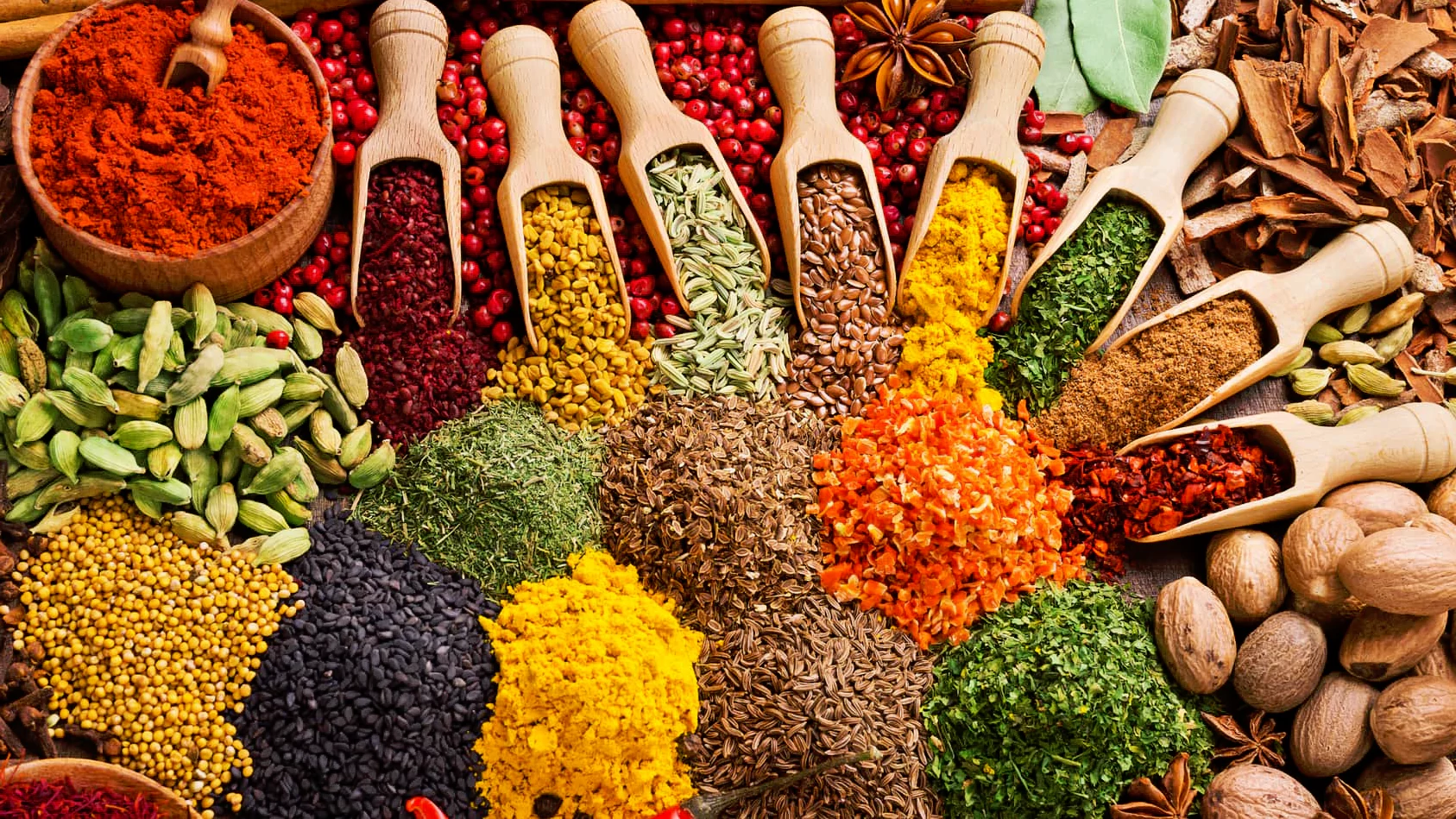
Kurkuma eignet sich sogar gut als Präbiotikum. Es wirkt sich positiv auf die Mikrobiota-Kolonie in unserem Darm aus.
Kurkuma vs. Curcumin.
Eine weitere Sache, die ich erwähnen möchte, ist, dass in fast allen Fällen Vollnahrung aufgrund des sogenannten Phänomens eine bessere Wahl ist als extrahierte einzelne sekundäre Pflanzenstoffe Nahrungsmittelsynergie. Synergie bedeutet, dass wir zwei Verbindungen haben, die viel besser zusammenarbeiten als einzelne Verbindungen zusammen. Zwei plus zwei ergibt fünf, wenn Ihnen diese Analogie gefällt. Dies ist auch der Grund, warum viele der Pigmente wie Beta-Carotin und Lycopin in der extrahierten Form nutzlos sind.
Karotten senken das Krebsrisiko, aber Beta-Carotin in einer Pille erhöht das Risiko. Tomaten senken das Risiko für Prostatakrebs drastisch, Lycopin erhöht das Risiko jedoch.
Das ist sehr wichtig, denn manche Nahrungsergänzungsmittel sind mehr als nur Geldverschwendung und können uns schaden. Die Leute könnten auf die Idee kommen, dass sie, wenn sie nicht genug Gemüse essen, nach einer guten Mahlzeit mit gegrilltem Speck Antioxidantien über eine Pille erhalten können. Und das ist nicht in allen Situationen der Fall. Es gibt einige, die als Ergänzung eingenommen werden können, aber nicht alle. Curcumin aus Kurkuma eignet sich beispielsweise auch hervorragend als Nahrungsergänzungsmittel, Beta-Carotin und Lycopin hingegen nicht. Wenn sie nicht als vollwertiges Lebensmittel mit Tausenden anderer sekundärer Pflanzenstoffe verpackt sind, die synergetisch wirken, um einige der anderen negativen Auswirkungen zu neutralisieren, können einige dieser extrahierten sekundären Pflanzenstoffe uns großen Schaden zufügen. Aus diesem Grund müssen wir uns immer für gesunde Lebensmittel in Vollwertpackungen anstelle von Pillen entscheiden, bis in echten klinischen Doppelblindstudien umfangreiche Untersuchungen zu bestimmten sekundären Pflanzenstoffen durchgeführt werden. Curcumin ist inzwischen gut erforscht, ebenso wie Lycopin und viele andere sekundäre Pflanzenstoffe und heute haben wir ein Basic wissenschaftliche Erkenntnisse über viele von ihnen.
Vorteile von Kurkuma:
- Es reduziert nachweislich Entzündungen drastisch und hilft ergänzend bei allen Erkrankungen, die mit chronischen Entzündungen einhergehen.
- Schmerzlindernd insbesondere bei chronischen Entzündungen wie Arthritis, Lupus…
- Krebsbehandlung und -prävention durch Regulierung mehrerer Zellsignalwege.
- Autoimmunerkrankungen– Es hat starke immunmodulierende Eigenschaften, indem es entzündliche Zytokine und Signalwege in Immunzellen reguliert (Hell, 2007).
- Starke neuroprotektive Eigenschaften -Alzheimer-Krankheit, Parkinson-Krankheit, regelmäßiger kognitiver Verfall ...
- Starke antitoxische und antimutagene Wirkung von verhindert, dass Mutagene in die Zellen gelangen.
- Starker antitoxischer und Schwermetall-Chelatbildner -Elektronenspender, der niemals zu einem Pro-Radikalen wird.
- Kann bei der Behandlung von Diabetes helfen– In einer Studie aktivierte es das Enzym AMPK mehr als 400-mal stärker als Metformin (das am häufigsten verschriebene Diabetes- und Langlebigkeitsmedikament auf dem Planeten, ich selbst nehme Metformin als Kur).
- Schützt vor den Schäden einer diabetischen Nephropathie.
- Kann bei Fettleibigkeit helfen– Durch die Unterdrückung entzündlicher Prozesse und ihrer gesundheitsschädlichen Auswirkungen.
- Verbessert den Serumlipidspiegel– In einer Studie war seine Wirksamkeit mit der von Atorvastatin vergleichbar (Usharani et al., 2008).
- Verbessert die Muskelregeneration.
- Wirksam bei der Behandlung mehrerer Hauterkrankungen – Man muss es konsumieren, es hilft bei Psoriasis, Pruritus, oralem Lichen ruber, Gesichtsrötungen sowie verschiedenen Hautkrebsarten (Mata et al., 2021).
- Reduzierung von Depressions- und Angstsymptomen– Beeinflusst die Neurotransmitterfunktion durch den aus dem Gehirn stammenden neurotrophen Faktor. In einer Studie war es genauso wirksam wie das Medikament Fluoxetin (Sanmukhani et al., 2014).
- Verhindern Sie Blutgerinnsel - Starke blutplättchenhemmende und gerinnungshemmende Eigenschaften. Wenn Sie Aspirin oder andere Blutverdünner einnehmen, sollten Sie diese reduzieren. Konsultieren Sie Ihren Arzt (Keihanian et al., 2018).
- Verändert die Genexpression und verlangsamt die Geschwindigkeit von DNA-Schäden.
- Gut als Präbiotikum- Es wirkt sich positiv auf die Mikrobiota-Kolonie in unserem Darm aus.
- Spottgünstiges, leicht erhältliches Vollwertgewürz.
Abschluss:
- Nehmen Sie niemals zusätzliche Antioxidantien ein, die im Körper zu Prooxidantien werden.
- Nehmen Sie niemals zusätzliche Antioxidantien ein, die über enzymatische Wege aus dem Körper entfernt werden müssen. Sie könnten den natürlichen Abwehrmechanismus des Körpers überfordern. Informieren Sie sich daher vor der Einnahme.
- Nehmen Sie niemals zusätzliches Vitamin E, Selen, Beta-Carotin und Lycopin ein – es zeigte sich, dass die Einnahme von Vitamin E, Selen, Beta-Carotin und Lycopin ein erhöhtes Krebsrisiko darstellt.
- Immer nehmen Vollwertkostquellen für Antioxidantien vor der Nahrungsergänzung extrahierte Formen aufgrund der phytochemischen Synergien.
- Nehmen Sie für den Rest Ihres Lebens jeden Tag 5 bis 10 Gramm Kurkuma gemischt mit schwarzem Pfeffer ein, egal welche Krankheit, Diät, Nahrungsergänzungsmittel, Medikamente oder Therapien Sie einnehmen, es hat sich als sicher erwiesen.
- Kurkuma ist kein Wundermittel oder Ersatz für eine schlechte Ernährung, es ist lediglich ein weiteres starkes ergänzendes Antioxidans im Einklang mit Kakao, Hibiskus, Astaxanthin, oder Beeren…
- Kurkuma ist kein Ersatz für eine ungesunde Ernährung Lernen Sie Ihre ORAC-Werte kennen, auch wenn es sich um eine vollwertige, pflanzliche Ernährung handelt.
- Kurkuma kann und sollte zusammen mit anderen ergänzenden Antioxidantien eingenommen werden, die sich als wirksam erwiesen haben, wie etwa liposomales Vitamin C oder Astaxanthin.
- Menschen mit Nierensteinen und Gicht könnten aus Sicherheitsgründen die Verwendung von Curcumin-Ergänzungsmitteln anstelle von Kurkuma in Betracht ziehen, bis weitere Untersuchungen durchgeführt wurden.
- Patienten, die bereits Blutverdünner und Statine einnehmen, müssen ihren Arzt konsultieren, da sie möglicherweise die Dosis ihrer verschriebenen Medikamente senken müssen.
Häufig Gestellte Fragen
Verweise:
Ausgewählte Passagen aus einem Buch: Pokimica, Milos. Zum Veganer werden? Rückblick auf die Wissenschaft Teil 3. Kindle-Ausgabe, Amazon, 2020.
- Aggarwal, BB, Yuan, W., Li, S. & Gupta, SC (2013). Curcuminfreies Kurkuma weist entzündungshemmende und krebsbekämpfende Wirkungen auf: Identifizierung neuer Bestandteile von Kurkuma. Molekulare Ernährung und Lebensmittelforschung, 57(9), 1529–1542. https://doi.org/10.1002/mnfr.201200838
- Aggarwal, BB, Yuan, W., Li, S. & Gupta, SC (2013). Curcuminfreies Kurkuma weist entzündungshemmende und krebsbekämpfende Wirkungen auf: Identifizierung neuer Bestandteile von Kurkuma. Molekulare Ernährung und Lebensmittelforschung, 57(9), 1529–1542. https://doi.org/10.1002/mnfr.201200838
- Ara, SA, Mudda, JA, Lingappa, A. & Rao, P. (2016). Forschung zu Curcumin: Eine Metaanalyse potenziell bösartiger Erkrankungen. Zeitschrift für Krebsforschung und -therapie, 12(1), 175–181. https://doi.org/10.4103/0973-1482.171370
- Park, W., Amin, AR, Chen, ZG und Shin, DM (2013). Neue Perspektiven von Curcumin in der Krebsprävention. Krebspräventionsforschung (Philadelphia, Pennsylvania), 6(5), 387–400. https://doi.org/10.1158/1940-6207.CAPR-12-0410
- Morgan, G., Ward, R. & Barton, M. (2004). Der Beitrag der zytotoxischen Chemotherapie zum 5-Jahres-Überleben bei malignen Erkrankungen bei Erwachsenen. Klinische Onkologie (Royal College of Radiologists (Großbritannien)), 16(8), 549–560. https://doi.org/10.1016/j.clon.2004.06.007
- Anand, P., Kunnumakkara, AB, Sundaram, C., Harikumar, KB, Tharakan, ST, Lai, OS, Sung, B. & Aggarwal, BB (2008). Krebs ist eine vermeidbare Krankheit, die eine umfassende Änderung des Lebensstils erfordert. Pharmazeutische Forschung, 25(9), 2097–2116. https://doi.org/10.1007/s11095-008-9661-9
- Bengmark, S., Mesa, MD, & Gil, A. (2009). Pflanzliche Gesundheit: die Wirkung von Kurkuma und Curcuminoiden. Krankenhausernährung, 24(3), 273–281. [PubMed]
- Hutchins-Wolfbrandt, A. & Mistry, AM (2011). Kurkuma in der Nahrung verringert möglicherweise das Krebsrisiko. Zeitschrift für Krebsprävention im asiatisch-pazifischen Raum: APJCP, 12(12), 3169–3173. [PubMed]
- Ravindran, J., Prasad, S. & Aggarwal, BB (2009). Curcumin und Krebszellen: Auf wie viele Arten kann Curry Tumorzellen selektiv abtöten? Das AAPS Journal, 11(3), 495-510. https://doi.org/10.1208/s12248-009-9128-x
- Polasa, K., Raghuram, TC, Krishna, TP und Krishnaswamy, K. (1992). Wirkung von Kurkuma auf Harnmutagene bei Rauchern. Mutagenese, 7(2), 107–109. https://doi.org/10.1093/mutage/7.2.107
- Khajehdehi, P., Zanjaninejad, B., Aflaki, E., Nazarinia, M., Azad, F., Malekmakan, L. & Dehghanzadeh, GR (2012). Eine orale Ergänzung mit Kurkuma senkt Proteinurie, Hämaturie und systolischen Blutdruck bei Patienten mit rezidivierender oder refraktärer Lupusnephritis: eine randomisierte und placebokontrollierte Studie. Journal of Renal Nutrition: das offizielle Journal des Council on Renal Nutrition der National Kidney Foundation, 22(1), 50–57. https://doi.org/10.1053/j.jrn.2011.03.002
- Holt, PR, Katz, S. & Kirshoff, R. (2005). Curcumin-Therapie bei entzündlichen Darmerkrankungen: eine Pilotstudie. Verdauungskrankheiten und Wissenschaften, 50(11), 2191–2193. https://doi.org/10.1007/s10620-005-3032-8
- Hanai, H., Iida, T., Takeuchi, K., Watanabe, F., Maruyama, Y., Andoh, A., Tsujikawa, T., Fujiyama, Y., Mitsuyama, K., Sata, M., Yamada, M., Iwaoka, Y., Kanke, K., Hiraishi, H., Hirayama, K., Arai, H., Yoshii, S., Uchijima, M., Nagata, T. & Koide, Y. (2006). Curcumin-Erhaltungstherapie bei Colitis ulcerosa: randomisierte, multizentrische, doppelblinde, placebokontrollierte Studie. Klinische Gastroenterologie und Hepatologie: das offizielle Journal für klinische Praxis der American Gastroenterological Association, 4(12), 1502–1506. https://doi.org/10.1016/j.cgh.2006.08.008
- Shishodia S. (2013). Molekulare Mechanismen der Curcumin-Wirkung: Genexpression. BioFactors (Oxford, England), 39(1), 37–55. https://doi.org/10.1002/biof.1041
- Gupta, SC, Patchva, S. & Aggarwal, BB (2013). Therapeutische Rollen von Curcumin: Lehren aus klinischen Studien. Das AAPS Journal, 15(1), 195-218. https://doi.org/10.1208/s12248-012-9432-8
- Chandran, B. & Goel, A. (2012). Eine randomisierte Pilotstudie zur Bewertung der Wirksamkeit und Sicherheit von Curcumin bei Patienten mit aktiver rheumatoider Arthritis. Phytotherapie-Forschung: PTR, 26(11), 1719–1725. https://doi.org/10.1002/ptr.4639
- Soleimani, V., Sahebkar, A. & Hosseinzadeh, H. (2018). Kurkuma (Curcuma longa) und sein Hauptbestandteil (Curcumin) als ungiftige und sichere Substanzen: Eine Übersicht. Phytotherapie-Forschung: PTR, 32(6), 985–995. https://doi.org/10.1002/ptr.6054
- Usharani, P., Mateen, AA, Naidu, MU, Raju, YS, & Chandra, N. (2008). Wirkung von NCB-02, Atorvastatin und Placebo auf die Endothelfunktion, oxidativen Stress und Entzündungsmarker bei Patienten mit Typ-2-Diabetes mellitus: eine randomisierte, placebokontrollierte Parallelgruppenstudie über 8 Wochen. Medikamente in Forschung und Entwicklung, 9(4), 243–250. https://doi.org/10.2165/00126839-200809040-00004
- Bright JJ (2007). Curcumin und Autoimmunerkrankungen. Fortschritte in der experimentellen Medizin und Biologie, 595, 425–451. https://doi.org/10.1007/978-0-387-46401-5_19
- Mata, IRD, Mata, SRD, Menezes, RCR, Faccioli, LS, Bandeira, KK und Bosco, SMD (2021). Vorteile einer Kurkuma-Ergänzung für die Hautgesundheit bei chronischen Krankheiten: eine systematische Überprüfung. Kritische Rezensionen zur Lebensmittelwissenschaft und Ernährung, 61(20), 3421–3435. https://doi.org/10.1080/10408398.2020.1798353
- Sanmukhani, J., Satodia, V., Trivedi, J., Patel, T., Tiwari, D., Panchal, B., Goel, A. & Tripathi, CB (2014). Wirksamkeit und Sicherheit von Curcumin bei schweren depressiven Störungen: eine randomisierte kontrollierte Studie. Phytotherapie-Forschung: PTR, 28(4), 579–585. https://doi.org/10.1002/ptr.5025
- Keihanian, F., Saeidinia, A., Bagheri, RK, Johnston, TP, & Sahebkar, A. (2018). Curcumin, Blutstillung, Thrombose und Gerinnung. Zeitschrift für Zellphysiologie, 233(6), 4497–4511. https://doi.org/10.1002/jcp.26249
- George, BP, Chandran, R. & Abrahamse, H. (2021). Rolle von sekundären Pflanzenstoffen bei der Chemoprävention von Krebs: Einblicke. Antioxidantien, 10(9), 1455. https://doi.org/10.3390/antiox10091455
Zusammenhängende Posts
Haben Sie Fragen zum Thema Ernährung und Gesundheit?
Ich würde gerne von Ihnen hören und sie in meinem nächsten Beitrag beantworten. Ich schätze Ihren Beitrag und Ihre Meinung und freue mich darauf, bald von Ihnen zu hören. Ich lade Sie auch ein zu Folgen Sie uns auf Facebook, Instagram und Pinterest für weitere Inhalte zu Ernährung und Gesundheit. Sie können dort einen Kommentar hinterlassen und sich mit anderen Gesundheitsbegeisterten austauschen, Ihre Tipps und Erfahrungen teilen und Unterstützung und Ermutigung von unserem Team und unserer Community erhalten.
Ich hoffe, dass dieser Beitrag für Sie informativ und unterhaltsam war und dass Sie bereit sind, die gewonnenen Erkenntnisse anzuwenden. Wenn Sie diesen Beitrag hilfreich fanden, dann es teilen mit Ihren Freunden und Familienangehörigen, die ebenfalls davon profitieren könnten. Man weiß nie, wer auf seinem Weg zur Gesundheit vielleicht etwas Anleitung und Unterstützung braucht.
– Das könnte Ihnen auch gefallen –
Antioxidative Kraft von Gewürzen: In-vivo-Ergebnisse Mit Realistischen Dosierungen
Quecksilber- Neurotoxin aus dem Fisch
Ätherische Öle als Antioxidative Nahrungsergänzungsmittel: Regeln und Strategien

Rohkost Ernährung- Die Evolutionäre Perspektive
Histaminarme Ernährung und Histaminintoleranz: Vollständiger Gide
Endotoxämie Durch Bakterien in Gekochtem Fleisch- Entzündung und Ernährung

Optimale Menschliche Ernährung - Chronische Krankheiten, Diätkriege und das Veganer-Argument
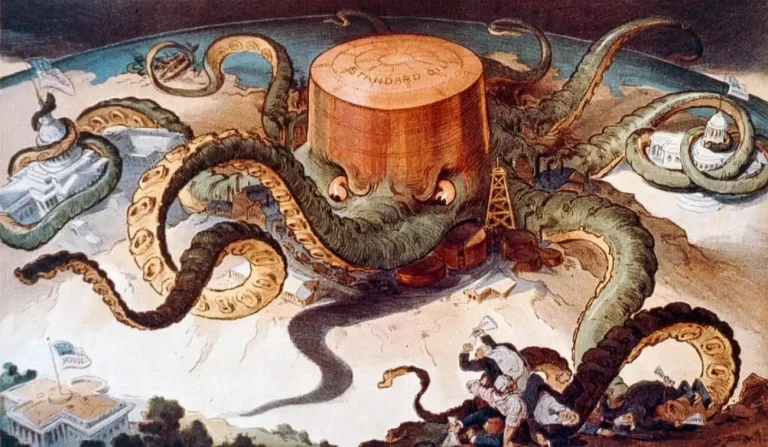
Allopathische Medizin- Der Aufstieg einer Branche

Über Ernährung Lernen

Milos Pokimica ist Doktor der Naturheilkunde, klinischer Ernährungsberater, Autor für medizinische Gesundheit und Ernährung sowie Berater für Ernährungswissenschaften. Autor der Buchreihe Zum Veganer werden? Rückblick auf die Wissenschafter betreibt auch das Natürliche Gesundheit website GoVeganWay.com
Medizinischer Haftungsausschluss
GoVeganWay.com bietet Ihnen Rezensionen der neuesten Ernährungs- und Gesundheitsforschung. Die bereitgestellten Informationen stellen die persönliche Meinung des Autors dar und sind weder als Ersatz für eine professionelle medizinische Beratung, Diagnose oder Behandlung gedacht noch implizit. Die bereitgestellten Informationen dienen ausschließlich Informationszwecken und sollen nicht als Ersatz für die Beratung, Diagnose und/oder medizinische Behandlung durch einen qualifizierten Arzt oder Gesundheitsdienstleister dienen.Ignorieren Sie niemals professionellen medizinischen Rat oder verzögern Sie die Suche nach medizinischer Behandlung, weil Sie etwas auf GoVeganWay.com gelesen oder über GoVeganWay.com darauf zugegriffen haben
Nehmen Sie NIEMALS Änderungen im Lebensstil oder irgendwelche Änderungen vor, die eine Folge von etwas sind, das Sie auf GoVeganWay.com gelesen haben, bevor Sie einen zugelassenen Arzt konsultieren.
Bei einem medizinischen Notfall rufen Sie sofort einen Arzt oder die Notrufnummer 911 an. GoVeganWay.com empfiehlt oder unterstützt keine bestimmten Gruppen, Organisationen, Tests, Ärzte, Produkte, Verfahren, Meinungen oder andere Informationen, die darin erwähnt werden könnten.
Herausgeber-Tipps –
Krebs Auswahl des Herausgebers Phytochemikalien
Antikrebskraft von Obst und Gemüse: In Vivo und Klinische Beweise
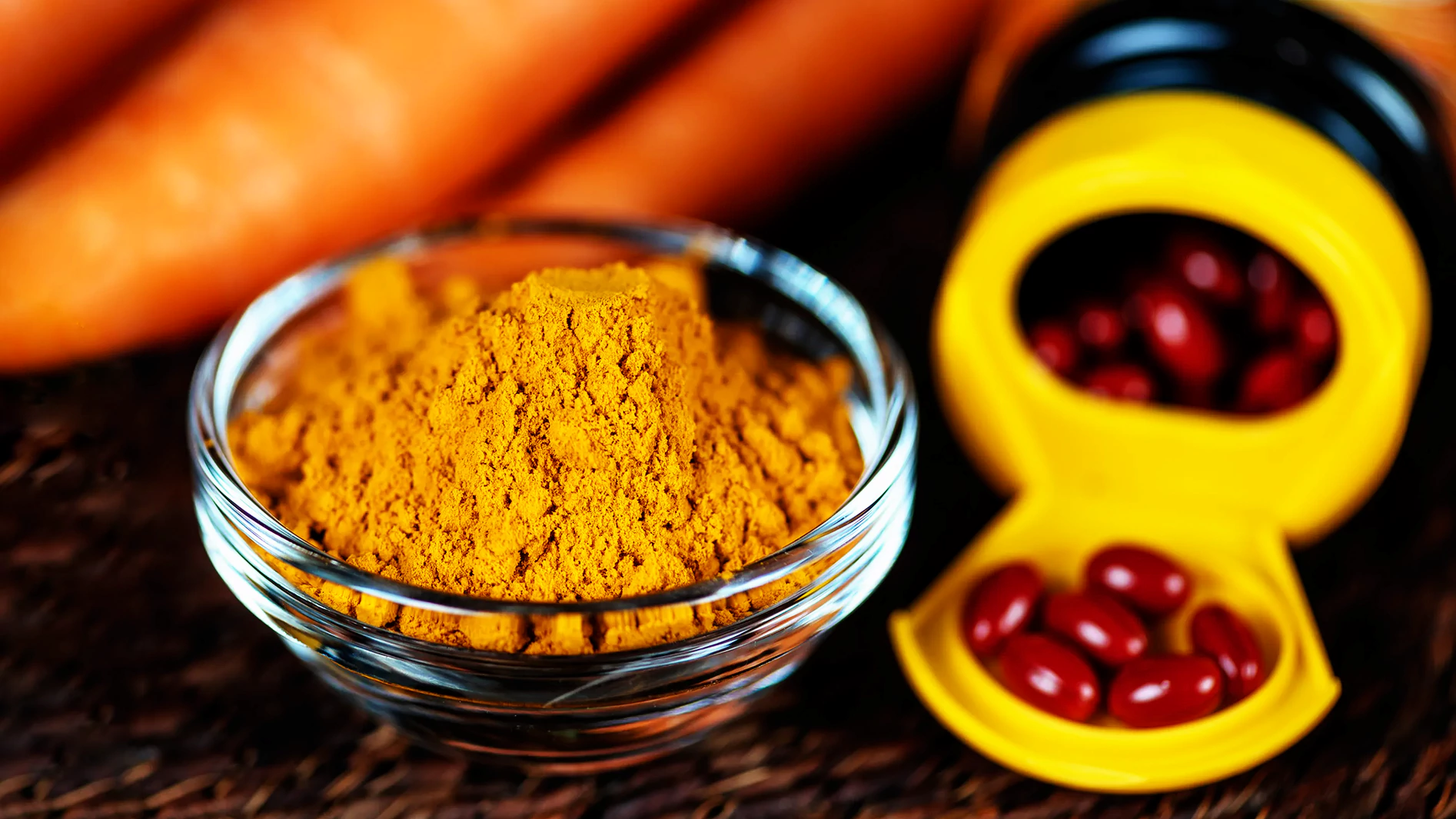
Einige Pflanzenextrakte konkurrieren mit führenden Chemotherapeutika und wirken gleichzeitig auf mehrere verschiedene Arten von Krebszellen.
Antioxidantien Auswahl des Herausgebers ORAC
Ätherische Öle als Antioxidative Nahrungsergänzungsmittel: Regeln und Strategien
Ätherische Öle in Lebensmittelqualität können eine praktische und verbraucherfreundliche Strategie zur Optimierung des Antioxidantienwerts und der ORAC-Werte unserer Ernährung sein.
Antioxidantien Auswahl des Herausgebers ORAC
Antioxidantienreiche Ernährung: Allgemeine Regeln und Strategien
Es gibt einfache und kostengünstige Strategien zur Optimierung des antioxidativen Wertes unserer Ernährung.
Antioxidantien Auswahl des Herausgebers ORAC
ORAC-Werte Verstehen: Antioxidantienspiegel in Lebensmitteln
Wenn Ihre Hauptquelle für Antioxidantien Kaffee ist, wissen Sie, dass Sie ein ernstes Problem haben.
Antioxidantien Auswahl des Herausgebers ORAC
Astaxanthin Vorteile: Das Stärkste Natürliche Antioxidans der Welt
Astaxanthin ist das stärkste natürliche und universelle Antioxidans (sowohl öl- als auch wasserlöslich), das der Wissenschaft bekannt ist. Es reichert sich im Gewebe an und kann sich niemals in ein Prooxidans verwandeln.
Antioxidantien Auswahl des Herausgebers ORAC Phytochemikalien
Antioxidantien: Die Grundlagen Verstehen
Tierische Produkte enthalten keine sekundären Pflanzenstoffe oder Antioxidantien. Pflanzliche Lebensmittel enthalten im Durchschnitt mehr als 60-mal so viele Antioxidantien wie tierische Lebensmittel.
Auswahl des Herausgebers Vegane Diät
Nährstoffmangel Bei Veganer Ernährung: Präventionsstrategien
Es gibt neun bevölkerungsweit verbreitete Nährstoffmängel, die Menschen betreffen, die sich pflanzlich ernähren. Wenn einige Mängel nicht rechtzeitig behoben werden, haben sie schreckliche und nicht behandelbare Folgen.
Auswahl des Herausgebers Optimale Ernährung
Mikronährstoffmangel in der Amerikanischen Standardernährung: Strategien zur Optimierung
Das Nährstoffprofil unserer modernen Ernährung mit Fleisch, Zucker und verarbeiteten Lebensmitteln ist völlig unvereinbar mit unserer Evolution und führt zu schwerem Mikronährstoffmangel.
Auswahl des Herausgebers Phytochemikalien
Phytochemikalien: Die Grundlagen Verstehen
Jeder einzelne existierende sekundäre Pflanzenstoff hat eine biologische Wirkung im menschlichen Körper. Jedes einzelne aus Millionen verschiedener sekundärer Pflanzenstoffe.
Auswahl des Herausgebers Milch Optimale Ernährung
Milch und Milchprodukte: Gesundheitsrisikokorrelationen
Bekannte Zusammenhänge mit Milch und Milchkonsum sind Unfruchtbarkeit, Eierstock- und Brustkrebs, Leukämie, Diabetes Typ 1, Autismus, Arteriosklerose, Katarakt, rheumatoide Arthritis, Multiple Sklerose, Hyperaktivität, Stauung, Pickel und mehr …
Krebs Auswahl des Herausgebers Eiweiß
Komplettes Protein: IGF-1-Signalisierung bei der Krebsentstehung
Wenn Sie tierisches Eiweiß essen, ist die Wahrscheinlichkeit, an allen Krebsarten zu erkranken, viermal höher. Wenn Sie rauchen, besteht ein vierfach erhöhtes Risiko, an Lungenkrebs zu erkranken.

Krebs Auswahl des Herausgebers Eiweiß
Die Anatomie von Krebs - Gesundheitsrisikokorrelationen
Etwa 2 % der Krebserkrankungen werden in der Medizin als rein genetisch bedingt angesehen. Das gleiche Verbreitungsgebiet wie im Tierreich. Dir wurde nicht die ganze Wahrheit gesagt.
Milos Pokimica ist Autor für Gesundheit und Ernährung sowie Berater für Ernährungswissenschaften. Er ist Autor einer Buchreihe. Zum Veganer werden? Rückblick auf die Wissenschafter betreibt auch das Natürliche Gesundheit website GoVeganWay.com
Neueste Artikel –

Kalorienbeschränkung Langlebigkeit
Wie Man Fastet: Fasten-Lebensmittel, Die Die Autophagie Nicht Stören
Autophagie. Haben Sie sich jemals gefragt, was mit den Zellen in Ihrem Körper passiert, wenn sie sterben oder beschädigt werden? Häufen sie sich einfach an und verursachen Probleme, oder werden sie irgendwie entsorgt? Die Antwort ist, dass Ihr Körper...
Zahngesundheit Verhütung
Süßigkeiten Zahnempfindlichkeit & Schmerz: Schnelle Abhilfe & Dauerhafte Lösung
Eine schnelle und einfache Lösung zur Schmerzlinderung ist ätherisches Nelkenöl, ein starkes Antioxidans und Schmerzmittel, das bei Zahnfleischerkrankungen und Zahnschmerzen helfen kann.
Bohnen
Grüne Bohnen: Ernährung und Gesundheitliche Vorteile
Grüne Bohnen sind kalorienarm und reich an natürlichen Stoffen, die Ihnen helfen können, Ihren Blutzucker zu kontrollieren, Ihren Cholesterinspiegel zu senken und freie Radikale abzuwehren.
Rohkostdiät Vegane Diät
Kann Man Pilze Roh Essen: Gesundheitsrisiken, Ernährung und Sicherheit
Pilze enthalten hitzeempfindliche Giftstoffe wie Hydrazin oder Agaritin und Zellwände aus Chitin, die vom Menschen nicht gut verdaut werden können.

Vegane Diät
Sind Fische Tiere? Eine kulturelle Perspektive
In einigen Kulturen wird Fischfleisch nicht als Fleisch betrachtet, und Fisch ist sogar während des Fastens erlaubt.
Zahngesundheit Verhütung
Hausgemachte Natürliche Mundspülung: Bewährt, Stärker und Weniger Giftig
Selbstgemachtes natürliches Mundwasser ist stärker als Chlorhexidin, weniger giftig und kann beim Verschlucken zu Übelkeit führen, hat aber auch einen hohen ORAC-Wert.
Zahngesundheit Verhütung
Wie Man Karies Stoppt: Symptome, Ursachen und Prävention
Der Zuckerkonsum ist die Hauptursache für Karies und Zahnfäule, verbunden mit einem Mangel an Mineralien, insbesondere Magnesium, Zink, Kupfer und Spurenelementen.
Antioxidantien Superlebensmittel
Amla: Bewährte Vorteile, Ernährung und Klinische Bedeutung
Amla ist eines der stärksten Antioxidantien der Welt mit einem ORAC-Wert von 261.530. Sie ist eine reichhaltige Quelle von sekundären Pflanzenstoffen, die verschiedene gesundheitliche Vorteile haben.
Top-Gesundheitsnachrichten – ScienceDaily
PubMed, #Vegane Diät –
- Toward consensus on complementary feeding recommendations: findings from a national evidence-informed modified Delphi study in Türkiyeam Oktober 12, 2026
CONCLUSIONS: Integration of quantitative Delphi findings with qualitative thematic analysis revealed that non-consensus primarily stemmed from the practical nuances of clinical execution and contextual adaptation, rather than a fundamental skepticism toward the underlying scientific data. These findings provide an evidence-informed foundation for developing context-sensitive CF recommendations for clinical practice.
- Characterization of Nutritional Intake in Vegan Pregnant Women and its Association on Birth Weightam Oktober 8, 2026
CONCLUSIONS: Vegan women had a higher rate of SGA than non-vegan women, and this increased risk may be partly related to differences in maternal protein intake and composition. In addition, vegan women had lower dietary intakes of calcium, vitamin B12, vitamin D, DHA, and choline, highlighting these nutrients as important considerations in the nutritional assessment and counseling of pregnant women adhering to a strictly vegan diet.
- Changes in ectopic lipids, insulin sensitivity, and beta cell function after a low-fat vegan diet in adults with type 2 diabetes: a 16-week single-arm clinical trialam Oktober 8, 2026
CONCLUSIONS: On an ad libitum low-fat plant-based (vegan) dietary intervention, the participants with type 2 diabetes experienced reductions in ectopic fat, particularly visceral and hepatocellular fat, improvements in insulin sensitivity, reductions in AGEs, and improvements in beta-cell function.
- Sustained Regression of Parotid Mucosa-Associated Lymphoid Tissue (MALT) Lymphoma After Nutritional and Nutraceutical Intervention Without Chemoimmunotherapy: A Case Reportam Oktober 5, 2026
Extranodal marginal zone lymphoma of mucosa-associated lymphoid tissue (MALT) in the setting of Sjögren’s syndrome (SS) is a well-recognized complication of chronic autoimmune salivary gland inflammation. Standard management options include radiotherapy, immunotherapy, and combination chemoimmunotherapy, with active surveillance reserved for stable, low-burden disease. The potential role of structured nutritional and nutraceutical intervention in this setting has not been previously […]
Zufällige Beiträge –
Toxizität
Arsenbelastung und Reiskonsum- Das Giftigste Getreide Uberhaupt
Von allen bekannten Nahrungsquellen nimmt Reis unter allen häufig verzehrten Nahrungsmitteln die höchste Konzentration an Arsen auf.

Krebs Auswahl des Herausgebers Toxizität
Pestizidexposition bei Kindern: Tests Zur Exposition im Wirklichen Leben
Kinder und insbesondere schwangere Frauen sind anfälliger für die Exposition gegenüber Pestiziden. Was wäre das Ergebnis, wenn wir reale Expositionswerte in realen Szenarien analysieren würden?
Antioxidantien Nootropika
Methylenblau: Therapeutische Anwendungen und Klinische Bedeutung
Methylenblau ist ein leistungsstarkes synthetisches Antioxidans. Es verbessert die Funktion der Mitochondrien und die Fähigkeit unserer Zellen, um Energie zu produzieren.
Auswahl des Herausgebers Optimale Ernährung Eiweiß
Proteinbedarf - Unbequeme Wahrheit
Als anthropologische Studien zeigten, dass Hominins durchschnittlich 15 bis 20 Gramm Protein pro Tag zu sich nahmen, kam es in den 1970er Jahren zu einem sogenannten „großen Protein-Fiasko“.
Kaffee Toxizität
Vorteile von Kaffee- Nicht Ohne Risiken
Denken wir, dass Koffein etwas Gutes für unser Gehirn ist oder etwas Schlechtes oder Neutrales?
Was bewirkt das eigentliche Koffein?
Diabetes Auswahl des Herausgebers
Diabetes Ursachen und Raffinierte Kohlenhydrate- Das Vegane Argument
Die Menschen glauben, dass raffinierte Kohlenhydrate mit Insulinspitzen in Zusammenhang stehen und eine der Ursachen für Diabetes sind. Sie haben recht. Allerdings liegen sie auch falsch.
Diabetes Milch
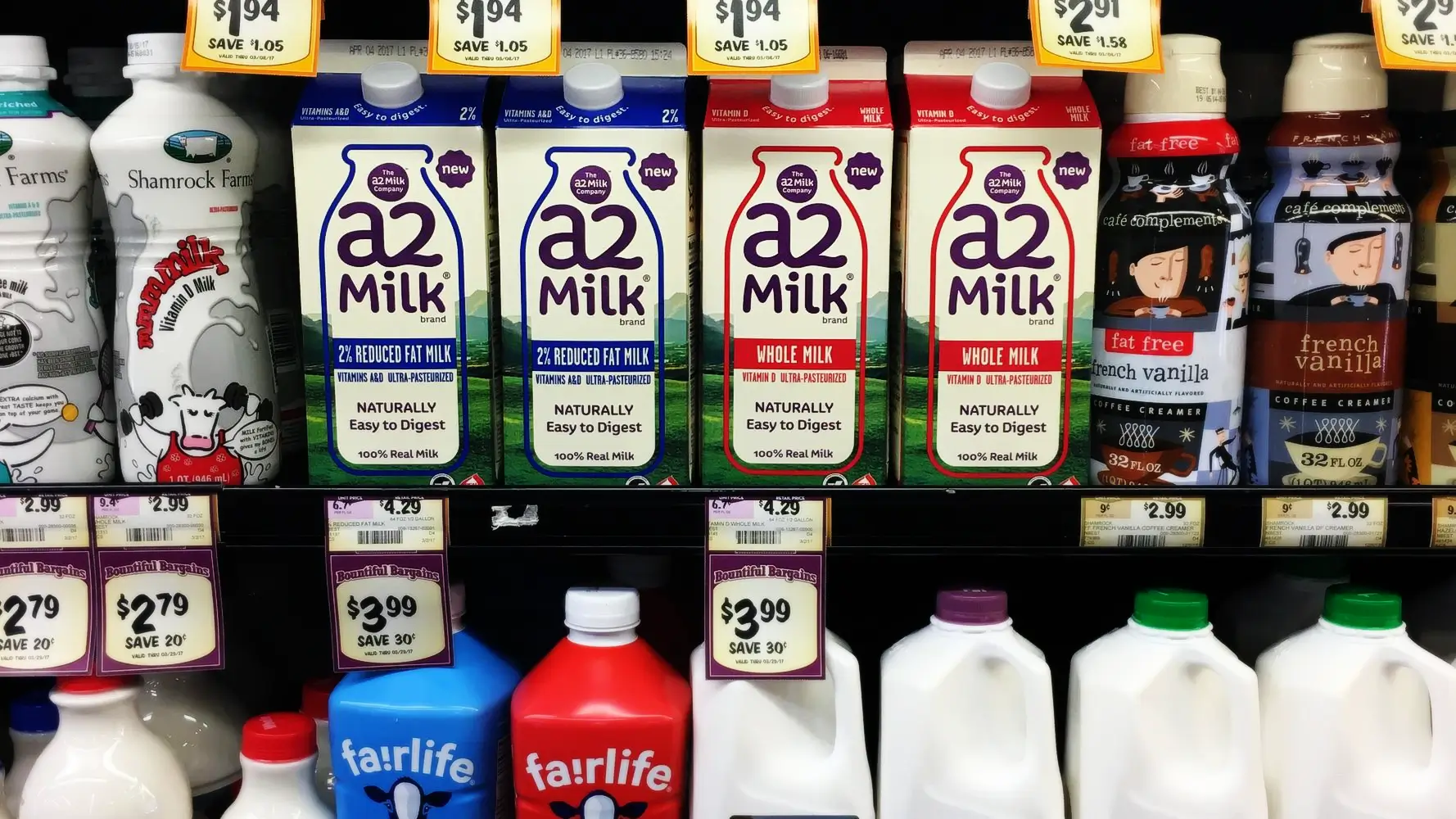
A1-Milch: Diabetes, Autismus und Herzerkrankungen
Epidemiologische Erkenntnisse deuten darauf hin, dass A1-Milch mit der a1-Beta-Kasein-Variante ein möglicher Risikofaktor für die Entwicklung von Typ-1-Diabetes bei Kindern, Autismus und Herzerkrankungen bei Erwachsenen ist.
Diabetes Optimale Ernährung
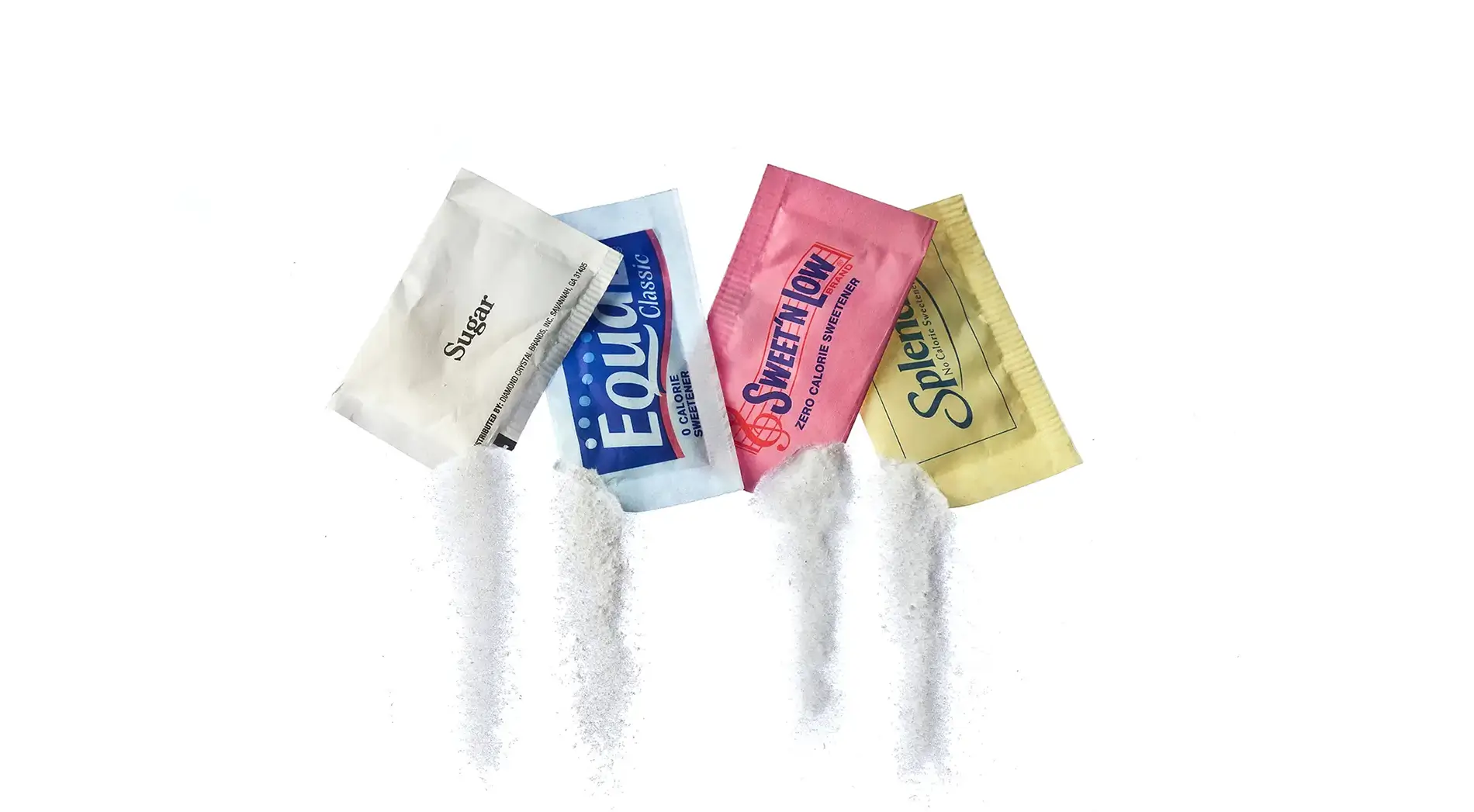
Künstliche Süßstoffe- Die Grundlagen Verstehen
Künstliche Süßstoffe sind unnatürliche synthetische Chemikalien. Daher müssen wir uns mit der verfügbaren Wissenschaft befassen, um die potenziellen gesundheitlichen Auswirkungen dieser Chemikalien zu verstehen.

Rohkostdiät
Rohkost Ernährung- Die Evolutionäre Perspektive
Der Grundglaube in der Rohkost-Community ist, dass eine Rohkost-Ernährung die natürlichste und gesundheitsförderndste Lebensweise ist. Was sagt uns die Evolutionsbiologie?
Optimale Ernährung Paläo-Diät Eiweiß
Proteinreiche Ernährung und Metabolische Azidose: Korrelationen Zwischen Gesundheitsrisiken
Eine chronische metabolische Azidose in geringem Ausmaß ist in der westlichen Welt ein häufiges Phänomen. Die meisten Menschen, die sich nach der amerikanischen Standarddiät ernähren, leiden unter chronischer Azidose und sind sich dessen nicht bewusst.

Beliebte Beiträge -

Krebs Auswahl des Herausgebers Toxizität
Pestizide in Lebensmitteln, Exposition in der Amerikanischen Standardnahrung - 80 Prozent aus Fleisch
Die meisten Pestizide und insbesondere Schwermetalle und andere giftige Schadstoffe, die wir aufnehmen, stammen aus Fleisch. Mehr als 80 Prozent der Pestizidbelastung in der amerikanischen Standardernährung stammt aus tierischen Produkten, nicht aus Obst oder Gemüse.
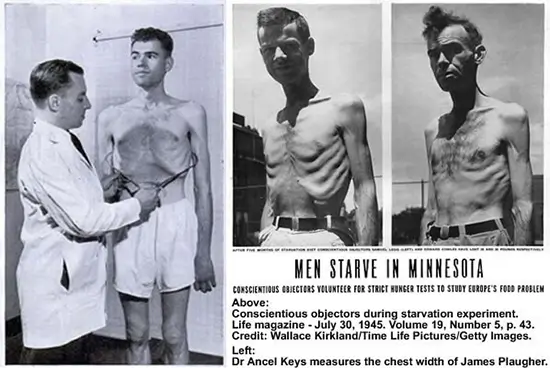
Auswahl des Herausgebers Fettleibigkeit
Das Minnesota Hunger Experiment: Warum Diäten dick machen. Die Psychologie des Hungers.
Eine der ersten wissenschaftlichen Studien darüber, welche Auswirkungen Hunger auf den Geist hat, wurde in einer Studie der University of Minnesota aus dem Jahr 1944 beobachtet, die als „Minnesota Starvation Experiment“ bekannt ist.
Auswahl des Herausgebers Optimale Ernährung
Mikronährstoffmangel in der Amerikanischen Standardernährung: Strategien zur Optimierung
Das Nährstoffprofil unserer modernen Ernährung mit Fleisch, Zucker und verarbeiteten Lebensmitteln ist völlig unvereinbar mit unserer Evolution und führt zu schwerem Mikronährstoffmangel.

Auswahl des Herausgebers Fettleibigkeit Optimale Ernährung
Ursache für Fettleibigkeit: Fehlanpassung Oder Sucht
Was ist die Ursache der Fettleibigkeitsepidemie? Für alles Leben auf der Erde ist Nahrung keine Wahl. Das Schwierigste für das Tier in der Wildnis ist die Gewichtszunahme.
Auswahl des Herausgebers Vegane Diät
Nährstoffmangel Bei Veganer Ernährung: Präventionsstrategien
Es gibt neun bevölkerungsweit verbreitete Nährstoffmängel, die Menschen betreffen, die sich pflanzlich ernähren. Wenn einige Mängel nicht rechtzeitig behoben werden, haben sie schreckliche und nicht behandelbare Folgen.
Diabetes Auswahl des Herausgebers
Diabetes Ursachen und Gesättigte Fettsäuren- Das Vegane Argument
Wenn der Fettgehalt im Blutkreislauf steigt, sinkt die Fähigkeit des Körpers, Zucker auszuscheiden. Eine der Ursachen für Diabetes ist unsere Fehlanpassung an eine große Fettaufnahme
Antioxidantien Auswahl des Herausgebers ORAC
ORAC-Werte Verstehen: Antioxidantienspiegel in Lebensmitteln
Wenn Ihre Hauptquelle für Antioxidantien Kaffee ist, wissen Sie, dass Sie ein ernstes Problem haben.
Auswahl des Herausgebers Optimale Ernährung Eiweiß
Proteinreiche Ernährung - Gesundheitsrisikokorrelationen
Knappheit ist in der Natur die Regel des Proteins. Evolutionsgeschichtlich gesehen haben Anthropologen bewiesen, dass Hominins durchschnittlich 15 bis 25 Gramm Protein pro Tag zu sich nahmen. In der modernen westlichen Art der proteinreichen Ernährung würden wir das zu uns nehmen …
Krebs Auswahl des Herausgebers Toxizität
Pestizidexposition bei Kindern: Tests Zur Exposition im Wirklichen Leben
Kinder und insbesondere schwangere Frauen sind anfälliger für die Exposition gegenüber Pestiziden. Was wäre das Ergebnis, wenn wir reale Expositionswerte in realen Szenarien analysieren würden?
Auswahl des Herausgebers Milch Optimale Ernährung
Milch und Milchprodukte: Gesundheitsrisikokorrelationen
Bekannte Zusammenhänge mit Milch und Milchkonsum sind Unfruchtbarkeit, Eierstock- und Brustkrebs, Leukämie, Diabetes Typ 1, Autismus, Arteriosklerose, Katarakt, rheumatoide Arthritis, Multiple Sklerose, Hyperaktivität, Stauung, Pickel und mehr …
Neuestes von PubMed, #pflanzliche Ernährung –
- Colloid mill modified zein suspension technology for plant protein rich bird food: first clutch performance compared with egg based food in fiorino canariesvon Ercan Mevliyaoğulları am Oktober 13, 2026
CONCLUSIONS: EGG16 improved first-clutch egg production. ZEIN16 did not show a statistically detectable reduction in hatchability after eggs were laid, but equivalence or non-inferiority to EGG16 was not tested. ZEIN16 should therefore be positioned as a preliminary plant-protein-rich bird egg food analogue produced through colloid-mill-based zein suspension technology, rather than as a reproductive replacement for egg-based food.
- Dietary modulation of the gut microbiota in type 2 diabetes and obesity: mechanisms, interventions, and clinical perspectivesvon Alicja Kubica am Oktober 12, 2026
Obesity and type 2 diabetes mellitus (T2DM) are associated with heterogeneous changes in gut microbial composition and function, while mechanistic studies support plausible links among diet, microbial metabolism, intestinal barrier function, immune signaling, and host metabolism. This narrative review integrates diet-microbiome mechanisms, dietary-assessment and multi-omics methodology, major dietary patterns, quantitative clinical intervention evidence, treatment-related microbiome […]
- Adherence to the Nordic Nutrition Recommendations 2023 and incidence of type 2 diabetes: a Danish cohort studyvon Mathilde M Nørgaard am Oktober 12, 2026
CONCLUSION: Greater adherence to NNR23 was associated with lower risk of T2D, supporting the potential relevance of the NNR23 for T2D prevention.
- Structure and functional properties of Dendrobium officinale polysaccharide-hemp seed protein gels for dysphagia diets as regulated by alkali concentration and temperaturevon Tingting Ding am Oktober 10, 2026
Dysphagia is highly prevalent among older adults and increases the risks of malnutrition, dehydration, and aspiration pneumonia, highlighting the need for safe and nutritionally adequate texture-modified foods. Polysaccharide-protein gels are promising candidates for this purpose, but precise control of their rheological properties and structural stability remains challenging. Here, we systematically investigated how alkali concentration (Na(2)CO(3), 0.5-2.5%, w/v) and thermal treatment […]
- MIND diet-related plasma proteins are associated with Alzheimer’s disease riskvon Shane Fernandez am Oktober 9, 2026
INTRODUCTION: Adherence to the Mediterranean-Dietary Approaches to Stop Hypertension Intervention for Neurodegenerative Delay (MIND) diet is associated with reduced dementia risk, but underlying mechanisms remain unclear.
- Nutritional strategies in kidney transplantation: optimising outcomes beyond surgeryvon Lara Caldiroli am Oktober 9, 2026
Although kidney transplantation (KTx) remains the optimal therapy for end-stage kidney disease, long-term graft survival and patient outcomes continue to be limited by cardiometabolic complications and chronic allograft dysfunction. Nutritional management has evolved from supportive care to a core component of post-transplant follow-up. The early post-transplant phase is marked by catabolism, high-dose immunosuppression, and metabolic instability, leading to increased protein requirements but…