






Allopathic Medicine- The Rise of an Industry
The balance of medical branches remained equal to about the turn of the 20th century when new medical treatments emerged that were potentially very profitable.
Milos Pokimica
Written By: Milos Pokimica
Medically Reviewed by: Dr. Xiùying Wáng, M.D.
Updated June 9, 2023Around 100 years ago modern allopathic medicine was finally able to neutralize so-called empirical doctors or holistic or natural healers. They were called empirical because they have been utilizing only empirical observation without any form of science. Knowledge was carried down from one generation to another in the form of natural herbal and another form of folk medicine. In the 1800s society was split between two forms of medicine and there was the regulation of both forms with laws and restrictions equally. Patients had a choice of using both forms of treatment, the allopaths, and the empirics. The allopathic (modern) doctors called their approach heroic medicine and believed in the use of poisons to aggressively treat diseases. They called their practice scientific theory. They used three main techniques.
- They bled the body to drain out the bad toxins like in the middle ages. During the plague of the middle ages, treating practice was to cut open the veins leading to the heart. This, in their mind, should allow the disease to leave the body. The swellings associated with the Black Death also were cut open to allow the disease to leave. They continued to use this form of practice.
- Then they give huge doses of toxic heavy metals like mercury which lead to displacing the original disease.
- They also used surgery which was the best method of them all. They scientifically studied human anatomy and believed in the same principle of aggressively treating diseases by cutting them out.
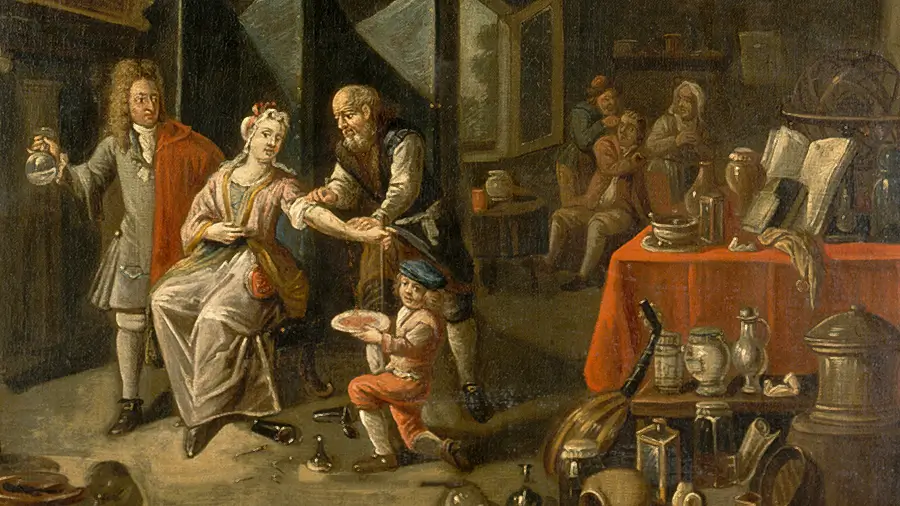
Empirical doctors believed in the natural human body’s potential for self-healing and did not use any form of surgery. They did not even allow for the piercing of the human skin in any form. So they never practiced surgery. At that time that was a brutal method without anesthetics and infection control. Even bad teeth were life-treating and painful removal procedures without antibiotics. Allopaths did that surgery too. At that time most patients feared allopathic methods altogether and on not-so-rare occasions, patients did die from the cure. Empiric healers contrary to the doctors believed in stimulating the body’s defenses to heal itself instead. They used vegetable products, herbs, and nontoxic substances in small quantities too. Usually, if treatment was not successful, they did not aggravate the state of the disease, and if the patient did die, he died from the disease itself not the cure like mercury or bleeding.
The balance and coexistence of both medical branches remained equal until about the turn of the century when new medical treatments emerged that were potentially very profitable.
The American Medical Association was joined and influenced by strong financial and controlling forces and transformed medicine into an industry. International banking cartels or in personal names Rockefeller, Morgan, and Carnegie financed surgery, radiation, and synthetic drugs. Carnegie at a later time sold out all of his businesses to Morgan and became a philanthropist. Rockefeller and Morgan were some of the founders and stockholders of the Federal Reserve (a private bank that still controls the US and global economy to large extent) and were also heavy industry and oil industry monopolists. They were to become the business foundations of the new medical industry.
A takeover of the medical schools allowed for a takeover of the entire medical industry. Carnegie, in particular, came into the picture and said that he would put finances. They invested tremendous amounts of money into the founding of the new industry, in particular into the schools that were complacent about cooperating with them. For the money, they spent they had a request to put some of their people on a board of directors to see that their money is spent wisely. What happens was that all of the major universities received large grants from these people and also accepted one or more of these people on the board of directors. Now, they were not there to spread science and learning in pursuit of social well-being and human happiness. They were put there as a larger scheme of plans to ensure the interest of the bankers. Almost overnight schools were taken over. The schools did get large amounts of money, and they did spend it on new expensive equipment and built new buildings and new laboratories, and hired more researchers and teachers. However, at the same time, they sold their interest to the growing industry called medicine dominated by newly founded pharmaceutical companies. Physicians from that time onward in history would be taught pharmaceutical drugs and allopathic forms of interventional medicine for the benefit of the private financial interest of the international banking cartel led by Rockefellers and Morgan.
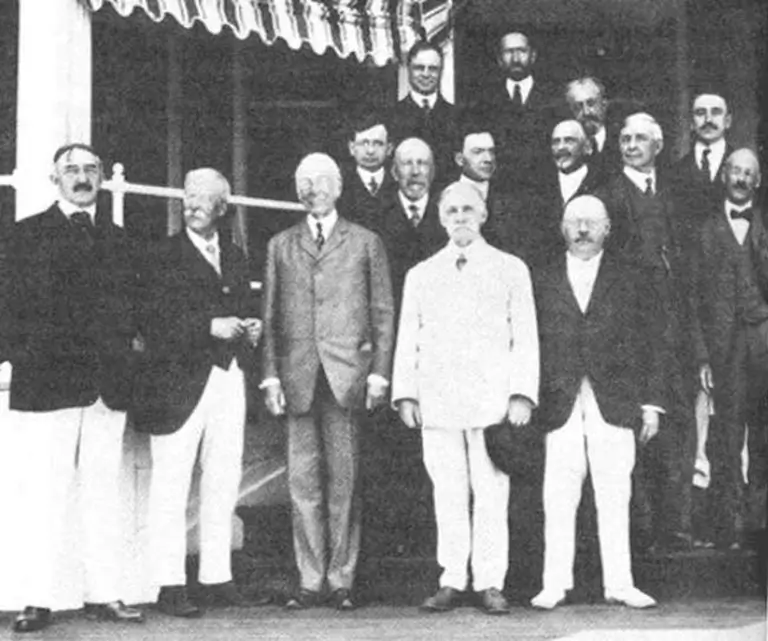
In the picture, you can see trustees of the General Educational Board, the first Rockefeller Foundation at a retreat in Rockland, Maine, in July 1915. Besides Rockefeller, in the middle, you can also see for instance Charles W. Eliot (former president of Harvard University), Harry Pratt Judson (President of the University of Chicago), and many other “important” individuals that just by meeting in the such arrangement have created something known as a conflict of interest.
It is amazing how little money took to do it. By that time surgery became a more important aspect of allopathic medicine because of anesthesia and infection control and doctors advocated more and more the use and research into expensive operations as a cure for every disease where it can be implemented. Then the large and lucrative hospital system was constructed and radium fever swept medicine. The price of radium rose 1000% overnight. The drug industry grew from booming patented medicine. The schools changed education standards and licensing regulations to exclude empirics. Only AMA-approved doctors could legally practice medicine. The media campaign was launched to spread fear and associate empirics with quacks and danger. From that time and to this day schools of medicine represent an interest of the banking cartel and not the interest of individuals.
Unfortunately, the medical “industry” and the government also has been taken over by special interests and that is the same situation to this day. Ans it was really simple. First Rockefeller, Morgan, and Carnegie gained control of the teaching system. Then they gave AMA the power to exclude all of the empirics and doctors who do not like from practicing. Then took over the entire drug testing process by heavily influencing medical publication that reviews those drugs and has control of the regular media. Finally, they extended their control over FDA that supposed to verify those drugs’ safety and efficacy.
The average doctor in medical school today gets a great education, he knows a lot about drugs and surgery, but he does not know one damn thing about nutrition. And he has learned to associate nutrition with quackery and to keep his mouth shut and go with industry guidelines for fear of losing his six-figure salary. He has learned that the only thing that matters is what the big book from which he learns in school told him because that is science and everything else is evil. The average doctor is in the same mindset as someone that has been indoctrinated into a religious cult. He had a fear of death if he starts to think outside of the industry guidelines literary.
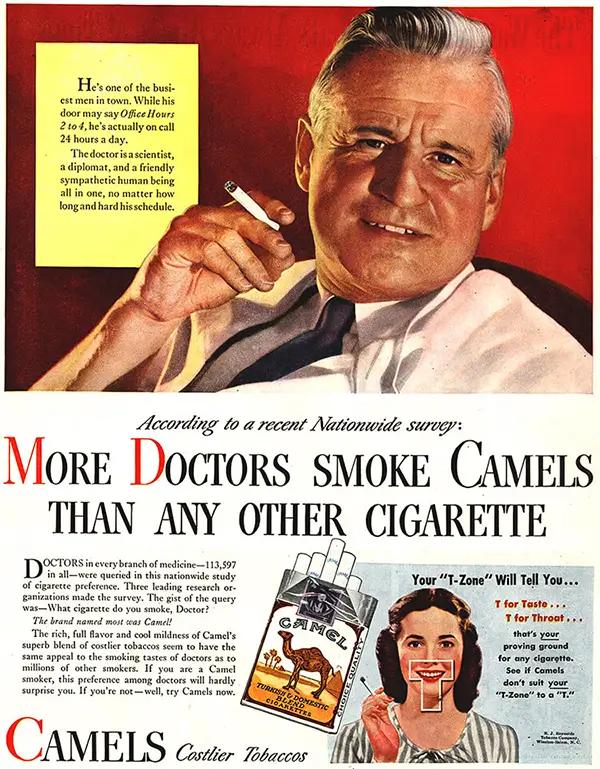
There exists a high probability that he will lose his job by trying to help people. Then he is going to lose his house and then he is not going to be able to pay his student loan. Even if he knows what is going on eventually, he will accept the system and will defend it. He will give a Hippocratic oath, but he is not a real empiric doctor as Hippocrates himself was. For example, Hippocrates had forbidden his students to pierce human skin on all occasions. Doctors of today all the complete opposite. They will even consciously do you harm if that is what they were told to do. At the bare minimum, they will just be indifferent.
Even to this day, doctors are targeted for telling the truth. They learn in college to keep their mouth shut. Dr. John McDougall’s story was a good example (https://www.drmcdougall.com/). He was almost thrown out of medical school on a couple of occasions because he had a hard time keeping his mouth shut. Then he was almost thrown out of residency when he lost his cool after seeing one patient who had his third heart attack. He told the patient that he does not have a bright future if he does not shift to a starch-based diet of fruits and vegetables. His chief of Medicine called him in for a chat and told him that he embarrassed his attending doctor by talking about food and that he should never do that again if he needs to hold any job in the future. So he shut up for a while, and after he got his “ticket” the chief of Medicine for the residency University of Hawaii Dr. Schatz called him in again, and he said:
“You know McDougall, I like you. I like your wife and your children. I think you have a great family, but I am afraid you are going to starve to death with your crazy ideas about a vegetarian diet. You are not going to work anywhere, and the only patient you will ever collect are a bunch of bums and hippies.”
This is the same way that any form of organized crime functions thru different forms of intimidation toward your family. McDougall told him he had a big fat abdomen but that he has to look himself in the mirror and that he will not treat chronic diseases with drugs and surgery. For people who do not know today open heart surgery cost is: $324,000. You just cannot make that kind of profit with the selling of sweet potatoes. McDougall’s problem was that he was raised in a poor American family where the highest principles were honesty, so he probably did not fit well in the medical industry. Fortunately, he was not that big to become a real target, so he lived a full life. He later wrote the book named The Starch Solution .
I just use his situation as an example of the functioning of the entire system. Industry targets systematically every conceivable threat with no exception. This was 1978, and to this day the situation is the same. McDougall even gets kicked out of the Obesity Medicine Conference in San Francisco in 2016. He was asked to talk at the conference but the medical conference people required all the speakers to submit the slides and videos for approval. Initially, they thought that his approach was based on the Mediterranean diet but when they realized that it is not the Mediterranean diet they thought that it was, the full meat, alcohol, and cheese false Mediterranean diet and that instead, it was really poor people low-fat vegan starch-based diet (Mediterranean diet- “Wonder” of olive oil). They uninvited him with the excuse that he is not willing to be “politically correct”. He also got a law passed in 2011. He testified before the Senate Committee on the need to educate medical students on human nutrition. The bill was SB 380 Continuing medical education. It was passed in California Congress, and it was signed by Governor so it became the law in California to force the 11 medical schools too must teach nutrition to medical students. However, the medical industry does not have an interest in healing people, so the implementation of the law was given to the Medical Board in California.
They fulfill the law by putting one paragraph in their newsletter once a year about nutrition.
References:
Passages selected from a book: Pokimica, Milos. Go Vegan? Review of Science Part 2. Kindle ed., Amazon, 2018.
Related Posts


Do you have any questions about nutrition and health?
I would love to hear from you and answer them in my next post. I appreciate your input and opinion and I look forward to hearing from you soon. I also invite you to follow us on Facebook, Instagram, and Pinterest for more diet, nutrition, and health content. You can leave a comment there and connect with other health enthusiasts, share your tips and experiences, and get support and encouragement from our team and community.
I hope that this post was informative and enjoyable for you and that you are prepared to apply the insights you learned. If you found this post helpful, please share it with your friends and family who might also benefit from it. You never know who might need some guidance and support on their health journey.
– You Might Also Like –

Pesticide Exposure in Children: Real-Life Exposure Tests

Alkaline water- Health benefits and risks

Lectins- Paradox of the “Plant Paradox”

Vitamin D deficiency- Risk Factors
Cooked meat bacteria endotoxemia- Inflammation and diet

High Protein Diet- Health Risk Correlations

Allopathic Medicine- The Rise of an Industry

Vitamin D- More than just your bones

Learn About Nutrition

Milos Pokimica is a doctor of natural medicine, clinical nutritionist, medical health and nutrition writer, and nutritional science advisor. Author of the book series Go Vegan? Review of Science, he also operates the natural health website GoVeganWay.com
Medical Disclaimer
GoVeganWay.com brings you reviews of the latest nutrition and health-related research. The information provided represents the personal opinion of the author and is not intended nor implied to be a substitute for professional medical advice, diagnosis, or treatment. The information provided is for informational purposes only and is not intended to serve as a substitute for the consultation, diagnosis, and/or medical treatment of a qualified physician or healthcare provider.NEVER DISREGARD PROFESSIONAL MEDICAL ADVICE OR DELAY SEEKING MEDICAL TREATMENT BECAUSE OF SOMETHING YOU HAVE READ ON OR ACCESSED THROUGH GoVeganWay.com
NEVER APPLY ANY LIFESTYLE CHANGES OR ANY CHANGES AT ALL AS A CONSEQUENCE OF SOMETHING YOU HAVE READ IN GoVeganWay.com BEFORE CONSULTING LICENCED MEDICAL PRACTITIONER.
In the event of a medical emergency, call a doctor or 911 immediately. GoVeganWay.com does not recommend or endorse any specific groups, organizations, tests, physicians, products, procedures, opinions, or other information that may be mentioned inside.
Editor Picks –

Cancer Editor Picks Phytochemicals
Anticancer Power of Fruits and Vegetables: In Vivo and Clinical Evidence
Some vegetable extracts rival leading chemotherapy drugs and at the same time target multiple different types of cancer cells.
Antioxidants Editor Picks ORAC
Essential Oils as Antioxidant Supplements: Rules and Strategies
Food-grade essential oils can be a convenient and consumer-friendly strategy for optimizing the antioxidant value and ORAC scores of our diet.
Antioxidants Editor Picks ORAC
Antioxidant-Rich Diet: General Rules and Strategies
There are easy and cost-effective strategies for optimizing the antioxidant value of our diet.
Antioxidants Editor Picks ORAC
Understanding ORAC Values: Antioxidant Levels in Foods
When your main source of antioxidants is coffee, you know that you have a serious problem.

Antioxidants Editor Picks ORAC
Astaxanthin Benefits: World’s Most Powerful Natural Antioxidant
Astaxanthin is the most powerful natural and universal antioxidant (both oil and water-soluble) known to science. It accumulates in tissues and It can never turn itself into a pro-oxidant.
Antioxidants Editor Picks ORAC Phytochemicals
Antioxidants: Understanding the Basics
There are no phytochemicals or antioxidants in animal products. On average, plant foods contain more than 60 times as many antioxidants as animal-based foods.
Editor Picks Vegan Diet
Nutrient Deficiencies in Vegan Diet: Prevention Strategies
There are nine common nutrient deficiencies on the population scale affecting people eating a plant-based diet. If not corrected on time some deficiencies have terrible and non-treatable consequences.
Editor Picks Optimal Diet
Micronutrient Deficiency in Standard American Diet: Optimization Strategies
Nutrition profile of our modern meat, sugar, processed food diet is completely incongruent with our evolution resulting in severe micronutrient deficiency.
Editor Picks Phytochemicals
Phytochemicals: Understanding the Basics
Every single phytochemical that exists has a biological action in the human body. Every single one from millions of different phytochemicals.

Editor Picks Milk Optimal Diet
Milk and Dairy: Health Risk Correlations
Known associations with milk and dairy consumption are infertility, ovarian and breast cancer, leukemia, diabetes type 1, autism, arteriosclerosis, cataract, rheumatoid arthritis, multiple sclerosis, hyperactivity, congestion, pimples, and more…
Cancer Editor Picks Protein
Complete Protein: IGF-1 Signaling in Cancer Formation
When you eat animal protein you have four times the chance to develop all types of cancer. When you smoke you have a four-time chance to develop lung cancer.

Cancer Editor Picks Protein
The Anatomy of Cancer- Health risk correlations
About 2% of cancers are by medicine considered to be purely caused by genetic factors. The same range as within the animal kingdom. You haven’t been told the whole truth.
Milos Pokimica is a health and nutrition writer and nutritional science advisor. Author of the book series Go Vegan? Review of Science, he also operates the natural health website GoVeganWay.com
Latest Articles –
Calorie Restriction Longevity
How to Fast: Fasting Foods That Won’t Break Autophagy
Autophagy. Have you ever wondered what happens to the cells in your body when they die or get damaged? Do they just pile up and create problems, or do they get disposed of somehow? The answer is that your body…
Dental Health Prevention
Sweets Teeth Sensitivity & Pain: Quick Fix & Lasting Solution
A quick and easy fix for pain relief is clove essential oil, a powerful antioxidant and pain reliever that can help with gum disease and toothache.

Beans
Green Beans: Nutrition and Health Benefits
Green beans are low in calories and rich in natural compounds that can help you control your blood sugar, lower your cholesterol, and fight off free radicals.
Raw food diet Vegan Diet
Can You Eat Mushrooms Raw: Health Risks, Nutrition & Safety
Mushrooms have heat-sensitive toxins like hydrazine or agaritine, and cell walls made out of chitin that cannot be digested well by humans.

Vegan Diet
Are Fish Animals? A Cultural Perspective
In some cultures, fish meat is not considered to be meat, and fish is allowed even during fast.

Dental Health Prevention
Homemade Natural Mouthwash: Proven, Stronger & Less Toxic
Homemade natural mouthwash is stronger than chlorhexidine, less toxic and if swallowed might give you some nausea but also a high burst in ORAC value.
Dental Health Prevention
How to Stop Tooth Decay: Symptoms, Causes & Prevention
Sugar consumption is the main cause of cavities and tooth decay, combined with mineral deficiencies especially magnesium, zinc, copper and trace elements.
Antioxidants Superfoods
Amla: Proven Benefits, Nutrition And Clinical Significance
Amla is one of the world’s most powerful antioxidants with a ORAC score of 261,530. It is a rich source of phytochemicals that have various health benefits.
Top Health News — ScienceDaily
- Hidden gut defect that may explain why IBD keeps coming backon September 20, 2026
Researchers have uncovered a hidden molecular warning sign of inflammatory bowel disease (IBD) that can linger even when patients feel well and appear to be in remission. By studying around 900 human gut biopsies and patient-derived mini-intestines, the team found that intestinal cells can remain unusually primed to die, creating a “smoldering” defect that may help drive future flare-ups.
- A deadly ebola relative is surging after years in the shadowson September 20, 2026
A growing Bundibugyo virus outbreak is showing how a little-known relative of Ebola can become a major threat when diagnosis and treatment options are limited. Experts warn that preparing only for familiar pathogens could leave the world vulnerable when rare but deadly viruses suddenly reemerge.
- Scientists find that “perfect” systems may be surprisingly fragileon September 19, 2026
Complex systems may work better when their parts are not perfectly alike. Northwestern physicists found that carefully balanced variation, or “disorder,” can make networks such as power grids, ecosystems, neurons, and materials more stable. Even random differences sometimes improved stability compared with completely uniform systems. The discovery could help researchers design more resilient technologies and explain why natural systems are so rarely perfectly uniform.
- Scientists solve a 50-year mystery and discover a new human blood groupon September 19, 2026
Scientists have identified the genetic cause behind the mysterious AnWj blood group antigen, solving a puzzle that began in 1972 and establishing a new blood group system called MAL. The discovery could make it much easier to find extremely rare AnWj-negative patients and donors and protect them from potentially dangerous transfusion reactions.
- Scientists discover cells that cheat death and rebuild damaged tissueon September 18, 2026
Scientists discovered a population of cells that can start the process of programmed cell death, survive it, and then help rapidly rebuild damaged tissue. Their descendants become far more resistant to future damage, revealing a mechanism that could improve healing but may also help cancers return after treatment.
- These blood thinners may have an unexpected benefit for Alzheimer’s patientson September 18, 2026
Newer blood thinners may do more than prevent strokes in people with Alzheimer’s disease and atrial fibrillation. Researchers found that patients taking NOACs experienced a slower decline in cognitive function than those using warfarin or no blood thinners. The effect was modest each year but could add up over time.
- Scientists restore a brain protein and reverse signs of aging in miceon September 18, 2026
Scientists found that declining levels of the brain protein Menin may help drive aging, with lower levels in mice linked to inflammation, cognitive decline, weaker bones, and thinner skin. Restoring Menin reversed several age-related changes, while the amino acid D-serine improved cognition, hinting at a potentially intriguing new target for healthy aging.
PubMed, #vegan-diet –
- Diet, the Gut Microbiome, and Mental Health: Mechanistic Perspectiveson September 16, 2026
The microbiota-gut-brain axis (MGBA) represents a dynamic, bidirectional communication network linking the gut microbiome with central nervous system function through neural, immune, metabolic, and endocrine pathways. Emerging clinical, observational, and preclinical evidence suggests that special and restrictive dietary patterns-including Mediterranean, ketogenic, vegan, gluten-free, low-FODMAP, sugar-restricted, dairy-free diets, and intermittent fasting (IF)-can substantially modulate the […]
- Physiological Adaptation to Plant-Based Diets: A Homeostatic Framework for Sustained Dietary Changeon September 15, 2026
Plant-based dietary patterns are typically discussed in terms of nutrients of concern-iron, creatine, indispensable amino acids, and rapidly fermented carbohydrates-based on the assumption that reduced dietary exposure necessarily translates into reduced physiological availability. This review examines physiological adaptation as an alternative framework, drawing on human intervention and observational evidence across five biological systems: iron homeostasis, endogenous biosynthesis of […]
- Restaurant-based NEW Soul intervention with meal provision improves weight loss among African American adults versus meal provision aloneon September 11, 2026
CONCLUSIONS: Restaurants are viable partners in conducting implementation research. In this D&I trial implemented in community restaurants, African American adults lost weight. Future studies should focus on implementation outcomes and continued scale up of the program.
- When modeling shapes the message: Interpreting vegetarian and vegan dietary patterns in the dietary guidelines for Americanson September 10, 2026
The 2025-2030 Dietary Guidelines for Americans include vegetarian and vegan dietary patterns as potential options for meeting nutrient needs across the lifespan, while also identifying several nutrients of potential concern within these patterns. These conclusions have important implications for dietetic practice, public communication, and policy development. However, estimates of nutrient adequacy derived from food pattern modeling are inherently shaped by the assumptions used to construct…
- Omega-3 fatty acids in vegetarian and vegan diets: Translating evidence into practiceon September 9, 2026
Vegetarian and vegan diets are consistently associated with reduced cardiometabolic risk, despite providing minimal amounts of long-chain omega-3 polyunsaturated fatty acids (n-3 PUFAs), key precursors of bioactive lipid mediators, raising questions about n-3 PUFA metabolism and requirements in plant-based populations. This review examines current evidence on the metabolic fate of alpha-linolenic acid (ALA), its conversion to eicosapentaenoic acid (EPA) and docosahexaenoic acid (DHA), and the…
Random Posts –
Cancer Editor Picks Phytochemicals
Anticancer Power of Fruits and Vegetables: In Vivo and Clinical Evidence
Some vegetable extracts rival leading chemotherapy drugs and at the same time target multiple different types of cancer cells.
Diabetes Optimal Diet
Artificial sweeteners- Understanding the basics
Artificial sweeteners are unnatural synthetic chemicals so we have to look into available science to understand the potential health effects that these chemicals might have.

Inflammation Raw food diet Toxicity
Lectins- Paradox of the “Plant Paradox”
The paradox of the “Plant Paradox” is that people who eat more lectins (beans and whole grains) have less cancer.
Allopathic Medicine Cancer
Cancer, The Forbidden Cures- ESSIAC
In a small town in Northern Ontario, back in 1922, rumors began circulating of some cancer-curing tea that was originating from the forests of Ontario. Indians called this mixture “tea of life.”

Editor Picks Obesity
Binge Eating and Hormonal Regulation: Emotional Hunger
Our entire evolution, we were like any other species on this planet, in constant hunger and in search of food. Overeating is an example of maladaptation.
Editor Picks Milk Optimal Diet
Milk and Dairy: Health Risk Correlations
Known associations with milk and dairy consumption are infertility, ovarian and breast cancer, leukemia, diabetes type 1, autism, arteriosclerosis, cataract, rheumatoid arthritis, multiple sclerosis, hyperactivity, congestion, pimples, and more…
Editor Picks Inflammation Vegan Diet
Inflammation and diet- Vegan argument
We evolved to receive a burst of protective antioxidants when we eat but there are not present in meat. Inflammation and diet have a high level of correlation.

Editor Picks Optimal Diet
Optimal Human Diet- Chronic Diseases, Diet Wars, and the Vegan Argument
Our natural optimal human diet is a diet that our hominin ancestors were eating for the last 30 million years, not anatomically modern humans in the Stone age.
Editor Picks Vegan Diet
Nutrient Deficiencies in Vegan Diet: Prevention Strategies
There are nine common nutrient deficiencies on the population scale affecting people eating a plant-based diet. If not corrected on time some deficiencies have terrible and non-treatable consequences.
Dental Health Prevention
Sweets Teeth Sensitivity & Pain: Quick Fix & Lasting Solution
A quick and easy fix for pain relief is clove essential oil, a powerful antioxidant and pain reliever that can help with gum disease and toothache.

Featured Posts –

Editor Picks Optimal Diet Protein
High Protein Diet- Health Risk Correlations
Scarcity is the rule of protein in nature. In evolutionary terms, anthropologists have proven that hominins lived an average of 15 to 25 grams of protein a day. In the modern western type of high-protein diet we would consume that…

Editor Picks Prevention Vegan Diet
China study- The vegan argument
China study showed that there is no heart disease or cancer or diabetes in undeveloped rural communities in the world with starch-based vegan diets.

Allopathic Medicine Editor Picks
The tale of Big Pharma- IG Farben
The part of Rockefeller monopoly on chemical and medicine industries came into fulfillment after WW2. Standard Oil and IG Farben cooperation made this into reality.

Diabetes Editor Picks
Diabetes causes and refined carbohydrates- The vegan argument
People believe that refined carbohydrates are associated with insulin spikes and are one of the diabetes causes. They are right. However, they are also wrong.
Antioxidants Editor Picks ORAC
Antioxidant-Rich Diet: General Rules and Strategies
There are easy and cost-effective strategies for optimizing the antioxidant value of our diet.
Diabetes Editor Picks
Diabetes causes and saturated fat- The vegan argument
As the level of fat in the bloodstream rises the ability of the body to clear sugar drops. One of the diabetes causes is our maladaptation to a large fat intake
Editor Picks Obesity
Minnesota Starvation Experiment: Why dieting makes us fat. The Psychology of Hunger.
One of the first scientific studies on what hunger does to the mind was observed in a study remembered as the Minnesota Starvation Experiment performed by the University of Minnesota back in 1944.
Editor Picks Optimal Diet Vegan Diet
WHO dietary guidelines- New food pyramid and suppression of science
WHO dietary guidelines recommend a diet low in saturated fat (animal protein), sugar, and salt and high in fruit and vegetables as a requirement to tackle the epidemic rise of chronic diseases worldwide.
Editor Picks Optimal Diet
Optimal Human Diet- Chronic Diseases, Diet Wars, and the Vegan Argument
Our natural optimal human diet is a diet that our hominin ancestors were eating for the last 30 million years, not anatomically modern humans in the Stone age.

Diabetes Editor Picks Optimal Diet
Refined Sugar: Understanding the Risks
Children consume around one-fifth of their total calorie needs from just refined sugar. If we add fat and the rest of nutrition-deprived processed foods to the list it becomes a complete nutrition nightmare.
Latest from PubMed, #plant-based diet –
- Rethinking Restrictive Diets in IBD: Toward an Inclusion-Focused Nutritional Paradigmby Brandon Cunha on September 19, 2026
PURPOSE OF REVIEW: Patient-initiated elimination diets are widely adopted by those with inflammatory bowel disease (IBD), yet the evidence supporting their long-term use remains limited and their risks are increasingly recognized. Some common elimination diets utilized by patients include the specific carbohydrate diet (SCD), low-FODMAP diet, and gluten-free and dairy-free diets. This narrative review critically examines the role of self-initiated restrictive dietary strategies in IBD…
- No effect of acknowledging resistance or using autonomy-supportive language in vlogs on sustainable consumption intentions of emerging adultsby Thabo J van Woudenberg on September 19, 2026
CONCLUSION: We conclude that emerging adults experience vlogs with autonomy-supportive language more positively, but these messages do not enhance the intention to adopt a more sustainable diet.
- Plant-based proteins: Key sources and production methodsby Renganathan Senthil on September 19, 2026
The global protein crisis, which has been driven by the population explosion and environmental cost of traditional farming, requires novel and sustainable remedies. The chapter discusses how novel opportunities can be generated by the combination of two promising frontiers, like seaweed as an all-useful resource in the sea and green nanotechnology. The seaweed extracts that are abundant in bioactive compounds can be used as natural nanofactories in the production of metallic and metal oxide…
- Integrating Siddha dietary principles with alternative protein systems: A pathway toward sustainable and functional nutritionby Chandrabose Yogeswari on September 19, 2026
The world food systems are facing the fundamental challenges that are being necessitated by climatic changes, increasing population count, protein demand and the escalating non-communicable diseases. Ecological nutrition approaches should therefore be concerned with ecological stability and functional health outcomes. The South Indian traditional medicine is Siddha medicine, an ancient system that provides a constitution-based dietary system that focuses on the three humours, i.e., Vatham,…
- Molecular properties of plant-based proteins for alternative proteinby Anamika Das on September 19, 2026
Alternative proteins, or alt proteins, are proteins obtained from non-animal sources like plant sources, meat cultured in labs, and other sources like fungi and insects. These contain a variety of benefits and are gaining popularity worldwide. Some chronic diseases require a low-red-meat diet, which can be fulfilled through alternative proteins, providing similar benefits to those of animal-based proteins. This chapter deals with the sustainability aspect of using alternative proteins. A…
- Future of alternative proteins: Blurring the lines between animal- and plant-basedby Periyasamy Vijayalakshmi on September 19, 2026
Rising global demand for sustainable, ethical and nutritious foods has driven major advances in alternative proteins. These innovations are at the intersection of plant and animal-derived products, which propels progress in food technology. This review reviews the emerging landscape of alternative proteins and examines how creativity in hybrid products, precision fermentation, and cultivated meat is transforming protein production, dissolving the long-standing boundaries between animal-based […]