





Allopathic Medicine-The Psychology of Fear
Around 100 years ago allopathic medicine was finally able to neutralize holistic empirical doctors. Allopathic MDs don’t treat diseases, they treat symptoms.
Milos Pokimica
Written By: Milos Pokimica
Medically Reviewed by: Dr. Xiùying Wáng, M.D.
Updated June 9, 2023People are born with only two instinctive fears. One is the fear of falling, and the other is the fear of intense noises. Everything else we fear has been obtained during our lifetime and is usually generated by some circumstances and situations that have registered in our minds and emotions in a way that makes us feel scared. That is when our body responds with the fight or flight response.
Fear is the strongest emotion of all, and it eventually conditions our behavior. Fear is stronger than rational thinking because it is a conditioned evolutionary response for keeping us alive. For all animals and for our hominin ancestors some real fears were fear of becoming a meal and fear of starvation.
The humans might add the third one, and that is fear of the disease.
Today we do not have to fear predation anymore and for most of the developed world fear of hunger does not exist. However, there is still fear of the disease. And where is fear there is manipulation.
Some people are very good at utilizing the emotions of others for their own benefit. They like to call that marketing or propaganda. It is just emotional manipulation. In some cases, withholding the facts can have the same desired effect.
Don’t get me wrong having a profit in medicine is nothing bad. The problem arose when medicine became part of a larger hierarchical structure system that is designed for widespread control and usage of people as a resource.
In modern medicine, profit is mostly made on sick people. Healthy individuals are not very lucrative. You can sell them supplements, but that market is not where the real money lies. Nobody around you will have any interest to tell you the whole truth and keep you healthy except you. It is only your job and nobody else’s. It is not the job of your doctor. He does not care about your health. He is going to stop listening to you seconds after you started speaking. What he is going to do is to write the prescription, and if anything goes wrong, he is also considering how to protect himself from liability. That is his real job. Even if he wanted to spend time on you, he would have a hard time because the doctors themselves do not know what the truth is outside of what they learn in college and actually have a life expectancy that is much shorter than average. Furthermore, even if there is some real miracle cure the interest will be to silence it. Just cancer treatment drugs made the industry $117 billion worldwide in 2018 and are projected to exceed $150 billion by 2021. And that is without an endless chain of medical tests, operations, and support therapies. That is a reality.
We are an evolutionary condition to fear and hate so that we can improve and adapt and survive. High happiness and love have nothing to do with survival in ever-changing habitats. More intelligent members of our society will and they do manipulate people’s fears for profit and control. Judging by the legislation that WHO is pushing and the industry standards for preventive medicine which is another scam the goal of public health policy in 21 century would be to spread constant fear for the larger and larger segment of the population. This might be hard to understand logically so I will rephrase it this way.
Do you have any anxiety if you don’t have health insurance? How about something insignificant like a dental plan? Do you have a fear if you do not check yourself annually? What about breast cancer or some other cancer prevention screening? Do you think that you would feel any anxiety if the doctor does tell you that you have cancer? Do you believe that you would be able to live in constant fear of getting it if you have a genetic predisposition? Do you fear disobeying your doctor? What if you don’t vaccinate your kids? It is mandatory. You do not even have a choice.
Why do you think that industry does all the things that it does to the “alternative,” “pseudo,” and all other “names” scientists that do not follow the company line of medicine? Do you think that this is just so that you can be safe from bad doctors that will do you harm because they are all insane and snake oil salesmen? Do you know that doctors themselves fear losing their job for not following industry guidelines? Do you think “they” care about you? At the end of the day, the medicine did release us from infections with antibiotics and vaccines.
Around 100 years ago modern medicine was finally able to neutralize so-called empirical doctors or holistic or natural healers. In the 1800s society was split between two forms of medicine and there was the regulation of both forms with laws and restrictions equally. Patients had a choice of using both forms of treatment, the allopath’s, and the empirics. The balance and coexistence of both medical branches remained equal until about the turn of the century and new medical treatments emerged that were potentially very profitable.
The American Medical Association was joined and influenced by strong financial and controlling forces and transformed medicine into an industry. International banking cartels invested tremendous amounts of money into the founding of the new industry, in particular into the schools that were complacent in cooperating with them. For the money, they spent they had a request to put some of their people on a board of directors to see that their money is spent wisely. What happens was that all of the major universities received large grants from these people and also accepted one or more of these people on the board of directors. Now, these people were not there to spread science and learning in pursuit of social well-being and human happiness. They were put there as a larger scheme of plans to ensure the interest of the bankers. Almost overnight schools were literally taken over. The schools did get large amounts of money, and they did spend it on new expensive equipment and built new buildings and new laboratories, and hired more researchers and teachers. However, at the same time, they sold their interest to the growing industry called medicine dominated by newly founded pharmaceutical companies. Physicians from that time onward in history would be taught pharmaceutical drugs and allopathic forms of interventional medicine for the benefit of the private financial interest of the international banking cartel.
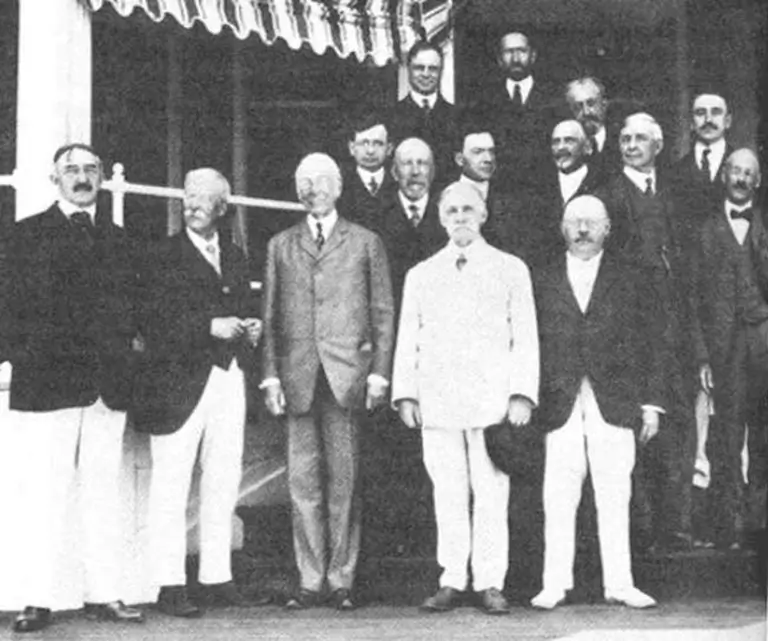
In the picture, you can see trustees of the General Educational Board, the first Rockefeller Foundation at a retreat in Rockland, Maine, July 1915. Besides Rockefeller, in the middle, you can also see for instance Charles W. Eliot (former president of Harvard University), Harry Pratt Judson (President of the University of Chicago), and many other “important” individuals that just by meeting in such arrangement have created something known as a conflict of interest.
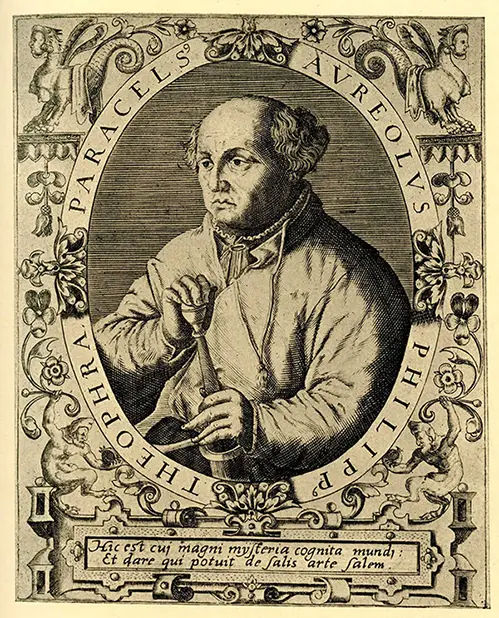
Paracelsus (the name he gave himself, born as Philippus Aureolus Theophrastus Bombastus von Hohenheimborn), is sometimes called the “father” of toxicology, pharmaceutics, and modern allopathic form of medicine. Paracelsus was an alchemist, occultist, and chemist and essentially was a person who believed in poisoning people to heal diseases. Something that is in line with modern medicine. For example, today if a chemical does not have side effects, or in other words, if the chemical is not a poison, it can’t even be registered as a medicine. Only poisons that have side effects can be given with the permission of your MD, and this is exactly how the industry likes it. Holistic healing is not profitable. Paracelsus was a person that in history is considered a real father of modern type of medicine. For example, he started the treatment of venereal disease with mercury. His most quoted thesis was:
“The dose makes the poison.” (A popular short version.)
The original quote is:
“All things are poison and nothing (is) without poison; only the dose makes that a thing is no poison.”
Some reads on Paracelsus
Besides this profit-driven, self-centered interest-oriented industry, there is another part of the problems we face in medicine that is philosophical in nature. The modern way of comprehension of reality is based on a belief system that human reason is a superior force to nature. The other prevailing belief is that there is no such thing as life. Yes, you read that right. Scientific medicine does not believe that there is such thing in existence as life. Life is not life. There is no distinction between living and dead matter. Life is just more complicated than dead matter arranged in such a manner to form the most complicated and structured machine in the universe that we perceive as life. It is just the rearrangement of dead atoms. This belief system is in the essence of the theory of evolution and medicine and all of the science we have today. It is a basic principle that defines our entire civilization, not just medicinal practice.
It is hard to explain so I will use an example. We can take a human organism and separate it into working “parts.” We will get the brain, heart, lungs, and so on. All of these organs are separated and do something for the organism. At the same time, we can take the average car and separate it into working parts too. We will get a driving motor, wheels, hoods, and so on. All of the parts are separated and do something for the car as a whole. So both the car and the man have many similar attributes. They have many functional parts. They can both move, and they both need a constant supply of energy to work. When they do work they both heat up, and if they heat up too much, they need to stop and cool themselves. If they are left without energy, they both stop and eventually rust (get old) and die.
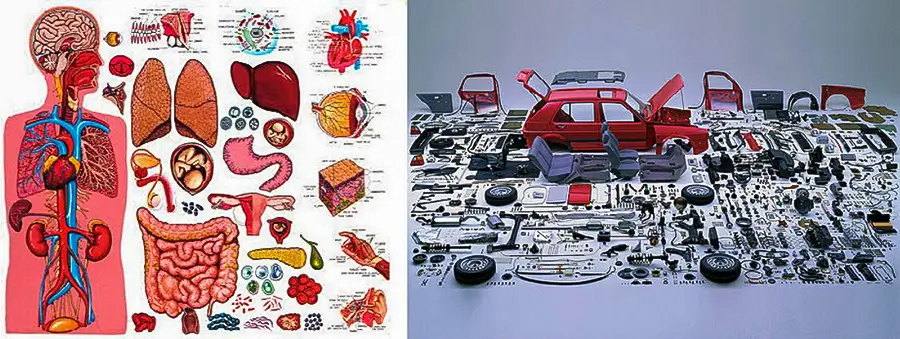
Dying is not a real medicinal term. Because life does not exist and they are both just rearranged death matter they cannot die they can just stop functioning. Because our bodies are just stupid machines like any other car, we treat diseases, in the same manner, we treat broken cars. We have intervention treatments.
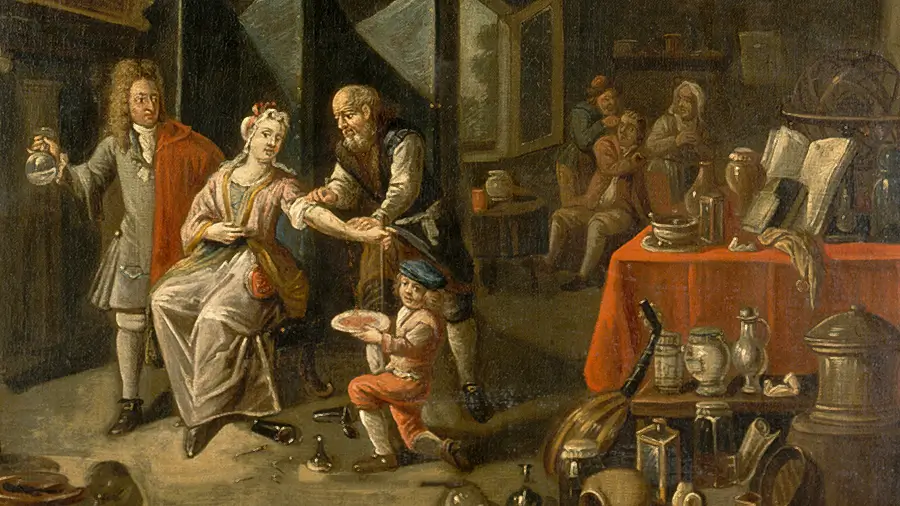
This is the belief system you will get in hospitals. This is actually great if you just had an accident and they need to save your life but terrible for anything else. This philosophy has a detrimental effect.
Doctors actually do not treat diseases at all. They treat symptoms. For example, you have a cold, and your body raised the temperature to fight it. What will your MD prescribe? They will give you something to lower the temperature and release you from pain. This will just make it more difficult for your immune system to fight, but now you do not have any symptoms. So are you healthy? If you do not have symptoms, you do not have the disease. You still have the virus, but you are feeling well, so you are fine. This is how modern medicine works. You might be full of toxins have high inflammation and who knows what but until you got a real problem like cancer or heart disease, guess what? You are healthy.
Until they can detect any symptom, there is nothing they can do for you. They do not deal with promoting health and life. They are not health-practicing individuals.
Allopatric medicine deals with sickness. Allopatric medicine deals with symptoms. Who deals with real diseases? Your body does.
There are no cures. You can only help your body to heal and help it from becoming ill in the first place. The cures you get from doctors are not cures. They are treatments.
When we combine these two beliefs that there is no such thing as life and that human reason is a supreme force over nature we have something called allopathic (modern) medicine.
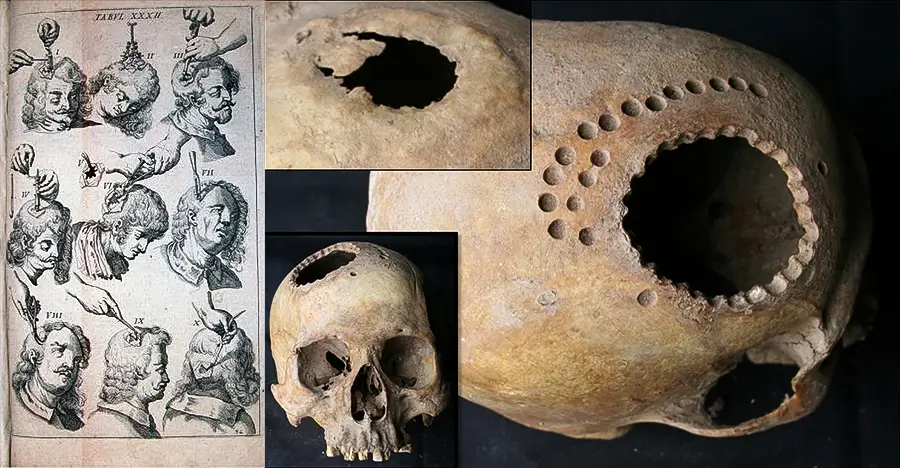
However, there is one curtail difference between machinery like automobiles and machinery like a human organism. The characteristic of a living organism is self-sufficiency. Living organisms, unlike machinery, can heal themselves and sustain themselves. They do not need a mechanic. If the car can self-repair and self-drive to the gasoline station, then the car would be a living creature. That is something modern allopathic medicine does not recognize. They treat every pain every symptom and every disease, but they do not treat the causes of the diseases and do not treat the whole body holistically. Medicine is segregated into specialist areas with every doctor being a specialist in his domain and looking into his own organ where every problem gets its Latin name and list of medicine to prescribe. And that is it. Students learn these “lists” like they memorize lyrics from the songs and everyone sings his own song with a different prescription. That is as far as you will go in treatment in any hospital. The entire health fantasy is just propaganda for you so that you can feel safe and continue to give a big chunk of your income to the industry. They know that you don’t care about your health as long as you are healthy and they wait for you to get some of the symptoms to feed on your anxiety. It is too late if you get the first symptoms of the disease. Remember this next sentence.
There is no magic cure. There is no cure. Your own body is the cure. If you abuse it, don’t expect purple magic pills. Only purple magic painkillers.
References:
Passages selected from a book: Pokimica, Milos. Go Vegan? Review of Science Part 2. Kindle ed., Amazon, 2018.

Do you have any questions about nutrition and health?
I would love to hear from you and answer them in my next post. I appreciate your input and opinion and I look forward to hearing from you soon. I also invite you to follow us on Facebook, Instagram, and Pinterest for more diet, nutrition, and health content. You can leave a comment there and connect with other health enthusiasts, share your tips and experiences, and get support and encouragement from our team and community.
I hope that this post was informative and enjoyable for you and that you are prepared to apply the insights you learned. If you found this post helpful, please share it with your friends and family who might also benefit from it. You never know who might need some guidance and support on their health journey.
– You Might Also Like –
Optimal Human Diet- Chronic Diseases, Diet Wars, and the Vegan Argument

Vitamin D- More than just your bones
Artificial sweeteners- Understanding the basics
Spirulina Benefits: Phycocyanin Rich Superfood
Mercury- Neurotoxin from the fish
Antioxidant Power of Spices: In Vivo Results with Realistic Dosages
Lectins- Paradox of the “Plant Paradox”
High Protein Diet and Metabolic Acidosis: Health Risks Correlations
Learn About Nutrition

Milos Pokimica is a doctor of natural medicine, clinical nutritionist, medical health and nutrition writer, and nutritional science advisor. Author of the book series Go Vegan? Review of Science, he also operates the natural health website GoVeganWay.com
Medical Disclaimer
GoVeganWay.com brings you reviews of the latest nutrition and health-related research. The information provided represents the personal opinion of the author and is not intended nor implied to be a substitute for professional medical advice, diagnosis, or treatment. The information provided is for informational purposes only and is not intended to serve as a substitute for the consultation, diagnosis, and/or medical treatment of a qualified physician or healthcare provider.NEVER DISREGARD PROFESSIONAL MEDICAL ADVICE OR DELAY SEEKING MEDICAL TREATMENT BECAUSE OF SOMETHING YOU HAVE READ ON OR ACCESSED THROUGH GoVeganWay.com
NEVER APPLY ANY LIFESTYLE CHANGES OR ANY CHANGES AT ALL AS A CONSEQUENCE OF SOMETHING YOU HAVE READ IN GoVeganWay.com BEFORE CONSULTING LICENCED MEDICAL PRACTITIONER.
In the event of a medical emergency, call a doctor or 911 immediately. GoVeganWay.com does not recommend or endorse any specific groups, organizations, tests, physicians, products, procedures, opinions, or other information that may be mentioned inside.
Editor Picks –
Cancer Editor Picks Phytochemicals
Anticancer Power of Fruits and Vegetables: In Vivo and Clinical Evidence
Some vegetable extracts rival leading chemotherapy drugs and at the same time target multiple different types of cancer cells.
Antioxidants Editor Picks ORAC
Essential Oils as Antioxidant Supplements: Rules and Strategies
Food-grade essential oils can be a convenient and consumer-friendly strategy for optimizing the antioxidant value and ORAC scores of our diet.
Antioxidants Editor Picks ORAC
Antioxidant-Rich Diet: General Rules and Strategies
There are easy and cost-effective strategies for optimizing the antioxidant value of our diet.
Antioxidants Editor Picks ORAC
Understanding ORAC Values: Antioxidant Levels in Foods
When your main source of antioxidants is coffee, you know that you have a serious problem.
Antioxidants Editor Picks ORAC
Astaxanthin Benefits: World’s Most Powerful Natural Antioxidant
Astaxanthin is the most powerful natural and universal antioxidant (both oil and water-soluble) known to science. It accumulates in tissues and It can never turn itself into a pro-oxidant.
Antioxidants Editor Picks ORAC Phytochemicals
Antioxidants: Understanding the Basics
There are no phytochemicals or antioxidants in animal products. On average, plant foods contain more than 60 times as many antioxidants as animal-based foods.
Editor Picks Vegan Diet
Nutrient Deficiencies in Vegan Diet: Prevention Strategies
There are nine common nutrient deficiencies on the population scale affecting people eating a plant-based diet. If not corrected on time some deficiencies have terrible and non-treatable consequences.
Editor Picks Optimal Diet
Micronutrient Deficiency in Standard American Diet: Optimization Strategies
Nutrition profile of our modern meat, sugar, processed food diet is completely incongruent with our evolution resulting in severe micronutrient deficiency.
Editor Picks Phytochemicals
Phytochemicals: Understanding the Basics
Every single phytochemical that exists has a biological action in the human body. Every single one from millions of different phytochemicals.
Editor Picks Milk Optimal Diet
Milk and Dairy: Health Risk Correlations
Known associations with milk and dairy consumption are infertility, ovarian and breast cancer, leukemia, diabetes type 1, autism, arteriosclerosis, cataract, rheumatoid arthritis, multiple sclerosis, hyperactivity, congestion, pimples, and more…
Cancer Editor Picks Protein
Complete Protein: IGF-1 Signaling in Cancer Formation
When you eat animal protein you have four times the chance to develop all types of cancer. When you smoke you have a four-time chance to develop lung cancer.
Cancer Editor Picks Protein
The Anatomy of Cancer- Health risk correlations
About 2% of cancers are by medicine considered to be purely caused by genetic factors. The same range as within the animal kingdom. You haven’t been told the whole truth.
Milos Pokimica is a health and nutrition writer and nutritional science advisor. Author of the book series Go Vegan? Review of Science, he also operates the natural health website GoVeganWay.com
Latest Articles –
Calorie Restriction Longevity
How to Fast: Fasting Foods That Won’t Break Autophagy
Autophagy. Have you ever wondered what happens to the cells in your body when they die or get damaged? Do they just pile up and create problems, or do they get disposed of somehow? The answer is that your body…
Dental Health Prevention
Sweets Teeth Sensitivity & Pain: Quick Fix & Lasting Solution
A quick and easy fix for pain relief is clove essential oil, a powerful antioxidant and pain reliever that can help with gum disease and toothache.
Beans
Green Beans: Nutrition and Health Benefits
Green beans are low in calories and rich in natural compounds that can help you control your blood sugar, lower your cholesterol, and fight off free radicals.
Raw food diet Vegan Diet
Can You Eat Mushrooms Raw: Health Risks, Nutrition & Safety
Mushrooms have heat-sensitive toxins like hydrazine or agaritine, and cell walls made out of chitin that cannot be digested well by humans.
Vegan Diet
Are Fish Animals? A Cultural Perspective
In some cultures, fish meat is not considered to be meat, and fish is allowed even during fast.
Dental Health Prevention
Homemade Natural Mouthwash: Proven, Stronger & Less Toxic
Homemade natural mouthwash is stronger than chlorhexidine, less toxic and if swallowed might give you some nausea but also a high burst in ORAC value.
Dental Health Prevention
How to Stop Tooth Decay: Symptoms, Causes & Prevention
Sugar consumption is the main cause of cavities and tooth decay, combined with mineral deficiencies especially magnesium, zinc, copper and trace elements.
Antioxidants Superfoods
Amla: Proven Benefits, Nutrition And Clinical Significance
Amla is one of the world’s most powerful antioxidants with a ORAC score of 261,530. It is a rich source of phytochemicals that have various health benefits.
Top Health News — ScienceDaily
- Colorectal cancer is rising in young people and often found too lateon October 6, 2026
Colorectal cancer in young people is often diagnosed at an advanced stage, with researchers finding most patients age 21 or younger already had Stage III or IV disease. Because symptoms like rectal bleeding, weight loss, abdominal pain, and bowel changes may be overlooked, researchers are calling for greater vigilance.
- Goodbye joint replacements? Stanford scientists found a way to regrow cartilage and stop arthritison October 6, 2026
Scientists have found a surprising way to regrow damaged knee cartilage by blocking a protein that becomes more abundant with age. In old mice, the treatment restored naturally lost cartilage and also helped prevent osteoarthritis after ACL-like knee injuries, while human cartilage taken from knee replacement patients began producing new, functional joint cartilage after exposure to the same inhibitor.
- Scientists say this simple habit could strengthen your marriageon October 6, 2026
Couples who exercise together report better communication, healthier conflict resolution, and lower marital stress than those who work out alone. Even something as simple as taking a walk together may create valuable opportunities to talk, listen, and feel more connected.
- One simple addition to postpartum care made a major differenceon October 6, 2026
New mothers paired with patient navigators were much more likely to receive postpartum care, depression screening, preventive testing, and ongoing primary care. By helping with barriers such as transportation, childcare, scheduling, and confusing medical information, navigators may provide a powerful way to improve women’s long-term health.
- A few drops of this Japanese tree oil may help you sleep more soundlyon October 6, 2026
In a small study, sleeping near the scent of Hinoki root essential oil was linked to fewer nighttime awakenings, better morning alertness, and brain-wave changes associated with smoother sleep onset. The findings suggest an overlooked forestry byproduct could someday become a natural ingredient in sleep and relaxation products.
- MIT scientists find a hidden cancer risk of the keto dieton October 6, 2026
A ketogenic diet increased small-intestinal tumors in cancer-prone mice while reducing tumors in the colon, revealing a strikingly different response within neighboring parts of the gut. Researchers traced the increased risk not to ketones, but to the way intestinal stem cells processed the diet’s high levels of fat. That fat-burning activity pushed the cells to multiply more rapidly, potentially raising the chance of cancerous changes.
- Scientists reveal what seven days of fasting does to the human bodyon October 5, 2026
Scientists found that prolonged fasting triggers major changes throughout the body, but many of the most interesting effects only appeared after about three days without food. The results suggest fasting may influence health in ways that go beyond weight loss and could eventually inspire treatments that mimic its effects.
PubMed, #vegan-diet –
- Sustained Regression of Parotid Mucosa-Associated Lymphoid Tissue (MALT) Lymphoma After Nutritional and Nutraceutical Intervention Without Chemoimmunotherapy: A Case Reporton October 5, 2026
Extranodal marginal zone lymphoma of mucosa-associated lymphoid tissue (MALT) in the setting of Sjögren’s syndrome (SS) is a well-recognized complication of chronic autoimmune salivary gland inflammation. Standard management options include radiotherapy, immunotherapy, and combination chemoimmunotherapy, with active surveillance reserved for stable, low-burden disease. The potential role of structured nutritional and nutraceutical intervention in this setting has not been previously […]
- Plant-Based Diets in Adolescence: Cardiometabolic Benefits, Developmental Risks, and the Role of Fortificationon September 26, 2026
Adolescence is a critical window in which dietary patterns stabilise while nutrient requirements remain high to support growth, bone accrual, and neurodevelopment. Plant-based diets are increasingly adopted by young people, yet paediatric evidence indicates that they should not be treated as a single exposure, because diet quality substantially modifies both benefits and risks. Healthy plant-based patterns-rich in whole grains, legumes, fruits, vegetables, nuts, and unsaturated fats-are…
- Dietary Patterns, Micronutrient Adequacy, and Metabolic Vulnerability in Alzheimer’s Disease: A Critical Narrative Reviewon September 26, 2026
Dietary factors may influence cognitive aging and Alzheimer’s disease (AD), but observational associations, mechanistic findings, and intervention effects should not be considered equivalent evidence. This critical narrative review examines how dietary patterns, micronutrient adequacy, and metabolic health may modify AD-related vulnerability. A targeted search of PubMed/MEDLINE, Scopus, and Web of Science through April 2026 prioritized systematic reviews, meta-analyses, randomized trials, and…
Random Posts –

Allopathic Medicine Cancer Editor Picks
Cancer, The Forbidden Cures-Rife machine, Historical review
The recovery rate for patients that have non-treatable cancer and were declared terminally ill by utilizing Rife Machine resonant technology was 100%.
Diabetes Optimal Diet
Artificial sweeteners- Understanding the basics
Artificial sweeteners are unnatural synthetic chemicals so we have to look into available science to understand the potential health effects that these chemicals might have.
Antioxidants Cancer
Intravenous Vitamin C in the Treatment of Cancer: 40 Years of Evidence
Intravenous vitamin C is a non-toxic chemotherapeutic agent that can be given in conjunction with conventional cancer treatments and incorporated as a prevention and longevity protocol.
Cancer Drinking Water Toxicity
Tap water toxicity- Risk assessment
If we are living in a city where we are sure that the tap water is pure this still does not mean that the water is “pure”.

Amyotrophic Lateral Sclerosis Prevention Toxicity
Amyotrophic Lateral Sclerosis- Cyanobacteria algal blooms and dietary BMAA exposure
An abundance of nutrients in coastal areas created by runoff filled with synthetic fertilizers from farmland leads to excessive algal blooms. Algae blooms are dangerous. Microalgae create and excrete some of the most potent neurotoxins known to man.
Antioxidants
Antioxidant Power of Vitamin C: Enhancing Health and Longevity
Vitamin C does not require enzymatic activity to be removed from the body and does not become pro-oxidant but a reduced form of more weak antioxidant.
Coffee Toxicity
Coffee benefits– Not without the risks
Do we think caffeine is something good for our brain or bad or neutral?
What does the actual caffeine do?
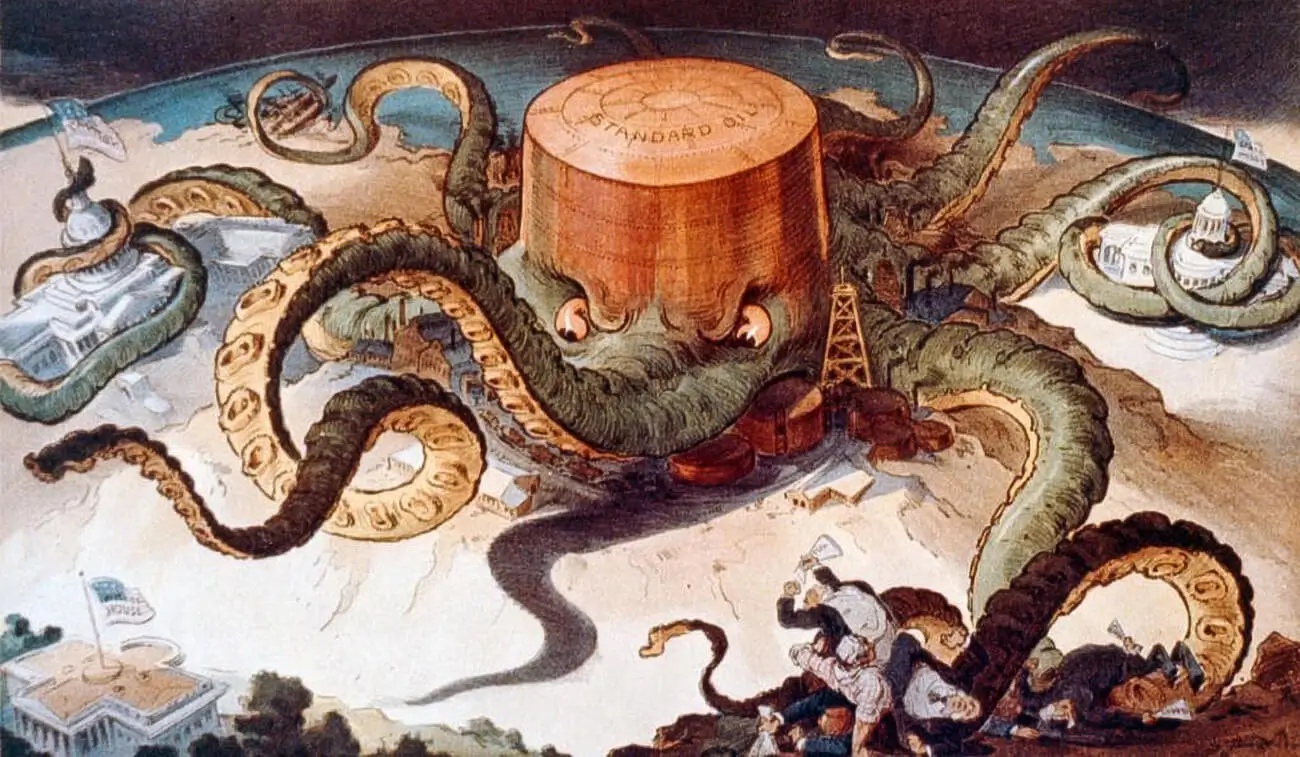
Allopathic Medicine Editor Picks
Allopathic Medicine- The Rise of an Industry
The balance of medical branches remained equal to about the turn of the 20th century when new medical treatments emerged that were potentially very profitable.
Diabetes Editor Picks
Diabetes causes and saturated fat- The vegan argument
As the level of fat in the bloodstream rises the ability of the body to clear sugar drops. One of the diabetes causes is our maladaptation to a large fat intake
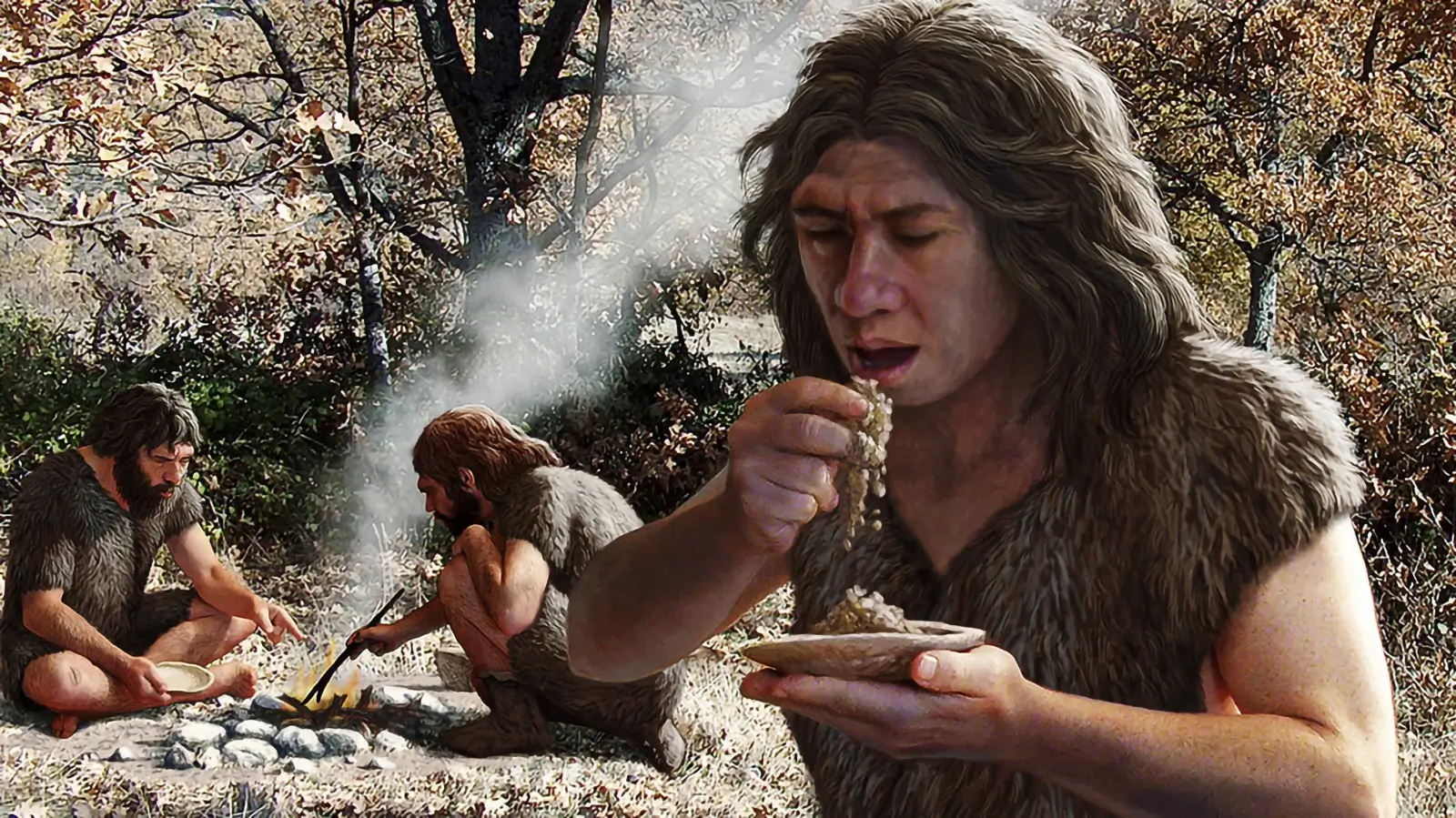
Editor Picks Paleo Diet Vegan Diet
Vegan Neanderthals? The truth about the real Neanderthal diet
A typical representation of Neanderthals pictures them as killing the woolly mammoth. However a dental plaque tells a different story about the Neanderthal diet
Featured Posts –
Diabetes Editor Picks
Diabetes causes and refined carbohydrates- The vegan argument
People believe that refined carbohydrates are associated with insulin spikes and are one of the diabetes causes. They are right. However, they are also wrong.

Editor Picks Prevention Vegan Diet
China study- The vegan argument
China study showed that there is no heart disease or cancer or diabetes in undeveloped rural communities in the world with starch-based vegan diets.
Editor Picks Optimal Diet Vegan Diet
WHO dietary guidelines- New food pyramid and suppression of science
WHO dietary guidelines recommend a diet low in saturated fat (animal protein), sugar, and salt and high in fruit and vegetables as a requirement to tackle the epidemic rise of chronic diseases worldwide.

Cancer Editor Picks Toxicity
Pesticides in Food, Exposure in The Standard American Diet- 80 Percent From Meat
Most of the pesticides and especially heavy metals and other toxic waste pollutants we get, we get from meat. More than 80 percent of pesticide exposure in the standard American diet comes from animal products, not from fruits or vegetables.
Cancer Editor Picks Toxicity
Pesticide Exposure in Children: Real-Life Exposure Tests
Children and especially pregnant women are more vulnerable to pesticide exposure. If we analyze real-world exposure levels in real-life scenarios, what would the result be?
Editor Picks Obesity
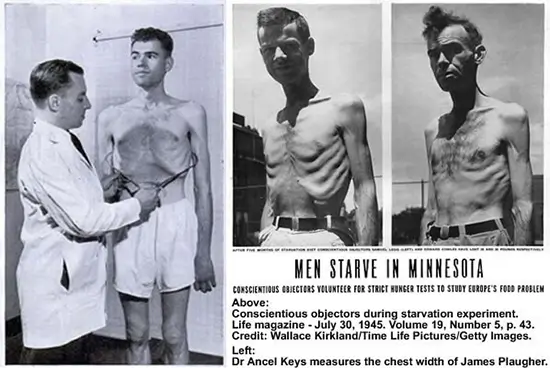
Minnesota Starvation Experiment: Why dieting makes us fat. The Psychology of Hunger.
One of the first scientific studies on what hunger does to the mind was observed in a study remembered as the Minnesota Starvation Experiment performed by the University of Minnesota back in 1944.
Editor Picks Prevention Toxicity
Environmental toxicity- It is just a food chain
Environmental toxicity is the bioaccumulation of toxins. Organisms are filters. But there is one more even worse process called biomagnification in food chain.

Editor Picks Obesity
Binge eating disorder- The psychology of hunger
In nature, there is no refined sugar or fat. Our brain had never been exposed to a combination of the two all at once forcing us into binge eating disorder.
Editor Picks Inflammation
The humans omnivores dilemma- Meat consumption, probiotic bacteria, inflammation, and the gut
Are humans omnivores in a true anatomical sense? There is a fundamental difference in the way the digestive tract works in plant vs meat-eating species.

Allopathic Medicine Editor Picks Optimal Diet
The McGovern Report- Special Interest and The Suppression of Science
In 1977 the push for a change of Dietary Guidelines (McGovern Report) to more plant-based vegan one had been introduced to U.S. Congress.
Latest from PubMed, #plant-based diet –
- Choosing Not to Eat Meat: What Characterizes Independently Vegetarian Children?by Matti Wilks on October 6, 2026
A growing body of research has aimed to map the characteristics of extraordinary altruists-such as those who have donated a kidney to a stranger. However, this research has primarily focused on adults, and we know little about the development of extraordinary altruism. While children cannot donate their organs to strangers nor large portions of their income to charity, they can choose not to eat animals. In this study we examine independent vegetarians (i.e., children who become vegetarian […]
- Planetary Health Diet Adherence and Frailty in Older Adults: Evidence from the Seniors-ENRICA Cohortsby Paul Diez-Echave on October 6, 2026
CONCLUSIONS: Greater PHDI adherence is associated with lower odds of frailty in Spanish older adults, supporting the potential role of sustainable, plant-based dietary patterns for healthy ageing.
- Adherence to healthy plant-rich diets is associated with better olfactory function in the general population – Findings from the Cooperative Health Research in South Tyrol (CHRIS) studyby Essi Hantikainen on October 4, 2026
Olfactory dysfunction is associated with increased all-cause mortality among older adults and an early indicator of brain aging. Different lifestyle factors and health conditions determine olfactory function, however, there is limited knowledge on the association with diet quality. We investigated the association between various dietary patterns and olfactory function, as well as hyposmia, in a general population study using cross-sectional data from 6690 participants of the Cooperative […]
- Mediterranean diet adherence among women attending mobile breast cancer prevention programme: results of a cross-sectional study in Italyby Alessandra Maio on October 3, 2026
CONCLUSION: Mobile programmes like the “Prevention Caravan programme” may help promote healthy lifestyles and improve access to prevention services. Future studies should confirm these results in larger, more diverse populations and explore associations with lesion type and severity.
- Exploring bioactive compounds in functional foods of the Mediterranean dietby Chourouk Joumaa on October 3, 2026
Functional foods are rich in bioactive compounds that promote health. The Mediterranean diet (MD), characterised by a high intake of plant-based foods, is associated with reduced risk of metabolic disorders. This study investigated Lebanese za’atar and Italian extra virgin olive oil (EVOO), two representative MD functional foods, to evaluate their phytochemical composition and biological activities. The aqueous za’atar extract (ZE) and hydro-methanolic EVOO extract (EvOE) were characterised […]