







Carnism- The psychology of meat consumption
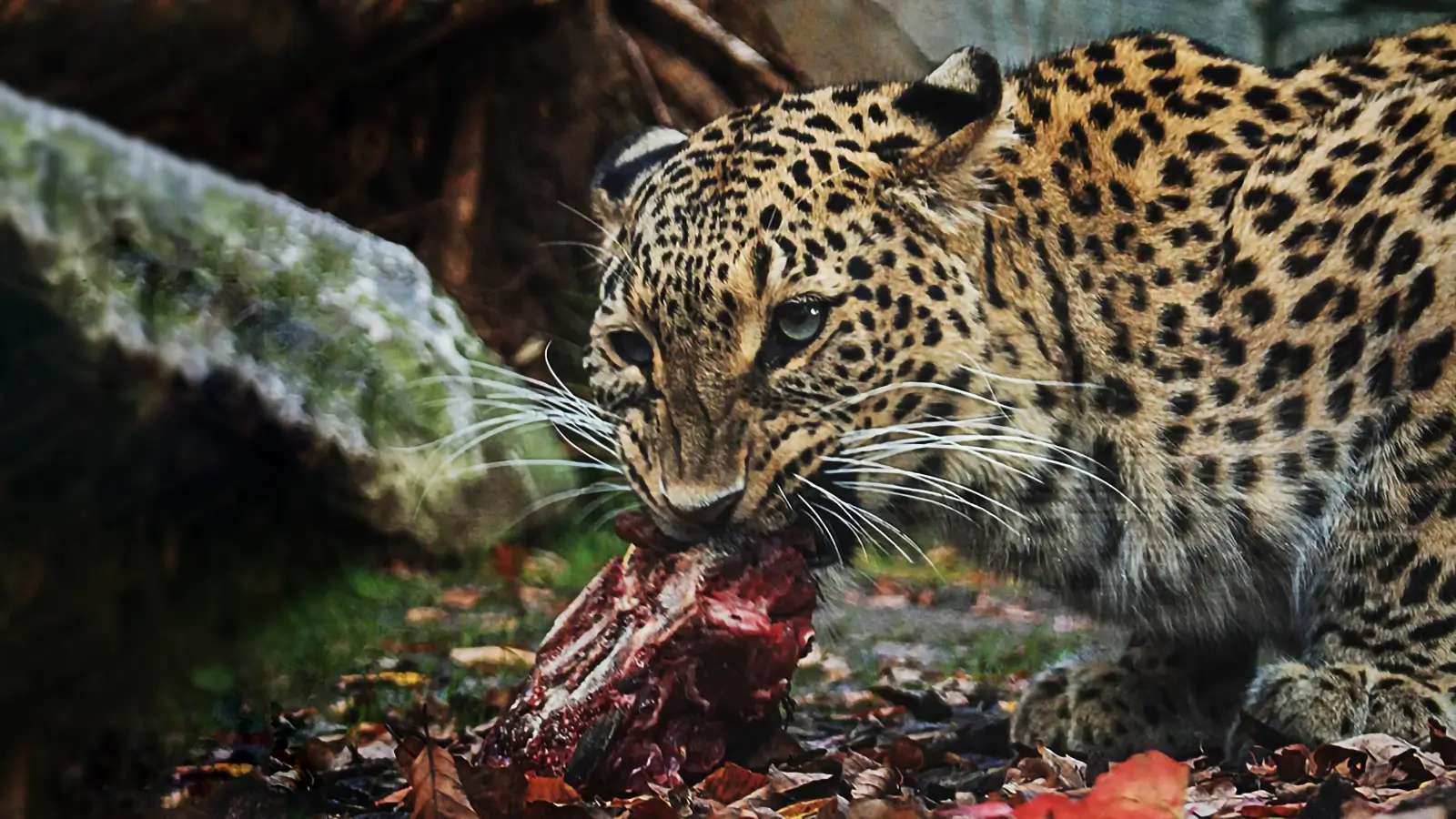
Meat-eating or Carnism is the culture that is learned. Carnivores would eat any meat no matter what it is. We would only eat a few animals that we deem as food.
Milos Pokimica
Written By: Milos Pokimica
Medically Reviewed by: Dr. Xiùying Wáng, M.D.
Updated May 7, 2023Carnism is a word that Melanie Joy, Ph.D. used to define the value system and norms that define the dominant meat-eating culture. Meat-eating or Carnism is the culture that is learned.
Actual carnivores would eat any meat no matter what it is. In our system, we would eat only a few animals that we deem as food. For example, would you eat your dog? The average intelligence of the pig is at the level of a 3-year-old child, and the pig is more intelligent than a dog. A pig is a very smart animal. Do we think that dog meat does not have a good taste? In China, for example, they do eat dogs.
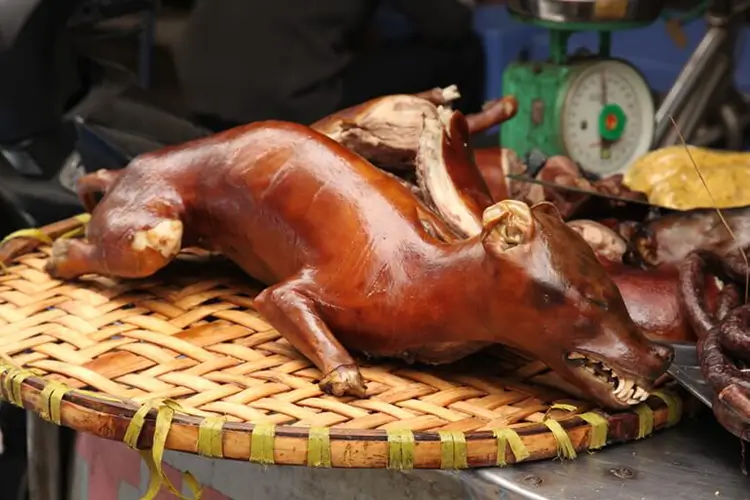
So why don’t we eat them? Why not human meat? Do we think that human meat does not have good taste? In the words of Alexander Pearce, an Irish convict notorious for cannibalizing his fellow prison escapees:
“Man’s flesh is delicious, it tastes far better than fish or pork.”
Alternatively, how about this:
“It was like good, fully developed veal, not young, but not yet beef. It was very definitely like that, and it was not like any other meat I had ever tasted… It was mild, good meat with no other sharply defined or highly characteristic taste such as for instance, goat, high game, and pork have.”
– William Seabrook, an explorer who ate a human rump steak on a trip to West Africa.
In more recent times science presenter Greg Foot was trying to get to the secret of what human flesh tastes like in an experiment with BritLab for the BBC. Unfortunately, it is illegal to eat our own flesh. Having the understanding that it is illegal the entire end goal was to experience some resemblance of the taste. They performed a biopsy of Greg’s leg muscle and settled for the aroma of his cooked flesh. The aroma of the flesh can account for up to 80 percent of our sensation of taste. They put the cooked human meat in an aroma analyzing machine and did the smell test. In Greg’s words, his leg muscle smelled like beef stew. Analysis of the leg muscle showed that it is very similar in composition to both chicken and beef. It is about half of the muscle we found in chicken breast and has similar muscle fiber we found in cuts of beef. In the end, they created a ground meat mixture of different animal meets to recreate the fibers they found in the biopsy of his leg and made a fake human burger.
Cannibalism is thoroughly documented around the world, from Amazon Basin to the Congo, Fiji, and the Maori people of New Zealand. It is not a modern invention, and in some cultures, it is normal. There is ceremonial ritual cannibalism also. In the modern world, it was still practiced in Papua New Guinea as of 2018 in ceremonial rituals and war ceremonies in various Melanesian tribes. Neanderthals are believed to have practiced cannibalism. Anatomically modern humans may have also eaten Neanderthals.
On smaller farms, slaughter is always done with bare hands without anesthesia. Same with any other animal. Male chicks do not lay eggs and don’t grow quickly enough so after hatching they are selected and put into a grinding machine while still alive. Females are sent to a hot blade to remove part of the chick’s beaks. After debeaking, birds are put into cages where they are going to spend the rest of their lives confined in tiny spaces. Because of selective breeding, they grew to be so large so quickly that many suffer crippling leg disorders and chronic joint pain. At the slaughter, plant birds are snapped upside down into moving shackles by their legs and then pulled across a blade which slices their throats.
The truth is that we do not really care or ever would. Humans have selective empathy. We may feel bad for dogs but not for pigs.

Dr. Melanie Joy calls it a gap in our consciousness, the block of awareness. A form of denial or self-defense mechanism.
She talks about three ends of justification. Eating meat is healthy, normal, and necessary.
However, what we think is normal is just the social structure of the dominant culture. For most of the time of entire human existence, slavery was normal, natural, and necessary. Even in the Christian Middle Age Europe with the inquisition, slavery was normal and natural. Slave trade was even necessary for the economy of the newly acquired territories of the new world. There are just “savages” that run naked. Well for most of human history running naked was running naturally. That is what is called selective awareness.
Clothing is a modern invention also. What is natural also represents the dominant cultural interpretation of history. Murder, rape, infanticide, abortion, and child sacrifice were all-natural for most of human history.
Patterns of behaviors are usually the same and do not change. Only selective awareness changes for justification of behavior.
In the end, just in case you may have some idea of rescuing some piglets, today it is not just breaking and entering and stealing. In 2008 the FBI wrote: “Together, eco-terrorists and animal rights extremists are one of the most serious domestic terrorism threats in the U.S. today.” The U.S. is so concerned with animal rights extremism that there is specific legislation for them: The Animal Enterprise Terrorism Act (AETA). No other terrorist act targets a specific ideology.
Many people in the vegan community believe that the treatment of animals is a social justice issue. That is exactly what for example Dr. Melanie Joy teaches in her lectures. The problem is that justice depends on our perception of norms. The more we will learn the more we understand the nature of human existence. And there is nothing evil about it. Existentialism is the force that drives all animals and evolution. Self-preservation, self-interest no matter what.
What some people from vegan communities do not understand is that selective awareness is not just a defense mechanism. It is an evolutionary instinctive subconscious self-preservation instinct.
The only reason, for example, we do not eat dogs is not because we somehow culturally learned not to, but because we had more use of them alive. It is self-interest again. We have used dogs for hunting to catch other animals, and we used them as some form of primitive alarm system. They will bark when a bear or wolf or another human or Neanderthal cross into our territory because wolfs are territorial animals and dog, is part of the human pack now.
The tendency we have to not eat cats is not that we learned it culturally. It is because they are a form of primitive pest control. Cats tend to eat rats, so we had more benefits from domesticating them instead of eating them. In time behavior merges with our culture and became integrated into social norms. The same reason we do not like pigs is that they do not bark, they do not catch rats, and they don’t do anything. We have no benefits from them, they are “stupid”, and we are going to eat them. If we try to milk them, that will not be good also because they are relatively small. Cattle, in contrast, are larger so no pig milk for us.
The only reason we even have civilization is that primitive hominids like Homo erectus had more benefits from cooperating than living as lone wolves on their own. Hominins also had communities because they benefited the individual. Even a beta male will tolerate the alpha male not because it feels good to be beaten but because it is more beneficial for him to be beta than to go lone wolf and die. Everything ever conducted by any animal including humans comes down to preservation instinct and existentialism. And then it became part of cultural norms.
References:
Passages selected from a book: Pokimica, Milos. Go Vegan? Review of Science Part 1. Kindle ed., Amazon, 2018.

Do you have any questions about nutrition and health?
I would love to hear from you and answer them in my next post. I appreciate your input and opinion and I look forward to hearing from you soon. I also invite you to follow us on Facebook, Instagram, and Pinterest for more diet, nutrition, and health content. You can leave a comment there and connect with other health enthusiasts, share your tips and experiences, and get support and encouragement from our team and community.
I hope that this post was informative and enjoyable for you and that you are prepared to apply the insights you learned. If you found this post helpful, please share it with your friends and family who might also benefit from it. You never know who might need some guidance and support on their health journey.
– You Might Also Like –
Alcohol health risks- The “French paradox”, “the wine”, and “in moderation”
Adventist Health Study- The vegan argument
Mediterranean diet- “Wonder” of olive oil
Arsenic exposure and meat consumption- The “Poison-Free” Poultry Act
Mercury- Neurotoxin from the fish
Inflammation and diet- Vegan argument
High Protein Diet and Metabolic Acidosis: Health Risks Correlations
Antioxidant Impaired Training Adaptations: Preventing Oxidative Damage in the Muscle

Learn About Nutrition

Milos Pokimica is a doctor of natural medicine, clinical nutritionist, medical health and nutrition writer, and nutritional science advisor. Author of the book series Go Vegan? Review of Science, he also operates the natural health website GoVeganWay.com
Medical Disclaimer
GoVeganWay.com brings you reviews of the latest nutrition and health-related research. The information provided represents the personal opinion of the author and is not intended nor implied to be a substitute for professional medical advice, diagnosis, or treatment. The information provided is for informational purposes only and is not intended to serve as a substitute for the consultation, diagnosis, and/or medical treatment of a qualified physician or healthcare provider.NEVER DISREGARD PROFESSIONAL MEDICAL ADVICE OR DELAY SEEKING MEDICAL TREATMENT BECAUSE OF SOMETHING YOU HAVE READ ON OR ACCESSED THROUGH GoVeganWay.com
NEVER APPLY ANY LIFESTYLE CHANGES OR ANY CHANGES AT ALL AS A CONSEQUENCE OF SOMETHING YOU HAVE READ IN GoVeganWay.com BEFORE CONSULTING LICENCED MEDICAL PRACTITIONER.
In the event of a medical emergency, call a doctor or 911 immediately. GoVeganWay.com does not recommend or endorse any specific groups, organizations, tests, physicians, products, procedures, opinions, or other information that may be mentioned inside.
Editor Picks –
Cancer Editor Picks Phytochemicals
Anticancer Power of Fruits and Vegetables: In Vivo and Clinical Evidence
Some vegetable extracts rival leading chemotherapy drugs and at the same time target multiple different types of cancer cells.
Antioxidants Editor Picks ORAC
Essential Oils as Antioxidant Supplements: Rules and Strategies
Food-grade essential oils can be a convenient and consumer-friendly strategy for optimizing the antioxidant value and ORAC scores of our diet.
Antioxidants Editor Picks ORAC
Antioxidant-Rich Diet: General Rules and Strategies
There are easy and cost-effective strategies for optimizing the antioxidant value of our diet.
Antioxidants Editor Picks ORAC
Understanding ORAC Values: Antioxidant Levels in Foods
When your main source of antioxidants is coffee, you know that you have a serious problem.

Antioxidants Editor Picks ORAC
Astaxanthin Benefits: World’s Most Powerful Natural Antioxidant
Astaxanthin is the most powerful natural and universal antioxidant (both oil and water-soluble) known to science. It accumulates in tissues and It can never turn itself into a pro-oxidant.
Antioxidants Editor Picks ORAC Phytochemicals
Antioxidants: Understanding the Basics
There are no phytochemicals or antioxidants in animal products. On average, plant foods contain more than 60 times as many antioxidants as animal-based foods.
Editor Picks Vegan Diet
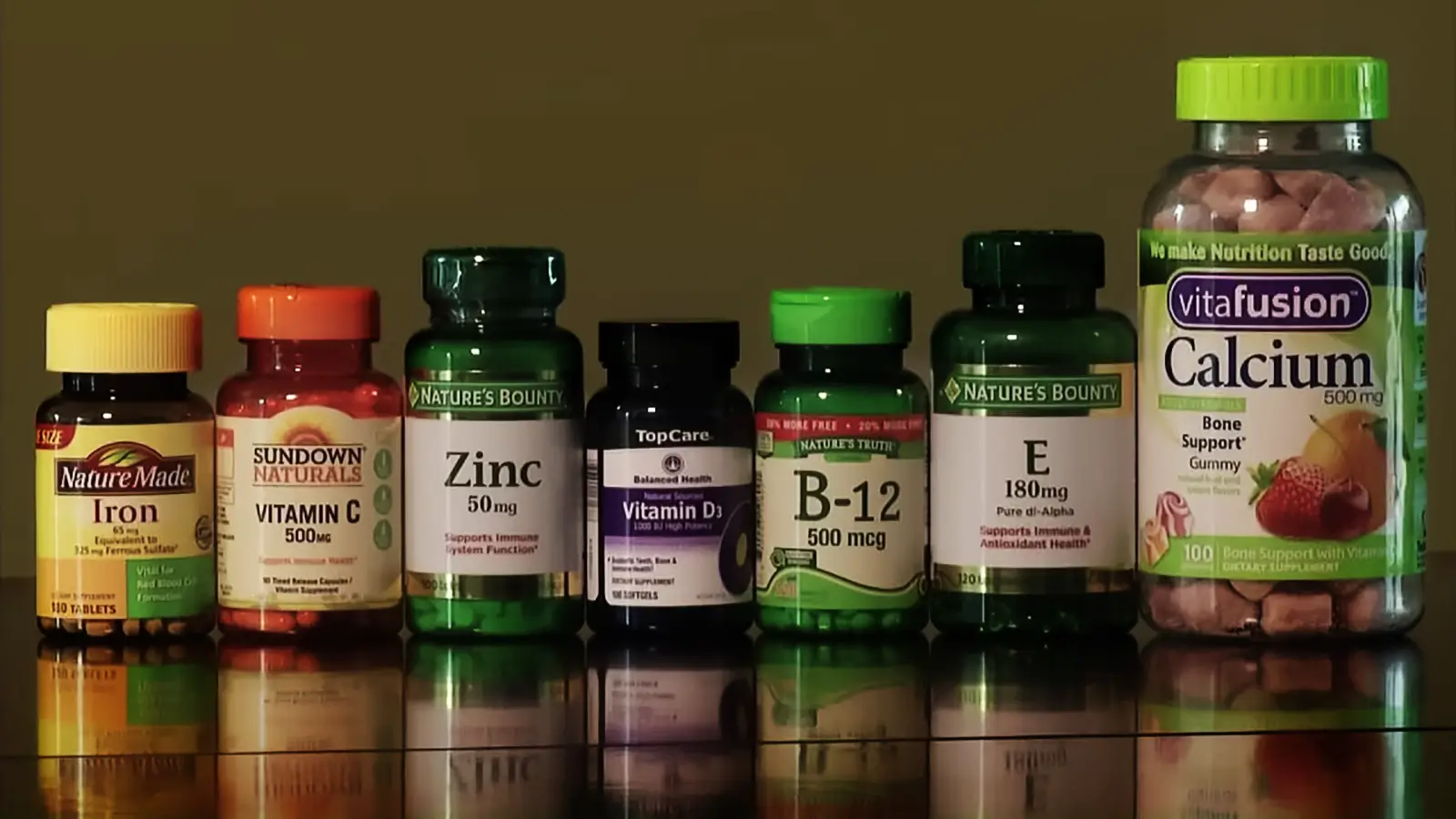
Nutrient Deficiencies in Vegan Diet: Prevention Strategies
There are nine common nutrient deficiencies on the population scale affecting people eating a plant-based diet. If not corrected on time some deficiencies have terrible and non-treatable consequences.
Editor Picks Optimal Diet
Micronutrient Deficiency in Standard American Diet: Optimization Strategies
Nutrition profile of our modern meat, sugar, processed food diet is completely incongruent with our evolution resulting in severe micronutrient deficiency.
Editor Picks Phytochemicals
Phytochemicals: Understanding the Basics
Every single phytochemical that exists has a biological action in the human body. Every single one from millions of different phytochemicals.
Editor Picks Milk Optimal Diet
Milk and Dairy: Health Risk Correlations
Known associations with milk and dairy consumption are infertility, ovarian and breast cancer, leukemia, diabetes type 1, autism, arteriosclerosis, cataract, rheumatoid arthritis, multiple sclerosis, hyperactivity, congestion, pimples, and more…
Cancer Editor Picks Protein
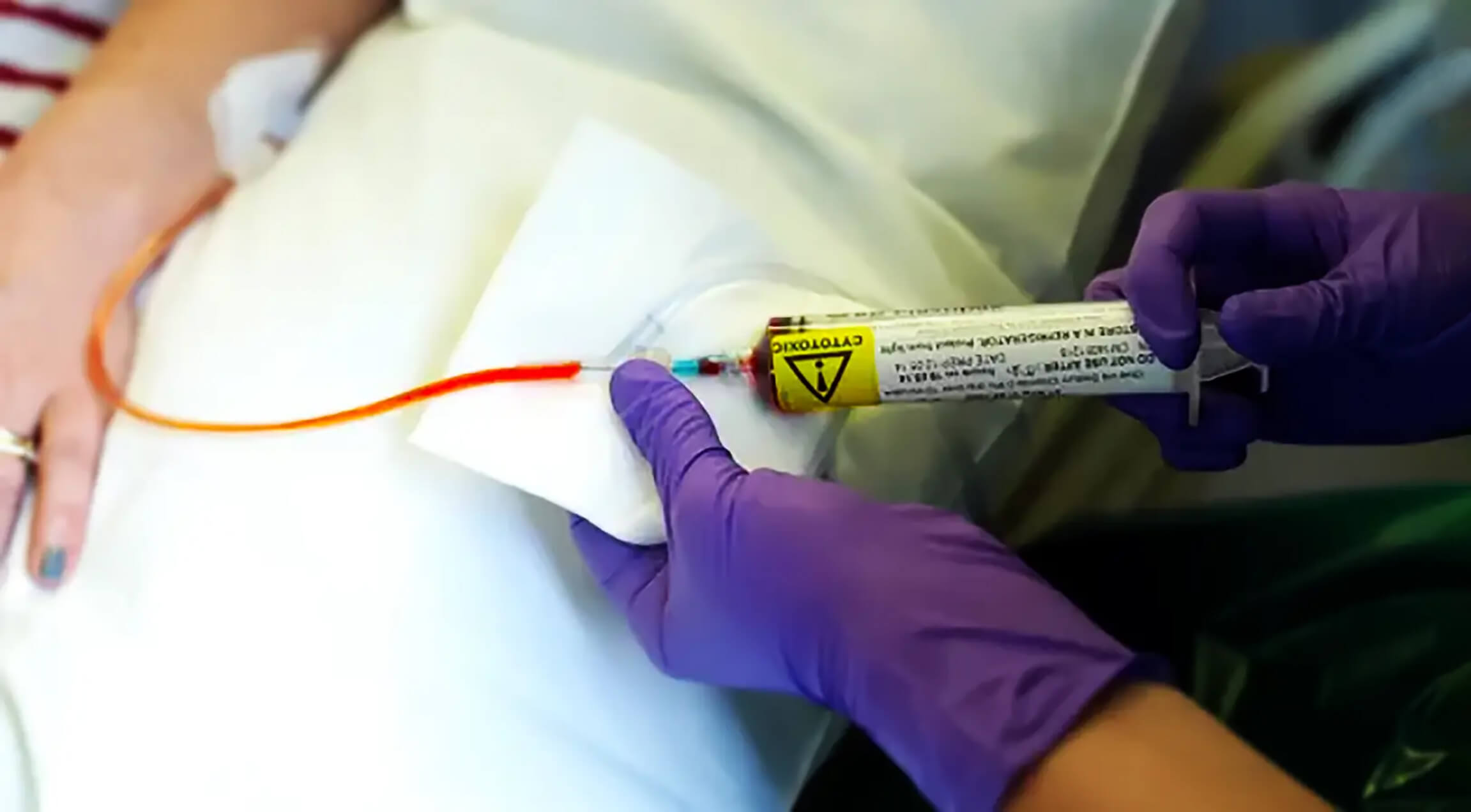
Complete Protein: IGF-1 Signaling in Cancer Formation
When you eat animal protein you have four times the chance to develop all types of cancer. When you smoke you have a four-time chance to develop lung cancer.

Cancer Editor Picks Protein
The Anatomy of Cancer- Health risk correlations
About 2% of cancers are by medicine considered to be purely caused by genetic factors. The same range as within the animal kingdom. You haven’t been told the whole truth.
Milos Pokimica is a health and nutrition writer and nutritional science advisor. Author of the book series Go Vegan? Review of Science, he also operates the natural health website GoVeganWay.com
Latest Articles –
Calorie Restriction Longevity
How to Fast: Fasting Foods That Won’t Break Autophagy
Autophagy. Have you ever wondered what happens to the cells in your body when they die or get damaged? Do they just pile up and create problems, or do they get disposed of somehow? The answer is that your body…
Dental Health Prevention
Sweets Teeth Sensitivity & Pain: Quick Fix & Lasting Solution
A quick and easy fix for pain relief is clove essential oil, a powerful antioxidant and pain reliever that can help with gum disease and toothache.
Beans
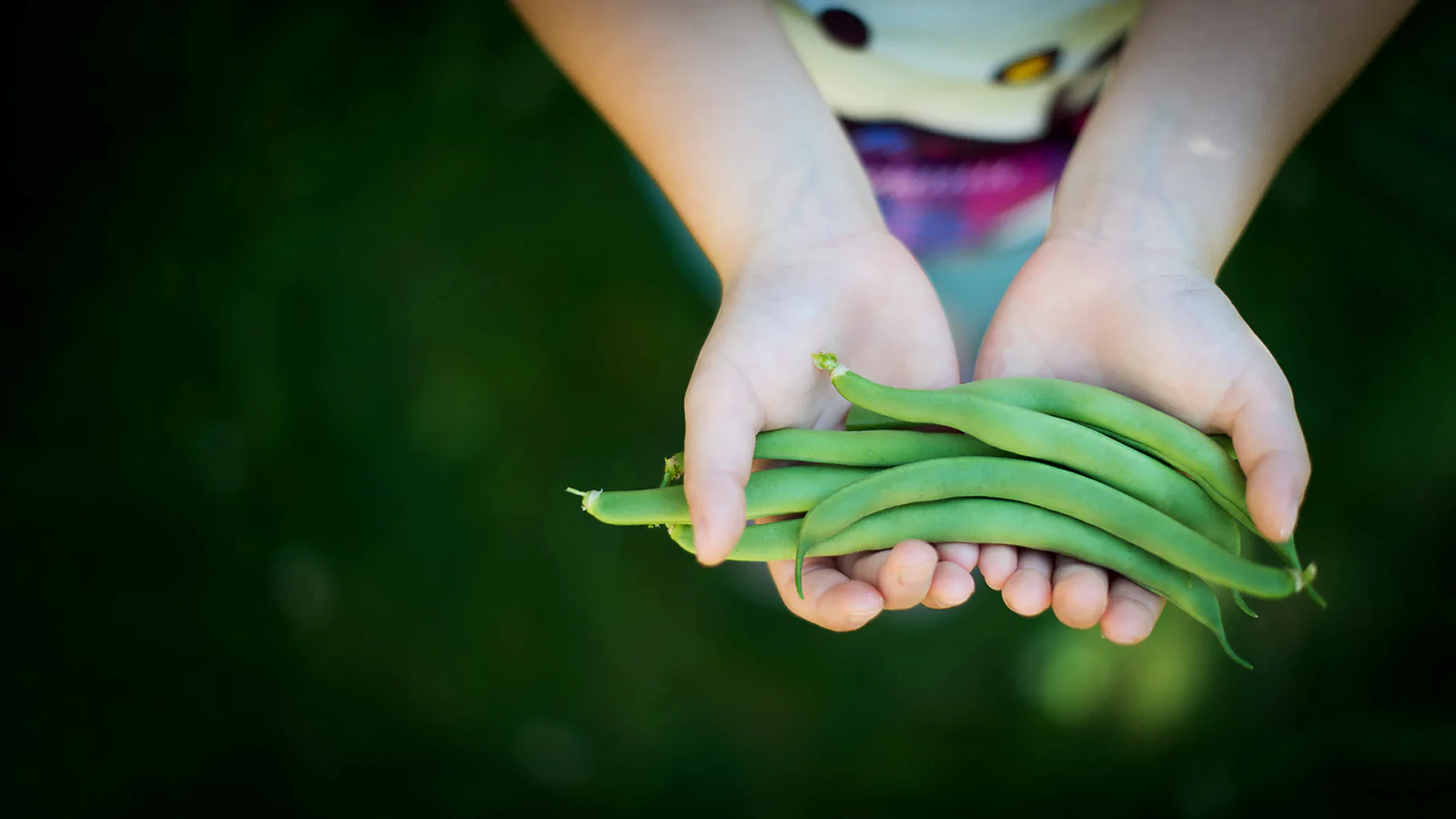
Green Beans: Nutrition and Health Benefits
Green beans are low in calories and rich in natural compounds that can help you control your blood sugar, lower your cholesterol, and fight off free radicals.
Raw food diet Vegan Diet
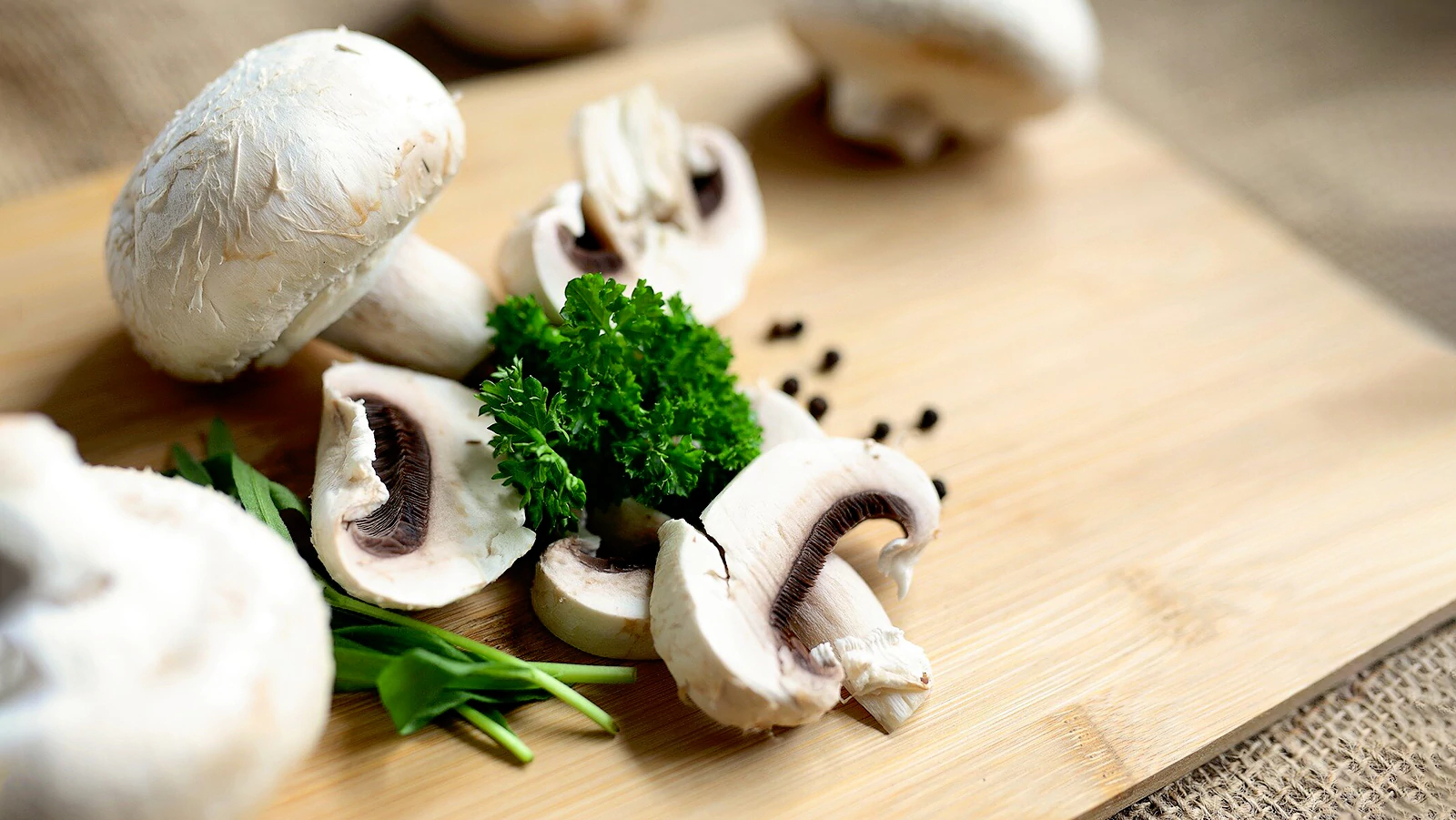
Can You Eat Mushrooms Raw: Health Risks, Nutrition & Safety
Mushrooms have heat-sensitive toxins like hydrazine or agaritine, and cell walls made out of chitin that cannot be digested well by humans.
Vegan Diet
Are Fish Animals? A Cultural Perspective
In some cultures, fish meat is not considered to be meat, and fish is allowed even during fast.

Dental Health Prevention
Homemade Natural Mouthwash: Proven, Stronger & Less Toxic
Homemade natural mouthwash is stronger than chlorhexidine, less toxic and if swallowed might give you some nausea but also a high burst in ORAC value.
Dental Health Prevention
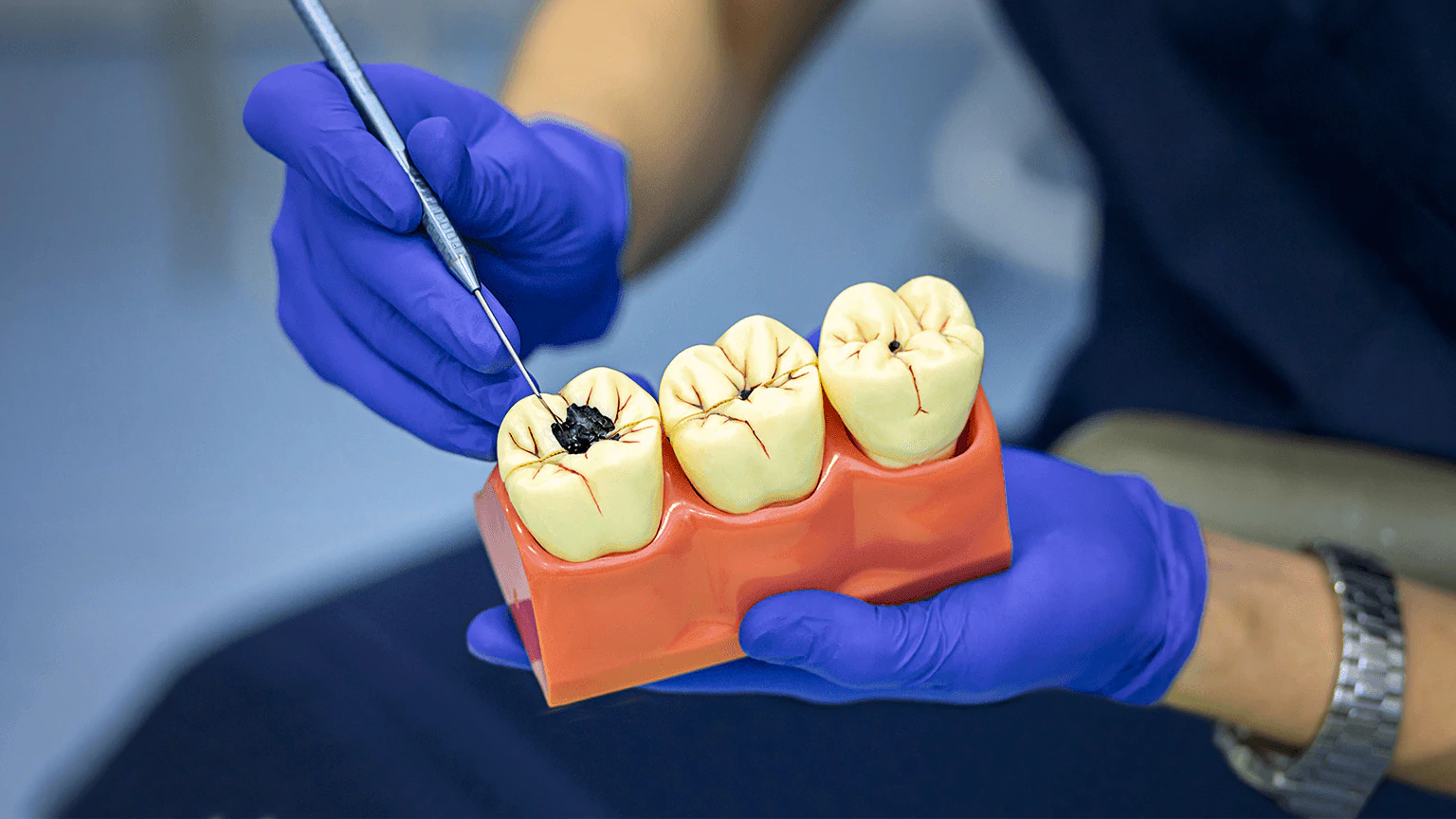
How to Stop Tooth Decay: Symptoms, Causes & Prevention
Sugar consumption is the main cause of cavities and tooth decay, combined with mineral deficiencies especially magnesium, zinc, copper and trace elements.
Antioxidants Superfoods
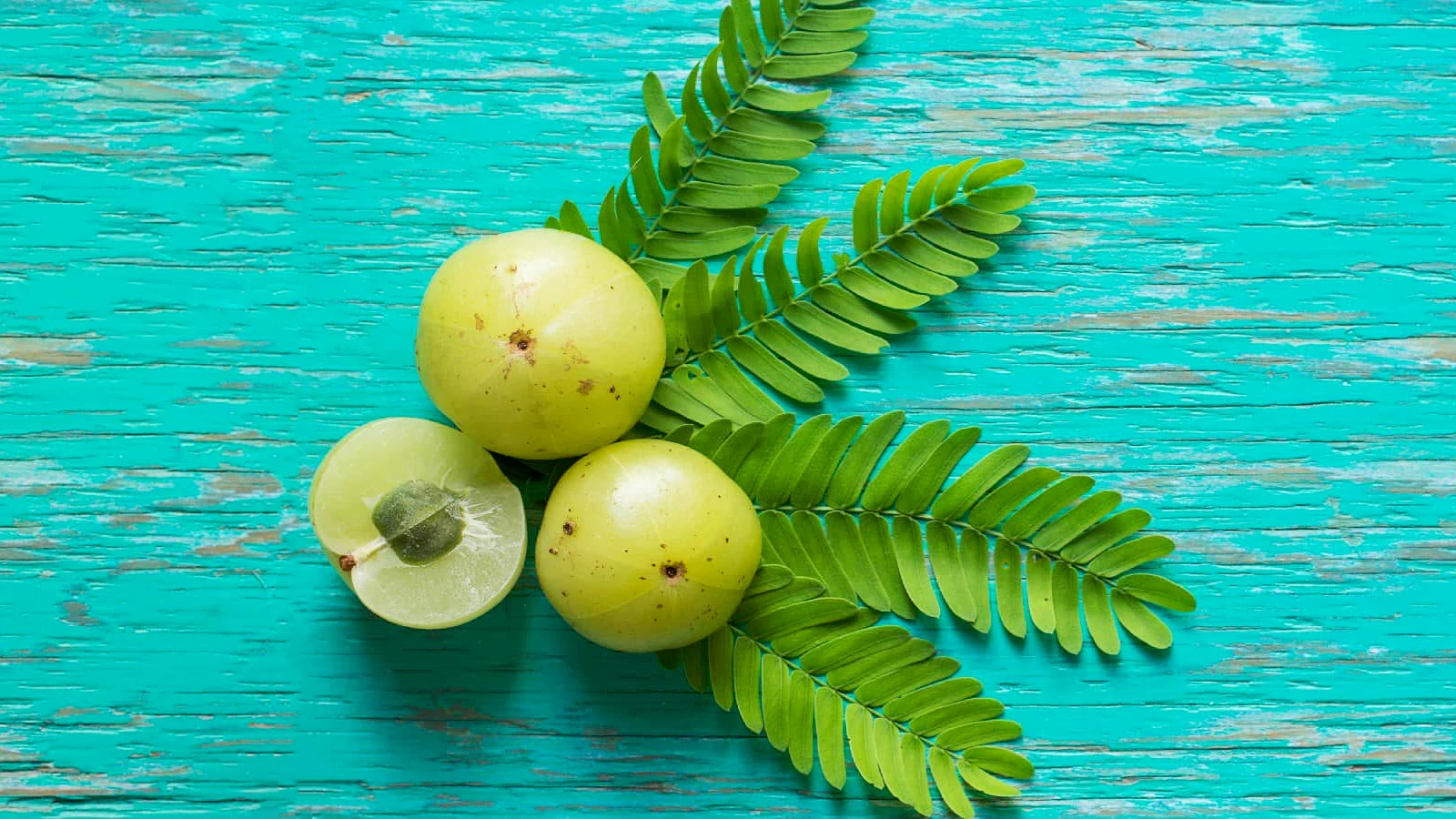
Amla: Proven Benefits, Nutrition And Clinical Significance
Amla is one of the world’s most powerful antioxidants with a ORAC score of 261,530. It is a rich source of phytochemicals that have various health benefits.
Top Health News — ScienceDaily
- FDA-approved epilepsy drug may help reverse osteoarthritis damageon October 8, 2026
Researchers at Yale have identified a promising new approach to osteoarthritis that could do more than simply ease pain. The epilepsy drug lacosamide appears to block a protein involved in both pain signaling and cartilage destruction, helping damaged joints shift back toward repair in preclinical studies.
- Just 7 days of strength training started shrinking fat cells in miceon October 8, 2026
Just seven strength-training sessions helped obese mice shrink visceral fat cells and reactivate molecular pathways involved in burning stored fat, despite no change in overall body weight. The findings suggest some benefits of resistance exercise may begin long before weight loss becomes visible, though the results still need to be confirmed in humans.
- Scientists warn a popular vitamin D supplement may have a hidden downsideon October 8, 2026
Not all vitamin D supplements are created equal, and new research suggests that one popular form may have an unexpected downside. Scientists found that taking vitamin D2 can actually lower the body’s levels of vitamin D3, the form naturally produced by sunlight and more effective at boosting overall vitamin D. Previous studies also suggest that vitamin D3 may provide stronger immune protection against viruses and bacteria.
- Not all trans fats are bad, major review findson October 8, 2026
A large analysis of 22 studies found that the trans fats naturally present in dairy foods such as milk, butter, yogurt, and cheese do not appear to raise the risk of heart disease or type 2 diabetes. Unlike industrial trans fats from partially hydrogenated oils, dairy trans fats showed no meaningful harmful effects on blood fats in controlled trials and were not linked to higher rates of heart disease, stroke, cardiovascular death, or diabetes in long-term studies.
- Dads are dying after their kids are born, and almost no one is tracking iton October 8, 2026
A study of more than 130,000 babies born in Georgia found that hundreds of fathers died within the first five years of their child’s life, and about 60% of those deaths were potentially preventable. Homicide, accidental injuries, suicide, and drug overdoses accounted for most of the preventable deaths, highlighting what researchers call a major blind spot in public health.
- Stanford scientists turn a cancer driver into a kill switchon October 8, 2026
A Stanford-designed molecule turns a major lymphoma-promoting protein against cancer cells, activating their own self-destruct machinery instead of simply blocking tumor growth. In mice, the treatment completely eliminated aggressive human lymphoma tumors within 11 days, although much more testing is needed before it could reach patients.
- Taking antibiotics? Sugar may be making the damage worseon October 7, 2026
Eating more sugar while taking antibiotics was linked to greater disruption of the gut microbiome and increased growth of potentially harmful bacteria. Researchers say temporarily cutting back on sweets during and after antibiotic treatment could be a simple way to reduce this damage, though clinical trials are still needed.
PubMed, #vegan-diet –
- Characterization of Nutritional Intake in Vegan Pregnant Women and its Association on Birth Weighton October 8, 2026
CONCLUSIONS: Vegan women had a higher rate of SGA than non-vegan women, and this increased risk may be partly related to differences in maternal protein intake and composition. In addition, vegan women had lower dietary intakes of calcium, vitamin B12, vitamin D, DHA, and choline, highlighting these nutrients as important considerations in the nutritional assessment and counseling of pregnant women adhering to a strictly vegan diet.
- Changes in ectopic lipids, insulin sensitivity, and beta cell function after a low-fat vegan diet in adults with type 2 diabetes: a 16-week single-arm clinical trialon October 8, 2026
CONCLUSIONS: On an ad libitum low-fat plant-based (vegan) dietary intervention, the participants with type 2 diabetes experienced reductions in ectopic fat, particularly visceral and hepatocellular fat, improvements in insulin sensitivity, reductions in AGEs, and improvements in beta-cell function.
- Sustained Regression of Parotid Mucosa-Associated Lymphoid Tissue (MALT) Lymphoma After Nutritional and Nutraceutical Intervention Without Chemoimmunotherapy: A Case Reporton October 5, 2026
Extranodal marginal zone lymphoma of mucosa-associated lymphoid tissue (MALT) in the setting of Sjögren’s syndrome (SS) is a well-recognized complication of chronic autoimmune salivary gland inflammation. Standard management options include radiotherapy, immunotherapy, and combination chemoimmunotherapy, with active surveillance reserved for stable, low-burden disease. The potential role of structured nutritional and nutraceutical intervention in this setting has not been previously […]
Random Posts –
Antioxidants Editor Picks ORAC Phytochemicals
Antioxidants: Understanding the Basics
There are no phytochemicals or antioxidants in animal products. On average, plant foods contain more than 60 times as many antioxidants as animal-based foods.
Antioxidants Physical Activity
Antioxidant Impaired Training Adaptations: Preventing Oxidative Damage in the Muscle
Supplemental antioxidants can block the main benefit of exercise and that is an increase in our own endogenous antioxidant production.
Editor Picks Inflammation Vegan Diet
Inflammation and diet- Vegan argument
We evolved to receive a burst of protective antioxidants when we eat but there are not present in meat. Inflammation and diet have a high level of correlation.
Cancer Detoxification Inflammation
Sulforaphane Benefits: Detoxifying Superpower of Broccoli
Sulforaphane is the most potent natural phase 2 enzyme-inducer know to science. It is also demonstrated that sulforaphane is a dose-related inhibitor of carcinogen-induced tumorigenesis.
Editor Picks Optimal Diet Vegan Diet
WHO dietary guidelines- New food pyramid and suppression of science
WHO dietary guidelines recommend a diet low in saturated fat (animal protein), sugar, and salt and high in fruit and vegetables as a requirement to tackle the epidemic rise of chronic diseases worldwide.
Editor Picks Optimal Diet Protein
High Protein Diet- Health Risk Correlations
Scarcity is the rule of protein in nature. In evolutionary terms, anthropologists have proven that hominins lived an average of 15 to 25 grams of protein a day. In the modern western type of high-protein diet we would consume that…
Editor Picks Vegan Diet
Nutrient Deficiencies in Vegan Diet: Prevention Strategies
There are nine common nutrient deficiencies on the population scale affecting people eating a plant-based diet. If not corrected on time some deficiencies have terrible and non-treatable consequences.
Editor Picks Optimal Diet
Carnism- The psychology of meat consumption
Meat-eating is the culture that is learned. Actual carnivores would eat any meat no matter what it is, including carrion. In our system, we would eat only a few animals that we deem as food.

Cancer Prevention Toxicity
Pesticides, GMO’s, and toxic overload.
Exposure to pesticides directly causes cancer, birth defects, sterility and infertility, damage to the brain and nervous system, liver, kidneys, and other organs.
Cancer Inflammation Toxicity
Fish toxicity- The most toxic meat
Pollution is washed away and will end up in the ocean eventually and algae filter the water starting the bioaccumulation process. Fish toxicity is a big concern.

Featured Posts –
Editor Picks Optimal Diet
Micronutrient Deficiency in Standard American Diet: Optimization Strategies
Nutrition profile of our modern meat, sugar, processed food diet is completely incongruent with our evolution resulting in severe micronutrient deficiency.

Cancer Editor Picks Toxicity
Pesticides in Food, Exposure in The Standard American Diet- 80 Percent From Meat
Most of the pesticides and especially heavy metals and other toxic waste pollutants we get, we get from meat. More than 80 percent of pesticide exposure in the standard American diet comes from animal products, not from fruits or vegetables.

Editor Picks Obesity Optimal Diet
Cause of Obesity- Maladaptation or addiction
What is the cause of obesity epidemic? For all life on Earth, food is not a choice. The hardest thing for the animal in the wilderness is to gain weight.

Allopathic Medicine Editor Picks Optimal Diet
The McGovern Report- Special Interest and The Suppression of Science
In 1977 the push for a change of Dietary Guidelines (McGovern Report) to more plant-based vegan one had been introduced to U.S. Congress.

Allopathic Medicine Editor Picks
The tale of Big Pharma- IG Farben
The part of Rockefeller monopoly on chemical and medicine industries came into fulfillment after WW2. Standard Oil and IG Farben cooperation made this into reality.
Editor Picks Phytochemicals
Phytochemicals: Understanding the Basics
Every single phytochemical that exists has a biological action in the human body. Every single one from millions of different phytochemicals.
Editor Picks Obesity
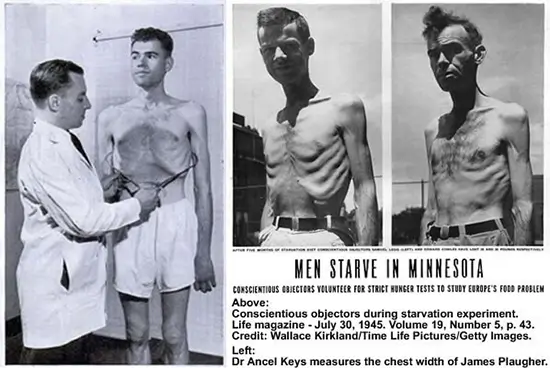
Minnesota Starvation Experiment: Why dieting makes us fat. The Psychology of Hunger.
One of the first scientific studies on what hunger does to the mind was observed in a study remembered as the Minnesota Starvation Experiment performed by the University of Minnesota back in 1944.
Antioxidants Editor Picks ORAC Phytochemicals
Antioxidants: Understanding the Basics
There are no phytochemicals or antioxidants in animal products. On average, plant foods contain more than 60 times as many antioxidants as animal-based foods.

Allopathic Medicine Cancer Editor Picks
Cancer, The Forbidden Cures-Rife machine, Historical review
The recovery rate for patients that have non-treatable cancer and were declared terminally ill by utilizing Rife Machine resonant technology was 100%.
Editor Picks Optimal Diet Vegan Diet
WHO dietary guidelines- New food pyramid and suppression of science
WHO dietary guidelines recommend a diet low in saturated fat (animal protein), sugar, and salt and high in fruit and vegetables as a requirement to tackle the epidemic rise of chronic diseases worldwide.
Latest from PubMed, #plant-based diet –
- MIND diet-related plasma proteins are associated with Alzheimer’s disease riskby Shane Fernandez on October 9, 2026
INTRODUCTION: Adherence to the Mediterranean-Dietary Approaches to Stop Hypertension Intervention for Neurodegenerative Delay (MIND) diet is associated with reduced dementia risk, but underlying mechanisms remain unclear.
- Analysis of the Provision of Plant-Based, Vegetarian and Omnivorous Meals in UK Care Homes for Older Peopleby Saffron Whyton on October 8, 2026
CONCLUSION: Even though the National Health Service recommends reductions in consumption of red and processed meats with increased consumption of plant-based proteins, this transition is yet to be implemented in care homes. This study suggests that there is potential to improve the health and sustainability of meals provided in care home by increasing the availability of plant-based options, especially those rich in plant-based proteins.
- Weight loss-independent associations of body composition changes with device-derived metabolic age during Mediterranean diet follow-upby Ahmet Emre Hatır on October 8, 2026
CONCLUSION: Favorable changes in Tanita-derived metabolic age were observed during follow-up. The associated body composition changes may partly reflect shared components of the device algorithm because metabolic age is a composite surrogate rather than a direct measure of biological aging. Given the retrospective uncontrolled design, causal effects of the Mediterranean diet cannot be established.
- Changes in ectopic lipids, insulin sensitivity, and beta cell function after a low-fat vegan diet in adults with type 2 diabetes: a 16-week single-arm clinical trialby Hana Kahleova on October 8, 2026
CONCLUSIONS: On an ad libitum low-fat plant-based (vegan) dietary intervention, the participants with type 2 diabetes experienced reductions in ectopic fat, particularly visceral and hepatocellular fat, improvements in insulin sensitivity, reductions in AGEs, and improvements in beta-cell function.
- Connecting digital food literacy and sustainable eating in children and adolescents: a focused mini review of evidence gaps and educational prioritiesby Lu Xing on October 7, 2026
Children and adolescents learn about food through digital and physical environments while developing an understanding of dietary effects on human and planetary health. Digital healthy-eating education, food-literacy education, and sustainable-diet education have nevertheless developed along largely separate trajectories. This focused Mini Review examines interventions that combine a substantive digital educational mechanism, a food-literacy capacity, and an explicit sustainability target in…
- The gut microbiota-inflammageing axis in cardiometabolic health of older adults and dietary intervention strategiesby Xin Liu on October 7, 2026
Rapid global population ageing is accelerating the burden of cardiometabolic disease, and inflammageing-the chronic, low-grade, sterile inflammation that accompanies advancing age-has emerged as a shared pathological substrate linking cardiovascular disease, metabolic syndrome, and type 2 diabetes mellitus in older adults. Increasing evidence identifies the gut microbiota as an upstream driver of this process, forming a modifiable feedback loop with the intestinal barrier, the immune system, […]