







Expositions à la Pollution Atmosphérique - Risques Pour la Santé et Stratégies de Prévention
Rien qu'en Inde, environ un demi-million de personnes meurent chaque année à cause de la pollution de l'air. La pollution de l'air entraînant la mort n'est qu'une partie du problème global.
Milos Pokimica
Écrit par : Milos Pokimica
Examiné Médicalement Par : Dr. Xiùying Wáng, M.D.
Mise à jour le 4 août 2023Après la nourriture et l'eau propres, il y a deux autres éléments à prendre en compte. L'air pur et les mauvaises habitudes. En ce qui concerne la qualité de l'air, il n'y a pas grand-chose à faire, si ce n'est changer d'endroit. Si vous vivez dans une ville polluée comme Pékin, c'est probablement une bonne idée.

L'exposition à la pollution atmosphérique dont nous avons connaissance au cours des 30 dernières années de recherche est liée à des affections respiratoires (y compris l'asthme et des modifications de la fonction pulmonaire), à des issues défavorables de la grossesse (telles que les naissances prématurées), à des maladies cardiovasculaires, à des effets néfastes sur le développement du cerveau des enfants, à l'augmentation de l'inflammation générale dans le corps et du risque de cancer, voire à la mort. Parfois, le lien entre la pollution atmosphérique et les problèmes de santé est visible, comme dans le cas de la catastrophe de Bhopal. En 1952, à Londres, l'air pollué a tué environ 4 000 personnes. En raison de la combustion du charbon dans les maisons pour le chauffage et dans les centrales électriques au charbon, l'air était devenu si pollué qu'il asphyxiait les gens. C'est ce qu'on a appelé le Grand Smog.

Aux États-Unis, le fait de vivre dans des villes polluées a été associé à une augmentation de 16 % du taux de mortalité totale, de 27 % du taux de mortalité cardiovasculaire et de 28 % du taux de mortalité par cancer par rapport aux villes non polluées. Elle aggrave l'asthme et augmente le risque de le développer, elle surcharge et peut déclencher des maladies du foie, elle augmente le risque de diabète et, comme toute autre pollution, elle provoque une inflammation chronique qui endommage l'ADN et raccourcit la durée de vie.
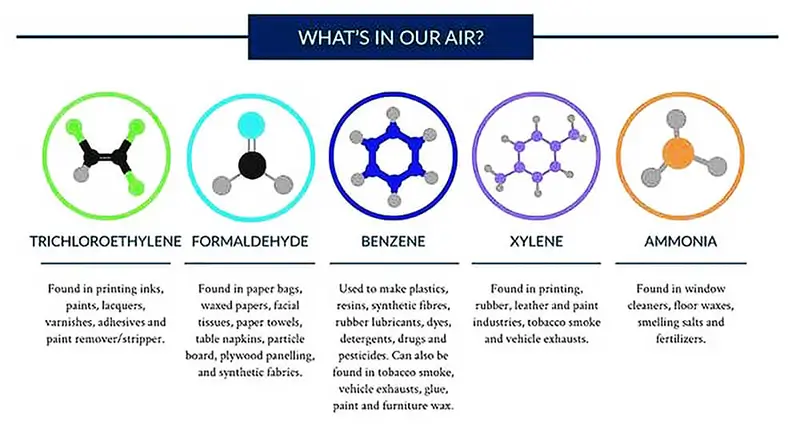
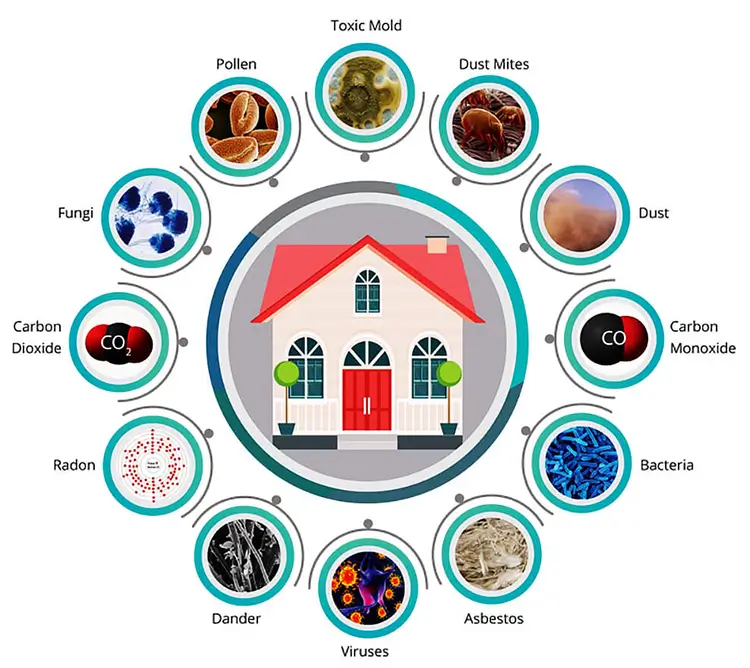
Il n'existe aucune politique de sécurité publique en matière de pollution de l'air, si ce n'est l'interdiction du plomb dans l'essence et l'éloignement de l'industrie lourde et des autres polluants atmosphériques importants des zones peuplées, dans la mesure du possible. Les campagnes de promotion de la marche et de l'utilisation de la bicyclette pour se rendre au travail sont peut-être romantiques, mais elles ne sont pas pratiques. Certaines recherches menées sur la toxicité de l'air ont estimé que 10 à 20 % de l'ensemble des cancers pouvaient être causés par la pollution atmosphérique. Toutefois, dans le cas de la pollution atmosphérique, les effets mettent longtemps à se manifester et le lien direct est difficile à prouver. En 2013, l'Organisation mondiale de la santé a finalement conclu que la pollution de l'air extérieur était un agent cancérigène avéré pour l'homme. Si vous vivez dans des endroits où la pollution de l'air est élevée, il peut être judicieux de limiter votre temps de jogging et d'exercice à l'extérieur, de vous éloigner le plus possible des routes à forte circulation et de limiter le temps que les enfants passent à l'extérieur. Si la qualité de l'air est très mauvaise, restez à l'intérieur, fenêtres fermées. La pollution de l'air intérieur peut être réduite si un bâtiment est bien ventilé et nettoyé régulièrement pour éviter l'accumulation d'agents tels que la poussière et les moisissures. Il est conseillé d'avoir des aspirateurs de qualité et de nettoyer régulièrement la poussière et les moisissures.
En plus de si vous vivez dans une région très polluée, il est également judicieux d'installer un purificateur d'air dans la pièce où se trouvent de nombreuses plantes d'intérieur. Les plantes purifient l'air et font partie de ce que la NASA appelle le système de survie de la nature.. La NASA effectue de nombreuses recherches de ce type en vue de créer des colonies intérieures fermées sur des sites tels que Mars. Il a été confirmé que l'ajout de plantes en pot dans une pièce réduit le nombre de particules dans l'air. Les plantes absorbent l'air, c'est-à-dire qu'elles absorbent le dioxyde de carbone et libèrent de l'oxygène, mais en même temps, elles filtrent l'air et absorbent une partie des particules. Les micro-organismes présents dans le terreau sont également responsables d'une grande partie de l'effet d'épuration de l'air. Certaines plantes, en particulier, sont très efficaces pour éliminer les polluants. Le palmier bambou, par exemple, est une superstar de la filtration du formaldéhyde.
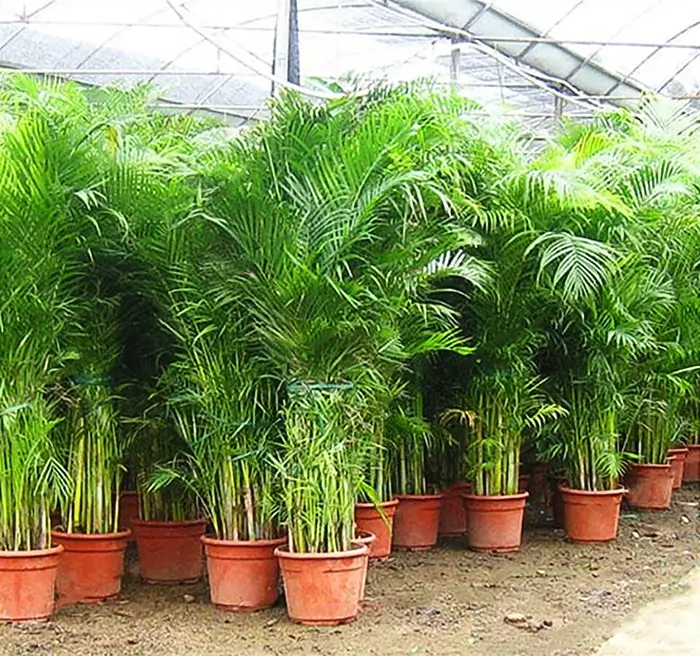
Elles sont capables de pousser jusqu'à 12 pieds de haut, ce qui en fait des ajouts intéressants pour l'intérieur (et pour les animaux de compagnie). C'est notamment parce qu'ils sont si grands qu'ils sont capables de filtrer une si grande quantité d'air. Les purificateurs d'air éliminent presque tout de l'air, comme le pollen, les virus présents dans l'air, la poussière, les odeurs de cuisine et d'animaux domestiques, la fumée de cigarette, etc.
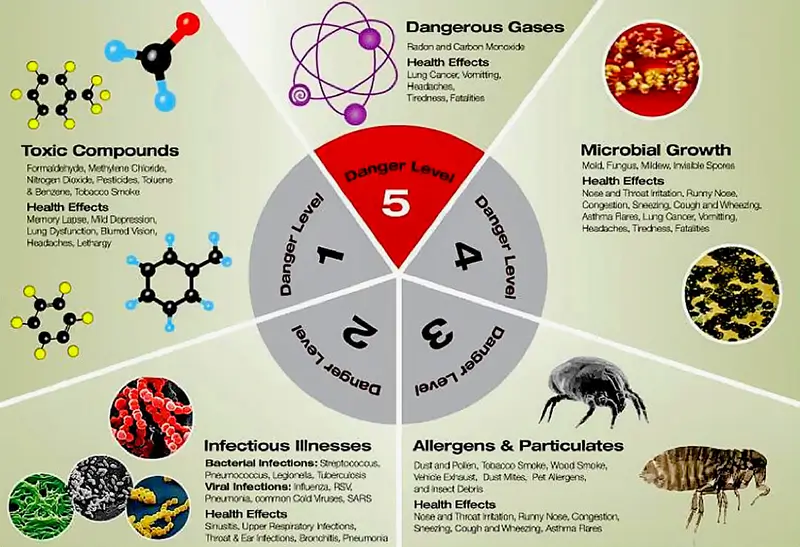
Les aérosols parfumés à la maison sont également toxiques. Les assainisseurs d'air enfichables produisent des niveaux importants de formaldéhyde. Brûler de l'encens peut créer une inflammation dans nos poumons parce que nous respirerons une partie de la fumée et que cette fumée contiendra de minuscules particules chimiques toxiques qui seront piégées dans nos poumons, provoquant une inflammation. Les chercheurs avaient, par exemple, constaté que certains produits chimiques ordinaires comme le bois de santal, le bois d'agar sont plus toxiques que la fumée de tabac. En 2013, une étude portant sur 2000 femmes enceintes, l'International Journal of Public Health, a rapporté que les assainisseurs d'air augmentent considérablement le taux d'infections pulmonaires chez les bébés. Une étude de 2007 a également révélé que l'utilisation de désodorisants aussi peu qu'une fois par semaine peut augmenter le risque d'asthme chez les adultes.
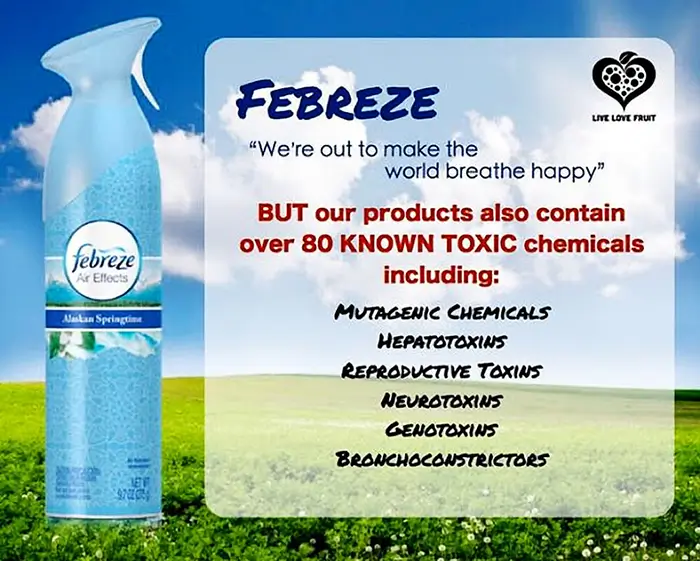
Ces parfums contiennent plus de 100 produits chimiques synthétiques inconnus. Glade, par exemple, garde la liste des produits chimiques très secrète. Elle publie une liste principale de près de 1500 produits chimiques qu'elle utilise dans tous ses produits parfumés parce qu'elle y est tenue par la loi, mais elle ne vous dit pas quels produits chimiques se trouvent dans quels produits. Lorsque vous respirez ces particules, c'est la même chose que de les injecter dans une veine. Il n'y a pas de différence entre le produit chimique qui passe dans le sang par les poumons ou par l'aiguille dans la veine. La plupart de ces substances chimiques secrètes ne font pas l'objet de recherches scientifiques, mais certaines d'entre elles sont par exemple des composés organiques volatils (COV) et du naphtalène. Des études menées en laboratoire ont montré que ces deux substances provoquaient des lésions tissulaires et des cancers dans les poumons des rats et des souris. La plupart des bougies parfumées sont fabriquées avec de la paraffine et contiennent des COV. Le sous-produit de l'huile libère de très petites particules qui contiennent des toxines telles que le benzène, l'acétone et le toluène. Ces toxines sont cancérigènes et sont généralement présentes dans les émissions des moteurs diesel. Une étude réalisée au Royaume-Uni sur plus de 14000 femmes enceintes a montré que les aérosols étaient associés à des dépressions chez les mères, des maux de tête, des diarrhées et des infections de l'oreille chez les bébés. La pollution de l'air est silencieuse, mais elle est aussi toxique que n'importe quel autre élément de ce monde toxique. L'Organisation mondiale de la santé (OMS) publie des rapports sur la pollution de l'air et la mortalité. Selon ses estimations, la pollution atmosphérique est l'une des principales causes de mortalité dans le monde. Environ trois millions de personnes dans le monde meurent chaque année à cause de la pollution de l'air. Rien qu'en Inde, environ un demi-million de personnes meurent chaque année à cause de la pollution de l'air, tandis qu'aux États-Unis, on estime qu'environ 41000 personnes meurent prématurément à cause de la pollution de l'air. Le problème de la pollution atmosphérique est qu'elle est un tueur silencieux. Elle tue sans bruit et sans relâche, et il est difficile d'en déterminer la cause. Toutefois, la pollution de l'air entraînant la mort n'est qu'une partie mineure du problème global qu'elle pose. Les décès ne sont pas la seule conséquence. Il y a les problèmes respiratoires, l'asthme et la bronchite. Les travailleurs qui sont constamment exposés à des particules de poussière sont connus pour mourir de la silicose. La silicose entraîne des années de souffrance avant la mort.
Références :
Passages sélectionnés à partir d'un livre : Pokimica, Milos. Devenir vegetarien? Examen de la science, partie 2. Kindle éd., Amazone, 2018.
- Shima, Masayuki. Nihon eiseigaku zasshi Journal japonais d'hygiène vol. 72,3 (2017): 159-165. doi:10.1265/jjh.72.159
- Casas, Lidia et al. "L'utilisation de produits de nettoyage ménagers pendant la grossesse et les infections des voies respiratoires inférieures et la respiration sifflante au début de la vie." Revue internationale de santé publique vol. 58,5 (2013): 757-64. doi:10.1007/s00038-012-0417-2
- Choi, Hyunok et al. "Les produits chimiques ménagers courants et les risques d'allergie chez les enfants d'âge préscolaire." PloS un vol. 5,10 e13423. 18 octobre 2010, doi:10.1371/journal.pone.0013423
- Steinmann, Anne. "Produits de consommation parfumés et ingrédients non divulgués." Examen de l'évaluation de l'impact sur l'environnement, vol. 29, non. 1, Elsevier BV, janvier 2009, p. 32–38. https://doi.org/10.1016/j.eiar.2008.05.002.
- Saalberg, Yannick et Marcus Wolff. "Biomarqueurs respiratoires COV dans le cancer du poumon." Clinica chimica acta; revue internationale de chimie clinique vol. 459 (2016): 5-9. doi:10.1016/j.cca.2016.05.013
- Negro, A et al. "Maux de tête et grossesse: une revue systématique." Le journal des maux de tête et de la douleur vol. 18,1 106. 19 oct. 2017, doi:10.1186/s10194-017-0816-0
Articles Similaires





Vous avez des questions sur la nutrition et la santé ?
Je serais ravie d'entendre vos commentaires et d'y répondre dans mon prochain message. J'apprécie votre contribution et votre opinion et j'espère avoir bientôt de vos nouvelles. Je vous invite également à nous suivre sur Facebook, Instagram et Pinterest pour plus de contenu sur l'alimentation, la nutrition et la santé. Vous pouvez y laisser un commentaire et entrer en contact avec d'autres passionnés de santé, partager vos conseils et expériences, et obtenir le soutien et les encouragements de notre équipe et de notre communauté.
J'espère que ce billet a été instructif et agréable pour vous et que vous êtes prêt à mettre en pratique les connaissances que vous avez acquises. Si vous avez trouvé ce billet utile, veuillez le partager à vos amis et à votre famille qui pourraient également en bénéficier. On ne sait jamais qui peut avoir besoin de conseils et de soutien dans son parcours de santé.
– Vous pourriez aussi aimer –
Exposition à l'Arsenic et Consommation de Riz - Le Grain le Plus Toxique de Tous

Lait et Produits Laitiers : Corrélations Avec les Risques Pour la Santé

Adventist Health Study - L'argument Végétalien
Risques Pour la Santé Liés à l'Alcool - Le "Paradoxe Français", "Le Vin" et "Avec Modération"

Les Antioxydants : Comprendre les Bases

Comment Jeûner : Les Aliments de Jeûne Qui N'interrompent Pas L'Autophagie

Des Néandertaliens Végétaliens ? La Vérité sur le Véritable Régime Alimentaire des Néandertaliens

Le Pouvoir Antioxydant de la Vitamine C : Améliorer la Santé et la Longévité

Apprendre la Nutrition

Milos Pokimica est docteur en médecine naturelle, nutritionniste clinique, rédacteur en santé médicale et nutrition et conseiller en sciences nutritionnelles. Auteur de la série de livres Devenir vegetarien ? Examen des sciences, il exploite également le site Web de santé naturelle GoVeganWay.com
Avis de non-responsabilité médicale
GoVeganWay.com vous propose des critiques des dernières recherches liées à la nutrition et à la santé. Les informations fournies représentent l'opinion personnelle de l'auteur et ne sont pas destinées ni implicites à se substituer à un avis médical professionnel, un diagnostic ou un traitement. Les informations fournies sont à titre informatif uniquement et ne sont pas destinées à remplacer la consultation, le diagnostic et/ou le traitement médical d'un médecin qualifié ou d'un prestataire de soins de santé.NE JAMAIS IGNORER LES CONSEILS MÉDICAUX PROFESSIONNELS OU RETARDER LA RECHERCHE DE SOINS MÉDICAUX EN RAISON DE QUELQUE CHOSE QUE VOUS AVEZ LU OU ACCÉDÉ SUR GoVeganWay.com
N'APPLIQUEZ JAMAIS DE CHANGEMENTS AU STYLE DE VIE OU TOUT CHANGEMENT À LA SUITE DE QUELQUE CHOSE QUE VOUS AVEZ LU SUR GoVeganWay.com AVANT DE CONSULTER UN PRATICIEN MÉDICAL AGRÉÉ.
En cas d'urgence médicale, appelez immédiatement un médecin ou le 911. GoVeganWay.com ne recommande ni n'approuve aucun groupe, organisation, test, médecin, produit, procédure, opinion ou autre information spécifique pouvant être mentionné à l'intérieur.
Choix de l'éditeur -
Cancer Choix de l'éditeur Phytochimiques
Pouvoir Anticancéreux des Fruits et Légumes : Preuves in Vivo et Cliniques
Certains extraits végétaux rivalisent avec les principaux médicaments de chimiothérapie et ciblent en même temps plusieurs types différents de cellules cancéreuses.
Antioxydants Choix de l'éditeur ORAC
Les Huiles Essentielles en Tant Que Compléments Antioxydants : Règles et Stratégies
Les huiles essentielles de qualité alimentaire peuvent constituer une stratégie pratique et conviviale pour optimiser la valeur antioxydante et les scores ORAC de notre alimentation.
Antioxydants Choix de l'éditeur ORAC
Régime Riche en Antioxydants : Règles Rénérales et Stratégies
Il existe des stratégies simples et rentables pour optimiser la valeur antioxydante de notre alimentation.
Antioxydants Choix de l'éditeur ORAC
Comprendre les Valeurs ORAC : La Teneur en Antioxydants des Aliments
Lorsque votre principale source d'antioxydants est le café, vous savez que vous avez un sérieux problème.

Antioxydants Choix de l'éditeur ORAC
Avantages de l’Astaxanthine : L’Antioxydant Naturel le Plus Puissant au Monde
L'astaxanthine est l'antioxydant naturel et universel le plus puissant (soluble dans l'huile et dans l'eau) connu de la science. Il s'accumule dans les tissus et ne peut jamais se transformer en pro-oxydant.

Antioxydants Choix de l'éditeur ORAC Phytochimiques
Les Antioxydants : Comprendre les Bases
Il n'y a pas de composés phytochimiques ou d'antioxydants dans les produits d'origine animale. En moyenne, les aliments végétaux contiennent plus de 60 fois plus d'antioxydants que les aliments d'origine animale.
Choix de l'éditeur Régime végétalien
Les Carences en Nutriments Dans le Régime Végétalien : Stratégies de Prévention
Il existe neuf carences nutritionnelles courantes à l'échelle de la population qui affectent les personnes qui suivent un régime à base de plantes. Si elles ne sont pas corrigées à temps, certaines déficiences ont des conséquences terribles et incurables.
Choix de l'éditeur Régime optimal
Déficience en Micronutriments Dans le Régime Alimentaire Américain Standard : Stratégies d'Optimisation
Le profil nutritionnel de notre régime moderne à base de viande, de sucre et d'aliments transformés est totalement incongru avec notre évolution, ce qui entraîne de graves carences en micronutriments.
Choix de l'éditeur Phytochimiques
Photochimie : Comprendre les Bases
Chaque phytochimique qui existe a une action biologique dans le corps humain. Chacun parmi des millions de composés phytochimiques différents.

Choix de l'éditeur Lait Régime optimal
Lait et Produits Laitiers : Corrélations Avec les Risques Pour la Santé
Les associations connues avec le lait et la consommation de produits laitiers sont l'infertilité, le cancer de l'ovaire et du sein, la leucémie, le diabète de type 1, l'autisme, l'artériosclérose, la cataracte, la polyarthrite rhumatoïde, la sclérose en plaques, l'hyperactivité, la congestion, les boutons, etc.

Cancer Choix de l'éditeur Protéine
Protéine Complète : Signalisation de l'IGF-1 dans la Formation du Cancer
Lorsque vous mangez des protéines animales, vous avez quatre fois plus de chances de développer tous les types de cancer. Lorsque vous fumez, vous avez quatre fois plus de chances de développer un cancer du poumon.

Cancer Choix de l'éditeur Protéine
Anatomie du Cancer - Corrélations Entre Les Risques Pour la Santé
Environ 2 % des cancers sont considérés par la médecine comme purement causés par des facteurs génétiques. La même gamme que dans le règne animal. On ne vous a pas dit toute la vérité.
Milos Pokimica est rédacteur spécialisé dans la santé et la nutrition et conseiller en sciences nutritionnelles. Auteur d'une série de livres Devenir vegetarien ? Examen des sciences, il exploite également le site Web de santé naturelle GoVeganWay.com
Derniers Articles –

Restriction calorique Longévité
Comment Jeûner : Les Aliments de Jeûne Qui N'interrompent Pas L'Autophagie
L'autophagie. Vous êtes-vous déjà demandé ce qu'il advient des cellules de votre corps lorsqu'elles meurent ou sont endommagées ? S'accumulent-elles et créent-elles des problèmes, ou sont-elles éliminées d'une manière ou d'une autre ? La réponse est que votre corps...
Santé Dentaire La prévention
Sensibilité et Douleur des Dents aux Sucreries : Solution Rapide et Durable
L'huile essentielle de clou de girofle est une solution rapide et facile pour soulager la douleur. C'est un antioxydant puissant et un analgésique qui peut aider à lutter contre les maladies des gencives et les maux de dents.

Les haricots
Haricots Verts : Nutrition et Bienfaits Pour La Santé
Les haricots verts sont pauvres en calories et riches en composés naturels qui peuvent vous aider à contrôler votre glycémie, à réduire votre taux de cholestérol et à lutter contre les radicaux libres.
Régime alimentaire cru Régime végétalien
Peut-on Manger des Champignons Crus : Risques pour la Santé, Nutrition et Sécurité
Les champignons contiennent des toxines sensibles à la chaleur, comme l'hydrazine ou l'agaritine, et des parois cellulaires composées de chitine qui ne peuvent pas être digérées correctement par l'homme.

Régime végétalien
Les Poissons Sont-ils Des Animaux ? Une Perspective Culturelle
Dans certaines cultures, la viande de poisson n'est pas considérée comme de la viande et le poisson est autorisé même pendant le jeûne.

Santé Dentaire La prévention
Rince-bouche Naturel Fait Maison : Éprouvé, Plus Fort et Moins Toxique
Le bain de bouche naturel fait maison est plus puissant que la chlorhexidine, moins toxique et, s'il est avalé, il peut donner des nausées, mais il a aussi une valeur ORAC élevée.
Santé Dentaire La prévention
Comment Arrêter les Caries Dentaires : Symptômes, Causes et Prévention
La consommation de sucre est la principale cause des caries dentaires, associée à des carences en minéraux, notamment en magnésium, zinc, cuivre et oligo-éléments.

Antioxydants Superaliments
Amla : Avantages Prouvés, Nutrition et Signification Clinique
L'amla est l'un des antioxydants les plus puissants au monde, avec un score ORAC de 261 530. Il s'agit d'une riche source de substances phytochimiques qui ont de nombreux effets bénéfiques sur la santé.
Top Des Nouvelles Sur la Santé - ScienceDaily
- Glucosamine, a popular joint supplement, linked to faster Alzheimer’s progressionle septembre 27, 2026
A large health-record analysis found that glucosamine use was associated with a 25% higher likelihood of mild cognitive impairment progressing to dementia. Lab experiments suggest the popular joint supplement may intensify an abnormal sugar-tagging process in the Alzheimer’s brain, although researchers say clinical trials are needed to determine whether it actually causes harm.
- Atrial fibrillation patients saw 69% lower risk with common blood thinnersle septembre 27, 2026
Direct oral anticoagulants cut the risk of serious clinical events by 69% in atrial fibrillation patients with an intermediate risk of stroke, according to the randomized SINGLE-AF trial. The benefit was driven mainly by fewer ischemic strokes, with no increase in major bleeding.
- One CRISPR treatment cut “bad” cholesterol in half for a full yearle septembre 27, 2026
A single dose of an experimental CRISPR therapy cut LDL cholesterol and triglycerides by about half in patients with difficult-to-treat lipid disorders. The reductions were still present one year later, with the highest dose lowering LDL by 52.5% and triglycerides by 47.8%.
- Why rheumatoid arthritis pain may persist even when inflammation is under controlle septembre 27, 2026
Pain and fatigue in rheumatoid arthritis can persist even after inflammation improves, with depression, poor sleep, obesity, smoking, and chronic pain potentially helping sustain symptoms. Researchers say identifying these hidden drivers could prevent unnecessary medication changes and lead to more personalized treatment.
- Scientists say house cats could help unlock better cancer treatments for humansle septembre 27, 2026
Scientists have mapped the genetics of cat cancer on an unprecedented scale and found surprising similarities with tumors in humans. The findings could help bring precision cancer treatments to cats while also revealing new clues about how human cancers develop and respond to drugs.
- A major risk of breast cancer screening may have been overestimated for decadesle septembre 26, 2026
A new analysis suggests mammograms may lead to far less breast cancer overdiagnosis than some earlier studies indicated. Researchers reexamined all eight major randomized screening trials and accounted for differences in follow-up time, screening frequency, and screening after trials ended. Their results were consistent with an overdiagnosis rate below 5%, rather than estimates approaching 30% to 50%.
- That fresh cleaning smell could be filling your home with nanoparticlesle septembre 26, 2026
Researchers found that scented cleaners can react with ozone indoors to create billions or trillions of invisible nanoparticles that can penetrate deep into the lungs. The pollution forms within minutes and, in some cases, may produce an inhaled particle dose comparable to or greater than standing near heavy traffic.
PubMed, #régime-vegan –
- Plant-Based Diets in Adolescence: Cardiometabolic Benefits, Developmental Risks, and the Role of Fortificationle septembre 26, 2026
Adolescence is a critical window in which dietary patterns stabilise while nutrient requirements remain high to support growth, bone accrual, and neurodevelopment. Plant-based diets are increasingly adopted by young people, yet paediatric evidence indicates that they should not be treated as a single exposure, because diet quality substantially modifies both benefits and risks. Healthy plant-based patterns-rich in whole grains, legumes, fruits, vegetables, nuts, and unsaturated fats-are…
- Plant-Based Functional Custard Enriched with Vitamin D3: Insight into Technological Properties, Nutrition and Bone Tissue Regenerationle septembre 26, 2026
A plant-based or vegan diet is considered one of the most important dietary patterns, often followed for religious or health reasons. It should contain vital nutrients such as protein, iron, zinc, calcium, vitamin D, and others. The objective of this study was to produce a plant-based food product with high nutritional value (vegan custard, VC) and fortify it with vitamin D(3) (vegan custard + D(3)). Thirty-five female albino rats, with an average body weight of 160 ± 5 g, were divided […]
- Dietary Patterns, Micronutrient Adequacy, and Metabolic Vulnerability in Alzheimer’s Disease: A Critical Narrative Reviewle septembre 26, 2026
Dietary factors may influence cognitive aging and Alzheimer’s disease (AD), but observational associations, mechanistic findings, and intervention effects should not be considered equivalent evidence. This critical narrative review examines how dietary patterns, micronutrient adequacy, and metabolic health may modify AD-related vulnerability. A targeted search of PubMed/MEDLINE, Scopus, and Web of Science through April 2026 prioritized systematic reviews, meta-analyses, randomized trials, and…
- A Structured Narrative Review of Contemporary Dietary Strategies Following Acute Coronary Syndromesle septembre 24, 2026
CONCLUSIONS: A Mediterranean-style diet remains the dietary pattern supported by the strongest evidence for secondary prevention following ACS. Until further pragmatic randomized trials are available, clinicians should continue recommending Mediterranean-style dietary patterns while individualising dietary advice according to patient preferences, cultural practices, and long-term adherence.
- Toward International Dietary Guidance: A Food Guide Pyramid for Human and Planetary Healthle septembre 23, 2026
Dietary guidelines shape food policy, education, and food systems worldwide. Recent controversies in dietary guideline development, together with rising burdens of diet-related chronic disease and increasing environmental pressures, highlight the need for globally relevant dietary guidance aligned with both human and planetary health. We developed an evidence-informed International Food Guide Pyramid emphasizing optimal carbohydrate-containing staple foods. The International Carbohydrate […]
Messages Aléatoires -
Antioxydants Superaliments
Bienfaits Spiruline : Superaliment Riche en Phycocyanine
La spiruline possède de fortes propriétés antioxydantes, anticancéreuses, antivirales et immunomodulatrices, ainsi qu'une capacité à lutter contre l'obésité, le diabète et le cholestérol.s

Choix de l'éditeur Obésité
Hyperphagie Boulimique et Régulation Hormonale: la Faim Emotionnelle
Durant toute notre évolution, nous étions comme n'importe quelle autre espèce sur cette planète, en constante faim et en quête de nourriture. La suralimentation est un exemple de mauvaise adaptation.

Médecine allopathique Choix de l'éditeur
L'histoire de Big Pharma - IG Farben
La partie du monopole des Rockefeller sur les industries chimiques et médicales est entrée en vigueur après la Seconde Guerre mondiale. La coopération entre Standard Oil et IG Farben en a fait une réalité.
Diabète Régime optimal
Édulcorants Artificiels- Comprendre les Bases
Les édulcorants artificiels sont des produits chimiques synthétiques non naturels, nous devons donc examiner la science disponible pour comprendre les effets potentiels sur la santé que ces produits chimiques pourraient avoir.
Vitamine D
Carence en Vitamine D : Les Stratégies d'Optimisation
Avec une carence en vitamine D, nous souffrirons d'un large éventail de problèmes de santé, même si nous n'avons pas de maladie osseuse directement visible.

Longévité
Longévité: La Théorie du Rythme de Vie
Plus le métabolisme est élevé, plus les dommages oxydatifs sont élevés et plus la division cellulaire est élevée. Chaque fois que la cellule se divise, elle coupe le télomère en deux et notre longévité

Régime végétalien
Viande Humaine ou Mythe Humain ?- La Cognition Animale
Nous ne sommes pas les espèces les plus intelligentes si nous mesurons scientifiquement la cognition animale. La partie cérébrale néocorticale du globicéphale noir contient plus de neurones que le nôtre.

Antioxydants
La Vitamine C Intraveineuse dans le Traitement de La Grippe : Preuve Vivante de la Pratique Clinique
Lorsque vous voulez que de la vitamine C intraveineuse soit administrée à l'hôpital, vous n'en parlez pas à votre médecin. Au lieu de cela, vous dites à votre avocat de le dire à votre médecin, par écrit.

Choix de l'éditeur Régime paléo Régime végétalien
Des Néandertaliens Végétaliens ? La Vérité sur le Véritable Régime Alimentaire des Néandertaliens
Une représentation typique des Néandertaliens les décrit comme tuant le mammouth laineux. Cependant, une plaque dentaire raconte une autre histoire sur le régime alimentaire des Néandertaliens

Choix de l'éditeur Obésité
Stimuli Anormaux- Hyperphagie Boulimique et régulation de l'Appétit
Lorsque nous voyons un hamburger, ce sont des stimuli supranormaux. Les pulsions primordiales affectent notre comportement, nous forçant à avoir des troubles de l'hyperphagie boulimique.

Postes en Vedette -
Diabète Choix de l'éditeur
Causes du Diabète et Graisses Saturées- L'argument Végétalien
À mesure que le niveau de graisse dans le sang augmente, la capacité du corps à éliminer les gouttes de sucre. L'une des causes du diabète est notre mauvaise adaptation à un apport important en matières grasses

Cancer Choix de l'éditeur Toxicité
Exposition des Enfants Aux Pesticides : Tests d'Exposition en Situation Réelle
Les enfants et surtout les femmes enceintes sont plus vulnérables à l'exposition aux pesticides. Si nous analysions les niveaux d'exposition réels dans des scénarios réels, quel serait le résultat ?

Choix de l'éditeur La prévention Régime végétalien
Étude sur la Chine- L'argument Végétalien
Une étude chinoise a montré qu'il n'y a pas de maladie cardiaque, de cancer ou de diabète dans les communautés rurales sous-développées du monde avec des régimes végétaliens à base d'amidon.
Diabète Choix de l'éditeur
Causes du Diabète et Glucides Raffinés- L'argument Végétalien
Les gens pensent que les glucides raffinés sont associés à des pics d'insuline et sont l'une des causes du diabète. Ils ont raison. Cependant, ils ont également tort.

Diabète Choix de l'éditeur Régime optimal
Sucre Raffiné : Comprendre les Risques
Les enfants consomment environ un cinquième de leurs besoins totaux en calories uniquement à partir de sucre raffiné. Si nous ajoutons à la liste des matières grasses et le reste des aliments transformés dépourvus de nutriments, cela devient un véritable cauchemar nutritionnel.
Choix de l'éditeur Régime végétalien
Les Carences en Nutriments Dans le Régime Végétalien : Stratégies de Prévention
Il existe neuf carences nutritionnelles courantes à l'échelle de la population qui affectent les personnes qui suivent un régime à base de plantes. Si elles ne sont pas corrigées à temps, certaines déficiences ont des conséquences terribles et incurables.

Médecine allopathique Cancer Choix de l'éditeur
Cancer, The Forbidden Cures-Rife Machine, Revue Historique
Le taux de récupération des patients atteints d'un cancer non traitable et déclarés en phase terminale en utilisant la technologie de résonance Rife Machine était de 100 %.
Choix de l'éditeur Phytochimiques
Photochimie : Comprendre les Bases
Chaque phytochimique qui existe a une action biologique dans le corps humain. Chacun parmi des millions de composés phytochimiques différents.
Antioxydants Choix de l'éditeur ORAC
Comprendre les Valeurs ORAC : La Teneur en Antioxydants des Aliments
Lorsque votre principale source d'antioxydants est le café, vous savez que vous avez un sérieux problème.

Choix de l'éditeur Régime optimal Protéine
Besoins en Protéines - Une Vérité Qui Dérange
Lorsque des études anthropologiques ont montré que les hominines vivaient en moyenne de 15 à 20 grammes de protéines par jour, il y a eu un soi-disant « grand fiasco des protéines » dans les années 1970.
Dernières Nouvelles de PubMed, #alimentation végétale –
- Long-Term Monitoring of Radioactive Cesium in Commercial Foods and Dietary Intake Estimated by Total Diet Studies in Japan after the Fukushima Daiichi Nuclear Power Plant Accidentpar Hiromi Nabeshi le septembre 27, 2026
Following the Fukushima Daiichi Nuclear Power Plant accident in 2011, Japan implemented extensive monitoring of radioactive materials in foods and established strict regulatory limits based on an annual effective dose of 1 mSv/year from artificial radionuclides. This review summarizes long-term surveillance data on radioactive cesium (r-Cs) in commercial foods and long-term assessments of dietary intake of r-Cs and strontium-90 (^(90)Sr) using the total diet study (TDS)/market basket (MB)…
- Nutrition and Endometriosis: Current Evidence on Dietary Risk Factors and Clinical Impact – A Narrative Reviewpar Christine Dawczynski le septembre 27, 2026
Endometriosis (EM) is a severe chronic inflammatory disease characterized by the presence of endometrium-like tissue outside the uterine cavity, causing pain and significantly reducing quality of life. Worldwide, around 10% of women of reproductive age are affected and there is no cure as of now. The limited treatment options focus on hormone therapy, surgery and pain management–without satisfactory long-term effects. Nutritional strategies might support the prevention and treatment of…
- North American and Andean Indigenous Plant-Based Foods and Their Contemporary Scientific Rationale for Health Improvementpar Lena Gálvez Ranilla le septembre 27, 2026
Plant-based food systems have been an integral part of human ecology since the dawn of domestication across all continents from over 12,000 y ago. This served the needs of human health and wellness from whole plant form to the use of parts in a range of water-based extracts to dry form or fermentation-based applications. This conference paper focuses on some examples of plant-based foods in the Americas that have been used since ancient times among indigenous North American and Andean […]
- Plant-Based Diets in Adolescence: Cardiometabolic Benefits, Developmental Risks, and the Role of Fortificationpar Bianca Simionescu le septembre 26, 2026
Adolescence is a critical window in which dietary patterns stabilise while nutrient requirements remain high to support growth, bone accrual, and neurodevelopment. Plant-based diets are increasingly adopted by young people, yet paediatric evidence indicates that they should not be treated as a single exposure, because diet quality substantially modifies both benefits and risks. Healthy plant-based patterns-rich in whole grains, legumes, fruits, vegetables, nuts, and unsaturated fats-are…
- Dietary Patterns, Micronutrient Adequacy, and Metabolic Vulnerability in Alzheimer’s Disease: A Critical Narrative Reviewpar Isidora Sierralta le septembre 26, 2026
Dietary factors may influence cognitive aging and Alzheimer’s disease (AD), but observational associations, mechanistic findings, and intervention effects should not be considered equivalent evidence. This critical narrative review examines how dietary patterns, micronutrient adequacy, and metabolic health may modify AD-related vulnerability. A targeted search of PubMed/MEDLINE, Scopus, and Web of Science through April 2026 prioritized systematic reviews, meta-analyses, randomized trials, and…
- Baseline Ferritin and Body Composition as Correlates of Longitudinal Metabolic Changes During an Energy-Restricted Mediterranean-Style Intervention Across Three Overweight Phlogistic-Related Clinical…par Begoña de Cuevillas le septembre 26, 2026
CONCLUSIONS: Baseline ferritin and body composition were correlates of heterogeneous inflammatory-metabolic profiles and ferritin changes. These hypothesis-generating associations do not establish causal or mechanistic effects and require controlled confirmation with comprehensive iron-status assessment.