







Hyperphagie Boulimique - La Psychologie de la Faim
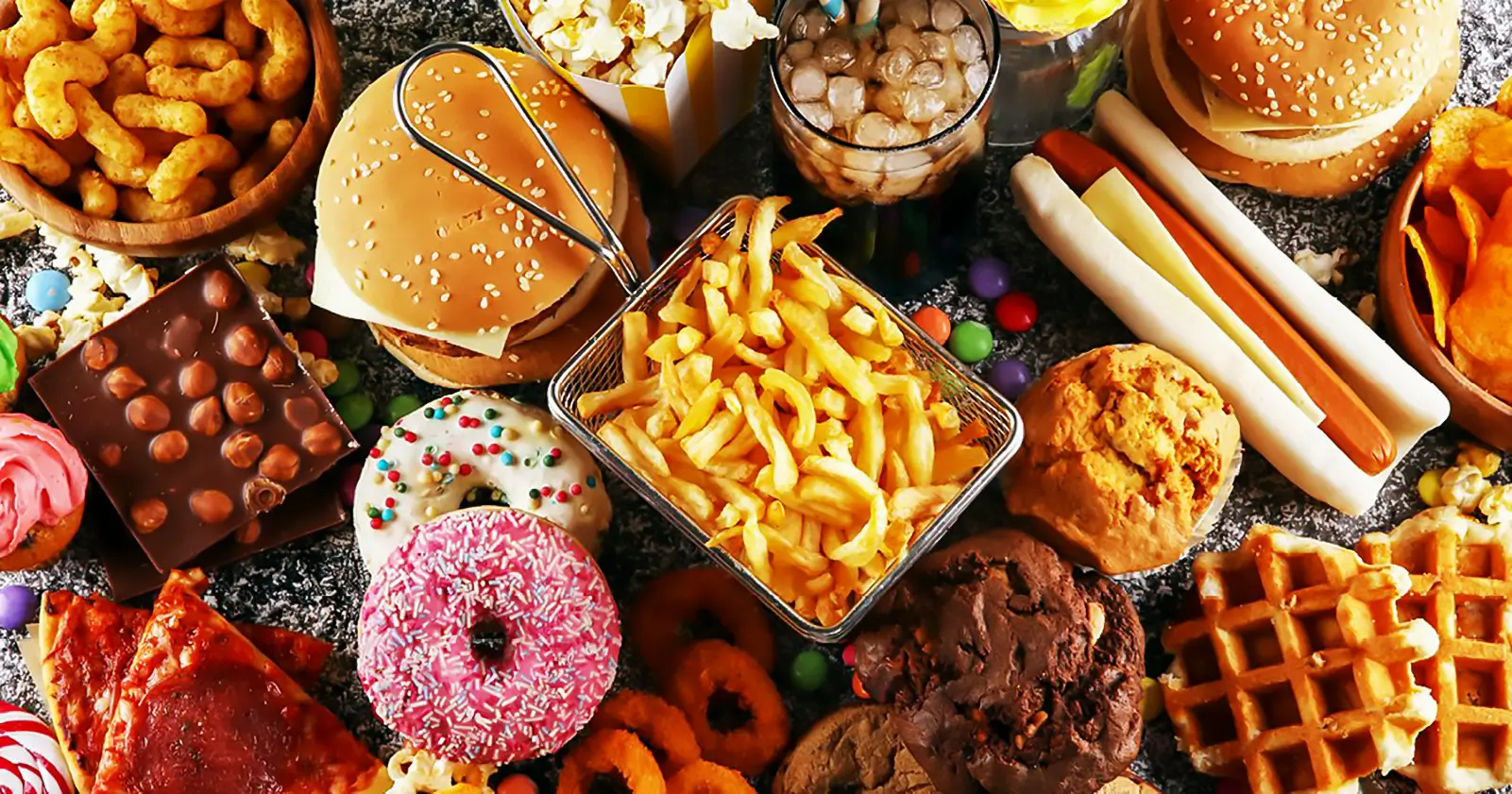
Dans la nature, il n'y a ni sucre raffiné ni graisse. Notre cerveau n'avait jamais été exposé à une combinaison des deux tout à la fois nous forçant à l'hyperphagie boulimique.
Milos Pokimica
Écrit par : Milos Pokimica
Examiné Médicalement Par : Dr. Xiùying Wáng, M.D.
Mise à jour 12 octobre 2023Manger pour le plaisir n'a rien de nouveau. L'hyperphagie boulimique n'a rien de nouveau. La capacité d'avoir un excès de nourriture à se gaver est.
Le trouble de l'alimentation excessive (BED) est un type de trouble de l'alimentation qui est maintenant officiellement reconnu comme un diagnostic. Elle touche près de 2 % de la population mondiale et peut entraîner des problèmes de santé supplémentaires liés à l'alimentation, comme l'hypercholestérolémie et le diabète.
Les troubles de l'alimentation et de l'alimentation ne concernent pas uniquement la nourriture, c'est pourquoi ils sont classés comme des troubles psychiatriques. Les gens les développent généralement pour faire face à un problème plus profond ou à une autre condition psychologique, comme anxiété ou dépression. Le type de trouble alimentaire le plus courant aux États-Unis est l'hyperphagie boulimique. Les personnes souffrant d'hyperphagie boulimique se sentent souvent hors de contrôle et consomment une grande quantité de nourriture en une seule fois (ce qu'on appelle une hyperphagie). Contrairement aux personnes souffrant d'autres troubles alimentaires, les personnes souffrant d'hyperphagie boulimique ne vomissent pas leur nourriture après l'hyperphagie. D'après les recherches, les hommes et les femmes souffrent d'hyperphagie boulimique dans les mêmes proportions.
La suralimentation est une partie naturelle de l'être humain; nous pouvons trop manger dans des contextes sociaux (par exemple, le déjeuner de Noël) ou seuls (par exemple, une nuit avec Netflix et des plats à emporter). La suralimentation se produit lorsqu'une personne mange au-delà du point d'être confortablement rassasiée, que ce soit par choix ou par accident. Nous pouvons trop manger s'il y a de la nourriture, si la nourriture que nous mangeons est agréable, si nous nous ennuyons ou sommes distraits, ou si cela nous apaise ou nous réconforte (par exemple, lorsque nous nous sentons tristes, dépassés ou après une dure journée).
Une frénésie alimentaire est distincte de la suralimentation et beaucoup plus courante. C'est le désir intense de trop manger qui se fait sentir à plusieurs reprises au fil du temps, accompagné de sentiments de honte, de culpabilité et de perte de contrôle. L'hyperphagie boulimique est extrêmement pénible et peut nuire à la capacité d'une personne à participer pleinement à tous les aspects de la vie (p. ex. travail ou école, activités récréatives, socialisation et relations).
Le trouble de l'hyperphagie boulimique est défini comme ayant au moins trois des symptômes suivants lors d'une frénésie alimentaire :
- Manger plus vite que d'habitude
- Manger jusqu'à ce qu'il soit inconfortablement rassasié
- Manger de grandes quantités de nourriture sans avoir faim
- Manger seul pour éviter la gêne
- Se sentir dégoûté, déprimé ou coupable après
L'hyperphagie boulimique est une dépendance comme toute autre dépendance, sauf que dans ce cas, la substance illégale est un aliment très agréable au goût. Il s'agit en fait d'une dépendance que nous avons tous, mais chez certaines personnes, elle peut se représenter non seulement comme de l'obésité, mais comme une frénésie alimentaire. Pour comprendre cette dépendance, nous devons comprendre comment notre cerveau a évolué et comprendre qu'aujourd'hui nous sommes inadaptés à notre environnement dans un sens évolutif.
Dans la nature, il n'y a pas de sucre ou de graisse gratuits. L'énergie est stockée dans des ensembles complexes d'aliments entiers et sous l'une ou l'autre forme. Les noix et les graines stockent leur énergie sous forme de graisses et les céréales, par exemple, sous forme de sucres complexes ou d'hydrates de carbone, et elles sont accompagnées de fibres et d'autres substances. Notre cerveau n'a jamais été exposé à sucre rafiné Nous n'avons jamais consommé de sucre ou de graisse auparavant et nous n'avons surtout jamais été exposés à une combinaison de ces deux éléments à des doses élevées en une seule fois. Par exemple, lorsque nous mangeons de la crème glacée ou du chocolat au lait, nous avons une combinaison de sucre et de graisse qui n'existe pas dans la nature. Ce qui se passe dans le cerveau est la même chose que lorsque vous inhalez du crack.
Le crack lui-même est un produit raffiné. La cocaïne n'est naturellement présente que dans la plante de coca. Vous ne pouvez pas planer à ce niveau si vous mâchez les feuilles comme le font les tribus indiennes. C'est un stimulant traditionnel pour vaincre la faim, la fatigue et la soif.
Cependant, lorsque nous extrayons ou, en d'autres termes, raffinons la cocaïne, le sucre ou la graisse, c'est une autre histoire. On peut manger des graines de pavot autant qu'on veut mais quand on raffine l'opium et qu'on l'injecte dans la veine ou qu'on boit du thé au pavot, eh bien, voici le dragon magique. Dans la recherche typique impliquée dans la régulation de la faim et du poids, l'accent était mis sur la soi-disant faim métabolique ou homéostatique. La faim métabolique est motivée par une nécessité physiologique réelle et est le plus souvent identifiée aux grondements d'un estomac vide. Dans les années 1980, les chercheurs avaient cartographié toutes les principales hormones et connexions neuronales responsables de la faim métabolique.
À la fin des années 1990, des études d'imagerie cérébrale et des expériences sur des rongeurs avaient commencé à révéler une deuxième voie biologique jusque-là inconnue. Cette voie sous-tendait le processus de manger pour le plaisir. Comme je l'ai déjà écrit dans le cas de l'obésité, le système de réglementation standard indiquera au cerveau que nous avons des dépôts de graisse stockés pendant une période prolongée et que nous pouvons supporter peu de faim. La suralimentation est une forme de toxicomanie.
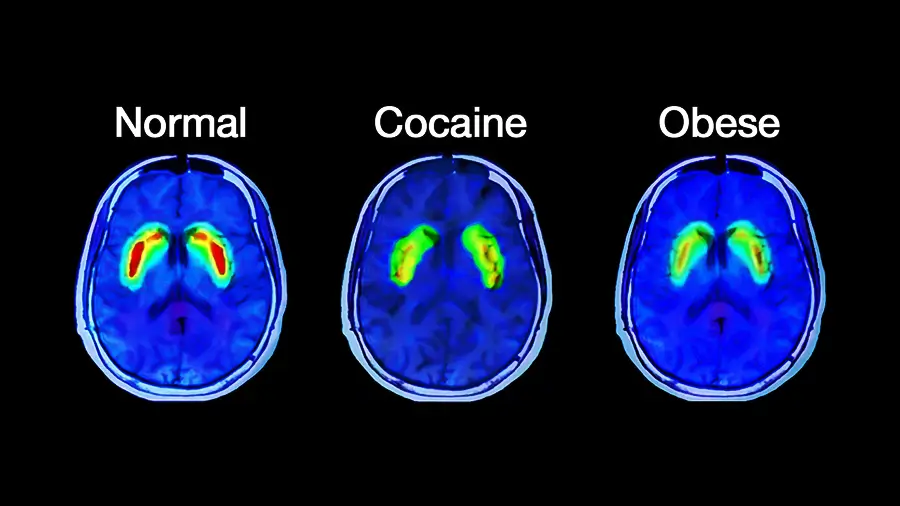
Ce qui a été découvert, c'est que les aliments extrêmement sucrés ou gras que nous avons aujourd'hui mais qui n'étaient pas présents dans la nature, captivent le circuit de récompense du cerveau de la même manière que la cocaïne et le jeu peuvent le faire. Le simple fait de voir la nourriture déclenchera la réponse du cerveau. Dès que ces aliments rencontrent la langue, les papilles gustatives envoient des signaux à différentes zones du cerveau. Cela se traduira par une réponse qui déclenchera la libération de la dopamine neurochimique. La suralimentation fréquente d'aliments très appétissants sature le cervelet d'une quantité importante de dopamine qui oblige le cerveau à s'adapter en fin de compte en se désensibilisant, ce qui diminue le nombre de récepteurs cellulaires qui identifient et répondent au neurochimique.
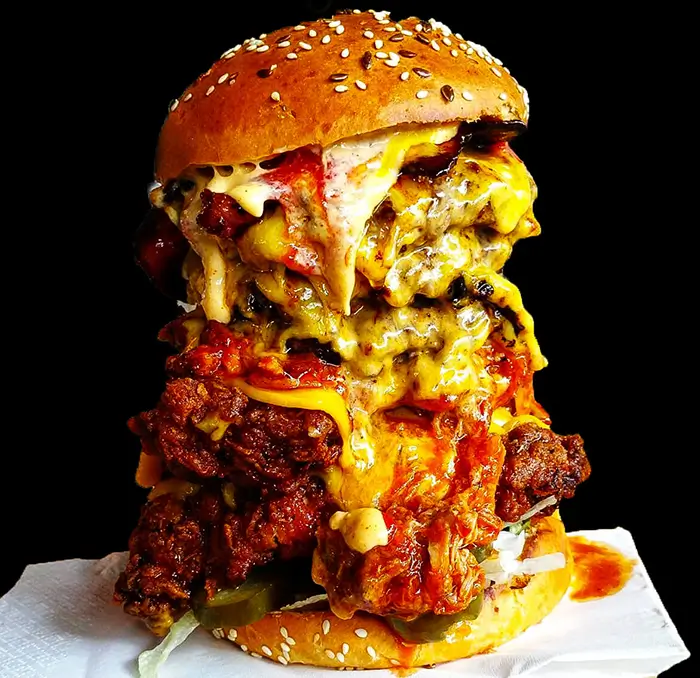
Un niveau élevé et constant de dopamine est une forme de stimulus excessif, appelé stimulus supranormal. C'est un terme que les biologistes évolutionnistes appliquent pour représenter le stimulus qui évoquera une réponse plus importante que le stimulus pour lequel il a évolué, même s'il est artificiel. Les industrie alimentaire l'utilise tout le temps presque de toutes les manières possibles auxquelles ils peuvent penser. Ils essaient même de lier les réponses émotionnelles et les sentiments d'acceptation sociale et de bien-être à des stimuli supranormaux.
Par conséquent, en tant qu'accumulation de résistance, les gens peuvent en vérité procéder à la gorge comme un processus de rappel ou même de préservation d'un sentiment de bien-être. C'est peut-être la raison pour laquelle la régulation négative des récepteurs de la leptine dans le cerveau se produit également.
Il y a eu une série de recherches effectuées de 2007 à 2011, à l'Université de Göteborg en Suède. Ils ont prouvé que la libération de ghréline (l'hormone de la faim) par l'abdomen améliore immédiatement la décharge de dopamine dans le circuit d'attribution du cerveau (Anderberg et al., 2016). C'est une constatation importante. Ils ont également découvert que les médicaments qui empêchent la ghréline de se lier aux neurones restreignent la tendance à trop manger chez les personnes obèses.
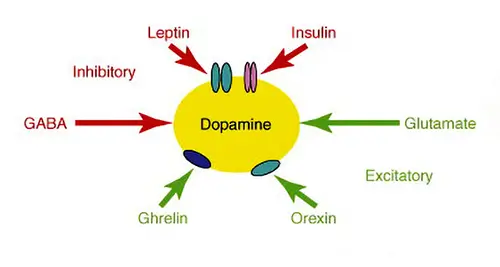
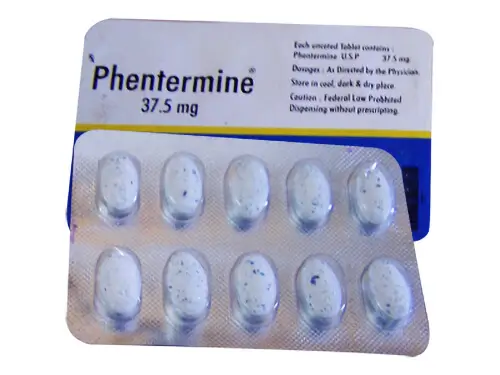
Dans des conditions normales, la leptine et l'insuline suppriment la libération de dopamine. En théorie, cela devrait réduire la sensation de plaisir au cours d'un repas. Des études récentes sur des rongeurs suggèrent que le cerveau cesse de répondre à ces hormones à mesure que la quantité de tissu adipeux dans le corps augmente (Massadi et al., 2019). Ainsi, continuer à manger maintient le cerveau inondé de dopamine alors même que le seuil de plaisir ne cesse d'augmenter. Une forme d'inadaptation à notre environnement actuel et à notre façon de manger et de vivre. Si nous passons les stimuli de la nourriture à la cocaïne, à la nicotine ou à la caféine, nous pouvons supprimer la pulsion de faim. Alternativement, également vice versa. Si nous arrêtons de fumer, l'appétit augmente. L'usage du tabac était lié à des effets de suppression de la faim, même chez les Amérindiens précolombiens. Fumer des cigarettes pour perdre du poids n'est peut-être pas une bonne idée, car nous allons échanger une dépendance contre une autre. Vous pouvez essayer la nicotine extraite dans des produits comme le chewing-gum ou les cigarettes électroniques avec une combinaison de caféine. Il existe, par exemple, des médicaments particuliers qui ciblent le centre de la faim du cerveau pour réduire l'appétit comme Belviq, Contrave, Saxenda, Phentermine et Qsymia. Phentermine est une amphétamine. La «vitesse» régulière peut également fonctionner. Le médicament anti-épileptique Topamax pour l'épilepsie et les migraines diminue l'appétit et est enregistré pour traiter les troubles de l'hyperphagie boulimique. Si tout le reste échoue, il y a sept chirurgies de perte de poids enregistrées jusqu'à présent, de la coupe et de l'agrafage au ballonnement. Tout cela à cause des stimuli supranormaux de la nourriture raffinée.
Il existe un groupe d'individus sensibles qui réagiront excessivement aux aliments délicieux. Ils auraient une réponse excessive dans le circuit de récompense du cerveau qui modifierait considérablement leur chimie cérébrale. Un circuit de récompense cérébrale surstimulé annulera tout mécanisme de contrôle de soi, de sorte que la volonté sera rarement, voire jamais, suffisante pour les forcer à résister à la consommation de ces aliments une fois qu'ils sont là, créant un trouble de l'hyperphagie boulimique. Des chercheurs du Scripps Research Institute de Jupiter, en Floride, ont découvert que chez des rats ayant eu un accès illimité à des aliments riches en calories, leur cerveau présentait des changements neurologiques dans leur circuit de récompense (Johnson et al., 2010).
C'était la première étude qui a montré que le mécanisme neurologique qui pousse les gens à la toxicomanie est également à l'origine de la compulsion à trop manger, poussant les gens à l'obésité.
Les aliments riches en calories, dans ce cas, étaient les saucisses, le bacon, le gâteau au fromage et le chocolat. Certains des rats n'avaient qu'une heure par jour pour se régaler d'aliments riches en graisses, tandis que d'autres avaient un accès illimité 24 heures sur 24. Les deux groupes ont eu accès à une nourriture typique et saine pour les rats de laboratoire. Le seul groupe qui possédait un accès infini à des aliments riches en calories ne mangeait que peu ou pas d'alternatives standards à faible teneur en calories. Ils étaient rapidement devenus obèses parce qu'ils mangeaient autant qu'ils le pouvaient, environ deux fois plus de calories que le témoin.
La grande surprise a été que même les rats qui avaient un accès limité à la malbouffe ont fait de leur mieux pour suivre le rythme. Pendant cette heure, ils ont mangé autant qu'ils le pouvaient sans s'arrêter. Ils ont réussi à consommer, en moyenne, 66 % de leurs calories quotidiennes au cours de cette seule heure par jour et ont rapidement développé un schéma d'hyperphagie boulimique compulsive. .Il a également été observé qu'un groupe de rats obèses ayant un accès illimité à la malbouffe avait montré un seuil sévèrement augmenté pour les niveaux de récompense. La même chose se produit avec la toxicomanie. Après avoir montré que les rats obèses avaient des comportements de recherche de nourriture de type dépendance et qu'un seuil accru de niveaux de récompense les oblige à rechercher de plus en plus pour atteindre le même niveau de récompense, les chercheurs ont étudié les mécanismes neurologiques sous-jacents responsables de ces changements.
Il existe un récepteur spécifique dans le cerveau connu pour jouer un rôle important dans la vulnérabilité à la toxicomanie, le récepteur dopaminergique D2. Dans le cerveau, il y a des neurotransmetteurs comme la dopamine. La dopamine est un produit chimique de bien-être qui sera libéré lorsque nous aurons une expérience agréable comme le sexe ou la nourriture. Le récepteur D2 répond à la dopamine. La cocaïne, par exemple, est une drogue qui augmente les niveaux de dopamine dans le cerveau en bloquant sa récupération. La surstimulation des récepteurs de la dopamine avec des stimuli supranormaux conduira éventuellement à une adaptation neuronale sous la forme d'une régulation négative des récepteurs. En outre, cela a également été montré dans l'étude. Les niveaux des récepteurs de la dopamine D2 ont été significativement réduits dans le cerveau des animaux obèses. La même chose arrive aux toxicomanes. Pour déterminer le niveau d'influence de la dopamine sur le comportement alimentaire des rats, un virus a été inséré dans le cerveau d'un groupe test d'animaux pour assommer leurs récepteurs de dopamine D2. Un comportement de type dépendance s'est produit presque instantanément. Le lendemain, leur cerveau s'est transformé dans un état compatible avec un animal qui avait trop mangé pendant plusieurs semaines. De plus, les animaux étaient devenus compulsifs dans leurs comportements alimentaires et avaient développé des troubles de l'hyperphagie boulimique. Les recherches qui ont duré trois ans confirment les propriétés addictives de la malbouffe.
Les lipides hyperphagiques des animaux et les sucres hyperphagiques des animaux subissent des effets physiologiques différents, mais l'impact le plus important peut être apporté par la combinaison des effets neuronaux de ces deux ingrédients. En fait, l'aliment le plus recherché par les rats de laboratoire semblait être un aliment contenant la plus grande combinaison de matières grasses et de sucre : le gâteau au fromage.
Références :
- Anderberg, RH, Hansson, C., Fenander, M., Richard, JE, Dickson, SL, Nissbrandt, H., Bergquist, F. et Skibicka, KP (2016). La ghréline, une hormone dérivée de l'estomac, augmente le comportement impulsif. Neuropsychopharmacologie : publication officielle de l'American College of Neuropsychopharmacology, 41(5), 1199-1209. https://doi.org/10.1038/npp.2015.297
- Al Massadi, O., Nogueiras, R., Dieguez, C., & Girault, JA (2019). Ghréline et récompense alimentaire. Neuropharmacologie, 148, 131–138. https://doi.org/10.1016/j.neuropharm.2019.01.001
- Johnson, PM, & Kenny, PJ (2010). Récepteurs de la dopamine D2 dans le dysfonctionnement de la récompense de type dépendance et l'alimentation compulsive chez les rats obèses. Neurosciences de la nature, 13(5), 635–641. https://doi.org/10.1038/nn.2519
- Palmiter RD (2007). La dopamine est-elle un médiateur physiologiquement pertinent du comportement alimentaire ?. Tendances en neurosciences, 30(8), 375–381. https://doi.org/10.1016/j.tins.2007.06.004
- Obradovic, M., Sudar-Milovanovic, E., Soskic, S., Essack, M., Arya, S., Stewart, AJ, Gojobori, T. et Isenovic, ER (2021). Leptine et obésité : rôle et implication clinique. Frontières en endocrinologie, 12, 585887. https://doi.org/10.3389/fendo.2021.585887
- Crujeiras, AB, Carreira, MC, Cabia, B., Andrade, S., Amil, M. et Casanueva, FF (2015). Résistance à la leptine dans l'obésité : un paysage épigénétique. Sciences de la vie, 140, 57–63. https://doi.org/10.1016/j.lfs.2015.05.003
- Peng, J., Yin, L. et Wang, X. (2021). Résistance centrale et périphérique à la leptine dans l'obésité et amélioration de l'exercice. Hormones et comportement, 133, 105006. https://doi.org/10.1016/j.yhbeh.2021.105006
Articles Similaires




Vous avez des questions sur la nutrition et la santé ?
Je serais ravie d'entendre vos commentaires et d'y répondre dans mon prochain message. J'apprécie votre contribution et votre opinion et j'espère avoir bientôt de vos nouvelles. Je vous invite également à nous suivre sur Facebook, Instagram et Pinterest pour plus de contenu sur l'alimentation, la nutrition et la santé. Vous pouvez y laisser un commentaire et entrer en contact avec d'autres passionnés de santé, partager vos conseils et expériences, et obtenir le soutien et les encouragements de notre équipe et de notre communauté.
J'espère que ce billet a été instructif et agréable pour vous et que vous êtes prêt à mettre en pratique les connaissances que vous avez acquises. Si vous avez trouvé ce billet utile, veuillez le partager à vos amis et à votre famille qui pourraient également en bénéficier. On ne sait jamais qui peut avoir besoin de conseils et de soutien dans son parcours de santé.
– Vous pourriez aussi aimer –
Causes du Diabète et Glucides Raffinés- L'argument Végétalien
Peut-on Manger des Champignons Crus : Risques pour la Santé, Nutrition et Sécurité

Médecine Allopathique - L'essor d'Une Industrie

Le Rapport McGovern - Intérêt Spécial et Suppression de la Science
Consommation Optimale d'Antioxydants : Apports Recommandés en Unités ORAC

Étude sur la Chine- L'argument Végétalien

La Vitamine C Intraveineuse dans le Traitement de La Grippe : Preuve Vivante de la Pratique Clinique
Causes du Diabète et Graisses Saturées- L'argument Végétalien

Apprendre la Nutrition

Milos Pokimica est docteur en médecine naturelle, nutritionniste clinique, rédacteur en santé médicale et nutrition et conseiller en sciences nutritionnelles. Auteur de la série de livres Devenir vegetarien ? Examen des sciences, il exploite également le site Web de santé naturelle GoVeganWay.com
Avis de non-responsabilité médicale
GoVeganWay.com vous propose des critiques des dernières recherches liées à la nutrition et à la santé. Les informations fournies représentent l'opinion personnelle de l'auteur et ne sont pas destinées ni implicites à se substituer à un avis médical professionnel, un diagnostic ou un traitement. Les informations fournies sont à titre informatif uniquement et ne sont pas destinées à remplacer la consultation, le diagnostic et/ou le traitement médical d'un médecin qualifié ou d'un prestataire de soins de santé.NE JAMAIS IGNORER LES CONSEILS MÉDICAUX PROFESSIONNELS OU RETARDER LA RECHERCHE DE SOINS MÉDICAUX EN RAISON DE QUELQUE CHOSE QUE VOUS AVEZ LU OU ACCÉDÉ SUR GoVeganWay.com
N'APPLIQUEZ JAMAIS DE CHANGEMENTS AU STYLE DE VIE OU TOUT CHANGEMENT À LA SUITE DE QUELQUE CHOSE QUE VOUS AVEZ LU SUR GoVeganWay.com AVANT DE CONSULTER UN PRATICIEN MÉDICAL AGRÉÉ.
En cas d'urgence médicale, appelez immédiatement un médecin ou le 911. GoVeganWay.com ne recommande ni n'approuve aucun groupe, organisation, test, médecin, produit, procédure, opinion ou autre information spécifique pouvant être mentionné à l'intérieur.
Choix de l'éditeur -
Cancer Choix de l'éditeur Phytochimiques
Pouvoir Anticancéreux des Fruits et Légumes : Preuves in Vivo et Cliniques
Certains extraits végétaux rivalisent avec les principaux médicaments de chimiothérapie et ciblent en même temps plusieurs types différents de cellules cancéreuses.
Antioxydants Choix de l'éditeur ORAC
Les Huiles Essentielles en Tant Que Compléments Antioxydants : Règles et Stratégies
Les huiles essentielles de qualité alimentaire peuvent constituer une stratégie pratique et conviviale pour optimiser la valeur antioxydante et les scores ORAC de notre alimentation.
Antioxydants Choix de l'éditeur ORAC
Régime Riche en Antioxydants : Règles Rénérales et Stratégies
Il existe des stratégies simples et rentables pour optimiser la valeur antioxydante de notre alimentation.
Antioxydants Choix de l'éditeur ORAC
Comprendre les Valeurs ORAC : La Teneur en Antioxydants des Aliments
Lorsque votre principale source d'antioxydants est le café, vous savez que vous avez un sérieux problème.

Antioxydants Choix de l'éditeur ORAC
Avantages de l’Astaxanthine : L’Antioxydant Naturel le Plus Puissant au Monde
L'astaxanthine est l'antioxydant naturel et universel le plus puissant (soluble dans l'huile et dans l'eau) connu de la science. Il s'accumule dans les tissus et ne peut jamais se transformer en pro-oxydant.
Antioxydants Choix de l'éditeur ORAC Phytochimiques
Les Antioxydants : Comprendre les Bases
Il n'y a pas de composés phytochimiques ou d'antioxydants dans les produits d'origine animale. En moyenne, les aliments végétaux contiennent plus de 60 fois plus d'antioxydants que les aliments d'origine animale.
Choix de l'éditeur Régime végétalien
Les Carences en Nutriments Dans le Régime Végétalien : Stratégies de Prévention
Il existe neuf carences nutritionnelles courantes à l'échelle de la population qui affectent les personnes qui suivent un régime à base de plantes. Si elles ne sont pas corrigées à temps, certaines déficiences ont des conséquences terribles et incurables.
Choix de l'éditeur Régime optimal
Déficience en Micronutriments Dans le Régime Alimentaire Américain Standard : Stratégies d'Optimisation
Le profil nutritionnel de notre régime moderne à base de viande, de sucre et d'aliments transformés est totalement incongru avec notre évolution, ce qui entraîne de graves carences en micronutriments.
Choix de l'éditeur Phytochimiques
Photochimie : Comprendre les Bases
Chaque phytochimique qui existe a une action biologique dans le corps humain. Chacun parmi des millions de composés phytochimiques différents.
Choix de l'éditeur Lait Régime optimal
Lait et Produits Laitiers : Corrélations Avec les Risques Pour la Santé
Les associations connues avec le lait et la consommation de produits laitiers sont l'infertilité, le cancer de l'ovaire et du sein, la leucémie, le diabète de type 1, l'autisme, l'artériosclérose, la cataracte, la polyarthrite rhumatoïde, la sclérose en plaques, l'hyperactivité, la congestion, les boutons, etc.
Cancer Choix de l'éditeur Protéine
Protéine Complète : Signalisation de l'IGF-1 dans la Formation du Cancer
Lorsque vous mangez des protéines animales, vous avez quatre fois plus de chances de développer tous les types de cancer. Lorsque vous fumez, vous avez quatre fois plus de chances de développer un cancer du poumon.

Cancer Choix de l'éditeur Protéine
Anatomie du Cancer - Corrélations Entre Les Risques Pour la Santé
Environ 2 % des cancers sont considérés par la médecine comme purement causés par des facteurs génétiques. La même gamme que dans le règne animal. On ne vous a pas dit toute la vérité.
Milos Pokimica est rédacteur spécialisé dans la santé et la nutrition et conseiller en sciences nutritionnelles. Auteur d'une série de livres Devenir vegetarien ? Examen des sciences, il exploite également le site Web de santé naturelle GoVeganWay.com
Derniers Articles –
Restriction calorique Longévité
Comment Jeûner : Les Aliments de Jeûne Qui N'interrompent Pas L'Autophagie
L'autophagie. Vous êtes-vous déjà demandé ce qu'il advient des cellules de votre corps lorsqu'elles meurent ou sont endommagées ? S'accumulent-elles et créent-elles des problèmes, ou sont-elles éliminées d'une manière ou d'une autre ? La réponse est que votre corps...
Santé Dentaire La prévention
Sensibilité et Douleur des Dents aux Sucreries : Solution Rapide et Durable
L'huile essentielle de clou de girofle est une solution rapide et facile pour soulager la douleur. C'est un antioxydant puissant et un analgésique qui peut aider à lutter contre les maladies des gencives et les maux de dents.
Les haricots
Haricots Verts : Nutrition et Bienfaits Pour La Santé
Les haricots verts sont pauvres en calories et riches en composés naturels qui peuvent vous aider à contrôler votre glycémie, à réduire votre taux de cholestérol et à lutter contre les radicaux libres.
Régime alimentaire cru Régime végétalien
Peut-on Manger des Champignons Crus : Risques pour la Santé, Nutrition et Sécurité
Les champignons contiennent des toxines sensibles à la chaleur, comme l'hydrazine ou l'agaritine, et des parois cellulaires composées de chitine qui ne peuvent pas être digérées correctement par l'homme.
Régime végétalien
Les Poissons Sont-ils Des Animaux ? Une Perspective Culturelle
Dans certaines cultures, la viande de poisson n'est pas considérée comme de la viande et le poisson est autorisé même pendant le jeûne.

Santé Dentaire La prévention
Rince-bouche Naturel Fait Maison : Éprouvé, Plus Fort et Moins Toxique
Le bain de bouche naturel fait maison est plus puissant que la chlorhexidine, moins toxique et, s'il est avalé, il peut donner des nausées, mais il a aussi une valeur ORAC élevée.
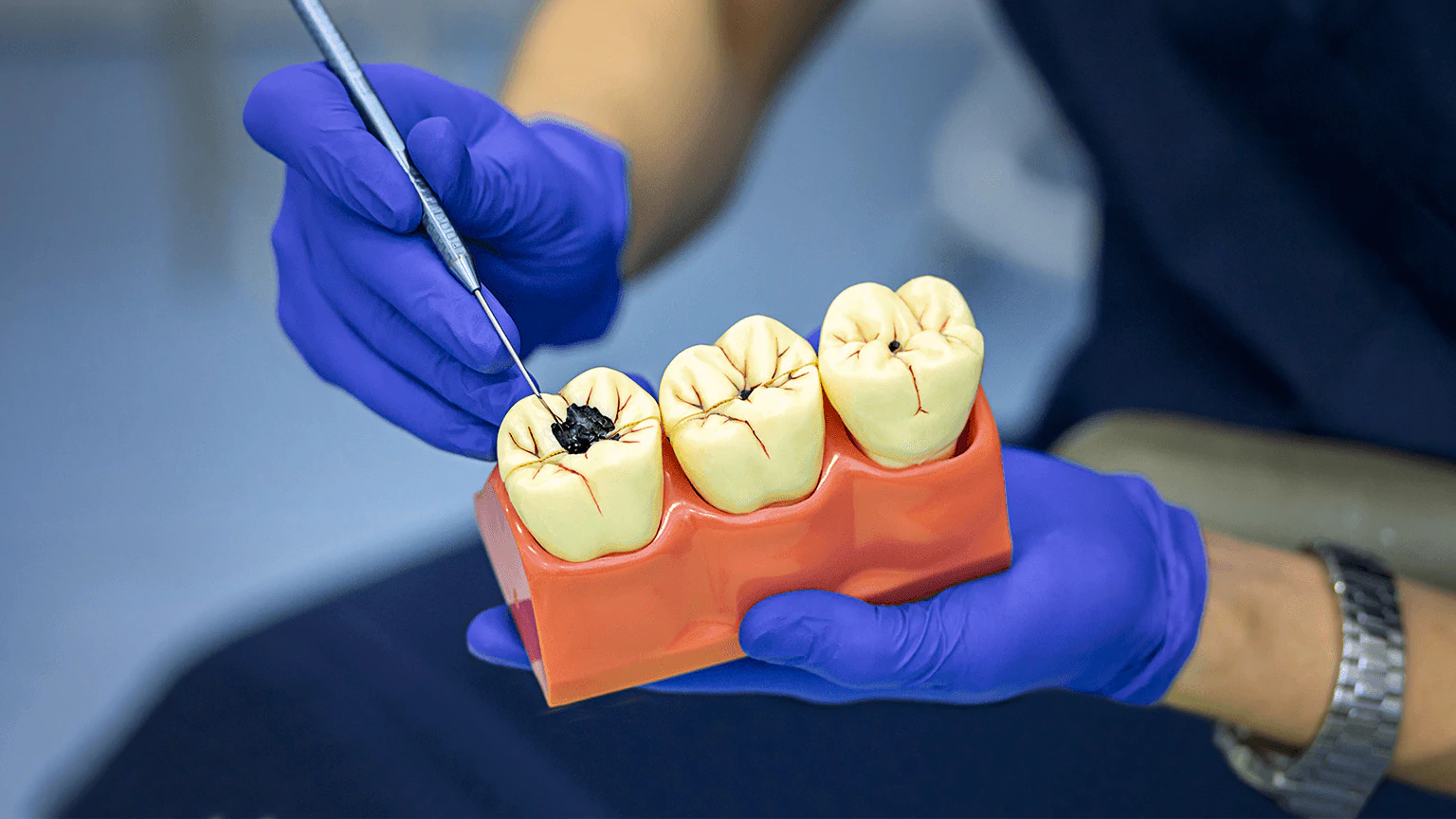
Santé Dentaire La prévention
Comment Arrêter les Caries Dentaires : Symptômes, Causes et Prévention
La consommation de sucre est la principale cause des caries dentaires, associée à des carences en minéraux, notamment en magnésium, zinc, cuivre et oligo-éléments.
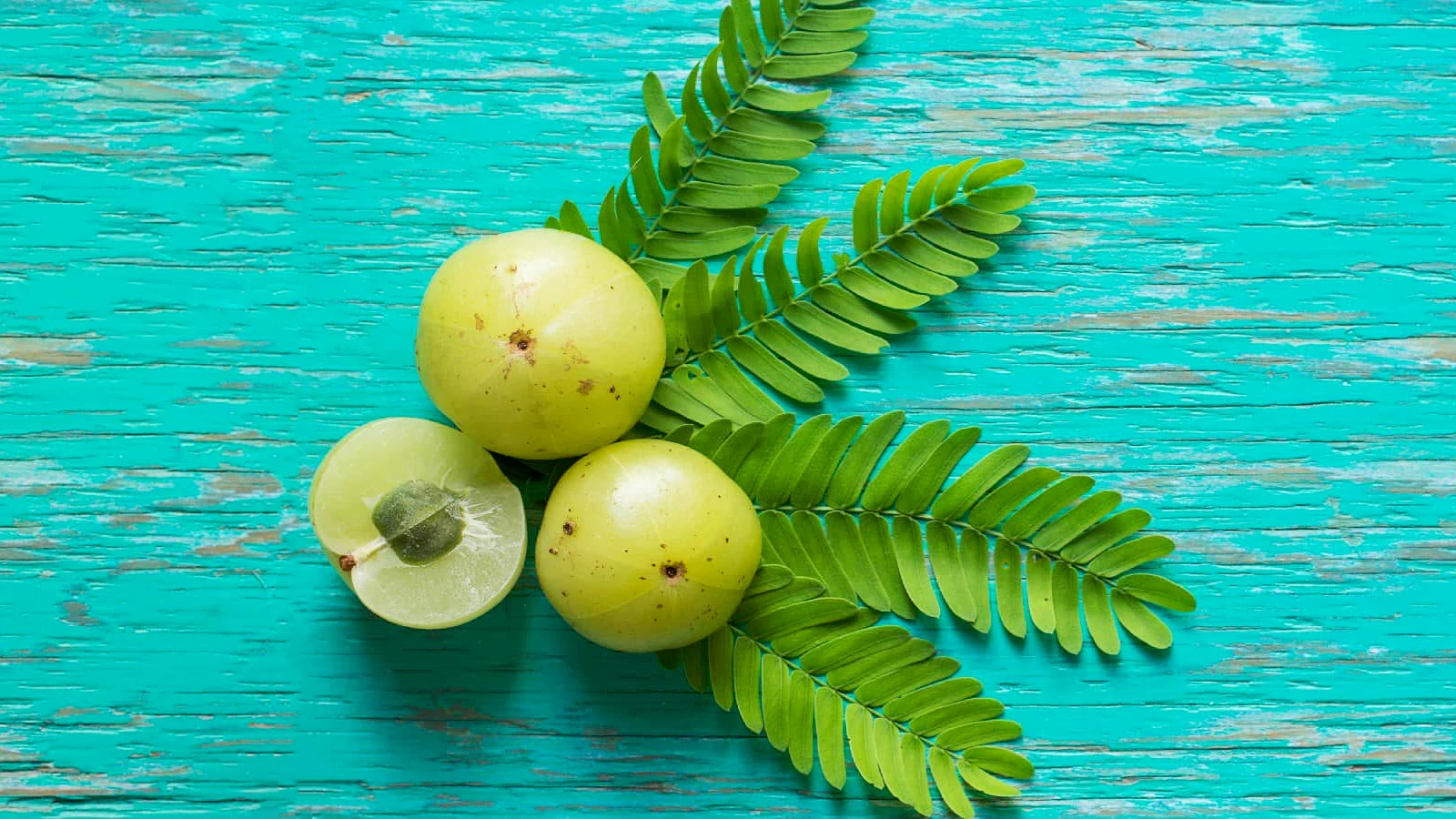
Antioxydants Superaliments
Amla : Avantages Prouvés, Nutrition et Signification Clinique
L'amla est l'un des antioxydants les plus puissants au monde, avec un score ORAC de 261 530. Il s'agit d'une riche source de substances phytochimiques qui ont de nombreux effets bénéfiques sur la santé.
Top Des Nouvelles Sur la Santé - ScienceDaily
- Only one workout helped older adults lose fat and keep musclele octobre 9, 2026
A six-month study suggests that high-intensity interval training (HIIT) may offer older adults a powerful advantage: losing body fat while keeping their muscle. Unlike moderate-intensity workouts, which led to a small loss of lean muscle, HIIT preserved it while also improving body composition around the waist.
- Bacteria turn a virus’ own weapon against itle octobre 9, 2026
Researchers have uncovered a new way bacteria detect viral attacks: a virus-produced enzyme cuts a bacterial sensor protein, triggering a self-destructing immune response. The discovery could lead to more effective phage therapies against antibiotic-resistant bacteria and provide insight into ancient immune mechanisms shared with humans.
- Nearly 30,000 people tested quit-smoking methods. One stood outle octobre 9, 2026
Nicotine e-cigarettes appear to help more smokers quit than patches, gum, and several other common approaches, according to a major review of 80 clinical trials. Researchers say regulated vaping products are not risk-free, but may be a significantly less harmful alternative for people who would otherwise continue smoking.
- Scientists tested 5 natural compounds on cancer cells. One stood outle octobre 9, 2026
Five natural compounds, including curcumin and berberine, were tested for their effects on cancer cells and healthy muscle cells. All disrupted cancer cell energy production and pushed many of the cells into a non-dividing state, with curcumin producing the strongest overall effect. Curcumin also showed a relatively favorable safety profile, while some other compounds caused more toxicity.
- FDA-approved epilepsy drug may help reverse osteoarthritis damagele octobre 8, 2026
Researchers at Yale have identified a promising new approach to osteoarthritis that could do more than simply ease pain. The epilepsy drug lacosamide appears to block a protein involved in both pain signaling and cartilage destruction, helping damaged joints shift back toward repair in preclinical studies.
- Just 7 days of strength training started shrinking fat cells in micele octobre 8, 2026
Just seven strength-training sessions helped obese mice shrink visceral fat cells and reactivate molecular pathways involved in burning stored fat, despite no change in overall body weight. The findings suggest some benefits of resistance exercise may begin long before weight loss becomes visible, though the results still need to be confirmed in humans.
- Scientists warn a popular vitamin D supplement may have a hidden downsidele octobre 8, 2026
Not all vitamin D supplements are created equal, and new research suggests that one popular form may have an unexpected downside. Scientists found that taking vitamin D2 can actually lower the body’s levels of vitamin D3, the form naturally produced by sunlight and more effective at boosting overall vitamin D. Previous studies also suggest that vitamin D3 may provide stronger immune protection against viruses and bacteria.
PubMed, #régime-vegan –
- Characterization of Nutritional Intake in Vegan Pregnant Women and its Association on Birth Weightle octobre 8, 2026
CONCLUSIONS: Vegan women had a higher rate of SGA than non-vegan women, and this increased risk may be partly related to differences in maternal protein intake and composition. In addition, vegan women had lower dietary intakes of calcium, vitamin B12, vitamin D, DHA, and choline, highlighting these nutrients as important considerations in the nutritional assessment and counseling of pregnant women adhering to a strictly vegan diet.
- Changes in ectopic lipids, insulin sensitivity, and beta cell function after a low-fat vegan diet in adults with type 2 diabetes: a 16-week single-arm clinical trialle octobre 8, 2026
CONCLUSIONS: On an ad libitum low-fat plant-based (vegan) dietary intervention, the participants with type 2 diabetes experienced reductions in ectopic fat, particularly visceral and hepatocellular fat, improvements in insulin sensitivity, reductions in AGEs, and improvements in beta-cell function.
- Sustained Regression of Parotid Mucosa-Associated Lymphoid Tissue (MALT) Lymphoma After Nutritional and Nutraceutical Intervention Without Chemoimmunotherapy: A Case Reportle octobre 5, 2026
Extranodal marginal zone lymphoma of mucosa-associated lymphoid tissue (MALT) in the setting of Sjögren’s syndrome (SS) is a well-recognized complication of chronic autoimmune salivary gland inflammation. Standard management options include radiotherapy, immunotherapy, and combination chemoimmunotherapy, with active surveillance reserved for stable, low-burden disease. The potential role of structured nutritional and nutraceutical intervention in this setting has not been previously […]
Messages Aléatoires -
Cancer Choix de l'éditeur Protéine
Anatomie du Cancer - Corrélations Entre Les Risques Pour la Santé
Environ 2 % des cancers sont considérés par la médecine comme purement causés par des facteurs génétiques. La même gamme que dans le règne animal. On ne vous a pas dit toute la vérité.
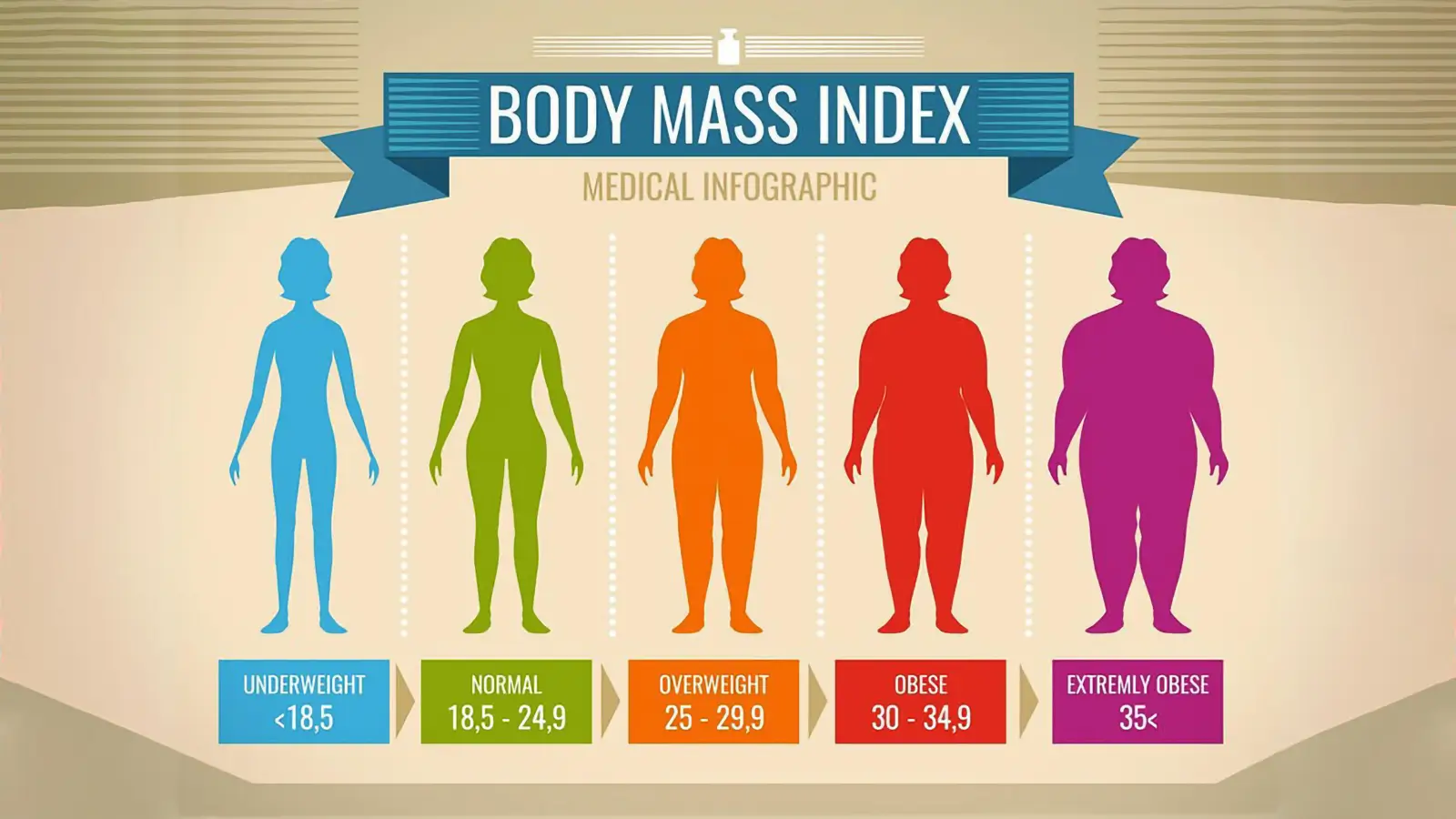
Obésité
Facteurs de Risque d'Obésité
Quels sont les facteurs de risque d'obésité associés ? Pour toute vie sur la planète Terre, à l'exception de nous, la nourriture n'est pas un choix.
Diabète Choix de l'éditeur
Causes du Diabète et Glucides Raffinés- L'argument Végétalien
Les gens pensent que les glucides raffinés sont associés à des pics d'insuline et sont l'une des causes du diabète. Ils ont raison. Cependant, ils ont également tort.

Choix de l'éditeur La prévention Régime végétalien
Étude sur la Chine- L'argument Végétalien
Une étude chinoise a montré qu'il n'y a pas de maladie cardiaque, de cancer ou de diabète dans les communautés rurales sous-développées du monde avec des régimes végétaliens à base d'amidon.

Antioxydants
Le Pouvoir Antioxydant de la Vitamine C : Améliorer la Santé et la Longévité
La vitamine C ne nécessite pas d'activité enzymatique pour être éliminée de l'organisme et ne devient pas pro-oxydant mais une forme réduite d'antioxydant plus faible.
Cancer Inflammation Toxicité
Risques Pour la Santé Liés à l'Alcool - Le "Paradoxe Français", "Le Vin" et "Avec Modération"
Nous croyons qu'un verre de vin n'est pas si mauvais que cela, ou pire encore, nous croyons au mythe de l'alcool bénéfique pour la santé en raison des antioxydants contenus dans le raisin.
Superaliments Toxicité
Bienfaits de la Chlorella : Plante B12, Fer, Zinc & Détox
La Chlorella est un végétalien source de vitamine B12, de fer et de zinc, possède de fortes propriétés de chélation des métaux lourds, le potentiel de réduire le taux de cholestérol, de réduire l'anémie, et de stimuler le système immunitaire.

Choix de l'éditeur Régime optimal
Carnisme- La Psychologie de la Consommation de Viande
Manger de la viande est la culture qui s'apprend. Les vrais carnivores mangeraient n'importe quelle viande, quelle qu'elle soit, y compris la charogne. Dans notre système, nous ne mangerions que quelques animaux que nous considérons comme de la nourriture.

Désintoxication Grossesse Toxicité
Désintoxication et Risque d'Exposition à la Toxicité Pendant la Grossesse - L'Argument Végétalien
En moyenne, une femme enceinte est polluée par environ 35 produits chimiques différents, y compris des contaminants interdits et contemporains. Les niveaux de cocktails chimiques de bon nombre de ces produits chimiques étaient comparables aux niveaux pouvant avoir des effets indésirables sur le fœtus.
Inflammation
Régime Pauvre en Histamine et Intolérance à l'Histamine : Guide Complet
L'un des moyens de gérer l'intolérance à l'histamine est de suivre un régime pauvre en histamine. Cela signifie qu'il faut éviter les aliments riches en histamine ou susceptibles de déclencher sa libération.

Postes en Vedette -
Antioxydants Choix de l'éditeur ORAC Phytochimiques
Les Antioxydants : Comprendre les Bases
Il n'y a pas de composés phytochimiques ou d'antioxydants dans les produits d'origine animale. En moyenne, les aliments végétaux contiennent plus de 60 fois plus d'antioxydants que les aliments d'origine animale.

Médecine allopathique Choix de l'éditeur
L'histoire de Big Pharma - IG Farben
La partie du monopole des Rockefeller sur les industries chimiques et médicales est entrée en vigueur après la Seconde Guerre mondiale. La coopération entre Standard Oil et IG Farben en a fait une réalité.

Médecine allopathique Choix de l'éditeur Régime optimal
Le Rapport McGovern - Intérêt Spécial et Suppression de la Science
En 1977, la pression pour un changement des directives diététiques (rapport McGovern) vers un végétalien plus végétal a été présentée au Congrès américain.
Choix de l'éditeur Régime végétalien
Les Carences en Nutriments Dans le Régime Végétalien : Stratégies de Prévention
Il existe neuf carences nutritionnelles courantes à l'échelle de la population qui affectent les personnes qui suivent un régime à base de plantes. Si elles ne sont pas corrigées à temps, certaines déficiences ont des conséquences terribles et incurables.

Choix de l'éditeur Obésité
Expérience de Famine au Minnesota : Pourquoi les Régimes Nous Font Grossir. La Psychologie de la Faim.
L'une des premières études scientifiques sur les effets de la faim sur l'esprit a été observée dans une étude connue sous le nom de Minnesota Starvation Experiment réalisée par l'Université du Minnesota en 1944.
Choix de l'éditeur Lait Régime optimal
Lait et Produits Laitiers : Corrélations Avec les Risques Pour la Santé
Les associations connues avec le lait et la consommation de produits laitiers sont l'infertilité, le cancer de l'ovaire et du sein, la leucémie, le diabète de type 1, l'autisme, l'artériosclérose, la cataracte, la polyarthrite rhumatoïde, la sclérose en plaques, l'hyperactivité, la congestion, les boutons, etc.
Cancer Choix de l'éditeur Phytochimiques
Pouvoir Anticancéreux des Fruits et Légumes : Preuves in Vivo et Cliniques
Certains extraits végétaux rivalisent avec les principaux médicaments de chimiothérapie et ciblent en même temps plusieurs types différents de cellules cancéreuses.
Choix de l'éditeur Régime optimal
Aliments Transformés : Comprendre les Risques
Les aliments transformés signifient que l'on retire quelque chose de l'aliment entier, généralement des fibres, et que l'on ajoute quelque chose, généralement des matières grasses, du sucre, du sel et des glutamate monosodique.

Cancer Choix de l'éditeur Toxicité
Pesticides Dans les Aliments, Exposition Dans le Régime Alimentaire Américain Standard- 80 % de Viande
La plupart des pesticides et en particulier les métaux lourds et autres polluants toxiques que nous obtenons proviennent de la viande. Plus de 80 % de l'exposition aux pesticides dans le régime alimentaire américain standard provient de produits d'origine animale, et non de fruits ou de légumes.
Choix de l'éditeur Régime optimal
Déficience en Micronutriments Dans le Régime Alimentaire Américain Standard : Stratégies d'Optimisation
Le profil nutritionnel de notre régime moderne à base de viande, de sucre et d'aliments transformés est totalement incongru avec notre évolution, ce qui entraîne de graves carences en micronutriments.
Dernières Nouvelles de PubMed, #alimentation végétale –
- MIND diet-related plasma proteins are associated with Alzheimer’s disease riskpar Shane Fernandez le octobre 9, 2026
INTRODUCTION: Adherence to the Mediterranean-Dietary Approaches to Stop Hypertension Intervention for Neurodegenerative Delay (MIND) diet is associated with reduced dementia risk, but underlying mechanisms remain unclear.
- Nutritional strategies in kidney transplantation: optimising outcomes beyond surgerypar Lara Caldiroli le octobre 9, 2026
Although kidney transplantation (KTx) remains the optimal therapy for end-stage kidney disease, long-term graft survival and patient outcomes continue to be limited by cardiometabolic complications and chronic allograft dysfunction. Nutritional management has evolved from supportive care to a core component of post-transplant follow-up. The early post-transplant phase is marked by catabolism, high-dose immunosuppression, and metabolic instability, leading to increased protein requirements but…
- Analysis of the Provision of Plant-Based, Vegetarian and Omnivorous Meals in UK Care Homes for Older Peoplepar Saffron Whyton le octobre 8, 2026
CONCLUSION: Even though the National Health Service recommends reductions in consumption of red and processed meats with increased consumption of plant-based proteins, this transition is yet to be implemented in care homes. This study suggests that there is potential to improve the health and sustainability of meals provided in care home by increasing the availability of plant-based options, especially those rich in plant-based proteins.
- Weight loss-independent associations of body composition changes with device-derived metabolic age during Mediterranean diet follow-uppar Ahmet Emre Hatır le octobre 8, 2026
CONCLUSION: Favorable changes in Tanita-derived metabolic age were observed during follow-up. The associated body composition changes may partly reflect shared components of the device algorithm because metabolic age is a composite surrogate rather than a direct measure of biological aging. Given the retrospective uncontrolled design, causal effects of the Mediterranean diet cannot be established.
- Changes in ectopic lipids, insulin sensitivity, and beta cell function after a low-fat vegan diet in adults with type 2 diabetes: a 16-week single-arm clinical trialpar Hana Kahleova le octobre 8, 2026
CONCLUSIONS: On an ad libitum low-fat plant-based (vegan) dietary intervention, the participants with type 2 diabetes experienced reductions in ectopic fat, particularly visceral and hepatocellular fat, improvements in insulin sensitivity, reductions in AGEs, and improvements in beta-cell function.
- Connecting digital food literacy and sustainable eating in children and adolescents: a focused mini review of evidence gaps and educational prioritiespar Lu Xing le octobre 7, 2026
Children and adolescents learn about food through digital and physical environments while developing an understanding of dietary effects on human and planetary health. Digital healthy-eating education, food-literacy education, and sustainable-diet education have nevertheless developed along largely separate trajectories. This focused Mini Review examines interventions that combine a substantive digital educational mechanism, a food-literacy capacity, and an explicit sustainability target in…