







Régime Riche en Antioxydants : Règles Rénérales et Stratégies
Il existe des stratégies simples et rentables pour optimiser la valeur antioxydante de notre alimentation.
Milos Pokimica
Écrit par : Milos Pokimica
Examiné Médicalement Par : Dr. Xiùying Wáng, M.D.
Updated décembre 21, 2025Principaux Enseignements :
– Une alimentation riche en antioxydants (fruits, légumes, épices, herbes, noix) peut réduire le risque de maladies chroniques (Sharifi-Rad et al., 2020).
- Les huiles essentielles sont les antioxydants les plus puissants, suivies par les herbes et les fruits secs, les super-aliments comme les noix et les graines crues, et les fruits et légumes ordinaires. Les baies, les fruits, les noix, le cacao et l'hibiscus sont également riches en antioxydants (Carlsen et al., 2010).
- La viande, le poisson et les autres aliments d'origine animale ont une faible teneur en antioxydants (Carlsen et al., 2010).
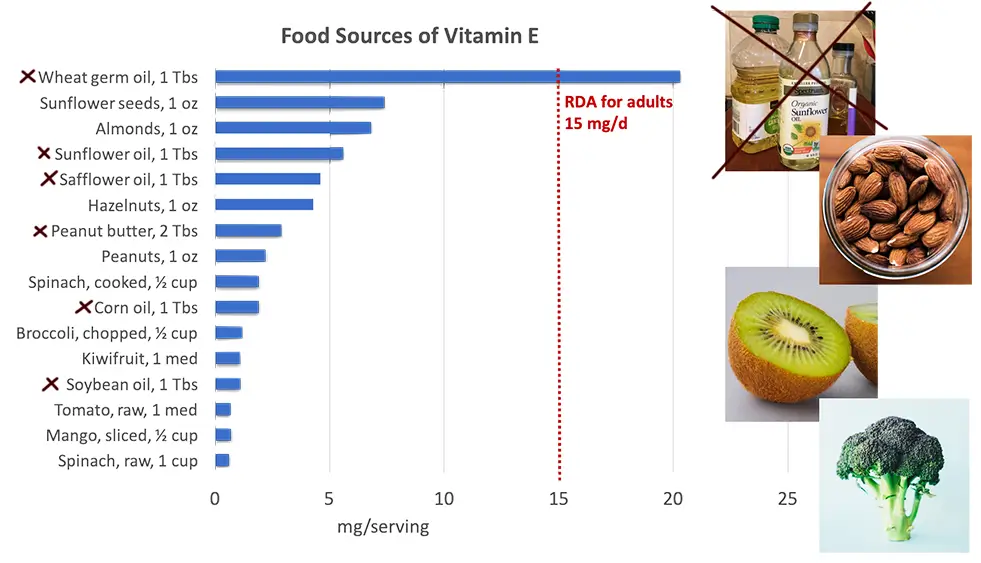
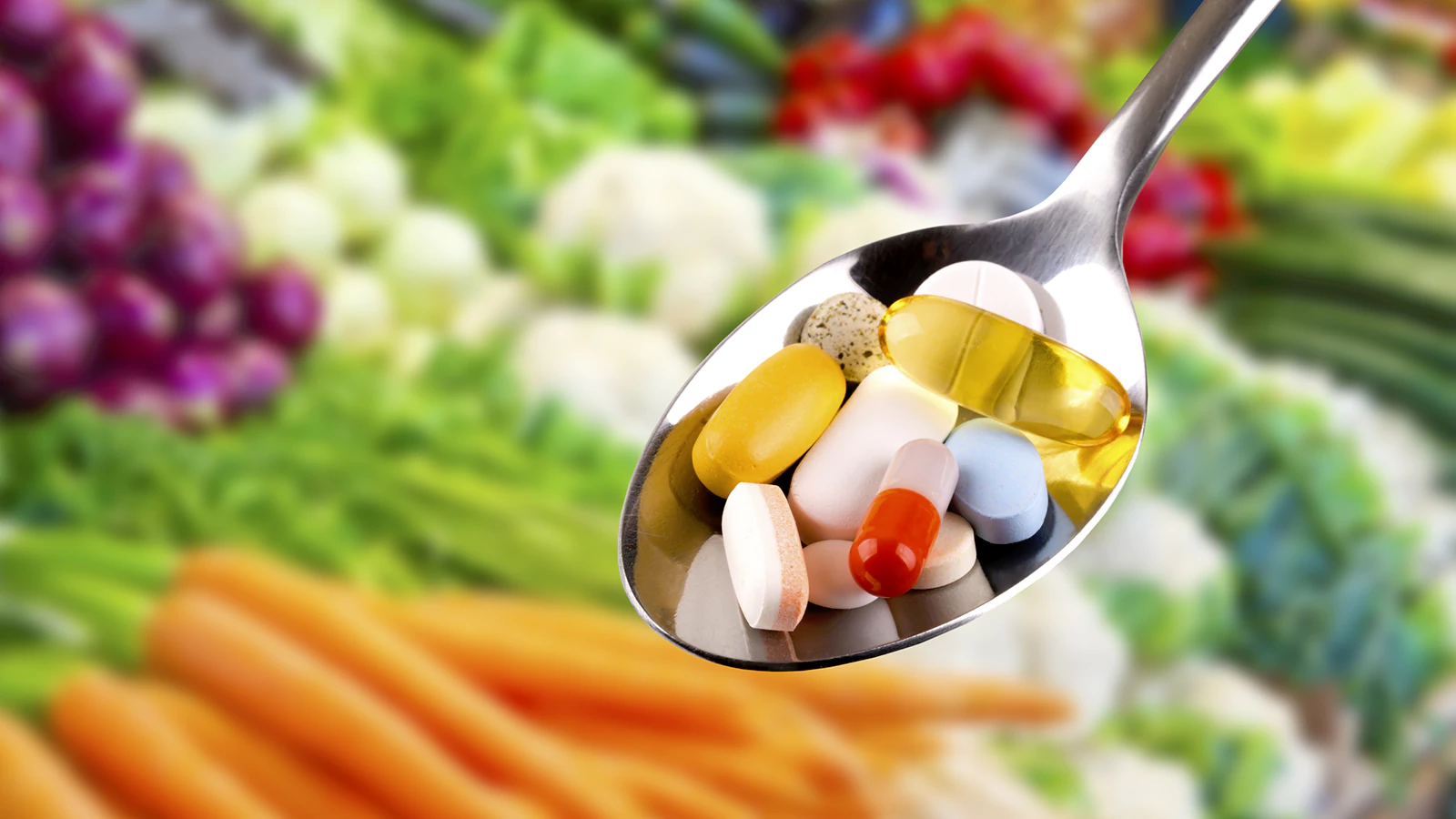
- Si vous ne voulez pas renoncer à la viande, au sucre, à la graisse, à l'alcool et au tabac, vous pouvez au moins essayer d'ajouter une cuillère à soupe de curcuma par jour, une tasse de cacao, une tisane d'hibiscus, 1 gramme de vitamine C, une capsule d'astaxanthine et 40 grammes d'amandes ou de graines de tournesol pour corriger la carence en vitamine E.
- L'augmentation de l'apport en antioxydants dans votre alimentation se fait en quatre étapes. La première étape consiste à ajouter des antioxydants supplémentaires, la deuxième à ajouter des aliments riches en antioxydants, la troisième à remplacer les aliments malsains existants par des options riches en antioxydants et la quatrième à incorporer consciemment des aliments riches en micronutriments dans votre régime alimentaire.
- L'incorporation d'aliments plus riches en antioxydants peut se faire progressivement et peut impliquer certains changements dans les habitudes alimentaires, mais c'est une étape positive vers l'amélioration de la santé globale.
- Les valeurs ORAC indiquées dans le tableau sont des approximations et peuvent varier en fonction du lieu, de la durée de stockage et de l'exposition à l'oxygène (Carlsen et al., 2010).
- Si la cuisson peut parfois diminuer les valeurs ORAC, elle a l'effet inverse sur certains aliments comme le chou rouge et les patates douces.
– Une alimentation riche en viande, en sucre et en malbouffe peut manquer de nutriments importants comme les antioxydants, les fibres et les minéraux. Dans de tels cas, une supplémentation peut être nécessaire pour équilibrer le mauvais profil nutritionnel du régime alimentaire.
- L'optimisation et la supplémentation en antioxydants peuvent être bénéfiques pour les végétaliens comme pour les non-végétaliens en renforçant la fonction du système immunitaire, en prévenant les maladies chroniques telles que le cancer et les maladies cardiovasculaires, et en favorisant la longévité et le bien-être général.
- Un mélange d'huiles essentielles, un mélange d'épices de base et de l'astaxanthine sont les compléments recommandés.
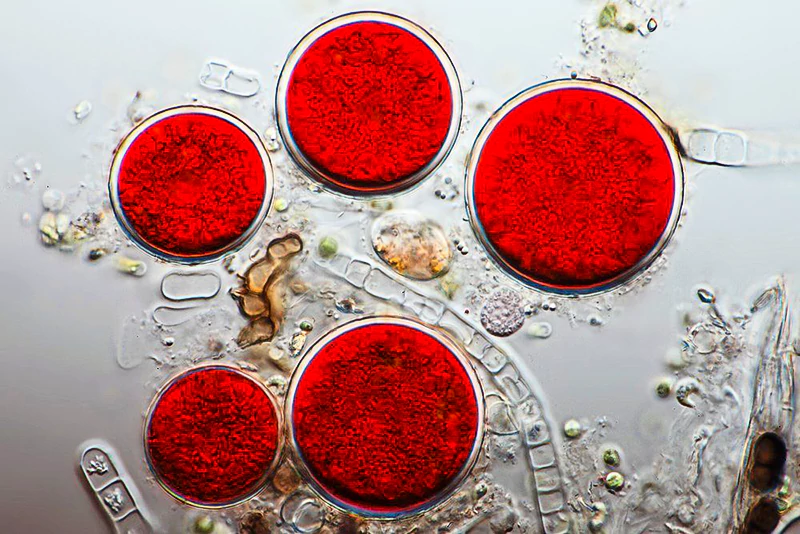
- L'astaxanthine est recommandée car elle s'accumule dans les tissus et offre une protection durable. C'est un antioxydant universel (soluble dans l'eau et dans l'huile), qui passe la barrière hémato-encéphalique et ne se transforme pas en pro-oxydant après avoir donné son électron.
Que sont les antioxydants et pourquoi sont-ils importants ?
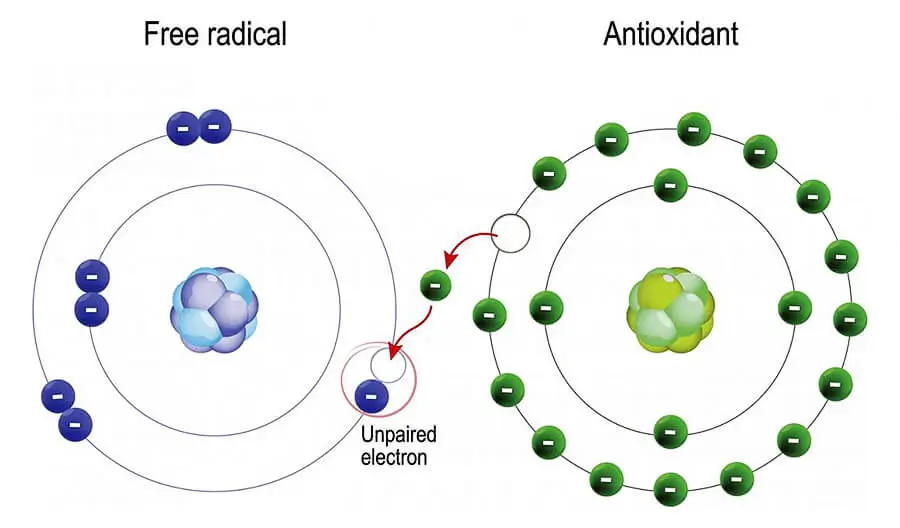
Imaginez que vous êtes un pompier qui doit faire face aux flammes et à la fumée tous les jours. Vous devez porter un équipement et un équipement de protection pour éviter de vous brûler ou d'inhaler des substances toxiques. De même, votre corps est constamment bombardé d'oxygène et de facteurs environnementaux tels que la pollution et les radiations qui endommagent constamment vos cellules et votre ADN et provoquent une inflammation. Les antioxydants sont comme les extincteurs naturels de votre corps qui peuvent éteindre le feu et réduire les dommages causés par ces facteurs. En mangeant des aliments riches en antioxydants, vous pouvez renforcer le système de défense de votre corps et réduire votre risque de maladies chroniques.
Idéologie acceptée.
Si nous acceptons la ligne standard de l'idéologie acceptée qui a été poussée par l'USDA et décidons qu'un régime riche en antioxydants n'est pas d'une valeur significative pour la santé globale parce que le corps ne peut utiliser que 3000 à 5000 unités ORAC par jour et que le reste est va juste gaspiller alors nous devrons également accepter la ligne officiellement reconnue selon laquelle si vous consommez plus d'antioxydants dans un aliment complet, ils ne vous feront pas de mal non plus.
Selon le Yang et al., (2011) La consommation de capacité antioxydante totale (TAC) des adultes américains a été estimée à 503,1 mmol/j, calculée à partir des bases de données de la National Health and Nutrition Examination Survey (NHANES) et du ministère américain de l'agriculture. Les fruits sont ceux qui fournissent le plus d'antioxydants (43,9%), tandis que les compléments alimentaires représentent 14,3% de l'apport, principalement sous la forme de vitamine C. Les unités ORAC ont été déterminées comme suit Cao et al., (1993) la définition d'une unité ORAC est égale à un microM Trolox. Le trolox est un analogue de la vitamine E soluble dans l'eau.
En moyenne, le score ORAC du régime américain standard (SAD) est estimé entre 2000 et 3000 en unités ORAC lorsque le TAC est converti en Trolox et le Trolox en ORAC. 503,1 mg TAC est égal à 2010,6 microM Trolox et 2010,6 microM Trolox est 2010 unités ORAC donc même 3000 unités en moyenne est une exagération de 30 %. Ce n'est même pas suffisant pour contrecarrer l'augmentation régulière postprandiale (post-nourriture) de l'oxydation du métabolisme normal, néanmoins tous les autres source d'inflammation et toxicité.
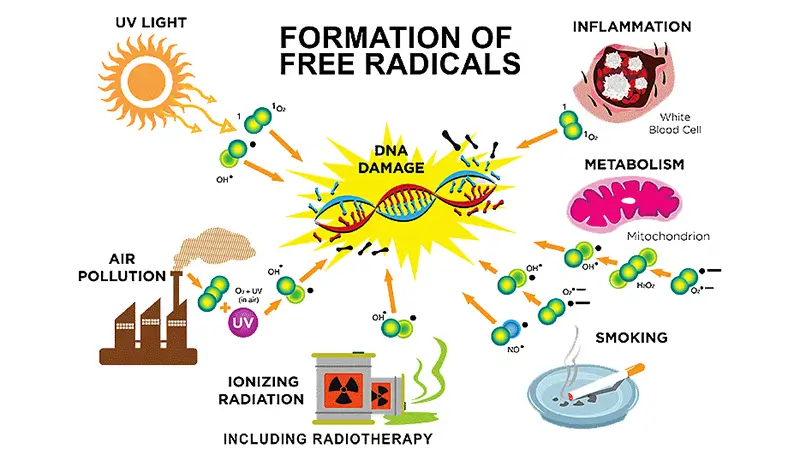
Dans des articles corrélés, j'ai répertorié plusieurs maladies qui bénéficient d'une augmentation de la consommation d'antioxydants. Alors, comment pouvons-nous augmenter notre score antioxydant ?
Il faudra analyser la teneur totale en antioxydants de plus de 3100 aliments dans l'étude déjà mentionnée (Carlsen et al., 2010) pour savoir comment optimiser notre alimentation. Je vais utiliser quelques citations du (Carlsen et al., 2010), puis j'analyserai certains des aliments les plus puissants et les plus riches en antioxydants figurant dans le tableau et nous verrons alors quel est le moyen le plus optimal et le plus facile d'augmenter la teneur en antioxydants de notre régime alimentaire.
Règles générales.
"Une alimentation à base de plantes protège contre les maladies chroniques liées au stress oxydatif... Il est largement admis qu'une alimentation à base de plantes avec une forte consommation de fruits, de légumes et d'autres aliments végétaux riches en nutriments peut réduire le risque de maladies liées au stress oxydatif...
Les épices, les herbes et les suppléments comprennent les produits les plus riches en antioxydants de notre étude, certains exceptionnellement élevés.
Les baies, les fruits, les noix, le chocolat, les légumes et les produits qui en sont dérivés constituent des aliments et des boissons courants à haute valeur antioxydante...
Les aliments d'origine végétale introduisent beaucoup plus d'antioxydants dans l'alimentation humaine que les aliments d'origine non végétale...
Les valeurs antioxydantes les plus élevées dans la catégorie des boissons ont été observées parmi les feuilles de thé non transformées, les poudres de thé et les grains de café...
Les autres boissons riches en antioxydants sont le vin rouge, dont la teneur en antioxydants varie moins (de 1,78 à 3,66 mmol/100 g), le jus de grenade, le thé vert préparé (de 0,57 à 2,62 mmol/100 g), le jus de raisin, le jus de pruneau et le thé noir (de 0,75 à 1,21 mmol/100 g). La bière, les boissons gazeuses et le soda au gingembre sont les boissons les moins riches en antioxydants de notre étude, l'eau potable étant totalement dépourvue d'antioxydants..."
(Carlsen et al, 2010)
Les valeurs qui sont données ici sont en mmol/100g et 1 mmol correspond à 1000 micromoles d'unités ORAC. Par exemple, 3,66 mmol/100 g correspond à 3660 unités ORAC.
"La catégorie des produits laitiers comprenait 86 produits et la majorité de ces produits avaient une faible teneur en antioxydants, de l'ordre de 0,0 à 0,8 mmol/100 g.
Les œufs sont presque dépourvus d'antioxydants, les valeurs antioxydantes les plus élevées se trouvant dans le jaune d'œuf (0,16 mmol/100 g)...
En classant les échantillons dans les trois grandes catégories, la différence de teneur en antioxydants entre les aliments d'origine végétale et ceux d'origine animale devient évidente. Les résultats obtenus ici révèlent que la teneur en antioxydants des aliments varie de plusieurs milliers de fois et que les aliments riches en antioxydants proviennent du règne végétal, tandis que la viande, le poisson et les autres aliments du règne animal sont pauvres en antioxydants. Si l'on compare la valeur moyenne de la catégorie "Viande et produits carnés" à celle des catégories végétales, on constate que les fruits, les noix, le chocolat et les baies ont une teneur moyenne en antioxydants de 5 à 33 fois supérieure à celle des produits carnés. Les régimes alimentaires composés principalement d'aliments d'origine animale sont donc pauvres en antioxydants, tandis que les régimes alimentaires basés principalement sur une variété d'aliments d'origine végétale sont riches en antioxydants, en raison des milliers de composés phytochimiques antioxydants bioactifs présents dans les plantes et conservés dans de nombreux aliments et boissons...
Les fruits à coque sont une source riche en nutriments importants et certains sont également riches en antioxydants...
La plupart des épices et des herbes analysées ont des teneurs particulièrement élevées en antioxydants.
Bien que les épices et les herbes apportent peu de poids à l'assiette, elles peuvent néanmoins être des contributeurs importants à notre apport en antioxydants, en particulier dans les cultures diététiques où les épices et les herbes sont utilisées régulièrement. Nous interprétons la concentration élevée d'antioxydants observée dans plusieurs herbes séchées par rapport aux échantillons frais, comme une conséquence normale du processus de séchage laissant la plupart des antioxydants intacts dans le produit final séché. Cette tendance est également observée dans certains fruits et leurs homologues séchés.
Ainsi, les herbes et les fruits séchés sont potentiellement d'excellentes sources d'antioxydants...
Les médicaments à base de plantes et de plantes traditionnelles sont apparus comme la plupart des produits contenant le plus d'antioxydants dans notre étude. Nous supposons que la propriété antioxydante inhérente à de nombreuses plantes contribue de manière importante aux qualités médicinales de l'herbe...
Grâce à leur teneur élevée en substances phytochimiques telles que les flavonoïdes, les tanins, les stilbénoïdes, les acides phénoliques et les lignanes, les baies et les produits à base de baies sont potentiellement d'excellentes sources d'antioxydants... Au cours de la transformation des baies en confitures, la teneur totale en phénols est réduite, ce qui se traduit par des valeurs antioxydantes plus faibles dans les produits à base de baies transformées que dans les baies fraîches...
Les différences entre les échantillons d'aliments végétaux non transformés et transformés sont également observées dans notre étude, où les produits transformés à base de baies, tels que la confiture et le sirop, ont une capacité antioxydante environ deux fois inférieure à celle des baies fraîches. D'autre part, la transformation peut également renforcer le potentiel d'un aliment en augmentant le nombre d'antioxydants libérés de la matrice alimentaire, qui autrement seraient moins ou pas du tout disponibles pour l'absorption. La transformation de la tomate en est un exemple : le lycopène contenu dans la sauce tomate traitée thermiquement est plus biodisponible que celui contenu dans la tomate non transformée...
Il est peu probable que tous les aliments riches en antioxydants soient de bonnes sources et que tous les antioxydants fournis dans l'alimentation soient bioactifs.
La biodisponibilité est très différente d'un phytochimique à l'autre donc les aliments les plus riches en antioxydants de notre alimentation ne sont pas forcément ceux qui conduisent aux plus fortes concentrations de métabolites actifs dans les tissus cibles…
Les composés phytochimiques biochimiquement actifs présents dans les aliments d'origine végétale possèdent également de nombreuses propriétés biologiques puissantes qui ne sont pas nécessairement corrélées à leur capacité antioxydante, notamment en agissant comme inducteurs de mécanismes de défense antioxydants in vivo ou comme modulateurs de l'expression génique. Ainsi, un aliment à faible teneur en antioxydants peut avoir des effets bénéfiques sur la santé en raison d'autres composants alimentaires ou phytochimiques exécutant la bioactivité par d'autres mécanismes."
(Carlsen et al., 2010)
C'est l'une de ces études qui ont le potentiel de révolutionner la science nutritionnelle, mais pas seulement. Cette étude a des implications pratiques et réelles pour nos décisions quotidiennes en matière d'épicerie. La triste réalité est que la grande majorité des gens ne veulent pas manger sainement, ne veulent pas apprendre et ne veulent rien faire qu'ils n'aient pas besoin de faire. Ce n'est que lorsqu'il y a une maladie chronique qu'il y a essentiellement une incitation à l'optimisation de l'alimentation pour la plupart des gens.
Pour cette raison, je vais essayer de donner des moyens faciles à faire et rentables d'augmenter l'apport en antioxydants.
Pour la plupart des gens, les solutions simples et bon marché seront les seules qu'ils suivront. Si vous voulez aller plus loin, vous pouvez essayer d'optimiser complètement votre alimentation.
Dans le tableau ci-dessous, nous pouvons voir les niveaux d'antioxydants dans différents types de régimes. Nous pouvons comparer la teneur moyenne en antioxydants des régimes végétaliens avec d'autres régimes alimentaires, tels que les omnivores, si nous analysons la teneur moyenne en antioxydants de différents types d'aliments.
| Teneur en antioxydants en mmol/100 g | |||||
|---|---|---|---|---|---|
| n | moyenne | médian | min | maximum | |
| Aliments à base de plantes | 1943 | 11.57 | 0.88 | 0.00 | 2897.11 |
| Aliments d'origine animale | 211 | 0.18 | 0.10 | 0.00 | 1.00 |
| Aliments mélangés | 854 | 0.91 | 0.31 | 0.00 | 18.52 |
| Catégories | |||||
| Baies et produits à base de baies | 119 | 9.86 | 3.34 | 0.06 | 261.53 |
| Breuvages | 283 | 8.30 | 0.60 | 0.00 | 1347.83 |
| Céréales du petit-déjeuner | 90 | 01.09 | 0.89 | 0.16 | 4.84 |
| Chocolats et douceurs | 80 | 4.93 | 2.33 | 0.05 | 14.98 |
| Les produits laitiers | 86 | 0.14 | 0.06 | 0.00 | 0.78 |
| Desserts et gâteaux | 134 | 0.45 | 0.20 | 0.00 | 4.10 |
| Œuf | 12 | 0.04 | 0.04 | 0.00 | 0.16 |
| Graisses et huiles | 38 | 0.51 | 0.39 | 0.19 | 1.66 |
| Poisson et fruits de mer | 32 | 0.11 | 0.08 | 0.03 | 0.65 |
| Fruits et jus de fruits | 278 | 1.25 | 0.69 | 0.03 | 55.52 |
| Céréales et produits céréaliers | 227 | 0.34 | 0.18 | 0.00 | 3.31 |
| Phytothérapie/médecine traditionnelle des plantes | 59 | 91.72 | 14.18 | 0.28 | 2897.11 |
| Aliments et boissons pour bébés | 52 | 0.77 | 0.12 | 0.02 | 18.52 |
| Légumineuses | 69 | 0.48 | 0.27 | 0.00 | 1.97 |
| Viande et produits carnés | 31 | 0.31 | 0.32 | 0.00 | 0.85 |
| Ingrédients divers, condiments | 44 | 0.77 | 0.15 | 0.00 | 15.54 |
| Entrées mixtes | 189 | 0.19 | 0.16 | 0.03 | 0.73 |
| Noix et graines | 90 | 4.57 | 0.76 | 0.03 | 33.29 |
| Volaille et produits avicoles | 50 | 0.23 | 0.15 | 0.05 | 1.00 |
| Snacks, biscuits | 66 | 0.58 | 0.61 | 0.00 | 1.17 |
| Soupes, sauces sauces, vinaigrettes | 251 | 0.63 | 0.41 | 0.00 | 4.67 |
| Épices et herbes | 425 | 29.02 | 11.30 | 0.08 | 465.32 |
| Légumes et produits végétaux | 303 | 0.80 | 0.31 | 0.00 | 48.07 |
| Vitamines et compléments alimentaires | 131 | 98.58 | 3.27 | 0.00 | 1052.44 |
La première étape et la plus simple.
La première étape, et la plus simple, consiste à analyser la liste des aliments les plus riches en antioxydants, puis à les ajouter à votre alimentation sans rien changer. C'est une pratique ou une catégorie que j'aime appeler des antioxydants supplémentaires. C'est la même chose que de prendre une multivitamine une fois par jour.
Si vous ne voulez pas renoncer à la viande, au sucre, aux graisses, à l'alcool et au tabagisme, vous pouvez essayer au moins d'ajouter une cuillère à soupe de curcuma par jour, une tasse de cacao, du thé à l'hibiscus, 1 gramme de vitamine C, une capsule de astaxanthine et 40 grammes d'amandes ou de graines de tournesol pour corriger une carence en vitamine E.
Certains aliments sont si riches en antioxydants que nous pouvons essentiellement les prendre en complément sans même penser au reste de notre alimentation et cet acte aura un impact sur notre santé.
La deuxième étape.
La deuxième étape consiste à ajouter des aliments à l'alimentation.
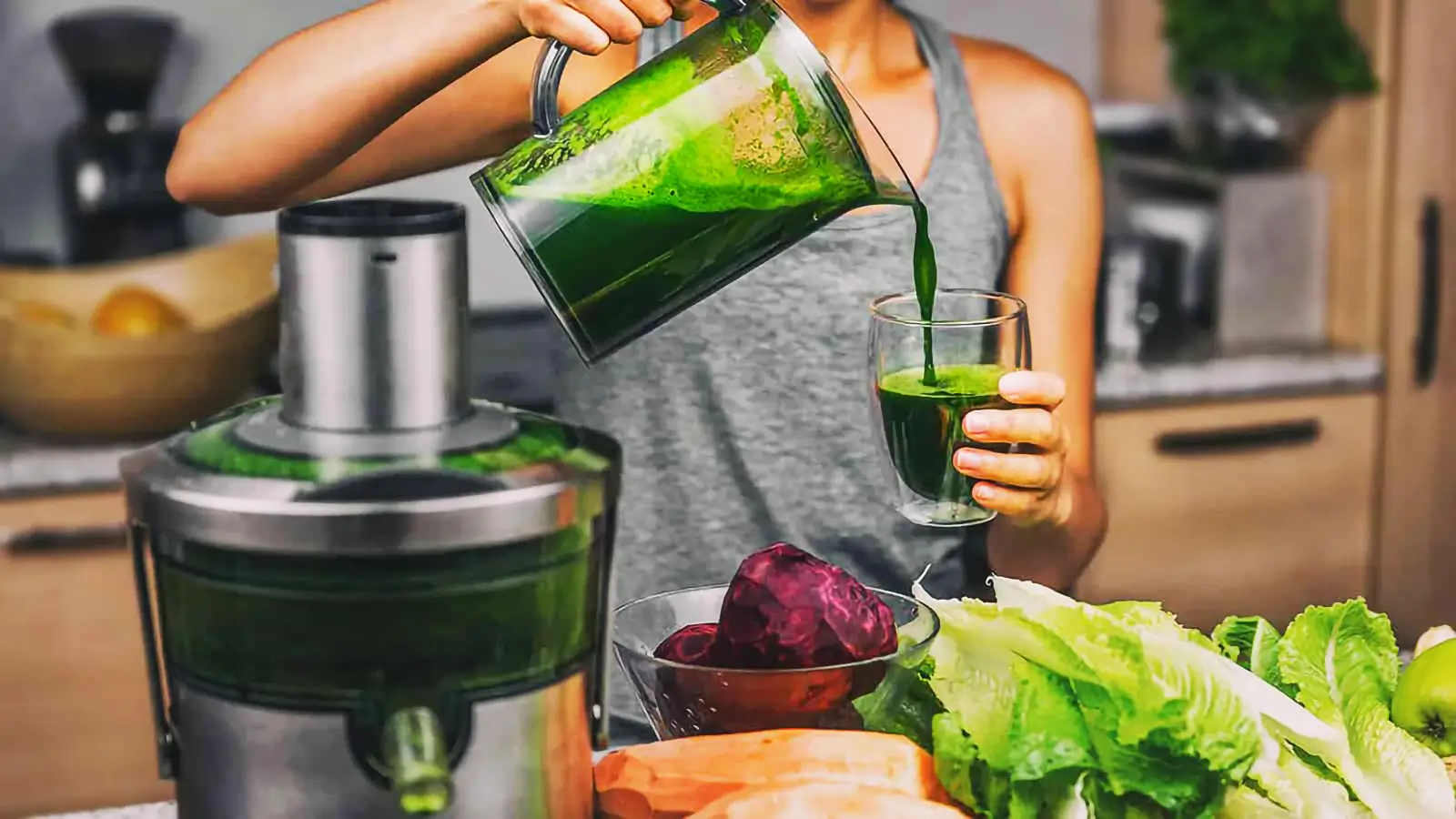
La plupart des gens ne veulent pas changer leur régime alimentaire, donc en plus des antioxydants supplémentaires, ils ajouteront simplement du jus ou un autre type de promotion de la santé. recettes après le repas. Ce serait une étape facile qui ne vous priverait pas de nourriture savoureuse mais ajouterait simplement des densité nutritionnelle et la valeur ORAC au régime déjà existant. Ces deux étapes sont acceptables pour la plupart des gens. Vous auriez besoin de passer plus de temps dans la cuisine.
Oxydation.
Lorsque vous apprenez les bases, si vous le souhaitez, vous pouvez toujours engager un nutritionniste professionnel ou en apprendre davantage par vous-même. Considérez cet article comme un point de départ. De plus, toutes les valeurs répertoriées dans le tableau ne sont que des approximations, des valeurs moyennes d'une plage de valeurs différentes, et ne doivent pas être prises au pied de la lettre. Les valeurs ORAC énumérées ici sont destinées à nous permettre d'avoir un aperçu de la puissance de certains aliments.
Par exemple, la valeur des clous de girofle moulus va de 125 550 unités mesurées dans un échantillon obtenu des États-Unis à une valeur de 465 320 pour un échantillon obtenu de Black Boy, Rieber og søn, Norvège. La moyenne serait d'environ 290 000.
La cannelle moulue, par exemple, a des valeurs allant de 17 650 à 139 890.
La plupart des valeurs répertoriées ici, ou dans d'autres sources, sont à nouveau exagérées dans la pratique. La valeur antioxydante commence à baisser immédiatement après le retrait du produit du champ. Plus il reste longtemps sur une étagère, plus la valeur antioxydante sera faible. De plus, si les aliments sont exposés à l'air, ils finiront par rancir. Les noix et les graines ont une coque qui les protège de l'oxygène, mais si la coque est cassée, l'oxydation peut s'accumuler. C'est la raison pour laquelle ce n'est jamais une bonne idée d'acheter des noix ou des graines déjà moulues.
Si vous voulez des graines de lin, de sésame ou toute autre graine, achetez-les entières et broyez-les vous-même avant de les consommer.
Si vous souhaitez utiliser des fruits ou des légumes frais pour préparer un smoothie et que vous n'avez pas de mixeur sous vide, il est fort probable que vous perdiez la plupart des antioxydants qu'ils contiennent. Il est toujours préférable de manger les fruits entiers plutôt que de les mixer, mais certaines recipes exigent l'utilisation de mixeurs puissants.
John partage avec vous les différences entre les centrifugeuses, les centrifugeuses à mastication et les presses à froid. Dans cet épisode, John expliquera en détail le fonctionnement de chacun des extracteurs de jus et les avantages et inconvénients de chacun des trois styles populaires d'extracteurs de jus..
Si vous voulez faire du jus, utilisez des presse-agrumes à mastiquer.
Ils utilisent une pression et des régimes bas pour extraire le jus sans le mélanger à grande vitesse. Cela aidera à réduire l'oxydation et le jus aura un meilleur goût et une meilleure couleur. L'utilisation d'extracteurs de jus à mastiquer est un excellent moyen pour chacun d'augmenter la densité nutritionnelle de son alimentation car il simule le processus de digestion en supprimant les fibres. Lorsque vous retirez les fibres, le reste du jus peut être digéré sans problème en très peu de temps.
Si vous ne consommez pas assez de fibres, cela peut être un problème, mais si vous avez un apport suffisant en fibres, les jus de légumes de haute qualité, nutritifs et peu caloriques vous apporteront beaucoup de micronutriments sans augmenter l'apport calorique au cours de la journée.
Faire du jus de légumes hypocaloriques de haute qualité avec beaucoup d'antioxydants et de minéraux est une pratique non naturelle mais d'une manière positive. Dans la nature, nous ne serions pas en mesure de consommer un grand nombre de légumes riches en fibres, mais si nous supprimons les fibres et ne buvons que le jus, il n'y a aucun problème. Gardez cela à l'esprit, chaque broyage ou mélange ou toute exposition à l'air réduira la valeur antioxydante du produit. Si vous voulez des clous de girofle, achetez-les entiers et broyez-les vous-même avant utilisation.
La troisième étape est le remplacement des produits alimentaires déjà existants.
Cela dépend des décisions des consommateurs. Par exemple, si vous voulez faire une salade, il serait préférable d'utiliser du chou frisé ou des épinards à cause de la lutéine que de simplement manger des concombres et du treillis. Vous pouvez les manger tous les deux mais vous pouvez également ajouter du chou frisé à la salade sur le dessus. Si vous sentez que vous avez besoin de grignoter quelque chose, mangez des noix avant les chips. Si vous voulez manger quelque chose de sucré, vous pouvez manger des fruits ou des fruits secs encore plus sucrés que les frais. C'est déjà une décision plus proactive. À ce stade, vous avez déjà commencé à mettre en œuvre certaines des connaissances que vous avez apprises ici. Pour cette étape, vous devrez étudier et comprendre non seulement le tableau des valeurs ORAC, mais également certaines de vos carences nutritionnelles.
La quatrième étape consiste à réfléchir à la densité en micronutriments.
Dans cette étape, vous ne mangez plus impulsivement. Vous intégrez des stratégies nutritionnelles dans votre alimentation régulière par conception. Lorsque vous décidez d'ajouter une nouvelle recette à votre alimentation pour des raisons de santé après avoir déjà obtenu tous les antioxydants et jus frais supplémentaires faciles, vous pouvez commencer à en apprendre davantage sur la densité nutritionnelle de l'aliment.
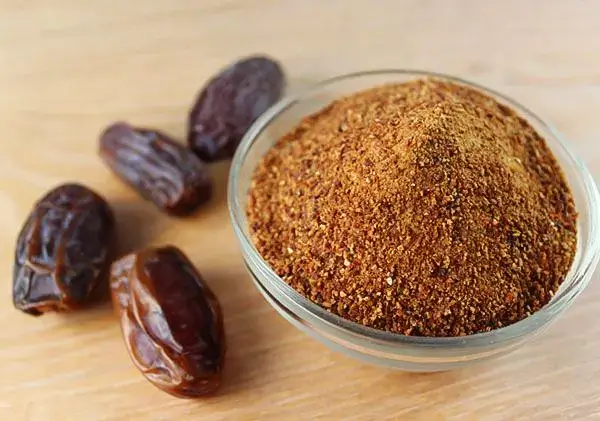
Par exemple, lorsque vous regardez les valeurs du tableau, vous pouvez voir que dans la plupart des cas, les fruits secs contiennent plus d'antioxydants que les produits frais et ce n'est qu'une illusion. Parce que la plupart des fruits sont de l'eau, si nous enlevons cette eau, le reste des fruits deviendra plus léger et aura plus de fruits pour les mêmes 100 grammes.
La densité en micronutriments des fruits, légumes et épices séchés ne peut être que la même ou pire.
Parce que le sucre ne s'évapore pas, le nombre de micronutriments par calorie reste le même que dans les produits frais. La seule différence est qu'il s'agit maintenant de produits plus concentrés car l'eau s'est évaporée, de sorte que nous pouvons avoir l'illusion que le romarin séché est meilleur que le frais. C'est sur des bases de gramme à gramme mais ce n'est pas sur une base de calorie à calorie.
Sur un tableau de valeur antioxydante, il est toujours vrai que l'on peut voir que l'herbe ou le fruit frais a une valeur ORAC inférieure à celle des fruits séchés. De plus, les séchés auront toujours un score inférieur à celui de l'extrait ou d'une huile extraite. C'est pourquoi nous pouvons voir par exemple que les clous de girofle moulus ont une capacité antioxydante de 290 000 et que l'huile de clou de girofle extraite en a plus d'un million. Ou, par exemple, les feuilles de thé vert fraîches auront une valeur ORAC inférieure à celles séchées et les feuilles séchées auront une valeur inférieure à celle de l'extrait de thé vert dans une pilule.
Il existe une liste de plus de 100 différents huiles essentielles mais je ne les ai pas incluses dans le tableau. Je n'ai inclus que l'huile de clou de girofle, qui est la plus puissante de toutes. Je n'ai pas inclus les valeurs parce qu'elles sont plus élevées que celles de tous les autres produits de la liste. Les huiles essentielles auront pris plus de 20 des 25 aliments riches en antioxydants les plus puissants qui existent, car elles sont des formes concentrées de substances phytochimiques.
Règle d'or.
La règle d'or va comme ça.
Les antioxydants les plus puissants sont une forme concentrée d'herbes naturelles riches en antioxydants. En haut de la liste figureront les huiles essentielles, les extraits de plantes, les herbes séchées et les poudres. Ensuite, nous aurons des fruits secs et des superaliments comme des fruits riches en antioxydants, des noix crues, des graines et des légumes. Ensuite, il y aura des fruits réguliers et des légumes réguliers, puis à la toute fin, il y aura toute une liste de produits d'origine animale qui n'ont aucune valeur antioxydante et sont pro-inflammatoires.
Milos Pokimica
Essentiellement, tous les produits d'origine animale ont des valeurs ORAC négatives si nous comprenons ce qu'ils font en réalité dans notre corps. Voici le tableau complet de la base de données USDA autrefois disponible.
Cuisson.
Vous pouvez également voir dans le tableau que, dans la plupart des cas, la chaleur détruit une partie de la valeur ORAC (Carlsen et al., 2010).
Les haricots verts et les noix en sont de bons exemples. Les haricots pinto crus ont un score de 8033 et les pistaches crues de 7675. Les haricots pinto bouillis auront un score de seulement 904 et les pistaches grillées de 1380. C'est la même histoire avec les haricots verts, les pois verts et la plupart des autres haricots, graines et noix et la plupart des fruits et légumes, mais encore une fois pas tous.
Il y a des exceptions. Par exemple, la patate douce crue aura une valeur ORAC de 902 mais la patate douce cuite aura un score de 2115. Le chou rouge cru aura un score de 2496 mais le chou rouge bouilli aura 3145. Ceci est dû à la biodisponibilité des antioxydants .
Dans certains cas, la chaleur détruit les cellules et permet aux composés phytochimiques de s'échapper. Il en est de même avec les tomates à cause du lycopène. De plus, une partie de la teneur en eau est évaporée, créant une source plus concentrée d'antioxydants.
"Comment faire cuire le brocoli" a toujours été la question mais en réalité, la valeur ORAC augmente d'environ 33 % après l'ébullition. Contrairement à la plupart des légumes, les types d'antioxydants contenus dans le brocoli ne sont pas grandement affectés par la chaleur de la cuisson, à l'exception du sulforaphane. Le sulforaphane est la raison pour laquelle vous voudrez manger des légumes crucifères en premier lieu. C'est un phytochimique unique dans la famille des légumes crucifères et des antioxydants que vous pouvez trouver dans d'autres aliments. Il est dérivé presque exclusivement de légumes crucifères. Vous pouvez manger autant que vous voulez d'autres types de légumes, il n'y aura pas de sulforaphane si vous ne mangez pas quelque chose de crucifère. C'est un phytochimique unique et très puissant, en particulier pour la phase 2 désintoxication processus.
Si vous achetez du brocoli ou du chou frisé congelé, l'enzyme myrosinase est détruite et il n'y aura pas de création de sulforaphane et c'est la raison pour laquelle le chou frais combat le cancer dix fois plus que congelé. Le processus de congélation est généralement considéré comme destructeur de la capacité antioxydante par rapport aux produits frais (Frati et al., 2016).
Calories.
Lorsque nous examinons ces éléments, nous devons tenir compte non seulement de la puissance antioxydante globale, mais aussi du nombre de calories qui accompagnent ces antioxydants. La question la plus importante de toutes est de savoir combien, en réalité, serons-nous capables de consommer certains aliments. Par exemple, le chou n'est pas une star antioxydante mais il contient très peu de calories, donc si l'on considère le nombre d'unités ORAC par calorie, c'est une bonne source. Mais encore une fois, le chou est difficile à manger en grande quantité et les herbes et les épices ont cette commodité qu'elles peuvent ajouter un pouvoir antioxydant significatif en une seule pincée.
En fin de compte, nous devrons analyser des aliments individuels et des groupes d'aliments pour formuler certaines des recommandations les plus spécifiques en dehors de la règle d'or.
Outre les épices, les huiles essentielles, les herbes et les suppléments.
Outre les épices, les huiles essentielles, les herbes et les suppléments, quelles sont les autres bonnes sources d'antioxydants en général ?
Certains fruits sont meilleurs que d'autres, certains légumes sont meilleurs que d'autres.
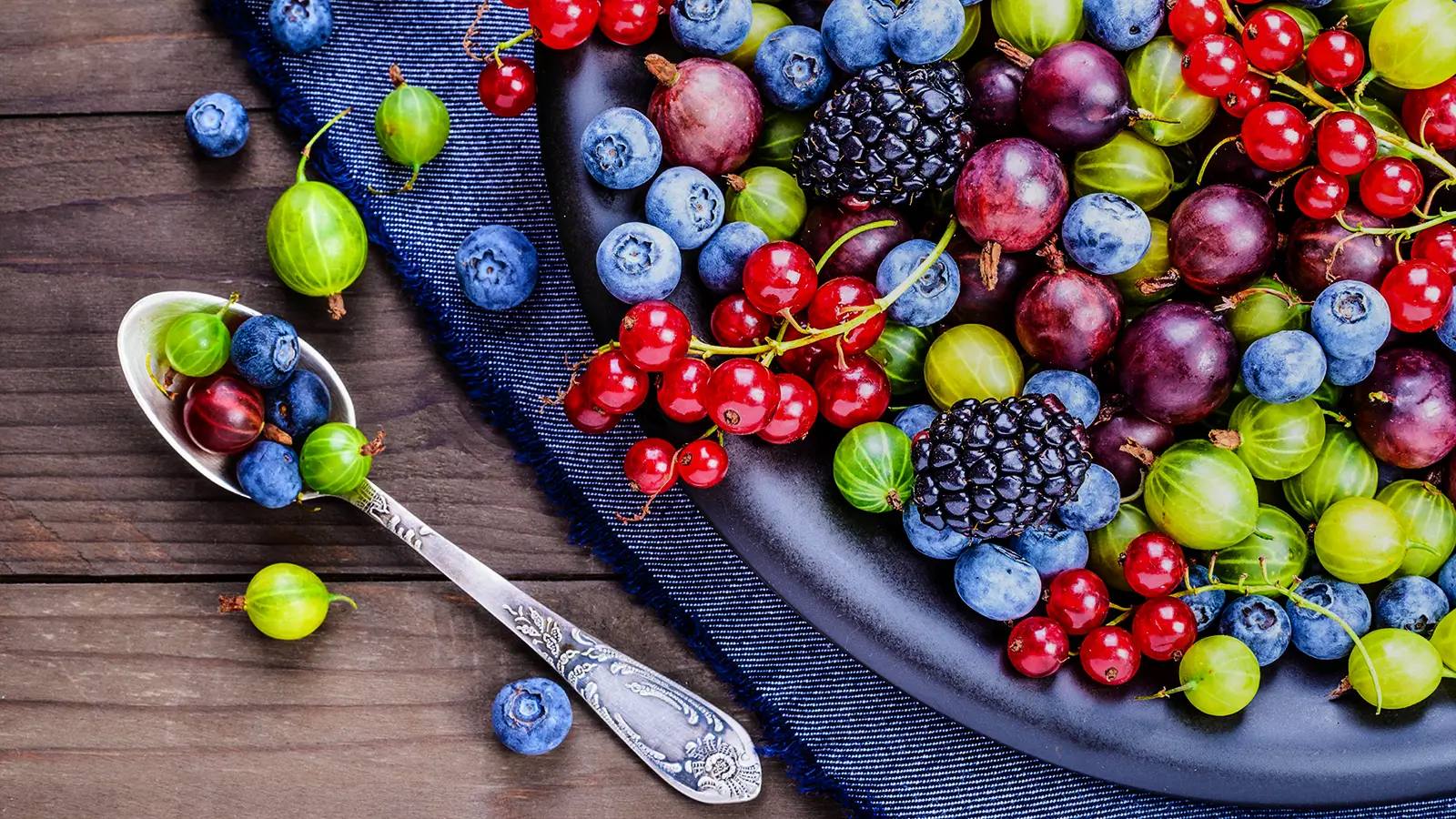
Si nous regardons les fruits, les différents types de baies, en général, sont la source la plus riche. Les prunes, les pommes et les cerises sont également bonnes.
Les fruits en fonction de la teneur en fructose peuvent avoir une valeur antioxydante élevée par calorie et nous pouvons également manger beaucoup de fruits en une seule séance, contrairement aux épices ou aux herbes.
Une livre de prunes crues, par exemple, qui ne proviennent pas de la forêt amazonienne comme l'açai et qui ne sont pas aussi chères, contiendra 210 calories et environ 30 000 unités sur une échelle ORAC. Un homme moyen avec un taux métabolique basal d'environ 2000 calories par jour obtiendra 275 000 unités d'antioxydants sur une échelle ORAC s'il devait satisfaire tous ses besoins caloriques uniquement à partir de prunes. Si vous deviez manger une livre d'artichauts bouillis, cela vous fournirait 42 000 unités ORAC et 240 calories. Une livre ou 3 petites pommes rouges délicieuses auront environ 19 000 unités ORAC et 230 calories.
Nous n'avons pas besoin de fruits et légumes "exotiques" coûteux comme source d'antioxydants.
Si vous voulez les manger, c'est très bien et nous devrions manger autant de variétés différentes que possible, mais si vous n'avez pas d'argent à gaspiller pour des produits coûteux, des pommes normales feront l'affaire. Le vrai problème est que la plupart des gens mangeront des légumes et des fruits à faible teneur en antioxydants et que la plupart des calories proviendront des graisses, du sucre, de la viande et de la malbouffe.
Le petit nombre de fruits et légumes qu'ils consommeront sera probablement faible sur l'échelle antioxydante comme les bananes, les concombres, la laitue iceberg, les tomates, les pommes de terre, les pois et les carottes, puis ils essaieront de compléter essentiellement avec quelques portions de certains vraiment fruits exotiques pour leur valeur antioxydante.
Au final, cette approche conduira à une très faible consommation d'antioxydants. Au lieu de laitue iceberg, essayez de mélanger des bébés épinards et du chou frisé, des haricots rouges et des herbes, des oignons, de l'ail et de l'aneth. Peut-être aussi des germes et de la vinaigrette à haute teneur en nutriments au lieu de l'huile (par exemple, du beurre de noix ou du tahini ou du jus d'avocat et de citron mélangé à des herbes).
Une seule cuillère à café d'une herbe comme le romarin sur votre salade peut doubler sa teneur en antioxydants.
Tout ne doit pas non plus être du chou frisé. Inutile de se priver car il faut manger sainement tout le temps et se forcer à l'angoisse alimentaire. Si vous aimez les bananes manger des bananes, le problème est que le régime alimentaire moyen d'une personne moyenne qui aime la viande, le sucre et la malbouffe est si mauvais et privé de nutriments que certaines des stratégies que j'ai décrites ici doivent être mises en œuvre pour aider à équilibrer le mauvais profil nutritionnel de l'alimentation. Sinon, le résultat peut être des maladies chroniques et une mauvaise santé.
Certains produits d'origine animale sont acceptables en de rares occasions, mais si vous n'êtes pas végétalien, et je veux dire que vous ne mangez pas d'aliments complets à base de plantes, la réalité sera que vous n'êtes pas en mesure de vous procurer des produits d'origine animale. ont probablement un faible apport en antioxydants, un faible apport en fibres, un faible apport en minéraux ou un profil minéral déséquilibré de l'alimentation avec trop peu de magnésium, d'iode et de sélénium, etc. En plus de cela, vous aurez probablement une quantité excessive de cholestérol alimentaire et de graisses saturées et en plus de cela, vous serez probablement surexposé aux toxines environnementales et alimentaires. Dans ce cas, mon conseil est que si vous ne pouvez pas changer votre alimentation, vous devez prendre des suppléments.
Même si vous êtes végétalien, l'optimisation et la supplémentation en antioxydants vous seront bénéfiques, mais plus conformes à la longévité prolongée, au renforcement du système immunitaire, à la prévention du rétrécissement du cerveau, à l'augmentation de l'endurance, de la force, du bien-être général et de la santé. Dans la population non végétalienne, la supplémentation en antioxydants aura également des effets bénéfiques sur la longévité, mais la principale raison pour laquelle ils devraient le faire est la prévention des affections inflammatoires chroniques, du cancer, des maladies cardiovasculaires et d'autres maladies chroniques. Ajoutez du piquant à votre régime alimentaire, mais n'abusez pas de la cannelle et de la menthe poivrée.
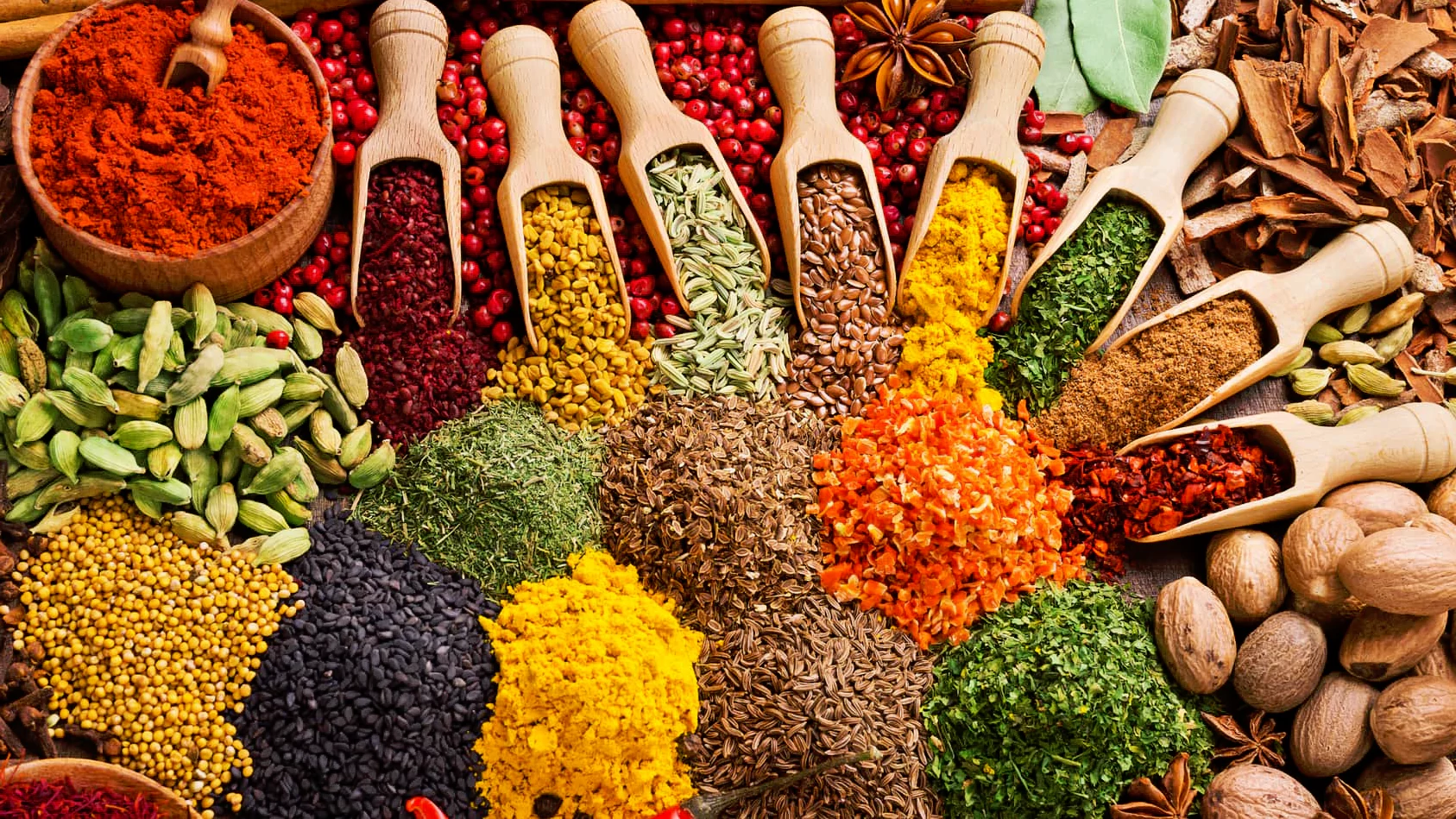
Prendre du curcuma en complément et amla et clous de girofle et autres herbes et épices.
Prenez des huiles essentielles riches en antioxydants.
Buvez du cacao et de l'hibiscus et du thé vert.
Augmentez votre consommation de fruits et légumes riches en antioxydants et ajoutez plus de variété à votre alimentation.
Et bien sûr, ma recommandation pour tout le monde est de prendre astaxanthine supplémentaire. Une pilule d'astaxanthine de 12mg équivaut à prendre 72g de vitamine C. C'est 72 000 mg et contrairement à la vitamine C, elle ne sera pas excrétée. L'astaxanthine est liposoluble et se bioaccumule dans les tissus, offrant une protection durable.
Des aliments qui combattent l'inflammation (mangez-les !) 🍒
Comment atteindre l'AJR en antioxydants. Même en consommant neuf portions de fruits et légumes par jour, il se peut que l'on n'atteigne pas l'apport minimal recommandé en antioxydants si l'on ne fait pas les bons choix.
Le rôle des antioxydants dans la réduction des insuffisances nutritionnelles. Jeffrey Blumberg, Ph.D., FASN, FACN, CNS-S
Conclusion :
- Une alimentation riche en antioxydants a une valeur significative pour la santé globale.
- La règle d'or : Les antioxydants les plus puissants sont une forme concentrée d'herbes naturelles riches en antioxydants. En haut de la liste figureront les huiles essentielles, les extraits de plantes, les herbes séchées et les poudres. Ensuite, nous aurons des fruits secs et des superaliments comme des fruits riches en antioxydants, des noix crues, des graines et des légumes. Ensuite, il y aura des fruits réguliers et des légumes réguliers, puis à la toute fin se trouvera toute une liste de produits d'origine animale qui n'ont aucune valeur antioxydante et sont en fait pro-inflammatoires.
- Les épices, les herbes et les suppléments comprennent les produits les plus riches en antioxydants.
- Une seule cuillère à café d'une herbe comme le romarin sur votre salade peut doubler sa teneur en antioxydants.
- Les valeurs antioxydantes les plus élevées dans la catégorie des boissons ont été trouvées parmi les feuilles de thé non transformées, les poudres de thé et les grains de café.
- La catégorie des produits laitiers comprenait 86 produits et la majorité de ces produits avaient une faible teneur en antioxydants.
- Les œufs sont presque dépourvus d'antioxydants.
- Les médicaments à base de plantes et de plantes traditionnelles sont apparus comme l'un des produits les plus riches en antioxydants.
- Au cours de la transformation des baies en confitures, en pasteurisant les jus commerciaux et en cokéfaction en général, la teneur totale en phénol est réduite.
- Si vous ne voulez pas renoncer à la viande, au sucre, aux graisses, à l'alcool et au tabagisme, vous pouvez essayer au moins d'ajouter une cuillère à soupe de curcuma par jour, une tasse de cacao, du thé à l'hibiscus, 1 gramme de vitamine C, une capsule de astaxanthine et 40 grammes d'amandes ou de graines de tournesol pour corriger une carence en vitamine E.
- Ajoutez du jus ou un autre type de recette bénéfique pour la santé après le repas.
- La valeur antioxydante commence à baisser immédiatement après le retrait du produit du champ.
- Utilisez un mixeur sous vide.
- Si vous voulez faire du jus, utilisez des presse-agrumes à mastiquer.
- Tout dépend des décisions des consommateurs. Apprenez vos valeurs ORAC.
- La densité en micronutriments des fruits, légumes et épices séchés ne peut être que la même ou pire.
- Tenez compte non seulement de la puissance antioxydante globale, mais aussi du nombre de calories qui accompagnent ces antioxydants.
- Les fruits en fonction de la teneur en fructose peuvent avoir une valeur antioxydante élevée par calorie et nous pouvons également manger beaucoup de fruits en une seule séance, contrairement aux épices ou aux herbes.
- Nous n'avons pas besoin de fruits et légumes "exotiques" coûteux comme source d'antioxydants.
FAQ
Références :
Passages sélectionnés à partir d'un livre : Pokimica, Milos. Devenir vegetarien? Examen de la science, partie 3. Kindle ed., Amazon, 2020.
- Carlsen, MH, Halvorsen, BL, Holte, K., Bøhn, SK, Dragland, S., Sampson, L., Willey, C., Senoo, H., Umezono, Y., Sanada, C., Barikmo, I ., Berhe, N., Willett, WC, Phillips, KM, Jacobs, DR, Jr, & Blomhoff, R. (2010). La teneur totale en antioxydants de plus de 3100 aliments, boissons, épices, herbes et suppléments utilisés dans le monde. Journal nutritionnel, 9, 3. https://doi.org/10.1186/1475-2891-9-3
- Nutrient Data Laboratory (États-Unis), N. Data Laboratory (États-Unis). (2010). Base de données USDA pour la capacité d'absorption des radicaux oxygène (ORAC) de certains aliments. [PDF]
- Sharifi-Rad , M. , Anil Kumar , NV , Zucca , P. , Varoni , EM , Dini , L. , Panzarini , E. , Rajkovic , J. , Tsouh Fokou , PV , Azzini , E. , Peluso , I . , Prakash Mishra , A. , Nigam , M. , El Rayess , Y. , Beyrouthy , ME , Polito , L. , Iriti , M. , Martins , N. , Martorell , M. , Docea , AO , Setzer , WN , ... Sharifi-Rad, J. (2020). Mode de vie, stress oxydatif et antioxydants : va-et-vient dans la physiopathologie des maladies chroniques. Frontières en physiologie, 11, 694. https://doi.org/10.3389/fphys.2020.00694
- Frati, Alessandra, Elena Antonini et Paolino Ninfali. "La congélation, la cuisson et le stockage industriels affectent différemment les nutriments antioxydants dans les légumes." Fruits, légumes et herbes : Aliments bioactifs dans la promotion de la santé, édité par Ronald Ross Watson et Victor R. Preedy, Academic Press, 2016, pp. 23-39. https://doi.org/10.1016/B978-0-12-802972-5.00002-0
- Yang, M., Chung, SJ, Chung, CE, Kim, DO, Song, WO, Koo, SI et Chun, OK (2011). Estimation de la capacité antioxydante totale de l'alimentation et des suppléments chez les adultes américains. The British journal of nutrition, 106(2), 254–263. https://doi.org/10.1017/S0007114511000109
- Cao, G., Alessio, HM et Cutler, RG (1993). Dosage de la capacité d'absorption des radicaux oxygène pour les antioxydants. Biologie et médecine des radicaux libres, 14(3), 303–311. https://doi.org/10.1016/0891-5849(93)90027-r
Articles Similaires



Vous avez des questions sur la nutrition et la santé ?
J'aimerais avoir de vos nouvelles et y répondre dans mon prochain post. J'apprécie votre contribution et votre opinion et j'ai hâte d'avoir de vos nouvelles bientôt. Je vous invite également à nous suivre sur Facebook, Instagram et Pinterest pour plus de contenu sur l'alimentation, la nutrition et la santé. Vous pouvez y laisser un commentaire et entrer en contact avec d'autres passionnés de santé, partager vos conseils et expériences, et obtenir le soutien et les encouragements de notre équipe et de notre communauté.
J'espère que ce billet a été instructif et agréable pour vous et que vous êtes prêt à mettre en pratique les connaissances que vous avez acquises. Si vous avez trouvé ce billet utile, veuillez le partager à vos amis et à votre famille qui pourraient également en bénéficier. On ne sait jamais qui peut avoir besoin de conseils et de soutien dans son parcours de santé.
– Vous pourriez aussi aimer –

Viande Humaine ou Mythe Humain ?- La Cognition Animale
Adaptations à l'Entraînement Altérées par les Antioxydants - Prévention des Dommages Oxydatifs Dans le Muscle
Exposition à l'Acrylamide - Chips, Frites et Cancer

Restriction Calorique, Autophagie, Longévité et Perte Musculaire
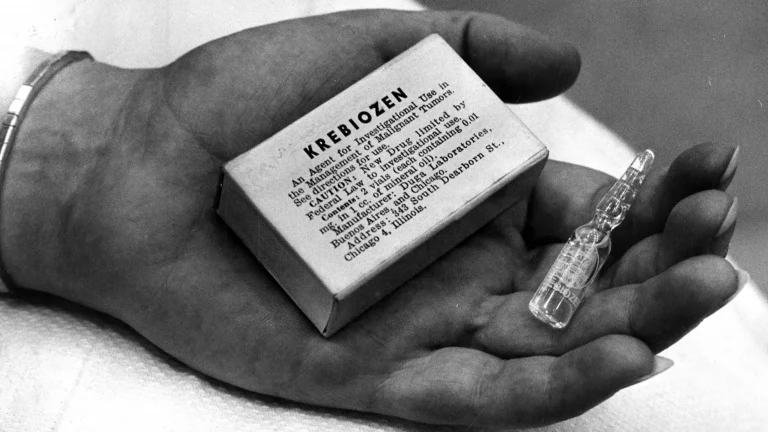
Cancer, les Remèdes Interdits - Krebiozen

Exposition Aux Rayonnements EMF (Rayonnement Electromagnétique) : La 5G Présente-t-elle des Risques Pour la Santé ?

Carence en Vitamine D - Facteurs de Risque
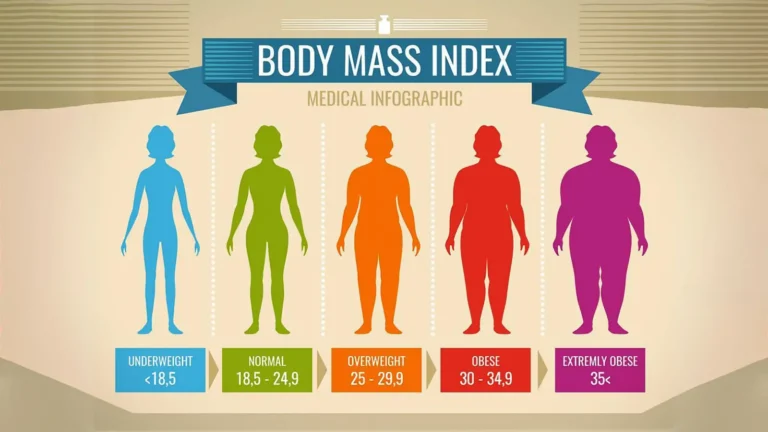
Facteurs de Risque d'Obésité

Apprendre la Nutrition

Milos Pokimica est docteur en médecine naturelle, nutritionniste clinique, rédacteur en santé médicale et nutrition et conseiller en sciences nutritionnelles. Auteur de la série de livres Devenir vegetarien ? Examen des sciences, il exploite également le site Web de santé naturelle GoVeganWay.com
Avis de non-responsabilité médicale
GoVeganWay.com vous propose des critiques des dernières recherches liées à la nutrition et à la santé. Les informations fournies représentent l'opinion personnelle de l'auteur et ne sont pas destinées ni implicitement à remplacer un avis médical professionnel, un diagnostic ou un traitement. Les informations fournies sont fournies à titre informatif uniquement et ne sont pas destinées à remplacer la consultation, le diagnostic et/ou le traitement médical d'un médecin ou d'un prestataire de soins de santé qualifié.NE JAMAIS IGNORER LES CONSEILS MÉDICAUX PROFESSIONNELS OU RETARDER LA RECHERCHE DE SOINS MÉDICAUX EN RAISON DE QUELQUE CHOSE QUE VOUS AVEZ LU OU ACCÉDÉ SUR GoVeganWay.com
N'APPLIQUEZ JAMAIS DE CHANGEMENTS AU STYLE DE VIE OU TOUT CHANGEMENT À LA SUITE DE QUELQUE CHOSE QUE VOUS AVEZ LU SUR GoVeganWay.com AVANT DE CONSULTER UN PRATICIEN MÉDICAL AGRÉÉ.
En cas d'urgence médicale, appelez immédiatement un médecin ou le 911. GoVeganWay.com ne recommande ni n'approuve aucun groupe, organisation, test, médecin, produit, procédure, opinion ou autre information spécifique pouvant être mentionné à l'intérieur.
Choix de l'éditeur -
Cancer Choix de l'éditeur Phytochimiques
Pouvoir Anticancéreux des Fruits et Légumes : Preuves in Vivo et Cliniques
Certains extraits végétaux rivalisent avec les principaux médicaments de chimiothérapie et ciblent en même temps plusieurs types différents de cellules cancéreuses.
Antioxydants Choix de l'éditeur ORAC
Les Huiles Essentielles en Tant Que Compléments Antioxydants : Règles et Stratégies
Les huiles essentielles de qualité alimentaire peuvent constituer une stratégie pratique et conviviale pour optimiser la valeur antioxydante et les scores ORAC de notre alimentation.
Antioxydants Choix de l'éditeur ORAC
Régime Riche en Antioxydants : Règles Rénérales et Stratégies
Il existe des stratégies simples et rentables pour optimiser la valeur antioxydante de notre alimentation.
Antioxydants Choix de l'éditeur ORAC
Comprendre les Valeurs ORAC : La Teneur en Antioxydants des Aliments
Lorsque votre principale source d'antioxydants est le café, vous savez que vous avez un sérieux problème.
Antioxydants Choix de l'éditeur ORAC
Avantages de l’Astaxanthine : L’Antioxydant Naturel le Plus Puissant au Monde
L'astaxanthine est l'antioxydant naturel et universel le plus puissant (soluble dans l'huile et dans l'eau) connu de la science. Il s'accumule dans les tissus et ne peut jamais se transformer en pro-oxydant.
Antioxydants Choix de l'éditeur ORAC Phytochimiques
Les Antioxydants : Comprendre les Bases
Il n'y a pas de composés phytochimiques ou d'antioxydants dans les produits d'origine animale. En moyenne, les aliments végétaux contiennent plus de 60 fois plus d'antioxydants que les aliments d'origine animale.
Choix de l'éditeur Régime végétalien
Les Carences en Nutriments Dans le Régime Végétalien : Stratégies de Prévention
Il existe neuf carences nutritionnelles courantes à l'échelle de la population qui affectent les personnes qui suivent un régime à base de plantes. Si elles ne sont pas corrigées à temps, certaines déficiences ont des conséquences terribles et incurables.
Choix de l'éditeur Régime optimal
Déficience en Micronutriments Dans le Régime Alimentaire Américain Standard : Stratégies d'Optimisation
Le profil nutritionnel de notre régime moderne à base de viande, de sucre et d'aliments transformés est totalement incongru avec notre évolution, ce qui entraîne de graves carences en micronutriments.
Choix de l'éditeur Phytochimiques
Photochimie : Comprendre les Bases
Chaque phytochimique qui existe a une action biologique dans le corps humain. Chacun parmi des millions de composés phytochimiques différents.
Choix de l'éditeur Lait Régime optimal
Lait et Produits Laitiers : Corrélations Avec les Risques Pour la Santé
Les associations connues avec la consommation de lait et de produits laitiers sont l'infertilité, le cancer des ovaires et du sein, la leucémie, le diabète de type 1, l'autisme, l'artériosclérose, la cataracte, la polyarthrite rhumatoïde, la sclérose en plaques, l'hyperactivité, la congestion, les boutons, etc.
Cancer Choix de l'éditeur Protéine
Protéine Complète : Signalisation de l'IGF-1 dans la Formation du Cancer
Lorsque vous mangez des protéines animales, vous avez quatre fois plus de chances de développer tous les types de cancer. Lorsque vous fumez, vous avez quatre fois plus de chances de développer un cancer du poumon.

Cancer Choix de l'éditeur Protéine
Anatomie du Cancer - Corrélations Entre Les Risques Pour la Santé
Environ 2 % des cancers sont considérés par la médecine comme étant purement causés par des facteurs génétiques. La même gamme que dans le règne animal. On ne vous a pas dit toute la vérité.
Milos Pokimica est rédacteur spécialisé dans la santé et la nutrition et conseiller en sciences nutritionnelles. Auteur d'une série de livres Devenir vegetarien ? Examen des sciences, il exploite également le site Web de santé naturelle GoVeganWay.com
Derniers articles –
Restriction calorique Longévité
Comment Jeûner : Les Aliments de Jeûne Qui N'interrompent Pas L'Autophagie
Autophagie. Vous êtes-vous déjà demandé ce qui arrive aux cellules de votre corps lorsqu’elles meurent ou sont endommagées ? Est-ce qu'ils s'accumulent et créent des problèmes, ou sont-ils éliminés d'une manière ou d'une autre ? La réponse est que votre corps…
Santé Dentaire La prévention
Sensibilité et Douleur des Dents aux Sucreries : Solution Rapide et Durable
L'huile essentielle de clou de girofle est une solution rapide et facile pour soulager la douleur. C'est un antioxydant puissant et un analgésique qui peut aider à lutter contre les maladies des gencives et les maux de dents.
Les haricots
Haricots Verts : Nutrition et Bienfaits Pour La Santé
Les haricots verts sont pauvres en calories et riches en composés naturels qui peuvent vous aider à contrôler votre glycémie, à réduire votre taux de cholestérol et à lutter contre les radicaux libres.
Régime alimentaire cru Régime végétalien
Peut-on Manger des Champignons Crus : Risques pour la Santé, Nutrition et Sécurité
Les champignons contiennent des toxines sensibles à la chaleur, comme l'hydrazine ou l'agaritine, et des parois cellulaires composées de chitine qui ne peuvent pas être digérées correctement par l'homme.

Régime végétalien
Les Poissons Sont-ils Des Animaux ? Une Perspective Culturelle
Dans certaines cultures, la viande de poisson n'est pas considérée comme de la viande et le poisson est autorisé même pendant le jeûne.
Santé Dentaire La prévention
Rince-bouche naturel fait maison : éprouvé, plus fort et moins toxique
Le bain de bouche naturel fait maison est plus puissant que la chlorhexidine, moins toxique et, s'il est avalé, il peut donner des nausées, mais il a aussi une valeur ORAC élevée.
Santé Dentaire La prévention
Comment Arrêter les Caries Dentaires : Symptômes, Causes et Prévention
La consommation de sucre est la principale cause des caries dentaires, associée à des carences en minéraux, notamment en magnésium, zinc, cuivre et oligo-éléments.
Antioxydants Superaliments
Amla : Avantages Prouvés, Nutrition et Signification Clinique
L'amla est l'un des antioxydants les plus puissants au monde, avec un score ORAC de 261 530. Il s'agit d'une riche source de substances phytochimiques qui ont de nombreux effets bénéfiques sur la santé.
Top Des Nouvelles Sur la Santé - ScienceDaily
- Eating more meat may lower Alzheimer’s risk for some peoplele avril 2, 2026
A surprising new study suggests that genetics may change how diet affects brain health—especially when it comes to Alzheimer’s risk. Researchers found that older adults carrying high-risk APOE gene variants didn’t show the expected cognitive decline if they ate relatively high amounts of meat. In fact, those with these genes who consumed the most meat had slower cognitive decline and lower dementia risk, challenging conventional dietary advice.
- Breakthrough could protect the vision cells that let you see faces and colorsle avril 2, 2026
Scientists have taken a major step toward protecting the very cells that make sharp, colorful vision possible. By testing more than 2,700 compounds in thousands of lab-grown human retinal models, researchers uncovered several molecules that can shield cone photoreceptors—the cells responsible for reading, recognizing faces, and seeing color—from degeneration. They also identified a key protective mechanism involving casein kinase 1, offering a promising new target for treatment.
- This simple Japanese eating habit could help you live longer without dietingle avril 2, 2026
Hara hachi bu, a traditional Japanese practice of eating until you’re about 80% full, is gaining attention as a simple yet powerful way to improve health and reshape our relationship with food. Rather than promoting strict dieting, it encourages slowing down, tuning into hunger cues, and eating with awareness and gratitude. Research suggests it may help reduce calorie intake, support healthier food choices, and prevent long-term weight gain.
- Scientists discover “molecular shredder” that helps deadly parasite evade the immune systemle avril 2, 2026
A deadly parasite responsible for sleeping sickness has been found using a surprisingly precise trick to stay hidden in the human bloodstream. Scientists discovered a protein called ESB2 that acts like a “molecular shredder,” cutting up specific genetic instructions as they are produced. This allows the parasite to flood its surface with protective proteins while suppressing other signals that might give it away.
- What’s hiding inside colon cancer could change treatmentle avril 2, 2026
Colorectal cancer may carry a unique microbial “fingerprint,” setting it apart from other cancers and opening a new frontier in diagnosis and treatment. By analyzing DNA from over 9,000 patients, researchers discovered that only colorectal tumors consistently host distinct microbial communities—challenging the long-held belief that all cancers have their own microbial signatures.
- Millions start work too early. This drug helps them stay awakele avril 1, 2026
Millions of people start work before sunrise—but their brains aren’t ready for it. A new clinical trial has found that the wake-promoting drug solriamfetol can significantly boost alertness in early-morning shift workers struggling with shift work disorder. Participants who took the drug were able to stay awake and function better throughout full shifts, with improvements in productivity, safety, and daily performance.
- Scientists discover hidden “winds” inside cells that could explain cancer spreadle avril 1, 2026
Cells aren’t as passive as scientists once thought—they actively create internal currents to move proteins quickly and efficiently. These “cellular winds” push materials to the front of the cell, enabling faster movement and repair. Discovered by chance and confirmed with advanced imaging, this system challenges decades of textbook biology. It may also reveal why some cancer cells spread so rapidly.
PubMed, #régime-vegan –
- Nutritional lifestyle and «production animal» tracking during veterinary curriculumle mars 31, 2026
Veterinary medicine students are confronted with choosing a specialty track after completing their bachelor›s degree. They can choose between clinical (Livestock (NT), Equine (EQ), Small Animal (KT)) and non-clinical track (Pathobiology, Biomedical Research or Veterinary Public Health (VPH)). Overall, the proportion of vegetarians and vegans in the population has increased in the last few decades. An even higher percentage of vegetarian and vegan lifestyles could be observed among […]
- Comparative cross-sectional study of vegan and omnivorous diets and their impact on cardiac function among endurance athletesle mars 30, 2026
Vegan and omnivorous diets are both common in endurance sport; however, the chronic effects of these diets on cardiac function remain uncertain. Therefore, it is of interest to compare echocardiographic, vascular and exercise performance between endurance athletes on vegan or omnivorous diets. Data shows there is comparable systolic function; however, vegans displayed superior diastolic function and arterial compliance; whilst omnivores maintained higher hemoglobin and ferritin levels. Thus, […]
- Environmental Sustainability and Chronic Disease Outcomes Across Four Sustainable Dietary Patternsle mars 29, 2026
Global food consumption patterns have undergone substantial transformation in recent decades, driven by rapid population growth and the consequent intensification of agricultural production. This growth, however, has come at significant environmental cost. As food consumption practices play a central role in shaping these impacts, shifts toward environmentally sustainable diets-typically characterized by greater reliance on plant-based foods-have been proposed as a viable mitigation strategy….
- Plant-Based Dietary Patterns and Neuroimaging Biomarkers of Brain Health: A Scoping Review of Observational and Interventional Evidencele mars 23, 2026
Healthy dietary interventions are well established in cardiovascular disease prevention, but their effects on the brain remain underexplored. This scoping review aims to investigate how adherence to core components of a whole-food plant-based diet (WFPBD) may impact neuroimaging outcomes across different brain conditions. We searched PubMed and MEDLINE for studies published in the past 20 years evaluating the effects of a predominantly or exclusively WFPBD, alone or combined with other […]
- Environmental and economic impact of a vegan versus traditional mediterranean diet: OMNIVEG studyle mars 17, 2026
CONCLUSIONS: Replacing animal products with plant-based foods in a Mediterranean dietary framework can enhance environmental sustainability and reduce food costs. These findings support the promotion of whole plant-based diets as a viable strategy for sustainable and affordable nutrition.
Messages aléatoires –

Médecine allopathique Choix de l'éditeur Régime optimal
Le Rapport McGovern - Intérêt Spécial et Suppression de la Science
En 1977, la pression pour un changement des directives diététiques (rapport McGovern) vers un végétalien plus végétal a été présentée au Congrès américain.
Régime optimal Régime paléo Protéine
Régime Hyperprotéiné et Acidose Métabolique : Corrélations des Risques Pour la Santé
De faibles niveaux d'acidose métabolique chronique sont un phénomène courant dans le monde occidental. La plupart des gens qui suivent le régime américain standard sont dans un état d'acidose chronique et n'en sont pas conscients.
Industrie alimentaire Grossesse Toxicité
Excitotoxicité du MSG (glutamate monosodique) - Examen scientifique
La découverte la plus importante de toute l'histoire de l'industrie alimentaire est une branche particulière de neurotoxines appelées excitotoxines.

Régime optimal La prévention Régime végétalien
Adventist Health Study - L'argument Végétalien
Adventist Health Study a montré que les adventistes du septième jour ont un risque mesurable inférieur à celui des autres Américains pour la plupart des maladies occidentales.

Choix de l'éditeur La prévention Régime végétalien
Étude sur la Chine- L'argument Végétalien
Une étude chinoise a montré qu'il n'y a pas de maladie cardiaque, de cancer ou de diabète dans les communautés rurales sous-développées du monde avec des régimes végétaliens à base d'amidon.
Régime optimal La prévention Régime végétalien
Régime Méditerranéen- "Merveille" de l'huile d'Olive
Commercialisé comme une merveille d'huile d'olive, le régime méditerranéen n'a rien à voir avec une huile quelconque, sauf dans la mesure où elle peut remplacer le beurre et le saindoux.
Antioxydants Choix de l'éditeur ORAC
Avantages de l’Astaxanthine : L’Antioxydant Naturel le Plus Puissant au Monde
L'astaxanthine est l'antioxydant naturel et universel le plus puissant (soluble dans l'huile et dans l'eau) connu de la science. Il s'accumule dans les tissus et ne peut jamais se transformer en pro-oxydant.
Cancer Désintoxication Inflammation
Les Bienfaits du Sulforaphane : Le Pouvoir Détoxifiant du Brocoli
Le sulforaphane est le plus puissant inducteur naturel d'enzymes de phase 2 connu de la science. Il a également été démontré que le sulforaphane est un inhibiteur proportionnel à la dose de la tumorigénèse induite par les carcinogènes.
Antioxydants Choix de l'éditeur ORAC Phytochimiques
Les Antioxydants : Comprendre les Bases
Il n'y a pas de composés phytochimiques ou d'antioxydants dans les produits d'origine animale. En moyenne, les aliments végétaux contiennent plus de 60 fois plus d'antioxydants que les aliments d'origine animale.
Choix de l'éditeur Régime optimal
Aliments Transformés : Comprendre les Risques
Les aliments transformés signifient que l'on retire quelque chose de l'aliment entier, généralement des fibres, et que l'on ajoute quelque chose, généralement des matières grasses, du sucre, du sel et des glutamate monosodique.

Postes en vedette -
Choix de l'éditeur Régime végétalien
Les Carences en Nutriments Dans le Régime Végétalien : Stratégies de Prévention
Il existe neuf carences nutritionnelles courantes à l'échelle de la population qui affectent les personnes qui suivent un régime à base de plantes. Si elles ne sont pas corrigées à temps, certaines déficiences ont des conséquences terribles et incurables.
Choix de l'éditeur Régime optimal Régime végétalien
Directives Diététiques de l'OMS - Nouvelle Pyramide Alimentaire et Suppression de la Science
Les directives diététiques de l'OMS recommandent une alimentation pauvre en graisses saturées (protéines animales), en sucre et en sel et riche en fruits et légumes pour lutter contre l'augmentation épidémique des maladies chroniques dans le monde.
Choix de l'éditeur Obésité
Expérience de Famine au Minnesota : Pourquoi les Régimes Nous Font Grossir. La Psychologie de la Faim.
L'une des premières études scientifiques sur les effets de la faim sur l'esprit a été observée dans une étude connue sous le nom de Minnesota Starvation Experiment réalisée par l'Université du Minnesota en 1944.
Choix de l'éditeur Régime optimal
Aliments Transformés : Comprendre les Risques
Les aliments transformés signifient que l'on retire quelque chose de l'aliment entier, généralement des fibres, et que l'on ajoute quelque chose, généralement des matières grasses, du sucre, du sel et des glutamate monosodique.
Choix de l'éditeur Régime optimal
Déficience en Micronutriments Dans le Régime Alimentaire Américain Standard : Stratégies d'Optimisation
Le profil nutritionnel de notre régime moderne à base de viande, de sucre et d'aliments transformés est totalement incongru avec notre évolution, ce qui entraîne de graves carences en micronutriments.

Choix de l'éditeur Obésité
Hyperphagie Boulimique - La Psychologie de la Faim
Dans la nature, il n'y a ni sucre raffiné ni graisse. Notre cerveau n'avait jamais été exposé à une combinaison des deux tout à la fois nous forçant à l'hyperphagie boulimique.

Médecine allopathique Choix de l'éditeur
L'histoire de Big Pharma - IG Farben
La partie du monopole des Rockefeller sur les industries chimiques et médicales est entrée en vigueur après la Seconde Guerre mondiale. La coopération entre Standard Oil et IG Farben en a fait une réalité.

Choix de l'éditeur Obésité Régime optimal
Cause de l'obésité - Maladaptation ou Dépendance
Quelle est la cause de l'épidémie d'obésité? Pour toute vie sur Terre, la nourriture n'est pas un choix. La chose la plus difficile pour l'animal dans le désert est de prendre du poids.

Choix de l'éditeur Régime optimal
Régime Alimentaire Humain Optimal- Maladies Chroniques, Guerre des Régimes Alimentaires et Arguments des Végétaliens
Notre naturelle optimale de l'homme est un régime que nos ancêtres hominiens ont mangé au cours des 30 derniers millions d'années, et non pas l'homme anatomiquement moderne dans l'âge de Pierre.

Cancer Choix de l'éditeur Toxicité
Exposition des Enfants Aux Pesticides : Tests d'Exposition en Situation Réelle
Les enfants et surtout les femmes enceintes sont plus vulnérables à l'exposition aux pesticides. Si nous analysions les niveaux d'exposition réels dans des scénarios réels, quel serait le résultat ?
Dernières Nouvelles de PubMed, #alimentation végétale –
- Genetically Modified Foods: Have They Reduced Cardiovascular Risk?par Michael E Kaiser le avril 2, 2026
Genetically modified organisms (GMOs) have been the subject of much debate due to their potential impact on human health, and in particular cardiovascular disease (CVD), the leading contributor to death worldwide. Although GMOs are used to improve agricultural properties, emerging nutritional engineering focuses on modifying food composition to produce foods high in polyunsaturated fatty acids, with the potential to correct an imbalance between omega-6 and omega-3 fatty acids and decrease the…
- Associations between source-specific nitrate and nitrite intakes and metabolic dysfunction-associated steatotic liver disease in two prospective cohortspar Nicola P Bondonno le avril 2, 2026
CONCLUSION: The health impact of nitrate and nitrite depends on source: moderate plant-sourced intakes (∼1 cup baby spinach/day) were linked to lower MASLD rates, while higher intakes from animal and additive sources were associated with higher rates.
- Environmental and dietary triggers of hyperuricemia in chronic kidney disease: A cardiovascular perspectivepar Mohammed AbuBaha le avril 1, 2026
CONCLUSIONS: An integrated approach is required to manage hyperuricemia in CKD. Lifestyle strategies, including reducing dietary fructose, limiting alcohol, and adopting plant-forward diets, may lower serum urate, while mitigating environmental exposures may help preserve renal function. Pharmacotherapy should be individualized based on comorbidities and risk profiles. Despite supportive mechanistic and observational evidence, randomized trials remain inconclusive, highlighting the need for…
- Moderate Wine Consumption, Defined by the Mediterranean Diet, Is Associated With Delayed Biological Aging in Men From the Moli-sani Studypar Simona Esposito le avril 1, 2026
CONCLUSION: Moderate wine consumption, but not overall ethanol intake, may contribute to slower biological aging in men.
- Microbiota-accessible carbohydrates enhance gut microbiota stability and antibiotic resilience through production of quorum sensing molecule AI-2par Robert Keskey le avril 1, 2026
Dietary fiber and fat shape the gut microbiota and human health, yet their role in modulating the response of the microbiota to antibiotics remains underexplored. We hypothesized that dietary fiber, independent of fat content, mitigates antibiotic-induced weight loss and diarrhea in a microbiota-dependent manner. Mice were fed refined diets varying in fat and fiber contents for 6 weeks, compared to a standard plant-based chow diet. Following antibiotic administration, fiber consumption…
- Sociodemographic disparities in adherence to the Planetary Health Diet Index in Peru: Evidence from the National Food and Nutrition Survey 2017-2018par Katherine Curi-Quinto le avril 1, 2026
CONCLUSIONS: Peruvian adults’ diets showed low adherence to the PHDI and characterized by pronounced subnational disparities, underscoring the need for food system transformation toward equitable, healthy, sustainable, and nutritionally adequate diets.