






Methylene Blue: Therapeutic Uses and Clinical Significance
Methylene Blue is a powerful synthetic antioxidant. It improves mitochondrial function and the ability of our cells to produce energy.
Milos Pokimica
Written By: Milos Pokimica
Medically Reviewed by: Dr. Xiùying Wáng, M.D.
Updated January 4, 2024Key Takeaways:
– Methylene blue is a both water-soluble and oil-soluble antioxidant that is able to cross the blood-brain barrier.
– Methylene blue is a powerful antioxidant that can protect the mitochondria from oxidative stress. It can also enhance the function of the mitochondria by increasing their oxygen consumption and ATP production.
– Methylene blue can bypass some of the steps in the mitochondrial electron transport chain, which is a series of electron transporters that shuttle electrons from NADH and FADH2 to oxygen. This way, methylene blue can reduce the production of free radicals and increase the production of ATP.
– By increasing both the electron transport chain and the glucose metabolism, methylene blue can increase the amount of ATP produced by the brain cells. This means more energy for better brain function, including cognition, mood, and memory.
– Methylene blue can also protect the brain cells from oxidative stress and aging, which can impair their energy production and function.
– Methylene blue has been shown to have beneficial effects on various brain diseases and disorders, such as Alzheimer’s disease, and Parkinson’s disease, help with brain injuries, and can also help with normal aging of the brain, which can cause memory loss and cognitive decline.
– Methylene blue can stimulate the production of collagen and elastin in the extracellular matrix. Furthermore, MB can absorb UV rays and prevent DNA damage caused by UVB irradiation in human keratinocytes.
– Methylene blue can facilitate fibroblast migration and proliferation in the wound-healing process.
– Methylene blue can increase the levels of norepinephrine, serotonin, and dopamine in the brain by inhibiting the enzymes that break down these neurotransmitters (Alda, 2019).
– Methylene Blue inhibits monoamine oxidase and acetylcholinesterase activity, increasing catecholamines and acetylcholine levels.
– Methylene blue significantly improves symptoms of depression, mania, anxiety, and cognitive functioning.
– Several studies have shown that MB can improve memory in different types of learning tasks and in different populations.
– Methylene blue can prevent Tau from forming fibrils by changing its chemical structure (Crowe et al., 2013). It is currently being tested as a novel treatment for Alzheimer’s Disease in clinical trials.
– Methylene blue can protect both motor and non-motor functions in Parkinson’s Disease by enhancing mitochondrial function and reducing oxidative stress.
– Methylene blue is a nootropic that can help you learn better, remember more, feel happier, perform stronger, and sleep deeper.
– In the lab, methylene blue effectively killed antibiotic-resistant Lyme bacteria (Feng et al., 2015).
– Studies have also shown that combining methylene blue with antibiotics is more effective than antibiotics alone to treat other types of Bartonella infections (Zheng et al., 2020).
– Methylene blue can kill Plasmodium falciparum, the most dangerous type of malaria, in laboratory tests, in mice, and in monkeys. It can also overcome the resistance that some strains of P. falciparum and P. vivax have developed to other antimalarials.
– Methylene blue helps with fungal infections in a similar way it helps with bacterial infections.
– Methylene blue targets three main aspects of Candida albicans: its mitochondria, its redox cycle, and its membrane. It prevents Candida albicans from switching to hyphae, keeping it in the less dangerous yeast form.
What is Methylene Blue?
Methylene blue is a synthetic salt that has various uses as a dye and as a medication. Methylene blue has been around for more than a century. It was the first synthetic drug ever made by humans, called the “first fully man-made medicine”.
It has a long history of medical applications and research. It is also known for its ability to stain tissues and fluids blue, which can be useful for diagnostic purposes. It is one of the oldest synthetic dyes and one of the most promising nootropics.
Methylene blue was first synthesized in 1876 by a German chemist named Heinrich Caro, who worked for the dye company BASF (Ig Farben). He named it methylthionine chloride, but it soon became known as methylene blue because of its blue color and its ability to form methylene groups when reduced.
It was originally used as an antiseptic and a treatment for malaria. It was one of the first synthetic dyes to be used in medicine. It was first used in 1891 by the Swiss physician Paul Ehrlich, who injected it into mice infected with anthrax and observed that it stained the bacteria but not the healthy cells. He also used it to stain blood cells and malaria parasites under a microscope.
Methylene blue was also one of the first drugs to be used for treating malaria. It was discovered in 1891 by the French chemists Othmar Zeidler and Alphonse Laveran, who found that it killed the malaria parasite in vitro. They also tested it on human patients and found that it cured them of malaria symptoms. Since then, it has been studied for its effects on various diseases and disorders, such as Alzheimer’s, depression, schizophrenia, and cyanide poisoning.
Methylene blue main health property is that it is a both water-soluble and oil-soluble antioxidant that is able to cross the blood-brain barrier with many potential health benefits that antioxidants as a substance in general have.
As an antioxidant, it can protect cells from oxidative stress and damage caused by free radicals and support DNA damage repair. It exhibits antioxidant, antimalarial, antiseptic, antidepressant, cardioprotective, and anti-aging properties. Methylene blue can increase ATP production and oxygen consumption in the mitochondria, which are the energy factories of the cells. It can also improve memory formation and recall by enhancing the function of nerve cells in the brain.
As a skincare product that can reduce signs of aging, such as wrinkles, sagging, and pigmentation, by stimulating collagen synthesis and repairing DNA damage in the skin cells.
It is also known as Urelene blue, Provayblue, and Proveblue. These are some of the brand names of methylene blue injections that are used to treat methemoglobinemia, a condition where the blood cannot carry enough oxygen due to the oxidation of hemoglobin.
Summary:
Methylene blue is a versatile compound with a long history, initially used as a dye and antiseptic, but now showing promise as an antioxidant and nootropic with potential benefits for brain health, DNA repair, and even skincare.
Methylene Blue for Human Consumption.
Methylene blue so far is not approved by FDA for human consumption as a dietary supplement
It is only used as a medication for treating certain conditions, such as methemoglobinemia, cyanide poisoning, and urinary tract infections. You can still find this product in stores or order it over the internet and it is a well-researched and safe product but FDA still insists that it should only be used under the supervision of a doctor or a health care professional.
As an antioxidant, it is one of the strongest ones in existence but its unique properties are what we will be interested in if we want to use it as a supplement.
One side effect that it is known for is that it should not be taken with certain medicines, herbs, or supplements that can affect the serotonin levels in the brain. In the case we want to use it the level of medication will have to be levered significantly or even completely removed. These include antidepressants, anxiety medications, St. John’s wort, tryptophan, and others. It has strong nootropic and anti-depressive and anti-bipolar effects just by itself and unlike antidepressants and anxiety medications, much less severe side effects.
It is one of the supplements that is not recognized as a supplement by the FDA because, in my view, it actually works, you don’t need a prescription (prescriptions are required for injections), and is much less toxic than strong antidepressive medications and it is dirt cheap.
It is essentially just an industrial dye that turned out to be one of the strongest antioxidants that could be used in medicine besides other antioxidants. Recent studies suggest that methylene blue, at low doses, can act as a powerful antioxidant and improve mitochondrial function and the ability of our cells to produce energy. That’s why many people have been using it as a brain-boosting, nootropic supplement.
Summary:
While a powerful antioxidant and nootropic with research-backed benefits, methylene blue remains unapproved by the FDA for dietary supplement use. Its strong nature necessitates a doctor’s supervision and caution when interacting with medicines affecting serotonin levels.
Methylene Blue in Medicine.
The main uses of methylene blue in medicine are:
- It is used to treat methemoglobinemia, a condition where the blood cannot carry enough oxygen due to the oxidation of hemoglobin. As a strong antioxidant, it has the ability to reduce methemoglobin back to hemoglobin by donating electrons.
- It can also act as an antidote for cyanide poisoning, as it can increase cellular respiration by acting as an alternative electron acceptor in the mitochondrial electron transport chain.
- It is used as a dye for staining biological specimens, such as blood cells, bacteria, fungi, parasites, and DNA. Methylene blue can enhance the contrast and visibility of these structures under a microscope. It can also change color from blue to colorless when reduced by certain agents, making it a useful redox indicator.
- It is used as an antidepressant for treating bipolar disorder and major depressive disorder, as it can modulate the activity of neurotransmitters and enzymes in the brain.
- It is used as a skincare product for reducing signs of aging, such as wrinkles, sagging, and pigmentation, by stimulating collagen synthesis (one of the rare substances in existence that can actually do this) and repairing DNA damage in the skin cells. Because of collagen synthesis increase it would probably help with other collagen-related issues and healing outside of the just skin and wrinkles but we don’t know as science is still lagging in this area of research.
Summary:
While primarily used to treat methemoglobinemia, methylene blue’s diverse applications include cyanide poisoning antidote, medical dye, antidepressant, and collagen synthesis stimulation. Its powerful antioxidant and electron-donating properties make it a valuable tool in various medical fields.
Methylene Blue as an Anti-Aging Drug.
Methylene blue can slow down the aging process and improve health and appearance.
Aging is a complex phenomenon that involves many factors, but one of the main culprits is oxidative stress. According to the “free radicals theory of aging”, cell and tissue aging are a result of free radicals attacks. In human cells, reactive oxygen species (ROS) are mainly produced in mitochondria. Oxidative stress is the damage caused by free radicals, which are unstable molecules that can harm your cells and DNA. Free radicals are produced by normal metabolic processes, but they can also be triggered by environmental factors, such as pollution, radiation, and smoking. Over time, oxidative stress can lead to various diseases and disorders, such as cancer, diabetes, Alzheimer’s, Parkinson’s, and arthritis.
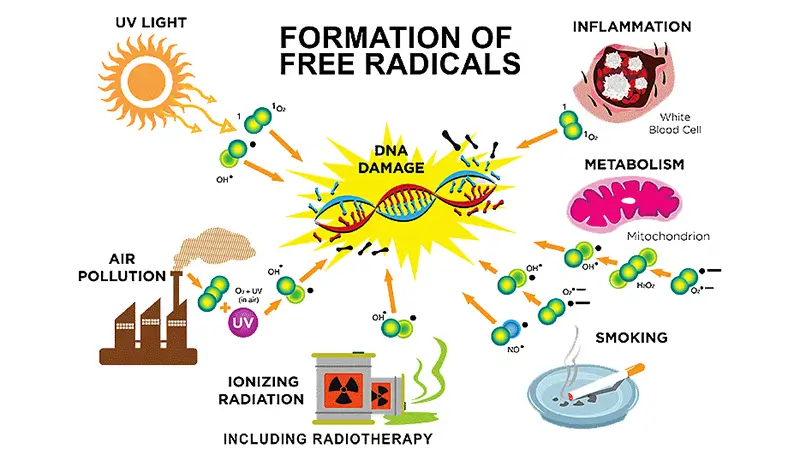
One of the cells that is most affected by oxidative stress is the mitochondria. The mitochondria are the powerhouses of the cells, where energy is produced from food and oxygen. However, the mitochondria also generate free radicals as a by-product of their activity. When the mitochondria become dysfunctional, they produce less energy and more free radicals, creating a vicious cycle of damage and decline. This affects many tissues in the body, especially the brain and the skin, which are highly dependent on energy and oxygen.
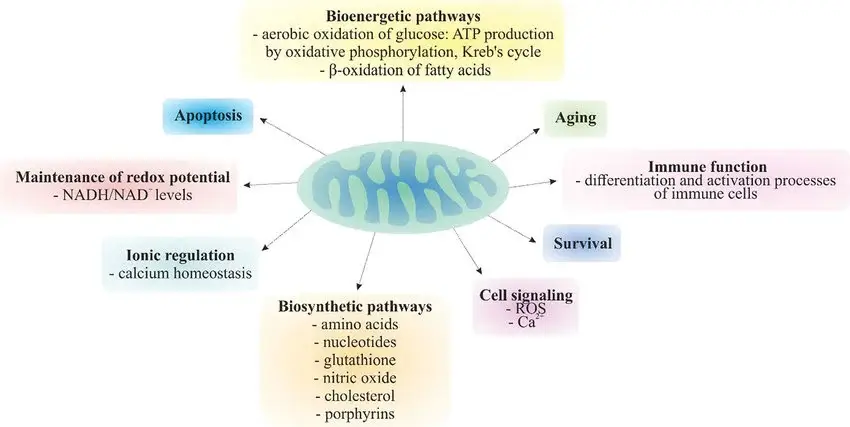
This is where methylene blue comes in. Methylene blue is a powerful antioxidant that can protect the mitochondria from oxidative stress. It can also enhance the function of the mitochondria by increasing their oxygen consumption and ATP production. ATP is the molecule that stores and transports energy in the cells. By boosting mitochondrial performance, methylene blue can improve cellular metabolism and reduce the signs of aging.
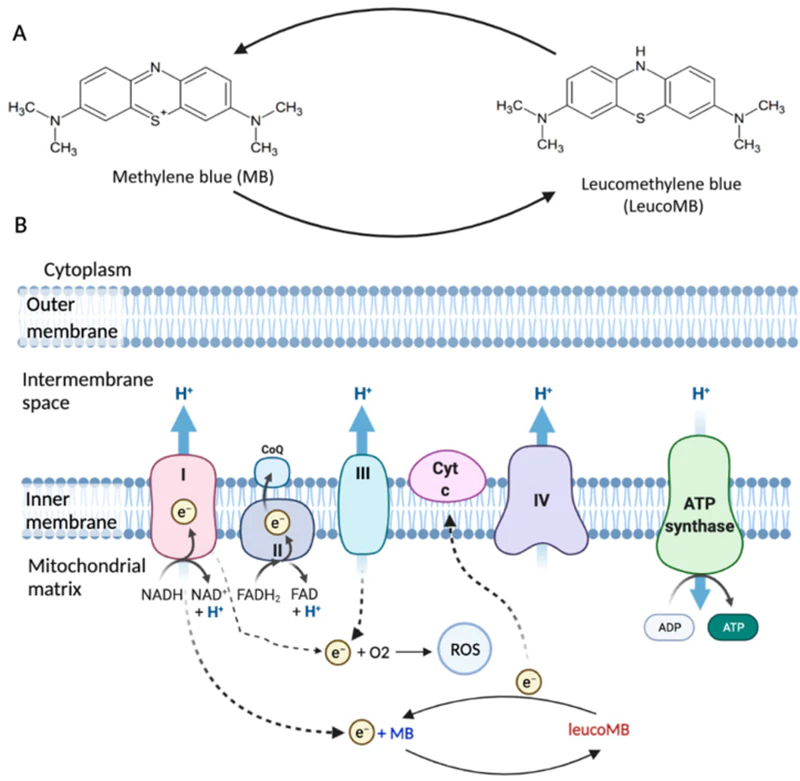
Methylene blue is a blue-colored compound that can change its color and charge by gaining or losing electrons. It can be reduced to leuco-methylene blue, which is a colorless and neutral compound. Methylene blue can easily pass through the cell membranes because it is both a water-soluble and a fat-soluble antioxidant. This is a very rare property that only a few antioxidants have. One other antioxidant that is also universal meaning both water and oil-soluble is astaxanthin.
Methylene blue also has a low redox potential, which means that it can easily donate or accept electrons. These characteristics make methylene blue a perfect candidate for working as a catalytic redox cycler in the mitochondria.
Methylene blue works as a catalytic redox cycler in the mitochondria, which means that it can cycle between its oxidized and reduced forms by transferring electrons. Methylene blue can receive electrons from NADH, which is a molecule that carries electrons from food to the mitochondria. Methylene blue can then transfer these electrons to cytochrome c, which is a molecule that carries electrons from the mitochondria to oxygen.
By doing this, methylene blue can bypass some of the steps in the mitochondrial electron transport chain, which is a series of electron transporters that shuttle electrons from NADH and FADH2 to oxygen. This way, methylene blue can reduce the production of free radicals and increase the production of ATP.
Summary:
Methylene blue’s potent antioxidant and mitochondrial-boosting properties show promise in slowing down aging and improving cellular health, particularly in the brain and skin.
Methylene Blue also stimulates glucose metabolism.
Taken together, increases in cerebral metabolic rate through increased mitochondrial electron transport chain activity and glucose uptake means that MB elevates oxygen consumption which helps glucose increase ATP production.
The electron transport chain is a series of reactions that take place in the mitochondria, the powerhouses of the cells. It uses oxygen and electrons to create ATP, which is the main source of energy for the cells. MB can donate electrons to the electron transport chain and increase its efficiency and speed. It can also increase the oxygen supply to the brain cells by improving blood flow and reducing inflammation.
The glucose metabolism is the process of breaking down glucose, which is a type of sugar, into ATP. Glucose is the main fuel for the brain cells, and it comes from the food you eat. MB can stimulate glucose metabolism by activating certain enzymes and receptors that help the brain cells take up glucose from the blood.
By increasing both the electron transport chain and the glucose metabolism, MB can increase the amount of ATP produced by the brain cells. This means more energy for better brain function, including cognition, mood, and memory. It can also protect the brain cells from oxidative stress and aging, which can impair their energy production and function.
This is the main reason why, in addition to its antioxidative power, methylene blue has been shown to have beneficial effects on various age-related conditions, such as neurodegeneration, memory loss, skin aging, and progeria.
Progeria is a rare genetic disorder that causes premature aging in children. Methylene blue can reverse some of the symptoms of progeria by repairing DNA damage and restoring normal cell division. It can also improve the cognitive function and memory of older adults by enhancing the communication between nerve cells in the brain. It can also reduce wrinkles, sagging, and pigmentation on the skin by stimulating collagen synthesis and healing wounds.
Summary:
Methylene blue’s ability to boost both energy production and cellular metabolism in the brain by promoting the electron transport chain and glucose metabolism holds promise for improved brain function, mood, and memory, and even potential benefits against age-related conditions like neurodegeneration.
Methylene Blue in Brain Aging.
The brain is one of the most energy-demanding organs in the body, and it relies on the mitochondria to provide the energy it needs. Your brain’s neurons rely almost entirely on mitochondrial-derived energy. Failure of mitochondrial function can affect the rest of your body, but it’s particularly detrimental to your brain.
Methylene blue can easily pass through the blood-brain barrier, which is a protective layer that separates the blood from the brain. Methylene blue also has a low redox potential, which means that it can easily donate or accept electrons. These characteristics make methylene blue a perfect candidate for working as a catalytic redox cycler in the brain.
Methylene blue has been shown to have beneficial effects on various brain diseases and disorders, such as Alzheimer’s disease, and Parkinson’s disease.
Methylene blue can also help with brain injuries, which are physical damage to the brain caused by trauma, stroke, infection, or lack of oxygen (Watts et al., 2014).
Brain injuries can result in cognitive impairment, behavioral changes, or even death. Methylene blue can help repair brain injuries by increasing blood flow and oxygen delivery to the brain. It can also reduce inflammation and swelling in the brain by inhibiting an enzyme called nitric oxide synthase (NOS), which produces nitric oxide (NO), a molecule that causes vasodilation and inflammation. Methylene blue has shown beneficial effects in animal models and clinical trials of brain injuries, but more research is needed to confirm its safety and efficacy.
Methylene blue can also help with normal aging of the brain, which can cause memory loss and cognitive decline (Xue et al., 2021).
It can protect the mitochondria from oxidative stress by reducing free radical production and increasing mitochondrial function. It can also enhance memory formation and recall by enhancing the function of nerve cells in the brain.
Methylene Blue’s Brain Power:
Boosts energy and protects neurons, showing promise for neurodegenerative diseases, brain injuries, and even age-related cognitive decline.
Methylene Blue As A Sirtuin Activator.
Methylene blue is a powerful anti-aging agent that can activate sirtuins, which are enzymes that regulate cellular health and longevity (Shin et al., 2014). Sirtuins are essential for maintaining a healthy balance of NAD+, which is a molecule that fuels cellular energy production and repair. MB can increase the NAD+/NADH ratio in liver cells and stimulate SIRT1, which in turn reduces the acetylation of PGC-1α, a protein that controls mitochondrial biogenesis and function.
By enhancing mitochondrial function, MB can also increase oxygen consumption and energy output in the liver. It can also activate other key metabolic pathways, such as AMPK, CPT-1, and PPARα, which are involved in fatty acid oxidation and glucose homeostasis. The activation of AMPK by MB depends on SIRT1.
Summary:
Methylene blue’s ability to activate sirtuin enzymes, key regulators of cellular health and longevity, makes it a promising anti-aging agent in addition to its antioxidant and other beneficial properties. By boosting mitochondrial function and metabolism, it can potentially improve energy levels, protect cells, and even enhance liver function.
Skin Benefits.
Methylene blue can protect the skin from aging and sun damage by acting as an antioxidant, boosting mitochondrial function, stimulating collagen and elastin production, and absorbing UV rays (Xue et al., 2021). It can also promote wound healing and tissue regeneration by enhancing fibroblast activity, reducing necrosis progression, killing microbes, and drying out excess moisture.
Aging is a natural process that affects the skin in various ways. It can make the skin lose its elasticity, thickness, smoothness, and hydration. It can also make the skin more prone to damage, inflammation, and infection.
As we age, our skin cells become less active and produce less collagen and elastin, the proteins that keep our skin firm and elastic. Additionally, exposure to UV rays from the sun can cause oxidative stress, DNA damage, and inflammation in our skin, leading to wrinkles, sagging, and pigmentation.
One of the ways to protect the skin from photodamage and oxidative stress is to use antioxidants, such as methylene blue. Methylene blue is a powerful antioxidant that can protect the skin from free radicals by donating electrons and by boosting the activity of mitochondria. MB can increase the levels of cytochrome oxidase, an enzyme that helps mitochondria use oxygen more efficiently. This can enhance cellular respiration by 37–70% and reverse the signs of aging caused by environmental toxins.
It can also stimulate the production of collagen and elastin in the extracellular matrix (ECM), the network of fibers that supports our skin structure (Xiong et al., 2017). In a 3D skin tissue model, MB treatment improved skin thickness and hydration (Xiong et al., 2017). Furthermore, MB can absorb UV rays and prevent DNA damage caused by UVB irradiation in human keratinocytes, the cells that form the outer layer of our skin.
These findings suggest that MB can act as a natural sunscreen and anti-aging agent for our skin.
Another benefit of MB for your skin is its ability to accelerate wound healing and tissue regeneration. When our skin is injured, we need our fibroblasts, the cells that produce collagen and elastin, to migrate and proliferate quickly to close the wound and restore the skin’s integrity.
MB can facilitate this process by enhancing fibroblast migration and proliferation in the wound-healing process. In animal models of skin burns, MB treatment reduced necrosis progression, which means it prevented the death of healthy tissue around the wound. This may be due to MB’s ability to reduce oxidative stress and nitric oxide (NO).
MB can also help wound healing by killing bacteria and fungi that can infect the wound and cause complications. Furthermore, it can dry out excess moisture from the wound without harming healthy cells. This can prevent hyper-granulation, a condition where too much tissue grows over the wound and delays healing.
By applying MB to your wounds, you may be able to speed up healing, reduce infection risk, and improve tissue viability with minimal irritation.
Summary:
This versatile compound tackles both internal and external aging factors. It acts as an antioxidant, boosting mitochondrial function and collagen production while shielding your skin from sun damage and promoting tissue regeneration. Think of it as a natural sunscreen, anti-aging agent, and wound-healing accelerator all in one!
Methylene Blue in Progeria.
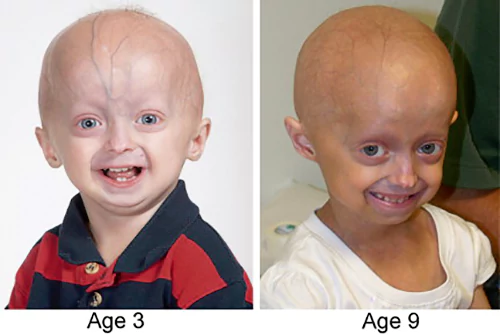
Hutchinson-Gilford Progeria Syndrome (HGPS) is a devastating condition that causes children to age rapidly and die prematurely. It is caused by a genetic mutation that makes the cells produce a faulty protein called progerin instead of a normal one called Lamin A. Progerin sticks to the nuclear envelope, the membrane that surrounds the nucleus of the cell, and causes it to deform and bulge. This leads to changes in gene expression, cellular stress, and mitochondrial dysfunction, which are hallmarks of aging.
Methylene blue has been shown to have anti-aging effects by acting as a mitochondrial antioxidant and enhancing cellular respiration. MB can cross the cell membrane and reach the nucleus, where it can dissolve progerin and restore the normal shape of the nuclear envelope (Xiong et al., 2016). This can reverse the gene expression changes and reduce the cellular stress in HGPS cells. MB can also improve mitochondrial function and reduce oxidative damage in HGPS cells.
Outside of this rare disease, MB may also have potential benefits for normal aging and other diseases related to mitochondrial dysfunction and oxidative stress. If it helps slow down aging in such hard cases as Progeria logic is that it should do the same in regular individuals but we still need more research in this regard. If it is proven to have the same anti-aging properties in non-progeria normal aging processes it might be one of the first FDA-approved anti-aging medication.
Summary:
Hutchinson-Gilford Progeria Syndrome (HGPS) causes rapid aging and premature death from a faulty protein, progerin that disrupts the cell’s nucleus. MB tackles progerin in the cell’s core by dissolving the harmful protein and restoring the nucleus to its rightful shape. This in turn, corrects gene expression, reduces stress, and rejuvenates mitochondria within the cell.
Depression.
Depression is a common and debilitating mental disorder that affects millions of people worldwide. It is characterized by persistent low mood, loss of interest, and impaired cognitive function. Depression can also co-occur with other neuropsychiatric disorders and neurodegenerative disorders. The causes of depression are complex and multifactorial, involving genetic, environmental, and biological factors.
MB is a versatile compound that can target multiple mechanisms involved in depression and related disorders. By acting on neurotransmitters, NO-cGMP cascade, and mitochondria, MB may have antidepressant, anxiolytic, and neuroprotective effects.
According to some studies, methylene blue can increase the levels of norepinephrine, serotonin, and dopamine in the brain by inhibiting the enzymes that break down these neurotransmitters (Alda, 2019). Methylene Blue inhibits monoamine oxidase and acetylcholinesterase activity, increasing catecholamines and acetylcholine levels. And boosts serotonin and norepinephrine. These neurotransmitters are involved in regulating mood, anxiety, and memory. By boosting their levels, methylene blue may help alleviate depression and improve cognitive function.
MB may offer a novel and effective treatment for depression and related disorders by targeting multiple pathways and acting on several enzymes and molecules that regulate the levels of neurotransmitters. It can also modulate the nitric oxide (NO)-cyclic guanosine monophosphate (cGMP) cascade, which is implicated in the neurobiology of depression and psychosis (Alda, 2019). By inhibiting the production of NO and cGMP, MB may have antidepressant, anxiolytic, and neuroprotective effects.
But MB can do more than just influence neurotransmitters and signaling molecules. It can also act as a mitochondrial antioxidant and enhance cellular respiration. Mitochondria dysfunction and oxidative stress are linked to depression and neurodegeneration. By donating or accepting electrons from the mitochondrial respiratory chain, MB can restore mitochondrial function, improve neuronal energy production, and prevent oxidative damage (Yang et al., 2020). These effects may also contribute to the therapeutic activity of MB.
Using MB in depression with neurodegenerative disorders, like Alzheimer’s and Parkinson’s disease, also represents a particularly relevant strategy. By targeting both the neurotransmitter systems and the mitochondrial function, MB may improve both the mood and the cognitive symptoms of these patients.
The dosages used in studies can range significantly. In this study, they only used 15mg (Naylor et al., 1987) and had by their word significantly greater improvement in patients receiving methylene blue. In most other studies dosages are higher, in this one for example they compared 300mg to 15 mg dosage (Naylor et al., 1986) for two years, one year on each dose. Patients receiving 300 mg/day were significantly less depressed than during the year on 15 mg/day however no significant difference in the severity of manic symptoms was shown.
Summary:
Methylene blue’s unique multifaceted approach, targeting neurotransmitters, nitric oxide signaling, and mitochondrial function, shows potential as a novel and effective treatment for depression and related disorders, offering both mood and cognitive benefits.
Bipolar Disorder.
People with bipolar disorder often struggle with residual symptoms, such as low mood, anxiety, and cognitive impairment, even when they are on medication.
A recent study by (Alda et al.,2017) tested the effect of MB on bipolar disorder patients who were already taking lamotrigine, a mood stabilizer. The study was a double-blind crossover study, which means that the patients received either a low dose (15 mg) or an active dose (195 mg) of MB for 12 weeks, then switched to the other dose for another 12 weeks. The study measured the severity of depression, mania, anxiety, and cognitive functioning.
The study found that the active dose of MB significantly improved symptoms of depression and anxiety compared to the low dose. The symptoms of mania remained low and stable throughout the study. The effects of MB on cognitive symptoms were not significant. The medication was well tolerated with transient and mild side effects.
These findings suggest that MB can be used as an adjunctive medication to improve residual symptoms of depression and anxiety in bipolar disorder patients. It may also have a mood-stabilizing effect in the long-term treatment of bipolar disorder.
Summary:
Methylene blue, as an add-on medication in bipolar disorder, shows promise in significantly reducing residual depression and anxiety without exacerbating mania.
Cognitive Enhancement.
Methylene blue can enhance your memory and protect your brain from damage. It does so by boosting the metabolic function of brain cells, making them more energetic and resilient.
Methylene Blue can boost acetylcholine levels in the brain by inhibiting the enzyme that breaks it down, called acetylcholinesterase. Acetylcholine is a neurotransmitter that is involved in memory, learning, attention, and other cognitive functions. By preventing the degradation of acetylcholine, MB can enhance the availability and signaling of this neurotransmitter in the brain. This may explain why MB has been shown to improve memory retention and cognitive performance in various tasks and conditions.
MB is unlike any other drug, as it does not act on specific receptors or produce predictable effects. It has a hormetic dose response, meaning that it has opposite effects at low and high doses (Bruchey & Gonzalez-Lima, 2008). At low doses, MB acts as an electron donor in the mitochondrial electron transport chain, which is responsible for producing energy from oxygen. This gives MB unparalleled antioxidant and cell respiration-enhancing properties that affect the nervous system in various ways.
One of the main effects of MB is to increase the activity of the respiratory enzyme cytochrome oxidase, which plays a key role in memory consolidation. MB improves memory consolidation in a selective and adaptive manner, depending on the type and intensity of the memory task. Moreover, low doses of MB have been used to prevent and treat brain disorders that involve mitochondrial dysfunction, such as Alzheimer’s disease, Parkinson’s disease, and stroke. MB has a unique auto-oxidizing property that allows it to interact with different tissue oxidases and modulate their activity. This explains why MB has potent neuroprotective effects at low doses. In this paper (Rojas et al., 2012) they reviewed the evidence that supports a mechanistic role of low-dose MB as a promising and safe intervention for enhancing memory and treating acute and chronic conditions characterized by oxidative stress, neurodegeneration, and memory impairment.
Summary:
Methylene Blue’s ability to boost both acetylcholine levels (the key enzyme in memory consolidation) and mitochondrial activity in the brain holds potential for enhancing memory and preventing brain disorders like Alzheimer’s and Parkinson’s.
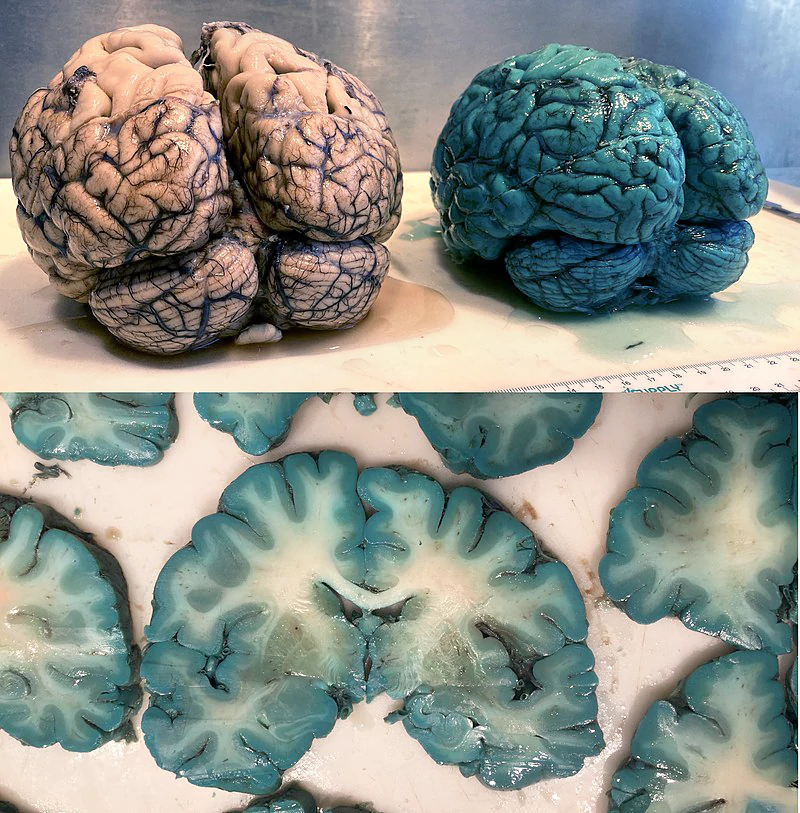
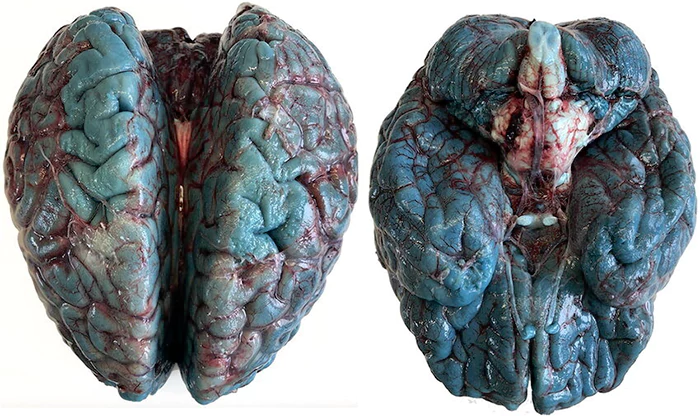
MB can cross the blood-brain barrier and selectively target the brain tissue after being injected into the body. This was first discovered by Paul Ehrlich in 1886, who called it a “magic bullet” that could be used to selectively treat diseases in vivo. This concept became the basis of modern chemotherapy. MB can stain the nerve cells in the brain with their blue color, making them visible after dissection. MB can also accumulate in the brain at higher concentrations than in the blood, making it a suitable candidate for affecting brain functions.
Several studies have shown that MB can improve memory in different types of learning tasks and in different populations. Memory-enhancing effects of MB was first reported by (Martinez et al., 1978) that found that 1 mg/kg MB given immediately after training improved memory retention in an inhibitory avoidance task in rats. This task involves learning to avoid a dark chamber where a mild electric shock was delivered. (Callaway et al., 2002) found that MB increased memory retention in object recognition, between-days habituation to a familiar environment, and spatial memory retention and reversal learning in the baited holeboard maze in rats. These tasks involve recognizing novel objects or locations or learning new rules. (Gonzalez-Lima & Bruchey, 2004) found that MB improved memory retention of extinction of Pavlovian fear conditioning in rats. This task involves learning to suppress a conditioned fear response to a stimulus that was previously paired with an aversive event.
MB has been proven to improve memory retention in rats in various tasks, such as remembering where to find food, avoiding danger, recognizing objects, and overcoming fear. But what about more complex learning that requires repeated training over several days? This study (Wrubel et al., 2007) investigated how MB affects spatial discrimination memory in rats using a holeboard maze. The rats had to learn which holes were baited with food and which ones were not. The researchers found that rats that received MB injections after each training session learned faster and better than rats that received saline injections. They also found that MB increased the activity of an enzyme called cytochrome oxidase in rat brains, which is responsible for producing energy from oxygen. Brain cytochrome oxidase activity in the MB-treated group was approximately 70% higher than in saline-treated rats. This suggests that MB enhances memory consolidation by increasing the energy supply of the brain regions involved in learning. This study shows that MB is a powerful memory enhancer that can improve learning across days by boosting the brain’s metabolic capacity.
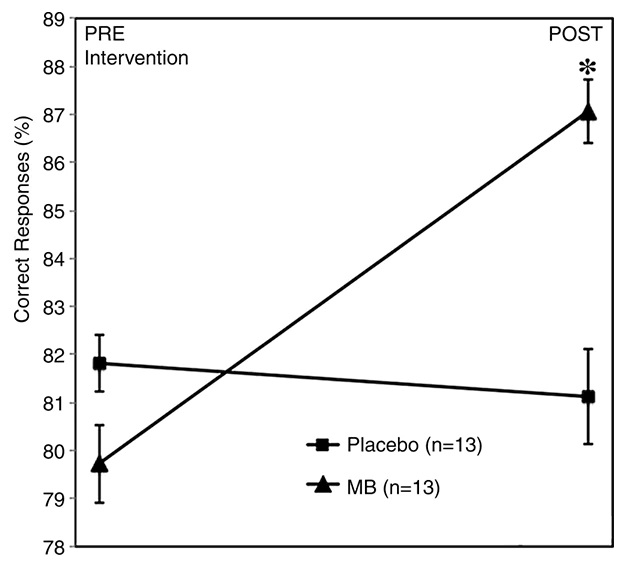
MB can also improve memory in humans with or without cognitive impairment. It does so by enhancing the blood flow and oxygen delivery to your brain cells, making them more alert and efficient. MB has been tested in a clinical trial (Rodriguez et al. 2016) with healthy volunteers who underwent functional MRI scans before and after taking MB or a placebo. The researchers wanted to see how MB affects the brain regions involved in sustained attention and short-term memory. Sustained attention is the ability to stay focused and alert for a long period of time. Short-term memory is the ability to store and recall information for a few seconds or minutes.
The results were significant. MB increased the brain activity in the insular cortex, which is a part of the brain that regulates attention, emotion, and self-awareness. It also increased the brain activity in the prefrontal, parietal, and occipital cortex, which are parts of the brain that are involved in memory encoding, storage, and retrieval. It also improved the memory performance of the volunteers, who were able to recall more information correctly.
This study shows that low-dose MB can improve your brain function and cognition by increasing the blood flow and oxygen delivery to your brain cells. It also shows that functional MRI can be used to measure the effects of MB on the brain in vivo.
Summary:
Methylene blue has a unique ability to cross the blood-brain barrier, directly target, and accumulate in the brain tissue. By boosting both energy and blood flow it shows impressive memory enhancement potential in both animals and humans with or without cognitive impairment.
Potential Treatment for Alzheimer’s Disease.
Methylene blue is a versatile substance that can help fight Alzheimer’s disease (AD), a devastating condition that affects millions of people worldwide. AD causes progressive memory loss, cognitive decline, and behavioral changes due to the accumulation of abnormal protein deposits and the damage of brain cells. MB has been shown to counteract some of the key features of AD by interfering with multiple cellular and molecular processes that are involved in the disease. MB can prevent the formation of amyloid plaques and neurofibrillary tangles, which are the hallmark signs of AD. Methylene Blue has an inhibitory action on the cGMP pathway. MB can also improve the function and metabolism of mitochondria. It can also modulate various neurotransmitter systems, such as acetylcholine, serotonin, and glutamate, which are important for memory, mood, and learning. By affecting these diverse aspects of AD, MB may slow down the disease progression and improve the quality of life of AD patients (Oz et al., 2009).
Tau is a protein that normally helps to stabilize the structure of nerve cells in the brain, but in some diseases, such as Alzheimer’s, it becomes abnormal and forms clumps called fibrils that damage the cells. Scientists are looking for ways to prevent Tau from forming fibrils and protect the brain from degeneration. One way to do this is to use small molecules that can interfere with Tau fibrillization.
MB can prevent Tau from forming fibrils by changing its chemical structure (Crowe et al., 2013).
It does this by donating electrons to the two cysteine residues in Tau, which are amino acids that contain sulfur. This causes Tau to form a disulfide bond, which is a link between two sulfur atoms. This makes Tau more compact and less prone to form fibrils. However, this only works for one type of Tau, called 4-R Tau, which has four repeats of a certain sequence. Another type of Tau, called 3-R Tau, which has three repeats, can still form fibrils after being oxidized by MB. In fact, MB can make 3-R Tau form dimers, which are pairs of molecules that can act as seeds for fibril formation. MB can also oxidize cysteine residues in other molecules that are not related to Tau. This means that MB may have unwanted side effects on other cellular functions.
MB is currently being tested as a novel treatment for AD in clinical trials.
Summary:
Methylene Blue’s potential against Alzheimer’s lies in its multi-pronged attack, hindering plaque formation, protecting mitochondria, and even preventing a specific form of harmful Tau protein from clumping, offering hope for slowing disease progression and improving quality of life for patients.
Potential Treatment for Parkinson’s Disease.
Parkinson’s disease (PD) is a neurodegenerative disorder that affects millions of people worldwide. It causes a progressive loss of dopamine-producing neurons in the brain, leading to symptoms such as tremors, rigidity, slowness of movement, and impaired balance. PD also affects other aspects of the brain, such as the sense of smell, which is often reduced or lost in the early stages of the disease.
One of the main causes of PD is oxidative stress, which is an imbalance between the production and removal of harmful molecules called free radicals. These free radicals can damage the mitochondria, which are the powerhouses of the cells that produce energy. When the mitochondria are damaged, the cells cannot function properly and eventually die.
Scientists have been looking for ways to protect the mitochondria from oxidative stress and enhance their energy production. One promising candidate is methylene blue.
Recent studies have shown that MB can prevent or reduce the loss of dopamine neurons and improve motor function in animal models of PD that are exposed to toxins that mimic the disease. However, these studies used acute toxin models, which do not fully reflect the chronic nature of PD. Additionally, no studies have examined whether MB can also improve olfactory function, which is an important non-motor feature of PD.
To address these gaps, researchers in this study injected mice with a toxin called MPTP, which causes PD-like symptoms and neurodegeneration (Biju et al., 2018). They gave the mice ten doses of MPTP over a period of 35 days, along with a drug called probenecid that helps MPTP enter the brain. They then treated some of the mice with low doses of MB in their drinking water, starting from when they noticed a decline in their sense of smell.
The mice that received MB showed significant improvement in their motor coordination, compared to the mice that did not receive MB. They also had more dopamine neurons in their brain and more dopamine terminals in their striatum, which is the region that controls movement. Most importantly, their sense of smell was restored by MB treatment, while it remained impaired in the untreated mice.
These findings suggest that low doses of MB can protect both motor and non-motor functions in PD by enhancing mitochondrial function and reducing oxidative stress.
This makes MB a potential treatment for PD that could be more effective and safer than current medications as it targets the root cause of the disease unlike modern medications, which only target motor symptoms and have many side effects. Furthermore, MB could be easily administered orally and has a low cost and a long history of clinical use.
However, before MB can be used for PD patients, more studies are needed to confirm its safety and efficacy in humans.
Summary:
Methylene Blue’s ability to shield mitochondria and boost dopamine production holds promise for treating both movement and non-motor symptoms in Parkinson’s disease, potentially offering a safer and more comprehensive approach than existing therapies.
Methylene Blue as a Nootropic.
Many people who use methylene blue say that it helps them understand complex topics better and faster. They say that they can easily recall what they learned and apply it in different situations. Methylene Blue seems to enhance your comprehension and retention of information on the first attempt. If you are a college student you might want to give it a try.
Many people also report that Methylene Blue improves their mood. They say that it helps them forget the negative aspects of their experiences and focus on the positive ones. Methylene Blue may help rewire your brain to reduce stress and anxiety even in lower dosages.
Some people say that methylene blue makes them feel more energetic and confident. They say that it boosts their physical performance and recovery.
Some people also say that it also improves their sleep quality and duration. They say that they wake up feeling refreshed and ready for the day. Methylene Blue may help regulate your circadian rhythm, the natural cycle of your body clock.
Methylene blue is a nootropic that can offer many benefits for your brain and body. It may help you learn better, remember more, feel happier, perform stronger, and sleep deeper.
Summary:
Methylene Blue’s reported nootropic benefits, ranging from improved learning and mood to enhanced physical performance and sleep, make it a promising candidate for a potential one-stop shop for enhancing both cognitive function and overall well-being.
Lyme Disease and Co-infections.
Most people with Lyme disease can be cured with antibiotics, but some of them still suffer from long-term complications. This condition is called post-treatment Lyme disease syndrome (PTLDS) and it can affect the quality of life of the patients. The reason why some people develop PTLDS is not clear, but it may be related to the persistence of the bacteria that cause Lyme disease. These bacteria, called Borrelia burgdorferi, can hide in the body and resist the effects of antibiotics.
Therefore, there is a need for new drugs that can kill Borrelia burgdorferi more effectively and prevent PTLDS.
In the lab, MB effectively killed antibiotic-resistant Lyme bacteria (Feng et al., 2015). In this study, they report 113 more drugs that have even higher activity than the current antibiotics used for Lyme disease.
Combining methylene blue with antibiotics also increases the effectiveness of the antibiotics that fight Lyme disease (Horowitz & Freeman, 2022).
Studies have also shown that combining methylene blue with antibiotics is more effective than antibiotics alone to treat other types of Bartonella infections (Zheng et al., 2020). Bartonella henselae is a Gram-negative bacterium transmitted to humans by a scratch from a cat in the presence of ectoparasites. Humans infected with B. henselae can result in various clinical diseases including local lymphadenopathy and more serious systemic disease such as persistent bacteremia and endocarditis. From all available drugs in the study, methylene blue and rifampin were the most active agents against the biofilm B. henselae after 6 days of drug exposure. Antibiotic combinations (azithromycin/ciprofloxacin, azithromycin/methylene blue, rifampin/ciprofloxacin, rifampin/methylene blue) completely eradicated the biofilm B. henselae after treatment for 6 days.
Summary:
Methylene Blue, both alone and in combination with antibiotics, shows promising potential for eradicating antibiotic-resistant Lyme and Bartonella bacteria. This makes it a promising tool for treating chronic infections and their associated complications.
Malaria.
Methylene blue is a synthetic compound that has a long history of fighting malaria. It was the first man-made drug to target the deadly parasite, and it was widely used in the late 1800s and early 1900s. But MB is not just a relic of the past. Recent research has shown that MB can still be a powerful weapon against malaria, especially when combined with other drugs. It can kill Plasmodium falciparum, the most dangerous type of malaria, in laboratory tests, in mice, and in monkeys. It can also overcome the resistance that some strains of P. falciparum and P. vivax have developed to other antimalarials. Moreover, MB can reduce the transmission of malaria by killing the gametocytes, the sexual stage of the parasite that infects mosquitoes. This makes it a promising partner for artemisinin-based combination therapy (ACT), the current standard treatment for malaria. ACT aims to eliminate malaria from regions where it is endemic, but it faces challenges such as drug resistance and poor compliance. MB could enhance the effectiveness and safety of ACT by boosting its parasite-killing activity and reducing its side effects.
This study (Lu et al., 2018) reviews the scientific literature published until early 2017 to provide an overview of the potential benefits and risks of using MB to treat malaria.
The study analyzed 22 articles that reported on 21 studies involving 1504 malaria patients (two-thirds of them were children). The older studies focused on MB as a single drug, while the newer ones tested MB in combination with other antimalarials. The results showed that MB was highly effective against malaria in different regions and had a strong impact on reducing the transmission of the parasite by killing the gametocytes, the sexual stage that infects mosquitoes. It also enhanced the action of artemisinin-based combination therapy (ACT), the current standard treatment for malaria. ACT aims to eliminate malaria from regions where it is endemic, but it faces challenges such as drug resistance and poor compliance. MB could improve the effectiveness and safety of ACT by boosting its parasite-killing activity and reducing its side effects.
The most common side effects of MB were mild urogenital and gastrointestinal symptoms and blue coloration of urine. In people with glucose-6-phosphate dehydrogenase (G6PD) deficiency, a genetic condition that affects red blood cells, MB caused a slight but not clinically significant drop in hemoglobin levels.
The study concluded that more research is needed to explore the effects of MB on malaria outside Africa and on Plasmodium vivax, another type of malaria parasite. The study also suggested that adding MB to ACT could be a valuable strategy for preventing resistance development and for transmission reduction in control and elimination programs.
Summary:
Methylene Blue’s effectiveness in killing resistant malaria parasites and enhancing standard treatment, while reducing transmission, makes it a promising tool for tackling malaria, especially in areas facing resistance.
Methylene Blue for Methemoglobinemia.
Methemoglobinemia is a serious condition that reduces the oxygen-carrying capacity of blood. It happens when some or all of the iron atoms in your hemoglobin molecules change from the normal ferrous [Fe2+] form to the abnormal oxidate form of ferric [Fe3+] form. When hemoglobin is oxidized to contain iron in the ferric form, ferric iron cannot bind and transport oxygen because any further as it is already oxidized, so your blood becomes less efficient at delivering oxygen to your tissues. This blood has distinctive changes in color, from normal red color to a dark brown or chocolate color. This causes functional anemia that can be life-threatening. The treatment for methemoglobinemia involves removing the cause of the condition and giving you an antidote methylene blue (tetramethylthionine chloride) (Ludlow, 2022).
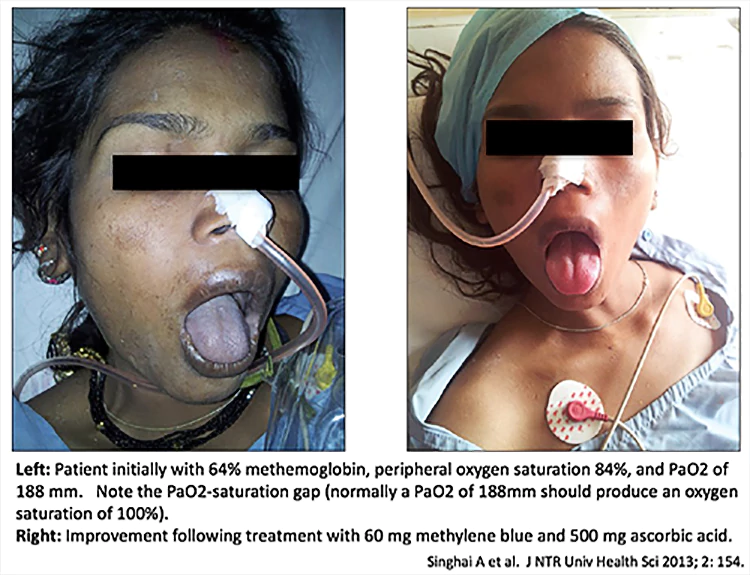
Methylene blue works by interacting with a secondary pathway that reduces methemoglobin back to hemoglobin. This pathway involves an enzyme called NADPH-MetHb reductase, which uses NADPH from the G6PD-dependent hexose monophosphate shunt to reduce methylene blue to leukomethylene blue. Leukomethylene blue then acts as an electron donor to reduce methemoglobin to hemoglobin. Methylene blue is usually very effective and fast in treating methemoglobinemia caused by external factors. You should receive methylene blue if your methemoglobin level is above 20-30%, or if you have symptoms such as headache, dizziness, shortness of breath, or chest pain. The dose of methylene blue is 1-2 mg/kg (0.1-0.2 mL/kg of 1% solution) given intravenously over 5 minutes. You may need a second dose after 30-60 minutes if your symptoms or levels do not improve.
Methylene blue has some side effects that you should be aware of. The most common one is that your urine will turn green or blue, but this is harmless and temporary. However, methylene blue can also have some serious side effects because it is an oxidizing agent and an inhibitor of monoamine oxidase A (MAO-A). As an oxidizing agent, methylene blue can paradoxically worsen methemoglobinemia or cause hemolysis (destruction of red blood cells) if given in extra high doses or if not properly reduced. As an MAO-A inhibitor, methylene blue can interact with some medications that affect serotonin levels, such as antidepressants, and cause serotonin syndrome if given in high doses. Methylene blue is also not recommended for newborns or pregnant women, as they are more sensitive to oxidizing agents and methylene blue can harm the fetus.
Summary:
If your blood turns brownish and your urine blue, suspect methemoglobinemia and seek immediate medical attention for Methylene Blue treatment, a rapid and effective antidote.
Methylene Blue in Septic Shock and Vasoplegia.
Methylene blue is also a potential treatment for septic shock, a life-threatening condition that occurs when the body’s response to an infection causes low blood pressure and organ failure (Puntillo et al., 2020).
Methylene blue works by blocking the production of nitric oxide, a molecule that causes your blood vessels to relax and widen. By doing this, methylene blue can raise your blood pressure and improve the blood flow to your organs. Methylene blue may be given to you by your doctor if other drugs called vasopressors are not effective enough.
Methylene blue may also help with other conditions related to low blood pressure, such as vasoplegia. Vasoplegia is a state of low vascular resistance that can occur after cardiac surgery or in septic shock. Methylene blue may help restore the normal tone and responsiveness of your blood vessels.
However, methylene blue is not without risks.
If you have high blood pressure, you should be very careful about taking methylene blue. Methylene blue can increase your blood pressure too much and cause serious complications.
Summary:
Methylene Blue’s ability to raise blood pressure and improve blood flow makes it a promising treatment for septic shock and other conditions related to low blood pressure, but use caution if you already have high blood pressure.
Fungal Infections.
Methylene blue helps with fungal infections in a similar way it helps with bacterial infections.
Traditionally it is used in aquaculture. Methylene Blue is an aquarium-safe disinfectant and can also be used for the treatment of ammonia and nitrite poisoning. In aquaculture serves as an anti-fungal and anti-parasitic drug. It has commonly been used to treat fish eggs to ensure they are not lost to fungal overgrowth.
It is also used in medicine to treat fungus infections in humans. Millions of people suffer from toenail fungus, oral thrush, more severe forms of candida infections, and all other types of fungal infections.
Toenail fungus is caused by a type of fungus called Trichophyton rubrum. Toenail fungus can be hard to treat with conventional drugs, which may have side effects or be ineffective. That’s why some researchers are exploring a new way to treat toenail fungus: photodynamic therapy (PDT) with methylene blue.
PDT is a technique that uses a dye and a light to kill fungal cells. In this study (Figueiredo Souza et al., 2014), the researchers tested how PDT with MB worked on 22 patients with toenail fungus. They divided the patients into two groups: one group had severe toenail fungus, and the other group had mild-to-moderate toenail fungus. They applied a 2% MB solution on the affected nails and exposed them to a light-emitting diode (LED) device with a wavelength of 630 nm and an energy of 36 J/cm2. They repeated this process every two weeks for six months.
All patients with mild-to-moderate toenail fungus were cured by PDT with MB, while 63.6% of the patients with severe toenail fungus showed improvement. This means that PDT with MB is a promising treatment for toenail fungus, especially for mild-to-moderate cases. However, more research is needed to confirm its safety and effectiveness in larger trials.
Candida albicans is another more dangerous fungus that can cause infections in humans, especially when their immune system is weak. These infections can be serious and even life-threatening. Unfortunately, C. albicans can become resistant to the usual antifungal drugs, making them harder to treat. That’s why researchers are looking for new ways to fight this fungus.
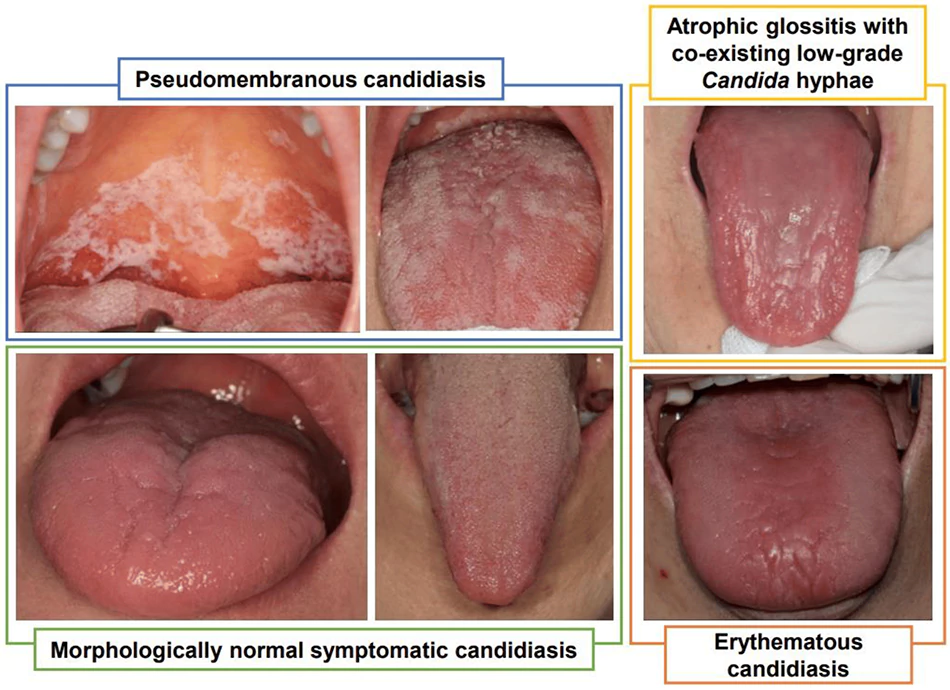
Methylene blue can also kill fungi like Candida albicans, which can cause vaginal yeast infections.
MB targets three main aspects of Candida albicans: its mitochondria, its redox cycle, and its membrane. Mitochondria are the parts of the cell that produce energy, and the redox cycle is the process of transferring electrons between molecules. MB disrupts both of these processes, causing the fungal cells to lose energy and balance. MB also damages the membrane. It makes the membrane leaky and weak, making it easier for other drugs or the immune system to attack the fungal cells.
Another important feature of Candida albicans is its ability to change shape from yeast to hyphae. Yeast are round and single cells, while hyphae are long and branching structures. Hyphae help Candida albicans invade tissues and escape the immune system, making it more virulent or harmful. MB prevents Candida albicans from switching to hyphae, keeping it in the less dangerous yeast form.
It can also act as an antifungal agent by causing oxidative stress in fungal cells. This could be a useful way to treat Candida albicans infections and avoid drug resistance, which is a major problem in fungal therapy.
In this study (Ansari et al., 2016), they tested Methylene blue ability to kill fungal cells by damaging their mitochondria and membranes. They found that MB worked well against C. albicans and two other types of Candida that can also cause infections. they also found that MB was not affected by the drug pumps that Candida uses to get rid of antifungal drugs. They showed that Candida cells treated with MB could not grow well on a sugar-free source, which means that their mitochondria were impaired. They also showed that Candida cells treated with MB became more sensitive to a detergent called SDS, which breaks down their membranes. they saw this in the microscope, where we saw holes and cracks in the membranes of Candida cells treated with MB. They also measured the amount of ergosterol, a type of fat that is important for the membranes of fungal cells. they found that MB reduced the ergosterol level by 66%, which means that it changed the composition of the membranes. Moreover, the study showed that MB prevented Candida from changing its shape from yeast to hyphae. This is a key feature of Candida’s virulence, or ability to cause disease.
This study shows that MB is a promising antifungal agent that can target different aspects of Candida’s growth and survival. It could be used to treat Candida infections more effectively and safely. However, more research is needed to confirm its benefits and risks in humans.
Summary:
Methylene Blue’s multifaceted attack on fungal cells, including energy disruption, membrane damage, and shape-shifting prevention, makes it a promising candidate for treating various fungal infections, potentially offering advantages over conventional antifungal drugs.
Use of Methylene Blue and Dosages.
The dosage of methylene blue depends on the purpose and the product you are using. For methemoglobinemia, there are two different strengths of methylene blue injection available: 1% and 0.5%. The 1% injection is used for drug-induced methemoglobinemia, and the 0.5% injection is used for acquired methemoglobinemia.
For nootropic purposes, the MB dosage recommendation is 0.5 to 4 mg/kg of body weight per day. This dose can be taken orally or sublingually (under the tongue). Some people prefer to dissolve it in water and drink it throughout the day.
The dosage of MB for nootropic purposes is not well established, so you should start with the lowest dose of 0.5 mg/kg and see how you feel. You can take another dose if you don’t notice any effects.
MB is water-soluble, so you don’t need to take it with food or fat.
MB has a half-life of about 5 hours, so you can take it twice a day.
However, be aware that it can stain your mouth, teeth, urine, and feces blue or green. MB is known for turning urine blue, but this usually happens only at doses higher than 500 mcg.

Liposomal Methylene Blue.
Liposomes can act as carriers for drugs or other substances, and deliver them to specific targets in the body. Liposomal methylene blue has some advantages over free methylene blue, such as:
- It can enhance the cellular uptake of methylene blue, which is otherwise poorly absorbed by the cell membrane.
- It can protect methylene blue from degradation or elimination by the body, and prolong its action time.
- It can reduce the side effects of methylene blue, such as staining the skin, mouth, urine, and feces blue or green.
- It can improve the effectiveness of methylene blue as a photodynamic therapy (PDT) agent, which is a technique that uses light and a photosensitizer to kill harmful cells.
Liposomal methylene blue has been studied for various applications, such as:
- Treating fungal infections, such as Candida albicans, which can cause oral thrush, vaginal yeast infections, or systemic infections. Liposomal methylene blue can penetrate the fungal cell wall and biofilm, and produce reactive oxygen species (ROS) when exposed to light, which can damage the fungal cells.
- Treating cancer cells, such as breast cancer cells, which can grow and spread rapidly. Liposomal methylene blue can target cancer cells and induce apoptosis or programmed cell death when activated by light.
Methylene Blue Side Effects.
Methylene Blue shows a hermetic dose response, with opposite effects at low and high doses.
In other words, lower doses of Methylene Blue work well as a nootropic. But high doses do not. Side effects with Methylene Blue are rare when doses are under 2 mg/kg.
Potential side effects of (Bistas, 2023) methylene blue include:
- Serotonin syndrome
- High blood pressure
- Allergic reactions
- Headache
- Nausea, Vomiting
- Difficulty breathing
- Tightness in the chest
- Sore throat
- Unusual bleeding or bruising
- Unusual tiredness or weakness
- Red blood cell breakdown
Methylene blue can also stain your skin, mouth, urine, and feces blue or green. Methylene blue can also interact with some other medications or chemicals, such as water conditioners or antibiotics.
Do not use Methylene Blue if you are pregnant or breastfeeding. Or if you are dealing with any type of renal impairment.
Risk of Serotonin Syndrome.
Methylene blue can cause some serious or fatal side effects, especially when used in combination with serotonergic drugs. Serotonergic drugs are medications that affect the levels of serotonin, a neurotransmitter that regulates mood, sleep, appetite, and other functions. Some examples of serotonergic drugs are selective serotonin reuptake inhibitors (SSRIs), serotonin and norepinephrine reuptake inhibitors (SNRIs), and monoamine oxidase inhibitors (MAOIs). These drugs are commonly used to treat depression, anxiety, and other mental disorders.
When methylene blue is used with serotonergic drugs, it can cause a condition called serotonin syndrome, which is a potentially life-threatening reaction that occurs when there is too much serotonin in the body. Symptoms of serotonin syndrome include agitation, confusion, rapid heart rate, high blood pressure, fever, sweating, shivering, muscle twitching, tremors, overactive reflexes, poor coordination, nausea, vomiting, diarrhea, and hallucinations. In severe cases, serotonin syndrome can lead to seizures, coma, and death.
Therefore, you should avoid using methylene blue with serotonergic drugs. You should also tell your doctor about all the medications and supplements you are taking before using methylene blue. You should also seek medical attention immediately if you experience any symptoms of serotonin syndrome.
WARNING:
Steer clear of combining Methylene Blue with serotonergic drugs (including antidepressants) as their interaction can trigger a potentially fatal serotonin overdose; consult your doctor before taking it and seek immediate medical attention if you experience any concerning symptoms.
Drug Interactions.
Some of the drug interactions of MB are:
- Serotonergic drugs: These are drugs that affect the levels of serotonin, a neurotransmitter that regulates mood, sleep, appetite, and other functions. Some examples of serotonergic drugs are selective serotonin reuptake inhibitors (SSRIs), serotonin and norepinephrine reuptake inhibitors (SNRIs), and monoamine oxidase inhibitors (MAOIs). These drugs are commonly used to treat depression, anxiety, and other mental disorders. When MB is used with serotonergic drugs, it can cause a serotonin syndrome, which is a potentially life-threatening reaction that occurs when there is too much serotonin in the body. Symptoms of serotonin syndrome include agitation, confusion, rapid heart rate, high blood pressure, fever, sweating, shivering, muscle twitching, tremors, overactive reflexes, poor coordination, nausea, vomiting, diarrhea, and hallucinations. In severe cases, serotonin syndrome can lead to seizures, coma, and death.
- Acetazolamide: This is a drug that reduces the amount of fluid in the body by increasing urine output. It is used to treat glaucoma, edema, epilepsy, and altitude sickness. When MB is used with acetazolamide, it can increase the risk of methemoglobinemia. This is because acetazolamide can lower the pH of the blood and make it more acidic. This can increase the conversion of hemoglobin to methemoglobin, which is a form of hemoglobin that cannot carry oxygen. Symptoms of methemoglobinemia include cyanosis (bluish skin color), headache, fatigue, shortness of breath, dizziness, and loss of consciousness. In severe cases, methemoglobinemia can lead to death. Therefore, you should avoid using MB with acetazolamide. You should also tell your doctor if you have any history of methemoglobinemia or glucose-6-phosphate dehydrogenase (G6PD) deficiency, which are conditions that make you more prone to methemoglobinemia.
- Antacids: These are drugs that neutralize stomach acid and relieve heartburn, indigestion, and ulcers. Some examples of antacids are calcium carbonate, magnesium hydroxide, and sodium bicarbonate. When MB is used with antacids, it can reduce the effectiveness of MB. This is because antacids can increase the pH of the blood and make it more alkaline. This can decrease the conversion of hemoglobin to methemoglobin, which is the desired effect of MB in treating methemoglobinemia. Therefore, you should avoid using MB with antacids. You should also wait at least two hours between taking MB and antacids.
- Diuretics: These are drugs that increase urine output and lower blood pressure. They are used to treat high blood pressure, heart failure, edema, and kidney disease. Some examples of diuretics are furosemide, hydrochlorothiazide, and spironolactone. When MB is used with diuretics, it can increase the risk of kidney damage. This is because diuretics can cause dehydration and electrolyte imbalance, which can affect kidney function. MB can also be toxic to kidney cells at high doses or prolonged exposure. Therefore, you should avoid using MB with diuretics. You should also drink plenty of fluids and monitor your kidney function while using MB.
- Some antihistamines: MB has a severe interaction with cyproheptadine.
- Some opioids: Buprenorphine, oliceridine, and tapentadol, lead to moderate drug interactions with MB.
- St. John’s wort: It has antidepressant effects the same as serotonergic drugs.
- Lithium: MB plus lithium may lead to excess serotonin levels.
There may be other drugs or chemicals that can interact with MB, so you should always check with your doctor or pharmacist before using MB. You should also follow the dosage instructions carefully and report any side effects or symptoms to your doctor.
I hope this article helps you understand the MB better. If you have any questions, please feel free to ask me.
FAQ
References:
- Alda M. (2019). Methylene Blue in the Treatment of Neuropsychiatric Disorders. CNS drugs, 33(8), 719–725. https://doi.org/10.1007/s40263-019-00641-3
- Yang, L., Youngblood, H., Wu, C., & Zhang, Q. (2020). Mitochondria as a target for neuroprotection: role of methylene blue and photobiomodulation. Translational Neurodegeneration, 9(1). https://doi.org/10.1186/s40035-020-00197-z
- Naylor, G. J., Smith, A. H., & Connelly, P. (1987). A controlled trial of methylene blue in severe depressive illness. Biological psychiatry, 22(5), 657–659. https://doi.org/10.1016/0006-3223(87)90194-6
- Naylor, G. J., Martin, B., Hopwood, S. E., & Watson, Y. (1986). A two-year double-blind crossover trial of the prophylactic effect of methylene blue in manic-depressive psychosis. Biological psychiatry, 21(10), 915–920. https://doi.org/10.1016/0006-3223(86)90265-9
- Alda, M., McKinnon, M., Blagdon, R., Garnham, J., MacLellan, S., O’Donovan, C., Hajek, T., Nair, C., Dursun, S., & MacQueen, G. (2017). Methylene blue treatment for residual symptoms of bipolar disorder: randomised crossover study. The British journal of psychiatry : the journal of mental science, 210(1), 54–60. https://doi.org/10.1192/bjp.bp.115.173930
- Martinez, J. L., Jensen, R. A., Vasquez, B. J., McGuinness, T. L., & McGaugh, J. L. (1978). Methylene blue alters retention of inhibitory avoidance responses. Physiological Psychology, 6(3), 387–390. https://doi.org/10.3758/bf03326744
- Callaway, N. L., Riha, P. D., Wrubel, K. M., McCollum, D., & Gonzalez-Lima, F. (2002). Methylene blue restores spatial memory retention impaired by an inhibitor of cytochrome oxidase in rats. Neuroscience letters, 332(2), 83–86. https://doi.org/10.1016/s0304-3940(02)00827-3
- Gonzalez-Lima, F., & Bruchey, A. K. (2004). Extinction memory improvement by the metabolic enhancer methylene blue. Learning & memory (Cold Spring Harbor, N.Y.), 11(5), 633–640. https://doi.org/10.1101/lm.82404
- Wrubel, K. M., Riha, P. D., Maldonado, M. A., McCollum, D., & Gonzalez-Lima, F. (2007). The brain metabolic enhancer methylene blue improves discrimination learning in rats. Pharmacology, biochemistry, and behavior, 86(4), 712–717. https://doi.org/10.1016/j.pbb.2007.02.018
- Rojas, J. C., Bruchey, A. K., & Gonzalez-Lima, F. (2012). Neurometabolic mechanisms for memory enhancement and neuroprotection of methylene blue. Progress in neurobiology, 96(1), 32–45. https://doi.org/10.1016/j.pneurobio.2011.10.007
- Rodriguez, P., Zhou, W., Barrett, D. W., Altmeyer, W., Gutierrez, J. E., Li, J., Lancaster, J. L., Gonzalez-Lima, F., & Duong, T. Q. (2016). Multimodal Randomized Functional MR Imaging of the Effects of Methylene Blue in the Human Brain. Radiology, 281(2), 516–526. https://doi.org/10.1148/radiol.2016152893
- Oz, M., Lorke, D. E., & Petroianu, G. A. (2009). Methylene blue and Alzheimer’s disease. Biochemical pharmacology, 78(8), 927–932. https://doi.org/10.1016/j.bcp.2009.04.034
- Crowe, A., James, M. J., Lee, V. M., Smith, A. B., Trojanowski, J. Q., Ballatore, C., & Brunden, K. R. (2013). Aminothienopyridazines and methylene blue affect TAU fibrillization via cysteine oxidation. Journal of Biological Chemistry, 288(16), 11024–11037. https://doi.org/10.1074/jbc.m112.436006
- Biju, K. C., Evans, R. C., Shrestha, K., Carlisle, D. C. B., Gelfond, J., & Clark, R. A. (2018). Methylene Blue Ameliorates Olfactory Dysfunction and Motor Deficits in a Chronic MPTP/Probenecid Mouse Model of Parkinson’s Disease. Neuroscience, 380, 111–122. https://doi.org/10.1016/j.neuroscience.2018.04.008
- Feng, J., Weitner, M., Shi, W., Zhang, S., Sullivan, D., & Zhang, Y. (2015). Identification of Additional Anti-Persister Activity against Borrelia burgdorferi from an FDA Drug Library. Antibiotics (Basel, Switzerland), 4(3), 397–410. https://doi.org/10.3390/antibiotics4030397
- Feng, J., Weitner, M., Shi, W., Zhang, S., Sullivan, D., & Zhang, Y. (2015). Identification of Additional Anti-Persister Activity against Borrelia burgdorferi from an FDA Drug Library. Antibiotics, 4(3), 397-410. https://doi.org/10.3390/antibiotics4030397
- Zheng, X., Ma, X., Li, T., Shi, W., & Zhang, Y. (2020). Effect of different drugs and drug combinations on killing stationary phase and biofilms recovered cells of Bartonella henselae in vitro. BMC Microbiology, 20. https://doi.org/10.1186/s12866-020-01777-9
- Horowitz, R. I., & Freeman, P. R. (2022). Efficacy of Short-Term High Dose Pulsed Dapsone Combination Therapy in the Treatment of Chronic Lyme Disease/Post-Treatment Lyme Disease Syndrome (PTLDS) and Associated Co-Infections: A Report of Three Cases and Literature Review. Antibiotics, 11(7). https://doi.org/10.3390/antibiotics11070912
- Lu, G., Nagbanshi, M., Goldau, N., Jorge, M. M., Meissner, P., Jahn, A., Mockenhaupt, F. P., & Müller, O. (2018). Efficacy and safety of methylene blue in the treatment of malaria: A systematic review. BMC Medicine, 16. https://doi.org/10.1186/s12916-018-1045-3
- Ludlow, J. T. (2022, August 29). Methemoglobinemia. StatPearls – NCBI Bookshelf. https://www.ncbi.nlm.nih.gov/books/NBK537317/
- Puntillo, F., Giglio, M., Pasqualucci, A., Brienza, N., Paladini, A., & Varrassi, G. (2020). Vasopressor-Sparing Action of Methylene Blue in Severe Sepsis and Shock: A Narrative Review. Advances in therapy, 37(9), 3692–3706. https://doi.org/10.1007/s12325-020-01422-x
- Ansari, M. A., Fatima, Z., & Hameed, S. (2016). Antifungal Action of Methylene Blue Involves Mitochondrial Dysfunction and Disruption of Redox and Membrane Homeostasis in C. albicans. The open microbiology journal, 10, 12–22. https://doi.org/10.2174/1874285801610010012
- Cho, E., Park, Y., Kim, K. Y., Han, D., Kim, H. S., Kwon, J., & Ahn, H. (2021). Clinical characteristics and relevance of oral candida biofilm in Tongue smears. Journal of Fungi, 7(2), 77. https://doi.org/10.3390/jof7020077
- Shin, S. Y., Kim, T. H., Wu, H., Choi, Y. H., & Kim, S. G. (2014). SIRT1 activation by methylene blue, a repurposed drug, leads to AMPK-mediated inhibition of steatosis and steatohepatitis. European Journal of Pharmacology, 727, 115-124. https://doi.org/10.1016/j.ejphar.2014.01.035
- Xue, H., Thaivalappil, A., & Cao, K. (2021). The Potentials of Methylene Blue as an Anti-Aging Drug. Cells, 10(12), 3379. https://doi.org/10.3390/cells10123379
- Talley Watts, L., Long, J. A., Chemello, J., Van Koughnet, S., Fernandez, A., Huang, S., Shen, Q., & Duong, T. Q. (2014). Methylene blue is neuroprotective against mild traumatic brain injury. Journal of neurotrauma, 31(11), 1063–1071. https://doi.org/10.1089/neu.2013.3193
- Xiong, Z. M., O’Donovan, M., Sun, L., Choi, J. Y., Ren, M., & Cao, K. (2017). Anti-Aging Potentials of Methylene Blue for Human Skin Longevity. Scientific reports, 7(1), 2475. https://doi.org/10.1038/s41598-017-02419-3
- Xiong, Z. M., Choi, J. Y., Wang, K., Zhang, H., Tariq, Z., Wu, D., Ko, E., LaDana, C., Sesaki, H., & Cao, K. (2016). Methylene blue alleviates nuclear and mitochondrial abnormalities in progeria. Aging cell, 15(2), 279–290. https://doi.org/10.1111/acel.12434
- Bruchey, A. K., & Gonzalez-Lima, F. (2008). Behavioral, Physiological and Biochemical Hormetic Responses to the Autoxidizable Dye Methylene Blue. American journal of pharmacology and toxicology, 3(1), 72–79. https://doi.org/10.3844/ajptsp.2008.72.79
Related Posts

Do you have any questions about nutrition and health?
I would love to hear from you and answer them in my next post. I appreciate your input and opinion and I look forward to hearing from you soon. I also invite you to follow us on Facebook, Instagram, and Pinterest for more diet, nutrition, and health content. You can leave a comment there and connect with other health enthusiasts, share your tips and experiences, and get support and encouragement from our team and community.
I hope that this post was informative and enjoyable for you and that you are prepared to apply the insights you learned. If you found this post helpful, please share it with your friends and family who might also benefit from it. You never know who might need some guidance and support on their health journey.
– You Might Also Like –

China study- The vegan argument

Arsenic exposure and rice consumption- The most toxic grain of them all

Mediterranean diet- “Wonder” of olive oil

Antioxidant Power of Spices: In Vivo Results with Realistic Dosages

Astaxanthin Benefits: World’s Most Powerful Natural Antioxidant
Water fluoridation- Scientific review
Cooked meat bacteria endotoxemia- Inflammation and diet

Milk and Dairy: Health Risk Correlations

Learn About Nutrition

Milos Pokimica is a doctor of natural medicine, clinical nutritionist, medical health and nutrition writer, and nutritional science advisor. Author of the book series Go Vegan? Review of Science, he also operates the natural health website GoVeganWay.com
Medical Disclaimer
GoVeganWay.com brings you reviews of the latest nutrition and health-related research. The information provided represents the personal opinion of the author and is not intended nor implied to be a substitute for professional medical advice, diagnosis, or treatment. The information provided is for informational purposes only and is not intended to serve as a substitute for the consultation, diagnosis, and/or medical treatment of a qualified physician or healthcare provider.NEVER DISREGARD PROFESSIONAL MEDICAL ADVICE OR DELAY SEEKING MEDICAL TREATMENT BECAUSE OF SOMETHING YOU HAVE READ ON OR ACCESSED THROUGH GoVeganWay.com
NEVER APPLY ANY LIFESTYLE CHANGES OR ANY CHANGES AT ALL AS A CONSEQUENCE OF SOMETHING YOU HAVE READ IN GoVeganWay.com BEFORE CONSULTING LICENCED MEDICAL PRACTITIONER.
In the event of a medical emergency, call a doctor or 911 immediately. GoVeganWay.com does not recommend or endorse any specific groups, organizations, tests, physicians, products, procedures, opinions, or other information that may be mentioned inside.
Editor Picks –

Cancer Editor Picks Phytochemicals
Anticancer Power of Fruits and Vegetables: In Vivo and Clinical Evidence
Some vegetable extracts rival leading chemotherapy drugs and at the same time target multiple different types of cancer cells.
Antioxidants Editor Picks ORAC
Essential Oils as Antioxidant Supplements: Rules and Strategies
Food-grade essential oils can be a convenient and consumer-friendly strategy for optimizing the antioxidant value and ORAC scores of our diet.
Antioxidants Editor Picks ORAC
Antioxidant-Rich Diet: General Rules and Strategies
There are easy and cost-effective strategies for optimizing the antioxidant value of our diet.
Antioxidants Editor Picks ORAC
Understanding ORAC Values: Antioxidant Levels in Foods
When your main source of antioxidants is coffee, you know that you have a serious problem.

Antioxidants Editor Picks ORAC
Astaxanthin Benefits: World’s Most Powerful Natural Antioxidant
Astaxanthin is the most powerful natural and universal antioxidant (both oil and water-soluble) known to science. It accumulates in tissues and It can never turn itself into a pro-oxidant.

Antioxidants Editor Picks ORAC Phytochemicals
Antioxidants: Understanding the Basics
There are no phytochemicals or antioxidants in animal products. On average, plant foods contain more than 60 times as many antioxidants as animal-based foods.
Editor Picks Vegan Diet
Nutrient Deficiencies in Vegan Diet: Prevention Strategies
There are nine common nutrient deficiencies on the population scale affecting people eating a plant-based diet. If not corrected on time some deficiencies have terrible and non-treatable consequences.
Editor Picks Optimal Diet
Micronutrient Deficiency in Standard American Diet: Optimization Strategies
Nutrition profile of our modern meat, sugar, processed food diet is completely incongruent with our evolution resulting in severe micronutrient deficiency.
Editor Picks Phytochemicals
Phytochemicals: Understanding the Basics
Every single phytochemical that exists has a biological action in the human body. Every single one from millions of different phytochemicals.

Editor Picks Milk Optimal Diet
Milk and Dairy: Health Risk Correlations
Known associations with milk and dairy consumption are infertility, ovarian and breast cancer, leukemia, diabetes type 1, autism, arteriosclerosis, cataract, rheumatoid arthritis, multiple sclerosis, hyperactivity, congestion, pimples, and more…
Cancer Editor Picks Protein
Complete Protein: IGF-1 Signaling in Cancer Formation
When you eat animal protein you have four times the chance to develop all types of cancer. When you smoke you have a four-time chance to develop lung cancer.

Cancer Editor Picks Protein
The Anatomy of Cancer- Health risk correlations
About 2% of cancers are by medicine considered to be purely caused by genetic factors. The same range as within the animal kingdom. You haven’t been told the whole truth.
Milos Pokimica is a health and nutrition writer and nutritional science advisor. Author of the book series Go Vegan? Review of Science, he also operates the natural health website GoVeganWay.com
Latest Articles –

Calorie Restriction Longevity
How to Fast: Fasting Foods That Won’t Break Autophagy
Autophagy. Have you ever wondered what happens to the cells in your body when they die or get damaged? Do they just pile up and create problems, or do they get disposed of somehow? The answer is that your body…

Dental Health Prevention
Sweets Teeth Sensitivity & Pain: Quick Fix & Lasting Solution
A quick and easy fix for pain relief is clove essential oil, a powerful antioxidant and pain reliever that can help with gum disease and toothache.

Beans
Green Beans: Nutrition and Health Benefits
Green beans are low in calories and rich in natural compounds that can help you control your blood sugar, lower your cholesterol, and fight off free radicals.

Raw food diet Vegan Diet
Can You Eat Mushrooms Raw: Health Risks, Nutrition & Safety
Mushrooms have heat-sensitive toxins like hydrazine or agaritine, and cell walls made out of chitin that cannot be digested well by humans.

Vegan Diet
Are Fish Animals? A Cultural Perspective
In some cultures, fish meat is not considered to be meat, and fish is allowed even during fast.
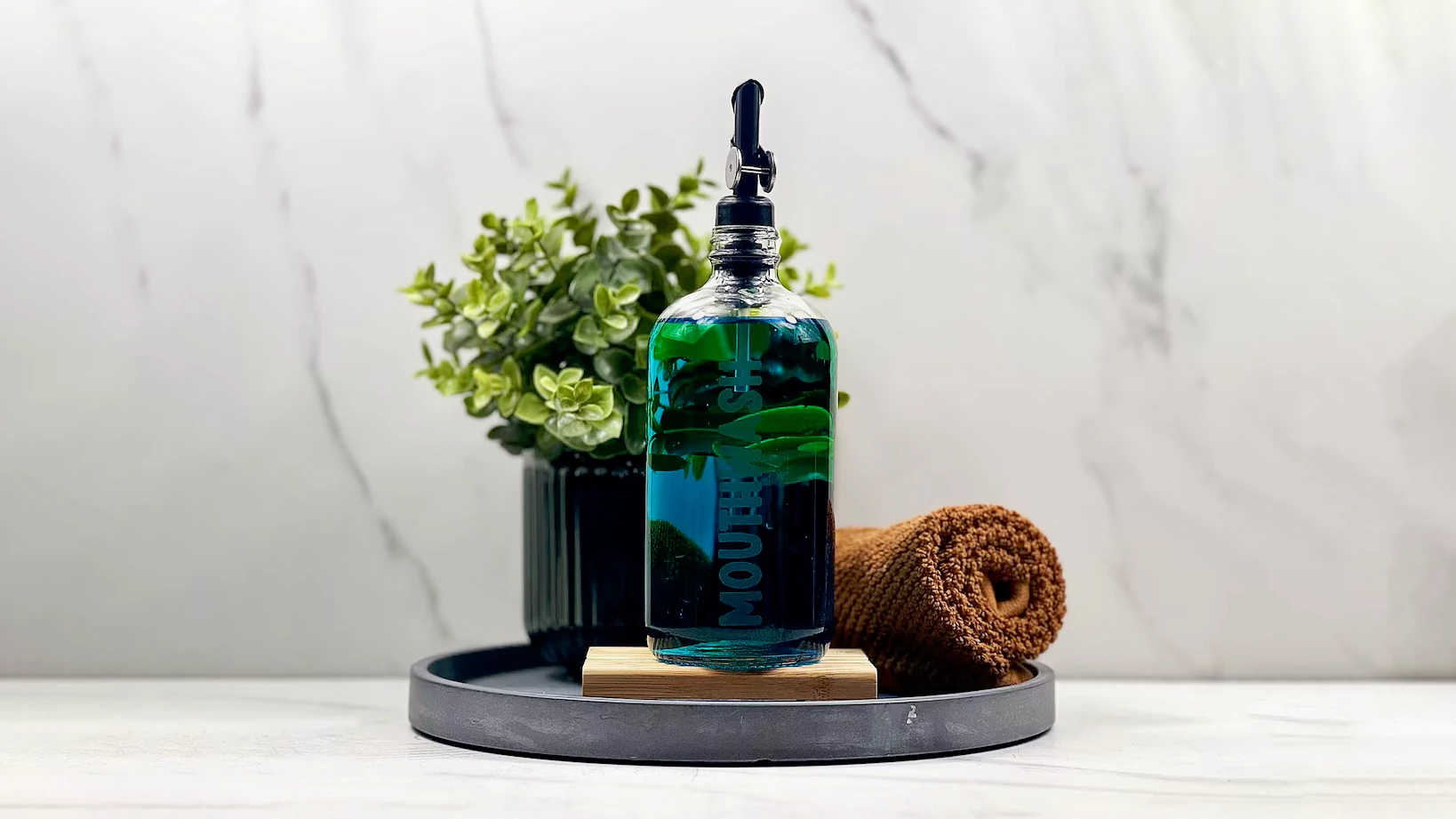
Dental Health Prevention
Homemade Natural Mouthwash: Proven, Stronger & Less Toxic
Homemade natural mouthwash is stronger than chlorhexidine, less toxic and if swallowed might give you some nausea but also a high burst in ORAC value.
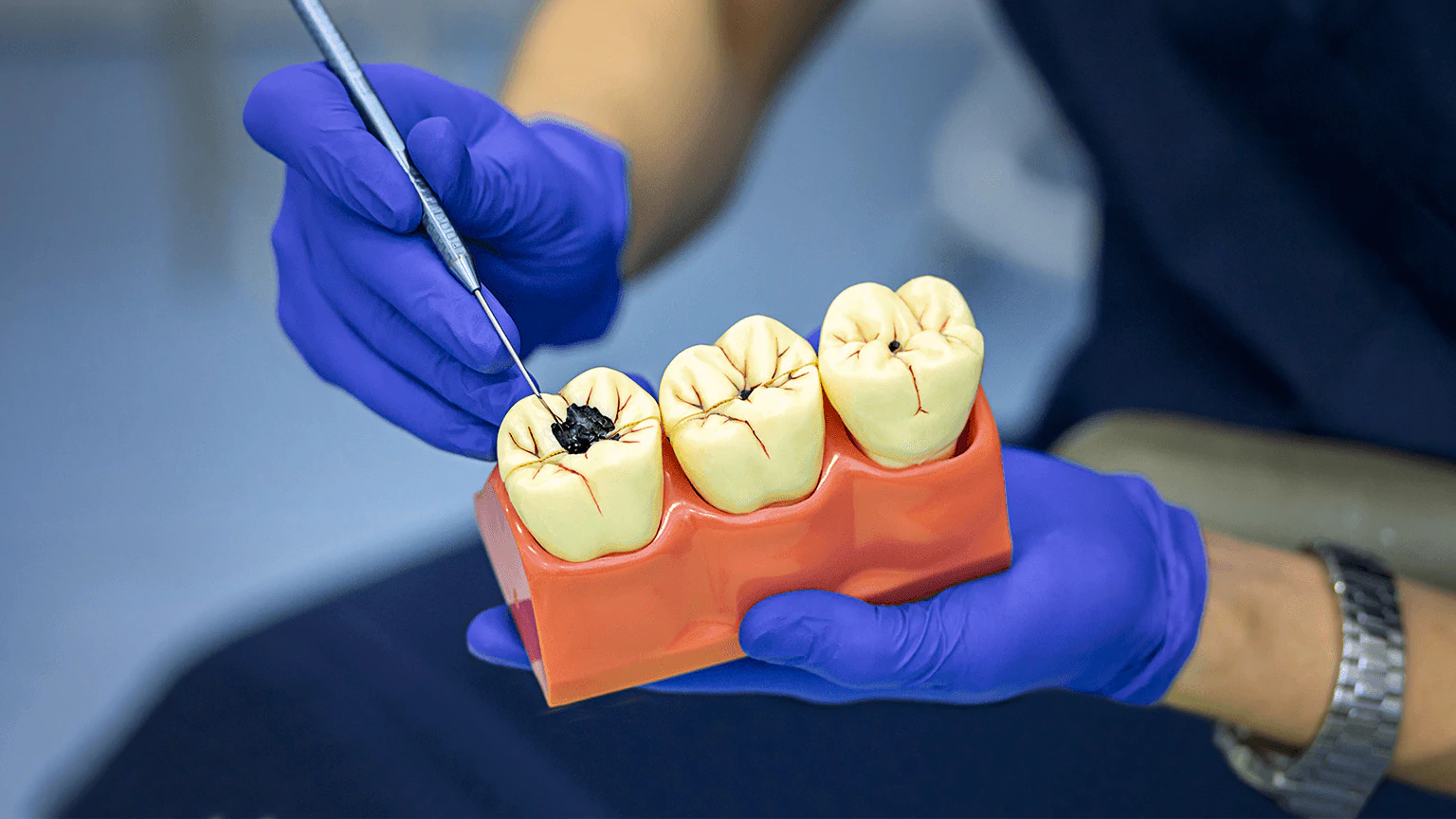
Dental Health Prevention
How to Stop Tooth Decay: Symptoms, Causes & Prevention
Sugar consumption is the main cause of cavities and tooth decay, combined with mineral deficiencies especially magnesium, zinc, copper and trace elements.
Antioxidants Superfoods
Amla: Proven Benefits, Nutrition And Clinical Significance
Amla is one of the world’s most powerful antioxidants with a ORAC score of 261,530. It is a rich source of phytochemicals that have various health benefits.
Top Health News — ScienceDaily
- Glucosamine, a popular joint supplement, linked to faster Alzheimer’s progressionon September 27, 2026
A large health-record analysis found that glucosamine use was associated with a 25% higher likelihood of mild cognitive impairment progressing to dementia. Lab experiments suggest the popular joint supplement may intensify an abnormal sugar-tagging process in the Alzheimer’s brain, although researchers say clinical trials are needed to determine whether it actually causes harm.
- Atrial fibrillation patients saw 69% lower risk with common blood thinnerson September 27, 2026
Direct oral anticoagulants cut the risk of serious clinical events by 69% in atrial fibrillation patients with an intermediate risk of stroke, according to the randomized SINGLE-AF trial. The benefit was driven mainly by fewer ischemic strokes, with no increase in major bleeding.
- One CRISPR treatment cut “bad” cholesterol in half for a full yearon September 27, 2026
A single dose of an experimental CRISPR therapy cut LDL cholesterol and triglycerides by about half in patients with difficult-to-treat lipid disorders. The reductions were still present one year later, with the highest dose lowering LDL by 52.5% and triglycerides by 47.8%.
- Why rheumatoid arthritis pain may persist even when inflammation is under controlon September 27, 2026
Pain and fatigue in rheumatoid arthritis can persist even after inflammation improves, with depression, poor sleep, obesity, smoking, and chronic pain potentially helping sustain symptoms. Researchers say identifying these hidden drivers could prevent unnecessary medication changes and lead to more personalized treatment.
- Scientists say house cats could help unlock better cancer treatments for humanson September 27, 2026
Scientists have mapped the genetics of cat cancer on an unprecedented scale and found surprising similarities with tumors in humans. The findings could help bring precision cancer treatments to cats while also revealing new clues about how human cancers develop and respond to drugs.
- A major risk of breast cancer screening may have been overestimated for decadeson September 26, 2026
A new analysis suggests mammograms may lead to far less breast cancer overdiagnosis than some earlier studies indicated. Researchers reexamined all eight major randomized screening trials and accounted for differences in follow-up time, screening frequency, and screening after trials ended. Their results were consistent with an overdiagnosis rate below 5%, rather than estimates approaching 30% to 50%.
- That fresh cleaning smell could be filling your home with nanoparticleson September 26, 2026
Researchers found that scented cleaners can react with ozone indoors to create billions or trillions of invisible nanoparticles that can penetrate deep into the lungs. The pollution forms within minutes and, in some cases, may produce an inhaled particle dose comparable to or greater than standing near heavy traffic.
PubMed, #vegan-diet –
- Plant-Based Diets in Adolescence: Cardiometabolic Benefits, Developmental Risks, and the Role of Fortificationon September 26, 2026
Adolescence is a critical window in which dietary patterns stabilise while nutrient requirements remain high to support growth, bone accrual, and neurodevelopment. Plant-based diets are increasingly adopted by young people, yet paediatric evidence indicates that they should not be treated as a single exposure, because diet quality substantially modifies both benefits and risks. Healthy plant-based patterns-rich in whole grains, legumes, fruits, vegetables, nuts, and unsaturated fats-are…
- Plant-Based Functional Custard Enriched with Vitamin D3: Insight into Technological Properties, Nutrition and Bone Tissue Regenerationon September 26, 2026
A plant-based or vegan diet is considered one of the most important dietary patterns, often followed for religious or health reasons. It should contain vital nutrients such as protein, iron, zinc, calcium, vitamin D, and others. The objective of this study was to produce a plant-based food product with high nutritional value (vegan custard, VC) and fortify it with vitamin D(3) (vegan custard + D(3)). Thirty-five female albino rats, with an average body weight of 160 ± 5 g, were divided […]
- Dietary Patterns, Micronutrient Adequacy, and Metabolic Vulnerability in Alzheimer’s Disease: A Critical Narrative Reviewon September 26, 2026
Dietary factors may influence cognitive aging and Alzheimer’s disease (AD), but observational associations, mechanistic findings, and intervention effects should not be considered equivalent evidence. This critical narrative review examines how dietary patterns, micronutrient adequacy, and metabolic health may modify AD-related vulnerability. A targeted search of PubMed/MEDLINE, Scopus, and Web of Science through April 2026 prioritized systematic reviews, meta-analyses, randomized trials, and…
- A Structured Narrative Review of Contemporary Dietary Strategies Following Acute Coronary Syndromeson September 24, 2026
CONCLUSIONS: A Mediterranean-style diet remains the dietary pattern supported by the strongest evidence for secondary prevention following ACS. Until further pragmatic randomized trials are available, clinicians should continue recommending Mediterranean-style dietary patterns while individualising dietary advice according to patient preferences, cultural practices, and long-term adherence.
- Toward International Dietary Guidance: A Food Guide Pyramid for Human and Planetary Healthon September 23, 2026
Dietary guidelines shape food policy, education, and food systems worldwide. Recent controversies in dietary guideline development, together with rising burdens of diet-related chronic disease and increasing environmental pressures, highlight the need for globally relevant dietary guidance aligned with both human and planetary health. We developed an evidence-informed International Food Guide Pyramid emphasizing optimal carbohydrate-containing staple foods. The International Carbohydrate […]
Random Posts –
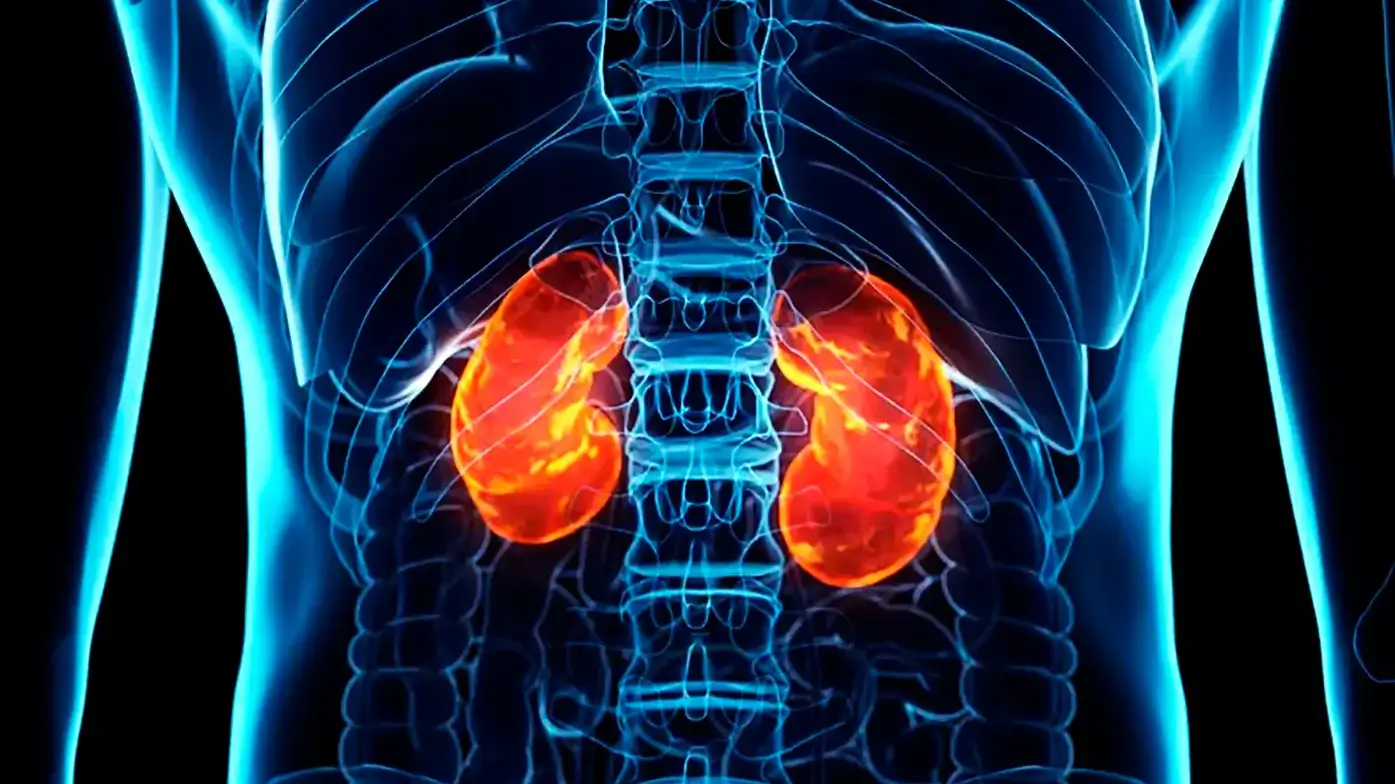
Optimal Diet Paleo Diet Protein
High Protein Diet and Metabolic Acidosis: Health Risks Correlations
Low levels of chronic metabolic acidosis is a common phenomenon in the Western world. Most people that eat the standard American diet are in a state of chronic acidosis and are not aware of it.

Editor Picks Paleo Diet Vegan Diet
Vegan Neanderthals? The truth about the real Neanderthal diet
A typical representation of Neanderthals pictures them as killing the woolly mammoth. However a dental plaque tells a different story about the Neanderthal diet

COVID-19 Prevention Vitamin D
Vitamin D deficiency- Risk Factors
There are only two vitamins that are not produced by plants, vitamin D, and the other would-be vitamin B12. Vitamin D deficiency is a real concern.
Beans
Green Beans: Nutrition and Health Benefits
Green beans are low in calories and rich in natural compounds that can help you control your blood sugar, lower your cholesterol, and fight off free radicals.
Antioxidants Editor Picks ORAC
Essential Oils as Antioxidant Supplements: Rules and Strategies
Food-grade essential oils can be a convenient and consumer-friendly strategy for optimizing the antioxidant value and ORAC scores of our diet.

Vegan Diet
Humane meat or humane myth?- The animal cognition
We are not smartest species if we scientifically measure animal cognition. The long-finned pilot whale neocortical brain part contains more neurons than our own.

Calorie Restriction Cancer Longevity
Calorie restriction, Autophagy, Longevity, and Muscle loss
We all want a substantial amount of muscle mass and fast metabolism so that we can eat more but autophagy is what is in line with evolutionary biology.

Editor Picks Obesity
Binge eating disorder- The psychology of hunger
In nature, there is no refined sugar or fat. Our brain had never been exposed to a combination of the two all at once forcing us into binge eating disorder.
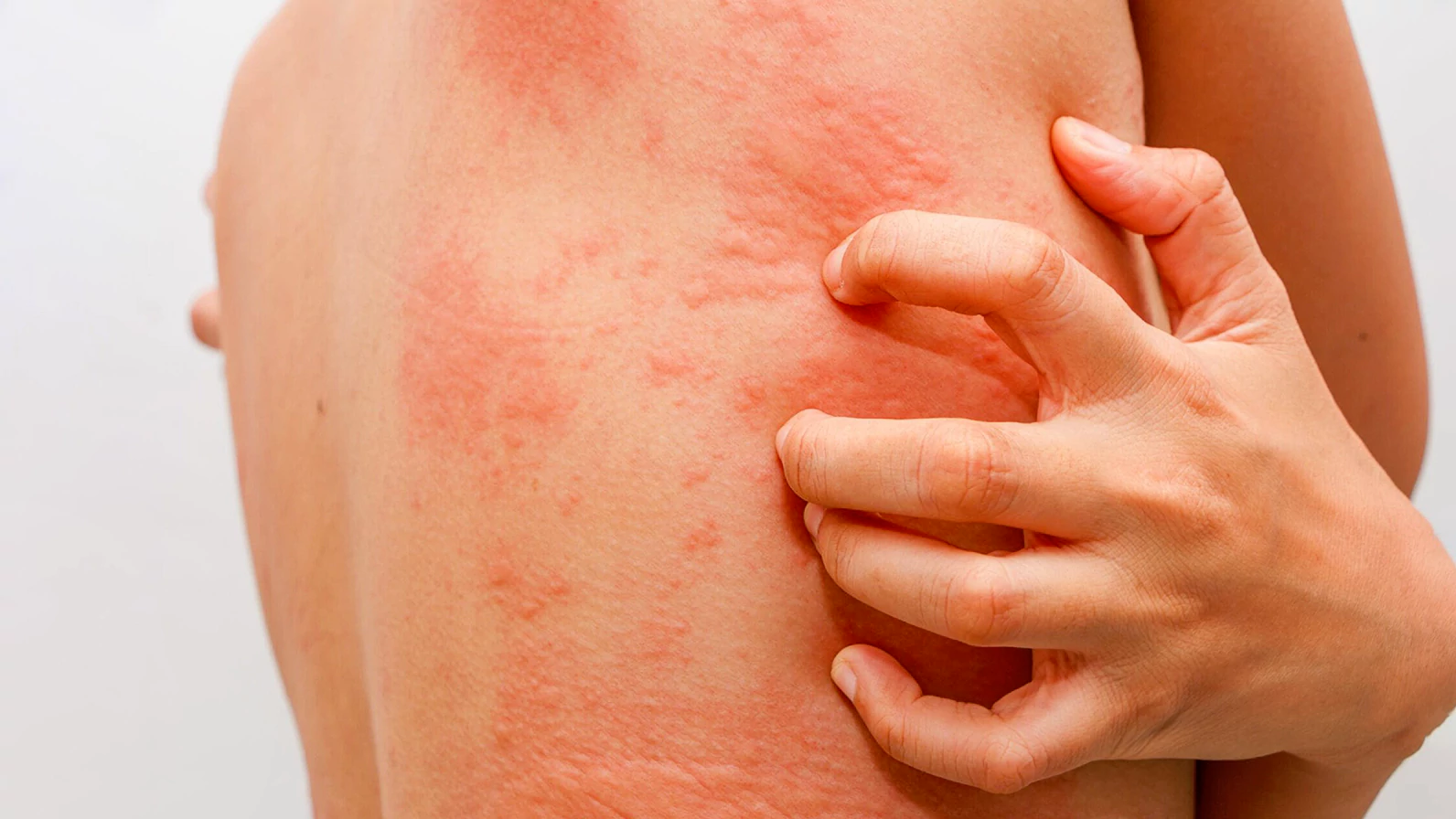
Inflammation
Low Histamine Diet and Histamine Intolerance: Complete Gide
One way to manage histamine intolerance is to follow a low histamine diet. This means avoiding foods that are high in histamine or that can trigger its release.

Editor Picks Optimal Diet Paleo Diet
Paleo diet- No meat in sight
Humans evolved for 50 million years from plant-eating mammals. Hunting is not natural hominin activity. The Paleo diet only existed for the last 200,000 years.


Featured Posts –
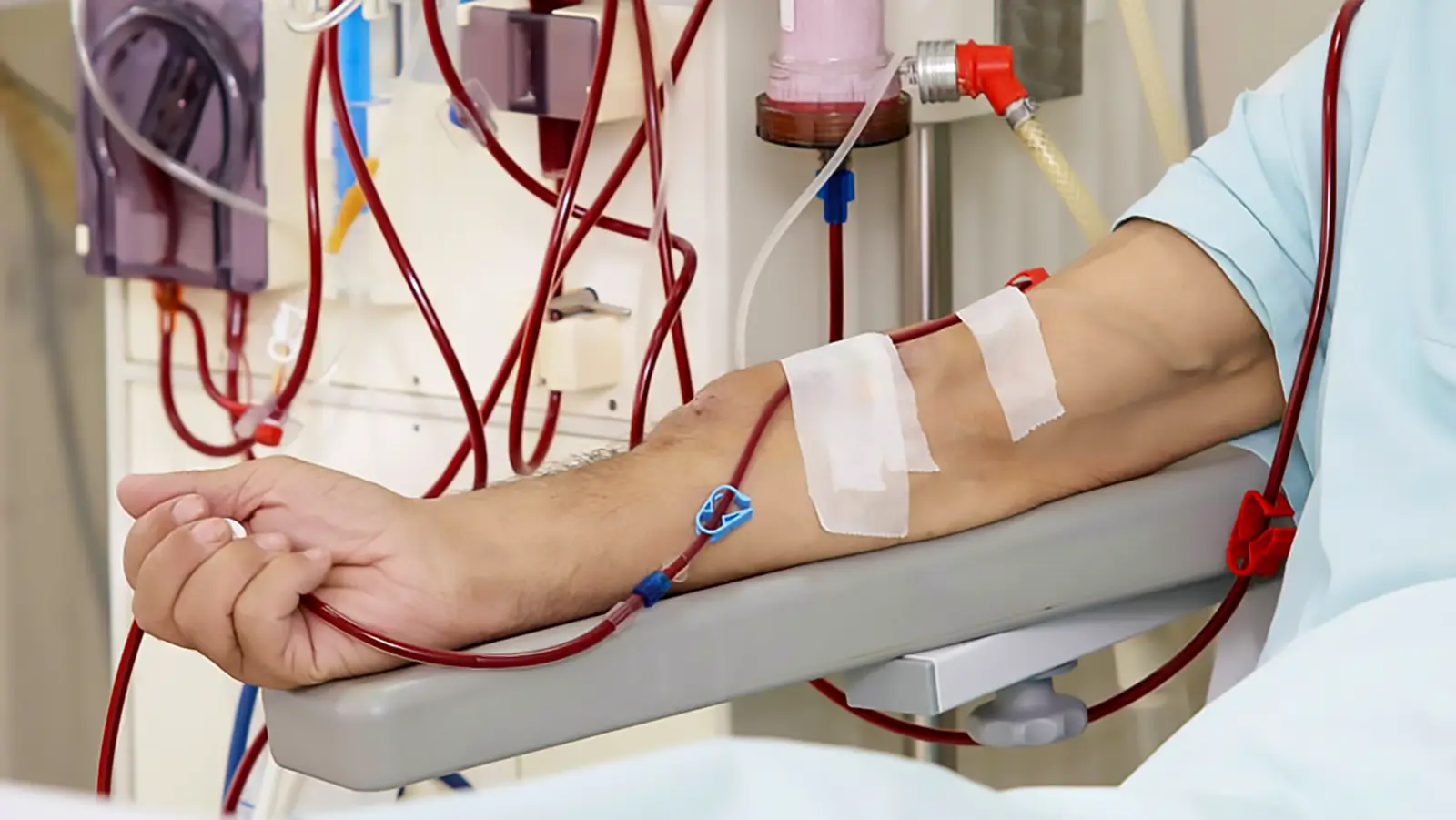
Editor Picks Optimal Diet Protein
High Protein Diet- Health Risk Correlations
Scarcity is the rule of protein in nature. In evolutionary terms, anthropologists have proven that hominins lived an average of 15 to 25 grams of protein a day. In the modern western type of high-protein diet we would consume that…

Cancer Editor Picks Toxicity
Pesticide Exposure in Children: Real-Life Exposure Tests
Children and especially pregnant women are more vulnerable to pesticide exposure. If we analyze real-world exposure levels in real-life scenarios, what would the result be?

Cancer Editor Picks Toxicity
Pesticides in Food, Exposure in The Standard American Diet- 80 Percent From Meat
Most of the pesticides and especially heavy metals and other toxic waste pollutants we get, we get from meat. More than 80 percent of pesticide exposure in the standard American diet comes from animal products, not from fruits or vegetables.
Cancer Editor Picks Protein
The Anatomy of Cancer- Health risk correlations
About 2% of cancers are by medicine considered to be purely caused by genetic factors. The same range as within the animal kingdom. You haven’t been told the whole truth.
Antioxidants Editor Picks ORAC
Understanding ORAC Values: Antioxidant Levels in Foods
When your main source of antioxidants is coffee, you know that you have a serious problem.
Editor Picks Phytochemicals
Phytochemicals: Understanding the Basics
Every single phytochemical that exists has a biological action in the human body. Every single one from millions of different phytochemicals.
Editor Picks Optimal Diet
Processed Food: Understanding the Risks
Processed food means that something from whole food is removed, usually fiber and something is added, usually fat, sugar, salt, and msg.

Editor Picks Optimal Diet
Optimal Human Diet- Chronic Diseases, Diet Wars, and the Vegan Argument
Our natural optimal human diet is a diet that our hominin ancestors were eating for the last 30 million years, not anatomically modern humans in the Stone age.
Editor Picks Optimal Diet Vegan Diet
WHO dietary guidelines- New food pyramid and suppression of science
WHO dietary guidelines recommend a diet low in saturated fat (animal protein), sugar, and salt and high in fruit and vegetables as a requirement to tackle the epidemic rise of chronic diseases worldwide.
Editor Picks Obesity
Minnesota Starvation Experiment: Why dieting makes us fat. The Psychology of Hunger.
One of the first scientific studies on what hunger does to the mind was observed in a study remembered as the Minnesota Starvation Experiment performed by the University of Minnesota back in 1944.
Latest from PubMed, #plant-based diet –
- Long-Term Monitoring of Radioactive Cesium in Commercial Foods and Dietary Intake Estimated by Total Diet Studies in Japan after the Fukushima Daiichi Nuclear Power Plant Accidentby Hiromi Nabeshi on September 27, 2026
Following the Fukushima Daiichi Nuclear Power Plant accident in 2011, Japan implemented extensive monitoring of radioactive materials in foods and established strict regulatory limits based on an annual effective dose of 1 mSv/year from artificial radionuclides. This review summarizes long-term surveillance data on radioactive cesium (r-Cs) in commercial foods and long-term assessments of dietary intake of r-Cs and strontium-90 (^(90)Sr) using the total diet study (TDS)/market basket (MB)…
- Nutrition and Endometriosis: Current Evidence on Dietary Risk Factors and Clinical Impact – A Narrative Reviewby Christine Dawczynski on September 27, 2026
Endometriosis (EM) is a severe chronic inflammatory disease characterized by the presence of endometrium-like tissue outside the uterine cavity, causing pain and significantly reducing quality of life. Worldwide, around 10% of women of reproductive age are affected and there is no cure as of now. The limited treatment options focus on hormone therapy, surgery and pain management–without satisfactory long-term effects. Nutritional strategies might support the prevention and treatment of…
- North American and Andean Indigenous Plant-Based Foods and Their Contemporary Scientific Rationale for Health Improvementby Lena Gálvez Ranilla on September 27, 2026
Plant-based food systems have been an integral part of human ecology since the dawn of domestication across all continents from over 12,000 y ago. This served the needs of human health and wellness from whole plant form to the use of parts in a range of water-based extracts to dry form or fermentation-based applications. This conference paper focuses on some examples of plant-based foods in the Americas that have been used since ancient times among indigenous North American and Andean […]
- Plant-Based Diets in Adolescence: Cardiometabolic Benefits, Developmental Risks, and the Role of Fortificationby Bianca Simionescu on September 26, 2026
Adolescence is a critical window in which dietary patterns stabilise while nutrient requirements remain high to support growth, bone accrual, and neurodevelopment. Plant-based diets are increasingly adopted by young people, yet paediatric evidence indicates that they should not be treated as a single exposure, because diet quality substantially modifies both benefits and risks. Healthy plant-based patterns-rich in whole grains, legumes, fruits, vegetables, nuts, and unsaturated fats-are…
- Dietary Patterns, Micronutrient Adequacy, and Metabolic Vulnerability in Alzheimer’s Disease: A Critical Narrative Reviewby Isidora Sierralta on September 26, 2026
Dietary factors may influence cognitive aging and Alzheimer’s disease (AD), but observational associations, mechanistic findings, and intervention effects should not be considered equivalent evidence. This critical narrative review examines how dietary patterns, micronutrient adequacy, and metabolic health may modify AD-related vulnerability. A targeted search of PubMed/MEDLINE, Scopus, and Web of Science through April 2026 prioritized systematic reviews, meta-analyses, randomized trials, and…
- Baseline Ferritin and Body Composition as Correlates of Longitudinal Metabolic Changes During an Energy-Restricted Mediterranean-Style Intervention Across Three Overweight Phlogistic-Related Clinical…by Begoña de Cuevillas on September 26, 2026
CONCLUSIONS: Baseline ferritin and body composition were correlates of heterogeneous inflammatory-metabolic profiles and ferritin changes. These hypothesis-generating associations do not establish causal or mechanistic effects and require controlled confirmation with comprehensive iron-status assessment.