







Amyotrophic Lateral Sclerosis- Cyanobacteria algal blooms and dietary BMAA exposure
Abundance of nutrients created by runoff leads to excessive algal blooms. Algae excrete potent neurotoxins responsible for Amyotrophic Lateral Sclerosis (ALS).
Milos Pokimica
Written By: Milos Pokimica
Medically Reviewed by: Dr. Xiùying Wáng, M.D.
Updated May 7, 2023Amyotrophic Lateral Sclerosis (ALS, Lou Gehrig’s Disease) is one of the worst diseases you can have. Currently, there is no cure for it or any treatment.
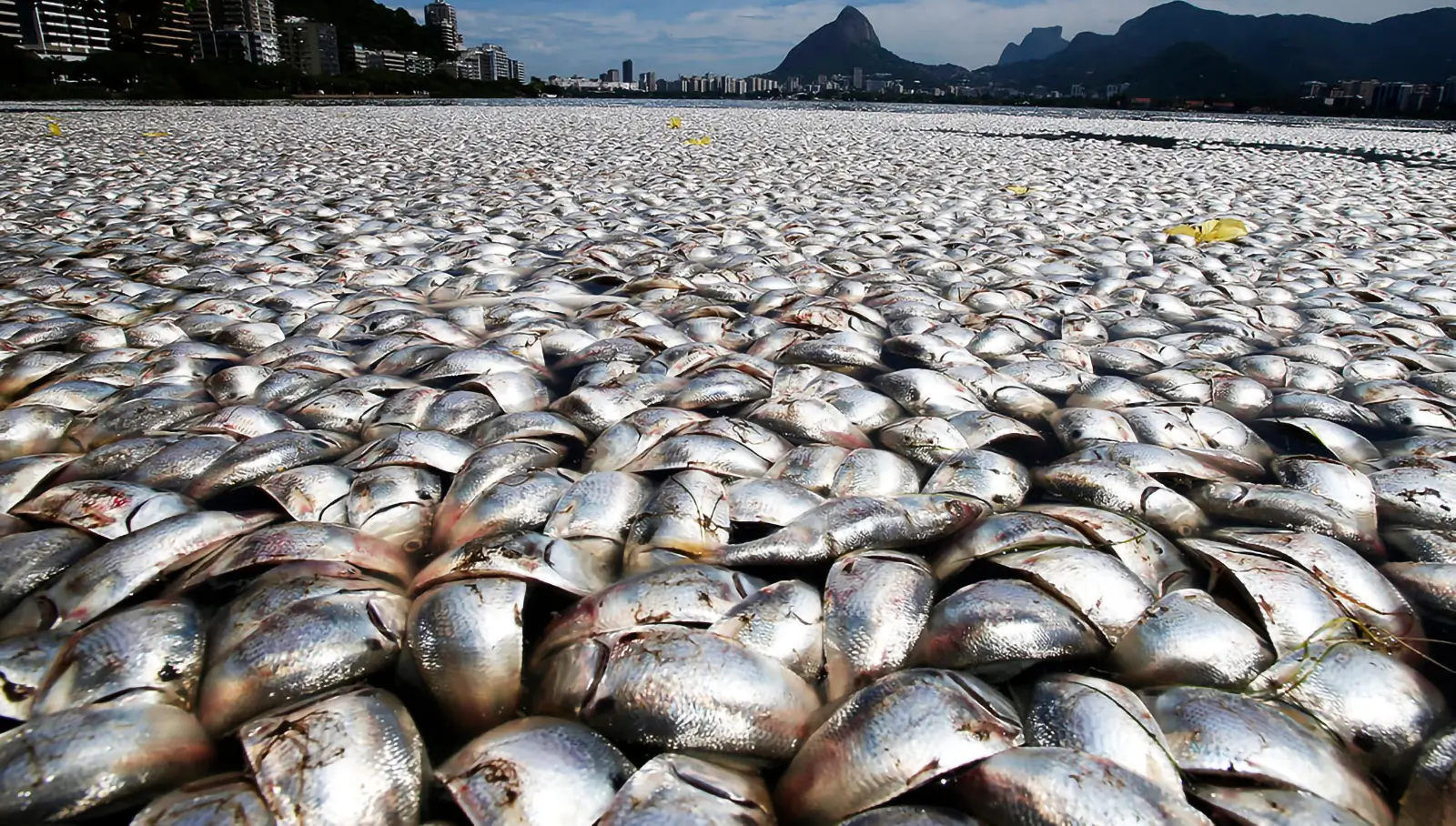
Synthetic fertilizers create many problems. Fertilizers leach into streams, rivers, and lakes and disrupt the balance of aquatic ecosystems. This is creating an excess of nutrients, including nitrogen and phosphorus, in the water. This is food for the sea plants as much as it is food for land-grown crops. An abundance of nutrients created by runoff leads to excessive algal blooms. Excessive algal blooms then deplete the water of oxygen creating oceanic dead zones. Then when these algae start to decompose water quality problems emerge and the result is dead fish and other aquatic organisms. This process is called eutrophication.
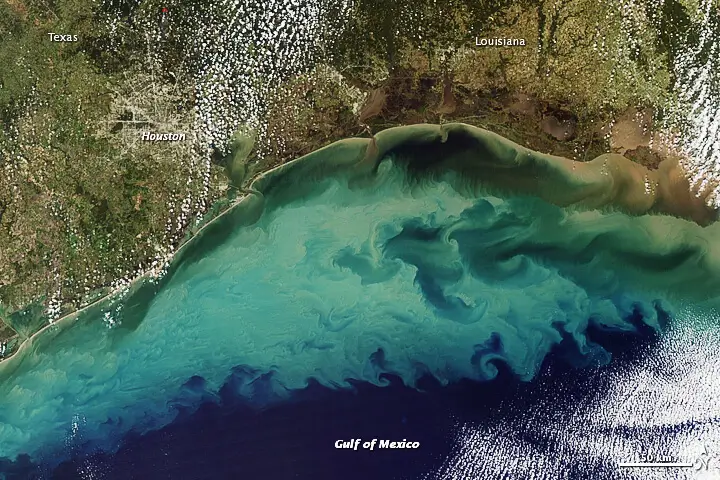
One of the most significant dead zones worldwide can be found in the Gulf of Mexico, beginning at the Mississippi River delta.
This one thing should be enough reason to stop eating anything from the entire ocean at present time.
Just this form of imbalance in nature in the form of algae bloom can kill you. I am not kidding. What you do not understand is that these algae are not just some see vegetables that overgrow in seawater from fertilizers runoff and then die off. Some of them or let’s say most of them are fine and safe and won’t do long-term damage except the dead zones, but some of them are not safe because they create and excrete some of the most potent neurotoxins known to man.
When they start to overgrow because of all of the nitrogen runoff from the land they bloom and excrete enormous amounts of these neurotoxins into the water. These toxins that are chemically stable do not degrade but start to bioaccumulate like anything else. These toxins do damage to any exposure. If the exposure level is low, they will just worsen overall brain degradation and contribute to brain shrinkage with aging but if the toxins accumulate over the acceptable threshold Amyotrophic Lateral Sclerosis (ALS, Lou Gehrig’s Disease) will appear.

Stephen Hawking is an example of this. Hawking had a form of amyotrophic lateral sclerosis (ALS). Amyotrophic lateral sclerosis (ALS) is known commonly as Lou Gehrig’s disease. Amyotrophic lateral sclerosis (ALS) is a motor neuron degradation disease that in time completely paralyzes the patient eventually leading to respiratory failure. It just attacks motor neurons, so the patient’s mental capabilities remain intact, and in most cases, death comes after three years when they can no longer breathe on their own. There is no cure for it. Amyotrophic lateral sclerosis (ALS) strikes previously healthy people seemingly at random. Amyotrophic lateral sclerosis (ALS) is a progressive disease. That means that it can only go worse over time and usually kills in 2-5 years after the first signs of disease. About 10% of people with ALS survive at least ten years. Stephen Hawking was the longest-living individual in history with amyotrophic Lateral Sclerosis (ALS, Lou Gehrig’s Disease).

When the ice bucket challenge went viral, many people heard about this disease, and it became a form of social media awareness campaign that turned into a national phenomenon. Now it is nice to be there for people in need, but that will just pump our own image of self-worth. It would not help to prevent or lower the rate of the disease. Real awareness is something completely different. If people wanted to make a difference and raise awareness, they should do green algae water bucket challenge instead of an ice bucket one. Amyotrophic lateral sclerosis (ALS) is more common than recognized. We have 1 in 400 risks of getting it, and that is at a similar rate level of multiple sclerosis. Let us do some real awareness.
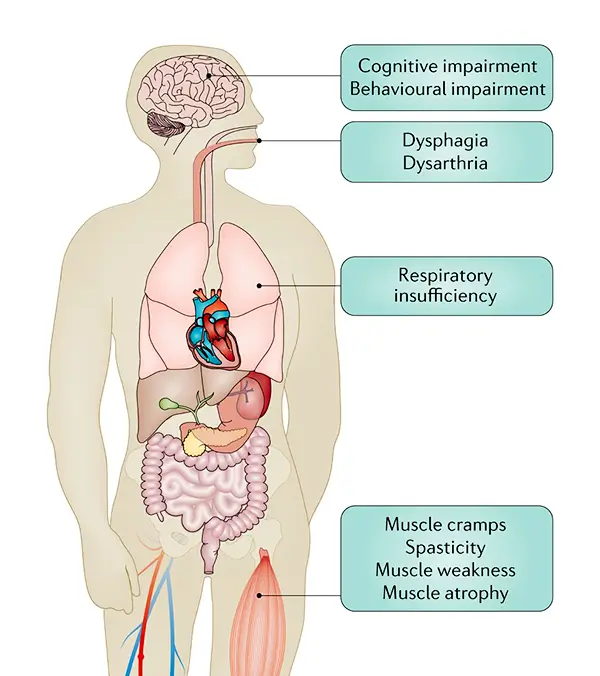
In 1944 U.S. forces had recaptured Guam from the Japanese. Initially, the United States occupied Guam from the Chamorro people on June 21, 1898. And currently, it is under the territory of the U.S. It is a small island in the middle of the Pacific Ocean with a big military base. After the war a navy neurologist noticed that local Chamorro people have a high rate of the very deadly form of the strange neurodegenerative disease with symptoms of dementia, shaking, paralysis, and death. In some settlements in Guam 1 in 3 people died. The illness was named amyotrophic lateral sclerosis-parkinsonism/dementia complex (ALS-PDC), known locally as lytico-bodig. They did not know what it is so they just described it as amyotrophy (atrophy of the muscles), lateral (from Latin lateralis, meaning to the side) and sclerosis (Greek σκληρός hard) is the stiffening of a structure. The rate of ALS in Guam was 50–100 times the incidence of ALS worldwide. After the systematic exclusion and statistical analysis, it was found that specific seeds of the cycad Cycas micronesica tree in the diet of the local population were the main trigger of the disease. Biochemical analysis associated neurotoxic non-protein amino acid, beta-methylamino-L-alanine (BMAA), as a primary cause of the illness.
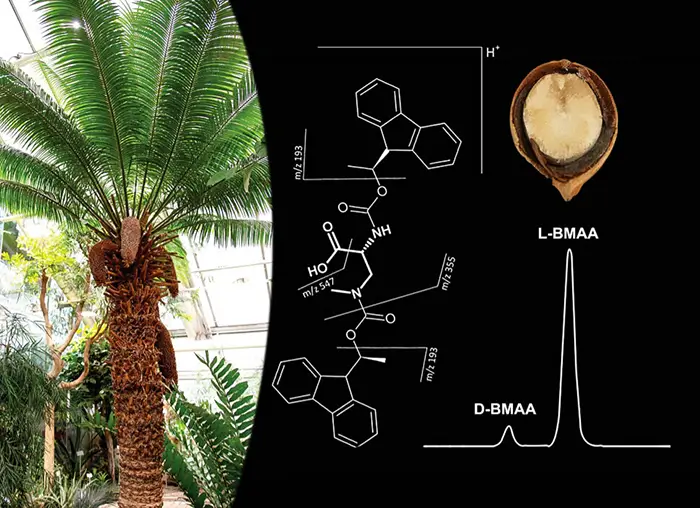
Cycad trees were suspected because of the use of seed flour in cooking coupled with reposts of livestock ataxia after eating from it. And indeed BMAA neurotoxin was found in it. The discovery was just a part of research on the disease known as lathyrism. Lathyrism is mostly present in India, China, and the Middle East. It has very similar symptoms like progressive paralysis of the legs. Studies later linked lathyrism to the consumption of certain species of legumes that contained the compound ß-N-oxalylamino-L-alanine (BOAA). The lathyrism was the reason why the researchers tested cycad seeds for BOAA first. When the seed showed no concentrations of BOAA very similar substance had been found with a methyl group instead of an oxalyl group—BMAA. So it is chemically very similar to a neurotoxin that just has a methyl group instead. Subsequent studies on rats and monkeys showed the same result in both cases. BMAA is toxic to neurons. However, there was one big difference. Dietary exposure caused immediate symptoms in rats whereas ALS-PDC developed years or even decades after the initial exposure. One other problem was the dose.
In the 1980s neurotoxicologist, Peter Spencer did a study and reported the results of paralysis in macaques fed BMAA. However, again the dose used was much higher than the dose that people suffering from amyotrophic lateral sclerosis (ALS) were exposed to by cycad flour. People had to eat kilograms of it to ingest a comparable dose. Analysis of BMAA concentrations in cycad seeds by various research groups has highlighted that the toxin was present in the seed at low concentrations. Subsequent investigations confirmed that most of the neurotoxins, around 85 percent were removed from cycad flour during processing. There was a calculation that people would have to eat thousands of kilograms of the stuff every day to get to toxic levels of exposure. In the end, the entire theory was abandoned.
Then in the late 1990s, famed neurologist Oliver Sacks (the one who wrote Awakenings which was adapted into an Academy Award-nominated film in 1990, starring Robin Williams and Robert De Niro) and his colleague Alan Cox made some discoveries and resurrected the BMAA theory. The local Chamorro people by now with knowledge from the research that had been done started to use some tactics as a precaution. They made tortillas from cycad seed flour. However, before they use the seeds, they washed them repeatedly to remove toxins and then gave the water to the chickens to drink. If their chickens remained alive after drinking the wash water, the people deemed the seeds safe to grind and eat. However, they also ate other wild animals that they hunted and some of them also feed on cycad seeds as well. For example, for fruit bats and feral pigs, the common food was cycad seeds. Oliver Sacks got the idea that it is not the seed that is problematic but the animals that people consume because it is just another case of biomagnification.
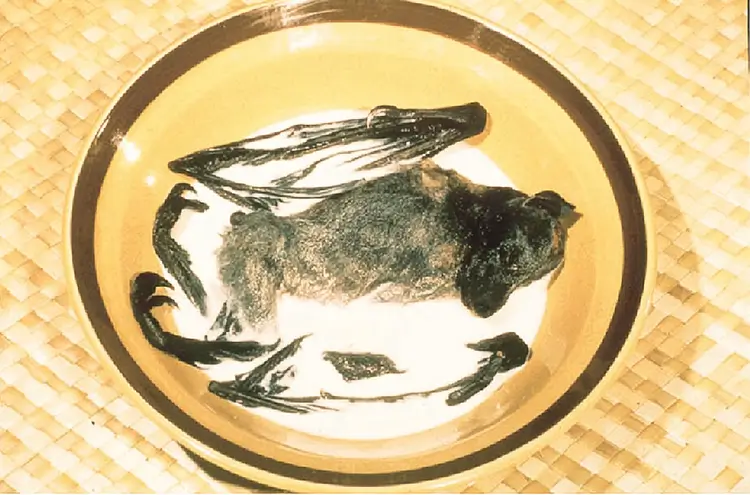
One of the typical local meals was Mariana flying foxes simmered in coconut cream and eaten whole with skin, bones, brains, and everything. Sacks and Cox in 2002 theorized that these animals that feed on the seeds in time create a neurotoxic reservoir of BMAA in their brain tissues. Because their brains were also eaten on a regular basis by the Chamorros, chronic dietary exposure had created the reservoir of BMAA in their own brain leading after a lag time, to a neuronal meltdown and development of amyotrophic lateral sclerosis (ALS). The consumption of Guamanian flying foxes which fed on the cycads was core to the Chamorro tradition. Also, statistical correlation showed that the decline of the flying fox population due to excessive hunting correlated with the drop in the number of cases of ALS/PDC presented in Guam. Cox analyzed the skin of preserved museum flying fox specimens (collected five decades previously) and found BMAA concentrations to be extremely high.
The lag time is one of the things that made these diseases hard to track. With leg time people tend to expose themself to the toxin completely without noticing anything wrong and when the pool of this toxin accumulates and the disease shows the first symptoms, it is already too late. The final closure of the topic was autopsies on the brains of Chamorros that died from ALS/PDC that found high levels of BMAA (1). 13 Canadian subjects had no detectable levels of BMAA. They were just individuals who died of causes unrelated to neurodegeneration. However, when BMAA was measured, it was also found in the brains of all of the Canadian patients with Alzheimer’s disease. However, wait just a second. These people were in Canada not in Guam. They did not eat flying foxes or Cycat tree seeds.
The real story here is that BMAA neurotoxin was not produced by the tree either. It was produced by Nostoc cyanobacteria, root symbionts of the cycad trees. Bacteria that live in the roots of the tree made the toxin. When the toxin gets absorbed by the roots it will be passed to the seeds, then to the bats that feed on them and then to the people.
The implication of this scientific discovery is terrifying. If cyanobacteria produce these neurotoxins, it will have massive ramifications for public health on a global scale. Cyanobacteria are ubiquitous and can be found in almost every aquatic or terrestrial habitat. They are literary everywhere from damp soil, freshwater, oceans, hot springs, bare rock and soil, rocks in the desert, and even Antarctic rocks. The name cyanobacteria come from the color of the bacteria (Greek: κυανός. Kyanós meaning blue). You know these bacteria as blue-green algae, that bloom from fertilizer runoff.
Cox found the presence of BMAA in most of the variety of cyanobacterial strains tested from all over the globe. It is not just the Guam Nostoc strain, it is every strain of this blue-green algae or to be precise 95% of all strains produce BMAA. Because of enormous algae blooms the level of BMAA today needs to be measured and studied. There were studies that measured the levels of BMAA in some of the higher trophic organisms. High concentrations were detected in various species of fish, mussels, oysters, and plankton thus indicating that the global human population is at high risk of bioaccumulation of this neurotoxic compound through the food chain everywhere in the world.
To this day there is no scientific consensus that BMAA exposure through the consumption of contaminated food could play a causal role in various neurodegenerative pathological conditions. In some studies, depending on the methods they did not find BMAA in Alzheimer’s brain tissue in others they do. Measured levels of BMAA in the brain might not mean causality; proximity is not causality. Some of the most compelling evidence was presented at the International ALS/Motor Neuron Disease (MND) Symposium in 2011. There was a research that showed that BMAA is not found in the brain tissue in higher concentrations because it will get incorporated directly into the nerve cell itself. It was shown that BMAA gets incorporated into nerve cell proteins causing the protein misfolding and ultimately cell death. Dunlop and Rodgers reported that the tRNA synthetase enzyme for the amino acid serine mistakenly picks up BMAA thinking that it is serene and then incorporates it into proteins in vitro. This substance is nothing less than pure mutagen. Consequent autofluorescence indicated that the proteins misfolded, and the cells died. What we can say for sure is that BMAA might not cause Alzheimer’s or Parkinson’s disease just by itself, but it does worsen the condition, and it does cause amyotrophic lateral sclerosis (ALS). Now to fully understand the story of BMAA since many people around the world may be exposed to it we might also ask the question why did some individuals get neurodegenerative effects from it, and some others did not?
Cox suspected that vulnerability may reflect a gene-environment interaction. If this single environmental toxin plays a role in different diseases such as Parkinson’s disease, ALS, Alzheimer’s disease, and maybe some other diseases as well, this could represent a gene-environment interaction based on individual genetic resilience. However, no one has yet investigated a genetic basis for BMAA vulnerability. It is the same story all over again. Humans did get exposed to this naturally occurring toxin during normal evolution. What is making this disease increase in prevalence is algae blooms caused by unnatural high levels of nutrient runoff from fertilizer fields, animal waste, sewage, and soil erosion in water that eventually raise the levels of blue-green algae to unnaturally high levels. Some people have better genetics dealing with this some might be sensitive. Also, it depends on how much seafood you eat. The cause of this disease is not hereditary. It is a maladaptation to our current environment. This toxin was found in freshwater fish, saltwater fish, and shellfish. Some of the fish have levels of BMAA comparable to those found in fruit bats in Guam. I cannot give estimates here because BMAA concentration varies from the place of sampling. Some species of crab, for example, might be high or low on the toxicity level depending are their algae bloom in the water or not. The more bloom, the more toxin. However, toxins spread everywhere eventually. This could explain the ALS clustering in populations who live around lakes for example. A number of ALS cases have been diagnosed among residents of Enfield, New Hampshire, a town encompassing a lake with a history of cyanobacteria and algal blooms. There were six cases of ALS diagnosed from 1975 to 1983 in long-term residents of Two Rivers, a small Wisconsin community. The probability that this occurred due to chance was less than 0.05%.
Cyanobacteria species depending on the type have the ability to produce a different array of metabolites, not just BMAA that are also neurotoxins, hepatotoxins, or dermatoxins. BMAA does not have to kill us to be bad. It can cause neurologic damage and increase the overall toxic load on our bodies and have synergistic effects with mercury and lead and all other neurotoxins to enhance cognitive decline.
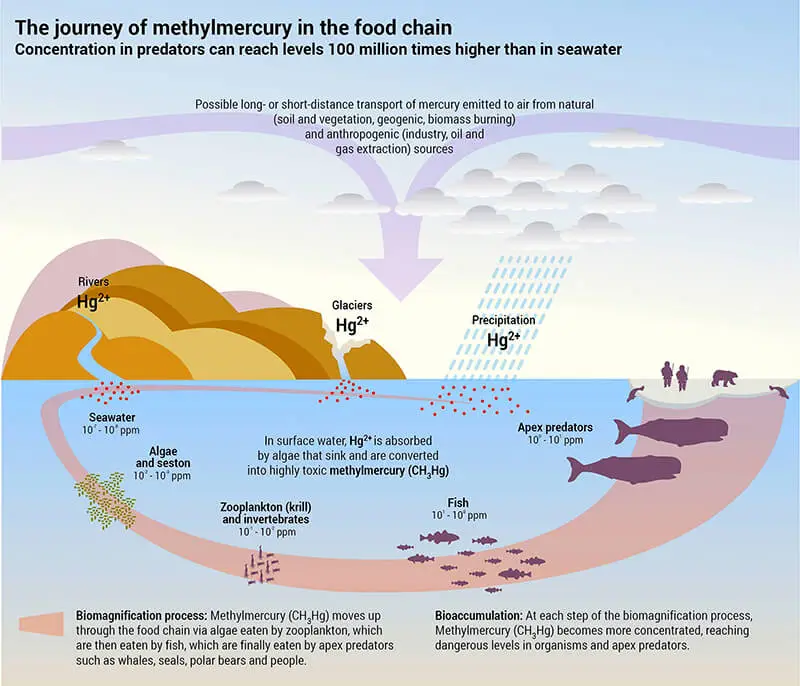
In the end, it might not be the only thing that can trigger amyotrophic lateral sclerosis (ALS). BOAA triggers lathyrism for example. It is the same type of neuron death as in amyotrophic lateral sclerosis (ALS). American veterans have more instances of amyotrophic lateral sclerosis (ALS) for an unknown reason. The situation in Guam in the last decade or so is promising. Their levels of amyotrophic lateral sclerosis (ALS) are significantly lower than in the past, but now they know what the root cause of this neurologic disease epidemic they had to face was. And without the island of Guam, the rest of the world will still eat seafood thinking that it is health-promoting and safe. The problem with nature is that it is hard to science every molecule that exists. There are thousands of natural pollutants like BMAA in nature. Some of them can even be sexually transmitted like ciguatera toxin that again is produced by algae and built up in the food chain, and again it is thermally and chemically stable. It causes nightmares literally with pain and fatigue and a burning cold sensation. The reversal of temperature sensation, hot feels like cold, and cold feels like hot. It can last for years and in low doses just causes fatigue. The story of a romantic dinner with red snapper in a Greek marinade with wine. Dream tropical paradise vacation turning into cold, painful sex with nightmares. Some of the chronic fatigue syndromes cases are actually ciguatera fish poisoning. In some people, it can cause recurring symptoms during periods of stress, weight loss, exercise, or excessive alcohol use even after 25 years of initial exposure.
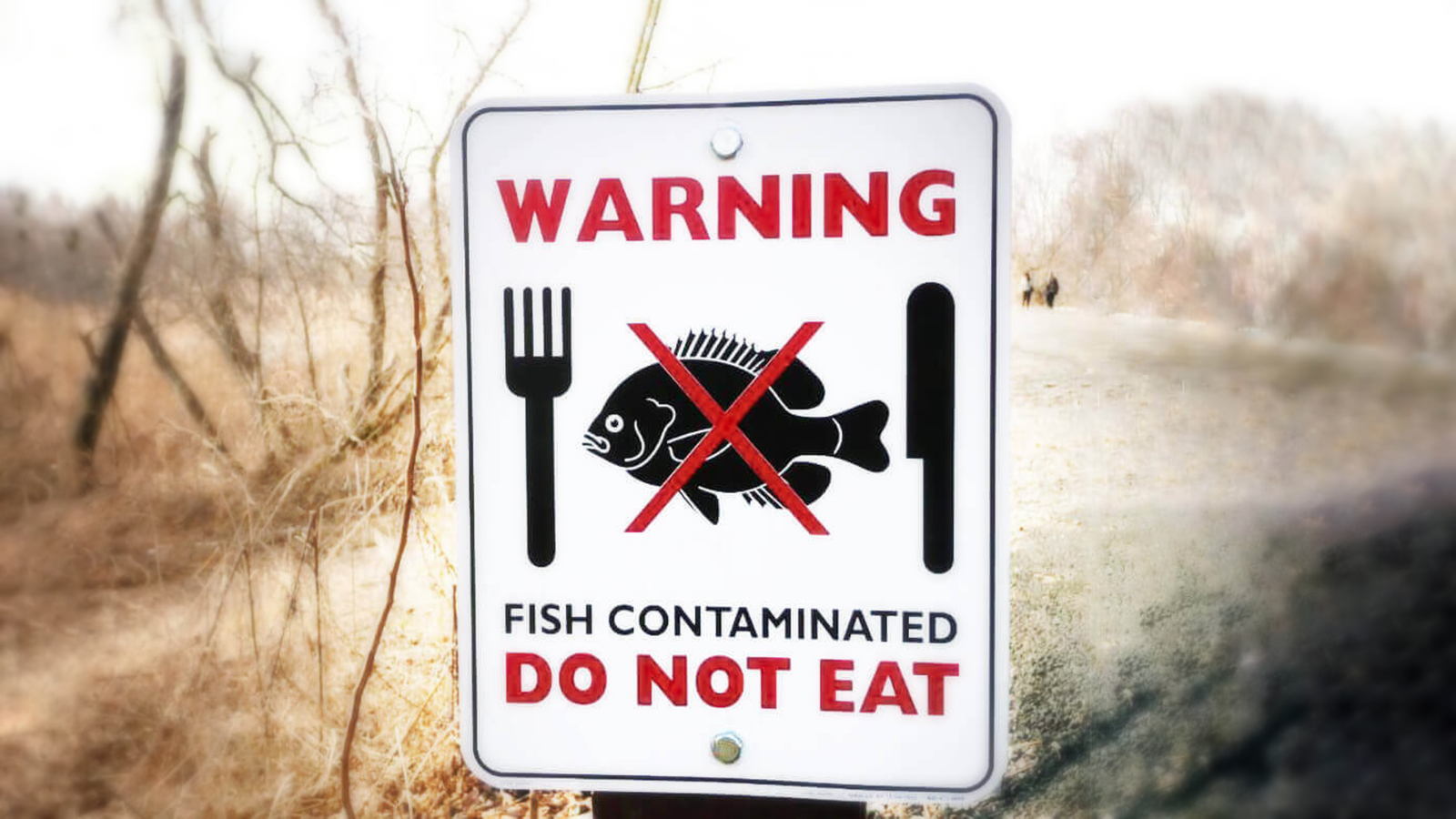
Because of all of the pollution, most fish today have infections both from bacteria and parasites. Never eat raw anything from the water ever in your entire life. Forget about sushi. Shifts in the balance of nature have consequences. Everything that is unnatural, and when I say that, I mean everything that our hominin ancestors did not do, or have been exposed to is disease-promoting with the potential for exposure to an unknown amount of unidentified toxins. If there were clean and pristine oceans eating predatory fish is still a bad idea, and eating a lot of fish is unnatural. Fish is inflammation-promoting meat even without all of the pollution.
References:
Passages selected from a book: Pokimica, Milos. Go Vegan? Review of Science Part 2. Kindle ed., Amazon, 2018.
- Murch, Susan J et al. “A mechanism for slow release of biomagnified cyanobacterial neurotoxins and neurodegenerative disease in Guam.” Proceedings of the National Academy of Sciences of the United States of America vol. 101,33 (2004): 12228-31. doi:10.1073/pnas.0404926101
- Bradley, Walter G, and Deborah C Mash. “Beyond Guam: the cyanobacteria/BMAA hypothesis of the cause of ALS and other neurodegenerative diseases.” Amyotrophic lateral sclerosis : official publication of the World Federation of Neurology Research Group on Motor Neuron Diseases vol. 10 Suppl 2 (2009): 7-20. doi:10.3109/17482960903286009
- Chiu, Alexander S et al. “Does α-amino-β-methylaminopropionic acid (BMAA) play a role in neurodegeneration?.” International journal of environmental research and public health vol. 8,9 (2011): 3728-46. doi:10.3390/ijerph8093728
- Brand, Larry E et al. “Cyanobacterial Blooms and the Occurrence of the neurotoxin beta-N-methylamino-L-alanine (BMAA) in South Florida Aquatic Food Webs.” Harmful algae vol. 9,6 (2010): 620-635. doi:10.1016/j.hal.2010.05.002
Related Posts




Do you have any questions about nutrition and health?
I would love to hear from you and answer them in my next post. I appreciate your input and opinion and I look forward to hearing from you soon. I also invite you to follow us on Facebook, Instagram, and Pinterest for more diet, nutrition, and health content. You can leave a comment there and connect with other health enthusiasts, share your tips and experiences, and get support and encouragement from our team and community.
I hope that this post was informative and enjoyable for you and that you are prepared to apply the insights you learned. If you found this post helpful, please share it with your friends and family who might also benefit from it. You never know who might need some guidance and support on their health journey.
– You Might Also Like –

Homemade Natural Mouthwash: Proven, Stronger & Less Toxic

Sweets Teeth Sensitivity & Pain: Quick Fix & Lasting Solution
Antioxidant-Rich Diet: General Rules and Strategies
High Protein Diet and Metabolic Acidosis: Health Risks Correlations
Water fluoridation- Scientific review

Allopathic Medicine-The Psychology of Fear

Alkaline water- Health benefits and risks

Intravenous Vitamin C in the Treatment of Cancer: 40 Years of Evidence

Learn About Nutrition

Milos Pokimica is a doctor of natural medicine, clinical nutritionist, medical health and nutrition writer, and nutritional science advisor. Author of the book series Go Vegan? Review of Science, he also operates the natural health website GoVeganWay.com
Medical Disclaimer
GoVeganWay.com brings you reviews of the latest nutrition and health-related research. The information provided represents the personal opinion of the author and is not intended nor implied to be a substitute for professional medical advice, diagnosis, or treatment. The information provided is for informational purposes only and is not intended to serve as a substitute for the consultation, diagnosis, and/or medical treatment of a qualified physician or healthcare provider.NEVER DISREGARD PROFESSIONAL MEDICAL ADVICE OR DELAY SEEKING MEDICAL TREATMENT BECAUSE OF SOMETHING YOU HAVE READ ON OR ACCESSED THROUGH GoVeganWay.com
NEVER APPLY ANY LIFESTYLE CHANGES OR ANY CHANGES AT ALL AS A CONSEQUENCE OF SOMETHING YOU HAVE READ IN GoVeganWay.com BEFORE CONSULTING LICENCED MEDICAL PRACTITIONER.
In the event of a medical emergency, call a doctor or 911 immediately. GoVeganWay.com does not recommend or endorse any specific groups, organizations, tests, physicians, products, procedures, opinions, or other information that may be mentioned inside.
Editor Picks –

Cancer Editor Picks Phytochemicals
Anticancer Power of Fruits and Vegetables: In Vivo and Clinical Evidence
Some vegetable extracts rival leading chemotherapy drugs and at the same time target multiple different types of cancer cells.
Antioxidants Editor Picks ORAC
Essential Oils as Antioxidant Supplements: Rules and Strategies
Food-grade essential oils can be a convenient and consumer-friendly strategy for optimizing the antioxidant value and ORAC scores of our diet.
Antioxidants Editor Picks ORAC
Antioxidant-Rich Diet: General Rules and Strategies
There are easy and cost-effective strategies for optimizing the antioxidant value of our diet.
Antioxidants Editor Picks ORAC
Understanding ORAC Values: Antioxidant Levels in Foods
When your main source of antioxidants is coffee, you know that you have a serious problem.

Antioxidants Editor Picks ORAC
Astaxanthin Benefits: World’s Most Powerful Natural Antioxidant
Astaxanthin is the most powerful natural and universal antioxidant (both oil and water-soluble) known to science. It accumulates in tissues and It can never turn itself into a pro-oxidant.

Antioxidants Editor Picks ORAC Phytochemicals
Antioxidants: Understanding the Basics
There are no phytochemicals or antioxidants in animal products. On average, plant foods contain more than 60 times as many antioxidants as animal-based foods.
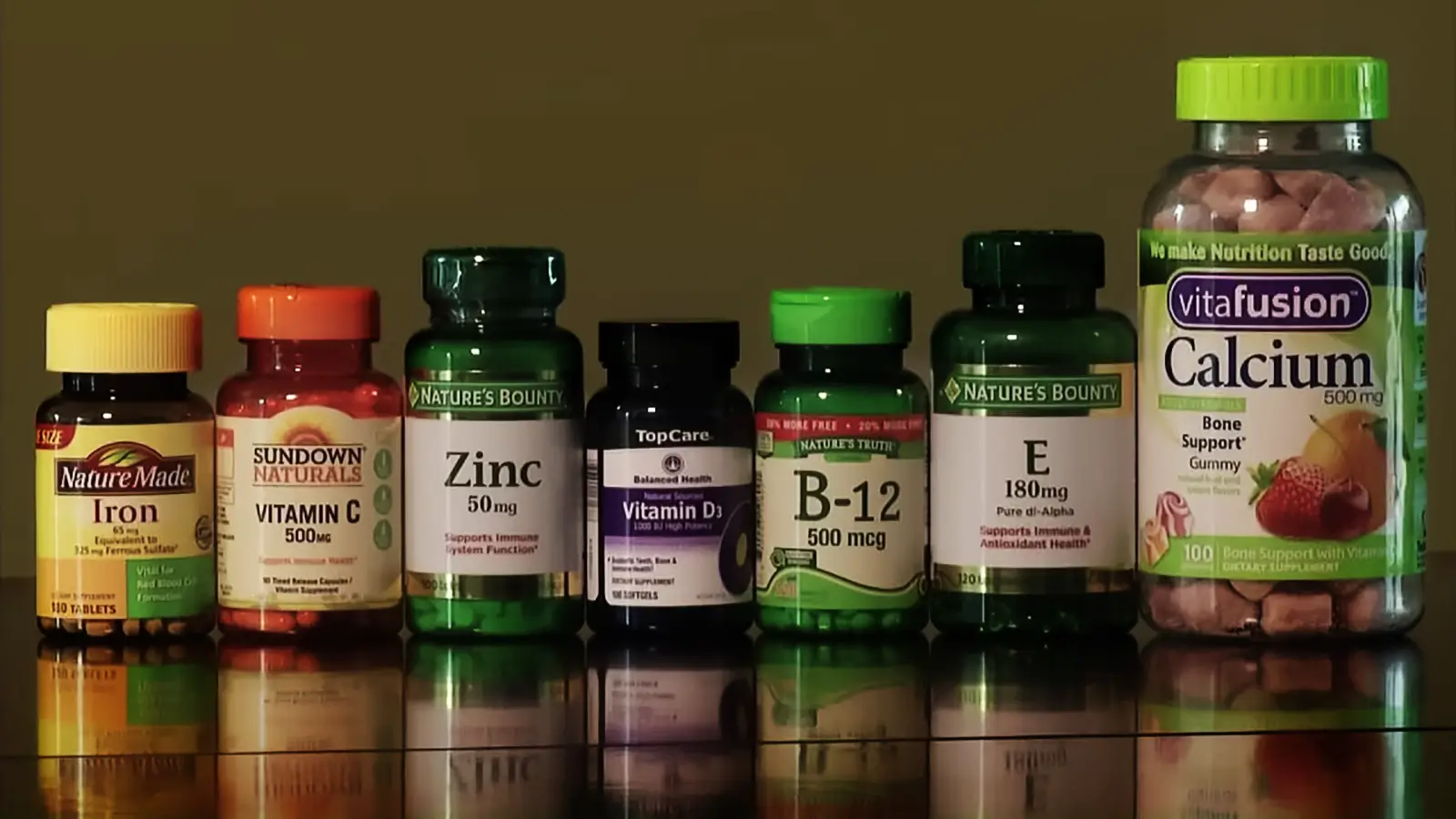
Editor Picks Vegan Diet
Nutrient Deficiencies in Vegan Diet: Prevention Strategies
There are nine common nutrient deficiencies on the population scale affecting people eating a plant-based diet. If not corrected on time some deficiencies have terrible and non-treatable consequences.
Editor Picks Optimal Diet
Micronutrient Deficiency in Standard American Diet: Optimization Strategies
Nutrition profile of our modern meat, sugar, processed food diet is completely incongruent with our evolution resulting in severe micronutrient deficiency.
Editor Picks Phytochemicals
Phytochemicals: Understanding the Basics
Every single phytochemical that exists has a biological action in the human body. Every single one from millions of different phytochemicals.
Editor Picks Milk Optimal Diet
Milk and Dairy: Health Risk Correlations
Known associations with milk and dairy consumption are infertility, ovarian and breast cancer, leukemia, diabetes type 1, autism, arteriosclerosis, cataract, rheumatoid arthritis, multiple sclerosis, hyperactivity, congestion, pimples, and more…

Cancer Editor Picks Protein
Complete Protein: IGF-1 Signaling in Cancer Formation
When you eat animal protein you have four times the chance to develop all types of cancer. When you smoke you have a four-time chance to develop lung cancer.

Cancer Editor Picks Protein
The Anatomy of Cancer- Health risk correlations
About 2% of cancers are by medicine considered to be purely caused by genetic factors. The same range as within the animal kingdom. You haven’t been told the whole truth.
Milos Pokimica is a health and nutrition writer and nutritional science advisor. Author of the book series Go Vegan? Review of Science, he also operates the natural health website GoVeganWay.com
Latest Articles –

Calorie Restriction Longevity
How to Fast: Fasting Foods That Won’t Break Autophagy
Autophagy. Have you ever wondered what happens to the cells in your body when they die or get damaged? Do they just pile up and create problems, or do they get disposed of somehow? The answer is that your body…

Dental Health Prevention
Sweets Teeth Sensitivity & Pain: Quick Fix & Lasting Solution
A quick and easy fix for pain relief is clove essential oil, a powerful antioxidant and pain reliever that can help with gum disease and toothache.
Beans
Green Beans: Nutrition and Health Benefits
Green beans are low in calories and rich in natural compounds that can help you control your blood sugar, lower your cholesterol, and fight off free radicals.
Raw food diet Vegan Diet
Can You Eat Mushrooms Raw: Health Risks, Nutrition & Safety
Mushrooms have heat-sensitive toxins like hydrazine or agaritine, and cell walls made out of chitin that cannot be digested well by humans.
Vegan Diet
Are Fish Animals? A Cultural Perspective
In some cultures, fish meat is not considered to be meat, and fish is allowed even during fast.

Dental Health Prevention
Homemade Natural Mouthwash: Proven, Stronger & Less Toxic
Homemade natural mouthwash is stronger than chlorhexidine, less toxic and if swallowed might give you some nausea but also a high burst in ORAC value.
Dental Health Prevention
How to Stop Tooth Decay: Symptoms, Causes & Prevention
Sugar consumption is the main cause of cavities and tooth decay, combined with mineral deficiencies especially magnesium, zinc, copper and trace elements.
Antioxidants Superfoods
Amla: Proven Benefits, Nutrition And Clinical Significance
Amla is one of the world’s most powerful antioxidants with a ORAC score of 261,530. It is a rich source of phytochemicals that have various health benefits.
Top Health News — ScienceDaily
- Popular sweeteners may leave effects that last for generationson August 31, 2026
Two widely used zero-calorie sweeteners, sucralose and stevia, may have effects that linger far longer than the sweet taste itself. In mice, researchers found that both sweeteners altered the gut microbiome, reduced beneficial compounds produced by gut bacteria, and changed the activity of genes involved in metabolism and inflammation. Some of those changes were also detected in later generations that had never consumed the sweeteners themselves.
- One injection could keep osteoarthritis drugs working for weekson August 31, 2026
Scientists have created an injectable gel that can remain inside arthritic joints for weeks, slowly releasing medication while also improving lubrication. The approach could make it easier to deliver disease-modifying drugs directly where they are needed while limiting exposure elsewhere in the body.
- Your waist size may reveal health risks BMI misseson August 31, 2026
A simple waist measurement may be nearly as effective as more complicated methods for detecting unhealthy levels of body fat. Researchers also found that BMI alone missed many people with obesity, suggesting waist size could provide an important warning sign.
- Scientists challenge a 70-year-old “lizard brain” mython August 31, 2026
A long-standing picture of brain evolution as newer, rational layers stacked on top of an ancient “lizard brain” may be deeply misleading. Researchers found that evolution instead appears to balance two competing styles of brain wiring, expanding one while shrinking the other depending on what an animal needs to survive.
- Scientists find why the liver may not heal even after you stop drinkingon August 31, 2026
Alcohol-related liver disease may trap damaged liver cells in a regenerative limbo, preventing the organ from rebuilding itself even after drinking stops. Researchers linked the problem to inflammation-driven RNA errors and identified a pathway that could potentially be targeted to restore liver repair.
- Common supplements rival antibiotics for severe gum diseaseon August 30, 2026
Omega-3 and low-dose aspirin matched the effectiveness of antibiotics in a year-long study of patients with severe gum disease, with both approaches helping about 58% reach the treatment goal. The unexpected result could point to a new way to treat some patients while reducing reliance on antibiotics and the growing problem of antibiotic resistance.
- HEPA air purifiers may boost brain function after just one monthon August 30, 2026
Adults aged 40 and older performed about 12% faster on a test of executive function after using a HEPA air purifier at home for one month. The findings suggest that cleaner indoor air could offer a simple way to help protect the brain from the effects of traffic-related pollution.
PubMed, #vegan-diet –
- Growth parameters and IGF-1 axis biomarkers differ among omnivorous, vegetarian, and vegan childrenon August 29, 2026
CONCLUSION: Children following a vegan diet are significantly smaller and have a lower BMI than their peers. Both, vegetarian and vegan diets are associated with lower BMIs and lower IGF-1 and IGFBP-3 values. These findings highlight the potential relevance of dietary composition for growth childhood.
- The Role of Anti-Inflammatory Nutrition in Metabolic Syndrome and Cardiometabolic Diseaseson August 27, 2026
Background: Metabolic syndrome is closely linked to chronic systemic inflammation and intestinal dysbiosis. Anti-inflammatory nutrition is an approach based on the interaction between dietary intake, chronic low-grade inflammation, and the pathophysiological mechanisms of metabolic syndrome and cardiometabolic diseases. This narrative review evaluates the impact of plant-based dietary models, including vegan and modified Mediterranean variants, on key metabolic and inflammatory parameters….
- Standard Therapy Plus Adjunctive Vegan Lifestyle Intervention in Metastatic Prostate Cancer: A Case Reporton August 26, 2026
Prostate cancer is among the most frequently diagnosed cancers in men globally, with metastatic disease contributing substantially to morbidity and mortality. While conventional therapies remain the standard of care, dietary and lifestyle behaviors are increasingly explored as potentially modifiable factors influencing clinical outcomes, although their role in advanced disease is not well established. We report a 60-year-old, physically active male, lifelong non-smoker without significant…
- Severe Methylmalonic Acidemia Precipitated by Dietary B12 Deficiency in Vegan Toddleron August 26, 2026
A previously healthy 19-month-old female presented after her family found her upon awakening to be sleepy, uninterested in eating, and lethargic. On arrival, blood gas showed profound metabolic acidosis with normal lactate that did not improve with normalization of glucose and sodium. Her acidosis continued to worsen, so a broad workup was initiated, considering ingestions, DKA, and inborn errors of metabolism. In collecting further history, the patient’s nutrition history included a […]
- Consumer Interpretation of the Term Plant-Based Dieton August 23, 2026
The objective of this study was to examine how the public interprets the term “plant-based.” A self-administered survey was conducted July 7-9, 2025, following the Best Practices for Survey Reach of the American Association of Public Opinion research. A total of 2202 participants responded. Participants were asked their understanding of the term “plant-based.” Population data were weighted to approximate a target sample of adults based on education, age, race, and region. Descriptive […]
Random Posts –
Editor Picks Optimal Diet Vegan Diet
WHO dietary guidelines- New food pyramid and suppression of science
WHO dietary guidelines recommend a diet low in saturated fat (animal protein), sugar, and salt and high in fruit and vegetables as a requirement to tackle the epidemic rise of chronic diseases worldwide.
Raw food diet Vegan Diet
Can You Eat Mushrooms Raw: Health Risks, Nutrition & Safety
Mushrooms have heat-sensitive toxins like hydrazine or agaritine, and cell walls made out of chitin that cannot be digested well by humans.
Obesity
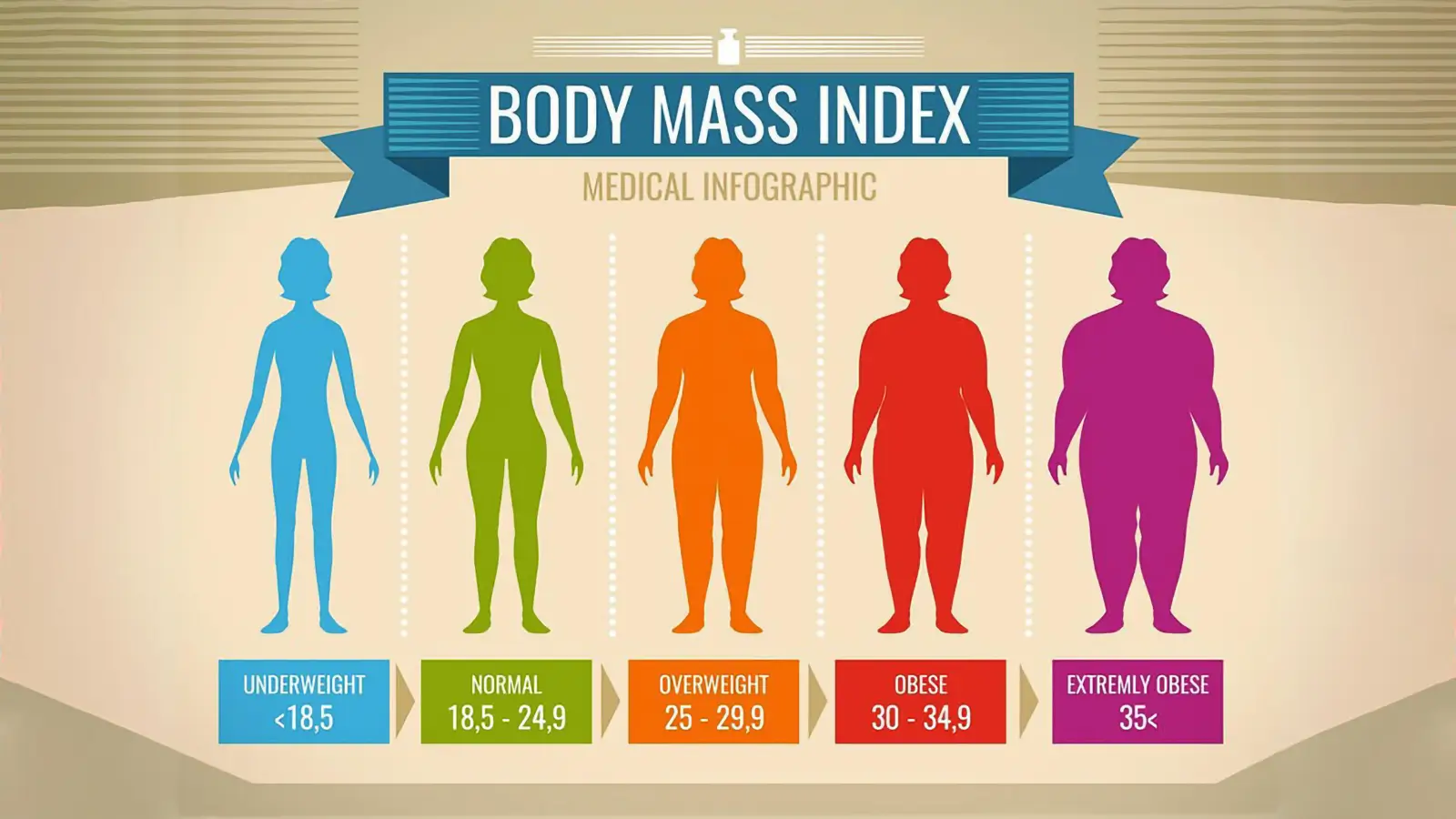
Obesity Risk Factors
What are the associated obesity risk factors? For all life on the planet Earth, except for us, food is not a choice.
Antioxidants Editor Picks ORAC
Essential Oils as Antioxidant Supplements: Rules and Strategies
Food-grade essential oils can be a convenient and consumer-friendly strategy for optimizing the antioxidant value and ORAC scores of our diet.
Cancer Editor Picks Toxicity
Water fluoridation- Scientific review
Fluoride inactivates 62 enzymes in the body, inactivates DNA and RNA repair enzymes activity, it is mutagenic, causes DNA damage, increases cancers and all other diseases correlated with mutations, disrupts the immune system.
Cancer Editor Picks Phytochemicals
Anticancer Power of Fruits and Vegetables: In Vivo and Clinical Evidence
Some vegetable extracts rival leading chemotherapy drugs and at the same time target multiple different types of cancer cells.

Vegan Diet
Humane meat or humane myth?- The animal cognition
We are not smartest species if we scientifically measure animal cognition. The long-finned pilot whale neocortical brain part contains more neurons than our own.

Cancer Drinking Water Toxicity
Tap water toxicity- Risk assessment
If we are living in a city where we are sure that the tap water is pure this still does not mean that the water is “pure”.

Allopathic Medicine Editor Picks
The tale of Big Pharma- IG Farben
The part of Rockefeller monopoly on chemical and medicine industries came into fulfillment after WW2. Standard Oil and IG Farben cooperation made this into reality.

Milk
Lactose intolerance- 65% chance you have it
People of European descent can drink milk and the rest of the globe cannot. There is, however, a lot of substances in milk besides lactose that none of us can tolerate.

Featured Posts –
Diabetes Editor Picks
Diabetes causes and saturated fat- The vegan argument
As the level of fat in the bloodstream rises the ability of the body to clear sugar drops. One of the diabetes causes is our maladaptation to a large fat intake
Cancer Editor Picks Protein
The Anatomy of Cancer- Health risk correlations
About 2% of cancers are by medicine considered to be purely caused by genetic factors. The same range as within the animal kingdom. You haven’t been told the whole truth.

Editor Picks Obesity Optimal Diet
Cause of Obesity- Maladaptation or addiction
What is the cause of obesity epidemic? For all life on Earth, food is not a choice. The hardest thing for the animal in the wilderness is to gain weight.
Editor Picks Optimal Diet Vegan Diet
WHO dietary guidelines- New food pyramid and suppression of science
WHO dietary guidelines recommend a diet low in saturated fat (animal protein), sugar, and salt and high in fruit and vegetables as a requirement to tackle the epidemic rise of chronic diseases worldwide.

Editor Picks Optimal Diet Protein
High Protein Diet- Health Risk Correlations
Scarcity is the rule of protein in nature. In evolutionary terms, anthropologists have proven that hominins lived an average of 15 to 25 grams of protein a day. In the modern western type of high-protein diet we would consume that…

Diabetes Editor Picks
Diabetes causes and refined carbohydrates- The vegan argument
People believe that refined carbohydrates are associated with insulin spikes and are one of the diabetes causes. They are right. However, they are also wrong.
Cancer Editor Picks Phytochemicals
Anticancer Power of Fruits and Vegetables: In Vivo and Clinical Evidence
Some vegetable extracts rival leading chemotherapy drugs and at the same time target multiple different types of cancer cells.
Allopathic Medicine Editor Picks
The tale of Big Pharma- IG Farben
The part of Rockefeller monopoly on chemical and medicine industries came into fulfillment after WW2. Standard Oil and IG Farben cooperation made this into reality.

Editor Picks Obesity
Minnesota Starvation Experiment: Why dieting makes us fat. The Psychology of Hunger.
One of the first scientific studies on what hunger does to the mind was observed in a study remembered as the Minnesota Starvation Experiment performed by the University of Minnesota back in 1944.
Editor Picks Prevention Toxicity
Environmental toxicity- It is just a food chain
Environmental toxicity is the bioaccumulation of toxins. Organisms are filters. But there is one more even worse process called biomagnification in food chain.
Latest from PubMed, #plant-based diet –
- Effects of dietary fiber sources on nitrogen metabolism and fecal microbiota in growing-finishing pigsby Jixiang Ma on August 31, 2026
Nitrogen metabolism in pigs is closely associated with gut microbiota, but the differential effects of dietary fiber sources on nitrogen metabolism and gut microbiota remain unclear. This study investigated the effects of pectin, β-glucan, arabinoxylan, and cellulose on nitrogen metabolism, fecal microbiota, and metabolic characteristics in growing-finishing pigs. Sixty healthy castrated male pigs (initial body weight 44.32 ± 0.29 kg) were randomly assigned to five groups (n = 12 per group) […]
- Diet, predator, and molecular marker properties influence dietary DNA detection in ladybird beetles (Coleoptera: Coccinellidae) during digestionby Li-Qun Cai on August 31, 2026
DNA-based gut content analysis is a powerful tool for quantifying predation, yet dietary DNA detectability is influenced by multiple factors. Here, we systematically evaluated the effects of diet, predator traits (species, life stage, and sample type), and molecular marker properties (marker length and type) on dietary DNA detectability in ladybird beetles (Coleoptera: Coccinellidae), using Cryptolaemus montrouzieri Mulsant, 1853 as a representative species alongside other ladybird species….
- Inequities in Children’s Food Environment: A Comparison between Slum and Non-slum Settings in Urban Bangladeshby Tania Ahmed Chowdhury on August 31, 2026
Children living in urban slums face persistent nutritional and health inequities, many of which are rooted in the food environment. This study examined the drivers of children’s food behaviors in Dhaka, Bangladesh, comparing slum and non-slum settings through a cross-sectional survey of 300 mothers of school-aged children (8-12 years) and focus group discussions. Quantitative analysis revealed disparities in diet quality: children in non-slum areas had a 13% higher dietary quality score (p
- Assessment of dietary habits in adolescents with inflammatory bowel diseaseby Hajnalka Krisztina Pintér on August 30, 2026
CONCLUSION: An unfavorable dietary pattern was observed among IBD patients, supporting the need for regular and targeted dietary interventions. Emphasizing a sustainable, balanced diet – particularly during remission – is essential for effective disease management. Orv Hetil. 2026; 167(35): 1394-1401.
- Persimmon-Derived Tannins Ameliorated Cholesterol Levels in Liver Tissues Induced by a High-Fat Diet and Concurrently Increased the Diversity of the Gut Microbiota of Ratsby Naoko Mochida on August 30, 2026
A number of studies have suggested that tannins improve lipid metabolism disorders. Based on the close relationship between liver and the gut microbiota through the gut-liver axis, we hypothesized that tannins may reduce lipid accumulation in the liver by modulating the gut microbiota. To test this hypothesis, we administered persimmon-derived tannins to rats fed a high-fat diet for 11 wk. Blood parameters and cholesterol, TG, and lipid droplet areas in the liver tissues were measured, and […]
- Growth parameters and IGF-1 axis biomarkers differ among omnivorous, vegetarian, and vegan childrenby Inola E Allner on August 29, 2026
CONCLUSION: Children following a vegan diet are significantly smaller and have a lower BMI than their peers. Both, vegetarian and vegan diets are associated with lower BMIs and lower IGF-1 and IGFBP-3 values. These findings highlight the potential relevance of dietary composition for growth childhood.