







Медитеранска Исхрана - „Чудо“ Маслиновог Уља
Медитеранска исхрана, која се рекламира као чудо од маслиновог уља, није имала никакве везе ни са једним уљем било које врсте, осим у мери у којој може да замени путер и маст.
Милош Покимица
Написао/ла: Милош Покимица
Медицински прегледао: др Сјујинг Ванг
Updated јун 9, 2023Добра стара здрава медитеранска исхрана. Представљена као чудо од маслиновог уља које нема никакве везе са било којом врстом уља, осим у мери у којој може да замени чак и горе изборе попут обичних засићених масти попут путера и масти. Управо тако је то видео чак и отац медитеранске исхране (Кључеви, 1987). Када одете на pubmed.gov и потражите медитеранску исхрану, видећете око 5000 резултата. Медитеранска исхрана обухвата многе дијете у много различитих земаља. То може бити Мароко, Грчка, Шпанија, Италија или неко друго место.
Међутим, када говоримо о медитеранској исхрани, подразумева се исхрана на острву Крит у послератном периоду. Такође, оно што следи је велико питање: Зашто су срчане болести биле ретке на Медитерану? То значи на острву Крит после Другог светског рата.
In 1948 after the war and socioeconomic collapse, the government of Greece was concerned about malnutrition and the health status of its citizens. They decided to invite the Rockefeller Foundation with the goal of undertaking an epidemiological study on the island of Crete. In 1952 impressed by low rates of heart disease Ancel Keys, the same scientist that was in charge of the Minnesota Starvation Experiment, noted the connection after researching the data between fat and especially saturated fat, and heart disease. Although at that time he did not see cholesterol as the problem because it would mean the animal products are the guilty ones. The connection between dietary fat and heart disease was observed even earlier in the 1930s and was influential on Keys’ work, but data from Crete made him write a paper about it in 1953 and made public addresses. The famous Seven Country Study was to begin five years later in 1958 to investigate Keys’ concerns (www.sevencountriesstudy.com). До 1960-их било је општеприхваћено веровање да засићене масти доприносе срчаним обољењима. Исхрана људи на острву Крит била је катализатор за ово истраживање касније. Године 1970, студија седам земаља је први пут представљена. Киз је и сам живео до 100 година и у то време није био толико радикалан колико би нас забуна око холестерола желела уверити. Препоручивао је да се једе мање масти, што значи масти у месу и масти уопште попут јаја (или барем жуманца) и млечних производа, а уместо тога да се једе више рибе и пилетине. Воће и поврће је сматрао само комплементарном храном, а имао је холестерол од око 200. Тај број није ни приближно здрав, али јесте живео до 100 година. Проблем је био у томе што је био лекар из истог система као и било који други лекар. Артериосклероза се обично не јавља у доба у које би нас забуна око холестерола желела уверити због свих стресних протока крви.
Arteriosclerosis is a disease, not the aging process. We can go and look at arteries and measure the blood pressure of poor people in places like Crete. Keys did not see the real truth about what was real diet on Crete. He thought it was just fat and didn’t see the problem in animal protein. Animal протеинска корелација била је превиђена чак и на графиконима. Замутио је воду показујући само на масноћу.
Међутим, чак ни то није било довољно. Чак је и то било претерано. Године 1966, Џорџ Кембел и Томас Л. Клив објавили су књигу „Дијабетес, коронарна тромбоза и сахаринска болест“. Тврдили су да хроничне западне болести попут срчаних болести, пептичког улкуса, дијабетеса и гојазности изазива једна ствар: „Болест рафинисаних угљених хидрата“. Била је то бескрајна прича. Никада није престала до данас. Све је лаж која се суочава са супротном лажи. Вештачки створени ратови око исхране и конфузија. Била је то добра стратегија дизајна која није ништа променила за 70 година, осим што је обичне људе увукла у заробљавање новца који изазива болести, стварајући злу петљу беде. Чак и у данашње време, то је иста стара прича о манипулацији. На пример, 2001. године, у чланку у часопису „Сајенс“ под насловом „Исхрана: Мека наука о дијететским мастима“, Гари Таубс је написао:
“It is still a debatable proposition whether the consumption of saturated fats above recommended levels by anyone who’s not already at high risk of heart disease will increase the likelihood of untimely death…or have hundreds of millions of dollars in trials managed to generate compelling evidence that healthy individuals can extend their lives by more than a few weeks, if that, by eating less fat.”
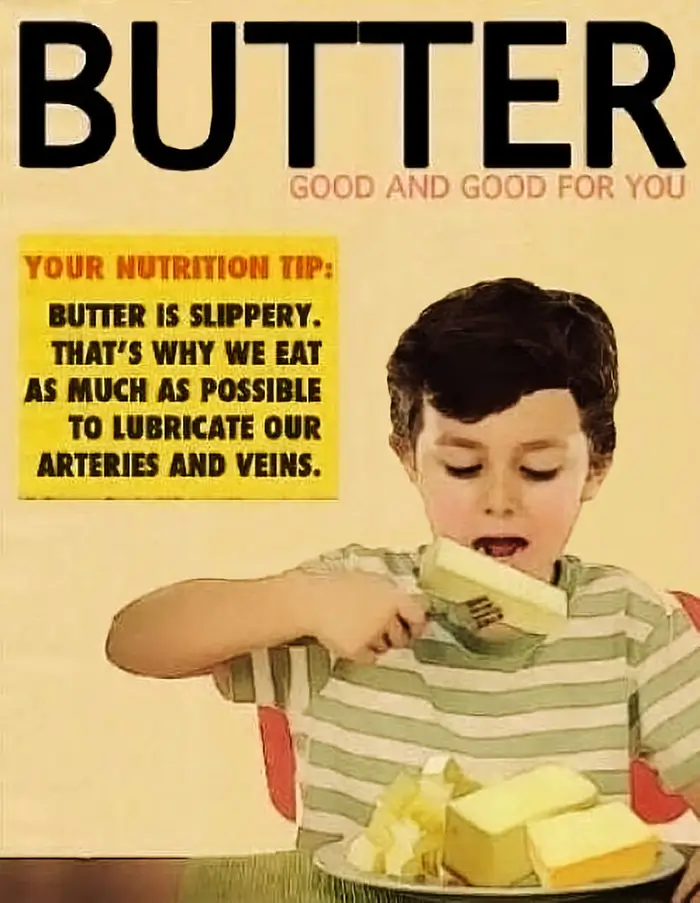
People 70 years later think that the Mediterranean diet is healthy because of olive oil. This is an excellent illustration of a half-truth. Italian restaurants market themselves as a healthy Mediterranean diet cuisine with spaghetti carbonara and alcohol. The death rate from heart disease in Crete at that time was more than 20 times, not 20 percent, 20 times less than in the US. We statistically see this data from places like rural China and Crete and Okinawa and on and on and see that these people’s diet is simple and similar to each other. How much stupidity do we have to have not to see the real story of what is happening? Scientists with a considerable level of education are not the stupid ones. They have six-figure annual income plus bonuses. They are the smart ones. We are not. Nutritional science is not secret deep underground military propulsion system laboratory research. There are no real debates in the field of nutrition, only purposely creating real confusion.
So what did they eat on the island of Crete in the World War 2 aftermath? The answer is the same. No meat, eggs, or dairy. Just poor people’s food like fruit and vegetables, grains, nuts, and legumes. Things that grow locally. In numbers, they ate more than 90% plant-based, and meat, fish, dairy, and egg products combined are about 7%. They did eat some of the olive oil because olives grow in Crete but that is not the olive oil diet. Or the wine diet. There is nothing healthy about wine except grapes. We would be better off just drinking raw grape juice. If we look at Greece today what is it that we think we would find? They have the number 1 score in Europe in child obesity. The Island of Crete included. As soon as the economy improves the meat, cheese, sugar, and alcohol come in a package. And smoking too. Greece has a rate of tobacco consumption above 40%. The Mediterranean diet was not a local-specific Mediterranean diet like Italian cuisine or Greek cuisine or such. It was a poverty diet without meat and eggs, and dairy, similar to diets in all poverty or war-stricken places, and industry does not like to mention this. Heart disease was a rarity in Greece. Was. Not anymore. And even in Crete at times of war, some rich people ate “normally” meaning eating meat every day instead of once in two weeks. Heart attacks were normal for them too, unlike the rest of the common people that were struck by poverty. No one today eats the real Mediterranean diet anymore. The pure Mediterranean diet of today that is predominantly plant-based is not a real whole food diet. It is dominated by white flour, the consumption of oil and salt, and alcohol. In Crete, they did not eat refined white pasta from the factory with a sauce full of extracted oil and bottles of wine. Alcohol is a known breast cancer risk factor even if we disregard inflammation and toxicity. That is not a health-promoting meal. Well, that is not a health-promoting meal if we do not compare it to the even worse standard American meal of today. So yes, the Mediterranean diet is healthier than the regular diet but not as healthy as a real natural human diet. Whole food plant-based diet.
Проблем је што обична, нормална храна није укусна, јер је рафинисана, пуна соли и уља и шећера so hardly anyone sticks to it. From a young age, children are given all of these chemicals we consider to be food, so we are addicted to them in childhood and have no real baseline anymore for comparison to what real human food is. That is why poor people’s diet works. If we disregard cholesterol and toxins and saturated fats that come from animal products and if we analyze the individual components of diet in Crete, we see that actually, it was not grains that were protective against heart attack. Grains, were more neutral and because they were whole food with fiber they had no effect on obesity or diabetes. Among the individual components in the Mediterranean diet consumption of greens and nuts actually, had most of the effects on lowering cardiovascular disease risk. Vegetarians that eat nuts have a lower risk of cardiovascular disease instead of those who don’t, and there are now a number of studies on this topic also. Here is one (Гуаш-Фере и др., 2013) са закључком: „Повећана учесталост конзумирања орашастих плодова повезана је са значајно смањеним ризиком од смртности код медитеранске популације са високим кардиоваскуларним ризиком.“
Орашасти плодови имају висок садржај уља, али и висок садржај влакана, тако да се уље не апсорбује одмах као маст из меса или рафинисаног уља и за разлику од меса или уља, орашасти плодови су богати антиоксидансима и другим фитохемијским супстанцама. Још једна предност орашастих плодова је то што се њихово комбиновање са зеленим уљем повећава фитохемијска апсорпција хемикалија растворљивих у мастима које се налазе у већ здравом поврћу. Не морамо да идемо на нискокалорични начин и избегавамо конзумирање орашастих плодова и семенки, већ претежно једемо скроб. Требало би да једемо скроб, орашасте плодове и сву осталу храну у што већем броју разноврснијих намирница. До сада наука није повезала високу конзумацију семенки и орашастих плодова са било којом болешћу, укључујући гојазност, осим код људи који имају алергије. Управо супротно. Они су корисни у скоро сваком стању. Бразилски ораси су пуни селена, а ораси штите од рака, лигнани у ланеном семену су једна од најзаштитнијих хемикалија против рака дојке, а такође су пуни омега-3 уља за функцију мозга. Наши преци су дуго јели сирове орашасте плодове и семенке. Они су наша природна храна колико и воће, житарице, млади листови или друго зелено лиснато поврће.
Здрава исхрана је она коју смо развили и прилагодили једењу. То је то.
Референце:
- Киз А. (1987). Маслиново уље и коронарна болест срца. Лансет (Лондон, Енглеска), 1(8539), 983–984. https://doi.org/10.1016/s0140-6736(87)90337-0
- Гуасцх-Ферре, М., Булло, М., Мартинез-Гонзалез, М. А., Рос, Е., Цорелла, Д., Еструцх, Р., Фито, М., Арос, Ф., Варнберг, Ј., Фиол, М., Лапетра, Ј., Виниолес, Е., Серајем, Л. Пинто, Кс., Руиз-Гутиеррез, В., Басора, Ј., Салас-Салвадо, Ј., & ПРЕДИМЕД студијска група (2013). Учесталост конзумирања орашастих плодова и ризик од смртности у испитивању ПРЕДИМЕД интервенције у исхрани. БМЦ медицина, 11, 164. https://doi.org/10.1186/1741-7015-11-164
Повезани постови

Имате ли питања о исхрани и здрављу?
Волео бих да чујем ваше мишљење и да на њих одговорим у следећем посту. Ценим ваш допринос и мишљење и радујем се што ћу вас ускоро чути. Такође вас позивам да нас пратите на Фејсбуку, Инстаграму и Пинтересту за више садржаја о исхрани, исхрани и здрављу. Тамо можете оставити коментар и повезати се са другим ентузијастима за здравље, поделити своје савете и искуства и добити подршку и охрабрење од нашег тима и заједнице.
Надам се да вам је овај пост био информативан и пријатан и да сте спремни да примените сазнања која сте стекли. Ако вам је овај пост био од помоћи подели га са пријатељима и породицом којима би такође могло бити од користи. Никад се не зна коме би могло бити потребно вођство и подршка на њиховом здравственом путу.
– Можда ће вам се свидети и –
Вегански Неандерталци? Истина о Правој Неандерталској Исхрани
Узроци Дијабетеса и Рафинисани Угљени Хидрати - Вегански Аргумент
Величина Мозга, Интелигенција и Конзумација Меса - Вегански Аргумент
Аспартам: Истина о Здравственим Ризицима и Опасностима
Предности Сулфорафана: Детоксикујућа Супермоћ Броколија

Смернице СЗО за Исхрану - Нова Пирамида Исхране и Потискивање Науке

Нетолеранција на Лактозу - 65% Шансе да је Имате

Прича о Великој Фарми - Иг Фарбен

Сазнајте више о исхрани

Милош Покимица је доктор природне медицине, клинички нутрициониста, писац о медицинском здрављу и исхрани и саветник за нутриционистичку науку. Аутор серије књига. Постаните Веган? Преглед Науке, он такође води веб страницу о природном здрављу GoVeganWay.com
Медицинска одрицање одговорности
GoVeganWay.com вам доноси прегледе најновијих истраживања везаних за исхрану и здравље. Информације које су дате представљају лично мишљење аутора и нису намењене нити се подразумевају као замена за професионални медицински савет, дијагнозу или лечење. Дате информације су само у информативне сврхе и нису намењене да служе као замена за консултације, дијагнозу и/или медицински третман квалификованог лекара или здравственог радника.НИКАДА НЕ ЗАНЕМАРУЈТЕ ПРОФЕСИОНАЛНИ МЕДИЦИНСКИ САВЕТИ ИЛИ НЕ ОДЛАЖИТЕ ТРАЖЕЊЕ МЕДИЦИНСКОГ ЛЕЧЕЊА ЗБОГ НЕЧЕГА ШТО СТЕ ПРОЧИТАЛИ НА ИЛИ ПРИСТУПИЛИ ПРЕКО GoVeganWay.com
НИКАДА НЕ ПРИМЕЊУЈТЕ ПРОМЕНЕ НАЧИНА ЖИВОТА ИЛИ БИЛО КАКВЕ ПРОМЕНЕ КАО ПОСЛЕДИЦУ НЕЧЕГА ШТО СТЕ ПРОЧИТАЛИ НА GoVeganWay.com ПРЕ НЕГО ШТО СЕ КОНСУЛТУЈЕТЕ СА ЛИЦЕНЦИРАНИМ ЛЕКАРЕМ.
У случају медицинске хитности, одмах позовите лекара или 911. GoVeganWay.com не препоручује нити подржава било које одређене групе, организације, тестове, лекаре, производе, процедуре, мишљења или друге информације које могу бити поменуте унутра.
Избор уредника –
Рак Избор уредника Фитохемикалије
Антиканцерогена Моћ Воћа и Поврћа: Ин Виво и Клинички Докази
Неки биљни екстракти могу се поредити са водећим лековима за хемотерапију, а истовремено циљају више различитих врста ћелија рака.
Антиоксиданси Избор уредника ORAC
Етерична Уља као Антиоксидативни Додаци: Правила и Стратегије
Етерична уља прехрамбене класе могу бити практична и потрошачима пријатна стратегија за оптимизацију антиоксидативне вредности и ORAC резултата наше исхране.
Антиоксиданси Избор уредника ORAC
Исхрана Богата Антиоксидансима: Општа Правила и Стратегије
Постоје једноставне и исплативе стратегије за оптимизацију антиоксидативне вредности наше исхране.
Антиоксиданси Избор уредника ORAC
Разумевање ORAC Вредности: Нивои Антиоксиданата у Храни
Када је ваш главни извор антиоксиданата кафа, знате да имате озбиљан проблем.

Антиоксиданси Избор уредника ORAC
Предности Астаксантина: Најмоћнијег Природног Антиоксиданса на Свету
Астаксантин је најмоћнији природни и универзални антиоксиданс (и уљани и водорастворљив) познат науци. Акумулира се у ткивима и никада се не може претворити у прооксиданс.
Антиоксиданси Избор уредника ORAC Фитохемикалије
Антиоксиданси: Разумевање Основа
У производима животињског порекла нема фитохемикалија нити антиоксиданата. У просеку, биљна храна садржи више од 60 пута више антиоксиданата него храна животињског порекла.
Избор уредника Веганска дијета
Недостаци Хранљивих Материја у Веганској Исхрани: Стратегије Превенције
Постоји девет уобичајених недостатака хранљивих материја на нивоу популације који погађају људе који једу биљну исхрану. Ако се не исправе на време, неки недостаци имају страшне и неизлечиве последице.
Избор уредника Оптимална дијета
Недостатак Нутријената у Стандардној Исхрани: Стратегије Оптимизације
Нутритивни профил наше модерне исхране засноване на месу, шећеру и прерађеној храни је потпуно неусклађен са нашом еволуцијом, што резултира озбиљним недостатком микронутријената.
Избор уредника Фитохемикалије
Фитохемикалије: Разумевање Основа
Свака фитохемикалија која постоји има биолошко дејство у људском телу. Свака од милиона различитих фитохемикалија.
Избор уредника Млеко Оптимална дијета
Млеко и Млечни Производи: Корелације Здравственог Ризика
Познате повезаности са конзумирањем млека и млечних производа су неплодност, рак јајника и дојке, леукемија, дијабетес типа 1, аутизам, артериосклероза, катаракта, реуматоидни артритис, мултипла склероза, хиперактивност, загушење, бубуљице и још много тога…

Рак Избор уредника Протеини
Комплетан Протеин: ИГФ-1 Сигнализација у Формирању Рака
Када једете животињске протеине, имате четири пута већу шансу да развијете све врсте рака. Када пушите, имате четири пута већу шансу да развијете рак плућа.

Рак Избор уредника Протеини
Анатомија Рака - Корелације Здравственог Ризика
Медицина сматра да је око 2% карцинома узроковано искључиво генетским факторима. Исти распон као и у животињском царству. Није вам речена цела истина.
Милош Покимица је писац о здрављу и исхрани и саветник за нутриционистичку науку. Аутор је серије књига. Постаните Веган? Преглед Науке, он такође води веб страницу о природном здрављу GoVeganWay.com
Најновији чланци –

Ограничење калорија Дуговечност
Како Постити: Храна за Пост Kоја Неће Прекинути Aутофагију
Аутофагија. Да ли сте се икада запитали шта се дешава са ћелијама у вашем телу када умру или се оштете? Да ли се само гомилају и стварају проблеме или се некако одлажу? Одговор је да ваше тело…

Здравље зуба Превенција
Осетљивост на Слаткише и Бол у Зубима: Брзо и Трајно Решење
Брзо и једноставно решење за ублажавање бола је етерично уље каранфилића, моћан антиоксиданс и средство против болова које може помоћи код болести десни и зубобоље.
Пасуљ
Зелени Пасуљ ( Боранија ): Нутритивне и Здравствене Користи
Зелени пасуљ ( Боранија ) има мало калорија и богат је једињењима која вам могу помоћи да контролишете шећер у крви, смањите холестерол и борите се против слободних радикала.
Исхрана са сировом храном Веганска дијета
Можете ли Јести Сирове Печурке: Здравствени Ризици, Исхрана и Безбедност
Печурке садрже токсине осетљиве на топлоту попут хидразина или агаритина и ћелијске зидове направљене од хитина које људи не могу добро сварити.
Веганска дијета
Да ли су Рибе Животиње? Културна Перспектива
У неким културама, рибље месо се не сматра месом, а риба је дозвољена чак и током поста.

Здравље зуба Превенција
Домаћа Природна Течност за Испирање Уста: Доказана, Јача и Мање Токсична
Домаћа природна течност за испирање уста је јача од хлорхексидина, мање токсична и ако се прогута може изазвати мучнину, али и висок нагли пораст ORAC вредности.
Здравље зуба Превенција
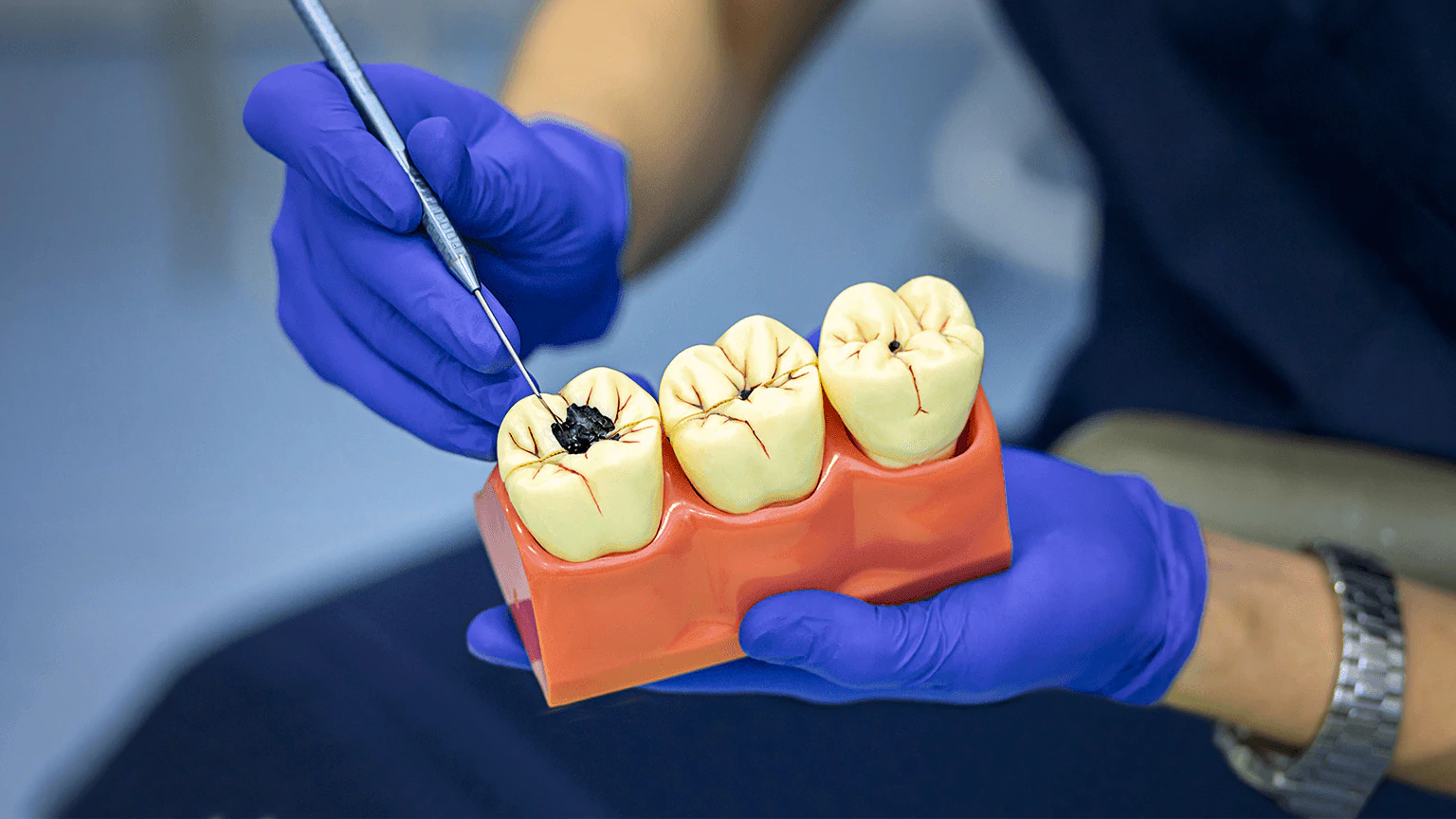
Како Зауставити Каријес: Симптоми, Узроци и Превенција
Конзумирање шећера је главни узрок каријеса и пропадања зуба, у комбинацији са недостатком минерала, посебно магнезијума, цинка, бакра и елемената у траговима.
Антиоксиданси Суперхрана
Амла: Доказане Користи, Исхрана и Клинички Значај
Амла (Индијски огрозд) је један од најмоћнијих антиоксиданата на свету са ORAC резултатом од 261.530. Богат је извор фитохемикалија које имају разне здравствене користи.
Најважније вести из здравља — ScienceDaily
- A single dose reversed autism-like symptoms in adult mice within hourson јул 25, 2026
Even mild inflammation during pregnancy led mouse offspring to develop persistent brain overactivity, sensory sensitivity, repetitive behaviors, and increased seizure risk. Remarkably, one dose of rapamycin improved nearly all of these problems within about two hours. The benefits were temporary, but they suggest that adult brain circuits may remain far more adaptable than previously believed.
- Superagers keep youthful memories but their DNA does not explain whyon јул 25, 2026
Scientists expected SuperAgers might simply inherit fewer Alzheimer’s-related risks, but their genes looked much like those of typical older adults. Their extraordinary memories may instead come from still-unknown protective forces involving the brain, body, lifestyle, and environment.
- Coffee may help shield the liver from fat, scarring, and canceron јул 25, 2026
A major long-term study linked coffee consumption with lower risks of cirrhosis, liver cancer, and death from liver disease. Coffee drinkers also showed healthier liver scans and blood protein patterns, with less fat, inflammation, and scarring. Benefits appeared even at one or two cups daily and were strongest around three to four cups.
- Oral GLP-1 drugs may quiet the brain’s food craving circuiton јул 25, 2026
Newer oral drugs related to semaglutide medications such as Ozempic reduced pleasure-driven eating in mice by quieting a deep brain reward circuit. The finding could open new avenues for understanding food cravings and potentially treating substance use disorder.
- A daily fiber supplement reduced knee arthritis pain and improved strengthon јул 25, 2026
A prebiotic fiber supplement reduced knee osteoarthritis pain while also improving grip strength and pain sensitivity in a six-week trial. The results hint at a fascinating gut-muscle-pain connection and suggest that a simple daily supplement may be easier to maintain than digital physiotherapy.
- AI helps Stanford scientists discover “natural Ozempic” without the usual side effectson јул 24, 2026
Stanford Medicine researchers have discovered a naturally occurring molecule that may suppress appetite and reduce body weight much like Ozempic, but without several of its common side effects. The molecule, called BRP, acts on a more targeted region of the brain involved in hunger and metabolism rather than affecting tissues throughout the body.
- Scientists discover a compound that could supercharge aging muscle repairon јул 24, 2026
A sulfur-based compound called LASSS appears to protect and supercharge a key protein involved in repairing damaged muscle. The discovery could eventually lead to new ways to slow muscle loss and preserve strength as people age.
PubMed, #веганска-исхрана –
- Long-Term Dietary Changes and Mortality among Participants of a Whole Food Plant-Based Pilot Study for Metastatic Breast Canceron јул 20, 2026
CONCLUSIONS: In this small, exploratory, long-term follow-up, research participants maintained selective dietary changes 5 y after completing an 8-wk intervention. Although mortality differences require cautious interpretation, these descriptive findings suggest that longer, adequately powered studies are warranted.This trial was registered at clinicaltrials.gov as NCT03045289 on 7 February 2017.
- Dietary patterns and mortality in clinical obesity: comparative risks of meat-based, pescatarian, and vegetarian dietson јул 17, 2026
CONCLUSIONS: Among individuals with clinical obesity, a pescatarian diet was associated with better survival outcomes, whereas vegetarian and vegan diets did not show similar benefits. This finding provides epidemiological evidence for future research and dietary counselling in populations with clinical obesity.
- Interpreting Lower HDL-C in Plant-Based Diets: Mechanisms and Clinical Implicationson јул 17, 2026
Plant-based dietary patterns are associated with improved cardiometabolic health, including lower levels of serum low-density lipoprotein cholesterol (LDL-C), blood pressure, adiposity, inflammation, and lower risk of cardiovascular disease (CVD). However, some studies report modestly reduced high-density lipoprotein cholesterol (HDL-C) concentrations in populations following plant-based diets (e.g., vegan or vegetarian), while other studies show null associations. This has created […]
- Sustained Type 2 Diabetes Remission and Metabolic Health Through Intensive Lifestyle Intervention: A Case Report With a Nine-Year Follow-Upon јул 16, 2026
A 61-year-old man with newly diagnosed type 2 diabetes (T2D), obesity by Asian-specific body mass index (BMI) criteria (28.8 kg/m²), dyslipidemia, and hypertension enrolled in a three-month intensive lifestyle intervention (ILI) at the Freedom from Diabetes Clinic, India. The ILI comprised a whole-food, plant-based, vegan diet, daily structured exercise (aerobic, resistance, and yoga), and stress reduction through meditation and journaling. At the four-month assessment following completion […]
- IMPACT OF PLANT-BASED DIETARY PATTERNS ON OBESITY-RELATED CANCERS: THE SEGUIMIENTO UNIVERSITY OF NAVARRA (SUN) PROSPECTIVE COHORTon јул 16, 2026
Evidence suggests that plant-based dietary patterns -favoring plant-based foods without being strictly vegetarian or vegan – may prevent obesity and offer health benefits. Since not all plant-based foods are equally healthy, it is essential to distinguish between healthful and unhealthful plant-based options. Objective: This study aimed to analyze the associations between different plant-based dietary patterns and the incidence of obesity-related cancers. We followed-up 16,256 participants […]
Случајне објаве –

Дијабетес Избор уредника Оптимална дијета
Рафинисани Шећер: Разумевање Ризика
Деца конзумирају око једне петине својих укупних потреба за калоријама само из рафинисаног шећера. Ако на листу додамо масти и остатак прерађене хране лишене хранљивих материја, то постаје потпуна ноћна мора у погледу исхране.

Избор уредника Превенција Токсичност
Токсичност из Окружења- То је Само Ланац Исхране
Токсичност за животну средину је биоакумулација токсина. Организми су филтери. Али постоји још један, још гори процес који се зове биомагнификација у ланцу исхране.

Дуговечност Оптимална дијета Веганска дијета
Недостатак Витамина Б12 и Когнитивни Пад: Стратегије Оптимизације Хомоцистеина
Витамини који регулишу ниво хомоцистеина су Б12, фолат и Б6. Већина невегана добија довољно Б12, али не и довољно фолата, док вегани добијају више фолата, али немају Б12 ако се не суплементирају.
Рак Оптимална дијета
Експресија Гена и Епигенетика: Како Исхрана и Окружење Обликују Ваше Здравље
Нису гени битни, већ начин на који се изражавају.
Ноотропици Фитохемикалије
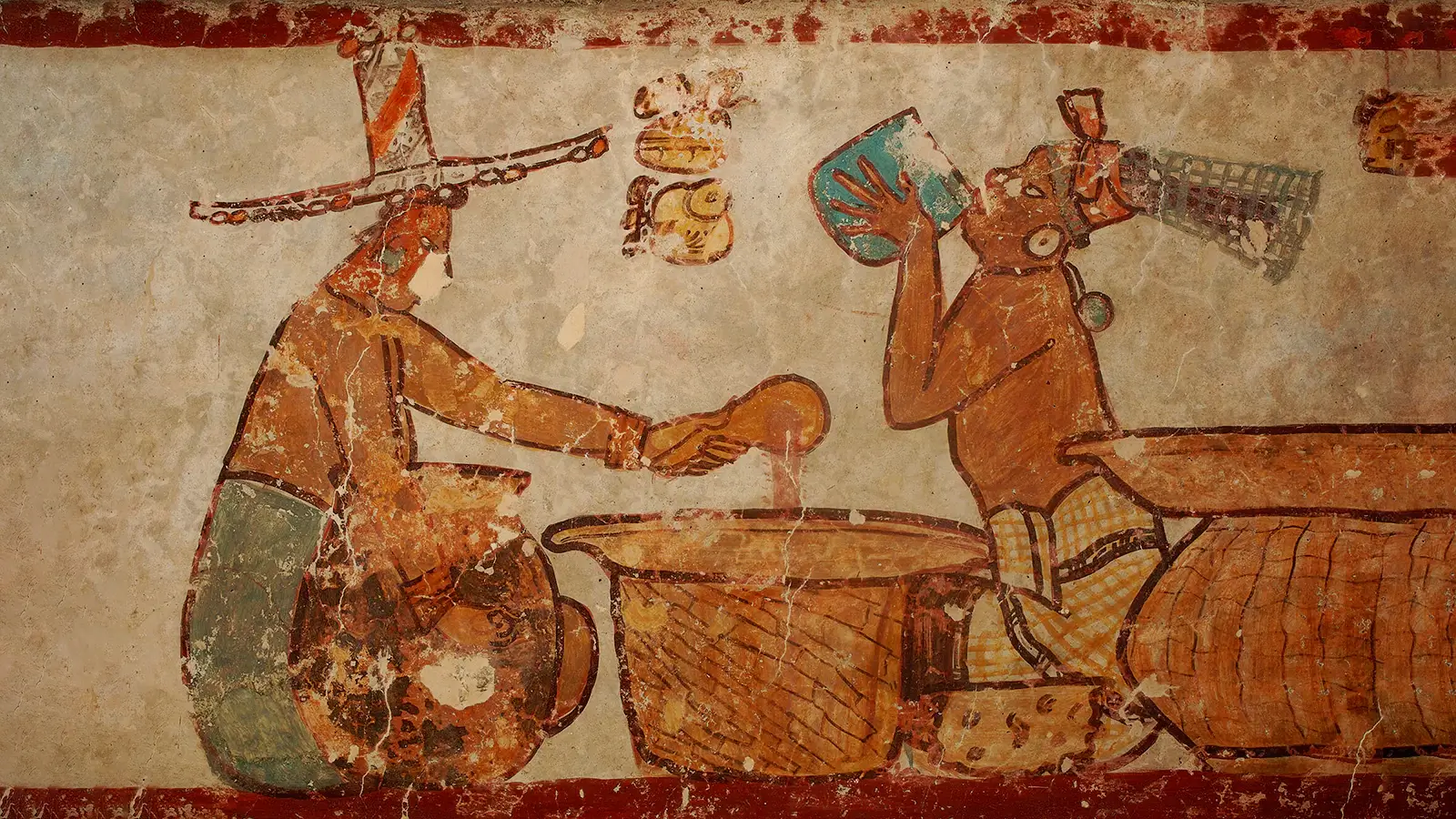
Предности Теобромина: Јачање Мозга Без Анксиозности
Теобромин је тајна која стоји иза утицаја чоколаде на ваш ум и емоције. Може побољшати ваше когнитивне способности и, за разлику од кофеина, смањује ниво стреса.
Избор уредника Упала
Дилема Људи Сваштоједи - Конзумирање Меса, Пробиотске Бактерије, Упала и Црева
Да ли су људи сваштоједи у правом анатомском смислу? Постоји фундаментална разлика у начину на који функционише дигестивни тракт код биљкоједа у односу на врсте које једу месо.
Прехрамбена индустрија Трудноћа Токсичност
Ексцитотоксичност MSG-а (Мононатријум Глутамата) - Научни Преглед
Најзначајније откриће у целокупној историји прехрамбене индустрије је једна посебна грана неуротоксина која се назива ексцитотоксини.
Рак Исхрана са сировом храном
Изложеност Акриламиду - Чипс, Помфрит и Рак
Акриламид је класификован као канцероген за људе групе 2А. Године 2002. откривен је у изузетно високим концентрацијама у чипсу и помфриту.
Упала Токсичност
Ендотоксемија Бактерија Куваног Меса - Упала и Исхрана
Да ли су људи сваштоједи у правом анатомском смислу? Постоји фундаментална разлика у начину на који функционише дигестивни тракт код биљкоједа у односу на врсте које једу месо.

Избор уредника Превенција Веганска дијета
Кинеска Студија - Вегански Аргумент
Кинеска студија је показала да нема срчаних болести, рака или дијабетеса у неразвијеним руралним заједницама у свету које се придржавају веганске исхране засноване на скробу.

Истакнути чланци –
Антиоксиданси Избор уредника ORAC
Разумевање ORAC Вредности: Нивои Антиоксиданата у Храни
Када је ваш главни извор антиоксиданата кафа, знате да имате озбиљан проблем.
Избор уредника Оптимална дијета
Оптимална Људска Исхрана - Хроничне Болести, Дијететски Ратови и Вегански Аргумент
Наша природна оптимална људска исхрана је исхрана коју су наши хоминински преци јели последњих 30 милиона година, а не анатомски модерни људи у каменом добу.

Рак Избор уредника Токсичност
Изложеност Пестицидима код Деце: Тестови Изложености у Стварном Животу
Деца, а посебно труднице, су подложнија изложености пестицидима. Ако анализирамо нивое изложености у стварним сценаријима, какав би био резултат?
Рак Избор уредника Фитохемикалије
Антиканцерогена Моћ Воћа и Поврћа: Ин Виво и Клинички Докази
Неки биљни екстракти могу се поредити са водећим лековима за хемотерапију, а истовремено циљају више различитих врста ћелија рака.
Избор уредника Упала
Дилема Људи Сваштоједи - Конзумирање Меса, Пробиотске Бактерије, Упала и Црева
Да ли су људи сваштоједи у правом анатомском смислу? Постоји фундаментална разлика у начину на који функционише дигестивни тракт код биљкоједа у односу на врсте које једу месо.
Дијабетес Избор уредника Оптимална дијета
Рафинисани Шећер: Разумевање Ризика
Деца конзумирају око једне петине својих укупних потреба за калоријама само из рафинисаног шећера. Ако на листу додамо масти и остатак прерађене хране лишене хранљивих материја, то постаје потпуна ноћна мора у погледу исхране.
Избор уредника Оптимална дијета
Прерађена Храна: Разумевање Ризика
Прерађена храна значи да се нешто из целе хране уклања, обично влакна, а нешто се додаје, обично масти, шећер, со и мононатријум глутамат.

Избор уредника Оптимална дијета Протеини
Високо Протеинска Дијета: Корелације Здравственог Ризика
Несташица је правило протеина у природи. У еволуционом смислу, антрополози су доказали да су хоминини живели у просеку са 15 до 25 грама протеина дневно. У савременом западном типу исхране богате протеинима, конзумирали бисмо то...

Алопатска медицина Рак Избор уредника
Рак, Забрањени Лекови - Рајфова Машина, Историјски Преглед
Стопа опоравка за пацијенте који имају неизлечив рак и који су проглашени терминално болеснима коришћењем резонантне технологије Рајфове машине била је 100%.
Алопатска медицина Избор уредника Оптимална дијета
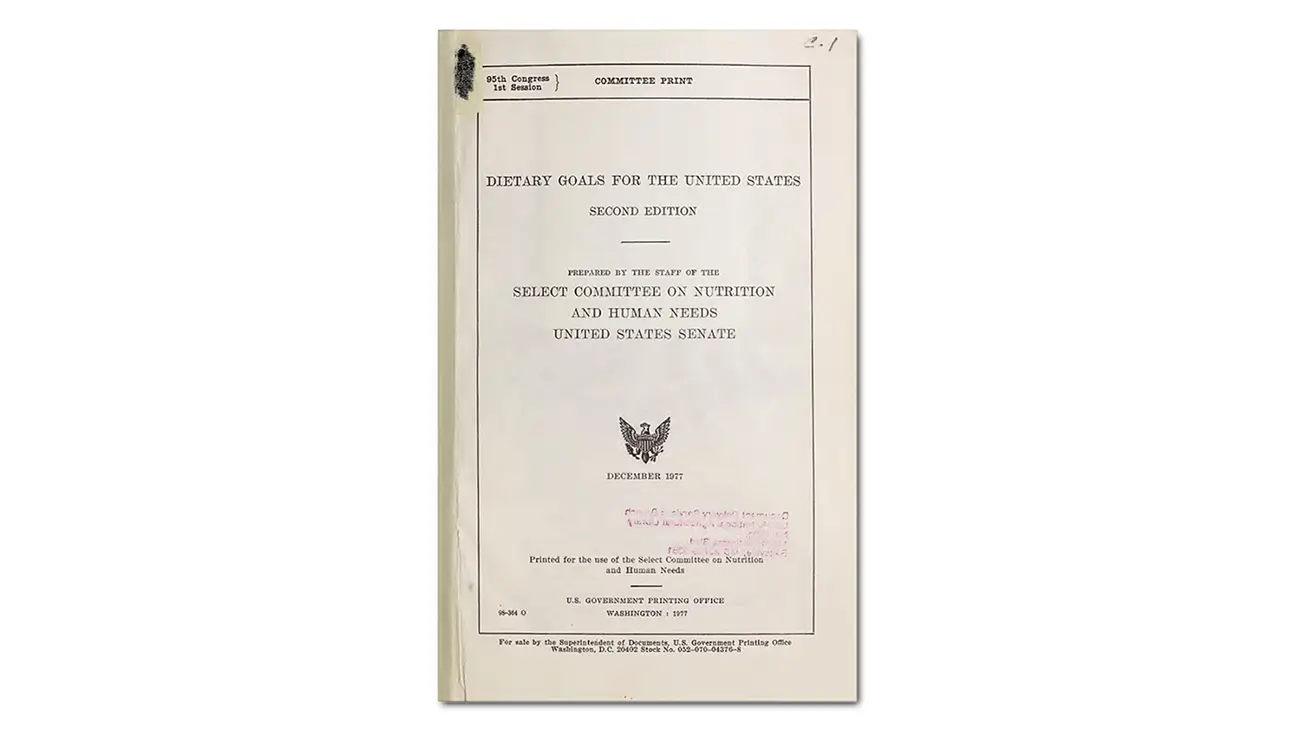
Мекгавернов Извештај - Специјални Интерес и Сузбијање Науке
Године 1977, Конгресу САД је представљен захтјев за промену дијететских смерница (извештај Мекгаверна) ка веганској исхрани заснованој на биљкама.
Најновије са PubMed-а, #исхрана на бази биљака –
- How diet therapy affects obesity-associated depressive symptoms: from mechanism to therapeuticsby Ruiqing Wang on јул 25, 2026
Obesity stands as a formidable 21st-century public health crisis, with its capacity to aggravate depressive symptoms gaining increasing clinical attention. Traditional treatment models often treat these two conditions separately. However, recent research evidence suggests a complex network linking obesity and depressive symptoms across metabolism, behavior, and mental health, with dietary patterns proposed as a key upstream modulator of both metabolic and psychological pathways. The specific…
- Physiologically mediated responses in gilthead sea bream (Sparus aurata) fed sustainable diets: seasonal growth under warming conditionsby Paul George Holhorea on јул 24, 2026
CONCLUSION: Overall, these findings suggest that alternative and low-trophic feed ingredients following circular economy principles can sustain growth and tissue health even under atypically warm conditions, while also modulating stress physiology in ways that may enhance robustness in a rapidly warming Mediterranean. By identifying diet-specific physiological signatures, this study provides actionable insights for the design of aquafeeds better adapted to warming conditions, supporting the…
- Interpenetrating network emulsion gels prepared from polysaccharides and pea proteins: effect of polysaccharide charge on rheology, freeze-thaw stability, and dysphagia characteristicsby Yuehan Shan on јул 24, 2026
Interpenetrating network emulsion gels were fabricated from pea protein isolate (PPI) and polysaccharides with different charges: anionic Artemisia sphaerocephala Krasch gum (ASKG) or neutral curdlan (CURD). Microstructure, molecular interactions, rheology, texture, water holding capacity (WHC), cooking properties, and freeze-thaw stability were characterized. PPI-ASKG reduced oil droplet size compared to PPI-CURD. Polysaccharides modulated protein secondary structure, with hydrophobic…
- Perspectives on the Protein Recommendations in the 2025-2030 Dietary Guidelines for Americansby Stefan M Pasiakos on јул 24, 2026
The 2025-2030 Dietary Guidelines for Americans (DGA) introduced substantial controversy by diverging from long-standing practices and many scientific recommendations of the 2025 Dietary Guidelines Advisory Committee (DGAC). The final guidelines promote dietary protein intakes of 1.2-1.6 grams per kilogram of body weight per day (g/kg/d). These recommendations rely on a rapid systematic review of randomized controlled trials focused on weight-management outcomes and, to a lesser extent, a…
- Impacts of large herbivores on savanna plant communities: Predictive models of herbivore selectivity and plant responseby Joel O Abraham on јул 23, 2026
Large herbivores are among the most ecologically influential and extinction-prone animals. Megaherbivores, in particular, radically alter vegetation. Yet, few studies have tried to predict the impacts of herbivores-or their extinction-on plant species composition and community structure. First principles suggest that preferred food plants should be most strongly suppressed by herbivores and released by herbivore loss, but this intuition may be misleading if plant responses are strongly…
- A 10-month cluster-randomized trial to shift towards plant-forward meals in early childhood education and care centres: effects on bone and mineral metabolism in Finnish childrenby Suvi T Itkonen on јул 23, 2026
CONCLUSIONS: The clinical relevance of the results indicating accelerated bone turnover without observing any effects on the intakes of critical nutrients requires further investigations to avoid potential harmful consequences for long-term bone health with the shift to plant-forward diets.