






Вегански Неандерталци? Истина о Правој Неандерталској Исхрани
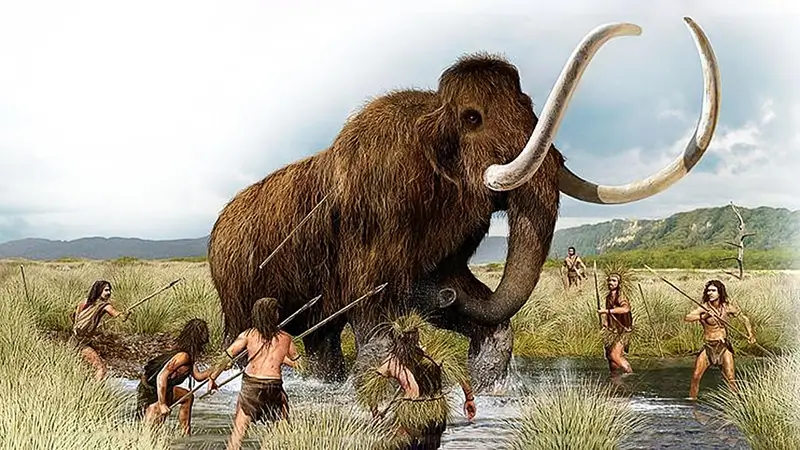
Типичан приказ неандерталаца их приказује како убијају вунастог мамута. Међутим, зубна плоча говори другачију причу о неандерталској исхрани.
Милош Покимица
Написао/ла: Милош Покимица
Медицински прегледао: др Сјујинг Ванг
Updated јун 9, 2023Стереотипна репрезентација неандерталаца их приказује као убице вунастог мамута. Постоје археолошки докази који поткрепљују тезу да је исхрана неандерталаца била месождерка чак и на истом нивоу као и код поларних медведа, што је укључивало оброке богате великим биљоједима попут вунастог мамута, ирваса и вунастог носорога.
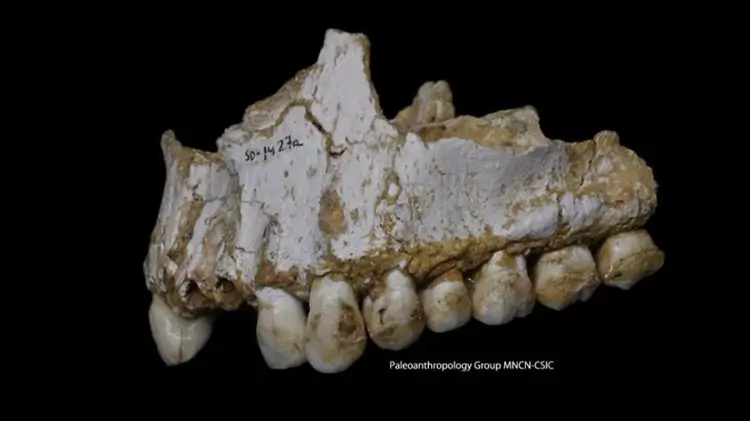
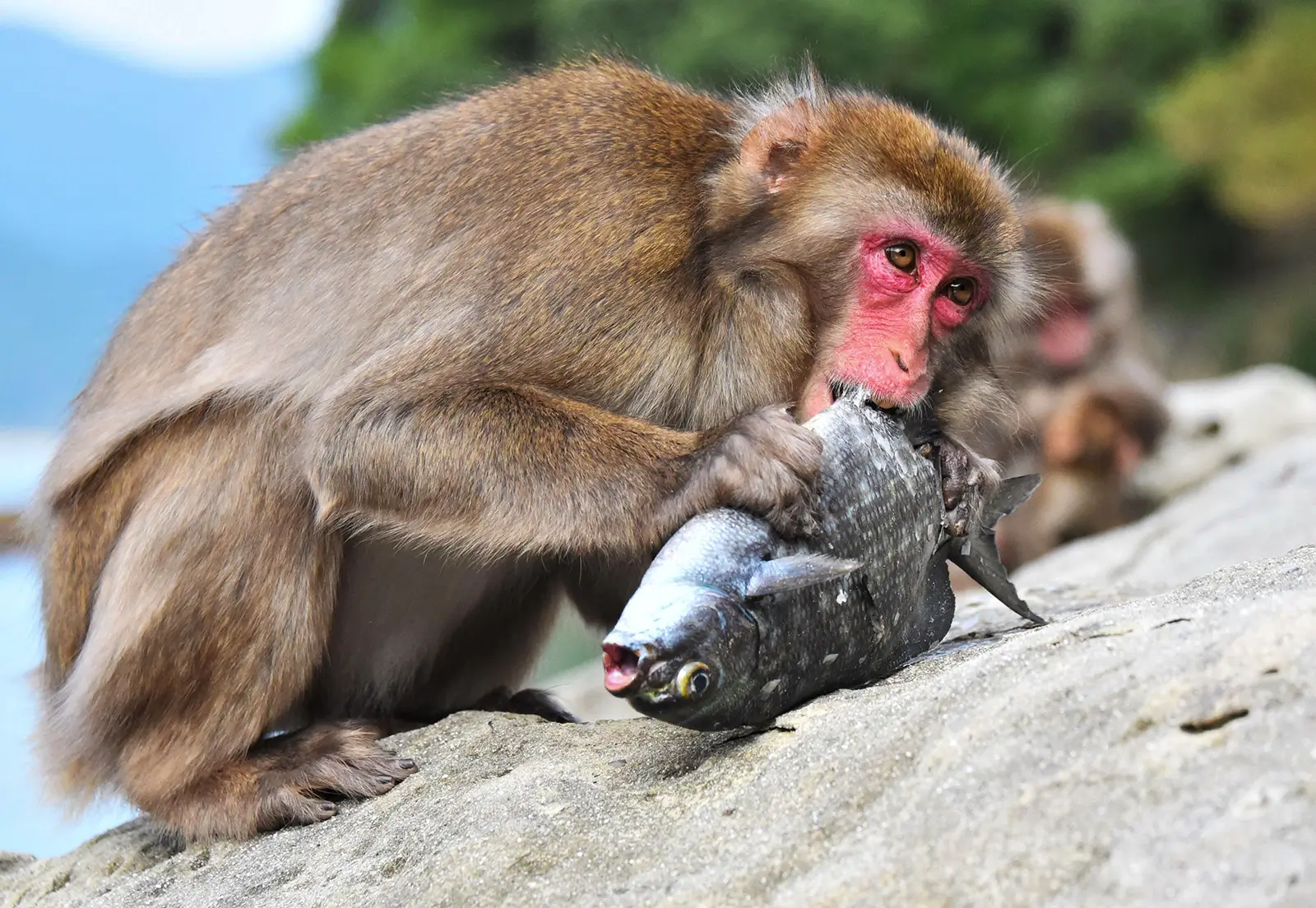
Међутим, зуби неандерталаца говоре другачију причу. Зубни плак се користи за анализу скроба и протеина који су сачувани у плаковима. Када се испитују, обрасци хабања на њиховим зубима указују на разноврсну исхрану. Исхрана се такође разликовала у зависности од локације са значајним регионалним разликама. У неким областима, студије указују на то да су неандерталци углавном конзумирали биљке, могуће укључујући и лековите.
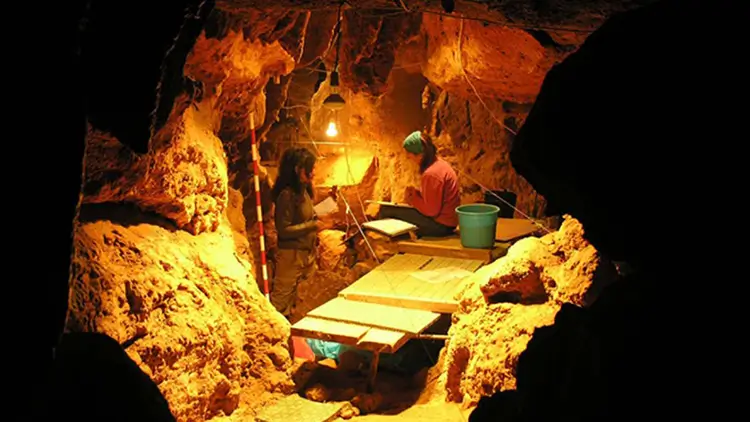
Значајно откриће дошло је када су научници анализирали остатке неандерталаца из Ел Сидрона, у Шпанији. Неандерталци из Ел Сидрона нису показивали никакве знаке конзумирања меса. Не неку малу количину, већ потпуну нулу. Уместо меса, калорије су добијали из биљне хране сакупљене из шуме. Зубни плак је био испуњен остацима различитих врста орашастих плодова, печурака и маховине. Неандерталски вегани, како би се то могло уклопити у типичну прихваћену слику? Шта је са протеинима и витамином Б12?
Dental plaque is a very useful tool because it can preserve genetic material from the food that animals eat for analysis. Laura Weyrich at the University of Adelaide and a team of researchers were able to produce an amazingly accurate look at what plant and animal species Neanderthals had been eating. They analyzed three samples. Two obtained fossils were from El Sidrón Cave in Spain, including the potential aspirin-popper, while one was from Spy Cave in Belgium (Пећина Сидрон- Википедија). Анализа је поново доказала потпуну разноликост хране у зависности од локалне екологије станишта, што је било у складу са теоријом оптималног тражења хране (OFT).
Neanderthal diet didn’t exist in essence. Diet depended on where the Neanderthals in question lived. The Belgians, for example, followed the meat-heavy pattern because they had to. Genetic material from wild sheep, woolly rhinoceros, and some mushrooms was discovered in dental plaque with also some bones in the cave from horses, mammoths, reindeer, and rhinoceros. Bones tell the identical story as the dental plaque that these groups were hunters. In the Belgian habitat, they did not forage for plant foods because there wasn’t any to be found. They had to adapt to survive the cold barren climate by hunting. They probably didn’t like it too much either.
Шпански неандерталци су изгледа имали удобнији живот. Били су хипи опуштени вегански неандерталци. Истина о правој неандерталској исхрани је да су углавном јели печурке, пињоле, маховину и друге врсте хране коју бисмо добили тражећи храну у шуми. Тако су неандерталци са севера били ловци, а неандерталци са југа сакупљачи хране.
Шта нам говоре ови докази? Један од неандерталаца из Шпаније је изгледа имао зубни апсцес и желудачну бактерију и самолечио се тополом (Populus alba), природним леком против болова који садржи салицилну киселину, исти активни састојак као и аспирин. Појединац је такође конзумирао буђ Penicillium која производи антибиотике. То је десетине хиљада година пре него што је др Александар Флеминг користио сој Penicillium-а да би развио први антибиотик, револуционизујући модерну медицину. Ако желимо да говоримо о оснивачима медицине, па шта кажете на антибиотике и аспирин који су узимали неандерталци?
One other thing was interesting. Weyrich’s team also managed to completely sequence one particular microbe called Methanobrevibacter oralis that lacks genes for resisting antiseptics and digesting maltose. In time this microbe has adapted to hygiene and changed human diets. Weyrich’s team calculated that the Neanderthal strain split apart from those found in modern humans between 112,000 and 143,000 years ago which suggests that the two groups were trading Methanobrevibacter likely when they had sex.

Зашто су групе неандерталаца које живе на југу вегани? Вероватно зато што могу. Било је много пријатније окружење и блажа клима са више извора хране. Вегански неандерталци нису морална група појединаца која је одлучила да се храни биљном исхраном као личним избором. То је избор преживљавања. Да ли бисмо ишли у лов ако бисмо имали нешто што можемо да једемо што расте поред наше пећине? Само применом оптималних стратегија исхране, имамо одговор. Неандерталци су анатомски били веганскији од месождера, али у северним деловима током леденог доба, клима је била сурова и морали су да се прилагоде, а то је потрајало. И неандерталци и модерни људи су еволуирали од Хомо еректуса. Хомо еректус је био биљојед. Најранији познати миграциони таласи Х. еректуса у Евроазију датирају из пре 1,81 милиона година. Молекуларно-генетска истраживања поставила су време дивергенције неандерталских и модерних људских лоза од пре 800.000 до 400.000 година. Из тог разлога, већина научника верује да су неандерталци потекли преко Хомо хајделбергенсиса. Популација Homo erectus-а која је остала у Африци еволуирала би кроз средњи Homo rhodesiensis, у анатомски модерне људе до 300.000 година или раније.
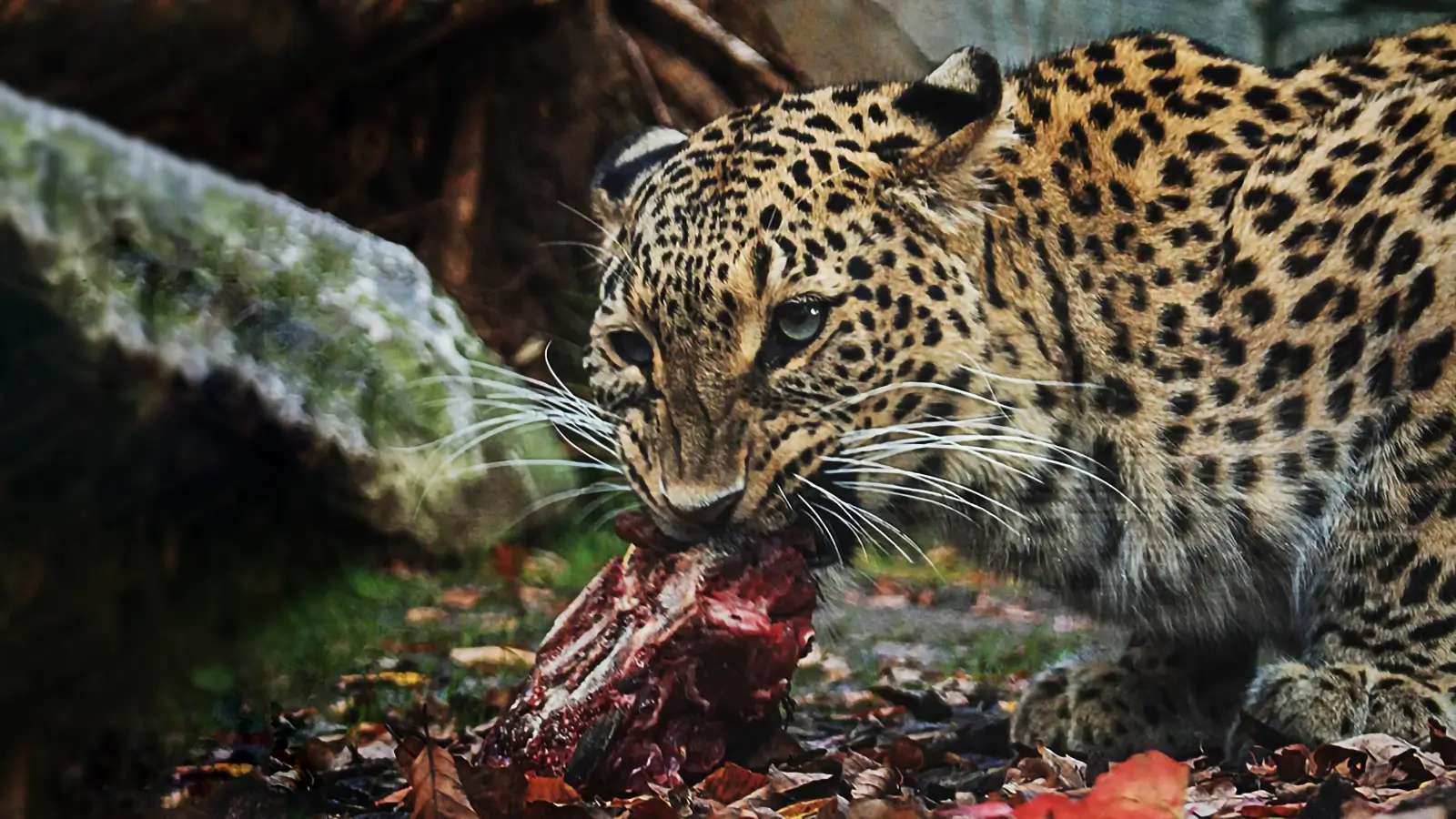
Неандерталци су еволуирали у Европи, а људи у Африци, и постоје неке мале физиолошке разлике. Хомо сапиенс имају мање груди у облику бурета и уске карлице. Неандерталци су имали торзо у облику звона са ширим карлицама. Уобичајено објашњење је да је неандерталцима било потребно више кисеоника због хладније климе, па су им тела расла како би примила већи респираторни систем. Али то је погрешно. Живећи у хладној клими Евроазије пре 300.000 до 30.000 година, неандерталци су се населили на местима попут Поларног Урала и јужног Сибира. Усред зиме у тундри, без извора биљне хране, животињско месо направљено од масти и протеина остало је једини извор енергије. Иако је маст лакше сварљива, оскудна је у хладним условима. Животиње пленилице су сагоревале своје залихе масти током зиме и постајале много мршавије. Мора се закључити да су неандерталци морали јести много животињских протеина.
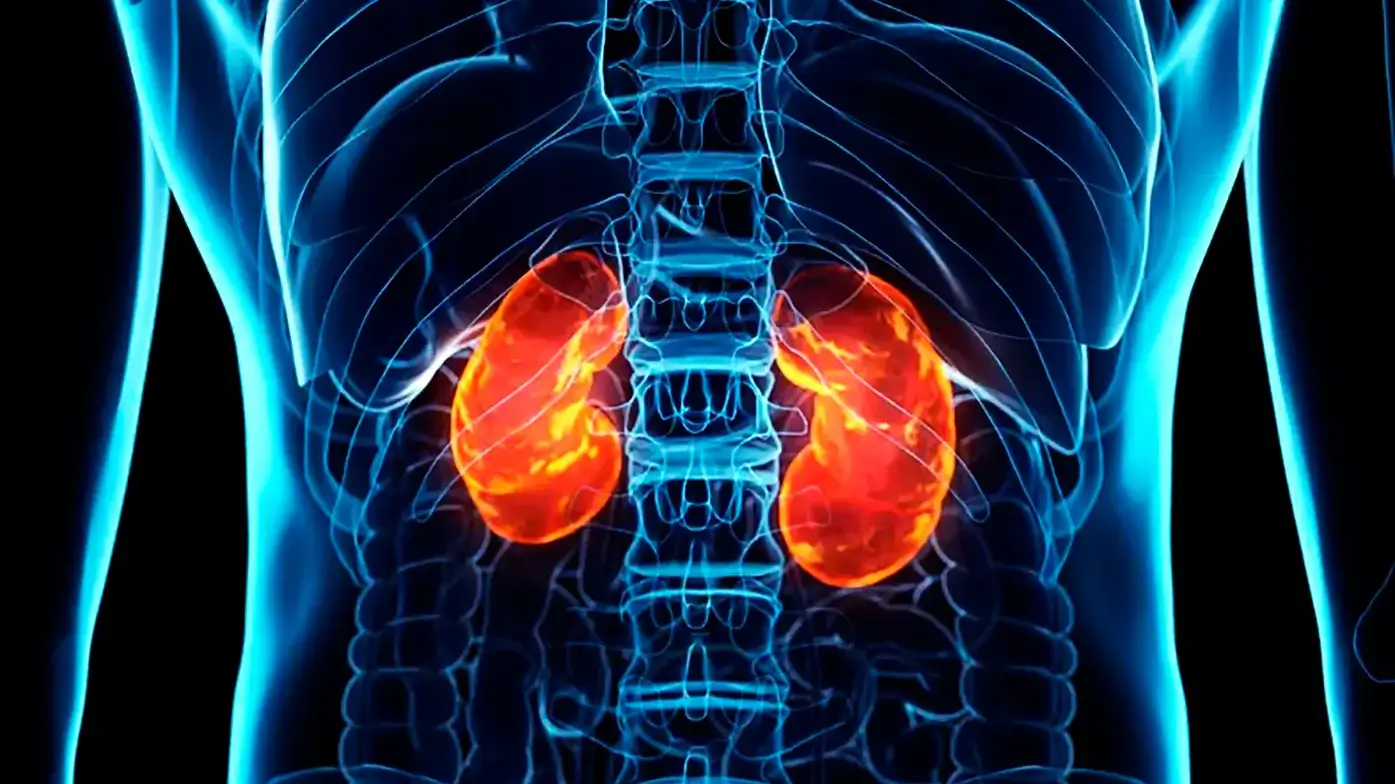
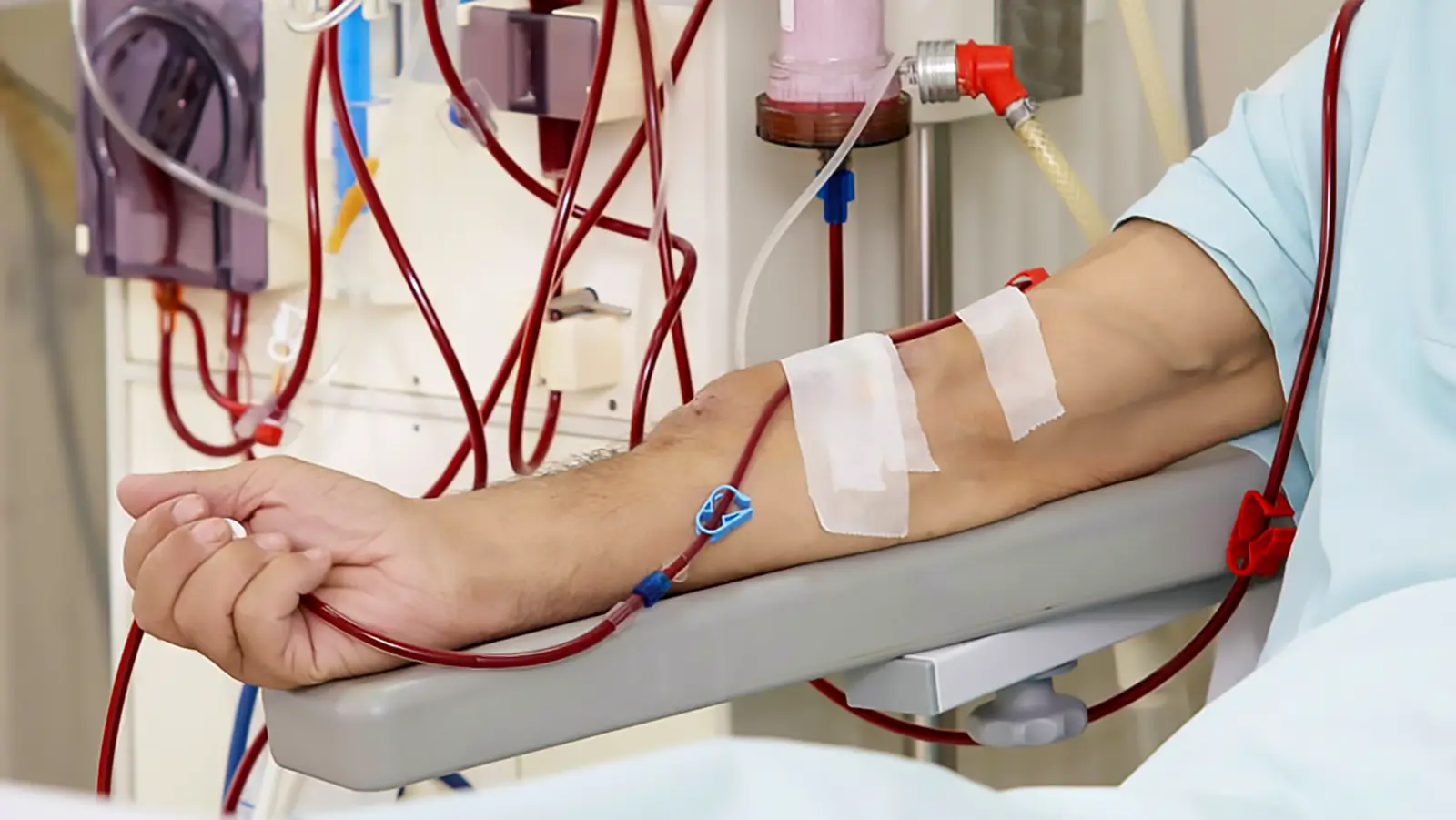
Протеини постављају огромне захтеве on the kidneys and the liver to remove some of the toxic byproducts produced by burning it for energy. Humans have a protein ceiling of between 35 and 50 percent of calories in our diet. Eating much more than that can be dangerous. Neanderthals’ bodies found a way to utilize more protein by enlarging the liver and kidneys. Chests and pelvises widened also to accommodate these beefed-up organs giving them distinct look. If we look today at Inuit peoples, their diet subsists at times on all meat and nothing else and they do have larger livers and kidneys and longer ribs than average Europeans. To survive the fat famine, Neanderthals undoubtedly also specialized in hunting massive animals like mammoths. They retain fat longer in poor conditions and require less energy and speed to kill than smaller swifter prey. Mammoths are too big to escape or evade, and we only have to kill one to feast for months because meat does not spoil in constant subzero temperatures. But as these mega-beasts vanished, Neanderthals likely struggled to chase down smaller, swifter prey. In the southern part like Spain, they went the old vegan way.
What does all of this tell us about us? We didn’t have over the millennia of living in the Ice Age northern climate to adapt to a diet rich in meat to some extent. We evolved in Africa from plan based vegan lineage of 60 million years. Modern humans first left Africa 100,000 years ago in a series of slow-paced migration waves and arrived in southern Europe around 80,000-90,000 years ago.
Дакле, шта је права палео дијета?
Референце:
Одломци одабрани из књиге: Покимица, Милош. Постаните веган? Преглед науке, 1. део. Киндл издање, Амазон, 2018.
Повезани постови

Имате ли питања о исхрани и здрављу?
Волео бих да чујем ваше мишљење и да на њих одговорим у следећем посту. Ценим ваш допринос и мишљење и радујем се што ћу вас ускоро чути. Такође вас позивам да нас пратите на Фејсбуку, Инстаграму и Пинтересту за више садржаја о исхрани, исхрани и здрављу. Тамо можете оставити коментар и повезати се са другим ентузијастима за здравље, поделити своје савете и искуства и добити подршку и охрабрење од нашег тима и заједнице.
Надам се да вам је овај пост био информативан и пријатан и да сте спремни да примените сазнања која сте стекли. Ако вам је овај пост био од помоћи подели га са пријатељима и породицом којима би такође могло бити од користи. Никад се не зна коме би могло бити потребно вођство и подршка на њиховом здравственом путу.
– Можда ће вам се свидети и –
Високопротеинска Дијета и Метаболичка Ацидоза: Ризици
Изложеност Акриламиду - Чипс, Помфрит и Рак
Комплетан Протеин: ИГФ-1 Сигнализација у Формирању Рака

Анатомија Рака - Корелације Здравственог Ризика

Лектини - Парадокс „Биљног Парадокса“
Зелени Пасуљ ( Боранија ): Нутритивне и Здравствене Користи
Хумано Месо или Хумани Мит? - Животињска Когниција
Алкална Вода - Здравствене Користи и Ризици

Сазнајте више о исхрани

Милош Покимица је доктор природне медицине, клинички нутрициониста, писац о медицинском здрављу и исхрани и саветник за нутриционистичку науку. Аутор серије књига. Постаните Веган? Преглед Науке, он такође води веб страницу о природном здрављу GoVeganWay.com
Медицинска одрицање одговорности
GoVeganWay.com вам доноси прегледе најновијих истраживања везаних за исхрану и здравље. Информације које су дате представљају лично мишљење аутора и нису намењене нити се подразумевају као замена за професионални медицински савет, дијагнозу или лечење. Дате информације су само у информативне сврхе и нису намењене да служе као замена за консултације, дијагнозу и/или медицински третман квалификованог лекара или здравственог радника.НИКАДА НЕ ЗАНЕМАРУЈТЕ ПРОФЕСИОНАЛНИ МЕДИЦИНСКИ САВЕТИ ИЛИ НЕ ОДЛАЖИТЕ ТРАЖЕЊЕ МЕДИЦИНСКОГ ЛЕЧЕЊА ЗБОГ НЕЧЕГА ШТО СТЕ ПРОЧИТАЛИ НА ИЛИ ПРИСТУПИЛИ ПРЕКО GoVeganWay.com
НИКАДА НЕ ПРИМЕЊУЈТЕ ПРОМЕНЕ НАЧИНА ЖИВОТА ИЛИ БИЛО КАКВЕ ПРОМЕНЕ КАО ПОСЛЕДИЦУ НЕЧЕГА ШТО СТЕ ПРОЧИТАЛИ НА GoVeganWay.com ПРЕ НЕГО ШТО СЕ КОНСУЛТУЈЕТЕ СА ЛИЦЕНЦИРАНИМ ЛЕКАРЕМ.
У случају медицинске хитности, одмах позовите лекара или 911. GoVeganWay.com не препоручује нити подржава било које одређене групе, организације, тестове, лекаре, производе, процедуре, мишљења или друге информације које могу бити поменуте унутра.
Избор уредника –
Рак Избор уредника Фитохемикалије
Антиканцерогена Моћ Воћа и Поврћа: Ин Виво и Клинички Докази
Неки биљни екстракти могу се поредити са водећим лековима за хемотерапију, а истовремено циљају више различитих врста ћелија рака.
Антиоксиданси Избор уредника ORAC
Етерична Уља као Антиоксидативни Додаци: Правила и Стратегије
Етерична уља прехрамбене класе могу бити практична и потрошачима пријатна стратегија за оптимизацију антиоксидативне вредности и ORAC резултата наше исхране.
Антиоксиданси Избор уредника ORAC
Исхрана Богата Антиоксидансима: Општа Правила и Стратегије
Постоје једноставне и исплативе стратегије за оптимизацију антиоксидативне вредности наше исхране.
Антиоксиданси Избор уредника ORAC
Разумевање ORAC Вредности: Нивои Антиоксиданата у Храни
Када је ваш главни извор антиоксиданата кафа, знате да имате озбиљан проблем.
Антиоксиданси Избор уредника ORAC
Предности Астаксантина: Најмоћнијег Природног Антиоксиданса на Свету
Астаксантин је најмоћнији природни и универзални антиоксиданс (и уљани и водорастворљив) познат науци. Акумулира се у ткивима и никада се не може претворити у прооксиданс.
Антиоксиданси Избор уредника ORAC Фитохемикалије
Антиоксиданси: Разумевање Основа
У производима животињског порекла нема фитохемикалија нити антиоксиданата. У просеку, биљна храна садржи више од 60 пута више антиоксиданата него храна животињског порекла.
Избор уредника Веганска дијета
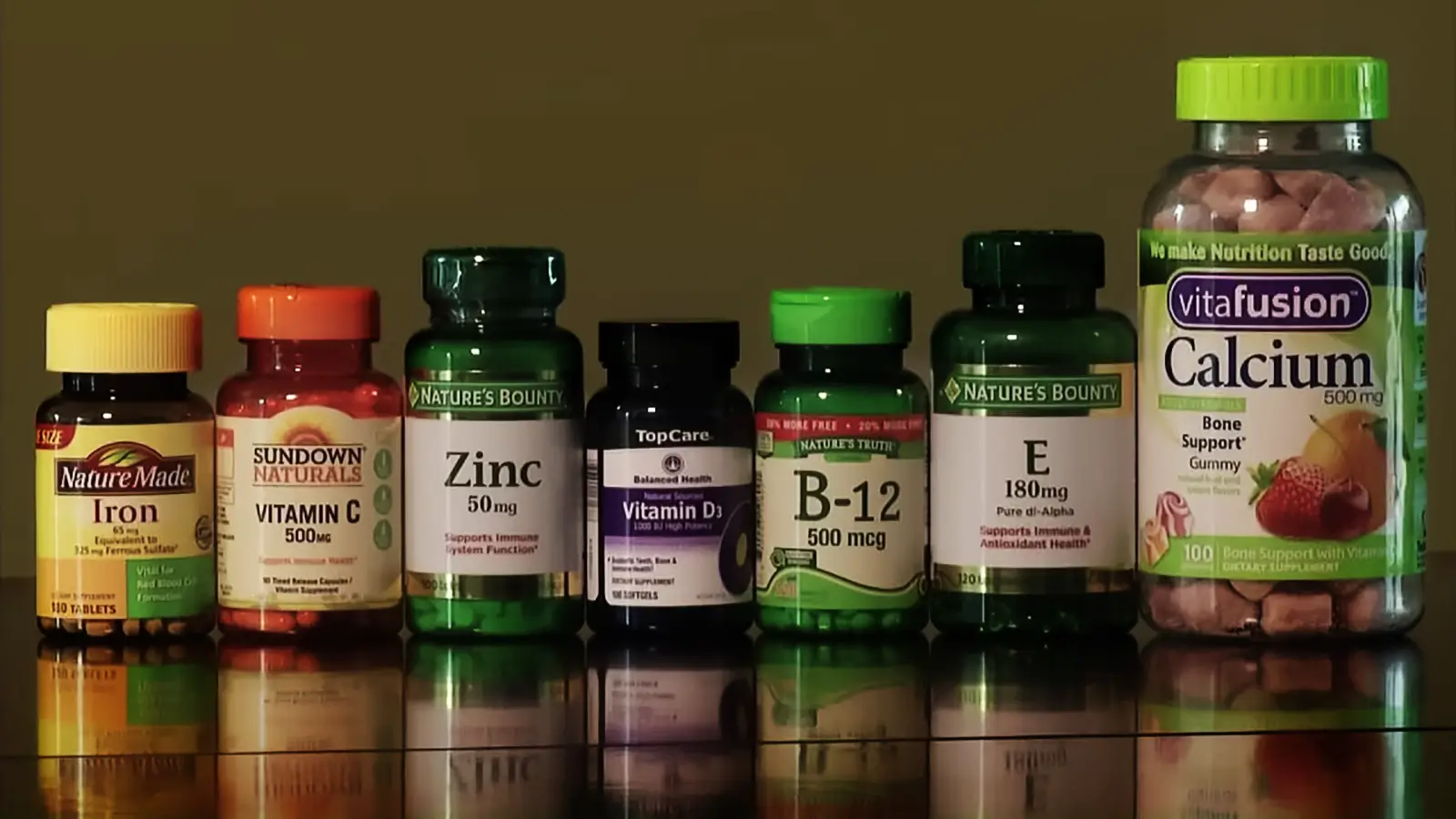
Недостаци Хранљивих Материја у Веганској Исхрани: Стратегије Превенције
Постоји девет уобичајених недостатака хранљивих материја на нивоу популације који погађају људе који једу биљну исхрану. Ако се не исправе на време, неки недостаци имају страшне и неизлечиве последице.
Избор уредника Оптимална дијета
Недостатак Нутријената у Стандардној Исхрани: Стратегије Оптимизације
Нутритивни профил наше модерне исхране засноване на месу, шећеру и прерађеној храни је потпуно неусклађен са нашом еволуцијом, што резултира озбиљним недостатком микронутријената.
Избор уредника Фитохемикалије
Фитохемикалије: Разумевање Основа
Свака фитохемикалија која постоји има биолошко дејство у људском телу. Свака од милиона различитих фитохемикалија.
Избор уредника Млеко Оптимална дијета
Млеко и Млечни Производи: Корелације Здравственог Ризика
Познате повезаности са конзумирањем млека и млечних производа су неплодност, рак јајника и дојке, леукемија, дијабетес типа 1, аутизам, артериосклероза, катаракта, реуматоидни артритис, мултипла склероза, хиперактивност, загушење, бубуљице и још много тога…
Рак Избор уредника Протеини
Комплетан Протеин: ИГФ-1 Сигнализација у Формирању Рака
Када једете животињске протеине, имате четири пута већу шансу да развијете све врсте рака. Када пушите, имате четири пута већу шансу да развијете рак плућа.

Рак Избор уредника Протеини
Анатомија Рака - Корелације Здравственог Ризика
Медицина сматра да је око 2% карцинома узроковано искључиво генетским факторима. Исти распон као и у животињском царству. Није вам речена цела истина.
Милош Покимица је писац о здрављу и исхрани и саветник за нутриционистичку науку. Аутор је серије књига. Постаните Веган? Преглед Науке, он такође води веб страницу о природном здрављу GoVeganWay.com
Најновији чланци –
Ограничење калорија Дуговечност
Како Постити: Храна за Пост Kоја Неће Прекинути Aутофагију
Аутофагија. Да ли сте се икада запитали шта се дешава са ћелијама у вашем телу када умру или се оштете? Да ли се само гомилају и стварају проблеме или се некако одлажу? Одговор је да ваше тело…

Здравље зуба Превенција
Осетљивост на Слаткише и Бол у Зубима: Брзо и Трајно Решење
Брзо и једноставно решење за ублажавање бола је етерично уље каранфилића, моћан антиоксиданс и средство против болова које може помоћи код болести десни и зубобоље.
Пасуљ
Зелени Пасуљ ( Боранија ): Нутритивне и Здравствене Користи
Зелени пасуљ ( Боранија ) има мало калорија и богат је једињењима која вам могу помоћи да контролишете шећер у крви, смањите холестерол и борите се против слободних радикала.
Исхрана са сировом храном Веганска дијета
Можете ли Јести Сирове Печурке: Здравствени Ризици, Исхрана и Безбедност
Печурке садрже токсине осетљиве на топлоту попут хидразина или агаритина и ћелијске зидове направљене од хитина које људи не могу добро сварити.
Веганска дијета
Да ли су Рибе Животиње? Културна Перспектива
У неким културама, рибље месо се не сматра месом, а риба је дозвољена чак и током поста.

Здравље зуба Превенција
Домаћа Природна Течност за Испирање Уста: Доказана, Јача и Мање Токсична
Домаћа природна течност за испирање уста је јача од хлорхексидина, мање токсична и ако се прогута може изазвати мучнину, али и висок нагли пораст ORAC вредности.
Здравље зуба Превенција
Како Зауставити Каријес: Симптоми, Узроци и Превенција
Конзумирање шећера је главни узрок каријеса и пропадања зуба, у комбинацији са недостатком минерала, посебно магнезијума, цинка, бакра и елемената у траговима.
Антиоксиданси Суперхрана
Амла: Доказане Користи, Исхрана и Клинички Значај
Амла (Индијски огрозд) је један од најмоћнијих антиоксиданата на свету са ORAC резултатом од 261.530. Богат је извор фитохемикалија које имају разне здравствене користи.
Најважније вести из здравља — ScienceDaily
- Hidden stem cells may be fueling spinal stenosison септембар 29, 2026
Scientists have discovered a stem cell that appears to serve as a master source for tendon and ligament cells throughout the body. In lumbar spinal stenosis, these cells become unusually active and may drive the ligament overgrowth that squeezes spinal nerves and causes pain, numbness, and difficulty walking. Researchers found that reducing calcium signaling stopped this abnormal growth in mice.
- Scientists find new virus behind mysterious tick illnesson септембар 29, 2026
Scientists have discovered a new tick-borne virus in China that causes flu-like illness and may account for previously unexplained cases of fever, fatigue, digestive problems, and low platelet counts. Most patients with ALTNV alone recovered, but coinfections with another dangerous tick-borne virus were linked to more serious complications.
- Diabetes study finds keeping blood sugar too steady may come at a priceon септембар 28, 2026
People with diabetes reported better quality of life after days when their glucose stayed largely within a healthy range, even when levels fluctuated more than usual. The unexpected finding suggests that pursuing extremely tight glucose control may sometimes come with a hidden lifestyle burden.
- Scientists just discovered what coffee really does to your gut and brainon септембар 28, 2026
A new study suggests coffee may influence mood and brain function by changing the activity of microbes in the gut. Both caffeinated and decaf coffee were linked to lower stress, depression, and impulsivity, while also producing measurable changes in gut bacteria and metabolites. Decaf was associated with better learning and memory, while caffeinated coffee appeared to reduce anxiety and improve attention.
- Blood tests reveal why astronauts get constipated in spaceon септембар 28, 2026
Spaceflight may dramatically change the gut within weeks, causing bacteria to break down more protein as food moves more slowly through the intestines. The shift could help explain astronaut constipation and may have wider effects on health, making it an important concern for future missions to Mars.
- Pomegranate compound improves heart function by up to 80% in studyon септембар 28, 2026
A compound the body can make after eating pomegranates, walnuts, and some berries improved measures of heart function by up to 80% in animal models of a difficult-to-treat form of heart failure. Urolithin A helped stiff heart tissue relax and reduced scarring and abnormal enlargement. It also improved relaxation in engineered human heart tissue.
- 160-million-year-old proteins show surprising power against superbugson септембар 28, 2026
Scientists resurrected antimicrobial peptides from mammals that lived millions of years ago and found that some were more potent against drug-resistant bacteria than modern human versions. These evolutionary relics could provide new clues for designing treatments as antibiotic resistance becomes an increasingly serious threat.
PubMed, #веганска-исхрана –
- Plant-Based Diets in Adolescence: Cardiometabolic Benefits, Developmental Risks, and the Role of Fortificationon септембар 26, 2026
Adolescence is a critical window in which dietary patterns stabilise while nutrient requirements remain high to support growth, bone accrual, and neurodevelopment. Plant-based diets are increasingly adopted by young people, yet paediatric evidence indicates that they should not be treated as a single exposure, because diet quality substantially modifies both benefits and risks. Healthy plant-based patterns-rich in whole grains, legumes, fruits, vegetables, nuts, and unsaturated fats-are…
- Plant-Based Functional Custard Enriched with Vitamin D3: Insight into Technological Properties, Nutrition and Bone Tissue Regenerationon септембар 26, 2026
A plant-based or vegan diet is considered one of the most important dietary patterns, often followed for religious or health reasons. It should contain vital nutrients such as protein, iron, zinc, calcium, vitamin D, and others. The objective of this study was to produce a plant-based food product with high nutritional value (vegan custard, VC) and fortify it with vitamin D(3) (vegan custard + D(3)). Thirty-five female albino rats, with an average body weight of 160 ± 5 g, were divided […]
- Dietary Patterns, Micronutrient Adequacy, and Metabolic Vulnerability in Alzheimer’s Disease: A Critical Narrative Reviewon септембар 26, 2026
Dietary factors may influence cognitive aging and Alzheimer’s disease (AD), but observational associations, mechanistic findings, and intervention effects should not be considered equivalent evidence. This critical narrative review examines how dietary patterns, micronutrient adequacy, and metabolic health may modify AD-related vulnerability. A targeted search of PubMed/MEDLINE, Scopus, and Web of Science through April 2026 prioritized systematic reviews, meta-analyses, randomized trials, and…
- A Structured Narrative Review of Contemporary Dietary Strategies Following Acute Coronary Syndromeson септембар 24, 2026
CONCLUSIONS: A Mediterranean-style diet remains the dietary pattern supported by the strongest evidence for secondary prevention following ACS. Until further pragmatic randomized trials are available, clinicians should continue recommending Mediterranean-style dietary patterns while individualising dietary advice according to patient preferences, cultural practices, and long-term adherence.
- Toward International Dietary Guidance: A Food Guide Pyramid for Human and Planetary Healthon септембар 23, 2026
Dietary guidelines shape food policy, education, and food systems worldwide. Recent controversies in dietary guideline development, together with rising burdens of diet-related chronic disease and increasing environmental pressures, highlight the need for globally relevant dietary guidance aligned with both human and planetary health. We developed an evidence-informed International Food Guide Pyramid emphasizing optimal carbohydrate-containing staple foods. The International Carbohydrate […]
Случајне објаве –

COVID-19 Превенција Витамин Д
Недостатак Витамина Д - Фактори Ризика
Постоје само два витамина која биљке не производе, витамин Д и други потенцијални витамин Б12. Недостатак витамина Д је права брига.
Витамин Д
Недостатак Витамина Д - Стратегије Оптимизације
Са недостатком витамина Д патићемо од широког спектра здравствених проблема чак и ако немамо директно видљиву болест костију.

Загађење ваздуха Рак Токсичност
Загађењe Ваздуха - Ризици и Стратегије Превенције
Само у Индији, око пола милиона људи умре сваке године због загађења ваздуха. Загађење ваздуха које доводи до смрти је само један део целокупног проблема.

Рак Превенција Зрачење
ЕМФ Зрачење: 5Г и Здравствени Ризик
Вештачки извори ЕМП зрачења пружају континуирано зрачење ниског нивоа. Ситуација може само да се погорша.
Алопатска медицина Рак Избор уредника
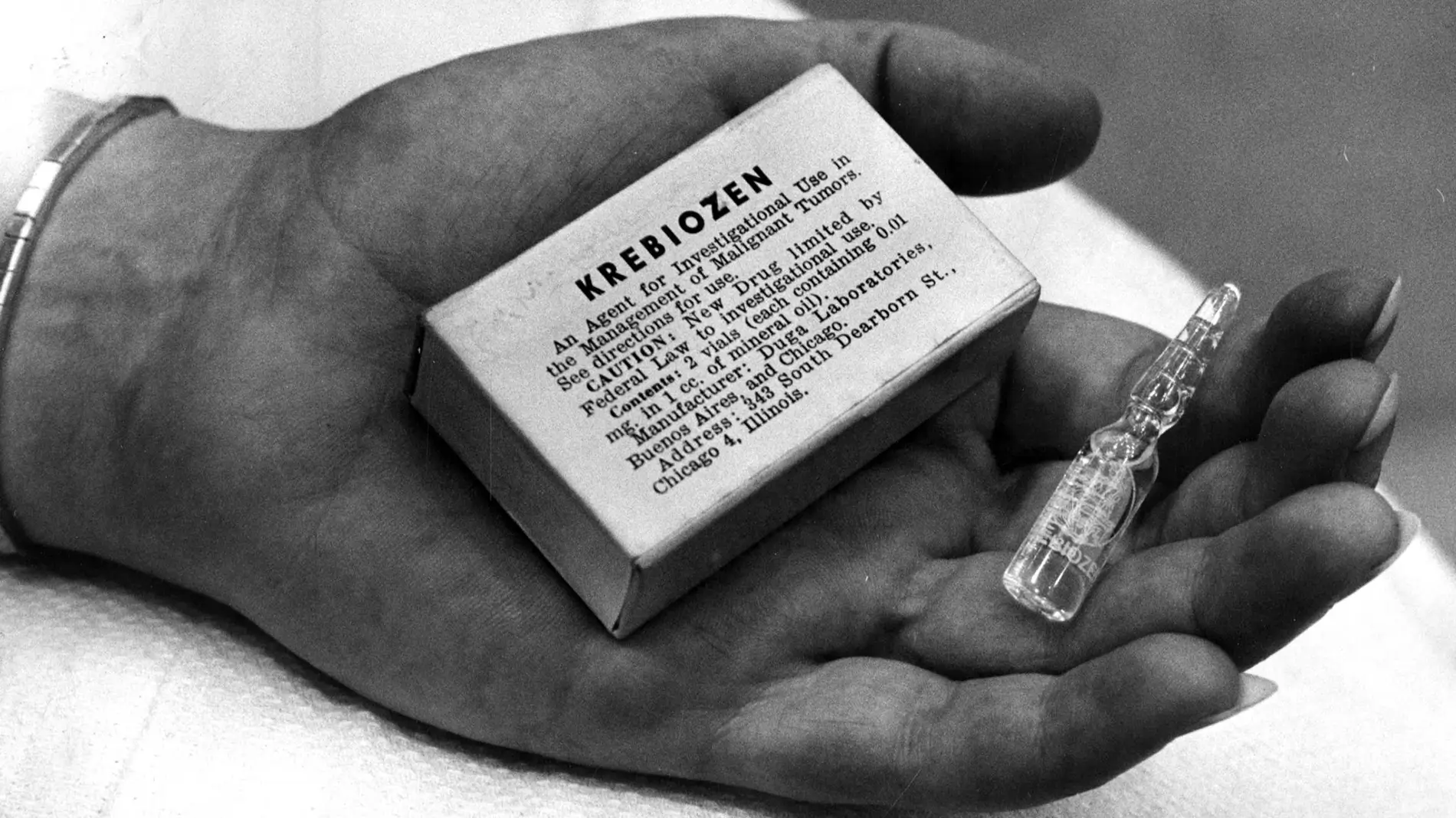
Рак, Забрањени Лекови - Кребиозен
Врло је вероватно да су моћници на високим положајима, под утицајем репутације др Ајвија, веровали да он заиста има нешто у Кребиозену.
Токсичност
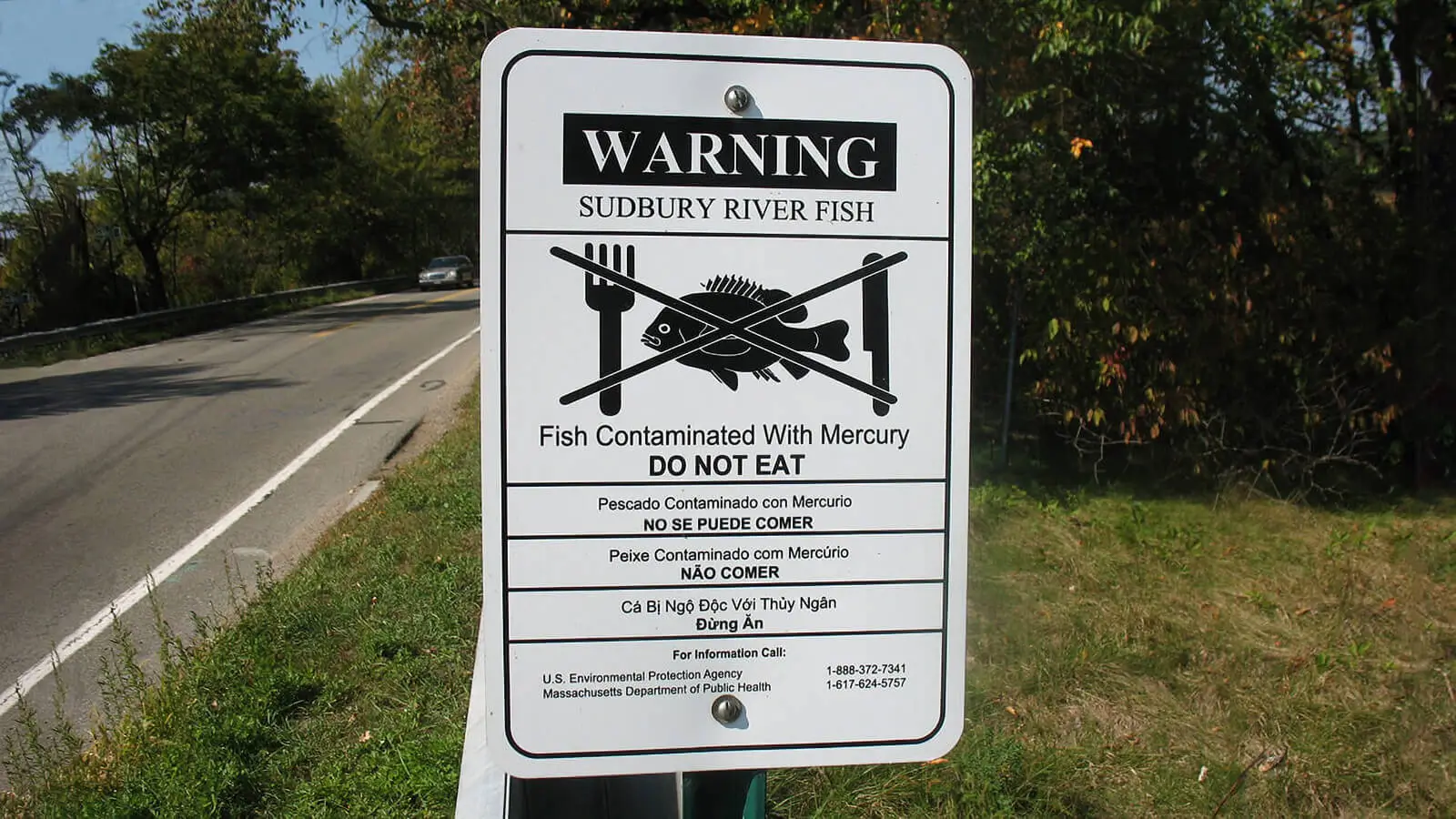
Жива - Неуротоксин из Рибе
Жива је индустријски токсин и најнеуротоксичнија позната супстанца. Планктон ће је апсорбовати из морске воде и покренути биоакумулацију у ланцу исхране.
Антиоксиданси Физичка активност
Антиоксадaнси и Тренинг: Спречавање Оксидативног Оштећења у Мишићима
Додатни антиоксиданси могу блокирати главну корист вежбања, а то је повећање наше сопствене ендогене производње антиоксиданата.
Избор уредника Млеко Оптимална дијета
Млеко и Млечни Производи: Корелације Здравственог Ризика
Познате повезаности са конзумирањем млека и млечних производа су неплодност, рак јајника и дојке, леукемија, дијабетес типа 1, аутизам, артериосклероза, катаракта, реуматоидни артритис, мултипла склероза, хиперактивност, загушење, бубуљице и још много тога…
Дијабетес Избор уредника
Узроци Дијабетеса и Рафинисани Угљени Хидрати - Вегански Аргумент
Људи верују да су рафинисани угљени хидрати повезани са скоковима инсулина и да су један од узрока дијабетеса. У праву су. Међутим, такође греше.
Детоксикација Трудноћа Токсичност
Детоксикација и Токсичност Током Трудноће - Вегански Аргумент
У просеку, трудница је загађена са око 35 различитих хемикалија, укључујући и забрањене и савремене загађиваче. Нивои хемијског коктела многих од ових хемикалија били су упоредиви са нивоима који могу имати негативне ефекте на фетус.
Истакнути чланци –
Избор уредника Оптимална дијета Веганска дијета
Смернице СЗО за Исхрану - Нова Пирамида Исхране и Потискивање Науке
Смернице СЗО за исхрану препоручују исхрану са ниским садржајем засићених масти (животинских протеина), шећера и соли, а са високим садржајем воћа и поврћа као услов за сузбијање епидемијског пораста хроничних болести широм света.
Дијабетес Избор уредника
Узроци Дијабетеса и Засићене Масти - Вегански Аргумент
Како се ниво масти у крвотоку повећава, способност тела да очисти шећер опада. Један од узрока дијабетеса је наша неадаптација на велики унос масти.
Антиоксиданси Избор уредника ORAC Фитохемикалије
Антиоксиданси: Разумевање Основа
У производима животињског порекла нема фитохемикалија нити антиоксиданата. У просеку, биљна храна садржи више од 60 пута више антиоксиданата него храна животињског порекла.
Избор уредника Фитохемикалије
Фитохемикалије: Разумевање Основа
Свака фитохемикалија која постоји има биолошко дејство у људском телу. Свака од милиона различитих фитохемикалија.

Алопатска медицина Рак Избор уредника
Рак, Забрањени Лекови - Рајфова Машина, Историјски Преглед
Стопа опоравка за пацијенте који имају неизлечив рак и који су проглашени терминално болеснима коришћењем резонантне технологије Рајфове машине била је 100%.
Избор уредника Упала
Дилема Људи Сваштоједи - Конзумирање Меса, Пробиотске Бактерије, Упала и Црева
Да ли су људи сваштоједи у правом анатомском смислу? Постоји фундаментална разлика у начину на који функционише дигестивни тракт код биљкоједа у односу на врсте које једу месо.

Рак Избор уредника Токсичност
Пестициди у Храни, Изложеност у Стандардној Исхрани - 80% из Меса
Већину пестицида, а посебно тешких метала и других токсичних загађивача које добијамо, добијамо из меса. Више од 80 процената изложености пестицидима у стандардној америчкој исхрани долази од животињских производа, а не од воћа или поврћа.
Избор уредника Превенција Токсичност
Токсичност из Окружења- То је Само Ланац Исхране
Токсичност за животну средину је биоакумулација токсина. Организми су филтери. Али постоји још један, још гори процес који се зове биомагнификација у ланцу исхране.
Антиоксиданси Избор уредника ORAC
Исхрана Богата Антиоксидансима: Општа Правила и Стратегије
Постоје једноставне и исплативе стратегије за оптимизацију антиоксидативне вредности наше исхране.
Рак Избор уредника Фитохемикалије
Антиканцерогена Моћ Воћа и Поврћа: Ин Виво и Клинички Докази
Неки биљни екстракти могу се поредити са водећим лековима за хемотерапију, а истовремено циљају више различитих врста ћелија рака.
Најновије са PubMed-а, #исхрана на бази биљака –
- Lemongrass oil supplementation: buffalo-derived in vitro screening of ruminal fermentation and in vivo evaluation in growing beetal goatsby Pratik Sudan on септембар 28, 2026
The application of essential oils in ruminant diets presents challenges due to variability in their effects based on dose, diet composition and animal physiology. This study aimed to screen different supplementation levels of lemongrass oil (LGO) through in vitro evaluation for subsequent in vivo assessment of its effects on growth, nutrient digestibility and antioxidant status in Beetal goat kids. The in vitro trial used berseem fodder and concentrate mixture (60:40) incubated with LGO at 0,…
- Long-Term Monitoring of Radioactive Cesium in Commercial Foods and Dietary Intake Estimated by Total Diet Studies in Japan after the Fukushima Daiichi Nuclear Power Plant Accidentby Hiromi Nabeshi on септембар 27, 2026
Following the Fukushima Daiichi Nuclear Power Plant accident in 2011, Japan implemented extensive monitoring of radioactive materials in foods and established strict regulatory limits based on an annual effective dose of 1 mSv/year from artificial radionuclides. This review summarizes long-term surveillance data on radioactive cesium (r-Cs) in commercial foods and long-term assessments of dietary intake of r-Cs and strontium-90 (^(90)Sr) using the total diet study (TDS)/market basket (MB)…
- Nutrition and Endometriosis: Current Evidence on Dietary Risk Factors and Clinical Impact – A Narrative Reviewby Christine Dawczynski on септембар 27, 2026
Endometriosis (EM) is a severe chronic inflammatory disease characterized by the presence of endometrium-like tissue outside the uterine cavity, causing pain and significantly reducing quality of life. Worldwide, around 10% of women of reproductive age are affected and there is no cure as of now. The limited treatment options focus on hormone therapy, surgery and pain management–without satisfactory long-term effects. Nutritional strategies might support the prevention and treatment of…
- North American and Andean Indigenous Plant-Based Foods and Their Contemporary Scientific Rationale for Health Improvementby Lena Gálvez Ranilla on септембар 27, 2026
Plant-based food systems have been an integral part of human ecology since the dawn of domestication across all continents from over 12,000 y ago. This served the needs of human health and wellness from whole plant form to the use of parts in a range of water-based extracts to dry form or fermentation-based applications. This conference paper focuses on some examples of plant-based foods in the Americas that have been used since ancient times among indigenous North American and Andean […]
- Adherence to the Mediterranean Diet Is Associated With a Lower Risk of Obesity in Children Under 18 Years: A Comprehensive Systematic Review and Meta-Analysisby Maryam Gholami Shahrbabak on септембар 27, 2026
CONCLUSION: This meta-analysis highlights that greater adherence to the MedDiet was associated with lower odds of obesity among children and adolescents. However, these findings should be interpreted cautiously because the evidence was entirely cross-sectional, heterogeneity was substantial across several pooled analyses and some estimates were sensitive to exclusion of individual studies.
- Baseline Ferritin and Body Composition as Correlates of Longitudinal Metabolic Changes During an Energy-Restricted Mediterranean-Style Intervention Across Three Overweight Phlogistic-Related Clinical…by Begoña de Cuevillas on септембар 26, 2026
CONCLUSIONS: Baseline ferritin and body composition were correlates of heterogeneous inflammatory-metabolic profiles and ferritin changes. These hypothesis-generating associations do not establish causal or mechanistic effects and require controlled confirmation with comprehensive iron-status assessment.