







Медитеранска Исхрана - „Чудо“ Маслиновог Уља
Медитеранска исхрана, која се рекламира као чудо од маслиновог уља, није имала никакве везе ни са једним уљем било које врсте, осим у мери у којој може да замени путер и маст.
Милош Покимица
Написао/ла: Милош Покимица
Медицински прегледао: др Сјујинг Ванг
Updated јун 9, 2023Добра стара здрава медитеранска исхрана. Представљена као чудо од маслиновог уља које нема никакве везе са било којом врстом уља, осим у мери у којој може да замени чак и горе изборе попут обичних засићених масти попут путера и масти. Управо тако је то видео чак и отац медитеранске исхране (Кључеви, 1987). Када одете на pubmed.gov и потражите медитеранску исхрану, видећете око 5000 резултата. Медитеранска исхрана обухвата многе дијете у много различитих земаља. То може бити Мароко, Грчка, Шпанија, Италија или неко друго место.
Међутим, када говоримо о медитеранској исхрани, подразумева се исхрана на острву Крит у послератном периоду. Такође, оно што следи је велико питање: Зашто су срчане болести биле ретке на Медитерану? То значи на острву Крит после Другог светског рата.
In 1948 after the war and socioeconomic collapse, the government of Greece was concerned about malnutrition and the health status of its citizens. They decided to invite the Rockefeller Foundation with the goal of undertaking an epidemiological study on the island of Crete. In 1952 impressed by low rates of heart disease Ancel Keys, the same scientist that was in charge of the Minnesota Starvation Experiment, noted the connection after researching the data between fat and especially saturated fat, and heart disease. Although at that time he did not see cholesterol as the problem because it would mean the animal products are the guilty ones. The connection between dietary fat and heart disease was observed even earlier in the 1930s and was influential on Keys’ work, but data from Crete made him write a paper about it in 1953 and made public addresses. The famous Seven Country Study was to begin five years later in 1958 to investigate Keys’ concerns (www.sevencountriesstudy.com). До 1960-их било је општеприхваћено веровање да засићене масти доприносе срчаним обољењима. Исхрана људи на острву Крит била је катализатор за ово истраживање касније. Године 1970, студија седам земаља је први пут представљена. Киз је и сам живео до 100 година и у то време није био толико радикалан колико би нас забуна око холестерола желела уверити. Препоручивао је да се једе мање масти, што значи масти у месу и масти уопште попут јаја (или барем жуманца) и млечних производа, а уместо тога да се једе више рибе и пилетине. Воће и поврће је сматрао само комплементарном храном, а имао је холестерол од око 200. Тај број није ни приближно здрав, али јесте живео до 100 година. Проблем је био у томе што је био лекар из истог система као и било који други лекар. Артериосклероза се обично не јавља у доба у које би нас забуна око холестерола желела уверити због свих стресних протока крви.
Arteriosclerosis is a disease, not the aging process. We can go and look at arteries and measure the blood pressure of poor people in places like Crete. Keys did not see the real truth about what was real diet on Crete. He thought it was just fat and didn’t see the problem in animal protein. Animal протеинска корелација била је превиђена чак и на графиконима. Замутио је воду показујући само на масноћу.
Међутим, чак ни то није било довољно. Чак је и то било претерано. Године 1966, Џорџ Кембел и Томас Л. Клив објавили су књигу „Дијабетес, коронарна тромбоза и сахаринска болест“. Тврдили су да хроничне западне болести попут срчаних болести, пептичког улкуса, дијабетеса и гојазности изазива једна ствар: „Болест рафинисаних угљених хидрата“. Била је то бескрајна прича. Никада није престала до данас. Све је лаж која се суочава са супротном лажи. Вештачки створени ратови око исхране и конфузија. Била је то добра стратегија дизајна која није ништа променила за 70 година, осим што је обичне људе увукла у заробљавање новца који изазива болести, стварајући злу петљу беде. Чак и у данашње време, то је иста стара прича о манипулацији. На пример, 2001. године, у чланку у часопису „Сајенс“ под насловом „Исхрана: Мека наука о дијететским мастима“, Гари Таубс је написао:
“It is still a debatable proposition whether the consumption of saturated fats above recommended levels by anyone who’s not already at high risk of heart disease will increase the likelihood of untimely death…or have hundreds of millions of dollars in trials managed to generate compelling evidence that healthy individuals can extend their lives by more than a few weeks, if that, by eating less fat.”
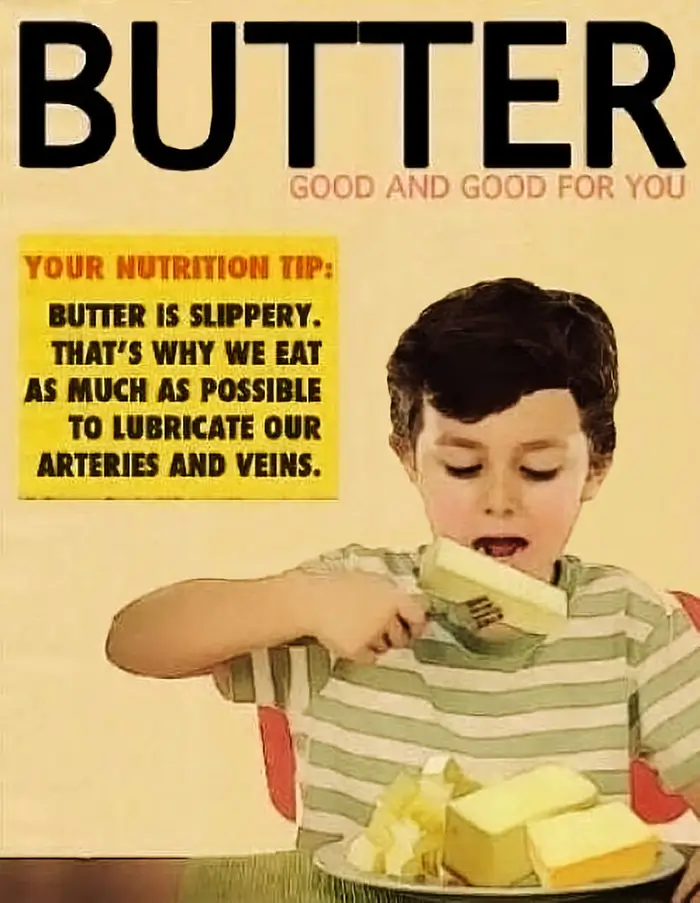
People 70 years later think that the Mediterranean diet is healthy because of olive oil. This is an excellent illustration of a half-truth. Italian restaurants market themselves as a healthy Mediterranean diet cuisine with spaghetti carbonara and alcohol. The death rate from heart disease in Crete at that time was more than 20 times, not 20 percent, 20 times less than in the US. We statistically see this data from places like rural China and Crete and Okinawa and on and on and see that these people’s diet is simple and similar to each other. How much stupidity do we have to have not to see the real story of what is happening? Scientists with a considerable level of education are not the stupid ones. They have six-figure annual income plus bonuses. They are the smart ones. We are not. Nutritional science is not secret deep underground military propulsion system laboratory research. There are no real debates in the field of nutrition, only purposely creating real confusion.
So what did they eat on the island of Crete in the World War 2 aftermath? The answer is the same. No meat, eggs, or dairy. Just poor people’s food like fruit and vegetables, grains, nuts, and legumes. Things that grow locally. In numbers, they ate more than 90% plant-based, and meat, fish, dairy, and egg products combined are about 7%. They did eat some of the olive oil because olives grow in Crete but that is not the olive oil diet. Or the wine diet. There is nothing healthy about wine except grapes. We would be better off just drinking raw grape juice. If we look at Greece today what is it that we think we would find? They have the number 1 score in Europe in child obesity. The Island of Crete included. As soon as the economy improves the meat, cheese, sugar, and alcohol come in a package. And smoking too. Greece has a rate of tobacco consumption above 40%. The Mediterranean diet was not a local-specific Mediterranean diet like Italian cuisine or Greek cuisine or such. It was a poverty diet without meat and eggs, and dairy, similar to diets in all poverty or war-stricken places, and industry does not like to mention this. Heart disease was a rarity in Greece. Was. Not anymore. And even in Crete at times of war, some rich people ate “normally” meaning eating meat every day instead of once in two weeks. Heart attacks were normal for them too, unlike the rest of the common people that were struck by poverty. No one today eats the real Mediterranean diet anymore. The pure Mediterranean diet of today that is predominantly plant-based is not a real whole food diet. It is dominated by white flour, the consumption of oil and salt, and alcohol. In Crete, they did not eat refined white pasta from the factory with a sauce full of extracted oil and bottles of wine. Alcohol is a known breast cancer risk factor even if we disregard inflammation and toxicity. That is not a health-promoting meal. Well, that is not a health-promoting meal if we do not compare it to the even worse standard American meal of today. So yes, the Mediterranean diet is healthier than the regular diet but not as healthy as a real natural human diet. Whole food plant-based diet.
Проблем је што обична, нормална храна није укусна, јер је рафинисана, пуна соли и уља и шећера so hardly anyone sticks to it. From a young age, children are given all of these chemicals we consider to be food, so we are addicted to them in childhood and have no real baseline anymore for comparison to what real human food is. That is why poor people’s diet works. If we disregard cholesterol and toxins and saturated fats that come from animal products and if we analyze the individual components of diet in Crete, we see that actually, it was not grains that were protective against heart attack. Grains, were more neutral and because they were whole food with fiber they had no effect on obesity or diabetes. Among the individual components in the Mediterranean diet consumption of greens and nuts actually, had most of the effects on lowering cardiovascular disease risk. Vegetarians that eat nuts have a lower risk of cardiovascular disease instead of those who don’t, and there are now a number of studies on this topic also. Here is one (Гуаш-Фере и др., 2013) са закључком: „Повећана учесталост конзумирања орашастих плодова повезана је са значајно смањеним ризиком од смртности код медитеранске популације са високим кардиоваскуларним ризиком.“
Орашасти плодови имају висок садржај уља, али и висок садржај влакана, тако да се уље не апсорбује одмах као маст из меса или рафинисаног уља и за разлику од меса или уља, орашасти плодови су богати антиоксидансима и другим фитохемијским супстанцама. Још једна предност орашастих плодова је то што се њихово комбиновање са зеленим уљем повећава фитохемијска апсорпција хемикалија растворљивих у мастима које се налазе у већ здравом поврћу. Не морамо да идемо на нискокалорични начин и избегавамо конзумирање орашастих плодова и семенки, већ претежно једемо скроб. Требало би да једемо скроб, орашасте плодове и сву осталу храну у што већем броју разноврснијих намирница. До сада наука није повезала високу конзумацију семенки и орашастих плодова са било којом болешћу, укључујући гојазност, осим код људи који имају алергије. Управо супротно. Они су корисни у скоро сваком стању. Бразилски ораси су пуни селена, а ораси штите од рака, лигнани у ланеном семену су једна од најзаштитнијих хемикалија против рака дојке, а такође су пуни омега-3 уља за функцију мозга. Наши преци су дуго јели сирове орашасте плодове и семенке. Они су наша природна храна колико и воће, житарице, млади листови или друго зелено лиснато поврће.
Здрава исхрана је она коју смо развили и прилагодили једењу. То је то.
Референце:
- Киз А. (1987). Маслиново уље и коронарна болест срца. Лансет (Лондон, Енглеска), 1(8539), 983–984. https://doi.org/10.1016/s0140-6736(87)90337-0
- Гуасцх-Ферре, М., Булло, М., Мартинез-Гонзалез, М. А., Рос, Е., Цорелла, Д., Еструцх, Р., Фито, М., Арос, Ф., Варнберг, Ј., Фиол, М., Лапетра, Ј., Виниолес, Е., Серајем, Л. Пинто, Кс., Руиз-Гутиеррез, В., Басора, Ј., Салас-Салвадо, Ј., & ПРЕДИМЕД студијска група (2013). Учесталост конзумирања орашастих плодова и ризик од смртности у испитивању ПРЕДИМЕД интервенције у исхрани. БМЦ медицина, 11, 164. https://doi.org/10.1186/1741-7015-11-164
Повезани постови

Имате ли питања о исхрани и здрављу?
Волео бих да чујем ваше мишљење и да на њих одговорим у следећем посту. Ценим ваш допринос и мишљење и радујем се што ћу вас ускоро чути. Такође вас позивам да нас пратите на Фејсбуку, Инстаграму и Пинтересту за више садржаја о исхрани, исхрани и здрављу. Тамо можете оставити коментар и повезати се са другим ентузијастима за здравље, поделити своје савете и искуства и добити подршку и охрабрење од нашег тима и заједнице.
Надам се да вам је овај пост био информативан и пријатан и да сте спремни да примените сазнања која сте стекли. Ако вам је овај пост био од помоћи подели га са пријатељима и породицом којима би такође могло бити од користи. Никад се не зна коме би могло бити потребно вођство и подршка на њиховом здравственом путу.
– Можда ће вам се свидети и –
Високопротеинска Дијета и Метаболичка Ацидоза: Ризици

Палео Дијета - Без Меса на Видику
Можете ли Јести Сирове Печурке: Здравствени Ризици, Исхрана и Безбедност
Здравствени Ризици Алкохола - „Француски Парадокс“, „Вино“ и „Умерено“

Загађењe Ваздуха - Ризици и Стратегије Превенције

Лектини - Парадокс „Биљног Парадокса“

Кинеска Студија - Вегански Аргумент

Екстракција Уља Код Куће - Тајна Техника Густине Хранљивих Материја

Сазнајте више о исхрани

Милош Покимица је доктор природне медицине, клинички нутрициониста, писац о медицинском здрављу и исхрани и саветник за нутриционистичку науку. Аутор серије књига. Постаните Веган? Преглед Науке, он такође води веб страницу о природном здрављу GoVeganWay.com
Медицинска одрицање одговорности
GoVeganWay.com вам доноси прегледе најновијих истраживања везаних за исхрану и здравље. Информације које су дате представљају лично мишљење аутора и нису намењене нити се подразумевају као замена за професионални медицински савет, дијагнозу или лечење. Дате информације су само у информативне сврхе и нису намењене да служе као замена за консултације, дијагнозу и/или медицински третман квалификованог лекара или здравственог радника.НИКАДА НЕ ЗАНЕМАРУЈТЕ ПРОФЕСИОНАЛНИ МЕДИЦИНСКИ САВЕТИ ИЛИ НЕ ОДЛАЖИТЕ ТРАЖЕЊЕ МЕДИЦИНСКОГ ЛЕЧЕЊА ЗБОГ НЕЧЕГА ШТО СТЕ ПРОЧИТАЛИ НА ИЛИ ПРИСТУПИЛИ ПРЕКО GoVeganWay.com
НИКАДА НЕ ПРИМЕЊУЈТЕ ПРОМЕНЕ НАЧИНА ЖИВОТА ИЛИ БИЛО КАКВЕ ПРОМЕНЕ КАО ПОСЛЕДИЦУ НЕЧЕГА ШТО СТЕ ПРОЧИТАЛИ НА GoVeganWay.com ПРЕ НЕГО ШТО СЕ КОНСУЛТУЈЕТЕ СА ЛИЦЕНЦИРАНИМ ЛЕКАРЕМ.
У случају медицинске хитности, одмах позовите лекара или 911. GoVeganWay.com не препоручује нити подржава било које одређене групе, организације, тестове, лекаре, производе, процедуре, мишљења или друге информације које могу бити поменуте унутра.
Избор уредника –
Рак Избор уредника Фитохемикалије
Антиканцерогена Моћ Воћа и Поврћа: Ин Виво и Клинички Докази
Неки биљни екстракти могу се поредити са водећим лековима за хемотерапију, а истовремено циљају више различитих врста ћелија рака.
Антиоксиданси Избор уредника ORAC
Етерична Уља као Антиоксидативни Додаци: Правила и Стратегије
Етерична уља прехрамбене класе могу бити практична и потрошачима пријатна стратегија за оптимизацију антиоксидативне вредности и ORAC резултата наше исхране.
Антиоксиданси Избор уредника ORAC
Исхрана Богата Антиоксидансима: Општа Правила и Стратегије
Постоје једноставне и исплативе стратегије за оптимизацију антиоксидативне вредности наше исхране.
Антиоксиданси Избор уредника ORAC
Разумевање ORAC Вредности: Нивои Антиоксиданата у Храни
Када је ваш главни извор антиоксиданата кафа, знате да имате озбиљан проблем.

Антиоксиданси Избор уредника ORAC
Предности Астаксантина: Најмоћнијег Природног Антиоксиданса на Свету
Астаксантин је најмоћнији природни и универзални антиоксиданс (и уљани и водорастворљив) познат науци. Акумулира се у ткивима и никада се не може претворити у прооксиданс.
Антиоксиданси Избор уредника ORAC Фитохемикалије
Антиоксиданси: Разумевање Основа
У производима животињског порекла нема фитохемикалија нити антиоксиданата. У просеку, биљна храна садржи више од 60 пута више антиоксиданата него храна животињског порекла.
Избор уредника Веганска дијета
Недостаци Хранљивих Материја у Веганској Исхрани: Стратегије Превенције
Постоји девет уобичајених недостатака хранљивих материја на нивоу популације који погађају људе који једу биљну исхрану. Ако се не исправе на време, неки недостаци имају страшне и неизлечиве последице.
Избор уредника Оптимална дијета
Недостатак Нутријената у Стандардној Исхрани: Стратегије Оптимизације
Нутритивни профил наше модерне исхране засноване на месу, шећеру и прерађеној храни је потпуно неусклађен са нашом еволуцијом, што резултира озбиљним недостатком микронутријената.
Избор уредника Фитохемикалије
Фитохемикалије: Разумевање Основа
Свака фитохемикалија која постоји има биолошко дејство у људском телу. Свака од милиона различитих фитохемикалија.
Избор уредника Млеко Оптимална дијета
Млеко и Млечни Производи: Корелације Здравственог Ризика
Познате повезаности са конзумирањем млека и млечних производа су неплодност, рак јајника и дојке, леукемија, дијабетес типа 1, аутизам, артериосклероза, катаракта, реуматоидни артритис, мултипла склероза, хиперактивност, загушење, бубуљице и још много тога…

Рак Избор уредника Протеини
Комплетан Протеин: ИГФ-1 Сигнализација у Формирању Рака
Када једете животињске протеине, имате четири пута већу шансу да развијете све врсте рака. Када пушите, имате четири пута већу шансу да развијете рак плућа.

Рак Избор уредника Протеини
Анатомија Рака - Корелације Здравственог Ризика
Медицина сматра да је око 2% карцинома узроковано искључиво генетским факторима. Исти распон као и у животињском царству. Није вам речена цела истина.
Милош Покимица је писац о здрављу и исхрани и саветник за нутриционистичку науку. Аутор је серије књига. Постаните Веган? Преглед Науке, он такође води веб страницу о природном здрављу GoVeganWay.com
Најновији чланци –
Ограничење калорија Дуговечност
Како Постити: Храна за Пост Kоја Неће Прекинути Aутофагију
Аутофагија. Да ли сте се икада запитали шта се дешава са ћелијама у вашем телу када умру или се оштете? Да ли се само гомилају и стварају проблеме или се некако одлажу? Одговор је да ваше тело…

Здравље зуба Превенција
Осетљивост на Слаткише и Бол у Зубима: Брзо и Трајно Решење
Брзо и једноставно решење за ублажавање бола је етерично уље каранфилића, моћан антиоксиданс и средство против болова које може помоћи код болести десни и зубобоље.
Пасуљ
Зелени Пасуљ ( Боранија ): Нутритивне и Здравствене Користи
Зелени пасуљ ( Боранија ) има мало калорија и богат је једињењима која вам могу помоћи да контролишете шећер у крви, смањите холестерол и борите се против слободних радикала.
Исхрана са сировом храном Веганска дијета
Можете ли Јести Сирове Печурке: Здравствени Ризици, Исхрана и Безбедност
Печурке садрже токсине осетљиве на топлоту попут хидразина или агаритина и ћелијске зидове направљене од хитина које људи не могу добро сварити.
Веганска дијета
Да ли су Рибе Животиње? Културна Перспектива
У неким културама, рибље месо се не сматра месом, а риба је дозвољена чак и током поста.

Здравље зуба Превенција
Домаћа Природна Течност за Испирање Уста: Доказана, Јача и Мање Токсична
Домаћа природна течност за испирање уста је јача од хлорхексидина, мање токсична и ако се прогута може изазвати мучнину, али и висок нагли пораст ORAC вредности.
Здравље зуба Превенција
Како Зауставити Каријес: Симптоми, Узроци и Превенција
Конзумирање шећера је главни узрок каријеса и пропадања зуба, у комбинацији са недостатком минерала, посебно магнезијума, цинка, бакра и елемената у траговима.
Антиоксиданси Суперхрана
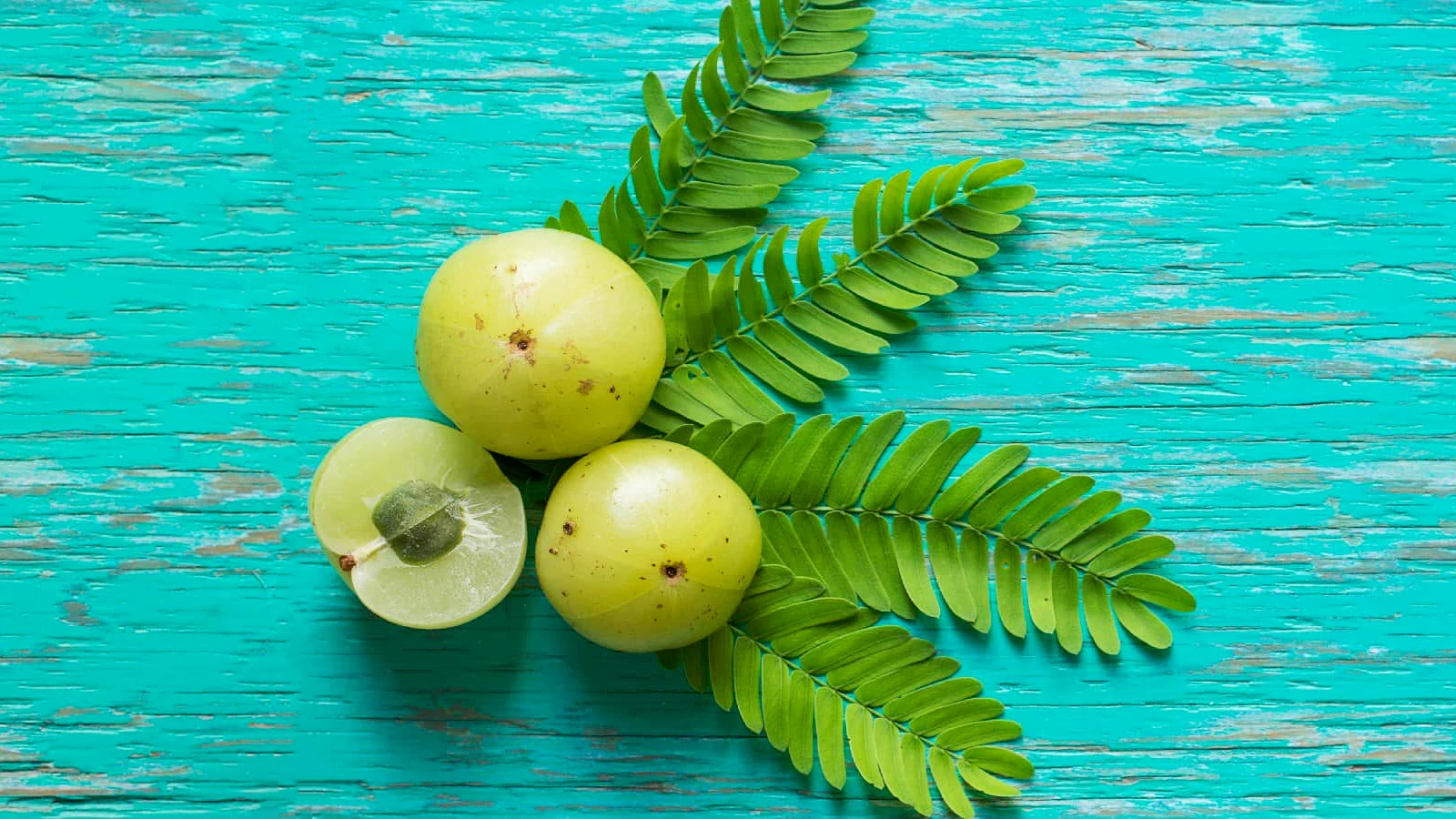
Амла: Доказане Користи, Исхрана и Клинички Значај
Амла (Индијски огрозд) је један од најмоћнијих антиоксиданата на свету са ORAC резултатом од 261.530. Богат је извор фитохемикалија које имају разне здравствене користи.
Најважније вести из здравља — ScienceDaily
- Scientists find a weak spot in one of the deadliest brain cancerson септембар 6, 2026
Researchers may have found a new way to weaken glioblastoma’s defenses against treatment. Blocking a protein called SET prevented tumors from forming in preclinical models, while targeting related proteins made cancer cells more vulnerable to radiation. The strategy works by restoring activity of PP2A, an enzyme that glioblastoma cells appear to suppress. Human testing will be needed to determine whether the approach is safe and effective.
- Heart disease and kidney disease can fuel each other. New guidelines aim to break the cycleon септембар 6, 2026
Heart disease and chronic kidney disease can accelerate one another, but new guidelines say simple screening and early treatment could substantially reduce the risks. Blood and urine tests, combined with proven heart and kidney therapies, may help catch problems sooner and prevent serious complications.
- Some joints may be primed for rheumatoid arthritis before birthon септембар 5, 2026
Scientists have found evidence that vulnerability to rheumatoid arthritis may begin before birth. Finger joints commonly affected by the disease develop with different tissue structures and larger populations of specialized fibroblasts than joints that are usually spared. Those cells also respond differently to inflammation, suggesting that the architecture of each joint may help determine where arthritis eventually takes hold.
- Compound in blueberries may help muscle cells burn excess faton септембар 5, 2026
Scientists in Japan have identified a natural compound found in blueberries, grapes, and other berries that may help muscle cells burn excess fat instead of storing it. The compound, pterostilbene, reduced abnormal fat buildup in cultured mouse muscle cells by boosting fat breakdown and helping stabilize a key protein involved in fatty acid metabolism.
- Stanford scientists discover a seafood that can reverse signs of agingon септембар 4, 2026
A substance found in edible sea squirts appeared to reverse several signs of aging in older mice. Plasmalogen supplements improved memory and learning, strengthened connections between brain cells, reduced inflammation, and even helped the mice grow thicker, darker hair. Researchers believe the compounds may encourage brain regeneration and protect aging synapses.
- A longer exhale may push your brain toward bolder decisionson септембар 4, 2026
Slow breathing with a prolonged exhale made people more willing to take risks by changing heart activity and increasing the brain’s sensitivity to rewards. The findings suggest that something as simple as controlling your breath can directly influence how you evaluate choices.
- Scientists reveal the hidden instructions that build the human brainon септембар 4, 2026
UCLA researchers have discovered two powerful influences that help guide how the human brain forms before birth. Radial glia, stem cells responsible for producing much of the cerebral cortex, change their behavior depending on how they process glucose and on physical contact with signals arriving from the thalamus. Those signals can alter which types of neurons are produced, including upper-layer neurons that are especially prominent in humans.
PubMed, #веганска-исхрана –
- Long-Term Vegetarian and Vegan Diets in Older Adults Are Associated With Inadequate Intakes of Protein and Micronutrientson септембар 5, 2026
CONCLUSION: Long-term vegetarian and vegan diets in older adults were associated with inadequate micronutrient intake and insufficient protein intake, adequacy and quality, especially in vegans. While inadequacies were common, well-composed plant-based meals can provide adequate protein quality, highlighting opportunities for targeted nutritional guidance.
- A self-selected vegan diet reduces skeletal muscle mass in healthy older adults: a randomized controlled trialon септембар 1, 2026
CONCLUSIONS: A self-selected vegan diet reduces protein intake, skeletal muscle mass, and MPS in older adults. The negative impact of a vegan diet on skeletal muscle mass can be mitigated by RE. This trial was registered at clinicaltrials.gov as NCT05809466. (https://clinicaltrials.gov/study/NCT05809466).
- Growth parameters and IGF-1 axis biomarkers differ among omnivorous, vegetarian, and vegan childrenon август 29, 2026
CONCLUSION: Children following a vegan diet are significantly smaller and have a lower BMI than their peers. Both, vegetarian and vegan diets are associated with lower BMIs and lower IGF-1 and IGFBP-3 values. These findings highlight the potential relevance of dietary composition for growth childhood.
- The Role of Anti-Inflammatory Nutrition in Metabolic Syndrome and Cardiometabolic Diseaseson август 27, 2026
Background: Metabolic syndrome is closely linked to chronic systemic inflammation and intestinal dysbiosis. Anti-inflammatory nutrition is an approach based on the interaction between dietary intake, chronic low-grade inflammation, and the pathophysiological mechanisms of metabolic syndrome and cardiometabolic diseases. This narrative review evaluates the impact of plant-based dietary models, including vegan and modified Mediterranean variants, on key metabolic and inflammatory parameters….
- Severe Methylmalonic Acidemia Precipitated by Dietary B12 Deficiency in Vegan Toddleron август 26, 2026
A previously healthy 19-month-old female presented after her family found her upon awakening to be sleepy, uninterested in eating, and lethargic. On arrival, blood gas showed profound metabolic acidosis with normal lactate that did not improve with normalization of glucose and sodium. Her acidosis continued to worsen, so a broad workup was initiated, considering ingestions, DKA, and inborn errors of metabolism. In collecting further history, the patient’s nutrition history included a […]
Случајне објаве –
Рак Упала Токсичност
Токсичност Рибе - Најтоксичније Месо
Загађење се испире и на крају ће завршити у океану, а алге филтрирају воду започињући процес биоакумулације. Токсичност риба је велика брига.

Избор уредника Оптимална дијета Палео дијета
Палео Дијета - Без Меса на Видику
Људи су еволуирали 50 милиона година од сисара који једу биљке. Лов није природна активност хоминина. Палео исхрана је постојала тек последњих 200.000 година.
Избор уредника Оптимална дијета
Карнизам - Психологија Конзумирања Меса
Једење меса је култура која се учи. Прави месождери би јели било које месо, без обзира на то шта је, укључујући и стрвине. У нашем систему, јели бисмо само неколико животиња које сматрамо храном.

Исхрана са сировом храном
Исхрана Сировом Храном - Еволуциона Перспектива
Основно веровање у заједници заговорника сирове хране је да је исхрана сировом храном најприроднији и најздравији начин живота. Шта нам говори еволуциона биологија?
Избор уредника Гојазност
Супернормални Стимуланси - Поремећај Преједања и Регулација Апетита
Када видимо хамбургер, то су натприродни стимулуси. Првобитни нагони утичу на наше понашање, терајући нас на поремећај преједања.
Прехрамбена индустрија Трудноћа Токсичност
Ексцитотоксичност MSG-а (Мононатријум Глутамата) - Научни Преглед
Најзначајније откриће у целокупној историји прехрамбене индустрије је једна посебна грана неуротоксина која се назива ексцитотоксини.
Антиоксиданси Суперхрана
Амла: Доказане Користи, Исхрана и Клинички Значај
Амла (Индијски огрозд) је један од најмоћнијих антиоксиданата на свету са ORAC резултатом од 261.530. Богат је извор фитохемикалија које имају разне здравствене користи.
Пасуљ
Зелени Пасуљ ( Боранија ): Нутритивне и Здравствене Користи
Зелени пасуљ ( Боранија ) има мало калорија и богат је једињењима која вам могу помоћи да контролишете шећер у крви, смањите холестерол и борите се против слободних радикала.
Избор уредника Палео дијета Веганска дијета
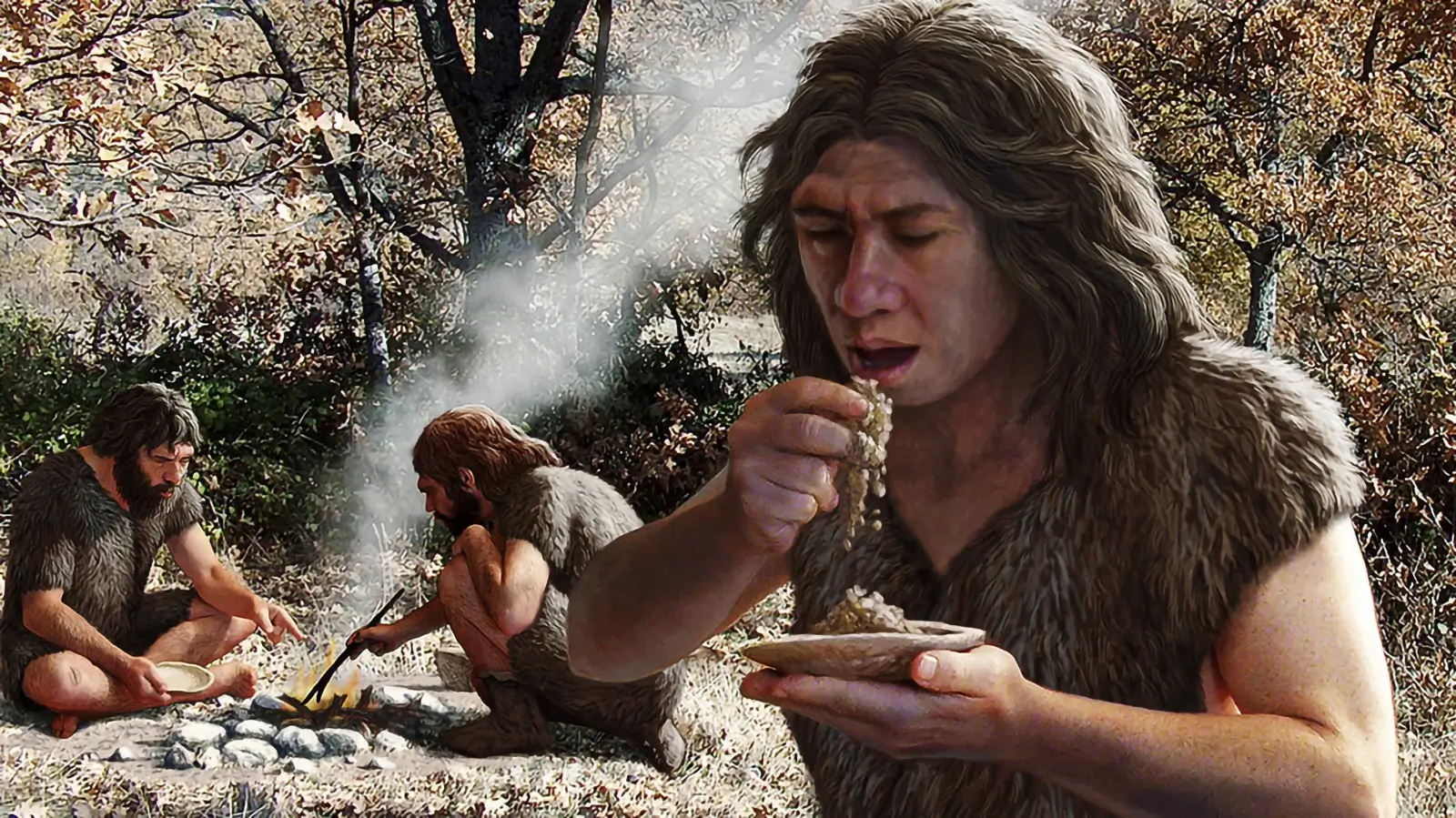
Вегански Неандерталци? Истина о Правој Неандерталској Исхрани
Типичан приказ неандерталаца их приказује како убијају вунастог мамута. Међутим, зубна плоча говори другачију причу о неандерталској исхрани.

Млеко
Нетолеранција на Лактозу - 65% Шансе да је Имате
Људи европског порекла могу да пију млеко, а остатак света не може. Међутим, у млеку постоји много супстанци поред лактозе које нико од нас не може да толерише.

Истакнути чланци –
Алопатска медицина Избор уредника Оптимална дијета
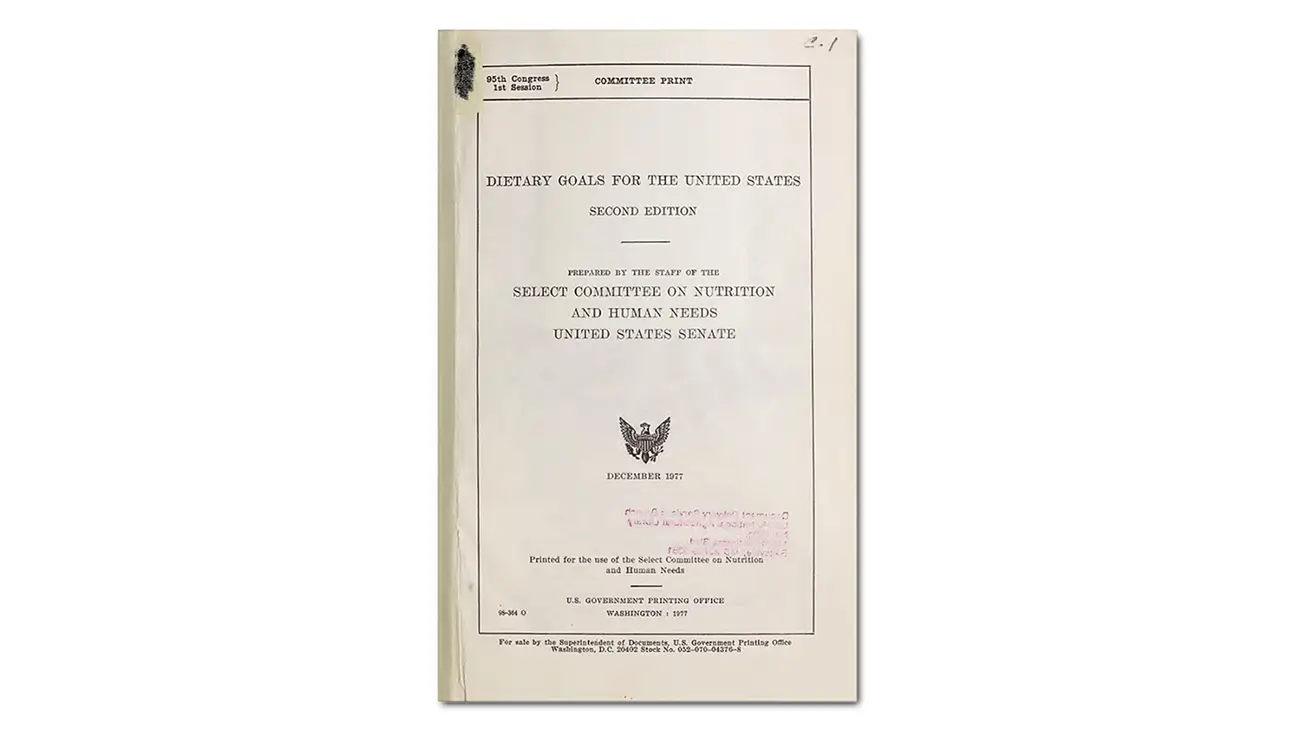
Мекгавернов Извештај - Специјални Интерес и Сузбијање Науке
Године 1977, Конгресу САД је представљен захтјев за промену дијететских смерница (извештај Мекгаверна) ка веганској исхрани заснованој на биљкама.
Рак Избор уредника Фитохемикалије
Антиканцерогена Моћ Воћа и Поврћа: Ин Виво и Клинички Докази
Неки биљни екстракти могу се поредити са водећим лековима за хемотерапију, а истовремено циљају више различитих врста ћелија рака.
Избор уредника Оптимална дијета Веганска дијета
Смернице СЗО за Исхрану - Нова Пирамида Исхране и Потискивање Науке
Смернице СЗО за исхрану препоручују исхрану са ниским садржајем засићених масти (животинских протеина), шећера и соли, а са високим садржајем воћа и поврћа као услов за сузбијање епидемијског пораста хроничних болести широм света.

Избор уредника Превенција Веганска дијета
Кинеска Студија - Вегански Аргумент
Кинеска студија је показала да нема срчаних болести, рака или дијабетеса у неразвијеним руралним заједницама у свету које се придржавају веганске исхране засноване на скробу.
Избор уредника Млеко Оптимална дијета
Млеко и Млечни Производи: Корелације Здравственог Ризика
Познате повезаности са конзумирањем млека и млечних производа су неплодност, рак јајника и дојке, леукемија, дијабетес типа 1, аутизам, артериосклероза, катаракта, реуматоидни артритис, мултипла склероза, хиперактивност, загушење, бубуљице и још много тога…
Рак Избор уредника Протеини
Анатомија Рака - Корелације Здравственог Ризика
Медицина сматра да је око 2% карцинома узроковано искључиво генетским факторима. Исти распон као и у животињском царству. Није вам речена цела истина.
Избор уредника Фитохемикалије
Фитохемикалије: Разумевање Основа
Свака фитохемикалија која постоји има биолошко дејство у људском телу. Свака од милиона различитих фитохемикалија.

Дијабетес Избор уредника Оптимална дијета
Рафинисани Шећер: Разумевање Ризика
Деца конзумирају око једне петине својих укупних потреба за калоријама само из рафинисаног шећера. Ако на листу додамо масти и остатак прерађене хране лишене хранљивих материја, то постаје потпуна ноћна мора у погледу исхране.

Избор уредника Оптимална дијета Протеини
Високо Протеинска Дијета: Корелације Здравственог Ризика
Несташица је правило протеина у природи. У еволуционом смислу, антрополози су доказали да су хоминини живели у просеку са 15 до 25 грама протеина дневно. У савременом западном типу исхране богате протеинима, конзумирали бисмо то...
Избор уредника Упала
Дилема Људи Сваштоједи - Конзумирање Меса, Пробиотске Бактерије, Упала и Црева
Да ли су људи сваштоједи у правом анатомском смислу? Постоји фундаментална разлика у начину на који функционише дигестивни тракт код биљкоједа у односу на врсте које једу месо.
Најновије са PubMed-а, #исхрана на бази биљака –
- Consumer Acceptability of Animal-Source Food Alternatives: A Literature Review to Support the Transition to Sustainable, Healthy Dietsby Stella Nordhagen on септембар 6, 2026
Animal-source foods (ASFs) have long been central to human diets but have come under increased scrutiny in recent years because of relatively large environmental impacts, animal welfare considerations, and some negative health impacts. One option for addressing these issues is (at least partially) replacing ASFs in the diet with alternatives to ASFs (Alt-ASFs): conventional or novel foods with the potential to be consumed as a substitute for conventional ASFs such as meat, eggs, dairy, and […]
- Prevalence and Predictors of Vitamin B6 Deficiency in Hemodialysis Patients Not Receiving Vitamin Supplementationby Eilam Rabina on септембар 6, 2026
CONCLUSIONS: Vitamin B6 deficiency was common among Israeli hemodialysis patients treated with HF dialyzers, despite a presumed Mediterranean diet. It was not associated with nutritional status, suggesting dialysis-related losses, potentially augmented by high-flux membranes, may outweigh intake. Given the high prevalence of deficiency and low cost, routine low-dose vitamin B6 supplementation may be warranted, particularly in older patients.
- Milk-derived peptone reduces EHEC virulence by inhibiting the type III secretion systemby Dor Braverman on септембар 5, 2026
The link between diet and overall human health is well established, with certain diets known to promote better health and be associated with a reduced risk of developing chronic diseases. Previous research has also demonstrated the direct effects of diet on microbiome composition, diversity, and fitness, which can, in turn, alter colonization resistance and the immune response against enteric pathogens. However, much less is known regarding the direct effect of diet on the virulence of…
- Long-Term Vegetarian and Vegan Diets in Older Adults Are Associated With Inadequate Intakes of Protein and Micronutrientsby Susanne Wildemast on септембар 5, 2026
CONCLUSION: Long-term vegetarian and vegan diets in older adults were associated with inadequate micronutrient intake and insufficient protein intake, adequacy and quality, especially in vegans. While inadequacies were common, well-composed plant-based meals can provide adequate protein quality, highlighting opportunities for targeted nutritional guidance.
- Transition to dietary plant-based proteins requires functional liver GDH for proper control of ammonia and energy homeostasisby Yan Zhou on септембар 4, 2026
Plant-based diet is growingly recommended, although switching the source of proteins from animal to plant regimen requires metabolic adaptations. According to its pivotal function in bridging amino acids and glucose homeostasis, we investigated the role of liver GDH in short-term adaptation to plant versus animal dietary proteins keeping the same spectrum of macronutrients. Control and Hep-Glud1^(-/-) mice lacking liver GDH were fed for 4 days with either animal- or plant-based diets. Hepatic…
- Does higher food biodiversity in the Dutch diet lead to lower environmental impact?by Rosalie E Bakker on септембар 3, 2026
CONCLUSION: Increasing DSR alone is unlikely to improve LCA-based environmental sustainability. Promoting diets that are both biodiverse and environmentally sustainable therefore requires consideration of both food biodiversity and the environmental characteristics of food production.